Babanbabanban Vampire (ババンババンバンバンパイア, Shinji Hamasaki, 2025)

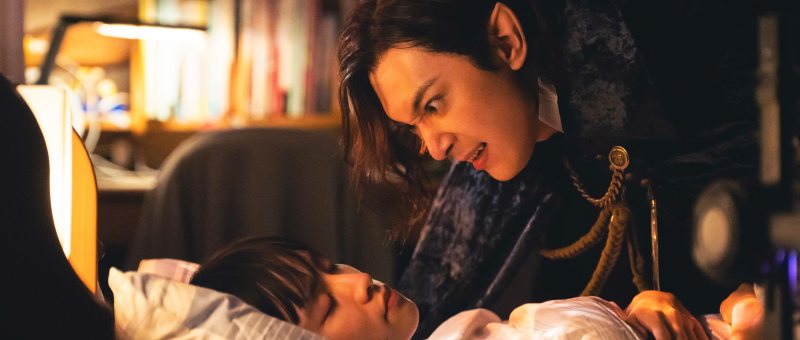
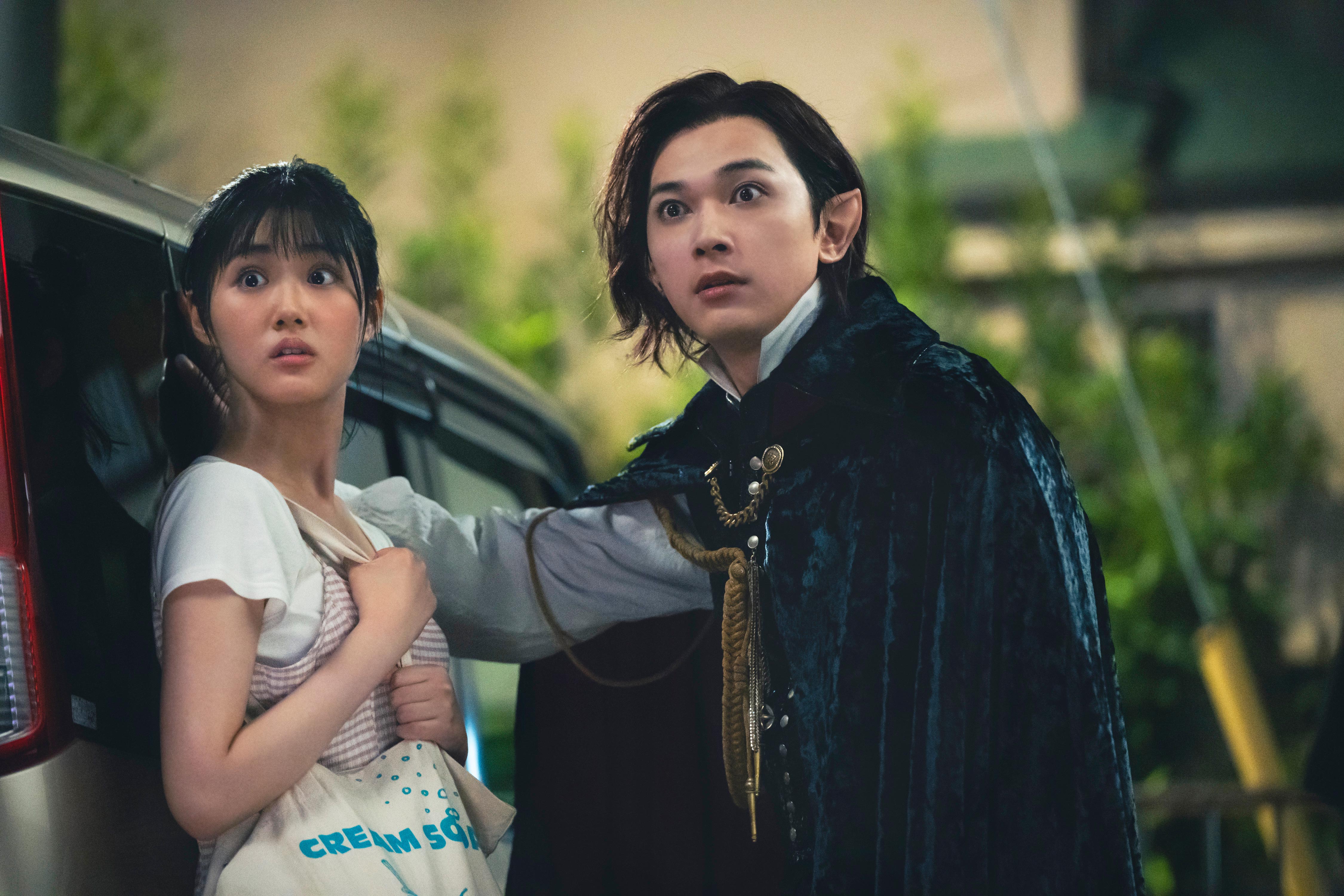
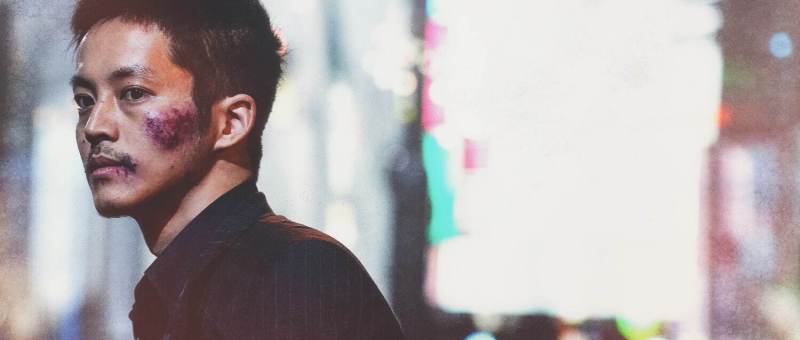
It turns out immortality’s not all it’s cracked up to be in Shinji Hamasaki’s adaptation of the manga by Hiromasa Okujima, Baban Baban Ban Vampire (ババンババンバンバンパイア). At 450 years old, Mori Ranmaru (Ryo Yoshizawa), one-time lover of Oda Nobunaga (Shinichi Tsutsumi), is working as an attendant in a bathhouse in an attempt to, as he says, “live an ordinary life earnestly,” while staving off the darkness of an existence free of the spectre of death. 

Yet, there is an uncomfortable darkness at the centre of this otherwise humorous and ironic tale in that what Mori Ran is actually doing is grooming a child so that he can enjoy him when he judges that he is “ready.” There’s an obviously unpalatable reading of the film that renders it as an allegory for paedophilia, while there’s also an undeniable poignancy in likening the figure of the vampire of that of a gay man in an oppressive society. Mori Ran accosts his victims in dark alleyways and his assignations with other men are necessarily short and secretive. They also result in death, while Mori Ran describes most of his victims as tainted and disgusting as if echoing an internalised sense of self-loathing. He continues to hold up Rihito (Rihito Itagaki) as a figure of innocence and purity because he once saved his life when he was baking in the heat of an usually hot spring when the boy was only five years old. 

Mori Ran’s internalised homophobia is somewhat mirrored in that of the teacher Sakamoto (Shinnosuke Mitsushima) who is also a vampire hunter but bewitched by Mori Ran and longing to be initiated by him, though Mori Ran declines to give him what he sees as a curse. Imbued with a gothic sensibility, Mori Ran believes that humans are beautiful because they die, while vampirism is debased and ugly. He refuses to condemn someone he admires to his own fate which he describes as a kind of inescapable hell in which he is unable to die. He no longer believes in love, though is haunted by his loss of Nobunaga, and sees humans merely as food. 

Nevertheless, it seems he has found purpose in his present life of living with Rihito’s family and working in their bathhouse despite convincing himself that he’s only biding his time until Rihito is ripe for the picking. According to Mori Ran, the sweetest blood belongs to that of 18-year-old male virgins which is why his goal of ensuring that Rihito remains virginal and pure is becoming more difficult now that he has entered adolescence. Much of the comedy derives from Mori Ran’s emotional cluelessness and paranoia on discovering that Rihito has fallen for a girl, Aoi (Nanoka Hara), with whom he had a stereotypical meet cute on his way to his high school entrance ceremony. Knowing that he has to nip this in the bud as soon as possible, he pays a visit to Aoi to warn her off but fails to realise that not only did she barely notice Rihito let alone fall in love with him, but that she is actually obsessed with vampires and is keener on him. 

But then again, there’s something additionally troubling about Rihito’s immediate classification of Mori Ran as a “love rival” in the mistaken belief he’s after Aoi too rather than as someone who should probably be reported to some kind of authority. After all, even if he were not 450 years old but the 25 he claims to be, hanging around exclusively with high schoolers is odd and bordering on inappropriate in itself. Having misunderstood his intentions, Aoi also believes that Mori Ran is waiting for her to be “ready,” in a partial recognition that this is wrong because she’s a child but also prepared to wait for the mysterious vampire without considering the implications of his being interested in a 15-year-old girl if that actually were the case. 

Nevertheless, what Mori Ran discovers is really a different kind of love in his gradual integration into the human world and the the friendships he forms not only with Rihito, but Aoi, her muscular brother Franken (Mandy Sekiguchi) who also has a crush on Mori Ran, and the lovelorn teacher Sakamoto, even if he’s still focused on his mission of keeping Rihito pure so he can drink his blood on his 18th birthday. His attempts to prevent a relationship forming between Rihito and Aoi are all countrerprodcuteive and would like end up bringing them together if it were not for the fact of Aoi’s crush on him of which he remains oblivious. The inherently zany humour of the situation with its series of concentric love triangles along with the warmheartedness of Rihito’s homelife when contrasted with the “mysterious” serial killings on the news cannot completely overcome the unpalatable undercurrent of Mori Ran’s pederastic quest, if glossing over it with admittedly delicious irony and absurdism.


Babanbabanban Vampire screens 27th July as part of this year’s New York Asian Film Festival.

Bushido (碁盤斬り, Kazuya Shiraishi, 2024)

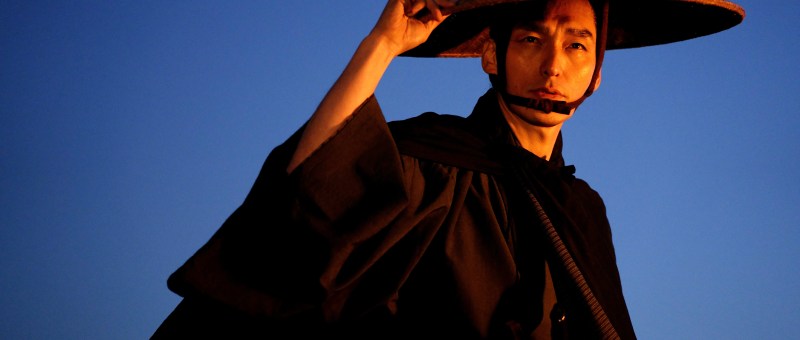
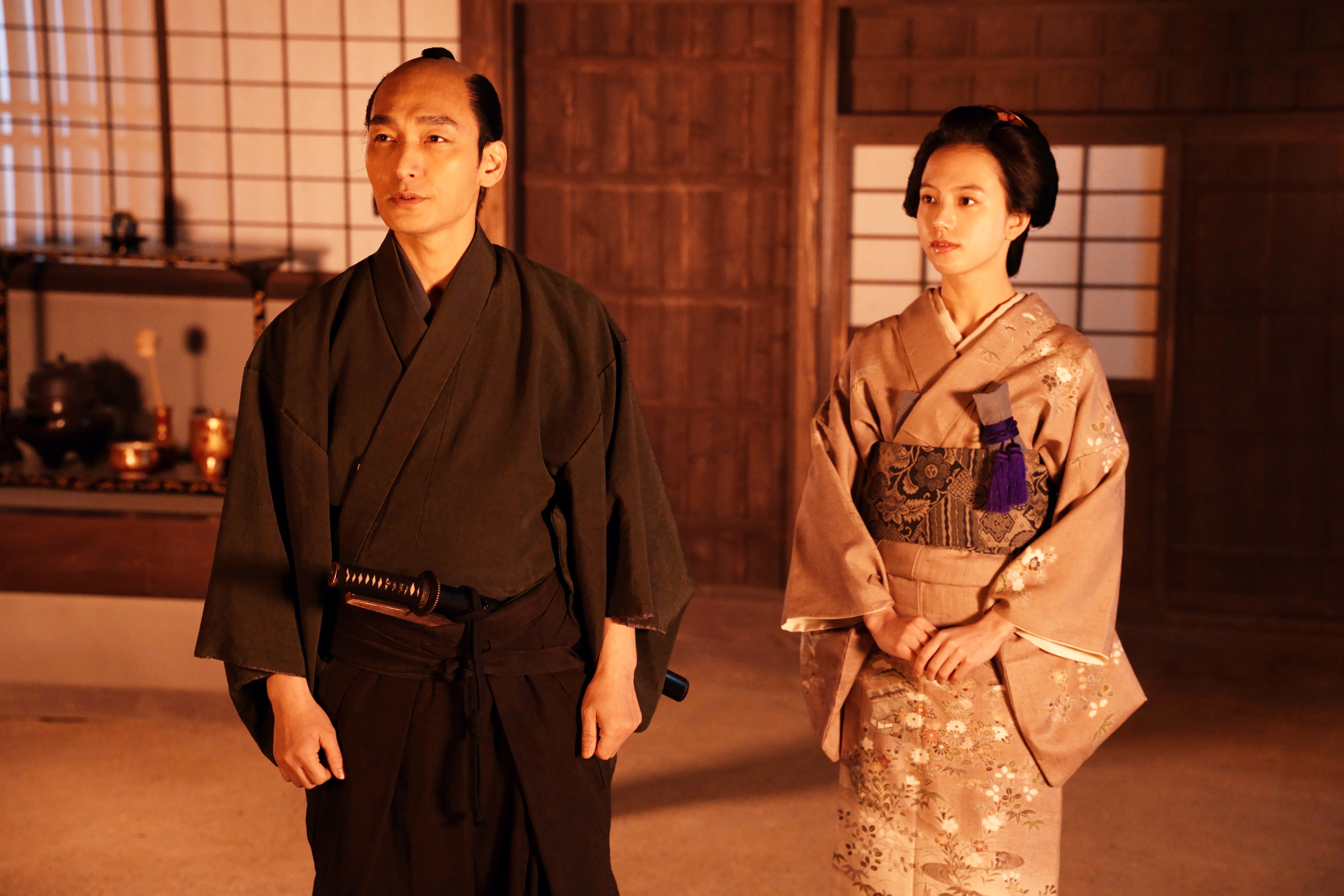
The hypocrisies of samurai society have led a dejected ronin into prideful penury but there is perhaps a fine line between properness and priggery that he struggles to accommodate. Like his earlier film Blood of Wolves, Kazuya Shiraishi’s Bushido (碁盤斬り, Gobankiri) is a loving homage to a classic genre, in this case jidaigeki, albeit one with a modern twist in which it’s the murkiness of the society and contradictions of its code that make it impossible to live in rather than the innate corruptions of the samurai class. 

Even so, it’s samurai society which has betrayed Kakunoshin Yanagida (Tsuyoshi Kusanagi), now a seal-carving ronin living in a tenement house and months behind on his rent. Largely silent, Yanagida projects an air of calm but also a dangerous tension that hints at a deeply buried rage often echoed in the hellish glow of the candlelight that bathes his face in red. Not a natural gambler, he is nevertheless a Go enthusiast and talented player who gives the impression that he is always several steps ahead of any game in play. 

But that turns out not quite to be the case when he’s blindsided by a series of unexpected events that quickly destabilise his calmly ordered existence. Cast out of his clan after being accused of thievery, he is accused once again of taking 50 ryo from a pawn broker who had become a friend, Genbei (Jun Kunimura). Behind on his rent as he may be, Yanagida would not steal for stealing is beneath the dignity of a samurai and this stain on his honour is more than he can bear. But for all his righteousness we learn that he is also an ironic victim of his own priggishness and responsible for several other men meeting similar fates, cast out of the clan for something Yanagida turned them in for. In his reduced state, he seems to feel guilty and wavers momentarily on hearing the man who framed him for stealing a scroll from his former lord say he did so to gain money to support disenfranchised samurai but is caught between the spirit of samurai integrity and its letter. As his quarry told him, fish cannot live in water that is too clean and his oppressive enforcement of these arbitrary rules did no one any good. 

Yet his seeming righteousness does seem to improve the world around him, proving an epiphany in pawnbroker Genbei who develops a new determination for doing business fair and square after witnessing Yanagida’s conduct at the Go table. The irony is perhaps that everything on the Go board is black and white whereas Edo society is decidedly grey. Even the madam from the Yoshiwara Yanagida and his daughter are on good terms with (Kyoko Koizumi) can switch from wise mother to heartless gang boss in an instant. One moment, she’s giving maternal advice to Yanagida’s daughter Okinu (Kaya Kiyohara) and the next berating a runaway geisha who’s obviously been beaten while her lover has been killed for his transgression. The theft of 10 ryo will also it seems get you killed in this world of heartless rigidity and universal suspicion. 

Yanagida may not be much better in some respects. He is prideful and reckless, endangering himself and his daughter, whom he allows to pawn herself in the Yoshiwara knowing it’s very unlikely they will be able to repay the debt before the New Year deadline seeing nothing other than his obsession with vengeance against the man who wronged him in so many ways, Shibata (Takumi Saito). Shibata is his opposite number, cynical and amoral he subverted the samurai code for his own gain yet in its way perhaps it’s just a rebellion against the kind of austerity a man like Yanagida represented. In the end he can only escape his self-imposed prison by abandoning his rigour and accepting compromise, slashing the Go board with its black and white mentality in two though it leaves him further exiled. He cannot return to the world of samurai, but neither can he live among these ordinary people and like so many jidaigeki heroes seems to be condemned to wandering in this imperfect world. To that extent, the resolution seems much more cheerful than we might have been expecting. Everything works out, no harm done, but there’s a lingering tension even amidst apparent good fortune in a world of constant watchfulness. 


Bushido screened as part of this year’s New York Asian Film Festival.

Original trailer (no subtitles)

The Legend & Butterfly (レジェンド&バタフライ, Keishi Otomo, 2023)

“What was everything for?” an ageing Nobunaga (Takuya Kimura) asks his attendant Ranmaru (Somegoro Ichikawa) towards the conclusion of Keishi Otomo’s historical epic, The Legend & Butterfly (レジェンド&バタフライ, Legend & Butterfly) produced in celebration of Toei’s 70th anniversary. Oda Nobunaga is such a prominent historical figure that his story has been told countless times to the extent that his legend eclipses the reality, but rarely has been he depicted so sympathetically as in Otomo’s history retold as romantic melodrama in which he and his wife, Lady No (Haruka Ayase), are mere puppets of the times in which they live dreaming only of a place beyond the waves where they might be free of name or family. 

Tellingly, Otomo opens in the spring of 1549 in which the dynastic marriage was arranged to broker peace between unstable neighbouring nations Owari and Mino. Nobunaga’s father’s health is failing and he fears in the chaos of his death Mino may attack, while No’s father fears that her brother will soon revolt against him plunging the fiefdom into disarray and therefore vulnerable to an attack by Owari. At this point, Nobunaga is known as “the biggest idiot in Owari,” a foppish dandy who cares only about appearances. As he prepares to meet No, his courtiers apply his makeup and do his hair while dressing him in a rather outlandish outfit No immediately insults as “foolish”. He treats her with chauvinistic disdain, barely speaking save to order her to pour the drinks and give him a massage only for her to point out that she’s been travelling all day and a “thoughtful” considerate husband would be giving her a massage instead. “I detest women who do not know their place,” he snaps. “I detest men who are ignorant,” she counters. The wedding night ends in humiliating failure as No demonstrates her martial arts skills and Nobunaga is forced to call his guards to rescue him. 

Little is known of Lady No in historical record, but here she is bold and defiant, as her father had said too free with her opinions for a woman of the feudal era. She claims to have been married twice before and assassinated both husbands on her father’s orders, implying that she is essentially sleeper agent more than hostage and will kill Nobunaga without a moment’s thought as soon as the word is given. Yet she also begins to guide her husband towards his destiny, mocking him as a fool but giving him useful strategic advice that wins him glory on the battlefield along with the political advancement that led him to become the first great unifier of Japan. For all that they “hate” each other, they are well matched and have a similar sensibility that allows them first to become allies and then friends before frustrated lovers.

But their love is enabled only when they escape the feudal world, shaking off their retainers to go on a “normal” date in Kyoto where they dance to Western musicians and taste foreign candy only to end up accidentally massacring some peasants when No’s martial arts training kicks in trying to stop a man beating his son. Even so, they are forever linked by their time in Kyoto in the romantic talisman’s of a carved wooden frog and a European lute even if the blood-spattered jizo and buddhist statue watching their eventual connection imply there will be a reckoning for all the blood that is spent. Jumping on a few years, the film does not elaborate on what caused Nobunaga to become a man without a heart and lose the love of his most trusted ally but positions his transformation into the “Demon King” as the kernel of his undoing just as his dream of unifying Japan and bringing about an age of peace (if one ruled by fear) is about to become a reality. 

In any case, the one thing that everybody knows about Nobunaga is how he died though then again his remains were never recovered giving rise to a happier ending in which he and Lady No were finally able to escape the feudal world to chase a freer future beyond the sea which is perhaps what they do in the film’s poetic final sequence in which they might in a sense share a dream connected by frog and lute. It might not be very historically accurate, but that is perhaps the point in hinting at the lives they might have led if the world had been different. Otomo films with a painterly eye that lends an air of poignant gravitas to a tale of romantic tragedy in which love is both salvation and destruction amid the flames of a collapsing temple. 


The Legend & Butterfly screened as part of this year’s JAPAN CUTS.

Original trailer (English subtitles)

Lesson in Murder (死刑にいたる病, Kazuya Shiraishi, 2022)

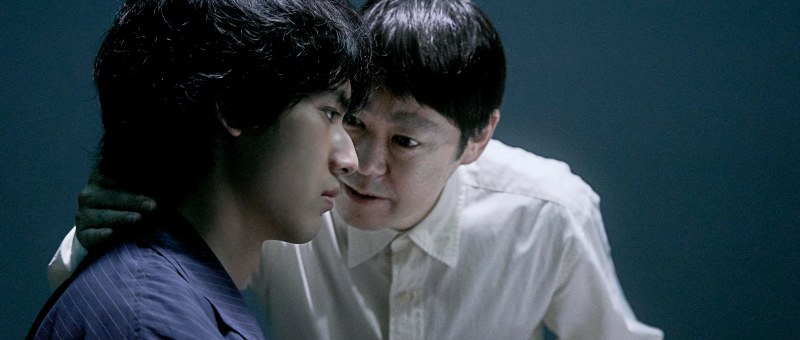
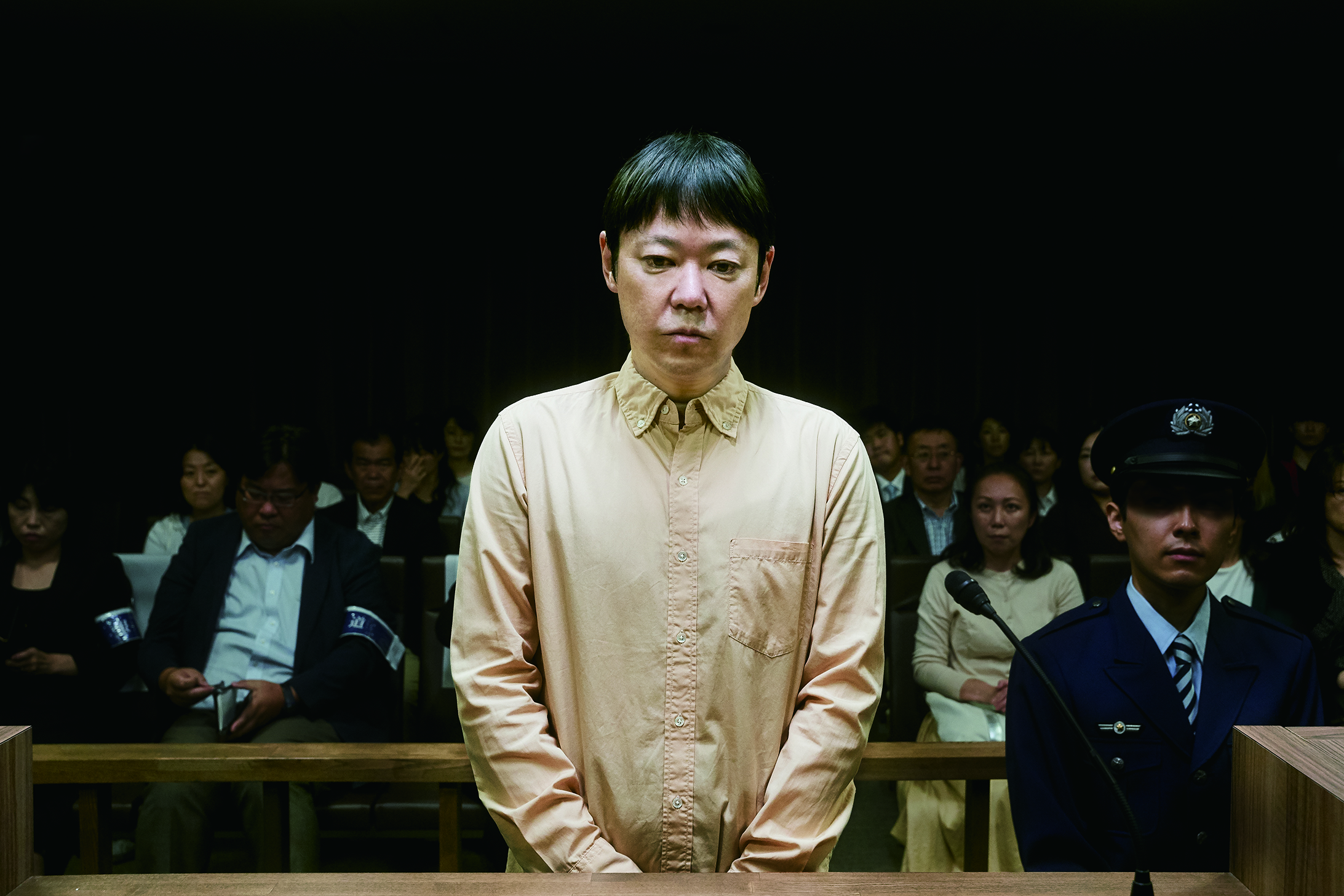
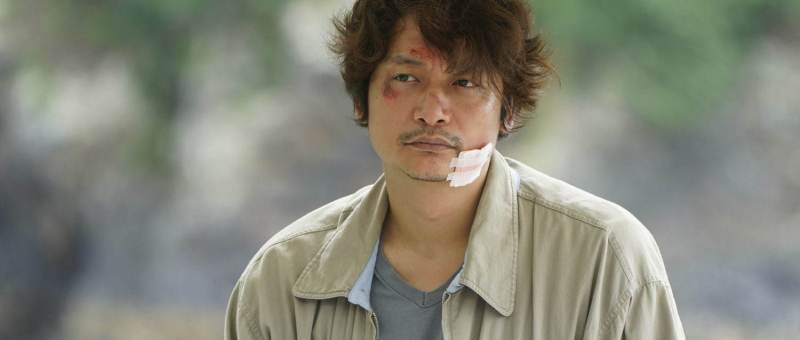
Parental disconnection and the legacy of abuse come under the microscope in a dark psychological thriller from Kazuya Shiraishi, Lesson in Murder (死刑にいたる病, Shikei ni Itaru Yamai). Adapted from the novel by Riu Kushiki, the film’s ironic Japanese title means something more like Sickness Unto Death Sentence and hints at an almost spiritual infection that spreads violence and cruelty as embodied by the moral vacuum at the film’s centre, a genial serial killer of stereotypically “good” kids chillingly played comic actor Sadao Abe. 

The psychodrama is played out, however, in the mind of young legal student Masaya (Kenshi Okada) who once frequented the popular bakery owned by Yamato (Sadao Abe) before he was exposed as the killer of 23 teens and one adult woman. On returning home for his grandmother’s funeral, Masaya is surprised to receive a letter from Yamato asking for his help. He admits killing the 23 teens (and perhaps more) but claims that he is not responsible for the death of the adult woman who after all does not fit his pattern. As he reveals, Yamato killed teens in their last year of high school and the grooming process which may have started even years before was central to his M.O. He delighted in winning their trust and then betraying it by torturing them to death in a smokehouse on the grounds of his isolated farmhouse. 

In court, Yamato explains that killing is simply “essential” to his being while insisting that he was caught because he became complacent rather than as a result of efficient policing. Yet he tells Masaya that it annoyed him that he never fell under suspicion, people always trusted him without question and he wanted to challenge that level of social complacency. In any case what’s clear is that he is and has always been a manipulative narcissist attributing those personality traits to his childhood abuse implying that they were a part of an abandoned child’s defence mechanism. He praised others to make them love and protect him, becoming drunk on the power he held over them. At first it seems as if his killings stem from resentment towards these “perfect” children who were well behaved and studied well in school but in fact the reason the children behaved in that way was often born of a desire for parental approval which made them vulnerable to Yamato’s grooming. “Repressed children have low self-esteem” he tells Masaya, an abused child himself, claiming that he wanted to help them grow in confidence through his persistent love bombing. 

Masaya is also on some level being groomed and may at times even be aware of it, but is so consumed with resentment towards his own father that he longs for a more sympathetic father figure and is even willing to accept to a serial killer as a potential paternal mentor. He becomes desperate to prove Yamato didn’t kill Kaoru (Ryo Sato), a 26-year-old office worker, almost forgetting that the killing of the 23 teens is not in dispute. His father resents him because the family run a prestigious school but Masaya was not academically gifted, bullying and beating both Masaya and his mother who is also an underconfident survivor of childhood neglect. She constantly asks for Masaya’s help making decisions, as do other survivors that he meets, while Yamato ironically tells him that the choice to investigate Kaoru’s death is entirely his own while wilfully manipulating him. Even so under his influence, Masaya’s own feelings of resentment towards the conservative society as mediated through middle-aged salarymen eventually bubble to the surface leading him on a dark path towards a potentially murderous destiny. 

Then again, as much as Yamato tries to take control of the narrative Kaoru’s death would still have been as a result of his actions no matter who it was who actually killed her. In another uncomfortabe irony what he’s doing while clearly grooming Masaya is in a sense as he claimed to be doing with his victims restoring his self-confidence in forcing him to face his dysfunctional family situation while proving that he is capable of solving this crime and perhaps in the end solving it a little better than intended. A killer final twist lends an additional layer of insanity to Yamato’s banal evil while Shiraishi’s cool direction at times superimposing the faces of the two men one over another in the glass that divides them at the prison with the faces of the victims projected behind may suggest that darkness hangs all around us and more to the point within. 


Lesson in Murder screens at Lincoln Center 21st July as part of this year’s New York Asian Film Festival.

International trailer (English subtitles)

Images: ©2022 ”Lesson in Murder” Film Partners

The Sunday Runoff (決戦は日曜日, Yuichiro Sakashita, 2021)

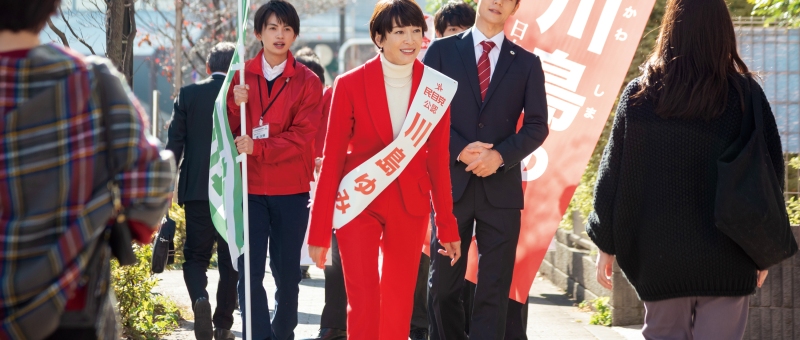
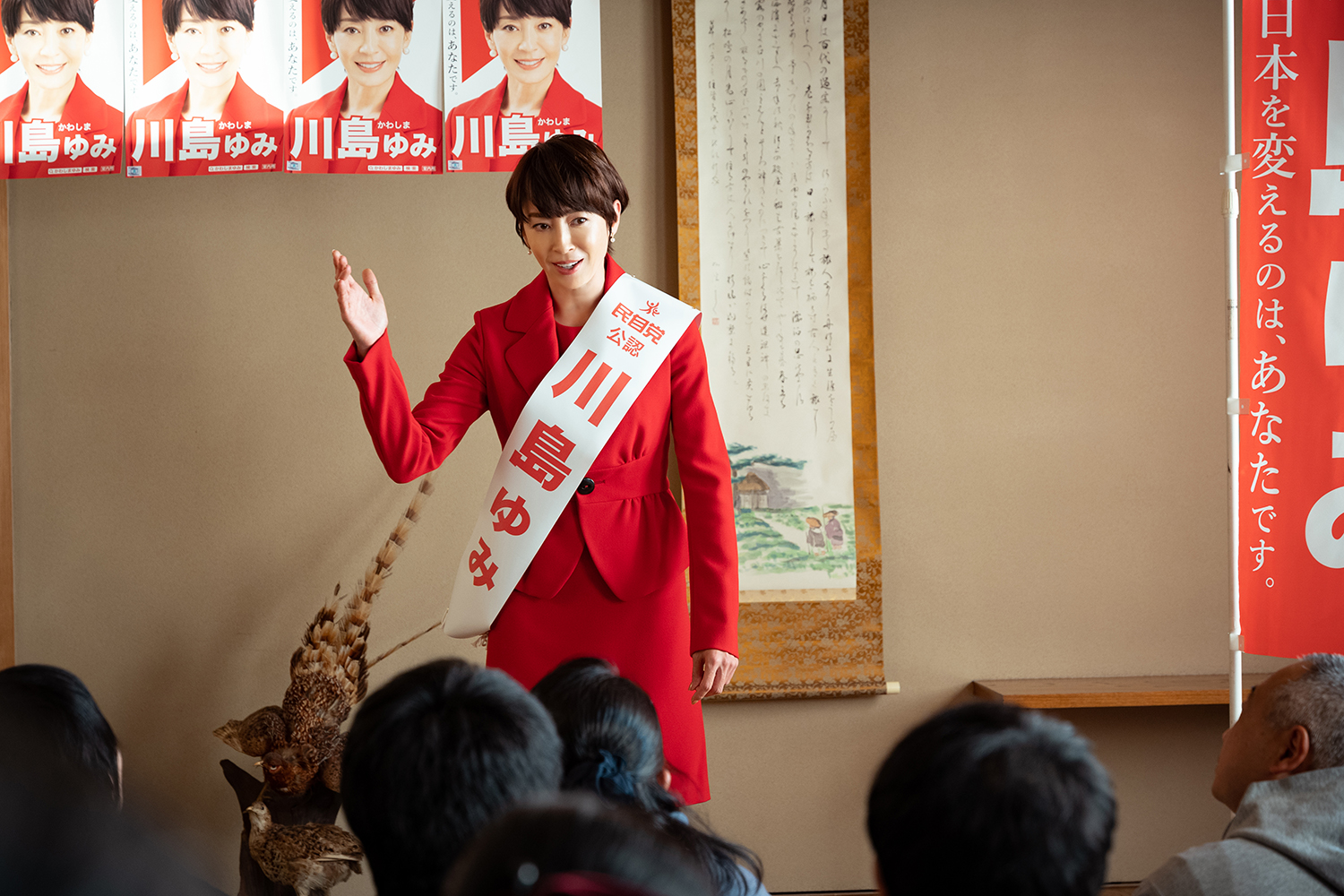
“I keep choosing a perilous path” the heroine of Yuichiro Sakashita’s political satire The Sunday Runoff (決戦は日曜日, Kessen wa Nichiyobi) explains, “But that’s where change happens”. Change, famously, is not a common occurrence in Japanese politics where the same party has remained in power for all but a handful of years since its foundation in 1955. Part of the reason for that at least according to the reluctant candidate is the nation’s rigid social attitudes in the unwillingness to question the status quo, just going along with however things have always been done, while the main cause is perhaps corruption at the local level in the interplay between supporters groups staffed by influential local businessmen and their representatives along with the collusion of civil staff who have become too blasé about the murky nature of politics. 

That’s especially true for political secretary Tanimura (Masataka Kubota) who had developed a paternal relationship with former defence minster Kawashima who unfortunately is forced to retire from office due to ill health after suffering a stroke. Unable to agree on a suitable candidate to replace him, the supporters groups throw their weight behind Yumi (Rie Miyazawa), Kawashima’s middle-aged, unmarried daughter. The above lines are spoken during her introduction to her staff who find her strange and unconvincing, mocking her Western-style business speak along with her decision to refer to them as her “crew”. 

If “change” was what Yumi wanted, she’s almost certainly standing for the wrong party. Though not explicitly stated, she’s obviously intended to be standing for an LDP stand in and in the opinion of her staff at least her seat is so safe you could paint a face on a rock and get it elected. Their problem is that they assumed Yumi would be easy to manage, though it quickly becomes clear that despite having grown up in politics she is incredibly naive and something of a loose cannon. As she admits, she tells it like it is and doesn’t consider the consequences. She is not media trained and the secretaries, Tanimura included, do not really bother to brief her in part because they assume the election’s a sure thing so they don’t need to. As we can see from her introductory speech, she is essentially playing the part of a politician as she imagines it to be, saying things she perhaps does mean because she thinks it’s what a politician would say such as her offensive reply to a question about the declining birthrate to the effect that childless couples were “slacking off” and “not functioning as humans” leading to a protest outside her office in large part by those who had found her comments hurtful because they had wanted to have children but for various reasons had not been able to. 

It’s Yumi’s political naivety that makes her the ultimate foil for the secretaries and supporters groups as she gradually comes to realise she was never meant to be anything other than a puppet. After a particularly disastrous conference, one of her older male sponsors exasperatedly asks why they couldn’t have picked a better candidate. “At least choose a man”, he adds while one of the secretaries later snaps at Yumi that she’s way out of her league, should “know her position”, and that the only reason an “amateur woman” like her was approved as a candidate was because of the supporters committee so she’s there to do exactly what they say. Forced to apologise to them, Yumi’s face is framed in the lattice work at a restaurant as if she were in prison, a sentiment echoed by Tanimura when he tells her that she has “no choice” but to continue threatening to plant smear stories in the press if she tries to walk away or blow the whistle on all the corruption she has unwittingly uncovered in the local political office. 

That would include the giving and receiving of bribes in an all too cosy relationship with local business and particularly the construction industry. Part of the problem is that the civil staff will all lose their jobs if Yumi is not elected which makes it in their interest not to act with total transparency. Tanimura hadn’t really cared about that before, each time when questioned replying only “that’s just how it is” but slowing beginning to realise that it doesn’t need to be and really it isn’t OK. Despite her eccentricity and impulsiveness Yumi would as Tanimura can see make a good politician if not one ideally suited to a conservative party. Threatening suicide from the roof of a three storey building she decries political apathy in Japan, explaining that they need to remind the people that this is really about them and that politics is not pointless because change can happen while the jaded secretaries roll their eyes and giggle setting up a crash mat in the event that she is not actually bluffing. 

What she decides to do is try to loose deliberately, but everything she tries just backfires. A series of offensive racist rants far from ruining her reputation pick her up new votes from members of the far right who previously felt unrepresented while even planting false stories in the press that she is a drug user with a criminal record doesn’t seem to dent her approval rating. Just as Yumi’s comments about the birthrate echoed those of other gaffe-prone LDP politicians such as Mio Sugita, Yumi and a reformed Tanimura even film a fake video of her pretending to abuse one of her staff directly echoing that of Mayuko Toyota who was forced to stand down after an embarrassing video of her calling her aide “baldly” while beating him went viral, but her popularity only increases. As a last resort they release video footage of her father accepting bribes and have her deny it so it becomes obvious that she lied, but her dishonesty makes no difference to the average voter. 

The cynical secretaries had indicated that ordinarily speaking they’d ride a scandal out because another one will be along before too long to knock it off the front page. Yumi’s whistle blowing plan fails again because of collusion with the local media who despite sniffing around for a story won’t run anything too negative lest they lose their access to the halls of government. The secretaries then get lucky when a possible North Korean missile strike bumps the bribery affair onto the back pages, a video of the staff laughing and cheering their near escape even becoming a meme on social media. Yumi’s resentment is in rooted in her powerless, refusing to be a puppet for local bigwigs, but it may also be true that once she’s elected they have no real power over her and changing the system from the inside may ironically become a real possibility if only she herself can overcome her conviction that nothing is ever going to change. “This is not the world you expected.” Tanimura admits, “accept it and fight”. A throwback to the films of Juzo Itami, Yumi is very much the kind of character Nobuko Miyamoto might have played in one of her “woman” films if perhaps a little more cynical. The Sunday Runoff is decidedly more barbed if at least as pointed in its criticism of incestous local politics, but in the end does believe that real change may indeed be possible if only you’re willing to fight for it. 


The Sunday Runoff streams in Germany until 6th June as part of this year’s Nippon Connection.

Original trailer (no subtitles)

Last of the Wolves (孤狼の血 LEVEL2, Kazuya Shiraishi, 2021)

“The Showa era’s over. We don’t use guns now, business is our battlefield.” a recently released foot soldier is told, finding himself in a whole new world emerging from a not so distant past of turf wars and street scuffles into a late bubble wonderland of besuited corporatised gangsters. Set in 1988, Kazuya Shiraishi’s Blood of Wolves had been about the twilight of post-war gangsterdom forever associated with an era that was literally about to pass. Set three years later in the twilight of the bubble economy and an already established Heisei, Last of the Wolves (孤狼の血 LEVEL2, Koro no chi: Level 2) finds no longer rookie cop Hioka (Tori Matsuzaka) taking on the mantle of his late mentor Ogami, attempting to broker peace by getting uncomfortably close to yakuza. 

At the end of the previous film, Hioka had managed to engineer a truce between rival gangs Odani (with whom he is affiliated), and Irako through pushing top Odani guy Ichinose to take out boss Irako. Three years later, the peace has held and in any case Heisei yakuza no longer take violence to the streets. The release of crazed Irako foot soldier Uebayashi (Ryohei Suzuki), however, threatens to destabilise the local balance of power. Despite mournfully declaring that he doesn’t intend to wind up back in prison, Uebayashi’s first call on release is to the sister of one of his guards whom he rapes and kills in quite gruesome fashion. Hioka is put on the case and partnered with a genial veteran, Seshima (Yoshiko Miyazaki), weirdly excited about investigating a murder at this late stage of his career, but quickly realises that Uebayashi’s recklessness is primed to destroy everything he’s built. 

Having started out a straightlaced rookie, Hioka has fully incorporated the Ogami persona dressing in sharp suits and sunshades, driving a sports car, and hanging out with the Odani guys, while also using his girlfriend’s little brother Chinta (Nijiro Murakami) as a mole in rival gangs. As a cynical reporter points out, however, Ogami was essentially “undercover” in that he understood hobnobbing with yakuza was part of his job and something he did solely to keep civilians safe by preventing another street war. Hioka has started to lose his way, enjoying himself a little too much and already way out of his depth as the fragile peace he’d brokered by less than ethical means begins to crumble beneath his feet. 

Having been in prison, Uebayashi is unaware of the various ways in which the world has changed seeking to return to old school rules of gangsterdom, ironically lecturing his superiors on the absence of jingi (honour and humanity) in their new corporate existence. He’s a monster and a sadist, but his violence is also a result of the horrific abuse he suffered as a child which led to an equally heinous act of revenge while as a member of the ethnic Korean Zainichi community, like Chinta and his siblings, he continually faces discrimination and social oppression. His first act on release is of revenge against the guards who relentlessly tortured him in prison, the murdered woman’s brother confessing that they wrote him up as a model prisoner in the hope he’d be released early so they wouldn’t have to deal with him anymore.  

Yet what Hioka and Uebayashi have in common is that they’re both pawns in a game they were unaware was being played. As it turns out the police corruption Hioka discovered during the previous film did not go away, and in certain senses they liked things the way they were before. Hioka’s truce is very bad for business for a certain subset at least. They might be minded to let a dangerous killer go loose if it disrupts Hioka’s attempt to suppress the criminal underworld to manageable levels. Mimicking the classic jitsuroku, Shiraishi throws in occasional voiceover from an anonymous narrator along with freeze frame and montage while skewing still darker in the levels of depravity among these desperate men fighting over the scraps of a world already in terminal decline even as the bubble seems fit to burst. Shiraishi ends on a note of change with the institution of the organised crime laws which have contributed to the ongoing decline of the yakuza, a relic of the Showa era unfit and unwelcome in the modern society, but also discovers that for good or ill there may yet be wolves in Japan.


Last of the Wolves screened as part of this year’s New York Asian Film Festival.

Teaser trailer (English subtitles)

Talking the Pictures (カツベン!, Masayuki Suo, 2019)

Famously, silent cinema was never really “silent” in Japan. As the quote from director Hiroshi Inagaki which appears after the end credits of Masayuki Suo’s ode to the early days of the movies Talking the Pictures (カツベン!, Katsuben!) reminds us, audiences always had the benshi to guide them. These narrators of film were often more of a draw than the pictures themselves, cinemagoers keener to see their favourite storyteller perform than the story up on screen. A relic of a bygone age, the benshi has often been blamed for holding Japanese cinema back as studios continued to craft their films around audience appetites for live performance, but as we’ll see even the benshi themselves could sense their obsolescence lingering on the horizon. 

Beginning in 1915, the film opens with a retro mockup of a Toei logo from the silent era though the studio was only founded in 1938 and therefore produced only sound movies. Shot as a silent picture the opening sequence follows a gang of kids as they make their way towards an active film set where a classic jidaigeki is in production, confused on passing what appears to be a woman peeing standing up against a tree, a reminder that early cinema was largely inspired by kabuki and therefore featured male actors playing female roles. This is a disappointment to young Umeko, the daughter of an itinerant sex worker, who dreams of becoming an actress. Shuntaro, a little boy obsessed with the movies and dreaming of becoming a benshi like his idol the marquee draw Shusei Yamaoka (Masatoshi Nagase), reassures her that plenty of films from other countries feature female actors as the pair bond sneaking into the local picture house together but as in any good melodrama they are separated by time and circumstance only to be reunited 10 years later when neither of them is quite living their best life. 

While Umeko (Yuina Kuroshima) is a struggling actress trying to make it in motion pictures, Shuntaro (Ryo Narita) is living as a “fake benshi” impersonating Yamaoka and others for clueless provincial audiences while the gang he’s running with rob local houses using the movies as a cover. Escaping with some of the loot, he rebrands himself as “Kunisada” after a favourite character from the silver screen and fetches up in his old stomping ground, getting a backstage job at the troubled picture house which finds itself at the mercy of the new outfit in town, a purpose built modern cinema run by local yakuza Tachibana (Fumiyo Kohinata) and his movie-loving modern gal daughter Kotoe (Mao Inoue). Like the film itself, the town is at the nexus of changing times. The Aoki cinema is housed in a former kabuki theatre with the staff dressing in kimono even if Shuntaro and his divaish rival Mogi (Kengo Kora) don suits to talk the pictures. The palatial Tachibana meanwhile boasts modern seating and has the habit of poaching the Aoki’s staff partly because they pay more and partly because no one wants to work with Mogi who is, in his own way, an exemplification of the ways the benshi can interfere with cinematic development in that he forces the projectionist to undercrank the movies to ensure they follow the rhythm of his narration and not vice versa. 

The handsome Mogi is still pulling in the crowds, but the ageing Yamaoka has become a melancholy drunk now convinced that his own art is an act of destruction, actively unhelpful in becoming a barrier between the audience and the movies rather than a bridge. After all, cinema is a visual medium, it shouldn’t need “explaining” in words. He’s actively standing in the way, imposing his own narrative over someone else’s vision just as Shuntaro is a “fake” benshi in that he merely copies the routines of others, adopting a “fake” persona while hiding out in the movie house from the gang he ran away from and the movie-loving cop (Yutaka Takenouchi) who’s chasing them. Yamaoka may have a point, the days of the benshi are numbered though there were those who argued the advent of the talkies was also a regression, the advances of the silent era squandered on the spectacle of sound. Nevertheless, filled as it is with silent-era slapstick, silly farce, melodrama, and romance, Talking the Pictures is a warm and nostalgic tribute to a bygone age of cinema and the men and women who guided us through it. 


Original trailer (no subtitles)

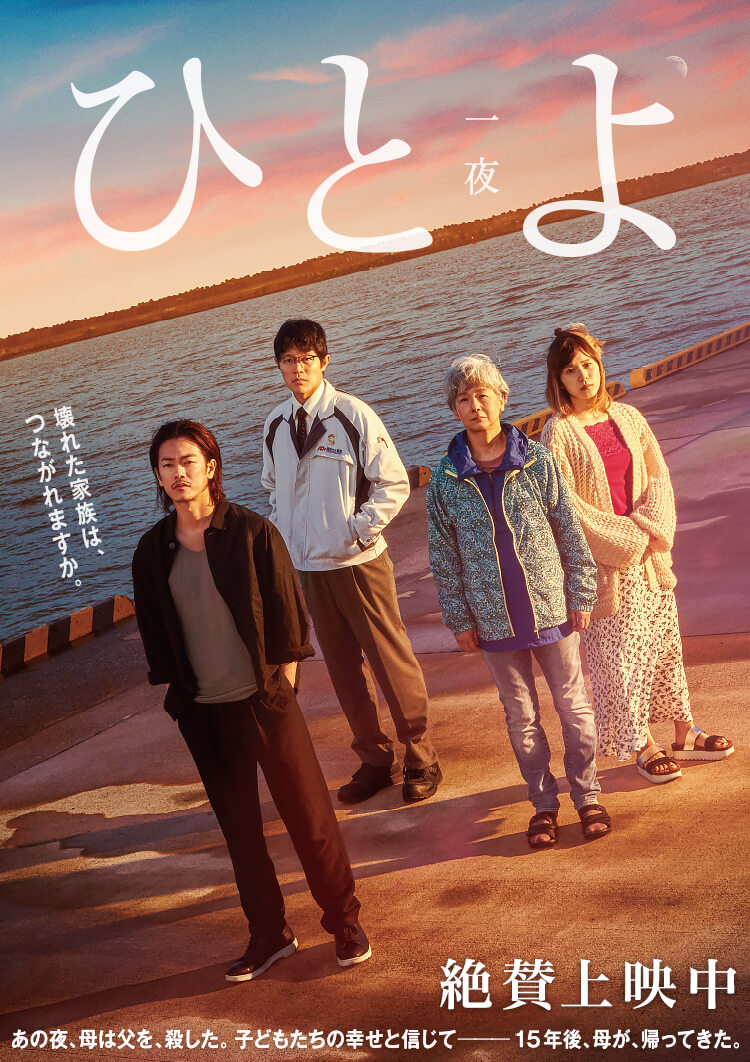
One Night (ひとよ, Kazuya Shiraishi, 2019)

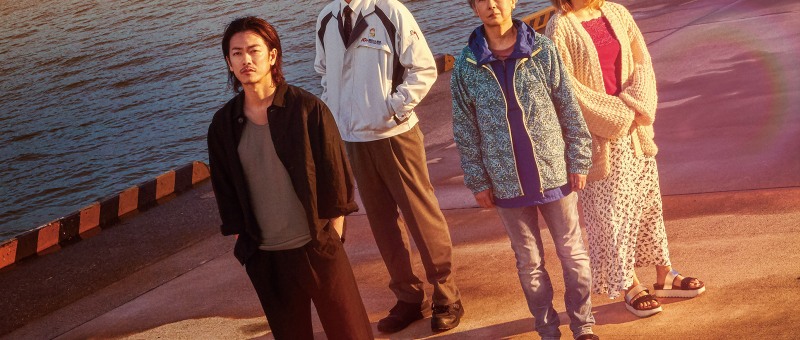
“You can live however you want, you’re totally free. You can be anything” a woman tells her children, believing she is freeing them from a cycle of violence and oppression but unwittingly consigning them to another kind of cage in Kazuya Shiraishi’s raw family drama One Night (ひとよ, Hitoyo). Adapting the stage play by Yuko Kuwabara, Shiraishi is the latest in a long line of directors asking questions about the true nature of family, taking the hahamono or “mother movie” in a new direction but ultimately finding faith at least in the concept as the family unit finally begins to repair itself in a spirit of reconciliation and forgiveness. 

The “one night” of the title is that of 23rd May, 2004 on which wife and mother Koharu (Yuko Tanaka) backs over her relentlessly abusive husband in one of the taxis operated by their company. At some point, even if only perhaps in those few moments sitting at the steering wheel, Koharu appears to have given this a great deal of thought. Calmly walking back into her familial home where her three children are each sporting prominent facial wounds from a recent beating, she hands each of them a handmade onigiri and explains that she has just killed their father. Planning to hand herself in she reassures them that an uncle will look after them and the company so they’ve no need to worry. She has no idea how long she’ll be in prison for, but cautions that she may not return for 15 years hoping that by then the stigma will have passed. On her way out, she pauses to tell them that she is proud of what she’s done, saving them from their father’s authoritarian abuse and urging them to be free to live their lives in whichever way they choose. 

15 years later, however, the children find themselves burdened by her words. Yuji (Takeru Satoh) who dreamed of being a novelist has become a cynical journalist working for a pornographic magazine. Daiki (Ryohei Suzuki) who has a stammer and wanted to be a mechanic has never been able to hold down a steady job and is on the brink of divorce after showing signs of becoming abusive himself, while Sonoko (Mayu Matsuoka) who wanted to be a hairdresser is now working as a bar hostess drinking herself into oblivion. Living with the legacy of that one night, none of them has been able to live freely or to achieve their dreams but has remained arrested in some way waiting for Koharu’s return. 

While in her mind she freed them, the children find themselves dealing with the secondary sense of abandonment in her decision to exile herself from their lives, essentially leaving them to deal with the fallout of her “crime” all alone. Not only are they now orphaned, they also have to live with the stigma of being related to a notorious murderess with all of the peculiar burdens that entails in Japanese society from harassment and bullying to reduced employment opportunities and an internalised shame. Meanwhile, their mother’s words ring in their ears, urging them to be free, to be who they wanted to be and achieve their dreams, but they find themselves paralysed by the pressure to live up to the sacrifice Koharu has made on their behalf. While Sonoko is the most sympathetic, the boys are consumed by resentment. Koharu sees her 15 years of wandering as an exile undertaken as a kind of atonement and intended to keep the children safe from further social stigma, but her sons feel only the abandonment. 

Still, “mom’s still mom. It’s we who’ve got to change” Daiki tries to convince his brother, “we’re not kids anymore” he later adds as they recreate a thwarted teenage attempt to save their mother but in a very real sense they are. The problem in Daiki’s marriage turns out be rooted in insecurity, a failure of intimacy that saw him reluctant to let his wife and daughter into his traumatic past which finally expressed itself in violence. Meanwhile another driver at the taxi firm finds himself in a parallel struggle as he processes his own troubled relationship with an estranged teenage son and comes to realise his sins are indeed being visited on him despite his best efforts to prevent it. He sympathises with Koharu against the “ungrateful” children who, like the those of the classic hahamono, fail to understand the quality of their parent’s love as expressed in the sacrifices they have made on their behalf. Yet it’s Yuji who had branded his family a mere simulacrum who eventually fights hardest to save it, paving the way for a reconciliation as they finally bring closure to the events of 15 years previously and begin to move on with the rest of their lives. A raw and painful examination of familial trauma, Shiraishi’s bruising drama eventually allows the family to reclaim the night, repairing their fracturing bonds in sharing their emotional burdens freed at last from the oppressive legacies of abuse and resentment.


One Night streams in the US via the Smart Cinema app on Sept. 6 & 11 as part of this year’s New York Asian Film Festival.

Original trailer (no subtitles)

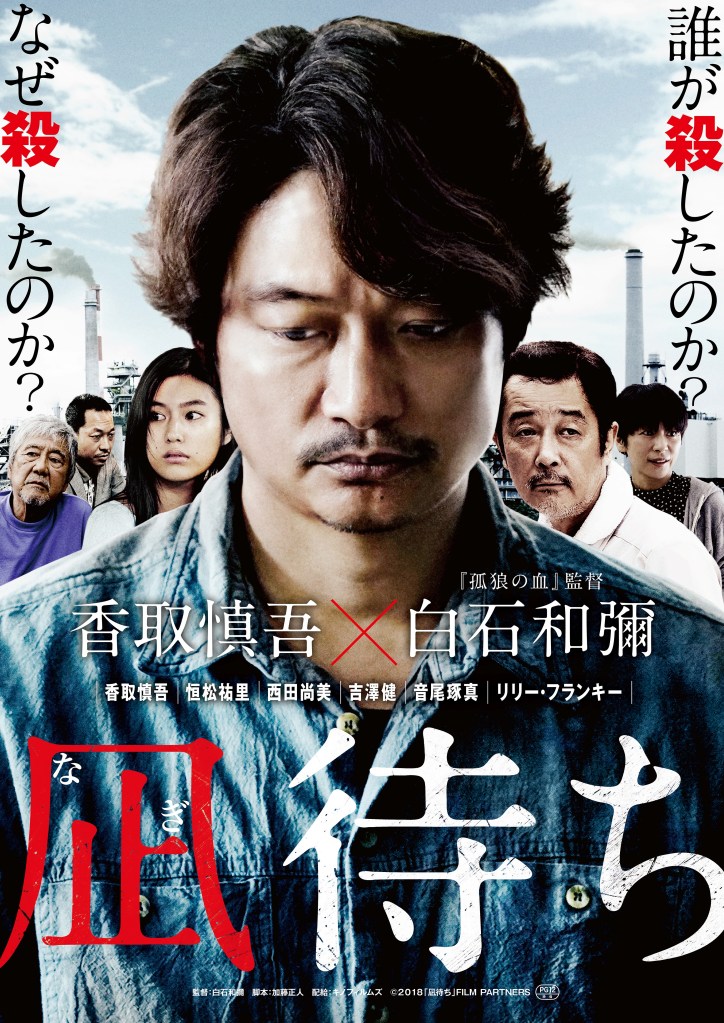
Sea of Revival (凪待ち, Kazuya Shiraishi, 2019)

“One bad thing leads to another” according to overprotective mother Ayumi (Naomi Nishida) in Kazuya Shirashi’s Sea of Revival (凪待ち, Nagi Machi). She’s not wrong, but breaking the chain proves harder than expected, especially as trouble has a way of following people around and the one thing you can never outrun is yourself. Yet, what might save you in the end is not so much self acceptance as that of others and finding your place along with a sense of belonging as member of a family in the knowledge they have chosen you as one of their own. 

Ikuo (Shingo Katori), the hero, certainly has plenty of demons he’s looking to leave behind. A devotee of the bicycle races, he’s just been laid off from his factory job and is preparing to move to his girlfriend Ayumi’s hometown where she plans to open a hairdressers and care for her ageing father Katsumi (Ken Yoshizawa) who has just been diagnosed with stage four cancer. Ayumi left rural Miyagi with her daughter, Minami (Yuri Tsunematsu) whose name is written with the characters for beautiful waves, after the tsunami which devastated the area and took her mother’s life. She hopes that it can be a new start for their family and that Ikuo will finally be able to shape up, knock his gambling habit on the head and ease back on the drinking. 

Things get off to a bad start, however, when Ikuo fails to bond with Katsumi who largely ignores him, while he discovers that Ishinomaki is much more conservative than Kawasaki and not everyone seems to approve of his liminal status in the Konno household. The fact remains that Ayumi and Ikuo, though they’ve been living together for five years, are not legally married and therefore in the eyes of some not a proper family, and more to the point Ikuo is an outsider with relatively little to recommend him. He does however try to make good on his promise, impressing the boss at a printshop where an overly helpful family friend, Onodera (Lily Franky), has found him a job, but quickly succumbs to old habits when a pair of ne’er-do-well colleagues introduce him to an illegal bicycle racing betting club run by local yakuza. 

Matters come to a head when Minami gets fed up with her mother’s overprotective conservatism and decides to pay her back by staying out late with new friends Ayumi doesn’t approve of. Flagging up their differing parenting styles, Ikuo tells Ayumi that she’s overreacting and should be happy for her daughter who is finally living something like a normal teenage life rather than shutting herself up in her room playing games like she did in Kawasaki where the other kids made her life a misery, calling her a “radioactive” transfer student from Fukushima. Ayumi fires back that Ikuo obviously isn’t very invested in Minami because, after all, he’s not her real dad and has no idea what family is. An extraordinarily hurtful thing to say in any circumstances, Ayumi’s words strike a nerve as Ikuo struggles to claim his place as a non-husband who has nevertheless become a father figure but is not recognised as a legitimate member of the family. 

Claim his place he does however when tragedy strikes, rushing into a police cordon shouting “I’m family” but being held back by the forces of social order while Minami cleverly evades them to see something no one should ever have to see. Old Katsumi meanwhile, apparently much like Ikuo in his youth, a fiery scrapper with a self-destructive streak, struggles to accept his failure either to save his wife or die by her side. Recognising something of himself in the younger man, he finally warms up to Ikuo, literally “redeeming” him from vengeful yakuza, offering only the explanation that he does so because “he’s my son”. 

Others such as the weirdly ever present Onodera may think it proper that Ikuo leave the Konno household because he has no more reason to be there, that his presence is now even more inappropriate than it was before. Minami is advised to move in with her birth father (Takuma Otoo) despite the fact Ayumi described him as abusive and that he has remarried and is currently expecting another child. Ikuo’s five years as her father count for nothing, because he was not married to her mother. During the car journey to their new home, Minami had playfully suggested to Ikuo that he should propose but he claimed he had no right to do so as an irresponsible man unable to contribute meaningfully to the household. Ayumi dreamed of the sea and of beautiful Caribbean islands to which Ikuo had promised but failed to take her. She ironically hoped to rebuild their lives in the ruined landscape of Ishinomaki where they’ve put up walls so tall you can no longer see the sea, still beautiful despite all its terrible ferocity. 

“A good wife makes a decent man” Ayumi’s ex bitterly fires back at her though others have found it to be true, Katsumi not least among them, but Ikuo’s problem is an internalised sense of masculine failure which keeps him on the edges of a family which is otherwise his by right. In a strange way, a piece of paper can make all the difference and no difference at all, both legitimate and not, in making it plain who is and is not accepted as “family”. Accepted by others, Ikuo learns to accept himself, still burdened by guilt and regret but also bound by it as he joins his chosen family on new a journey powered by those same beautiful yet destructive forces which have engendered so much grief and hope.


Screened as part of the Japan Foundation Touring Film Programme 2020.

Original trailer (English subtitles)

Dare to Stop Us (止められるか、俺たちを, Kazuya Shiraishi, 2018)

Dare to stop us posterUntil his untimely death in a road traffic accident in 2012, Koji Wakamatsu had been the enfant terrible of Japanese cinema. An irascible but somehow much loved figure, Wakamatsu is most closely associated with a series of provocative sex films which mixed politically radical avant-garde aesthetics with pink film exploitation. Kazuya Shiraishi, himself a former Wakamatsu apprentice, takes a look back at the heady years of Japanese indie cinema in the aptly titled Dare to Stop Us (止められるか、俺たちを, Tomerareruka, Oretachi wo) which explores the backstage environment at Wakamatsu Production from 1969 to 1972 (or, right before everything changed with the death of the student movement in Japan following the Asama-sanso incident).

Rather than follow Wakamatsu (Arata Iura) directly, Shiraishi frames his tale around aspiring director Megumi Yoshizumi (Mugi Kadowaki) – the only female presence (besides the actresses) at the otherwise extremely masculine studio which focusses mainly on artistic soft-core pornography. A Shinjuku hippie and self-confessed fan of Wakamatsu, Megumi finds herself joining the team after being recruited to scout potential starlets who could pass for high schoolers. On arrival at the studio, Megumi is quickly mistaken for an actress or mistress but finally manages to win the guys round and is taken on as an assistant director with the possibility of stepping up to the director’s chair if she lasts three years working under Wakamatsu.

As the gruff director warns her, most don’t even last the month. Megumi is however determined, despite Wakamatsu’s continued show of forgetting her name and harsh on-set demeanour. Commiserating with her, another veteran affirms that the big studios wilfully exploit their ADs, at least with Wakamatsu his heart is in the right place even if he’s only a different sort of difficult. He also, however, hands her a bottle of hooch which serves an unfortunate harbinger of things to come as Megumi finds herself playing along with the hard drinking boys club but becoming ever more confused about her role in the organisation and the further direction of her life.

Wakamatsu and his partner Masao Adachi (Hiroshi Yamamoto) vow to make films to shake the world, but are not above commercial concerns which is why they find themselves making pure sex films under pseudonyms to balance the books, much to the chagrin of some of the studio’s more politically engaged members. These are particularly politically engaged times in which the student movement is at its zenith, protesting not only the renewal of the ANPO treaty, but the Vietnam War, and the fiercely contested building of Narita airport. Mostly thanks to Adachi, Wakamatsu Production gradually shifts from indie film company to activist organisation in which political concerns are beginning to take precedence over the business of filmmaking.

The shift leaves those like Megumi who were not so interested in the political dimension floundering along behind and increasingly disillusioned with the world of Wakamatsu Pro. Megumi may admit that she had other problems that probably should have been better addressed, but remains conflicted as to her involvement with the studio. Feeling as if she has nothing in particular to say, she questions her desire to make films at all while clinging fiercely to the surrogate family that has grown up around the strangely fatherly director and continuing to feel insecure in her atypical femininity in a world which more or less requires her to act like a man but doesn’t quite accept her for doing so.

Wakamatsu said he wanted to hold the masses at knifepoint and create a film to blow up the world, but Megumi increasingly feels as if it’s she who will eventually face Wakamatsu with only one of them surviving. Megumi is, in a sense, a victim and encapsulation of her age in which she wanted a little more than it had to give her and found herself increasingly disillusioned with its various betrayals and disappointments. Given the chance to direct a 30-minute short for love hotels, Megumi spins a tale of Urashima Taro which is, as Adachi puts it, all about how she can’t go back to being a hippie after getting mixed up with Wakamatsu and has lost sight of her true self in her quest for acceptance. Both nostalgic look back to a heady era and a tragic tale of that era’s costs, Dare to Stop Us is a fitting tribute to the Wakamatsu legacy which portrays the irascible director as neither saint nor demon but painfully human and infinitely flawed.


Dare to Stop Us was screened as part of the 2019 Udine Far East Film Festival.

Original trailer (no subtitles)