Our Huff and Puff Journey (私たちのハァハァ, Daigo Matsui, 2015)

Generally speaking, teenagers aren’t really known for their ability to think things through. If the four high school girls at the centre of Daigo Matsui’s Our Huff and Puff Journey (私たちのハァハァ, Watashitachi no Haa Haa) had stopped to think things through, they’d never have gone on their completely mad, actually quite dangerous, road trip to Tokyo by bicycle but then perhaps adolescence is all about completely mad, actually quite dangerous things a thinking adult would automatically reject. 

Like Matsui’s earlier anthology film, How Selfish I Am!, Our Huff and Puff Journey is essentially a promotional video for the band Creephyp whose music features prominently throughout. The girls are all devoted fans who take band loyalty incredibly seriously and having seen them in concert in their hometown of Fukuoka decide that they need to chase them to the final leg in Tokyo the only problem being they’re teenagers with no money and Fukuoka is a thousand miles away from the capital. Setting off with a great deal of excitement (and total secrecy from their parents), they run out of puff by Hiroshima and end up dumping the bikes to hitchhike the rest of the way. 

It’s after Hiroshima that the novelty and sense of freedom begin to wear off as the cold, hard reality of their plan begins to hit home. Matsui turns the film on its head a little, still proceeding from the point of view of the teenage heroines but revealing how dangerous a place the world can be for a naive high school girl. At one point, they try to get jobs at a hostess bar despite being under age to earn a little money only two of them are deemed not pretty enough and sent home which further strains their already fracturing relationship. Though some of the drivers who give them rides are nice and just want the girls to get where they’re going safely others are not, such as the young man (Sosuke Ikematsu) who transgressively kisses the gang’s leader Settsun for the thrill of trying it on with a high schooler seconds after she gets off the phone with her boyfriend who quite understandably disapproves of the gang’s Tokyo-bound adventure. 

Of course he already knows a lot of what’s going on because the girls keep posting pictures from the trip online including those of them hanging out in clubs and bars. They obviously assume their parents won’t be checking Twitter, but nevertheless soon discover that social media can be a double-edged sword. Though they’d got some interest posting about their mad bicycle trip, an attempt to appeal to netizens for help when they run out of options goes south when they’re widely mocked online as a bunch saddos who’ve taken devotion to their favourite band far too far. It’s this that provokes a major schism when Chie decides to message a band member directly to ask for help with Fumiko left distraught to think that they might have made him worry or feel guilty, aside from hugely embarrassing themselves, only to discover that Chie only came along for a fun trip and doesn’t even really like Creephyp while Fumiko feels she really might die if they don’t make it to the concert. 

Matsui switches between the low-grade handheld of the gang’s video camera and his own his own more abstracted perspective but generally allows the girls to speak for themselves in a manner that feels authentically adolescent and suggests their obsession with Creephyp is at least in part a means of escape from the pressures of their lives with each of them thinking about life after high school. What they discover through their trip maybe a sense of life’s dead ends and disappointments, and that decisions made impulsively rarely work out the way you hoped they would. Looking out at the darkened city Fumiko laments that nothing seems to have changed despite the concert having begun, while later making another impulsive decision that also spectacularly backfires. Even so, Matsui allows them the final thrill of arrival at Shibuya Scramble, four young girls from rural Kyushu taking in the streets of the capital while knowing they will soon have to return to the “reality” of their high school lives and anxiety of what lies ahead. 


Our Huff and Puff Journey screened as part of this year’s Nippon Connection

Original trailer (no subtitles)

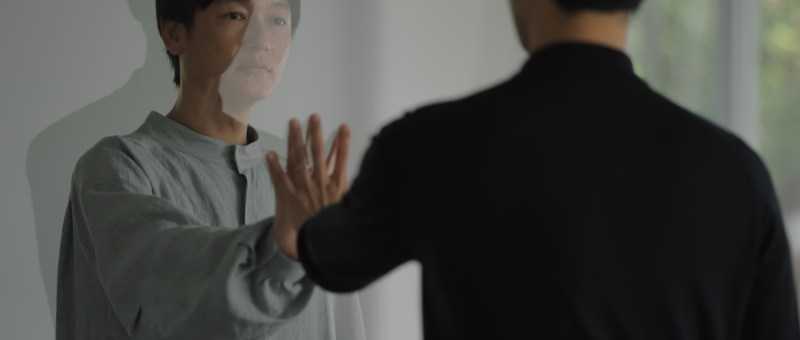
I Am What I Am (そばかす, Shinya Tamada, 2022)

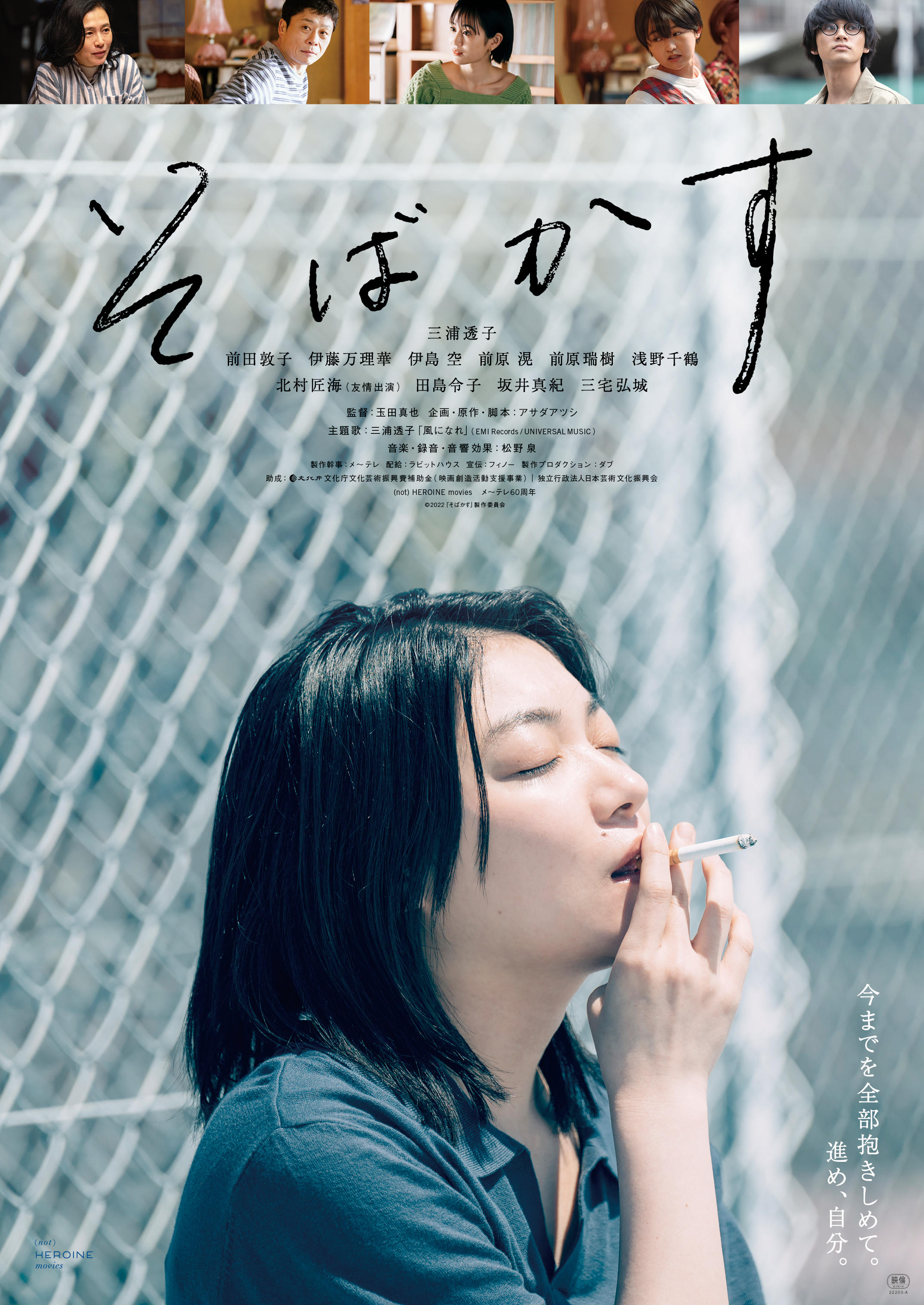
Part way through Shinya Tamada’s empathetic social drama I Am What I Am (そばかす, Sobakasu), the heroine’s sister remarks that she wishes she could live as if the world did not concern her as she assumes her sister does. In many ways, it’s an incredibly ironic statement because Kasumi (Toko Miura) finds herself constantly at the mercy of a world which refuses to acknowledge her, certain that the truth she offers freely of herself must be a lie or at least a cover for some other kind of shame. 

The fact is that Kasumi is asexual and has no interest in love or dating. As the film opens, she appears to be on some kind of awkward double date but seems isolated and aloof, as if deliberately left out of a conversation as she will be several times throughout the course of the film because of the centrality of “romance” in most people’s lives. She’s constantly asked about her “type”, or what she finds attractive in a man with a clear presumption of heteronormativity in also in play. Not wanting to get into it, Kasumi finds herself just nodding along offering some vague, stereotypical comment to smooth things over. When one of the men does strike up a more interesting conversation to which Kasumi can enthusiastically contribute, he doesn’t even listen to her but abruptly gets up to chase her friend. She ends up going to ramen bar on her own to decompress before running the gauntlet at home between mum, sister, and grandma who are all very confused by her lack of interest in marriage. 

Kasumi’s mother tells her that she has to get married someday, unable to accept that not to do so is also valid choice. Whether she does this because she feels embarrassed to have a 30-year-old unmarried daughter fearing that it reflects negatively on her parenting, is genuinely worried that Kasumi is lonely and unable to progress romantically because of shyness, or has a practical concern that she’ll be alone when she’s old, remains unclear though it does seem that her quest to marry Kasumi off is more to do with herself than her daughter. But with grandma apparently having had three divorces of her own, Kasumi’s sister Natsumi (Marika Ito) paranoid her husband’s cheating on her while she’s pregnant, and the parents’ marriage strained by her father’s depression it’s only natural she may wonder what’s so great about marriage anyway. 

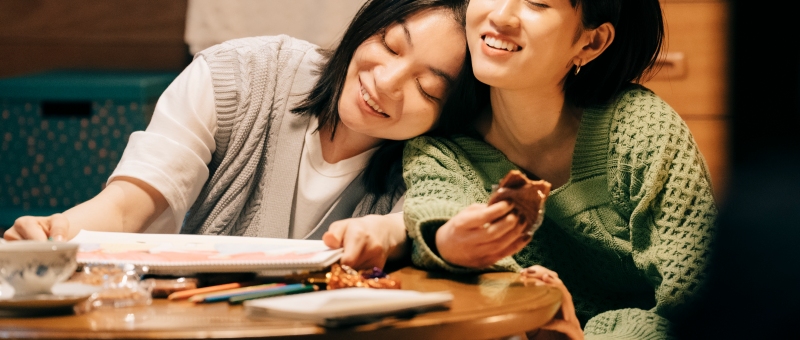
In any case, though Kasumi constantly tells people quite directly that the issue is she has never experienced romantic desire and is fine the way she is they refuse to believe her assuming either that she is shy, stubbornly rebellious, or as her sister later suggests, gay. “No one would judge you for that,” she spits out less than sympathetically even while quite clearly judging her for this, as if it denies a basic fact of biology as unthinkable as someone claiming not to breathe the air. Her friend, Yashiro, who introduces her to a new job at a kindergarten, reveals that people did indeed judge him for being gay which is why he’s returned to his hometown. Not even he really believes Kasumi though eventually develops a sense of solidarity with her when her attempt to update Cinderella for a new, more inclusive generation leaves her both exposed and humiliated with a conservative politician visiting the school remarking that he thinks “diversity” is all very well but it only confuses the children and perhaps they should learn about it after developing “solid values”. 

The irony is that Kasumi is remarkably unjudgemental and accepting of all those around her, Yashiro remarking that he just knew she would be a safe person to disclose his sexuality to while she also bats nary an eyelid on reconnecting with a middle school friend (Atsuko Maeda) who turns out to have become a famous porn star in Tokyo only keen to protect her from the unwanted attention of star struck teenage boys and the accusatory eyes of those around them. Each of her attempts to find platonic friendship also fails because sooner or later romance gets in the way. She hits it off with the guy at the omiai marriage meeting her mother tricked her into attending because he also reveals that he has no desire to date or get married, but as much as she thinks she’s found a kindred spirit it turns out that his issue was a more conventional reluctance to enter a serious relationship. When he develops feelings and she has explain again that she meant it when she said she had no interest in romance he takes it personally, insisting that she’s lying and resentful that she doesn’t find him attractive. An attempt to get flat with a female friend also hits the rocks when she decides to get back together with an ex instead. 

When questioned about dating activities and giving the unoriginal answer of the cinema, Kasumi had mentioned a fondness for Hollywood remake of the War of the Worlds starring Tom Cruise. She later elaborates on her statement that she likes the way he runs to explain that in most of his other films, Tom Cruise is usually running towards something but in this one he’s just a regular guy running from trouble which something she can relate to because she’s been running away all of her life too. Yet the unexpected discovery that her mini stand over Cinderella might have done some good after all along with encountering someone who might indeed be a kindred spirit gives her the courage to start moving forward, less concerned by the world and more confident in herself. An empathetic tale of one woman’s attempt to live her life the way she wants frustrated by a conformist society, Tamada’s gentle slice of life drama is a refreshingly empathetic in its fierce defence of its heroine’s right to chase happiness in the way that best suits her.


I Am What I Am screened as part of this year’s Nippon Connection.

Original trailer (English subtitles)

Images: ©2022 “I am what I am” film partners

Mountain Woman (山女, Takeshi Fukunaga, 2022)

A young woman charged with disposing of the corpse of an infant has only a few words to impart as she lowers its body to the river, “Don’t be born human in your next life.” Set in late 18th century Tohoku where famine ravages the land, Takeshi Fukunaga’s bleak fable Mountain Woman (山女, Yama Onna) sees humanity in extremis pushed to its most inhumane but also offers refuge in spirituality and a retreat to a less sophisticated existence. 

Calling this existence sophisticated might be a stretch, but there is more than a little constraint attached to the idea of community in this typical farming village in a feudal society. Bad weather has produced two poor harvests, and the villagers are beginning to feel desperate. As the film opens, a woman goes through a painful and traumatic labour only for the midwife to silently offer a cloth to her husband (Takashi Yamanaka) who ignores her pleas and smothers the child. They have nothing to feed it, and perhaps a part of him thinks it’s kinder this way. A young woman, Rin (Anna Yamada), waits outside for the inevitable and accepts a few coins to spirit the baby’s body away. Rin’s family is shunned by the other villagers because of a crime her ancestors apparently committed, and it’s for this reason that they deal with the dead. 

When it comes to handing out the rice rations, the village chief gives Rin’s father Ihei (Masatoshi Nagase) only half but justifies it as a kindness explaining that he is entitled to nothing because his family owns no land (it was taken from them because of their ancestral crime) but even those tainted with the legacy of criminality are still considered part of the community and so they are doing what they can. It’s this liminal status that begins to eat away at Rin. She’s expected to support a community that as she later says considers her less than human and gives her nothing in return. When her father is caught stealing from the rice reserves, she selflessly claims responsibility and Ihei lets her, savagely beating his daughter in front of the village elders as if he thought that might be enough to settle the matter.

It’s at this point that Rin decides to leave the village, taking off her sandals and leaving them at the gate to imply that she has been “spirited away” though everyone likely knows she has walked into the mountains to die. Several times we see her gazing at Mt. Hayachine which is where locals believe souls go after death, praying to its goddess who was herself apparently a thief and sympathetic to those who find themselves in moments of desperation. As Rin tells her younger brother who is rejected by the community because he is blind, the goddess Hayachine accepts everyone the same, good or bad, rich or poor, unlike the hypocrites from the village desperate to find a scapegoat on whom to blame their plight. There is no longer any space for sentimentality in their lives. Listening only to an old shamaness who claims to be in contact with the gods, they squabble amongst themselves for what little that remains before deciding they must sacrifice a virgin girl to the Weather God to end the bad harvests. 

But what Rin discovers in the mountains is freedom in simplicity. Having broken a taboo in stepping beyond the Mountain God Stone, she is freed from the constraints of “civility” and later tells a man who has come to rescue her that she has no desire to return for only in the mountains has felt herself to be a true human being. She encounters another person there she assumes is the mysterious Mountain Man (Mirai Moriyama) and is kind to him though he never speaks and shows her only silent comfort. It may be this that later saves her life in a fable-like moment that frees her to return to the mountain and the only place she has ever felt alive, but also says something of the inhumanity of so-called civilisation that only in a “savage” land can she find comfort and serenity. Often shot in crushing darkness contrasted with the overwhelming light and beauty of the forest, Fukunaga’s bleak tale of human selfishness implies that only by shaking off the false sophistication of an oppressive “civilisation” can one discover true humanity.


Mountain Woman screened as part of this year’s Nippon Connection.

Original trailer (dialogue free)

Images: ©YAMAONNA FILM COMMITTEE

What She Likes (彼女が好きなものは, Shogo Kusano, 2021)

“Distance keeps us safe” according to the hero of Shogo Kusano’s LGBTQ+ teen drama What She Likes (彼女が好きなものは, Kanojo no Sukina Mono wa) ironically commenting on the nature of “social distancing” in the age of corona along with his own sense of alienation. Though in comparison to other recent similarly themed features Kusano’s film may in some senses seem behind the times in its BL filter, it has its heart firmly in the right place as the hero and several of his friends attempt to find a place for themselves within the contemporary society which for various reasons they fear will not accept them. 

In high schooler Jun’s (Fuju Kamio) case, his sense of alienation is born of his internalised homophobia in which all he wants is to have a conventional heteronormative life within the confines of the traditional family with a wife, children, and grandchildren. Part of this may stem from a secondary source of marginalisation in that he comes from a single parent family which is itself still frowned upon by some as evidenced by the mild discomfort experienced by his new friend Sae (Anna Yamada) when he explains to her why he always eats cafeteria food rather than bringing a homemade bento. Sae’s source of internalised shame, meanwhile, is that she is a fujoshi or obsessive fan of boys love manga which revolve around romances between men but are aimed at an audience of young straight women rather than the LGBTQ+ community. 

Based on the novel by Naoto Asahara, what the film attempts to do is examine the gap between the BL fantasy and the reality of being gay in contemporary Japan. Sae is ashamed of her love of BL and ironically paranoid that Jun will expose her secret after running into him at a bookshop, explaining that she was shunned in middle school when her friends found out she enjoyed reading gay love stories which they viewed as “creepy”. Meanwhile, she has a complicated view of homosexuality off the page which is not always completely supportive. Both she and Jun continue to use a world that many would consider to be a homophobic slur to describe men who love men, Jun at times using the word against himself while simultaneously denying the identity. The first conclusion that he comes to is that Sae does not really like him but only the romanticised gay ideals from the fantasy world of BL which as is later pointed out are often set among a largely gay milieu or even in a world where everyone is gay. 

Sae refers to this space as the BL Planet, but Jun’s desire to go there is also a reflection of his internalised homophobia in that on the BL Planet he’d obviously be just like everyone else. He’s fond of repeating a sentence they learned in science class about a simplified world with zero friction which he later claims to reject unwilling to erase complication for superficial harmony but this is exactly what he’s doing in attempting to erase a part of himself in order to better conform to a heteronormative society. He beats himself up for not being able to have “normal” sex after half-heartedly agreeing to date Sae while engaging in physical intimacy with a much older man who is married with a child. Jun’s lover Makoto (Tsubasa Imai) later explains that his marriage is one of convenience born of the same kind of internalised homophobia experienced by Jun though he obviously loves his wife and child if in a different way while the inappropriateness of his relationship with a teenage boy is never raised by anyone.

Jun is taken to task by a brash classmate, Ono (Ryota Miura), for his irresponsibility in dating Sae knowing that he has no romantic interest in her hinting that perhaps not that much has changed in the last 10 or 15 years both men convincing themselves that heteronormative relationships are the only valid markers of success. Then again when Jun is accidentally outed his classmates are given a crash course in LGBTQ+ relations most of them expressing support and the conviction that society needs to become more accepting of diversity though it has to be said they were less than understanding before, particularly the boys who found Jun’s presence a challenge to their masculinity. 

Teenage boys they all are, but even infinitely sympathetic straight best friend Ryohei (Oshiro Maeda) engages in crude, misogynistic banter with their classmates forcing Jun to play along pretending to be a connoisseur of heterosexual pornography. Probably some or even most of the other boys are also lying in an act of performative masculinity but the pretence only adds to Jun’s internalised sense of otherness and belief that he is in some way broken continually asking not only why he was born like this but why anyone is. After receiving an alarming message from an online mentor, he is pushed towards a dark place in becoming convinced that the world has no place for him only to belatedly come to an acceptance of his identity as mediated through Sae’s concurrent epiphanies realising that without friction there is no progress and discovering liberation in authenticity. Despite a few mixed messages and a bizarre subplot about a hairdresser who is not himself gay but nevertheless obsessed with gay people to the extent that he thinks he can spot them in public places through codified signs and the look in their eyes, Kusano’s teen coming-of-age drama has its heart in the right place in its gentle plea for a more inclusive, joyfully diverse society. 


What She Likes screens at Genesis Cinema on 28th May as part of this year’s Queer East.

Original trailer (English subtitles)

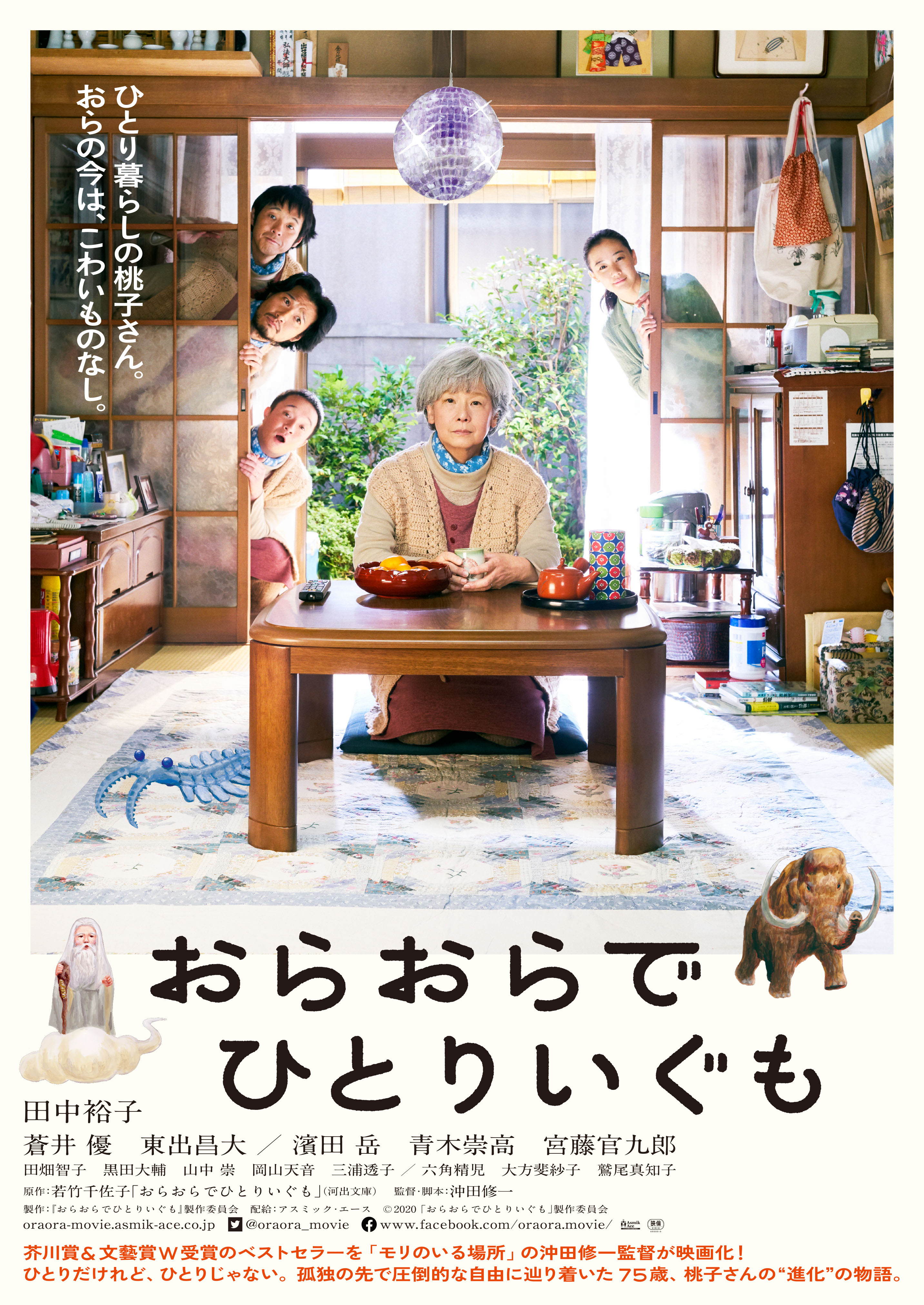
Ora, Ora Be Goin’ Alone (おらおらでひとりいぐも, Shuichi Okita, 2020)

“I never thought my life would come to such a lonely autumn” an old woman laments in Shuichi Okita’s touching adaptation of the novel by Chisako Wakatake Ora, Ora, Be Goin’ Alone (おらおらでひとりいぐも, Ora Ora de Hitori Igumo), her husband now gone, a son so estranged he may as well be too, and a daughter (Tomoko Tabata) who only stops by to ask for money. What’s it all for? In an increasingly ageing Japan, later life loneliness has become a pressing issue, but for Momoko (at 75: Yuko Tanaka, at 20 – 34: Yu Aoi) the problem may be that she’s beginning to find her own company oppressive mainly because she’s become plagued by a trio of mental sprites dressed in regular old lady clothes who speak to her in her native Tohoko dialect and force her to think about the realities of her life. 

And then there’s the other guy who looks really like the guy she was briefly engaged to before running out on an arranged marriage only dressed in her pyjamas and telling her there’s no point getting out of bed because every day is the same and she doesn’t have anything to do anyway. Meanwhile, she finds herself pulled back towards memories of happier times when her children were small. All of this has Momoko wondering if she’s sliding into dementia, or if perhaps she’s merely beginning to go out of her mind with grief, loneliness, and existential futility. 

It’s also clear that like everyone else her age despite having led a happy life, Momoko has doubts and regrets. When she ran out on her arranged marriage inspired by the Olympic buzz of Tokyo in 1964, she thought she was striking out for freedom and independence, that she was a “new woman” of the post-war era and she was going to live her own life the way she wanted it. Yet in Tokyo the first friend she makes is someone from the same area who’s managed to completely shed their regional accent, and then she met a man who refused to lose his (Masahiro Higashide) and fell in love with him. She doesn’t regret her life, but feels in a sense disappointed that she ended up falling into the same patriarchal patterns she tried so hard to escape as a conventional housewife and mother dedicating herself to supporting the man she loved. Her friend, Toko (Toko Miura), points out that she always hesitates when she refers to herself as “watashi” rather than the familiar “ora” in the Tohoku dialect as if shamed by the inauthenticity and resentful that her accent, her essential identity, is something she has to lose in order to blend in to Tokyo society. 

Heartbreakingly, we witness her bamboozled into leasing a new car, a symbol of freedom and independence, from a young man who seems nice but is obviously intent on leveraging her loneliness, addressing her as “mother” (not an unusual way to refer to the woman of a house but definitely a deliberate avoidance of “granny”) and encouraging her to think of him as a son. Ironically, while he’s there the phone rings but it’s an “ore ore” scam claiming that her son’s in trouble and needs money. She laughs it off and tells the salesman she’s not silly enough to fall for something like that just as she signs on the dotted line, but later we discover that she did indeed fall prey to it sometime earlier in desperation for the son who, as she had, left home young and never looked back. Her daughter meanwhile, stops by after hearing about the car but mostly so she can ask for money to pay for art lessons for her son. 

Thinking back on their days as a family, Momoko can’t reconcile herself to this sense of parental rejection but meditates on her relationship with her own grandmother realising she too must have been desperately lonely but she was “young and stupid” and didn’t understand. Her interior monologue with her trio of sprites is recited entirely in the voice of her younger self, and at one point she even tries throwing beans at them like demons during Setsubun, but eventually accepts them enough to talk out loud which is either a sign that she’s really losing it or a kind of liberation. “How will I carry on by myself?” she asks, meditating on this new kind of “independence” which might itself soon be taken from her whether she wants it or not. Nevertheless, what she discovers is that she might not be as alone as she thought she was and more has been passed on than she assumed but if you have to go alone then that’s alright too.


Ora, Ora Be Goin’ Alone streams in the US Dec. 3 to 23 series alongside Shuichi Okita’s debut Chef of South Polar as part of Japan Society New York’s Flash Forward series.

Original trailer (no subtitles)

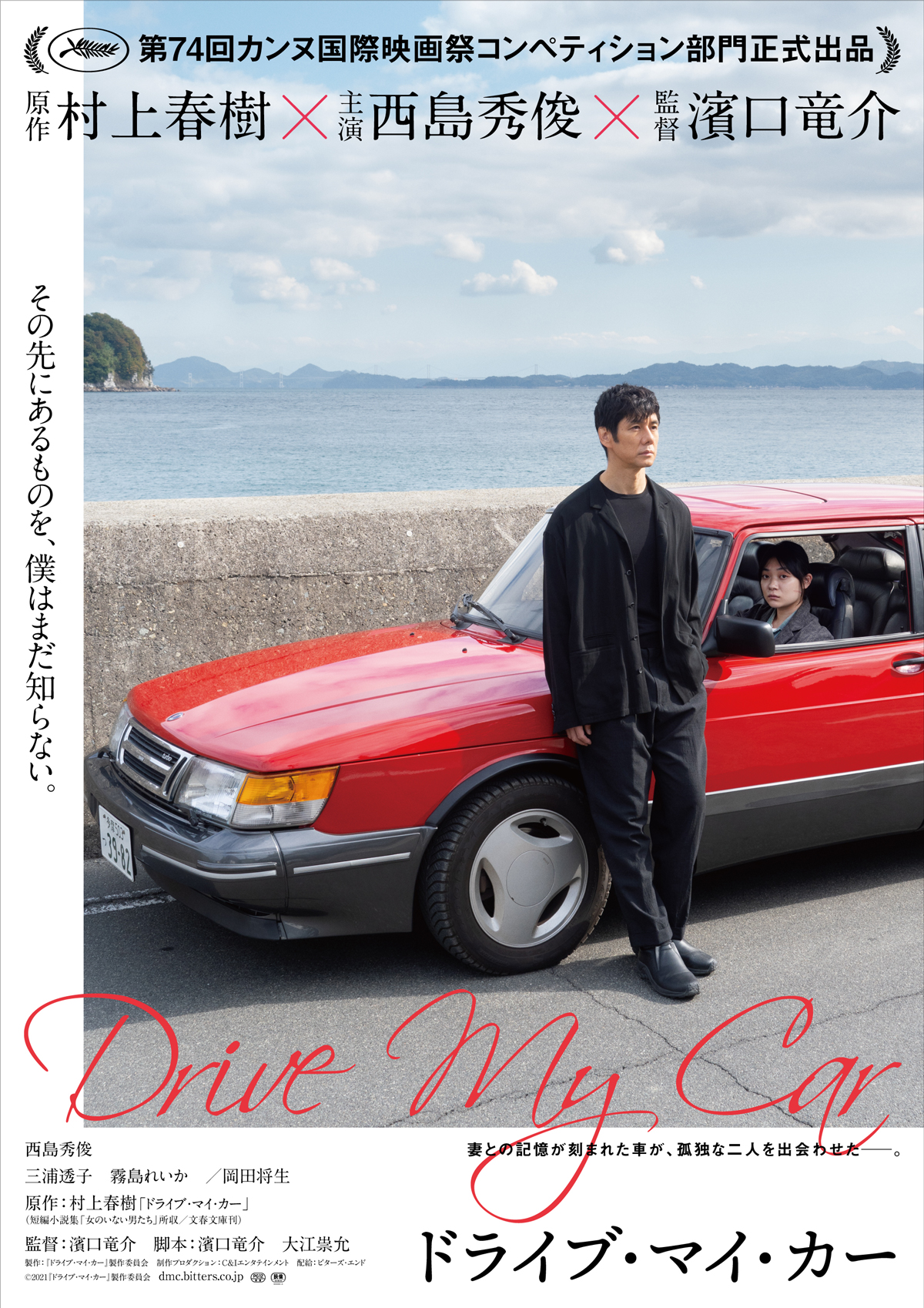
Drive My Car (ドライブ・マイ・カー, Ryusuke Hamaguchi, 2021)

“What can we do? we must live our lives” comes a constant refrain echoing the closing words of Chekhov’s Uncle Vanya offered by the self-sacrificing Sonya resolving to find joy in suffering if only in the promise of a better world to come. Freely adapted from a short story by Haruki Murakami, Ryusuke Hamaguchi’s profoundly moving Drive My Car (ドライブ・マイ・カー) is study in grief, loss, and how you learn to live after the world has ended but also of how we pull each through, finding new ways to communicate when words alone can’t help us. 

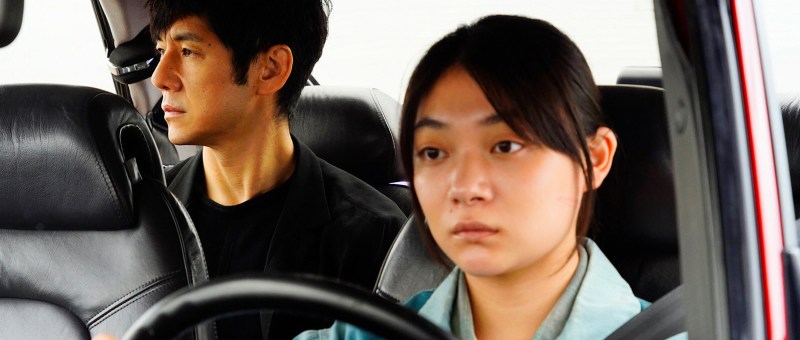
Words are, however, where we begin with a woman half in shadow an accidental Scheherazade spinning a bizarre tale of a high school girl’s first love. Oto (Reika Kirishima) claims the story is not about her, but as we’ll later discover in some ways it is if perhaps not literally. A long-married couple, this is part of their marital routine, screenwriter Oto telling stories to her theatre director husband Yusuke (Hidetoshi Nishijima) she asks him to remember and repeat back to her in the morning. Only one day, having accidentally stumbled in on his wife and her lover only to leave quietly saying nothing, Yusuke claims not to remember. She tells him she wants to talk, but he is afraid of what she’ll say and delays coming home, finding her collapsed in the hallway on his return having passed away from a cerebral haemorrhage. The story remains incomplete, a perpetual cliffhanger never to be resolved. 

Two years later Yusuke is a haunted man still listening to the cassette tape Oto left for him of her reading all of the other lines of Chekhov’s Uncle Vanya save for those of the title character which he was to play himself. This time he’s been selected as an artist in residence at at a theatre in Hiroshima where he’ll once again stage Vanya in his signature multilingual performance style. He’s specifically asked for accommodation an hour’s drive away with the intention of maintaining his usual routine of listening to the tape on his way to rehearsal but, following previous incidents, the theatre has a policy of hiring their own drivers in this case a young woman, Misaki (Toko Miura), who eventually wins him over through her capability and care while, ironically, mimicking the very qualities he demands of his actors in her wounded stoicism. 

The car in a sense represents an inviolable space of intimacy, a space that Yusuke had been reluctant to allow anyone to enter, even Oto remarking on his discomfort with her in the driver’s seat as she took him to a doctor’s appointment where he learned he was losing the sight in his left eye, clarifying with the doctor that for the time being at least he’d be OK to drive himself. Misaki assumes he doesn’t want her to drive his car because she’s a young woman, but thereafter is careful to maintain distance respecting his space for her sake as much as his own mindful of her role as a “driver” until he begins to invite her in if originally more out of politeness or consideration than a desire for company. 

Misaki has her own story, a story she too is originally reluctant to share but in its way echoes his as someone trapped in grief and guilt ironically unable to move forward but driven by the quality of Oto’s voice and the ritualistic call and response implied by its lacunas. Too afraid of its implications to take the role himself, Yusuke casts Oto’s lover, Takatsuki (Masaki Okada) a young TV actor with impulse control issues whose career has apparently been ruined by scandal, as Vanya a man approaching 50 whose illusions are painfully shattered, forcing him to realise that he’s wasted his life on a futile ideal. The three of them, each eventually entering the confessional space of the car, share more than they might assume but it’s Takatsuki who holds the key revealing another piece of the puzzle with unexpected profundity that in its own way lays bare a truth Yusuke had been unwilling to see about his relationship with his wife, the shared grief that both bound and divided them, and the poetic import of her death. 

Rather than Vanya, the film’s prologue saw Yusuke perform in a multilingual production of Beckett’s Waiting for Godot, the author’s well-known phrase “I must go on, I can’t go on, I’ll go on” perhaps equally apt even as Yusuke moves slowly away from the role of Vanya before finally assuming that of Sonya in echoing her words while comforting the filial figure of Misaki even as she explains to him that as in Vanya the fault was not in his convictions but in himself that he couldn’t accept the contradictions of his wife and in that sense had not understood her or himself well enough to know he should have braved the hurt of confrontation. Yet as Takatsuki had said, you can’t ever really know another person, there’s always a part of them forever out of reach all you can do is try to make peace with your own darkness. 

For Yusuke communication occurs indirectly, through allegory or half-truth, and through the unspoken or unintelligible. His multilingual approach in which lines are read coldly at half-speed is intended to draw out the feeling that lies beneath them, the final most profound moment delivered in silence as a former dancer breaking free of her bodily inertia delivers Sonia’s closing monologue with all of its melancholy serenity in Korean sign language her arms draped angelically over Vanya’s shoulders in a gesture of the utmost comfort. Touching in its ambiguities, Hamaguchi’s quietly devastating emotional drama for all of its eerie uncanniness finally places its faith in simple human empathy as its haunted souls learn to live with loss finding in each other the strength to go on living.


Drive My Car screened as part of this year’s BFI London Film Festival.

International trailer (English subtitles)

Spaghetti Code Love (スパゲティコード・ラブ, Takeshi Maruyama, 2021)

“Tokyo is where everyone comes to make their dreams come true, right?” a naive young woman exclaims having just abandoned her life in the country to chase freedom and independence in the capital. “You’re wrong” her reluctant, infinitely jaded host tries to correct her, “Tokyo is where everyone gets killed by their dreams”.  Tokyo is indeed the place dreams come to die in the debut feature from music video director Takeshi Maruyama, Spaghetti Code Love (スパゲティコード・ラブ). As one dejected Tokyoite puts it in her slightly pretentious opening monologue, what they’re chasing isn’t love, or money, or success but “approval” wanting desperately to find acceptance but more often than not encountering only defeat and despair. 

At least, that’s according to intense artist Kurosu (Rikako Yagi) who has become moderately successful but remains somewhat insecure knowing that her success is partially built on that of her famous parents. She insists that there are two kinds of people in the world, those who meekly put up with a disappointing reality and those who defiantly “create their own world”. She of course claims to be the latter, a highly individualist artist who takes no shit from anyone but that doesn’t excuse her tendency to behave like a total diva in an effort to assert he superiority over others, humiliating aspiring photographer Tsubasa (Nino Furuhata) by likening his set up to an ad placed by a rural supermarket. 

Tsubasa meanwhile is himself conflicted having come to Tokyo to further his career as a photographer but desperate for work and afraid of selling out. He came because he thought it was better to regret the things you’ve done rather than those you haven’t and that he’d always wonder if he stayed at home, but now he’s wondering if it’s better not to try, that the possibility of what might have been is easier to bear than knowing you tried and didn’t work out. Painting a slightly rosier version of his Tokyo life on social media he offers a Twitter friend the opportunity to visit him in the capital out of politeness only for her turn up, insist on staying with him in his tiny apartment, and make him feel even worse with her childish idealism which has a kind of poignancy in its unrealistic hopefulness.  

Like Tsubasa, aspiring singer-songwriter Cocoro (Toko Miura) is beginning to wonder if her dreams are worth pursuing as she meditates on the success of prettier rivals in both her work and romantic lives, spotting ex Shingo (Hiroya Shimizu) with his new squeeze and irritated when he smirks at her from across the courtyard. A cold and aloof young man fond of giving overly scientific explanations for philosophical questions, Shingo has decided that unhappiness is the result of broken attachment and so he’s decided to have no attachments at all even going so far as to have no fixed address living by apartment hopping every 10 days. As he discovers to his cost, living life with no connections may be fine on the day to day but you’ll be in a fix if you wind up in trouble and have no one to ask for help. His new girlfriend Natsu (Saya Kagawa), by contrast, has the opposite problem working as a sex worker in part as a means of protecting herself from romantic heartbreak by avoiding emotional intimacy. While Cocoro wonders what her life would be if she were as pretty as Natsu, Natsu meditates on the pretty girl paradox admitting that some things come easy but others slip through her fingers. She claims to love lonely people because lonely people don’t up and leave without warning. 

But loneliness manifests in many forms such as that exhibited by Shizuku (Kaho Tsuchimura), a part-time waitress with extreme low self-esteem who’s staked her existence being on the perfect partner for her boyfriend while terrified he’ll leave her an anxiety later borne out by the fact he’s married to someone else and apparently only using her as a “fun” break from his presumably less patriarchal domestic life. And then there’s Uber Eats driver Amane (Kura Yuki) and his unwise attachment to a low level idol star who’s since retired. Obsessing over her rather banal favourite aphorism about whether a falling tree in the forest makes a sound if no one’s around to hear it he vows to forget her once he’s made 1000 deliveries but realises that a romantic attachment is hard to break even if it’s entirely one sided. 

On the flip side, broken hearts eventually bring two next-door neighbours together as they mutually abandon their unhealthy coping mechanisms of online psychics and compulsive peanut butter eating while bonding in a shared sense of romantic disappointment realising the terrible men who dumped them aren’t worth all this aggro. A pair of emo high school students suddenly realise growing old isn’t so bad after all, and a kid struggling with his life plan survey suddenly realises that “no plan” is also a plan before careering off on a borrowed skateboard. Tokyo can be cruel and unforgiving, but so can everywhere else. Shot with true visual flair, Maruyama’s ethereal, floating camera follows this interconnected yet isolated band of young people all over the city as they search for love, chase their dreams, and yearn for connection allowing them each at least if not fulfilment then possibility as they learn to accentuate the positive in a sometimes hostile environment.


Spaghetti Code Love streamed as part of this year’s Japan Cuts.

Ainu Mosir (アイヌモシㇼ, Takeshi Fukunaga, 2020)

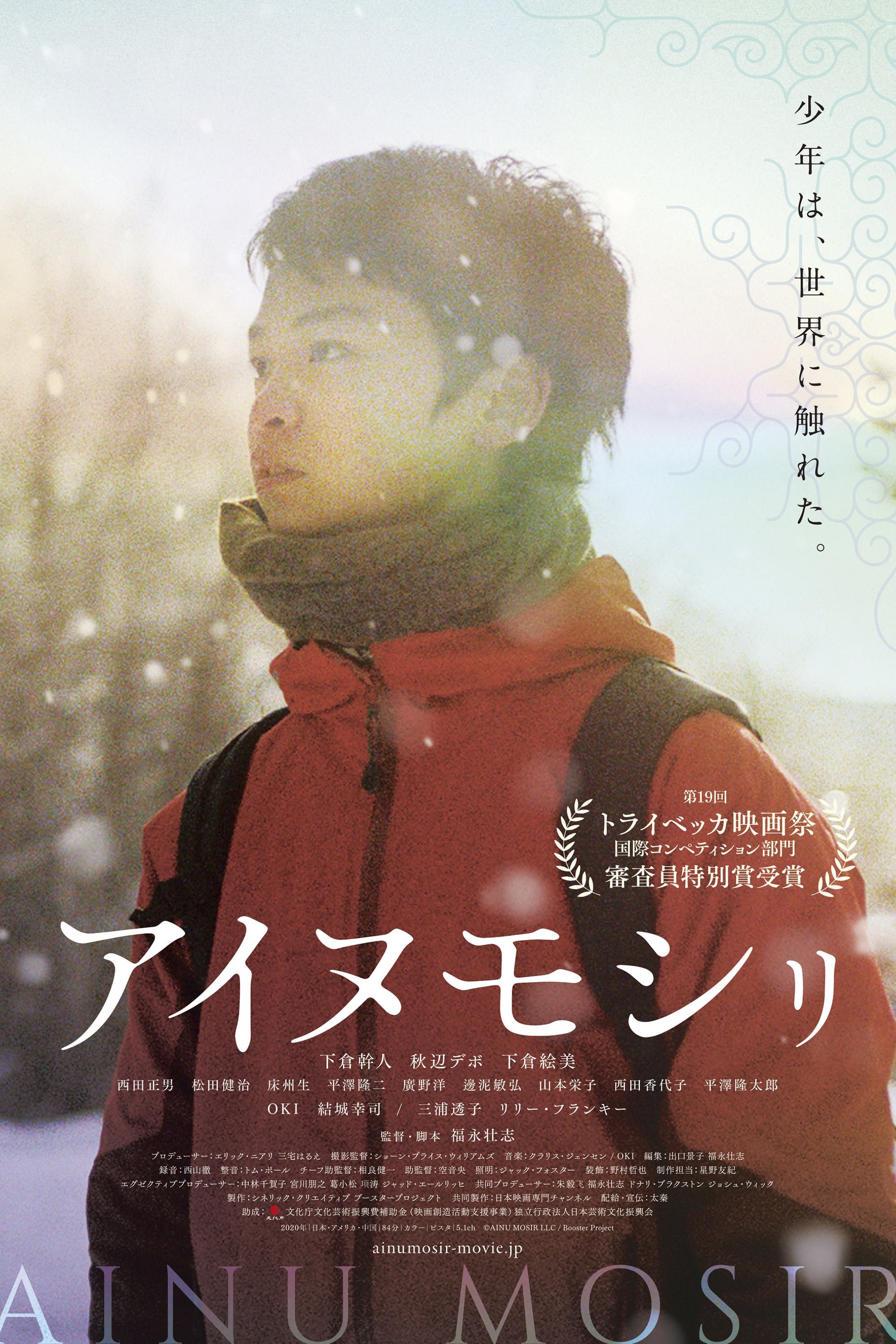
Despite its continuing preoccupation with the conflict between tradition and modernity, Japanese cinema has often been reluctant to address the nation’s relationship with marginalised communities such as the Ainu, the indigenous people of Hokkaido which was in essence the site of Japan’s first colonial expansion at the beginning of the Meiji era. Set very much in the present day, Takeshi Fukunaga’s Ainu Mosir (アイヌモシㇼ) takes its title from the indigenous name for the island and is both coming-of-age tale and exploration of the position of the Ainu people within the context of modern Japan. 

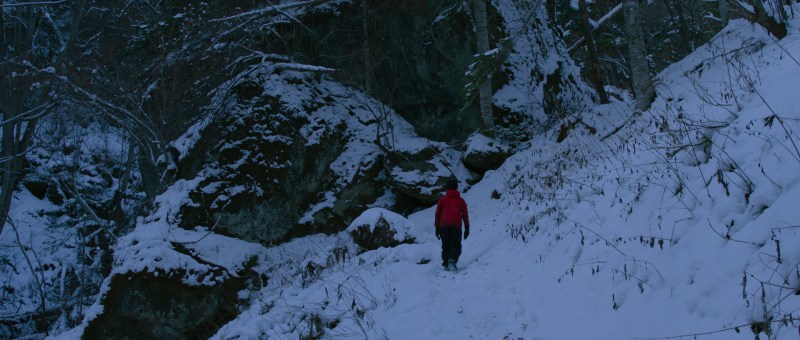
14-year-old Kanto (Kanto Shimokura) lives in the quaint Ainu tourist village of Akan and has not long lost his father. Questioned about his plans for the next stage of his education, Kanto replies that he’s fine with anything as long as it involves leaving Akan, later explaining to his understandably upset mother Emi (Emi Shimokura) that his desire to leave is because the town is “tiny” and “they make you do Ainu stuff”. Emi points out that neither she nor anyone else has ever forced him to participate in Ainu culture, but still the boy insists that he’d prefer to go somewhere more “normal” spending his time playing classic American rock on an electric guitar rather than engaging with his cultural roots. His attitude begins to change, however, when Debo (Debo Akibe), an elder acting as an uncle, begins introducing him to various aspects of Ainu culture such as the remote cave in the Forest of Light which leads to the land of the dead, teaching him how to catch and gut fish, and finally enlisting him in a project to look after a captive bear, Chibi, hidden in a cage in the woods. 

Bears are sacred in Ainu culture, but what Debo has not explained to the boy is that he’s raising Chibi as part of an ancient ritual last performed over forty years previously which involves sacrificing the bear in the belief that his spirit will then return to the land of the gods filled with tales of how wonderful humans are after being so lovingly looked after during his time in the mortal world. In a series of documentary-style sequences, Fukunaga captures the ambivalence present within the community on learning of Debo’s plan to carry out an Iomante ritual, pointing out that they live in different times and bear sacrifice is unlikely to be accepted by the outside world which will undoubtedly view it as primitive and cruel. Aside from a concern as to how the indigenous community is viewed by mainstream society, some of the council are acutely worried because they are economically dependent on the tourist trade. Young Kanto is frustrated by the idea of growing up in a museum, the town of Akan something like a theme park repackaging Ainu culture for curious Japanese tourists. His own mother works in a shop selling traditional crafts as souvenirs while appearing in a stage show adapting ancient ritual as entertainment for visiting audiences. 

A man in Emi’s shop stops to ask her if she herself is Ainu, but seems ambivalent on being told that yes she is while a female customer somewhat crassly compliments her on the quality of her Japanese which is particularly ironic as we’ve just seen her attending evening classes to relearn the Ainu language which is in constant danger of dying out. Warming to Ainu culture, Kanto is more receptive towards the idea of adding traditional instrumentation but his bandmate is, as he was, embarrassed by “Ainu stuff” and wants nothing to do with it. Debo’s betrayal sets Kanto on a collision course with his newly found appreciation for his indigenous roots in presenting him first hand with something dark and cruel that proves difficult for him to understand but perhaps finally allows him to come to terms both with his father’s death and with his own identity as a member of an indigenous community. 

Using a cast of mainly non-professional actors from the local area, Fukunaga switches between documentary-style capture of Ainu life and the cinematic naturalism of Kanto’s path towards self-acceptance filled as it is with the wonder of the natural world. Juxtaposing the reality of the Iomante ritual with the repackaged stage show, he shows us what it costs to preserve traditional culture within a surrounding modernity even as scholars descend to record the songs of the Ainu for prosperity badgering old women to offer up long forgotten lullabies for a lonely tape recorder. Kanto has however perhaps found his path in knowing he is not alone as he steps into a less innocent adulthood having integrated both sides of himself into a more complete whole. 


Ainu Mosir streams in Germany 1st to 6th June as part of this year’s Nippon Connection. It is also available to stream in the UK (and possibly elsewhere) via Netflix.

International trailer (English subtitles)

Romance Doll (ロマンスドール, Yuki Tanada, 2020)

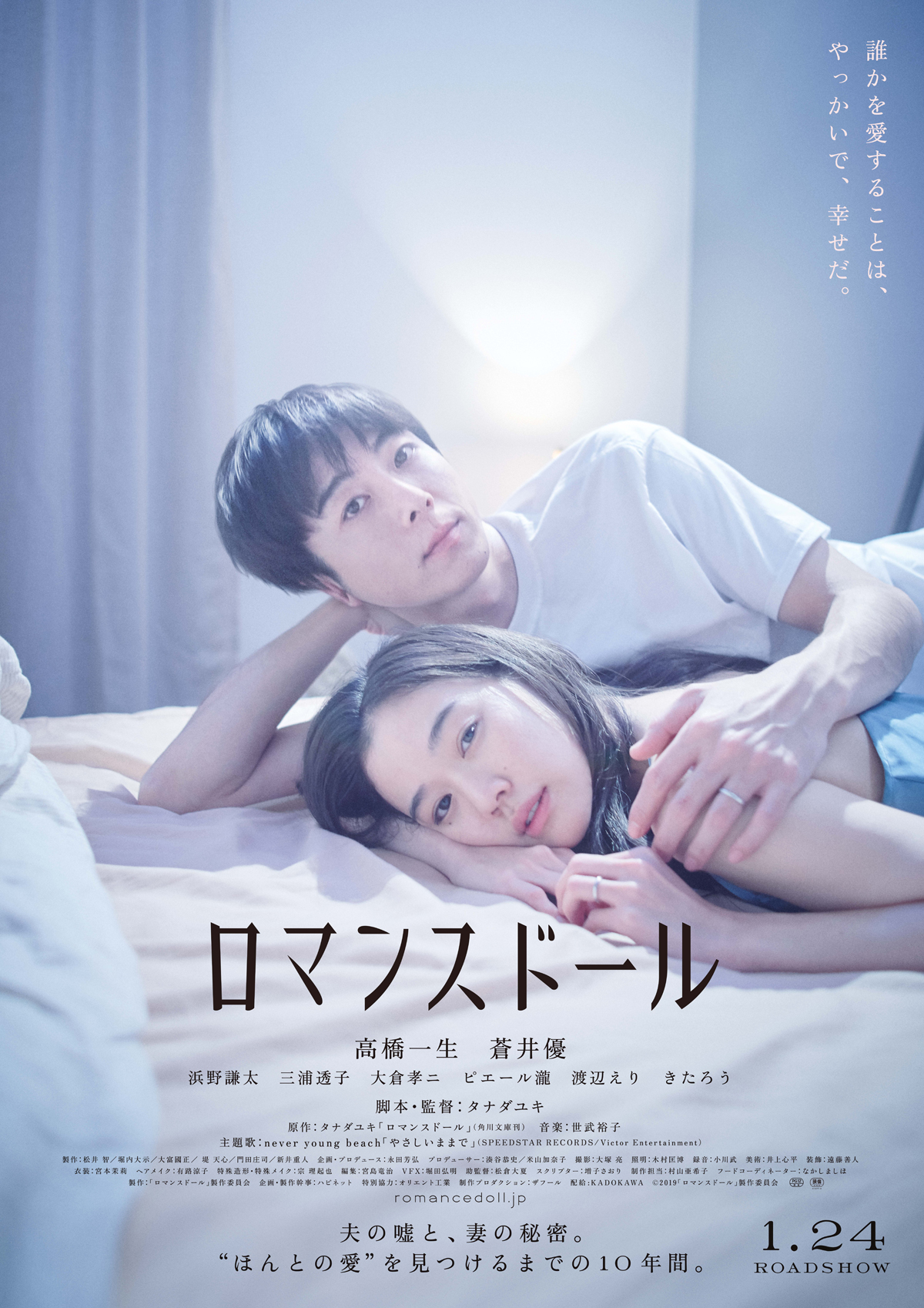
According to an assistant at the factory where the hero of Yuki Tanada’s Romance Doll (ロマンスドール) is eventually employed, what were once called “sex dolls” or the euphemistic “Dutch Wives” (apparently named for a kind of bolster used by sailors) are now marketed as “love dolls”. The difference may be largely semantic, subsuming the physical within the emotional, but speaks to a discomforting dehumanisation of the female form something which barely occurs to the sculptor even as he slowly chips away at his patient wife, gradually erasing her as he dedicates himself to crafting the perfect love doll which is, it has to be said, a woman devoid of agency who can never talk back, challenge male authority, or wound the male ego. 

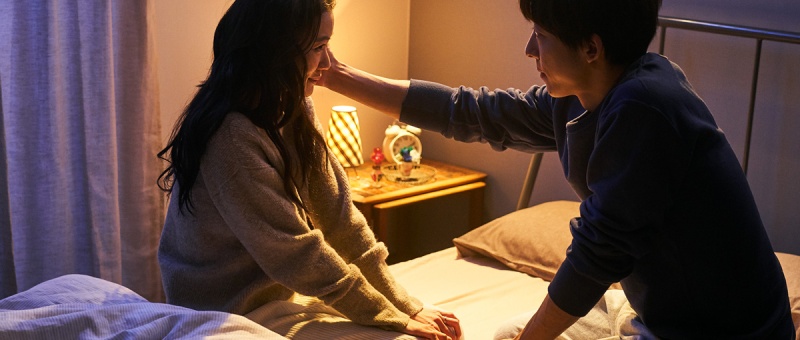
It’s this insecure fear of intimacy which eventually creates distance and loneliness in the marriage of the sculptor Tetsuo (Issey Takahashi) who hides the fact that he sculpts sex dolls for a living from his wife Sonoko (Yu Aoi) for fear that she will reject him. Tetsuo was himself “tricked” into taking the job as an unemployed graduate in need of work. He does so because he needs the money but also feels guilty, not because he finds the work morally objectionable, but because he has no investment in sex dolls as a craft while the man who’s just employed him, Kinji (Kitaro), has made the creation of the perfect model his life’s dream. 

One the one hand, Tetsuo and Kinji are craftsmen and so the fact of what they’re crafting is largely irrelevant, the important thing being the earnest pursuit of artistry in building beautiful devices whether they be sex aids or sewing machines. But others might not see it that way and in fact the dolls can only be sold as novelties with strict regulations in place to prevent “obscenity”. Concerned that the models lack realism, Kinji comes up with the idea of taking a mould of a real woman’s breasts but given all of the above they can hardly advertise what it’s for. Sonoko answers the ad because she thinks it’s for medical prosthetics, that she’ll be helping other women not providing masturbatory aids for lonely men. The moment Tetsuo touches her breasts he’s hit with a kind of epiphany and is moved to confess his real feelings as he says possibly for the first and last time in his life, while Sonoko too recounts that in his touch she could innately feel that he was an awkward but kind person which is why she fell in love with him. They marry and are happy, but he keeps the nature of his work a secret and becomes so consumed with the idea of capturing the perfection of the female form that he never looks beyond the surface of his wife and, ironically, begins to neglect her physically. 

It’s the secret keeping, the miscommunication and the fear of intimacy that eventually begin to drive them apart. She wants to tell him something important, but he doesn’t listen to her, never notices that she is unhappy or suffering and becomes petulant and resentful on realising that she has lied to him about where she was while she was away from home not realising that she felt unable to tell him because he is not and never has been emotionally available to her. He pours his “love” into the doll, and by doing so he depletes her. Sonoko becomes merely fuel for her husband’s artistic fulfilment until her metamorphosis into a doll is finally complete.

Told entirely from Tetsuo’s perspective, Tanada’s screenplay leans unexpectedly hard into a series of outdated patriarchal social codes which it ultimately reinforces rather than critiques. Tetsuo’s marital dilemma is reframed as a workplace conundrum over whether to pursue the new frontiers of elastomer or stick with the tried and tested silicone which is apparently fragile yet beautiful much like life as Tetsuo is forced to reflect on the transience of all things including love and romance. Something can be beautiful even as it rots, cherry trees still blossom even while they’re dying and there’s nothing that lasts “forever” except perhaps loss. Tetsuo tells himself that others saw Sonoko as the “ideal wife” in that she was “beautiful, a good cook, pristine, modest, and respects her husband” but apparently only he knew that she was also “nice and horny” which even if charitably taken as reclaiming her right to sexual agency is still a crass statement in the circumstances given that he has just reduced her to a literal receptacle for male desire. 

Tetsuo may feel a smattering of conflict when an early model proves successful enough to hit the mainstream media, a happy customer declaring that he’s giving up on real women, but continues to pursue his craft even while reflecting on the poetic symmetry that his wife is disappearing as his creation grows. It’s impossible to avoid the implication that what men want is a sex doll who can cook and clean, a vacant automaton who caters entirely to their desires with no interior life of her own because they are too insecure to want to deal with a real woman who is capable of hurting them emotionally. Straying uncomfortably towards a kind of sublimated necrophilia, Tetsuo only belatedly realises that his wife was more than mere object in the uncomfortable vacancy of the unresponsive silicone. Kinji had wanted to create a doll which looked as if it may come to life, as if it almost had a soul, but the key is in the almost. Rather than a meditation on the destructive effects of miscommunication and emotional insecurity, we’re left with a contemplation of art and the artist in which a man’s artistic fulfilment is valued above a woman’s life, his destruction of her permissible in the perfection of his art. Some things it seems don’t change, women are mere “romance dolls” valued only for their response to male desire be it in art or in “love”.


Romance Doll is currently available to stream via Netflix in the UK (and possibly other territories).

Original trailer (English subtitles)

Organ (あの日のオルガン, Emiko Hiramatsu, 2019)

Emiko Hiramatsu is best known as a regular collaborator to the endlessly prolific Yoji Yamada. Though his repertoire is more varied than some give him credit for, Yamada is one of several veteran directors to have begun looking backwards with a sometimes uncomfortable nostalgia for the wartime era in tales of maternal suffering such as Kabei and Nagasaki: Memories of my Son, or its legacy of unfulfilled desire in the more complex The Little House, all of which were co-written by Hiramatsu. It’s to the war she returns in her second directorial feature Organ (あの日のオルガン, Ano Hi no Organ), once again chronicling female fortitude as an idealistic nursery school teacher defies governmental advice to evacuate the children in her care to the relative safety of a disused temple outside of the city. 

“Angry girl” Kaede Itakura (Erika Toda) is outraged by the news that the schools will soon be closed, not least because of it’s impracticality seeing as the parents of the children in her care have all been mobilised for the war effort and will not be able to look after them. Worried about the intensification of aerial bombardment, she’s considering taking the children somewhere safer but is struggling to convince others that she is right to reject the governmental line. Her greatest challenge is not, however, the authorities, but the children’s parents, many of whom have been quite thoroughly brainwashed and have no idea how badly the war is going. They find Kaede’s suggestion defeatist and are certain that they are in no real danger. Of course, no one wants to be separated from their children, but some begin to wonder if they aren’t being selfish in wanting to keep them close if they’ll be safer elsewhere. Experiencing a serious air raid, most parents ultimately decide that perhaps evacuation is for the best. 

The kids, though obviously distressed to be taken away from their parents, perhaps think of it as an extended school trip. The locals, however, are not universally pleased to see them. A farmer beefed up by militarist credentials, loudly complains about being forced to feed and shelter “unproductive” refugees. He’s only talked round when the sole male teacher explains to him that the children are important because they too are children of the emperor who will someday grow up to become fine soldiers fighting for imperial glory. 

Kaede bristles, but finally cannot argue. A neat mirror of macho male militarist ideology, her philosophy also has its patriotic quality in her constant insistence that they must save their “cultural identity” by teaching the children traditional arts such as flower arranging and folk songs which, while admired by the militarists for their essential Japaneseness, are also regarded as frivolous. She tries to maintain distance between herself and the children, clear that this a school and not a home, but is forced to accept a degree of maternity when it becomes clear that lack of human warmth is causing them to suffer. 

The teachers at the school, all of whom are necessarily unmarried and most of them young, are doubted by others precisely because they have no children of their own even if they are ultimately respected as educators. Caring for the children is also their way of serving, allowing their parents to devote themselves entirely to the war effort in the knowledge that their kids are safe. The country is, however, much more conservative than the city. Also viewed with suspicion is a man who’s come home from the war injured and now finds himself out of place, “unproductive”, and to a degree feminised. When he dares to talk cheerfully to one of the teachers after helping her fix her bicycle, the ultra militarist doesn’t like it, accusing the teachers of being a bunch of loose women in the habit of taking advantage of “vulnerable” men who are apparently both emasculated and infantilised by their inability to serve. The militarist’s complaint gets the teacher sent home, back to the city, and straight into the heart of danger where she may die simply for smiling at a lonely young man. 

Kaede once again doesn’t approve, but is powerless to resist. She is forced to compromise her principles for the greater good to keep the children safe. Her “angry girl” fortitude is directly contrasted with the ethereality of the bumbling Mitsue (Sakurako Ohara) who has a knack with the children but is not exactly a responsible adult. Yet Mitsue too is “serving”, if only as a morale booster, her cheerful attitude helping to carry others through tough times. It’s her organ from which the film takes its title, gathering the children to sing wholesome folk songs including the classic “furusato” with all its evocations of nostalgia for an idyllic pastoral innocence.

Meanwhile, Kaede wonders if she’s done the right thing in separating families, darkly worried that the parents might have preferred to die with their children rather than be glad they sent them away to safety. Many of the children in her care are orphaned, losing homes and family members in the fire bombing, and finally not even rural Saitama is safe, but she has at least saved something in her determination to carve out a space for peaceful innocence far away from the unfeeling chaos of militarist folly.


Screened as part of the Japan Foundation Touring Film Programme 2020.

International trailer (English subtitles)