Will You Still Be My Friend (日光, Lu Po-shun, 2026)

The building of a solar panel farm proves unexpectedly divisive and damaging to the social fabric in Lu Po-shun’s gentle drama Will You Still Be My Friend (日光, rìguāng). Though some may argue that solar is the future and an environmental good, environmental concerns at the forefront for the collection of pool fishermen who worry, firstly, that the panels will be polluting and later complain that they’ve scared away all their fish which is destroying their livelihood.

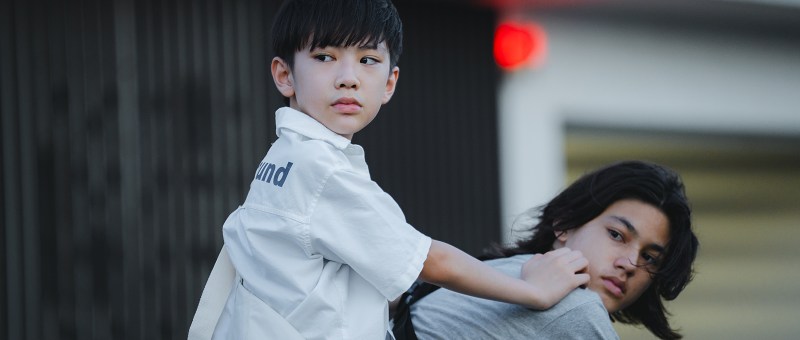
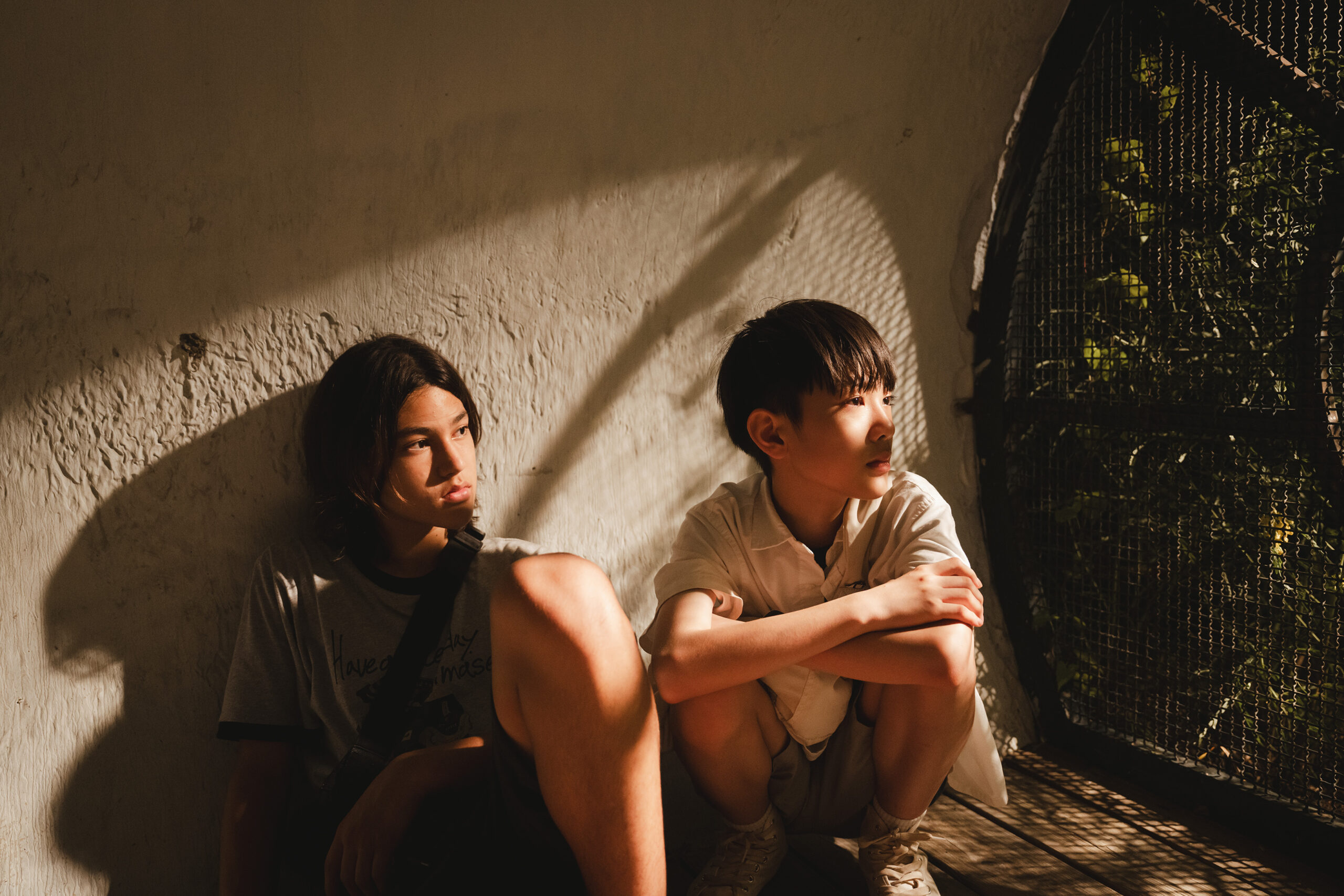
It also seems that some believe the developers have essentially stolen their land while they weren’t given much of a choice about letting them in, while others complain that the construction is too disruptive and has polluted their ponds with dust. A kind of division is arising between the local children most of whose parents oppose the solar farm. Jun, the grandson of the village chief and a kind of leader among the kids, has recently become friends with Jasper, the son of a Singaporean couple who are in charge of the solar farm project. Jasper’s parents have, in fact, put him up to befriending Jun with his mother telling him that he should influence Jun but not be influenced by him. It’s clear to that extent that Jasper knows his parents are using him as a tool and resents it, though Jun seems oblivious even when Jasper asks him odd questions such as whether his grandfather has been talking to any other solar panel companies besides theirs.

The other children, however, more or less shun Jasper, mainly because of the animosity towards the solar project, but also because he just doesn’t fit in in the village. Having come from Singapore, he has a different accent even if speaking the same language and comes from a background that is more upper-middle-class and educated. On their arrival in town, Jasper’s father buys a grand piano for his mother, who is actually not all that impressed because she thinks it’ll just be a hassle when they return to Singapore, though it’s clear that being able to play the piano well along with a general level of refinement is important to the family. Nevertheless, Jasper says that his father objects to what he sees as his unmanliness. Others have made fun of him for talking like a girl and he does have an aura that’s a little more feminine and sensitive than that of the rambunctious village boys.

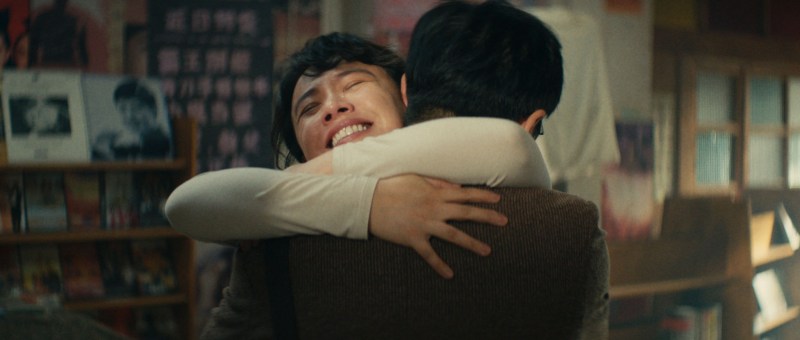
The genuine friendship or perhaps more that arrives between himself and Jun is then a little unexpected because of the class differences between them, though in other ways they are both outsiders. Jun’s parents have divorced and he’s living with his paternal grandparents. He hangs out with the local kids, but at the same time does not seem to particularly like or be fully accepted by them, while as Jasper later says, it’s not really clear that they would be friends with him or at any rate treat him with so much deference if he were not the village chief’s grandson. Like Jasper, they are, in a way, trying to ingratiate themselves with him rather than acting out of a simple and innocent desire for friendship. Jun, meanwhile, is drawn to Jasper’s refinement, practising the piano himself on a paper replica and deciding to apply for the private school that Jasper will be attending despite having an average academic record.

When his grandfather suggests pulling some strings so he won’t have to worry about the exam, Jun doesn’t see much wrong in it because it’s just the way things are done around here, though he’d rather prove himself by passing the exam. By the same token, he doesn’t see anything wrong with skimming the red packets at lion dance performances, because the older kids were doing it. Even without the influence of the solar farm, local politics appears to be pretty rotten with Jun’s grandfather eventually getting arrested after being accused of taking bribes to push the solar panel farm through despite the opposition of villagers. Perhaps ironically, Jasper seems to have a keener sense of morality, suggesting that it’s not right for Jun to get into the school without taking the exam, and that it’s wrong to be focusing on who dobbed the village chief in when the issue is that he did actually take the money.

When tensions in the village reach a head, the boys end up wondering whether it’s actually possible for them to remain friends with each completely isolated from the rest of the village and from each other when it transpires that it may have been Jasper’s parents, frustrated by the villagers’ protests, who tried to oust the village chief in a clear sign of a foreign corporation influencing local politics to facilitate their business. Nevertheless, the two boys are able to salvage something of their friendship even while remaining outsiders in a highly stratified and judgemental community in which even friendship is for sale.


Will You Still Be My Friend screened as part of this year’s San Diego Asian Film Festival.

Trailer
EDJOP (Katski Flores, 2026)

The daughter of a fallen revolutionary finds herself reckoning with her father’s legacy in Katski Flores’ dramatisation of the life of Edgar Jopson (Elijah Canlas), a key figure in the resistance movement towards the Marcos regime who was killed by the state when his daughter Joyette (Jodi Sta. Maria) was only three years old. Joyette’s reluctance to look back or talk about the past echoes that of her nation, which less than 40 years after the People Power Revolution elected Marcos’ son to power.

Joyette, a prize-winning international marathon runner, begins her voice-over with a metaphor about different kind of races, and to that extent the film charts her course from running away from something to running towards it as she begins to confront her complicated feelings about her father. As she has no memories of him, all she really feels is a sense of resentment that he abandoned his family to fight for a nebulous concept like “revolution”. Being the biological child of a famous figure comes with a degree of responsibility that she doesn’t really want nor know how to handle when she’s expected to attend all these memorial events but feels that she has nothing really to say about a father she never knew.

For Joyette, all she really wants to do is run. She doesn’t feel that politics is anything to with her and is both uncomfortable and evasive when people ask about her father, but she’s also oppressed in other ways while being trapped in an abusive relationship with her controlling coach. It’s not really until her mother is diagnosed with early-onset dementia that she begins to realise that her window to the past may be closing soon and she should ask her mother about these things now while she is still able to remember them. Then again, Joy’s dementia also echoes the lack of clarity we also have about the historical past with Joyette uncertain how much her mother has actually forgotten and how much she may simply not want to remember or to talk about.

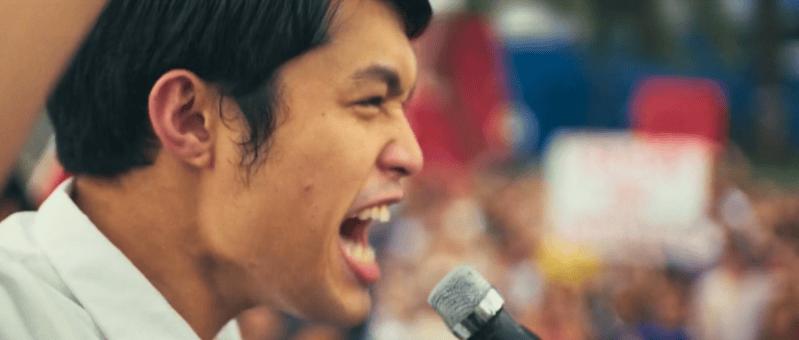
Flores intersperses Edgar’s life within Joyette’s introspection, charting his course from upper-middle-class boy to communist revolutionary. The early scenes find him even as a young child giving righteous and eloquent speeches to the other kids at school and later inspiring those around him to fight for a fairer and more equal world. But at the same time it does not shy away from his ideological conflict with Edgar’s wife Joy (Kakie Pangilinan) asking if his admiration for China is not misplaced and their authoritarian rule isn’t just fascism by another name. Meanwhile, it’s clear that his desire to improve conditions for all nevertheless means that he places his family in danger with his young son in the room when the military come for him and even later in his prison cell when he’s being beaten.

The soldier that has a particular fixation with catching Edgar says that he was once a fan, but his family was poor so he didn’t get to go to university and had to enlist in the military to get an education instead, ironically bearing out the social issues that Edgar was campaigning against but also push some towards authoritarianism thinking that they can prosper inside that system if only by oppressing other people. Edgar’s own family were once poor but later went on to own one of the biggest supermarket companies in Manila. He later runs into a problem when workers at his father’s company start striking for better pay and conditions with his father refusing to concede, insisting his business will go bust if he gives in to their demands.

Nevertheless, Edgar’s father later says he’s proud of him for what he’s done standing up to an authoritarian regime, much in the same way Joyette later comes to accept his legacy along with her own part within it as someone who could carry these ideas forward and resist the authoritarian   legacy in the contemporary Philippines. They want you to forget, Joyette’s father tells her in a dream in which past and present come to co-exist. They want you to be silent and to stop caring so that you think this is the way things are and nothing will ever change. But on her circular journey, Joyette eventually comes around not only to the nature of her father’s sacrifice but the simple power of speaking the truth aloud and actively engaging with the past.


EDJOP screened as part of this year’s San Diego Asian Film Festival

Trailer (English subtitles)

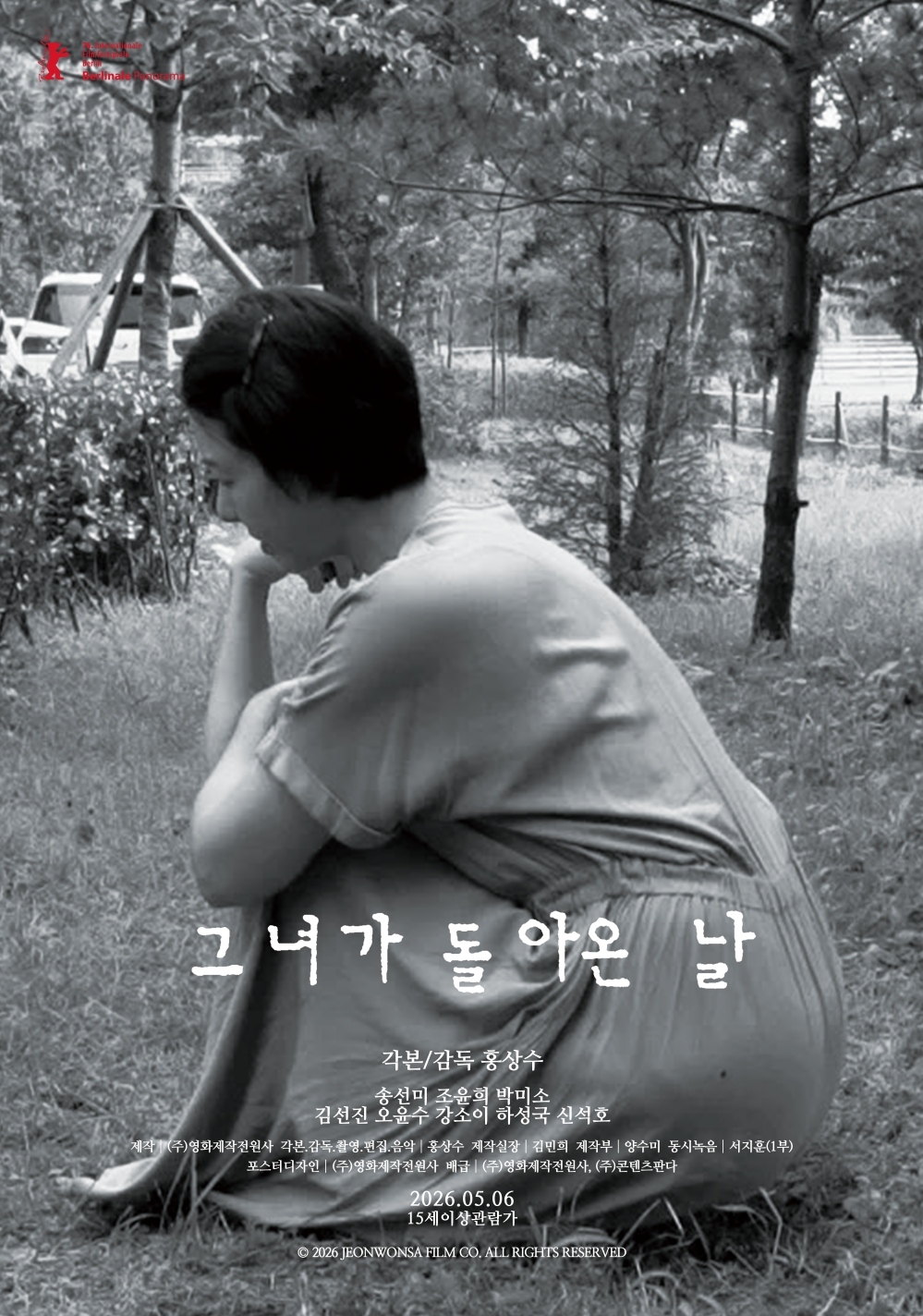
The Day She Returns (그녀가 돌아온 날, Hong Sang-soo, 2026)

Perhaps it’s not that uncommon for an actress to give vaguely similar answers to near identical questions during a series of press interviews, but the interplay between scripted and unscripted dialogue along with the awkwardness and forced politeness of a conversation that straddles the borders of personal and professional begins to reveal the lines between what we say and what we mean in Hong Sang-soo’s latest The Day She Returns (그녀가 돌아온 날, Geunyeoga doraon nal).

Jeong-su (Song Seon-mi) is returning to the industry after a 12-year career break following her marriage and subsequent divorce. Even so, the reason Jeongsu gives for not having continued to work is that she simply wasn’t offered anything, which partially explains why she’s made her comeback in an independent film by an up-and-coming director. Each of her interviewers is a young female journalist, which contributes to the sense that in someways she is actually talking to a reflection of herself. It’s not really until the final interview that they actually start talking about the film with most fixating on the reasoning behind Jeong-su’s absence from the screen along with her personal life and divorce.

Though Jeongsu later focuses on a desire to see things clearly as they are, it seems that she is not being entirely honest or is perhaps failing to see the truth about herself rather than deliberately misleading the interviewers. Though she tries to put them at ease, perhaps Jeong-su herself is a little more nervous than she makes out. She asks each of the women if they’d like to try to draft beer at this German restaurant she seems fond of, with the first replying she prefers not to drink on the job. Jeongsu says she doesn’t want one either and no longer drinks as much as she did, telling the second interviewer she’s on a diet, but later revealing she may have gone through a period of drinking too much after her divorce. She clearly wants a drink herself, but feels awkward to order one if the other person doesn’t want to join her, making excuses to be polite. Similarly, during breaks between interviews, she mainly sits outside vaping as if to blow off stress. She later calls one of the interviewers to ask her not to include a couple of things she said about her divorce on the grounds that it might not be fair to her former husband.

Each of the interviewers asks her if she has any advice for the younger generation and each time she offers them similar platitudes about learning to love themselves but that true love sometimes means doing things you don’t particularly want to do. This is perhaps advice she might have wanted to give to herself, but at the same time does not appear to have much confidence in. She tells the second two interviewers how happy she is with her simple family life living with her daughter and their dog, but at times it feels as if she’s talking about someone else, or perhaps it become more obvious that even in this situation is still playing a role as an actress being interviewed. This is too is “performance”.

Indeed, she later tries to “recreate” these experiences as part of an acting class. Hong reverts to a lower-quality camera, blurring the image as if to reflect the “unreality” of this “real” situation as Jeongsu repeats a script she’s written amalgamating all these experiences. The recreation proceeds as it did before, but as it drifts towards the more personal elements both Jeongsu and the interviewer begin to need to check their scripts. Jeongsu cannot quite key into her personal “reality” during this kind of “performance” and no longer knows quite what to say. The awkwardness that develops between herself and the actor playing the interviewer seems different than that created by distance between herself and the journalists which is born of the need for forced politeness. “All may be an illusion,” she admits, leaving the possibility that there may not really be any such thing as clarity or absolute truth even as she tries to search for them in both her personal and professional lives. There may not really be as much of a border between “performance” and “authenticity” in the way we usually see them, only a constant interplay between the two as we seek to be understood rather than to understand.


The Day She Returns screened as part of this year’s San Diego Asian Film Festival.

Trailer (English subtitles)
Ideal and Weird Family (이상 가족, Kim Ji-hyun, 2026)

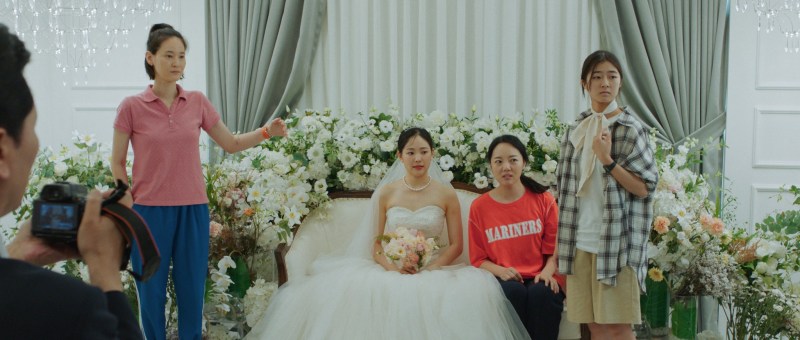
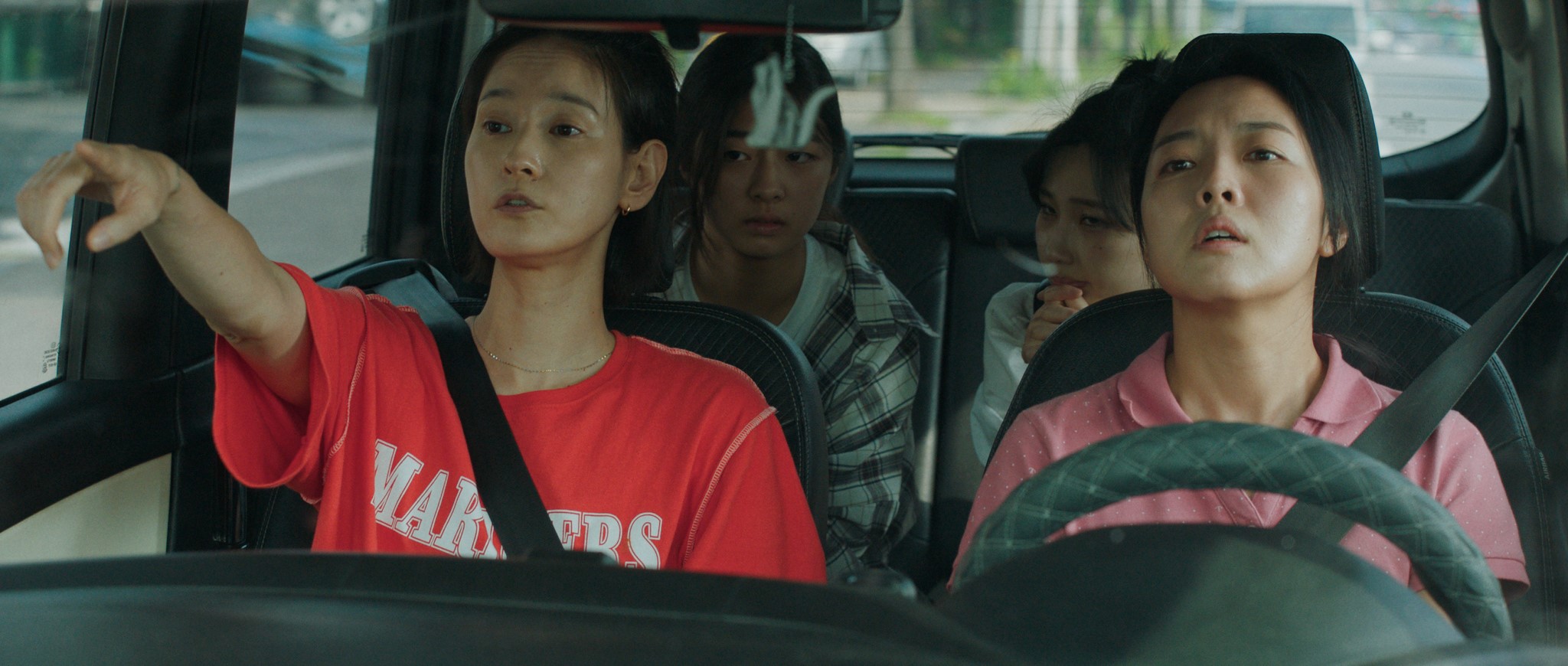
A family on the verge of implosion begins to repair some of its wounds while taking an impromptu road trip after receiving a sudden invitation to the wedding of an increasingly distant aunt in Kim Ji-hyun’s warmhearted dramedy, Ideal and Weird Family (이상 가족, Isang Kajok). Kim deliberately plays with our own biases and expectations by beginning with the parents separated before confirming that He-soo and Da-sun are a same-sex couple whose relationship has degraded to breaking point largely due to the pressures involved with living in such a conservative and conformist society.

Indeed, Korea does not currently legally recognise same-sex marriage, yet Hee-soo and Da-sun refer to themselves as a married couple who are planning to “divorce”. Da-sun, a writer, seems to want to move out of their family home in order to be “free”, which appears as something closer to a midlife crisis and rejection of domestic responsibility than something fundamentally wrong with her relationship with Hee-soo and their two teenage daughters. Yet it’s later revealed that the cracks in the family’s foundations are partially caused by a differing approach to living an authentic life as a gay person in South Korea. Da-sun is already out and has a public profile as an award-winning writer, yet it’s Hee-soo who supports the family with her corporate job. As someone who works in a creative filed and doesn’t need to pay attention to office politics, perhaps it’s easier for Da-sun to be out while Hee-soo fears that being open about her private life will cause problems at work and impede her ability to provide for the family.

Hee-soo also fears that Da-sun’s openness will cause problems for their daughters, and it turns out that she’s at least partially right. Won was training to be a K-pop star and was apparently quite successful, but was kicked out of her agency when they find out that she has two mums. Won herself has posted whistleblowing videos about this on the interest, blasting the agency for its conservative views and defending her family even while threatened. She’s been trying to build a career as an influencer while posting her whistleblowing videos, but her viewers don’t seem to trust her and constantly ask for hard evidence to back up her claims. Sol, meanwhile, is more serious like Hae-soo but also wants to leave the family by going to boarding school and studying up on how to become financially independent. From what she later says, this may partly because she’s too sensitive and finds it difficult to accept the emotions of those around her knowing that they aren’t something she feels she can control.

They are all, in a way, experiencing their issues in isolation, unable to confide in each other while also yearning for their more ideal family. Da-sun’s family had rejected her because of her sexuality with her late father even threatening to have her struck off their family register. Her mother seems to be more accepting, though still struggling, but at the same time immediately identifies Hee-soo as the “wife” and sympathises with her, correctly guessing that Da-sun probably dumps all the domestic stuff on Hee-soo and takes her labour for granted. Da-sun says she wants to be her true self, but Hee-soo asks who gets to do that when raising children. “I didn’t get my divorce, you should at least get yours,” Da-sun’s mother advises recalling the similarities with her own marriage.

But if a visit to Da-sun’s traditional rural home answers a lot of questions, so does Hee-soo’s arrival at her younger sister’s wedding to a man she disapproved of. Ji-soo only invited her a couple of days before, apparently because her mother-in-law wanted to do a ceremony with Ji-soo’s family and both their parents have passed away. The snooty in-laws have, however, already hired a lot of paid guests to masquerade as Ji-soo’s family, even going so far as to bar Da-sun and the children from the ceremony. Suddenly, Hee-soo’s keep quiet attitude begins to crumble when faced with this apparent betrayal by her sister, realising that perhaps it was wrong to ask people to tell such a “big lie” by not mentioning that she lives with another woman.

Through each of these experiences and confrontations, the family members begin to work through some of their issues while rediscovering a sense of togetherness they may have lost amid the complications of modern life. They may all need to give something up in order to stay together, but may find that they gain more than they lose in the pursuit of their “ideal family,” something they may otherwise have lost sight of amid the pressures of living in such a conservative society.


Ideal and Weird Family screened as part of this year’s San Diego Asian Film Festival.

Trailer (no subtitles)

Baby Jackfruit Baby Guava (Em bé đồng bóng, em bé ngạo nghễ và em bé đau lòng, Nông Nhật Quang, 2026)

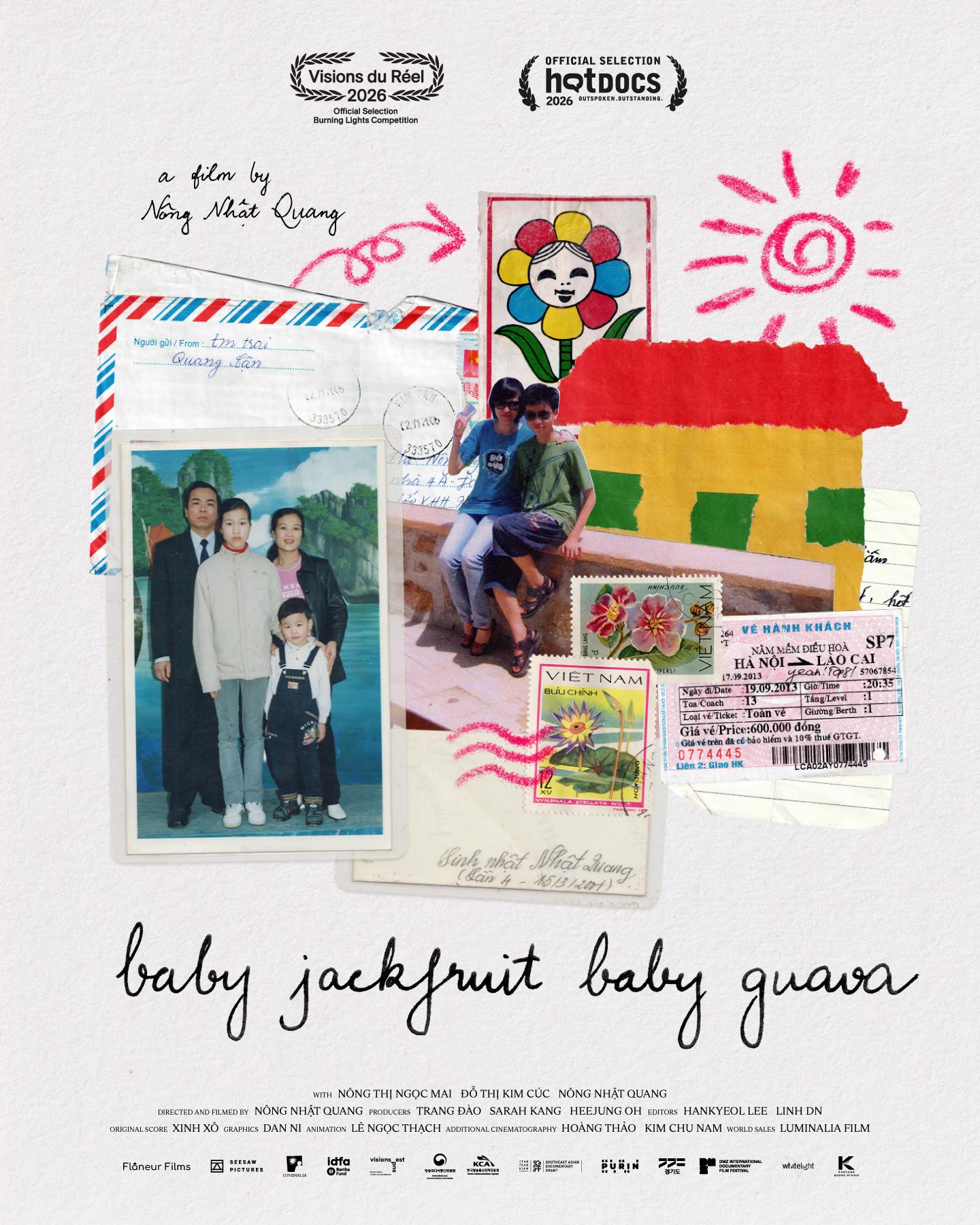
In his feature debut documentary Baby Jackfruit Baby Guava, Nông Nhật Quang charts his attempts to connect with his family having left his hometown for Hanoi to live a freer life as a gay man. His sister’s unexpected pregnancy later brings him back while looking for a better kind of balance between the personal and the familial, but also confronts him with his own choices and insensitivity when reacting to his older sister’s mental health diagnosis.

Mai is nine years older, and though the siblings were closer in their childhood, Quang came to feel a distance growing between them as Mai’s behaviour became increasingly erratic. Though he advised his parents to have her see a doctor, it wasn’t until sometime later that Mai was diagnosed with schizophrenia. Though his more conservative mother had lamented that neither of them were likely to give her grandchildren, Mai has become pregnant but the prospect also has the family worried as how to Mai will cope. For the time being, she is continuing to take her medication, leading Cuc to worry about potential effects on the baby, while coming off the meds to breastfeed has her worried about Mai. Once the baby is born, Mai sometimes describes disturbing visions of hurting her son and requires a lot of family support.

But at the same time, she says that she pours all the love her mother never gave her into her son. She complains that Cuc only cares for her while she’s ill and otheriwise seems to prefer her brother or husband. Cut is indeed supportive, but also complains of being tired while also torn between the needs of both her children. When she attends a screening of one of Quang’s films, she finds it difficult to concentrate because her phone’s blowing up with notifications that Mai has insulted the entire family of a neighbour on Facebook. The neighbour later calls her to complain, yelling at Cuc that they should “put the crazy in the hospital” and stop making trouble for other people. Quang regrets not having been there when she needed him, having gone to Hanoi in part to get away from the turmoil at the house. He does not shy away from his negative emotions in including excerpts from old diaries in which he expresses his frustration, calling Mai a “burden” he does not really want to bear.

Cuc calls their family “ill-fated”, struggling to accept her son’s sexuality and her daughter’s mental health condition. Though the family know that Quang is gay, he feels under pressure to tone himself down even while referring to himself as the “Flamboyant Baby.” When his mother comes to stay with him in the city, Quang has to spend time getting rid of all his gay stuff to avoid offending her, while he’s also avoided telling them that he has a serious boyfriend. When Quang tries to introduce him, Cuc reacts badly, complaining he’s too old and too foreign. Yet simultaneously, she seems hurt he hadn’t told her before. “You take everything too personally,” she tells him when he suggests that she holds him to a different standard from his sister or her husband.

Yet through all this bickering and resentment, the family does begin to come closer while bonding over Baby Guava. Nông Nhật Quang is remarkably even-handed and empathetic in his direction, even if his third-person voiceover is tinged with a note of melancholy that he still can’t seem to find a way to completely connect with his family members in the way he would like. Even once he has introduced his partner to the family, there is a still a divide between his life in Hanoi and that in his hometown. Even so, they seem to have reached a happy equilibrium brokered by a process of mutual understanding and unspoken solidarity as they look forward to watching Baby Guava grow into whoever they’re going to be as the latest addition to their growing family.


Baby Jackfruit Baby Guava as part of this year’s San Diego Asian Film Festival.

Trailer (English subtitles)
Sisa (Jun Robles Lana, 2025)

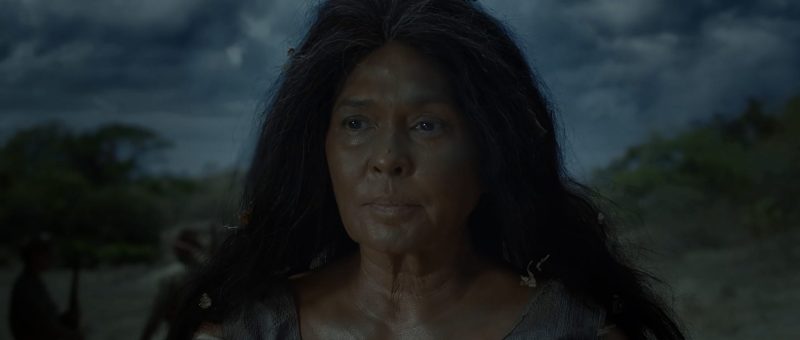
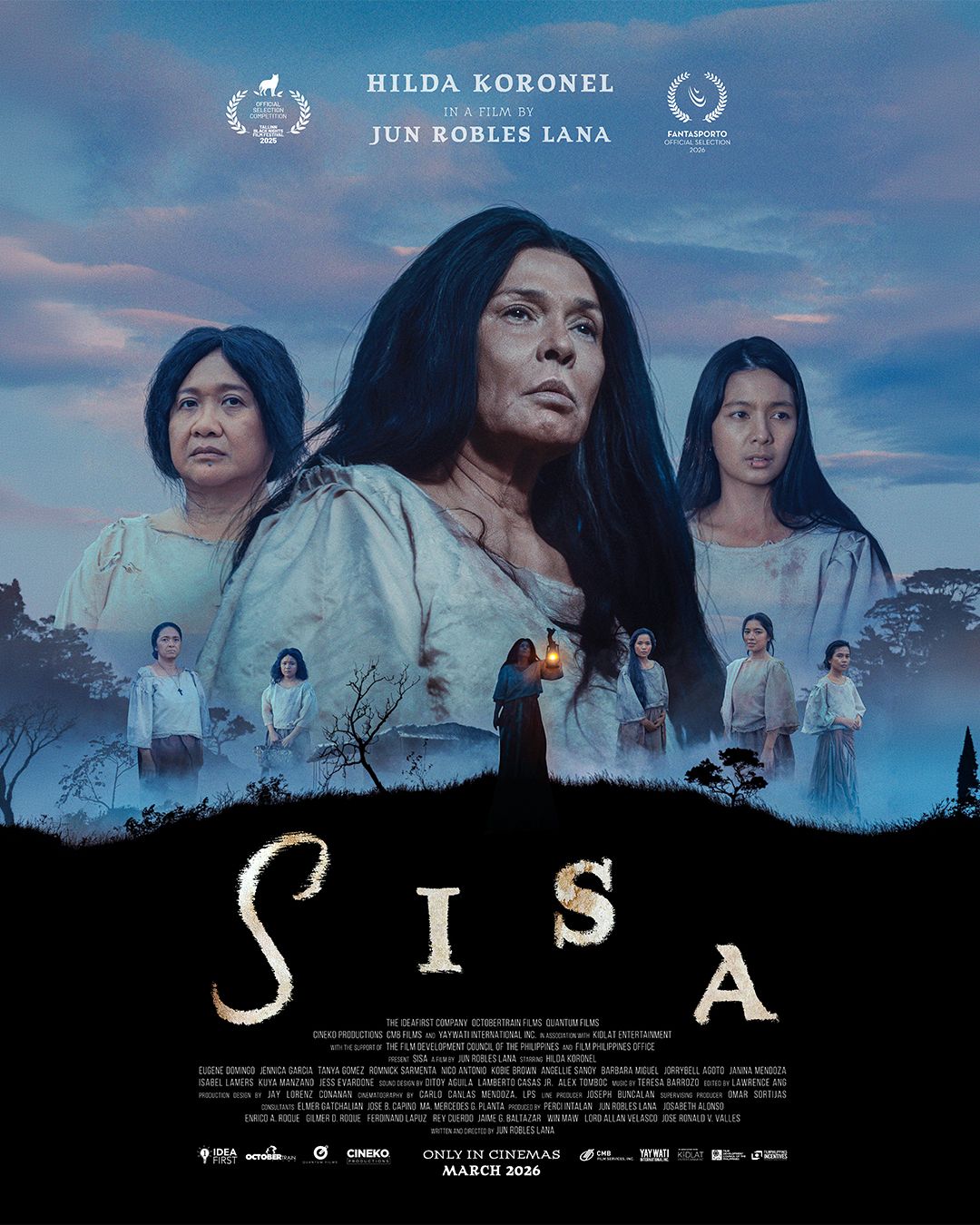
The woman who will come to be known as Sisa (Hilda Koronel) enters the frame like a wandering spirit, a ghost of a ruined land come to haunt those who would now attempt to “rebuild” it. She looks at the young soldier atop a guard tower with witchlike intensity, cursing him with her eyes though smiling beatifically before urinating on the ground. This land that you have scorched, I shall water, she seems to say, even as her actions are intended to make her seem “mad” and in that way essentially harmless, or at least harmful only to herself.

Set in 1902, Jun Robles Lana’s steely drama explores the traumatic legacy of colonialism through the experiences of a collection of women living a concentration camp during the Philippine–American War. America had annexed the Philippines after the Spanish American War, denying the nation’s attempt to assert its own independence after the collapse of the Spanish Empire. According to the title cards opening the film, America pursued a scorched earth policy when faced with resistance resulting in the genocide of thousands of Filipinos. The community of women at the film’s centre who have been forced into a concentration camp have each lost husbands and children as a result of the war and are then both dependent on and brutalised by the American military.

In fact the camp’s commander, Harrison (Kuya Manzano), describes Sisa as “another lunatic thanks to this war.” Her “madness” is understandable, yet her “inability” to remember her name is also an expression of the ways in which her culture has been taken from her. Harrison assumes her to be an insensible fool, though it seems that Sisa is able to understand his incredibly ham-fisted attempts at speaking Spanish along with his English, yet makes no reply because for now silence is her weapon. It is useful for her to appear “mad” as it gives her an excuse to go wandering and no one much expects that she could secretly be plotting against them.

On the other hand, this “madness” is also a rejection of the forced assimilation the Americans seem to be intent on. When none of the women respond to Harrison’s Spanish, he complains that if no one can speak it after 300 years of colonisation, what hope does English have. He does not appear to consider that perhaps they just don’t want to talk to him. In any case, the Americans have made it compulsory for the children to learn English with 13-year-old Nena (Angellie Sanoy) a perfect model of what they hope to achieve. Proud of her accomplishments and enamoured with this new culture, she comes to sympathise with the Americans while the older women remain wary and much more aware of the wilful erase of their culture. Mrs Warren (Isabel Lamers) speaks condescendingly of their lack of the “civilisation” which she is bestowing on them as a gift. She encourages Nena to use cutlery, which, her mother points out, is a rather moot point when all you ever get to eat is baked sweet potato.

Mrs Warren rather insensitively organises a ball to cheer everyone up, forcing the women to wear American-style ballgowns she actually picked up cheap from a disbanded theatre troupe. Just like Sisa’s madness, these are costumes they are forced to wear to survive, but the women are all but ignored at the party and completely bored by this offensive celebration of the legitimisation of their enslavement. Most of them leave early with only Leonor (Jennica Garcia), who has become Harrison’s mistress, staying behind. Leonor has convinced herself that Harrison is actually a “good man who cares about out country” hamstrung by the wider politics of the situation. This is perhaps also a costume she wears to survive, enjoying the perks of being close to Harrison such as receiving fresh bread from Manila while believing that the other soldiers see her as his “wife”. But at the same time, Harrison forces her to turn on her fellow countrymen, publicly slapping a woman who had criticised her as a traitor and a whore.

This theme of sexual exploitation and humiliation is later extended to the nation as a whole which is left with little option but to accept its subjugation. Sisa looks on in silence in rage along with buried maternal compassion such as her sympathy for Nena who has become pregnant by a young American soldier she believes loves her. Like many of the other women, Sisa has nothing left to lose. Her family, name, and identity have all already been taken from her, and in the end she too will have no option but to turn on her fellow countrymen in order to exact her revenge. “Our grief is endless,” she tells one of the other women, bearing out the weight of all she’s lost which only “madness” can assuage.


Sisa screened as part of this year’s San Diego Asian Film Festival.

Trailer (English subtitles)
Now I Met Her (我的妈耶, Xiao Luxi, 2026)

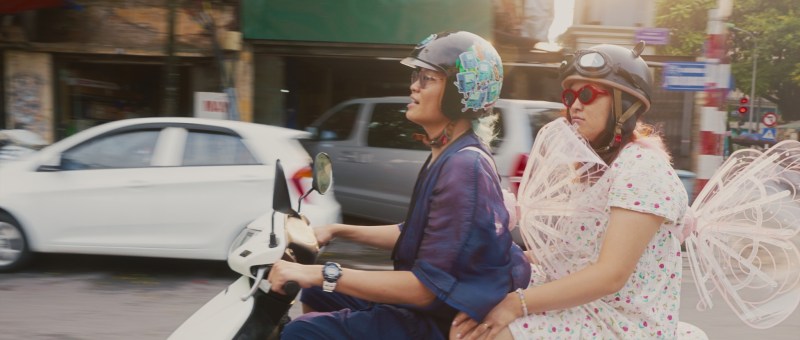
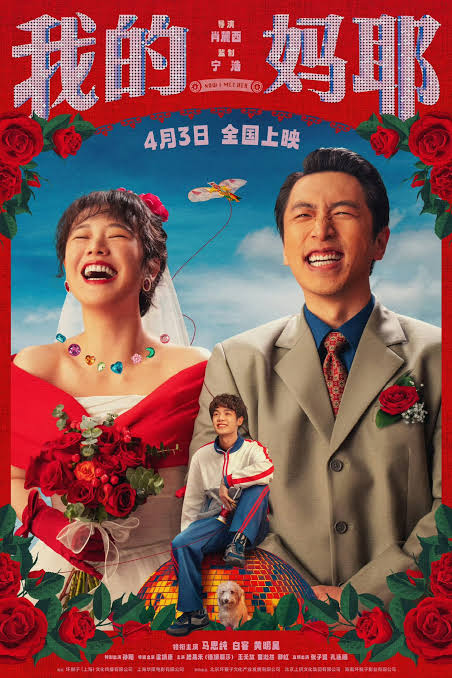
Another in the recent trend of filiality-themed dramas such as Hi, Mom and Give Me Five, Xiao Luxi’s heartwarming comedy Now I Met Her (我的妈耶, wǒ de mā ye) is essentially a coming of age tale in which the hero confronts the lingering trauma of his mother’s death in childbirth after being presented with her diary on his 18th birthday. Paradoxically, it also taps into a sense of nostalgia among those of the parents’ generation for the bygone days of China from the 1980s to early 2000s, yet without engaging in any sort of critique or mention of the wider social issues besides youthful poverty and the rise of cross-border smuggling in the late 90s.

Though Eleven Zhang’s (Huang Minghao) doting father Xue (Bai Ke) still talks to his late mother Dongyu’s (Ma Sichun) portrait on the altar, Eleven often says things to the effect of not having a mother at all seeing as he never knew her. In some ways, he’s been reminded of her every day, though these are sometimes negative associations such as his curly hair for which he was made fun of as a child. Meanwhile, as a teenage boy, Eleven is also a little resentful of his father and wants to separate himself further from the familial domestic environment and achieve greater independence. Xue, too, seems to think this might be the time for change, irritated that Eleven doesn’t really want to have a birthday dinner with him, but equally suggesting that maybe they should try somewhere new rather than going to McDonald’s as usual, acknowledging that Eleven has probably outgrown this tradition.

More or less forced to read his mother’s diaries which are pressed on him by some sort of spiritual power, Eleven finally has to acknowledge that he did have mother who lived a whole life before he was born, though what’s actually written is a chronicle of three periods of romance. In the first, she’s Eleven’s age, and develops a crush on a classmate who dreams of dancing glory. Because hers is a selfless love, she helps him win a dance competition knowing that if he does he’ll get the opportunity to study in Shenzhen and leave her behind. Next, she’s a university student in Guangzhou who embarks on a serous relationship with a waiter who saves her from a creep in a karaoke bar, but the pair have no money and the guy eventually turns to desperate measures in order to try and provide a more comfortable life for her. Later she marries Xue after connecting with him at her office job and returns to her hometown after her mother has a stroke to open a restaurant.

Xue’s special gift to his son is the last of the diaries which detail the time between Dongyu’s early pregnancy and her death, keying Eleven in to the sacrifice his mother willing made for him which allows him to overcome his feelings of abandonment in knowing that he was loved and wanted. Nevertheless, the vision of his mother in the diaries is perhaps somewhat idealised and partially of his own creation. What she eventually becomes is a figure of maternal sacrifice. Nevertheless, the diaries also allow Eleven to reacher a greater understanding of his father that would otherwise perhaps take a little longer to arrive, learning to appreciate the love and devotion Xue had for his late wife and their family while raising his with the help of his own mother.

It seems in a way that Dongyu may have her own issues with abandonment in her memories of her father, apparently ending up marrying a man much like him but one who was at least able to turn his life around and devote himself to his family. Though it might actually be Eleven’s vision rather than Dongyu’s, there is something quite poignant in seeing her live out the rest of her life in her last eleven minutes while encouraging a future Eleven to live to the fullest and be happy rather than dwelling on the past. In any case, in getting to “meet” his mother through her diaries, he realises that his parents had whole lives, or maybe several of them, that he never knew about, but equally that he did coexist with each of them no matter how briefly while his father is still here with him in the present day. Painting a warm and fuzzy vision of China in the late 20th and early 21st century, Xiao’s cineliterate first feature is a loving tribute to maternal devotion and the enduring nature of familial bonds.


Now I Met Her screened as part of this year’s San Diego Asian Film Festival.

Trailer (English subtitles)
Good Neighbors (兩相好, Li Hsing, 1962)

Known as the godfather of Taiwanese cinema, Li Hsing started out as an aspiring actor before making a string of incredibly popular Taiwanese-language films despite the fact that he himself was from the Mainland and could not speak a single word of Taiwanese. Language barriers are very much at the centre of his 1962 comedy Good Neighbors (兩相好, liǎngxiāng hǎo), which, in its way, marks the beginning of Li’s transition into Mandarin-language cinema, later becoming a proponent of “Healthy Realism”, in its subtly propagandistic insistence that everyone is really just one big Chinese family.

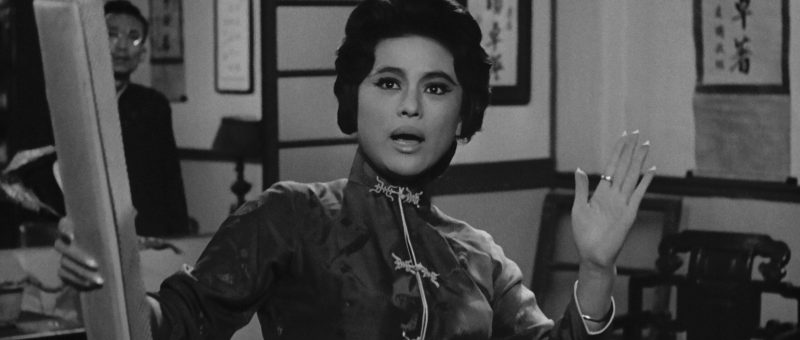
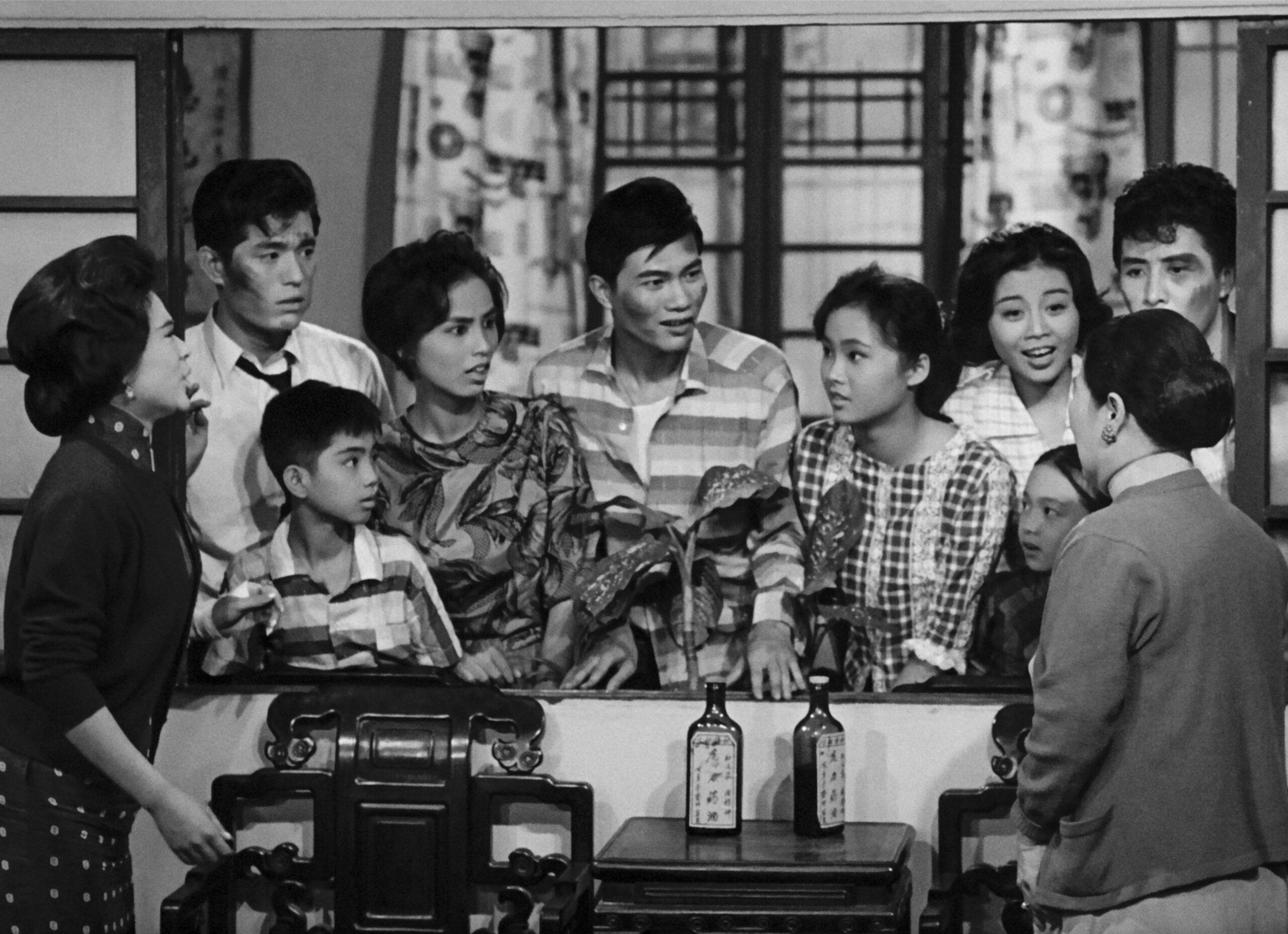
The Chens are Mandarin-speakers who migrated from Mainland China in the wake of the Chinese Civil War and have just moved in next to the Ngs, who are Taiwanese and do not understand Mandarin very well. Mr Chen is a traditional medicine practitioner, while Mr Ng is a Western-style doctor. Mr Chen insists they’re not in conflict with each other because their patients are looking for different things from each of them and might even use both kinds of medicine at the same time or turn to one kind of doctor over another depending on their symptoms. That will prove to be not quite true as the Chens struggle to attract clientele after opening their business while Ng’s clinic is always busy, leading them to consider poaching their patients by temporarily offering free consultations.

This sense of division is seen in the fact that Ng speaks some Japanese and claims to have studied medicine in Japan which links him with the colonial past rather than what might amount to a different colonial present represented by the KMT government who favoured Mandarin and in fact suppressed Taiwanese Hokkien and the indigenous languages of the island. In a roundabout way, the film uses Ng’s status as a Western doctor as a means of criticising Westernisation while never suggesting that one kind of medicine is better than another. Chen is always seen in traditional Chinese dress and seems to represent the essence of Chinese culture that the Ngs may have lost but can recover through their eventual intermarriages with the Chen family.

The funny thing is that neither Mrs Ng nor Mrs Chen subscribe to their family’s respective medical philosophies with each declaring that they don’t trust their husbands and would rather turn to the other kind of medicine without letting them know. Chen and Ng, meanwhile, are actually much the same with each reminding their wives that medicine’s about saving lives and shouldn’t be thought of as “a business” while the wives are much more practical and actively participate in the trade war that briefly develops between them. The main problem is that, as they cannot understand each other’s languages very well, they encounter many minor misunderstandings that lead to unnecessary conflict and suspicion on both sides.

Tellingly, the younger they are the more of each language the children seem to understand with the youngest two largely bilingual and at times acting as interpreters for their older siblings. Predictably, each of Chen’s sons falls for one of Ng’s daughters, while Ng’s son, recently returned from military service, falls for a cousin of the Chen family. This is a problem in part because Mrs Ng had adopted A-kiok with the intention that she would marry their son Bu-hiong. She has been training her up to take over the administrative side of the clinic and for that reason is put out by the idea that she may marry out of the family, while also worried that If she marries a Mainlander he may take her back to the Mainland with him. Bu-hiong is not interested in marrying A-kiok, mainly because they have been raised as siblings, and in fact declares that he prefers “spicy” Mainland girls to “soft” Taiwanese ones. Their decision to marry people of their own choosing is then is a kind of rebuke of local filial customs which are shown to be old-fashioned in contrast with the otherwise “modern” environment of the Western medical clinic where the cure for everything seems to be an injection.

On the other hand, Chen objects when Mrs Ng brands him “a charlatan”, but the film does at times portray them as akin to snake oil salesmen with their various cure all pills they sell at a permanent discount. Nevertheless, despite their falling-out, the Ngs and Chens eventually come to understand each other and are united by their shared Chineseness. The film’s title then takes on a greater meaning in portraying the two nations as “good neighbours” while otherwise insisting that they are bound by a single culture. Though the film hints at the tensions between the newly arrived waishengren and the already present benshengren, it neatly resolves them simply through the eventual intermarriages of the children that literally make everyone one big family. Perhaps surprisingly, the film never suggests that the Ngs should just learn Mandarin, but leaves space for the continued co-existence of both languages with each sometimes mixed in a single sentence as if symbolising the new cultural integration that the film envisages as an idealised future for a new Taiwan.


Good Neighbors screens as part of this year’s San Diego Asian Film Festival.

Trailer (English subtitles)