 Now in its 11th year, Japan Cuts returns to Japan Society New York from 13th to 23rd July bringing some of the best in recent Japanese cinema with it as well as a host of special guests and events. The festival will open with Yoshihiro Nakamura’s ninja drama, Mumon: The Land on Stealth on 13th July while award-winning animation In This Corner of the World will close the proceedings on July 23. The full lineup is as follows:
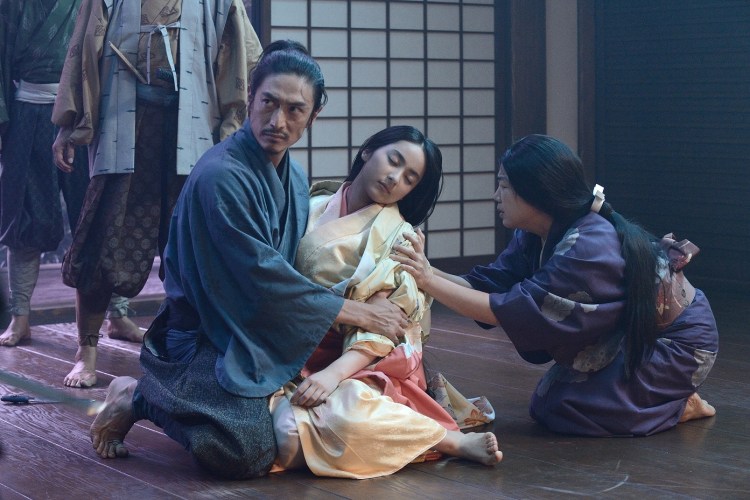 Yoshihiro Nakamura’s ninja epic Mumon: The Land of Stealth finds the secretive warriors uncomfortable with the new order but young mercenary Mumon has his own problems with a new wife who values her material comforts. Director Yoshihiro Nakamura will be present on the opening night to present the film.
 Kyoko Miyake’s documentary Tokyo Idols follows an aspiring star as she makes her way through one of the most controversial areas of the Japanese entertainment industry.
 Taking inspiration from the poetry of Tahi Saihate, The Tokyo Night Sky is Always the Densest Shade of Blue is a complicated love/hate letter to the city from The Great Passage’s Yuya Ishii. Review.
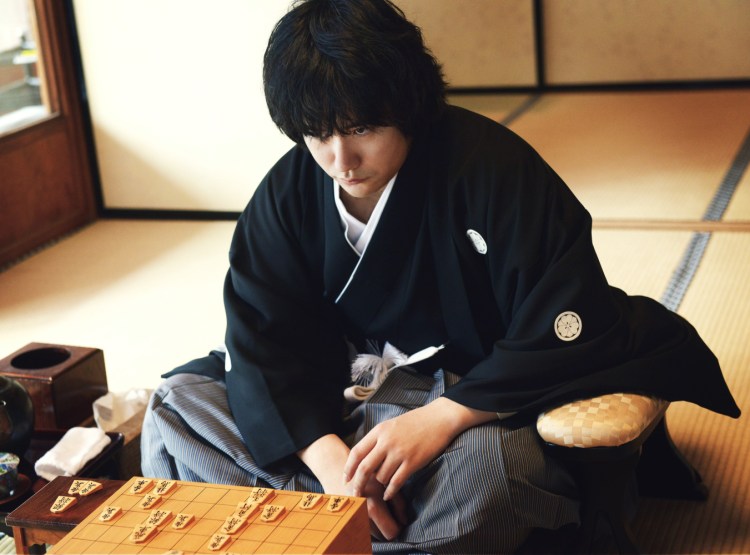 Kenichi Matsuyama stars in a moving biopic of the real life shoji star who gave it all for the game in Satoshi: A Move for Tomorrow. Review.
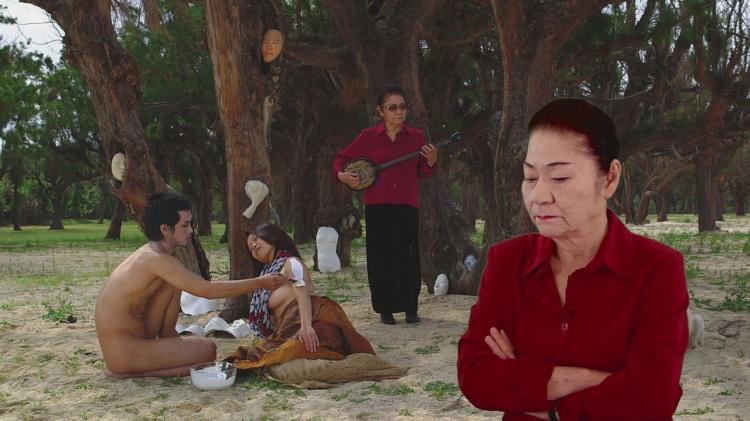 The latest film from Okinawan filmmaker Go Takamine, Hengyoro (Queer Fish Lane) follows two old men living in the village where those who failed to die continue to exist as they set off on a strange journey to escape persecution after being falsely accused of stealing something from a local store.
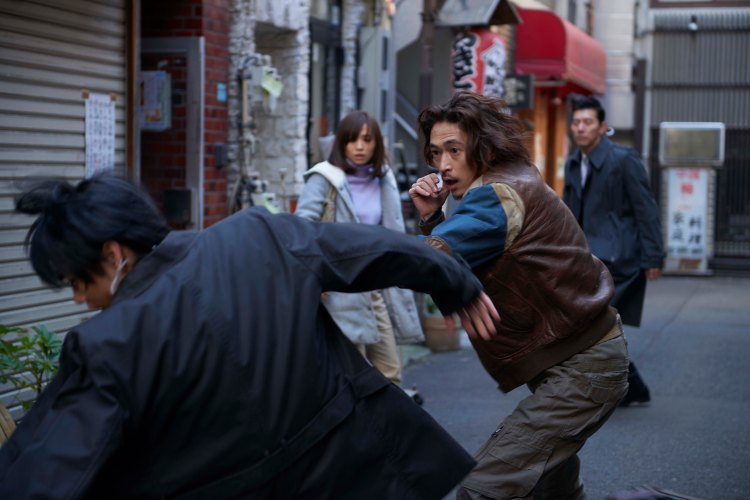 Yosuke Kubozuka plays a depressed boxer who finds friendship in the Alley Cat of the title only to realise he’s being two-timed with a grungy mechanic.
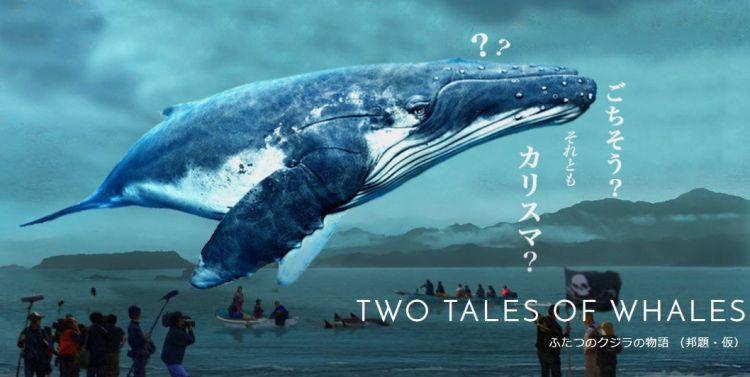 Megumi Sasaki’s documentary A Whale of a Tale takes an in-depth look at the controversial practice of whaling.
 Tetsuya Fujiwara and Hideaki Ito star in Memoirs of a Murderer – an adaptation of Jung Byoung-Gil’s Confession of Murder directed by Yu Irie. A mysterious man confesses to a series of unsolved crimes shortly after the statute of limitations passes and becomes a media sensation but the cop who failed to solve the case just can’t let it go.
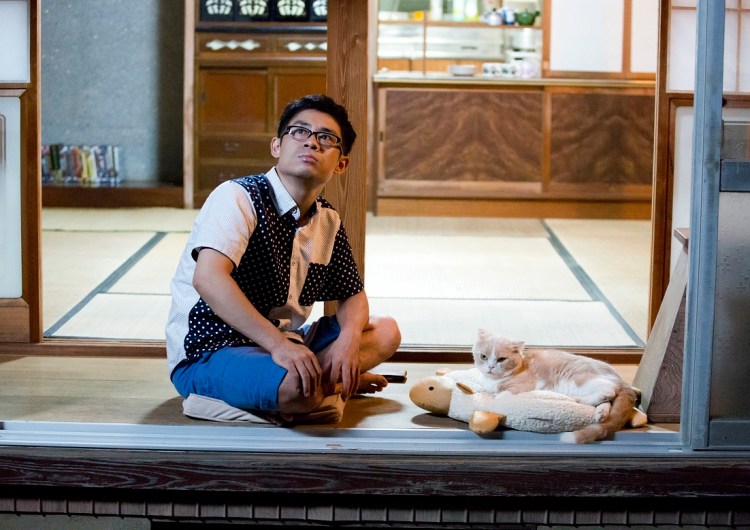 Based on the hit smartphone game Neko Atsume House stars Atsushi Ito as a blocked writer who moves to the country hoping to stimulate himself with a change of scene only to be immediately adopted by a bunch of demanding cats!
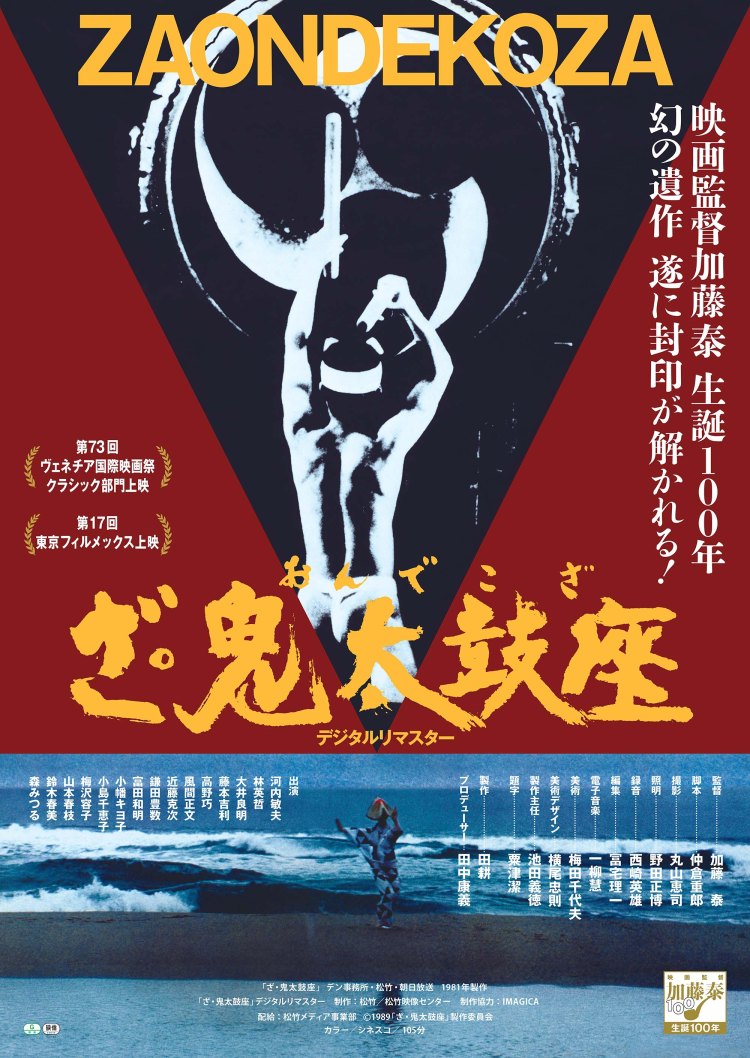 Tai Kato’s underseen documentary The Ondekoza plays in the classic strand in its new 4K restoration and centres on the taiko drummers of Sado Island, mixing training footage with their famously intense performances for a feverish visual feast.
 Shingo Matsumura’s gentle Love, Goodbye, and Hawaii is the story of a technically broken up couple who still live together and are forced to face their lingering feelings when one of them meets someone else.
 Kenji Yamauchi adapts his own stage play skewering the middle classes as a boring dinner party gets progressively out of hand exposing each of their flaws, weaknesses, and well hidden secrets in At the Terrace. Review.
 Produced by Shinji Aoyama and Takenori Sento, Sora Hokimoto’s debut feature Haruneko is a tale of life and death told through music and light in a mysterious forest.
 Kei Shichiri revisits Before the Day Breaks ten years on and adds all-new sound and imaging. Based on the manga by Naoki Yamamoto, Once Upon a Dream follows a girl who sleeps too much but never feels as if she has slept enough.
 The first film made outside of Japan for veteran filmmaker Kiyoshi Kurosawa, Daguerrotype stars Tahar Rahim in a classic European gothic ghost story perfectly melding this classic genre with Kurosawa’s uniquely creepy visuals.
 Konrad Aderer’s documentary Resistance at Tulle Lake tells the story of 12000 Japanese Americans labelled “disloyal” and incarcerated at the Tule Lake Segregation Center for refusing to obey the government’s internment order.
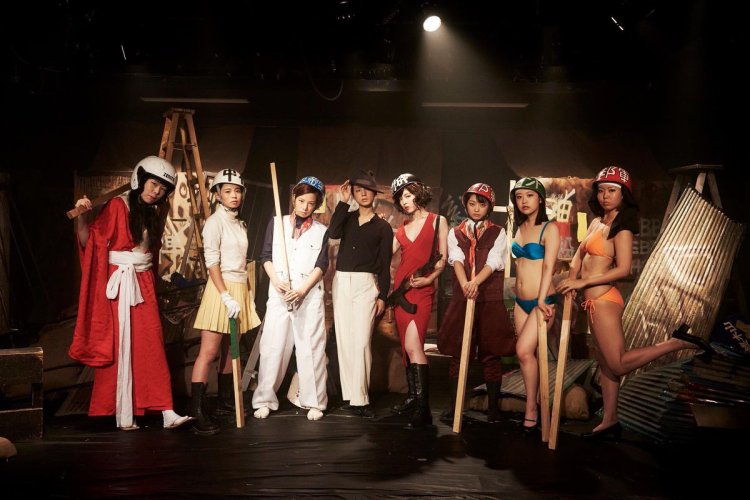 Theatre director Junko Emoto makes her film debut with The Extremists’ Opera adapted from her own autobiographical novel centring on an all female performance troupe.
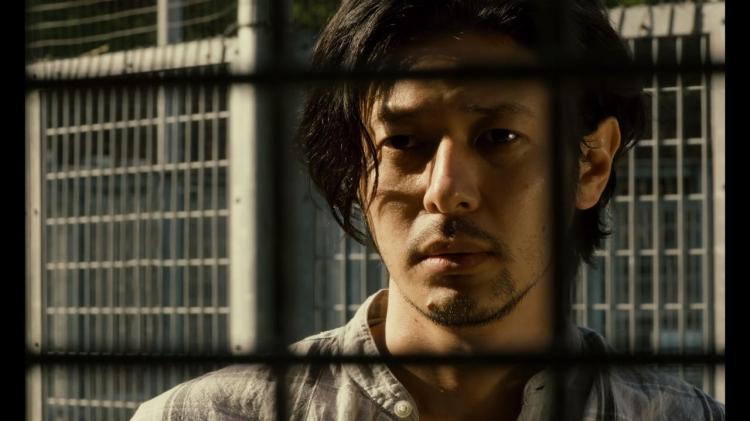 The third in a series of films adapted from the works of Hakodate native novelist Yasushi Sato, Nobuhiro Yamashita’s Over the Fence stars Joe Odagiri as a recently divorced man returning to his home town to start over but failing until he meets eccentric bar girl/zookeeper Satoshi played Yu Aoi. Joe Odagiri is a special guest at this year’s festival and will be attending in person to introduce the film as well as collect this year’s CUT ABOVE award.
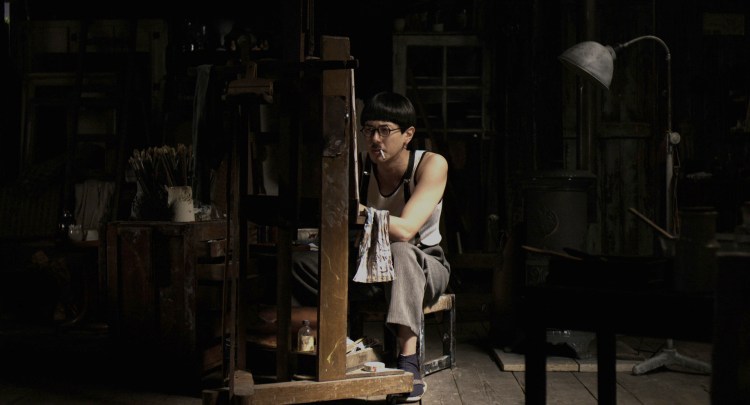 Joe Odagiri stars as the artist Léonard Tsuguharu Foujita who became a part of the ’20s Paris art scene before returning to militarist Japan in 1933 and providing artwork for the propaganda movement. Joe Odagiri will also attend in person for an introduction and Q&A.
 Elite public school boy Teiichi dreams of becoming Prime Minister in Akira Nagai’s manga adaptation, Teiichi Battle of Supreme High but finds his (lack of) ideology questioned by a well meaning working class transfer student. Review.
 An adaptation of Keigo Higashino’s 2013 novel, Shippu Rondo sees Hiroshi Abe play a research scientist hot on the trail of a stolen biological weapon in a slapstick filled comedy thriller.
 The Japan Cuts 2017 Shorts Showcase features four films by veteran and brand new filmmakers including:
- Birds – Directed by Koji Fukada this 8 minute short features an awkward encounter between a wife, her husband, and his mistress.
- We Are Shooting – Raita Minorita’s 26 minute short is a behind the scenes tale of the trials and tribulations of movie making.
- White T-shirt and Feeble Things – directed by Yun Su Kim, White T-shirt and Feeble Things is the story of a man who only wears plain white T-shirts but can’t keep any of them clean.
- Breathless Lovers – Directed by Shumpei Shimizu Breathless Lovers is the story of 23-year-old Toshiyuki chasing his boyfriend’s ghost across Tokyo.
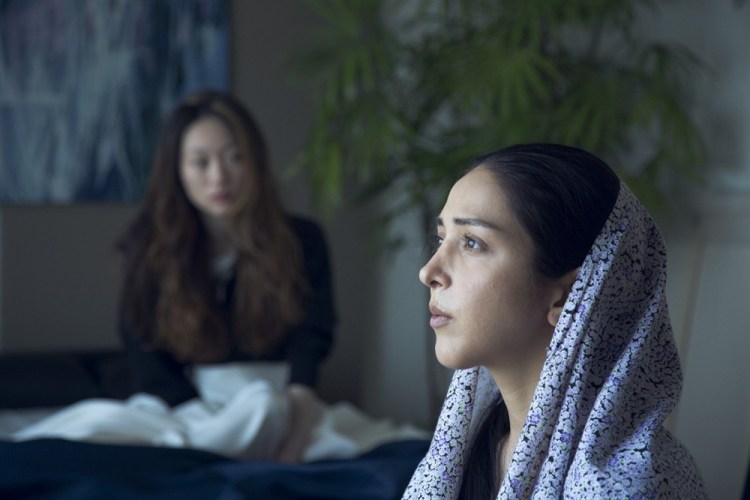 An Iranian student and depressed bartender face a series of romantic and cross cultural confusions in Takuro Nakamura’s West North West. Actresses Hanae Kan and Sahel Rosa will attend the screening for an introduction and Q&A. Review.
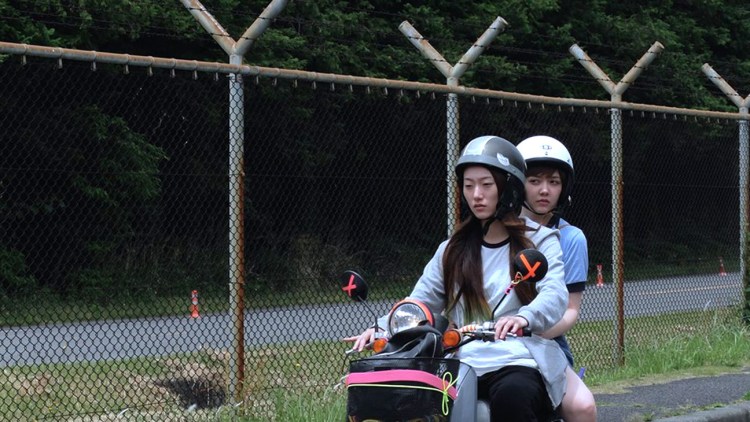 Depressed teenager Sakura (Hanae Kan) has a complicated relationship with Americanisation thanks to growing up near Japan’s biggest mainland American military base but an encounter with the half-American daughter of her mother’s boyfriend prompts a reconsideration of her life goals in Daisuke Miyazaki’s Yamato (California). Review.
 Sion Sono’s entry into Nikkatsu’s Roman Porno Reboot Project, Anti-Porno is the story of celebrity novelist Kyoko and her strange relationship with her assistant Noriko.
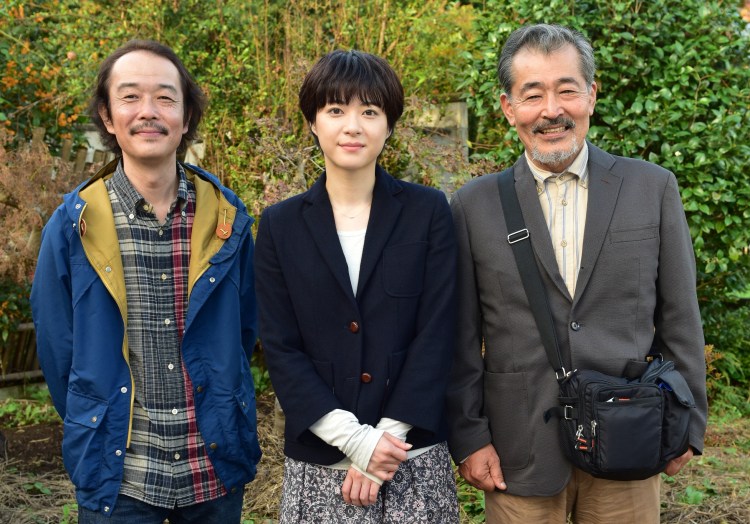 The latest film from Yuki Tanada, My Dad and Mr. Ito, is a tale of cross-cultural romance as an elderly father moves in with his middle-aged daughter only to find she is already living with a much older man.
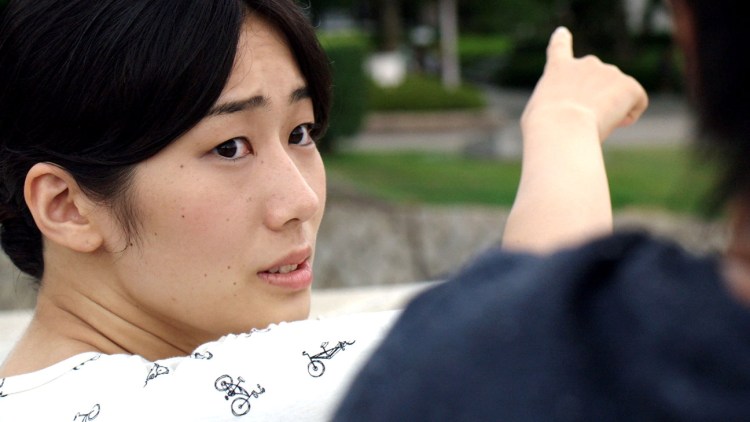 Summer Lights marks the Japan debut for French filmmaker Jean-Gabriel Périot. A Japanese filmmaker living in Paris returns to Japan in order to make a documentary about Hiroshima and ends up on a journey with a mysterious woman.
 The first in the Taisho Trilogy, Zigeunerweisen is a late career masterpiece from Seijun Suzuki centring on a university professor’s odd relationship with a roguish friend and a mysterious geisha. Review.
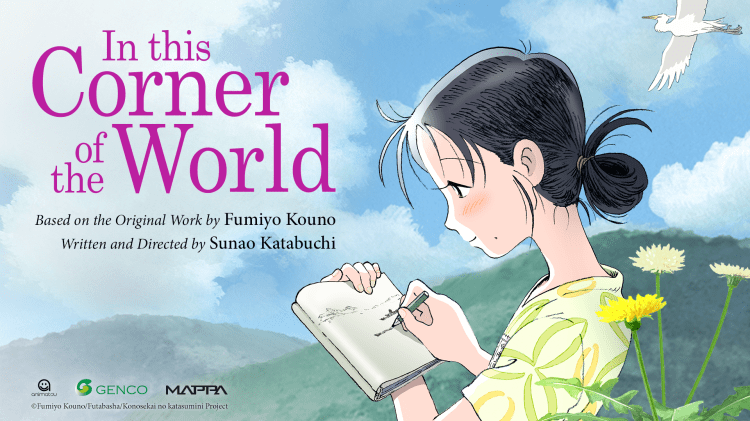 Sunao Katabuchi’s award-winning animation In This Corner of the World is the story of one ordinary woman in World War II Hiroshima. Producer Taro Maki will be present for a Q&A after the film.
Japan Cuts takes place at Japan Society New York, from July 13 – 23, 2017. Ticket links and full details for all the films can be found on the festival’s official website, and you can keep up with all the latest news as well as the year round film programme via the Japan Society Film Facebook page and Twitter account. Tickets are already on sale to members with public sales available 12th June.
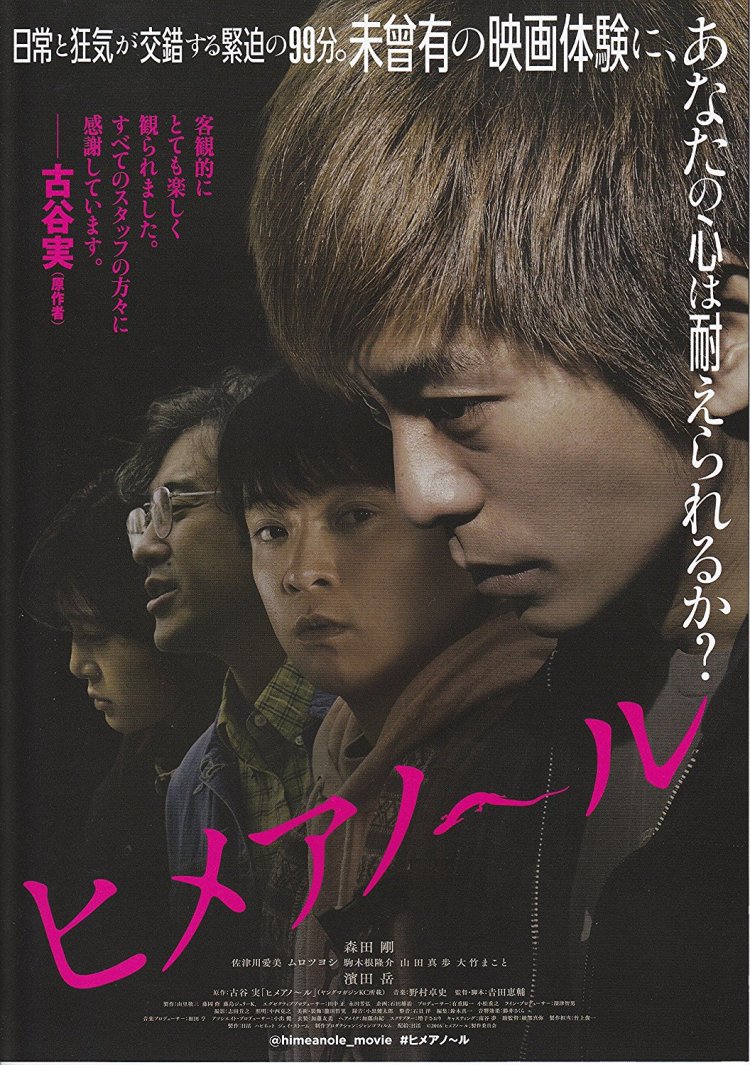 Some people are odd, and that’s OK. Then there are the people who are odd, but definitely not OK. Hime-anole (ヒメアノ~ル) introduces us to both of these kinds of outsiders, attempting to draw a line between the merely awkward and the actively dangerous but ultimately finding that there is no line and perhaps simple acts of kindness offered at the right time could have prevented a mind snapping or a person descending into spiralling homicidal delusion. To go any further is to say too much, but Hime-anole revels in its reversals, switching rapidly between quirky romantic comedy, gritty Japanese indie, and finally grim social horror. Yet it plants its seeds early with two young men struggling to express their true emotions, trapped and lonely, leading unfulfilling lives. Their dissatisfaction is ordinary, but these same repressed emotions taken to an extreme can produce much more harmful results than two guys eating stale donuts everyday just to ask a pretty girl for the bill.
 It’s tough when parents don’t approve of their children’s romantic partners, but fortunately most realise there’s nothing they can do about it so the best thing is to feign civility (and avoid saying I told you so when it all goes wrong). Unfortunately the older generation of Kim Jin-young’s Enemies In-Law (위험한 상견례 2,
 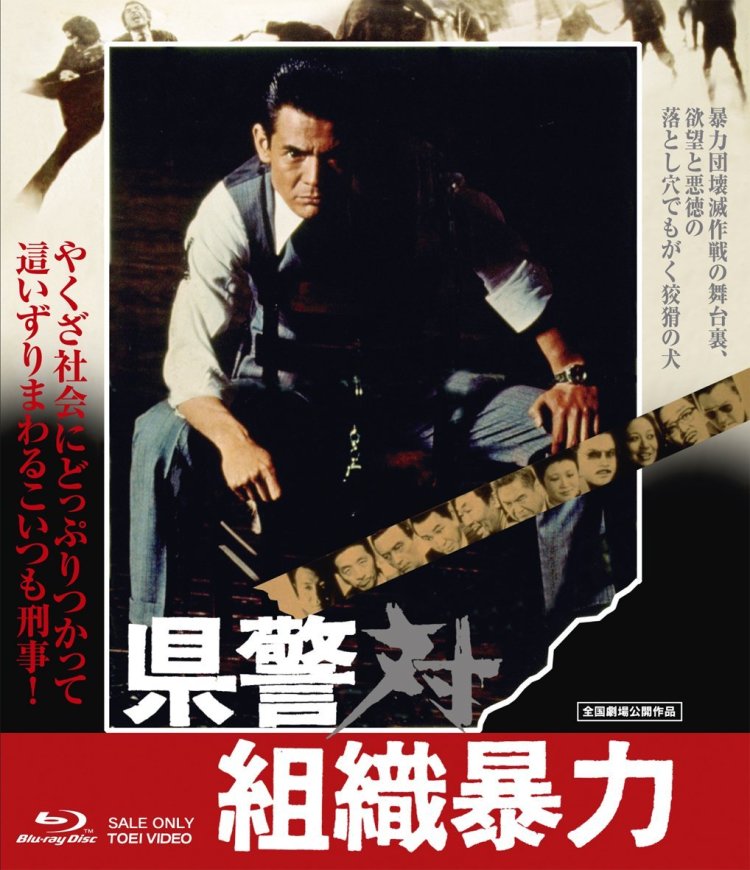 Cops vs Thugs – a battle fraught with friendly fire. Arising from additional research conducted for the first
 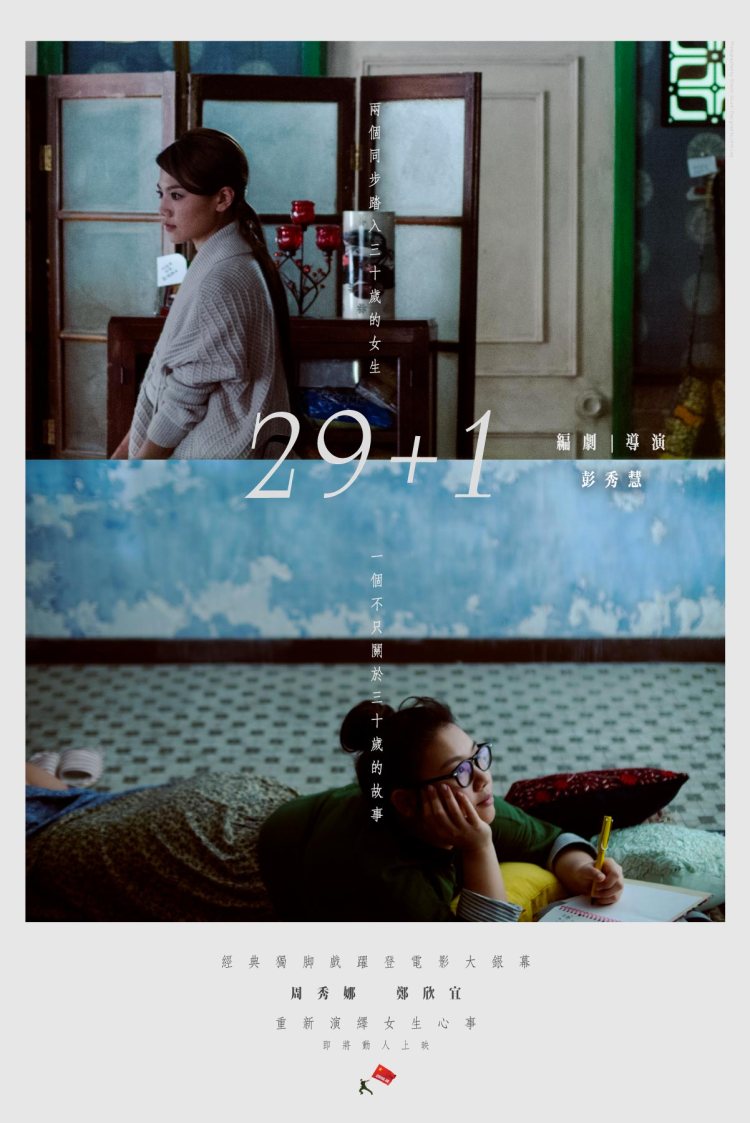 You know what they call women over 25 in China? “Christmas cake” – no one wants you after the 25th, so you’re condemned to sit on the shelf for all eternity like a piece of overproduced seasonal confectionary (a silly analogy because Christmas cakes, at least English ones, may outlive us all). Christy Lam lives in Hong Kong, not mainland China, and so her worries are a little less intense but still the dreaded 30 is causing its own share of panic and confusion in her otherwise orderly, tightly controlled life. In 29+1 Kearen Pang adapts her own enormously successful 2005 stage play about the intertwined lives of two very different women who happen to share a birthday and are each approaching the end of their 20s in very different ways. By turns melancholy and hopeful, 29+1 finds both women at a natural crossroads but rather than casting them into a bottomless pit of despair, allows each of them to rediscover themselves through a kind of second adolescence in which they finally figure out what it is they want out of life.
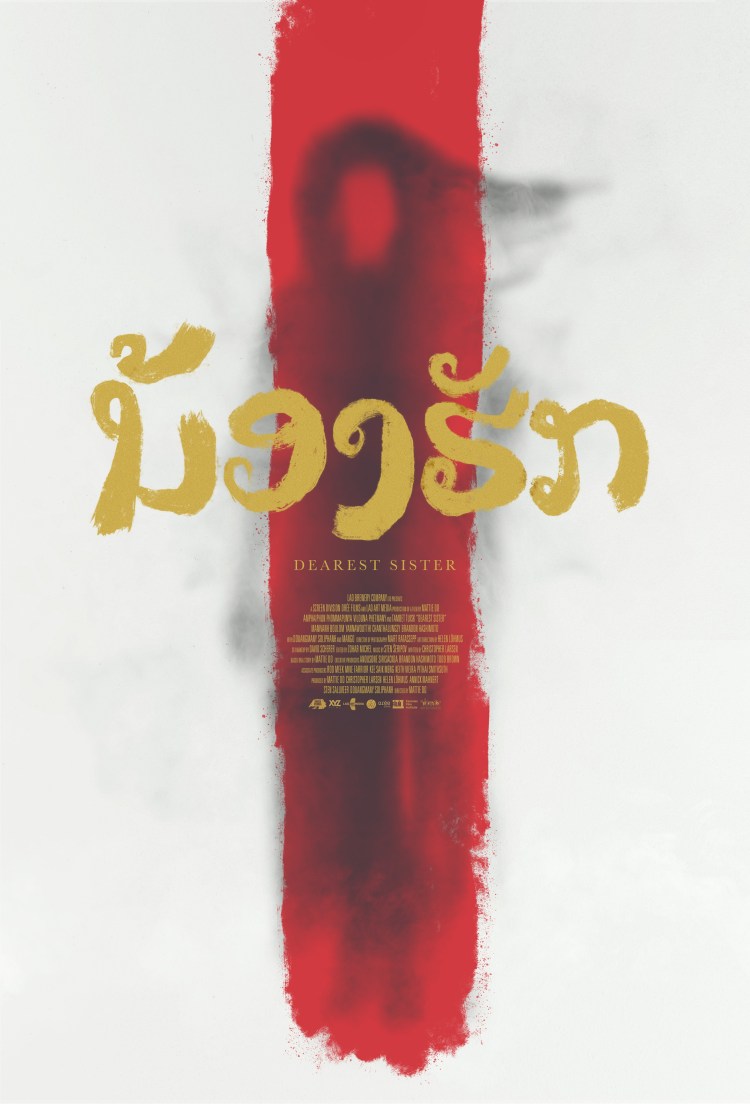 Marxist countries and horror movies often do not mix. Laos has only a fledgling cinema industry and Mattie Do, returning with her second film Dearest Sister (ນ້ອງຮັກ, Nong hak), is its only female filmmaker even if she finds herself a member of an extremely small group. Set in Laos it may be, but Dearest Sister also has something of the European gothic in its instantly recognisable tale of a good country girl fetching up in the city only to be treated like a poor relation and eventually corrupted by its dubious charms. Dearest Sister is a horror movie but one which places very real fears, albeit ones imbued with superstition, at the forefront of its tragedy.
 Fresh from its Cannes premiere, Jung Byoung-gil’s The Villainess will close the 16th edition of the New York Asian Film Festival which returns to the city from 30th June to 16th July 2017. Thailand’s Bad Genius will open the festival while the Centrepiece Gala will showcase one of the best recent films from the Philippines, Mikhail Red’s Birdshot. Altogether there are 57 films included in this year’s lineup hailing from China, Hong Kong, Japan, South Korea, Taiwan, The Philippines, Vietnam, and Malaysia. The full lineup is as follows:
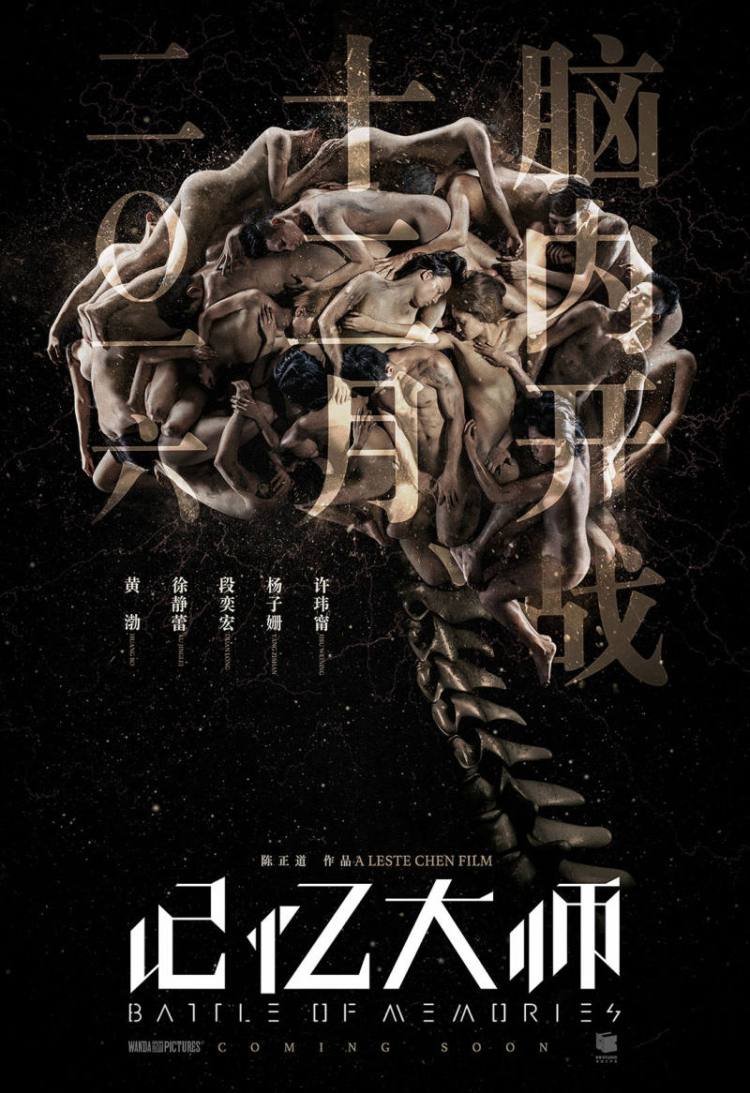 Thrillers dominate the Chinese slate beginning with:
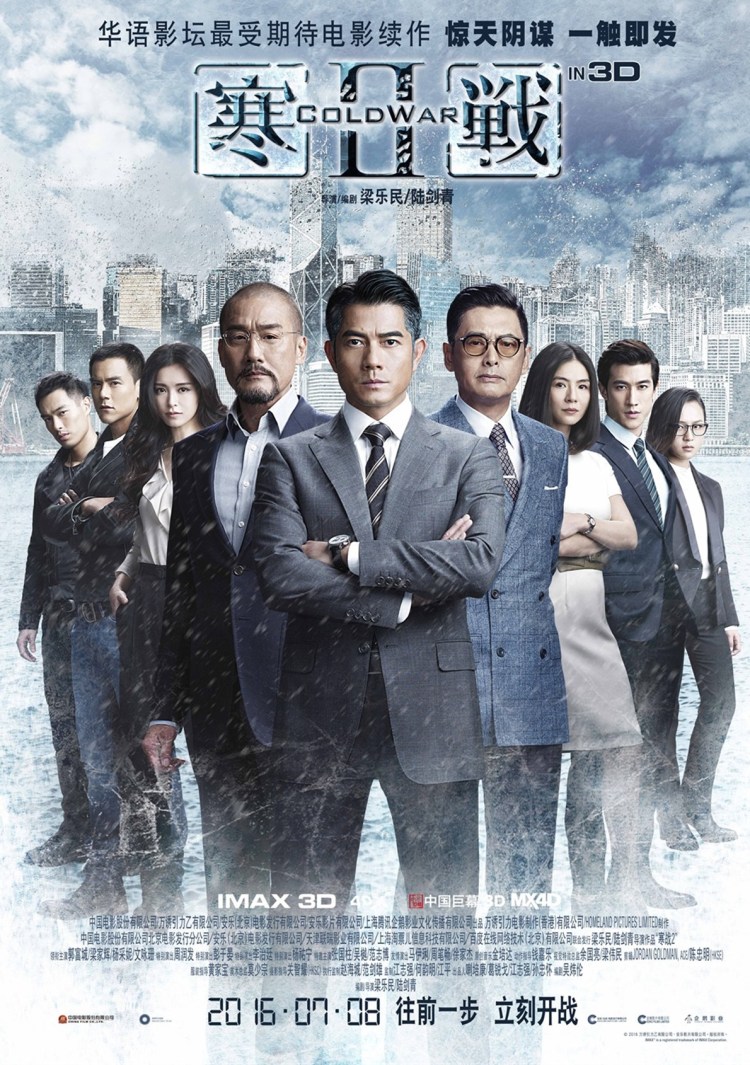 2017 marks 20 years since the Hong Kong handover and the New York Asian Film Festival not only showcases some of the best HK films from the past two decades but also includes a look forward with work from the most promising voices of tomorrow.
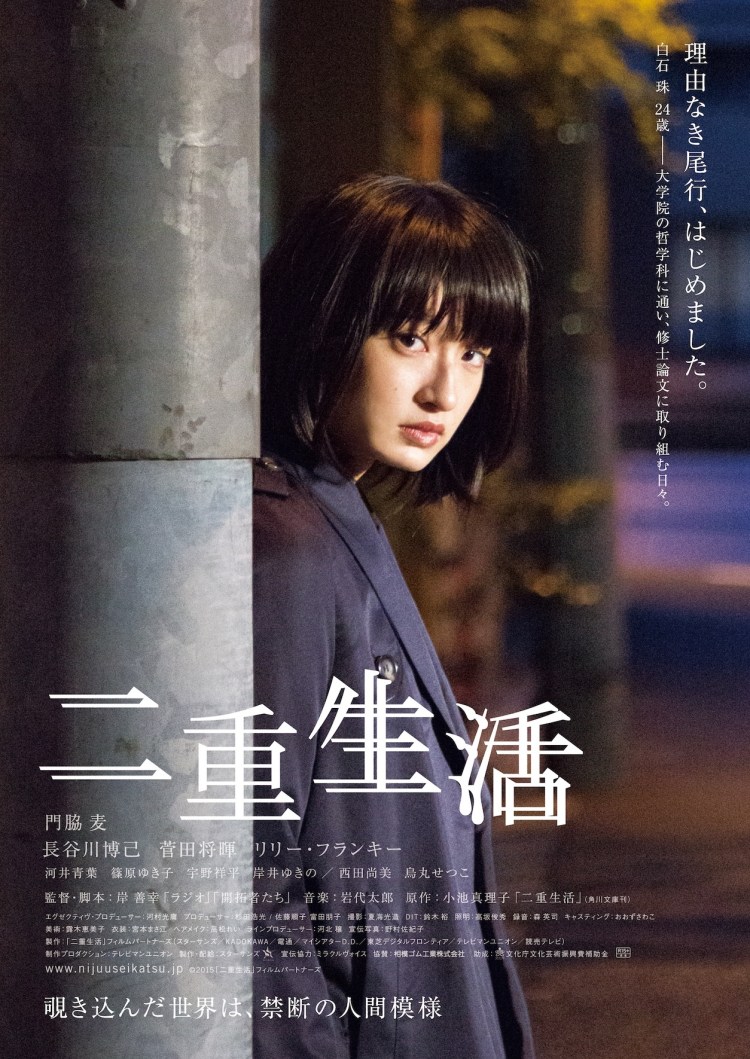 A varied lineup from Japan features everything from the Roman Porno reboot to LGBT comedy, quirky sc-fi, and moving family drama.
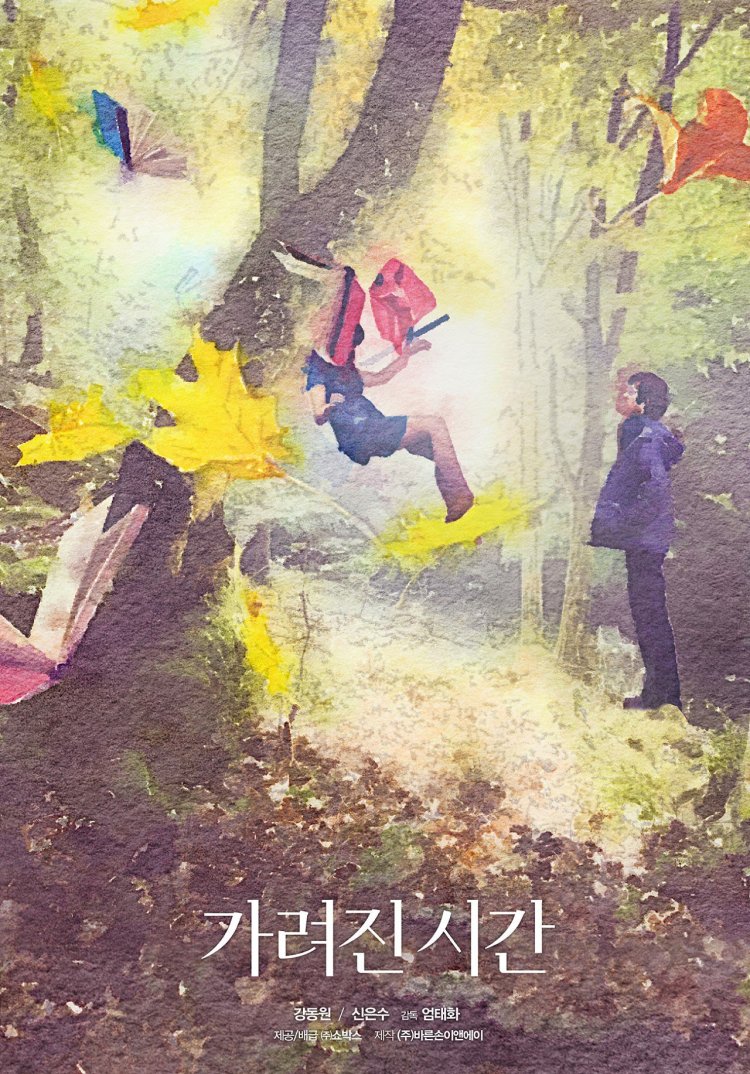 Cyber crime, fantasy, and gentle whimsy mingle in an eclectic selection from Korea.
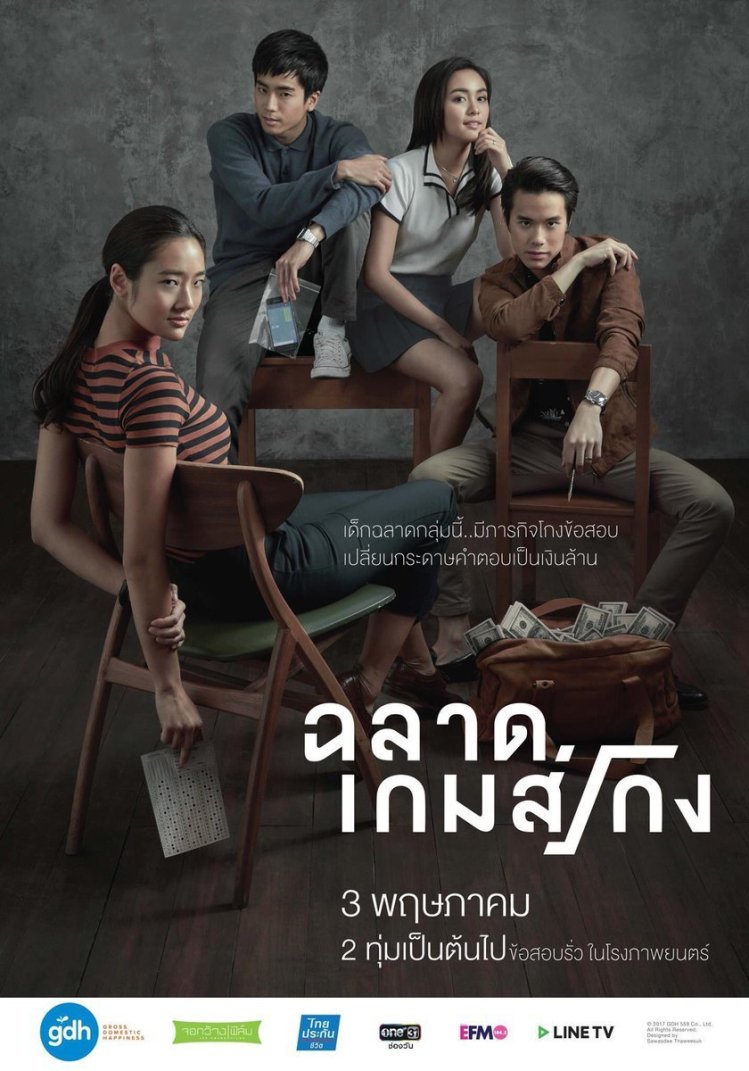 Casting the net wider the festival will also showcase some of the best recent hits from underrepresented areas of Asia:
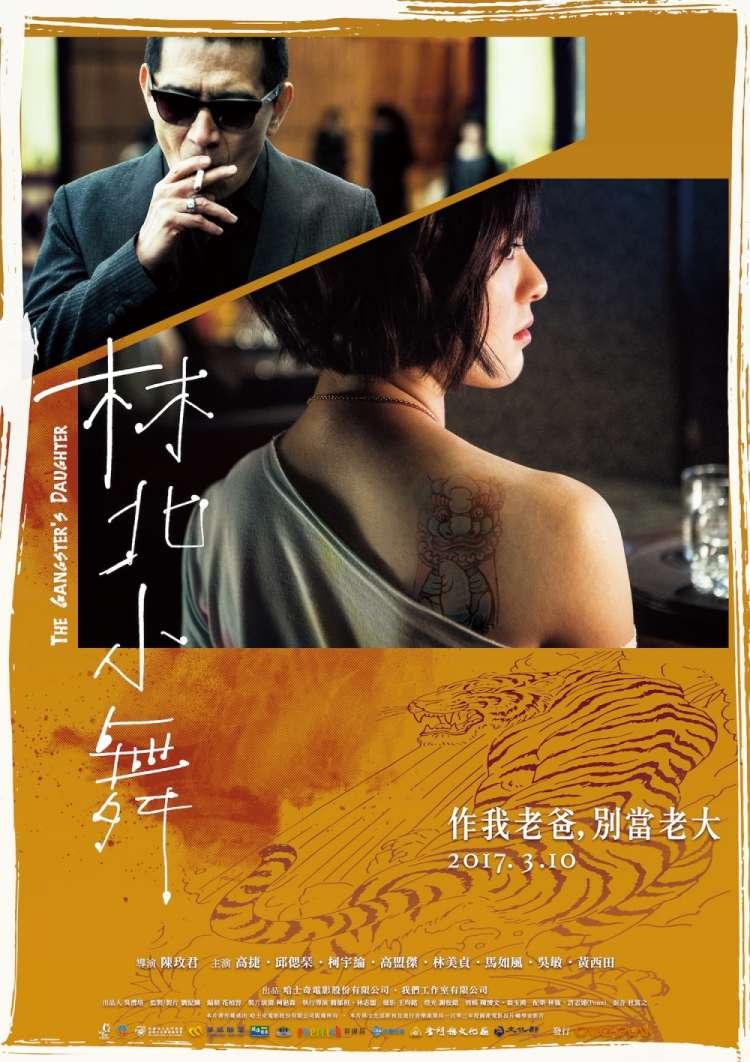 Pick your poison – monsters, gangsters and love dominate the entries from Taiwan.
 Only two documentaries on offer this year, both from Korea:
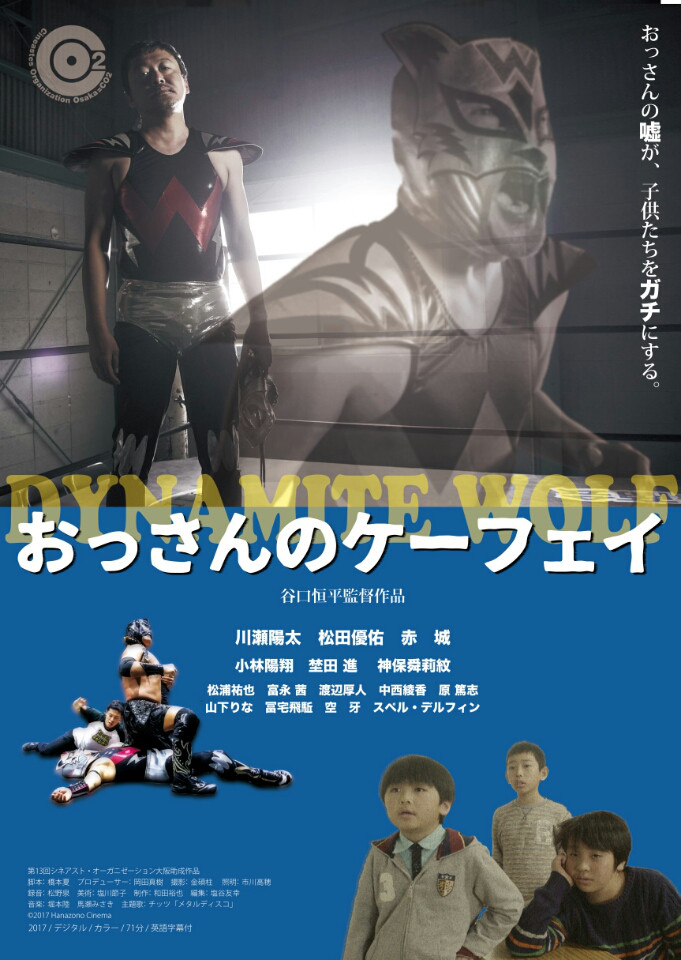 Back in the day, lucha libre-style wrestling was hugely popular in Japan. Tiger Mask, a manga set in the world of Japanese pro-wrestling remains a firm favourite and its eponymous hero has also become a byword for altruistic philanthropy as well-meaning anonymous donors donate expensive gifts such as Japanese school backpacks to orphanages in Tiger Mask’s name. Sadly, pro-wrestling is no longer as high-profile as it once was and has left mainstream television screens far behind even if it still maintains a small but dedicated fanbase. Kohei Taniguchi’s Dynamite Wolf (おっさんのケーフェイ, Ossan no Kefei) is out to change all that by shining a spotlight on this almost forgotten phenomenon of crazy outfits, killer moves, and camp showmanship.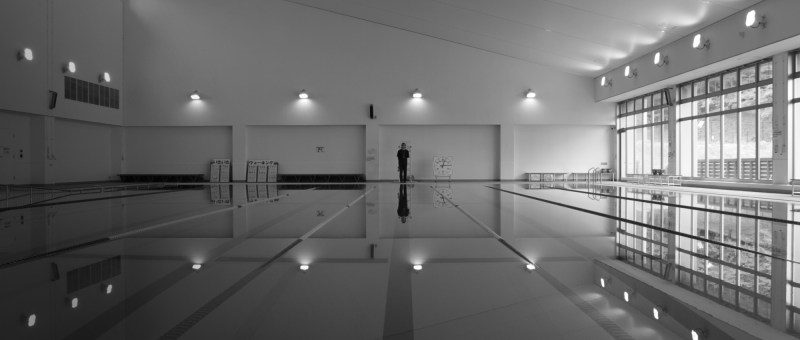
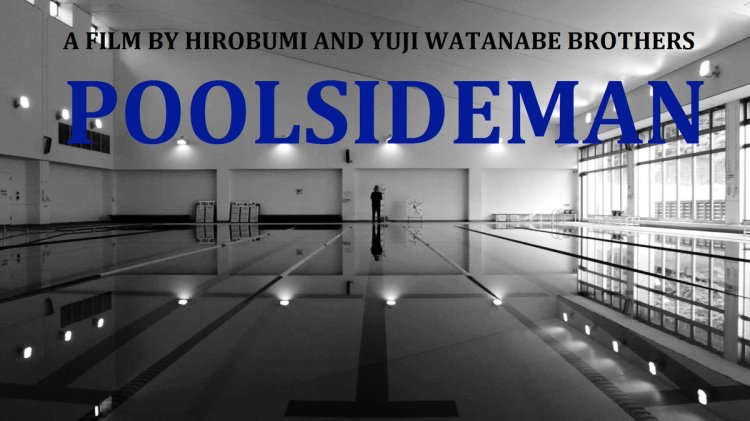 Around halfway through Poolsideman (プールサイドマン), the director himself playing an overly chatty colleague of the film’s protagonist, embarks on a lengthy rant about encroaching middle-age which is instantly relatable to those who find themselves at a similar juncture. He’s sure the world seemed better when he was a child, there wasn’t all of this distress and anxiety – everything just seemed like it would go on forever but time has inexplicably sped up with a series of rapid changes packed into recent years. The life of a poolsideman is improbably intense, or at least it is for Mizuhara (Gaku Imamura) whose days are all the same but filled with tension and the low simmer of something waiting to explode. Loosely inspired by the real life case of a man who left Japan for the Middle East with the idea of joining Isis, Poolsideman wants to explore why such a surreal thing might happen but finds it all too plausible.
 The festival kicks off with a screening of
 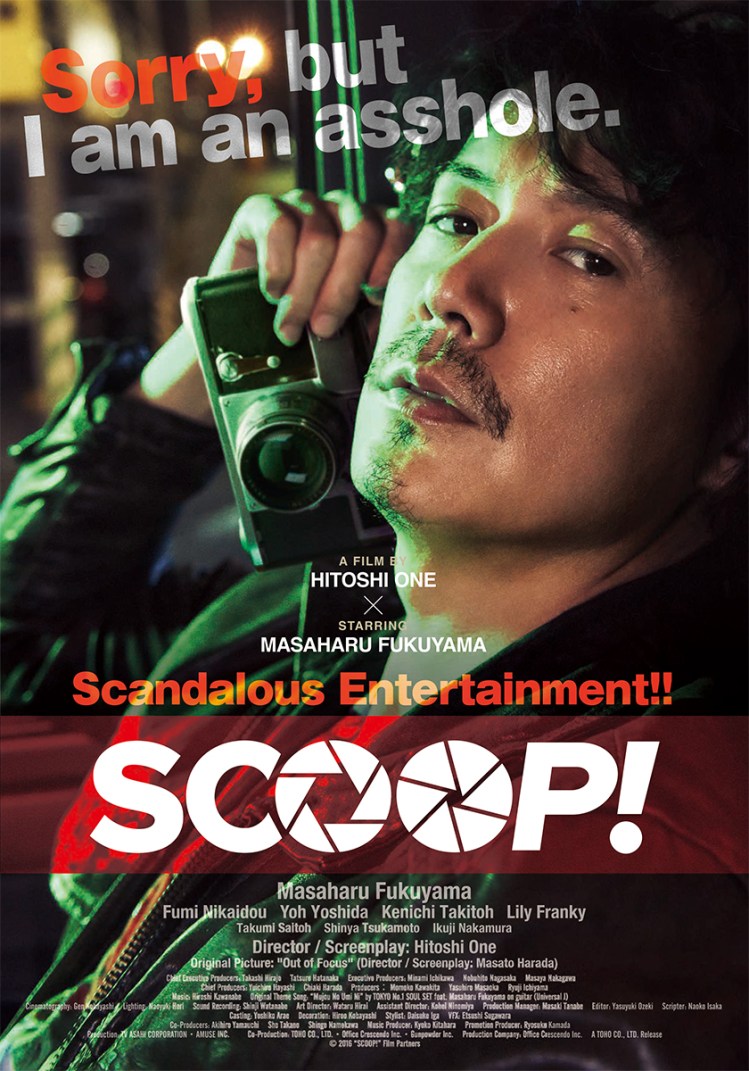 Masaharu Fukuyama stars as a jaded paparazzo rediscovering his photojournalist mojo in Hitoshi One’s oddly moving satire of the gutter press,
  Romantic dreams so often turn to nightmares, but rarely with the blood soaked fury of Keisuke Yoshida’s
  Ai Hashimoto and Aoi Miyazaki star as a mother and daughter cruelly separated by fate in Yasuhiro Yoshida’s family melodrama,
 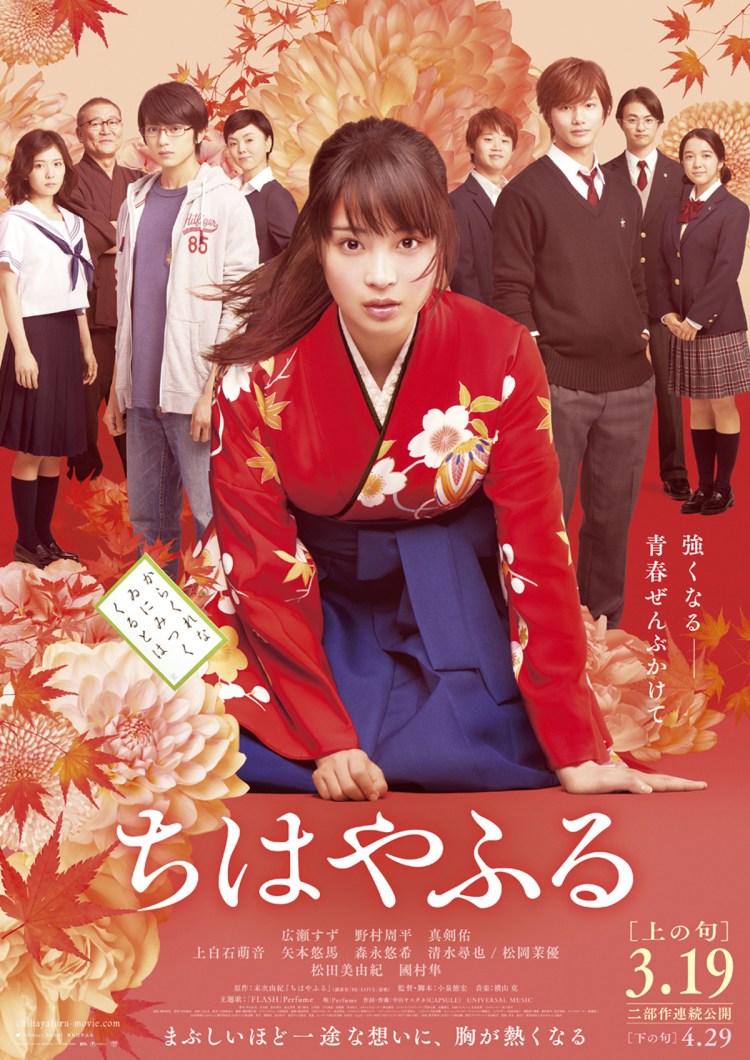 Part one of Norihiro Koizumi’s Karuta themed drama
  A sequel to Samurai Hustle,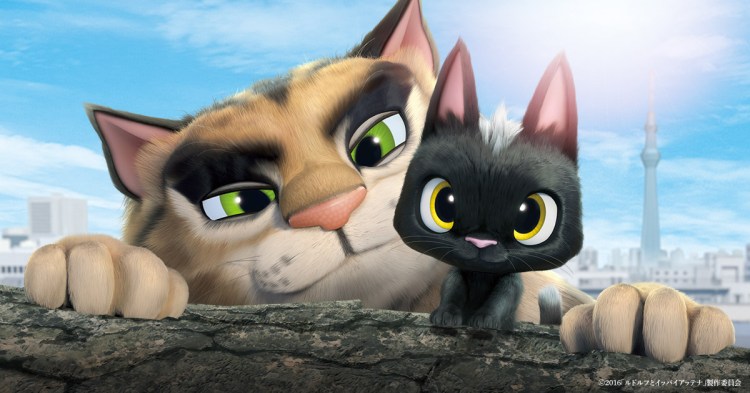
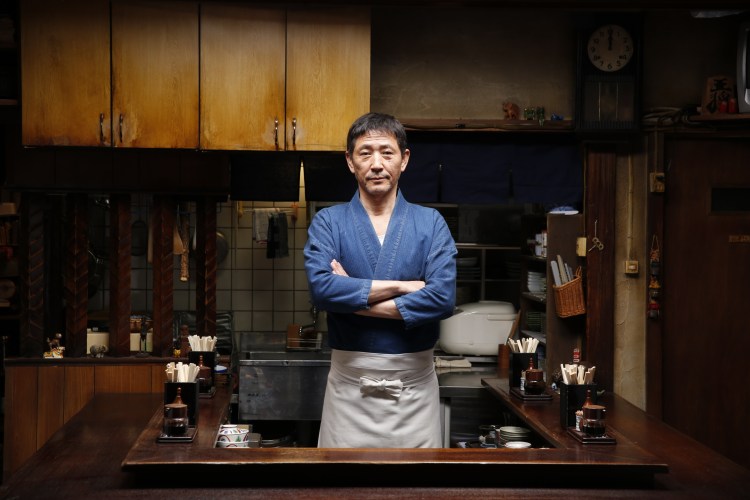 Inspired by the hit TV show, Master is headed to the big screen in the
 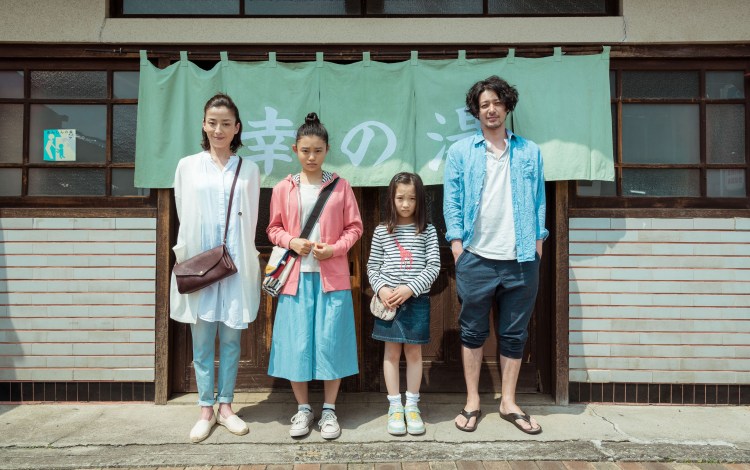 A big winner at this year’s Japan Academy Prize,
  One of two films recently released by Nobuhiro Yamashita,
  Haruka Ayase stars in
  Comedian Yo Oizumi plays an aspiring mangaka with big dreams and possibly deluded hopes who finally discovers the power of his ordinariness during the zombie apocalypse in Shinsuke Sato’s blockbuster action/comedy
  Yoji Yamada reunites with the cast of Tokyo Family and a few more old friends for another tale of humorous family drama,
 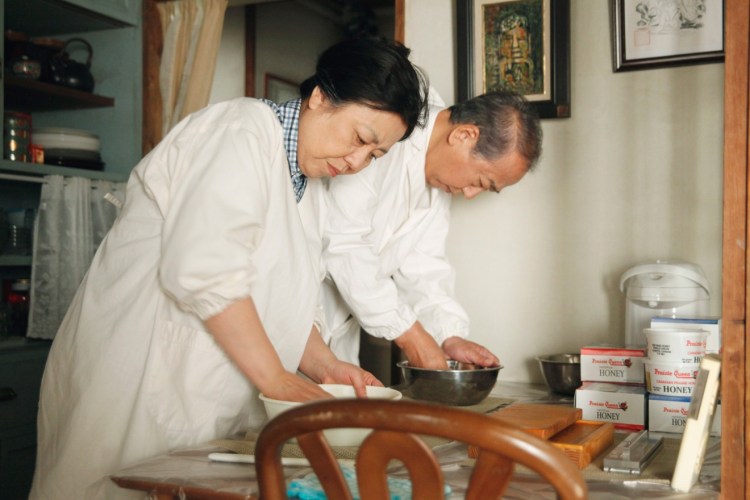 Japan’s housing estates were once symbols of post-war aspiration but now they’re largely deserted and home only to elderly residents prepared to put up with cramped conditions, no lifts, and basic amenities. Junji Sakamoto returns with a surreal comedy satirising everything from gossipy village mentality to alien invasion in the warmhearted if wistful
  Two sisters return to their family home which is about to be torn down only to find a collection of recipes left behind by their late Taiwanese mother who died twenty years before in Mitsuhito Shiraha’s food/family drama,
 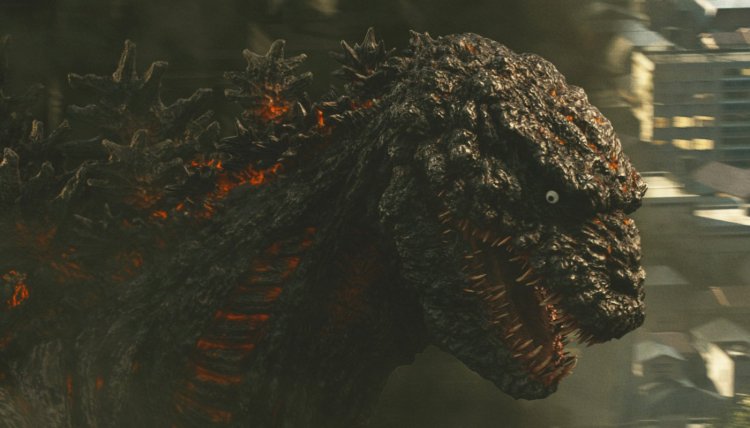 Godzilla is back and bigger than ever in Hideaki Anno & Shinji Higuchi’s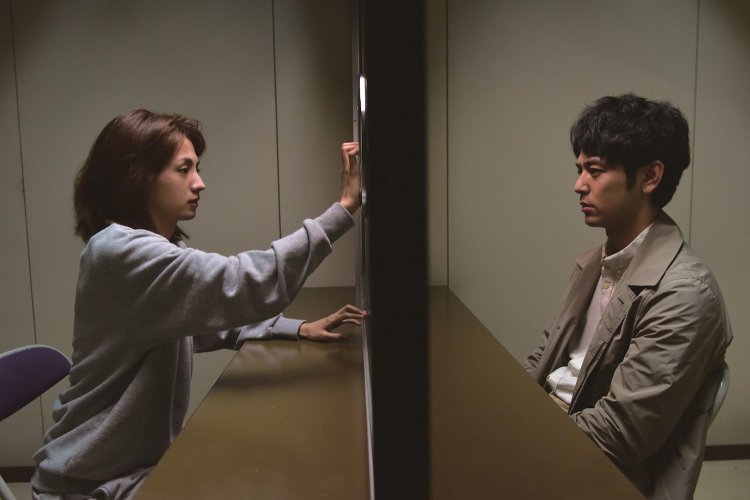
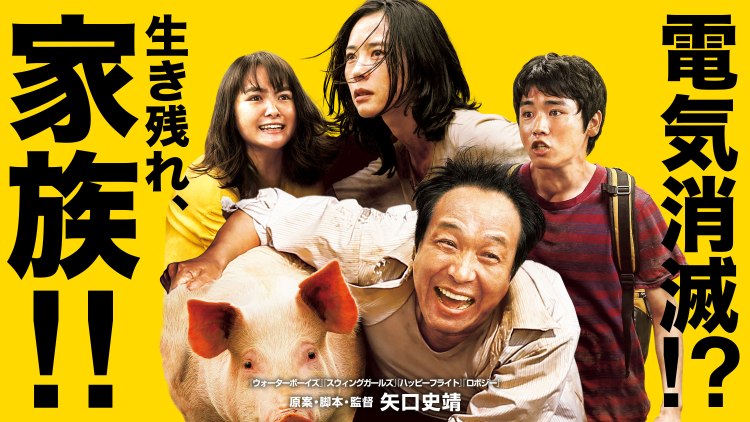 When all the power suddenly goes off, one ordinary family is forced to flee the city in search of life on the land but how do you cope with the apocalypse when you’re used to 24hr convenience and efficient public services? Hilariously, according to Shinobu Yaguchi’s latest comedy drama,
 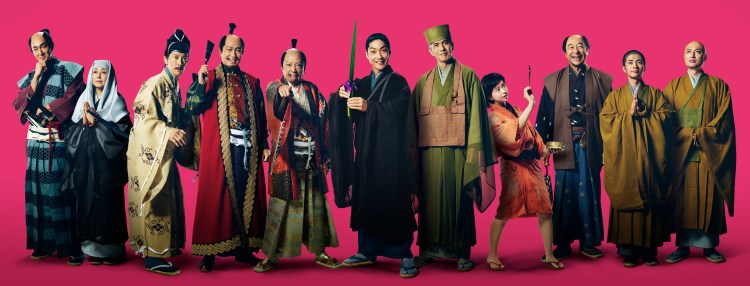 Another in the long line of movies focussing on samurai who fight with things other than katana,
 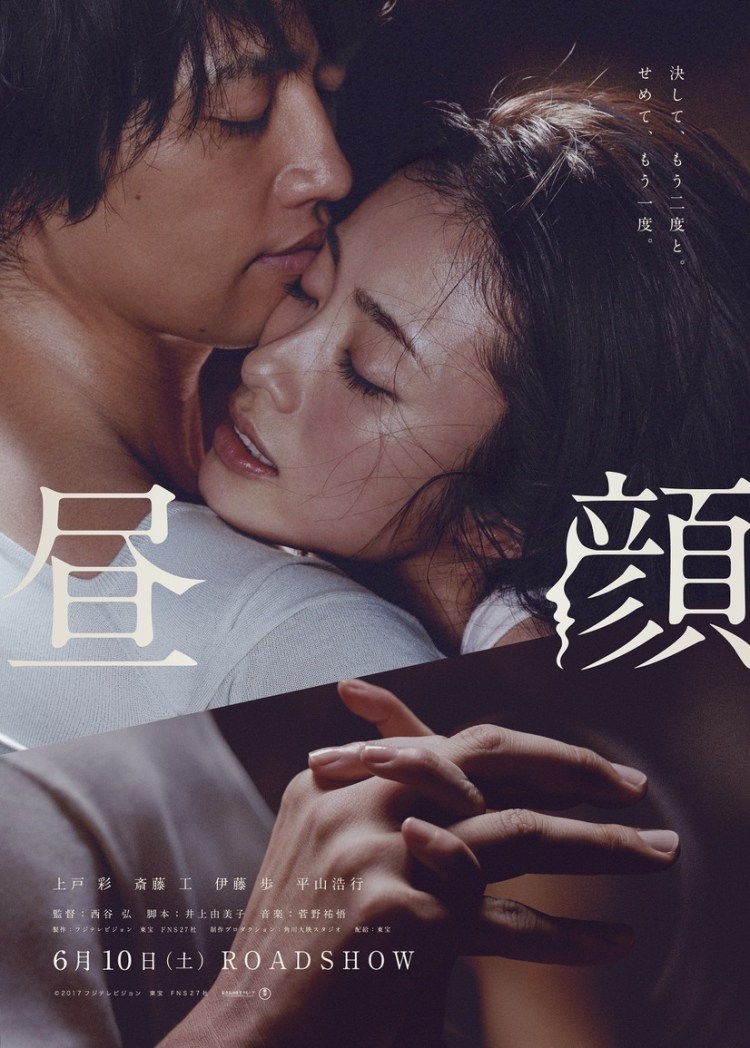 A sequel to the hit TV Drama,
 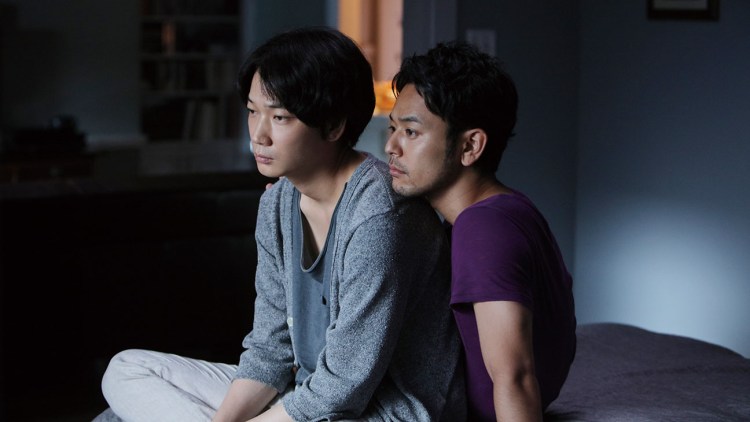 Lee Sang-il adapts another Shuichi Yoshida novel for three interconnected tales of doubt and suspicion following an unsolved, brutal Tokyo murder in
  Windows on Worlds