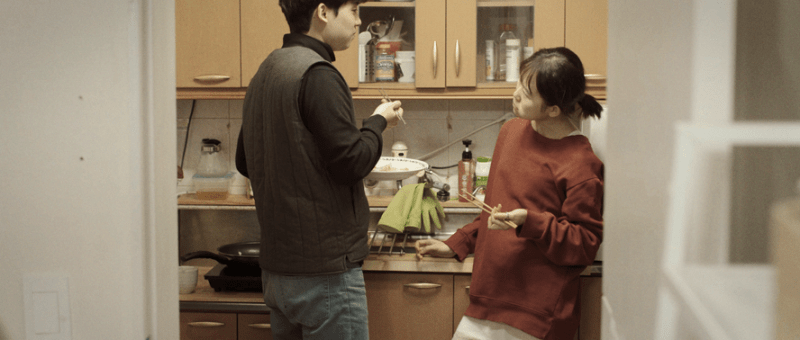
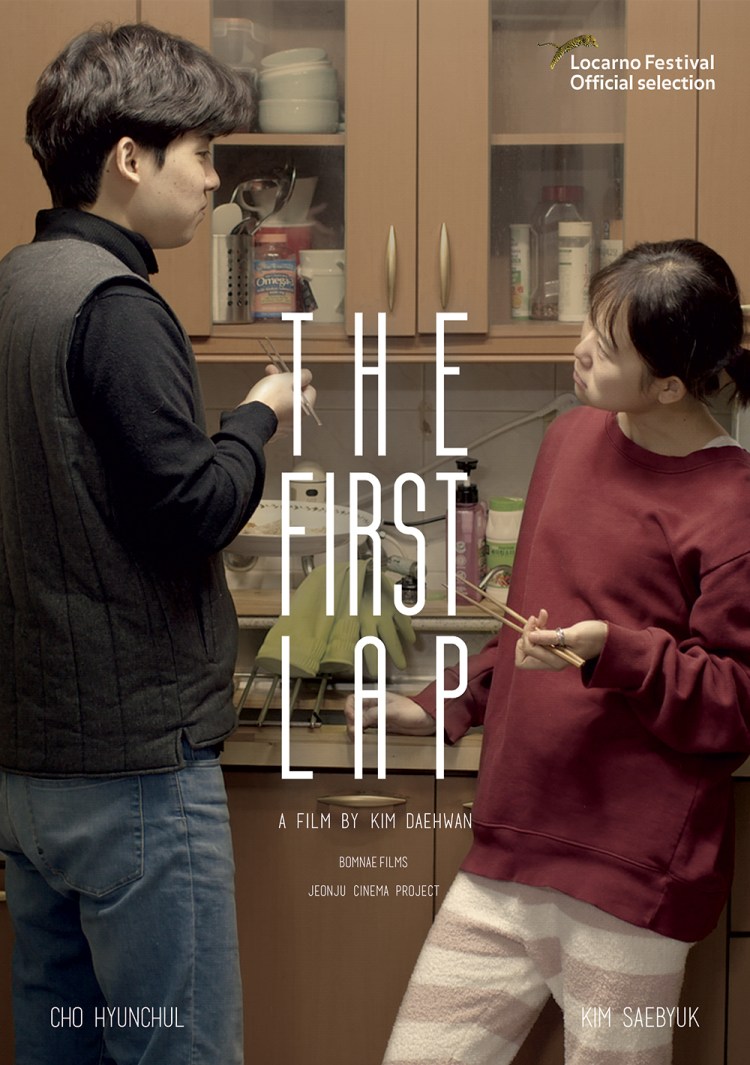
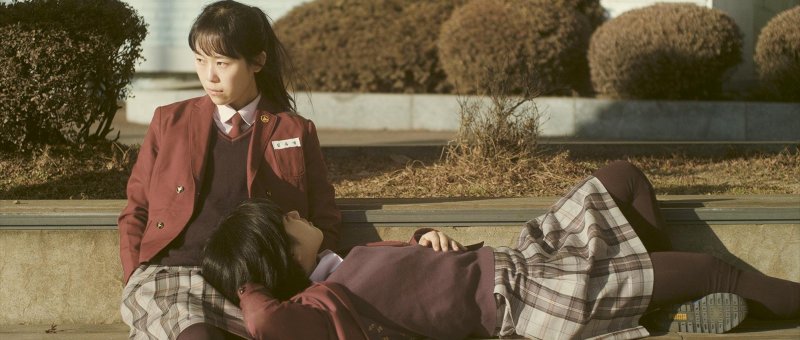
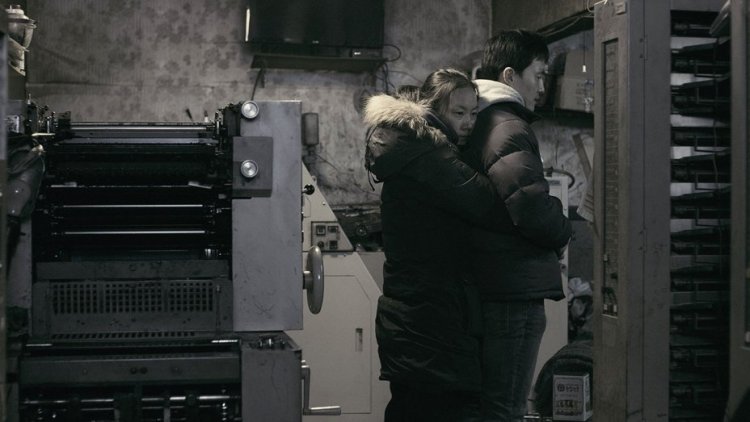
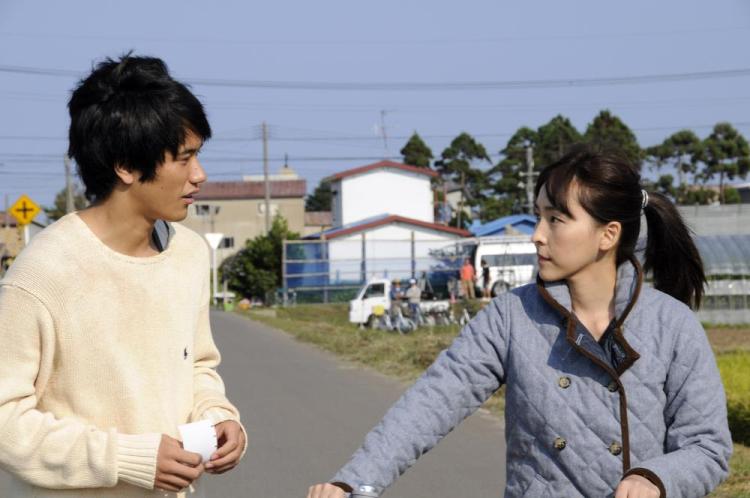
 For some, life is a series of stages. Education, work, marriage, parenthood, death. For others, life is more like a continuous stream, a series of minor movements in an ongoing symphony. The couple at the centre of Kim Dae-hwan’s second film, The First Lap (초행, Cho-haeng), are contentedly (for the most part) trapped in a permanent adolescence living chaotic lives aside from what most would consider the mainstream. Together for seven years but still unmarried, Ji-young (Kim Saebyuk) and Su-hyeon (Cho Hyun-chul) are forced to confront their liminal status when the twin pressures of a pregnancy scare and obligatory family visits place a strain on their otherwise settled relationship.
Their two year rental contract up for renewal, Ji-young and Su-hyeon are packing up to move somewhere cheaper when Su-hyeon gets an awkward phone call from his brother inviting him home for his father’s 60th birthday party. Su-hyeon obviously does not want to go and makes a series of excuses despite Ji-young’s urging that he should probably attend. Ji-young also drops the bombshell that she’s worried she might be pregnant which raises several problems for the couple both financial and emotional. The next day they set off on a trip, but it’s to visit Ji-young’s well-to-do parents in their new high-rise Incheon apartment.
Kim structures the film around the two very distinct family environments, subtly suggesting the various reasons neither Ji-young or Su-hyeon are in favour of moving onto the next stage stems back to their own problematic upbringings. Though Ji-young’s family are financially secure and occupy a traditionally middle-class social stratum with her father working for the government and mother in real estate, the home is a cold one and Ji-young’s mother a harsh and direct woman who is unafraid to speak her mind regarding what she sees as her daughter’s poor life choices. In what will become a recurrent motif, Ji-young’s mother wants to know why the couple aren’t married, pointing out Ji-young’s advancing age and the unseemliness of an unmarried woman over thirty. After pointedly telling Ji-young she is not proud of her and in fact thinks of her as a disappointing embarrassment, Ji-young’s mother goes off the deep end on discovering the pregnancy test in Ji-young’s bag, driven into a fury of conservative discombobulation at the thought of being grandmother to a child born out of wedlock.
Ji-young is afraid to become a mother in case she becomes hers and does to her child what her mother has done to her. Su-hyeon has a similar problem, though his is one of intense discomfort with his familial environment in growing up in an unhappy home. Travelling back to the tiny fishing village where Su-hyeon’s parents used to own a sashimi restaurant but now apparently work for a factory which has all but destroyed the area’s previously lucrative tourist industry, Ji-young could not be more out of place. Unlike the ordered coldness of Ji-young’s parents’ swanky apartment, Su-hyeon’s family home is one of repressed heat in which longstanding arguments seem permanently primed to spark. Su-hyeon, depressingly used to this kind of scene, ushers Ji-young out the door just as it looks about to kick off, only for her to urge him back to “do something’ – something he’s long given up the idea of doing. Su-hyeon does not want to live in this kind of family or make his wife as miserable as his mother has been married to a man she can’t stand who holds only contempt for his more sensitive son.
Thus Ji-young and Su-hyeon find themselves at an impasse facing both economic anxiety and long-standing emotional fears for the future. All around them, society seems to be in flux, Su-hyeon travels through a subway as protestors from the “Candlelight Revolution” make their way home after another long day spent peacefully protesting the administration of Park Geun-hye. Even young couples like Ji-young and Su-hyeon not usually interested in politics are drawn to the movement, suddenly finding themselves free to consider a better future, not the one they’re supposed to have but the one they actually want (if they can figure out what that actually is). A visit to the protest proves a surprisingly romantic outing. Sharing hot soup in the midst of candle light and gentle music, the pair wander around, still directionless and unsure where exactly it is that they’re going but happy to be together wherever it is they might end up.
Screened at London Korean Film Festival 2017. Screening again in Manchester in 11th November, 1.30pm.
Original trailer (English subtitles)


 Wales’s premier horror festival,
  Another addition to the Meatball Machine universe, Kodoku follows a debt collector recently diagnosed with terminal cancer who realises his condition makes him immune to the mind control of invading alien Necroborgs. More splatter action from Yoshihiro Nishimura.
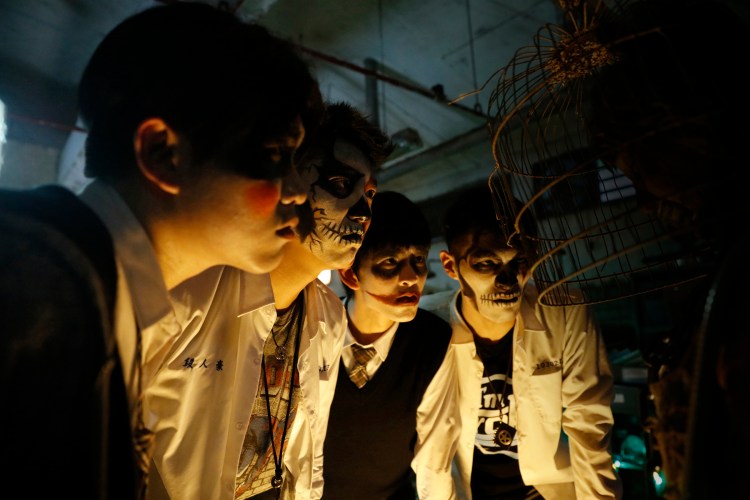 A group of horrible kids capture a strange creature and then mercilessly torture it in Giddens Ko’s surprising foray into the world of teen horror.
 Set in 1953,
 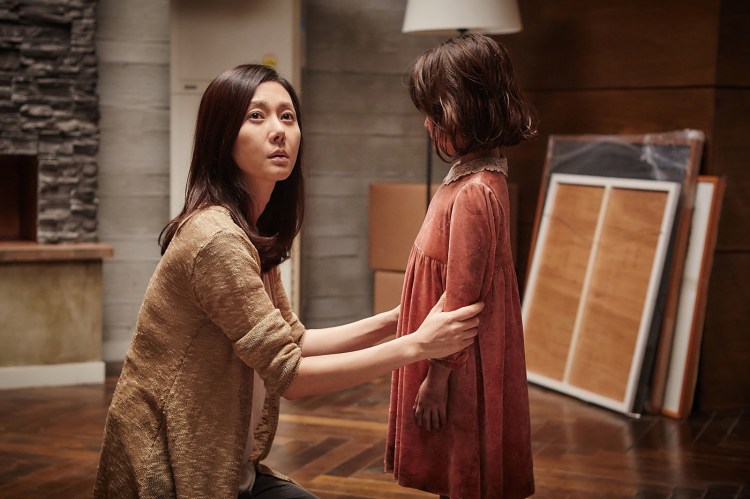 Hee-yeon moves to a small village near Mt. Jang with her husband after their son goes missing. Bonding with a little girl who seems to be lost herself, Hee-yeon soon becomes embroiled in the strange events occurring around the mountain.
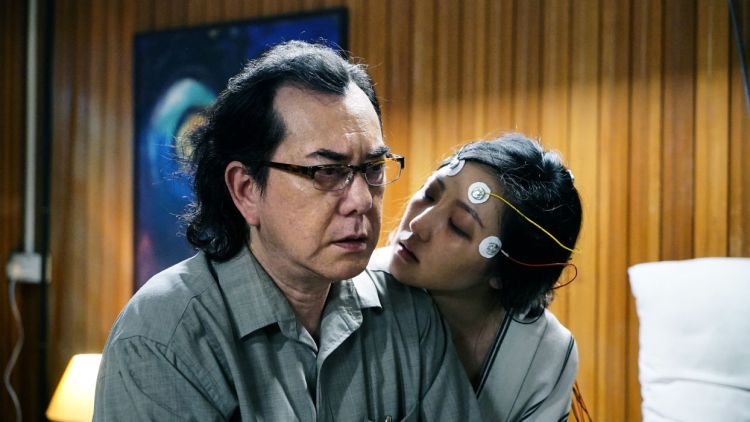 ’90s neurologist Lam Sik-ka (Anthony Wong) can’t sleep. Contacted by a fellow insomniac former girlfriend, he begins investigating and finds the answer lies all the way back in the Japanese occupation…
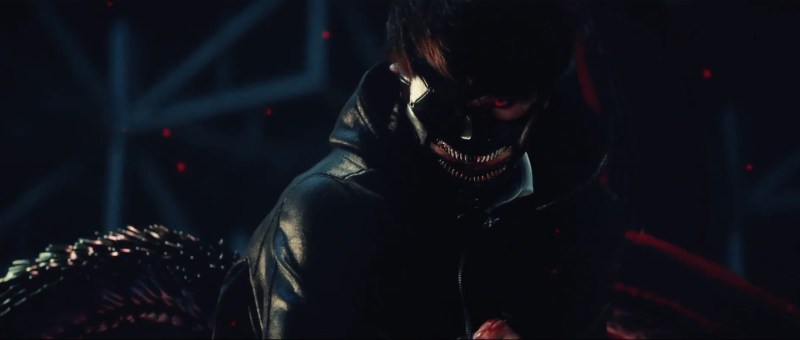
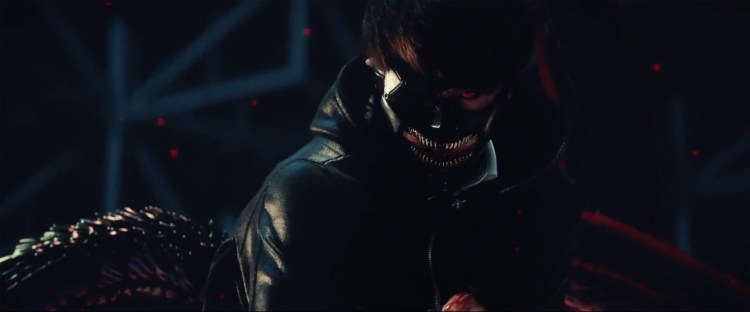 An adaptation of the manga by Sui Ishida, Tokyo Ghoul is the story of Ken Kaneki who wakes up in hospital to discover he’s been given transplants from a “Ghoul” and is now part Ghoul himself which means he needs to eat human flesh to survive…
 Students at a remote art school start mysteriously disappearing, could the creepy clay statues possibly be to blame?
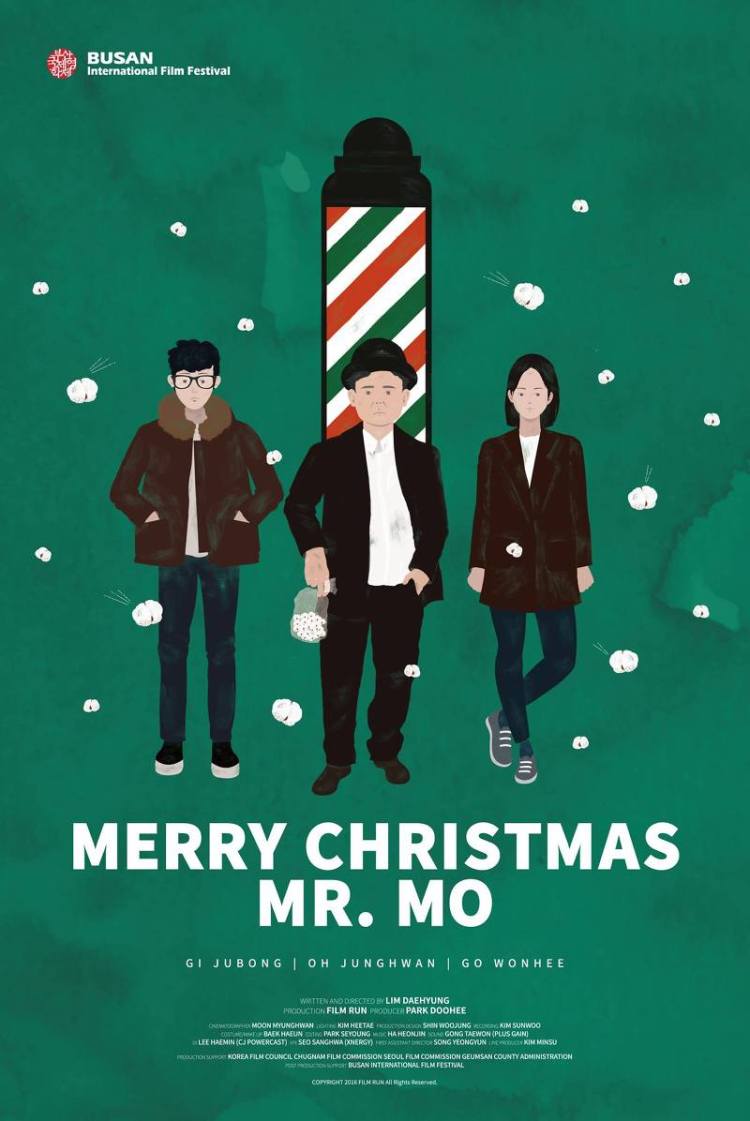



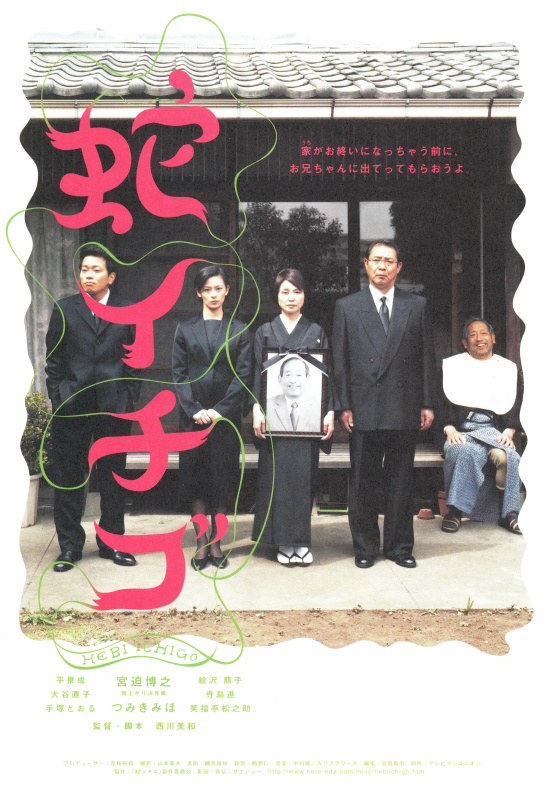 Following the last series of
 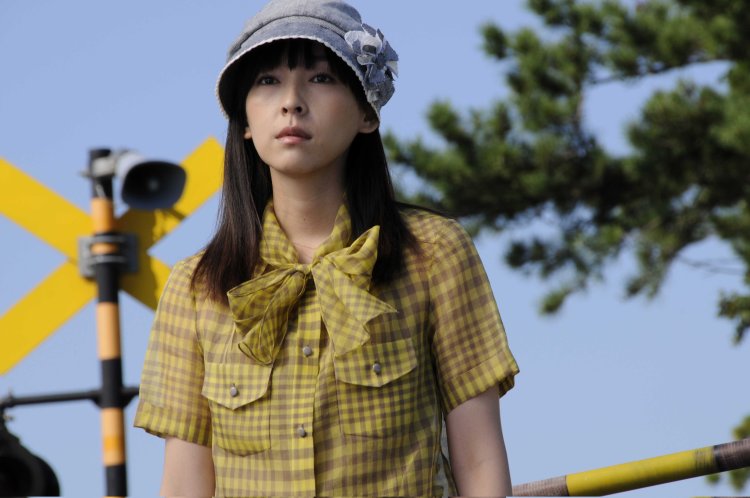 Released in 2009, the second feature from Satoko Yokohama stars Kenichi Matsuyama as Yojin – an Aomori farm boy who lives on a slightly different plane of existence to everyone else. When a pretty school teacher (played by Kumiko Aso) arrives from Tokyo, Yojin becomes determined to win her heart, whatever the eventual costs may be!
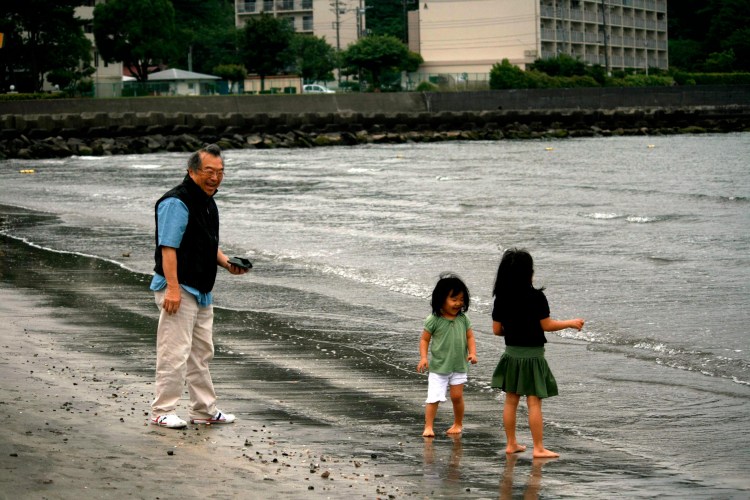 Also known as Ending Note, Mami Sunada’s documentary follows the last days of her father, a lifelong salaryman who retired aged 67 only to be diagnosed with terminal cancer soon after. Realising that he had only a short time left to live, Sunada began preparing for his death, creating his own bucket list and thinking about the “ending note” (a kind of personal testament) that he would leave behind for his family.
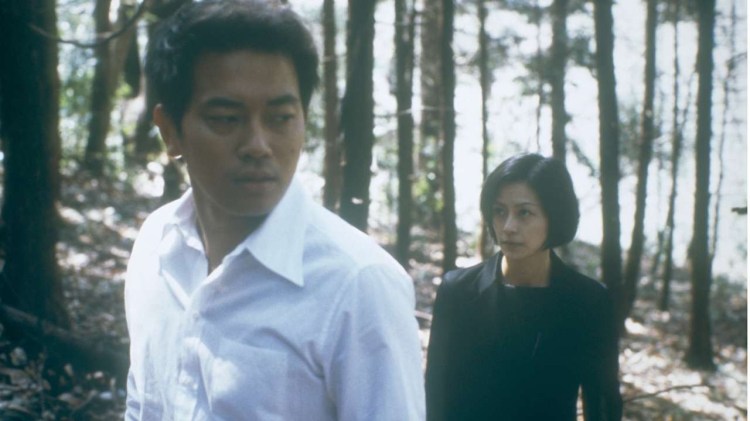 Miwa Nishikawa whose
  Directly after the screening of Wild Berries, there will be a panel discussion examining the rise of female filmmakers over the last 15 years. Chaired by Kate Taylor – East Asian programmer for the BFI London Film Festival, the panel will also feature film scholar Jasper Sharp (co-founder of Midnight Eye, author of Behind the Pink Curtain), film researcher Alejandra Armendáriz Hernández, and the season’s curator, Irene Silvera.