 Times change so quickly. The “danchi” was a symbol of post-war aspiration and rising economic prosperity as it sought to give young professionals an affordable yet modern, convenient way of life. The term itself is a little hard to translate though loosely enough just means a housing estate but unlike “The Projects” (団地, Danchi) of the title, these are generally not areas of social housing or lower class neighbourhoods but a kind of vertical village which one should never need to leave (except to go to work) as they also include all the necessary amenities for everyday life from shops and supermarkets to bars and restaurants. Nevertheless, aspirations change across generations and what was once considered a dreamlike promise of futuristic convenience now seems run down and squalid. Cramped apartments with tiny rooms, washing machines on the balconies, no lifts – young people do not see these things as convenient and so the danchi is mostly home to the older generation, downsizers, or the down on their luck.
The Yamashitas – Hinako (Naomi Fujiyama) and her husband Seiji (Ittoku Kishibe), moved into the danchi just a few months ago after abruptly closing their herbal medicine business. The couple have integrated into the mini community fairly well, but as newcomers their neighbours remain a little suspicious and stand offish while Hinako and Seiji have their own reasons for moving and mostly want to be left alone. To make ends meet, Hinako is working part-time at the local supermarket but Seiji is mostly left alone in his thoughts and likes to wander through the nearby woodland behind the estate, eventually earning a nomination for head of the housing committee thanks to his calm and reliable character.
Despite being the last thing he wanted Seiji warms to the idea and has quite a few suggestions for improvements to the estate if he gets elected. Sadly, he loses out at the last second when the incumbent decides to stand again. Depressed and humiliated, Seiji decides to hide inside the mini storage compartment under the couple’s kitchen floor, only emerging for meals and to use the bathroom. Seeing as no one has seen Seiji in weeks, the danchi is ripe with gossip. What can have happened to him? Has he run away with his tail between his legs? Found another woman? Disappeared? Another new resident whose husband is a TV reporter has different idea – Hinako must have killed him!
The village mentality is very much alive in the danchi where the dwindling population and host of empty apartments mean that everyone is very invested in everyone else’s business. Thus the gaggle of women who make up the chief gossip society are suddenly convinced they have a murderer in their midst! Hinako, disinterested in her neighbours’ petty chitchat, ignores them and tries to go on with her business whilst putting up with Seiji’s odd antics as best she can. The neighbours’ suspicions are further aroused by the couple’s mysterious visitor, Shinjo (Takumi Saito), who speaks extremely strange Japanese with oddly robotic delivery.
However much the residents like to tell tales about each other, they are still reluctant to get involved in each other’s affairs. Everyone seems to know that the bossy man from across the way is abusive towards his wife and step-son but no one wants to do anything about it. The boy wanders the same woodland as Seiji, loudly singing the Gatchaman theme song with its cheerful chorus of the world being as one, and trying to keep out of his stepfather’s way. Only Hinako, witnessing the man about to inflict some harsh discipline on his step-son is brave enough to say something but her intervention only provides a momentary reprieve.
Though largely played for laughs there are some darker sides to the world of the danchi – the covert affairs, the gossip, the boredom, and the wilful ignoring of other people’s distress, to name but a few. In true Osakan style there is however a warmth to the comedy coupled with an endearing silliness which contrasts nicely with the more melancholy aspects hanging around the edges. Taking in everything from petty local politics to murder accusations and over zealous TV reporting, not to mention aliens, The Projects’ ambitions are wild and the tone oddly surreal but then again, nothing’s impossible in the danchi!
The Projects was screened as part of the 17th Nippon Connection Japanese Film Festival.
Original trailer (English subtitles)
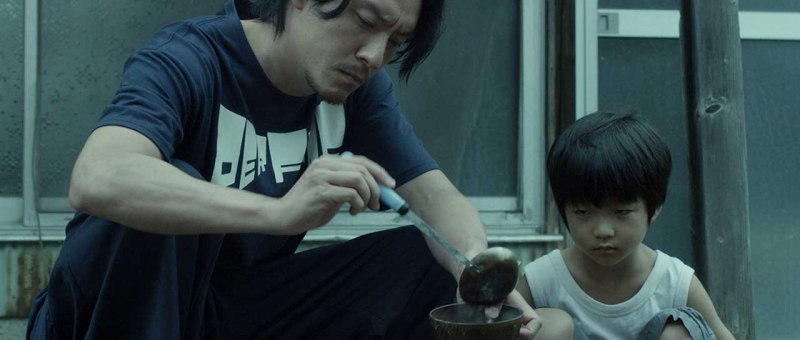
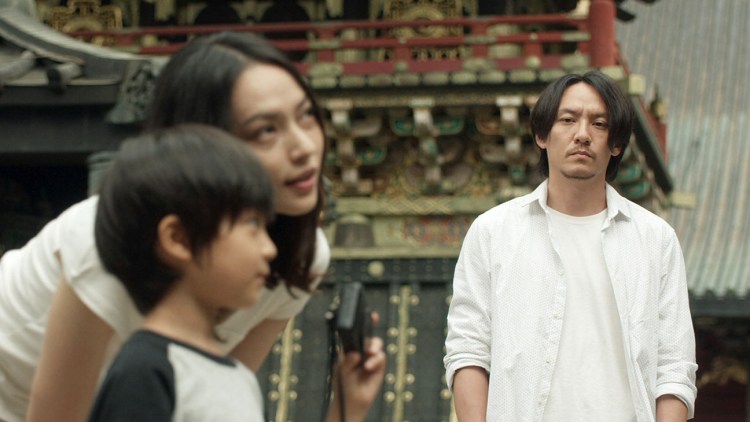 Taiwan and Japan have a complicated history, but in SABU’s latest slice of cross-cultural interplay each place becomes a kind of refuge from the other. Working largely in Mandarin and with Taiwanese star Chang Chen, SABU returns to a familiar story – the lonely hitman tempted by a normal family life filled with peace and simplicity only to have his dreams taken from him by the spectre of his past. Only this time it isn’t just his past but that of others too. Despite the melancholy air, Mr. Long (ミスター・ロン) is a testament to the power of simple human kindness but also a condemnation of underworld cruelty and its vicelike grip on all who enter its grasp.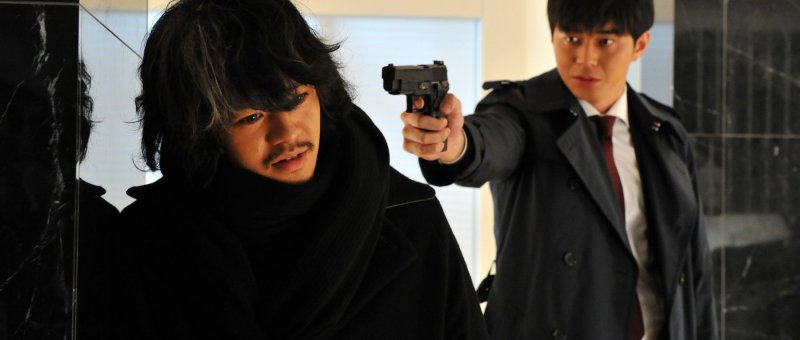
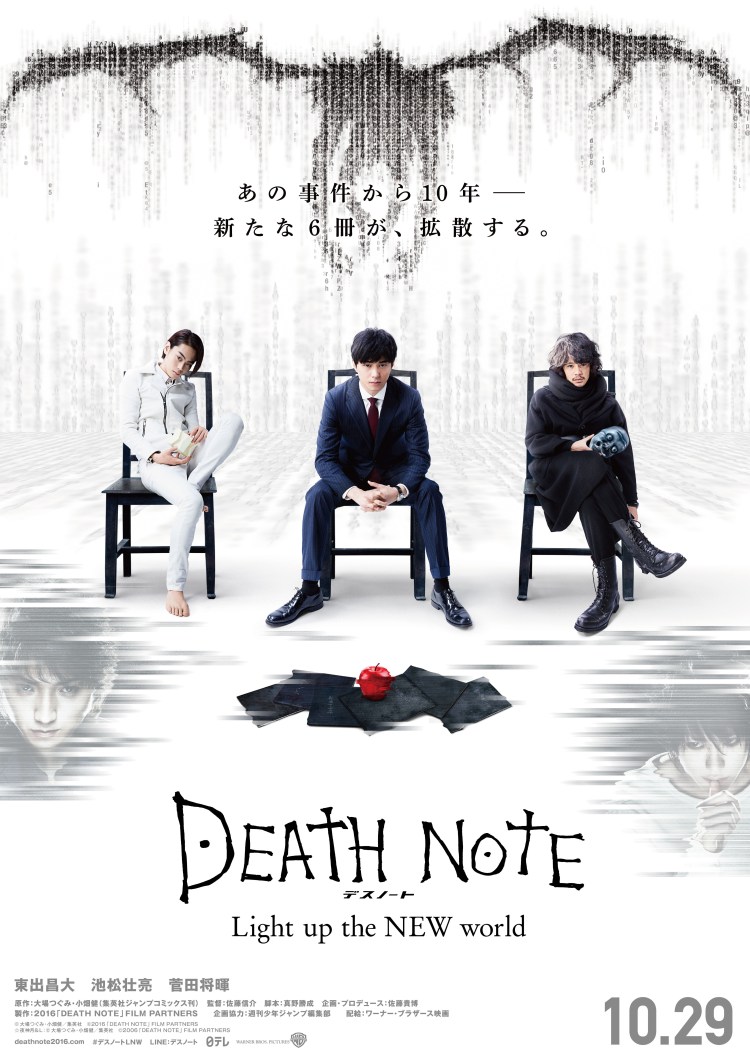 Tsugumi Ohba and Takashi Obata’s Death Note manga has already spawned three live action films, an acclaimed TV anime, live action TV drama, musical, and various other forms of media becoming a worldwide phenomenon in the process. A return to cinema screens was therefore inevitable – Death Note: Light up the NEW World (デスノート Light up the NEW World) positions itself as the first in a possible new strand of the ongoing franchise, casting its net wider to embrace a new, global world. Directed by Shinsuke Sato – one of the foremost blockbuster directors in Japan responsible for Gantz,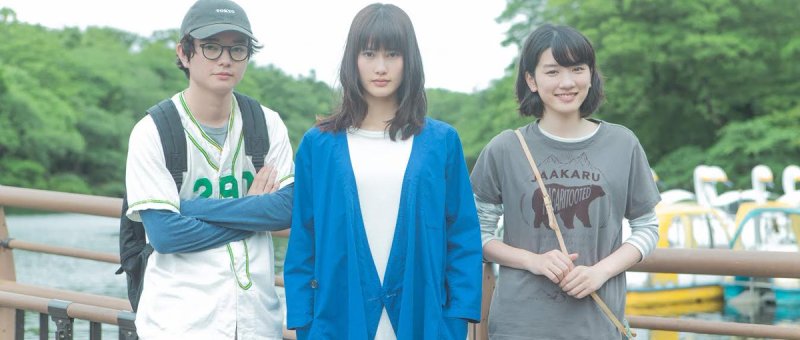
 Parks are a common feature of modern city life – a stretch of green among the grey, but it’s important to remember that there has not always been such beautiful shared space set aside for public use. Natsuki Seta’s light and breezy youth comedy, Parks (PARKS パークス), was commissioned in celebration of the centenary of the Tokyo park where the majority of the action takes place, Inokashira. Mixing early Godardian whimsy with new wave voice over and the kind of innocent adventure not seen since the Kadokawa idol days, Parks is a sometimes melancholy, wistful tribute to a place where chance meetings can define lifetimes as well as to brief yet memorable summers spent with gone but not forgotten friends doing something which seems important but which in retrospect may be trivial.
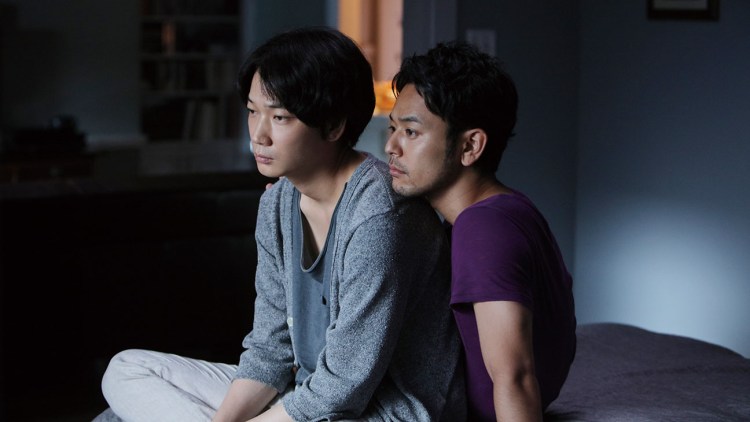 The Edinburgh International Film Festival has a long and proud history of showcasing East Asian cinema and this year is no different with several high profile movies making their UK premieres in the Scottish capital.
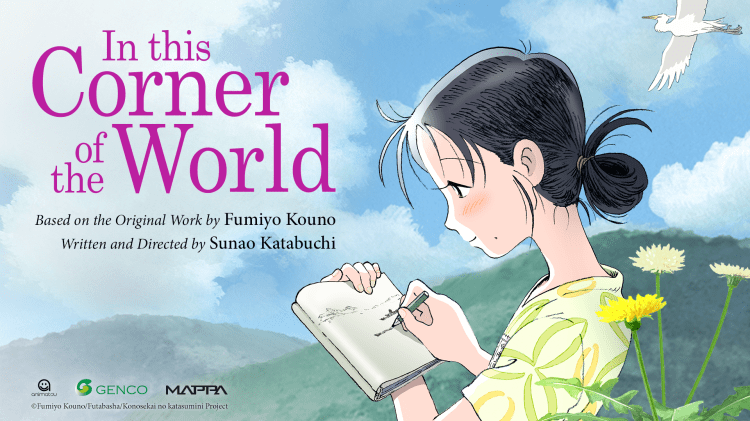 Sunao Katabuchi’s award winning animation
  Taiwanese dark comedy crime thriller
  Needing little introduction,
  Lee Sang-il reunites with Unforgiven’s Ken Watanabe and enlists an all star cast including, Kenichi Matsuyama, Aoi Miyazaki, Chizuru Ikewaki, Satoshi Tsumabuki, Go Ayano, Mirai Moriyama, and Suzu Hirose for
 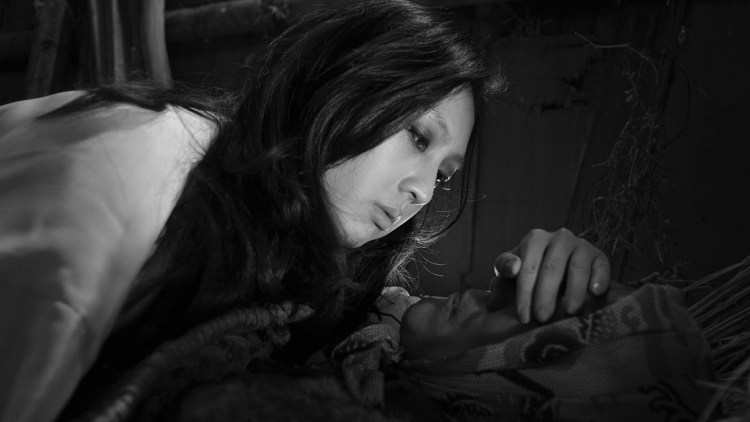 Kiki Sugino brings a modern twist to the classic tale of the
  Kyoko Miyake’s documentary
 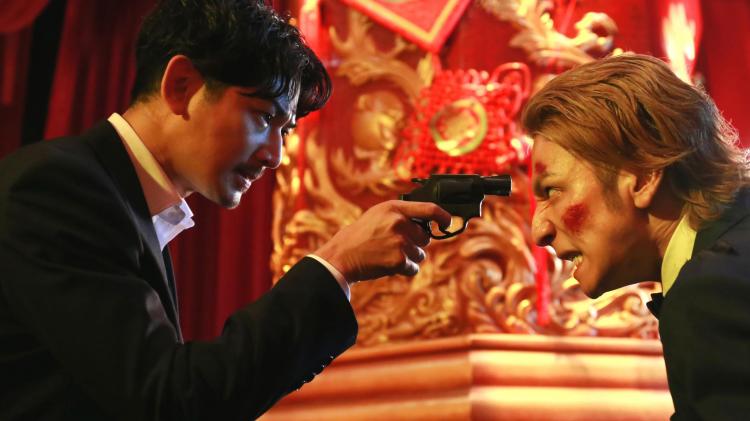 Takashi Miike never stops!
  Playing in the Night Moves section, Dante Lam’s
 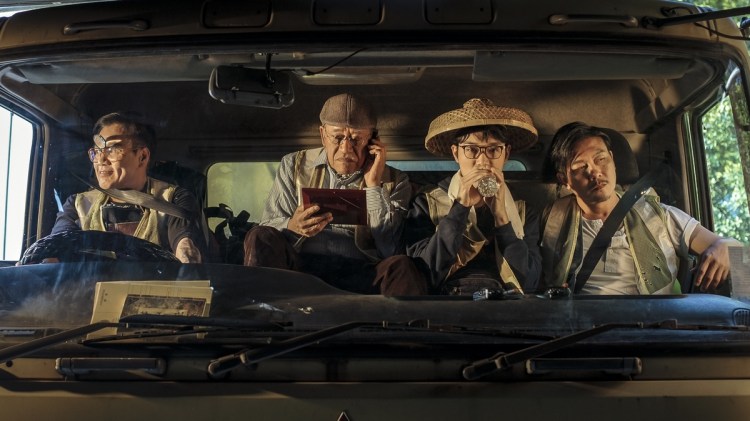 A return to the classic Hong Kong horror comedies of the past,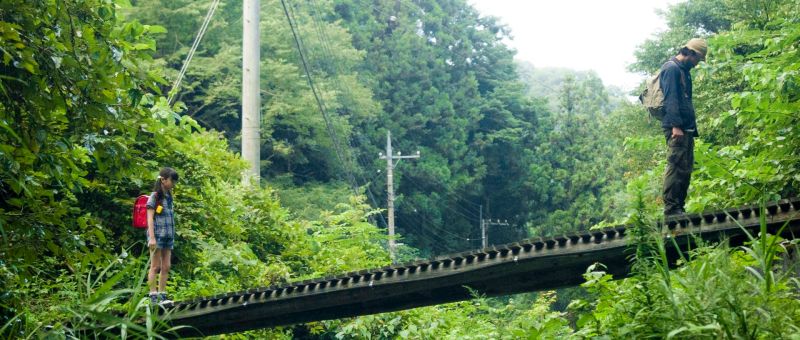
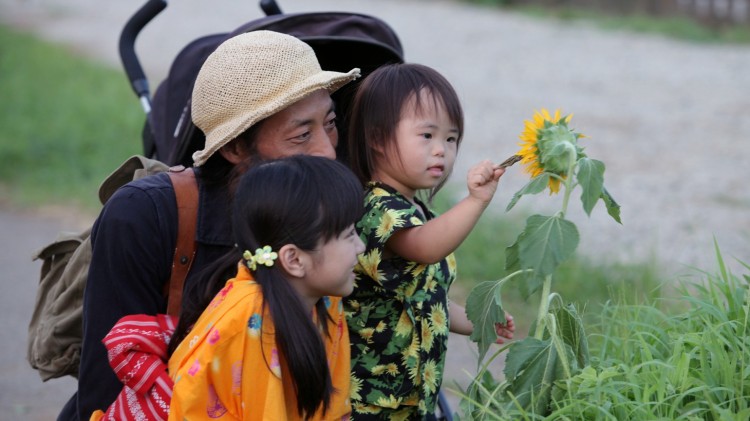 When tragedy strikes the one thing you ought to be able to rely on is your family, but when the tragedy occurs within that sacred space which exits between you what is to be done? Yosuke Takeuchi’s The Sower (種をまく人, Tane wo Maku Hito) attempts to provide an answer whilst putting one very ordinary, loving and forgiving family through a series of tests and tragedies. Lies, regret, and despair conspire to ruin the lives of four once happy people but even in the midst of such a shocking, unexpected event there is still time to turn towards the sun rather than continuing in the darkness.
 The eagerly awaited live action adaptation of Hirohiko Araki’s much-loved manga, JoJo’s Bizarre Adventure: Diamond is Unbreakable, is to make its world premiere at the 17th Neuchâtel International Fantastic Film Festival.
 Alan Lo’s Zombiology: Enjoy Yourself Tonight in which two slackers decide to do their civic duty by saving Hong Kong from the zombie apocalypse.
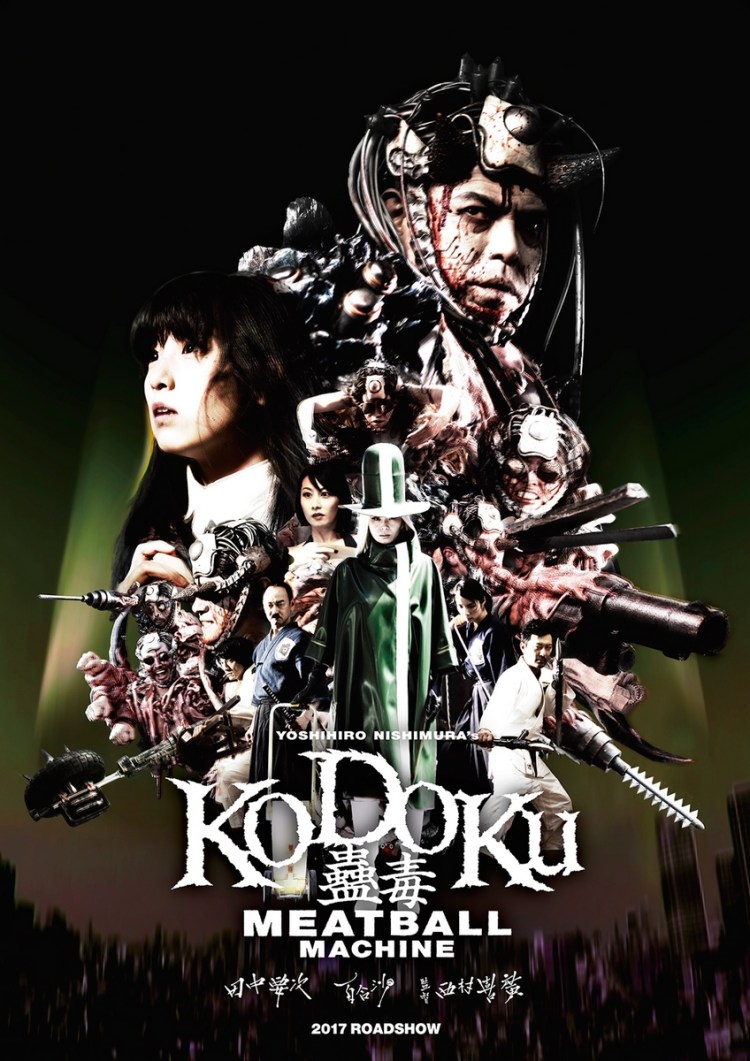 Yoshihiro Nishimura’s Meatball Machine Kudoku – the latest gore fest from this notorious director is a return to the world of 2005’s Meatball Machine in which a debt collector suffering with terminal cancer is infected by the alien necroborg virus and decides to get some revenge on a cruel and unforgiving world.
 Alex Cheung’s 1983 Shaw Brothers comedy Twinkle, Twinkle Little Star will also play in the festival’s outdoor sci-fi retrospective strand, Laughing in Space. This wacky outing stars Cherie Chung as a suicidal young woman who is later raped by space aliens but encounters two also suicidal private investigators who embrace the chance to let the world know about the alien threat as their way out of a desperate situation. Yes, this is a comedy.
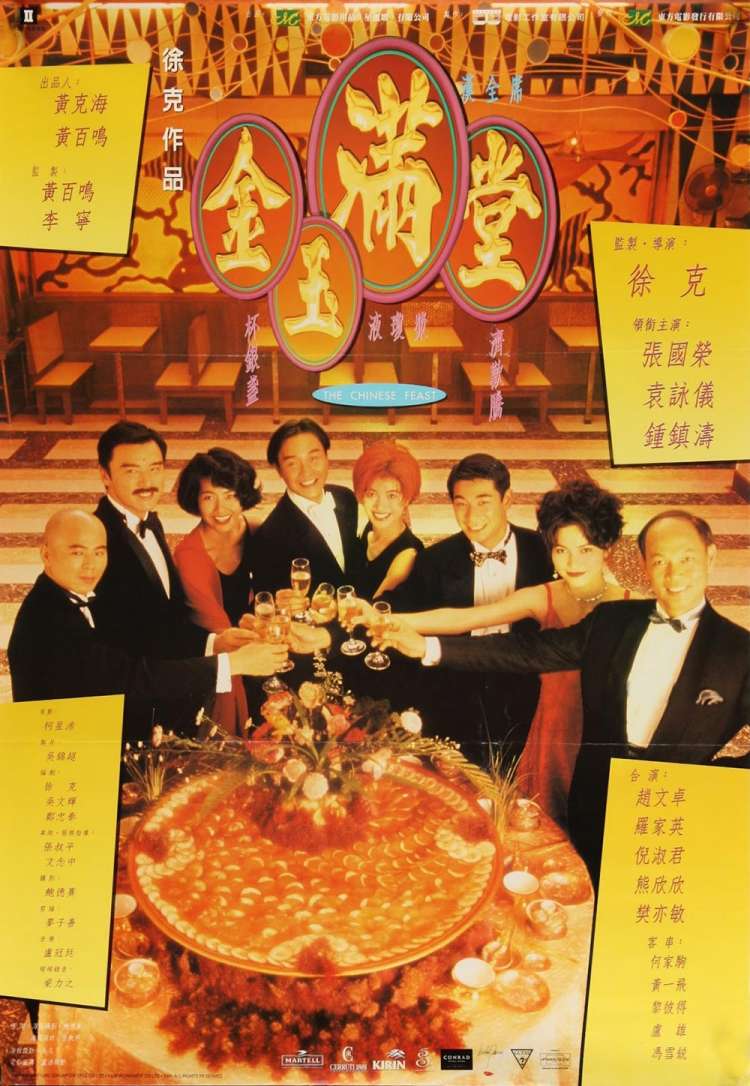 Tsui Hark’s A Chinese Feast features in a special selection of culinary films marking Neuchâtel’s nomination for the “City of Taste” 2017. Starring Leslie Cheung, A Chinese Feast is the classic Chinese New Year movie mixing food and fun for a feel good family comedy.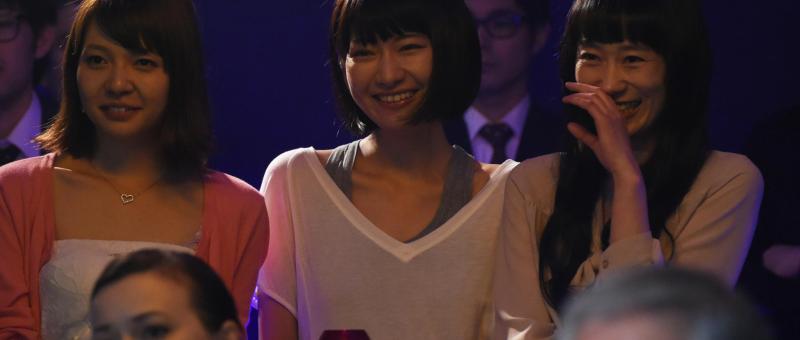
 Towards the end of the 60s and faced with the same problems as any other studio of the day – namely declining receipts as cinema audiences embraced television, Nikkatsu decided to spice up their already racy youth orientated output with a steady stream of sex and violence. The Roman Porno line took a loftier approach to the “pink film” – mainstream softcore pornography played in dedicated cinemas and created to a specific formula, by putting the resources of a bigger studio behind it with greater production values and acting talent. 40 years on Roman Porno is back. Kazuya Shiraishi’s Dawn of the Felines (牝猫たち, Mesunekotachi) takes inspiration from Night of the Felines by the Roman Porno master Noboru Tanaka but where Tanaka’s film is a raucous comedy following the humorous adventures of its three working girl protagonists, Shiraishi’s is a much less joyous affair as he casts his three lonely heroines adrift in Tokyo’s red light district.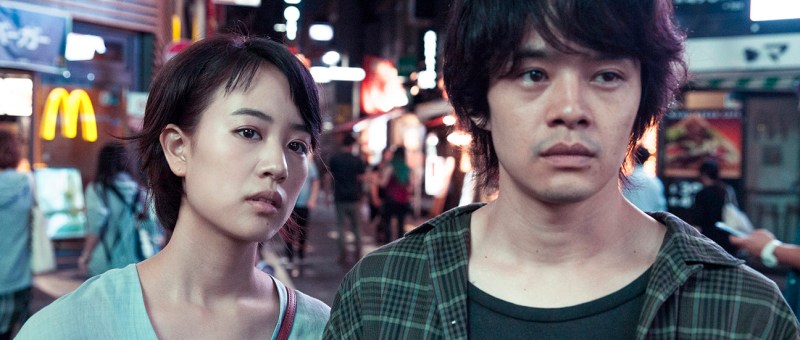
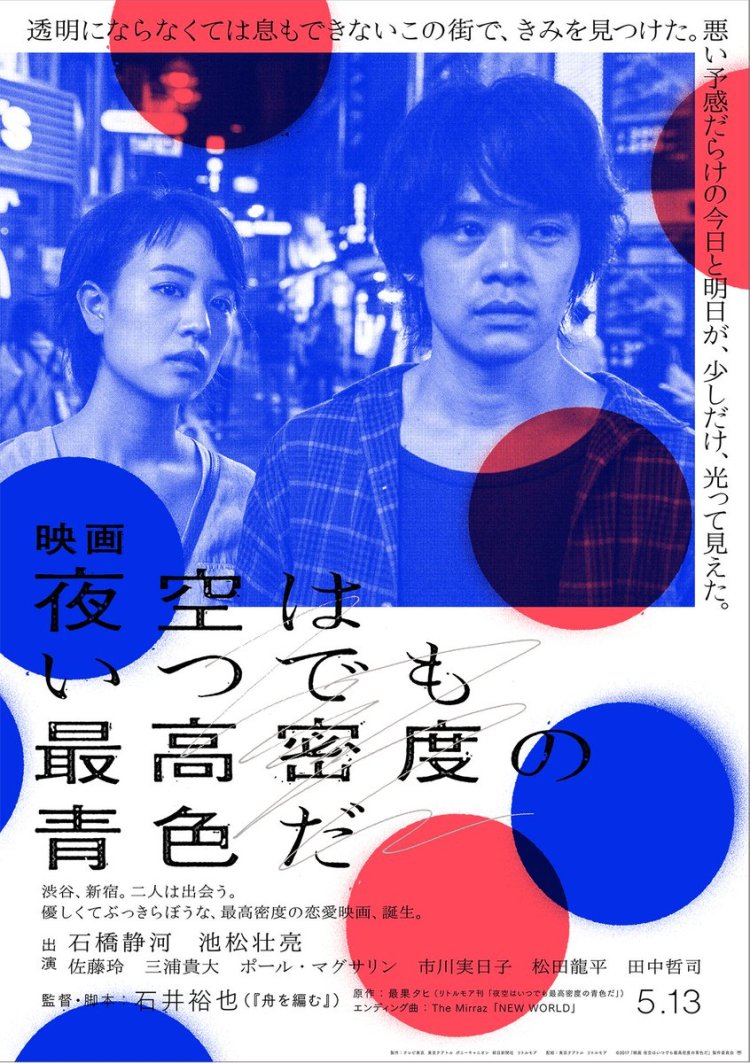 Learning to love Tokyo is a kind of suicide, according to the heroine of Yuya Ishii’s love/hate letter to the Japanese capital, The Tokyo Night Sky is Always the Densest Shade of Blue (夜空はいつでも最高密度の青色だ, Yozora wa Itsudemo Saiko Mitsudo no Aoiro da). This city is a mess of contradictions, a huge sprawling metropolis filled with the anonymous masses and at the same time so tiny you can find yourself running into the same people over and over again. Inspired by the poems of Tahi Saihate, The Tokyo Night Sky is at once a meditative contemplation of city life and an awkward love story between two lost souls who somehow find each other in its crowded backstreets.
 Generally speaking, murder mysteries progress along a clearly defined path at the end of which stands the killer. The path to reach him is his motive, a rational explanation for an irrational act. Yet, looking deeper there’s usually something else going on. It’s easy to blame society, or politics, or the economy but all of these things can be mitigating factors when it comes to considering the motives for a crime. Gukoroku – Traces of Sin (愚行録), the debut feature from Kei Ishikawa and an adaptation of a novel by Tokuro Nukui, shows us a world defined by unfairness and injustice, in which there are no good people, only the embittered, the jealous, and the hopelessly broken. Less about the murder of a family than the murder of the family, Gukoroku’s social prognosis is a bleak one which leaves little room for hope in an increasingly unfair society.
 Windows on Worlds