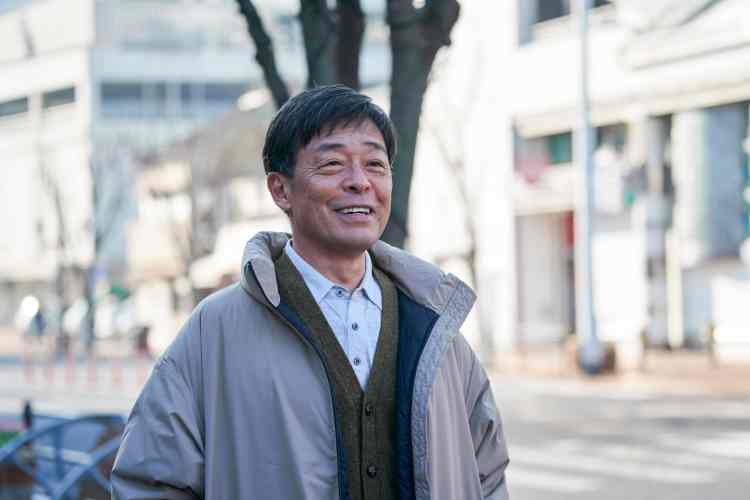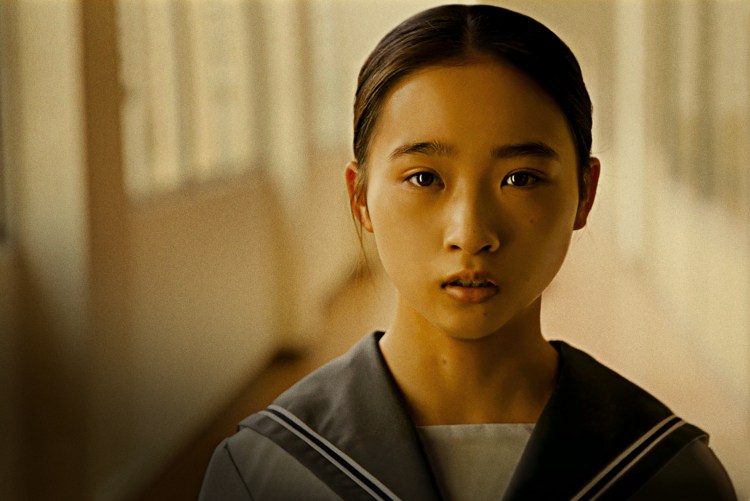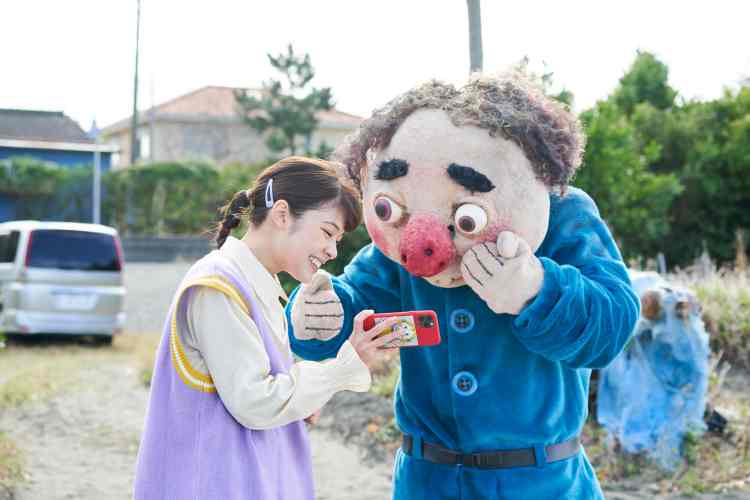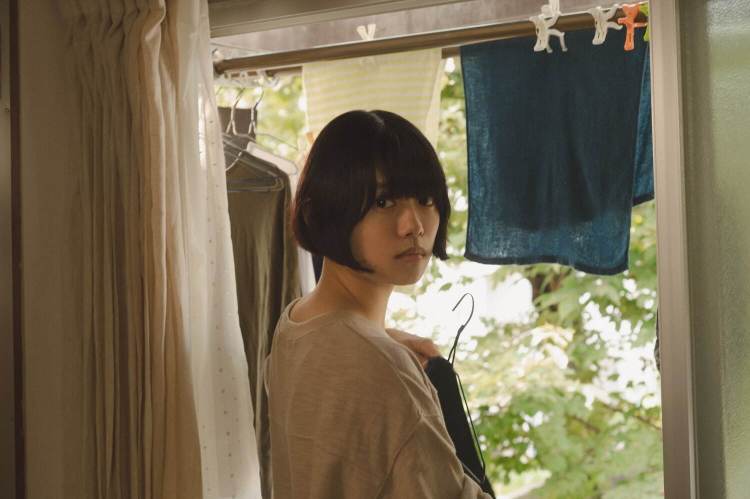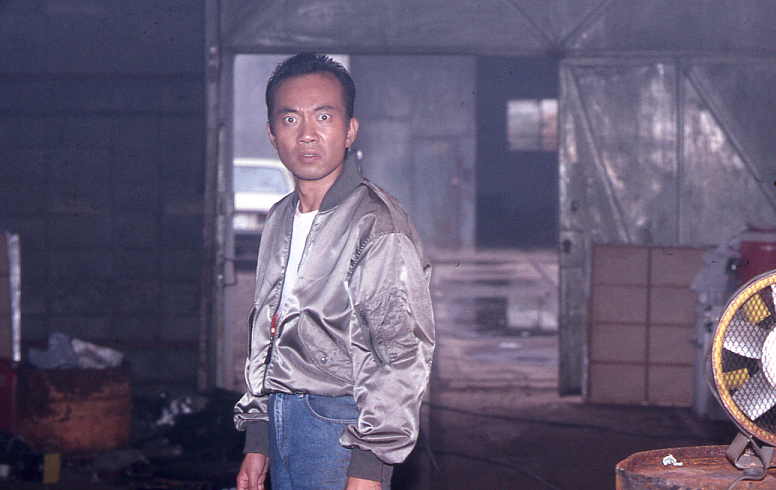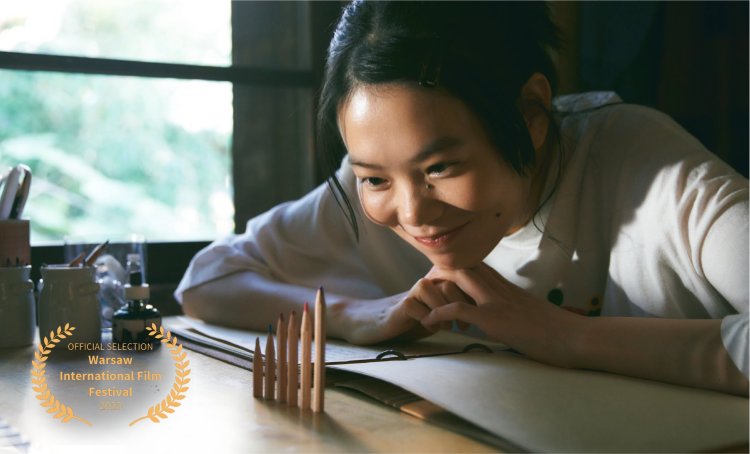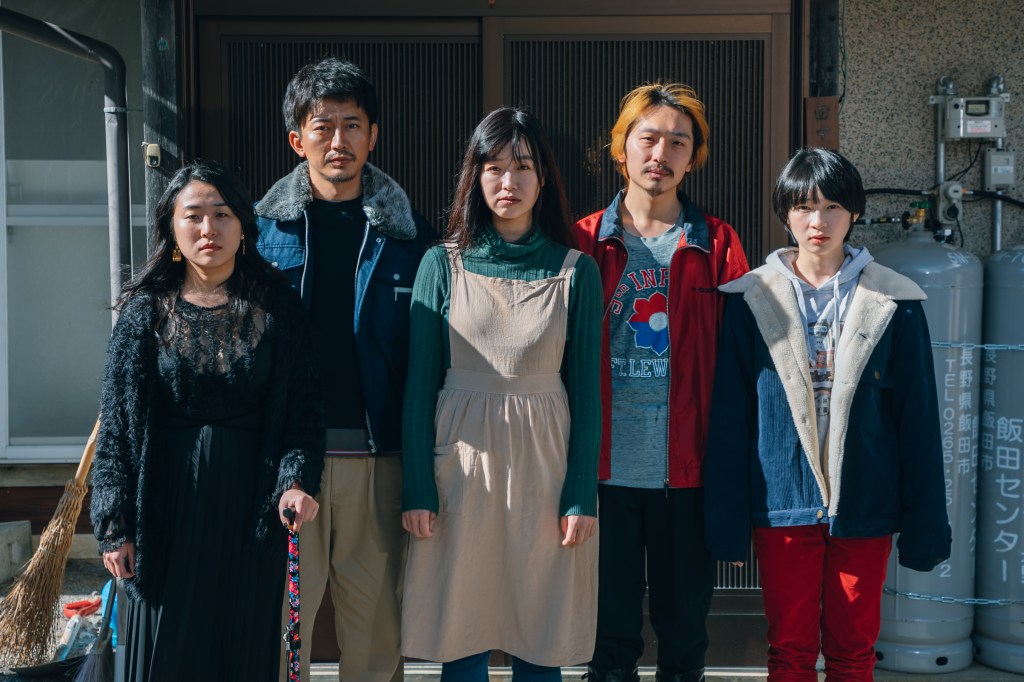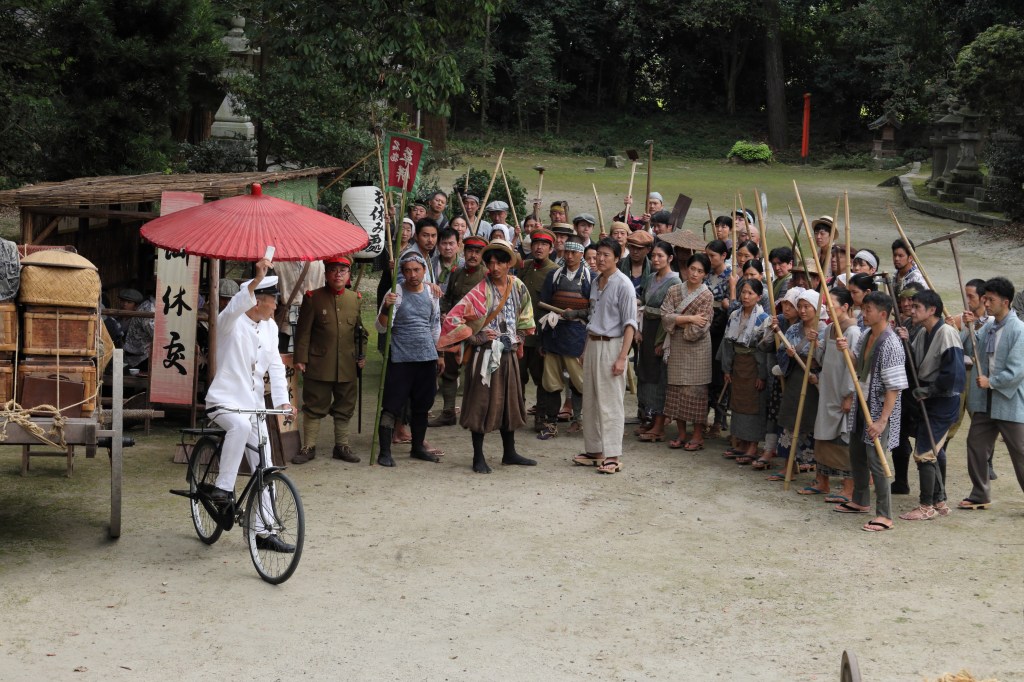
The Singer (소리꾼, Cho Jung-lae, 2020)

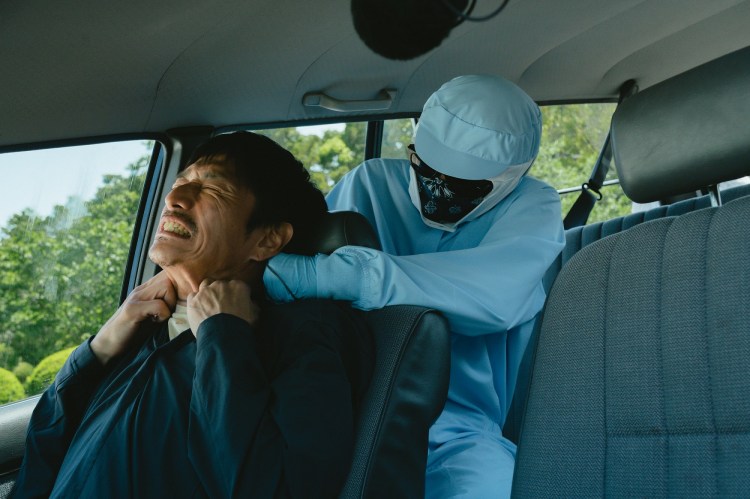
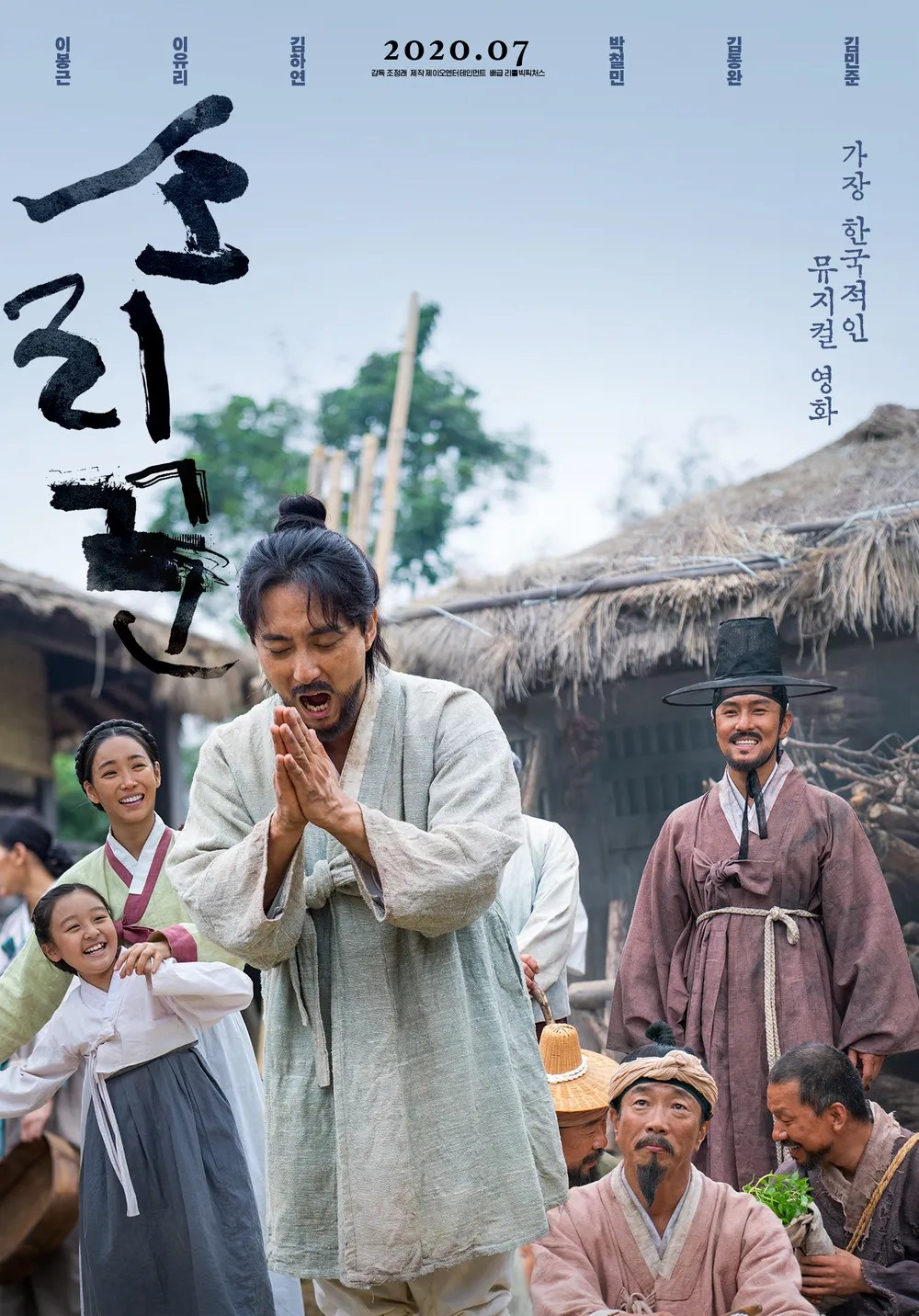
A Pansori singer shames the world into giving him his miracle in Cho Jung-lae’s musical fable, The Singer (소리꾼, Sorikkun). If there’s one thing you can bank on in old Joseon it’s that there is intrigue in the court, yet the rot seems to have penetrated even more deeply into the fabric of society as the hero discovers while looking for his kidnapped wife only later realising that the people who are supposed to protect you from violent criminals are in fact violent criminals themselves.  

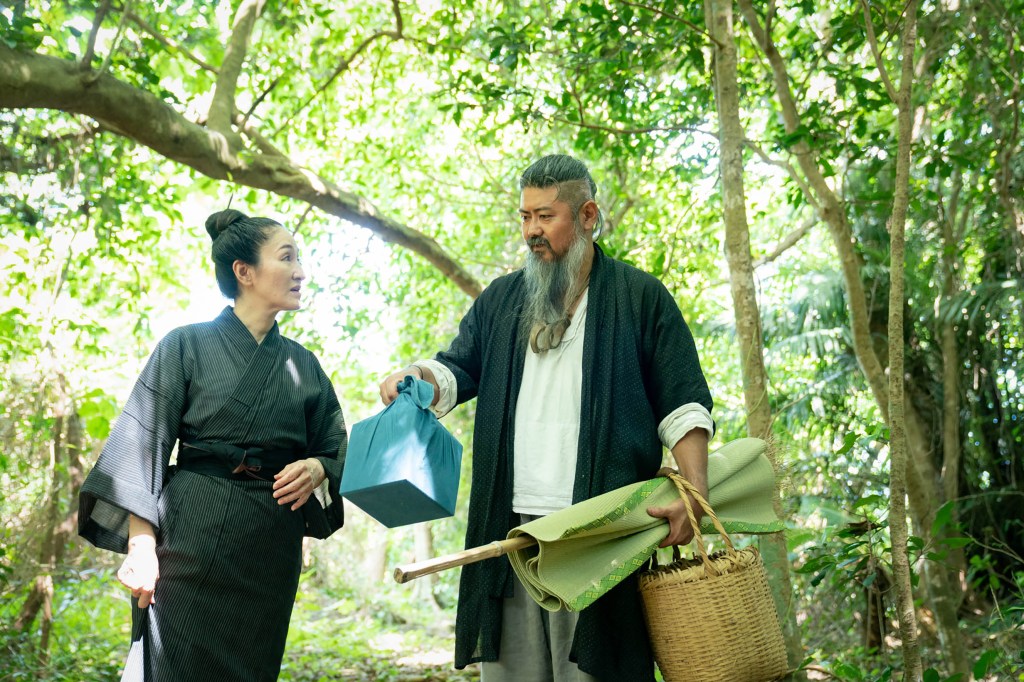
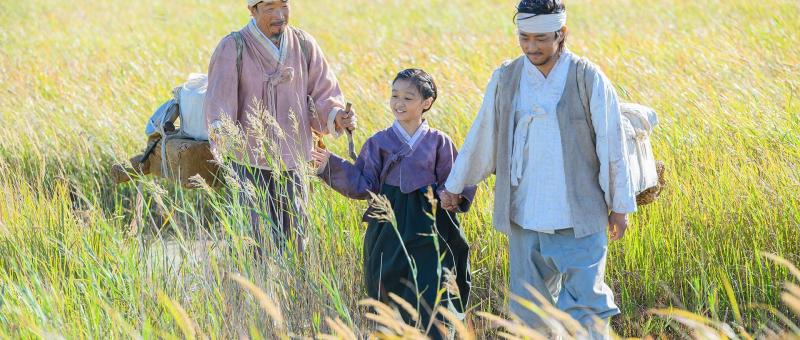
Set in 1734, the 10th year of King Yeongjo’s reign, the film opens with a cheerful scene as singer Hak-gyu (Lee Bong-geun) performs in the marketplace while his wife Gan-nan (Lee Yu-ri) and daughter Cheong (Kim Ha-yeon) watch from the sidelines. As the opening voiceover reveals, however, this is also a time of increasing chaos in which the accepted social order has broken down following successive incursions from China and Japan. The King has appointed a special courtier, Kim Tae-hyo, to investigate the so-called “Ja-mae gang” suspected of running a human trafficking ring while in collusion with corrupt lords. Of course, the king doesn’t know that Tae-hyo is one of the corrupt lords, but then there are so many of them to choose from. In any case, disaster strikes when Hak-gyu is late home after being accosted by a fan while returning some of the clothes Gan-nan had been mending to a nobleman and discovers his wife and child missing when he gets back. Gan-nan and Cheong have been kidnapped by the gang along with several others from the area. Cheong manages to escape thanks to her mother’s quick thinking but is badly injured and in a coma for some time eventually waking up to realise she has lost her sight. Hak-gyu along with his drummer friend Dae-bong (Park Chul-min) decides to take his daughter and search for his wife all over Korea if necessary. 

As the opening and closing titles remind us, Pansori gained popularity precisely because it told the stories of the common people and was often transgressively frank in its attacks on the class system, social inequality, and even the monarchy. Belonging to the lowest class of entertainers, Hak-gyu’s “lowborn” status is often used against him, the gang deliberately targeting those from the lower orders to enslave because they do not really think of them human, yet it is also in a sense his salvation in his innate ability to connect with ordinary people as he retells his life as fable gathering large crowds around him as he anxiously asks if anyone has seen his wife. He is joined in his travels by a “corrupt monk” he saves from drowning in a river, along with bumbling lower aristocrat supposedly bumming around too afraid to go home and tell his father he’s failed the civil service exam (again), providing an accidental microcosm of the current society. 

Yet what Hak-gyu didn’t know was that the gang is merely an extension of government oppression, corrupt lords flexing all of their muscles to fully exploit their subjects. Tae-hyo’s mentor reminds him that “politics is all about money” as the pair of them try to game the king pretending to hunt the gang that they are themselves running. A skilled seamstress, Gan-nan is firstly placed in the home of a local dignitary but later moved on to the mines for making too much trouble. She tells everyone she meets that she’s been kidnapped, but the nobles are all in on it and everyone else is too frightened to resist. Meanwhile, Tae-hyo and his fellow conspirators are also it seems in collaboration with the Japanese, buying up smuggled rifles to use in a potential insurrection. 

Drawing inspiration from his own life story, Hak-gyu re-imagines the gang as Chinese pirates and his daughter as a displaced princess determined to do whatever it takes to save her blind father, always leaving his audience wanting more with his cruelly positioned cliffhangers. He finds himself in an odd kind of trial by combat, given the opportunity to win back his life and his wife if only he make the heartless lords laugh or cry eventually saved only by his ability to move the hearts of others through the power of his sincerity. A Pansori fable in and of itself, Cho’s meta musical drama is fitting tribute to power of art to speak truth to power revealing its own truths in falsehoods and by it handing back the means to the people to demand justice and freedom.


Original trailer (English subtitles)
Dancing Girl (踊子, Hiroshi Shimizu, 1957)

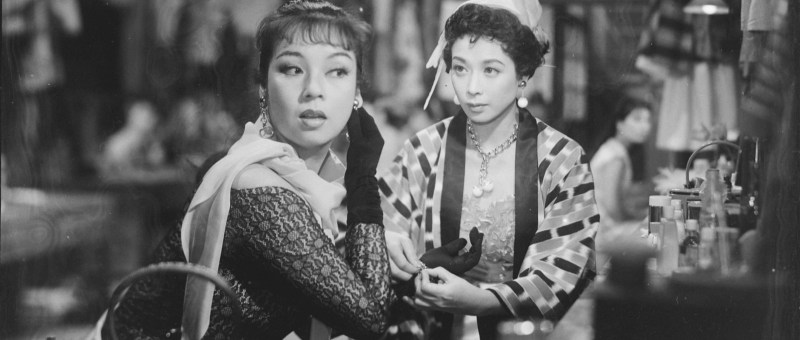
The sudden arrival of a younger sister throws the despair and disappointment of an ageing chorus dancer into stark relief in Hiroshi Shimizu’s Dancing Girl (踊子, Odoriko). Chiyo (Machiko Kyo) is indeed a dancing girl, waltzing her way through post-war Japan with seemingly little thought for others or the consequences of her actions aware only of her ability to dazzle and what it might win her if used in the right way while her sister quietly yearns for a more comfortable, conventional kind of life.

Hanae (Chikage Awashima) apologises for Chiyo’s childishness when she suddenly gets up to marvel at the snow during in an important meeting with choreographer Tamura (Haruo Tanaka) who has offered to take her on as a trainee dancer but he simply replies that it’s what makes her special in the way Hanae herself perhaps is not. In that sense there’s something a little uncomfortable in Tamura’s first word on meeting Chiyo being simply “sexy” uttered as if he were already salivating over her when the key to her appeal seems to lie in the awkward juxtaposition of her naivety and curvaceous figure. In many ways, it’s childishness that is Chiyo’s defining characteristic. She follows her impulses and is incapable of thinking beyond them. In a repeated motif we see her eat heartily as if she had not for eaten days or else to be snacking on something or other at a time when food is scarce. We later discover that she’s some kind of kleptomaniac, stealing at every opportunity even when she has no need to, simply taking something she wants without considering why it might not be right to do so as if all the world belonged to her. Meanwhile she embraces her sexuality without shame, sleeping with whomever she chooses but also doing so in a calculated effort to advance her own cause. 

The irony is that her rise coincides with her sister’s fall. Hanae has passed the age at which she might have become a star and is beginning to age out of her career as a chorus dancer. She tells her husband, Yamano (Eiji Funakoshi), that what she wants is a comfortable life and to become a mother though the couple have been married for five years and not yet conceived a child leading her wonder if there’s medical issue in play though Yamano confesses in what turns out to be an ironic comment that he doesn’t really want children anyway. In any case, they are each becoming tired of life in Asakusa and their mutually unsatisfying careers. Crushingly they each fear they have disappointed the other, Hanae sorry that she never made it as a dancer and wondering if Yamano would have been better off marrying someone from a less stigmatised profession, while he feels guilty that he could not give her a better standard of life and has failed to progress in his own career as a violinist. Chiyo’s arrival reinvigates them both in different ways. Hanae shifts into a maternal mode otherwise denied her in looking after Chiyo as she begins her career as a dancer, while Yamano begins with her a sexual affair that rekindles his masculine drive. 

But Chiyo also remains flighty and elusive. Essentially lazy, she soon tires of dancing and decides to become a geisha because it requires less rehearsal, then to give that up too to become someone’s second mistress. She rejects the conventional, settled life Hanae has come to long for and describes that in the countryside as “boring” when she suggests moving there having selflessly offered to adopt the baby Chiyo has also rejected which maybe Yamano’s or perhaps Tamura’s or someone else’s entirely not that it necessarily matters. The closing moments of the film perhaps imply a moralising rebuke of the new post-war vision of liberated sexuality, a despondent Chiyo once again making a surprise appearance and wanting to see her child but being afraid to do so unable to match up to the unsullied maternity of Hanae. Shimizu lends her passage a kind of transient quality in his restless camera which is in constant motion sliding laterally from one scene to another often coming to rest on emptiness even amid the bustling streets of a neon-lit Asakusa and the false promises of its illusionary glow.


Dancing Girl screens at Japan Society New York on May 18 as part of Hiroshi Shimizu Part 2: The Postwar and Independent Years.

Nippon Connection Confirms Full Lineup for 2024

Nippon Connection, the largest showcase for Japanese cinema anywhere in the world, returns with another fantastic selection of new and classic films screening in Frankfurt from 28th May 2nd June. This year’s Nippon Rising Star Award will go to Kotone Furukawa whose films Best Wishes for All, Secret:A Hidden Score, and Wheel of Fortune and Fantasy will also be screening.

NIPPON CINEMA

  • (Ab)normal Desire – drama directed by Yoshiyuki Kishi following those who feel their desires place them at odds with mainstream society.
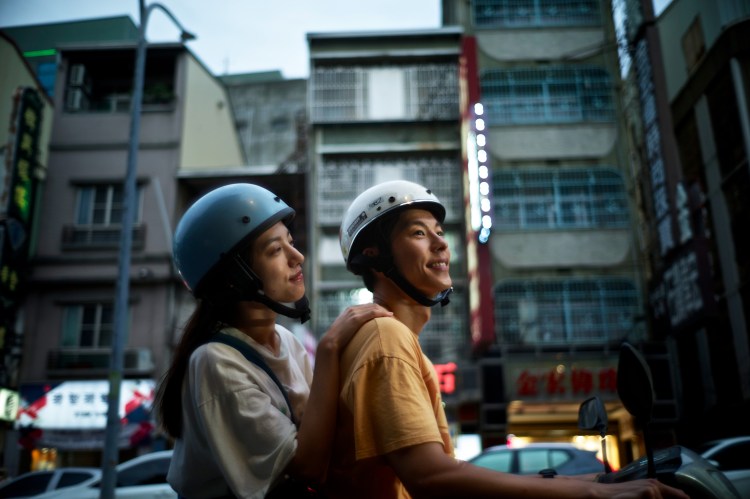
  • 18×2 Beyond Youthful Days – nostalgic drama from Michihito Fujii in which a man travels to Japan from Taiwan in search of the woman he worked with in a karaoke bar 18 years previously.
  • All The Long Nights – gentle drama from Sho Miyake in which a pair of co-workers bond over their respective difficulties in the workplace.
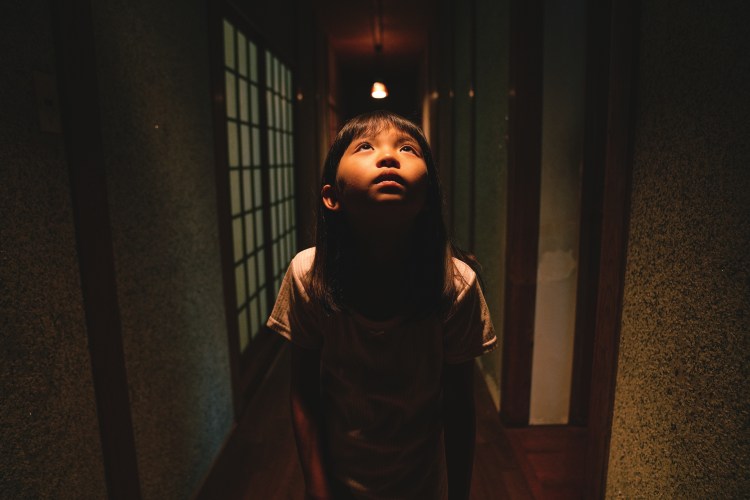
  • Best Wishes To All – a visit to her grandparents’ home forces a young woman to reckon with the price of “happiness” in Yuta Shimotsu’s eerie indie horror. Review.
  • Dreaming In Between – latest from Ryutaro Ninomiya (One Day You Will Reach the Sea) in which a medical issue unknown to those around him causes changes in a teacher’s behaviour.
  • Fly Me To The Saitama -FROM BIWA LAKE WITH LOVE – long-awaited sequel to the surreal 2019 comedy.
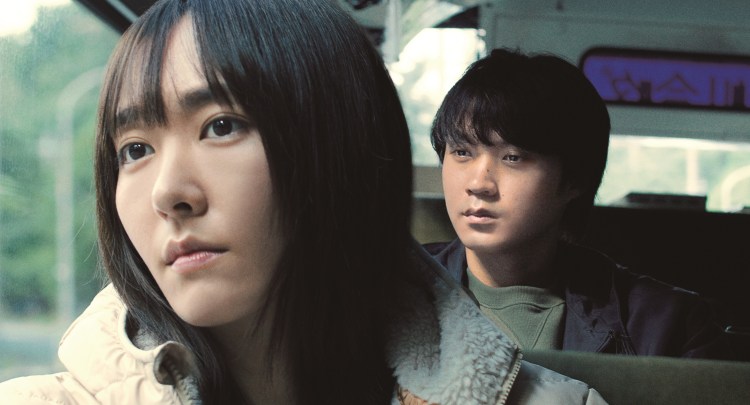
  • From The End Of The World – charged with the responsibility of saving the world, a teenage girl wonders if she should in Kazuaki Kiriya’s pre-apocalyptic drama. Review.
  • God Seeks In Return – genre mashup from Keisuke Yoshida in which a YouTuber seeking fame teams up with an events manager.
  • Ichiko – psychological thriller from Akihiro Toda (The Name) revolving around a woman’s absence.
  • KUBI – Nobunaga-themed jidaigeki from Takeshi Kitano.
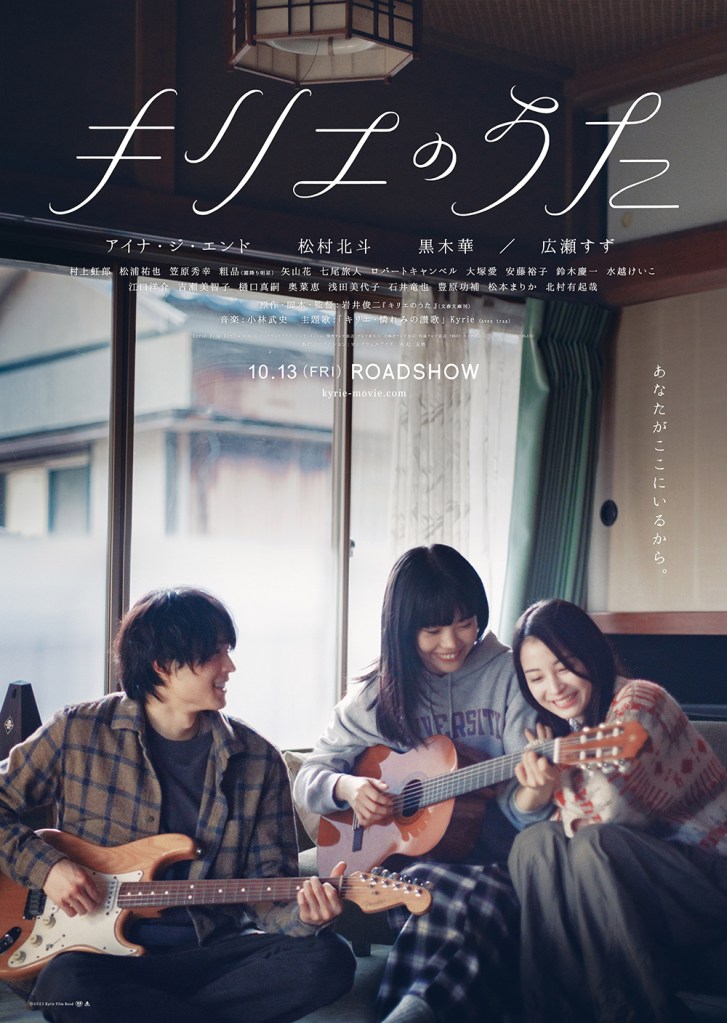
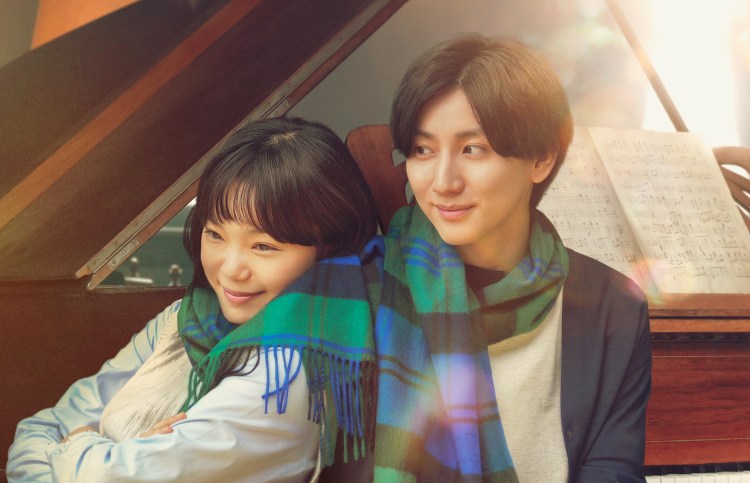
  • Kyrie – musical drama from Shunji Iwai.
  • Let’s Go Karaoke! – musicial comedy from Nobuhiro Yamashita in which a teenage boy is forced to help a yakuza win a karaoke competition.
  • missing – heartrending drama in which the parents of a missing little girl turn to the media for help.
  • Penalty Loop – sci-fi drama in which a man becomes trapped in a time loop after taking revenge for his girlfriend’s murder.
  • PERFECT DAYS – laidback drama from Wim Wenders revolving around a man who cleans toilets for a living.
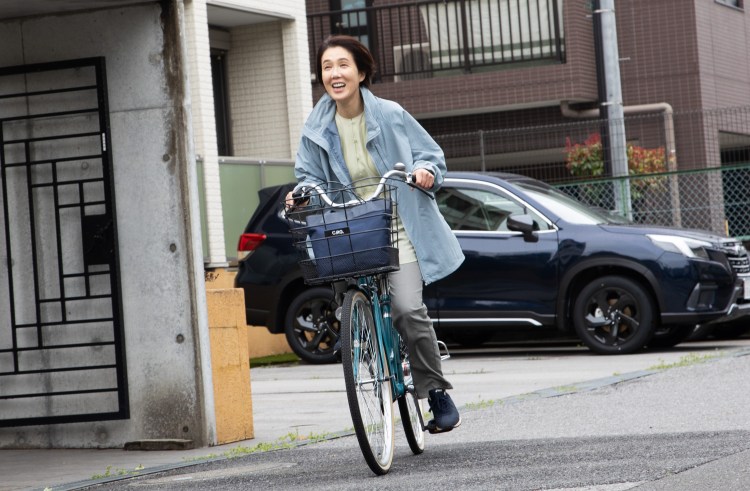
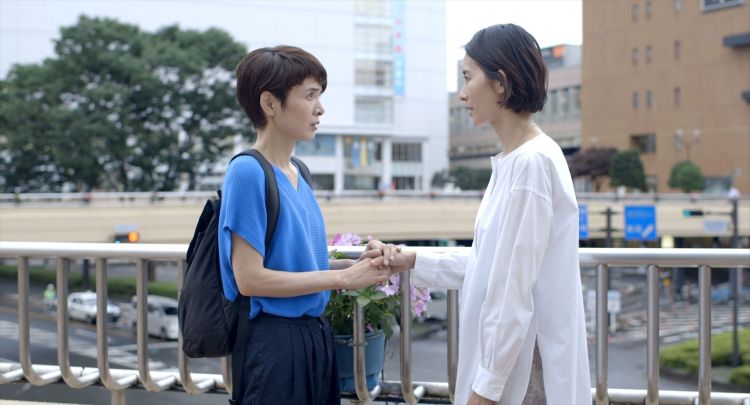
  • Ripples – A middle-aged woman becomes a devotee of a strange cult in order to restore order to her life in Naoko Ogigami’s quirky dramedy. Review.
  • Secret: A Hidden Score – remake of the Taiwanese tragic romance.
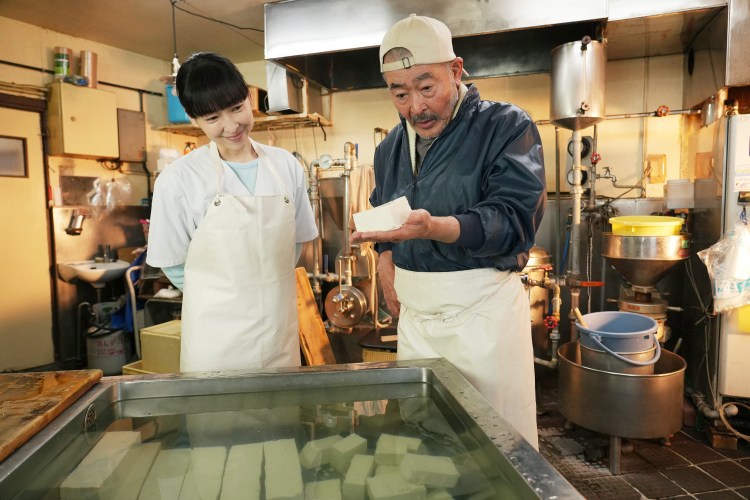
  • Takano Tofu – A sudden brush with mortality convinces an ageing tofu maker to marry off his middle-aged daughter in Mitsuhiro Mihara’s charming dramedy. Review.
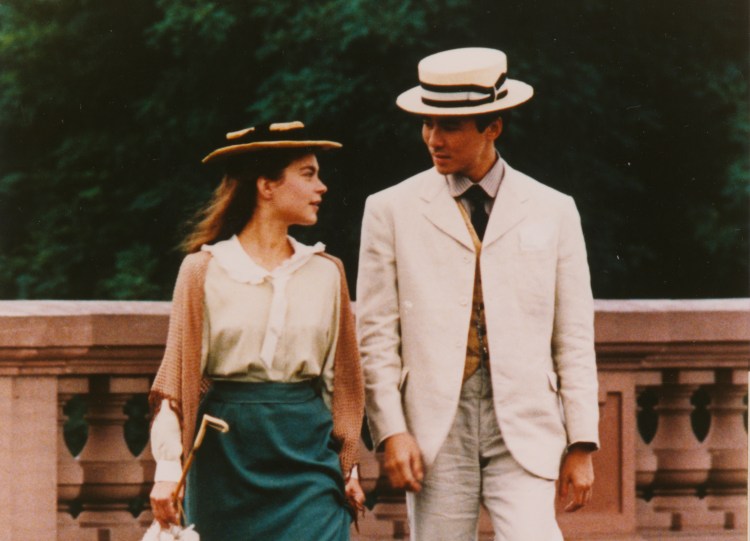
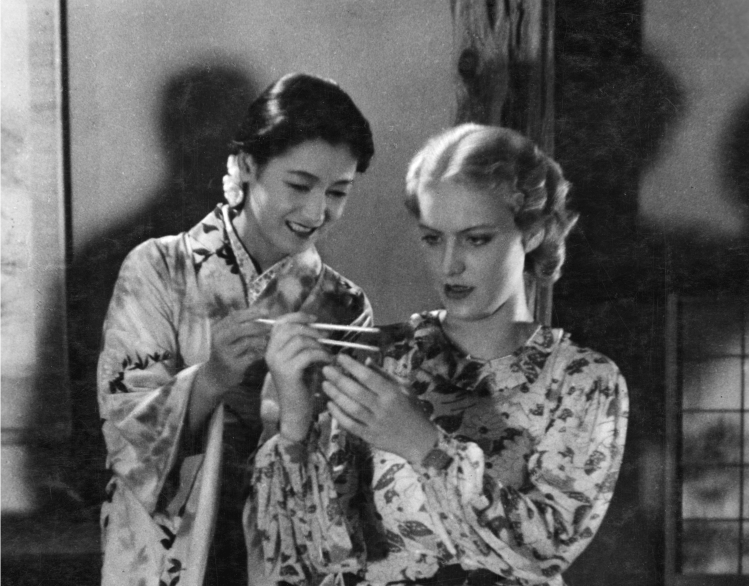
  • Die Tänzerin (The Dancing Girl) – 1989 German-Japanese co-produced adaptation of Mori Ogai’s The Dancing Girl. Screening in original German version.
  • Die Tochter des Samurai – 1937 German co-production in which the son of a samurai family returns home changed after studying in Germany.
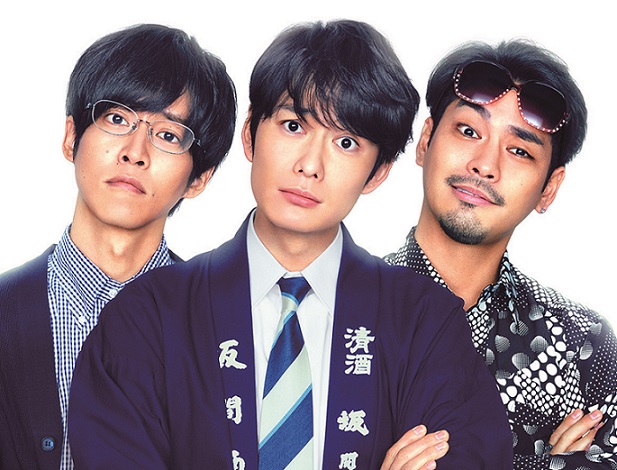
  • We’re Millennials. Got A Problem?: The Movie – comedy from Nobuo Mizuta (The Apology King) in which a slacker son’s family sake business, not to mention his marriage, is on the rocks.
  • Wheel Of Fortune And Fantasy – a series of chance meetings and a healthy dose of fantasy lead a collection of wounded souls towards a kind of liberation in Hamaguchi’s whimsical triptych. Review.
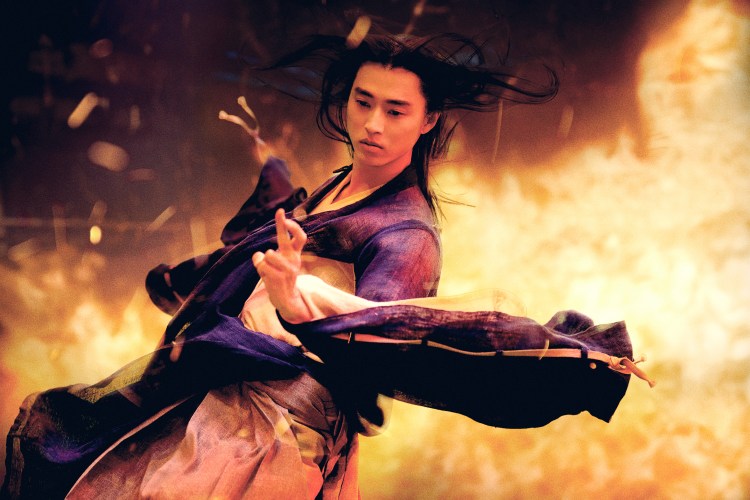
  • The Yin Yang Master Zero – fantasy film set in the Heian era in which a magic student and nobleman team up to investigate a conspiracy.
  • YOKO – an isolated woman begins to rediscover herself while hitchhiking to her estranged father’s funeral in Kazuyoshi Kumakiri’s quietly moving road movie. Review.

NIPPON ANIMATION

NIPPON VISIONS

  • ABYSS – drama from Ren Sudo in which a man develops a relationship with a guy from his brother’s funeral.
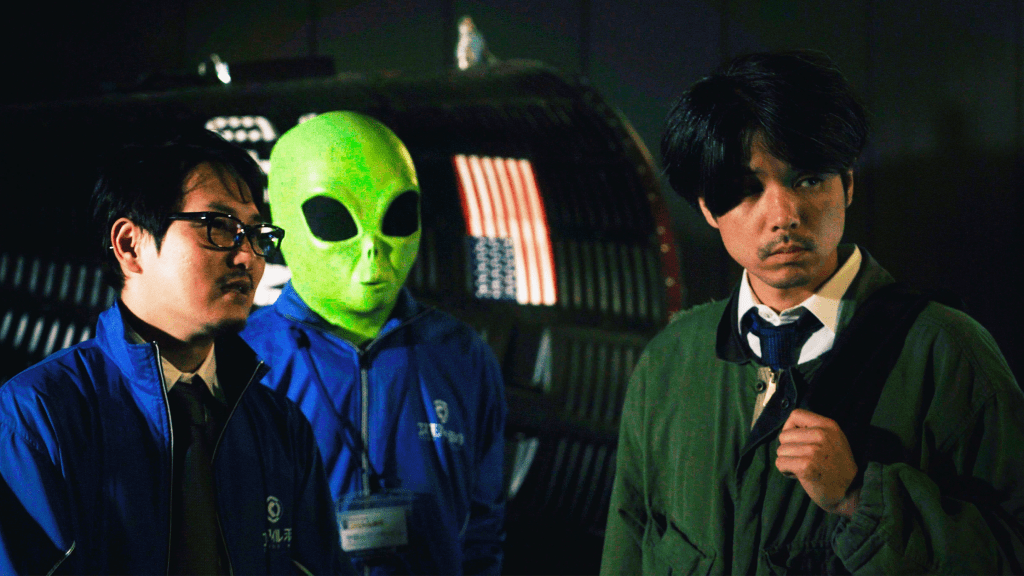
  • Alien’s Daydream – surreal comedy in which a reporter investigates alien abductions in the local area.
  • Belonging – indie drama from Kahori Higashi in which the deceased are reincarnated as inanimate objects.
  • Hijacked Youth – Dare To Stop Us 2 – sequel to the 2018 drama set in Nagoya in 1983 as Koji Wakamatsu decides to open a cinema.
  • HOYAMAN – he tranquil island life of a pair of brothers is interrupted by the arrival of a mysterious woman in Teruaki Shoji’s quirky comedy. Review.
  • Inch Forward – an indie filmmaker experiences various setbacks while trying to complete her latest film in Su Yu-Chun’s cheerful dramedy. Review.
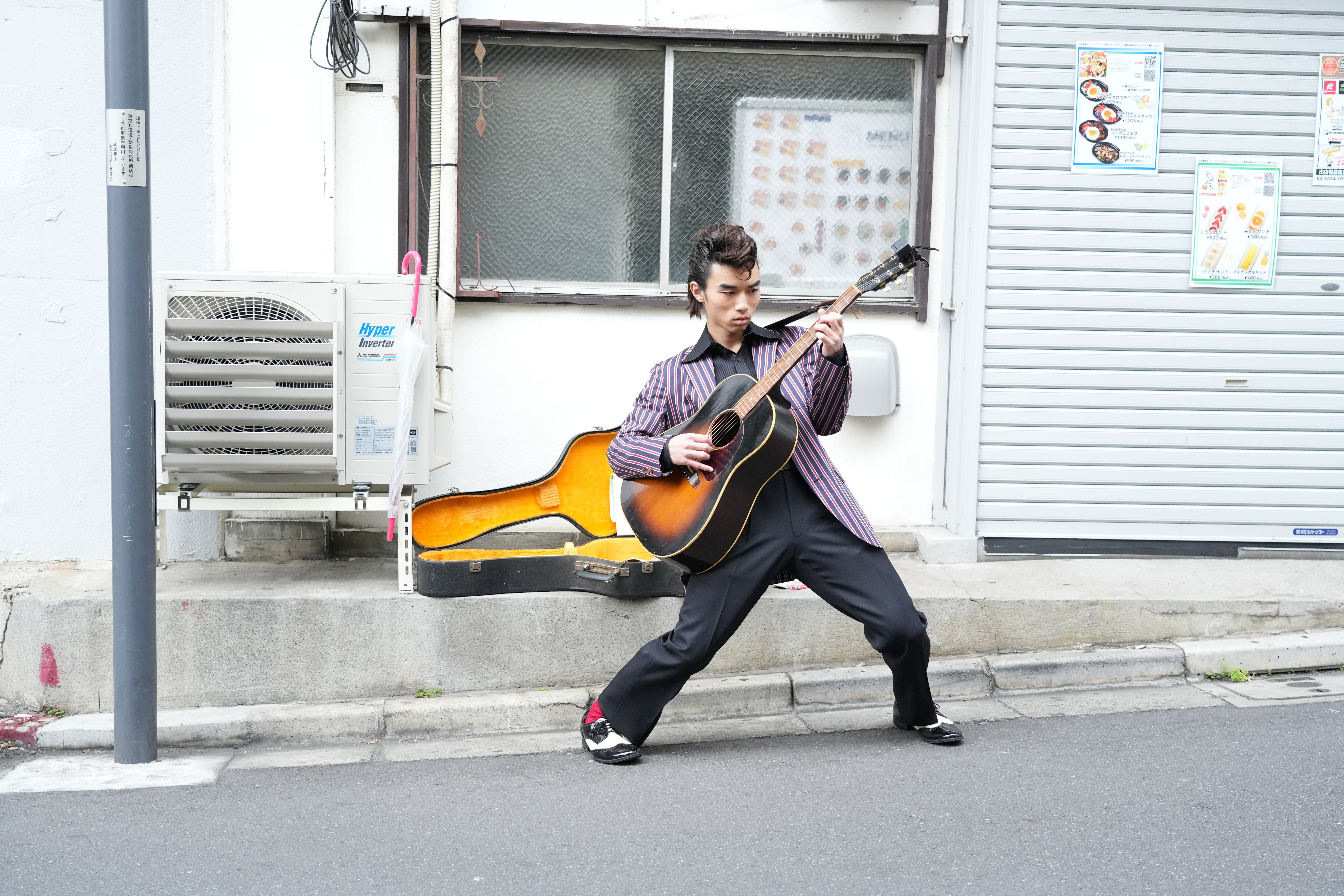
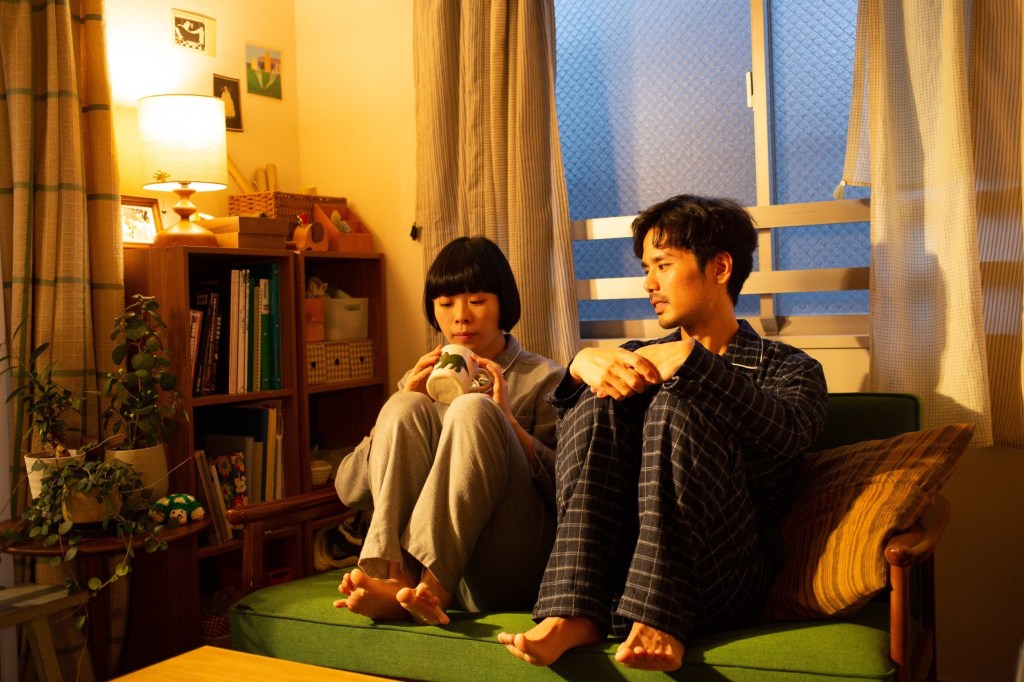
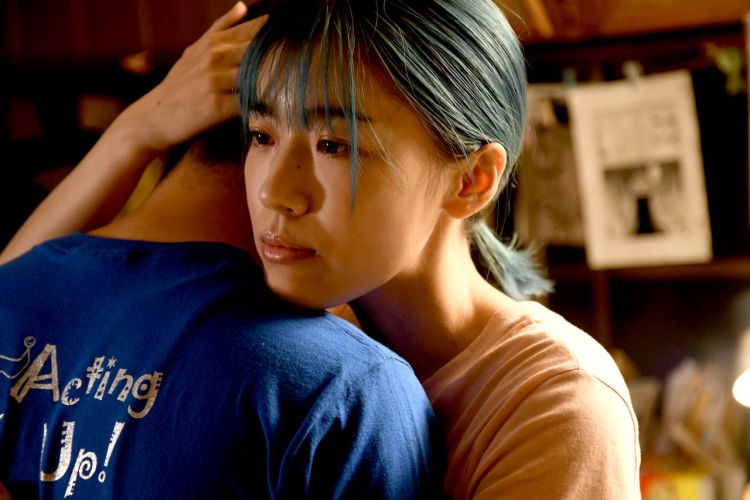
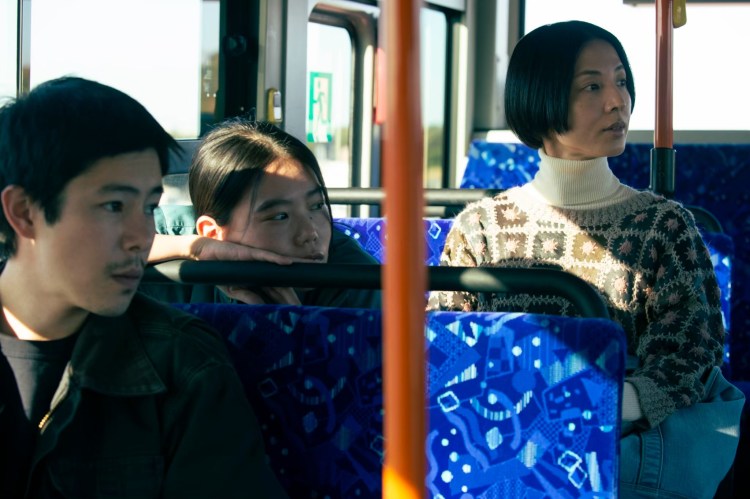
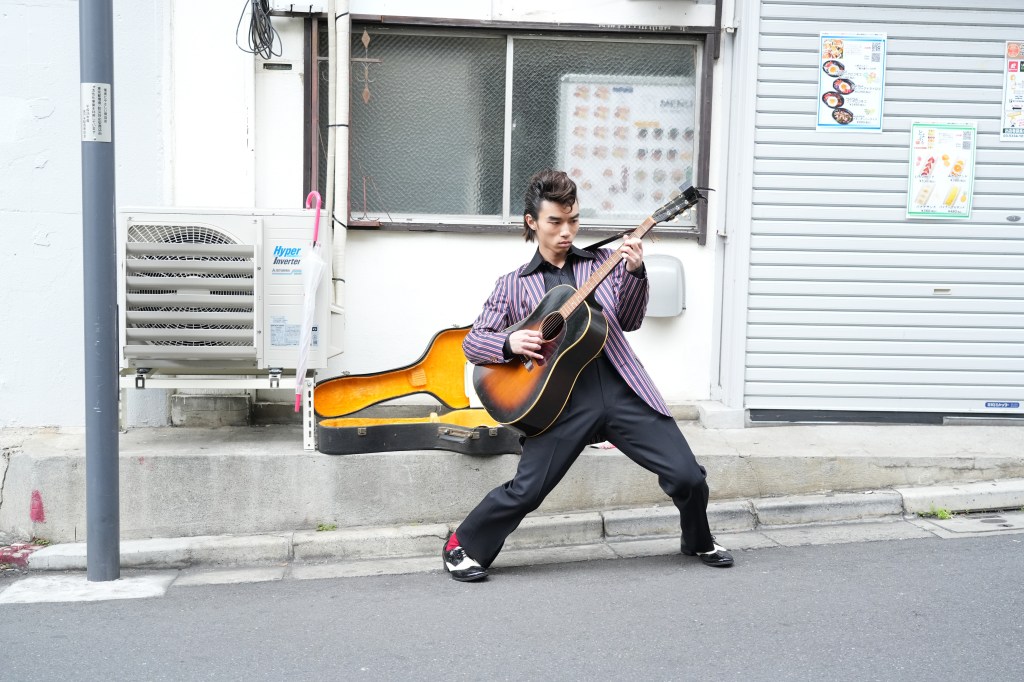
  • LONESOME VACATION – roadtrip drama in which a rockabilly private eye is tasked with investigating his the former lover of his girlfriend’s father.
  • Psychic Vision: Jaganrei – classic horror from 1988 in which it’s discovered the author of a hit pop song has been dead for several years.
  • PushPause – a small hotel becomes a refuge for those “struggling with the everyday” in Ryoma Kosasa’s heartwarming drama. Review.
  • Qualia – bitter family drama in which a chicken farmer’s wife faces constant humiliation.
  • SEPTEMBER 1923 – drama revolving around the pogrom against Koreans in the wake of the 1923 Kanto earthquake.
  • Visitors –Complete Edition– – drama set during the outbreak of a demon plague.

NIPPON DOCS

NIPPON RETRO

  • The Bad Sleep Well – Akira Kurosawa’s 1960 Shakespearean revenge tale. Review.
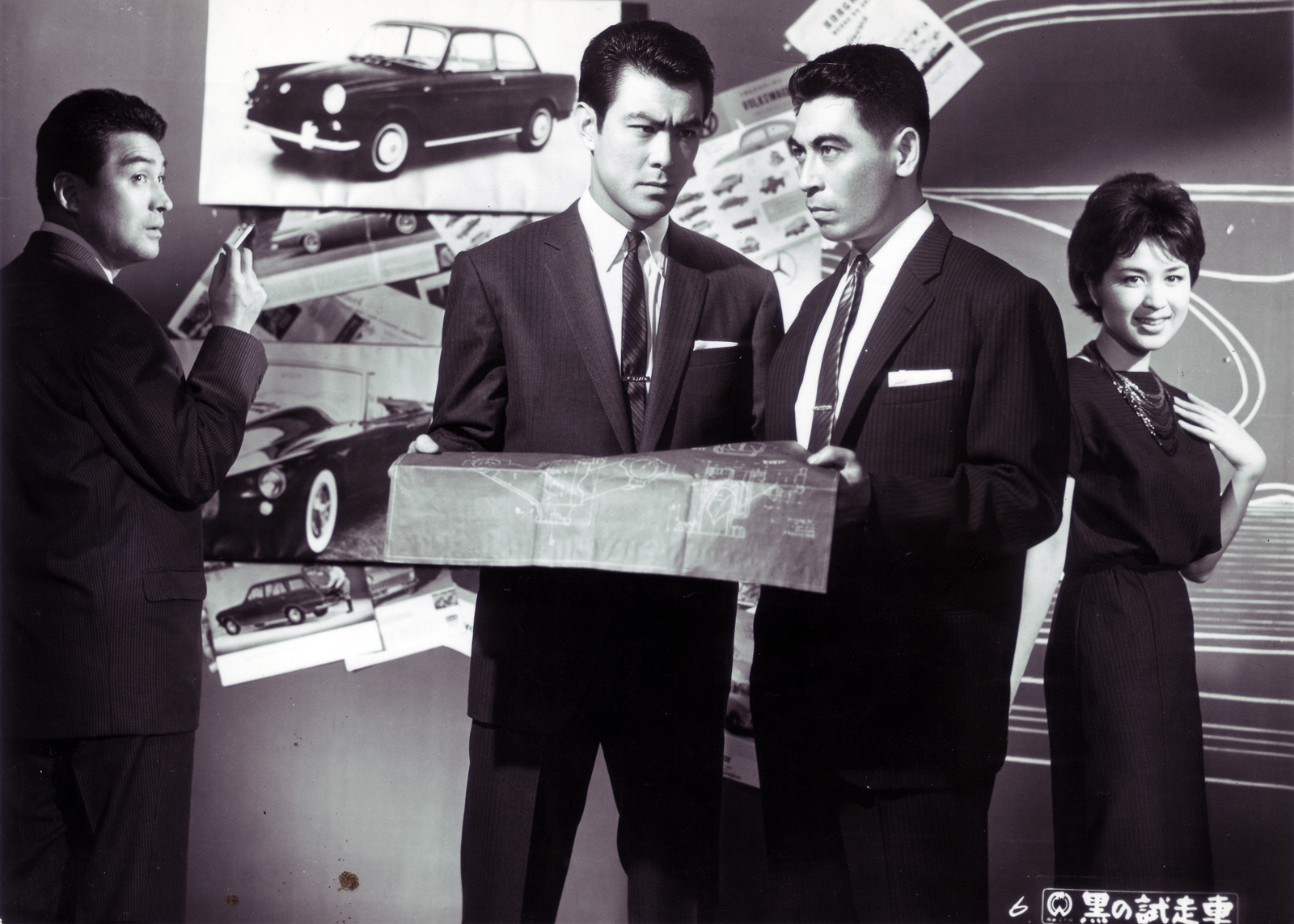
  • The Black Test Car – Yasuzo Masumura’s tale of corporate espionage.
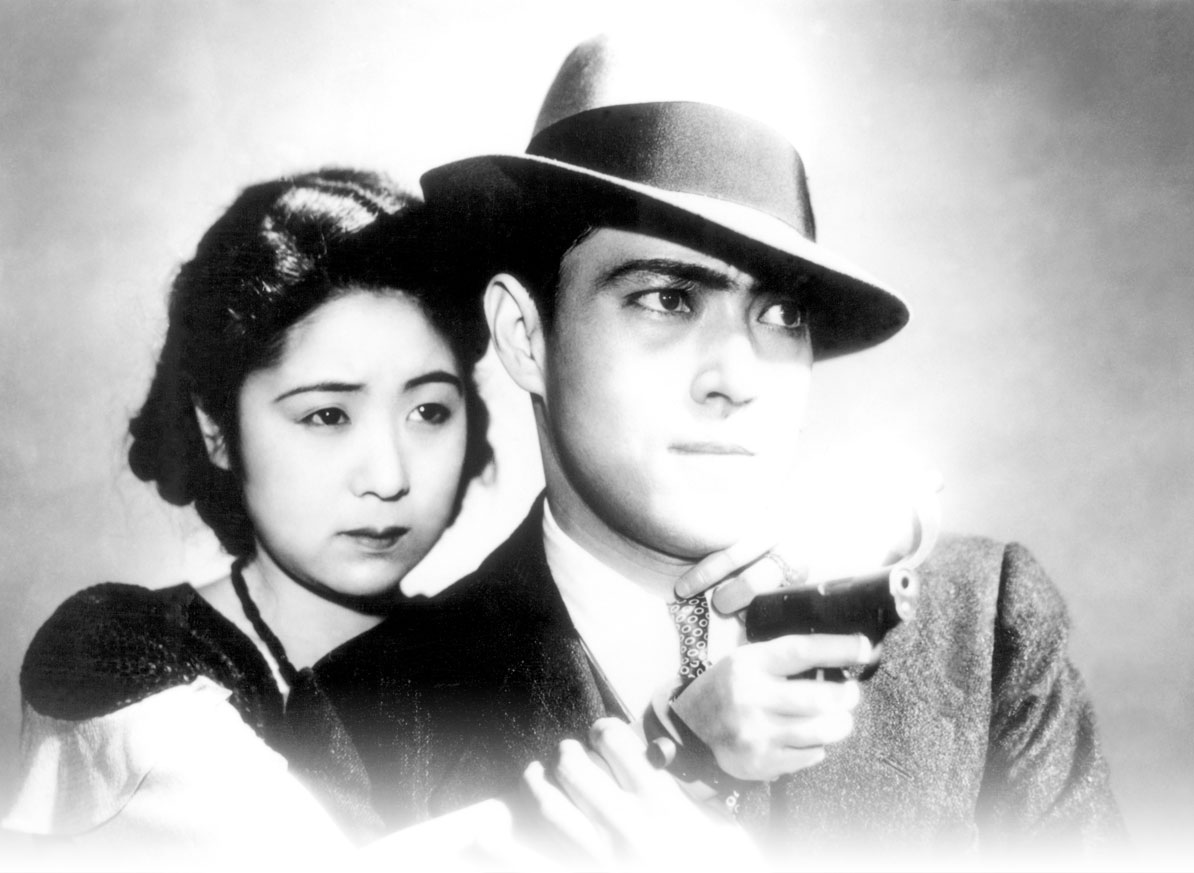
  • Dragnet Girl – classic 1930s crime drama from Yasujiro Ozu.
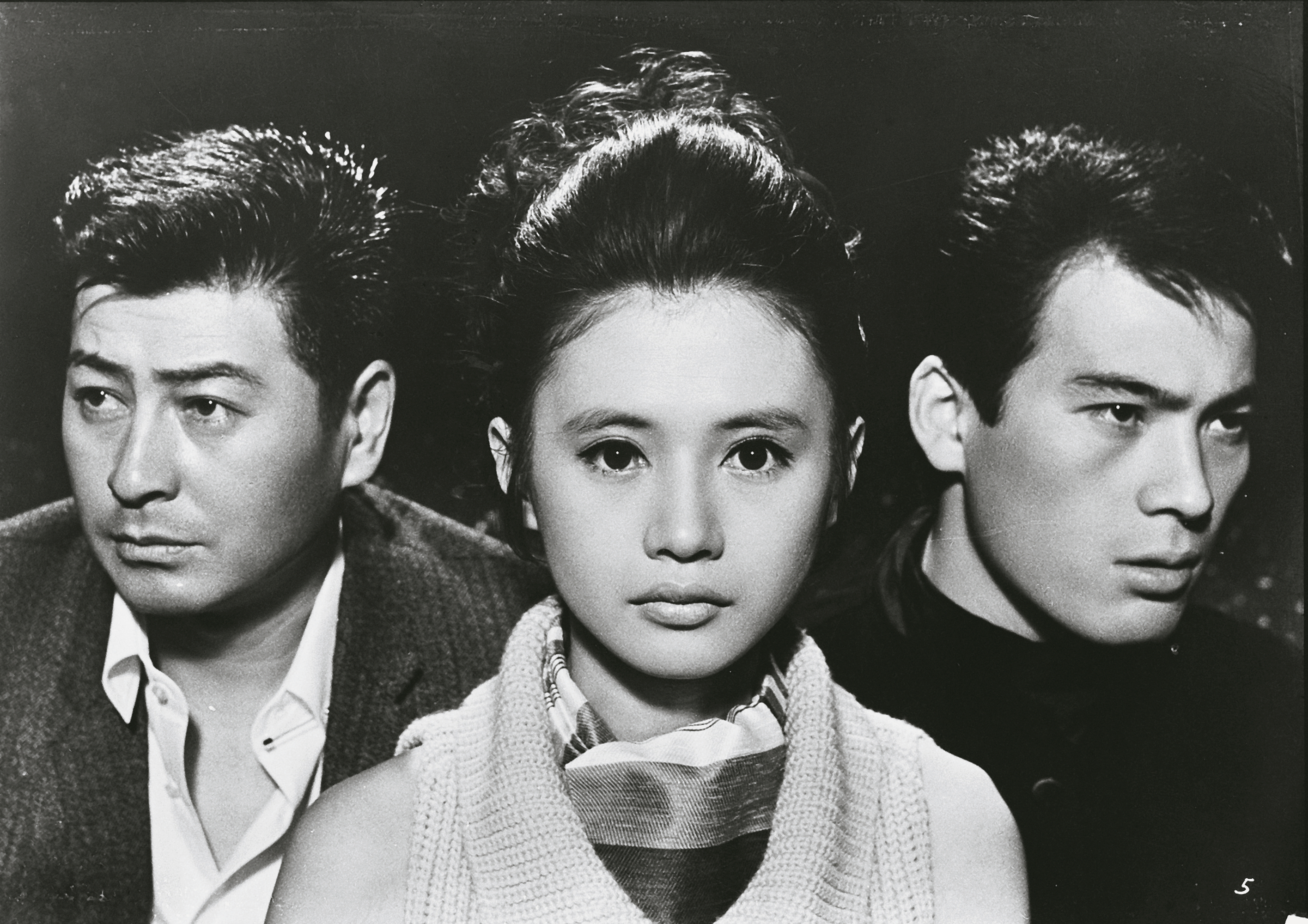
  • Pale Flower – Masahiro Shinoda’s nihilistic New Wave 1964 crime drama.
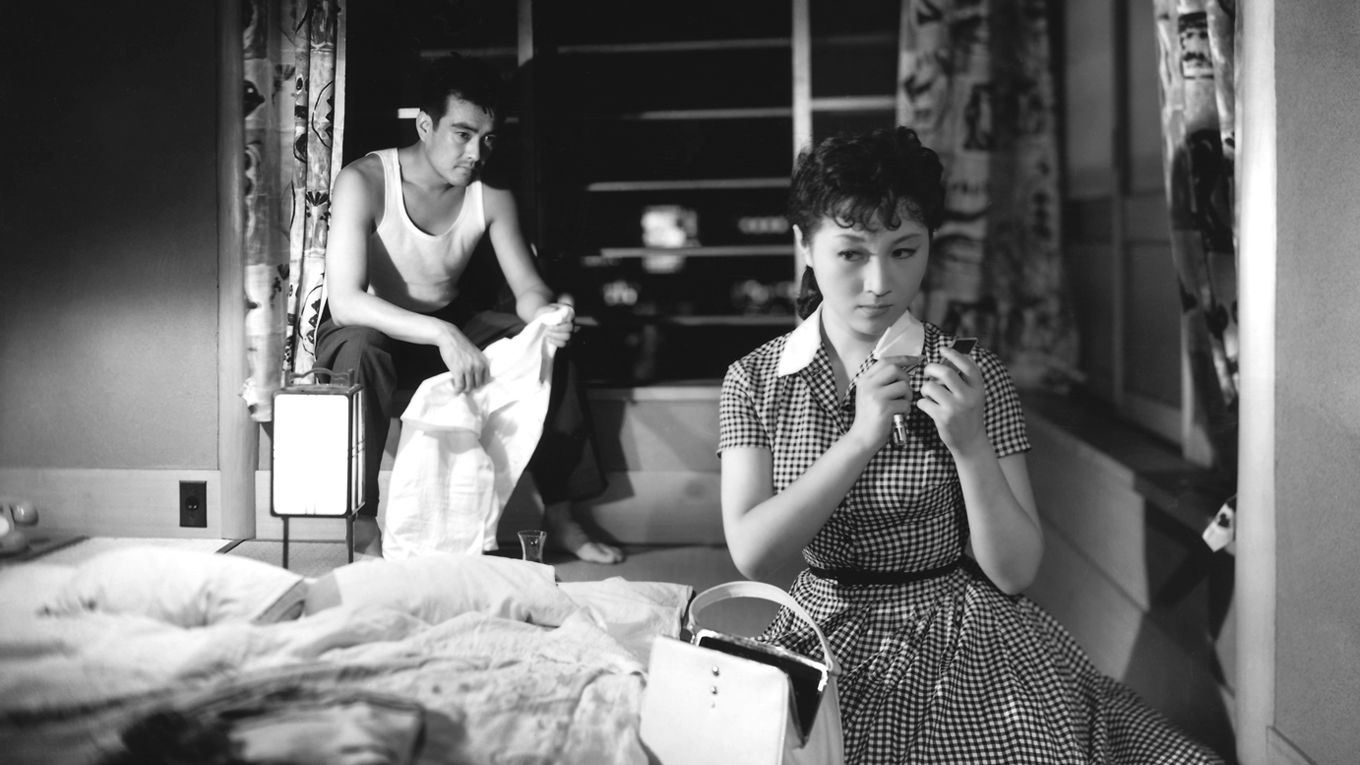
  • Stakeout – Yoshitaro Nomura’s 1958 noir classic in which a policeman’s marital dilemma is played out by the melancholy suspect he is sent to surveil.
  • Take Aim At The Police Van – early Seijun Suzuki film in which a prison warden uncovers a network of corruption.
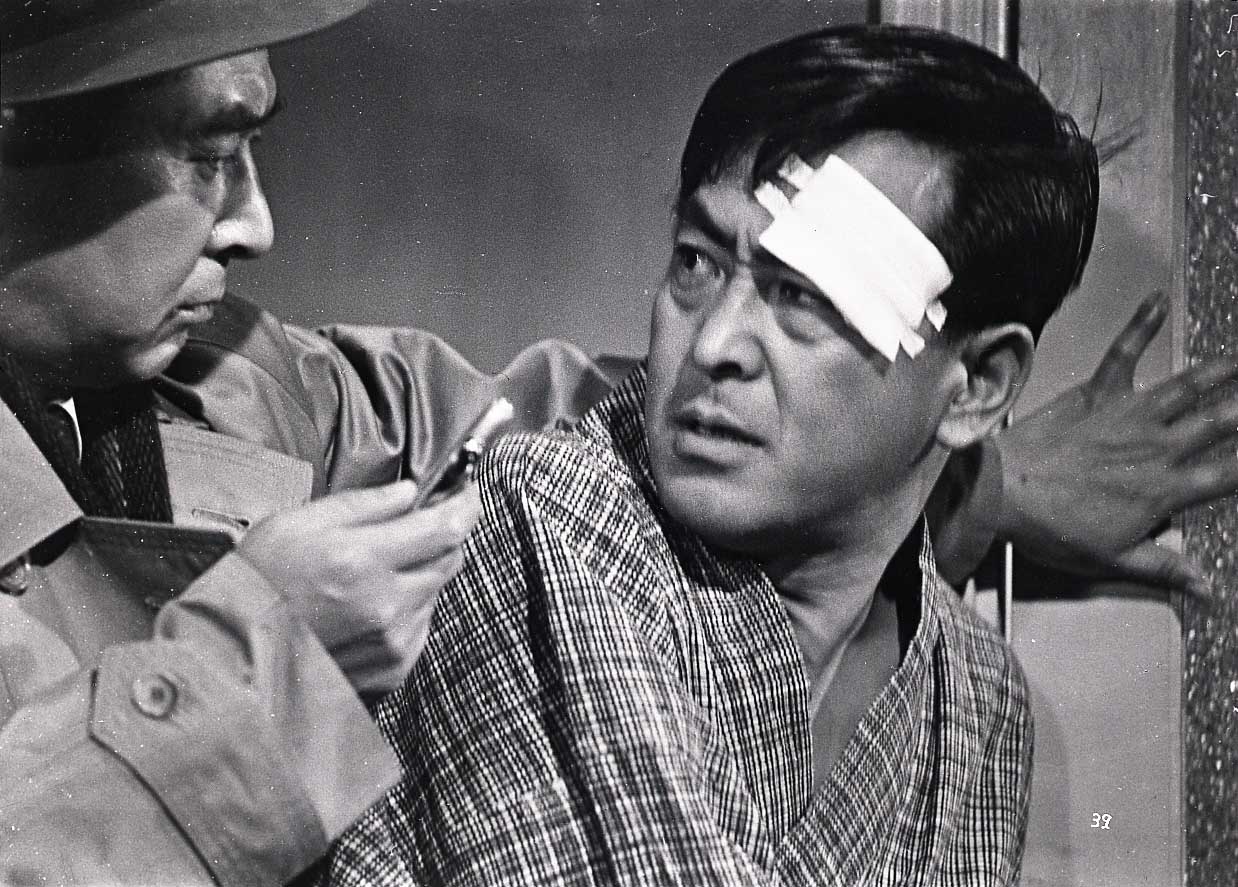
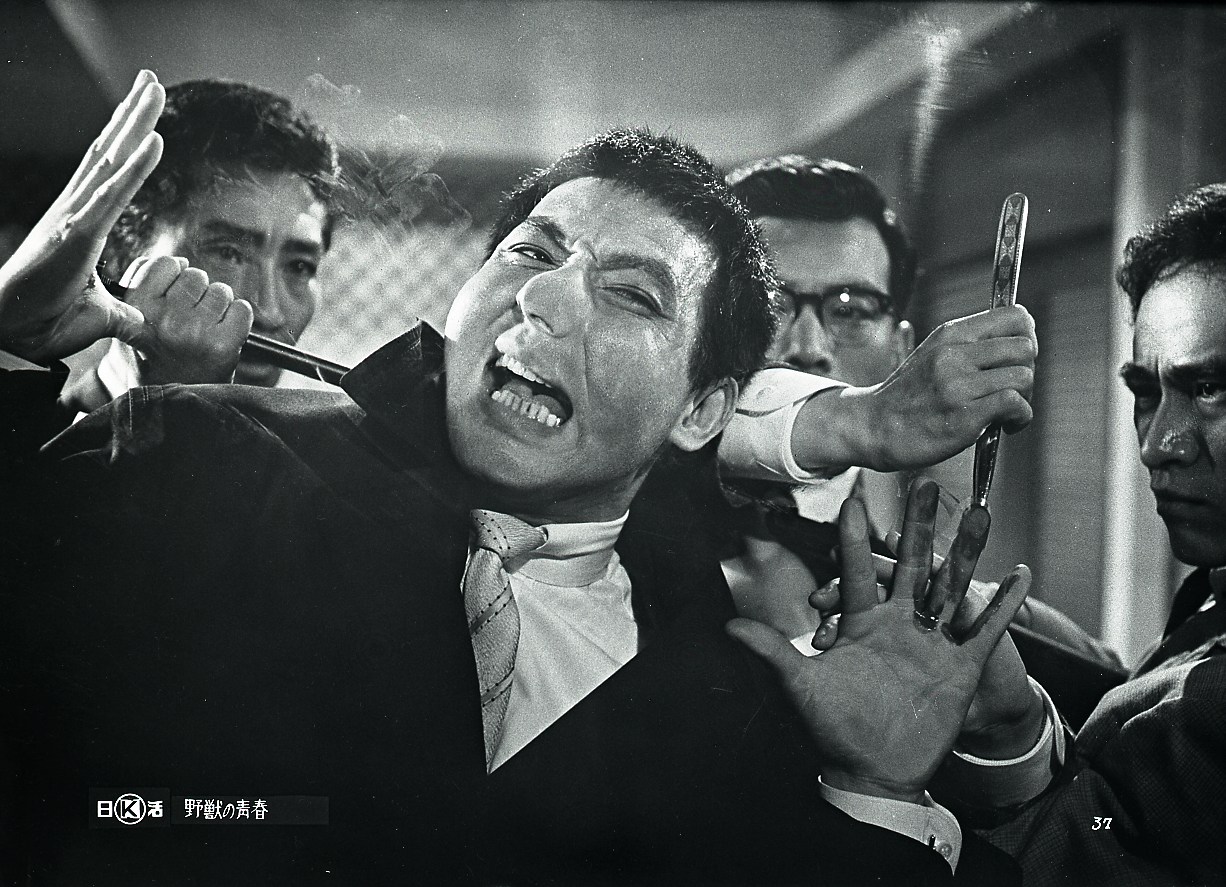
  • Youth Of The Beast – a stranger in town provokes a gang war in Seijun Suzuki’s 1963 crime drama.

Nippon Connection takes place in Frankfurt, Germany from 28th May to 2nd June. Tickets are available now via the official website where you can also find full details on all the films as well as timetabling information. Unless otherwise stated, films screen in Japanese with English subtitles. You can keep up with all the latest information by following the festival on FacebookX (formerly Twitter)YouTubeFlickr, and Instagram.

I Love You, to the Moon, and Back (穿过月亮的旅行, Li Weiran, 2024)

The economic realities of a changing mid-90s China conspire against a young couple who find themselves stranded in different cities and only able to meet up once a month for a night of passion in a hotel in Li Weiran’s wholesome romantic dramedy, I Love You, to the Moon, and Back (穿过月亮的旅行, chuānguò yuèliang de lǚxíng). Based on a novel by Chi Zijian and themed around the Mid-Autumn Festival, the film has a quirky, nostalgic quality but also a degree of poignancy amid the absurd journeys the lovers make in pursuit of their love.

Gradual flashbacks reveal that Wang Rui (Hu Xianshu) and Lin Xiushan (Zhang Zifeng) married in their home village but like many youngsters of the day left soon after for the city in search of work. Forced to leave school by his farmer father who saw no point in education, Wang Rui quickly finds works in construction but Xiushan, who was also forced to leave school early, is unable to find anything in Shenzhen and eventually takes a job in a dumpling factory in Guangzhou where she lives in workers dorms. Their plight reflects the economic reforms which were taking place throughout the 1990s giving rise to a new, much more capitalistic society as embodied by the employers who give Wang Rui an extra day off for lying on TV that they’re not exploiting him, and an obnoxious businessman Xiushan has the misfortune to sit opposite on the train who talks loudly on his mobile phone about an important deal and even drips cigarette ash all over the old lady next to him justifying himself that he doesn’t want to damage his expensive suit. 

By contrast, Xiushan and Wang Rui are incredibly frugal shopping mainly at markets with Wang Rui padding a fancy pair of shoes that are too big for him but available at a large discount. They save all their money for their monthly meetups which, as they’re both living in communal dorms, take place in cheap motels. Xiushan tries to ameliorate their grimness by covering the stained mattresses with her own sheets featuring a pattern of large sunflowers and blue skies that help her feel as if they’re back in the village lying down together in a pretty garden. To this extent it’s clear that living in the city in addition to so far apart has corrupted the innocence of their romantic connection. Xiushan was warned by her brother that if she wanted to hear Wang Rui’s harmonica playing she should put off going out with him because the romance will die once he’s won her, and it’s true enough that Wang Rui never plays the harmonica for her anymore in part because they’re now quite expensive and he’d rather save up his money for another cross-country visit. 

Xiushan’s decision to buy one for him with some money from an unexpected windfall is then an attempt to rescue their romantic connection which is now under threat because of their geographical displacement and economic oppression. On the train, however, she runs into another man who plays harmonica and has apparently been arrested for an undisclosed crime. Out of compassion she asks the policeman escorting him to allow the condemned man to play a song which he does and reduces the entire carriage to tears hinting at other sad stories of separated lovers in modern China. Wang Rui encounters something similar in a one armed man caring for a wife from whom he was separated who has since become ill and is apparently in love with someone else. His cynicism causes Wang Rui to doubt Xiushan, so paranoid that another man may take a liking to her that he puts back the pretty dress he’d intended to buy as a present and gets the much more temporary gift of a bunch of roses instead.

These respective choices of items might signal where they are in their relationship, but there’s still a pureness to their love that can’t be destroyed completely. Both unexpectedly given an extra day off for the Mid-Autumn Festival they decide to make surprise visits to other’s cities only to perpetually miss each other, stuck travelling back and forth by train and only able to make contact via “their” set of payphones for as long as their phonecards would allow before fate finally, if briefly, smiles on them under the light of the autumn moon. Charmingly quirky and hopelessly innocent, the film nevertheless captures something of the chaotic undulations of the mid-90s society in which youth is on the move but love it seems is standing still.


Original trailer (Simplified Chinese & English subtitles)

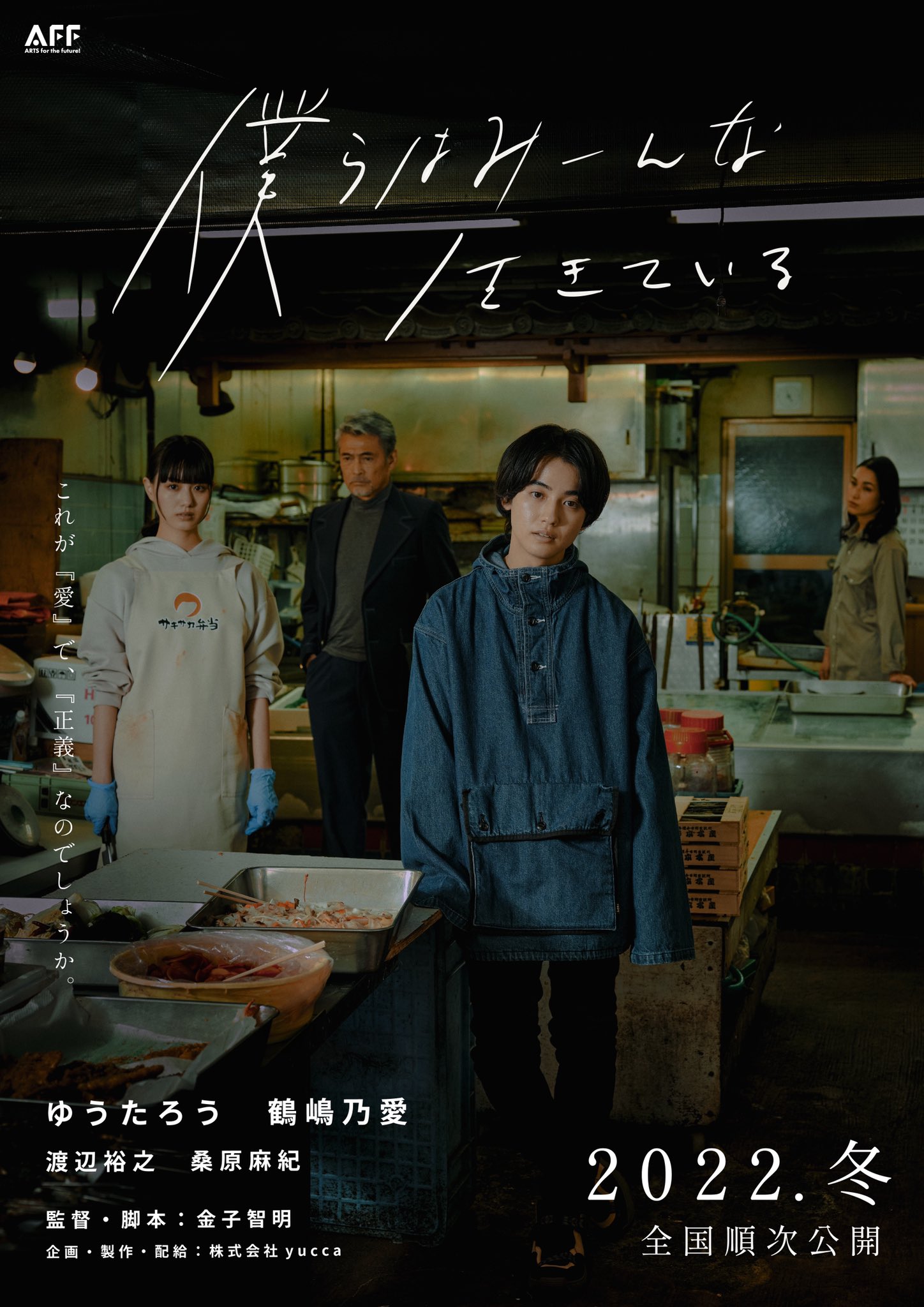
Dead Fishes (僕らはみーんな生きている, Tomoaki Kaneko, 2022)

Fearing he knows nothing of the world, a young man comes to Tokyo in search of experience but finds his horizons broadened a little more than he might have liked in Tomoaki Kaneko’s bleak indie drama Dead Fishes (僕らはみーんな生きている, Bokura wa Minna Ikiteiru). Legacies of poor parenting, either from an overabundance of love or.a lack of it, continue to cast a shadow over the futures of the young while love otherwise makes people do funny things that defy both logic and humanity.

One of the key reasons Shun (Yutaro) leaves his rural hometown is to get away from his parents and their tempestuous marriage though it’s also true that his mother has become more than a little possessive and he clearly does not want to end up trapped by her all his life. He dreams of becoming a writer, but tells new friend Yuka (Noa Tsurushima) that writing for him was more of an escapist than artistic exercise. Most of his books are of the kind where nothing really happens, a kind of wish fulfilment writing stories about the happy family he never had in which parents and children enjoy cheerful days out at the beach or the zoo, which is why he suspects publishers aren’t biting.

But Yuka has parental resentments too, explaining that her mother took her own life after her father abandoned them before she was born. She has a healthy distrust of adults and the in-built cynicism of someone twice her age but also resents herself for having been unable to enact revenge on her absent father. Nevertheless, she feels sympathy for the old people living in the local care home who have also been, according to her, “abandoned” by their families who no longer wish to care for them. Their boss, Yuriko (Maki Kuwahara), is currently caring for her mother who is suffering with dementia and occasionally becomes violent or refuses food though as the pair discover she is also mixed up with her much older boyfriend’s heinous scheme to help overburdened children knock off their elderly relatives through slow poisoning or an “accident” in return for a portion of their life insurance money.

The scheme both bears out the corrupted relationship between parent and child and the darkness of the contemporary society in which, as the Chairman (Hiroyuki Watanabe) says, the elderly can benefit their families only by dying. Despite having become aware of the goings on at the bento shop, neither Yuka nor Shun are particularly motivated to do anything to stop them, simply living on in resentment or disapproval. Yuriko tells him that he can’t understand her actions because he’s too young and has never been in love, but it’s also true that she was supposed to get a healthy payout for the slow poisoning of the man the Chairman made her marry for appearance’s sake who is likewise aware they’re planning to kill him but basically allowing them to because of love. Love is also the justification Shun’s mother gives when she arrives unnanounced and ends up talking to Yuka, explaining that she’s never thought Tokyo was right for her son so she’s found him a job back home which is after all not really her decision to make. 

But then again even Shun’s writing dreams become corrupted by the city when he’s hired to write a column for a pornographic magazine that’s only distributed in local brothels. Even the editor who hires him appears beaten down and desperate, explaining that he was once a writer too but seemingly ashamed of his current profession later decided to cut his losses and return to his hometown stopping to warn Shun only not to turn out like him or to let himself be changed by the environment he now finds himself in.

By contrast, Yuka’s flighty roommate Mika (Haruka Kodama) says she’d rather die than live with dead fish eyes escaping from her own despair and disappointment through casual sex work to supplement her income from working at a black company. Claiming that all you need in life is a money and good reputation, she’s planning to string this out until the end of her 20s in the hope of meeting a nice man to settle down with for a traditional housewife existence. Bleak in the extreme, Kaneko leads this moribund small town a sense of futility and emptiness and sees little way out for an orphaned generation other than to surrender themselves to the indifference of the world around them.


Original trailer (no subtitles)

Tomorrow There Will Be Fine Weather (明日は日本晴れ, Hiroshi Shimizu, 1948)

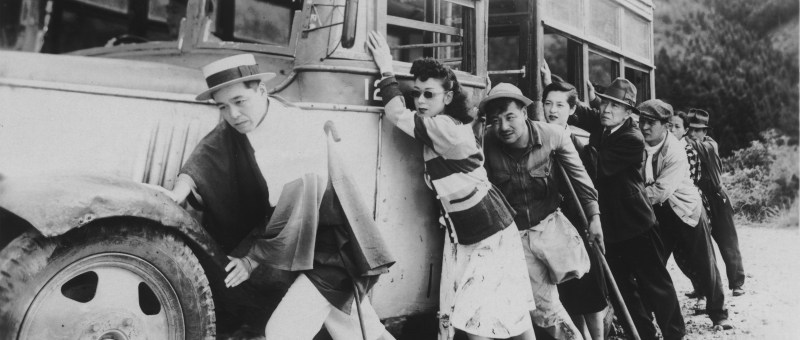
According to the driver aboard the bus at the centre of Hiroshi Shimizu’s Tomorrow There Will Be Fine Weather (明日は日本晴れ, Asu wa Nipponbare),  “that ridiculous war ruined everything”. Shimizu had directed a similar film in 1936, Mr Thank You, in which times had been hard for all but people tried to stay cheerful and help where they could. But here, by contrast, the atmosphere is much less jovial. Everyone is fed up, unhappy, dissatisfied, and irritated far beyond the inconvenience of being delayed on their journey.

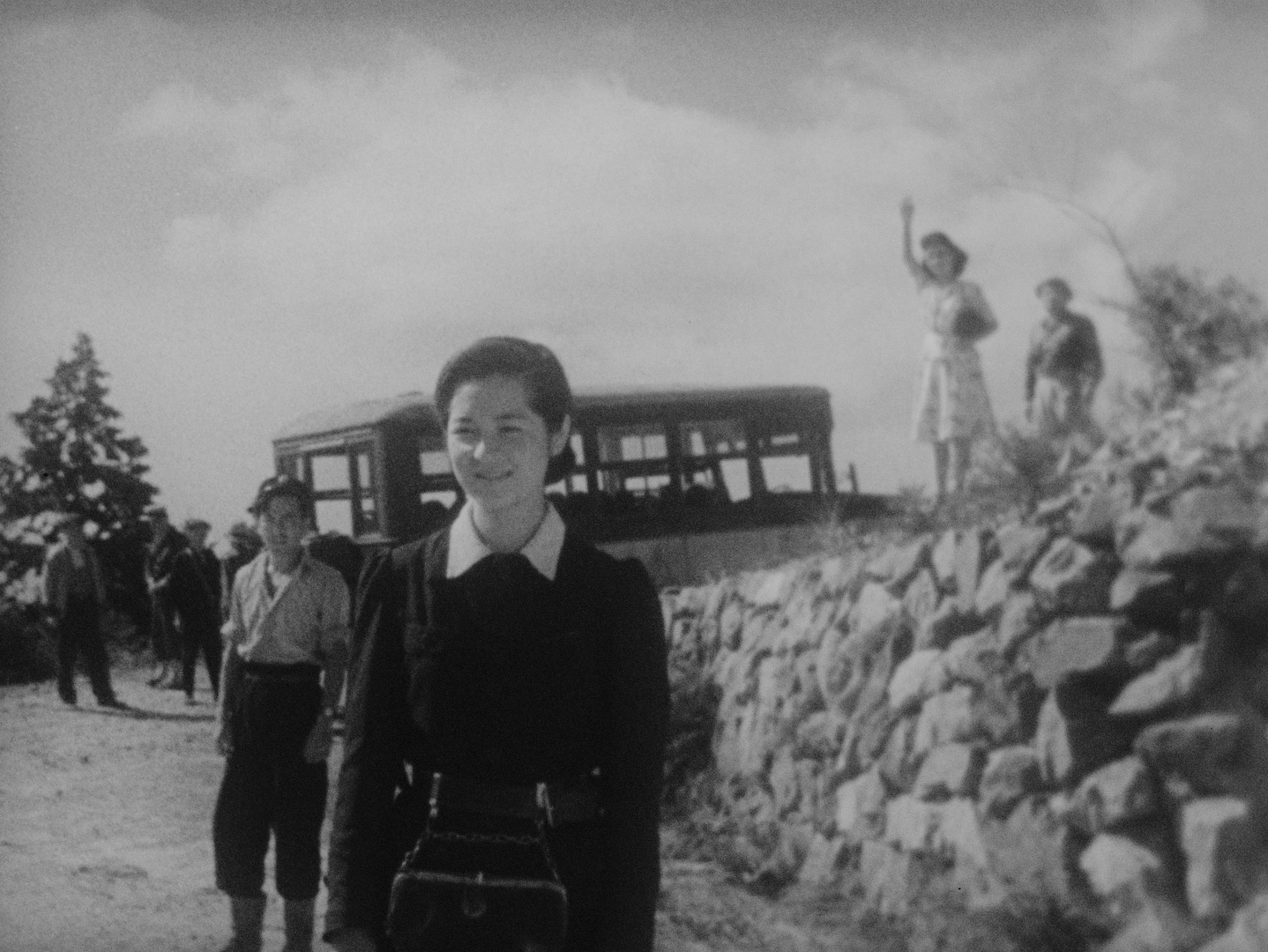
Once again shot on location, the film follows a bus on the outskirts of Kyoto making the journey along a mountain pass from the city to an onsen town before breaking down half way. It’s several miles across difficult mountainous terrain to the nearest town in either direction and many people aboard the bus are elderly or have disabilities that make simply walking the rest of the way a difficult prospect while no one can really say when help will come because they’re dependent on the arrival of the following service or some other form of transport that could get a message out for a mechanic or replacement bus. 

In any case, just as in Mr Thank You there is a diverse contingent aboard each of whom have particular reasons for travelling and for being upset about the delay. A trio of men begin by complaining that this journey which once took two hours now takes three while the bus itself has become worn down and unreliable. Even so, the fares are now much more expensive. What’s most surprising is that the men loudly and openly discuss their occupation as black market traders while simultaneously complaining about an increased police presence interfering with their work. An irritated, besuited man sitting across the aisle is the only one to challenge them, asking if they pay taxes on their clearly illegal earnings to which the answer is obvious though the men mostly complain about how it wouldn’t be worth their while if they did rather than outright denying a responsibility to pay. The man tells them that they’re part of the problem and that the future of the country is assured only if people pay their taxes, with which the men otherwise seem to agree. When the bus breaks down, one of them is most worried that his late arrival will cause concern for his wife who may assume he’s been caught and arrested.

But there’s a small drama playing out in the front of the bus too as the conductress gossips with the driver certain that the beautiful woman sitting half-way back is a well-known Tokyo dancer, Waka, who she’s heard is on her way to bury the ashes of her child seemingly born out of wedlock. The driver, Sei, grimaces slightly as if he didn’t want to have this conversation and as we later discover once knew Waka long ago before the war which has changed each of them. A blind man, Fuku, now working as a masseur after losing his sight in the war, once knew them both hatches a plan to try and get them to patch things up. But as Sei later says, they’ve both been through far too much and are no longer the same people. Nothing can be as it was before, but in a way that’s alright. There is still hope for the future on the broken bus that is post-war Japan if only someone can figure out how to get the engine going again. 

Nevertheless, the scars from this war are still very noticeable. One of the black-marketers has a missing leg and later lays into an old man who confesses that he was a military commander, hounding him for his responsibility for the folly of the war which men like him forced them to continue long after it was obvious that it was lost. Fuku is much more sanguine and after a minor misunderstanding able to find a way to communicate with an elderly man who is deaf despite the incompatibility of their disabilities as they help each other board the replacement bus to the new Japan. Sei, and the slightly younger conductress who is not so secretly in love with him, meanwhile remain stuck on the broken bus symbolically unable to move forward no matter how much Sei insists it’s time to “get over the war” and that he just wants to forget the past and start living again. Perhaps it’s for men like him who seem fine on the surface that the scars run deepest, overburdened by all that this “ridiculous war” took from them in unlived futures and broken dreams. Meanwhile Shimizu follows the other bus onward along the precarious and winding mountain roads hoping for better weather in the hot springs town ahead.


Tomorrow There Will Be Fine Weather screens at Japan Society New York on May 17 as part of Hiroshi Shimizu Part 2: The Postwar and Independent Years.

The Roundup: Punishment (범죄도시 4, Heo Myeong-haeng, 2024)

There’s a moment in the fourth instalment of the Roundup series when monster cop Seok-do’s boss asks him what good his fists are in the age of cyber crime. More so than in previous episodes, Punishment (범죄도시 4, Beomjoedosi 4) seems to lean hard into the idea that Seok-do iMa Dong-seok) is a dinosaur stuck in the 1970s and unable to understand the modern world. He’s a bruiser cop in an era of supposedly compassionate policing, a thug sent to catch a thug. Yet he’s also presented, as is actually said by his superior officer, as everything a good cop should be in his determination to nail the bad guys to keep a promise to a murder victim’s devastated mother.

But as in the previous films, the victim largely gets forgotten until the very end when Seok-do and his colleagues pay a visit to his grave. Set in 2018, the film is apparently inspired by a real life case and in an echo of the kinds of explanatory title cards seen at the end of Chinese films, ends with a reminder that the government began cracking down on cybercrime in that year. Reminiscent of anti-gambling drama No More Bets, the victim here is also a computer programmer effectively enslaved after being lured to the Philippines on a promising job offer only to be forced to work on casino websites by organised crime. Seok-do is mostly concerned with catching the bad guys rather than exposing this nefarious practice or its effects on those who fall victim to its addictive gambling scam. 

In any case, a running joke sees Seok-do once again cast as a dinosaur apparently unable to grasp simple concepts of modern technology. “Right, we’ll go get it before it closes, then,” he replies when informed the villains used “open source software”. He thinks syncing to the cloud means a crowd of people will come help you set up your phone and he never replaces his because it’s a bother to put in all those numbers into your contacts again. The team end up having to recruit a new team member from cybercrime, the only woman in the room which comes in handy when they need her to pose as the girlfriend of familiar comic foil Jang Yi-soo (Park Ji-hwan) who is tricked into thinking he’s been deputised with a shiny badge that looks like it fell out of a serial packet and has the telltale letters FDA at the top which Seok-do convinces him stands for Police Dark Army.

Despite all the thuggery, there’s something essentially childlike about Seok-do’s roguishness that sees him delight in playing a trick on Jang Yi-soo. After wrecking the first class cabin of a soon to depart plane, he walks off sheepishly like naughty little boy ignoring his boss’ frantic calls to come back and explain himself. In this instalment, we get less of the overt references to police brutality with one brief scene of Seok-do putting a motorbike helmet on a suspect and beating him over the head while his colleague keeps watch outside as we peek in through the widow. To remind us he’s still the good neighbourhood cop, we see several scenes of him visiting a restaurant run by the widow of a colleague killed in the line of duty and secretly slip his teenage daughter wads of cash to buy something nice for herself. 

What it all amounts to is a slightly awkward advocation for the police who are directly stated to be always there to protect the citizens and catch criminals who harm them even if they do It abroad. To this extent, Seok-do is a good cop literally smacking some sense into bad guys because it turns out his giant fists can fight “digital” crime after all and there’s no denying that it does feel good to see Ma Dong-seok smack bad guys. The action scenes this time around are visceral and surprisingly bloody not to mention loud with the sound of Ma’s thunderous fists flailing around. The film’s distinctly retro sensibility is echoed in the ‘70s score which seems to hark back to an era of maverick cop movies about men like Seok-do who keep order on the streets while Seok-do himself seems increasingly like a man out of time, a throwback to a bygone era perhaps uncomfortably romanticised in the quasi-authoritarian sensibility which seems to underpin it.


Festival trailer (English subtitles)
Salli (莎莉,  Lien Chien-Hung, 2023)

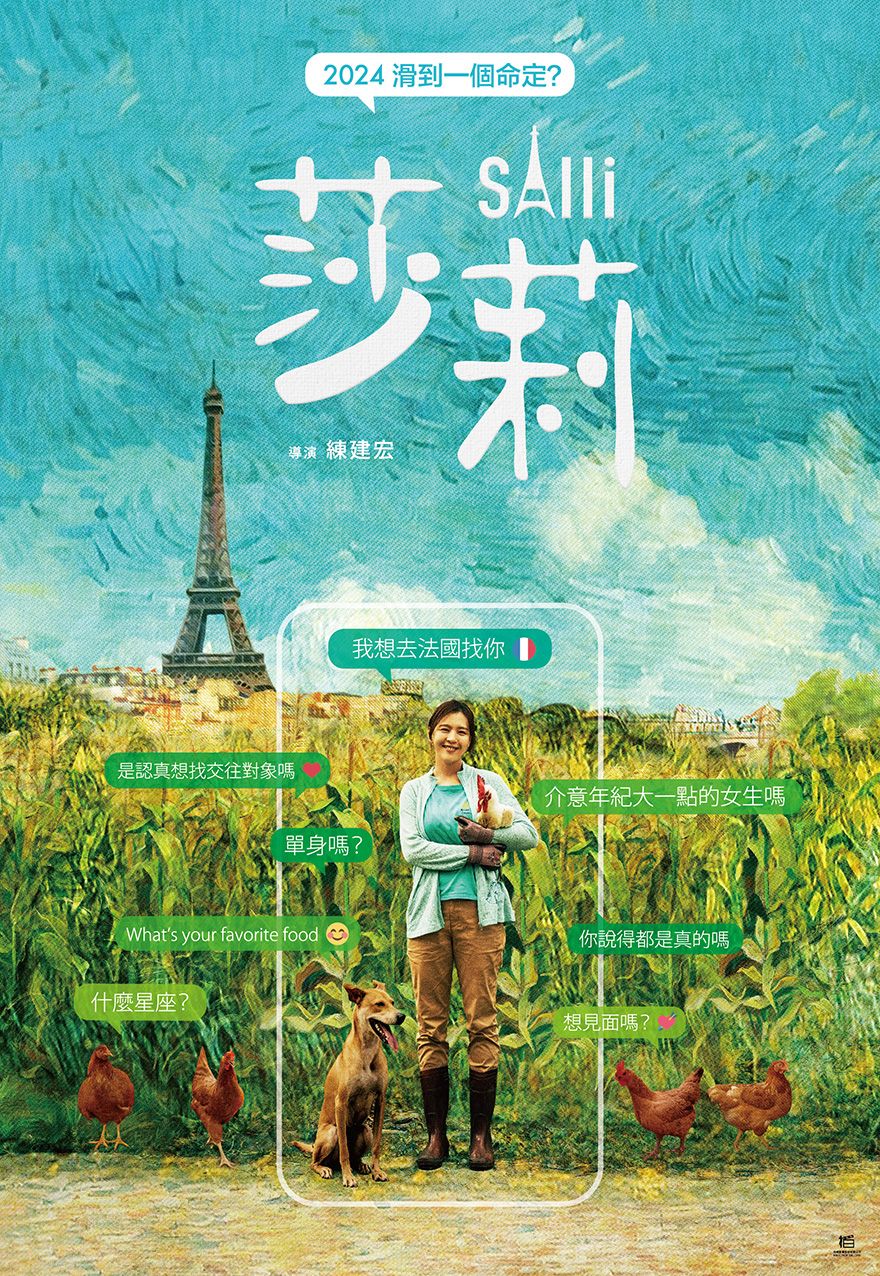
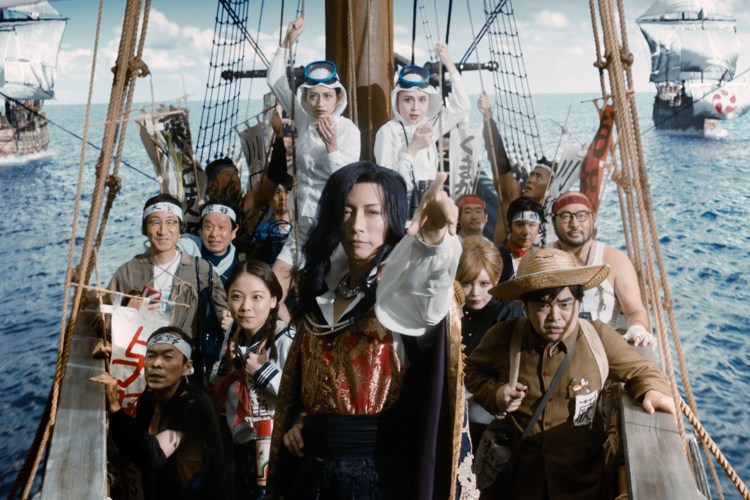
Romance and tradition collide when a middle-aged chicken farmer is unwittingly duped by an online dating scam in Lien Chien-Hung’s gentle dramedy Salli (莎莉). Though everyone tells her the man she thinks she’s talking to on the internet probably isn’t real, Hui-jun (Esther Liu) continues to believe in the possibility of love and a more sophisticated world than that she knows from her rural small-town where everyone knows everyone’s business and she’s looked on as something of a pariah for being unmarried at 38.

Her busybody aunt (Yang Li-yin) in particular is keen that she get married as soon as possible and keeps bringing photos of eligible bachelors most of whom are more than 20 years older than her or just a bit strange. The aunt has also somewhat taken over in the upcoming wedding of Hui-jun’s younger brother Wei-hong (Austin Lin) to the daughter of a local pineapple farmer. She’s had a fengshui master come round and declare that Hui-jun’s bedroom is the best one for the new couple to sleep in so she’s been turfed out, while another fortune teller suggests that as she is unmarried herself Hui-jun shouldn’t even attend the ceremony otherwise the couple will end up arguing for the rest of their lives. Though Wei-hong tells her he doesn’t care about any of that and it’s important to him she attend his wedding, Hui-jun can’t help feeling a little guilty and in the way.

What the aunt doesn’t seem to consider is that after their parents died in an accident, Hui-jun in effect became everyone’s mother which made it impossible for her to have the kind of experiences one needs to get married. She even ended up caring for the daughter of her older brother who abandoned the family after the end of his marriage, though he later took her back to Shanghai where he lives with a much younger Mainland fiancée. Xin-ru has returned home in search of maternal comfort, but Hui-jun knows she will soon have to leave again and she’ll be on her own. It’s Xin-ru who sets her up on an internet dating app explaining that she uses them for “fun” though once Hui-jun starts chatting to “Martin”, a Parisian gallery owner, she can’t help but succumb to romantic fantasy. 

There are those who pity Hui-jin or mock her for being taken in by such an obvious scam, even considering giving Martin her life savings for the downpayment on a flat where they could live together in Paris when he proposes to her after a short period of text-based communication facilitated by AI translation. But Hui-jun is lonely and is just wants to feel loved and valued in a way she obviously doesn’t by her family members who are obsessed with her marital status. In any case, it’s through her imaginary romance with Martin that she begins to come into herself, to think about what it is she wants out of life including whether to not she actually wants to get married, and embrace a new sense of confidence as a person in her own right.

A disaster at home sends her to Paris, alone, hoping to clarify her situation which she eventually does though not in the way anyone might have expected. An elderly woman gives her a piece of life advice that after a divorce and several years of unsatisfying dating experiences, she realised that she just do things on her own and that was okay. What the opportunity affords her is the chance to rediscover herself as distinct from her roles as a sister, aunt, and surrogate mother and wonder if she might be happy enough with her chickens and the dog for company. Filled with a gentle humour and an affection for small-town, rural life in Taiwan if also a yearning for a little sophistication, the film has boundless sympathy for its put upon middle-aged heroine as trapped as some of the chickens in her coop by outdated patriarchal thinking and longing to strut free like the white cockerel she seems to treat almost as a friend. Taichung may not have the Eiffel Tower, but it has its charms and as Hui-jun is discovering the freedom to decide on her own future.


Salli screened as part of this year’s Osaka Asian Film Festival.

Original trailer (Traditional Chinese / English subtitles)
Memories of His Scent (においが眠るまで, Kahori Higashi, 2024)
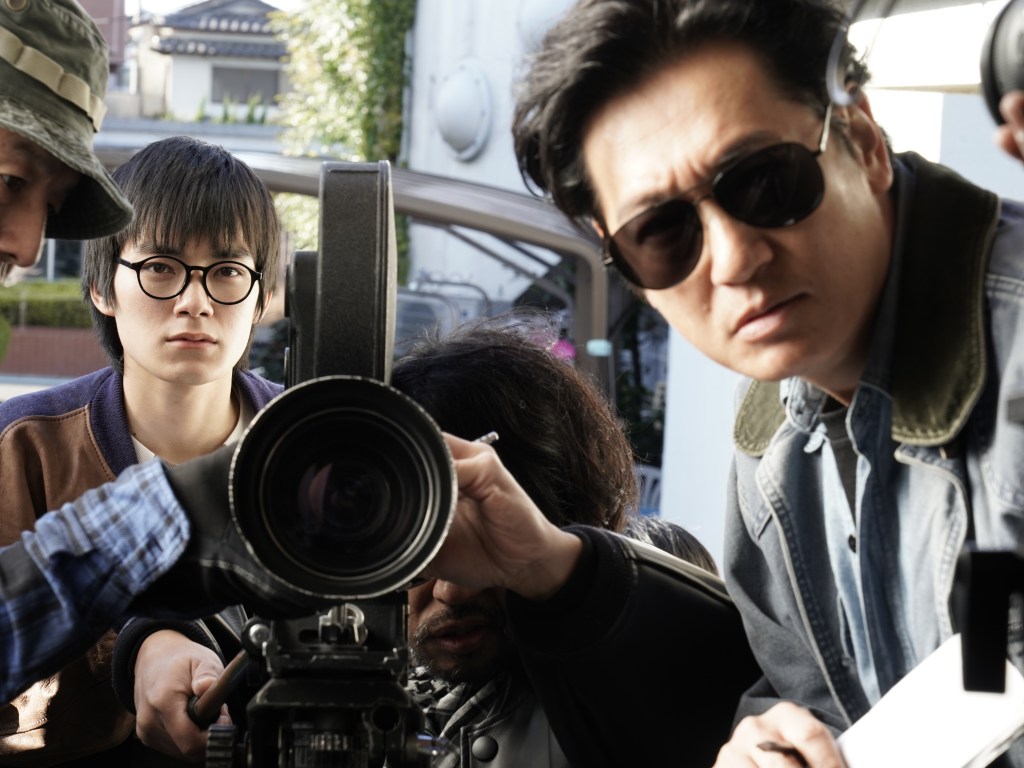
The link between scent and memory is incredibly strong to the extent that they are often inextricable from one another. For Hinoki, what she fears is that her father’s scent will fade from the world around her and she’ll no longer be able to feel his presence either externally or within herself. She tries to recapture and recreate it artificially only to realise that there was a crucial component that she never thought to include but was always central to her memories of her late father.

We can see the way she immortalises him in her dream sequence in which she walks through a gallery looking at a series of small exhibits marking out her father’s life until his hospitalisation at age 45 and subsequent death from illness. The last box appears empty but turns out to contain a simulacrum of his scent in the same way some museums offer the opportunity to experience what it may have felt like to live in a place through breathing in its ambient smells. It’s this sense of intimacy that Hinoki longs to recapture as she attempts to deal with her grief and the series of upheavals to her life in the wake of her father’s death including closing his coffee shop and bean roastery. She’s horrified that her mother’s put his favourite apron in the to go pile as if she were throwing away an essential part of him she can’t recover. It’s this along with a diary dropped off by the owner of a mini theatre he used to deliver coffee to that sends Hinoki on a summer holiday road trip adventure looking for traces of her father in the places he visited and trying to identify that behind a poetic entry at the end of the diary. 

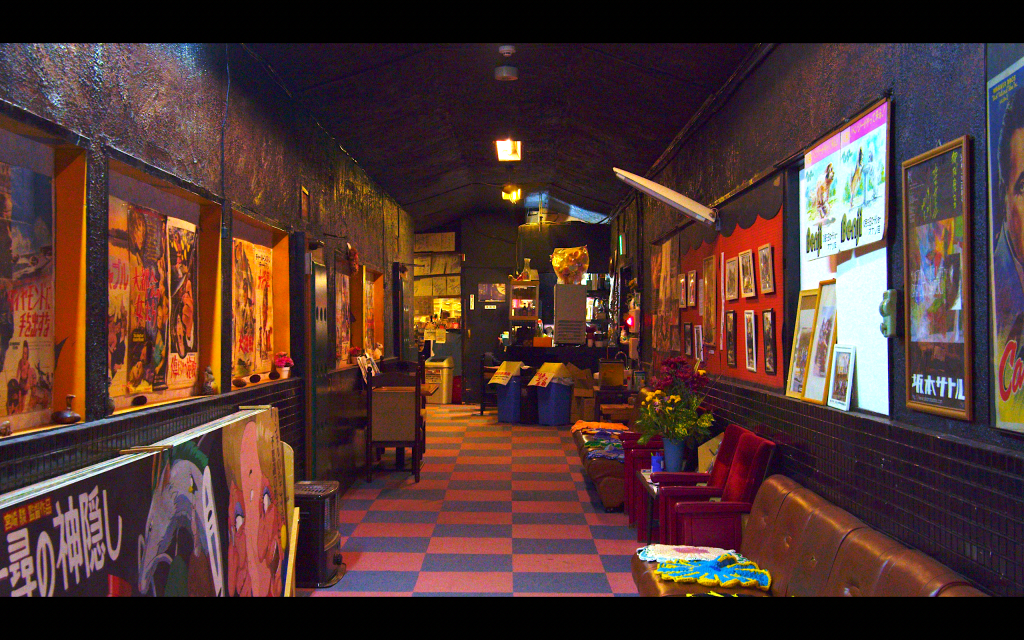
The film then doubles as another in a series of films elegising the dying culture of boutique cinemas in small towns often catering to small but dedicated audiences who have formed a kind of community around their love of film. These smaller screens generally show older and indie films and are key to the success of independent filmmakers whose work often wouldn’t be shown in larger multiplexes, yet audiences have often not returned after the enforced break of the pandemic era while they also face competition from streaming and other forms of entertainment. The first cinema Hinoki visits is closing down in 42 days though she marvels at the scent and atmosphere of this retro space which has its own elegiac quality. Whilst there she also coincidentally runs to a scent scientist who gives her some pointers about how to preserve and recreate her father’s scent before it fades. By the time she reaches the end of her journey the final cinema has already closed down and rather depressingly been replaced by an entirely empty open air car park. 

Even so what she begins to realise is that nothing really disappears and experiences can be recreated to an extent as she discovers when they put a movie on in the car park leading to a very personal epiphany. The people she meets along her way teach her various things such as the importance of clearly stating how you feel while there’s still time even if her best friend’s attempt to do just that doesn’t quite go to plan. A single father raising a small daughter brings back painful memories for her of her own childhood and her father’s now continuing absence while also reminding her that those experiences live on in her memory along with the various things her father taught her throughout her life. 

Though suffused with melancholy, the film is ultimately uplifting in its determination that life goes on and nothing really disappears. Originally diffident and describing herself as someone who doesn’t particularly like interacting with others, through her partly solo road trip Hinoki learns to open herself up to the world around her along with its myriad fragrances and what they say about the people who inhabit a place. She thinks she’s looking for her father, but she’s really looking for herself and the path towards the rest of her life lived in his absence while discovering the richness of life as its lived in addition to that which has passed.


Memories of His Scent screened as part of this year’s Osaka Asian Film Festival.

Unborn Soul (渡, Zhou Zhou, 2024)

When a woman receives the news that her unborn child has a 70% chance of being born with a disability she finds herself confronted by a series of uncomfortable social attitudes and prejudices while trying to decide what is best both for herself and her child in Zhou Zhou’s empathetic drama, Unborn Soul (渡, dù). Touching on issues such as the demands of caring for someone with a profound disability and patriarchal notions of needing to continue the family line, the film sees its heroine more or less isolated in her refusal to be pressured into an abortion she isn’t convinced is the right decision. 

Though now relaxed, the legacy of the One Child Policy may in part be influencing the way people think about raising children and the ageing society with Qing’s father-in-law insisting on a “perfect child” to inherit their family name. Qing has been the sole carer for her 60-year-old uncle who has cerebral palsy and an intellectual disability since her grandmother died and it seems to be in the back of her mind to wonder who might be around to care for her child when she is no longer able to if they were indeed to be born with a disability that prevented them from living an independent life. Because of her closeness with her uncle, she has also has a more empathetic view of living with a disability than those around her and believes it is wrong to think that the baby is better off not being born having heard from him that he is glad to be alive.

Her husband however leans towards an abortion admitting that he is not really prepared to care for a disabled child for the rest of his life while his father outright objects to the idea of having someone with a disability in their family. Laying bare the patriarchal attitudes that surround her, Qing is essentially silenced by her husband and father-in-law who at one point says he’s sick of women like her who “can’t communicate” and won’t do what they’re told. Her husband is also in a sense trapped by this patriarchal system in that his father heavily pressures him to force his wife to have an abortion until she finally files for divorce. He has a clause put into the agreement that if Qing insists on going ahead with the pregnancy the child will have no connection to his family regardless of whether or not it is born with a disability. 

While all of this is going on, the baby seems to narrate its thoughts on the present drama while lamenting the suffering he feels himself to be causing to his mother. The question arises of whether or not the baby would wish to be born which is not a question anyone could answer and in any case perhaps he would end up feeling it would have been better to not to have been even if he were born able-bodied and with no intellectual disabilities. In an attempt to reassure herself, Qing visits a home for disabled adults and encounters a man with cerebral palsy who has got a job as a masseur and is living a fulfilling and independent life but is also confronted by the fact that many of these people have been abandoned by families who feared the stigma of disability. 

The implications of the film’s ending maybe slightly uncomfortable even if they reflect Qing’s nature as a true mother who thought only of her child even while the film is otherwise critical of an overly efficient medical system which tries to usher Qing towards an abortion without really considering that her choice to give birth to the child might be valid which also displays a lack of respect for the lives of disabled people. Shot in a classic 4:3 the film flits between theatricality and detachment while shifting into a strangely dreamlike aesthetic with its commentary from the unborn baby who certainly seems quite a sophisticated thinker for one so young. In any case, the decision is in a sense taken out of Qing’s hands leaving her with little choice other than to accept the hand that fate has dealt her while otherwise isolated from a cold and rational society.


Unborn Soul screened as part of this year’s Osaka Asian Film Festival.

Original trailer (English subtitles)