Teiichi: Battle of Supreme High (帝一の國, Akira Nagai, 2017)

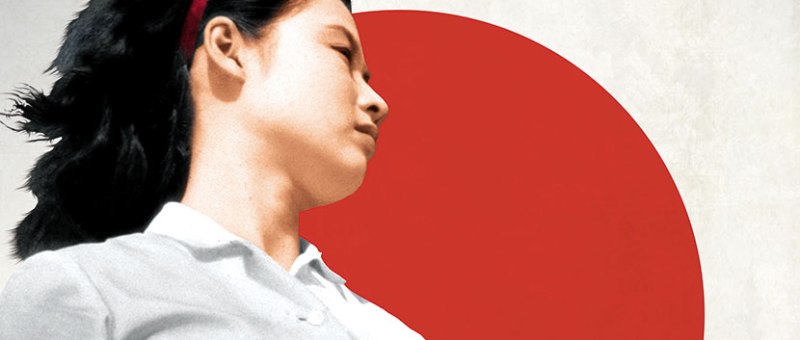
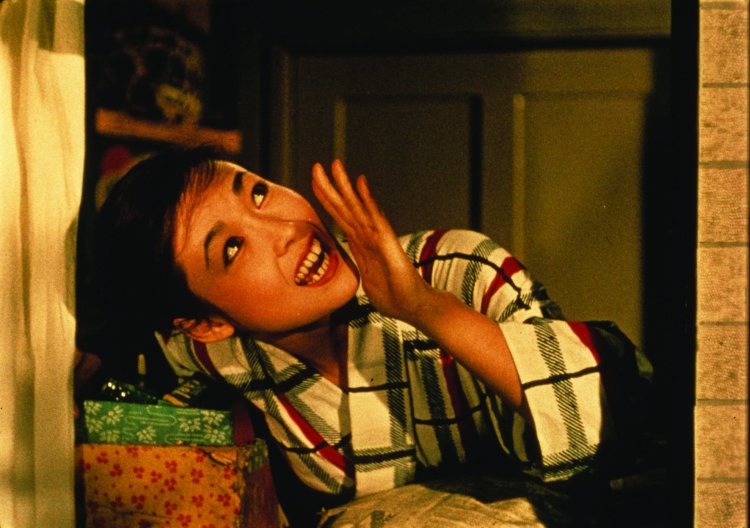
teiichiBack in the real world, politics has never felt so unfunny. This latest slice of unlikely political satire from Japan may feel a little close to home, at least to those of us who hail from nations where it seems perfectly normal that the older men who make up the political elite all attended the same school and fully expected to grow up and walk directly into high office, never needing to worry about anything so ordinary as a career. Taking this idea to its extreme, elite teenager Teiichi is not only determined to take over Japan by becoming its Prime Minister, but to start his very own nation. In Teiichi: Battle of Supreme High (帝一の國, Teiichi no Kuni) teenage flirtations with fascism, homoeroticism, factionalism, extremism – in fact just about every “ism” you can think of (aside from altruism) vie for the top spot among the boys at Supreme High but who, or what, will finally win out in Teiichi’s fledging, mental little nation?

Taking after his mother rather than his austere father, little Teiichi (Masaki Suda) wanted nothing more than to become a top concert pianist. Sadly, his father finds music frivolous and forces his son towards the path he failed to follow in becoming a member of the country’s political elite. Thus Teiichi has found himself at Supreme High where attendance is more or less a guaranteed path to Japan’s political centre. If one wants to be the PM, one needs to become student council president at Supreme High and Teiichi is forging his path early by building alliances with the most likely candidates for this year’s top spot. The contest is evenly split between left and right. Okuto Morizono (Yudai Chiba) – a nerdy, bespectacled shogi champ proposes democratic reforms to the school’s political system which will benefit all but those currently enjoying an unfair advantage. Rorando Himuro (Shotaro Mamiya), by contrast, is the classically alluring hero of the right with his good looks, long blond hair and descent from a long line of previous winners.

Teiichi follows his “natual” inclinations and sides with Rorando but a new challenger threatens to change everything. Dan Otaka (Ryoma Takeuchi) is not your usual Supreme High student. A scholarship boy, Dan comes from a single parent family where he helps out at home taking care of his numerous younger siblings. From another world entirely, Dan is a good natured sort who isn’t particularly interested in politics or in the increasingly tribal atmosphere of Supreme High. What he cares about is his friends and family. Principled, he will do what seems right and just at the expense of the most politically useful.

For all of its posturing and petty fascist satire, there’s something quite refreshing about the way Battle of Supreme High posits genuine niceness as an unlikely victor. Teiichi, a politician through and through, has few real principles and is willing to do or say whatever it takes to play each and every situation for its maximum gain. Finding Morizono’s old fashioned socialism naive and wishy washy, he gravitates towards Rorando’s obviously charismatic cult of personality but Dan’s straightforward goodness eventually starts to scratch away at Teiichi’s attempt to put up a front of amorality.

The fascist overtones, however, run deep from the naval school uniforms to the enthusiastic singing of the school song and highly militarised atmosphere. Played for laughs as it is, the school’s defining characteristic is one of intense homoerotism as pretty boys in shiny uniforms flirt with each other in increasingly over the top ways. Teiichi does have a girlfriend (of sorts) who protects, defends, and comforts him even while able to see through his megalomaniacal posturing to the little boy who just wanted to play piano but he’s not above exploiting the obvious attraction his underling, Komei (Jun Shison), feels for him as part of his grand plan.

Teiichi has its silliness, but its satire is all too convincing as these posh boys vie for the top spots, reliving the petty conflicts of their fathers and grandfathers as they do so. No one one has much of a plan or desire to change the world, this is all a grand game where the winner gets to sit on the throne feeling smug, but then Teiichi’s nimble machinations hopping from one front runner to the next rarely pay off even if he generally manages to keep himself out of the line of fire. Rather than cold and calculating politics, the force most likely to succeed becomes simple sincerity and the unexpected warmth of a “natural” leader.


Teiichi: Battle of Supreme High was screened at the 19th Udine Far East Film Festival.

Original trailer (no subtitles)

Confidential Assignment (공조, Kim Sung-hoon, 2017)

confidential assignmentSouth Korean cinema has a fairly ambivalent attitude to its policemen. Most often, detectives are a bumbling bunch who couldn’t find the killer even if he danced around in front of them shouting “it was me!” whereas street cops are incompetent, lazy, and cowardly. That’s aside from their tendency towards violence and corruption but rarely has there been a policeman who gets himself into trouble solely for being too nice and too focussed on his family. Confidential Assignment (공조, Gongjo), though very much a mainstream action/buddy cop movie, is somewhat unusual in this respect as it pairs a goofy if skilled and well-meaning South Korean police officer, with an outwardly impassive yet inwardly raging North Korean special forces operative.

In the South, Gang (Yu Hae-jin) is hot on the trail of a suspect he’s been chasing for quite some time but just as he’s finally about to catch him, his phone starts ringing. The cute ringtone featuring a little girl’s voice saying “daddy, pick up – don’t pretend to be working” is impossible to ignore and so Gang answers, chats to his daughter, and lets the suspect get away. In the dog house at work, Gang winds up with all the rubbish jobs before finally being saddled with a “special assignment” – babysitting a North Korean policeman as part of a collaborative detail chasing a possible defector/dangerous criminal the North are keen to drag back home for possibly inhumane treatment.

The Northerner, Lim (Hyun Bin), has his own reasons for chasing the criminal in that he is the only surviving member of a squad wiped out when a superior officer decided to go rogue and run off with a set of plates for printing counterfeit money. The North need the plates back, but Lim’s motives are personal more than merely patriotic and what he wants is vengeance for the death of someone close to him rather than protecting the embarrassing secret of North Korea’s counterfeit currency conspiracy.

For obvious reasons neither of the two men is able to trust the other but the confusion and suspicion is only increased by Gang’s total lack of knowledge about the case. All he knows is that they’re looking for a defector – no more, no less. Lim isn’t happy about having a South Korean cop getting in his way and quickly ditches him as soon as possible only for Gang to turn on his ace detective abilities and eventually end up at the same place through policeman’s instinct. Gradually a sort of grudging camaraderie builds up between the two as they’re forced to spend more time together and their odd couple buddy cop antics become the film’s main draw.

Lim, knowing nothing of life in the South yet suspicious of Gang, goes along with some of Gang’s goofier attempts to rein him in such as extended gag in which he gets him to put on an ankle bracelet by telling him that it’s a secret detective’s badge, reassuring him that his is in the cleaners, only for him to meet another suspicious type out on the road. So that he can keep track of him better, Gang’s superiors order him to take Lim home so he can watch him day and night much to the consternation of his wife but delight of his slightly younger sister-in-law who is instantly smitten by Lim’s chiseled features. Lim reacts to all of this with obvious vigilance but comes to like and respect Gang’s family who eventually welcome him into their home without reservation, even taking pains to try cooking North Korean food when he appears reluctant to join them at mealtimes.

Never quite engaging with the political subtext, Confidential Assignment is less about North/South co-operation than it is about complementary skills and the creation of an unexpectedly complete buddy cop unit. Gang is instantly impressed (and a little scared) by Lim’s obvious physical capabilities as he leaps from high balconies and fights off a whole room of bad guys armed only with soggy toilet roll, but Lim also comes to respect Gang’s bravery, kindness, and dedication to his family. Confidential Assignment might not be the most nuanced cinematic portrayal of North/South relations but its good-natured warmth, silly comedy, and impressively staged action scenes make it one of the most entertaining.


Confidential Assignment was screened as part of the 19th Udine Far East Film Festival.

Original trailer (English subtitles)

Japan Cuts 2017 Announces First Programme Highlights

over the fence still 1Japan Cuts returns for 2017 with even more of the best in recent Japanese cinema. Ahead of the full programme reveal the festival has announced a few early teasers for what promises to be another year of fantastic films from Japan.

over the fence stillFan favourite director Nobuhiro Yamashita will once again feature in the festival with his installment in the trilogy of movies inspired by author Yasushi Sato, Over the Fence. One of Yamashita’s more melancholy efforts, Over the Fence stars Joe Odagiri as a recently divorced man trying but failing to start over in his home town. Meeting a cabaret girl with the improbably manly name of Satoshi (Yu Aoi) he finally begins to move forward but Satoshi has a few problems of her own. Joe Odagiri will also be attending the festival collect his CUT Above Award for Outstanding Performance in Film!


Anti-porno stillAnother festival favourite Sion Sono returns with his contribution to the Roman Porno Reboot Project, Anti-Porno.


daguerrotype stillKiyoshi Kurosawa’s first international production, Daguerrotype, also makes its way into the festival. Taking the director back to his psychological horror roots, this gothic European ghost story stars one of France’s best young actors, Tahar Rahim, as a photographer’s assistant caught up in both odinary and supernatural conspiracies.


434_scr_5The one you’ve all been waiting for – Neko Atsume House! An adaptation of the popular smartphone game, Masatoshi Kurakata’s film stars Atsushi Ito as a novelist with writer’s block who moves house to stimulate himself only to be overrun with cute cats instead.


RESISTANCE AT TULE LAKE stillThe only documentary announced so far, Konrad Aderer’s Resistance at Tule Lake examines the case of 12,000 Japanese-Americans labeled “disloyal” for attempting to resist the government’s internment order.


Japan Cuts 2017 takes place in New York between July 13 – 23 and you can keep up with all the latest developments via the official website, Twitter account, and Facebook page.

Love and Other Cults (獣道, Eiji Uchida, 2017)

love and other cultsEiji Uchida’s career has been marked by the stories of self defined outsiders trying to decide if they want to move towards or further away from the centre, but in his latest film Love and Other Cults ( 獣道, Kemonomichi), he seems content to let them linger on the margins. The title, neatly suggesting that perhaps love itself is little more than a ritualised set of devotional acts, sets us up for a strange odyssey through teenage identity shifting but where it sends us is a little more obscure as a still young man revisits his youthful romance only to find it as wandering and ill-defined as many a first love story and like many such tales, one ultimately belonging to someone else.

Our lovelorn hero and narrator, Ryota (Kenta Suga), observes the heroine from afar as he tells us her story, which is also his story in a sense. Ai (Sairi Itoh), a neglected child, drifts aimlessly in an uncaring world forever seeking a place to belong but finding no safe space to drop anchor. Ai’s mother, as drifting and aimless as her daughter, attempts to find salvation through religion but her quest for self-fulfilment drags her from one spiritual fad to the next all the while pulling little Ai along with her. The pair finally end up in a cult commune where Ai is a favourite of the leader – a Westerner called Lavi (Matthew Chozick) who preaches free love but only for himself.

Eventually, the cult is raided by the police, Lavi flees, and Ai is “rescued” but the next stage in her odyssey is no less disruptive than the last as she finds herself adrift in the mainstream world. Dropped into a regular high school, Ai tries to play the regular high school girl but can’t shake the cult member inside her. Semi-adopted by an ordinary family, her life gains some normalcy but it is short-lived and before long Ai finds herself in another sort of commune altogether before ending up in teenage prostitution followed by the porn industry.

If girls like Ai end up in AV, boys like Ryota end up in gangs. So it is that Ryota gets mixed up with two equally lost wannabe gangsters in Kenta (Antony) – an outsider by virtue of non-Japanese heritage, and the blond-headed Yuji (Kaito Yoshimura) who’s watched too many movies. Kenta is the de facto head of a little band of petty delinquent kids but he’s getting bored with gangster stuff and yearns for something more real while Yuji trails around after the lollipop sucking local chieftain (Denden). Ryota looks on casually without striking out in either direction, pining for Ai but either unwilling or unable to install himself as a permanent part of her reality.

As Ryota puts it, they’re all just looking for a place to belong. They don’t care where or what that place is, but what they long for is a sense of belonging born of owning their own identities. What may be a typical teenage problem of figuring oneself out takes on a larger dimension given the general instability of the world these youngsters find themselves in. Another in the long line of recent films losing faith with the family, Love and Other Cults finds no room for a familial solution to social woes. Ai has been so definitively let down that her very idea of family is so hopelessly warped as to permanently remove the possibility from her future.

Neglected in favour of her mother’s ongoing and inconclusive search for meaning, Ai’s major attachment is to unclear spirituality but even this becomes horribly misused thanks to her involvement with a shady cult. Having become the favourite of cult leader Lavi, Ai is used to trading herself for affection and security and so when she finds herself semi-adopted by the kindly family of a friend she attempts to use these same familial mechanisms to secure her position only to end up ruining the whole thing. Re-encountering Lavi (now an AV producer) again as an adult, Ai is still unable to see the way that she has been used and misused, quickly resuming her childhood role but without the spiritual pretence.

Ryota and Ai meander aimlessly outside of each other’s orbit, neither finding the place they feel they ought to be. Tellingly, the only real story which obeys narrative rules is that of depressed thug, Kenta, who finds an unlikely soul mate in a chance encounter with a photography loving deep-sea diver, Reika (Hanae Kan). Kenta and Reika are kindred spirits whose place to belong presents itself randomly and without warning yet is found all the same. There is no cult in this love, only mutual salvation. Ai and Ryota, however, are each trapped in their respective quests for fulfilment, disconnected, visible to each other only in brief, fragmented episodes and set to drift eternally yet always in search of a place to call home.


Love and Other Cults was screened as part of the 19th Udine Far East Film Festival.

Original trailer (English subtitles)

Derailed (두 남자, Lee Sung-tae, 2016)

derailed posterThe best laid plans of mice and men often go awry, as the old saying goes, but for four down at heels street kids even their meagre attempts to evade a desperate situation land them in even more trouble than they’ve ever been in before. The debut feature from director Lee Sung-tae, Derailed (두 남자, Doo Namja) is bleak and gritty though underpinned by an ironic sense of love and connection which is itself often “derailed” or subverted as genuine feeling becomes a tool to be exploited in the ongoing war between those fighting amongst themselves to get a hand on the bottom rung of the ladder.

A makeshift family of four homeless kids and runaways made up of two teenage couples fights to survive in the backstreets of Seoul. With no practical means to support themselves, Jun-il (Minho), his girlfriend Ga-young (Da-eun), friend Bon-gil (Lee You-jin) and Bon-gil’s girlfriend Min-kyung (Baek Soo-min) are often forced to resort to low-level crime just to get something to eat. Running low on supplies the gang try to steal a car but the plan goes awry when an old enemy, the former boyfriend of Ga-young who blames Jun-il for the prison sentence he’s just been released from, arrives prompting the gang to flee.

Out of options their next plan is a dangerous, possibly unpleasant one – a prostitution scam. Ga-young being a little braver than Min-kyung puts herself forward as the bait and waits for a randy guy with underage tastes to pick her up in a dingy back alley before taking her to a hotel. Once there she needs to text the boys who will march in, rescue her, and blackmail the John. What they didn’t reckon on was that their target would be a big guy and a petty thug operating on the fringes of the sex trade. The boys manage to knock the irritated bruiser, Hyung-seok (Ma Dong-Seok), out and the gang steals his wheels too but they’ve messed with the wrong guy. Hyung-seok calls his buddies, tracks them down, roughs them up and then makes them an offer they can’t refuse. In payment for the damage, inconvenience, and humiliation, Ga-young can work off the debt in one of his “karaoke bars”. Or, he could break Jun-il’s face, choice is theirs.

Jun-il begins the film with a voiceover about his life on the streets. “Being nice is being stupid” he tells us. He has a point. When you’re trapped at the bottom it’s every man for himself, you can’t trust anyone and kindness is always a weakness. Yet Jun-il is “nice”, in a sense. The unofficial daddy of the group, he takes care of the others and refuses to leave anyone behind, hungry, or afraid. It’s no surprise then that he feels so personally responsible for the fate that’s befallen his girlfriend, Ga-young. Despite Ga-young’s pleas to keep himself safe and take care of the others, Jun-il goes to great lengths to try and get the money to buy her back by paying off the impossibly high debt.

Hyung-seok, despite running a chain of seedy “karaoke bars” which straddle the line between providing female company and outright prostitution is also a committed family man with beloved teenage daughter of his own. Apparently, Hyung-seok’s business enterprises have taken a tumble recently, enough to have his wife complaining though it seems unclear if she knows exactly what her husband’s line of work entails. This crisis could not have come at a worse time for him but even if he expresses surprise, concern, and mild outrage that Ga-young’s mother tells him to get lost when he threatens to harm her daughter unless she pays up, Hyung-seok does not seem to see the link between this vulnerable teenager and his own elegantly attired little girl.

To make matters worse, Hyung-seok eventually teams up with the gang’s arch nemesis, Ga-young’s ex, to destroy the band of four as thoroughly as possible. The eventual intervention of the police is perhaps useful and well-meaning, but merely adds another motivating force to this already complicated set of intersecting vendettas. Trapped between a traumatic past and a hopeless future, these are kids whose lives have become so completely derailed that there is almost no possibility of righting them. Family betrays, love fails, friendship collapses, being nice is being stupid but in a world filled with so much corruption it might just be the only chance left.


Derailed was screened at the 19th Udine Far East Film Festival.

International trailer (English subtitles)

Hirugao – Love Affairs In The Afternoon – (昼顔, Hiroshi Nishitani, 2017)

hirugao posterHiroshi Nishitani has spent the bulk of his career working in television. Best known for the phenomenally popular Galileo starring Masaharu Fukuyama which spawned a number of big screen spin-offs including an adaptation of the series’ inspiration The Devotion of Suspect X and Midsummer’s Equation, Nishitani has also brought his admittedly cinematic eye to other big screen transfers of small screen hits from Beautiful World to the European set Amalfi: Rewards of the Goddess and Andalucia: Revenge of the Goddess. Hirugao – Love Affairs in the Afternoon – (昼顔, Hirugao), is no exception to this trend and acts as a kind of sequel to a TV drama in which an unhappy housewife indulged in an intense yet doomed affair with a married schoolteacher. An old-fashioned romantic melodrama, Hirugao knows where it stands when it comes to conventional morality but is content to put its unhappy lovers through the ringer before meting out its judgement.

Three years after a passionate affair with her beloved professor Kitano (Takumi Saito), Sawa (Aya Ueto) has lost everything. She got a divorce, but Kitano went back to his wife and the terms of the settlement state that she is never to see, talk to, or in any way communicate with him ever again. Hoping to move on with her life, Sawa has done what many in her situation do and moved to a remote seaside town where no one knows her name, her history, or just why it is she looks so sad.

Eventually getting a job in a small cafe despite the obvious hostility of the long-standing staff, Sawa is making a go of things but no matter how hard she tries, she can’t get Kitano out of her mind. Only half alive Sawa lives out her days until one fateful afternoon she spots an advert for a lecture on fireflies – Kitano is coming to town. Sitting in the back, hunched down trying not to be seen Sawa listens to her lost love speak but accidentally catches his eye, once again sparking their long paused romance. Chasing, missing each other, retreating and advancing the pair eventually meet and go about the business of observing the local fireflies independently yet in the same space – obeying the terms of the settlement, at least in spirit. Gradually their old feelings resurface but Kitano stills goes home to his wife every day and a second chance for love after such a final judgement may require more than a simple act of faith.

Told more or less from the point of view of the unhappy Sawa, Hirugao’s main purpose is an exploration of her ongoing pain and inability to put the past behind her despite having moved to an unfamiliar place filled with unfamiliar faces. Not universally well liked by all on arrival, the cafe staff including a grumpy older woman and a cheerful if gossipy younger one eventually get used to Sawa though they both seem to resent the cafe owner’s affection for her. Later on, Sawa makes a critical mistake. She tells someone she thinks she can trust about her past – the affair, the divorce, her broken heart, and the frustrating possibility of starting a new life with a man who only ever half leaves his wife. Soon, the rumour gets out and Sawa might as well have painted a large red A on her forehead. Now she’s a hussy and a home wrecker, the women in the cafe want her out, the people in the market won’t serve her, and the cafe owner who was chasing her before suddenly turns cold.

This may not be the era of crucified lovers in which adultery is punishable by death, but it might as well be for all the unpleasantness Sawa must endure after being unmasked as someone who’s broken all the rules of social convention. Against the odds, the fuss dies down, her friends start to get over it and perhaps even like her a bit more now they know what it was that made her so closed off and mysterious – one even admits her anger was largely driven by personal regret over not pursuing the man she loved in her youth because he was already married and so she resented Sawa for having the courage to do what she never could. Sawa only wants one thing – to be with Kitano, and she’s willing to endure anything to stay by his side.

Kitano, however, is the nice kind of coward. Not wanting to hurt anyone he hurts everyone by keeping one foot with his wife and the other with Sawa. Though Sawa’s husband is well out of the picture, Kitano’s wife Noriko (Ayumi Ito) is descending into madness through jealousy and paranoia, unwilling to let her husband go. Having been one half of an adulterous couple, Sawa knows she can’t trust Kitano even if she loves him and soon enough jealousy, fear, and doubt begin to pollute their otherwise happy romance.

Illicit love cannot be allowed to succeed, there is always a price. Like the cruel flip side of jun-ai where fate cuts true love short before it’s allowed to turn sour, the furies are en route to deliver retribution to those who try to steal happiness by pursuing personal desires rather than adhering to social convention. Nishitani films with picturesque grandeur, capturing the sun-baked seaside town of Mihama in all its summery warmth and frosty hostility. An old-fashioned melodrama filled with grand emotions and overwrought symbolism, Hirugao is guilty of nothing so much as taking itself too seriously but nevertheless there is poetry in its pain even if the bitterly ironic closing coda seems to imply that love is a never-ending cycle of inescapable suffering.


Hirugao – Love Affairs in the Afternoon – was screened at the 19th Udine Far East Film Festival.

Original trailer (no subtitles)

Nippon Connection 2017 – Nippon Visions Preview


THE TOKYO NIGHT SKY IS ALWAYS THE DENSEST SHADE OF BLUE stillSo, Nippon Cinema aimed to bring some of the best mainstream leaning hits to festival screens, but what does Nippon Visions have to offer? As the name implies, this strand is dedicated to indie, experimental, and innovative forward-looking filmmaking.

Nippon Visions

Nippon Visions is home to this year’s festival focus, documentaries, as well as a selection of art house and independent films. This section involves two awards – the Nippon Visions Jury Award which offers free subtitles courtesy of Japan Visualmedia Translation Academy (JVTA), and the Nippon Visions Audience Award which features a €1000 prize sponsored by Japanisches Kultur- und Sprachzentrum.

Documentaries

95_And_6_To_Go_Still4Japanese-American director Kimi Takesue’s 95 and 6 to Go was filmed over six years during which she travelled to Hawaii following the death of her grandmother to learn more about the history of her family. Talking to her grandfather about his life and her own stalled film project, Takesue neatly weaves the personal and the universal for a meditation on life, love, loss and endurance.


boys for saleProduced by Ian Thomas Ash (A2-B-C, -1287) Boys for Sale is the debut feature from Itako and focuses on the world of male prostitution in Tokyo’s Shinjuku 2-chome.


COME ON HOME TO SATOCome on Home to Sato is the debut feature from Yoshiki Shigee. Filmed over three years, the film follows the social workers and professionals involved with Kodomo no Sato – a safehaven for children of all ages and backgrounds in Osaka’s Nishinari district.


GUI AIUEO-S A STONE FROM ANOTHER MOUNTAIN TO POLISH YOUR OWN STONE stillThe intriguingly titled Gui Aiueo:S A Stone From Another Mountain To Polish Your Own Stone is a strange road movie/documentary/performance piece from Go Shibata featuring UFOs, hermits, and sustainable toilets.


doc shortsA selection of three short NHK documentaries :

The Phone of the Wind: Whispers to Lost Families – a documentary about a disconnected phone box used to call absent loved ones.

Never-Ending Man: Hayao Miyazaki

What You Taught Me About My Son – a documentary about The Reason I Jump author Naoki Higashida


LA TERRE ABANDONNÉE stillGilles Laurent’s La Terre Abandonée follows the residents of Tomioka who refused to obey the evacuation order after the meltdown of the Fukushima Daiichi nuclear plant.


Kurosawa-Mifune-VeniceSteven Okazaki’s Mifune: The Last Samurai is an attempt to chart the legendary actor’s career as it intersects with the history of samurai cinema.


RAISE YOUR ARMS AND TWIST! DOCUMENTARY OF NMB48 stillAtsushi Funahashi’s Raise Your Arms and Twist! Documentary of NMB48 follows the aspiring idol stars as they go about their tightly controlled lives in one of the most controversial sectors of the Japanese entertainment industry.


start lineStart Line charts deaf filmmaker Ayako Imamura’s bicycle journey through Japan.


Narrative

DYNAMITE WOLFMasked wrestling provides a ray of hope for a directionless little boy in Kohei Taniguchi’s Dynamite Wolf. Sponsored by the Dotonbori Pro Wrestling League.


ERIKO, PRETENDED stillAyako Fujimura’s charming family drama Eriko, Pretended follows its aspiring actress protagonist as she travels home for the funeral of her older sister. Having pretended to be much more successful than she really was, Eriko makes the abrupt decision to stay behind in her hometown, look after her sister’s orphaned son and take over her job as a professional mourner.


going the distance stillBoxing trainer Asahi plans to marry his long-term girlfriend Kaori and has found a job for his close childhood friend, Hiroto, to bring him to Tokyo. Everything seems fine but Hiroto has fallen victim to a scammer and needs Asahi’s help. His first instinct is to postpone the wedding and help his friend whom he regards as a “brother” as they grew up in the same orphanage but Kaori wants her elderly grandmother to come so it needs to be as soon as possible. Going the Distance is the debut feature from director Masahiro Umeda who is expected to attend the festival in person to present his film.


good:bye stillTamaki and Kaori just can’t say Good/Bye in Izumi Matsuno’s nuanced drama. Despite having “broken up” the pair continue to share their apartment, marking their individual territories with coloured tape but new romantic possibilities force them to re-examine their peculiar relationship.


innocent 15 stillHirokazu Kai’s hard-hitting coming of age drama Innocent 15 tells the story of an abused teenage girl and a boy just discovering that his widowed father is in love with another man but as bleak as things get there are always signs of hope. Review.


LOVE AND GOODBYE AND HAWAII stillAnother technically broken up but still living together drama, Shingo Matsumura’s Love and Goodbye and Hawaii presents its heroine Rinko with a problem when she realises her ex Isamu might have found someone else.


parks stillSet in Inokashira Park, Natsuki Seta’s Parks stars Ai Hashimoto as a college student who teams up with Shota Sometani and Mei Nagano to recreate the missing portions of a mysterious love song.


POOLSIDEMAN stillThe latest film from Hirobumi Watanabe, Poolsideman won the Japanese Cinema Splash Award at the Tokyo International Film Festival 2016 and focuses on the dull and lonely life of a lifeguard whose existence changes when he’s sent to a different pool.


sower stillYusuke Takeuchi won the best director award at the Thessaloniki International Film Festival for The Sower. Dealing with guilt and atonement, this sombre film follows Mitsuo as he returns from three years in a mental institution and bonds with his two nieces only for his fragile happiness to be disrupted by unexpected tragedy.


472_scr_1The latest film from Yuya Ishii, The Tokyo Night Sky Is Always the Densest Shade of Blue stars Shizuka Ishibashi and Sosuke Ikematsu in an exploration of youthful alienation.


yamato california stillDaisuke Miyazaki’s Yamato California explores themes of cross cultural pollination through the story of teenager Sakura who lives near the biggest American military base in Japan and dreams of becoming a rapper. When she meets the Japanese-American daughter of her mother’s boyfriend, she finally finds an ally in an otherwise alienating place.


Shorts Programmes

skip city shortsSkip City Shorts includes four of the short films created for the Skip City International D-Cinema Festival in Saitama.

Vanish – Yusuke Hatai

Ping Pang – Yoichi Tanaka

Son of the Bakery – Shintaro Hihara

Lies – Yuji Mitsuhashi


tky2015 short filmSix young filmmakers show different sides of Tokyo in the TKY2015 Short Film Series.

Homerun – Shumpei Shimizu

Get My Hair Washed – Akira Ikeda

45 x 45 – Daisuke Shimote

The Light Dances – Hajime Izuki

After Hours – Tatsuo Kobayashi

An Interview on the Street in Ginza, Tokyo, Conducted on 27th December 2015. – Yusuke Shibata


NC17_Visions_TUOA Shorts_06Two shorts made by students of the Graduate School for Film and New Media at Tokyo University of the Arts.

Icarus and the Son – Kohei Sanada

Snake Beneath the Flower Petals – Rina Takada


Nippon Connection takes place in Frankfurt, Germany from May 23 – 28, 2017. You can find the full details for all the films, screening times and ticket links on the festival’s official website and you can also keep up with all the latest news via the Nippon Connection Facebook Page, Twitter account, and Instagram channel.

Love Off the Cuff (春嬌救志明, Pang Ho-cheung, 2017)

love off the cuff posterJimmy and Cherie, against all the odds, are still together and in a happy longterm relationship in the third addition to Pang Ho-cheung’s series of charming romantic comedies, Love off the Cuff (春嬌救志明). Following the dramatic declaration at the end of Love in the Buff, the pair have continued to grow into each other embracing each of their respective faults but after all this time Jimmy and Cherie have to make another decision – stay together forever or call it quits for good.

The major drama this time around occurs with the looming spectre of parenthood as Cherie’s long absent father and Jimmy’s “godmother” suddenly arrive to place undue strain on the couple’s relationship. These unexpected twin arrivals do their best to push Cherie’s buttons as she’s forced to re-examine her father’s part in her life (or lack of it) and how he may or may not be reflected in her choice of Jimmy, whilst Jimmy’s Canadian “godmother” makes a request of him in that he be the father of her child. Jimmy, a self confessed child himself, does not want anything to with this request but is too cowardly to hurt the feelings of a childhood friend and is hoping Cherie will do it for him. Cherie is wise to his game and doesn’t want to be trotted out as his old battle axe of a spouse but at 40 years of age children is one of the things she needs to make a decision on, another being whether she wants them with Jimmy.

Cherie’s father was an unhappy womaniser who eventually abandoned the family and has had little to do with any of them ever since. In his sudden return he brings great news! He’s getting married, to a woman much younger than Cherie. Building on the extreme insecurities and trust issues Cherie has displayed throughout the series, her faith in Jimmy crumbles especially after she intercepts some interestingly worded (yet totally innocent) text messages on his phone which turn out to relate to an unfortunate incident with their dog. Jimmy’s reliability continues to be one of his weaker elements as the behaviour he sees as pragmatic often strikes Cherie as self-centered or insensitive. Things come to a head during a disastrous getaway to Taipei in which the couple are caught in an earthquake. Cherie freezes and cowers by the door while Jimmy ties to guide her to safety but his efforts leave her feeling as if he will never value anything more than he does himself.

Moving away from the gentle whimsy of Love in a Puff, Cuff veers towards the surreal as the pair end up in ever stranger, yet familiar, adventures including a UFO spotting session which goes horribly wrong landing them with community service and accidental internet fame. A real life alien encounter becomes the catalyst for the couple’s eventual romantic destiny as does another of Jimmy’s grand gestures enlisting the efforts of Cherie’s father to help him win back his true love. Cherie’s troupe of loyal girlfriends even indulge in some top quality song and dance moves in an effort to cheer her up when it’s looking like she’s hit rock bottom though, improbably enough, it’s Yatterman who eventually saves the day.

Supporting cast is less disparate this time around relying heavily on Cherie’s dad and Jimmy’s godmother but Cherie’s friends get their fare share of screentime even if Jimmy’s seem to fade into the background. Cherie never seems to notice but one of her friends is in love with her and is not invested in her relationship with Jimmy, constantly trying to get her to come away on vacation to a nostalgic childhood destination, but most of the girls seem to be in the dump camp anyhow loyally making sure Cherie thinks as little about Jimmy as is possible lest she eventually go back to him.

Trolling the audience once again with the lengthiest of his horror movie openings (so long you might wonder if you’ve wandered into the wrong screen), Pang begins as he means to go on, mixing whimsical everyday moments of hilarity with surreal set pieces. It’s clear both Jimmy and Cherie have grown throughout the series – no longer does Jimmy skip out on family dinners with Cherie’s mother and brother but patiently helps his (future?) mother-in-law figure out her smartphone as well as becoming something like her errant father’s wingman. Things wrap up in the predictable fashion but it does leave us primed for the inevitable sequel – Love up the Duff? Could be, it’s the next logical step after all.


Love off the Cuff was screened at the 19th Udine Far East Film Festival.

Original trailer (Cantonese with Traditional Chinese/English subtitles)

Nippon Connection 2017 – Nippon Cinema Preview

her love boils bathwater stillFollowing the first previews around six weeks ago, the world’s biggest festival dedicated to Japanese cinema has now unveiled the full lineup for 2017! Taking place in Frankfurt from May 23 – 28, Nippon Connection is divided into six strands featuring everything from the latest blockbusters to retrospectives, animation, a children’s section and a selection of cultural events and lectures. There are around 100 films on offer and we’ll be previewing some of the strands separately over the next few days beginning with:

Nippon Cinema

The Nippon Cinema section aims to showcase some of the biggest mainstream cinema hits of recent times with a few old favourites thrown in to boot. The Nippon Cinema award, bestowed by the festival’s audience, includes a prize of €2000 sponsored by Bankhaus Metzler.

At the terrace テラスにてKenji Yamauchi adapts his own play At the Terrace – a tense yet farcical comedy of manners in which the artifice of propriety is gradually stripped away from a collection of wealthy party guests. Check out our review for a more detailed description.


bangkok-nitesKatsuya Tomita makes a welcome return following his critically acclaimed Saudade with a lengthy yet engrossing tale of love and the red light district as a Thai girl tries to make a life for herself in Bangkok’s Japan-centric hostess bars and brothels. Take a look at our review of Bangkok Nites from late last year for more information on this impressive, expansive film.


rip van winkle stillShunji Iwai is another director making a welcome return with the equally epic A Bride for Rip Van Winkle. This quietly melancholy tale of a drifting shy girl gently nudged into a more positive place through a series of seeming crises is another beautifully drawn character study from Iwai who has been absent from cinema screens for far too long. Check out our review here.


daguerrotype stillDaguerreotype is something of a departure from the other films on offer as it’s entirely in French. Starring one of France’s best young actors in Tahar Rahim, the film also marks the first production mounted outside of Asia for veteran director Kiyoshi Kurosawa. Taking him back to his psychological horror roots, Daguerreotype is a creepy gothic ghost story inspired both by Edgar Allen Poe and his Japanese namesake, Edogawa Rampo.


dawn of the felines stillDawn of the Felines is one of the films created for Nikkatsu’s Roman Porno reboot project which is also being celebrated with a Roman Porno retrospective (more on this later on). Directed by Devil’s Path director Kazuya Shiraishi, this melancholy tale of three girls working in Tokyo’s red light district takes its name from Noboru Tanaka’s classic pink film Night of the Felines.


death note light up the new world stillDirected by one of Japan’s foremost blockbuster helmers Shinsuke Sato (whose I am a Hero is also screening in the festival) Death Note: Light up The New World is the latest in a series of films inspired by Tsugumi Ohba’s manga in which a death god drops his precious ledger which has the power to kill anyone whose name is written inside it. Starring some of Japan’s best young actors in Masahiro Higashide, Sosuke Ikematsu, and Masaki Suda this latest installment promises exciting thrills with a philosophical edge.


Destruction-BabiesIf Death Note wasn’t nihilistic enough for you, the festival will also feature Tetsuya Mariko’s Destruction Babies. This hard-hitting tale of violent youth and hopeless futures again stars some of Japan’s best younger actors in Yuya Yagira, Masaki Suda, Nana Komatsu and Sosuke Ikematsu. Director Tetsuya Mariko is also expected to attend the festival in person to present the film. Review.


emperor in August stillMoving back in time a little, 2015’s The Emperor in August is Masato Harada’s attempt to chronicle the last days of the war as Japan reconciles itself to surrender and considers the best way to do it. The film stars veteran actor Koji Yakusho who will also be receiving the festival’s Nippon Honour Award in celebration of his long and successful career.


gukouroku stillThe debut film from Kei Ishikawa, Gukoroku: Traces of Sin stars Satoshi Tsumabuki as an ambitious reporter trying to find the truth behind the brutal, unsolved murder of an ordinary Tokyo family.


happiness stillIn the first of two films presented at the festival, SABU goes on an existential journey in Happiness as a mysterious man appears in town with a strange helmet which allows the wearer to re-experience the happiest moment of their lives. Stars veteran actor Masatoshi Nagase.


harmonium stillKoji Fukada returns to the themes of family and disruptive interlopers but skews darker than ever before in Harmonium. Tadanobu Asano stars as the home invader recently released from prison and taking refuge with “an old friend” but there’s something decidedly strange about his relationship with the father of the family and generally ominous presence. You can check our review of the film from late last year here.


her love boils bathwater still 2Her Love Boils Bathwater officially opens the festival and stars Rie Miyazawa as a single mother diagnosed with a terminal illness who is determined to bring her disparate family back together and save the family bathhouse in the process. Rie Miyazawa picked up the best actress award at this year’s Japan Academy Prize ceremony for her role in film which is far funnier than its synopsis sounds.


I am a hero stillFrom one hero to another, the second movie helmed by director Shinsuke Sato to feature in the festival stars comedian Yo Oizumi as a mildmannered, unsuccessful mangaka who finds hidden reserves inside himself when faced with the zombie apocalypse. I am a Hero is adapted from the manga by Kengo Hanazawa and you can check out our review of the film here.


LET_S GO, JETS! stillFrom one plucky underdog to another – Let’s Go Jets! From Small Town Girls to U.S. Champions?! stars a team of aspiring Japanese cheerleaders who want to strut their stuff all the way to the top spot in the US championships.


the long excuse stillMiwa Nishikawa returns with The Long Excuse – an adaptation of her own novel starring Masahiro Motoki as a self centered author and minor celebrity who is unmoved when his wife dies in a bus accident but finds his humanity reawakening after bonding with the bereaved children of the best friend who died beside her.


Mr Long stillSABU’s second film in the festival, Mr. Long, sees a hardened Taiwanese hitman taken in by a kindly little boy and his family after a job goes badly wrong.


my uncle stillNobuhiro Yamashita is another director with not one but two films making it into the festival this year. The first of them, My Uncle, is a hilarious tale of an exasperated nephew’s eventual bonding with his father’s younger brother – a part time professor of philosophy who has an answer for everything but spends most of his time lying on his futon “thinking” or “resting his brain” by reading children’s manga. Check out our review here.


over the fence stillYamashita’s second entry, Over the Fence, is a slightly less cheerful affair. Joe Odagiri stars as a recently divorced man returing to his hometown of Hakodate who eventually learns to open himself up to new possibilities through an intense relationship with zookeeper/hostess Yu Aoi whose emotional volatility neatly counters his internal numbness. Review here.


projects stillRumour and speculation dominate a housing estate when one half of a recently arrived older couple abruptly disappears. Moonlight flit? Murder? Divorce, affairs, scandal? The truth is stranger than fiction in Junji Sakamoto’s absurd comedy The Projects.


satoshi stillSatoshi: A Move for Tomorrow is the true life story of tragic shogi player Satoshi Murayama who first developed a love of the game during a childhood illness and subsequently devoted his entire life to its mastery despite his declining health. Review.


shin godzilla stillGodzilla is back and bigger than ever! Directed by Evangelion’s Hideaki Anno along with live action Attack on Titan director Shinji Higuchi Shin Godzilla (Godzilla Resurgence) is equal parts classic monster movie and biting political satire.


Survival family landscaepGodzilla’s not the only existential threat posed to Japanese society as one ordinary family find out in Shinobu Yaguchi’s black out drama. Survival Family begins with the unthinkable as a simple power outage lasts for days with no official explanation. After waiting patiently for the problem to be resolved, the Suzuki family decide to escape the city to find Mrs. Suzuki’s survivalist father in the hope that he will know how to cope with the post-electric world. Review.


tampopo stillNow for something completely different – Juzo Itami’s noodle western Tampopo will also screen as a Nippon Film Dinner during which bento boxes filled with delicious Japanese treats will be served.


tony takitani stillAfter dinner comes breakfast! This one is screening with German subtitles only but if you can understand German or Japanese or don’t mind not understanding anything at all you can enjoy a delicious breakfast buffet whilst taking in Jun Ichikawa’s adaptation of the Haruki Murakami short story Tony Takitani in which a lonely man meets and falls in love with a beautiful woman only for her obsession with shopping to come between them.


wet woman in the wind stillFinally, Akihiko Shiota’s Wet Woman in the Wind is the second of the Roman Porno Reboot movies to be featured in the festival and follows the adventures of a playwright with writer’s block who tries to retreat to the country for some peace, quiet, and time to reflect. Then he hooks up with a nymphomaniac waitress instead!


That’s all for Nippon Cinema – join us again next time for a look at Nippon Visions, a strand dedicated to bold new innovations and special formats. You can find the full details for all the films, screening times and ticket links on the festival’s official website and you can also keep up with all the latest news via the Nippon Connection Facebook Page, Twitter account, and Instagram channel.

Love in a Puff (志明與春嬌, Pang Ho-cheung, 2010)

love in a puffSmokers. Is there a more maligned, ostracised group in the modern world? Considering the rapid pace at which their “harmless” pastime has become unacceptable, you can understand why they might feel particularly put out – literally, as they find themselves taking refuge in designated smoking areas or perhaps back allies where it seems no one’s looking. For all the nostalgia about how easy it was to strike up a friendship with a stranger just by asking for a light, it is also important to remember that smoking is not so “harmless” after all and there are reasons why smokers are asked to keep their activities amongst those who’ve also decided to ignore the warnings. The Smoking Ordinance, oddly enough, may have accidentally boosted the social potential of a smoke as those eager for a puff are given additional reasons to spend time together in an enclosed space, building a sense of community through nicotine addiction.

Pang Ho-cheung’s landmark romantic comedy Love in a Puff (志明與春嬌) takes this idea to its natural conclusion as recently dumped ad exec Jimmy (Shawn Yue) and trapped in a going nowhere relationship cosmetics girl Cherie (Miriam Yeung) begin to bond over a cigarette or two taken in a back ally near Jimmy’s office. Actually, Cherie doesn’t event work here, she’s wandered over and found a collection of kindred spirits whilst trying to avoid being spotted by her boss who thinks smoking is bad for your skin (not great when you’re supposed to be a walking advert for the makeup you’re pushing). Whilst the other guys and girls gossip about Jimmy’s great failed romance – his girlfriend cheated on him with and then left him for a Frenchman who has a better job in the company, Cherie listens patiently even though she’s clearly outside of this tight social circle. For Jimmy, this might be just what he needs – a breath of fresh (well, differently perfumed) air that has almost nothing to do with his current circle of work based friends.

Nothing in particular happens but the pair grow closer as they both attempt to escape the less satisfying elements of their lives. Relying on text messages delivered in a mix of text speak English and Chinese, Jimmy and Cherie message each other when they get bored – he eating hot pot with colleagues, she trapped at a fancy dress karaoke party, getting together to waste time but each unwilling to consider what any of this means. Eventually Cherie decides to make a real decision, but predictably enough, Jimmy freaks out and jumps on the brakes only to realise his hasty reaction might have been mistaken.

The tone is light and playful as Pang trolls the audience by beginning as a horror movie complete with dripping blood credits and scary music. The sequence turns out to be just one of the silly stories they gang entertain each other with during their cigarette breaks – in fact this one is a staple of Indian pizza delivery boy Bitta who tells it every time a new girl shows up. The grisly opening sequence even makes a fun return as Jimmy uses it to prank Cherie bringing them closer together whilst also highlighting his boyish, irreverent character. These same qualities which help Jimmy get through to Cherie may also be among the reasons his previous girlfriend ended the relationship, becoming bored with his familiar antics such as his strange love of buying ice-cream in a convenience store solely for the dry ice which likes to put in the toilet to enjoy the incongruous smoke effects.

Laid-back in style, Pang allows the back and forth between the leads to take centre stage whilst peppering the edges with a collection of background details about their friends and social lives. Cutting to a series of direct to camera documentary-style interviews, Pang adds a layer of commentary about modern love and relationships which extends right into the end credits with a hopeful man’s strange story about a girlfriend’s dog, all of which has the ring of authenticity even if occasionally mean-spirited as in its mocking of a plain girl stood up by an online date deceived by her overly flattering profile picture.

Love comes creeping and Jimmy and Cherie dance around each other, unable to speak plainly but occasionally moving forward through grand gestures. Each assuring the other they’re “in no hurry”, the great gateway to future happiness appears not with the traditional declaration of love but the “simple and straightforward” “I miss you”. Surprisingly cute and innocent for a Cat III comedy, Love in a Puff is an inconsequential tale of love blossoming in smokey city backstreets between a girl who’s tired of waiting and a guy who doesn’t know where he’s going but together they might just be able to figure it all out.


Love in a Puff was screened at the 19th Udine Far East Film Festival.

Original trailer (Cantonese with English/Traditional Chinese subtitles)