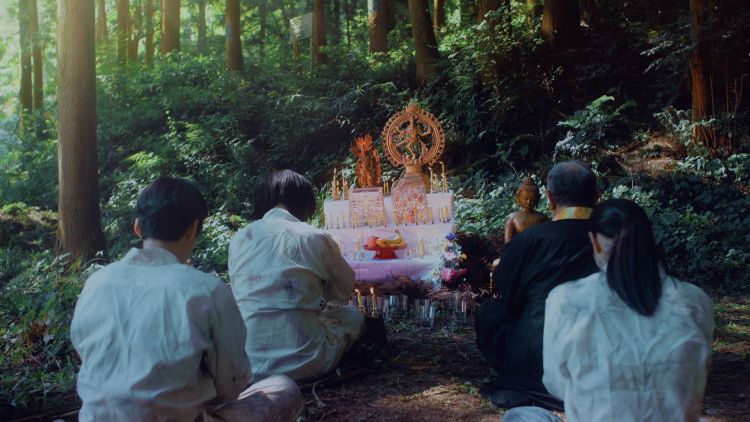
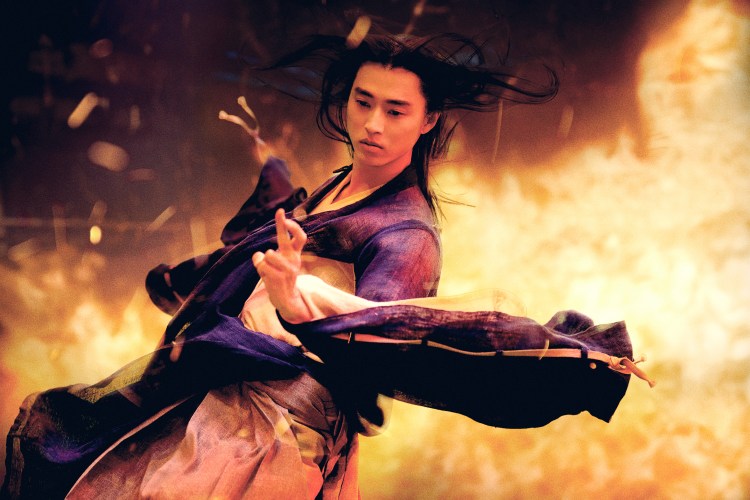
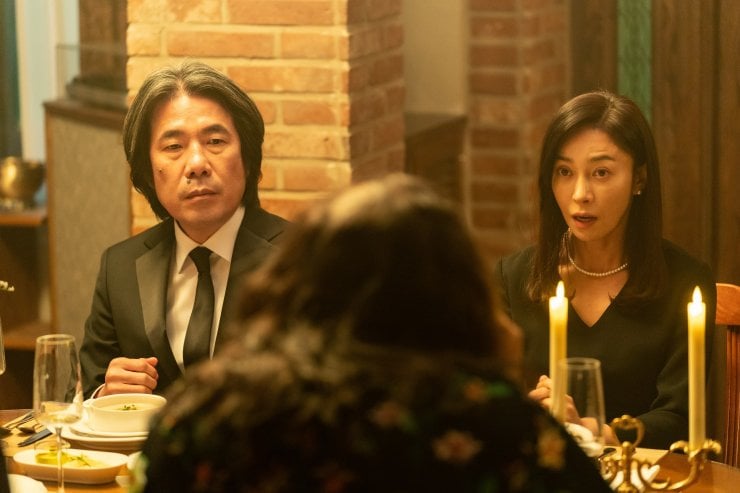
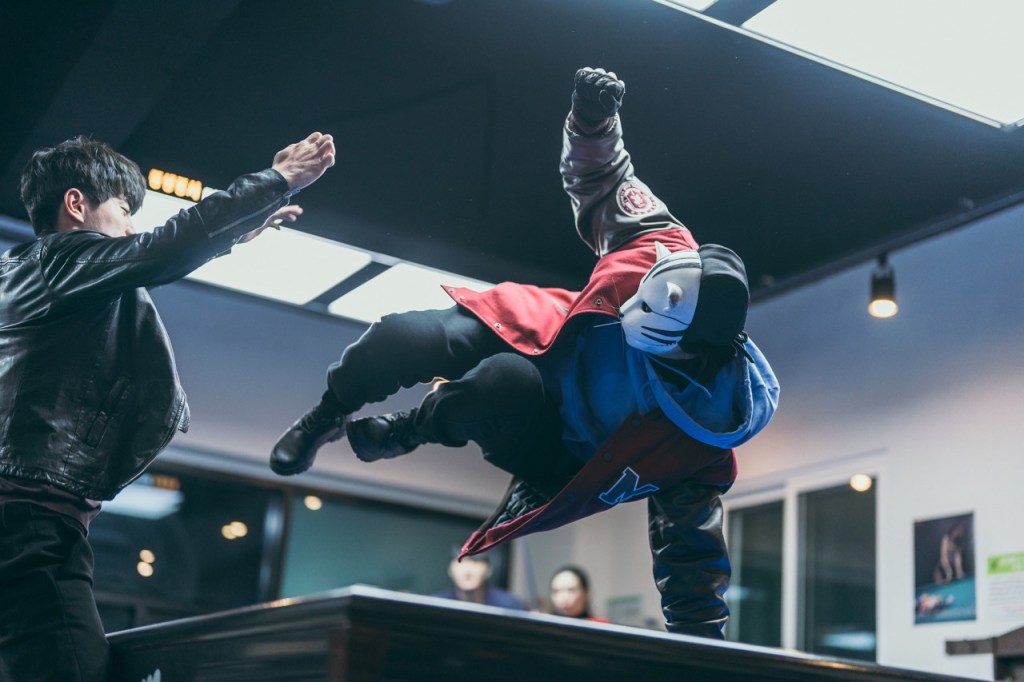
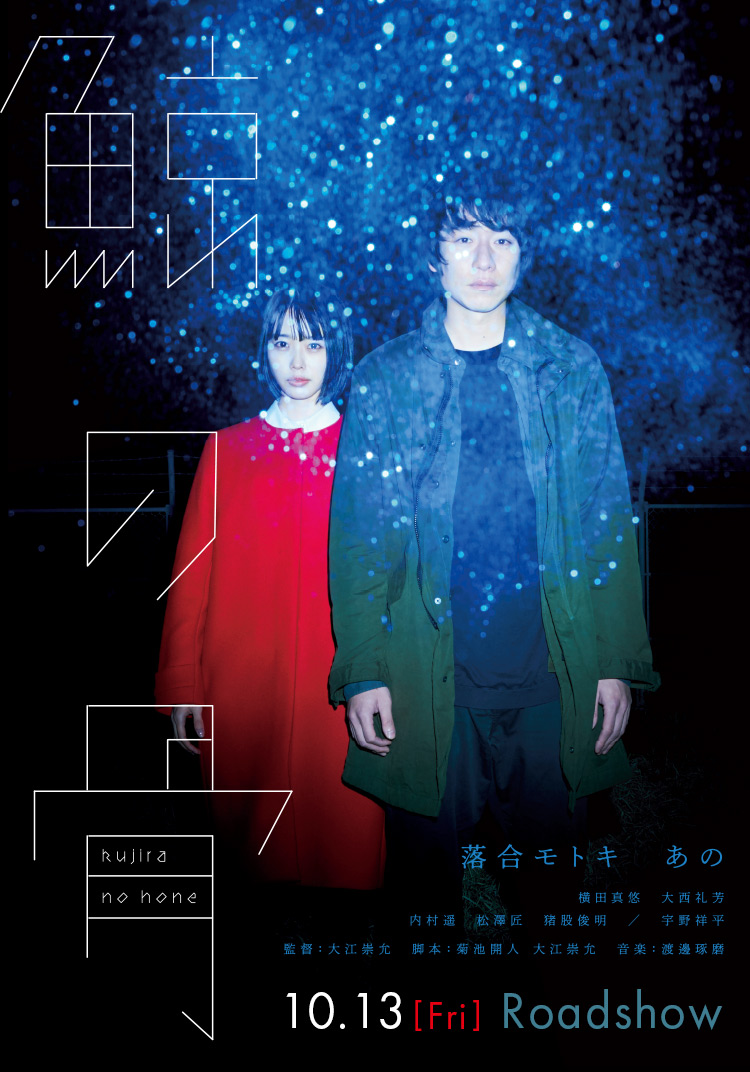
Whale Bones (鯨の骨, Takamasa Oe, 2023)

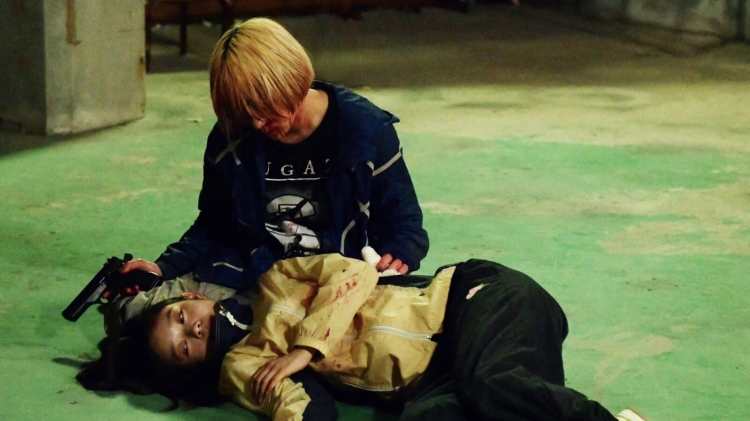
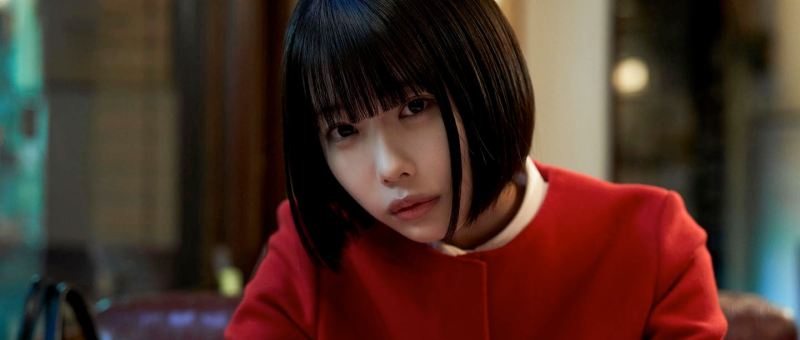
The augmented reality scavenger app at the centre of Takamasa Oe’s Whale Bones (鯨の骨, Kujira no hone) is littered with a series of digital ghosts endlessly re-enacting the past. Its selling point is that the content can only be accessed in a specific location, what its users call “holes” into which they “bury” their unpleasant thoughts, the irony being that they don’t so much rid themselves of them as ensure their survival on some other plane.

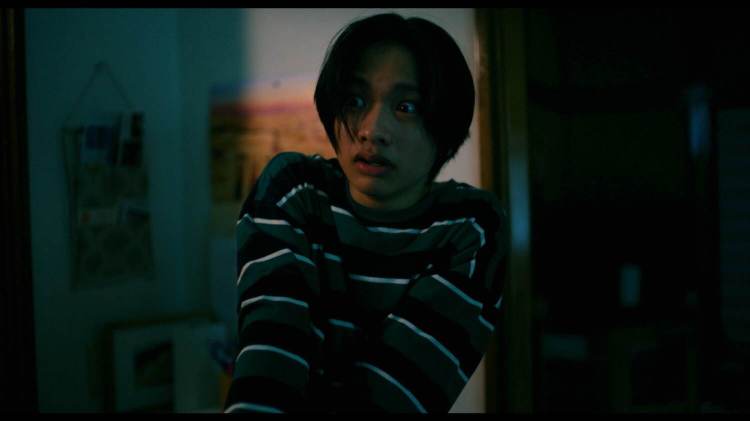
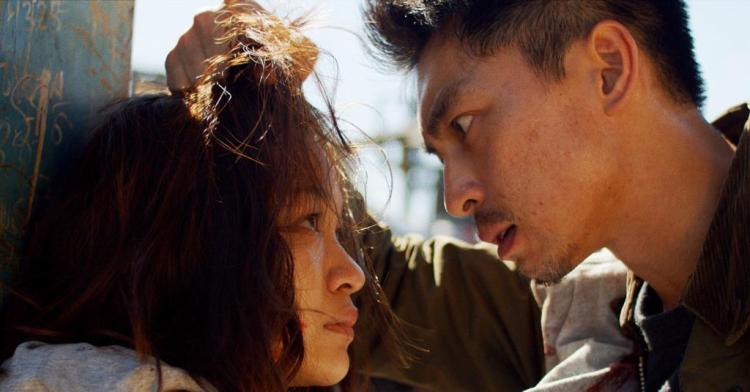
The hero, Ken, intended to bury something in a more literal sense after hooking up with a high school girl on dating app who apparently takes her own life in his apartment. Ken drives into the mountains and digs a hole, but the girl, Aska, disappears from the boot of his car leaving him wondering what exactly happened while experiencing a kind of breakdown that leads him to the Mimi app and Aska’s buried videos. In a way, he’s chasing a ghost. Trying to find out who Aska was and what might have happened her while trying to absolve himself of guilt and responsibility over her apparent death and his reaction to it. 

In a video he finds she talks about her late father and remarks that believing he’s out there somewhere gives her hope, much as her spectral existence in the Mimi app becomes a kind of beacon for the other users and bears out the way she both exists and doesn’t as a ghostly avatar of a constructed online identity. Rin, one of her followers, explains that Mimi started as a venting app where people threw away all of their unkind thoughts but quickly gave rise to a small, cult-like community of mutually supportive digital archaeologists intent on digging up all Aska’s holes as if attempting to excavate her identity. 

Of course, Ken has a different reason for wanting to dig up Aska and his quest is also an act of self-preservation. Before hooking up with Aska, he’d been jilted by his fiancée and was perhaps wounded and resentful, though his decision to take a high schooler back to his apartment in the first place doesn’t cast him in a very good light nor does his subsequently shady behaviour though it’s true enough that he begins to wonder if Aska was ever really “real” in the first place or some kind of digital ghost. People around him seem to just disappear, there one minute and then not, but then in a later moment of irony he realises the person he’s chasing is merely hiding rather than having blinked out of existence.

Ken’s work friend also fears that he will “disappear” from the office, becoming yet another soulless drone even as his obsession with Aska grows and his metal heath declines. It may be that he too is a ghost, trapped in the past and unable to move forward while feeling sorry for himself about his broken engagement. An attempt to explain his situation only raises the suggestion that perhaps he himself is an author of this mystery rather than its victim, which as his ex Yukari points out is his preferred way of seeing himself. In any case, what he’s confronted with is the dualities of the “real” and “digital” worlds in the way we become different people, burying parts of ourselves in hastily dug holes in an attempt to paper over the cracks in our lives.

These tiny fragments are themselves like the whalebones of the title, feasted over by tiny creatures who scuttle away as the soon the glittering stops and a new day begins. Oe lends his constructed reality a note of noirish eeriness in Ken’s ghostly quest for the “real” aska while hinting at the contradictory nature of social media which can at times be cruel and hateful, a place to spill bile forgetting that there are real people on either side, and also spark genuine connections among lost and lonely people looking for comfort and community otherwise unavailable to them. As Aska had said, thinking that her father was out there somewhere gave her hope, echoing the way that our digital ghosts may survive us but also provide a comforting sense of permanence in a transient and lonely world.


Whale Bones screens in New York July 14 as part of this year’s JAPAN CUTS.

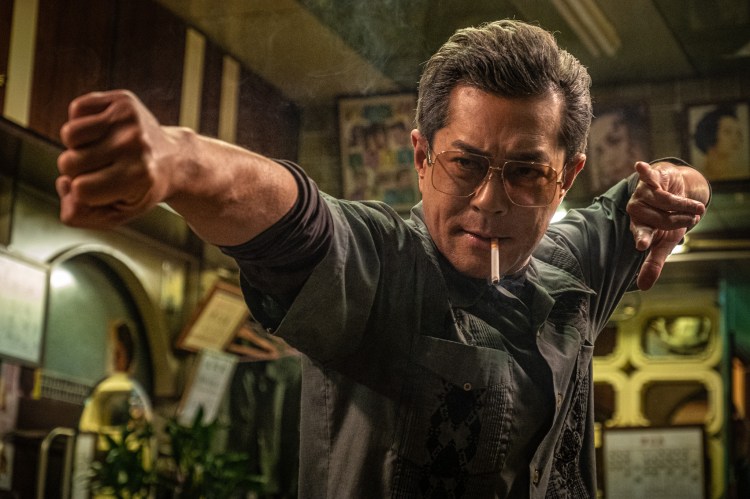
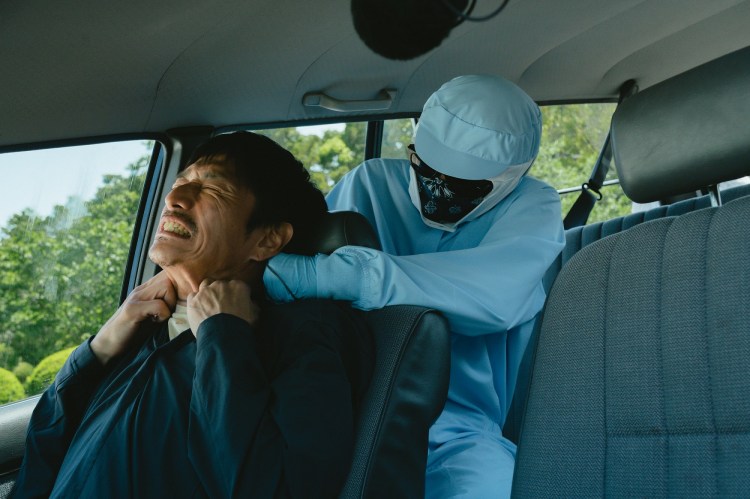
The Box Man (箱男, Gakuryu Ishii, 2024)

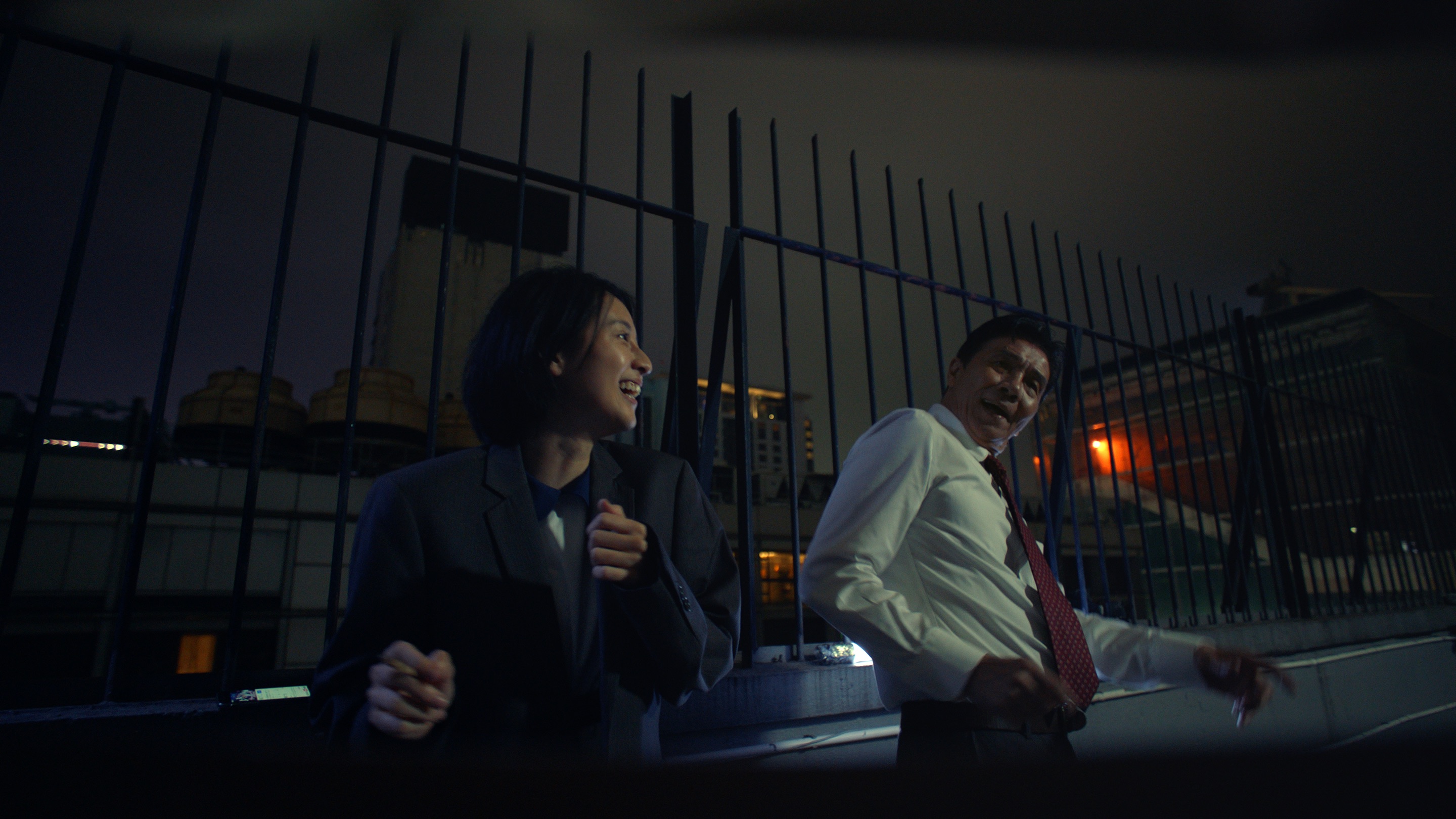
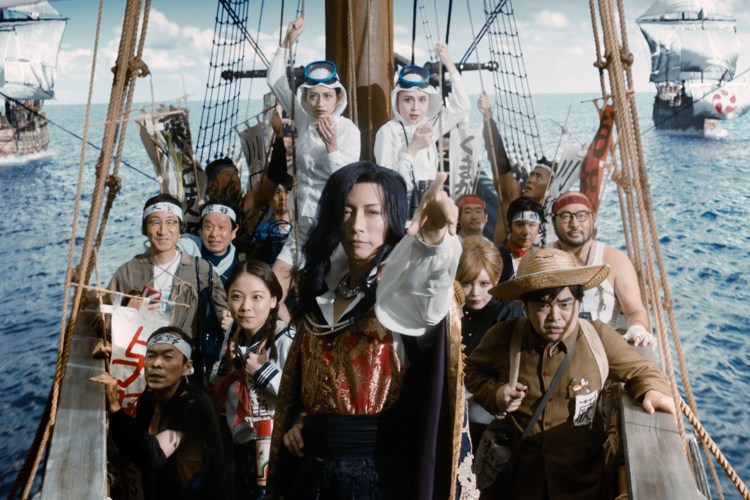
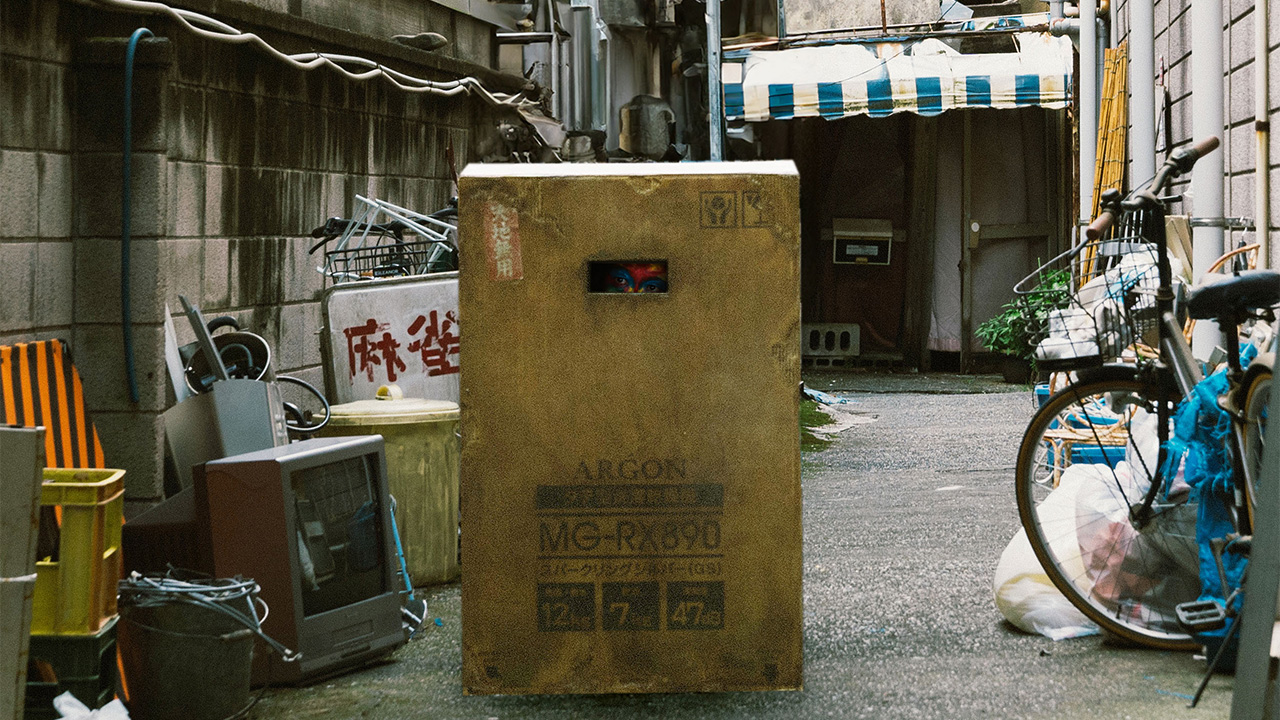
Those who obsess over the Box Man, become the Box Man, in Gakuryu Ishii’s adaptation of the Kobo Abe novel. Yet the unnamed hero’s problem is that he feels himself unable to become “the real thing” and is thereafter trapped inside a labyrinth while forever seeking an exit. It’s never clear to him, or to us, if the cardboard box he wears is really just that or something imbued with a supernatural power that actively masks his identity even from himself.

Tellingly, the only named character is a woman, Yoko (Ayana Shiramoto), who seems to exist outside of the box. She appears to be free, confident, aware of all she is and apparently certain of her identity. The Box Man, or perhaps “a” Box Man, meanwhile, is known only as “myself,” a former photographer (Masatoshi Nagase) who almost pities those who target him in memory of the Box Man who once infected and cursed him to the same fate. Watching the city through the tiny letterbox slit, he remains a step away from our world and later refers to the box as the entrance to some other place suggesting that it’s really we who are trapped on the other side of the cardboard.

He advances something similar when he in effect turns the box inside out, walling himself inside a single room by covering the windows and doors to box out the world but not really finding escape. Still, others seem to covet the title of Box Man, those also without concrete identities but going by names such as Fake Doctor (Tadanobu Asano) and the General (Koichi Sato), both of whom are apparently interested in the Box Man and tracking his every move. It seems they believe there can only be one real, authentic Box Man allowed, but become increasingly uncertain which of them is “real”. The notes the Box Man is keeping become key to his identity, but like a metaphor for the unseen hand of fate, one points out that perhaps someone else has written them out for them, Myself lamenting that the author has written a better version of himself than he ever could. 

There is something undeniably absurd about the way the Box Men scuttle around, occasionally sticking their ams out of the box’ flaps while arguing over the true identify of the Box Man despite having described the mystery as boring. The Fake Doctor seems to want to destroy the box, as if he wanted to obliterate it perhaps in an attempt to destroy the image of a mask to avoid the suggestion that he has one himself, while it remains unclear if this would free the other Box Man or trap him further while Fake Doctor would take his place. When Myself killed the Box Man before him, a mask may have been what he wanted. A photographer sick of seeing the world and longing to be free of it, to shed himself of an identity he no longer wanted only to search for it once again even as others try to crush it from without. 

The Box Man comes to the conclusion that it’s the world that should be boxed away, but of course it’s all the same. When he remarks that Yoko, after leaving their sanctuary, did not really escape but has simply gone to a deeper level, it’s reflective if his own desire to find meaning in a meaningless world. He claims that he dreams of a world yet to begin but is finally confronted perhaps by anonymity in witnessing a row full of Box Men apparently all also devoid of personality which might in an ironic sense tell him who is if only in reflection. 

Strange and surreal, Ishii lends an edge of absurdity to the strange existence of the Box Man while perhaps aligning the letterbox frame of his open window to that of the cinema screen and the artificial reality that surrounds us. In any case, it seems the other world the Box Man longed to enter was that of the self, his interior life expanding inside the box as a small galaxy he has somehow become lost inside, no longer able to see beyond himself but trapped inside an “exitless black hole” looking for a path to authenticity away from this “fantasy” in which everything is “fake” save the potential salvation of a distant guiding light.


The Box Man screens in New York July 13 as part of this year’s JAPAN CUTS.

Original trailer (English subtitles)
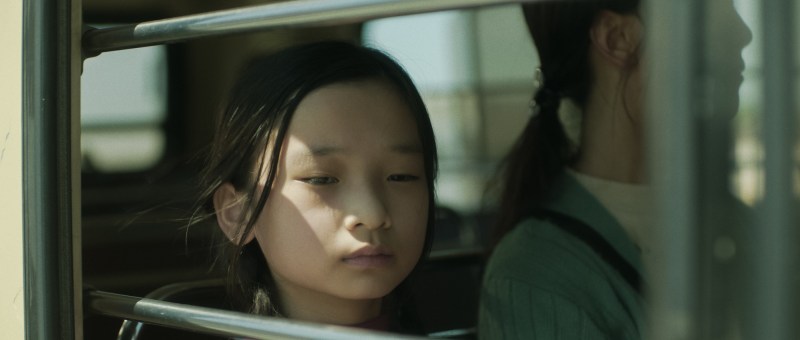
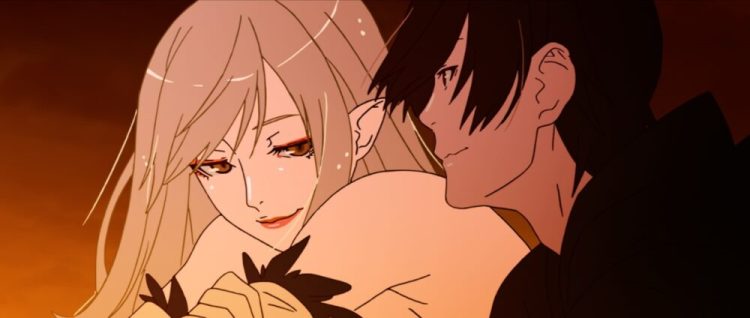
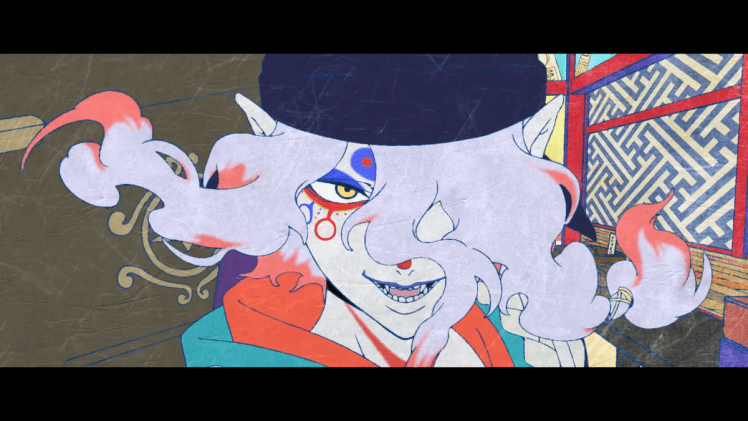
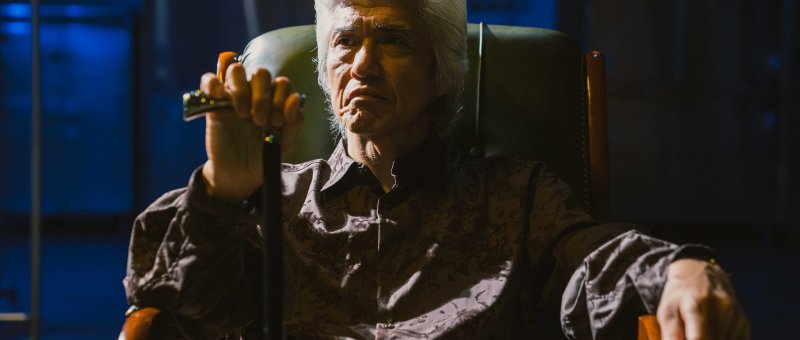
Six Singing Women (唄う六人の女, Yoshimasa Ishibashi, 2023)

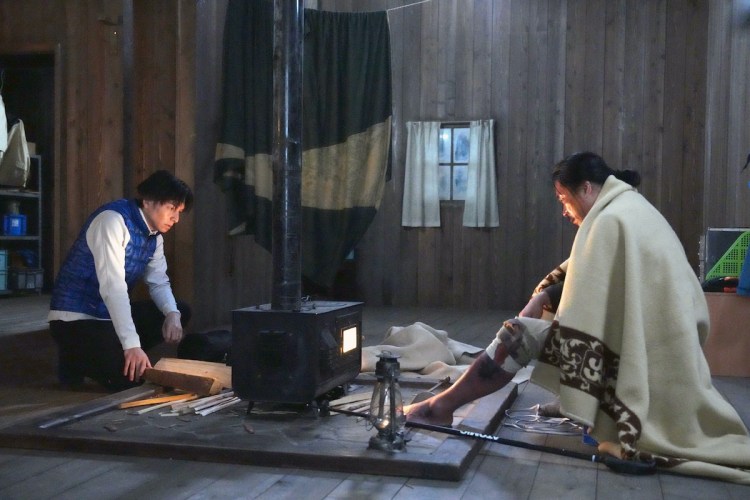
“Don’t take any detours,” the hero of Yoshimasa Ishibashi’s Six Singing Women (唄う六人の女, Utau Rokunin no Onna) is warned by his partner though it’s advice he’ll end up not taking if not entirely of his own volition. Even so, it may be that it’s the society that has gone off track, poisoning the environment and losing respect for the land that has always nurtured and protected us. Part eco-drama, Ishibashi’s surreal odyssey into an etherial realm of nature and spirits has its share of eeriness but also a kind of comfort in the embrace of the natural world.

Only that’s not how it first seems to Shin (Yutaka Takenouchi). After receiving a phone call to inform him his estranged father has passed away, he leaves his partner Kasumi (Rena Takeda) at home in Tokyo and travels into the mountains with the intention of selling his father’s house. But when he arrives, he finds himself in a place stranger than your average remote country hamlet and after signing a contract with the slimy Uwajima (Takayuki Yamada) is kidnapped by a band of mysterious, apparently mute women. While he is looked after in the house. Uwajima is tied up in the shed and tortured.

As we later discover Shin and Uwajima are embodiments of light and dark, a protector of nature and its destroyer. When Shin had asked him what Uwajima’s company, which has also bought up all the neighbours’ land, plans to do with his father’s house he tells him they just want to protect nature but his answer is of course ironic. He represents a corporate entity that cares nothing at all for the mountain but is simply looking to make some money by dumping potentially harmful stuff where no one will find it. Realising that his father had been on some kind of quest to stop the corporate take over, Shin begins to investigate his death and the wider fate of the mountain taking him ever deeper into the woods. 

What he finds there is a another realm, a place of spirits that seems somehow sacred if dangerous. Unable to speak, the women appear to have a message a for him but it’s only after reconnecting with his father and accepting his legacy that Shin finally begins to understand. His mother had told him that his father had been “possessed by the mountains,” and there may be something in Shin’s mania as if the spirits had indeed taken him over aside from merely captivating him. Yet despite his newfound desire to protect these women as embodiments of a natural order, he is powerless to do so alone and especially against the destructive corporatism of Uwajima.

Ishibashi strays into folk horror territory in that the strange place Shin finds himself in has the trappings of a cult. He witnesses strange rituals and is prevented from leaving a place he cannot understand by the women who cannot speak to him nor explain themselves. Bees, spiders, frogs and snakes surround him with an air of malice but are perhaps trying to protect, both him and themselves or else realising Shin is no threat to them but a prodigal son returning to accept and claim the legacy he sought to reject from a misunderstood father like him possessed by the mountains. Finally he finds the answer to the question his father asked him, in the woods exactly where he said it would be. 

His solution runs contrary to that of the estate agent who encouraged him to sell his father’s home, that the world is what it is as if it could not be changed and resisting destructive capitalism is merely foolish when it would be better to take the money and run. Ishibashi rams him message home with his haunting capture of the woods as a dreamlike idyll though not without its sense of darkness while lending an air of surreality to Shin’s ethereal quest with all its owl women and inscrutable ritual that somehow hint at a natural order of things that is deeper and older than our society and with which we tussle at our peril for nature is never quite as passive as we thought for all the compassion it may otherwise hold for its prodigal sons and daughters yet to return to the fold.


Six Singing Women screens in New York July 12 as part of of this year’s JAPAN CUTS.

Trailer (English subtitles)


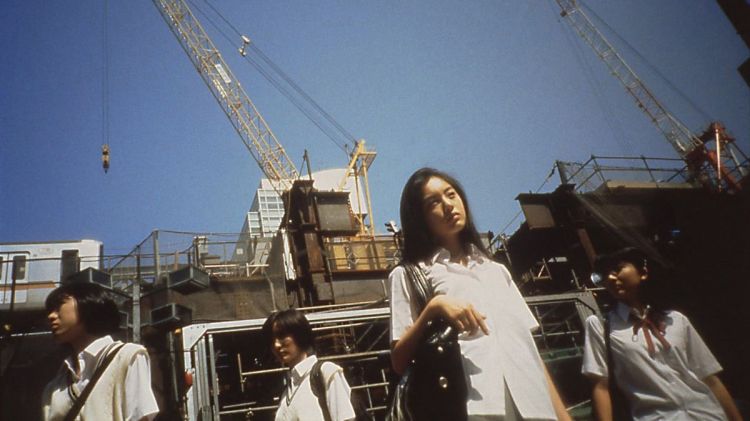
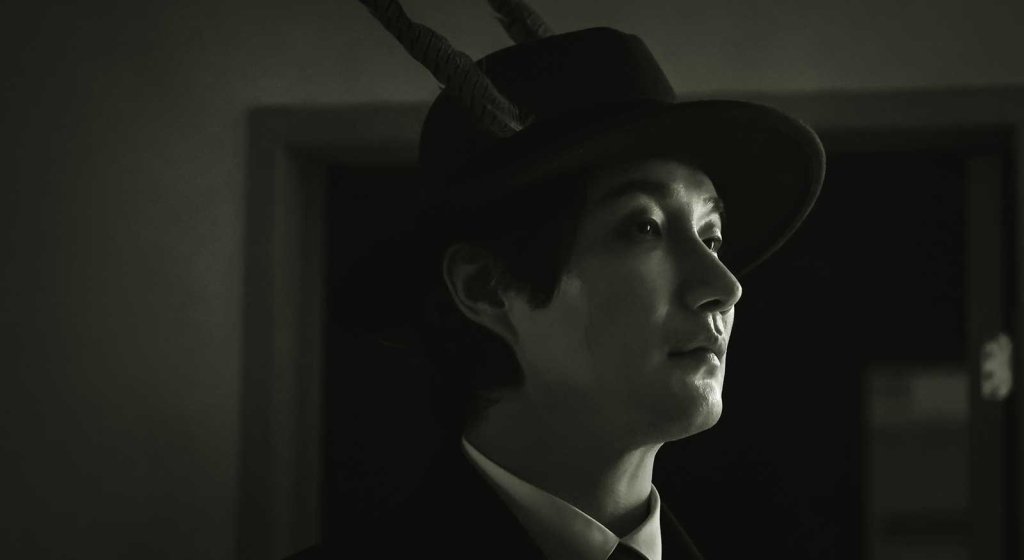
Between the White Key and the Black Key (白鍵と黒鍵の間に, Masanori Tominaga, 2023)

The hero of Masanori Tominaga’s Between the White Key and the Black Key (白鍵と黒鍵の間に, Hakken to Kokken no Aida ni) looks up and declares that it’s not Jazz if you can’t the stars, quoting Charlie Parker but mired in artistic compromise amid the heady air of Bubble-era Ginza. Adapted from the 2008 memoir of jazz pianist Hiroshi Minami, the film’s surrealist conceit sees two eras overlap confronting a jaded bandman with his naive, earnest younger self while looking for a path back towards “real” jazz.

The intentionally confusing opening sequences introduces us to Hiroshi (Sosuke Ikematsu), dressed in white, a young man with romantic jazz dreams slumming it in a moribund cabaret bar, and Minami dressed in a smooth black and wearing sunshades now the top pianist at the area’s most prestigious bar. Chaos ensues when Hiroshi, intimidated by a recently released yakuza, innocently plays his request of the Godfather Waltz without realising that the song is prohibited, only the local yakuza chairman is allowed to request it. Minami is, meanwhile, the only musician apparently allowed to play the boss’ favourite tune, but it’s a double-edged sword. He’s come to hate his life of soulless playing and feels trapped as the chairman’s favourite while secretly plotting his escape to study real jazz in America.

Irritated by the attitude of American guest singer Lisa, Minami explains that the musicians are really just decoration. At the height of the Bubble-era the bars are full of people with too much money looking to show it off. No one really cares about jazz or even about music so no one pays them any attention. Minami has long since got used to this, but is also crushed by his sense of artistic inauthenticity and declares himself sick of making music that doesn’t come from his soul.

Perhaps the rest is mere fever dream, but in the cyclical turn of events Hiroshi’s godfather faux pas comes back to haunt him, stalked by the recently released yakuza who follows him like a ghost while simultaneously dealing with the chairman’s apparent crisis which may send him abroad and change the local hierarchy forever. In the increasing surreality, the two periods overlap and influence each other as Minami is confronted by artistic compromise and forced to quite literally confront himself in a dirty alleyway while his opposite number claims that they already are in America and have been for some time.

To that extent it’s Minami who is caught between the black and white keys, looking for the sweet spot between the ability to play real jazz and the economic and social realities of his life as a Ginza bandman suffering with what he calls “bar musician disease”. His former mentor had told him that he needed to learn to play more “nonchalantly” which is advice somewhat difficult to understand but perhaps implies that Hiroshi Minami needs to learn to let himself go, to struggle less with anxiety and just play as if it were as easy as breathing. To that extent, what Minami has discovered is the wrong kind of nonchalance. Told that his job is only really to sit there and add to the false sense jazzland sophistication, he’s lost himself between the gangsters and the high rollers and is at a crossroads of an artistic crisis that maybe about to fracture his mind.

Tominaga does his best to capture an anarchic sense of a world bent out of shape and filled with surrealistic absurdity as Minami seems to see events replay with different outcomes and encounters various bizarre incidents around the back alleys of Ginza clubland themselves an incongruous mix of high class sophistication and sleaziness in which gangsters still rule the roost. Consequently the other players in Minami’s psycho drama remain largely cyphers, themselves part of the furniture in this weird mental landscape in which violence appears cartoonishly and in silence, never really connecting and irony rules in the petty gangsters who see the the Godfather Waltz as their song. In any case, Minami seems to recover himself, partly thanks to a vision of his oblivious mother retuning to him something that was lost, in the simple act of sitting down to play as if it were the beginning once again, or perhaps it really is, more acquainted with the music of his soul.


Between the White Key and the Black Key screens in New York July 10 as the opening night of this year’s JAPAN CUTS.

Original trailer (no subtitles)

JAPAN CUTS Announces 2024 Lineup

 JAPAN CUTS returns for 2024 once again presenting a selection of the best of recent Japanese cinema at Japan Society New York from July 10 to 21. This year’s Cut Above award goes to the actor Mirai Moriyama while his Great Absence co-star Tatsuya Fuji will receive a lifetime achievement award.

Opening Film: Between the White Key and the Black Key

Opening Night Film with Director Masanori Tominaga Q&A and Reception

Surreal adaptation of the memoirs of jazz musician Hiroshi Minami starring Sosuke Ikematsu and taking place over a single night of overlapping eras in ’80s Ginza.

Centerpiece Film: Shadow of Fire

Followed by Mirai Moriyama CUT ABOVE Award presentation, Q&A with Shinya Tsukamoto and Mirai Moriyama, and Reception

The ruins of a firebombed city become a purgatorial space haunted by the tortured souls who cannot escape the traumatic wartime past in Shinya Tsukamoto’s eerie voyage through post-war Japan. Review.

Lifetime Achievement Award: Great Absence

Followed by Lifetime Achievement Award Presentation for Tatsuya Fuji, Q&A with Kei Chika-ura and Tatsuya Fuji, and Reception

A forced reconnection with his estranged father forces a young man to contemplate the great absences of life in Kei Chikaura’s poetic drama. Review.

All the Long Nights

Mismatched colleagues struggling amid contemporary corporate culture find unexpected solidarity in Sho Miyake’s gentle human drama. Review.

Blue Period

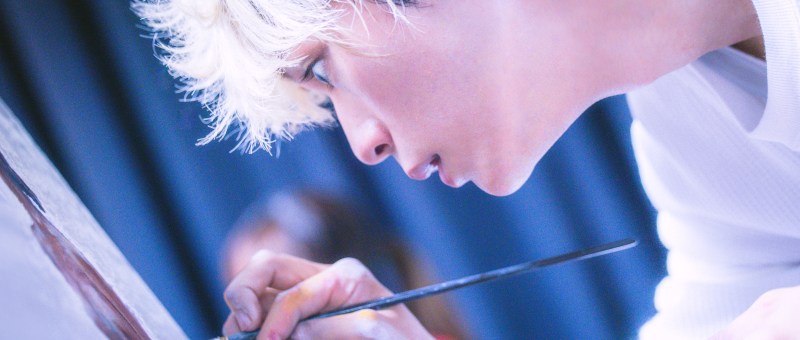
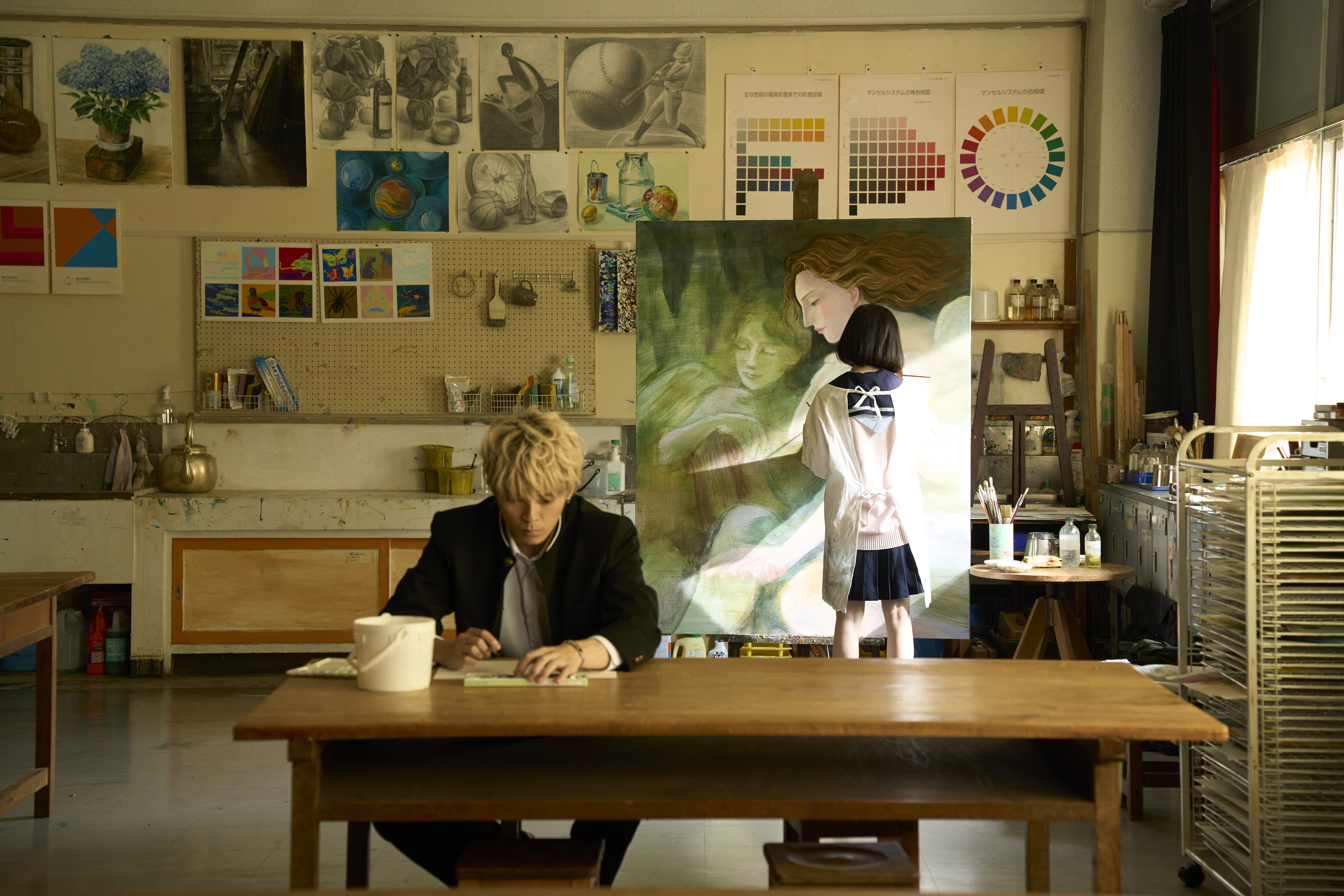
Adaptation of the manga by Tsubasa Yamaguchi in which a lost young man discovers the power of art and embarks on a quest to enter one of Japan’s most prestigious art schools.

The Box Man

Surreal adaptation of the Kobo Abe novel starring Masatoshi Nagase as a photographer living his life inside a box and Tadanobu Asano as a scientist who becomes obsessed with him.

Cha-Cha

Quirky comedy that turns unexpectedly dark as a free-spirited young woman develops a crush on a taciturn chef while simultaneously the subject of office gossip due to her ambiguous relationship with the boss.

Following the Sound

Following the sound on her cassette recorder, a young woman interacts with two troubled souls in a gentle drama from Kyoshi Sugita.

ICE CREAM FEVER

Featuring Director Tetsuya Chihara In-Person.

Adaptation of a short story by Mieko Kawakami following four young women who come together at a local ice cream shop.

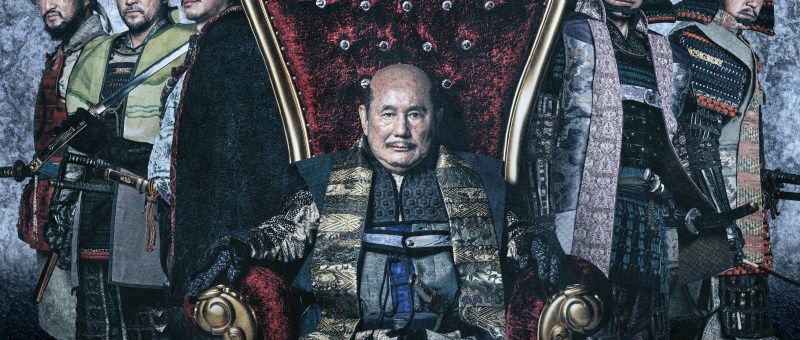
KUBI

Takeshi Kitano directs and stars as Toyotomi Hideyoshi in an ironic retelling of the Honnoji Incident in which Oda Nobunaga (Ryo Kase) is betrayed by his retainers.

Kyrie

Musical drama from Shunji Iwai told over 10 years and starring AiNA THE END as a street musician who can only communicate through song.

Look Back

Adaptation of an award-winning manga in which a manga artist looks back and recalls a childhood friendship asking themselves if they would still make the same choices despite knowing the outcome.

SHIN GODZILLA: ORTHOchromatic

Black and white version of Hideaki Anno and Shinji Higuchi’s landmark take on the classic kaiju franchise.

Six Singing Women

Long-awaited feature from Milocrorze: A Love Story’s Yoshimasa Ishibashi in which a Tokyo-based photographer is called back to his mountain home on the death of his estranged father.

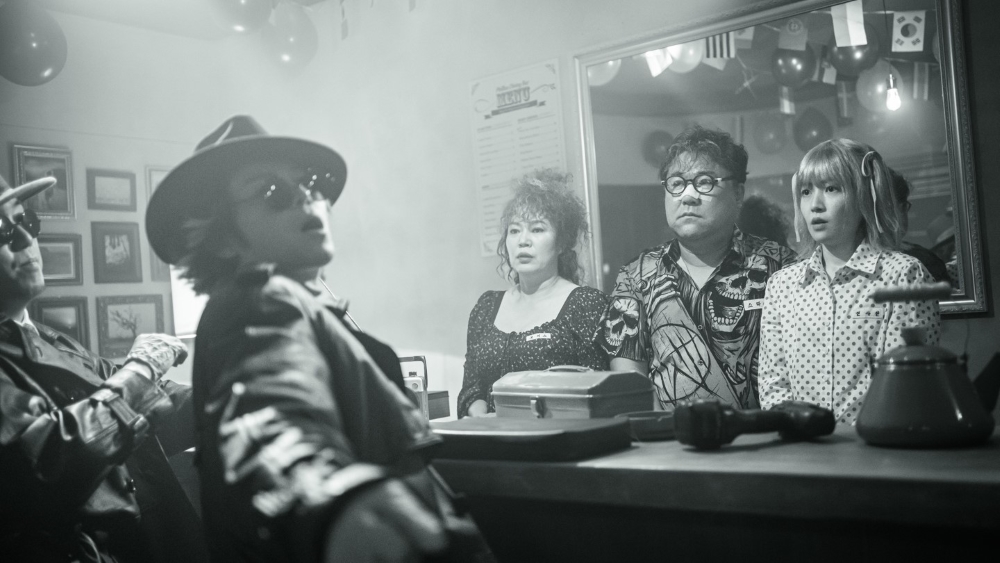
Whale Bones

An office worker joins a dating app after his fiancée abruptly breaks up with him but the date doesn’t exactly to plan leaving to follow cryptic clues from an augmented reality influencer.

Blue Imagine

A young woman finds the strength to fight back against her mistreatment thanks to a sense of female solidarity in Urara Matsubayashi’s timely drama. Review.

Motion Picture: Choke


Dialogue-free indie drama set in a post-apocalyptic society in which one woman’s days of self-sufficiency are disrupted by the arrival of a young vagabond.

Performing KAORU’s Funeral

Darkly comic drama in which a failed actor is summoned to play the part of the chief mourner at his former wife’s funeral. Review.

Rei

Unhappy in the city, a young woman embarks on a love affair with a photographer from Hokkaido .

RETAKE

Looping summer holiday drama as a teenager working on a film with his crush gets the opportunity to “retake” some of his mistakes.

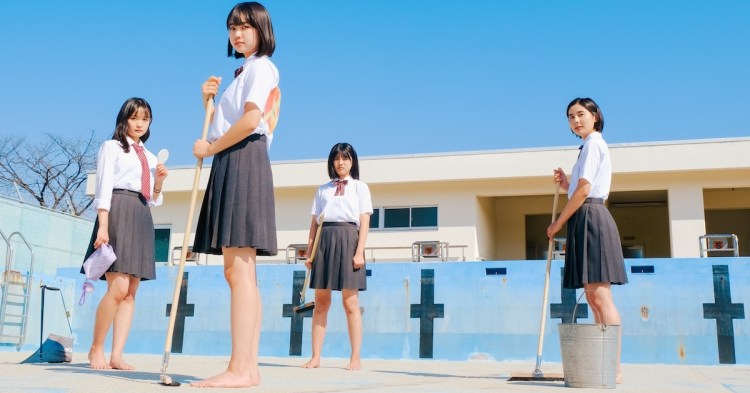
Sayonara, Girls.

A collection of teens contemplate the ghosts of youth in facing graduation from a school soon to be demolished in Shun Nakagawa’s poignant drama. Review.

August in the Water

Imported 35mm Print – Featuring Director Gakuryu Ishii In-Person. 

Sogo Ishii’s ’90s masterpiece in which a female transfer student enters a higher plane of consciousness after undergoing a diving accident.

Mermaid Legend

Elegiac horror from Toshiharu Ikeda in which an ama diver plots revenge when her husband is killed after witnessing a murder.

Moving

A young girl struggles to come to terms with her parents’ impending divorce in Shinji Somai’s ethereal coming-of-age drama.

Kadono Eiko’s Colorful Life: Finding the Magic Within

Documentary focussing on the renowned author best known for Kiki’s Delivery Service.

The Making of a Japanese

Featuring Director Ema Ryan Yamazaki In-Person

Documentary focussing on Japan’s elementary school system and shot over the course of a single year.

Shunga: The Lost Japanese Erotica

Documentary focussing on the erotic artwork of the Edo era.

JAPAN CUTS 2024 runs at Japan Society New York July 10 to 21. Tickets are on sale now. Full details for all the films are available via the official website and you can also keep up with all the latest details by following the festival’s official LetterboxdInstagramFacebook page and X (formerly) account.

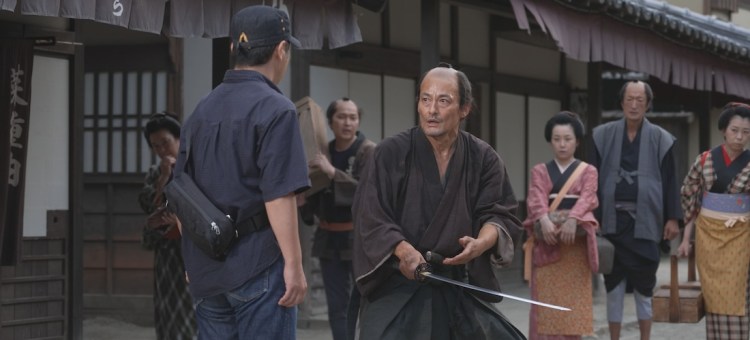
Summer Vacation 1999 (1999年の夏休み, Shusuke Kaneko, 1988)

The curious thing, or perhaps a curious thing among many, about Shusuke Kaneko’s loose adaptation of Moto Hagio’s The Heart of Thomas Summer Vacation 1999 (1999年の夏休み, 1999 Toshi no Natsuyasumi) is that it takes place in a theoretical future that is also quite clearly an imaginary past. In a second introductory sequence, the voice of an adult man tells us that his is his memory, a fragment of the past kept alive by the clarity with which he remembers it. We don’t know who this voice belongs to, though the images encourage to think it must be the man the boy on screen, like the others played by a girl, will one day become but in another sense this boy doesn’t really exist either or at least is the bearer of several different identities.

The fact he travels to this remote mansion in the countryside on an otherwise empty train signal’s the place’s unreality and detachment from the regular world. We’re told it’s 1999, a year that was still to come on the film’s release in 1988, and inevitably hints at a millennial dread along with the new dawn the writer describes himself having in experienced in what is otherwise a summer holiday movie. However, in the opening sequence we witnessed a boy who looked very like this one slip what is later assumed to be a suicide note under another boy’s door before walking through the gothic space of the country mansion and out to a rugged cliff where he takes his own life by jumping into a nearby lake. The name of the boy who died, apparently brokenhearted and filled with despair after his romantic overtures to another boy were rebuffed, was named Yu (Eri Miyajima). This one claims his name is Kaoru (also Eri Miyajima) and is different in temperament in character to the boy who may have died, his body has not been found, though to the others staying at the school over the summer holiday he seems somehow like a vengeful ghost arriving to take them to task for Yu’s death. 

Kaneko specifically frames the school as haunted through the gothic photography of its billowing curtains and 19th century European aesthetics but also through its emptiness. The sound of children laughing, the boys who have left and returned somewhere else, echo through empty corridors further framing it as a place of memory and it seems true enough that the other boys who remain are trapped here in the same way they are trapped within themselves in their inability to express their emotions. The youngest of the boys, the sensitive Norio, (Eri Fukatsu) intensely resents Kazuhiko (Tomoko Otakara) who is as he describes beloved by all but himself cannot bear to be loved and may have contributed to Yu’s suicide through the abruptness of his romantic rejection. 

Later Kazuhiko recalls a memory of himself watching the sunset as a child in which he felt so terribly alone, as if he were the only person left on earth and there was no one with whom he could share this beauty. This sense of loneliness and isolation is further symbolised by the remote nature of the boarding school which seems to exist outside of time itself. Inspired by the setting of the novel, the boys dress in a fashion more associated with 19th century aristocracy than the late 1980s yet they are surrounded by machines and makeshift, retro futuristic technology in which they spend their days programming some kind of computer system. The leap into the lake is also into memory, but otherwise a kind of rebirth or rebaptism which allows Kazuhiko to make sense of himself and the other boys to come to an acceptance of Yu, Kaoru, and everything he embodies in relation to themselves. 

Even so, the elliptical nature of the film’s ending hints that this is a continually looping story replaying endlessly in the memory of a now much older man recalling the journey into adolescence in which he ruptured the shell of his ignorance much as the caterpillar becomes a butterfly even if that butterfly was something that Kaoru wanted to kill without harming its beauty. Perhaps in away that’s what the man has done in preserving this memory with its all of its gothic shades of billowing curtains and shadowy corridors amid the ethereality of the twilight of youth.


Summer Vacation 1999 screened as part of this year’s Queer East.

Mom, Is That You?! (こんにちは、母さん, Yoji Yamada, 2023)

“People of my generation can’t throw anything away,” an older woman admits on her hearing her daughter-in-law has just been featured in a TV series about decluttering. Inspired by Ai Nagai’s 2001 play, the latest from veteran director Yoji Yamada Mom, Is that You? (こんにちは、母さん, Konichiwa, Okasan) seems to hint at a series of circular generational divides while suggesting that the children of the Bubble-era in particular are too quick to get rid of things they don’t think they don’t need anymore.

That’s the irony of soon-to-be 50-year-old Akio’s (Yo Oizumi) salaryman job in HR. It’s his job to cut dead wood from the company and this current round of polite requests to employees of a certain level to take early retirement includes his uni friend Kibe (Kankuro Kudo) who doesn’t take kindly to what he sees as a personal betrayal. Unlike Akio who is beginning to tire of the salaryman dream, Kibe fiercely fights for his position and identity as an executive at a big company even when faced with banishment room treatment and disciplinary dismissal after an altercation with the boss.

But what Kibe doesn’t know is that Akio is already facing a series of crises. His marriage has collapsed and his university student daughter Mai (Mei Nagano) is having a crisis of her own. Fresh from her tidying success, her mother has told her that all she can do is get good grades followed by a boring salaryman job like her dad’s which doesn’t seem to be what she wants which is why she’s run off to stay with her grandmother Fukue (Sayuri Yoshinaga) who runs a traditional shop selling tabi socks near the Sumida River. Fukue has a kindly, laid-back attitude remiscent of the shitamachi spirit found in other Yamada films in contrast to the stressed out uptightness of Akio who hasn’t told her about his impending divorce nor work troubles but finds himself paying a visit home in an attempt to sort himself out only to find Fukue keeping herself busy with a local charity group and nascent relationship with a church pastor. 

Fukue’s charity work is emblematic of a waste not want not philosophy that has otherwise disappeared from the modern society as they pick up the things other people don’t want and donate them to the needy even if it sometimes seems a little simplistic or patronising. Biting into some reject crackers from the local rice cracker shop, Akio reflects that they’re something that’s made to console people and it’s work that has meaning unlike his soulless corporate job that gives him nothing other than stress and money. At the time the play was written, the fallacy of the salaryman dream was clear for all to see in the post-Bubble society but to a man like Akio getting a company job was a big deal and his success is still the talk of his mother’s friends even he starts to wonder if he still has time to start again and discover a more meaningful way of living.

Some of these ideas, and the timescales involved, make much more sense for the play’s millennial setting rather than the film’s apparent present day given the references to the firebombing of Tokyo which would require the older protagonists to be their late 80s to even remember. Akio dismisses his mother’s charity work and insists that the homeless are only those who opted out of the competitive society he too has come to doubt or else were excluded from it, while he’s resentful of her attachment to the pastor in contrast to Mai who is excited by the prospect of her grandmother’s love affair and enduring possibilities of age while Fukue is beginning to fear not death but dependency if her health should suddenly decline. 

It’s in the midst of her heartbreak that the film affords Fukue a new beginning if in coming full circle, Akio choosing to make a clean break with the unhappiness in his life and Mai embracing her youth while falling for the old world charms of her grandmother’s tabi sock shop almost exclusively catering to sumo wrestlers, who as someone points out never waste anything, and people trying ceremony for the first time at 60. Like most of Yamada’s work, the film has a gentle humanity and melancholy poignancy but also a sense of hope and continuity that run contrary to an overly corporatised society in which young and old are already losing faith.


Mom, Is That You?! screened as part of this year’s Toronto Japanese Film Festival.

Original trailer (No subitles)

Don’t Call it Mystery (ミステリと言う勿れ, Hiroaki Matsuyama, 2023)

Totono once again finds himself at the centre of of conspiracy in the big screen edition of the popular drama based on the manga by Yumi Tamura, Don’t Call it Mystery (ミステリと言う勿れ). Embroiled in what first looks like a family succession drama as he points out recalling The Inugami Family, he soon discovers there’s more in play than might be expected but also that the wounds of the past are slow to heal and often cause people to act in unexpected ways.

In any case, he ends up getting involved care of Garo (Eita Nagayama) who is still on the run following the end of the TV series so unable to help a teenage girl, Shioji (Nanoka Hara), who is one of four grandchildren in line to inherit her grandfather’s legacy if only she can fulfil the bizarre quest he left for them in his will. Her worry is that, as family law dictates one person inherits everything, there will inevitably be deaths and violence involved as the cousins battle each other for the prize of a giant estate near Hiroshima where Totono also just happened to be on a day trip.

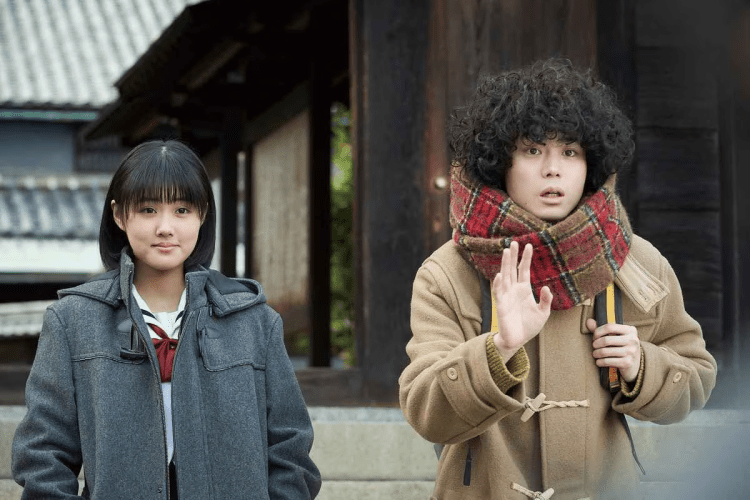
Once again, the running gag is that mystery just seems to find Totono who only wants to get on with living his peaceful life as a student eating curry and going to museums though there are some tantalising clues to his own backstory littered through the piece such as his unexpected familiarity with the city of Hiroshima. The case this time as also has a link to Totono’s famously curly hair which only adds to his Kindaichi-esque sense of eccentricity deepened by his reluctance to allow Shioji’s family to do his laundry or to a take a bath in another person’s home. But these foibles are, as he points out to those around him, reflective of a conflict in what is considered considerate behaviour. They think they’re being nice by offering to do his laundry, but he doesn’t want them to so it’s just additional inconvenience for him much in the same way as you if offer someone a lift to the station thinking that’s easier for them and they accept not to cause offence but are secretly disappointed because they were looking forward to the walk.

Totono’s defining characteristic as an accidental detective is indeed his emotional intelligence and ability to pick up on the slightest things that might be bothering those around him, often prone to lengthy monologues that advocate for a more compassionate world and better understanding between people. As the mystery becomes clear, he begins to realise that the parents of the grandchildren were trying to protect them from the toxic legacy of tradition and end the ridiculous family succession drama that apparently led to the deaths of some of their immediate relatives. He gives similar advice to Shoji’s cousin Yura (Ko Shibasaki) on hearing her father tell her that women are happiest as wives and mothers and she should drop what she’s doing to pay more attention to her husband and daughter. Totono takes him to task for his sexist thinking and tells him it’s unfair, advising Yura that she might not unwittingly want to pass these ideas on to her own daughter by suppressing herself to conform to her father’s outdated idea of conventional femininity.

As Totono says, children are like wet cement and the things dropped on them leave their mark for the rest of the child’s life. It seems that the family was in a sense haunted by a child they’d wronged and worried would someday come back to wreak their revenge as a phantasmagorical embodiment of their latent guilt and shame about how they usurped their fortune. What the grandchildren come to realise, is that their late parents did actually understand them and wanted them to be happy following their own paths rather than bound by tradition or outdated notions of properness regardless of whatever happens with the grandfather’s more literal legacy and the buried skeletons it contains. Filled with the same kind of gentle intrigue and mystery along with the compassionate spirit of the TV series and manga, the big screen edition features another difficult case for Totono that also begins to illuminate his own troubled past and the secrets behinds his empathetic soul.


Don’t Call it Mystery screened as part of this year’s Toronto Japanese Film Festival.

Original trailer (English subtitles)
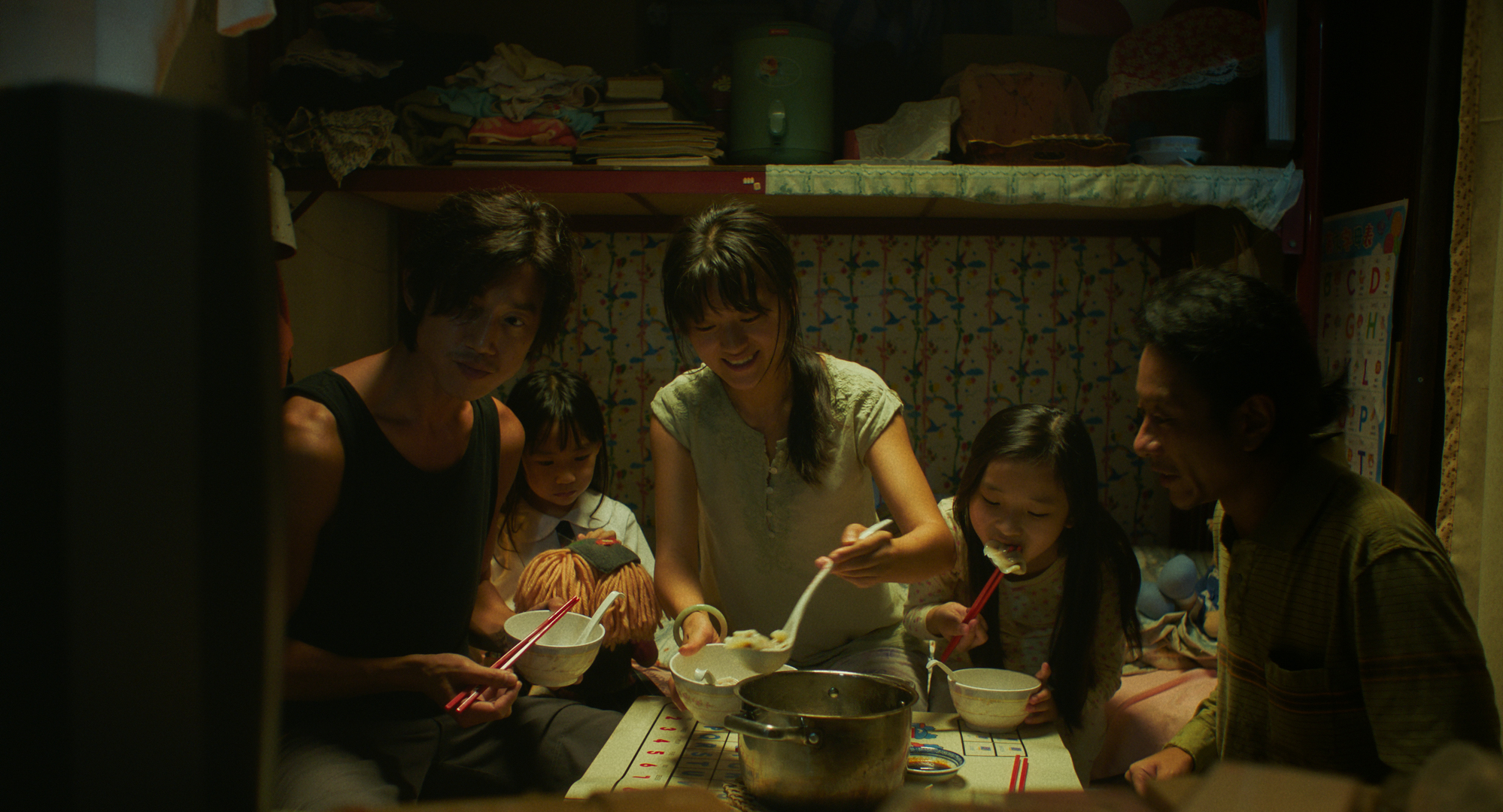
Missing (ミッシング, Keisuke Yoshida, 2024)

Why is it that we rush to judgement rather than empathy? When a little girl disappears during a short walk from a local park to her home, less than helpful members of the public are quick to turn on the parents while news media, eager for ratings and clicks, is only too happy to give the people what they want casting aside ethical concerns in their exploitation of the parents’ pain all while the little girl remains missing.

In this society, it’s quite normal culturally for children of Miu’s age, six, to walk short distances alone and be left unsupervised at home at for short periods of time. Nevertheless, the public is quick to blame the mother, Saori (Satomi Ishihara), because she had gone to a concert that night and didn’t notice frantic calls from her husband worried because Miu was not at home when he got back from work at 7pm. Soari too blames herself, as is perhaps natural, but it’s unreasonable to expect anyone to never go out for an evening again after having children. Her husband comes in for less scrutiny, which might be surprising, though her brother, Keigo (Yusaku Mori), soon finds himself the prime suspect having been the last to see Miu and allowed her to walk home alone though he would previously have walked her back.

The family find themselves under scrutiny with their every move judged by an unforgiving society. When they dare to buy fancy pastries, online trolls suggest they can’t be all that bothered about Miu after all and are living the high life with the extra money they no longer need to spend on her. Given all that, it might be surprising that they turn to the media for help but in their desperation to find Miu they will leave no stone unturned. Idealistic reporter Sunada (Tomoya Nakamura) seems to want to help them, but is constantly undermined by his bosses who pressure him to take the story into more sensational territory. Though he wanted to write a human interest piece supporting the parents and raising awareness about Miu’s disappearance, he ends up placing them in the firing line for even more trolling and particularly of Saori’s brother Keigo who is an introverted, awkward man not suited to appearing on television. 

Sunada says he wants to help, but it’s undeniable that the media is exploiting the parents’ desperation raising serious ethical concerns as to how they safeguard sources and subjects while shaping the narrative around sensitive issues. Sunada takes a producer to task for placing images of a cement mixer and the sea into the ident for the piece as if it were hinting at what might have happened to Miu but really what the station is most interested in is digging up dirt on the family rather than drawing out new information on the case. A fellow journalist is having great success with a salacious story about the mayor’s son committing fraud, but his piece is less crusading investigative journalism than gossip inviting judgement. Disliking his flippant attitude, Sunada reminds him their job’s not to make people laugh, but his colleague gets a fancy promotion to head office while Sunada is stuck doing random feel good stories about seals.

Their treatment at the hands of the media also exposes a divide within the couple with Saori often frustrated by her husband’s attitude, feeling as if he isn’t invested enough. Yutaka (Munetaka Aoki) suggests simply not reading the online comments and ignoring the trolls while Saori feels compelled to defend herself. He is also warier of pranks and scammers, unwilling to simply jump on every lead out of desperation when so many people seem intent on causing them further pain. Perhaps it makes people feel more in control of their lives to blame the parents, as if something like this couldn’t happen to them because they make what they feel to be better choices, rather than accept that life is random and unfair and little girls can disappear into thin air mere steps from their own door. Unable to find her own daughter, Saori begins defending other people’s children getting a job as a crossing guard to ensure they reach home safely while simultaneously frantic and afraid, handing out fliers to a largely disinterested populace ever hungry for novelty and excitement and embarrassed by her pain even as they continue to feed on it.


Missing screened as part of this year’s Toronto Japanese Film Festival.

Original trailer (English subtitles)
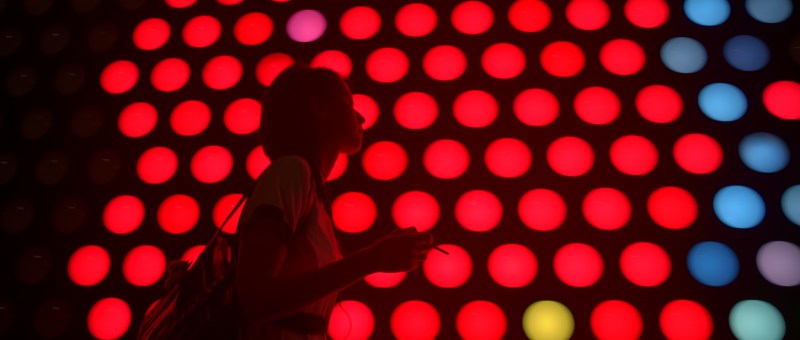
(Ab)normal Desire (正欲, Yoshiyuki Kishi, 2023)
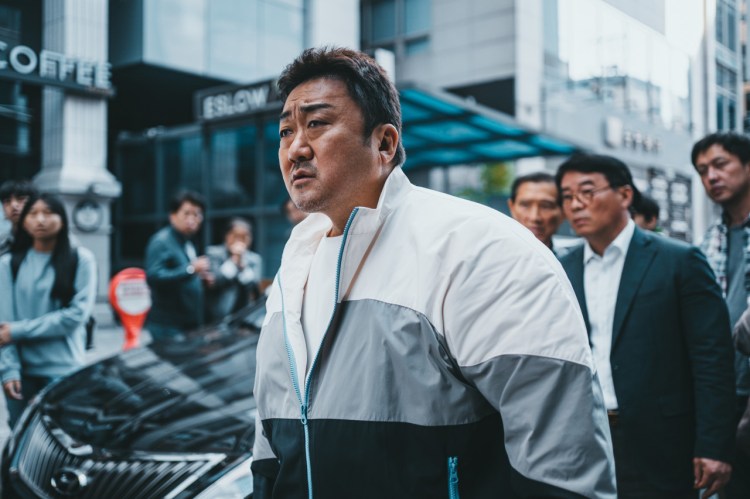
There’s a pun embedded in the Japanese title of Yoshiyuki Kishi’s heartfelt drama (Ab)normal Desire in that first character in the word for “sexual desire” (seiyoku, 性欲) has been replaced by one that can be read the same but has the meaning of “correct”, or “proper”. But “normal” is also relative construct that implies conformance with the majority even if that may not actually be the case. As one of the protagonists later remarks “everyone is pervy” though they themselves feel such a degree of shame and otherness that it’s largely prevented them from living any kind of life at all.

In that sense it may be hard to understand why a fetish for water would invite such severe self-loathing in that it causes no harm to others if admittedly resulting in ridicule if exposed. Then again, society can be a fierce watchdog. Department store shop assistant Natsuki (Yui Aragaki) is taken to task by her pregnant colleague who refuses to take her seriously when she says she’s not really interested in getting a boyfriend before giving her a lecture about her biological clock. Though Natsuki appears uninterested in her vacant prattling, the woman later becomes upset and harshly tells her that she was only trying to be “nice” because she felt “sorry” for her and that making people be nice to you in this way is actually a form of harassment which, whichever way you look at it, is some particularly twisted logic.

Her alienation seems to stem from the fact that she feels “abnormal” and that her fetish for water is a part of herself she must be careful to hide. Her parents watch a news report on Tokyo Rainbow Pride and marvel at the idea that there are now choices other than marriage and children but even among the young there remains confusion and shame amid an inability to reconcile the seemingly opposing concepts of “normality” and “diversity” as they struggle to define themselves. A plan to have a male dancer who usually dances in a masculine style dance in a more feminine way backfires when he points out that asking someone to dance in a way they don’t want to doesn’t really do much to advance “diversity”.

But diversity isn’t considered an ideal by all and parents of young children find themselves confused and conflicted when their kids begin to reject conventionality at an early age by asking to withdraw themselves from school and instead focus on other kinds of education that align with their interests. Challenged by his wife about why he never listens to their son’s concerns, prosecutor Hiroki (Goro Inagaki) replies that he should “just be normal” and later describes people who are “unable to live normal lives” as bugs in the system which must eradicated. A symbol of lingering authoritarianism, Hiroki is an intensely conservative man obsessed with properness who thinks it’s his job to decide which crimes everyone is guilty of rather than make any attempt to understand the world around him outside of binary terms like right and wrong or normal and abnormal. When his assistant passes him information on fetishes as a potential explanation for the case of a man who repeatedly steals taps, he simply rolls his eyes and dismisses it.

Yet he perhaps has his own fears and internalised shame as evidenced by his outrage on discovering that another man has been coming to the house to help his wife with tech setup for their son’s new outlet in livestreaming and not only that, he was able to blow up the balloons that Hiroki himself failed to inflate. It’s his rigid authoritarianism that eventually alienates his wife and son who come to see him only as an oppressive bully unable to accept anything that differs from his own definition of “normal”. Finally, he’s the one who is isolated, imprisoned by his own repression and lack of understanding or unwillingness to accept those around him.

Even so, despite its positive messages that no one should feel themselves alone or that society has no place for them the film muddies the waters by introducing fetishes that are necessarily problematic in that they cause harm to others who do not or cannot consent and could not and should not be accepted by mainstream society though oddly those that have them seem to feel less shame only fearing being caught because acting on their desires is against both moral and judicial laws. In any case, in discovering togetherness, that they are not alone, those who feel their desires to be “abnormal” can begin to ease their loneliness and find a place for themselves in an often judgemental world.


(Ab)normal Desire screened as part of this year’s Toronto Japanese Film Festival.

Original trailer (English subtitles)