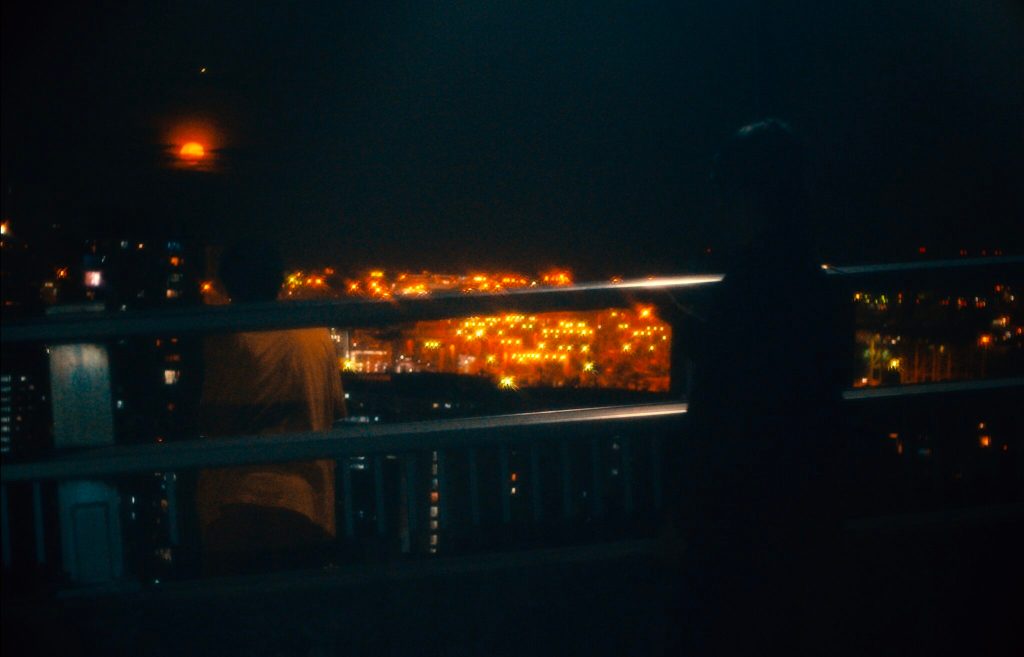
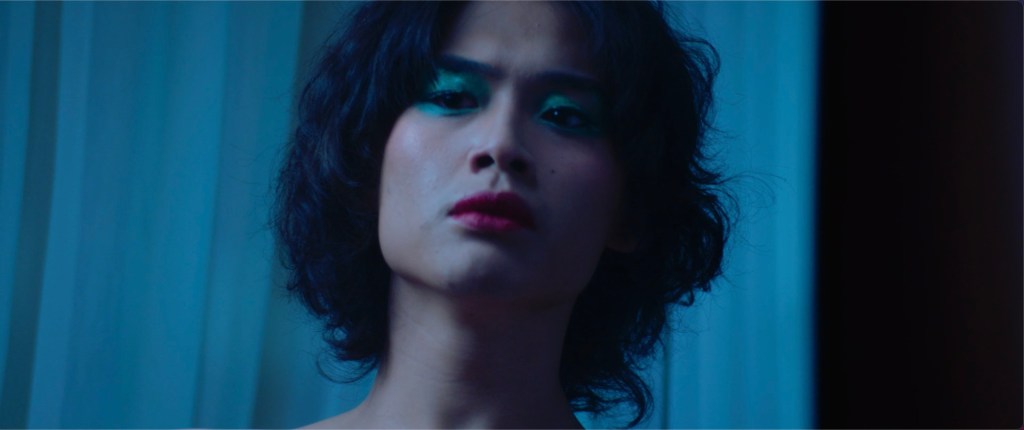
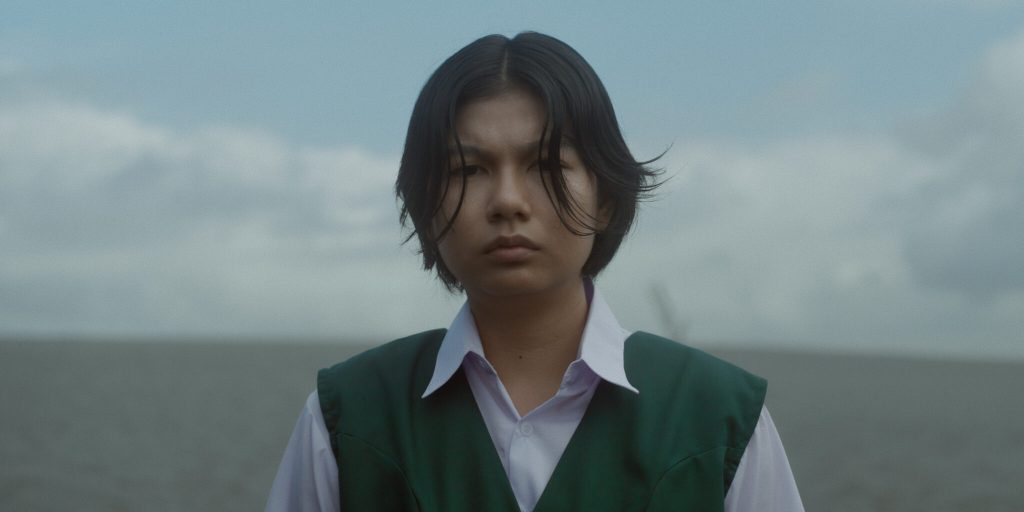
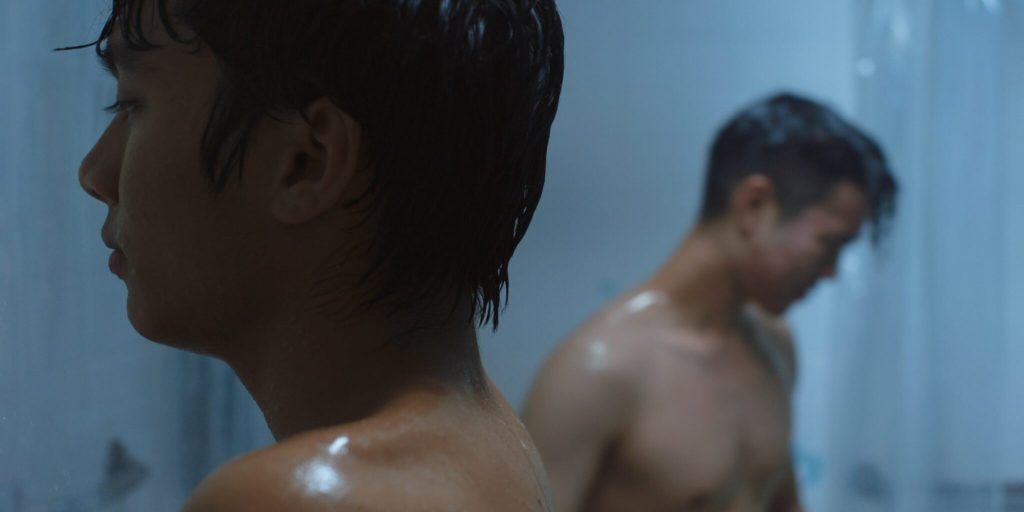
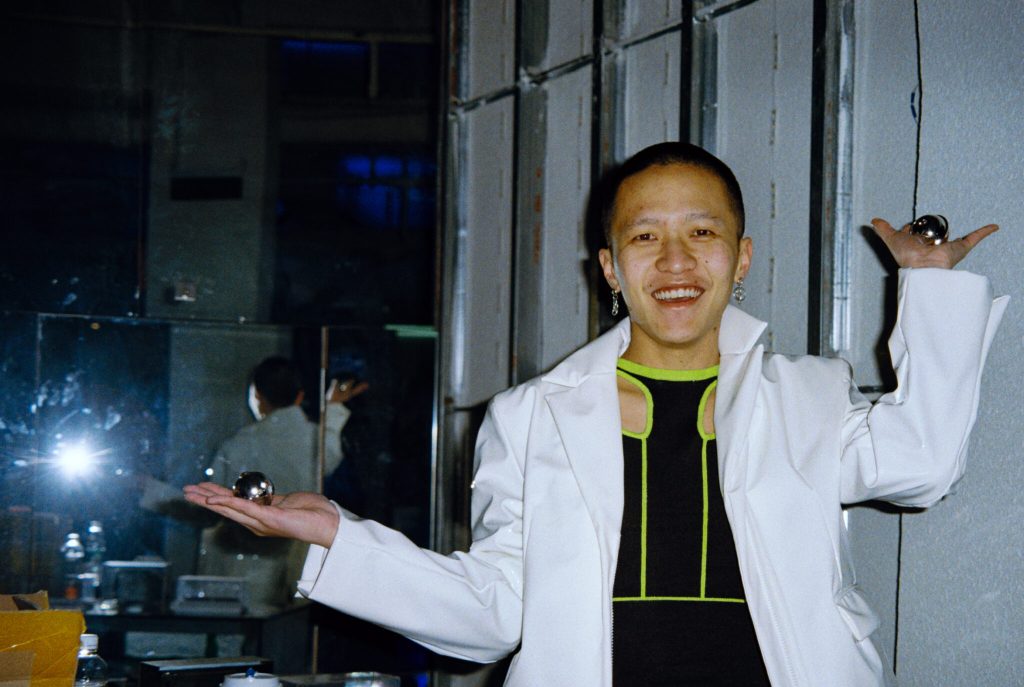
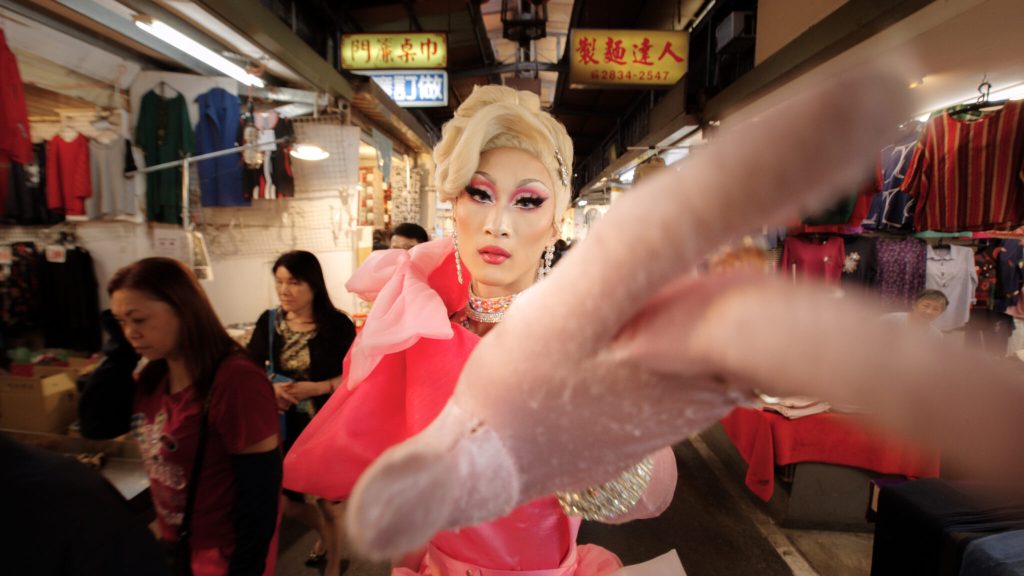
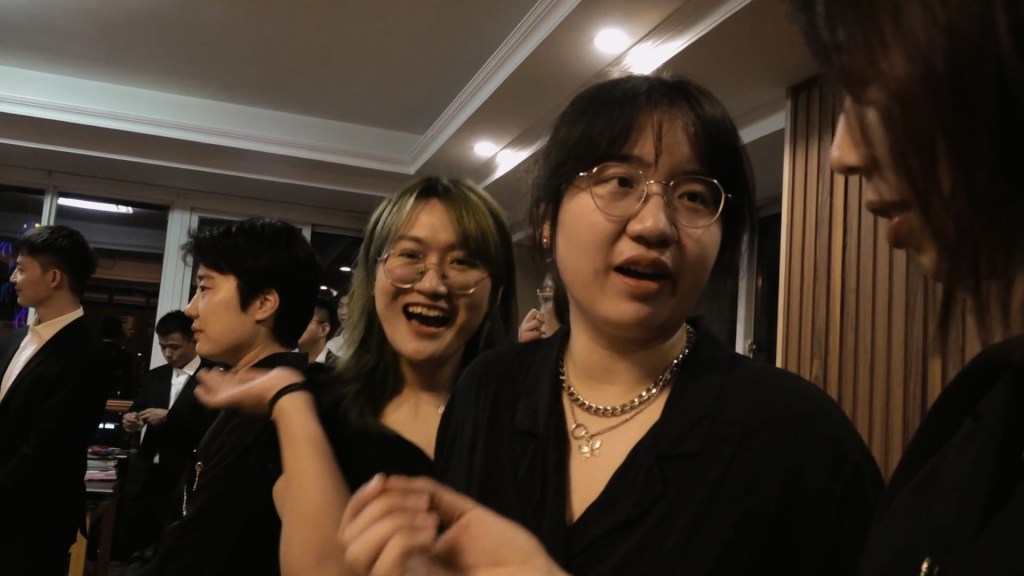
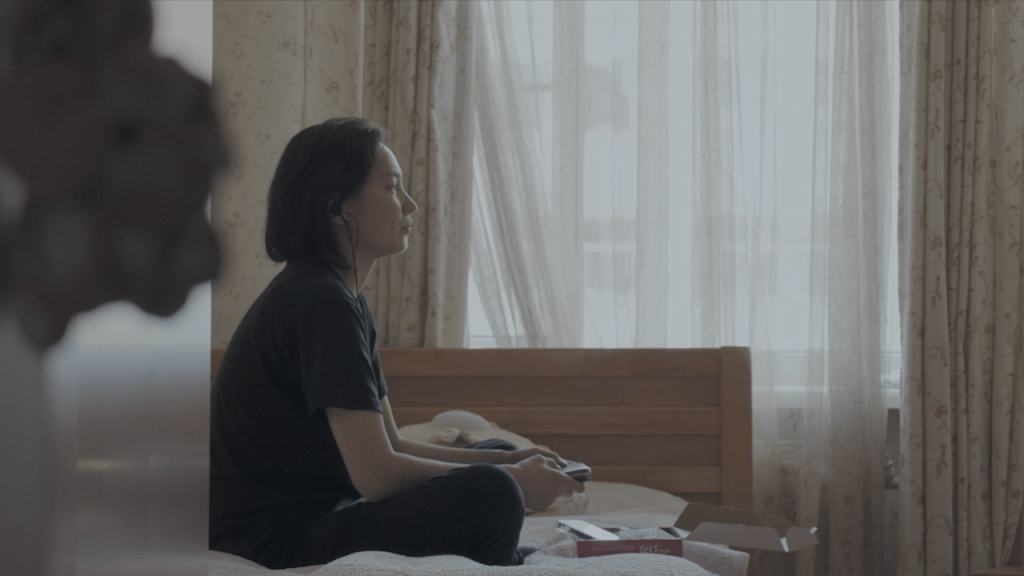
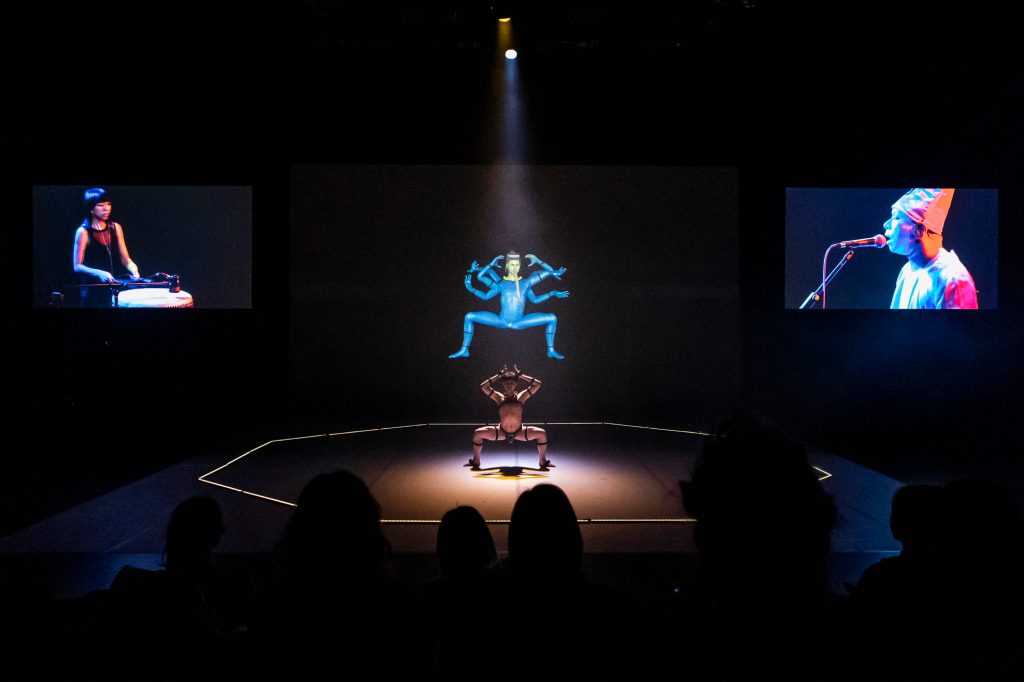
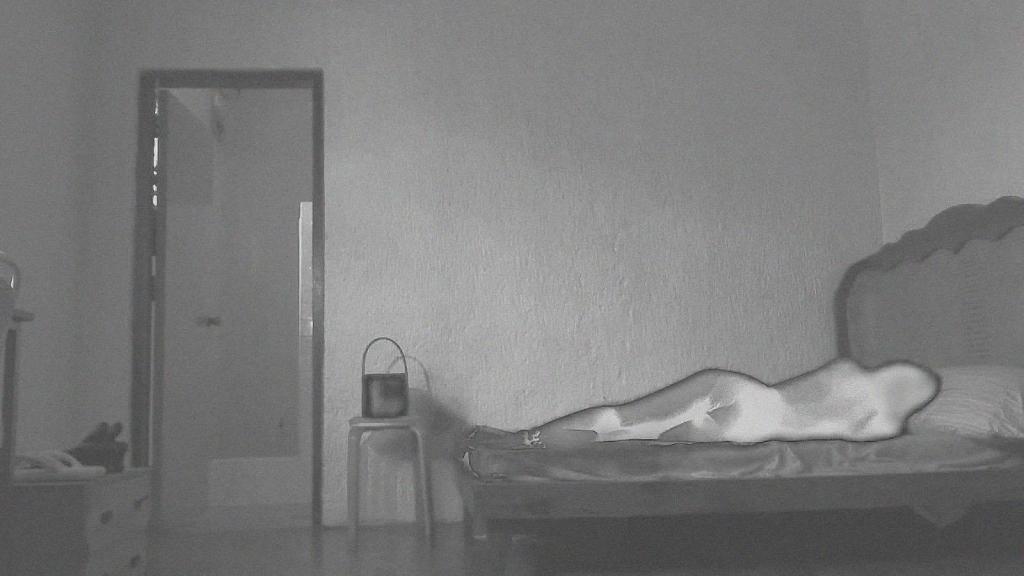
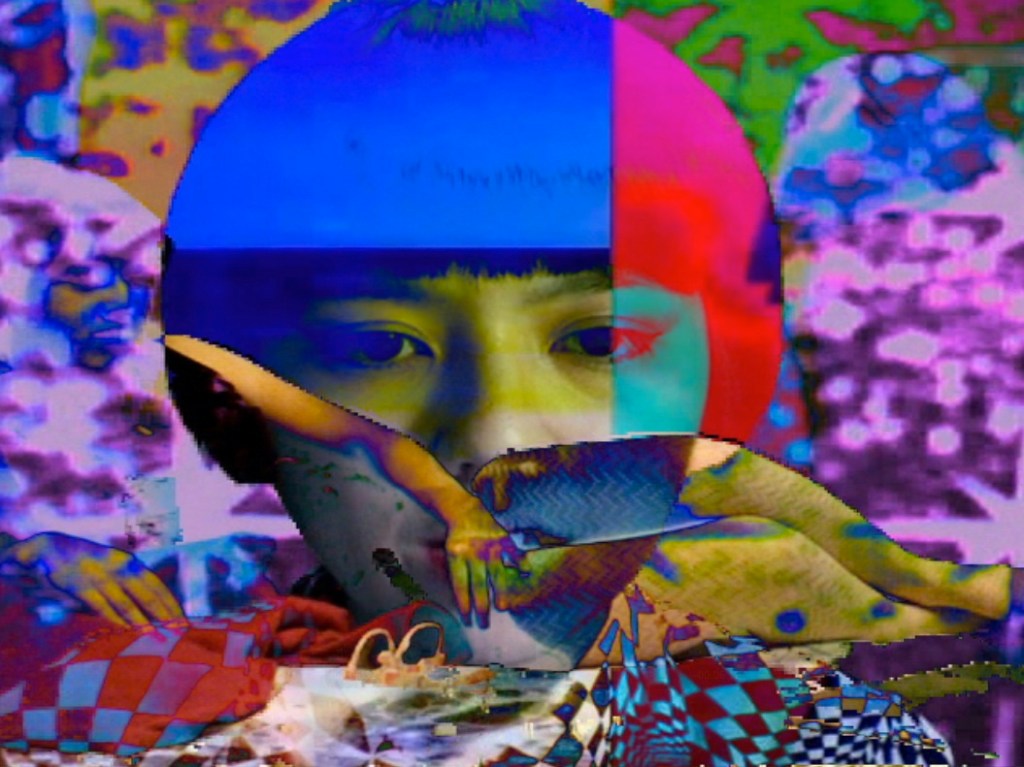
Peafowl (공작새, Byun Sung-bin, 2022)

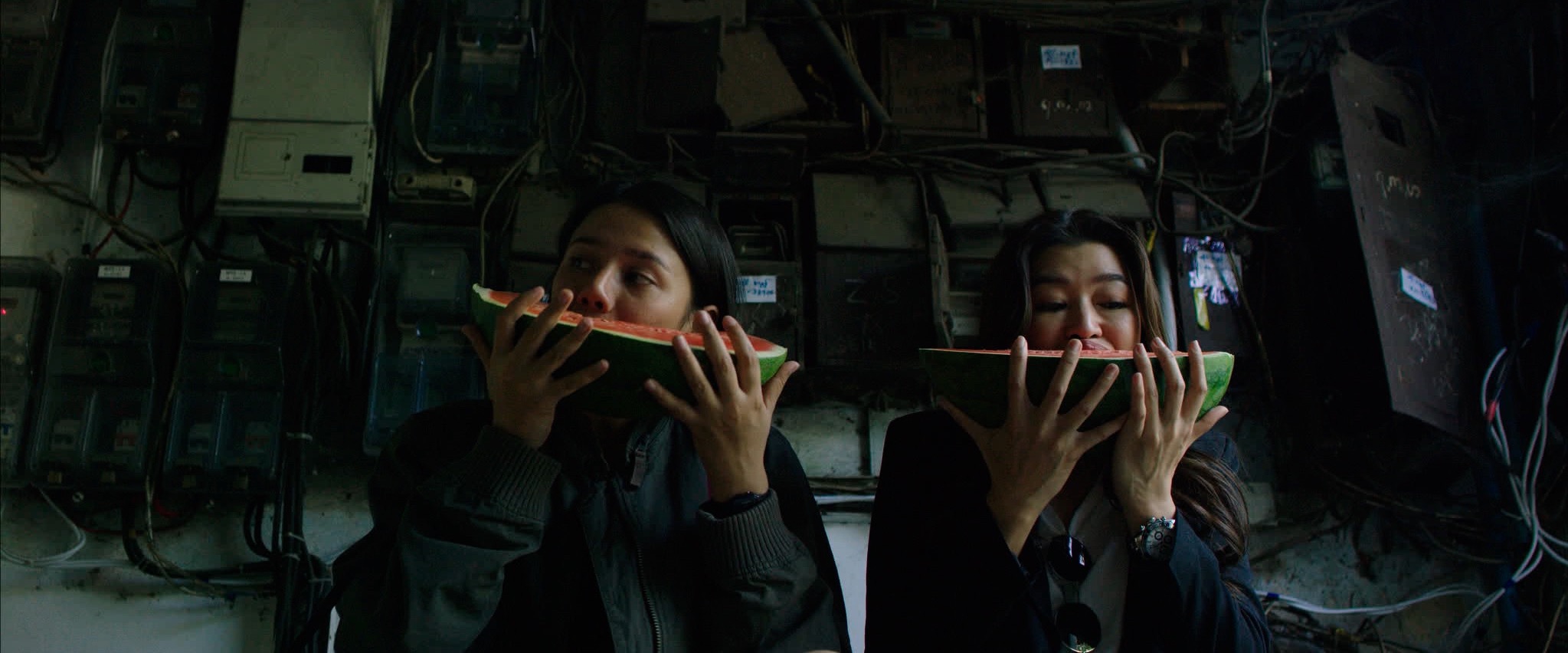
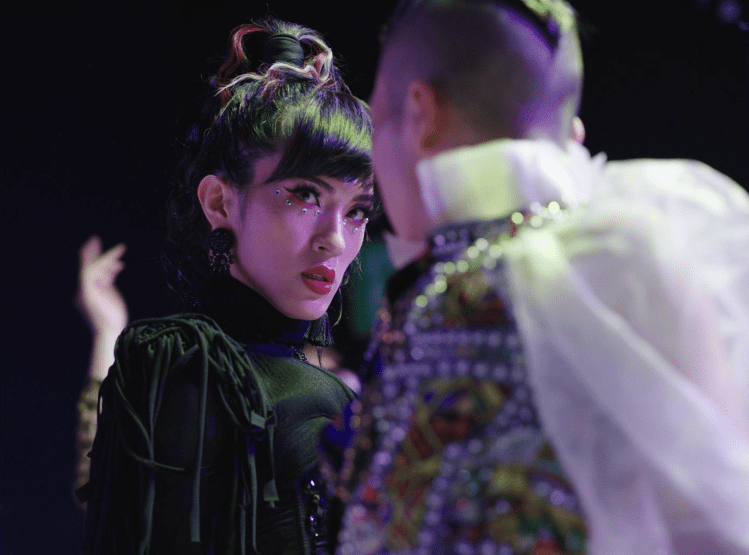
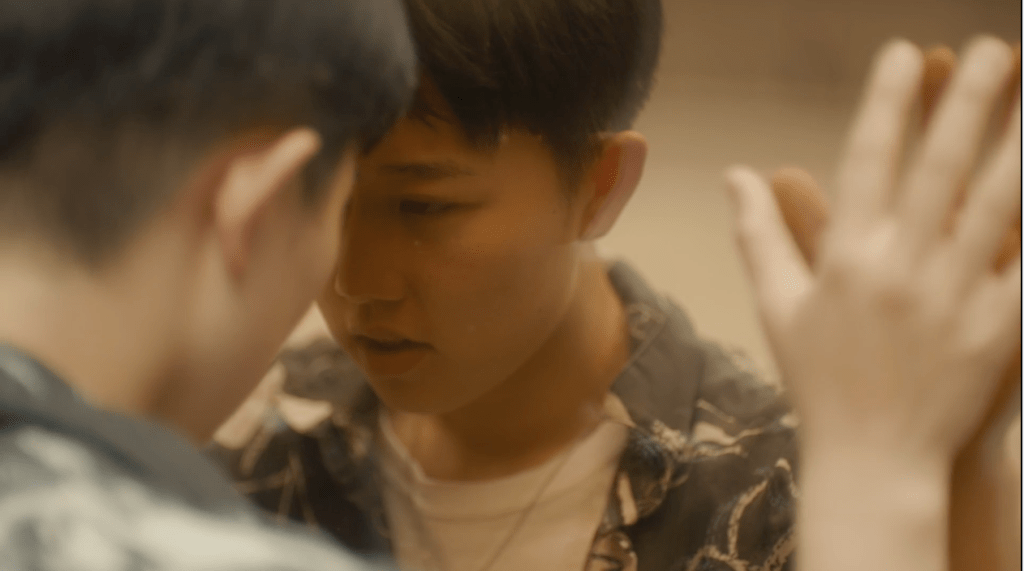
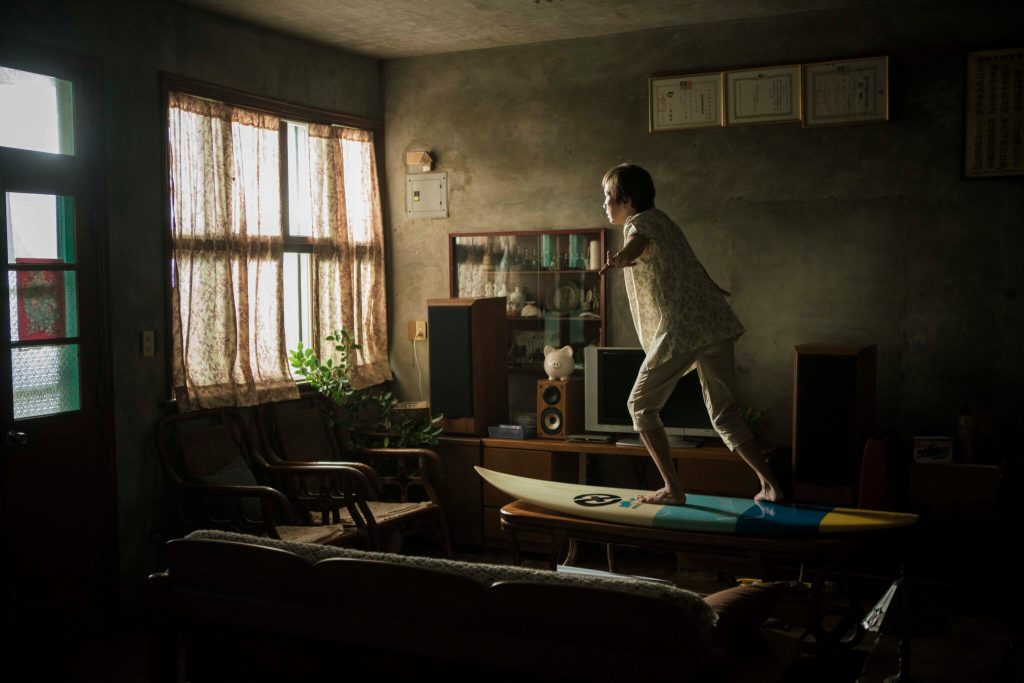
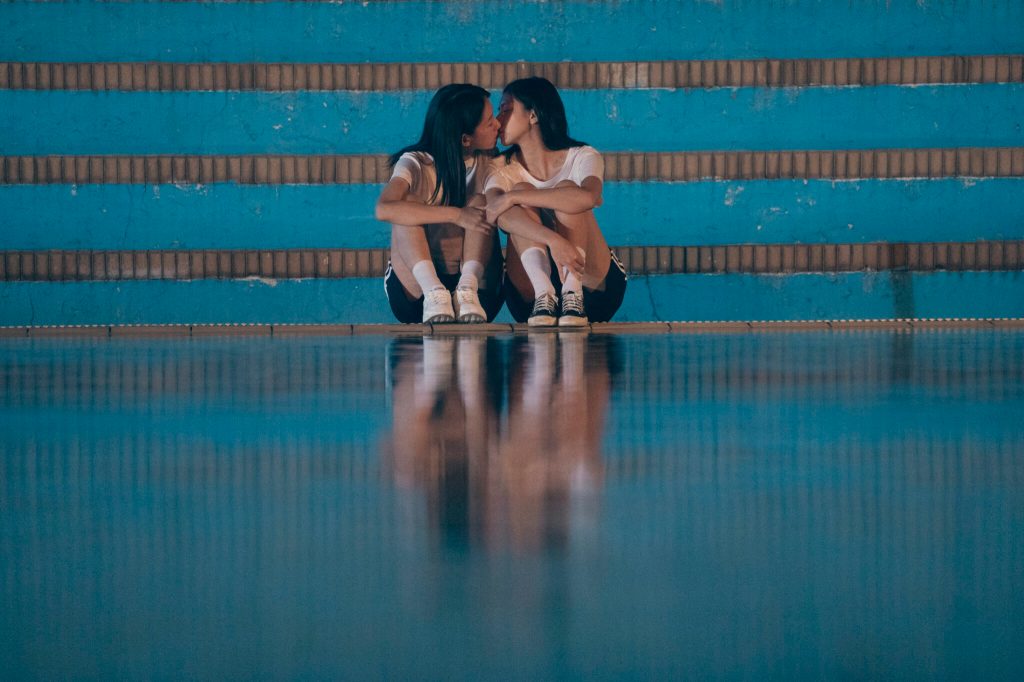
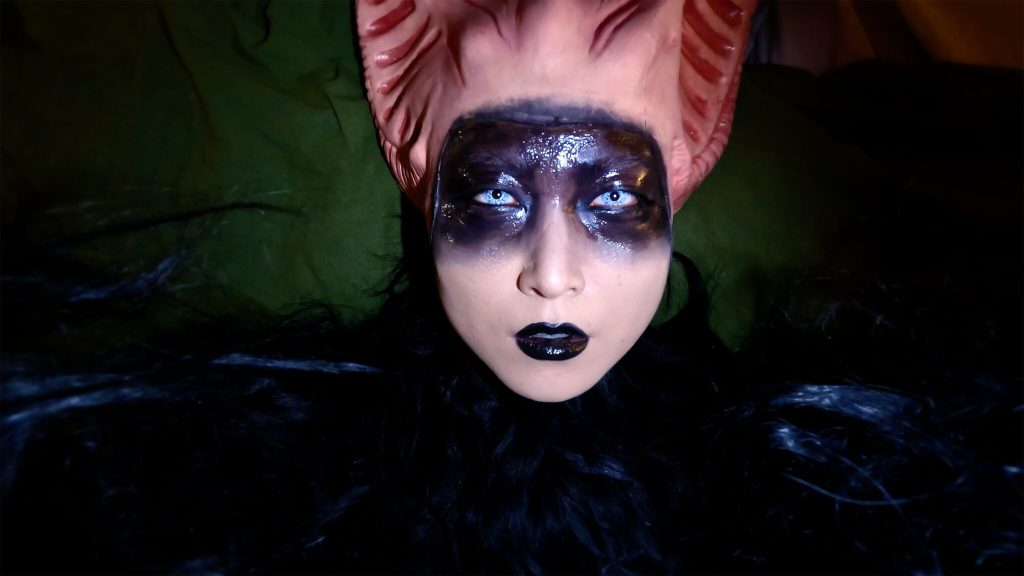
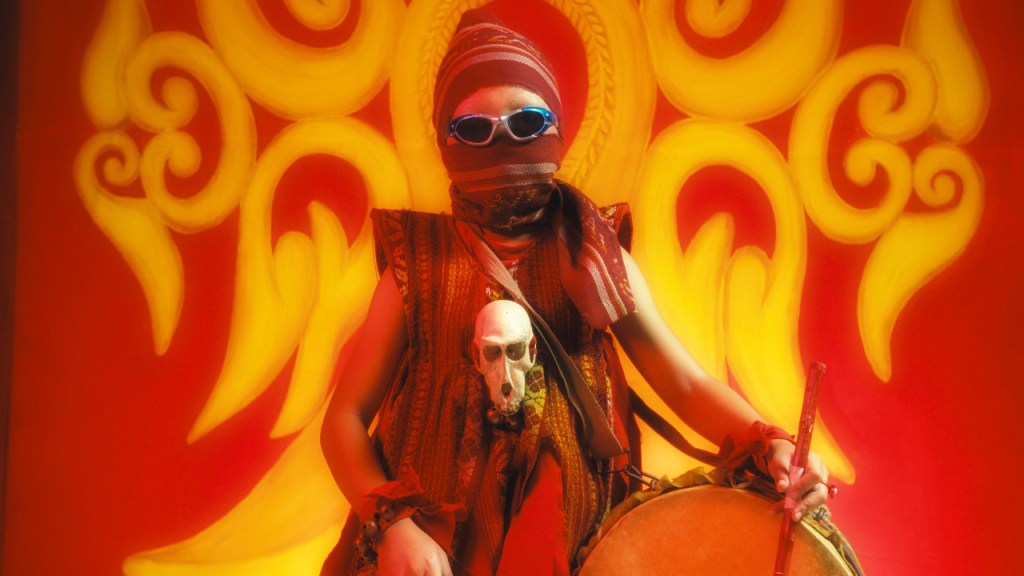
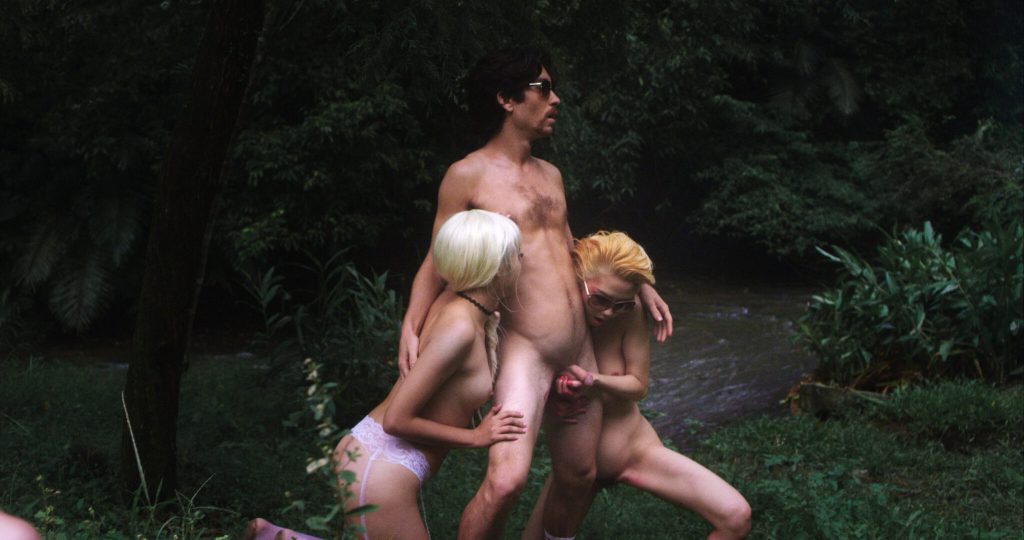
A trans woman begins to step into herself after reclaiming her traditional culture to make peace with the past in Byun Sung-bin’s poignant indie drama, Peafowl (공작새, Gongjaksae). At once situating itself in the heartland of a society struggling to adapt to the pace of change, the film suggests that only by reintegrating her Koreanness can the heroine become fully herself even as the spirit of the father who rejected her softly tells her to dance her dance.

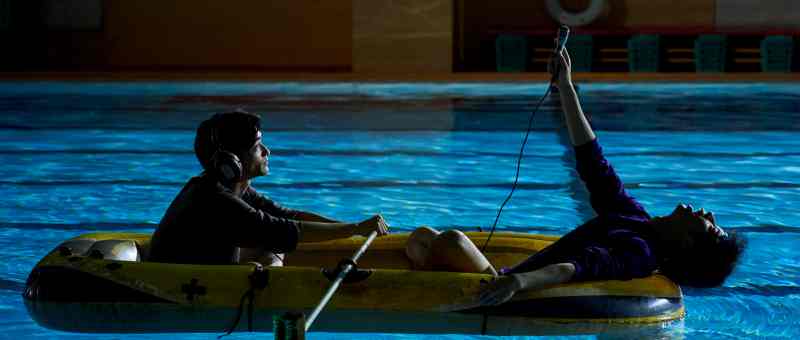
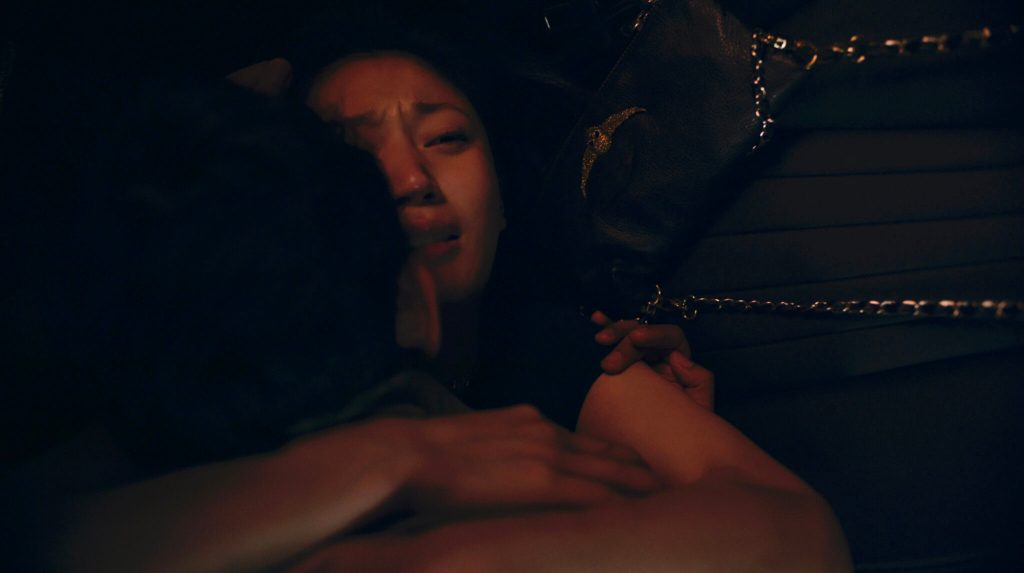
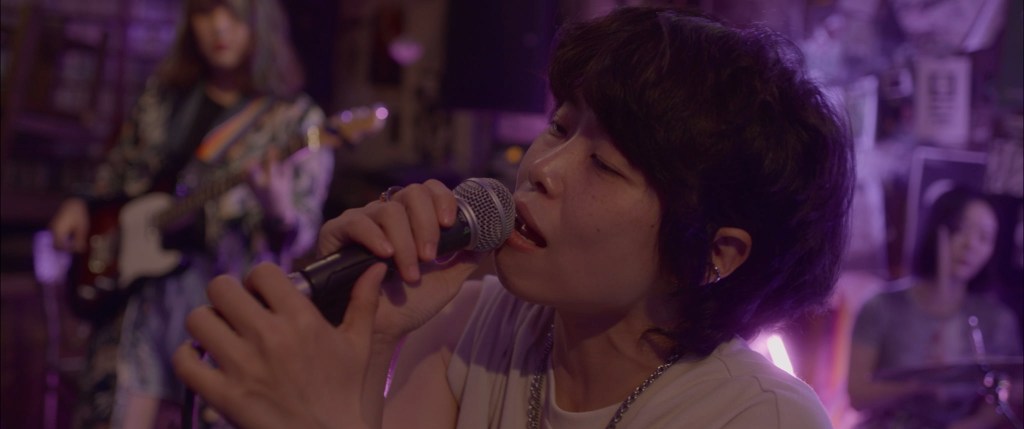
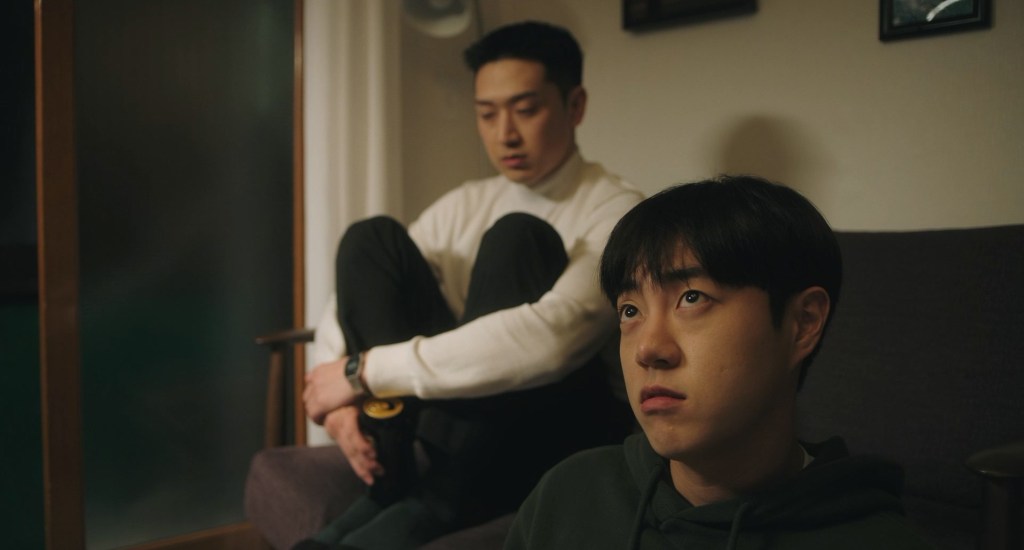
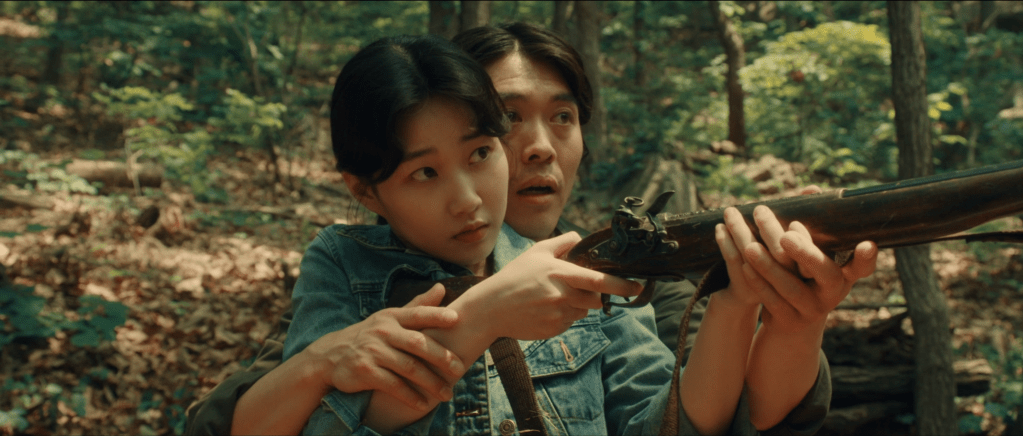
Myung (Choi Hae-jun), whose name as she later says means “not too light not too dark”, is a trans woman living in Seoul hoping to earn a large amount of money to pay for her surgery through winning a waacking dance competition. Shortly before she performs, she receives an unsettling telephone call and narrowly loses the dance off against a Taiwanese competitor while a judge explains that she lacks a colour of her own. It’s then that a childhood friend, Woo-gi (Kim Woo-kyum), contacts her to let her know that her estranged father Duk-gil (Ki Joo-bong) has passed away and asks her to come to the funeral. Myung first says she won’t go, but later does only to be berated by her overbearing, conservative uncle who ironically causes a scene by loudly exclaiming that a man shouldn’t be going around with long hair or wearing makeup. He even introduces her as Duk-gil’s son to an older relative who is otherwise much more sympathetic and even asks her with surprise why she’s wearing a male mourning outfit rather than the more appropriate one for women. 

It’s the uncle, a symbol of oppressive middle-aged patriarchal power, that is the real problem. Most other people are either broadly supportive or too polite to say anything of Myung’s changed appearance while her teenage nephew Bo-suk (Go Jae-hyun) simply accepts her and quickly refers to Myung as “sis” despite his mother’s obvious discomfort. It is however the uncle who is in charge, continuing to misgender and insult Myung especially once Woo-gi reveals that it was Duk-gil’s dying wish for Myung to lead the funerary rites at his 49th day memorial service. Myung doesn’t really want to participate but is tempted after Woo-gi suggests there’s a sizeable inheritance to be had if she agrees. 

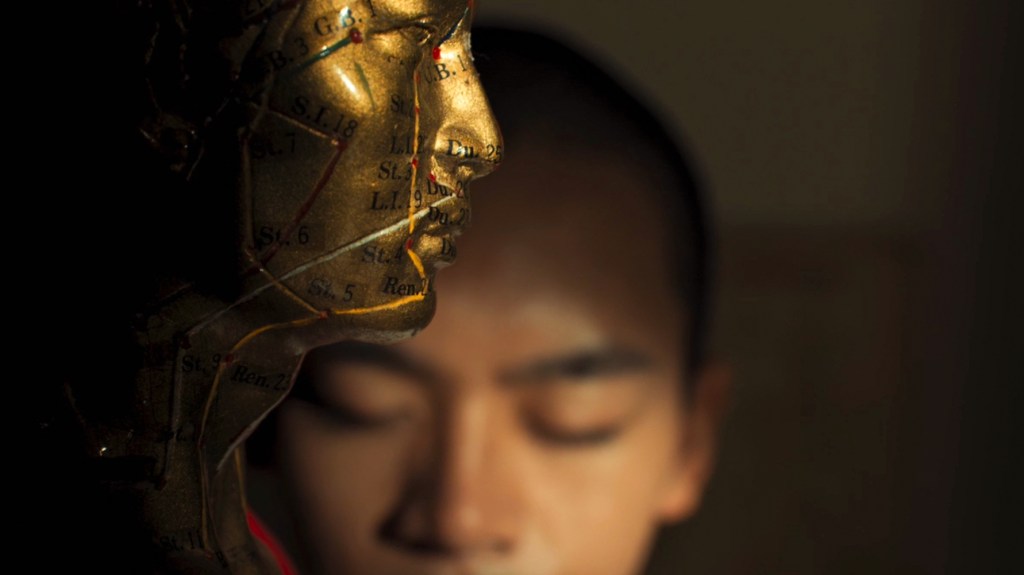
It’s clear that Myung had good reason to resent her father, holding up her hand and revealing a large burn scar she’s since had tattooed with with a beautiful peacock feather. The feather motif is repeated throughout as a kind of symbol of Myung’s hidden beauty which she will eventually learn to reveal through the fusion of the traditional art of shamanistic ritual and her contemporary waacker dance moves, yet it’s also linked to the image of her father as a man she never understood and may never have really known whose relationship with her was shaped by the legacy of homophobic prejudice in ways she could never have imagined. The truth that she discovers reminds her that there have always been people like her even within this very “traditional” society, while the twin revelation that her cousin is gay and struggling in many of the same ways she has proves there always will be. As Woo-gi reminds her, her grandfather’s tree looks like it’s dead but is kept alive by its connections with others much like people are, pointing out that rituals accept everyone without prejudice or exception. 

Only after making peace with her conflicted aunt and showing her overbearing uncle the error of his ways can Myung begin to reclaim herself in reintegrating her traditional culture to gain the colour she was lacking and become fully herself as she performs the ritual along with a waacker dance that quite literally sets fire to the oppressive quality of tradition as mediated by men like her uncle who weaponise it to preserve their own privilege. Shot in classic 4:3, Byun neatly contrasts the vibrancy of Seoul nightlife with the oppressive dullness of life in the village, but also highlights the various similarities in the colour and noise of a shamanistic ceremony which as Myung discovers moves to a beat not dissimilar to waacker as she watches her friends dance in a club with the movements of traditional shamanism. In a way, Myung does indeed burn it all down but does so positively, finally coming to an understanding of her father and her history while reclaiming her traditional culture along with the right to do with it whatever she wishes.


Peafowl screened as part of BFI Flare 2023. It will also be screening at Genesis Cinema, London on April 20 as part of this year’s Queer East.

Trailer (English subtitles)
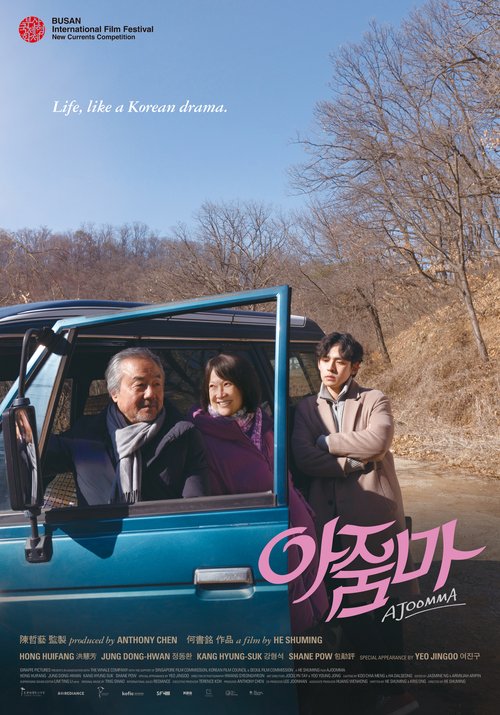
Ajoomma (아줌마, He Shuming, 2022)

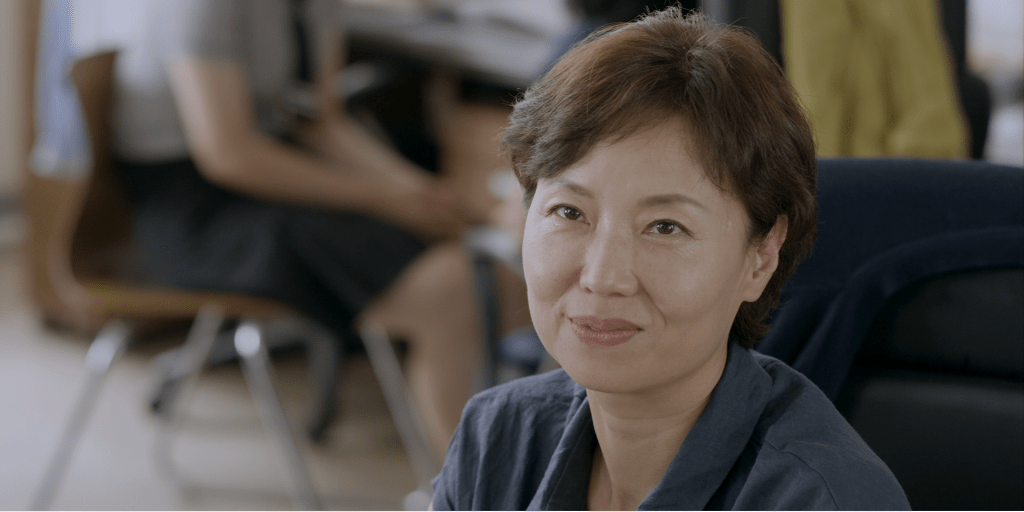
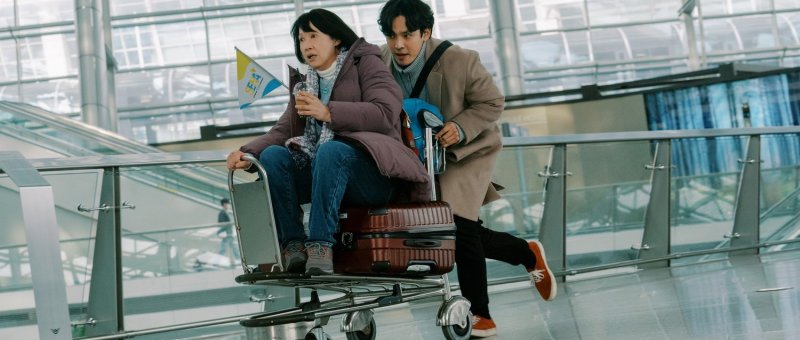
A middle-aged Singaporean woman begins to rediscover her sense of self after making an unexpected solo trip to Korea in He Shuming’s heartwarming dramedy, Ajoomma (아줌마). “Ajoomma” is the generic term for an older woman in Korean, and even in her native Singapore, the heroine Bee Hwa (Hong Hui Fang) is known largely as “Auntie” no longer possessing much of a name or identity and obsessed with Korean TV dramas in thrall to their larger than life emotions just hoping to feel something again in the midst of her loneliness. 

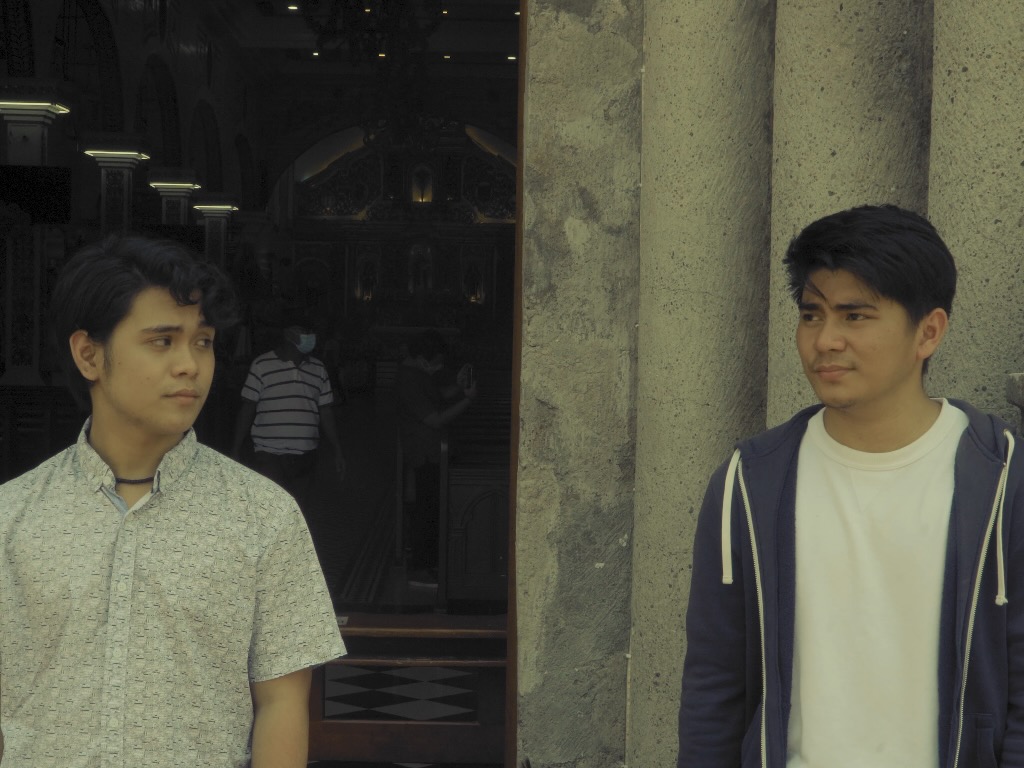
Bee Hwa has a grown-up son, Sam (Shane Pow), but he remains somewhat distant towards her. “He never shares anything with me” she later complains to a mother and daughter duo on the Korean tour together after a few drinks. Sam was supposed to come on the trip with her, but he got an interview for a big job in America and tried to get her to cancel. Bee Hwa would rather Sam didn’t go abroad, but her sense of loneliness is only deepened with the dawning realisation that Sam may be gay and has chosen not to share that part of himself with her. When she realises the tour is not refundable as Sam said it would be, she makes a bold decision to go on her own despite never having travelled alone before. Her confusion at the airport is palpable as she’s suddenly confronted with unexpected bureaucracy, trying to fill in landing cards and find her way to the tour group which turns out to be led by a handsome man with the look of a K-drama star but a defeated and cynical air unsuited to his role as a tour guide. 

Just as Bee Hwa longs for a closer relationship with her son, Kwon-woo (Kang Hyung-seok) is desperately trying to win back his wife and daughter who have moved in with his disapproving mother-in-law following his difficulties with employment and subsequent debts to loansharks. Kwon-woo wants to show them that he can be a responsible husband and father by holding on to his tour guide job and making enough to pay off the debts so they can get an apartment of their own, but is also his own worst enemy and prone to making mistakes not least the one leaving Bee Hwa behind after failing to make sure everyone was back on the bus before it left. 

It’s only thanks to sympathetic security guard Jung Su (Jung Dong-hwan), himself a lonely widower whose sons live far away, that Bee Hwa doesn’t freeze to death in the middle of Seoul. Just like Bee Hwa, he’s lonely even with his beloved pet dog Dookie and mainly bides his time carving figures of animals out of wood. He helps her because he doesn’t know what else to do and despite the language barrier, Bee Hwa only understands the kind of words that come up a lot in Korean drama and he doesn’t know Mandarin or much English, the pair quickly find a sense of mutual solidarity bonding in their shared sense of loss mixed with mild disappointment in life’s ordinariness. Kwon-woo asks Bee Hwa if she regrets the choices that she made that left her little room for herself, and she says she doesn’t but does perhaps hanker for something more in her life than just being a faceless ajoomma who likes Korean dramas but has lost sight of herself. 

The trip to Korea reminds her that she can do things on her own and doesn’t necessarily need Sam there to help her, finally buying something nice just for herself rather than getting it someone else. As she dances in the snow she realises that she can still have new experiences and feel childlike joy, even if she is “an auntie” she has plenty of time in front of her to do whatever she wants with no longer subject to social expectations, patriarchal husbands, or judgemental sons. Billed as the first co-production between Singapore and South Korea, He’s heartwarming drama celebrates not only the simple power of human kindness but the resilience of women like Bee Hwa seizing the freedom of age and resolving to live the rest of her life on her own terms.


Ajoomma screens in Chicago March 25 as part of the 16th season of Asian Pop-Up Cinema.

Original trailer (English subtitles)

The Dream Songs (너와 나, Cho Hyun-chul, 2022)

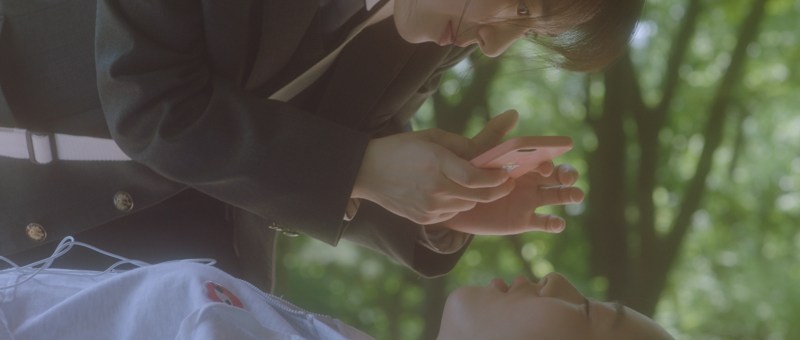
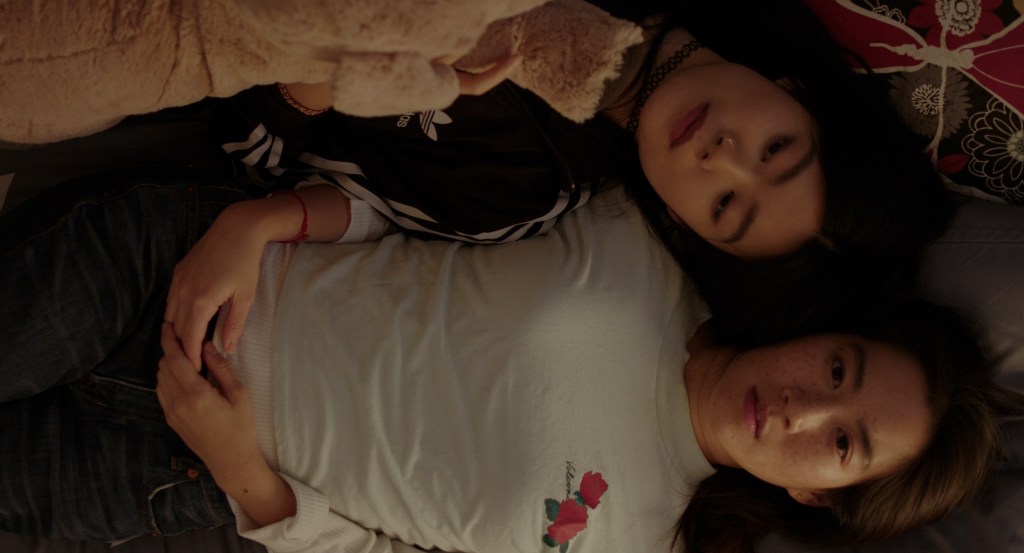
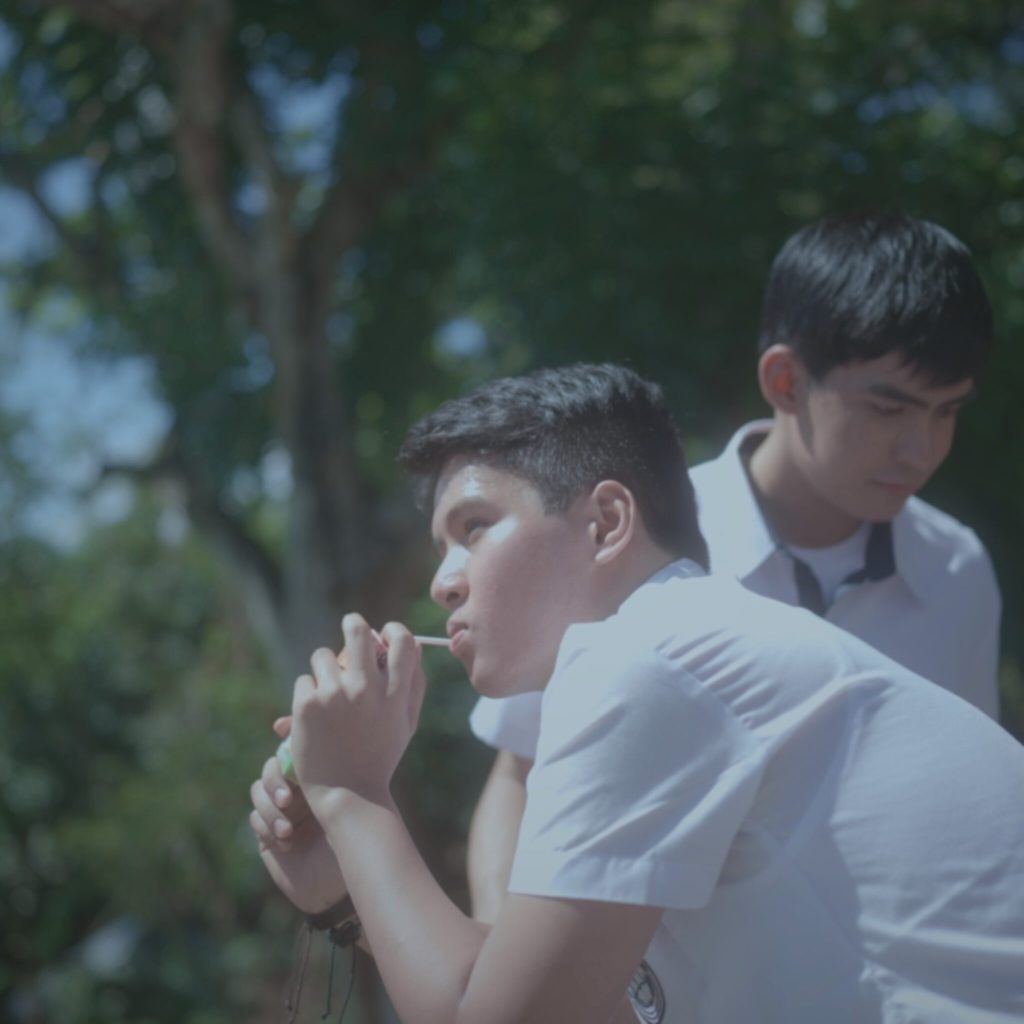
Teenage friends wrestle with a sense of mortality, frustrated longing, and future anxiety in the etherial feature debut from actor Cho Hyun-chul, The Dream Songs (너와 나, Neo wa Na). Set shortly before the 2014 Sewol ferry disaster and shot in a washed out soft focus with a hazy nostalgic quality, the oneiric drama finds its conflicted heroine coming to an appreciation of the solipsistic qualities of obsessive love while preparing to cross the line between adolescence and adulthood in fearing she may not return from her upcoming trip or that the her that returns will not be same and the world will have moved on without her. 

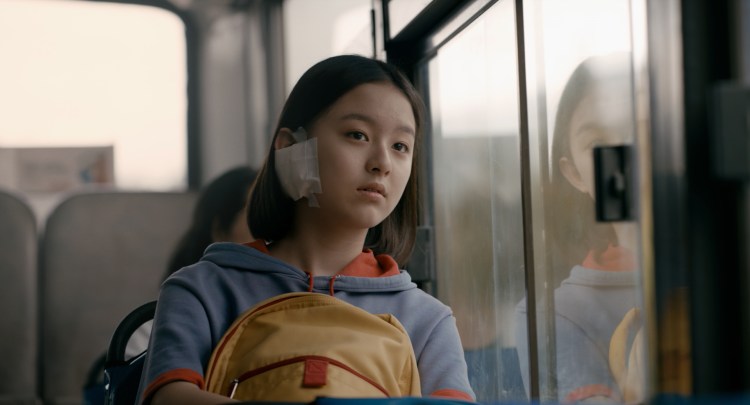
The trip is only four days, but for Sam (Park Hye-su) it represents the end of her adolescence and the beginning of adulthood. As the film opens, she wakes up in her classroom after having a disturbing dream that something bad is going to happen to her best friend Ha-eun (Kim Si-eun) who is currently in the hospital though only for broken leg after being hit by pedal bike on a zebra crossing. So upset is she, that Sam manages to convince her teacher to let her leave early to verify that Ha-eun is OK with her own eyes and try to convince her to come on the school trip to Jeju with her, broken leg and all, so that whatever happens happens to them together. 

In the repeated dream imagery, it’s being left on her own that Sam seems to fear. She doesn’t want to be the only one who survives or the only one who dies and leaves her friend behind though as she confesses there was something that felt peaceful in her dream on looking at a corpse that might have been her own. The school trip to Jeju is one that many teenagers take in a quite literal rite of passage, but it’s also tinged with additional anxiety in the painful reminders of the 2014 Sewol Ferry disaster, directly referenced via a radio broadcast, in which many school children taking the trip from the area where the film takes place lost their lives. Sam’s impending sense of foreboding causes her to reevaluate her relationships and especially that with her best friend Ha-eun for whom she has developed romantic feelings she is unsure can be returned. Afraid to leave without saying anything but also worried she may be rejected and end up imploding the friendship too, Sam’s internalised conflict ironically blinds to her Ha-eun’s individual suffering in having recently lost her pet dog as well as her disappointment on missing out on the trip while recovering from her accident. 

Cho frequently lands on the image of clocks, often stopped, which hint at time running out while there are frequent allusions to death and drowning from the bird Sam finds on the ground by the school to the girls’ final parting seemingly taking place in front of a stranger’s funeral with mourners talking outside while people carry funeral wreaths directly past them. While the lines between dream and reality continue to blur, Sam sees images of herself in the two little girls playing together in the park and another with her grandmother who “saves” a toy dinosaur from drowning in an environment in which it is unable to survive. She and Ha-eun chase a lost dog and eventually end up on opposite sides of a fence which is the outcome Sam most feared, but are eventually reunited and able to have a more emotionally honest conversation now that Sam has come to an understanding of the self-involved qualities of her romantic obsession. 

Even so, for the first part of the film it isn’t entirely clear if Sam’s feelings are indeed romantic or if it’s more a case of intense teenage friendship that causes her to be jealous of others that might be spending time with Ha-eun while preoccupied with the identity of the mysterious “Humbaba” whom Ha-eun apparently wanted to kiss in a diary entry Sam was presumably not intended to read. Sam’s feelings are made clear in a letter she doesn’t have the courage to send while she seems to fear that time may slip away from her and Ha-eun won’t be there when she returns from her trip. Yet what she ends up awakening to is more like self love, or at least no longer fearing “Joy” will fly away from her when she’s not looking. Cho’s hazy, poetic coming-of-age drama excels in capturing the joyful quality of teenage female friendship and diffidence of first love if tinged with a note of melancholy nostalgia in the wake of a devastating loss.


The Dream Songs screened as part of BFI Flare 2023

Original trailer (English subtitles)
Queer East Film Festival Reveals Full 2023 Programme

Queer East returns to cinemas across London 18th to 30th April with another handpicked selection of LGBTQ+ films from Asia. This year’s edition has a special focus on Korea including a series of films spanning from the 1960s to the present day and will also feature screenings of classics The Love Eterne and Rebels of the Neon God. Opening with Philippine comedy I Love You, Beksman, the festival will close with Home Ground, a documentary focussing on the first openly lesbian bar in Korea which opened in the 1990s.

Cambodia

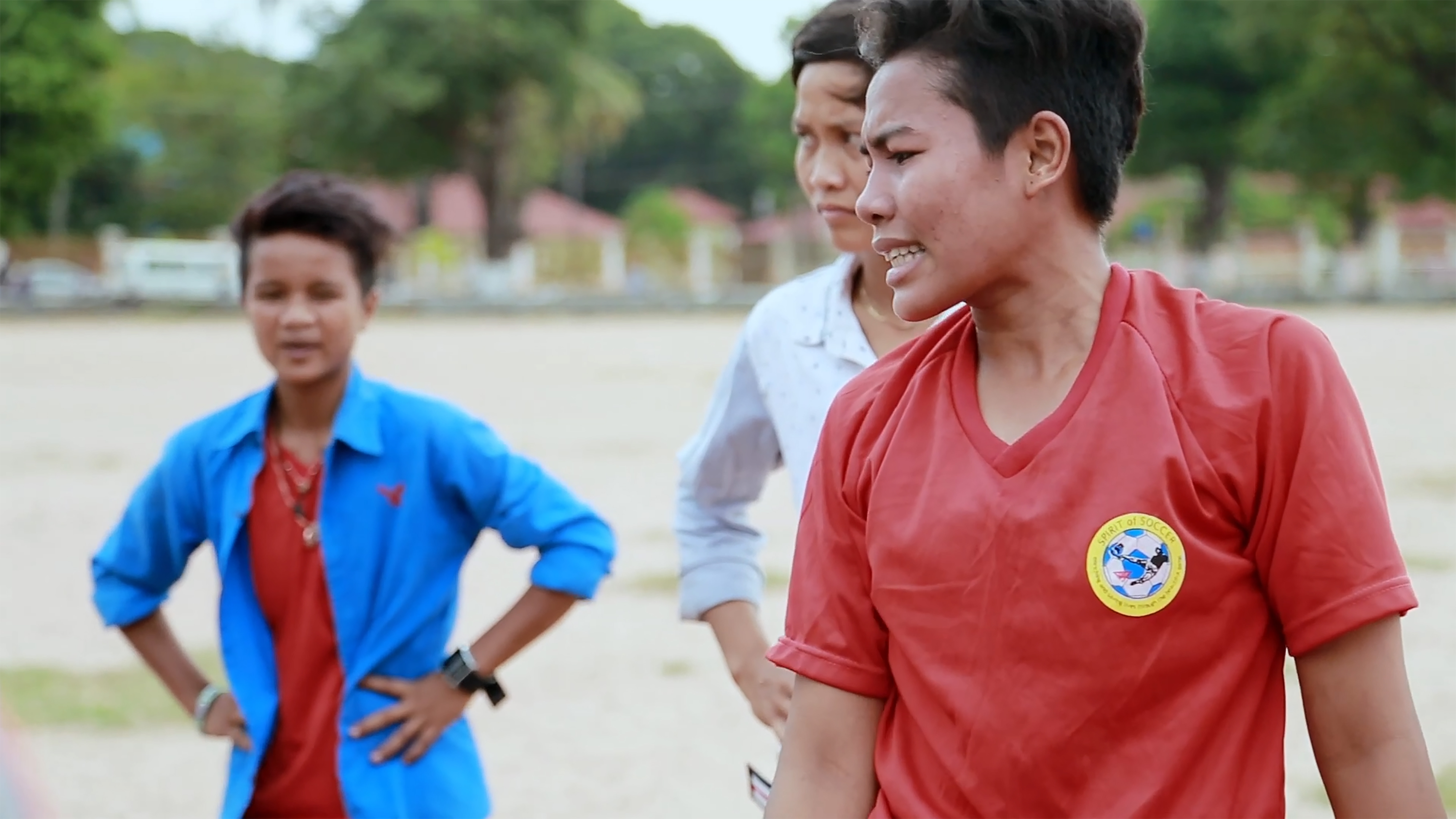
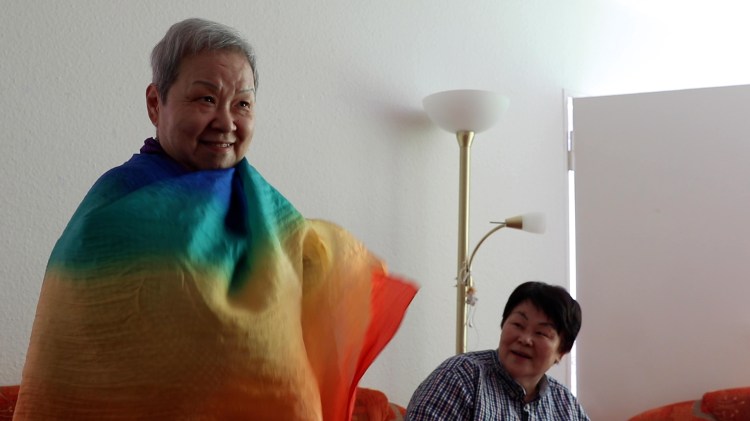
  • Lotus Sports Club – documentary filmed over five years following a trans man in his 60s who formed a football team for LGBTQ+ youth.

China

  • Bad Women of China – He Xiaopei’s personal documentary explores the lives of Chinese women from the 1920s to the present day through the stories of herself, her mother, and her daughter.

Hong Kong

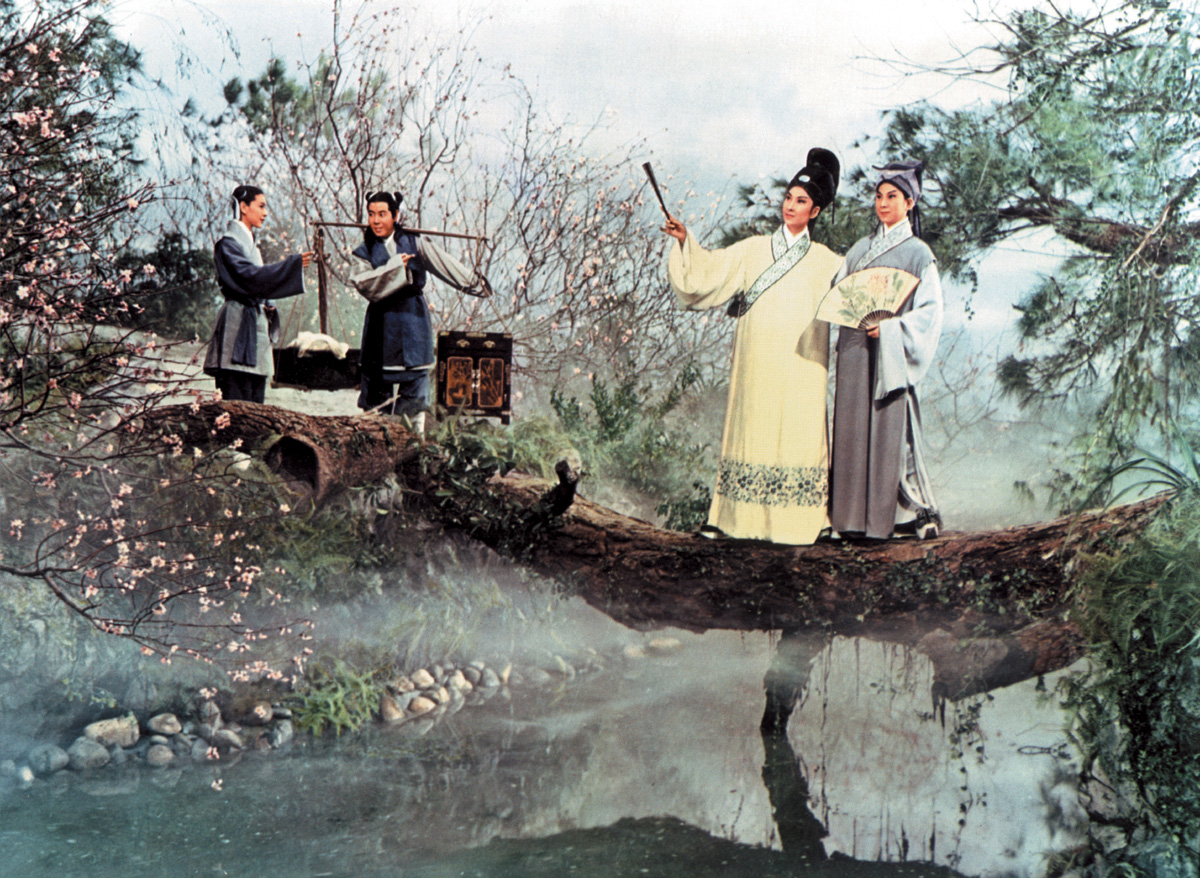
  • The Love Eterne – classic Mandarin-language Shaw Brothers musical directed by the legendary Li Han-Hsiang and starring Betty Loh Ti as a young woman who dresses as a boy in order to pursue education and meets a dashing scholar with whom she falls in love (Ivy Ling Po).

Japan

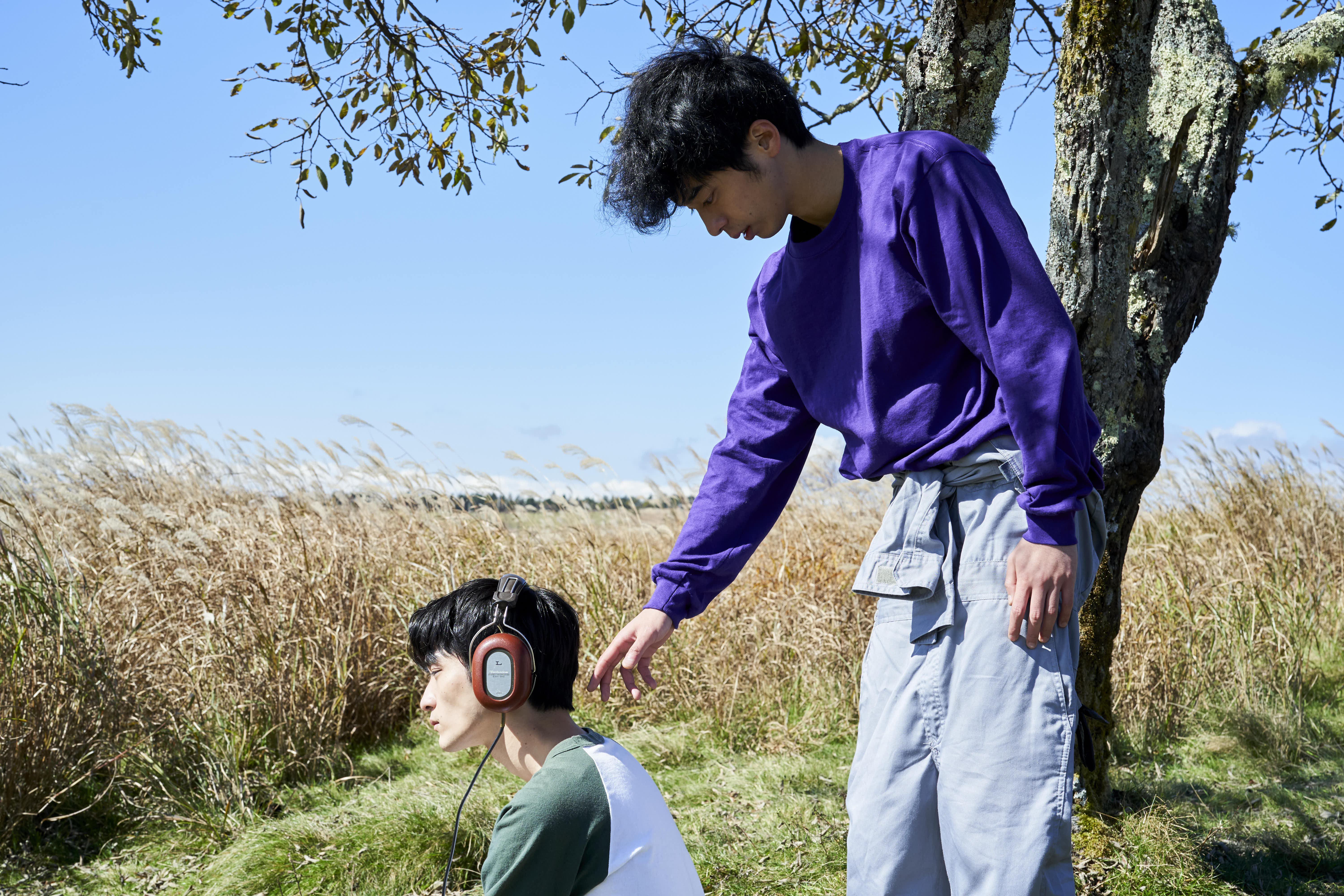
  • Let Me Hear It Barefoot – two alienated young men struggle to identify their feelings while searching for escape from moribund small-town Japan in Riho Kudo’s indie drama. Review.

Myanmar

Philippines

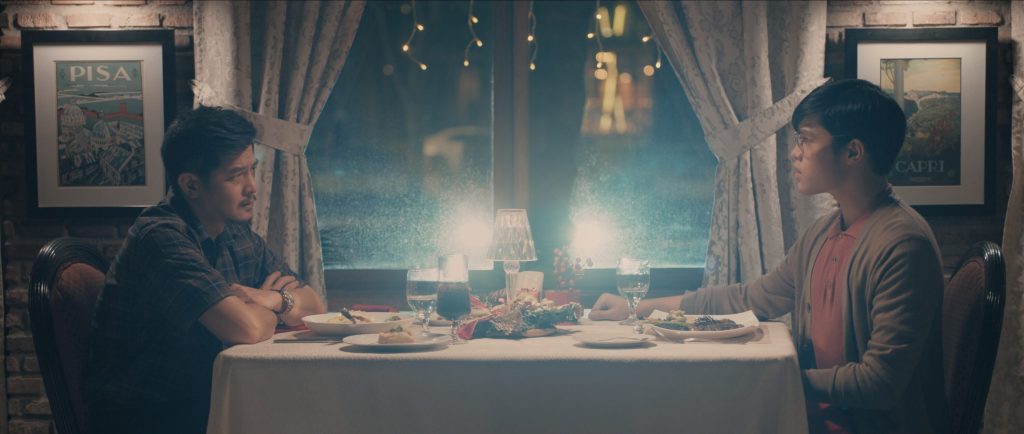
  • About Us But Not About Us – experimental mystery drama in which a student’s dinner with a professor takes an unexpected turn.
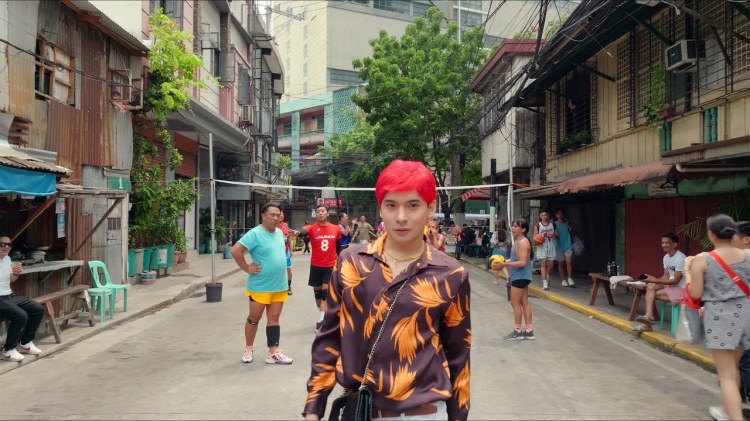
  • I Love You, Beksman – comedy starring Christian Bables (Big Night!) as a hairdresser everyone assumes to be gay until he falls for a beauty queen.

South Korea

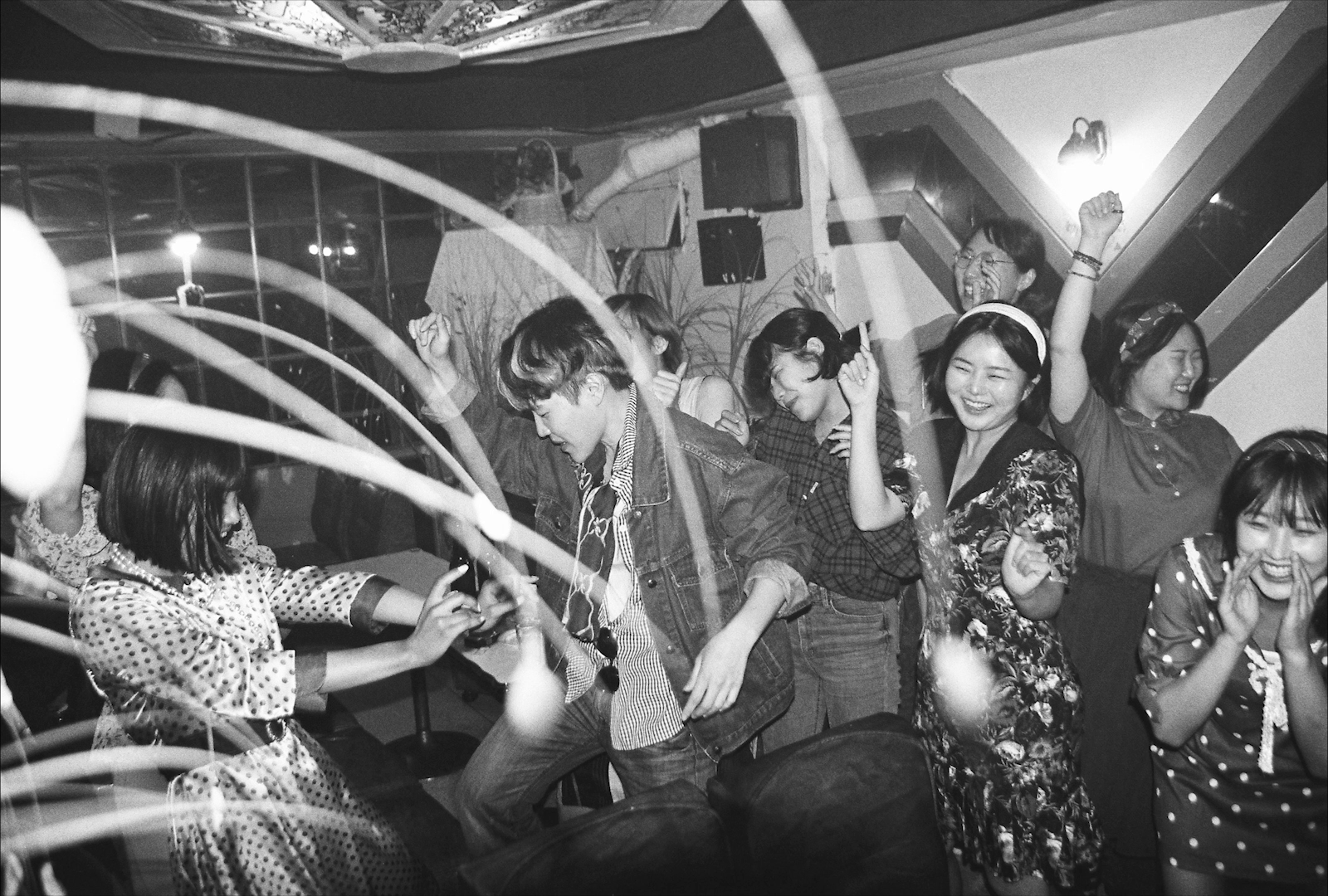
  • Home Ground – documentary focussing on the first openly lesbian bar in Korea.
  • House of Hummingbird – coming of age drama set in 1994 in which a lonely teenage girl develops a fondness for her enigmatic Chinese teacher. Review.
  • King and the Clown – 2005 drama in which a pair of street performers become embroiled in dangerous intrigue. Screening on 35mm.
  • A Man and a Gisaeng – 1969 comedy in which an office worker is fired for being unmanly and finds a new line of work as a gisaeng only to be courted by the very boss who fired him.
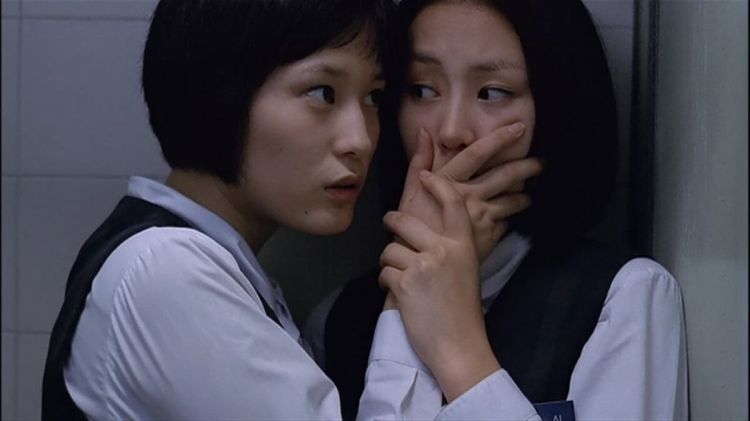
  • Memento Mori – classic millennial horror in which a high school girl discovers a forbidden romance after reading a schoolmate’s diary.
  • Peafowl – drama following a trans woman who is tasked with performing the memorial dance at her estranged father’s funeral.
  • Sa Bangji – 1989 period drama in which an intersex person living in a temple draws dangerously close to a widow in mourning.
  • Stateless Things – festival favourite from 2011 following a North Korean refugee and a young gay man financially dependent on his older lover.

Taiwan

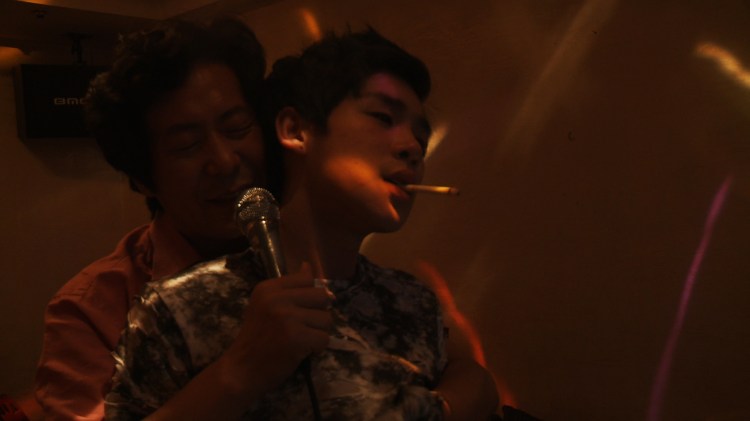
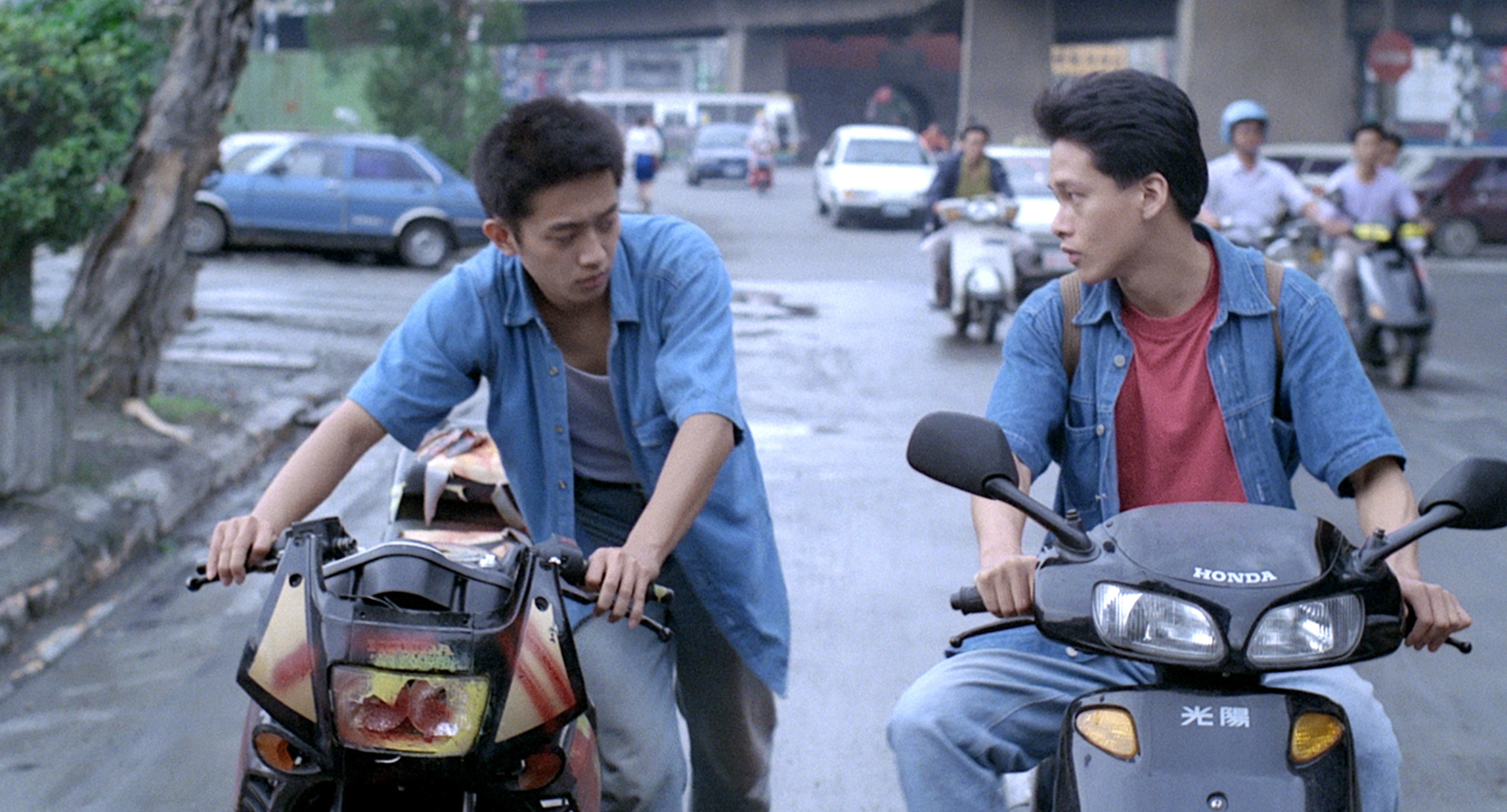
  • Rebels of the Neon God – classic from Tsai Ming-Liang following alienated teenager Hsiao Kang (Lee Kang-sheng) and petty delinquent Ah-Tze in a changing Taipei.

Shorts

In Between Seasons

  • Boy Queen (Dir. Sai Nyi Min Htut, Myanmar, Germany, 2021)
  • Seance of the Past (Dir. Adelaide Sherry, Singapore, 2022)
  • Truthless (Dir. Zhao Badou, China, 2021)
  • Memori Dia (Dir. Asarela Orchidia Dewi, Indonesia, Germany, 2022)
  • Tank Fairy (Dir. Erich Rettstadt, Taiwan, US, 2022)

All About My Mother

  • Will You Look at Me (Dir. Huang Shuli, China, 2022)
  • Skin Can Breathe (Dir. Chheangkea, US, Cambodia, 2022)
  • Fictions (Dir. Alice Charlie Liu, Canada, 2022)
  • Rising Sun (Dir. Cheng Ya-chih, Taiwan, 2018)
  • Fishbowl (Dir. Jacqueline Chan, US, 2021)
  • A Good Mother (Dir. Lee Yu-jin, South Korea, 2022)

A Kind of Queer Utopia

  • Strangers in Paradise (Dir. Huang Yihong, China, 2022)
  • Adju (Dir. Elvis A-Liang Lu, Taiwan, 2021)
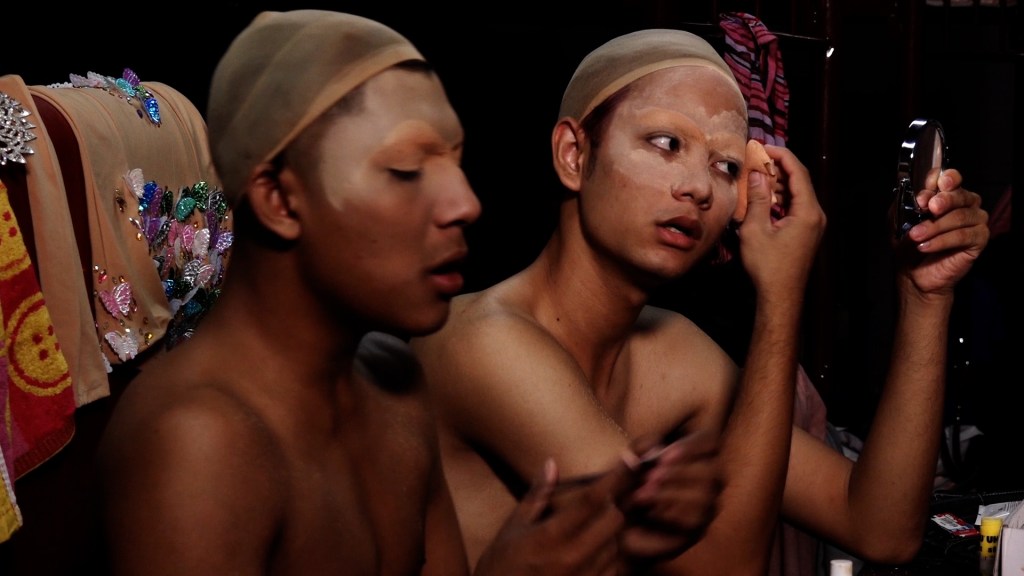
  • Leo & Nymphia (Dir. Pan Hsin-An, Taiwan, 2021)
  • The Choir of our Kind (Dir. Xu Zai, Wang Sisi, China, 2021)

First Times

  • The Voice (Dir. Maral Ayurzana, Mongolia, 2022)
  • Swimming in the Dark (Dir. Chen Pin-Ru, Taiwan, 2022)
  • I get so sad sometimes (Dir. Trishtan Perez, Philippines, 2021)
  • Rooted (Dir. Wu Yi-Wei, Taiwan, 2022)
  • We Were Never Really Strangers (Dir. Patrick Pangan, Philippines, 2022)

Queer Korea: A Mixtape

  • Ice (Dir. Lee Seongpwook, South Korea, 2019)
  • Cicada (Dir. Yoon Dae-woen, South Korea, 2021)
  • Butch Up! (Dir. Lee Yu-jin, South Korea, 2022)
  • Don’t worry (Dir. Kim Tae-yong, South Korea, 2022)
  • How Do I Kill That B? – (Seo Ji-hwan, South Korea, 2022)

Dance Performances

Artists’ Moving Image Programmes

Alien Body, Human Dreams

  • to boyhood, i never knew him (Dir. Trâm Anh Nguyễn, Vietnam & Canada, 2022)
  • Longing for the Sun to Set Upwards (Dir. Jao San Pedro, Philippines, 2022)
  • Native beast (Dir. Aileen Ye, Netherlands, 2022)
  • Disease of Manifestation (Dir. Tzu An Wu, Taiwan, 2011)
  • Yummy Body Truck (Dir. Noam Youngrak Son, Netherlands, 2021)
  • BXBY (Dir. Soojin Chang, UK, 2022)
  • Garden Amidst the Flame (Natasha Tontey, Indonesia, 2022)

Wayward Fruits

  • Dikit (Dir. Gabriela Serrano, 2021)
  • out in the world (Dir. Bart Seng Wen Long, 2022)
  • Boy-Taste (Dir. Michio Okabe, 1973)
  • I shudder with pleasure that at last the time has come (Dir. Mari Terashima, 2022)
  • Sexy Sushi (Dir. Calleen Koh, 2021)
  • Super Taboo (Dir. Su Hui Yu, 2017)

Queer East runs 18th to 30th April at venues across Central London while a selection of films will also tour to venues around the UK in the autumn. Full details for all the films as well as ticketing links can be found on the official website, while you can also keep up with all the latest news by following Queer East on FacebookTwitterInstagram, and YouTube.

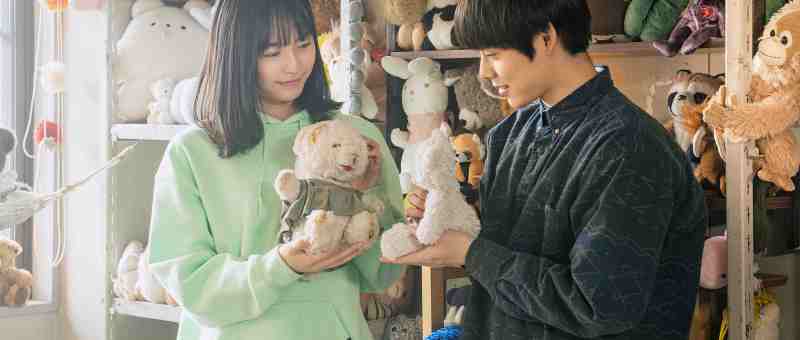
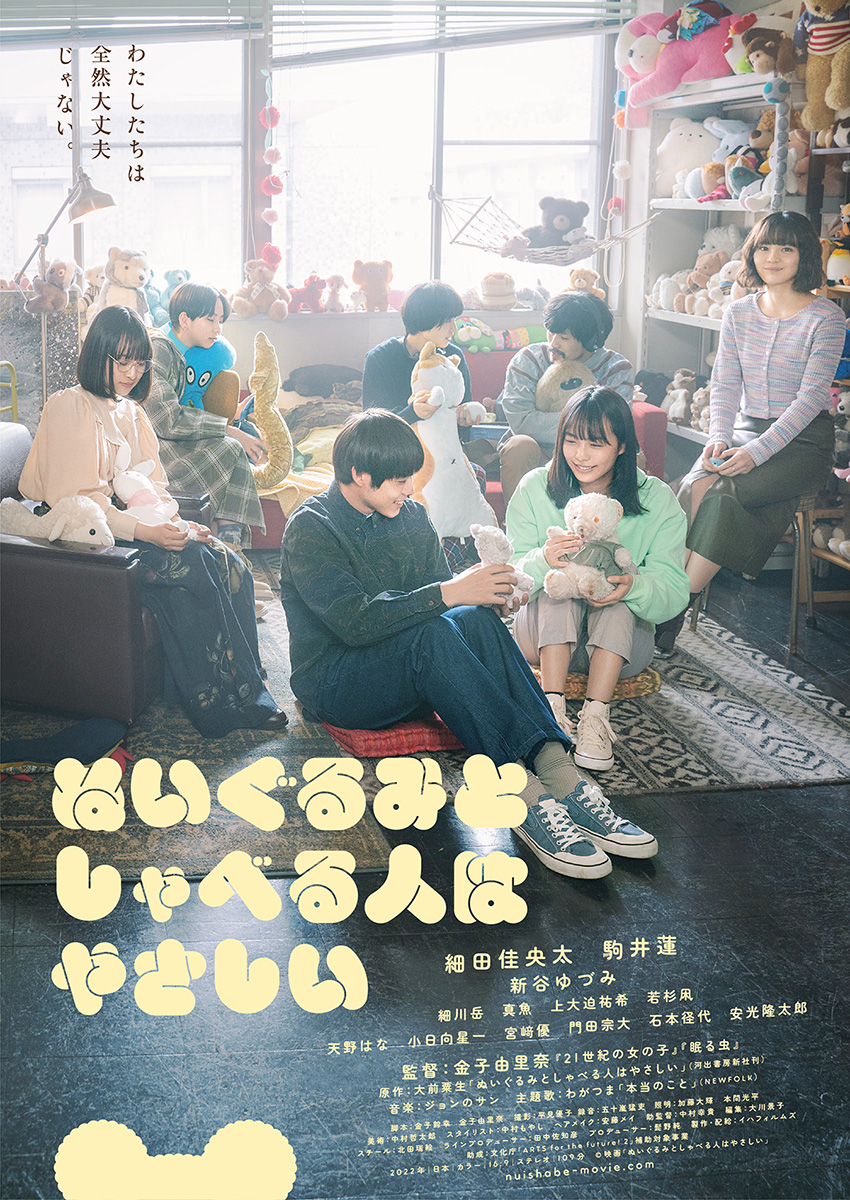
People Who Talk to Plushies Are Kind (ぬいぐるみとしゃべる人はやさしい, Yurina Kaneko, 2023)

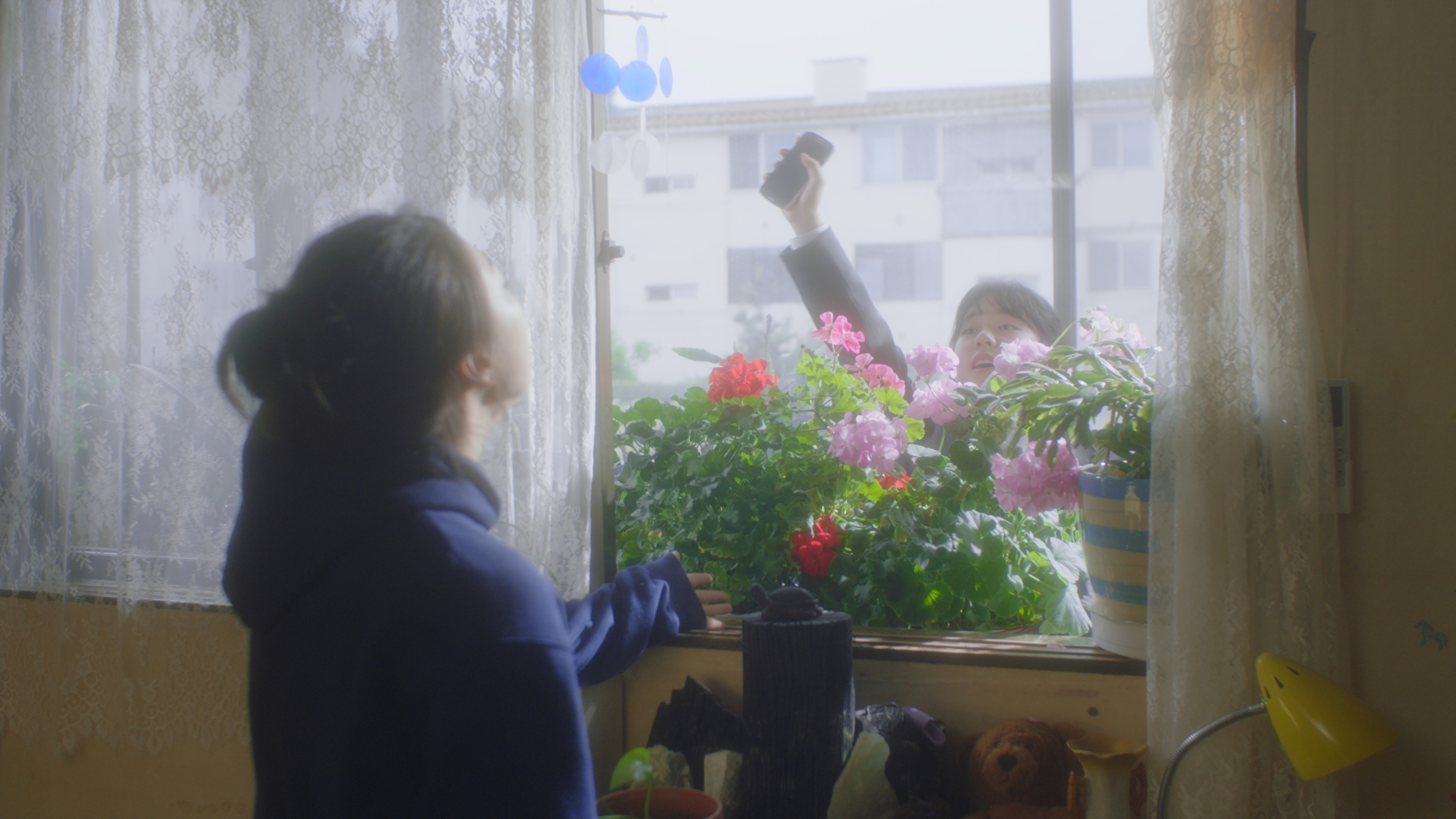
How is it possible to go on living in a society which is often unkind and at times hostile? A collection of sensitive university students find themselves struggling to accept the world around them in Yurina Kaneko’s charmingly empathetic adaptation of the novel by Ao Omae, People who Talk to Plushies are Kind (ぬいぐるみとしゃべる人はやさしい), but discover a kind of solidarity in softness after joining a club where they don headphones and unburden themselves to cuddly toys. 

As they point out, it’s good to talk. But talking to someone else about your worries can end up making them worried too and that’s the last thing any of the members of the Plushie Club want which is why they’ve decided to talk to plushies instead. Yet what’s worrying them isn’t just their worries, but a sense of their powerlessness and complicity in having behaved as if they believed the problems of others were nothing to do with them until they were shown otherwise. The hero, Nanamori (Kanata Hosoda) regrets that he “laughed things away with everyone else” rather than speaking up when he saw something that seemed wrong to him and should change while acknowledging that simply by existing as a man he may make someone feel afraid or uncomfortable without meaning to. 

Nanamori is careful not to hurt others by his own actions, trying to turn down a confession of love from a classmate in high school as kindly as he can but perhaps failing in his awkwardness even as he straightforwardly tells her that he doesn’t understand the concept of romantic desire. He simply doesn’t know what it means to “like” someone, and feels that there must be something wrong with him that he can’t grasp this simple facet of human behaviour. On a trip home uniting with some boys from school, he is immediately put off by their stereotypically masculine banter in which they ask him about girls and crushes and mock him for being a virgin until he finally leaves and tells them not to laugh at him just because he is different. 

Everyone at the Plushie Club is “different” in their own way, but has come to find a place to belong where they are simply allowed to be without needing to offer anything else. As another of the members, Nishimura (Mimori Wakasugi), puts it there’s something between kindness and indifference that is simply gentle, a quiet yet powerful quality of acceptance. When she casually revealed one day that she had a girlfriend, most of her friends were supportive but perhaps superficially. Her revelation had made them uncomfortable and regardless of how they felt about it, their perception of her had changed and she was no longer the person she had been to them before. They began to treat her differently, but at the Plushie Club there was no real difference and everyone carried on reacting to her the same way they always had. 

The Plushie Club is a place where it’s permitted to be soft in a hard world, where the members can allow themselves to feel drained by the process of living and find relief from their sense of powerlessness in acknowledging that they have made a choice to continue being kind rather than become what the world wants them to be. In an effort to understand romantic desire, Nanamori begins dating a fellow member, Shiraki (Yuzumi Shintani), but discovers that she has chosen the opposite path laughing at women who complain about societal misogyny and insisting that it’s pointless to resist because nothing will ever change. She joined the Plushie Club because she was sick of being sexually harassed at other uni gatherings but later decides to deliberately join another club filled with sexist guys because the real world isn’t so nice and the only way to survive it is to become hard yourself. 

Shiraki claims that she finds Nanamori’s “righteousness” “exhausting” and wishes she could free him and a similarly minded classmate, Mugito (Ren Komai), from their “tormenting kindness” which has in its way hurt her though unavoidably so even as she continues to be kind despite herself if rebelling by refusing to talk to plushies. Kaneko sometimes shifts to a blurry plushie vision with shimmering pastel-coloured edges and a kind of glitter snow effect that makes it seem as if the stuffed toys really are watching over their human friends as they silently, or not, agree to shoulder some of the burden of living. “They’re the ones talking to us,” Nanamori points out though in a way perhaps it’s more that the plushies reflect a part of themselves allowing them to exteriorise their internal dialogue and reach an accommodation with their fear and loneliness amid a world which consistently proves immovable and disappointing.


People Who Talk to Plushies Are Kind had its World Premiere as part of this year’s Osaka Asian Film Festival.

Original trailer (no subtitles)

Images: (C) 映画「ぬいぐるみとしゃべる人はやさしい」

BFI Flare Confirms Complete Programme for 2023

The BFI’s LGBTQ+ film festival, BFI Flare, has announced the full programme for this year’s edition which runs at the BFI Southbank 15th to 26th March. This year there are a few features from East Asia included in the lineup including four from South Korea.

Cambodia

  • Lotus Sports Club – documentary filmed over five years following a trans man in his 60s who formed a football team for LGBTQ+ youth.

South Korea

  • The Dream Songs – etherial drama following two high school friends over the course of a day.
  • Life Unrehearsed – documentary following two Korean women who met each other at a summer camp in Germany in 1986 and have stayed in the country together ever since.
  • PEAFOWL – drama following a trans woman who is tasked with performing the memorial dance at her estranged father’s funeral.
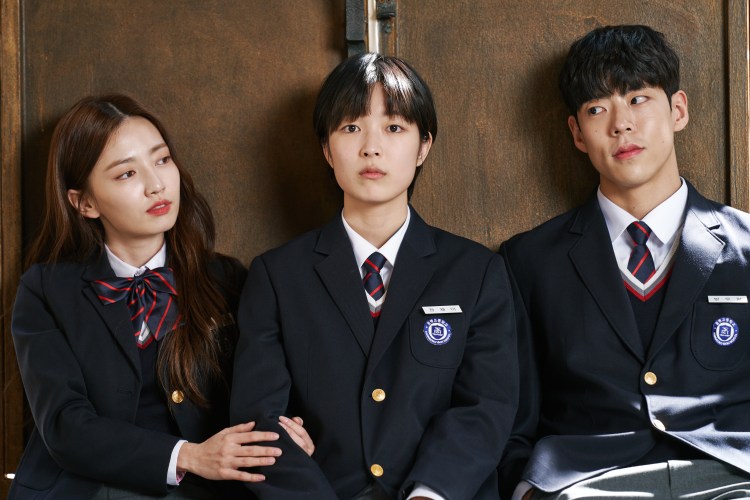
  • XX+XY – teen comedy following an intersex high schooler who finds themselves at the centre of a love triangle.

BFI Flare runs at BFI Southbank 15th to 26th March, 2023. A small number of short films are also available to stream via BFI Player. The full programme can be found on the official website where tickets are already on sale. You can also keep up to date with all the latest news via the festival’s Facebook page, Twitter account, Instagram, and YouTube channels.

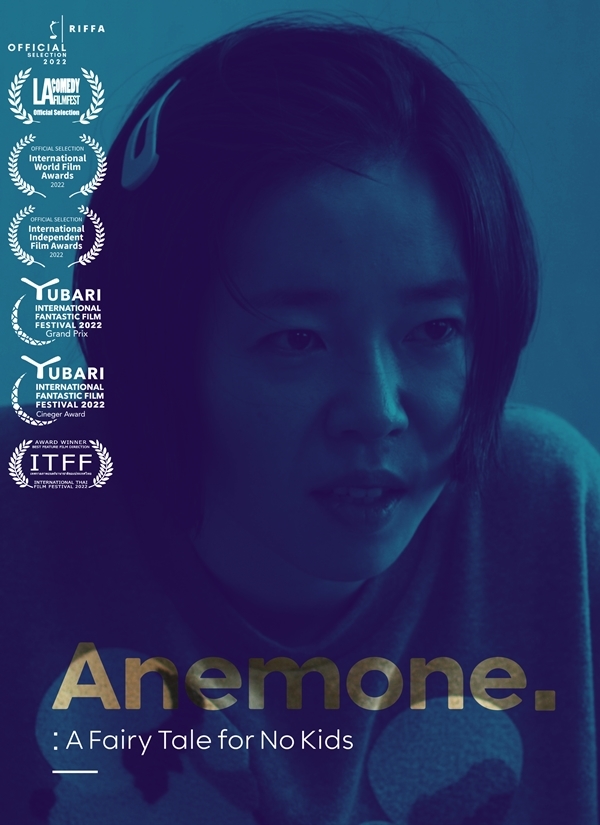
Anemone: A Fairy Tale for No Kids (아네모네, Jung Ha-yong, 2021)

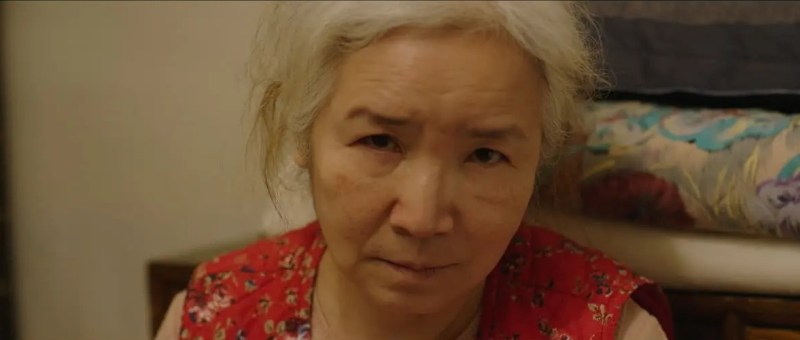
“Betrayal is betrayal” according to a jaded grandmother (Park Hye-jin) reading a children’s story that’s clearly not for children to a curious little girl in Jung Ha-yong’s extremely dark comedy, Anemone: A Fairytale for No Kids (아네모네, Anemone). Later someone asks what the difference is between treachery and betrayal before conceding there might not be any, but whatever betrayal is there’s certainly a lot of it going around as a winning lottery ticket causes discord between an otherwise unhappy couple, their friends, relatives, and just about everyone else. 

As the grandmother relates reading to the little girl, Yongja is a wife and mother of one who once had an illustrious career as a martial artist and is now an aspiring children’s author. Her husband, meanwhile, is a no-good layabout and the family is in constant financial difficulty dependent on Yongja’s part-time job in the kitchen of a bar. When she has a dream about winning lottery numbers, she writes them down and tells her husband to buy a ticket before going to work. Hearing the draw on the radio, she realises she’s won and abruptly walks out on her job getting into a physical altercation with her boss as she goes, but on arriving home her husband seems confused. Eventually he admits he forgot all about buying a ticket but Yongja doesn’t believe him and is convinced that he’s stashed it somewhere and plans to keep the money for himself.  

That would obviously be quite a big betrayal, but maybe not all that difficult to understand given the relationship dynamics in play between the obviously unhappy couple. Sending their daughter to her grandmother’s, Yongja goes to great lengths torturing her husband, making him wear a nappy and trying him to a rocking horse, in an effort to get him to reveal what he’s done with the ticket only to threaten murder suicide when he continues to say he can’t give her what he never bought. Just as we’re starting to feel sorry for him, and to be honest the constant “did you or did you not buy the ticket” conversation goes on for an incredibly long time, the husband manages to escape, expanding the search for the ticket across the wider area while Yongja ropes in her gangster brother and his dodgy friend to come to her aid. 

The ticket appears to have exposed the cracks within the family unit which are largely attributed somewhat uncomfortably to a misalignment of gender roles in which the husband is feckless and useless while Yongja essentially bullies him and is consumed by a sense of resentment that she is forced to shoulder the financial burden of supporting the family. The words the grandma reads from the picture book are often at odds with the reality, presenting Yongja as having achieved success with her children’s books but showing her dismissed by an editor who ironically points out the story’s not suitable for children. The grandmother further explains that poor people buy lottery tickets because it’s their one source of hope for a better life, no longer believing they have any possibility of improving their circumstances independently, which is perhaps the case for Yongja who hopes the money can help them fix their “train wreck of a family” for a happier future. 

Then again it may be the ticket that betrays them in proving so elusive. Because of the ticket, Yongja is forced to realise that she doesn’t trust her husband and that she is right not to because he is indeed keeping something from her. Other people she can’t trust include her brother’s shady friend while he is also a liability preventing her from calling the police because there’s a warrant out on his name. The problem is that everyone wants the ticket from themselves, except perhaps for Yongja who had obviously intended to use the money for the family as a whole though it seems unlikely that a simple injection of cash could fix these toxic relationships or restore their happy home if that is ever what it was. Fairy tales are often dark and this is no exception though the reason a child shouldn’t read it is not because it’s crude or violent but simply because it would crush their tiny spirit with the overwhelming disappointment of life. 


Anemone: A Fairy Tale for No Kids screened as part of the 2022 Yubari International Fantastic Film Festival.

Carmen from Kawachi (河内カルメン, Seijun Suzuki, 1966)

(c)1966 Nikkatsu Corporation

A naive girl from the mountains finds herself chasing consumerist success and urban independence only to encounter further exploitation before eventually transcending her subjugation and returning to the source of her trauma in an ironic picaresque from the characteristically anarchic Seijun Suzuki. Adapted from a novel from Toko Kon whose book also provided the source material for The Incorrigible, Carmen from Kawachi (河内カルメン, Kawachi no Carmen) loosely adapts Bizet’s classic opera but ironically discovers a much positive outcome for its relentlessly plucky heroine. 

In Kawachi, meanwhile, a rural mountain backwater near Osaka, Tsuyuko (Yumiko Nogawa) is a rather innocent young woman with a crush on the son of the local factory owner, Bon (Koji Wada), who seems to like her too but is equally diffident if presumably mindful of the class difference which makes a relationship between them unlikely to succeed. Tsuyuko’s friend tells her of a girl from school who now works in a cabaret bar in the city and has all the mod cons in her fancy apartment including an electric fridge, washing, machine, and double bed but Tsuyuko doesn’t seem to be too impressed. However, when a pair of local reprobates overhear her romantic conversation with Bon, they begin to feel resentful and decide to rape her. As they approach Tsuyuko, they are seemingly joined by a small crowd of men from the local area each chasing after her. On her return home, she simply bursts into tears but is greeted by an even worse sight, catching her mother (Chikako Miyagi) in a passionate embrace with a lecherous monk whose disgusting fisheye face continues to haunt her, a spectre both of a world of patriarchal exploitation and her own prudishness which is also coloured by the trauma of her rape. 

Tsuyuko is indeed followed around by various men who are all in their way disappointing in their desire to possess her body. “When a woman sleeps with a man just one time, the man thinks she belongs to him”, her school friend explains after she begins working in the bar in Osaka thinking that as her honour’s already lost she might as well try cabaret. Yet there is a kind of power play involved in the hostess life, the men all running after Tsuyuko who only has to stand still and can in fact manipulate them in turn. Then again, as soon as she starts work she ends up having too much to drink and sleeping with a sad sack salaryman who lied that he was also from Kawachi in an attempt to win her sympathy. Like many in the bar he thinks of her as a bumpkin still smelling of mountain soil and is disappointed she’s not a virgin but then becomes obsessed with her to the point of ruination. Kanzo (Asao Sano) embezzles a humiliatingly small amount of money from the financial company where he works and is fired, hanging out in the rain outside the bar just to catch a glimpse of Tsuyuko. Tsuyuko isn’t interested in him but ends up feeling bad about her role in his downfall and letting him move into her apartment where he becomes something like her wife, taking care of all the domestic arrangements and even ironing her smalls.

For all that, Kanzo’s not that bad. He’s a sweet, if pathetic, guy who takes her sudden announcement that she’s moving on with good grace explaining rather sadly that these have been the happiest days of his life but he never expected them to last. Rather than a jealous lover, he willingly lets her go even agreeing to put on a show of anger so she won’t feel bad about abandoning him. In many mays, Kanzo is one of the best men she’s going to meet, save perhaps wealthy artist Seiji (Tamio Kawaji) who seem to have no romantic interest in her but becomes a valuable friend and confident. Then again, it’s not just men. After taking a job as a model to try and move on from the cabaret life, she’s sexually harassed by a predatory lesbian boss who takes her in as a maid and then tries to force her attentions on her, possibly lacking the language for seduction in this less enlightened age. When Seiji had tried to explain that her boss is a lesbian, Tsuyuko had simply laughed and been unable to believe such a thing could be true.

Suzuki pulls back from the fashion entrepreneur’s home to frame it as a dollhouse stage set, Tsuyuko now merely another plaything but also herself playing a role in the newly aspirant society. She does so again when Seiji gets her the gig as a mistress for a loanshark who sets her up in a fancy apartment but only asks her to wander around in the nude apparently interested in little other than voyeurism. Tsuyuko only agrees because she continues to chase the dream of pure love with Bon whom she has reencountered by chance. He is now brought low as his factory has gone bust and he’s broke which dissolves the class difference between them. But Bon is also chasing an elusive dream, in his case of success back in Kawachi by building an onsen at the site of a mysterious waterfall no one has been able to find for decades. Just as Tsuyuko is forced to prostitute herself for Bon, Bon prostitutes himself for his dream in that as she discovers he is her partner in a porn shoot directed by the sleazy loanshark who quite clearly also gets off on the romantic drama in play and the destruction of the “pure” love between Bon and Tsuyuko. 

Part of Tsuyuko’s disillusionment had been caused by the discovery that not only was her mother sleeping with the creepy priest but that she was doing it for money and her father knew. Her troubles have largely be precipitated by male failure, firstly her father’s in his inability to support his family, secondly in the fragile masculinity of the local boys who assaulted her, and then finally in the weakness of Bon who chose his fleeting dream of local success over his love for her. Having inherited the loanshark’s riches after he is randomly killed in a plane crash, Tsuyuko discovers she no longer wants them and tries to free her mother from male exploitation by giving her money in part for a decent funeral for her father. Only then does she learn that her mother has already substituted her younger sister Senko (Ruriko Ito), forcing her to sleep with the priest and blaming Tsuyuko for it for having run away. 

Tsuyuko takes dark and destructive action to rid herself of the troublesome priest as if exorcising the roots of her trauma, no longer afraid of men or of sex but firmly in charge of herself and her body. Her mother is not, however, particularly happy to be emancipated if ironically expressing the same sentiment in that she need have no fear of loneliness or penury for she can always find company if she desires it. Unlike Carmen, Tsuyuko is not undone by toxic masculinity and frustrated male pride but eventually transcends them even if as her mother says she may never be free of the priest’s “dark magic” while she takes to the streets of Tokyo with a rose in her teeth looking, if not quite perhaps for love, then at least satisfaction. Brimming with the joie de vivre and anarchy that would later make him famous from the raucous club scenes to the ironic framing of the porno shoot and dramatic freeze frames as Tsuyuko finally loses her faith in men, Suzuki’s Carmen allows its pure hearted heroine not only to triumph over the forces that oppress her be they men or merely consumerism but to subvert them to her advantage.


Carmen from Kawachi screens at Japan Society New York on Feb. 10 as part of the Seijun Suzuki Centennial.

Original trailer (no subtitles)

Images: (c)1966 Nikkatsu Corporation

Eternally Younger Than Those Idiots (君は永遠にそいつらより若い, Ryuhei Yoshino, 2021)

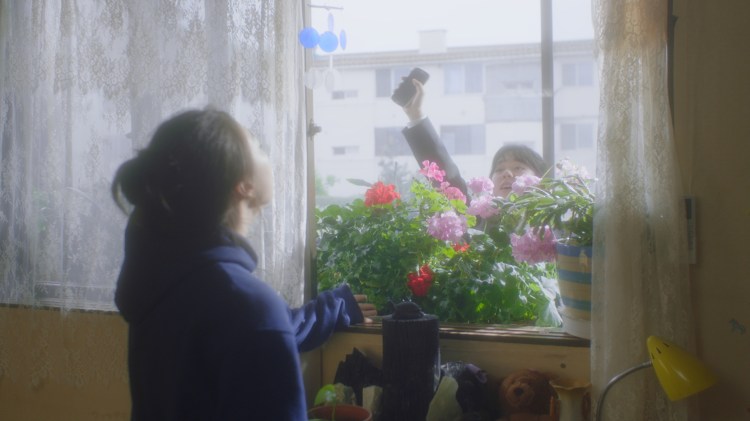
An insecure young woman struggles to assume her place in the world while preparing to leave the aimless security of college life for an uncertain adulthood in Ryuhei Yoshino’s empathetic social drama, Eternally Younger Than Those Idiots (君は永遠にそいつらより若い, Kimi wa Eien ni Soitsura yori Wakai). Adapted from the novel by Kikuko Tsumura, Yoshino’s film has its share of quirky humour but seems to be overshadowed by a lingering darkness in which there is only constant suffering tempered by a longing for recognition which often goes unanswered.

Horigai (Yui Sakuma) is one of the lucky ones in that she’s already locked in a job for after graduation as a children’s social worker back in her hometown. After making a speech at a uni party, however, she’s challenged by a rude fellow student who calls her out for her arrogance in thinking she has the right to interfere in people’s lives. He has perhaps touched a nerve. Though it’s a job she’s always wanted, Horigai is worried that she isn’t up to it and won’t be able to help anyone in part because she feels herself to be somehow different from those around her and lacking the skills to see what everybody else just naturally sees. 

Her sense of inadequacy is thrown into relief by a chance meeting at a party with a soulful fellow student who has just been released after getting arrested for suspected kidnapping having allowed a little boy neglected by his parents to stay in his apartment. Though she bonds with him, he soon leaves her life in unexpected fashion leaving her with an unspoken story hanging in the air. At her part-time job doing quality control at a factory she befriends another young man, Yasuda (Yo Aoi), who eventually confides in her about a very personal problem which she had originally not taken very seriously only to feel bad that she didn’t notice how much pain it was causing and had in a sense even made it a little worse by unwittingly teasing him. She didn’t see it because, in this case understandably, she did not want to look but without fully realising did perhaps make a difference a life just by listening. 

Most of all, she berates herself for picking up on her new friend Inogi’s (Nao) buried trauma as manifested in a physical wound to her body. Horigai’s uni thesis is on the link between childhood environment and visions of success, exploring whether or not there’s a difference in the way people dream based on the way they were raised. Some of the answers are, if taken at face value, a little surprising, Inogi wishing for a beautiful daughter-in-law to take care of her in her old age perhaps hinting at her desire for the security of a conventional family, but also somewhat poignant in their seeming simplicity. When Horigai relates a traumatic childhood memory Inogai is brought nearly to tears, despite having just met her, in guilt and sorrow that she wasn’t there to help, a sentiment which is later returned when Horigai learns of her trauma while also reflecting on the fact that she survived it if only by force of will and the gentle kindness of someone who was simply there. 

Simply being there is as Horigai learns a big part of it, finally stepping into herself by daring to look at the things she didn’t want see and making a difference in someone’s life who might not have survived if she had simply gone about her business. Having believed herself a “defect”, unfit for human society and unable to make lasting connections with others she gains strength through mutual acceptance that gives her the confidence to be there for those who need her still uncertain if she is really up to the job but doing her best anyway. Death seems to overshadow her, haunted as she is by missing children and the spectres of those whose suffering she could not see, but she is finally able to rise above it in overcoming some of her own childhood trauma. Almost everyone is burdened with something be it guilt, loss, or the legacy of pain and abuse but it helps to have someone to help carry the load. “The world is full of scary shit. Want to try Mario Kart?” Inogai asks, and it might be as good a suggestion as any. 


Eternally Younger Than Those Idiots screened as part of this year’s Camera Japan

Original trailer (no subtitles)

Terrorizers (青春弒戀, Ho Wi Ding, 2021)

A collection of youngsters is drawn into a dangerous web of simmering violence in Ho Wi Ding’s Taipei-set drama, Terrorizers (青春弒戀, qīngchūn shì liàn). The film may share its name with an Edward Yang classic, but it is very clearly society that is the terroriser in this instance from toxic masculinity and social conservatism to youthful isolation, video games, and pornography. The film seems to ask if it’s ever really possible to move on from the past and discovers that it may not be though some may be prepared to help carry your baggage as they travel towards the future so long as they know what’s in it. 

The youngsters are brought together by the ominous presence of Ming Liang (Austin Lin Bo-Hong), an isolated young man who barely speaks and spends all his time playing video games. It’s him we see dressed in full ninja garb attacking a young woman, Yu Fang (Moon Lee), with a katana at the train station only for her boyfriend Xiao Zhang (J.C. Lin Cheng-Hsi) to heroically throw himself in front of her to fight Ming Liang off. 

Later a dejected middle-aged woman Ming Liang befriends ironically tells him that guy who protects his girlfriend is a real man, working the wound of Ming Liang’s bruised masculinity and causing him to double down on his frequent insistence that he can protect women, though later he indeed does on separating precocious teen Kiki (Yao Ai-Ning) from the previously diffident best friend who tried to assault her. Having given up on Yu Fang he begins stalking a woman from her acting class, Monica (Annie Chen Ting-Ni), whose admittedly no good ex boyfriend he later beats up assuming it will buy him white knight credits as a protector in the shadows when in reality he’s a total creep who cloned the key to her apartment and has been hiding in her wardrobe later driven into a frenzy by the irony of watching Yu Fang and Monica, the two women he wanted, deciding they’d rather be with each other. 

Part of Ming Liang’s problem is a sense of parental abandonment, something he shares with Yu Fang whose mother abandoned her when young while her relationship with her father, who has recently remarried, has always been strained. After his parents’ divorce, Ming Liang moved in with Yu Fang’s politician father after being palmed off off by his own, the implication being that he has never really been shown parental love or given any guidance about how to live in the world save that he gleaned from the violent video games he constantly plays along with voyeuristic pornography. 

Yu Fang and Ming Liang are attempting to escape the legacy of parental failure, but Monica is left with a much more recent dilemma in her history as an early cam girl named Missy, a character created by her ex, David, who has since moved on. The more Monica tries to chase her dreams, the more her past comes out to haunt her with creepy men for some reason making a point of telling her they saw her sex tape while on some occasions actually playing it for her on their phone. Hoping to crush her spirit, David tells her that she’ll always be Missy, unable to escape the social stigma of having participated in a pornographic video, while she and Yu Fang are subject to a public shaming when a tape of them goes viral allowing the authorities to all but justify Ming Liang’s attack on Yu Fang on the grounds that she stole his girlfriend and therefore was in the wrong as if such feudalistic behaviour could ever be permissible. 

Yu Fang finds herself terrorised by the media storm of the 24hr news cycle, her new life with Xiao Zhang in jeopardy while she feels ever more isolated realising that her father cares less for her wellbeing than the optics in the light of his ongoing political campaign. Ming Liang meanwhile is forever reminding people that his father is rich and influential as if his misuse of his status is a direct rebellion against it and the parents he feels abandoned him. The fact that the news essentially reframes the slashing incident as a defence of heterosexual love, demonising same sex relationships, only emphasises the tyranny of outdated social prejudice and misogyny as Yu Fang becomes the villain and Ming Liang the victim entirely ignoring his predatory stalking of Monica and otherwise disturbing behaviour. It may not be possible to effectively move on from the past, overcome the legacy of parental abandonment and develop the ability to trust in others, but there may be less destructive ways to take the past with you if only in finding someone willing to share your burden. 


Terrorizers screened as part of this year’s New York Asian Film Festival.

Festival trailer (English subtitles)
Images: © changheFilms 2021