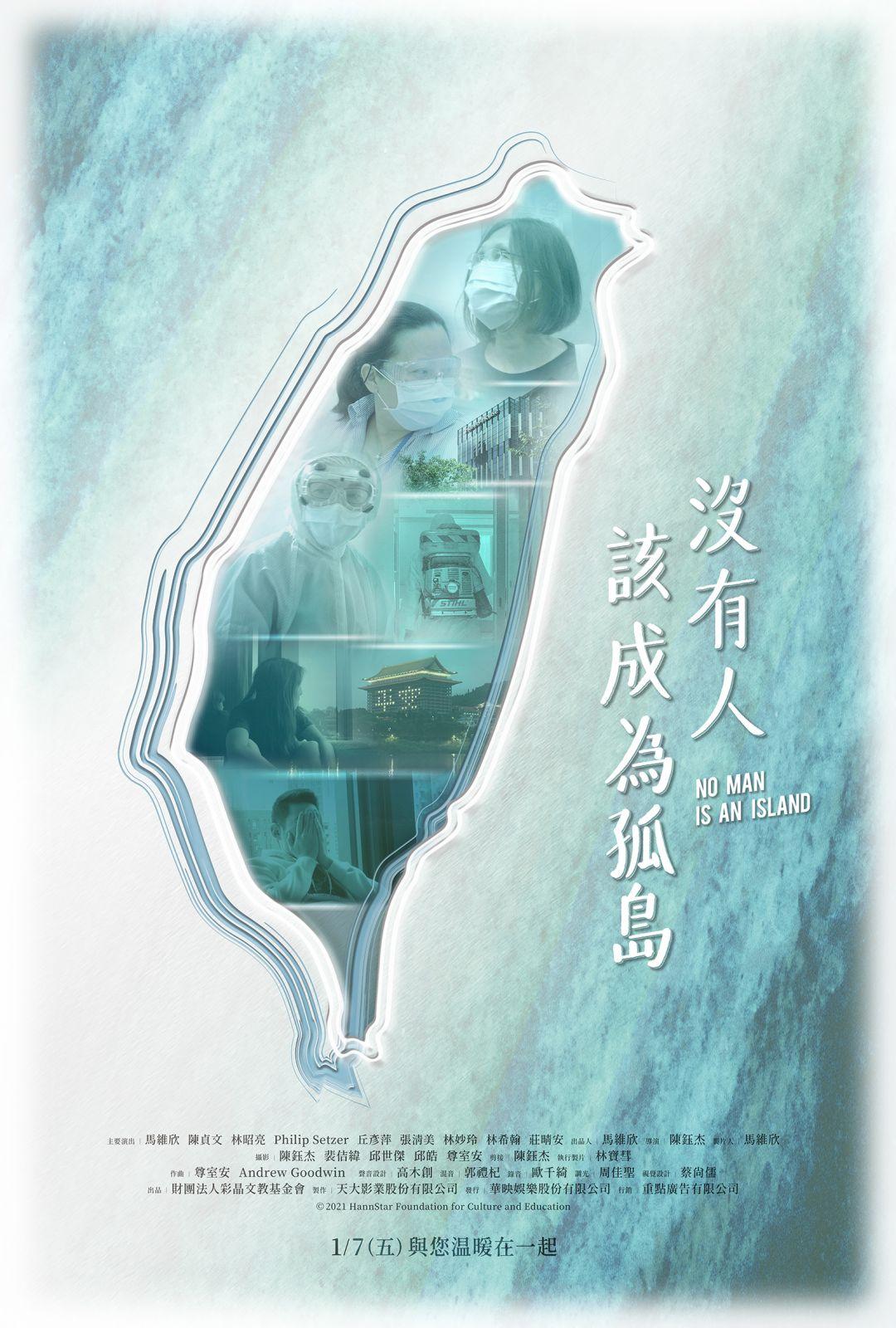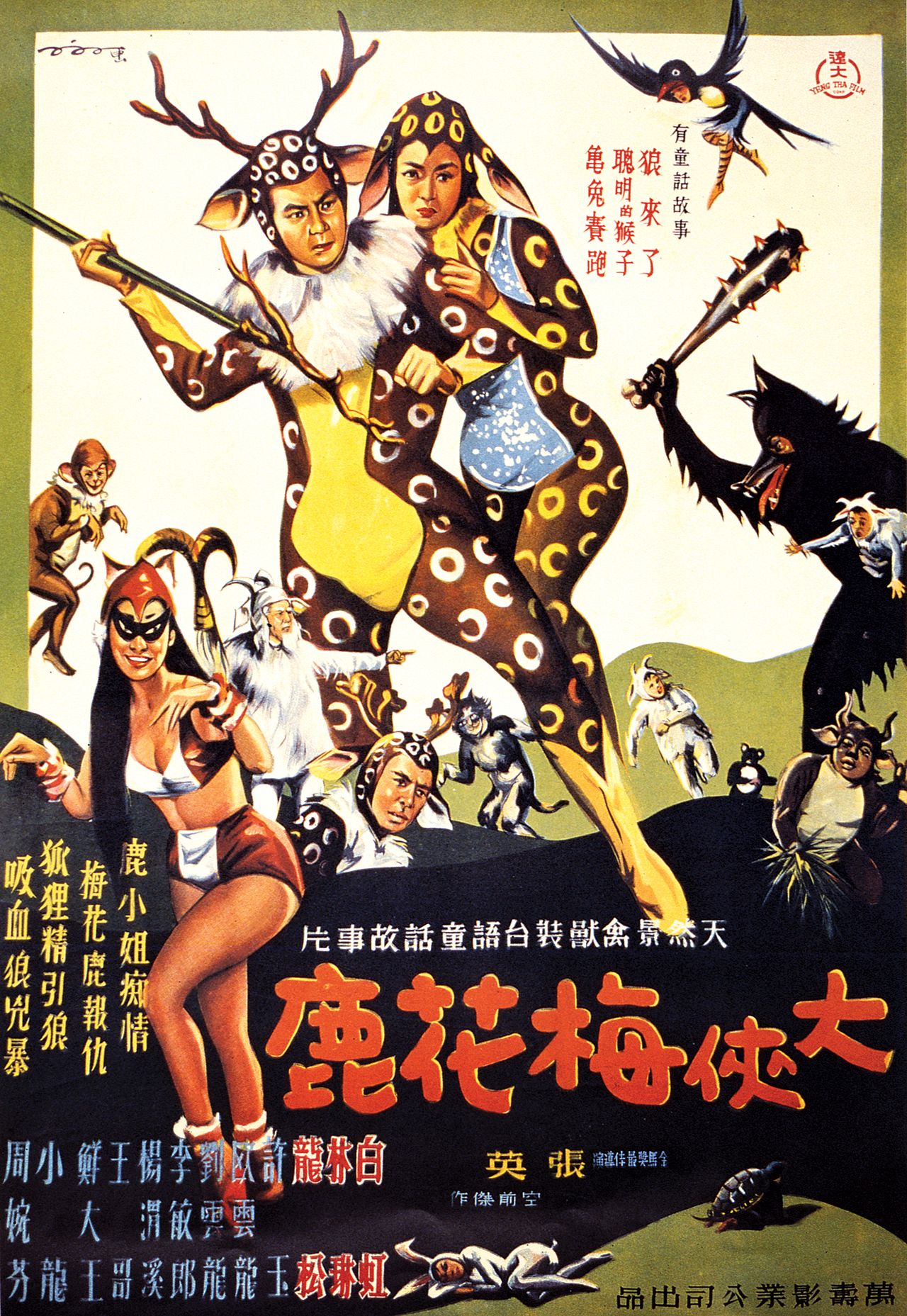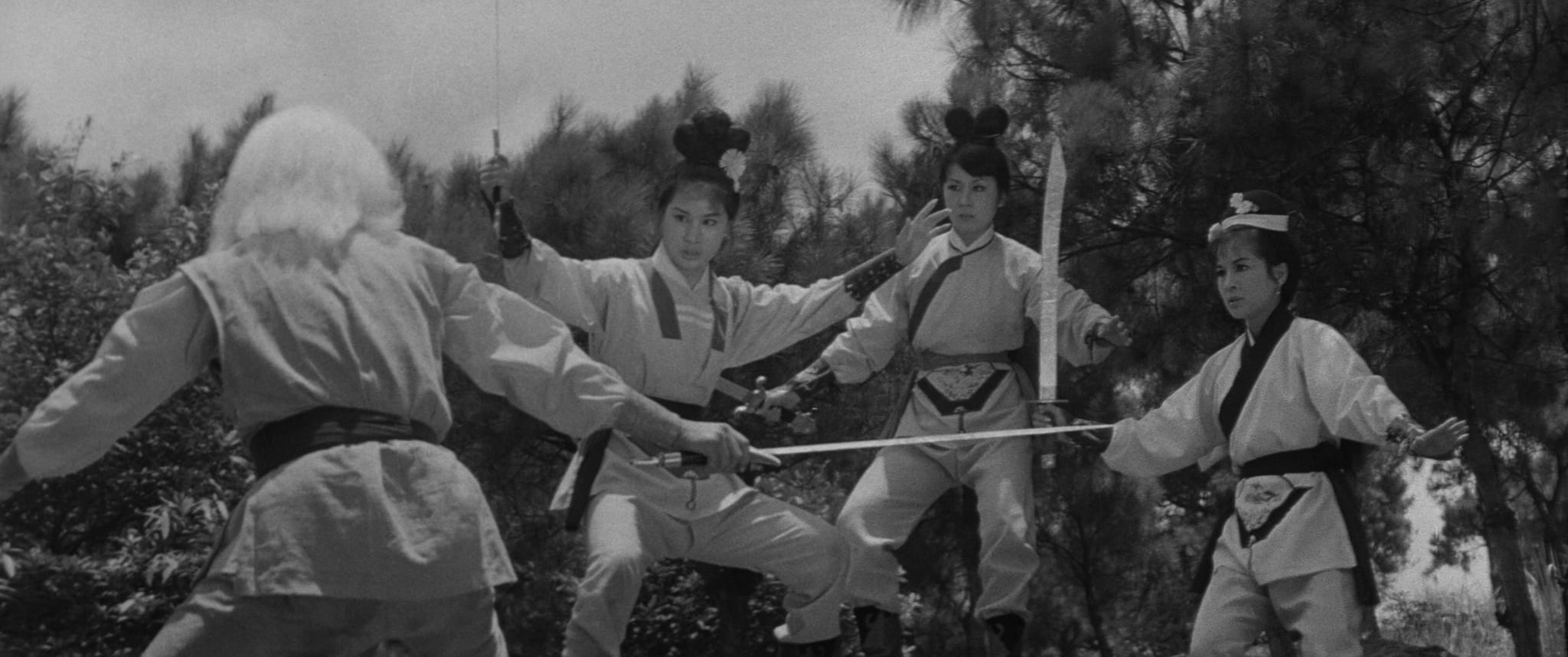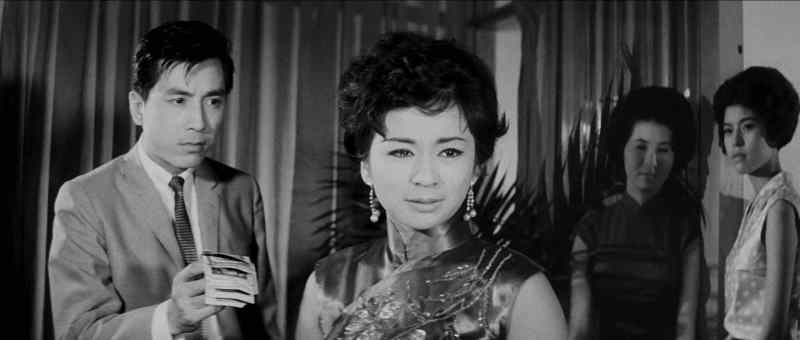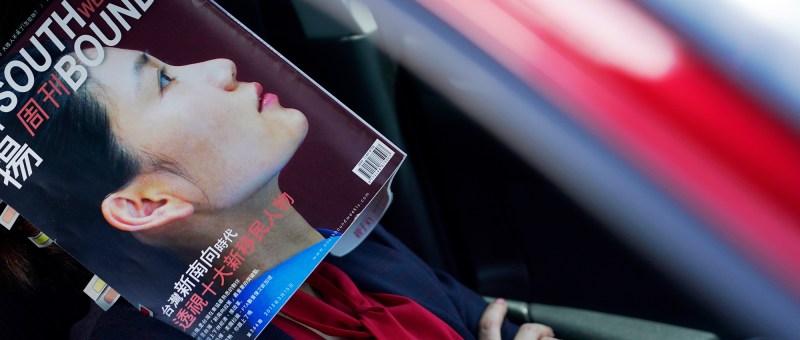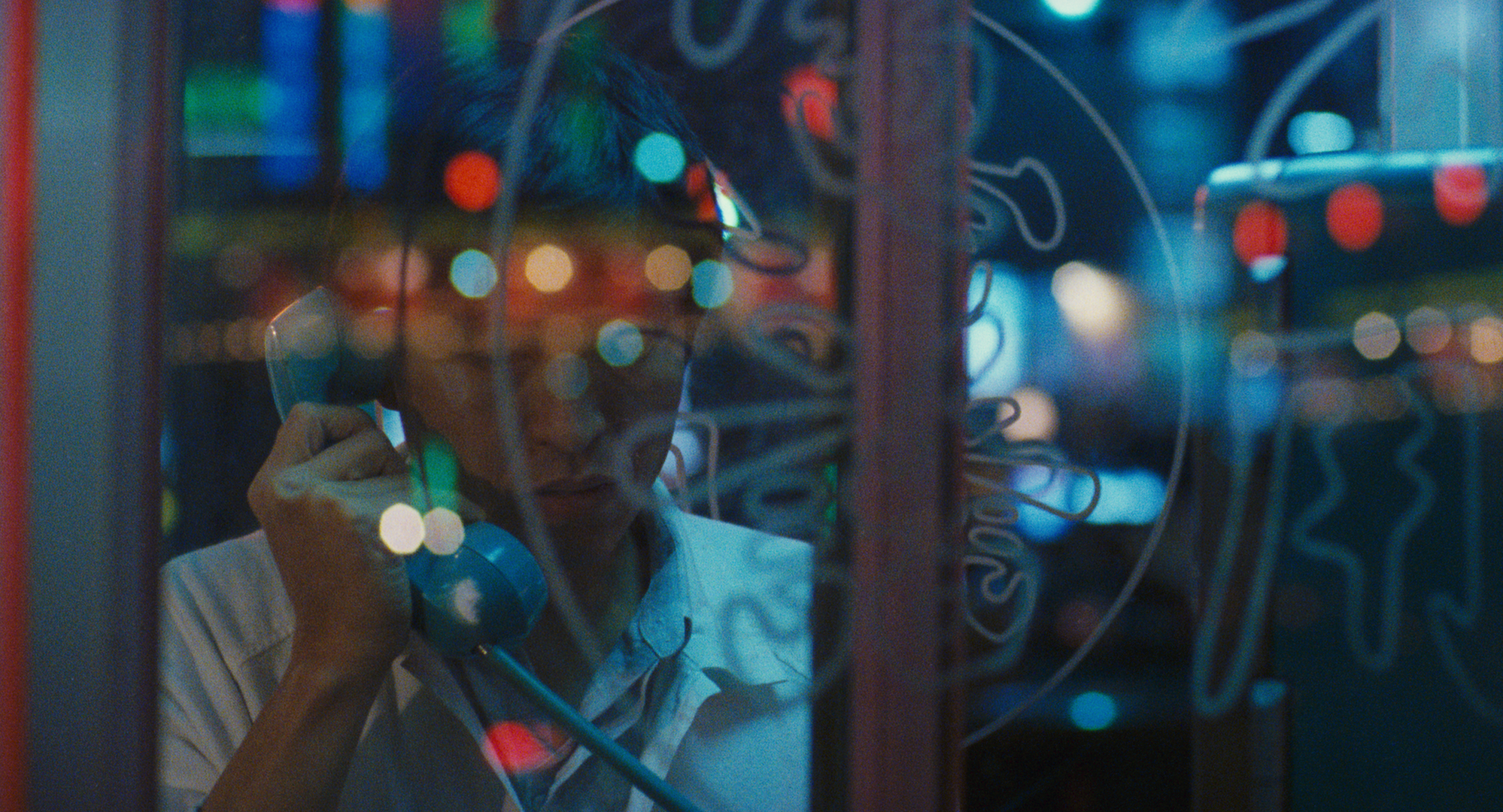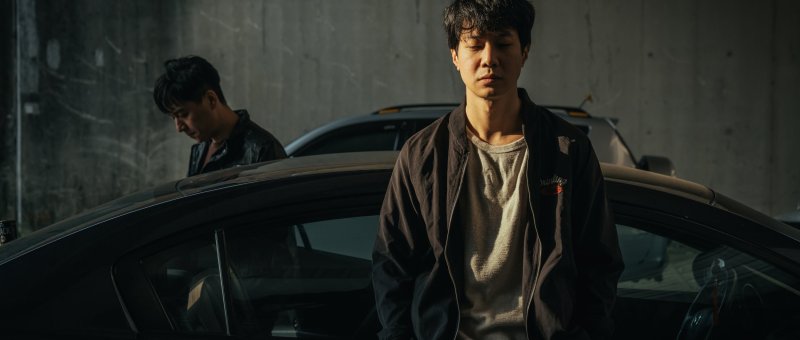
No Man is an Island (沒有人該成為孤島, Jay Chern, 2022)

For much of the pandemic, Taiwan was regarded as a success story having largely managed to avoid mass infections through a well formulated public health programme that meant for many life could carry on more or less as normal. Jay Chern’s documentary No Man is an Island (沒有人該成為孤島, méi yǒurén gāi chéngwéi gūdǎo) focusses on the sometimes forgotten frontline workers that made that sense of normality possible while losing their own in situating itself in a small hotel which agreed to become a quarantine facility for travellers arriving from overseas. 

Chern spends much of his time with the hotel’s manager, Rebecca Ma, who at one point describes the decision to house those needing to quarantine as the biggest mistake of her life but also something she ultimately felt was the right thing to do, that it would be wrong to refuse when they had the capability to help. Nevertheless, she makes clear that her greatest responsibility was to her staff, negotiating with the government that they’d only agree to offer quarantine services if they’d be provided with full PPE while we can also see the extensive procedures they must take to keep the the guests and themselves safe disinfecting rooms after guests leave and allowing several hours before deep cleaning them while running UV disinfectant lamps throughout the building. 

Meanwhile, they also face some pushback from the local community upset by the close proximity to those who may be carrying COVID-19 only to be reminded that if they weren’t quarantining at the hotel they’d have to go somewhere else and could even be staying in the apartment below theirs so the point is in many ways moot. Even within the hotel Ma is well aware of how boring and distressing being trapped in quarantine could be even in a hotel as nice as hers fully preparing herself for a series of picky complaints from guests with quite literally nothing else to do taking out their frustrations on the front desk team. Meanwhile, others forget that it’s not a holiday, they’re in quarantine, and want access to normal hotel services around the clock not always taking kindly to being reminded that certain things may not be possible. 

With that in mind, it’s genuinely touching to see the level of care that the hotel staff have for those staying with them taking note of their mental health as well as the physical. Ma recounts personally preparing a meal for the first few quarantiners and is often seen organising special treats for the guests particularly in the holiday periods so that they don’t feel alone as if the hotel staff is their family even gifting pretty flowers and cupcakes for mother’s day as well as small toys to keep children entertained. She herself has been living away from her family in the hotel to keep everything running smoothly while further members of staff move in later during the stricter lockdowns put in place after the situation intensifies ironically because of lax quarantine processes at another hotel which allowed airline personnel to leave earlier than otherwise recommended. 

Mindful of her responsibilities, Ma makes a point of leading by example never asking anyone else to do something she wouldn’t or put themselves in harm’s way unnecessarily. One employee reflects that she was so frightened that she wrote her will and explained to friends what to do with her ashes should the worst happen, but in general the atmosphere among the staff seems cheerful and upbeat, Ma giggling that she feels like a naughty child ringing people’s doorbells and then running away to let them know their meals have arrived. Privately she admits that the situation can be stressful because no mistakes can be made, it is quite literally a matter of life and death, but also a job she just needs to keep doing to the best of her ability. 

Chern also speaks to a few of the quarantiners one of whom is his own mother returning from the US to care for his bedridden grandmother, while others have returned to be closer to their families or because it is simply safer in Taiwan than wherever they were before, allowing each of them to chronicle their experiences in their quarantine diary as they try to stave off cabin fever and the anxieties of their long journeys home. Hanns House has become for them a small safe haven until they’re able to go back out into the world. “Sometimes life isn’t about what we want or if you’re ready, but rather if it’s necessary” Ma adds, later reflecting that the pandemic is turning into a never-ending marathon, “If you can’t run, crawl to the very end”.  


No Man is an Island streams in the US April 4 – 10 as part of the 14th season of Asian Pop-Up Cinema.

Original trailer (English subtitles)
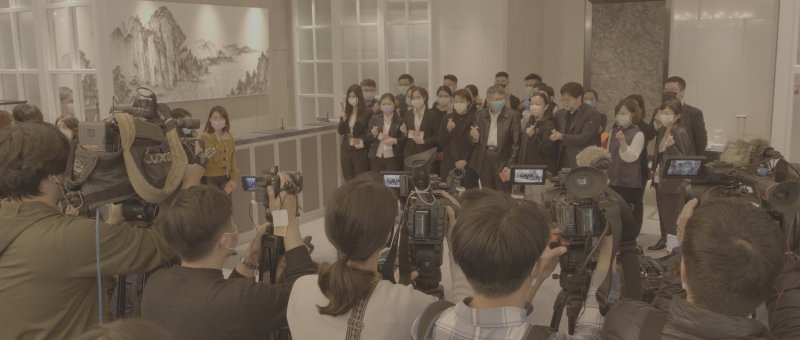
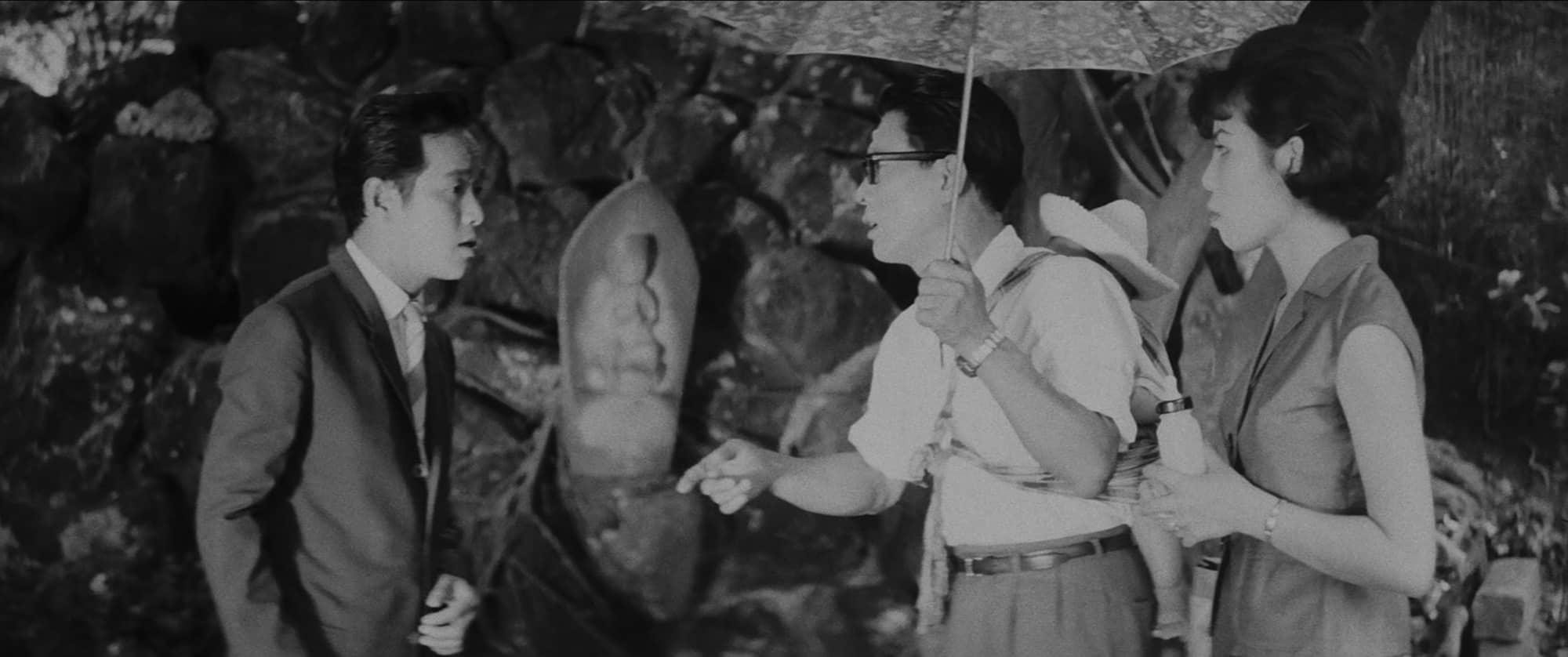
The Fantasy of Deer Warrior (大俠梅花鹿, Chang Ying, 1961)

A fearless warrior’s solipsistic priorities and obsession with male pride begin to endanger his community in Chang Ying’s incredibly bizarre Taiwanese-language forest fable, The Fantasy of Deer Warrior (大俠梅花鹿). Seemingly aimed at children with its series of moral messages and anthropomorphised animal characters, Chang’s drama is surprisingly violent not to mention a little on the raunchy side for a family film while ending on a note entirely at odds with the prevailing wisdom of children’s cinema as the righteous hero takes bloody revenge on his bound and defenceless enemies but is nevertheless embraced by his innocent love interest for having brought “justice” back to the forest. 

Opening with a surreal scene of children in animal outfits dancing to jingle bells in the middle of the forest, the cheerful atmosphere is soon disrupted by an incursion of “wolves” carrying nailed bats. An emissary is dispatched to fetch “Sika Deer” (Ling Yun), the forest’s most fearsome warrior, but he is busy having fight with love rival Elk (Li Min-Lang) over the beautiful “Miss Deer” (Pai Hung) who according to the mischievous Foxy (Lin Lin) has been kind of dating both of them. Foxy is incredibly jealous of Miss Deer and stirs the pot by suggesting that Elk and Sika Deer continue in a formal duel with the winner taking Miss Deer’s heart. Shockingly this is what they do and Sika Deer wins only to be immediately called away to the wolf attack, discover his father is already dead, and decide the best thing to do is not see Miss Deer again until he’s finished avenging his father’s death by killing Bloody Wolf. 

As you can see, Sika Deer has his priorities all wrong. First of all, he was off pointlessly fighting Elk while his family were eaten by wolves, then he decides to take the manly path by leaving Miss Deer alone and vulnerable not to mention his community largely defenceless. Later he does something similar when Miss Deer is kidnapped, stopping to lock horns with his love rival rather than devoting all their resources to tracking Bloody Wolf and saving Miss Deer. He does belatedly think to send her a letter explaining he’s busy with important revenge business and will call her later which foils Foxy’s plan to convince her he’s dead so she’ll date Elk instead (unclear why she wants this) but the fact remains that he basically just abandons everyone to selfishly pursue his own revenge ironically leaving the village vulnerable to attack.

Despite this and being absent for most of the picture, Sika Deer is still held up as the hero even when he marches Bloody Woolf and minion to his father’s grave and executes them with surprising violence while they are bound and gagged. Where most children’s films would end with some kind of forgiveness, a restoration of the forest’s harmony brokered by the hero’s magnanimity which in itself causes the villains to reform, Deer Warrior ends with quite the reverse which would seem to run contrary to most of the other moral messages presented throughout the film. 

Then again, “There is no justice in this world” Miss Deer is told on appealing first to a tree and then an elderly buffalo for a moral judgement on whether or not the wolf should be allowed to eat her even though she saved his life. As the tree points out, people took shelter under him but then they cut him down for firewood, while the buffalo complains that he’s been exploited all his life but as soon as he’s too old to work he’ll be killed and eaten. Miss Deer’s moral conundrum is as to whether a kindness ought to be repaid, convinced that Bloody Wolf is in the wrong for wanting to eat her and should let her go to repay the kindness of her saving his life. But Bloody Woolf is a wolf which is to say a creature without morals the only surprising thing being that he patiently waits while she makes all her petitions rather than just eating her as he pleases. Even so, the film seems to say not so much that Miss Deer is at fault for her innocent naivety in having trusted a wolf, but the world itself is wrong because one should never suffer for having been kind to another for kindness should always be repaid. 

Mildly critical as it is of an increasingly selfish society in which justice has become a casualty of increasing economic prosperity, Fantasy of Deer Warrior nevertheless ends on an uncomfortable note with the hero essentially delivering justice as vengeance. Meanwhile it’s also clear that prior to the arrival of the wolves which could perhaps be read either as a metaphor for Mainland China or indeed the KMT government threatening the natural harmony of the native Taiwanese society as represented by Sika Deer, the forest was not altogether harmonious before as evidenced by the rivalries between Miss Deer and Foxy and Elk and Sika Deer. These divides perhaps hint at a wounded unity, suggesting that the Taiwanese people are ill-equipped to defend themselves against external threat while preoccupied with petty disputes and personal concerns. 

Such messages are most likely above the heads of the target audience but then again, the film is curiously transgressive including several scenes of Foxy living up to her name, performing sexy dances and off “having fun” with Bloody Woolf in the forest while at one point talking Elk into attempting to rape Miss Deer to force her to marry him which whichever way you look at it is fantastically dark for a children’s film even if the metaphorical quality of the wolf as representing animalistic lust is still very much present in his determination to “eat” Miss Deer. To that extent it is also transgressive sexual energy which destabilises forest society in Foxy’s resentment of Miss Deer even if her implication that she’s been two-timing Elk and Sika Deer undercuts her otherwise innocent and pure nature which is in such contrast with Foxy’s chaotic and classically tricksy personality. 

Perhaps more of an ironic take on a kids film aimed at jaded adults, Fantasy of Deer Warrior is undeniably bizarre starring actors dressed in onesies mimicking their animal characters, deer with antlers on their heads fighting with antler staffs, and bird messengers hanging from obvious wires flapping their arms to mimic flight. Adopting the style of a classic fairytale, Chang incorporates several of Aesop’s fables such as a musical number themed around a strangely militarised tortoise and a cocky rabbit, or a literal instance of a boy crying wolf and never having the opportunity to learn his lesson. Yet the kind of justice with which the film concludes is disquieting suggesting perhaps that all is not so well in the forest after all. 


Remaster trailer (Traditional Chinese / English subtitles)

Vengeance of the Phoenix Sisters (三鳳震武林, Chen Hung-Min, 1968)

“We’re big, strong men. Why should we worry about three little girls?” a trio of bandits reflects on having allowed the children of their enemy to escape their massacre thereby leaving themselves open to future reprisals. As the title of Chen Hung-Min ’s Taiwanese-language wuxia Vengeance of the Phoenix Sisters (三鳳震武林) implies, however, they are quite wrong to be so dismissive of “three little girls” who will later grow up to fulfil their filial duty by avenging the deaths of their parents even though they are daughters rather than sons. 

During the exciting nighttime prologue, three bandits attack the house of Yang formerly a sheriff. The three men are taking “revenge” for his attempt to arrest them 15 years previously which they seemingly managed to evade and have been on the run ever since. Taken by surprise, Yang sends his three daughters away to safety with his servants, but is ultimately unable to do more than hold the bandits off before both he and his wife are killed. In the final moments before dying however, he is able to impart a few last words to second daughter Xiufeng instructing her to avenge their deaths while advising the nanny to take her to one of his sworn brothers way up in the mountains. 

This is where we meet Xiufeng (Yang Li-Hua) again 15 years later now dressing as a man and having apparently spent the remainder of her childhood perfecting her martial arts but now determined to set out alone to pursue vengeance as is her filial duty. The sisters have become scattered with the youngest, Zhifeng (Chin Mei), apparently unaware of her parentage having been brought up by the servant who helped her escape in a nearby town which is itself a victim of warlord Cao one of the bandits who killed her father who has now it seems become wealthy and powerful on the back of his life of crime. Cao is in fact so wealthy and powerful that he’s been exacting his droit du seigneur over the local population, Xiufeng rescuing a young woman in the middle of being carted off by Cao’s goons seconds after arriving in town only for Cao to ironically settle on Zhifeng as his next target despite being warned that she’s reputed to be highly skilled in martial arts. 

The the fact that each of the three bandits has become successful in the intervening 15 years is another wrong that sisters must right in their quest not only for vengeance but for justice and as the bandits seemingly have no children or family members the cycle of revenge will end only with them. Their actions will restore a kind of order not only in drawing a line under the deaths of their parents so that they can move on, but removing the bandits’ corruption so that the local population is no longer forced to live in fear of their cruel tyranny. This sense of anxious devastation is rammed home as, in a scene inspired either by contemporary samurai dramas or the western, Xiufeng slowly makes her way towards a low set camera to enter the town while in the foreground a lone figure collects debris from the otherwise empty streets. 

Xiufeng is, in genre tradition, dressing as man in order to pursue her revenge going under the name Lin Keding and exerting absolute authority unafraid of anything or anyone. Chen had worked as an editor on King Hu’s Dragon Inn and in true wuxia fashion includes a classic fight in a teahouse that also finds Xiufeng following her adoptive father’s advice to use her wits to win as she quickly realises that Lord Cao has set her up in revenge for robbing him of the girl by getting the innkeeper to poison her dinner. Meanwhile, in a repeated motif, the innkeeper’s wife keeps flirting with her adding to gender ambiguity. Older sister Qingfeng (Liu Ching) meanwhile whose protector apparently fell off a cliff and died some time ago sees no need for a similar pretence though she and Zhifeng later almost have a falling out after being distracted from their mission on encountering the “handsome hero” Lin Keding which is about as awkward a situation as one could imagine until they figure out that they’re after the same guy and Xiufeng’s true identity is confirmed simply by letting down her hair. 

In any case, the Pheonix Sisters are perhaps unusual even within the context of contemporary wuxia in that they pursue their revenge entirely independently with no male assistance or romantic involvement save the awkward flirtatious banter between the other two sisters prior to realising that Lin Keding is really Xiufeng. Nevertheless, on having completed their quest they throw away their swords, implying at least that they now intend to return to a more conventional femininity remaining strictly within the confines of patriarchal filiality rather than choosing to free themselves from it. Even so, the treatment they receive is perhaps harsher than that a male avenger may have faced, Cao sneering that he loves tough women who can fight while the other two bandits Ke and Lu eventually decide to burn Qingfeng and Zhifeng alive only for Xiufeng to arrive and dramatically save them just in the nick of time. 

Chen’s take on wuxia is indeed surprisingly violent, the cruelty in the bandits’ swords fully evidenced as they cut down not only Yang the former sheriff but his wife too. Meanwhile he makes good use of thematic symmetries typical of the genre, the trio of amoral bandits opposed by the trio of chivalrous sisters, pursuing them for a crime they committed 15 years previously to take revenge for a slight 15 years before that while the sense of circularity is further emphasised through repeated imagery in Chen’s elegantly framed widescreen composition. Despite the comparatively low budget typical of Taiwanese-language cinema which apparently saw Chen having to resort to car headlights in order to light the film during night shoots, he manages to craft fantastically entertaining period adventure filled with well choreographed action sequences and a playful sense of unease as the sisters strive to reunite their family through their quest for justice and vengeance. 


Encounter at the Station (難忘的車站, Hsin Chi, 1965)

Destructive and outdated conservative patriarchal social codes drive a young man to madness, cause a young woman to lose her sight, and push another towards nervous breakdown in Hsin Chi’s subversive Taiwanese-language romantic melodrama Encounter at the Station (難忘的車站) which rather than reinforcing the status quo eventually argues that it’s time to leave the old ways behind. Adapting the popular novel Cold and Warm World/Human Fickleness by Chin Hsing-chih, Hsin swaps the wartime setting for a purely contemporary tale in which the major victim of a patriarchal society turns out to be a rich boy in love with a poor girl while the arch villain is in fact his status-obsessed mother.

As the title perhaps implies, Tshui-Giok (Chin Mei) and Kok-Liong (Shih Chun) share a brief encounter at a train station when she drops her ID on the way to school and he picks up and returns it to her. For each of them it is love at first sight, student Kok-Liong idly dreaming of Tshui-Giok at home envisioning her in differing settings and eventually wearing a wedding dress. They continue to meet “accidentally” at the station and develop an innocent romance but while Tshui-Giok has problems at home, her adoptive mother suffering a serious illness while her step father has a serious gambling problem, Kok-Liong is attempting to put off an arranged marriage set up by his mother to a girl of a similar background, Hun-Kiau (Ho Yu-Hua). 

To begin with, the barriers between them would seem to be those of money and class though it is a sense of shame leading to minor deception which finally keeps them apart. After her mother dies, Tshui-Giok’s step father indentures her to a hostess bar after which she stops going to the station and meeting Kok-Liong. When he runs into by her accident, she tells him that she’s dropped out to look after her sickly father and is taking night classes but continues to go on innocent dates with him on her days off. When he discovers the truth, Kok-Liong borrows money from his father to buy her contract at the bar and proposes marriage again lying to his mother that Tshui-Giok is the orphaned daughter of his former teacher. Interestingly enough, it is Kok-Liong’s father who fully sympathises with his son and convinces his wife to allow him to exercise his romantic freedom, his mother reluctantly agreeing that the pair can marry when Kok-Liong returns from studying abroad in America secretly hoping he’ll go off the idea while he’s away. 

Despite her conservatism, Kok-Liong’s mother does not lack compassion, in fact Tshui-Giok later describes her as “kind” while trying to reason with her once her past as a bargirl is discovered. Nevertheless, she cannot let go of her old-fashioned ideas of properness, persuading Tshui-Giok that her love for Kok-Liong is toxic. She agrees that Tshui-Giok is a good woman who has performed the role of the perfect daughter-in-law while living in the house waiting for Kok-Liong’s return and seems at least partly conflicted but insists that Tshui-Giok’s background disqualifies her as a suitable wife for the son of a prominent family. Again she forces her to lie, leaving a goodbye note stating that she’s tired of waiting and has chosen to marry a wealthy man she met by chance. Her exit paves the way for Hun-Kiau’s return, Kok-Liong agreeing to a rebound marriage believing his mother’s claims that Tshui-Giok ran off with another man while his father cautions his wife with irritation that all of this is likely to blow up in her face.

Unlike his wife, Kok-Liong’s father continues to sympathise with the young couple indifferent to Tshui-Giok’s past while worried that his wife’s decision to throw her out (taken in his absence) may leave her with no choice but to become a bargirl again. This is in fact what ends up happening, a minor comment on the economic situation revealing that Tshui-Giok cannot support herself with a job in a factory because the pay is so low and the hours are irregular. She finds herself ironically having to return to the fringes of the sex trade in order to earn back the money Kok-Liong used to free her from it. Kok-Liong’s mother may be keen to maintain the little power she has in a patriarchal social system in enforcing her choice for her son’s bride, but her obsession with reputation and social standing eventually ruins all three lives. The marriage between Hun-Kiau and Kok-Liong is understandably unhappy leaving Kok-Liong a resentful drunk which is how he ends up re-encountering Tshui-Gok in a Taichung bar at first angrily berating her, becoming violent and threatening rape until realising she is still wearing the necklace he gave her as a symbol of their love. 

In some ways, Kok-Liong is just as much of a prisoner of this system as either of the women manipulated into an arranged marriage by his overbearing mother. Having become economically prosperous, he now has the resources to support two households setting up a home with Tshui-Gok in Taichung while keeping his marriage a secret from her leading her to believe they are simply waiting for his parents to come around. The effects of this patriarchal mindset are further felt in the fact that Hun-Kiau’s baby is female, hinting at the wrongness of their union, while Tshui-Gok’s is male. A doting father to his son, Kok-Liong all but ignores his daughter and rarely returns to his “family” home in Fengyuan forcing Hun-Kiau’s hand as she, like his mother, forces the good and proper Tshui-Giok to accept that her existence is ruinous to Kok-Liong’s future. Hun-Kiau unfairly accuses her of “stealing” Kok-Liong’s affections, making her own daughter tearfully demand that Tshui-Giok return her husband to her. 

Whatever she thought she could accomplish with this gambit, it’s unlikely that it would spontaneously reignite Kok-Liong’s buried love for her but she could hardly have expected that it would finally push him into mental breakdown unable to accept the total lack of power he has in his family life while manipulated firstly by his mother and then by his wife. Caught in an impossible situation, the young women are unable to hate each other caring most for their children rather than tussling over a man but each in their own way constrained, Hun-Kiau guilty of the same mindset as her mother-in-law if to a lesser extent while Tshui-Giok, shamed by her past and conscious of the class difference, is also wedded to outdated ideals which force her to believe that she is not good enough and only ruins Kok-Liong’s life. Fearing her son will be disadvantaged by his illegitimacy, she entrusts him to Hun-Kiau and goes to look for her birth relatives while returning to seamstressing and general emotional strain eventually lead to her losing her sight. 

Yet where traditional melodramas often reinforce the current social order, Encounter at the Station eventually allows the two lovers to reunite insisting that the mother-in-law is in the wrong, the old ideas belong to an old society and should be abandoned to facilitate a greater happiness the couple eventually leaving the family home for new one of their own. The ending is however a little too happy given the solemnity of the previous scenes. Hun-Kiau becomes the greatest casualty having allied herself to the mother-in-law’s philosophy which cannot progress into the modern society, succumbing to a mental breakdown before finally giving her blessing to Tshui-Giok. The patriarchal society disables them all, the men weak and shallow while the women are resilient but equally unable to pursue their desires finally only able either to protect their children or unethically misuse the little power they have over them. Familial bonds are eroded by notions of social propriety that force everybody to lie, or at least to conceal the truth, in order to present the facade of respectability. Featuring a number of musical sequences recounting the lovers’ sorry tale of romantic woe, Hsin hints at tragedy but eventually offers them a happier future if only in actively stepping away from the constraints of the past. 


Trailer (English subtitles)
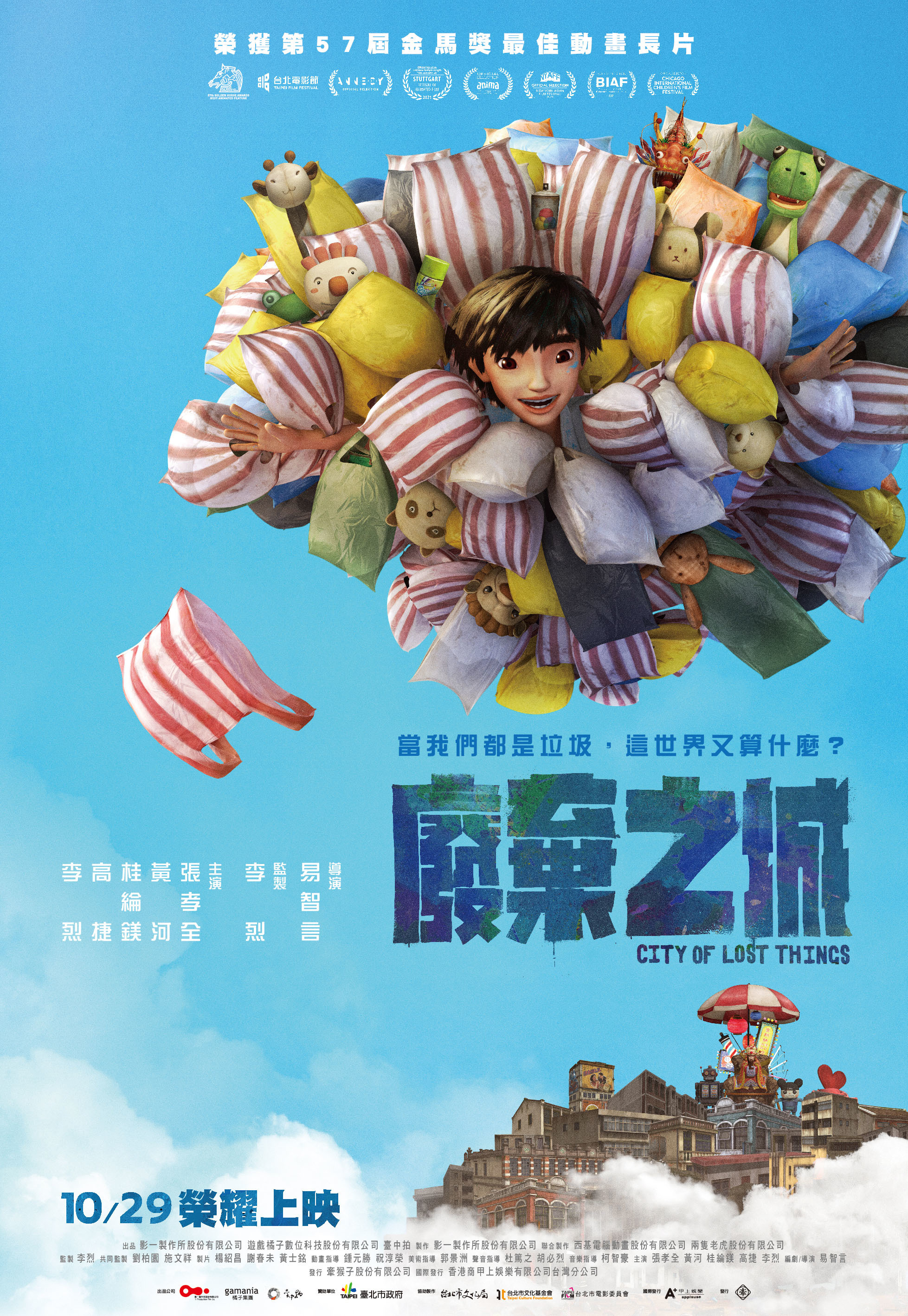
City of Lost Things (廢棄之城, Yee Chih-Yen, 2020)

A traumatised teenage boy attempts to escape his sense of alienation by relegating himself to the literal junkyard of humanity in the first animation from Blue Gate Crossing’s Yee Chih-Yen, City of Lost Things (廢棄之城, Fèiqì zhī Chéng). Not to be confused with tragic noir Cities of Last Things, Chen’s eventually inspirational drama resounds with positive energy as the embittered hero determines to love himself a little more in order to find the place where he belongs, where he can he strong and beautiful and “turn into something not trash”, while remaining unafraid to explore the darker edges of his loneliness and desperation as he searches for connection and community. 

As he explains in the opening voiceover, 16-year-old Leaf (River Huang) doesn’t like it at home where it seems his mother drinks, nor does he like it at school, or on the streets where he becomes the victim of violence. Coming to the conclusion he has nowhere else to go, Leaf is almost swept away by a giant rubbish truck along with a host of “other” refuse, accidentally saving a sentient plastic bag imaginatively named “Baggy” (Joseph Chang) which gets stuck under his shirt. Baggy guides him to Trash City where unwanted and discarded items live in a kind of ghetto ruled over by an oppressive guardian deity statue, Mr. G (Jack Kao), who also looks quite like the figure of legendary Chinese general Guan Yu. Baggy explains to him that he and many of the other pieces of “trash” trapped in the city long to escape the “siege” in order not to be “quiet trash” anymore but find a place they can be beautiful, and strong, and love themselves a little more. 

In contrast to the heroes of most children’s animation, Leaf is not a particularly sympathetic character, his obvious self-loathing of which “Trash City” is perhaps a metaphor beginning to boil over into something dark and potentially dangerous. In Trash City he finds a source of eternal escape, not wanting to leave but to remain in this place where he can feel at home, unjudged, and unbothered by the adult world while accepted by those around him as an equal. This is one reason he clings so fiercely to his new friendship with Baggy, immediately anxious on discovering his plan to leave Trash City in realising it must necessarily mean that they will one day have to say goodbye. Not wanting to lose this new friendship and return to loneliness he finds himself taking the self-destructive step of snitching on his friends little realising the consequences of his actions. 

Yet if Trash City represents Leaf’s sense of depression is also perhaps functions as a political allegory through the oppressive rule of Mr. G who refuses Baggy and the others permission to leave though he does so apparently for their own safety in order to evade the “armoured trucks” which literally suck up dissidents and crush them like rubbish in their rear compactors. In escaping Trash City, however, what Leaf must overcome is his sense of powerlessness and inconsequaility to believe that there is a place for him where he can lead a happy life surrounded by people who love him rather than regarding himself as human “trash” rejected by and unworthy of regular society. 

Nevertheless, there’s a slightly less cheerful metaphor in play in the obvious ironic twist that the place they’re looking for is a recycling centre which points to an external transformation rather than the change from within implied by Baggy’s constant messages of the importance of learning to love one’s self a little more. It also gives rise some awkward humour as Leaf looks for his friend in plastic buckets and subway seats which eventually leads to a slightly inappropriate adult joke likely to confuse younger viewers while uncomfortably implying that people and things only have value when they’re transformed into something “useful”. While the animation style is relatively simple, the charming worldbuilding and innovative production design of the almost steampunk city with its mannequin lamp guards and disco-crazy white goods help to smooth over any sense of hollowness while the overarching story of growing self-acceptance as the path out of despair is a refreshing take on potentially destructive adolescent angst as the hero resolves to find his place in the world rather than exiling himself from it. 


City of Lost Things screened as part of this year’s New York Asian Film Festival.

Original trailer (English / Traditional Chinese subtitles)

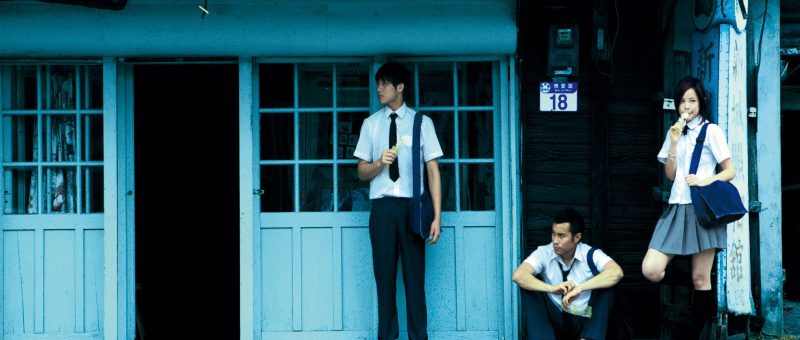
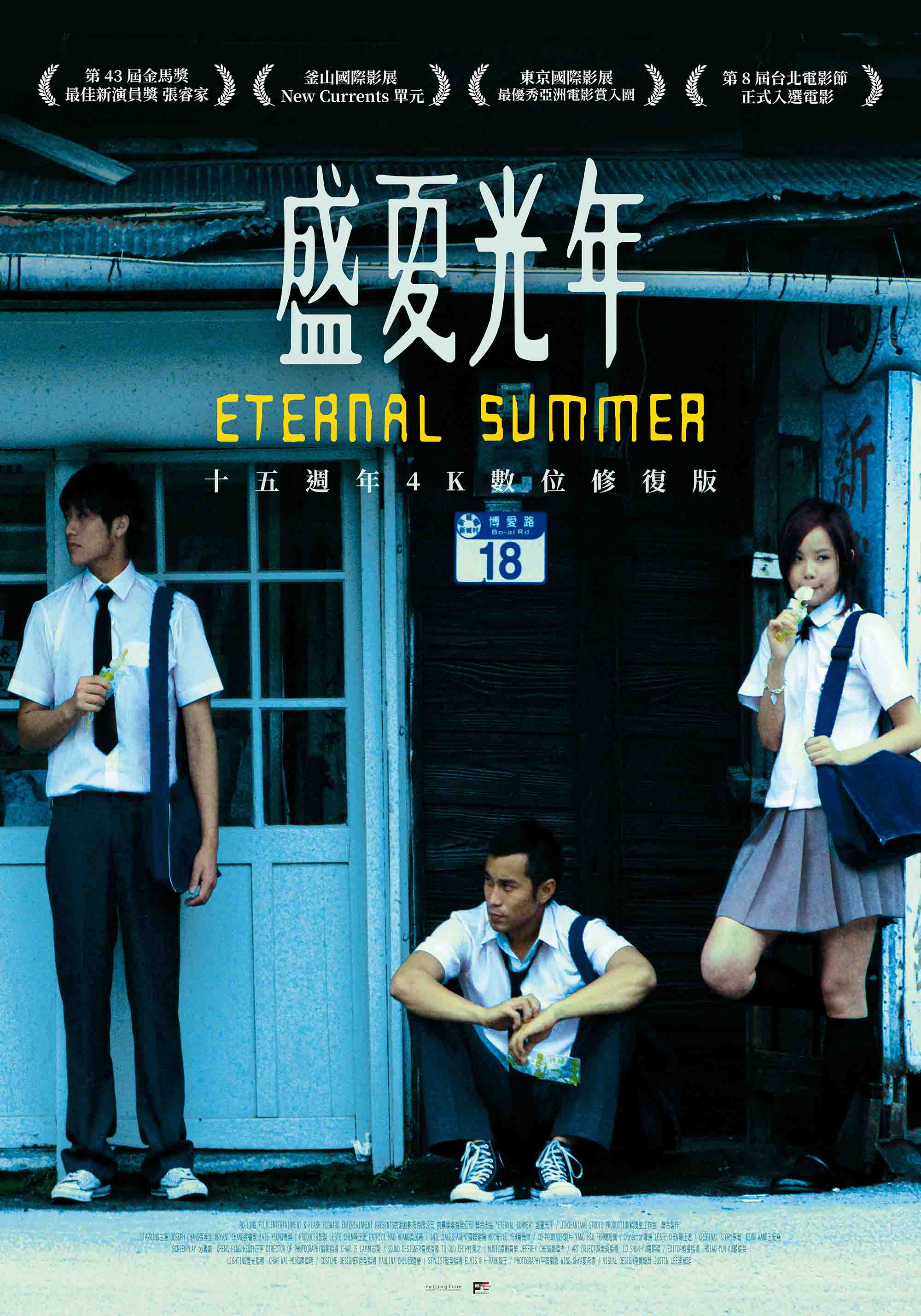
Eternal Summer (盛夏光年, Leste Chen, 2006)

A trio of emotionally displaced teens find themselves swept into an awkward love triangle while longing to escape their loneliness in Leste Chen’s melancholy youth drama Eternal Summer (盛夏光年, Shèngxià Guāngnián). Each in someway marginalised and searching for acceptance, the teens struggle to define themselves as the world changes itself around them while bound by the paradoxical qualities of their circular relationships, their unspoken secrets continually driving them apart even as they continue to long for the intimacy born only of sharing their authentic selves. 

A quiet, studious boy, Joseph Kang (Ray Chang) is asked to befriend his deskmate Shane (Jopseph Hsiao-chuan) who has ADHD and has been labeled disruptive in the hope that creating social relationships with other children will help calm him down. The arrangement in a sense backfires, Joseph’s academic achievement falling while his friendship with Shane only grows in strength and intensity. By the time they are teenagers, the pair are inseparable but Joseph has also fallen in deep, unrequited love with his best friend, a secret he is afraid to share with anyone and ironically cannot share with the one person to whom he is supposed to be able to tell anything. The friendship is further disrupted by the sudden introduction of transfer student Carrie (Kate Yeung Mei-ling) who has returned to Taipei to live with her mother after years of living with her father in Hong Kong. Carrie first develops a fondness for Joseph while working with him on the school paper, but later figures out that he’s secretly in love with Shane and decides to support him as a friend while in another irony Joseph’s ongoing internal crisis eventually forces his friends together, Carrie secretly dating Shane while each of them knows on differing levels how their relationship may hurt Joseph when he eventually finds out. 

In 2006 Taiwanese society was perhaps not quite as accepting as it would become, yet Joseph’s anxiety in his sexuality in compounded by the desire not to lose his friendship with Shane fearing not just that his feelings are not returned but that he may reject him altogether just for being gay. While Shane, a high school sports star with terrible grades, eventually blossoms academically after Carrie makes the ironic promise to go out with him in the unlikely event he gets into uni, it’s heavily implied that Joseph’s previously high level of achievement is damaged because of his preoccupation with his sexuality shockingly failing his uni entrance exams and thereafter further separated from his friends as they move on and he remains in cram school limbo hoping for better luck next year. Meanwhile he finds himself in potentially dangerous situations cruising in parks trying to verify his homosexuality while privately consumed by shame. 

For Shane, meanwhile, his problem is that he feels rejected by the world around him because of the way his ADHD was treated as a child. Regarded as a disruptive troublemaker none of the other kids would play with him save Joseph, meaning that he too is desperate to maintain the friendship in fear of his inescapable loneliness even while finding a similar connection with Carrie who is herself longing for love seemingly having strained relationships with each of her divorced parents while geographically and culturally displaced in having spent much of her life in Hong Kong. Carrie is, however, the only one to know the whole truth frustrated with the two men in her life that they can’t simply clear the air by voicing the secrets that continue to erode their relationship. 

Then again perhaps what they really fear is “change”, afraid of an uncertain adulthood in which their childhood connection will necessarily weaken. “We will lose each other in the future?” a conflicted Shane wonders, uncertain if his co-dependency is entirely healthy or fair on his friends but fearing becoming alone or having to make a choice unable to lose one or both of his essential connections. At heart a mood piece, Chen’s melancholy drama is filled with the strange canted angles of a world out of kilter and poignant reflections of the past in the midst of present torment, both elegiac and nostalgic for a particular moment in time which must in some way pass even if his parting words are painfully ironic in their cutting intensity.


Eternal Summer streams in Poland until Nov. 29 as part of the 15th Five Flavours Film Festival.

4K restoration trailer (Traditional Chinese subtitles only)

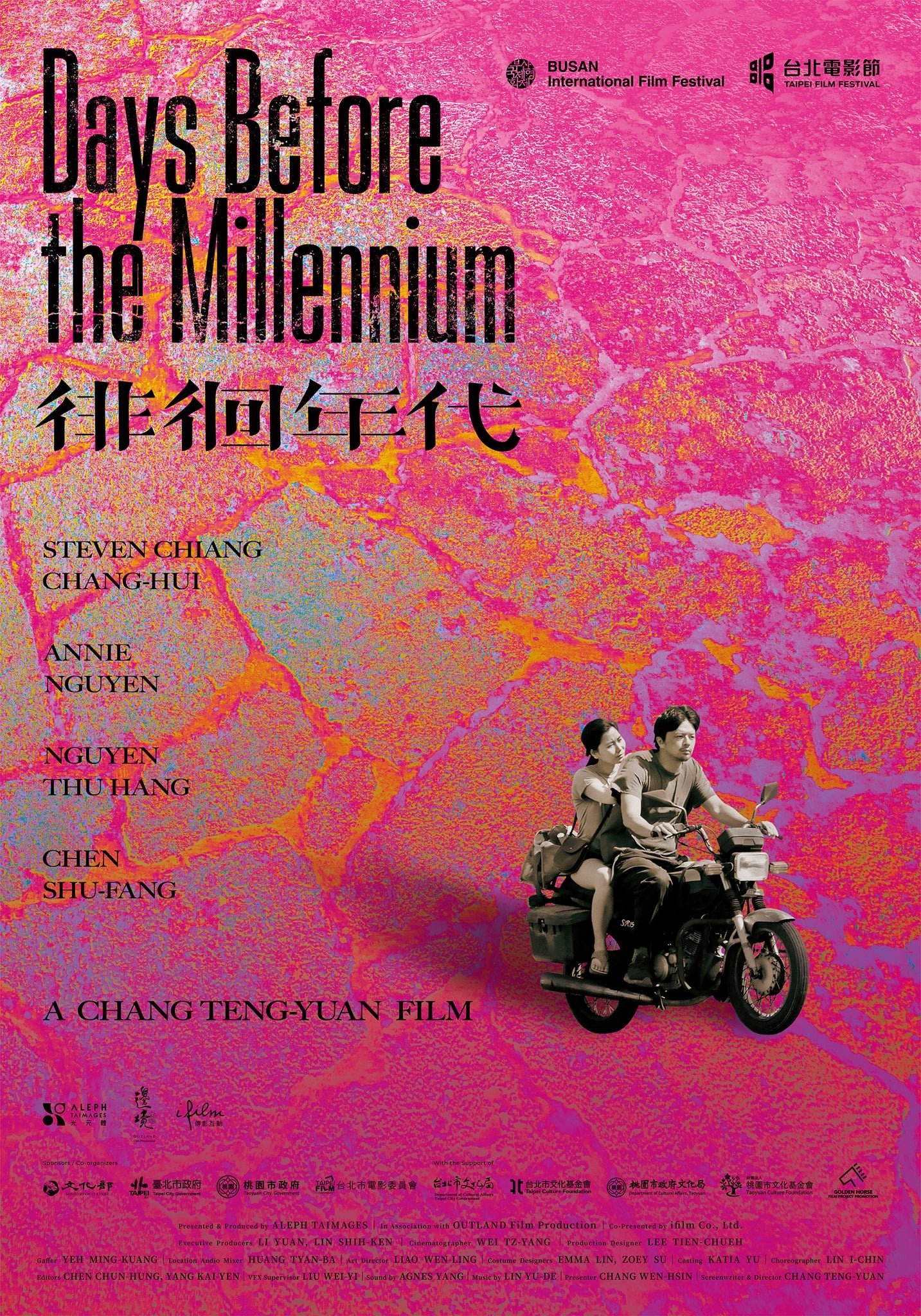
Days Before the Millennium (徘徊年代, Chang Teng-Yuan, 2021)

Perhaps deceptively titled, Chang Teng-Yuan’s bifurcated epic traverses the millennial divide in the company of two Vietnamese women each with very different stories but eventually agreeing “your generation or mine things were not easy for us” as they share their stories of migration amid the changing fortunes of Taiwan-Vietnam relations. Beginning in the mid-90s, Days Before the Millennium (徘徊年代, Páihuái Niándài) finds a mail order bride dreaming of a better life on an “island of riches” but soon finding herself trapped by an overbearing mother-in-law and violent husband, while another woman two decades later arrives happily married for love and well educated but often frustrated in her attempts to help those like herself struggling to adapt to a changing society. 

As Tue (Annie Nguyen) puts it, she exchanged her youth for a future of hope in Taiwan escaping a childhood of war for a more peaceful existence abroad. At the time she arrives, however, Taiwan is not so peaceful as relations with Mainland China continue to decline with many fearing military escalation. Meanwhile, the “mysterious man” to whom she was to be married, is a sullen construction worker filled with a sense of impossibility. Ming (Chiang Chang-Hui) patiently lays one brick on top of another attempting to build his home but finds himself under the watchful eyes of a couple of “surveyors” with eyes on his land. Alone in their van, the two men often debate the modern society the one decrying increasing globalisation while looking down on women like Tue complaining that half the town is now Vietnamese, “polluted”, as if they think they’re losing something even as they attempt to snatch Ming’s land out from under him to build, one assumes, some of the half-completed apartment blocks “private investigator” Lan (Nguyen Thu Hang) drives past 20 years later. 

Tue’s attempts to reclaim some of her agency through opening a small business selling street food only further irritate the already frustrated Ming whose internalised rage eventually turns violent while his mother (Chen Shu-fang) looks on saying nothing, later berating Tue for not having fulfilled the role for which she was desired pointing suggestively at an empty crib which seems to have been in the corner ever since she came. It’s at this point that her marginalisation intersects with that of women born on the island as her Vietnamese friend attempts to get her help by talking to the local police in the light of new legislation recently passed against domestic violence. Though the officer is sympathetic he can do little for her seeing as she has no material evidence while Tue blames herself and is otherwise trapped knowing that leaving her husband before completing her period of residency means potential deportation. Later doing just that she finds solidarity first at a buddhist temple and then a woman’s refuge, but even that is later disrupted by natural disaster.  

Tue’s story becomes a source of inspiration 20 years later for recent immigrant Lan, Chang transitioning to the post-millennial city during a storm which seems to narrow the screen now in a boxy 4:3 rather than the strangely oppressive widescreen with which the film opened. Unlike Tue, Lan has a degree in Chinese and an extensive resume having apparently met and married her Taiwanese husband in Vietnam. She applied for a position at a detective agency, the same agency which once offered to “help” Tue “fight for her rights” but didn’t really want to rent her an apartment, because she wants to help other women like herself in inter-cultural marriages find better solutions to domestic friction but finds her goals at odds with those of her capitalistic boss. Perhaps for these reasons, her first job does not go to plan as she accompanies a Vietnamese mail order bride on a mission to spy on the husband she suspects of having an affair, failing to stop her confronting him after discovering that he is a closeted homosexual who married her to please his parents but now feels guilty and conflicted in his treatment of her. 

This is of course another marginalisation, but one that Lan is ill-equipped to process while the woman she hoped to help is, as Tue once was, faced only with her broken dreams for better life in Taiwan. The Vietnamese news remarks on Taiwan’s geopolitical positioning as a delegation is awkwardly asked to leave an international conference because of Mainland pressure, while it also seems that a Taiwanese factory is responsible for a toxic waste spill that has damaged local fishing stocks and caused widespread illness in Vietnam. When Lan and Tue eventually meet they talk of the changing fortunes of their nations, Lan explaining that the port town where she’s from is now a bustling big city, the Vietnamese economy now much improved while Taiwan’s is falling behind. 20 years between them their fortunes are entirely different, even so they each agree things have not always been easy if differing ways. Nevertheless, their mutual sense of solidarity and desire to improve the circumstances of those like them offers a ray of hope in what might otherwise seem a difficult and hopeless future, Chang’s sometimes experimental, etherial tale of historical echoes and awkward symmetry finally allowing each of its heroines the sense of the better future of which they once dreamed. 


Days Before the Millennium screened as part of this year’s San Diego Asian Film Festival

Original trailer (dialogue free)

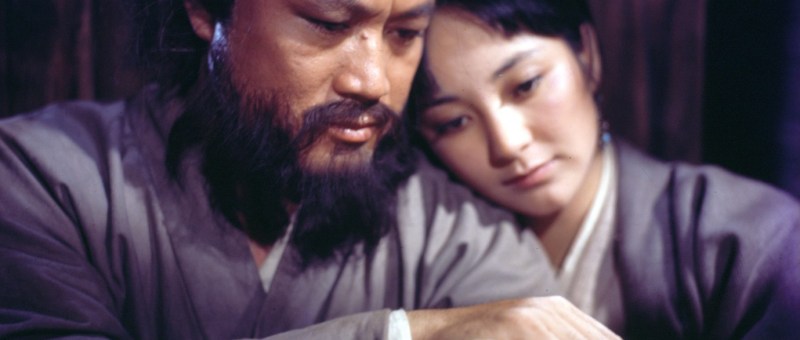
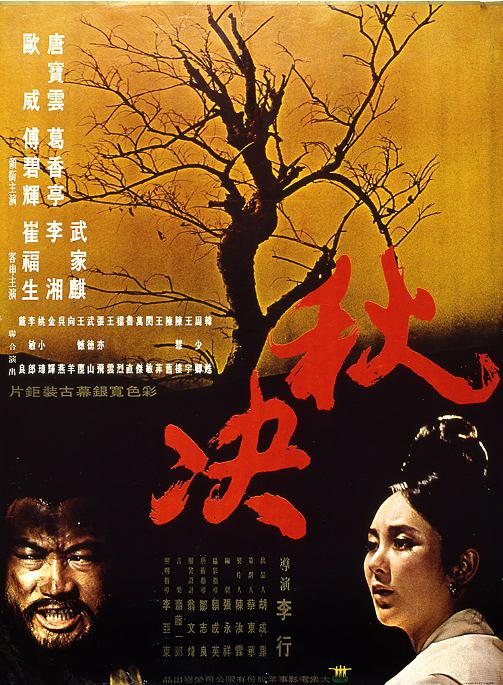
Execution in Autumn (秋決, Li Hsing, 1972)

“We all have to die, but we must die in peace and honour” the hero of Li Hsing’s tale of spiritual redemption Execution in Autumn (秋決, Qiū Jué) finally realises, resigning himself to the cruelty of his fate. Partly an advocation for “responsible” childrearing, Li’s philosophical tale is also one of growing enlightenment as the boorish, entitled hero is cajoled towards a sense of social responsibility through the ministrations firstly of his cellmates and then of a good woman who finally learns to see the good in him if through a gentle process of emotional excavation. 

As the opening voiceover explains, at this time it was thought somehow offensive to conduct an execution during the seasons of life and rebirth and so they were relegated to the autumn amid its ominous mists. As we first meet Pei Gang (Ou Wei), however, he’s on the run, trying to make a break for it in refusing to accept the judgement which has been passed on him. The sole heir of a wealthy family, he has been convicted and sentenced to death for the murder of two men and a woman who claimed he was the father of her child (as for what became of the baby, no further mention is made). His grandmother (Fuh Bih-Huei) vows to get him out of jail, pulling every trick in the book and bribing a local official to engineer a good outcome at the upcoming retrial. But in an ironic indication of his buried goodness, Pei Gang refuses to lie to the court and freely admits his crime claiming he was “overcome with rage” believing the woman and her cousins intended to blackmail him but was otherwise in sound mind when he murdered her because he was “sick of being duped” and wanted to vindicate his family honour by taking vengeance on those who’d wronged him. 

Unable to save her grandson, Gang’s grandmother blames herself realising that her failure to discipline him in childhood has led to his immense sense of entitlement and conviction that the rules do not apply to him. Grandma promised that whatever sort of trouble he got into, she would get him out which is obviously a promise she wouldn’t be able to keep but also somewhat irresponsible. For these reasons, Gang regards his treatment as extremely unfair, unable to understand why any of this is happening to him or to accept that this is one fix grandma won’t be able to smooth over even with her money and the power of her name.  

The lesson would seem to be that you have to be cruel to be kind, a message later confirmed by Gang’s conflicted jailor (Ko Hsiang-Ting) who we learn had a son of his own he wrongly indulged which led to him becoming a wayward lad like Gang drowning in a river in the middle of a fist fight. Learning that his grandmother has passed away, Gang once again rails against his fate offering proclamations of hate which are really of love while blaming his grandmother for never having beaten him when he was a child recognising her problematic love for him, mixed as it was with his importance to her as the heir, but also his own abuse of her indulgence. Bad parenting may be the cause of Gang’s amorality, but he is not and never was blameless. He had a free choice to become a better person but did not take it, engaging in persistent boundary pushing even as an adult culminating in the murder of three people mostly out of spite. 

At first Gang can’t bear the mention of the word death, caught between the earthy philosophies of the street thief in the cell to him and the Confucianist scholar opposite serving a one year term as a proxy for his elderly, debt-laden father. Slowly he begins to come around the scholar’s way of thinking, coming to accept death as an inevitability of life as certain as the seasons. His second lessons begin on realising he cannot escape his sentence, his grandmother has given up on him and enacted her back up plan to ensure the family line continues by marrying him to his adopted “sister” Lian (Tang Pao-Yun). Other signs of his buried goodness manifest themselves in his initial reluctance to go along with the plan, not only resenting being used as a stud but unwilling to make Lian an instant widow. “I don’t want you to hate me the rest of your life” he adds in a moment of vulnerability, trying to convince his new bride to find someone more able to give her a happy life stretching further than the next autumn. 

Gang’s tragedy is, in a sense, that as he approaches his execution he experiences true happiness and is genuinely reformed but only by accepting the necessity of his death can he fully redeem himself. Though he tried to escape, he refuses to leave even when the jailor offers to let him go fearing both for the jailor’s fate and for that of his wife and child if he were to become a fugitive. Nevertheless he cannot prevent their victimhood, knowing that just as grandma and Lian had done he must sacrifice himself in order to protect his family accepting not just his moral and social responsibility but the filial. Taking place mostly within the claustrophobic confines of the prison, Li’s melancholy existential drama uses the rhythm of the seasons as a metaphor for life but also as a kind of ticking clock accelerating Gang’s remaining time as he lives out his glory days and twilight years in the span of months awaiting his execution as the first leaves fall. It might be tempting to draw the conclusion that they are each victims of a cruel and oppressive social system taken to authoritarian extremes though Li may have intended the opposite in reminding parents, literal and figural, that the moral education of their children through physical discipline is their primary duty. Nevertheless, Gang’s spiritual awakening and subsequent redemption prove profoundly moving even in their concurrent tragedy. 


Execution in Autumn screened as part of this year’s San Diego Asian Film Festival

Trailer (English subtitles)
Taipei Story (青梅竹馬, Edward Yang, 1985)

“Just a fleeting hope. The illusion that you can start over” the hero of Edward Yang’s melancholy drama of the costs of modernity, Taipei Story (青梅竹馬, Qīngméizhúmǎ), eventually laments. Yang apparently chose the English title himself in a deliberate echo of Yasujiro Ozu’s equally pessimistic drama, yet the original title literally translated as “childhood sweethearts” also has its poignancy in hinting at the loss of innocence and hopeless impossibility of the fracturing love between its twin protagonists. 

Yang begins and ends in an empty room, for an empty room is always a possibility. As the film opens, high-flying career woman Chin (Tsai Chin) is buying her own apartment, already envisioning her life there in pointing out to her boyfriend Lung (Hou Hsiao-hsien) where they’ll put the TV and VCR so they can watch movies in bed hinting at a new level of consumerist success. More practically minded, he points out that the place needs a little work but Chin is confident she can manage it, saving up and paying in instalments having no immediate anxiety about her income. 

Yet Yang seems to suggest that this burgeoning economic powerhouse is built on shaky ground. The construction firm at which Chin works has recently been hit with a potential lawsuit about a lethal building error, while Chin’s mentor has already moved on and the firm has been bought up by another company presumably intent on some shady business of its own. This Chin discovers to her cost on hearing the not entirely unexpected news that the new bosses don’t understand her job title and want to demote her to the role of secretary which, she suspects, is just a way of pushing her to resign (which she then does). 

Shoddy business practices are also it seems responsible for her father’s present moment of financial insecurity though he only further alienates his daughter by talking entirely with Lung when the pair come to visit stopping only to ask awkward questions about marriage and children. Later we realise that part of Chin’s resentment towards her father is due to a long history of domestic abuse, her mother later crying silently prompting Chin to withdraw some of her savings something she would not have done had her father asked it. Yet Lung, old-fashioned in many ways and not least in his filiality, feels duty bound to help his not-quite father-in-law provoking a row between the pair when he gives him money he’d saved in the forlorn hope of going into business with his brother-in-law in America. 

Once childhood friends and now seeking a new start, the couple begin to dream of a new life though as Lung later says, America, like marriage, is not a panacea. Chin is in a sense torn between past and future neither of which have much possibility, in a committed relationship with Lung yet jealous over his past with a mutual childhood friend, and also carrying on an affair with an unhappily married man at work. A high-flying executive and independent career woman, she is determined to keep moving forward while Lung is stuck in the past hung up on baseball glory and morally righteous to a fault, helping out Chin’s feckless father while knowing it will do no good while his attempt to help a friend sort out his complicated family life leads only to tragedy. It’s obvious that he does not fit in with Chin’s yuppie friends, one particularly obnoxious male colleague describing him as having the face of a yam farmer and needling him to the point that it eventually leads to an altercation in a karaoke bar. Chin doesn’t seem particularly upset about the fight, comforting Lung as he confesses that he ends up in fights in order to stick up for himself or else because of his love of justice, but continues hanging out with her unpleasant friend for otherwise unclear reasons. 

But it’s less a love of justice than frustrated masculinity that eventually seals Lung’s fate, unwisely picking a fight with a young tough not so much in order to protect Chin as to preserve his own sense of wounded male pride. Realising the futility of his situation, he is unable to move forward into the new society, whereas Chin eventually finds herself substituting his role as her former mentor shows her around a potential new office space just as she had him her apartment envisioning how they will exist within it, where their offices will be along with the state of the art computer room. “It’s actually nice here,” she assures her, “now we have a big American company right in our hometown. Why go abroad?”. Yet Chin perhaps remembers her dejected colleague lamenting that all the new buildings look the same and he can’t even remember which ones he worked on so anonymous has the landscape become. In this Taipei story, the city is devoid of life or character a highly corporatised arena of increasingly dehumanising capitalism where everyone dreams of escape abroad to America or Japan, yet all Chin can do lowering her sunshades is to gaze from the window of her new office onto the lonely streets below and ask herself where it is she thinks she’s going. 


Taipei Story streamed as part of this year’s Taiwan Film Festival Edinburgh.

Trailer (English subtitles)
The Moon Represents My Heart (La luna representa mi corazón, Juan Martín Hsu, 2021)

Named for the classic song by Teresa Teng that connects the mother and son at its centre, Juan Martín Hsu’s documentary/fiction hybrid The Moon Represents My Heart (La luna representa mi corazón) sees the director himself making two trips from his home in Argentina seven years apart to see his mother in Taipei in part in order to investigate the circumstances surrounding the death of his father when he was six years old. It may be a minor spoiler to reveal that the truth remains frustratingly out of reach though he perhaps discovers other, equally hidden, familial traumas in the complicated history of post-war Taiwan. 

Martín and his brother Marcelo were born in Argentina where their parents ran a restaurant but his mother later elected to return to Taiwan while they stayed behind. The earlier visit in 2012 is apparently the first in the 10 years since his mother left, the difficulty of obtaining visas and the expense being the reasons he gives for leaving it so long. His next trip, however, is not for another seven years, he and his brother instantly remarking on the various ways his mother may or may not have aged. Martín seems to want to talk about his father, but his mother would rather not drag up the past. In fact so averse is she that she’s developed a habit of cutting the faces of those she doesn’t like or want to remember out of her photos which is why the boys complain they don’t have any of their father. While chatting about that, she advances that their father was murdered because of an extramarital affair he’d been having with a local woman, later claiming that he may have had a drug problem or been involved with organised crime. 

Mostly what she tells her son is that she was unhappy, having left a previous marriage because her husband was intensely patriarchal refusing to allow her go on working after becoming his wife. She met Martín’s dad after persuading her first husband to allow her to work at a restaurant and left with him for Argentina pregnant with her first husband’s child, Diego. But in Argentina her new husband was little different, actively preventing her from learning Spanish while also discouraging her from associating with other Chinese-speaking migrants, especially men. The boys speak to her in awkward Mandarin with the assistance of smartphone dictionaries while she complains that her Spanish was never good enough even after she began running the restaurant on her own. “You two wouldn’t be able to spend “la vida” in Taiwan” she explains, “just like your mum couldn’t spend “la vida” in Argentina”. 

Martín’s mother keeps telling him to leave it alone, that he might not like what he finds he if keeps poking into his father’s death though as we find out later he has own traumatic memories of the night his father died along with a burning desire to understand why as if hoping to unlock the secrets of his history. In a raw hotel room exchange, his brother complains that he doesn’t feel part of this extended Taiwan family and is upset that Martín threatened to disown him if he refused to take part in the documentary, feeling a little tricked in having agreed to come only to be forced to participate while his brother seemingly ignores his discomfort. Yet while looking for his father Martín discovers a darker history of his grandfather’s suffering during the White Terror adding new layers to a legacy of familial trauma in the buried history of his maternal family as complicated as it already seemed to be. 

In between each of these difficult conversations and meetings with family members, Hsu splices brief fiction shorts along the theme of exile, the first featuring a returnee who emigrated as a young man leaving a lover behind who is now it seems about to marry someone else but carrying regrets, while another sequence follows a young woman preparing to go abroad but feeling terribly guilty about abandoning her mother. At times the sense of cultural dislocation seems unbreachable as the brothers accompany their mother and her partner to karaoke sessions and tourist excursions but then there’s the song and its universal ability to connect, Martín’s mother singing it firstly with a guitar and later a microphone almost like a long forgotten lullaby. Martín may not unlock the secrets of his father’s death, but does perhaps gain a new understanding of his mother, a resilient woman but also a perpetual victim of a patriarchal society, an oppressive regime, and finally of distance in the separations emotional and physical between herself and her sons. 


The Moon Represents My Heart screens in San Diego on Nov. 1 as part of this year’s San Diego Asian Film Festival

Trailer (English subtitles)

Teresa Teng – The Moon Represents My Heart