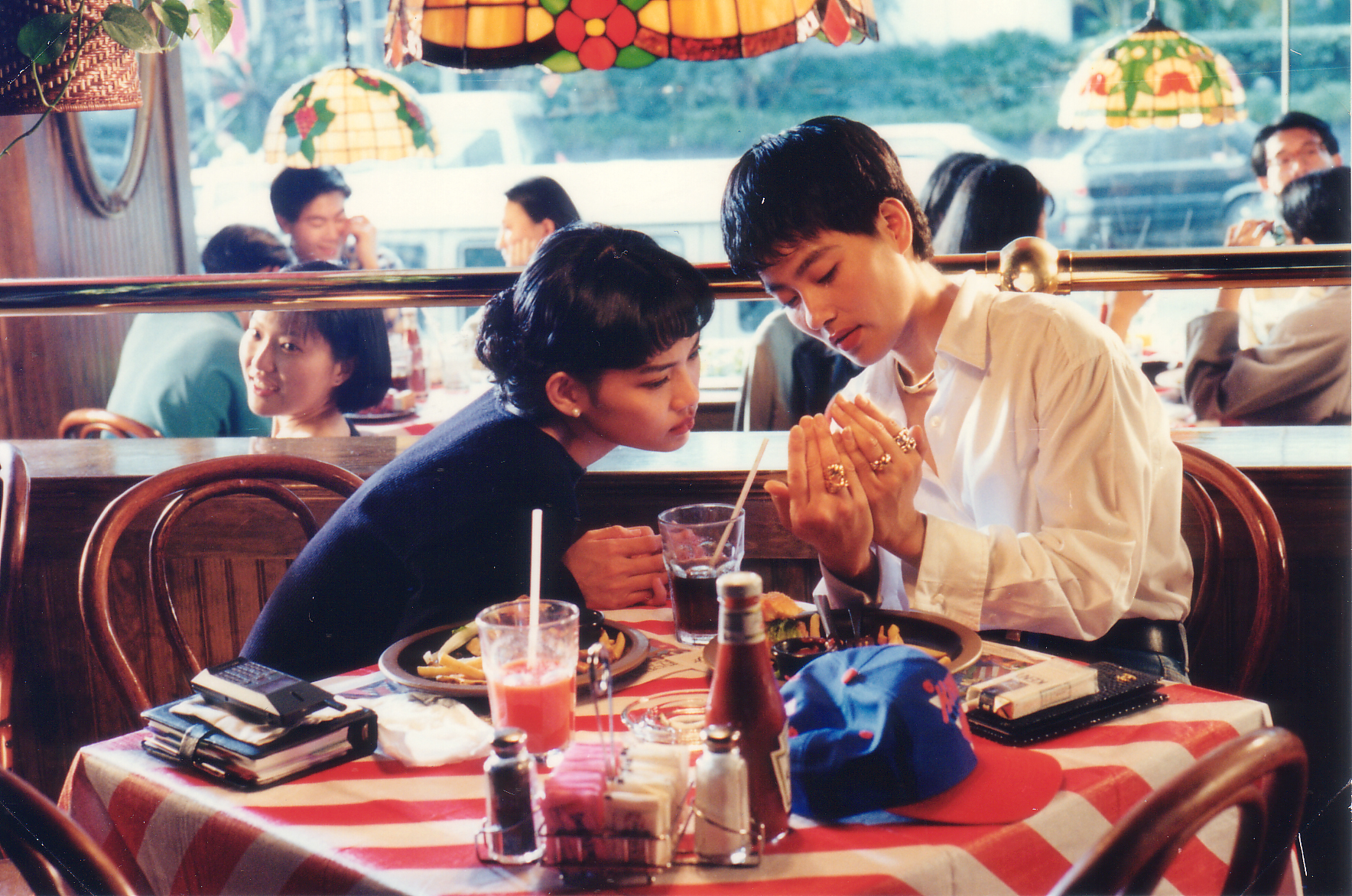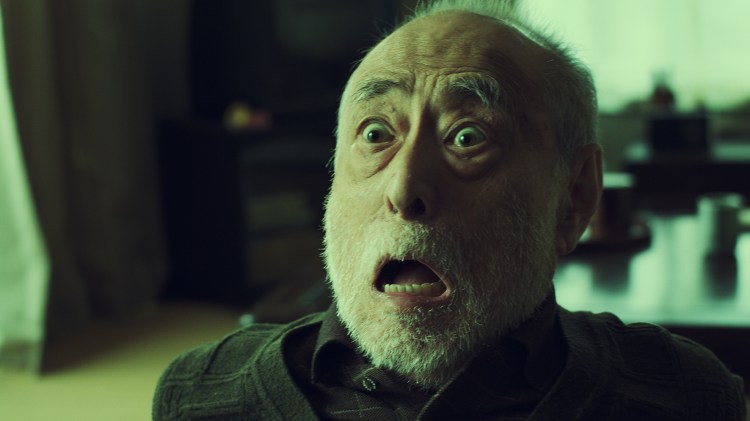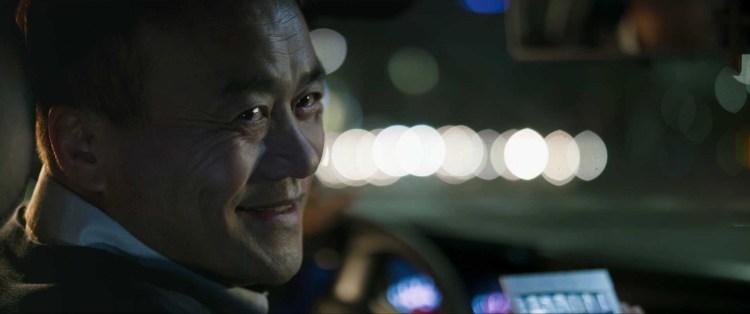
When the Dawn Comes (黎明到來的那一天, Zhang Hong-Jie, 2021)

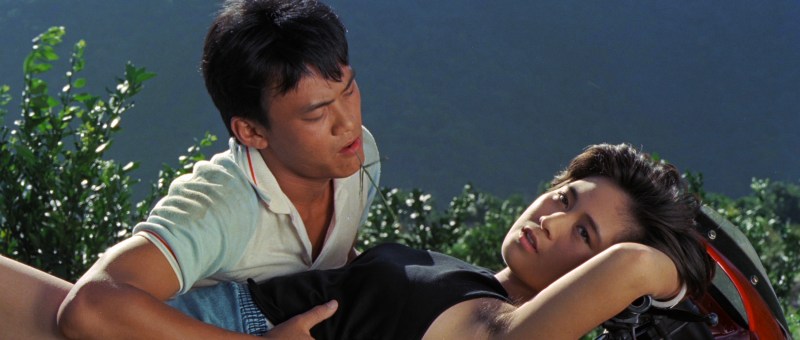
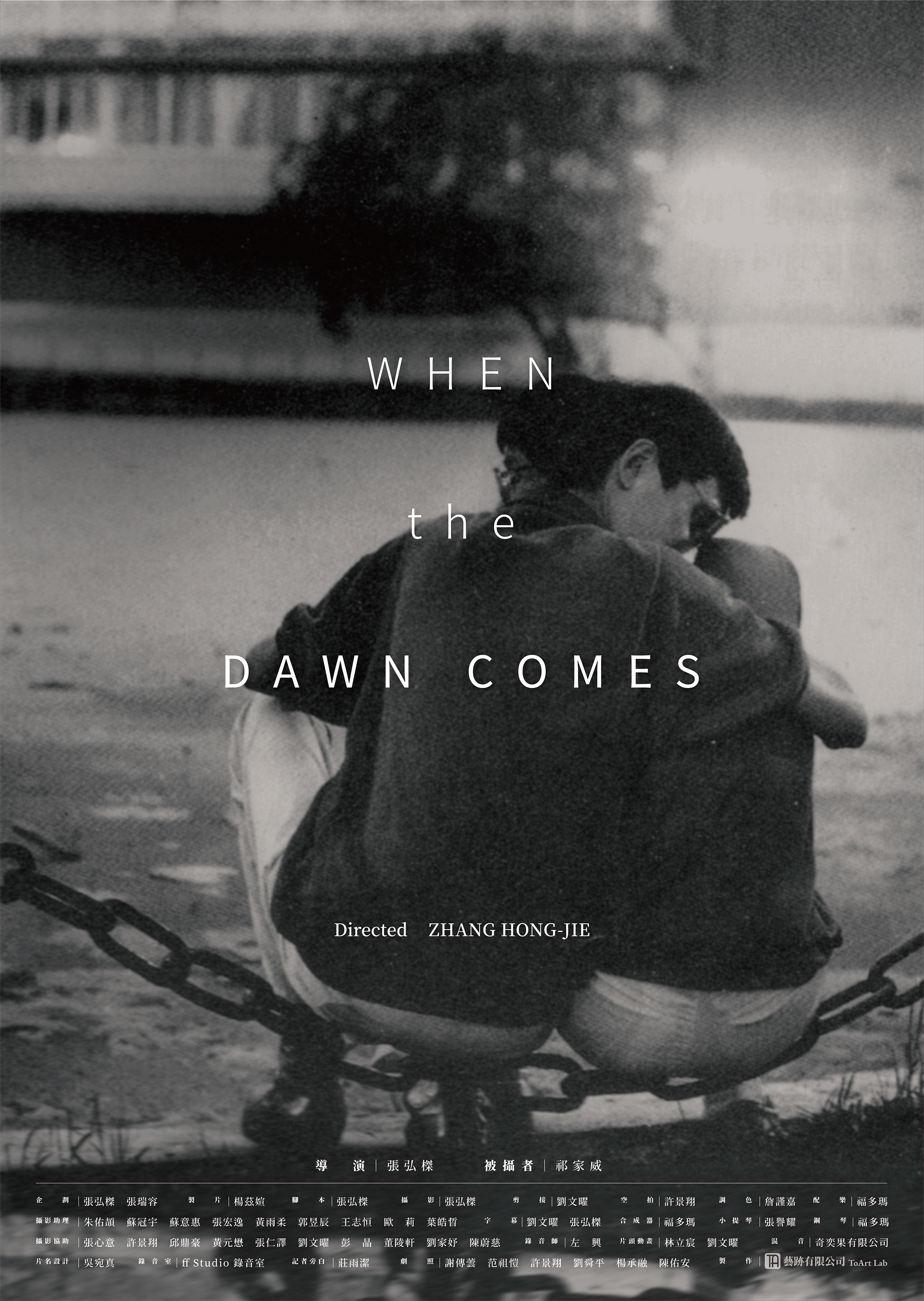
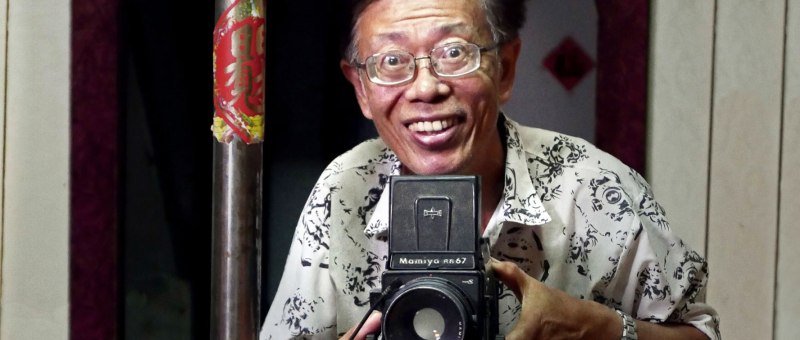
When Chi Chia-Wei appealed to the Legislative Yuan for marriage equality in 1986, he was told that “homosexuals are perverted minorities that seek to disrupt social morals for their own sexual desires”. 33 years later in 2019, Taiwan became the first Asian nation to legalise same-sex marriage. Zhang Hong-Jie’s documentary When the Dawn Comes (黎明到來的那一天, límíng dàolái de nà yī tiān) follows Chi during the final days of the campaign amid a counter offensive from conservative groups who hoped to prevent the legislative change going ahead. 

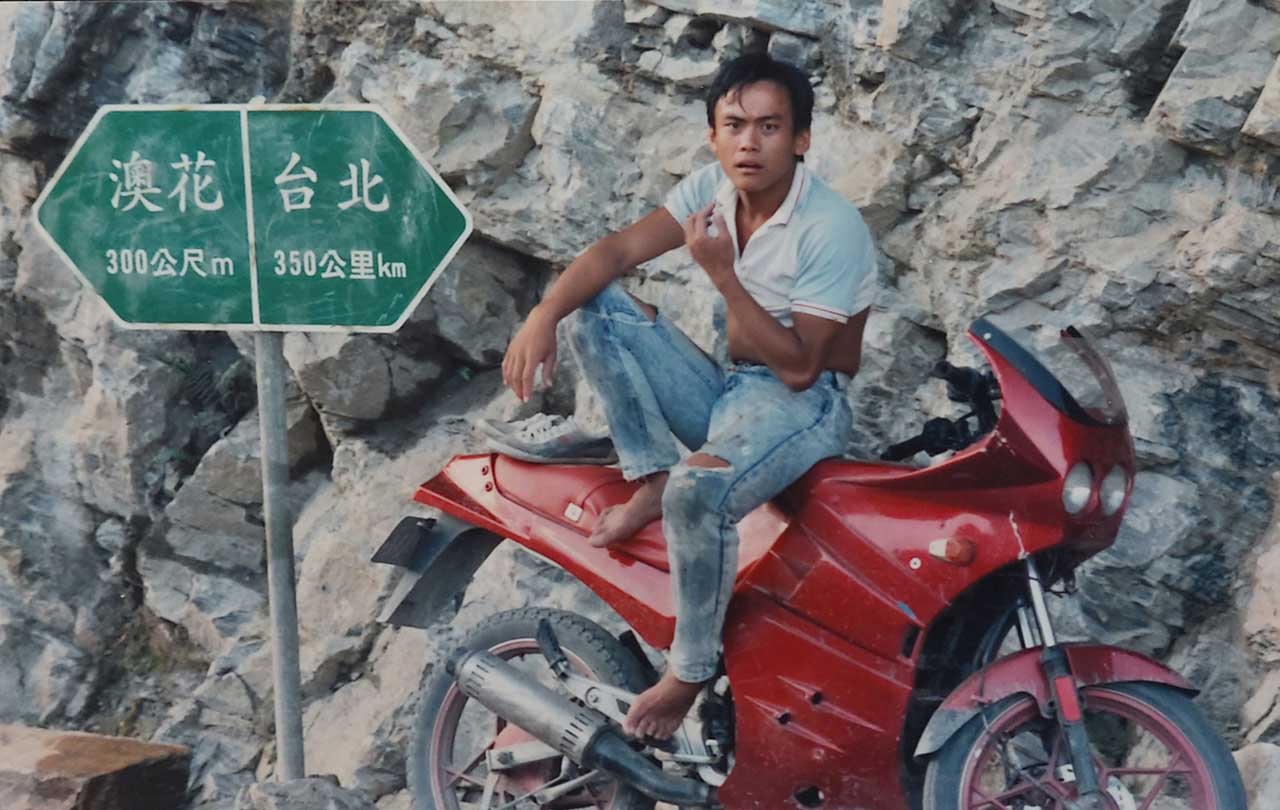
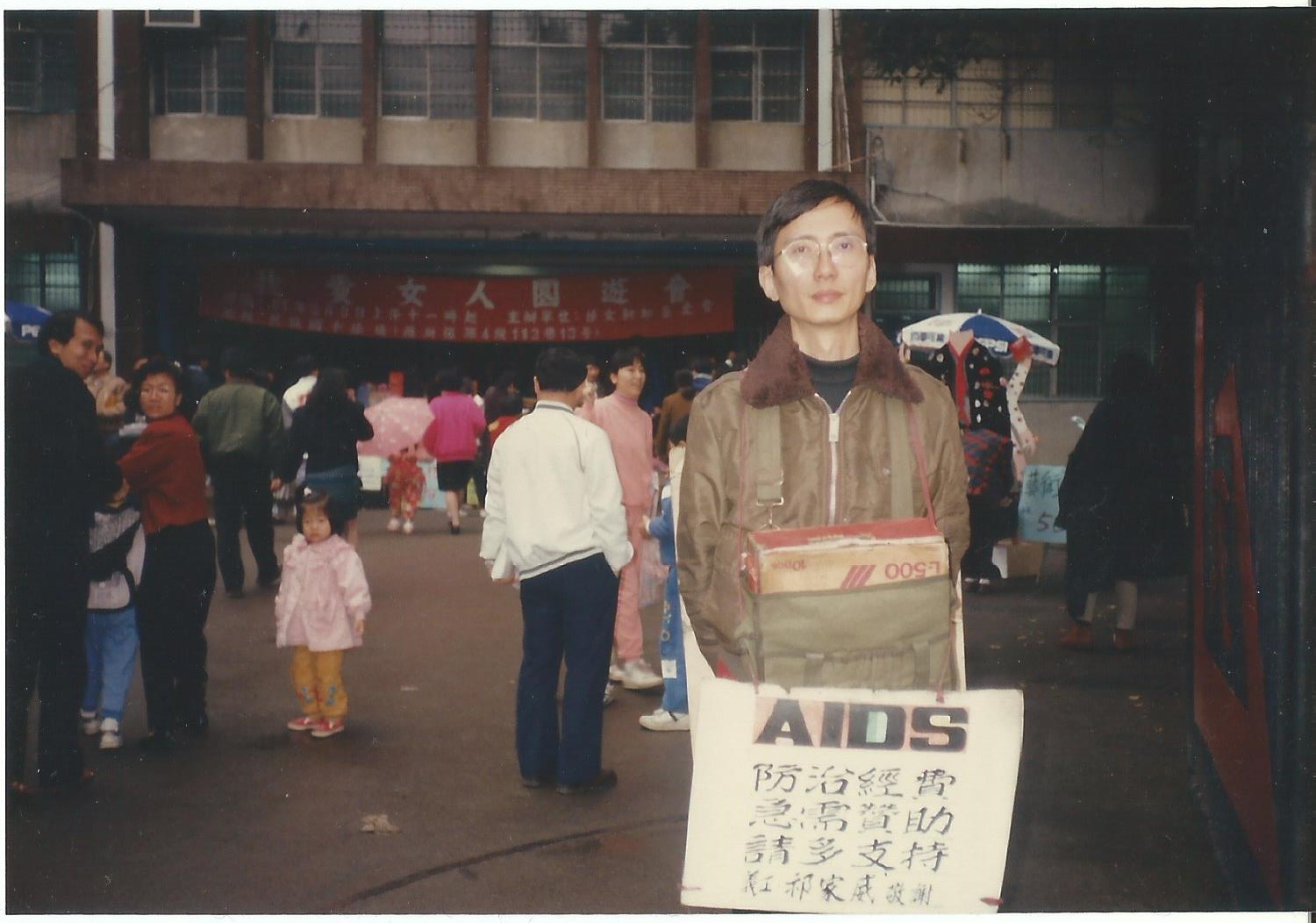
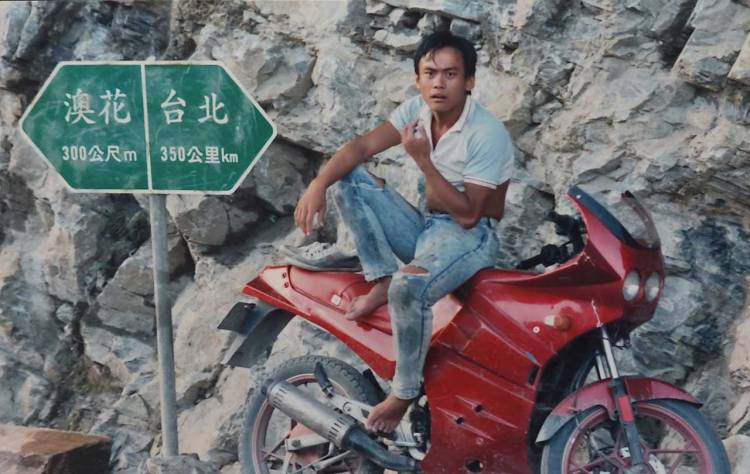
Chi has been a literal flag bearer for the LGBTQ+ community, a familiar sight at protests and pride parades well known for climbing to the highest point available and waving a rainbow flag where no one can miss it. Indeed the documentary captures him doing just this despite his advancing age and the efforts of the authorities to prevent him. His campaign has been a long one, beginning when he was just a young man as the opening sequence points out with dark hair who held a press conference and came out publicly as a gay man becoming the first in Taiwan to do so. Now his hair is grey, and he is still fighting the same the battle though when this battle is done he knows there will be others still to fight. 

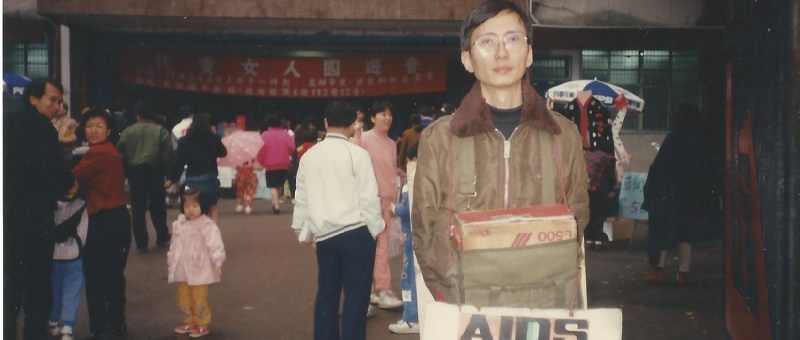
When he first began his campaign for marriage equality Chi was battling the stigmatisation of the gay community during the AIDS crisis, continuing to argue that advocacy for gay rights and AIDS prevention should be carried out at the same time. In some ways subverting the prejudice shown against him, Chi became a well known figure handing condoms out in the streets wearing a series of striking outfits as a kind of performance art. As another advocate points out, what made his approach different was that it refused to submit to internalised shame in normalising the idea of gay sex while encouraging safe practice and educating both the gay and straight communities about the importance of sexual health. 

Nevertheless, Chi was not uncontroversial. Though he took a hands on approach in AIDS activism, setting up a hospice for those with nowhere else to go, he was criticised for inviting the press to cover it leading some of the patients to leave resenting Chi for breaching their privacy. He then went on to sue three men whom he accused of hiding their diagnosis and going on to knowingly infect others, something that was also widely criticised in the community for essentially outing these men and their partners publicly and potentially setting a dangerous precedent when it comes to medical privacy. One fellow activist speculates that Chi may have justified his actions on the grounds of discouraging others from doing the same but points out that it in part had the reverse effect with some unwilling to be tested at all fearful that they might end up getting sued too if the test came back positive. On the other hand, he also regularly submitted blood samples on behalf of men who were too afraid to go in person lest their private lives be exposed. At one point Chi became such a thorn in the authorities’ side that they tried to frame him for a random crime and eventually sent him to prison for five months for “misappropriating waste”. 

As for himself, Chi is also in a somewhat difficult position in that his longterm partner (who is never seen in the documentary) is still in effect closeted and facing pressure from his family to marry. Asked if they personally plan to marry once the law goes into effect, Chi can’t really answer suggesting only that they may do once his partner’s father passes away explaining that he is an only child. In one of the hearings, a lawmaker brings up an anxiety about what to do with ancestral tablets while the question of the family line still seems to lie behind prejudice towards same sex relationships. Meanwhile, his partner has long been taking anti-depressants to cope with the pressure of his family’s lack of acceptance, while Chi too is also on numerous kinds of medication for conditions caused by the stress of his work. Even so, once marriage equality is fulfilled, Chi immediately files for a paper marriage with a Malaysian man to challenge the new legislation’s failure to account for international marriages, determined to continue fighting for fully equal rights. Zhang’s documentary never shies away from some of the more controversial aspects of his activism, but nevertheless celebrates the determination of a man who dedicated his life to a cause for which he was never afraid to stand out and proud.


When the Dawn Comes screens 16th October as part of this year’s Taiwan Film Festival Edinburgh.

Original trailer (English subtitles)

Taiwan Film Festival Edinburgh Announces 2022 Programme

The Taiwan Film Festival Edinburgh returns to cinemas for its third edition bringing a selection of shorts and features to the city from 15th to 20th October. This year’s edition will feature a strand dedicated to actor Chen Yi-wen including his co-directorial feature The Cabbie.

Shorts: Being Alone Together

Doc Replay: Portraits

  • When The Dawn Comes | Zhang Hong-jie | 2021 | 60 mins – documentary focussing on the life of LGBTQ+ rights activist Chi Chia-wei in the run-up to the vote on marriage equality.
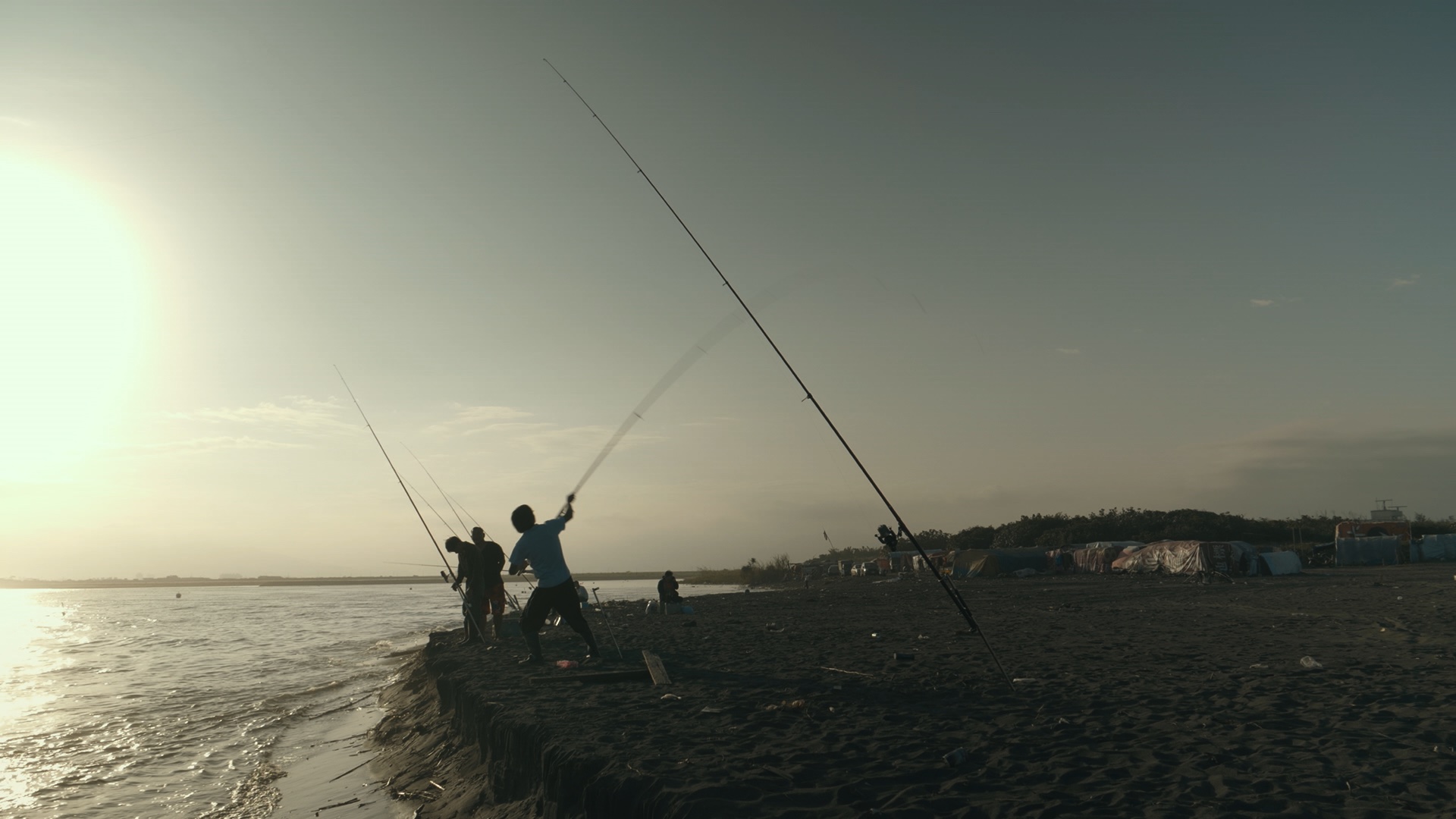
  • The Catch | Hsu Che-chia | 2021 | 54 mins – documentary focussing on indigenous fishermen who travel to Taiwan’s Lanyang River every November to catch the season’s first eel.

Chen Yi–Wen Retrospective

  • The Man From Island West | Huang Ming-chuan | 1991 | 90 mins – drama focussing on an indigenous man who journeys back to his origins while the son of the man who saved his life struggles to fit into mainstream society.
  • Growing Pains | Lin Po-yu | 2020 | 25 mins – short in which a father’s decision to buy his son new shoes leads to a series of tragic events.
  • Increasing Echo | Chienn Hsiang | 2021 | 85 mins – marriage is a curse from which there is no cure in Chienn Hsiang’s horror-inflected pandemic-era social drama. Review.
  • Treat or Trick | Hsu Fu-hsiang | 2021 | 106 mins – a corrupt policeman finds himself in weird mountain village in search of his missing friend and a bag of stolen diamonds in Hsu Fu-hsiang’s farcical crime caper. Review.
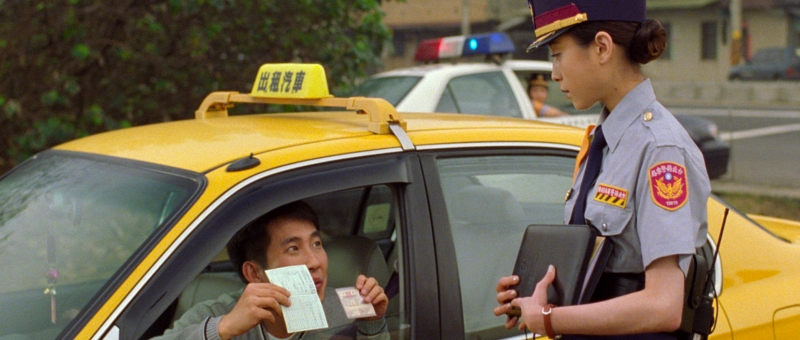
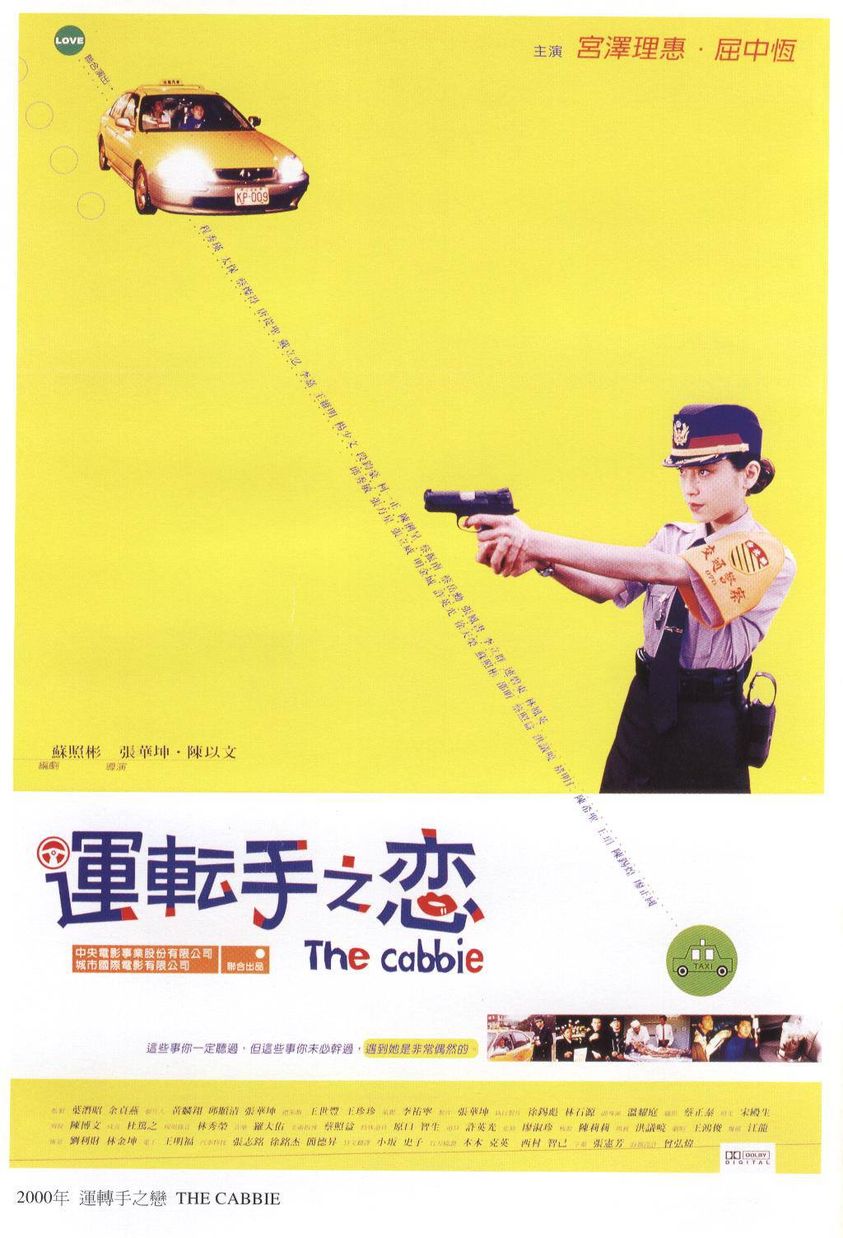
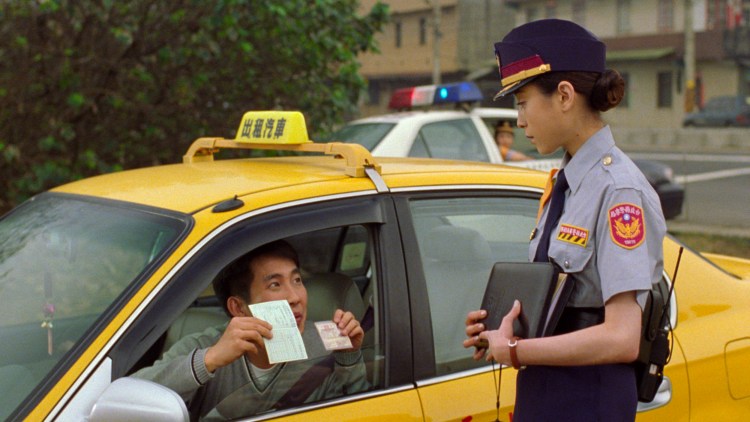
  • The Cabbie | Chen Yi-wen, Chang Hwa-kun | 2000 | 94 mins – romantic comedy in which a lovestruck taxi driver attempts to woo a grumpy policewoman (Rie Miyazawa) by getting as many parking tickets as possible.

Taiwan Film Festival Edinburgh takes place in-person 15th to 20th October, 2022 at Summerhall and Everyman Edinburgh. Full details are available via the official website and you can also keep up with all the latest details by following the festival on FacebookTwitterInstagram, and YouTube.

Reclaim (一家之主, CJ Wang, 2022)

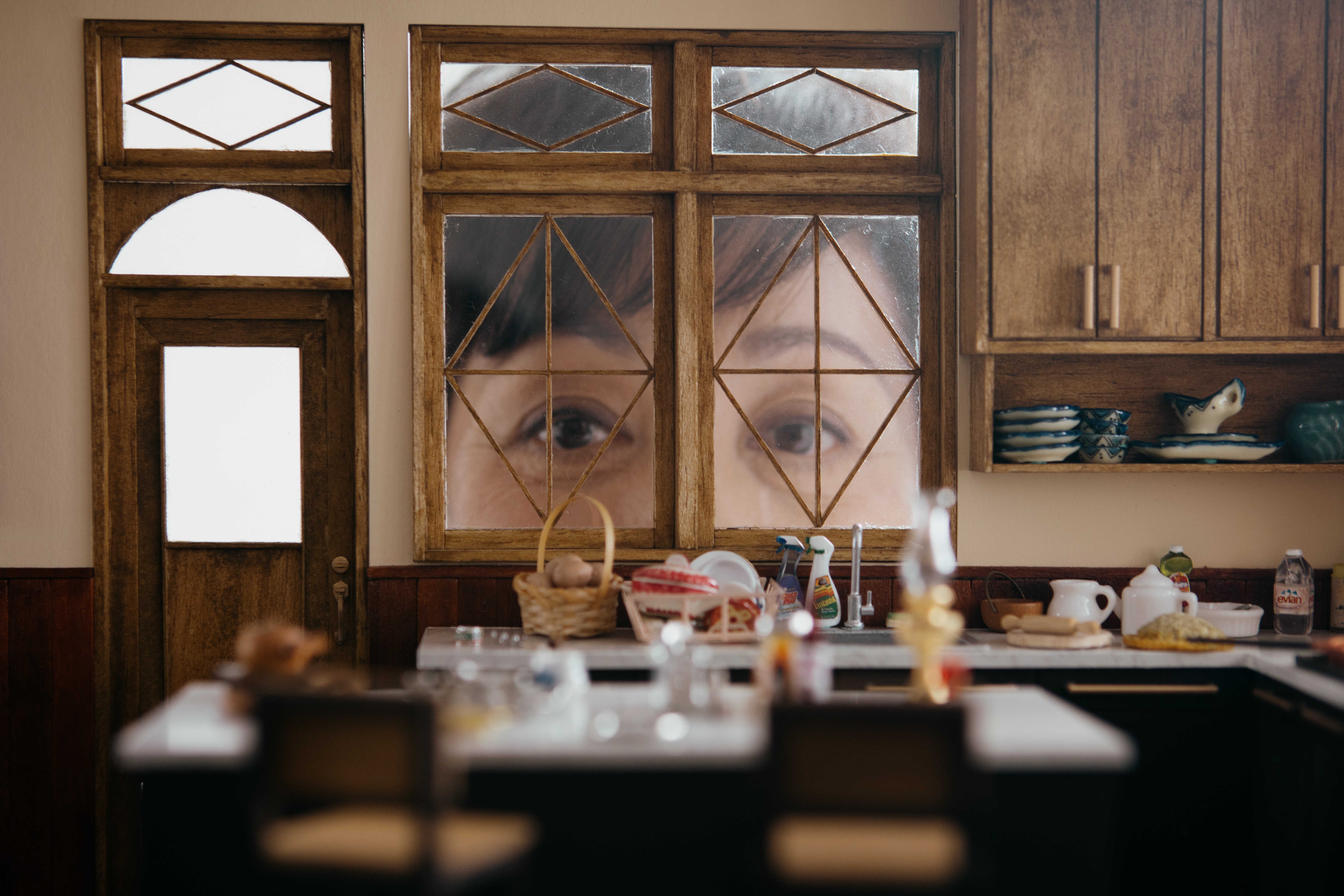
An ordinary middle-aged woman begins to wonder what it’s all been for when dealing with her insensitive, authoritarian husband, distant children, and the sacrifices she continually made to make others happy in CJ Wang’s touching family drama, Reclaim (一家之主, yījiāzhīzhǔ). The Chinese title, master of the house, is in its way ironic in the various ways in which Lan-xin (Nina Paw Hee-ching) is expected to shoulder all of the domestic responsibility with none of the control, though she is indeed attempting to reclaim something of herself as a woman and an individual as distinct from being someone’s, wife, mother, friend, or teacher. 

Lan-xin wanted to study art in Paris, but she got married young and started family and ever since then has led a conventional life doing what she thought to be right thing. Now, however, with her husband David (Kou Hsi-Shun) recently retired and both her children grown up she’s wondering a little what it’s all been for especially as David is a chauvinistic throwback who belittles her work as an art teacher while harping on about ways to make money patiently waiting for his collection of antique teapots to rise in value. Now that her mother’s dementia has intensified and she keeps escaping from her nursing home, Lan-xin wants to bring her to live with them but David is both dismissive and disinterested talking about it in the same way one would to a child who wants to get a dog asking if they really have the space and making it clear that looking after her will be Lan-xin’s responsibility. 

While David holds on to a substantial cheque with the intention of investing it in a series of harebrained schemes from luxury tombs to VR cafes, Lan-xin’s desire is essentially to try and repair her fracturing family by buying a larger apartment where they could all live together. David complains that no one tells him anything, but that’s largely because he’s continually dismissive of their dreams and aspirations blowing a hole in his daughter’s new project designing eco-friendly homes that prioritise individual comfort by telling her that she should just extend the living area into the balcony to trick people into thinking they’re getting more for their money. Jia-ning (Ko Chia-yen) in particular is feeling lost in her life unsure of what role it is she’s supposed to be playing while clearly disillusioned with the nature of the relationship between her parents in which her mother is expected to sacrifice her desires in service of her father’s. It’s clear that neither of the children want the kind of futures their parents envisaged for them, their professor son also preparing to return from the US to live a simple life in the Taiwanese countryside. 

Both of the children, however, take their mother for granted and often treat her poorly. The son orders her to book his plane tickets for him and abruptly hangs up after asking her to clean his room and make his favourite food, while Jia-ning also snaps at her expecting her to handle domestic tasks and locate missing items. Lan-xin forms a quasi-maternal relationship with a former student who has returned from America (Mason Lee) and now works in finance but is faced with the implosion of all her hopes firstly in her daughter’s more immediate needs to claim independence in her working life while avoiding the same compromises she was forced to make, and then by the illusionary nature of her home owning dream buying one home for fragmenting family rather than enduring her dissatisfying living arrangements while investing in separate homes for each of her children. 

There may be a degree of personal myth making in her meditating on the lost opportunity of a Parisian education as implied in an imaginary conversation with her mother, though as her miniature-making hobby implies perhaps she played the role she wanted to play but lost sight of herself somewhere along the way. A voyage into her own memory reunites her with her essential self and allows her to reclaim her name no longer willing to be subservient to her husband’s desires but prioritising her own. As in her dream, all her sacrifices will eventually be repaid while Jia-ning too comes to a better understanding of her mother and grandmother along with her own place in a changing society. Lan-xin is finally a master of herself no longer afraid to take up space in her own home and in full control of her own aspirations and desires. 


Reclaim screened as part of this year’s New York Asian Film Festival. It is also available to stream in many territories via Netflix.

Netflix trailer (English subtitles)

Images: ©2022 Rong Gwan Productions ALL RIGHTS RESERVED

My Best Friend’s Breakfast (我吃了那男孩一整年的早餐, Du Zheng Zhe, 2022)

Teenage romance is always complicated, but it seems wilfully so for the couple at the centre of Du Zheng Zhe’s high school rom-com, My Best Friend’s Breakfast (我吃了那男孩一整年的早餐, wǒ chī le nà nánhái yī zhěng nián de zǎocān). Du’s adaptation of the popular novel by Misa lacks the quirky post-modernism with which Taiwanese romantic comedies have come to be associated save a few fantasy sequences and the heroine’s dialogues with possible versions of her future self, opting instead for a more much more conventional tale of miscommunication and the potential costs of failing to speak one’s true feelings at the right time. 

High schooler Wei-xin (Moon Lee) is in any case sceptical of romance as her parents have recently divorced after years of arguing about money and their conflicting views on success and happiness. Her classmate Yuan-shou (Edison Song Bai-wai), who has an obvious crush on her, convinces Wei-xin to take part in the school concert in exchange for receiving a milk tea every day, while she also makes a habit of eating the breakfasts sent to her best friend, popular girl Qi-ran (Jean Ho), by her various suitors. She then runs into top swimmer You-quan (Eric Chou) who chips in when she’s sort on her pineapple bread snack and starts hanging out with him after witnessing his awkward breakup with an unfaithful girlfriend. 

A brief note of social commentary is introduced as the pair bond over their stigmatised familial circumstances, Wei-xin fearing You-quan will look down on her when she explains her parents are divorced while he reveals he feared the same because his father has passed away and his mother is working in the US while he lives in one of the school dorms. The problem is, however, the central miscommunication in their by-proxy courtship in which You-quan starts sending breakfasts to Qi-ran which are obviously intended for Wei-xin though she remains oblivious both of You-quan’s feelings and those of Yuan-shuo. Assuming that You-quan is interested in Qi-ran she keeps quiet, as does he and everyone else giving rise to a lot of totally unnnecessary emotional suffering for all involved. 

Then again Wei-xin’s romantic predicament pushes her into an intense contemplation of her future, engaging in conversation with possible versions of herself in 15 years’ time firstly as a lonely, overweight woman who lives only to eat, and then as a cool and super-confident musician, each of them helping her figure out her feelings and what to do about them. Meanwhile, her youthful romance is contrasted with her parents’ failed relationship which apparently began when they were both carefree teens with no responsibilities and eventually broke down when faced with the realities of supporting each other as a family. While Wei-xin’s musician father has continued to follow his dreams even if they never payoff, her mother has become an unhappy workaholic desperate to work herself out of debt but also perhaps resentful in having given up on love for the illusion of financial security. 

What Wei-xin learns is that it’s better to be bold and have no regrets than risk becoming the version of her future self who is embittered and resentful that she never told her teenage crush how she felt. These teens do at least seem to have a fairly mature attitude to romantic disappointment, taking rejection with good grace and resolving not to let the awkwardness of a failed romantic confession ruin a friendship. One unexpectedly compassionate teen receives a declaration of love from a same sex crush in the midst of wailing about their own romantic heartbreak and though they do not return their feelings immediately embraces them in empathising with their emotional pain while another reflects on a bad breakup and traumatic incident to work on themselves and gain inner confidence before winning back their former love. 

Given all that the idealism of the film’s conclusion may sit a little oddly if perfectly positioned to appeal to a teen audience with an archetypal romantic moment, but is to a degree earned in teen’s path towards emotional honesty and the necessity of being brave enough to accept the risk of heartbreak in chasing their romantic destiny. Perhaps free breakfast delivered to your best friend by proxy is as a good a way to say I love you as any other. 


My Best Friend’s Breakfast screened as part of this year’s New York Asian Film Festival.

Original trailer (Traditional Chinese / English subtitles)

Images: © 2022, SKY FILMS Entertainment Co., Ltd., all rights reserved.

The Funeral (頭七, Shen Dan-Quei, 2022) 

“They’re your family, they won’t hurt you anyway” a little girl is consoled on suggesting that her relatives’ home may be haunted but it’s a statement which seems remarkably naive given the toxic situation at the centre of Shen Dan-Quei’s gothic drama, The Funeral (頭七, tóuqī). There may well be supernatural goings on, but the root of the problem remains familial exile and the outdated social codes which lead to it causing nothing but misery and loneliness for all concerned. 

Single mother Chun-hua (Selina Jen Chia-hsüan) hasn’t seen her family in a decade. She works several jobs trying to support herself and her daughter Qin-xuan (Bella Wu) who is seriously ill and on the list for a kidney transplant. When in the opening scene she begins to suspect a ghost has entered the convenience store where she works nights, it’s impossible to tell if she’s actually being haunted or is just tired and anxious. In any case, she’s later let go from that job after a co-worker complains about her falling asleep on shift which is right about when she gets a call from her estranged uncle (Nadow Lin) to let her know her grandfather, whom she had been very close to as a child, has passed away and she should come home for the funeral. Chun-hua is however reluctant because she evidently fell out with her authoritarian father (Chen Yi-Wen) when she left home and returning now is awkward in the extreme. 

Having set the scene with Chun-hua haunted in the city, Shen moves the action to the creepy gothic mansion where she grew up which does indeed seem to be a spooky place defined by its hostile atmosphere. Her father wastes no time telling her that she’s not welcome, but Chun-hua holds her ground and insists on being allowed to pay her respects to the only member of the family who seems to have shown her any affection. Later flashbacks suggest a concrete cause of the family’s disintegration, but then Chun-hua’s father seems to have taken against her even in childhood apparently refusing to allow her to celebrate her birthday with her sister seemingly also resentful of her for no clear reason. Though her mother clearly loves her, she cannot defy her husband and is unable to defend her daughter. The only one of the family privately happy to see Chun-hua, even her mother eventually tells her it would be better if she returned to Taipei as soon as possible given the awkwardness of the situation. 

Then again, as we later learn, she may have another reason in mind though this attempt to reframe the family’s animosity towards Chun-hua is a little problematic in suggesting they are cruel because they love her and want to her leave the toxic environment of the house to save her from its poisonous legacy. The grandfather may have been the only one to show her love, but it is his failings that have created division within the family causing some to feel rejected, excluded from the circle for no fault of their own. Her father’s rejection of her is in its own way similar, even if we later see him remorseful realising that his authoritarian parenting has cost him his daughter.

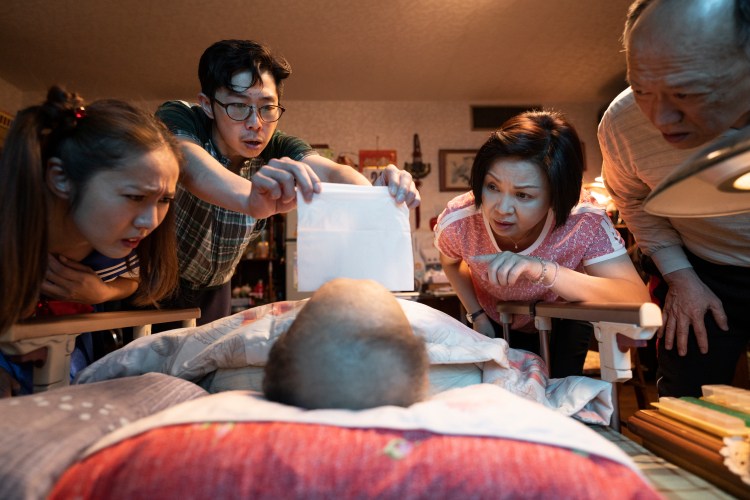
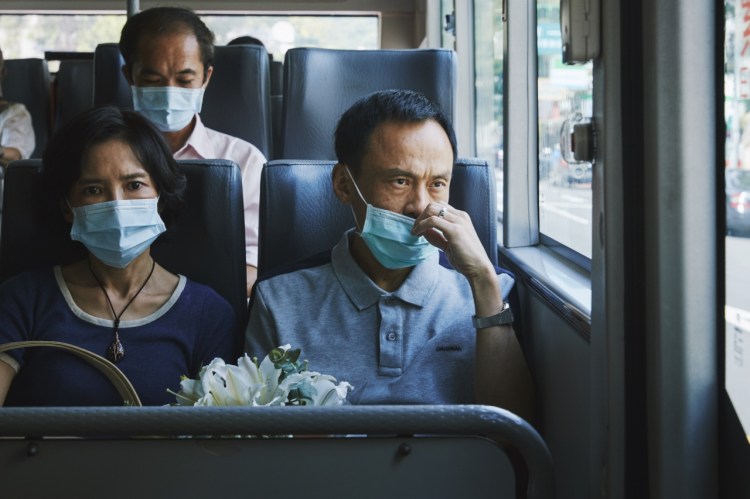
There may be a lot of supernatural action with the taoist priest permanently engaged in rituals over the grandfather’s body, but the darkness and resentment is purely human, born of loneliness and rejection in a lack of love and respect between those who are related by blood. Qin-xuan is at a disadvantage in knowing nothing of her extended family or mother’s relationship to them, she also rejected on arriving for the funeral. The place is indeed haunted beyond the scuttling figures that seem to catch their eyes and laden with the heavy atmosphere of the family’s inherent toxicity. But then through this extremely dark event, the relationship between mother and daughter is in its own way strengthened not least in Chuan-hua’s selfless determination to save her daughter from her own familial curse not to mention her medical precarity. Even so, the melancholy conclusion may hint that the toxic familial curse cannot be completely cured and is destined only to repeat itself in a perpetual cycle of hauntings. 


The Funeral screened as part of this year’s New York Asian Film Festival.

Original trailer (Traditional Chinese/English subtitles)

Images: © PINOCCHIO FILM CO. LTD

Mama Boy (初戀慢半拍, Arvin Chen, 2022)

A diffident young man gets a few lessons in love after falling for a middle-aged madam in Arvin Chen’s charming romantic dramedy, Mama Boy (初戀慢半拍, chūliàn mànbànpāi). The English-language title at least is a kind of pun, the awkward hero both described as a mother’s boy and falling for the mama of a hotel providing sexual services, but also hints at the awkwardness involved in his attempt to assert his independence at the comparatively late age of 30 by choosing to spend time with a mother the polar opposite of his own. 

Xiao-hong’s (Kai Ko) mother Meiling (Yu Tzu-yu) describes him as “shy”, though the mother of one of the girls she attempts to set him up with less charitably brands him “not normal”. Not normal is closer to the way Xiao-hong thinks of himself, wishing his mother would stop with the blind dates knowing that in his awkwardness he ends up making women feel uncomfortable and has no idea how to talk to them. His sleazy cousin/boss at the tropical fish shop where he works, insists on taking him to an exclusive brothel where he is instantly captivated by the middle-aged madam, Sister Lele (Vivian Hsu). Too shy to say anything, he continues returning to the hotel and hiring a sex worker to sit blankly in the room solely for the opportunity of exchanging a few words with her. 

The two of them are in a sense in similar positions, a mother frustrated by a wayward son, and a son frustrated by his possessive mother. Some of Xiao-hong’s attraction at least is maternal in seeking a freer parental hand. Unlike his mother, Lele boosts his confidence by making him believe that he’s alright and girls are going to like him, while taking him to cosy nightspots and teaching him the basics of romance. She meanwhile admires him as an ideal son the polar opposite of her own. Weijie (Fandy Fan) only contacts her to ask for money (his father no longer answers his calls) and seems to be involved in several dodgy get rich quick schemes the latest of which is selling knock off wine while he’s also got himself in trouble with loansharks. 

There is something a little uncomfortable in the contrast presented between the two women, the prim and proper mum Meiling raising a sweet, polite child like Xiao-hong who nevertheless lacks several important life skills because of her overparenting, while the child raised by former sex worker Lele is a no good two bit wise guy. Lele certainly seems to see Xiao-hong as a symbol of her failed maternity believing that his mother must have raised him well while she blames herself for her son’s failings feeling as if she couldn’t give Weijie the attention he deserved because she was a single mother who had to work to support him. 

Meanwhile they are also each lonely, Xiao-hong shy and isolated and Lele spending her nights drinking alone in bars being chatted up by sleazy men. Spending time together they develop a tentative bond of love and affection only to find their connection interrupted by Weijie and Meiling each of whom obviously disapprove. Meiling has a suitor of her own in a retired police academy professor she rejects out of a sense of repressive properness but eventually warms to after feeling she needs police assistance to reclaim her son from Lele realising that he’s stopped picking her up from work in order to give Lele lifts instead. 

Despite the romantic themes, both women are essentially reduced to the maternal through their experiences with good son Xiao-hong, Lele trying to patch things up with the wayward Weijie while Meiling realises that she’s overstepped the mark and and will have to let go a little to let Xiao-hong live his life or risk turning him into a perpetual mother’s boy who’ll be all alone once she’s gone. Xiao-hong meanwhile begins to gain confidence, asserting himself as an individual free of his mother’s control now no longer so diffident in talking to women thanks to the patient ministrations of Lele. With its quirky production design and fairytale atmosphere Chen’s tale of first love delayed is also one of unexpected connection and mutual acceptance that perhaps missteps in effectively negating the relationship at its centre but nevertheless has only sympathy for its lovelorn hero. 


Mama Boy screened as part of this year’s New York Asian Film Festival.

Original trailer (English subtitles)

Images: © 2022 Filmagic Pictures Co.

Life For Sale (售命, Tom Teng, 2021)

A nihilistic insurance broker chases existential validation in Tom Teng’s darkly comic crime drama, Life for Sale (售命, shòu mìng). Drawing inspiration from the novel by Yukio Mishima by the same name, the film takes aim at the commodification of life under a relentlessly capitalist society while its hero gradually discovers liberation in reaching an accommodation with death that begins to give meaning to his existence. Sucked not only into local gangster intrigue but shady international conspiracy, he finds himself forming a tentative relationship with an equally depressed neighbour who has troubles of her own. 

Ironically enough, Liang (Fu Meng-po) is a life insurance broker which quite literally means it’s his job to figure out exactly how much a life is worth. As for himself, he’s convinced his life is worthless and is obsessed with the idea of suicide while seemingly reluctant to actually die. He looks up banal ways to end his life on the internet and discovers that almost everything including carrots, cinnamon, and chewing gum, becomes poison if you consume enough of it. When he’s called into his boss’ office shortly after punching an irritating colleague in the face, he’s given a good idea of what his own life is worth when she tells him that the company bought a year of it with his salary but he’s been a poor investment and has actually cost them money through this rubbish sales record. It’s at this point he decides to call the corporate life quits and, taking inspiration from a copy of Life for Sale he found on the bus, decides that he should try monetising his life by selling it on the internet. 

His first offer is from creepy gangster Wang who repeatedly claims there’s nothing in the world his money can’t buy. He wants to send Liang on a dangerous mission to retrieve his wife’s dog from a rival gangster who’s kidnapped it, while a mysterious woman is also trying to recruit him for some kind of experimental research programme. Perversely he continues to think of his life as his own even having sold it resenting those who now think they own him and contemplates suicide as an expression of his autonomy. He comes to realise that his life is the one thing he has while simultaneously accepting that having lost it he is effectively dead already and has nothing left to lose. The realisation is liberating, his nihilism intensified as he resolves to do whatever he can to survive in part so that he might save others. 

Having begun with a darkly humorous take on the dehumanising nature of modern capitalism in which there is a price tag on each and every life, the film slides towards existential contemplation as Liang finds himself caught in the crosshairs not only of internecine gangland drama between the sinister wang and flamboyant Liao mediated though a chaotic hit on a dodgy policeman, but of an international conspiracy which is intent on doing something not entirely ethical to his body. Despite his newfound ruthlessness he is effectively emasculated firstly by the mysterious woman who tells him that he is a coward who does not deserve to be called a man and then by his neighbour who having lost faith in him declares that she will have to save her son herself thereby defining the value of her own life. 

All the while, Liang is plagued by a little bug that follows him around and seems to lead to trouble while perhaps echoing his capacity to survive. When he asks someone why they continue to smoke despite knowing the risks, he is ironically told that everyone has a little bit of a death wish and continues to leverage his own in a determination to at least make his death if not his life mean something. Then again, even post transformation he can’t seem to escape from the world in which everything is for sale agreeing to sell his life but drawing the line at his soul. On the run though perhaps no longer from himself, Liang has at least gained a new appreciation of the value he places on his own life and those which define the lives of others if strangely unaffected by failure or tragedy. Quirky production design and comic book-esque absurdity hint at the underlying satire but also contribute to a kind of origin story for a superhero escapologist looking for agency in a continually exploitative existence. 


Life For Sale screens at Lincoln Center 24th July as part of this year’s New York Asian Film Festival.

Original trailer (Traditional Chinese / English subtitles)

Leave Me Alone (不想一個人, Fan Yang-chung, 2021)

Lonely souls seek impossible connection in a rapidly disintegrating world in Fan Yang-Chung’s steamy urban drama, Leave Me Alone (不想一個人, bùxiǎng yīgèrén). The title may in its way be misleading, the original Chinese meaning something more like “I don’t want to be alone” hinting at the misdirected longing that informs all of the relationships in play, but is in another way the thing each of them fear – that they are being left behind while everything around them seems to be on the brink of collapse. 

Petty street pimp Loong (Fandy Fan Shao Hsun) literally lives in a disused building that’s about to be torn down, while his side gig involves working with a local gangster to pressure residents of an old-fashioned apartment block to sell up so the land can be redeveloped. Loong has a rather unsentimental, amoral approach to his work in finding the body of an old man and pressing his finger on the documents to make it look like he changed his mind right before died, something which seems all the colder on realising that his own father lives in the building. His gangster boss Brother Chao ominously reminds him that’s something he’ll need to take care of. 

In other ways eager to please, Loong’s involvement with Brother Chao is part of his aspirational desire to live a better life which also in part explains his fascination with beautiful gallery owner Olivia (Christina Mok) who is also in her own way lonely having discovered that she’s carrying the child of her married lover whom she’d believed was ignoring her only to discover the reason he’s not been answering her calls is that he’s in hospital in a coma and unlikely to wake up. Both Loong and and Olivia are repeatedly blocked from getting what they want, she prevented from entering her lover’s hospital room on the orders of his wife and he later rejected from a fancy apartment block by the same set of security guards instructing him to take the back stairs as if reminding him of his status and the class difference between himself and Olivia even if he’s smartened himself up while continuing to exploit other women for his living.

He does perhaps undergo a minor pang of conscience when Olivia tells him not to treat her like one of his sex workers, but later seems to have given up on achieving a more mainstream success after overplaying his hand with Brother Chao and paying a heavy price for his hubris. Olivia meanwhile entertains other men in an attempt to overcome her loneliness, sending each of them away with the excuse that her friend is coming over though of course he isn’t and doesn’t respond to her messages. As she and Loong drift into an affair, Oliva becomes a kind of tourist in his world raising eyebrows at the karaoke bar where the girls entertain Brother Chao’s guys, but Loong is hopelessly out of place in her upperclass society hovering in the background at a swanky party and eventually alienating another guest he felt was belittling him by offering to set him up with one of his girls. While he longs for Olivia as a symbol of the high life he feels is denied to him, so Chin-shah (Wen Chen-ling) his casual squeeze longs for him looking perhaps for protection or uncomfortably for the familial while he largely thinks only of himself. 

In any case, they each live in a world set to disappear. In one of the earliest scenes, Olivia watches as workmen dismantle the current installation in preparation for the next, her own image shattering as a mirror is smashed by a workman’s hammer, while the disused apartments and obsolete housing complexes familiar to Loong must too eventually come down leaving him forever displaced in a rapidly gentrifying city. “You’re too poor and you can’t handle me” Olivia eventually reflects after asking Loong if he’d always be there to take care of her making it plain that they occupy two different worlds while temporarily trapped in the same liminal space by their shared loneliness and a longing for something else that they don’t think they can have. They must try to find a way to move on but are otherwise forced deeper onto the paths they’d already chosen while trapped together bound by their shared yet opposing desires. In Fan’s stratified city of frustrated longing, love may not be so much the cure for loneliness as its ultimate expression. 


Leave Me Alone screened as part of Osaka Asian Film Festival 2022

Original trailer (English subtitles)
Girls’ School (女子學校, Mimi Lee, 1982)

The intense friendship between two young women is placed in jeopardy when a rumour begins to circulate that they are more than friends in Mimi Lee’s subversive 1982 drama Girls’ School (女子學校, nǚzǐ xuéxiào). The film’s educational framing may ensure that it can only reinforce the contemporary social codes of the repressive martial law era in insisting the two women must be guided back towards he “correct” path, but otherwise affords them a genuine sympathy that undercuts the sense of moral censure while simultaneously rooting the source conflict in the rejection and frustrated longing that provoke only pettiness and jealousy. 

Chia-Lin and Chih-Ting have been best friends all the way through school and are more or less inseparable but the transgressive intensity of their relationship has also isolated them from their classmates some of whom, such as Chun-Hsueh, feel rejected and excluded. Possibly with a high degree of projection, it’s Chun-Hsueh who first starts the rumour that the two young women are “lesbians” only later admitting to the teacher Mr. Mei, informed via a note from class monitor Yu-Liang who has a crush on him, that she doesn’t quite understand what the word means or what saying it might mean not only for Chia-Lin and Chih-Ting but for the other girls and indeed for the school’s reputation. In reprimanding her, Mr. Mei accuses Chun-Hsueh of casting a dark shadow over the hearts of her previously innocent classmates now corrupted with the ugliness not only of her lie but the topic of homosexuality which he and the rest of the educational body view as something shameful and taboo. 

Reminiscent of William Wyler’s The Children’s Hour, the reason the rumour takes hold may be that there is a grain of truth in it in the burgeoning feelings between the two women yet in keeping with the social attitudes of the time the main interest is in proving that it isn’t true with each keen to clear their name of such vicious slander while the other girls frequently describe them as “disgusting”. Even so, the unfairness of their separation and the obviously strong feelings between the two women cannot help but evoke sympathy while Chih-Ting, the bolder of the pair, continues to insist that they’ve done nothing wrong even as Chia-Lin is overwhelmed by the pressure all around them suggesting that they might be better to simply “keep our friendship in our hearts” shamed into repressing their true feelings by an oppressively judgmental society. 

Then again, the film also succumbs to a series of uncomfortable stereotypical tropes in rooting Chih-Ting’s potential lesbianism in her tomoboyishness having been raised by a single father and longing for maternal affection. Having been abandoned by her mother she also feels emotionally rejected by her father who has a gambling problem and rarely returns home while further rejection by Chia-Lin at the instigation of her sister who is also a teacher at their school herself nursing a broken heart after her longterm boyfriend married someone else leaves her feeling like a “monster”, constantly asking herself “what’s wrong with me?” while wondering why others treat her like a “poisonous sore”. This sense of rejection and frustrated longing is the primary motivator for the actions of all, Chun-Hsueh starting the rumour because she wanted to be included in the girls’ friendship and Yu-Liang reporting it because she wanted to curry favour with Mr. Mei after seeing him scrunch up and bin a love letter while quite obviously smitten with Chia-Lin’s sister Miss Yang. 

Mr. Mei is clearly in a difficult position and often trying to do the right thing, admitting to Chih-Ting that the teacher’s don’t know how to help them, but also somewhat insensitive while like others overly mindful of the school’s reputation rather than girls’ fragile emotions never quite considering that the intensity of their feelings and the pressure placed upon them could lead them to harm themselves or else endanger their mental health. It is then a little uncomfortable that the resolution lies in Chih-Ting who had previously professed to hate everyone except Chia-Lin undergoing a softening in which she becomes “more cheerful and mature”, eventually re-embraced by the same classmates who shunned her now satisfied the rumour isn’t true while Chih-Ting has quite literally sacrificed a part of herself to be accepted by a society whose acceptance she had been insistent was unnecessary. The starkness of her conversion along with the subversive quality of the melancholy love song which recurs throughout may attack the underlying homophobia in supporting the truth of the feelings between the two women but leaves them with little possibility for emotional authenticity in an overly conservative society. 


Girls’ School screened as part of Osaka Asian Film Festival 2022

Restoration trailer (Traditional Chinese / English subtitles)
Jang-Gae: The Foreigner (醬狗, Chang Chih-Wei, 2020)

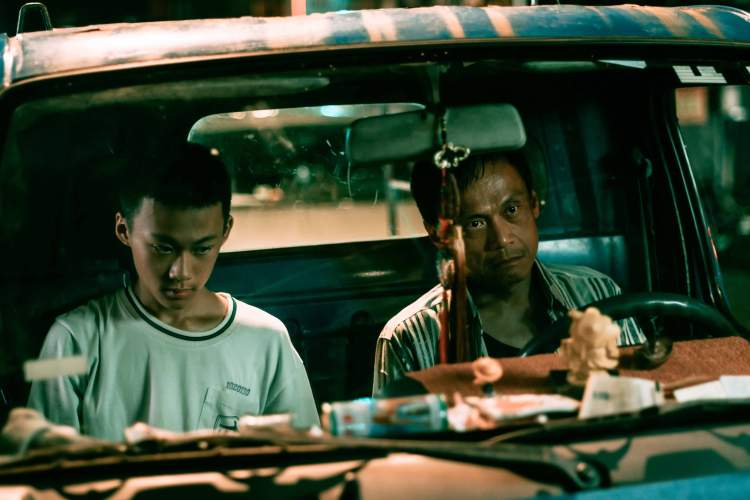
An angry young man struggles to repair his fracturing sense of identity in Chang Chih-Wei’s provocatively titled Jang-gae: The Foreigner (醬狗, jiàng gǒu). “Jang-gae” is in itself a derogatory term for Korean-Chinese translated literally as “sauce dog”, while the film’s hero Gwang-yong (Ho Yeh-wen) feels himself to be a perpetual outsider continually othered in Korea but having little affinity for his Chinese roots and dreaming of a future in the US having been short-listed for a scholarship programme only to be confronted with the contradictions of his identity when his father is taken ill and having the wrong kind of passport may jeopardise his dreams of going abroad. 

For reasons unknown to him, Gwang-yong’s father Seo-sang (Joey Yu) pulled him out of the Chinese-medium school he’d been studying at and moved him to a regular Korean high school instead. Although a straight-A student and in fact the class monitor, Gwang-yong experiences constant xenophobic microaggressions from his classmates who sarcastically repeat the common Chinese greeting “Have you eaten yet?” and refer to him as “sauce dog” while the teacher expresses surprise that “even a foreigner like Gwang-yong” has mastered Korean history. The teacher’s remark is quite ironic in that Gwang-yong may have a Taiwanese passport but he was born and raised in Korea, as, it happens, was his father. In fact, his family has no real connection with Taiwan, his grandfather fled Mainland China during the civil war and presumably applied for a Republic of China passport as a supporter of the Nationalist Party. In any case, his passport is also a non-citizen one which grants no right of abode because his family has no household registration in Taiwan meaning in essence that Gwang-yong is stateless and has no citizenship of any sort. 

For obvious practical reasons, he wants to apply for a Korean passport which he’s entitled to by right of birth as his mother is a Korean citizen but his father won’t have it. Meanwhile, despite bullying him the other boys all complain that foreigners have it easy believing that he got a leg up in the scholarship scheme for being non-Korean while he’ll also be exempt from the National Exam and military service (which as he points out he’d have to do in Taiwan if he were a full citizen there), but being exempt from each of these requirements for Korean citizens leaves him feeling even more excluded reinforcing the sense that he’s not really a part of the culture in which he has grown up in the only country he’s ever known. He tells his mother that he just wants to live a dignified life in Korea, but is ruffed up by a trio of thuggish men later claiming to be police immigration officers accusing him of overstaying on his visa not so much as even apologising after forcibly pulling his wallet out of his pocket and seeing his birthplace listed as Korea on his ID. 

Most of his animosity is directed at his father who speaks to him only in Mandarin and is in general authoritarian and unsupportive, yet his father’s illness also causes him to lash out at his mother laying bare his own internalised shame in berating her for having married someone who was Korean-Chinese as if all his problems would have been solved if she’d only married somebody Korean, blaming her rather than standing up against the xenophobia and prejudice which pervade his society. Meanwhile the girl he has a crush on at school, Ji-eun (Kim Yea-eun) who is also an outcast having moved schools after the grandmother who was raising her passed away, just wants to get out of “Hell Joseon” and doesn’t much care where to. He points out swapping Hell Joseon for Taiwan’s “Ghost Island” might not make much difference, but discovers that his accidental statelessness leaves him doubly disadvantaged denied his full rights in either place while equally unable to escape. 

Even so his father’s illness forces him to reconsider not only his relationship to him but to his Chinese heritage along with the Korean, Ji-eun also reminding him that the people who make it in Korean society are the ones who learn to stand up for themselves which perhaps informs his final act of rebellion against the bullies no longer willing to be meek or apologetic but directly challenging their attempts to intimidate him having gained a new confidence. A gentle coming-of-age tale in which a young man comes to understand both his father and his heritage Jang-Gae: The Foreigner never shies away from the problems faced by ethnic minorities in contemporary Korea nor the inequalities of the non-citizen passport but does allow its conflicted hero to find a degree of equilibrium in himself secure in his own identity. 


Jang-Gae: The Foreigner streamed as part of the 14th season of Asian Pop-Up Cinema.

Original trailer (English subtitles)