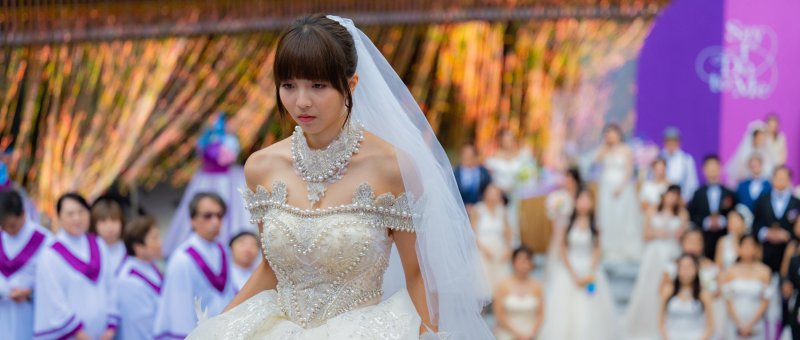
A struggling influencer’s bid for internet fame through marrying herself soon goes dangerously awry in Kiwi Chow’s anarchic take on contemporary social media mores and the need for authenticity, Say I Do to Me (人婚禮). Ping (real life YouTuber Sabrina Ng Ping) swears that she’s done with changing herself for others and is determined to enjoy life on her own terms, but the irony is she’s anything but honest with herself as she attempts to bury her abandonment issues and ambivalence towards marriage beneath her friendly clown persona.
Despite telling all her followers that she sees no need to wait around for someone else to make her happy so she’s going to marry herself, Ping is in a longterm relationship with middle-school sweetheart Dickson (Hand Rolled Cigarette director Chan Kin-long) who handles the tech side of their YouTube channel. When their clown-themed videos failed to win an audience or pay the bills they started looking for something edgier, shifting their focus to their own relationship. When that too failed to set netizen’s hearts aflame, they started engineering fake romantic drama including a “real fake” wedding and Dickson cheating scandal. To get themselves out of the hole they’d dug, Ping comes up with the idea of “sologamy” in which she’ll get back at “cheating” Dickson with a solo wedding on the day they would have got married, while Dickson mounts a counter campaign wearing a giant monkey head to promote his “solo funeral” movement railing against fake affirmation of Ping’s embrace of “authenticity”.
Of course, authenticity is the one thing Ping isn’t selling. She’s telling everyone else they should be true to themselves, but has based the whole thing on a lie in still being in a relationship with Dickson while adopting a fake influencer persona of a woman who has herself together and is fully ready for commitment. The duplicity begins to eat away at her as she witnesses its effects on others including a middle-aged woman (Candy Lo Hau-Yam) she’d assumed to be in a perfect marriage who suddenly reveals she’s been unhappy for decades because she couldn’t accept her sexuality. Thanks to Ping, she’s decided to divorce her husband and live a more authentic life all of which leaves Ping with very mixed feelings. Meanwhile, she’s relentlessly pursued by a devoutly religious man who seems to be in love with her on spiritual level, and also comes to the attention of “Hong Kong’s last Prince Charming” who has hidden anxieties of his own.
The film seems to ask if it really matters if Ping was “lying” when her example has made a “positive” difference in people’s lives in enabling to them to accept themselves and find true happiness even if in doing so they might necessarily hurt someone close to them. Dickson seems certain that the internet isn’t really real and you really don’t need to be “authentic” in your online persona, but is all too quickly addicted to the false affirmation of likes and shares and willing to compromise himself morally to get them, all while justifying his actions in insisting he’s only doing it to make Ping’s dreams come true. In the end, he is also playing a role for Ping but as she says coopting her dreams as his own just as her other suitors do. “No one here cares how I feel” she declares, realising her “fake” persona has become a kind of prop for others to hang their unfulfilled desires on.
The problem is only compounded by the reckless actions of the solo funeral crew who quickly escape from Dickson’s control demonstrating the dark side of internet tribalism and accidental radicalisation. But Ping’s own worst enemy is herself, afraid to really look in the mirror and face her insecurity while simultaneously peddling the message that everyone’s lives will improve as long as they make a superficial gesture of self-love. What she discovers during a surprisingly violent cake fight, is that she’s not the only one battling internal insecurity to become her authentic self and there might be something in “sologamy” after all if it forces to you to confront the parts of yourself you don’t like and accept them too. Part absurdist treatise on the corrupting qualities of online validation and part surreal rom-com, Chow’s quirky comedy nevertheless comes around to its heartwarming message in allowing its heroine to make peace with herself and the world around her.
Two terminally ill women slowly fall in love while circling the spectre of death in Na Gyi’s poignant queer romance, What Happened to the Wolf?. Homosexual activity is currently illegal in Myanmar and carries a 20-year prison term. The situation has only declined since the military coup which occurred in 2021. Director Na Gyi has since gone into exile along with his wife, actress Paing Phyo Thu, while her co-star Eaindra Kyaw Zin was herself arrested for protesting against the junta.
Given these conditions, the film may seem in a way coy or perhaps oblique but is also filled with a sense of melancholy longing that culminates in a well earned moment of emotional serenity. As the husband of heroine later suggests, they’ve been unhappy for a long time and only now that she’s been diagnosed with terminal lung cancer and been given only a year at most to live does Myint Myat (Eaindra Kyaw Zin) begin to reflect on her life and regret its missed opportunities. The film opens with her attempting to take her own life, explaining that she did not want to be waiting around to die though has a few “things to take care of” that made her reconsider her decision.
It’s in the hospital that she first encounters Way Way (Paing Phyo Thu), a rebellious young woman born with a hole in her heart who has had quite a tragic life but seems to Myint Myat to have come to an accommodation with the proximity of death. As she later begins to realise, Way Way’s vivacity is also an act of self-delusion to mask her fear of mortality but nevertheless her lust for life begins to reawaken something in Mying Myat who is beginning to wonder what her life which has largely been defined by ideas of conventional success has really been for.
When she laments that she was raised with a “proper system”, it reads both as a mild rebuke against an authoritarian culture and a frustration directed at her own internalised repression. Na Gyi’s camera often shoots with lingering desire, a close up on Way Way’s neck pregnant with longing as a conflicted Mying Myat considers reaching out but cannot bring herself to do so. As she reveals to Way Way, she never saw the point in dancing only for the younger woman to try to teach her how which is really a way of trying to show her how to live.
But Way Way also has her own troubles which have led her to push people away so they wouldn’t miss her when she’s gone, though most of all what she fears is being left behind alone. She rejects her brother out of a mix of guilt and love in feeling unworthy that he gave up his artistic desires of becoming a photographer to become a doctor in order to cure her disease. She takes pictures with his old-fashioned film camera and listens to cassette tapes on a classic walkman as if longing for a long lost past. With her retro sensibility it might seem as if the (slightly) older Myint Myat is falling for the embodiment of her own frustrated youth and she does indeed seem to meditate on the things she lost along the way much as her architect husband gave up painting to work for the father she resents while she poured everything into her business.
The film’s title takes itself from a shadow play Way Way acts out while the pair are holed up in a “haunted” house hoping to see a ghost. A wolf comes across a peacock and is jealous of its beautiful feathers. The wolf pounces, but the peacock flies away unfurling its beautiful plumage as it goes. Myint Myat wonders what happened to the wolf after that, but Way Way doesn’t have an answer for her. In some ways it’s difficult to define which of them might be the wolf and the other peacock for each of them begins to rediscover a sense of beauty in their unexpected connection even while the spectre of death hangs over them both. The film might in a sense answer the question of its title though only in the most melancholy of senses even as the two women transcend themselves as they make their way towards a place beyond the clouds.
Vienna’s Red Lotus Asian Film Festival returns for its second edition 20th to 23rd April with another handpicked selection of recent hits from across the region. Here’s a rundown of the East Asian features screening in this year’s programme:
China
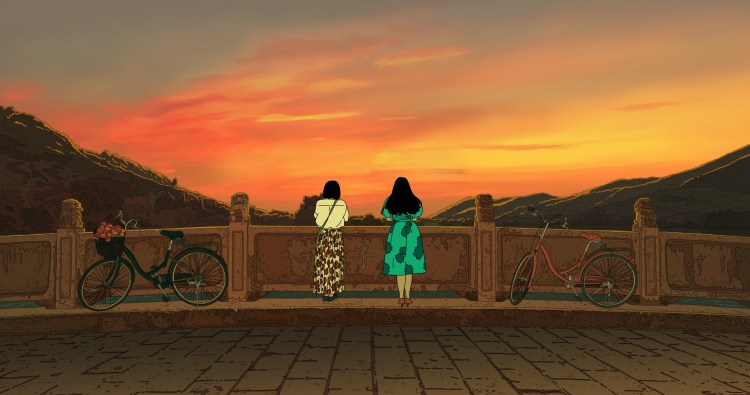
Art College 1994 – animated feature from Have a Nice Day’s Liu Jian revolving around a collection of art students in the rapidly changing society of mid-90s China.
Journey to the West– a UFO obsessive journeys west in search of the meaning of life in Kong Dashan’s hilariously deadpan, absurdist epic. Review.
Hong Kong
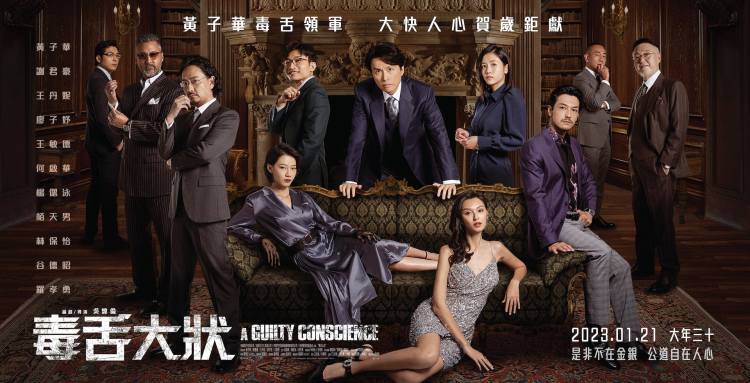
A Guilty Conscience– a previously cynical lawyer puts the law on trial while correcting a miscarriage of justice in Jack Ng Wai-Lun’s screwball courtroom dramedy. Review.
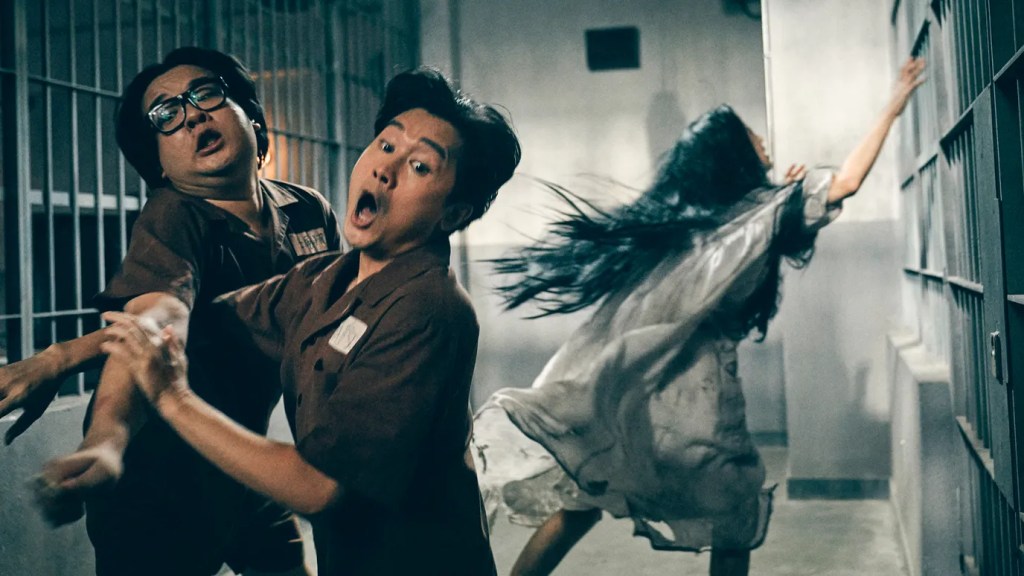
Let It Ghost – indie horror anthology from first time director Wong Hoi.
Indonesia
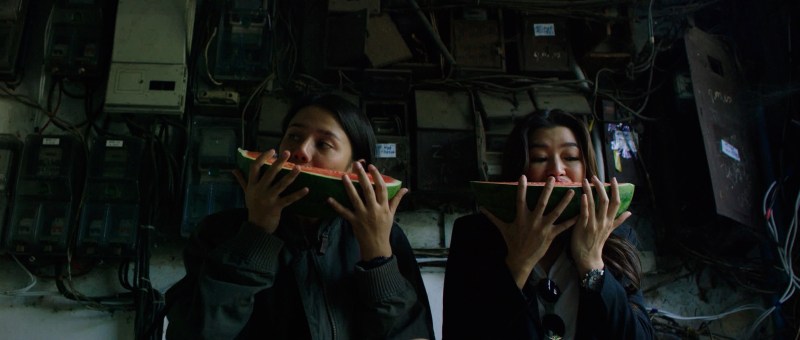
Like & Share – two young women seeking escape from a repressive social culture find themselves betrayed by the hypocrisies of the online society in an infinitely empathetic drama from Two Blue Stripes’ Gina S. Noer. Review.
Japan
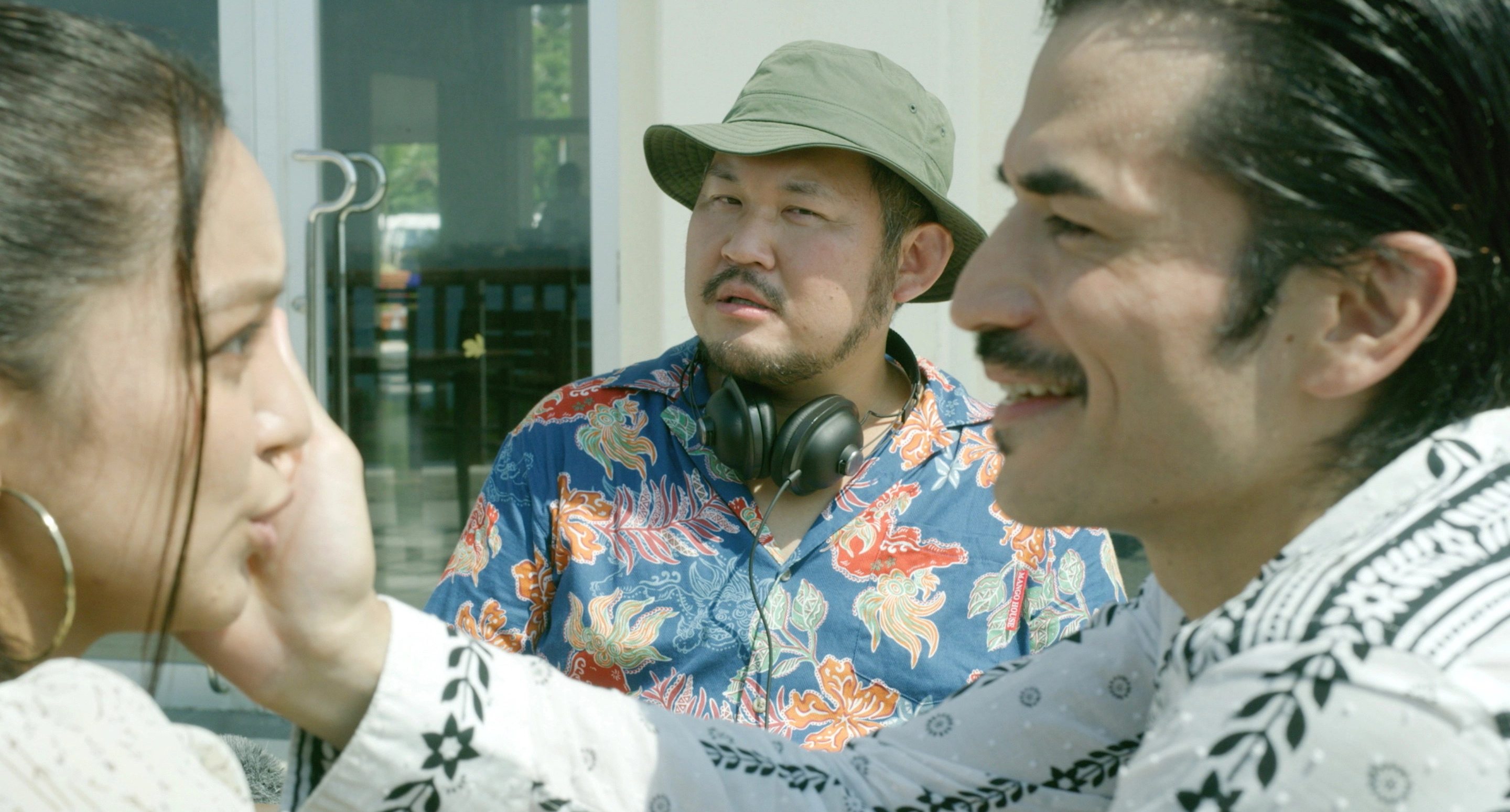
Your Lovely Smile– film director Hirobumi Watanabe stars as a version of himself in Malaysian director Lim Kah Wa’s comic paean for indie filmmakers and the microcinema landscape in the wake of the Covid-19 pandemic.
Mongolia
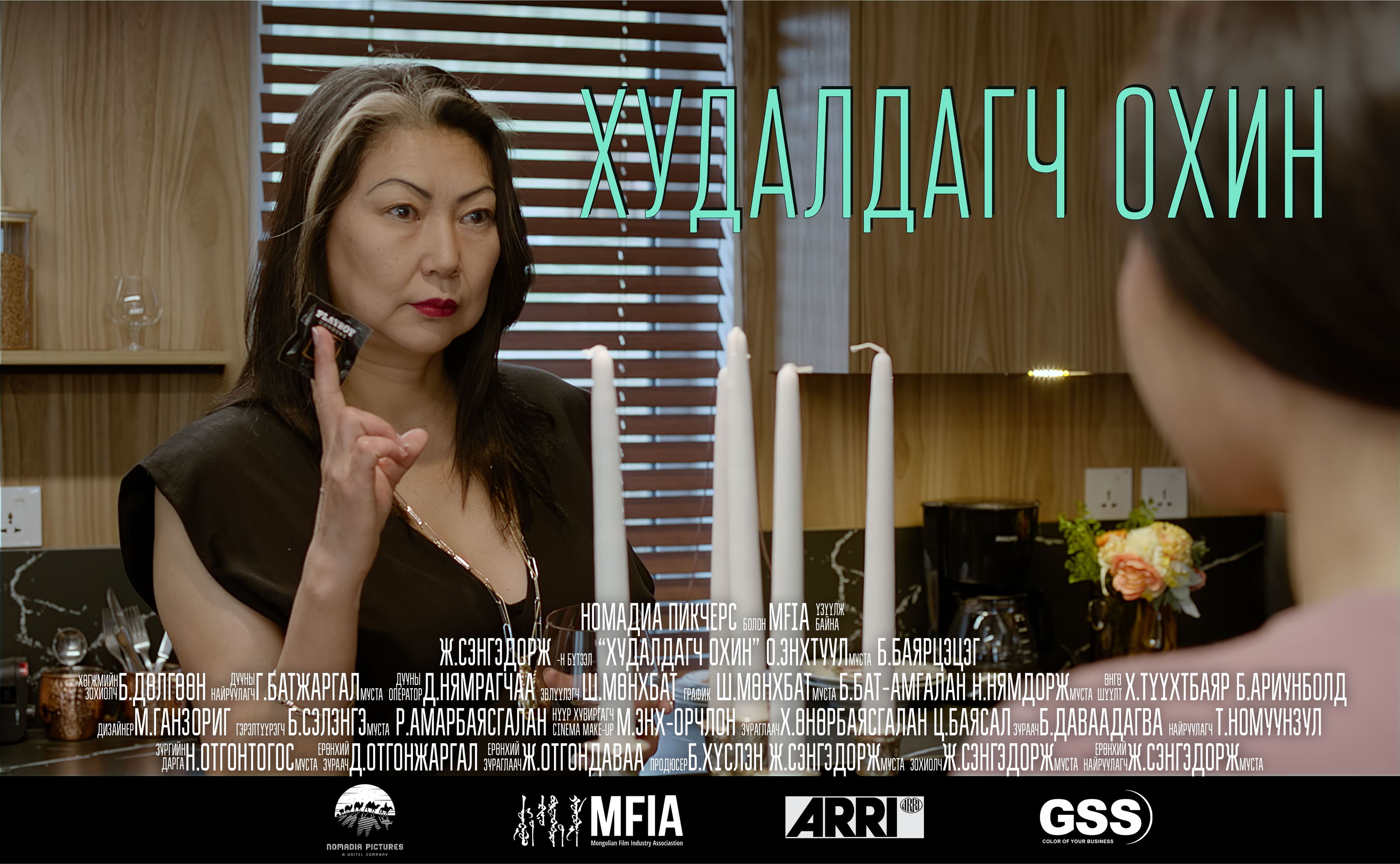
The Sales Girl– a diffident student begins to open up after befriending an eccentric middle-aged woman who runs a sex shop in Janchivdorj Sengedorj’s quirky comedy. Review.
The Philippines
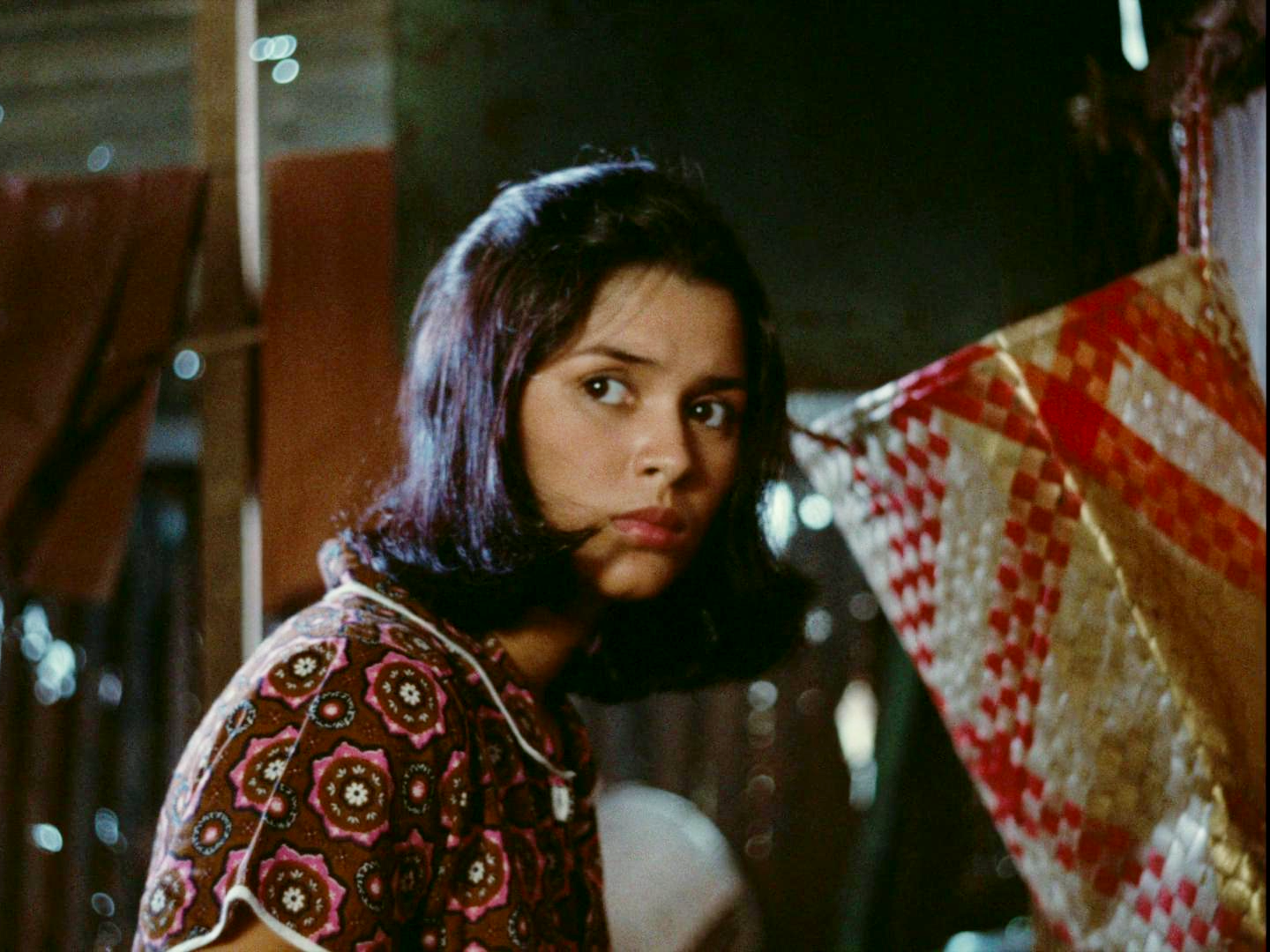
Insiang– Lino Brocka’s 1976 classic in which a young woman living in the slums of Manila decides to take revenge against her abusive mother and the step-father who raped her.
South Korea
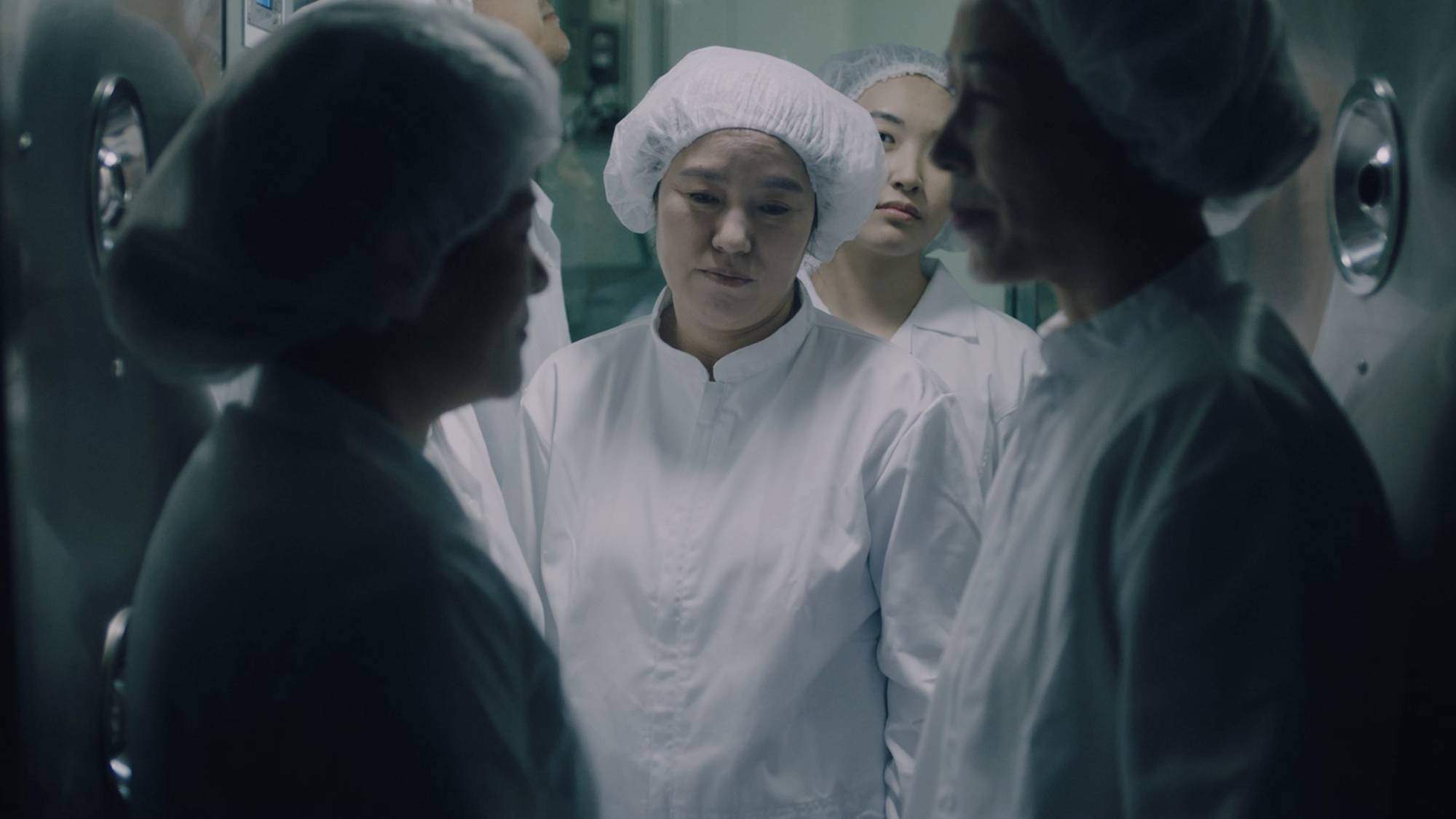
Jeong-sun– a factory worker’s life is disrupted when a video of a sexual encounter with a colleague is leaked on the internet.
The Red Lotus Asian Film Festival runs in Vienna, Austria 20th to 23rd April. The full programme including films from India, Pakistan, and Iran is available on the official website along with ticketing links. All films screen in their original language with English subtitles. You can keep up with all the latest news by following the festival on Facebook, Twitter, and Instagram.
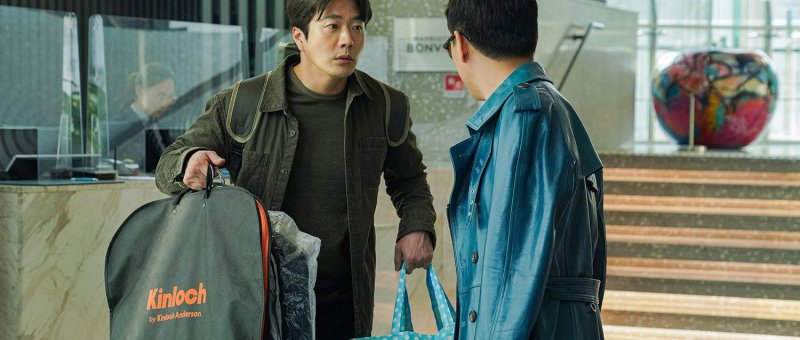
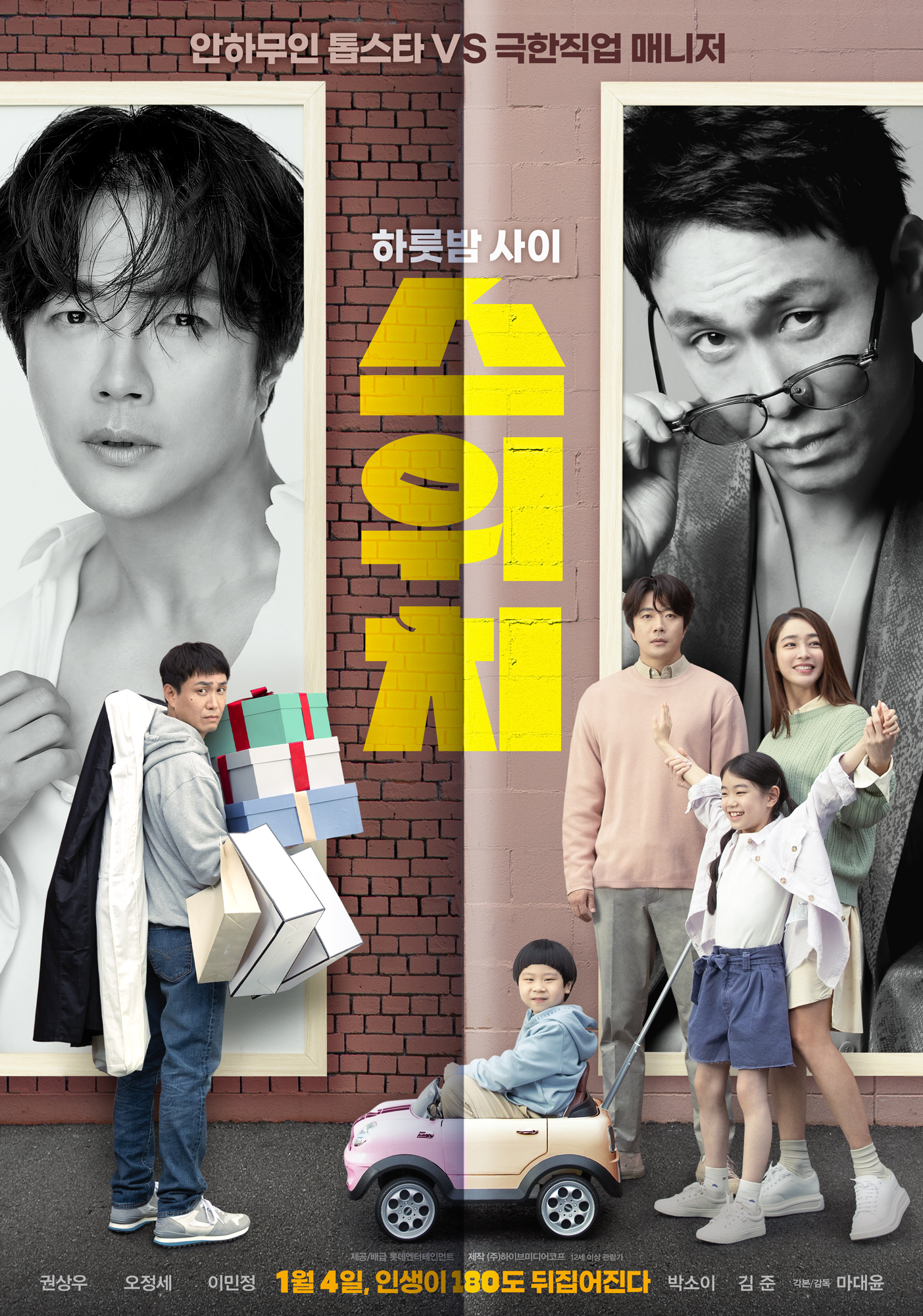
An egotistical actor is given an unexpected lesson in what it is that makes life worth living when he’s suddenly transported to a parallel world in Ma Dae-yun’s charming Christmas dramedy, Switch (스위치). Rather than the body swap comedy the title might suggest, Ma’s warmhearted morality tale is a more a meditation on what might have been and may be again while contemplating the emptiness of a life of fame and riches when there’s no one to share it with.
“What matters more than money?” top star Park Kang (Kwon Sang-Woo) chuckles after telling his manager he’ll accept a job he just described in quite insulting terms after being informed it comes with a hefty paycheque. Kang is currently riding high. He’s become enormously successful and even a recent sex scandal involving his co-star in a TV drama has only boosted his profile. Yet he tells his analyst that he can’t sleep and attributes it to “depression and anxiety”. He treats those around him poorly and most particularly his long suffering best friend from his fringe theatre days, Joe Yoon (Oh Jung-Se) who now works as his manager, while struggling to accept his loneliness and meditating on lost love in the memory of the woman he broke up with in order to chase stardom.
After getting into a weird taxi one Christmas Eve, he’s suddenly granted the “wish” of getting to find out what would have happened if he’d made a different choice. After waking up in an unfamiliar house he discovers that he’s married with two children and slumming it fringe theatre while Joe Yoon is now the superstar having aced the audition Kang ran out on to chase Soo-hyun (Lee Min-Jung) to the airport and convince her not to leave. Of course, Kang is originally quite unhappy about all of this. He doesn’t understand why no one recognises him anymore and resents that he’s suddenly subject to the rules of “ordinary” people again after a decade as a pampered star. In his acceptance speech after winning an award, he’d stated his intention to “forget” his roots as a humble actor and embrace his new role as a member of the showbiz elite fully demonstrating his sense of alienation and insecurity along with his intense loneliness. As the taxi driver had said, Kang has “everything”. He’s achieved his dreams and lives the high life he’d always dreamed of, yet he’s deeply unhappy.
But his “new” life immediately challenges his sense of masculinity in realising that he has little power without money and is in fact financially dependent on Soo-hyun whom he may also have robbed of a bright future by preventing her from studying abroad and achieving success as an artist. Meanwhile he looks down on himself for continuing to follow his artistic dreams in fringe theatre when his plays attract few audiences members and make little money. Just as Joe Yoon had become his manager, so he ends up getting a taste of what it’s like trying to manage a “star” while coming to appreciate that Joe Yoon may be feeling just as lonely and unfulfilled as he once had.
Yet even as Kang settles into his new life as a husband and father while slowly rebuilding his acting career though a combination of talent, supportive friendship, and good luck, he fails to learn the right lessons continuing to yearn for external validation through material success. He spends money on fancy dinners and tries to move the family into a swanky apartment in Seoul without realising that he’s already got a “home” in the quaint little provincial house he and Soo-hyun set up together filled with memories (that admittedly he doesn’t actually have) of the children when they were small. Slowly, he begins to look beyond himself while developing a new sense of security that means he doesn’t need to chase status-based affirmation in empty materialism but now has a new sense of what’s really important. A charming season morality tale with a little more than a hint of A Christmas Carol, Ma’s gentle drama never suggests that success itself is wrong or that Kang must give up his movie star persona to become a happy everyman but only insists that true happiness is brokered by treating others well and being treated well in return much more than it is by consumerist success.
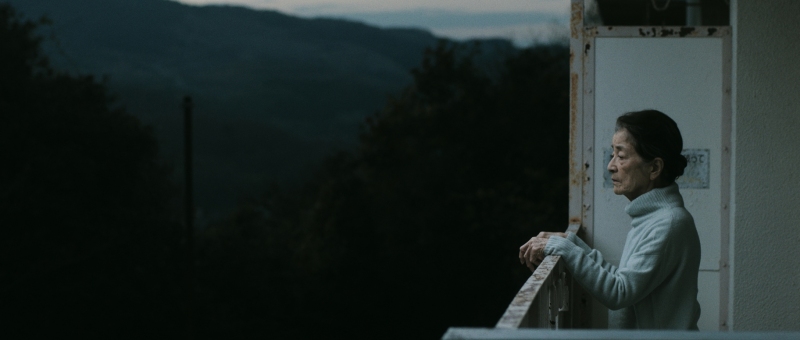
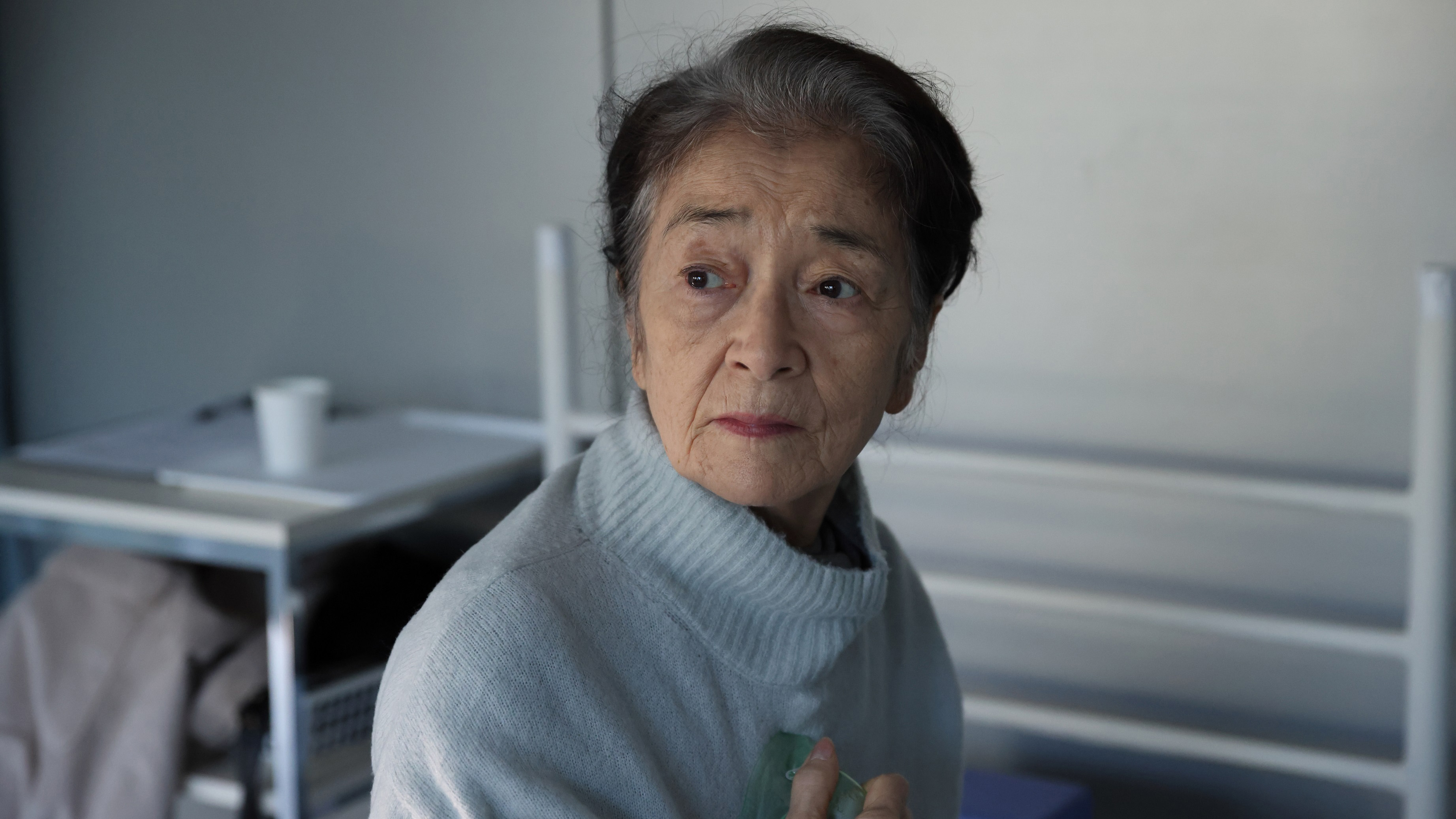
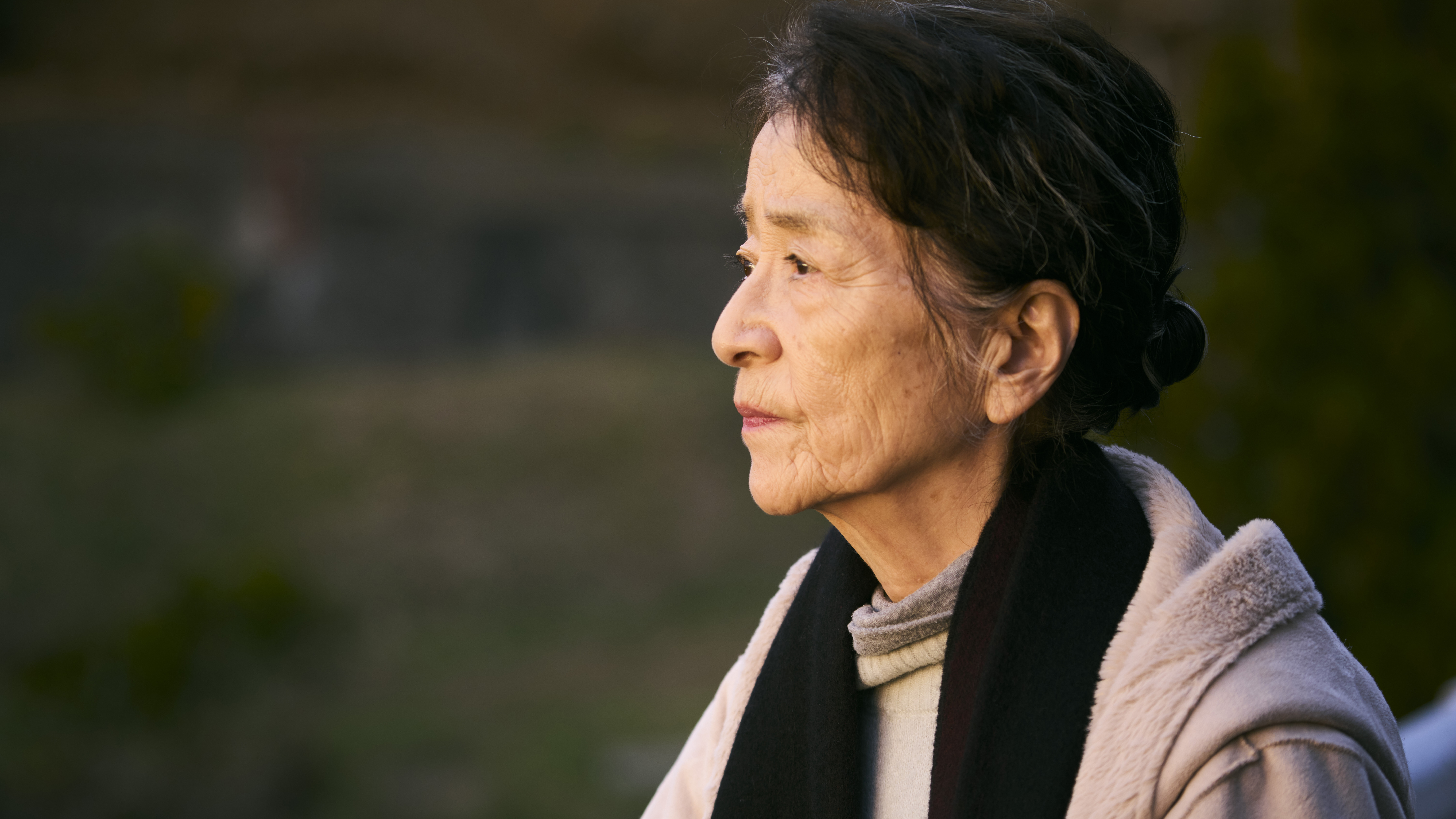
With Plan 75 about to open in US cinemas, we sat down with director Chie Hayakawa to discuss her thoughts on the implications of her dystopian festival hit.
So I thought maybe we could start with talking a little about your path into filmmaking?
Chie Hayakawa: I studied photography in New York in art college. And then I was thinking about studying filmmaking in Japan or working as an assistant director on set after graduating college in New York but then I found out that I was pregnant so I had to change my life plan although I really wanted to get into the film industry. Becoming a film director was my lifelong dream since I was 13 years old, but I couldn’t really spend time on it in my 20s and early 30s. After giving birth to two kids and raising them in New York I came back to Japan and started working at a broadcasting company but I still wanted to make a film so I went to film school at night for a year while still doing my full-time job. My thesis film got into Cinéfondation in Cannes in 2014. That opened up doors for me to get into the film industry. Then I got to work on one of the segments of Ten Years Japan in 2018. I quit my job and became a full-time director.
So you got the job on Ten Years Japan through the short film that got into Cannes?
Yes. It was a student film called Niagra that got into the student section in Cannes. Until then I didn’t know anyone in the film industry but after going to Cannes I started meeting producers and taking part in filmmakers workshops so gradually I got to know people and I met this producer who was working for Ten Years Japan. She asked me if I wanted to apply for a closed competition for young directors to come up with a story for the anthology. At the time I already had the concept of Plan 75 as a feature film, but I thought it fit the concept of Ten Years Japan because it’s a story about the future of Japan after 10 years so I decided to make a shorter version first as a kind of pilot.
One I thing I noticed is that the short and feature end in quite similar ways with the civil servant who’s been working for Plan 75 but is conflicted stands with his family looking out at the plot where his house will be while all this bright sunshine is coming towards him, and at the end of Plan 75 Michi also has bright sunshine coming towards her, but the kinds of “hope” they’re finding are very different. Was that something you reflected on when you were making the film?
Yes, in the short version it’s not really a “hopeful” ending because he knows his guilt. His family looks happy from the outside but both of them know what they’ve done to the mother so have to live with the guilt for the rest of their lives. It’s kind of a dark ending because they’re the only ones who know what they’ve done. The emptiness of the place is a kind of symbol or a trace of the people who left there, maybe they went to Plan75 to make space for the younger people to take over. So the ending of the short version is very dark.
But in the feature film with Michi looking at the sunrise it’s not exactly a “happy” ending because Plan75 will keep existing. One small hope is the fact that Michi chose to live by herself, she made the choice. That’s the kind of hope that I wanted to convey. She found the beauty of life by watching the sunrise and decided to continue to live. It’s not because she was scared of being dead, but she’s upset about the inhuman way people have to die in that facility because she witnessed the old man dying alone without dignity. She got really upset watching it and realised this isn’t the right thing for people to do. So that kind of anger made her change her mind. She’s strong willed and decides what she wants based on what she wants to do . That’s a big change for her because before she only thought about others, she didn’t want to be a burden to anyone. She changes her attitude at the end so the ending is more hopeful than in the shorter version.
When you were in the process of expanding the short into a feature, what led you to switch the main focus from a young man to an elderly woman?
Actually I had five main characters when I first thought about the film. But when I had to make the short version first I thought five was too much, so I focussed on one person, the salesman. Then when I expanded to feature I narrowed down to three main characters. Michi was already in my mind when I first made the short version.
Obviously Chieko Baisho is a fantastically famous actress in Japan and very much loved, did you always have her in mind for the role? What was it like working with her, how did she come to be involved with the project?
The protagonist’s experience is so harsh and the story is very dark but I didn’t want her to look miserable. I wanted her to seem strong in her spirit even though she is in a difficult situation so the audience would feel more compassion for her. They will naturally feel that they don’t want her to die so I wanted someone who could make this role believable as an old lady who still has a job at the age of 78. A lot of the actresses in that age group in Japan look beautiful, like movie stars, but Chieko Baisho is an actress who can play ordinary people. She can play believable characters so I immediately thought of her as someone who could play this role but she’s a legendary actress in Japan and I’m a first time director. It’s not all that likely that such a well-known actress will star in an indie film for a new director, but she read the script and said she wanted to meet the director before deciding whether to accept the role or not. We had a meeting and I explained to her the concept and why I wanted to make this film along with who Michi is. We had a really nice conversation. She said it’s also good for me as a director to know about her current physical condition and that’s why she wanted us to meet. She’s very professional and she knows what’s best for the film. I was really amazed by how she is still so professionally generous. Then a few days later she accepted the role so that’s how she became involved with the project.
I thought that was something that was very interesting, that you deliberately chose someone who absolutely wasn’t the kind of person that Plan 75 was targeting. When Michi’s let go from the hotel she loses not only a means of supporting herself but her social outlet as well. I wondered if you could talk a little about the contradictory ways in which older people viewed, on the one hand regarded as a “drain on resources” but on the other people don’t like to see them employed at such a late stage of their lives?
Yes it’s contradictory. The attitude is changing compared to when I was a child. Back then we showed more respect towards the elderly and people thought living long was a good thing. But these days many people including the elderly themselves feel that being old could be a burden to society so it’s more difficult emotionally for the elderly to live. They’re really afraid of becoming a burden to others or to their family. In the old days it was natural that everyone take care of the elderly so they still have a degree of mixed feelings. That’s why some people say that the elderly shouldn’t work at that age but in this film I wanted to put that element in a sarcastic way. People may say that they feel compassion to the elderly, they feel sorry them that they have to work, but there’s some people that cannot stop working because they don’t have enough pension or any family so need to support themselves. So what I wanted to show is that many people lack the imagination to understand other people’s situation.
When you think of it that way, something like Plan 75 seems like an inevitable conclusion in a society in which social worth is only defined by “productivity” where people who aren’t seen as “contributing” are excluded from the system entirely, either just abandoned or actively eliminated. We see Hiromu trying out devices to keep homeless people from sleeping on park benches and there’s a poster later on that says you don’t even need a fixed address to apply for Plan 75. Do you think we’re already moving more quickly towards the sort of world where something like Plan75becomes a possibility than most people would like to think?
I think so. The things Hiromu was trying out on the public bench have been in use in Japan for more than 20 years. When I came back from the States, I was so surprised when I noticed them. It was so obvious that they wanted to get rid of the homeless people. What scared me is the people actually making things like that don’t feel guilty about what they’re doing. They’re doing it because it’s their job. That kind of insensitivity and lack of imagination are likely to create a system like Plan 75. That kind of atmosphere already exists in Japanese society.
The film opened with a reference to a real life event in which a young man went on a mass killing spree against disabled people and said that it was for the “social good” because he thought they were a “drain on society”, but obviously when that happened in reality it was rightly condemned straight away. I just wondered why in the film the government decides to listen to the killer and introduce legislation that’s in line with what he was asking for?
It’s not so much that the government listens to what he says, they use the incident to make people understand and accept this kind of system. The government would say that this kind of incident or violent act should be prevented by having a system like this. What the killer does and Plan 75 look very different, in general, but when you look carefully what they said under this concept it’s exactly the same. But people tend to forget, or cannot see the truth or realise what’s going on. So the government uses that situation and says we should prevent such violence towards the elderly by creating this kind of system. It could solve the situation. That’s what they will say.
It’s quite interesting too that the the man who commits the crime channels all of his resentment towards “the elderly” without challenging the government or the social system. Could you talk a little about why you think that might be?
Yes it actually happened in real life. There’s a growing hatred towards the elderly from the other generations because they think they are paying more money for tax to support the great amount of elderly and also the media and television fuel the anxiety of people about being old. So somehow the hatred, anger, and anxiety towards the social system is directed towards the elderly not to the government. That’s a very strange phenomena, I feel. Young people’s anger tends to go directly to the elderly in real life.
Plan 75 must be very expensive to run. The government has all these resources geared towards helping people to die but they aren’t really prepared to use them to help people live. There’s a particularly irony there in the case of Hiromu’s uncle who couldn’t really have a family life of his own because he was living this very nomadic lifestyle travelling all over Japan working on various construction projects in the post-war era, but he feels abandoned by the society that he helped rebuild and enrols in Plan 75 on his 75th birthday. Hiromu’s boss thinks that’s a very “noble” thing for him to have done, but I was wondering how you see it?
Especially the older generation have the strong mind for contribution to the country and people died for the nation during the war. Devoting their lives to the emperor and the country was a virtue. Hiromu’s uncle was a close generation to these people so he naturally feels that he wants to contribute to society, that’s why he’s been giving blood donations and he’s very proud of having helped to rebuild the country by working in construction. He has a lot of pride in his contribution and in being beneficial to the country. For him using Plan 75 is another form of contribution. So that’s why I wanted to have that particular character.
Plan 75 has quite an insidious quality in that it’s framed as a voluntary programme but there’s a huge amount of social pressure to participate. The money they give the applicants is not a large enough amount to act as an enticement, but taking it makes it much harder psychologically to change your mind, while the call centre system leverages a sense of loneliness among the older generation but the call centre staff are told not to get too close in case the elderly person begins to feel more connected to life and decides to drop out. How do the elderly people themselves react, do a lot of them feel the same as Hiromu’s uncle that its good and noble to sacrifice themselves for the younger generation or are there some like the old man who angrily shuts the the television showing the Plan 75 ad down who might feel privately resentful?
There are several kinds of people. Maybe some will feel very upset about Plan 75 and being treated like a burden on society although they are the generation who built the Japanese economy, and also the people who recognise how inhuman the system is. And on the other hand there is a certain group of people who are willing to sacrifice themselves for the younger generation and the society. They want to feel useful and be nice people for them. And then there’s another group of people who think about themselves. When they think about being old, they are very scared about being in trouble if they get sick, or they get dementia or become a burden to their family or don’t have enough money to live, if they live alone in an apartment who is going to find them if they die? They have a lot of anxiety so they like the idea of Plan 75 to have that option for their own security. it doesn’t mean that they want to get rid of elderly people, they just want to have that option for themselves. So there are many layers of people who feel differently about this system, that’s why it’s so complicated.
In some ways Hiromu’s just doing his job and it doesn’t occur to him what the implications are, and the same for the call centre assistant Yoko. They don’t give it a lot more thought than that until they interact with someone more personally. Do you think something like Plan 75 is only really a possibility because society has already become very disconnected?
Yes, it’s one of the reasons that a system like Plan 75 is easily accepted and a lot of people demand to have it. One of the problems here is the lack of compassion for others. If Hiromu or Yoko could imagine what would happen to these old people after they step out from the office they wouldn’t be able to keep doing their jobs. And also the people, not only the people working in the system, but also the people who accept it including me and the audience, they are just too ignorant or too insensitive or too apathetic to what’s happening in the society and what the government is trying do. We have to be more keen to what’s going on in society.
There’s quite a strong contrast there as well with the Filipina careworker who even after she’s come to Japan has a very warm community around her who are very willing to help, but at the same time because she’s living overseas she isn’t able to care for her own family and with so many healthcare workers travelling abroad where the wages are higher it means there are fewer resources available in the Philippines. I was wondering if you could talk a little about the contrast between the two cultures?
Yes, the reason I wanted to have Maria’s character as a Filipina is because I think Filipino people have a strong bond between the community and family. I heard that they don’t really have old people’s homes in the Philippines because it’s common that the family take care of the elderly. If someone needs help, everyone like family and friends tries to help them without any hesitation. But in Japan we tend to hesitate to ask for help because we don’t want to be a burden to others. There’s a very strong pressure or psychological characteristic of Japanese people and we’re losing a community bond. More and more people are becoming apathetic to others so I wanted to make that contrast between Japanese people and Filipino people. Filipino people in Japan even though they’re living in a foreign country they have a strong bond and make a community, they go to church and they try to help each other even though they’re not family. So that’s why I wanted to have Maria’s character, and also Maria is the only person in this film who acts based on what she believes. Other Japanese characters act based on the rules and what others will think. They try to read the atmosphere and cannot act based on their will. So that’s a big contrast between Filipino and Japanese culture in this film.
The film has been very successful on the festival circuit and has been shown in many different countries, I wondered if you noticed a different reaction in Japan and elsewhere and particularly in the Philippines?
I found a difference in the Philippines compared to other countries. The Philippines is the only place where people said Plan 75 will not happen in our country. That’s what they said, it would never happen. But other countries they said could happen, so I was surprised and happy to hear the Philippine people say that. That was very interesting.
You touched on this a little bit before that you wanted the feature film to have a more hopeful ending, even though obviously Plan 75 still exists and the society itself hasn’t changed. Will society walk back from Plan 75 or will it continue on the same path to Plan65, Plan55 and so on?
Maybe instead of going down in age to 65 or 60, the government will try to open the gate wider to include disabled people or sick people, the poor in that kind of way. That’s why I made the 75 in the title logo blurred, I wonder if you noticed it? In the opening scene the number in the Plan 75 logo is blurred, it means that it could expand to include other people the government or society feels are “useless”, or “unproductive”.
It looks like we’re getting to the end of our time so I’ll just ask one final question. Are you working on something else right now, what are you up to next?
Yes I’m working on my next film. Because Plan 75 is kind of an issue-driven film I wanted to make something really different next. So I’m working on the story of a teenage girl. It’s a kind of coming of age story based on my personal childhood experiences about a girl who makes a promise to her dying father.
Plan 75 opens in New York on April 21 with director Chie Hayakawa in attendance for a series of post-screening Q&As at IFC Center April 21 – 23. The film will also open in LA on May 5 with a wider US release to follow courtesy of KimStim.
“Who are you? Why are you here?” both questions that might occur to anyone at any point in their lives, but don’t seem to bother the hero of Kazuyoshi Kumakiri’s off the wall B-movie thriller #Manhole (#マンホール) until he’s been trapped underground long enough to realise that his literal fall from grace might not be an accident after all. An existential journey deep into the soul of a seemingly blessed salaryman, Kumakiri’s defiantly absurdist drama is part social satire revolving around fluctuating identity in the social media age and meditation on the inevitability of karmic retribution.
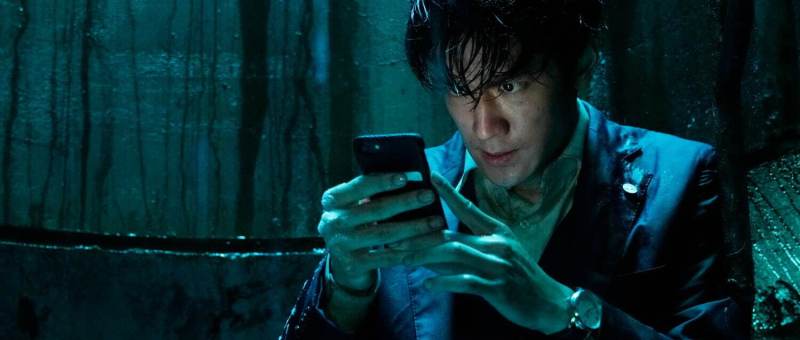
Shunsuke (Yuto Nakajima) does indeed seem to have it all. A successful estate agent, he’s about to get married and even has a baby on the way, only on his way home from a “surprise” party hosted by his work colleagues the night before his wedding he somehow manages to fall down an open manhole in the middle of Shibuya and becomes trapped there. His attempts to simply climb out are frustrated by a nasty gash on his thigh and a broken ladder while no one seems to be able to hear his cries for help. Though his phone still works, the only person who picks up when he calls is a former girlfriend, Mai (Nao), whom he threw over to court the boss’ daughter five years previously which makes it somewhat awkward to ask for help.
As we can gradually gather, Shunsuke is not really a great guy and is in part in a hole of his own making. Even so, you can’t really confine someone to a hole just for being one. To begin with he busies himself with trying to solve various hole-related problems such as a leaking gas pipe with the salaryman tools at his disposal like the tiny of roll of sellotape in his pencil case or the cigarette lighter he was gifted by suspiciously aloof colleague Kase (Kento Nagayama) as a wedding present though there’s not much he can do about the weird foam or various animal corpses that surround him.
It’s at this point he decides to enlist the help of the internet in setting up a profile on Twitter-like social media app Pecker where he identifies himself as “Manhole Girl” under the rationale that people are more likely to rush to the rescue of a pretty young woman than a 30-year-old salaryman who had too much to drink and fell in a hole. His readiness to do this hints at his internal duplicity and a confident sense of entitlement. It doesn’t seem to occur to him that whoever comes to his rescue might decide not to bother on discovering the truth. In any case, he soon becomes Pecker’s main character with engaged netizens keen to help him figure out where he is and, once it becomes clear it might not be an accident, who put him there. But claiming to be his own sister he’s also confronted with sordid speculation about his personal life and character that reveal there might be quite a few people who privately hoped he’d someday disappear down a hole in the ground and never come back up again.
Even before his ordeal, Kumakiri often frames Shunsuke looking at his own reflection hinting at a lack of self-recognition in the images that he sees of himself. Of course, he doesn’t know who any of the helpful netizens are either because most of them don’t use their “real” names or profile pictures that are actually of “themselves” just as he pulled a picture of a cute girl off the internet to create the Manhole Girl persona. He can’t even be sure of the identity of the people he speaks to on the phone, and wonders if Mai really did come to look for him when she says she’s been all over Shibuya and couldn’t find any open manholes.
For a while it really does seem like he’s in “a completely different place”, some alternate dimension of existential purgatory. The sense of eeriness is only deepened by the strong blue-green lighting and ominous clouds above the hole that obscure the image of the full moon which, in the urban absence of stars and the disruption of his GPS seemingly caused by an unknown force, are all he has to go on in trying to figure out where exactly he is. Few will be prepared for the answer, though as some may expect Shunsuke knew all along for as much as it’s a “real” place it’s also a part of himself he sought to deny. Kumakiri excels in capturing the claustrophobic otherworldliness of Shunsuke’s near literal hell hole while mining a deep seam of cynical dark humour and anarchic absurdity culminating in an incredibly ironic and deliciously wry use of cheerful 1960s hit Sukiyaki.
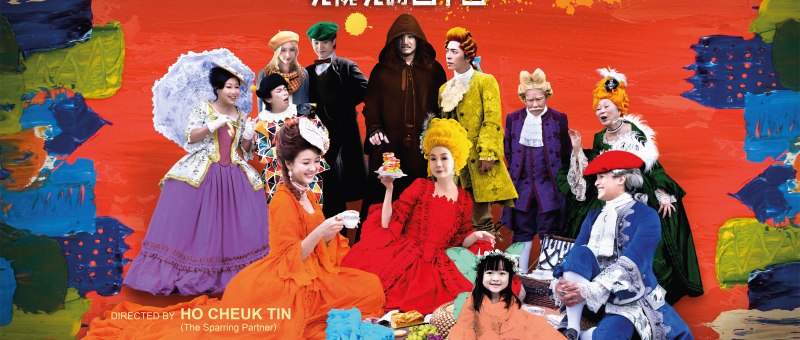
As the opening voiceover of Ho Cheuk-Tin’s darkly comic farce Over My Dead Body (死屍死時四十四) points out, the world is already quite an absurd place. A lot of us know that it’s absurd, but somehow we just roll with it without really asking why. If you stop to think about it, it really is absurd to spend every waking minute scrabbling for money to pay a mortgage on a flat you barely occupy because you’re always at work, but at least it’s less absurd than living with the constant uncertainly of arbitrary rent rises and sudden eviction.
At least that’s the way it’s always seemed to the residents of 14A Seaside Heights, a swanky apartment block with all the mod cons and a touch of European sophistication. Technically the flat is owned by Ms. So (Teresa Mo Sun-Kwan), though home to daughter and son-in-law Yana (Jennifer Yu Heung-Ying) and Ming (Wong Yau-Nam) plus their small daughter Yoyo and Yana’s paranoid brother Kingston (Alan Yeung Wai-Leun) who is in the process of launching a “brand” selling a special “stealth suit” that can make you invisible to surveillance cameras. The obvious fact is, the flat is far too small for all these people and Ming and Yana want to move out not least so they stop having to sneak around like teenagers to get a little personal time.
They have each, however, suffered amid the precarities of the post-pandemic economy with Yana losing her job as an air hostess when the airline she worked for went bust, while Ming’s removals business has taken a serious hit and is unlikely to recover as Mrs So points out with so many people leaving Hong Kong due to the ongoing political uncertainty. The young couple propose mortgaging Mrs. So’s flat for the downpayment on their own which they’d be paying a second mortgage on, which is why it’s incredibly bad news when they discover the naked corpse of a random man propped up against their door.
The film plays with a minor pun in which the word for male corpse sounds like that for “Blue Ribbon”, a name for pro-government supporters during in the protests, the implication being you wouldn’t want one of those turning up on your doorstep either. In any case, any idea of calling the police or an ambulance is quickly abandoned on realising the flat would become known as a “murder house” and dramatically drop in value. The only thing to do is drag the unfortunate man to a neighbour’s door instead and let them deal with it. This goes about as well as could be expected with the whole floor eventually involved in the plan to move the body until they eventually hit on the idea of dumping it on a rundown social housing estate where people often go to commit suicide because no one’s going to notice one more corpse and no one owns those flats anyway so it doesn’t really matter if they ruin their property value.
It is an incredibly dark and cynical sense of humour, but in its own cheerfully absurd in all the farcical shenanigans trying to remove the body from the building with no one really stopping to ask how it got there in the first place beyond connecting it with the mad streaker the security guard has been desperately trying to catch. Ho’s previous film, stylish true crime drama The Sparring Partner, had similarly had an absurdist vein of dark comedy running underneath it but Over My Dead Body does eventually rediscover a sense of hope if only in irony as it leans in to a New Year comedy-style celebration of family and community as the neighbours find themselves having to work together to protect their property investments. Even the materialistic Mrs So is forced to reflect that actually she’s lucky to be able to feel tired and frustrated, giving her blessing to her daughter and son-in-law to move out, while they in turn reflect that maybe it’s not that bad if they have to stay a little longer. It might seem like an overly saccharine conclusion for a biting satire about the rabid capitalism of a status obsessed, consumerist society but then again as an equally cynical ironic twist reveals maybe the residents are the ones who haven’t quite woken up despite their newfound solidarity.
“What is the essence of being a real man?” The hero of Percival M. Intalan’s reverse coming out drama I Love You, Beksman (Mahal Kita, Beksman) finds himself questioning his own identity when confronted with the weight of social expectation and prejudice yet discovering that the question is meaningless when the key to happiness lies in self-acceptance and authenticity. Scripted by Fatrick Tabada (Chedeng and Apple), the film tears apart conventional notions of gender and sexuality in a hyper-masculine patriarchal culture while allowing its hero to gain the courage to define himself in order to chase his romantic destiny.
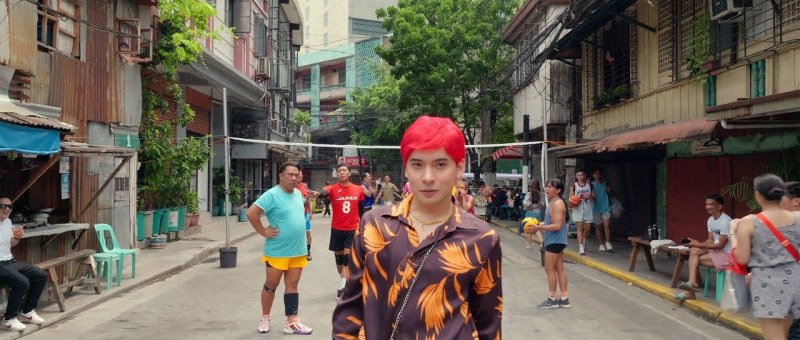
Everyone just assumes flamboyant hairdresser Dali (Christian Bables) is gay. He dyes his hair red, dresses in a less masculine fashion than other men his age, and has an effeminate manner. Yet Dali has a secret he doesn’t even really realise is one in that he is actually straight as he is forced to reveal after falling for beauty queen Angel (Iana Bernardez) at a pageant. The more he tries to explain to people that he isn’t gay and is serious about romantically pursuing Angel, the less they seem to understand him. It simply doesn’t make sense that someone so “obviously” gay could be attracted to women. They ask him if he’s sure or if it might be a phase or if he’s developed some kind of internalised homophobia but never really consider that it’s a possible for a man to be both effeminate and exclusively attracted to women.
Even Dali begins to subconsciously change himself in order to better conform to their expectations. Having lost her mother at a young age, Angel is surrounded by hyper-masculine men in her father and brothers who all rather hilariously have the same moustache and enjoy manly pursuits such as weightlifting and basketball. Dali, meanwhile, was surrounded by queerness all his life, raised in the salon by a father who now lives openly as a gay man in a platonic marriage with his mother. Despite having seemingly been very happy as a part of a big gay family who all just assumed him to be gay too, Dali begins to reject his father and his own femininity in believing that he must adopt a more stereotypical masculinity in order to convince Angel of his heterosexuality and eventually win her heart (along with those of her conservative father and brothers).
It might be true to say that Dali’s original presentation as a flamboyant hairstylist and fashion designer is also a kind of performance and an attempt to conform to parental expectation just as his rejection of it is an attempt to conform to the demands of a hyper-masculine society, but only by embracing both extremes can he learn to define himself outside of the images others project onto him. In adopting the traits of traditional masculinity, he becomes boorish and insensitive asking his father to hide his “gayness” to avoid embarrassing him in front of Angel’s dad while later becoming jealous and violent after seeing Angel hanging out with an ex. He can’t see that his adopted persona makes it even harder to form a genuine romantic connection with Angel, not just because he’s actively erasing the sides of himself she first became attracted to in his skill in makeup and fashion but because as she eventually tells him it’s difficult to trust someone who is being dishonest with themselves.
The realisation he comes to is that he has to be “himself” rather than being what other people expect him to be while those around him come to understand that outdated ideas of stereotypical gender presentation are harmful to everyone. A gentle tale of broadening horizons and mutual acceptance, Intalan’s ironic comedy neatly subverts the coming out trope while situating itself in a world of relative safety in which Dali is free to explore his own identity and means of self-expression encountering opposition only from those who fear he is not being true to himself. The reality may not be so kind as the classic rom-com conclusion may suggest but the film nevertheless neatly takes aim at the ridiculousness of conventional ideas of “masculinity” in a hyper-masculine and patriarchal culture in making a heartfelt advocation for the right to just be oneself.
I Love You, Beksman screens at the BFI Southbank on 18th April as the opening night gala of this year’s Queer East.
Director Yasushi Sasaki is most likely best remembered for his post-war work at Toei where he specialised in jidaigeki and musicals, frequently working with tentpole star Hibari Misora on her period drama vehicles. He began his career, however, at Shochiku in 1929 as an assistant to Hiroshi Shimizu, later working with Yasujiro Ozu before being promoted as a director in his own right and gaining a reputation as a skilled producer of musical dramas with the release of Lovers’ Duet in 1939 which starred a young Mieko Takamine as an aspiring singer.
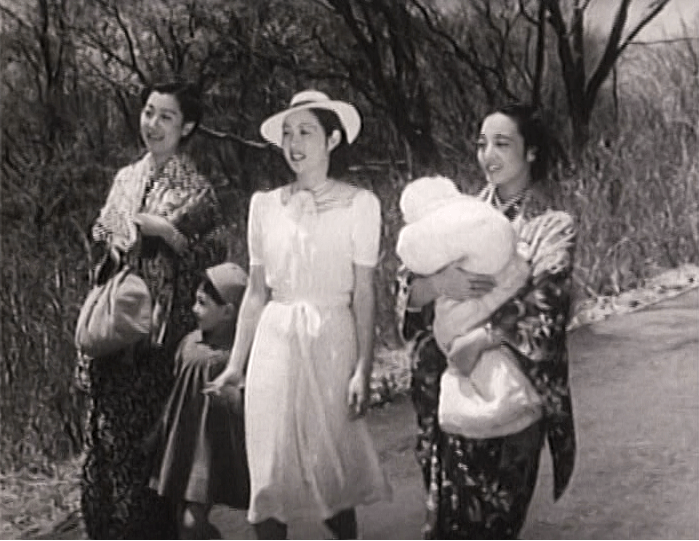
Released in the same year, New Woman Question and Answer (新女性問答, Shin Josei Mondo) is by contrast a high-minded melodrama and rather surprising for the world of 1939, playing much more like the new constitution films appearing after the after such as Victory of Women which would unfortunately prove the last appearance from star Michiko Kuwano who sadly passed away on set during filming. At heart a female friendship drama, the film takes aim at the snobbery and lack of compassion among a group of upper-middleclass women while offering a slightly contradictory yet progressive view of the place of women in a changing society.
As the film opens, seven former high school friends are having a small party with one member, Michiko (Kuniko Miyake), set to resign from their club intending to give up her university studies in order care for her ailing father and prepare to get married. Michiko’s marriage scandalises her friends in part because it’s a love match, but Toki (Michiko Kuwano) is horrified to realise on seeing her fiancé’s photo that the man Michiko intends to marry is her sister’s boyfriend, Murakawa. Murakawa indeed breaks up with Oyo (Hiroko Kawasaki), a geisha, brushing off their relationship as casual and meaningless while insisting that he has to think of his future which is why he’s marrying the wealthy Michiko. Toki first talks to her sister who is stoical and self sacrificing before having it out with an unrepentant Murakawa and then directly with Michiko who refuses to break the engagement viewing it only as a trivial matter of his having broken up with another woman to be with her.
What she says, however, is less forgivable bluntly stating that she doesn’t think a geisha’s life should be equal to her own. It apparently rings no alarm bells for her that Murakawa frequents the red light district, or that if he can treat another woman so callously he might not be good husband material, she simply sees a geisha as not worth worrying about. Michiko had kept her sister’s occupation a secret from her friends fearing just such judgement, telling them that Oyo works in a beauty parlour, and is therefore unable to explain why she and Michiko have fallen out or why she chooses not to attend the wedding. While they think Oyo is a working woman they universally admire her, yet on accidentally discovering the truth they soon change their tune, one young woman having an intense prejudice against geishas for having “deceived” her father for some reason never thinking perhaps that’s something she should have taken up with him. While some are only disappointed that Michiko kept the truth from them, the group eventually disowns her after making a series of offensively judgemental remarks only to be taken to task by Oyo’s less patient friend who returns that “no geisha could be so heartless” as to break a friendship over such trivial prudery.
Even so the film sees the need to offer additional justifications for Oyo’s decision to become a geisha in order to put her sister through college, insisting that her goal of becoming a lawyer is also necessary in order to satisfy the dying wish of her father who died in prison after being deceived in business. Nevertheless the women are eventually forced to face their unfair prejudices, if only through the education they receive on entering the work force and finally understanding how the “real world” works, restoring their sense of female solidarity and extending it also to the ranks of geisha as they join in with the girls’ club song while celebrating Toki’s promotion to the bar.
This does seem to be an age in which it becomes possible for a woman to become independent, earning a university degree and entering a profession which will allow her to support herself though this more progressive message is somewhat walked back during the closing moments in which Toki herself ponders getting married, her companions reminding her that “the duty of a housewife matters most of all” even while affirming that there is no problem with her continuing to work as a married woman. Meanwhile, as Michiko’s friendly neighbour later laments a woman is sunk with an unreliable husband as Murakawa turns out to be having married her for her money only to discover there was none and leave her only with note explaining he intends to go travelling for a couple of years. She first states that she intends to work and support herself waiting for her husband’s return only to discover she is pregnant and thereafter reliant on the goodwill of her former servants. She discovers that the only viable line of work open to her is as a bar hostess, ironically adjacent to the geisha whose lives she had previously believed to have been so unequal to her own.
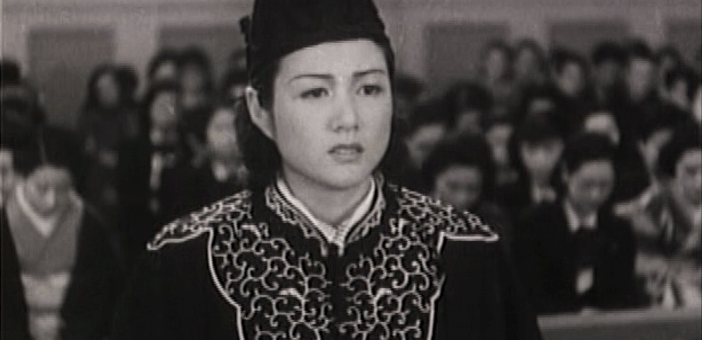
Nevertheless, the rather neat conclusion sees her reunited with Murakawa who had not only abandoned her but returned and asked for money, attempting to kidnap their baby when she objected to his attempt to install himself in her new life and thereafter landing her with a murder charge against which she is defended by the newly qualified Toki despite what appears to be a fairly massive conflict of interest. The triumph is both a victory of female friendship overcoming even the most unbridgeable of rifts and an awkward concession to the conservative status quo which demands a restoration of the traditional marriage insisting that Murakawa has now reformed in accepting his responsibilities while also reinforcing the class barriers against which the film had otherwise argued in the eventual union of the two servants one of whom had long been in love with Michiko. In any case despite its contradictions, New Woman Question and Answer provides a surprisingly progressive view of women’s rights and opportunities in the contemporary society affording them not only agency but the possibility at least of independence and personal romantic fulfilment of their own choosing.
A noble-hearted samurai on the run falls for a fireman’s sister in Kiyoshi Saeki’s hugely enjoyable jidaigeki musical adventure Cantankerous Edo (大江戸喧嘩纏, Oedo Kenka Matoi). Another vehicle for Hibari Misora and samurai movie star Hashizo Okawa, Saeki’s wholesome drama finds its heroes not only standing up to the oppressions of a rigid class system but also taking on a bunch of entitled sumo wrestlers intent on throwing their weight around having apparently lost sight of the tenets of traditional sumo wrestling such as fighting for justice and having a kind heart.
To begin at the beginning, however, young samurai Shinzaburo (Hashizo Okawa) is on the run believing that he has accidentally killed another man who attacked him in order to clear the path towards his fiancée, Otae (Hiroko Sakuramachi), whom he wasn’t going to marry anyway because he realised she was in love with someone else and wanted to help marry him instead. Having escaped to Edo, he takes refuge inside a parade of firemen lead by Tatsugoro (Ryutaro Otomo) and his feisty sister Oyuki (Hibari Misora) who decide to take him in after hearing his story. Adopting the simpler, common name of “Shinza” he begins life as a fireman and gradually falls for Oyuki but remains a wanted man constantly dodging the attentions of his uncle, the local inquisitor, and the magistrates.
More a vehicle for Okawa than Misora who plays a relatively subdued role save for boldly stealing the standard and climbing a roof herself when the others are delayed, Cantankerous Edo takes aim not particularly at a corrupt social order but of the oppressive nature of class divisions as Shinza discovers a sense of freedom and possibility he was previously denied as a samurai while living as a common man. It’s this desire for personal autonomy and the freedom to follow one’s heart that led to his exile from his clan, unwilling to marry a woman he knew not only did not love him but in fact loved someone else and would have been forever miserable if forced to marry him out of duty alone. “The life of a samurai who has to be somebody or not to suit another’s convenience is utterly stupid” he bluntly tells his uncle and Otae’s father, “how you cling onto family status, heritage, and honour. All that fuss, I hate it.” he adds before turning to Otae and encouraging her too to stand up to her father and insist on marrying the man she loves rather than be traded to another.
Meanwhile, the two women exchange some contradictory messages about the nature of class and womanhood, the samurai lady Otae confessing that she isn’t sure she’s strong enough to fight for love in the face of tradition and filial duty in contrast to Oyuki’s spirited defence of Shinza the fireman insisting that firemen don’t think about such trivial things as name or family status before throwing themselves into harm’s way for the public good. “All women are weak” Otae sighs, Oyuki replying that they need to be strong for the men they love, “that’s what it means to be a woman”. Love may be in this sense a force of liberation, destabilising the social order but also a means of improving it, yet it still reduces women to a supporting role ironically as perhaps the film does to Misora who in contrast to some of her feistier performances takes something of a back seat.
Romance aside, the main drama revolves around a conflict between the local sumo wrestlers who have turned into thuggish louts under their boorish leader Yotsuguruma (Nakajiro Tomita), taking against the fireman and forever spoiling for a fight. The samurai proving unexpectedly understanding, the sumo wrestlers become the main source of oppression in usurping a class status they don’t really have. The noble Tatusgoro tries to stave off the fight insisting that they aren’t brawling yakuza but responsible firemen here to serve the public good and should save their energy for fighting fires rather than their obnoxious neighbours. Nevertheless the fight cannot be held off forever. Tatsugoro is forced to redefine the nature of “fire” after hearing a warning bell informing him one of his men is in grave danger unable to manage their anger anymore.
Saeki’s jidaigeki musical has surprisingly good production values for a Toei programmer, making space for a few songs along the way celebrating the valour of the firemen while Oyuki meditates on her potentially impossible romance and the perils of love across the class divide. While the conclusion may end up ironically reinforcing the hierarchical society, it does however make the case for the right to romantic freedom along with the necessity of human compassion in the face of inconsiderate arrogance and intimidation.
Note: This film is sometimes titled “Fight Festival in Edo” but according to Eirin’s database, the official English-language title is “Cantankerous Edo”. Rather confusingly, a very similar film with a very similar title (大江戸喧嘩まつり) was produced in colour at Toei in 1961 and is known as “Fight Festival in Edo” in English. Meanwhile, Hibari Misora also starred in another colour film with a very similar storyline in 1958 (唄祭りかんざし纏) which is known as “Girl with the Fire Banner” in English but listed as “Festival of Song” on Eirin’s database.










 Windows on Worlds