
21st Nippon Connection ONLINE Film Festival Confirms Full Program

Nippon Connection is back for 2021 once again taking place entirely online! Running from 1st to 6th June, the festival will be bringing some of the best in contemporary Japanese cinema to homes around the world via their Shift72-powered streaming platform. Unfortunately not everything will be available everywhere with some titles streaming in Germany only, but unless otherwise stated all films stream in the original Japanese with English subtitles. Full details for all the films including streaming locations will be available via the official website from 22nd May with tickets priced at €6.

Full list of features:

NIPPON CINEMA
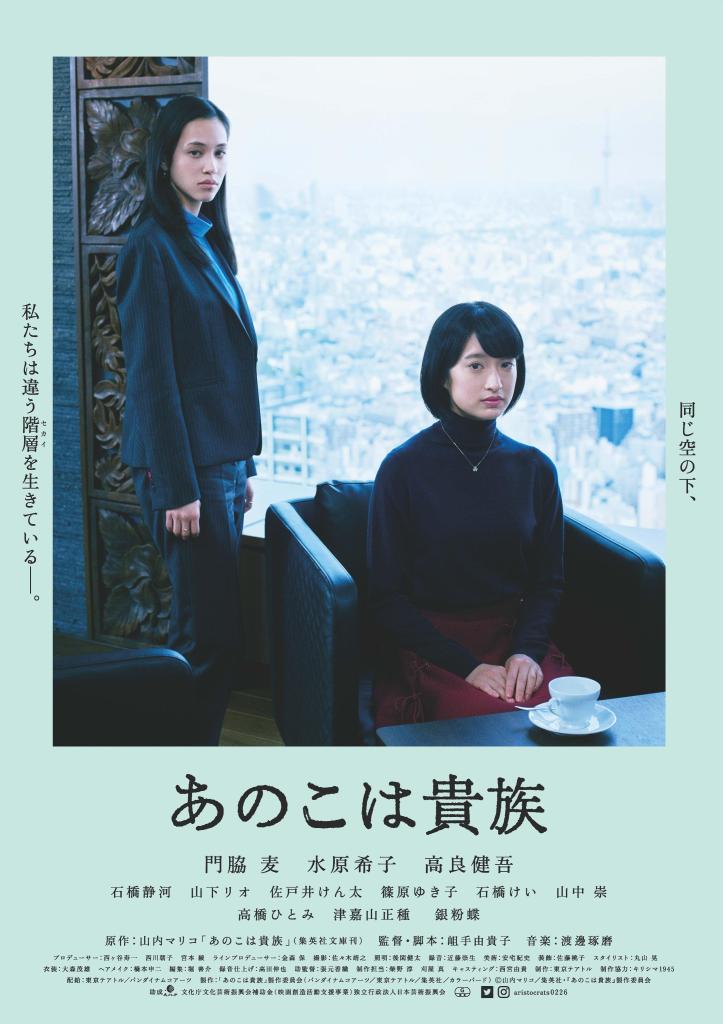
  • Aristocrats – a rich girl (Mugi Kadowaki) and a poor girl (Kiko Mizuhara) eventually find inter-class solidarity through failed relationships with the same man (Kengo Kora) in Yukiko Sode’s empathetic social drama.
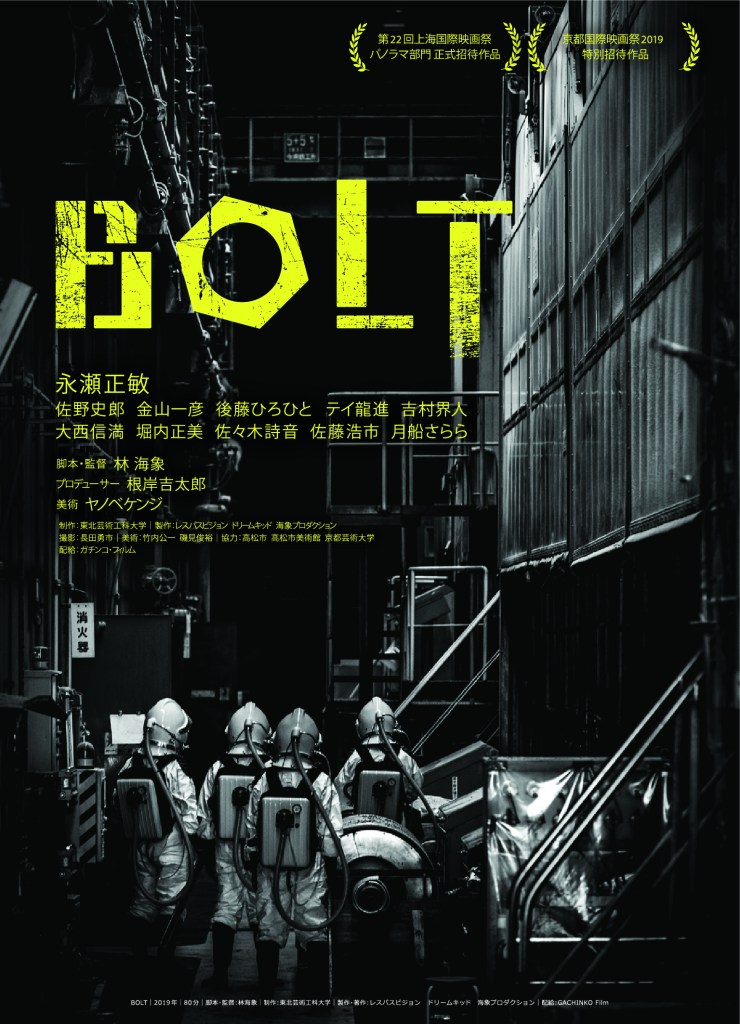
  • Bolt – tripartite nuclear-themed omnibus movie directed by Kaizo Hayashi and starring Masatoshi Nagase
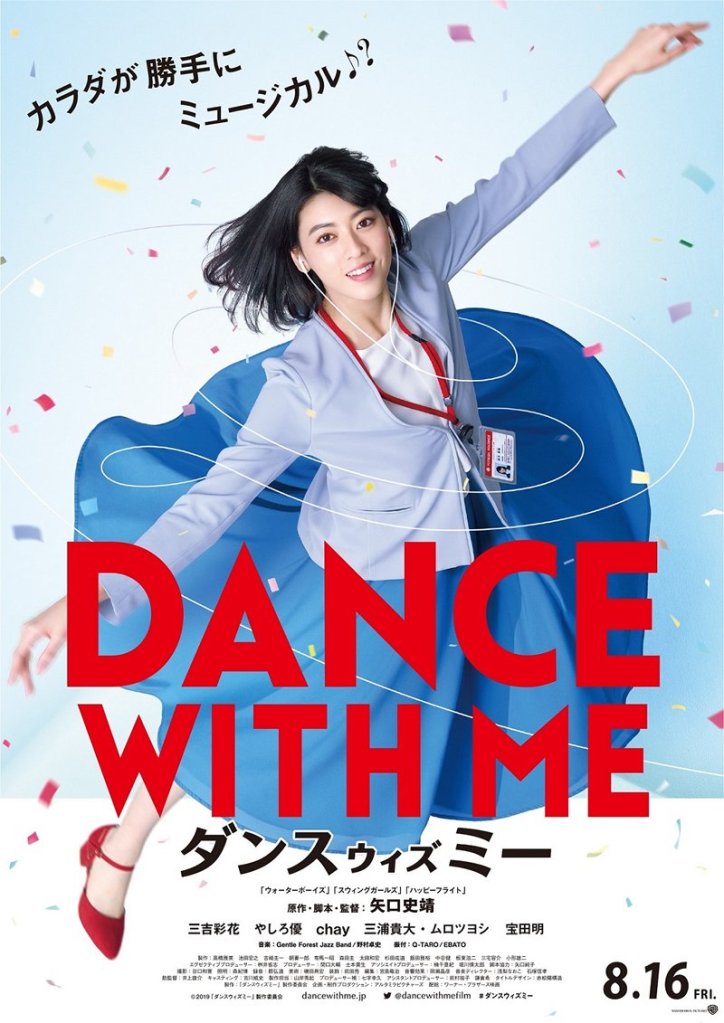
  • Can’t Stop The Dancing (AKA Dance with Me) – musical comedy from Shinobu Yaguchi starring Ayaka Miyoshi as an ambitious executive whose plans for career success are derailed when she’s accidentally hypnotised to break into song and dance every time she hears music. Review.
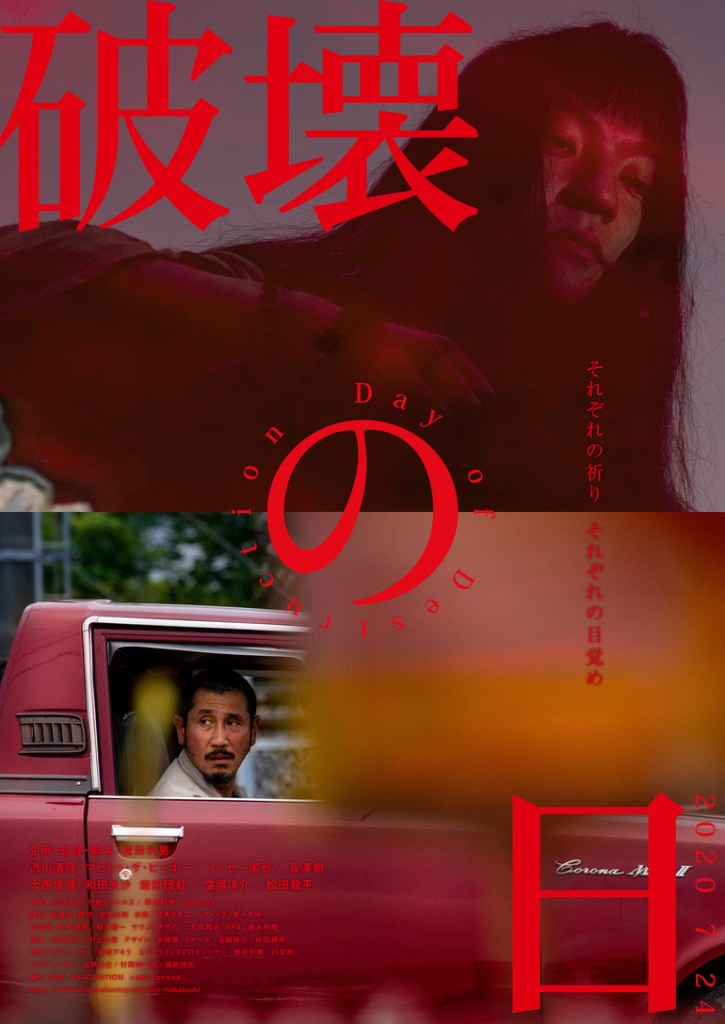
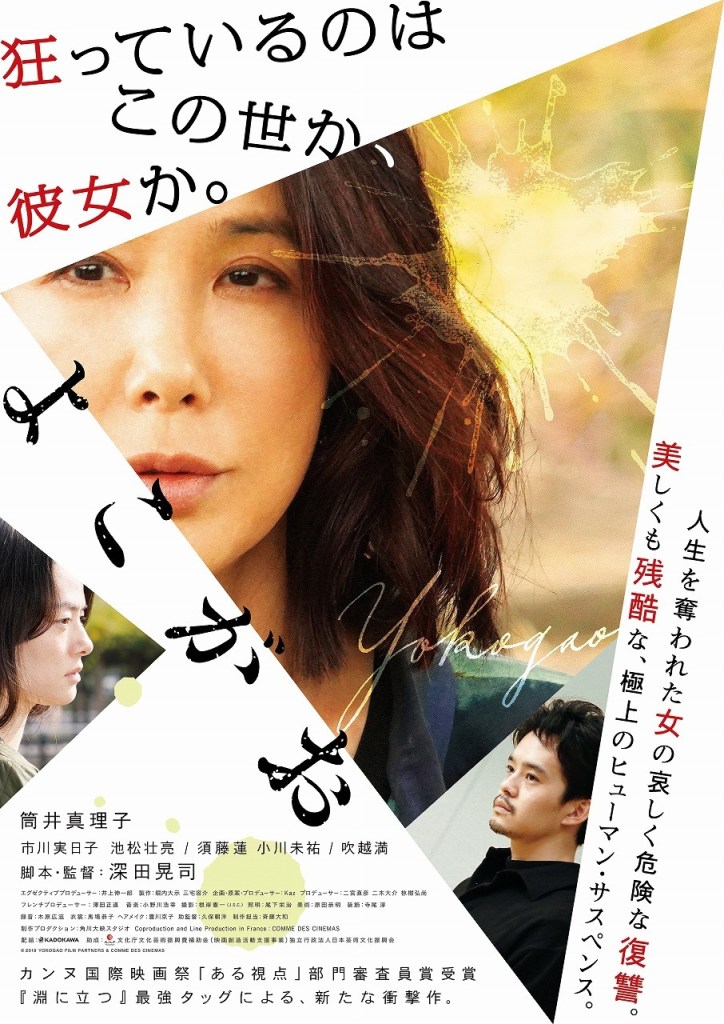
  • The Day Of Destruction – Toshiaki Toyoda sets out to exorcise the demons of a venal city in an impassioned attack on societal selfishness and personal apathy. Review.
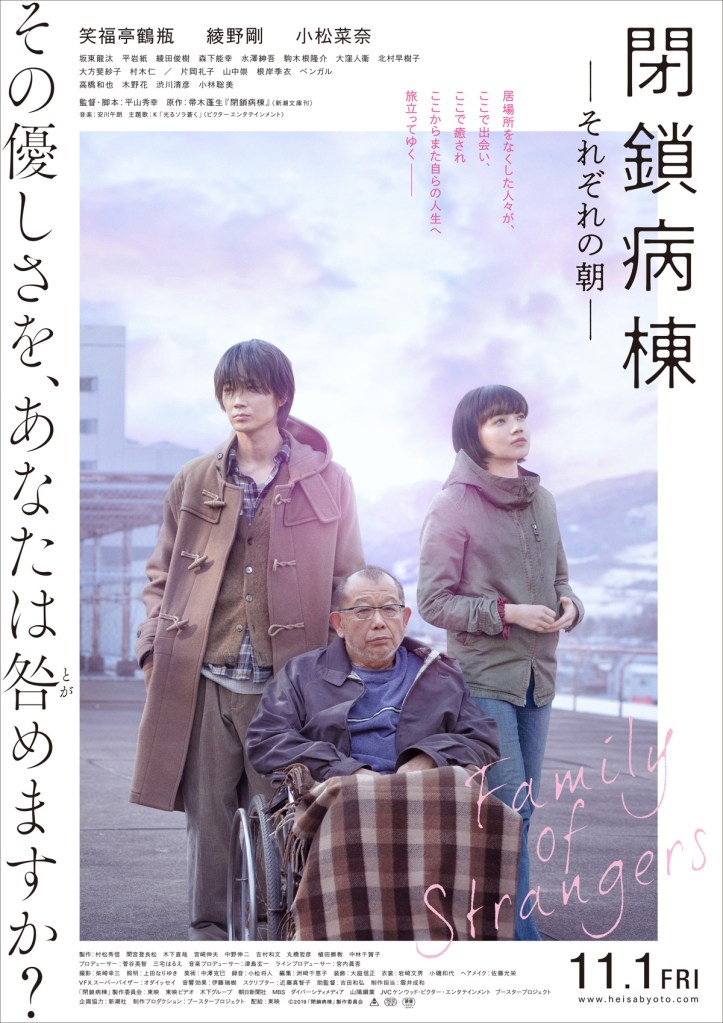
  • Family Of Strangers (AKA Closed Ward) – the lives of three patients at a psychiatric clinic are disrupted when a murder takes place at the facility.
  • A Girl Missing – a home care nurse’s life is turned upside-down when she’s wrongfully implicated in a kidnapping in Koji Fukada’s thought provoking drama. Review.
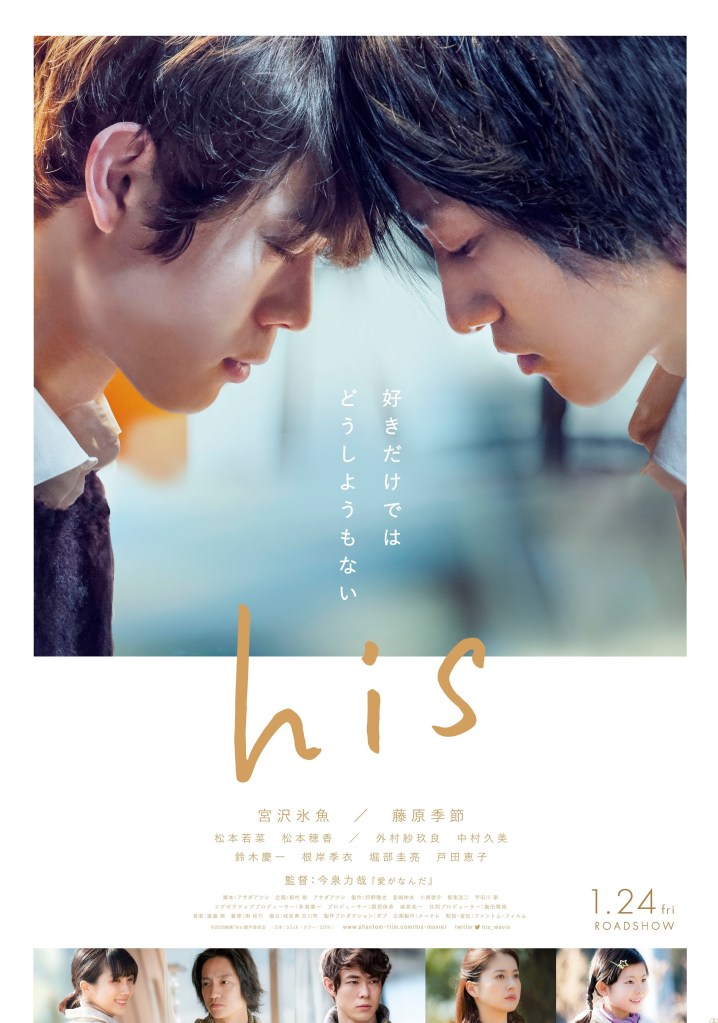
  • his – teenage lovers break up after uni each taking different paths while struggling with their sexuality but begin to see new hope reuniting some years later in Rikiya Imaizumi’s empathetic drama. Review.
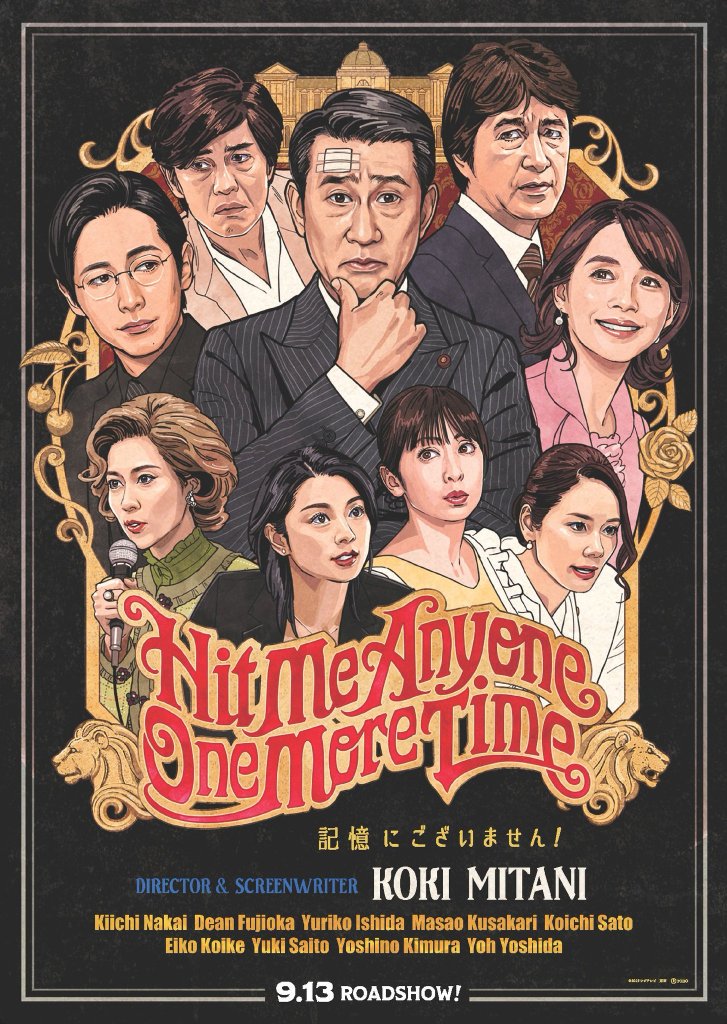
  • Hit Me Anyone One More Time – farcical comedy from Koki Mitani in which a man gets hit on the head and loses his memory only to be told he is actually the prime minister of Japan!
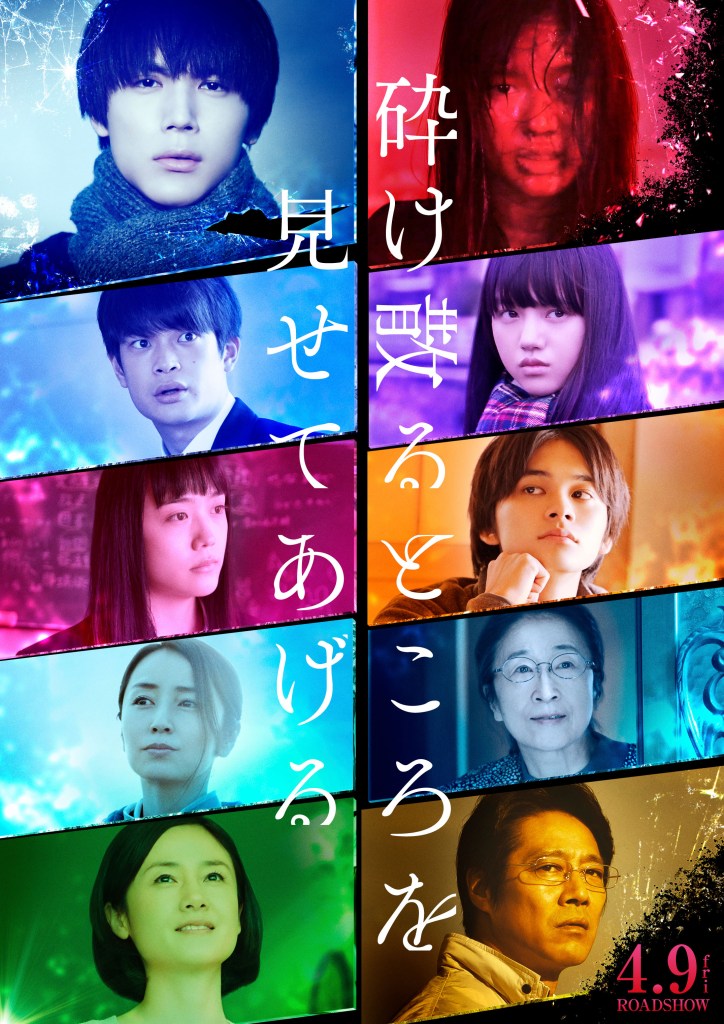
  • My Blood And Bones In A Flowing Galaxy – SABU adapts the hugely popular novel in which a high school boy tries to save a bullied classmate.
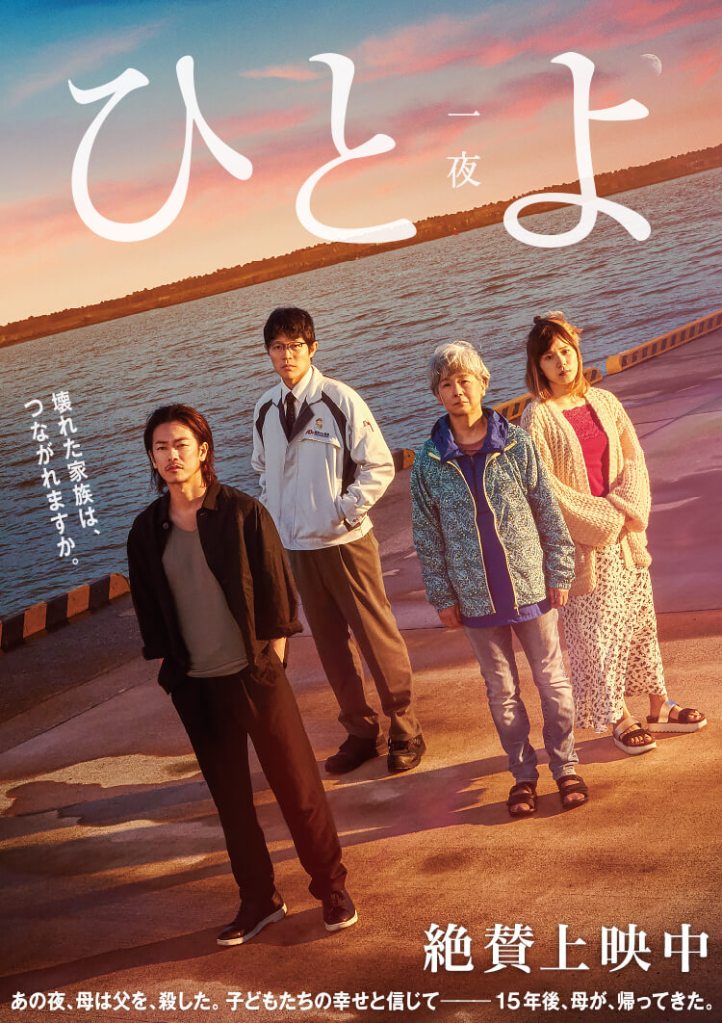
  • One Night – adult children are forced to face the legacy of trauma and abuse when their mother returns after 15 years of exile in Kazuya Shiraishi’s raw family drama. Review.
  • Our 30-Minute Sessions – a ghostly intervention helps a collection of wounded adults find accommodation with grief in Kentaro Hagiwara’s bodyswapping take on the band movie. Review.
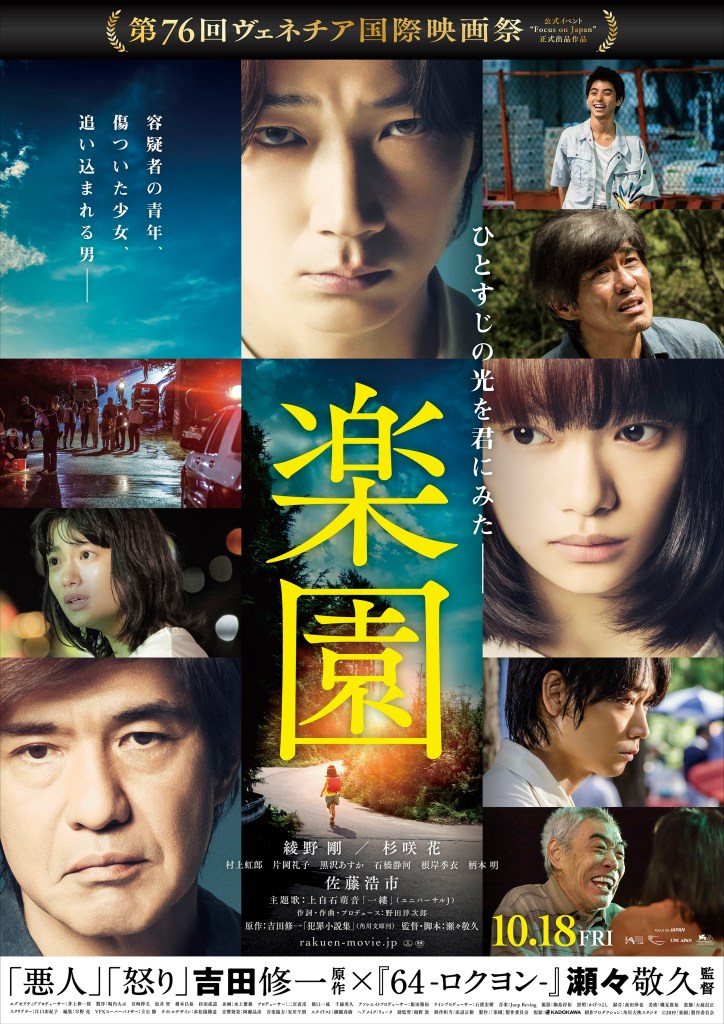
  • The Promised Land – Takahisa Zeze adapts the novel by crime writer Shuichi Yoshida revolving around the unsolved disappearance of a 12-year-old girl.
  • Red Post On Escher Street – epic drama from Sion Sono following a series of actors who audition for a festival darling director.
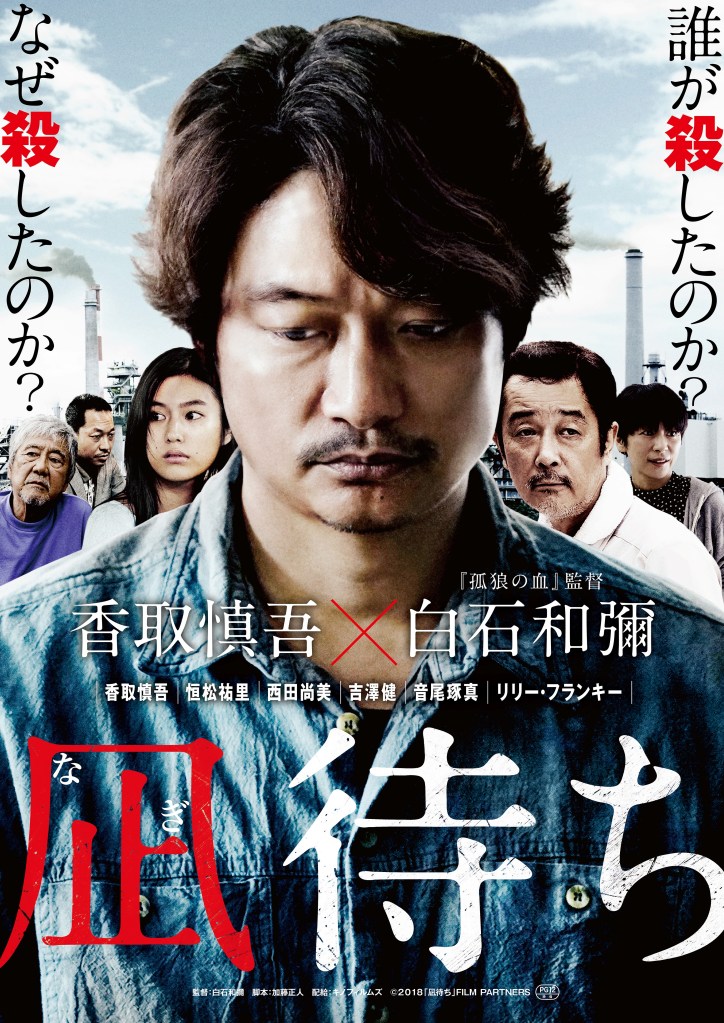
  • Sea Of Revival – a man tries and fails to make a new start as he searches for a sense of belonging in a land touched by tragedy in Kazuya Shirashi’s unconventional family drama. Review.
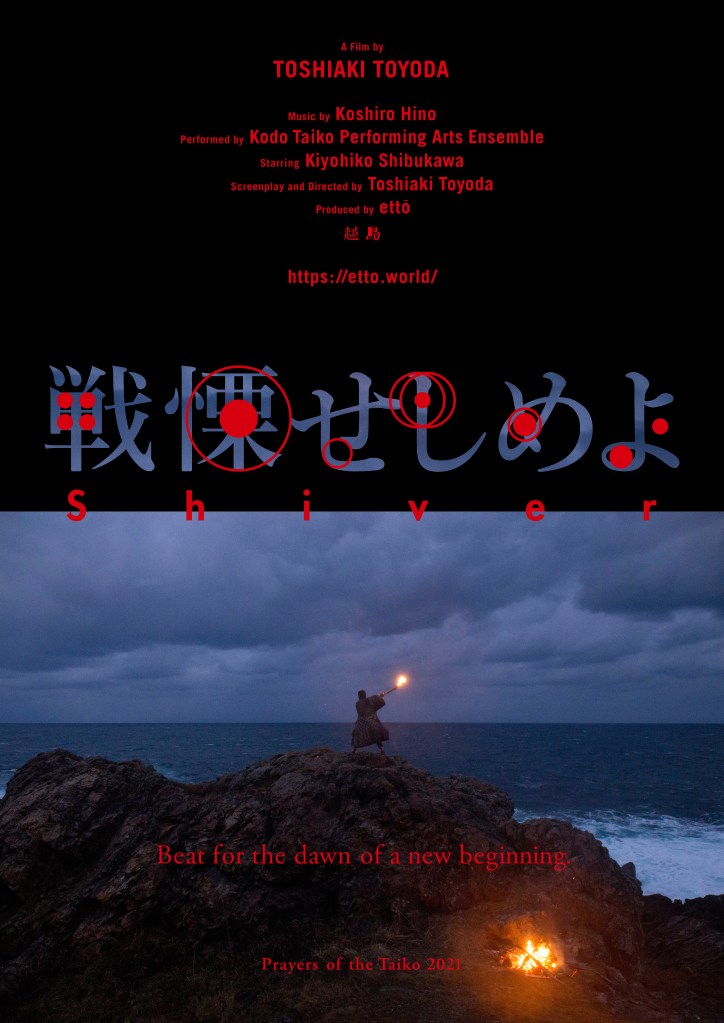
  • Shiver – dialogue free music movie from Toshiaki Toyoda filmed entirely on Sado island.
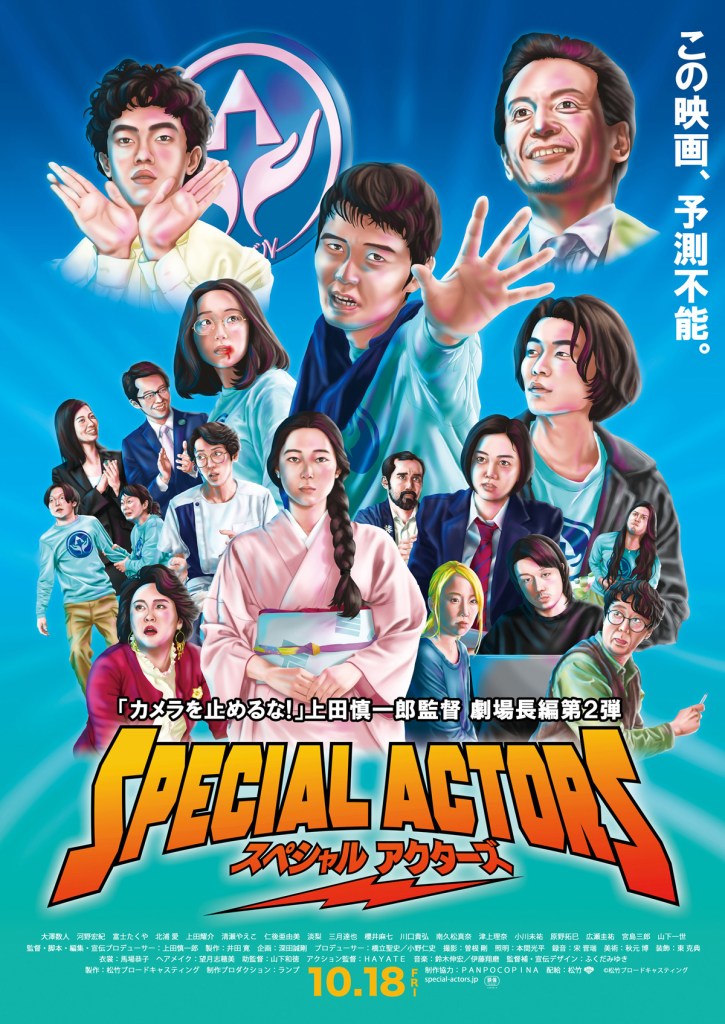
  • Special Actors – a nervous young man discovers his inner hero while infiltrating a shady cult as a “Special Actor” posing as a new devotee in Shinichiro Ueda’s absurdist followup to One Cut of the Dead. Review.
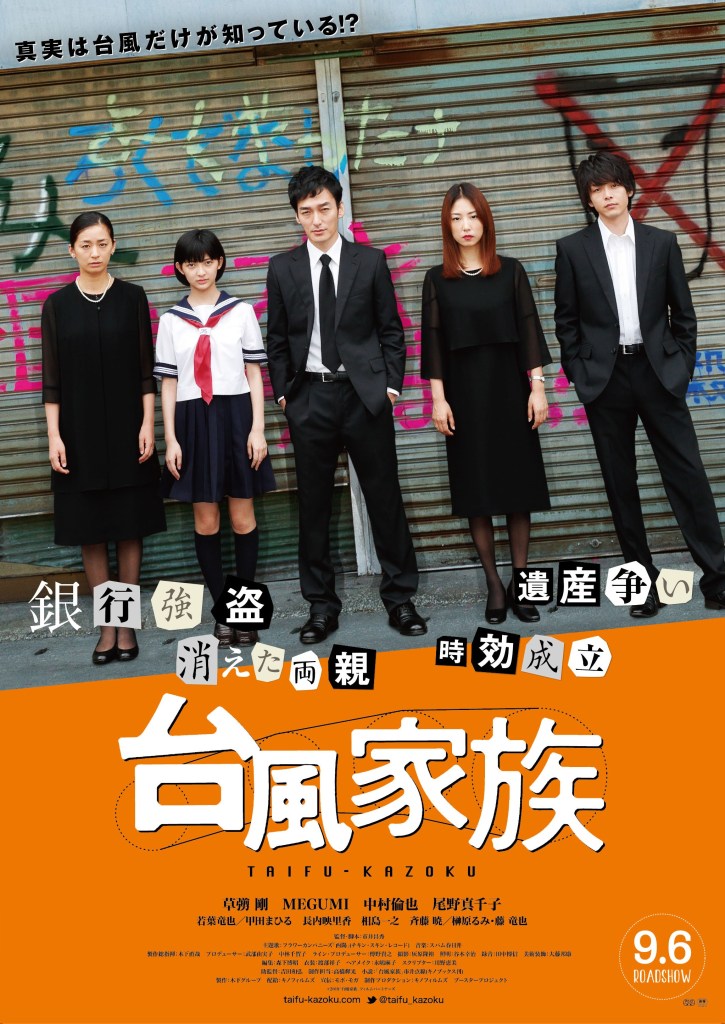
  • The Stormy Family – abandoned siblings reunite 10 years after their parents robbed a bank and disappeared.
  • To The Ends Of The Earth – Kiyoshi Kurosawa reunites with recent muse Atsuko Maeda as a lost TV presenter goes searching for herself while filming in Uzbekistan. Review. Original version with German and French subtitles only
  • Under The Open Sky – a pure-hearted man of violence struggles to find his place in society after spending most of his life behind bars in Miwa Nishikawa’s impassioned character study. Review.
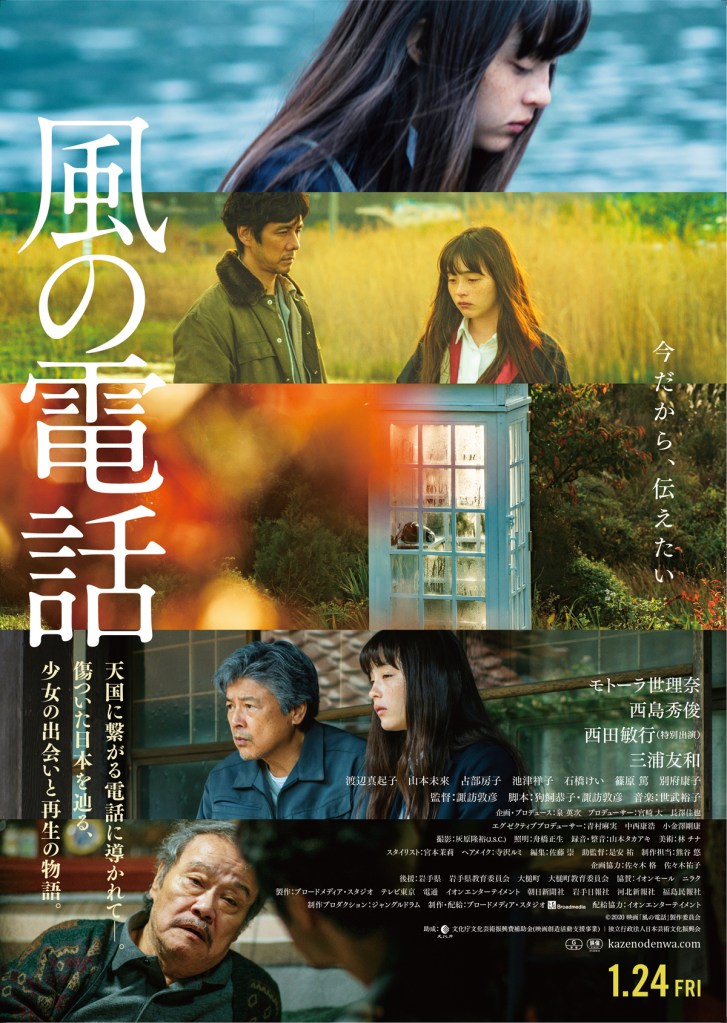
  • Voices In The Wind – Nobuhiro Suwa returns to Japan after an 18-year absence for a tale of national catharsis as a young woman makes a painful journey home in search of making peace with the traumatic past. Review.
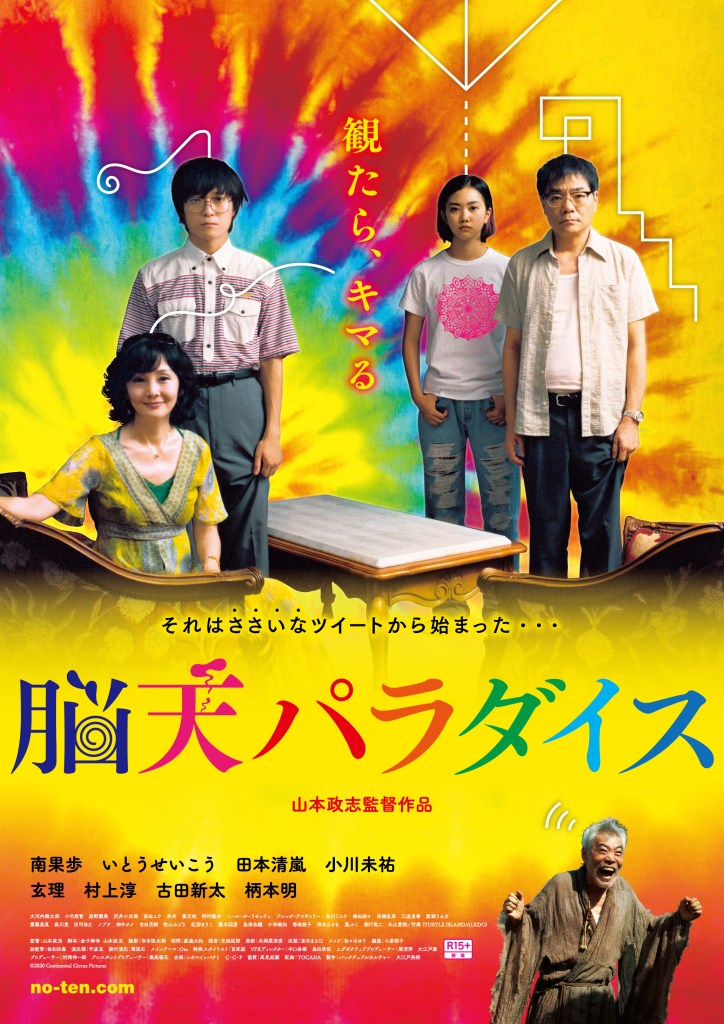
  • Wonderful Paradise – a father has to sell the family flat after a career setback but his kids unwittingly turn the sad event in to an unpredictable party.
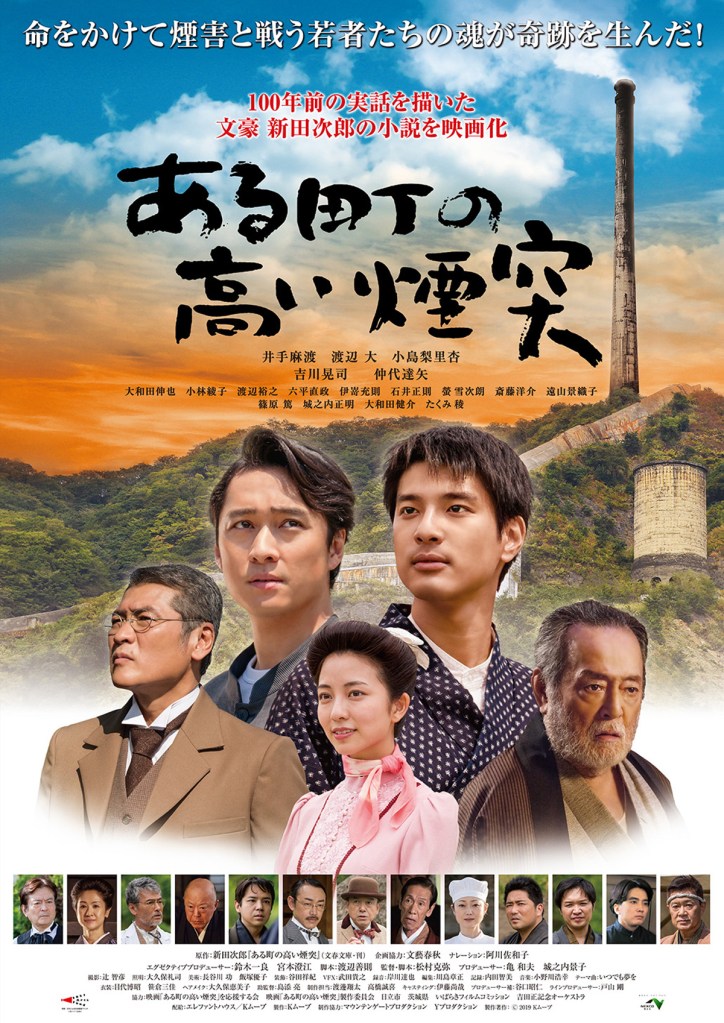
  • Special screening: A Town And A Tall Chimney – village youngsters stand up to industrial pollution in late Meiji Ibaraki. original version with German subtitles only

NIPPON VISIONS
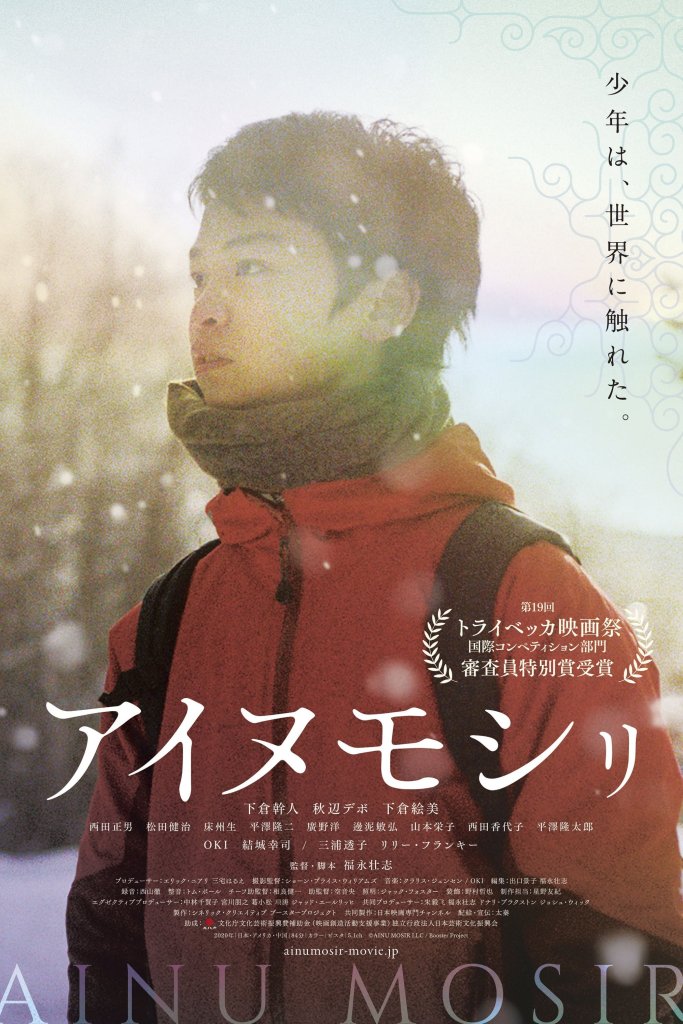
  • © Kamata Prelude Film Partners
  • Ainu Mosir – coming-of-age drama in which an Ainu boy confronts the contradictions of his cultures.
  • Along The Sea – a migrant worker from Vietnam is faced with her lack of possibility after discovering she is pregnant while living undocumented in Akio Fujimoto’s unflinching social drama. Review.
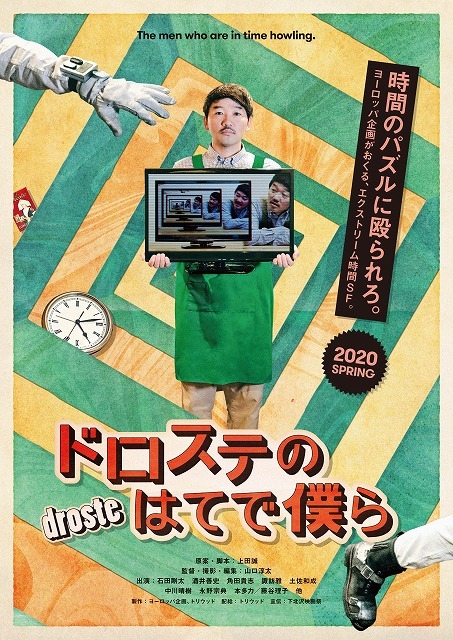
  • Beyond The Infinite Two Minutes – a musician/cafe owner starts receiving messages from himself from two minutes in the future.
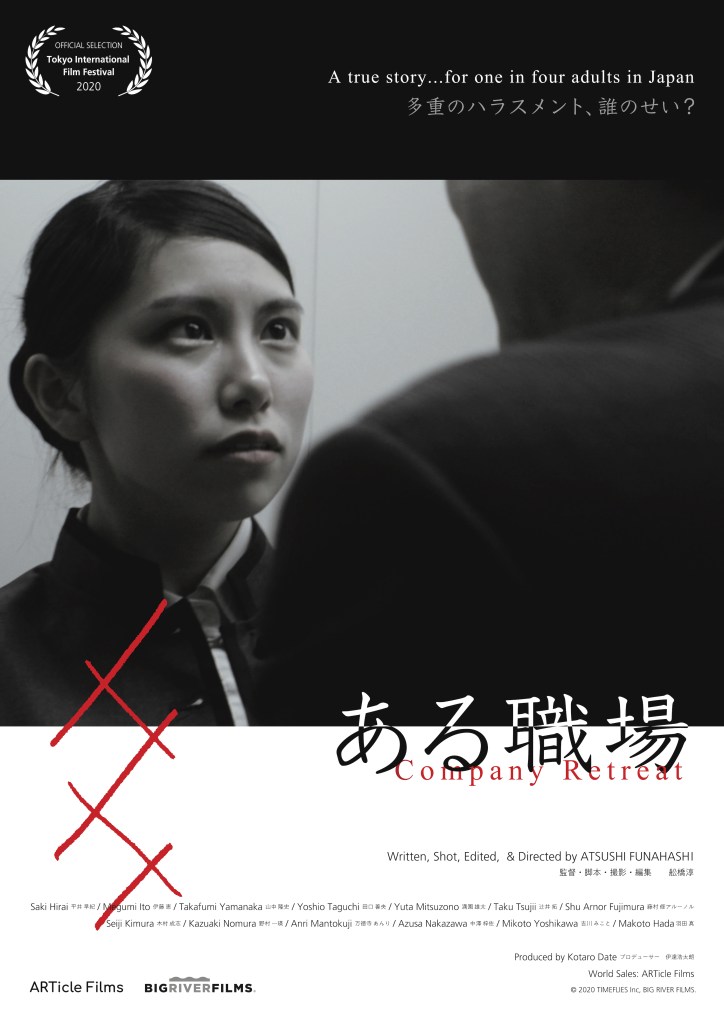
  • Company Retreat – docudrama in which a young woman is harassed by her boss while working as a hotel receptionist.
  • Daughters – two young women find themselves reassessing their ideas of womanhood and maternity in the wake of an unexpected pregnancy in Hajime Tsuda’s refreshingly positive drama. Review.
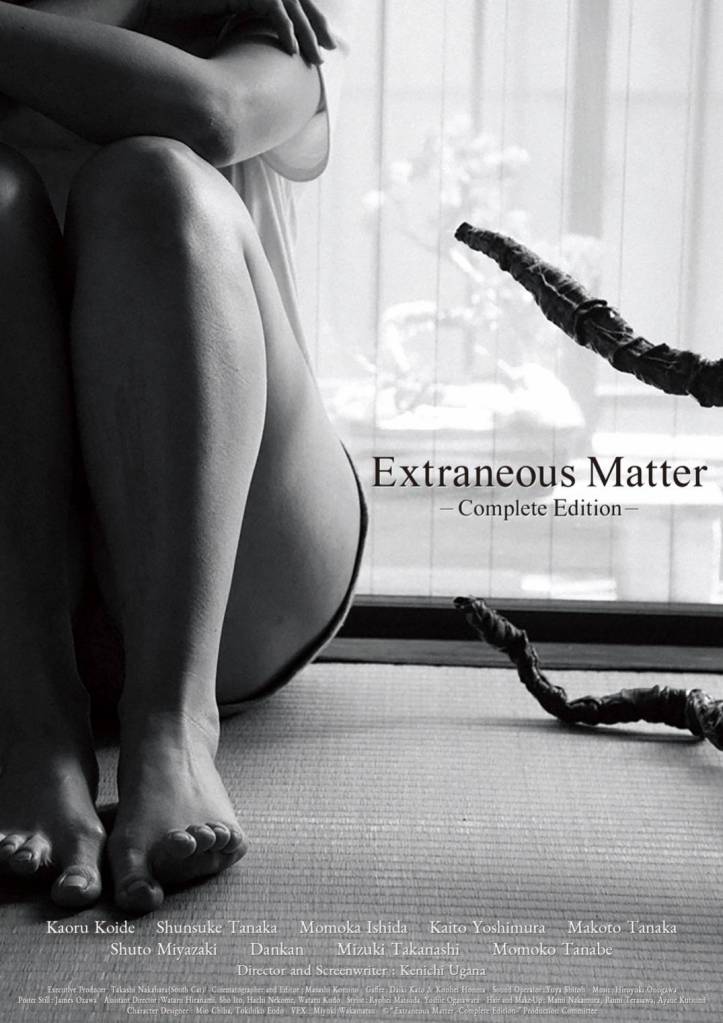
  • Extraneous Matter–Complete Edition – compilation of a series of short films about a woman who encounters something strange while living a sexless life with her boyfriend.
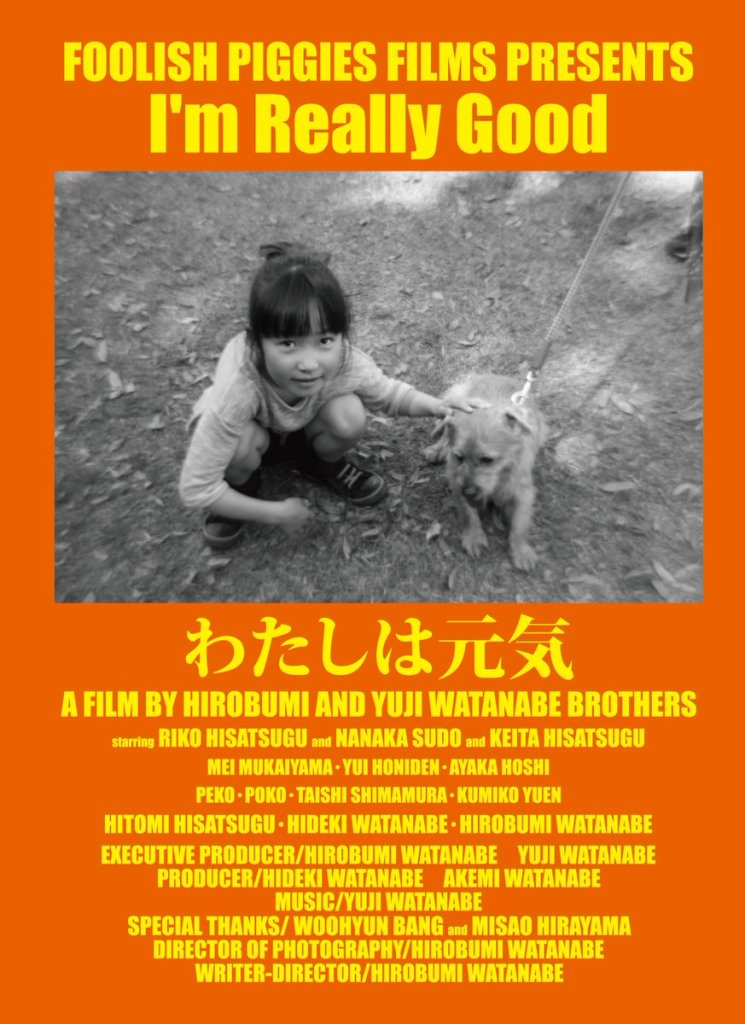
  • I’m Really Good – Hirobumi Watanabe shifts focus in capturing one ordinary, though strangely full, day in the life of a little girl living cheerfully in peaceful Tochigi. Review.
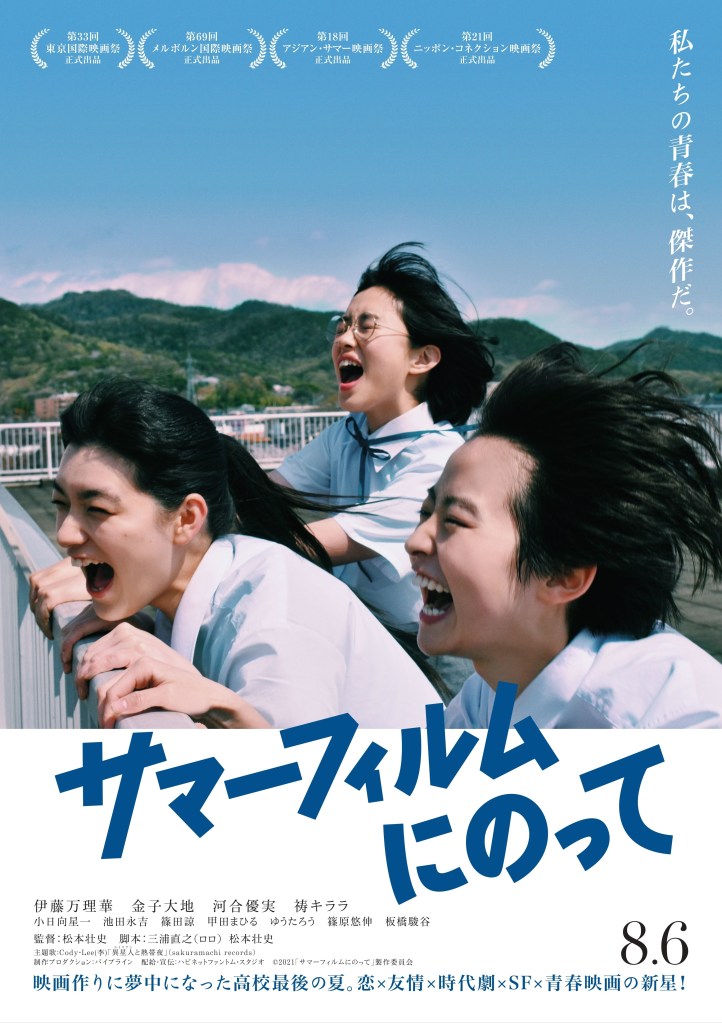
  • It’s A Summer Film! – high school drama in which a jidaigeki obsessive decides to make a samurai movie only to discover her lead actor is a time traveller from the future!
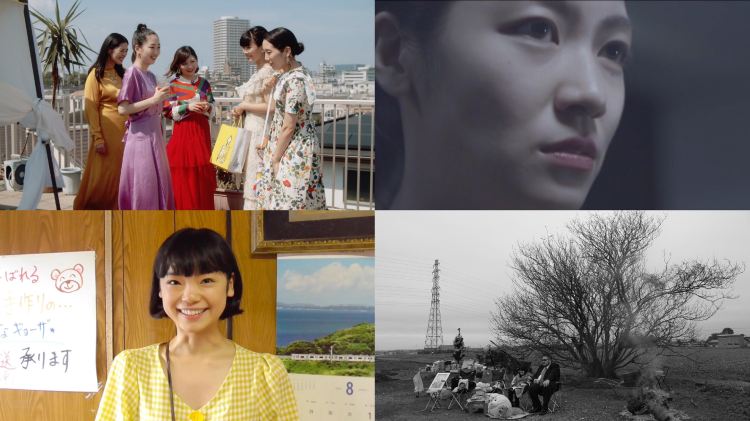
  • Kamata Prelude – four-part anthology film directed by Ryutaro Nakagawa, Mayu Akiyama, Yuka Yasukawa, and Hirobumi Watanabe.
  • Kontora – a directionless high school girl finds a path towards the future through deciphering a message from the past in Anshul Chauhan’s ethereal coming-of-age drama. Review.
  • Nosari: Impermanent Eternity – an “ore ore” scammer ends up living with an elderly woman convinced he really is her grandson.
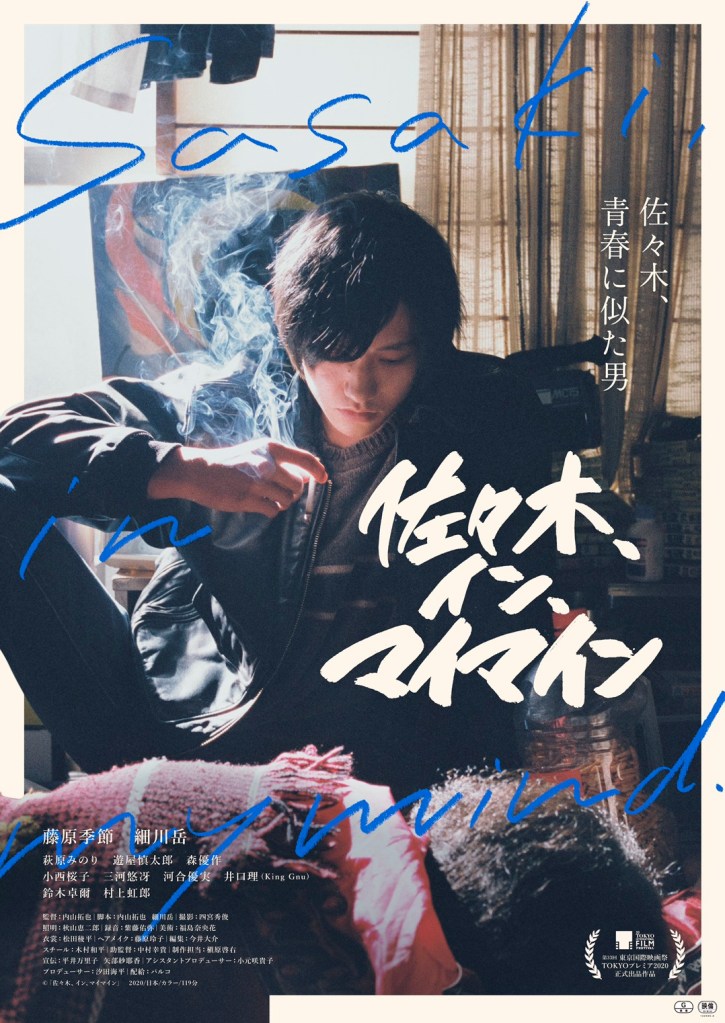
  • Sasaki In My Mind – a down on his luck actor thinks back on his high school days.
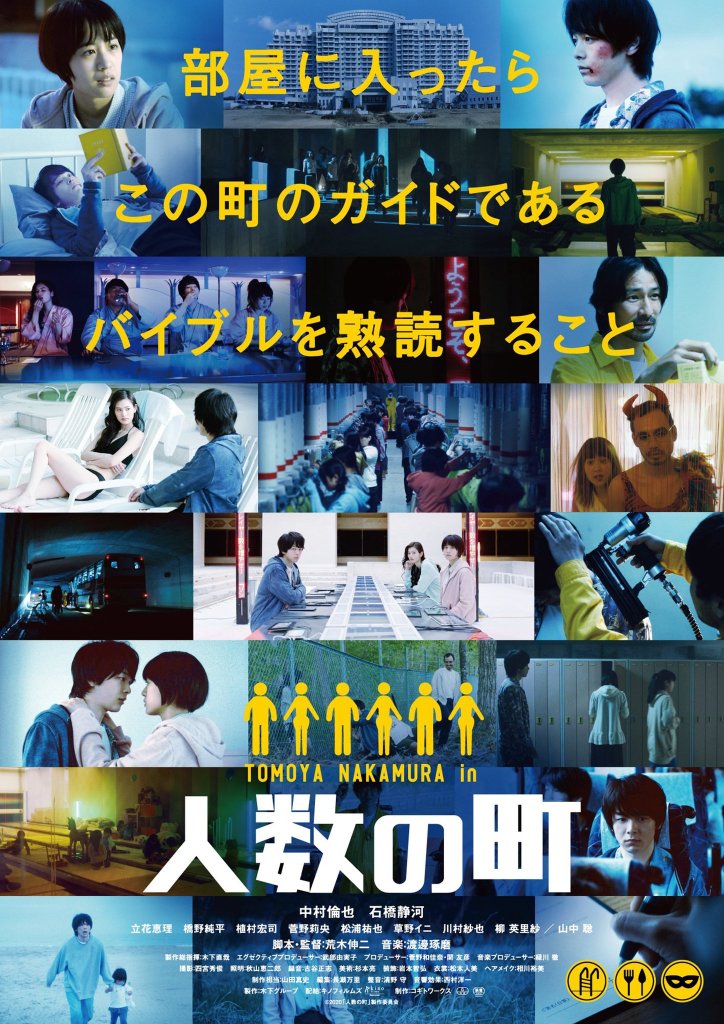
  • The Town Of Headcounts – a disaffected young man gets a fresh start in a utopian community but quickly becomes disillusioned in Shinji Araki’s slick dystopian thriller. Review.
  • yes, yes, yes – a family begins to fall apart under the weight of impending grief when a mother enters the final stages of a terminal illness in Akihiko Yano’s intense existential drama. Review.

NIPPON DOCS
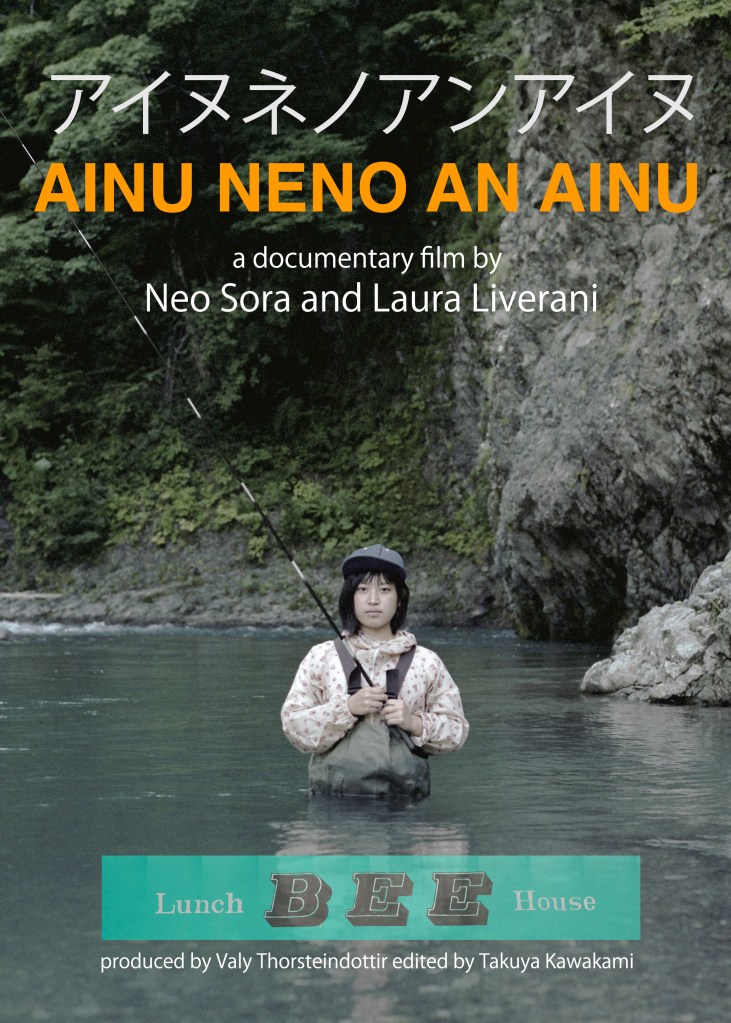
  • Ainu Neno An Ainu – documentary by Laura Liverani, Neo Sora & Valý Þórsteinsdóttir exploring Ainu identity in contemporary Japan
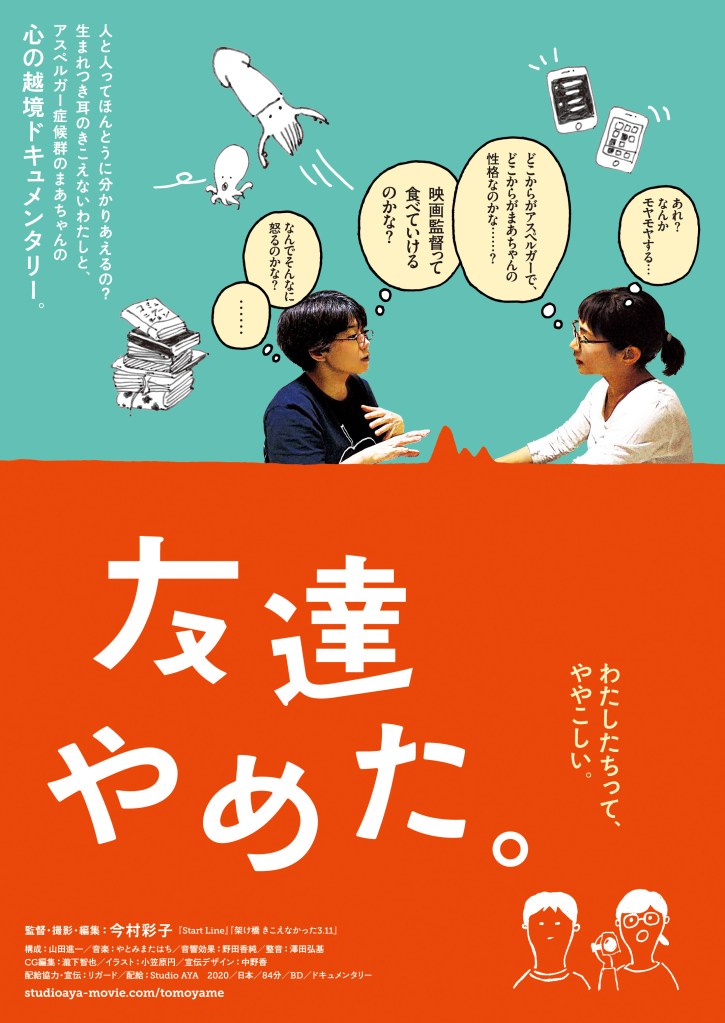
  • I Quit, Being “Friends” – director Ayako Imamura turns the camera on herself and explores her sometimes complicated relationship with an autistic friend who struggles with communication.
  • Koshien: Japan’s Field Of Dreams – documentary following a high school baseball team as they battle through national championships
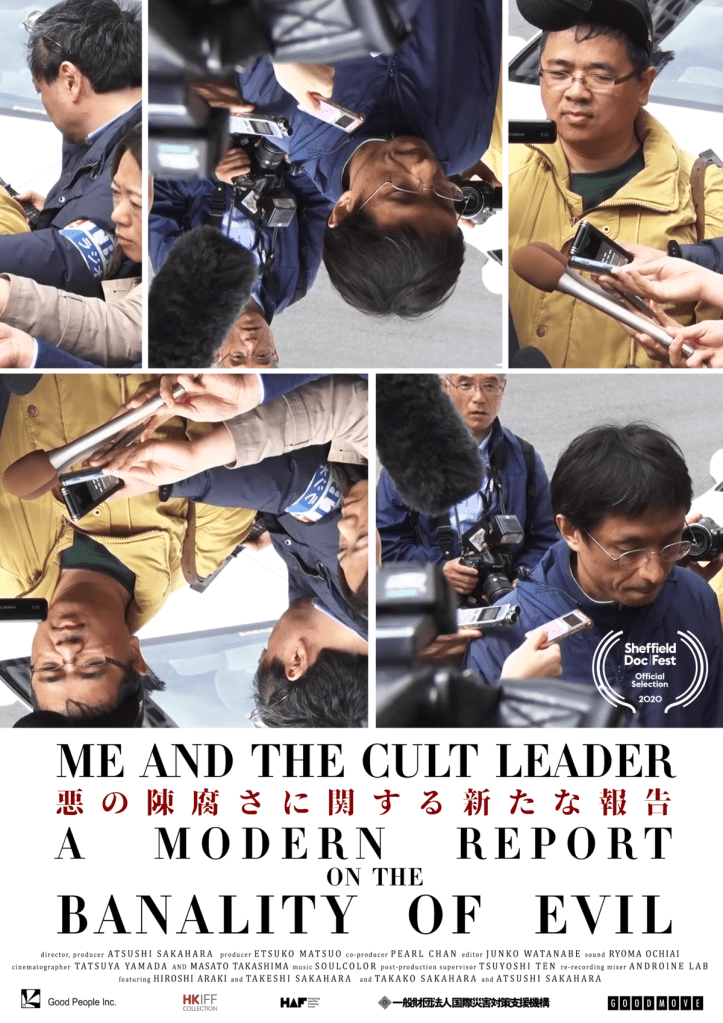
  • Me And The Cult Leader – sarin gas attack survivor Atsushi Sakahara takes a cult member on the road in search of understanding in an empathetic, self-directed doc. Review.
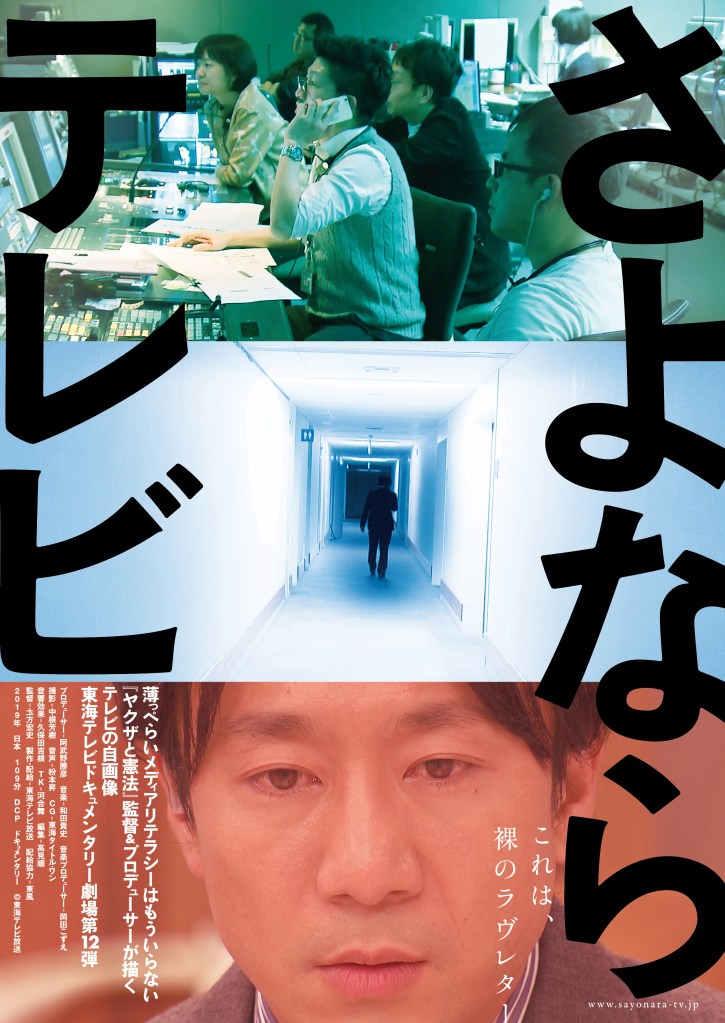
  • Sayonara TV – documentary marking the 60th anniversary of Tokai Television Broadcasting while contemplating the changing place of television in the contemporary media landscape.
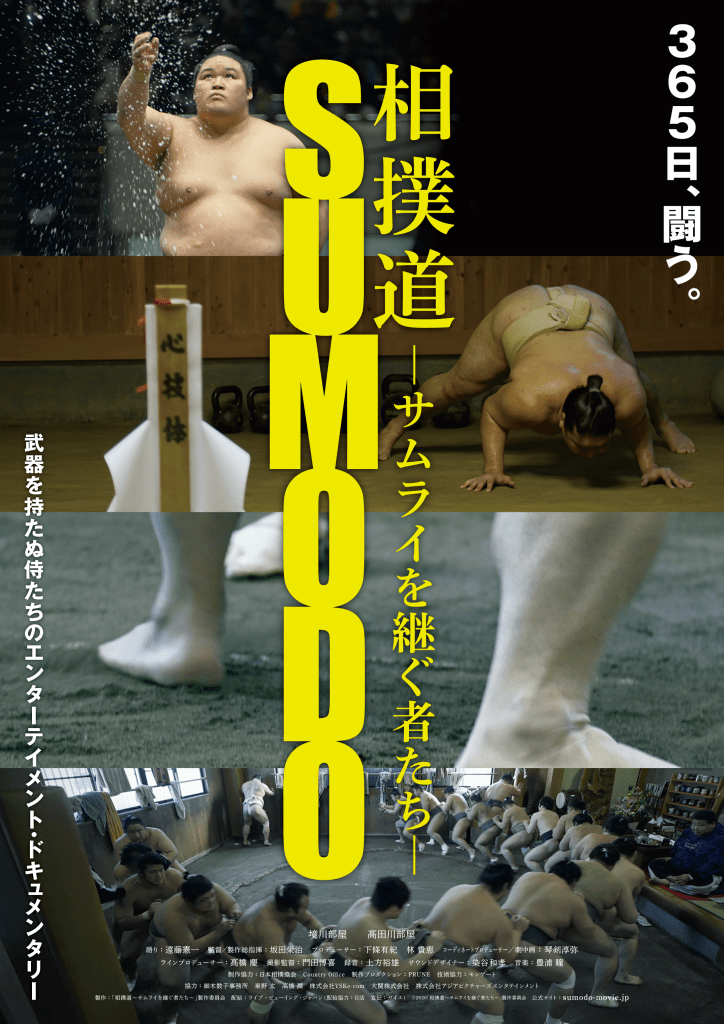
  • SUMODO ~The Successors Of Samurai~ – documentary exploring the lives of sumo wrestlers.
  • The Witches Of The Orient – documentary focussing on the 1964 Olympic Gold medal-winning women’s volleyball team who inspired a host of manga and anime heroines.
  • A new feature documentary by Thomas Ash (details coming soon) world premiere

NIPPON ANIMATION
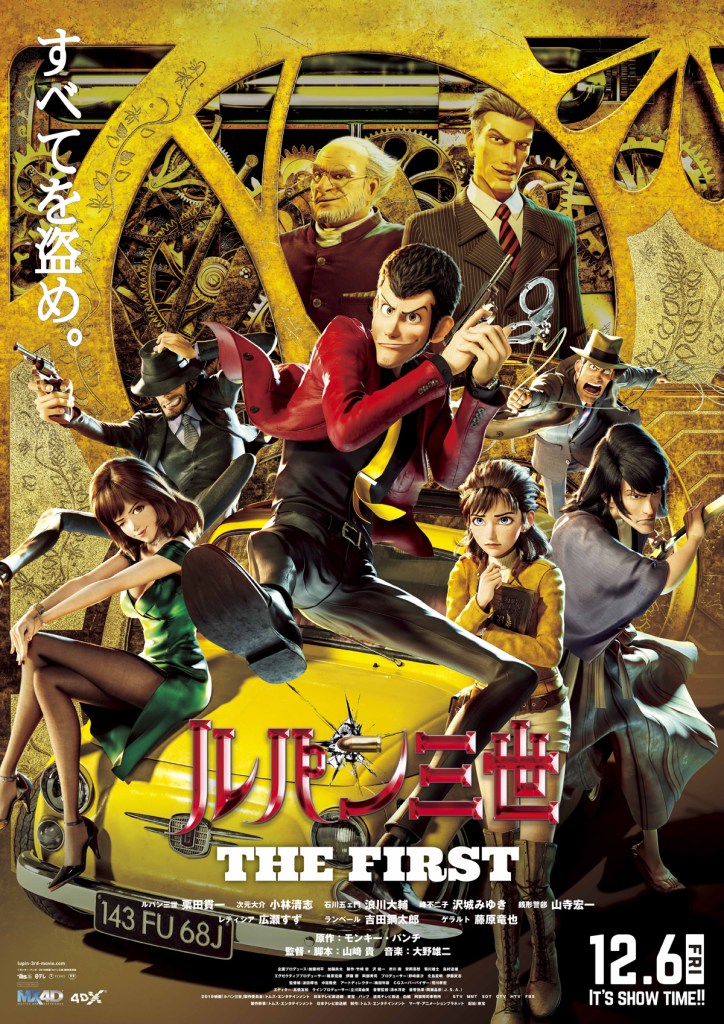
  • Lupin III: The First – 3DCG take on Monkey Punch’s iconic hero directed by Takashi Yamazaki. Original version with German subtitles only
  • ON-GAKU: Our Sound – deadpan slackers decide to start a band and discover unexpected sides to themselves in the joy of making music in Kenji Iwaisawa’s infinitely charming indie animation. Review.
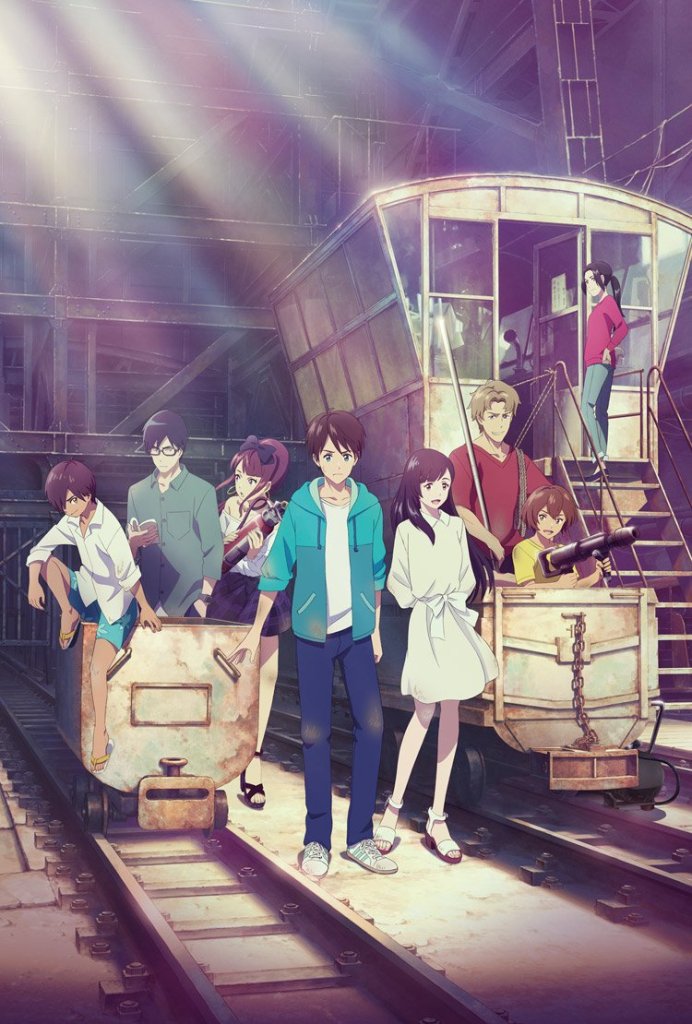
  • Seven Days War – a group of idealistic teens holds the fort against duplicitous adult indifference in Yuta Murano’s openhearted anime adaptation of the cult novel. Review. Original version with German subtitles only
  • Sumikkogurashi: Good To Be In The Corner – cute animation starring the iconic San-X characters. original version with English subtitles / original version with German voice-over

The festival will also be hosting its usual series of lectures and special events via Zoom with the full program available from 22nd May via the official website where you’ll also be able to find ticketing and reservation links. This year’s online Nippon Connection runs 1st to 6th June via the festival’s dedicated streaming platform. To keep up with all the latest news you can also follow the festival on Facebook,  Twitter,  YouTubeFlickr, and Instagram.
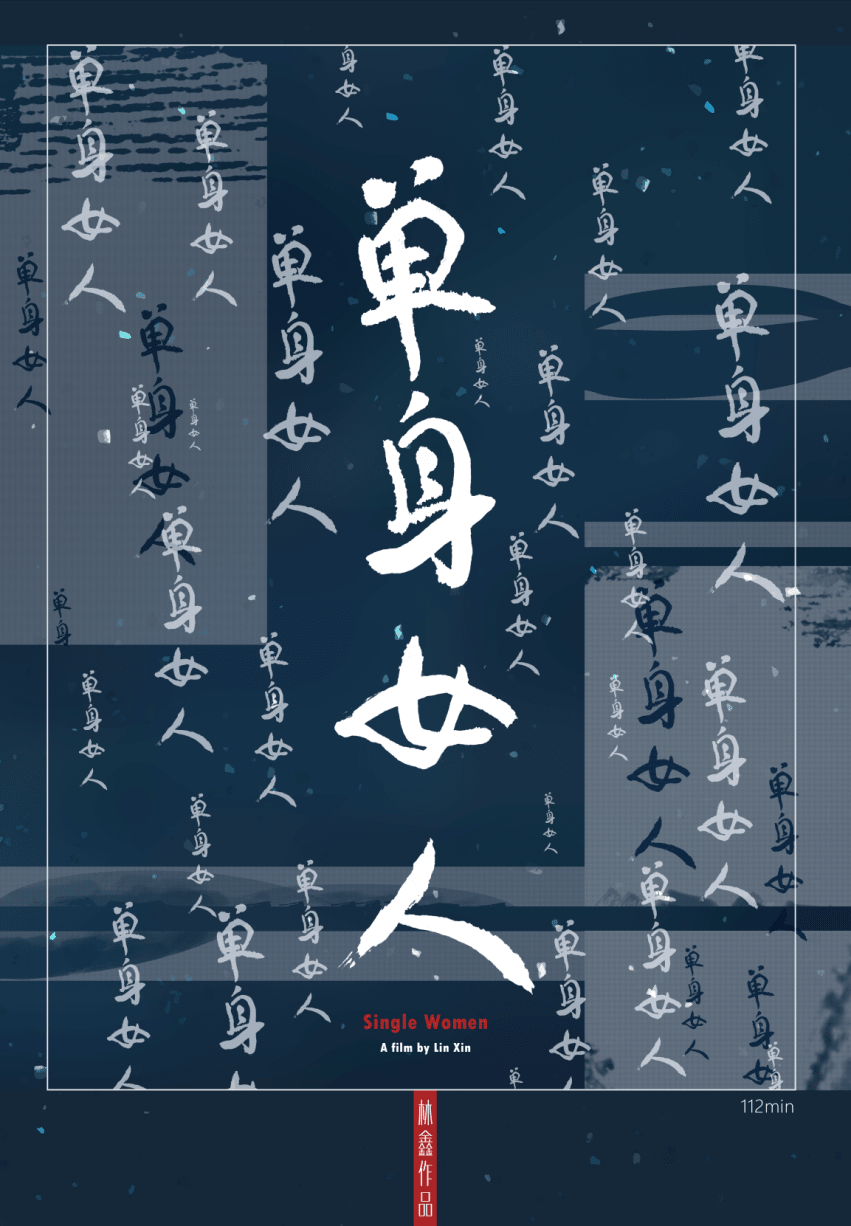
Single Woman (单身女人, Lin Xin, 2018)

What does it mean to be a single woman in contemporary China? Lin Xin’s talking heads doc Single Woman (单身女人, Dānshēn Nǚrén) is less concerned with the “Christmas cake” phenomenon than with ordinary middle-aged women who are living their lives without men. Many have been married before but are now divorced (Lin does not speak to any widows) while some are not strictly “single” having found someone new, but all have contradictory views on the nature of marriage, relationships, and independence even if united in their sense of disillusionment with modern men raised in a relentlessly patriarchal society. 

The project appears to have originated with local novelist Dong Li who as we discover is known for the erotic quality of her writing and is certainly among the frankest of the women when it comes to speaking of sexual desire. Having divorced her husband in 1997, Li explains that she went on looking for true love but found herself feeling exploited by men who were often overconfident in their sexual prowess and largely viewed relationships as a transactional activity, offering to cure the sexual frustration they stereotypically believed must be plaguing her in return for material favours. Li raises this point consistently while talking with some of the other interviewees who in the main seem to be her friends, even recounting an outlandish story of a married lover who lied about having a wife but bizarrely insisted on eating the genitals of various animals in order to increase his virility. 

Xiao Hua, a teacher, also mentions potential exploitation as an explanation for why she’s cooled on the idea of romance, explaining that after divorcing her adulterous husband even at the risk of losing contact with her son she found herself in a series of unsatisfying relationships with duplicitous men who milked her for money. Her rationale for turning someone down because “he was not qualified to love me” may sound cold and cynical, but has a degree of sense to it given her experiences with men who misused her or attempted to exploit what they saw as vulnerability in her perceived loneliness. 

Like many of the women, Xiao Hua had also been a victim of violence, another factor subtly raised by Dong Li as she talks to her friends about their lives as single women. Ya Lan dated her husband for eight years and married him only after overcoming his family’s objections yet later became a victim of domestic violence and eventually divorced. Unlike Dong Li and Xiao Hua, she found herself entering a relationship with a younger man which was genuine in intent though she later found him lazy and immature, treating her perhaps more like a mother in need of someone looking after him while she longed for someone to look after her. After that relationship ended she declared herself happy with the single life but has since found a more satisfying match in a devoted retiree and now that her son has married is planning to remarry herself. 

On the other hand, Chen Yuan is the only one of the women who has never been married and seems to have accepted the idea that she’ll remain single for the rest of her life though this does not appear to be her desire or intention. In fact none of the women except perhaps Dong Li entirely embraces the legitimacy of a woman’s right not to marry at all. Nevertheless, she firmly believes that a woman should be independent and that it is perfectly possible to be happy without a man even if she looks back with regret on the romantic choices of her youth wondering if she was perhaps too picky turning down a man who sincerely loved her solely because she was not sure he was really the one. Lili meanwhile married the man she loved and forged a conventional family but the relationship later suffered under the demands of everyday life raising children and her husband left her feeling that in the end they were simply incompatible. Despite the way it ended, Lili declares herself happy with married life but has no real desire to try again grateful in a sense to have experienced two different ways of living. 

Her experience could then not be more different than that of Mei Xiang who is actually the first of the women we meet as she tells a disturbing story about being attacked by the husband of her husband’s mistress. The man in question was actually her second husband whom she’d been persuaded to marry on the grounds of his “honesty” despite her misgivings, her first marriage had ended due to animosity from her husband’s parents who tried to convince her to give their daughter up for adoption in order to try again for a son under the demands of the One Child Policy. Her husband was never able to stand up to his family who refused to see the baby and the marriage broke down though now she wonders if they were over hasty and couldn’t perhaps have worked things out if they hadn’t been so young and impulsive. She hasn’t quite sworn off the idea of marrying again, sure that there are good men out there it’s just that she hasn’t yet met one, but seems to have filled her life with her charity work and prioritised self-fulfilment over social expectation. 

Ending on a rather ironic note, Lin takes us back to the school where Xiao Hua works as a group of children engage in a boys vs girls tug of war. Despite Mei Xiang’s declaration that there must be good men out there, Lin’s women haven’t had much luck locating them, each victims of deeply embedded patriarchal attitudes, but most haven’t given up hope of finding love and it seems deciding to be a single woman leading an independent life is still an unthinkable taboo. Nevertheless each of the women, Dong Li included, has found a degree of peace with their life choices and has at least the solidarity of her female friends to help her cope with a still unforgiving patriarchal society. 


Single Woman is currently available to stream in the UK as part of the Chinese Cinema Season.

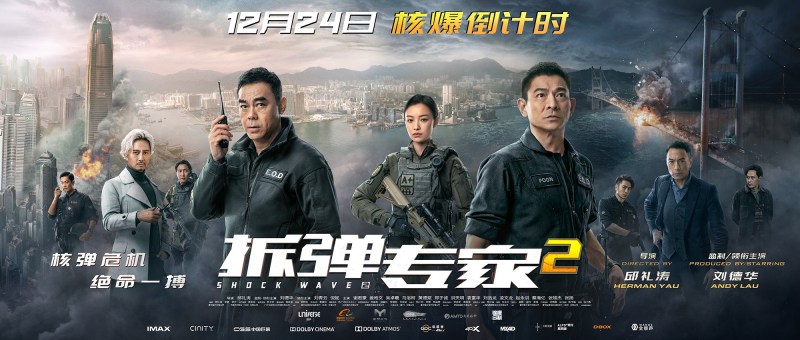
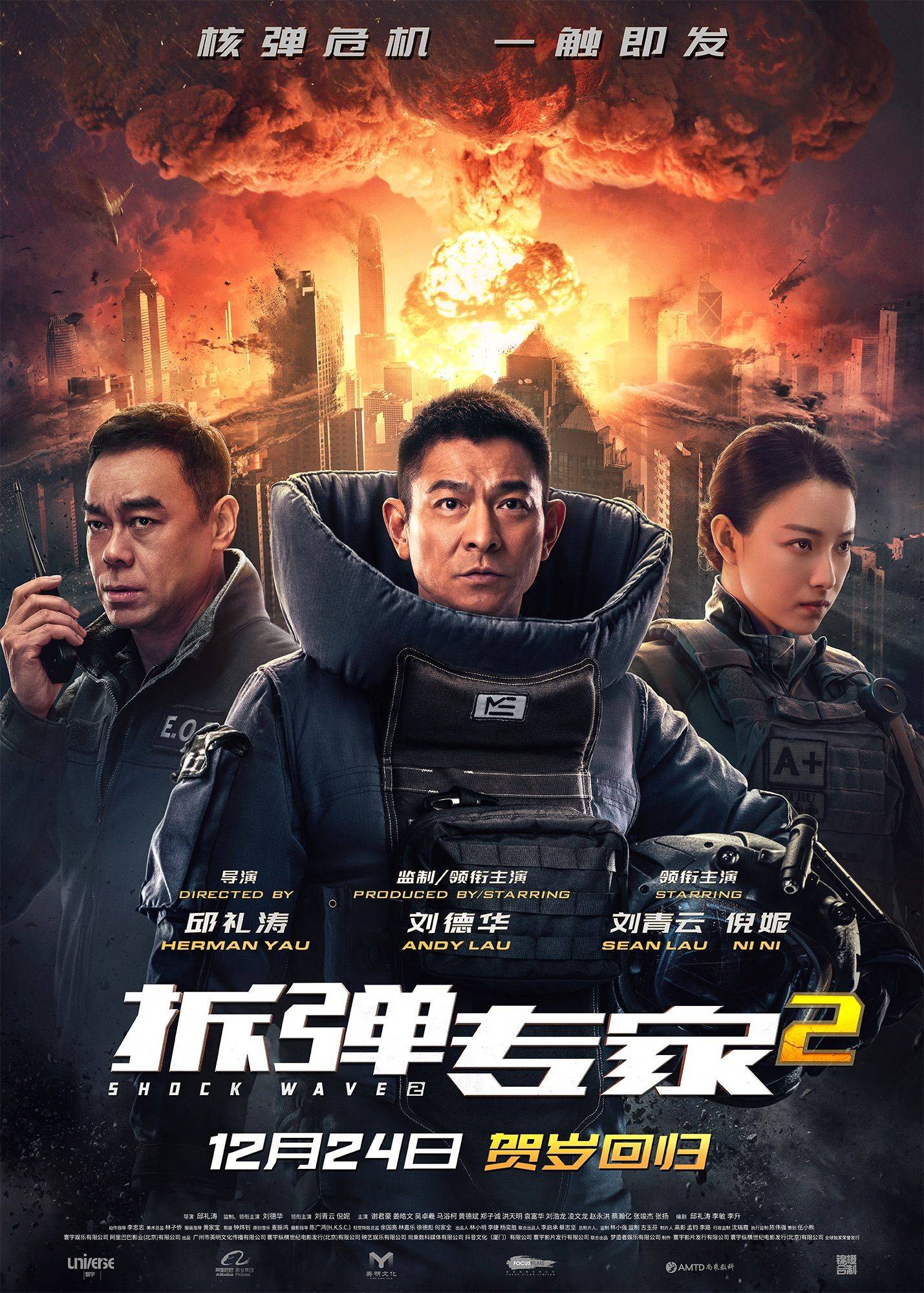
Shock Wave 2 (拆彈專家2, Herman Yau, 2020)

“Anger can destroy everything” according to the voiceover opening Herman Yau’s Shock Wave 2 (拆彈專家2), a thematic sequel to the original Shock Wave once again starring Andy Lau as a Hong Kong police bomb disposal officer battling serious threat to the island’s transport infrastructure but also picking up themes from the pair’s subsequent collaboration White Storm 2 in which the veteran actor had starred against type as a Batman-esque billionaire vigilante fighting a one man war on drugs. The villains here claim they want “change”, but in reality want little more than to burn the world, enraged by its refusal to recognise or remember them consumed as they are by wounded male pride. 

The hero, Fung (Andy Lau Tak-wah), finds himself suffering from amnesia after encountering the second serious accident of his professional life. When we first meet him, he’s essentially playing the same role as the first film, a cheerful, slightly cocky bomb disposal expert with a potentially reckless streak born of his willingness to risk his own life to save those of others. When he’s injured on a job, tricked by a random booby trap while trying to free a trapped cat, and loses his leg he reacts with characteristically upbeat stoicism quickly adjusting to his new prosthesis and determined to get back to work, training intensely with the help of his friend Tung (Sean Lau Ching-wan) who was also injured in the same blast only not so seriously. Despite passing all the fitness criteria Fung is fobbed off with an offer of a desk job in police PR, refused a return to the bomb squad as the panel quite openly admit not so much because they feel his disability impairs his ability to do the job as they fear public blowback should something go wrong and they be blamed for having hired a disabled person in the first place. 

It’s less a sense of discrimination than unfairness that fuels Fung’s growing sense of anger and resentment not only towards the police force but towards society in general which he now feels regards human beings as little more than disposable tools. He rejects the sense of himself as “disabled”, internalising a sense of societal shame keen to remind everyone that he is not impaired proving himself capable above and beyond the force’s criteria but is still rejected while Tung, who suffered only minor burns, is permitted to return to duty and even gets a promotion. His friends later recount that he became a different person after the accident, angry and embittered as if at war with the world. 

Yet after encountering a second accident, Fung loses his declarative memory which is to say he still has his everyday skills such as walking around (including using a prosthesis), getting dressed, brushing his teeth, using a computer and presumably the mechanics of bomb disposal but no longer remembers his own name or how he ended up in hospital now at least implicated in an act of major terrorism. Without his memories, Fung is a blank slate, freed from all the trauma and resentment that may have pushed him towards the dark side and returned to the innate goodness of a soul untouched by the world’s cruelty. The question is, which way will he turn, back towards the darkness or further into the light as the Fung they once new who willingly risked his life for others? In any case, he finds himself potentially misused by his well meaning ex Pong Ling (Ni Ni) who engages in some dubious psychology involving false memory implantation to convince him that he’s been working for the Hong Kong police undercover, hoping to engineer a softer landing for him than the realisation that he may be responsible for the deaths of at least 18 people as a member of an anarchist sect going under the apt name of “Vendetta”. 

Like Fung, the leader of Vendetta is an angry man resentful of having been forgotten by someone he cared about who had simply grown away from him. He rages against the world partly as a consequence of his aimless privilege having discovered his wealthy family made their money peddling opium with the assistance of the colonial authorities, but also as a direct result of childhood bullying and frustrated male friendship. Vendetta claims it wants to stop the world from getting “worse”, but all it really has is anger and the intense hurt of wounded pride. These men refuse to be “KO’d by this sick society” but in the end all they want is to be seen, to be recognised and remembered. To ease their sense of belittlement and impotence, they plan to burn the world by literally severing connections with it. 

Yau takes aim at the various systems which generate this kind of anger, hinting at the shockwaves of ingrained societal discrimination even if Fung internalises a sense of stigmatisation in his intense need to prove himself free of “disability”. Robbed of his memories, Fung’s anger dissipates allowing his natural capacity for selfless heroism to resurface along with a healthy desire to reflect on his own behaviour, at least as much as can he rely on the sometimes duplicitous vagaries of memory both his own and that of others as he searches for the truth of himself and his “vendetta” with the world. Torn between risking his life to save others and blowing it all to hell, Fung ends up doing both, sending shockwaves throughout his society in a deeply ambivalent act of personal and societal redemption. 


Shock Wave 2 is available to stream in the UK until 12th May as part of the Chinese Cinema Season. It will also be released on DVD/blu-ray on 7th June and digitally on 14th June courtesy of Cine Asia.

UK release trailer (English subtitles)

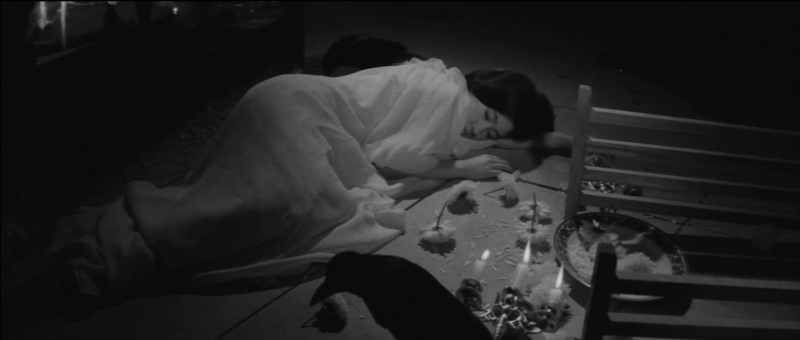
The Ghost of the Hunchback (怪談せむし男, Hajime Sato, 1965)

The old, dark house fetches up in Japan in Hajime Sato’s slice of weird, gothic horror The Ghost of the Hunchback (怪談せむし男, Kaidan Semushi Otoko, AKA House of Terrors). Long in circulation only in an Italian dub, Sato’s B-movie romp owes an obvious debt to Mario Bava but also to similarly themed gothic chillers such as Robert Wise’s The Haunting somewhat repurposing the central nexus of the cursed mansion as a black hole of morality sucking into its orbit the sinners of the post-war society each it seems both victims and embodiments of their times. 

Opening in true gothic fashion with lightning and a full moon, Sato zooms in to a strangely creepy yet ordinary Western-style villa where the soon-to-be widowed Yoshie (Yuko Kusunoki) is woken from a dream in which she had a premonition that her husband, who we learn has been in a vegetative state for some time, had something he desperately wanted to tell her. Shinichi has indeed passed away while apparently imprisoned under the care of his father, Munekata (Kazuo Kitamura), a psychiatrist who seems less than moved by his son’s death describing it as the least he could do to repay the debt he owed to his parents. It seems that Shinichi had been in the hospital following an “incident” some time previously and though Munekata insists that his brain had been “destroyed”, younger doctor Yamashita (Shinjiro Ebara) echoes Yoshie’s dream in informing her that immediately before he died it seemed that Shinichi, who had long been mute, was desperately trying to tell him something. Meanwhile, Yoshie begins hearing strange noises emanating from the coffin and opens it to find a chrysanthemum clenched between her husband’s teeth. 

After the funeral, she’s visited by a lawyer claiming that Shinichi entrusted a key to him to be given to his wife in the event of his death along with the deed for a mountain villa where “the incident” took place. Later, everyone comes to the conclusion that what Shinichi wanted to tell them was not to go to the mansion, but of course what else was Yoshie supposed to do other than investigate. A classic gothic estate swathed in fog and hidden behind ornate iron gates, the remote country house also turns out to have a hunchback custodian (Ko Nishimura) as well as a weird, demonic statue standing inconveniently in the hallway. Soon after arriving Yoshie is attacked by a crow, told of “the incident” by the hunchback, and begins to hear strange noises including disembodied laughter before she is eventually joined by Munekata, Yamashita, and her niece Kazuko (Yoko Hayama).

Yamashita tries to rationalise that the noises are just the normal kinds of creaking born of “deformation” as a building naturally ages, literally becoming warped with time, while the stress of living in such an environment, he claims, can eventually drive one mad. He’s come along to investigate believing that Shinichi’s illness is connected to the mansion. Yet the old, dark house in this case is somewhat divorced from its gothic roots in being transported to Japan where it is in a sense “new” and “foreign” rather than an ancient relic weighing heavily on the shoulders of declining aristocracy. Even so we do indeed have something of that in the later revelations of previous owner Baron Tominaga and his particular grudges which, in this case, are if only partially rooted in wartime trauma, the mansion apparently also once home to an anti-aircraft depot the remains of which can be seen in the grounds. 

The war may not be the corrupting force in play but it’s certainly a factor, especially the surprising accusation thrown at Dr. Munekata that he participated in wartime atrocity in being party to vivisection, a claim he does not dispute but defends in insisting his actions were justified in the name of science. The house has not so much called them, but each of the “guests” is in their own way morally compromised, Munekata not only a war criminal but a venal, lecherous old man hoping to get his hands on the house to open a sanatorium by fulfilling his quasi-incestuous desire for Yoshie. Yamashita, meanwhile, is not exactly pure hearted either, using what he knows about Munekata to blackmail him into standing down so he can become the director in his place and marry his wealthy girlfriend, Akiko (Keiko Yumi), who has also turned up to join in the haunted house fun. As far as sin goes, Yoshie is largely without it but perhaps pays for daring to own her sexuality, rejecting Munekata’s advances but apparently having made a habit of getting into bed with her comatose husband despite knowing of his many affairs which may be the reason for his punishment by the house. Only Kazuko remains pure and innocent save her one-sided attraction to Yamashita, the only one of the gang to show any kind of compassion towards the admittedly strange hunchback. 

In keeping with the house, Tominaga and the hunchback are later revealed to be Christians, though in a gothic inversion they are also the source of the “evil” that infects the creepy old mansion once again positioning Christianity as a foreign corruption but also in this case punishing post-war moral failure. Sato conjures an atmosphere of pure gothic chill complete with oversize cobwebs, doors which open and close on their own, a crow infestation, and even a passing shinto priestess (Mitsue Suzuki) who just had to drop in because of the powerful emanations of evil echoing from the mansion but leaves his collection of extremely flawed humans very much at the mercy of their own demons as they desperately try to escape from the House of Terrors. 


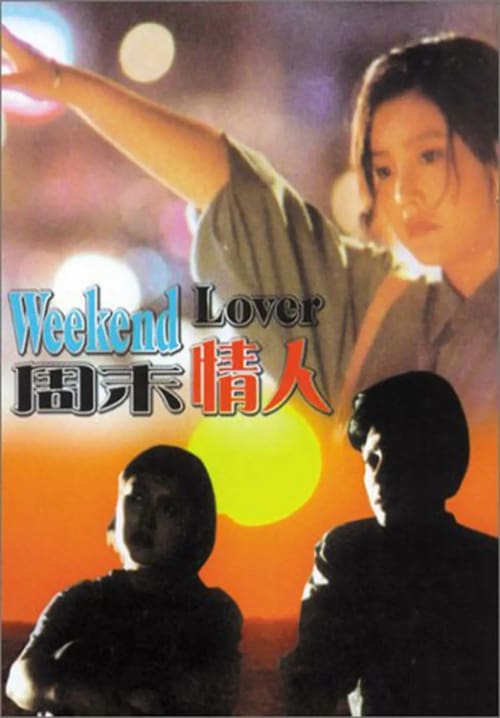
Weekend Lover (周末情人, Lou Ye, 1995)

Lou Ye’s troubles with the censors began at the very beginning of his career. Shot in 1993, his first feature Weekend Lover (周末情人, Zhōumò Qíngrén) was held up until late ’95, making ’94’s Don’t Be Young his accidental “debut”. Set in the contemporary era the film nevertheless has a strong sense of melancholy nostalgia coupled with air of nihilism that perhaps distressed the censors more than the otherwise potentially problematic bohemian setting, finding the post-Tiananmen generation floundering in a changing China in which the dream of freedom has long since flown. 

In one of many title cards, Lou opens with a lengthy piece of text claiming that this is a true story, a claim he will return to with the closing card the fantastical quality of which perhaps undermines the idea of its “reality”. The author of the text claims that this is a story some did not want to tell but mostly because it makes them sad to recall bygone days for reasons we will come to understand. Nevertheless, the filmmakers claim to have tracked down the central figure of Lixin (Ma Xiaoqing) who has agreed to share her story, which turns out to be the story of two men, violent thug Axi (Jia Hongsheng) and sensitive musician Lala (Wang Zhiwen), who find themselves bound for confrontation in order to lay claim to the affections of Lixin. 

Axi is the “weekend lover” of the title, a high school boyfriend of Lixin’s who used to spend weekends in her apartment while her parents were out but later went to prison for killing another boy who threatened their relationship. Lixin vows to wait, but ends up meeting Lala in a case of mistaken identity tasked with venturing into the unfamiliar world of back street pool halls to find a man in plaid in order to deliver something on behalf of Axi. The pair start dating, but Axi returns unexpectedly some years later put out to realise that Lixin has forgotten him and quite literally moved on. Hoping to get her back he threatens Lala and later Lixin herself, remaining somewhat obsessed with recapturing the past while little more than a violent street thug with nothing to offer other than intimidation. 

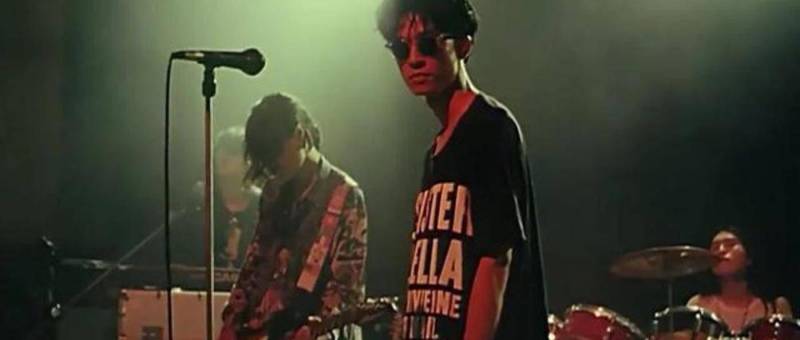
One could see Axi and Lala as embodiments of past and future with Lixin trapped painfully in an interminable present. Lala dreams of becoming a singer, eventually joining a band with whom Lixin also becomes friends hanging out in the beatnik bohemian space of the disused building she decribes as a “jail” they repurpose as their arena. Yet even this potential future is flawed. The band’s leader (Wang Xiaoshuai) explains to Lala that they will disband after their big concert as most of the members are going abroad, perhaps he will even go to America. There is no future for any of them in China while Lala rejects the idea he may stay and marry Lixin, realising she has not completely severed her connection to Axi believing their relationship is doomed to failure. 

Westernisation is indeed a persistent background theme from the discarded Coke cans, Marlboro cigarettes, and Lipton tea in Axi’s rundown room to the fancy new fast-food restaurant where Lixin works going under the name “California Rainbow”. These Bohemians dream of Western freedoms aside from the power of consumerism, longing for the right to seize their artistic potential but finding themselves continually constrained by a society they do not understand. “We drank a lot, always felt we were the most miserable and that society didn’t understand us. Later I came to realise it’s not that society didn’t accept us it’s that we didn’t understand society” Lixin explains in voiceover apparently from the vantage point of “many years” later in which she seems to have in part at least rejected her countercultural youth and developed an understanding of the contemporary society. 

Nevertheless, the film closes with both her wilful self-exile and an improbably optimistic coda which may only be a reflection of her dream followed by the title card which suggests that the couple may find happiness but only “many years later” in another city. “We felt the whole world belonged to us, as if everything would last forever. But we didn’t know what would happen.” Lixin laments, recalling her brief moment of youthful freedom later ruptured by the re-introduction of the violent past in a touch of rather elliptical irony that perhaps evokes Lou’s later taste for non-linear narrative. Moody yet imbued with a kind of youthful ennui, Weekend Lover’s frequent use of title cards, pop music, and self-consciously cool imagery may never quite coalesce beyond their various influences but edge towards an attempt to capture youth in a new age of anxiety caught between the death of idealism and the opportunities of a newly consumerist economy. 


Weekend Lover is currently available to stream in the UK as part of the Chinese Cinema Season.

Musical sequence (English subtitles)

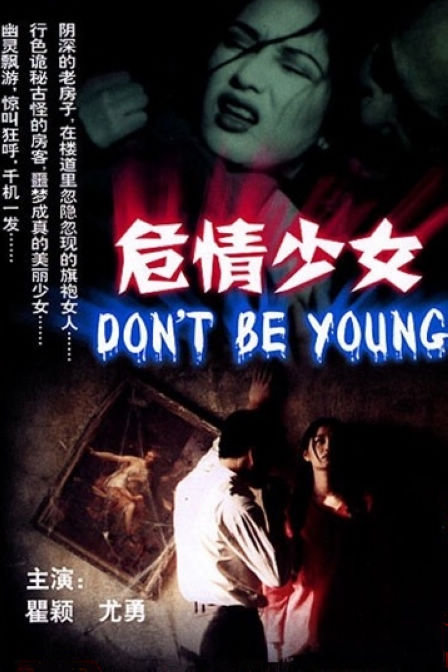
Don’t Be Young (危情少女, Lou Ye, 1994)

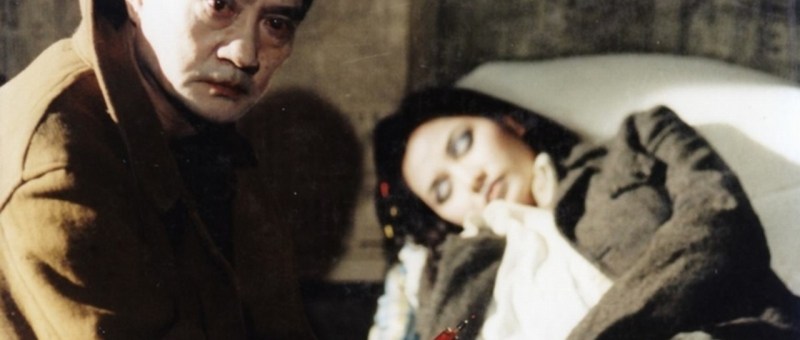
Lou Ye’s complicated relationship with China’s censorship board has been well documented though it is certainly not a recent phenomenon and has in fact plagued him from the very beginning of his career. His first feature, Weekend Lover, was shot in 1993 but not passed for release until two years later technically making 1994’s Don’t Be Young (危情少女, Wēi Qíng Shàonǚ) his cinematic debut. This might seem surprising seeing as Don’t Be Young flirts with themes the censors find problematic, an ethereal gothic ghost story perhaps permissible solely because the spectres can be read as existing only in the mind of the troubled, traumatised young woman at the film’s centre though the spirit that haunts is perhaps that of the age and of a traumatised China caught between failed revolution and rapidly expanding economic prosperity. 

As the heroine, Lan (Qing Yu), tells us this is the story of “another time, another place”. Unable to separate fantasy from reality, she nevertheless goes on to narrate a dream she later claims not to remember and in any case can no longer revisit. On smashing a bottle in the street she retrieves a device which seems to be the engine of a music box that once belonged to her mother and acts as a kind of key to an alternate reality that soon bleeds into her contemporary life. In the present, Lan is a nervous young woman struggling to deal with her mother’s death in an apparent suicide, watched over by her patient doctor boyfriend Lu Mang (You Yong) but after discovering a strange book similar to one her mother owned containing a floor plan and a letter after taking shelter from the rain under the porch of an abandoned mansion she finds herself investigating her own history. 

The dream world, shot in an ethereal blue, seems to exist sometime in the 1950s, Lan’s clothes and those of her boyfriend and the other people around her suddenly shifting without warning as she finds herself crossing over while everyone else appears in pale face as if this were the world of the dead, or a “hell” as an elderly woman later describes it. Lan insists that “everything is real” though the borders between the two worlds become increasingly thin even as the plot developments become ever more outlandish leading to a confrontation with a mad scientist veterinarian and his nefarious attempts at human experimentation with a weird drug that causes those who take it to lose control over their nervous systems. The scientist insists that science makes him a god with the right to dominate the world while the secondary villainess (Nai An) turns out to be a scorned nurse blackmailed into helping to “ruin” Lan over her murder of a patient who tried to assault her by pulling out his oxygen tubes. Only the earnest Lu Mang who is strangely absent for much of the action after leaving to “take an exam” but mostly wandering moodily around noirish rail stations served by atmospheric steam trains, is present to represent “science” as a force for good but ultimately ends up defending Lan in the most prehistoric of ways. 

Nevertheless, what she begins to uncover is a complicated family legacy running through romantic failure, adulterous liaison, and broken connections all contained in the house she inherits after decoding the messages from the dream. Lou throws in a series of unexpected cinematic allusions, including one to Ozu’s Late Spring as a lodger randomly peels an apple with intense melancholy, while drawing inspiration from the Hong Kong New Wave. Yet the key aesthetic is gothic horror as Lan finds herself trapped by generational trauma, witnessing her grandmother bound in cobwebs while attacked by razor-wielding spectres apparently keen to stop her further investigating her traumatic past. Finally she laments that all that remains is an “empty and beautiful end”, apparently returning to the present which is perhaps equally frightening in its sense of oppressive anxiety by abandoning the music box and thereby closing the door on the nightmarish dream world of haunted houses and cursed legacies. Nevertheless, the young couple seem to have beaten back the attempts of the older generation to reassert their control and emerge into a new society with a new sense of freedom if not quite liberation. 


Don’t Be Young  is currently available to stream in the UK as part of the Chinese Cinema Season.

The House of Hanging (病院坂の首縊りの家, Kon Ichikawa, 1979)

Unlike many directors of his generation who either shifted into television or saw their careers stall, Kon Ichikawa was able to continue working throughout the difficult 70s and 80s precisely because he was less averse to taking on commercial projects such as 1976’s The Inugami Family, an ensemble mystery adapted from the bestselling book by Seishi Yokomizo and starring his famed detective Kosuke Kindaichi. The film proved an unexpected hit, an early success for Haruki Kadokawa’s new multimedia marketing model which would allow him to dominate cinema screens throughout the bubble era, and spawned a series of Kindaichi adaptations produced for Toho boasting a host of A-list stars. By 1979, however, the age of the prestige country house mystery was perhaps coming to a close and The House of Hanging (病院坂の首縊りの家, Byoinzaka no Kubikukuri no Ie) would be the last in the cycle of movies starring Koji Ishizaka who would eventually return to the role in Ichikawa’s 2006 remake of the original Inugami Family. 

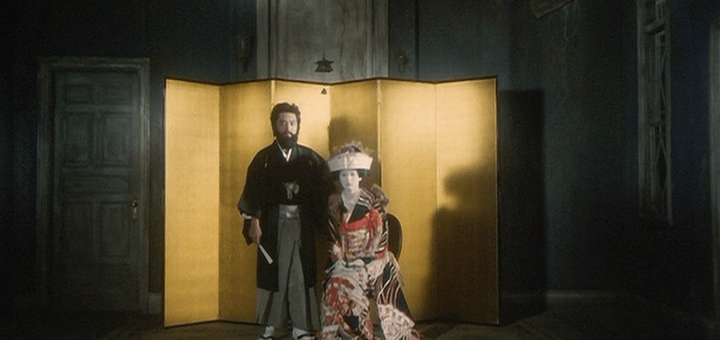
Set quite specifically in 1951 (Showa 26), House of Hanging is among the more complex of Kindaichi’s cases and rests not on war trauma, which is only a background presence in the present venality of the post-war society, but on the decline of a once noble house ruined, as we find out, through the legacy of sexual immorality and abuse. For the moment, however, Kindaichi gets roped into the mystery after visiting an author friend (played by Seishi Yokomizo himself in a cameo) who recommends a photo studio he could visit in order to get a picture taken for his passport as he plans to travel to America. The photographer, Naokichi (Koji Shimizu), takes on an odd job from a strange young woman who asks them to take wedding photos of her sister but abruptly leaves explaining she’ll send a car later to bring them to an undisclosed location. That turns out to be the bombed-out former home of the Hogen family who own the local hospital. Escorted by a creepy young man, Naokichi finds himself in front of a traditional gold screen backdrop but feels uncomfortable because the bride does not seem to be very present and he worries that perhaps she’s been drugged and something untoward may have been going on. He shows the photo to Kindaichi for advice and is later called back to the same location to discover the severed head of the groom hanging from a ceiling light.  

In slightly comedic fashion, the circumstances of the case are so confusing that they have even Kindaichi admitting that he doesn’t quite follow while his temporary sidekick, photographer’s apprentice Mokutaro (Masao Kusakari), proudly holds up a chart he’s made to help keep track. Though the why is in this case more important than it might usually be, it boils down to the same old problem of buried secrets and past shame. We learn that the Hogen family is descended from a line of prominent doctors, though the family tree is complicated because it appears many of the sons of previous generations had illegitimate children, some of whom were later adopted or married to other adopted children in a quasi-incestuous union. With no one quite sure whose children are whose, incest appears to be the original sin which condemns the family, though as we later realise it’s another kind of abuse which sets the present events in motion.

The murdered man, Toshio (Teruhiko Aoi), was apparently part of travelling jazz band earning their living playing on American bases (the photographer also has a sideline in blackmarket army surplus). Aside from the original sin that connects the murders with melancholy fatalism, the additional victims damn themselves through their amoral greed, foolishly engaging in blackmail in the hope of improving their circumstances. Nevertheless, the sin remains the same, the theory being that Toshio was murdered by missing sister Koyuki who killed him in order to escape his inappropriate romantic obsession with her. The additional complication is that Koyuki looks near identical to Yukari (Junko Sakurada), daughter of the Hogen family, connecting the crime with the traumatic events of some years’ previously which led to the cottage becoming known as the “house of hanging” when the body of a young woman was found there having taken her own life. 

As in many of the other Kindaichi mysteries, the detective has only sympathy for those caught up in this complicated murder plot, many of whom are also victims acting simply to protect themselves ironically enough from the past trauma that has in a sense led to this sorry turn of events. Justice, in the end, takes care of itself though Kindaichi will also do his bit to protect those in need acting from a place of moral compassion rather than judicial censure. This final instalment in the Kindaichi cycle has slightly lower production values and a much less starry ensemble but sees Ichikawa adding a few idiosyncratic touches such as his fast, multi-angle cuts to a single person’s speech and a brief theatrical reconstruction sequence, while making time for the return of bumbling inspector Todoroki (Takeshi Kato) and the ironic comedy the series is known for. “Old things pass, that’s when new things are born” Yokomizo sagely advises in his cameo, Kindaichi apparently taking his leave from a corrupted post-war Japan for the bright lights of San Francisco, perhaps never to return. 


Original trailers (no subtitles)

China’s Van Goghs (中国梵高, Yu Haibo & Kiki Yu Tianqi, 2016)

“You can just take a picture!” a frustrated driver calls out to “painter worker” Zhao Xiaoyong as he makes a long delayed attempt to express himself artistically by painting the streets of his rural hometown in the style of European artist Vincent Van Gogh. Xiaoyong is one of several men attempting to survive in a declining industry, a painter of knock off replicas of famous works of art produced for the foreign market in the small town of Dafen, Shenzhen known as one of China’s largest “oil painting villages” since an enterprising Hong Kong businessman kickstarted the movement back in the tumultuous year of 1989. 

Though the title may at first seem ironic, referring to the “fake” paintings at its centre, Yu Haibo and Kiki Yu Tianqi’s strangely moving documentary China’s Van Goghs (中国梵高, Zhōngguó Fán Gāo) explores the conflicts which continue to define the lives of the artists who as they put it paint to live but take their art extremely seriously and possess tremendous technical skill but are forced to stifle their own creative instincts while producing meticulous copies for a mere pittance. As Xiaoyong laments, they find it difficult to attract and keep apprentices because you can earn more at the factory, while one of his colleagues ironically admits that they had to set up a production line in order to complete an unusually large order though following the financial crisis those are largely thin on the ground. 

Xiaoyong is a Van Gogh obsessive, as are many of the artists of Dafen, and longs to visit Amsterdam in order to see the originals up close. Ironically enough, their biggest market is indeed the Netherlands, and his most important client has invited him to visit several times previously though Xiaoyong and his wife continue to argue over the expense. His eventual visit is however heartbreaking, his eyes a deep well of pain and confusion as he finds himself overcome with disappointment and disillusionment. He thought his client owned a fancy gallery, but his paintings are being sold in a pokey knock off souvenir shop for three times what he was paid to paint them which was only around €8 to begin with though they took many hours to complete. Later talking to another artist about his trip he remarks on how overcome he was seeing Van Gogh’s originals, but the experience also destroys the sense he had of himself as an artist, reminding him that he is “just” a craftsman making diligent copies while leaving him with the desire to create something meaningful of his own. 

Earlier in the film, Xiaoyong had travelled back to his rural hometown for the anniversary of his father’s death breaking down in tears while reflecting on the various ways his poverty has defined his life, denied an education and orphaned at young age. Back in Dafen, meanwhile, his teenage daughter who lives with grandparents in order to attend high school visits home and declares herself fed up with education, as if she’s wasting her time unable to keep with the curriculum silently crying in the corner while her parents continue working. Xiaoyong sympathetically laments he didn’t have the opportunity to learn very much but has taught himself to open his mind and has obviously become a skilled craftsman with canny business skills only to find himself falling for his own mystique serious about his craft but unaware of the various ways he is being exploited by the Western art economy.

What he’s doing may in a sense be dubious though no one seriously thinks they’re buying a Van Gogh original for €30, but who is to say what really is “authentic” art or suggest that Xiaoyong’s artistry is worth any less solely because someone painted what he painted before? Can a meticulous copy be in itself a separate work of art resplendent in its technical prowess? Xiaoyong says he fell in love with Van Gogh’s paintings because of his discovery of beauty in poverty, he and his friends tearfully watching the 1956 Hollywood biopic Lust for Life fiercely identifying with the artist’s struggles as they too try to accommodate painting to live with their desire for creative expression. In a strange moment, Xiaoyong recalls a dream he had in which he met Van Gogh and told the artist that he had almost become him, but Xiaoyong’s salvation eventually comes in a meeting of the two worlds, painting a portrait of his ageing grandmother her face a labyrinth of lines born of a long life of rural hardship. Sure, you can just take a picture, but it isn’t quite the same.


China’s Van Goghs is currently available to stream in the UK as part of the Chinese Cinema Season.

Original trailer (English subtitles)

Snake Woman’s Curse (怪談蛇女, Nobuo Nakagawa, 1968)

The landed gentry find themselves haunted by the feudal legacy in Nobuo Nakagawa’s Meiji-era ghost story, Snake Woman’s Curse (怪談蛇女, Kaidan Hebi-onna). Though the figure of the vengeful ghost is rightly feared, they are rarely directly dangerous pushing their targets to damn themselves as they rail against the manifestation of their deeply buried guilt, yet the guilt here is perhaps buried deeper still as those who once had power find themselves floundering in the death throws of feudalism. 

As the opening voice over explains, the screen oppressively letterboxed to an extreme degree, the tale takes place in Onuma, a small village yet to be Westernised where the ruling family brutally exploit the tenant farmers still regarded as part of their fief. Old Yasuke (Ko Nishimura) chases after the local lord Onuma (Seizaburo Kawazu) and begs him not to kick him off his land, vowing that even if he has to eat dirt he will repay his debts. Onuma pays him no attention and Yasuke is soon thrown by the wayside after trying to catch hold of his cart. Concussed, all he can do is repeat his pleas not to lose the farm, and though he seems to recover passes away some days later leaving his wife Sue (Chiaki Tsukioka) and daughter Asa (Yukiko Kuwahara) alone. Heartless, Onuma evicts the women and knocks the house down to plant mulberry trees in its place while offering them “jobs” in his household for which they will not be paid for at least 10 years while they work off Yasuke’s debts. 

In addition to terrorising the peasants on the land, we discover that the Onumas are also running a sweatshop, a sign on the wall of Asa’s new place of employment reading that she must rise at 4am and be at work by 5 where she must stay until 9pm. There is to be no talking between the women in the workplace. Sue meanwhile is enlisted as a maid, but Onuma’s wife Masae (Akemi Negishi) immediately takes against her while she is continually sexually harassed by Onuma. Like father like son, the young master Takeo (Shingo Yamashiro) has also taken a fancy to Asa, though he is soon to be married to the daughter of the local mayor (Yukie Kagawa), a match all seem to regard as auspicious. 

Immediately after his soul vacates his body, Yasuke fetches up to haunt Onuma who is perhaps more affected by his guilt than his feudal upbringing would allow him to admit. Questioned later, he likens the peasants on his land to worms in the earth claiming that the deaths of one or two are no real matter and in any case nothing at all to do with him. “You people can survive drinking water and eating anything” he cruelly snaps back seconds after exclaiming he will fire the entire weaving staff as if that would put an end to the curse, paying little consideration to the fact he’s likely just condemned them to starvation. An exploitative landlord, he cares nothing for his feudal responsibility and all for his privileges. He and his son reserve the right to do as they please, regarding peasant women as theirs to be taken and having no real right to refuse. They do not believe there are any consequences for their actions because they are in a sense above the law of the land. 

Yet modernity is coming. We see our first uniformed policemen descend on the village after Sutematsu (Kunio Murai), Asa’s intended before her virtual enslavement through debt bondage, creates a scene at Takeo’s wedding in protest of the family’s treatment of Asa. Onuma’s attempts to reject the authority of the police in refusing their summons, describing it as “rude”, roundly fail, as do his attempts to leverage his feudal privilege in threatening to have the police chief fired in order to avoid answering his questions. His grip on authority is weakening as power necessarily reverts to the mechanisms of the state rendering him in some senses equal with those who till the soil. 

Even so, it’s spiritual rather than Earthly justice which will eventually do for him. The ghosts, such as they are, are mere echoes of time repeating the essential messages of the moments in which they died. Yasuke pleads for his land, he does not harm Onuma directly but causes Onuma to harm himself as he thrashes around trying in vain to vanquish a ghost with his gentleman’s cane. The family is, essentially, crushed under the weight of their feudal injustices as their noble house collapses all around them with modernity knocking on the door. Shooting in unusually lush colour, Nakagawa makes the most of his famously effective ghostly apparitions, finally drenching the screen itself in blood, but closes with an image of serenity in which justice of a kind at least has been served leaving the wronged to walk peacefully towards salvation while their tormentors will perhaps be travelling in another direction condemned not only for their own heartless venality but for that of the system that allowed them so ruthlessly to exploit those they ought to have protected. 


Original trailer (no subtitles)

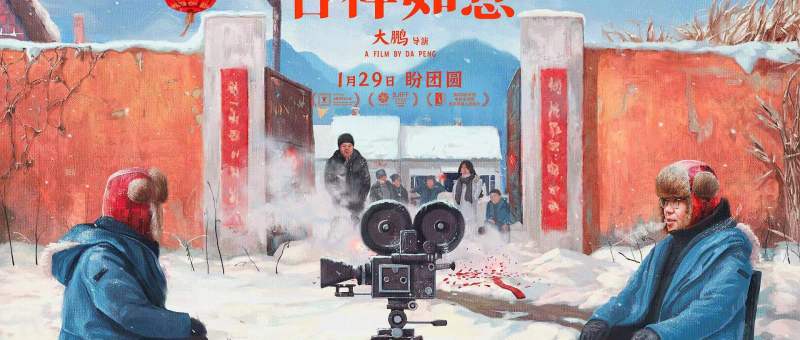
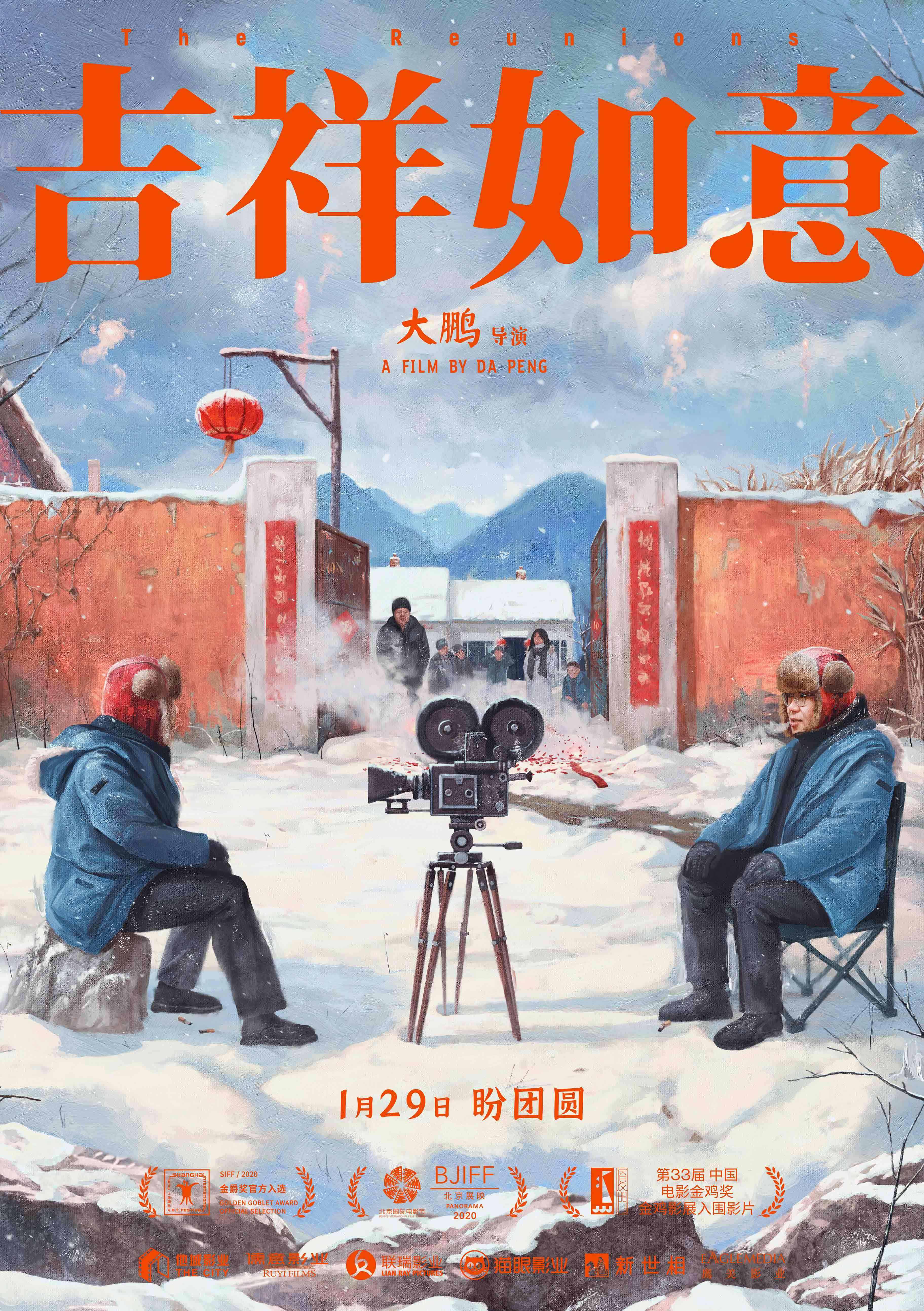
The Reunions (吉祥如意, Da Peng, 2020)

Comedian, actor, and general multi-hyphenate Da Peng (AKA Dong Chengpeng) scored box office hits with his first two features, superhero parody Jian Bing Man and musical dramedy City of Rock, but The Reunions (吉祥如意, Jíxiáng Rúyì), a reworking an earlier short, marks a definite shift in his personal style if not exactly devoid of laughs or warmth. Partly a muted personal meditation on the price of success and the compromises of the modern China, Da Peng’s Spring Festival movie in contrast to the sentimental norm finds a family on the brink of disintegration but discovers within that a sense of sad resignation rather than failure or disappointment. 

Comprising of Da Peng’s earlier short given the English title of “A Reunion”, the first 40 minutes or so act as a kind of verbatim docudrama starring a professional actress, Liu Lu, as Da Peng’s cousin Lili (who later features in the part two “A Final Reunion” making of redux) alongside members of his family including his mother and father playing themselves. Da Peng had apparently intended to film a kind of personal history/tribute to his grandmother exploring the various ways she lived her day to day life preparing for the Chinese New Year celebrations, but during his stay which was his first in many years his grandmother sadly passed away. During the making of sequence, he begins to wonder if his visit home to make the movie may have caused his grandmother’s health to decline or if he was simply unaware that she had already become ill because he failed in his duty as a grandson staying away so long. 

As he puts it, in the city he is a different person with a different life largely forgetting about his family back in rural China. The main crisis of the New Year period is not however his grandmother’s death but the pending decision of what to do with uncle Ji Xiang who suffered brain damage after an illness a few decades previously and is unable to take care of himself. Filial wisdom says the burden falls on Lili, but she too lives in the city and has her own life with a small child to take care of meaning that it would be difficult for her to take her father home to live with her, not to mention the potential difficulties of uprooting him from everything he’s known. The situation is further complicated by the fact that Lili and her father had long been estranged as her mother divorced him after the illness and moved to the city when Lili was a teenager. During the making of sequence, the actress playing Lili asks for clarification in her motivation stating that the one thing she doesn’t understand is why she hasn’t visited her family in over 10 years, but the only answer she receives is an awkward silence. 

Meanwhile, in the absence of the grandmother relations between the siblings begin to fray as old conflicts bubble to the surface, Da Peng’s uncle and aunt complaining that they cared for Ji Xiang and his mother all this time on their own and would appreciate some help but fail to see how any of the secondary suggestions of the other siblings pitching in as grandma had wished are realistic. Others insist that prior to his illness Ji Xiang was the most filial of the siblings, frequently helping out his brothers and sisters with jobs at the oil field where he worked and generally making sure to take care of everyone only to be semi-abandoned by them now he is no longer to look after himself. The presumably engineered argument from the movie later spirals out of control, the actress playing Lili pleading with the siblings to stop, while her real life counterpart looks on impassively from behind the camera, the fate of Ji Xiang still seemingly undecided. 

Yet quizzed by a fan at a Q&A after the screening of A Reunion, Da Peng doesn’t have an answer for why he decided to make the film, any messages he might have hoped to convey beyond a sense of loss and regret lost amid his desire to capture a moment of family life, his mother appearing on camera in a brief interview sequence avowing that she believes that with grandma gone this will probably be the last New Year, the siblings no longer having a common reason to come together. Someone even mentions that the family is only here this time because of Da Peng’s film, calling into question the ethical dimensions of his decision to put his relatives on camera. He closes on a poignant note with some home video from New Year 2008, presumably the last time he was home, featuring his grandmother and Uncle Ji Xiang in happier times harking back to an essential sense of loss in the all the missed opportunities of absent years now that there will be no more next times or home to go back to. 


The Reunions is currently available to stream in the UK as part of the Chinese Cinema Season.

Original trailer (English / Simplified Chinese subtitles)