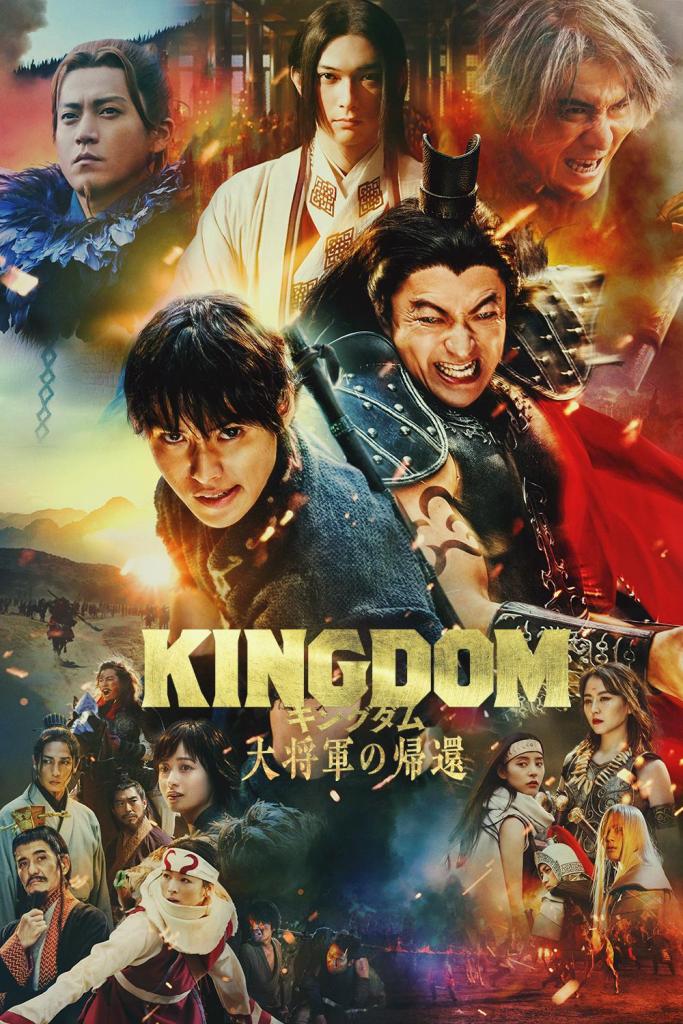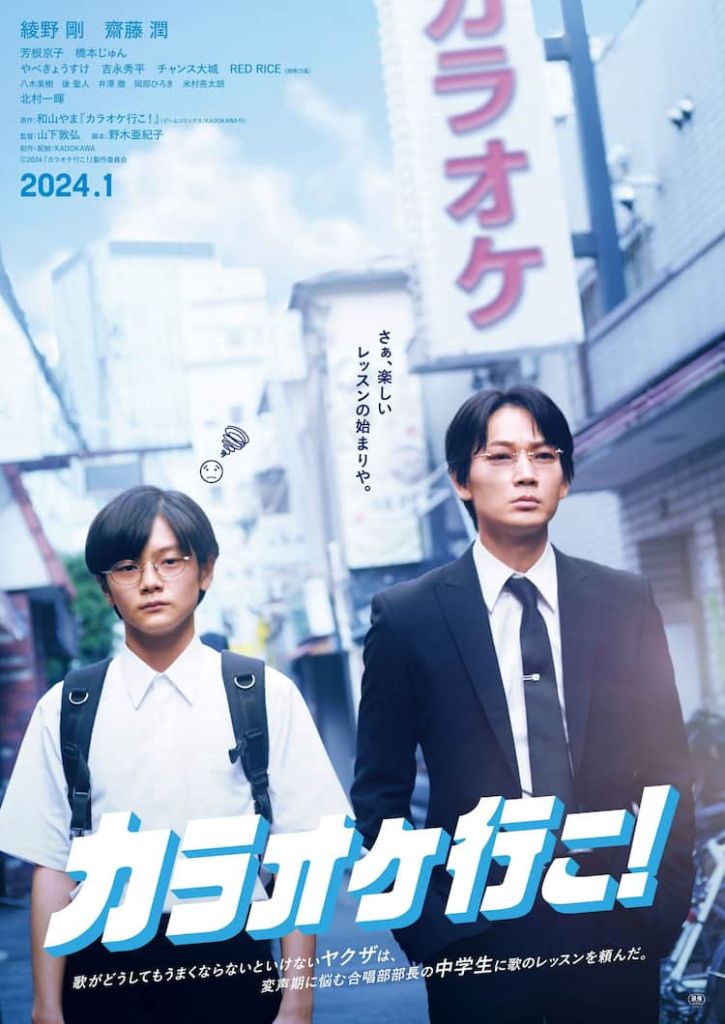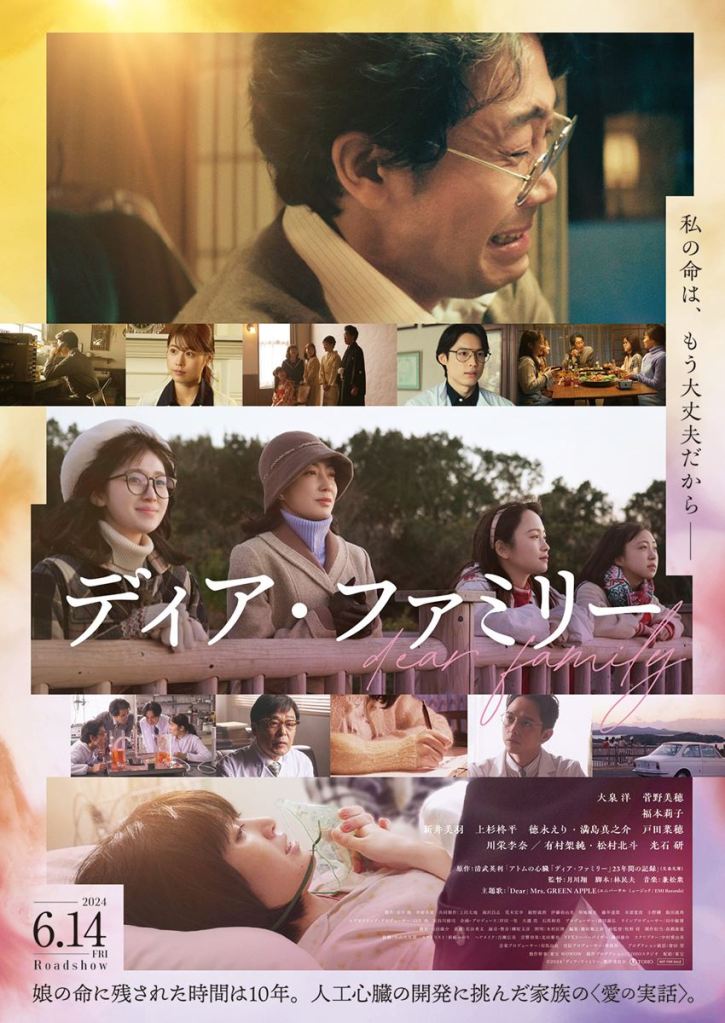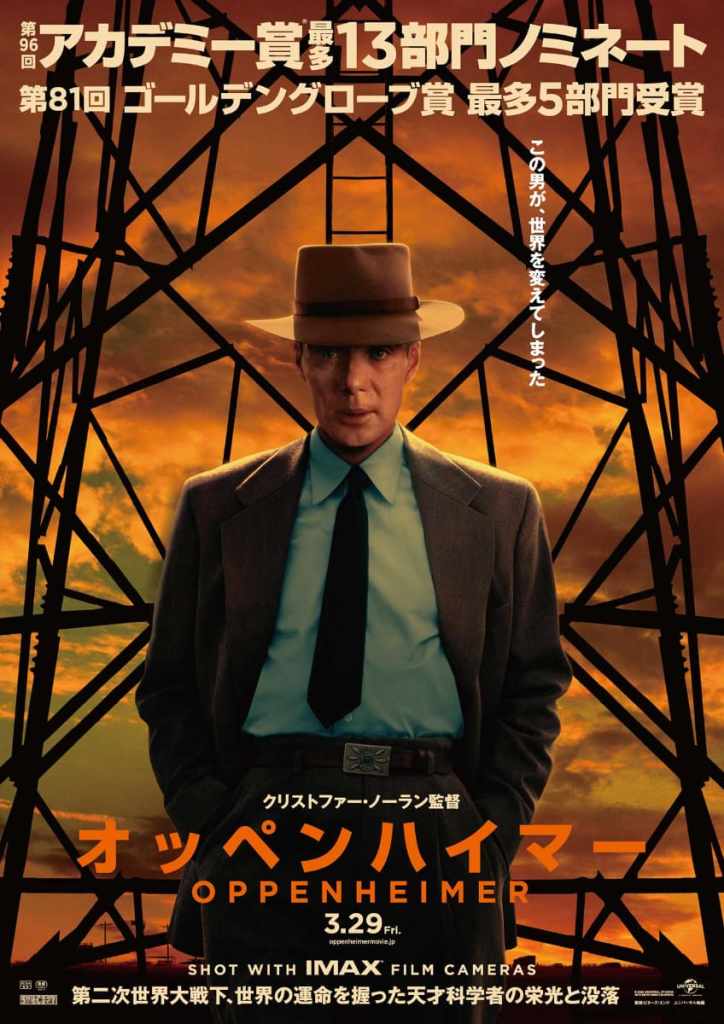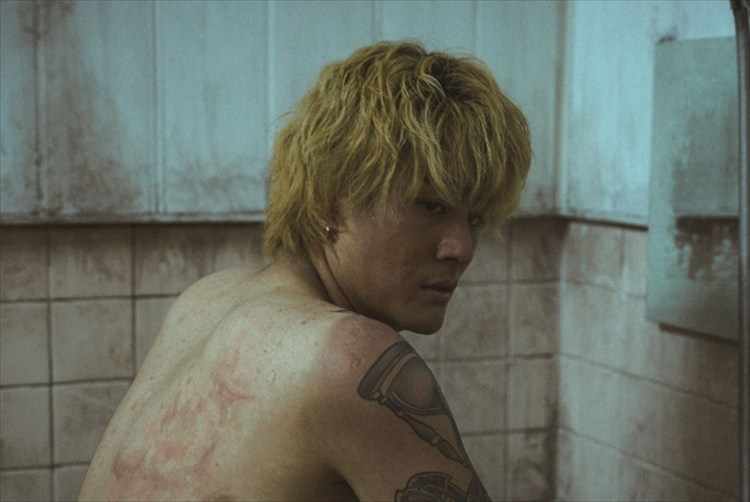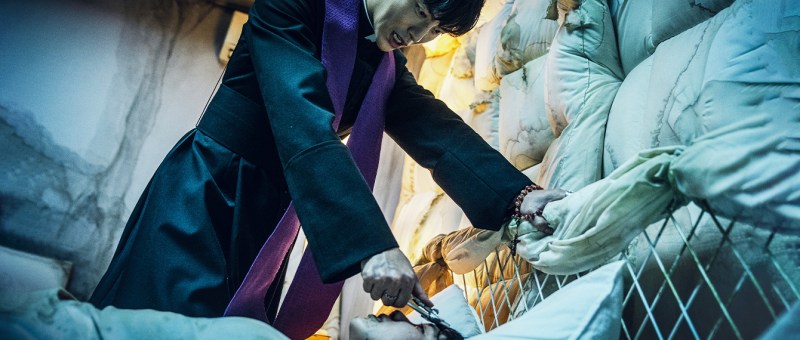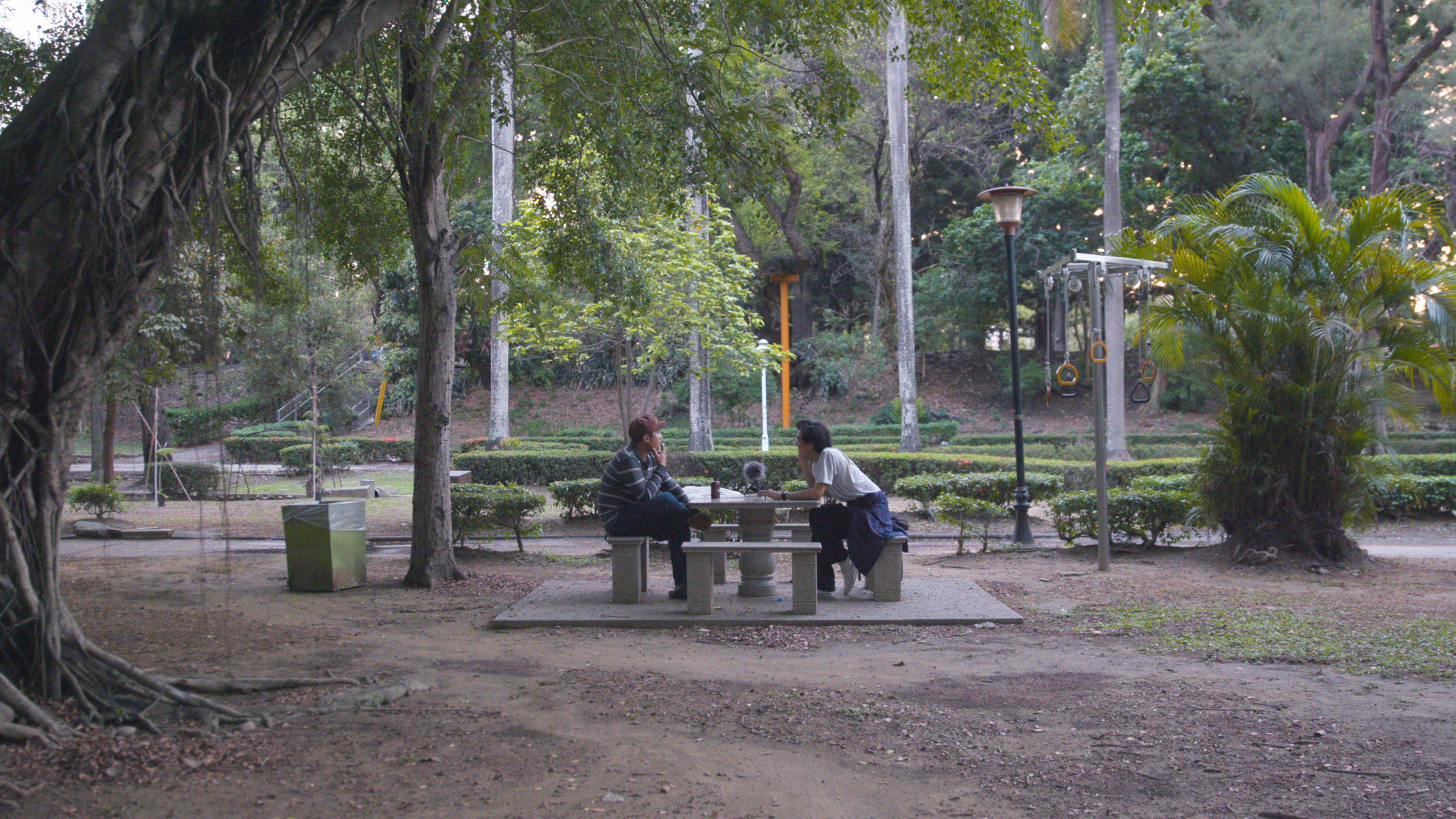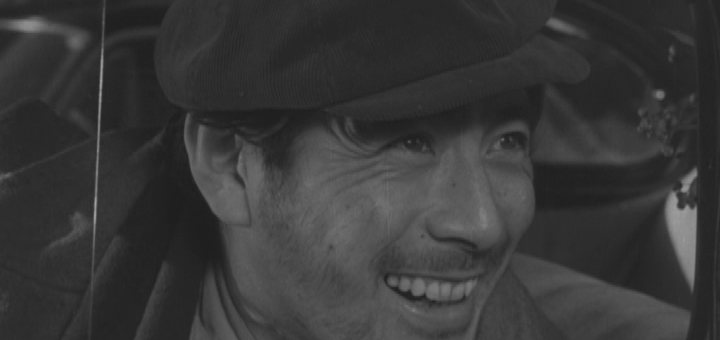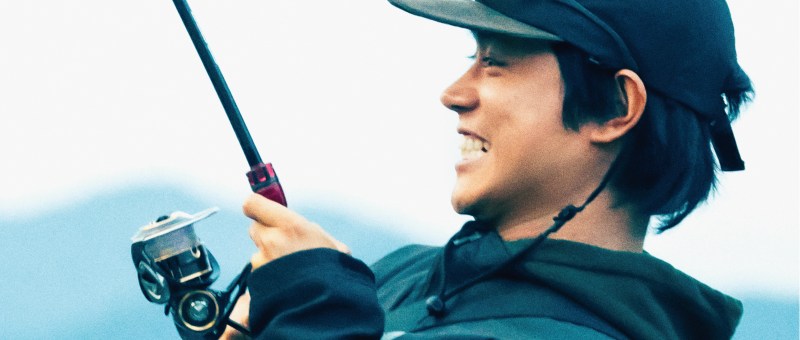
Sister Sister 2 (Chị Chị Em Em 2, Vũ Ngọc Đãng, 2023)

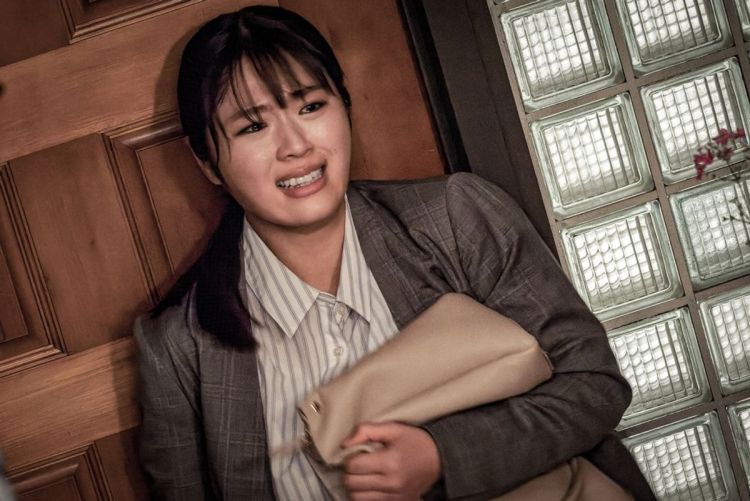
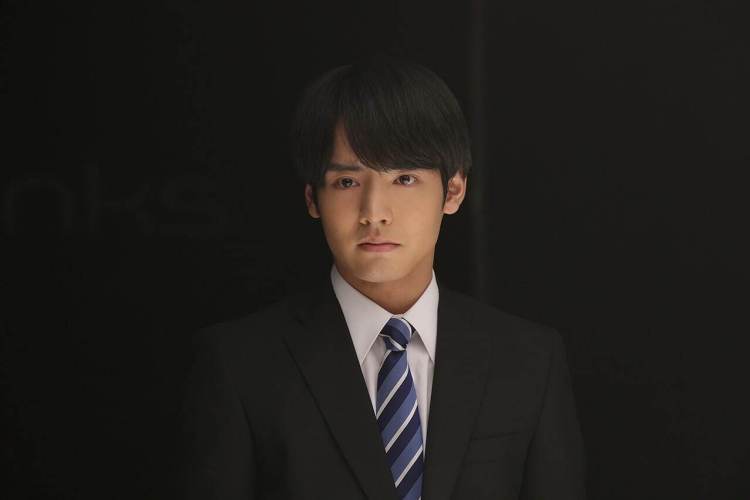
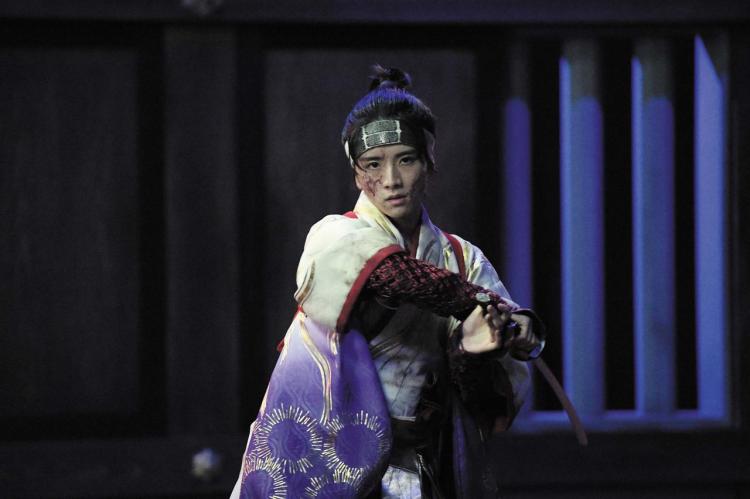
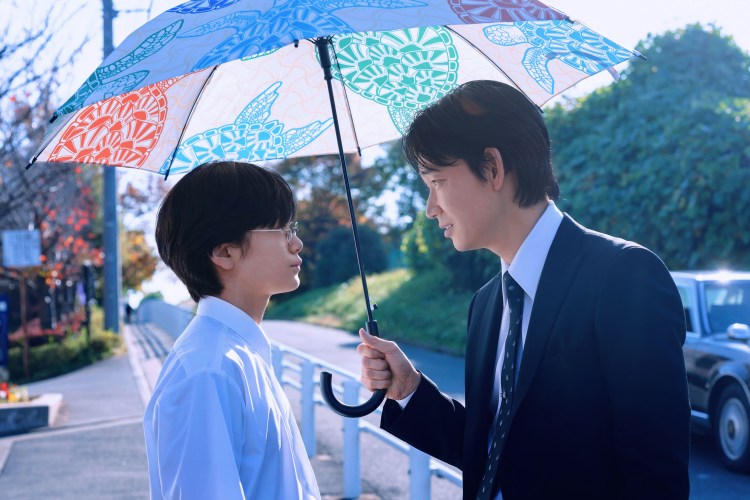
An ambitious young woman determined to escape the world of sex work resorts to a series of schemes to get close to the number one beauty in 1930s Saigon in Vũ Ngọc Đãng’s lighthearted melodrama Sister Sister 2 (Chị Chị Em Em 2). A thematic sequel to 2019’s Sister Sister, the film once again sees two women face off against each other knowing that only one can be the greatest beauty in the city while otherwise evoking a subtle message of female empowerment. 

Indeed as great beauty Ba Tra (Minh Hằng) points out, ordinary women can only be chosen by men while the extraordinary choose men for themselves. This is something in which Ba Tra has excelled, weaponising her beauty and sex appeal to capture the hearts of well to do bachelors who spontaneously offer her expensive gifts for which she need do nothing in return save continue to exist. Nhi (Ngọc Trinh), the top sex worker at a nearby brothel, wonders if Ba Tra is so different from herself only to be told by a gaggle of local women in thrall to her star image that Ba Tra’s situation is entirely different because of the power she wields over men by, essentially, refusing to give them what they want while Nhi crudely exchanges it for money and is largely at the mercy of those who will pay. 

The issue is in one sense control, Ba Tra seemingly possessing it fully and Nhi not at all. She is still indentured to the brothel having sold herself into sex work to pay for her mother’s medical treatment only for her mother to drop dead of shock as soon as she found out. But Ba Tra also has maternal troubles of her own in her “crazy gambler” mother who is forever emotionally blackmailing her for more money while caring nothing for her feelings. To be the first beauty is to make friends with loneliness, Ba Tra warns and there is a kind of sadness in her solitude as a towering image of beauty not quite allowed to be a whole person or display much of an interior life lest the spell be broken. There is then something quite poignant in the genuine connection that arises between the two sisters who after all have similar goals and outlooks even if it’s destined to end in heartbreak when Ba Tra inevitably realises she’s been schemed by the manipulative Nhi. 

Director Vũ Ngọc Đãng flirts with homoeroticism in the closeness of the two women as they dance together perfecting their art but does so mainly for titillation rather than romance, also resorting to family gratuitous nudity even if it does otherwise hint at Nhi’s “naked” ambition to raise herself from the lowest layer of the society to the highest or at least the highest that may be claimed by a woman in this period. The film at once hints at the oppressive nature of the 1930s society in which the only power a woman can achieve is that exercised through her body and then undercuts any sense of a feminist message with its contradictory conclusion that implies it is impossible for Nhi to escape her past and that she will always be a sex worker no matter what else she becomes. 

Nevertheless, Nhi does demonstrate her right to the top spot through her ability to outsmart Ba Tra who otherwise has savvily figured out how to use the society to her advantage through careful media management to make herself a star. As she says, Ba Tra only thinks about the next move, but Nhi has already plotted her trajectory towards the top and thought of every eventuality. Even so, Nhi is expected to pay for her “mad ambition”, putting her back in her place again and slapping down her rebellion against the social order. With mild comic undertones in all Nhi’s crazy plans which include faking her own death and almost killing Ba Tra so she can dramatically save her, Sister Sister 2 isn’t really setting out to explore the lives of women in the 1930s so much as set two against each other in a battle of the beauties but is surprisingly entertaining even in its wilful silliness. 


Trailer (English subtitles)

Genocide (昆虫大戦争, Kazui Nihonmatsu, 1968)

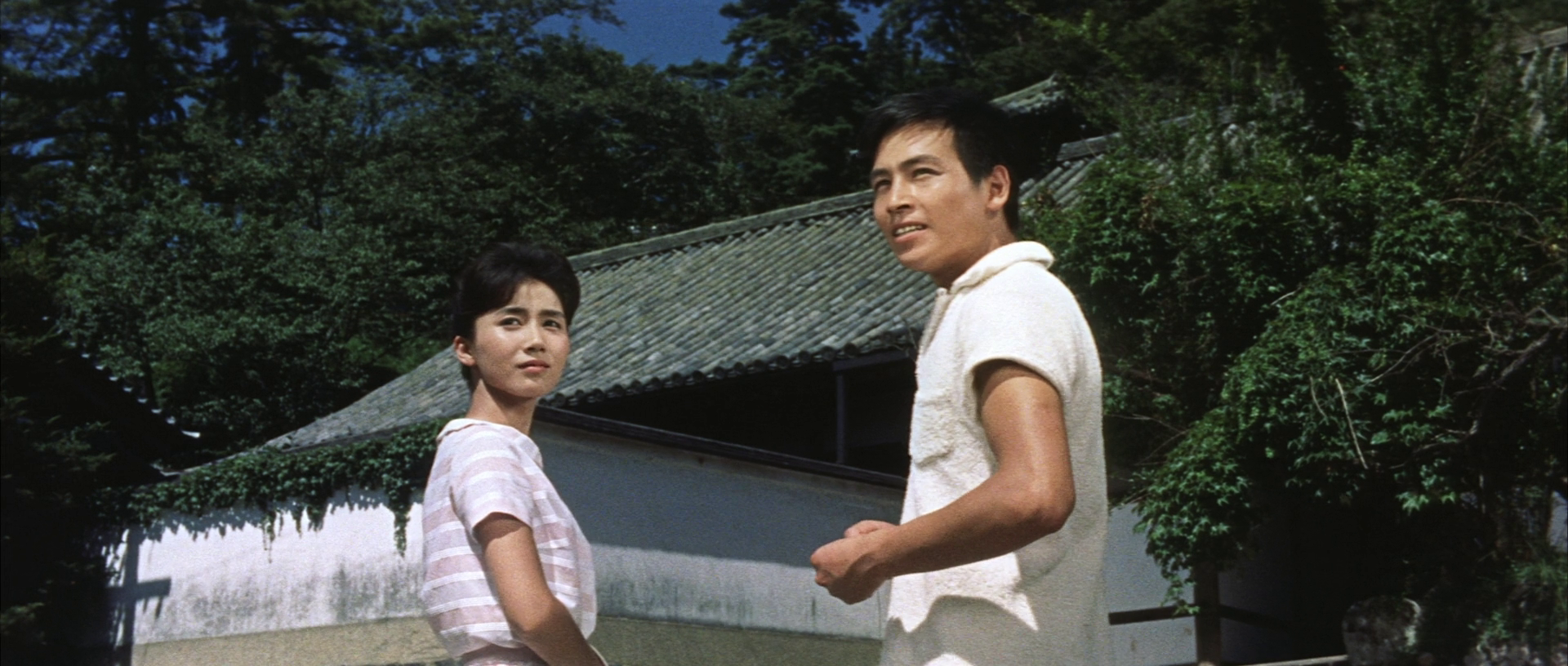
In the early 1960s, tokusatsu movies had begun to slide towards something which was much less serious than the early days of the genre, but as the decade went on others edged in the direction of the ‘70s paranoia thriller expressing a nihilistic view of contemporary Cold War geopoliticking. Given the rather provocative English title Genocide (昆虫大戦争, Konchu daisenso), as opposed to the more recognisably genre-inflected “great insect war”, Kazui Nihonmatsu’s wasp-themed disaster film is part anti-nuclear eco-treatise and part anti-US spy movie.

Then again, the film’s secondary hero, Joji (Yusuke Kawazu), a Japanese man obsessed with collecting rare insects he sends alternately to a researcher in Tokyo and a foreign woman living locally, cannot exactly claim the moral high ground. When he spots a US bomber falling out of the sky and runs to investigate the descending parachutes, he’s in the middle of tryst with Annabelle (Kathy Horan) while his wife waits for him patiently at home. Not only that, he picks up an expensive watch dropped by one of the airmen and attempts to sell it, he later claims to buy something nice for his wife, Yukari (Emi Shindo). Meanwhile, the voice of reason Dr. Nagumo (Keisuke Sonoi) is also seen conducting experiments on animals, injecting insect venom into a squirming guinea pig while explaining that the toxin affects the nervous system and causes madness and death. 

For all his own moralising, it’s this callous and selfish disregard for life which caused so many problems. The insects have apparently become fed up with human volatility and have decided that they don’t care what humans do to each other but they won’t go down with us in a nuclear war so the only solution is total eradication. The film’s true moral centre, the innocent Yukari, had tried to stop Joji capturing insects, reminding him that “insects have babies too,” while unbeknownst to him the insects he’d been capturing for Annabelle had been used for her sinister experiments to “breed vast numbers of insects that drive people mad and scatter them across the world.”

Annabelle’s quest is one of revenge, claiming that she doesn’t trust humans and likes insects because they don’t lie. She’s currently working with Communist spies supposedly researching deadly nerve toxins but with no loyalty to the regime, only the desire for the eradication of humanity in revenge for the murder of her parents in the holocaust. The Americans, meanwhile, only care about getting the H-bomb that the downed bomber had been carrying, eventually admitting that they’re considering simply detonating it to wipe out the insect threat in total indifference to the lives of those who live on the islands. When Nagumo challenges him, the American officer pulls a gun. One of the soldiers refuses the command to detonate, but is then killed. 

The Americans reject the idea that it was “insects” that brought the plane down, but tell on themselves on insisting that the airman onboard was hallucinating having become addicted to drugs to help him overcome his fear of combat situations. The insects do indeed cause him to hallucinate but with flashbacks back to his time in Vietnam, loudly exclaiming that he won’t go back there before asking for more drugs and being injected by a medic. The American officers claim they’re fighting for “freedom and independence,” but it rings somewhat hollow and is immediately challenged by Nagumo. “Sacrifices must be made in war,” they retort when he points out that detonating the bomb will not only kill everyone on the islands but irradiate the rest of Japan, wiping out the Japanese as if they too were merely insects. 

Even so, Nagumo too wants to wipe out the insects rather than consider the implications of their concern or find a way to live with them. Annabelle might have had a point when she said that human beings only knew hate despite her entirely twisted and exploitative plan to use the insects to complete her mission of eradicating humanity. In any case, in contrast to other similarly themed films, Nihonmatsu keeps things fairly realistic despite the outlandishness of the narrative, frequently cutting back to closeup footage of an insect biting into human flesh with its pincers before ending on an image of a nihilistic and internecine destruction that suggests there may be no real hope for us after all.


Drawing Closer (余命一年の僕が、余命半年の君と出会った話。, Takahiro Miki, 2024)

Takahiro Miki has made a name for himself as a purveyor of sad romances. Often his protagonists are divided by conflicting timelines, social taboos, or some other fantastical circumstance, though Drawing Closer (余命一年の僕が、余命半年の君と出会った話。, Yomei Ichinen no Boku ga, Yomei Hantoshi no Kimi to Deatta Hanashi) quite clearly harks back to the jun-ai or “pure love” boom in its focus on young love and terminal illness. Based on the novel by Ao Morita, the film nevertheless succumbs to some of genres most problematic tendencies as the heroine essentially becomes little more than a means for the hero’s path towards finding purpose in life.

17-year-old Akito (Ren Nagase) is told that he has a tumour on his heart and only a year at most to live. Though he begins to feel as if his life is pointless, he finds new strength after running into Haruna (Natsuki Deguchi) who has only six months yet to him seems full of life. Later, Haruna says he was actually wrong and she felt completely hopeless too so actually she really wanted to die right away rather than pointlessly hang round for another six months with nothing to do and no one to talk to. But in any case, Akito decides that he’s going to make his remaining life’s purpose making Haruna happy which admittedly he does actually do by visiting her every day and bringing flowers once a week.

But outside of that, we never really hear that much from Haruna other than when she’s telling Akito something inspirational and he seems to more or less fill in the blanks on his own. Thus he makes what could have been a fairly rash and disastrous decision to bring a former friend, Ayaka (Mayuu Yokota), with whom Haruna had fallen out after the middle-school graduation ceremony that she was unable to go to because of her illness. Luckily he had correctly deduced that Haruna pushed her friend away because she thought their friendship was holding her back and Ayaka should be free to embrace her high school life making new friends who can do all the regular teenage things like going to karaoke or hanging out at the mall. Akito is doing something similar by not telling his other friends that he’s ill while also keeping it from Haruna in the hope that they can just be normal teens without the baggage of their illnesses. 

The film never shies away from the isolating qualities of what it’s like to live with a serious health condition. Both teens just want to be treated normally while others often pull away from them or are overly solicitous after finding out that they’re ill but at the same time, it’s all life lessons for Akito rather a genuine expression of Haruna’s feelings. We only experience them as he experiences them and so really she’s denied any opportunity to express herself authentically. Rather tritely, it’s she who teaches Akito how to live again in urging him that he should hang in there and continue to pursue his artistic dreams on behalf of them both. Meanwhile, she encourages him to pursue a romantic relationship with Ayaka, in that way ensuring that neither of them will be lonely when she’s gone and pushing them towards enjoying life to its fullest.

Nevertheless, due to its unbalanced quality and general earnestness the film never really achieves the kind of emotional impact that it’s aiming for nor the sense of poignancy familiar from Miki’s other work. Perhaps taking its cues from similarly themed television drama, the production values are on the lower side and Miki’s visual flair is largely absent though this perhaps helps to express a sense of hopelessness only broken by beautiful colours of Haruna’s artwork. Haruna had used drawing as means of escaping from the reality of her condition, but in the end even this becomes about Akito with her mother declaring that in the end she drew for him rather than for herself. Even so, there is something uplifting in Akito’s rediscovery of art as a purpose for life that convinces him that his remaining time isn’t meaningless while also allowing him to discover the desire to live even if his time is running out.


Trailer (English subtitles)
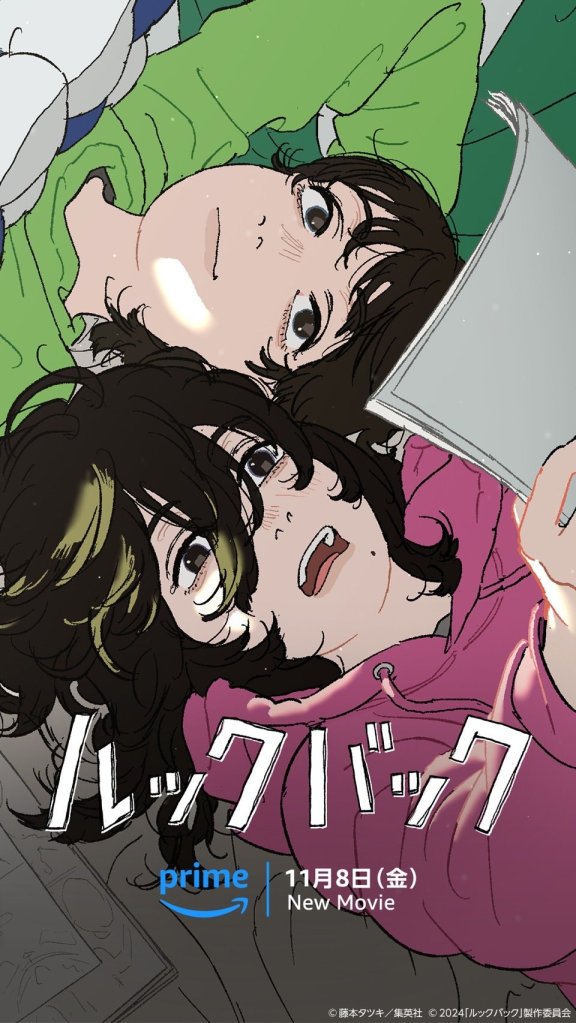
A Legend (传说, Stanley Tong, 2024)

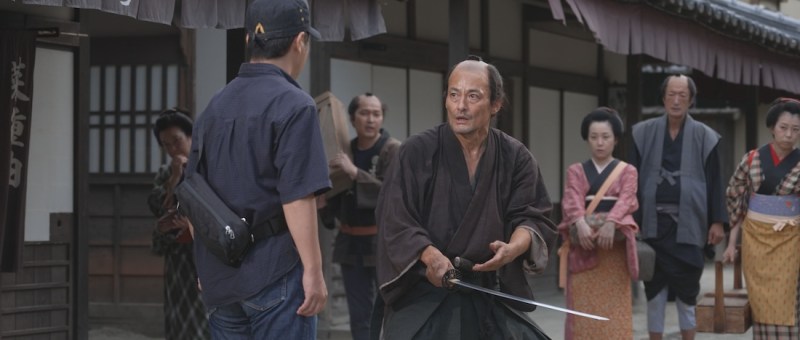
The funny thing about the strangely generic title of Stanley Tong’s latest Jackie Chan vehicle A Legend (传说, chuánshuō) is that it’s at least partly in reference to its now ageing star rather than the tragic love story at the film’s centre which at least tries to echo the epic romances of historical fiction. That might in part explain the rather dubious decision to use AI de-aging technology to cast Chan as the tragic lover in addition to his role as a veteran archeologist researching the gravesite of a Han general’s horse. 

While de-aging Chan robs an age-appropriate actor of the opportunity, it’s equally true that it adds another note of uncanniness to the historical scenes contributing to their rather lifeless quality and otherwise becoming a frustrating distraction given that more often than not the actor’s face simply appears odd and doesn’t particularly look like a young Chan anyway any more than casting a younger actor with a physical resemblance might have done. In any case, despite the frequent discussions of history among Chan’s team, the historical scenes have a fantastical quality that’s much more like contemporary video games than classic wuxia. This may be deliberate given that a new addition to Professor Fang’s team is a video game developer who wants to create a game set in this era and is keen to get Fang on board as a consultant, though the aesthetic mostly detracts from the setting in the jarring use of CGI. Heroine Mengyun (Gülnezer Bextiyar) performs what is intended to be an impressive Hun sword dance, but as the sword is CGI it has no sense of skill or danger. It aligns clumsily with her physical movements like that in a video game cutscene and has a disturbingly weightless quality. The same phenomenon also mars the film’s action scenes which sometimes have an odd quality as if CGI has also been used to impose an actor’s face on that of a stunt double or somehow alter their movements. 

Aside from that, there is some nice cinematography that captures the majesty of the Chinese landscape though even this is sometimes drowned out by the syrupy score which is again quite reminiscent of a video game. Supposedly a spiritual sequel to The Myth and Kung Fu Yoga, the central conceit of the film is that through a jade pendant found in the grave, Fang and his assistants become part of a collective dream which is a flashback to the distant past while it later transpires that they’re being manipulated by a malevolent force in the present who wants to rob China of its historical treasures by finding a secret sanctuary built by the Huns to store the gold statues they stole from the Hans to use as objects of worship. Accordingly, there’s some pointed commentary about how it’s illegal to steal or traffic historical artefacts which should be protected as symbols of China’s essential culture. It’s no coincidence that the villains have Western accents and begin speaking to each other in English as they wilfully blow up a newly discovered historical site.

The modern scenes do, however, have an awkward kind of comedy going on in the form of in jokes between Fang’s team such as the non-love story between assistants Xinran (Xiao Ran Peng) and the clueless Wang Jing (Lay Zhang Yixing) who completely misses all of her hints and seems to be unaware of the subtext of phrases such as “come in for coffee” or that “incredibly expensive bracelet would really suit me.” Chan also gets rescued from drowning by a family inexplicably ice fishing in this really remote place who take quite a long time to realise he’s not some kind of weird talking fish. Though Chan does get his own action sequence at the film’s conclusion, it’s fairly incongruous for a professor of archeology to possess these kinds of skills which are otherwise out of keeping with the fatherly, professorial character Chan plays up to that point even if there is a distinct hint of Indiana Jones in the instance that all of this should be a museum. The little boy who found the pendant even gets a pat on the head for reporting it to the authorities rather than trying to sell it or keep it for himself. Nevertheless, it speaks of something that the digressions into historical legend are often more interesting than the retelling of the legend itself which never really takes flight despite the flying arrows and charging horses of world in which the heroes can only dream of the supposedly peaceful and harmonious society that exists far in the future.


A Legend is released in the US on Digital, blu-ray, and DVD 21st January courtesy of Well Go USA.

Trailer (English subtitles)

Octopus with Broken Arms (误杀3, Jacky Gan Jianyu, 2024)

It’s quite surprising, somehow, that Octopus with Broken Arms (误杀3, wùshā 3) gets away with as much as it does simply being another recent mainstream movie set in an unidentified South East Asian nation where, conveniently enough, almost everyone speaks Mandarin. The third in the Sheep Without a Shepherd series, it quite clearly takes aim at the tendency of authoritarian governments to cover things up and deny the public the truth in any situation. Ordinarily, the censor’s board wouldn’t like that pointed out, nor would it like implications of police violence and corruption though as this is all taking place in “Not Mainland China”, it seems to have passed them by.

Then again, by setting itself overseas the film also deflects the implications of its focus on child trafficking which is a huge and well documented problem on the Mainland though here it becomes something that only happens overseas. The closing title cards in English offer a series of statistics about missing children worldwide, but avoid mentioning the statistics in China where the One Child Policy contributed to a phenomenon of children being kidnapped from the cities to be raised on rural farms while the preference of sons often saw daughters otherwise sold off.

In any case, Bingrui (Xiao Yang) is an ethnic Chinese refugee raised in an orphanage who got a huge capital injection from a gangster after finding his missing child and turned it into an internationally successful cosmetics corporation. When his own daughter Tingting is kidnapped, he seems to know immediately that he’s not been targeted simply because he’s a wealthy man and suspects the involvement of Fu-an (Feng Bing), an old “friend” with whom he’d had “a few issues” who had approached him for money for his son’s heart transplant which he had given him. 

It doesn’t take long to figure out that Bingrui must have been involved in something untoward even if he’s now a devout Buddhist who’s just trying to be a good father having lost his wife in childbirth. Fed a series of clues to find his daughter, it’s clear he’s being led towards a kind of confrontation with his past along with a test of character. He may be able to say that he did the things he did because he had no other choice. If he had not joined the side of those acting against all common notions of humanity, he would simply have become one of their victims. But there is a choice involved all the same, and Bingrui chose survival through the sacrifice of other lives. 

The fact that the kidnapper lives streams much of the chase suggests they’re less interested in the money than truth and ultimately want Bingrui to blow the whistle on a vast conspiracy which otherwise can’t be investigated because it’s burrowed deep into the police force and perhaps beyond. As one of those working against him later says, there are too many secrets destined to remain so that should be brought out into the light. A newsreader, however, remarks on hearing about a possible cover up of the deliberate murder of a number of trafficked children passed off as “refugees”, that what he most fears is that the people have lost faith in their government. Nevertheless, there might be something quite subversive about the lengthy scenes of citizens expressing discontent with blatant lies from the authorities and openly begging for the truth given the famously tightlipped CCP’s usual approach to public information.

In any case, the more we learn about Bingrui the harder it is for us to sympathise with him and the film then becomes more about proper paternity and the willingness of a parent to surrender their own life for that of their child. The film takes its English title from an incredibly elaborate school play little Tingting is involved in at the beginning of the film about how Octopuses are all orphans because their parents abandon them soon after birth and then pass away. Bingrui wasn’t exactly an orphan, like many of the children he was kidnapped from a loving family, but became one and lost his sense of humanity in the process. The question is whether he will be able to abandon his instincts for self-preservation to save his daughter or if, in the end, he will choose to save himself just as he did when chose to join those who kidnapped him rather than become a victim. Like many similarly themed thrillers of recent years, the film is built around a series of outrageous twists many of which are startlingly obvious but in their way serve the shocking quality of those that aren’t. What’s truly shocking is the depth of this conspiracy which hints not just at children being stolen and sold to overseas adopters, but trafficked into sexual exploitation or for illegal organ harvesting. The barbarity knows no bounds, and while the actions of Tingting’s kidnappers are in themselves brutal it’s clear they have no other way to ensure the injustice they face will be addressed. Indignant but avoiding sentimentality, Jacky Gan Jianyu’s slickly designed B-movie thriller nevertheless ends on a note of karmic retribution that the “hero” may not have earned but does at least allow him to make good on his promise and symbolically atone for the all the pain and suffering his callousness self-interest has caused. 


Trailer (English subtitles)
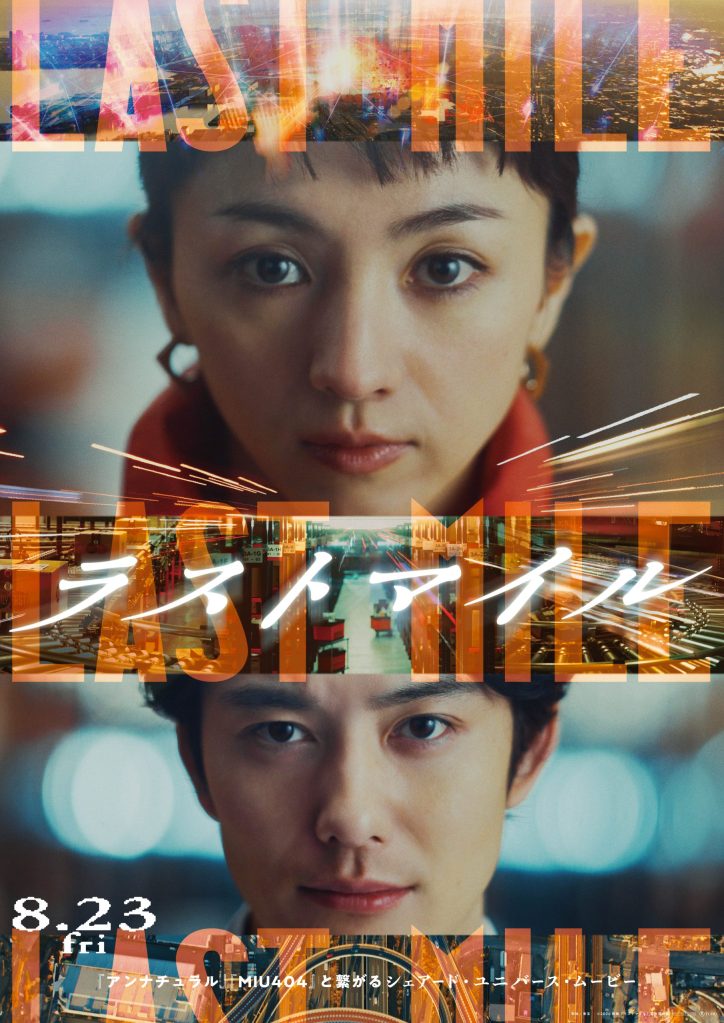
Lumberjack the Monster (怪物の木こり, Takashi Miike, 2023)

Could being a psychopath actually be better? It might be an attractive thought for some, the absolute freedom of living without emotional or moral constraint. Emotion is after all a difficult thing to bear, though life without it might also be lonely and unfulfilling leaving a void often filled by other desires such as a lust for wealth, status, power, or proof of superiority. Based on a novel by Mayusuke Kurai, Takashi Miike’s Lumberjack the Monster (怪物の木こり, Kaibutsu no Mikori) finds its hero at a point of existential crisis no longer certain of his true nature or identity.

The film takes its title from a fairytale featured in a picture book being read by a small boy who has been abducted and illegally experimented on. A monster begins living as a lumberjack in a small town where he begins killing and eating the residents, only no one notices. Eventually it realises that he spends more time being the lumberjack than the monster and is confused about his identity. With no friends left to talk to (because it ate them all), the monster decides to move to another town to make more friends but ends up sneaking into the house of a lumberjack, stealing a baby, and fashioning after itself to create another monstrous lumberjack.

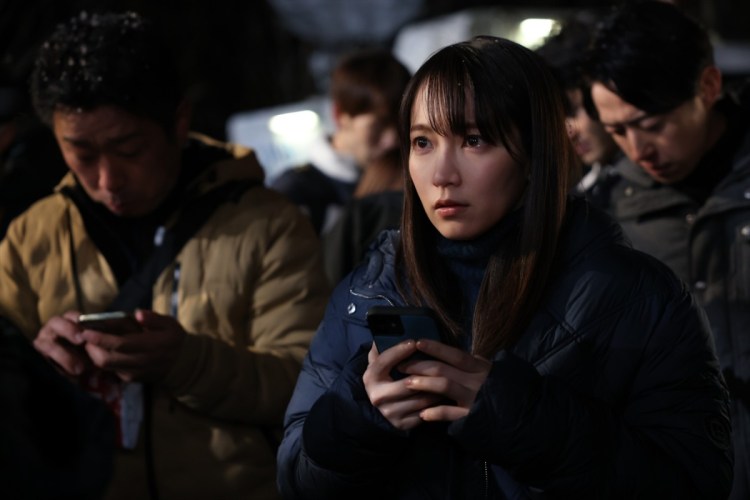
This is in a sense what’s happened to Akira (Kazuya Kamenashi), now a lawyer who discovers he has a “neuro-chip” in his brain that suppresses his emotions after he’s attacked by a masked figure and it breaks re-introducing him to an unwelcome humanity. This is quite inconvenient for him in that he’s done quite a lot to feel guilty about, firstly participating in a scheme with his “friend” Sugitani (Shota Sometani), a natural-born psychopaths, to facilitate his experimentation on live humans, and secondly that he murdered his boss who is also his fiancée’s father to take over his law firm. Though the fiancée, Emi (Riho Yoshioka), seems to be afraid of him, it’s also true that simple proximity to her warmth and kindness may have begun to reopen his heart.

Of course, it could be true that the mad scientists who abducted the children accidentally picked up a few who were already psychopaths but in this case it seems like the chip did its job on each of the victims of the axe-wielding assassin. Meanwhile, we also see “psychopathic” traits in lead investigator Toshiro (Nanao) who admits that she will do whatever it takes to get to the truth even if it includes throwing out the police rulebook. Akira asks her if her desire to solve the case isn’t also a roundabout means of vengeance for the death of her brother, leaving her not so different from the assassin who is also extracting vicarious revenge on man-made psychopaths, but she replies that that’s exactly how a psychopath might see it while also deflecting a similar question from embittered cop Inui (Kiyohiko Shibukawa) who remarks that if the killer’s only taking out psychopaths then why bother stop them?

In some ways, Akira is like the lumberjack. He was simply being what he was and knew no different, but gradually beginning to rediscover his humanity is burdened with guilt and remorse now acutely aware not just of the feelings of others rather than their consequences but of his own feelings too. The couple who abducted the children claimed they were doing it to save their son, trying to reverse engineer psychopathy so they could cure him though their actions were themselves psychopathic and like the lumberjack they created only more monstrous children like themselves. Akira has it seems rediscovered the person he may have been if he had been raised in the loving family from which he was abducted and is determined to search for the meaning of life, but he is also responsible for the decisions he made as a man who knew no guilt or remorse and may in fact have to pay for the moral transgressions he was not fully aware he was making. Miike conjures a sense of the gothic in the creepy, candlelit mansion where the children were kept and otherwise sticks to standard procedural for the “real” world, but finally lands back in the realms of fairytale as his hero finds himself part of neither one world nor another while faced with a choice that may earn him redemption but also loneliness and futility.


Trailer (English subtitles)
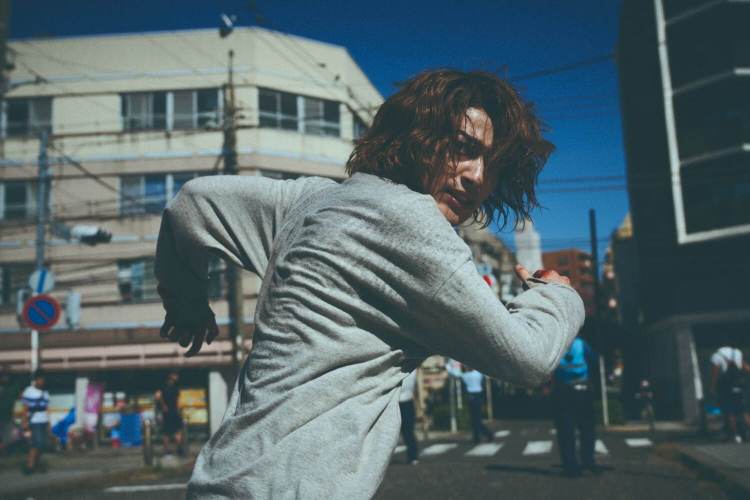
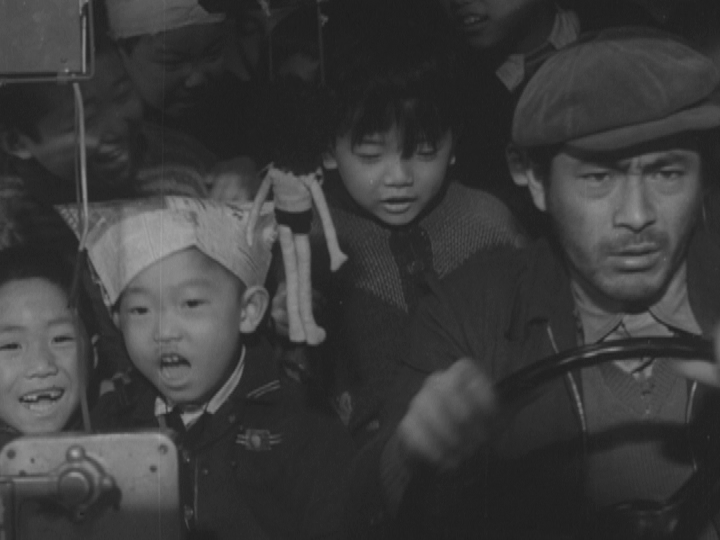
Passing Fancy (出来ごころ, Yasujiro Ozu, 1933)

“We have to help one another” a sympathetic soul insists towards the conclusion of Yasujiro Ozu’s Passing Fancy (出来ごころ, Dekigoroko). Ozu’s depression-era silents are not as devoid of hope as it might at first seem, but it is a much more positive statement and perhaps surprisingly the central messages lie more in the necessity or otherwise of repaying kindness and the kinds of forms that action may finally take. It is also, however, the first in a loose trilogy of films revolving around a single father named “Kihachi” and the only one in which he is not (at least potentially) exiled from the family he has been trying to protect. 

This Kihachi (Takeshi Sakamoto) has one young son, Tomio (Tokkan Kozo, AKA Tomio Aoki), and casual job working in a brewery though he is hardly a model employee and is often late due to oversleeping after a night of heavy drinking. A roguish womaniser, he is also a kinder soul than he seems which is why he stops to talk to a pretty young woman, Harue (Nobuko Fushimi), wandering around in distress late in the evening. His first approach is slightly crass, responding to her question about lodging for the night by explaining that he has a kid and no wife but then he takes her to a local cafe he frequents and persuades the owner, Otome (Choko Iida), to take her in. Otome takes a liking to her, and decides to offer her a job as a waitress. 

Kihachi develops a hopeless crush, comically dolling himself up in his fanciest kimono and getting an advance from work to buy a pretty comb, an unmistakably romantic gift, to present himself to Harue. Of course, she’s grateful but sees him as a nice older gentleman rather than a potential husband. In fact and somewhat surprisingly she develops a crush of her own on the brooding Jiro (Den Obinata) despite the fact he is constantly rude to her and more or less implies she’s an untrustworthy woman out to take advantage of “vulnerable” men like himself. There is something quite touching and unusual in the brotherly friendship between the two men that occasionally comes off as something more in Jiro’s deep antipathy to Harue, which is to say she isn’t going to come between them but the situation is indeed complicated. 

Harue is, in that sense, a distraction that takes Kihachi’s eyes off his proper role as responsible father. He and Tomio have a close, interdependent relationship and it’s clear that it’s often little Tomio, older than his years, who finds himself managing Dad. Kihachi is immensely proud of his son, fond of saying he’d be top of his class if only he had better manners. Like any father what he most wants for him is that he escape their life of poverty which is why he’s so glad that the boy does well at school. But little Tomio finds himself bullied precisely because of Kihachi’s lack of standing. The other boys mock his illiteracy, unable to believe a man could reach adulthood without being able to read. When his son is taken ill, Kihachi laments circumstances even more. “It’s horrible not having an education”, he tells Jiro, “I got my son sick and I can’t even pay the doctor’s bill”.

The depression may be less visible than in Ozu’s other ‘30s films, but its evidence is everywhere. Harue ends up on the streets after losing her job at a silk mill and having no family to fall back on. At the naniwabushi performance which opens the show, a series of spectators hopefully open a lost wallet but find it empty. Kihachi notices the discarded purse is slightly bigger than his own and makes a swap as a hopeful investment for the future. Just before the performance ends, several of the guests seem to be plagued by fleas. Kihachi is forever asking for advances for frivolous reasons but assumes he’ll be able to manage hand to mouth only to enter a moment of crisis when hit by the unexpected expenses of his son’s illness for which he feels responsible in attributing it to an excess of luxury after giving a him a pocket money bonus which he unwisely blew in one go on sweets (like father, like son after all). 

Yet what shines through is compassion and camaraderie. A friendly barber loans Jiro the money for a doctor, which is one reason he intends to leave for Hokkaido even after realising his feelings for Harue. As with the other Kihachis, this Kihachi rediscovers a sense of fatherly duty in feeling as if this debt must be his, that he should be the one to go to Hokkaido to repay it even if that means leaving his son behind. The barber tells him not to bother, the sentiment is enough for him and he doesn’t mind missing the money knowing it saved a boy’s life. “We have to help one another”, kindness doesn’t necessarily have to be repaid directly but can be paid forward in becoming a way of life. The Kihachis of A Story of Floating Weeds and An Inn in Tokyo are exiled from their families and serve their sons only by abandoning them, but this Kihachi turns back, his sense of “responsibility” perhaps a “passing fancy” but one that’s taught him the true meaning of fatherhood and what it is to live in a society.


Honey Money Phony (“骗骗”喜欢你, Su Biao, 2024)

Can you really say a scammer who just takes people’s money without messing with their feelings is any better than one who just robs them? That’s a justification put forward by fraudster Ouyang (Sunny Sun) in Su Biao’s remake of Thai rom-com The Con-Heartist, but it’s a difficult one to swallow. After all, even if you just trick someone out of a small amount of cash,the psychological effects can be devastating though the pain may not be quite the same as getting your heart broken in a love scam.

Qinglang (Jin Chen) has indeed had her heart broken by the lothario Zijun (Wang Hao) whom she met at a tennis class she started going to after moving to the fictional city of Aoo Kang. Later it’s revealed that the cause of her move was getting fired from her company for reporting her boss for sexual harassment while she was also in a bit of debt from breaking a non-compete clause by getting another job, something which Zijun apparently sorted out for her. But not long after she took out a loan to give him money supposedly for his university tuition, Zijun ghosted her and she realised she’d been the victim of a romance scam. Now she’s on the hook for that too, working a series of part-time jobs in fast food restaurants and walking dogs as well as an unsuccessful gig as a vlogger in addition to her regular job in insurance. 

Experience is maybe why she suddenly thinks twice after being contacted by someone purporting to be from the vlogging site telling her she’s been suspended and needs to pay a fine. After getting Ouyang’s info from the bank she threatens to expose him but then makes a deal, if he helps her scam Zijun into giving back the money she gave him she won’t take this any further. Of course, there’s no guarantee Ouyang hasn’t just switched to a different con while Qinglang remains quite naive and despite herself trusting him. Then again, he’s the exact opposite of Zijun who took advantage of her despair and offered himself as a source of constant support. His aloofness and apparent honesty about what he is may in their way reassure her. 

There is something that might be comforting in Ouyan’s unflashiness. Though he drives a convertible, it’s not a particularly glamorous sort and has a busted taillight and in any case, he also lives in it. According to him, that’s so he can get away quickly if he needs to, but also suggests that it’s not really all about the money. Zijun, meanwhile, is greedy and materialistic, hopping from one wealthy woman to the next while hoping to join the social elite and live a high life of fast cars and wild parties. A justification for Ouyang’s scamming is given in a tragic backstory which may or may not be true suggesting that he was born out of wedlock and his mother died in childbirth. He was raised by his grandmother and uncle while his birth father entered his life at one point and tried to connect with him but it turned out it was all because his other son from a different relationship needed a bone marrow transplant. As soon as he found out Ouyang wasn’t a match, he disappeared from his life. 

The implication is that Ouyang scams as a kind of revenge because he doesn’t trust people and therefore is unable to live an ordinary, honest, life but through connecting with Qinglan and falling in love he develops the desire to live with more compassion and stability. Qinglang, meanwhile, gains confidence in herself and realises that her low self-esteem left her vulnerable to manipulation. Her friend, Xiaohui (Li Xueqin), who was also in massive debt and ended up posing as a blind person to carry out accident scams, also puts the skills she’s learned to good use to progress her acting career which might all be a very contradictory message even if there’s something satisfying about scamming a scammer and especially one as full of himself as Zijun. Released for Western New Year, the film has a zany wholesomeness despite its bleak subject matter and hints at a sense of despair in contemporary life in China but does indeed suggest that cheaters don’t necessarily need to prosper and you do have a degree of control over your life even if it’s just deciding to choose love and move on rather than wallow in a sense of futility. 


International trailer (English subtitles)
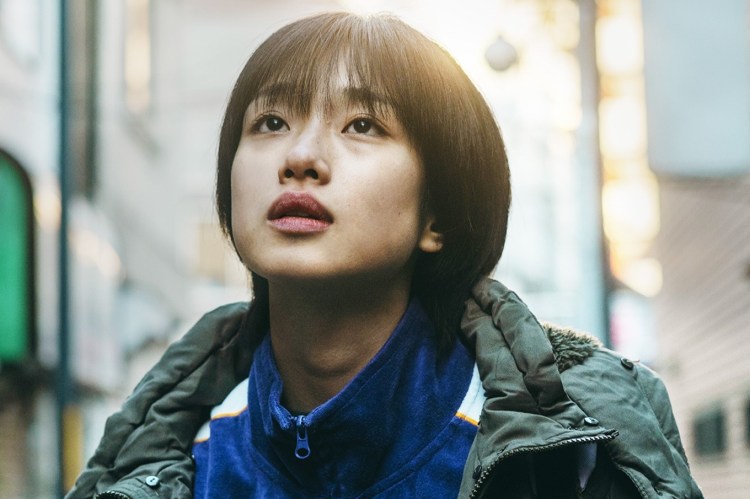
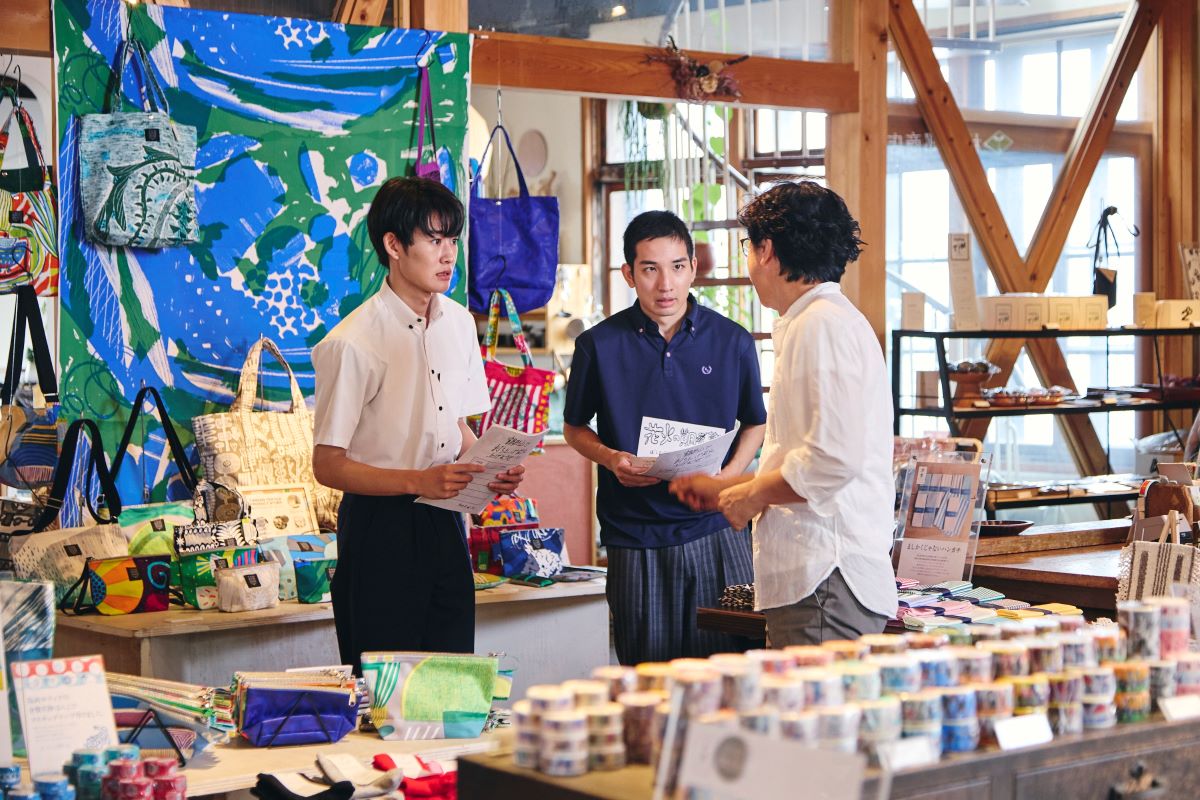
Hey! Our Dear Don-chan (おーい!どんちゃん, Shuichi Okita, 2022)

A trio of actors undergo a coming-of-age tale of their own when a baby is suddenly abandoned on their doorstep in Shuichi Okita’s charming slice of life dramedy, Our Dear Don-chan (おーい!どんちゃん, Oi! Don-chan). A take on Three Men and a Baby, the film stars the director’s own daughter and follows her over a period of three years as the actors attempt to adjust to fatherhood and the new kind of family that has arisen between them. 

As the film opens, Michio (Tappei Sakaguchi), Ken (Hirota Otsuka), and Gunji (Ryuta Endo) are struggling actors working in slightly different media but having about the same amount of luck and continually dejected about their lack of career success. Ironically while playing the game of life, Ken has a baby girl in the game but is surprised to hear one crying for real on the street below. On reading a note in her pushchair, Ken realises that the baby has been left by a previous girlfriend, Kaori, with the instruction that he raise it. 

Of course, the situation gives rise to a degree of panic, Ken wondering not only if he is the father but if he can be while supported by the other two guys, along with former houseman Sakamoto and his girlfriend Akari, taking care of more practical matter likes getting nappies and baby food. Then again, some of the practical details are already overcome by virtue of their occupations which allow them to be home during the day taking shifts to watch the baby they christen “Don-chan” on account of not knowing her real name. 

As they struggle with the demands of fatherhood, the three men each commit themselves to Don-chan’s well being, mindful of the memories she’ll make in the future and wanting to make her present as happy as possible. At one point they decide to take a camping trip in order to show her that they can be “manly dads”, but otherwise entertain her at home or take her on trips to the aquarium acting as a trio even if Ken is technically the primary dad forming a new kind of family that makes it easier to care for a small child than it might otherwise have been. If Ken had been on his own, he may not have been able to raise her. Michio and Gunji both complain at the precarious state of childcare facilities, lamenting that you can’t get a place unless you work full-time but you can’t work full-time if you can’t get childcare for when you’re at work. 

Meanwhile, they continue to struggle in their professional lives. A humiliating audition for a TV commercial causes Ken to rethink his career plans, stopping off to buy new toys for Don-chan on the way home lamenting that he “danced like an idiot for no reason.” Michio continues to go full method over researching all his roles for seconds of screen time in TV and movies, while Gunji’s stage career is disrupted when the manager of his troupe decides to admit himself to a psychiatric facility for long term care. Through their interactions with Don-chan, however, they all begin to grow up gaining further life experience which enhances their performance ability and gives them a greater goal to work towards aside from mere career success. 

A heartwarming familial drama, the film doesn’t gloss over how difficult it can be to raise a child in contemporary Japan especially as a single-parent but rather embraces a larger idea of the word family which centres platonic friendship and community while simultaneously understanding of Kaori’s position in the knowledge that none of this is easy and she may not have had access to the kind of support that made it possible for Ken to care for Don-chan with so much love and attention. In any case, little Don-chan is certainly lucky to have so many people around her all invested in her happiness and future whose lives she has also enriched just by her existence. A truly happy film, Okita adds small doses of absurdity to the already surreal events along with a nostalgic sense of childhood comfort right down to the childish font of the film’s titles complete with corrections and crossings out that are, much like life, evidence of joyful trial and error. 


Trailer (English subtitles)
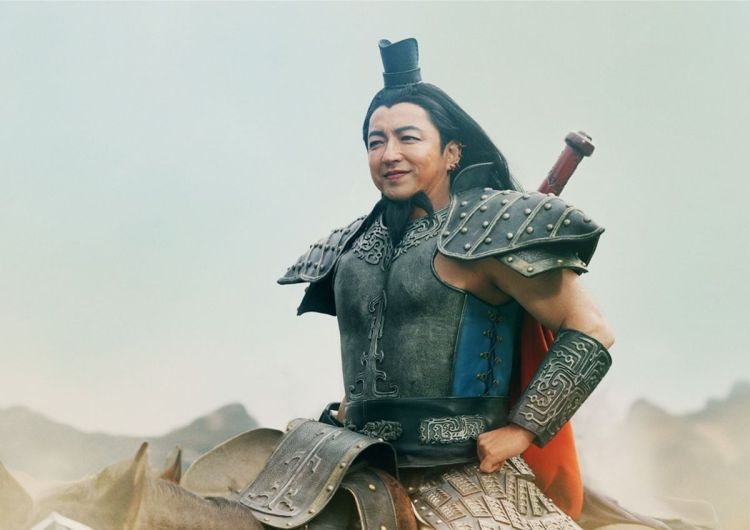
Jeans Blues: No Future (ジーンズブルース 明日なき無頼派, Sadao Nakajima, 1974)

Nihilistic lovers on the run make a break for the sea only to find their pathway blocked in Sadao Nakajima’s anarchic love tragedy, Jeans Blues: No Future (ジーンズブルース 明日なき無頼派, Jeans Blues: Asu naki Buraiha). As the title suggests, the heroes find themselves devoid of hope, pressing the accelerator as far it’ll go with no clear destination in sight and nothing really left to lose while discovering a twisted kind of salvation in their unlikely connection.

Sensing danger in the air, grave-digging drifter Jiro (Tsunehiko Watase) decides to run off with all the money after his gangster friends off a moneylender on the orders of a businessman. Meanwhile, across town, bar lady Hijiriko (Meiko Kaji) decides to walk out on her unsatisfying life taking some money from the till and her boyfriend’s car for good measure. The pair quite literally collide, but realise that they are much the same in their growing sense of emptiness and impossibility. Nothing really really interests Hijiriko anymore, and watching the car burn after Jiro tossed a cigarette is the only thing that’s made her feel alive in eons. Running through his many and various jobs, Jiro reflects that work is “no fun” either and that the reason he wanted the money was for his sister who he says has run up huge debts paying for medical treatment for a close friend and is now facing the threat of being forced into sex work. 

His sense of impotence is palpable in his desperation and the knowledge that there is no good way to come by large amounts of money especially for a young man from the country with limited prospects. At one point he is beaten by a man with a golf club, a symbol of the class privilege and middle class success that will always elude him. The money, much more than he needs for his sister, gives him a new sense of confidence and possibility even if he remains somewhat frugal, picking up an old banger from a second hand car salesman that immediately blows a tire and apparently belonged to “Koji the murderer” which explains the huge dent in the bonnet. Yet he does at least pay his way, even leaving a collection of notes next to the body of a man he ran over intended to pay for medical treatment which casts him as something of a naive innocent cast adrift in a corrupt society and driven into criminality by desperation.

Trapped inside a shipping container and fearing he may be about to die, Jiro comes to see his fate as karmic retribution for having taken the money that was earned by killing others. Inside the container, the pair are in a sense already dead but also undergo a kind of rebirth if only one fuelled by desperation and the connection that has arisen between them. Hijiriko appears to be suffering from some kind of trauma, experiencing a flashback to the orgy going on at the bar which she had been invited to join but declined much to her customer’s disappointment. He remarks that she always did before, a comment which seems to annoy her though perhaps not as much as the arrival of an older woman a male voice tells her on the phone is a actually quite wealthy and doesn’t need the money but does sex work as a kind of hobby. 

It’s Hijiriko who begins to fight back against the world, dressed in the stylish black leather suit Jiro buys her while he struts around in a cap and three-piece tartan suit. Jiro does not actually kill anyone, but Hijiriko does without a second thought perhaps because she herself is already dead. Using her sexuality as a weapon, she asks a hunter if she can hold his gun and trying his luck he lets her only to end up getting shot when he tries to fight back. The pair rob a petrol station for money but come up with only a few notes and coins while the attendant reveals they’ve already made their daily deposit at the bank signalling just how out of luck these lovers really are. They’re bound for the sea, but travel to the mountains and find there only danger and disappointment. Nakajima lends their flight from a dissatisfying existence a kind of desperation in its breakneck pace and frenetic camera work but equally injects a sense of cosmic irony in the many coincidences and reversals that frustrate the lovers’ escape and in the end leave them only one way out from the society which constrains them.


Original trailer (no subtitles)