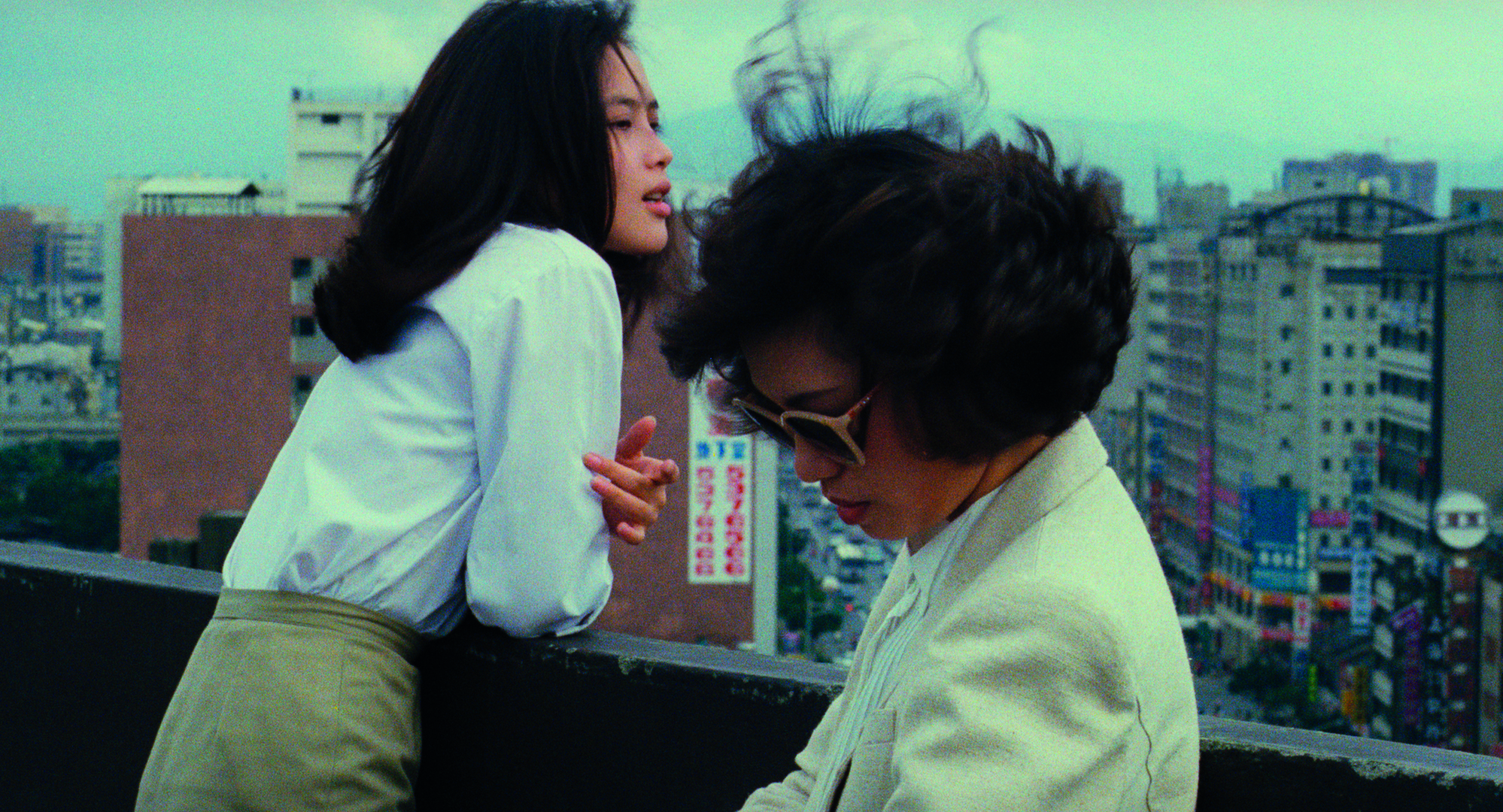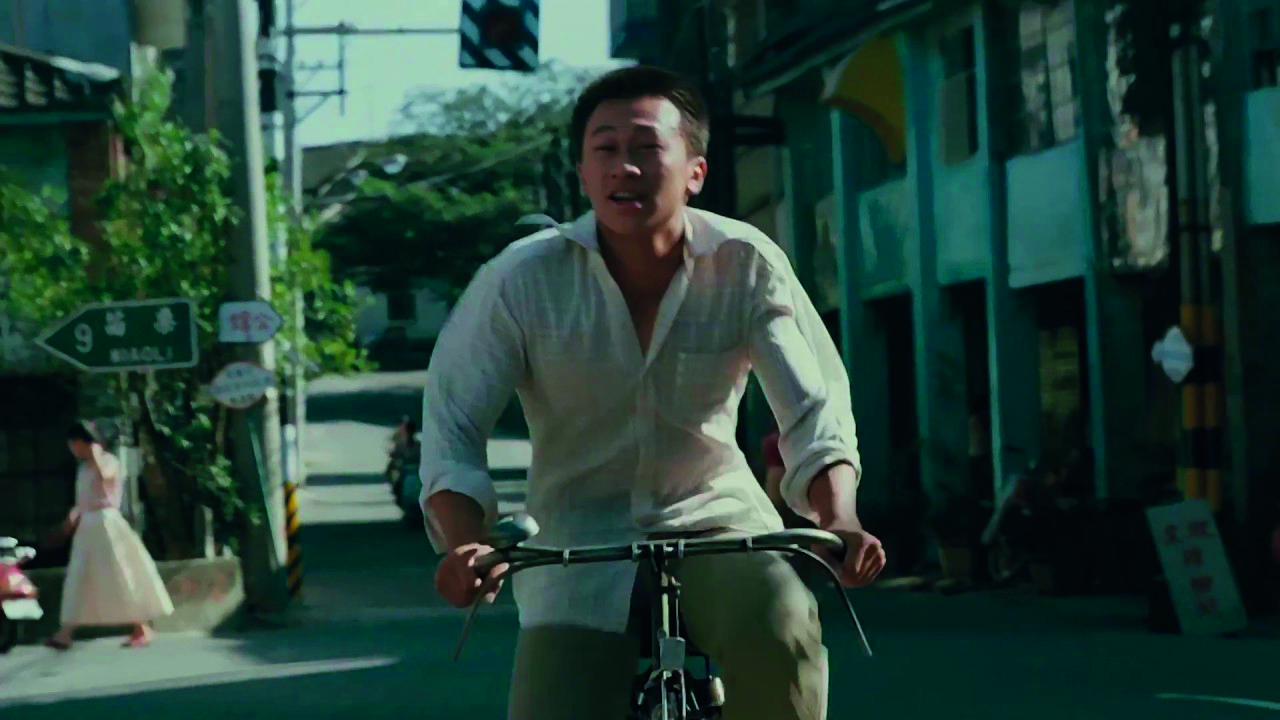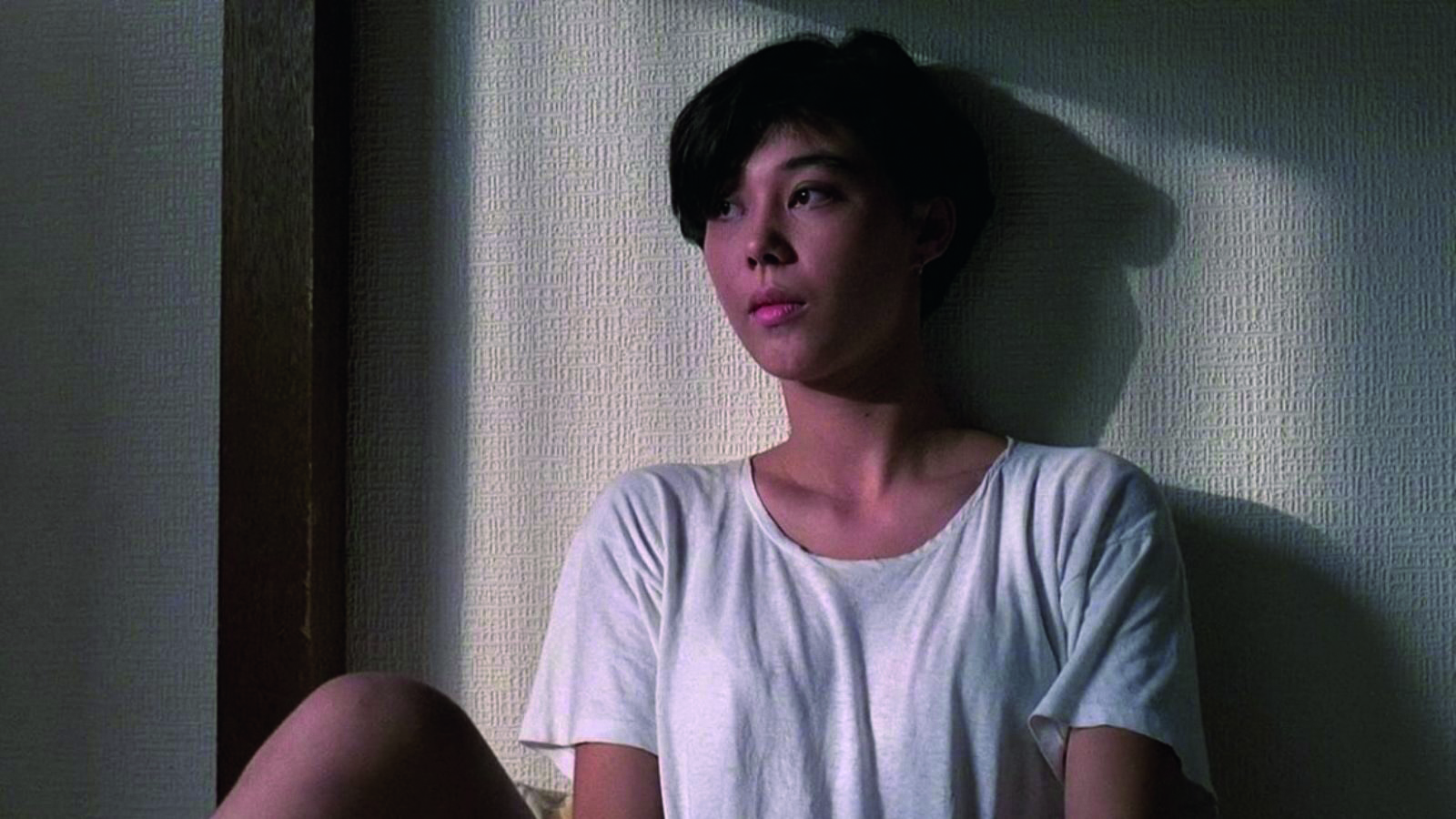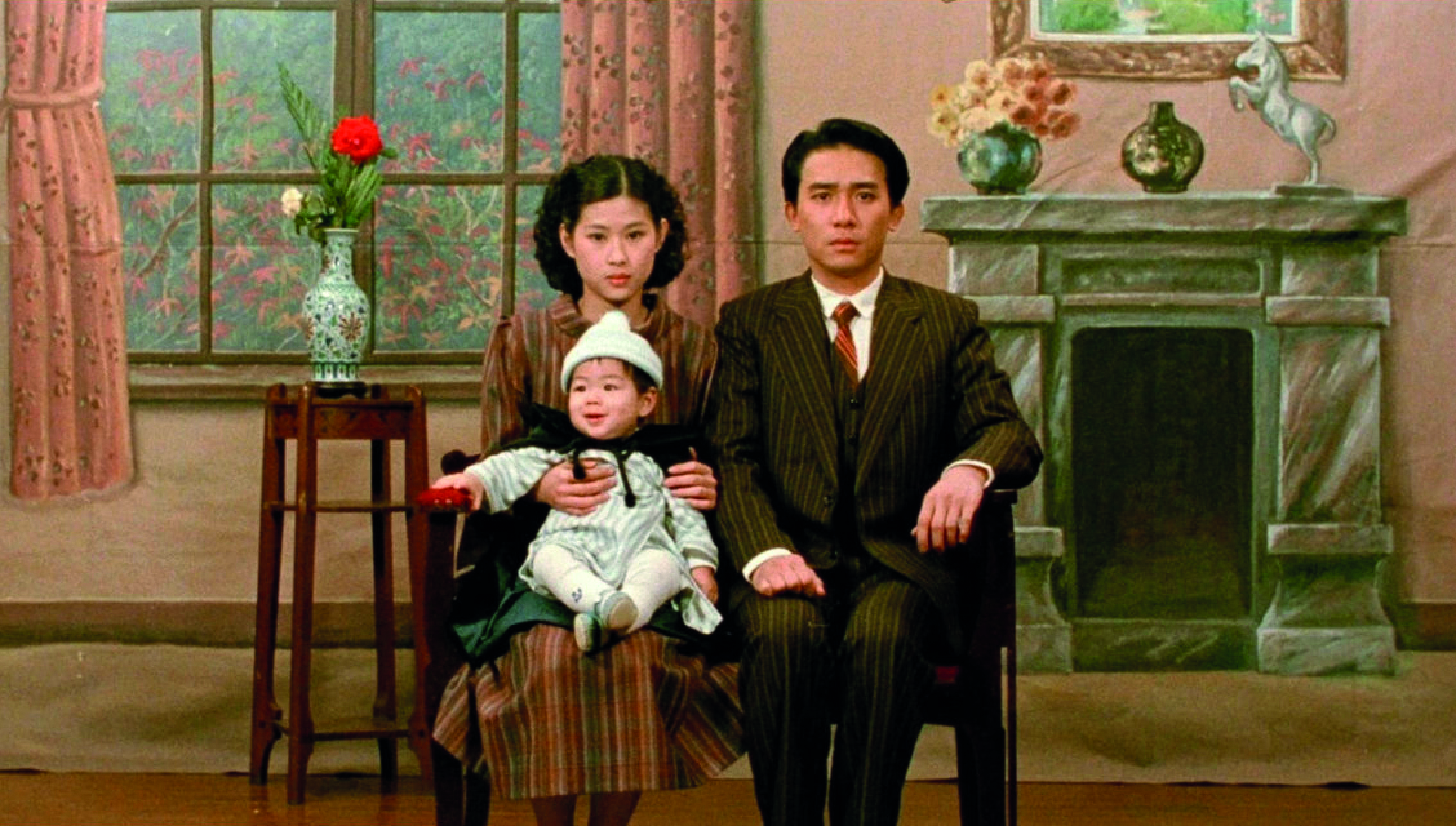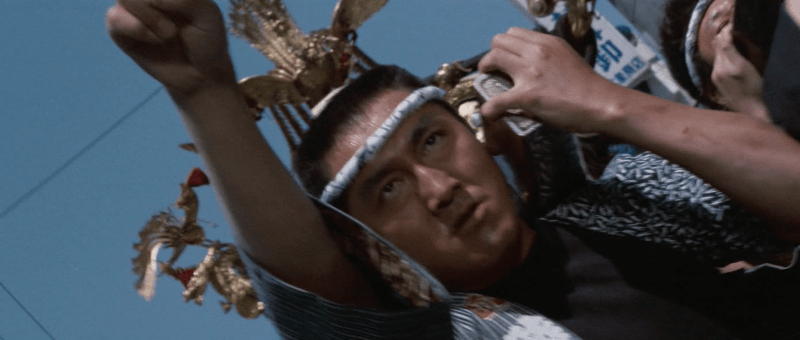
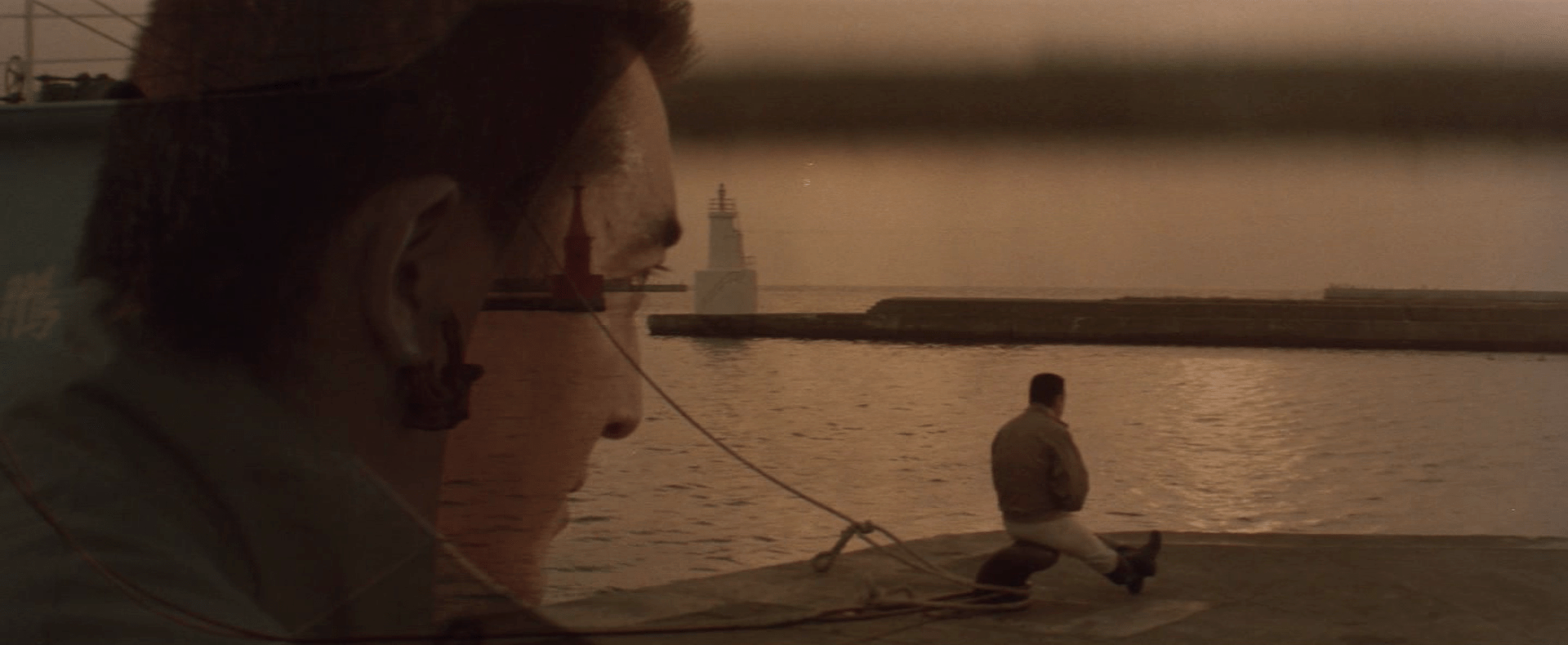
Festival Champ (お祭り野郎 魚河岸の兄弟分, Norifumi Suzuki, 1976)

Who doesn’t love a festival? The hero of Norifumi Suzuki’s Festival Champ (お祭り野郎 魚河岸の兄弟分, Omatsuri yaro: Uogashi no Kyodai-bun) loves them so much that he travels all over Japan to help out in places where young men have become thin on the ground thanks to increasing urbanisation and rural depopulation. Following the success of Suzuki’s entries in the Truck Yaro series in 1975 and 1976, the film was part of a new line of comedies and sports movies launched by Toei as well as a vehicle for Hiroki Matsukata who was trying to move on from yakuza movies.

Katsuo (Hiroki Matsukata) is however something of a goodhearted bruiser who is always getting into manly scraps and especially at the festivals he travels to which is a pretty good hook for an ongoing series. But it’s not all that great for his employer who runs a family fishmonger’s at the Uogashi fish market and complains that Katsuo’s always running off and causing trouble. The fish market itself takes on an exoticised quality in the opening sequence which features a voice over from karate queen Etsuko Shihomi, here in a purely dramatic role, who is the daughter of a well-to-do traditional Japanese restaurant and travels there daily by speedboat to pick up the best fresh fish available. Suzuki throws in some documentary-style stock footage and statistics about the market that lend a strangely corporate feel, but then homes in on its capacity as a community hub. Kiyoko says it’s her favourite place precisely because there’s nothing formal about it. Deals are done through body language and you don’t need any kind of resume to work there, everyone’s welcome. 

That may be the implied contrast between Kiyoko’s father, who owns an upscale place and cultivates genuine relationships with local fishermen and brokers, and local boy made good Kurosaki who has supposedly become the CEO of a restaurant chain, itself a symbol of the soulless corporation of ‘70s Japan. Kurosaki rocks up dressed like a yakuza, but everyone treats him as a successful businessman and in part thanks to Katsuo’s boss Zenjiro’s recommendation is eager to make deals with him but predictably he’s running a huge scam that could destroy the local economy. Zenjiro is later faced with the difficult decision of selling his family business to repay all the other fishermen and brokers that have fallen foul of him. 

It’s this societal sense of unfairness that stripper Kumi (Terumi Azuma) hints at when she says she feels “frustrated” and that her long-lost brother Eiji (Toru Emori) probably feels even more frustrated than she does after he slaps her having found out that she’s become a burlesque dancer. As she points out to him, he ran away from home and left her behind with the aunt that was cruel to them so what exactly he expected her to do is a mystery. In the end, it’s his own fault for abandoning her, so he has no leg to stand on in criticising her for the way she’s lived her life. Kumi is well accepted in the local community and walks around in very elegant attire which gives her the air of an “ojosan” or upperclass lady to much greater extent that Kiyoko has in her love of the earthy world of the fish market. The fact that she turns out to be suffering from a tragic terminal illness perhaps only reinforces this sense of unfairness, that the modern world has essentially poisoned her and she can no longer survive in it.

The only things that give her solace are Katsuo and the idea of joining in carrying a shrine festival which would seem to be ways of reconnecting with a more essential Japaneseness. Despite his rowdiness, Katsuo is as she describes him the kindest person she’s ever met and a more positive vision of a still traditional masculinity that looks to protect the community and those around him. He gets into a fight with Eiji, but after exchanging a few blows the men become firm friends, while it’s trying to hook his wimpy friend Kinichi up with a date that brings him to Kumi in the first place. Meanwhile, it seems like Ayuko (Junko Natsu) has a crush on him and despite Zenjiro’s exasperation with Katsuo, everyone expects that he will eventually marry her and take over the family business. 

And so, it’s only a violent, but also quite funny, intervention from Katsuo that can eventually overcome the disruption Kurosaki threatens. Suzuki throws in a lot of his trademark weirdness including all of Zenjiro’s other daughters having fishy names, and a local sex worker who is insatiably aroused by octopuses followed by a gag in which Katsuo is trolled with a suggestive-looking shellfish, but mostly rests on a sense of qualified wholesomeness and community all carried on Katsuo’s broad shoulders as the lone guardian of a more essential Japaneseness otherwise uncorrupted by venal post-war capitalism.


*Norifumi Suzuki’s name is actually “Noribumi” but he has become known as “Norifumi” to English-speaking audiences.
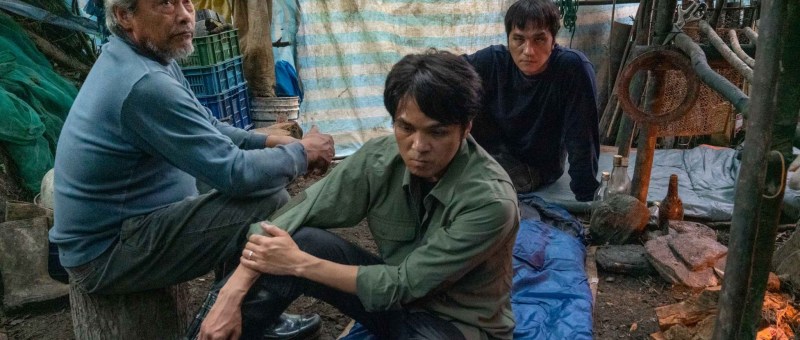
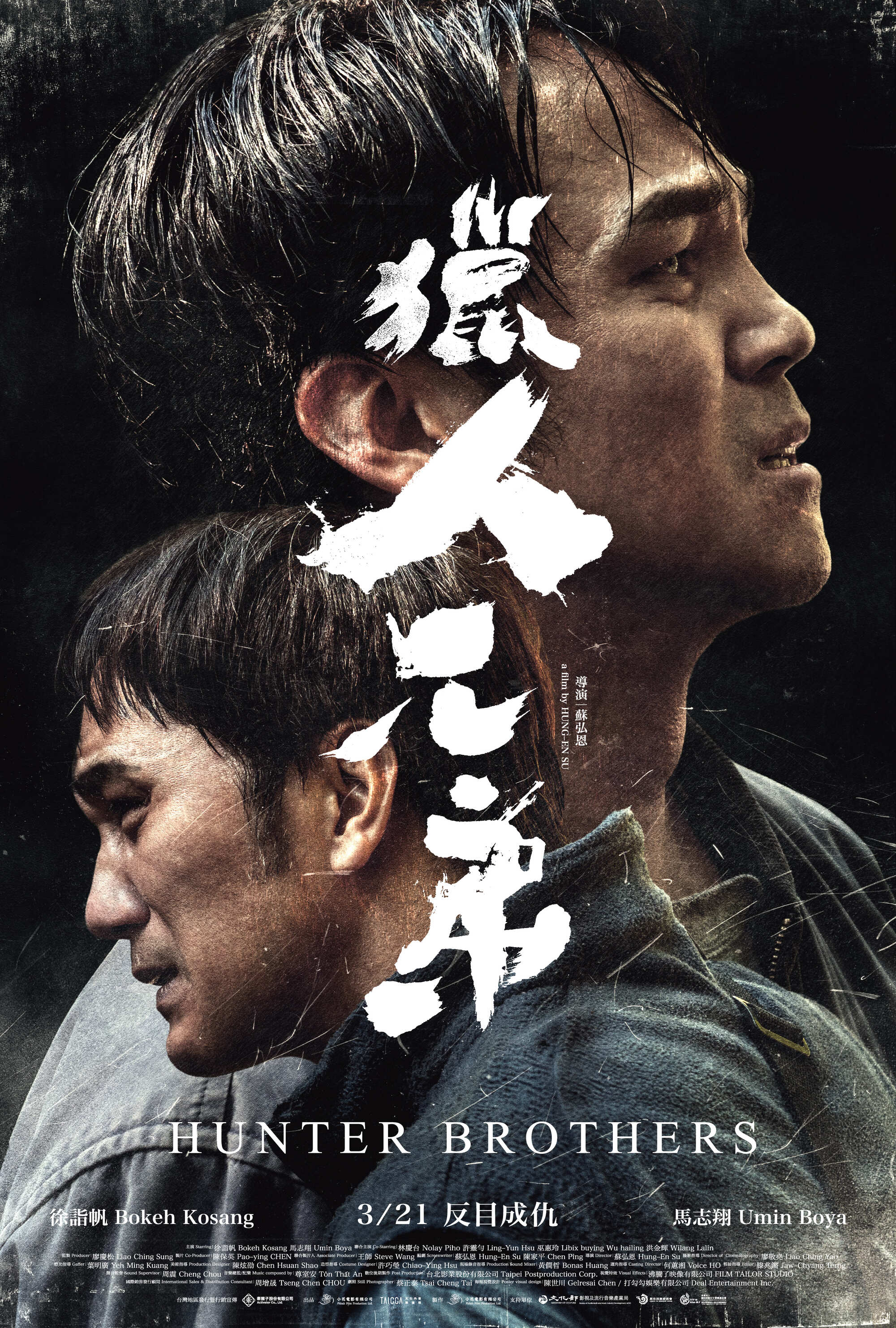
Hunter Brothers (獵人兄弟, Su Hung-en, 2024)

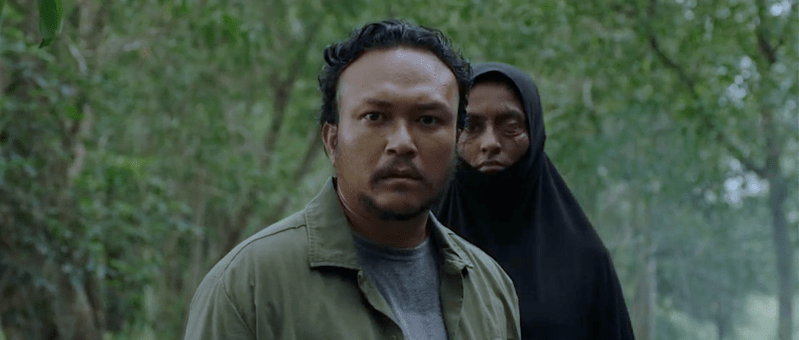
Two brothers find themselves on opposite sides of tradition and modernity as they descend into a state of warfare over the future of the ancestral hunting grounds in Su Hung-en’s familial drama, Hunter Brothers (獵人兄弟). Exploring the complicated position of the indigenous community marginalised by an increasingly capitalistic urbanity the film also critiques contemporary visions of masculinity in the wider society as the brothers each try to find new ways of defining themselves amid changing notions of manly success.

In the opening scenes of the film, Teymu celebrates the fact that his son, Yuci, has become a doctor because now he will never have to do manual labour and will have a more comfortable standard of living. But in private, Teymu seems upset. He feels as if he has failed the ancestors because in the eyes of their community, Yuci is not a proper man. Many people tell him that he is “not cut out to be a hunter,” and he has no desire to be one anyway, but still suffers from a serious inferiority complex and wounded male pride. To find some kind of answer, Teymu forces Yuci against the wishes of his mother to accompany him to the mountains for one last hunting trip to prove himself by killing a wild boar and finally validating Teymu’s own fractured sense of masculinity that his son is indeed a “proper man.”

It’s during this trip that Teymu is killed in mysterious circumstances. Yuci’s brother Siring ends up going to prison for the crime, but unlike him had been more of the son his father wanted. Yuci had been clever and studious, but Siring is more of a traditional mountain man who lives for the hunt and has a very unreconstructed sense of masculinity. But he also loved and understood his brother, knowing this life wasn’t for him and trying to protect him from their father who was in other ways a failure. Teymu drank and was violent, objecting to his wife’s attempts to stop him taking Yuci to the mountain by threatening her and using incredibly offensive language. Yuci’s reaction against this traditional society is also towards his father and everything he represented. But this traditional world is the only one a man like Siring can live in. He has no real qualifications or other skills and cannot survive outside of their community. On his release from prison, Yuci is keen for him to get a job and against his return to hunting, but it soon becomes clear that isn’t a way that Siring can live.

In that respect, they represent opposing polls. Yuci is the modern man of science, a doctor, while Siring is a man of the forests and mountains, Then again, Yuci is a devout Christian and his religion also seemingly a challenge to traditional indigenous practices though also alien to the mainstream society. The boys’ mother is living with dementia and those around them tell Siring that she has most likely been cursed by the ancestors who are angry with them for doing something “dishonest” which might be why she starts insisting Yuci go to the police and that they made a bad decision that should be put right. Yuci, for his part, does not appear to feel guilt for the role he may have played but is anxious that the life he’s built for himself in which is accorded a man by his career success, marriage, and fathering a son, may now crumble if Siring will not fall into line.

Tensions come to a head when Yuci decides to sell their ancestral hunting grounds which are earmarked for a development that would destroy the mountain altogether. Siring obviously objects, this world is the only one he can live in, but can do little about it. He resists his brother’s modernity and becomes estranged from him, but they are both in their way exiles and neither of them can fully live in this society. The natural affection they hold for each other as brothers is not enough to bridge this divide and merely leaves each of them lonely and alone, mired in futility and unable to move forward in any meaningful way. The ebb and flow of their lives is reflected in the way they are alternately called by their indigenous names and Mandarin equivalents, each of them living in two worlds but never really at home in either while fever divided from themselves.


Hunter Brothers screens in Chicago 29th March as part of the 19th edition of Asian Pop-Up Cinema.

Trailer (Traditional Chinese / English subtitles)

Indera (Woo Ming Jin, 2024)

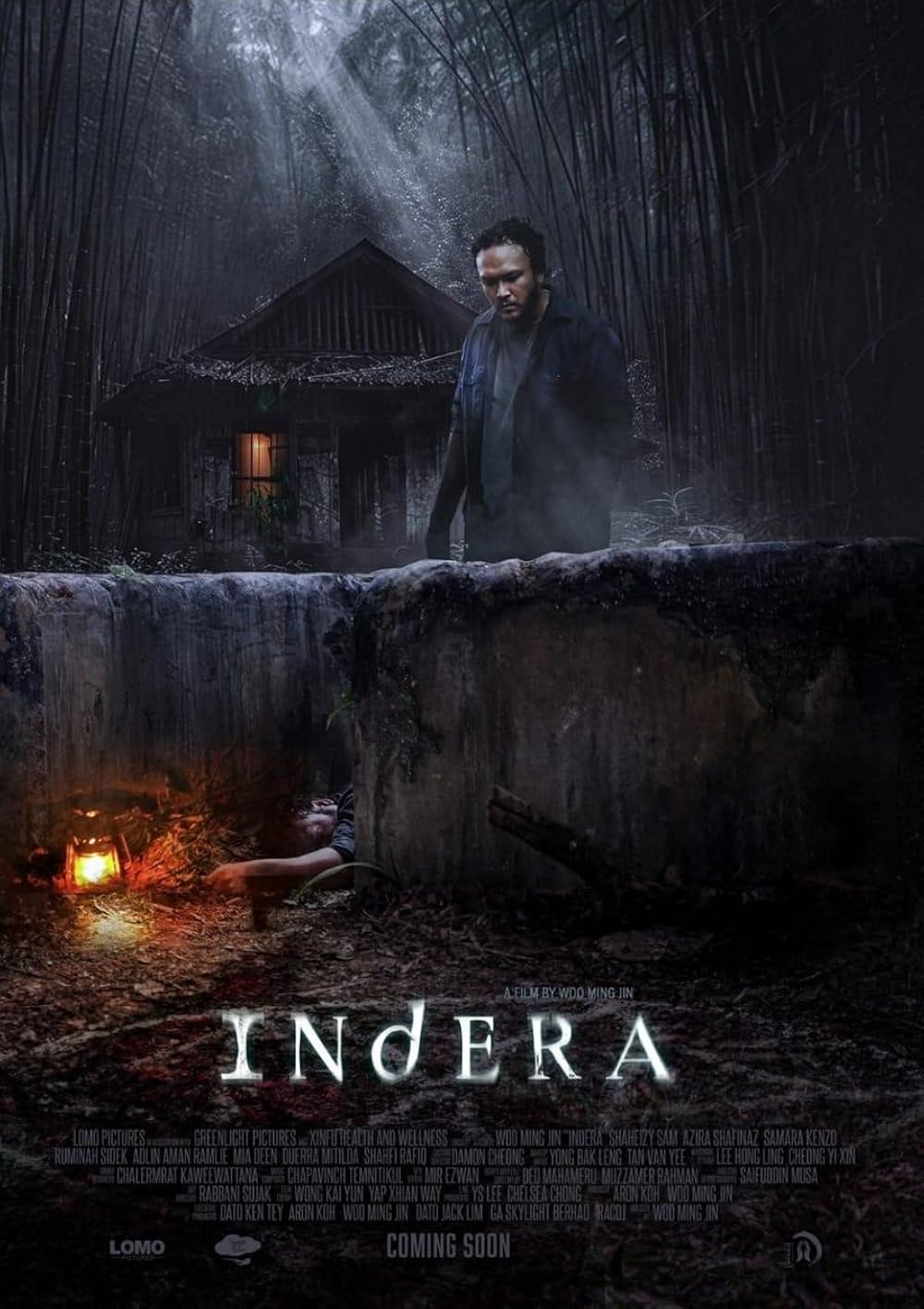
“Let’s leave this place,” a father tearfully tells his daughter, “we’ll find a better home,” but it seems the girl has found her home already and no longer wishes to leave in Woo Ming Jin’s eerie folk horror, Indera. In many ways about coming to terms with loss and grief, the film also explores tensions within the contemporary society through allusions to the 1985 Memali Incident in which political tensions in the country culminated in the siege of a village resulting the deaths of 14 villagers and four policemen.

The film begins however nine years earlier with Joe driving his pregnant wife Anisa down a country road only for the engine to overheat. Joe gets out to find some water leaving his wife alone, but his stabbing of a beetle for his collection on the way back seems to provoke some strange event. On returning to the car he finds Anisa gone, and flashing forward to the present day we can see that he is now a single father to Sofia who has been mute since birth but is able to hear.

Ironically, present day action opens with her refusing to open a door though she will later be told not to listen when a mysterious force calls her name only to ignore the warning. This time she avoids answering because she suspects it’s debt collectors. Lost in his grief, Joe appears to be living in financial difficulty and is far behind with his rent. They’ve run out of food, which is why Sofia has eaten only sweets, which she seems to be rationing, for breakfast. Joe tells her that they have to protect their castle like in the fairytale Sofia is fond of reading, but in fact the pair are soon kicked out with otherwise sympathetic landlord Haji giving them a tip off about another job as a live-in handyman for a Javanese shamaness living way out in the country. On their arrival however, it’s clear that there is something very odd going on that neither of them really understand.

Nevertheless, the old woman’s home is a kind of liminal space that comes to represent Joe’s unresolved grief. The old woman, who asks to be addressed as “Mother,” asks him if he’s heard about what’s going on in Memali, and he admits he has but that it’s none of his business. Mother agrees that there’s no need to become involved in the affairs of others, but also ominously points to her birds and asks if a blind bird knows that it is caged. The same could be asked of Joe as his fate and that of the King in Sofia’s fairytale become intertwined while she progresses towards a destiny that is out of his control. Encountering a spirit that seems to be that of his late wife, Joe is forced to face his paternal anxiety and the fact that on some level he may have been responsible for what happened to Anisa while also resentful towards Sofia as a child he may not have wanted whom he also blames for her loss.

Perhaps Mother knows all this already, telling Joe that everyone has their sickness and she’s worked out what his is already though he cannot seem to see hers nor what the ominous hole she seems to be worshipping may represent. She claims that the children she has with her in the former orphanage that is her home were all “unwanted,” as Sofia may also have been and Anisa too, but has a dark purpose for them that Joe is ill equipped to understand. The hole comes to represent the bottomless pit of his grief and regret, but the spirits are also echoes of the forces of authoritarianism haunting Memali in which the children are told not to look back or answer if something calls their name and on no account ever to venture near the hole.

Still, Sofia can’t help being curious and the hole may come to represent something else to her while Joe struggles to understand his relationship with his daughter, seeing her perhaps as a manifestation of his own transgression and ultimately an embodiment of evil that it is his duty to destroy. Eerie in its palpable sense of dread, Woo Ming Jin’s oblique folk horror is pregnant with political allegory and locates its most chilling moment in Sofia’s insistence that “this is our home” in the suggestion that in the end there is no “better home” to go to but only this inescapable hell. 


Indera screens in Chicago 28th March as part of the 19th edition of Asian Pop-Up Cinema.

Trailer

I Am Kirishima (桐島です, Banmei Takahashi, 2025)

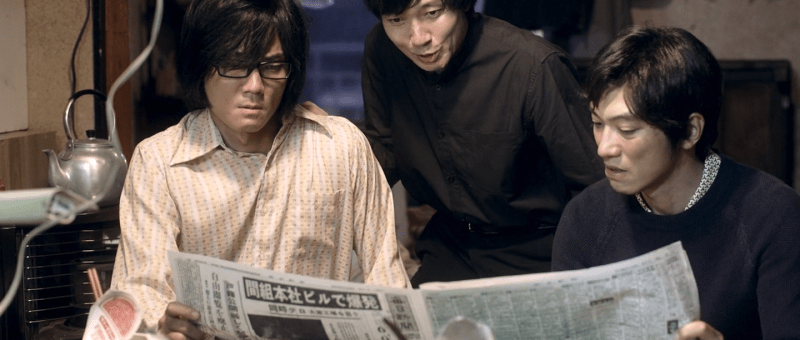
In early 2024, an elderly man made a shocking confession. He told members of the medical staff at the hospital where he was being treated that his name was actually “Satoshi Kirishima” and that he was a fugitive from justice wanted for the terrorist bombing of Mitsubishi Industries in 1974 that resulted in the deaths of eight people. Banmei Takahashi’s I Am Kirishima (桐島です, Kirishima desu) attempts to chart the course of his lifetime on the run but may prove controversial in the depths of its sympathy for a man who was party to this kind violence and to a degree found it justified even if he could not justify that his organisation threatened the lives of ordinary people rather than simply the infrastructure of companies they believed to be fuelling corporate imperialism.

Takashi has visited this era before with 2001’s Rain of Light which like Wakamatsu’s United Red Army readdressed the Asama-Sanso Incident and the failure of the student movement in early 1970s of which both directors had been a part. In February 1972, five members of the URA fleeing a purge inside the group holed up in a mountain lodge taking the innkeeper’s wife hostage. The event was one of the first news events in Japan to be broadcast live and its aftermath exposed the cult-like depths of violence and abuse to which the URA had descended forever the souring the nation as a whole on the idea of left-wing revolution. Meanwhile, the fragmentary groups that remained shifted further towards the extremes such completing bombing campaigns to disrupt the new capitalistic prosperity of the economic miracle. Kirishima and his cell believe these large conglomerates, such as Mitsubishi, to be enacting a new kind of Japanese imperialism through exploitative labour practices often targeting migrant workers in much the same way they made use of the forced labour of Korean and Chinese people trafficked to Japan during the colonial period.

To this extent, Kirishima justifies acts of terrorism but thinks they should avoid ordinary people getting caught up in the blast. The film is keen to cast him as “a man behind the times,” an foolish idealist who is exiled from the modern society because of his outdated beliefs in equality and fairness. As such, it lends an elegiac quality to the tragedy of his life in which his 50 years on the run weren’t all that much better than prison given that he had to live under an assumed identity, forever watching his back and unable to put down roots. A tentative romance with a singer-songwriter is hinted at, but Kirishima forgoes his romantic desires out of a feeling that it would be irresponsible to marry without being able to reveal his true self. 

But the film equally seems to drawn a parallel with contemporary Japan in Kirishima finds himself working alongside a middle school drop out with openly xenophobic views who makes frequent racist remarks such as implicating a co-worker when he’s taken to task for being late by insisting that it must be the other guy’s fault because he’s Korean and Koreans always lie. He also says that the migrant workers whom he claims are working illegally should be grateful to be exploited in Japan and can always go home if they don’t like it. It’s all a little too much for Kirishima who sacrificed his life for an ideal this boy repudiates while Japan has become a nation ruled by capitalism and exploitation with the labour revolution he dreamed of now a distant memory. Watching a Shinzo Abe press conference in which he discusses revising the constitution, Kirishima throws a beer can at the TV in frustration. His old comrade dies in prison leaving only a book of poetry behind, while another is released after serving his time though he obviously can’t make contact with him without risking his identity being exposed and getting picked up after all these years. 

Indeed, the film romanticises this image of Kirishima as a man from a bygone age in which another Japan was possible but did not and now presumably cannot come to pass. In doing so, it gives tacit approval to some of the actions of the extremist groups of the 1970s while simultaneously declaring the end of an era as a “case closed” card is placed over the cheerfully smiling face of a young Kirishima which had graced wanted posters all over the country for the last 50 years. His life itself becomes a failed revolution, but also kind of victory in which he managed to “beat” the police by remaining a fugitive all that time even if in the end he seems to regret the life he was prevented from living along with the isolation and loneliness of which he may now at last be free.


I Am Kirishima screened as part of this year’s Osaka Asian Film Festival.

Trailer (no subtitles)

The Vancouver Asahi (バンクーバーの朝日, Yuya Ishii, 2014)

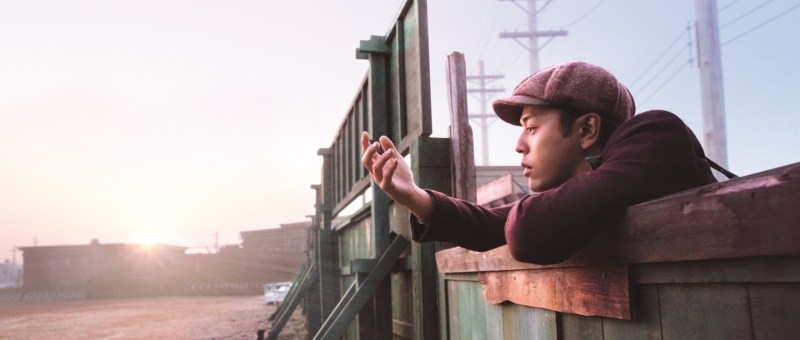
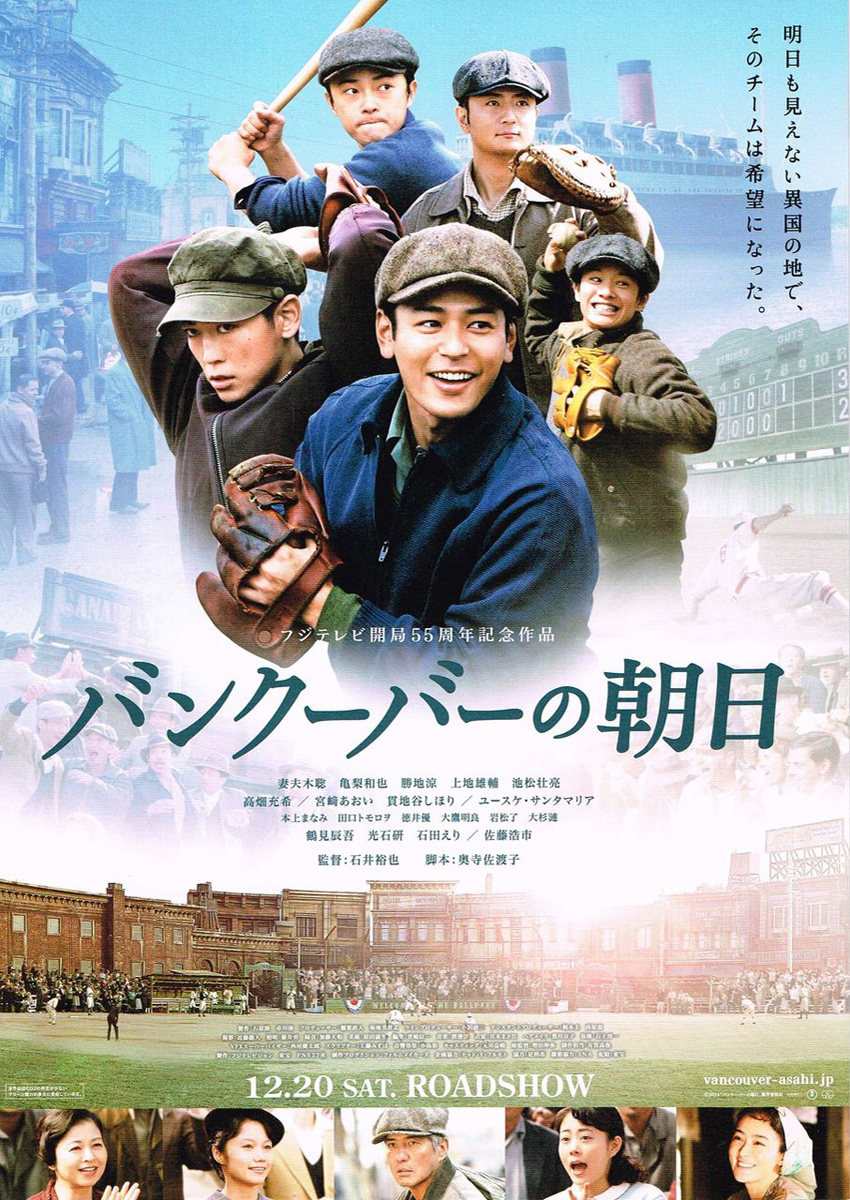
Second generation Japanese-Canadians stake their hopes on baseball in Yuya Ishii’s historical drama The Vancouver Asahi (バンクーバーの朝日, Vancouver no Asahi), inspired by the story of the Vancouver Asahi baseball team which was belatedly granted a place in the Canadian Baseball Hall of Fame in 2003. In many ways a conventional sporting movie in which the underdogs eventually triumph, Ishii does not shy away from the dark shadows of the 1930s even while framing the Asahi’s path to glory as a symbolic punch back against discrimination and oppression. 

As the hero, Reggie (Satoshi Tsumabuki), relates, many like his parents came to Canada at the beginning of the 20th century planning to work for three years and then return to a more comfortable life in Japan only to find themselves trapped in low-paid and exploitative work. Reggie’s main concern is that his drunken and dejected father Seiji (Koichi Sato) still sends the majority of his pay back relatives in Japan meaning their family live like paupers while as he never meant to stay he hasn’t bothered to learn the language or attempt to integrate into the local community. In fact, Reggie is their major breadwinner with his job at the sawmill but the only thing that makes his life worth living is playing baseball with the Vancouver Asahi baseball team even though they are regarded as something of a joke, always at the bottom of the league tables and never actually winning a game. 

The plight of Asahi is closely aligned with that of the immigrant community, divided as it is in its approach to integration with some feeling they should abandon their Japaneseness in order to better get along with Canadians and others fiercely determined to hang on to their traditions. When Reggie admits that they can’t win against the power of the Canadians it feels as if he’s talking about more than just baseball though his solutions are perhaps apt for both in realising that to beat strength you need to be smart. What he comes up with is essentially a bunt and run strategy that plays to their advantages of speed and lightness but also at times feels to him like a trick or a gimmick, an admission that they can’t compete in the normal way. “Why are you always apologising?” Reggie is repeatedly asked, his shyness and mumbling speech always seeking to keep the peace while his desire to offer justification is less as one Japanese old lady puts it “a bad habit of their culture” but a defence mechanism in an environment of potentially violent oppression. 

As Japanese migrants the family faces constant xenophobic micro aggressions, a woman at the hotel refusing to let Reggie’s bellboy friend Frank (Sosuke Ikematsu) carry her bags while they are also suspected as thieves or harassed by the local Canadians. Reggie’s hothead friend Kei (Ryo Katsuji) finds it increasingly difficult to keep his cool, not least as it turns out because his father was killed fighting for the Canadians in the last war and yet he is still treated as a dangerous outsider. Meanwhile, they are paid only half the wages of the Canadian workers, expected to work unreasonable hours, and can be fired without warning. Now an ageing man, Seiji is still a casual labourer fighting for a place on a truck to work at a quarry or construction site often in other towns away from his family in order to get more money. The team is constantly losing players because men lose their jobs and focus on finding new ones or moving away. As one old man laments, there’s no job security and even if you go to a Canadian university it won’t make any difference to your job prospects. Reggie’s sister Emi (Mitsuki Takahata) was on track for a scholarship only to have it pulled at the last minute when parents of the other kids complained it wasn’t right it was going to a Japanese girl. 

After the hotel fires all of its Japanese staff, Frank decides to go “back” to Japan where relatives will help him find work but pointing out to Reggie that he’ll still be seen as an outsider even there and there’s no guarantee anything will be any better in Japan. Poignantly the guys later catch sight of him in a newsreel as a soldier having been sent to the Machurian front. Once war breaks out they are discriminated against again, forced out of their homes and interned leaving all their property behind and destroying their small community, the Asahi included. The team’s unexpected success had forged a bridge between the Japanese and Canadian communities but it was not strong enough to survive the war. Stepping away from the sports movie, Ishii concentrates more on the ways they were betrayed, the team’s success later buried and forgotten while they find the advances they’d made washed away on the shore as if to suggest their strike back against an oppressive society could never be more than superficial while their position remains so precarious. 


Trailer (no subtitles)

So Beautiful, Wonderful and Lovely (素敵すぎて素敵すぎて素敵すぎる, Megumi Okawara, 2025)

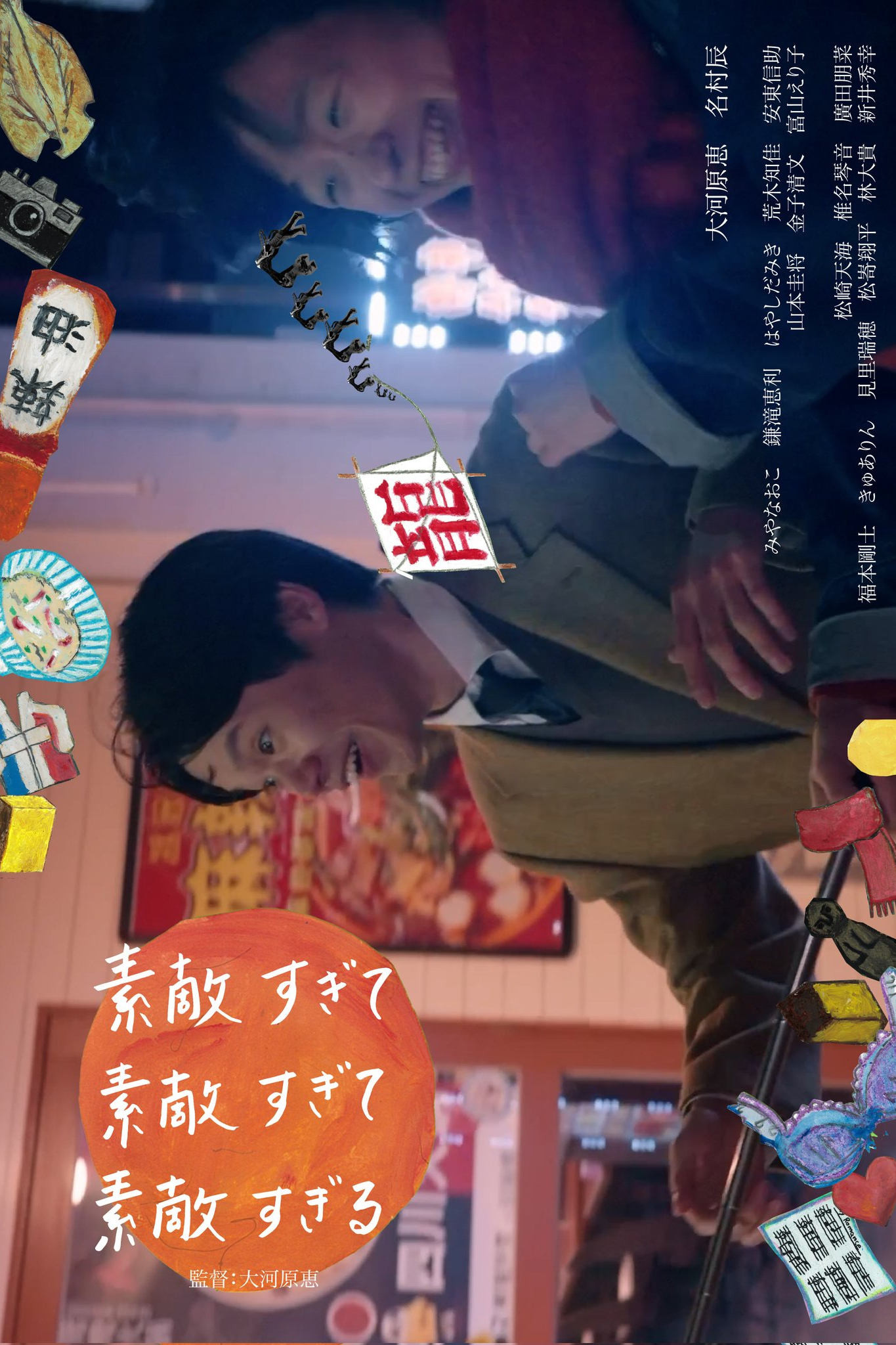
Is it better to have a dream that will never come true or to have no dreams at all? That’s a question that Nozomi can’t help asking herself after her world comes crashing down when she discovers her boyfriend is randomly marrying someone else. Nevertheless, she comes to realise that her life is and always has been So Beautiful, Wonderful, and Lovely (素敵すぎて素敵すぎて素敵すぎる, Sutekisugite, Sutekisugite, Suteki Sugite) in Megumi Okawara’s quirky indie dramedy of endless heartbreak and constant absurdity.

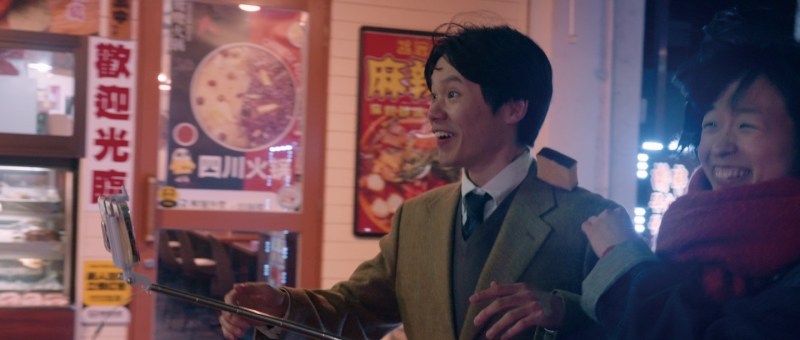
At least, there’s nothing more absurd than being haunted by the spirit of your very much still alive boyfriend in the form of a slice of castella cake. Nozomi’s mother has been tearfully trying to perfect a party trick to perform at the wedding of her daughter to boyfriend Chitose, but unbeknownst to her, Chitose has married someone else. Gatecrashing the ceremony, Nozomi teamed up with Chitose’s brother Susumu to hijack the wedding photo and then run off with the camera though she ended up crashing into a castella cake delivery guy and landing in hospital with a brace around her neck. The neck brace is perhaps a symbol of the way Nozomi’s world has been narrowed, preventing her from turning her head to find new directions in life. But those would be hard to find anyway when you’re being followed around by a guy who looks like your ex but also claims to be a piece of sentient cake. 

To begin with, she tries to have fun with Castella-Chitose by going on influencer-style dates such as a visit to his “birthplace” (a castella cake shop) while trying to understand her relationship with the “real” Chitose who not is particularly nice and very pissed off about everything that happened with his wedding along with Nozomi’s lingering attachment to him. She seems to want to continue with the relationship as it was even though he treats her poorly and has already married someone else, while he just seems to be paranoid that she plans to expose their affair even if he does accept responsibility in having behaved badly by never mentioning that he already had girlfriend and for an unknown reason also keeping his wedding and marriage a secret from his colleagues at the school where they both work. 

After making an “affair”-themed video it seems designed to blackmail him into getting back with her, Nozomi (whose name means “hope”) decides to make a fresh start by getting a job in a stationery shop which also turns out to be staffed by people with broken dreams. Her eccentric boss Yoko and the other clerk apparently live in adjacent wardrobes at a rented apartment while Anita, a middle-aged man too timid to interact with customers, worries for his daughter who has broken dreams of her own. Surreal as it is with its weird customers who turn up to see the “new products” or try to buy crab rice which they obviously don’t sell, Nozomi begins to find a new sense of belonging and solidarity as she grieves her failed relationship with Chitose which is set to expire in exactly two weeks’ time when the castella finally meets its best before date.

But then what she discovers is that the thing about dreams that don’t come is that they never expire. Perhaps it really is better to have a dream that won’t come true than not have a dream at all. Or at least, that’s what her new colleagues seem to show her even the midst of their loneliness as they latch on to each other and remind Nozomi that as Castella-Chitose said she matters and that there are people who love and care for her in ways that the real Chitose obviously never did. She wishes most of her life were a dream, while her dreams never come true but still her life is and has always been so beautiful, wonderful, and lovely even if she’s only just really becoming able to appreciate it thanks to her new friends who are giving her the courage to dream new dreams and move on from her disappointing relationship with Chitose while watched over by the spirit of castella cake. Defiantly weird but also warm and wholesome, the final message is that it’s best to embrace life’s strangeness along with its joys and heartbreaks while continuing to dream even if those dreams may never come true.


So Beautiful, Wonderful and Lovely screened as part of this year’s Osaka Asian Film Festival.

Trailer (English subtitles)

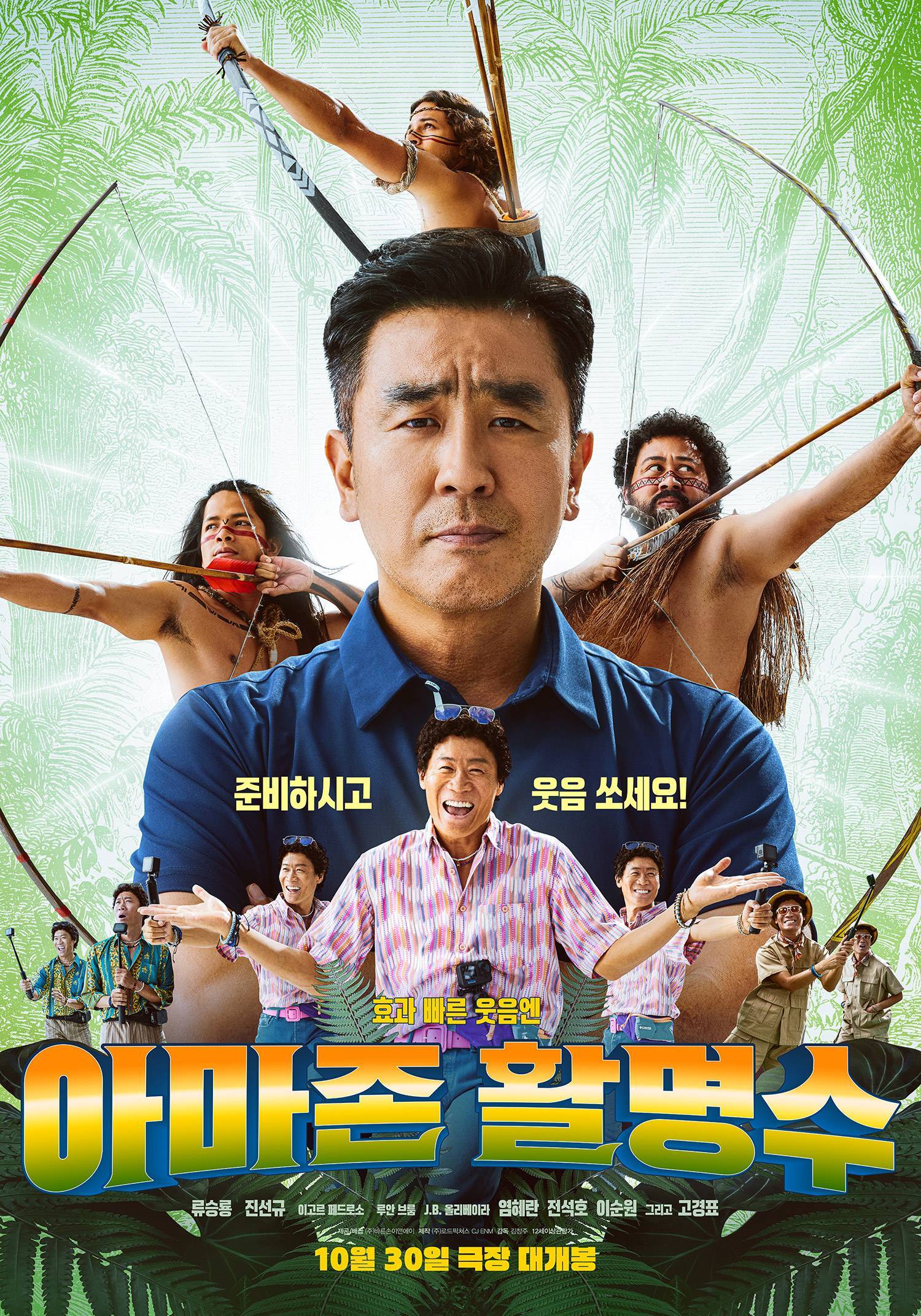
Amazon Bullseye (아마존 활명수, Kim Chang-ju, 2024)

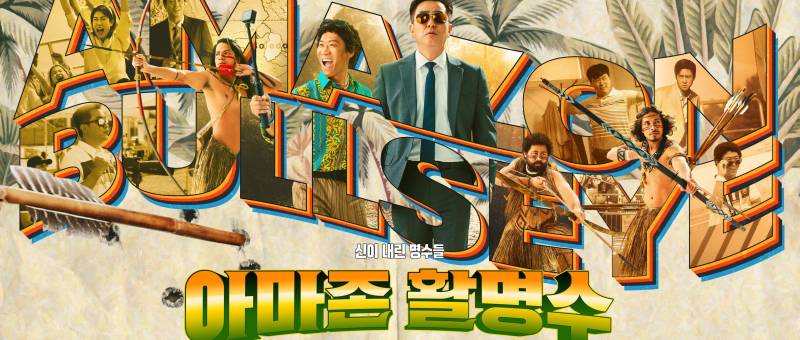
A harried Korean executive finds common ground with a trio of men from an Amazonian indigenous community while training them to win a medal in an international archery competition in Kim Chang-ju’s genial comedy, Amazon Bullseye (아마존 활명수, Amazon Hwalmyeongsu). Though mostly avoiding the obvious pitfalls of its subject matter and taking extreme care to be respectful to the indigenous people of the Amazon, it has to be said that the film otherwise has some rather outdated humour. Nevertheless, it does have some secondary points to make about exploitative businesses practices in Korea and abroad along with the destruction of natural world that goes hand in hand with capitalist expansion.

Jin-bong (Ryu Seung-ryong) once won a gold medal for archery, but is now a middle-aged office worker whose career is on the skids. After chewing him out for failing to make any significant deals, his boss, Park (Jeon Seok-ho), has a new proposition for him. He wants Jin-bong to go to the Amazonian nation of Boledor and close a deal to allow them to open a gold mine or else face compulsory redundancy. He’s supposed to do this by coaching their national archery team to win a medal in the upcoming championships. Unfortunately, the helicopter he’s travelling on is struck by lightning and he’s marooned in the jungle only to be rescued by an indigenous community who then conclude he’s an emissary from the Boledor authorities and has come to destroy the village in which case he must die. 

But Jin-bong finds unexpected connection with Walbu (J.B. Oliveira) who is also a father of three children and is later welcomed after saving his daughter from a wolf attack. As the young men communicate with the animal and try to convince it to return to the forest, it becomes obvious that they have a respect for the land that an urban man like Jin-bong does not. Unbeknownst to him, they have already refused permission to open the goldmine and are fiercely opposed to any encroachment on their land or traditional way of life. After seeing just how bad the national team is, Jin-bong has the idea of asking the men from the indigenous community to compete instead but is only able to persuade them by convincing the president to legally sign the land over so it can’t ever be redeveloped and they’ll never be moved on. 

Of course, that wasn’t quite what his boss had in mind so even though Jin-bong is protective of the Tagauri, it’s clear his company always meant to exploit them and doesn’t care about the environment or the preservation of traditional culture. Jin-bong too is oppressed by this system and only participates in the first place because he fears losing his job not least because it’s so unlikely he’d be able to find another at his age. Jin-bong has three children and a feisty wife (Yeom Hye-ran ) who complains that she’s already had to sell some of their possessions because they can’t afford all the bills on their poky flat. He may then envy the apparent simplicity of life in the forest. On returning home the three men remark on how silly everyone is in Korea suffering all month long for something called “money” they use to buy tasteless “dead meat” rather than going into the forest and getting some like a normal person. But they also point out that they aren’t really all that different seeing as people still love their children and fathers work hard to support and protect them. 

Nevertheless, there are perhaps a few too many jokes about Jin-bong’s “scary” nagging wife and his position as a henpecked husband. It may also go too far in exploring cultural difference as the trio is arrested for doing things like carrying their bows and arrows around and using them to shoot fish in the river that runs through the middle of Seoul. They also start a campfire in Jin-bong’s apartment to make a traditional smoked chicken dish and are confused by Jin-bong’s reaction to this well-meaning attempt to share their culture with him. While they’re in Korea, they start to become a little more Korean with chieftain’s son Eba (Luan Brum) even developing an appreciation for super spicy kimchi. But they also observe the high rise buildings and constant construction as echoes of the fate that may soon befall the village if the Bolderan government and Jin-bong’s company get their way. Through their sporting pursuit, the men discover a way to take back control, tell the world about the Tagauri, and mobilise public opinion against the faceless corporation to ensure that they can protect their land and way of life from the ravages of chaebol culture.


Trailer (Korean subtitles only)

BFI to Host “Myriad Voices: Reframing Taiwan New Cinema”

Throughout April 2025, the BFI will be hosting a season of films exploring Taiwanese New Cinema from new perspectives including a selection of films from lesser known filmmakers alongside those of heavy hitters such as Edward Yang and Hou Hsiao-hsien.

Duckweed (aka Floating Weeds)

Edward Yang’s television debut after returning to Taiwan, Duckweed was part of the Eleven Women TV series produced by Sylvia Chang and Chen Chun-tian, and follows a young woman who moves to Taipei from the countryside to become a model.

In Our Time

1982 anthology film featuring instalments directed by Tao Te-chen, Edward Yang, Ko I-chen, Chang Yi.

The Boys from Fengkuei

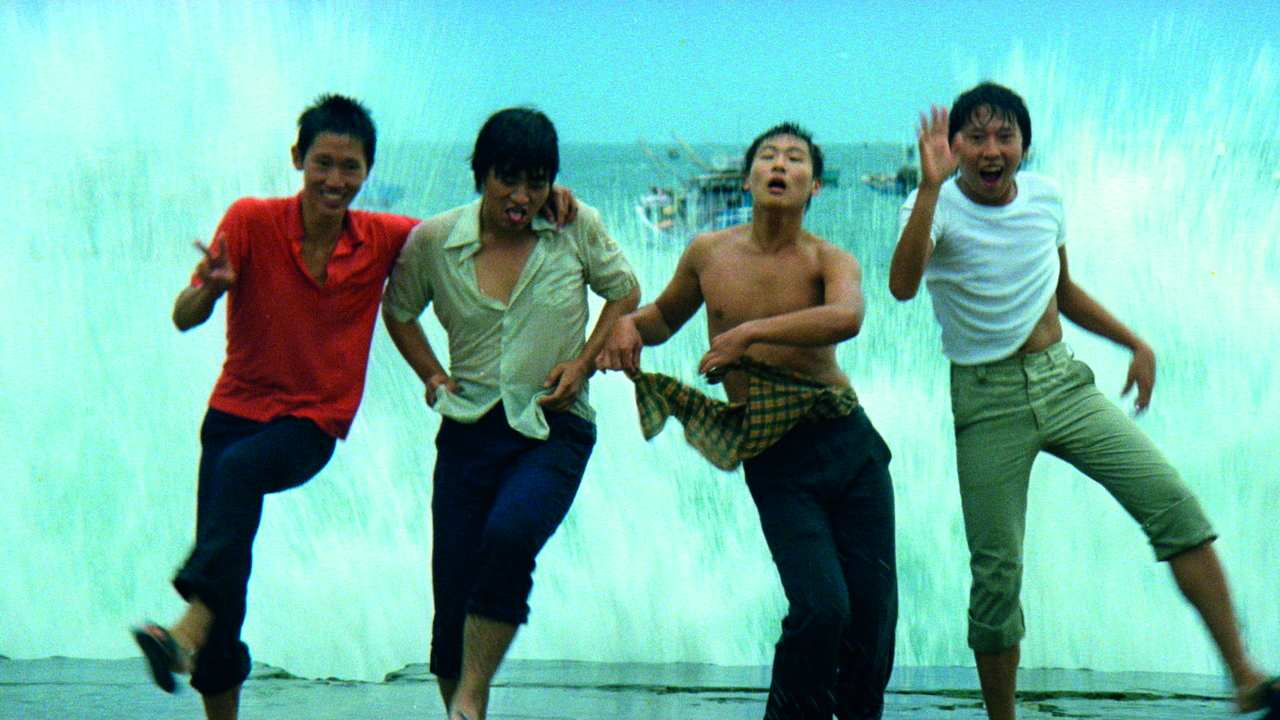
1983 drama from Hou Hsiao-hsien following a group of young men who leave their fishing village after getting into trouble with gangsters and try to make new lives for themselves in Kaohsiung.

Chen Kun-hou, who was the film’s cinematographer, will introduce the screening on 11th April.

The Sandwich Man

Tripartite anthology film featuring instalments by Hou Hsiao-hsien, Tseng Chuang-hsiang, and Wan Jen adapting short stories by Huang Chun-ming.

Out of the Blue

1984 drama from Chen Kun-hou in which teenagers Jielong and Tangmi spend a single night together before she disappears and Jielong must return to university.

Director Chen Kun-hou will be present for a Q&A following the screening on 10th April.

Ah Fei

Drama adapted from a short story by Liao Hui-ying and following a woman over several decades after the Chinese Civil War.

Kuei-mei, a Woman

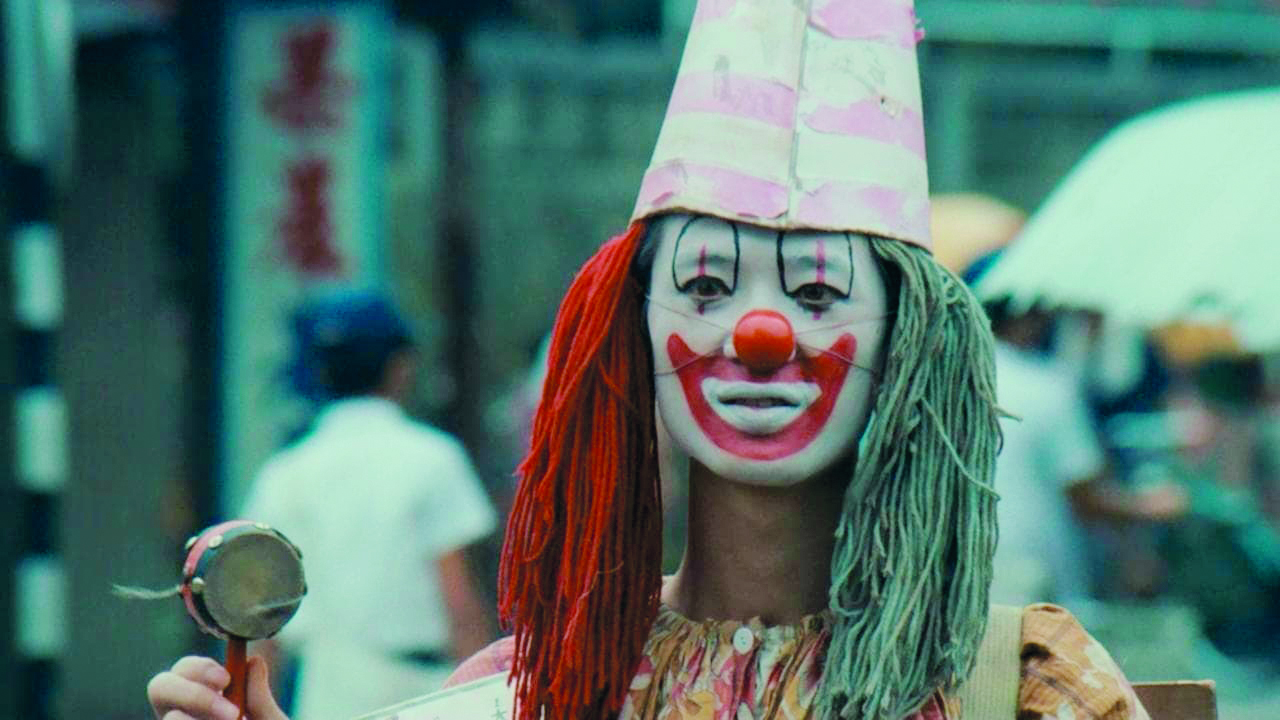
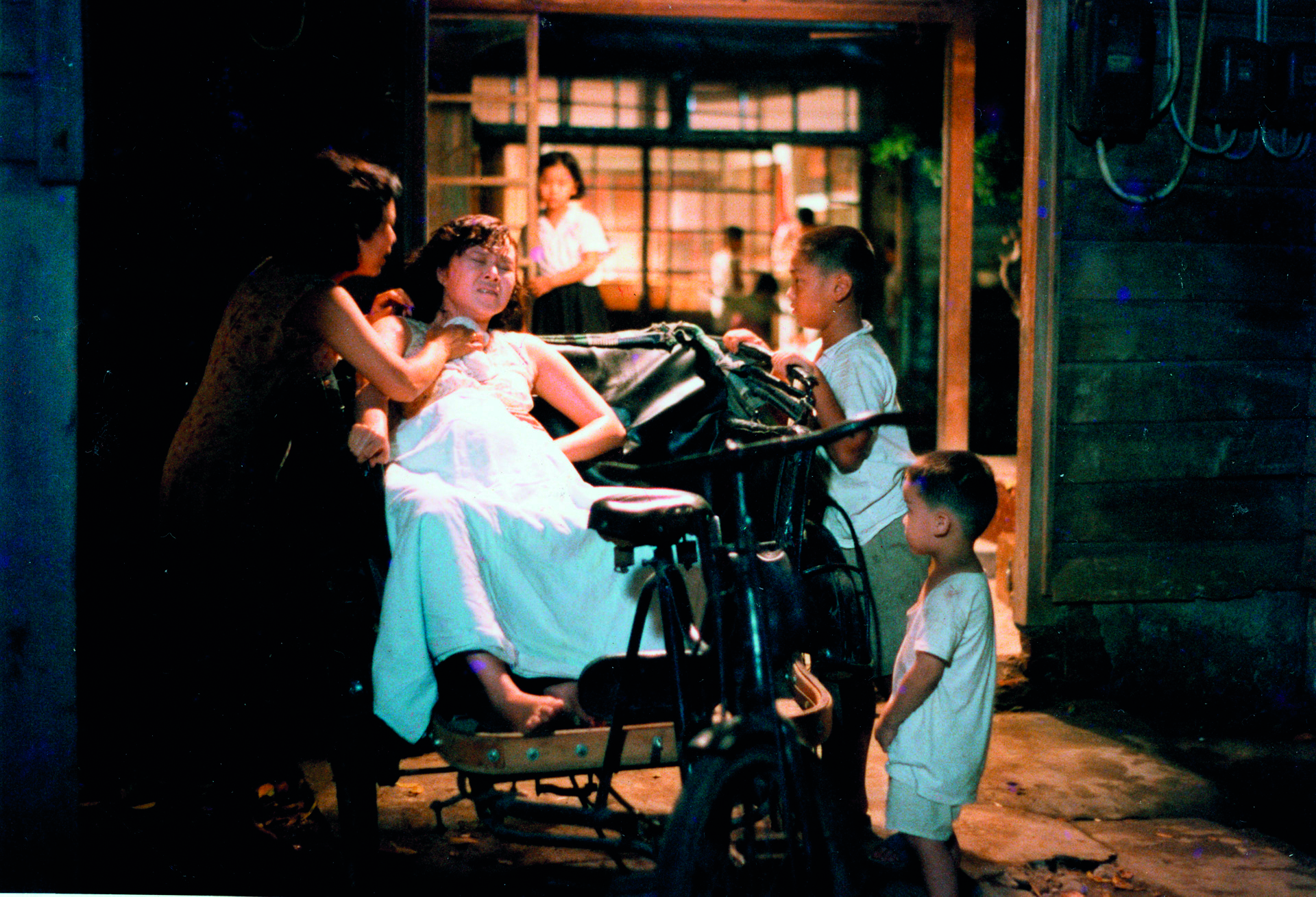
A woman’s stoical endurance of hardship as she travels towards hard-won prosperity mirrors that of her nation in Chang Yi’s allegorical maternal melodrama. Review.

My Favorite Season

1985 Chen Kun-hou drama starring Sylvia Chang as a woman who conceives a child with her married boss but wants to break up with him and raise the baby on her own.

Director Chen Kun-hou will be present for a Q&A following the screening on 11th April.

Taipei Story

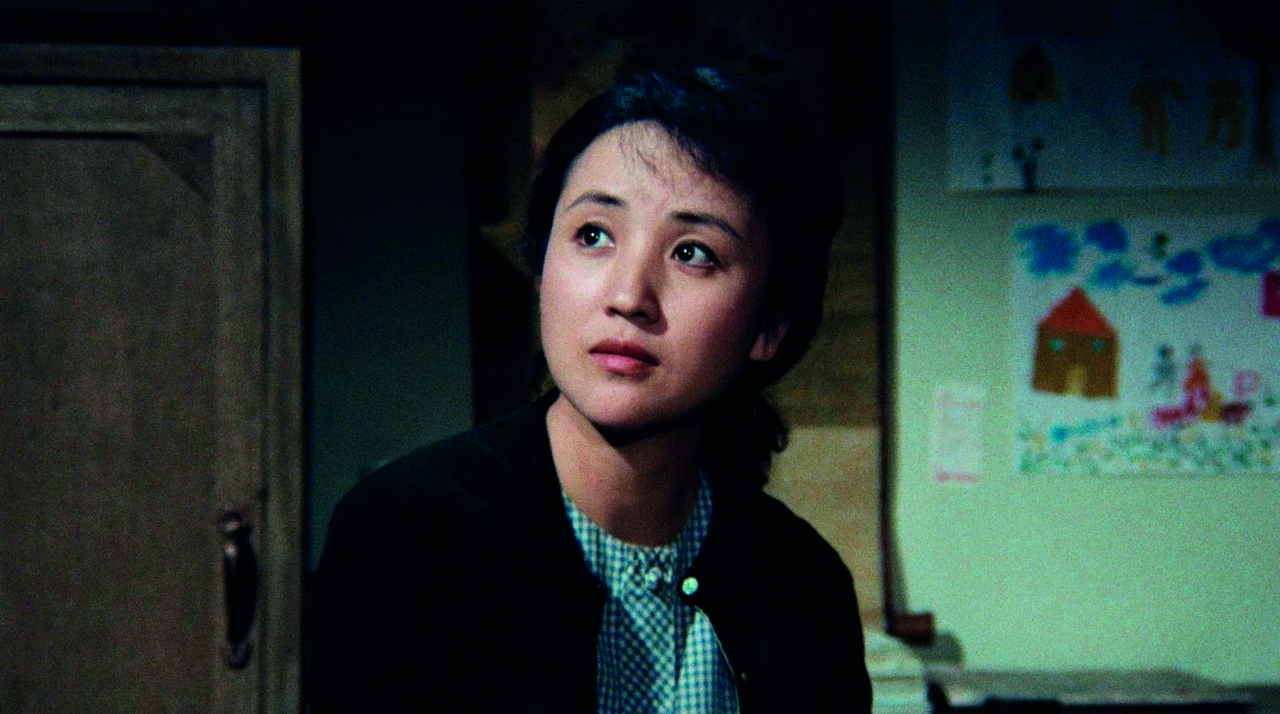
An ambitious young woman is determined to keep pushing forward while her more traditional boyfriend remains trapped in the past in Yang’s melancholy urban drama. Review.

A Time to Live and a Time to Die

Semi-autobiographical drama from Hou Hsiao-hsien following a young man in Fengshan from 1947 to 1965.

This Love of Mine

Psychological drama from Chang Yi adapted from the novel by Hsiao Sa in which a woman must re-evaluate her life after learning of her husband’s affair.

The Terrorisers

Landmark drama from Edward Yang in which a doctor and his novelist wife teetering on the brink of divorce, a voyeuristic photographer, and a rebellious teen are connected by a single event.

Strawman

Satirical comedy set at the end of the war in which two farmers find an unexploded bomb in their field and decide to carry it to the Japanese police in the hope of a reward.

Autumn Tempest

Huang Yu-shan’s 1988 narrative film debut in which a young man retreats to a mountain temple to study but enters an affair with a young woman who subsequently becomes pregnant.

Director Huang Yu-shan will be present for a Q&A following the screening on 12th April.

A City of Sadness

Historical drama from Hou Hsiao-hsien set immediately after the liberation from Japanese colonial rule following a family who become embroiled in the White Terror following the February 28 incident.


Myriad Voices: Reframing Taiwan New Cinema runs at the BFI Southbank throughout April.

Crimson Wings (紅の翼, Ko Nakahira, 1958)

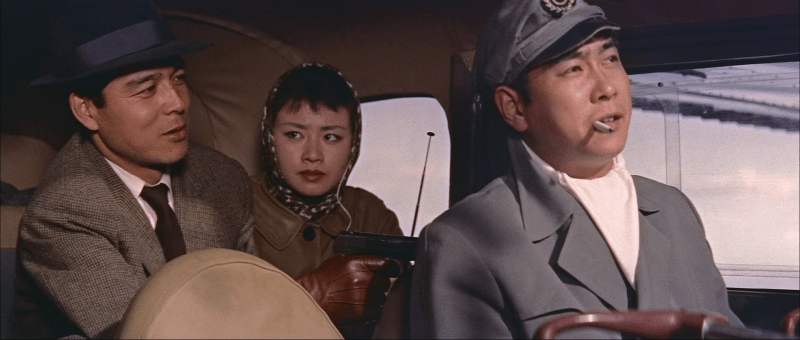
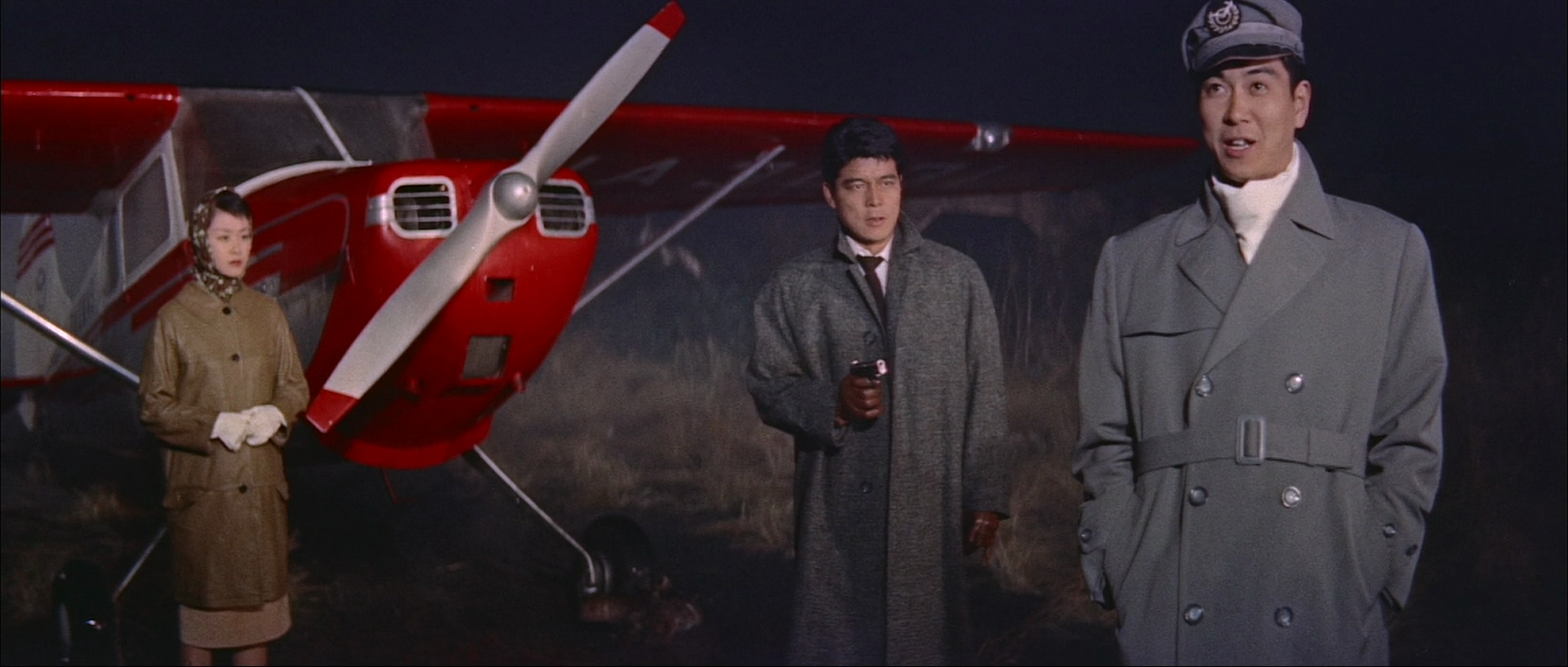
A heroic pilot on a mission to get life-saving medicine to a small boy on a remote island unexpectedly finds himself frustrated by a wanted man in Ko Nakahira’s aviation thriller, Crimson Wings (紅の翼, Kurenai no Tsubasa). This is of course a time in which air travel was still something new and exciting, but not only that, it also offered immense improvements to those living far flung areas making travel to the mainland far easier and much less time-consuming. 

Time is, however, of the essence as a little boy on Hachijojima has contracted tetanus and the only stocks of the antidote on the island are out of date. If they can’t get replacements in the next few hours, it will be too late. Hachijojima is a fairly remote island in the Philippine sea that was used as a base for suicide submarine missions during the war but was developed as a tourist destination in the years afterwards in which it was dubbed “The Hawaii of Japan”. It didn’t quite take off until the 1960s tourism boom, but this is perhaps the reason why there’s an air shuttle service to Tokyo three times a week that is described by the stewardess as their most popular route. It might also explain why part of her job is acting as a tour guide, pointing out important Tokyo landmarks passengers can see from their windows as they come in to land. In any case, it’s the most obvious way to get the serum to the island seeing as there’s a charter flight set to leave in a couple of hours’ time.

But that same day across town, a CEO, Iwami (Toru Abe), is assassinated by a yakuza hitman named Itagaki (Hideaki Nitani). Predictably, he’s the one who’s charted the flight as a speedy getaway and he’s not all that keen on hanging around waiting for the delivery of the tetanus serum. One of the pilots describes Iwami as “take over king” and the “richest tycoon in post-war Japan”, which is to say they don’t have tremendous sympathy for him as someone who’s almost certainly made his money through nefarious means. Itagaki even remarks that he was “one of us,” the only difference between them being that where yakuza use guns he used money though his killing him was a matter of purely business. He didn’t ask or care why Iwami had to die, but obviously thought he was fair game anyway. 

You can tell that Itagaki is not the sympathetic kind of gangster right away when he mows down a little girl while fleeing the scene, her little yellow balloon sadly flying off into the distance. His indifference to the girl’s death is ironic considering the rest of the film revolves around the struggle to save the life of a little boy, directly contrasting his callousness with the righteousness of the pilot, Ishida (Yujiro Ishihara), who is prepared to risk his own life to deliver the serum. Ishida hadn’t previously volunteered for the job because he was supposed to be going on a Christmas Eve date with stewardess Keiko (Shinako Mine), only she tells him she has to cancel because her father is on a surprise trip to town. Unbeknownst to him, however, she’s actually blown him off to go to a Christmas market with another man. In any case, with nothing else to do he accepted the job even though it involves going in a Cessna because of a malfunction on their regular plane that will take too long to repair. 

Aside from having to take Itagaki, who is pretending to be on an emergency trip to visit his mother’s grave, Ishida is also accompanied by pushy journalist Yumie (Sanae Nakahara) who was sent to the airport to interview Keiko as part of a series about “working girls” that she doesn’t seem particularly enthused by. In fact, she’s actually quite rude, elaborating that she’s already interviewed a TV producer and a continuity girl describing them all including stewardess as “glamour jobs” that don’t require very much in the way of brains as journalism obviously does. That might in a way reflect her own resentment in that it’s obvious she feels the paper’s not giving her a fair shake because she’s a woman which might be why she jumps so hard on the tetanus story sensing the potential for a heartwarming human interest article. She does however seem to genuinely care about the little boy on Hachijojima. Not only does she immediately arrange for a large amount of the serum to be delivered by police escort but insists on going to the island herself and after figuring out Itagaki is the fugitive thanks to her transistor radio sticks to the main mission rather than switching to the one about the CEO murder. 

Ishida meanwhile remains a cool-headed wisecracker brazening it out against Itagaki in the knowledge that he can’t actually kill him because he doesn’t know how to fly a plane so all his threats are meaningless. There’s also a rather awkward subplot about Ishida’s brother being a kamikaze pilot during in the war which is intended to further bear out Ishida’s righteousness while his sister (Izumi Ashikawa) also makes a long speech about how he said if he had to he’d like to die like him and is the sort of person who can’t stand by and watch someone suffer. A lengthy sequence switches between various branches of the Japanese government and self-defence forces, as well as the US military, who all swap messages between themsleves and immediately scramble to find this one Cessna when it inevitably gets into trouble and drops off radar. The message seems to be that the system works and the authorities are ready to handle events such as this. Using some impressive aeroplane footage along with a series of split screens and a memorable opening POV shot to disguise the assassin’s identity, Nakahira gives the otherwise lighthearted thriller a little more weight while still allowing its wholesome goodness to shrine through as a collection of determined people come together to save a little boy they don’t even know who lives on a remote island where the children work in soil-pits to make extra money which might as well be a million miles away from the modern capital with greedy fat cat CEO’s and nihilistic yakuza.


Trailer (no subtitles)

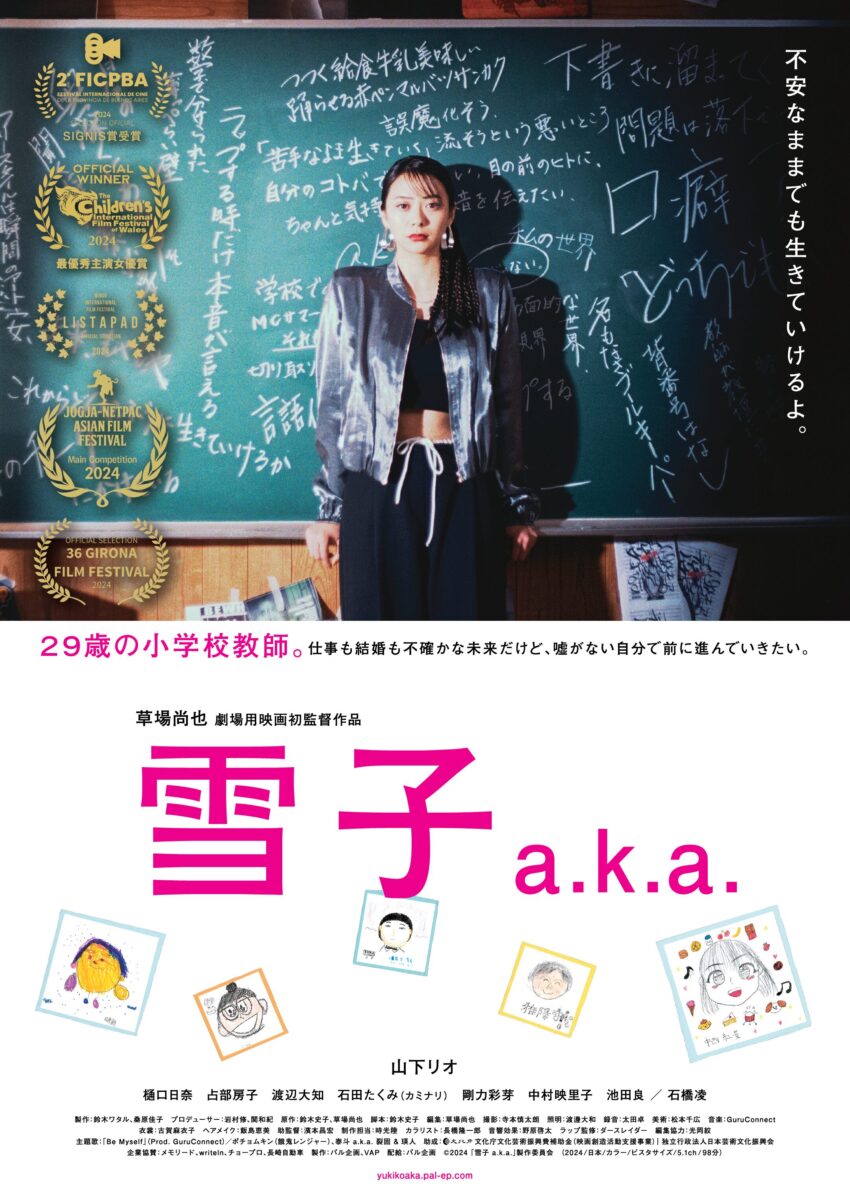
Yukiko a.k.a (雪子 a.k.a., Naoya Kusaba, 2024)

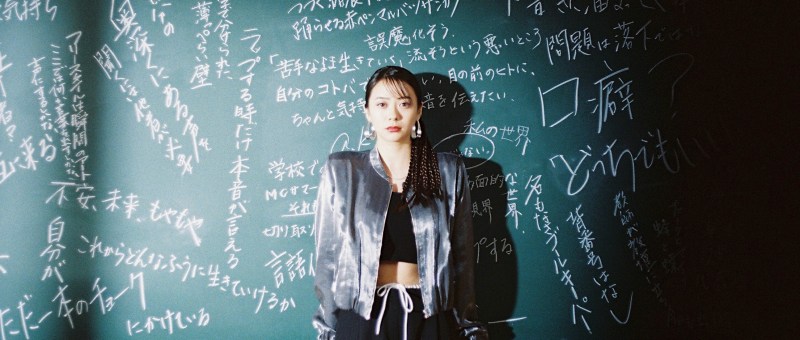
“Leave no one behind,” is the theory underpinning the SDGs that primary school teacher Yukiko (Rio Yamashita) is teaching to her students, but it’s also a practice that she unconsciously puts into practice only largely tends to forget to include herself. Timid and insecure, she makes little mark on the world around her and is afraid to express herself which she fears also interferes with her ability to interact with the children worrying that her reticence to speak up because she’s too worried they’ll say it’s all her fault prevents her from asking them if they’re alright or they need any help or guidance. 

It’s only through the possibly surprising hobby of rap music that she finds an outlet where she can be herself and say everything that’s on her mind, only most of her raps are all about her anxiousness and inability to communicate. She has however found a supportive community in a local park where there are a group of rappers who seem to have her back and encourage her to get more into the hobby by participating in rap battles so she can express herself more. It seems though that part of her anxiety stems from a sense that she’s approaching a crossroads in life and is in many ways dissatisfied. She’s been in a long-term relationship with another teacher, Kodai (Daichi Watanabe), she met when they were both students but as he’s been assigned to another school a long way away, they only meet up at weekends.

All around her, her friends are getting married and it seems Kodai may also be ready to pop what seems to most an inevitable question, but there’s something that seems to be holding her back. Kodai later tells her that he doesn’t like the her that does rap, which suggests in a way that he doesn’t really want the version of her that can express herself or is confident in saying what she does and doesn’t want. He’s much more interested in the timid Yukiko who meekly goes along with what he wants and is too afraid to rock the boat. A fellow teacher, Riho (Hina Higuchi), has an ambition to be married with a child before 30, which is surprising to Yukiko and often criticised for being old fashioned. Yet what the film seems to insist is that neither perspective is wrong, merely different, and largely a matter of what suits each individual. Riho is cool in her own way for living her life the way she chooses even if it conflicts with the prevailing attitude of the contemporary society and it’s this sense of empowerment that Yukiko is really seeking as an older teacher, Ohsako (Fusako Urabe), explains. With her short hair and serious demeanour it might be assumed that the kids wouldn’t like Ohsako, but she’s actually their favourite and perhaps precisely because of her self-assuredness. In contrast to the ultramodern Riho she likes to hand write and draw her teaching materials as a means of transmitting sincerity and integrity to the children while acting as a voice of authority between the teachers. 

Indeed, it’s Ohsako who largely teaches the film’s lessons and Yukiko how to embrace herself so that she can communicate better with the students explaining that her ability to pick up on the same anxieties in them is much more valuable than anything else. Locking eyes with a distressed young girl during a PE lesson, she quickly figures out that she’s experiencing menstrual cramps and is able to take her to the nurse’s office for some positive help and support. Meanwhile, she struggles with two boys in her class one of whom has become a school refuser and hikikomori. She visits Rui at his home every week with handouts but fails to make a breakthrough until she too is brave enough to expose her own fears and doubts. His deskmate Kotaro is now forced to join in with the girls either in front or behind when they’re asked to do pair work because of the painfully empty seat next to him.

But then unbeknownst to Yukiko, times have changed. Rui is not completely isolated but has been communicating with his friends, including Kotaro, through video games which as Kotaro’s father says is just as real to the children as talking in person. He’s also got really into educational apps and might have actually learned more by himself at home, which isn’t great for Yukiko’s self-esteem but at least he’s doing alright even if she might be becoming obsolete. Meanwhile the school still insists on making the kids read out loud to their parents who are then supposed to fill in a comment sheet but Kotaro writes those himself because his mum’s too busy. Nervously challenged by Yukiko, Kotaro’s mother asks what the educational point of the exercise is. She says she has her own way of communicating with her son and doesn’t have time for this meaningless bit of form filling. Yukiko’s insistence that it’s only 10 minutes belies a lack of understanding that Kotaro’s mother, who seems to be a working lone parent, simply doesn’t have another 10 minutes in her day. Still, the point is that Yukiko doesn’t really know the educational point of the exercise but has only been doing it because it’s what you do without giving it any real thought. 

But as Ohsako had said, maybe neither way is wrong, it’s just a matter of personal taste. Through her rap music hobby,  Yukiko begins to accept another side of herself while gaining the courage to be more confident and express herself more freely. She realises that it doesn’t really matter if she wins a rap battle or not because even putting herself out there was a minor victory that convinces her she has the power to do things with her life and live it in a way that best suits her while teaching similar lessons to the children and finally listening to her own advice.


Yukiko a.k.a screens in Chicago 22nd March as part of the 19th edition of Asian Pop-Up Cinema.

Trailer (English subtitles)