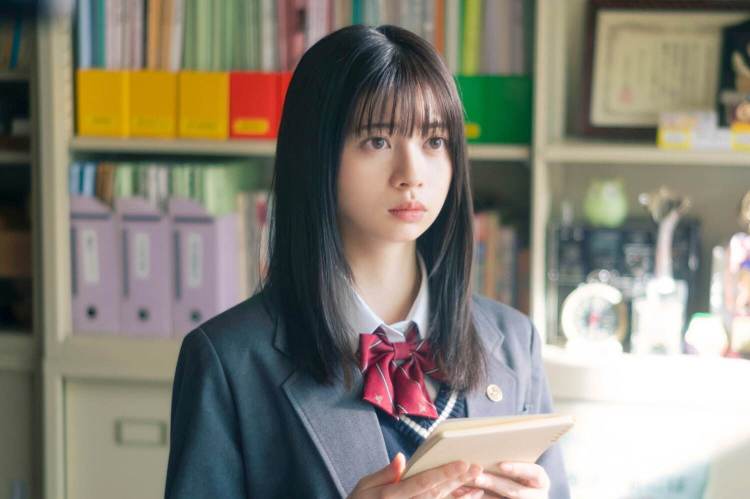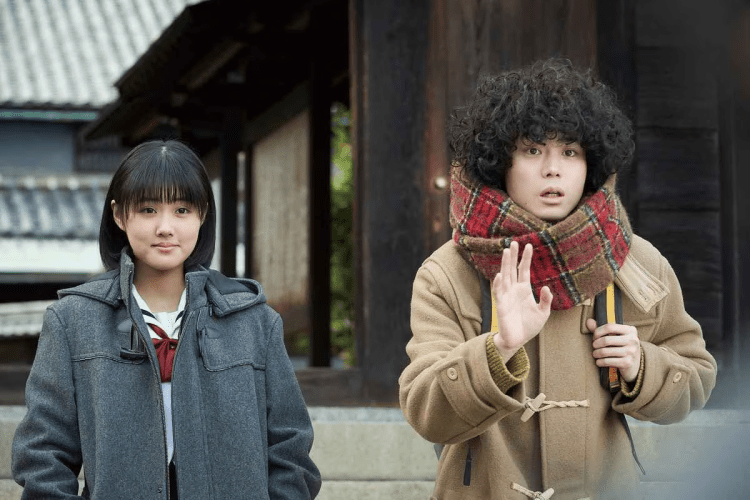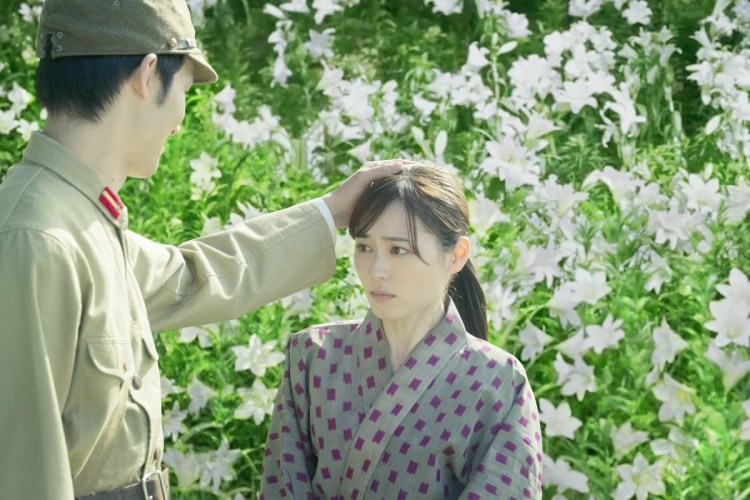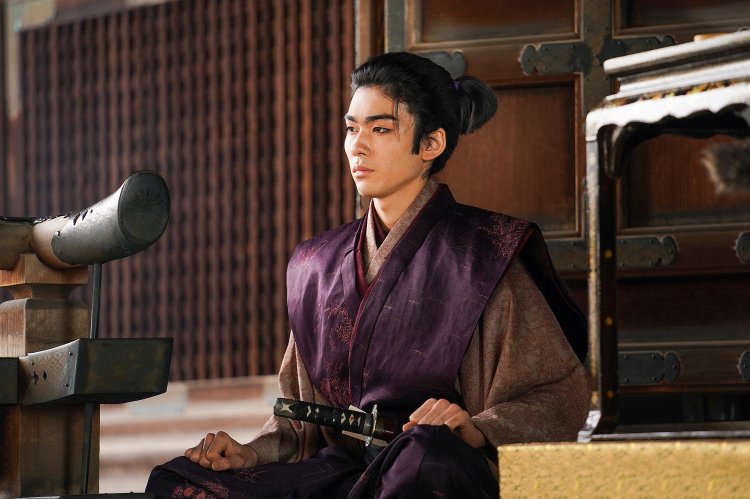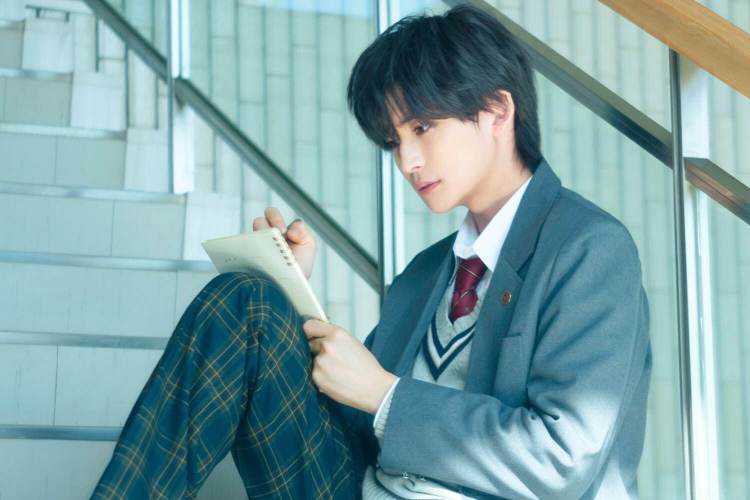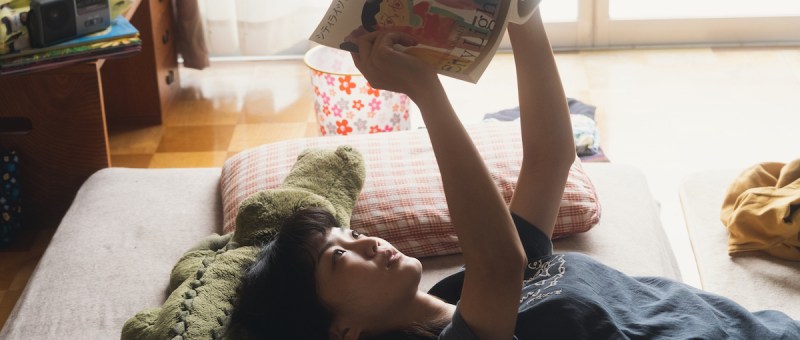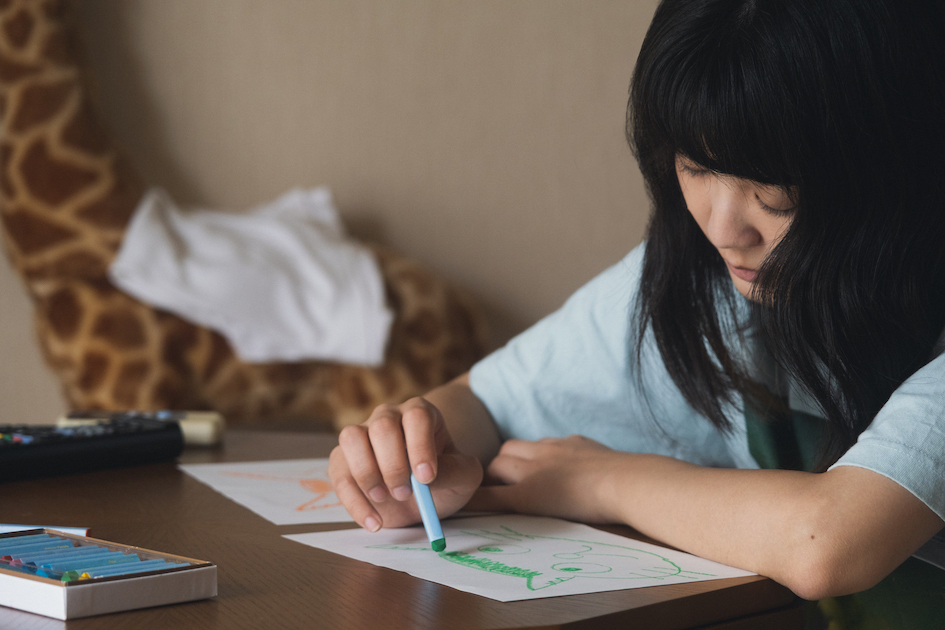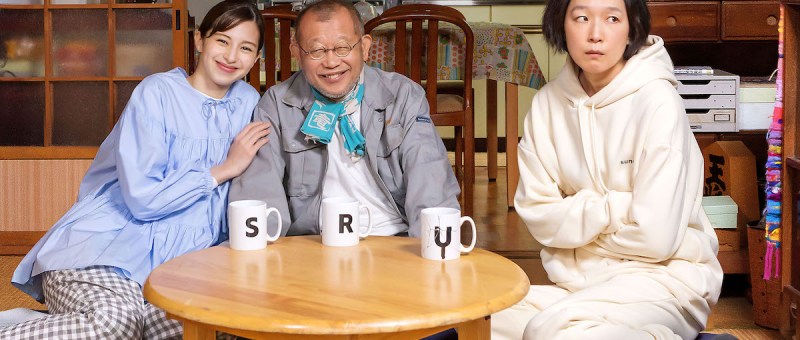
Japan Society NY & ACA Cinema Project Present Family Portrait: Japanese Family in Flux

Japan Society New York and ACA Cinema Project will present Family Portrait: Japanese Family in Flux from February 15 to 24, a series focussing on the changing nature of the family in Japanese society.

February 15, 7pm: Still Walking

Family divisions, secrets, and prejudices are brought to the surface as a family gathers for the memorial service for their eldest son who was killed trying to save a child from drowning in Koreeda’s classic family drama. Review.

February 16, 7pm: Tsugaru Lacquer Girl

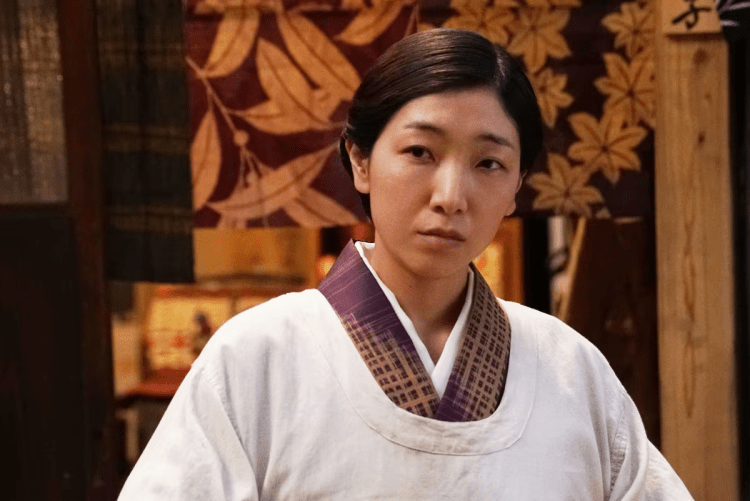
A young woman’s desire to take over her family’s traditional lacquerware business is frustrated by outdated social codes and a narrow definition of the traditional all while the art of lacquerware itself faces extinction in Keiko Tsuruoka’s gentle drama. Review

February 18, 4pm: Hoyaman

Island-set comedy featuring ramen, superheroes and tsunamis in which two brothers encounter a mysterious artist.

February 18, 7pm: Tokyo Sonata

Kiyoshi Kuroawa’s tale of urban hopelessness in which a family faces separate and parallel extential crises as a stereotypical salaryman is unceremoniously made redundant.

February 22, 7pm: Yoko (Screening at IFC Center)

Moving roadtrip drama from Kazuyoshi Kumakiri starring Rinko Kikuchi as an isolated middle-aged woman who begins to rediscover herself while hitchhiking to her estranged father’s funeral.

February 23, 7pm: Her Love Boils Bathwater

Introduced by filmmaker Ryota Nakano and followed by a Q&A and reception

Poignant maternal drama in which a mother receives a terminal cancer diagnosis and secretly begins trying to repair her family and prepare it for a world without her all while saving the family bathhouse. Review.

February 24, 4pm: A Long Goodbye

Touching drama in which a family attempt to cope with their father’s Alzheimer’s as he, a former headmaster, slowly loses the ability to read. Review.

February 24, 7pm: The Asadas

Introduced by filmmaker Ryota Nakano and followed by a Talk Session. 

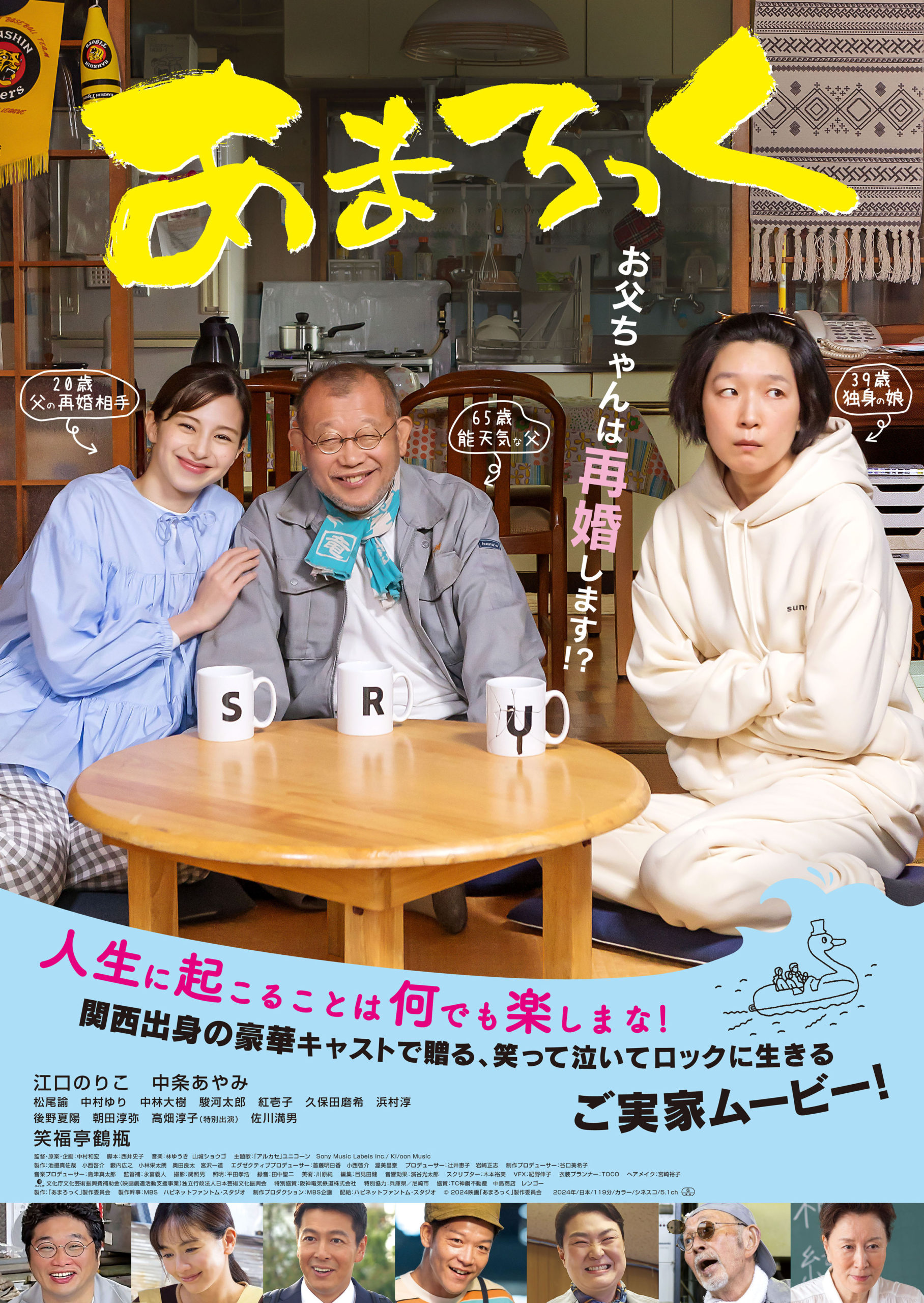
Drama inspired by the life of photographer Masashi Asada who made a name for himself taking amusing photos of his family before getting involved with the relief effort after the 2011 earthquake and tsunami helping other families recover the photographs and precious memories they had lost.

Classics

February 17, 4pm: Muddy River

2K restoration

Quietly devastating coming-of-age tale set in the early 1950s in which a little boy befriends a pair of children living on a ramshackle barge. Review.

February 17, 7pm: Tokyo Twilight

35mm Presentation.

Ozu’s darkest drama follows the fortunes of a pair of sisters abandoned by their mother, one of whom contends with an abusive marriage while the other encounters an unexpected pregnancy. Review.

Family Portrait: Japanese Family in Flux runs Feb. 15 to 24 at Japan Society New York (with the exception of Yoko which screens at ICF Center). Full details for all the films along with ticketing links are available via the official website and you can also keep up with all the latest details by following the festival’s official Facebook page and X (formerly Twitter) account.

The Last Dance (大病人, Juzo Itami, 1993)

A self-involved film director gets a lesson in what it is to live when he discovers that he has terminal cancer in a lighthearted melodrama from Juzo Itami, The Last Dance (大病人, Daibyonin). Itami was apparently inspired by his own stay in hospital after being attacked by yakuza offended by his previous film Minbo and like his debut The Funeral the film has a few questions to ask about the nature of death along with the functioning of the medical system. 

That’s partly because film director Buhei Mukai (Rentaro Mikuni) is not initially told of his diagnosis. His well-meaning doctor, Ogata (Masahiko Tsugawa) a old university friend of his wife, elects to tell him only that he has a stomach ulcer in keeping with an old-fashioned policy that worries patients may lose hope and give up too easily on discovering the extent of their illness. Buhei meanwhile continues to obsess about his condition, convinced it must be cancer and that his wife, Mariko (Nobuko Miyamoto), and the medical staff are lying to him, at one point pretending to be his own uncle in order to tease the truth out of Ogata over the phone and attempting suicide when he accidentally implies that Buhei may not have long left. 

His distress is compounded by the irony that in the film he was working on when he became ill he was starring as a composer with advanced cancer whose wife has also been diagnosed with a more aggressive form of the disease. Whatever we might think about Buhei, it’s fair to say that the film’s sexual politics have not aged well. Not only was he having an affair with the actress playing his wife, but continues to flirt inappropriately with the medical staff and at one point even tries to force himself on his wife who was in the process of leaving him when he was first diagnosed. His lechery seems primed to appeal to men of a similar age while hinting at his virility and desire for life, but is nevertheless crass and often uncomfortable. Nevertheless, as Mariko says he’s like a child inside cheekily joking with the doctors about his drinking and smoking habits while running away from anything unpleasant and trying to get out of having to undergo treatment. 

Itami had often remarked on the weaknesses of Japanese men who “can’t stand loneliness, can’t make decisions alone, can’t face anyone who disagrees with them and can’t accept responsibility for their mistakes,” Buhei seemingly possessing all four. In part regretting her decision to keep the seriousness of his illness from him, Mariko reflects that in the end all they did was leave Buhei alone in his fear and anxiety as the only one who didn’t know the truth, engineering a kind of conspiracy as they cheerfully told him to “soldier on” knowing there was no hope. Yet during his time in the hospital, Buhei is also confronted by the ethical dilemmas of medical treatment on witnessing doctors desperately try to resuscitate a man who was miserable, in pain, bedridden, and unable to communicate, just waiting for the end. As even his grieving wife calls out to the doctors to let him go, Buhei wonders if it’s right to preserve life at all costs especially when the patient has not been given a choice in his treatment and may not have been informed that they have no possibility of recovery. 

Coming to a new realisation he challenges Ogata’s conviction that death is his enemy, telling him that he should see it less as defeat than acceptance reflecting on the irony that he never felt so alive as when dying. Whimsical if occasionally maudlin, Itami throws in a surrealist dream sequence in which Buhei approaches the other side and comes to realise that death might not be so frightening after all even as he watches himself from above in an out of body experience witnessing the accidental violence inflicted on his body by those trying to save it. In some senses, Buhei is fairly unredeemed, winking at his indifferent mistress even on his death bed, but is in others humbled as he looks back on his life with its regrets and unfulfilled promises, repairing his relationship with his long suffering wife while admitting that under different circumstances he and Ogata might have become good friends. Offering a sometimes critical view of medical practice and ethics, Itami’s poetic meditation on what it is to die loses none of his ironic humour even in its unfolding tragedy. 


Night in Paradise (낙원의 밤, Park Hoon-jung, 2020)

Sometimes being too good at your job can be a definite liability. So it is for the hero of Park Hoon-jung’s melancholy gangster noir, Night in Paradise (낙원의 밤, Nagwonui bam). Park’s worldview is often nihilistic and sometimes downright unpleasant, though it’s a sense of fatalistic sadness that dominates this otherwise over familiar tale of a noble gangster cruelly misused by those who choose not to obey their shared code and thereafter finding himself on a dark path towards if not exactly redemption then at least an inevitable ending. 

Rising foot soldier Tae-gu (Uhm Tae-goo) has found himself in the middle of an old-fashioned gang war, serving an ambitious boss, Yang (Park Ho-san), who has unwisely decided to press into territory operated by the well established Bukseong gang. Getting some of his guys back after being kidnapped by Bukseong and held in an apartment block where the community is currently protesting the take over and demolition by gangster redevelopers, Tae-gu is told by his opposing number that Yang is a crazy upstart who would be a nobody without him and that he made a mistake turning down a job offer from Bukseong boss Doh. Tae-gu is however an old school mobster loyal to his gang which is why he doesn’t stop to think things through when someone close to him is killed in a car accident in which he assumes he was the intended target, believing Doh is striking a low blow. Encouraged by Yang, he meets with Doh in person and daringly knocks him off at a swimming pool sauna escaping through a window in the nude. Yang arranges to send him to Jeju Island to lay low before moving on possibly to Russia, but Yang has also been engaging in a failed pincer movement which left them all in hot water after failing to take out Doh’s no. 2, Ma. 

As the title might hint, even the island “paradise” of Jeju is not free of death and crime as Tae-gu discovers after bonding with their contact, Kuto (Lee Ki-young), a fixer smuggling guns from Russian mobsters hidden inside consignments of fish. Like Tae-gu’s sister, Kuto’s niece Jae-yeon (Jeon Yeo-been) is suffering from an undisclosed terminal illness that seems to have few obvious symptoms but has left her with suicidal tendencies. Kuto’s decision to take Tae-gu in is motivated by his desire for money to take Jae-yeon to America for treatment though she and Tae-gu are also much the same both having lost people close to them because of their proximity to the gangster world while he and Kuto search for ways to make up for the harm their lives of violence has caused. 

Jae-yeon is quick to remind Tae-gu that she will soon be dead and that therefore nothing really matters and her life has no meaning while he perhaps as a gangster feels something similar that his life ended the day he first picked up a gun yet there are also ways in which he must act in satisfaction of his code. His tragedy is that he’s operating under a misapprehension, blindly trusting in the wrong people when the truth is painfully obvious to all but him.

Park inserts a series of ironic pillow shots of the idyllic Jeju night scene with comforting lights swinging from tropical trees and gentle waves rolling on the horizon, before closing with a series of eerie daytime shots of familiar locations now devoid of people as if this were a hell our heroes had recently been haunting, ghosts of a violent landscape. His fight scenes are visceral yet also occasionally cartoonish, several taking place in the confined space of a car expertly framed by Park as the heroes fight desperately for life while constrained by their environment. A high octane chase through an airport with its ubiquitous escalators soon gives way to an impressive motorway-bound set piece with an unexpected resolution, the gangsters later scattering on hearing far off police sirens though as we also realise police collusion is an inescapable factor in the fragile equilibrium of the underworld even if it might not stretch all the way to idyllic Jeju. “Don’t waste your tears” Tae-gu unironically offers in weary resignation to his fate, a noble gangster to the last too good to survive in a world of nihilistic futility. 


International trailer (English subtitles)

The Storm (大雨, Yang Zhigang, 2024)

A cosmic storm is likened to the chaos of life in Busifan’s beautifully drawn but narratively obscure family animation, The Storm (大雨, dàyǔ). Set seemingly in a fantasy past which is also a kind of post-apocalyptic future in which mankind has ruined itself through greed, the film is at heart a kind of redemption story in which those left behind attempt to exorcise the negative emotions of the past and ease the destruction they have wrought by abandoning outdated ideas of wealth and status. 

The hero, Bun, is a young orphan adopted by the elusive Biggie who found him drifting down a river in a chest. Biggie decided to adopt the boy as his own but never allowed him to call him father while himself struggling the stigma of having been a criminal. Biggie sometimes leaves Bun on his own while he goes off to try and earn money to give him a better life and justifies his actions that everything he’s doing is only for Bun. Later in the film he expresses regret for “lying” to him, pretending the world was not so chaotic as is it is as the pair become embroiled in a supernatural curse while looking for the famed Nuralumin Satin said to be aboard a mysterious black ship filled with monsters. 

According to biggie, the Black Dragon Army hunting the Nuralumin birds into extinction led to an explosion in the jellyfish population while a prophesy states that the jellyfish will soon unite with another monstrous force during a cosmic storm becoming an awesome dragon that casts a shadow over the land. The ship itself seems to be a symbol of insatiable greed, a kind of floating marketplace in which people entered in search of riches but did not leave again. Inside, they became monsters devoid of all humanity and hungry only for material gain. 

The king’s own mother is said to have fallen victim to the curse, while his nephew also knew a troupe of opera singers who boarded the boat in search of an audience but have apparently lost their way. The spirits of the opera singers recount their plight, that as lowly entertainers they were only ever looked down on and abused no matter if they entertained the king himself and all his other royals. That they fell victim to the curse seems to be a condemnation of outdated ideas about social class and the stigmatisation of a profession, while Biggie’s fate seems to imply something similar. No matter how much he tried to turn himself around and be a good father to Bun, the world continued to reject him and he was left only with crime as a means to support himself. That’s one reason he wants the Satin, so that Bun will be looked after for the rest of his life and they won’t have to debase themselves anymore. 

We can see that the area they live in which is close to the famed Dragon Bay where the Black Ship eventually resurfaces is rundown and abandoned perhaps itself because of the lore that surrounds the area. Even so, the backgrounds are gorgeously animated with flowers in full bloom and Bun making his way through colourful and lively vistas of rural beauty. Yet it’s just this beauty that mankind’s greed has destroyed in the Dragon Army’s senseless killing of the Numalurin birds for which their guardian tribe has never forgiven them. Only the return of these birds and the giant deity that protects them can help end the curse, restoring the proper balance to the land in which the jellyfish are kept in check and the dragon cannot be formed. 

It has to be said that narratively the film is incredibly confusing and difficult to follow, at least for viewers who do not speak Mandarin. Nevertheless, what shines through is Bun’s redemptive power as he desperately tries to rescue Biggie from his own worst impulses, his greed and desperation in being drawn to the black ship like moth to a flame and in danger of being turned into one of the monsters. Constantly accompanied by round ball of fluff he encounters several other cute creatures while otherwise guided by a handsome young man who seems to be made of cloud while his wish that he really could stop Biggie from leaving by treading on his shadow might in an odd way come true. Boundlessly inventive, the film’s ideas sometimes get ahead of itself but are more than made up for in the unshowy beauty of its fantasy world. 


International trailer (Simplified Chinese / English subtitles)

The Wolves (狼, Kaneto Shindo, 1955)

Post-war desperation drives a collection of otherwise honest men and women towards a criminal act that for all its politeness they are ill-equipped to live with in Kaneto Shindo’s biting social drama The Wolves (狼, Okami). “Wolves” is what the criminals are branded, but the title hints more at the wolfish society which threatens to swallow them whole. After all, it’s eat or be eaten in this dog eat dog world, at least according to a cynical insurance salesman hellbent on exploiting those without means. 

Each of the five “criminals” is an employee at Toyo Insurance where they’re immediately pitted against each other, reminded that in order to qualify for a full-time position they need to meet their quotas for six months. The orientation meeting is cultilke in its intensity, the boss insisting that only in insurance can you become a self-made man while recounting his own epiphany as to the worthiness of his profession. They are told that the only two things they need are “faith and honesty”, and then “faith and pursuasion”, while encouraged to think of their work as an act of “worship”, “for the salvation of everyone”. 

Yet they’re also told to exploit their friends and family by pressuring them into taking out life insurance policies in order to help them meet their quotas. As one man points out, friends and relatives of the poor are likely to be poor themselves, but these are exactly the kind of people they’re expected to target. They’re told there’s no point going after the weathly because they’re already insured, but there’s something doubly insidious in trying to coax desperate people who can’t quite afford to feed themselves into paying out money they don’t have on the promise of protecting their families from ruin. One man even asks if the policy covers suicide and is told it does if you pay in for a year, sighing that he doesn’t want to wait that long.

“Suicide or robbery, choose one,” one of the salespeople reflects after failing to make their quota once again. They each have reasons to be desperate, all of them already excluded from the mainstream society and uncertain how they will find work if the job falls through. Akiko (Nobuko Otowa) is a war widow with a young son who is being bullied at school because of his cleft palate for which he needs an expensive operation. She’s already tried working as a bar hostess but is quiet by nature and found little success with it. Fujibayashi (Sanae Takasugi) is widowed too with two children and five months behind rent for a dingy flat in a bomb damaged slum where the landlord is about to turn off her electric. Harajima (Jun Hamamura) used to work in a bank but was fired for joining a union and is trapped in a toxic marriage to woman looking for material comfort he can’t offer. Mikawa (Taiji Tonoyama) too is resented by his wife, a former dancer, having lost his factory job to a workplace injury while the ageing Yoshikawa (Ichiro Sugai) was once a famous screenwriter but as he explains people in the film industry turn cold when you’re not hot stuff any more. 

Their unlikely descent into crime has its own kind of inevitability in the crushing impossibility of their lives. They may rationalise that what they’re doing is no different from the insurance company that exploits the vulnerable for its own gain, thinking that if they can just get a little ahead they’d be alright while feeling as if robbery and suicide are the only choices left to them and at the end of the day they want to survive. Perhaps you could call them “wolves” for that, but they’re the kind of wolves that give the guards from the cash van they robbed their train fare home after bowing profusely in apology. The real wolves are those like Toyo who think nothing of devouring the weakness of others, promising the poor the future they can’t afford while draining what little they have left out of them. As the film opens, Akiko looks down at a bug writhing in the dirt attacked by ants from all sides and perhaps recognises herself in that image as the sun beats down oppressively on both of them. Breaking into expressionistic storms and unsubtly driving past a US airbase to make clear the source of the decline, Shindo paints a bleak picture of the post-war world as a land of venal wolves which makes criminals of us all. 


One and Only (热烈, Dong Chengpeng, 2023)

An aspiring street dancer from an impoverished background just can’t seem to catch a break no matter how hard he works in Dong Chengpeng’s inspiring dramedy One and Only (热烈, rèliè). A mild rebuke against a rising fuerdai generation of obnoxious narcissists who don’t think twice about using their money to game the system, the film not only emphasises the virtues of hard work and perseverance but the importance of camaraderie and fellow feeling over an individualistic drive to succeed. 

The conflict is encapsulated in the opening sequence in which hotshot dancer Kevin starts a fight with one of his own team members in the middle of dance competition over a move that didn’t go as planned. The problem is that Kevin is an obnoxious rich kid whose US-based father has been bankrolling the team. He plans to sack most of the other dancers and replace them with foreign ringers, only manager Ding (Huang Bo), who dared to suggest the problem was he doesn’t practice enough with his teammates, isn’t so sure. In an effort to appease him, he hires a ringer of his own in Shou (Wang Yibo), an aspiring dancer who auditioned for the team but didn’t get through, booking him to stand in for Kevin during rehearsals with the caveat that he won’t actually get to perform in any of their concerts or competitions. 

Kevin is not untalented, but his path has been easy wheareas Shou is doing a series of part-time jobs in addition to helping out in his mother’s restaurant while burdened by debts as a result of his late father’s illness. Yet he never gave up on his street dancing dream, working with his uncle doing a series of humiliating gigs at shopping malls and birthday parties never complaining but grateful for the opportunity to dance. The offer from Ding is the answer to all his prayers, but also a cruel joke in that he’s only there to sub in for rich kid Kevin until such time as he feels like showing up again. 

Ding is aware of the choice he faces even as he forms a paternal relationship with Shou whose father was also a breakdancer. To redeem himself and achieve his dreams of national championship glory, Ding thinks he has to choose Kevin and his unlimited resources but is also drawn to Shou’s raw passion and pure-hearted love of dance if also mindful of the “realities” of contemporary China where money and connections are everything and boys like Shou don’t really stand a chance because socialist work ethics are now hopelessly outdated. Ding may be outdated too, even his old friends who got temporarily rich during an entrepreneurial boom have seen their dreams implode in middle age and are currently supplementing their incomes as substitute drivers for partying youngsters. 

Tellingly, after Kevin has them kicked out of the gym he paid for, the team start training in an abandoned factory theatre from the pre-reform days where Shou’s parents used to perform, quite literally resetting their value systems after jettisoning Kevin to focus on team work and unity. Then again in a mild paradox, Ding realises that he shouldn’t lead the team by dominating It but support from within which results in a kind of democracy as he holds a secret ballot to decide whether they should stick with Kevin and a certain, easy victory, or reinstate Shou and take their chances the old-fashioned way. 

Of course, the team choose hard work and perseverance, never giving up even when it seems impossible, leaving the obnoxious Kevin to his self-centred narcissism. Kevin only really wanted backing dancers which is why he couldn’t gel with the team, whereas when challenged one on one Shou does each of his teammates signature moves proving that he’s mastered a series of diverse dance styles along with his own high impact headspring move. Heartfelt and earnest, the film shines a light on a number of issues from middle-aged disappointment and the moral compromises involved in chasing a dream but in the end reinforces the message that there are no shortcuts to success which can never be bought with money but only through sweat and tears along with teamwork and the determination to master one’s craft.


Original trailer (Simplified Chinese / English subtitles)

The Call (콜, Lee Chung-hyun, 2020)

The call is coming from inside the house. It’s a final revelation intended to chill, the idea that the source of threat is located in the very place where you ought to feel safe, protected, invulnerable. Of course, there are many reasons someone might not feel completely safe at home, those who perhaps live with hidden threat every day, a hidden darkness that lies at the centre of twisty Korean thriller The Call (콜). Another in a small series of time travelling communication, The Call makes connection through outdated technology, an almost literal ghosting in a voice from the past that, like an inverted Strangers on a Train, offers the tantalising promise of mutual salvation only to prove extremely unreliable. 

28-year-old Seo-yeon (Park Shin-hye) has just returned to her rundown country home because her mother, whom she intensely resents blaming her for the death of her father in a fire, is suffering with a brain tumour. Though her strawberry farmer uncle Sung-ho (Oh Jung-se) describes the place as the most desirable property in town, the home in which Seo-yeon finds herself is cold and austere, a creepy old mansion decorated in an outdated style and filled with gothic furniture. To make matters worse, Seo-yeon has left her phone on the train but unexpectedly assures Sung-ho that she’ll be fine with the landline, later calling herself and getting through to a woman who claims to have found it but asks for a reward and then hangs up presumably to assess her options. Then, the landline starts ringing with calls from a young woman trying to reach a friend and claiming that her mother is planning to set fire to her. Though obviously disturbing, Seo-yeon assumes the calls are a simple wrong number until she discovers a hidden room with what looks to be some sort of tiled experimentation area along with a box of memorabilia which lead her to think the phone is somehow connecting her to the girl who lived in her room at the turn of the millennium. 

Also 28 only born 20 years earlier, Young-sook (Jeon Jong-seo) claims to be at the mercy of a wicked shamaness step-mother convinced that she has a dark destiny. The two women engage in a strange act of intergenerational bonding between two people who are the same age, Seo-yeon mystified by the meaning of the word “Walkman” while Seo-yeon struggles with the concept of the multifunctional smartphone. The force which unites them is parental dissatisfaction as Seo-yeon claims a hatred for her mother she does not perhaps really feel and cannot in any case compare with that of Young-sook for the religiously abusive stepmother who fully believes she is possessed by the devil. In in this the time difference proves useful, Seo-yeon realising that Young-sook has the power to prevent her father’s death, but only latterly that she also even from the future has the ability to change her new friend’s fate. 

Essentilally a Strangers on a Train scenario, the two women agree to save each other, Young-sook dutifully restoring Seo-yeon’s imagined fairytale future, the creepy mansion transformed into an elegant modern dwelling, her mother and father now both healthy and happy. Seo-yeon, however, begins to neglect her promise, too busy enjoying her repaired family life to remember that Young-sook is imprisoned in the house suffering horrifying abuse. Young-sook is, in a sense, the embodiment of Seo-yeon’s familial trauma, the violent resurfacing of a long buried memory that threatens to tear to her life apart but also has the ability to repair it in revealing the truth that allows her to reconnect with her mother who, we learn, has repeatedly sacrificed herself for her daughter’s sake. Nevertheless, you begin to wonder if the shamaness had a point and the lid was best left on Young-sook as her hurt and resentment in being neglected by her new friend eventually take a turn for the dark. 

In essence, Seo-yeon’s decision to interfere with the past engineers a chain of disastrous events robbing her of her illusionary happiness while eventually landing her right back where she started if perhaps with a little more insight and having healed her relationship with her mother. Part tale of millennial anxiety, part gothic nightmare, The Call may not always be internally consistent but charts a dark tale of trauma and response as a haunted young woman finds herself stalked by the psychopathic embodiment of her buried guilt only to discover that a call from the past is always hard to ignore. 


Original trailer (English subtitles)
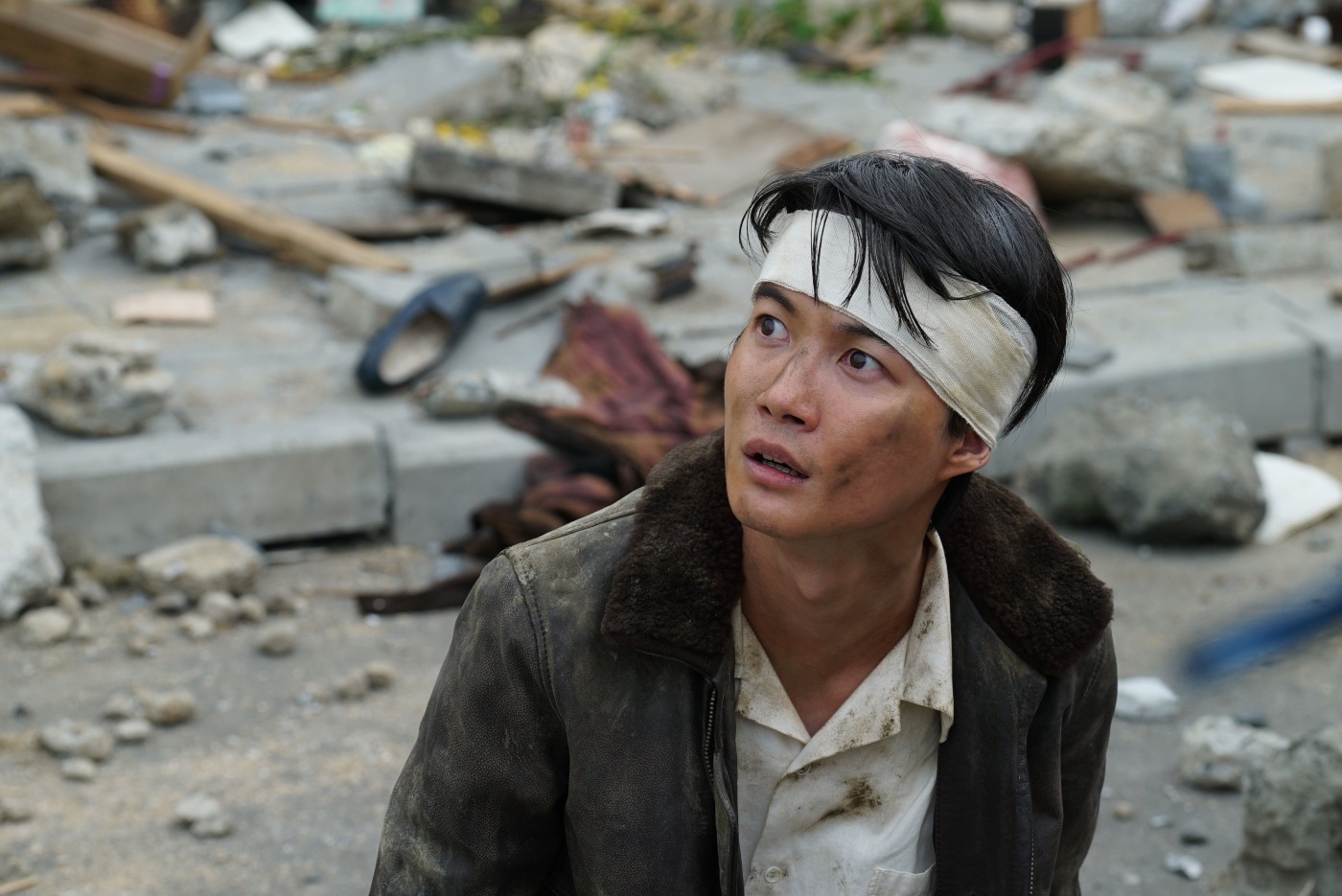
Undercurrent (アンダーカレント, Rikiya Imaizumi, 2023)

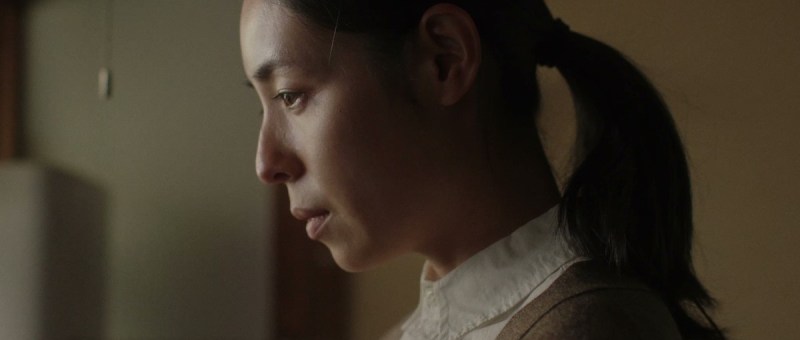
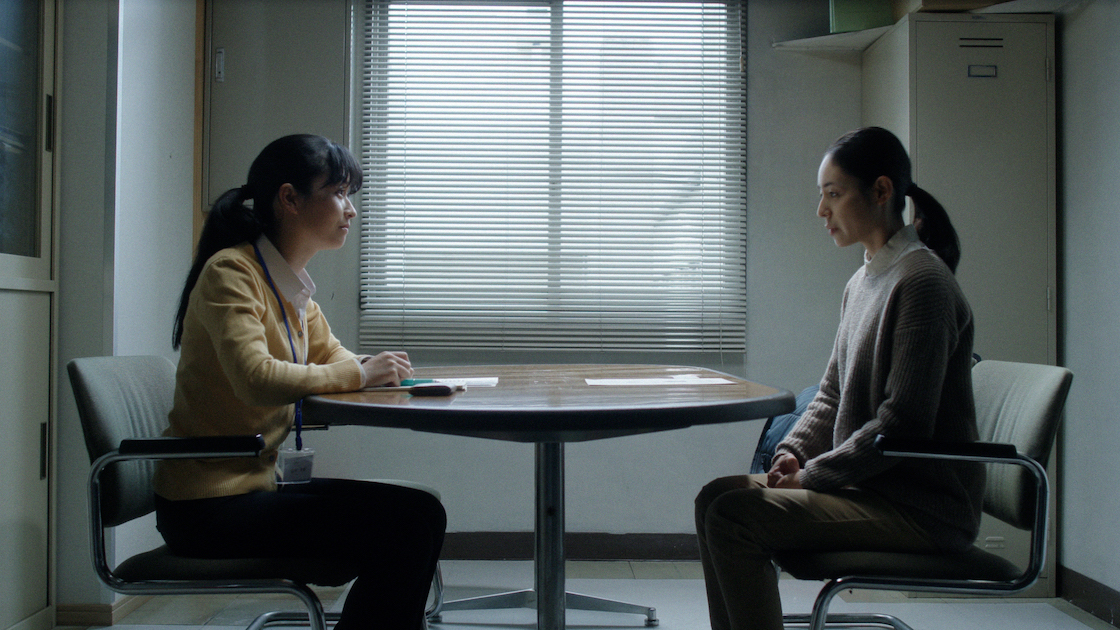
Part way through Rikiya Imaizumi’s adaptation of the Testuyua Toyoda manga Undercurrent (アンダーカレント) a detective asks his client what she thinks it means to “understand” someone. Of course, she doesn’t really have an answer, and the film seems to suggest there isn’t one because we are forever strangers to ourselves let alone anyone else. We do things without knowing why or that somehow surprise us, while the actions of others can an also be be worryingly opaque. But then perhaps you don’t really need to “know” someone in order to “understand” them and as someone else later says perhaps it’s true enough that most people don’t really want the truth but a comforting illusion. 

But then Kanae’s (Yoko Maki) illusions aren’t exactly comforting. Her husband of four years Satoru (Eita Nagayama) suddenly disappeared during a work trip a year previously and has not been heard from since. She turns the television off when the news announces details of a decomposing body discovered near a set of electrical pylons, but on another level she’s sure that Satoru is alive and chose to leave her for reasons she can’t understand. Kanae tells a friend that what pains her most is thinking that in the end she wasn’t a person Satoru felt he could share his worries with so she was powerless to help him. Then again, there’s something in Kanae that is equally closed off, a little distant and otherworldly as if she were also putting up a front to keep her true self submerged.

The detective (Lily Franky), whose name is “Yamasaki” yet allows people call him “Yamazaki” because it’s easier for them, says of Satoru that his “cheerful,” ever smiling nature may also have been a kind of masking designed to dissuade people from looking any deeper. Someone else admits that they lied mostly to fit in, be what others wanted them to be, only to be caught out by the gulf between their genuine feelings and and the ever expanding web of their lies. Caught in a kind of suspended animation uncertain if Satoru will ever return and if and how she should continue with her life, Kanae ends up taking in a new assistant at her family bathhouse. Hori (Arata Iura) is the polar opposite of the way her husband is described, silent, soulful and somehow sad. We might be suspicious of him, his arrival seems too coincidental and the way he looks at some children running past in the town perhaps worrying. Yet how can we judge based only on his silence knowing nothing else of his history? Nevertheless, he may understand Kanae much better than anyone would suspect and may be the comforting presence from her recurring nightmares.

In her dreams, she’s plunged into water with a pair of hands around her neck. Unknowingly, Hori asks her if she’s ever really wanted to die and she can’t answer him even if it seems to us that the dreams reflect her desire for death, to be submerged in a sea of forgetfulness. Yet we later learn they come to have another meaning reflecting her long buried trauma and the reason for her own listlessness. These are the undercurrents that run silently through her, waves of guilt and grief that obscure all else. Disappearances have happened around her all life and seem only to increase, another bath house owner seemingly disappearing after a fire having promised to sell her his boiler. Yet through her experiences, she comes to fear them less reflecting that anyone could leave at any moment and that’s alright, as Hori had said nothing’s really forever. 

Even so, she regrets that there couldn’t have been more emotional honesty from the beginning then perhaps no one would need to disappear without a word. Confessions are made and the air is cleared. Someone had said that no one wanted the truth, but it seems Kanae has chosen it as perhaps symbolised in her decision to call Yamasaki by his actual name rather than the one he allows people to use because it’s too much trouble to correct them. Aside from his multiple names, Yamasaki is a strange man who holds meetings in karaoke boxes and theme parks though perhaps because he simply thinks Kanae could use a little cheering up. In more ways than one, it’s the ones left behind who are left in the dark, but they may be able to find their way out of it with a little more light and reflection.


Screened as part of this year’s Japan Foundation Touring Film Programme.

Original trailer (English subtitles)
Home Sweet Home (我が家は樂し, Noboru Nakamura, 1951)

There must have been a lot of families like the Uemuras in the Japan of 1951. As film’s title implies, their home is a happy one and though they may not have much they make the most what they have and are cheerful and loving towards each other. Still, the world stores up trouble for them perhaps because they are so very defiant of their circumstances. In many ways a classic shomingeki, Home Sweet Home (我が家は樂し, Waga Ya wa Tanoshi) was the film that put Noboru Nakamura on the map and finds Japan at a kind of crossroads edging past post-war privation towards a broadly consumerist society.

We can get a sense of that in the constant needs of four children in the Uemura family, patriarch Kosaku (Chishu Ryu) picking up his young son Kazuo (Katsumasa Okamoto) after baseball on his way home and noticing that his mitt is almost worn through only to get there and spot his daughter’s boots are getting pretty thin too. It’s clear they struggle for money despite Kosaku’s steady job for which he is about to receive a 25-year good service commendation as wife Namiko (Isuzu Yamada) supplements the family income by taking in sewing at home while we later find out that she’s already sold most of her kimono to help make ends meet and is considering selling her wedding ring to pay for middle daughter Nobuko’s (Keiko Kishi) school trip to Kyoto.

But her hard-nosed sister Kayo (Mutsuko Sakura) tells her that secondhand kimono have lost their value with so many new ones now available. In the immediate post-war era, rice and kimono were the only things that had held their value and so selling one could bring in a lot of money quickly. Conversely, after receiving a sizeable bonus along with his commendation, Kosaku and Namiko visit a department store which has a large range of affordable clothing for sale though the kimono fabric Kosaku picks out for Namiko is still fairly expensive so she instinctively puts it back insisting that they buy the presents they promised the children first. 

That was probably a good move, seeing as the rest of the money is stolen from them on their way home to a congratulations party the children are busy setting up. Kosaku asks why someone would rob people like them, honest, hardworking types who don’t have much to begin with but as Namiko sensibly points out pickpockets don’t really think like that and how would they know anyway. The subtext is that times are still hard for a lot of people even if there are now more exciting, definitely non-essential things appearing on shelves for people with disposable income to buy and a new kimono, though out of fashion, is no longer so out of reach for the ordinary housewife. 

The loss of the money might seem as if it should place a wedge between husband and wife, but bar a moment of disappointment cured by the realisation that oldest daughter Tomoko (Hideko Takamine) has been considerate enough to place hot water bottles in their futons, they resolve to muddle through together and in any case they’re no worse off than they were before. Tomoko herself is conflicted, feeling as if as a young woman in her early 20s she should give up her dreams of becoming a painter and get a job to support the family but Namiko always tells her not to. She encourages each of her children to follow their dreams, perhaps a sign of a new post-war liberation, telling her sister that she’d happily sell all her kimono so that Tomoko could go on painting. Later we discover that she also dreamed of becoming an artist and that though Kosaku had encouraged her to keep it up, a housewife’s day is never done and there was simply no time left for herself. Painting is just another thing she sacrificed for her family and Namiko seems to be determined that Tomoko won’t have to do the same not that she particularly regrets her decision.

Tomoko only really comes to understand her mother’s sacrifices on noticing that the cupboards really are bare, she’s sold everything that could be sold and pawned her ring though the colleague that owned the house they were renting has encountered some financial difficulties of his own and going to to sell to the grumpy old man who bought the house across the way. The Uemuras are such obviously good people that it feels so unfair that so much bad luck has come their way all at once though it is their goodness that eventually saves them when the old man is touched by seeing youngest daughter Mitsuko (Kazuko Fukui) playing with his dog. He later comes to admire Tomoko’s painting of his garden though he’d put a fence up to stop her peering in. The scars of the post-war era are visible in the damage to Uemura’s front wall which would have blocked the way but now perhaps enables them to become good neighbours after all. Though the film may lack some of the visual flair present in Nakamura’s later work, it more than makes up for it with genuine sentiment and the implication that in the end the world is basically good and rewards those who are the same even if it sometimes tests their resilience.


Table for Six 2 (飯戲攻心2, Sunny Chan Wing-Sun, 2024)

“It’s okay to be screwed, we’ll unscrew you later,” youngest brother Lung (Peter Chan Charm Man) comforts his dejected brother in an accidental advocation of what means to be a family in Sunny Chan’s followup to the phenomenally successful comedy  Table for Six. Like the previous film and in true Lunar New Year fashion, Table For Six 2 (飯戲攻心2) explores the concept of family in a wider sense along with contemporary attitudes to marriage and traditional gender roles.

Even so, it has to be said this table is now uneven as oldest brother Steve has literally run away from his romantic dilemmas taking off for Africa leaving new girlfriend Miaow (Lin Min-Chen) behind claiming she’s too far out of his league and it’s not fair of him to waste her youth. Ironically enough, Bernard (Louis Cheung) has now started a wedding business helping people pull off extravagant public proposals such as the sort of fake one he prepares for Monica (Stephy Tang Lai-yan) as a publicity stunt featuring him dancing in a 90s-style music video. As part of the campaign, they’ve set up Lung and Miaow as a fake couple hoping to build a following for their romance online much to unexpected chagrin of Josephine (Ivana Wong) who has begun to embrace her dreams by becoming a well-known quirky chef who makes food disguised as other food. Though they had agreed to separate so the could both follow three dreams at the end of the previous film, Josephine suddenly proposes leading Bernard to put on an extravagant wedding as promotion for his business. 

In a way, Bernard’s company symbolises the performative qualities of marriage as couples put themselves through a stressful and expensive ritual more out of obligation than real desire. When Lung is prevented from reaching the ceremony on time, Bernard ends up impersonating him in a full body costume making plain that the spectacle is more for show than sentiment and it could really be anyone up there simply fulfilling a role. In fact, no one even checks the certificates were properly signed. Then again, just as in Josephine’s cooking sometimes the “fake” and can actually contain the “real” just in a different way than expected. She may say that once a relationship has cooled the spark can’t be regained, but that doesn’t necessarily mean a new, different, spark couldn’t be found. 

Perhaps that’s what happened for Bernard and Monica who’ve now overcome the awkwardness of Monica having been in a longterm relationship with oldest brother Steve. Ironically enough, they’d more or less decided not to get married only to be blindsided by their reactions to the “fake” proposal but as it turns out more because of the emotional baggage from their parents’ failed relationships that have left them too afraid to get married. Monica is still traumatised by her father’s extra marital affair which resulted in a half-brother she’s never met but has since become a Cantopop star, while Bernard still has bad memories of being treated as a “red-headed” child and like Steve is preoccupied with a desire to keep the family together while worried that he isn’t really up to it. 

The lesson Bernard learns is that family is a burden that’s carried together so he didn’t need to save it on his own and that it’s alright to mess things up because his family will be there to take care of him. Miaow meanwhile is left in the same place as Steve had been in the first film, wondering how long she should wait for love or if Steve is ever coming back, trying to decide whether to accept a promising job offer in Japan or stay in Hong Kong. Part of her reluctance to move on is that she’s become wedded to the family and fears losing her place within it but as Monica says her status wasn’t dependent on blood or relationships and that she’s already been accepted into the family just for being herself. 

Then again, families can also be annoying as Bernard remembers after inviting his gangsterish uncles to one of the weddings only for them to muscle in as a major sponsor for another own insisting on designs the dress themselves complete with a par of shark fin wings to promote their business none of which meshes well with Monica’s passion for conservation. In any case, as Monica reflects family means you can embarrass yourselves together so maybe wearing a stupid dress for a few minutes isn’t such a big deal. Heartfelt and zany, Chan’s farcical drama shifts past the performative aspects of marriage and family to what lies beneath which, like Josephine’s cooking, may not always be what it first appears.


Table for Six 2 is in UK cinemas from 9th February courtesy of CineAsia.

UK trailer (English subtitles)