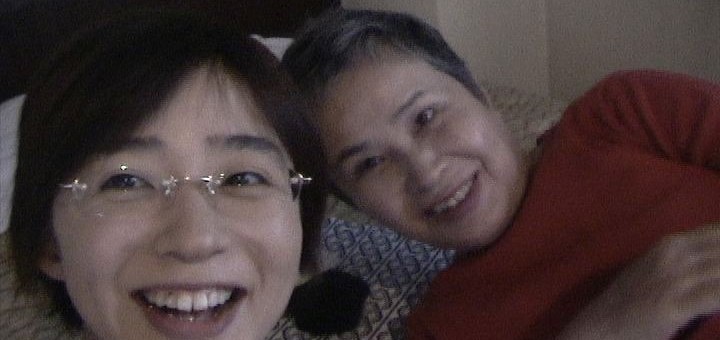
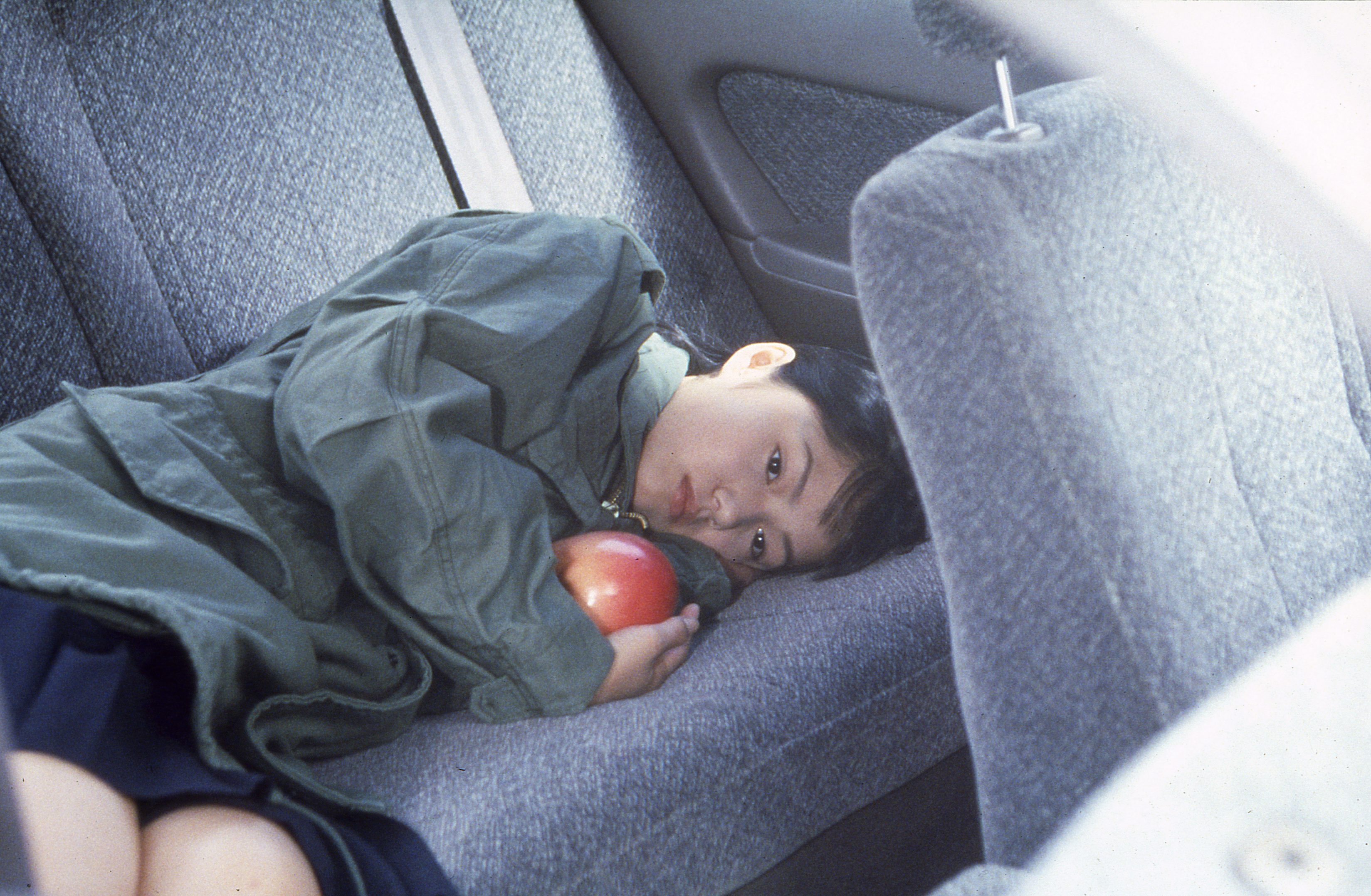
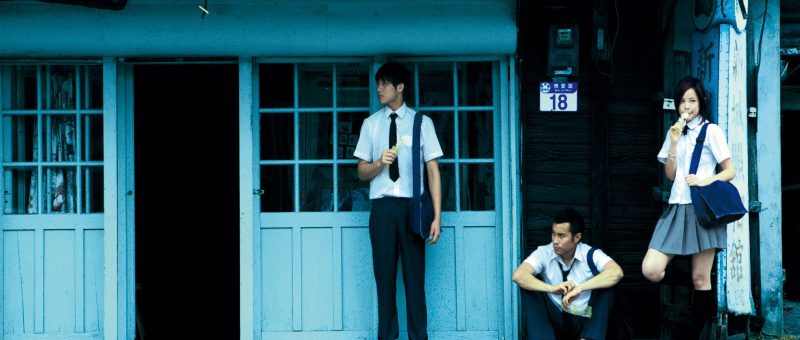
0&1 (Kei Nakata, 2001)

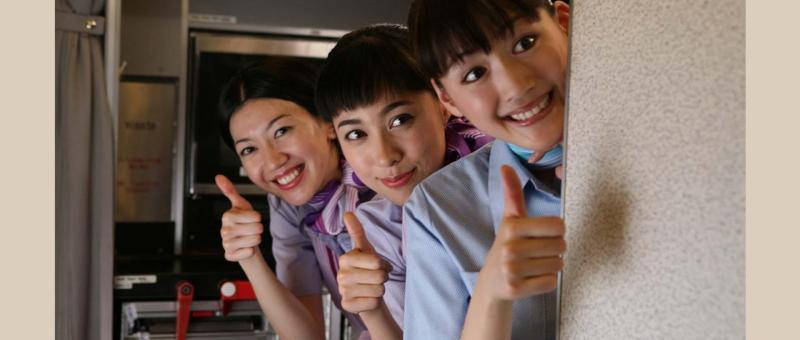
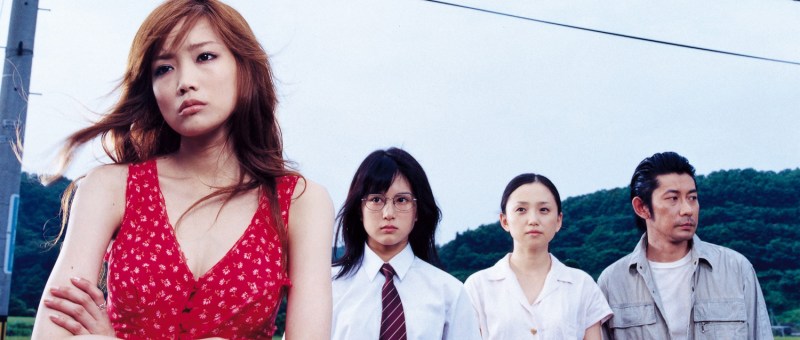
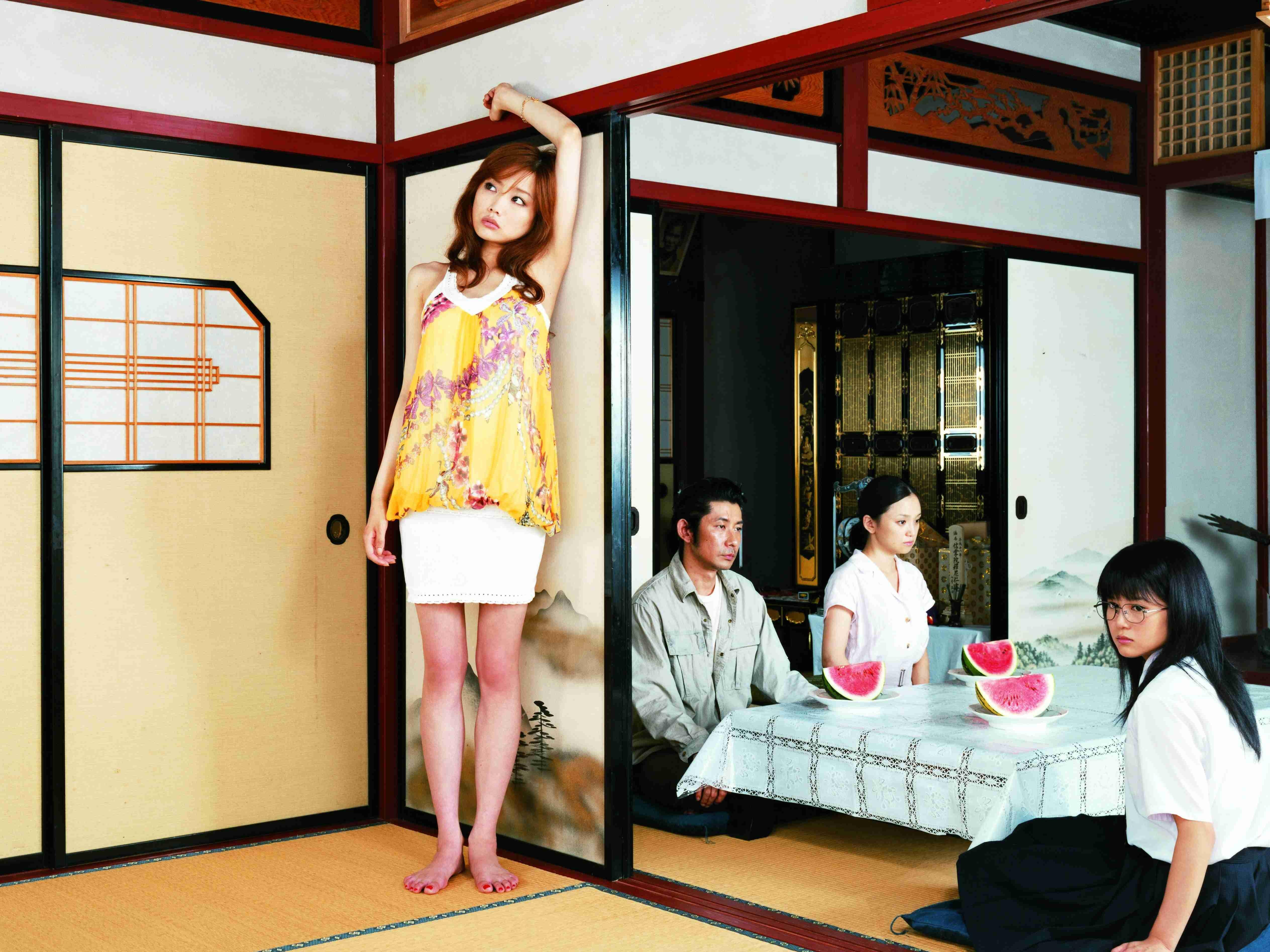
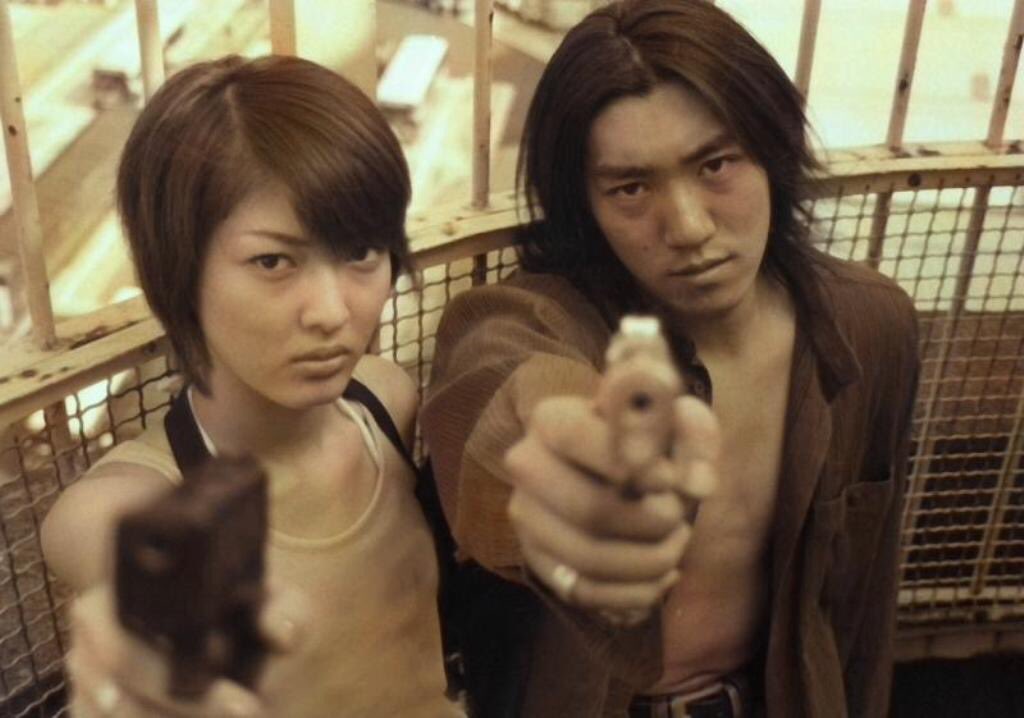
Filled with a sense of post-millennial ennui, Kei Nakata’s 2001 noir drama 0&1 is a familiar tale of fatalism and existential crisis but also a zeitgeisty capture of turn of the century Tokyo in which its heroes appear lost and in continual fear of displacement. Now digitally remastered, the meta quality of the film’s use of early DV ironically adds to the characters’ quest for proof of life through video while bearing out the mutability of physical recording which in itself can become inaccessible with terrifying speed. 

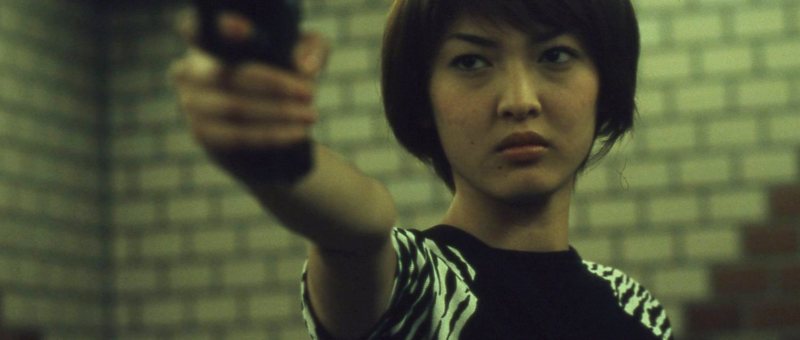
A young hitwoman ironically codenamed “0” is beginning to question her repetitive life of ceaseless killing, feeling in a sense as if she does not quite exist. In a quest to document her existence, she buys a handheld DV camera and begins recording herself and her thoughts as a kind of proof of life verifying that she does in fact live. “My memory will disappear someday. Will I disappear too?” she asks herself, stopping to capture cherry trees in bloom but disappointed to discover something at the harbour already gone. 

Her opposing force, a male hitman codenamed “1” is in the midst of a similar existential crisis feeling himself lost in a crowd as if it would make no difference to anything if he were to disappear. Unknowingly crossing paths with 0 in the chaos of the Shibuya scramble, he idly picks up a DV tape left behind in a cafe and, buying a DV camera for himself, is struck by 0’s existential musings. Taking up the camera he too begins to film himself because in this moment he wanted to exist even if describing his existence as “waiting to disappear slowly”. “We don’t know where to go” he laments, talking not just for himself and his opposing number but for the present generation trapped by post-Bubble malaise and millennial anxiety. Nakata frames his tale in terms of Y2K paranoia mired in the distrust of new technologies, but these two binary individuals look for salvation in the video screen for proof that they exist and that their reality has veracity.

Nevertheless, as the opening text informed us, 0 and 1 are numbers not meant to touch and their accidental meeting may spark its own kind of revolution in this case in the minds of two killers for hire otherwise trained neither to think or feel. Through their interactions, each begins to rediscover their sense of humanity while burdened by existential questioning but their newfound desire for emotional connectivity and individual identity is necessarily dangerous to their handlers who abruptly decide their broken robots must be destroyed before the contamination spreads. 

Yet the veteran they set on their tails, a refugee from old noir in crumpled trench coat, is facing much the same dilemma realising his end is near and in what form that end may likely come. Visiting an old school smokey jazz bar apparently after some time, he remarks on how nothing has changed inside but it too may soon disappear along with his own place to belong. Like the youngsters, he has grown tired of an existence of cynical repetition but given a new job he doesn’t quite like complains that in the old days things were fairer and had a kind or nobility rather than this rather sordid piece of housekeeping he’s just been asked to perform which could, he assumes, also be the end for him. His opposing number, however, is a pure survivalist living squarely in the moment who resents being saddled with a partner and insists on doing things her own way. 

Melancholy in its sense of fatalism, 0&1 ironically captures an early 20th century Tokyo which like its heroes has long since disappeared. The early DV aesthetic, while never quite beautiful, is the perfect evocation of the early 2000s while the medium itself has become largely obsolete, a digital halfway house now viewable only to those with the correct technology to unlock its secrets. Yet Nakata’s nihilistic prognosis is bleaker than it first seems, the heroine’s hopes of putting the camera down to make her own memories seemingly a forlorn hope while no refuge is available from the all pervasive sense of post-millennial emptiness, not even in dreams. 


 0&1 streamed as part of Yubari International Fantastic Film Festival 2021.

Original trailer (no subtitles)

Air Doll (空気人形, Hirokazu Koreeda, 2009)

“Was everything you saw in this world sad? Was there something, anything, what was beautiful?” the heroine of Hirokazu Koreeda’s exploration of urban loneliness Air Doll (空気人形, Kuki Ningyo) is asked by her creator though he can offer her few answers for the strange mystery of her life. Like a child, she takes beauty where she finds it yet much of what she sees is indeed sad as she reflects on the disconnected lives around her, the emptiness and futility of life in the contemporary society where everything is just a substitute for something else which cannot be obtained. 

As for herself, she is quite literally empty inside, an inflatable sex doll owned by middle-aged family restaurant waiter Hideo (Itsuji Itao) who has given her the name of his ex, Nozomi (Bae Doona), which ironically means hope, wish, or desire though not generally of the sexual kind. Yet one day she suddenly wakes up and begins to explore the world rejoicing in its new sensations feeling the rain on her hands and the wind that sounds the chimes as she watches her neighbours go about their daily routine. Dressed in the French maid’s outfit picked out for her by Hideo she gets a job at a local video store and begins living a more independent life while learning how to operate in human society. She feels herself out of place but is repeatedly told that there are others like her, mistaking her literal emptiness for their spiritual despair. 

Yet that sense of emptiness and futility is evident from Nozomi’s first forays into the human world in that the first act of mundanity she witnesses is the bin men sorting rubbish for disposal. “Unfortunately they’re non-burnable” Nozomi’s creator explains when she visits him in search of answers revealing he throws out the broken dolls that are returned to him once a year, “after all, once we die we’re burnable garbage. It’s not such a big difference” he adds, though as it turns out it is quite a big difference to Nozomi in ramming home to her that she can never become human and will always be something else, an inorganic “substitute” for something perceived as the “real”. 

“Your only flaw is that your body’s so cold” Hideo ironically laments as he warms her up in the bath, something she is told repeatedly to remind her that though she has discovered a heart it does not beat and she is not “alive”. Yet an old man (Masaya Takahashi) seeking a different kind of comfort later remarks that those with cold hands often have warm hearts as he reflects on his own life as a “substitute” teacher while she looks over the pictures of the many dogs he’s had through the course of his life as substitutes for the traditional family that have only left him feeling lonelier through their inevitable absences. There is perhaps in this a slightly conservative and uncomfortable implication that the loneliness we see in everybody that we meet is partly caused by the decline of the traditional family itself partly a consequence of the shifting gender roles of the later 20th century society. When they first meet, Nozomi has been rejected by a group of local mothers for inappropriately cooing over a baby in a pushchair the old man comforting her with a tale of the mayfly which is itself empty inside existing only to give birth and then die its own life defined by futility. Nozomi can never truly be human, but more than that she can never truly be a woman because she cannot reproduce as signalled in her final exchange with a little girl in her neighbourhood who swaps her beaten up and broken doll, a substitute for her absent mother now symbolic daughter to Nozomi, in exchange for her ring, a symbol of adulthood. 

In this way Nozomi becomes herself a symbol of something that is broken, an active barrier to societal happiness in providing a way for men like Hideo to escape the responsibility of the traditional family by satisfying his sexual desire through a fantasy of intimacy with an inanimate substitute. When Nozomi throws her pump away, Hideo buys a new model and when she confronts him he asks her to go back to being a passive doll because he finds all the human stuff “annoying” and only wants a woman who can be a selfless embodiment of his desires, will never talk back, challenge him, or hurt his feelings. Meanwhile, when her boss at the store (Ryo Iwamatsu) who seems have experienced a recent familial breakdown of his own blackmails her into having sex with him in the bathroom he is conversely annoyed by her passivity while tearfully calling out his wife’s name. Even her innocent love for coworker Junichi (Arata Iura) has its darkness, not only does she suspect she’s merely a substitute for his ex, his fetishisation of her revolves around his ability to take control over life by letting out her air and then permitting her to live by blowing his own back into her. 

“I am an air doll. A substitute for sexual desire” is how she introduces herself, preoccupied with her literal emptiness yet along with a heart discovering a sense of self as she interacts with others, beginning to wear her own clothes rather than those purchased for her by Hideo. At a moment of crisis she is surrounded by all the treasures she’s collected which ironically include a number of ornaments intended for a doll’s house including a tiny simulacrum of a cake which reappears in her imaginary birthday party suggesting that the only true happiness is to be found in wishful fantasy while the “real” will only ever disappoint. Nevertheless, she uses her last breath to bring happiness to all she can, uniting the old man with a lonely old woman (Sumiko Fuji) who confesses to random crimes just to have someone to talk to. Shot with unusual fluidity by Mark Lee Ping-Bing, Koreeda captures a society in flux in which the easy convenience of disposable consumerism has begun to replace human relationships and left us all empty inside. 


Air Doll in in US cinemas and on VOD Feb. 4 courtesy of Dekanalog

Trailer (English subtitles)
Dear Pyongyang (Yang Yong-hi, 2006)

“Whether she accepts my ideas or not, I’m glad because she’s all grown up” the father of documentarian Yang Yong-hi insists implying perhaps that he has more respect for his daughter’s questioning nature than she had assumed he might. Deeply personal, Dear Pyongyang is Yang attempting to parse the disconnect between her loving parents’ lifelong faith in the Great Leader and her own upbringing in a much more open society which has encouraged her that she should be free to live her own life and make her own decisions rather than as her father would have it devote herself to a “fatherland” which remains unfamiliar to her. 

As the opening titles explain, Korea was annexed by Japan in 1910 and fell under colonial rule until its independence was returned with the collapse of the Japanese empire at the end of the war only to be partitioned in 1948. During the colonial era, many Koreans had settled in Japan, divisions also emerging between them as those who supported the North chose to take North Korean nationality even if in reality from the south. Yang’s father was one such person, having grown up around ardent Marxists on Jeju Island. A member of pro-North organisation Chongryon, he devoted his life to activism campaigning for the rights of other Zainichi Koreans while proselytising for Kim Il-Sung thought. He even sent his three sons “back” to North Korea as part of a repatriation program in 1971 incorrectly believing that the North’s economy was improving, the nation would soon be reunified, and relations with Japan would become normalised. Had he known it would mean an almost permanent separation, he may have made a different choice. 

Six years old at the time and kept behind as the only daughter, Yang attended North Korean schools and was in a sense indoctrinated with North Korean propaganda yet she was also coming of age in Japan where she was free to listen to the Beatles and watch movies while it gradually became obvious to her that the place her brothers had been sent to was far from the paradise they’d been promised. She herself was able to meet with them in 1983 as part of a school trip but even then she was only permitted to see them for short periods of time agreed with North Korean authorities. Permitted to travel back and forth with some regularity she finds herself noting more each time how the images in her mind don’t line up, fixing her gaze on a incomplete tower construction long since abandoned as an ironic symbol of the North’s false prosperity. 

In actuality Yang cannot show much of this in her film for obvious reasons and in the time she spends with her brothers and their families, their lives seem comfortable enough save the odd power cut. Her young nephew has even benefitted from the CDs she used to send his father and is an accomplished piano player. Nevertheless, her mother Yon has been sending heat packs en masse to each of the brothers as well as other friends and relatives after receiving a letter telling her that one of the grandchildren had been suffering frostbite because of the extreme cold. Yon had always sent care packages to her children, so shocked on receiving the first photo of them from the North and noticing how much weight they’d lost that she tore it up rather than let their father see it, but boxes have increased significantly in size as the families grew and she became more aware of the reality of the situation in Pyongyang. Still she and her husband remain loyal to the Great Leader, unable to discern the level of cognitive dissonance in the evidence of their eyes and their faith in North Korean communism. 

It’s the disconnect that Yang can’t understand or forgive, finding it particularly galling that her parents have been supporting whole communities with their care packages but everyone attributes the largesse to the goodness of the Great Leader even though the packages wouldn’t be necessary if the system itself had not failed. Her ideological opposition to her father manifests itself in her desire to change her nationality though opting not for a Japanese passport but a South Korean one that would allow her to travel more easily if also ironically preventing her from visiting her brothers and extended family in the North. Finally he seems to relent, admitting that the “circumstances have changed” and he wants her to have more opportunities in her working life. In any case, even if she lived in the South she would be free to visit him in Japan in a way his sons are not, his exclusion of her from his instructions that his sons and grandchildren should devote their lives to the “fatherland” perhaps a tacit acknowledgement that she need not follow his path but should seek her own. Then again perhaps it’s also an acceptance that his life’s work has not turned out as he’d hoped and has in fact robbed him of the company of his children through literal and ideological divide. Even so this moment of compromise allows Yang to begin to bridge a division she thought unbreachable, able for the first time to see her father as just that, longing to hear his thoughts and have him listen to hers only to be immediately robbed of the opportunity. At times raw and filled with a sense of melancholy regret, Yang’s incredibly personal documentary is partly a treatise on the destructive effects of cognitive dissonance and blind faith, but also on the freedom to be found in mutual acceptance. 


Dear Pyongyang streams worldwide (excl. Japan) via DAFilms until Feb. 6 as part of Made in Japan, Yamagata 1989 – 2021 (films stream free until Jan. 24)

US Trailer (Japanese & Korean with English subtitles)

The Cheese & The Worms (チーズとうじ虫, Haruyo Kato, 2005)

A series of quotidian observations of an ordinary life, Haruyo Kato’s moving personal documentary The Cheese & The Worms (チーズとうじ虫, Cheese to Ujimushi) sees the director returning to her hometown in order to spend time with her mother, Naomi, who is suffering with a terminal illness, and her elderly grandmother. Yet hers is not so much an exploration of sickness or old age as what it means to live in the shadow of death through the tiny moments of the everyday which ultimately construct a life as her mother tries to find joy in ordinariness and the director an acceptance of the abruptness with which a life can end. 

Kato structures her tale as a series of vignettes each preceded by a title card featuring two words joined by an ampersand until such time as her mother passes away at which a single word remains only later joined by others. She begins and ends with the sky, but otherwise captures the small moments of everyday life that might otherwise be forgotten such as her mother cooking, attempting to grow vegetables in the field behind her home or appreciating the cosmos flowers blooming near by. Poignantly they decide to plant more the following year though uncertain if Naomi will see them bloom. 

Meanwhile, Naomi uses her remaining time perfecting old hobbies such as learning to play the shamisen or painting in preparation for an exhibition alongside others from the retired teachers association. She spends time with her two young grandchildren and witnesses the birth of a third, the family coming together to celebrate grandma’s birthday. They do not talk very much about death save discussing Kato’s childhood trauma having lost her father young contributing to her sense of despair regarding her mother’s illness and declining health. We see her undergo various hospital treatments and gradually become weaker though trying to live as normal a life as possible. 

Kato asks her grandmother if she fears death but is told that once you reach a certain age it no longer frightens you, she hoping only that it be peaceful and as painless as possible for herself and those left behind. One of Naomi’s regrets had also been that in dying first she would be abandoning her elderly mother while grandma too struggles to accept the loss. Poignant pillow shots capture the anxieties of ageing in her scattered mobility aids and the false teeth sitting in a glass, or otherwise find her too trying her best to live while reflecting that Naomi at least got to see her four grandchildren and lived a full and happy life. On her death she had said she wanted to become dust of the cosmos, while grandma after thinking for a moment answered that she’d like to be the earth which is perhaps a touching metaphor for a life of a mother and a daughter. 

Yet the reality of Naomi’s death is echoed in its absences. Kato flipping through an old day planner as the number of appointments gradually declines before all of a sudden the pages are blank save for the boxes where her mother had penned in the days of the week, the book thereafter one of constant emptiness that reminds her of all the life left unlived in the terrible abruptness of its ending. She and her siblings later attend a sumo match in her mother’s place, reflecting that the camera flashes are like twinkling stars and wishing she could have come with them to see it. 

Kato and her grandmother rewatch the home videos she had shot of her mother, reflecting on lost moments and their own memories as they each try to find acceptance and accommodation with loss. At her funeral, Naomi’s youngest grandson had attempted to crawl over her body, too young to understand the meaning of death and bursting into tears at the adults’ reaction, a confused mixture of horror and bemusement as they gently lift him away. It’s in these small, forgettable moments that Kato eventually finds meaning in life a sense of everyday happiness now unburdened by fear or anxiety and existing only as fragmentary memories of warmth and humour and given in a sense a second life in their constant replay through the art of Kato’s gentle filmmaking. 


The Cheese & The Worms streams worldwide (excl. Japan) via DAFilms until Feb. 6 as part of Made in Japan, Yamagata 1989 – 2021 (films stream free until Jan. 24)

A2 (Tatsuya Mori, 2001)

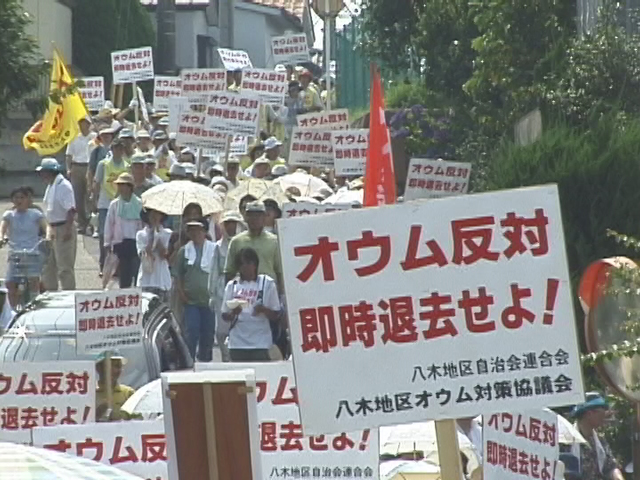
“Japanese society is definitely worse than it was five years ago” according to director Tatsuya Mori, returning to the subject of Aum Shinrikyo following his 1998 documentary A, “It is definitely warped.” In A2, he wonders if the legacy of the 1995 sarin gas attack on the Tokyo subway has affected society in unexpected ways as its rage and fear is channeled in the wrong direction in its pathological hatred of the new religion sect without attempting to understand why the attack happened or why people continue to follow the cult’s teachings given its violent history. 

Five years on, Aum has rebranded as Aleph and distanced itself from the teachings of Shoko Asahara but is still holding out on coming up with a plan for compensating victims and their families while some members directly involved in the attack remain on the run (the final fugitive was apprehended only in 2012). The government has decreed that those who had no connection to the incident should be allowed their constitutionally guaranteed rights to practice their religion, but as Mori follows them the current members face constant harassment in the local communities in which they attempt to settle. As someone later puts it, there is no real solution, once Aum is rejected they have no option but to move on to another town where the same thing will happen again with no real progress made. 

Even so, in one particular community the locals become almost friendly to the Aum members they are also keeping under close and intensive surveillance. Though instructed not to interact with them, some residents explain that they personally would prefer to be on friendly terms, others jokingly even offering them food or alcohol over the fence and almost sorry to see them leave when their rental contract finally expires. Through their admittedly hostile interactions, they’ve come to accept the members of Aum as distinct from their association with the sarin gas attack and no longer harbour the same sense of fear they once held for the unknown quantity of the new religion organisation. 

On the other hand, the fear and anxiety which has become linked with Aum has been hijacked by right-wing nationalist groups seeking to manipulate it for their own gain as they step into the vacuum created by a lack of action with their own ideas for potential solutions to the Aum problem. Their solutions are not as extreme as one might assume, but advocate for Aum’s forced disbandment with no practical plans for how that might happen. As Aum members admit, as a new religion organisation they often attract those who are vulnerable and looking for solutions to their own mental anguish. Faced with the intense harassment they face in smaller communities, these members are often pushed towards taking their own lives while the press has sometimes also attempted to manipulate their image for personal gain one man claiming he was essentially abducted and taken to hospital on the grounds he seemed malnourished but was prevented from leaving after getting the OK from a doctor as the police had already issued a statement about him which the press had printed without verifying. 

The current Aum members frequently complain that they have been misrepresented by the press while Mori himself is on one occasion accused of being an Aum sympathiser when challenging potential inaccuracies or asking if those participating in anti-Aum activity might be better off trying to understand them instead. This seems to be the direction in which some of the protests have drifted, local societies putting up signs to encourage thse who might want to leave the organisation to reassure them that they will be reaccepted by mainstream society, that their friends and relatives with whom they have severed ties are waiting for their return. The members, however, are often so disconnected from “worldly” matters that they may not know what mainstream society is, Mori’s brief questioning of an official revealing that she is unable to recognise the names of even the biggest contemporary pop stars. “Ultimately harmony can’t be achieved, can it?” Mori asks somewhat rhetorically, worrying that the psychological strain placed on the followers not only in the austerity of their religion but their treatment by wider society cannot but lead to further damage while opinions on either side are unlikely to soften. 


A2 streams worldwide (excl. Japan) via DAFilms until Feb. 6 as part of Made in Japan, Yamagata 1989 – 2021 (films stream free until Jan. 24)

Original trailer (no subtitles)

Harmful Insect (害虫, Akihiko Shiota, 2001)

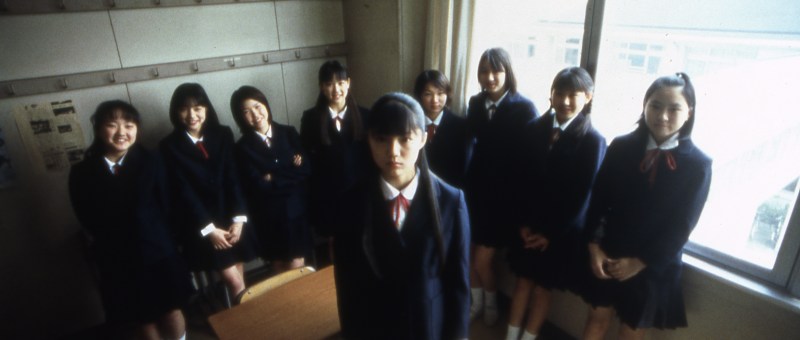
“We’re only in seventh grade, why does Sachi have to suffer so much?” a well-meaning friend eventually asks as she comforts the heroine of Akihiko Shiota’s Harmful Insect (害虫, Gaichu), even as her mother turns away from her too fragile herself to be of much use. Sachiko (Aoi Miyazaki) does indeed suffer, continually victimised by the world in which she lives and having that victimisation used against her, rejected by her peers and almost blamed for the misfortunes which befall her as if she were the one at fault simply for existing. 

Shortly after the opening scene in which 13-year-old Sachiko’s mother (Ryo) attempts to take her own life, we see the girls at school gossiping about her while she’s still in earshot not entirely sympathetic as they remark on the fact her father left the family while implying that her mother is some kind of broken-hearted love fool driven to suicide over the loss of a man. Sachiko quickly becomes the woman of rumour, but in a motif which will be repeated the teens talk but never listen swapping stories between themselves and embellishing them as they go. It’s uncertain how much truth there is in the legend of Sachiko but it’s clear that they disapprove of her, adopting a puritanical moralising mindset in which they simply shun her for being something other. Only Natsuko (Yu Aoi) tries to stop them, reaching out to Sachiko even as Sachiko rejects her but is ultimately able to offer little help when even Sachiko’s mother is ill-equipped to protect her. 

The truth is that Sachiko is never safe anywhere. Everywhere she goes, she becomes a target for predatory men of all ages. A schoolboy on a bike harasses her by asking childish questions about her period, while sleazy salarymen repeatedly proposition her for sex, and even her mother’s new boyfriend in a doubly destructive act of betrayal cannot be trusted. She says little and keeps to herself, her silence and her isolation a kind of defiance and defence mechanism. After dropping out of school, she starts hanging around with a drop out 20-something (Tetsu Sawaki) and his homeless friend (Koji Ishikawa) who seems to have learning difficulties, discovering that they support themselves through staging accidents for compensation money. She considers doing the same thing, not for the money but craving the thrill of a near death experience only to find herself unable to go through with it. 

Meanwhile, she continues a letter-based correspondence with her former teacher with whom she is rumoured to have had an affair. Mr. Ogata (Seiichi Tanabe) later resigned for obvious reasons and now has a low-grade job at a nuclear plant. He answers her letters when he can, mostly offering paternalistic platitudes but like her absent parents is unable to provide her with the guidance she is seeking. What she seems to be looking for is the kind of parental input that would allow her to feel protected, safe, but no one is really there for her. She resents her mother’s emotional dependency and tendency to involve herself with unsuitable men, but worries she’s becoming the same striking out for an early independence but discovering only danger and futility. 

She asks herself if vice is the essence of human existence, then is goodness only the quality of not being entirely bad? Her view of the world already coloured with nihilistic despair. The men who misuse her feel they have no real need to justify their actions, but simultaneously blame her for tempting them though she does nothing other than exist remaining silent in order to avoid attracting attention. Then again even she doesn’t quite understand, asking her teacher why it is he can’t forgive himself simultaneously accepting that what happened between them, whatever that was, was wrong enough to warrant forgiveness but unable to grasp why he cannot let go of his guilt, continuing with this half-hearted correspondence unable to grant her the care that she is seeking. Wandering between flashbacks and brief vignettes of her life, Shiota captures Sachiko’s sense of total aloneness as even her sole source of sanctuary is taken from her leading to an explosive act of partially self-destructive violence that sends her forever on the run. The choice she makes at the film’s conclusion, be it in submission or defiance, is hers alone but in its own way a tragedy dragging her deeper into dangerous despair with escape an ever distant possibility.


Harmful Insect streams in the US until Dec. 23 as part of Japan Society New York’s Flash Forward series.

Original trailer (no subtitles)

Images: ©2002 NIKKATSU / TBS / SONY PCL

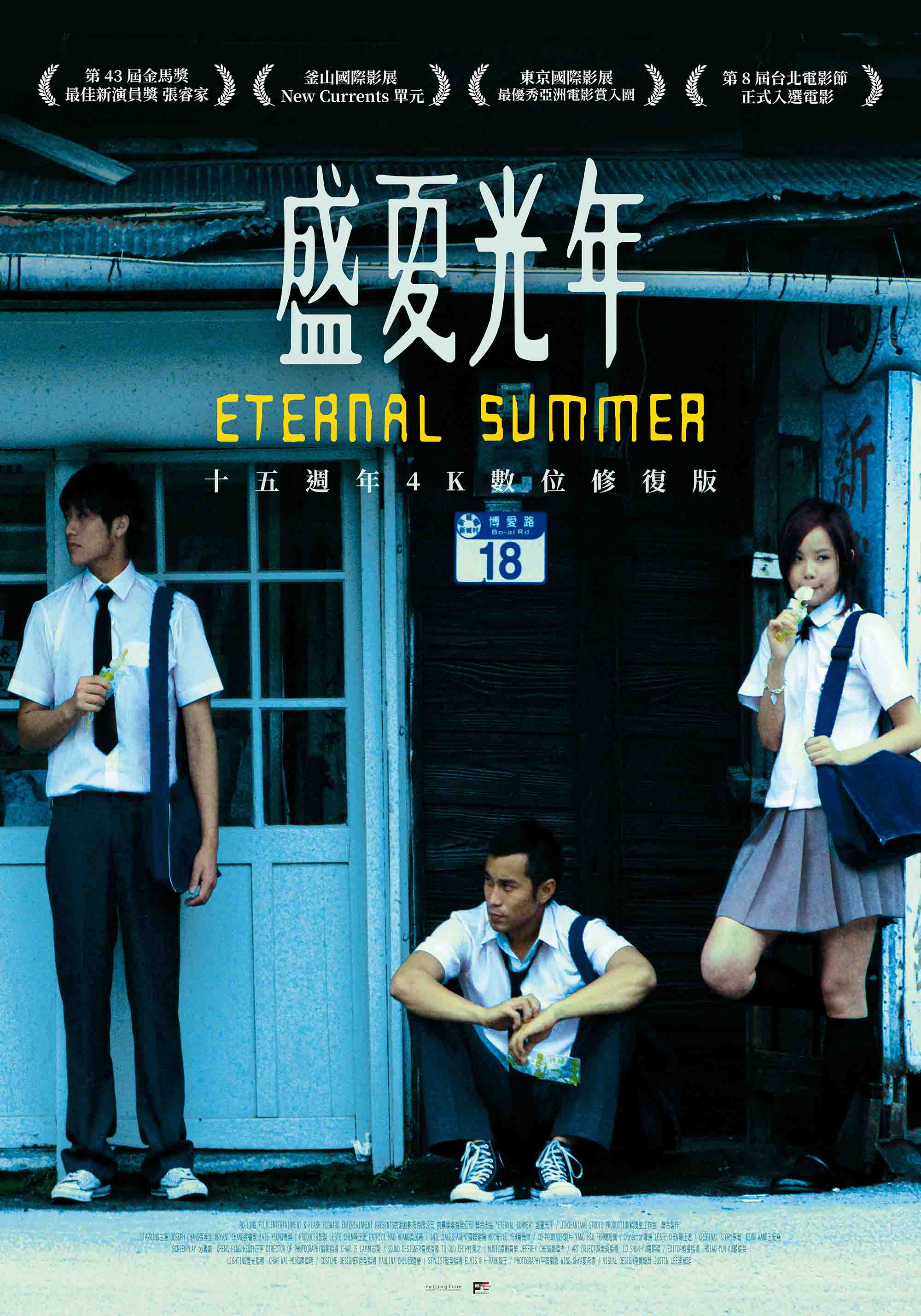
Eternal Summer (盛夏光年, Leste Chen, 2006)

A trio of emotionally displaced teens find themselves swept into an awkward love triangle while longing to escape their loneliness in Leste Chen’s melancholy youth drama Eternal Summer (盛夏光年, Shèngxià Guāngnián). Each in someway marginalised and searching for acceptance, the teens struggle to define themselves as the world changes itself around them while bound by the paradoxical qualities of their circular relationships, their unspoken secrets continually driving them apart even as they continue to long for the intimacy born only of sharing their authentic selves. 

A quiet, studious boy, Joseph Kang (Ray Chang) is asked to befriend his deskmate Shane (Jopseph Hsiao-chuan) who has ADHD and has been labeled disruptive in the hope that creating social relationships with other children will help calm him down. The arrangement in a sense backfires, Joseph’s academic achievement falling while his friendship with Shane only grows in strength and intensity. By the time they are teenagers, the pair are inseparable but Joseph has also fallen in deep, unrequited love with his best friend, a secret he is afraid to share with anyone and ironically cannot share with the one person to whom he is supposed to be able to tell anything. The friendship is further disrupted by the sudden introduction of transfer student Carrie (Kate Yeung Mei-ling) who has returned to Taipei to live with her mother after years of living with her father in Hong Kong. Carrie first develops a fondness for Joseph while working with him on the school paper, but later figures out that he’s secretly in love with Shane and decides to support him as a friend while in another irony Joseph’s ongoing internal crisis eventually forces his friends together, Carrie secretly dating Shane while each of them knows on differing levels how their relationship may hurt Joseph when he eventually finds out. 

In 2006 Taiwanese society was perhaps not quite as accepting as it would become, yet Joseph’s anxiety in his sexuality in compounded by the desire not to lose his friendship with Shane fearing not just that his feelings are not returned but that he may reject him altogether just for being gay. While Shane, a high school sports star with terrible grades, eventually blossoms academically after Carrie makes the ironic promise to go out with him in the unlikely event he gets into uni, it’s heavily implied that Joseph’s previously high level of achievement is damaged because of his preoccupation with his sexuality shockingly failing his uni entrance exams and thereafter further separated from his friends as they move on and he remains in cram school limbo hoping for better luck next year. Meanwhile he finds himself in potentially dangerous situations cruising in parks trying to verify his homosexuality while privately consumed by shame. 

For Shane, meanwhile, his problem is that he feels rejected by the world around him because of the way his ADHD was treated as a child. Regarded as a disruptive troublemaker none of the other kids would play with him save Joseph, meaning that he too is desperate to maintain the friendship in fear of his inescapable loneliness even while finding a similar connection with Carrie who is herself longing for love seemingly having strained relationships with each of her divorced parents while geographically and culturally displaced in having spent much of her life in Hong Kong. Carrie is, however, the only one to know the whole truth frustrated with the two men in her life that they can’t simply clear the air by voicing the secrets that continue to erode their relationship. 

Then again perhaps what they really fear is “change”, afraid of an uncertain adulthood in which their childhood connection will necessarily weaken. “We will lose each other in the future?” a conflicted Shane wonders, uncertain if his co-dependency is entirely healthy or fair on his friends but fearing becoming alone or having to make a choice unable to lose one or both of his essential connections. At heart a mood piece, Chen’s melancholy drama is filled with the strange canted angles of a world out of kilter and poignant reflections of the past in the midst of present torment, both elegiac and nostalgic for a particular moment in time which must in some way pass even if his parting words are painfully ironic in their cutting intensity.


Eternal Summer streams in Poland until Nov. 29 as part of the 15th Five Flavours Film Festival.

4K restoration trailer (Traditional Chinese subtitles only)

The Foul King (반칙왕, Kim Jee-woon, 2000)

A dejected office worker seeks release from a mundane life of constant degradation as a masked wrestler but finds himself ultimately unable to escape the headlock of the corporate society in Kim Jee-woon’s pro wrestling farce The Foul King (반칙왕, Banchikwang). As the title may suggest, you might have to play a little dirty in order to claw back some dignity but then perhaps everyone’s struggling to free themselves from something be it old debts, middle-aged disappointment, or complicity with the dubious business practices of turn of the century capitalism. 

Even before he enters the ring, Dae-ho (Song Kang-ho) is wrestling, fighting his way onto and out of a packed rush hour train only to arrive at work a few minutes late to be given a passive aggressive dressing down from his boss (Song Young-chang) during the morning pep talk. His boss then in absurd fashion corners him in the gents and places him in a headlock while telling him off some more just to ram the message home. Poor Dae-ho finds this so humiliating that all he really thinks of is a short term solution of learning how to evade his boss’ control while mooning over his attractive desk mate Miss Jo and further berating himself for being too shy to ask her out. His other problem is that he’s not very good at his job as a low-level bank cashier. He and his work friend Doo-sik (Jung Woong-in) are bottom in the office rankings for failing to secure any new accounts.

Trapped between his abusive boss and dismissive father (Shin Goo) with whom he still lives, Dae-ho finds himself both emasculated and infantilised while continuing to indulge childhood fantasies drifting off into a dream sequence in which he is Elvis in the wrestling ring trying to impress Miss Jo but still defeated by his giant bug of a boss. He first turns to a friend who teaches Taekwondo to children but he tells him Taekwondo is a “mental discipline” while a real martial artist would never end up in a headlock anyway. But then as if by magic he wanders past a moribund wrestling gym and ventures inside only for the coach, Jang (Jang Jin-young), to throw him out for being a bit odd. Threatened by a gangster into training up a comic relief character specialising in cheating to bolster the profile of another wrestler, Yubiho (Kim Su-ro), hoping to drum up publicity for a Japan tour, Jang relents remembering Dae-ho’s manic rank about his love for classic heel Ultra Tiger Mask as seen on TV decades earlier. 

Being a heel is not quite what Dae-ho had in mind, after all what he wants is to figure out how to escape a headlock yet he finds himself bizarrely in his element if a little clumsily rejoicing in moustache twirling villainy, cartoonish pranks, and comic pratfalls. He begins to grow in confidence but also overreaches, managing to teach a gang of youths (amusingly standing under a huge mural ironically reading “Korea! Fighting!”) a lesson and redeeming his sense of masculine pride after a defeat while making a total drunken fool of himself in his unrequited love for Miss Jo at the office karaoke party once again getting pummelled by his boss. While Dae-ho turns to wrestling in search of freedom and personal fulfilment, Doo-sik tries to regain his self-respect by doing the right thing refusing to be a part of his boss’ obviously dodgy business practices while threatening to blow the whistle if like Dae-ho perhaps realising that there is no way to beat this system while remaining inside it. 

Dae-ho discovers that he gains confidence by putting on a mask, specially the Ultra Tiger Mask worn by his childhood hero, while “winning” in the ring through “cheating” getting audience laughs with zany cartoon stunts. Only when the mask is torn by an unnecessarily aggressive Yubiho does he enter full on rage mode attempting to take revenge for his constant belittlement by ignoring the script to teach Yubiho a lesson as the pair of them brawl all over the stadium making weapons of random chairs and even at one point the session bell itself. Yet in a real sense Dae-ho never really achieves much of anything, scoring a symbolic victory in provoking a tie but never figuring out how to escape the corporate headlock while continuing to be bullied by his boss, rendered entirely powerless within the hierarchal corporatised society of early 2000s Korea. A darkly comic take on existential futility, Foul King meditates on the compromises inherent in playing the game Dae-ho ironically finding confidence in wilful humiliation as a dishonourable heel while unable to escape his constant degradation wrestling for agency within the confines of his regular office worker life. 


The Foul King streams in Poland until Nov. 29 as part of the 15th Five Flavours Film Festival.

Trailer (English subtitles)
Splendid Float (豔光四射歌舞團, Zero Chou, 2004)

A lonely taoist priest with a sideline as a drag artist falls for the siren song of a drifting fisherman in Zero Chou’s mystical vision of love and loss, Splendid Float (豔光四射歌舞團, Yàn Guāng Sìshè Gēwǔtuán). One of very few out lesbian filmmakers currently working in East Asia, Chou’s films more often deal with love between women but her second narrative feature is a melancholy meditation on grief and impossibility revolving around a performer with an itinerant drag act as she struggles to understand why the man she loved couldn’t stay with her forever. 

A taoist priest performing death rituals by day, by night Roy (James Chen Yu-Ming) becomes Rose a drag performer singing sad songs of lost love from the makeshift stage of converted pickup truck with a rainbow roof. It’s one evening when the van breaks down that she first meets Sunny (Chung Yi-Ching), a handsome swimmer who soon becomes her lover only to disappear the next morning leaving behind only a note saying goodbye and a yellow flower. Heartbroken, Rose tries to find him and begins to suspect the worst later discovering that Sunny has apparently drowned at sea. 

The minor irony is that Rose’s day job is as a taoist priest which to say bound up with the rituals of death and grieving yet she struggles to come to terms with Sunny’s absence and is unable to let go of a tragic, fleeting love. Following the rather lengthy opening sex scene, Rose asks Sunny to stay with her longing for a place to settle down together looking for conventional domesticity as a couple, something about which Sunny appears unsure not it seems because of societal pressure but because he is not made for a settled life. Often seen swimming, Sunny is a kind of mermaid happiest in the water which lends his death by drowning an additionally poetic quality but also perhaps aligns his sexuality with a sense of impossibility suggesting Rose will never be able to achieve the fulfilling romance of which she dreams. 

This is further brought home in her frustrated attempts to make contact with Sunny’s spirit, often seeing his ghost but refusing to let him go. Ironically brought in to conduct a death ritual on behalf of Sunny’s mother and sister, she unwittingly hints at their relationship by using the t-shirt he left behind to summon him and thereafter determines to split his soul taking a funeral tablet with her after tossing coins to try and gain his consent only to ignore the result when it implies Sunny chose to leave her and does not want to be possessed by her in death. “We live amongst tradition but still there’s no place for people like us” one of Rose’s fellow performers laments, “look at you and Sunny, together for so long but what are you, just ordinary friends? It’s not like you can just go and tell everyone you’re his widow and take his icon with you.”

Even Roy’s family members are apparently ambivalent, suspecting he might be gay but unsure how to respond to it. They avoid sending him to funerals because he has a reputation for being overly emotional earning the nickname of “the wailing girl “and feel bad about him being teased while also confused that seems so “effeminate”, “not like a man at all”. His aunt, however, a fairly butch older woman asks if she doesn’t look “like a man” while in her full taoist priest outfit, suggesting perhaps that gender is an irrelevance at least in the course of their work. 

Rose, meanwhile, struggles to come to terms with loss while unable to voice her grief. In this quasi-musical, Rose’s songs are the only way she can express her suffering. “No one knows the pain I must face” she sings in a repeated refrain, “smiling and swallowing my tears secretly casting my sorrows to the sea.” Exploring both the vibrancy of traditional taoist practice, the soul guiding ritual described as the last dance of life, along with the precarious existence of the itinerant drag queens, Chou crafts an etherial fairytale of love and loss in which Rose herself becomes a kind of wandering ghost trapped in a rootless existence while yearning to settle down in perpetual search for safe harbour amid stormy seas. 


Splendid Float streams in the UK until 31st October as part of this year’s Taiwan Film Festival Edinburgh.

Original trailer (no subtitles)

Graveyard of Honor (新・仁義の墓場, Takashi Miike, 2002)

In Kinji Fukasaku’s 1975 jitsuroku eiga Graveyard of Honor, a collection of voices open the film musing on whether the hero was corrupted by the times in which he lived or merely born crazy. Like most jitsuroku or true account gangster movies of the ‘70s, Fukasaku’s Graveyard of Honor is a post-war story about a man who failed to adapt himself to the rules of his society which was of course in constant flux though the rules of the yakuza are perhaps as fixed and timeless as any. Inspired by the same source material Takashi Miike’s comparatively subdued, contemplative Graveyard of Honor (新・仁義の墓場, Shin Jingi no Hakaba) maintains the moody, noirish feel of the ‘70s gangster drama complete with melancholy jazz score but updates the legend of Rikio Ishikawa to late 20th century Japan which again finds itself in crisis, floundering for direction and filled with despair. The bubble has burst in more ways than one as the young in particular awaken to the fact they have been deceived by the false promise that the good times of the Bubble years were cost free and would last forever leaving them abandoned in a world they no longer recognise as their own. 

Unlike Rikio Ishikawa who, we are told, always wanted to be a gangster, Rikuo Ishimatsu (Goro Kishitani) falls into the gokudo world by chance, his life thereafter one long fall until the bloody suicide with which the film opens. A bleach blonde dishwasher at a Chinese restaurant, he gets an offer he can’t refuse when he calmly defuses a would be assassin by hitting him on the head with a chair, earning the eternal gratitude of boss Sawada (Shingo Yamashiro) who takes him on and makes him his protege. This meteoric rise in the yakuza ranks, however, is not without its drawbacks especially in that it destabilises the internal politics of the Sawada gang with old retainers instantly resentful that this young upstart has leap frogged them to sit at the boss’ side while they’ve patiently put the work in only to be sidelined. 

A stretch in prison for avenging the boss’ honour brings him into contact with Imamura (Ryosuke Miki), later his sworn brother but also his opposing number, possibly the last honourable yakuza. “A yakuza without honour isn’t worth shit” Imamura’s boss later remarks, instructing him that Rikuo is a liability he’ll have to take responsibility for, but in this graveyard of honour that kind of responsibility is the one that will get you killed. Honourable yakuza can no longer survive in the world of corporatised thuggery that is the modern gokudo existence. Later we realise that the tale is being narrated by Rikuo’s former underling, Kikkawa, who reminds us that “even yakuza are human beings” existing within a social structure with clearly defined rules which must be followed, yet the rules themselves are largely superficial and Kikkawa survives because he subverts them, abandoning the reckless Rikuo for the certainty of Sawada and setting himself on the traditional gokudo path of sucking up to the boss in the constant hope of advancement. 

Kikkawa is, in a sense, the grovelling salaryman to Rikuo’s frenzied maverick, one as much they symptom of the age as another. Rikuo’s rise occurs against the economic boomtown of Japan in the ‘80s which is as much a paradise for gangsters as for anyone else but also a kind of twilight, the yakuza as an institution relegated to the Showa era and the post-war past. Gangsters forced out of their families like the desperate ronin of the feudal era further destabilise an already chaotic environment which, like that of the post-war years, is filled with despair and disillusionment only to be further disrupted by the advent of natural disaster and economic collapse. 

Like the yakuza of the jitsuroku, those of Miike’s Graveyard of Honor struggle to reorient themselves in a changing society, no more equipped to deal with economic stagnation than their forbears were for the end of occupation and the increasing irrelevance of gangsterdom in a world of economic prosperity. Increasingly paranoid and anxious, Rikuo sees betrayal in all quarters and remains essentially powerless, eventually imprisoned in what appears to have been previously used as a child’s bedroom. He seeks escape in drugs which he finds by chance, and then in romance with an equally powerless woman who bizarrely seems to have fallen in love with him after he brutally raped her though their strange, drug-fuelled quasi-wedding ceremony is the tenderest, most vulnerable we ever see them. Yet as the opening scene implied, all there is is futility. Knowing what he knows, Kikkawa meditates on his memories of happier days when he was just a minion at Rikuo’s side. In this graveyard of honour only the slippery survive and the only way to be free is to fall, and fall hard. 


Original trailer (English subtitles)