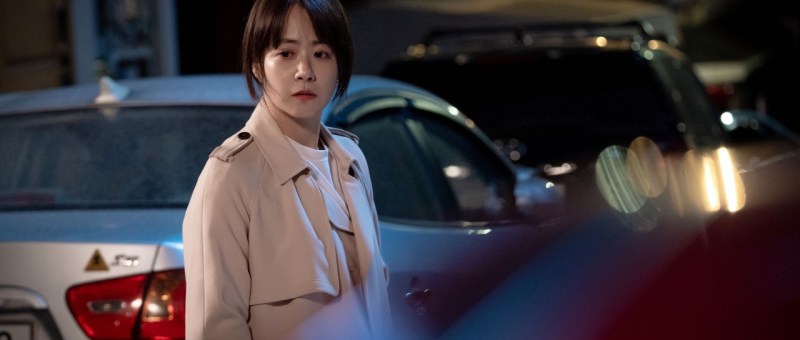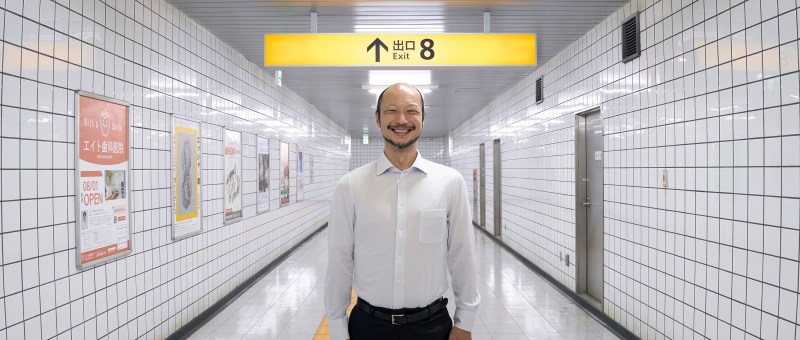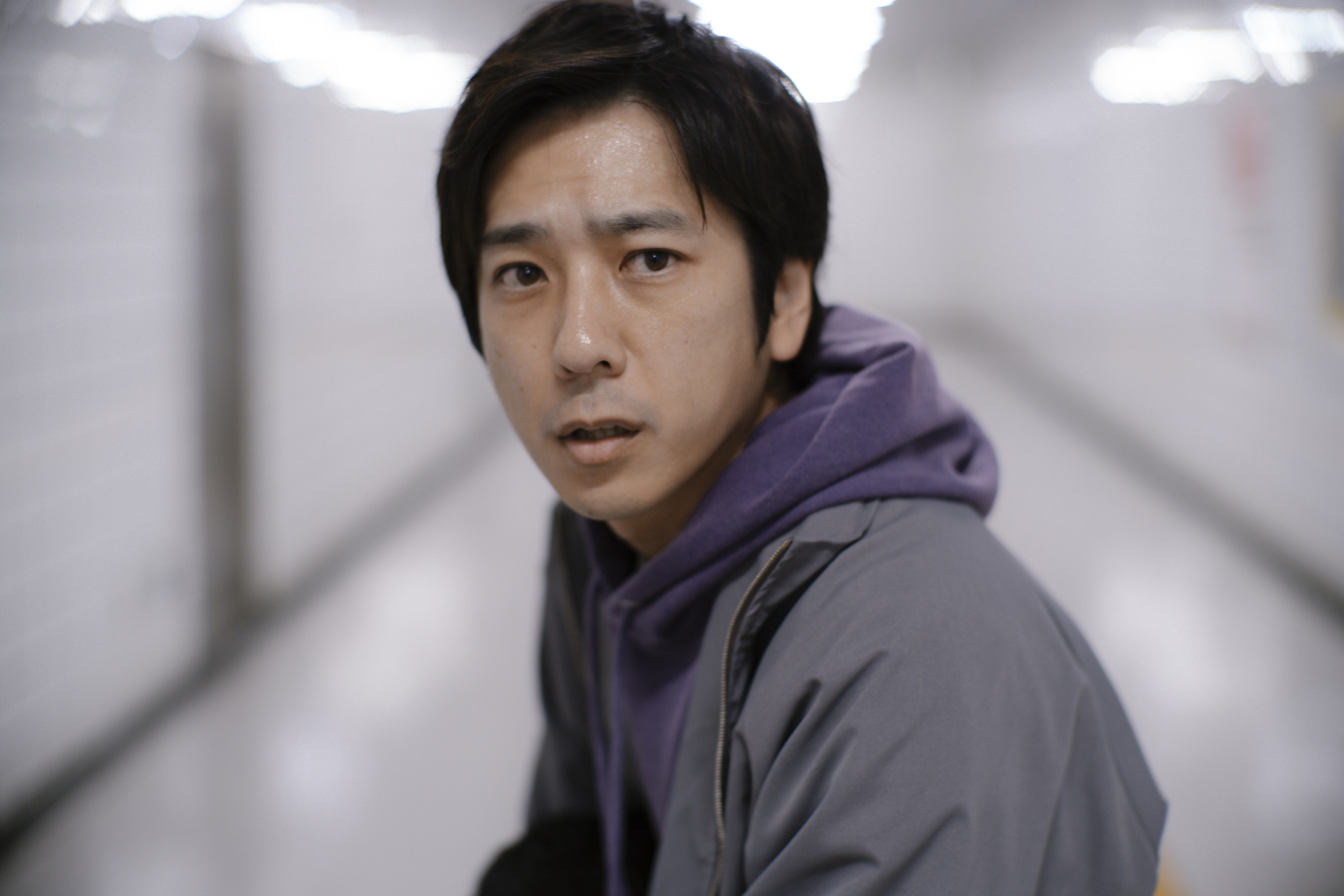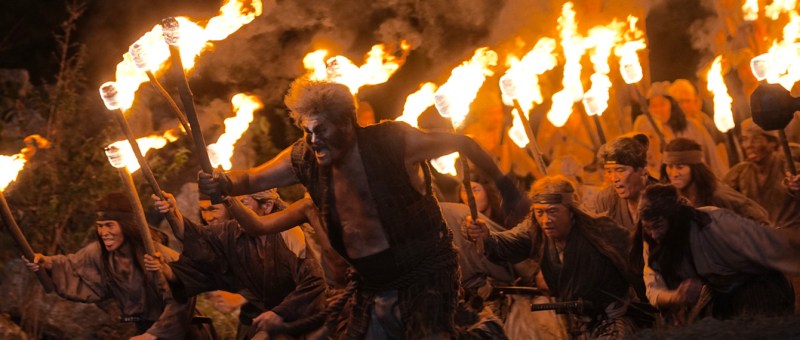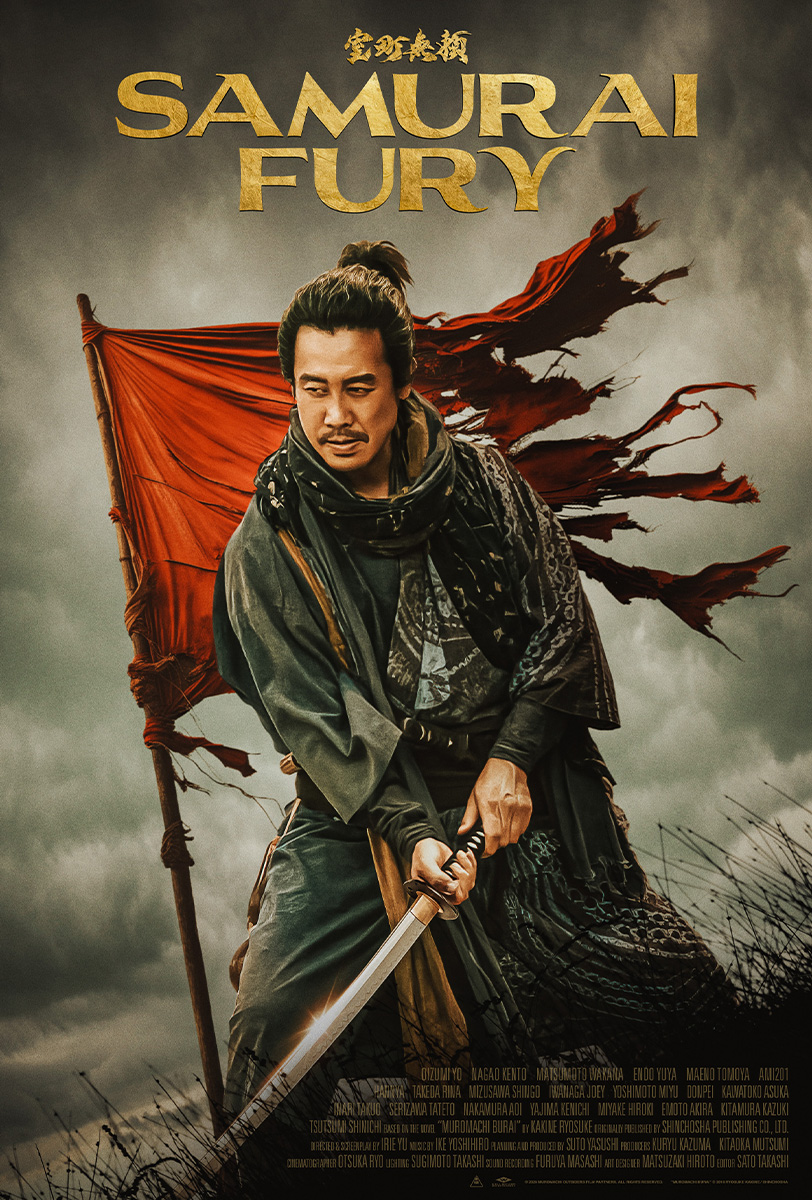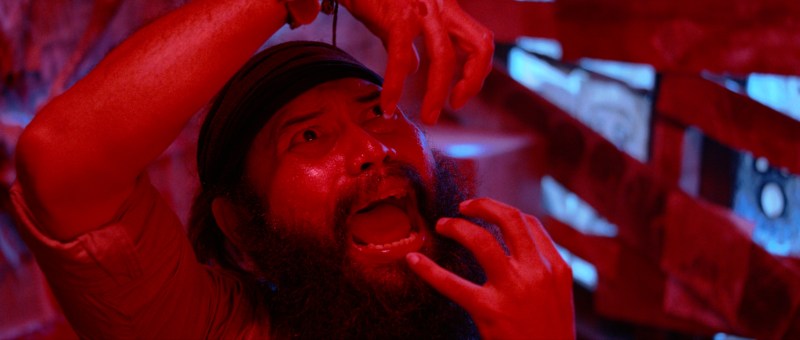

We Girls (向阳·花, Feng Xiaogang, 2025)

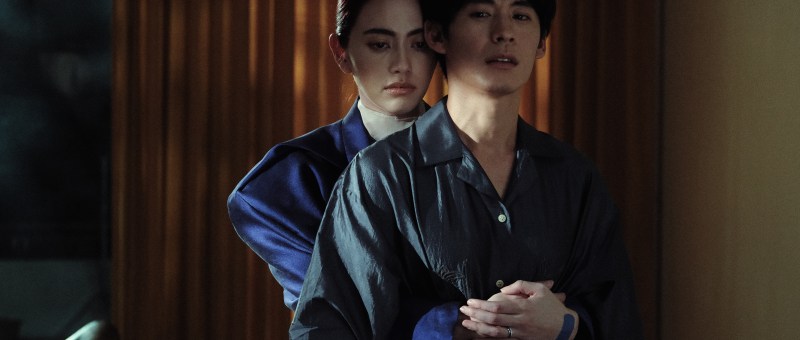
Feng Xiaogang’s films often straddle and awkward line in which it’s not entirely clear whether he’s deliberately being subversive or only unwittingly. The surprising thing about We Girls (向阳·花, Xiàngyáng·huā) is, however, its contradictory attitudes towards the modern China of which one would not otherwise assume the censors would approve. Nevertheless, the true goal appears to be paying tribute to the prison and probation service which is thoughtful and compassionate, geared towards helping these unfortunate young women who’ve made “poor choices” to reform and become responsible members of society. 

But like many films of this nature, the problem is that the society the prison authorities want these women to “reform” into doesn’t exist. The onus is all on the women to change, while no attempts have been made to address the circumstances that led to them being sent to prison which are also the same circumstances they will be returning to. The women don’t appear to receive any additional education or learn any new skills while inside, and when they get out it’s impossible to find a mainstream job that will hire a woman with a criminal record. Consequently, they are forced into short-term, casual labour which is often exploitative while male employers withhold pay to extract sexual favours. 

Aside from praise for the police force, the film is also a celebration of female solidarity and it’s clear that their biggest enemy is entrenched misogyny and the patriarchal society. Yuexing (Zhao Liying) is forced into a marriage with a man who couldn’t work because of a physical disability. As he resented their daughter and gave her no help with childcare, Yuexing felt responsible when the baby experienced hearing loss after contracting meningitis and was determined to save for a cochlear implant. To earn more money, she became a cam girl but was caught and sent to prison for two years for obscenity. Mao Amei (Cheng Xiao), meanwhile, is an 18-year-old deaf-mute orphan exploited by criminal gang who are sort of like her “family” but force her to steal for them. 

Having learned a little sign language for her daughter, Yuxing becomes Mao Amei’s interpreter in prison, but the pair find things on the outside much more difficult than in. Apparently illiterate and unable to speak, Mao Amei cannot rent a place to stay and is caught breaking into an abandoned car. The police take pity and let her go, but also take most of the money she was given on her release. Yuexing, meanwhile, discovers her husband abandoned their daughter who is now in an orphanage but is unable to reclaim her without a stable income and permanent address. She finds a job as a hotel maid, but is falsely accused of thievery by a wealthy businessman on a power trip and subsequently fired for concealing her previous conviction. Realistically, the women have little option but to fall into criminality because there really are no other options. 

Still, they’re supported by a network of female solidarity from sympathetic corrections officer Deng Hong (Chuai Ni), herself a foundling raised by a policeman, to another young girl sent to prison for reselling exotic animals off the internet. Orphanhood is a persistent theme with China’s longtime child trafficking problem ticking away in the background. The gang of thieves is eventually exposed as running a baby farm to make up for the decline in their traditional line of work thanks to digitalisation. Yuexing is faced with an impossible decision when she discovers that a wealthy couple are keen to adopt her daughter and are prepared to buy her a cochlear implant right away, knowing that it would be wrong to deny her this “better life” but also that her child has been taken away from her because of her socio-economic marginalisation and husband’s indifference. 

It’s only thanks to the found family that emerges between the women because of their shared experiences that they are able to find a way through, while small acts of “foolish” kindness are later repaid in kind. To that extent, the resolution falls into the realms of fantasy as the women are saved by a deus ex machina rather than through finding a place for themselves within the contemporary society and “reforming” themselves in the way the prison service insists. In the end, they are only able to free themselves through an act of violence that comes with additional, though bearable, costs and grants them the possibility of making a new life for themselves if one spiritually and geographically still on the margins of the contemporary society.


Trailer (Simplified Chinese / English subtitles)

Blank Canvas: My So-Called Artist’s Journey (かくかくしかじか, Kazuaki Seki, 2025) [Fantasia 2025]

“Just draw,” Akiko’s (Mei Nagano) eccentric, hardline yet tenderhearted mentor Hidaka (Yo Oizumi) is fond of yelling at her as if telling Akiko to get over herself and stop both over and under thinking her approach to art. Though he may lament that his teaching methods don’t have much of an effect on his pupils because they need “more encouragement,” the older Akiko can see how well he taught her and also that she may have failed him, if understandably, in her single-minded pursuit of her dream of becoming a mangaka.

Of course, we know that she eventually achieved it and has become a prize-winning manga artist, though she describes herself as being far from the upstanding and talented figure others may assume her to be. Nevertheless, it’s one of Hidaka’s principles that becomes her guiding light as he constantly reminds her to “just draw” and that her skills rust while she slacks off. Slacking off maybe something the teenage Akiko was used was to doing. Committed to her dream, Akiko sees no need to study and is always reading manga even in class. She’s been led to believe that she’s talented, so sees no need to work at anything and has an inflated sense of her own importance. While her overly supportive parents and school art teacher tell her she’s a genius, only Hidaka is willing to pull her up and yell at her to do better. Though his manner may be harsh, what Akiko comes to understand is that he genuinely cares about his pupils and is only trying to help them fulfil their potential. 

To that extent, it’s really Akiko who a “blank canvas”. Though she thought she had a goal she was moving towards, the truth was that she wasn’t moving at all, while an overconfidence in her abilities has caused them to become stagnant. Hidaka goes on the attack, waving around a bamboo sword and roundly telling her that her work isn’t good enough. But he does so because he knows she has real potentional that she isn’t tapping. Despite her seeming smugness, she lacks the clarity and conviction to push herself and is contented with being “good enough” without really thinking things through like the fact she’ll also need good academic grades to go to art school no matter how good an artist she may be. 

But on the other hand, Hidaka is also a little old-fashioned and is convinced that Akiko’s dream is to become a classical painter like him. He keeps pushing her paint every day, while she feels afraid to tell him that her dream is really manga in case he runs it down as a vulgar art. He does indeed do something similar by approving of her career as a sideline that will pay the bills so she has more time to paint in the assumption that’s her ultimate goal. She may have a point when she accuses him of pushing his own dream on his pupils, but it’s really more like he is so devoted to painting that he can’t imagine why someone with Akiko’s talent wouldn’t want to be painting every second of every day. 

As he said, there are things that last through time. He’s learned to see the beauty in everything, while Akiko is still bound up with the superficial. She finds herself torn by the practical. Her well-meaning parents force her to get a regular job in a call centre which she hates though it spurs her on to kick start her manga career so he’ll have a justification for quitting it. Her school friend points out to her that she’s spreading herself too thin. She can’t carry on with her office job and the school and still have time for manga, so perhaps it’s time she made a choice and finally concentrate on what it is she really wants to do. But that also means betraying Hidaka and to an extent abandoning him even if it’s in the interests of her own personal and professional growth. Meanwhile, she meets another similar mentor figure in her manga editor who, ironically, gives her much the same advice to keep on drawing because, at the end of the day, it’s basic technique that sets a true artist apart from a talented amateur. You have to know the rules before you can break them, but at the same time if you don’t paint, the canvas will remain forever blank. This is really Hidaka’s final lesson. Just draw. The rest will take care of itself.


Blank Canvas: My So-Called Artist’s Journey screened as part of this year’s Fantasia International Film Festival.

Trailer (no subtitles)

Good Game (觸電, Dickson Leung Kwok-Fai, 2025) [Fantasia 2025]

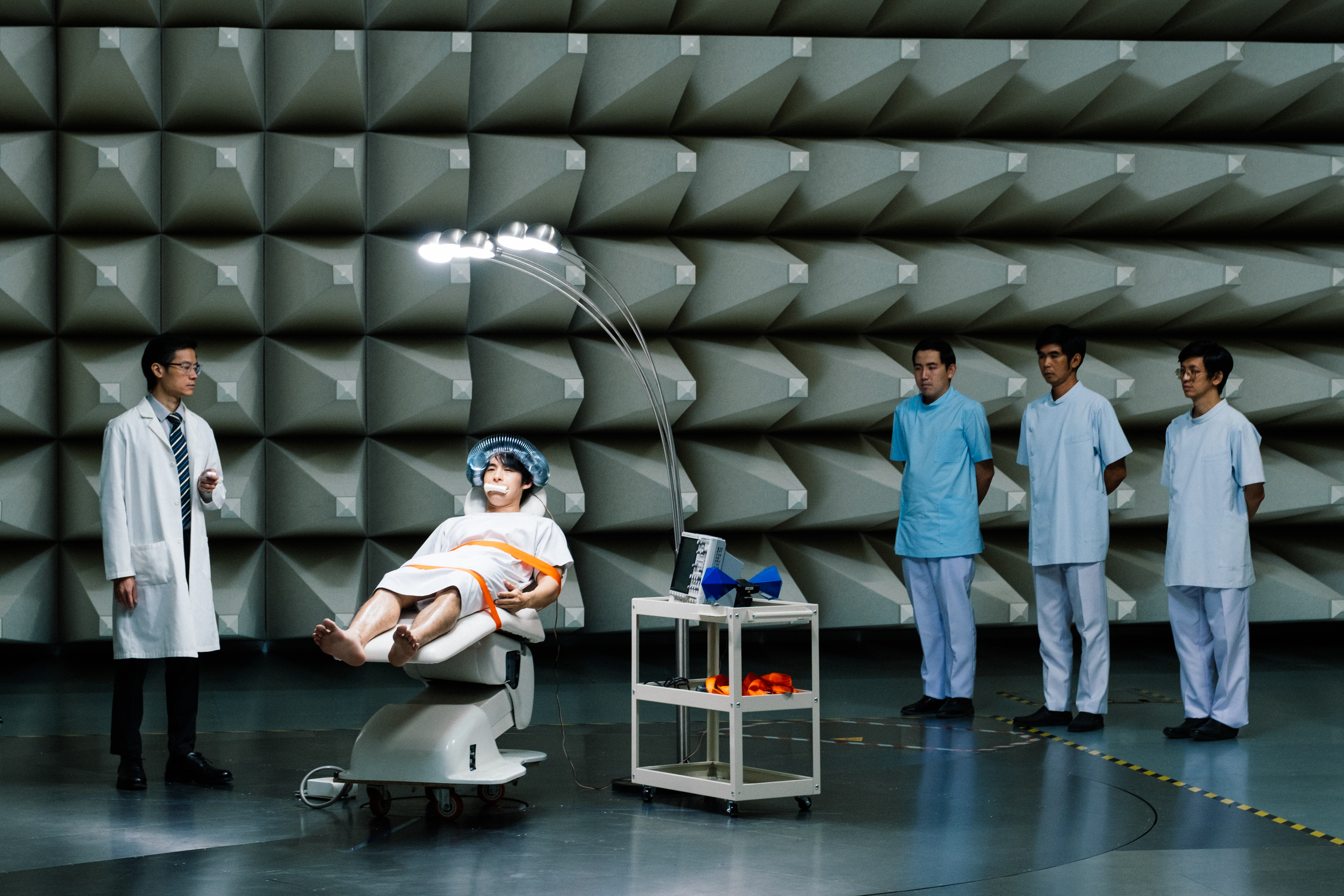
Maybe esports don’t sound that intense, but it turns out that they require a good deal of physical training and stamina. Which is to say that like many other athletic pursuits, there’s an invisible age cap in which players are often written off at a comparatively youthful age because their reaction times might be slower or they might struggle to pick up on new strategies or ways of playing the game. But that’s only part of Solo’s problem. He’s never exactly been a team player, but esports is all he’s ever known and he’s fiercely resentful of being edged out by a bunch of 20 year olds.

Dickson Leung Kwok-Fai’s Good Game (觸電) is really in part about how one is never really “too old” to make a go of something. But also about growing up, which doesn’t necessarily mean abandoning your dreams, but perhaps becoming a little more aware of the reality along with gaining self-awareness about the self-sabotaging effects of your behaviour. Meanwhile, Hong Kong is changing too, but is clinging on to the past really the best thing you can do?

Nowhere more is this change being felt than in Tai’s internet cafe. As is pointed out to him, kids play games on their phones these days, so establishments like his no longer have as much to offer. His bright idea is entering an esports tournament, not only for the prize money but to advertise the cafe and bring the customers back. But the problem is that his best customers are an elderly couple who’ve ironically started coming to the cafe for stimulation because the games help stave off Auntie Lan’s dementia, while her husband, Golden Arm, turns out to be actually quite good at them. 

To win, he wants to recruit Solo, a formerly successful esports player. His team has just been disbanded after losing a championship, but Solo doesn’t want to give up yet. He refuses to believe that his esports career is over just because he’s nearly 30, but also doesn’t want to lower himself to playing with the oldies on the Happy Hour team even though no one else he called wanted to join in because they all moved on from esports ages ago or just don’t want to deal with his drama. As his name suggests, Solo is somewhat egotistical and hasn’t figured out the reason his team kept losing was because of a lack of teamwork and trust. 

As his friend points out to him, Solo can only devote himself to esports because his parents are still supporting him financially, whereas he had to do two part-time jobs just to make ends meet because the economy’s rubbish and unemployment is sky high. Esports is not viable nor long-term career choice, but it is a lifeline for people like Tai, Golden Arm, and Auntie Lan who can find purpose and community in gaming that allows them to carry on fighting even when their problems seem insurmountable. 

With an inevitable rent hike looming, Tai is urged to look for smaller premises but stubbornly tries to hang on. Yet like many recent Hong Kong films, Good Game seems to say that it’s alright to let go of a fading Hong Kong or at least to try to grab on to the parts that matter most and take with you what you can carry while embracing the community around you. Tai’s daughter Fay’s inability to stick at her jobs hints at this sense of restlessness, but also a changing dynamic in the younger generation that won’t be satisfied with a dull but steady job that pays the bills but nothing more. Though Solo’s former teammate gets a regular job selling insurance to try to gain some kind of financial stability, he still returns to coach the team and is then offered another job doing the same. Winning or losing don’t really matter as much as playing a “good game”, which means learning to work as a team and make the most of everyone’s unique skills while trusting them to do their best and have your back. Leaning in to video aesthetics in interesting ways, the film creates a sense of immersion in its virtual world but equally a sense of warmth and solidarity in the real one as the rag tag team band together to fight for their right to continue fighting. 


Good Game screened as part of this year’s Fantasia International Film Festival.

Trailer (Traditional Chinese / English subtitles)

Ya Boy Kongming! The Movie (パリピ孔明 THE MOVIE, Shuhei Shibue, 2025) [Fantasia 2025]

Why in this world does war never cease? Reincarnated in modern-day Shibuya, third-century military strategist Zhuge Liang, known by his courtesy name Kongming, finds himself fighting a different battle in becoming the manager of an aspiring singer whose music he feels could unite the world in peace. Adapted from the manga by Yuto Yotsuba and illustrated by Ryo Ogawa, Ya Boy Kongming! (パリピ孔明 THE MOVIE, Paripi Koumei the Movie) is both a surreal advocation for the power of music and satirical take on the cutthroat entertainment industry.

Having decided to become Eiko’s (Moka Kamishiraishi) strategist, Kongming (Osamu Mukai) has already advanced her career with an appearance at a major festival. He’s also turned himself into a mini celebrity appearing on TV to offer his strategic opinions and starring in a number of adverts. Now he wants Eiko to enter a joint competition between the three leading music labels which ironically echoes his own Three Kingdoms era and requires him to make use of his classic strategies. But he’s also facing his greatest challenge yet in the form of Shin, a street singer whose music calls out to him in a similar way to Eiko’s yet not, he fears, in a good way. He’s plagued by strange visions of his past life and his old lord Liu Bei before being told that his dreams are of something called the “Yumi door” that leads to the afterlife and that he will want to step through it the next time he hears Eiko’s music. 

As some point out to him, perhaps he just shouldn’t listen, then, but to Kongming that would be the same as death and if it helps realise his dream of bringing about universal peace through Eiko’s music then he’ll gladly give up this strange second life he’s been given. Of course, this produces a conflict in Eiko who, on realising that Kongming is actually serious, isn’t sure if she should just not sing ever again to avoid accidentally killing him even though he tells her that her music has the power to save people. Meanwhile, she loses confidence in herself, thinking that he’s gone off her and is about to jump ship to Shin who is currently being managed by a descendent of Kongming’s old enemy Sima Yi, Sima Jun. 

Jun’s mission is then one both of familial revenge and a quest to make his sister a star. But whereas Kongming’s strategies are clever, Jun’s are underhanded and it’s clear he’s gone to the dark side in trying to advance Shin’s career. At the end of the day, Shin might not want to “cheat” either, but even so the teased battle of wits comes to pass as the two men attempt to outflank each other and win the coveted championship which is Kongming’s way of ensuring Eiko will be able to continue after he’s gone. Though her songs are all becoming independent and able to go on alone after someone important is no longer around, Eiko still values Kongming’s support and friendship and obviously doesn’t want him to go anywhere.

Yet what Jun ends up rediscovering is the joy of music and that it really can change people’s lives, a realisation that all the label bosses came to some time ago. Despite the cutthroat nature of their business, they do it because they believe in music too, whether it’s a girl with a guitar in the street or a Chinese boy band making a surprise appearance during their world tour. Jun and Kongming want the same thing, and Shin and Eiko aren’t really rivals but allies fighting for universal peace through music. Boasting excellent production values, the film lends a sense of melancholy nostalgia to the Three Kingdoms era and Kongming’s vaguely homoerotic relationship with the famed Liu Bei whose voice he once thought could unite the world in peace before he lost his life on the Wuzhang Plains and woke up in Shibuya clubland on Halloween thousands of years later. Endlessly surreal, there’s a childlike quality to the warring strategies of Kongming and Jun as they attempt to outflank each other with elaborate schemes, but also a genuine sense of warmth and joy in the love of music, which just might, after all, bring peace throughout the land.


Ya Boy Kongming! The Movie screened as part of this year’s Fantasia International Film Festival.

Original trailer (no subtitles)

Montages of a Modern Motherhood (虎毒不, Oliver Chan Siu-kuen, 2024)

A title card at the end of Oliver Chan’s Montages of a Modern Motherhood (虎毒不) dedicates the film to all women who chose not to become mothers, and it’s true enough that the picture it paints of contemporary child rearing is relentlessly bleak. Governments in much of the developed world are fiercely trying to encourage more couples to have children, but few are really addressing the reasons why they aren’t while the ways people live their lives have undeniably changed rendering commonly held notions about parenting incompatible with the contemporary reality.

A case in point, Jing (Hedwig Tam) lives a long way from her birth family and is not surrounded by a supportive community network of other women in similar positions. Though her mother-in-law lives next-door and offers to help with the baby, it soon proves more trouble than it’s worth as she more or less takes over and runs Jing down in the process. Jing describes her to friends as “conservative,” and it’s clear that she disagrees with Jing’s parenting choices while also trying to exclude her from the family as if the baby were only her and her son’s. Ching, a fussy newborn who cries nonstop from morning to night, isn’t gaining weight and the mother-in-law immediately jumps straight to the conclusion that it’s because Jing’s milk isn’t good enough. According to her she doesn’t eat right, and going back to work may also have somehow caused a problem. Her unilateral decision to switch formula milk, tipping away all the breast milk Jing has been painstakingly expressing, without telling either of the parents is a huge overstepping of the boundaries and a betrayal of the trust Jing placed in her to look after her child, though of course the mother-in-law insists that she was only trying to do what’s best for the baby despite also having bathed her in burnt sutras.

The problem is compounded by the fact the in-laws seem to own the apartment they live in, which is why her husband, Wai, is reluctant to move closer to her family when she suggests it. As the oldest son, he is also supposed to be caring for his parents though in reality this of course also falls to Jing. As Ching’s crying is so loud and piercing, they begin receiving complaints from neighbours which eventually leaves Jing forced to take the baby outside in the middle of the night. This might not have been so much of a problem in the past before urban living environments became so cramped and people began having less children making the noise more obvious, but it’s nevertheless an unavoidable obstacle for the new parents who find themselves additionally pressured by the necessity of maintaining good relationships with their neighbours. 

To make matters worse, Jing’s husband Wai pats himself on the back for “helping” with the baby, which is after all also his responsibility so he should be doing his fair share. He still seems to operate with a patriarchal mindset that tells him the home and flat are Jing’s to take care of while his job is to earn the money. Both he and his mother seem to hold it against Jing that their baby is a girl. She asks him for more help, but he responds by getting a job that pays more but requires further hours. He spends evenings out with his friends and repeatedly fails to get the breast milk pump fixed despite frequent reminders before accusing her of “whining” too much when she tries to tell him how difficult it’s been for her stuck at home all day with the baby. Like his mother, his ideal solution is for her to give up work and devote herself to their home because they don’t “need” her money and her working is perhaps a suggestion that they might which offends his sense of masculinity.

But Jing wants to work for reasons of personal fulfilment and safety. As other women remind her, you need your own money in case there comes a time you need to leave, but also because some men keep a tight grip on the purse strings and often won’t give their wives enough housekeeping money. Jing was paying for a lot of the baby stuff herself out of the money from her job at a bakery, but after she loses it and her savings run out she has to ask Wai who isn’t keen to chip in. Ironically, her boss chooses to make her redundant when the bakery hits a bad patch because her colleague is single and at least she has her husband’s wage to rely on. Jing continues applying for similar jobs, but they all fall through when she reveals she is married with a newborn child. In the end, she lies that she’s single but the job only offers night work which is obviously no good for her situation.  

Her job was the last thing that Jing felt connected her to her old self. With no one to talk to but the baby, she fears the erasure of her identity and tells her mother that she misses the time that she was a daughter rather than a mother. She gets some support from a kind retired lady who looks after Ching and tries to encourage her, reminding her that it was different for their generation because they could just leave the kids in the house and ask a neighbour to check in on them and no one thought anything of it. But Jing still feels herself inadequate, as if she’s failing at motherhood or breaking a taboo by asking to have some sort of life for herself without being completely subsumed by the image of “motherhood”. The in-laws keep a little bird in a cage with which Jing seems to identify, even as its chirping adds to the noise and the constant thrumming of the breast pump raises her stress levels. Left with no real support, there is only really one way that Jing can escape from a world of sleeplessness and anxiety as she tries to find the smallest moment of peace and tranquility free of social expectation and the crushing guilt of maternity.


Montages of a Modern Motherhood screened as part of this year’s New York Asian Film Festival.

Trailer (Traditional Chinese / English subtitles)

Smashing Frank (搗破法蘭克, Trevor Choi, 2025)

Youth’s attempt to televise its revolution results in unforeseen consequences in Trevor Choi’s crime thriller Smashing Frank (搗破法蘭克). Giving Hong Kong a kind of comic book gloss, Choi locates the source of corruption in a thuggish gangster posing as a businessman and laundering his ill-gotten gains through a fake church all while claiming to be working for the prosperity of the city. Fed up with a world so obviously corrupt, Ayla (Hedwig Tam) and her friends attempt to fight back through theft and their mission of becoming robbery influencers in social media. 

It later becomes apparent that Ayla is doing most of this as a kind of revenge. Her sister took her own life after being sexually assaulted and becoming pregnant, while Ayla sacrificed her own bright future by assaulting a “rich pervert”. Despite having gained a first-class degree and being on track for a job as a hotel manager, Ayla now appears to have gone rogue and has lost faith in mainstream society and law enforcement which turns a blind eye to certain crimes to keep the peace. After being sentenced to community service, she teams up with childhood friend Hugo (Locker Lam) and Tao Chun (Kaki Sham), a man convicted of voyeurism who becomes their getaway driver, to do crime she describes as a kind of performance art.

Yet Ayla claims she’s no kind of Robin Hood and mainly in this for herself and the glory, explaining that she uploads the videos for “fun”. Nevertheless, she eventually realises that everything links back to the Unity Haven Church and its shady CEO, Ho (Ben Yuen). Ho has already been featured in the news having been accused of misusing church funds and as the gang discover may have links to human trafficking and child exploitation. But he’s also pretty well entrenched within the infrastructure of the city and otherwise untouchable. As such, he comes to represent the corrupt authoritarianism of the contemporary society while Ayla and Frank echo the protestors of recent years. Given the opportunity for a giant payout, Ayla tells Ho where to go and explains that her generation never got to have nice things, so the reason she robbed his jewellery shop was to show them that luxurious mansions were being built in the slums. 

He may be one of the old men that’s ruining the world, but despite herself, Ayla seems to be consumed with a sense of injustice that the rich get away with their crimes while people like her sister and grandmother are left to suffer. Through her influencer revolution, she intends Frank to become a kind of militia resisting the hyper capitalistic society on behalf of the youth it has betrayed. As Hugo says, if he had a regular job he’d never be able to buy a house anyway while others seem equally fed up with disappointing corporate existences that no longer provide a decent quality of life. Ho may be all about making the city prosper, but it’s mostly for himself and his friends rather than the wider society. 

Chelsea (Renci Yeung), Chun’s former associate running badger games, even says that they didn’t really care that she blackmailed them because they had bigger things to worry about. There is then a kind of solidarity that exists between the team in their shared victimisation under men like Ho and desire for the liberation of those like them that gives their mission a weight beyond simple rebellion, even if the constant flirtation between Chelsea and Ayla dangles like an unresolved plot thread. Even so, Ayla’s recklessness reeks of desperation as Hugo points out they may all die the following day but perhaps it wouldn’t be so bad as continuing to live like this. The nihilism that colours their lives is all pervasive, and perhaps a reaction to the imposition of authoritarianism and failure of the protest movement that causes Ayla to launch her revolution in the distinctly youthful space of the internet and spread the word through social media which those like Ho cannot fully control. Hong Kong media does not, she claims, report on certain crimes in the interests of making the city feel safe and stable for men like Ho which is why she had to televise her revolution herself. It may be a forlorn hope, but it’s all she appears to have while otherwise trapped in a world of constant corruption.


Smashing Frank screened as part of this year’s New York Asian Film Festival.

Trailer (Traditional Chinese / English subtitles)

Babanbabanban Vampire (ババンババンバンバンパイア, Shinji Hamasaki, 2025)

It turns out immortality’s not all it’s cracked up to be in Shinji Hamasaki’s adaptation of the manga by Hiromasa Okujima, Baban Baban Ban Vampire (ババンババンバンバンパイア). At 450 years old, Mori Ranmaru (Ryo Yoshizawa), one-time lover of Oda Nobunaga (Shinichi Tsutsumi), is working as an attendant in a bathhouse in an attempt to, as he says, “live an ordinary life earnestly,” while staving off the darkness of an existence free of the spectre of death. 

Yet, there is an uncomfortable darkness at the centre of this otherwise humorous and ironic tale in that what Mori Ran is actually doing is grooming a child so that he can enjoy him when he judges that he is “ready.” There’s an obviously unpalatable reading of the film that renders it as an allegory for paedophilia, while there’s also an undeniable poignancy in likening the figure of the vampire of that of a gay man in an oppressive society. Mori Ran accosts his victims in dark alleyways and his assignations with other men are necessarily short and secretive. They also result in death, while Mori Ran describes most of his victims as tainted and disgusting as if echoing an internalised sense of self-loathing. He continues to hold up Rihito (Rihito Itagaki) as a figure of innocence and purity because he once saved his life when he was baking in the heat of an usually hot spring when the boy was only five years old. 

Mori Ran’s internalised homophobia is somewhat mirrored in that of the teacher Sakamoto (Shinnosuke Mitsushima) who is also a vampire hunter but bewitched by Mori Ran and longing to be initiated by him, though Mori Ran declines to give him what he sees as a curse. Imbued with a gothic sensibility, Mori Ran believes that humans are beautiful because they die, while vampirism is debased and ugly. He refuses to condemn someone he admires to his own fate which he describes as a kind of inescapable hell in which he is unable to die. He no longer believes in love, though is haunted by his loss of Nobunaga, and sees humans merely as food. 

Nevertheless, it seems he has found purpose in his present life of living with Rihito’s family and working in their bathhouse despite convincing himself that he’s only biding his time until Rihito is ripe for the picking. According to Mori Ran, the sweetest blood belongs to that of 18-year-old male virgins which is why his goal of ensuring that Rihito remains virginal and pure is becoming more difficult now that he has entered adolescence. Much of the comedy derives from Mori Ran’s emotional cluelessness and paranoia on discovering that Rihito has fallen for a girl, Aoi (Nanoka Hara), with whom he had a stereotypical meet cute on his way to his high school entrance ceremony. Knowing that he has to nip this in the bud as soon as possible, he pays a visit to Aoi to warn her off but fails to realise that not only did she barely notice Rihito let alone fall in love with him, but that she is actually obsessed with vampires and is keener on him. 

But then again, there’s something additionally troubling about Rihito’s immediate classification of Mori Ran as a “love rival” in the mistaken belief he’s after Aoi too rather than as someone who should probably be reported to some kind of authority. After all, even if he were not 450 years old but the 25 he claims to be, hanging around exclusively with high schoolers is odd and bordering on inappropriate in itself. Having misunderstood his intentions, Aoi also believes that Mori Ran is waiting for her to be “ready,” in a partial recognition that this is wrong because she’s a child but also prepared to wait for the mysterious vampire without considering the implications of his being interested in a 15-year-old girl if that actually were the case. 

Nevertheless, what Mori Ran discovers is really a different kind of love in his gradual integration into the human world and the the friendships he forms not only with Rihito, but Aoi, her muscular brother Franken (Mandy Sekiguchi) who also has a crush on Mori Ran, and the lovelorn teacher Sakamoto, even if he’s still focused on his mission of keeping Rihito pure so he can drink his blood on his 18th birthday. His attempts to prevent a relationship forming between Rihito and Aoi are all countrerprodcuteive and would like end up bringing them together if it were not for the fact of Aoi’s crush on him of which he remains oblivious. The inherently zany humour of the situation with its series of concentric love triangles along with the warmheartedness of Rihito’s homelife when contrasted with the “mysterious” serial killings on the news cannot completely overcome the unpalatable undercurrent of Mori Ran’s pederastic quest, if glossing over it with admittedly delicious irony and absurdism.


Babanbabanban Vampire screens 27th July as part of this year’s New York Asian Film Festival.

Noise (노이즈, Kim Soo-jin, 2024) [Fantasia 2025]

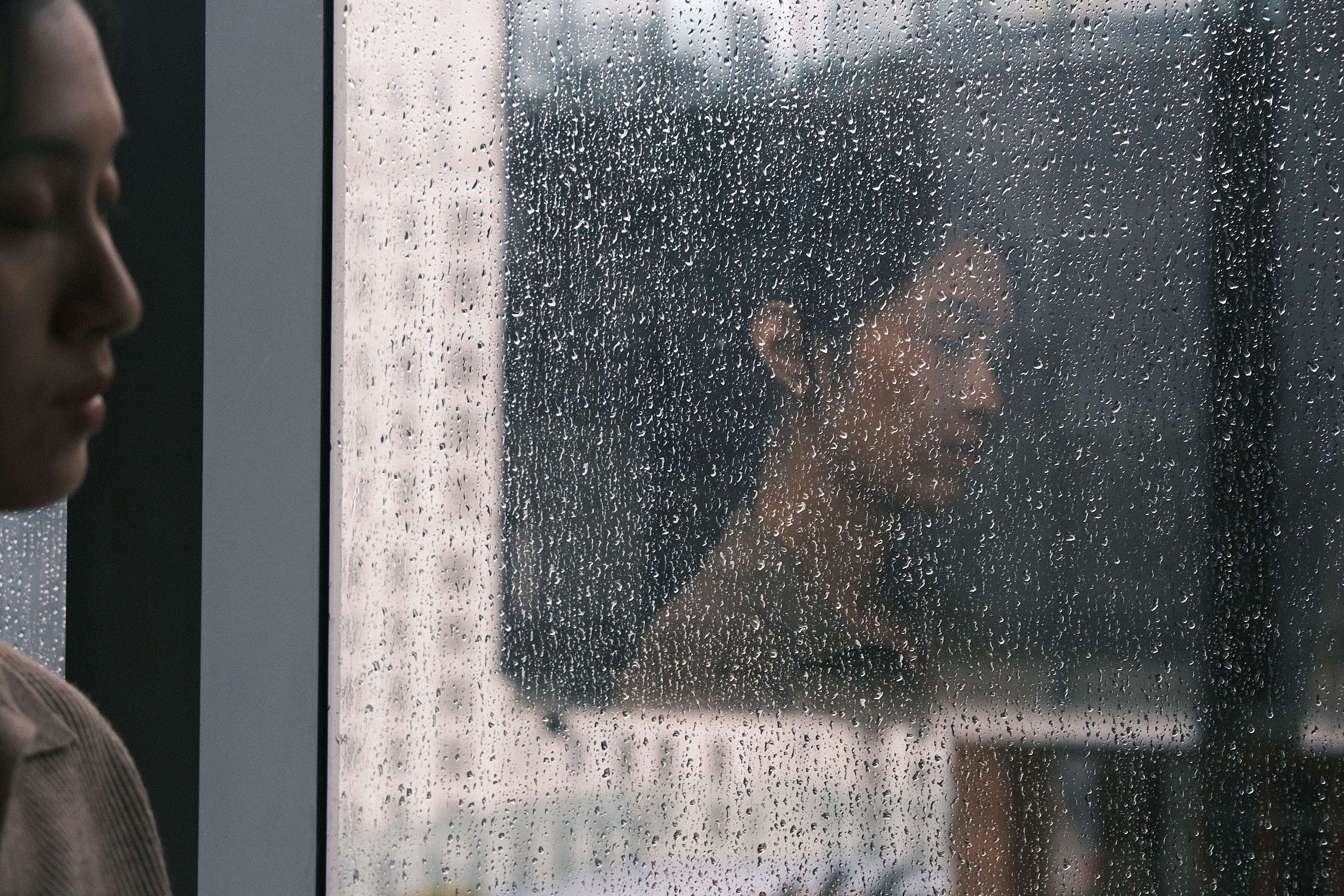
There are things you have to put up with if you live in an apartment block, and if you live in a city an apartment is often your only option. The question is, how much is it reasonable to expect someone to accept and what are the limits that can reasonably be placed on your own behaviour. What does it really mean to be a “good neighbour”? It’s clear the “noise” at the centre of Kim Soo-jin’s apartment block horror is not simply the sound of other people living, but a swarming cacophony of societal anxiety and persistent judgement.

There’s a large banner hanging off the side of this particular building that says residents don’t want to die inside their collapsing apartment block. Their fear hints the indifference of a society driven by capitalistic desires in which things like building regulations that ensure people’s safety and quality of life have become a thing of the past. The chairwoman of the residents’ association (Baek Joo-hee) is fiercely petitioning for the block to be knocked down and rebuilt properly, but that won’t happen if they don’t think they’ll be able to sell units in the new build because of untoward rumours about the old one. For those reasons, she doesn’t want people causing trouble or dragging up unpleasantness, which is why she’s not minded to help when Ju-young’s (Lee Sun-bin) sister Ju-hee (Han Su-a) goes missing after declaring that she was going to find the source of the “noise” within the apartment block that’s driving her and others out of their minds.

The interesting thing is that Ju-young is originally not particularly bothered by noise as she has a hearing impairment from a childhood accident and can simply remove her hearing aid to avoid it. Ju-hee asks her if she really can’t hear anything, or if it’s more like she chooses not to hear and goes about her life deliberately avoiding the “noise” of the contemporary society. There may be something in her criticism in that Ju-young, who works in a noisy factory, eventually moves out into the workers’ dorms to escape her sister’s increasingly erratic behaviour rather than stay to help her through her anxiety or actively look for somewhere less “noisy” they could live together in peace.

Hearing noise from above, Ju-hee bangs on the ceiling but inadvertently spreads the noise below as if a great flow of frustration and resentment were trickling down from top to bottom so that those nearest to the ground can barely hear themselves think. But there’s also a great stink rising from below given that the basement is home to a decade’s worth of illegally dumped rubbish. Rather than dispose of it, the security guard has simply chained up the doors but complains that for unclear reasons people are still dumping things through the broken window at the back, which no one is making an effort to fix. There’s so much “noise” that no one is really paying attention to the bigger things like missing women and fugitive killers, in part because they’re inconveniences that would prevent them upgrading their block or being able to sell up and move on. Yet paradoxically, the owner-residents blame everything of the renters insisting that they are inconsiderate because they don’t have a stake in the building’s future. 

The block itself becomes a kind of metaphor for a lingering authoritarianism with constant reminders that everyone can hear what everyone else is saying and is making less than silent judgements about the way their fellow residents live their lives. A woman drives herself crazy believing that she’s being a good neighbour by letting her child play outside so the noise won’t disturb anyone, only for them to be hit by a car and killed. The building has a haunted quality, as if everyone here were already dead and living in a kind of limbo. They complain about the noise, but ignore it when their neighbours are desperately asking for help. As Ju-young later advises, the way to continue living is not to listen and live your own life in your own way rather than give in to the petty demands of those around you who try to control your life because they know they can’t control their own. Driven out of their minds by the constant thrumming of social pressure, acts of violence are inevitable but as Ju-young traverses the dingy corridors and ill-lit stairways in search of her missing sister all while venturing deeper inside her own buried trauma, it becomes increasingly difficult to tell where exactly the threat may lie.


Noise screened as part of this year’s Fantasia International Film Festival.

Trailer (English subtitles)
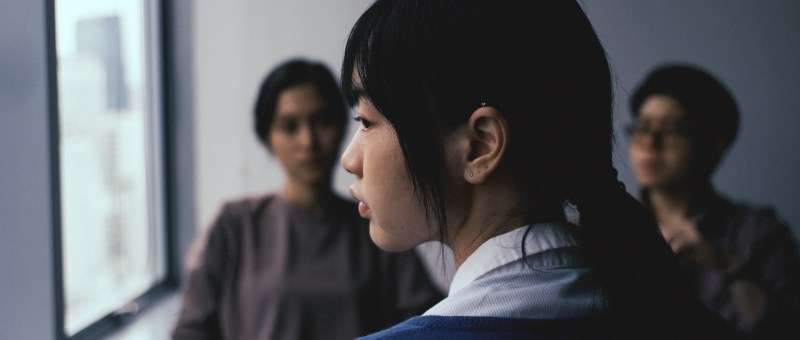
Rewrite (リライト, Daigo Matsui, 2025) [Fantasia 2025]

A mysterious transfer student arrives from the future. You have 20 wonderful days with him, but then he must return to his own time. He tells you that he came back to meet you and experience your time because of a book you will write, and your future self also shows you the book, tells you you did indeed write it, and that everything’s going to be okay. But in 10 years’ time, when you’re your “future self”, you from the past does not show up to get any of this information. Did something go wrong? Is the timeline crumbling? Or did you just imagine all this as a manifestation of “youth”?

When this happened to her, Miyuki (Elaiza Ikeda) believed that she was “the heroine of that summer,” but the truth is of course that she was always the heroine of her own life and had the right and power to make her own choices. Adapted from the novel by Haruka Honjo, Daigo Matsui’s Rewrite (リライト) is, like Obayashi’s The Little Girl Who Conquered Time, about the dangers of nostalgia and the over romanticisation of youth. What Miyuki gradually comes to realise is that one of the formative experiences of her teenage years may not have been unique or special but happened to literally everyone and changed them too in ways that were not always good. Because she met Yasuhiko (Kei Adachi) from 300 years in the future, she became a writer. But it remains true that her first few books weren’t about him at all. She always had the talent and the inclination. The impetus of destiny was only what gave her the confidence to pursue it. She knew she could, because she already had.

Yet, she’s in her hometown to close a loop on this unresolved romance of her youth despite having built a good life for herself as a successful author with a nice husband she met during the course of her work who is caring and supportive of her career. At the high school reunion she’s cajoled into going to, her former classmates sing the song they were practising for choir, “Cherry” by Spitz, which is also about “rediscovering each other, some day, same place,” echoing Yasuhiko’s cryptic claim that they’d meet again “in the future” (whose he doesn’t say) hinting at the way these feelings have been left hanging with only a yearning for the past and a painful nostalgia in their place. What Miyuki really has to ask herself is if she’s the person she wants to be in the present and is who she is because of the choices she made independently rather than solely because she was trying to fulfil the destiny given to her Yasuhiko.

To do so, she must face the fallacy of the “chosen one” mentality. The film rams this home in the parallel story of one of Miyuki’s classmates who tells her that she wasn’t chosen but actively chose to accept a kind of destiny rather than simply going along with it and that Miyuki too could “rewrite” the past if she wanted. In effect, this is what she’s already done as her husband implies when he repeatedly asks her if the book is “fiction”. Of course, it is, though she believed it not to be because it’s rooted in nostalgia and the personal myth making of the idealised romance of her youth. Matsui too plays with this sense of nostalgia in moving the setting of the story to Onomichi to mimic that of Obayashi’s The Little Girl Who Conquered Time and making frequent visual references to the 1983 film along with casting Toshinori Omi, the original boy who leapt through time, as the class teacher at the 10 years later reunion.

But the truth remains that Miyuki must learn to let go of the past, or else take mastery over it by rewriting her own story to accept that, as her husband says, the past and present are all hers. She can write anything and can finally leave her own time loop by writing her way out of youthful nostalgia and accepting something more like an objective reality along with the life she has now which appears to be happy and successful. Scripted by Makoto Ueda who has a long history of time-travel themed movies from Summer Time Machine Blues to River, Matsui’s poignant drama is shot through with irony and in constant dialogue with pop culture touchstones from the Obayashi film to Shunji Iwai’s Love Letter, while at the same time insisting that while you are the main character in your own life, you’re not the only one and a hundred stories are going on at the same time as yours. What really matters is not hanging on to the memories of an idealised past, but to live the life you want in the present for as long as this particular loop lasts.


Rewrite screened as part of this year’s Fantasia International Film Festival.

Original trailer (English subtitles)
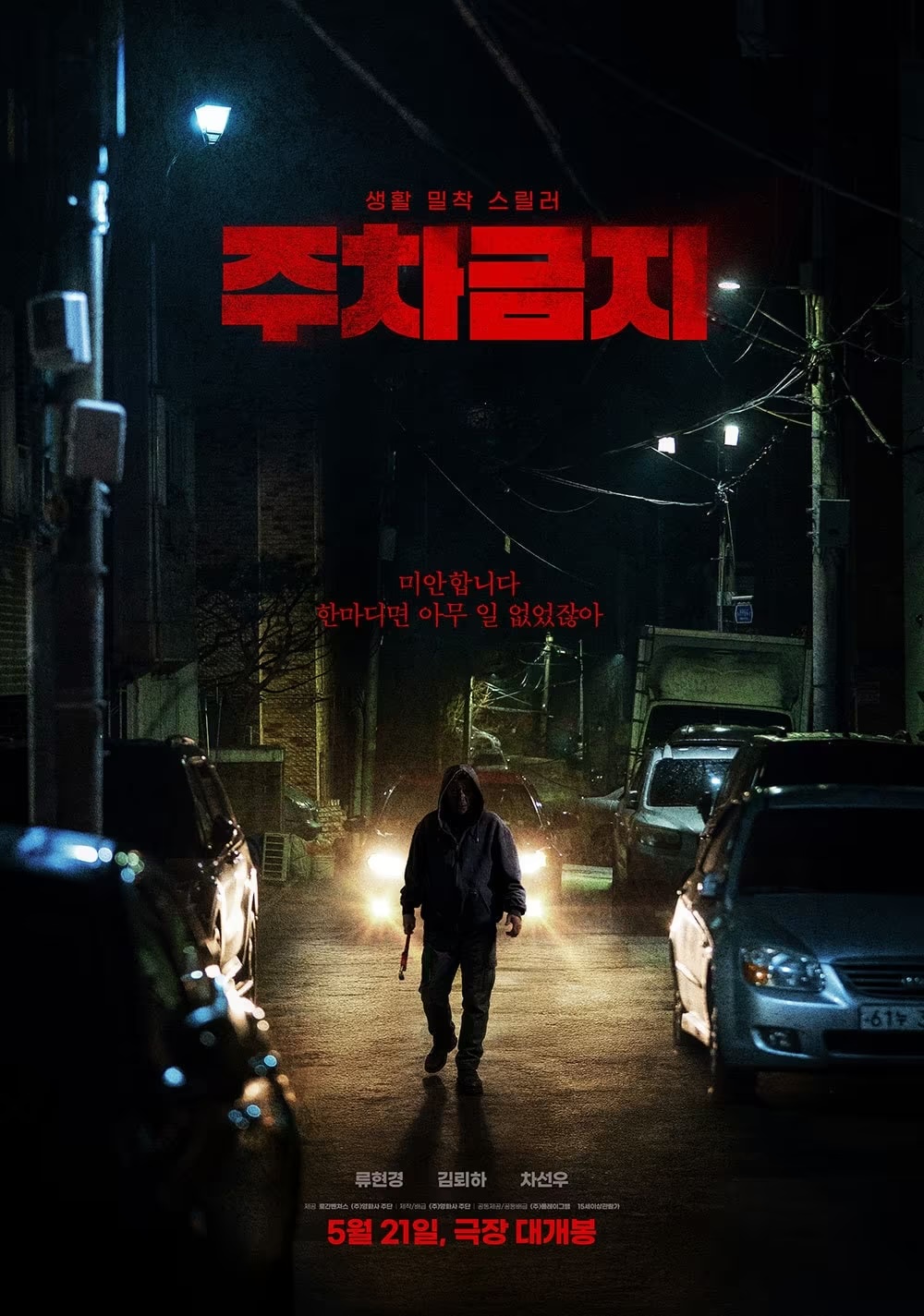
Behind the Shadows (私家偵探, Jonathan Li Tsz-Chun & Chou Man-Yu, 2025)

“At our age, we do what we have to do instead of obsessing over the good old days,” according to a put upon wife sick of waiting for her husband to make good on his promises. Jonathan Li Tsz-Chun and Chou Man-Yu’s Malaysia-set drama Behind the Shadows (私家偵探) is in its way as much about the disconnect in modern romance which has now been corrupted by capitalistic desires and frustrated notions of traditional masculinity as its central mystery. 

As someone says, in the old days women hired private detectives to chase their men, but now it’s the other way around. In someways, the parade of men rocking up at Wai-yip’s (Louis Koo Tin-lok) office to hire him to follow their wives, girlfriends, or women with whom they may not actually have much of a connection, all seem to be trying to regain control over their lives by asserting it over a lover they fear has betrayed them. Ironically, this is sort of true of Wai-yip too in that he’s taken to spending his evenings at his friend’s restaurant to escape his moribund marriage. When one customer brings him a photo of his own wife, Kuan (Chrissie Chau Sau-na), little knowing he’s the other man Wai-yip is irate but not as surprised as might be expected. Still, he hands the case off to a junior associate and tries to avoid thinking about it while otherwise passively seething about his wife’s potential betrayal.

But the ironic thing is that Kuan might only have done this to get Wai-yip’s attention and force him to confront their fracturing relationship. While Wai-yip hangs back, tries to act with maturity, and struggles to accept his wife’s decision, she privately wants him to fight back, to shout at her or punch her lover as a sign of manly love. She attacks his masculinity by berating him for being work-shy and refusing to have a child because they can’t afford it, though she can support them all on her salary, while Wai-yip remains hung up on the lost glory of his life in Hong Kong which he gave up to marry Kuan and move to Malaysia. The suggestion is that Wai-yip has been trapped in a kind of limbo, unable to let go of the past and embrace his new life and now Kuan is sick of waiting for him. 

The circumstances of his own marriage and the cynicism of 20 years spent chasing cheating spouses cause Wai-yip to be wary when a man comes and asks him to look for a runaway fiancée. He wonders if they’ve just had a tiff, if she’s left because the man was violent or unfaithful, or if the man is delusional and the woman doesn’t believe herself to be in a relationship with him and so is just happily living her own life. Along with all these anxieties is his sense of responsibility in knowing that this woman may be in danger if he finds her, as will Betty if Wai-yip manages to uncover evidence of her infidelity and relays it back to her gangster boyfriend. Like Kuan, Betty (Renci Yeung Sz-wing) says she just wants a man who will listen to her when she wants to talk and is half-minded to let Wai-yip send the video to find out if the gang boss cares about her enough to actually do anything about it. 

But the consequences of inaction are also brought home to Wai-yip when one of the women he’s following is murdered after he leaves his investigation to chase Kuan and her lover. Trying to makeup for his failure brings him into contact with a zombified cop, Chen (Liu Kuan-ting), whose wife is in a coma after a car accident. While Chen’s solicitous care and repeated pleading that his wife wake up may paint him as a lovelorn man, the marks on her arm that perfectly fit his fingers suggest a violent and controlling past along with a thinly concealed rage that she may have escaped him at last. “There’s nothing much the police can’t do,” he ominously tells Wai-yip while hinting at his desire for authoritarian control as mediated through the patriarchal institution of the police force and his rejection of a woman’s sexual freedom. Wai-yip feels similarly trapped as his own increasing sense of inadequacy deepens the gap between his wife and himself that leaves him unable to have an honest conversation with her about how he really feels and prevents him from healing the rifts within his own marriage even as he chases answers on behalf of other insecure men. What he indeed realises is that it’s time to move on from the past and live in the present, though as it turns out not even he may be strong enough to leave his insecurities behind. 


Behind the Shadows screened as part of this year’s New York Asian Film Festival.

Trailer (Traditional Chinese / English subtitles)