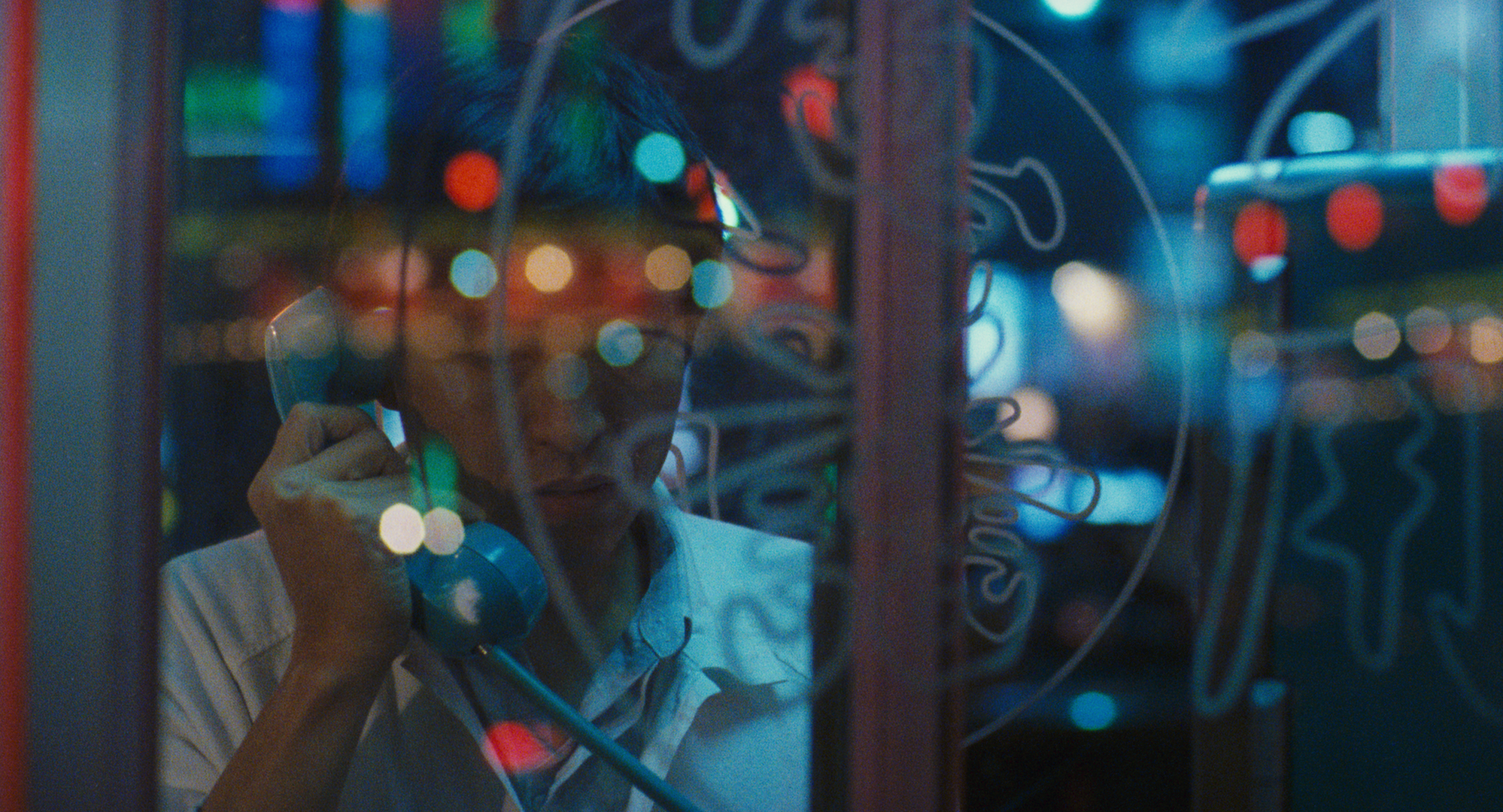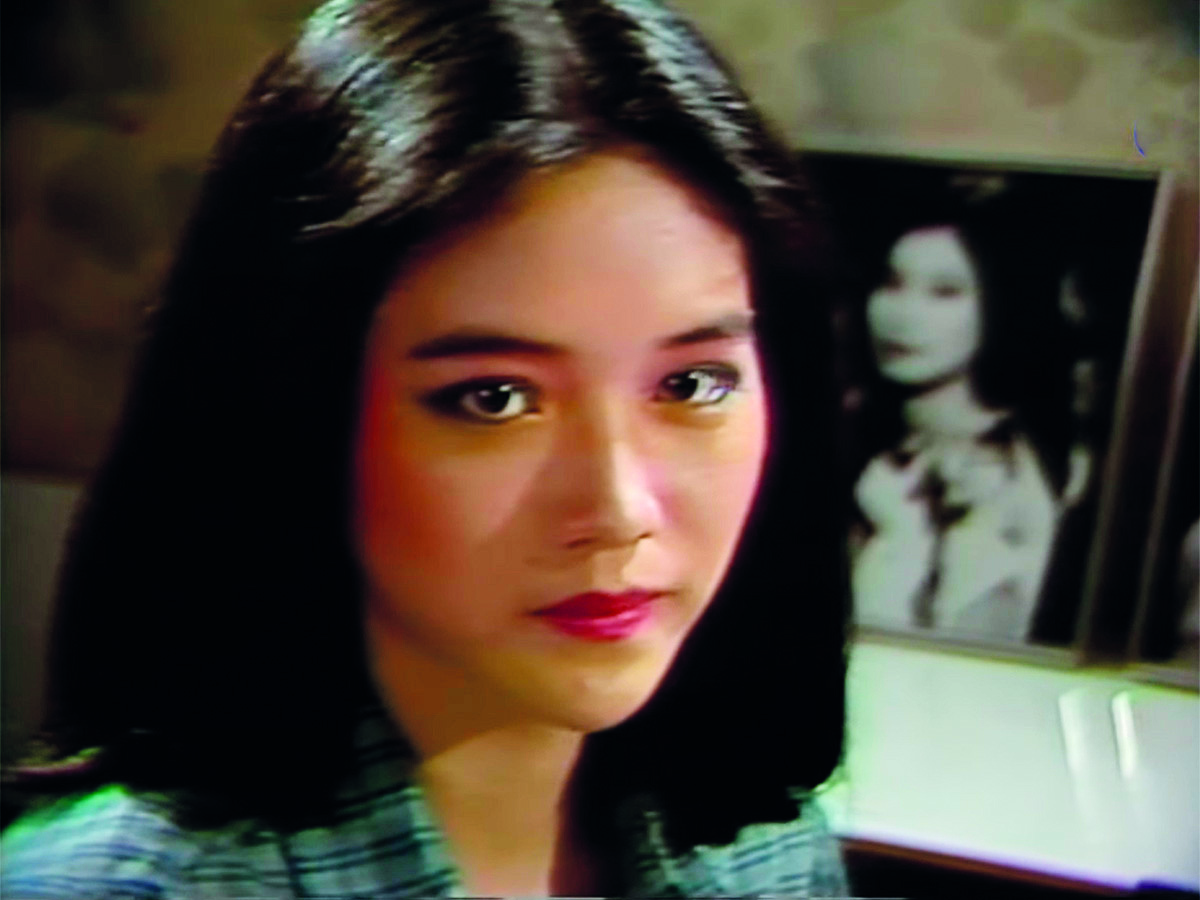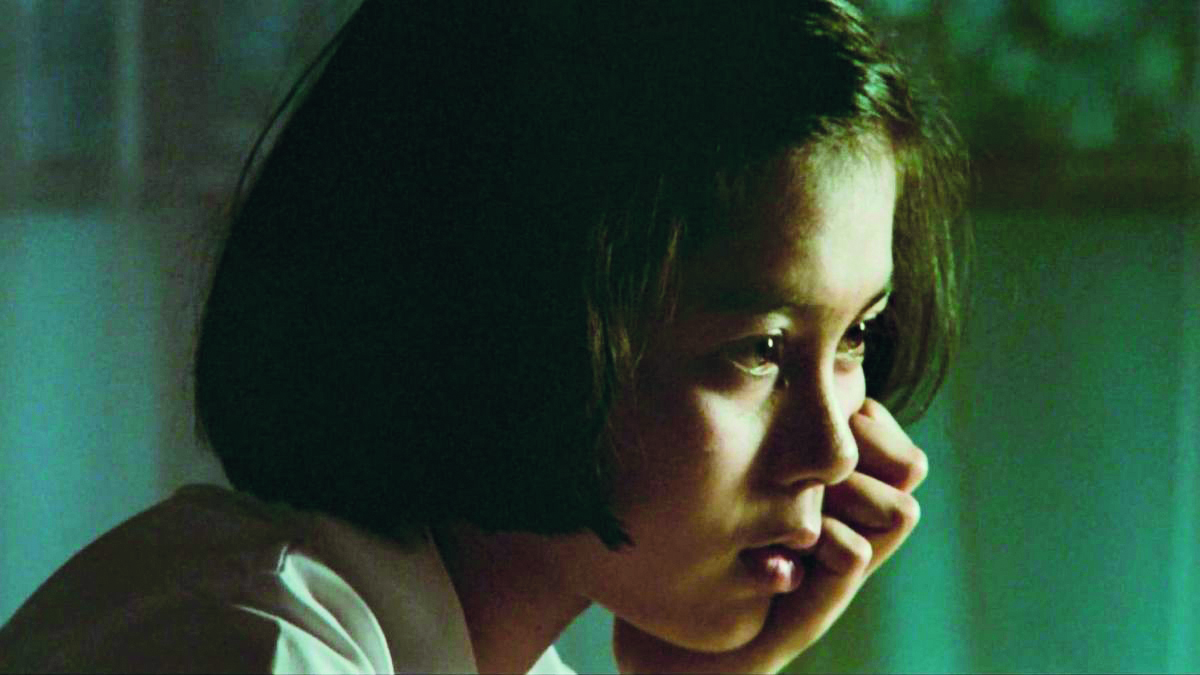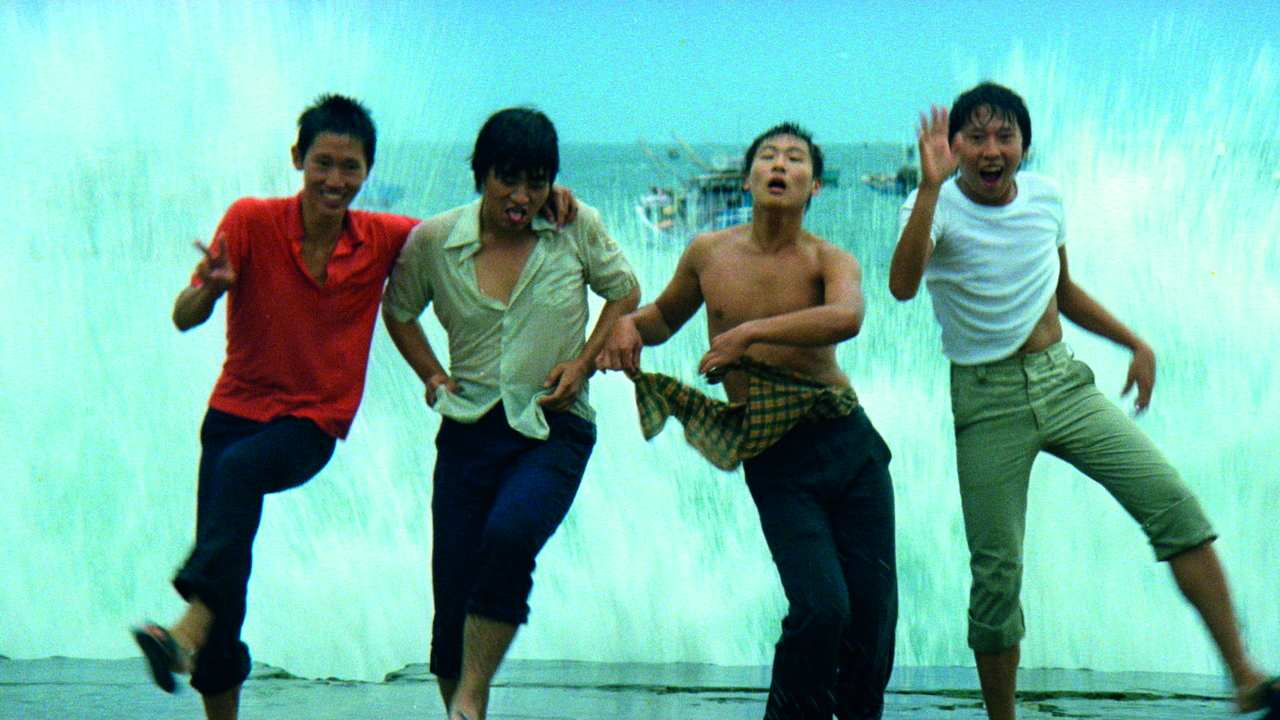
A Pale View of Hills (遠い山なみの光, Kei Ishikawa, 2025)

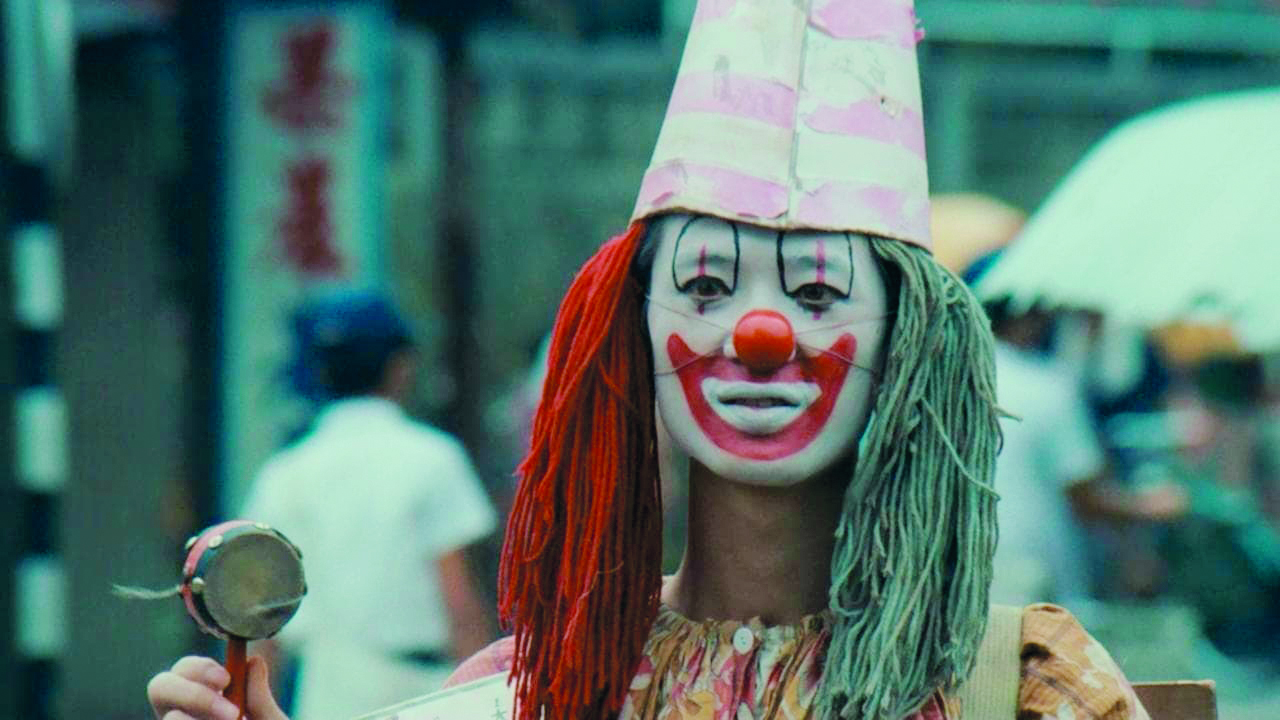
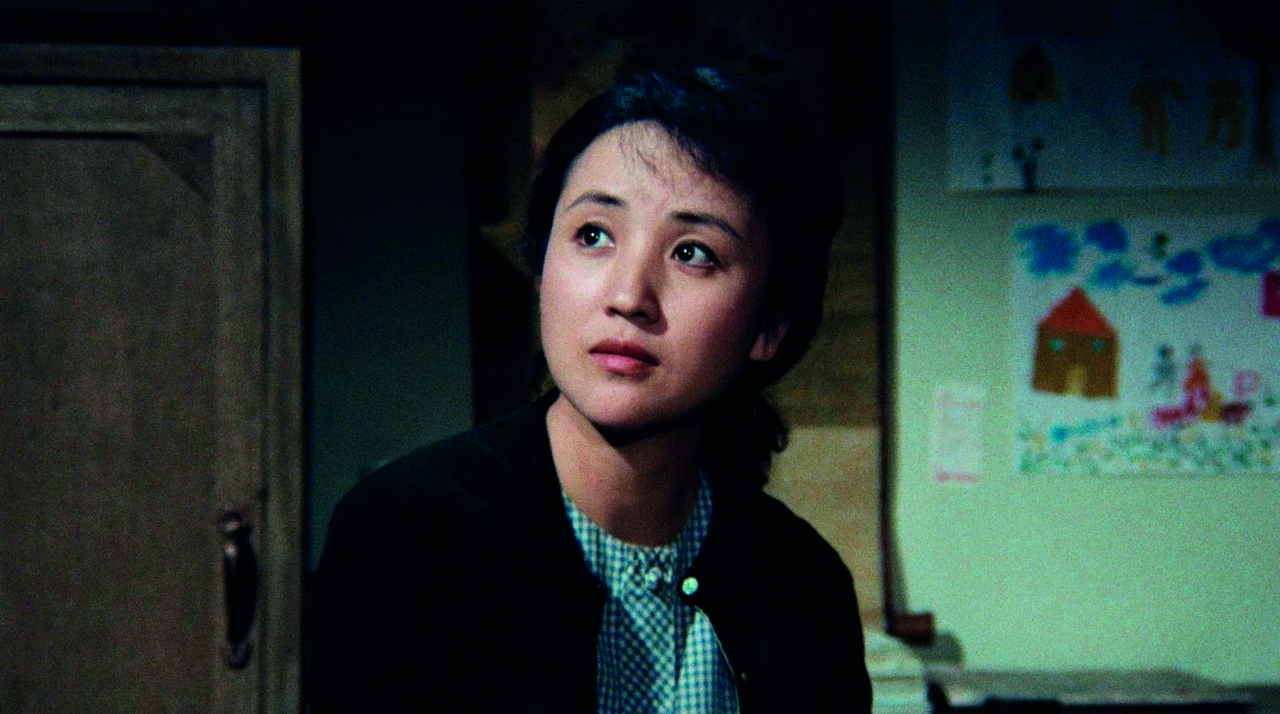
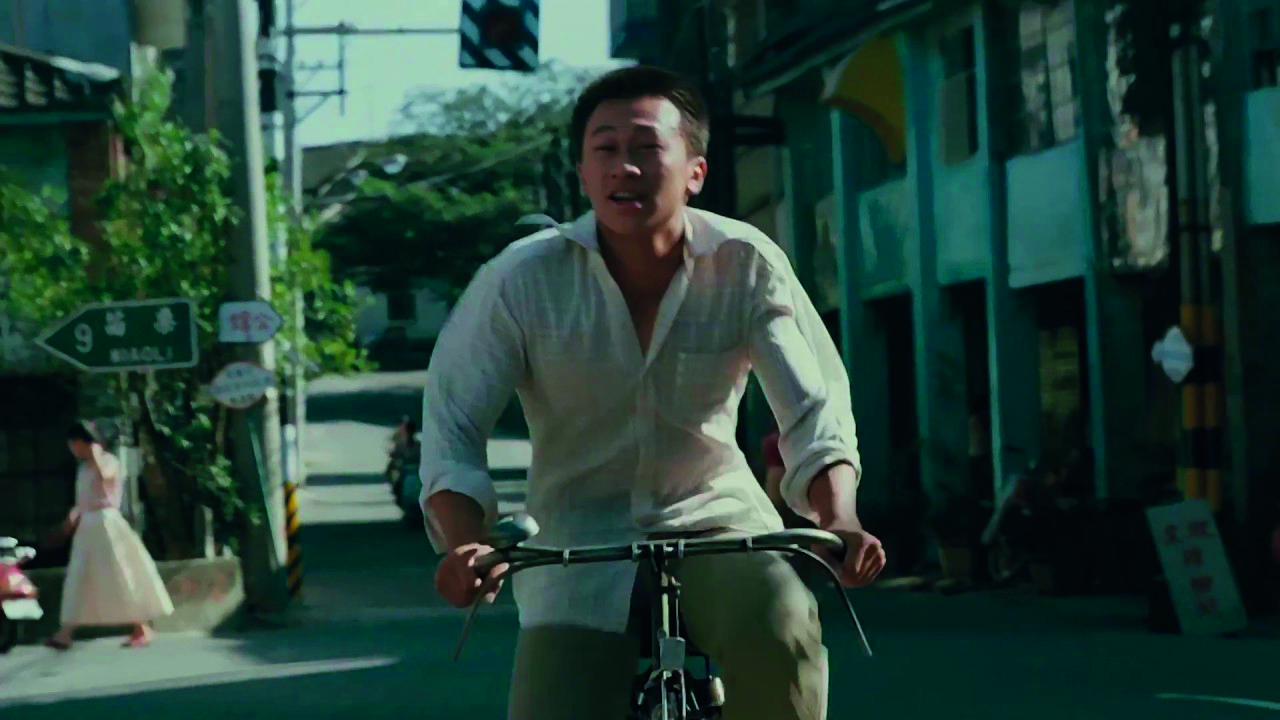
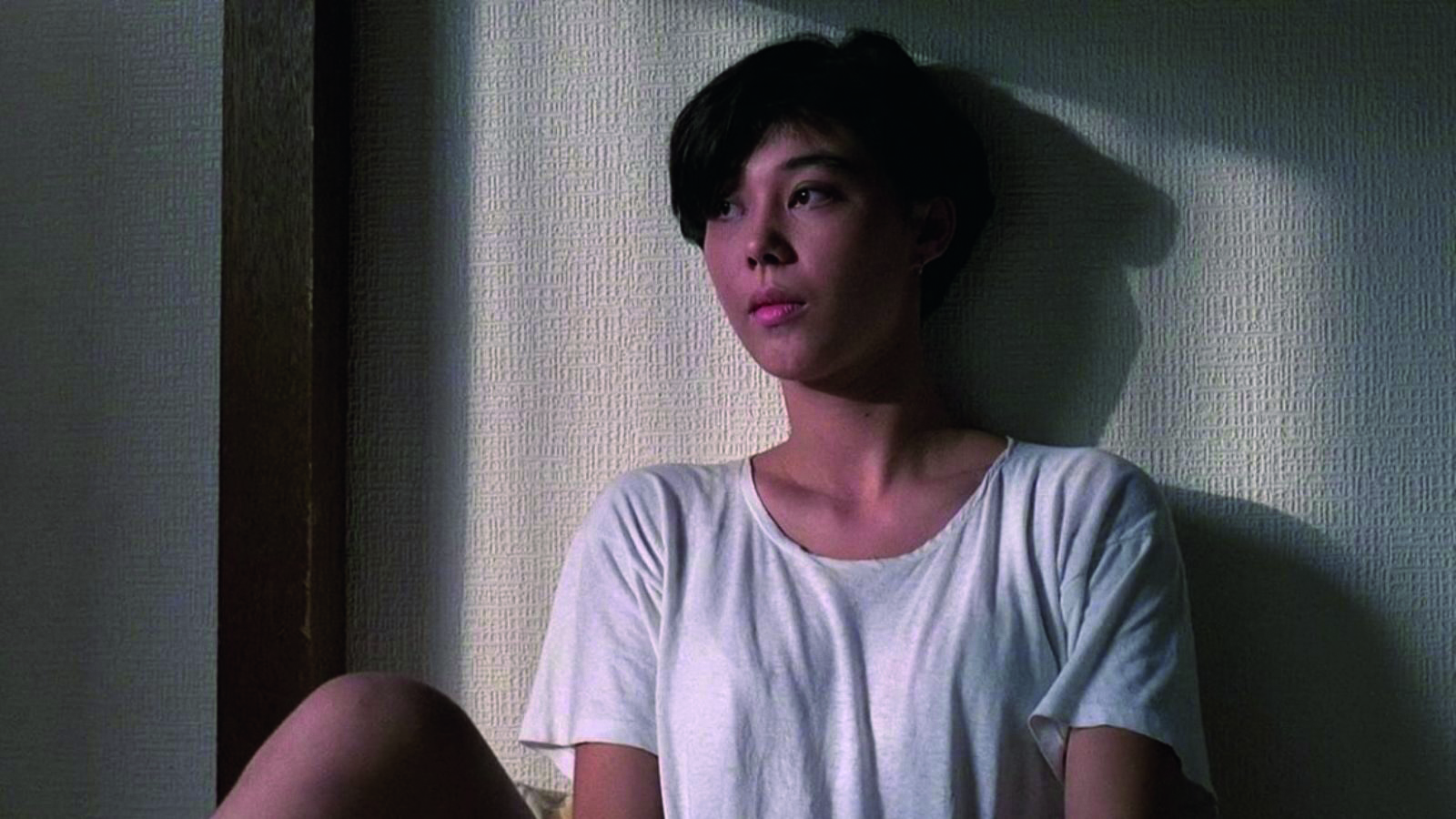
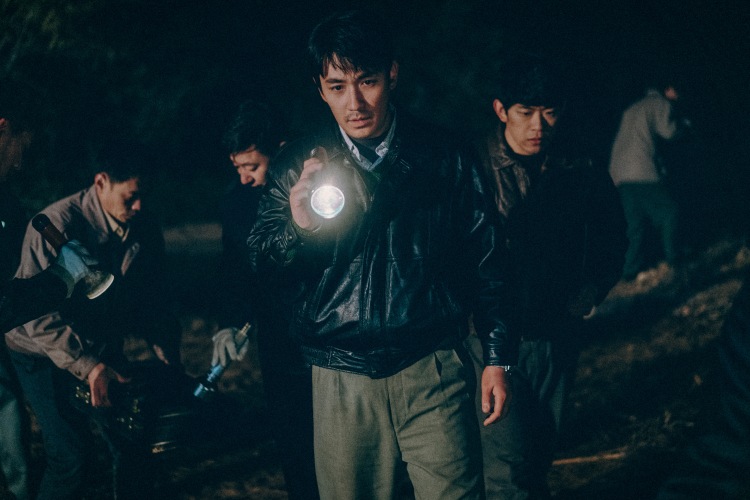
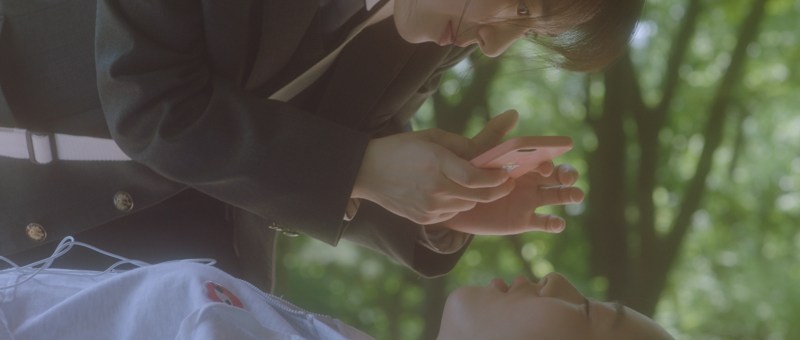
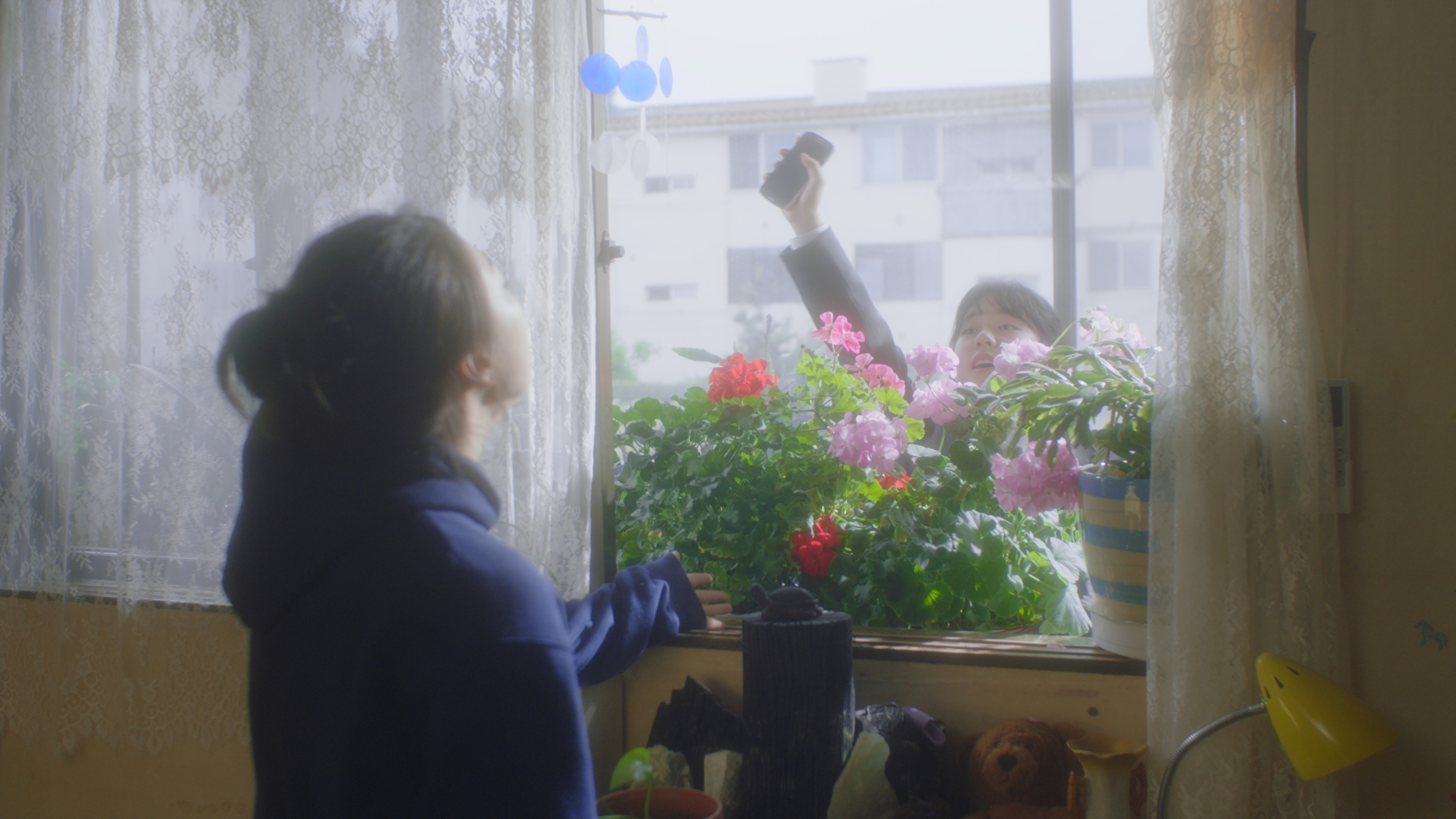
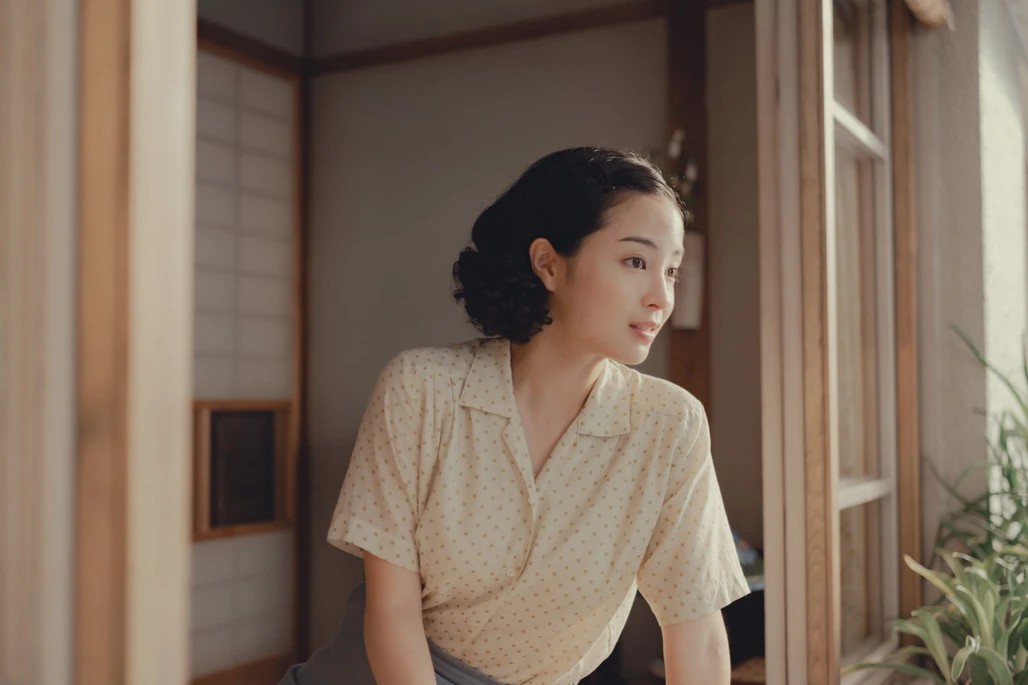
A young woman returns home at a moment of crisis, but finds herself with only more questions in an attempt to understand her mother and her decision to leave Nagasaki for the UK 30 years previously in Kei Ishikawa’s adaptation of Kazuo Ishiguro’s debut novel, A Pale View of Hills (遠い山なみの光, Toi yama-nami no Hikari). Set alternately in 1952 and 1982, the film positions the Greenham Common anti-nuclear protests as a point of connection between the two nations and the reason that Niki (Camilla Aiko) is currently so interested in her mother’s story seeing as there’s increased interest surrounding the atomic bomb, even if her editor keeps asking her about “Hiroshima”.

Another reason for Niki’s sudden return is that the editor is a married man Niki has been having an affair with. It seems she’s made a significant investment in the relationship by dropping out of university to work as a reporter, but despite saying he would, he has not left his wife and Niki suspects she may now be pregnant. All of which encourages her to investigate the relationship she has with her mother, Etsuko (Yo Yoshida / Suzu Hirose), and her late sister Keiko with whom she did not seem to get on, through tracing back her Japanese roots and trying to understand her familial history.

But what Etsuko, who is abruptly selling the family home, tells her is confusing and indistinct. Much of Etsuko’s story doesn’t line up, and we understand in part why later, but it seems almost as if the lacunas and contradictions are intentional and designed to hint at the ways we paper over cracks in our identities or create new mythologies for ourselves in an attempt to escape the traumatic past. Etsuko found a more literal escape in coming to the UK, but there’s something a little poignant about the way she says she thought there’d be more opportunities here and that Keiko would have had the chance to be anything she wanted which Japan would have denied her. Later she suggests that she always knew the UK wouldn’t be good for Keiko, but she came anyway. 

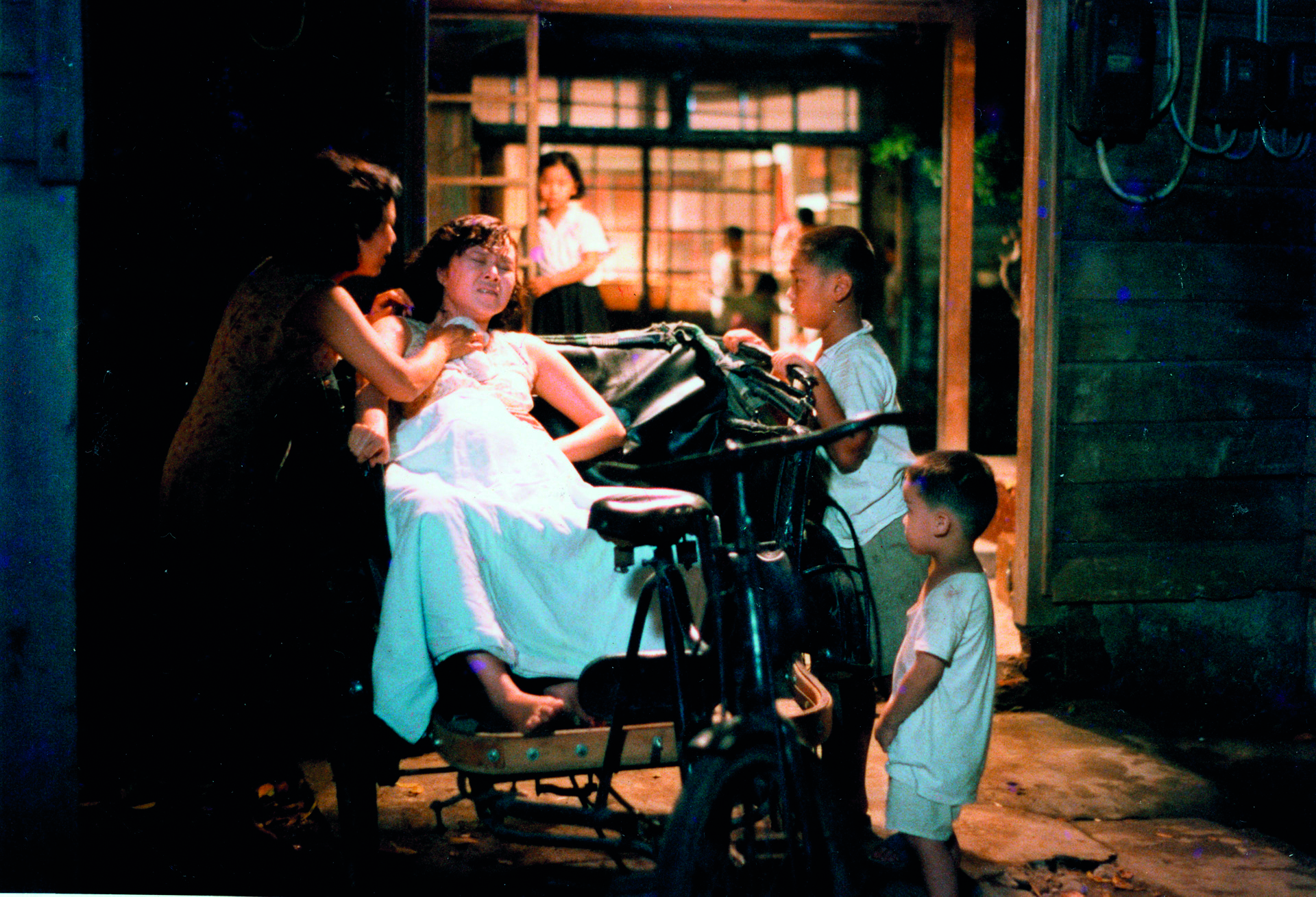
Now she’s selling the house, literally unpacking the past, Etsuko has begun dreaming about a woman she knew, Sachiko (Fumi Nikaido), and her daughter, Mariko, who lived near her in Nagasaki when she was pregnant with Keiko. Whereas Etsuko and her salaryman husband Jiro (Kohei Matsushita) live in a flat on a “danchi”, aspirational post-war housing estates for young families, Sachiko lives in a rundown shack across the way where the neighbours gossip about her for entertaining American soldiers who are still in the country post-Occupation because of the Korean War which is also what’s fuelling the economic recovery. Sachiko has met a man called Frank who says he’ll take her to America, but she doesn’t really believe him. 

On the one level, it seems that Etsuko and Sachiko are mirror images of each other yet they are in other ways alike, while their stories share several details in common. What unites them is that they both experienced the aftermath of the bomb, though Etsuko has been careful not to disclose the extent of her exposure and is now fearful of what effect it may have on the baby along with on her relationship with her husband who appears to share some of the prevailing social prejudice against those who were exposed to radiation. Jiro, meanwhile, is a distant workaholic who criticises Etsuko for not being more “motherly” and sees her as little more than a domestic servant. He has a damaged hand from his wartime service that seems to reflect his wounds, but still rolls in drunk occasionally singing war songs with his inconsiderate friends. 

When his father, Ogata (Tomokazu Miura), announces he’s coming to stay with them, Jiro is pleased to see him but rebuffs his request that he talk to an old school friend, Matsuda (Daichi Watanabe), about an article he published claiming that it’s a good thing that teachers like Ogata were let go after the war. Ogata evidently feels hard done by, but it’s also true that the cause of his son’s animosity towards him is that he was a card-carrying militarist who cheered when he left for the front and indoctrinated children with imperialist ideology in his job as a teacher. He is the past Japan must move on from, and a representative of the wartime generation by which the young of today feel betrayed. As Matsuda tells him, it’s a new dawn. Ogata has to change, and so does everyone else including Etsuko who may not be as happy in her marriage as others might assume and may well be seeking other paths towards self-fulfilment rather than allow herself to become another miserable, self-sacrificing housewife.

Even so, the contradictory message seems to be that perhaps you can’t actually move on from this past and Keiko, in particular, may have been changed by her exposure not to the bomb but it’s aftermath, the terrible things she heard and saw amid the wreckage and the stigma she faced afterwards. The artificiality of the Japanese sets might speak to the slipperiness of Etsuko’s memory, as if she were observing a film of herself rather than recalling real events or else reimagining them differently so they play out a little more cinematically, in comparison to the concrete reality of the Sussex bungalow which perfectly captures a lived-in Britishness of the early 1980s. In many ways, Niki might not have clarified very much at all, or perhaps begun to accept the idea that not knowing doesn’t matter in coming to understanding of her relationship with her mother and along with it of herself as she too decides it’s time for change.


A Pale View of Hills screens 16/18th October as part of this year’s BFI London Film Festival.

Trailer (English subtitles)

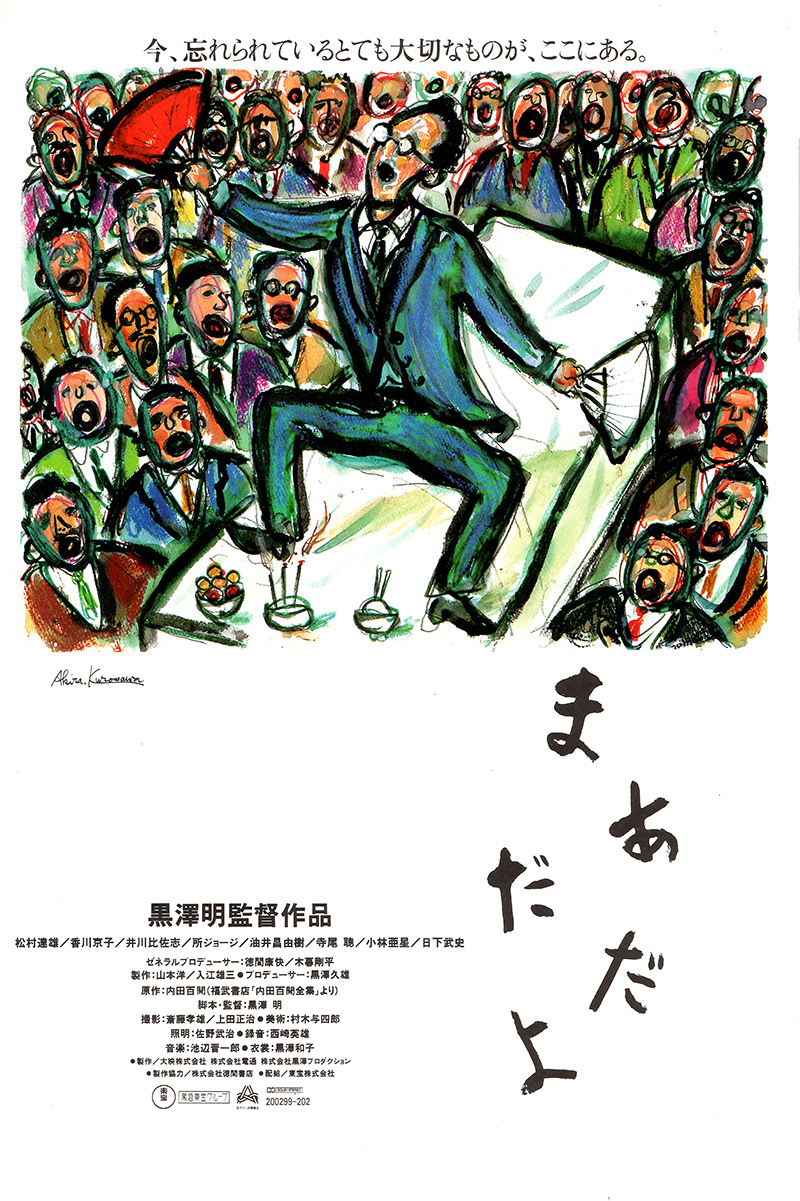
Madadayo (まあだだよ, Akira Kurosawa, 1993)

It’s tempting to read Akira Kurosawa’s final film Madadayo (まあだだよ) as a kind of valediction, though he may not have thought of it as a “final” film and if he had, it would have been ironically for film’s title means “not yet” and thematically hints at a desire on hold to a life that is admittedly fleeting. Much of the film is indeed bound up with transience and the difficulties of accepting it, but it’s also a humorous tale of a man who was “pure gold” and managed to maintain his childish heart even into his 77th year. 

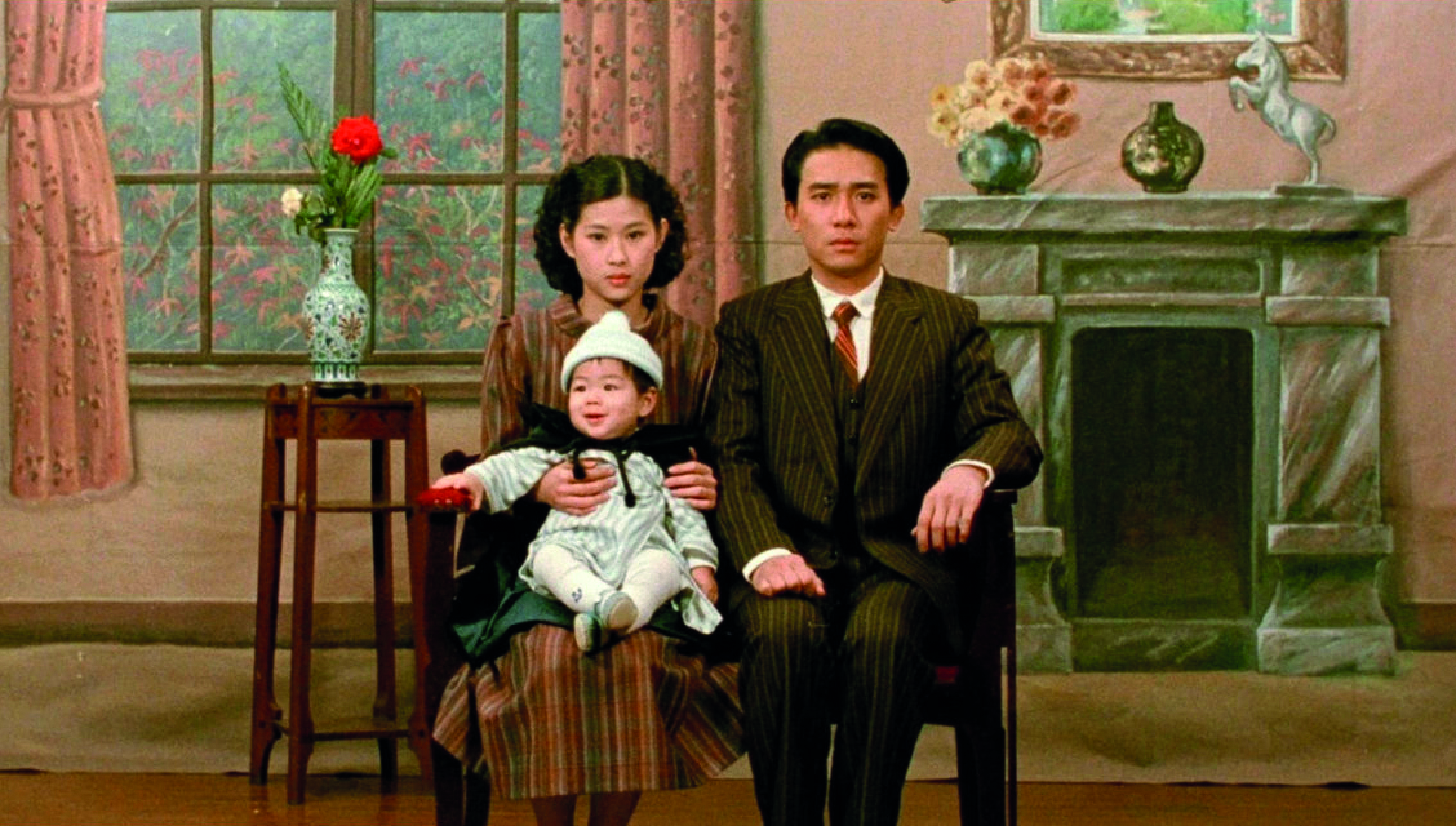
Inspired by the life of the writer Hyakka Uchida (Tatsuo Matsumura), the film rather curiously opens with his retirement as he abandons his teaching position to pursue writing full-time much to the disappointment of his doting students. The relationship between Uchida and the boys he taught is at the heart of the film, for much like Mr Chips he had no children of his own and is cared for in his old age by a collection of old boys who almost venerate him as if he were something precious which cannot be allowed to slip from the world. Soon after his retirement, Uchida achieves his Kanreki, that is his 60th birthday or the completion of one cycle of the Chinese zodiac which is also the beginning of a second never to be completed round, which some consider as a second childhood or the beginning of old age.

Uchida is indeed childishly innocent and generally lighthearted forever making incredibly silly puns and approaching even potentially serious situations with good humour. When his wife remarks that the rent may be reasonable on their new home because it is unlucky and prone to being burgled, Uchida simply puts up a series of signs directing thieves to the “burglars entrance” through the “burglars corridor” to the “burglars lounge” and “burglars exit” reasoning any potential robber would find the situation so odd as to want to leave as soon as possible. The house does turn out to be unlucky in a sense as it is burned down during the fire bombing of Tokyo leaving the Uchida and his wife to move into a tiny shack on the grounds of a ruined mansion. 

Signs of a sense of irony and an underlying darkness are, however, present in his improvised version of a march he would have taught the students during the years of militarism on which he comments on the disillusioning realities of new era of “democracy” under the Occupation ruled by bribery and corruption. The students decide to hold a birthday party for the professor they christen the “Not Yet Fest”, taking the lines from a child’s game of hide and seek to ironically ask if he’s ready to throw in the towel first, actually featuring a performance of his funeral which might seem insensitive but Uchida can be relied upon to see the funny side. During the party the former students give various speeches, one announcing he will recite the names of all the stations from one end of the country to the other, but no one really pays very much attention to them. The students even track on a large white dinner plate during a children’s song about the moon to hold behind Uchida’s head as if he were a buddha achieving enlightenment. 

Yet the crisis comes when, shortly after the students buy Uchida and his wife a new house to live in, their beloved cat Alley disappears, plunging the professor into a well of existential despair that leaves him unable to sleep or eat. The depths of his sorrow perhaps hint at his childish sincerity, though there is an undeniable poignancy in the attachment of the childless couple to this cat that chose them as its family. Despite the best efforts of the students along with the local community, Alley never returns though the professor and his wife learn to love a new cat who like Alley wandered into their garden and found a home. As in the poem that inspires Uchida in his “ascetic” life in the hut, life is an ever-flowing river. The waves of students that flowed through his classroom, the homes that were destroyed and rebuilt, the cats who stayed as long as they could and then made way for the new visitor all of them small circles of life that will continue long after he is gone. 

But as Uchida says, “Not Yet”. Like Kurosawa himself who feels the light dimming he asks for more time as if playing hide and seek with death whose presence he must eventually acknowledge even if he’s not quite ready to welcome him in. At the last Not Yet Fest that we see times have clearly changed. Uchida’s wife is now present along with the daughters and granddaughters of the students, one of whom points out they’ll soon be genuine old geezers themselves. For a moment we think we see the boy from 1943. Uchida tells the children to find their passion and give their lives to it, imparting one final not quite lesson while gifting them the cake they’ve just brought him in order of his 77th birthday. A 77th birthday is supposed to be lucky, though seven sevens are also 49 which is the length of a Buddhist mourning period and the time it takes to be reborn. The cycle begins again, as Uchida may know as he dreams of childhood hide and seek only to be distracted by a surrealist sky in its pinks and blues, a vista apparently painted by Kurosawa himself who lets the clouds roll into the credits an endless stream of dream and memory on which our lives are mere bubbles that disappear and form anew. But perhaps, not yet. 


Autumn Tempest (落山風, Huang Yu-Shan, 1988)

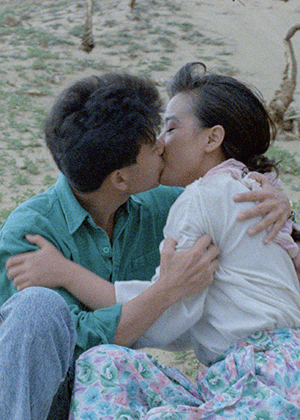
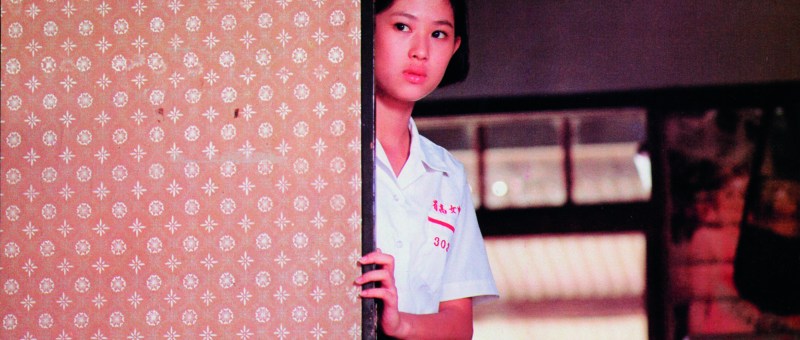
When the autumn tempest comes, it can launch a buffalo into the air, according to a middle-aged woman working at a remote mountain temple. Wen-Hsiang (Yang Ching-huang) is in the spring of his life, but the tempest is coming for him too as he finds himself consumed by the desires he’s supposed to be shaking off after becoming fixated on a lonely, young-ish novice at the temple in flight from a failed marriage.

Su-pi’s (Kang Soo-yeon) decision to become a nun is reflective of the repressive patriarchal social codes under which she was living. We’re told that she’s essentially been rejected because she was unable to produce a male heir. Her husband has since got his mistress pregnant, or so he thinks, and the mother-in-law, who is really the one in charge, has decided to move her in, telling Su-pi she can like it or lump it. Unsurprisingly, Su-pi chose to leave but the temple hasn’t really accepted her either. Su-pi wants to shave her head and be admitted as a nun, but the abbess says she’s not ready. 

Su-pi does indeed have lingering attachments to this world and they seem to lead in two directions, firstly her unfilled and at the time taboo sexual desires, and her resentment towards her husband couple with the sense of righteous anger over her unfair dismissal. This desire to be desired is what draws her to Wen-Hsiang who is probably not all that much younger than her but is also a “kid” too young to know anything of real love. She asks him if she’s still young and pretty and if he loves her to which Wen-Hsiang readily agrees though it’s more that he becomes obsessed with her, drunk on his desire and his own need to be needed.

Wen-Hsiang’s parents’ marriage collapsed some years previously though they’ve never divorced because of the social stigma and now Wen-Hsiang’s mother has taken his sister to the US leaving him behind. Not getting along with his father, his doting grandmother sends him to the temple to help him study so he can fulfil his familial obligations, get into medical school, and follow in his father’s footsteps. No one seems to want Wen-Hsiang, not even the old girlfriend who wouldn’t stop calling when he first went to the temple but has since moved on. But even on decamping to the mountains, Wen-Hsiang can’t leave the city behind. He packs a series of coffee-related accoutrements as well as tapes of Western and Japanese pop music he listens to while he studies. When he finds the Buddha’s eyes intrusive, he simply throws his jacket over them.

But the transgressive sexual relationship they enter into also nearly kills the abbess who is struck down by some kind of psychic force that seems to emanate from it. Though the couple think they’ve kept it quiet, everyone appears to know, the abbess warning Su-pi that young men are impulsive, like bulls who can’t be tamed, and should be avoided. Struck by the weight of this spiritual transgression, Su-pi tries to end it but is both drawn by her own desire and by Wen-Hsiang’s obsession. The realisation that she is pregnant forces her hand, though we might also wonder if in the end her greatest desire was always for revenge or just to avenge herself by forcing her husband to realise the fault lies with him. She is fully capable of fulfilling the role society has forced on her though she may also reject it symbolically by becoming a nun while fulfilling her own desires by telling her husband where to go when he comes crawling back.

Though the film sets out to punish Wen-Hsiang for his transgressions, it cannot help but implicate Su-pi for his downfall, implying it’s is her fault rather than resolutely his own in his inability to overcome his desires. She meanwhile is equally punished by the film’s ambiguous ending in which she may have to live with the unintended consequences of embracing her sexuality as opposed to abandoning it by joining the temple. Even so, there’s something so classical about her features that they almost resemble the face of Buddha, not unlike that Wen-Hsiang’s grandmother prays to in the hope he’ll get into medical school. Huang frequently uses natural imagery to express the tumultuous emotions of the pair of lovers in contrast to the ordered and tranquil environment of the temple but also perhaps suggests that not even here can they really free themselves of the authoritarian oppressions of the city.


Autumn Tempest screened as part of the BFI’s Myriad Voices: Reframing Taiwan New Cinema.

BFI to Host “Myriad Voices: Reframing Taiwan New Cinema”

Throughout April 2025, the BFI will be hosting a season of films exploring Taiwanese New Cinema from new perspectives including a selection of films from lesser known filmmakers alongside those of heavy hitters such as Edward Yang and Hou Hsiao-hsien.

Duckweed (aka Floating Weeds)

Edward Yang’s television debut after returning to Taiwan, Duckweed was part of the Eleven Women TV series produced by Sylvia Chang and Chen Chun-tian, and follows a young woman who moves to Taipei from the countryside to become a model.

In Our Time

1982 anthology film featuring instalments directed by Tao Te-chen, Edward Yang, Ko I-chen, Chang Yi.

The Boys from Fengkuei

1983 drama from Hou Hsiao-hsien following a group of young men who leave their fishing village after getting into trouble with gangsters and try to make new lives for themselves in Kaohsiung.

Chen Kun-hou, who was the film’s cinematographer, will introduce the screening on 11th April.

The Sandwich Man

Tripartite anthology film featuring instalments by Hou Hsiao-hsien, Tseng Chuang-hsiang, and Wan Jen adapting short stories by Huang Chun-ming.

Out of the Blue

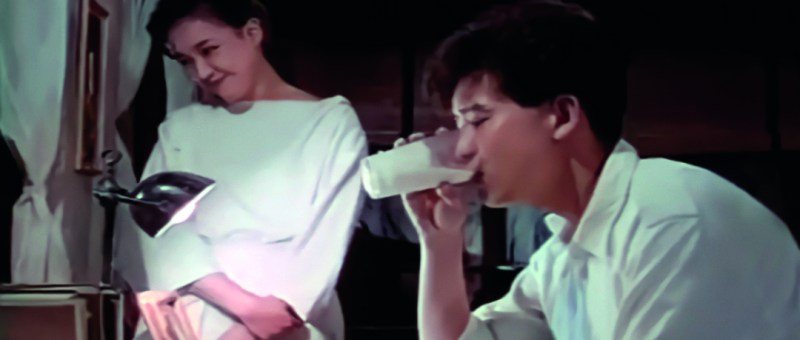
1984 drama from Chen Kun-hou in which teenagers Jielong and Tangmi spend a single night together before she disappears and Jielong must return to university.

Director Chen Kun-hou will be present for a Q&A following the screening on 10th April.

Ah Fei

Drama adapted from a short story by Liao Hui-ying and following a woman over several decades after the Chinese Civil War.

Kuei-mei, a Woman

A woman’s stoical endurance of hardship as she travels towards hard-won prosperity mirrors that of her nation in Chang Yi’s allegorical maternal melodrama. Review.

My Favorite Season

1985 Chen Kun-hou drama starring Sylvia Chang as a woman who conceives a child with her married boss but wants to break up with him and raise the baby on her own.

Director Chen Kun-hou will be present for a Q&A following the screening on 11th April.

Taipei Story

An ambitious young woman is determined to keep pushing forward while her more traditional boyfriend remains trapped in the past in Yang’s melancholy urban drama. Review.

A Time to Live and a Time to Die

Semi-autobiographical drama from Hou Hsiao-hsien following a young man in Fengshan from 1947 to 1965.

This Love of Mine

Psychological drama from Chang Yi adapted from the novel by Hsiao Sa in which a woman must re-evaluate her life after learning of her husband’s affair.

The Terrorisers

Landmark drama from Edward Yang in which a doctor and his novelist wife teetering on the brink of divorce, a voyeuristic photographer, and a rebellious teen are connected by a single event.

Strawman

Satirical comedy set at the end of the war in which two farmers find an unexploded bomb in their field and decide to carry it to the Japanese police in the hope of a reward.

Autumn Tempest

Huang Yu-shan’s 1988 narrative film debut in which a young man retreats to a mountain temple to study but enters an affair with a young woman who subsequently becomes pregnant.

Director Huang Yu-shan will be present for a Q&A following the screening on 12th April.

A City of Sadness

Historical drama from Hou Hsiao-hsien set immediately after the liberation from Japanese colonial rule following a family who become embroiled in the White Terror following the February 28 incident.


Myriad Voices: Reframing Taiwan New Cinema runs at the BFI Southbank throughout April.

Heavy Snow (폭설, Yun Su-ik, 2023)

“It’s obvious it was a romance, why did you pretend it wasn’t?” one wounded woman asks another while their connection seems to be frustrated by internalised shame and conflicting desires. Yun Su-ik’s frosty drama Heavy Snow (폭설, pokseol) does indeed seem to suggest that their love for each other can only exist in a kind of otherworld, eventually segueing into a metaphysical realm which simultaneously implies that this isn’t actually a romance but self-reflection and interrogation as a tomboyish actress searches for herself inside her various roles.

Indeed, Su-an (Han Hae-in) views Seol (Han So-hee) with a kind of awe which might be understandable given that Seol is a TV drama superstar improbably transferring to her rural arts school for a break from the world of showbiz. Or as Seol would later imply, because she’s become too difficult to manage and is rebelling against the emptiness of her ostensibly glamorous life through increasing acts of reckless self-harm. Su-an might wonder if that’s all her flirtation is, an attempt to flaunt a taboo while otherwise puzzled and jealous as to why someone like Seol would actually be interested in her. 

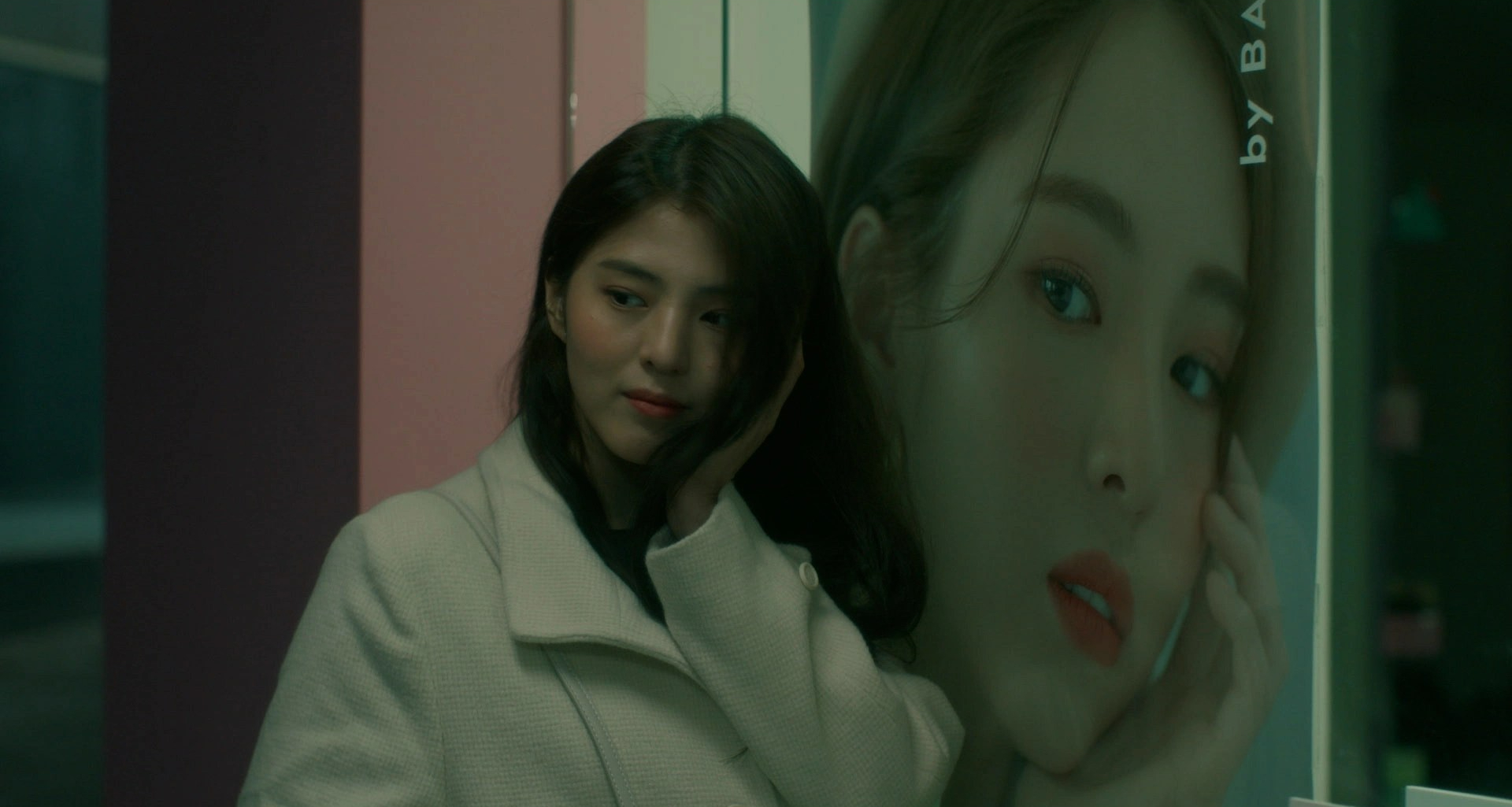
Yet Su-an’s interest is also in part idolisation, attracted to Seol because she fears she is everything she wants to be but isn’t, beautiful and talented. But Seol seems to doubt she’s either of those things while otherwise superficially confident in her sexuality and drawn to Su-an because of her ordinariness. Experiencing a moment of identity crisis, she’s looking for herself outside the frame yet also perhaps like Su-an caught in moment of self-idolisation. Noticing one of the giant billboards of her face that the litter the city she briefly touches it before walking away as if attracted to an image of herself she recognises and doesn’t. 

Yet it seems it’s less the awkwardness of too much intimacy that causes Su-an to pull away when Seol kisses her than shame. She tells Seol that she thinks it isn’t right, and perhaps goes on to regret that decision while continually pining for an idealised teenage love. The two women in a sense trade places. Years later Su-an is a famous TV actress, having in a way taken over the image of Seol, while Seol is evidently no longer acting but a depressed and defeated figure still resentful of Su-an’s rejection. The effects of their shifting fame deepen the gap between them with the teenage Su-an further nervous in her relationship with Seol knowing the danger that her celebrity presents. There is a suggestion that their creative desires conflict with the romantic, that they feel they cannot embrace their sexuality freely and remain in the entertainment industry because of the intense pressures a conservative society places on prominent people to be shining examples of moral purity. Each of them appear to become worn out by the demands of their fame, Su-an turning to drugs in attempt to mask her depression while the teenage Seol ponders quitting acting to become more her authentic self.

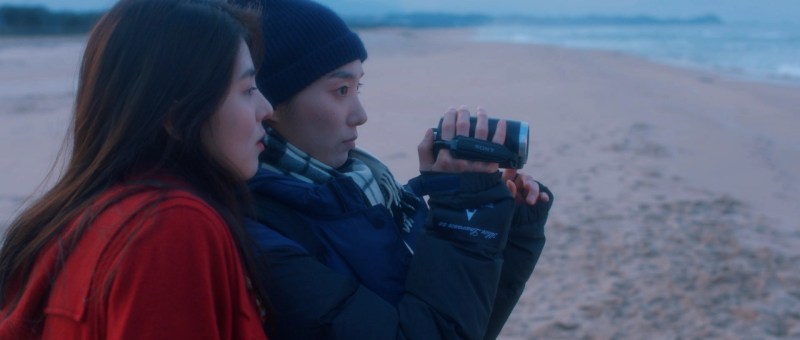
In the dreamlike third act which commences at the sea, a touchstone for each of the women connected to the innocence of their teenage romance, may suggest that in looking for Seol Su-an is really looking for herself or perhaps simply to recapture the person she was at the beginning of everything. At odds with each other, the two women become marooned in a snowbound land with no one else around. Finally repairing their relationship, it seems that they can only embrace their love in this barren place where no one else exists to judge them. The implication maybe that as Seol says the things Su-an wants to say to Seol she really wants to say to herself in a desire for self-acceptance, but equally that we can’t be sure that any of this “real” rather than dream or wishfulment.  In any case all that remains is a painful longing either for an unrealised love or the elusive self. 

Hinting at the pressures of the contemporary society, the unrealistic expectations placed on those in entertainment industry and outward social conservatism the film never less presents its central romance with an evenhanded poignancy even in its continuing impossibility as the two women continue to look for the self in each other but seemingly struggling to see past the hollow images of their own self-projections.


Original trailer (no subtitles)

Heavy Snow screened as part of this year’s BFI Flare.

BFI London Film Festival Confirms Complete Programme for 2023

The BFI London Film Festival returns to cinemas across the city 4th to 15th October. East Asian highlights this year include stupendous Chinese animation Deep Sea, tense Korean drama Cobweb, and the latest from Ryusuke Hamaguchi and Hirokazu Koreeda. Here’s a look at the East Asian features on offer:

China

Hong Kong

  • Expats – feature-length fifth episode of the Amazon TV series revolving around the lives of three American expats against the backdrop of the 2014 Hong Kong protests.

Japan

  • The Boy and the Heron – semi-autobiographical fantasy animation from Studio Ghibli & Hayao Miyazaki.
  • Evil Does Not Exist – latest from Ryusuke Hamaguchi (Drive My Car) focussing on a construction project in a peaceful rural village.
  • Monster – latest from Hirokazu Koreeda starring Sakura Ando as a mother who confronts a teacher after noticing changes in her son’s behaviour.
  • Perfect Days – Tokyo-set tale from Wim Wenders starring Koji Yakusho as cleaner living a simple but soulful life.

Malaysia

  • Tiger Stripes – femininst pre-teen body horror in which a young woman begins to change in unexpected ways.

Mongolia

Philippines

  • Asog – road movie docudrama following a non-binary schoolteacher on the way to compete in a drag competition soon after surviving a typhoon.

South Korea

  • Cobweb – meta drama from Kim Jee-woon set in the authoritarian 70s in which a director becomes obsessed with the idea of reshooting the ending of his completed film despite the interference of the censors.

Vietnam

  • Inside the Yellow Cocoon Shell – 178-minute slow cinema epic in which a man reconnects with his estranged family following the sudden death of his sister.

The BFI London Film Festival takes place at various venues across the city from 4th to 15th October 2023. Full details for all the films as well as screening times and ticketing information are available via the official website. Priority booking opens for Patrons on 4th September, for Champions on 5th September, and Members 6th September, with general ticket sales available from 12th September. You can also keep up to date with all the latest news via the festival’s Facebook page, Twitter account, Instagram, and YouTube channels.

Lotus Sports Club (ក្លឹបកីឡាបាល់ទាត់ផ្កាឈូក, Vanna Hem & Tommaso Colognese, 2022)

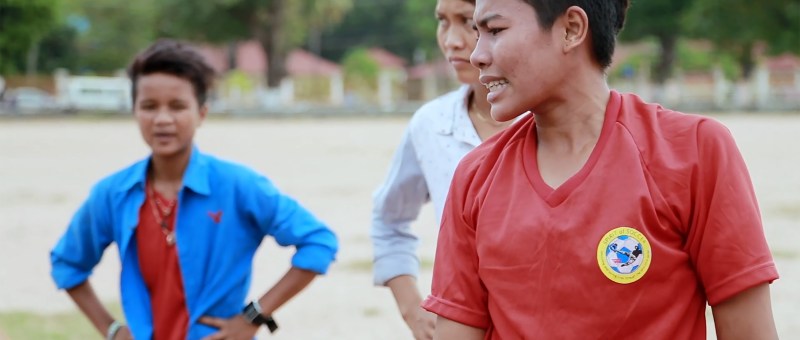
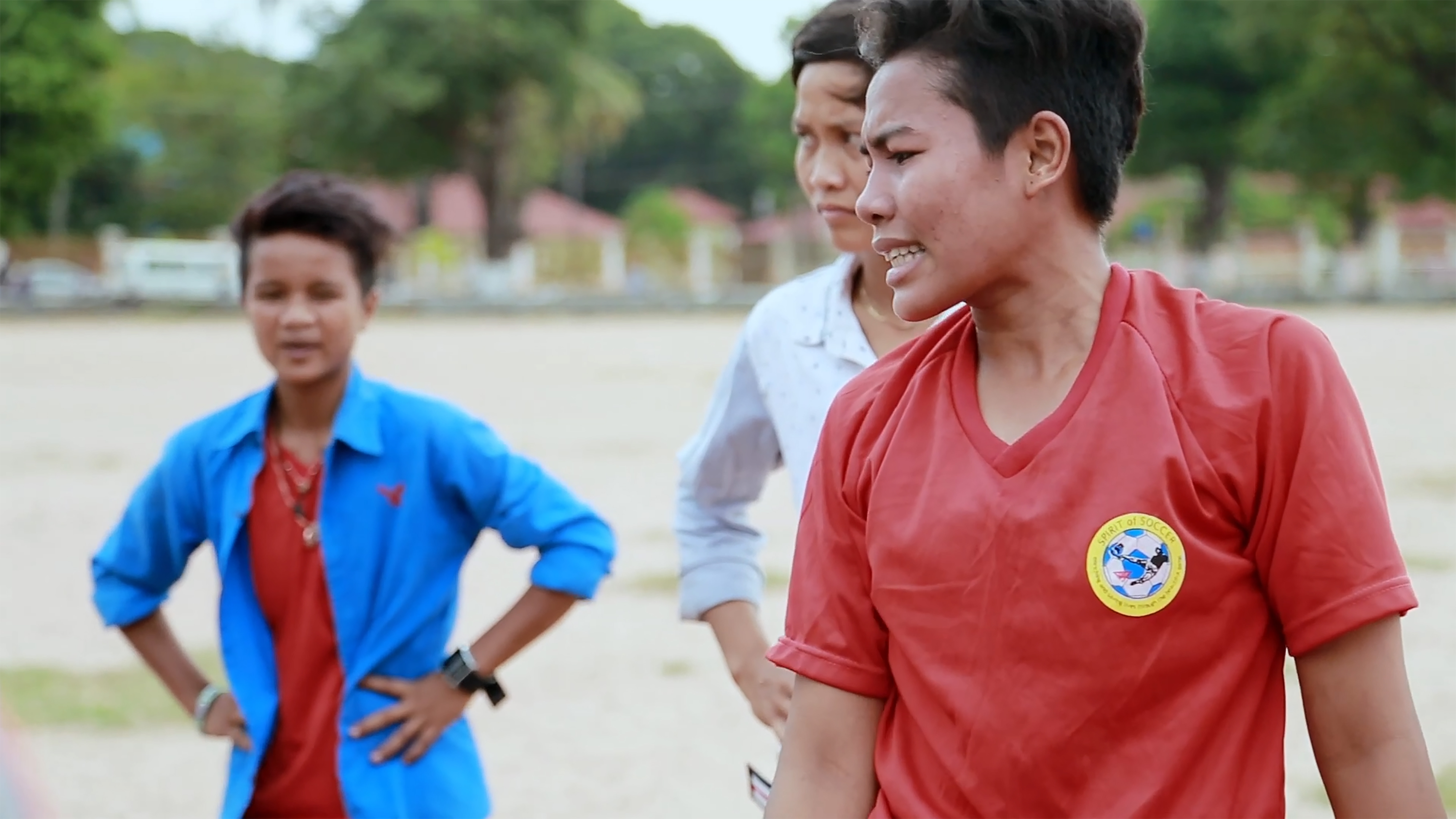
Solidarity becomes the watch word of a team of athletes led by the much loved Pa Vann in Tommaso Colognese and Vanna Hem’s observational documentary, Lotus Sports Club (ក្លឹបកីឡាបាល់ទាត់ផ្កាឈូក). Now in his 60s, Pa Vann is a trans man living with a longterm partner and running a women’s under 21 football team in which the majority of members are LGBTQ+, offering a place to belong to young people who often have nowhere else to turn having become estranged from their families or rejected by the world around them. 

One of the players on the team, Leak, explains that he always knew he was a boy but was expelled from school for cutting his hair short and behaving in a more masculine fashion. After leaving the home of a relative, a friend brought him to Pa Vann’s where he found a new sanctuary and a place he could be accepted for being himself. Amas, meanwhile, is from a conservative village and a Muslim family who struggle to accept his identity as a trans man and are unable to reconcile it with their religion and community. 

Both Leak and Amas are deeply grateful for the new family they’ve found with Pa Vann and also for the opportunities they’ve gained through football, Leak especially thankful to have met so many different people from so many different places while coming to see that he wasn’t alone and there were other people like him. The team is however for under 21s meaning that the pair will inevitably at some point age out and though it’s clear that they wouldn’t have to leave Pa Vann’s because of it they seem to struggle with what else to do with their lives. Leak in particular is deeply worried about not having a job at comparatively late age and eventually leaves for the city without saying goodbye apparently out of a desire to avoid hurting Pa Vann’s feelings or a fear he may be angry with him for leaving. 

Pa Vann is however philosophical if a little hurt, knowing that his job is to send them back out into the world with better skills to survive its harshness. Opening his home to the team members, he gives them life advice and teaches useful skills to help them find work such as carpentry and handicrafts. The entire point of the football team, which includes both LGBTQ+ members and otherwise, is to foster a sense of solidarity between the players to support each other in their everyday lives often in the face of entrenched social prejudice. 

Prejudice is something the team receives its fair share of. Players complain that some coaches from other regions accuse them of having men on the team and inappropriately ask for “proof” that they are female sometimes by having a look or a feel for themselves. But Pa Vann isn’t having any of that, directly telling the other coaches that he won’t have people being “rude” to his team and that their requests are “unacceptable”. Leak complains that the short-haired players have it worse and finds it ironic that he has to tell them he’s a woman to be left alone while even spectators sometimes hurl homophobic slurs from the sidelines. 

It seems unclear whether Leak and Amas find the city anymore accepting after moving there, but they do apparently find signs of hope in seeing other queer people living well while having their horizons broadened. Amas is also grateful for his time with Pa Vann but suggests that it might have been too easy to simply stay in the village and that he wanted to see more of the world and experience more of the life though he’d never have had the courage if it were not for the “solidarity” that Pa Vann showed him. Pa Vann’s own life cannot of have been easy. His partner explains that her family disowned her over the relationship while she herself identifies as straight and has never thought of Pa Vann as anything other than a man. But it has perhaps allowed him to show kindness and compassion to those like himself in giving them a safe place to stay where they can be accepted for who they are that then gives them the courage to extend the same kindness to others as they go out into the world seeking new and brighter futures of joy and solidarity. 


Lotus Sports Club screened as part of this year’s BFI Flare. It will also be screening at Bertha DocHouse on 23rd April as part of this year’s Queer East.

Trailer (English subtitles)

XX+XY (Lee Soh-Yoon, 2022)

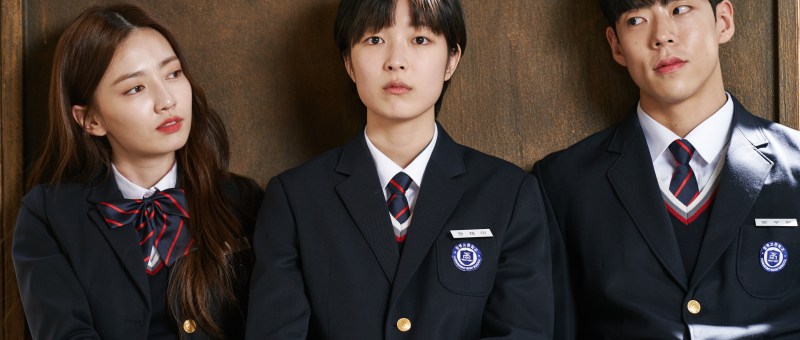
According to the voiceover narration that opens Lee Soh-yoon’s lighthearted teen drama XX+XY, we live in an age of choices yet sometimes choice can itself be a burden. At least that’s how Jay comes to see it having been born intersex but encouraged to think that at some point they’re going to have to choose whether to live as a man or a woman as if those are the only options or the choice to continuing living just as they are is not available to them. 

In essence many of their problems could be solved by reducing social dependence on the gender binary. Having been mainly home schooled, Jay has decided to attend a regular high school in part to help them figure out who they are through interacting with other teenagers who, they discover, are also struggling with many of the same questions in trying to decide who they’ll be. Yet for Jay, there’s also the issue of social stigma surrounding the reality of their life as an intersex person which is little understood by the world around them. When their identity is exposed by a malicious person, Jay’s teacher sighs and asks “Why didn’t you hide it better?”, prompting their response that their identity is not something shameful that needs to be concealed while suggesting that the school is on one level at least failing in their duty of care in refusing to protect them from the fallout of being outed which is in part their fault in stemming from the indiscretion of a teacher. 

The idea that they have something to hide is also particularly hurtful to Jay because of their unusual family circumstances given that they were adopted by a couple in a happy marriage of convenience between a closeted gay man and a woman otherwise uninterested in marriage. Their father’s partner now also lives with them and is very much a part of the family as can be seen in cheerful family photo they have hanging on their living room wall. Jay’s father tells them that he wants them to live in a world where they can love freely without fear of judgement or of feeling forced into the kind of arrangement he and their mother have made, their happy partnership not withstanding. On the other hand, it’s also he who first raises the potentially problematic idea that Jay should decide their binary gender based on their sexual orientation only to be firmly slapped down by their mother. 

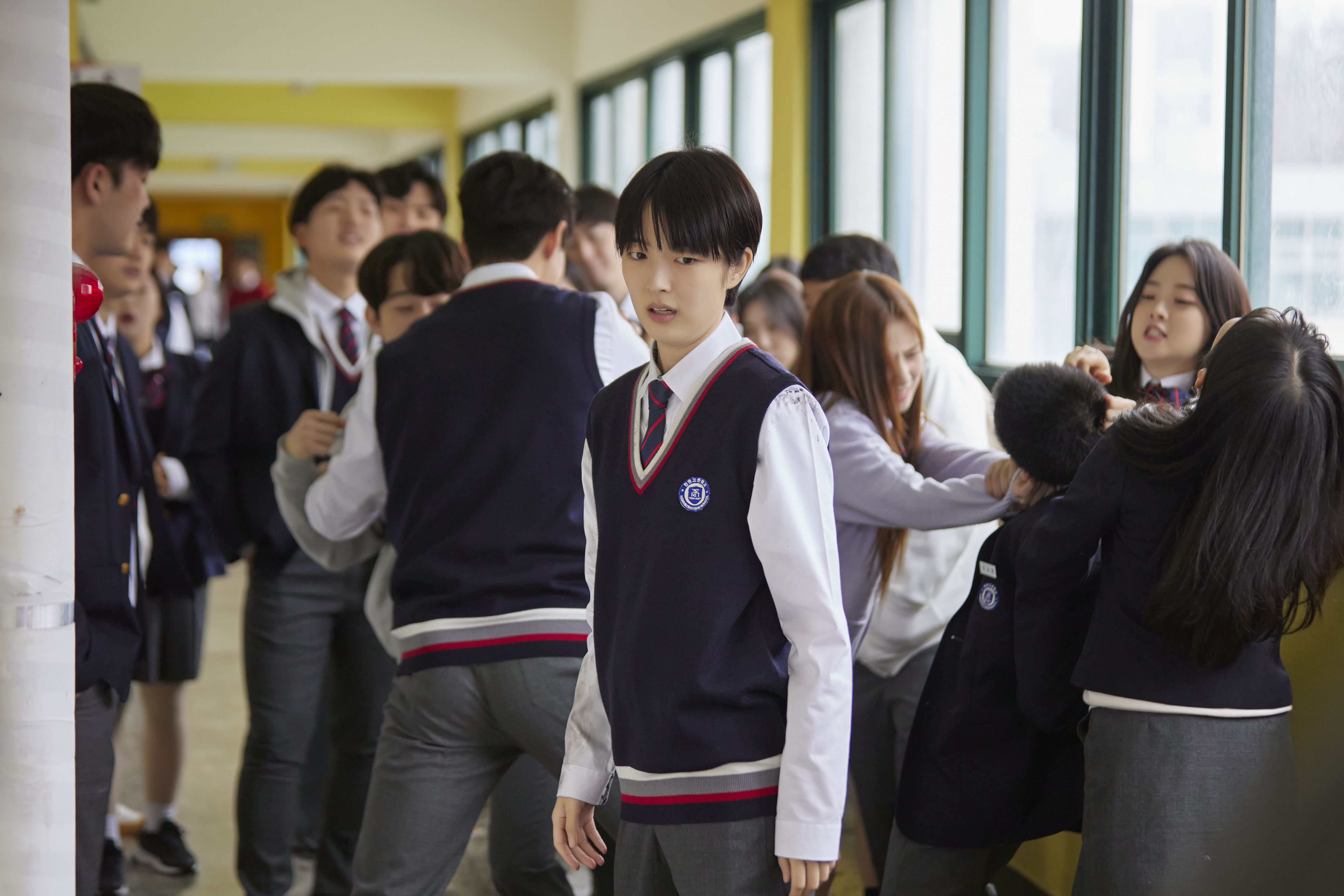
This is partly the thesis of the film, that Jay is figuring themselves out based on their feelings towards two potential suitors in childhood best friend Sera who’s always known that Jay is intersex and the smitten Wooram who fell for Jay thinking they were a girl and then confused by their more masculine presentation on arrival at school. As Sera later points out, Jay never directly states they are a boy but everyone assumes them to be one because they are wearing a boy’s school uniform and have short hair. It is the school that force Jay to make a concrete choice because of its persistent gender segregation which extends from uniforms, single sex bathrooms, and classroom cliques to different activities for boys and girls in PE. Jay has to make a choice because they have to pick a bathroom, only using the men’s means there’s no bins to dispose of sanitary pads forcing Jay to carry them around until they can find a place to discreetly dispose of them. The boys in Jay’s class are jealous of their popularity with girls, while immaturely gossiping about another boy they regard as effeminate and possibly gay because he is “small” and hangs out with the girls a lot. 

Meanwhile, the conservative attitudes towards sex and romance held by the school and society at large are also in themselves counterproductive. Teens try to buy condoms to be responsible but are turned away because they don’t have ID or a note from their parents and are even shouted at by a nosy old lady at the checkout all of which has them wondering if they should just go ahead without protection rather than giving up on the idea. When Jay’s intersex identity is revealed online, the teachers are more concerned about the concurrent rumour that they and Sera have slept together rather than the breaching of Jay’s privacy, only interested in what the other parents might say or that Jay’s identity on its own may negatively affect their reputation aside from the developing sex scandal. 

In any case supported by their new friends, Jay gains the confidence to believe that they, and everyone else, are good enough as they are and that there isn’t any point in worrying about the people who won’t accept them as they are now. The film may still imply that there’s a binary choice to be made and that whoever Jay decides to pursue romantically has a large impact on it, but nevertheless affirms Jay’s identity as it is and makes clear that it’s they who have a free right to define themselves independently of any social mores or commonly held beliefs. Warmhearted and generous of spirit, Lee’s teen drama finds that largely the kids alright treating each other with kindness and respect when given the opportunity to do so and only waiting for the adult world to catch up. 


XX+XY screened as part of this year’s BFI Flare.

International trailer (English subtitles)

The Dream Songs (너와 나, Cho Hyun-chul, 2022)

Teenage friends wrestle with a sense of mortality, frustrated longing, and future anxiety in the etherial feature debut from actor Cho Hyun-chul, The Dream Songs (너와 나, Neo wa Na). Set shortly before the 2014 Sewol ferry disaster and shot in a washed out soft focus with a hazy nostalgic quality, the oneiric drama finds its conflicted heroine coming to an appreciation of the solipsistic qualities of obsessive love while preparing to cross the line between adolescence and adulthood in fearing she may not return from her upcoming trip or that the her that returns will not be same and the world will have moved on without her. 

The trip is only four days, but for Sam (Park Hye-su) it represents the end of her adolescence and the beginning of adulthood. As the film opens, she wakes up in her classroom after having a disturbing dream that something bad is going to happen to her best friend Ha-eun (Kim Si-eun) who is currently in the hospital though only for broken leg after being hit by pedal bike on a zebra crossing. So upset is she, that Sam manages to convince her teacher to let her leave early to verify that Ha-eun is OK with her own eyes and try to convince her to come on the school trip to Jeju with her, broken leg and all, so that whatever happens happens to them together. 

In the repeated dream imagery, it’s being left on her own that Sam seems to fear. She doesn’t want to be the only one who survives or the only one who dies and leaves her friend behind though as she confesses there was something that felt peaceful in her dream on looking at a corpse that might have been her own. The school trip to Jeju is one that many teenagers take in a quite literal rite of passage, but it’s also tinged with additional anxiety in the painful reminders of the 2014 Sewol Ferry disaster, directly referenced via a radio broadcast, in which many school children taking the trip from the area where the film takes place lost their lives. Sam’s impending sense of foreboding causes her to reevaluate her relationships and especially that with her best friend Ha-eun for whom she has developed romantic feelings she is unsure can be returned. Afraid to leave without saying anything but also worried she may be rejected and end up imploding the friendship too, Sam’s internalised conflict ironically blinds to her Ha-eun’s individual suffering in having recently lost her pet dog as well as her disappointment on missing out on the trip while recovering from her accident. 

Cho frequently lands on the image of clocks, often stopped, which hint at time running out while there are frequent allusions to death and drowning from the bird Sam finds on the ground by the school to the girls’ final parting seemingly taking place in front of a stranger’s funeral with mourners talking outside while people carry funeral wreaths directly past them. While the lines between dream and reality continue to blur, Sam sees images of herself in the two little girls playing together in the park and another with her grandmother who “saves” a toy dinosaur from drowning in an environment in which it is unable to survive. She and Ha-eun chase a lost dog and eventually end up on opposite sides of a fence which is the outcome Sam most feared, but are eventually reunited and able to have a more emotionally honest conversation now that Sam has come to an understanding of the self-involved qualities of her romantic obsession. 

Even so, for the first part of the film it isn’t entirely clear if Sam’s feelings are indeed romantic or if it’s more a case of intense teenage friendship that causes her to be jealous of others that might be spending time with Ha-eun while preoccupied with the identity of the mysterious “Humbaba” whom Ha-eun apparently wanted to kiss in a diary entry Sam was presumably not intended to read. Sam’s feelings are made clear in a letter she doesn’t have the courage to send while she seems to fear that time may slip away from her and Ha-eun won’t be there when she returns from her trip. Yet what she ends up awakening to is more like self love, or at least no longer fearing “Joy” will fly away from her when she’s not looking. Cho’s hazy, poetic coming-of-age drama excels in capturing the joyful quality of teenage female friendship and diffidence of first love if tinged with a note of melancholy nostalgia in the wake of a devastating loss.


The Dream Songs screened as part of BFI Flare 2023

Original trailer (English subtitles)
BFI Flare Confirms Complete Programme for 2023

The BFI’s LGBTQ+ film festival, BFI Flare, has announced the full programme for this year’s edition which runs at the BFI Southbank 15th to 26th March. This year there are a few features from East Asia included in the lineup including four from South Korea.

Cambodia

  • Lotus Sports Club – documentary filmed over five years following a trans man in his 60s who formed a football team for LGBTQ+ youth.

South Korea

  • The Dream Songs – etherial drama following two high school friends over the course of a day.
  • Life Unrehearsed – documentary following two Korean women who met each other at a summer camp in Germany in 1986 and have stayed in the country together ever since.
  • PEAFOWL – drama following a trans woman who is tasked with performing the memorial dance at her estranged father’s funeral.
  • XX+XY – teen comedy following an intersex high schooler who finds themselves at the centre of a love triangle.

BFI Flare runs at BFI Southbank 15th to 26th March, 2023. A small number of short films are also available to stream via BFI Player. The full programme can be found on the official website where tickets are already on sale. You can also keep up to date with all the latest news via the festival’s Facebook page, Twitter account, Instagram, and YouTube channels.