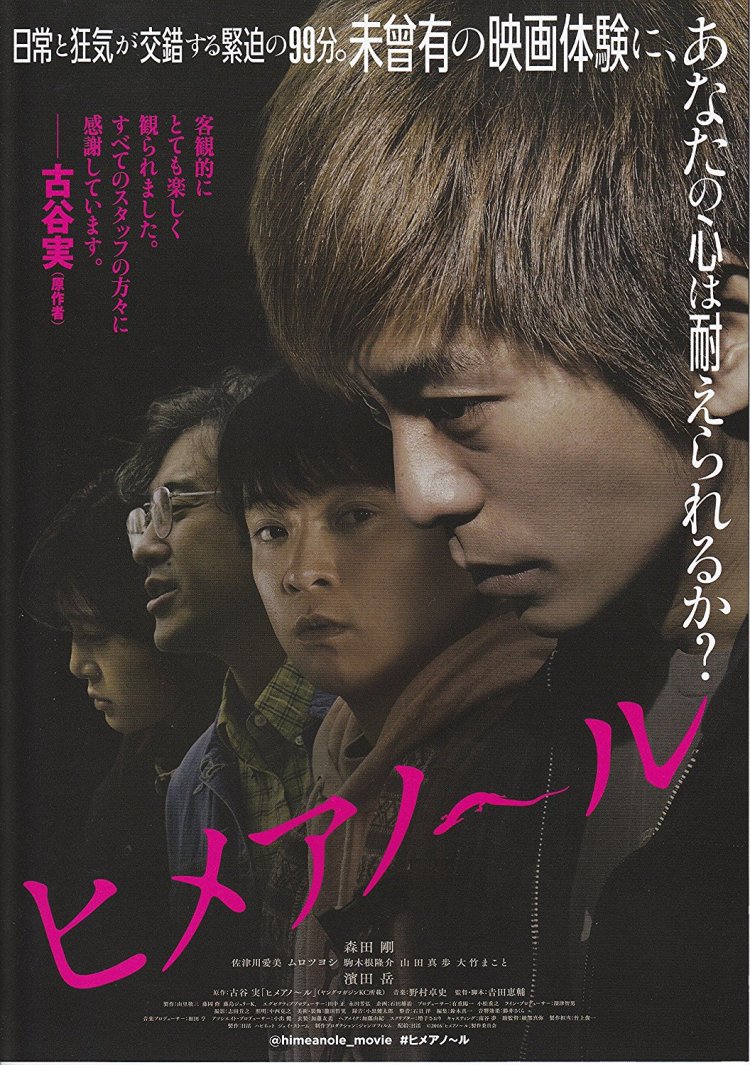
 Some people are odd, and that’s OK. Then there are the people who are odd, but definitely not OK. Hime-anole (ヒメアノ~ル) introduces us to both of these kinds of outsiders, attempting to draw a line between the merely awkward and the actively dangerous but ultimately finding that there is no line and perhaps simple acts of kindness offered at the right time could have prevented a mind snapping or a person descending into spiralling homicidal delusion. To go any further is to say too much, but Hime-anole revels in its reversals, switching rapidly between quirky romantic comedy, gritty Japanese indie, and finally grim social horror. Yet it plants its seeds early with two young men struggling to express their true emotions, trapped and lonely, leading unfulfilling lives. Their dissatisfaction is ordinary, but these same repressed emotions taken to an extreme can produce much more harmful results than two guys eating stale donuts everyday just to ask a pretty girl for the bill.
Okada (Gaku Hamada) is a young man lost. He has a dead end construction job he doesn’t like and isn’t particularly good at, but treading cement all over the finished floors at least helps him bond with his mentor, Ando (Tsuyoshi Muro), who seems to view him as a friend even if constantly referring to him as “Okamura”. Okada takes the opportunity to explain his malaise to Ando – that he feels his life slipping away from him in its emptiness, going through the motions with no real hobbies or girlfriend to give his existence meaning. Ando does not really understand this, he says dissatisfaction is natural and the driving force of all life but, on the other hand, he is not particularly dissatisfied because he lives for love!
Ando has a crush on a girl at the local cafe, Yuka (Aimi Satsukawa), who actually hasn’t noticed him because she’s pre-occupied with the blond guy who got there before Ando and sits outside everyday just staring at her. Luckily or unluckily, the guy in question, Morita (Go Morita), is an old high school acquaintance of Okada’s and so Ando asks him to find out what’s going on with this scary looking guy and his angelic lady love.
So far, so Japanese indie rom-com, but when the title card flashes up about a third of the way in, we’re in very different territory. Suddenly the colour drains from the screen and Yoshida changes his aesthetic and shooting style almost entirely. Gone is the comforting, slightly washed out colour scheme and the static, middle-distance camera of the opening. Now we are the voyeur, held helpless behind Yoshida’s erratic shaky cam, hiding behind the bins as Morita goes about his bloody business. Morita’s world is dark yet realistic, he’s shot and positioned with the arch naturalism familiar to the Japanese indie and the violence he inflicts is not movie violence, it is shocking, sickening, and visceral.
Hime-anole does not shy away from the consequences of its actions. This is, in a way, its point. At one time or another everyone concludes the increasingly surreal events they become engulfed in must be all their fault because they all have at some point acted in a way they do not quite approve of. Guilt is another of the emotions that is hard to express, especially when it’s mixed with humiliation or fear, but left unaddressed it is these corrosive agonies which develop into deep psychoses. Morita, a violent sociopath, was once (or so it would seem) an ordinary young boy who liked video games and had few friends. Perhaps if he hadn’t been the victim of humiliating, sadistic treatment, or if someone had found the courage to stand up for him, none of this might be happening.
Then again, the world is a strange place filled with people who have trouble deciding where the lines are when it comes to appropriate behaviour. Poor Yuka seems to have become something of a nutter magnet, stalked by two guys at the same time and chatted up in the street by persistent suitors who only leave her alone when they realise she’s waiting for another man. Okada is the only man who’s treated her like a regular human being for a very long time so it’s no surprise that she begins to prefer him to his awkward friend. Ando is, it has to be said, odd. Convinced Yuka is the one for him yet completely uninterested in her feelings, he vows to persevere. Yet for all his talk of chainsaws, Ando is basically harmless (to others at least) and just another lonely guy who doesn’t know how to express himself in way in which he will be understood. Morita, by contrast, is instantly creepy and has no interest in connection, he only wants to take and possess in a kind of ongoing vengeance for truly horrific events in his childhood following which something inside him became very broken.
That Hime-anole ends with a Brazil-style fantasy only adds to its strangely melancholy air as it insists on sympathy for the devil even whilst showing each of his sadistic crimes for the ugly, bloody messes they really are. Maybe the reason everybody feels they’re to blame is that in some way they are yet everyone has done things they regret or aren’t proud of, wishing they’d done things differently or managed to find the courage to do what they thought was right rather than choosing to protect themselves or keep their head down when they could have saved someone else pain. Betrayals can be small things, but they fester – like those unspoken emotions which were making our guys so unhappy in the first place. There are no innocents in Hime-anole save perhaps for the ones pushed further than they could endure, but there are those finally facing up to their own flaws and attempting to do things differently now they know better. If that’s not progress, what is?
Original trailer (no subtitles)
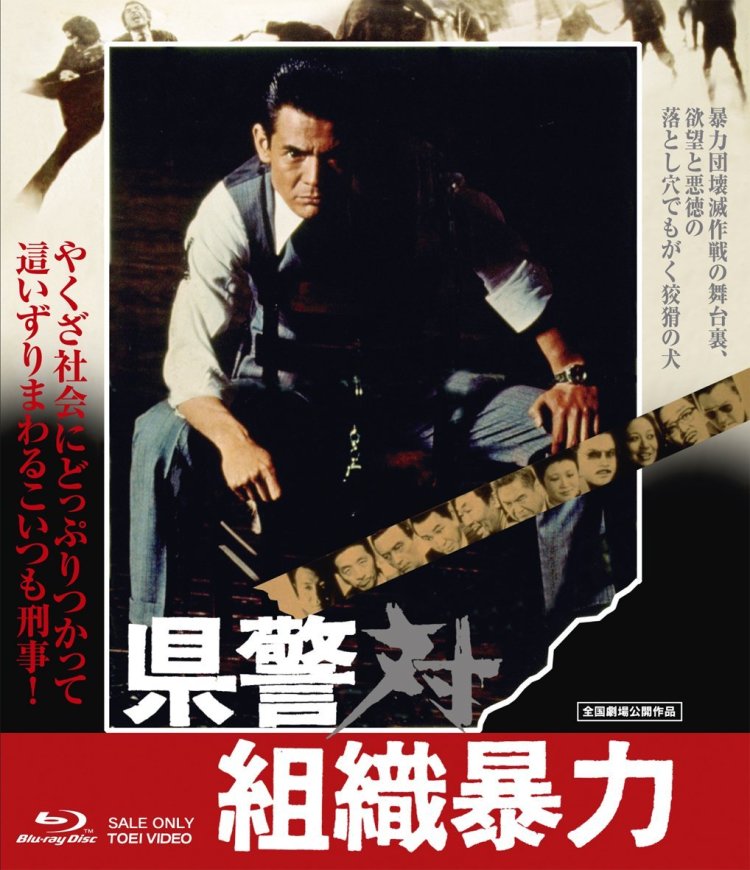 Cops vs Thugs – a battle fraught with friendly fire. Arising from additional research conducted for the first
 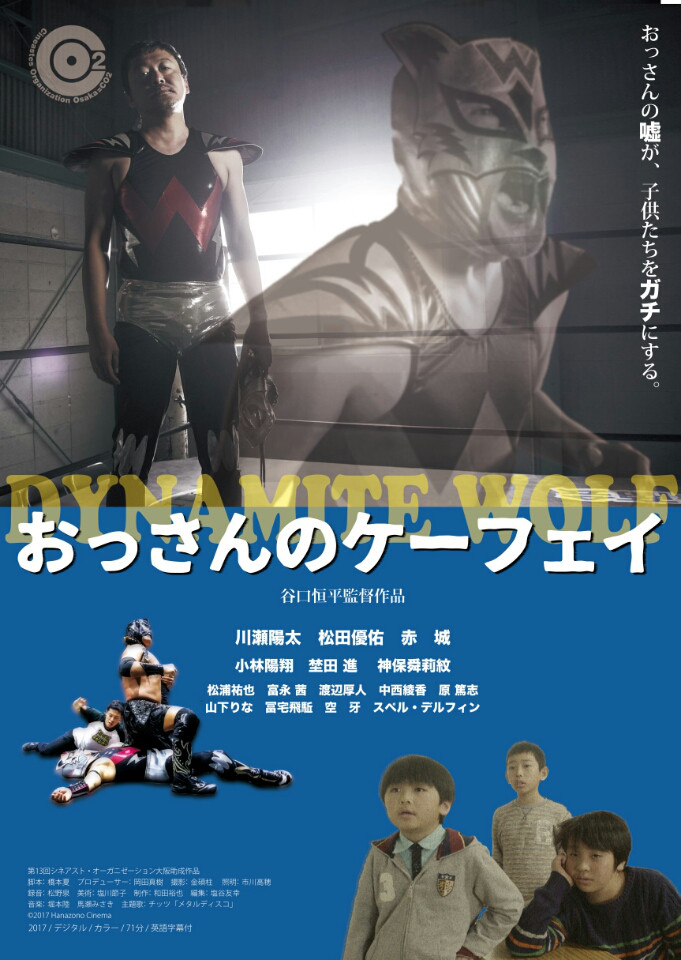 Back in the day, lucha libre-style wrestling was hugely popular in Japan. Tiger Mask, a manga set in the world of Japanese pro-wrestling remains a firm favourite and its eponymous hero has also become a byword for altruistic philanthropy as well-meaning anonymous donors donate expensive gifts such as Japanese school backpacks to orphanages in Tiger Mask’s name. Sadly, pro-wrestling is no longer as high-profile as it once was and has left mainstream television screens far behind even if it still maintains a small but dedicated fanbase. Kohei Taniguchi’s Dynamite Wolf (おっさんのケーフェイ, Ossan no Kefei) is out to change all that by shining a spotlight on this almost forgotten phenomenon of crazy outfits, killer moves, and camp showmanship.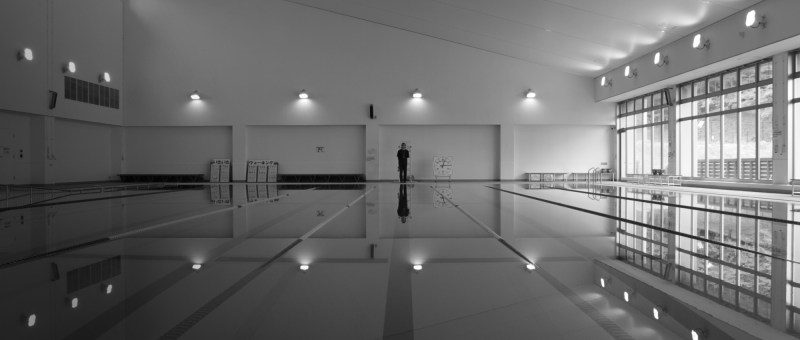
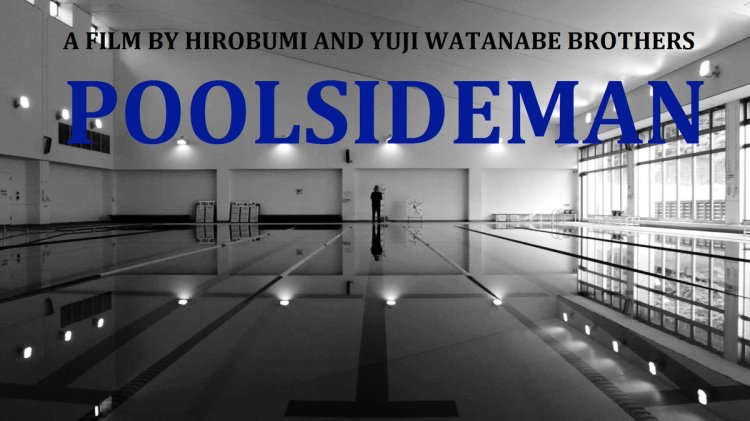 Around halfway through Poolsideman (プールサイドマン), the director himself playing an overly chatty colleague of the film’s protagonist, embarks on a lengthy rant about encroaching middle-age which is instantly relatable to those who find themselves at a similar juncture. He’s sure the world seemed better when he was a child, there wasn’t all of this distress and anxiety – everything just seemed like it would go on forever but time has inexplicably sped up with a series of rapid changes packed into recent years. The life of a poolsideman is improbably intense, or at least it is for Mizuhara (Gaku Imamura) whose days are all the same but filled with tension and the low simmer of something waiting to explode. Loosely inspired by the real life case of a man who left Japan for the Middle East with the idea of joining Isis, Poolsideman wants to explore why such a surreal thing might happen but finds it all too plausible.
 Times change so quickly. The “danchi” was a symbol of post-war aspiration and rising economic prosperity as it sought to give young professionals an affordable yet modern, convenient way of life. The term itself is a little hard to translate though loosely enough just means a housing estate but unlike “The Projects” (団地, Danchi) of the title, these are generally not areas of social housing or lower class neighbourhoods but a kind of vertical village which one should never need to leave (except to go to work) as they also include all the necessary amenities for everyday life from shops and supermarkets to bars and restaurants. Nevertheless, aspirations change across generations and what was once considered a dreamlike promise of futuristic convenience now seems run down and squalid. Cramped apartments with tiny rooms, washing machines on the balconies, no lifts – young people do not see these things as convenient and so the danchi is mostly home to the older generation, downsizers, or the down on their luck.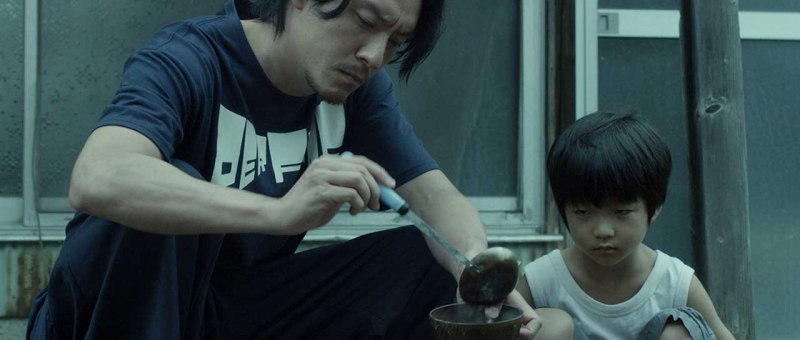
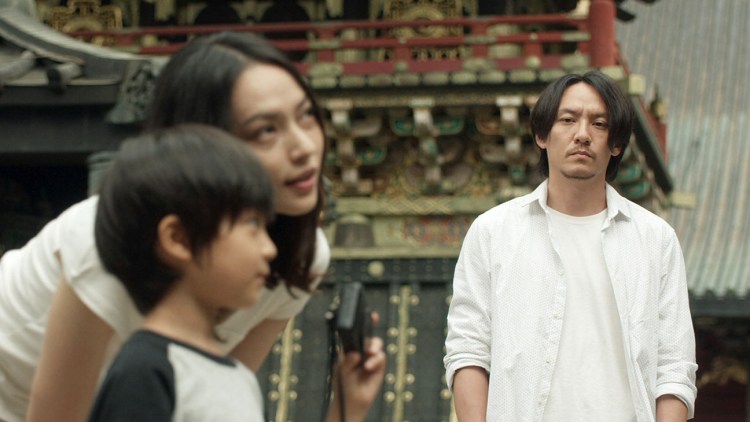 Taiwan and Japan have a complicated history, but in SABU’s latest slice of cross-cultural interplay each place becomes a kind of refuge from the other. Working largely in Mandarin and with Taiwanese star Chang Chen, SABU returns to a familiar story – the lonely hitman tempted by a normal family life filled with peace and simplicity only to have his dreams taken from him by the spectre of his past. Only this time it isn’t just his past but that of others too. Despite the melancholy air, Mr. Long (ミスター・ロン) is a testament to the power of simple human kindness but also a condemnation of underworld cruelty and its vicelike grip on all who enter its grasp.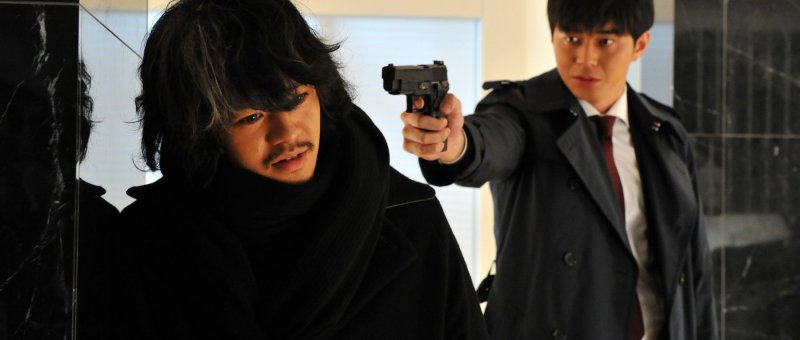
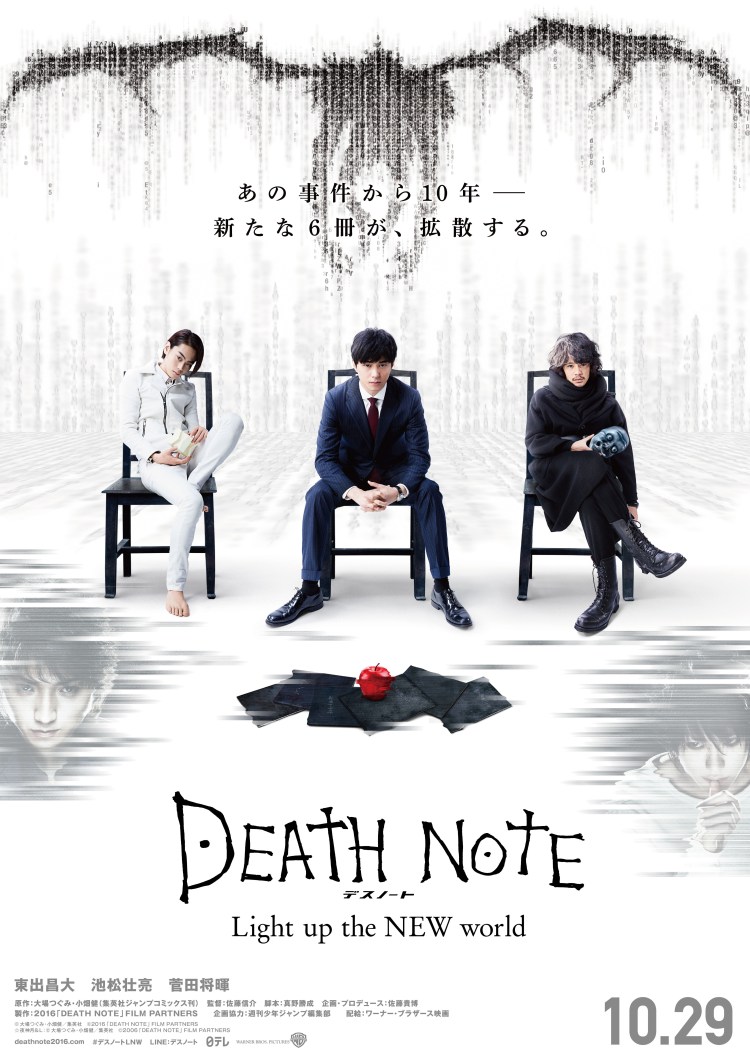 Tsugumi Ohba and Takashi Obata’s Death Note manga has already spawned three live action films, an acclaimed TV anime, live action TV drama, musical, and various other forms of media becoming a worldwide phenomenon in the process. A return to cinema screens was therefore inevitable – Death Note: Light up the NEW World (デスノート Light up the NEW World) positions itself as the first in a possible new strand of the ongoing franchise, casting its net wider to embrace a new, global world. Directed by Shinsuke Sato – one of the foremost blockbuster directors in Japan responsible for Gantz,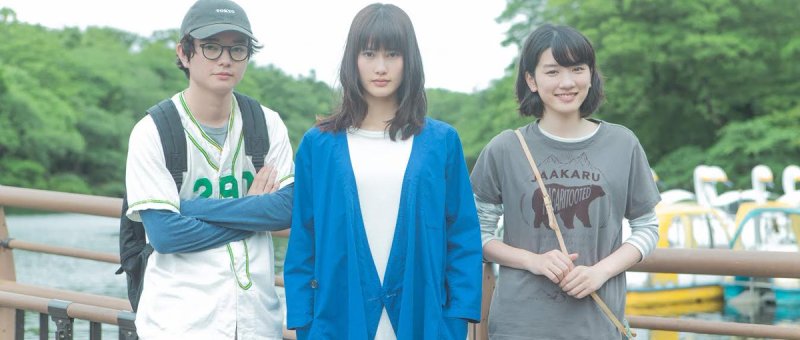
 Parks are a common feature of modern city life – a stretch of green among the grey, but it’s important to remember that there has not always been such beautiful shared space set aside for public use. Natsuki Seta’s light and breezy youth comedy, Parks (PARKS パークス), was commissioned in celebration of the centenary of the Tokyo park where the majority of the action takes place, Inokashira. Mixing early Godardian whimsy with new wave voice over and the kind of innocent adventure not seen since the Kadokawa idol days, Parks is a sometimes melancholy, wistful tribute to a place where chance meetings can define lifetimes as well as to brief yet memorable summers spent with gone but not forgotten friends doing something which seems important but which in retrospect may be trivial.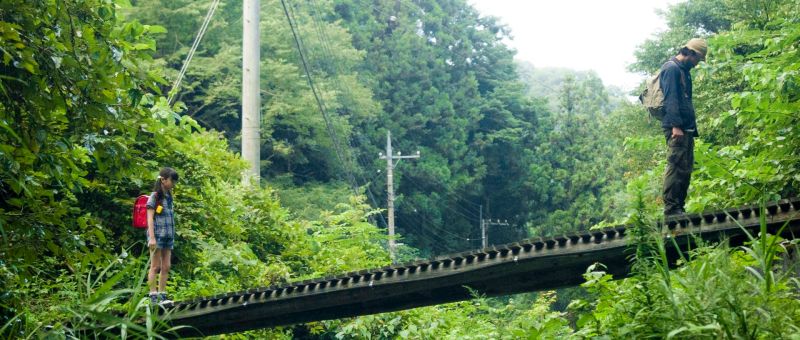
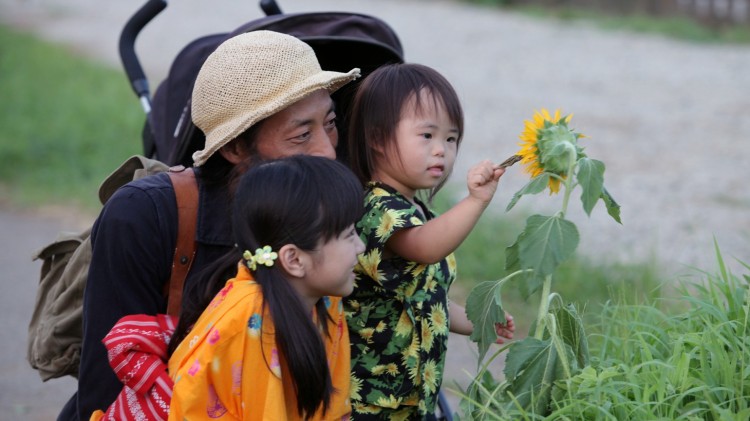 When tragedy strikes the one thing you ought to be able to rely on is your family, but when the tragedy occurs within that sacred space which exits between you what is to be done? Yosuke Takeuchi’s The Sower (種をまく人, Tane wo Maku Hito) attempts to provide an answer whilst putting one very ordinary, loving and forgiving family through a series of tests and tragedies. Lies, regret, and despair conspire to ruin the lives of four once happy people but even in the midst of such a shocking, unexpected event there is still time to turn towards the sun rather than continuing in the darkness.
 Towards the end of the 60s and faced with the same problems as any other studio of the day – namely declining receipts as cinema audiences embraced television, Nikkatsu decided to spice up their already racy youth orientated output with a steady stream of sex and violence. The Roman Porno line took a loftier approach to the “pink film” – mainstream softcore pornography played in dedicated cinemas and created to a specific formula, by putting the resources of a bigger studio behind it with greater production values and acting talent. 40 years on Roman Porno is back. Kazuya Shiraishi’s Dawn of the Felines (牝猫たち, Mesunekotachi) takes inspiration from Night of the Felines by the Roman Porno master Noboru Tanaka but where Tanaka’s film is a raucous comedy following the humorous adventures of its three working girl protagonists, Shiraishi’s is a much less joyous affair as he casts his three lonely heroines adrift in Tokyo’s red light district.
 Windows on Worlds