Hi-Five (하이파이브, Kang Hyoung-chul, 2025)

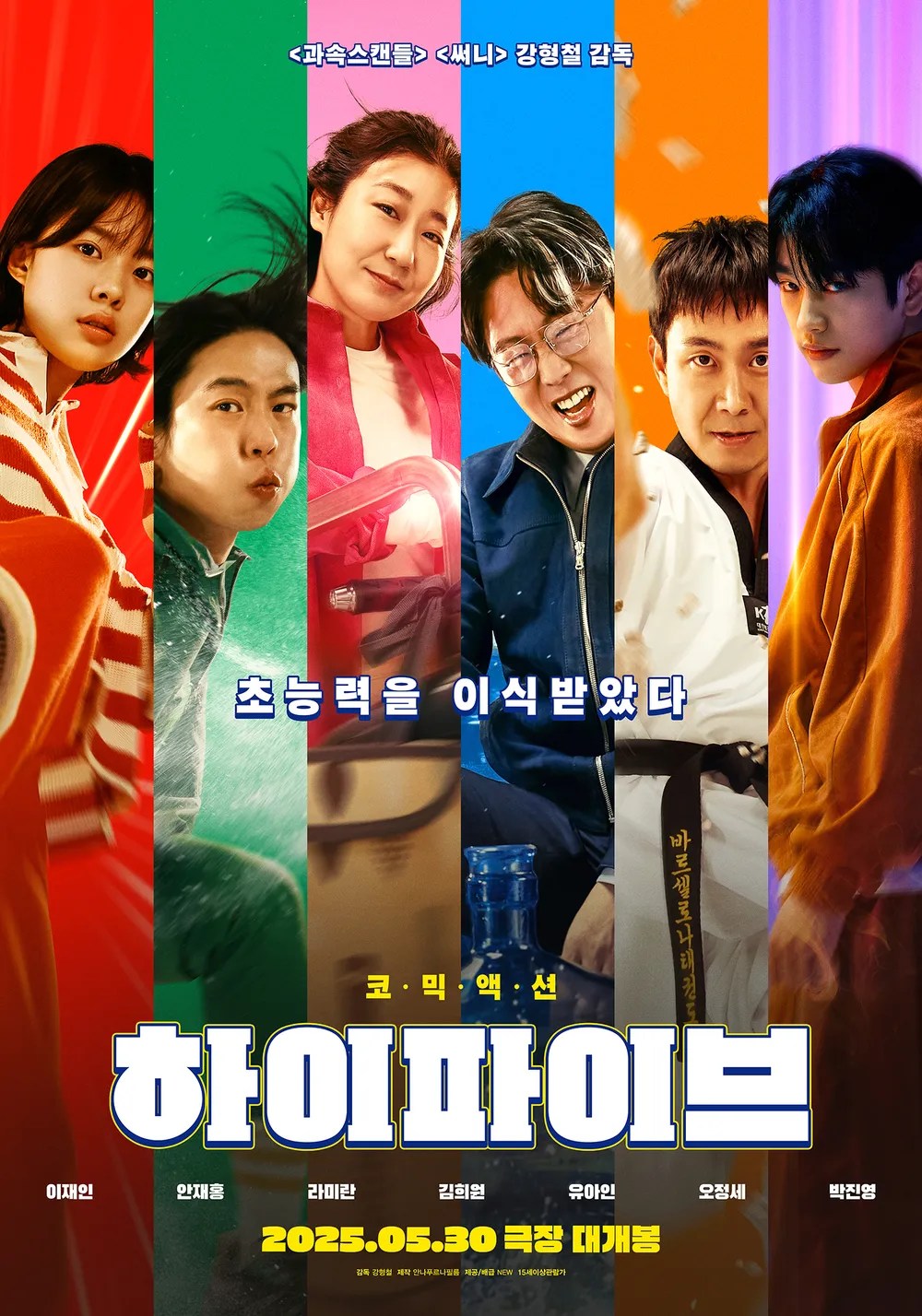
If you suddenly developed super powers, what would you do with them? Would you start using them for good to save the people around you, or would you become obsessed with the power itself and try to amass more of it while your using abilities only for your own ends? Those at the centre of Kang Hyoung-chul’s superhero comedy Hi-Five (하이파이브) are firmly in the helping others camp, but they’ve seen enough movies to know that every hero needs a villain and there’s someone else out there who wants their power for themselves.

That would be ageing cult leader Eternal Young-chun (Shin Goo), New God Resurrected. Young-chun is just ripping his followers off and doesn’t believe in anything he preaches but has, on the other hand, started to believe in his own divinity. He’s been keeping himself in good health through frequent organ donations from less fortunate people to the extent that his body’s a kind of Ship of Theseus. His daughter’s fed up with his longevity and hoping he’ll finally snuff it so she can take over, which is why she’s after the five in the hope of taking them out before Young-chun can steal all of their transplanted organs too. It turns out that the pancreas he was given was taken from a superhero who took his own life and has not only rejuvenated his body but given him the ability to suck the life force out of other people to empower himself in a more literal way than he’s already feeding off his followers by exploiting their devotion to convince them to give up all their money and assets or else work themselves to death for free.

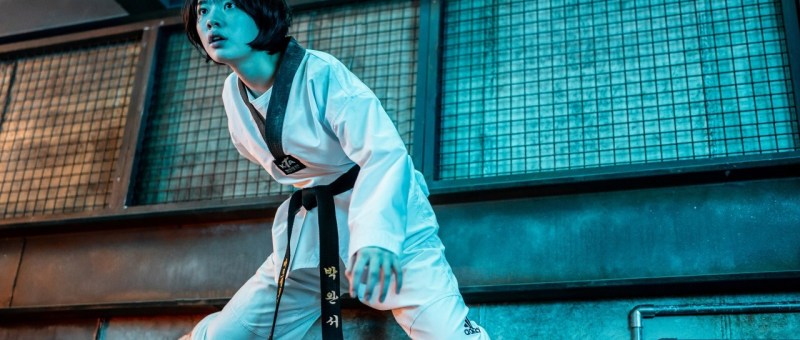
The other five commonly transplanted organs were given other people who are all marked with a tattoo and have been given powers of their own, though one of them hasn’t figured out what hers is yet. In contrast to Young-chun’s soullessness, each of the five seems to have had their own problems that are only impacted by their transplants rather than directly caused by them. Teenager Wan-seo (Lee Jae-in) received the heart and is frustrated by her overprotective father who constantly asks about her friends though she keeps saying she doesn’t have any because she was ill for so long and had to skip school for treatment which is why struggling to make any new ones. He won’t let her do taekwondo either, though that’s what she most wants to do and possibly why she ended up with the all powerful, super speedy fighter skills. Ji-sung (Ahn Jae-hong), meanwhile, is a struggling screenwriter with an interest in the superhero genre. He doesn’t have any friends either, which may be to do with a poor career decision that alienated him from his community. Though he’s the first one to want to get the group together, he’s soon consumed by cynicism. Ji-sung got the lungs and can blow things away, but struggles to convey his emotions with words and gets into an alpha male hissy fit with Ki-dong (Yoo Ah-in), a super-sharp guy who got the corneas and can manipulate electricity but is actually a bit of a loser with gambling issues and similar interpersonal issues to Ji-sung.

Middle-aged yogurt lady Seon-nyeo (Ra Mi-ran) got the kidneys and can’t figure out what her superpower is but becomes the force who holds the group together. Even so, she’s battling mental health issues and some guilt about something that happened in her past and caused unintended harm to another person. Factory foreman Heel-han (Kim Hee-won) is a devotee of the cult, but frustrated and conflicted by the obvious disregard for workers’ safety and wellbeing. He got the liver, and can heal minor wounds caused by recent accidents. The reason he has no friends is that he cut off all of his relationships when he joined the cult, which is one other reason he doesn’t want to make a fuss about the abuse of workers and is originally flattered by Young-chun’s attention.

Nevertheless, it’s becoming part of the group that allows them to save each other and themselves figuratively and literally in combining their strengths to battle Young-chun, who is after all also sort of a part of them and a member of their family as another recipient of organs from the same person. Kang imbues their somewhat clumsy heroism with a quirky humour, even giving the occasional use of CGI a comedic, comic book aesthetic to lean into what might otherwise be a minor liability though production design and values are top-notch. It’s a shame the film was held up for four years by Yoo Ah-in’s drug arrest which has severely hampered his career and led to most of his unreleased work being shelved at the time, otherwise this might have gone on to become a fun movie franchise with deepening lore led by a likeable cast of everypeople using their powers for good in small but important ways. Still, just this episode alone is plenty of warmhearted fun as the gang come together to expose Young-chun’s vain and selfish cult leader for the conman he is, saving themselves and freeing those like them who fell victim to his lies.


Hi-Five screened as part of this year’s London Korean Film Festival.

International trailer (English subtitles)
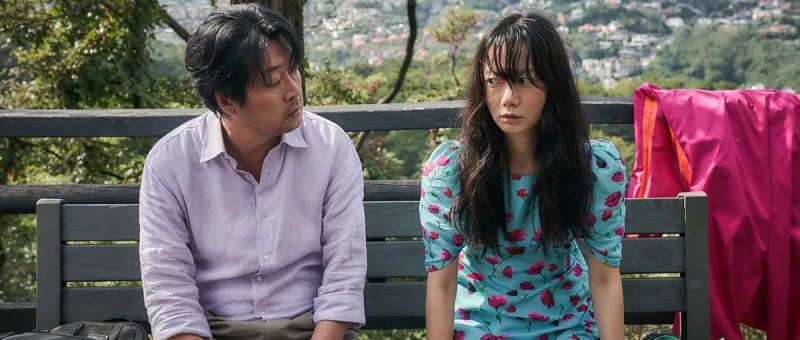
Virus (바이러스, Kang Yi-kwan, 2025)

Falling in love is like catching a virus, according to lonely scientist Gyun (Kim Yoon-seok), but how can you know if your feelings are “real” or just part of a crazy fever dream you won’t even remember as soon as the infection leaves your system? “There are no fake feelings,” lovelorn translator Taek-seon (Bae Doona) counters, which is true, but sometimes people do things they don’t recognise or later understand because they weren’t in their right mind, whether because of the sickness called love or a more literal kind of contagion. 

Anyway, this particular virus makes people incredibly happy for the short period time before they die and was developed as part of a project to create an anti-depressant with no side effects. Taek-Seon gets infected after a disastrous date her sister forces her to go on with socially awkward scientist Su-pil (Son Suk-ku). Su-pil is overly attached to the mice in his lab and is still mourning the death of Masako who appeared to him in a dream and told him to make sure her death wasn’t in vain. In retrospect, perhaps these are symptoms of the infection bubbling away in his body as much as they are of his loneliness, but it’s understandable that Taek-seon wasn’t really considering seeing him again only she’s forced into it when her mother and sister invite Taek-seon over to her apartment as a kind of enforced date. The mother and sister’s insistence on Taek-seon meeting someone and getting married is itself a reflection of a patriarchal society in which being unattached is taboo, while Taek-seon’s sister snaps back that translators won’t be needed soon because of AI implying she should find a husband to support her financially.

But then again, though she might claim to be, it does seem that Taek-Seon isn’t all that happy with her life and later confesses to being “always depressed”. She rarely leaves her apartment and lives a dull and unstimulating existence. Infected with the virus, she suddenly becomes sunnier, more confident, and independent, while chasing romance by approaching a childhood crush she seemingly never had the courage to pursue before. Yeon-u (Chang Kiha) is now a car salesman, and Taek-seon now suddenly has the urge to buy a Mini though she’s never actually driven outside the test centre despite having a license. In one sense, yes, it’s Yeon-u she’s after but the car also represents her latent desires for freedom and a more active life. 

Nevertheless, the corrupting aspects of the virus are all too present as Taek-seon begins to act in ways she may be embarrassed by if she could remember them once she’s better. Her memories seem to have remade themselves more to her liking. She’s forgotten that Yeon-u wasn’t quite the hero she thought he was in her overly idealised vision of the innocent childhood sweetheart that she never had the courage to pursue. On the run from “evil” scientists from the lab where Su-pil worked, she starts to fall for Gyun, the expert that’s helping her, but who’s to say whether her feelings are just a product of the virus, an attachment born of their relationship as doctor and patient, or something deeper. 

For his part, Gyun starts to fall in love with her seemingly before he himself is infected while knowing that she likely won’t remember any of this once she’s been cured. He too is still dealing with the romantic fallout of an improperly ended relationship in which he apparently stepped back because one of his friends liked his girlfriend more. The now-divorced girlfriend seems resentful that he didn’t put up more of a fight for her, and perhaps it’s true that he’s just a romantic coward and it’s a combination of the virus, a sense of responsibility, and the fact that Taek-seon’s natural immunity could hold the key to unlocking his own research that pushes him to try so hard to find a cure for her.

But his research goals are at least altruistic in his desire to find a depression cure without side effects to help people like his brother who took his own life. Dr Seong’s (Moon Sung-keun) lab, however, is entirely focussed on profit and protecting its own reputation. They’re mostly interested in Taek-seon because of her usefulness to them and are prepared to endanger her life if necessary. Even Gyun admits he acted unethically in agreeing to bypass animal testing but otherwise draws the line at anything that puts lives additionally at risk. Taek-seon, meanwhile, later signs over her antibodies so they can be used for free worldwide for the good of all. Even after the fever has cooled, the virus does seem to have made her a happier, more outgoing person who has the courage to pursue her dreams rather than living in lonely defeat. Whether her feelings were ”real” or merely part of her “sickness” and if the distinction really matters either way is up for debate, but that’s not to say she might not catch the love bug again from a less compromised position and actively in the driving seat of her own life.


Trailer (Korean subtitles only)

Project Silence (탈출: 프로젝트 사일런스, Kim Tae-gon, 2023)

“It’s a nation’s duty to protect its citizens wherever they are,” according to a more earnest politician, though Blue House security advisor Jung-won (Lee Sun-kyun) counters him that actually their duty only extends to those who voted for them, and they expect wise political judgment. Jung-won is a classic political lackey in that he’s intensely cynical and his every living thought is about how best to spin any given circumstances so that his boss, Hyun-baek (Kim Tae-woo), will become Korea’s next president.

There’s something quite remarkable about the extent to which Jung-won has erased himself from this equation and dedicated his life to making Hyun-baek’s a success while otherwise leaving conventional human morality at the door and pursuing a doctrine of doing only that which is most politically expedient. Some of his detachment might be explained by the fact he lost his wife some time ago to a lengthy illness and is about to send his daughter, who views him with contempt, to study abroad in Australia thanks to a few strings pulled by Hyun-baek. 

But as he later says, if Hyun-baek were actually there and seeing this for himself, he would make a different decision. Despite his cynicism, Jung-won eventually becomes a voice of authority during a moment of crisis and determines to set about rescuing the survivors rather than communicating with Hyun-baek about how best to turn this situation to their advantage. Paradoxically, he redeems the government in the eyes of those stranded on a bridge after a multi-car pileup in the middle of a particularly thick fog who come to realise that the authorities are not all that invested in rescuing them and may even be partly responsible for putting them in danger.

The Project Silence of the film’s title turns out to be one of creating genetically enhanced attack dogs who can chase a target with a specific voice. Apparently developed originally by the US and EU, the project is being researched in Korea but rendered a failure with the current batch of dogs set for “disposal”. That is, if they hadn’t been set loose by the accident and the possibly malicious actions of their handler who claims he was researching rescue dogs but was forced to reprogramme them to kill on the orders of the military. As he points out, the leader of the dogs, who has a head injury suggesting their programming has been disrupted, is only taking their revenge for their constant mistreatment at the hands of humans.

Then again, one of the ironies of Project Silence is that there is quite a lot going on from the unusually thick fog, the multi-car pileup caused by a live streamer driving recklessly for views, the toxic gas flowing from a crashed lorry, to the fact the bridge itself may collapse after the military helicopter sent to retrieve the dogs crashes and damages the support cables. All things considered, it is too much all at once considering the outlandishness of the evil dog plot. Though there are an assortment of survivors to become invested in as is usual in these kinds of films, we don’t always get to know them well enough with a series of subplots left unresolved such as the creepy behaviour of a Buffalo Bill-esque trucker who nevertheless becomes a kind of comic relief figure and eventual saviour of the group while becoming a reluctant buddy to Jung-won. Similarly, the dementia of an elderly woman (Ye Soo-jung) is intermittently brought up but never for any real reason nor is it ever fully explored, not even in her relationship with her husband who is responsible for her care. The younger of two bickering sister’s golf career does however turn out to have a practical application.

The conflict between Jung-won and his daughter, meanwhile, is largely mediated through her contempt for his callousness and resentment towards him for failing to address her mother’s death. Of course, saving the passengers is also a way to redeem himself in Kyoung-min’s (Kim Su-an) eyes much like the father in the similarly themed Train to Busan, though the awakening that Jung-won undergoes is more like the fog gradually lifting as he realises he is also being played by political manipulators while it is as he said different if you’re actually there and much harder to make the “sensible” decision to let the bridge collapse and take the potentially embarrassing evidence of their rogue science experiment with it. Perhaps that’s the real meaning of “project silence,” making sure there’s no one left to speak. But Jung-won is used to playing this game from the other side so he’s a few steps ahead and knows his best weapon is noise, tell everyone and do it right away so they don’t have time to shut you down nor can they deny it later. He may have been party to lingering authoritarianism, but has now realised that a nation’s primary duty is to protect its citizens after all, even if they voted for the other guy. 


Project Silence is available in the UK on 4K UHD courtesy of Altitude.

Trailer (English subtitles)

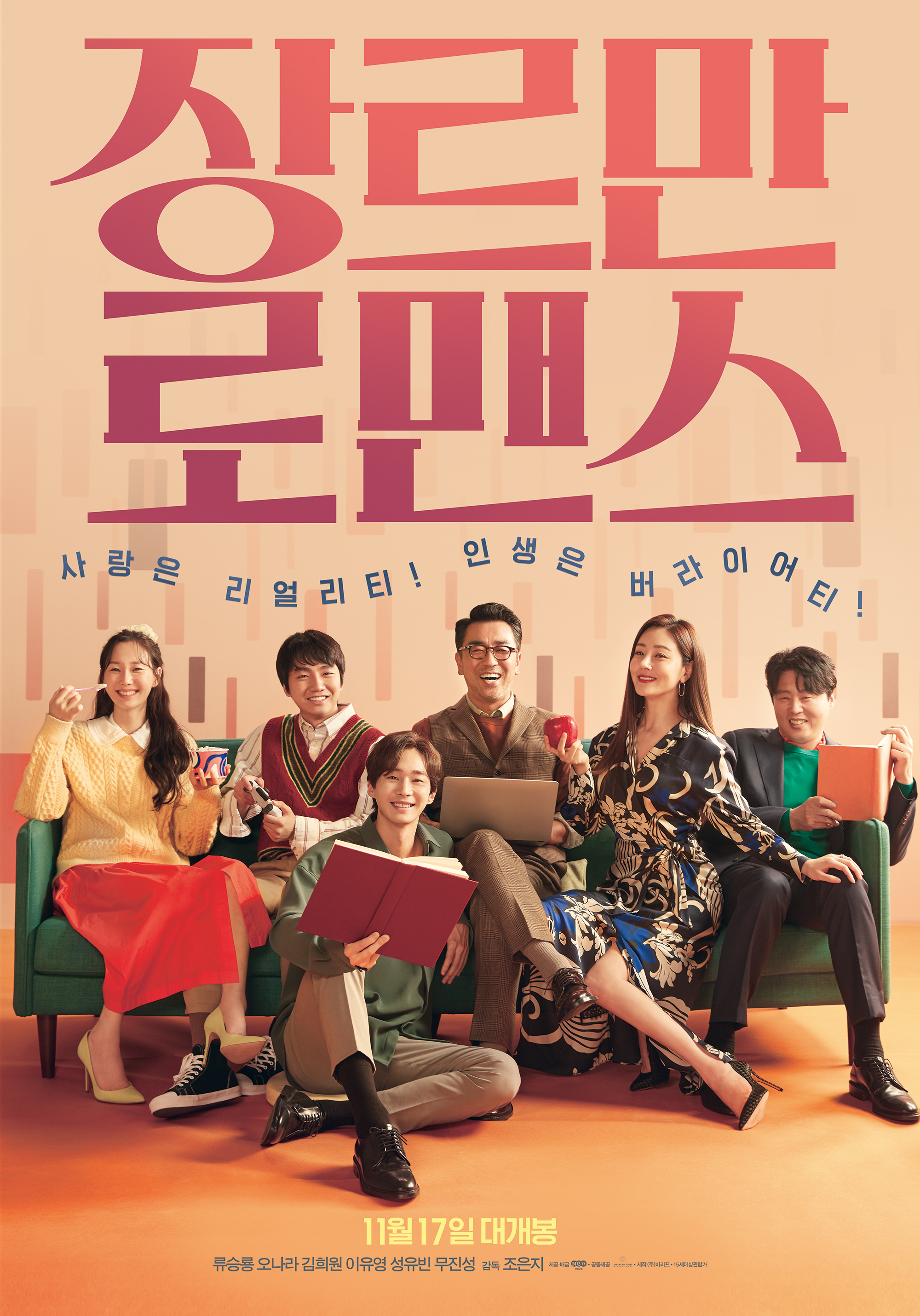
Perhaps Love (장르만 로맨스, Cho Eun-ji, 2021)

A blocked writer finds himself growing as a person after mentoring a young protégé but is also forced to meditate on his own romantic cowardice and tendency to treat others badly because of his inner insecurity in the directorial debut from actress Cho Eun-ji, Perhaps Love (장르만 로맨스, Jangleuman Lomaenseu). Caught in a complicated web of romantic intrigue between himself, his ex-wife, current wife, publisher, son, the woman across the road, and the young protégé, the writer is forced to reflect on the varying natures of love which may sometimes be misdirected or unreciprocated but no less real or important. 

Hyun’s (Ryu Seung-ryong) problem is that he had a big hit and became a literary phenomenon while relatively young but hasn’t written anything of note in the last seven years and is currently supporting himself as a professor of creative writing. His old university friend and publisher Soon-mo (Kim Hee-won) is becoming thoroughly fed up with increasing pressure from above to deliver the manuscript knowing that if he really can’t turn anything in Hyun risks being plunged into inescapable debt in having to repay his generous advance. After being pranked by a friend who invited him to his old teacher’s “funeral” which turned out to be a birthday party, Hyun goes to visit another old friend, Nam-jin (Oh Jeong-se), with whom as it transpires he had fallen out. Possibly out of jealously, Hyun had not only panned Nam-jin’s book in a review but thoughtlessly outed him by complaining that his writing was full of “cheap gay sentiment”, a comment which Nam-jin took to be essentially homophobic and on a personal level unnecessarily cruel. Hyun of course disputes this and doesn’t quite see why Nam-jin is so upset. 

Nam-jin’s short-term boyfriend Yu Jin (Mu Jin-sung) has point when he tells Hyun that the reason he can’t write is because he’s too afraid of losing what he has, unprepared to risk vulnerability in the service of his art. Then again, all Hyun really has is the faded glory of his former success, his present life is a mess. His second wife (Ryu Hyun-kyung) has been living in Canada with their daughter, while he ends up ruining his relationship with his angst-ridden teenage son Sung-kyung (Sung Yoo-bin) when he’s caught in the middle of a drunken fumble with feisty ex-wife Mi-ae (Oh Na-ra) who has secretly been dating Soon-mo. Sung-kyung meanwhile is in the middle of his first breakup after being dumped by his high school girlfriend who is carrying someone else’s child. Disillusioned by his adulterous parents he develops a not entirely appropriate relationship with an eccentric actress (Lee Yoo-young) who lives across the road. Meanwhile, Yu Jin suddenly reappears in Hyun’s life and reveals he’s been in love with him for years. 

All of these loves are in someway incomplete, hesitant or uncertain each of the lovers lacking the confidence to claim the word. A terrible holiday forces Mi-ae and Soon-mo to realise that they’ve been keeping their romance secret less because of the potential awkwardness in their shared history with Hyun than because they themselves are romantically insecure. Sung-kyung thinks he’s in love with the older lady from across the road and completely misses all of her attempts to avoid his romantic overtures, while she is perhaps just lonely and unfulfilled in both her marriage and her career. Hyun meanwhile is confronted with his own romantic cowardice in cheating on both of his wives, continually self-sabotaging in his insecure inability to commit. Having ruined his friendship with Nam-jin he threatens to do the same to a younger female writer joining the university who has eclipsed him in literary success in having been shortlisted for the Booker Prize. 

It’s the arrival Yu Jin that shakes him up, seeing something in the young writer that reawakens his creative spirit as he offers to become a mentor co-authoring a novel with him, but it also disturbs Hyun in confronting him with his latent homophobia and later his complicated feelings for the young man which might extend to a kind of love he cannot quite put a name to. Where Hyun is too afraid to risk losing the comfortable life he currently has, Yu Jin has no such worries because as he later says he’s used to getting hurt and having to get over it. As gay man in a conservative society he’s familiar with a constant sense of casual rejection, a fellow student in Hyun’s writing class shouting out “the gay guy” in mocking tones when Hyun asks who’s missing during roll call while the pair are later the subject of a media frenzy when Nam-jin goes to the press accusing them of being lovers. Yet Yu Jin is willing to state his feelings plainly with no expectation that they will be reciprocated leaving Hyun floundering as to the proper way to react.

While there may be some latent conflict in Hyun, what he comes to realise is that love is more complicated than he thought and what he feels for Yu Jin may be a kind of it comprising the paternal, fraternal, that of a mentor for a pupil, and that simply for another human being. In an interview promoting the book they’ve written together, Hyun explains that he wanted to explore how people can change and grow with relationships having overcome his latent homophobia in advancing that no one should be judged for who they love while otherwise able to appreciate Yu Jin’s talent without jealousy or resentment having regained his own desire to write. Through their various experiences each of the lovers is confronted with a romantic reality accepting who it is they love or don’t while teenager Seung-kyung experiences his first real heartbreak in realising the extent to which he’d misinterpreted his relationship with the quirky neighbour. Always forgiving of its feckless hero’s flaws, Cho’s warm and empathetic dramedy is indeed about how people can grow and change through their interactions with others finding new equilibrium with themselves if not, perhaps, love. 


Perhaps Love screened as part of this year’s Udine Far East Film Festival.

International trailer (English sutbtitles)

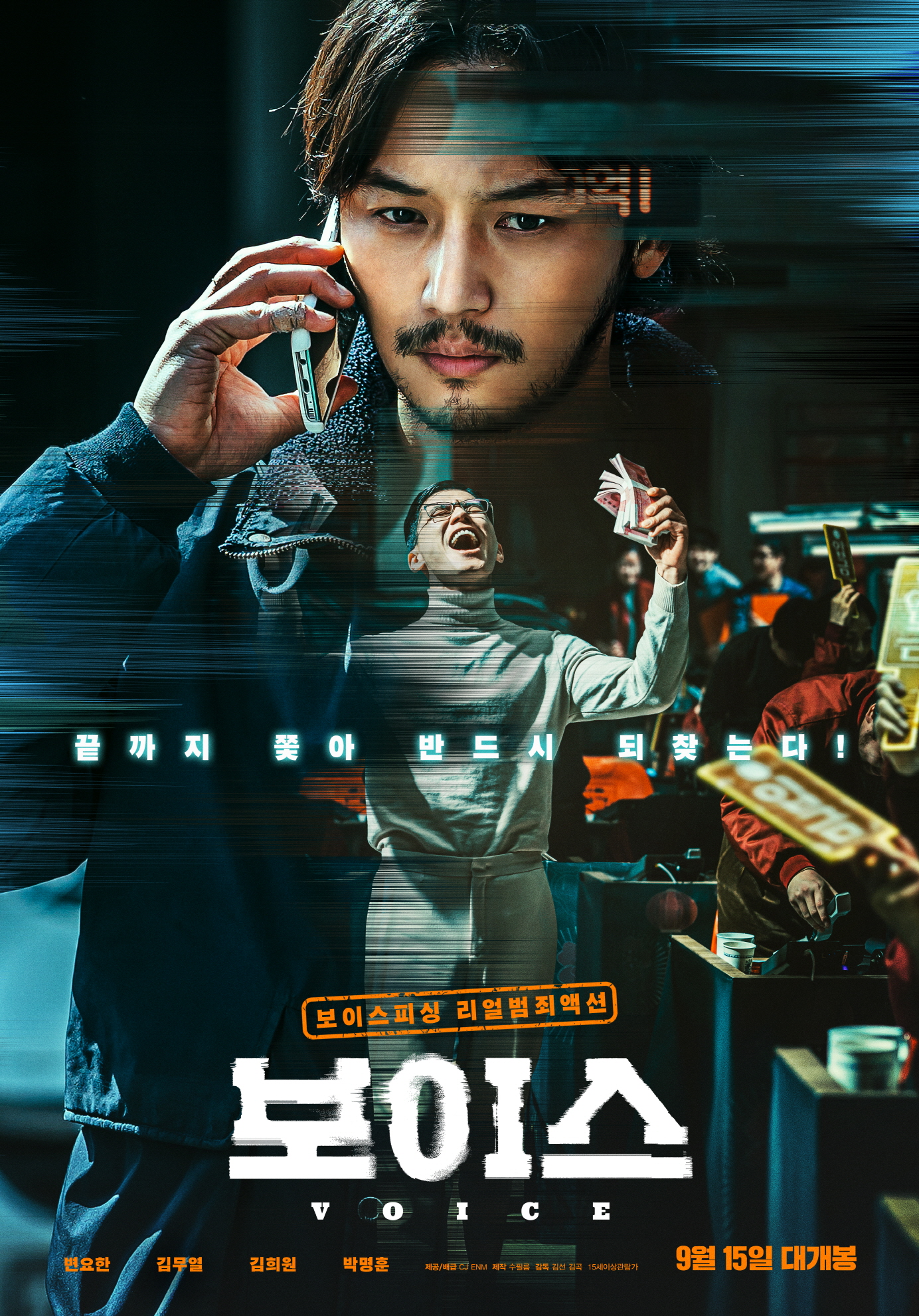
On the Line (보이스, Kim Gok & Kim Sun, 2021)

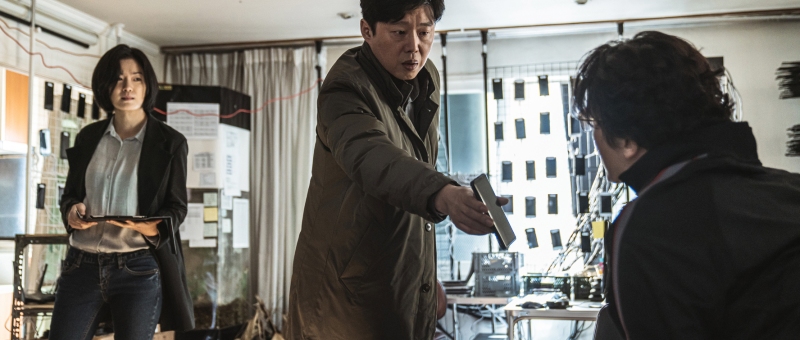
“Voice phishing is all about empathy” according to the sociopathic villain at the centre of Kim Gok & Kim Sun’s crime thriller On the Line (보이스, Voice), ironically hinting at his heartless greed leveraging as he admits people’s fear and hope against them and actively revelling in their misery. The Korean title, Voice, hints at the nebulous quality of the scam that in the end a reassuring voice is all people fall for but at the same time there is indeed a lot on the line not least for the embattled hero fighting back against the corruptions of contemporary capitalism.

Former policeman Seo-joon (Byun Yo-han) is currently working a job in construction after being forced out of the police when one of his investigations implicated the son of a prominent person. Finally starting to get back on his feet, he’s offered a big promotion by his supportive boss and is about to buy a house with his wife Miyeon (Won Jin-A) but then everything starts to go wrong. A potential accident threatens Seo-joon’s new sense of success while unbeknownst to him, Miyeon is currently on the phone with a man claiming to be a lawyer friend of his who tells her that he’s been arrested because of a fatality on site but if she sends the lawyer money for a “settlement” Seo-joon will be released with no further consequences. Unable to get in touch with her husband and fooled by number spoofing when she tries to call the site, Miyeon takes out the money intended to pay the deposit on the house and hands it over only realising her mistake when the scammers turn off the jammers they’d hidden at the construction site and Seo-joon rings her back to find out what’s wrong. So shocked is she that gets hit by a car and is in hospital in a coma when Seo-joon learns that his boss got scammed too and has taken his own life in shame in having lost so much money meant for his employees. 

As the open intertitles relate, voice phishing telephone fraud is a rising problem which aside from landing its victims in inescapable debt can ruin lives and relationships not to mention cause intense feelings of humiliation which lead those affected to consider harming themselves. Using vast data sets often fraudulently obtained, the scammers are able to perfectly profile their victims who as the villainous Gwak (Kim Mu-yeol) points out are already living in the “hell” of the contemporary society amid employment and financial crises that leave them feeling desperate enough for help that they don’t ask too many questions of a friendly voice on the phone. The workers at the vast call centre in China operated by gangster Cheon (Park Myung-hoon) are all Korean and many of them pressed by debts some of them even scam victims themselves so damaged by the internecine assault of contemporary capitalism as to have given in and agreed to ruin others just as they have already been ruined.

Seo-joon’s primary goal is to get his money back with a little revenge on the side as he takes the police to task and then leads them by the nose to the gang’s base in China, all that time in construction standing him in good stead as he climbs through lift shafts and ventilation ducts trying to expose the scammers and bring them to justice. The police force is first seen to be hamstrung by the high-tech nature of the case while their hands are tied because the gang is operating out of a foreign sovereign nation but are then kicked into gear by super cop Seo-joon who ironically can act with less restraint for no longer being an official law enforcement officer. 

Even so, it becomes clear this kind of crime isn’t going away even if this particular gang is taken down because the most valuable commodity in the world of today is personal data and there’s more and more of that available with every passing second. There is indeed a lot on the line not least the nature of the contemporary society dragged ever further into a spiralling race to the bottom, the effects of an exploitative social system from the abuse of migrant workers to the anxiety of high unemployment rates and poor working conditions simply more tools to be manipulated by scammers promising a helping hand with a reassuring voice on the phone telling you they have the solution to all your problems but this too involves a small fee, just a tiny investment in your future you’d be foolish not to make. A timely condemnation of the amoral venality of contemporary capitalism, Kim & Kim’s steely thriller sends its hero on a quest for justice both personal and societal while pursuing the duplicitous voices all the way to the end of the line. 


On the Line screens at UltraStar Cinemas Mission Valley, San Diego April 22 & 25 as part of this year’s SDAFF Spring Showcase.

International trailer (English subtitles)
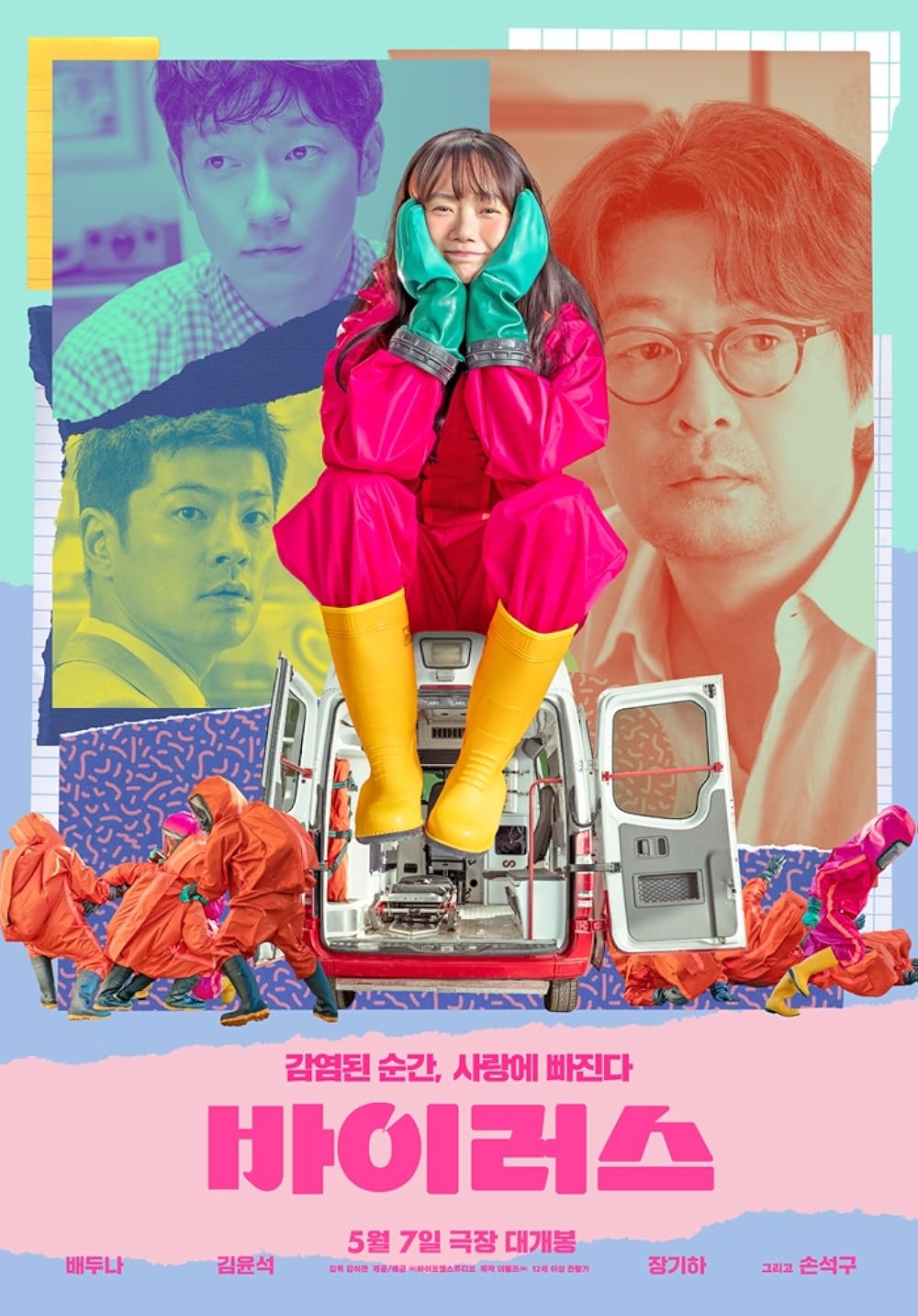
Canola (계춘할망, Chang, 2016)

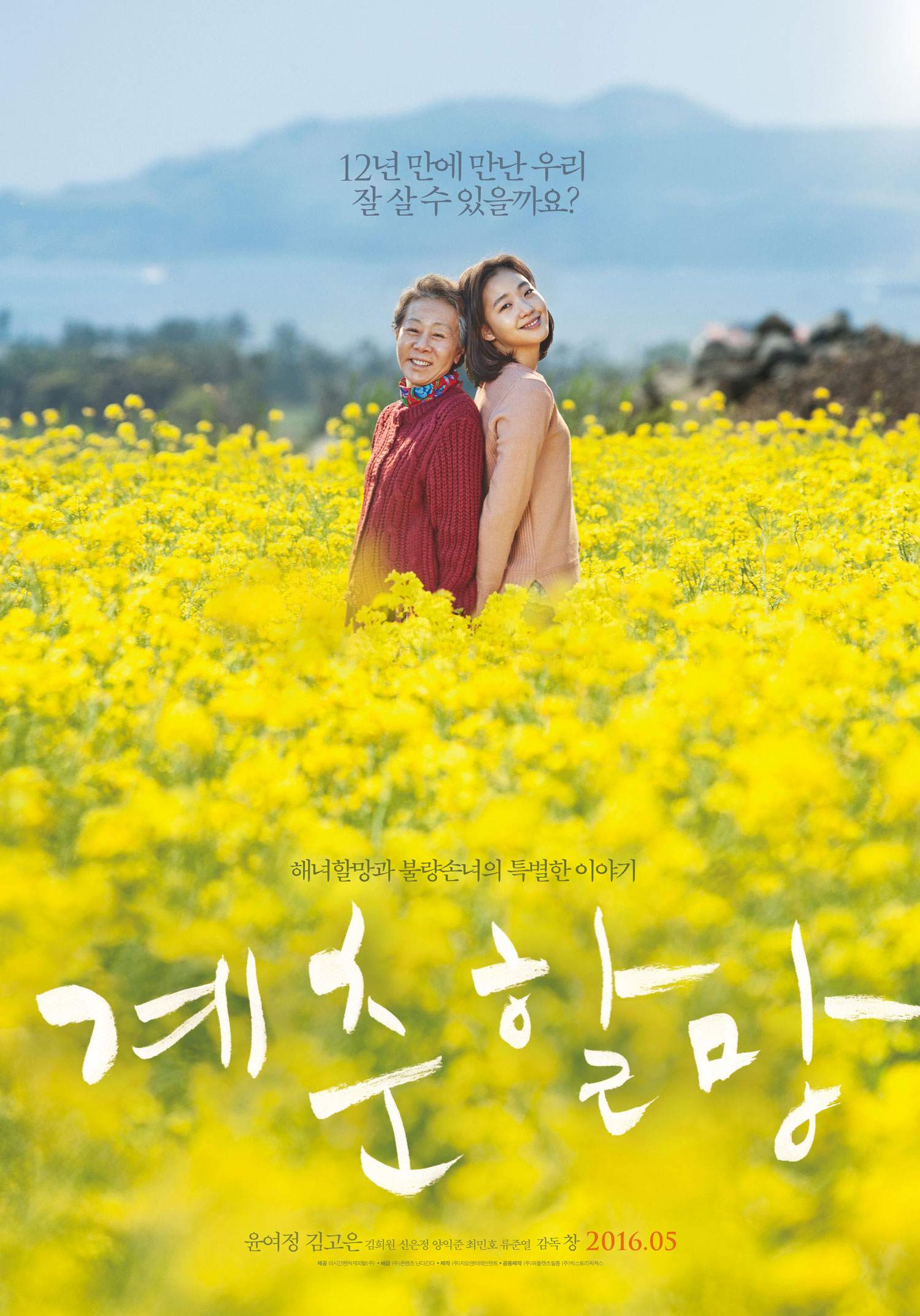
“Even when life is hard…if someone’s on your side, it’s possible to go on” the selfless grandmother at the centre of Chang’s heartrending familial melodrama Canola (계춘할망, Gyechun Halmang) imparts, just something she learnt naturally in the course of her life. Partly a tale of familial disruption, dislocation, and the corrupting influences of modernity, Chang’s eventually uplifting tale is also one of interpersonal salvation in which gentle support from a welcoming community can overcome personal trauma and allow those who feared they’d never recover to become a more authentic version of themselves. 

Granny Gye-chun (Youn Yuh-jung) is an ageing Haenyo diver on picturesque Jeju island currently raising her young granddaughter Hey-ji following the death of her son, his wife having left sometime previously. Clearly devoted to each other, tragedy strikes when the pair leave for the city to attend a wedding only to become separated in a crowded marketplace. Gye-chun frantically searches for Hye-ji, but is unable to find her. 12 years later, she’s still pasting missing child flyers all over town while refusing offers to sell her traditional home, which has no indoor plumbing, because she is afraid that Hye-ji may some day return and find her gone. And then a miracle occurs, a young woman (Kim Go-eun) telephones the missing hotline after seeing a picture on a milk carton and claims to be Gye-chun’s missing granddaughter, explaining that her birth mother abducted her from the marketplace and had her adopted by her step-father so she had a different name. Her mother later died and the step-father then callously placed her in an orphanage after which she ended up on the streets.  

Gye-chun is so happy to have her granddaughter back that she perhaps does not fully process the full implications of the situation, taking each of Hye-ji’s claims at face value while struggling to separate the idea of the child she lost with the young woman who has returned. On a shopping trip she buys her a colourful ribbon bow hair clip not entirely appropriate for someone of Hye-ji’s age while confused that she no longer needs her help to go to the outhouse in the dark and locks the door while having a bath. Nevertheless she also seems to worry about what her life might have been like during the time they spent apart, irritated by the other villagers’ disapproval in reminding them that they all reassured her Hye-ji was probably “fine’ when the evidence suggests that fine is something she hasn’t been for a long time. 

The fishing village is indeed a little more conservative than the city, many scandalised by Hye-ji’s short skirts and by the fact that she smokes, instantly labelling her a “delinquent” and possible troublemaker. There is then something uncomfortable in their insistence that she lead a “good life” needing to be guided back towards a more socially conservative path as if her fashion sense and minor rebelliousness make her a “bad person”, while only Gye-chun seems to appreciate that Hye-ji may have come back with trauma from which she will need love and support to recover while short skirts and smoking aren’t really much to worry about in the grand scheme of things. Letting Hye-ji know that she is always on her side, she tries to give her the gentle love and encouragement she needs to become her best self while Hye-ji both begins to feel a genuine connection to the older woman and consequently intense guilt for having kept something from her and perhaps unfairly taking advantage of her kindness. 

Nevertheless, in this more positive environment Hye-ji begins to blossom while Gye-chun begins to put the past to rest, the two of them finding in each other the means for salvation in which it ultimately no longer matters if they share a blood relation or not. Contrasting the beautiful Jeju landscape with its brilliant fields of yellow canola flowers, with the darkness of Hye-ji’s city life, Canola is keen to suggest the difference an environment can make to a quality of life while quietly stressing that in the end it’s people and the bonds between them that matter, just something you learn naturally as you grow. 


Canola screens 6th November as part of this year’s London Korean Film Festival.

Original trailer (English / Korean subtitles)

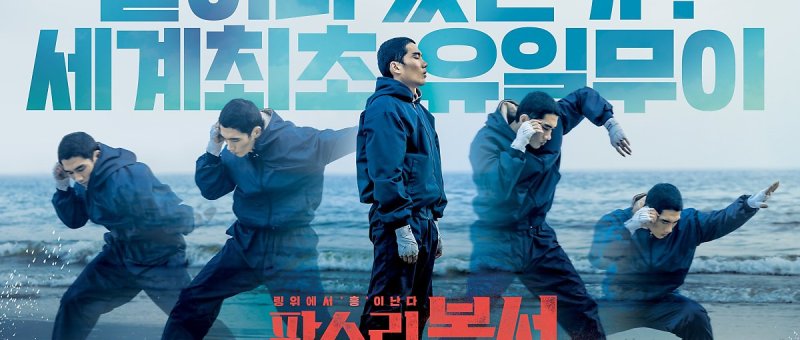
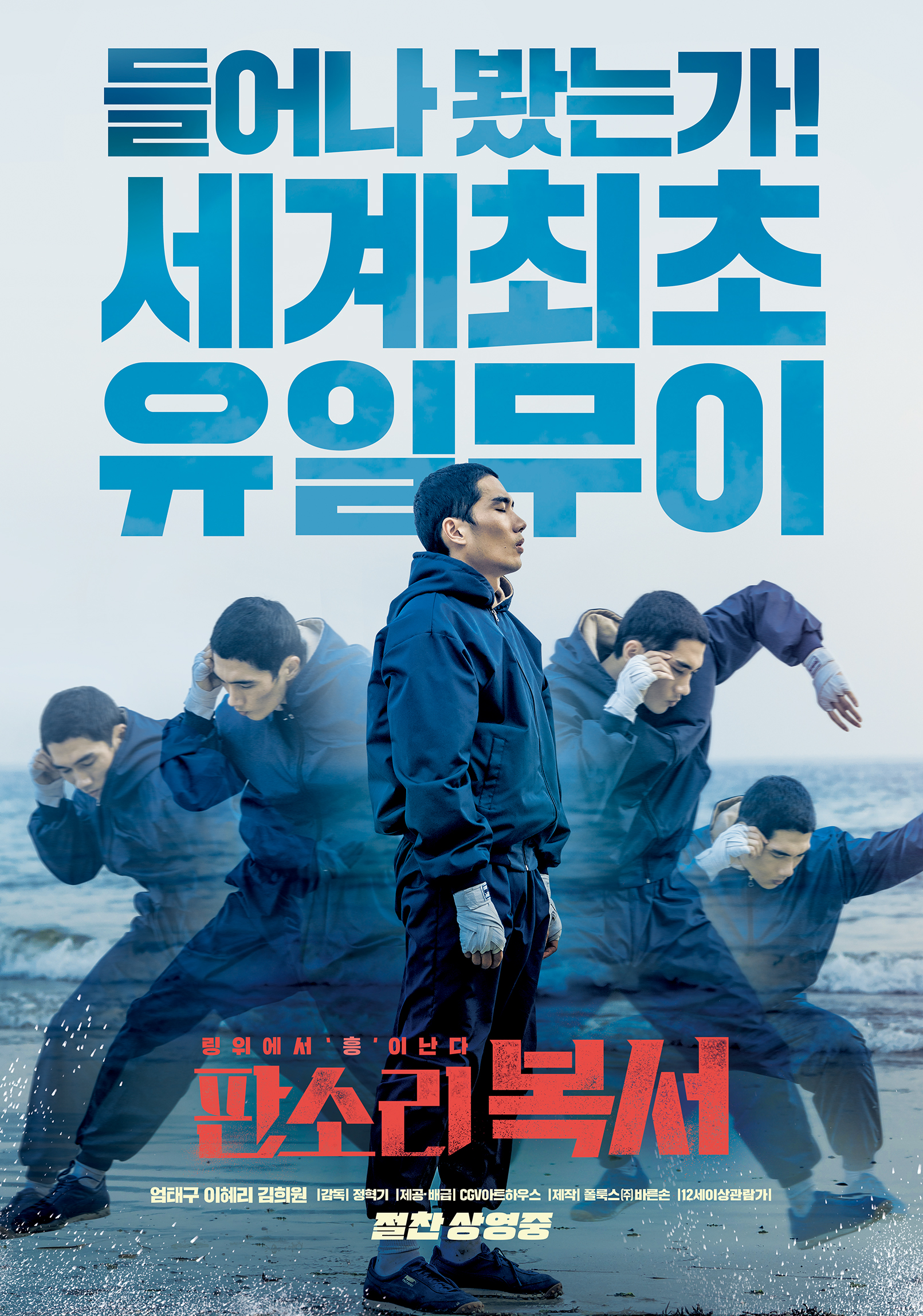
My Punch-Drunk Boxer (판소리 복서, Jung Hyuk-ki, 2019) [Fantasia 2020]

“The most Korean is the most universal” according to the hero of My Punch-Drunk Boxer (판소리 복서, Pansori Boxer) and his childhood best friend as they pursue parallel dreams of Pansori and pugilism which are destined, we come to understand, only for heartbreak and tragedy. Yet, in true Korean sports movie fashion, there’s more than one way to win and the best revenge against cruel fate might indeed be living well because “we only live once we should do what we want or you’ll regret it before you die.”

Byung-gu (Um Tae-goo) was once an aspiring boxer determined to make it to the top, developing his own idiosyncratic style of fighting dubbed “Pansori Boxing” fought in rhythm with the drum beats of traditional folk music as played by his friend Ji-yeon (Lee Seol) who is equally determined to become the world’s best performer of Pansori. These days, however, he works part-time at his old gym doing odd jobs and handing out flyers to try and win more customers. Waking up one day he claims from a “very long and strange dream”, Byung-gu has a sudden urge to take up boxing again, reminding his old coach that George Forman was 45 when he became World Champion so 29 is not to old to give it another go. Director Park (Kim Hee-Won) is unconvinced, partly it seems because Byung-gu has partially forgotten the reasons he was forced to give up his boxing career in the first place which make It unlikely he’ll be able to regain his licence. Meanwhile, in an attempt to increase his chances, he begins coaching a young woman, Min-ji (Hyeri), coaxed into the gym by one of his unconventional ads which promise dramatic weight loss as a result of intensive boxing training. 

Boxing is however outdated. As the two young tykes who hang out in the gym point out, they don’t even show boxing on the TV anymore it’s all about MMA. The gym is dying, hardly anyone wants to train and the only other boxer on the books, Gyo-hwa (Choi Joon-young), is continually put out because they’ve yet to arrange any fights for him. “Times have changed” Park is told, eventually agreeing as he contemplates making a sacrifice to make Byung-gu’s dreams come true. But as Byung-gu tells him, “our prime time may be over, but that doesn’t mean that we are”, determined to regain himself in the ring if aware that his gesture is in one sense “meaningless” and soon to be forgotten. 

As we soon discover, Byung-gu’s words have an additional meaning beyond simple transience in that he is suffering from “punch-drunk syndrome”, a degenerative condition similar to Alzheimer’s brought on by brain damage sustained by all those blows in the ring. His world is literally disappearing, the photographer’s closing down because no one uses film anymore and, unbeknownst to him, the gym targeted for demolition, yet it’s Byung-gu’s sense of reality that is ultimately crumbling as he looks back on past mistakes and regrets the failure of relationships that were important to him because of his stubborn pride. As Min-ji tells him, however, no matter what it was he did that has a him continually remind her that he’s a “bad person”, his other problem is that he’s too nice, a mild-mannered boxer who won’t fight for himself outside of the ring but is always in everyone else’s corner. 

The central irony is that he fights partly for the honour of boxing, an outdated craft, incongruously married to the similarly ‘outdated” art of Pansori which sees him move not only in an unexpected rhythm but incorporating the sweeping moves of traditional dance. As luck would have it, Min-ji is also a Pansori drummer, providing him with a new beat to spur him on to achieve his dreams while Park eventually comes on side in realising that nothing matters so much anymore as making sure Byung-gu gets the opportunity to fulfil himself while he’s still in some way present. Featuring lengthy sequences of Pansori performance singing Byung-gu’s story in traditional recitative as well as off-beat editing to the rhythms of traditional folk music, My Punch-drunk Boxer is a heartfelt ode to giving it everything you’ve got right to the mat but also to forgiveness and redemption as Byung-gu learns to make peace with the past while supporting and being supported by those all around him quietly fighting similar battles of their own. 


My Punch-Drunk Boxer streamed as part of this year’s online edition of Fantasia International Film Festival.

International trailer (English subtitles)
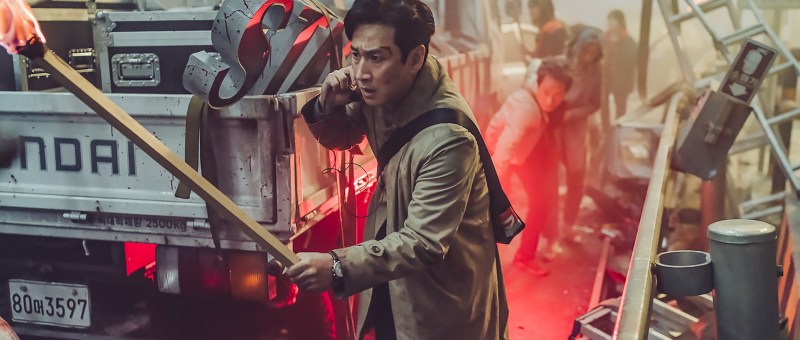
Another Child (미성년, Kim Yoon-seok, 2019)

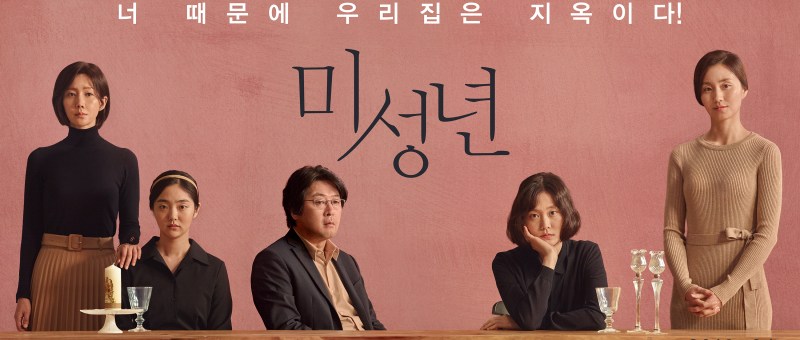
Another Child Poster 1Learning to be generous in the face of disappointment is perhaps a defining characteristic of adulthood. It’s a lesson the teenage heroines of Another Child (미성년m Miseongnyeon) must learn the hard way as they find an unexpected bond in realising that their parents aren’t bad people, just flawed and human. The debut directorial feature from actor Kim Yoon-seok who also stars in a minor role as the feckless patriarch, Another Child finds four women across two generations caught in very trying circumstances but acting with generosity and compassion as they endeavour not to make any of this harder than it needs to be.

The drama begins when 15-year-old Joo-ri (Kim Hye-jun) spots a compromising photo of her father and another woman on his phone. Following him around, she realises that he’s been having an affair with a woman who runs a duck restaurant a little way out of town and is actually the mother of one of her schoolmates, Yoon-ha (Park Se-jin), though they barely know each other seeing as they’ve never shared any classes. In any case, they do not really get on and eventually get into a fight over Joo-ri’s phone which she dropped at the restaurant while snooping, prompting Yoon-ha to blurt out the truth to Joo-ri’s already depressed and suspicious mother.

Despite Joo-ri’s outrage, her father Dae-won (Kim Yoon-seok) and mother Young-joo (Yum Jung-ah) have been sleeping in separate bedrooms for the last two years and appear to be married in name only. Nevertheless, Joo-ri hoped she could sort all of this out before her mother knew anything about it but the situation has been further complicated by the fact that Yoon-ha’s mother Mi-hee (Kim So-jin) is apparently several months pregnant – news which comes as a shock to Joo-ri who begins to accept that perhaps she can’t simply put an end to her father’s philandering and that nothing will ever be the same ever again.

This becomes doubly true once the baby is born in an early labour brought on by Young-joo’s impromptu visit to the restaurant. Guilt-stricken, Young-joo tries to do what she can for Mi-hee as another woman in a difficult situation while trying to encourage her rather snooty daughter to make friends with her almost step-sister. Despite themselves and the many differences between them, Joo-ri and the headstrong Yoon-ha do eventually start to bond but find their newfound friendship tested by their shared affection for their new little brother with Yoon-ha immediately adopting him and vowing to raise the baby herself in place of her irresponsible mother, even stopping to ensure his birth certificate is properly registered, while Joo-ri coldly suggests he be put up for adoption in the hope he gets a better education. Yoon-ha, practically minded in many other respects, would never abandon a family member, while Joo-ri makes what she thinks is the “sensible” if austere choice which prioritises Yoon-ha’s right to conventional success over familial duty.

Meanwhile, the four women are left to sort everything out amongst themselves. Dae-won is perhaps not a bad man, but weak and feckless. Unwilling to face what it is that he’s done, he runs away – avoiding seeing the baby while refusing to engage with the pain he’s caused his wife and daughter through his infidelity, still in denial that he’s destroyed his family home but never really intending to make a new one with Mi-hee who really was, it seems, just a mid-life crisis fling. Across town, Yoon-ha tries asking her own feckless father for money to pay some of her mother’s hospital fees as well as other expenses but finds him an irresponsible gambler who’d forgotten how old she was even if he eventually managed to recall her name.

Thanks to some gentle prodding from each other’s mothers, with whom both Yoon-ha and Joo-ri begin to find common ground, the girls eventually grow more accepting of their situation, looking for understanding rather than trying to apportion blame. No one here is really “bad”, just flawed and unhappy, caught up in an emotionally difficult situation that is either everyone’s fault or no one’s. None of them have anything to gain by making this harder than it needs to be and thankfully decide to take the moral high ground, not exactly forgiving but compassionate. “It’s not easy to live in this world”, Yoon-ha tells her new brother not quite knowing how right she is. A beautifully pitched exploration of magnanimous female solidarity and unexpected friendship, Another child is a finely drawn feature debut from the veteran actor which holds only sympathy for its flawed heroines trying to find grace in trying times.


Another Child screens on 11th July as part of the 2019 New York Asian Film Festival. It will also be screening as part of the 2019 Fantasia Film Festival on 14th/20th July.

International trailer (English subtitles)

Underground Rendezvous (만남의 광장, Kim Jong-jin, 2007)

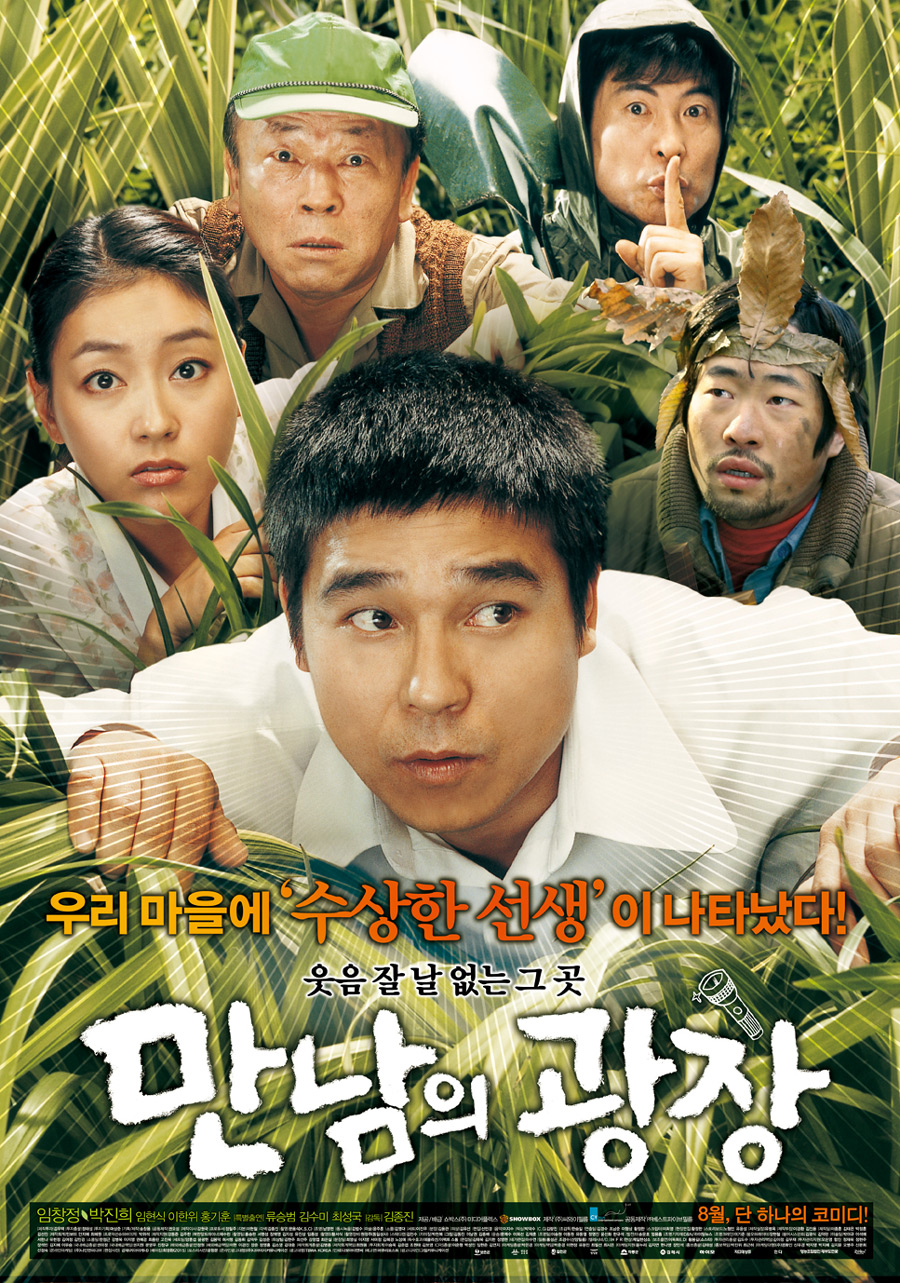
Underground Rendezvous posterAt the very beginning of Kim Jong-jin’s Underground Rendezvous (만남의 광장, Mannamui Gwangjang), a group of kindly villagers in the north of Korea are caught by surprise when they unwittingly help to build the 38th parallel – a series of fortifications which will divide them from one another forevermore. Family members are trapped on different sides of an artificial border by a matter of accident rather than choice, a decision effectively made for them by the Americans and Russians amping up cold war hostility in engineering a proxy war over war-torn Korea.

30 years after the villagers sealed their own fates through being overly helpful, the South Korea of the 1980s is perhaps not so different from its Northern counterpart. A brief hope for democracy had once again been dashed and the land remained under the yoke of a cruel and oppressive dictatorship. Young-tan (Im Chang-jung), a boy from a poor village, is determined to escape his life of poverty by travelling to Seoul and studying to become a teacher. However, within five minutes of exiting the station, his country bumpkin ways see his only suitcase swiped by a street thief. An attempt to report the crime only gets him into trouble and so Young-tan is sent to a “re-education” camp in the mountains. Falling off the back of a truck, he gets lost and eventually ends up in a remote village where they assume, ironically enough, that he is the new teacher they’ve been expecting for the local school. The village, however, has a secret – one that’s set to be exposed thanks to Young-tan’s questions about a beautiful lady he saw bathing at the local watering hole.

Young-tan turns out to be a pretty good teacher, though not exactly the sharpest knife in the drawer. The village’s big secret is that the divided families were so attached to each other that they each started digging tunnels to the other side shortly after the wall went up and eventually met somewhere in the middle where they’ve built a large cave they use for underground reunions. Apparently existing for 30 years, no one outside of trusted citizens on either side knows about the tunnel’s existence. No one has used it to switch sides, the only purpose of the tunnel is for relatives and friends to mingle freely in defiance of the false division that’s been inflicted on them by outside forces.

Young-tan, however, is fixated on the bathing woman who turns out to be North Korean Sun-mi (Park Jin-hee) – the sister-in-law of the village chief. Thinking only of his crush and also a comparative innocent and devotee of the moral conservatism of ‘80s Korea, Young-tan catches sight of Sun-mi and the village chief and is convinced that the old man is molesting an innocent young maiden. He sets out to convince the villagers of this, little knowing the truth and unwittingly threatening to expose the entire enterprise through failing to understand the implications of his situation.

Kim pulls his punches on both sides of the parallel, only hinting at the oppressions present on each side of the border with Sun-mi fairly free in the North, working as the army propaganda officer in charge of the noisy broadcasts which attempt to tempt South Koreans to embrace the egalitarian “freedoms” on offer to defectors. Meanwhile the villagers in the South live fairly isolated from the unrest felt in the rest of the country, continuing a traditional, rural way of life but are also under the supervision of a local troop of bored army conscripts on the look out for North Korean spies. Nobody wants to defect, though perhaps there’d be little point in any case, but everyone longs for the day when families can all live together happily as they used to free from political interference.

Satire, however, is not quite the main aim. An absurd subplot sees the “real” teacher marooned on his own after taking a detour and accidentally standing on a landmine leaving him rooted to the spot on pain of death, but the majority of the jokes rest on Young-tan’s “misunderstandings” as a village outsider, goodnatured simpleton, and bullheaded idiot. A final coda tries to inject some meaning by hinting at the effects of repurposing the truth for political gain and the tempered happiness of those who get what they wanted only not quite in the way they wanted it, but it’s too little too late to lend weight to the otherwise uninspired attempts at comedy.


Currently streaming on Netflix UK (and possibly other territories)

Original trailer (no subtitles)

Microhabitat (소공녀, Jeon Go-woon, 2017)

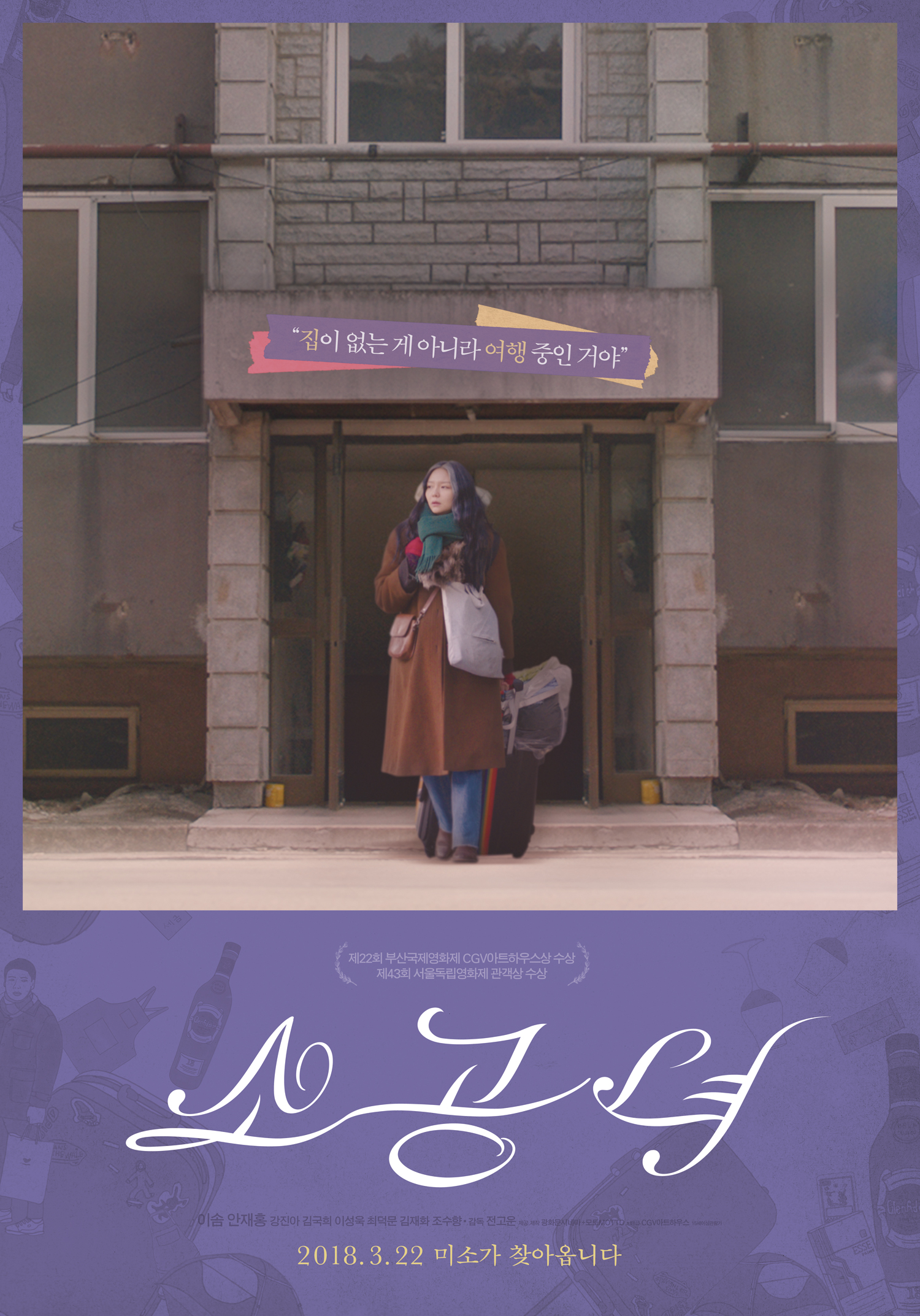
Microhabitat posterIs there a “right” or, by implication, “wrong” way to live your life? The heroine of Jeon Go-woon’s debut feature Microhabitat (소공녀, Sogongnyeo) is determined to live by her own rules, but her unconventional approach to life in competitive Korean society is not treated with the same kind of universal acceptance with which she treats each and every person she meets on her meandering path towards fulfilment. Life is conspiring to take away even the smallest pleasures which make existence bearable, but small pleasures are sometimes all life is about and perhaps the only thing really worth fighting for.

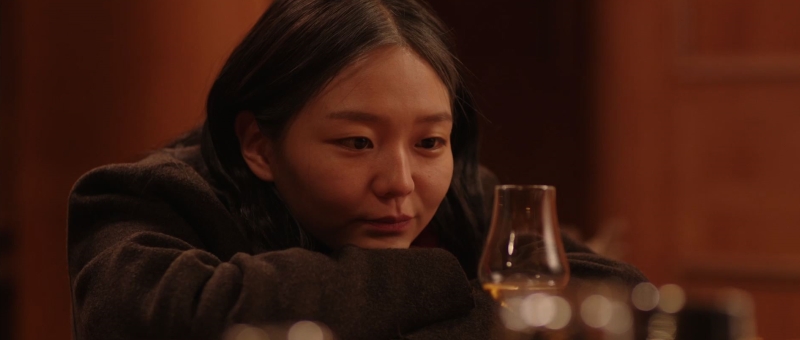
At 31 years old, Miso (Esom) lives what might outwardly be thought of as a miserable existence. Working as a cleaner she exists hand to mouth and is able to afford only a tiny, unheated, one room apartment in a run down part of the city. Her life is tightly budgeted and whatever else anyone might say about the way she lives, Miso is not irresponsible and refuses to get into debt. It is therefore a huge problem when a New Year price hike threatens to push her beloved cigarettes out of her reach. If that weren’t worrying enough, her landlord is also jacking up the rent. Staring intently at her accounts book, Miso contemplates a life without cigarettes and whiskey and then takes a look around her before deciding to strike through the line marked “rent”. Packing her most essential belongings into a couple of suitcases, she decides to make herself temporarily homeless and reliant on the kindness of former friends now virtual strangers whom she hopes will be minded to repay past kindnesses by putting her up for a while.

Miso’s plight is symptomatic of many in her generation who feel they’ve lost out in Korea’s relentlessly competitive, conformist, and conservative society, but her fate also bears out something of a persistent social stigma directed at those without means or family. Unlike the friends she decides to track down, Miso never graduated university – she lost her parents young and then ran out of money, but then she isn’t particularly bitter about something she was powerless to control. Miso’s small pleasures are also ones generally marked off limits to “nice” young women who generally do not smoke or drink and the old fashioned austerity mentality sees nothing good in a “self indulgent” need to enjoy life by “wasting” money on “frivolous” things if you claim not to be able to find the money to pay your rent. Some would say Miso has her priorities all wrong and has messed up her life by getting trapped in the world of casual labour and still being single at such an advanced age, conveniently ignoring the fact that much of the social order functions solely to keep women like her in their place so the higher ups can prosper.

Miso, however, would probably listen patiently to their concerns before calmly brushing them off. She is happy – to an extent, at least, with her minimalist life. She doesn’t need a fancy apartment or a swanky car, she only wants her cigarettes, her whisky, and her boyfriend Hansol (Ahn Jae-Hong) – an aspiring manhwa artist who feels broadly the same but is starting to get frustrated with his own precarious economic circumstances and present inability to offer the degree of economic support which would mean the pair could move in together. The first friend she tracks down, Mun-young (Kang Jin-a), has become a workaholic salary woman who self administers saline drips at work to increase her productivity and declines to put Miso up on the grounds having someone around when she’s not there makes her uncomfortable. Each of her old bandmates has opted for the conventional life but it has not served them well – keyboardist Hyun-jung (Kim Gook-hee) is unhappily married and trapped in a home of oppressive silence, Dae-yong (Lee Sung-wook) is a brokenhearted wreck whose wife has left him after less than eight months of marriage, vocalist Roki (Choi Deok-moon) has a strange relationship with his parents, and former guitarist Jung-mi (Kim Jae-hwa) has thrown herself headlong into stepford wife territory going quietly mad through boredom and insecurity in the palatial apartment that belongs to her husband’s family.

For various reasons, Miso understands that she can’t stay with her friends very long though she tries to help each of them as best she can while she’s around. She cleans their apartments, cooks them nutritious meals, keeps them company and listens to their problems though few of them take the trouble to really ask her why it is she is in the position she is in or how they might be able to help beyond providing temporary shelter. Surprised by one of her wealthy clients who is unexpectedly at home during cleaning time and seems to be distressed, Miso does her best to comfort her, making it clear that she does not disapprove of her client’s lifestyle and thinks she has nothing in particular to be ashamed of. The client, vowing to leave her present occupation behind, feels quietly terrible that her decision inevitably means Miso will lose her job but Miso genuinely means it when she says she’s happy for her client and hopes she will be able to attain her dreams.

Forced to leave the memory of each of her friends behind, Miso’s world seems to shrink until even her beloved whisky now seems like it will be out of her reach. Jeon Go-woon is unafraid to lay bare Miso’s bleak prospects, though she depicts them in an often humorous light as Miso goes apartment hunting in the darkest and dingiest part of Seoul, striding up endless flights of stairs to rooms with increasingly tiny windows before landing at the only realistic possibility in a filthy attic space with no electricity. Still, Miso remains undaunted. She is free, beholden to no one, and retains her kind heart even as she becomes a cypher to us, lost under the grey skies of an indifferent city until she alone becomes the tiny light on its ever expanding horizons.


Microhabitat screens as part of New York Asian Film Festival 2018 on 10th July, 6.30pm.

Original trailer (no subtitles)