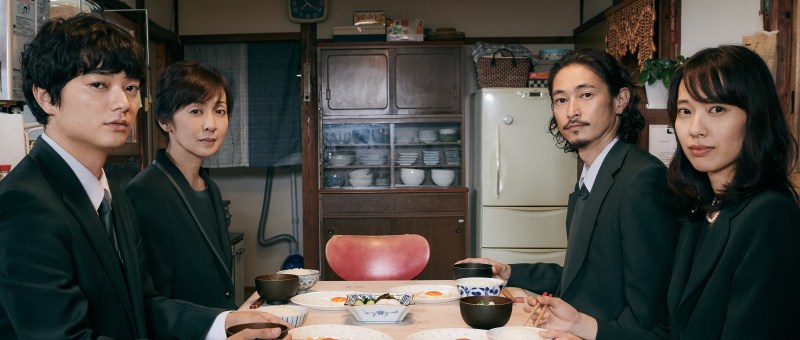
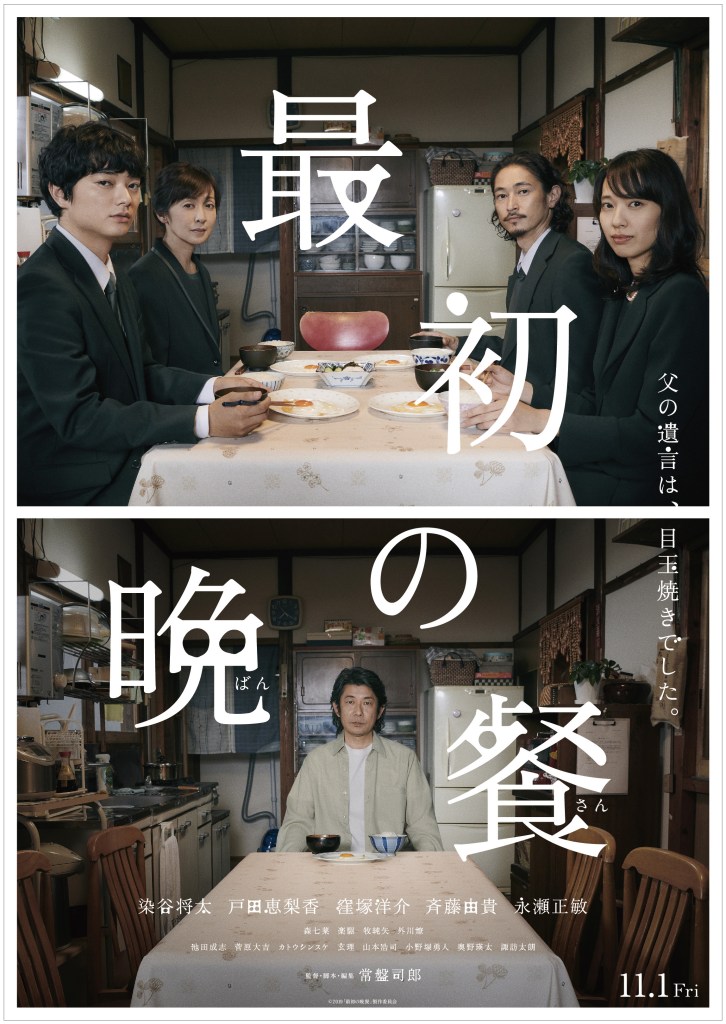
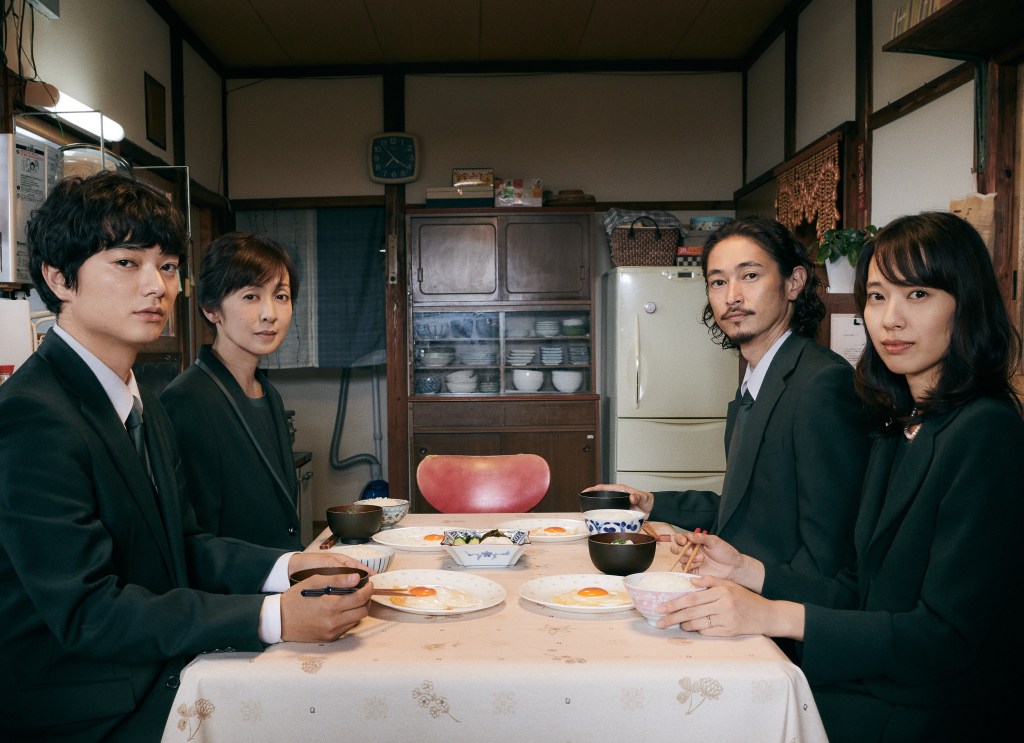
“Family” – what does it mean? The concept itself has been under examination for some time, at least as far as the “family drama” goes, but Shiro Tokiwa’s The First Supper (最初の晩餐, Saisho no Bansan) has it more positive than most as its somewhat emotionally distant hero begins to piece his back together and rediscover his place within it. He does so largely through the Proustian power of food as his lonely step-mother does her best to unite the family by reviving warm memories of the various meals they shared together.
Yet, as Rintaro (Junya Maki / Shota Sometani), a Tokyo-based freelance photographer grappling with the art/commerce divide, is insensitively told at his father’s funeral, his is not an “ordinary” family. That would be (partly) because it was a blended one. Rintaro and his sister Miyako (Nana Mori / Erika Toda) were being brought up by their single father, Hitoshi (Masatoshi Nagase), their mother having apparently left the family, before he brought Akiko (Yuki Saito) and her teenage son Shun (Raiku / Yosuke Kubozuka) to live with them. As a grown man, Rintaro still claims not to be able to understand what his father was thinking, why he wanted to start a “new” family by bringing Akiko and Shun into their home, especially as it led to him giving up his lifelong love of mountaineering to get a steady job in a factory. It never seems to occur to him that perhaps his father simply fell in love again and wanted to share his life with a woman who loved him, becoming a father figure to her teenage son in welcoming an expansion to their family.
There is, perhaps, still a resistance to the entire idea of blended families or even remarriages especially in the more conservative countryside. Dealing with an offensive uncle, Rintaro fires back that this kind of thing is perfectly normal and no kind of issue at all in Tokyo, so he’s not sure what the problem is but it’s clear that there is still a degree of disapproval of Hitoshi and Akiko’s union even 20 years later. Part of that might be to do with the circumstances of their meeting which we later discover had their share of moral ambiguity. That central secret, and the ones which spur off it, is the reason that Rintaro has never quite been able to put his family together, while Miyako, married at a young age and now the mother of two daughters, is experiencing a degree of marital strife with her mild-mannered husband (Shinsuke Kato) who accuses her of cheating with an old classmate at a reunion.
Akiko stuns them all by abruptly announcing that she’s cancelled the caterers for the wake and is planning to cook herself, serving up a selection of dishes one wouldn’t usually expect at a funeral but which she claims are taken directly from Hitoshi’s will and each reflect a particular memory of their life together as a family. There is a gaping hole, however, in that we don’t see Shun. “Why should he come?” Miyako replies to Rintaro’s questions, “He’s an outsider here”. A rather cold cut-off for a step-brother, even one you haven’t seen in a long time, and a partial negation of the idea of families not bound by blood even if it’s snapped partly out of hurt.
While Miyako struggles to reconcile herself to her place within her new family and her decision to form it, Rintaro chats on the phone to his sympathetic girlfriend, Rie (Hyunri), who has, perhaps surprisingly, not accompanied him on this emotionally difficult occasion. The problem seems to be, however, that he’s told her not to come even though she’d have liked to be there and it doesn’t seem as if anyone would have objected. An agent ringing him at a spectacularly bad time to tell him he hasn’t won a competition is forced to reveal, in the nicest possible way, that he narrowly lost out because his pictures are “cold”, he has no affection for his subjects and it shows. He remains diffident in his relationship with Rie because he hasn’t worked out this whole family thing for himself and is worried he simply doesn’t know how to fit into one.
Through re-experiencing his childhood through the meals shared with his father, Rintaro begins to regain a sense of belonging, discovering what it was that lay at the heart of his family drama and why it eventually led to a painful breakup. Before all that, however, they’d been happy. Trying to quell a spat between Miyako and Shun over different kinds of miso soup not long after they moved in, Akiko declares that from now on she’s only making one, “blended”, kind for everyone though the choice is theirs whether or not they choose to eat it. Truths are shared, new understandings are reached, and the family is in some sense restored. Their childhoods explained, Miyako and Rintaro begin see a path forwards towards a happy family life of their own while taking their bittersweet memories with them, no longer burdened by anxious insecurity but strengthened by a new sense of belonging that has nothing to do with blood.
The First Supper screens in New York on Feb. 16 as part of this year’s New York Asian Film Festival Winter Showcase.
Original trailer (no subtitles)





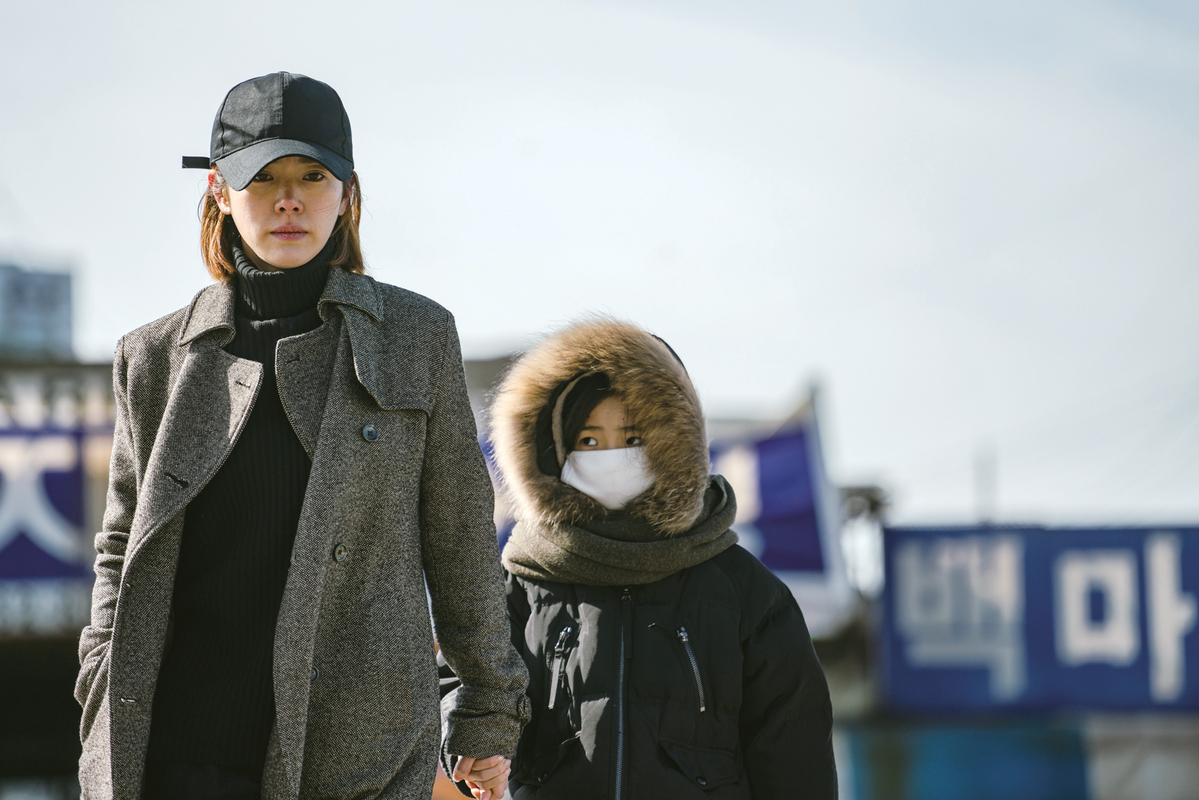 Han Ji-min stars as a salty, aloof ex-con who struggles to move past childhood trauma until she makes the fateful decision to save a neglected little girl who reminds her so much of herself.
 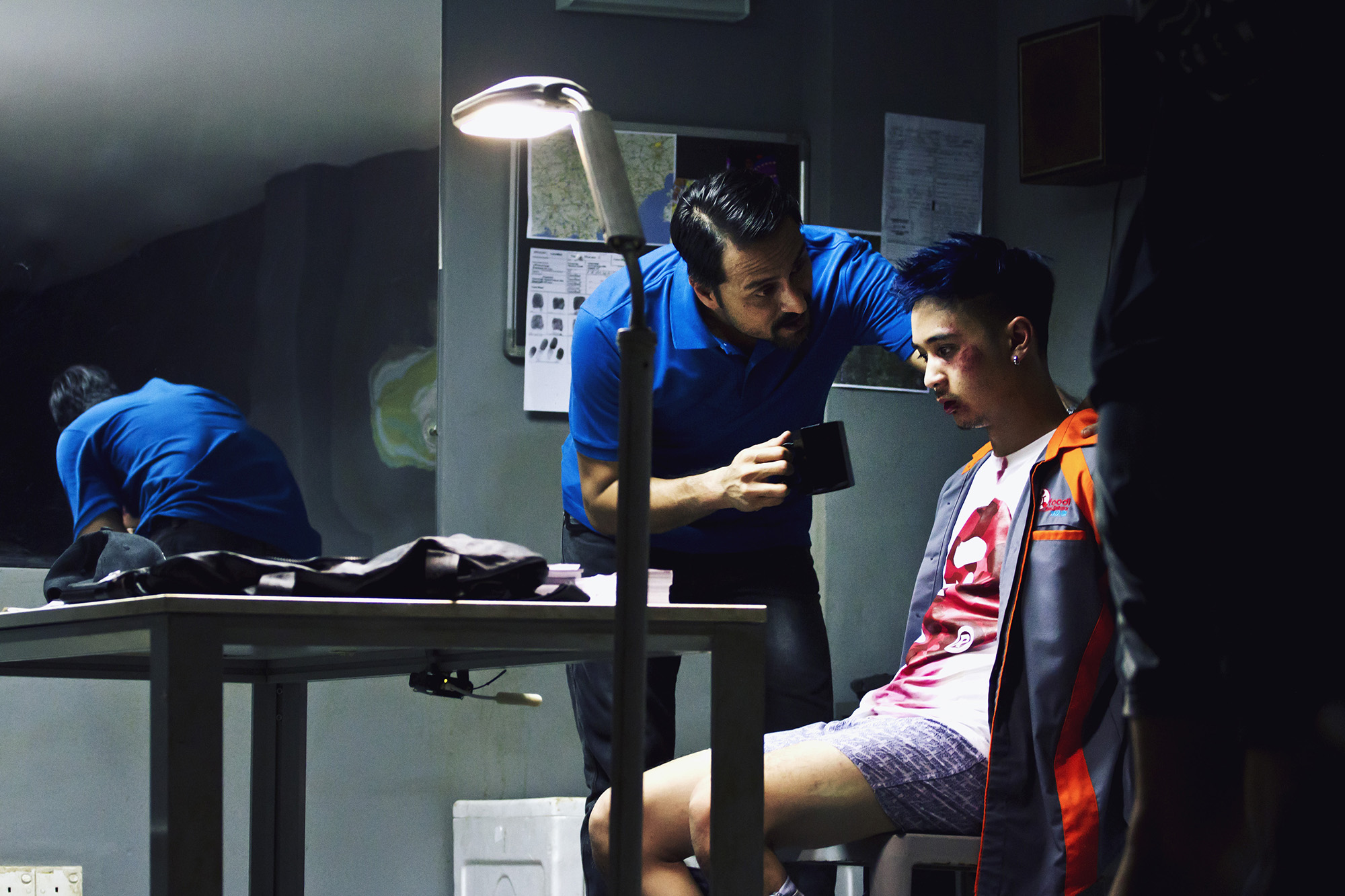 The debut feature from Zahir Omar, Fly By Night takes place in the Kuala Lumpur underworld where a gang of taxi drivers has clubbed together to extort well off passengers they pick up from the airport.
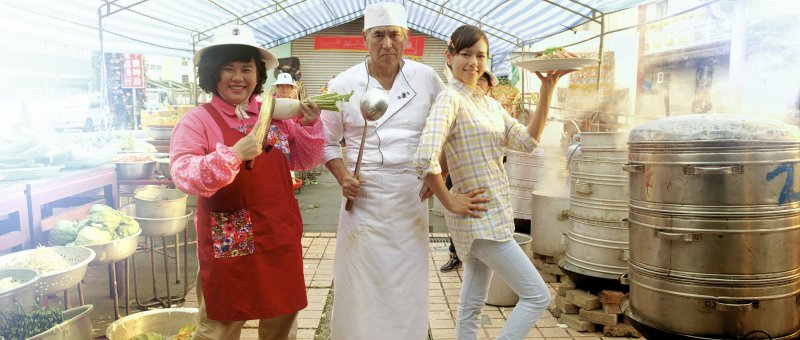
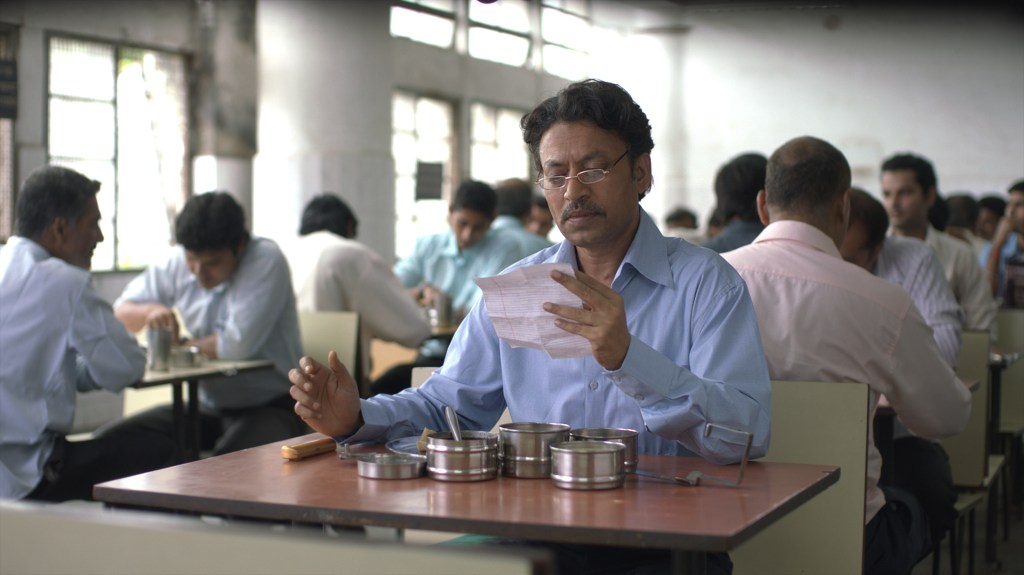
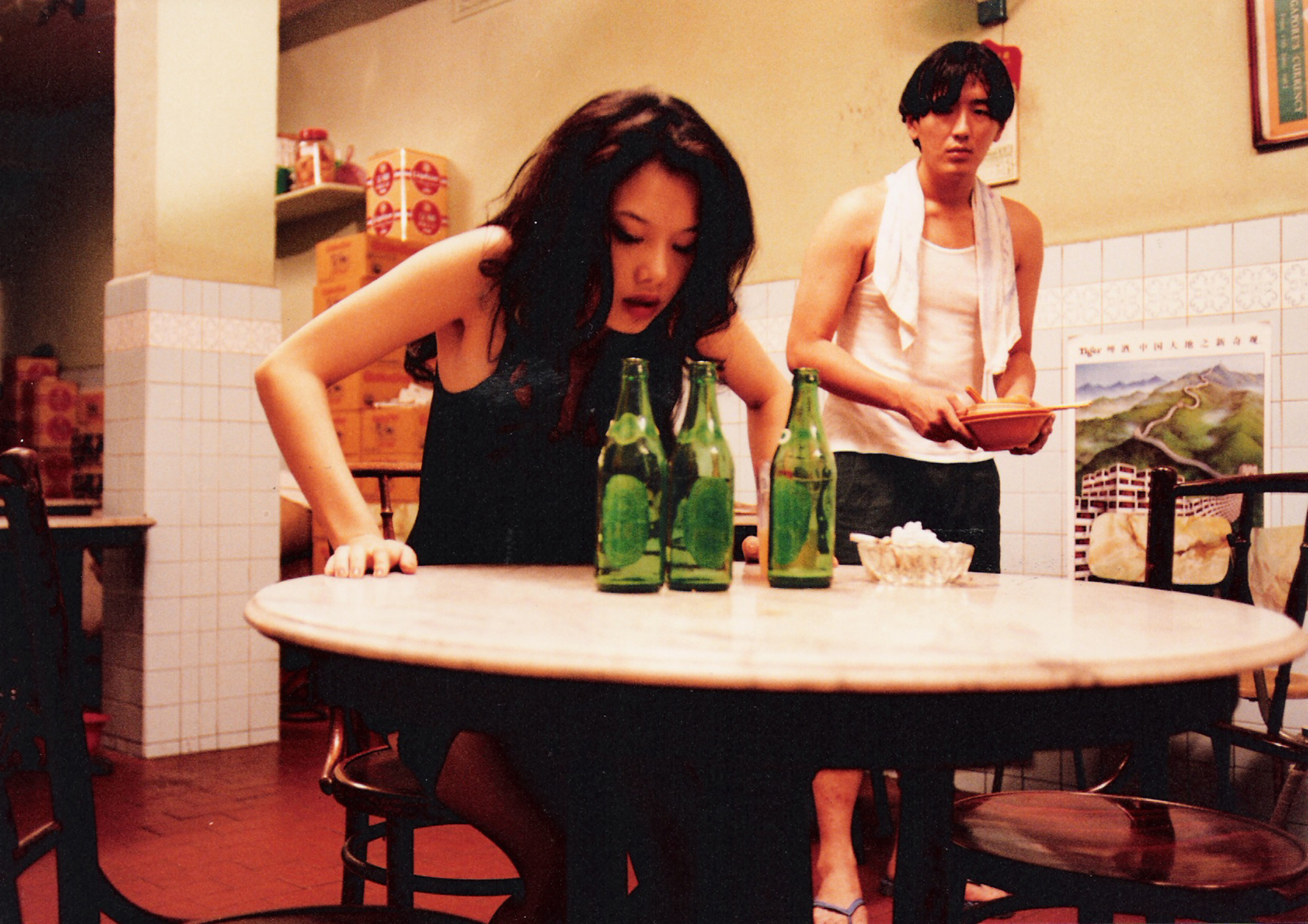 A Singaporean classic, Eric Khoo’s debut follows the awkward proprietor of a noodle shop with a crush on one of his customers, a sex worker who dreams of escaping her pimp and the city itself.
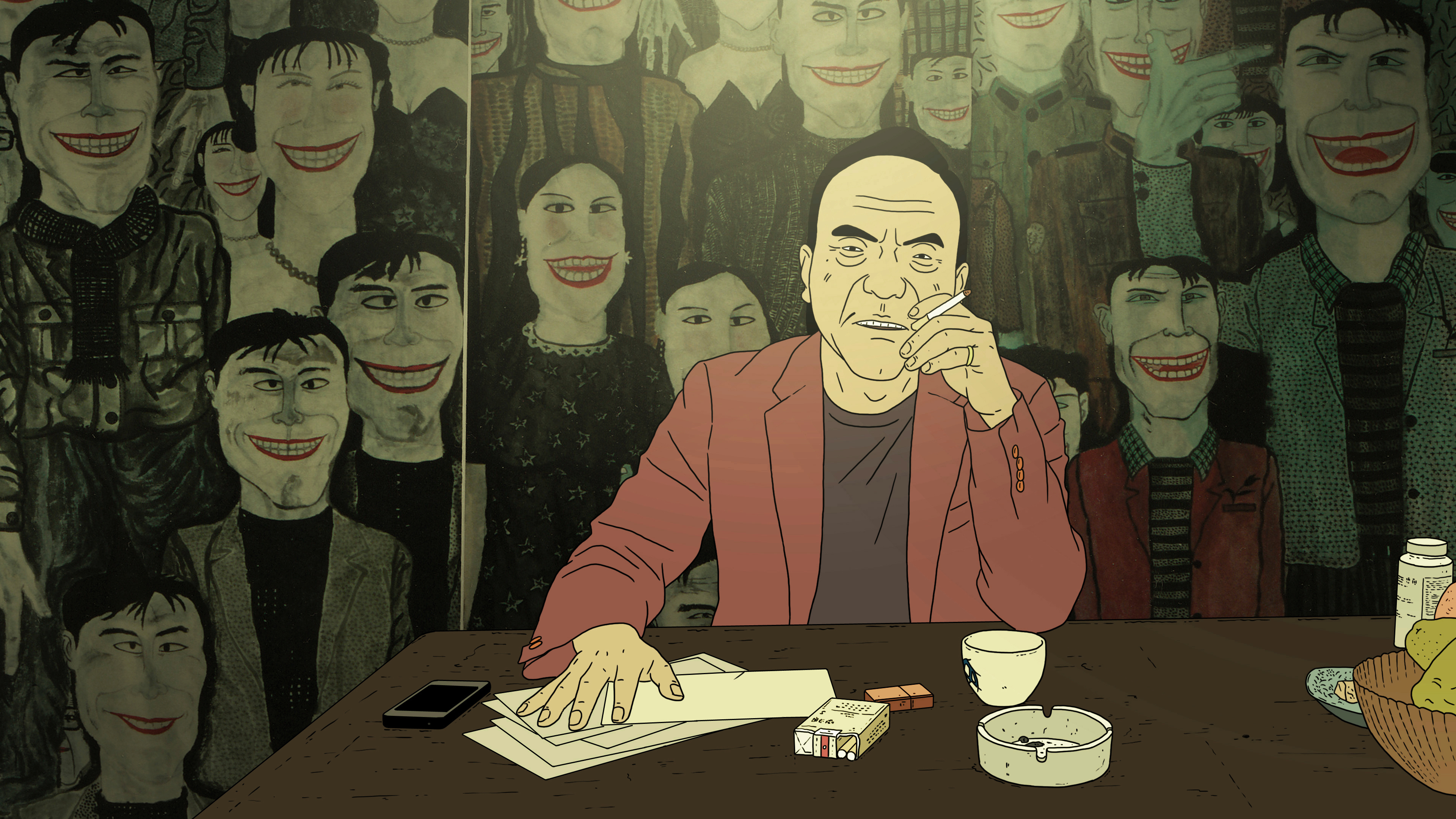 Liu Jian’s indie animation puts the modern China under the spotlight as a missing bag of money brings a collection of desperate souls together in the search for a way out of a dead end wasteland.
  Aaron Kwok stars as a deadbeat dad whose wife eventually leaves him alone with their young son. When loansharks come in pursuit of gambling debts, father and son are forced on the run and into a life of dubious moralities.
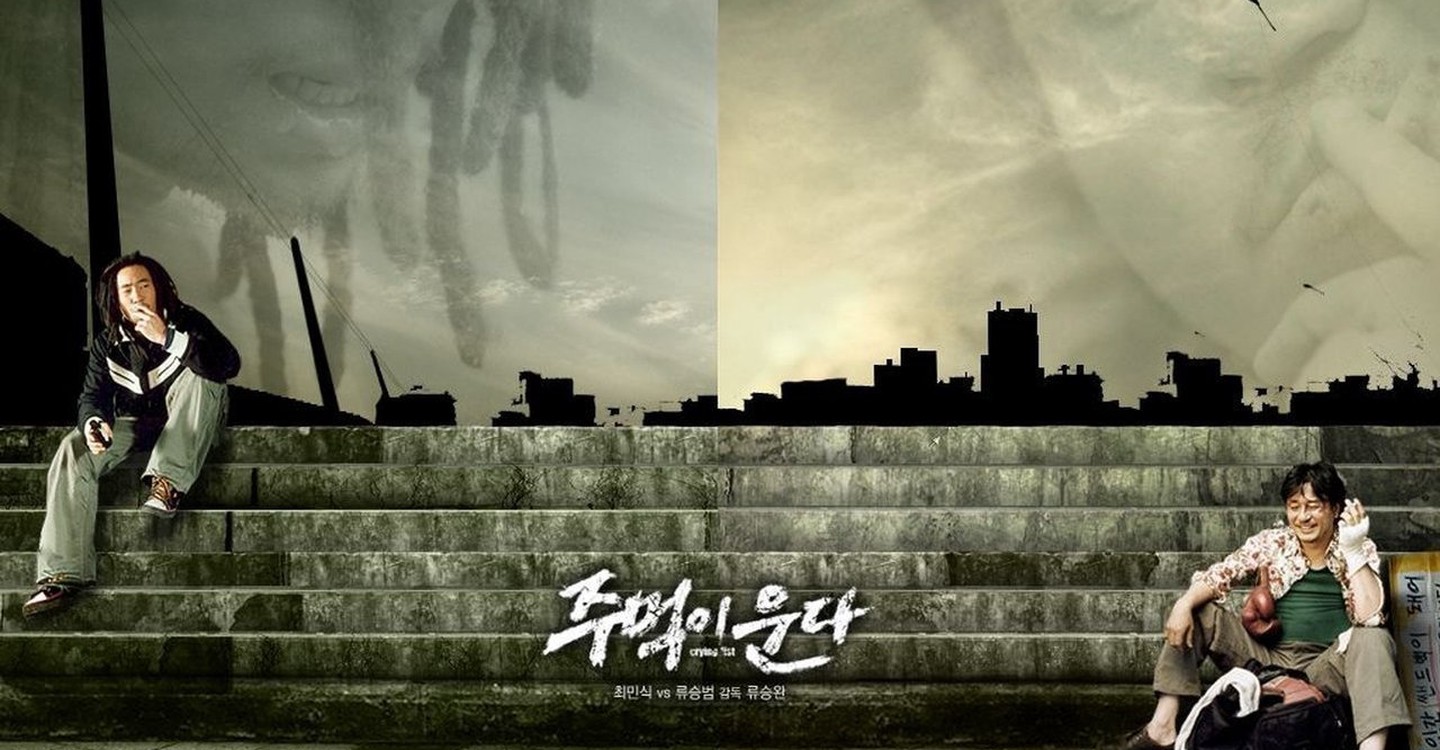 Ryoo Seung-wan’s boxing drama stars Choi Min-sik as a former olympic silver medalist who now makes ends meet getting beaten up for money on the streets of Seoul. Meanwhile, a troubled young man (played by Ryoo Seung-Bum) who learned to box inside is also looking for a way out. The pair meet in the ring where a more than cash is at stake.
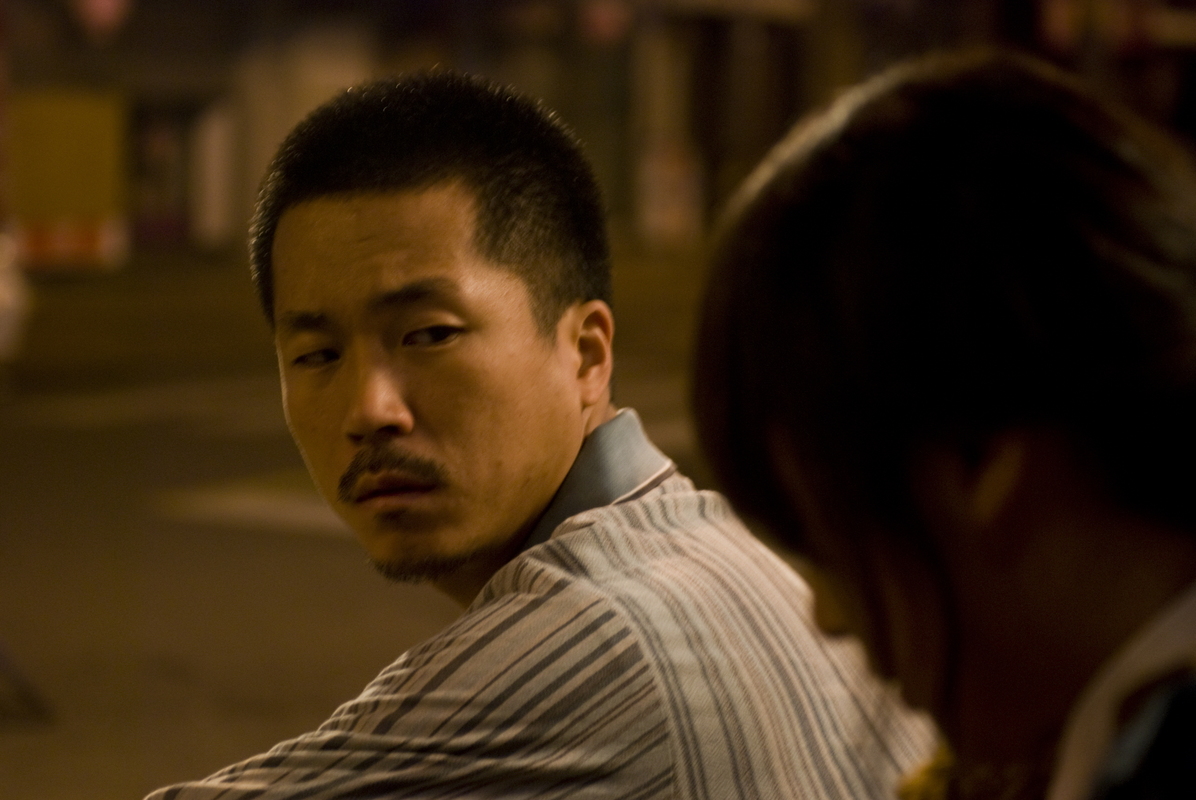 Actor turned director Yang Ik-June stars as a brutal gangster whose sentimental heart is restarted by a high school girl with a difficult home life only to discover life’s essential tragedies.
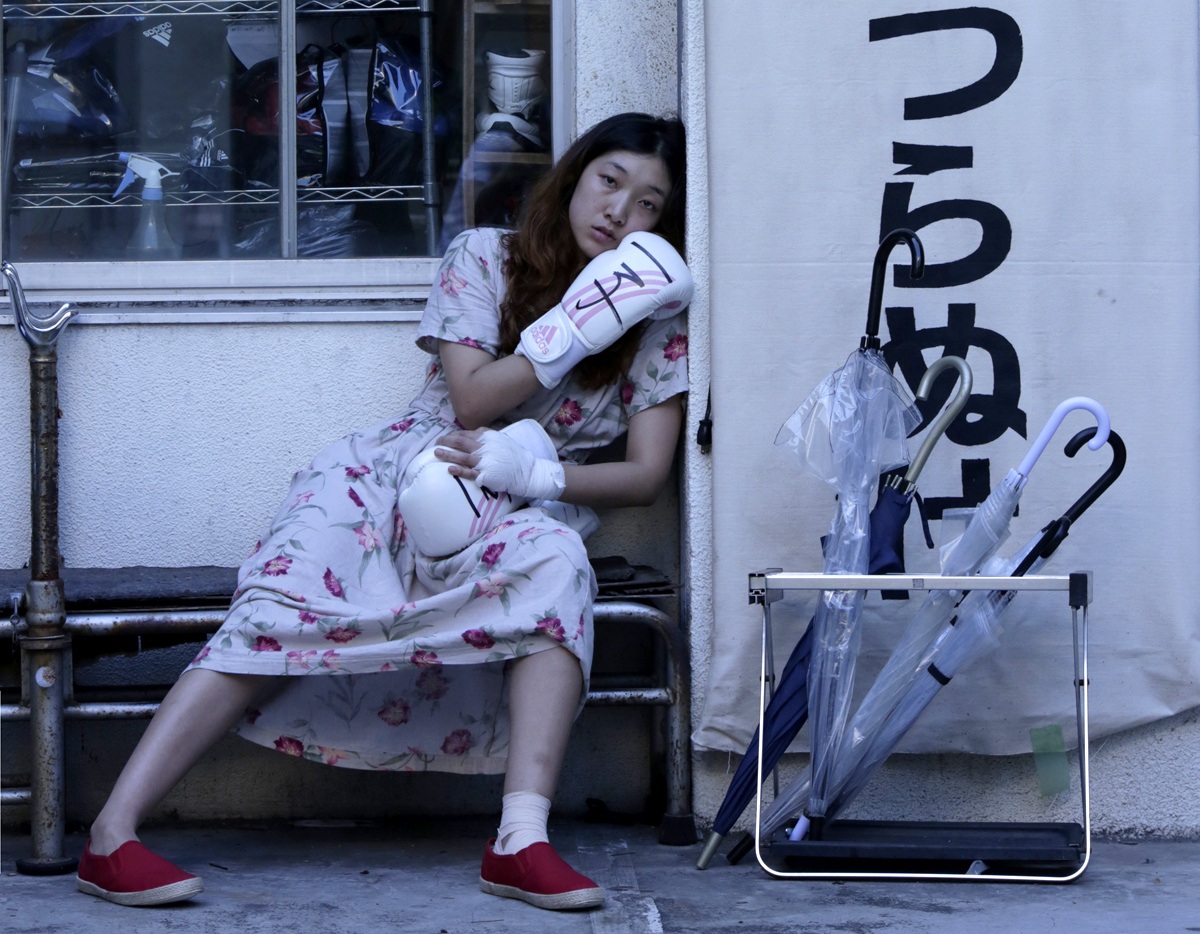 Sakura Ando stars as a 32-year-old slacker still living at home with her parents. A part-time job in a 100 yen store gives her new purpose when she strikes up a relationship with an amateur boxer and winds up entering the ring herself.
 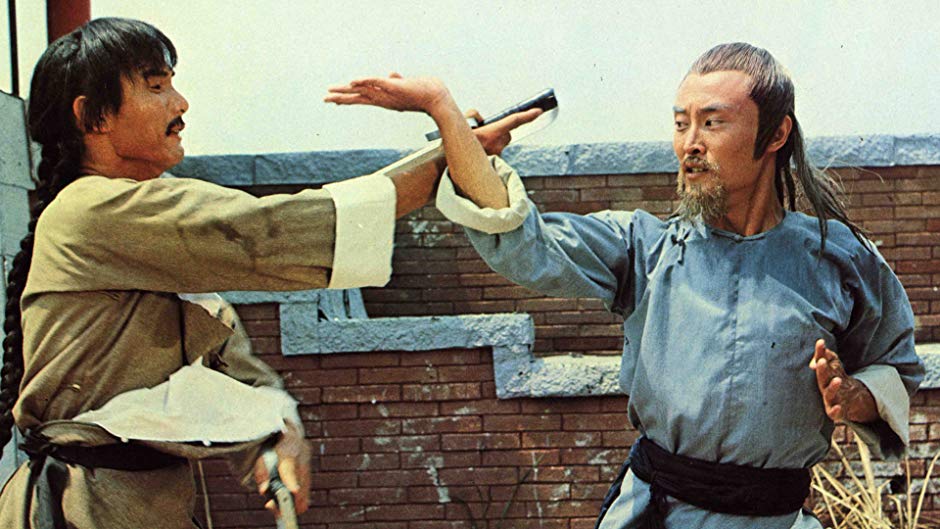 Jack Lung stars as a veteran kung-fu master about to retire when a young buck begs to become his disciple so that he can learn the skills to avenge his father.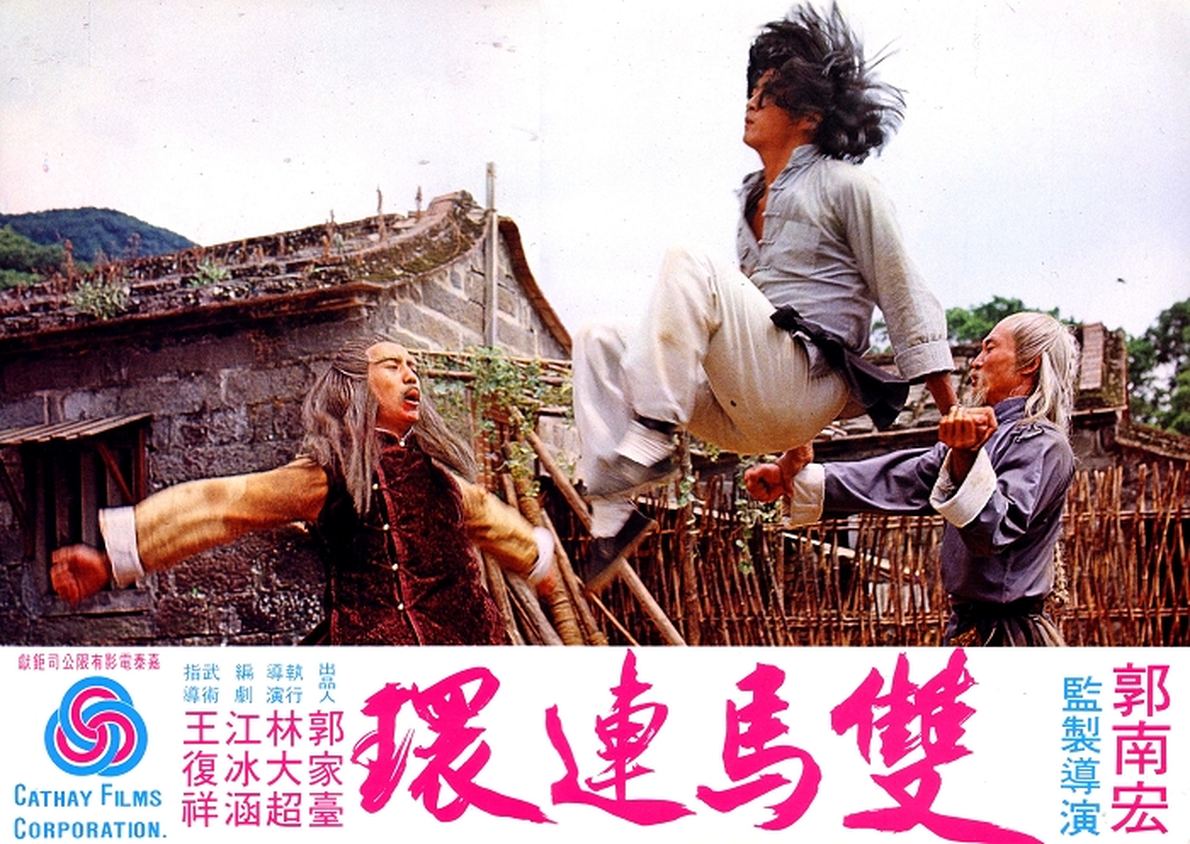
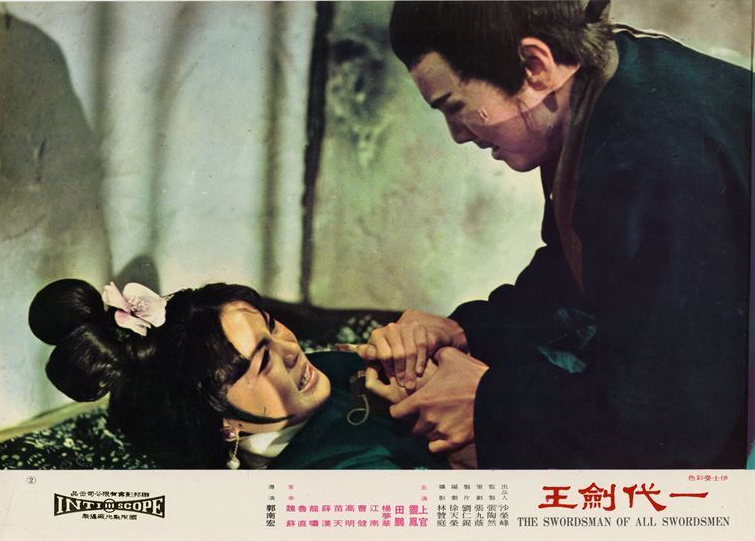 A top swordsman out for revenge against the bandits that killed his father runs into sword enthusiasts Black Dragon and Flying Swallow who may be enemies or allies.
 The clue is in the name…
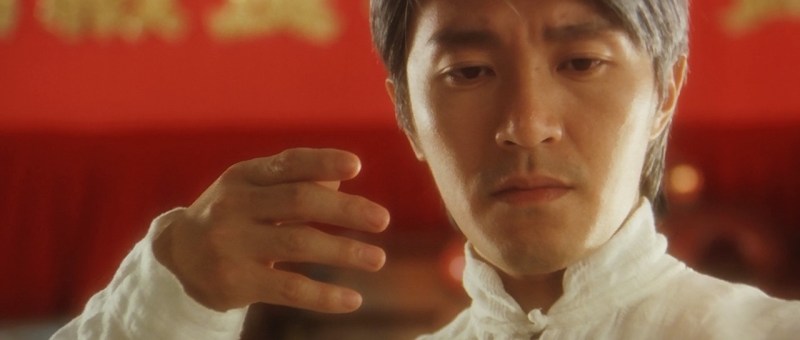
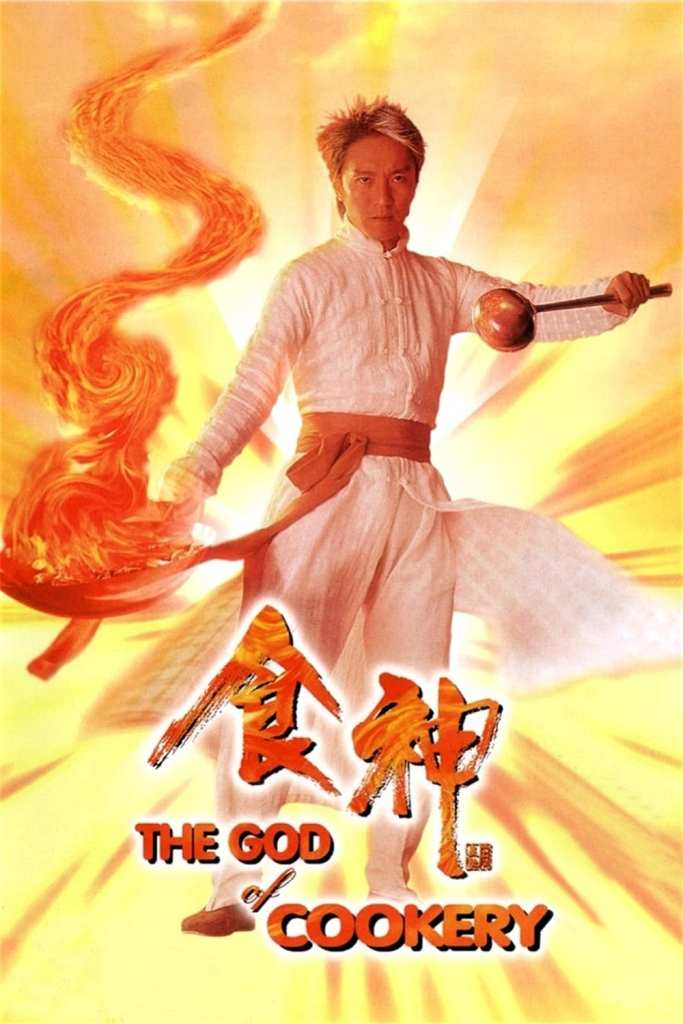
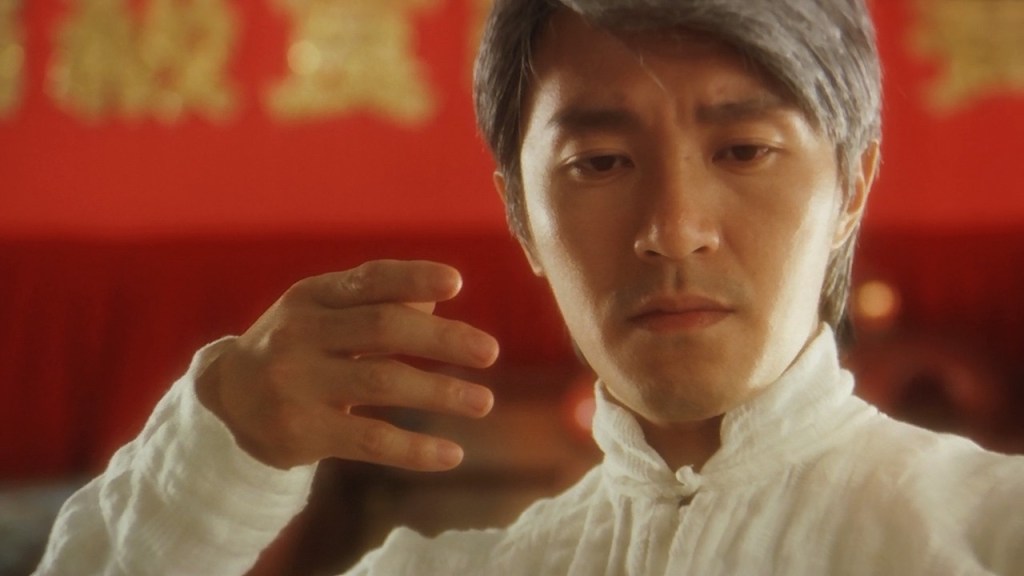
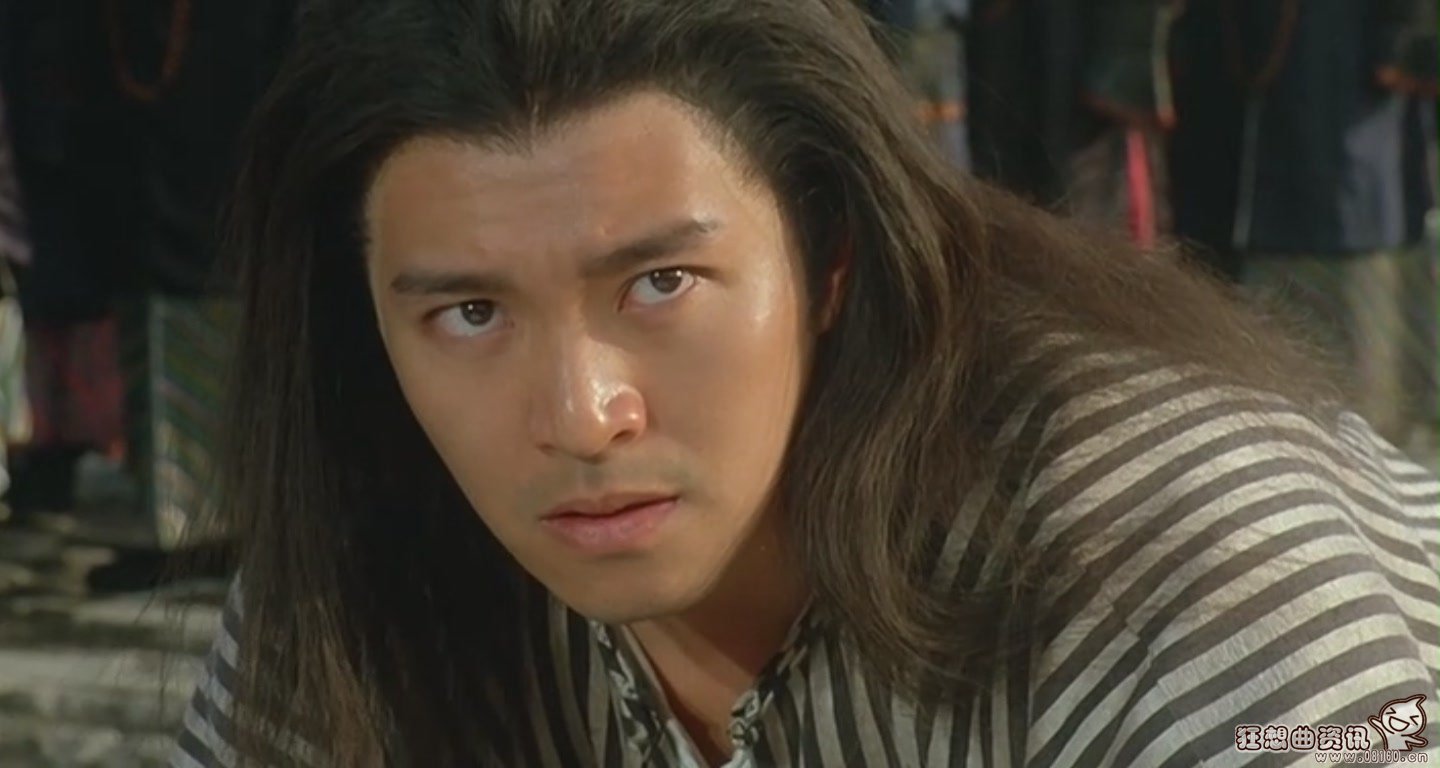 Stephen Chow stars in Gordon Chan’s loose retelling of the life of 19th century martial artist So Chan who finds himself joining the Beggars’ Sect after being caught cheating on his imperial exams and causing his family to be stripped of all their wealth.
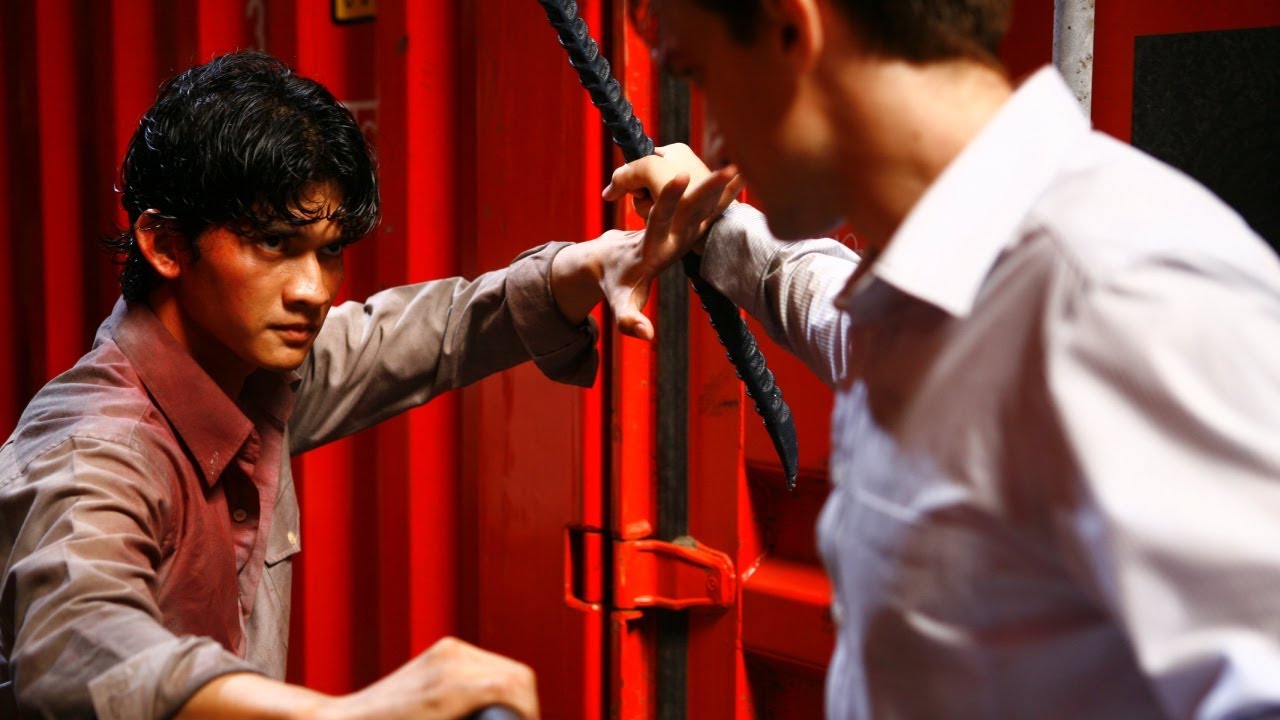 Indonesian action star Iko Uwais stars in Gareth Huw Evans early cult hit in which a young man embarks on his “merantau” – a coming of age ritual in which he must leave his village for the city where he rescues a brother and sister from a gang and finds himself at war.
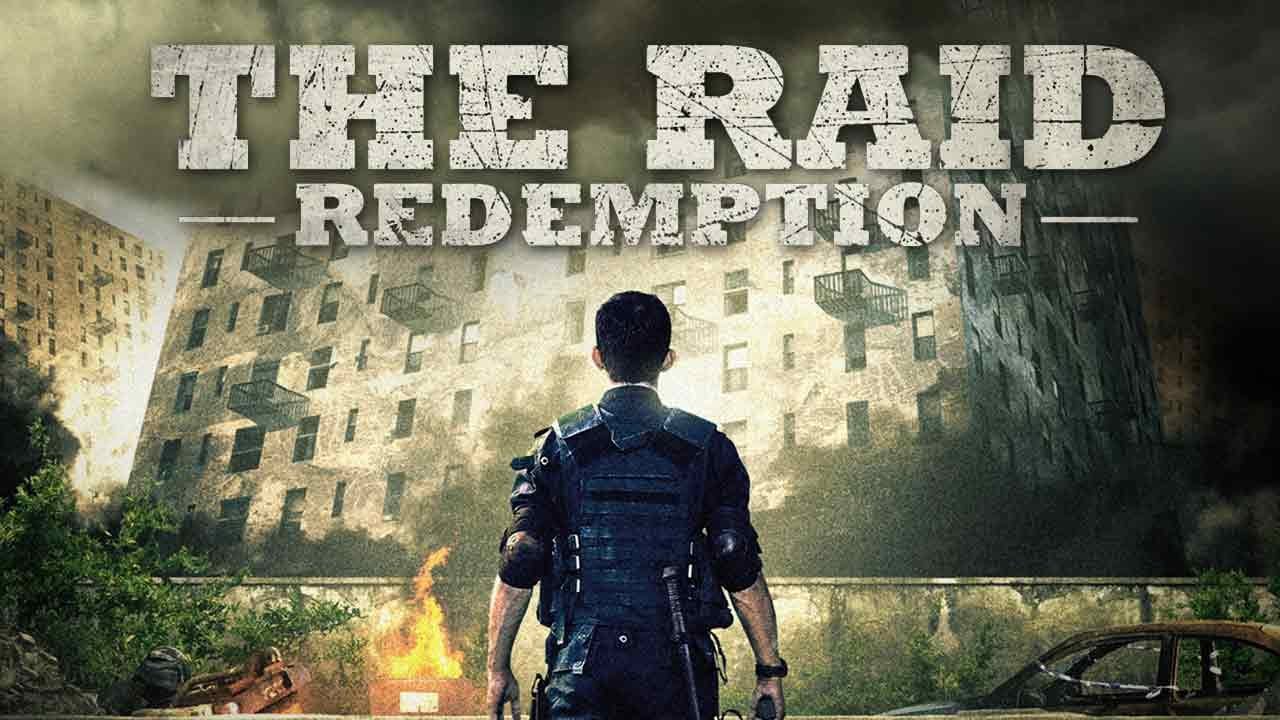 The sequel to Gareth Huw Evans phenomenally successful The Raid once again stars Iko Uwais as an intrepid SWAT member who finds himself having to fight his way out when a raid goes wrong.
 A party to close out the event taking place right after the final screening.
 Windows on Worlds