 1969. Man lands on the moon, the cold war is in full swing, and Star Trek is cancelled prompting a mass write-in campaign from devoted sci-fi enthusiasts across America. The tide was also turning politically as the aforementioned TV series’ utopianism came to gain ground among liberal thinking people who rose up to oppose war, racial discrimination and sexism. It was in this year that Godzilla creators Ishiro Honda and Eiji Tsuburaya brought their talents to America with a very contemporary take on science fiction in Latitude Zero (緯度0大作戦, Ido Zero Daisakusen). Starring Hollywood legend Joseph Cotten, Latitude Zero gives Jules Verne a new look for the ‘60s filled with solid gold hotpants and bulletproof spray tan.
International scientists Dr. Ken Tashiro (Akira Takarada) and Dr. Jules Masson (Masumi Okada) are in the middle of a bathysphere alongside American reporter Perry Lawton (Richard Jaeckel) when a volcano suddenly erupts. Rescued by a passing sub, the team soon notice there’s something very strange about this serendipitous crew. To begin with, the doctor treating their injuries is a svelte young blonde woman in a skimpy outfit, and then there’s that plaque on the bridge which says the boat was launched in 1805, and why won’t Captain McKenzie (Joseph Cotten) tell them which country this very expensive looking rig belongs to?
All these questions will be answered in due course but the major revelation concerns the futuristic city of Latitude Zero – a secret underwater world where top scientists and other skilled people who have been “disappeared” from the surface conduct important research free of political constraints. Despite the peace and love atmosphere, Latitude Zero is not without its villains as proved by exile Malec (Cesar Romero), McKenzie’s arch nemesis who has set out to kidnap a prominent Japanese scientist before he can make his way to the city. Malec is hellbent on taking McKenzie down and has drifted over to the scientific dark side by conducting brain transplant experiments to create his own army of bizarre creatures to do his bidding.
There may be a cold war going on but Latitude Zero is more or less neutral when it comes to its position on science and scientists though when push comes to shove it leans towards negative. Malec, played by Batman’s Ceasar Romero, is a moustache twirling villain of the highest order who will even stoop to transplanting the brain of his own lieutenant into a lion as well as making other strange creatures like giant rats and weird bats to try and destroy McKenzie’s enterprises yet those enterprises are the entire reason for the existence of Latitude Zero. Towards the end of the adventure, Lawton points out to McKenzie that his world is essentially selfish, stealing all the best minds for his underwater paradise and secreting their discoveries away rather than sharing them with the the surface. McKenzie sympathises but deflects his criticism with the justification that mankind is currently too volatile and divided to take part in his project, though they do try to drip feed the essentials all in the name of making the world a better place.
Lawton further shows himself up by trying to loot Latitude Zero which has an abundant supply of diamonds it barely knows what to do with. What is does with them is experiment – jewels are worthless baubles here, the value of the diamonds is purely practical. Similarly, they have a taste for solid gold clothing which might explain the skimpiness of their outfits were it not for the fact the precious metal holds no other value than being stylish.
Unlike other subsequent US co-productions such as Fukasaku’s Virus, Latitude Zero was filmed in English with the Japanese cast providing their own English language dialogue (with various degrees of success). A second cut running fifteen minutes shorter was later prepared for the Japanese market with the entire cast dubbed back into Japanese and dropping McKenzie’s often unnecessary voice over. Given a relatively high budget, Honda and Tsuburaya once again bring their unique production design to life with intricate model shots and analogue effects complete with a selection of furry monsters even if they’re operating on a level that owes much more to Star Trek than Godzilla. It’s all very silly and extremely camp but good clean fun with a slight layer of political subversiveness which displays a noted ambivalence to the neutrality of utopia even whilst hoping for the day when the world will finally be mature enough to pursue its scientific destiny without polarised politics getting in the way.
Original trailer (English version)
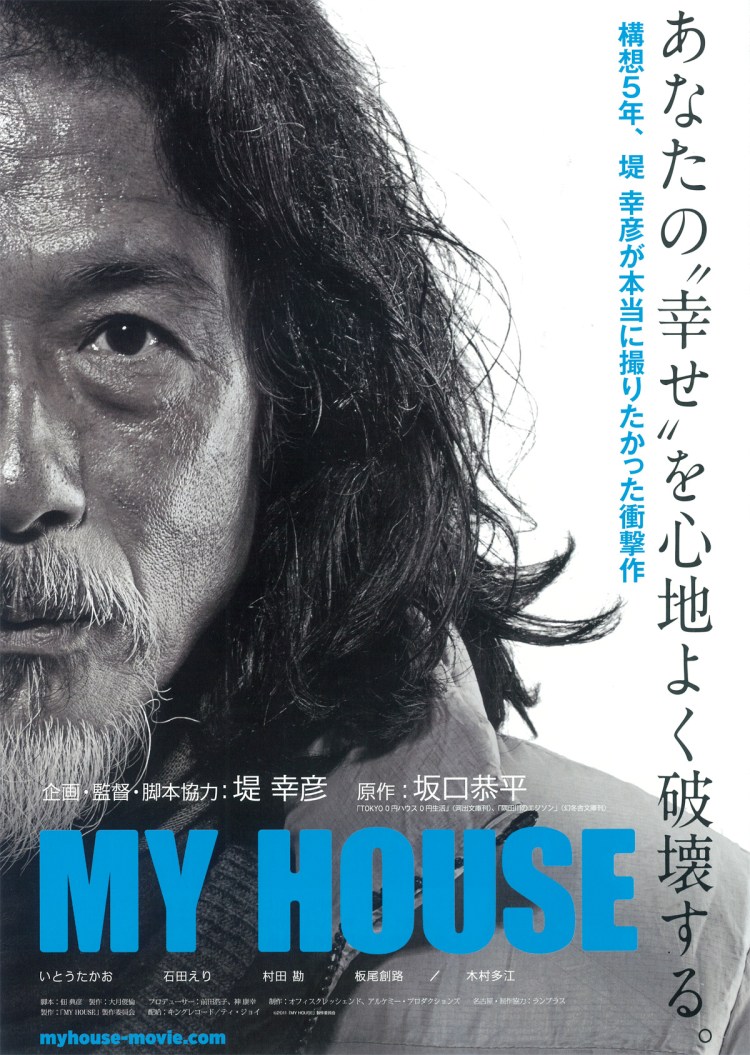 Yukihiko Tsutsumi has made some of the most popular films at the Japanese box office yet his name might not be one that’s instantly familiar to filmgoers. Tsutsumi has become a top level creator of mainstream blockbusters, often inspired by established franchises such as TV drama or manga. Skilled in many genres from the epic sci-fi of Twentieth Century Boys to the mysterious comedy of Trick and the action of SPEC, Tsutsumi’s consumate abilities have taken on an anonymous quality as the franchise takes centre stage which makes this indie leaning black and white exploration of the lives of a group of homeless people in Nagoya all the more surprising.
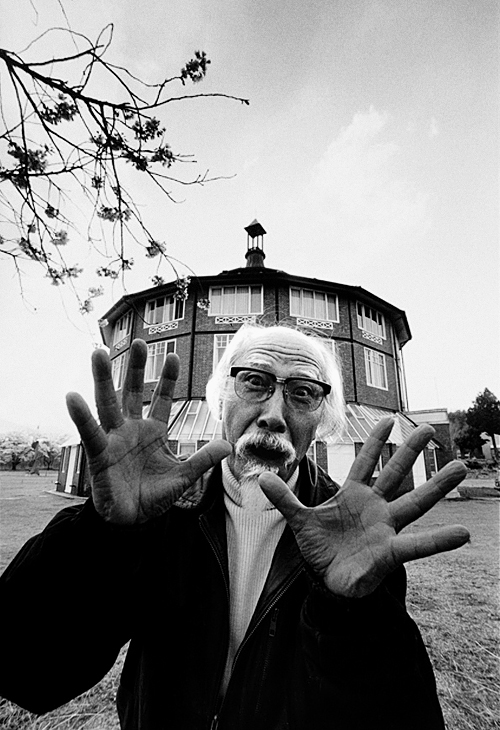 Since its launch in 2000, the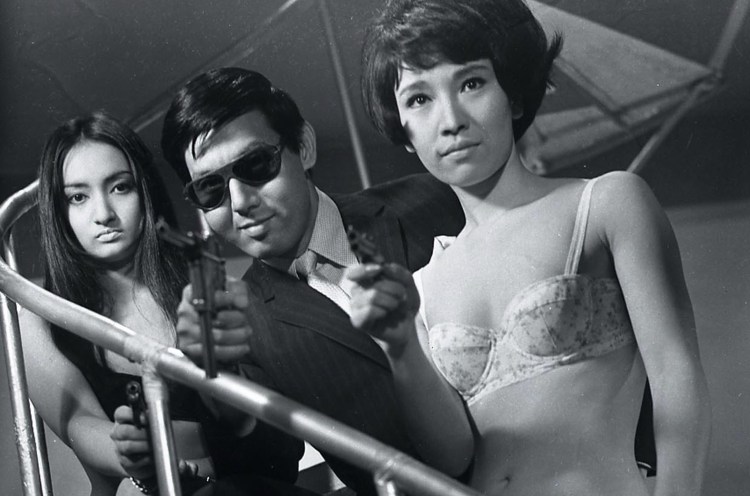
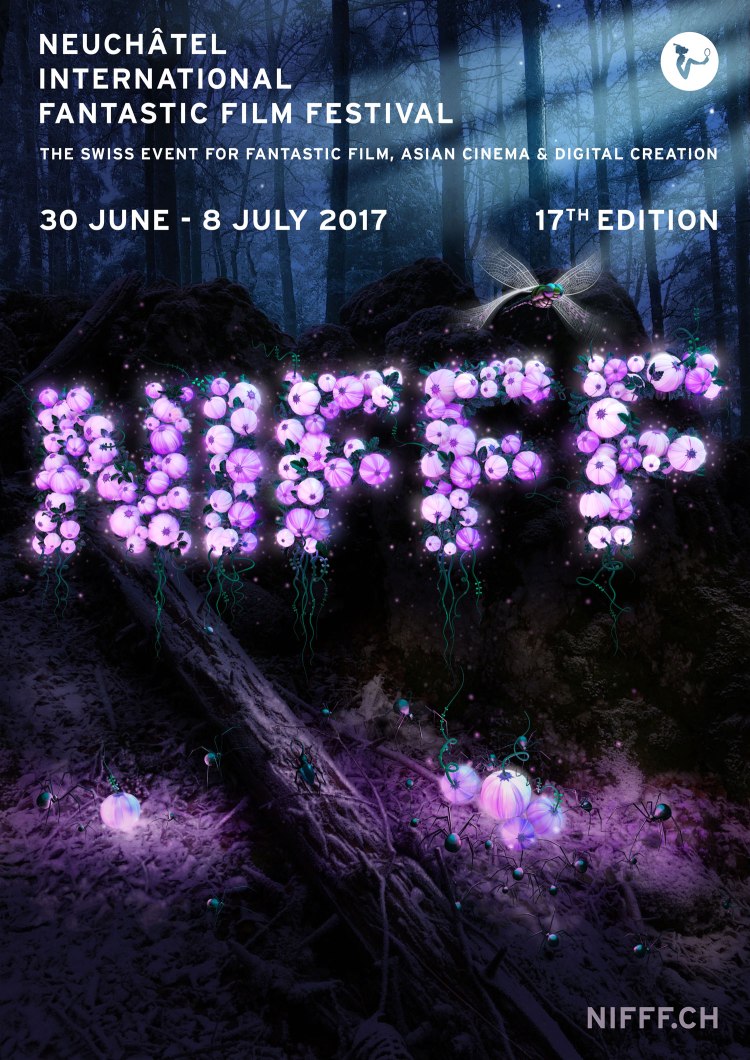 The 17th Neuchâtel International Fantastic Film Festival runs from 30th June to 8th July 2017 and will have a special focus on genre cinema. The festival will also host a series of outdoor cinema events as part of the
 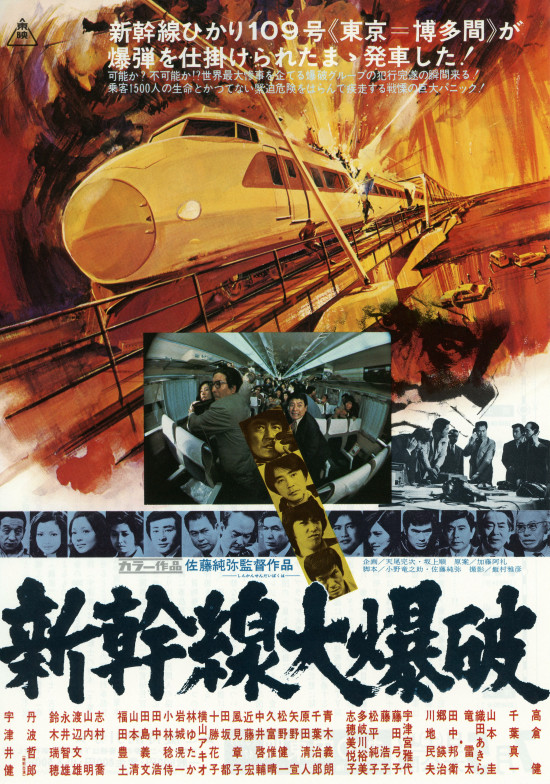 For one reason or another, the 1970s gave rise to a wave of disaster movies as Earthquakes devastated cities, high rise buildings caught fire, and ocean liners capsized. Japan wanted in on the action and so set about constructing its own culturally specific crisis movie. The central idea behind The Bullet Train (新幹線大爆破, Shinkansen Daibakuha) may well sound familiar as it was reappropriated for the 1994 smash hit and ongoing pop culture phenomenon Speed, but even if de Bont’s finely tuned rollercoaster was not exactly devoid of subversive political commentary The Bullet Train takes things one step further.
 Nippon Connection is the largest festival dedicated to Japanese Cinema anywhere in the world and returns in 2017 for its 17th edition. Once again taking place in Frankfurt, the festival will screen over 100 films from May 23 – 28, many of which will also welcome members of the creative team eager to present to their work to an appreciative audience.
 Director Atsushi Funahashi has hitherto been known for hard hitting fare such as the Fukushima documentary Nuclear Nation as well as narrative films including the heartrending Cold Bloom and cross cultural odyssey Big River. Consequently he steps into the slowly growing genre of idol documentaries from the refreshing position of a total novice. Adopting an objective viewpoint, Funahashi rigourously dissects this complicated phenomenon whilst taking care never to misrepresent the girls, their dreams, or their devoted fanbase.
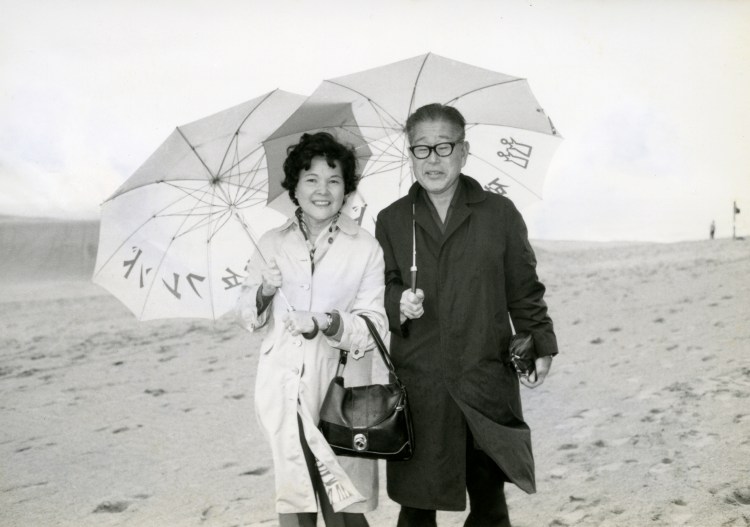 Shot over six years, 95 and 6 to Go begins with a stalled fim project and some unexpected grandfatherly advice but eventually develops into a moving meditation on life, love, loss, and endurance.
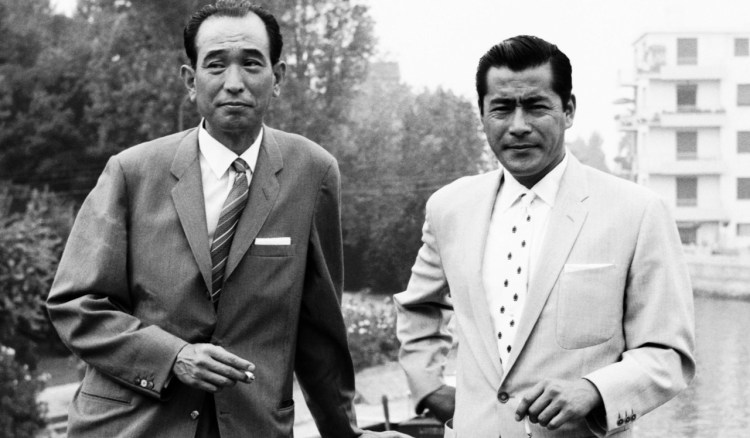 Previously screened at the BFI London Film Festival, Steven Okazaki’s documentary Mifune: The Last Samurai focuses firmly on Mifune’s place within the history of samurai cinema through exploring not only his life but also the early history of “chanbara” movies and the genre’s later echoes in American cinema as related by talking heads including Steven Spielberg and Martin Scorsese.
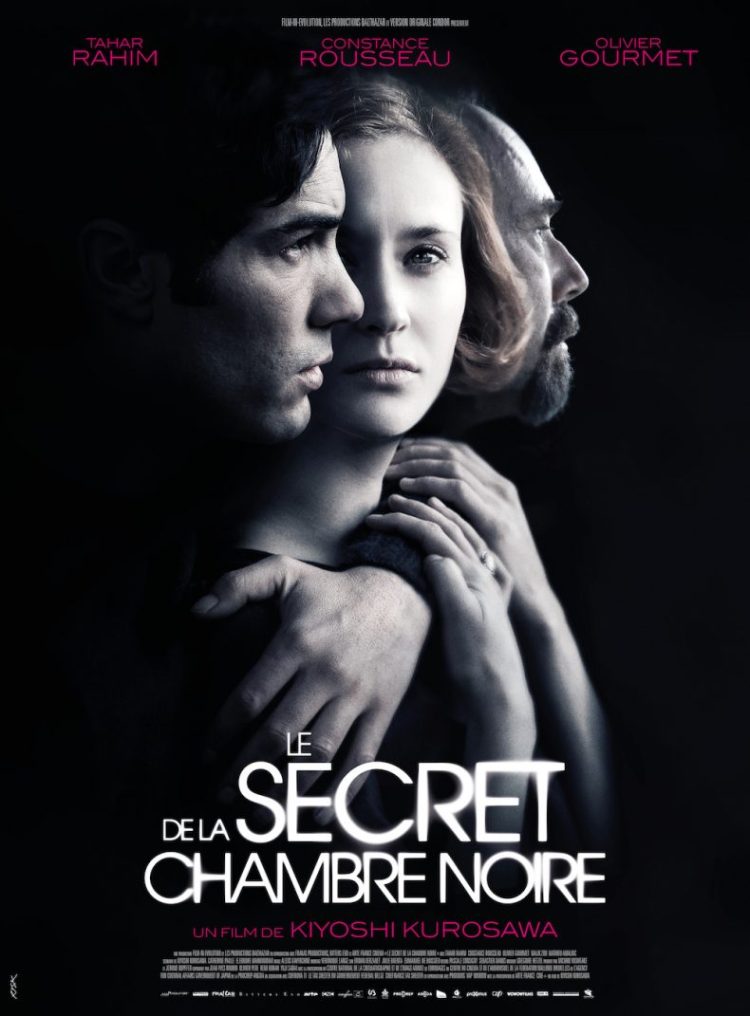 Back in 2012, Kiyoshi Kurosawa planned his first international movie, 1905, which would have featured 90% Chinese dialogue and was set to shoot in Taiwan with stars Tony Leung Chiu-Wai, Shota Matsuda and Atsuko Maeda. Sadly, political concerns of the day put paid to 1905, and so Daguerrotype marks Kurosawa’s first foray into non-Japanese language cinema. Starring one of France’s most interesting young actors in Tahar Rahim, this French language gothic ghost story takes the director back to his eerie days of psychological horror.
 Masahiro Motoki makes a welcome return to leading man status as a self-centered B-list celebrity and former author who finds himself largely unmoved after his wife is killed in an accident but later bonds with the bereaved children of her best friend who died alongside her.
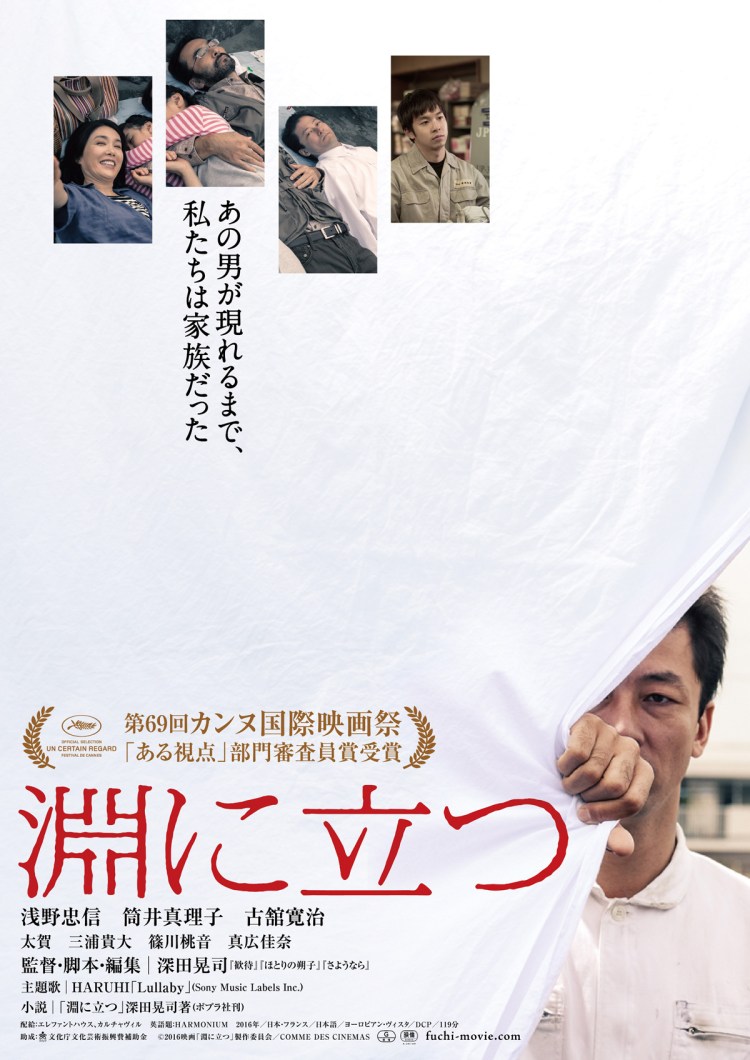 You can check out our
  Beyond nihilism, Destruction Babies paints a bleak prognosis for the youth of Japan who live without hope, disconnected from reality, and know only the sensation of violence. You can check out our review of the film
 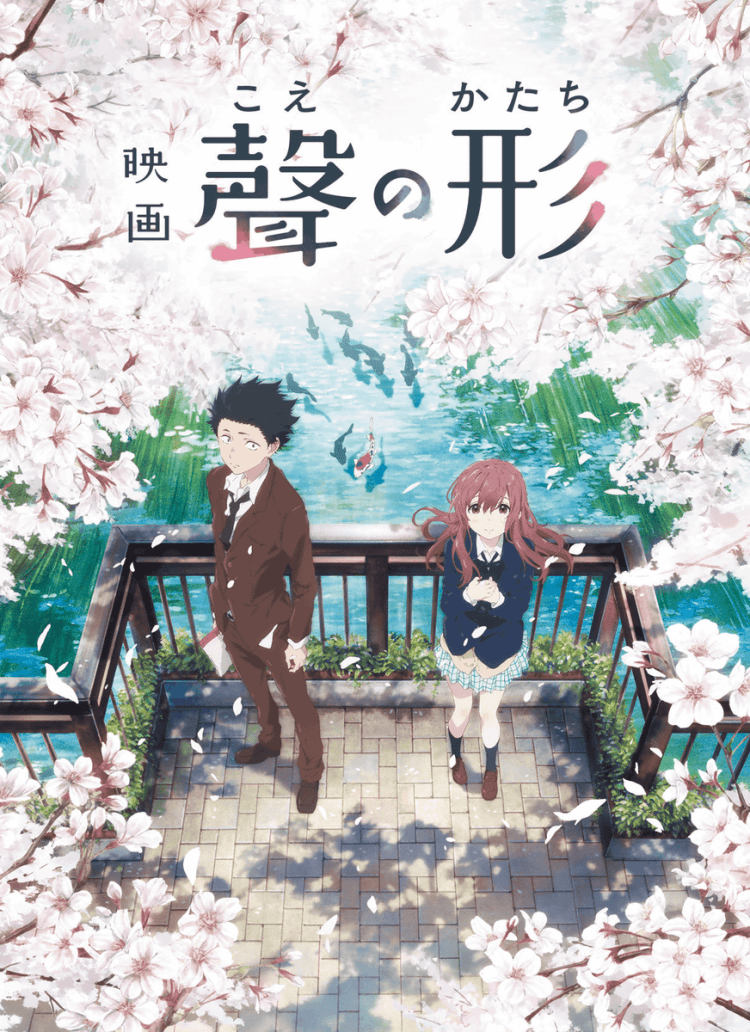 Distributed in the UK by Anime Limited, this alternately heartrending and heartwarming drama examines the effects of social stigma, disibility, and the legacy of cruelty as its perfectly matched central pair confront the ghosts of their respective pasts and futures. You can check out our review from the Japan Foundation Touring Film Programme over
 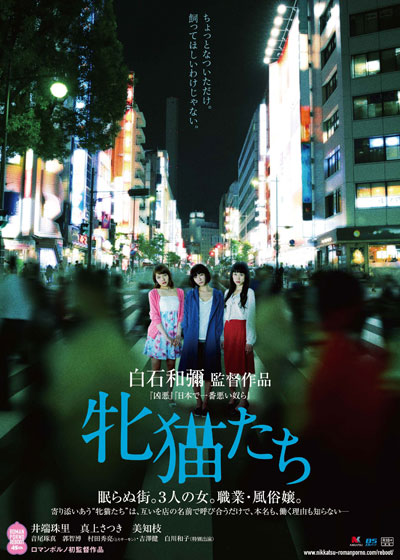 From the director of Twisted Justice and Devil’s Path, Dawn of the Felines follows the adventures of three prostitutes in Tokyo’s red light district.
 Shiota’s film follows a former playwright who tries to get out of town for some peace and quiet but runs into a nymphomaniac waitress instead. Oh well, a change is as good as a rest?
 Since ancient times drama has had a preoccupation with motherhood and a need to point fingers at those who aren’t measuring up to social expectation. E Oni’s Missing plays out like a Caucasian Chalk Circle for our times as a privileged woman finds herself in difficult circumstances only to have her precious daughter swept away from her just as it looked as if she would be lost through a series of social disadvantages. Missing is partly a story of motherhood, but also of women and the various ways they find themselves consistently misused, disbelieved, and betrayed. The two women at the centre of the storm, desperate mother Ji-sun (Uhm Ji-won) and her mysterious Chinese nanny Han-mae (Gong Hyo-jin) are both in their own ways tragic figures caught in one frantic moment as a choice is made on each of their behalves which will have terrible, unforeseen and irreversible consequences.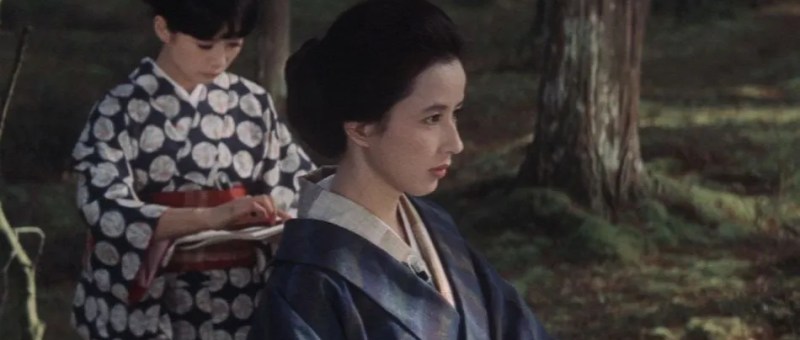

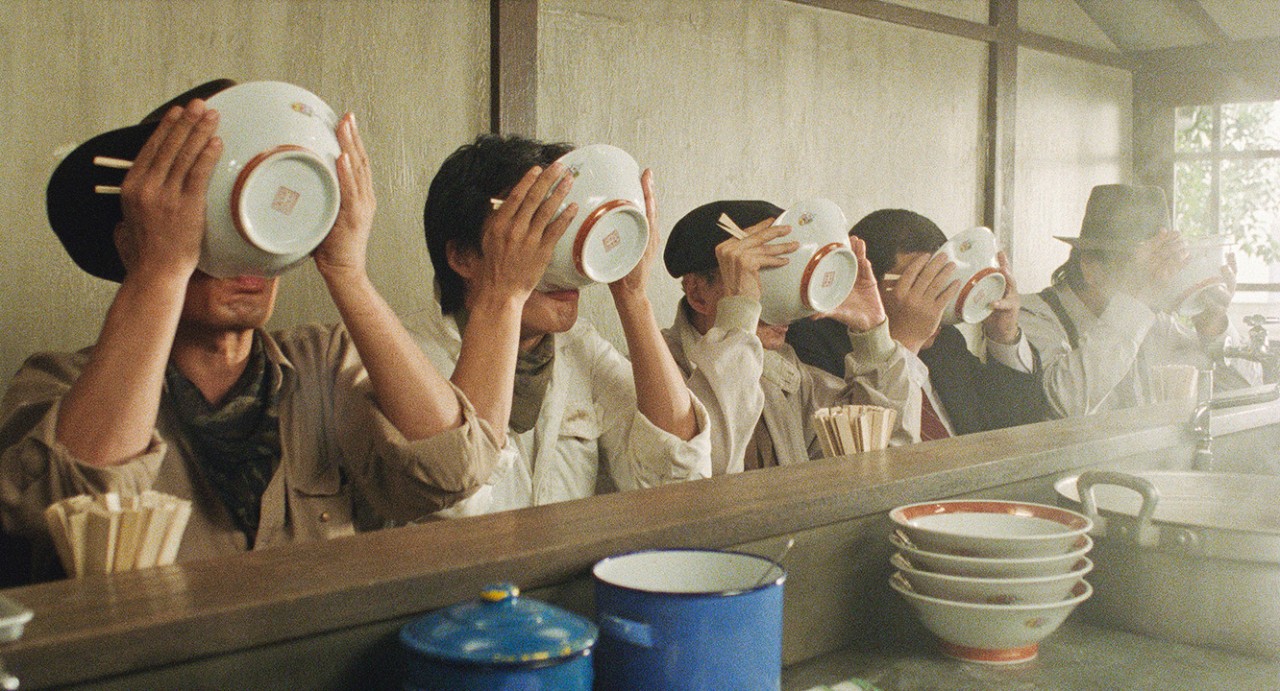 The 4K restoration of Juzo Itami’s classic ramen western Tampopo is released on blu-ray in the UK on 1st May 2017 courtesy of The Criterion Collection but there will also be a one off chance to see the movie on the big screen at Picturehouse Central.
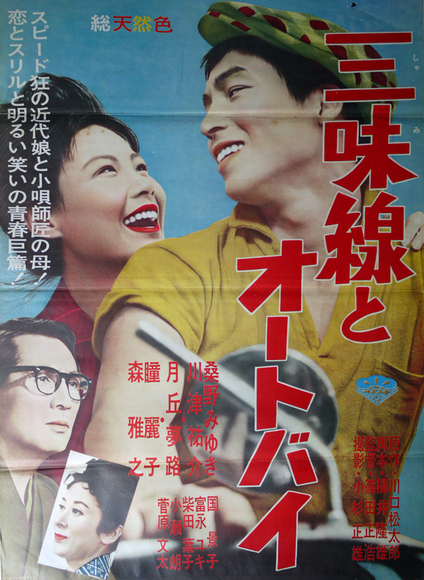 Masahiro Shinoda’s first film for Shochiku,
 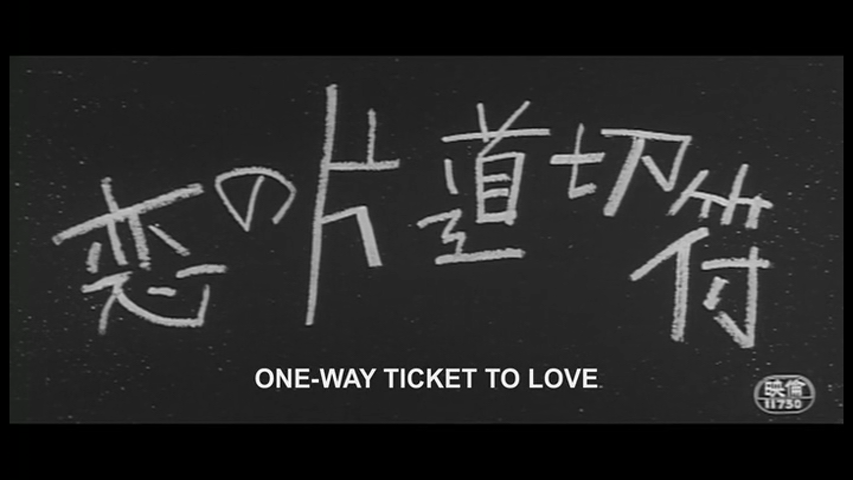 Although Masahiro Shinoda has long been admitted into the pantheon of Japanese New Wave masters, he is mostly remembered only for his 1969 adaptation of a Chikamatsu play, Double Suicide. Less overtly political than many of his contemporaries during the heady years of protest and rebellion, Shinoda was a consummate stylist whose films aimed to dazzle with visual flair or often to deliberately disorientate with their worlds of constant uncertainty. Like so many of the directors who would go on to form what would retrospectively become known as the Japanese New Wave, Shinoda also started out as a junior AD, in this case at Shochiku where he felt himself stifled by the studio’s famously safe, inoffensive approach to filmmaking.
 Windows on Worlds