Survival Family to Open Udine Far East Film Festival 2017!

udine 19 bannerThe premier European showcase for East Asian cinema, Udine Far East Film Festival, has now announced the complete programme for the 19th edition set to take place from 21 – 29th April, 2017.

There are a total of 83 movies in the lineup this year from Cambodia, China, Hong Kong, Indonesia, Laos, Japan, Malaysia, South Korea, the Philippines, Taiwan, Thailand, and Vietnam including narrative, documentary, brand new and classic films.
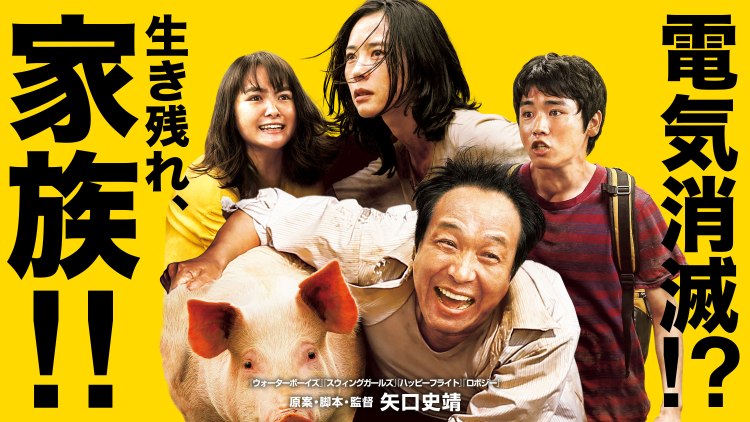
Survival family landscaepThe festival will open with the latest film from Shinobu Yaguchi (Water Boys, Swing Girls, Wood Job) – Survival Family (サバイバルファミリー) in which an ordinary Tokyo family decides to escape from the city following a long term power outage.

Original trailer (English subtitles)

Herman Yau’s Shock Wave (拆彈專家) – a HK thriller starring Andy Lau will close the festival on April 29
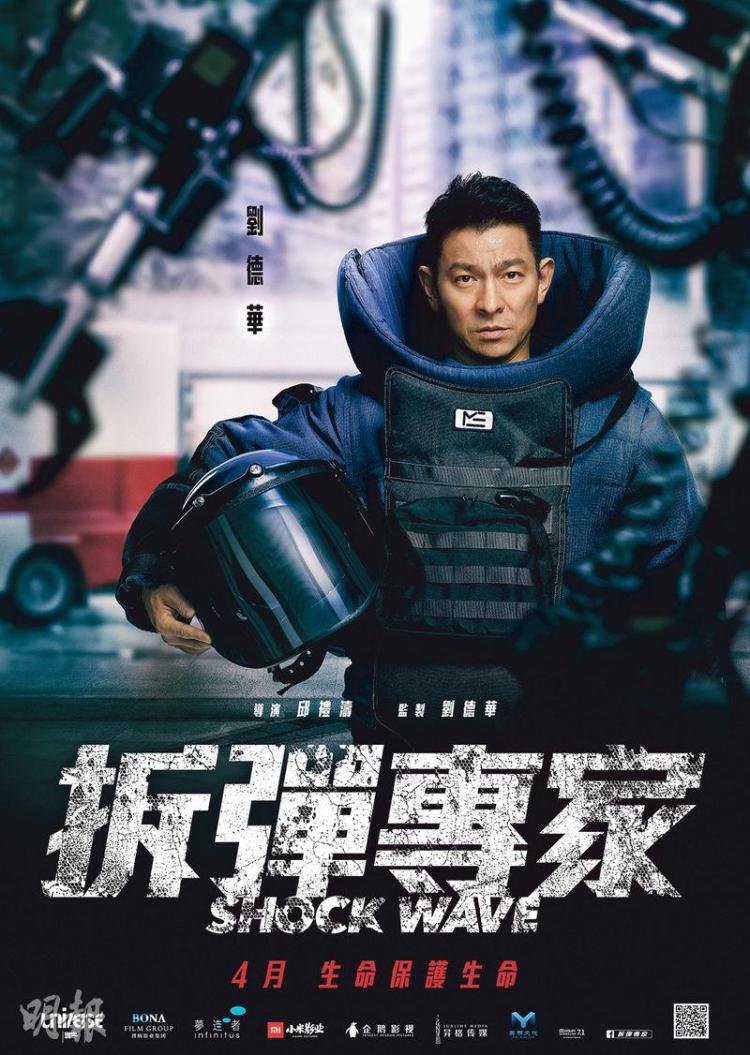
shock wave posterTake a look at Andy in action in the official trailer (English subtitles)

Other highlights include Feng Xiaogang’s I Am Not Madame Bovary (我不是潘金莲, Wǒ Búshì Pān Jīnlián)

I-Am-Not-Madame-Bovary-posterStarring Fang Bingbing, this story of a small town woman taking on the Chinese legal system after her husband falsely accuses her of having an affair has been picking up awards all along the international festival trail.

Trailer (English subtitles)

The latest film from Naoko Ogigami (Kamome Diner, Megane) Close-Knit (彼らが本気で編むときは, Karera ga Honki de Amu Toki wa)

close knit posterA heartwarming tale of a little girl who takes refuge at the home of her uncle and his transgender girlfriend, Close-Knit marks a welcome return to the warm and quirky Ogigami world.

Trailer (English subtitles)

Another director making a welcome return is Nobuhiro Yamashita whose two 2016 releases both arrive at the festival.
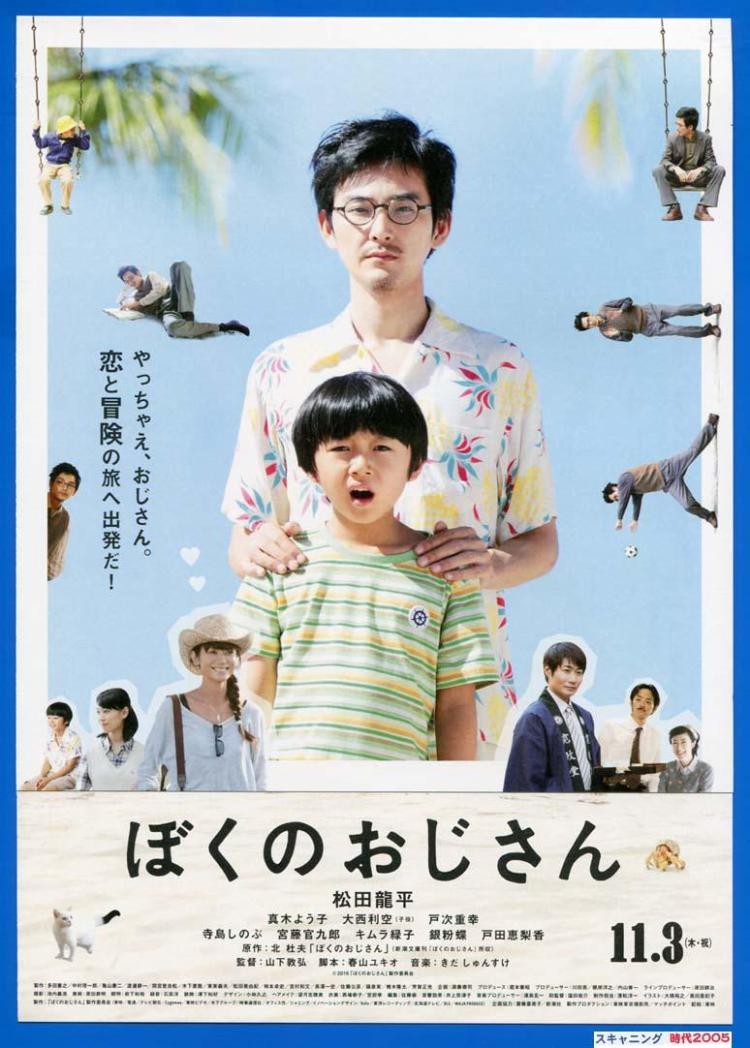
my uncle posterMy Uncle (ぼくのおじさん, Boku no Ojisan) stars Ryuhei Matsuda as an eccentric philosophy lecturer who leeches off his nephew’s family until he unexpectedly meets a woman, falls in love, and follows her to Hawaii!

Trailer (no subtitles)

Yamashita’s Over the Fence (オーバー・フェンス) is also featured in the festival

over the fence posterAmong Yamashita’s more serious films, Over the Fence stars Joe Odagiri as a broken hearted young man who returns to his hometown after his wife leaves him.

Trailer (English subtitles)

There will also be a special screening of one of Yamashita’s earliest efforts, Ramblers – you can check out our review here but this tale of two not quite friends lost in the mountains is filled with Yamashita’s trademark laidback style and laconic humour.

Hitoshi One’s Scoop! which scooped up a few awards of its own will also be a part of the Japanese strand.
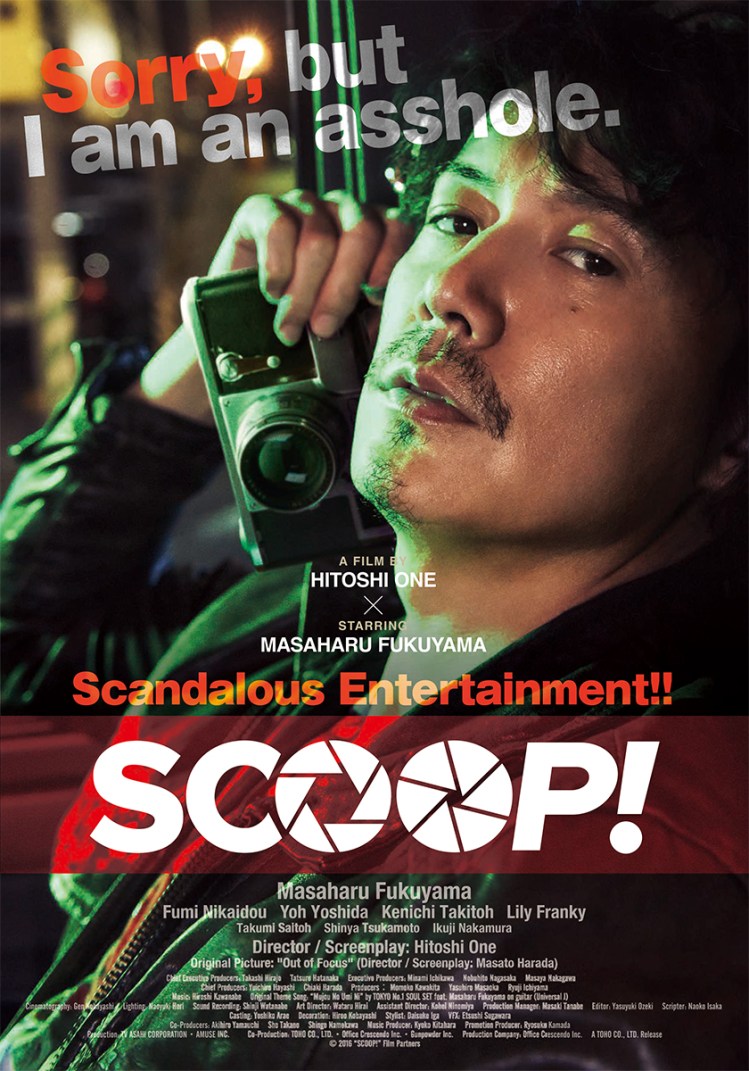
scoop!Loosely based on a 1985 film by Masato Harada, Scoop! Stars Masaharu Fukuyama as an amoral paparazzo.

Trailer (no subtitles)

Korean films on offer include The Last Princess, and Vanishing Time: A Boy Who Returned, both of which we’ve reviewed previously.

Park Kwang-hyun’s Fabricated City (조작된 도시, Jojakdwen Doshi) is set to bring some high-tech thrills to the cinema screen
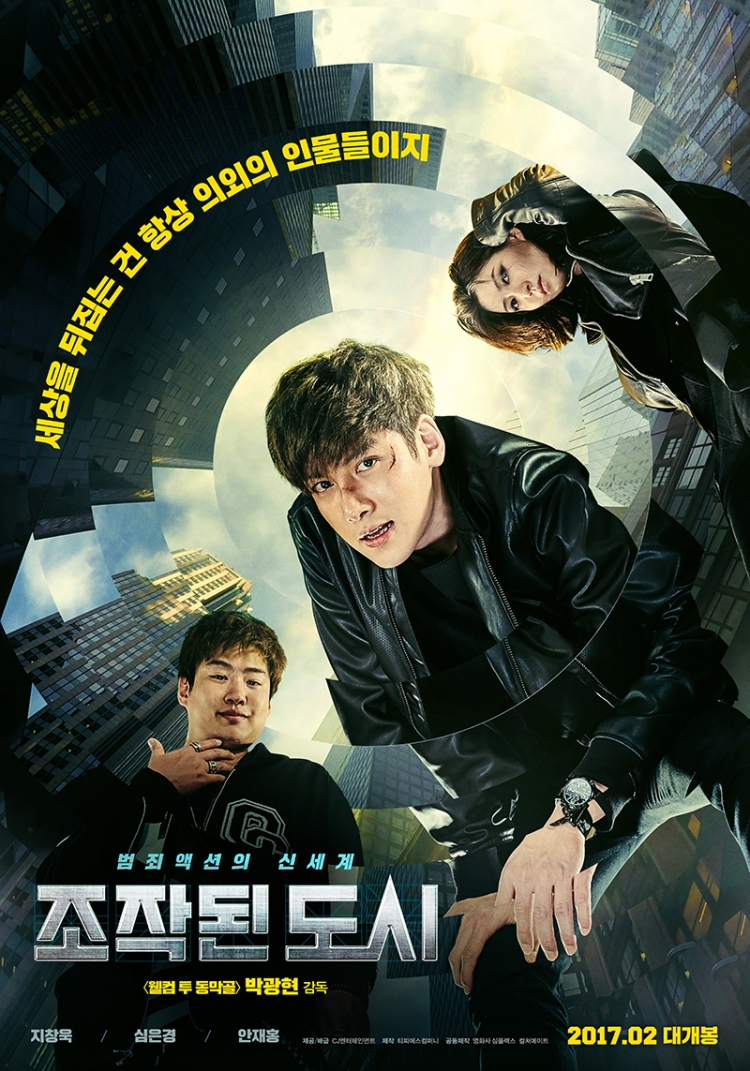
fabricated city Ji Chang-wook plays a top gamer who suddenly finds himself trapped in a real world conspiracy when he is framed for a shocking crime.

Trailer (English subtitles)

Meanwhile fans of gothic horror can content themselves with Lim Dae-woong’s House of the Disappeared (시간위의 집,  Shiganwiui Jib)

House of the DisappearedThis mystery/thriller stars Kim Yunjin as a former housewife released from prison 25 years after her husband and son disappeared leaving her accused of a crime.

Trailer (English subtitles)

The festival will also be marking 20 years since the Hong Kong hand over with a selection of cinema hits released between 1997 – 2017. The new 4K restoration of Fruit Chan’s long neglected Made in Hong Kong is a definite highlight.
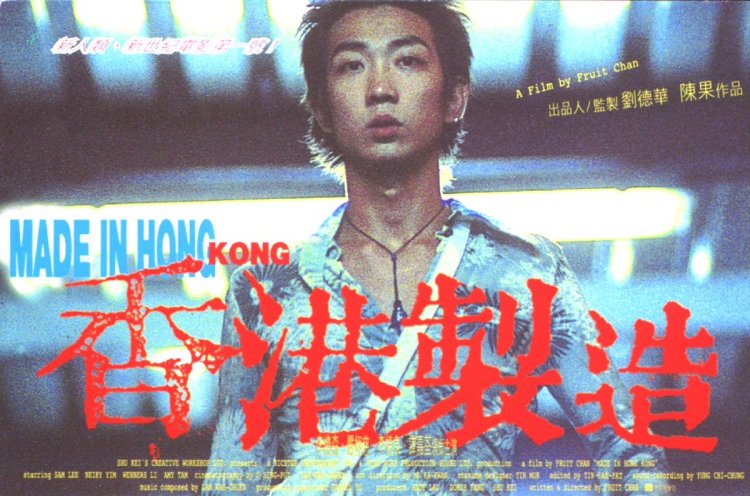
made in hong kongThere will also be a small strand of recent Chinese indie including Knife in the Clear Water (清水里的刀子) which we reviewed thanks to Festival Scope’s partnership with International Film Festival Rotterdam.

Restored classics include a screening of the late Seijun Suzuki’s Branded to Kill, as well as three Philippine films from the ’70s and ’80s, Brocka’s Cain and Abel, De Leon’s Moments in a Stolen Dream, and O’Hara’s Three Years Without a God.

The full list of 83 movies includes:

CAMBODIA (1)
Jailbreak, Jimmy HENDERSON, prison-martial arts-dark comedy, Cambodia 2017, International Premiere

CHINA  (6)
Duckweed, HAN Han, time-warp nostalgic drama, China 2017, International Festival Premiere
Hide and Seek, LIU Jie, class-struggle thriller, China 2016, European Premiere
I Am Not Madame Bovary, FENG Xiaogang, eternal lawsuit dramedy, China 2016, Italian Premiere
Mr. Zhu’s Summer, SONG Haolin, bitter-sweet school drama, China 2017, World Premiere
Someone to Talk to, LIU Yulin, divorce drama, China 2016, Italian Premiere
Soul on a String, ZHANG Yang, Tibetan-western road movie, China 2016, Italian Premiere (with Trento Film Festival)

HONG KONG/CHINA (3)
Kung Fu Yoga, Stanley TONG, Jackie-Bollywood style-action comedy, China/HK /India 2017, Italian Premiere
Extraordinary Mission, Alan MAK, Anthony PUN, drug-war-action-drama, China/HK 2017, International Festival Premiere
Soul Mate, Derek TSANG, girls-best friends drama, HK/China 2016, European Premiere

HONG KONG  (7)
Love Off the Cuff, PANG Ho-cheung, crazy cool comedy, China/HK 2017, International Premiere
Mad World, WONG Chun, mental illness drama, HK 2016, Italian Premiere – “Creative Visions: Hong Kong Cinema 1997-2017”
A Nail Clipper Romance, Jason KWAN, surf and steel romance, HK/China 2017, International Premiere
Shed Skin Papa, Roy SZETO, quirky father-son drama, China/HK 2016, European Premiere
The Sleep Curse, Herman YAU, blood-splattered horror, HK 2017, European Premiere
Shock Wave, Herman YAU, explosive action drama, HK/China 2017, International Festival Premiere – Closing Film
Vampire Cleanup Department, CHIU Sin-hang, YAN Pak-wing, hopping vampire comedy-romance, HK 2017, Italian Premiere

INDONESIA (1)
My Stupid Boss, UPI, zany office comedy, Indonesia 2016, European Premiere

LAOS (1)
Dearest Sister, Mattie DO, Laotian psycho-thriller, Laos/France/Estonia 2016, Italian Premiere

JAPAN  (13)
At the Terrace, YAMAUCHI Kenji, sophisticated drama, Japan 2016, International Premiere
The City of Betrayal, MIURA Daisuke, extramarital romance, Japan 2016, International Premiere
Close-Knit, OGIGAMI Naoko, transgender-family, Japan 2017, Italian Premiere (with Torino Festival LGBTQI Visions)
Hamon: Yakuza Boogie, KOBAYASI Syoutarou, cinephile gangster dark comedy, Japan 2017, International Premiere
Hirugao – Love Affairs in the Afternoon -, NISHITANI Hiroshi, starred-crossed romance, Japan 2017, World Premiere
Love and Other Cults, UCHIDA Eiji, offbeat youth drama, Japan 2017, World Premiere
My Uncle, YAMASHITA Nobuhiro, hipster comedy, Japan 2016, European Premiere
Over the Fence, YAMASHITA Nobuhiro, not-longer-young love story, Japan 2016, European Premiere
Policeman and Me, HIROKI Ryuichi, age-inappropriate romance, Japan 2017, European Premiere
Satoshi: A Move for Tomorrow, MORI Yoshitaka, Japanese chess drama, Japan 2016, European Premiere
Scoop!, ONE Hitoshi, paparazzi thriller, Japan 2016, International Festival Premiere
Survival Family, YAGUCHI Shinobu, ecotherapy disaster movie, Japan 2017, European Premiere – Opening Film
TEIICHI – Battle of Supreme High -, NAGAI Akira, manga-like political satire, Japan 2017, World Premiere

MALAYSIA  (1)
Mrs K, HO Yuhang, grindhouse western comedy, Malaysia/HK, 2016, European Premiere

SOUTH KOREA  (13)
Bluebeard, LEE Soo-youn, serial killer at large, SK 2017, Italian Premiere
Canola, CHANG, lost daughter-drama, SK 2016, European Premiere
Confidential Assignment, KIM Sung-hoon, North-South buddy-buddy cops, SK 2017, International Festival Premiere
Derailed, LEE Sung-Tae, Young&Dangerous drama, SK 2016, International Premiere
Fabricated City, PARK Kwang-hyun, high-tech videogame thriller, SK 2017, International Festival Premiere
House of the Disappeared, LIM Dae-woong, haunted house thriller, SK 2017, International Premiere
The Last Princess, HUR Jin-ho, period melodrama, SK 2016, Italian Premiere
Master, CHO Ui-seok, political crime thriller, SK 2016, International Festival Premiere
New Trial, KIM Tae-yun, wrongly-accused legal drama, SK 2017, International Festival Premiere
The Prison, NA Hyun, jailhouse action drama, SK 2017, Italian Premiere
Run-Off, KIM Jong-hyun, zero-to-hero ice hockey drama, SK 2016, European Premiere
Split, CHOI Kook-hee, bowling-action-drama, SK 2016, International Festival Premiere
Vanishing Time: A Boy Who Returned, UM Tae-hwa, lost-in-frozen-time, SK 2016, Italian Premiere

THE PHILIPPINES  (3)
Die Beautiful, Jun Robles LANA, multicolour transgender dramedy, The Philippines 2016, Italian Premiere (with FVG Pride)
Mercury Is Mine, Jason Paul LAXAMANA, black violent comedy, The Philippines 2016, International Premiere
Seclusion, Erik MATTI, religious horror, The Philippines 2016, European Premiere

TAIWAN  (4)
52Hz, I Love You, WEI Te-sheng, St. Valentine musical, Taiwan 2017, European Festival Premiere
At Café 6, Neal WU, coming-of-age dramedy, Taiwan 2016, European Premiere
Godspeed, CHUNG Mong-hong, gangster meets taxi-driver, Taiwan 2016,  European Premiere
Mon Mon Mon Monsters, Giddens KO, school bullying comedy horror, Taiwan 2017, European Premiere

THAILAND  (3)
One Day, Banjong PISANTHANAKUN, romance on the snow, Thailand 2016, European Premiere
Siam Square, Pairach KHUMWAN, ghost-youth-drama, Thailand 2017, International Premiere
Take Me Home, Kongkiat KHOMSIRI, homecoming horror, Thailand 2016, European Premiere

VIETNAM  (1)
Tam Cam: The Untold Story, Thanh Van (Veronica) NGO, Cinderella meets wuxiapian, Vietnam 2016, European Premiere

Out Of Competition

DOCUMENTARIES  (3)
Mifune: The Last Samurai, Steven OKAZAKI, director’s cut, Japan/USA, 2016, Italian Premiere
Old Days, HAN Sun- hee, SK 2016, Italian Premiere
Sunday Beauty Queen, Baby Ruth VILLARAMA, The Philippines/HK 2016, Italian Premiere

INFO SCREENING (1)
Ramblers, YAMASHITA Nobuhiro, from the manga of Tsuge Yoshiharu, Japan 2004, Italian Premiere

CREATIVE VISIONS: HONG KONG CINEMA 1997-2017 (10)
Made in Hong Kong, Fruit CHAN, HK 1997 – restored version 2017, International Premiere

A Simple Life, Ann HUI, HK 2012
Accident, Soi CHEANG, HK 2009
After This Our Exile, Patrick TAM, HK 2006
Infernal Affairs, Alan MAK, Andrew LAU, HK 2002
Ip Man, Wilson YIP, HK 2008
Kung Fu Hustle, Stephen CHOW, HK 2004
Love in a Puff, PANG Ho-cheung, HK 2010
The Mission, Johnnie TO, HK 1999
The Grandmaster, WONG Kar-wai, HK 2013

CHINA NOW:  NOT FOR COMMERCIAL USE  (4)
Fish Tank, LIU Haoge, experimental animation short, China 2016, Italian Premiere
Knife in the Clear Water, WANG Xuebo, drama, China 2016, Italian Premiere
The Road, ZHANG Zanbo, documentary, China/Denmark 2015, Italian Premiere
What Happened in the Past Dragon Year, SUN Xun, experimental animation short, China 2014, Italian Premiere

FRESH WAVE SHORTS  (4)
Even Ants Strive for Survival,    REN Xia, HK 2017, European Premiere
First of May, LAM Chi-yu, HK 2017, European Premiere
Life on the Line, Ashley CHEUNG, HK 2017, European Premiere
Speak Low, WONG Fong-yi, HK 2017, European Premiere

RESTORED CLASSICS  (4)
Branded to Kill, SUZUKI Seijun, Japan 1967 – restored version 2016, International Festival Premiere
Cain and Abel, Lino BROCKA, The Philippines 1982 – restored version 2016, International Premiere
Moments in a Stolen Dream, Mike DE LEON, The Philippines 1977 – restored version 2016, European Premiere
Three Years Without God, Mario O’HARA, The Philippines 1976 – restored version 2016, Italian Premiere

The festival takes place in the Northern Italian town of Udine from April 21 – 29, and you can find out all about how to attend via the official website which also includes details of the extensive program of special events running alongside the main film festival.

Kawase, Kurosawa, Miike and Hong Sang-soo x 2 Headline Cannes 2017

cannes 2017 posterFestival season is well and truly underway and in the first of two big announcements of today Cannes has confirmed its full lineup. China, HK, and Taiwan are notably absent this year but it’s otherwise a good one for Asian film with five features from Korea (inlcuding two from prolific director Hong Sang-soo) and three from Japan. Scroll down for a checklist by country:

radianceIn the Competition section, Cannes favourite Naomi Kawase returns with her latest movie – Radiance (光, Hikari) which stars An’s Masatoshi Nagase as a photographer slowly losing his eyesight.

Trailer (no subtitles)

She’ll be up against Bong Joon-ho’s Netflix backed Okja (옥자)

okja.jpgThe story of a young girl’s struggle to save her mysterious animal friend from a giant multi-national company, Okja will be streamed worldwide on Netflix from June 28.
Hong Sang-soo rounds out the competition section with the first of two films he’s bringing to Cannes, The Day After. Hong is also featured in the Special Screening strand with Claire’s Camera which reunites him with French actress Isabelle Huppert.

Moving on to Un Certain Regard, Kiyoshi Kurosawa returns to the festival with Before We Vanish (散歩する侵略者, Sanpo Suru Shinryakusha).

before we vanish poster

This tale of love and alien invasion stars Masami Nagasawa, Ryuhei Matsuda, and Hiroki Hasegawa.

Trailer (no subtitles)

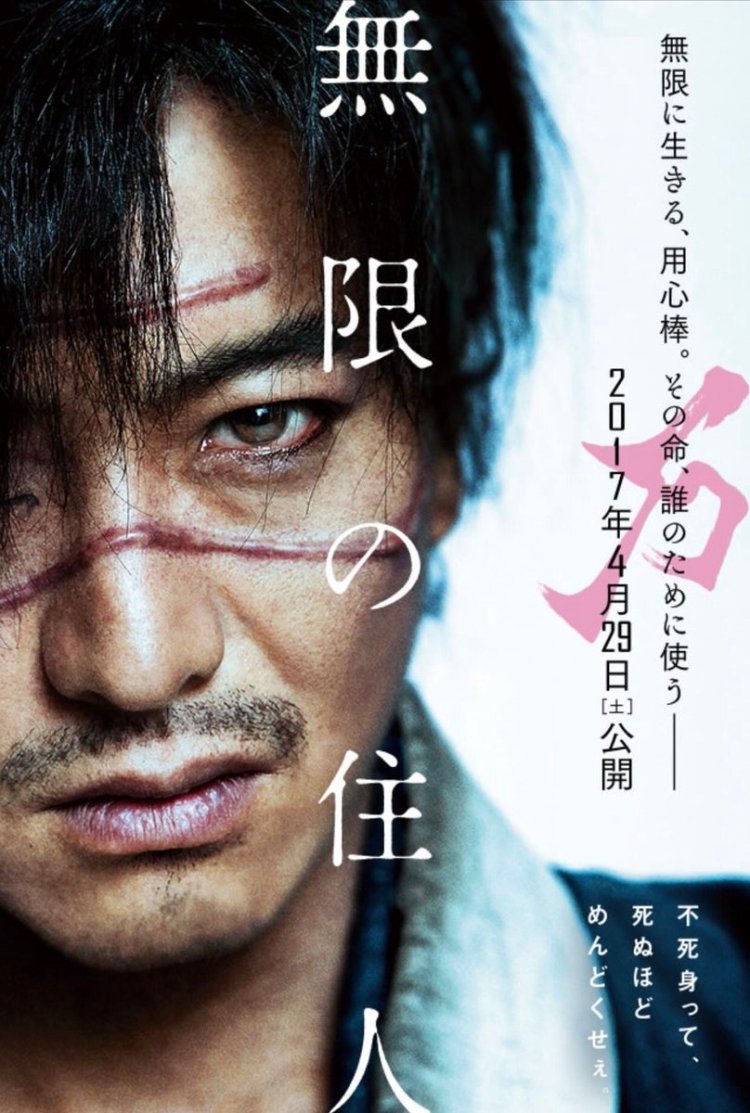
Takashi Miike’s Blade of the Immortal (無限の住人, Mugen no Junin) plays Out of Competition.

blade of the immortal poster

Adaptation of the well known manga stars Takuya Kimura.

Trailer (no subtitles)

The remaining two Korean entries land in the Midnight Screenings selection.

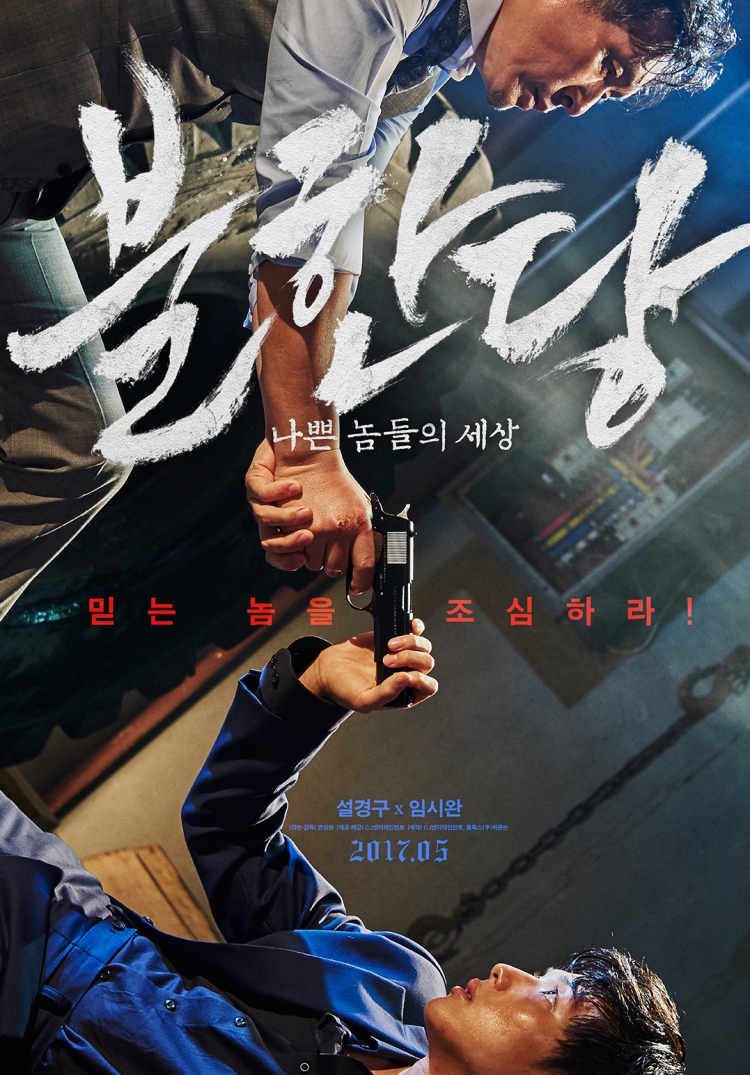
merciless poster

Byun Sung-hyun’s Merciless (불한당: 나쁜 놈들의 세상, Boolhandang: Nabbeun Nomdeului Sesang) stars Sol Kyung-gu in a prison / gang thriller

and Jung Byung-gil’s The Villainness (악녀, Aknyeo) stars Kim Ok-vin as a mysterious hitwoman from Yanbian who comes south to start a new life but gets mixed up with two South Korean guys one of whom also trains assassins.

the villainess poster

Checklist by country:

Japan

  • Naomi Kawase – Radiance (光, Hikari)
  • Kiyoshi Kurosawa – Before We Vanish (散歩する侵略者, Sanpo Suru Shinryakusha)
  • Takashi Miike – Blade of the Immortal (無限の住人, Mugen no Junin)

South Korea

  • Hong Sang-soo – The Day After
  • Hong Sang-soo – Claire’s Camera
  • Bong Joon-ho – Okja (옥자)
  • Byun Sung-hyun – Merciless (불한당: 나쁜 놈들의 세상, Boolhandang: Nabbeun Nomdeului Sesang)
  • Jung Byung-gil – The Villainess (악녀, Aknyeo)


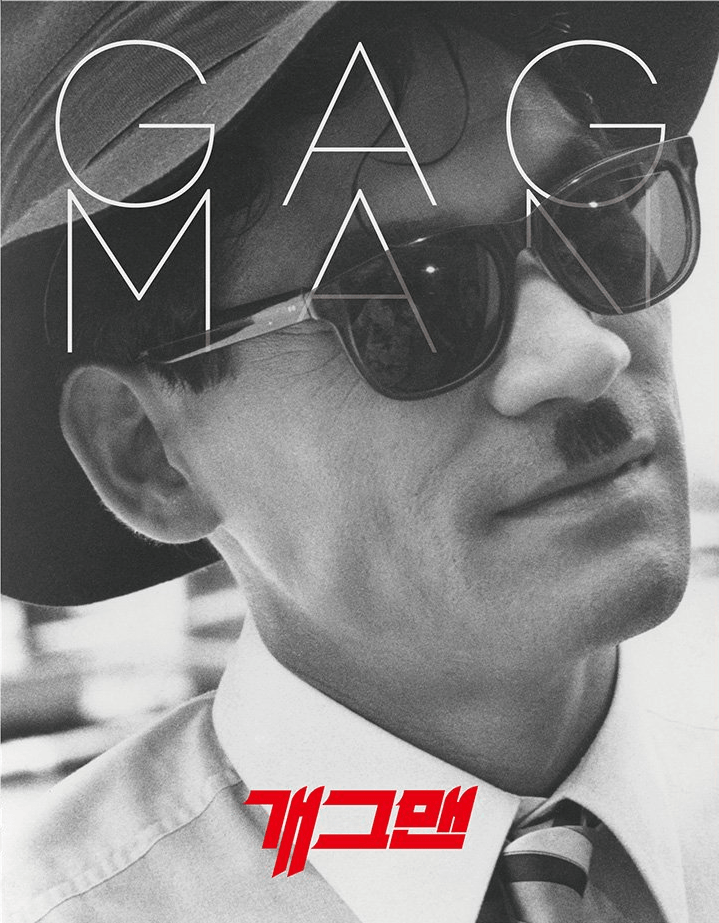
Gagman (개그맨, Lee Myung-se, 1988)

gagman cover

Is everything we see a waking dream or does it just appear that way? This question posed (or perhaps dreamed) by the protagonist of Lee Myung-se’s debut becomes a kind of key for unlocking much of what has gone before as Lee freewheels between fantasy and reality as his cast of movie obsessed dreamers attempt to inhabit their very own stretch of celluloid within the “real” world. Released in 1988, Gagman (개그맨) catches Korea in a moment of transition. Newly free of a lengthy dictatorship and back on the world stage after hosting the 1988 Olympics, the country was eager to promote itself as a modern liberal democracy. Hence, the arts were the first to feel the new freedom with young directors given the chance to create boundary pushing films and show just how far Korea could go. Lee was just one of these directors but Gagman is no political treatise (at least, not directly) preferring to experiment with form as a farcical exercise in meta comedy.

Cinema obsessed comedian Lee Jong-sae (Ahn Sung-ki) wants nothing more than to make the next great Korean movie which every one of the 40 million Koreans will fall in love with. Consequently he’s blagged his way onto the film set of a top director to whom he’s already sent his “prize-winning” script. Eventually thrown out, Jong-sae does not lose heart but promises the lead role in his movie to his equally film obsessed barber Moon Do-suk (Bae Chang-ho) whom he sends out on “research” missions walking into banks and asking about security. A fortuitous meeting with a feisty young woman in a cinema, Oh Sun-young (Hwang Cine), provides a another impetus for Jong-sae’s filmmaking dreams and so when he unexpectedly gets his hands on a gun after an encounter with a deserting soldier things just got real in a very unexpected way.

Lee signals his intent early on with a static camera shot focusing on the barber, Do-suk, as he waxes on about Kirk Douglas in the Vikings whilst simultaneously remarking on the fall in quality of his beloved dog meat. Do-suk feels that when it comes right down to it, Korean mutts are the best – not these scrawny poodles that cheap restaurant owners are substituting for the real thing. His comment might easily go for himself and Jong-sae, two scrappy working class Korean guys trying to make it in a walled off industry, but interestingly enough bar a mention of Sorrow Even Up in Heaven, Lee’s references are to European and American cinema rather than that of his homeland.

The most obvious of these lies in the central gag – that the gagman has a “funny” face. Ahn Sung-ki is saddled with a Charlie Chaplin moustache throughout the film (with the added bonus that it of course looks like a Hitler moustache to European/American viewers) and plays Jong-sae as someone who’s constantly doing a Chaplin impression with his strange walks and silent cinema plaintive looks. Ahn even begins layering his performance so that we get Charlie Chaplin impersonating Brando in the Godfather to recite the melancholy monologue which seems to open Jong-sae’s unfilmable script. For Jong-sae his existence is cinema, the life he lives is unreal or surreal always with an added dose of narrative in the ongoing story of his rise to greatness as the most famous Korean filmmaker of them all.

Fantasist as he is, Jong-sae has a way of pulling other people into his unrealisable dreams including the barber Do-suk and a young woman who unexpectedly starts canoodling with him in a cinema in an attempt to avoid some other creepy guys. Oh Sun-young is almost a mirror image of Jong-sae in her pragmatic realism though she too is looking at the stars and willing to engage in fantasy to get there. It is she who first suggests that the “research” they’ve been doing might have a more practical application and she is also the one to maintain a calm approach to their eventual need for escape but, even if she always has one foot in reality, Sun-young cannot escape the gravitational pull of Jong-sae’s strange dreamverse. Do-suk, by contrast, is a willing convert – just as obsessed with cinema and comics as Jong-sae, his desperation to be a part of the movies and unwavering faith in his friend lead him to give up everything in service of art even going so far as to get painful eye surgery to increase his box office potential (apparently a meta dig at a Korean celebrity who did something similar).

In keeping with the Chaplin theme Lee’s humorous universe is defined by slapstick and absurdity, his dialogue needlessly theatrical and mannered with a melodramatic seriousness. Nevertheless Lee makes the most of his canvas as the film goes on behind Jong-sae while he enters one of his reveries as in one particularly amusing scene in which he attempts to declare his love to Sun-young without noticing that she’s long wandered off and been replaced by Do-suk. Despite the cartoonish, comedic tone the atmosphere is a melancholy one reflecting the final destination of Jong-sae’s film project but also of his continuing inability to integrate the two distinct universes into one concrete whole which could be termed “reality”. In this Lee returns to that first question but this time he asks us as cinema lovers which world it is we live in, and which it is that is the more “real”.


Gagman is available on region free blu-ray courtesy of the Korean Film Archive but you can also watch the whole thing legally and for free via their YouTube channel!

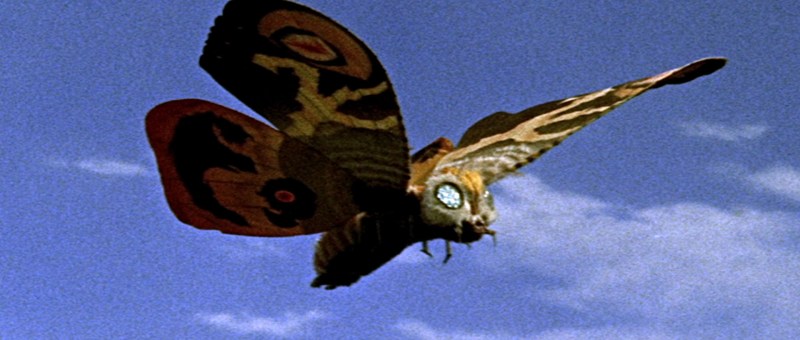
Mothra (モスラ, Ishiro Honda, 1961)

mothra-poster.jpgJapan’s kaiju movies have an interesting relationship with their monstrous protagonists. Godzilla, while causing mass devastation and terror, can hardly be blamed for its actions. Humans polluted its world with all powerful nuclear weapons, woke it up, and then responded harshly to its attempts to complain. Godzilla is only ever Godzilla, acting naturally without malevolence, merely trying to live alongside destructive forces. No creature in the Toho canon embodies this theme better than Godzilla’s sometime foe, Mothra. Released in 1961, Mothra does not abandon the genre’s anti-nuclear stance, but steps away from it slightly to examine another great 20th century taboo – colonialism and the exploitation both of nature and of native peoples. Weighty themes aside, Mothra is also among the most family friendly of the Toho tokusatsu movies in its broadly comic approach starring well known comedian Frankie Sakai.
When a naval vessel is caught up in a typhoon and wrecked, the crew is thought lost but against the odds a small number of survivors is discovered in a radiation heavy area previously thought to be uninhabited. The rescued men claim they owe their existence to a strange new species of mini-humans living deep in the forest. This is an awkward discovery because the islands had recently been used for testing nuclear weapons and have been ruled permanently uninhabitable. The government of the country which conducted the tests, Rolisica, orders an investigation and teams up with a group of Japanese scientists to verify the claims.

Of course, the original story of the survivors was already a media sensation and so intrepid “snapping turtle” reporter Zen (Frankie Sakai) and his photographer Michi (Kyoko Kagawa) are hot on the trail. Zen is something of an embarrassment to his bosses but manages to bamboozle his way into the scientific expedition by stowing away on their boat and then putting on one of their hazmat suits to blend in before anyone notices him. Linguist Chujo (Hiroshi Koizumi) gets himself into trouble but is saved by two little people of the island who communicate in an oddly choral language. Unfortunately, the Rolisicans, led by Captain Nelson (Jerry Ito), decide the helpful little creatures are useful “samples” and intend to kidnap them to experiment on. Refusing to give up despite the protestations of the Japanese contingent, Nelson only agrees to release the pair when the male islanders surround them and start banging drums in an intimidating manner.

The colonial narrative is clear as the Rolisicans never stop to consider the islanders as living creatures but only as an exploitable resource. Nelson heads back later and scoops up the two little ladies (committing colonial genocide in the process) but on his return to Japan his intentions are less scientific than financial as he immediately begins putting his new conquests on show. The island ladies (played by the twins from the popular group The Peanuts, Yumi and Emi Ito) are installed in a floating mini carriage and dropped on stage where they are forced to sing and dance for an appreciative audience in attendance to gorp.

Zen and Michi may be members of the problematic press who’ve dubbed the kidnapped islanders the “Tiny Beauties” and helped Nelson achieve his goals but they stand squarely behind the pair and, along with linguist Chujo and his little brother Shinji (Masamitsu Tayama), continue to work on a way to rescue the Tiny Beauties and send them home. The Tiny Beauties, however, aren’t particularly worried because they know “Mothra” is coming to save them, though they feel a bit sad for Japan and especially for the nice people like Zen, Michi,  Chujo, and Shinji because Mothra doesn’t know right from wrong or have much thought process at all. 100% goal orientated, Mothra’s only concern is that two of its charges are in trouble and need rescuing. It will stop at nothing to retrieve them and bring them home no matter what obstacles may be standing in the way.

The island people worship Mothra like a god though with oddly Christian imagery of crosses and bells. Like many of Toho’s other “monsters” it is neither good or bad, in a sense, but simply exists as it is. Its purpose is to defend its people, which it does to the best of its ability. It has no desire to attack or destroy, but simply to protect and defend. The villain is humanity, or more precisely Rolisica whose colonial exploits have a dark and tyrannical quality as they try to insist the islands are uninhabited despite the evidence and then set about exploiting the resources with no thought to the islanders’ wellbeing. The Japanese are broadly the good guys who very much do not approve of the Rolisicans’ actions but they are also the people buying the tickets to see the Tiny Beauties and putting them on the front pages of the newspapers. Nevertheless, things can only conclude happily when people start respecting other nations on an equal footing and accepting the validity of their rights and beliefs even if they include giant marauding moth gods.


Original trailer (no subtitles)

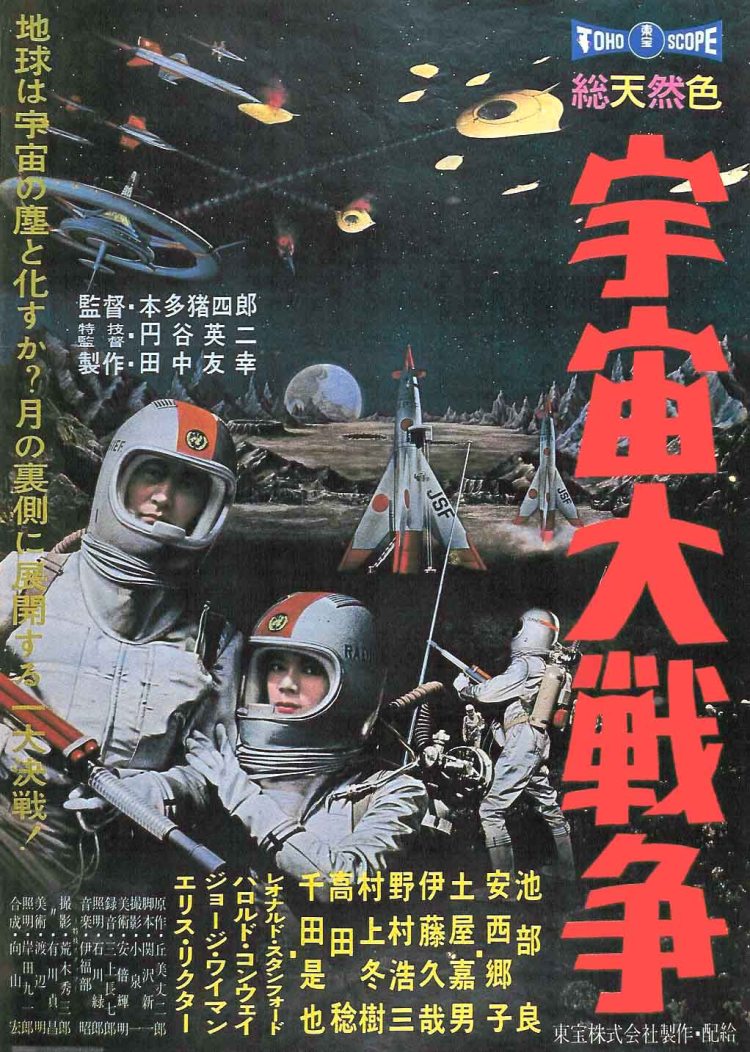
Battle in Outer Space (宇宙大戦争, Ishiro Honda, 1959)

battle in outer spaceIshiro Honda returns to outer space after The Mysterians with another dose of alien paranoia in the SFX heavy Battle in Outer Space (宇宙大戦争, Uchu Daisenso). Where many other films of the period had a much more ambivalent attitude to scientific endeavour, Battle in Outer Space paints the science guys as the thin white line that stands between us and annihilation by invading forces wielding superior technology. Far from the force which destroys us, science is our salvation and the skill we must improve in order to defend ourselves from hitherto unknown threats.
In 1965 Japan is a hit in space. Having launched their first space station, things are going well but after it is destroyed by flying saucers there is cause for concern. The problem intensifies as strange events occur across the Earth with bridges suddenly collapsing, boats being lifted from the sea and the waters of Venice conspiring to drown the town. World leaders gather in Tokyo to come up with a plan but one of the scientists’ key assets, Iranian professor Dr. Ahmed, is possessed by the Natalians via their high-tech remote control radio waves and procedeeds to do their dirty work for them. The Natalians will settle for nothing less than enslavement of the entire planet and have even set up a base on the moon to make it happen! Time to put those shiny new spaceships to good use!

Scientists may be the heroes of this particular story but the scientific basis for their actions is just as silly as your average B-movie. According to our top professor, the Natalians’ anti-gravity shenanigans can be put a stop to by means of a freeze ray – gravity is, of course, caused by the movement of atoms which is impeded by cold hence the freeze ray. A likely story, but it’s the best they’ve got. The other major problem is that the Natalians are able to possess various people and force them to do their bidding, apparently through “radio waves”. Less about the enemy within, the possibility of becoming a Natalian sleeper agent is more plot device than serious philosophical discussion.

Battle in Outer Space is, in this sense at least, one of the most straightforward of Toho’s B-movie leaning SFX extravaganzas. There is little hidden message here bar the importance of international collaboration as the whole world comes together to fight the alien threat – Middle Eastern and Indian scientists are at the forefront of research and Japan leads the charge flanked by Americans one side and Russians on the other.

Our intrepid band of scientists are the vanguard sent to see off the Natalian threat by jetting off into space and fighting them in their own territory. Honda and Tsuburaya outdo themselves with the special effects which are pretty astounding for 1959 making use of large scale models and matt painting. The scientists travel to the moon to look for the Natalians’ base only to encounter them in space and engage in exciting dogfight. Eventually landing they meet the Natalians face to face and discover they are very tiny and sort of cute but also hellbent on enslaving the Earth. Engaging them in a firefight using heat rays and laser guns, the scientists manage to escape but the Natalian threat follows them all the way back to Tokyo. In true Toho fashion, buildings are destroyed and people knocked flying as the Natalians take the city but our brainy scientists have thought of that and so the aliens have a whole barrage of heat ray guns to welcome them to Earth.

Battle in Outer Space might not have an awful lot going on in the background, but it makes up for it with sheer spectacle both in its effects and in production design. The Natalians are a scary bunch, until you actually meet them, but this time science is on our side as the good guys manage to figure out a way to save the Earth rather than destroy it through fear and angst. In the end it is determination and togetherness which finally lets the Natalians know humanity is not a good prospect for colonisation, only by coming together and making the best of their collective strengths is humanity able to triumph over a superior force – sadly a still timely lesson.


Original trailer (no subtitles)

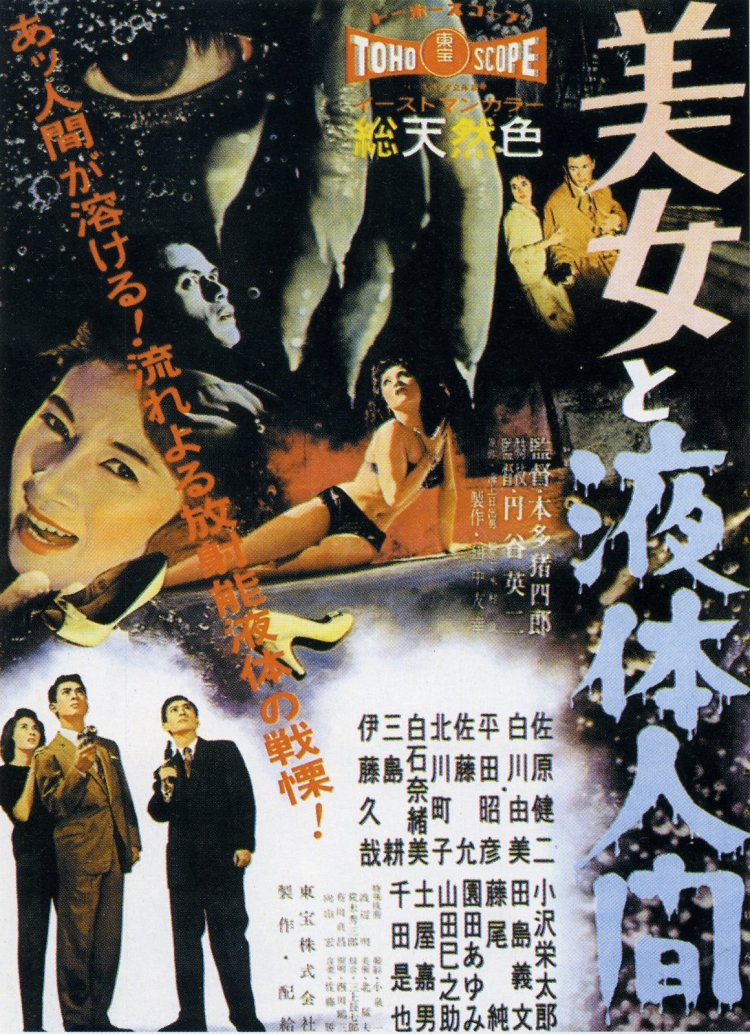
The H-Man (美女と液体人間, Ishiro Honda, 1958)

H-man
Toho produced a steady stream of science fiction movies in the ‘50s, each with some harsh words directed at irresponsible scientists whose discoveries place the whole world in peril. The H-man (美女と液体人間, Bijo to Ekitainingen), arriving in 1958, finds the genre at something of an interesting juncture but once again casts nuclear technology as the great evil, corrupting and eroding humanity with a barely understood power. Science may have conjured up the child which will one day destroy us, robbing mankind of its place as the dominant species. Still, we’ve never particularly needed science to destroy ourselves and so this particularly creepy mystery takes on a procedural bent infused with classic noir tropes and filled with the seedier elements of city life from gangsters and the drugs trade to put upon show girls with lousy boyfriends who land them in unexpected trouble.

Misaki (Hisaya Itou) is not a man who would likely have been remembered. A petty gangster on the fringes of the criminal underworld, just trying to get by in the gradually improving post-war economy, he’s one of many who might have found himself on the wrong side of a gangland battle and wound up just another name in a file. However, Misaki gets himself noticed by disappearing in the middle of a drugs heist leaving all of his clothes behind. The police immediatetely start hassling his cabaret singer girlfriend, Chikako (Yumi Shirakawa), who knows absolutely nothing but is deeply worried about what may have happened to her no good boyfriend. The police are still working on the assumption Misaki has skipped town, but a rogue professor, Masada (Kenji Sahara), thinks the disappearance may be linked to a strange nuclear incident…..

Perhaps lacking in hard science, the H-Man posits that radiation poisoning can fundamentally change the molecular structure of a living being, rendering it a kind of sentient sludge. This particular hypothesis is effectively demonstrated by doing some very unpleasant looking things to a frog but it seems humans too can be broken down into their component parts to become an all powerful liquid being. The original outbreak is thought to have occurred on a boat out at sea and the scientists still haven’t figured out why the creature has come back to Tokyo though their worst fear is that the H-man, as they’re calling him, retains some of his original memories and has tried to return “home” for whatever reason.

The sludge monster seeps and crawls, working its way in where it isn’t wanted but finally rematerialises in humanoid form to do its deadly business. Once again handled by Eiji Tsuburaya, the effects work is extraordinary as the genuinely creepy slime makes its slow motion assault before fire breaks out on water in an attempt to eradicate the flickering figures of the newly reformed H-men. The scientists think they’ve come up with a way to stop the monstrous threat, but they can’t guarantee there will never be another – think what might happen in a world covered in radioactivity! The H-man may just be another stop in human evolution.

Despite the scientists’ passionate attempts to convince them, the police remain reluctant to consider such an outlandish solution, preferring to work the gangland angle in the hopes of taking out the local drug dealers. The drug lord subplot is just that, but Misaki most definitely inhabited the seamier side of the post-war world with its seedy bars and petty crooks lurking in the shadows, pistols at the ready under their mud splattered macs. Chikako never quite becomes the generic “woman in peril” despite being directly referenced in the Japanese title, though she is eventually kidnapped by very human villains, finding herself at the mercy of violent criminality rather than rogue science. Science wants to save her, Masada has fallen in love, but their relationship is a subtle and mostly one sided one as Chikako remains preoccupied over the fate of the still missing Misaki.

Even amidst the fear and chaos, Honda finds room for a little song and dance with Chikako allowed to sing a few numbers at the bar while the other girls dance around in risqué outfits. The H-man may be another post-war anti-nuke picture from the studio which brought you Godzilla but its target is wider. Nuclear technology is not only dangerous and unpredictable, it has already changed us, corrupting body and soul. The H-men may very well be that which comes after us, but if that is the case it is we ourselves who have sown the seeds of our destruction in allowing our fiery children to break free of our control.


Original trailer (no subtitles)

Memories of Murder (살인의 추억, Bong Joon-ho, 2003)

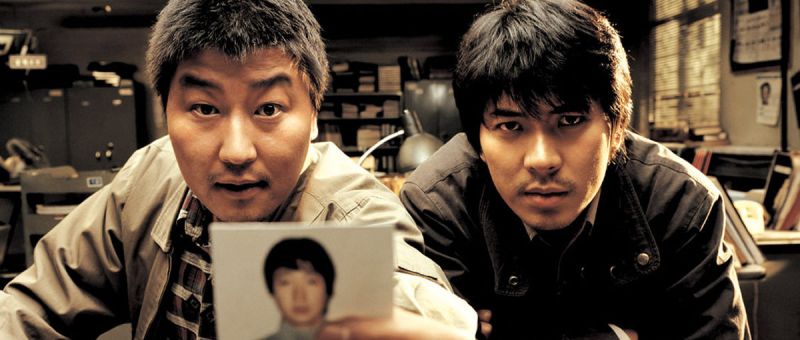
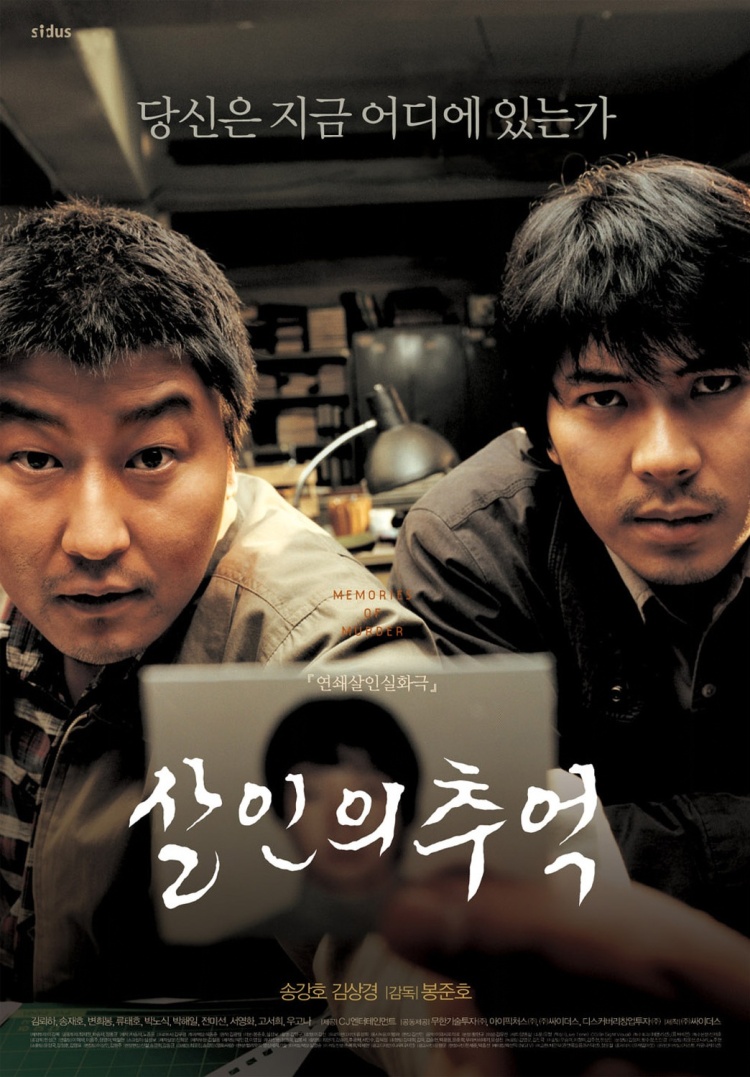
memories_of_murderThe Korea of the mid-1980s was a society in flux though you might not know it looking at the sleepy small town about to be rocked by the country’s very first publicised spate of serial killings. Between 1986 and 1991, at least ten women ranging in age from schoolgirls to grandmothers were murdered while the killer seemingly got away with his crimes, either dying, fleeing or perhaps getting arrested on other charges explaining the abrupt end to his crime spree. Bong Joon-ho’s fictionalised take on the case, Memories of Murder (살인의 추억, Salinui Chueok), is not so much interested in the killer’s identity, but wants to ask a few hard questions about why the crimes took place and why they were never solved.
In October of 1986, Inspector Park (Song Kang-ho) rides a junk cart out to a paddy field where a farmer has found the decomposing body of a woman blocking a drainage ditch at the edge of his land. Park quickly confirms that it is, in fact, the body of a murdered woman and tries to look unphased while a strange little boy distracted from his bug catching neatly echoes everything he says, playing policeman while the other children run roughshod over the crime scene trailing their butterfly nets behind them.

Needless to say Park and his bruiser partner, Cho (Kim Roe-ha), are ill equipped to handle a case of this magnitude, especially when it becomes clear that the murder is not an isolated episode. They are later joined by a more experienced officer from Seoul, Seo (Kim Sang-kyung), who is not used to country ways and finds it hard to adjust to their distinctly old fashioned and unscientific approach to law enforcement. Park, resentful at being saddled with a babysitter from the city and made to feel as if his small town skills aren’t good enough is determined to prove that he knows his stuff even as he begins to realise that perhaps policing really isn’t for him.

Park is the kind of policeman every small town has. Placing great faith in his detective’s instinct, Park is sure that he “just knows” who is naughty and who is nice. He asks suspects to look directly into his eyes so that he can assess whether they’re telling him the truth but it’s more of a party trick than anything else, looking into Park’s earnest gaze most suspects will crack. Early on Park’s boss gives him a test – two boys have been brought in and are patiently filling out forms. One caught the other in the middle of raping his sister, stopped him, and dragged him to the police station. Which one is the brother and which the rapist? Park feels sure he knows, and one could certainly make an educated guess based on the number and positioning of bruises on the suspects’ faces, but attempting to identify criminality based solely on perceived shiftiness or not liking the look of someone is crossing the line from professional instinct to ignorant prejudice.

The truth is that Park knows he’s no great shakes as a law enforcer. He was never meant to be – small town cops don’t generally do a lot of crime solving, they maintain order through the visible presence of authority. Thus he takes against city boy Seo because he instantly feels threatened by his urban sophistication and big city ways. Seo is perhaps not the best cop Seoul had to offer, but he is trained investigative techniques entirely alien to Park and Cho. The extent to which they’re out of their depth is obvious when they seem to know they’re supposed to secure the crime scene, but can’t, allowing valuable evidence to be carelessly destroyed.

Park’s investigative techniques involve making scrapbooks of shady local guys and browbeating suspects, eventually trying to railroad a young man with learning difficulties into confessing to the crime through a process of physical violence and mental attrition. Put out by Seo’s more concrete leads, Park’s only other contribution is to suggest they start looking for guys with no pubic hair which sees him waste more time hanging out in public baths and doing a lot of inappropriate staring. Wasting time is Park’s biggest crime though, amusingly enough, he and Seo end up in exactly the same place when Park consults a Shaman and Seo pursues a more rational line of enquiry lending credence to the idea that neither of them is really much better than the other.

What gets lost is that a woman, and then several more women, are dead and there is a man out there preying on wives, sisters, and mothers yet nothing much is being to protect them save reminding them to take care of themselves. Park wants the kudos of catching a killer but he barely thinks about the consequences of arresting the wrong man, it doesn’t seem to occur to him that the real killer would still be out there posing a threat to every woman in the town. Despite the fact that this is a small place where the victims are known to most people, there is little in the way of public grief or even sadness. The only sign of public feeling is in the small protest held outside the police station when a member of a local church is arrested.

The protest may be the key. In this strained era, Korea was reaching the end of its period under the control of a military dictatorship with the Olympics still a few years away and democracy the bright dream of brave radicals. Park and co. are the “friendly” face of the ruling regime, one of their secondary roles is doing the government’s dirty work. Hence when they really need extra manpower to chase a suspect they are denied it because everyone in the local area has been sent to suppress a protest in a nearby town. This is a scant few years after the Gwanju massacre, “suppression” means more than just standing around with riot shields designed to intimidate. Yes, there’s a crazed killer on the loose, but he is only a symptom and manifestation of a social order which has long since abandoned the idea of protecting its citizens in order to more effectively oppress them.

A woman can walk down a street in broad daylight and be terrified by a man trying to ask for directions because she has been taught to be afraid and knows the threat is real. A television news report on the trial of a policeman accused of violence and sexual assault reminds us why she can’t trust Park. Her government does not care about her. It could make more of an effort to solve these crimes, but it won’t, because the appearance of order is always preferential to its reality. The memories of murder run deep, they speak of all the stifled impulses of a life under a dictatorial regime. No one does anything because there is nothing to be done.

The identity of the killer is, in this sense, irrelevant – it is the society which is ultimately responsible for creating him and then for failing to put an end to his crimes. Park and Seo, eventually working together through a kind of cross pollination, think they’ve found their man but can’t prove it because Korea doesn’t have DNA testing facilities and they need to wait for results from an American lab. The evidence is circumstantial yet convincing, and one can’t be sure. The face of evil is “plain” and “ordinary”, much like your own. If you want to find the answer, start looking closer to home.


Original trailer (English subtitles)

Dead or Alive: Final (Takashi Miike, 2002)

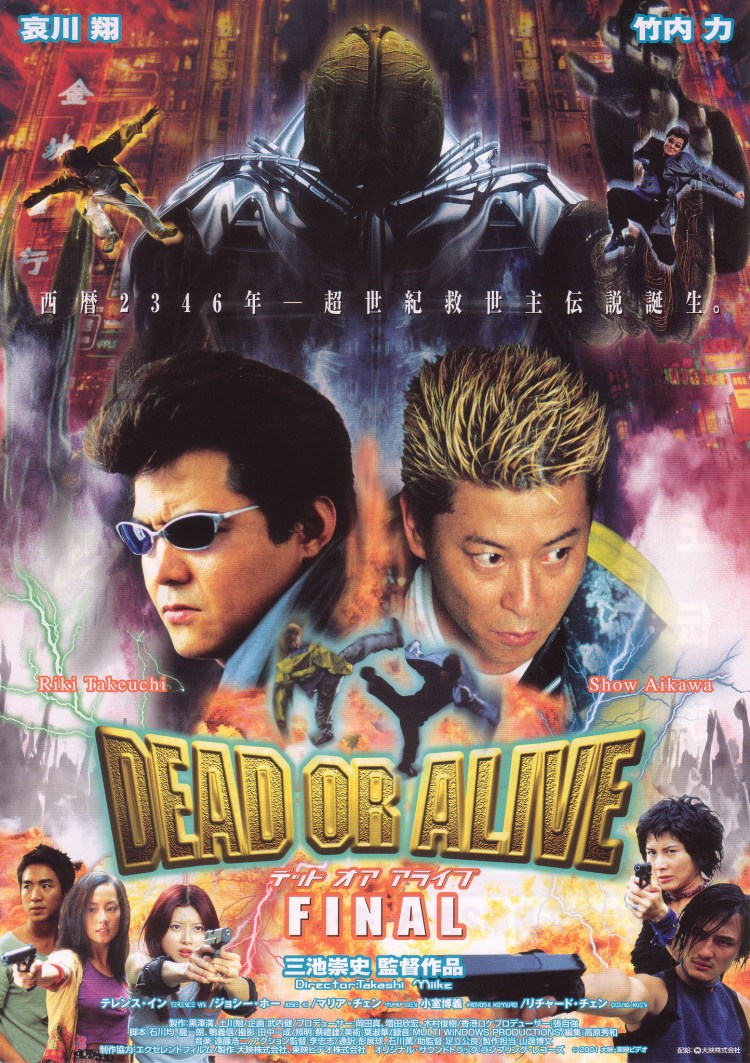
dead_or_alive_final_jap_chirashiThe Dead or Alive Trilogy began in a furious, drug fuelled hymn to violence in which a petty vendetta between the opposing forces of good and evil (mingled and bloody) eventually destroyed the entire world. Dead or Alive 2: Birds was an altogether more contemplative affair in which two orphaned boys rediscover each other as jaded hitmen and decide to put their talents to “good” use by donating the hit money to pay for medicinal drugs for impoverished children around the world. Strange and surreal, Birds moved beyond the first film’s absurd ending for an altogether more abstract approach to universe building but Final pushes the idea to its limit in a cyberpunk infused far future tale of rogue robots and sexual dictatorship.

Yokohama, 2346. A new society is being forged, a new social order has been created. All powerful Mayor Wu (Richard Chen) has decreed that the only true love is gay love and made heterosexuality taboo. Births are strictly controlled to maintain population numbers with contraception ruled mandatory. The heterosexual resistance has gone into hiding in a ruined part of the city, living in a free love commune in which the birth of children is a primary goal. Lead by Fong and his first lady Jun, the resistance aims to liberate the people from the yoke of the crazed dictator and create a better, freer world for the as yet unborn children of the future. Teaming up with a rogue “Replicant”, Ryo, (Sho Aikawa) the gang attempt to further their cause by kidnapping the young son of Wu’s chief of police, Honda (Riki Takeuchi), who later discovers some uncomfortable truths about his own existence.

The use of the world “Replicant” is a pointed one and an overt reference to Final’s key text – Blade Runner, though its intentions amount much more to a pastiche than an examination of the existential questions so central to the seminal cyberpunk classic. Online captions state the action is taking place in Yokohama – an industrial harbour town close to Tokyo, but is in reality a thinly disguised Hong Kong with a green tint. Nevertheless, Miike makes the most of rundown industrial complexes now overrun by nature and the symbols of historical hubris. Aside from the flying cars and other CGI touches, the dystopianism is all too real in its sense of economic and social failures which have allowed a man like Wu to run a strange fascist police state even in the absence of the necessary infrastructure.

In keeping with the Hong Kong setting the Yokohama of 2346 is largely Chinese with broad mix of intermingled languages. Once again the nature of family is called into question but this time more through a large scale change in the social order which sees birth strictly controlled through medical and cultural enforcement. The largely Cantonese speaking resistance movement want to create a world where children can be born and then grow up freely, neatly echoing the previous films’ preoccupation with the fates of children as considered by orphans. Aside from their idealism, the Resistance turns out not to be so far removed from the petty gangsters of the previous instalments as they ultimately turn on each other with deadly consequences.

Sho Aikawa and Riki Takeuchi face off once again with Aikawa playing a Rutger Hauer-esque android who proves his “humanity” through his affiliation with children. A “Replicant” from a long forgotten war, Ryo has superpowers which allow him to stop bullets in mid-air or send out sparks of energy but is also at home playing the clown as he brushes his teeth nonchalantly in the middle a fist fight or plays dead to entertain a little boy. Takeuchi’s Honda, by contrast, is the stereotypical gestapo inspired secret police chief whose family life is a hollow one devoid of genuine feeling and maintained solely for professional expectation.

If Miike has been playing Blade Runner all along, his finale jumps ship for Tetsuo: The Iron Man as the trilogy’s leading men relive the totality of their experiences across three different plains of existence before merging into one as a kind of angel of destruction. The cycle of violence has reached its apotheosis as the twin angels are sent to wreak revenge on those who have misused their authority. Shot on high grade video, Final makes the most of its more modest production values but can’t help suffering in comparison to its predecessors. The B-movie opening is a helpful clue to Miike’s intentions as he creates his own kind of sci-fi dystopia inspired by pop culture memories, but even if the overarching themes lack integrity, Final provides the perfect ending for this often frustratingly absurd series, defying rational explanations until the end of time.


Available now in UK from Arrow Video!

Original trailer (English subtitles)

Dead or Alive 2: Birds (DEAD OR ALIVE 2 逃亡者, Takashi Miike, 2000)

dead-or-alive-2-birds

How do you make a sequel to a film which ended with the apocalypse? Takashi Miike is no stranger to strange logic, but he gets around this obvious problem by neatly sidestepping it. Dead or Alive 2: Birds (DEAD OR ALIVE 2 逃亡者, Dead or Alive 2: Tobosha) is, in many ways, entirely unconnected with its predecessor, sharing only its title and lead actors yet there’s something in its sensibility which ties it in very strongly with the overarching universe of the trilogy. If Dead or Alive was the story of humanity gradually eroded by internecine vendetta, Dead or Alive 2 is one of humanity restored through a return to childhood innocence though its prognosis for its pair of altruistic hitmen is just as bleak as it was for the policeman who’d crossed the line and the petty Triad who came to meet him.

Signalling the continuous notions of unreality, we’re introduced to this strange world by a magician (Shinya Tsukamoto) who uses packets of cigarettes to explain the true purpose of a hit ordered on a local gangster which just happens to be not so different from the plot of the first film. Because the gangster world has its own kind of proportional representation, neither the yakuza nor the Triads can rule the roost alone – they need to enter a “coalition” with a smaller outfit no doubt desperate to carve out a little more power for themselves. The free agents, however, have decided on a way to even the power share – hire a hitman to knock off a high ranking Chinese gangster and engineer a turf war in which a proportion of either side will die, leaving the third gang a much more credible player.

Mizuki (Sho Aikawa), bleach blond and fond of Hawaiian shirts, is an odd choice for a secret mission but his sniper rifle is rendered redundant when a man in a dark suit does the job for him – loudly and publicly. So much the better, thinks Mizuki, but the memory of the strangely familiar figure haunts him. Finding himself needing to get out of town, Mizuki has a sudden urge to go home where he encounters the suited man again and confirms that he is indeed who he thinks he is – childhood friend, Shuichi (Riki Takeuchi).

Revisiting an old theme, Mizuki and Shuichi are orphans but rather than being taken directly into the yakuza world they each spent a part of their childhood in a village orphanage on an idyllic island. Miike frequently cuts back between the violent, nihilistic lives of the grown men and the innocent boyhood of long hot summers spent at the beach. The island almost represents childhood in its perpetual safety, bathed in a warm and golden light at once unchanging and eternal. Reconnecting with fellow orphan Kohei (Kenichi Endo) who has married another childhood friend, Chi (Noriko Aota), the three men regress to their pre-adolescent states playing on the climbing bars and kicking a football around just like old times.

Returning to this more innocent age, Mizuki hatches on an ingenious idea – reclaim their dark trade by knocking off those the world would be better off without and use their ill gotten gains to buy vaccines for the impoverished children of the world. In their innocent naivety, neither Mizuki nor Shuichi has considered the effect of their decision on local gangland politics (not to mention Big Pharma) and their desire to kill two “birds” with one stone will ultimately boomerang right back at them.

Innocence is the film’s biggest casualty as Miike juxtaposes a children’s play in which Mizuki and Shuichi have ended up playing a prominent role, with violent rape and murder going on in the city. Whether suggesting that the posturing of a gang war is another kind of playacting, though one with far more destructive consequences, or merely contrasting the island’s pure hearted fantasy with the cold, hard, gangland reality, Miike indulges in a nostalgic longing for the simplicity of childhood with its straightforward goodness filled with friendship and brotherhood rather than the constant betrayals and changing alliances of the criminal fraternity.

The question “Where are you going?” appears several times throughout the film and perhaps occurred to Mizuki and Shuichi at several points during their journeys from abandoned children to outcast men. Neither had much choice in their eventual destination and if they asked themselves that same question the answer was probably that they did not know or chose not to think about it. All of these hopes and ruined dreams linger somewhere around the island’s shore. Kohei is about to become a father but the birth of a child now takes on a melancholy air, the shadow of despair already hanging over him. There is no way out, no path back to a time before the compromises of adulthood but for two angelic hitmen, the road ends with meeting themselves again and, in a sense, regaining lost innocence in shedding their city-based skins.


Out now in the UK from Arrow Video!

Original trailer (English subtitles)

Dead or Alive (DEAD OR ALIVE 犯罪者, Takashi Miike, 1999)

dead or alive
Prolific as always, Takashi Miike released four feature length films in 1999, in addition to working in TV and video. Dead or Alive (DEAD OR ALIVE 犯罪者, Dead or Alive: Hanzaisha) came out within the same year as Miike’s seminal Audition and though it is the latter which has gone on to define his reputation, the Dead or Alive Trilogy is equally responsible for the director’s ongoing popularity. Following the Black Society Trilogy the finale of which, Ley Lines, was also released in 1999, Dead or Alive returns to the world of orphaned exiles and Chinese gangsters, men looking for family in all the wrong places and finding only loneliness, rage, and disappointment. Criminal or cop, everyone is looking for the same old thing but for one reason or another it continually evades their grasp.

Late ‘90s, Shinjuku night life. Miike captures all of its sordid glory in a wordlessly frenetic opening sequence which begins with a naked woman falling off a building and ends with the exploding belly of a noodle loving Triad. The Shinjuku gang scene is a large and complex one but this tiny corner is about to be torn apart by the opposing forces of petty Chinese gangster Ryuichi (Riki Takeuchi) and veteran policeman Jojima (Sho Aikawa).

A little later, the major antagonist – yakuza boss Aoki (Renji Ishibashi), asks a drugged up woman he’s immersed in a pool of her own excrement he himself extricated by means of a series of enemas if she’s high or if she’s come down. Drugs are always on the periphery from the bag in the hands of the falling woman to the deluded hopes and dreams of everyone who’s had the misfortune to find themselves here but Miike takes things one step further and structures his film like the inverted bell curve of a strange trip. The relentless pace of the opening sequence with its constant noodle refills, cocaine excess, and eventual bathroom sex and murder combo gradually winds down giving way to the comfortably numb central section in which Jojima and Ryuichi mirror and circle each other in the murky Shinjuku streets but, as he often does, Miike refuels for an angry, increasingly bizarre final sequence as two men whose quests have cost them everything they were fighting to protect prepare to burn the world rather than see the other live another day.

Ryuichi, like many a gangster hero, is an orphan. His major motivation is a desire to protect his delicate younger brother whom he has sent abroad to study in the hope that he will be catapulted into a successful middle class life while Ryuichi takes over the criminal underworld. Toji (Michisuke Kashiwaya) has returned, but such close proximity to his brother’s darkness may have destabilising consequences for both of them. Ryuichi’s “family” is a constructed one made of other similarly lost or discarded kids of Chinese descent, all looking for a home when neither of the two which present themselves is willing to offer them full acceptance but there is no unconditional love here, betrayal is an easily applied judgement met with a harsh and irreversible punishment.

Even if Ryuichi’s world is cold, Jojima’s may be colder. Despite his wife’s pleas he sleeps on the sofa and seems to have a difficult, strained relationship with the family his life is founded on protecting. Jojima’s reasons for continuing to avoid his marital bed are unclear whether from simple consideration of his strange policeman’s hours or the hushed phone call his wife receives which suggests she may be seeking comfort outside the home, but the one thing which is clear is that this is a family already deeply fractured. Adding to the strain, Jojima’s daughter is seriously ill and his wife has worked out that they will need an enormous amount of money for her treatment. Jojima continues to proclaim that he is “working on it” and will find the money somewhere, reacting angrily to his wife’s desperate suggestion of asking her family for a loan. Wanting to save his daughter himself, he ventures ever deeper into the criminal underworld, crossing the line from law enforcer to law breaker.

Miike operates a tightly controlled approach to pacing after the frenetic opening, slowing right down before exploding in a flurry of gun fire for the climactic shootout (flying chicken feathers and all) and then taking a break until the bonkers finale with its self amputations, mysterious bazookas and strange power orbs. Dead or alive, these are men living in a furious purgatory each denied the very thing they’ve been searching for, but in the end they mirror each other, locked in a vicious cycle of rage and violence which threatens to engulf us all.


Out now in the UK from Arrow Video!

Original trailer (English subtitles)