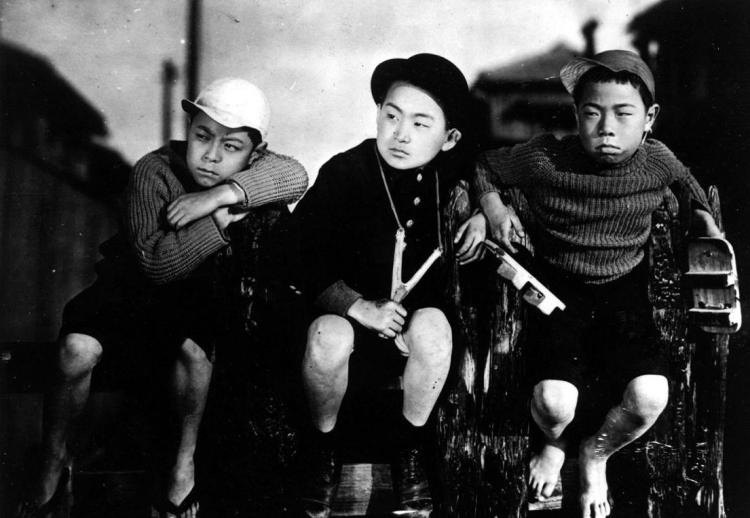
 When one thinks of the classic examples of children in Japanese cinema, Hiroshi Shimizu is the name which comes to mind but family chronicler Yasujiro Ozu also made a few notable forays into the genre. I Was Born, But… (大人の見る絵本 生れてはみたけれど, Otona no miru ehon – Umarete wa mita keredo) stars one of the premier child actors of the silent era in Tokkan Kozo (later known as Tomio Aoki) who also worked repeatedly with Shimizu (Children in the Wind, Star Athlete) and Naruse (No Blood Relation, Apart from You, Street Without End, Forget Love for Now) among many others. Like Children in the Wind, I Was Born, But… is the story of two young boys and their well meaning dad only this time the boys’ faith in their father is not entirely justified. Ozu would also revisit this theme some years later with the genial comedy Good Morning which also sees a pair of cute as a button brothers going on strike though theirs is one of silence rather than hunger and provoked by the desire for a television rather than just shock and disillusionment on discovering the unfairness and hypocrisy of the adult world.
Mr. Yoshi (Tatsuo Saito) has moved his family into a nice house in the suburbs not far from that of his boss, Mr. Iwasaki (Takeshi Sakamoto). His two sons, Keiji (Tomio Aoki/Tokkan Kozo) and Ryoichi (Hideo Sugawara) quickly make enemies of some of the neighbourhood kids and start playing truant from school in order to avoid them. Making an ally of the delivery boy from the local sake shop, Keiji and Ryoichi enlist his efforts to get back at the head bully landing themselves top of the local pack.
However, one of the boys, Taro, is none other than the son of their dad’s boss, Mr. Iwasaki. Furiously engaging in a battle of my dad’s better than your dad, the boys are dismayed to see how their father obsequiously greets his superior. Their faith is well and truly crushed when Mr. Iwasaki invites all the kids over to watch some home movies (cutting edge technology for the time) which features some of the employees goofing off, including Yoshi who enthusiastically gurns and performs silly walks for his boss’ benefit. To Keiji and Ryoichi, Yoshi had been a kind of superhero – austere, but strong, honest and inspiring. Realising he’s just another corporate stooge betraying his true self for commercial gain, the boys are thrown into a period of acute existential confusion.
Yoshi’s mantra dictates that he wants his sons to grow up to become “someone”. Keiji and Ryoichi ironically turn this back on him with the charge that he himself is a “no one”. Yoshi cannot argue with their judgement, he is “no one”, in his own mind at least, and harbours a sense of disappointment in his dull and ordinary middle class life. Checking in with his sons after they’ve fallen asleep, Yoshi offers a different kind of mantra during a speech to his wife in that he hopes neither of his sons become company men like he has. He truly wants them to be “someones” but more than that, he wants them to be their own men, living their lives on their own terms and finding a greater sense of fulfilment than he has been able to in willingly debasing himself to curry favour with a boss he doesn’t particularly like to put food on the table for his family.
Keiji and Ryoichi, in a gesture of defiance, go on a hunger strike to prove that they don’t need their father to humiliate himself daily on their behalf. Yoshi can’t get through to them, his authority is significantly damaged and the boys are stubborn but then again their mother’s rice balls are just so tasty they might eventually be persuaded to abandon their mini protest by the power of a rumbly tum. The lesson they learn is one familiar to Ozu’s general philosophy, that battles must be picked and compromises made in the name of pragmatism even if they may uncomfortable to bear.
Ozu shoots with his characteristic naturalism, allowing the boys to goof off as only children can as they pull faces, dance, and strike poses to poke fun at the other boys but also engage in a strange “resurrection” gimmick rather than a secret handshake to bond with their new frenemines. Forgiveness and reconciliation are all around as the boys learn to accept their slightly less black and white world, embrace their new friends, and stride forward towards their eventual destinies. The children occupy one world, and the adults another but perhaps they aren’t so different after all.
Short scene from the film (English subtitles)
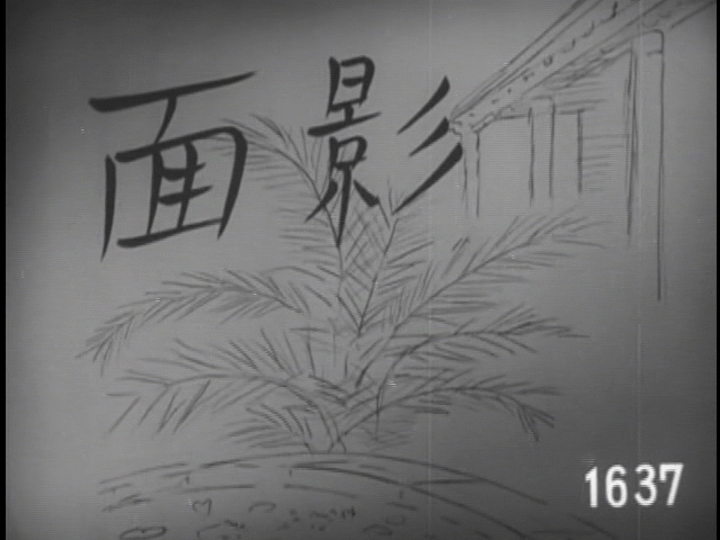 Master of the shomingeki, Heinosuke Gosho goes upscale for the post-war romantic melodrama, Vestige (面影, omokage), even if he goes out of his way to add a layer of expressionistic imagery. Inspired by Gosho’s own experiences, Vestige has an air of melancholy and of frustrated dreams but also of resignation as the two not quite lovers at the centre agree to quell their romantic yearnings and preserve their conventional, bourgeois lives at the expense of greater happiness.
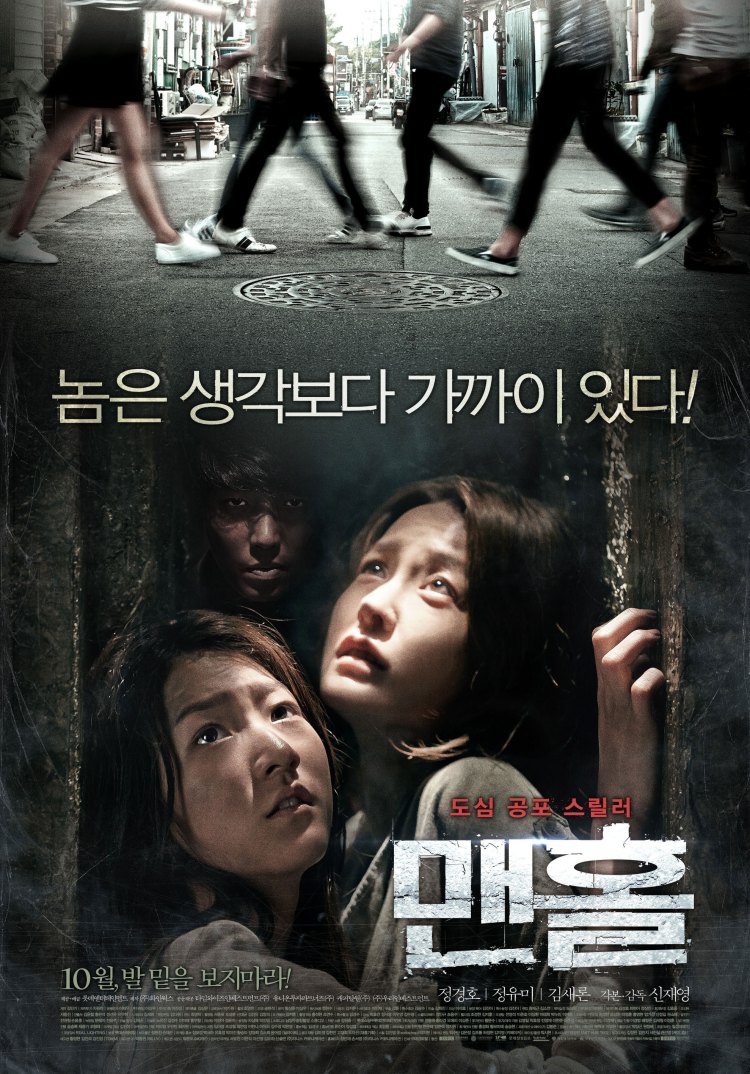 Finding the sinister in the commonplace is the key to creating a chilling horror experience, but “finding” it is the key. Attempting to graft something untoward onto a place it can’t take hold is more likely to raise eyebrows than hair or goosebumps. The creators of Korean horror exercise Manhole (맨홀) have decided to make those ubiquitous round discs the subject of their enquiries. They are kind of worrying really aren’t they? Where do they go, what are they for? Only the municipal authorities really know. In this case they go to the lair of a weird serial killer who lives in the shadows and occasionally pulls in pretty girls from above like one of those itazura bank cats after your loose change.
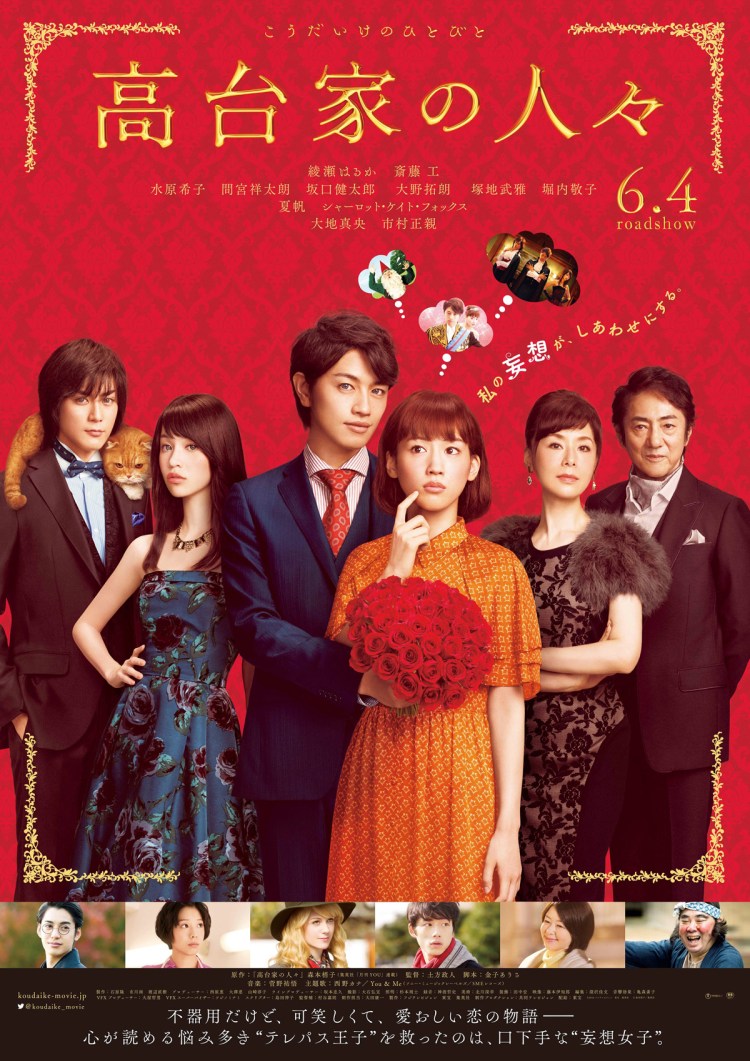 Fear of “broadcasting” is a classic symptom of psychosis, but supposing there really was someone who could hear all your thoughts as clearly as if you’d spoken them aloud, how would that make you feel? The shy daydreamer at the centre of The Kodai Family (高台家の人々, Kodaike no Hitobito) is about to find out as she becomes embroiled in a very real fairytale with a handsome prince whose lifelong ability to read minds has made him wary of trying to form genuine connections with ordinary people. Walls come down only to jump back up again when the full implications become apparent but there are taller walls to climb than that of discomfort with intimacy including snobby mothers and class based insecurities.
 All things considered, a live pig is a rather insensitive gift to present to your local police station, though any gift at all might be considered in appropriate even if offered by a well meaning colleague keen to help out when a horrific murder may be connected to his missing person case. By 1977 Kinji Fukasaku had made a name for himself through the wildly successful “jitsuroku” or “true record” genre of yakuza movies kickstarted by his own
 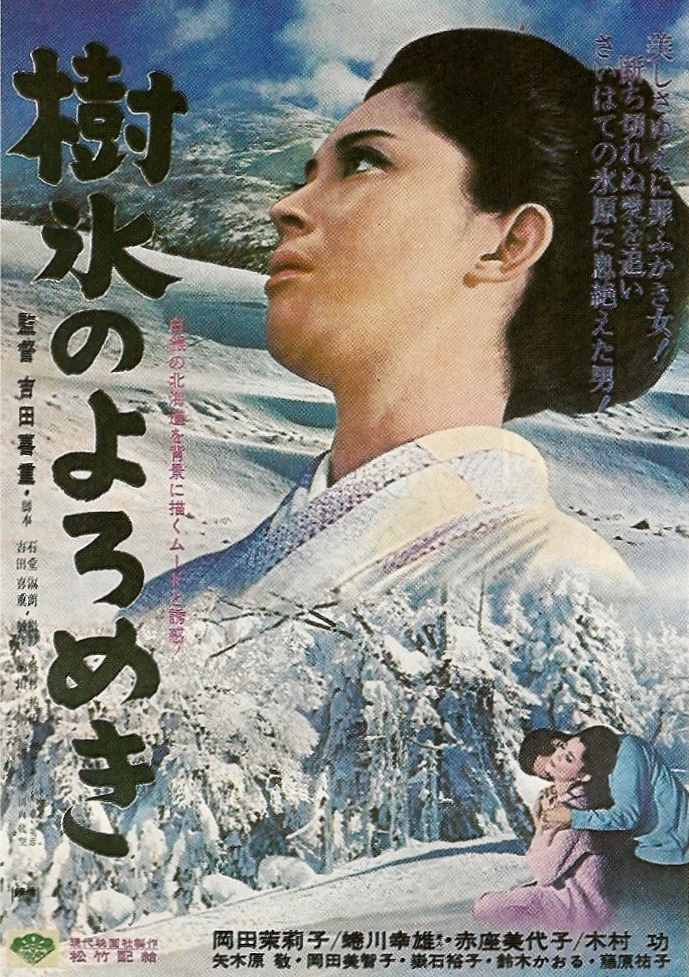 Kiju (Yoshishige) Yoshida, along with his wife – the actress Mariko Okada, was responsible for some of the most arresting films of the late ’60s avant-garde art scene. So called “anti-melodramas”, many of Yoshida’s films from this era took what could have been a typical melodrama narrative and filmed it in an alienated, almost emotionless manner somehow reaching a deeper level of an often superficial and overwrought genre. Affair in the Snow (樹氷のよろめき, Juhyo no Yoromeki) is, in essence, the familiar story of an unreasonable love triangle but in Yoshida’s hands it becomes a melancholy yet penetrating examination of love, sex, and transience as the central trio attempt to resolve their ongoing romantic difficulties.
 After leaving Shochiku and forming an independent production company with his actress wife Mariko Okada, Kiju (Yoshishige) Yoshida continued in the Shochiku vein, after a fashion, through crafting what came to be known as “anti-melodramas”. Taking the familiar melodrama a studio like Shochiku was well known for, Yoshida transformed the material through radical cinematography designed to alienate and drain the overwrought drama of its empty emotion in order to drive to something deeper. The Affair (情炎, Jouen), released in 1967, is just such an experiment as it paints the cold and repressed world of its heroine in steely black and white, imprisoning her within its widescreen frame, and setting her at odds with the younger, more liberated generation who get their kicks through groovy beatnik jazz and an eternal party.
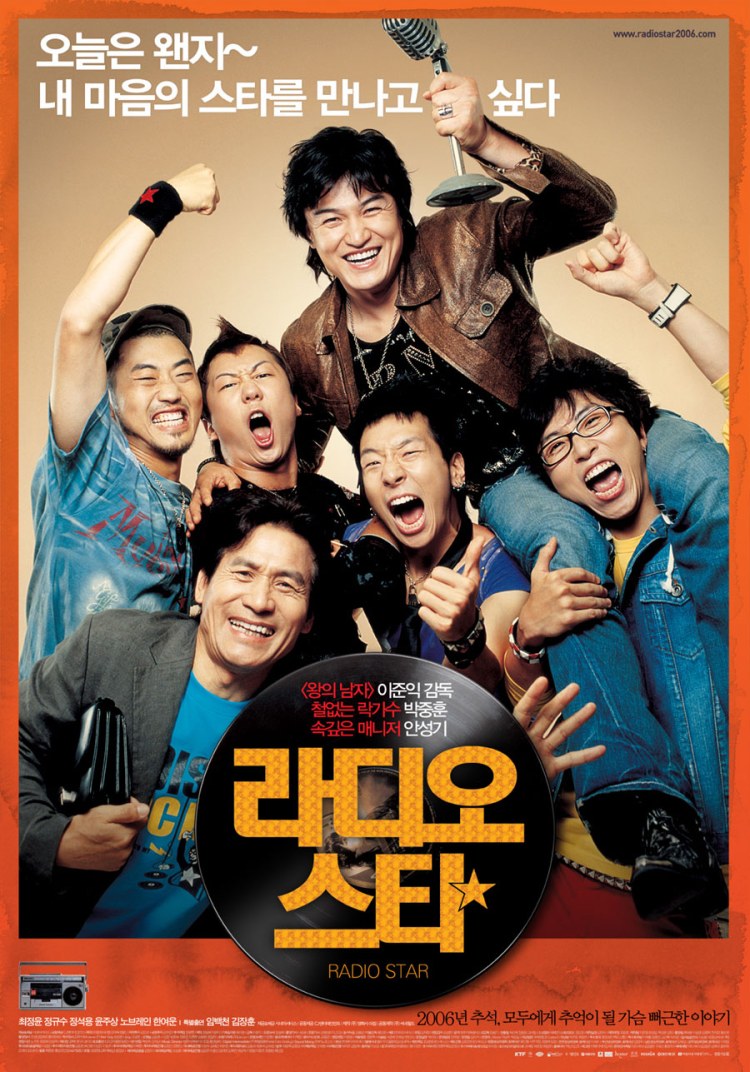 What do you do if you’ve just directed a box office smashing, taboo busting, giant mega hit? Well, you could direct Star Wars, but if you’re Lee Joon-ik you go back to basics with a low budget, heartwarming tale of friendship and failure. Radio Star (라디오 스타) reunites frequent costars Ahn Sung-ki and Park Joong-hoon whose shared history runs all the way back to ‘80s movies
 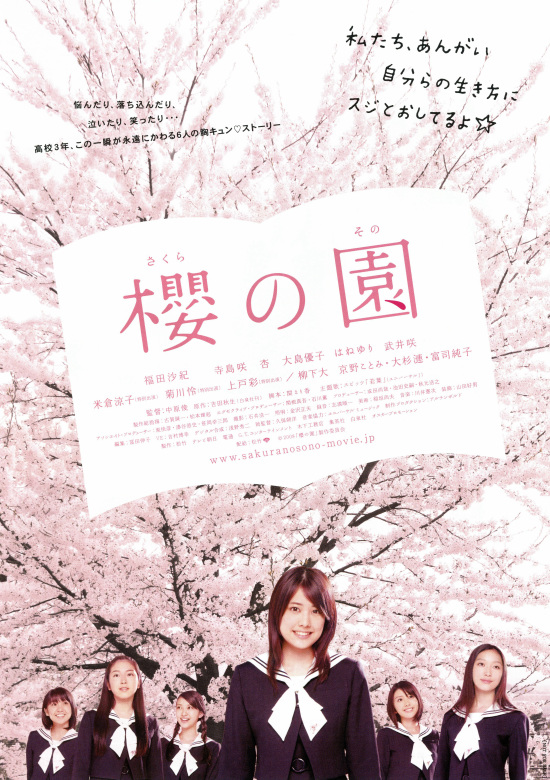 In
In  Chekhov’s The Cherry Orchard is more about the passing of an era and the fates of those who fail to swim the tides of history than it is about transience and the ever-present tragedy of the death of every moment, but still there is a commonality in the symbolism. Shun Nakahara’s The Cherry Orchard (櫻の園, Sakura no Sono) is not an adaptation of Chekhov’s play but of Akimi Yoshida’s popular 1980s shojo manga which centres on a drama group at an all girls high school. Alarm bells may be ringing, but Nakahara sidesteps the usual teen angst drama for a sensitively done coming of age tale as the girls face up to their liminal status and prepare to step forward into their own new era.
 Windows on Worlds