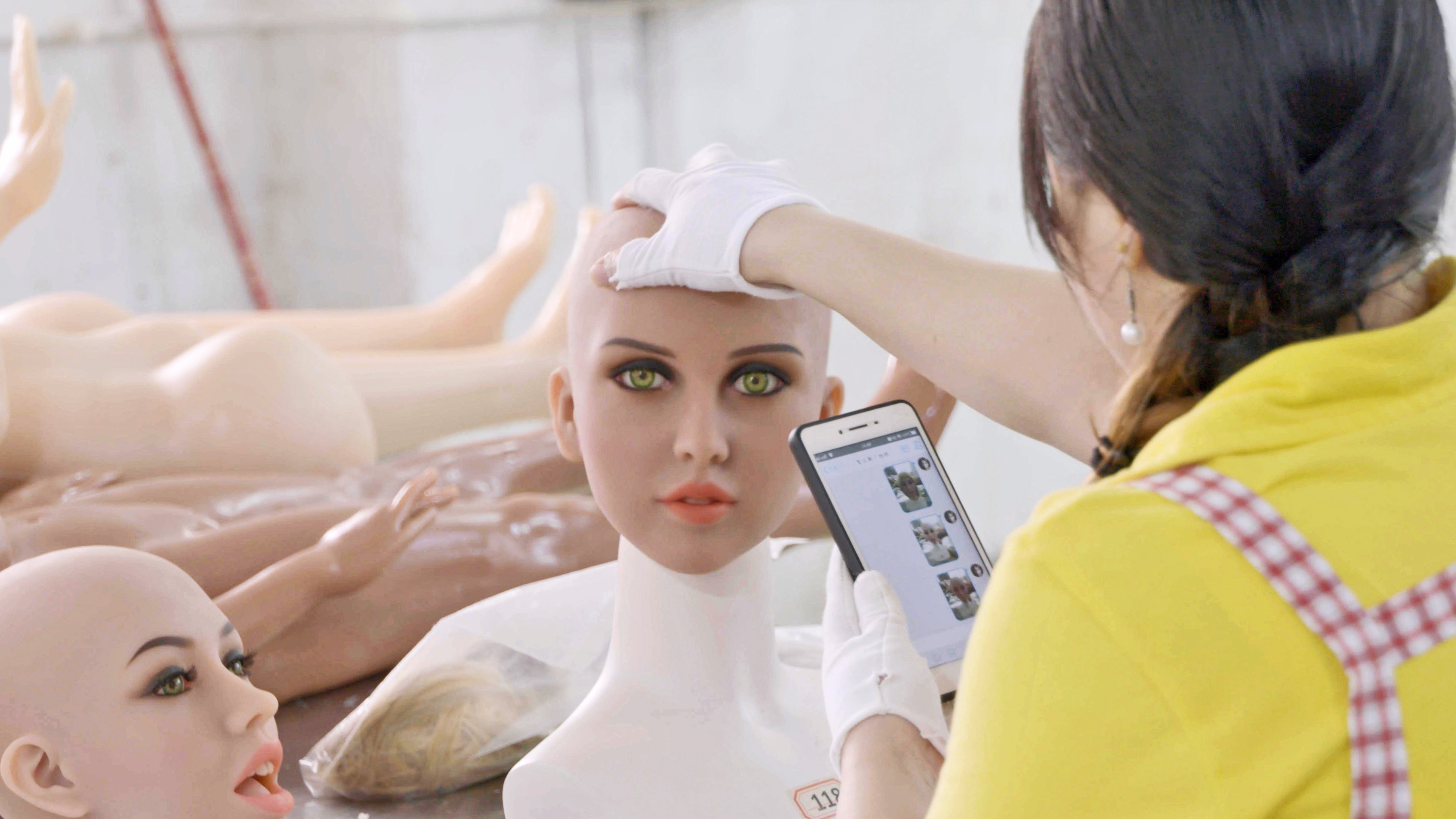
Factory worker inspecting the head of a sex doll during assembly in Zhonghan City, Guangdong Province, China, as seen in Ascension, directed by Jessica Kingdon. Image courtesy of MTV Documentary Films.
“Work hard and all wishes come true” according to a propaganda slogan pasted on a wall in Jessica Kingdon’s interrogation of the Chinese Dream, Ascension (登楼叹, dēng lóu tàn). Working her way through its various layers, Kingdon’s observational doc addresses the ironies of the contemporary society defined by its intense and ever growing wealth inequalities. According to a speech made by a dubious CEO approaching the film’s conclusion, China is a “fair society” his logic being that only the morally responsible are entitled to profit and society will find ways to rob those who’ve acquired their riches though illicit means of their ill-gotten gains while the trickle down economy otherwise ensures “wealth redistribution”.
His justifications are, it has to be said, hard to accept. Kingdon opens the film with an aerial shot of a rooftop swimming pool in which the trio of women cleaning it appear tiny next to its comparativeness vastness as they care for a facility they may not be entitled to use. Descending to street level, we’re assaulted by PA speakers advertising for labour with promises of comfortable work, some which can be done sitting down, with accommodation in spacious dorms with aircon thrown in. Anyone would think there must be some kind of tremendous labour shortage, but the wages are lower than low, and employers apparently still picky over what kind of people they employ, stating an age cap of only 38 while banning those with criminal records or tattoos along with dyed hair and piercings. The excessively tall are also not welcome hinting at conditions more cramped than the announcements imply.
Taking her camera inside the factories, Kingdon discovers people reduced to the level of automata, machines among machines mechanically sorting cooked poultry or stamping packaging while watching TV drama on smartphones. Workers complain that their bosses cheat of them of their pay and feel the need to bribe them by buying lunch to curry favour. Yet Kingdon also uncovers the absurdity of the everyday, shifting from a production line producing plastic bottles to an artisan workshop staffed almost entirely by women in cheerful yellow outfits with red gingham aprons crafting uncannily realistic sex dolls presumably for extremely wealthy, sometimes demanding clients. A worker stops to snap a picture of the doll’s nipples with a tape measure next to them to send for approval, while others obsess over the proper colouring for the areola or complain that the chemicals irritate their skin.
Shifting up a gear, she visits a school for bodyguards where the instructor randomly plays with a little goat for some reason hanging around outside and is then stung by a bee. The need for bodyguards is perhaps another symptom of increasing inequality as the super rich discover their “success” has only made them anxious for their safety. On the flip side, another school is busy training butlers for those enamoured of the trappings of feudalism. The instructor explains that one of her clients got a job as a PA right away and his sole responsibility was squeezing his boss’ toothpaste for him, preparing it in a little cup. Meanwhile across town, others teach proper business etiquette most particularly to female employees. A pretty woman is China’s business card, one enthusiastically points out selling the importance of cosmetics, while another even more dubious course in entrepreneurship has its participants “deciding” to earn millions within the year and then triple the amount in the next five.
While a woman plumps pillows in a fancy hotel suite, painstakingly stripping a rose of its petals to place on a pair of towels folded into the shape of a swan, the wealthy enjoy leisure time at a huge water park which boasts a tunnel ride through the aquarium where “mermaids” swim alongside sharks and stingrays. Others ride a literal “lazy river” sitting in rubber rings styled like frosted donuts. Guests at a fancy French dinner praise American freedom, while others complain that Westerners criticise China’s human rights record but how can you think about human rights when you’re so poor your entire existence is occupied with survival? Billboards at street crossings bear footage of other people crossing, while a picture of Xi Jinping sits in the corner of a garment factory where they sew clothes embroidered with the logo “Keep America Great” and another worker rolls her eyes at claims the place is haunted. China’s greatest export, it seems, is irony. Kingdon’s beautifully composed shots add to the sense of absurdity as does the score veering from eerie synths to jaunty theme park music implying that the entire nation has in a sense become a playground for the rich and powerful built on wilful exploitation and the thoughtless cruelties of intense consumerism.
The Olympics may be over, but BFI’s long-awaited Japan season finally makes its way to the big screen this October with a vast programme spanning a century of cinema from early masterpiece Souls on the Road right up to a preview of Ryusuke Hamaguchi’s recent festival favourite Drive My Car.
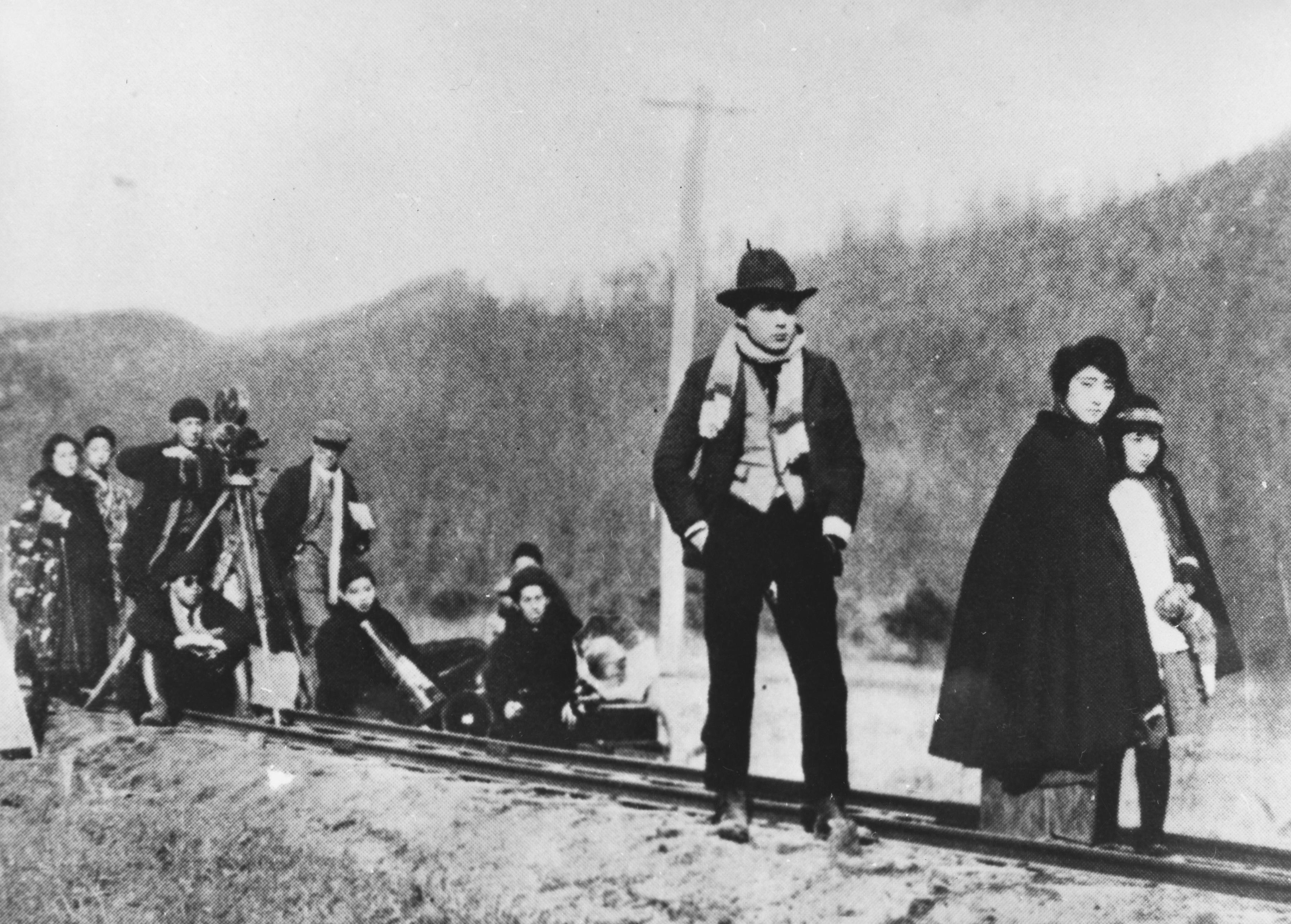
A landmark of early Japanese cinema directed by and starring Minoru Murata, Souls on the Road draws inspiration both from Gorky’s The Lower Depths and German novel Mutter Landstrasse, das Ende einer Jugend by Wilhelm August Schmidtbonn featuring four interconnected tales of mercy and and its absence. Review.
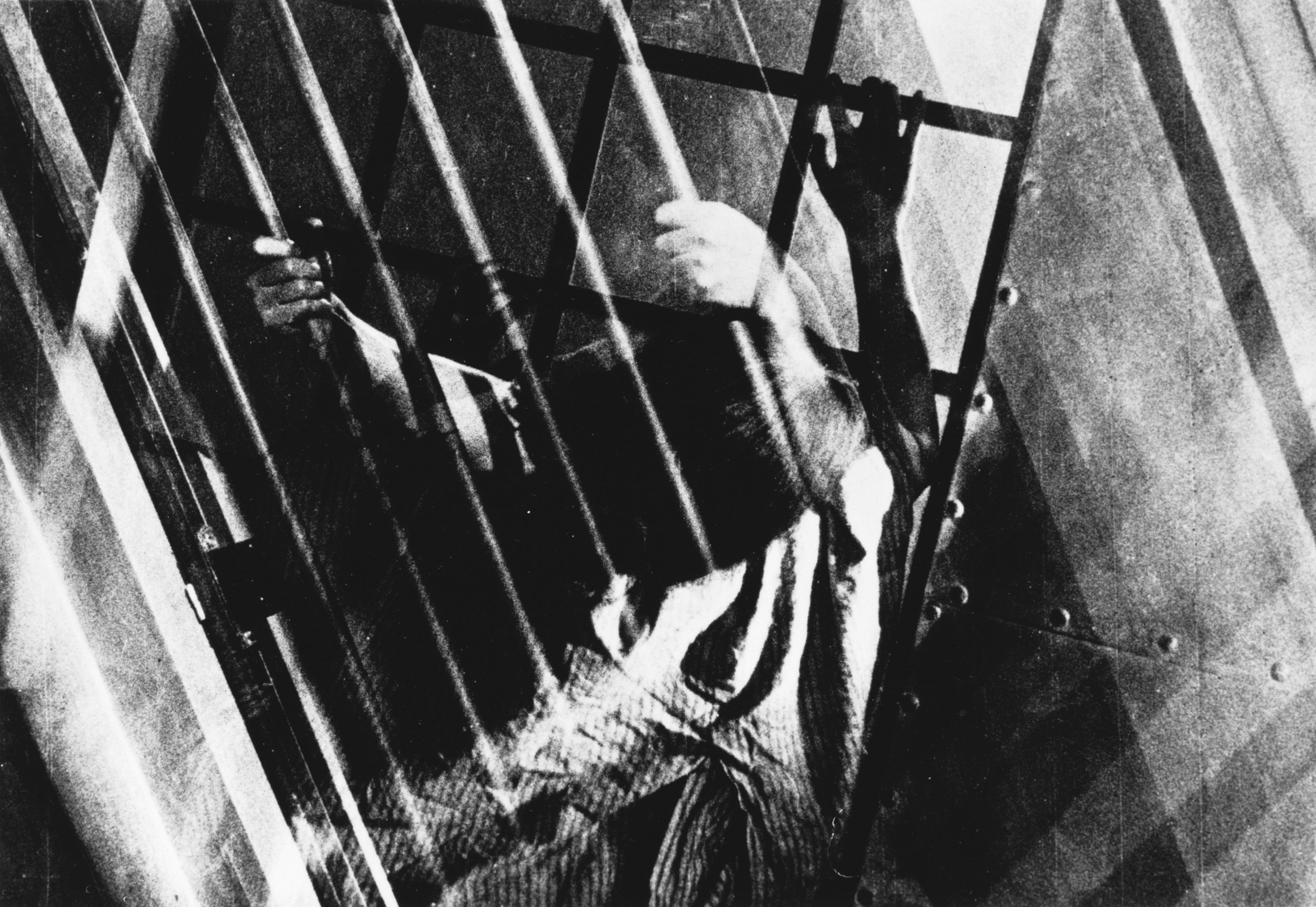
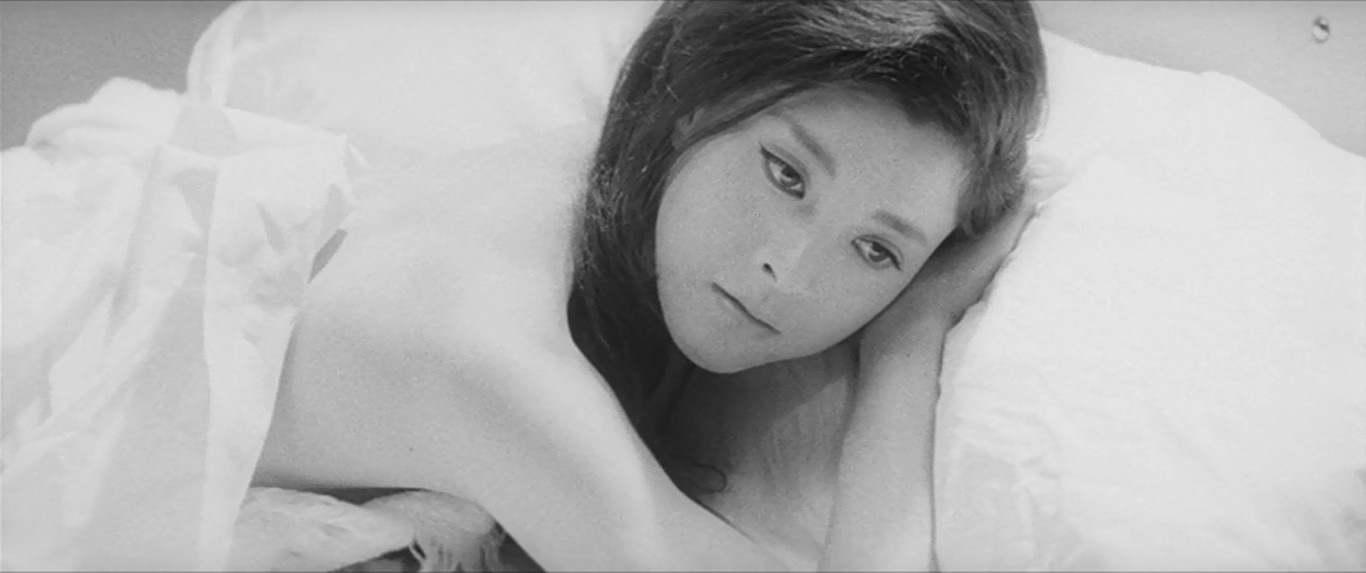
Teinosuke Kinugasa’s avant-garde masterpiece inspired by a story by Yasunari Kuwabata set in a rural psychiatric institution where a janitor attempts to secretly care for the wife his abuse drove into madness.
Early silent classic from Yasujiro Ozu in which the faith of two young boys in their salaryman dad is shaken when they spot him humiliating himself for his boss’ benefit. Review.
Cheerful talkie from Yasujiro Shimazu centring on the close relationship between two suburban families which is disrupted first by the unexpected return of a married daughter and then by the spectre of political destabilisation. Review.
The final film from Sadao Yamanaka who sadly died a year later on the Manchurian front after losing his military exemption, Humanity and Paper Balloons chronicles everyday despair in an impoverished street in Edo. Review.
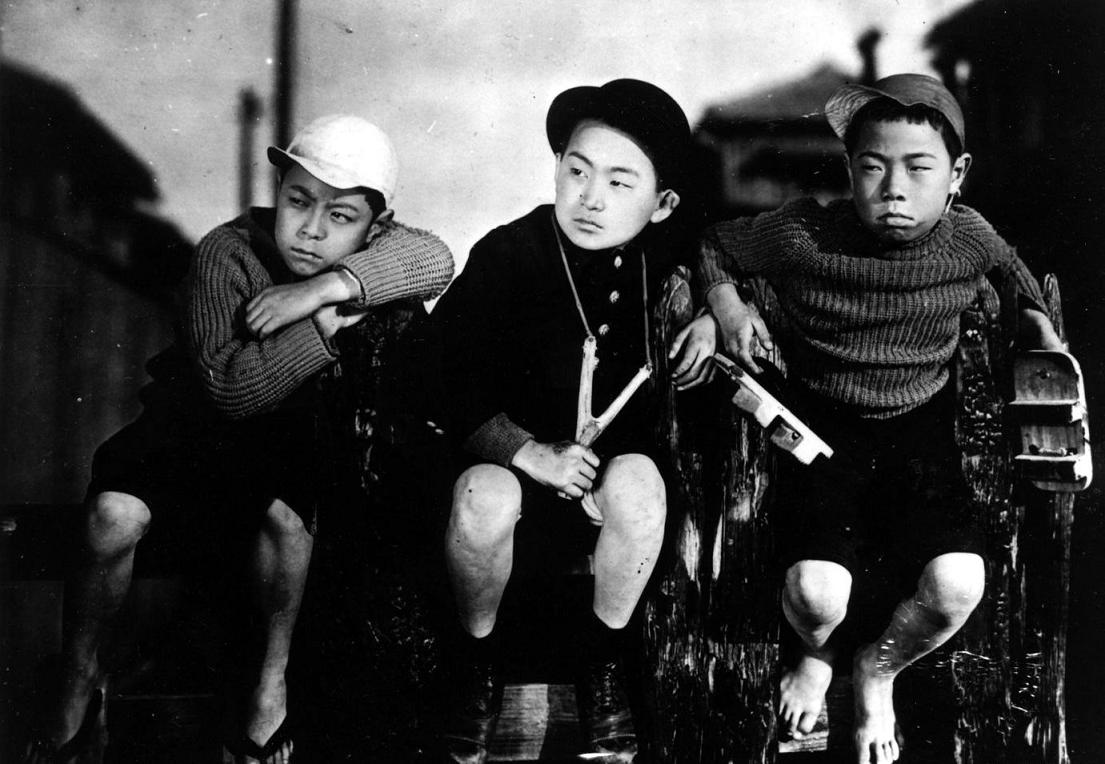
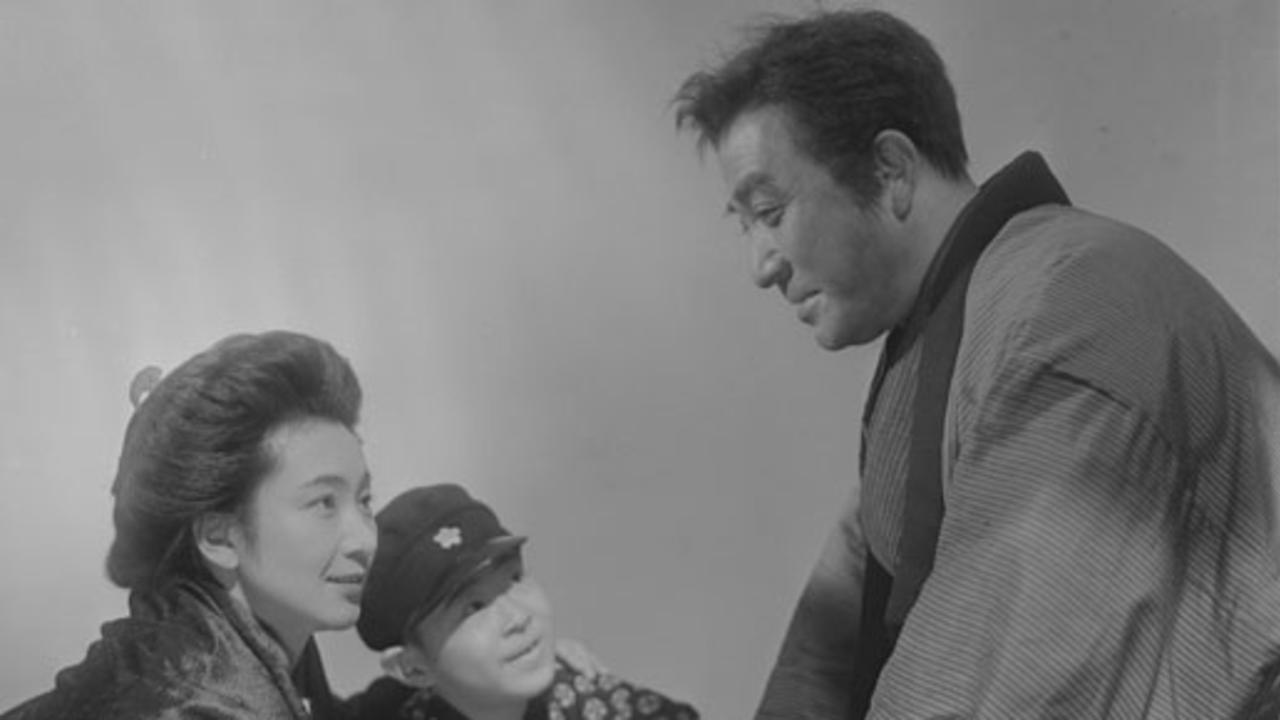
Director Hiroshi Inagaki later remade this film as The Rickshaw Man in 1958 starring Toshiro Mifune and Hideko Takamine. Nevertheless this original take on the life of an impoverished rickshaw driver who becomes a surrogate parent to a fatherless little boy is often regarded as the better of the two.
Closely associated with the cinema of children, Hiroshi Shimizu’s post-war independent film follows a series of war orphans and the demobbed soldier guiding them towards a new Japan. Review.
The third in Mizoguchi’s series of films focussing on female emancipation, My Love Has Been Burning stars Kinuyo Tanaka in a biopic of Meiji-era feminist Eiko Hirayama. Review.
MON 18 OCT 14:30 NFT3 / TUE 19 OCT 20:35 STUDIO / WED 20 OCT 17:50 NFT3 / THU 4 NOV 18:00 NFT2 / THU 18 NOV 20:30 NFT3* / SUN 21 NOV 11:30 NFT1
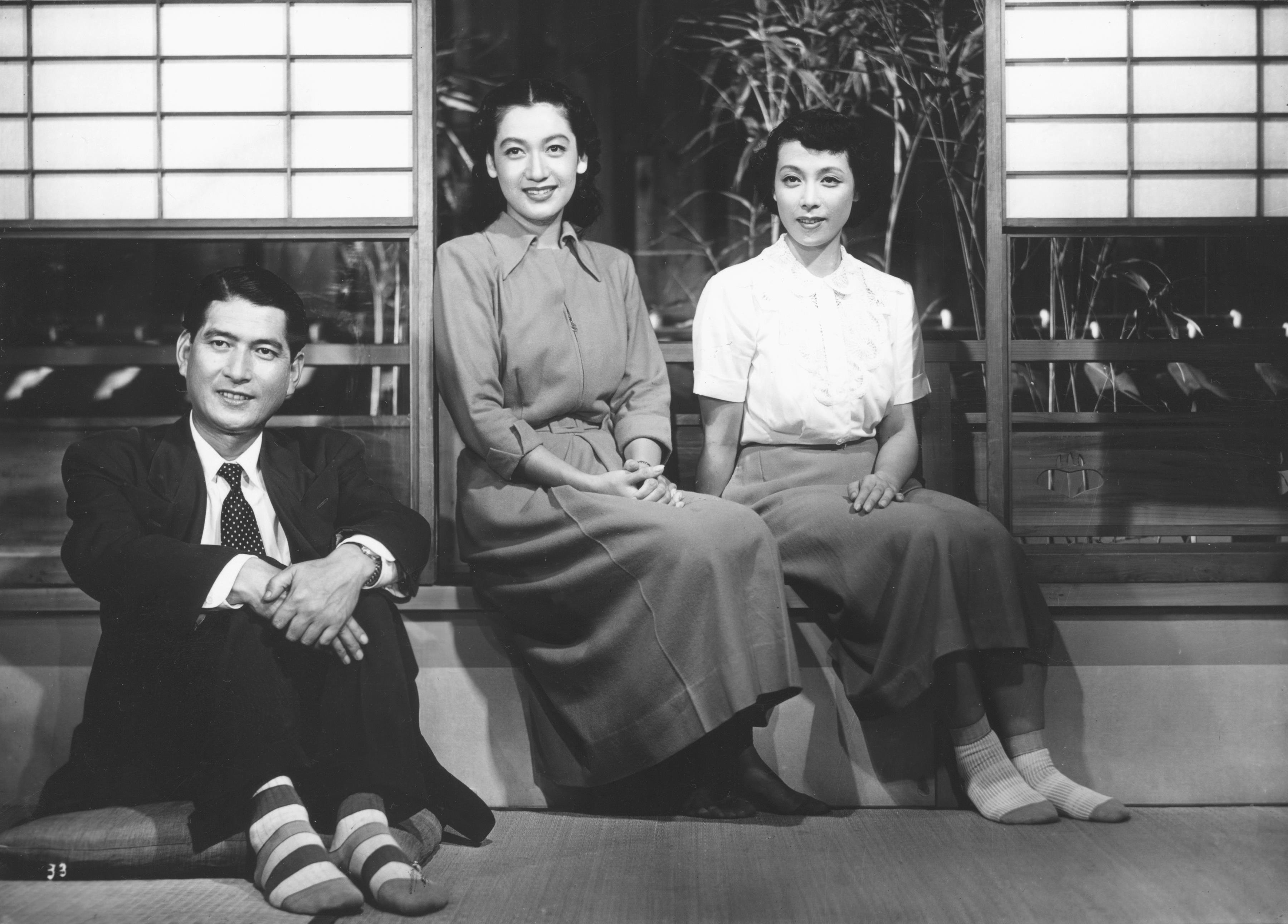
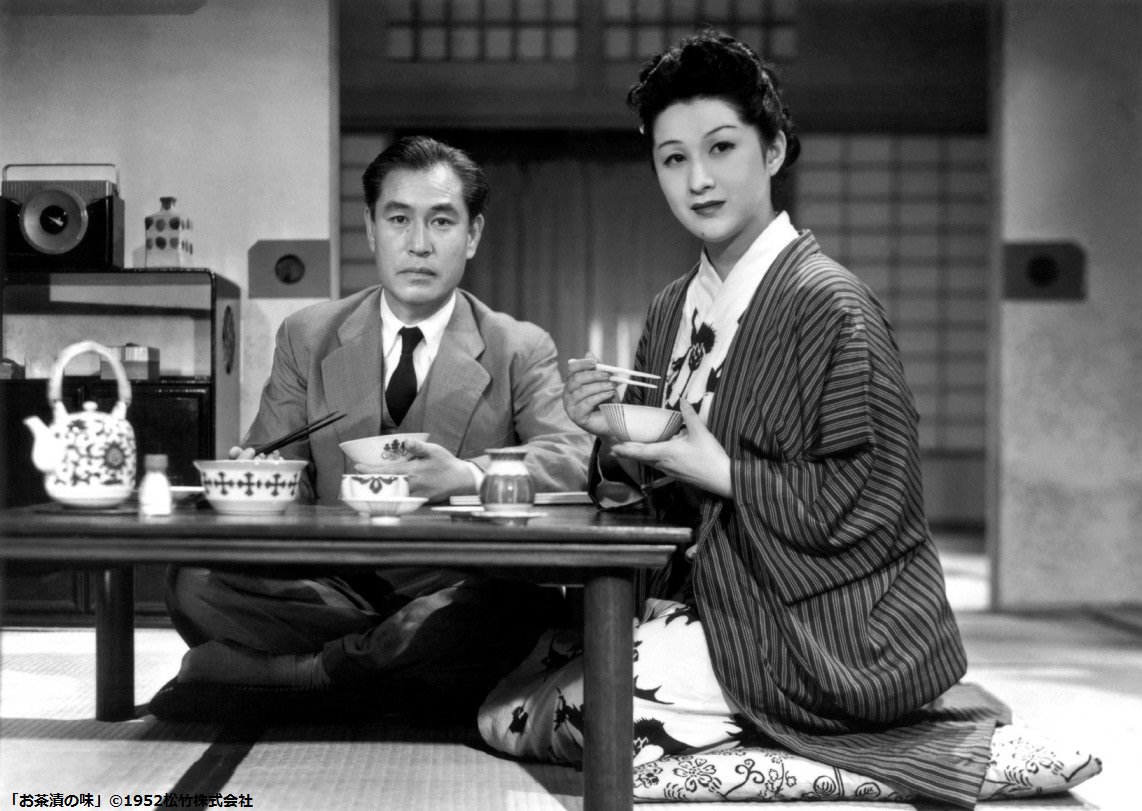
Second in the “Noriko Trilogy”, Early Summer stars Setsuko Hara as a woman who resists arranged marriage but scandalises her family when she accepts a proposal from the mother of the widower living next-door.
MON 18 OCT 18:10 NFT2 / WED 20 OCT 20:40 NFT2 / THU 21 OCT 14:40 STUDIO / MON 8 NOV 14:30 NFT2 / TUE 23 NOV 14:30 NFT3
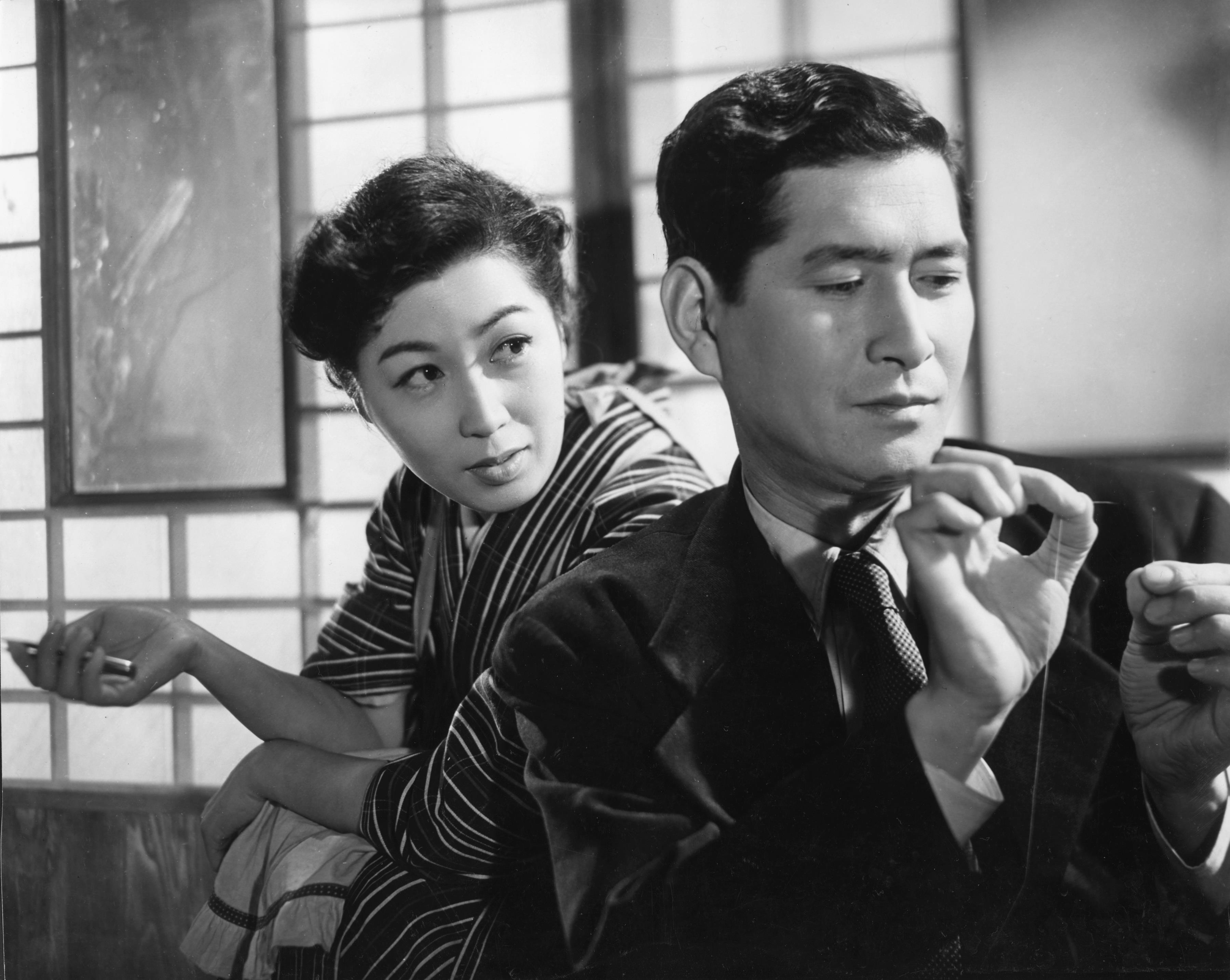
Marital crisis in the younger generation provokes an epiphany in the life of an unhappily married woman in Ozu’s wry exploration of the meaning of wedded bliss. Review.
MON 18 OCT 20:20 NFT3 / THU 21 OCT 14:30 NFT1 / SAT 13 NOV 14:10 NFT1 /TUE 30 NOV 14:00 NFT3
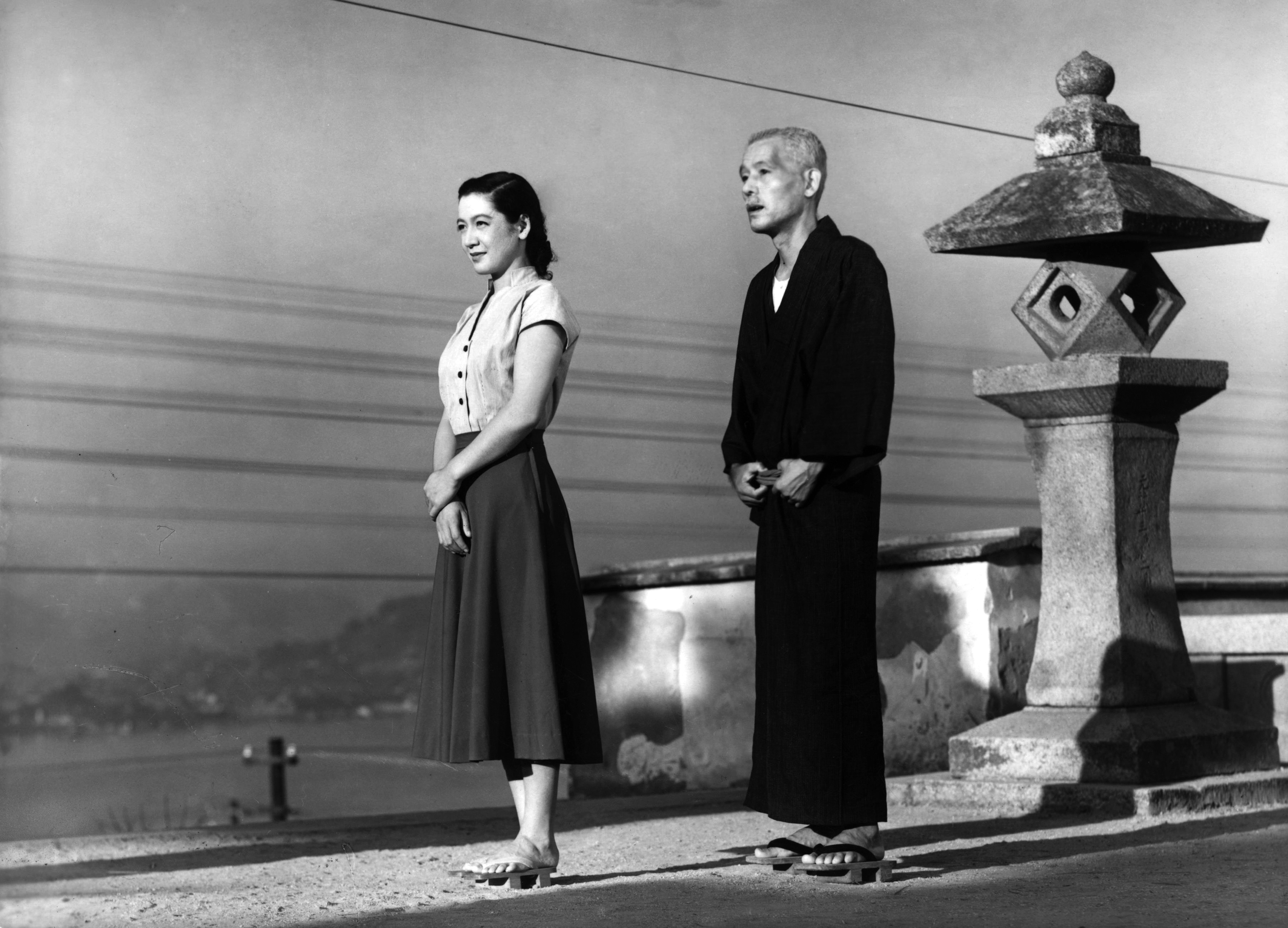
Post-war classic in which an old couple from the country make a rare trip to the city to see their grown up children but are disappointed to discover that they don’t have much time for them.
Landmark directorial debut from actress Kinuyo Tanaka scripted by Keisuke Kinoshita and starring Masayuki Mori as an embittered war veteran making a living writing letters on behalf of illiterate women to the GIs who left them behind while fixating on the supposed betrayal of his first love (Yoshiko Kuga) who married someone else and later became the mistress of an American soldier. Review.
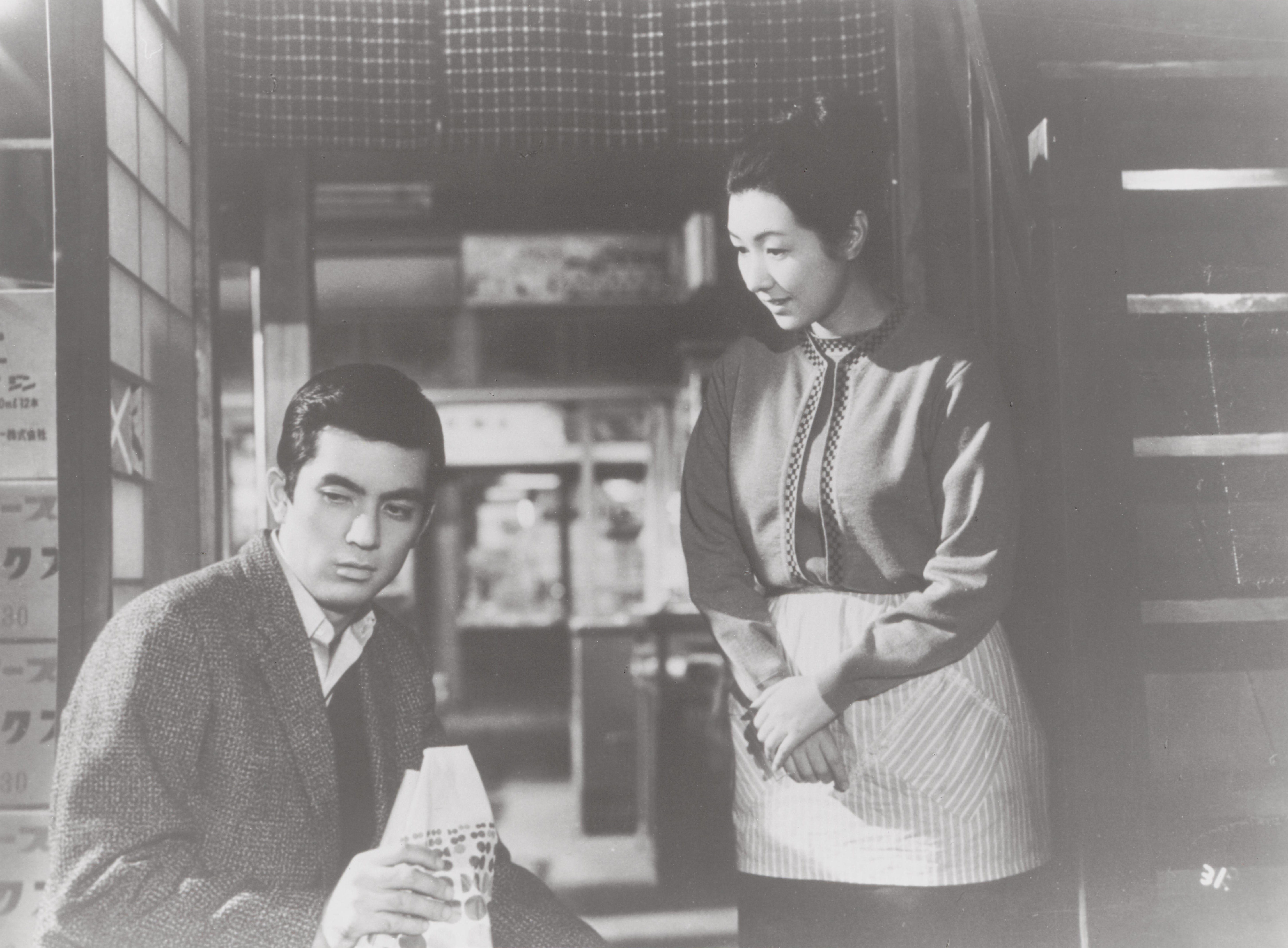
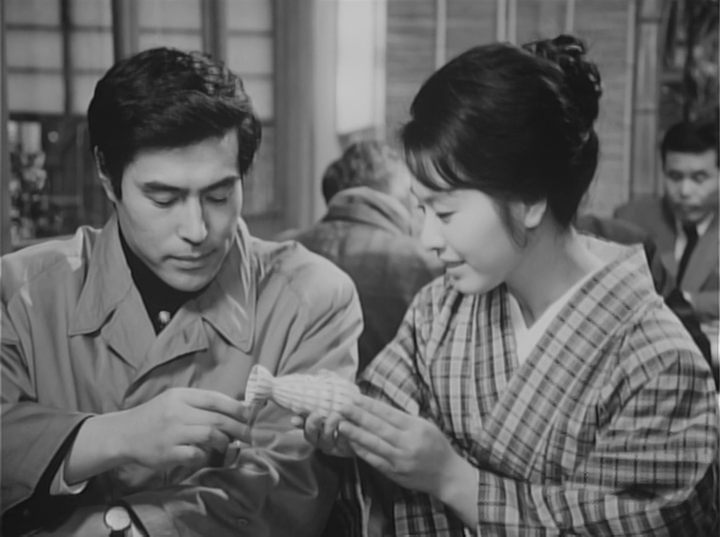
A demoted salaryman begins to find a new sense of solidarity with his fellow humans while staying in a bustling Osaka boarding house in a characteristically bittersweet drama from Heinosuke Gosho. Review.
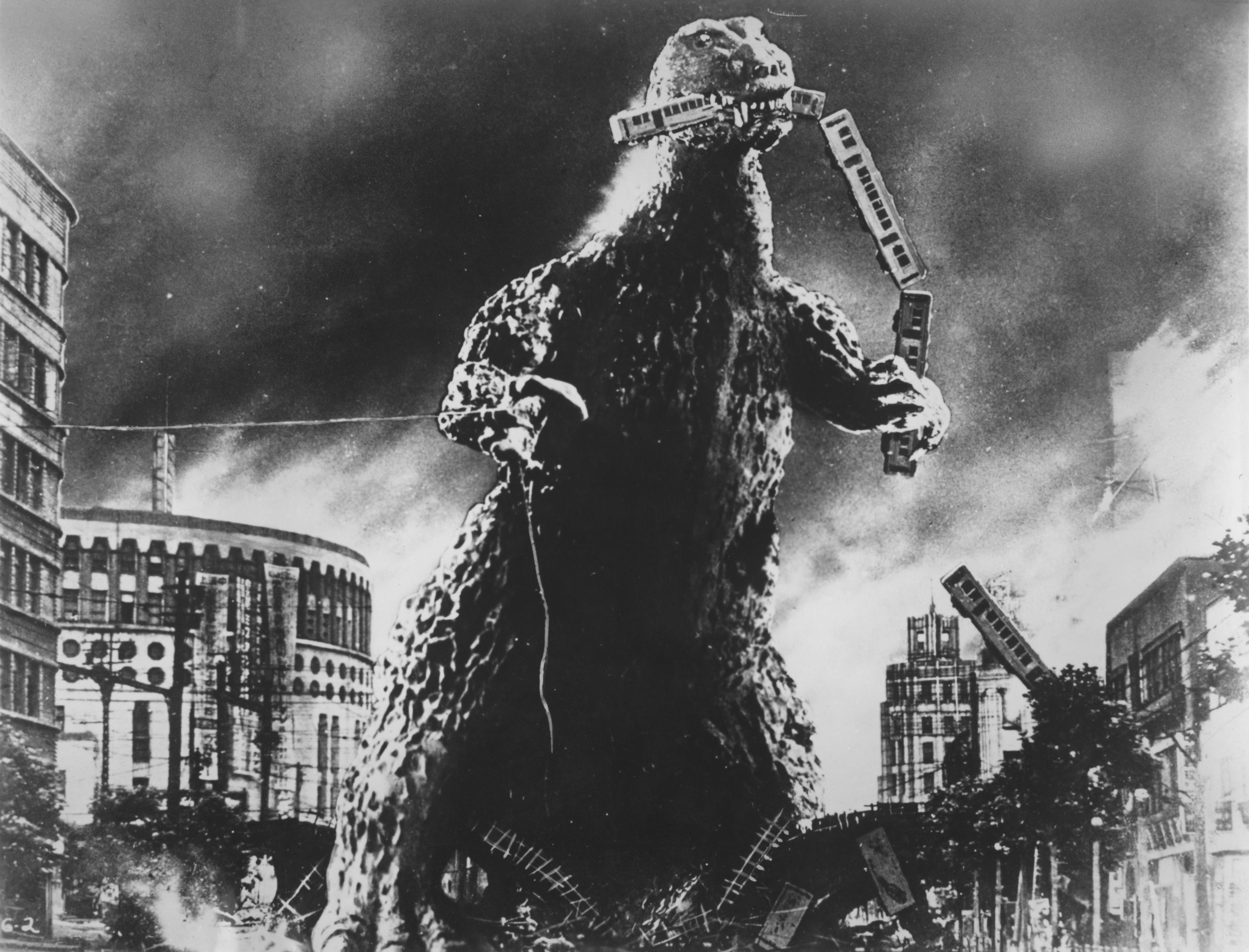
Ishiro Honda’s landmark monster movie needs no introduction, advancing a strong anti-nuclear message as a giant sea lizard is awoken from its slumber by human violence and goes on a grumpy rampage through contemporary Tokyo.
Mizoguchi’s Heian-era tale follows two aristocratic children who are captured by bandits and sold into slavery while trying to unite with their exiled father.
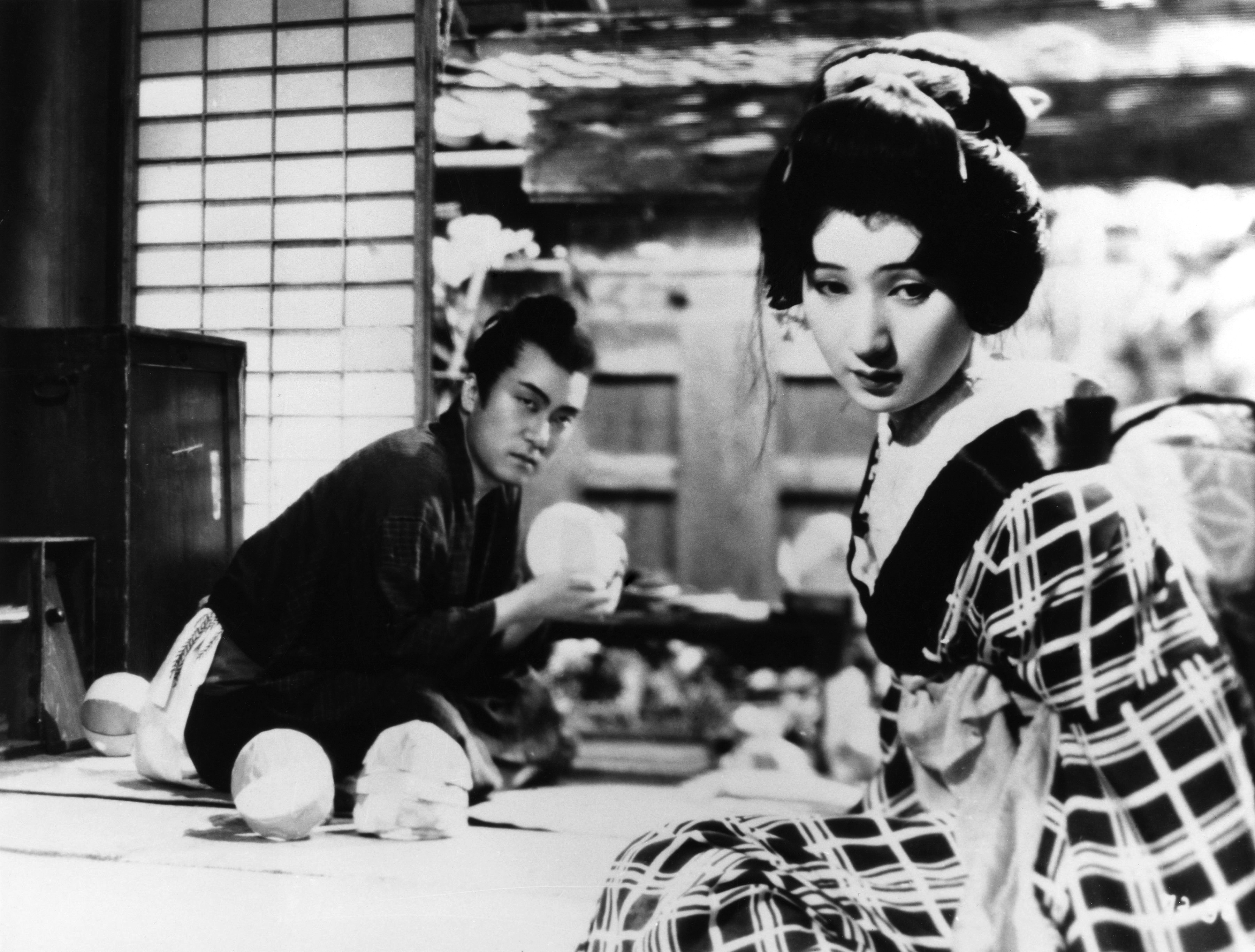
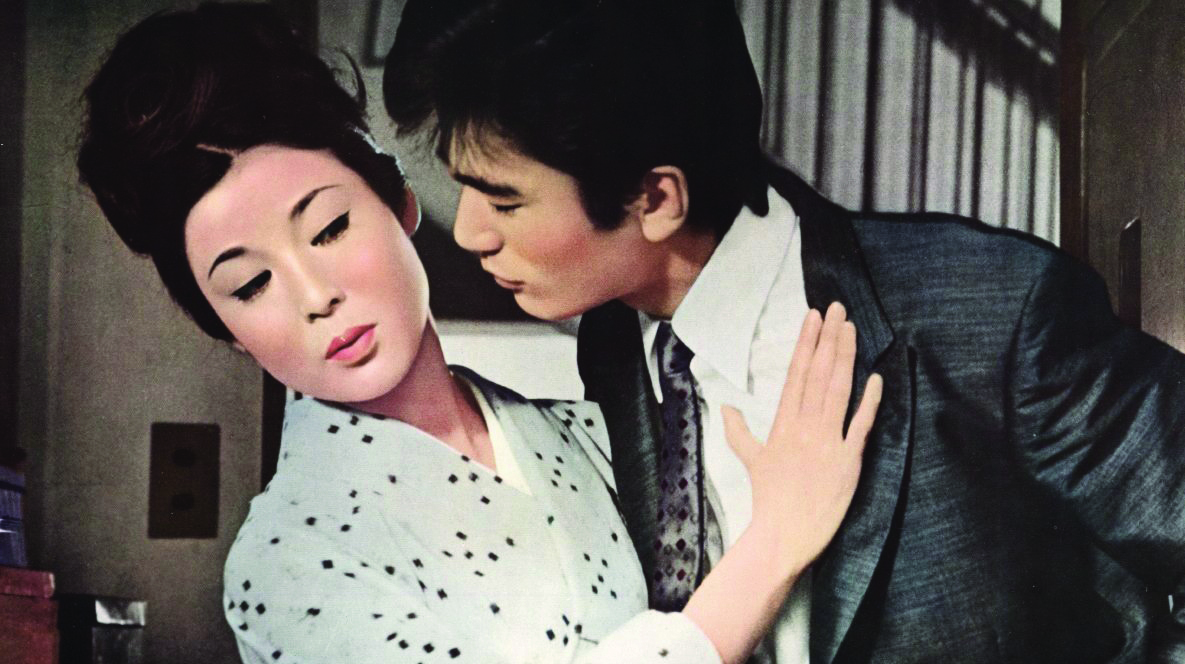
Adaptation of the novel by Sakunosuke Oda in which the married son of a wealthy family (Hisaya Morishige) takes up with a geisha (Chikage Awashima) but struggles to adapt to his life without money or status. Review.
TUE 19 OCT 14:30 NFT2 / WED 20 OCT 20:15 STUDIO / THU 21 OCT 17:40 NFT2 / SAT 20 NOV 15:20 NFT3 / TUE 23 NOV 17:40 NFT2
An example of a darker Ozu, Early Spring finds the relationship between a young couple (Ryo Ikebe & Chikage Awashima) strained by the duplicities of the salaryman dream as the husband is drawn into an affair with a woman at the office (Keiko Kishi).
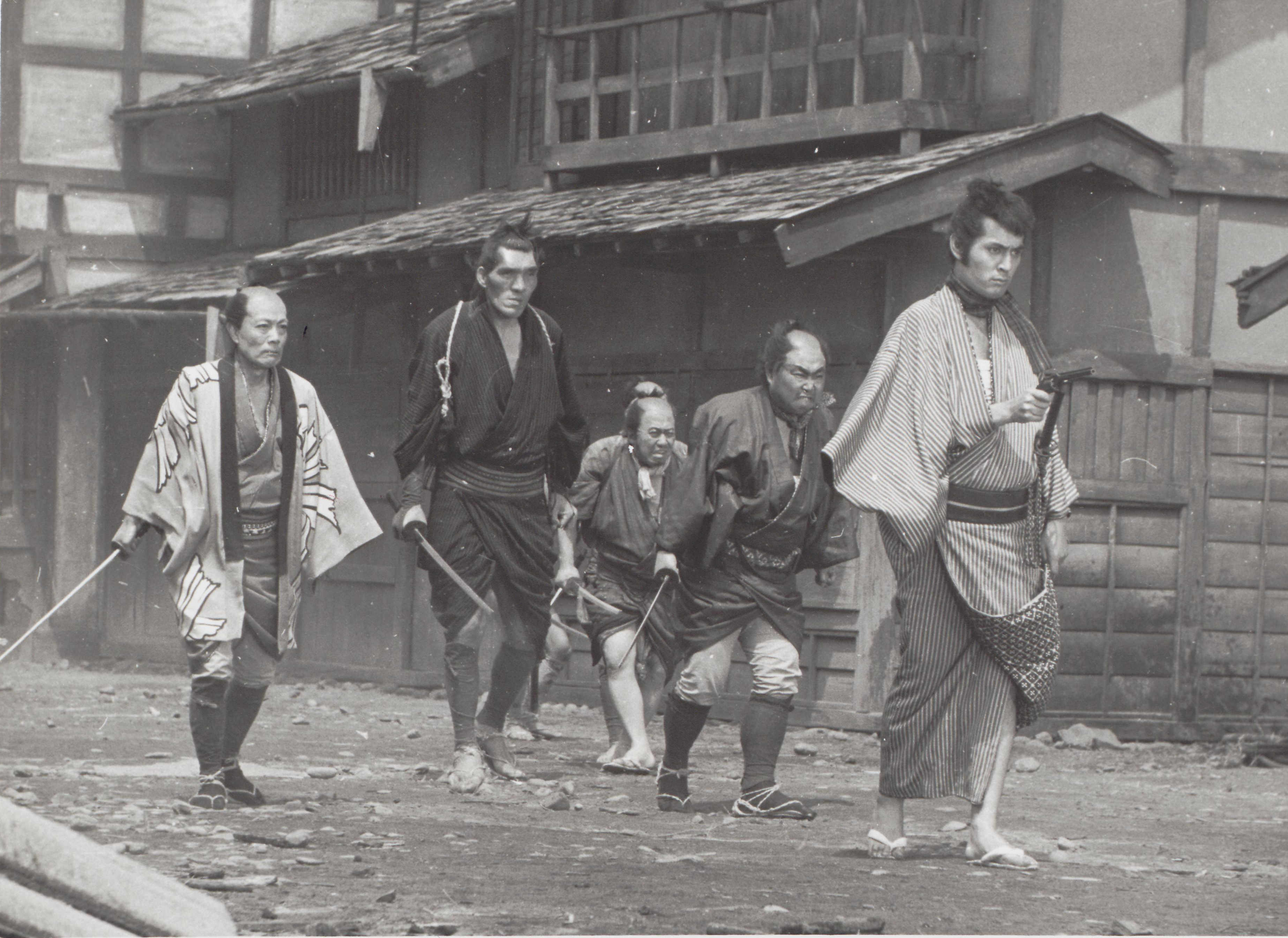
The life of a loyal retainer (Rentaro Mikuni) is thrown into chaos by rumours that his wife (Ineko Arima) has betrayed him with a travelling musician (Masayuki Mori) in Tadashi Imai’s tense social drama co-scripted by Kaneto Shindo & Shinobu Hashimoto. Review.
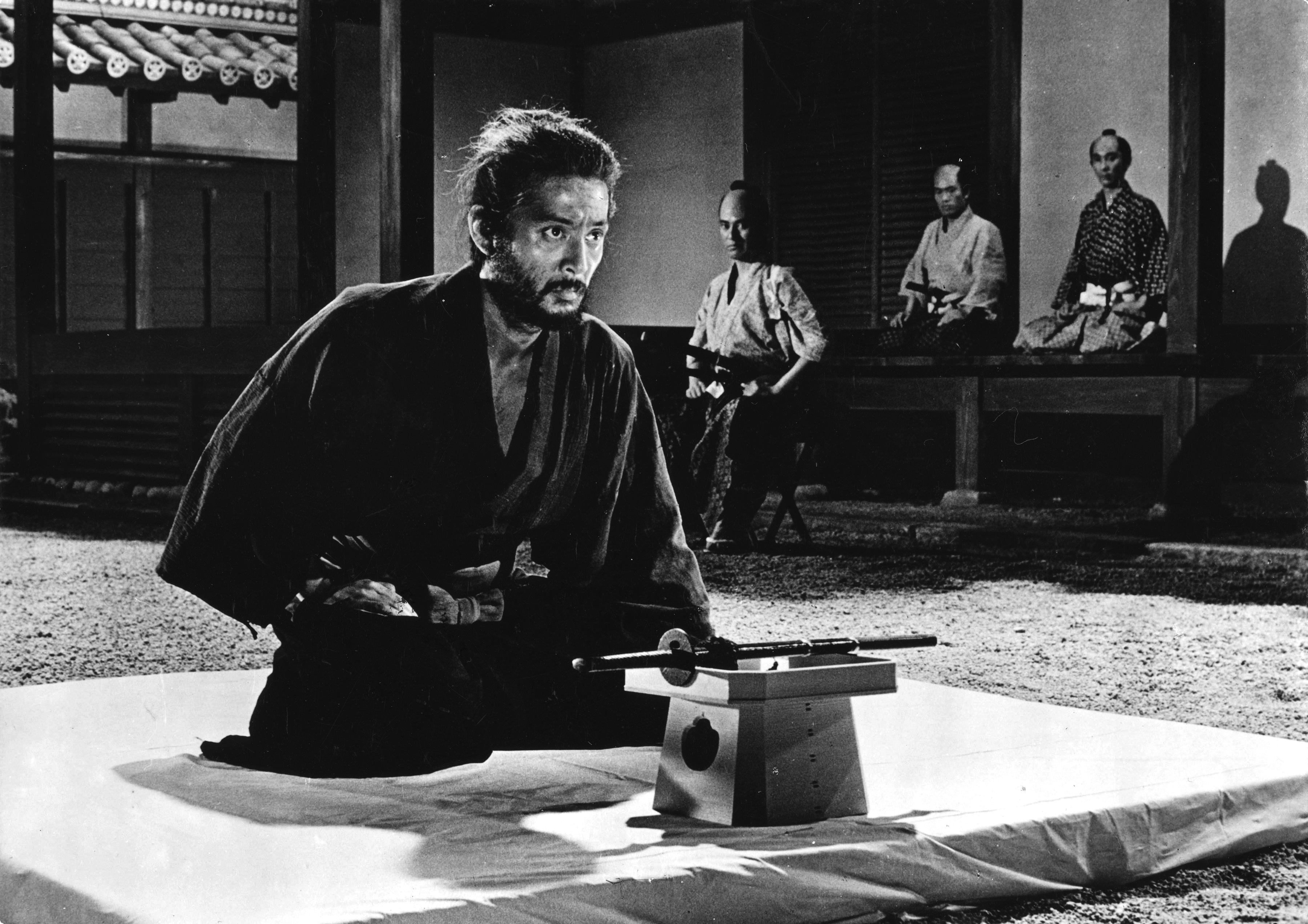
Powerful drama decrying samurai hypocrisy starring Tatsuya Nakadai as a ronin who requests permission to commit seppuku in the courtyard of a lord as an act of revenge for the forced suicide of his adopted son.
WED 20 OCT 14:15 NFT1 / THU 11 NOV 20:40 NFT3 / SAT 20 NOV 12:40 NFT3
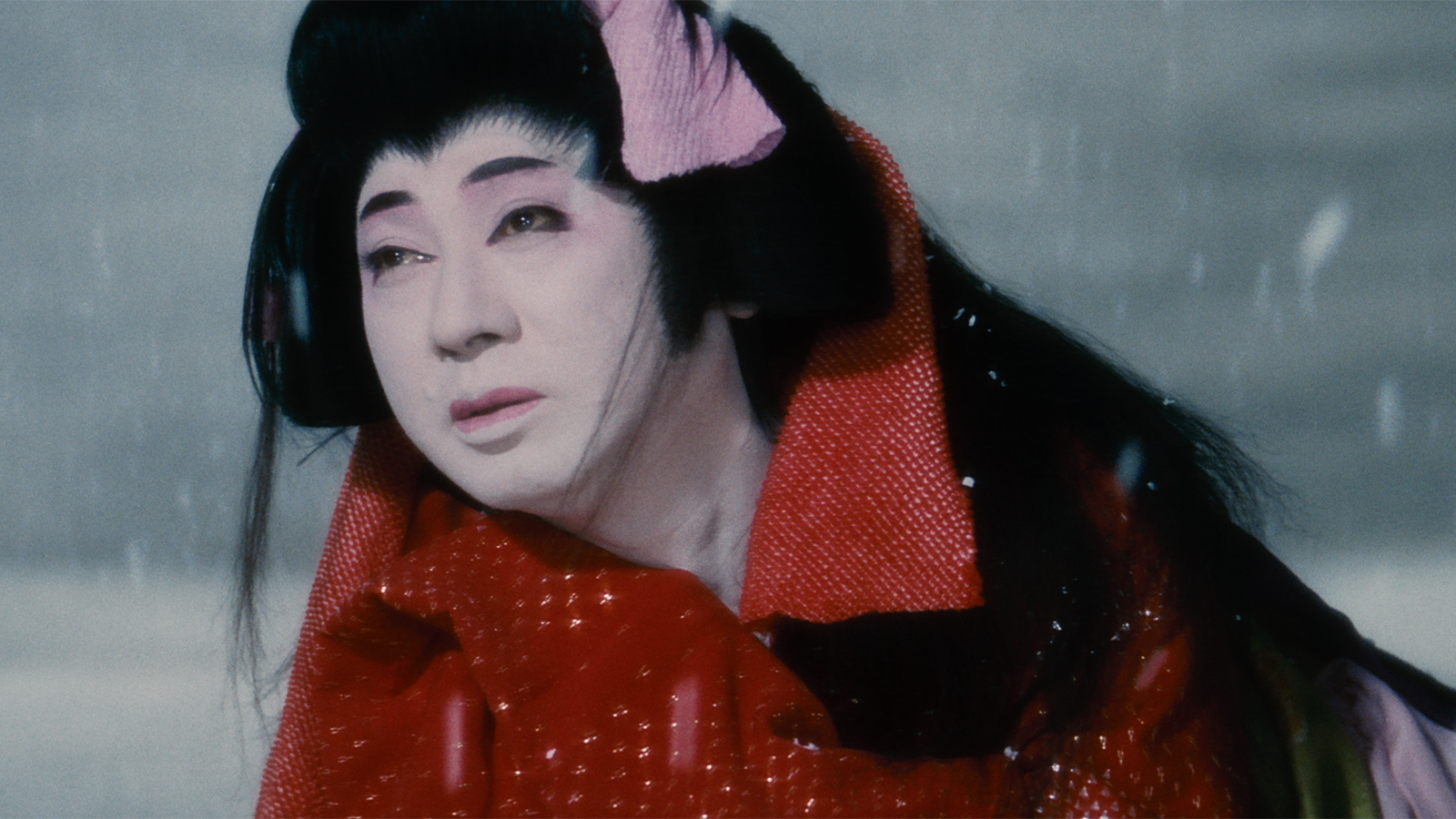
Kazuo Hasegawa returns to the role of Yukinojo in Kon Ichikawa’s remake of the classic tale as a successful onnagata attempts to take revenge for the deaths of his parents. Review.
FRI 12 NOV 18:20 NFT2 / SUN 14 NOV 18:20 NFT3 / FRI 26 NOV 21:00 NFT1
Melodrama scripted by Zenzo Matsuyama and starring Hideko Takamine as a war widow who patiently rebuilt and maintained her husband’s family grocery shop for 18 years only for her sister-in-laws to force her out in order to turn it into a supermarket, while her much younger brother-in-law suddenly confesses his lifelong love.
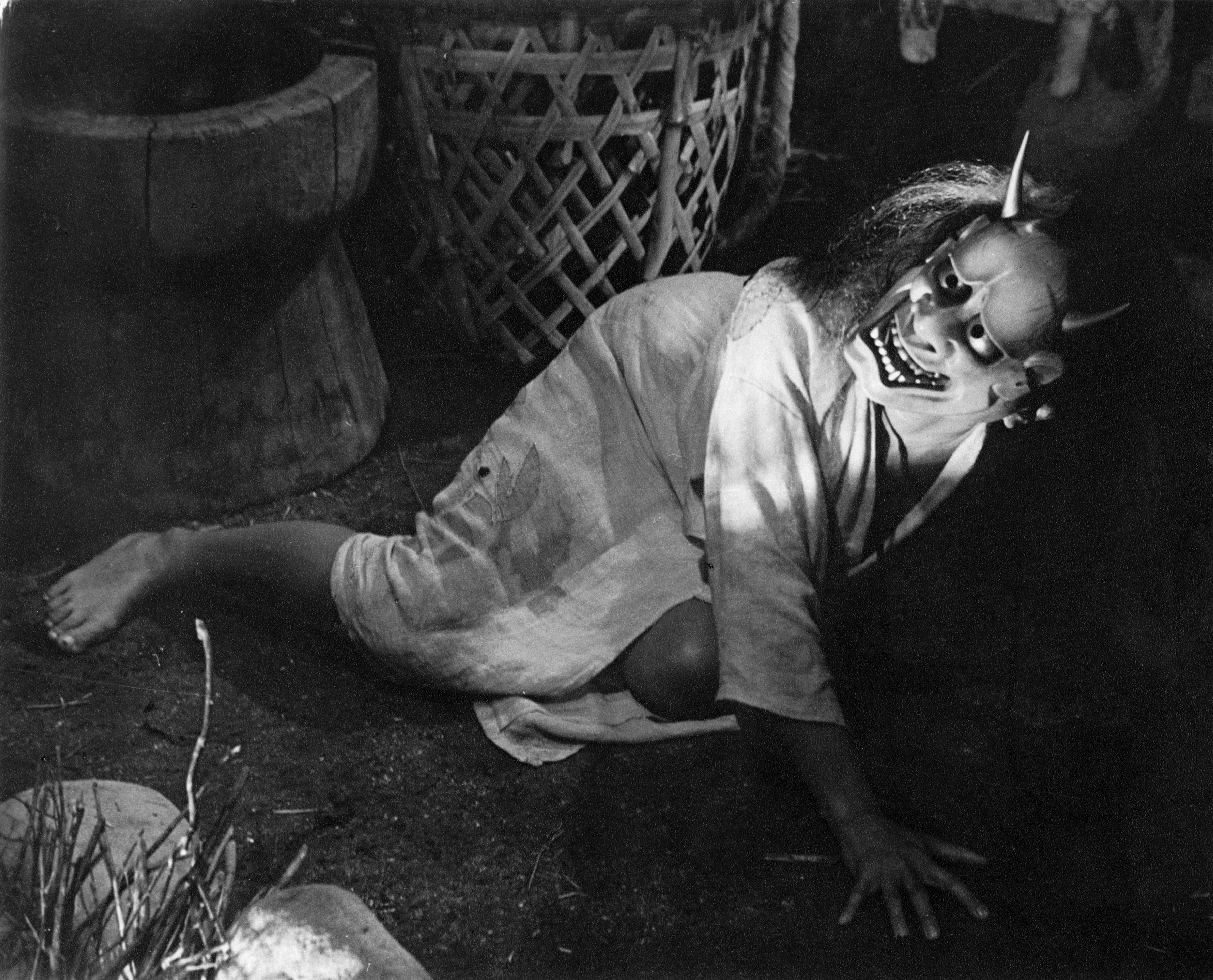
An old woman (Nobuko Otowa) finds herself sinking to depths of inhuman depravity in a desperate need to survive in Kaneto Shindo’s grim fable of feudal Japan. Review.
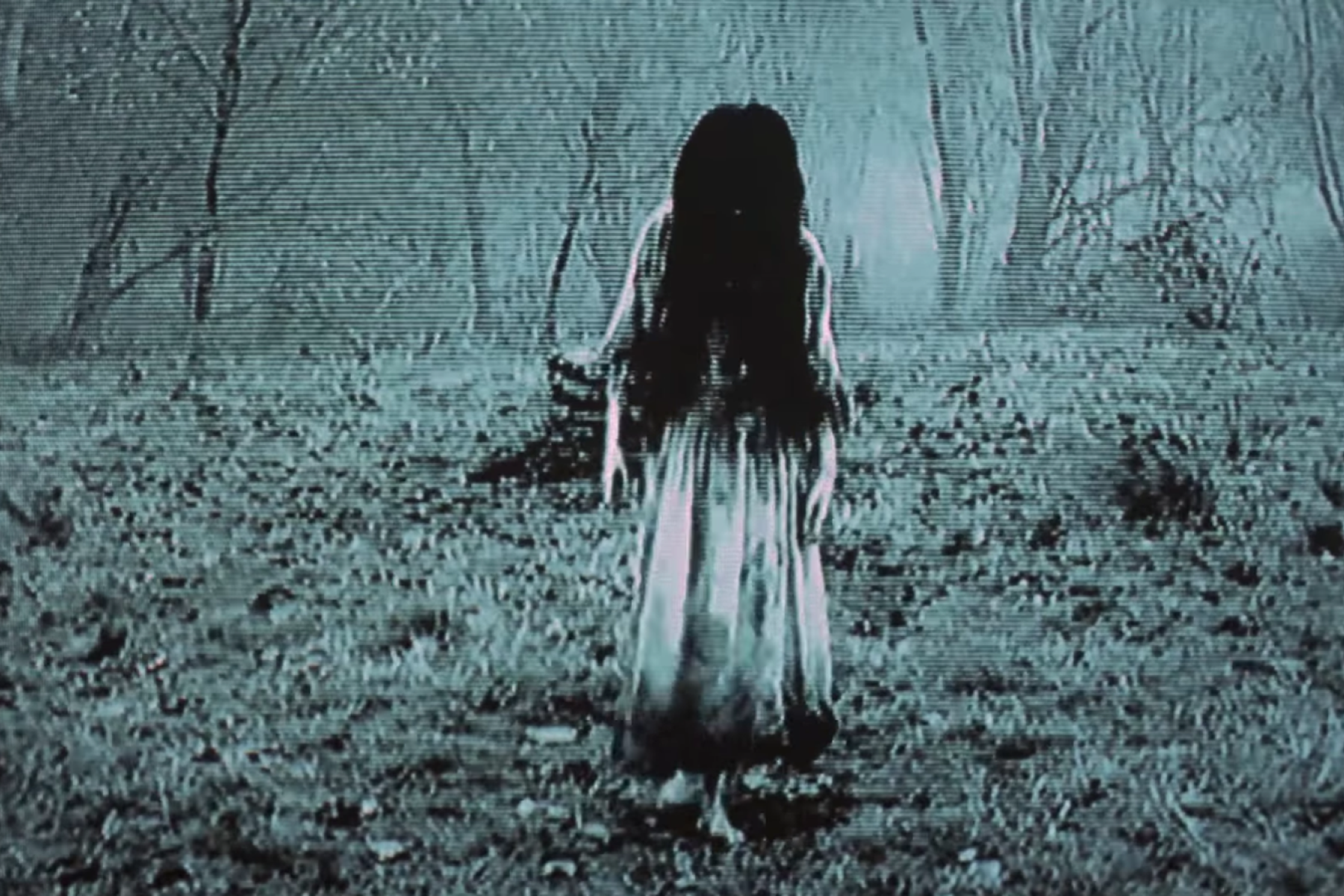
A single-mother (Nanako Matsushima) begins investigating claims that teenagers are dying seven days after watching a creepy VHS tape in Hideo Nakata’s seminal piece of J-horror adapting the novel by Koji Suzuki.
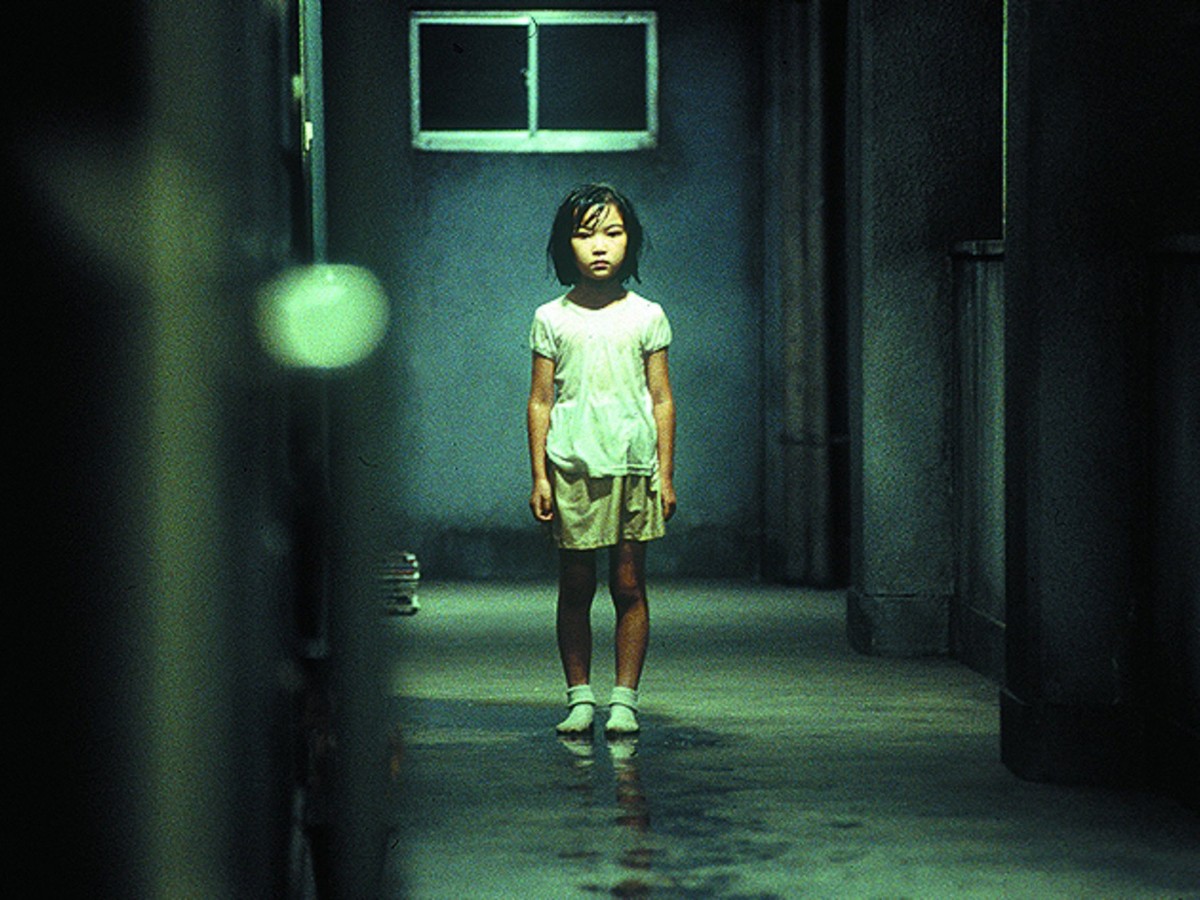
A woman in the midst of a divorce and custody battle is haunted by the spectre of a lonely child in Hideo Nakata’s adaptation of the Koji Suzuki novel. Review.
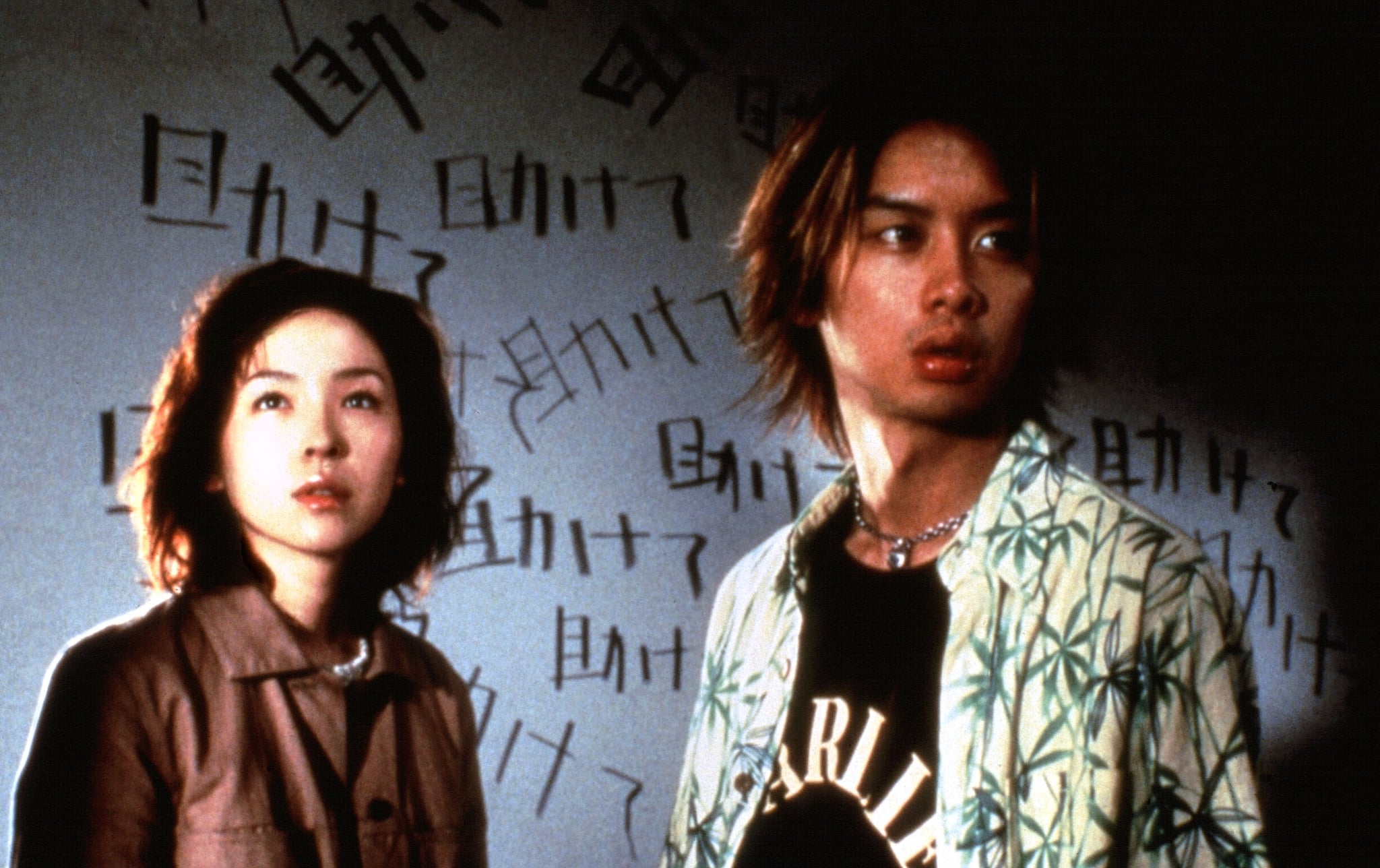
Death is eternal loneliness in Kiyoshi Kurosawa’s tech-fearing horror classic starring Kumiko Aso as a young woman investigating the suicide of a close friend. Review.
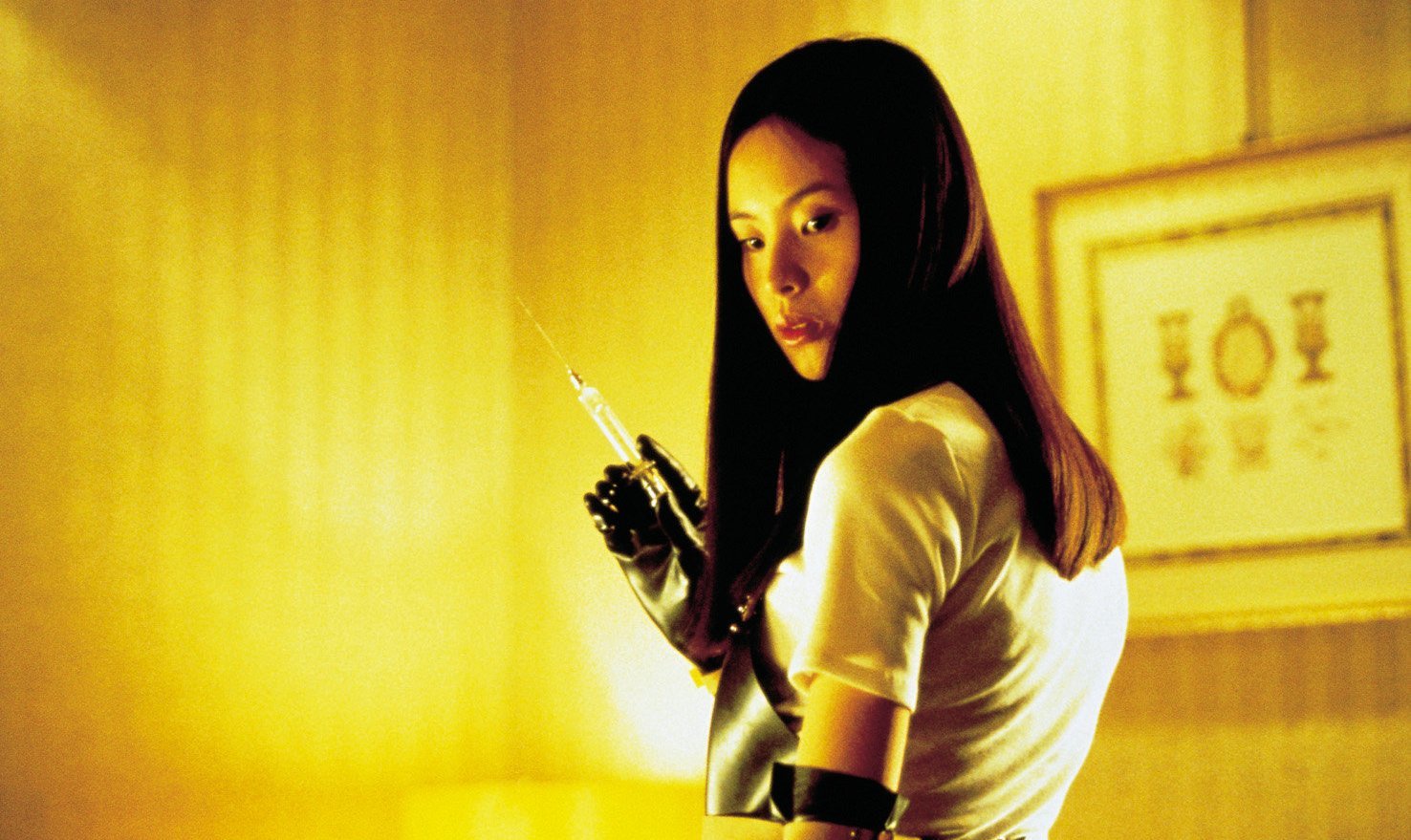
Takashi Miike’s deceptive drama begins as a gentle romcom before edging slowly towards the horrific as a widower (Ryo Ishibashi) takes his his friend’s advice and sets up a fake audition to find the perfect wife but ends up finding something quite different.
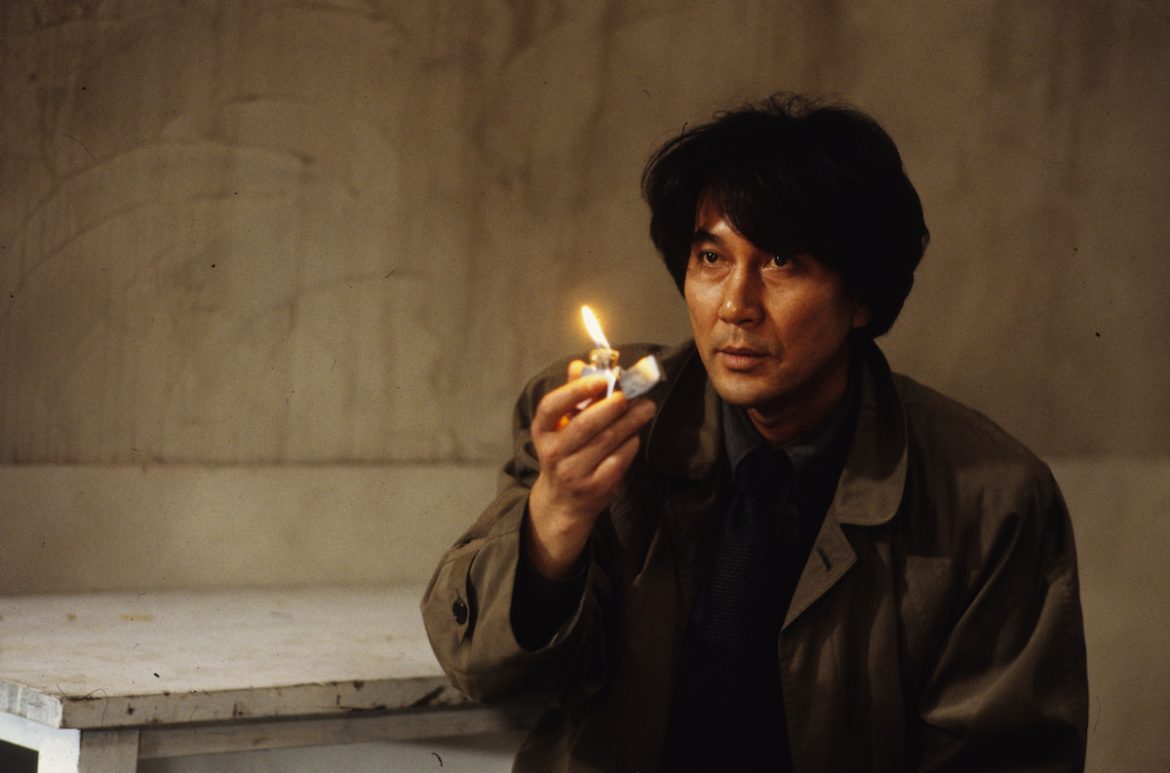
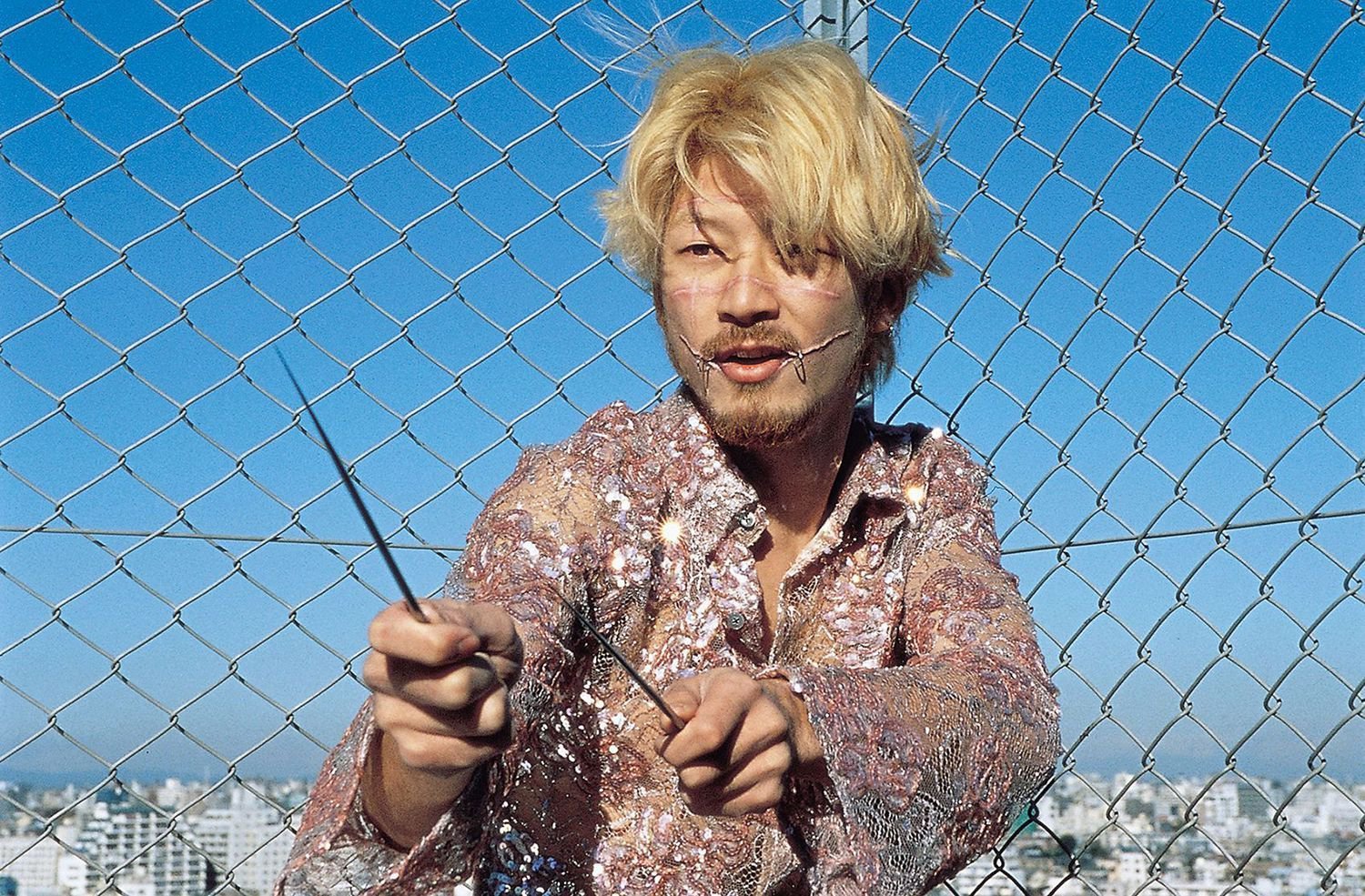
Takashi Miike’s adaptation of the manga by Hideo Yamamoto in which a sadistic yakuza footsoldier (Tadanobu Asano) pursues a repressed psychopathic killer (Nao Omori).
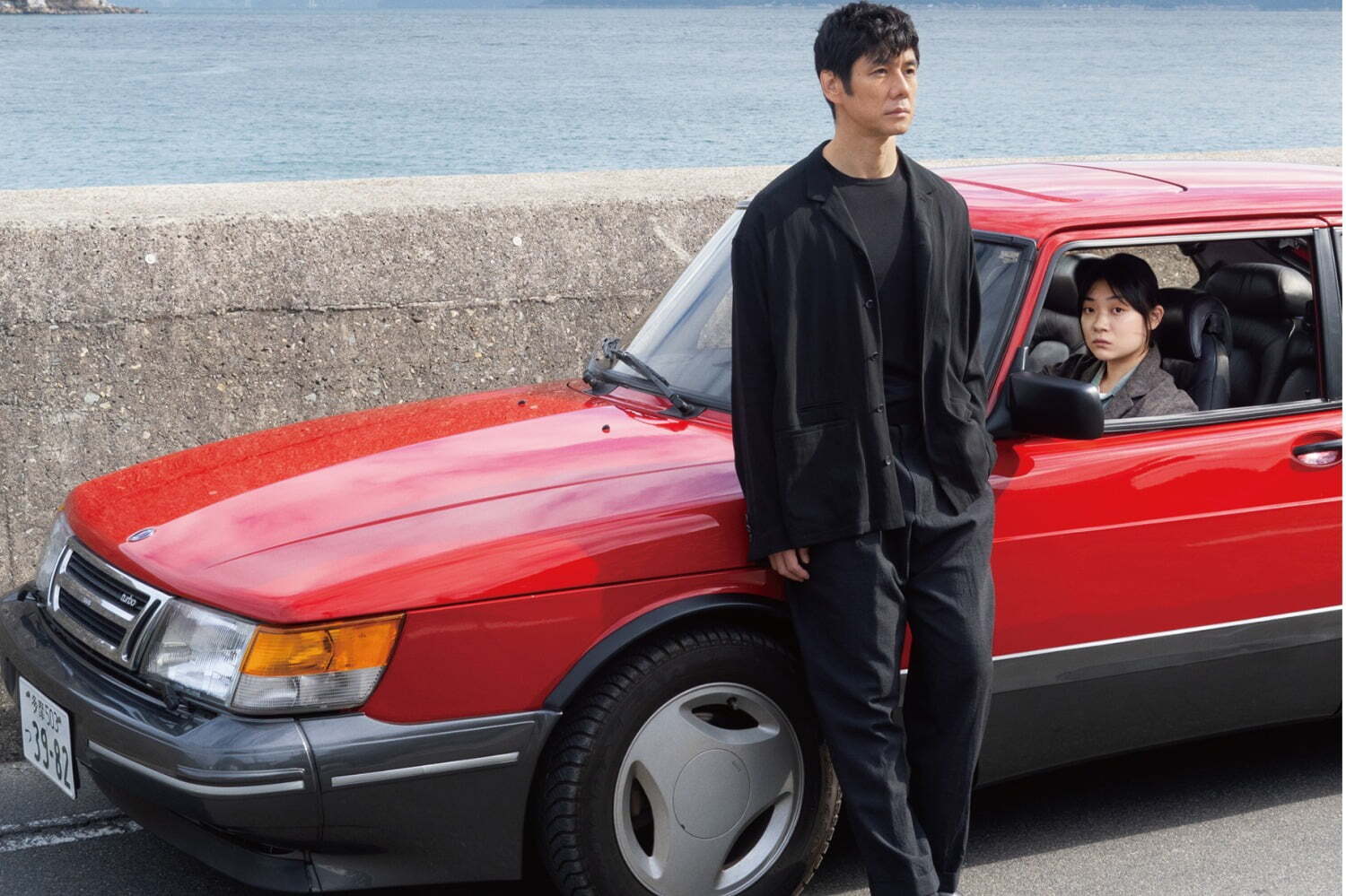
A stage actor and director (Hidetoshi Nishijima) attempting to come to terms with the death of his unfaithful wife casts her lover in his upcoming multi-lingual production of Uncle Vanya while developing a relationship with the reticent young woman driving his car in Hamaguchi’s adaptation of the Haruki Murakami short story.
Screening between 1 and 31 December
(Exact screening dates TBC)
Woman of the Dunes (Hiroshi Teshigahara, 1964)
A bug collector (Eiji Okada) eventually comes to appreciate his new life of simplicity after being trapped in a hole in the sand with a mysterious woman (Kyoko Kishida) in Teshigahara’s adaptation of the Kobo Abe novel.
Visually striking noir from Masahiro Shinoda starring Ryo Ikebe as a recently released yakuza who enters a destructive relationship with a female gambler (Mariko Kaga).
A Fugitive From the Past (Tomu Uchida, 1965)
A fugitive murderer (Rentaro Mikuni) attempts to forge a new identity for himself in the post-war society but discovers the past is not so easily buried in a late career masterpiece from Tomu Uchida. Review.
Tokyo Drifter (Seijun Suzuki, 1966)
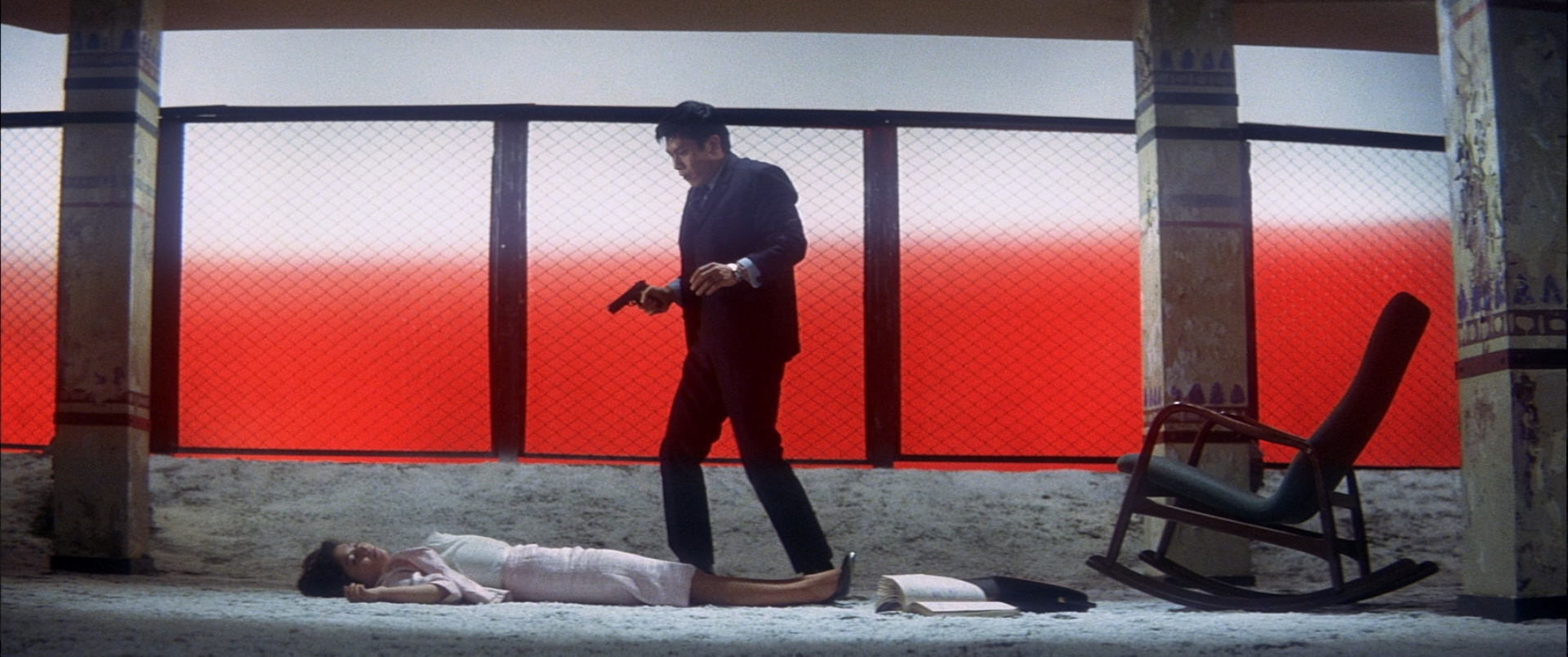
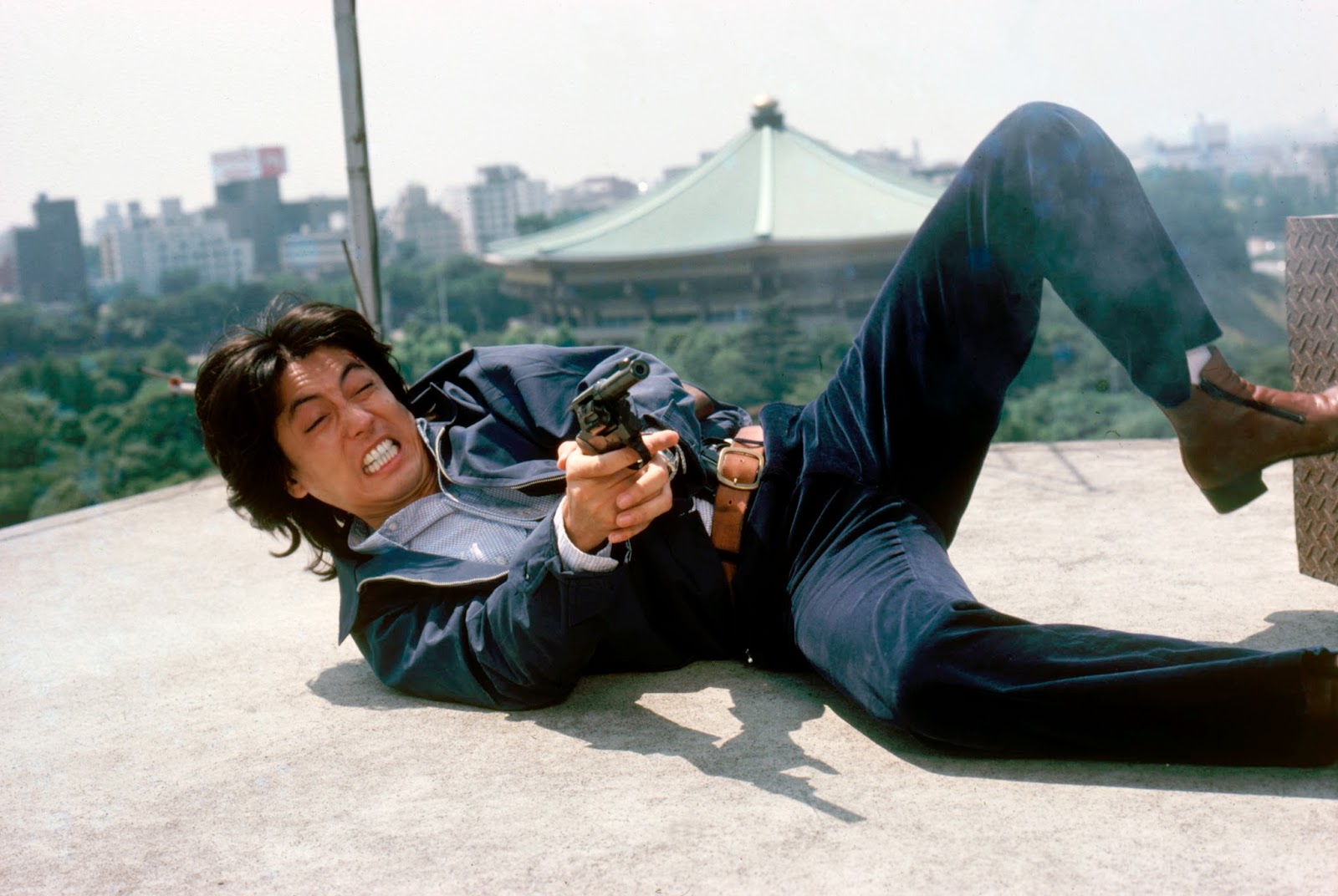
Visually striking, surreal yakuza movie from Seijun Suzuki starring Tetsuya Watari as a yakuza targeted by a rival outfit after his own gang is disbanded.
Woman of the Lake (Kiju Yoshida, 1966)
Yoshishige (Kiju) Yoshida’s adaptation of Yasunari Kawabata’s The Lake starring Mariko Okada as an adulterous woman blackmailed by a third party over nude photos taken by her lover.
Silence Has No Wings (Kazuo Kuroki, 1966)
The first feature from continually underrepresented director Kazuo Kuroki, Silence Has No Wings follows a caterpillar from Nagasaki to Hokkaido.
Death By Hanging (Nagisa Oshima, 1968)
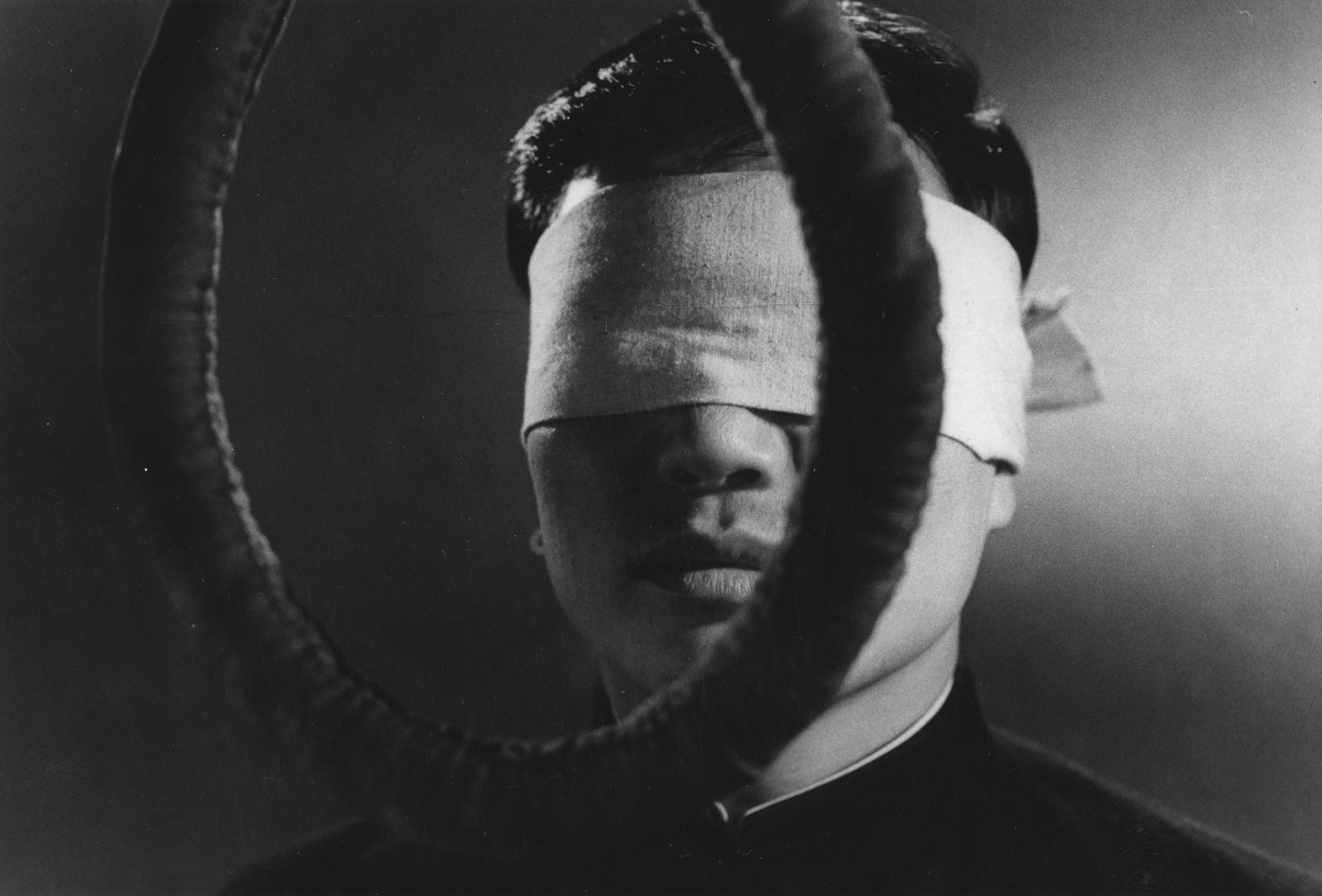
Brechtian drama from Nagisa Oshima in which a Korean student is hanged but survives having lost his memory. Unsure of the ethics of re-executing a man who cannot acknowledge his crimes because he does not remember them, the prison staff proceed to act them out.
Funeral Parade of Roses (Toshio Matsumoto, 1969)
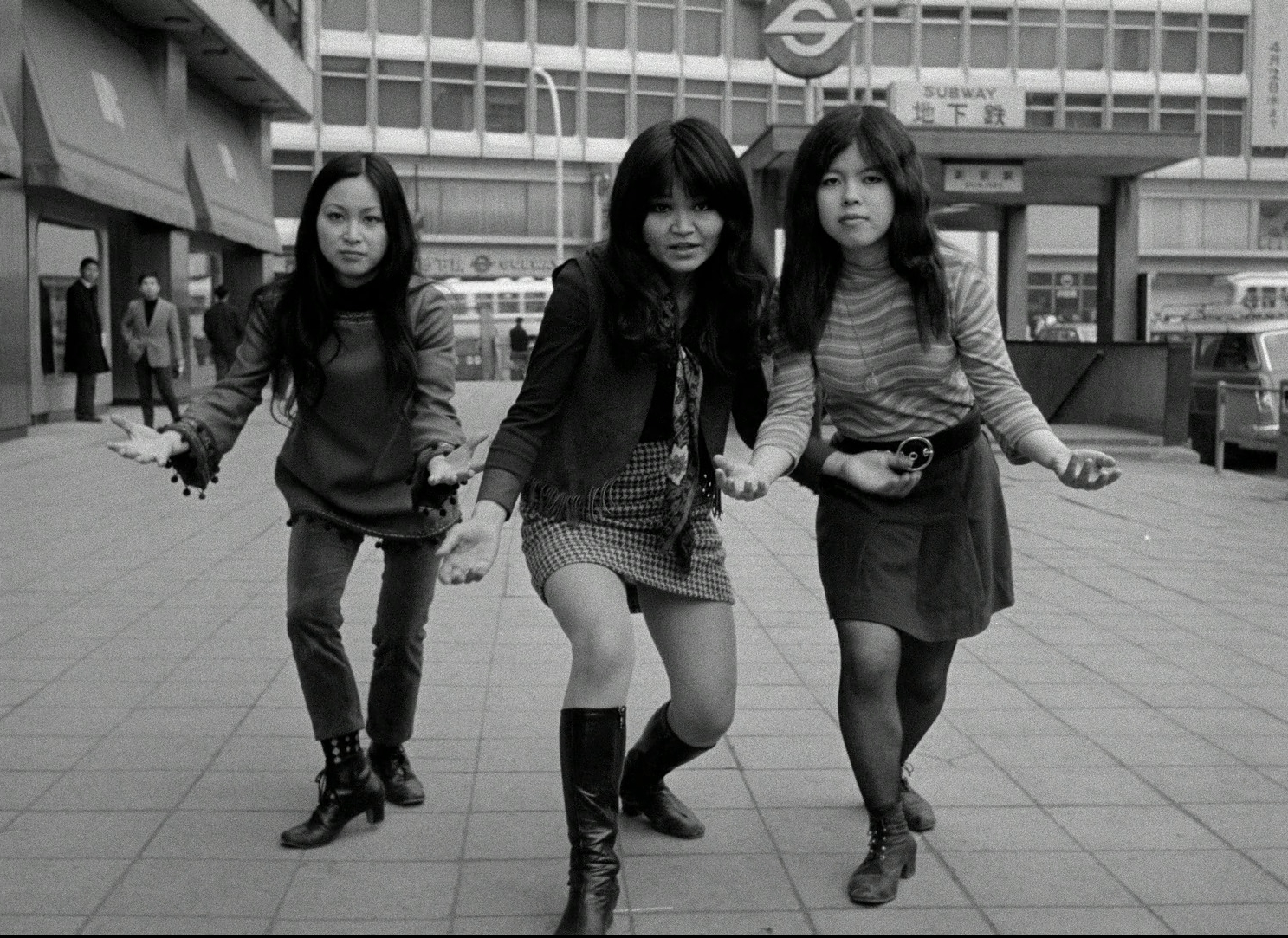
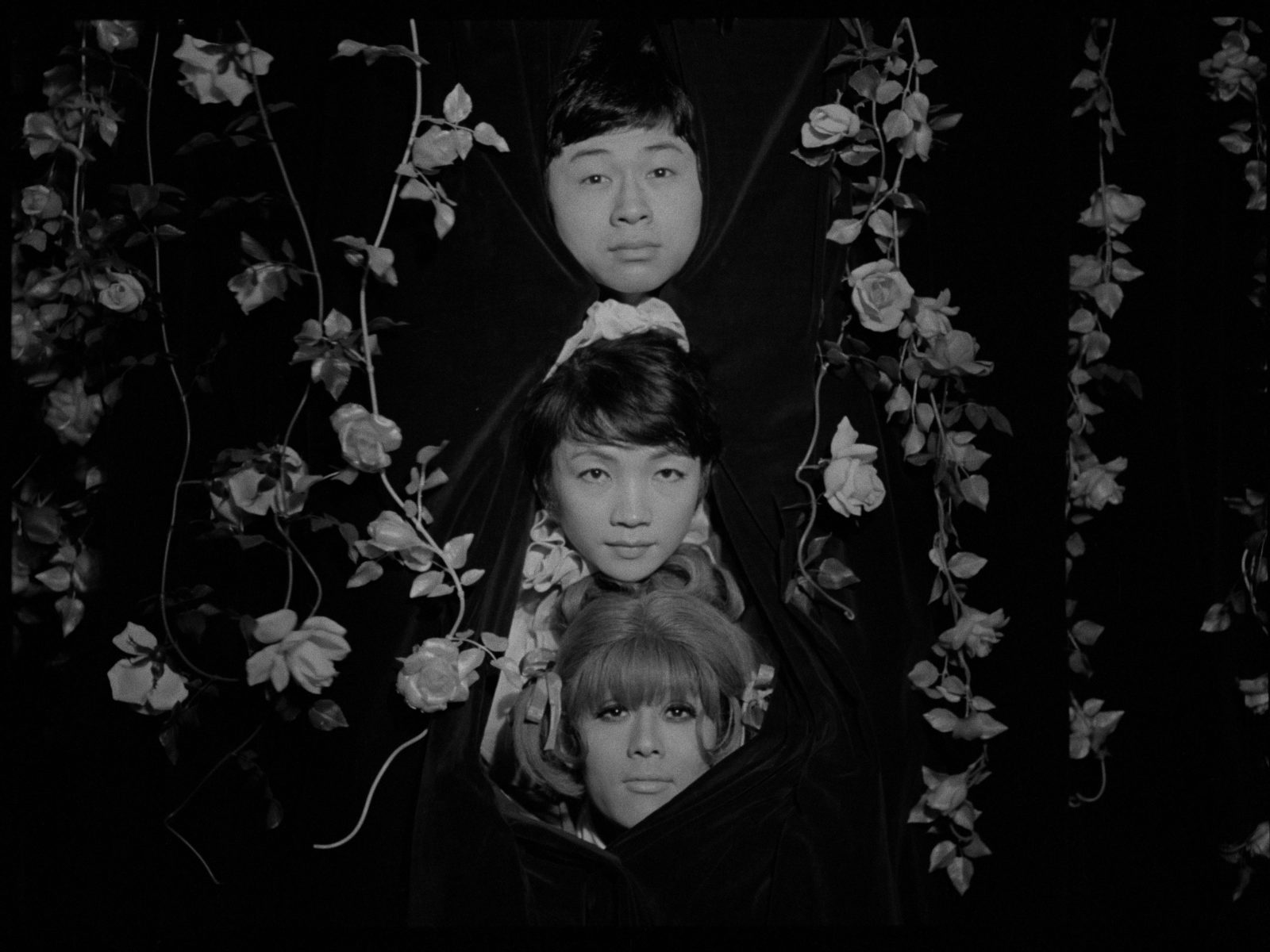
Toshio Matsumoto repurposes Oedipus Rex to explore the impossibilities of true authenticity in an anarchic voyage through late ’60s counterculture Shinjuku. Review.
Shinobugawa (Kei Kumai, 1972)
Two dejected youngsters (Go Kato & Komaki Kurihara) find new strength to embrace post-war freedom in the power of loving and being loved in Kei Kumai’s delicate romance. Review.
In The Realm of the Senses (Nagisa Oshima, 1976)
Inspired by the notorious story of Sada Abe, Oshima’s controversial drama sees two lovers retreat from an increasingly authoritarian society into a private world of self-destructive eroticism.
The Demon (Yoshitaro Nomura, 1978)
A single-mother (Mayumi Ogawa) leaves her three children with their married father (Ken Ogata) when he stops supporting them financially but his wife (Shima Iwashita) is far from happy about the situation in Yoshitaro Nomura’s shocking psychological drama adapted from the novel by Seicho Matsumoto.
The Man Who Stole the Sun (Kazuhiko Hasegawa, 1979)
’70s pop icon Kenji Sawada stars as a nerdy high school science teacher belittled by his students and the wider society around him but plotting revenge by building a mini atom bomb in his apartment. Review.
Muddy River (Kohei Oguri, 1981)
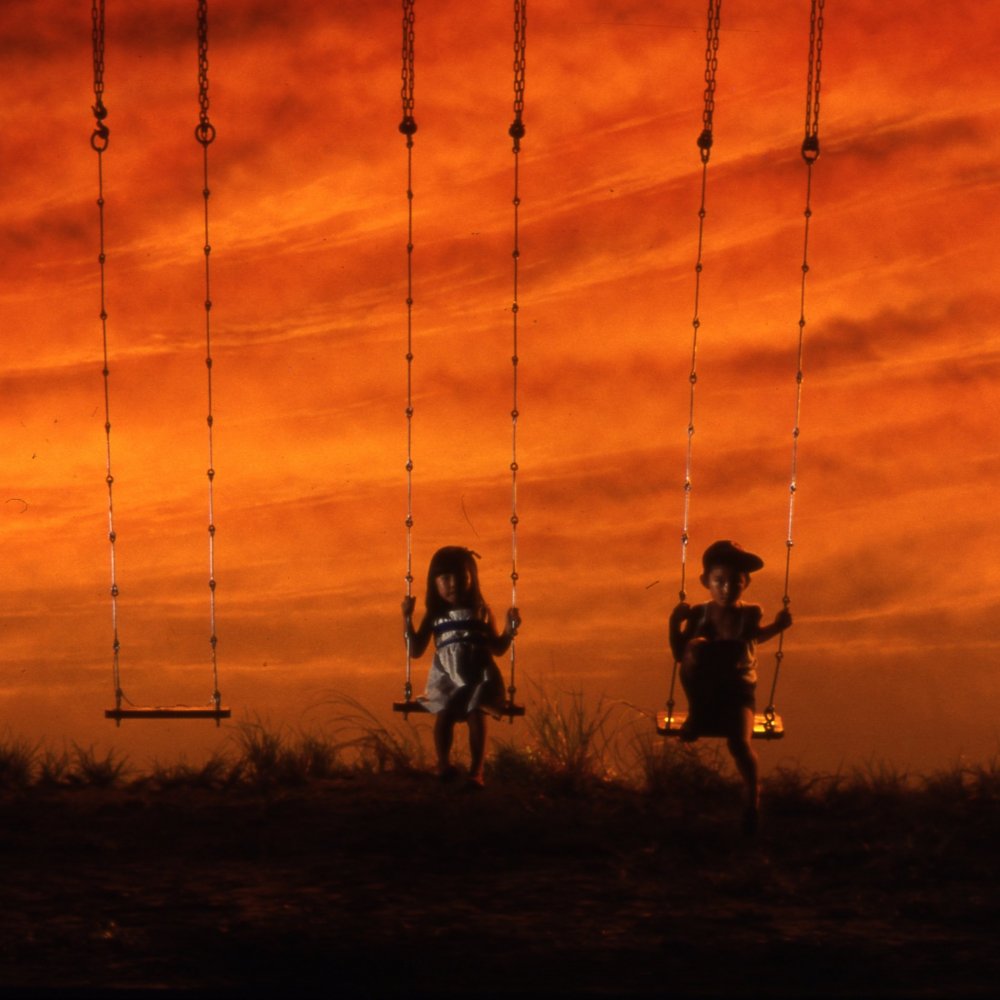
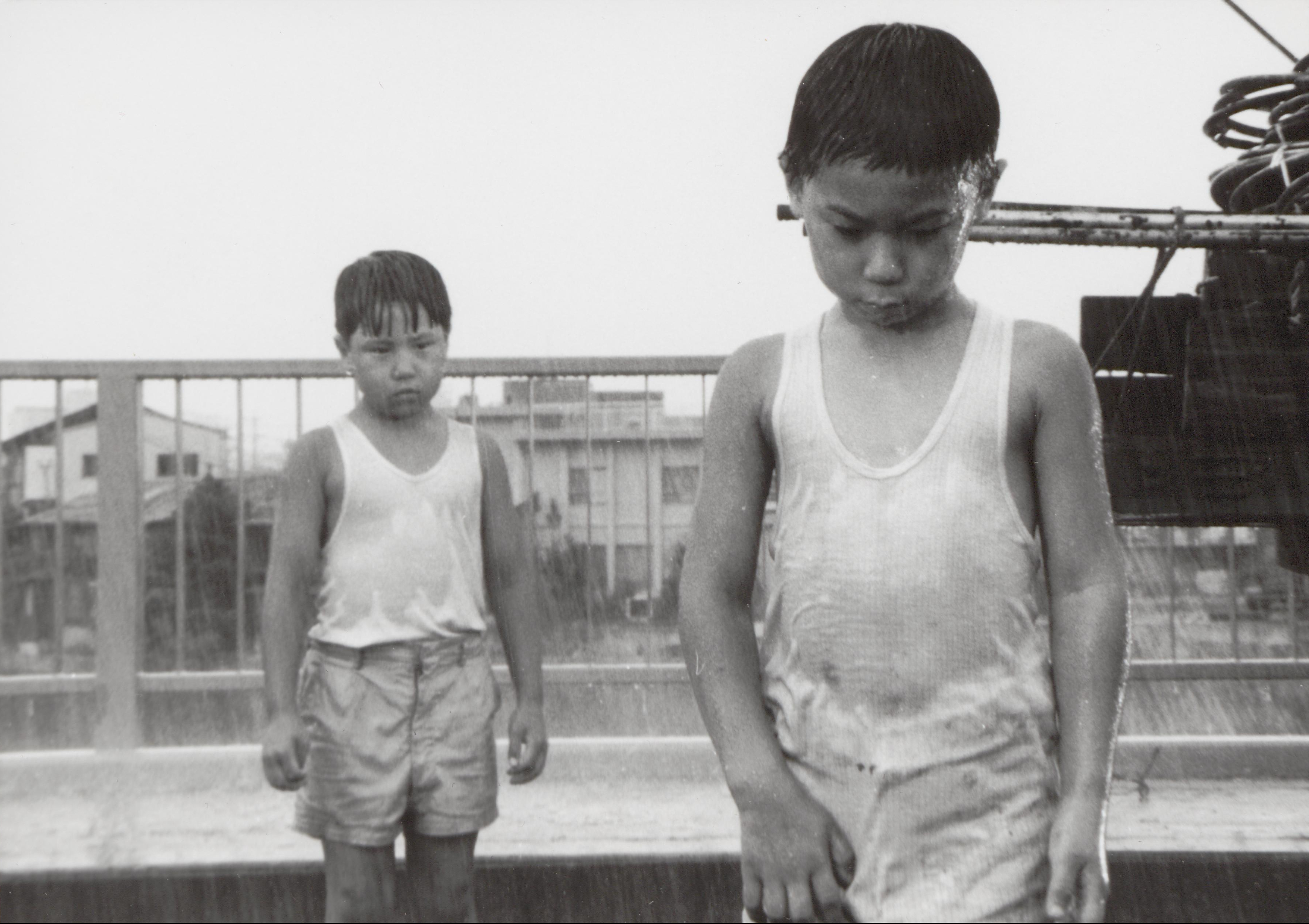
Two children living by the river in post-war Osaka become friends but their innocent connection is disrupted by the muddiness of life in Kohei Oguri’s moving drama.
Fire Festival (Mitsuo Yanagimachi, 1985)
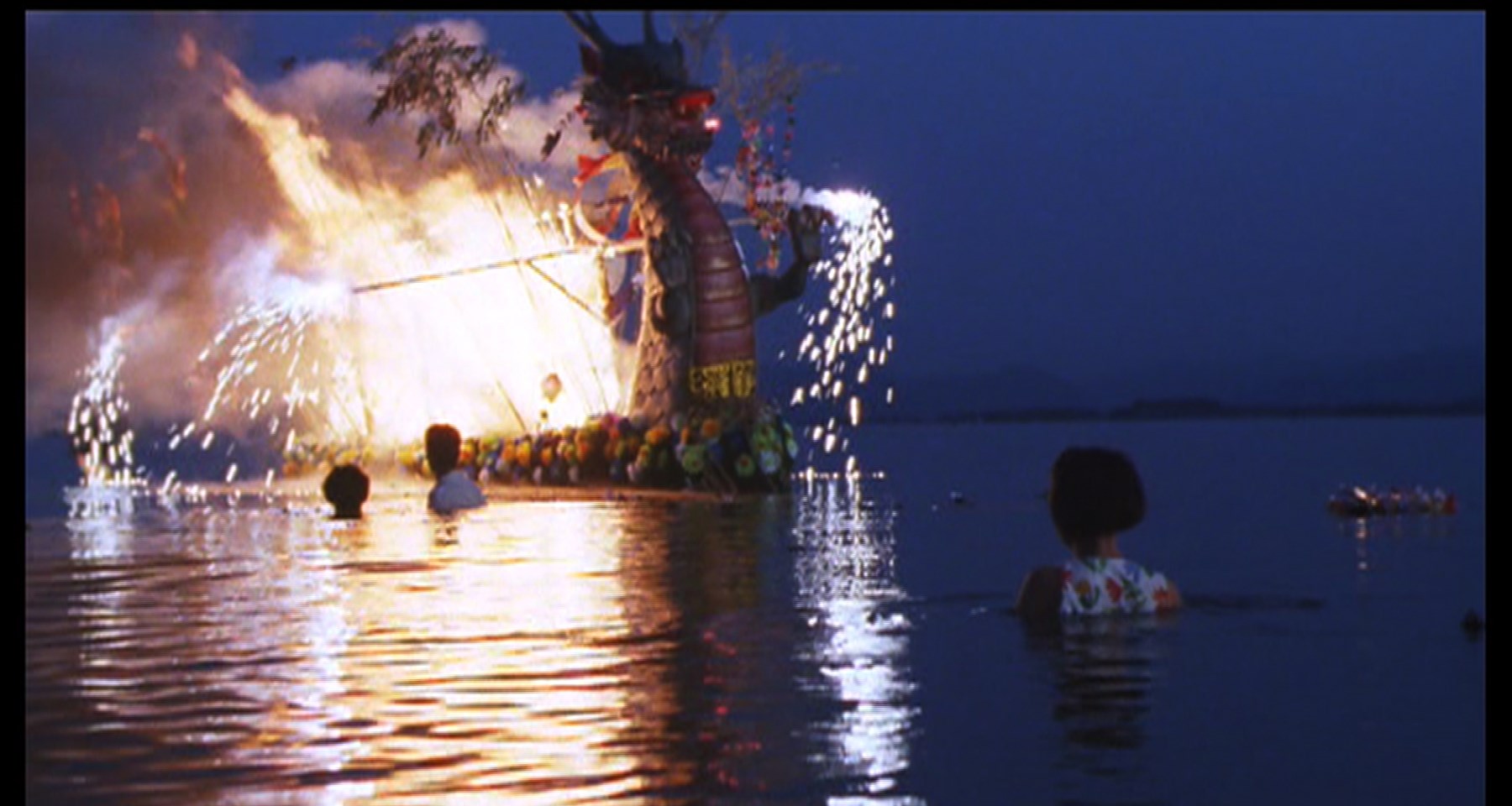
A stubborn lumberjack’s refusal to sell his land to developers set on building a marine park sets him at odds with his community culminating in a fiery act of violence in Mitsuo Yanagimachi’s ’80s indie drama.
Tampopo (Juzo Itami, 1985)
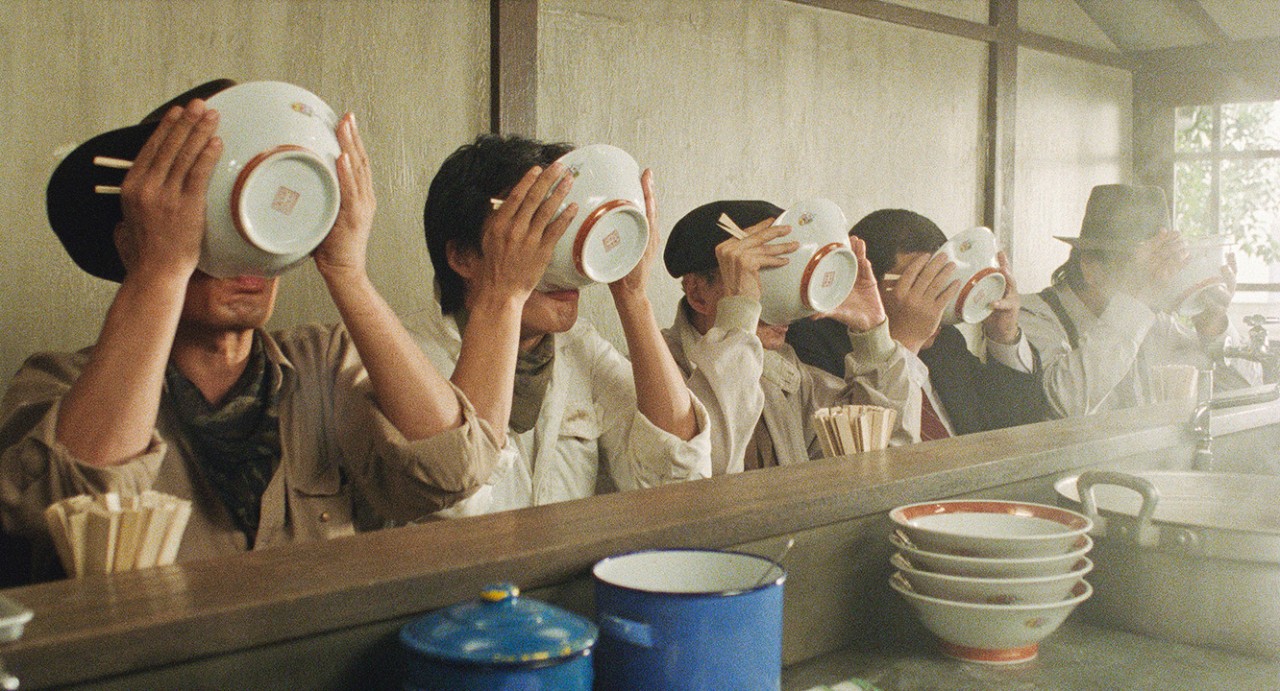
Juzo Itami’s comedy classic starring his wife Nobuko Miyamoto as the titular Tampopo, a recent widow struggling to run a small ramen bar eventually rescued by Tsutomu Yamazaki’s wandering truck driver ramen master. Review.
The Emperor’s Naked Army Marches On (Kazuo Hara, 1987)
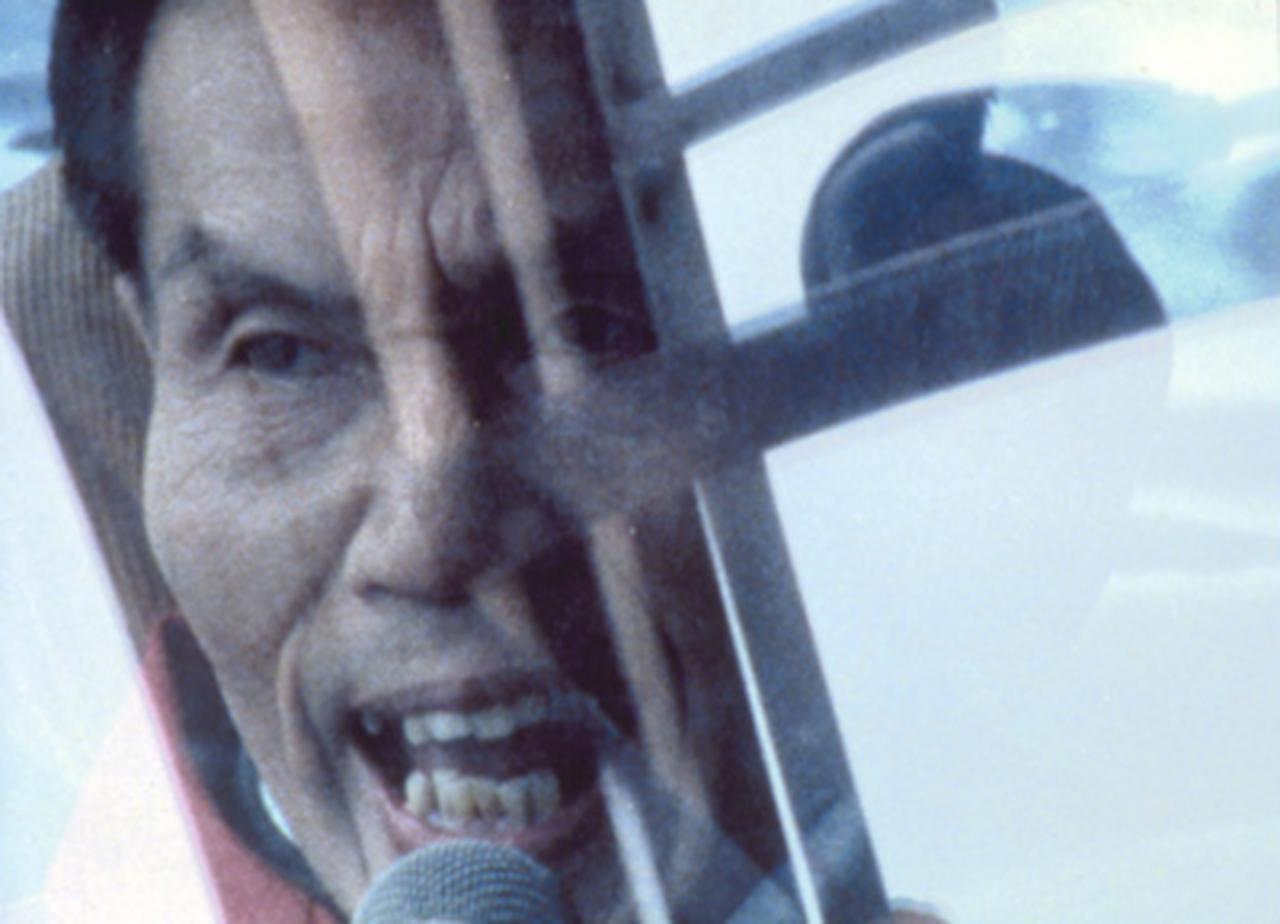
Kazuo Hara’s landmark documentary following confrontational Pacific War veteran Kenzo Okuzaki. Review.
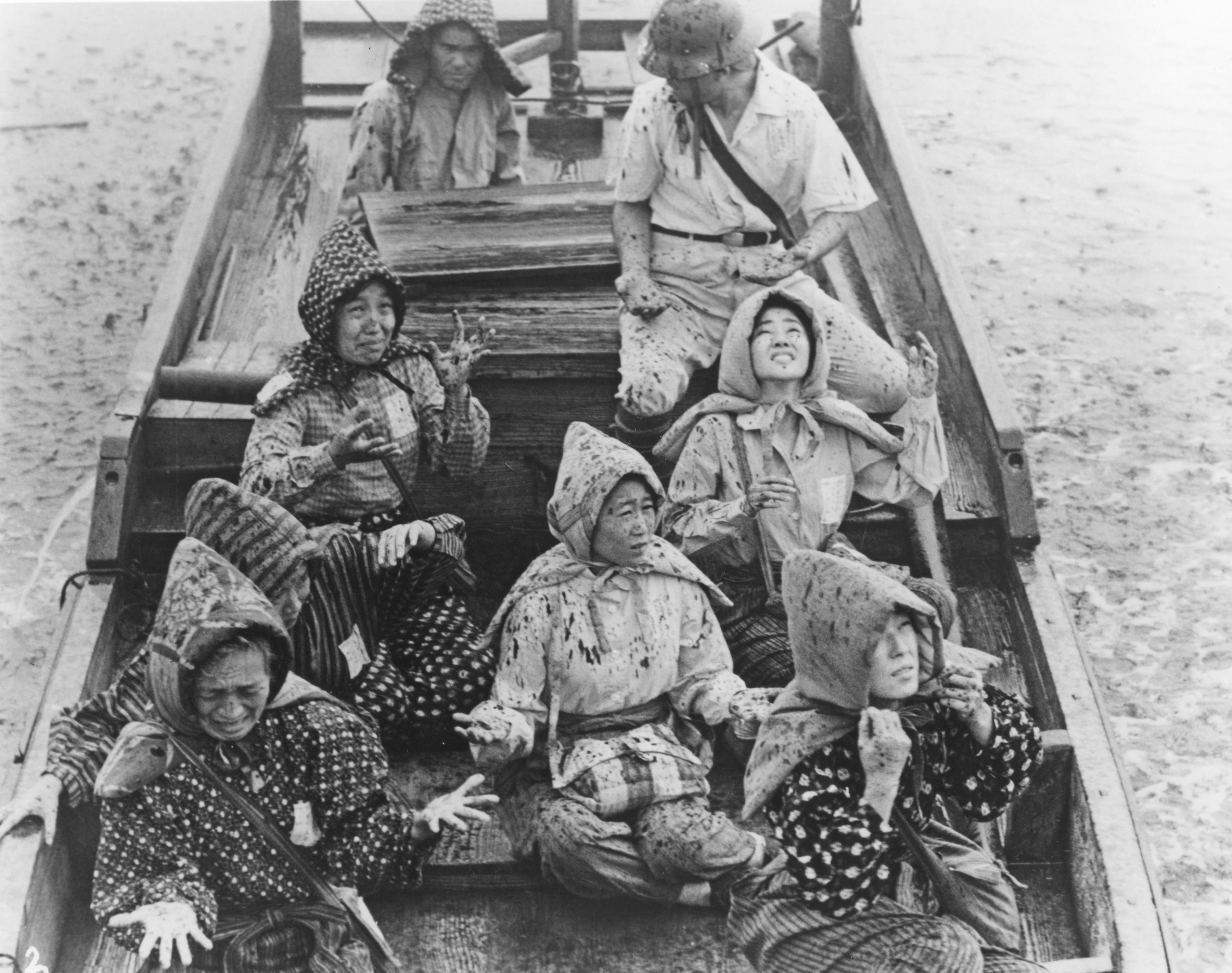
Drama centring on the survivors of the atomic bomb dropped on Hiroshima. A young woman living with her uncle and aunt finds her marriage prospects all but ruined because of her presence in the city when the bomb was dropped but later bonds with a young man suffering from wartime PTSD.
Moving (Shinji Somai, 1993)
Shinji Somai’s moving youth drama in which a young girl (Tomoko Tabata) struggles to come to terms with her parents’ impending divorce.
Love Letter (Shunji Iwai, 1995)
Much loved ’90s romantic melodrama from Shunji Iwai starring pop star Miho Nakayama in dual roles as a young woman struggling to move on after the sudden death of her fiancée, and an old classmate of his who happened to share the same name.
Shall We Dance (Masayuki Suo, 1996)
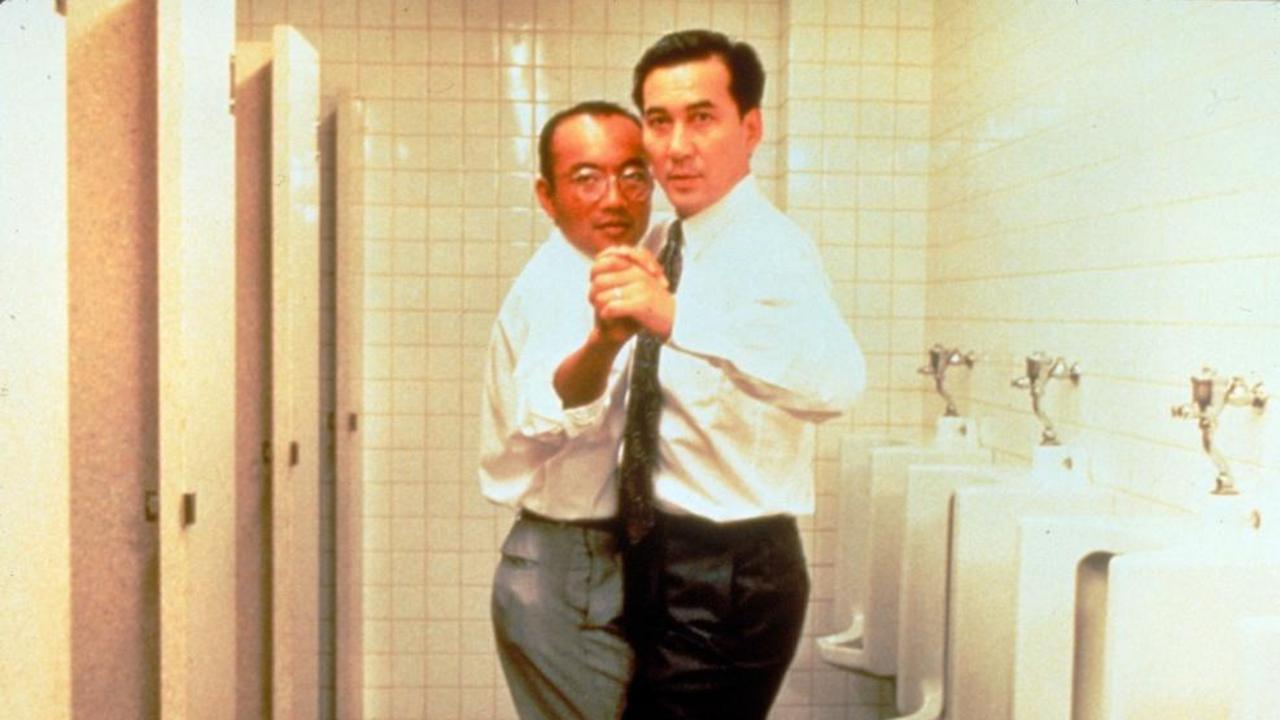
An unexpected ’90s international hit later remade in Hollywood, Shall We Dance? stars Koji Yakusho as a dejected middle-aged man having achieved the salaryman dream but found it unfulfilling discovering a new lease on life after taking up ballroom dancing.
Suzaku (Naomi Kawase, 1997)
Naomi Kawase’s fictional feature debut follows the disintegration of a small family after a railway threatens their rural way of life.
After Life (Hirokazu Kore-eda, 1998)
Hirokazu Kore-eda ponders the meaning of life as the recently deceased are invited to re-create their favourite memory as film before moving on. Review.
Wheel of Fortune and Fantasy (Ryusuke Hamaguchi, 2021)
A triptych of romantic tales from Ryusuke Hamaguchi in which a young woman realises her friend is unwittingly dating her ex, a student attempts to seduce a professor, and two women connect through an instance of mistaken identity.
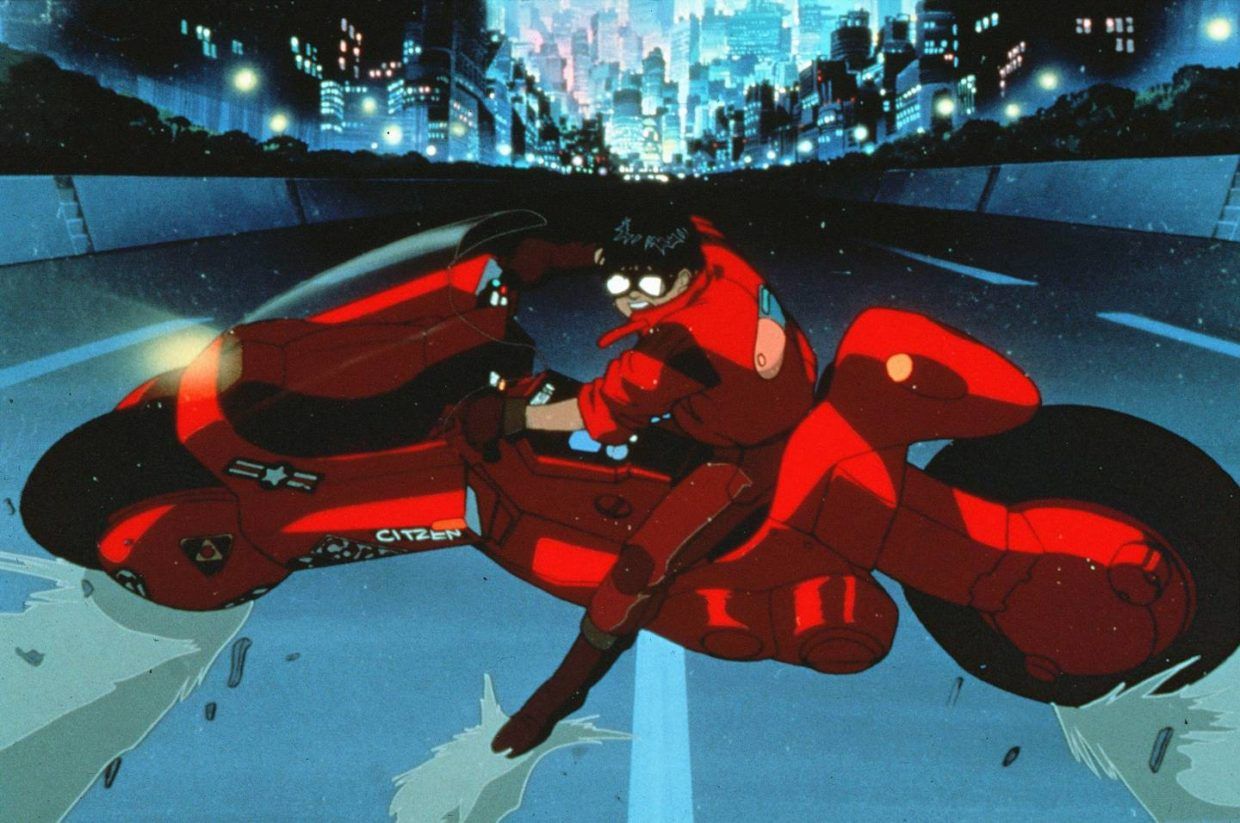
SCREENING AT BFI IMAX: Akira (Katsuhiro Otomo, 1988)
Katsuhiro Otomo’s seminal anime adaptation of his own manga is set in a dystopian Tokyo of 2019 in which a delinquent biker ends up with superpowers after crashing into a recently released test subject from a government lab.
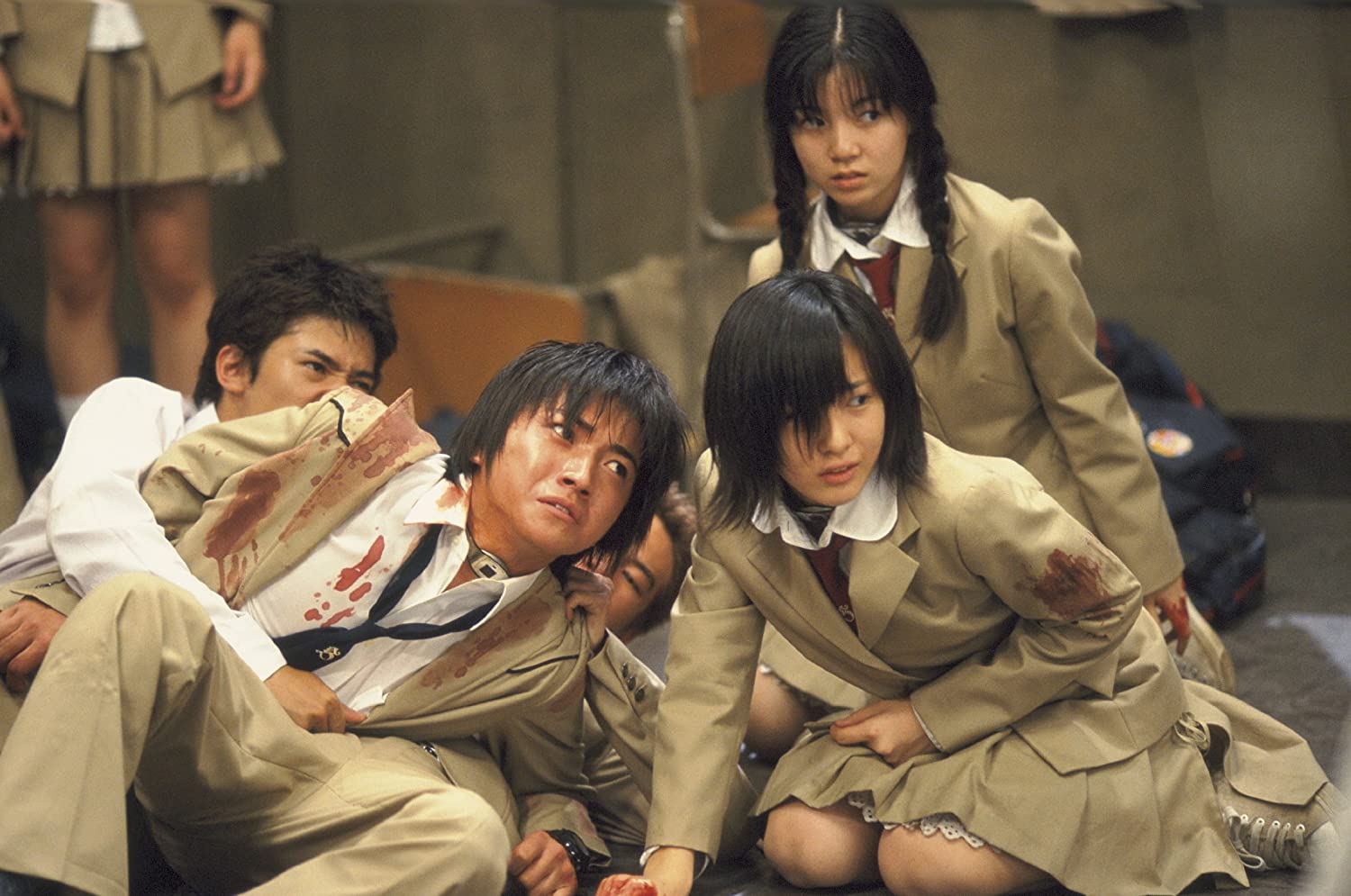
Battle Royale (Kinji Fukusaku, 2000)
A group of teens is sent to an island where they are told to kill each other off until there is only one survivor in this zeitgeisty adaptation of the cult novel by Koushun Takami which would become the final film directed by Battles Without Honour and Humanity’s Kinji Fukasaku.
THU 11 NOV 18:10 NFT3: Female Archetypes in Classical Japanese Cinema – Panel discussion featuring academics Alejandra Armendáriz-Hernández, Jennifer Coates and Kate Taylor-Jones discussing the presentation and creation of on-screen female archetypes.
BFI Japan runs October to December 2021 at BFI Southbank and selected partners across the country. For the full details on this and other BFI seasons be sure to check out the BFI’s website where you can also find a link to BFI Player. You can also keep up with all the latest news by following the BFI on Twitter, Facebook, Instagram, and YouTube.
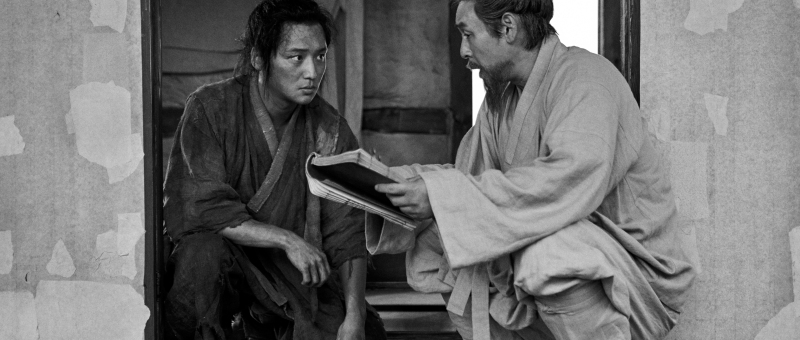
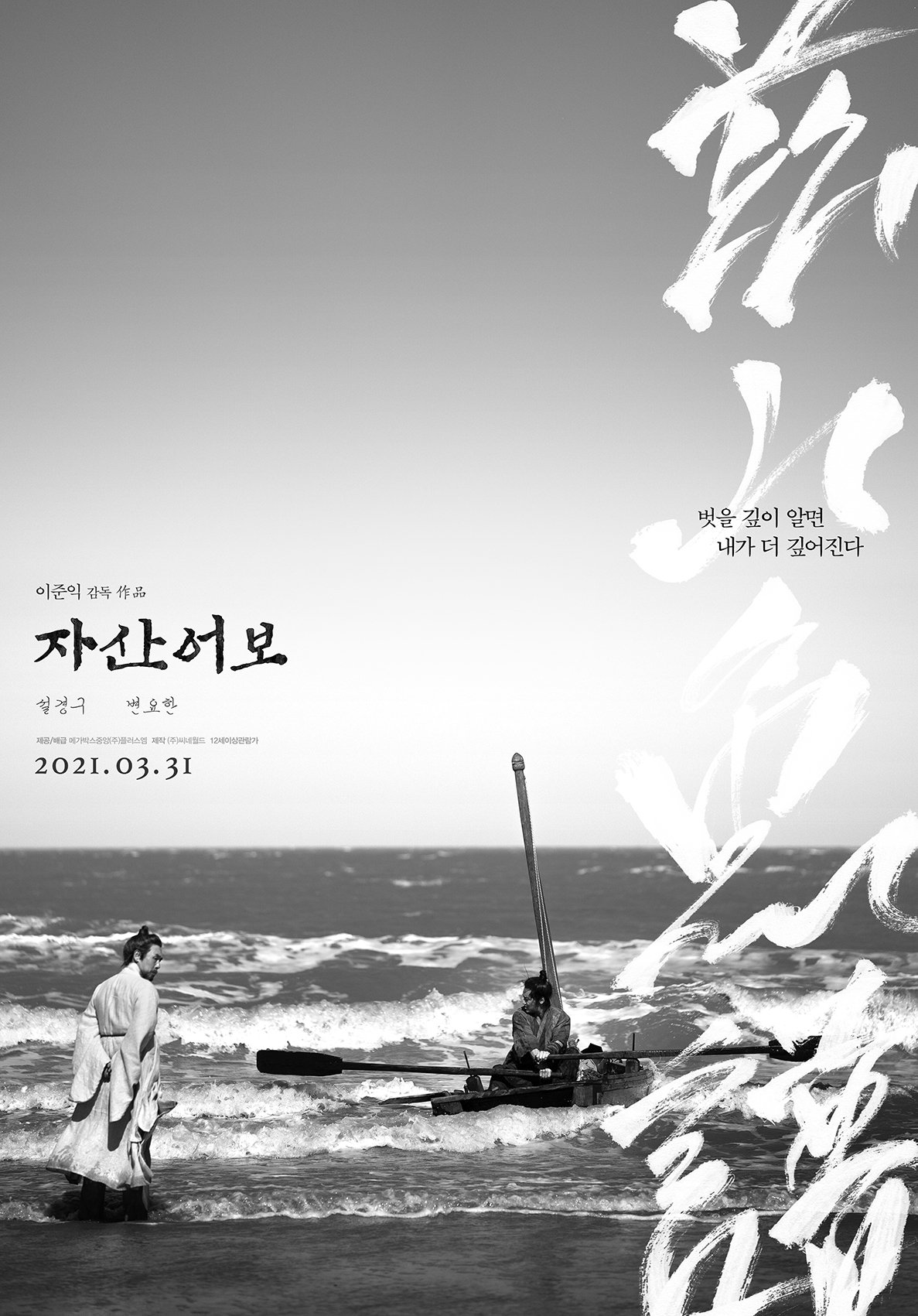
An “evil learning sinner” and a young man fixated on Neo-Buddhist thought develop an unlikely friendship while compiling an encyclopaedia about sea life in Lee Joon-ik’s contemplative period drama, The Book of Fish (자산어보, Jasaneobo). Like those of Hur Jin-ho’s Forbidden Dream, the hero of Lee’s historical tale of competing ideologies dreams of a classless future but is exiled from mainstream society not for his revolutionary rejection of a Confucianist hierarchal society but for his embrace of Western learning and religion.
Like his two brothers, Chung Yak-jeon (Sol Kyung-gu) reluctantly joins the imperial court but later falls foul of intrigue when the progressive king falls only to be replaced by his underage son controlled by the more conservative dowager empress. Having converted to Christianity, Yak-jeon and his brothers are faced with execution but unexpectedly reprieved when the oldest agrees to renounce Catholicism and root out other secret Christians. Yak-jeon is then exiled to a remote island while his better known brother, the poet Yak-yong (Ryu Seung-ryong), is sent to the mountains. On his arrival, the local governor introduces Yak-jeon as a “traitor” and instructs the islanders not to be too friendly with him but island people do not have it in them to be unjustly unkind and so Yak-jeon is, if warily, welcomed into their community. “He maybe be a traitor, but he’s still a guest” his new landlady (Lee Jung-eun) explains as she prepares him some of the local seafood.
Yet Yak-jeon encounters resistance from an unexpected source, intellectual fisherman Chang-dae (Byun Yo-han) who goes to great lengths to acquire scholarly books despite his otherwise low level of education. Somewhat patronisingly, Yak-jeong offers to tutor him, but Chang-dae is a rigid thinker who believes the world is going to hell because people have forgotten their Confucian ideals so he’s no desire to be taught by a treacherous “evil learner” or be sucked in to his dangerous Catholicism. Surprisingly, however, for a man who risked death rather than renounce his religion, Yak-jeong is no fanatic and in fact does not appear to practice Christianity at any point while living on the island. What he professes is that Eastern and Western thought need not be enemies but can go hand in hand while a rigid adherence to any particular doctrine is what constitutes danger.
Chang-dae had insisted that he studied “to become a better human” but he also has a large class chip on his shoulder as the illegitimate son of a nobleman who refuses to acknowledge him, fully aware that as a “lowborn” man he is not allowed to take the civil service exam and in any case would not have the money to buy his way in to the court. Despite later professing egalitarianism, Yak-jeong treats the islanders, and particular Chang-dae, with a degree of superiority extremely irritated by Chang-dae’s refusal to become his pupil in the slight of his elite status often making reference to his “low birth”. Confessing his desire for a classless society with no emperor, however, Yak-jeong encounters unexpected resistance as the young man finds it impossible to envisage a world free of social hierarchy based on rights of birth and swings back towards desiring the approval of his elite father in the determination to climb the ladder rather than pull it down.
Chang-dae finds himself caught between two fathers who embody two differing ways of being, Yak-jeong advising him to think for himself rather than blindly follow Confucianist thought, while his father encourages him to towards the court and the infinite corruptions of the feudal order. Chang-dae does begin to interrogate some of the more persistently problematic elements of Confucian teaching including its views on women and entrenched social hierarchy but also feels insecure and desperately desires conventional success and entrance into a world he thinks unfairly denied to him. Once there, however, he discovers he cannot submit himself to duplicities of feudalism. The islanders are being taxed to into oblivion, not only is there a random counter-intuitive tax on pine trees but the government is also extracting taxes from the family members of the deceased as well as newborn babies while cutting sand into the rice rations it promises in return. His father and superiors laugh at him for his squeamishness, seeing nothing at all wrong in the right of the elite to exploit the poor. Trying to blow a whistle, Chang-dae is reminded that the courtly system is an extension of the monarchy, and so criticising a lord is the same as criticising the king which is to say an act of treason.
Having been accused of treason himself, Yak-jeong declines to enact his revolutionary ideas penning only a couple of books during his time in exile in contrast to his brother who published many treatises on effective government. Yak-jeong explains he dare not risk writing his real views which is why he’s immersed himself in the beauty of the natural world, exercising his curiosity writing about fish while making use of Chang-dae’s vast knowledge of the sea. The two men develop a loose paternal bond but are later separated by conflicting desires, Chang-dae eventually choosing conventional success over personal integrity only to regret his decision on being confronted with the duplicities of the feudal order. Shot in a crisp black and white save for two brief flashes of colour and inspired by traditional ink painting, Lee’s contemplative drama finds itself at a fracture point of enlightenment as two men debate the relative limits of knowledge along with the most effective way to resist a cruel and oppressive social order but eventually discover only wilful self exile as Chang-dae learns to re-embrace his roots as an islander along with the openminded simplicity of Yak-jeong’s doctrine of catholicity in learning.
“Tokyo is where everyone comes to make their dreams come true, right?” a naive young woman exclaims having just abandoned her life in the country to chase freedom and independence in the capital. “You’re wrong” her reluctant, infinitely jaded host tries to correct her, “Tokyo is where everyone gets killed by their dreams”. Tokyo is indeed the place dreams come to die in the debut feature from music video director Takeshi Maruyama, Spaghetti Code Love (スパゲティコード・ラブ). As one dejected Tokyoite puts it in her slightly pretentious opening monologue, what they’re chasing isn’t love, or money, or success but “approval” wanting desperately to find acceptance but more often than not encountering only defeat and despair.
At least, that’s according to intense artist Kurosu (Rikako Yagi) who has become moderately successful but remains somewhat insecure knowing that her success is partially built on that of her famous parents. She insists that there are two kinds of people in the world, those who meekly put up with a disappointing reality and those who defiantly “create their own world”. She of course claims to be the latter, a highly individualist artist who takes no shit from anyone but that doesn’t excuse her tendency to behave like a total diva in an effort to assert he superiority over others, humiliating aspiring photographer Tsubasa (Nino Furuhata) by likening his set up to an ad placed by a rural supermarket.
Tsubasa meanwhile is himself conflicted having come to Tokyo to further his career as a photographer but desperate for work and afraid of selling out. He came because he thought it was better to regret the things you’ve done rather than those you haven’t and that he’d always wonder if he stayed at home, but now he’s wondering if it’s better not to try, that the possibility of what might have been is easier to bear than knowing you tried and didn’t work out. Painting a slightly rosier version of his Tokyo life on social media he offers a Twitter friend the opportunity to visit him in the capital out of politeness only for her turn up, insist on staying with him in his tiny apartment, and make him feel even worse with her childish idealism which has a kind of poignancy in its unrealistic hopefulness.
Like Tsubasa, aspiring singer-songwriter Cocoro (Toko Miura) is beginning to wonder if her dreams are worth pursuing as she meditates on the success of prettier rivals in both her work and romantic lives, spotting ex Shingo (Hiroya Shimizu) with his new squeeze and irritated when he smirks at her from across the courtyard. A cold and aloof young man fond of giving overly scientific explanations for philosophical questions, Shingo has decided that unhappiness is the result of broken attachment and so he’s decided to have no attachments at all even going so far as to have no fixed address living by apartment hopping every 10 days. As he discovers to his cost, living life with no connections may be fine on the day to day but you’ll be in a fix if you wind up in trouble and have no one to ask for help. His new girlfriend Natsu (Saya Kagawa), by contrast, has the opposite problem working as a sex worker in part as a means of protecting herself from romantic heartbreak by avoiding emotional intimacy. While Cocoro wonders what her life would be if she were as pretty as Natsu, Natsu meditates on the pretty girl paradox admitting that some things come easy but others slip through her fingers. She claims to love lonely people because lonely people don’t up and leave without warning.
But loneliness manifests in many forms such as that exhibited by Shizuku (Kaho Tsuchimura), a part-time waitress with extreme low self-esteem who’s staked her existence being on the perfect partner for her boyfriend while terrified he’ll leave her an anxiety later borne out by the fact he’s married to someone else and apparently only using her as a “fun” break from his presumably less patriarchal domestic life. And then there’s Uber Eats driver Amane (Kura Yuki) and his unwise attachment to a low level idol star who’s since retired. Obsessing over her rather banal favourite aphorism about whether a falling tree in the forest makes a sound if no one’s around to hear it he vows to forget her once he’s made 1000 deliveries but realises that a romantic attachment is hard to break even if it’s entirely one sided.
On the flip side, broken hearts eventually bring two next-door neighbours together as they mutually abandon their unhealthy coping mechanisms of online psychics and compulsive peanut butter eating while bonding in a shared sense of romantic disappointment realising the terrible men who dumped them aren’t worth all this aggro. A pair of emo high school students suddenly realise growing old isn’t so bad after all, and a kid struggling with his life plan survey suddenly realises that “no plan” is also a plan before careering off on a borrowed skateboard. Tokyo can be cruel and unforgiving, but so can everywhere else. Shot with true visual flair, Maruyama’s ethereal, floating camera follows this interconnected yet isolated band of young people all over the city as they search for love, chase their dreams, and yearn for connection allowing them each at least if not fulfilment then possibility as they learn to accentuate the positive in a sometimes hostile environment.
The OL, or “office lady” occupies a peculiar place in Japanese pop culture if not the society itself. The evolution of the typing pool, the OL exists to one side of office life, treated as domestic staff in the corporate environment and in many ways expected to be invisible. As such, an OL performs stereotypically feminine tasks in the office such as keeping the place clean and their male bosses looked after in addition to handling often dull and pointless admin work. It goes without saying that in general being an OL is a young woman’s job with the expectation that most will either find a way to transition onto a more viable career track or simply leave the world of work behind to marry and become a regular housewife.
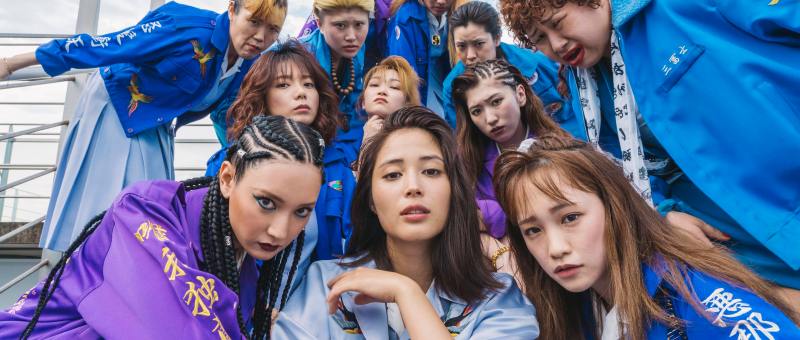
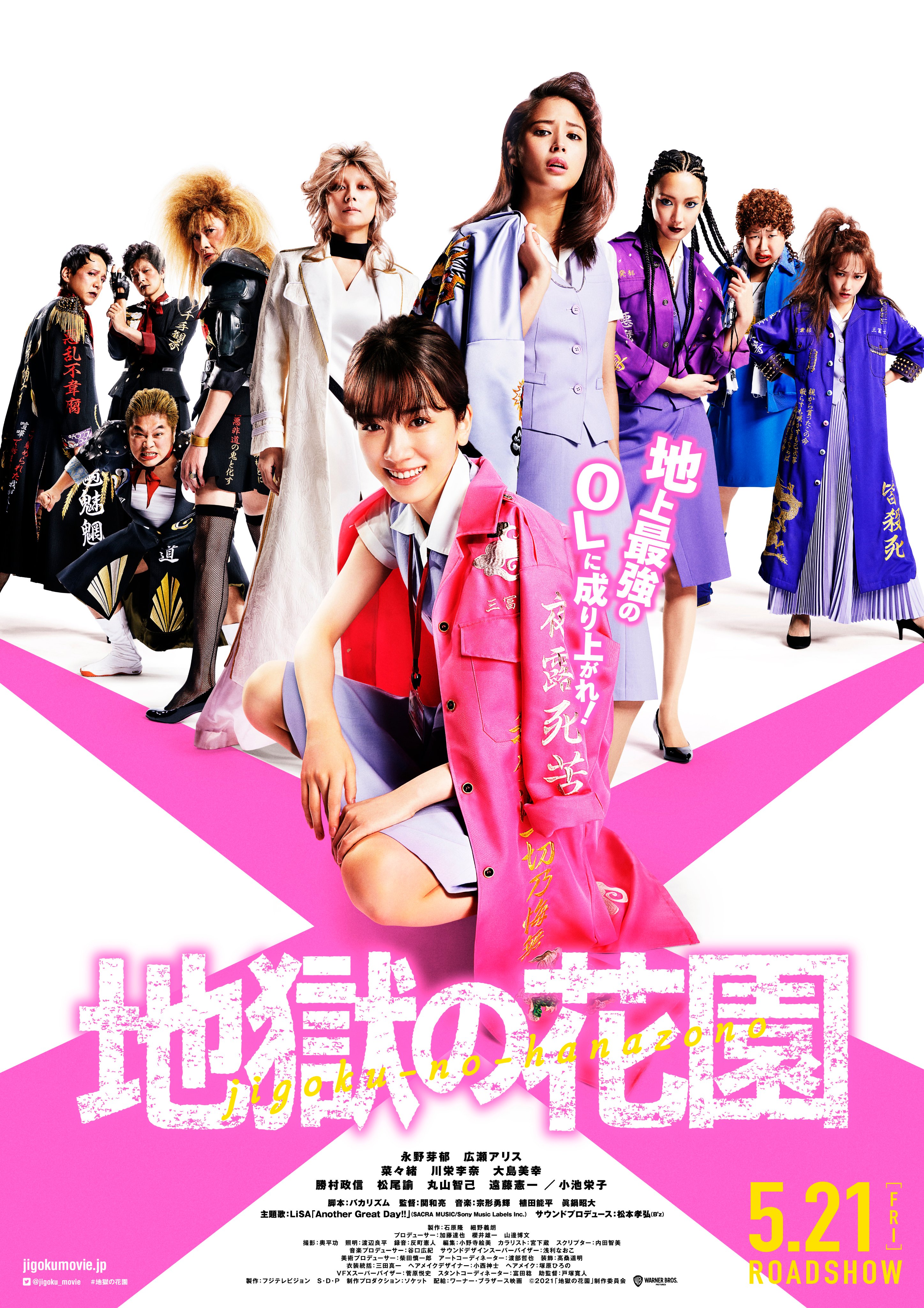
It’s this image of the OL as the embodiment of bland geniality that is at the centre of Kazuaki Seki’s zany comedy Jigoku-no-Hanazono: Office Royale (地獄の花園, Jigoku no Hanazono), a repurposing of “yankee” high school delinquent manga for the world of the office lady scripted by comedian Bakarhythm. A devotee of yankee manga, 26-year-old OL Naoko (Mei Nagano) explains that even office ladies have their warring factions outlining the tripartite fault lines at play in even her small company where the head OLs from Sales, R&D, and Manufacturing constantly vie for hegemony through physical dominance. She however merely observes from the sidelines defiantly living her “ordinary” office lady life. That is until new hire Ran Hojo (Alice Hirose) arrives to upset the precarious workplace power balance.
Naoko first catches sight of Ran after she challenges some of the OLs from her company as they harass a timid male employee in the street though they don’t become best friends until after Ran spots a salaryman trying to upskirt her at a bus stop and decides to teach him a lesson. Despite being a yankee, it seems that Ran is also trying to live a normal OL life, bonding with Naoko over their shared love of a TV drama, but is not exactly good at the job and regards fighting as her one and only skill. Perhaps speaking to an inner insecurity born of being a woman in a conformist and patriarchal society, each of the women struggle to see themselves as protagonists in their own lives rather than mere supporting players unwittingly both playing the role of the ditzy best friend to the competent hero.
In one of her many meta quips commenting on the action and how it would play out if she were a character in a yankee manga, Naoko laments her status as the “comic book hero’s boring friend” which is extremely ironic seeing as she is certainly the heroine of this movie given that it’s her voiceover we’re hearing and her POV we generally adopt. Yet Seki sometimes undercuts her by shifting to a rival voiceover offered by Ran herself doubtful of her proper place in the narrative and eventually descending into an existential crisis after an unexpected setback shatters her sense of self.
Nevertheless, even if as the de facto leader of her company’s OLs Ran advocates for equality insisting there are no bosses and no underlings only women standing together, Office Royale generally embraces rather than attacks societal sexism particularly in its somewhat unexpected conclusion which ends in ironic romance rather than female solidarity. Even so, it’s interesting that the OLs lose interest in delinquency once the hierarchy of fists has been fairly decided, acknowledging the superior skills of a better fighter and thereafter living peacefully rather than continuing the internecine determination to sit at the top of the pyramid which is the hallmark of the high school yankee manga.
While the final arc strays into some potentially problematic territory with the uncomfortable humour of four male actors playing the top fighters of a rival gang of OLs from another company, Office Royale offers a series of surprisingly well choreographed fight scenes even if eventually descending into manga-esque cartoonish violence while much of the humour stems from Naoko’s adorably nerdy voiceover musing on what would happen next if this were a yankee manga. In the end, however, it’s less a tale of office lady infighting than of a pair of young women coming to a better understanding of themselves even if they do so through the potentially destructive medium of pugilism.
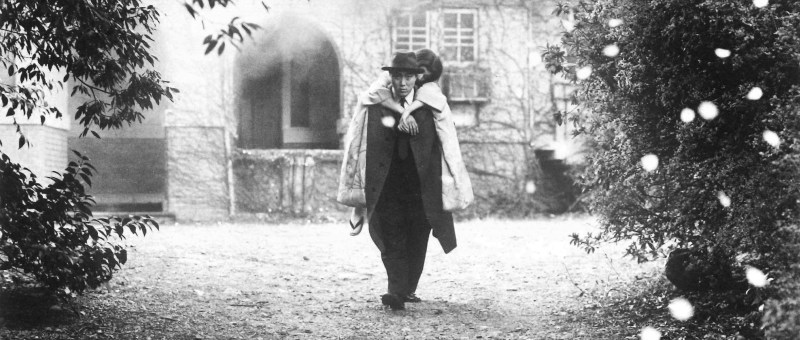
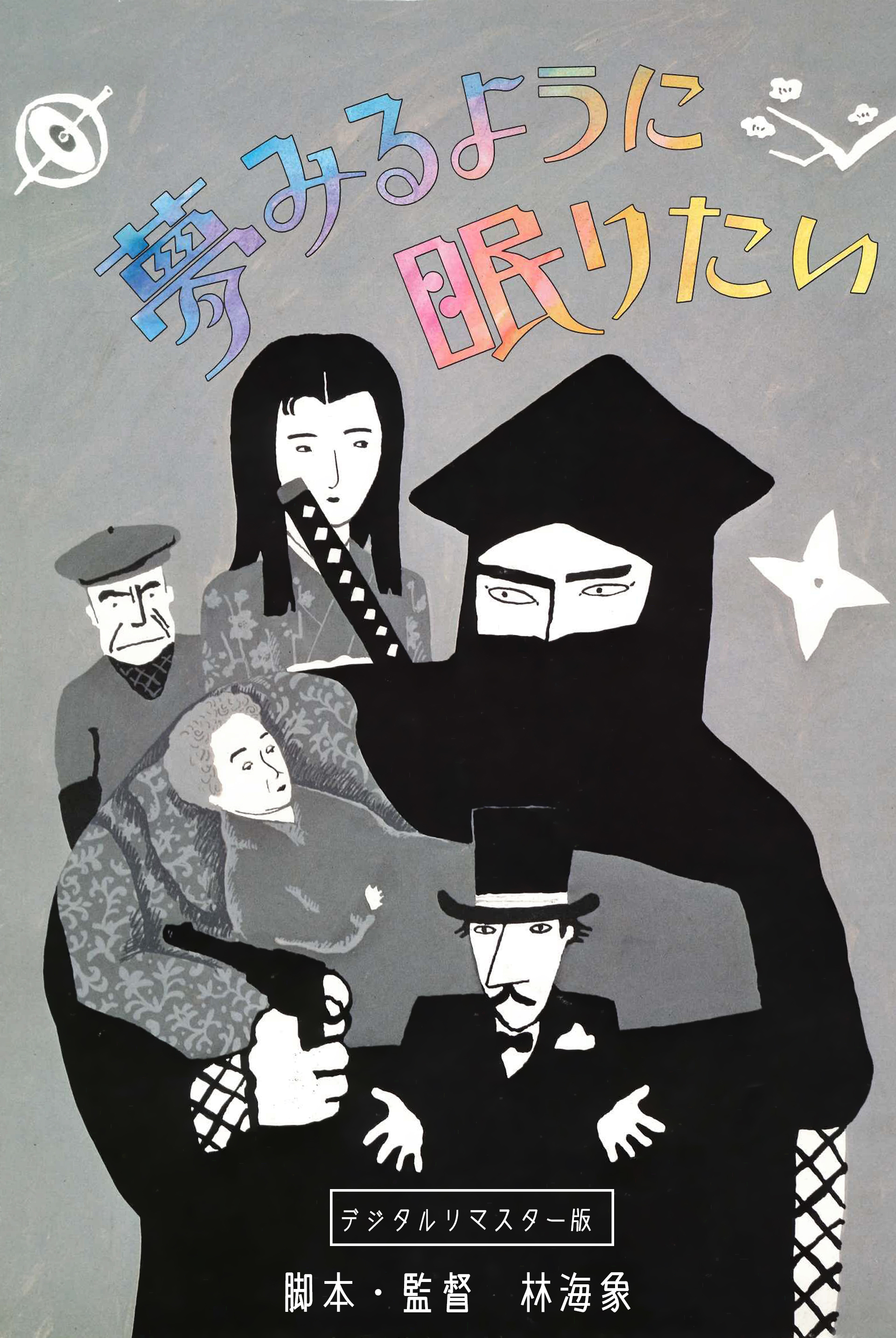
“I feel so well, as though I am dreaming” a ghostly old woman exclaims, having dealt with her unfinished business or perhaps merely becoming one with the silver screen. Released in 1986 but set ostensibly sometime in the 1950s and recalling the golden age of the silent movie, Kaizo Hayashi’s postmodern odyssey To Sleep So as to Dream (夢みるように眠りたい, Yumemiru Yoni Nemuritai) sends a pair of detectives on the hunt for a missing reel, voyaging through an ethereal dreamscape of mysterious magicians, kidnap and conspiracy, in search of the solution to the “Eternal Mystery”.
Opening in total darkness, Hayashi pans across to a gas lamp and then to the figure of a woman watching a silent film projected on a screen in her living room. We see only her gloved hands, one wearing an ostentatious ring, somewhere between Miss Havisham and Norma Desmond, while the movie seems to be part of an early serial revolving around the Black Mask ninja who is trying to rescue the kidnapped Bellflower (Moe Kamura) only the princess always seems to be in another castle, as detectives Uotsuka (Shiro Sano) and his sidekick Kobayashi (Koji Otake) will discover. In any case, the film bursts into flames and dissolves at the moment of climax just as Black Mask confronts the kidnappers and declares the mystery “solved”. The old lady, Madame Cherry-blossom (Fujiko Fukamizu), then telephones the Uotsuka Detective Agency and requests their help with a kidnapping, sending her manservant Matsunosuke (Yoshio Yoshida) to the office with a tape recording of the kidnappers’ message which includes the clues to a scavenger hunt the pair must solve if they are to arrive at the drop off point with the money in order to retrieve Bellflower.
Filming in black and white and in academy ratio, Hayashi maintains a silent film aesthetic adding selected sound effects but rendering all dialogue other than recordings as intertitles. We hear the phone ring and the radio playing, but “live” human speech is presented only as text save for that of the Benshi who appears at the film’s conclusion though even he may also be “on tape”. Meanwhile, he adds in random gags at the guys’ expense such as the “hardboiled” detective’s obsession with hard boiled eggs, while his sidekick Kobayashi is forever riding a rocking horse in the corner of their office while wielding a lasso and wearing a cowboy hat. A live chicken completes the home on the range feel while a series of horse shoes decorate the wall. The two men feel as if they emerged from a 20s noir farce, their slapstick antics eventually leading to a confrontation in which Kobayashi proves himself an unexpectedly skilled martial artist.
Their world is already absurd even as they head into the abstract in order to chase Bellflower while, just like Black Mask, the kidnappers leave them irritating messages at each checkpoint revealing another clue and that the ransom has now doubled. They are plagued by a series of magicians who turn up in different guises from a man performing a kamishibai version of the Black Mask story for children to some guys running a shell game and posing as a trio of “scientists” led by Prof. Jerowski “of the British Empire” showing off their new gyroscope technology. Yet it’s no coincidence that the kidnappers go by the name Pathé & co, having essentially trapped Bellflower inside the celluloid realm and refusing to set her free.
While Uotsuka falls for the beautiful, elusive image of Bellflower who begs to be released from “this endless story”, fantasy and reality begin to merge as he finds himself cast in the role of Black Mask. The ironically named “Endless Mystery” is a film with no end, the apparently incomplete debut of a faded star not so much ready for her closeup but desperate for closure and the release of her younger self from 50 years of torment in the reassurance that Bellflower will certainly be rescued by Black Mask at the film’s conclusion which is, after all, how such serials are supposed to end. While others slip ghostlike into the darkness, Uotsuka is left behind another prisoner of cinema chasing the romance of the silver screen yet finally saving his princess by extracting her from it. Operating on several levels, Hayashi expertly recreates both the grainy serials of the early silent era and crafts an absurdist, postmodern homage to its more recognisable evolution as his detective becomes wilfully lost in the labyrinths of cinema.
The BFI London Film Festival returns (mostly) to cinemas for 2021 with some titles also streaming online via BFI Player and/or playing select regional venues. This year’s East Asia selection includes two films by Ryusuke Hamaguchi, a world premiere of a new Lav Diaz, and a hotly anticipated Korea/Thailand horror co-production.
Drive My Car (ドライブ・マイ・カー, Ryusuke Hamaguchi, 2021)
Curzon Soho: Saturday 09 October 2021 17:05
BFI Southbank, NFT1: Thursday 14 October 2021 20:00
Also screening: Chapter Cardiff, Edinburgh Filmhouse, Glasgow Film Theatre, HOME Manchester, Showroom Cinema Sheffield, Tyneside Cinema Newcastle, Queen’s Film Theatre Belfast, and Watershed Bristol.
A stage actor and director (Hidetoshi Nishijima) attempting to come to terms with the death of his unfaithful wife casts her lover in his upcoming multi-lingual production of Uncle Vanya while developing a relationship with the reticent young woman driving his car in Hamaguchi’s adaptation of the Haruki Murakami short story.
Streaming: Sunday 10 October 2021 18:30 to Monday 11th October 18:30
A triptych of romantic tales from Ryusuke Hamaguchi in which a young woman realises her friend is unwittingly dating her ex, a student attempts to seduce a professor, and two women connect through an instance of mistaken identity.
BFI Southbank, NFT1: Thursday 07 October 2021 17:50
BFI Southbank, NFT1: Sunday 10 October 2021 14:15
Curzon Mayfair, Screen 1: Sunday 17 October 2021 12:00
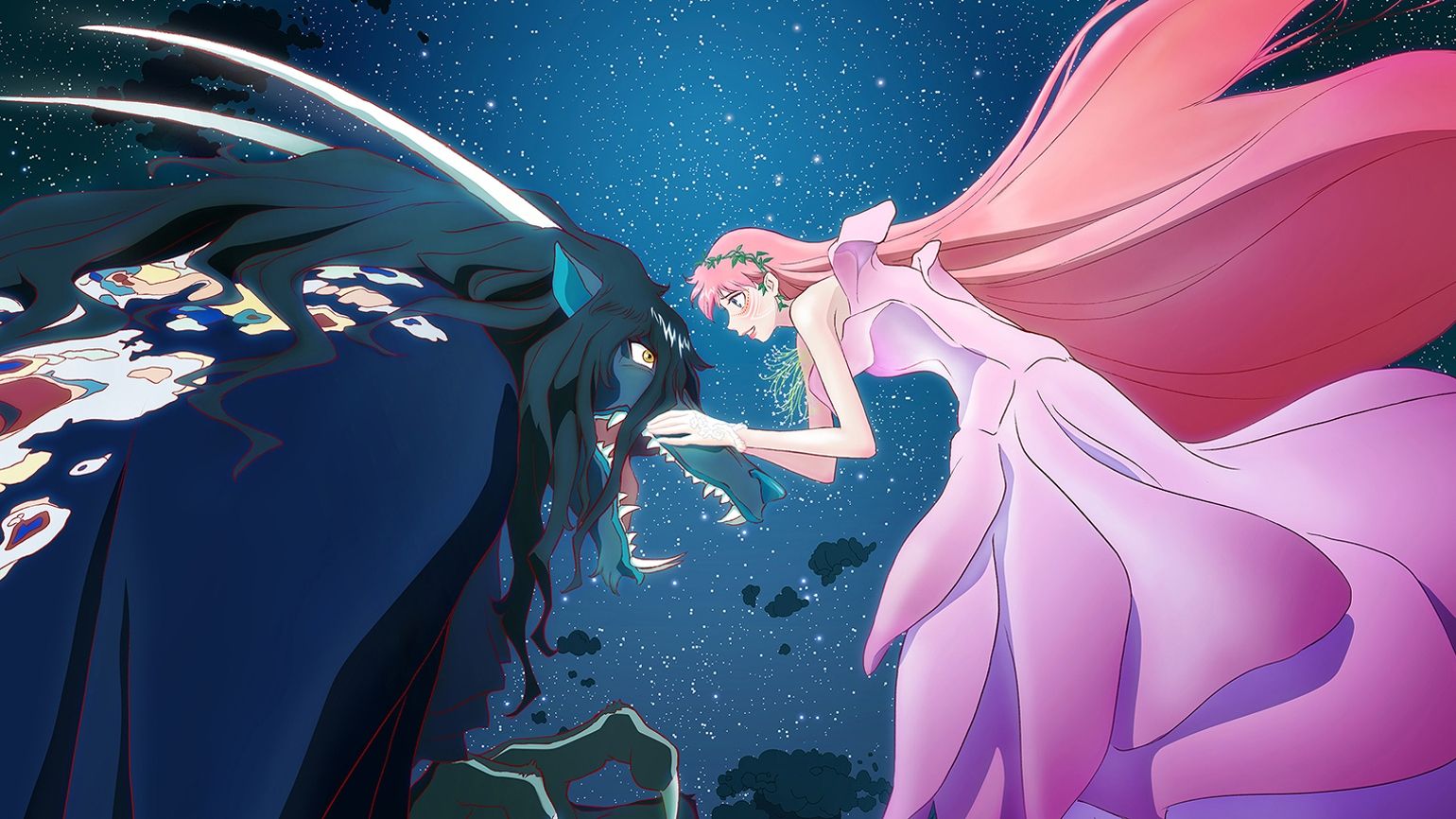
Mamoru Hosoda reinterprets Beauty and the Beast as a grieving young woman becomes an in-app idol star but is also threatened by the presence of a mysterious dragon.
BFI Southbank, NFT3: Thursday 07 October 2021 12:30
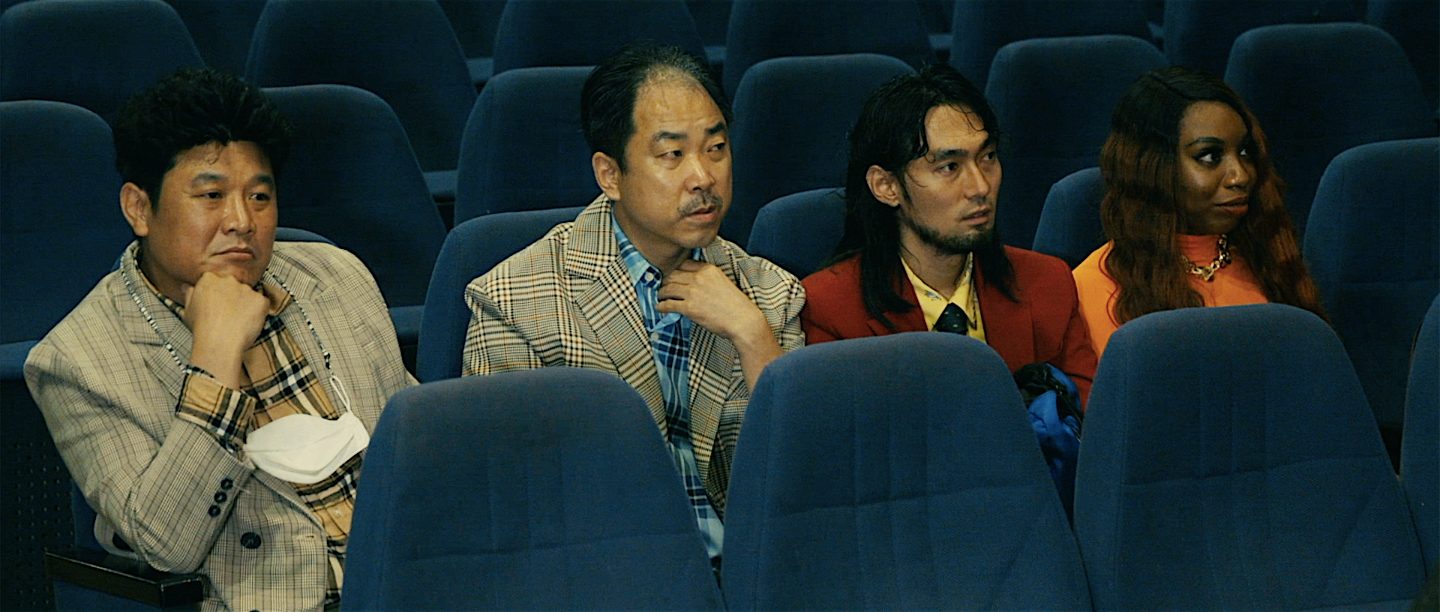
Indie comedy from Ko Bong-soo set in a cinema at the height of summer 2020 where the premiere of a new film is set to take place while the cinema’s sole employee attempts to deal with spotty air con, COVID protocol, and industry divas.
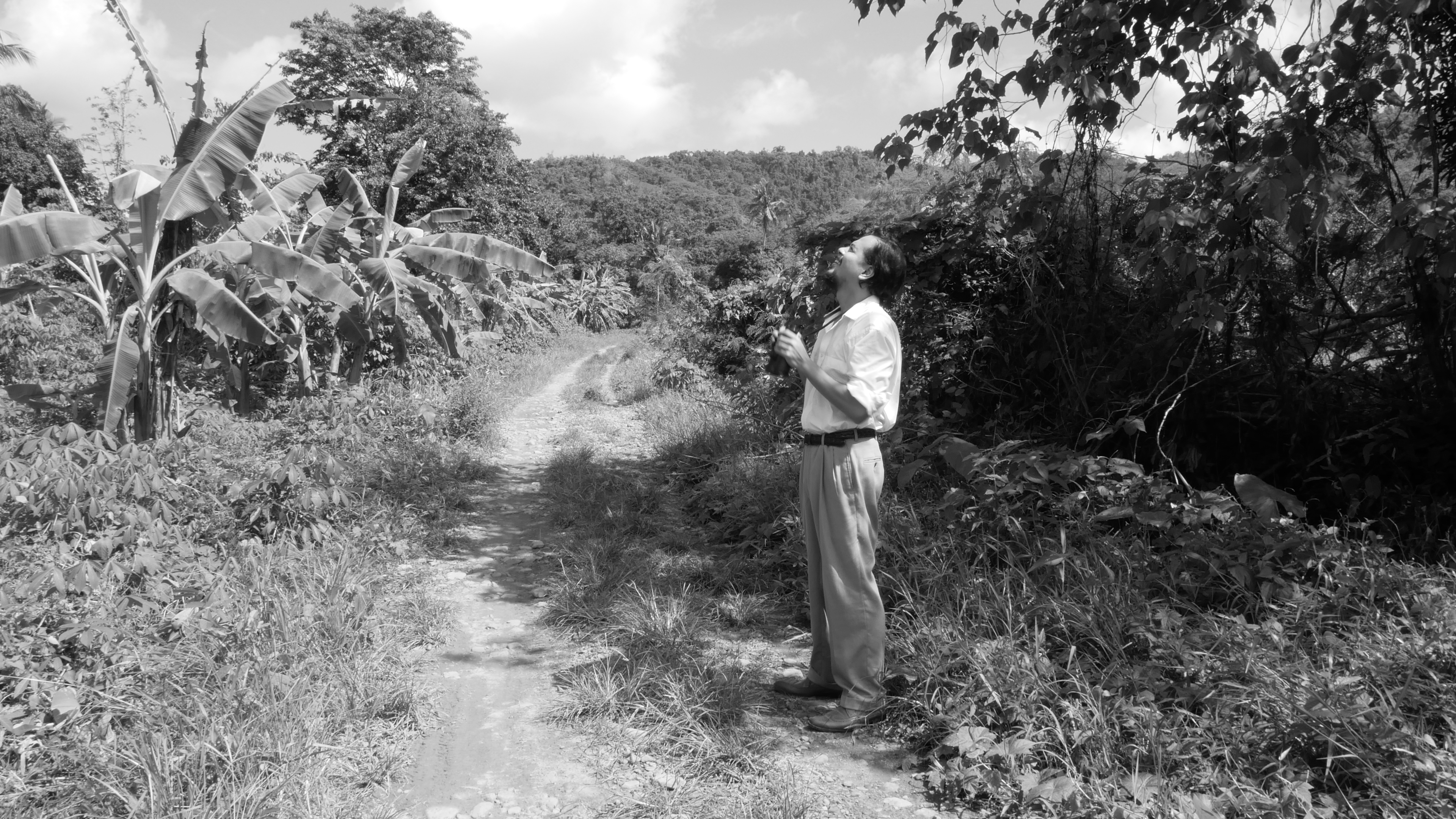
In Lav Diaz’ contemplation of the transformative power of art, ventriloquist Hernando returns home to get married only for the engagement to fall apart. Heartbroken he makes the decision to communicate only through his puppet and accompanies a sex worker and a teenage boy on a treasure hunt to a remote island.
Prince Charles Cinema, Downstairs Screen: Sunday 17 October 2021 12:45
First three episodes of the TV drama coming to Netflix later this year in which people start receiving text messages telling them they’re going to hell and at a specific date and time. You’d think it was spam, but then the demon does indeed arrive at the appointed hour to drag the afflicted to the afterlife. While the police investigate, a shady cult milks the atmosphere of anxiety in Train to Busan director Yeon Sang-ho’s adaptation of his own webtoon.
Prince Charles Cinema, Downstairs Screen: Wednesday 06 October 2021 20:55
ODEON Luxe West End: Friday 08 October 2021 20:40
Korea/Thailand co-production scripted and produced by The Wailing’s Na Hong-jin and directed by Banjong Pisanthanakun in which a documentary team meet shamaness Nim who acts as a conduit for goddess Ba Yan. Having accepted the role after her sister refused it, Nim is unsurprised when her niece begins exhibiting symptoms of shamanistic awakening, but soon fears something darker may be at hand.
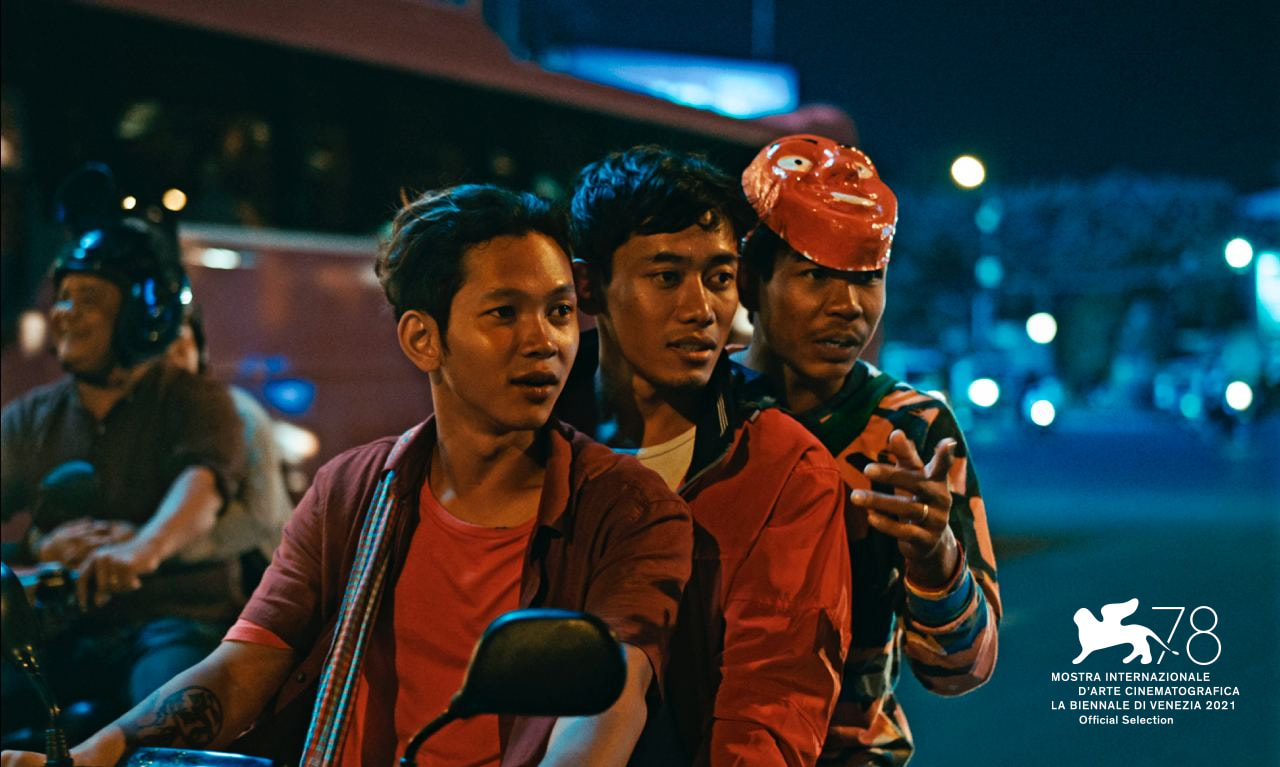
Kavich Neang makes his fiction debut with a film focussing on the same subject as his earlier documentary Last Night I Saw You Smiling in which the residents of Phnom Penh’s iconic White Building prepare for its demolition.
BFI Southbank, NFT2: Thursday 07 October 2021 15:40
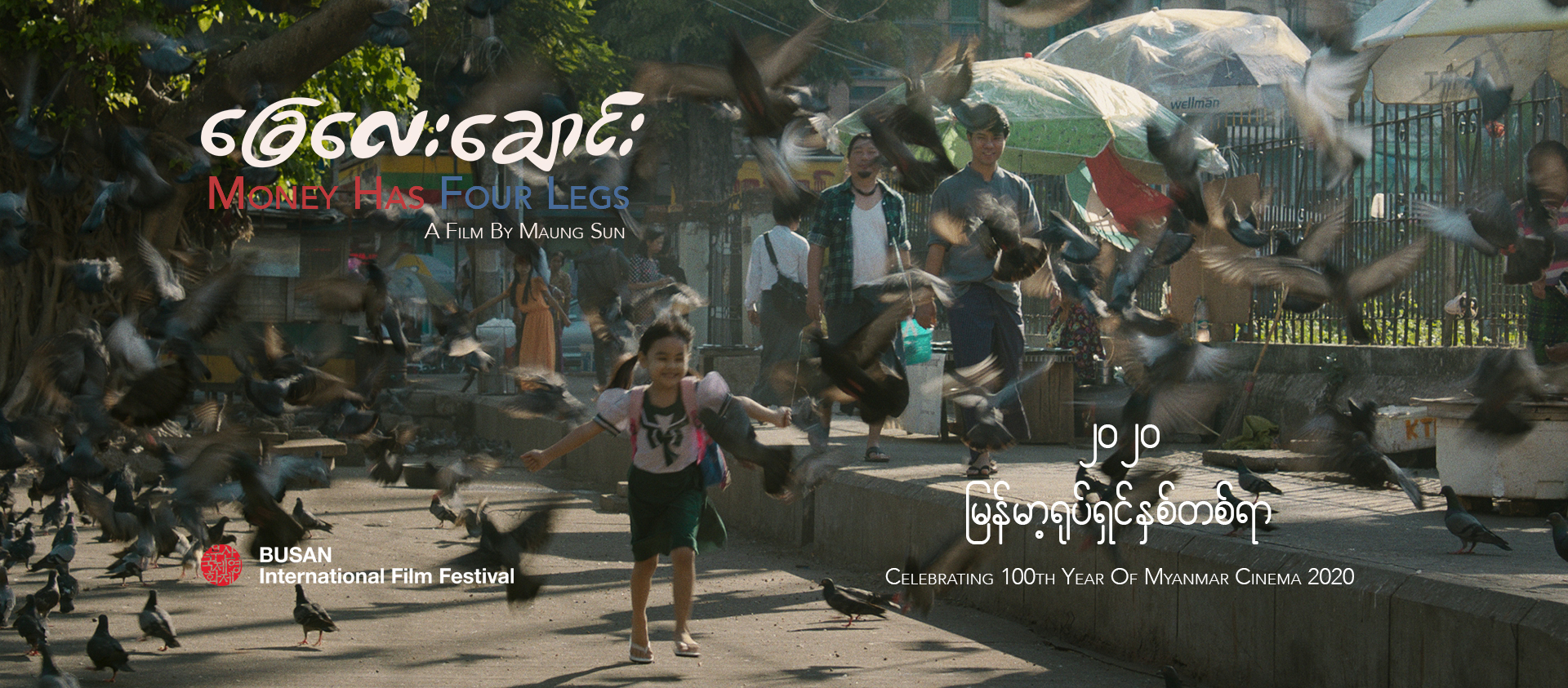
Contending with money issues, an unreliable crew, and increasing government censorship, an aspiring director turns to crime in order to complete his film in Maung Sun’s timely black comedy.
BFI Southbank, NFT2: Tuesday 12 October 2021 12:20
A local waitress, leading lady returning to her hometown, and the director and screenwriter each from Beijing attempt to shoot a film in small-town rural China in Wei Shujun’s followup to Striding into the Wind.
An impotent hitman living for nothing but violence falls for a female bodyguard after she effortlessly defeats him in Edwin’s genre hopping adventure romance.
Southbank Centre, Royal Festival Hall: Saturday 16 October 2021 17:30
Also screening: Chapter Cardiff, Edinburgh Filmhouse, Glasgow Film Theatre, HOME Manchester, Showroom Cinema Sheffield, Tyneside Cinema Newcastle, Queen’s Film Theatre Belfast, and Watershed Bristol.
Shooting outside Thailand for the first time, the latest from Apichatpong Weerasethakul stars Tilda Swinton as a woman visiting her sister in Colombia and becoming captivated by the local soundscape.
BFI Southbank, NFT3: Wednesday 13 October 2021 20:45
ICA, Screen 1: Thursday 14 October 2021 21:00
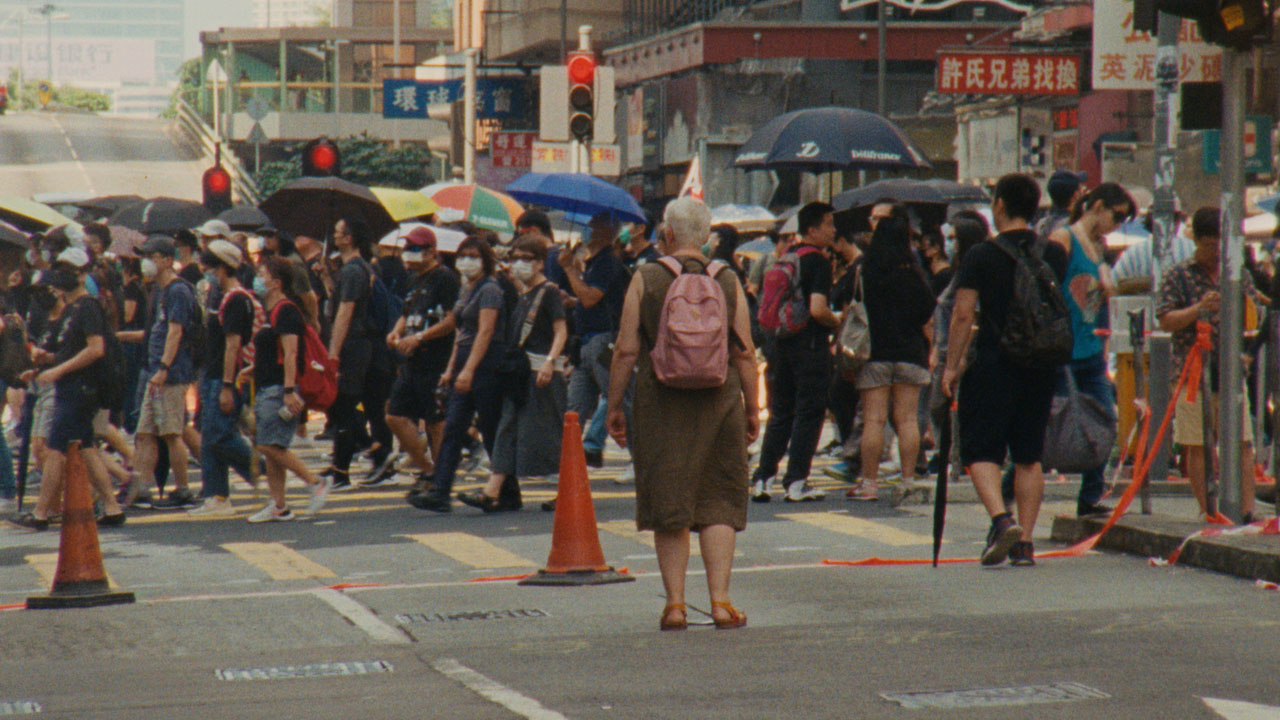
Travelogue in which a German woman travels to visit her son living in Hong Kong and wanders through the city in the midst of the pro-democracy protests.
The BFI London Film Festival takes place at various venues across the city from 6th – 17th October 2021, with some titles also streaming online or screening at various partner cinemas throughout the UK. Full details for all the films as well as screening times and ticketing information are available via the official website. Priority booking opens for Patrons on 10th September, for Champions on 13th September, and Members 14th September, with general ticket sales available from 20th September. You can also keep up to date with all the latest news via the festival’s Facebook page, Twitter account, Instagram, and YouTube channels.
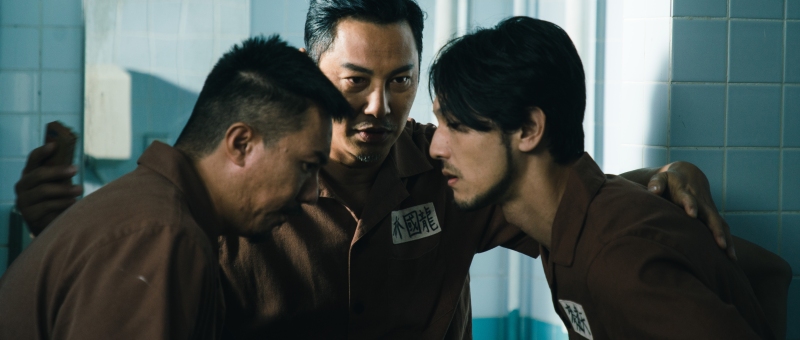
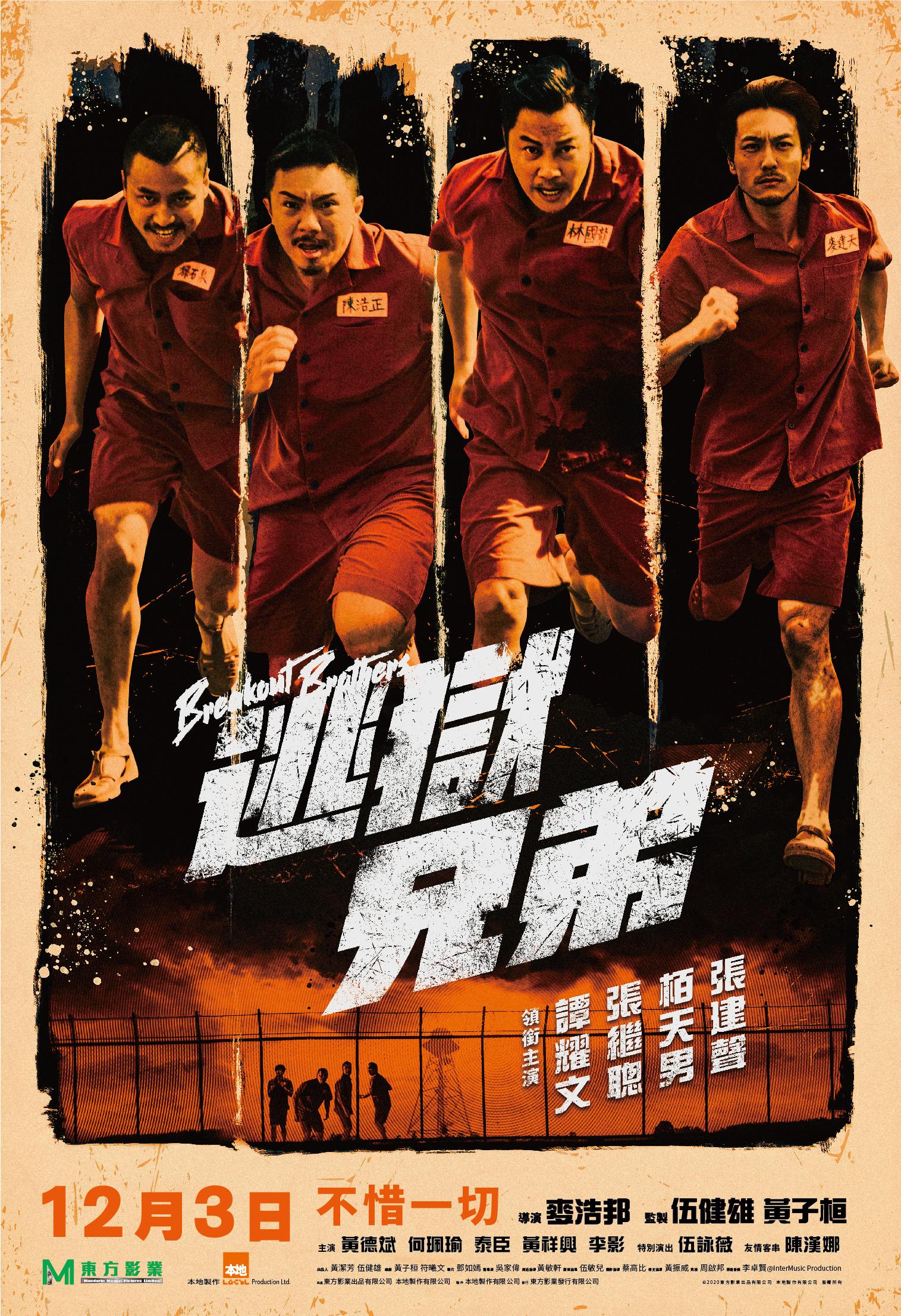
“I’m treating this as a vacation” says affable triad Chan (Louis Cheung Kai-Chung) of his three month prison term, after all it’s rent free and three meals a day who could say no to that in the difficult economic environment of pre-handover Hong Kong? Nevertheless, it’s hardly a vacation if you can’t cut it short and Chan, along with two buddies, will eventually find reasons to want to leave. Mak Ho-pong’s genial prison break comedy Breakout Brothers (逃獄兄弟) takes occasional subversive potshots against an increasingly corrupt social order but eventually discovers that you can’t escape social responsibility while the real reward is indeed the friends you make along the way.
That is at least the conclusion that newbie prisoner Mak (Adam Pak Tin-Nam) comes to after being pulled into an escape plan formulated by petty gangster Chan who decides to make a break for it after learning that his dear mother has been taken ill and needs a kidney transplant which only he can give her. Thinking of his prison time as a vacation from the pressures of everyday life, Chan has been a low maintenance prisoner and therefore assumed the warden would agree to a temporary release to let him help his mum, but Warden Tang (Kenny Wong Tak-Ban) who has already served a “life sentence” of 30 years in post has recently been promised a promotion and doesn’t want anything to mess it up like a prisoner turning fugitive while on hospital leave. Spotting a workman disappearing from a storeroom and emerging Mario-style from a manhole on the other side of the fence Chan gets an idea and enlists Mak, an architect inside after being framed for taking bribes, to help him figure out the logistics, and Big Roller (Patrick Tam Yiu-Man), leader of the prison’s second biggest gang, for access and protection.
The guys’ predicaments are perhaps embodiments of the age, Chan wanting out for reasons of filial piety while for Big Roller it’s in a sense the reverse in learning the daughter he was told had died is in fact alive and about to be married. Mak meanwhile wants out because he’s a sitting duck inside, the shady construction CEO who framed him for signing off on lax safety procedures which led to a fire in a prominent building having enlisted the services of rival gangster Scar (Justin Cheung Kin-Seng) to intimidate him into dropping his appeal. Hints of institutional corruption extend to the colonial prison system with guards quite clearly intimidated by prisoners and often turning a blind eye to cellblock violence while it’s also implied that Warden Tang has in a sense facilitated the rise of Scar at the expense of Big Roller as a means of maintaining order. He, like the colonial authorities, will soon be on his way but anticipating his own freedom is keen there be no trouble which is why he refuses Chan’s compassionate leave and extends little sympathy to new boy Mak.
In any case, the real draw is the bumbling crime caper of the guys planning a heist-style escape which is, in the history of prison escapes, not an especially elaborate one. The prison is not exactly max security, and as they plan to escape during the celebrations for the Mid-August festival none of them are anticipating much difficulty in making it to the outside though as expected not quite everything goes to plan. Mak, meanwhile, eventually takes Big Roller’s advice and decides to stay inside to clear his name properly while the gang ensure his safety rather than try to live as a guilty fugitive and possibly be caught only to end up with more time. The other two have more pressing temporary goals and have not perhaps considered what to do after they’ve completed them, believing only that their lives are untenable if they cannot fulfil their duties as father and son respectively.
Perhaps for this reason, the Mainland-friendly conclusion has each of the men recommitting themselves to paying their debts to society, Chan even insisting that he’s going to use his time wisely to improve his education in order to be a better husband and son while Big Roller promises to become a carpenter for real. Mak gets a partial vindication in that the shady CEO is finally forced to face justice while also realising that his slightly elitist, individualist stance has been mistaken thanks to the warm and genuine relationships he’s discovered inside. More comedy crime caper than tense prison break thriller, Breakout Brothers remains true to its name in prioritising the unconventional friendship that develops between the trio as they bond in a shared sense of existential rather than literal imprisonment.
“Just shoot where you’re told and you’ll be fine” a veteran advises an unusually curious newbie when asked who exactly it is they’re shooting at, beginning to question for the first time everything he’s been told. Continuing in the same vein as his 2017 surrealist drama Ambiguous Places, Akira Ikeda’s Blue Danube (きまじめ楽隊のぼんやり戦争, Kimajime Gakutai no Bonyari Senso) follows a more linear though meandering path in its timely anti-war message as the brainwashed hero comes to contemplate the tenets of his society thanks to a naive young man and the healing power of music.
The small town of Tsuhiramachi has been at war with Tawaramachi across the river for so long no one can remember why it is that they’re fighting, least of all perpetually absent-minded mayor Natsume (Renji Ishibashi) who can’t even remember his own son’s name. Soldier Tsuyuki (Kou Maehara) is woken every day by a marching band, meeting friend and colleague Fujima (Hiroki Konno) in the street and walking over to the barracks where he changes into his uniform and then spends all day firing a rifle across the river. His identical days are disrupted when former thief Mito (Hiroki Nakajima) is conscripted into their group and Fujima is injured in seemingly the only instance of returned fire. Tsuyuki is then transferred to the marching band and begins practicing his trumpet by the water only to be surprised when he begins hearing someone joining him from the other side.
Everyone in Tsuhiramachi walks with automaton rigidity and talks with an almost ritualistic austerity in which dialogue is repeated endlessly and conversation loops are common. The townspeople dress as if they were stuck in the 1940s though the uniforms are more European than Japanese while Tsuyuki and Fujima wear identical blue suits when travelling to and from their homes. The thief, Mito, meanwhile dresses in a less formal brown shirt and trousers, apparently engaging in stealing from the local simmered food stand for reasons of poverty while his friend, mayor’s son Heiichi (Naoya Shimizu), does so because he can. When the stall owner’s wife catches them, Heiichi allows his father to think he valiantly chased a thief and is made a police officer for his pains continuing to extort food and generally abuse his authority largely conferred through feudal dynastic privilege.
There is certainly something in Mito’s tendency to frame each of his statements as a questions, asking “Am I a soldier now?” Or “My name is Mito?” when questioned. The lady who runs the diner where Tsuyuki frequently lunches is extremely proud of her son away fighting up river and resents being questioned by Mito, shovelling extra rice into the men’s bowls when impressed by something they’ve said and then taking it back when disappointed. Mito wants to know why it is they’re fighting and who the people across the river really are. Shiroko (Hairi Katagiri) doesn’t approve of asking such taboo questions and affirms that she doesn’t need to meet the residents of Tawaramachi to know that they’re “barbaric”, “horrible” people. Even the owner of the simmered food stall who insists he knows “everything” insists he’s no interest in knowing about Tawaramachi.
Yet they’re always being told that the “threat” from across the river is increasing even if the mayor has forgotten what the threat exactly is. Meanwhile, an elite troop will soon be arriving to take part in the trials for a brand new super weapon. A disapproving Shirako asks Tsuyuki how music is useful for the war, but he doesn’t know, he’s merely following orders. Music however, along with Mito’s awkward questions, begins to open his eyes as he contemplates whether the trumpeter from across the water can really be so different from himself. He disapproves of Heiichi’s abuse of his authority, of civil servant Kawajiri’s apparent replacing of his wife with another woman because he believes she cannot bear children, and of the army’s treatment of a friend now struggling to find employment having lost his arm for the good of the town. Shiroko insists that dying in war is better than being injured, but the young universally agree that no, it isn’t. In this strangely Kafka-esque world of crypto-militarism and the feudal mentality, Tsuyuki finds freedom and escape in his trumpet but not even these it seems are enough to call the “meaningless” and internecine violence to a halt. Filled with a strangely poignant poetry, Ikeda’s absurdist drama takes aim at lingering authoritarianism but suggests that music may be panacea for human conflict if only we’d stop a little and listen.
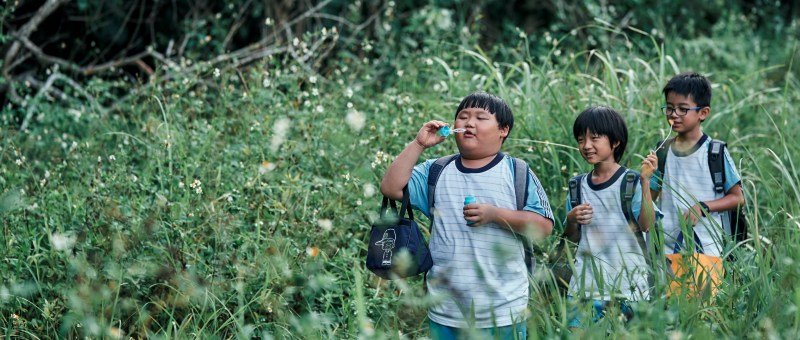
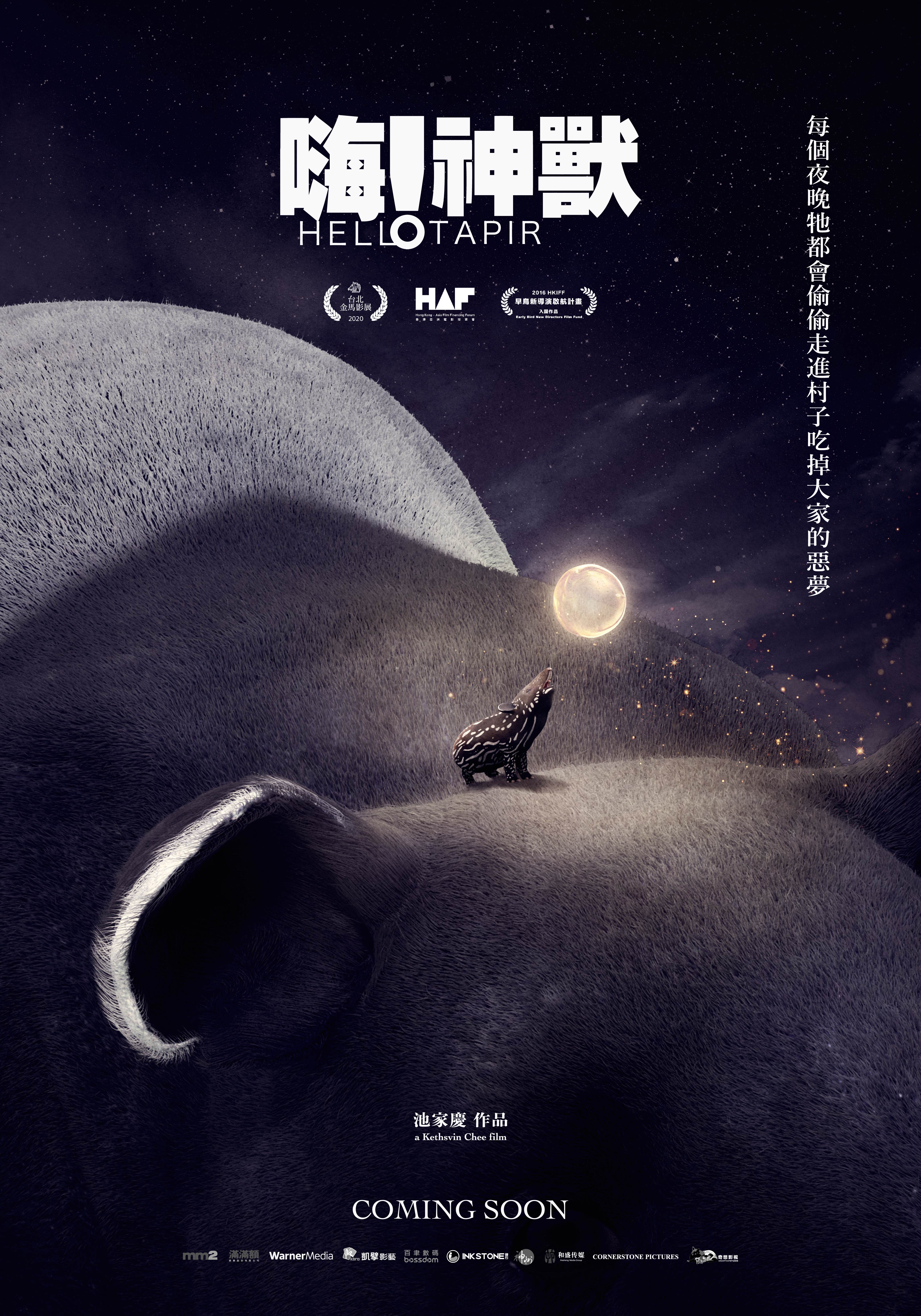
“In this world, everything disappears eventually” according to the prophetic words of the absent father of young Keat in Kethsvin Chee’s charmingly retro children’s fantasy adventure Hello! Tapir (嗨!神獸, Hāi Shénshòu). At heart a tale of grief and a small child’s acceptance of death, Hello! Tapir is also one of gentle adventure as the hero and his two friends search for tapirs in the undergrowth but eventually discover an accommodation with loss in the knowledge that nothing’s ever really gone even if you can’t see it.
Keat (Bai Run-yin) lives in a small fishing village with his fisherman father (Lee Lee-zen) and grandma (Lü Hsueh-feng) who sells seafood at the market. Captivated by his father’s improbabe tale of having encountered a tapir who eats people’s nightmares in the forest, Keat implores his dad to take him to see it too but Keat’s father Sheng is always too busy and often reneges on his promises. Ominous winds start to blow when news of a typhoon is broadcast over the radio while Keat is angry that no one woke him before his father left on the boat as he had asked them to do. Sure enough, not long after Keat discovers a commotion at the harbour and gathers there has been some kind of accident at sea. His father hasn’t come home and his grandma is frantic but he’s just a little boy and no one is telling him anything.
Told from a child’s point of view, Chee’s melancholy tale perfectly captures the confusion and resentment of a small boy in the midst of crisis. Keat cannot conceive of the idea his father may never come home again, replying to his friend’s questions that he’ll be back maybe tomorrow or the day after that. After all, he was supposed to take him to see the tapir. Because he’s sure his dad’s coming back, he grows resentful towards his recently returned mother (Charlie Yeung Choi-Nei) who left the family some time previously and had been living in Taipei and his grandmother for taking his father’s place away by boxing up his clothes and preparing to sell the fishing boat which came back empty on its own for scrap.
Meanwhile he attempts to secure his father’s legacy by searching for the tapir on his own, encountering a baby which later leads him into the forest and towards its giant parent sucking on golden nightmare orbs all the way. Tapirs are obviously not native to Taiwan and so their presence is as decidedly unexpected as their unusual appearance. You would’t expect to see one wandering through town unless it had recently escaped from a zoo, but they are perhaps Keat’s way of processing the loss of his father the adult tapir gently showing him what it was he most wanted but feared to know while comforting him with its reassuringly warm presence.
On the cusp of adolescence, Keat finds himself squarely between two sets of overlapping worlds caught between the fantasy of nightmare-eating tapirs and the reality of his grief while also remaining firmly in the realms of childhood having innocent adventures with his two friends as they try all sorts of tricks to draw out the mystical creatures just as his mother deals with the difficulties of planning a funeral and making plans for the future without overburdening her son with impending change. Nobody tells Keat anything because he’s just a child and they think he won’t understand, but he understands that they’re not telling him and the knowledge further increases his sense of loneliness and alienation left entirely alone with his grief and anxiety.
A beautifully drawn magical realist fable, Chee’s charmingly old fashioned kids fantasy adventure makes the most of its idyllic seaside setting replete with a warm and friendly atmosphere despite its concurrent tragedy. Keat is forced to face the reality of his loss, but does so while maintaining a sense of wonder for the natural world secure in the knowledge that all things disappear in the end, but it isn’t the end of the story and death is merely another part of life. Warm and empathetic, Hello! Tapir paints its coastal setting with an uncanny sense of magic coupled with a cosmological sense of security as its young hero begins to come to terms with his loss thanks to the gentleness of sleeping creatures.



























 Windows on Worlds