 Written by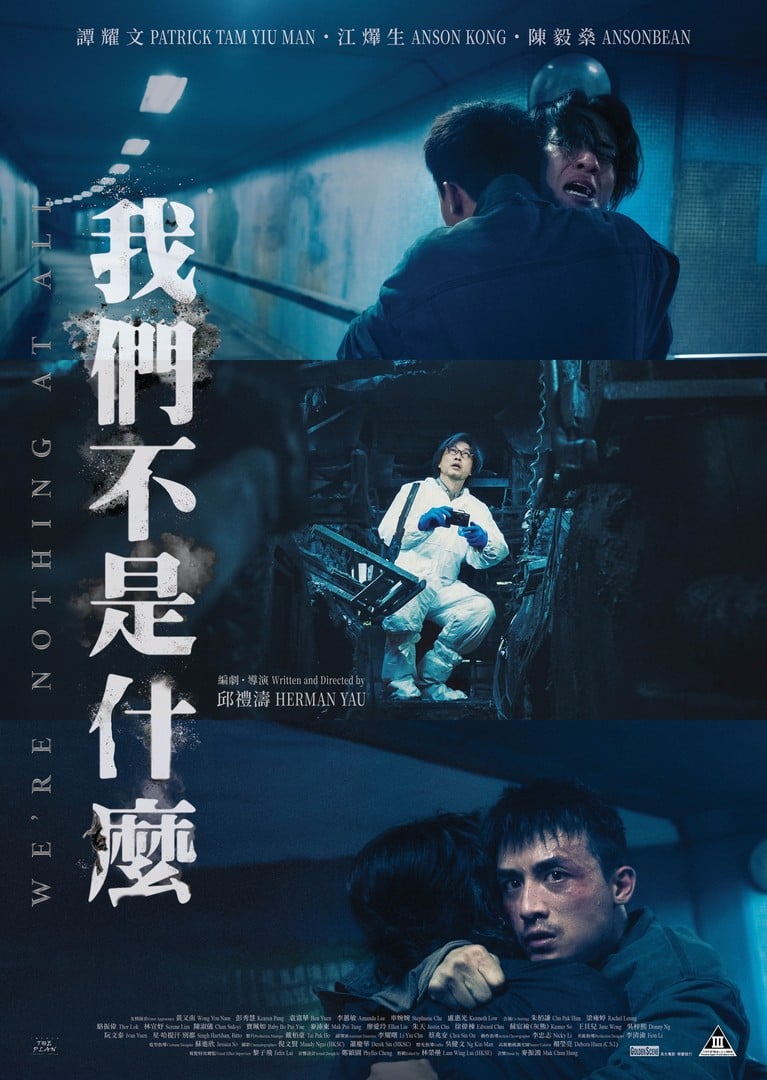
When a bus explodes in the middle of the city on Valentine’s Day, it opens a series of old wounds in Herman Yau’s self-financed state of the nation genre picture, We’re Nothing At All (我們不是什麼). The vision the paints of contemporary Hong Kong is indeed bleak. Radio and television reports talk only of economic downturn with businesses going bust while traditional spaces like wet markets are dying in the ever-changing city. Engaging with the idea of “lam chau” or mutually assured destruction, this is a Hong Kong on the brink of explosion.
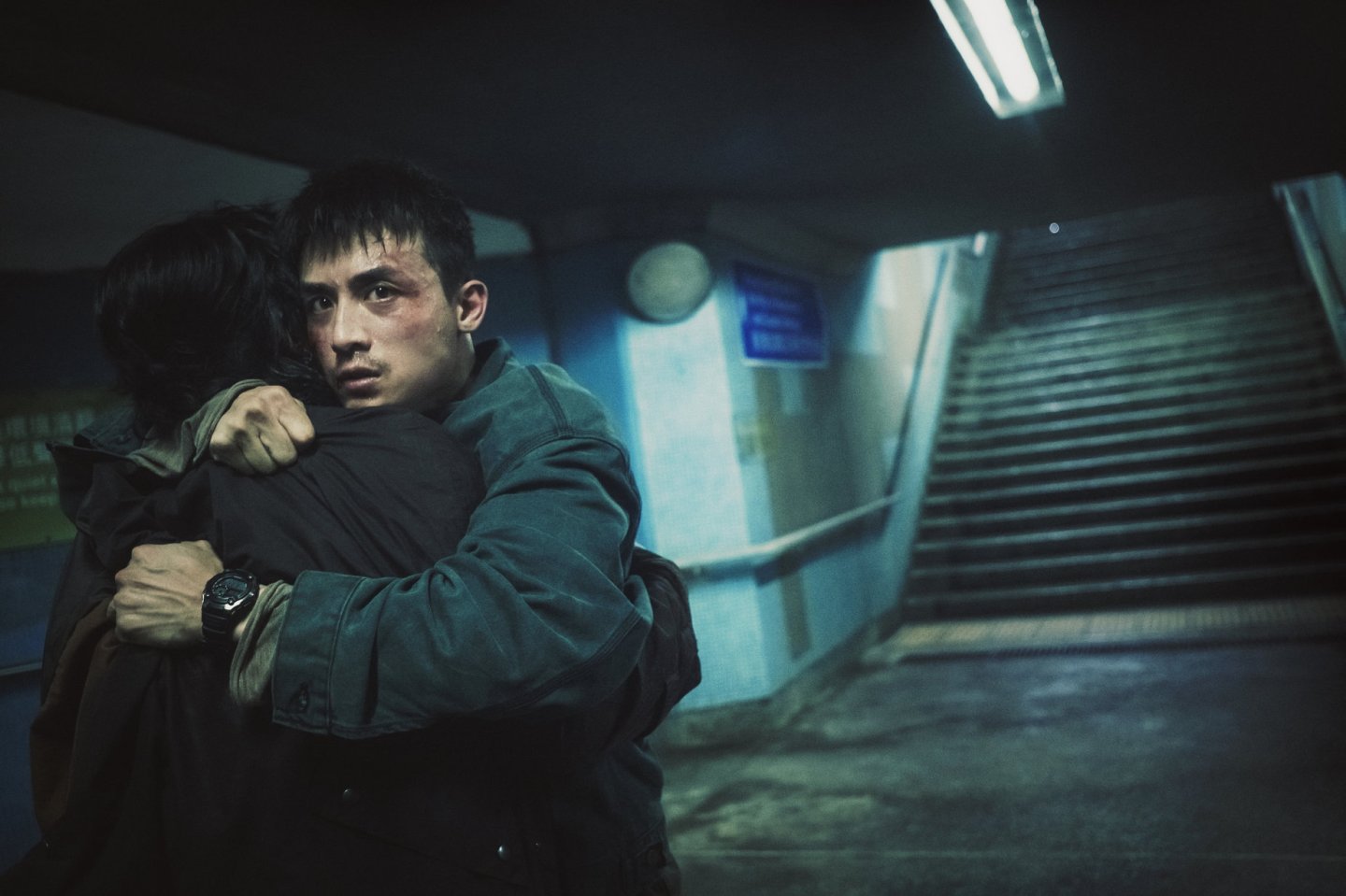
Indeed, the bombers justify themselves that there are no innocent snowflakes in an avalanche and that, therefore, everyone else on the bus has contributed to the circumstances that have made their impossible. The largest of these is entrenched homophobia that has seen the two men exiled from mainstream society. Shy sketch artist Ike inadvertently hints at his sexuality in deflecting his parents’ marriage talk by snapping back that he cannot get married in Hong Kong which is another basic right he has been denied. He can only tell his family about his sexuality by writing a note and passing it through the letterbox. When his father reads it, he beats him and calls him a freak, telling him never to come home again. His family do not report him missing, and it seems it doesn’t occur to them that he might have been on the bus.
Yau uses homosexuality more as a metaphor for marginalisation rather than a topic for exploration in and of itself. That said, it’s clear that their exclusion from mainstream society as gay men contributes to the poverty that otherwise defines their lives. Fai lives in a subdivided apartment and faces workplace exploitation when the construction site he was working at abruptly stops paying its labourers and his attempts to strike prove ineffective. He fares little better after getting a job at a restaurant with a similarly exploitative boss. Ike, meanwhile, is hassled by police while selling sketches with the implication being that law enforcement would rather go after ordinary people for small infractions while protecting the interests of large corporations.
Ike at one point attempts to take his own life by jumping from a window in Fai’s subdivided flat, but is distracted by someone else jumping from a higher a floor. It’s at this point that Fai turns his anger back on society, asking him what the point of dying alone is and telling him that if they’re going to go, they should drag a few others along with them. Unable to see a way of transcending their circumstances, the two men can only envision freedom in death and stage a rebellion against the society they feel has rejected them.
The film obviously does not condone their actions, it also places the blame on societal and indifference particularly in the ways in which a wealthier middle-class world unsees men like Fai and Ike and prefers to move anything it finds unpleasant out of its line of sight. In the course of the investigation, the police move through an underground world of backstreet clubs where middle-aged women go to blow off steam and ageing sex worker Andrew desperately tries to stay afloat. Even veteran policeman Leung has his frustrations, admitting that he too came close to blowing the world to hell after he was forced out of the police force due to what he sees as an unfair double standard.
Even so, his claim that he was saved by the love of a good woman reinforces a societal bias and suggests that the only path to success lies in self-repression. Despite his skills, Leung is depicted as something of a dinosaur with his desire to return to a world where smoking at the office was not only fine but encouraged. Aside from one young man, the other assistants mostly ignore him while he clashes with his more conventional colleagues, but in exploring the circumstances that led to the bus bombing, Leung begins to dig into a pressure cooker society and comes to the conclusion there were many such people like Fai and Ike or even himself who find themselves on the brink of explosion.
Trailer (English subtitles)

