We’re Nothing at All (我們不是什麼, Herman Yau, 2026)

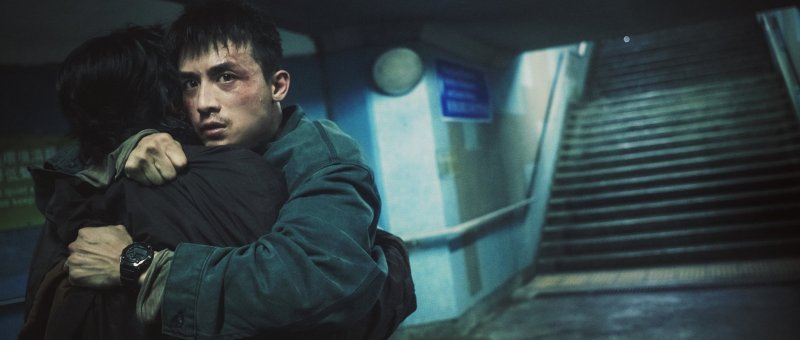
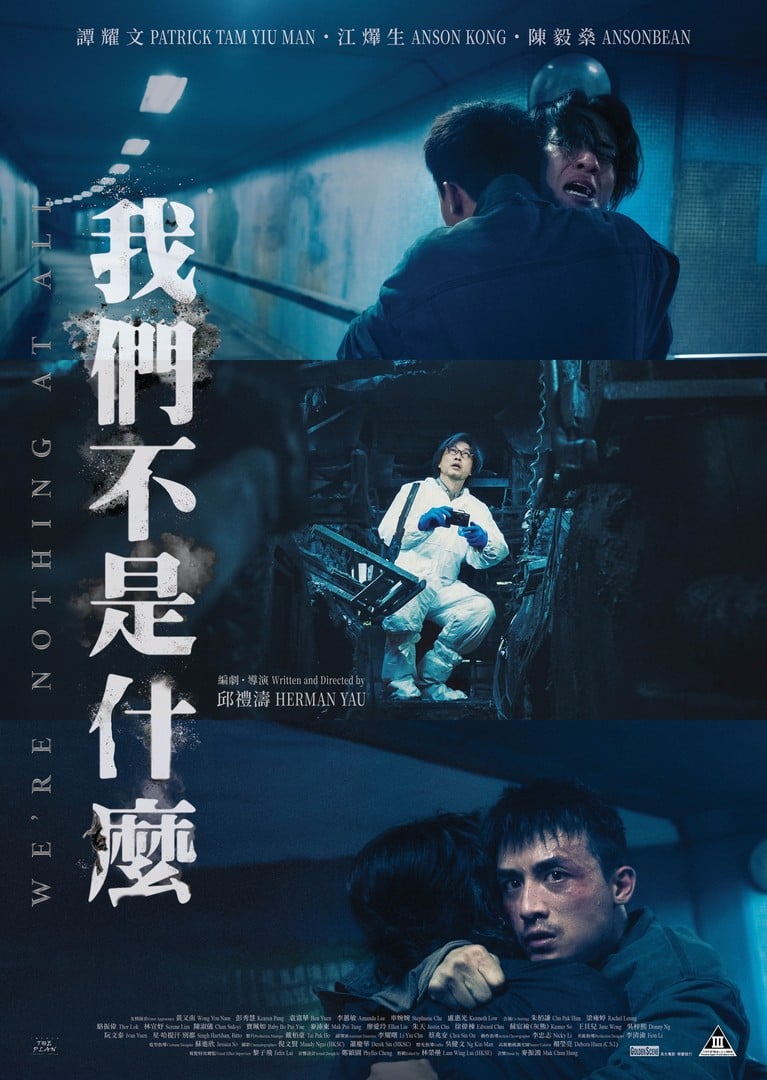
When a bus explodes in the middle of the city on Valentine’s Day, it opens a series of old wounds in Herman Yau’s self-financed state of the nation genre picture, We’re Nothing At All (我們不是什麼). The vision the paints of contemporary Hong Kong is indeed bleak. Radio and television reports talk only of economic downturn with businesses going bust while traditional spaces like wet markets are dying in the ever-changing city. Engaging with the idea of “lam chau” or mutually assured destruction, this is a Hong Kong on the brink of explosion.

Indeed, the bombers justify themselves that there are no innocent snowflakes in an avalanche and that, therefore, everyone else on the bus has contributed to the circumstances that have made their impossible. The largest of these is entrenched homophobia that has seen the two men exiled from mainstream society. Shy sketch artist Ike inadvertently hints at his sexuality in deflecting his parents’ marriage talk by snapping back that he cannot get married in Hong Kong which is another basic right he has been denied. He can only tell his family about his sexuality by writing a note and passing it through the letterbox. When his father reads it, he beats him and calls him a freak, telling him never to come home again. His family do not report him missing, and it seems it doesn’t occur to them that he might have been on the bus. 

Yau uses homosexuality more as a metaphor for marginalisation rather than a topic for exploration in and of itself. That said, it’s clear that their exclusion from mainstream society as gay men contributes to the poverty that otherwise defines their lives. Fai lives in a subdivided apartment and faces workplace exploitation when the construction site he was working at abruptly stops paying its labourers and his attempts to strike prove ineffective. He fares little better after getting a job at a restaurant with a similarly exploitative boss. Ike, meanwhile, is hassled by police while selling sketches with the implication being that law enforcement would rather go after ordinary people for small infractions while protecting the interests of large corporations. 

Ike at one point attempts to take his own life by jumping from a window in Fai’s subdivided flat, but is distracted by someone else jumping from a higher a floor. It’s at this point that Fai turns his anger back on society, asking him what the point of dying alone is and telling him that if they’re going to go, they should drag a few others along with them. Unable to see a way of transcending their circumstances, the two men can only envision freedom in death and stage a rebellion against the society they feel has rejected them.

The film obviously does not condone their actions, it also places the blame on societal and indifference particularly in the ways in which a wealthier middle-class world unsees men like Fai and Ike and prefers to move anything it finds unpleasant out of its line of sight. In the course of the investigation, the police move through an underground world of backstreet clubs where middle-aged women go to blow off steam and ageing sex worker Andrew desperately tries to stay afloat. Even veteran policeman Leung has his frustrations, admitting that he too came close to blowing the world to hell after he was forced out of the police force due to what he sees as an unfair double standard. 

Even so, his claim that he was saved by the love of a good woman reinforces a societal bias and suggests that the only path to success lies in self-repression. Despite his skills, Leung is depicted as something of a dinosaur with his desire to return to a world where smoking at the office was not only fine but encouraged. Aside from one young man, the other assistants mostly ignore him while he clashes with his more conventional colleagues, but in exploring the circumstances that led to the bus bombing, Leung begins to dig into a pressure cooker society and comes to the conclusion there were many such people like Fai and Ike or even himself who find themselves on the brink of explosion.


Trailer (English subtitles)

All About Ing (小伟, Huang Zi, 2019)

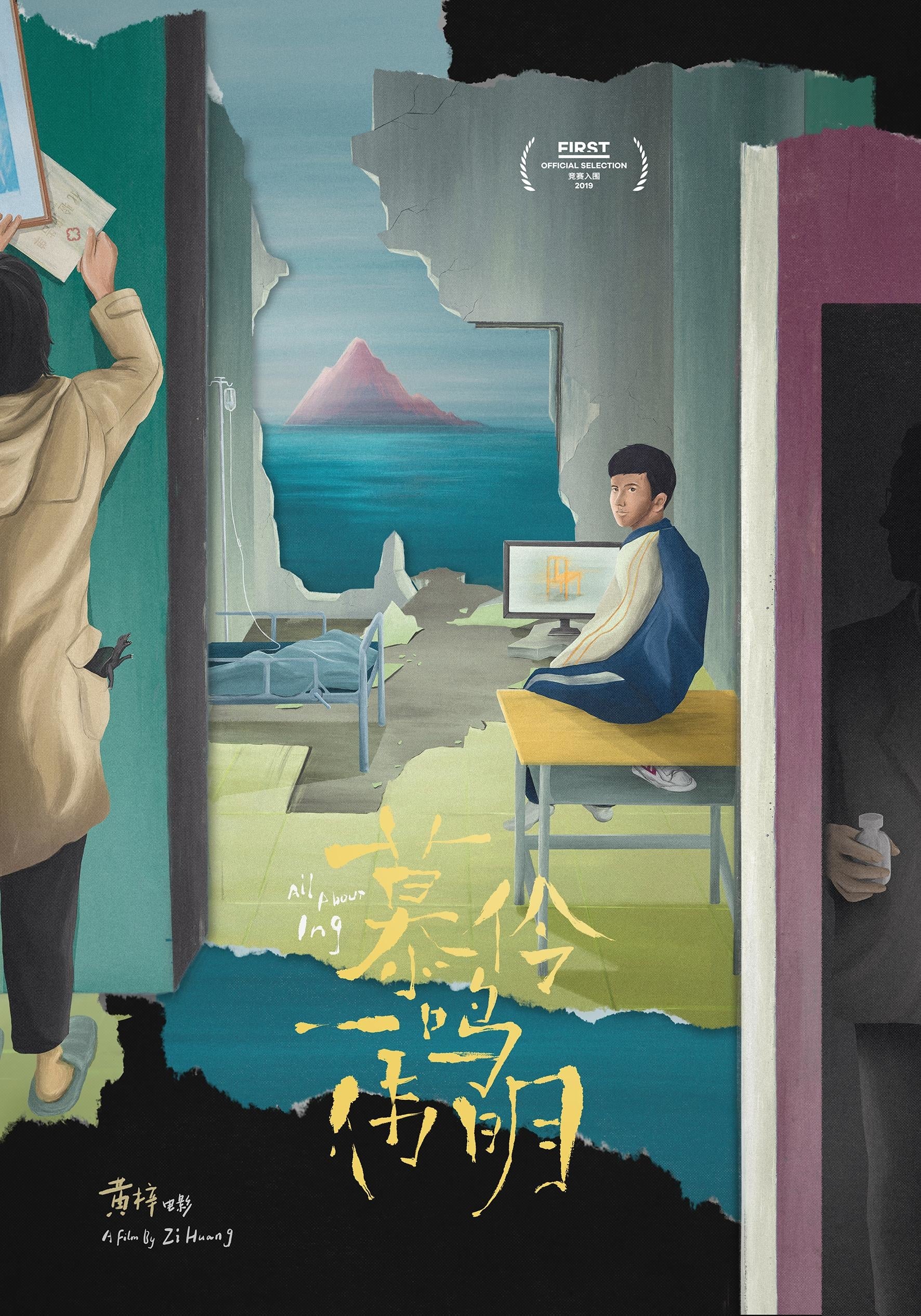
A small family finds itself pulled in different directions in the wake of a medical emergency in Huang Zi’s poetic family drama All About Ing (小伟, Xiǎo Wěi). The three are perhaps in slightly different places, each longing for freedom from one thing or another but finding themselves bound by a sense of legacy while haunted by both past and future as they attempt to reorient themselves around their shared loss, searching for new ways forward while always looking back. 

Opening with the poignant image of an empty chair, Huang slowly walks us into the “Ing” home (not their name though each of their names contain it) as patriarch Weiming (Ko Hon-man) gets a haircut from his wife while his son Yiming (Howard Sit Lap-Yin) lazes on the sofa behind. The sense of familial harmony is however soon broken as mother Muling (Janis Pang Hang-ying) chases down her indifferent son while her husband has recently entered hospital with a condition that appears to be much more serious than he thought it to be. Firstly criticising the hospital unsure if he’s getting the best care because the place seems “too new”, Weiming is convinced there’s nothing seriously wrong with him because the doctor says he can go home in a few days. Muling, however, is aware the reality is a little different and has decided not to tell her husband that he has advanced liver cancer letting him believe he merely has “cirrhosis”. 

Divided into three arcs following each of the family members as they attempt to come to terms with the ways their lives will change, the first part of the film follows Muling as she finds herself carrying the burden of family all alone trying to keep them together while her son dreams of escaping abroad and her husband is in continual denial about the state of his health. Perhaps she wants to escape too, her friends at a factory cafeteria gossiping about a mutual acquaintance who was so set on going abroad that she apparently left her husband to marry a wealthy old man living in Cyprus. “What freedom? Is abandoning her son and husband freedom now?” her friend asks while Muling pensively stirs her soup thinking something much the same, later identifying with the lonely old granny who keeps wandering off from the flat next-door while her family it seems don’t even really bother to look for her. Will that be her future too, wandering all alone like a living ghost forgotten by those closest to her? 

A teenage boy Yiming is not particularly primed to see things from his mother’s perspective, longing for escape through studying abroad keeping the news of his acceptance at university in the US a secret from Muling just as she keeps the extent of Weiming’s illness a secret from him. He resents her for her thinking “something bad” will happen to his father while slacking off in class, rejecting her offer of an introduction to a cram school run by a friend but cheating on his homework by copying another girl’s answers. Like Muling’s friend, Yiming’s classmates are convinced there’s no future for them in China joking about jobs as security guards or successful shop merchants while determined to seek their fortunes abroad perhaps partly out of a sense of teenage rebellion against constraining family mores. Yet Yiming is also struggling to process the idea of death experiencing strange dreams of a ruined village he eventually visits with his father on a last trip back to his hometown. 

Weiming’s elderly mother looks not unlike the escaped granny framed vaguely from behind, while his brother too appears somewhat ghostlike as if frozen in time dressed in an old-fashioned donkey jacket and carrying a mysterious photo tube. The two boys he meets on a misty beach who do not acknowledge his presence appear like ghosts of their younger selves while Weiming himself has begun to haunt the landscape ominously looking in through a window at his wife and son on the other side. The family went back to visit Weiming’s family grave but they can’t find it, the town now in ruins while a holiday resort is currently under construction slowly taking over the mountain featured in a picture the family retrieve of Weiming’s father they will later hang on their living room wall. “I want to change the world” Yiming idly mutters on the train home though Weiming doesn’t hear him, the son poignantly turning round to share something with his father after they return home only to find his chair empty. Another his elliptical long shots, Huang closes by returning to his opening POV once again a ghost exiting the space as if returning to a familiar chair while the family attempts to repair itself, moving forward in memory of the past not trapped by it but carrying it with them as they go. 


All About Ing is currently available to stream in the UK as part of the Chinese Cinema Season.

Original trailer (English / Simplified Chinese subtitles)