 Written by
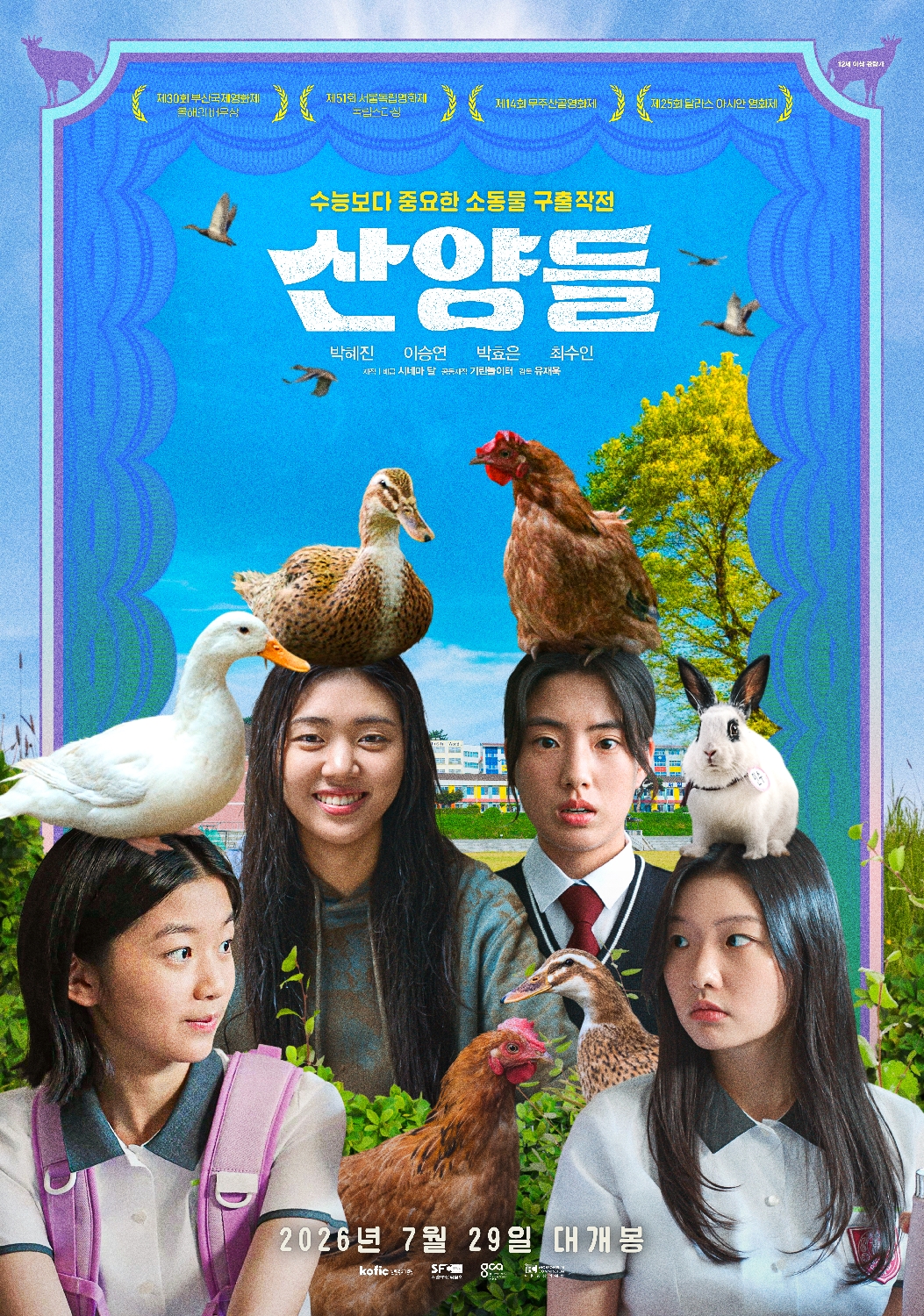
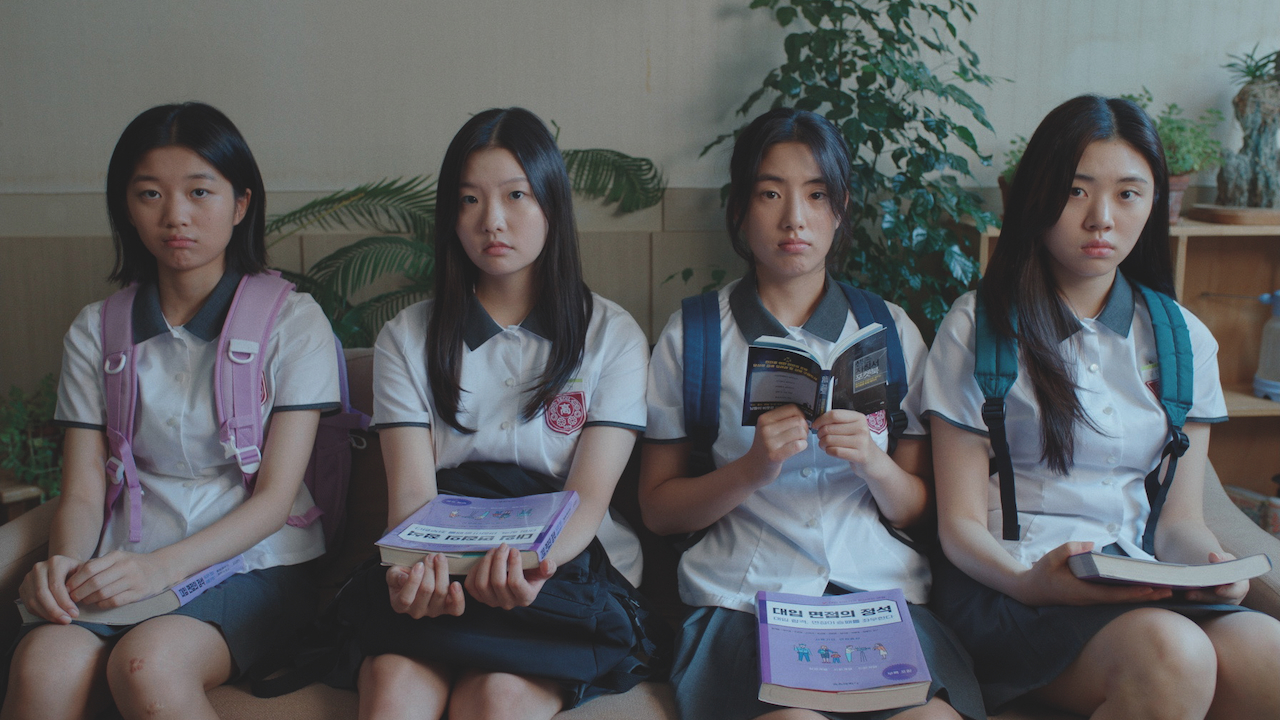
A group of four directionless girls find solace in the natural world and in each other in Yoo Jae-wook’s gentle coming of age drama, The Gorals (산양들, Sanyangdeul). Each finding themselves slightly at odds with Korea’s conformist society, the young women are railroaded onto the conventional path of university and presumably some kind of steady corporate job afterwards with little consideration given to why they’re doing it or what it is they actually want out of life.
The reason the four girls, who did not really know each other previously, are brought together is that none of them have filled in the form regarding their intended universities or career paths. A teacher has, therefore, determined that she’s going to get them into any university that will accept them through a process of intensive interview prep and catch up classes. It doesn’t really matter to the teacher how she does it, so she mainly puts the girls up for random courses such as sending In-hae to an interview to study Spanish at a university with “Seoul” in its name (but not actually “Seoul University”) despite the fact that In-hae wanted to study landscaping.
In-hae also tends the school’s small “zoo” consisting mostly of domesticated livestock such as ducks, chickens, and geese alongside a few bunnies. She tells Seo-hee, who is obsessed with prepping for an oncoming disaster, that her dream is to become an influencer and get on the cover of Time magazine even if it’s for doing something nefarious. The girls start posting pictures and videos of the animals, but this only seems to lead to complaints coming in with the school suggesting they may close the zoo altogether. To save their animal friends, the girls decide to set up camp in the woods on their own, building their own farm as a kind of teenage utopia free from parental or hierarchal pressures.
In someways, this desire to retreat is also another way of staving off impending adulthood or the need to make serious decisions about their lives and futures. But it also reflects a new desire among younger people to live in a simpler way, sidestepping the rat race in search of greater personal fulfilment and work that feels as if it’s worth doing rather than just simply being what you do to qualify as a bona fide member of society. The “shelter” they construct is for the animals who face the prospect of being put to sleep with no one to care for them, but it’s also for themselves too as they try to find somewhere they can just be themselves.
Each of the girls is in some way unconventional which might make it harder for them to follow the conventional path. In-hae has secretly been dating a popular boy who won’t go public with their relationship because he’s running for class president and is worried that girls won’t vote for him if they think he’s unavailable. It soon becomes clear that he too is a symbol of the conventional, patriarchal society from which In-hae wants to escape. He tracks the location app on her phone and behaves in a controlling fashion. “You used to listen to me well,” he ominously says after In-hae starts hanging out more with the other girls while trying to pressure her to stick to the conventional path by doing exactly as he tells her to do.
But part of the problem is that, as the girls say of escapee duck Hee-soo, they’ve been raised in a cage and don’t know how to live outside it. Nevertheless, Hee-soo seems to take to life in the wild with confidence and assurance. The name the girls choose for themselves is “The Gorals” after a kind of wandering mountain goat pushed out of its natural habitat by modern civilisation but still finding new ways to live. Adults may try to tear down their sanctuary, but they can simply rebuild it somewhere else. Though facing different issues from overprotective parents, complicated family situations and feelings of abandonment, to impending apocalypse and a terrible boyfriend torpedoing your parents’ business to increase his own success, the solidarity that the young women eventually discover gives them the sense of confidence they need in progressing to the next phase of their lives while following their own paths rather than those set down for them by others.
The Gorals screened as part of this year’s London Korean Film Festival.
Trailer (Korean subtitles only)

