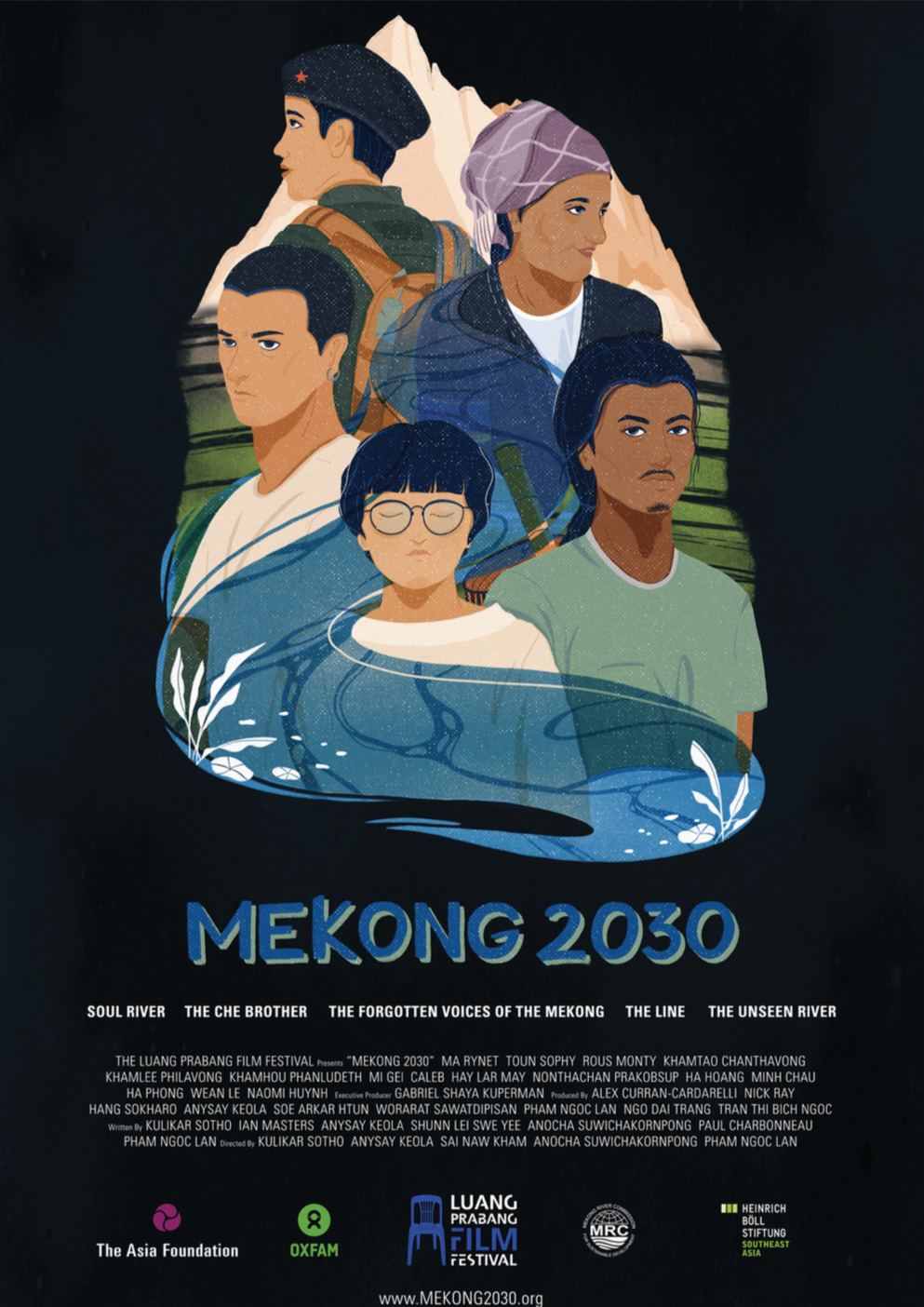
MEKONG 2030 (Kulikar Sotho, Anysay Keola, Sai Naw Kham, Anocha Suwichakornpong, Pham Ngoc Lân, 2020)

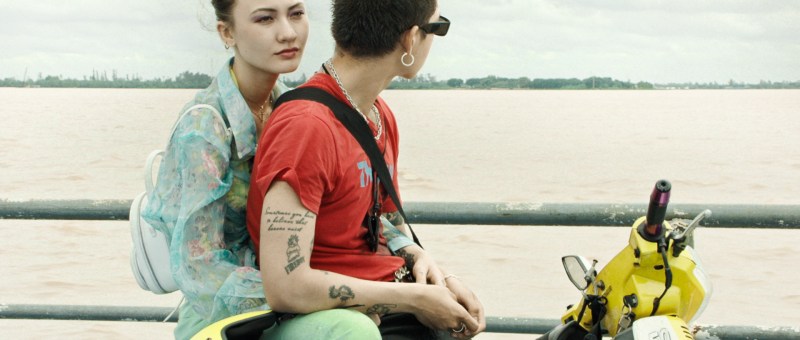
Literally on the shores of an ecological crisis, the communities along the Mekong River know better than most the dangers of climate change and increasing industrialisation. Commissioned by the Luang Prabang Film Festival, MEKONG 2030 takes its cues from the recent “ten years” phenomenon, bringing together five directors from different nations along the Mekong to imagine what the situation might be in a decade’s time. 

Environmental concerns and changing times are clearly at the forefront of Cambodian director Kulikar Sotho’s Soul River in which Klark, an indigenous huntsman, discovers an ancient statue in the forest and determines to sell it to buy a better future for himself and his wife having lost everything in a flood caused by deforestation and the affects of increasing industrialisation. Unfortunately he is challenged by Sok, a former fisherman forced onto the land due to the lack of fish in the river, who claims to be the land’s owner and insists the statue is his. An amusing stand off, Klark’s machete vs Sok’s walkie-talkie, signals their respective positions as avatars of new and old. Nevertheless, the statue is too heavy for one man to carry and so they agree to work together, occasionally quibbling over their respective cuts and irritating Klark’s conflicted wife Ladet whose premonition that the statue is cursed is well and truly borne out as the two men begin to lose themselves in greed and suspicion. Yet as her closing voice over reminds us their sin is emblematic of their times in their irresponsible and arrogant desire to “sell” their nation’s ancestral treasures, be they forests, rivers, or statues the protection of which should have been their only duty. 

Depleting fish stocks and industrial pollution are also a persistent theme in the entry from Laos as a worried sister explains to her student brother concerned to see nets covered in dust on his return home from university. Xe is worried because his sister has a bruise on her face and seems to have separated from her husband and children she says to look after their mother who, as it turns out, is immune to the ongoing plague and therefore a valuable commodity to those hoping to find a vaccine. The bruise was apparently caused when their older brother, who has since become a warlord, kidnapped mum in order to monopolise her exploitation. The sister wants Xe to kidnap her back, but the deeper he gets into this awkward situation the more conflicted Xe feels knowing that whatever is actually going on both of his siblings are in effect determined to bleed his mother dry for economic gain. 

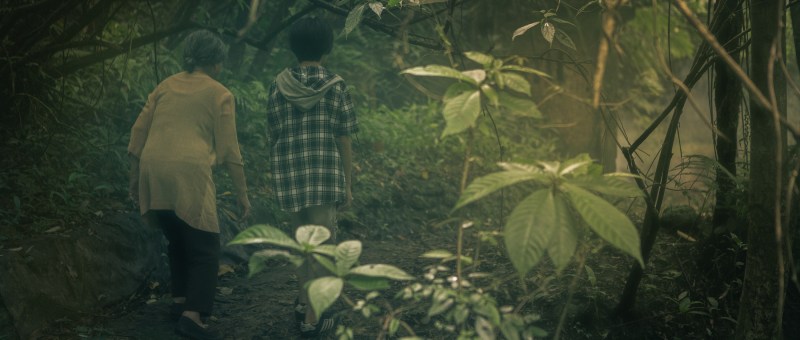
The precarious position of the older generation and the side effects of industrialisation raise their heads again in chapter three, Myanmar’s The Forgotten Voices of the Mekong in which well-meaning young village chief Charlie determines to “modernise” his community by inviting a mining conglomerate to begin digging gold on their land. An old grandma patiently teaching her grandson to care for the local herb grown for its medicinal properties is the voice of opposition, pointing out that there is nothing wrong with their lives as they are and so she feels they don’t need the complications of the “modernity” Charlie is determined to bring them. He tells her that he’s the chief now and so they’ll do as he says and so she calmly walks out of the meeting, but her animosity is soon vindicated when farmers complain their livestock has been poisoned after drinking water contaminated by the mine. Not long after a child is taken ill. Devils devour everything, but there is something we can do the old woman assures her grandson: make the mountains green again. 

Shifting into a more abstract register, Anocha Suwichakornpong’s Thai entry The Line takes the river as a protagonist through the film within the film playing on a gallery wall though apparently in some way unsatisfying to its creator. Speaking in a robotic Mandarin, the video places an ironic voiceover on top of images of the river and the city juxtaposing an incongruous family history with a vision of modernity. Meanwhile, a young intern makes smalltalk with her temporary bosses who seem to have no time for her about a weird animal captured on camera in the river near her hometown, and the artist explains her intention of dramatising a vision of space and time through the story of the river.  

The sense of the Mekong as liquid time recurs in the final instalment, Vietnam’s The Unseen River, in which two stories, one of youth and the other age, run in parallel. While a young couple make a visit to a temple hoping to find a cure for the boy’s restless sleep, a middle-aged woman catches sight of a somehow familiar dog that serendipitously reunites her with her long-absent first love who went abroad to study shortly before they dammed the river. In a piece of possibly unhelpful advice, the old monk tells the young man that all he needs to do is “believe” in the act of sleeping. Sinking into a deep sleep is like surrendering yourself to the current he explains, directly linking the rythms of life to the river while the young monk attributes their youthful llistlessness, the failure to see a future that has prevented the young couple marrying, to the inability to dream. The river is both past and future, dream and reality. It is disconnection with the natural world which has so affected the young man, something he perhaps repairs borrowing the monk’s decommissioned fishing rod to gaze upon the wide river under the light of the moon. 

Giving voice to the anxieties of climate change, overdevelopment, the unequal power dynamics of large corporations operating in rural communities, the erosion of traditional culture, and the loss of the natural world, MEKONG 2030 issues a strong warning against ecological complacency but also rediscovers a kind of serenity in the river’s eternal presence even as it is perhaps flowing away from us. 


MEKONG 2030 streamed as part of this year’s San Diego Asian Film Festival. Readers in Poland will also have the opportunity to stream MEKONG 2030 as part of the 14th Five Flavours Film Festival 25th November to 6th December.

Original trailer (English subtitles)
Forbidden Dream (천문: 하늘에 묻는다, Hur Jin-ho, 2019)

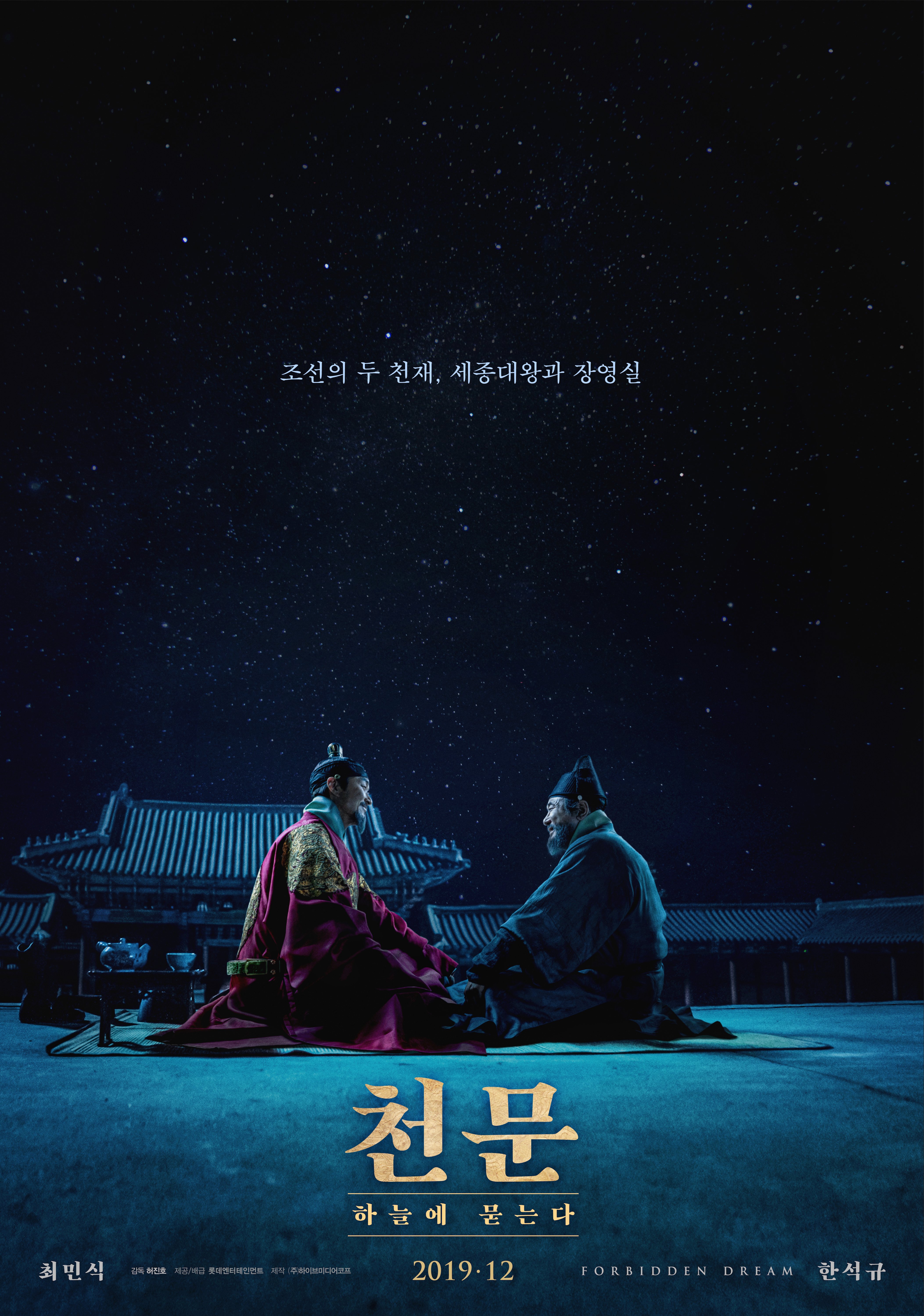
Technology is a great motivator for social change, which is one reason why there are those who would prefer to shut it down before it exists, afraid of the threat it poses to their own power and status. Best known for tearjerking romantic melodrama, Hur Jin-ho follows historical epic The Last Princess with a quietly nationalistic journey back to the Joseon era in which calls for greater sovereignty perhaps incongruously go hand in hand with progressive politics which see the good king Sejong (Han Suk-kyu) agitate for greater social equality through the democratisation of knowledge. This is his “Forbidden Dream” (천문: 하늘에 묻는다, Cheonmun: haneul-e mudneunda), the existence of a “fair” society in which anyone can read, write and learn regardless of the social class into which they were born.

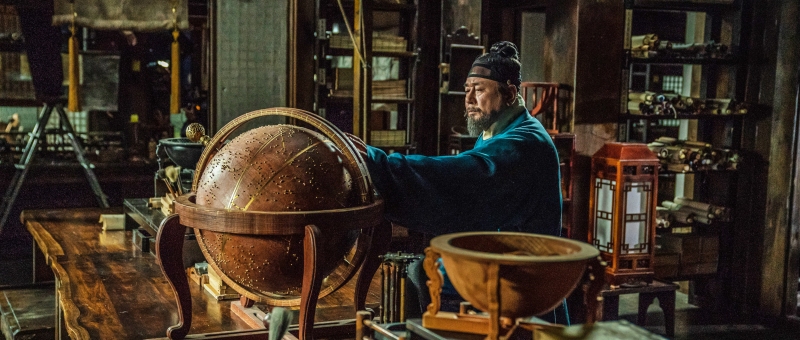
Apparently inspired by the mysterious disappearance of legendary court inventor Jang Yeong-sil (Choi Min-sik) from the annals despite his close friendship with the king, Hur sets his tale in the 1440s during which time Korea is a tributary of the Ming. The problem with that is that though Korea remains a sovreign nation and Sejong its king, the Ming have positioned themselves as the culturally superior arbiters of knowledge. Facing persistent famines, Sejong is convinced that the key to agricultural prosperity lies in getting rid of the Ming almanac and using their own time zone which is better suited to the Korean Peninsula and will allow their farmers to make the best use of their land. The Ming, predictably, do not like his idea and are forever sending envoys to tell him to stop trying to “improve” on their technology. Nevertheless, he persists which is how he comes to meet Jang Yeong-sil, a technological genius whose innate talent has brought him to the palace despite the fact that he was born a slave. 

In Yeong-sil, the perhaps lonely king Sejong discovers a kindred spirit, the two men quickly, and transgressively, speaking as equals when it comes to developing their new technology. Giddy as schoolboys, they work on their inventions together for the betterment of the people, beginning with building a water clock to better indicate the time when the sun goes down. Sejong frees Yeong-sil and makes him a “5th rank scientist”, gifting him the clothes of a gentleman, but his open hearted egalitarianism sets him at odds with his ambitious courtiers who resent being forced to share their space with a former slave, puffed up on their feudal privileges that convince them advancement is a matter of name and intrigue. 

Just as Hur suggested in The Last Princess that the courtiers sold their country out because of an internalised sense that Korea was small and backward and could not stand alone, so Sejong’s ministers begin to abandon him and turn their fealty to the Ming. Sejong believes in Korean independence, certain that only by standing free can the country prosper and the people be happy. Others however fear Sejong’s “forbidden dream” of a more equal society knowing that it necessarily means a lessening of their own power and the privilege they feel themselves entitled to. Besides timekeeping, Sejong has also been working on a new alphabet which will further set them apart from the culture of the Ming. The ability to read and write using Chinese characters which Sejong feels are not perhaps well suited to Korean has hitherto been reserved for the elite. Sejong’s alphabet which will eventually become the Hangul still in use today removes the barriers to knowledge which ensure the rule of the few can never be challenged while also reinforcing the idea of a cultural Koreanness which is valid in its own right, equal to that of the Ming, and obviously a better fit for his people who will then be able to create glorious inventions of their own. 

Hangul is the “something eternal that no country can take away” that Sejong dreamed of as his legacy, but it’s also the thing that costs him his transgressive friendship with Yeong-sil as his courtiers reject his internal challenge to the social order, favouring the feudal certainties of the Ming over his revolutionary kingship. Undeniably homoerotic in the depths of its sincerity, the attachment of the two men, a slave and a king, is embodiment of Sejong’s forbidden dream as a symbol of a better world where all are free to innovate. “Class does not matter” he tells Yeong-sil as they stare up at the stars, “what matters is that we look at the same sky and share the same dream”. That better world, however, will be a long time coming, Yeong-sil a martyr punished for his class transgression but making a personal sacrifice on behalf of the king who was also his friend so he can bring about his forbidden dream of an independent Korea powered by cutting edge technology created by men like him with fine minds from all walks of life. Well, perhaps there’s still some work to do, but you get there in the end. Anchored by the magnetic performances of its two veteran leads, Forbidden Dream does not entirely escape the pitfalls of the Joseon-era drama with its palace intrigue and complex interpersonal politics, but is at its best when celebrating the intense friendship of two men united by the desire to innovate even if that innovation is not always convenient for the world in which they live.


Forbidden Dream streamed as part of this year’s New York Asian Film Festival.

International trailer (English subtitles)

Images: © 2020 LOTTE ENTERTAINMENT All Rights Reserved.

Looking For? (你找什麼?, Chou Tung-yen, 2017)

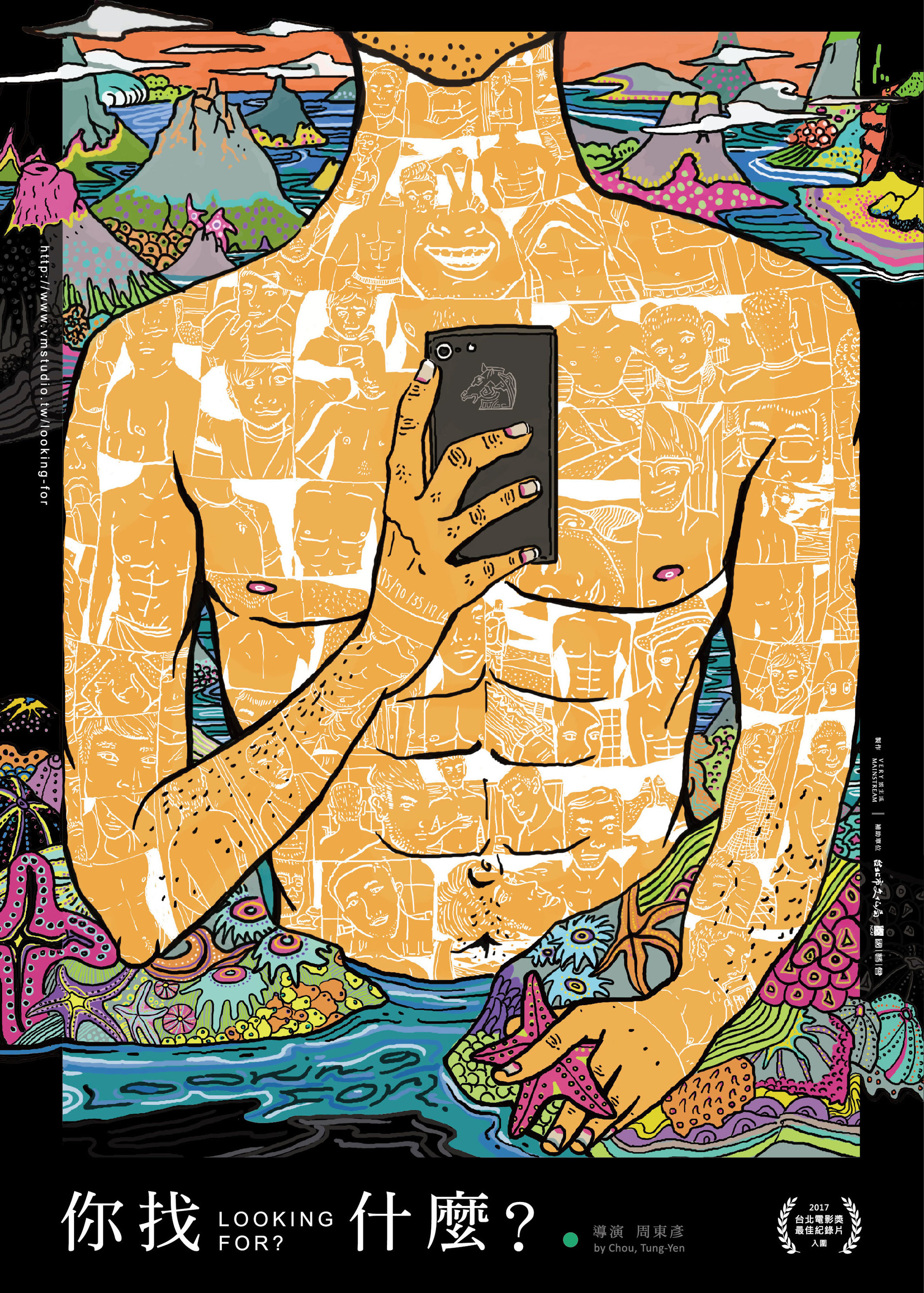
“Looking for?” (你找什麼?, Nǐ Zhǎo Shénme?) is a common enough ice breaker on gay dating apps but when you get right down to it it’s a difficult one to answer. Struggling with the question himself as someone who came to the app scene fairly late, director Chou Tung-yen interviewed 60 men from all around the world to ask them what it is they’ve been looking for, why they use dating apps, and how they really feel about them. 

As might be assumed, many of the men are using the apps for casual hook-ups citing the convenience as a major motivating factor. In the old days you wrote letters and hoped to get a reply to your PO box, or you went to a bathhouse, or invested time in someone at a bar, but now you just exchange messages and get what you need when you need it. One older user even likens the experience to that of a supermarket or even ordering fast food, an entirely disposable satisfaction of needs. He’s not necessarily making a criticism, but others ask if the commodification of the community is really a good thing. Most assume that in a more open society and most especially within your own community there ought to be more freedom to be your authentic self, but the apps are so interested in finding a perfect match that they try to force those who use them inside their narrow lines, tagged as a particular brand with some feeling as if they have to change themselves to be “marketable” or no one is ever going to be interested in them. 

Social media of all kinds can foster feelings of inadequacy, but paradoxically others report that they use dating apps precisely in order to boost their self esteem. They like it when people like their photos and enjoy the feeling of being desirable, counting the messages roll in from various suitors to whom they may or may not choose to reply. Those who’d previously felt themselves unattractive have learned to find their niche and become more comfortable in their bodies able to own their sensuality in all areas of their lives. But then some have run the other way, obsessively working out becoming perhaps dangerously addicted to online praise as they continue to alter their physicality to better conform to an external idea of conventional attractiveness. 

And then there are the other dark sides, the inherent danger and the potential toxicity of a party culture that encourages excessive drug use. One young man who appears only in silhouette, his voice disguised, reveals that he thoughtlessly had unprotected sex while high, while another man explains that he eventually decided to leave rave culture behind after a friend took his own life while under the influence and another died of a short illness caused by longterm drug use during which his friends continued to take him out partying despite knowing that he was seriously ill. 

The man whose face appears in silhouette laments that he no longer thinks it’s possible to find true love online, though there are those for whom that is exactly what they were looking for and some of them seem to have found it. Several couples report that they met through a dating app and then stayed together, even later got married. Others however find that while using the app their desire to find a monogamous partner decreased, they enjoyed the ability to have various experiences instead. Still more are looking for friendship or companionship more than romance, someone just to have dinner or share a deep conservation with. 

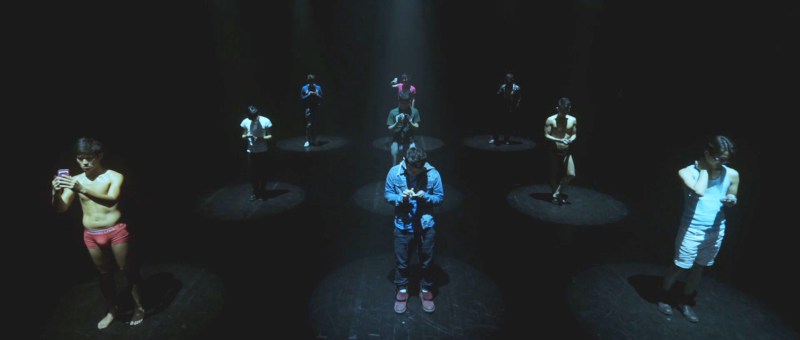
Towards the end, one interviewee reveals he no longer uses dating apps because he couldn’t figure out what it was he was looking for. Others drift away from them either because they found a stable relationship, began to age out or lost interest in the scene, whether having figured out what they want(ed) or not. Chou asks each of the respondents what love is, many of them talking wistfully about first love but seemingly jaded about grown-up romance or at least resigned to a cooler kind if perhaps still chasing that first flush of passion. Concentrating mainly on the interview sessions, Chou intersperses brief theatrical dance sequences and shots of himself captured alone at various points of transit in different cities, discovering at least a kind of commonality in the community of dating app users the world over who can understand each other even in the absence of shared language. Chou may not have discovered what it is he’s looking for, but has perhaps learned something else in his voyage through the trials of 21st century dating in that in the end you get out what you put in, which is to say what you’re looking for finds you whether you recognise it or not. 


Looking For? streams in the UK via Rio Player 20th – 26th November as part of this year’s Queer East.

Original trailer (English subtitles)
Dear Loneliness (致親愛的孤獨者, Lien Chien-hung & Sunny Yu & Liao Che-yi, 2019)

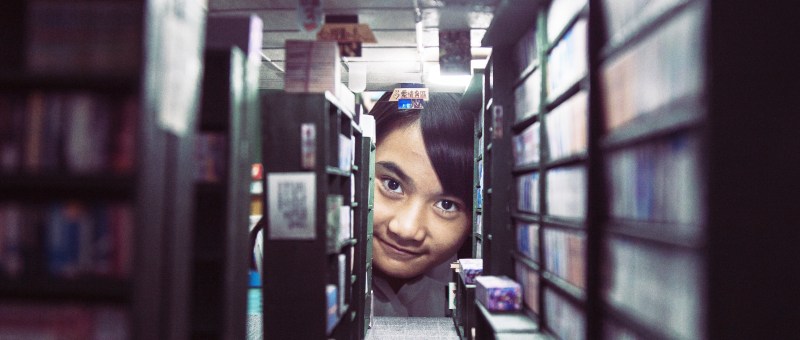
“After 10 years or 20 years, you will feel less lonely. Surely you will not be hurt anymore due to your pure feeling and kindness” a warmhearted bookstore owner (played by literary superstar Lo Yi-chin AKA Lou Yi-chun/Luo Yijun) advises a series of young women in a parting letter, reminding them that the reason they suffer so is only their youth and that too shall pass. Inspired by Hou Chi-jan’s documentary series Poetries from the Bookstores which highlighted 40 Taiwanese indie bookshops, omnibus film Dear Loneliness (致親愛的孤獨者, Zhì Qīn’ài de Gūdú Zhě) features three segments helmed by three promising young directors selected through Dreamland Image’s Storylab featuring three women each consumed by loneliness at differing stages of youth. 

In the first of the stories, 12-year-old Xiaoyu (Lin Chi-en) is introverted and friendless. In common with the heroines of the other two segments, she is disconnected from her family, raised by a grumpy grandpa who hates her reading habit which he sees as a waste of time because it makes no money. Like many of the other girls at school, she has a crush on handsome teacher David (Chung Cheng-Chun) whose obvious enjoyment of the attention he receives has his relatively more authoritative colleague feeling worried enough to ask him if his behaviour isn’t a little inappropriate. Burying herself in romance novels and engaging in mental fantasies of her teacher Xiaoyu struggles with her adolescent desire while firmly rejected by her peer group, the girl on the next desk going so far as to adjust the angle of her selfie to avoid Xiaoyu being caught in the background. The irony is that David may indeed be engaging in inappropriate conduct with his students, just not with Xiaoyu whose jealousy and resentment may accidentally expose him for what he is but leave her even more marginalised. 

Kai-han (Angel Lee), meanwhile, also experiences parental alienation, yelled at by her unsupportive father just at the moment she really needs some help. Having left her small town for uni in Taipei she discovers a girl from the Mainland already in the room she thought was hers. Owing to some kind of mix up, she finds herself abruptly without accommodation with term about while the harried office admin lady is decidedly unhelpful. After taking temporary refuge in a bookshop where she’s berated by her father over the phone who accuses her of being lax with details and bringing this on herself, she decides to try getting the Mainlander to vacate “her’ room, but she is understandably unwilling seeing as she’s paid her rent for the term already. Things take a turn for the unpleasant when Kai-han discovers her wallet missing and after reading a series of xenophobic online comments decides the Mainland girl took it. She tries to get it back, perhaps mistakenly feeling she’s standing up for herself and taking responsibility but incurring only tragic consequences which yield ironic results. 

The oldest of the women, Xiaoxun (Chang Ning) who gives her age perhaps unconvincingly as 20, left her “indifferent” family in Kaohsiung for love, ending up on the fringes of the sex trade because she needed money. Yet she ends up taking a strange job in prison “rehabilitation”, flirting with the various lonely men who request her and vowing to wait for each of them until they get out. Prisoner 2923 (Liu Kuan-ting) is a little different, deep and introspective he forces her to realise that she too is imprisoned. “Each day goes by whether you’re happy or sad” she cheerfully advances, deflecting his questioning until the time runs out. He sends her to a book store, because you can’t recommend the best book, the best book chooses you. Meanwhile, she reflects on her problematic relationship with her ex who is now dating her friend before realising she’s hooked on the mystery of 2923, eventually hearing his story but allowing it to free her from her sense of shame and inertia as she ponders a return to source, perhaps finally meaning it when she tells him too that she will wait for him. 

The three women each experience loneliness and despair at different stages of life, but as the bookseller points out they are all very young. The key to escaping their loneliness, he claims, lies in experience, filling the void with “the fullness of life”. Asked what it is they should do he can’t say, but assures them that he would give them a hug “because you are very precious, you just don’t realise that now”. A strangely life affirming experience, Dear Loneliness is a gentle hand in the darkness pointing the way for those who feel hopeless and alone back towards a place of light and safety to be found, it seems, in your local indie bookshop.


Dear Loneliness streamed as part of this year’s New York Asian Film Festival.

Original trailer (English/Traditional Chinese subtitles)

A Thousand Cuts (Ramona S. Diaz, 2020)

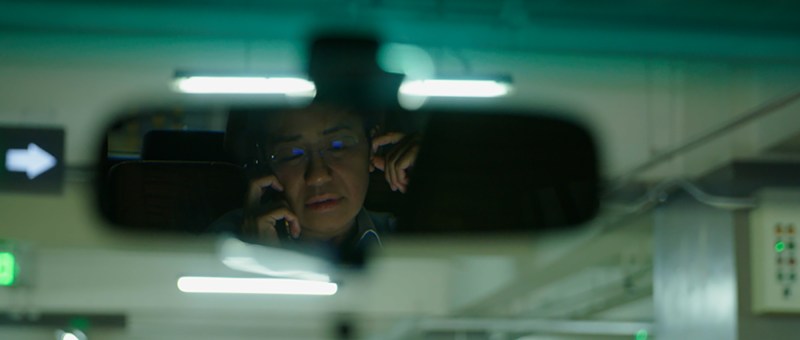
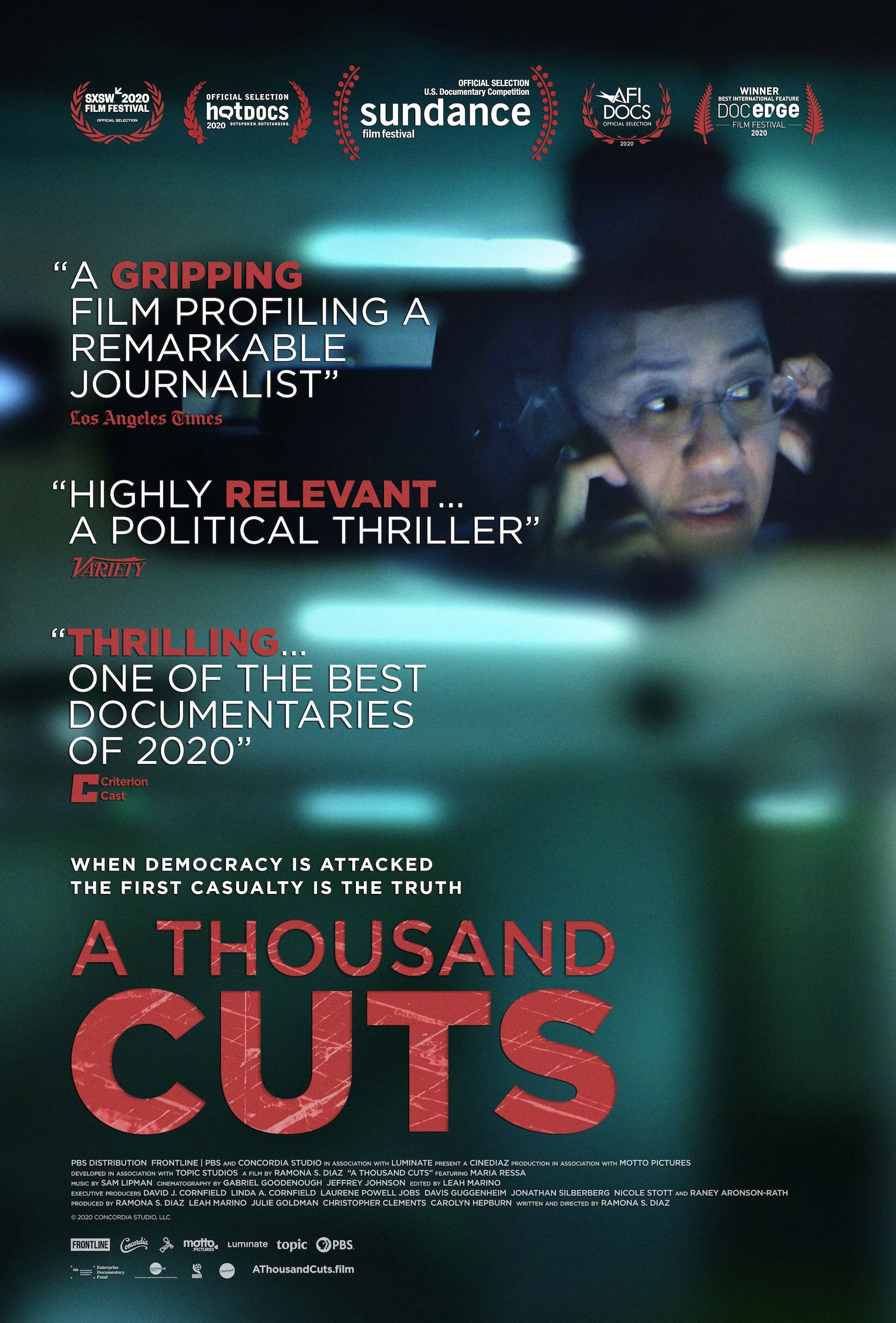
“Your concern is human rights. Mine is human lives” President Rodrigo Duterte disingenuously intones as part of his State of the Nation address, as if in the end they weren’t the same thing. Ramona S. Diaz’ clearheaded yet incendiary documentary A Thousand Cuts follows unfazable journalist Maria Ressa, head of online news site Rappler as she finds herself firmly within the president’s sights for her determination to challenge his “fake news” only to be accused of the same herself. Yet Ressa refuses to back down, holding the line even in the face of extreme threat to her person ranging from spurious prosecution to attempts to intimidate serious enough to have her wearing a flack jacket while travelling only by official car. 

As Ressa points out, the danger is not unique to the Philippines though through her investigations we see her map out the networks of bots and bad actors that allowed populism to prosper through social media, the most online nation apparently a guineapig for geopolitical manipulation. Remarkably even-handed in her presentation, Diaz introduces us to Ressa’s opposite number in Mocha Uson, a former pop idol turned rightwing blogger ensconced in the Duterte camp but scoffing at the idea her job is to spread pro-Duterte propaganda. Like fellow candidate Bato, a former police chief turned head of corrections, she likes to put on a show, a series of K-pop-style dance routines praising the president gracing her social media feeds. Cheerful scenes of dancing and celebration are directly contrasted with the disgruntled face of a female opposition candidate appearing directly below them as if in disapproval of their frivolous merrymaking.

Then again, the problem is the president is often overly “honest”, casually implying that he has personally killed and has no qualms doing so again as Ressa attempts to question him as if he were an ordinary politician. He is crass and sexist, constantly boasting of his sexual prowess at the podium while emphasising his virility,  literally playing the macho strongman, yet even as he says directly that he will kill people keep supporting him presumably believing that he means he’s going to kill other people but not them. One older woman even gets up to a mic at an event where Ressa is speaking to point out that the extra judicial killings may be awful but her pension’s gone up and she personally feels quite safe as someone unconnected to drugs so she struggles to see what the problem is. Meanwhile, the reporters recount the personal toll covering the killings can take on them as they witness the bodies lining the streets, discovered by wailing relatives protesting that their sons, husbands, and brothers were good people who didn’t deserve to die this way, not that anybody does. Not so much a war on drugs as a war on the poor, but populist politicians don’t hang on to their power by making things better, only by making them worse and then blaming someone else.  

Simply by reporting on the injustice of the killings, Ressa becomes a figurehead for the hate directed against Rappler and other news organisations prepared to challenge the president’s narrative. We see him humiliate a young reporter, answering her questions with an accusation of a lack of patriotism, before having her excluded from government briefings. The reporter later breaks down, revealing the strain placed on her by constant paranoia not just of becoming a direct target for government action but that she may someday make a mistake that would be used heavily against her. Yet she too is buoyed by the relentlessly positive presence of Ressa who refuses to be cowed, insisting that it’s not too late and that hope will win in the end. Don’t be afraid, she insists in the face of Duterte’s mantra that there must be fear, violence is his strength. Yet as the film’s title implies, the death of democracy comes in a thousand tiny cuts rather than a single blow, the cornerstones of accountability quietly chipped away while our attention is pulled in a thousand different directions. The parallels are obvious, populism on the march all over the globe, but there are at least those like Ressa willing to speak truth to power no matter what power might do to stop us listening. 


A Thousand Cuts streamed as part of this year’s San Diego Asian Film Festival.

Original trailer (English subtitles)
Unleashed (地下拳, Kwok Ka-Hei & Ambrose Kwok Yat-Choi, 2020)

Victory lies in letting go in Kwok Ka-Hei & Ambrose Kwok Yat-Choi’s macho boxing drama Unleashed (地下拳). A familiar tale of a gym under threat, a master vulnerable, and a young man indignant, Unleashed isn’t claiming to be original but eventually wanders in an unexpected direction with the entrance of a young aspiring actress who finds herself at the mercy of a predatory industry, taking refuge in the ring as she undergoes research for an upcoming role as a top assassin. 

Fok Kit (Sun Zhen-Feng), the hero, is a champ of the underground boxing circuit living with his master Tak-bo (Ken Lo Wai-Kwong) at a struggling gym. When their landlord, Mr. Ho (Mok Wai-Man), comes calling, Tak-bo assumes he’s putting up the rent but the reality is even worse. Ho wants to sell the property after receiving an offer too good refuse, but he is willing to sell it to Tak-bo first if he can come up with the money. While the bank agree to loan him almost enough, Tak-bo is running a little short when he’s approached by an old pupil, Lok (Sam Lee Chan-Sam), with an offer of his own. He wants Fok Kit to face off against his guy Surat (Zheng Zi-Ping), a Thai boxer with a fearsome reputation. Tak-bo is reluctant, fearing for Fok Kit’s safety after hearing rumours that Surat killed a man in the ring, while it also turns out that there may be bad blood between himself and Lok who has not long got out of prison after being convicted of drug smuggling. Meanwhile, Fok Kit has taken on a new pupil, Effy (Venus Wong Man-Yik), who wants to join the gym to learn all the boxing she needs to know to convince in her role as an assassin in an upcoming movie. 

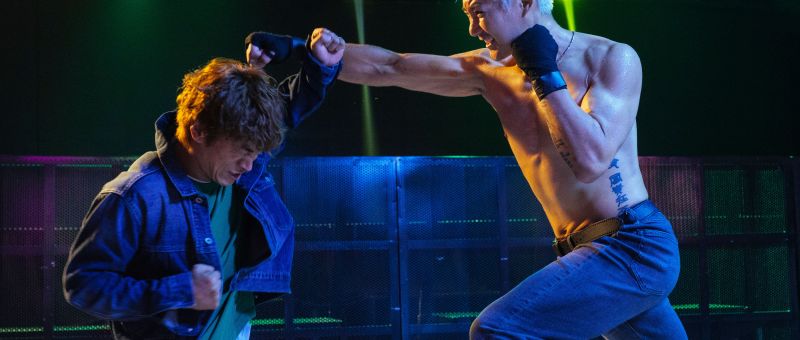
Left with no other options, Tak-bo gives in and lets Fok Kit fight Surat, but it goes just as badly as it could possibly go and not only does he lose but is rendered paralysed. In true boxing movie fashion, Fok Kit shifts from petulant unwillingness to undergo a risky operation that might allow him to walk again, to a full recovery and the desire for a rematch, but his scars are as much psychological as physical leaving him afraid to fight, seeing Surat’s smug grin in every challenger that swings a punch. He freezes, knocked out by even the weakest of opponents. Effy, meanwhile, is on an emotional rollercoaster of her own. The sleazy director she’s working with takes against her when she rejects his inappropriate advances, having all her scenes reshot and even using them as an excuse to use physical violence against her under the pretext of movie making. He eventually gets his comeuppance when a video of his behaviour is leaked and goes viral, but his drunken act of revenge, from which Fok Kit is unable to protect her because of his unaddressed trauma, may yet cost Effy her big break in leaving her with a prominent facial scar. 

As Tak-bo keeps telling him, however, the most important tool in boxing is not physical strength but passion, just as a good actor needs heart and dedication. “Clench your first too tight you may lose everything” Tak-bo insists gently guiding Fok Kit towards the power of letting go while he himself admits he’s been holding on to an insecurity that kept him out of the ring. A fear of losing, rather than the convenient excuse of his leg injury, had him give up the fight only now deciding that he’s tired of hiding from failure. If they want to save the boxing gym, they’ll have to face their respective fears in the form of the irredeemable big bad that is Surat, a total vacuum of humanity and unstoppable killing machine. The greedy and soulless are eventually made to pay a heavy price for their betrayal of the craft, while those who have true passion eventually prosper. Never quite managing to marry its twin plot strands with Effy’s desire to fight back against a sexist and exploitative industry taking a backseat to Fok Kit’s manly drama as he struggles to regain his confidence by beating his trauma in the ring, Unleashed moves swiftly towards it wholly expected finale but consistently lands its blows even in its willing conventionality.


Unleashed streamed as part of this year’s New York Asian Film Festival.

Original trailer (English/Traditional Chinese subtitles)

Images: © 2020 Orchid Tree Media

Drama Queen (Sắc Đẹp Dối Trá, Kay Nguyễn, 2020)

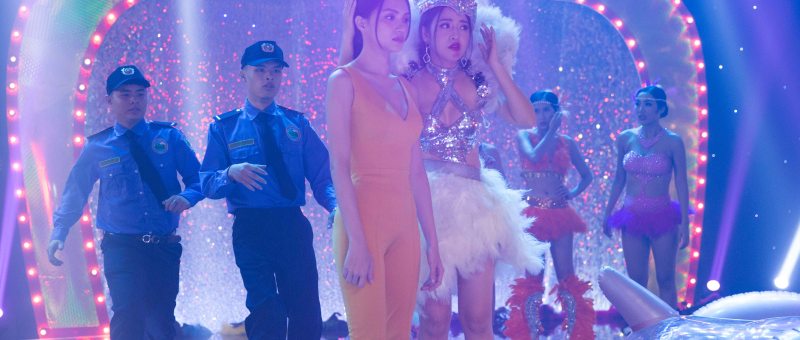
“I just changed my gender, I didn’t commit a crime” the heroine of Kay Nguyễn’s Drama Queen (Sắc Đẹp Dối Trá) answers after being publicly outed during a beauty contest. Sometimes people need a push to finally achieve their dreams, though witnessing a murder and becoming the target of shady gangsters is certainly an extreme motivation. Starring transgender pop star Huong Giang, Nguyễn’s playful drama is a win for representation as its steely heroine finds the courage to claim her space while keeping one step ahead of the mob and one step closer to beauty queen stardom. 

As the film opens, Duong (Huong Giang) is a lowly stuntman unexpectedly given the chance to shine when the lead actor goes AWOL. Unfortunately, Duong is a little too in love with the spotlight and can’t resist showing off his skills, effortlessly fighting off the ninjas who were supposed to despatch his character so he can finish his dance. In addition to irritating the crew, Duong’s improvements also result in the costume getting damaged, landing him a $500 bill he can in no way afford. The incident does at least introduce him to Hao, the actor who will be taking over. Unfortunately, however, the next time Duong encounters Hao he’s being stabbed in the street, later realising he’s been offed by Thien, the gangster who runs the stuntmen. Naively ringing his boss who turns out to be in league with Thien, Duong puts a target on his own back. Taking his friend Cutie’s (Phat La) advice and the money neighbour Ky (Puka) had been saving for a boob job he heads to Thailand for the gender reassignment surgery he always longed for but could never afford. 

The irony is that while Duong is getting her surgery, her father also falls ill and neither she nor her family have money to pay for his treatment having just spent it on her own. Though Duong’s mother had been extremely supportive, giving her all her savings and encouraging her to “get the best surgery and be beautiful”, Duong’s father disowned her on learning of her transgender identity and rejects her when she tries to visit him in hospital. Nevertheless, she remains determined to find the money to pay for his operation which is why she ends up entering the Miss Mother Earth beauty contest which admits only “natural” beauties who’ve achieved their good looks through hard work alone. 

While it might be assumed that taking part in a high profile beauty pageant when you’re meant to be in hiding from scary gangsters might not be the best idea, Duong is confident no one is going to recognise her, something that is more or less borne out by the fact that after a series of strange coincidences she ends up sharing a room with Ky who decided to enter to competition herself after catching sight of Cutie’s flyers and appears not to realise who she is. In it for the money more than the affirmation, Duong knows she has to keep her transgender identity secret or risk getting kicked out of the competition while challenged both by the idea of possible romance with sweet and handsome hotel man Tuan (Tuan Tran) and the presence of a gangster mole amongst the beauty queens after Ky in the mistaken belief that she maybe Duong. 

“Secrets make a woman a woman” Tuan unironically tells her, but Duong faces a series of very real threats because of her desire to live her truth. Publicly outed in the incident which opened the film, she grabs the mic to give a powerful speech, pointing out that before anyone mentioned the word transgender they all thought she was a hero for saving her friend’s life from a would-be-assassin, now all of a sudden she’s a criminal about to be manhandled off the stage. Yet in defiantly stepping into her own spotlight and claiming her space, she gains the confidence to be all of herself while forcing those around her to accept her as she is. Her new-found confidence inspires Cutie to pursue his own true self, as well as earning her a few fans of her own while the bad guys are forced into silence. A fairly surreal adventure encompassing everything from hitmen conspiracy to beauty pageant backstabbing, Drama Queen never takes itself too seriously but is rigorously sincere in messages of acceptance and the right of all to live their most authentic life. 


Drama Queen streamed as part of this year’s San Diego Asian Film Festival.

Original trailer (no subtitles)

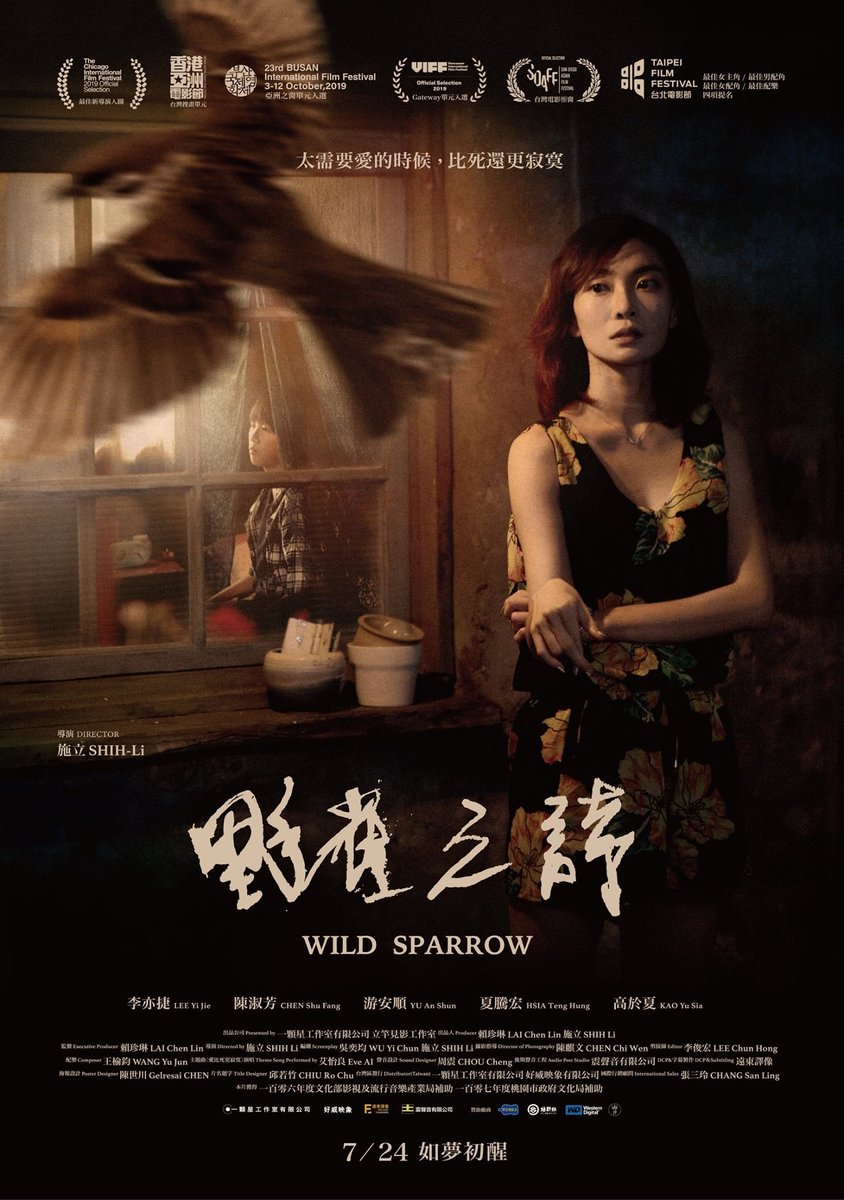
Wild Sparrow (野雀之詩, Shih Li, 2019)

“Sparrows are wild birds so they keep hitting against the cage” the introspective hero of Shih Li’s Wild Sparrow (野雀之詩, Yě Què Zhī Shī) is told while perhaps witnessing the same effect in his own life as his flighty mother tries but repeatedly fails to break free of the various forces which constrain her. Young Han’s mother is, in some ways, an embodiment of a destructive modernity, wandering into his rural paradise and then eventually dragging him away from it towards the dubious promise of the city where birds meant to fly free flutter against the bars but rarely find escape. 

Han (Kao Yu-hsia) has been living with his great-grandmother deep in the Taiwanese mountains, but as much as she loves him she’s getting old and, owing to rural depopulation, the local school is set to close the following term so all things considered it’s best if he goes to live with his mother, Li (Lee Yi-chieh), in the city. Questioned by the neighbourhood ladies, however, Han doesn’t want to go. After all, he doesn’t really know his mother all that well. She rarely visits, and in any case she doesn’t seem terribly keen to have him. While out walking one day he hears the frantic squawking of birds caught in a net, taken away by a mysterious man. Finding a sparrow injured on the ground he takes it home and attempts to nurse it back to health, but shortly after his mother’s visit the bird passes away. He takes it into the forest in a shoebox and builds it a cairn, gazing at the birds flying free above the canopy.  

Han asks his great-grandmother why someone would capture wild birds, but she simply tells him not to. The birds are the guards of the gods of the land, sent out to hunt demons that force people to eat dirt, she explains. At the marketplace where his great-grandmother sells her bamboo, Han comes across a man selling caged birds for the purpose of being set free as part of a Buddhist ritual, Han’s face contorting in confusion as he ponders the irony. In the city all he ever sees are birds in cages, much as he perhaps feels himself to be taken out of his natural environment and imprisoned in the urban landscape where his mother alternates between neediness and resentment, so obviously ill-equipped to care for a soon-to-be teenage son while continually conflicted in the contradictions of her life. 

When Han first arrrives, Li makes a point of introducing him to her current boyfriend, Kun, wealthy and much older than her though kind to Han if slightly patronising in his gift of a remote control car for which he is probably a little old and in any case not much interested. A thoroughly rural boy, Han is also mystified by the upscale restaurant they take him to where he is embarrassed to admit he has no idea how to eat the steak that’s been ordered for him. While Li entertains fantasies of marriage, we realise that Kun seems to already have a family and as much as he makes the effort with Han Li is not much of an escape from his domestic responsibilities if she’s also hoping he’ll be a father to her son. Li returns to her life as a bar hostess, often leaving Han home alone and returning late drunk to resentfully yell at him that perhaps her life would have turned out differently if he were not around. She becomes involved with various dangerous men, eventually pushed into sex work by a violent boyfriend who stalked her while working at the club. Han finds himself witnessing his mother with her lovers as she disregards his presence, seeking temporary escape in the arms men while he can only lock himself inside his room, cowering on his bed framed behind bars like a bird resigned to the cage.  

Yet on his return to his mountain paradise he’s distressed to realise the body of the sparrow he buried is no longer in the cairn, comforted only by his grandmother’s assertion that it has already returned to the sky. Death is nothing to be afraid of she tells him, for the dead will always protect the living. Gaining a lesson in life, death, and transience, Han remains imprisoned, framed within the window of his grandmother’s cottage as he watches a soul free itself and return to its natural home, but retains his wildness in his own compassionate desire for freedom, fluttering against the bars if not yet able to escape.


Wild Sparrow streamed as part of this year’s New York Asian Film Festival.

Original trailer (English/Traditional Chinese subtitles)

Images: © Dot Connect Studio Ltd.

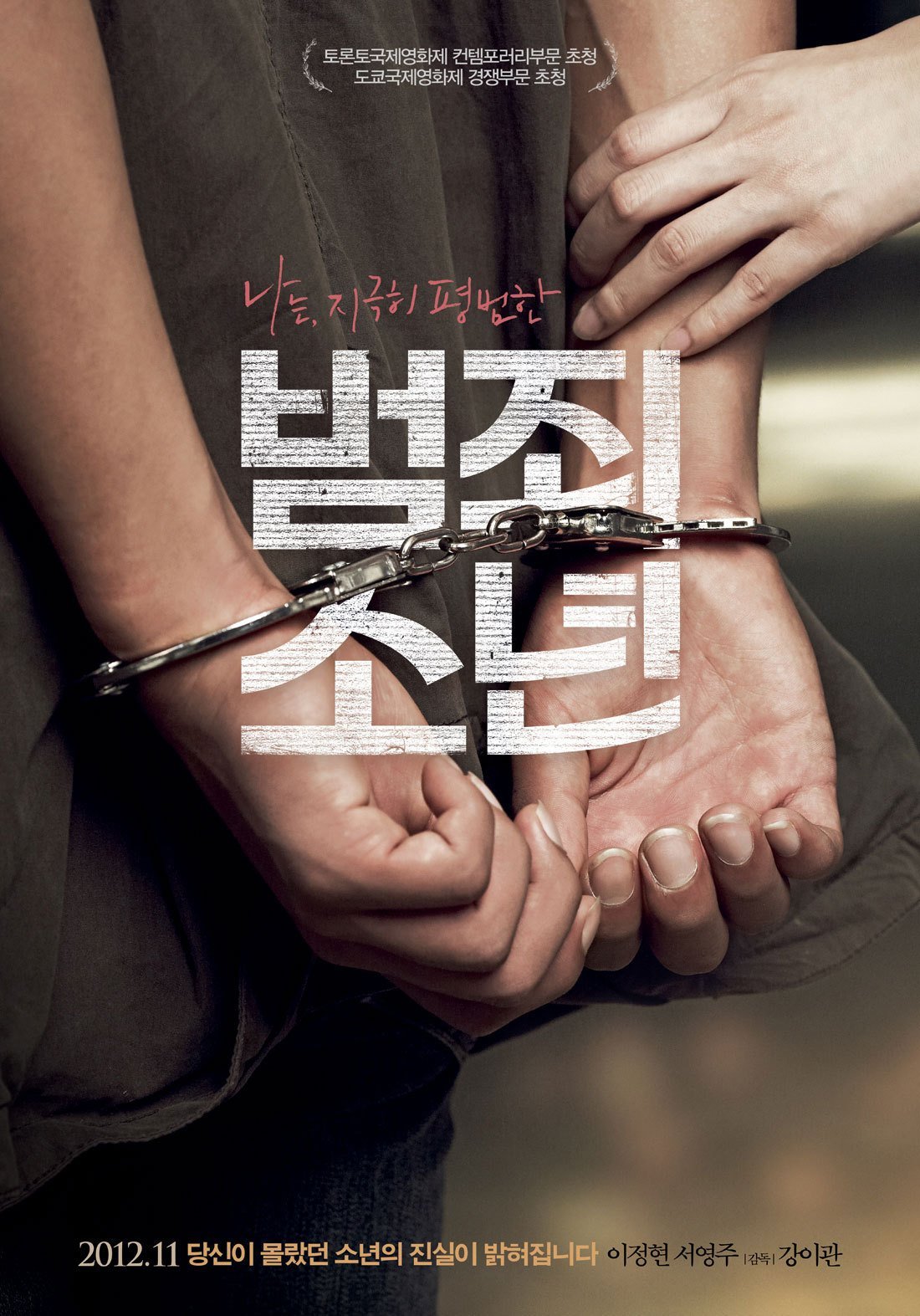
Juvenile Offender (범죄소년, Kang Yi-kwan, 2012)

“Can you forgive me just this once?” the protagonist(s) of Kang Yi-kwan’s Juvenile Offender (범죄소년, Beomjoe Sonyeon) sheepishly ask hoping to be pardoned for their transgressions, only to be met with the cynical, disappointed frown of those who’ve heard it all before. An empathetic character study, Kang’s steely drama lays bare the various ways in which patterns of behaviour ironically repeat themselves despite the best intentions of all involved while even those who earnestly do their best to break the cycle find themselves sabotaged by a rigid and unforgiving society. 

At 16, Ji-gu (Seo Young-joo) lives with his elderly grandfather who is bedridden and seemingly in terrible pain. Falling in with a bad crowd, he finds himself breaking into a wealthy home, reassured by one of the other boys that it’s fine because it belongs to a relative. Unfortunately, however, they’re caught when the lady of the house returns home unexpectedly, Ji-gu accidentally pushing her as he tries to escape. This is particularly bad news as, we discover, Ji-gu is already on probation for a previous assault charge after fighting with some other kids who made fun of him because of his poverty. Arrested, he’s the only one of the teens to have no representation in the room and the judge, trying to be sympathetic, eventually decides that in the absence of effective parenting some time in an institution might be the most beneficial option despite the fact that there will be no one left to look after grandpa. 

His grandfather’s eventual death while he is inside is one of many things adding to Ji-gu’s sense of guilty frustration, but it also allows a well-meaning guidance counsellor at the detention centre to realise that Ji-gu’s long absent mother who he’d assumed to be dead is in fact very much alive. Surprisingly, she agrees to see him but alarm bells should perhaps be ringing when she fails to turn up to sign for his release only to arrive a day late just as he’s about to be given into the custody of a social worker. Hyo-seung (Lee Jung-hyun) is evidently excited to take on this new challenge of becoming a mother to a 16-year-old boy, but it’s not long before you realise she hasn’t quite thought this through. 

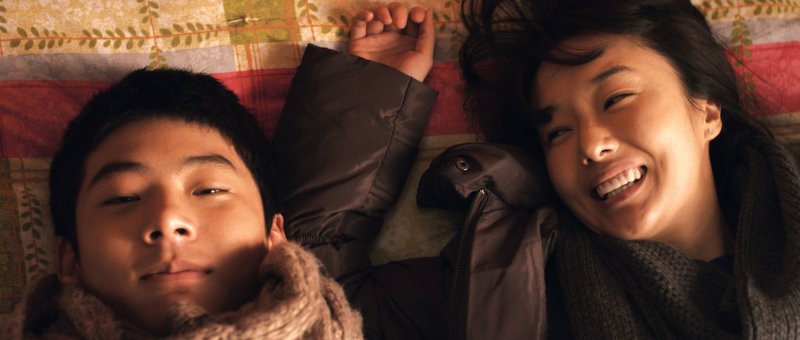
As she outlines to Ji-gu by way of an explanation, she was only 17 when she gave birth to him. Overwhelmed by the responsibility and shame of being an unwed teenage mother she left him with her parents intending to commit suicide. There is something in her that is permanently arrested at the age she was she when became pregnant, forever relying on the kindness of (virtual) strangers but more often than not pushing her luck and outstaying her welcome. For the moment, she’s working as a trainee hairdresser and rooming with her wealthy boss in a fancy Gangnam apartment. Ji-gu will have to bunk with her, taking the bed while she throws some pillows on the floor. It’s less than ideal, but nevertheless mother and son begin to rebuild their relationship through a continual exchange of roles as Hyo-seung figures out the kinds of things she’s now responsible for such as getting Ji-gu re-enrolled in school, while he perhaps starts to allow himself to be looked after while realising that his mother really needs looking after too. 

The trouble is the past won’t let them go. Hyo-seung’s well-meaning attempt to get Ji-gu into an elite Gangnam school backfires when the snooty teacher refuses to take a boy from juvie, advising him to explore “alternative education” or sit the exams privately. He meanwhile ends up re-encountering an old friend, an act in itself which threatens his probation, but also brings additional complication in the revelation that his former girlfriend Sae-rom (Jun Ye-jin) gave birth to his child while he was inside but was disowned by her family who forced her to give the baby up for adoption and has become a melancholy exile living in a shelter for girls in a similar position. 

The ironic symmetry with his own life is not lost on him, his mother sadly explaining that his conception was no grand romance but a momentary lapse of teenage judgement with a boy who gave her a fake name and was never heard from again. Tracking Sae-rom down she wants nothing to do with him, though he is struck by the self harm scars on her arm neatly mirroring those on Hyo-seung’s wrists, his mother wailing that her life was ruined in an instant by his father whose mistake he has just unwittingly repeated. He vows to take responsibility, cruelly snapping back that he doesn’t want Sae-rom to turn out like Hyo-seung making plain he knows all about her life of petty grifting, but realistically how can he when he’s only 16 and on the run from himself frightened of making a mistake and ending up back inside. 

Each outcasts in their own way, consumed by the social stigma of being an unwed teenage mother (still an unpardonable offence even in 21st century Korea) or of being a juvenile offender, the trio attempt to move on with their lives but find themselves continually blocked either by an unforgiving, often wilfully exploitative society or by their own sense of hopeless inertia. “Can you forgive me just this once?” Ji-gu repeatedly asks, really meaning to do better this time only for his anger and frustration to ruin everything he’s worked so hard to acheive. Still, perhaps it’s not him that needs forgiving so much as the unforgiving society that needs to regain a sense of compassion for those who transgress against its unfair and arbitrary sense of moral righteousness. 


Juvenile Offender streamed as part of this year’s London Korean Film Festival.

International trailer (English subtitles)
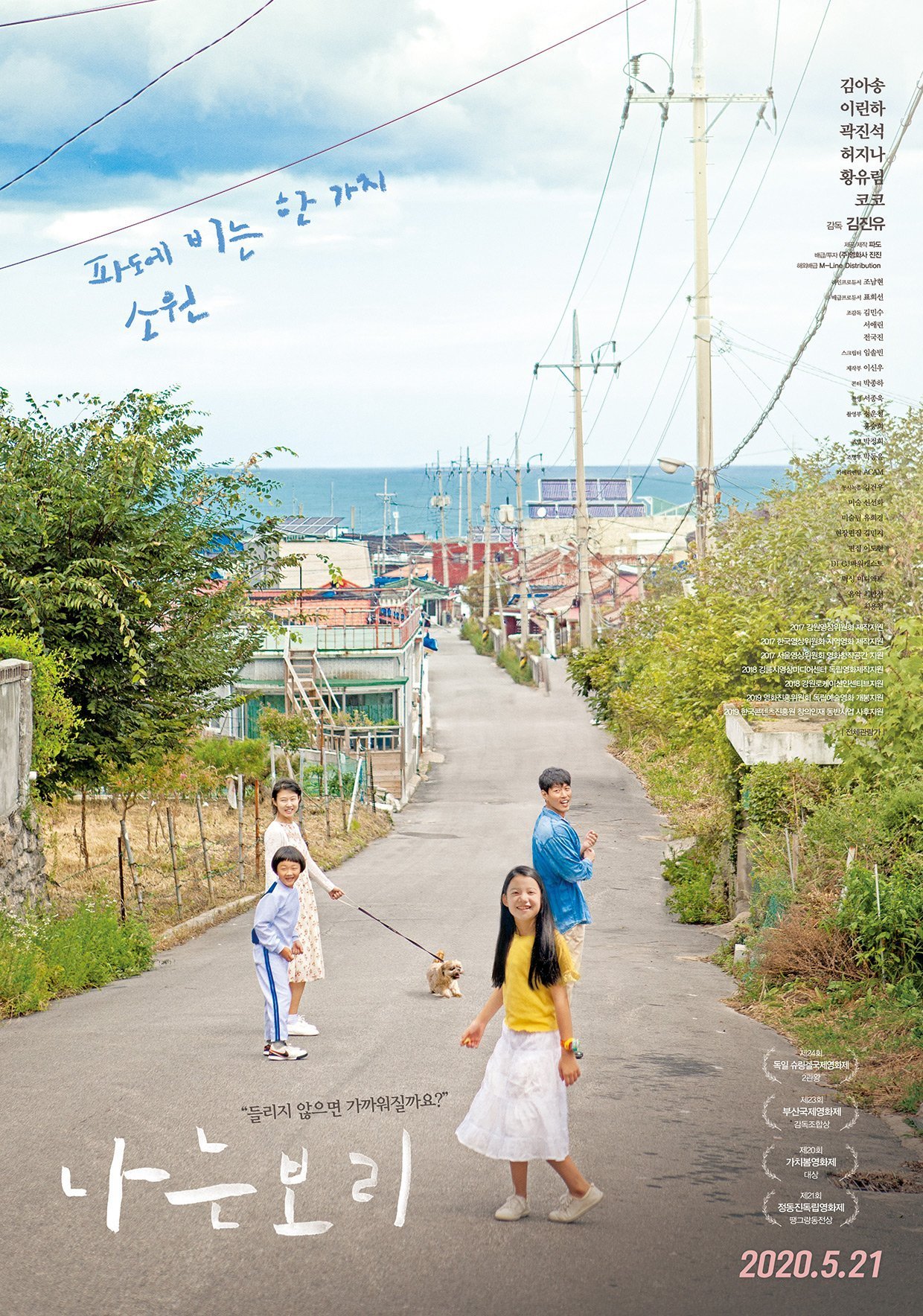
Bori (나는보리, Kim Jin-yu, 2018)

Perhaps it’s not unusual for a soon-to-be teenage girl to feel out of place at home, but for young Bori the sense of alienation is all the greater because she is the only hearing member of her family. Set in a charmingly tranquil seaside town during a serene summer holiday, Bori (나는보리, Na-neun-bo-ri) touches on themes of identity and belonging, disability and discrimination, communication and connection, but is at heart a beautifully drawn coming-of-age tale in which the heroine learns to feel at home in herself and her family while fully accepting that difference need not be a barrier. 

Though her home life appears to be blissfully happy, Bori (Kim Ah-song) can’t help feeling a little pushed out in being necessarily othered as she acts as a speaking interpreter for her family members. She mildly resents her younger brother Jeongwoo (Lee Lyn-ha), who like her parents is deaf, because he’s allowed to mess around just being a kid while she has to take on a more mature responsibility, telephoning for take away food, buying train tickets at the station, talking to bank tellers, giving taxi drivers directions etc. Though she obviously understands sign language, she does not always use it, often falling back on note writing to get across exactly what she wanted to say, and sometimes feels excluded from the happy bubble of her parents and brother as they continue to communicate in ways which still elude her. 

For these reasons, she’s taken to stopping off at the local shrine on her way to school to pray that she somehow loses her hearing. Bori’s best friend, Eun-jeong (Hwang Yoo-rim), is confused why she would actively like to deafen herself but nevertheless supportive, lending her her earphones to listen to white noise at unhealthy decibel levels but it’s not until the first day of summer holiday when she copies an elderly diver on TV and tries to implode her eardrums by jumping in the sea that she almost gets her wish, waking up in hospital and telling everyone that she too is now deaf. To Bori, all she’s done is make herself the same as everyone else in her family so she can’t understand why people seem upset. After all there’s nothing wrong with being deaf, so why is everyone acting as if she’s met with some kind of tragedy?

Then again, being “deaf” doesn’t seem to make the difference she thought it would. Her father (Kwak Jin-seok) cheerfully tells her it makes no difference at all to him whether she’s deaf or not, she’s just his lovely little girl while her mother (Hur Ji-na) who was understandably upset at the hospital quickly adapts. Jeongwoo meanwhile begins to confide in her a little more, temporarily becoming the big brother as he explains to her how difficult it can be for him as a deaf child in a hearing school. “I’m difficult for him too” Jeongwoo generously concludes telling his sister that he mostly doodles or sleeps in class because he finds it difficult to lipread and the teacher doesn’t seem to have made much of an effort to be inclusive. Bori realises that the reason her brother’s so football crazy isn’t just that he enjoys the sport, but that it’s the only time the other kids interact with him. He doesn’t really have any “friends” and even though he’s the best player for his age he’s only a substitute on the team because the coach is wary of his disability even though it can’t be said to make much difference on the pitch.

Eun-jeong, while suspecting Bori might be faking, treats her pretty much the same making an effort to communicate in whatever manner works, though the girls were used to talking through notes in class anyway. Some of the other kids at school, however, are far less understanding, unaware she can of course hear their barbed comments, and while out shopping with her mother she becomes more aware of the direct discrimination she faces as two rude cashiers in a boutique talk openly of their disdain for the “mute” in their store, whacking an extra 5000 won on the price thinking she won’t notice. Bori is outraged, but can’t say anything without blowing her cover. 

The worst occurs however when her aunt takes her and her brother for a checkup at the local hospital where the doctor suggests possible surgery and a cochlear implant for Jeongwoo. Bori hears him say that after the operation Jeongwoo would be unable to play sports or go swimming because of the dizziness meaning he’d have to give up football, his only outlet. Conflicted over whether to warn him, she is also a little offended that everyone seems to consider deafness as a problem to be fixed, not even bothering to enquire if that’s actually something that Jeongwoo might want. She repeatedly asks him, but is conflicted when he tells her that he would or at least he doesn’t necessarily want a “cure” for his deafness but would desperately love to be able to talk to his friends. Nevertheless, she’s annoyed with her aunt for railroading them towards “normality” without properly discussing it with them. 

Talking with her father he tells her of the discrimination he faced as a child, that the reason he can’t write is because he was badly bullied and prevented from attending school. He’s glad things are better for Jeongwoo, though they are obviously not perfect. What Bori realises is that her difference doesn’t matter and neither does anyone else’s, the people who love her would still love her no matter what and the ones that wouldn’t aren’t worth worrying about, while she also resolves to stand up to discrimination and injustice on behalf of those who might not be able to. A charmingly wholesome coming-of-age drama set in a sunny seaside town, Bori is a gentle plea for a more inclusive world fulled by empathy and openness. 


Bori streams in the UK on 12th November as the closing gala of this year’s London Korean Film Festival.

International trailer (English subtitles)