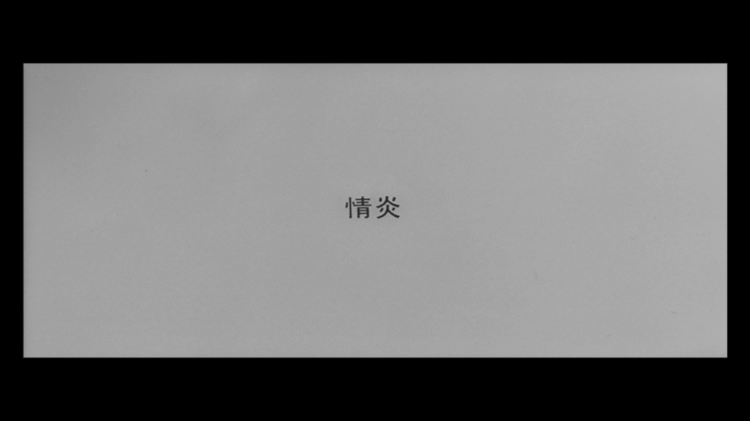
 After leaving Shochiku and forming an independent production company with his actress wife Mariko Okada, Kiju (Yoshishige) Yoshida continued in the Shochiku vein, after a fashion, through crafting what came to be known as “anti-melodramas”. Taking the familiar melodrama a studio like Shochiku was well known for, Yoshida transformed the material through radical cinematography designed to alienate and drain the overwrought drama of its empty emotion in order to drive to something deeper. The Affair (情炎, Jouen), released in 1967, is just such an experiment as it paints the cold and repressed world of its heroine in steely black and white, imprisoning her within its widescreen frame, and setting her at odds with the younger, more liberated generation who get their kicks through groovy beatnik jazz and an eternal party.
Oriko (Mariko Okada) is a married, middle-aged woman who has never been able to find fulfilment with her successful executive husband Takashi (Tadahiko Sugano). The marriage has long been cold and Oriko has discovered that her husband has a younger mistress leading her to seek a divorce but Takashi will not give her one. Her one confidant is a poet and sculptor whom she first met as her mother’s lover – something she tried to put a stop to. Oriko’s mother died a year ago in a traffic accident though she’d long been a heavy drinker and Oriko is convinced her mother was probably drunk at the time of her death. Aside from a drink and poetry habit, Oriko’s mother also had a taste for love – Mitsuharu (Isao Kimura), now an odd kind of friend, was merely one of her many lovers. Oriko’s intense disgust of her mother’s “decadent” lifestyle has left her with a deep seated repression, unable to allow herself to experience any kind of pleasure in case she too succumbs to a life of base desire.
Yoshida imbues Oriko’s life with a kind of dread and stillness, defined by its emptiness and sterility. At odds with her mother while she was alive, Oriko cannot let her go even in death. Yet she is not ready to break through to the new post-war world inhabited by her hippyish sister-in-law Yuko (Shigako Shimegi) and her well to do friends. Oriko dresses in western style for her office job but sticks to kimono at home and on the move, hers is an old fashioned world of propriety and elegance but the gesture is less conformist than rebellious – she is in revolt against herself as she represses and refuses her desires.
Despite her inability to adapt to married life with her husband, Oriko is eventually awakened by witnessing her sister-in-law’s quasi-rape by a local labourer. Originally reluctant, Yuko eventually gives in and allows the labourer to have his wicked way with her while, unbeknownst to her, Oriko watches through a frosted window. Later she finds herself setting off through the dark and mysterious night to the shack where the labourer takes refuge to warn him off trying anything with Yuko again only to find herself succumbing to his “charms”.
The encounter is a shocking one which ultimately destabilises Oriko’s entire personality. Having spent so long repressing herself, Oriko is not sure what to do – only that she still doesn’t want her husband and may be in love with an equally problematic suitor in the man who had been a lover of the very woman she was so desperate not to become. Yet Oriko must finally accept that she is not so different from the mother she despised, feeling the same desire and the same need even if her deepening self loathing makes pleasure a knife which wounds.
Mitsuharu has long been in love with Oriko but unable to express himself firstly through the taboo of having been intimate with her mother and then because of her marriage. The two have become awkward friends as Mitsuharu tries to help Oriko navigate her marital problems only daring to hint at his true feelings as Oriko details her frustrations with her husband. A sculptor by trade and a poet in soul, Mitsuharu chips away at Oriko’s reserve like one of his sculptures, literally opening her up and exposing her true form to the air. Eventually crushed by his own desire, Mitsuharu may be robbed of a direct connection to the very force which has come to define this recent stage of Oriko’s life but this only reinforces her devotion to him. Leaving a final poem for her unpoetical husband, Oriko writes the words “this flower, still vital, resigns herself to her fate” as she acknowledges her desires but subsumes them into her love for Mitsuharu rather than repressing them into herself.
Yoshida’s camerawork is once again astounding, marooning his disparate cast inside their own individual space, unable to connect with each other or the outside world. Framed in mirrors and windows, caught alone among a crowd of indifferent passengers on a bus, separated by shoji, Yoshida’s characters are endlessly divided but the prisons are all of their own making.
Original trailer (Traditional Chinese subtitles only)
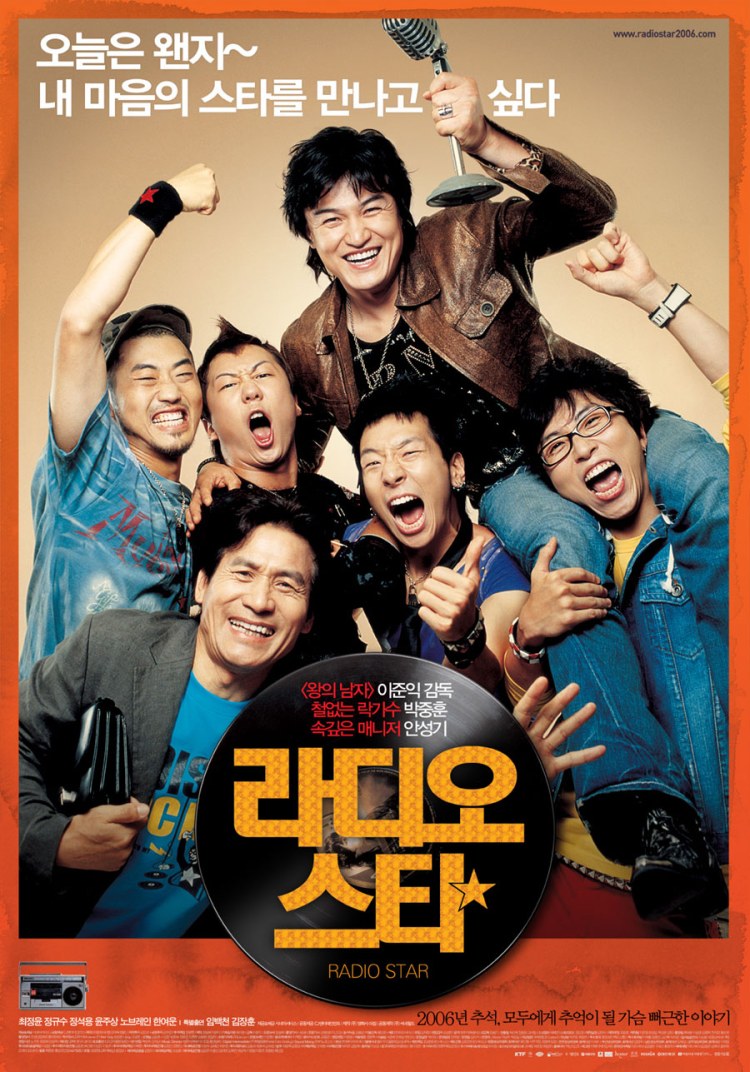 What do you do if you’ve just directed a box office smashing, taboo busting, giant mega hit? Well, you could direct Star Wars, but if you’re Lee Joon-ik you go back to basics with a low budget, heartwarming tale of friendship and failure. Radio Star (라디오 스타) reunites frequent costars Ahn Sung-ki and Park Joong-hoon whose shared history runs all the way back to ‘80s movies
  In
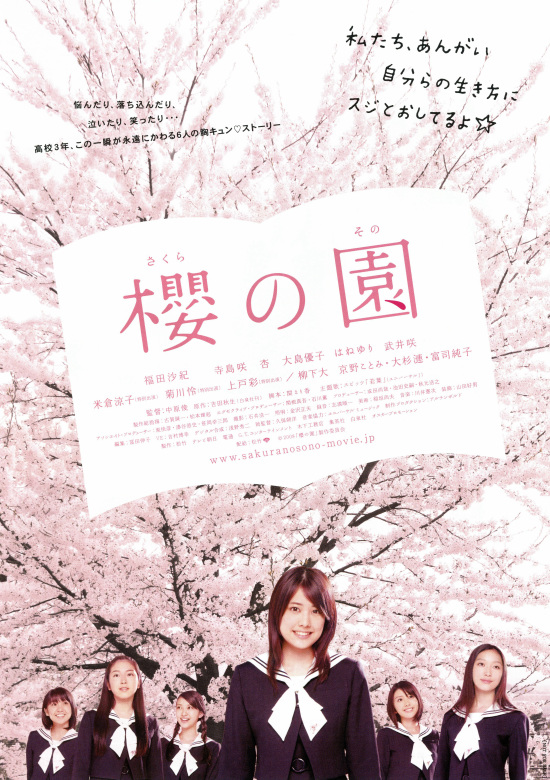
In  Chekhov’s The Cherry Orchard is more about the passing of an era and the fates of those who fail to swim the tides of history than it is about transience and the ever-present tragedy of the death of every moment, but still there is a commonality in the symbolism. Shun Nakahara’s The Cherry Orchard (櫻の園, Sakura no Sono) is not an adaptation of Chekhov’s play but of Akimi Yoshida’s popular 1980s shojo manga which centres on a drama group at an all girls high school. Alarm bells may be ringing, but Nakahara sidesteps the usual teen angst drama for a sensitively done coming of age tale as the girls face up to their liminal status and prepare to step forward into their own new era.
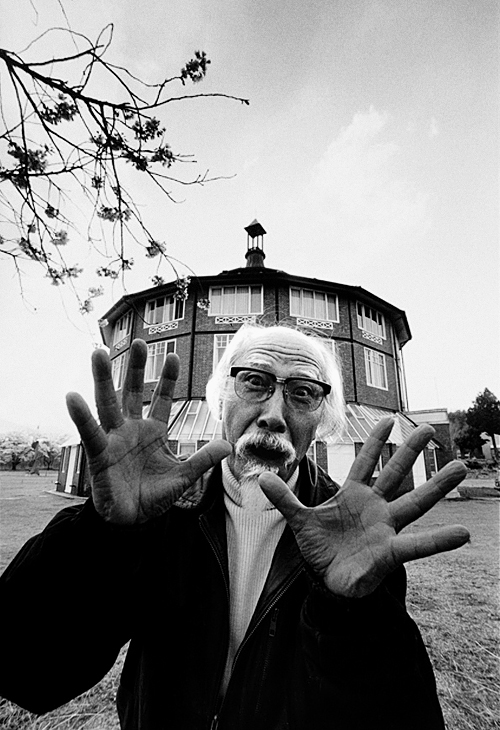 The complete programme for the Neuchâtel International Fantastic Film Festival 2017 has now been revealed and as reported, the festival will be paying homage to the late director Seijun Suzuki with a
 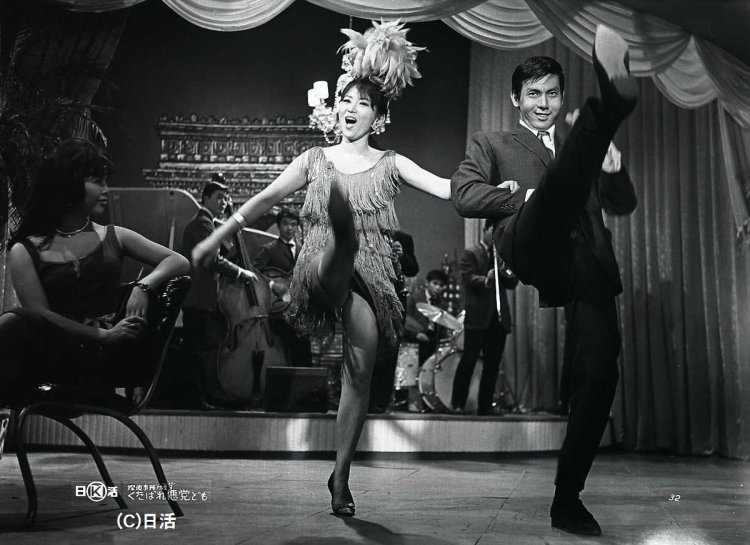 Detective Bureau 2-3: Go to Hell Bastards is everything its name suggests – crazy, cartoonish fun as a Joe Shishido goes undercover, hangs out in Christmas themed cabaret bars and sings a few songs all the name of justice (and a paycheck).
 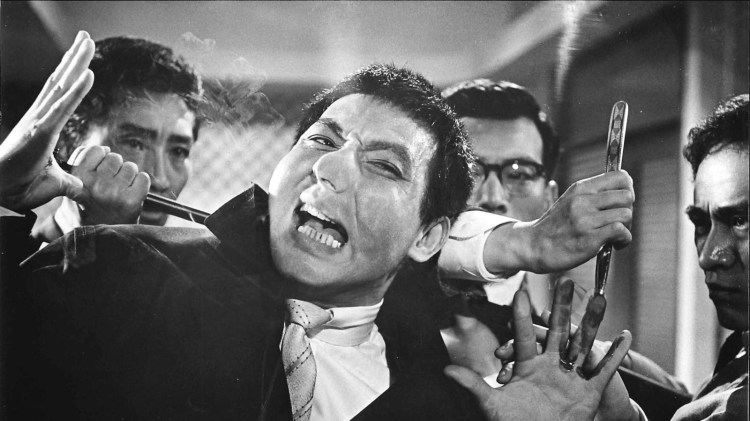 Youth of the Beast proved a turning point in Suzuki’s career. No longer content to play along with restrictive studio codes, Suzuki embraces his talent for colourful absurdism as Shishido once again finds himself undercover in the yakuza underworld.
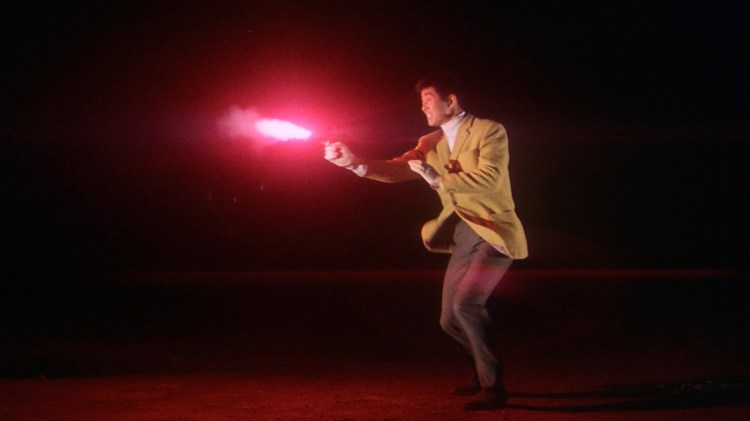 Tokyo Drifter found few fans among studio bosses, but takes Suzuki’s psychedelic use of colour to all new highs in the story of a gangster unable to escape from his violent past.
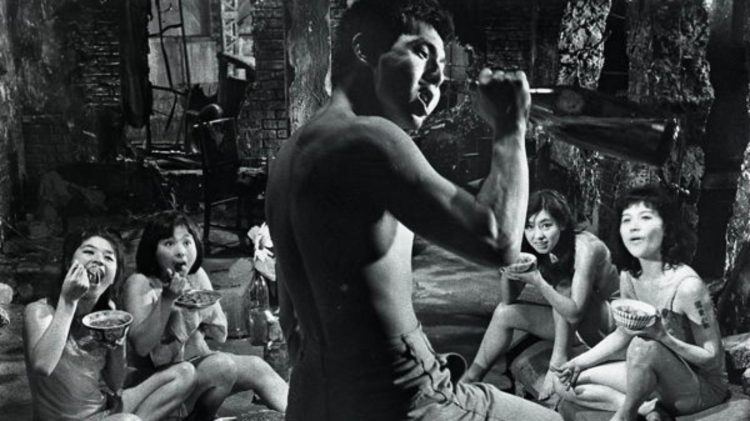 Making another foray into wartime desperation, Suzuki adapts Taijiro Tamura’s Gate of Flesh with Shishido as a washed-up former soldier driving a wedge between a group of fiercely loyal prostitutes.
 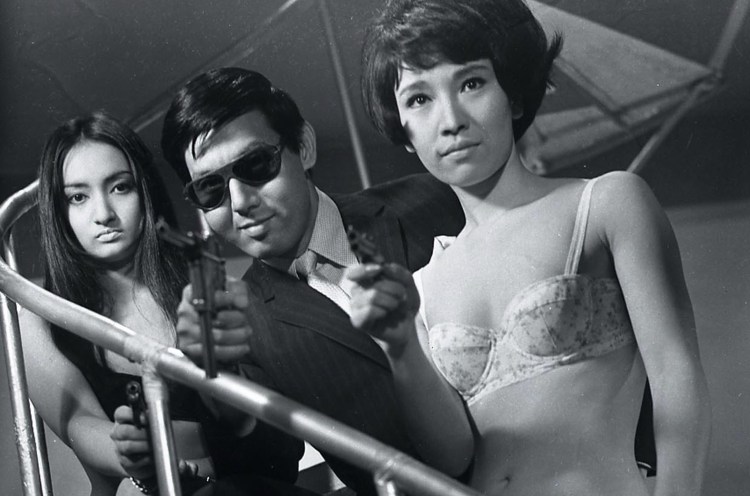 The one that got him fired from Nikkatsu, Branded to Kill is the absurd story of a steely hitman with an addiction to the smell of cooking rice who finds his life derailed by a beautiful woman and a butterfly.
  Zigeunerweisen marks Suzuki’s return to filmmaking after the long series of court battles following his dismissal from Nikkatsu. The first in the Taisho Trilogy, Zigeunerweisen stars Yoshio Harada as one third of an eerily surreal love triangle.
 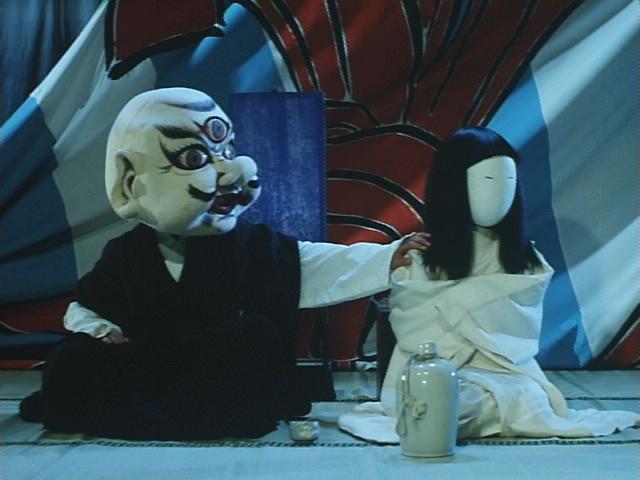 The follow up to Zigeunerweisen, Kagero-za stars Yusaku Matsuda in a ghostly tale of love and writer’s block.
 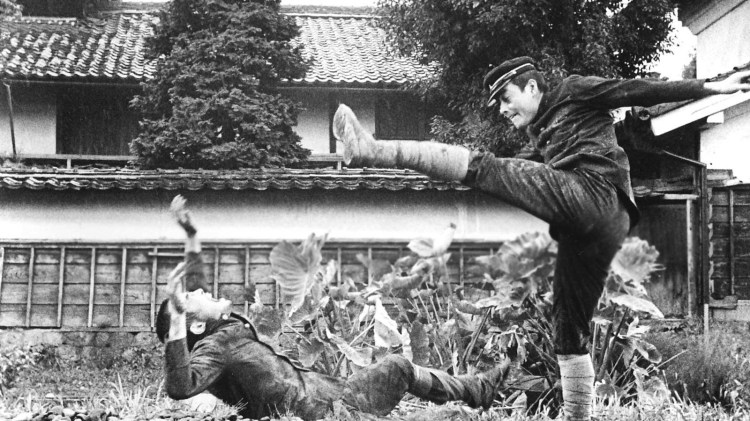 Suzuki takes a wry look at the origins of fascism in Fighting Elegy as the young men of his age engage themselves in “manly” pursuits but are obliged to sublimate their other desires into a lust for violence.
 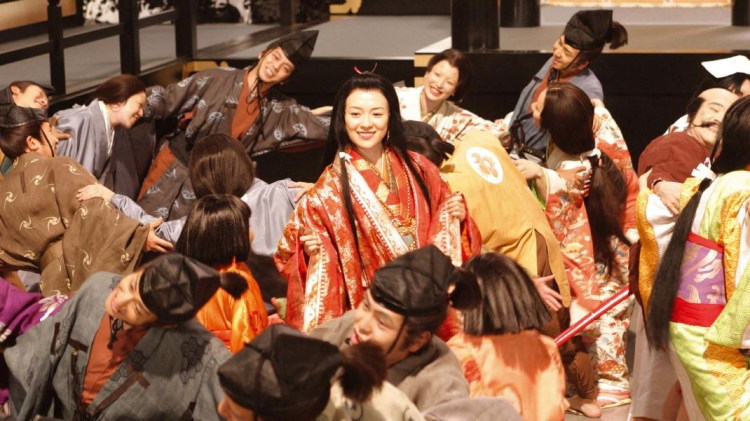 Joe Odagiri and Zhang Ziyi star in the bizarre yet infectious folktale inspired musical, Princess Raccoon.
 For his final film, Pistol Opera, Suzuki revisits Branded to Kill but replaces Shishido with a female assassin longing to be number one.
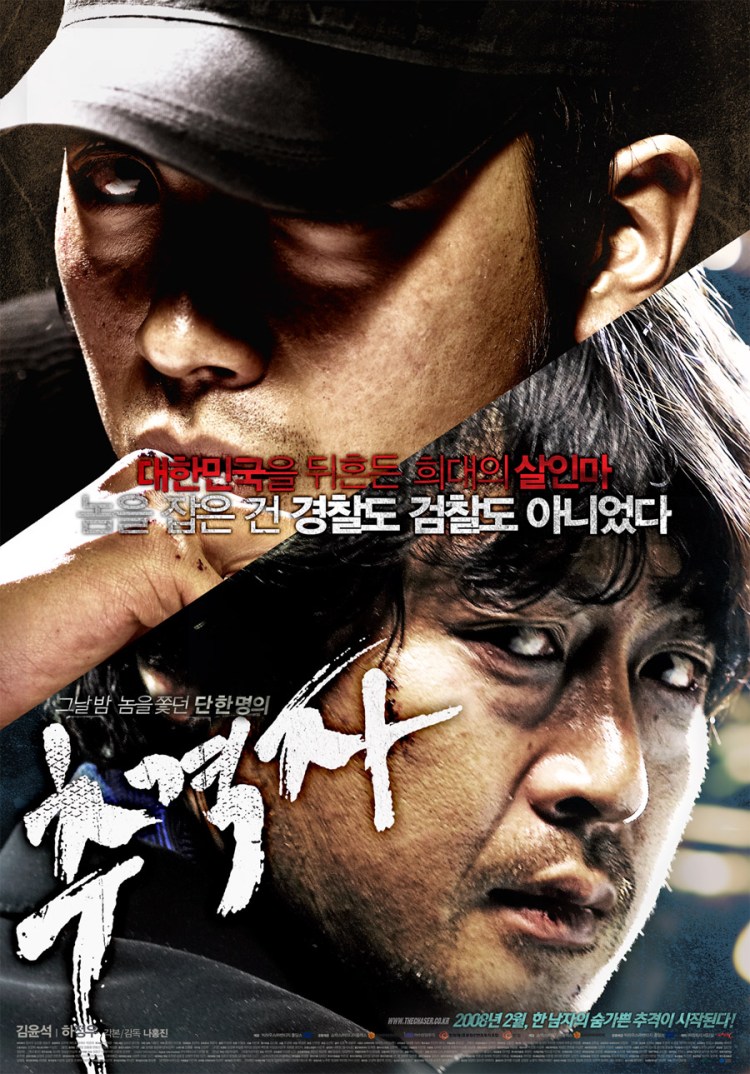 When it comes to law enforcement in Korea (at least in the movies), your best bet may actually be other criminals or “concerned citizens” as the police are mostly to be found napping or busy trying to cover up for a previous mistake. The Chaser (추격자, Chugyeogja) continues this grand tradition in taking inspiration from the real life serial murder crime spree of Yoo Young-chul , eventually brought to justice in 2005 after pimps came together and got suspicious enough to make contact with a friendly police officer.
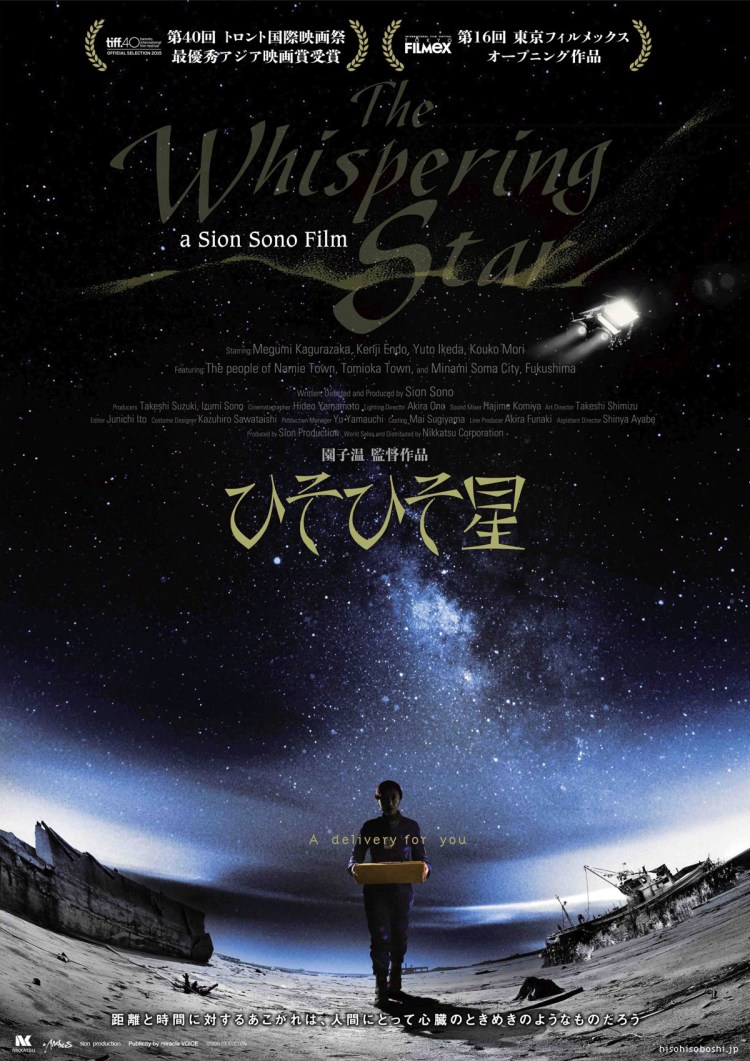 Sion Sono has been especially prolific of late, though much of his recent output has leant towards the populist rather than the art house. Having garnered a reputation for vulgar excess over the last twenty years or so, Sono returns to his Tarkovskian roots with The Whispering Star (ひそひそ星, Hiso Hiso Boshi) – a contemplative exercise in stillness which has more in common with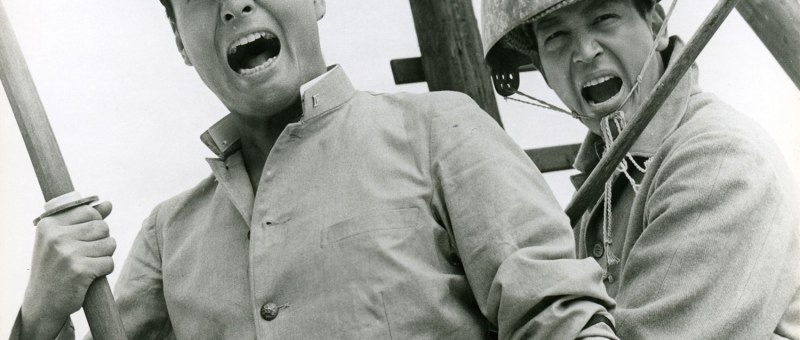
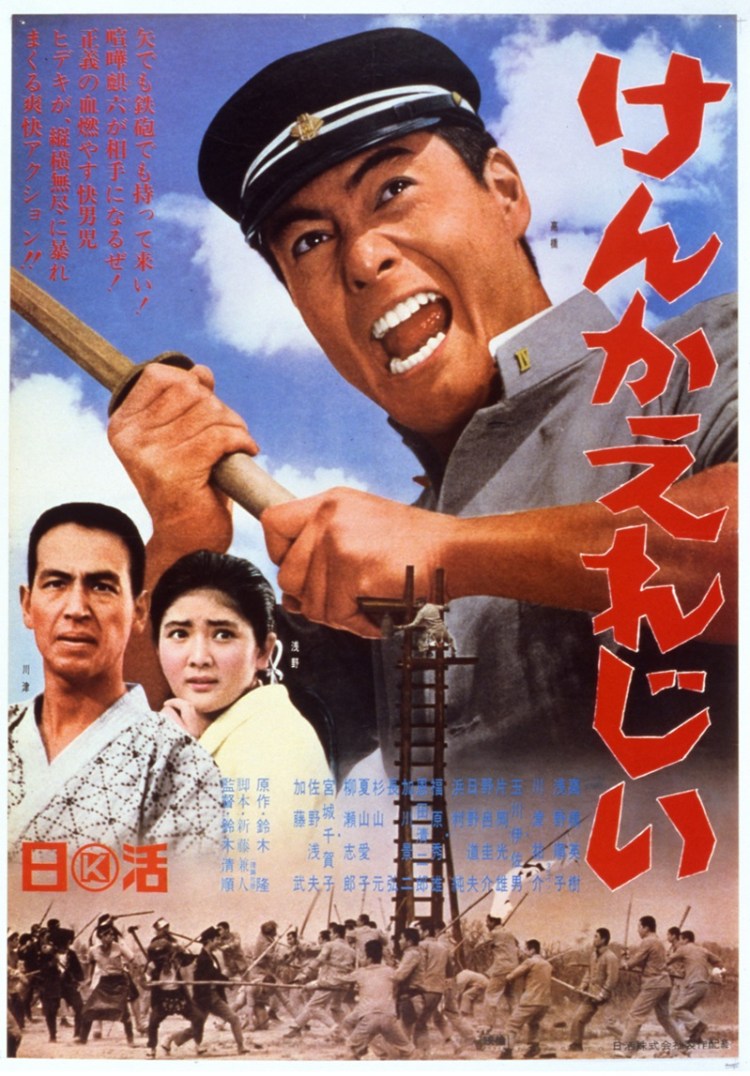 Ah, youth. It explains so many things though, sadly, only long after it’s passed. For the young men who had the misfortune to come of age in the 1930s, their glory days are filled with bittersweet memories as their personal development occurred against a backdrop of increasing political division. Seijun Suzuki was not exactly apolitical in his filmmaking despite his reputation for “nonsense”, but in Fighting Elegy (けんかえれじい, Kenka Elegy) he turns a wry eye back to his contemporaries for a rueful exploration of militarism’s appeal to the angry young man. When emotion must be sublimated and desire repressed, all that youthful energy has to go somewhere and so the unresolved tensions of the young men of Japan brought about an unwelcome revolution in a misguided attempt at mastery over the self.
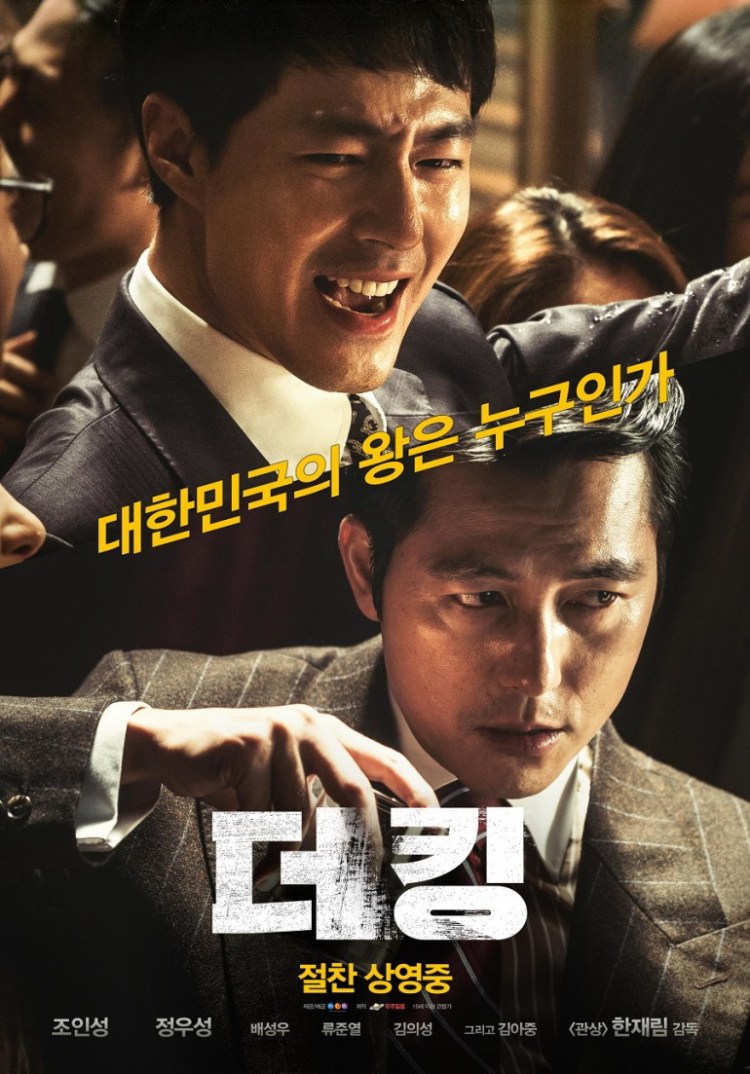 Absolute power corrupts absolutely, but such power is often a matter more of faith than actuality. Coming at an interesting point in time, Han Jae-rim’s The King (더 킹) charts twenty years of Korean history, stopping just short of its present in which a president was deposed by peaceful, democratic means following accusations of corruption. The legal system, as depicted in Korean cinema, is rarely fair or just but The King seems to hint at a broader root cause which transcends personal greed or ambition in an essential brotherhood of dishonour between men, bound by shared treacheries but forever divided by looming betrayal.
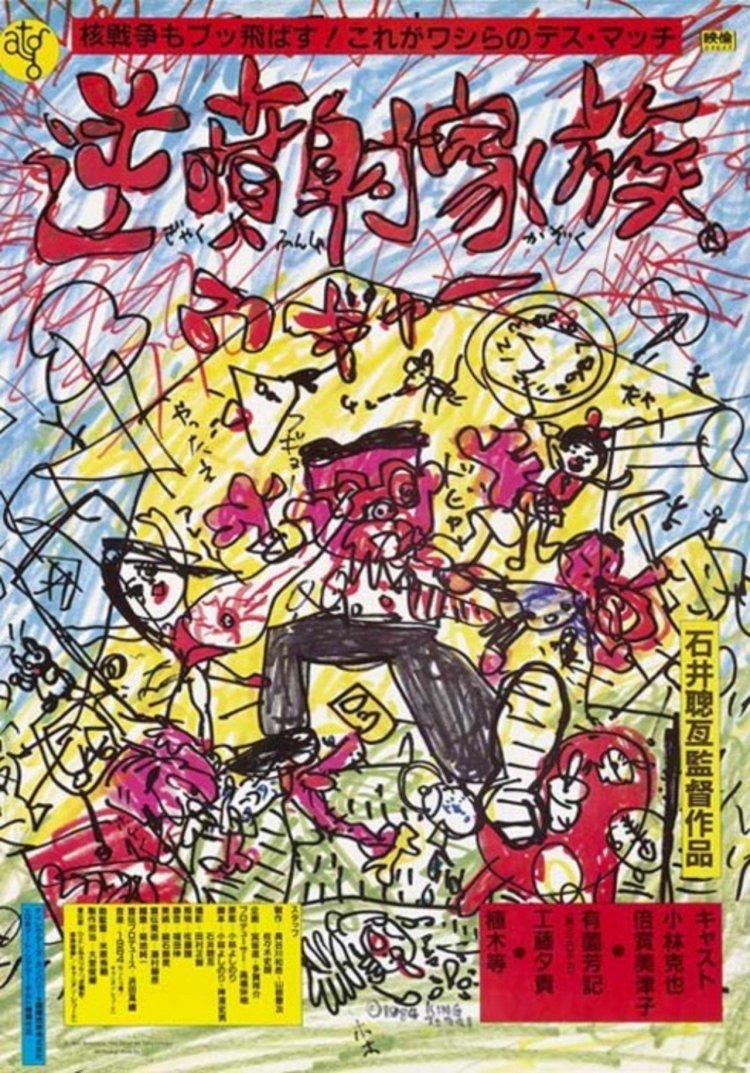 The family drama went through something of a transformation at the beginning of the 1980s. Gone are the picturesque, sometimes melancholy evocations of the transience of family life, these families are fake, dysfunctional, or unreliable even if trying their best. Morita’s
  Windows on Worlds