The BFI London Film Festival returns 5th to 16th October with some titles also streaming online in the UK 14th to 21st October via BFI Player. As usual there is a varied selection of East Asian films on offer including the latest from Park Chan-wook, July Jung, Koji Fukada, and Sho Miyake.
China
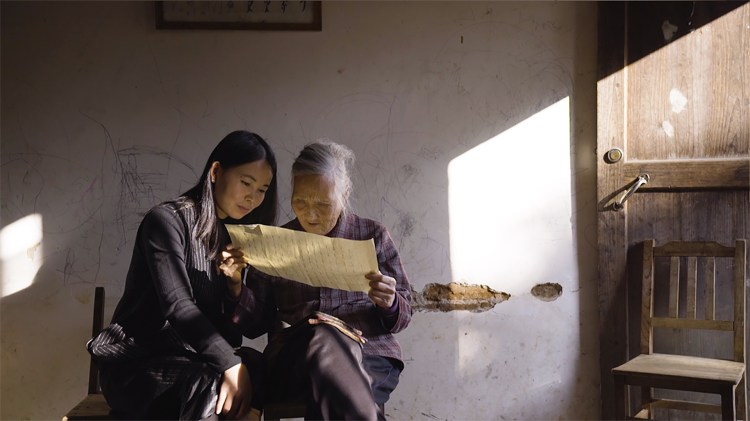
Hidden Letters – documentary following two women’s exploration of Nushu, a secret script used by women in an age in which they were forbidden to read and write.
Blue Island – hybrid documentary from Chan Tze-woon featuring reconstructions of historical conflict performed by the young activists of today.
Indonesia
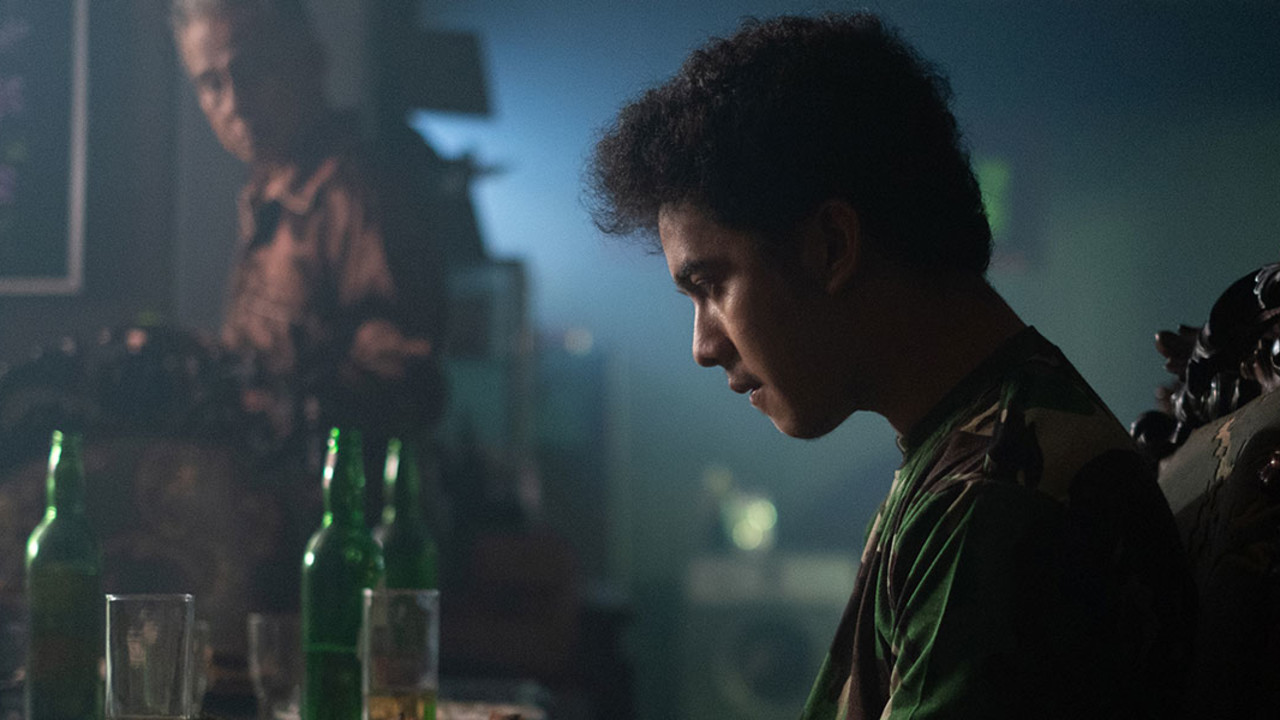
Autobiography – political drama in which a young man taken in as a son by a powerful figure finds himself conflicted in wanting to stop his mentor’s authoritarian overreach.
Japan
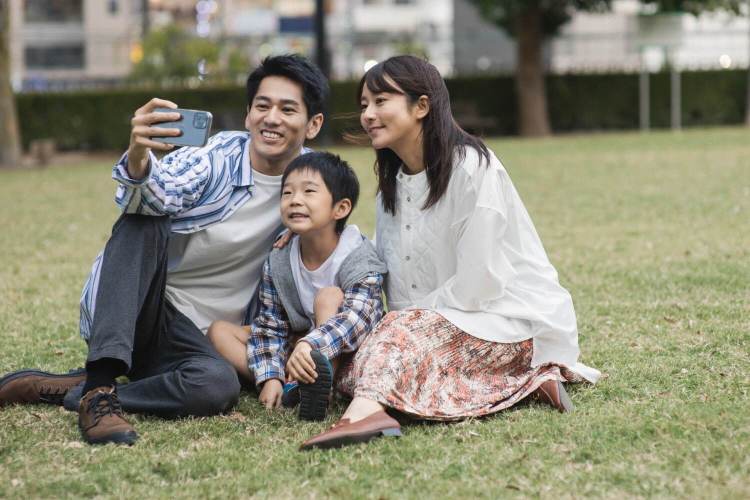
Love Life – the latest film from Koji Fukada (A Girl Missing) in which the tight bond of a small family is disrupted by the resurfacing of the son’s birth father.
Stonewalling – drama following a 20-year-old student training to become a flight attendant who suddenly discovers she is pregnant.
Korea
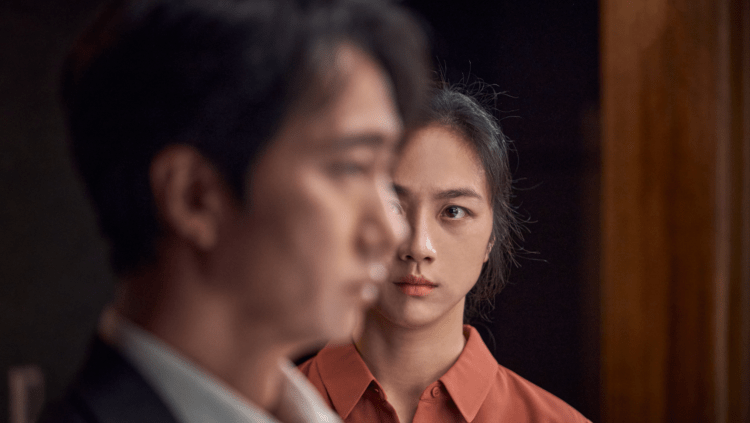
Decision to Leave – latest from Park Chan-wook starring Park Hae-il as a detective fixated on the wife (Tang Wei) of a murdered man.
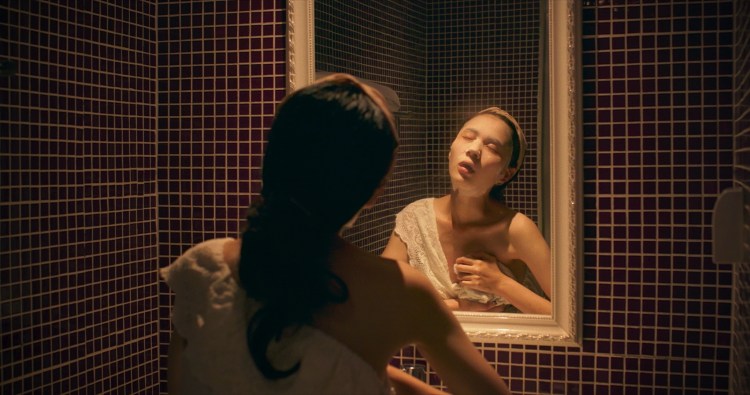
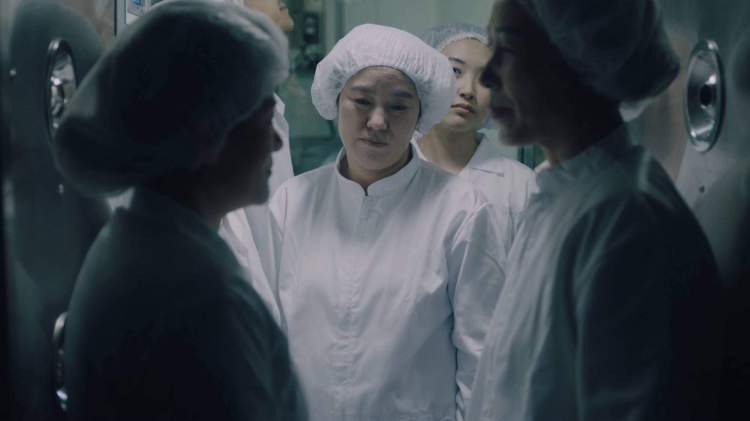
Jeong-sun– a factory worker’s life is disrupted when a video of.a sexual encounter with a colleague is leaked on the internet.
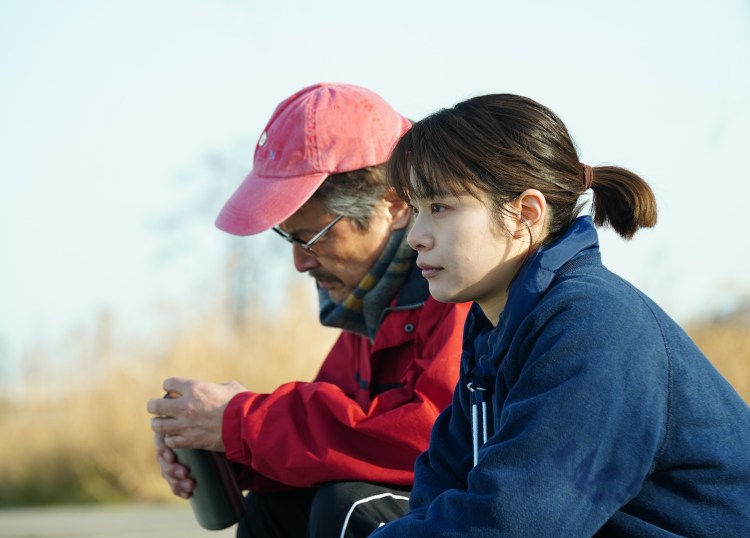
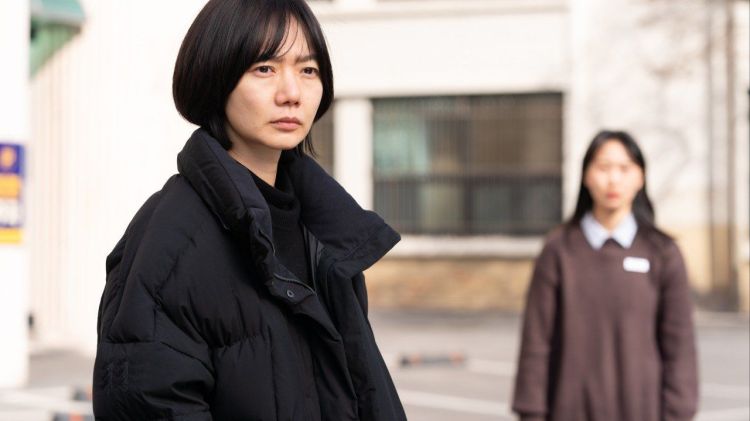
Next Sohee – a policewoman investigating the suicide of a teenage girl uncovers a dark web of corporate exploitation in July Jung’s hard hitting drama. Review.
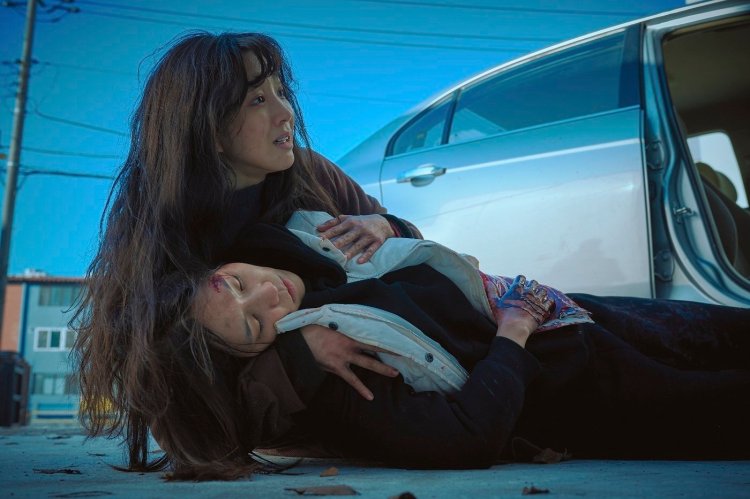
The Woman in the White Car – quirky mystery in which a young woman arrives at a hospital with a woman she claims to be her sister who has been stabbed by a jealous lover.
Thailand
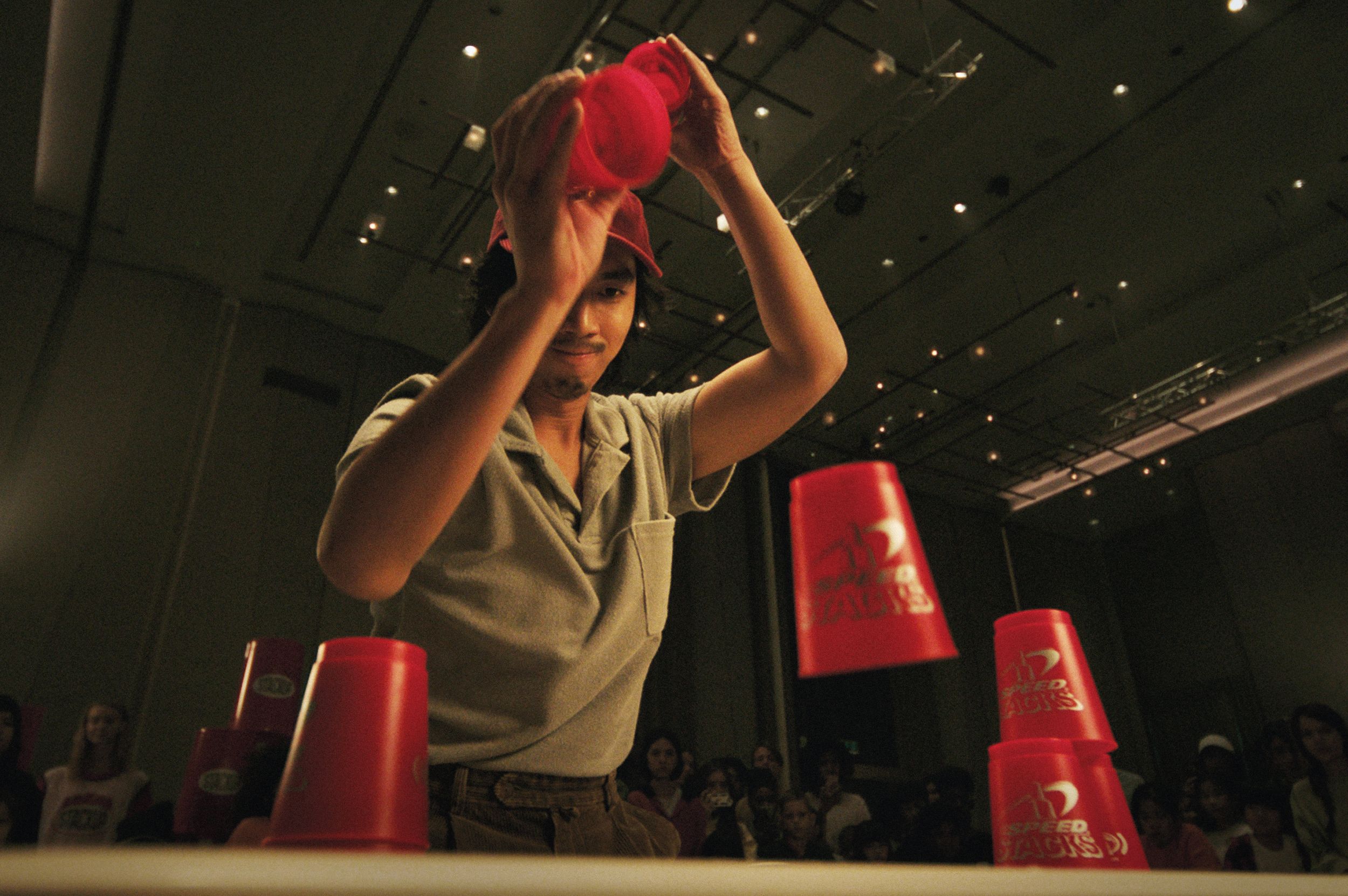
Fast & Feel Love – an obsessive sports stacker is plunged into a delayed adulthood when his long term girlfriend suddenly leaves in Nawapol Thamrongrattanarit’s charming post-modern comedy. Review.
The BFI London Film Festival takes place at various venues across the city from 5th to 16th October 2021, with some titles also streaming online (14th to 23rd October) or screening at various partner cinemas throughout the UK. Full details for all the films as well as screening times and ticketing information are available via the official website. Priority booking opens for Patrons on 5th September, for Champions on 6th September, and Members 7th September, with general ticket sales available from 13th September. You can also keep up to date with all the latest news via the festival’s Facebook page, Twitter account, Instagram, and YouTube channels.
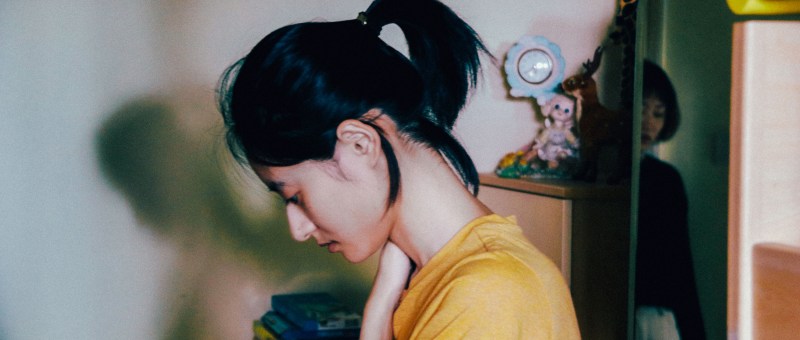
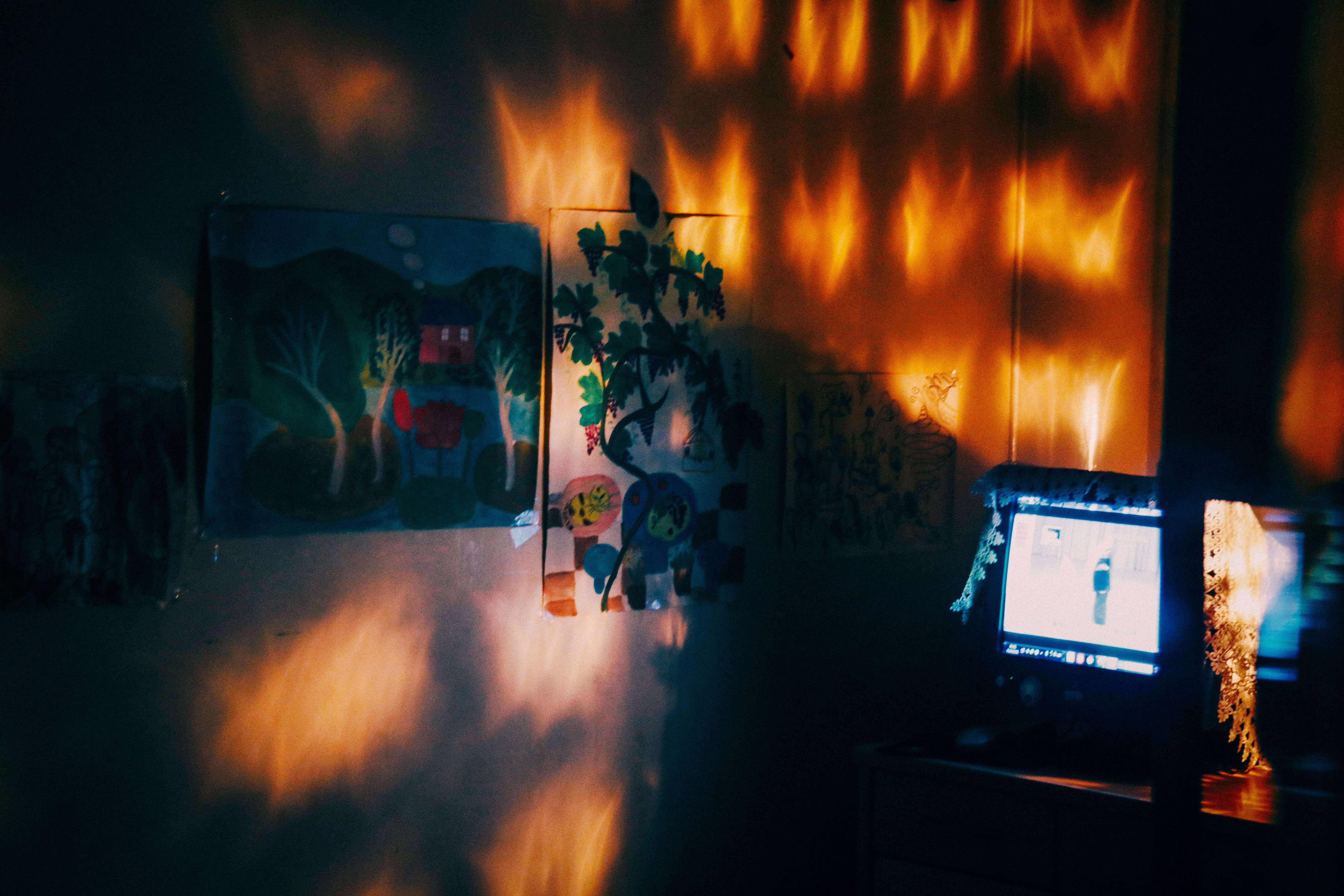
A young woman becomes lost in a confusingly timeless world of fractured memory in Niu Xiaoyu’s ethereal drama, Virgin Blue (不要再見啊,魚花塘, bùyào zàijiàn ā, yúhuā táng). As realities continue to shift and blur, we begin to wonder if two women are really one as seen through the memories of another and what we are experiencing is the confusion of dementia or perhaps a dying dream in which the heroine tries to put the pieces of her memory back in the right place only to end up at a mythical lake populated by those no longer able to live in the “real” world.
Nominally Yezi (Ye Zi) is a recently graduated student returned home to stay with the widowed grandmother (Shengzhi Zheng) who raised her after her parents divorce over the summer, yet we often see her taking her grandmother’s place, finishing her knitting, while alternately rebelling against childhood’s end in insisting that she doesn’t want to grow up, has no interest in a relationship, and most of all wants her grandmother to go on knitting sweaters for her. At a hospital appointment, the pregnant nurse who in someways at least stands in for her own mother simultaneously her criticises for being unattached at such a “late” age and cites her celibacy as a possible explanation for her youthful appearance.
We see that Yezi walks with a limp, she is diagnosed with hypoplasia at the hospital appointment, and that grandma has bad knees which she is later treated for by a buddhist nun in a dream. It’s grandma who keeps fearing that she’s forgetting but Yezi who isn’t clear with her, first of all telling her that grandpa died in 2020 (which is the current year) and then that it’s only 2013. Grandma claims that she always feels out of place, as if she were in someone else’s home and never her own which might in a sense be true. At times, the meta voice of the director can be heard off camera sharing stories of her own such as a traumatic dream in which her grandparents came to rescue her after youthful heartbreak but her grandmother got stabbed by a mystery attacker on the way home leaving her feeling that if only she were stronger and more independent, she would not have needed rescuing and grandma would be alive. Could the director be the “real” Yezi and her film counterpart a search for self in the memories of her grandparents? Perhaps so, as the image of her parents seems to drift into the scene along with potential friends and suitors who may or may not be figments of her imagination.
Even so her eventual destination is a surreal fantasyland peopled by a runaway princess who escaped from the real world after a failed elopement, a man who might once have been a kidnapped boy dressed in a bear suit, and a series of tiny dancers who perform elaborate dance routines for classic Chinese pop songs. The princess, Jingjing, and the bear describe themselves as monsters, marginalised to the lake, while monstrous is also how grandma describes the vision of herself as a dementia sufferer worried that even Yezi would reject her. The pregnant nurse and her colleague discuss the new trend for caesarean births, the colleague advising her to see a fortune teller and choose a good day in order to ensure that the child will not bring bad luck on its parents.
Through it all, Yezi has visions of herself as a child with her late grandfather as if looking for childhood safety and comfort while trying to reorient herself as an adult. The fantasy world with its larger than life, childlike designs and nostalgic tunes is somewhere between fairytale safety and a kind of limbo from which Yezi is either eventually released or fully condemned as she looks back us, breaking the fourth wall to shake her head as if in warning. Infinitely strange yet also charming even in its confusions, Virgin Blue has a kind of melancholy warmth as Yezi tries to reintegrate this fragmenting world while processing her grief perhaps even for her self along with interrogating her past before ending on a note of joyful celebration as the monsters of Yuhua pond dance in the daylight to an unexpected rendition of Jun Togawa’s 1988 hit Daitenshi no you ni (Like an Angel).
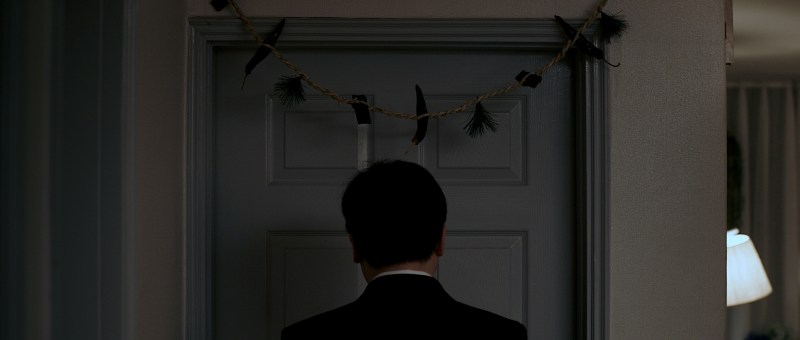
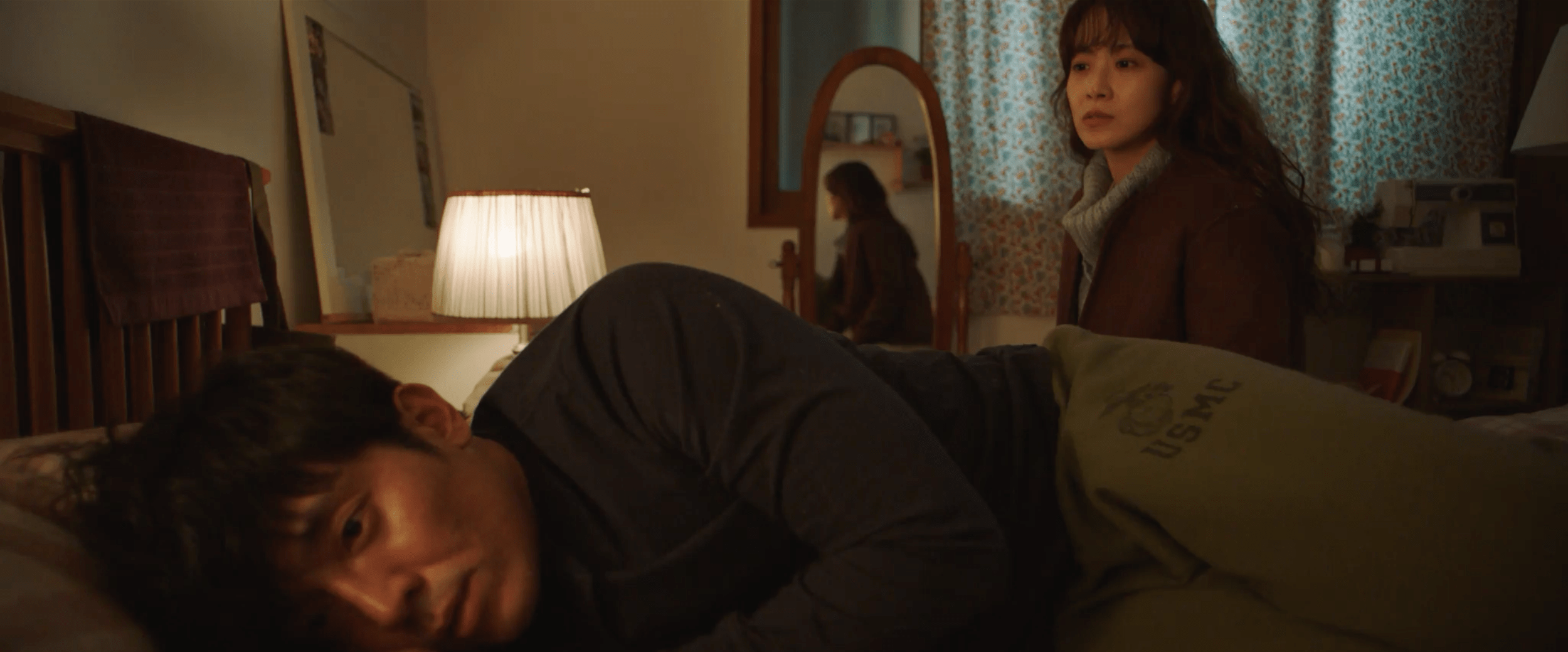
A new father finds himself plagued by strange dreams and an unquiet dread in Park Kang’s eerie paternal horror, Seire (세이레). Seire refers to the first three weeks of a baby’s life in which the family is expected to limit external contact and avoid any taboos especially those having to do with death. Such superstition might seem out of place in the modern society but then when you think about it it makes sense, limiting the number of people interacting with your medically vulnerable newborn helps protect it from illness or infection while dealing with grief in the wake of new life is necessarily difficult.
Even so, Woo-jin (Seo Hyun-woo) is beginning to get fed up with his wife Hae-mi’s (Shim Eun-woo) obsession with ritualistic superstition. “Don’t engage in anything unusual” she ominously instructs him as he leaves to run an errand after a night of fevered dreams sleeping on the sofa. That Woo-jin is tired isn’t surprising, he’s the father of a newborn after all, but he seems to be weighed down by something more than bodily fatigue and has been having strange visions featuring fruit knives, rotten apples, and a woman who is not his wife. When he receives a text informing him that an old friend from university, Se-young (Ryu Abel), has passed away, Hae-mi tries to talk him out of going to the funeral advising him to send money instead rather than risk breaking a taboo during the baby’s Seire but Woo-jin doesn’t really believe in any of this stuff and not going to the funeral’s not really an option for him especially, as we later realise, as he may have had unfinished business with the deceased.
Superstition becomes an odd kind of fault line in the couple’s relationship not so much in a matter of belief but of commitment. Hae-mi reads Woo-jin’s reluctance to abide by the superstitious practices she’s been taught as an early paternal failure, a sign that he wasn’t interested enough in his son’s welfare to follow a few simple rules for a period of three weeks while Woo-jin equally sees Hae-mi’s insistence on them as a personal rejection which is on one level fair enough when she’s literally pelting him with salt and refusing to let him into their bedroom let alone near the baby. To divert the misfortune born of attending the funeral, Hae-mi asks Woo-jin to commit three acts of theft, telling him that it won’t harm anyone and then they’ll be able to stop worrying except that it will definitely harm someone and perhaps everyone if Woo-jin gets caught and ends up losing his job.
Despite claiming not to believe in any of this superstition, Woo-jin is very into traditional medicine and it seems there may be a connection to the strange events around him though it might not explain his fractured state of mind or increasing inability to tell dream from reality. He is quite literally haunted by the manifestation of a previous transgression which is already playing on his mind given his recent fatherhood. Paternal anxiety is indeed at the root of all his troubles, though we can also see that he feels belittled by his wealthy brother-in-law who makes a show of buying all the fancy meat for a family dinner while it later becomes clear that his relationship with Hae-mi is newer than we might have assumed and cemented by the birth of a baby Woo-jin may perhaps on some level resent. But it’s his own guilt that haunts him in the end, failing to deal with the implications of his past actions and their result whether by accident or design.
Drifting between dream, memory, and a confused reality, Park imbues the everyday with a sense of dread and eerieness defined by an ever-present evil which must be constantly warded off though as it turns out Woo-jin’s darkness very much lies within. Some things you think are just superstitions really aren’t, Hae-mi’s sister annoyed by her superstitious mother’s instruction not to eat lettuce while pregnant which is probably more to do with E. coli than fear of a supernatural curse, though there seems to be no real reason why you shouldn’t eat apples at night save the superstition they cause unrestful sleep. Is this all happening to Woo-jin because he broke a taboo? In many ways yes, and his self-haunting seems set to continue in the impossibility of gaining forgiveness for the unforgivable.
Asian Pop-Up Cinema returns for its 15th season in cinemas across Chicago with selected films streaming to homes across the US from Sept. 10 to Nov. 6. Each weekend will be dedicated to a specific region including: China (Sept.10 -16), Japan (Sept. 17 – 23), South Korea (Sept. 24 – Oct. 2), Taiwan (Oct. 22 – 23) and Hong Kong (Oct. 29 – Nov. 6) while this season’s Bright Star Awards go to Hong Kong actress Jennifer Yu and Korean actor Jeong Jae-kwang who will each be appearing in person before screenings of their respective films.
China
(September 10-16, Claudia Cassidy Theater & AMC New City 14)
Claudia Cassidy Theater, Chicago Cultural Center (78 E. Washington St., Chicago)
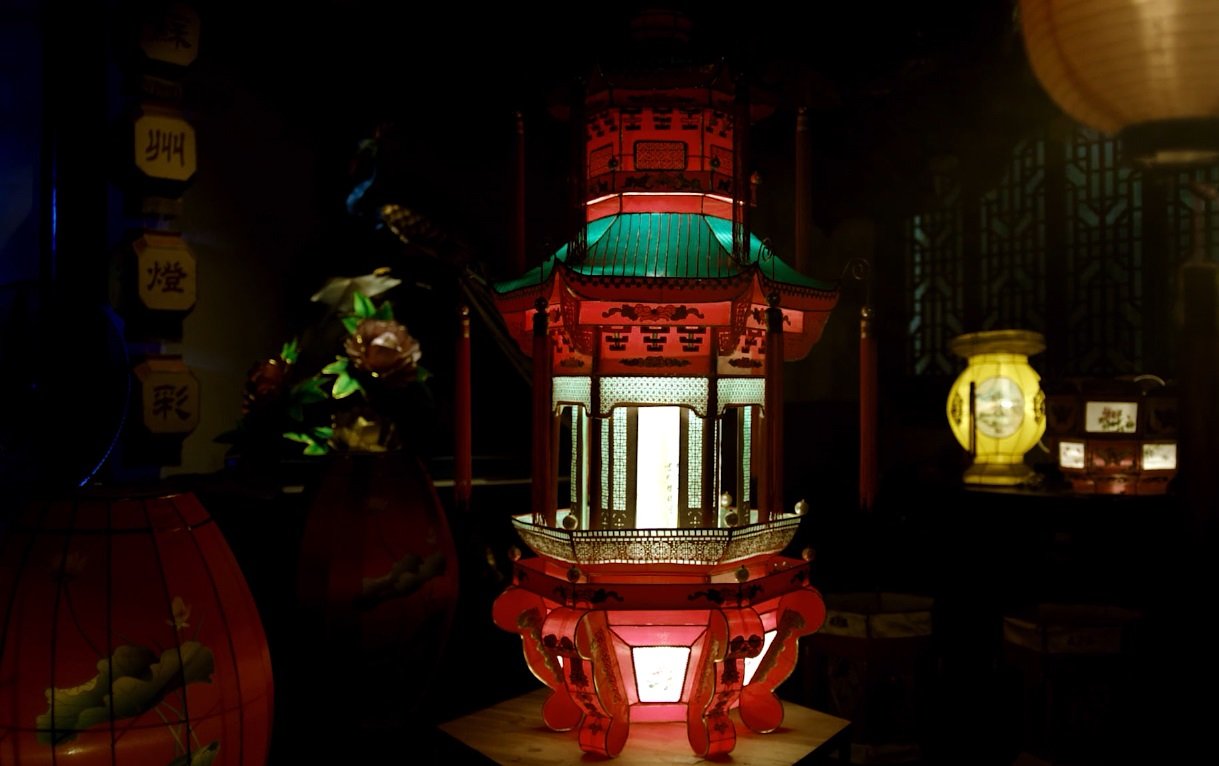
Documentary focusing on 12 artisans trying to keep traditional folk arts alive in contemporary Suzhou.
Official Opening Film
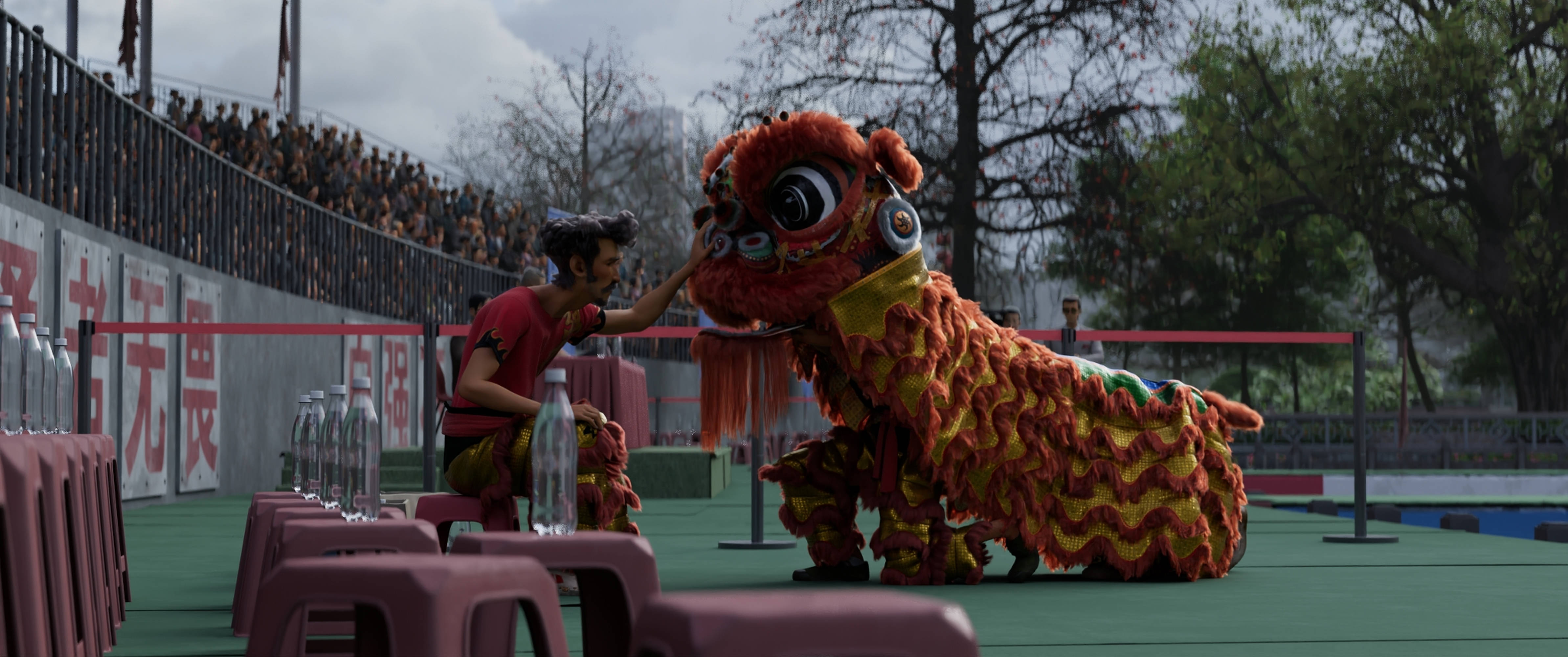
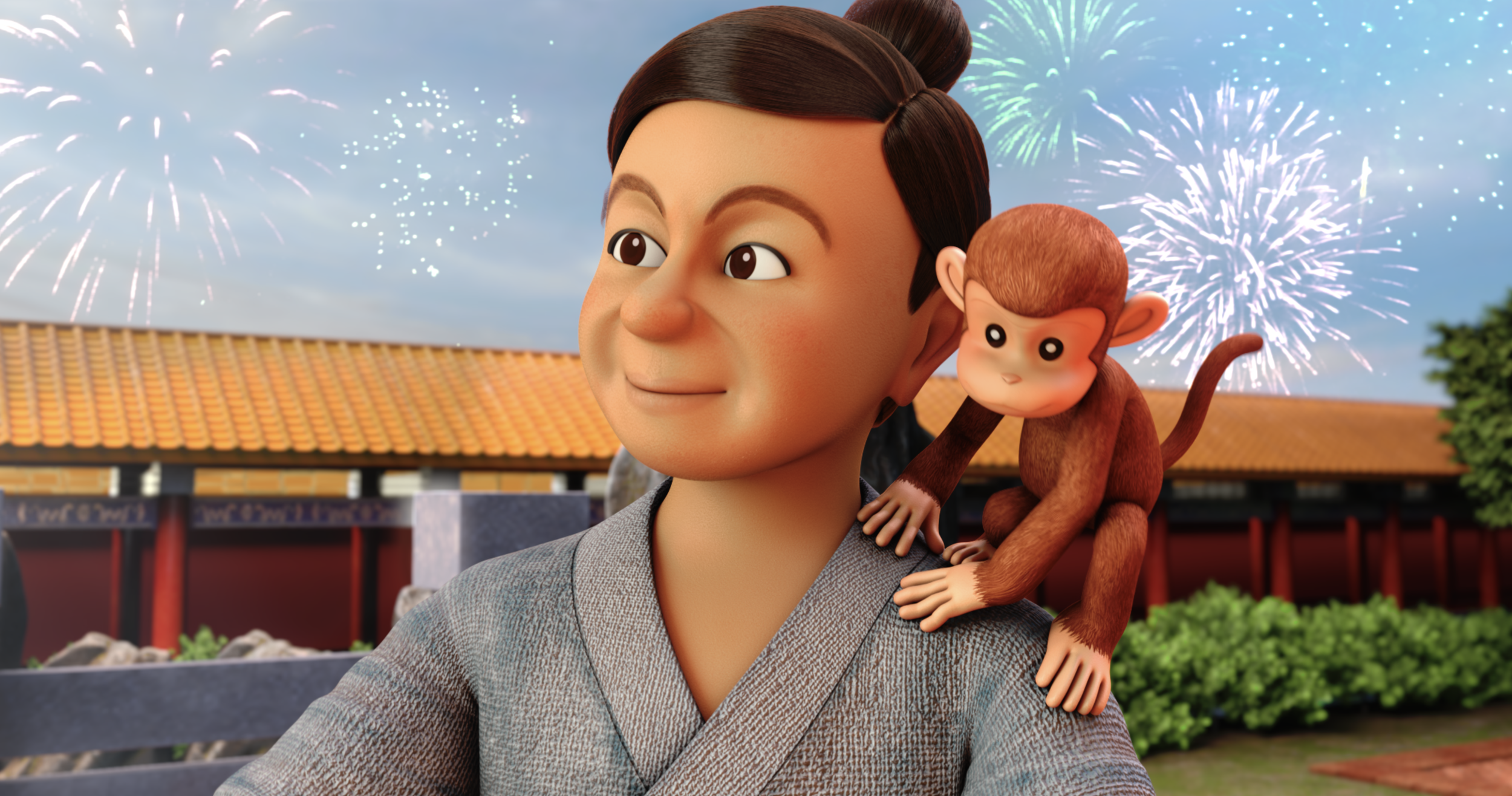
Saturday, September 10, 2 PM: I Am What I Am, (雄獅少年, Sun Hai-peng, 2021)
Claudia Cassidy Theater, Chicago Cultural Center (78 E. Washington St., Chicago)
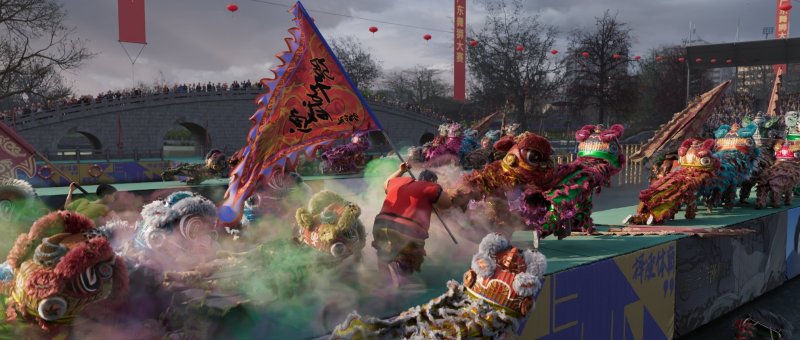
Animation from Sun Hai-Peng set in rural Guangdong and following left behind teen Gyun who develops a fascination with traditional lion dance and sets off with two friends to find a lion dancing master.
September 10-16 Streaming available for U.S. views @ watch.eventive.org/apuc15
Drama in which a man returns from the city to his rural hometown to introduce his girlfriend in the hope that his mother will stop trying to arrange marriages for him but is fraught with anxiety as the woman he loves has been married before.
The owner of an electronics store keen to shake off his family’s legacy of disgrace because of an ancestor’s treachery selling a precious artefact to the Japanese is drawn swept into intrigue when the relic is returned.
Japan
(September 17 – 23, Wilmette Theater, 1122 Central Ave., Wilmette, IL)
Japan Cinema Showcase special host: Mark Schilling, author/critic of Japan Times
Saturday, September 17, 2pm: Noise (ノイズ, Ryuichi Hiroki, 2022)
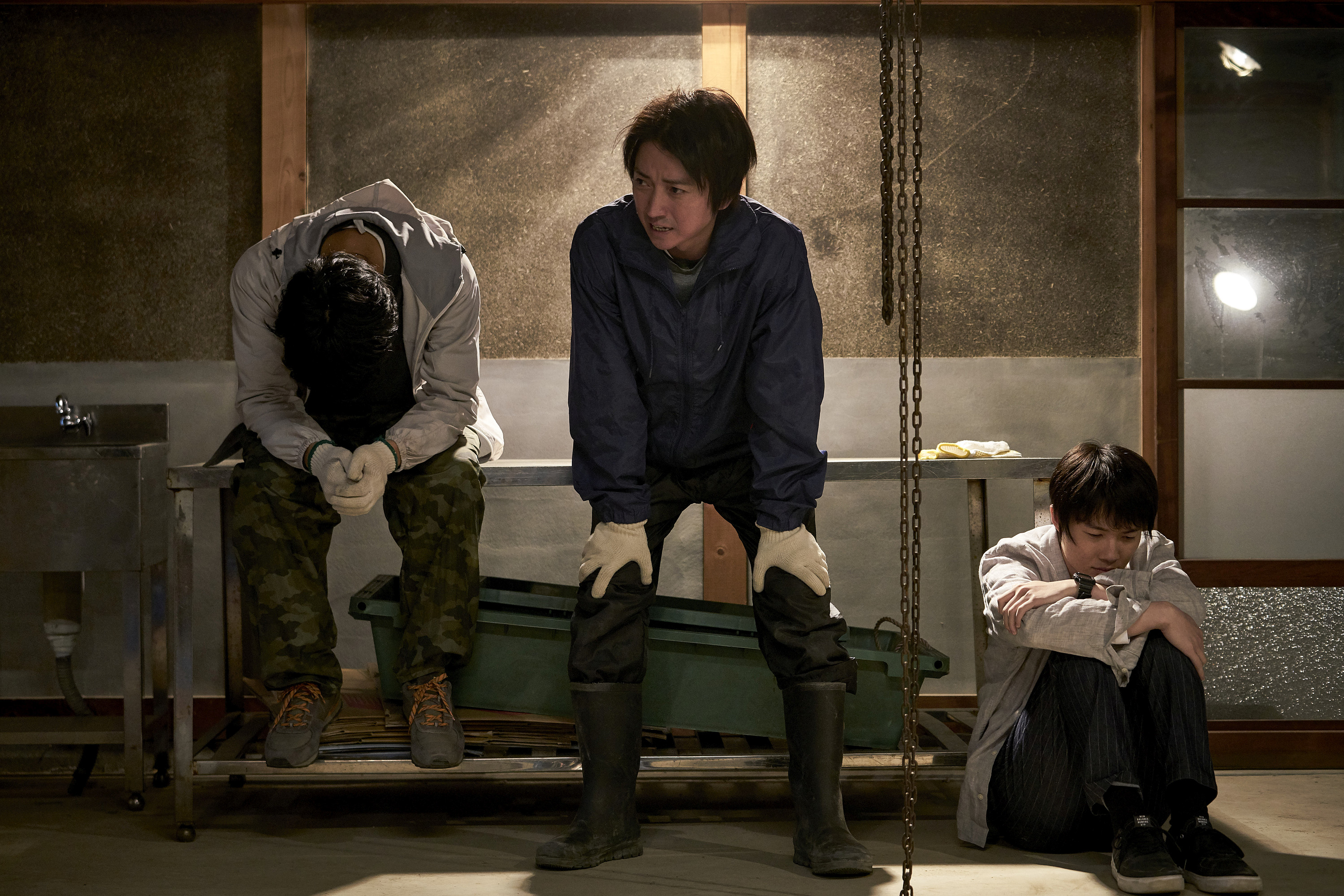
Darkly comic thriller from Ryuichi Hiroki in which the previously close relationship between three childhood friends is strained when they find themselves trying to cover up a murder. Review.
Saturday, September 17, 4:30 PM: Alivehoon (アライブフーン, Ten Shimoyama)
Drift racing drama supervised by Keiichi Tsuchiya in which a shy, introverted gamer is scouted by a team on the verge of shutting down.
Sunday, September 18, 2 PM: Popran (ポプラン, Shinichiro Ueda, 2022)
A self-involved CEO gets a course correction when his genitals suddenly decide to leave him in Shinichiro Ueda’s surreal morality tale. Review.
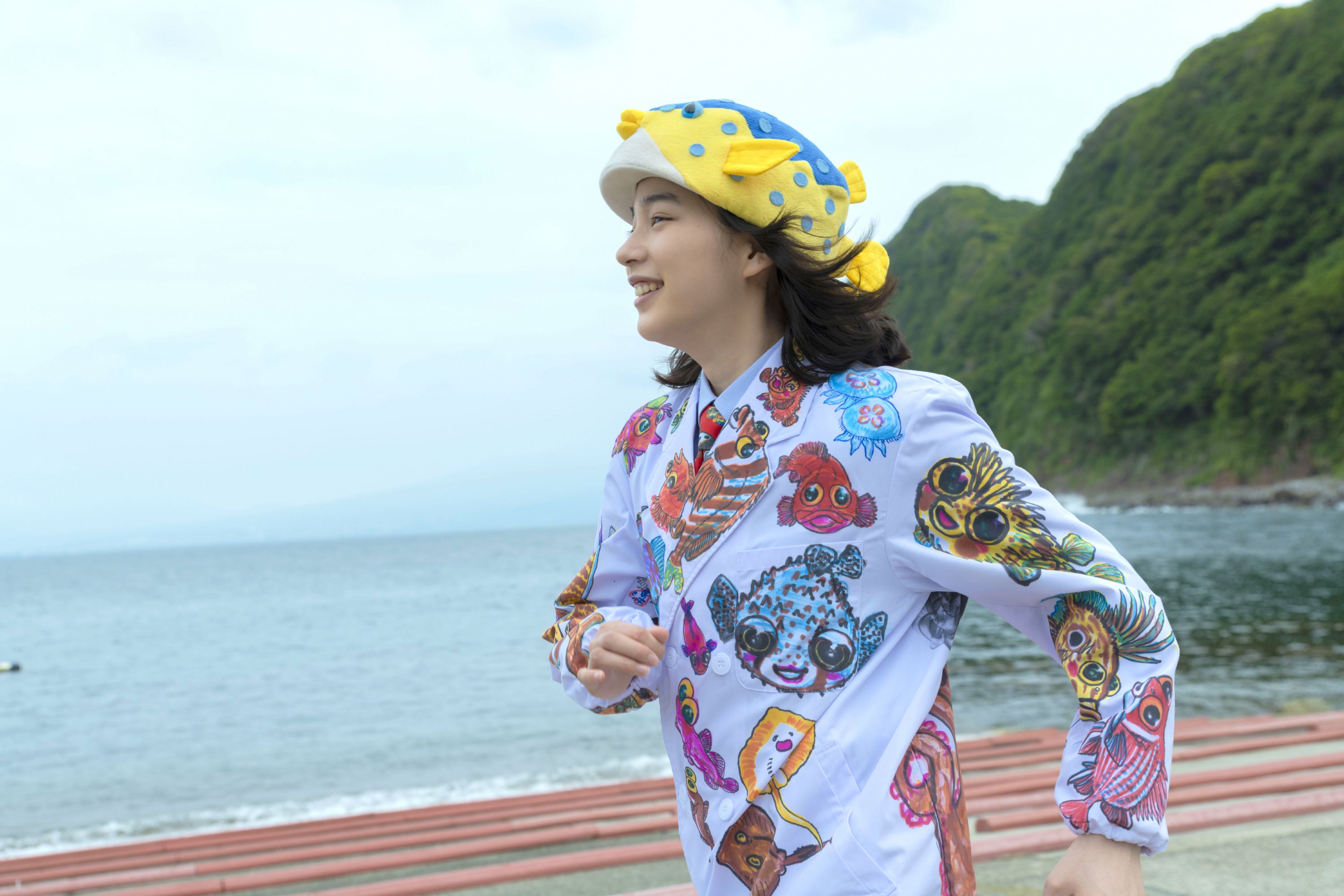
Sunday, September 18, 4:30 PM: The Fish Tale (さかなのこ, Shuichi Okita, 2022)
The infinite enthusiasm of a fish obsessive gradually brightens the world around them in Shuichi Okita’s charming portrait of an eccentric. Review.
September 17-23 Streaming available for U.S. views @ watch.eventive.org/apuc15
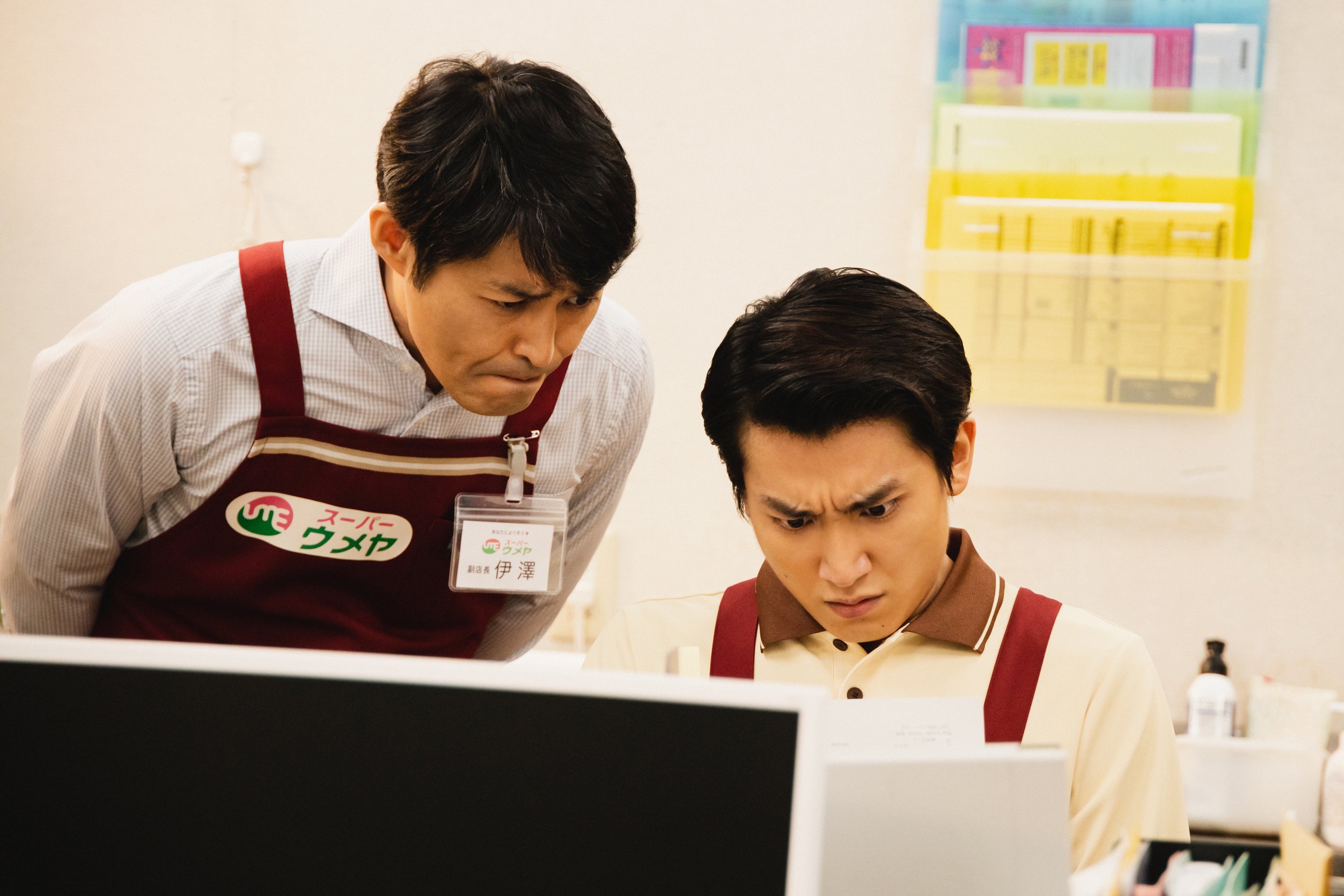
A veteran employee of a grocery store finds his life disrupted when his manager dies and HQ sends in an executive to replace him while his eldest daughter’s engagement shakes the foundations of his family life.
South Korea
(September 24 – October 2, AMC Niles 12, (301 Golf Mill Center, Niles, IL)
Saturday, September 24, 2:30 PM: Fairy (요정, Shin Tack-su, 2021)
A pair of cafe owners who got married but decided to continue running separate cafes experience a mysterious uptick in business after they hit a boy with their car and decide to keep in their house to cover up the crime.
Saturday, September 24, 4:30 PM: Mother’s Place (엄마의 자리, Ryu Hee-jung, 2022)
A young girl’s concept of family is undermined when her mother and step-father are killed in an accident but the relatives refuse to let them be buried together.
A location manager is faced with a difficult situation when she realises the director of the latest film she’s working on is the hometown boyfriend of her youth.
Sunday, September 25, 4:30 PM: Not Out (낫아웃, Lee Jung-gon, 2021)
Actor Jeong Jae-kwang will be appearing in person to pick up his Bright Star Award.
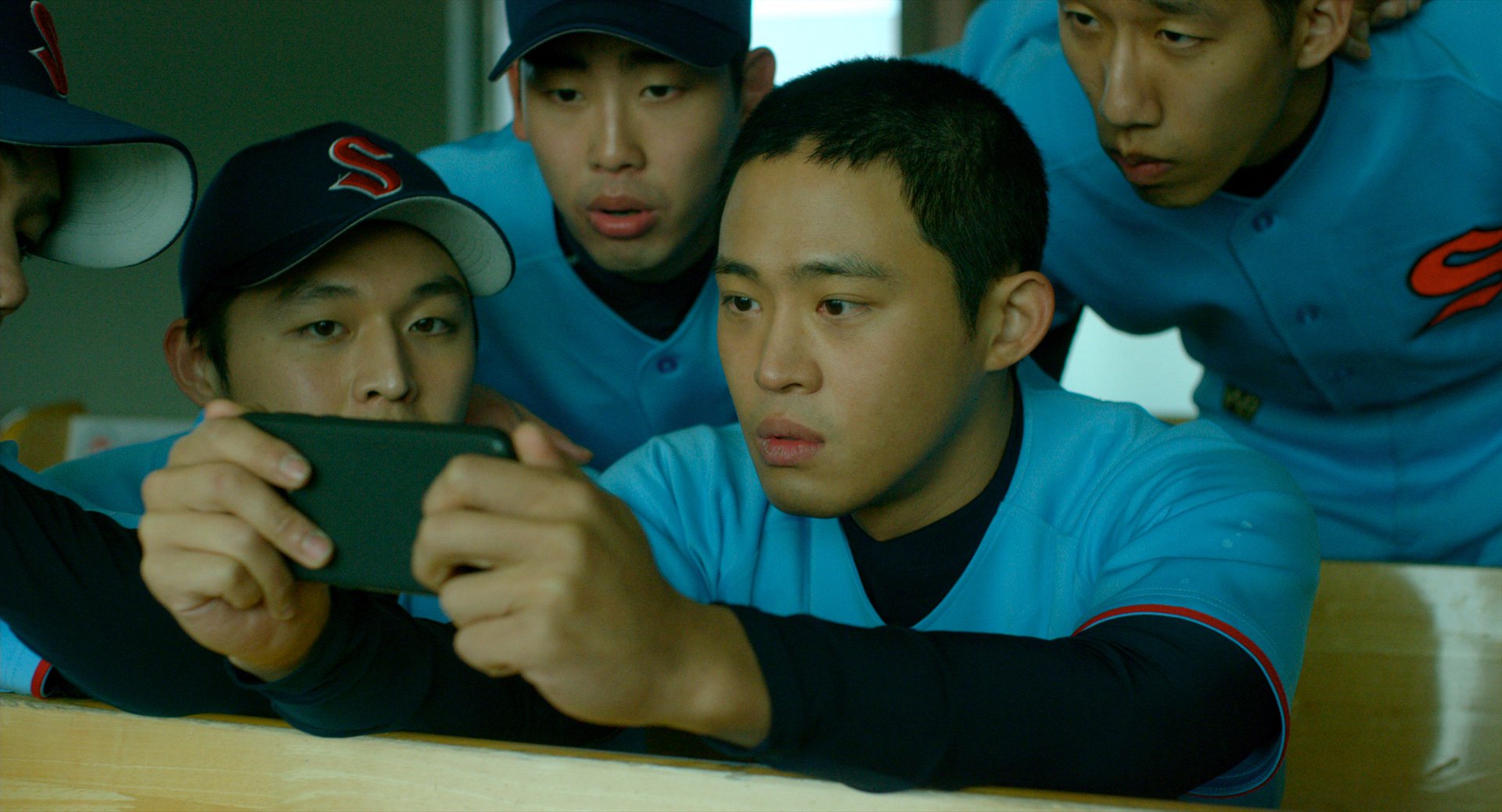
A young man goes to drastic lengths to make his baseball dreams come true in Lee Jung-gon’s unexpectedly dark character study. Review.
Saturday, October 1, 2:30 PM: Chorokbam (초록밤, Yoon Seo-jin, 2021)
A small family contend with the persistent unfairness of the contemporary society in Yoon Seo-jin’s slow burn indie drama. Review.
Saturday, October 1, 4:30 PM: My Perfect Roommate (룸 쉐어링, Lee Soon-sung, 2022)
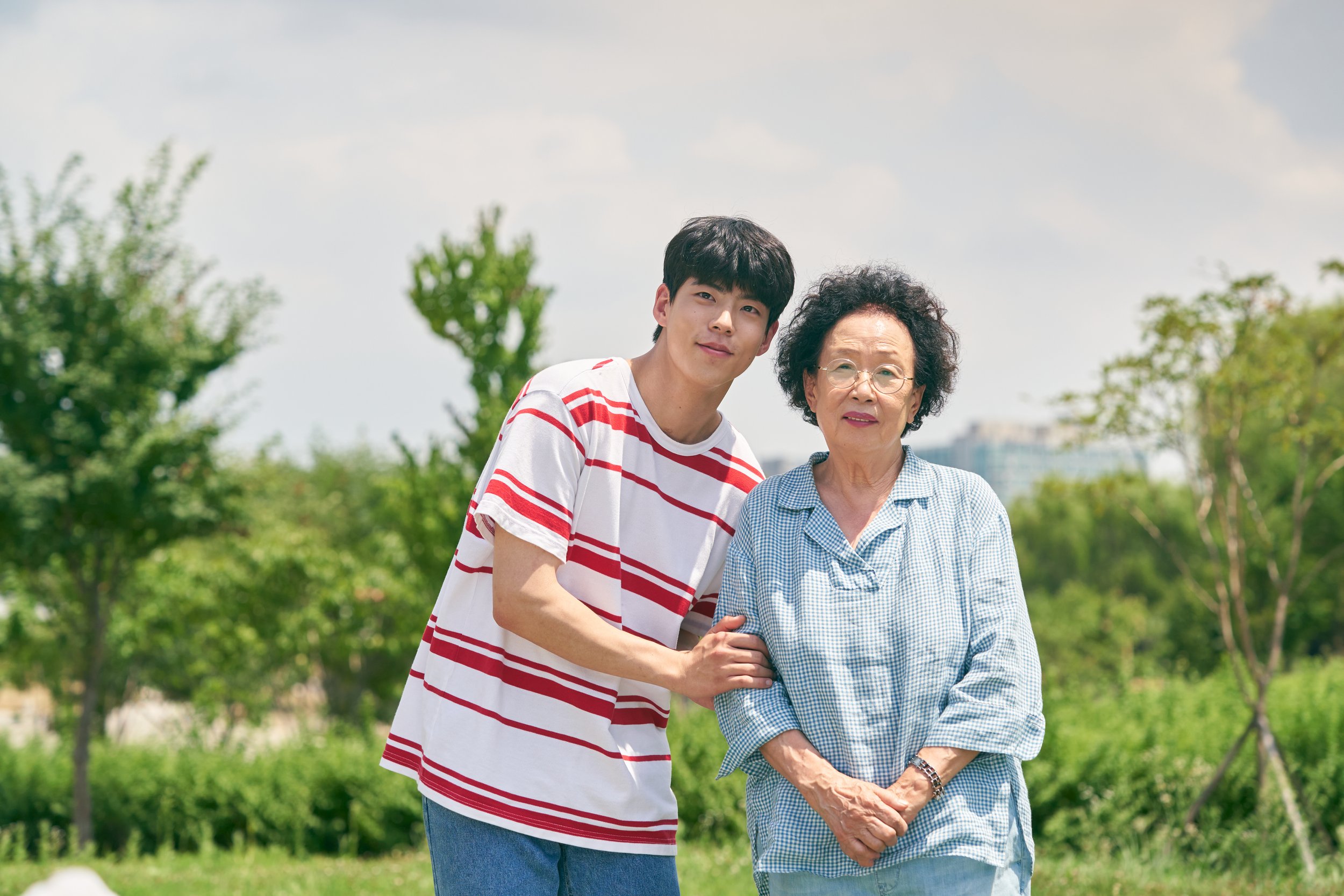
A kind young student and grumpy granny eventually discover a new sense of familial comfort after living together as part of a house sharing programme in Lee Soon-sung’s heartwarming drama.
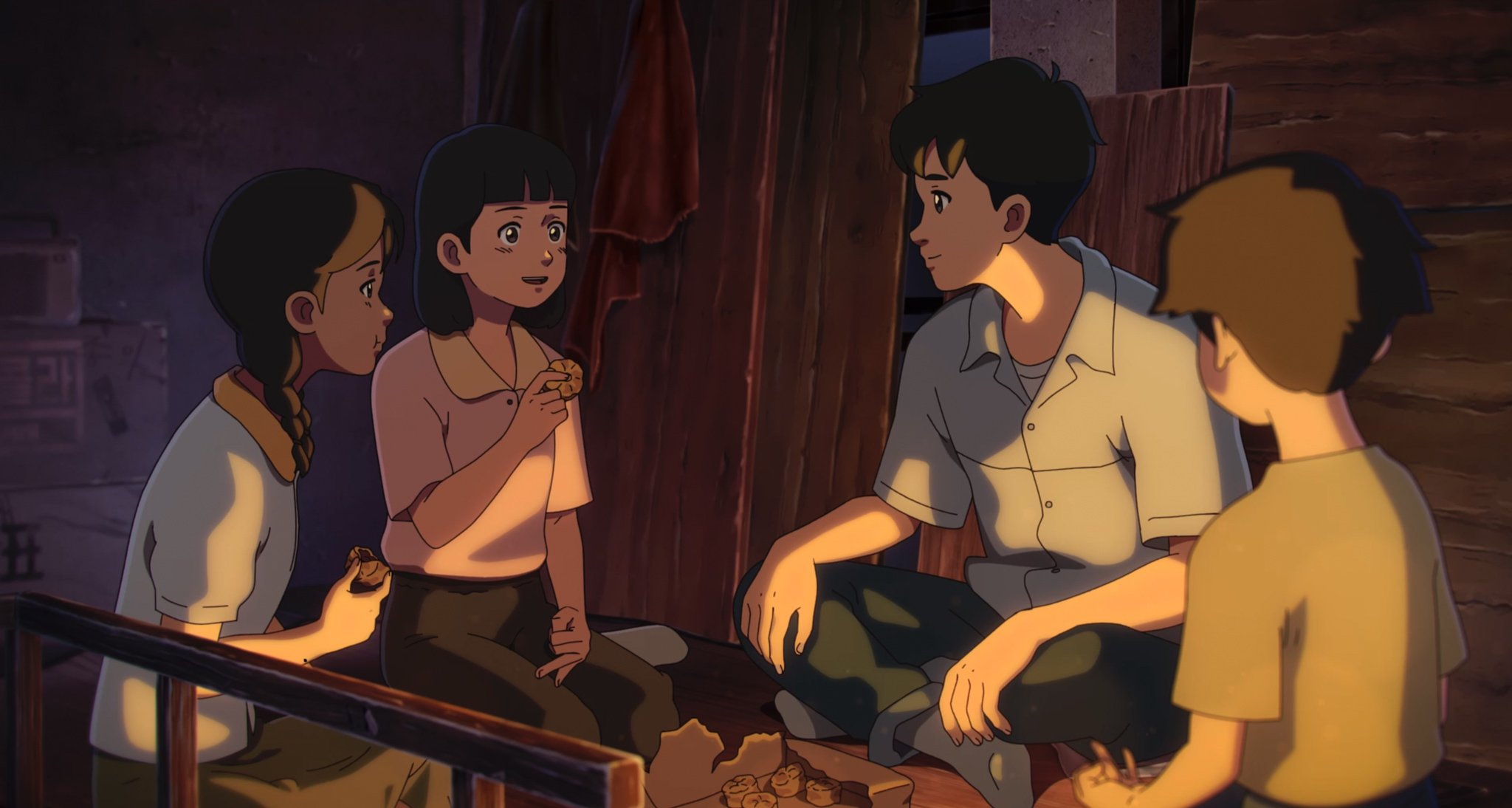
Animated biopic of labour activist Chun Tae-il who took his own life through self-immolation in protest against the failure to enforce existing labour law or protect workers from unhealthy and exploitative conditions. Review.
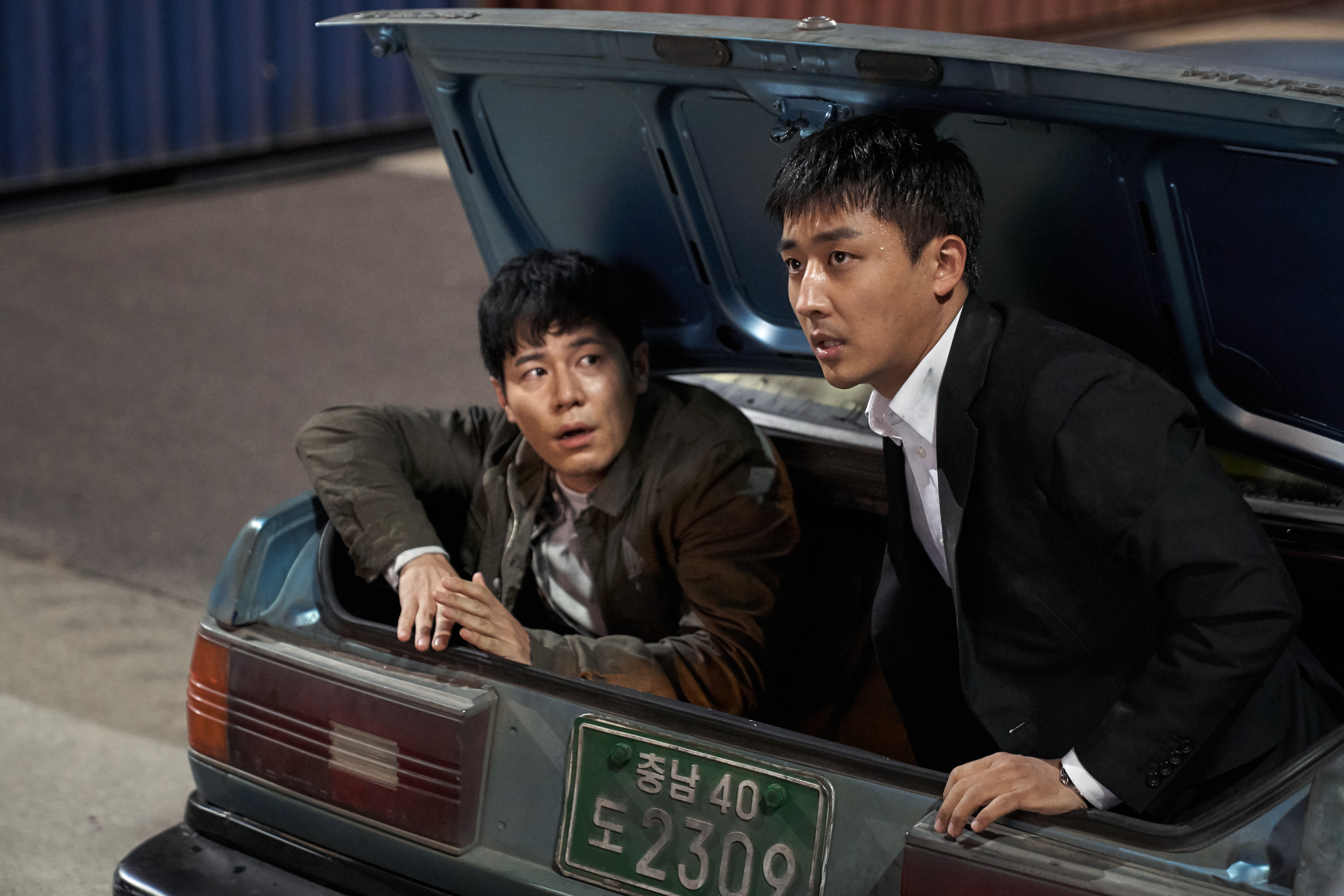
A cynical man makes peace with his father’s memory while driving his possibly haunted and very rundown Hyundai Stellar in Kwon Soo-kyung’s charmingly quirky road movie. Review.
Taiwan
(October 22-23, Illinois Institute of Technology, Tower Auditorium, 10 W. 35th St., Chicago)
A small boy begins to process grief and loss while searching for nightmare-eating tapirs in Kethsvin Chee’s charmingly retro fantasy adventure. Review.
Saturday, October 22, 4:30 PM: Chen Uen (千年一問, Wang Wan-jo, 2021)
Using a mix of interviews and animatics, Wang’s elegantly lensed documentary presents an enigmatic picture of the legendary pioneer of Taiwanese comics. Review.
Sunday, October 23, 2:30 PM: Shiro – Hero of Heroes (諸葛四郎 – 英雄的英雄, Lin Yu-chun & Chuang Yung-hsin, Liu Yu-shu, 2022)
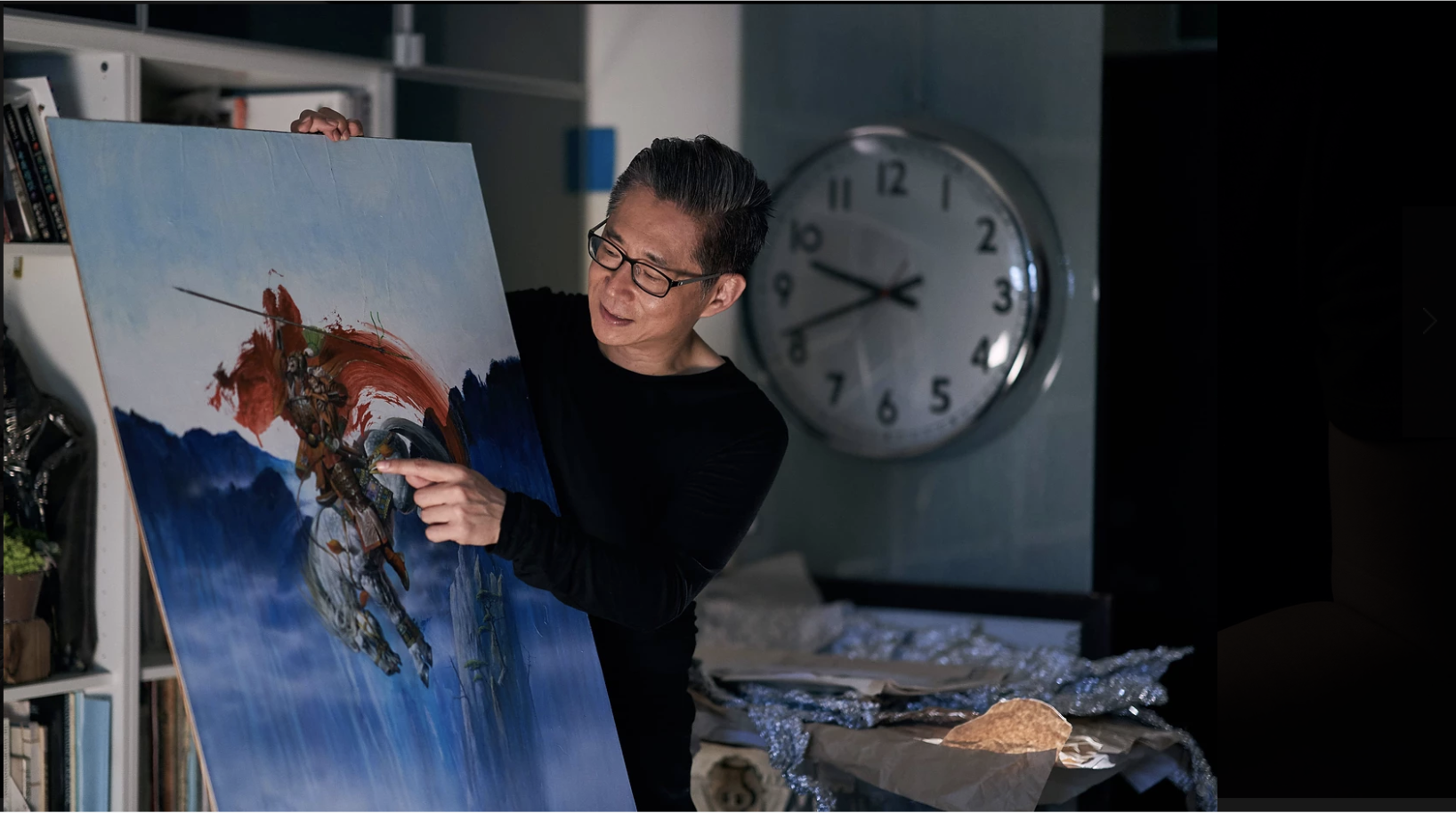
Family animation inspired by the classic Taiwanese comic book JhugeShiro in which the Demon Society is after the Dragon and Phoenix sword leaving the hero, Shiro, to protect both the swords and the princess from the evil Ping.
An alienated teen finds a place to belong in Trash City only to instantly betray his new paradise in Yee Chin-Yen’s inspirational family animation. Review.
Hong Kong
(October 29 – November 6, FACETS Cinema and AMC New City 14).
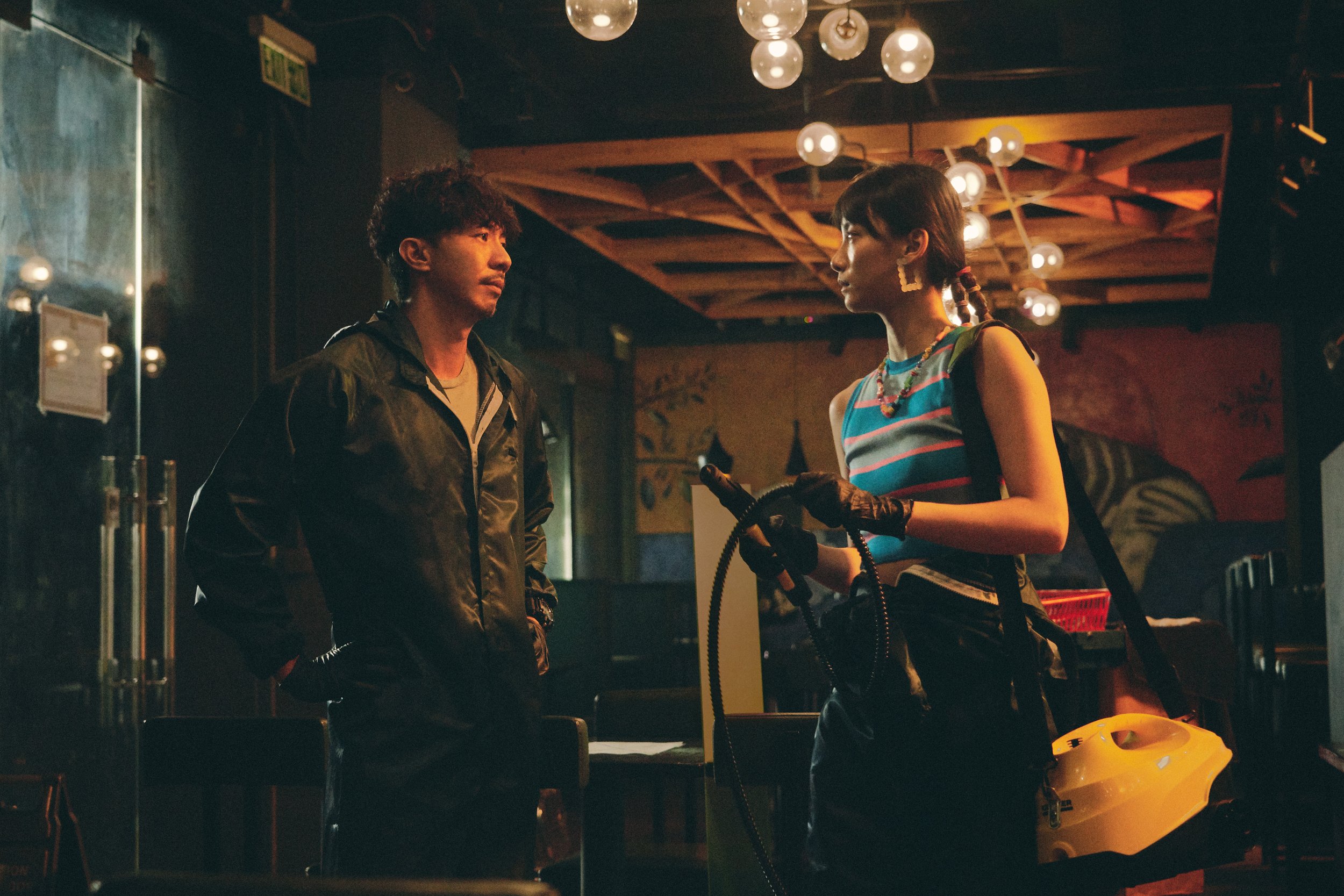
Saturday, October 29, 2:30 PM: The Narrow Road (窄路微麈, Lam Sum, 2021)
AMC New City 14, 1500 N Clybourn Ave, Chicago, IL 60610
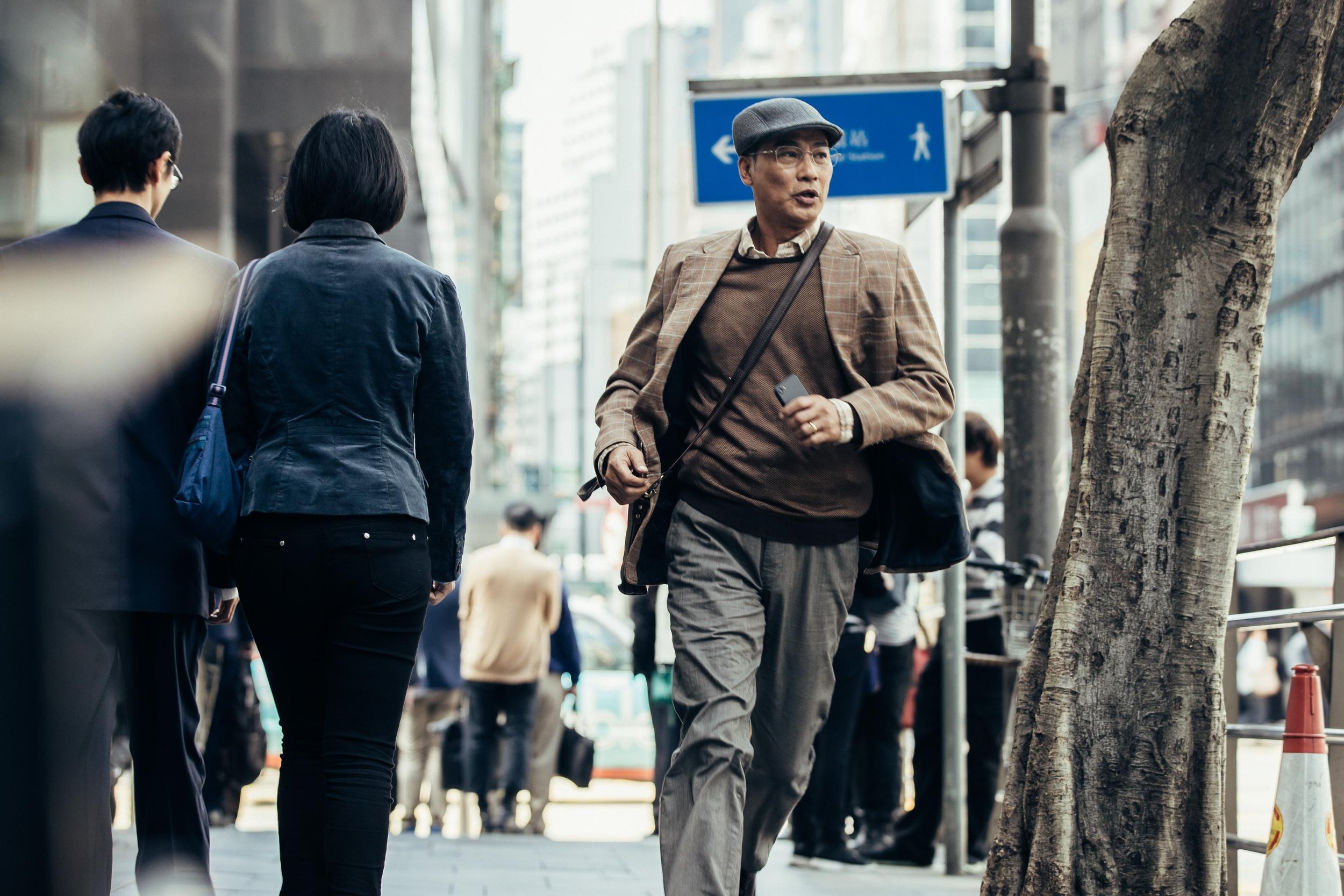
An earnest middle-aged man running a struggling cleaning business amid the difficult economic background of the coronavirus pandemic bonds with a young single mother in Lam Sum’s elegantly lensed social drama.
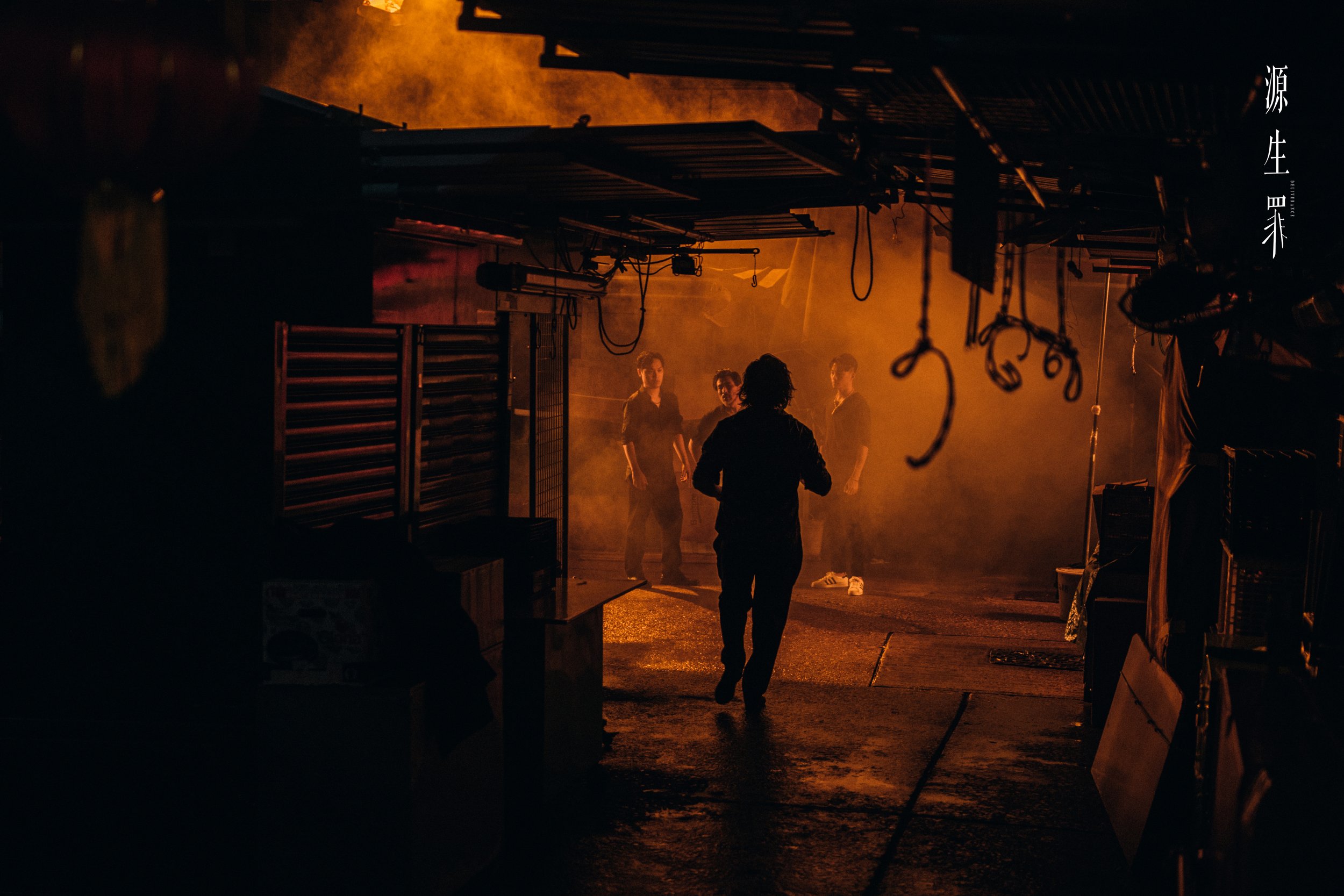
Saturday, October 29, 4:30 PM: Deliverance (源生罪, Kelvin Shum, 2021)
AMC New City 14
A woman returns to Hong Kong 15 years after her mother’s death and is forced to confront her unresolved trauma after undergoing hypnosis.
Celebrating Halloween at FACETS Cinema
(1517 W. Fullerton Ave., Chicago)
Sunday, October 30, 2:30 PM: Tales From the Occult (失衡凶間, Wesley Hoi, Fruit Chan, Fung Chih-chiang, 2022)
Hong Kongers contend with the hidden horrors of the contemporary society in the first instalment in a series of anthology horror films . Review.
Sunday, October 30, 5:30 PM: Rigor Mortis (殭屍, Juno Mak, 2014)
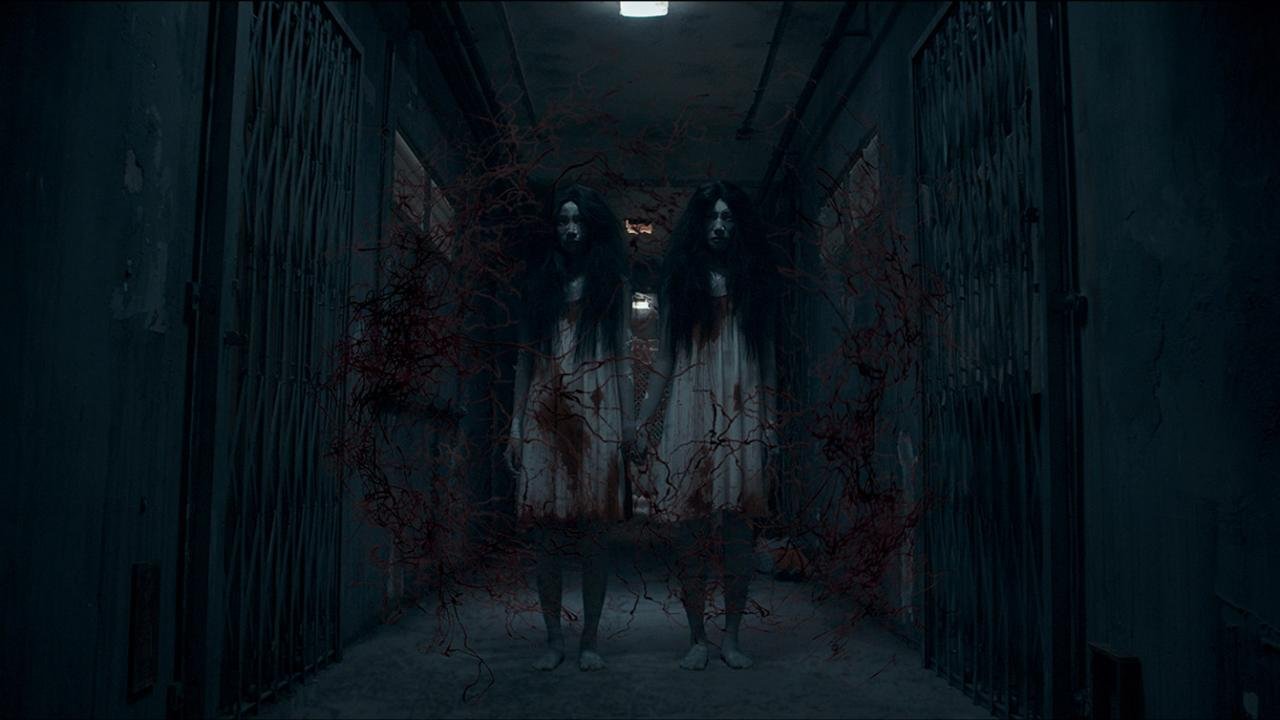
Juno Mak’s 2014 take on the hopping vampire movie in which a struggling actor moves in to a rundown tenement populated mainly by ghosts.
Saturday, November 5, 2 PM: Far Far Away (緣路山旮旯, Amos Why, 2021)
AMC New City 14
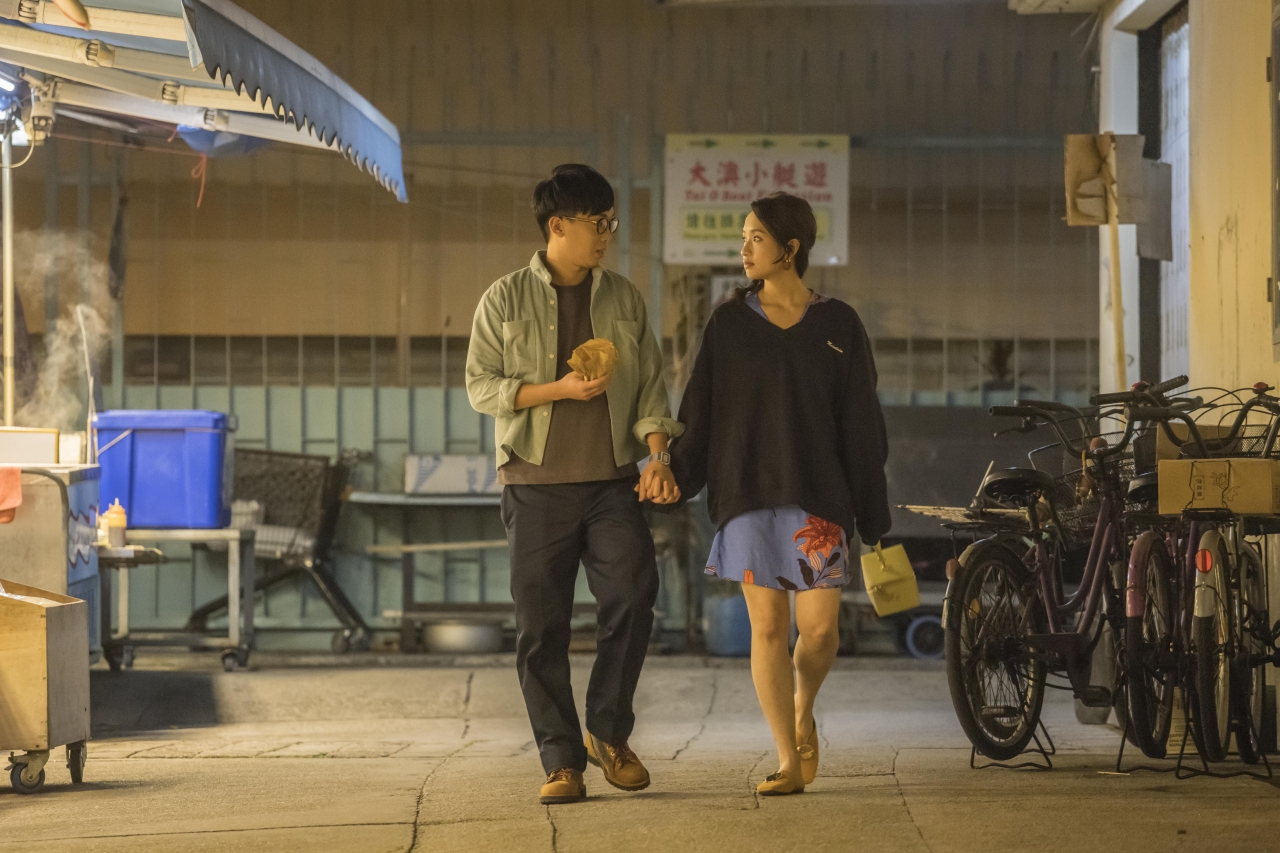
An introverted IT guy (Kaki Sham) gets a crash course in romance when he ends up dating a series of women from the far flung corners of Hong Kong in Amos Why’s charming romantic comedy. Review.
Saturday, November 5, 5 PM: The First Girl I Loved (喜歡妳是妳, Candy Ng, Yeung Chiu-hoi, 2021)
AMC New City 14
A young woman begins to re-evaluate her teenage romance when her first love asks her to be maid of honour at her wedding in Yeung & Ng’s youth nostalgia romance. Review.
Sunday, November 6, 2 PM: Pretty Heart (心裏美, Terry Ng Ka-wai, 2022)
AMC New City 14
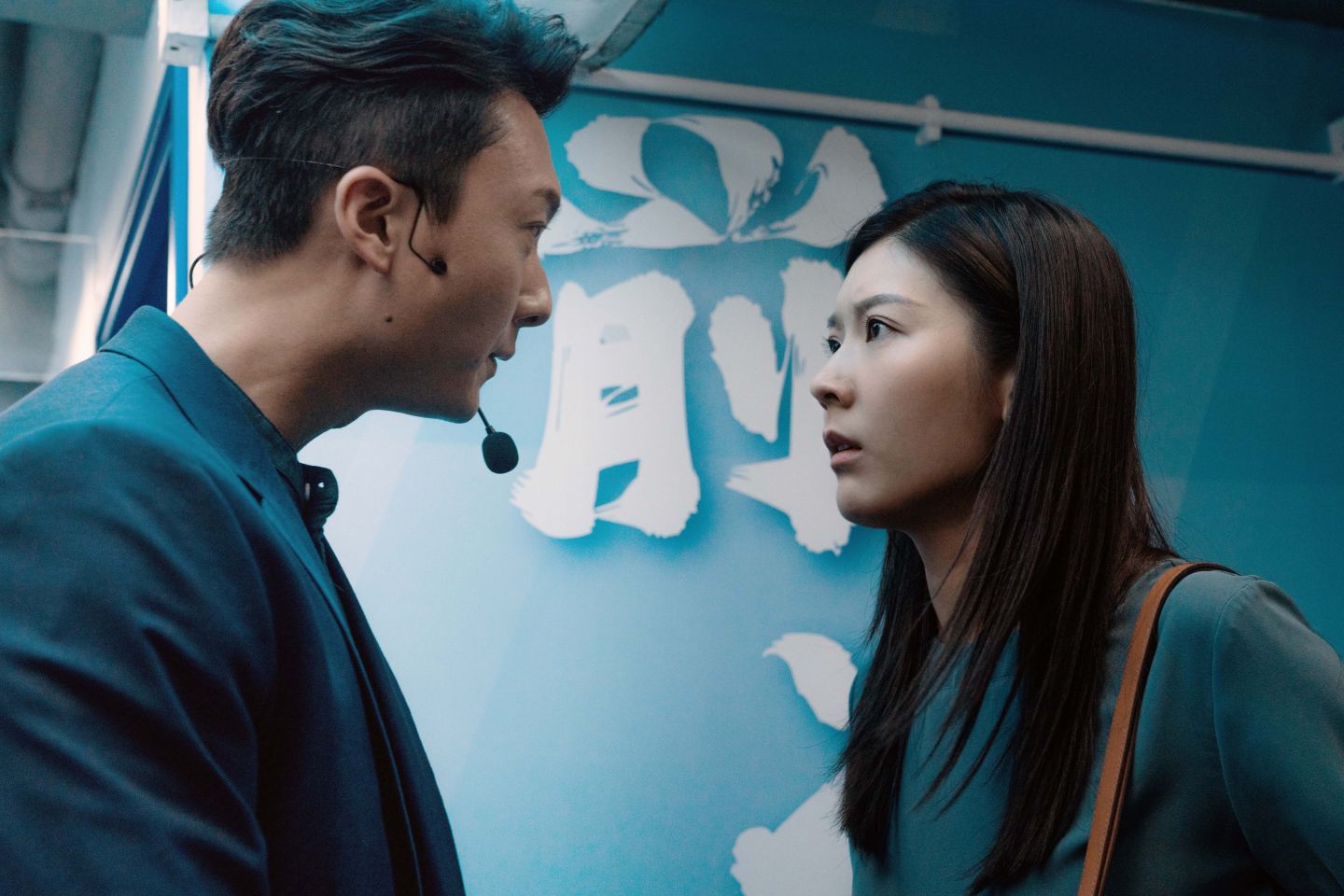
Hong Kong’s Jennifer Yu (Far Far Away, Men on the Dragon, Sisterhood) is this season’s Bright Star Award winner and will attend in person to receive the honour before the screening of her latest film, Pretty Heart, in which she stars as an idealistic high school teacher who is estranged from her headmaster father whom she blames for her mother’s death.
Seven-part anthology film featuring segments directed by Sammo Hung, Ann Hui, Patrick Tam, Yuen Wo-Ping, Johnnie To, the late Ringo Lam, and Tsui Hark exploring the past and future of Hong Kong from the 1950s to today.
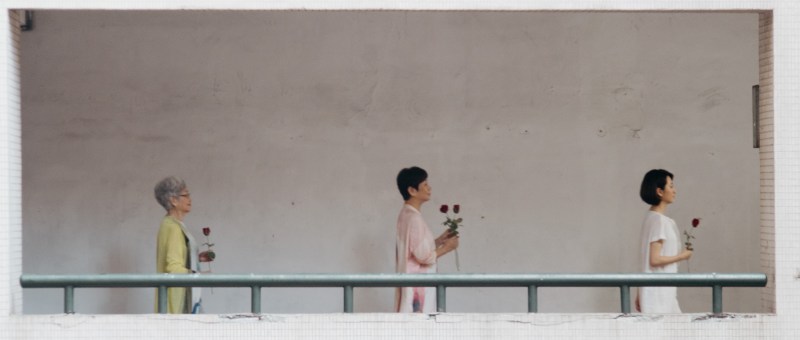
An ordinary middle-aged woman begins to wonder what it’s all been for when dealing with her insensitive, authoritarian husband, distant children, and the sacrifices she continually made to make others happy in CJ Wang’s touching family drama, Reclaim (一家之主, yījiāzhīzhǔ). The Chinese title, master of the house, is in its way ironic in the various ways in which Lan-xin (Nina Paw Hee-ching) is expected to shoulder all of the domestic responsibility with none of the control, though she is indeed attempting to reclaim something of herself as a woman and an individual as distinct from being someone’s, wife, mother, friend, or teacher.
Lan-xin wanted to study art in Paris, but she got married young and started family and ever since then has led a conventional life doing what she thought to be right thing. Now, however, with her husband David (Kou Hsi-Shun) recently retired and both her children grown up she’s wondering a little what it’s all been for especially as David is a chauvinistic throwback who belittles her work as an art teacher while harping on about ways to make money patiently waiting for his collection of antique teapots to rise in value. Now that her mother’s dementia has intensified and she keeps escaping from her nursing home, Lan-xin wants to bring her to live with them but David is both dismissive and disinterested talking about it in the same way one would to a child who wants to get a dog asking if they really have the space and making it clear that looking after her will be Lan-xin’s responsibility.
While David holds on to a substantial cheque with the intention of investing it in a series of harebrained schemes from luxury tombs to VR cafes, Lan-xin’s desire is essentially to try and repair her fracturing family by buying a larger apartment where they could all live together. David complains that no one tells him anything, but that’s largely because he’s continually dismissive of their dreams and aspirations blowing a hole in his daughter’s new project designing eco-friendly homes that prioritise individual comfort by telling her that she should just extend the living area into the balcony to trick people into thinking they’re getting more for their money. Jia-ning (Ko Chia-yen) in particular is feeling lost in her life unsure of what role it is she’s supposed to be playing while clearly disillusioned with the nature of the relationship between her parents in which her mother is expected to sacrifice her desires in service of her father’s. It’s clear that neither of the children want the kind of futures their parents envisaged for them, their professor son also preparing to return from the US to live a simple life in the Taiwanese countryside.
Both of the children, however, take their mother for granted and often treat her poorly. The son orders her to book his plane tickets for him and abruptly hangs up after asking her to clean his room and make his favourite food, while Jia-ning also snaps at her expecting her to handle domestic tasks and locate missing items. Lan-xin forms a quasi-maternal relationship with a former student who has returned from America (Mason Lee) and now works in finance but is faced with the implosion of all her hopes firstly in her daughter’s more immediate needs to claim independence in her working life while avoiding the same compromises she was forced to make, and then by the illusionary nature of her home owning dream buying one home for fragmenting family rather than enduring her dissatisfying living arrangements while investing in separate homes for each of her children.
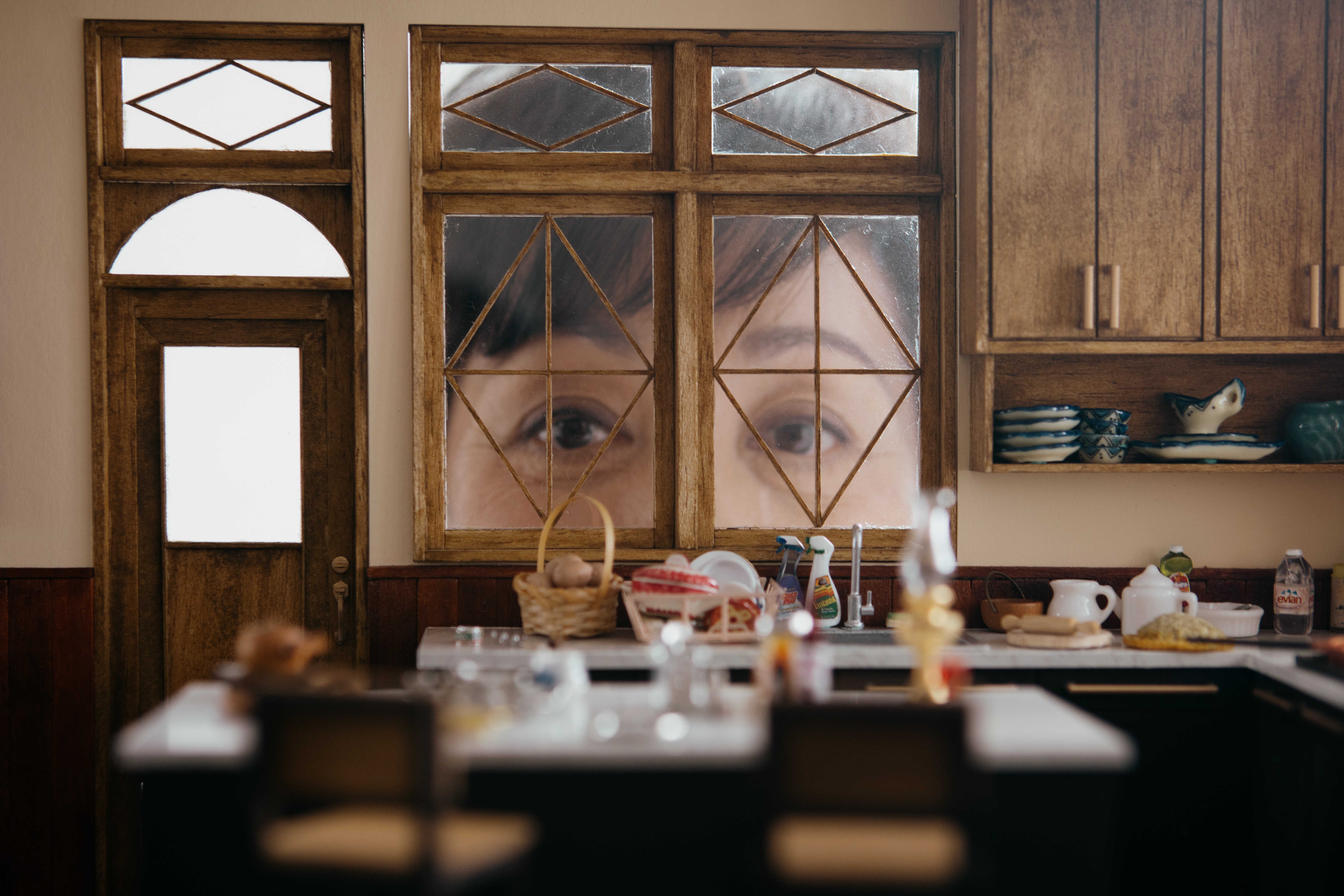
There may be a degree of personal myth making in her meditating on the lost opportunity of a Parisian education as implied in an imaginary conversation with her mother, though as her miniature-making hobby implies perhaps she played the role she wanted to play but lost sight of herself somewhere along the way. A voyage into her own memory reunites her with her essential self and allows her to reclaim her name no longer willing to be subservient to her husband’s desires but prioritising her own. As in her dream, all her sacrifices will eventually be repaid while Jia-ning too comes to a better understanding of her mother and grandmother along with her own place in a changing society. Lan-xin is finally a master of herself no longer afraid to take up space in her own home and in full control of her own aspirations and desires.
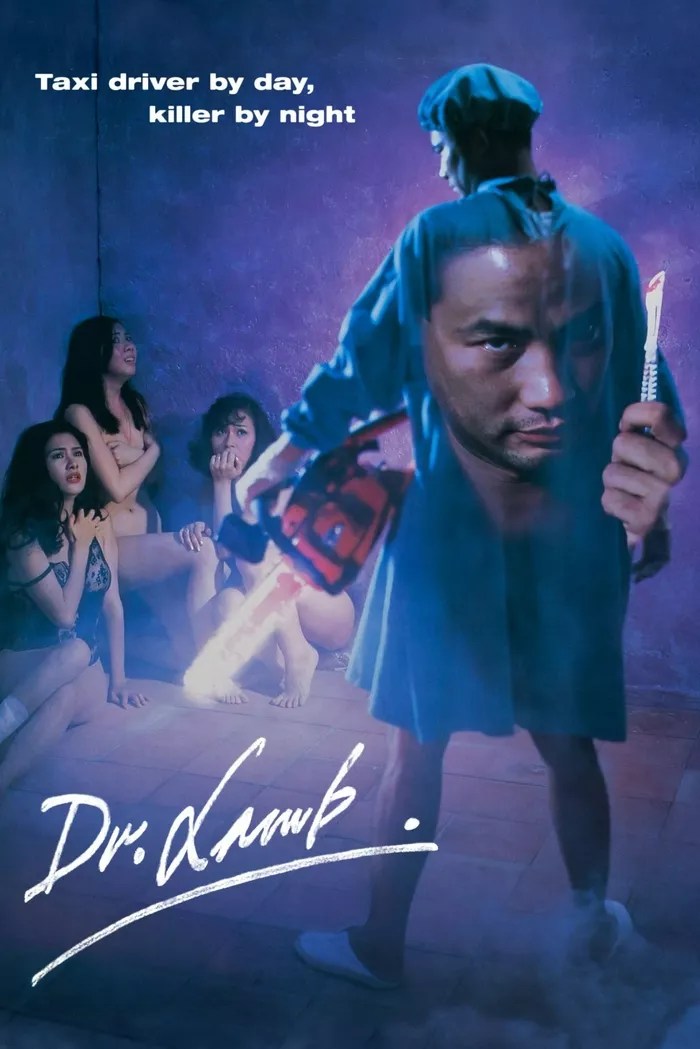
“Every good man should get revenge” the young protagonist of Danny Lee Sau-Yin and Billy Tang Hin-Shing’s depraved Cat III shocker Dr. Lamb (羔羊醫生) is told though as will become apparent, he is not a good man and if his heinous crimes are born of vengeance the target may remain indistinct. Long available only in a censored version which perhaps helped to create its gruesome reputation, the film like others in the early ‘90s Cat III boom is based on a real life case, that of taxi driver Lam Kor-wan who murdered four female passengers before being caught by police when an assistant at a photo shop alerted them to the disturbing quality of the negatives he had brought in to be developed.
As such, the film is not a procedural. It begins with the arrest of a man here called Lin Gwao-yu (Simon Yam Tat-Wah) who claims the negatives are not his and that he brought them in on behalf of a friend named Chang (which is also coincidentally the name of the half-brother he continues to resent). On investigating the flat where he lives with his father, half-siblings, and niece, the police realise that Gwao-yu is in indeed a serial killer and the rest of the film is divided into a series of flashbacks as they try to convince him to confess and reveal how and why he committed these crimes the last of which he actually videoed himself doing.
Nevertheless, the police themselves are depicted not quite as bumbling but certainly not much better than the criminals they prosecute in their own lust for violence, savagely beating Gwao-yu who refuses to speak in order to force him to confess. Fat Bing (Kent Cheng Jak-Si) is portrayed as a particularly bad example, encouraging the other cops to play cards rather than focus on their stakeout of the photo shop almost allowing Gwao-yu to escape and then titillated by the more normal pinups and glamour shots pinned to Gwao-yu’s wardrobe as well as some of the less normal ones before realising that the women in them are dead. There is some original controversy over whether they should be investigating at all given that taking weird pictures of nude women is not in itself illegal while the misogynistic attitudes of the police are carried over onto one of their own officers who is forced to play the part of the victim during a re-enactment and is later struck by a stray body part as a result of Fat Bing’s crime scene incompetence. One of the murders even takes place directly outside a police box where the victim had tried to ask for help but got no reply.
Pressed for a reason for his crimes Gwao-yu offers only that all but the last of his victims were bad women who deserved die, each in a repeated motif fatalistically colliding with his cab and crawling inside having had too much to drink. Flashbacks to his childhood place the blame on his wicked step-mother’s rejection along with that of his siblings while his father alone defends him if somewhat indifferently, describing him as merely “curious” on catching Gwao-yu voyeuristically spying on he and his wife having sex and disowning him only on discovering that he has also been abusing his niece who is strangely the only member of the family who seems to be fond of him. Yet it’s also this problematically incestuous living environment that has facilitated his crimes. Gwao-yu takes the bodies home to play with and dismember having the house to himself during the day because he works nights while continuing to share a pair of bunk beds with the brother he hates at the age of 28 either unwilling or unable to get a place of his own on a taxi driver’s earnings. Aside from his brother noticing a strange smell, the family who all think him weird anyway apparently remain oblivious to Gwao-yu’s crimes despite the jars containing body parts he keeps in a locked cupboard along with disturbing photographs of his dark deeds. Nevertheless it’s their police-sanctioned beating of him which eventually provokes his confessions.
Set off by rainy nights, Gwao-yu twitches, gurns, and howls like a dog leering at his victims like a predatory wolf. In the police interrogation scenes he continues with his strange, dancelike movements as if in a trance reliving his crimes. The truth is that the police had not really investigated the disappearances of the women he killed, had no clue a serial killer was operating, and would not have caught Gwao-yu if it were not for his own lack of interest in not being caught in taking the photos to be developed publicly despite claiming to have the ability to have simply developed them himself while videoing his brutal treatment of one victim’s body and his disturbing “wedding night” with another. A final scene of Inspector Lee visiting Gwao-yu in prison visually references Clarice’s first visit to Dr. Lecter in Silence of the Lambs which might go someway to explaining the title which is otherwise perhaps ironic in Gwao-yu’s ritualistic use of a scalpel and specimen jars. In any case for all its lurid, disturbing content the film has a strange beauty in its atmospheric capture of a neon-lit Hong Kong stalked as it is by an almost palpable evil.
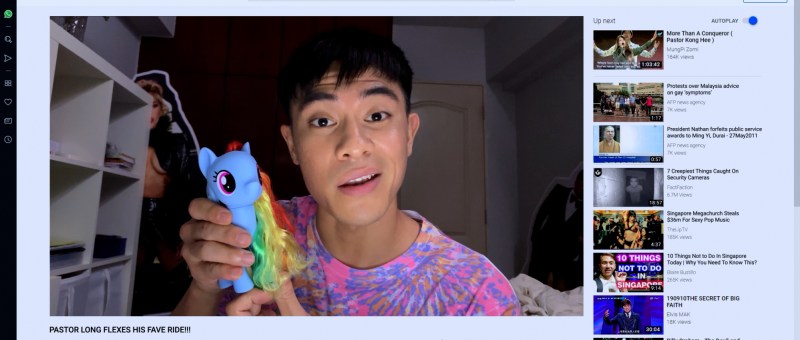
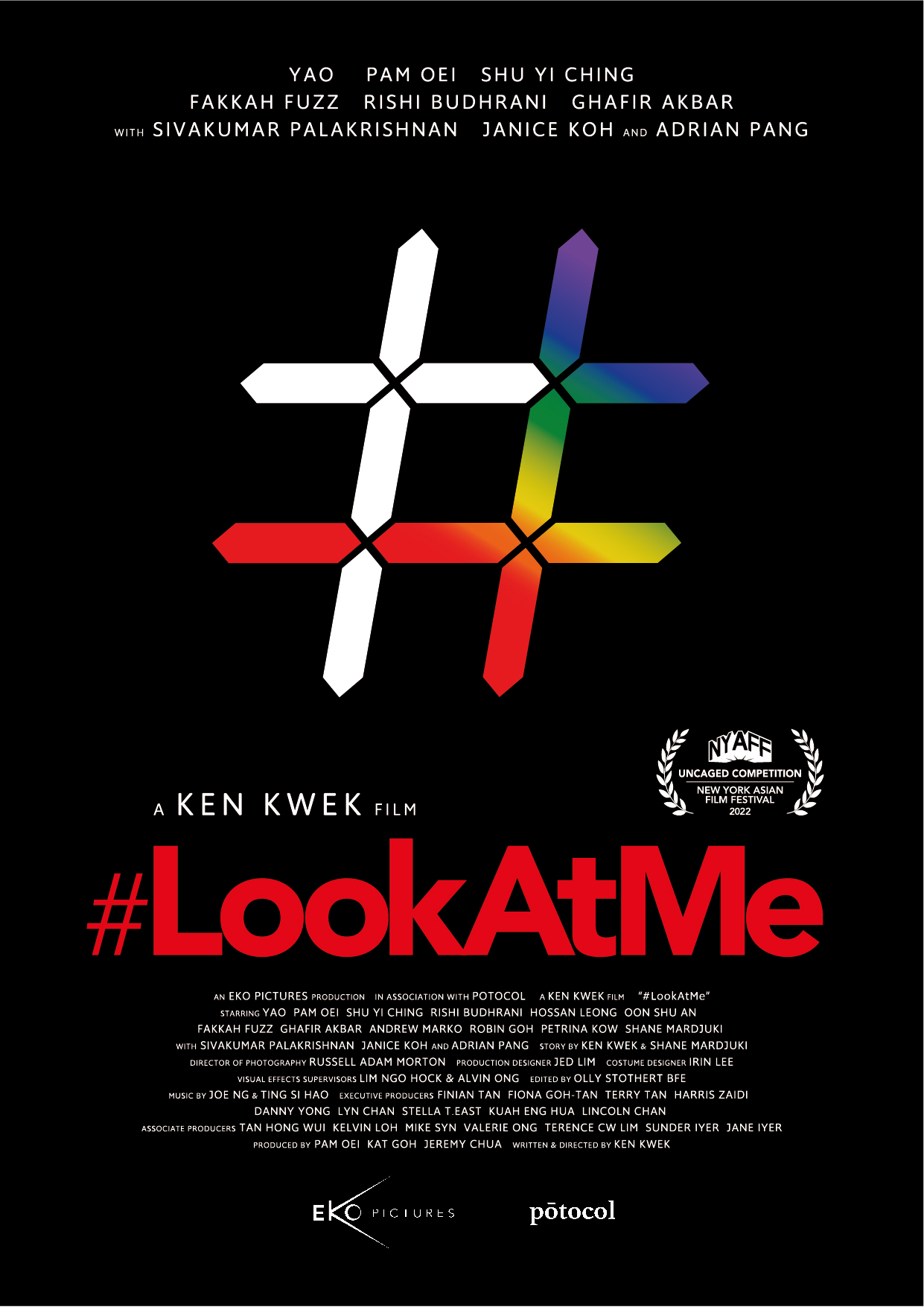
The unequal authoritarianism of contemporary Singapore conspires against an aspiring YouTuber in Ken Kwek’s surreal drama #LookatMe. Opening with a title card explaining that 2015 prominent activists have jailed for breaking arbitrary laws relating to obscenity and illegal assembly, the film throws its progressive hero into a kafkaesque quest for justice after he’s arrested for publishing a video mocking a homophobic religious figure simultaneously asking why it’s alright for a pastor to spout hate speech but illegal to challenge him and pitting the hero’s desire for fame against that for genuine social change.
Sean (Yao) does indeed want fame, running an unsuccessful YouTube channel while alternating between mocking more successful stars and emulating them by playing cruel pranks on his understanding mother in the hope of going viral. His life changes when his girlfriend Mia (Shu Yi Ching), whose parents are religious, invites him, and his gay twin brother Ricky (also Yao), to attend an evening service at her church in an attempt to curry favour. The church turns out to be of the evangelical variety, opening with a Christian rock performance before showman pastor Josiah (Adrian Pang) arrives on stage and embarks on a homophobic rant insisting that he has no problem with gay people but is dead against them overturning Singapore’s colonial era law criminalising homosexual sex. Ricky is obviously upset, unsure why Mia whom he assumed to be progressive would have invited him to such an event, and leaves abruptly upsetting Mia’s father in the process.
Sean is so outraged by the whole thing that after noticing that Josiah gets a lot more hits than he does with his hate speech, he makes a video mocking his messaging and satirically accusing him of bestiality which eventually goes viral but also gets him arrested after the church’s many followers ring the local police en masse. Sean can’t understand why he’s in trouble with the law for publicly insulting a religious leader while Pastor Josiah is seemingly free to spread dangerous and hateful ideas with no fear of challenge or dissent. Banned from social media, he’s picked up again for making an apology video and is then eventually sent to prison for 18 months while facing a defamation trial in his absence.
Even his new cellmates can’t quite believe he’s been put away for something as ridiculous as a YouTube video yet his plight exemplifies the authoritarianism of the contemporary society in which there is no guarantee of free speech nor safe path to protesting injustice. Ricky is later arrested too for “illegal assembly” when he and three friends hold up a banner protesting the case because four people outside together is apparently prohibited by law. As he points out, how are you supposed to hold up a giant banner with only three people? Sean tried to stand up for Ricky, and Ricky does the same for Sean deciding to come completely out of the closet as an LGBTQ+ activist with the support of their mother Nancy (Pam Oei) as they fight for justice but then faces random violence on the streets from homophobic vigilantes while she is later fired from the primary school where she works after refusing to sign an apology or renounce her political views.
The film takes aim at social hypocrisy as Sean is sexually abused by the prison warden while inside, and the pastor seeks to preserve his business interests calmly telling Nancy that he bears her no grudge but won’t drop his defamation suit because he has to protect the Church from similar forms of attack. He says this while lounging around on his yacht while servants bring him drinks, clearly incredibly wealthy from the proceeds of his religious life which whichever way you look at it is not a good look. In any case the film’s ironic conclusion which vindicates Sean and the place of video in social protest cannot but seem a little flippant in its implications which reduce the pastor to the position of hypocritical villain while Ricky’s conversion to Christianity feels like too much of a concession even if making clear that it is not religiosity that is being demonised only those like Josiah who would seek to profit from hate and repression. Nevertheless, Kwek presents an alternately heartwarming and harrowing vision of a close family torn apart by outdated and irrational laws and in the end left only with violence as a potential motivator for change.
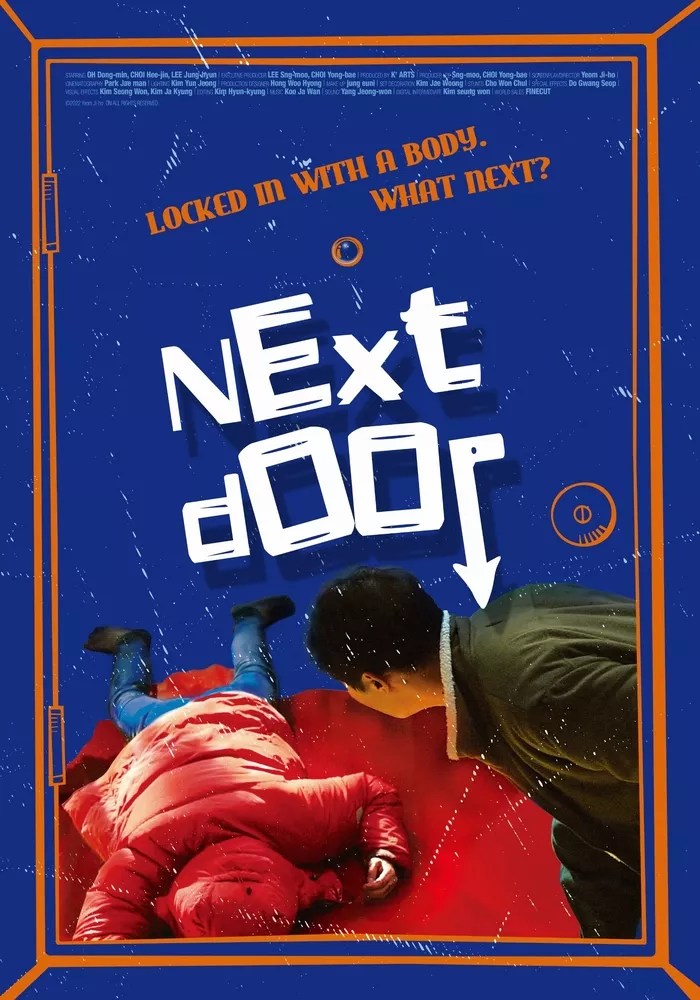
How much do you know about what’s going on with your neighbours? Chan-woo (Oh Dong-min) thinks he knows quite a bit because they never seem to stop arguing and the walls in this building are surprisingly thin, but as it turns out he didn’t really know very much at all nor to be honest did he really care. Yeom Ji-ho’s graduate film Next Door (옆집사람, Yeop Jib Salam) is a tense mystery farce in which an aspiring detective tries to investigate his way out of trouble and somehow ends up coming out on top almost despite himself.
Chan-woo has been unsuccessfully studying for the police exam for the last five years and hopes that his run of miserable failure is about to come to an end, that is as long as he can get himself together to submit the application by 6pm the following day. One of the many problems with that is that Chan-woo has a cashflow problem and there’s not enough in his account to pay the fee so he has to ring a friend who agrees to lend him money but only if he comes out for a drink. Reluctantly agreeing, Chan-woo fails to correct his friends when they assume he’s already passed the test and become a policeman only to get blackout drunk and create some kind of disturbance before waking up in an unfamiliar environment next to what seems to be a corpse surrounded by blood. After a few moments of confusion, Chan-woo realises he must have crawled in next-door in a drunken stupor and returns to his own apartment but discovers that he’s left his phone behind which is inconvenient in itself but especially as it’s now evidence that he was present at a crime scene which won’t look good on his police application form.
To be honest, Chan-woo is not the sharpest knife in the drawer and it’s not until he’s been in the apartment, where he is trapped because the hallway is currently full of religious proselytisers, for some time that he remembers about fingerprints and DNA while deciding to do some investigating to figure out what might have been going on the previous evening. His friend’s messages suggest he has a history of becoming violent and aggressive while drunk and may have gotten into some kind of altercation all of which has him worried that he actually might have been involved in the corpse’s demise.
Meanwhile all he ever did was complain about the noisy woman in 404 who was frequently heard arguing with a man. As an aspiring policeman perhaps he should have checked in on her to make sure she hadn’t become a victim of domestic violence rather than blaming his neighbours for his poor performance. To begin with, he assumes the body must be that of the woman’s boyfriend, but also makes a series of sexist assumptions while looking around the apartment and finding evidence that the person who lived there was a tech wiz immediately assuming that all the computer equipment must belong to the boyfriend. Similarly he decides the girl is probably an airhead after finding photos of her on the corpse’s phone because she is pretty and fashionable. When she finally turns up with bin bags and cleaning supplies, Hyun-min (Choi Hee-jin) first challenges Chan-woo on discovering him hiding in her closet but then changes her tune to appeal to Chan-woo’s vanity playing the helpless young woman looking to him for protection and in effect welding his sexism against him.
His desire to play the hero may be behind his intention to become a police officer but then he’s not exactly a paragon of virtue himself. On discovering the body, we see him raid a piggy bank and pocket a note from the corpse’s wallet to solve his financial problems before thinking better of it and putting everything back where it belongs. He agrees to help Hyun-min deal with the body partly to protect her and partly to protect himself from his proximity to the crime all while trying to make sure he gets back to his own apartment to send the application form before the deadline. Even the landlady eventually offers him a discount on his rent in return for keeping quiet so the murder in the building won’t affect her business. “They were terrible people” he tells her when she repeats a rumour that Hyun-min got into a fight with a jealous boyfriend over money which might not be completely unfair even though he knows the rumour isn’t true and is not entirely blameless himself. A masterclass in blocking and production design, Yeom’s deliciously dark farce suggests it might be worth keeping a better eye on your neighbours in all senses of the term.
Teenage romance is always complicated, but it seems wilfully so for the couple at the centre of Du Zheng Zhe’s high school rom-com, My Best Friend’s Breakfast (我吃了那男孩一整年的早餐, wǒ chī le nà nánhái yī zhěng nián de zǎocān). Du’s adaptation of the popular novel by Misa lacks the quirky post-modernism with which Taiwanese romantic comedies have come to be associated save a few fantasy sequences and the heroine’s dialogues with possible versions of her future self, opting instead for a more much more conventional tale of miscommunication and the potential costs of failing to speak one’s true feelings at the right time.
High schooler Wei-xin (Moon Lee) is in any case sceptical of romance as her parents have recently divorced after years of arguing about money and their conflicting views on success and happiness. Her classmate Yuan-shou (Edison Song Bai-wai), who has an obvious crush on her, convinces Wei-xin to take part in the school concert in exchange for receiving a milk tea every day, while she also makes a habit of eating the breakfasts sent to her best friend, popular girl Qi-ran (Jean Ho), by her various suitors. She then runs into top swimmer You-quan (Eric Chou) who chips in when she’s sort on her pineapple bread snack and starts hanging out with him after witnessing his awkward breakup with an unfaithful girlfriend.
A brief note of social commentary is introduced as the pair bond over their stigmatised familial circumstances, Wei-xin fearing You-quan will look down on her when she explains her parents are divorced while he reveals he feared the same because his father has passed away and his mother is working in the US while he lives in one of the school dorms. The problem is, however, the central miscommunication in their by-proxy courtship in which You-quan starts sending breakfasts to Qi-ran which are obviously intended for Wei-xin though she remains oblivious both of You-quan’s feelings and those of Yuan-shuo. Assuming that You-quan is interested in Qi-ran she keeps quiet, as does he and everyone else giving rise to a lot of totally unnnecessary emotional suffering for all involved.
Then again Wei-xin’s romantic predicament pushes her into an intense contemplation of her future, engaging in conversation with possible versions of herself in 15 years’ time firstly as a lonely, overweight woman who lives only to eat, and then as a cool and super-confident musician, each of them helping her figure out her feelings and what to do about them. Meanwhile, her youthful romance is contrasted with her parents’ failed relationship which apparently began when they were both carefree teens with no responsibilities and eventually broke down when faced with the realities of supporting each other as a family. While Wei-xin’s musician father has continued to follow his dreams even if they never payoff, her mother has become an unhappy workaholic desperate to work herself out of debt but also perhaps resentful in having given up on love for the illusion of financial security.
What Wei-xin learns is that it’s better to be bold and have no regrets than risk becoming the version of her future self who is embittered and resentful that she never told her teenage crush how she felt. These teens do at least seem to have a fairly mature attitude to romantic disappointment, taking rejection with good grace and resolving not to let the awkwardness of a failed romantic confession ruin a friendship. One unexpectedly compassionate teen receives a declaration of love from a same sex crush in the midst of wailing about their own romantic heartbreak and though they do not return their feelings immediately embraces them in empathising with their emotional pain while another reflects on a bad breakup and traumatic incident to work on themselves and gain inner confidence before winning back their former love.
Given all that the idealism of the film’s conclusion may sit a little oddly if perfectly positioned to appeal to a teen audience with an archetypal romantic moment, but is to a degree earned in teen’s path towards emotional honesty and the necessity of being brave enough to accept the risk of heartbreak in chasing their romantic destiny. Perhaps free breakfast delivered to your best friend by proxy is as a good a way to say I love you as any other.
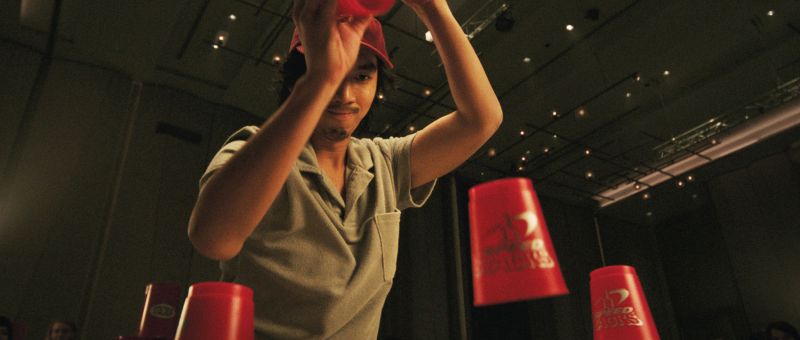
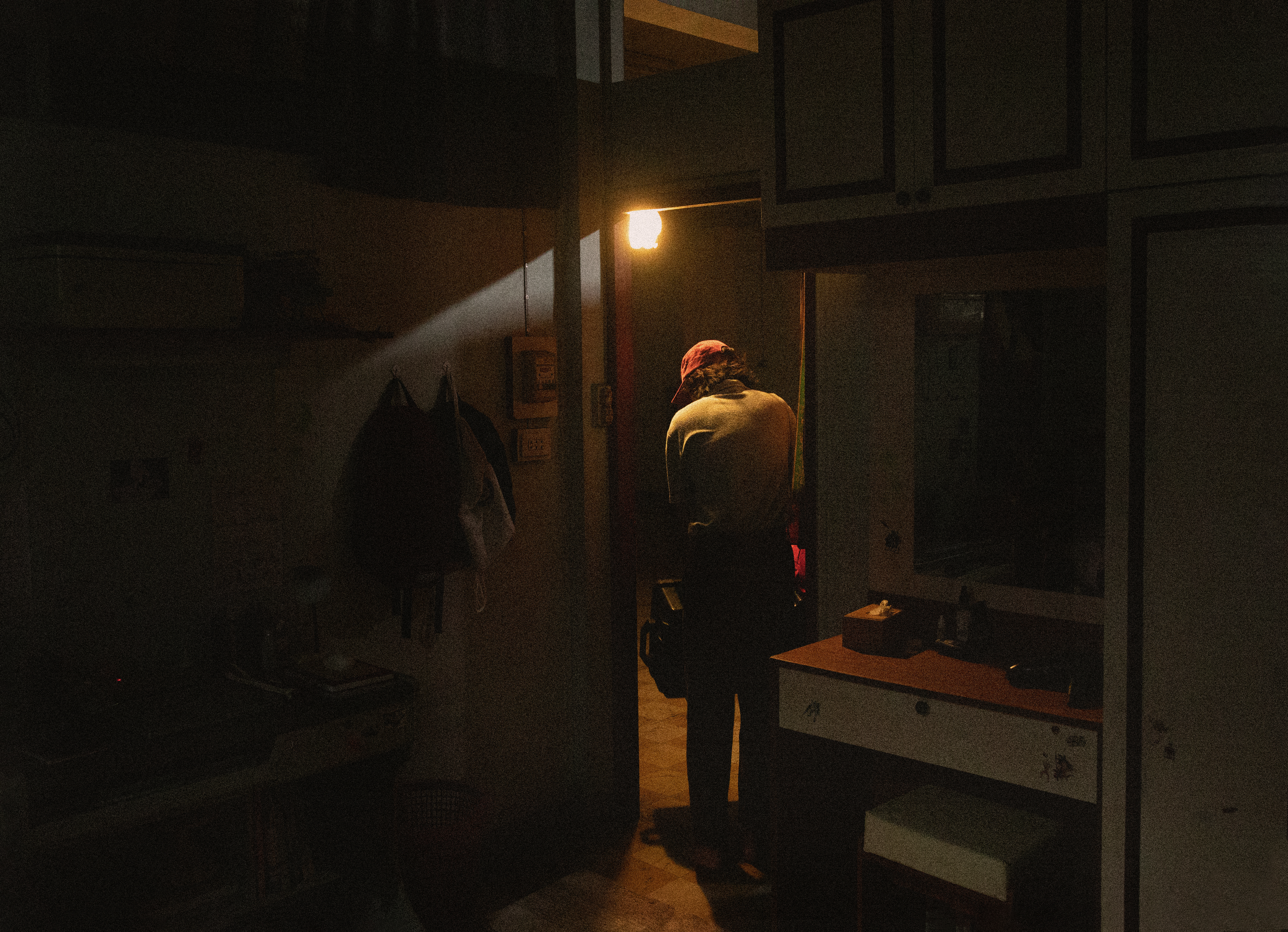
A 30-something couple find themselves pulled in different directions by their conflicting desires in Nawapol Thamrongrattanarit’s post-modern comedy, Fast & Feel Love (เร็วโหด..เหมือนโกรธเธอ). As the title implies, the self-involved hero is eventually forced to accept that his success is founded on the support of those around him while belatedly stepping in to adulthood in undergoing a baptism of fire learning basic life skills along with the confidence to look after himself in a new world of grownup responsibilities.
Jay (Urassaya Sperbund) and Kao (Nat Kitcharit) met as outsiders in high school, she excelling in English but not much else aside from her love of plants, and Kao obsessed with the art of sport stacking and dreaming of becoming a champion. 10 years later the pair are still a couple, kind of, living in a well-appointed home which they technically co-own though its clear Jay is shouldering the mortgage along with all the other domestic responsibilities. Kao is technically arrested in childhood, spending all of his time shut up in his room practicing sport stacking oblivious that others in his life have sacrificed themselves on his behalf. Jay used to think that it was all worth it as long as Kao achieved his sport stacking dreams but now she’s reached a crisis point realising that for everything she’s done for Kao she’s got very little back and if she waits much longer her own small dream of becoming a mother and having a conventional family life may pass her by.
There is something of an irony in the fact that all of Kao’s major challengers are young children though as he points out sport stacking is an egalitarian sport in which things like age, gender, and nationality are irrelevant. Having successfully broken a record, Kao begins receiving creepy phone calls from a new rival, Edward, a little boy in Colombia who complains to his mother asking why people can’t go on stacking forever only for her to point out that adults have other things in their lives they have to attend to though Edward simply doesn’t understand. To begin with, Kao doesn’t either because he’s been lucky enough to be surrounded by people who supported his dream and went out of their way to make it easy for him by relieving him of basic tasks so that he could devote himself entirely to sport stacking. Because it had always been this way, it never really occurred to Kao that he needed to grow up and begin taking some responsibility for himself or at least acknowledge the sacrifices others were making on his behalf.
When Jay eventually leaves him fearful that she’s wasted too much time and he’s never going to change, Kao is suddenly confronted by the frightening world of adulthood in which he must finally learn to look after himself while simultaneously accepting that it’s alright to ask for and receive help while helping others in return. What appealed to him about sport stacking was that it could be done alone, yet he failed to use the sport to block out everything else but was perpetually bothered by the intrusions of ordinary life his concentration ruined by the slightest noise. What he learns is that he cannot, and does not want to, win alone but only thanks to the support he receives from those around him while accepting that perhaps it’s time to move on from competitive sport stacking.
Nawapol Thamrongrattanarit throws in plenty of meta references as Kao breaks the fourth wall or laments that he thought this was supposed to be an action movie but he’s hardly done any stacking at all and people might be disappointed. An extended running gag directly references Bong Joon-ho’s Parasite, while one of the kids Kao teaches at the sport stacking club talks like a gangster because she’s apparently watched too much John Wick. Even so, the relationship between Jay and Kao is drawn with a poignant naturalism rather than rom-com superficiality that allows Kao to accept that it’s time for them both to do what makes them happy even if that means they may not be able to stay together while little Edward seems to come to the same conclusion, ahead of the game in realising that a prize you don’t really want may not be worth winning.










 Windows on Worlds