Blue Ribbon Awards Announces Nominations for 66th Edition

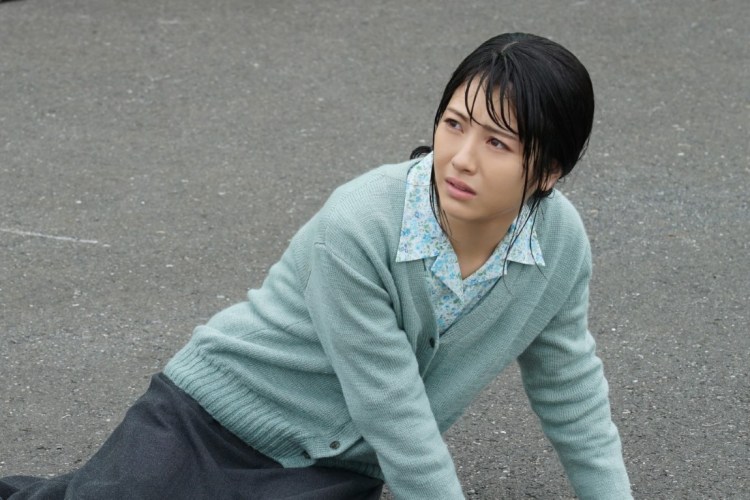
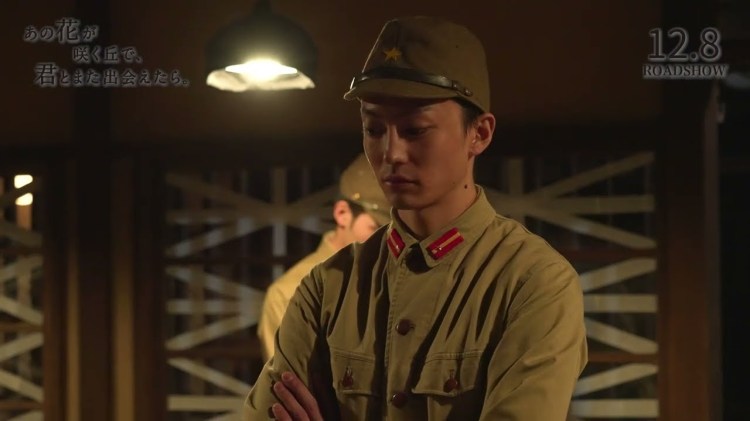
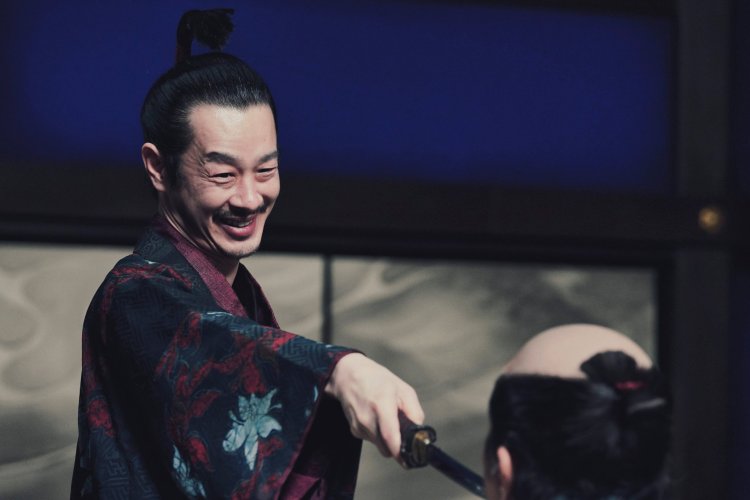
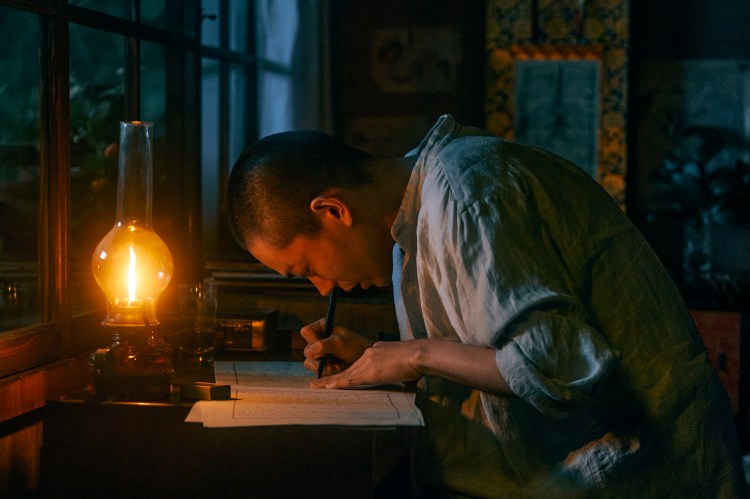
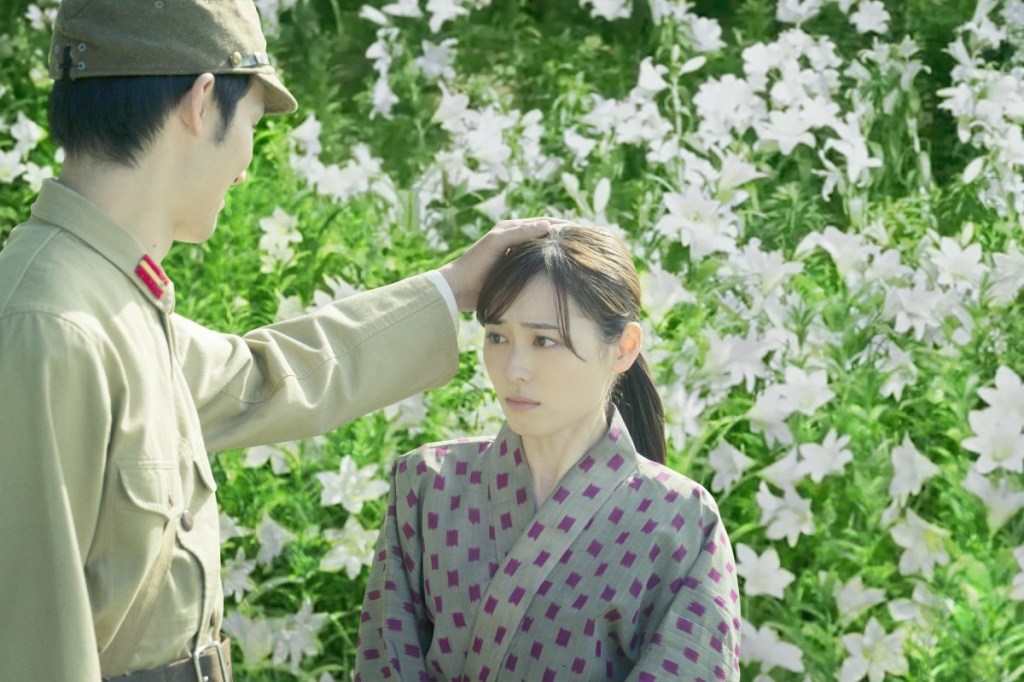
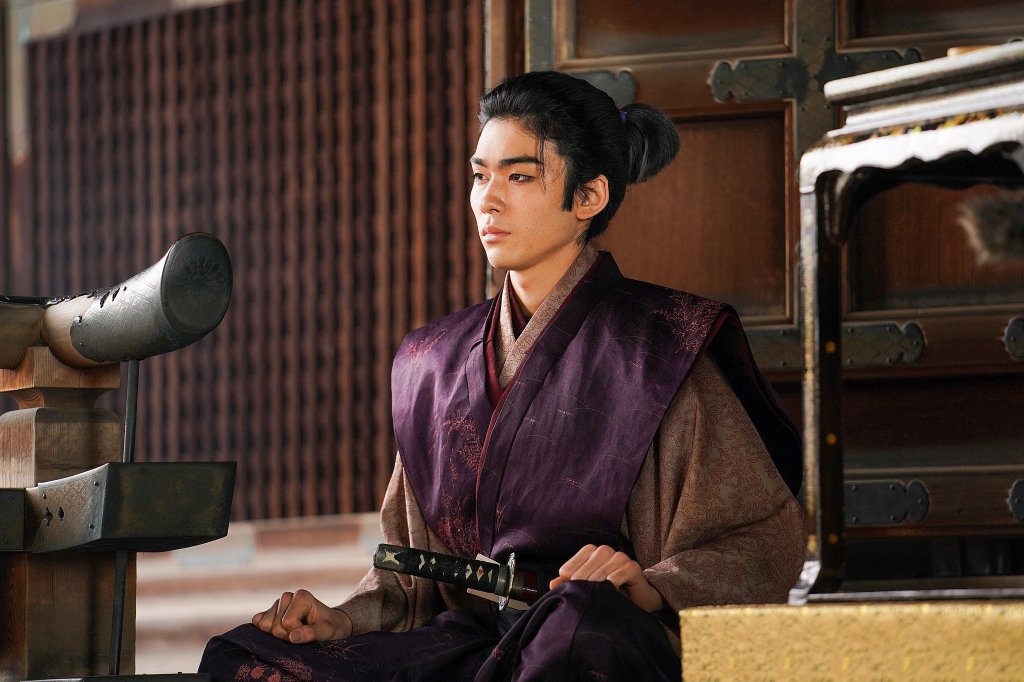
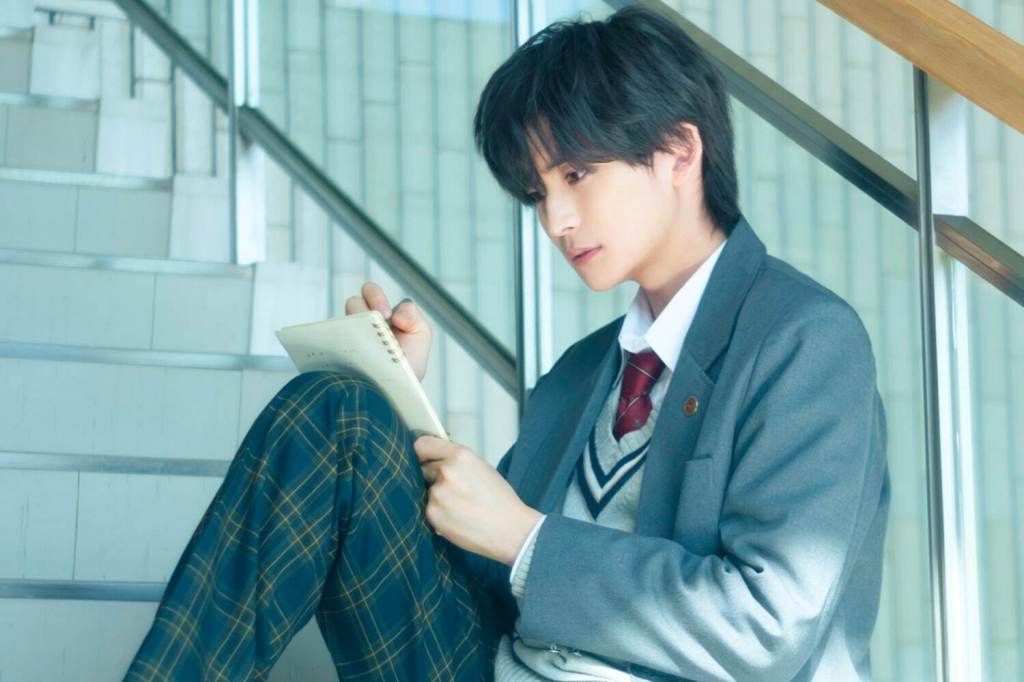
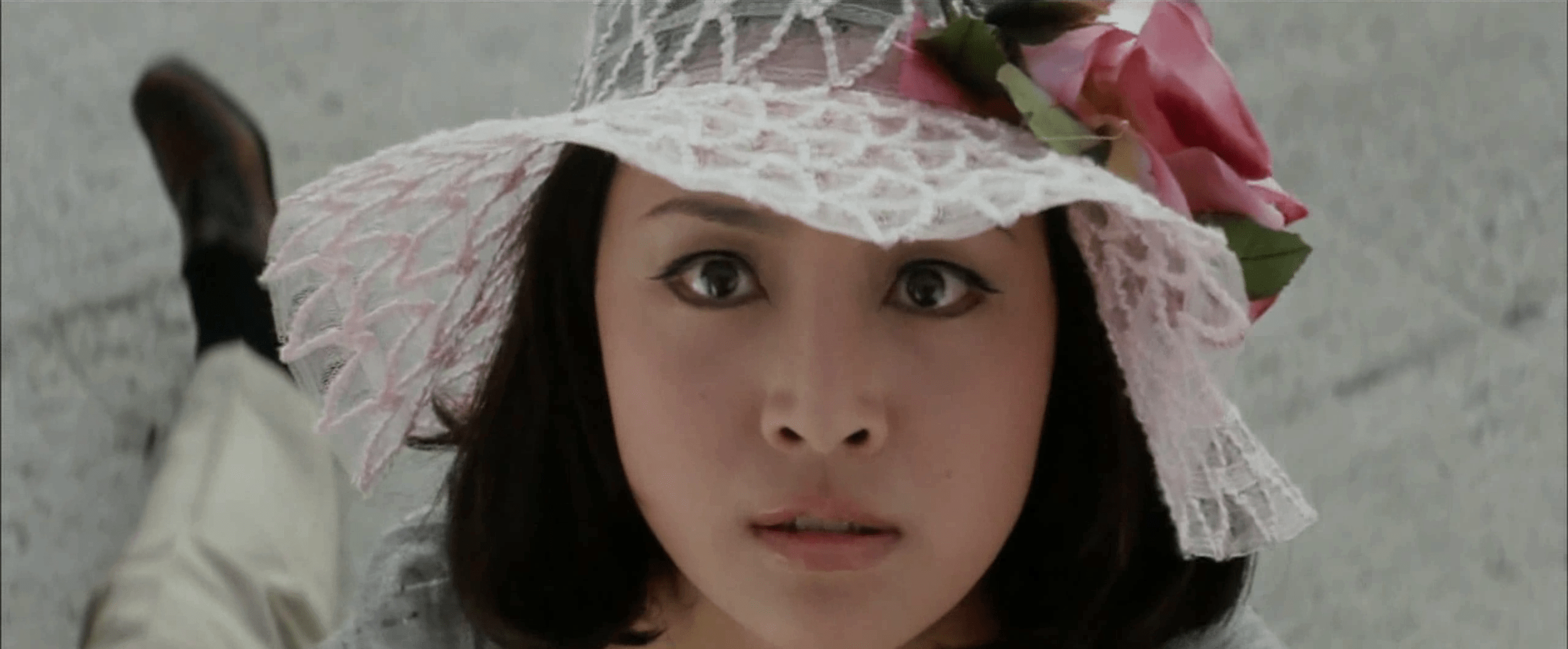
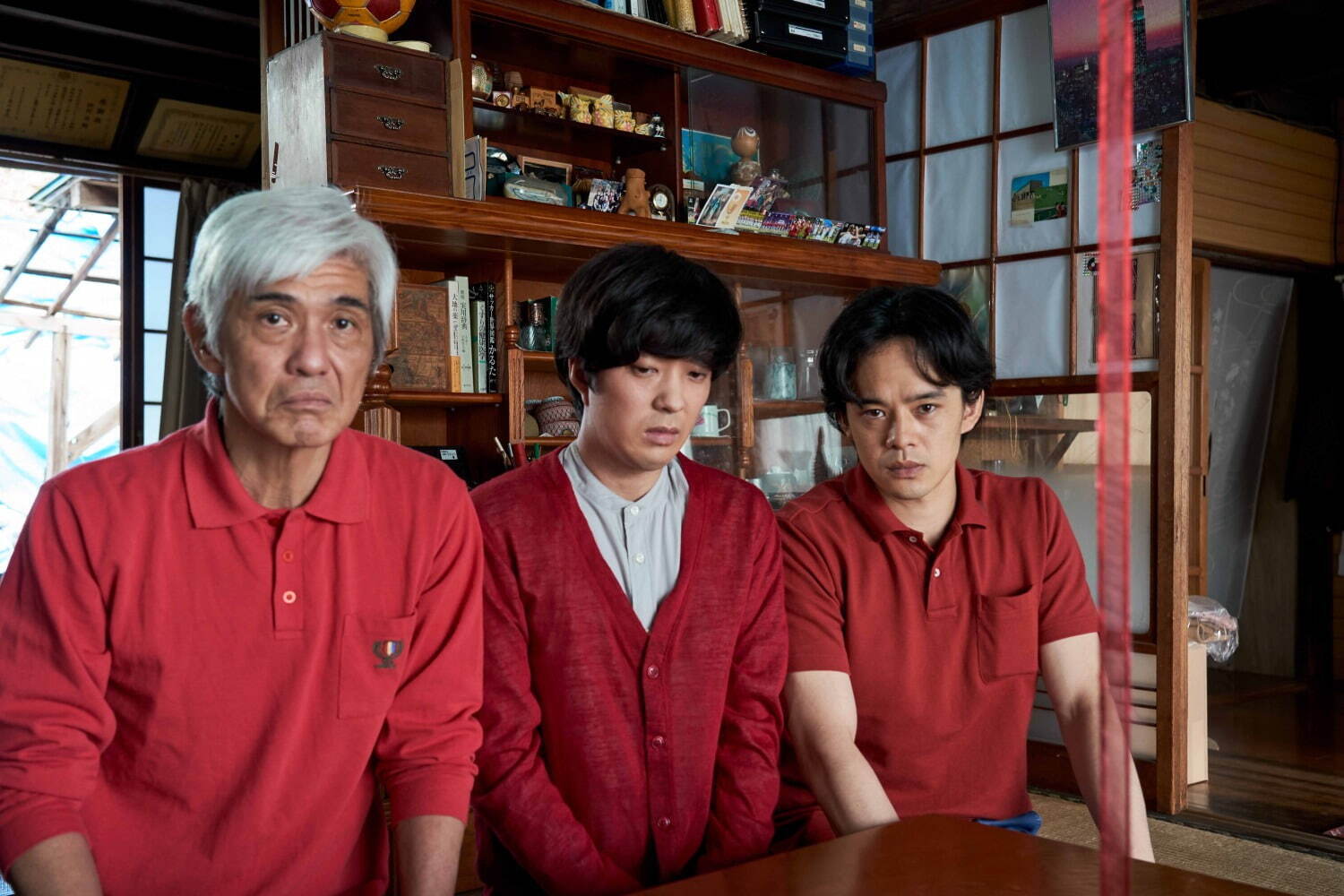
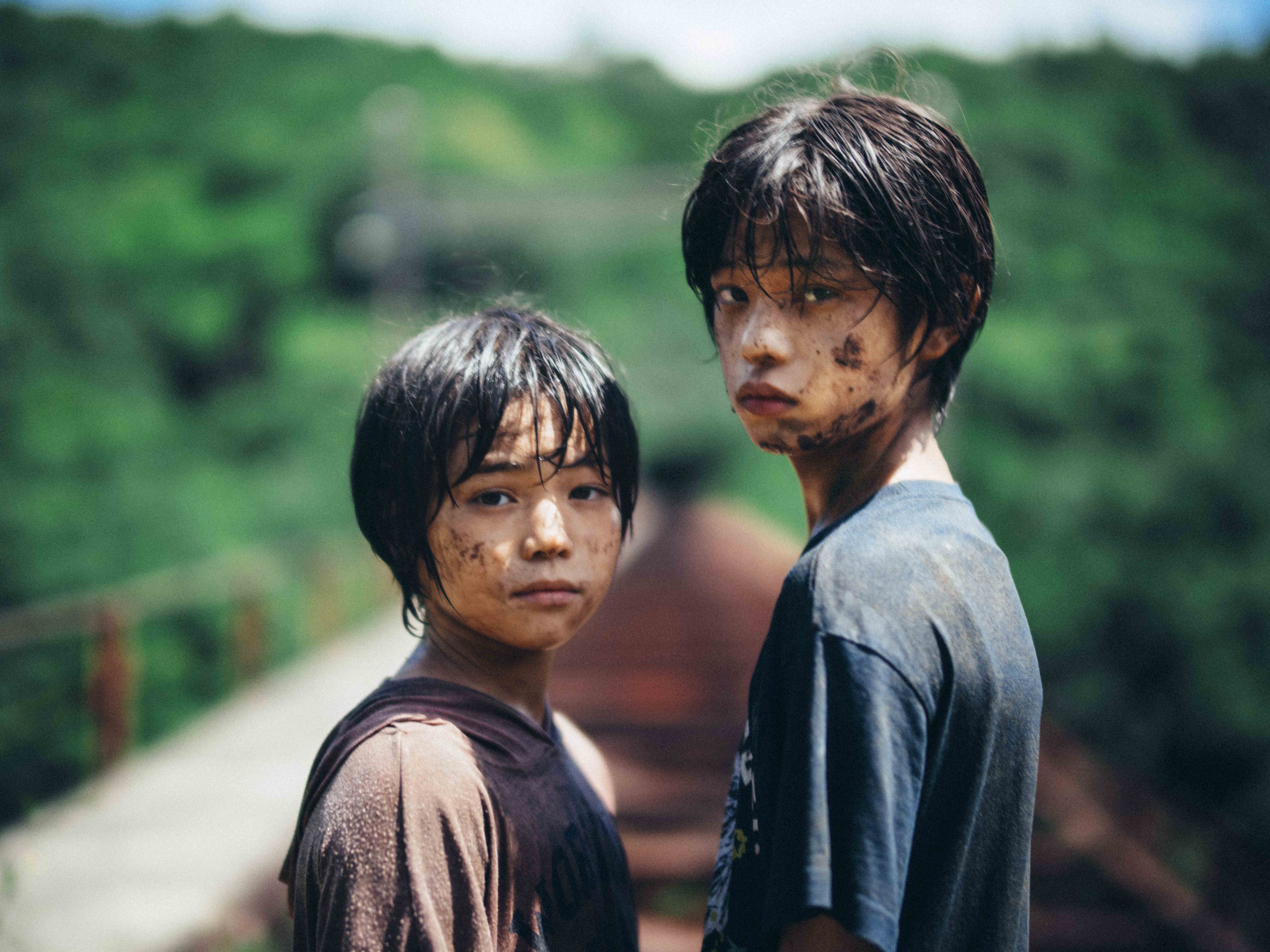
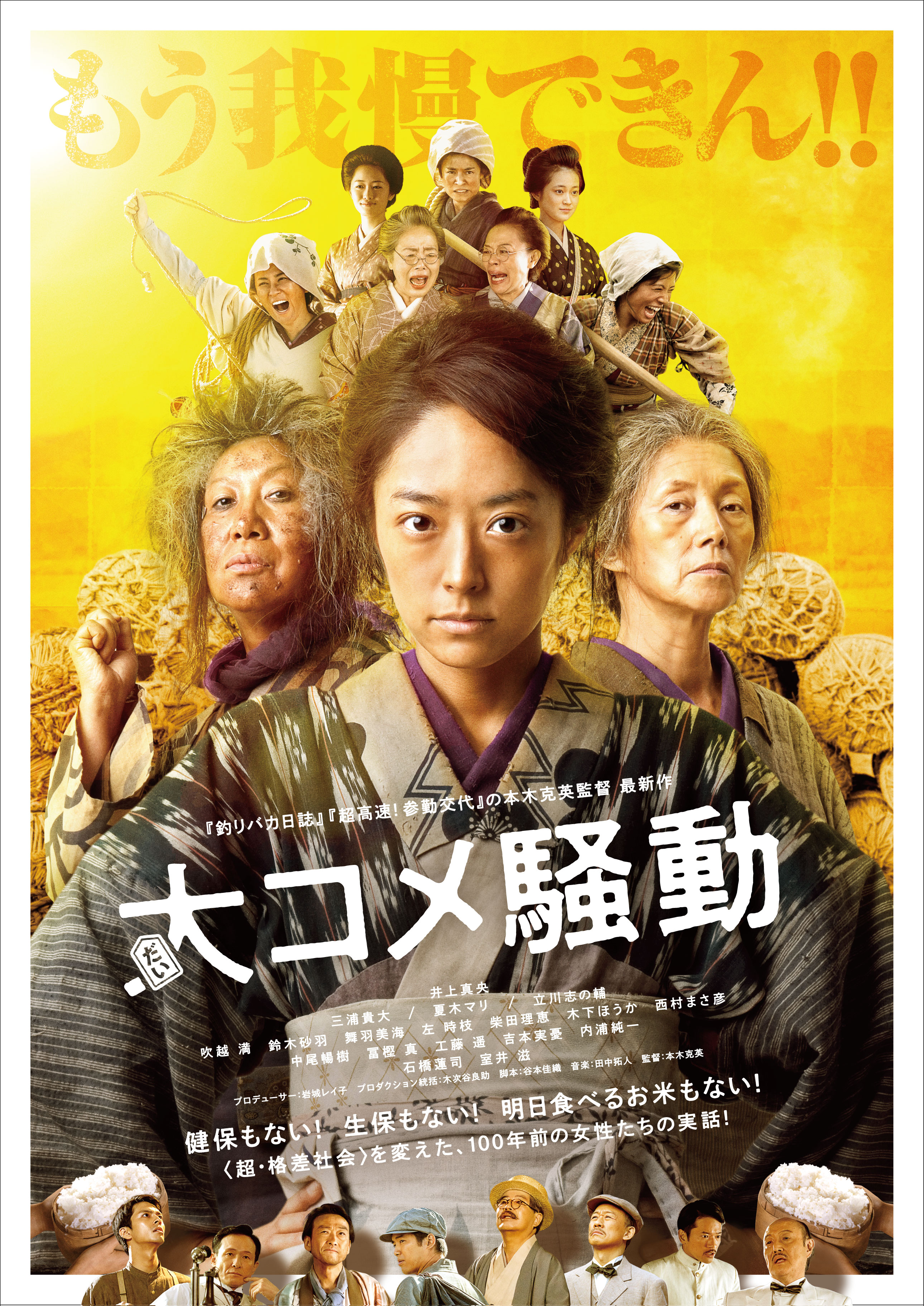
Presented by the Association of Tokyo Film Journalists, the Blue Ribbon Awards has announced its nominations for the 66th edition honouring films released in 2023. This year’s front runners are Yuya Ishii’s The Moon and Daishi Matsunaga’s Egoist which each pick up five nominations while Ishii also scores four for Masked Hearts.

Best Film 

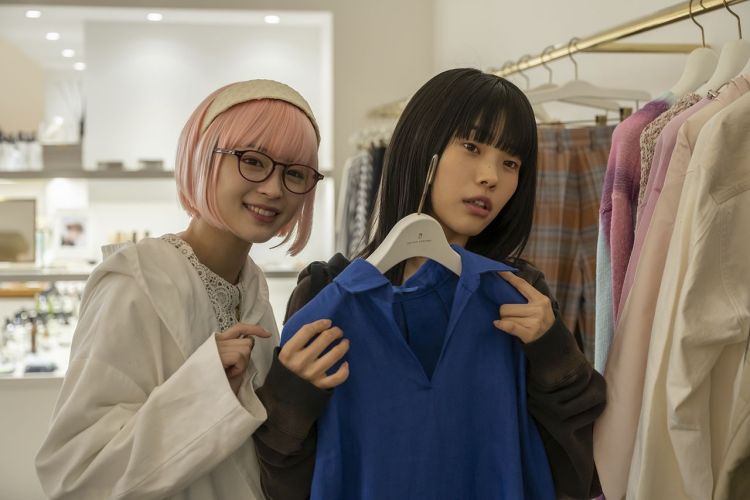
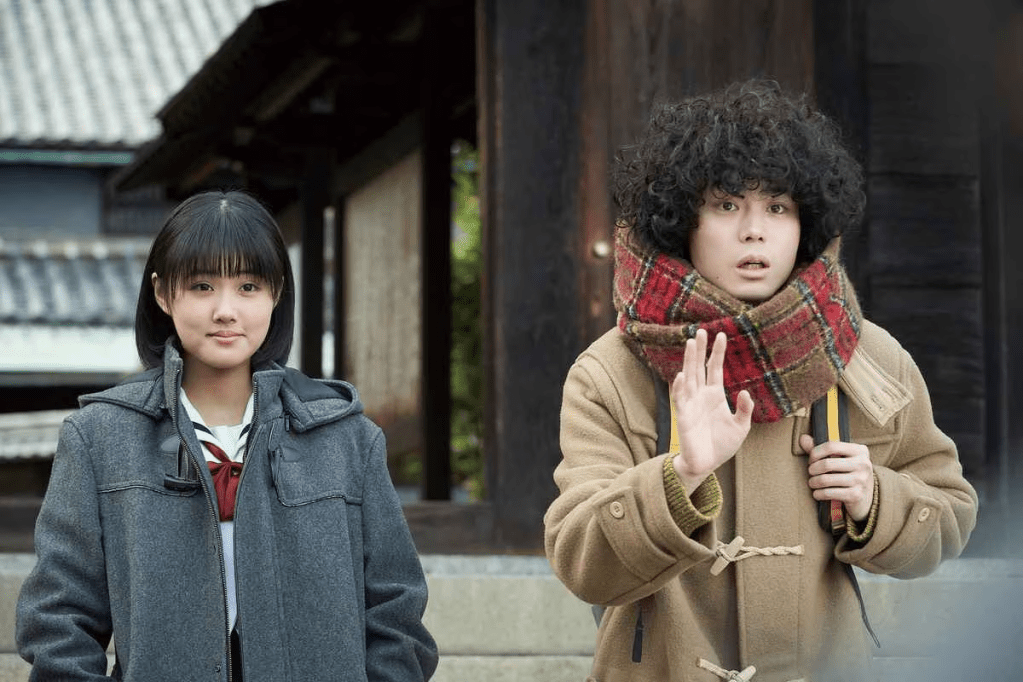
  • Masked Hearts – raucous comedy from Yuya Ishii in which a struggling film director returns home.
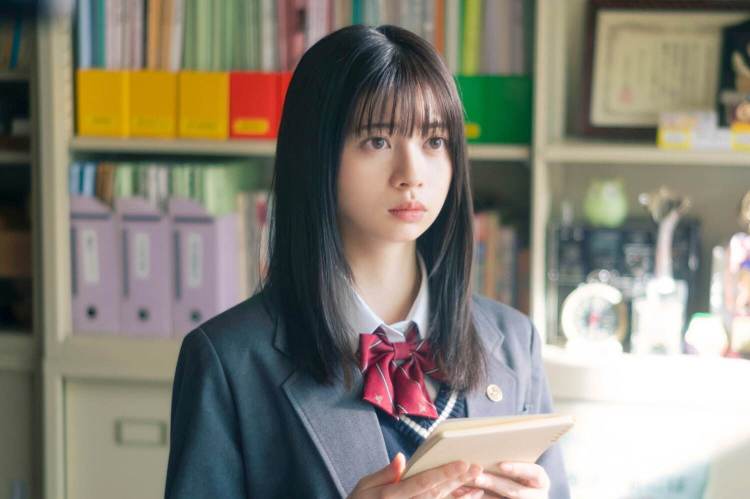
  • Ichiko – stage play adaptation starring Hana Sugisaki as a mysterious woman who suddenly disappears.
  • Egoist – a fashion editor reflects on the nature of love after falling for a personal trainer in Daishi Matsunaga’s deeply moving romantic drama.
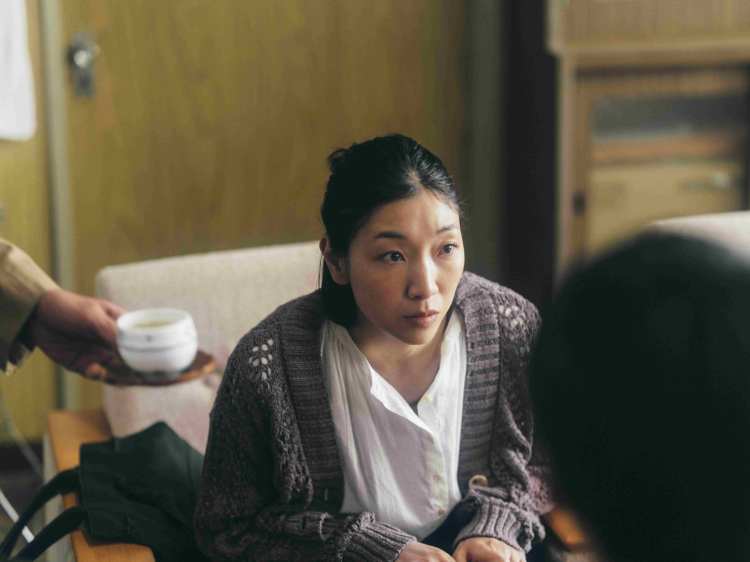
  • Monster – latest from Hirokazu Koreeda starring Sakura Ando as a mother who confronts a teacher after noticing changes in her son’s behaviour.
  • The Dry Spell – a literal drought becomes a metaphor for bureaucratic heartlessness in Masaya Takahashi’s empathetic social drama.
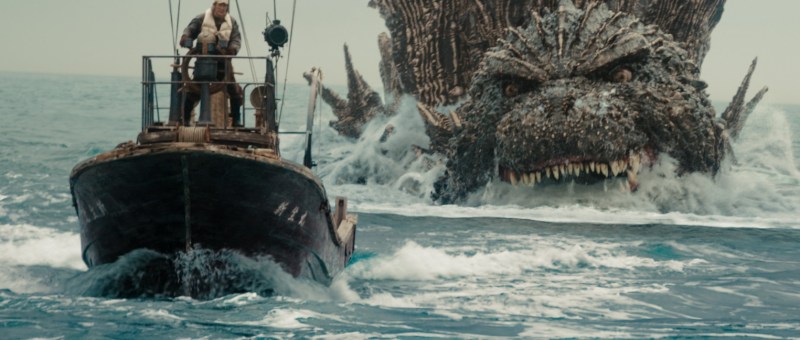
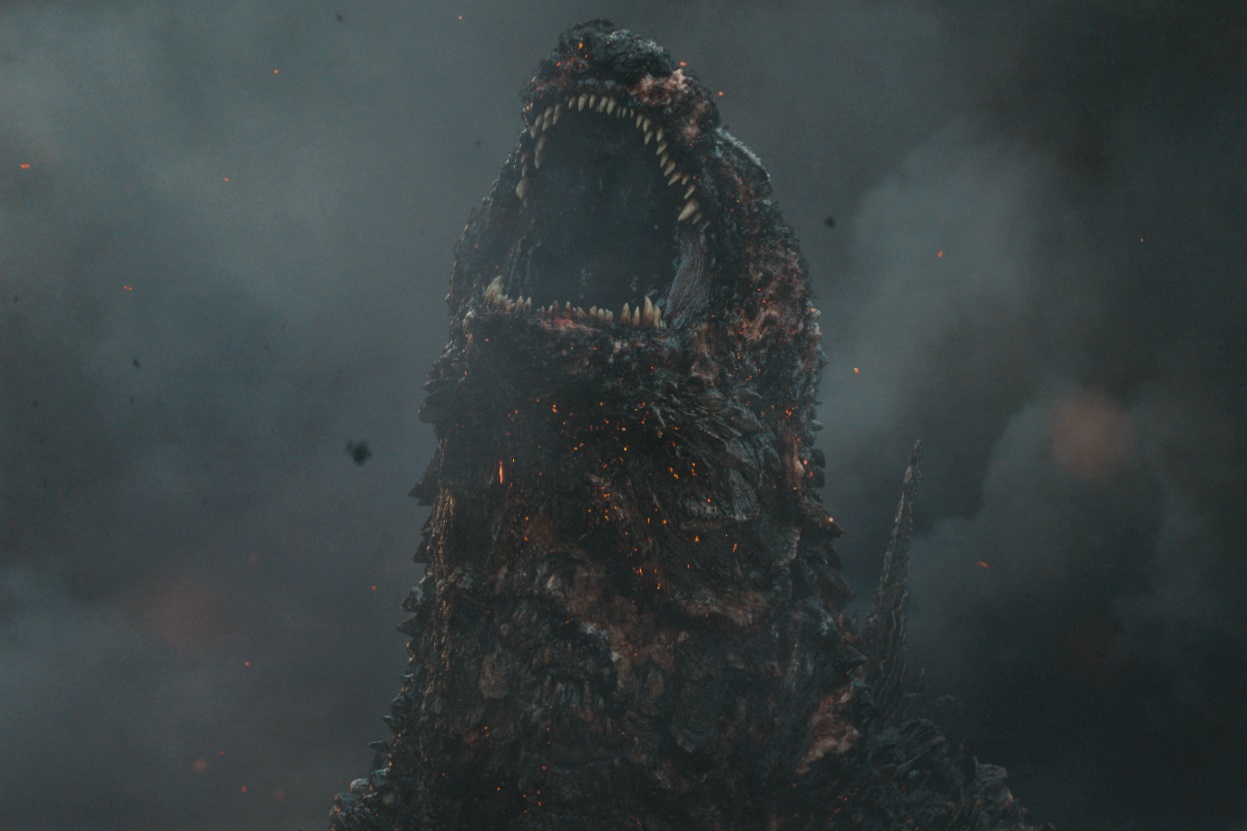
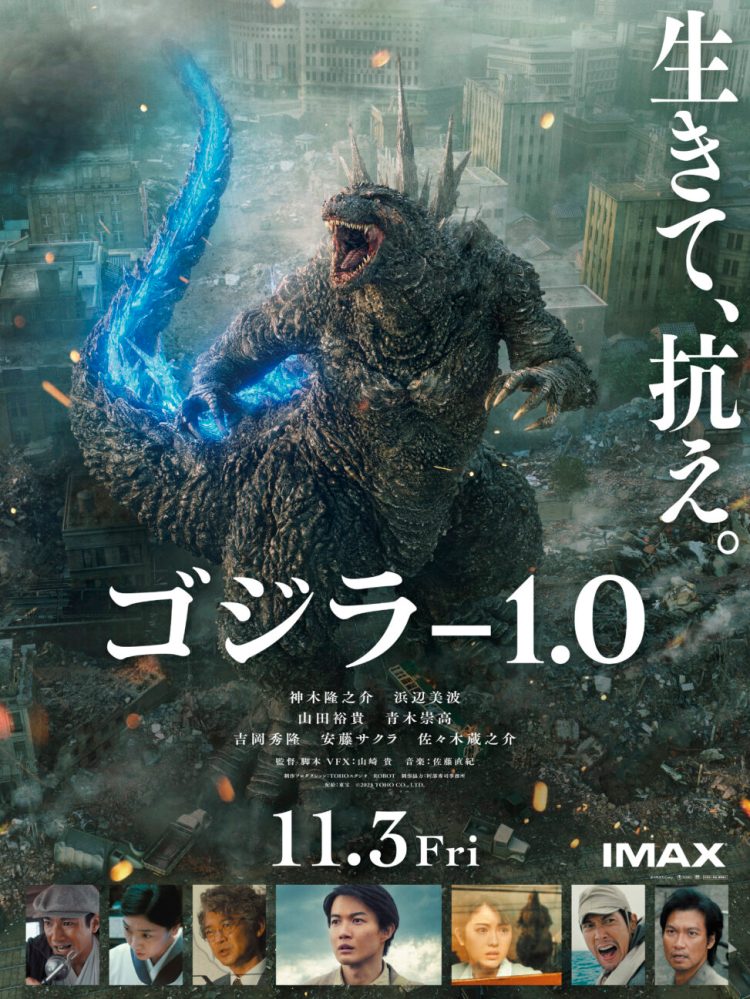
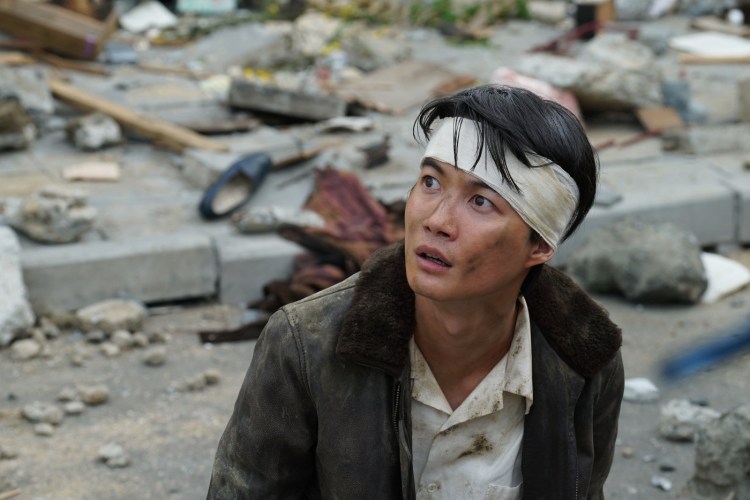
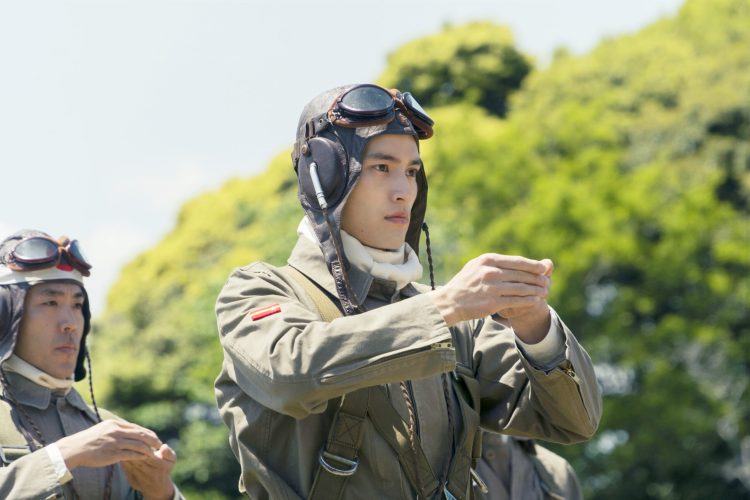
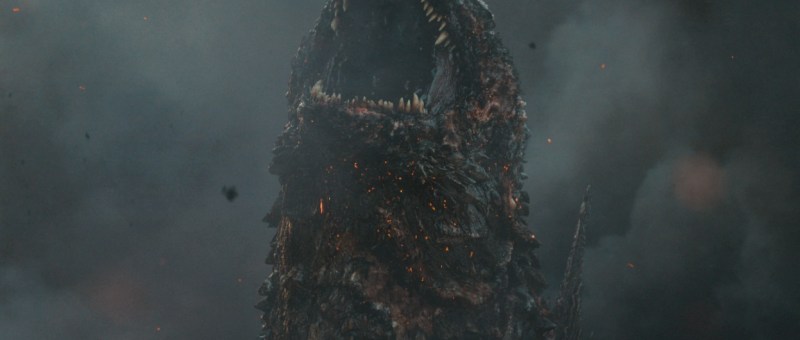
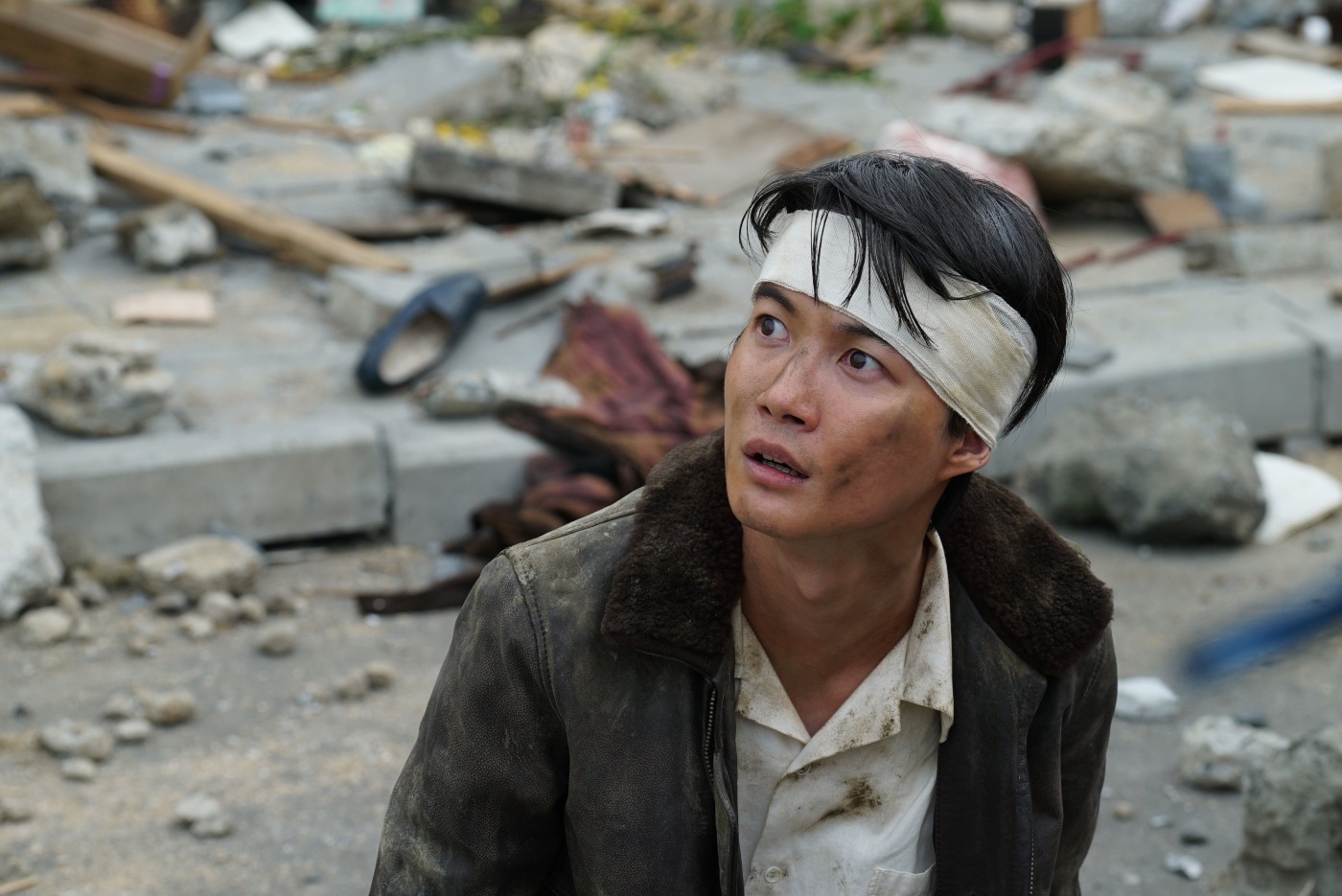
  • Godzilla Minus One – a kamikaze pilot finds himself haunted by the manifestation of his war trauma in Takashi Yamazaki’s entry into the classic franchise.
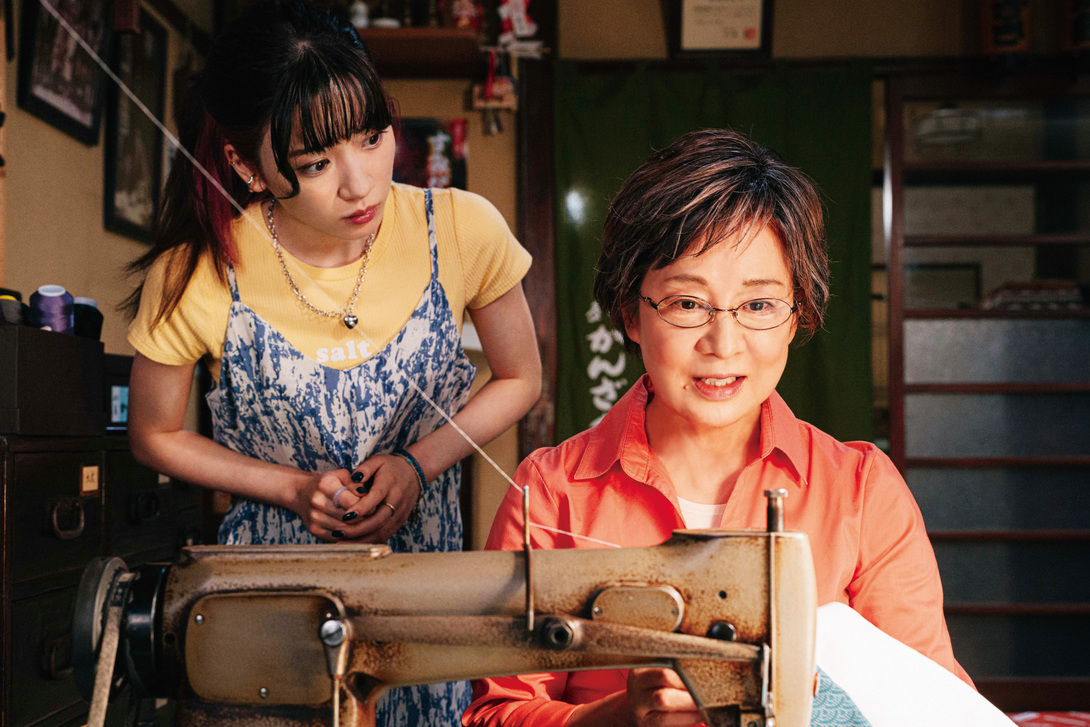
  • Mom, Is That You?! – touching drama from Yoji Yamada starring Sayuri Yoshinaga and Yo Oizumi as mother and son.
  • (Ab)normal Desire – Yoshiyuki Kishi’s adaptation of the novel by Asai Ryo starring Goro Inagaki and Yui Aragaki which explores the effects of a fetish on the lives of two former classmates.
  • The Moon – drama from Yuya Ishii starring Rie Miyazawa as a formerly successful writer who begins working at a facility for the severely disabled.
  • One Last Bloom – boxing drama in which a former contender who lost a match to due to an unfair decision begins training a man who suffered something similar.
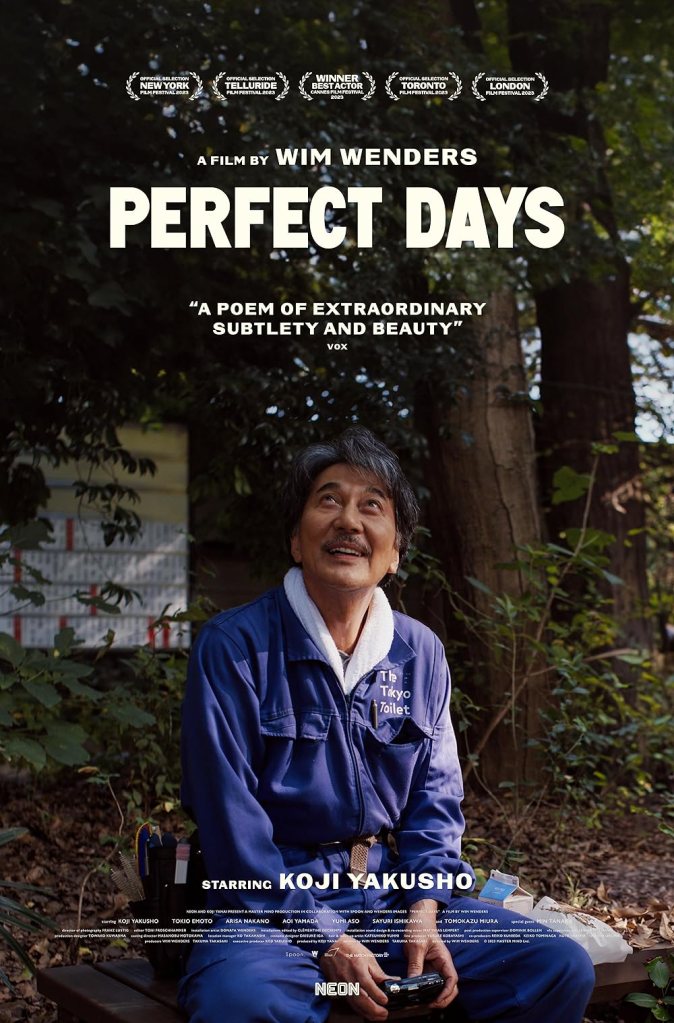
  • Perfect Days – a man in late middle-age quite obviously living in the past begins to wake up to the possibilities of change in Wim Wenders’ Tokyo-set drama.
  • Bad Lands – fast paced crime thriller from Masato Harada starring Sakura Ando as a conwoman in over her head.
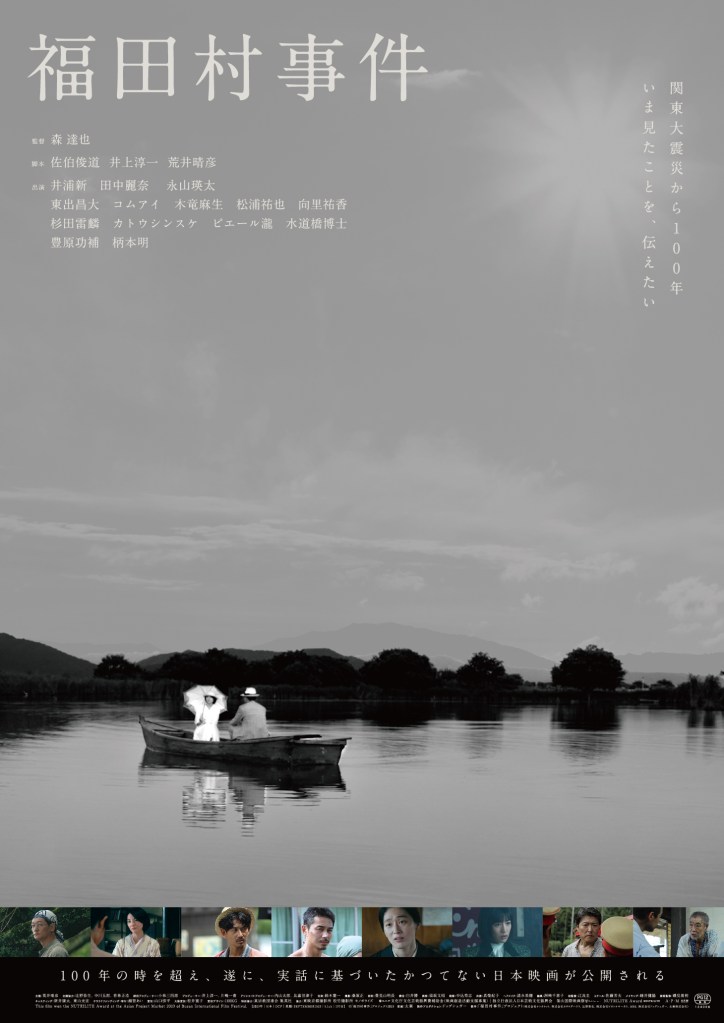
  • September 2023 – drama depicting the pogroms against Koreans which took place after the 1923 Kanto earthquake.
  • Do Unto Others – mystery thriller directed by Tetsu Maeda in which a caregiver becomes prime suspect in a series of unexplained deaths.
  • As Long as We Both Shall Live – a young woman with chronically low self-esteem learns to love herself after bonding with a taciturn nobleman in Ayuko Tsukahara’s adaptation of the light novel series.

Best Director

  • Yuya Ishii (The Moon, Masked Hearts)
  • Hirokazu Koreeda (Monster)
  • Daishi Matsunaga (Egoist)
  • Takashi Yamazaki (Godzilla Minus One)
  • Yoji Yamada (Mom, Is That You?!)

Best Actor

  • Goro Inagaki ((Ab)normal Desire)
  • Ryunosuke Kamiki (Godzilla Minus One, We’re Broke, My Lord!)
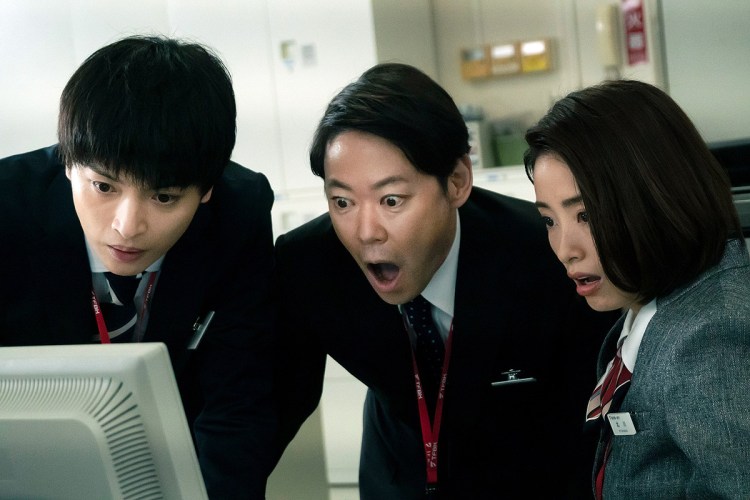
  • Ryohei Suzuki (Egoist, Tokyo MER: Mobile Emergency Room)
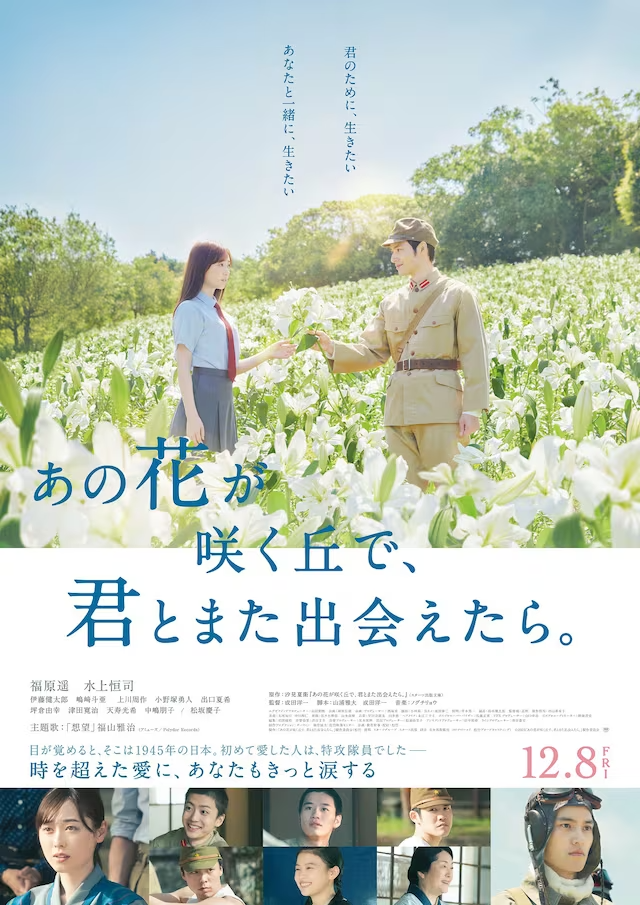
  • Masahiro Higashide (Winny, The Flower in the Sky, Trapped Balloon)
  • Kenichi Matsuyama (Do Unto Others)
  • Koji Yakusho (Perfect Days, Father of the Milky Way Railroad, Familia)
  • Ryusei Yokohama (One Last Bloom, The Village)

Best Actress

  • Haruka Ayase (Revolver Lily)
  • Sakura Ando (Bad Lands)
  • Mayu Matsuoka (Masked Hearts)
  • Rie Miyazawa (The Moon)
  • Sayuri Yoshinaga (Mom, Is That You?!)

Best Supporting Actor

  • Hayato Isomura (The Moon, The Dry Spell, Ripples, Hard Days)
  • Yo Oizumi (Mom, Is That You?!)
  • Jo Odagiri (The Moon, Yoko)
  • Masataka Kubota (One Last Bloom, Yudo: The Way of the Bath)
  • Koichi Sato (Masked Hearts, Okiku and the World, We’re Broke, My Lord!, Familia, etc)
  • Hio Miyazawa (Egoist, The Legend & Butterfly)

Best Supporting Actress

  • Sawako Agawa (Egoist)
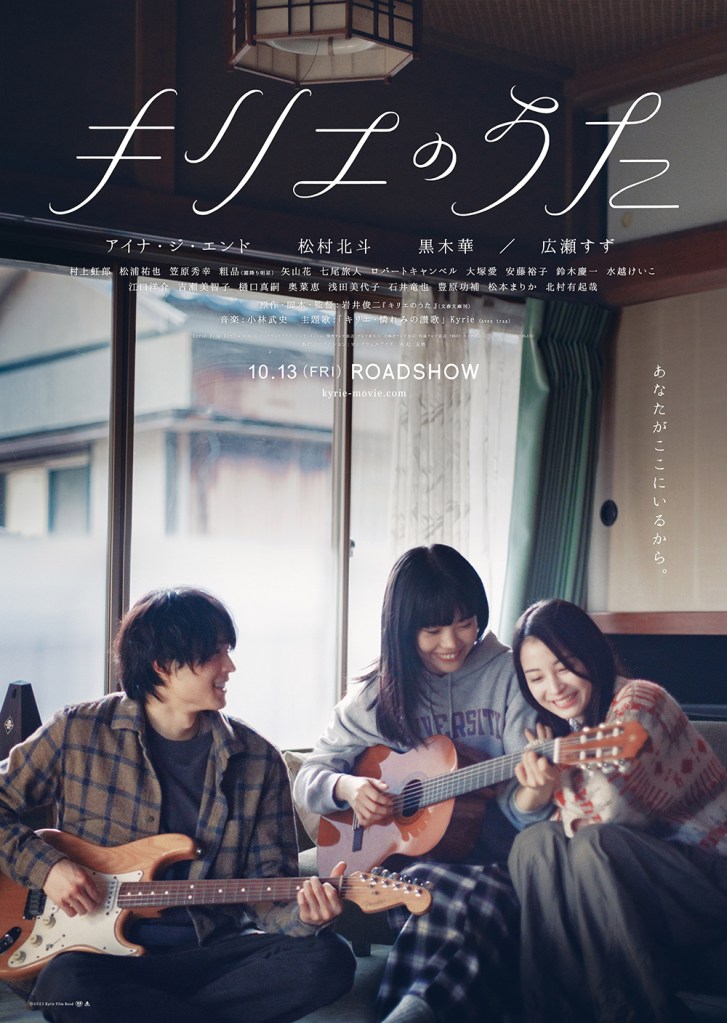
  • Haru Kuroki (Ichikei’s Crow: The Movie, The Village, Okiku and the World, Fly On, Kyrie)
  • Yuko Tanaka (Monster)
  • Fumi Nikaido (The Moon)
  • Kanna Hashimoto (One Last Bloom)
  • Minami Hamabe (Godzilla Minus One, Shin Kamen Rider)
  • Haru (Analog)
  • Suzu Hirose (Kyrie)

Best Newcomer

Best Foreign Film

  • Living
  • Air
  • Everything Everywhere All at Once
  • A Man Called Otto 
  • Gran Turismo
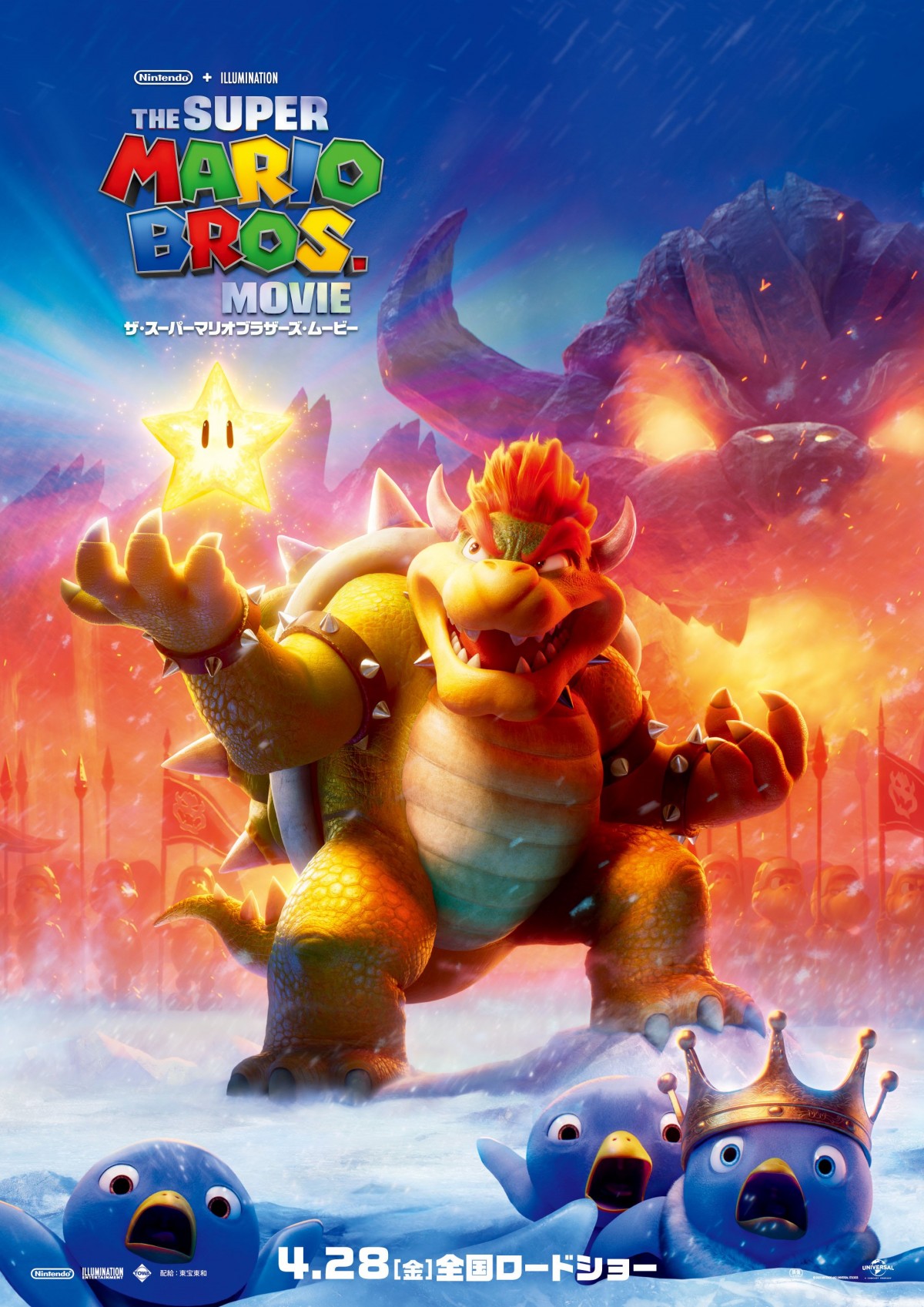
  • The Super Mario Bros. Movie
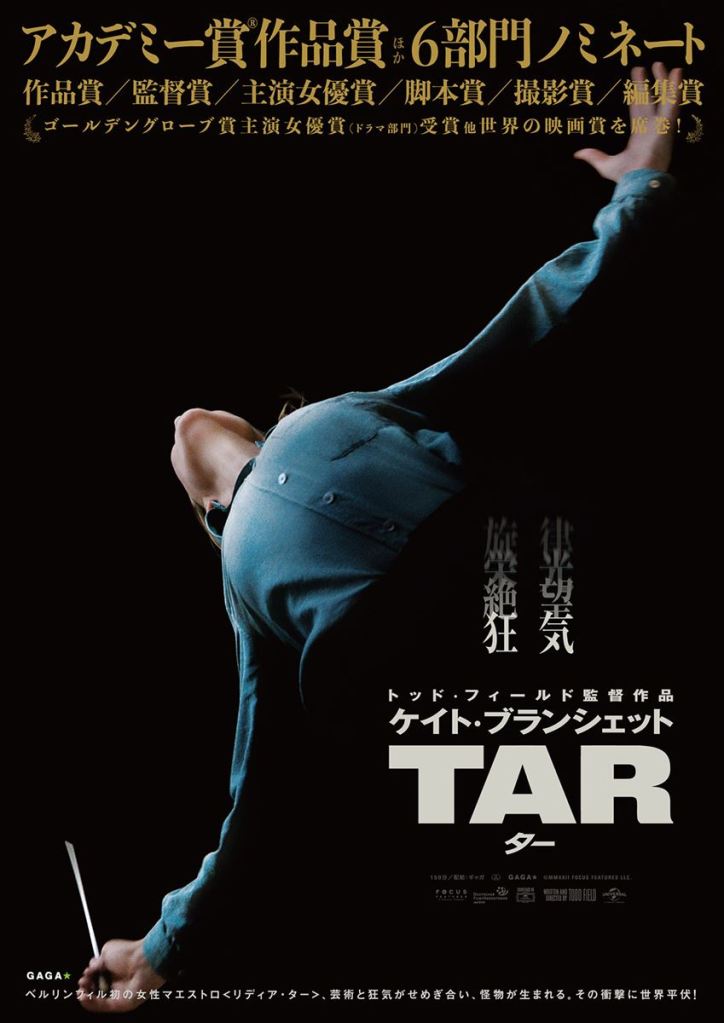
  • Tar
  • Napoleon
  • Barbie
  • Mission: Impossible – Dead Reckoning Part One

Source: Sponichi

The Beauty and the Dragon (美女と怪龍, Kozaburo Yoshimura, 1955)

A clever princess takes advantage of a courtly crisis to save the kingdom and arrange her own marriage in Kozaburo Yoshimura’s adaptation of the well-known kabuki play Narukami, The Beauty and the Dragon (美女と怪龍, Kabuki Juhachiban: Narukami – Bijo to Kairyu), produced in celebration of the 25th anniversary of the Zenshinza kabuki troupe and starring many of its actors. Scripted by Kaneto Shindo, the film mines a deep seam of irony in the classic tale while allowing its heroine to take centre stage outwitting most of the feckless men from the palace with some clever manoeuvring and utilising the key asset of her femininity.

In a meta touch, Yoshimura opens in a kabuki hall where young lord Toyohide (Chiyonosuke Azuma) is called to perform a dance for the regent, Mototsune, only the show is soon interrupted by a procession of peasants who’ve come to protest the ongoing drought. The earth is cracked and the rivers run dry, but still they are told that they will be informed about the outcome of their petition at a later date. The peasants clearly believe that the emperor really is a god and expect him to fix this problem as soon as possible but in private Motosune is irritated if perhaps accurate in stating that the weather is not their responsibility and they can’t seriously be expected to deal with it. Annoyed by the noise of the protests around the palace, he orders that the peasants be sent away though his courtiers are more sympathetic and know that the peasants simply have no one else to turn to for help. If something isn’t done they will have no choice but to escalate their rebellion.

But as it turns out, the problem actually is their responsibility and is rooted in the misogynicistc patriarchy of the feudal world along with a dose of courtly intrigue. When shinto priest Narukami (Chojuro Kawarasaki) was consulted about the birth of a royal child and prophesied that it would be female, he was hired to alter its destiny and miraculously changed its sex to male through the power of prayer. In return, he was promised that a shrine would be built for him but now it’s 30 years later and he’s sick of waiting. Accordingly, he’s taken the Dragon God who brings the rains hostage and refuses to release him so the rain can return until he gets what he was promised. 

It seems that Mototsune has a very bad habit of promising people whatever their heart desires but conveniently forgetting about it once the job is done. This time though the problem is that disgraced prince Hayakumo (Kunitaro Kawarazaki) stopped the building of the shrine in fear of offending a rival temple, Ezian, which contains a large number of very intimidating bandit monks. Hayakumo is intent on using the courtly chaos to improve his own position, hoping that other lords will fall from favour leaving a space for him to fill. He’s also been obsessively courting princess Taema (Nobuko Otowa) who refuses him because he’s so obviously oily, and in any case she’s in love with Toyohide but can’t marry him seeing as he is already betrothed to another woman whom he does not care for. In a bizarre twist of fate, a scholar insists that the only way to break Narukami’s magic is by learning to read a scroll that once belonged to Taema’s grandfather so they charge her with deciphering it offering to give her whatever her heart desires if she ends the drought which is of course Toyohide’s hand in marriage. 

The ironic thing is that Taema doesn’t for a second believe that reading the scroll will make any difference to anything and quite clearly thinks the scholar they brought in who said it would is a charlatan who actively looks down on her. Yet she, like everyone else, does in fact believe that the cause of the drought is the Dragon God’s imprisonment and Narukami’s dark magic. Advised by her trusty maid, she learns to see opportunity in what could otherwise be a dangerous situation and ably out manoeuvres the foolish men at the court. She wields her femininity, the reason they discount her, as a weapon against the repressed masculinity of Narukami who is said to have been a monk since childhood and has never touched a woman. 

After getting her maid to do a sexy dance for his underlings so that they get drunk and pass out, she then sells Narukami a tragic love story pretending that she simply wants to wash some clothes that belonged to her late husband. Essentially she seduces him, but also targets his weakness in his repressed desires as a monk causing him to transgress his vows and in effect break his own magic by destroying his powers. On seeing her bared ankles he faints, and then ends up telling her how to break the curse after becoming drunk and randomly assuming they are now married. 

As she’d somewhat dangerously told Toyohide, the real problem is that the Regent is weak. Indifferent to the fates of his people and in any case an ineffective leader, he invites intrigue in the court. Yet court itself is weak precisely because it is rooted in patriarchy and defined by male weakness. Even Taema’s beloved Toyohide is preening and jealous, suddenly irritated to discover that Hayakumo had been courting her while later suspicious that she will be alone with Narukami. He was also denied romantic freedom in an inability to escape the marriage arranged for him by his father at three and reliant on Taema finding a way for them subvert the feudal order and be together. The play in fact ends with the rage of a scorned man as the aptly named Narukami is transformed into the god of thunder and vows vengeance against the woman who humiliated him. 

Taema, by contrast, is able to seize control ridding herself of Hayakumo while securing her marriage to a man she choses (the betrothed bride is herself similarly freed and appears not to mind the dissolution of her engagement having had no particular feelings for Toyohide, a man she barely knew) in addition to saving the kingdom along with the lives of peasants by unleashing the Dragon God. Having begun in the theatre, Yoshimura soon moves out to the court and then the country but eventually cycles back for the climactic dance of anger with which the film closes as if echoing a howl of pain from the wounded feudal era circumvented, if not ended, by a clever woman leveraging her only sources of power in a world defined by corrupted male authority. 


The Phoenix (火の鳥, Kon Ichikawa, 1978)

The people of early Japan contemplate different visions of immortality in Kon Ichikawa’s sprawling adaptation of the first chapter in Osamu Tezuka’s manga series, The Phoenix (火の鳥, Hi no Tori). Featuring a mix of animation and live action, the film takes place in an ancient, pre-modern Japan in which just about everyone chases the mysterious fire bird in belief that drinking its blood will confer eternal life. They each want it for different reasons, some more to stop someone else getting it than for themselves but all discover that there are other ways of living on than the strictly literal. 

Broadly speaking the film takes place during the era of possibly mythical sorceress queen Himiko (Mieko Takamine) who rules over the nation known as Yamatai which is the name given to a kingdom in Japan in ancient Chinese sources. Himiko wants the phoenix because she fears that her power is founded on a youth and beauty which has begun to fade while the people are beginning to lose faith in her magic, not least because her rule is oppressive and authoritarian. She also fears that should the Chinese emperor drink the phoenix blood first, they will forever be under his yoke yet the seal that confers her rule was in fact given by him so perhaps they are already. Her brother, Susano (Toru Emori) whom she also fears may usurp her, enlists famed hunter Yumihiko (Masao Kusakari) from the state of Matsuro to help them capture the phoenix seeing as the two nations have some kind of treaty. Yumihiko says he doesn’t really care about that, but ends up helping anyway.
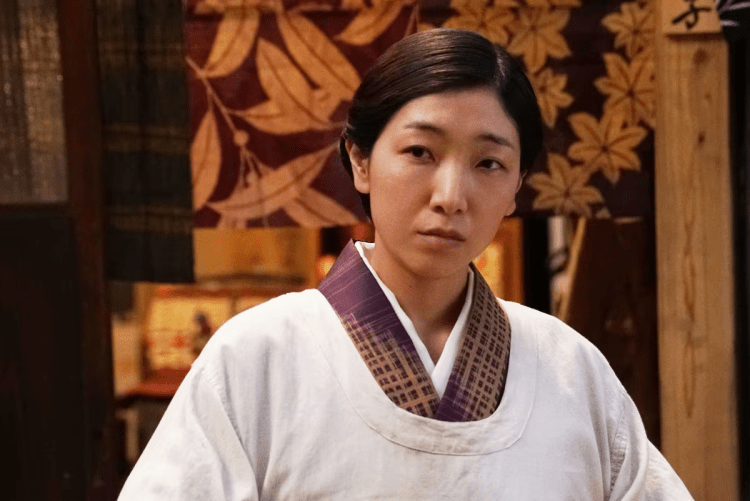
In any case, Matsuro is soon overrun in a surprise attack by warlord Jingi (Tatsuya Nakadai) from Takamagahara who is set on colonisation, which is in its way another bid for “immortality” if culturally rather than literally. After all, he claims “I will implant our civilisation in these lands” before explaining that “not even the greatest kings live forever” but history will. Meanwhile, Yamatai doctor Guzuri (Ryuzo Hayashi) is washed up on the shores of remote kingdom Kumaso where Uraji (Masaya Oki) is hunting the phoenix in the hope of saving his seriously ill wife Hinaku (Reiko Ohara). Uraji is soon burnt to a crisp by the Phoenix’s light, but Guzuri is able to save Hinaku using “modern” medicine, that is by applying “blue mould” which as the onscreen text explains contains penicillin. Perhaps feeding someone mould doesn’t sound much more scientific than the bizarre folk medicine proposed by the witchdoctor which involves rubbing the severed heads of cats and ravens together and putting fish bones on the patient’s head while burning their buttocks, but it works which is not exactly a means of “immortality” but does promise the ability of temporarily overcoming death without the Pheonix’s help. 

But medicine can’t help you with an invasion, and when the Yamatai suddenly turn up and raze the village to get better access to the phoenix after realising it lives in a nearby volcano only Hinaku and her brother Nagi (Toshinori Omi) survive. Hinaku reluctantly remains with Guzuri and vows to rebuild her kingdom through childbirth vowing that she will enable the survival of Kumaso by passing her culture on through successive generations. Uzume (Kaoru Yumi), a dancer from Matsuro, later says something similar to Jingi in reminding him that “women have their own weapons” and he will “never be able to destroy life” as an abstract concept. There might be something a little uncomfortable in the implication that the phoenix is an allegory for childbirth in suggesting that one body is born in the ashes of another, but it is in the end the continuity of a lifecycle which wins out as the natural order of things. In the film’s concluding moments, the son of Hinaku and Guzuri in a sense experiences a kind of rebirth as, guided by the phoenix, he climbs out of the cave in which he has lived all his life and gazes at the vast expanses of a new world all around him. 

Ichikawa originally trained as an animator and includes several animated sequences throughout the film from cartoonish special effects when an elderly courtier bangs his head to a trio of foxes dancing to pink lady. His visual design is also heavily influenced by Tezuka’s manga with the young boy Nagi in particular striking Tezuka-esque poses and otherwise resembling Astroboy who does in fact make a surprise appearance in a brief animated sequence in which Nagi is kicked by a horse. Similarly, the conflicted general Saruta (Tomisaburo Wakayama) later gains a ridiculous Tezuka-style nose after being locked in a room filled with wasps, and Ichikawa’s vistas sometime echo the centrefold of a manga with the heroes reduced to tiny figures dwarfed by the majesty of the landscape. Even so, a rain-soaked battle pays ironic homage to Seven Samurai, while Ichikawa otherwise keeps violence to a minimum. The heads are chopped off horses and fall like cushions, entirely bloodlessly, but there is also a scene of implied attempted rape which may be out of keeping with the otherwise family-friendly approach. Despite the sense of defeat which may colour some of the closing scenes, the film ends on a note of optimistic wonder in a new journey for humanity emerging from scenes of desolation towards a bright new world. 


Twilight Saloon (たそがれ酒場, Tomu Uchida, 1955)

A generational divide echoes around a beer hall filled with a defeated sense of bonhomie until finally finding a point of rest in Tomu Uchida’s elliptical single set drama, Twilight Saloon (たそがれ酒場, Tasogare Sakaba). The melancholy title captures the feeling of finality which seems to overhang the bar but equally the shift that is taking place as the old must decide whether they will allow the young to be free or forever trap them with the legacy of their own mistakes. 

The tensions are obvious as a once feared military colonel nicknamed “Demon” Onitsuka (Eijiro Tono) strides into the bar cutting a slim, anxious figure evidently a shadow of his former self. Puffing out his chest, he lives on memories of past glory claiming that though he may now be a lowly estate agent, he will rise again should the occasion call and will never lose his soldier’s spirit. Kibe (Daisuke Kato), a regular at the bar, is excited to run into him, his former commanding officer, and evidently still holds Onitsuka in some esteem but the pair of them seem ridiculous, even a little pitiable, as relics of the wartime generation unable to move into the post-war era. Onitsuka has a minor apoplexy when the table of students across from them begin singing a communist song explaining it as evidence of the absence of morality in the contemporary society. Somewhat embarrassingly, he and Kibe begin singing along to what they thought was a classic military ballad sung by someone outside only to abruptly realise that it is the communists once again. Strapped for cash, Onitsuka makes an abrupt exit leaving a confused Kibe to chase after him yelling “put it on my tab.” 

“Put it on my tab” might as well be the life philosophy of regular patron Umeda (Isamu Kosugi) who unlike Onitsuka and Kibe is wracked with guilt over his wartime experiences and has dedicated the remainder of his life to making amends by paying it forward. Once a famous painter, he feels he sullied his art by wilfully depicting warfare in a manner that sought to glorify it and may have led others astray ultimately costing them their lives. Umeda feels he no longer has a right to practice his art and has made a sacrifice of it in atonement, his earnestness leant a poignant quality by the fact that he is played by Isamu Kosugi who had himself starred in a propaganda film co-produced by Nazi Germany. 

Yet he’s far from the only one who’s abandoned or compromised his art because of what he sees as a moral failing. All knowing, Umeda recounts the history of accompanist Eto (Hiroshi Ono) who he claims once lives under a different name and returned from abroad to found a revolutionary opera company only to be betrayed by his protégé who left to set up his own revolutionary company taking Eto’s wife with him. Eto later stabbed her in jealously and like Umeda has lived the rest of his life in quiet contemplation slumming it in this backstreet bar while training up a new protégé, Kenichi (Takuya Miyahara), said to be the son of a former bandmate. Eto is a vision of defeat, Umeda remarking that his time has most likely come, walking around in a Russian tunic unable to let go of the past. Emi (Keiko Tsushima) is much the same. Once a promising ballet dancer she feels she’s lost the right to dance after becoming a stripper apparently because of a bad man who later breaks into the bar and slashes her arm with a knife echoing Eto’s dark crime of passion. 

This might in part be why she is so keen to ensure that Eto will not prevent Ken from taking advantage of a valuable opportunity because of his own jealousy and resentment. The offer comes from Nakaoji, the leader of a national opera group and the man who once betrayed Eto though as the snippy “intellectuals” at another table point out he may once have been a “revolutionary” but is now an old man and has in effect become the establishment. The dilemma brings things full circle, the generational divide which once existed between master and pupil has now been eclipsed by a turn of the wheel. Eto cannot help but recognise Nakaoji, the cause of all his suffering, but Nakaoji does not acknowledge him and after all he has another name. 

Umeda pleads with him to allow Kenichi to go, not to ruin his life in the same way his was ruined by holding on to his pettiness and resentment as the man who took all from him returns to take his surrogate son too. His call is to those of his generation who bear the responsibility for wartime folly that they should accept that the world now belongs to the young and it is their duty to nurture them while setting them free to pursue their own destiny. The young customers in the bar are universally cheerful, still drunk on the exuberance of youth while those a little older are mostly defeated and melancholy, meditating on their own failed revolutions unable to move forward or let go of the past. 

Yet the youngsters who work there aren’t quite so happy, barmaid Yuki (Hitomi Nozoe) caught between the posturing of current and former gangster boyfriends while simultaneously discovering that her mother has been taken ill. She lost her father in the war and her home to the bombing and claims she has nothing other than the love of Masumi (Ken Utsui), a young tough who wants her to abandon her mother and schoolgirl sister to go with him to Osaka. Umeda adds 3000 yen to his tab, Yuki’s monthly salary, when the manager vacillates over granting her request for an advance to pay for her mother’s medical care seeing as they no longer even have rice at home. Later he runs into an old journalist friend who simply gives him the same amount of money from his wallet as if it were mere pocket change. The fact that Yuki doesn’t go with Masumi is not because she is afraid to or constrained by the burden of her family but an active choice to embrace her responsibility to others over her personal desire much as Umeda has already been doing. 

This maybe a twilight place, peopled by the hopeless and downtrodden, but there’s life here in all of its confusing randomness. A young man at one point runs in and jumps over the balcony to the stairs eventually chased by an older one, an incident otherwise unexplained just like the minor argument between a woman clutching a cat and the man who may be a patron of sorts who also brush through the bar. Uchida gives the snobbish left-wing intellectuals quite a kicking in their pithy discussions about existentialism and mocking of the students for trying to actually do something rather than just talk about it even if it’s singing in the street. Shot as if the action were unfolding in real time, the camera floats around the saloon as if it were itself a ghost lighting on the small moments of action that contribute to the incongruously warm atmosphere before ending up more or less where it started with a man singing on stage to an empty room. Even so, it does it with equal measures of hope and melancholy as age quite literally retreats and surrenders the space those who may still fill it.


Original trailer (no subtitles)

Nightshade Flower (夜来香, Kon Ichikawa, 1951)

A couple who met briefly in Manchuria are reunited in Kobe five years later but find their joy short-lived amid the vagaries of the post-war society in Kon Ichikawa’s tragic romance, Nightshade Flower (夜来香, Ieraishan). The film takes its name from a song “夜来香” known as “Ieraishan” in Japanese, a transliteration of the Mandarin pronunciation (yèláixiāng) in katakana, which was released in a Chinese-language version in Shanghai in 1944 performed by Manchurian Japanese actress Yoshiko Yamaguchi (山口淑子) who also went by the names Ri Koran/Li Hsiang-lan (李香蘭) and later Shirley Yamaguchi at various times in her career. A song of lost love, it seems to echo a sense of despair among the wartime generation who cannot reconcile their pasts with the post-war present. 

Akiko (Asami Kuji), a sex worker, first meets Seki (Ken Uehara), an army doctor, when he pulls her out of the way of an oncoming vehicle in a crowded market place in Northern China in June, 1944. As she is dressed in cheongsam and angrily shouts at him in Mandarin, he assumes her to be Chinese and carries on along his way while she remains ambivalent about the encounter especially as the sleeve of her dress has been torn. In any case, it’s clear that the situation has become precarious and most of the Japanese population are preparing for evacuation. The owner of the brothel where Akiko and her friend Gin (Harue Tone) are employed has hopes of carrying on her business further behind the lines where army bases are still in operation though the pair would prefer to head home as soon as possible, jumping off the repatriation truck organised for them by the madam with the intention of returning to the city and boarding the next one bound straight for the mainland. 

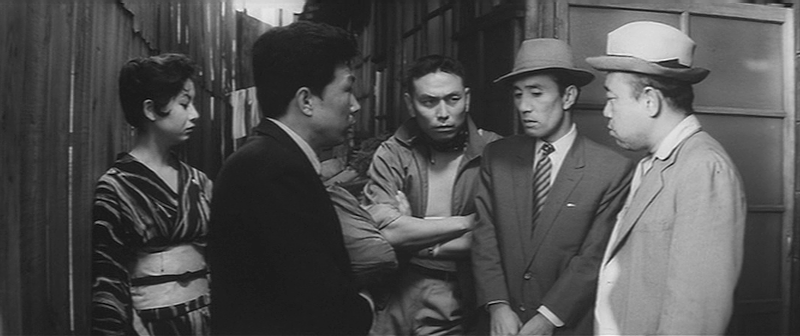
But Gin falls off a cliff and injures her leg, leaving Akiko to go in search of a doctor incongruously rocking up at Seki’s medical clinic. Though she is originally unwilling to have him treat Gin, she soon comes around and the pair begin seeing each other with Akiko pledging to stay behind after putting Gin on a truck. Nevertheless the pair are separated during an air raid with Akiko believing that Seki has been killed in a direct hit to the shrine they were sheltering in when he left their foxhole to check on a crying baby. Five years later, Seki has returned to Kobe to look for Akiko but has had no luck while staying with the family of one of his men, Toshio (Yuji Kawakita), who has fallen into post-war despair and given up his promising future in medicine to peddle black market drugs with shady fixer Kameyama (Reikichi Kawamura). 

The crisis comes when Seki realises he is losing his sight, apparently a delayed reaction to the head injury he sustained in Manchuria which was not fully treated due to the war’s end. Though he reunites with Akiko, he believes that he can no longer have a future with her because of his impending blindness and in fact that his life is now over. Akiko meanwhile has also fallen into despair. Believing Seki was dead she gave up on the idea of finding him and has returned to sex work, she and Gin working in a small backstreet bar and living in adjacent rooms of a rundown tenement block. Seki had always known that she was a sex worker, but she believes he may now reject her because she has failed to live up to the promise she made him of living a more “honest” life ironically because without him she had no reason to do so. 

Meanwhile, Seki is intent of saving Toshio whom he had first met as a naive private openly crying over the death of his mother having picked up a venereal disease after losing his virginity to a sex worker in an attempt to overcome his grief. Toshio is an embodiment of the despair felt by young men who went to war as innocent teenagers and are filled with disillusionment and confusion. Though Toshio is luckier than most who struggle to find work in the difficult post-war economy, he came from a middle-class medical family and if he finishes his training of which he only has a year left he would inherit his father’s clinic, he no longer sees a future for himself and actively rejects his privilege as an act of self-harm by taking up with Kameyama and becoming involved with crime. He resents his father for remarrying soon after his mother died, taking the family maid as his second wife, and is reluctant to marry their nurse, Chiyo (Chiaki Tsukioka), who is also Kameyama’s younger sister, as everyone expects him to despite otherwise carrying on an affair with her which later results in a pregnancy. He says that he wants to earn his own living and be his own man but claims he cannot see the bright future Seki speaks of for him and continues along a dark path of crime and vice. 

The constant rumblings of the train along with its flickering light strongly foreshadow the tragic denouement but also hint at the automatic motion of society that damns the trio and frustrates their attempts to move on from the war and find happiness in its aftermath. Even so, to modern eyes the motif of Seki’s literal blindness which robs him of the ability to perceive a happy future with Akiko cannot but seem a little ableist even as Akiko points out that many men lost their sight in the war but are living good lives with wives and children and that she does not see his disability as a barrier to their ability to make new lives for themselves in the post-war society much as he doesn’t regard her past in sex work as a reason to reject her.

Even so, Seki is dragged into the post-war morass after becoming involved with Kameyama in a futile attempt to save Toshio only to discover that Kameyama has betrayed them by getting them both to work on the same job as a payment for a debt taken out by Seki on Toshio’s behalf to free him from his life of crime. Ichikawa embraces a sense of melodrama with frequent closeups and an underlying theatricality, but also captures something of post-war confusion in the noirish fog that surrounds Akiko as she considers one last job to pay for probably useless medical treatment to save Seki’s sight. The cruelty of the ending is in its way too difficult to bear but perhaps apt for the view from 1951 in which the possibility of escaping the legacy of wartime corruption lies only in painful memories. 


Black Night Parade (ブラックナイトパレード, Yuichi Fukuda, 2022)

According to the opening voiceover of Yuichi Fukuda’s seasonal comedy Black Night Parade (ブラックナイトパレード), we’ve all got Christmas wrong. It’s not completely true that Santa only gives presents to the nice kids for there are in fact two Santas, the other one, the anti-Santa, making sure that bad children have a very unhappy Christmas receiving gifts ranging from the traditional lump of coal to offal. The Santa dressed in black is described as being a little more egalitarian, but does indeed pedal in disappointment and the opposite of the holiday spirit though in another way perhaps he’s just an embodiment of a sense of resentment towards to the unfairness of the contemporary society. 

Miharu (Ryo Yoshizawa) is very definitely grown up and a good example of someone who regards themselves as earnest but is becoming fed up with seeing those he regards as acting inconsiderately prosper. Still working part-time at a convenience store having repeatedly failed to get into university or find a full-time job, he’s irritated by his loudmouth slacker colleague Kaiser (Taishi Nakagawa) who just seems to constantly fall up in life while Miharu ends up being the responsible one doing most of his work for him. When Kaiser asks him to cover his shift Christmas Eve so he can go on a date with his pretty girlfriend seconds after telling him he’s actually had a full-time job offer, it obviously stings more than a little. But when Miharu takes a leaf out of his book and tries to take home one of the expired Christmas cakes, he’s immediately caught and threatened by his boss not to mention being deemed a bad boy by the Santa in black. 

Though in his case, it results in an ironic job officer to become one of Santa’s helpers at a gloomy Santa centre where they run a virtual surveillance state to figure out whether the kids that send in letters to Santa have really been as good as they claim to have been. Surveillance queen Shino (Kanna Hashimoto) decides one little lad hasn’t on catching him cheating on a test despite having emphasised how hard he’d been studying in his letter. Cheating on a test is obviously not “good”, but perhaps it’s not innards in your stocking bad either and Miharu’s moral compass is going haywire trying to understand the strange world he finds himself in while participating in a contest to join the elite Reindeer division of Christmas shock troops. Meanwhile, he’s also confronted by a conspiracy in which the red Santa has already been murdered by rats controlled by a mysterious group who hate Christmas and are trying to eradicate it. If they don’t find a new red Santa soon, the magic will be broken forever.

Despite the zaniness of the concept, the humour is a little less grating than the broad variety style generally employed by Fukuda in his other films even if several of the performances are on the larger side. Rather than rediscovering the true meaning of Christmas or coming to an accommodation with the unfairness of the contemporary society, Miharu is guided towards dealing with his own unresolved childhood trauma which repurposes the empty consumerism of a contrived holiday tradition as a means of signalling of a lack of something or the roots of unhappiness. Even if most most kids are asking for the latest toys it may be because they want others to play with with them, while some just want company because their parents have to work long hours and they’re lonely at home. 

Despite making the astute observation that the best way to disappoint a naughty child is to get them what they asked for but not quite right, Miharu eventually discovers a calling in making sure no child is left empty-handed on Christmas Day spreading the spirit of the season wherever he goes even while being chased by packs of evil rats out to destroy the joy of Christmas forever. Then again, there is some mildly satirical humour in the likening of Santa Claus House to a “black company” ruthlessly exploiting its employees while engaging in some very dubious corporate shenanigans in its use of customer data and clear invasion of privacy in its all-seeing surveillance network. In any case, it does appear that Christmas is safe from the rat race for the moment and children good or bad will wake up to a surprise equally so on Christmas morning for years to come.


Original trailer (no subtitles)

The Blind Menace (不知火検校, Kazuo Mori, 1960)

Two years before finding fame as Zatoichi, Shintaro Katsu starred as his mirror image in a tale of pure villainy, The Blind Menace (不知火検校, Shiranui Kengyo). As the title suggests, the film follows the upward trajectory and eventual downfall of an unsighted man who gleefully rapes and pillages his way to becoming the leader of his community aided and abetted by the ills of the feudal era which allow him to profit from his crimes until the past finally catches up with him.

After all as he later says, “as long you as you keep rising in the world, past misdeeds don’t matter.” In any case, even as a child the man who would later be known as Suginoichi (Shintaro Katsu) is incredibly unpleasant. In the opening festival sequence he picks his nose and flicks it in a barrel of sake so that the men drinking will abandon it. The only sign of possible goodness in him is that he takes the sake home for his mother to enjoy, though he seems to relish the idea of her unwittingly drinking his snot so perhaps that was the real purpose. Other hobbies of his include conning wealthy passersby out of a ryo with a well worn scam in which he asks them to read a letter from his uncle which mentions that it should include one ryo only what’s in there is a stone. When the reader explains the situation, he accuses them of trying to take advantage of his blindness and makes a fuss about it until they’re embarrassed into coughing up a ryo of their own (not a small sum for the time period). 

In some ways his poverty and disability might explain his behaviour. His family set up is subverted with his mother much like him money hungry and willing to do anything to get it while his saintly, henpecked father is gentle and honest. This might have taught him the wrong lessons about masculinity that lead him to see his father as weak in allowing the world to trample him while taking his mother’s advice to heart that if they only had a 1000 ryo they could get him trained up properly so that he might one day become a Kengyo which is a little bit like a community leader for the blind with social status and political influence. 

It’s this kind of social affirmation he seems to crave, but is essentially a narcissistic sociopath who takes advantage a stereotype that in some ways infantilises the blind and those with other disabilities who are believed to be pure-hearted and incapable of intrigue or evil. He seems to come to the rescue of a noblewoman who asked his boss, the Kengyo, to lend her money secretly because her brother has been caught embezzling but then rapes her, asks for the money back, and blackmails her into further acts of sexual exploitation offering her only 5 ryo a time knowing she needs 50. He thinks nothing of using his acupuncture skills to kill a man who was carrying 200 ryo to buy a “boneless girl” for a freak show and then framing a man who saw him do it but agreed to say nothing for a 50% cut for the crime. Suginoichi later teams up with “Severed Head” Kurakichi (Fujio Suga) to commit a series of burglaries including that of the Kengyo master who he also has killed to usurp his postion. 

But as he said, once his recognition is in sight with an invitation from the shogun everything begins to fall apart as all his wrongdoing starts to catch up with him. The feudal world had allowed him to prosper partly because of other people’s greed but also the social codes that favour shame and secrecy along with people’s unwillingness to accept that a blind man can also be selfish and evil despite a lot of evidence to the contrary. Elegantly lensed by Kazuo Mori who brings a sense of realism to the hardbitten backstreets of the feudal poor, the film may suggest that the wealthy only get that way by trickery and exploitation and the only way to rise to the loftiest place is to be like Suginoichi and not care what you do to get there but is clear that once you arrive you won’t stay very long because one day the past will really will come back to bite you. 


4K restoration trailer (no subtitles)

Heaven’s Story (ヘヴンズ ストーリー, Takahisa Zeze, 2010)

“When your family’s murdered, aren’t you entitled to happiness?” remarks a bereaved husband trying to move on from tragedy to a similarly bereaved little girl who is determined not to. “I don’t think so”, she coldly replies, dragging him back into a dark world of hate and vengeance. At that time perhaps best known for his career in pink film, Takahisa Zeze’s 4.5-hour epic Heaven’s Story (ヘヴンズ ストーリー) weaves a tale of interconnected hurts born of violence and its legacy, parental betrayals, and irreconcilable loss. The only victory is survival, but it’s a prize none of us will win. The best we can hope for is continuity, and perhaps leaving something more behind us than fear or rage. 

Our heroine, Sato (Moeki Tsuruoka), is orphaned when her parents and older sister are brutally murdered by a disgruntled employee exacting some kind of petty revenge on her father. The killer is later found dead in a hotel room, presumed to have taken his own life. The tragedy is however just one of many. Passing by a TV screen, Sato catches a report detailing the death of her family members and their murderer which is immediately followed by a press conference with a very angry young man whose wife and infant daughter were killed in random attack by a passing drifter who has been given an indeterminate sentence on account of the fact that he was underage and suffered greatly during his childhood. Tomoki (Tomoharu Hasegawa), the bereaved husband and father, vows revenge angrily insisting he won’t ask for the death penalty because he wants the killer, Mitsuo Aikawa (Shugo Oshinari), released as soon as possible so he can kill him with his own hands. Only eight years old, Sato identifies with his rage. The man she wants to kill is already dead and she’s been robbed of the chance of closure through vengeance so vicariously latches on to Tomoki’s quest for retribution, making him something of a personal hero. 

Tomoki’s words were offered in the raw pain of his loss. His reaction is understandable, but as he later says, people started to lose sympathy for him once he called for the killer’s death. As time moves on, he perhaps starts heal, marrying again and having another little girl, starting a new life in a new place which of course does not overwrite his past loss but is a new start. That’s something Sato can’t allow or understand. She feels irrationally betrayed by Tomoki’s decision to leave his loss in the past and move on to a new life. Rocking up at his tranquil island home, she accuses him of forgetting the dead, guilting him into thinking he’s betrayed the memories of his wife and child by not knowing that Mitsuo has been released from prison let alone not having taken his revenge. 

Mitsuo, however, has also attempted to move on. It can’t be denied that he committed a heinous, unforgivable crime, but he is also, in a sense, a victim himself. His mother took her own life when he was 13 because his father was abusive and he carries that abuse with him, which of course does not excuse his crime but might help to explain it. Kyoko (’70s folk singer Hako Yamasaki), a lonely doll maker, is taken by his enigmatic statement that he wants to be remembered by the unborn and begins writing to him in prison, eventually agreeing to adopt him as her son though she is already suffering with the early stages Alzheimer’s. Later in a tense conversation with Tomoki, Mitsuo describes Kyoko as a woman of great warmth and if it were not for her he might perhaps have killed again. Her positive maternal presence gives Mitsuo the sense of anchoring through parental love that he had never had, restoring him towards a more normal kind of existence as he diligently cares for her while her condition continues to deteriorate. 

Time swindles them all. Kyoko desperately tries to remember something she’s forgotten, while Sato is locked into a pleasant childhood memory of walking with her parents to see a newly completed housing estate which seems to be the very embodiment of a post-war utopia, a large green space surrounded by neatly arranged, identical blocks with well appointed family homes piled one on top of the other. The conclusion takes us somewhere similar, only inverted, in the empty shell of a disused danchi, once a home to a bustling mining community now abandoned by the modern era. In the monologue which opens the film, Sato recounts a folktale about a monster who lived in the hills and attacked people, but did so only accidentally in his loneliness and longing to be a part of the world around him, but the people were afraid and so they rejected him and his monstrousness intensified. Tomoki destroys his second family in an internecine need to avenge the first driven by Sato’s demonic need for vicarious retribution, while Mitsuo’s attempt to move into the light is frustrated by an inability to escape his past. All the fear, and hate, and suffering, breeds only more of the same. “Heaven’s Story” may be in many ways the story of violence, but violence is not its resolution. Sato makes a kind of peace with the past, but will also carry that legacy of pain back into the complicated urban world as far from the heavenly vistas of tranquility which exist now only in her memory as it’s possible to be. 


Original trailer (no subtitles)

Immersion (忌怪島/きかいじま, Takashi Shimizu, 2023)

Technological anxiety was at the heart of millennial J-horror, but perhaps the more things change the more they stay the same. Takashi Shimizu’s latest ghost story Immersion (忌怪島/きかいじま, Kikaijima) sees a grudge-bearing spirit cross over from the virtual world neatly suggesting we take our monsters with us into our simulacra and to that extent the brave new world is not so new at all. Then again, the hero thinks he desires a private world but paradoxically wants to share it and eventually discovers that what he craves is connection.

Tomohiko (Daigo Nishihata) has accepted a job as a programmer helping to build a new virtual world exactly replicating a remote island. He is greeted by his boss, Ide, in the digital space, but shortly after his arrival discovers that she died some time previously along side a man she may have been experimenting on in a project exploring brain syncronicity. When Tomohiko enters the virtual world he is confronted by strange and dangerous visions which suggest there’s a threatening bug in the system. Soon enough, the data breaks loose and somehow awakens in our world.

What no one knows is how a vengeful ghost got in the machine in the first place, though a shinto priestess later likens the new digital space to the “over there”, a perfect simulacrum of our world existing on another plane where spirits and their victims gather. Then again, it seems the problems are mainly on this side with an old man mocked by children and shunned by society because his mother suffered some kind of mental illness and was filled with a lust that was taboo at the time. The man’s mother is linked to the legend of Imajin, a slave raped by her master whose wife then took against her causing her to become a vengeful spirit who drove people out of their minds.

The purpose of the new world Tomohiko is creating isn’t clear, but it’s certainly very well resourced. The implication seems to be that the virtual is already haunting us and we can’t be sure of what we’re “really” experiencing and what we’ve been primed to experience. Tomohiko increases “the reality” of the virtual space by coding to it to activate “real” sense memories such as the smell of the sea or the feel of the sand. He can’t be sure if he’s the ghost in this world or the other while remaining aloof and diffident, unable to communicate effectively with his teammates. Tamaki, the estranged daughter of the dead man asks him if he doesn’t like people, to which he has no real answer though she replies that she doesn’t really like them either. What he realises is that doesn’t really want a world of solitude, but to be with others though it seems it might not matter whether in a “real” or virtual space.

But in contrast to all this modernity, the island is a traditional community with a strong interest in shamanistic lore and ritual. Tomohiko says he doesn’t really believe in any of that stuff, but is still prepared to go along with the shamaness’ advice in order confine the vengeful spirit to another world even if it means sacrificing the virtual space they are trying to build. Perhaps the message is that this kind of technological advance is dangerous and hubristic, unleashing forces we are ill-equipped to understand and would not be able to quell. As the shaman implies, you have to close the door from this side and not the other, which is a serious problem for the engineers who find themselves struggling to destroy the portal of a Torii gate in both spaces while the ghost continues to wreak watery vengeance.

Shimizu conjures an atmosphere of lurking dread in which digital ghosts haunt us in reflections of the ancient past even as our reality is destabilised by the overlay of the virtual. Tamaki reflects that the island is like a ghost town with few figures on the streets save themselves though they too sometimes appear like lingering spirits. What they discover may be a kind of refuge or escape, but perhaps not in the way we might expect while vengeful ghosts aren’t quite so easy to exorcise as they might once have been.


Immersion screened as part of this year’s London East Asia Film Festival.

Original trailer (no subtitles)

Bohachi Bushido: Code of the Forgotten Eight (ポルノ時代劇 忘八武士道, Teruo Ishii, 1973)

A nihilistic ronin falls into the hellish trap of the Yoshiwara in Teruo Ishii’s dazzlingly psychedelic period drama, Bohachi Bushido (ポルノ時代劇 忘八武士道, Porno Jidaigeki: Bohachi Bushido). Adapted from a manga short by Kazuo Koike, the film once again tackles Edo era corruption as a brothel owner with a special connection to the shogun attempts to wipe out the competition presented by an enterprising merchant class only to find himself hoist by his own petard.

Ishii signals his intentions early on with the artfully staged opening scequence in which wandering ronin Shino (Tetsuro Tanba) is attacked on a bridge at dusk. As he turns to slash at an opponent, the blood splatter morphs into the film’s title while the clang of swords gives off little blue sparks that turn into the listings for the cast and crew. By the time the title sequence has concluded, night has descended on the bridge and Shino finds himself engulfed in darkness. “To die is hell, but to live is also hell” he exclaims as he jumps into the water below, hoping to be free of his empty life of killing. 

Unfortunately, he is rescued and brought to the Yoshiwara where they try to persuade him to join the Bohachi clan so called because to do so you must abandon all eight human virtues. The Bohachi’s main line of work is the sexual torture of women until they become docile dolls for their brothel. Shino describes them as “revolting” but then adds “just like me” and agrees to join anyway only to earn their mistrust when he refuses to play along with their games, buying but not sleeping with a woman brought in over a debt. Though Shirakubi, the guy who recruited him, tries to kick Shino out and calls the police on him for good measure, the big boss, Shirobe (Tatsuo Endo), decides he’ll take him in for use as an attack dog taking down anyone who interferes with business be they lords or officials. 

The irony is that the nihilistic Shiro enthusiastically takes to his work because he dislikes the debauchery of the Edo-era society even while working for the “legitimate” brothel owner who is at least “licensed” to exploit women for financial gain. What Shirobe resents is the rise of quasi-brothels in the various teahouses that are obviously selling more than just tea but continue to undercut his business by selling women even cheaper than he does. He also feels betrayed by the various samurai lords who choose to visit the teahouses over his own establishment and therefore seeks to have them frightened into submission by ordering Shino to kill any man found with one of the tea house sex workers. Later he even declares a kind of sex worker amnesty promising to pay five ryo for any of the teahouse women brought to him, no matter by who, and then joking that he’s actually killing two birds with one stone by getting his hands on a high quantity of new stock for a very low price. 

Shino refuses to sleep with the women and is most offended when his male assistant is killed in an attack by the rival brothel owners yet the team of warrior women sent to protect him did nothing to help because their orders were only to protect Shino and Shirobe’s orders must be followed to the letter on the pain of death. He seems to know he’s living on borrowed time and Shirobe probably intends to finish him off once he’s finished his mission of removing all opposition and restoring Shirobe’s power to manipulate the shogun but barely does anything to resist until faced with the rather ironic punishment of being given opium and then forced to participate in a never-ending orgy intended to result in his death in an extraordinary psychedelic sequence from Ishii . 

Of course, what they didn’t reckon on was Shino’s ironic desire to live or at least not to be beaten in which he actively begins stabbing himself to overcome withdrawal symptoms and carry on fighting even when they try to ram him with a giant spear cart. Ears are cut off, flying across the screen followed by arms and then heads. Ishii lends a poetic sheen to the closing moments as Shino is caught in a hero pose alone in the snow but still standing, if barely, and freed at least from one kind of hell if not from many others.