Unexpected Courage (我們意外的勇氣, Shawn Yu, 2025)

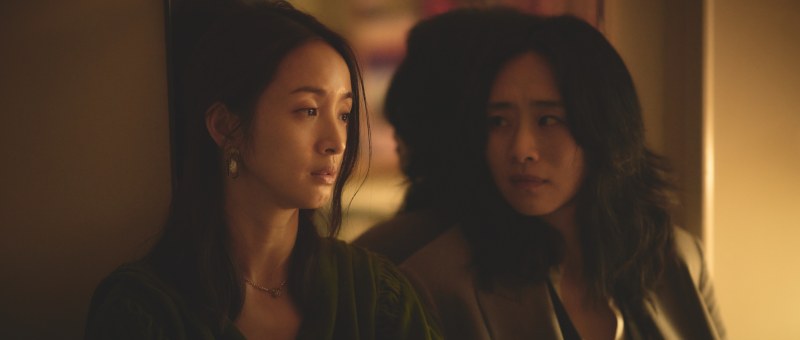
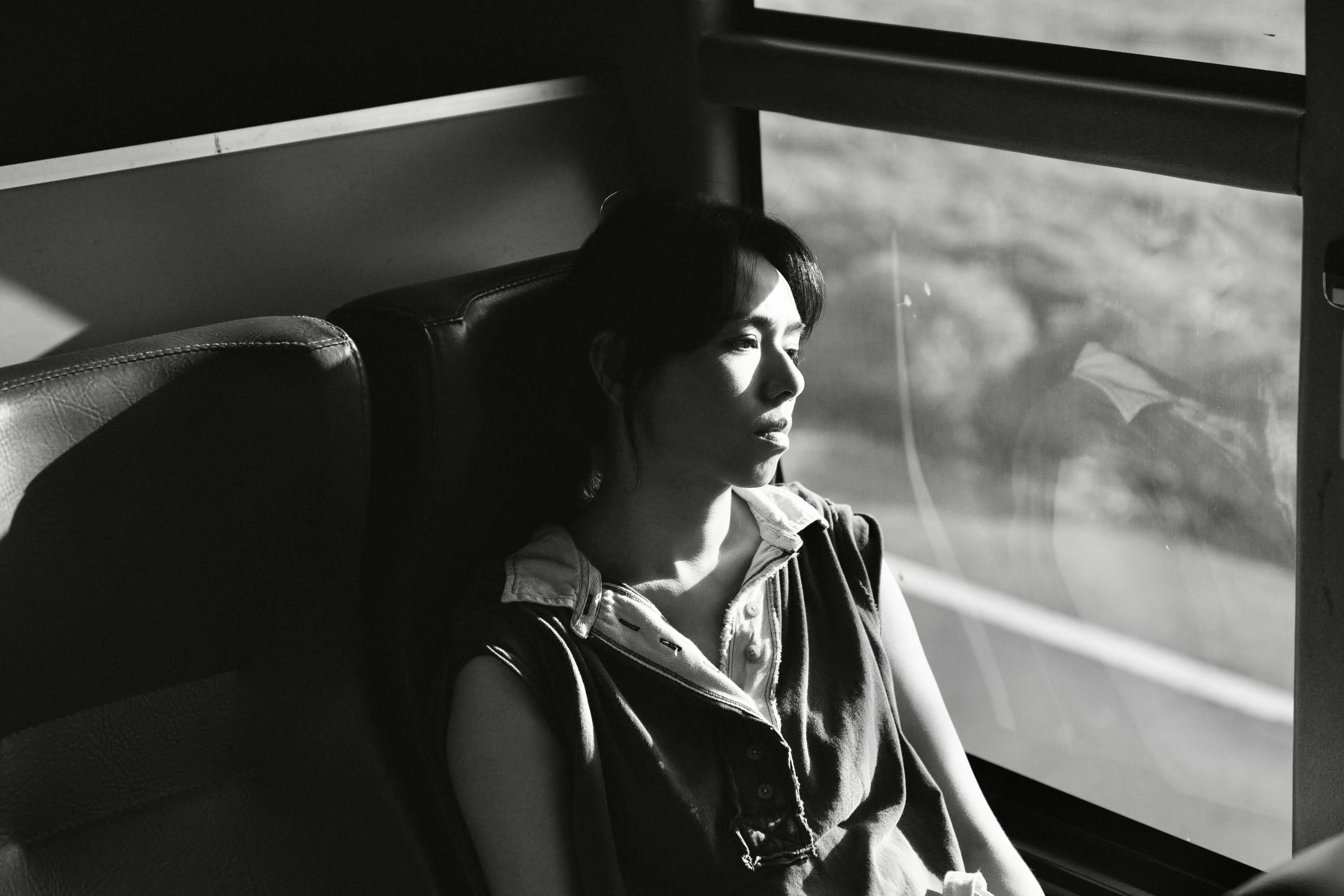
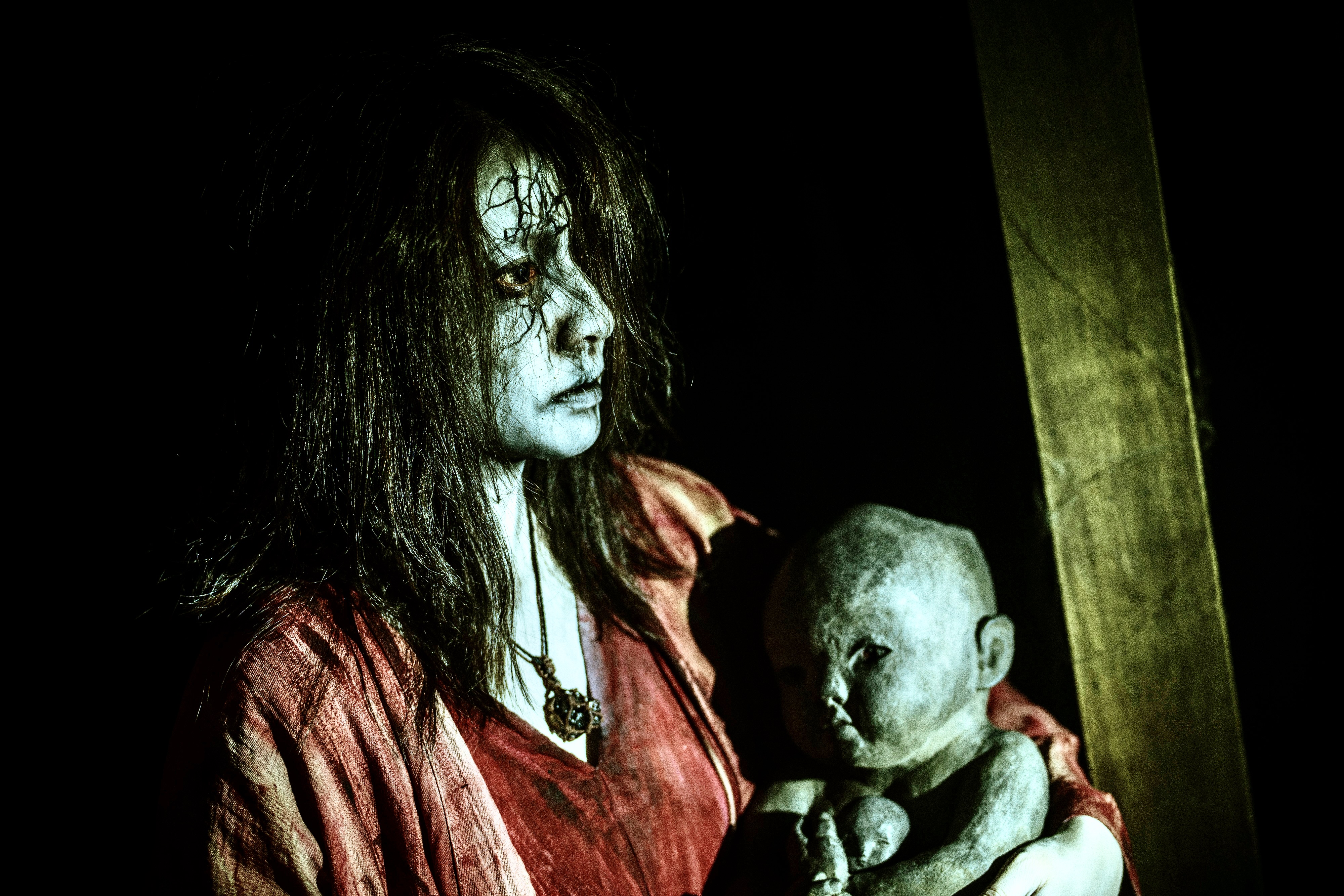
Faced with a surprise pregnancy at 45, a workaholic music executive finds herself re-evaluating her life choices in Shawn Yu’s autobiographically inspired maternity drama, Unexpected Courage (我們意外的勇氣, wǒmen yìwài de yǒngqì). A kind of pun, the unexpected baby is later given the name “courage”, the film’s title hints at the resolve needed by the couple to face their new situation from the prospect of parenthood to the cracks already undermining the foundations of their relationship.

Those would partly be economic, but also their contradictory desires for professional fulfilment. The fact is that even before the baby they are already exhausted. Advertising filmmaker Po-en (Simon Hsueh) has been out all night on a shoot and walks in zombie-like just as Le-fu (René Liu), an executive at a record label, is walking out the door to travel to Shanghai with one of her stars so he can participate in a reality TV programme. They already live somewhat parallel lives and are barely connected to the extent that it seems their relationship may have run its course.

They aren’t really alone in that as Po-en discovers on running into another man at the hospital who is undergoing IVF treatment with his wife. The process is hampered by the fact that he works in Mainland China and only returns every three months which obviously makes trying for a baby logistically difficult. His wife accuses him of not really wanting children, while he later seems less than impressed on being told they’re having twins presumably because of the increased expense while his wife coldly tells him not to ask her to reduce the number because she won’t. A later phone call conversation reveals that the couple can’t afford a three-bedroom home in their preferred neighbourhood, while the husband would prefer they all move to Shenzhen which has a lower cost of living but this would necessarily mean the wife uprooting herself, losing her home and community while there would be no one left to look after her parents as they age. 

Le-fu is also considering taking a big promotion to head up the office in Beijing which is what she’s been aiming for throughout her career. It’s not clear if she intended to take Po-en with her, but in any case the discovery of the pregnancy, brought on by the scandal of one of her biggest stars being involved in a sex tape scandal, forces her to reassess her possibilities. Originally, she resolves to sign the contract and is resentful of the entire situation for throwing a spanner in the works, but is also touched by Po-en’s devotion and reluctant to give up what might be her only chance to become a mother even if it comes at the cost of her career. 

For his part, Po-en wants to keep the baby and is excited, if also anxious, about becomgina father. Having undergone a previous operation to remove part of her womb, Le-fu was led to believe she couldn’t have children and this too seems to have presented a fault-line in their relationship that prevented them from fully committing to each other. At 32, Po-en is 12 years younger, and Le-fu assumes he will eventually leave her for a younger woman while he at times seems resentful that she keeps him at arms’ length. 

The windowless hospital room in which Le-fu is confined then becomes a kind of womb from which she herself is reborn as a mother. Po-en’s tying a red ribbon to each of their wrists is both a romantic gesture that echoes the red string of fate connecting fated lovers, but also a kind of umbilical cord that finally helps them cement their relationship. Nevertheless, they also live in a patriarchal and conservative society that forces the question on them more directly as friends and family suddenly start asking if they’re getting married while others seem to disapprove of the fact that they’ve conceived a baby outside of wedlock. Likewise, the implication is that Le-fu must choose between motherhood and her career and the motherhood is the “proper” choice, negating the choice and agency she is otherwise given in the option to terminate the pregnancy. Po-en, meanwhile, wrestles with himself unsure he is up to the responsibility of fatherhood given that he did not have a father himself and therefore has no role model to follow. A grumpy sugar juice seller explains that his child will teach him, which is what children are put here to do as Le-fu has already realised. Expressing an anxiety surrounding the declining birthrate, the film does not shy away from its causes and the knock-on effects of life in a fast-paced, capitalist society but does in the end find a kind of serenity in the courage of both parents and child to embrace this new life with hope and excitement.


Unexpected Courage screened as part of this year’s New York Asian Film Festival.

Trailer (English subtitles)
Haunted Mountains: The Yellow Taboo (山忌 黃衣小飛俠, Tsai Chia-Ying, (2025) [Fantasia 2025]

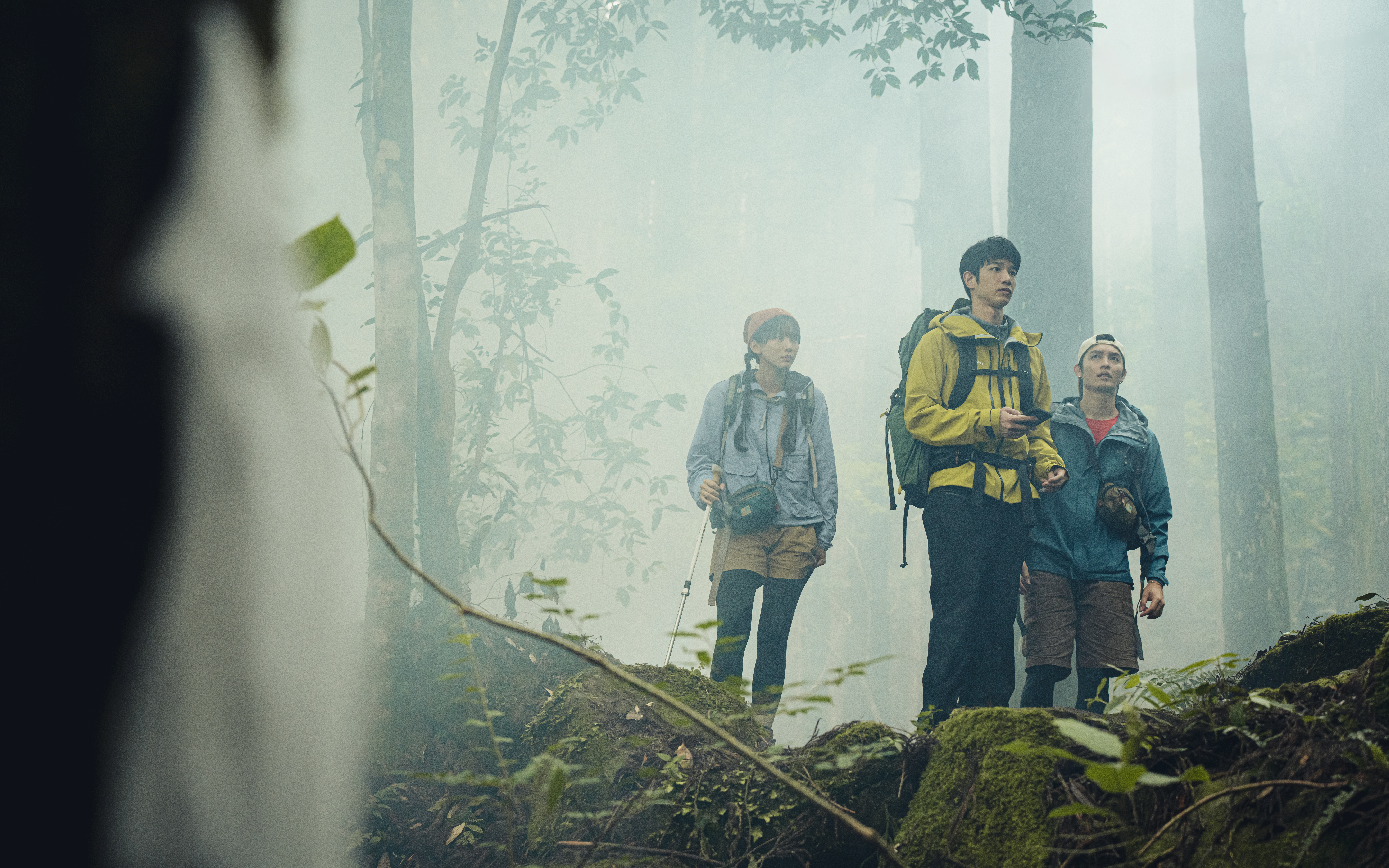
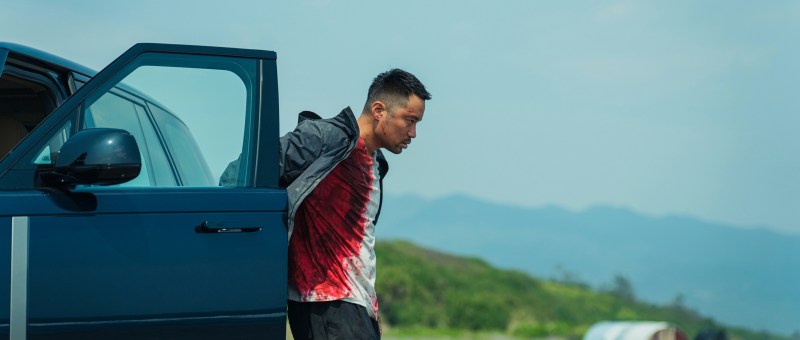
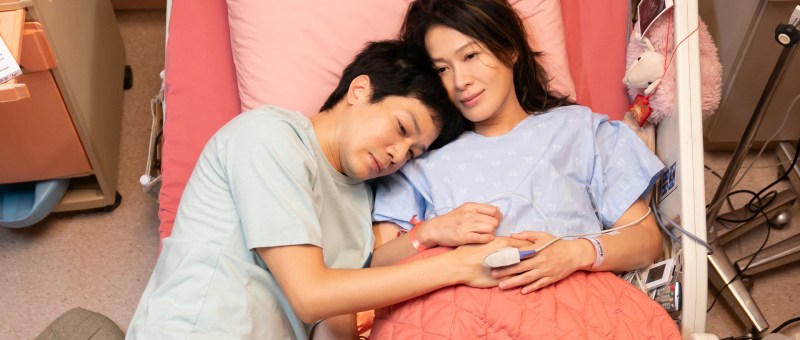
There are some things you aren’t meant to see. Or at least, should you come across them, you should think better of it and be quietly on your way minding your own business. But unfortunately, curiosity got the better of the three hikers at the centre of Tsai Chia-Ying’s timeloop horror, Haunted Mountains: The Yellow Taboo (山忌 黃衣小飛俠, shān jì huáng yì xiǎo fēi xiá) and now one of them’s trapped, forever living the same day over again and forced to watch his fiancée die in increasingly bizarre ways knowing he is unable to save her. 

To that extent, Tsai uses the time loop as a metaphor for grief in which the guilt-ridden Chia-ming (Jasper Liu) is psychologically unable to escape the mountain on which his friend, An-wei (Tsao Yu-ning), died. Five years later, he’s in a relationship with An-wei’s old girlfriend Yu-hsin (Angela Yuen)who was also on the mountain that day, but he can’t help feeling haunted by the spectre of An-wei and convinced that Yu-hsin would never have chosen him if An-wei were still alive. He worries that perhaps he didn’t try hard enough to save him knowing that he’d never have a shot at Yu-hsin with An-wei in the picture. He promised he’d get An-wei of the mountain, but in the end he left him there and in a way he’s still there too. 

This trip to the mountains seems to have been for closure. They’re still looking for An-wei’s body, but Chia-ming has a ring in his pocket and a question he’s too afraid to ask. He’s asked Yu-hsin to marry him before and she said no. He thinks it’s because she’s still hung up on An-wei, but in reality he’s the one who can’t let go and his insecurity is killing his current relationship. Repeatedly watching Yu-hsin die is a manifestation of his anxiety that she’ll never really be his, that he can’t keep or protect her, and that the only reason they’re together is because he betrayed An-wei. Yet the looping is also an expression of the way that his grief roots him in time. He literally can’t move forward and is forced to remember every day that his friend is gone. During his journey he eventually meets an older woman in a smilier position who says that she too finds each day repeating as she struggles to process the loss not only of her son who also went missing on the mountain, but of her husband, who was swallowed by his grief and ended up abandoning her in the same way that Chia-ming is unwittingly abandoning Yu-hsin.

But there are also ancient and arcane forces at work. All of this seems to have happened because An-wei broke a taboo and opened the door to the vengeful spirits of those who were killed by nature and claimed by the mountain. The mountain then becomes a place of death into which people disappear and leave those who love them lonely on the other side. The woman’s husband also felt that souls had become trapped here and wanted to free them while searching for his missing son, but as Chia-ming later discovers, though it may be possible to change the reality, it will come at a great cost and at least one sort of loss will have be to accepted before the mountain will release its grip.

Chia-ming makes his decision, but the outcome does rather have the effect of making his present life seem like a dream or thought experiment in which he imagined a future for himself in which his friend was no longer a romantic obstacle and then felt bad about it. He doesn’t really give Yu-hsin much of a say and makes (almost) all her decisions for her, never really knowing if one day she might have tired of An-wei and chosen him instead or if he could have resigned himself to loving her from afar. In the end, the only way he can free himself from this loop is to face the past with emotional honesty and reckon with his feelings along with his guilt and jealousy. The question is how much he really wants to leave the mountain or whether his obsession will eventually trap him there as just another “missing person” swallowed by grief and led astray by despair. 


Haunted Mountains: The Yellow Taboo screened as part of this year’s Fantasia International Film Festival.

Trailer (Traditional Chinese / English subtitles )

Taiwan Film Festival in Australia Returns for 2025

The Taiwan Film Festival in Australia returns for its 8th edition 24th July to 6th September 2025, travelling to six cities across the country. This year’s festival puts women at the forefront with female-led dramas featuring family relationships, pregnancy, IVF, and nuanced explorations of sexuality and desire.

Daughter’s Daughter

Sylvia Chang stars as an ageing woman trying to come to terms with motherhood through the prism of the daughters she did and didn’t raise. When the daughter she raised in Taiwan is killed while receiving fertility treatment in New York, she becomes the guardian of a viable embryo and is presented with a choice. Review.

Flower of Shanghai

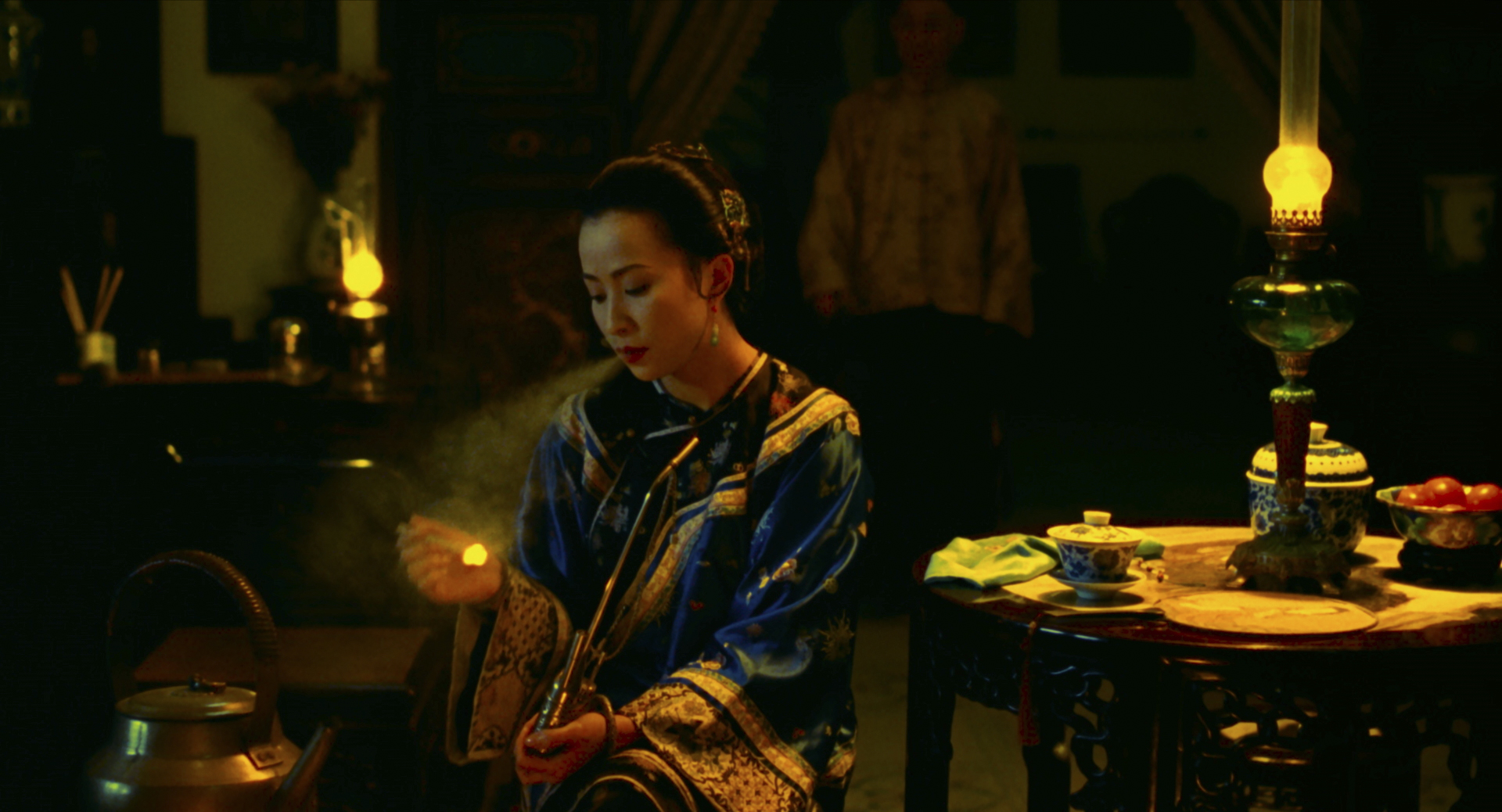
The Closing Night Gala presented at the Sydney Opera House is the 4K restoration of the Hou Hsio-Hsien classic set in the “flower houses” of the British concession in late 19th century Shanghai.

The Chronicles of Libidoists

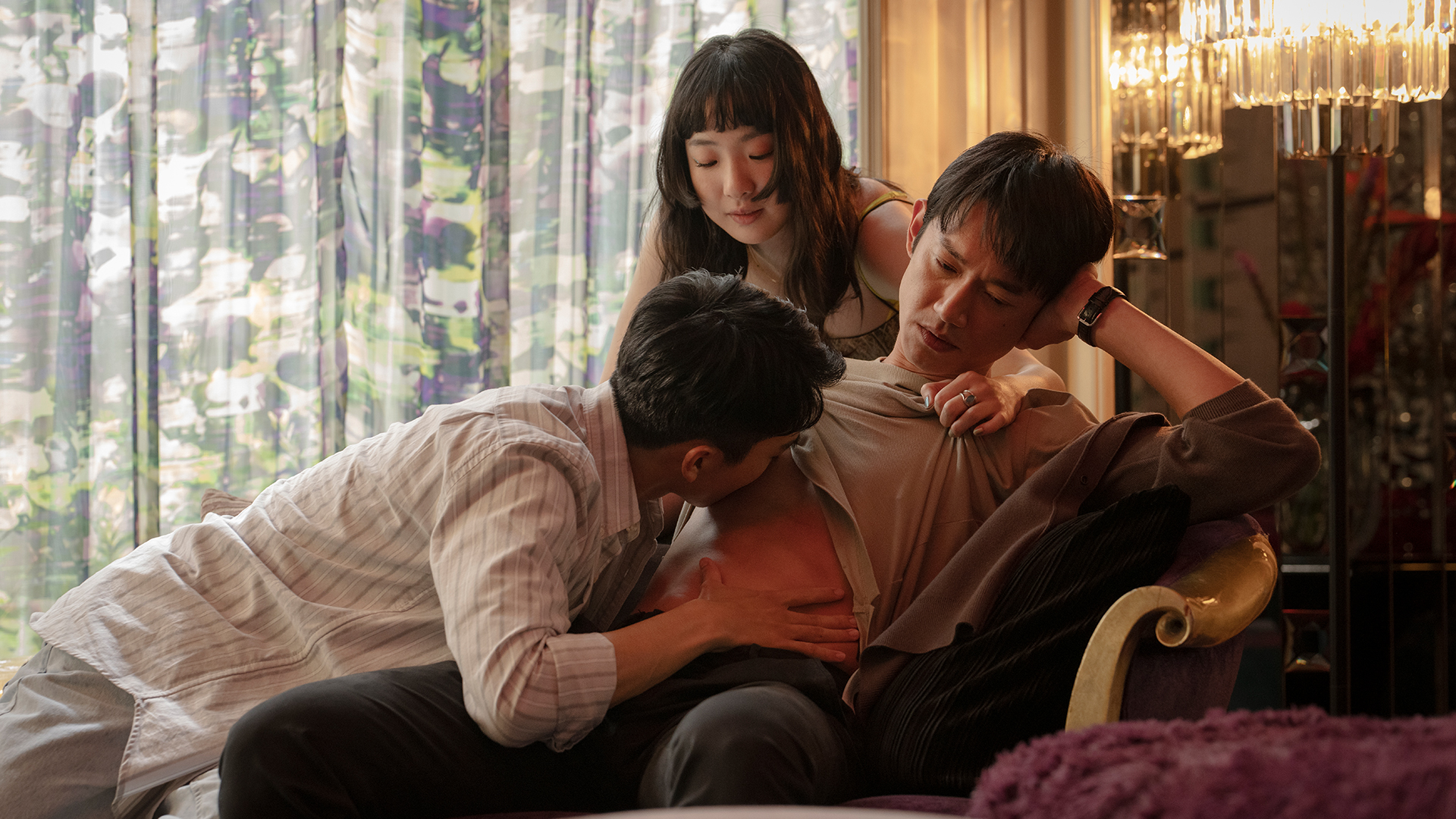
Latest from Yang Ya-Che loosely based on the Little Mermaid in which four people adrift in pursuit of sexual gratification are united by their desire for something more.

Unexpected Courage

Romantic drama in which a long-term couple who had been leading parallel lives is forced into a recontemplation of their relationship when one of them is hospitalised and they spend every moment together in their hospital room.

Yen and Ai-Lee

Gritty drama in which a young woman is released from prison after killing her abusive father only to learn her mother (played by the iconic Yang Kuei-mei) is dating another abusive man.

Worth the Wait

Asian-American romantic drama revolving around four couples who are each contending with the scars of the past.

Organ Child

Taut action thriller in which a father purses revenge against those whom he believes stole and trafficked his baby daughter. Review.

Stranger Eyes

A fracturing family is confronted with the cracks in its foundations when they begin receiving strange DVDs after the disappearance of their daughter in Yeo Siew Hua’s elliptical drama. Review.

Dancing Home

Documentary focusing on Paiwan choreographer Bulareyaung Pagarlava.

The Taiwan Film Festival in Australia runs 24th July to 6th September in Sydney, Melbourne, Canberra, Brisbane, Adelaide, and Perth. Full details for all the films as well as ticketing links can be found on the official website while you can also follow the festival on FacebookInstagram, and YouTube for all the latest news.

Organ Child (器子, Chieh Shueh Bin, 2024)

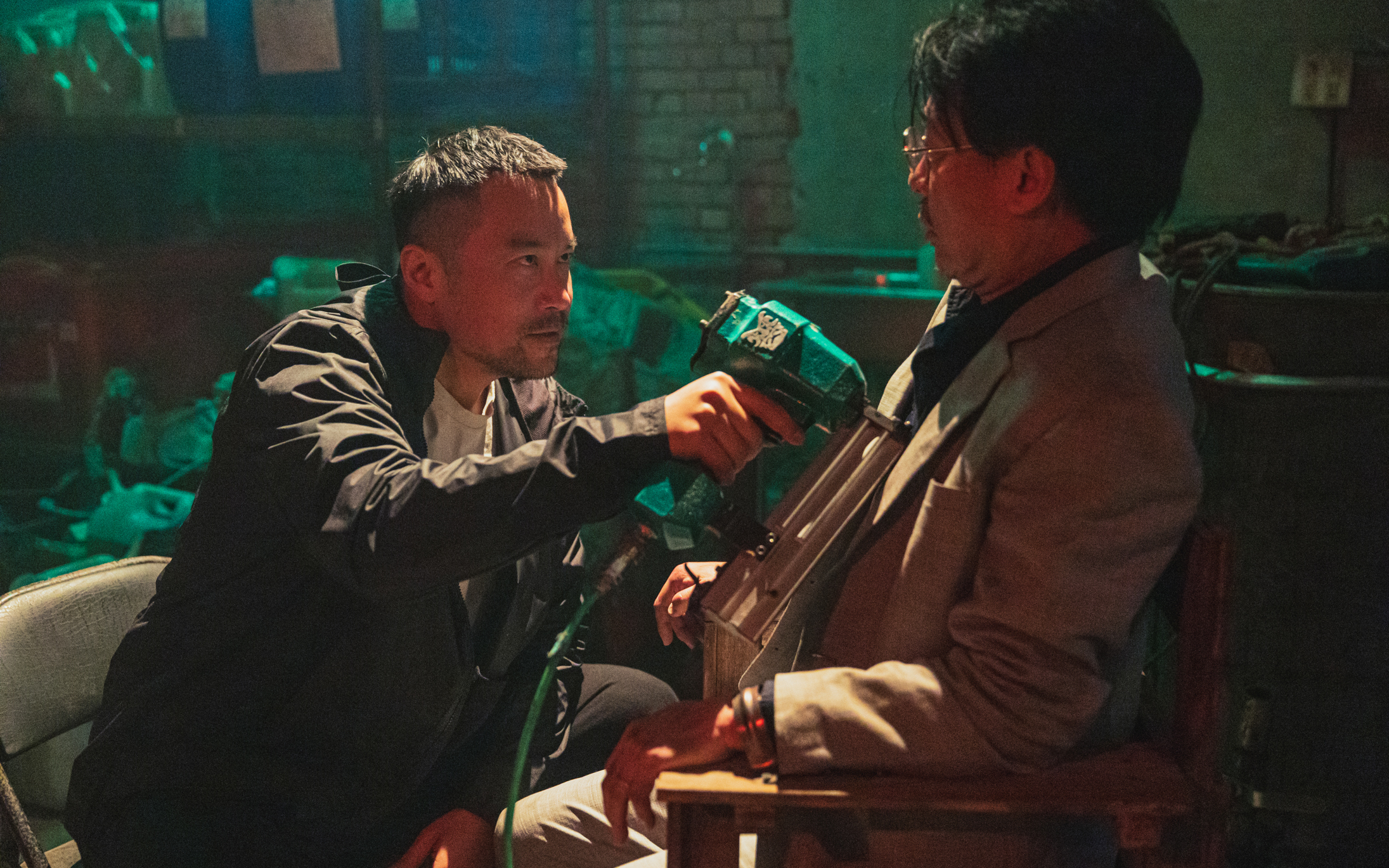
How far would a father go for his daughter? There’s an ironic duality at the centre of Organ Child (器子, qìzǐ) in that the vengeful man at its centre and the man he is chasing are basically the same and may have made the same choices were the situation reversed. Nevertheless, a terrible and morally indefensible crime has taken place which will lead to many more of the same as bereaved father Qi-mao (Joseph Chang Hsiao-chuan) stealthily tracks down all those who stole his newborn daughter and sold her to an organ trafficking ring. 

The film is keen to paint Qi-mao as a figure of uncompromised fatherhood through his association with a group of orphaned boys. Working as a baseball coach at the orphanage, he becomes a surrogate father to them and provides a familial environment as he and his wife frequently invite the boys for dinner. When his daughter is born, she automatically gets a whole baseball team of overprotective brothers, but that doesn’t stop her being snatched one day when her mother turns her back for an instant to pick up her bottle. The more Qi-mao searches for his daughter, the more he becomes convinced that she was stolen to order and the hospital is somehow involved. After getting too close to the truth, he’s framed for murder and sent to prison for 18 years during which he plans his bloody revenge.

What he uncovers is a vast ring of human trafficking run through the dark web in which rich people can buy poor ones and harvest their organs to save those they love rather than waiting for a good candidate to present themselves. This is apparently what filthy rich businessman Xu did when his newborn daughter needed a heart, so Qi-mao is led to believe his daughter must be dead but is after answers and the location of her body more than to expose the network which appears deeply entrenched among the elite because it so very lucrative. Yet if Qi-mao is going to all this trouble now, perhaps he may have done the same as Xu if the situation were reversed. He appears blasé about putting other people’s children in danger while torturing their parents to get to the truth even if as it turns out he may not have actually intended to harm them. Just like him desperate to save their child, the parents largely give in when they are threatened and promise to tell him everything he wants to know if only he let them go. 

But there is something quite insidious in Xu’s plan given that it may be one thing to buy a living body off a website and never have to think about the person whose life will sacrificed, but quite another to be prepared to kill someone that trusts and loves you. Xu uses his money to employ a poor yet oblivious family while collaborating with a hospital to fake medical records and manipulate his daughter Qiao who thinks the biggest problem in her life is her forbidden romance with the son of one of their servants, again echoing the class divide that makes Xu think he can do what he likes with those he feels to be lesser than himself. The real “family” turns out to be that created by the orphans which is then spread to the younger generation who are eventually freed from their parents’ corruption and the boundaries of class to live in a freer world less bound by capitalistic imperative than simple solidarity. 

But for all that, Qi-mao is orphaned too in realising that even if his daughter were alive and he could still save her, she likely wouldn’t accept the man he’s become. Qi-mao is man of rage and vengeance. He brutally tortures those connected with his daughter’s disappearance and commits acts of heinous violence that render him unable to return to mainstream society despite his position as an idealised father figure to the orphan boys. A subplot about sexual abuse at the orphanage is under explored, but hints at the institutionalised corruption in which the powerless can be exploited by those in power when no one cares enough to stop them. Qi-mao may not really care that much about opposing the system, but certainly does about the boys and his missing daughter as he wades into hell in search of answers but also retribution. 

Organ Child screens 27th July as part of this year’s New York Asian Film Festival.


Trailer (English subtitles)

Daughter’s Daughter (女兒的女兒, Huang Xi, 2024)

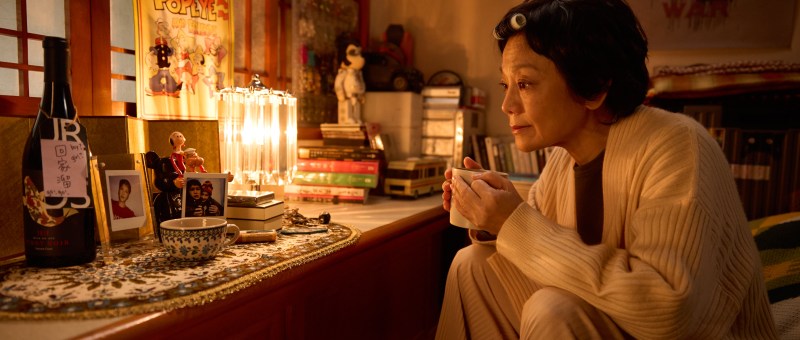
Never having fully dealt with the trauma of her teenage pregnancy and decision to give her child up to be raised by a family friend, 64-year-old divorcee Jin Ai-xia (Sylvia Chang Ai-chia) finds herself in an eerily similar position on on learning that the daughter she raised in Taiwan has been killed in a car accident in New York where she was receiving fertility treatment. The process resulted in a healthy embryo of which Ai-xia now finds herself the “guardian”. She is given four options, keep the embryo in storage and pay to renew the contract when it runs out, find a surrogate to carry to it term, donate it to another couple, or have it destroyed.

The fact that there are eight months left on the contract that her daughter Zuer (Eugenie Liu Yi-er) signed makes this almost another pregnancy which Ai-xia must decide whether or not to continue. Keeping the embryo in storage only defers the decision and traps it in the same mental space in which Ai-xia thinks of Emma (Karena Lam), the daughter she did not raise and tried to put out of her mind. In its consideration of motherhood, the film does shy away from suggesting that it is a kind of burden and requires sacrifice whether willing or not. Later confronted, if gently, by Emma who has unbeknownst to her become a single mother who chose to keep her child, Ai-xia justifies herself that she was 16 and afraid. Most of all, she was afraid the baby would trap her in New York’s Chinatown and that her life would never change after that. She wanted more, so she went along with her mother’s proposed solution of giving her daughter to a childless couple to raise while she returned to Taiwan and never looked back.

Yet it’s Emma who seems to haunt her while she’s in New York trying to sort out Zuer’s affairs while mired in her grief. It’s clear that she feels that she failed both her daughters as her unresolved trauma over separating from Emma left her unable to fully bond with Zuer whom she raised at arms’ length. When Zuer and her same-sex partner Jia-yi (Tracy Chou Tsai-shih) decide to have a child, Ai-xia is against it. It seems there may be some lingering prejudice in her about their relationship as she tells Zuer that the baby won’t be able to explain their family situation, but it’s also partly that she doesn’t want her to be trapped by motherhood as she felt herself to be. She asks her why she and Jia-yi don’t just enjoy their life together rather than complicate with a child. Ai-xia tells Emma that she wanted to live her own life, while expressing the same desire now that she has become a second mother to her own mother, Yan-hua (Ma Ting-Ni), who is living with dementia. Once her mother passes away, she’s looking forward to enjoying her freedom for once. 

Ai-xia rails that no one ever really considered her feelings and that she’s been given this burden without ever really being given an opportunity to ask herself if she wanted it. There’s a minor irony in Yun-hua’s segueing back into the past to tell the 64-year-old Ai-xia that she can’t raise a child at this age as if she were still a pregnant 16-year-old. As an older woman, she reflects that Yun-hua probably didn’t make that decision solely because she was embarrassed by the stigma of teenage pregnancy but genuinely thought it was best for both her daughter and her granddaughter. But now Ai-xia is facing the same choice at the other end of her life knowing that if she chooses to raise Zuer’s baby she may not live long enough to see it to adulthood, nor may she have the energy to look after a small child even if she has the time. 

But Ai-xia carries Zuer’s ashes around with her holding them in front of her belly as if they were the embryo and she were already carrying it. Placing the square black container on the airport scanner and watching it travel through the tunnel is oddly like an act of rebirth. Attempting to come to terms with her own complicated maternity, she thrashes out the past with Emma but also really with herself in trying to decide whether or not to continue this maternal legacy despite the sacrifices and compromises it entails. For her, motherhood becomes an act of self-forgiveness in which she learns to understand both her own mother and her daughters along with their shared connection in this ever-increasing line.


Daughter’s Daughter screens 18th July as part of this year’s New York Asian Film Festival.

Trailer (English subtitles)
Silent Sparks (愛作歹, Chu Ping, 2024)

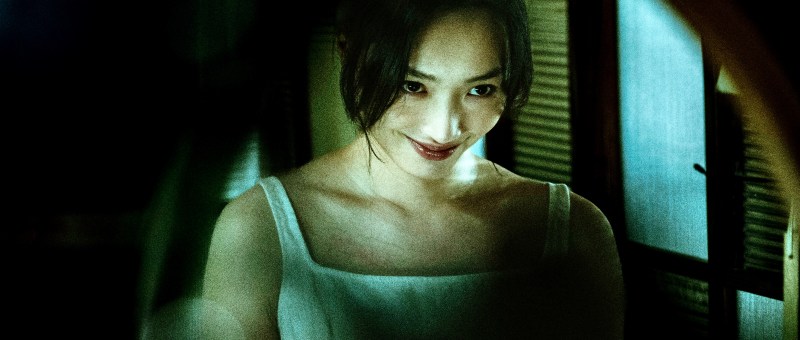
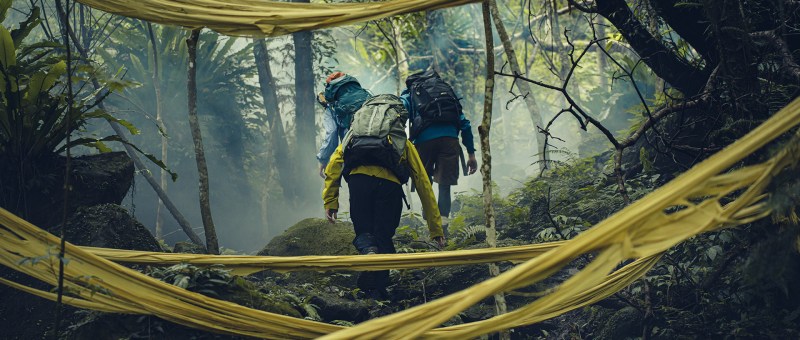
Recently released from prison, a young man discovers that it might be easier to be free behind bars than amid the incredibly homosocial world of urban gangsterdom in Chu Ping’s poignant LGBTQ+ drama, Silent Sparks (愛作歹, ài zuò dǎi). Pua (Akira Huang Guang-Zhi) is a kind of silent spark himself. As the gang boss describes him, he’s too rowdy and can’t keep his cool, which makes him a liability, but he’s also reticent and lonely, not to mention hurt by the seeming rejection when the man he fell in love with in prison ignores him on his release.

There is indeed a latent violence in Pua that hints at his frustration and inability to express himself. When we see him enter prison, he appears as a small boy lost in his own thoughts and silently crying, though he was sent there for breaking a man’s leg in a fight. Though he’s served his time, Pua is still paying off the monetary compensation he owes to the man whose leg he broke and otherwise struggles to get by, which leaves him almost dependent on the gang boss who agrees to take him under his wing as a favour to his mother. It seems that he once knew Pua’s long-absent father, presumably also a gangster, and plays a quasi-paternal role but only half-heartedly in seeing Pua more as a resource to be employed or otherwise an irritating burden he can’t quite seem to shake.

It was the gang boss who asked Mi-ji (Shih Ming-Shuai), his right-hand man, to “look after” Pua in prison. The boss sneers a little, and claims responsibility for saving him, adding that things could have ended up “real nasty” for him inside, by which he means “getting it up your ass”. The irony is that Mi-ji was Pua’s prison lover and Pua is excited about the idea of his release fully expecting to pick up where they left off. But the reunion between them is awkward. Mi-ji is not happy to see him. He speaks tersely and makes it clear he’s not exactly keen for a catch up while keeping one eye on the room in case anyone is getting the right idea. Though Pua continues to pursue him, Mi-ji is avoidant. Perhaps for him, it really was a prison thing that he’s embarrassed about on the outside, whereas Pua is more secure in his sexuality and less afraid of its exposure, only longing to resume the intimacy they once shared.

Mi-ji’s ambivalence hints at the toxic masculinity and entrenched homophobia of the world around them in which homosexuality is not really accepted and “getting it up your ass” is synonymous with defeat and humiliation. The irony is that Pua and Mi-ji were freer in prison where they could embrace their love without shame. Pua is imprisoned within the outside side world by virtue of being unable to be his authentic self, but is also trapped by his socio-economic prospects, which leave him dependent on the underworld and the dubious paternity of the gang boss. Expressing his frustration through violence damns him further in leaving him with mounting debts he can only hope to satisfy through acts of criminality. It is really on this side of the bars that the “real” prison lies, and it’s from this world that Pua longs to be released to return to the prison utopia of his love with Mi-ji.

Still, he cannot really escape his destiny, as his mother keeps reminding having read his tragic gangster fortune and trying to get him to eat rice noodles for 100 days to change his fate only to get her heart broken realising salvation for her son might mean something quite different than she had imagined and also take him away from her. Gritty in its gangland setting and hinting at the connections between political corruption and organised crime Chu’s slow-burn drama makes a hell of the contemporary society in which men like Pua find themselves trapped by toxic masculinities and hierarchal violence under an intensely patriarchal social order that permits them little sense of possibility or the ability to be their authentic selves and true freedom is to be found only within the homosocial world of a more literal “prison”.


Silent Sparks screens at Rio Cinema 5th May as part of this year’s Queer East.

Trailer (Traditional Chinese / English subtitles)
Strawman (稻草人, Wang Tung, 1987)

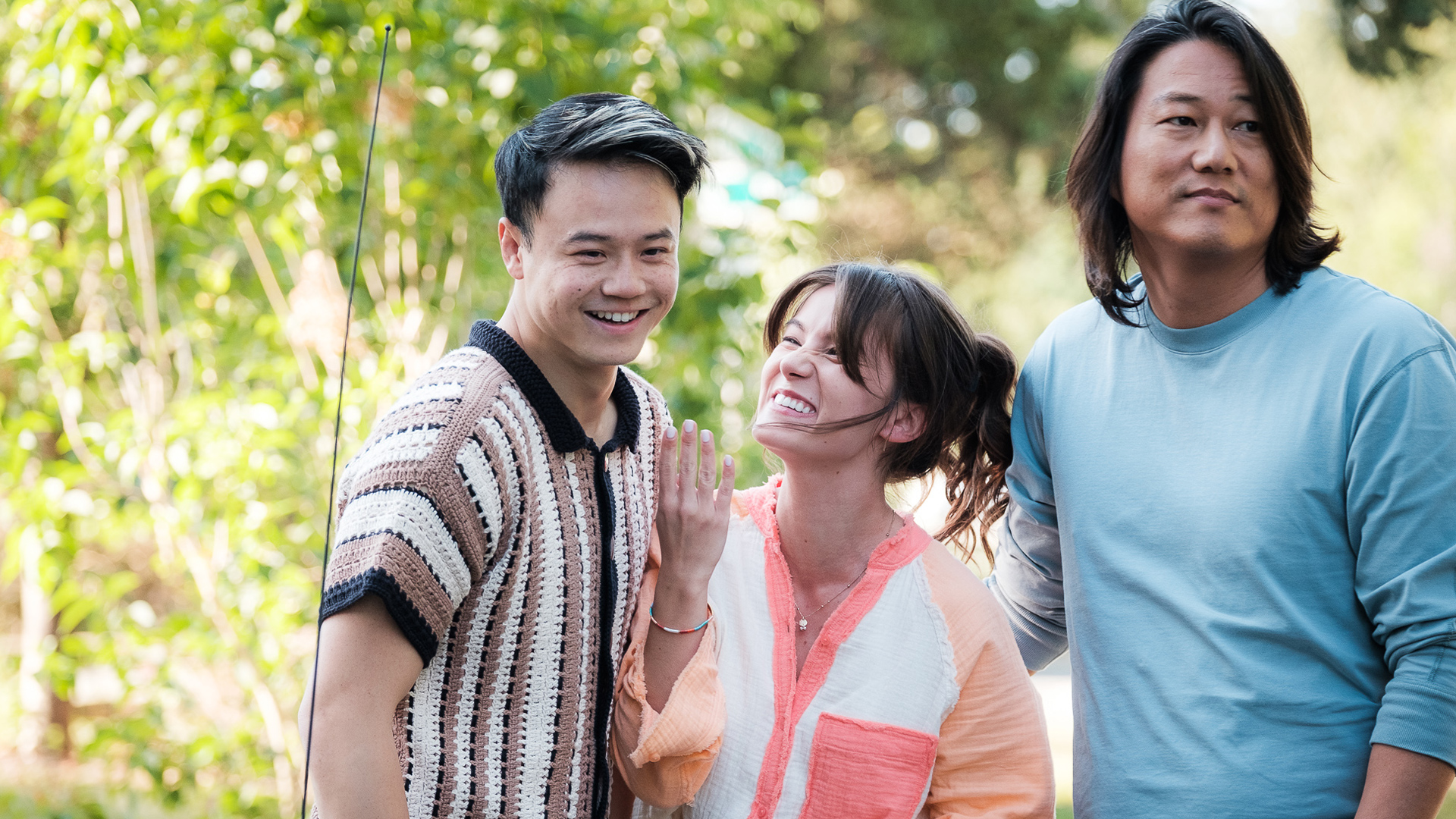
The literal “strawman” at the centre of Wang Tung’s colonial era satire is a scarecrow who occasionally narrates the events of this small village where, he laments, almost all the young men have been sent off to die in small corners of South East Asia in the name of the Japanese emperor. All of this sounds quite absurd to A Fa (Chang Po-Chou) and Big Mouth (Cho Sheng-Li), two brothers who’ve evaded the draft because their mother cleverly smears cow dung in their eyes while they sleep so they won’t get taken by the Japanese like everything else in the village.

The brothers are caught in a clash of imperial powers and changing times yet are busy just trying to live their ordinary lives. They each have several children, so many the scarecrow quips that they can’t remember all their names, which might be why the most recognisable two are nicknamed “doo-doo” and “stinky head,” and struggle to support themselves by farming sweet potatoes on the land that turns out to be owned by their pro-Japanese brother-in-law. Not really wanting to admit that the war is all but lost, the brother-in-law is planning to sell the farm and move his family to Japan, meaning the brothers will be displaced from their land and lose their livelihood with few other prospects for making a living. 

Though things carry on as normal in the village, it’s clear that the Japanese are essentially looting and exploiting them. Not only do they take the young to die for the emperor, but later come for the brothers’ cows too, insisting that they need them for “taxes” because men are starving at the front. This clash of cultures is obvious in the opening scenes as a Japanese soldier returns the ashes of men who fell in battle to their families while reading out a formal speech in his own language that the villagers do not really understand. While their brass band plays the ironically Westernised sounds of militarism, the villagers drown them out with their traditional instruments as they start their own set of death rituals. These two communities are essentially incompatible and effectively living separately. The soldiers turn around and walk in one direction, while the villagers walk in the other releasing the tension born of this oppositional meeting.

Indeed, the villagers all speak Taiwanese (though Wang was ironically, and anachronistically forced to use Mandarin at the time of release) and exist in a slightly different world to the Japanese-speaking soldiers. A Fa is annoyed with Doo-doo for asking if he should take a Japanese name but subsequently asks if he can have one too on learning that he’ll get better sugar rations. The brother-in-law mixes Japanese and Taiwanese in the same sentence while his wife mainly answers in Taiwanese when her children exclusively speak Japanese. The sight of the children’s traditional Japanese geta wooden sandals scandalises and confuses the brothers’ children, while the cousins mock them in Japanese knowing they won’t understand. Only the slightly bumbling local Japanese official straddles the two worlds by conversing mostly in Taiwanese with the villagers and Japanese with his bosses.

As good citizens of the empire, the children are asked to participate in metals collection and are given rewards for their finds. Doo-doo gets extra again when he picks up shrapnel from an American bomb which sets up a more complex relationship with American imperialism that will arrive after the war when the island is essentially recolonised by the arrival of the KMT and a large influx of mainlanders fleeing the communist take over. When a bomb lands on the brothers’ land but doesn’t go off, they think it’s manna from heaven and determine to take it to the main police station in the town in the hope of a large reward, while the official is convinced he’s going to get a big promotion for this tremendous find. 

Everyone is so fixated on the economic potential that they’ve forgotten this is a bomb and even if it seems like a dud, there’s still a chance it could go off any second and this could all quite literally blow up in their faces. In this, the film seems to be satirising an over dependence on America who were the main backers of the KMT regime. The film was released shortly after the end of martial law during which there had been an attempt to rewrite the history of the island, preventing open discussion of the fact that Taiwanese men had died fighting for Japan and that the island had been bombed by the Americans. So impressed with themselves are they that the brothers and the official have their photo taken with bomb in-between and Mount Fuji backdrop behind as if signalling this complex network of relationships.

Still, even after the prize turns out not to be great riches after all but a hefty supply of fish, the Doo-doo and his grandmother cheer on the bombings hoping for more of the same in the future. The kids even put buckets out in the field waiting for the next raid hoping they can catch some of the shrapnel while forgetting that bombings are actually dangerous, rather than just lucrative, until being caught in one. Small moments of terror and sadness such as the brothers’ finding a frightened deserter hiding in their shed who doesn’t want to go to war because his wife’s pregnant and his family’s economically dependent on him, interrupt what is otherwise a warm and humorous depiction of rural life. A Fa and Big Mouth might be strawmen too, living their lives knowing little of the geopolitical situation but just trying to keep the crows off the grass long enough to get a little to eat before that too is taken away from them.


Strawman screened as part of the BFI’s Myriad Voices: Reframing Taiwan New Cinema.

Trailer (Traditional Chinese / English subtitles)
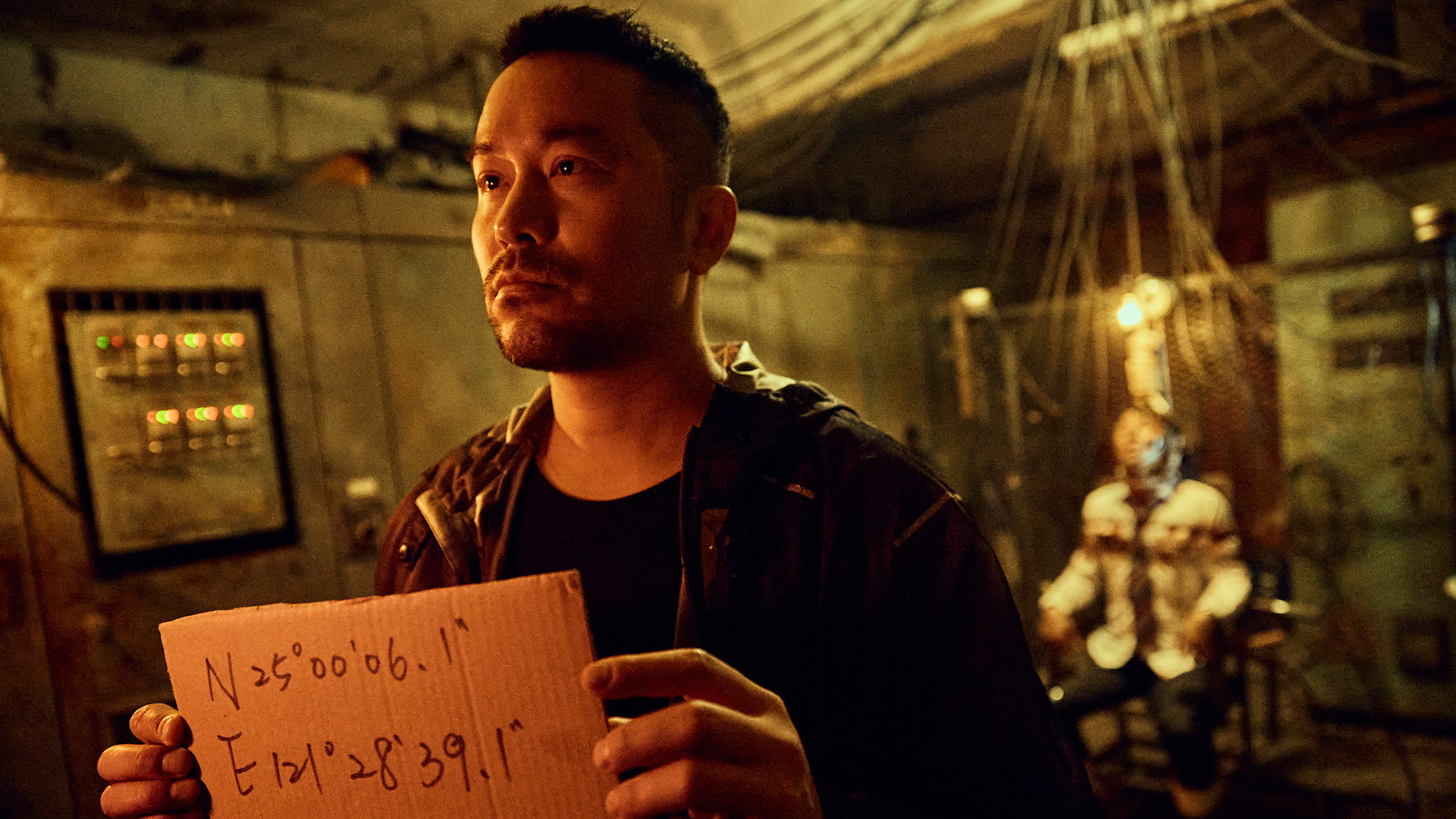
This Love of Mine (我的愛, Chang Yi, 1986)

When an already anxious housewife discovers her husband’s affair, she becomes aware of the extent to which she is already trapped by the patriarchal social codes of the contemporary society in Chang Yi’s psychological melodrama, This Love of Mine (我的愛, wǒ de ài). This very messy situation takes on a meta subtext given that This Love of Mine became the last film Chang Yi and his leading actress Loretta Yang would ever make as the pair were hounded out of the Taiwanese film industry after their affair was exposed by the film’s screenwriter, who also happened to be Chang’s wife, the novelist Hsiao Sa.

Wei-liang (Loretta Yang Hui-shan) is a typical housewife who’s devoted herself entirely to her husband and children, but she’s approached one day by a childhood friend, An Ping (Elten Ting), who tells her that her husband Wei-ye (Wang Hsia-Chun) is having an affair with her sister, An Ling (Cynthia Khan). The news comes as a shock to her and profoundly destabilises her world. When she confronts Wei-ye, he admits everything but makes no real excuses or promises to end the affair. In fact, he does not really do anything but only seems resigned to the situation as if he had no agency over it. 

Wei-liang takes the children to her mother’s and decamps to Kaohsiung to look at apartments but soon realises the impossibility of her situation. She can’t afford the deposit on a flat that she doesn’t like anyway and has no real income nor savings because she poured everything into Wei-liang’s business. Approaching an old friend about a job, she’s told that she’s just too old to re-enter the workforce and will struggle to find anyone who’ll hire her. Even if they do, it won’t be worth her while. The simple fact is that she’s trapped. She’s done everything “right” but has been betrayed and is now left with the realisation that she is powerless. Her husband can do as he pleases because she is economically dependent on him and therefore cannot leave. Wei-liang’s only option is to accept her humiliation and tolerate her husband’s affair.

Her anxieties had begun long before with the early death of her father. Wei-liang resented her mother for remarrying, but she too was faced with this same economic impossibility in the wake of widowhood rather than divorce. Her mother points out that without her stepfather, who does not seem to have treated Wei-liang particularly badly even if he is also a very patriarchal man and expects her mother to wait on him hand and foot, Wei-liang would not have finished her education and what else really could she have done in her situation? It may have been this sense of precarity that most frightened Wei-liang and explains her fixation on the children’s health, panicking about her son eating grapes with the skin on because of the pesticides and insisting on apple juice rather than the sugary drinks and junk food that Wei-ye buys for them. 

Wei-liang taking the children to KFC might be the clearest sign of her despair. Taking a razor blade to her hair, she hacks it all off and gives herself a slightly deranged look while directly attacking her femininity. Thereafter she falls into a depression, increasingly unable to see any kind of solution. Wei-ye says that their problem cannot be solved by divorce, but it’s unclear what kind of solution he favours. The implication is that Wei-liang should pretend to ignore his affair and allow him his desires while continuing to play the role of the perfect housewife. An Ling, meanwhile, has her own degree of intensity in insisting that Wei-liang is trapping her husband in obligation and that she is “cruel” for not letting him go so they can be together. Wei-ye hasn’t even really said whether he wants to leave his wife for An Ling or she’s just a casual thing, though it’s unlikely she wants to raise his children too. 

Nevertheless, when An Ling says the only way Wei-liang can win is if she dies, it opens the door to something darker as An Ling later manipulatively attempts to take her own life in romantic frustration. It becomes obvious that the only “solution” is that one of these women will have die for there are no other ways out of this situation, especially as Wei-ye refuses to make any decisions or play an active part until finally admitting that the status quo is “unfair” to Wei-liang, which just makes it sound as if he has rejected domesticity in favour of the freedom to pursue his desires with An Ling. Wei-liang points out that she had “desires” too, which were largely unmet by Wei-ye, but that she devoted herself to the family as society expected her to do with nothing left for herself, which might also explain her already fragile mental state. While Wei-liang’s daughter plays with a doll’s house in an echo of the Ibsen play, Wei-liang begins to see that her life has been a lie and her family a kind of illusion. There is only really one way out, and Wei-liang must put herself to sleep in one way or another in order to accommodate herself with it.


This Love of Mine screened as part of the BFI’s Myriad Voices: Reframing Taiwan New Cinema.

Trailer (Traditional Chinese / English subtitles)
Ah Fei (油麻菜籽, Wan Jen, 1983)

A few minutes into Wan Jen’s familial melodrama Ah Fei (油麻菜籽, yóu má càizǐ), a mother takes her children by the hand and walks to the end of a long jetty. We get the sense that she means jump and take her children with her, that she’s at the end of her tether and sees no other way out for herself, but still she thinks better of it and goes back anyway. Indeed, there isn’t really any way out for Hsin-chin, but there might be for her daughter, Ah Fei, if only Hsin-chin (Chen Chiu-yen) can bring herself to set her free.

Hsin-chin’s own mother died while she was a child and her otherwise sympathetic father later arranged her marriage to a man he thought was “honest” but turned out to be anything but. Shih-chen (Ko I-chen) is violent and irresponsible. He barely works and spends all the money Hsin-chin makes seamstressing on drink, gambling, and other women. Hsin-chin appeals to her father, but he ends up sending her back and siding with Shih-chen. He gives his son-in-law a not altogether stern talking to while encouraging him that there should at least be “civility” between husband and wife. 

We can see that this patriarchal sociality trumps all. Shih-chen originally takes no interest in Ah Fei but only in his son, Ah Shong whom he takes out with him drinking and introduces to his mistress. She buys him a toy sword which both buys the boy’s affection and creates further discord in the marital home as Shih-chen conspiratorially warns him not to tell his mother how he got it. On arriving home, Shin-chen had called for Ah Shong and he had come running in without even taking his shoes off, treading mud all over the floors Ah Fei had just been washing. 

Years later, Hsin-chin asks Shih-chen if he really thinks his son is as useless as he is. Shih-chen doesn’t answer, but it’s obvious that the answer is yes. These patriarchal patterns are quite obviously learned, passed down from fathers to sons in the ingrained codes of manliness. When his mother had tried to punish him when he was caught stealing bananas from a local farmer, Ah Shong turned round and said he’d tell his father her to beat her again if she didn’t stop. There is something sad and ironic in this circulation of violence as she beats her son to discipline him in much the same way her husband inflicts his violence on her and the teachers at Ah Fei’s school whack the pupils’ hands with a ruler when their grades dip below those of the previous paper. Ah Fei is studious and respectful, while Ah Shong is lazy and entitled. When his mother suffers a nasty miscarriage and calls for his help, Ah Shong doesn’t even wake up leaving Ah Fei to run alone through the night to the neighbour’s house so she can get the doctor. 

While the lived in the country, Hsin-chin had cherished her daughter and remarked that there was no point raising sons while Ah Fei is the only one contributing to the family by helping her with the housework. But on their return to Taipei after Shih-chen is caught sleeping with another man’s wife and forced to pay a humiliating fine in compensation, the situation is reversed. Shih-chen appears to mellow. He now stays home painting rather than going out to philander, but is still a figure of male failure who cannot find a job to support his family and leaves the heavy lifting to an increasingly embittered Hsin-chen. Hsin-chen meanwhile concentrates all her efforts on Ah Shong and resents Ah Fei. Though the family pay 200 dollars for Ah Shong’s private school, they begrudge the 30 for Ah Fei’s extra tuition so she can get into high school. Ah Fei doesn’t even want her to finish primary education. A neighbour has heard about an opening at a local factory and Hsin-chin wants her to start right away. It’s only Shih-chen who supports her education and switches his allegiance to Ah Fei rather than Ah Song who has disappointed him. He has come realise that Ah Shong is just like him after all, and seems to have a new degree of awareness about the family’s dynamics. He doesn’t want this life for Ah Fei, while Hsin-chin actively tries to trap her within the domestic space just as she was trapped.

In a repeated motif, Hsin-chin picks up a pair of scissors but can use them only in passive aggressive bouts of counter-productive revenge such as shredding Shih-chen’s suits, chopping the heads off roses to express her frustration, and cutting Ah Fee’s hair so she can’t go back to school after finding out that she had a boyfriend. Even once Ah Fei is a grown woman with a good job in advertising that is actively supporting the family, she struggles to separate herself from her mother who continues to frustrate her love and discourage her from marrying. Some of this is her own bitterness, and some honest advice that Ah Fei’s choice of husband is the most important decision she’ll ever make. Marry a good man and she’ll have a good life. Marry badly and she’ll end up like Hsin-chin knowing nothing but suffering. 

Of course, the crucial element is that Ah Fei has a choice that Hsin-chin never did. But at the same time she struggles to take it or to reject the internalised misogyny that ruled her mother’s life along with the patriarchal social codes that left her unable to leave a bad husband. She is well educated and financially independent so cannot be trapped in the same way her mother was even if her “escape” is ironically bound up with the patriarchal institution of marriage. Only on seeing her in a wedding dress does Hsin-chin finally accept her, reverting to the kind mother she had been in the countryside rather than the embittered old woman she had become in Taipei who is too afraid of her impending loneliness and the spectre of poverty to set her daughter free. Ah Fei’s liberation may speak of that of her generation, travelling from the countryside to a Taipei slum and finally a well-appointed flat in the centre of a rapidly developing city in the twilight of an authoritarian regime, but equally of the interconnected cycles of toxic masculinity, patriarchal entitlement, male failure, and internalised misogyny all seemingly dissolved in a single moment of forgiveness and acceptance.


Ah Fei screened as part of the BFI’s Myriad Voices: Reframing Taiwan New Cinema.

Trailer (Traditional Chinese / English subtitles)
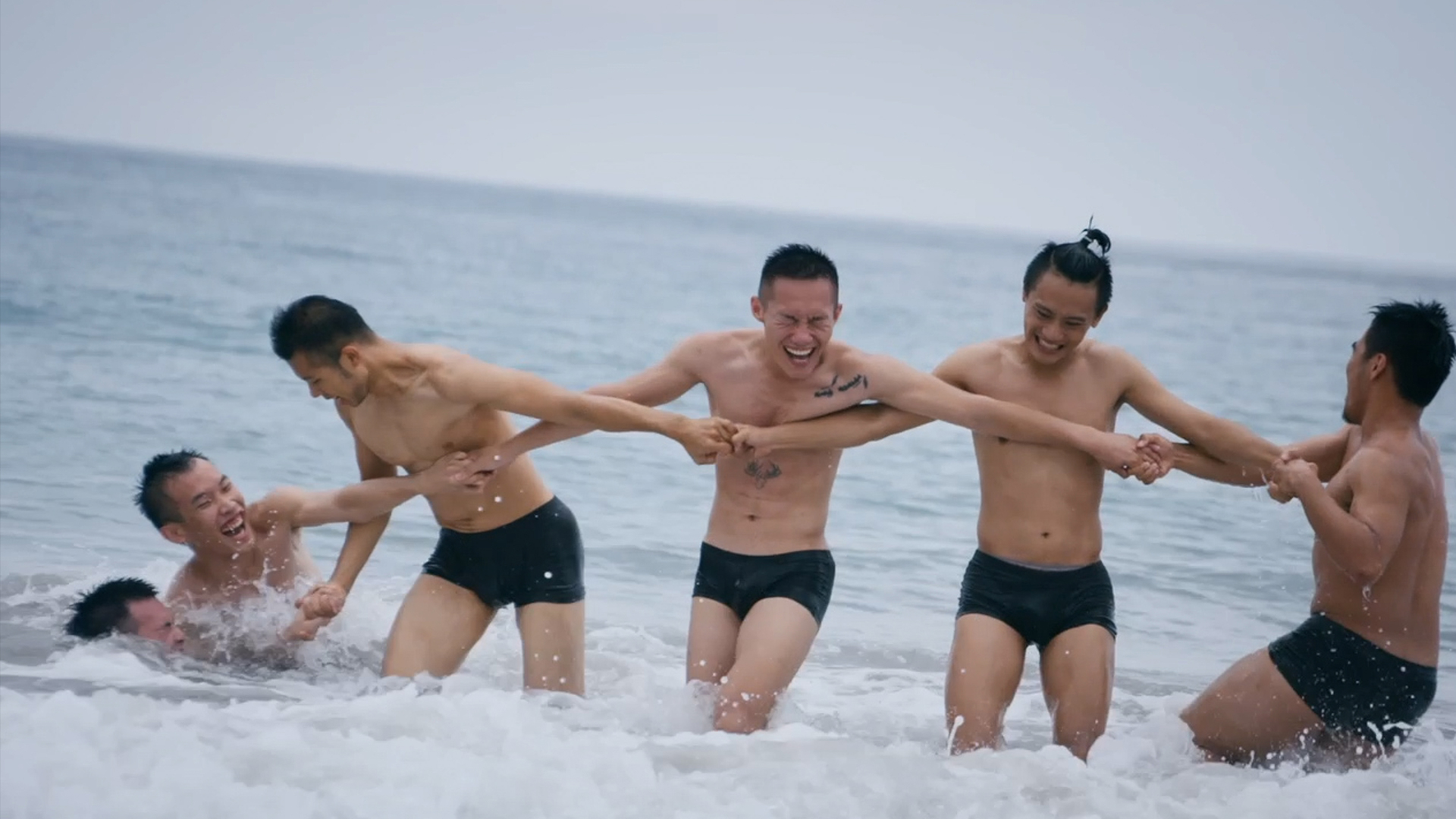
My Favorite Season (最想念的季節, Chen Kun-Hou, 1985)

After becoming pregnant by her married lover, an otherwise independent young woman decides she must find a husband so that her baby will be legitimised but plans to divorce him a year later in Chen Kun-Hou’s charming Taipei-set rom-com, My Favourite Season (最想念的季節, zuì xiǎngniàn de jìjié). These contradictions perhaps express those at the centre of a changing society as the heroine temporarily shackles herself to a weak-willed man but finds herself both bonding with him and resentful of his attempts to control her, while the relationship itself continually straddles an awkward line.

Pao-liang (Jonathan Lee Chung-shan) is a somewhat nerdy guy who runs a print shop and has become a guardian to his niece because his sister and her husband are struggling artists. Incredibly superstitious, he insists he won’t get married before the age of 30 because it would be bad luck, but is roped into Hsiang-mei’s (Sylvia Chang Ai-chia) scheme by a friend who turned her down. Pao-liang tries to turn her down too, but is also struck by her beauty, his own improbable luck, and a possibly genuine emotional connection the pair may share even though they are in other ways opposites. 

Hsiang-mei works as a journalist for a fashion magazine and has more sophisticated tastes as well as a looser connection to money than the penny-pinching Pao-liang who, as the saying goes, knows the cost of everything but the value of nothing. He doesn’t like it when Hsiang-mei spends her own money on things she wants and insists on keeping a running tally of mutual expenses. When his sister asks him for a loan to tide her over, he immediately refuses despite having a large amount in his bank account, partly because he’s mean with money and partly because he’s essentially selfish. Hsiang-mei gives it to her instead, which annoys Pao-liang on several levels because he realises it’s made him look bad while he is now further indebted to Hsiang-mei. 

She, meanwhile, is from a small town and came to Taipei for a better life. The only girl in her family, Hsiao-mei strives for independence and ironically wanted a husband to secure it so she could have her baby and raise it on her own. As her brother says, “she does what she wants,” but seemingly hadn’t really thought through her plan assuming it would all go smoothly and she and Pao-liang could essentially hang out for a year and then bring the arrangement to an end. She picks Pao-liang partly because they do seem to get on, and possibly because she thought he’d be easy to manage, but is lucky in her choice of man that he presents little danger to her.

He is, however, petty and patriarchal in his mindset. He’s both attracted to Hsiang-mei and resentful of her strong will and independence while also small-minded and incapable of direct communication. It’s obvious that he wants this arrangement to continue, but often acts in ways that endanger it and lashes out at Hsiang-mei rather than explaining how he feels. When Hsiang-mei returns upset having met up with her married lover, Pao-liang shouts at her and accuses her of embarrassing him by sleeping with another man. He does something similar when she encounters unexpected tragedy, blaming and berating her in place of offering comfort even if his cruelty is motivated by frustrated affection. 

But Hsiang-mei is in some ways the same. She doesn’t really say what she wants either or acknowledge that she has grown fond of Pao-liang and his niece. She’s fiercely independent, but felt she still needed to have a husband to have a baby after having an affair with a man who was already married so was to her the ideal boyfriend because he wouldn’t tie her down. She buys a lamp for Pao-liang’s place because lamps make a place a home, but Pao-liang doesn’t want it or approve of the expense while simultaneously insisting on paying for half of it because it’s for a “communal” area. He’s still intent on keeping score and isn’t ready to accept that he and Hsiang-mei live in the house together so everything belongs to them “communally” as a couple. On a baseline level, he won’t cede his space to her nor acknowledge that she still has the upper-hand in this relationship even as the pair inevitably draw closer. Chen’s vision of 80s Taipei is warm and sophisticated as Pao-liang spends his time dancing with the old ladies in the park and loses his keys at opportune moments or drives his car into a ditch but even despite his pettiness and ineffectuality, can still find love and the courage to chase it if somewhat passive aggressively.


My Favorite Season screened as part of the BFI’s Myriad Voices: Reframing Taiwan New Cinema.

Trailer (Traditional Chinese / English subtitles)