Japan Academy Film Prize Announces Winners for 46th Edition

©2022 "A MAN" FILM PARTNERS

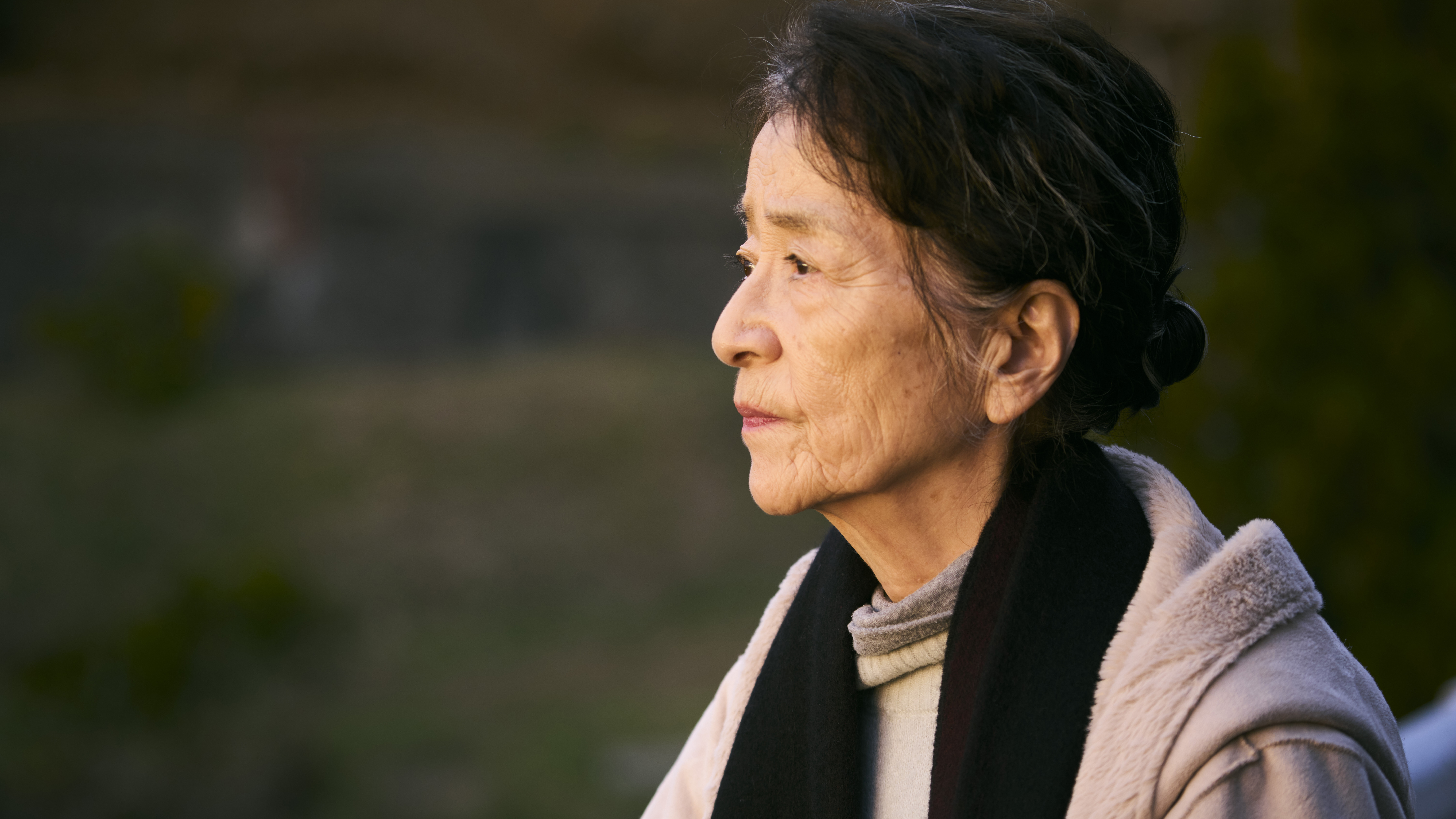
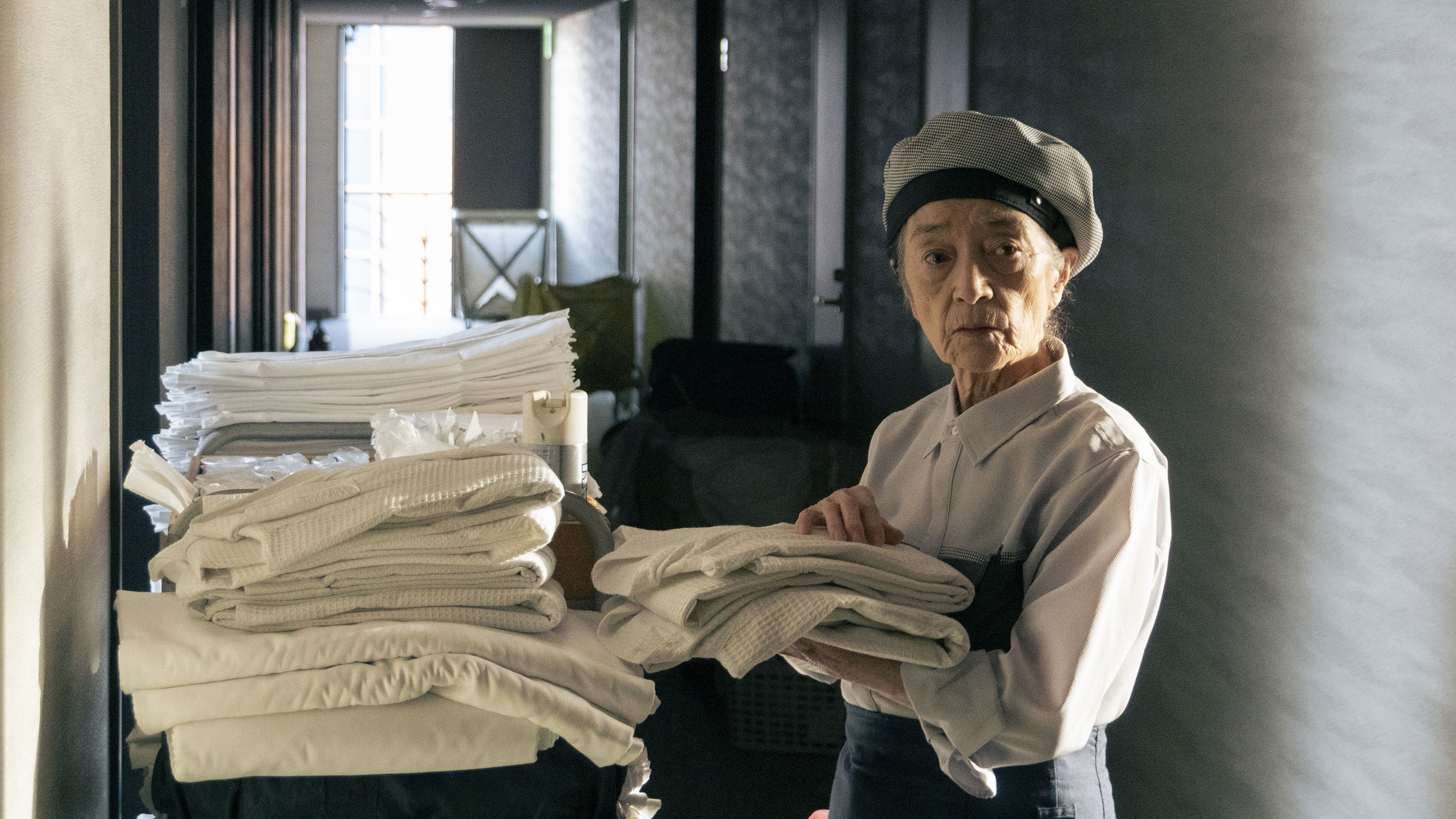
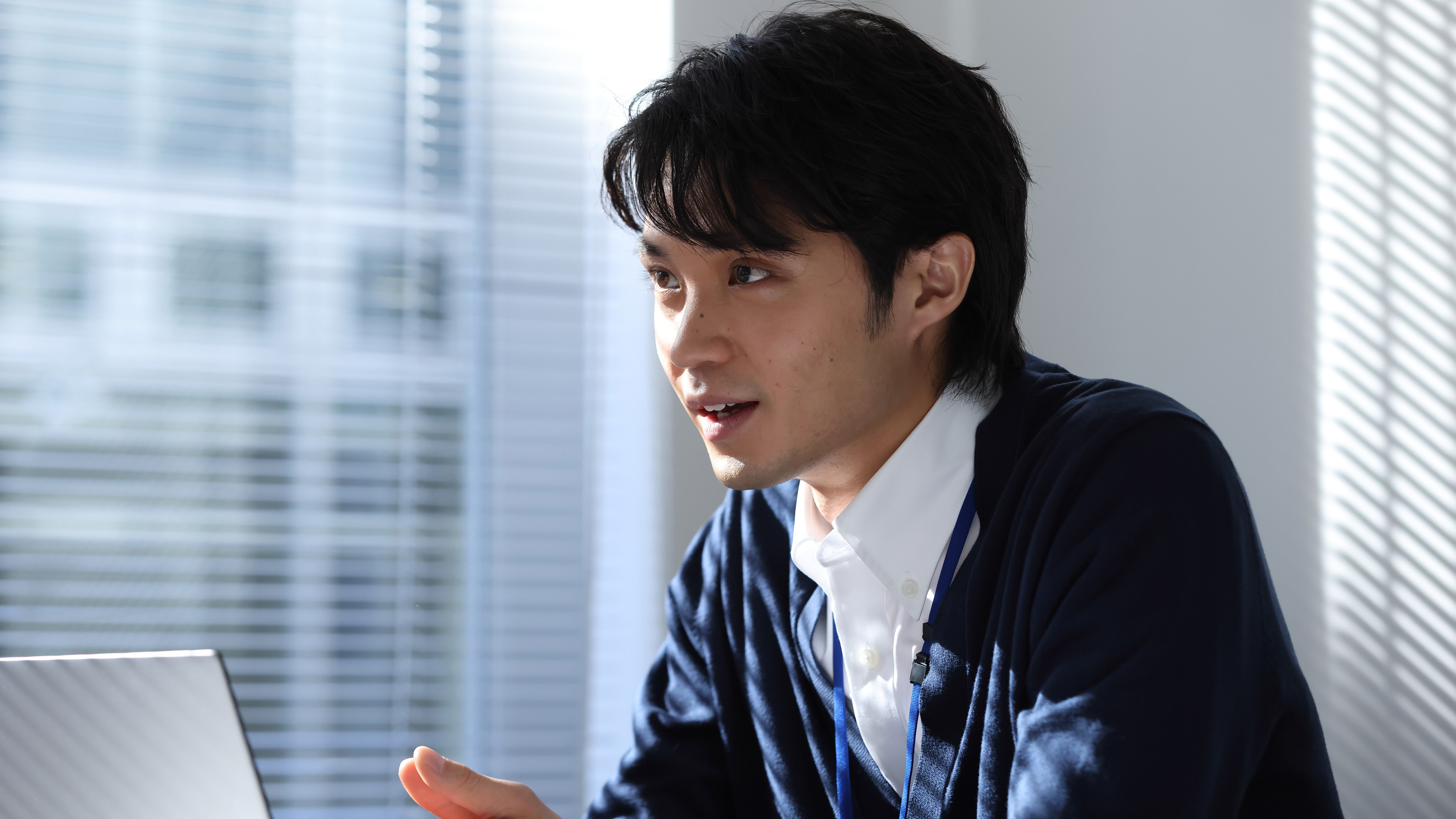
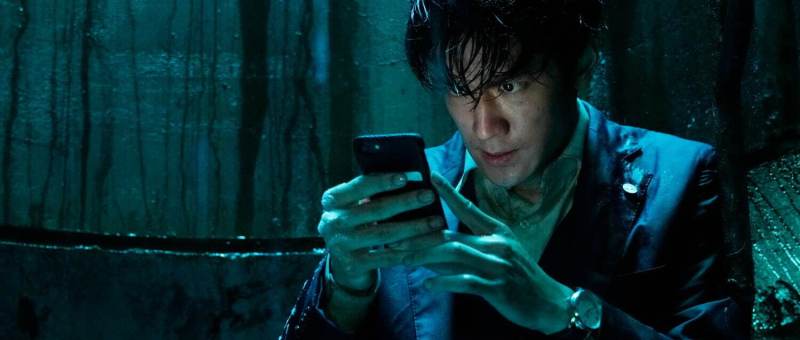
The Japan Academy Film Prize, Japan’s equivalent of the Oscars awarded by the Nippon Academy-Sho Association of industry professionals, has announced the winners for its 46th edition which honours films released Jan. 1 – Dec. 31, 2022 that played in a Tokyo cinema at least three times a day for more than two weeks. Favourite A Man swept the board winning eight of the 13 Awards it was nominated for including big ticket items Picture, Director, Screenplay, Actor, Supporting Actor, and Supporting Actress. Meanwhile, big budget tokusatsu Shin Ultraman has a good showing in technical categories.

Picture of the Year

©2022 "A MAN" FILM PARTNERS
  • A Man
  • Shin Ultraman
  • Phases of the Moon
  • Anime Supremacy!
  • Wandering

Animation of the Year

  • Inu-Oh
  • Lonely Castle in the Mirror
  • Suzume
  • One Piece Film Red
  • The First Slam Dunk

Director of the Year

©2022 "A MAN" FILM PARTNERS

Screenplay of the Year

©2022 "A MAN" FILM PARTNERS

Outstanding Performance by an Actor in a Leading Role

©2022 "A MAN" FILM PARTNERS
  • Sadao Abe (Lesson in Murder)
  • Yo Oizumi (Phases of the Moon)
  • Satoshi Tsumabuki (A Man)
  • Kazunari Ninomiya (Fragments of the Last Will)
  • Tori Matsuzaka (Wandering)

Outstanding Performance by an Actress in a Leading Role

Outstanding Performance by an Actor in a Supporting Role

©2022 "A MAN" FILM PARTNERS
  • Tasuku Emoto (Anime Supremacy!)
  • Masataka Kubota (A Man)
  • Kentaro Sakaguchi (Hell Dogs)
  • Ren Meguro (Phases of the Moon)
  • Ryusei Yokohama (Wandering)

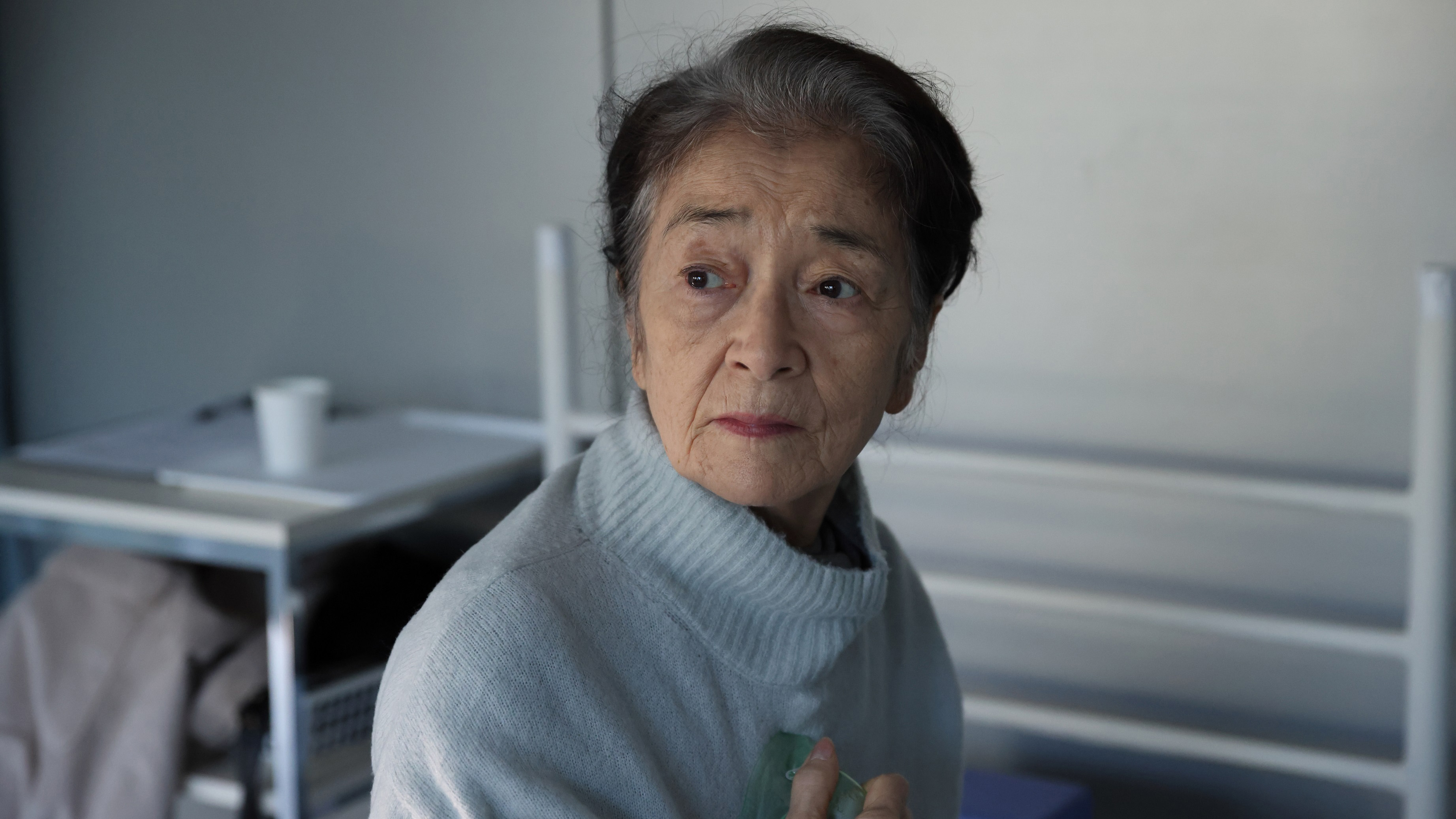
Outstanding Performance by an Actress in a Supporting Role

©2022 "A MAN" FILM PARTNERS
  • Kasumi Arimura (Phases of the Moon)
  • Sakura Ando (A Man)
  • Machiko Ono (Anime Supremacy!)
  • Nana Seino (A Man, Kingdom 2: To Distant Lands)
  • Mei Nagano (Motherhood)
  • Honoka Matsumoto (It’s in the Woods)

Outstanding Achievement in Cinematography

Outstanding Achievement in Lighting Direction

Outstanding Achievement in Music

  • Yoshihiro Ike (Anime Supremacy!)
  • Yu Takami (Whisper of the Heart)
  • Cicada (A Man)
  • Mari Fukushige (Phases of the Moon)
  • Radwimps / Kazuma Jinnouchi (Suzume)

Outstanding Achievement in Art Direction

  • Toshihiro Isomi / Emiko Tsuyuki (Fragments of the Last Will)
  • Hidetaka Ozawa (Kingdom 2: To Distant Lands)
  • Satoshi Kanda (Anime Supremacy!)
  • Yuji Hayashida / Eri Sakushima (Shin Ultraman)
  • Hiroyuki Wagatsuma (A Man)

Outstanding Achievement in Sound Recording

©2022 "A MAN" FILM PARTNERS

Outstanding Achievement in Film Editing

©2022 "A MAN" FILM PARTNERS

Outstanding Foreign Language Film

  • Avatar: The Way of Water
  • Coda
  • Spider-Man: No Way Home
  • Top Gun: Maverick
  • RRR

Newcomer of the Year 

(Presented to all nominees equally)

  • Karin Ono (Anime Supremacy!)
  • Hinako Kikuchi (Phases of the Moon)
  • Riko Fukumoto (Even if This Love Disappears from the World Tonight)
  • Meru Nukumi (My Boyfriend in Orange)
  • Daiki Arioka (Shin Ultraman)
  • Ichiro Banka (Sabakan)
  • Hokuto Matsumura (xxxHOLiC)
  • Ren Meguro (Phases of the Moon)

Special Award from the Association

(Lifetime achievement awards)

  • Masanobu Amemiya (car stunts)
  • Shohei Kawamoto (animation background art)
  • Naomi Koike (production design)
  • Yasuhiro Fukuoka (casting producer)

Award for Distinguished Service from the Chairman

(Lifetime achievement awards for contribution to the film industry)

  • Shunya Ito (film director)
  • Yuzo Kayama (actor)
  • Hideki Mochizuki (lighting)

Special Award from the Chairman

(Lifetime achievement award presented to members of the film industry who passed away during 2022)

  • Hideo Onchi (film director)
  • Hiro Matsuda (screenwriter)
  • Mitsunobu Kawamura (producer)
  • Iwao Ishii (editor)
  • Kazuki Omori (director & screenwriter)
  • Yoichi Sai (director & screenwriter)

Special Award

  • One Piece Film Red music crew

Popularity Awards

(Decided via public vote)

Movie: One Piece Film Red

Actor: Hokuto Matsumura (Suzume / xxxHOLiC)

Source: Japan Academy Film Prize official websiteEiga Natalie

The Sunny Side of the Street (白日青春, Lau Kok-rui, 2022)

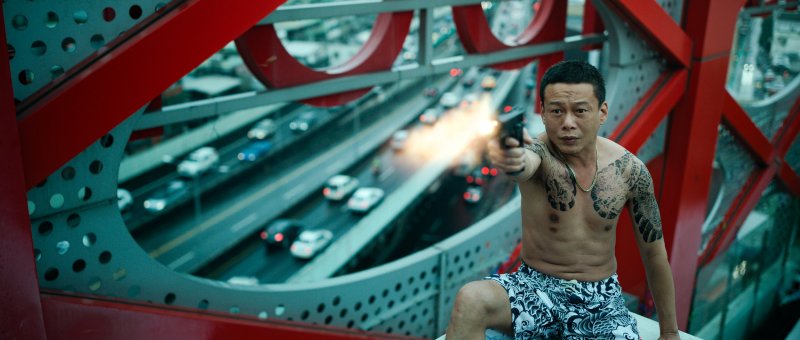
Dualities abound in the stories of two frustrated fathers and the sons who vow to be nothing like them in Malaysian director Lau Kok-rui’s paternal drama, The Sunny Side of the Street (白日青春). The fathers are in their way looking for a place in the sun but struggle to find it, while the sons want nothing but their affection and approval but remain resentful for their repeated failures. Each affected by the legacies of geographical displacement, they remain free floating if looking for safe harbour though perhaps in all the wrong places. 

The parallels between embittered taxi driver Yat (Anthony Wong Chau-sang) and former lawyer turned refugee Ahmed (Inderjeet Singh) are amply demonstrated by the opening sequence in which each is late for a wedding after Yat rams into the van Ahmed had borrowed from store owner Ali to transport a secondhand fridge. Yat arrives just in time to see his son, Hong (Endy Chow Kwok-yin), make the toast at his wedding but thank his father-in-law, a senior policeman at his precinct, while looking daggers at Yat whom he only invited a few days before out of a sense of obligation. Ahmed meanwhile was supposed to be a witness at a wedding between a Pakistani man and an Indonesian woman at the refugee camp not far from where Yat lives which the officiant is keen to remind them is binding in the eyes of Allah but not so much the government of Hong Kong. 

As a somewhat prejudicial radio show playing in Yat’s car explains, Hong Kong is a point of transit. If their claims are upheld, the refugees will not settle there but be moved on to other countries such as Canada where a family at the wedding are about to travel taking the best friend of Ahmed’s son Hassan (Sahal Zaman) with them. The radio show talks about “fake refugees” describing them as a drain on resources depriving local people of services they should otherwise be entitled to while it’s clear that many don’t seem to see the refugees as equals and think of them as lazy shirkers with criminal proclivities. Yat repeatedly uses a racial slur to refer to Ahmed and immediately tries to pin the accident on him assuming the policeman will also jump to the conclusion that it must be Ahmed’s fault for being a bad driver only the policeman doesn’t quite play along even when pulling Ahmed aside for an ID check. 

The irony is that Yat is also a refugee who swam to Hong Kong from the Mainland and is still carrying trauma from his flight in the same way many like Ahmed are yet cannot find it within himself to empathise with him, only to act with entitlement and absolve himself of blame through manipulating his connections with the police. He has quite clearly lost his moral compass as the repeated motif of him looking the one which led him to Hong Kong but now appears to be broken makes plain. Hong pointedly refuses to help his father and is clear they should go by the book, but his less rigorous friend is only too keen to help. In any case the petty vendetta between the two men, Ahmed sticking to his principles and refusing to lie to make the situation go away and Yat insisting on enforcing his privilege by forcing him to back down, escalates with tragic results eventually forcing Yat to wrestle with the consequences of his actions and not least the causes of his estrangement with his son. 

Hong tells him that he doesn’t want to be a man like him who is unable to protect his family, while Hassan snaps at Ahmed that his acts of petty thievery are better than being poor like his father. Yet while Hong has swung in the opposite direction, raising himself to be a man who is compassionate and dedicated to justice, Hassan is in danger of going off the rails not least because he has bad eyesight and is falling behind at school because even as something as simple as glasses for their son is not in the family’s reach. Ahmed’s dodgy friend Numen is forever trying to get him into crime, knowing that refugees are not permitted to work or even accept monetary gifts, but he refuses while Hassan begins to see a way of taking control of his situation though thievery and rebels against his father as he does so. 

When Yat begins to take an interest in Hassan it’s mainly to assuage his guilt in knowing that he ruined Ahmed’s life and has left a boy without a father for whom he is now responsible. Yet it’s also in a way an attempt to repair the relationship he could not rebuild with his son while addressing the latent trauma from his own escape from Mainland China which he has otherwise buried through heavy drinking that finally resulted in a liver transplant from Hong that only seemed to deepen the sense of debt and obligation between them. Perhaps Hong Kong is a transitory place after all, each of them in some way displaced and not least from each other while continuing to hope for a better place in the future only to discover nothing more than loneliness and uncertainty if tempered by love and the shades of a frustrated hope.


The Sunny Side of the Street screens March 12/17 as part of this year’s Osaka Asian Film Festival.

Original trailer (Traditional Chinese / English subtitles)

Images: (C) Petra Films Pte Ltd

Punk Samurai (パンク侍、斬られて候, Gakuryu Ishii, 2018)

Gakuryu Ishii began his career under the name Sogo as a representative of the youth voice, in fact still a college student when invited by Nikkatsu to film a feature-length version of his Panic High School short though they paradoxically saddled him with the more experienced Yukihiro Sawada as a co-director in case his voice turned out to be more youthful than anticipated. In any case, he went on to make his name with a series of anarchic punk films such as Burst City and The Crazy Family before retreating from filmmaking in the early 2000s. When he returned in 2012 with Isn’t Anyone Alive?, he did so under a new name, Gakuryu, as if signalling a new phase in his artistic career that seemed to have left punk behind.

Like 2015’s That’s it, Punk Samurai is billed as a kind of return to Ishii’s anarchic roots while also harking back to surreal samurai movie Gojoe. Even so, Punk Samurai isn’t really a punk samurai film even in its irreverence towards the genre so much as an ironic jidaigeki comedy which eventually positions its hero’s nihilistic outsider status as his saving grace in a “fake” world where nothing has true meaning. “This world might be fake, but I’m alive” he insists, claiming not to ask anything of it, simply stating that he is “different” because he belongs to no group and has been a lonely a wanderer.

Nevertheless, Kake (Go Ayano) had wanted to join a clan so desperately that he spun a tale of dangerous cult rebellion to a naive retainer of a useless lord whose inability to rule has ruined his fiefdom. After killing a pilgrim he believed to be a member of the Bellyshaker Party, Kake is taken in by the Kuroae where he is enlisted by duplicitous councillor Naito (Etsushi Toyokawa) who seizes on the idea of the Bellyshaker threat as a means of undermining his rival, Ohura (Jun Kunimura), to seize the reins from overly serious lord Kuroae (Masahiro Higashide). 

The Bellyshaker cult believes that this “fake” world exists within a giant tapeworm and seeks escape though being excreted by it into the “real” world as a means of achieving some kind of spiritual enlightenment. Their furious belly shaking is deliberately meaningless in an effort to antagonise he tapeworm to such a degree that it gives it spasms to “spew” the believer into a more authentic existence. Not even the cult leader believed this to be true, and as Kake later suggests the appeal lies in a kind of Manichaeanism that allows the believer to believe nothing is their fault it’s just that this “fake” world is wrong. In the end, the conflict comes down to a battle between “monkeys and idiots”, while even an enlightened ape (Masatoshi Nagase) finds his revolution failing and is left with no option other than to retreat to the Heavens. 

The world is indeed in disarray, Kuroae is constantly plagued by his own poor decision making, or failure to make decisions at all, while there are constant allusions to the decline of his clan from persistent famine to military weakness after having made most of his foot soldiers redundant as part of an austerity programme. Many of the recruits to the “fake” Bellyshaker cult resurrected by Naito with the assistance of former devotee Chayama (Tadanobu Asano), who has two telepathic servants who speak for him, are in fact refugees from Kuroae who fled its disorder. Kake prides himself on being an outsider but in reality had wanted to join the clan, and there is perhaps something in the sudden collapse of the world around him along with a return to blue skies the moment his rebellion is ended. 

Yet for all its weirdness and incomprehensibility, for much of is running time Punk Samurai is a typical jidaigeki comedy about a useless lord, his clever underlings, and a chaotic ronin if one that also hints at the absurdist meaninglessness of the hierarchical samurai society. Only in its closing moments does the film truly embrace its punk spirit with psychedelic kaleidoscope backgrounds, electric swords, and the true slash down of the social order as Kake’s life comes full circle proving that even in this “fake” and meaningless world there are some things from which there is no escape.


Punk Samurai is released on blu-ray in the UK on 13th March courtesy of Third Window Films.

Original trailer (English subtitles)

Daruma (極道系Vチューバー達磨, Daiki Matsumoto, 2022)

Times are hard for yakuza. The footsoldier who comes out of prison and discovers everything has changed (and from his point of view not for the better) while he’s been inside is a stock character of the post-war gangster movie but the yakuza has been in decline for decades so you’d think there might not be so much of a culture shock on emerging into the world of 2022 after 15 years away. The hero of Daiki Matsumoto’s Daruma (極道系Vチューバー達磨, Gokudokei VTuber Daruma) is however plunged straight into the deep end when his late boss’ wife (Junko Ohshita) who now heads the operation puts him in charge of a moribund film studio currently being used by the previous owner’s daughter, Shoko (Sayumi Haga), to livestream as a VTuber. 

Daruma (Rikiya Kaido) hasn’t even heard of YouTube so it’s a quite a learning curve for him when the assistant he’s given, IT nerd Sampei (Sanpesanpei), explains that a VTuber is a live streamer who appears as an animated avatar, in this case a cute high school girl. When a miscommunication about dates causes Shoko to miss an important stream, Daruma has no choice but to step in himself but though some viewers respond positively to the obvious incongruity of a grizzled old man’s voice coming out of a cute high school girl’s animated mouth others are soon flooding the comments section with anti-yakuza sentiment. Nevertheless, he eventually finds an audience after leaving his mic on accidentally while sharing prison anecdotes with Shoko and Sampei. 

There’s no question that Daruma is intended as an example of good old school yakuza while the young guys who surround the lady boss are definitely of the new generation who no longer care about things like honour or humanity. Avuncular in nature, he may be intimidating when needed but is generally cheerful and pleasant to be around which makes it difficult to accept that he was in prison for 15 years for stabbing a man to death on the orders of his gang. Even so, after after getting out, he’s quick to spring into action to help out some of his old buddies most of whom now run legitimate businesses which are suffering under the constraints of the pandemic-era economy. It’s clear the yakuza game has changed even while he’s been away, Daruma noticing one of their guys riding a delivery bike and asking if even yakuza need a side hustle these days (though as it turns out he may have been working his main job after all). As he arrives at HQ, the youngsters are busy trying to teach a veteran how to run an “ore ore” scam which he can’t seem to manage because he can’t drop his classic yakuza speech to sound like a teenager in trouble to con money out of vulnerable old people. 

Daruma’s crisis comes when he realises that the gang has shifted into lines of work prohibited by their old moral code including the manufacture and trafficking of drugs which is not something Daruma can condone. While he leaves to start his own “gang” with Sampei and Shoko, factional tensions arise between the old school veterans and the amoral youngsters with Daruma’s protege Nishimura (Kaiba Taka) caught in the middle. Meanwhile, he’s left wondering if and when he’ll have to deal with reprisals for the killing of 15 years ago as he reflects on his new found happiness as an improbable VTuber surrounded by people who love and respect him as if he really were a member of their family. 

A daruma is a round, red, figure with a rounded bottom so that it can not fall over and just like his namesake Daruma does try to keep going trying to rebuild his life in the new yakuza environment while taking care of friends and family and genuinely moved by the support of his new internet community. In the film’s gory finale he even takes on the form of a daruma, covered in red and rolling around but finally getting back up again to carry on with the help of his friends as if to symbolise his resilience and rebirth as a yakuza VTuber offering strange stories from his life of violence along with acting as a kind of agony uncle. Matsumoto frequently references classic cinema in giving Daruma the surname Mifune and having him belong to the Kurosawa clan, while Sampei claims he became a yakuza after seeing Battles without Honour and Humanity and the films of Takeshi Kitano even suggesting their lady boss reminds him of Shima Iwashita in a series of films about yakuza wives directed by Hideo Gosha in the 1980s. His gently humorous tale of yakuza redemption, found family, and unexpected new beginnings eventually comes full circle in its surprisingly bloody climax, in some ways quite literally, allowing Daruma to put the past to rest and then get back up again to rejoin his new family. 


Daruma screened as part of the 2022 Yubari International Fantastic Film Festival.

Original trailer (English subtitles)

Road Warriors (あやめ笠 喧嘩街道, Tai Kato, 1960)

A penniless wanderer finds himself mixed up in chaos and conspiracy after deciding to help a lady travelling alone for the purposes of revenge in Tai Kato’s Toei chanbara, Road Warriors (あやめ笠 喧嘩街道, Ayame Kasa: Kenka Kaido). Truth be told, the hero isn’t much of a warrior at all and wisely prefers to avoid a fight if possible but is prepared to put his sword where his mouth is when the occasion calls. Still the conspiracy in this instance is small scale and incredibly petty as a trio of ambitious retainers attempt to frame their one time bodyguard for the murder of a lord.

Before all that, however, Gantaro (Ryuji Shinagawa) is as he’s fond of introducing himself a penniless traveller who makes his ends meet through gambling. In debt to local boss Hidegoro (Ushio Akashi) he agrees to act as an intermediary in a dispute with the greedy Onizo (Eijiro Yanagi) who has usurped some of their territory. Gantaro suggests they settle the matter through gambling but is then challenged to combat by the gang’s bodyguard, Akiyama (Shin Tokudaiji). The young man looks noticeably afraid, sweating at the temples and gripping his sword at an unusual angle, but holds his own in the fight until Onizo tries to cheat by sending in one of his minions to finish him off. Noticing what’s happening, Akiyama proves his nobility by ending the fight and accepting defeat. Onizo appears cheerful and even asks Gantaro to join his gang, but seconds after the young man leaves he sends his guys out after him and evidently has no intention of enforcing a truce with Hidegoro.

Meanwhile, Gantaro runs into a melancholy samurai woman, Miyuki (Kyoko Aoyama), chasing after a thief who has stolen something from her far more precious than money. Discovering the thief has robbed him too, Gantaro springs into action and soon discovers that Miyuki is on a quest for revenge against the man who killed her father but that she’s been betrayed by her three retainers and has managed to ditch them to proceed alone. Unsprisingly, the prime suspect appears to be Akiyama but as stabbing a man in the back and running away don’t seem to fit with the noble character he displayed in the fight, Gantaro has an idea that something’s not quite right. 

Of course, he also begins to fall for Miyuki despite the obvious affection held for him by Hidegoro’s daughter Omitsu (Hiromi Hanazono) which he otherwise seems keen to escape. It’s reasonable to assume that loveable rogue Gantaro is the love them and leave them type, though his love for a samurai’s daughter is always going to be an impossibility no matter how much she may come to admire him. Even so, the conspiracy angle along with Onizo’s smug and overbearing duplicity do begin to awaken his sense of justice especially while travelling with an incredibly cynical thief who will sell anything or anyone in search of a quick buck. Even he however eventually comes around to the idea of helping Miyuki get away from her retainers and enact her revenge especially after overhearing the truth while cowering behind some barrels. 

It may be an overly familiar chanbara tale if one enlivened by Gantaro’s wisecracking antics, but Kato brings to it his characteristic sense of uncertainty in the potent mists that seem to surround Gantaro and Miyuki as they travel the mountain paths in search their enemy. Then again, there are shades of unexpected darkness not least in the implication that Gantaro was about to rape Miyuki before she fainted and brought him back to his senses. Nevertheless, her retainers may tell her that she has “no choice” but to obey them, but Gantaro seems to feel differently if abruptly giving up his intention of protecting her on learning that she has someone else in her heart. This is indeed a harsh world for women samurai and otherwise, a mother and daughter are saved by Akiyama after being harassed by Onizo when he annexes the local market while both Miyuki and Omitsu are left to finish their father’s unfinished business in the wake of their untimely deaths. Notably, it is indeed they who finally strike the final blow to eliminate the corruption which surrounds them. Penniless wanderer Gantaro doesn’t have it that easy either, gambling his life away and ending up with debts both financial and moral that may have dangerous consequences while often beset by cynicism even if latterly deciding to help those in need for no reward. In any case, like any good wanderer all he can do is smile and wave as he departs for the next adventure on the violent streets of the Edo-era society.


All About Ah-Long (阿郎的故事, Johnnie To, 1989)

“Don’t ever make mistakes, you’ll never get a second chance!” warns the hero of Johnnie To’s melancholy male melodrama, All About Ah-Long (阿郎的故事). Ah-Long is indeed a man who’s made mistakes, mistakes he fears can never be corrected that have removed all possibility of his redemption only to be presented with new hope through a chance encounter and to have that hope eventually smashed by the cruel hand of fate. 

A former motorcycle racer, Ah-Long (Chow Yun-fat) has a job driving a truck at a quarry and lives in a tiny two room apartment sharing a bed with his 10-year-old son, Porky (Huang Kun-Hsuen). A fateful introduction from an old friend, Dragon (Ng Man-tat), accidentally reunites him with former girlfriend Por Por (Sylvia Chang), now calling herself Sylvia having become a successful ad executive after moving to the US following the couple’s acrimonious breakup while Ah-Long, badly injured in a motorcycle crash, ended up spending some time in prison. Sylvia’s class conscious mother had not approved of the relationship and in fact told her that the baby had died to convince her to move abroad. Discovering that Porky is alive, she begins to want him back planning to take him with her when she returns the to the US in the company of her fiancé Patrick (Alan Yu Ka-Lun). 

The situation may be somewhat reminiscent of the then recent Kramer vs Kramer but the parameters of the dilemma are different. Sylvia did not wilfully abandon her child nor is she being asked to choose between motherhood and personal fulfilment though as we later discover the traumatic circumstances of Porky’s birth have left her unable to bear any more children meaning that Porky is the only possibility of her reclaiming her maternity. Her request is in its own way selfish, considering her own feelings over Porky’s in suggesting they remove him from his home and everything he’s known while disrupting the clearly very close relationship between Ah-Long and his son. There is also something uncomfortable in the mediation of her love as she showers Porky with expensive gifts Ah-Long could never hope to provide, almost as if she were trying to buy him or at least tempt him away from wholesome working class Hong Kong towards consumerist paradise in the US hinting at the new international possibilities of a future outside of the post-Handover nation. Emptying his bank account, Ah-Long buys the puppy in a pet store window that Porky had doted on, but the boy barely reacts too busy playing with the new desktop computer Sylvia has set up for him in addition to tidying the apartment and making soup while Ah-Long was out. 

Through flashback we realise that Ah-Long was womanising bad boy, drunk and abusive, but has apparently seen the error of his ways humbled by his accident and matured by fatherhood now apparently reformed and dedicated solely to Porky’s upbringing. All he wants for him is a comfortable life and he knows that Sylvia can give that to him even if it means leaving Ah-Long behind alone in Hong Kong. While Sylvia’s fiancé Patrick claims not to care about her past but becomes increasingly controlling and paranoid, unwilling to accept Porky and insistent that they adopt a child of their own while resentful of her relationship with Ah-Long, Ah-Long continues to dream of a traditional family reunion with Porky showing the former lovers how to walk together during a parents’ three-legged race at the school sports day. 

Yet there is always a degree of distance between the one-time couple. To opens the film with the camera looking up at a pair of high rise buildings as it sinks to street level and then rises finding first Ah-Long’s moped and then the tiny apartment he shares with Porky. The camera pulls up again to catch the name of the swanky hotel where Sylvia is staying, a captivated Porky mystified by the elegant glass elevators rising inside, while Sylvia can hardly bear the literal rollercoaster ride at a local theme park the implication being that she can no longer bear the ups and downs of a life like Ah-Long’s while Porky may not be able to ascend to her life of middle-class stability. The promise of a life of comfort threatens to break the bond between father and son, the question becoming whether it is selfish of Ah-Long to prioritise their emotional bond in a life of wholesome poverty rather than sacrifice himself in allowing Sylvia to take Porky with her back to affluent if emotionally empty America. 

Even so, it begins to seem as if the pair may reach a form of equilibrium that places them on a similar level as Sylvia rejects the overbearing Patrick and leaves a door open for the reunion of the traditional family with a reformed Ah-Long who has learned the error of his ways and done his best to make amends. In true To fashion, however, fate has other ideas. Ah-Long sees his longed for dream in front of him and rides fast towards it only to be denied as if the universe had suddenly refused to grant him his redemption. The bleak conclusion perhaps implies that there really are no second chances for men like Ah-Long no matter how much they want them, while the peculiar contradictions of pre-Handover Hong Kong preclude such ordinary visions of happiness as could be found in familial reunification. 


Trailer (no subtitles)

Osaka Asian Film Festival 2023 Announces Complete Lineup

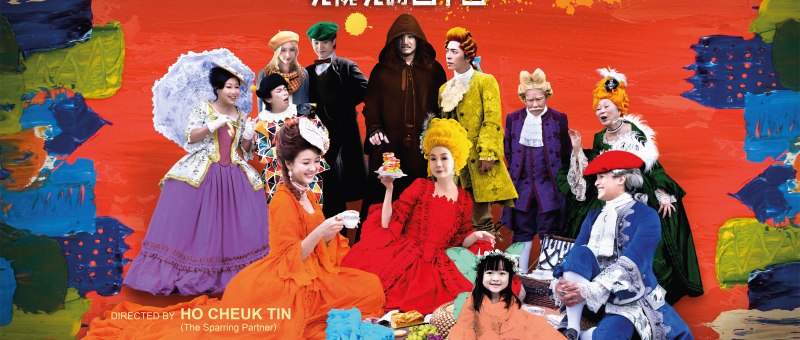
The Osaka Asian Film Festival returns for its 18th edition from 10th to 19th March bringing with it some of the best in recent East Asian Cinema. This year’s edition will open with the world premiere of a dark comedy from the director of The Sparring Partner, Over My Dead Body, and close with another world premiere in the Kentaro Sakaguchi-starring drama Side By Side.

Hong Kong

  • Hong Kong Family – a fracturing family struggles to repair itself after a traumatic holiday gathering in Eric Tsang Hing-Weng’s autobiographically inspired familial melodrama. Review.
  • Life Must Go On – sporting comedy in which a social worker teams up with a washed up coach to lead unruly teens to dodgeball glory.
  • Lost Love – a couple who have recently lost a child decide to foster, but the decision places additional strain on their relationship.
  • Over My Dead Body – chaos reigns when an ordinary family discover a corpse on their property and set about trying to pass the buck before it impacts the value of their home.
  • The Narrow Road – an earnest middle-aged man and a cynical young woman become unlikely friends in pandemic Hong Kong in Lam Sum’s melancholy drama. Review.
  • The Sunny Side of the Street – Anthony Wong stars as a retired taxi driver who takes in the son of a refugee after a traffic accident.

Indonesia

  • Like & Share – two teenage girls fall foul of the false promises of the online society after starting an ASMR video channel.

Japan

  • The Burden of the Past – docudrama from Atsushi Funahashi following a series of people trying to reintegrate into society after spending time in prison.
  • Cafune – gentle seaside drama in which a pair of teens attempt to deal with an unplanned pregnancy.
  • December – powerful drama from Anshul Chauhan in which bereaved parents attempt to prevent their daughter’s killer from getting her sentence reduced.
  • Is This Heaven? – mid-length seaside drama from Shinji Imaoka.
  • NEW RELIGION – supernatural horror in which a woman struggles to deal with her grief following the death of her daughter.
  • People Who Talk to Plushies Are Kind – adaptation of the novel by Ao Omae in which dejected students join the Plushy Club to bear their souls to stuffed toys.
  • Saga Saga – mystery drama from Jeux de Plage’s Aimi Natsuto in which a young woman returns home to Saga after leaving to become an actress.
  • Side by Side – a young man with the power to sense spirits is forced to reflect on the past after reading the thoughts of a friend from high school who went to Tokyo to become a musician.
  • When Morning Comes, I Feel Empty – a young woman who quit an exploitative job is much happier working at a convenience store but also burdened by a deep sense of guilt and inadequacy.
  • Where Love Goes – snowbound drama in which scattered teenagers struggle to deal with the death of a friend.

Korea

  • Jiseok – documentary focussing on Kim Jiseok, former director of the Busan International Film Festival, who passed away unexpectedly while attending the Cannes film festival in 207.
  • Remember – an elderly man suffering with Alzheimer’s and a brain tumour sets out on a quest for vengeance against the men who destroyed his family during the colonial era.

Philippines

  • Leonor Will Never Die – a grief-stricken screenwriter resolves to write her way out of self-imposed inertia while trapped in a world of her own creation in Martika Ramirez Escobar’s meta dramedy. Review.
  • YIELD Final Version – documentary exploring the lives of working class children.

Taiwan

  • Bad Education – a night of post-graduation celebration goes awry when teenage boys unwisely assault a gangster in the directorial debut from actor Kai Ko.
  • Day Off – a veteran hairdresser embarks on a road trip when the family of an old client who had moved far away and has since become bedridden ask her to come and cut his hair.

Thailand

  • OMG! Oh My Girl – a pair of youngsters fall for each other in high school but somehow never get together.
  • You & Me & Me – millennial drama in which the relationship between a pair of twins is disrupted when they fall for the same boy.

Vietnam

  • Sister Sister 2 – drama set in the 1930s in which an aristocrat falls victim to a plot by a flower girl.

The Osaka Asian Film Festival runs from 10th to 19th March at venues across the city. Full details for all the films as well as ticketing links are available via the official website. You can also keep up with all the latest details by following the festival on Facebook, TwitterInstagram, and YouTube.

Long Goodbye (さようなら, Yuuji Nomura, 2022)

“No matter where we go nothing will change” according to a dejected factory worker in Yuuji Nomura’s adaptation of stage play Long Goodbye (さようなら, Sayonara), yet it seems change might be possible no matter where they are if only they had the will to pursue it. Set at a small factory on a small island, the film reflects a sense of small-town ennui but also the concurrent anxiety that even if you managed to escape it life may not be so much better in the city and you’d have lost the illusionary hope that a better life is possible. Still, what each of them learns is that money alone won’t solve their problems but will definitely create a set of new ones. 

The crushing dull nature of life at the factory is rammed home in a looping series of events that begin with Miyazaki (Kouji Kawazoe) and Shibata (Yuuji Nomura) singing karaoke at local bar run by mama-san Tomiko (Kyou Mikamoto) where they appear to be the only customers before waking up early and returning for a group radio taiso session of morning callisthenics. Prone to throwing his weight around, Miyazaki doesn’t like it when Shibata invites co-workers Sueda (Naoyo Ichinose) and Chen (Syunkurou Itoh) to join them but is even more irritated by their refusal. A mousy young woman, Sueda has recently lost her parents in an accident and dreams of leaving the island to pursue a fashion career in Tokyo, while Chen came to Japan from China at 10 years old and has a habit both of comically repeating his name whenever someone else says it and of inappropriately talking about sex workers and masturbation at every given opportunity.  

The crisis occurs when Sueda and Chen discover that their boss has been fiddling his taxes and has a large amount of cash stored on the premises because he obviously can’t deposit it in a bank. Realising that he couldn’t go to the police if someone robbed him, they decide to steal the money and are eventually forced to rope Miyazaki and Shibata in to help by keeping their boss drinking at the karaoke bar while they carry out the heist. 

Of course, nothing quite goes to plan partly because Chen is a bit of a loose cannon but also because none of them are really the heist-planning sort and they have no idea what they’re doing. Sueda double-crosses Miyazaki and Shibata by leaving with all the cash while she and Chen take a taxi to Osaka station to realise when they get there they’ve missed the last train. Meanwhile, Chen has also stolen a watch from their boss’ home which places them all in danger as it gives him an opportunity to go to the police without necessarily revealing his tax evasion operation. The money represents for each of them the possibility of changing their lives or at least of leaving the island and its dearth of opportunities, but as Sueda keeps cautioning Chen you also have to know how to use it to best achieve your dreams. 

Shibata is seemingly the only one who’s more or less happy with his life as it is, constantly reminding the others that actually their lives are fine as they are, unable to understand their sense of desperation and resentful of having his life messed up by their unrealised desire for change. He challenges Sueda that the money is an irrelevance because if she really wanted to change her life she could have done it on the island but she counters him with her feelings of insignificance certain that no one really cares about her or would notice if she tried to change herself. No one can be fully satisfied with their life, he warns her, perhaps suggesting he thinks she’s asking for too much and is simply existentially restless which isn’t something she could cure through crime and a sudden flight to the city. After all, she didn’t earn the money herself, she’s just stolen it from someone else which isn’t a particularly good foundation for self-reinvention. 

After being accused of plotting the crime, Miyazaki is then forced to face his own feelings of dissatisfaction, which his arrogant belligerence was intended to cover, along with his frustrated romance with Tomoki who like everyone else just wants to run away hoping that Miyazaki will finally pay off his tab when they get the money. His attitude changes to the extent he offers to bow down to Shibata in exchange for assistance, but he similarly asks him if he really wants to change or is going to settle for his small-town existence too afraid to take the risk of gambling on something better. Their boss cautions Shibata that finding the meaning of life might not be a good thing if you end up discovering that all that awaits you is death, but it seems some do begin to find new direction thanks to their failed heist even if it’s not necessarily the direction you’d expect. 


Long Goodbye screened as part of the 2022 Yubari International Fantastic Film Festival.

International trailer (English subtitles)

Japan Organized Crime Boss (日本暴力団 組長, Kinji Fukasaku, 1969)

A yakuza just out of jail emerges into a very different Japan in Kinji Fukasaku’s proto-jitsuroku gangster picture, Japan Organized Crime Boss (日本暴力団 組長, Nihon Boryoku-dan: Kumicho). A contemporary Oda Nobunaga is trying to unify the nation under his yakuza banner while fostering a nationalist agenda and colluding with corrupt politicians to prop up the 1970 renewal of the Anpo security treaty, but as it turns out some people aren’t very interested in revolutions of any kind save the opportunity to live a quiet life they once feared would elude them. 

As the film opens, a narratorial voice explains that the nation has now escaped from post-war chaos, but Japan’s increasing prosperity has led to a natural decline of the yakuza which has seen some try to ride the rising tides to find new ways to prosper. Exploiting its control of local harbours, the Danno group has quickly expanded though Osaka and on to the rest of the nation thanks largely to its strategist, Tsubaki (Ryohei Uchida), and his policy of convincing local outfits to ally with them and fight as proxies allowing Danno to escape all responsibility for public street violence. 

Perhaps strangely, the Danno group and others are acutely worried about optics and keen to present themselves as legitimate businessmen while using a prominent politician as a go-between to settle disputes between gangs. The yakuza already know they’re generally unpopular and fear that attracting too much attention will only bring them problems from the authorities. The politician needs Danno to look clean so that they can back them in opposing the protests against the Anpo treaty, while the yakuza organisation is later depicted as a militarised wing of the far right hoping to correct “misguided” post-war democracy while eradicating communism and instilling a sense of patriotic pride as they go. Of course, all of that will also likely be good for business while quite clearly marking these new conspiracy-minded yakuza as “bad”, hypocritical harbingers of a dangerous authoritarianism. 

Tsukamoto (Koji Tsuruta), the recently released lieutenant of the Hamanaka gang, is conversely the representative of the “good” yakuza who still care about the code and are genuinely standing up for the little guy against the oppressive forces now represented by bad yakuza. Hamanaka had allied with Danno while Tsukamoto was inside and was thereafter targeted by the local Sakurada group who have joined the Tokyo Alliance of yakuza clans opposed to Danno who continue to fight them by proxy. After his boss is killed and tells him that joining Danno was a mistake, Tsukamoto’s first thought is to rebuild the clan which he does by remaining neutral, refusing to engage in Danno’s proxy wars while protecting his men from their violence as mediated by the completely unhinged, drug-addled Miyahara (Tomisaburo Wakayama) and the anarchic Hokuryu gang. 

Miyahara comes round to Tsukamoto precisely because of his pacifist philosophy after he kidnaps one of his men and Tsukamoto stands up to him while making a point of not fighting back. As crazed as he is, Miyahara is a redeemable gangster who later also turns on Danno regretting having agreed to do their dirty work for relatively little reward. After a gentle romance with the sister of a fallen comrade, Tsukamoto, who lost his first wife to suicide while inside, begins to dream of leaving the life behind but as he and others discover there is no real out from the yakuza and the code must always be repaid. In failing to protect his clan he fails to save himself and becomes a kind of martyr for the ninkyo society taking on politicised yakuza and their lingering militarism. 

Fukasaku takes a typical ninkyo plot of a noble gangster standing up for what he believes is right against the forces of corruption and begins to undercut it with techniques such as voiceover narration and onscreen text that he’d later use in the jitsuroku films of the 1970s which firmly reject the idea of yakuza nobility seeing them instead as destructive forces born of post-war chaos and increasingly absurd in a Japan of rising economic prosperity. Men like Tsukamoto are it seems at odds with their times, unable to survive in the new society in which there is no longer any honour among thieves only hypocrisy and self-interest. 


Electric Dragon 80000v (エレクトリック·ドラゴン 80000V, Sogo Ishii, 2001)

“How do we repress the animal instinct to explode?” asks a narratorial voice (Masakatsu Funaki) in Sogo Ishii’s 50-minute cyberpunk fever dream Electric Dragon 80000v (エレクトリック·ドラゴン 80000V). The supercharged hero is indeed filled with a kind of rage, not least because society seems intent on trying to “regulate” him while he later comes into contact with an opposing force whose job it is to control the electric flow though in a curious way the two men perhaps free each other from their mutual oppression and regain the right to run on their own current. 

“Dragon Eye” Morrison (Tadanobu Asano), as he comes to be called, got zapped by a pylon when he was a child which altered his brain, awakening the dragon within by “damaging” the part of our neurology unchanged from our reptile ancestors that controls emotion and acts of desire. Doctors seem intent on “correcting” this “fault” in his circuitry through electro-shock therapy to force him to conform to mainstream society while he does admittedly seem to have some problems with violence and impulse control. He self-regulates by chaining himself to a table and “recharging” overnight while easing his frustrations through playing electric guitar, boxing, and hanging out with his calming lizard friends 

Meanwhile, Thunderbolt Buddha (Masatoshi Nagase) is literally divided in two, one half of his face covered in a metallic Buddha mask hinting at the inner duality which at times literally leaves him at war with himself while wandering around with an electric metre trying to control not just his own flow but everyone’s. “He’s the electricity man! All its wavelengths are his!” the narrator explains, while Thunderbolt Buddha turns his head to the Buddha side and an old lady prays to him in his infinite calmness. Not so long before, he’d been acting as a vigilante thief, like Dragon Eye in the ring only darkly exorcising his frustration through violence attacking the corrupting forces of the contemporary society. Perhaps jealous, or just seeking an escape, Thunderbolt Buddha gradually dismantles all of Dragon’s Eye’s means of self-regulation, disappearing lizards and chopping his electric guitar into a series of uniform triangles. Dragon Eye tries to put it back together, but the guitar doesn’t play the right tune anymore, now echoing Thunderbolt Buddha’s eerie discordance. “I just wanted to see you angry” Thunderbolt Buddha admits, trying to engineer a battle that will decide each of their fates. 

Dragon Eye’s power is in one sense manmade, he got he got it from a pylon which is after all an attempt to regulate natural energy into something useful to a modern society, whereas Thunderbolt Buddha was as his name suggests was struck by lightning and imbued with 20,000v of naturally generated pure electric charge. As the two men square off against each other on a Tokyo rooftop, Dragon Eye once again marshals the power of modernity, ripping open the electric power supply and using it to supercharge himself before turning it on Thunderbolt Buddha who has no such recourse to a greater power. In the end, they are perhaps both freed. Thunderbolt Buddha’s mask falls to the ground while a calmed Dragon Eye retrieves his lizard and returns home no longer locking himself into his electric table but freed of its restraints. 

Shooting in a crisp black and white, Ishii returns to the punk sensibilities of his earlier career in a tale of a free spirit seeking escape from a conformist society and rebelling against the forces quite literally intent on regulating his brain. Echoing the avant-garde cinema of the 1960s, Ishii uses anarchic title cards with strangely drawn, elongated figures accompanying the voiceover narration and aggressive guitar music as the two men spark in conflict each threatening to explode, already overloaded with the alternating currents of contemporary civility. “Let’s send them to hell, your demons and mine” Thunderbolt Buddha insists, ironically echoing Shinya Tsukamoto’s Tetsuo the Iron Man as the pair bend the electric city to their will and finally find release in a mutual explosion that catapults each of them free of the magnetic pull of social conformity towards a world of freedom in self-regulation and independent flow.


Electric Dragon 80000v is released on blu-ray in the UK on 6th March courtesy of Third Window Films.

Original trailer (English subtitles)