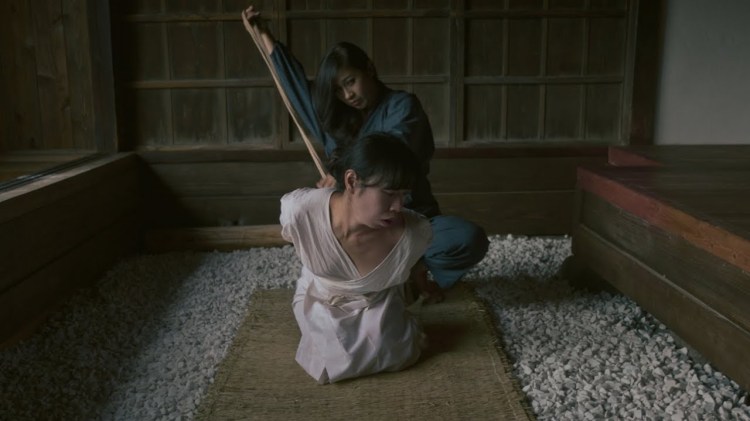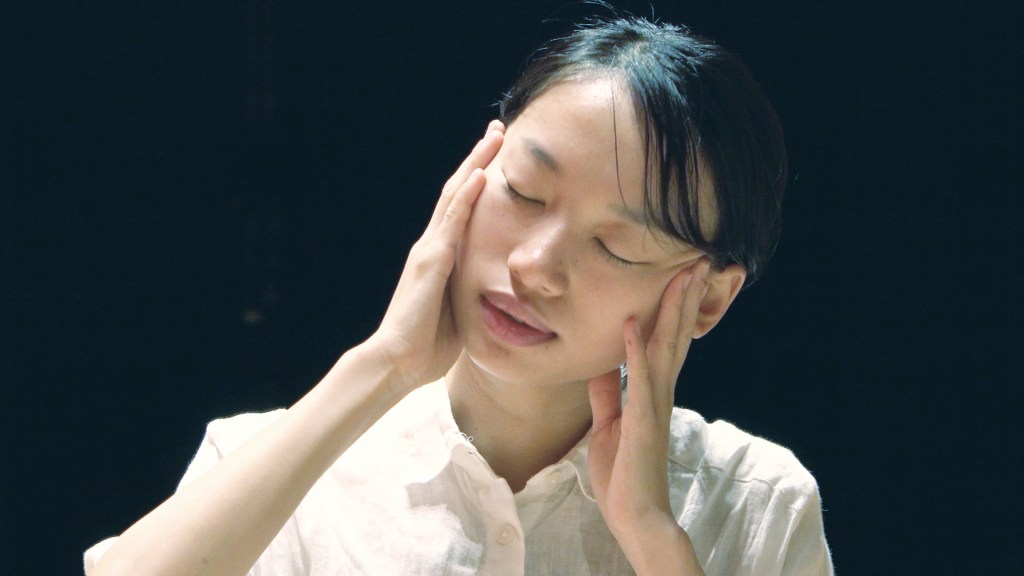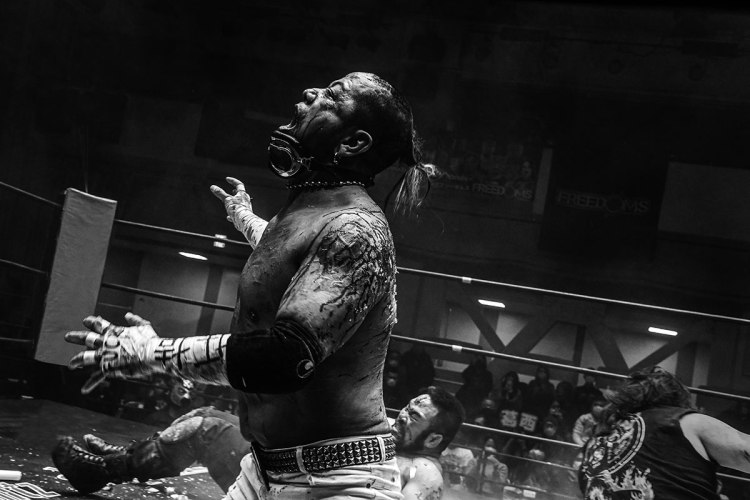
Swimming Out Till the Sea Turns Blue (一直游到海水变蓝, Jia Zhangke, 2020)

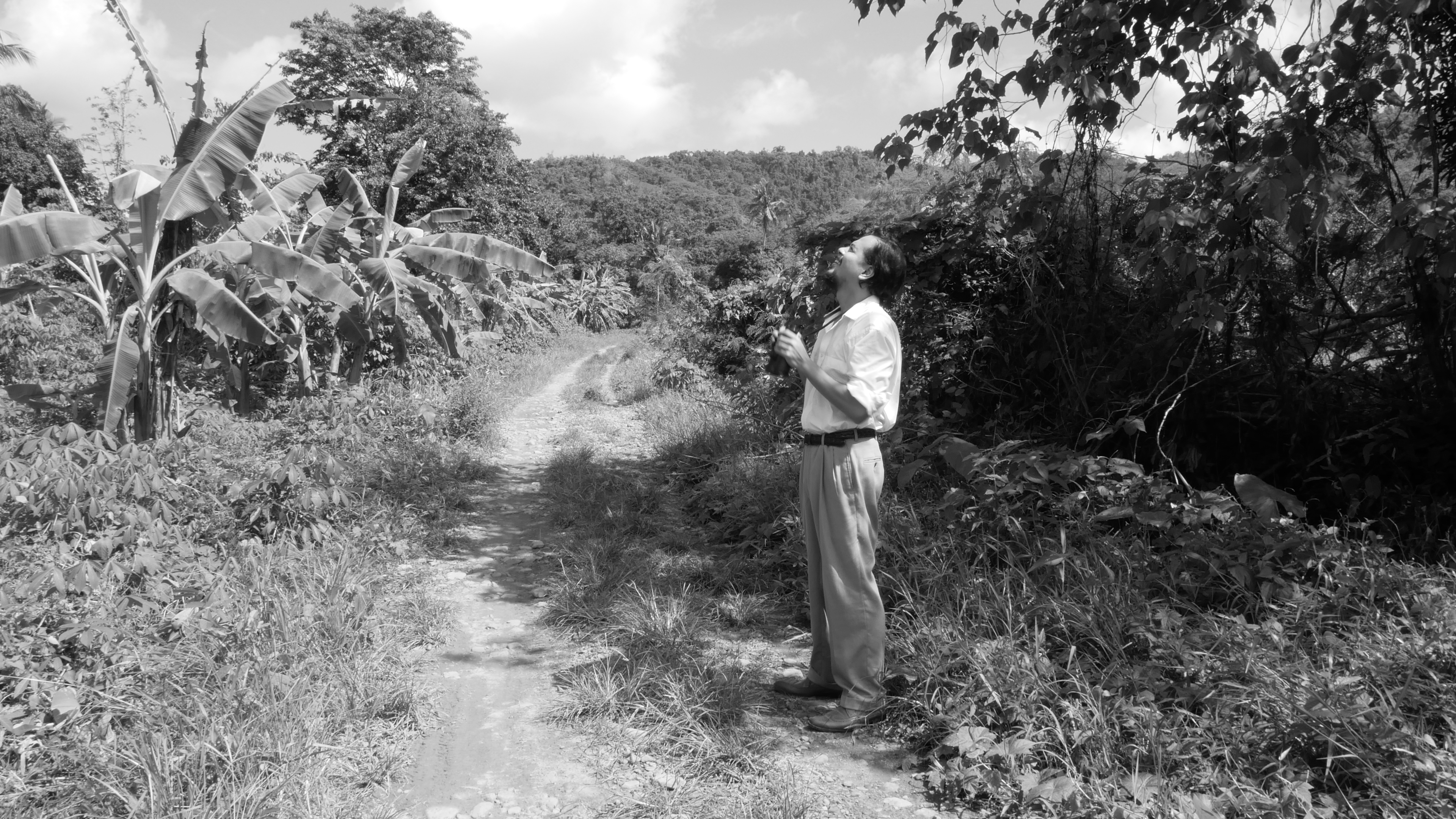
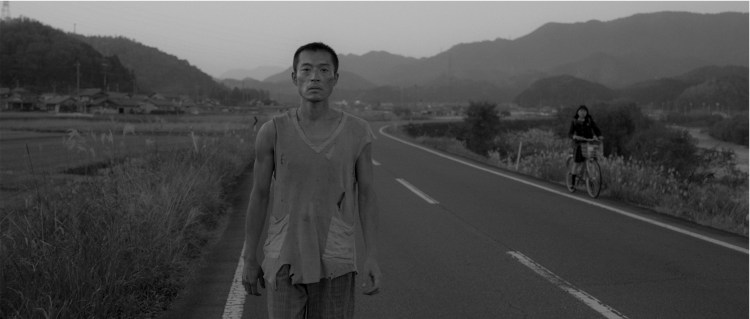
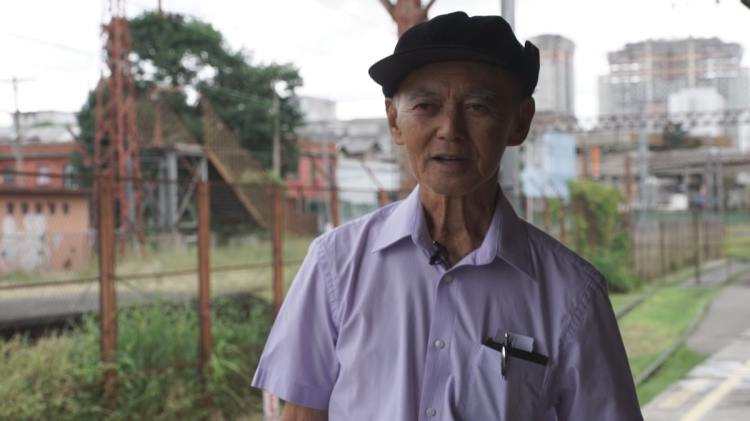
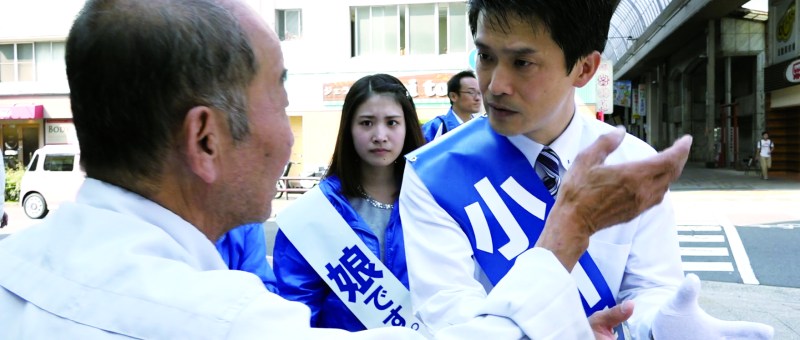
Returning to his rural hometown, Jia Zhangke embarks on an alternate history of China in the 20th century through the prism of literature in the poetically titled documentary Swimming Out Till the Sea Turns Blue (一直游到海水变蓝, Yīzhí Yóu Dào Hǎishuǐ Biàn Lán). Taking its title from an off the cuff though strangely profound comment from the witty and loquacious Yu Hua, Swimming is the third in a loose series of documentaries focussing on artists following Dong and Useless each of which were completed over a decade ago. 

Signalling his intentions early on, Jia opens with a lengthy sequence of elderly people in a canteen. The first of his 18 chapters is titled simply “eating”, and as we quickly infer hunger will be a constant background presence for each of our writers who recount their sometimes difficult rural childhoods and the paths which eventually led to them becoming chroniclers of provincial life. The earliest stretches are dedicated to legendary author Ma Feng who passed away in 2004 but it’s some time before we even get to his literary work, struck as we are by his role as an agrarian moderniser who ingeniously saved his village through collective action, bringing the villagers together in a plan to purify the water before irrigation to reduce the alkaline quality of the soil which had made it impossible to farm. Eventually we’re introduced to Ma’s daughter who begins to fill in his biography from a personal perspective while explaining how it was that he came to be known for his naturalistic depictions of the lives of ordinary rural folk in the early days of Communism. 

That idealism soon takes on a darker hue, however, in the story of Jia Pingwa who recounts his childhood during the Cultural Revolution in which his father was sent sent away for “re-education” after being falsely accused of receiving training as a KMT spy in the ‘40s. In Jia Pingwa’s early childhood eating was indeed a concern, something which he later says caused tension in the family that was only eased by the presence of his grandmother but even she couldn’t keep them all together after the institution of the communal kitchen. Perhaps more austere than you’d expect, Jia Pingwa admonishes his daughter, also a published poet, that she should fulfil her role as a wife and mother before that as artist, and that being a poet doesn’t always mean one lives poetically. Nevertheless he recounts the widening of horizons which occurred as China began to open up in 1980s, an influx of foreign art that introduced him to “the West” but also left him in an artistic quandary in the search for new yet authentic directions. 

A little younger than Jia Pinghua, the 1980s is when the extremely animated Yu Hua came of age, revealing an unexpected effect of the Cultural Revolution that led to his artistic destiny as he found himself re-imagining the endings of books which had long since fallen apart and existed for him only in fragments. Training first as a dentist but finding it not to his liking, Yu Hua longed to broaden his horizons and began writing seriously with the hope of getting a better job, eventually enrolling in university in Beijing in 1989 which he recounts somewhat incongruously as cheerfully uneventful. 

There is indeed a kind of micro framing in Jia’s concentration on rural China as a place to one side of wider society or politics. Just as Yu Hua casually ignores the reasons why others might find it interesting to have been a student in Beijing in 1989, Liang Hong opens by recounting that the year was 1997 which was the year Hong Kong returned to China but she was so busy that as an event it hardly registered for her. Like Yu and Jia Pingwa she recounts a difficult rural childhood in which her mother was rendered ill and later died due to the demands of country living while her kindhearted though feckless father struggled to manage his small family. While the men concentrate on their own paths, Liang mostly talks of her family, the sister who sacrificed her future for her siblings, and later her own son who talks of learning about his history through mother’s books though he no longer remembers the rural dialect and his associations with the area are mainly to do with playing with his cousins on visits to his mother’s family home. 

Liang’s son is the last and least deliberately staged of Jia’s frequent cutaways to local people reciting brief snippets of literature by the four authors and others often in praise of the land. Between lengthy talking head sequences, he switches from present day to historical stock footage showcasing the lives of ordinary people as they play cards, eat, or hurry on their way from one place to another. Spiralling out and away from Fenyang and back around again what Jia presents is less a literary survey than a rural history which is in its own way also mythologised as the wounded soul of the modern China. 


Swimming Out Till the Sea Turns Blue screens at the BFI Southbank on 24th July as part of this year’s Chinese Visual Festival.

International trailer (English subtitles)

The Story of a Man Among Men (修羅の群れ, Kosaku Yamashita, 1984)

The ninkyo eiga, chivalrous tales of noble gangsters standing up for the little guy with decency and honour, had been Toei’s mainstay throughout the 1960s but a decade later the image of righteous yakuza had been well and truly imploded by the advent of the jitsuroku or “true account” movie which drew inspiration from real life tales of post-war gangsterdom using voiceover narration and onscreen text for added authenticity as it proved once and for all that there was no “honour and humanity” to be found in the gangster life only nihilism and futility. Still, the ninkyo, like many of its heroes, proved hard to kill as 1984’s Story of a Man Among Men (修羅の群れ, Shura no Mure) perhaps proves. A throwback to an earlier era with its infinitely noble hero and unexpectedly if not quite happy then defiantly positive ending, Kosaku Yamashita’s manly drama nevertheless adopts some of the trappings of the jitsuroku in its infrequent use of voiceover and emphasis on concrete historical events. 

The hero, Ryuji Inahara (Hiroki Matsukata), is like many heroes of post-war gangsterdom an orphan though his story begins in the mid-1930s as he’s recruited by a friendly yakuza at a karate dojo. As his teacher explains, Ryuji has already been offered a job with the police but given the chance to join the other side instead immediately agrees, explaining that his life’s ambition has been to gain revenge against the force that ruined his father and destroyed his family, gambling. He chooses to do this, however, not by destroying gambling dens everywhere but by becoming a gambler himself determined to be a winner which is, it seems, a textbook example of having learned the wrong lesson. Still, his noble gangster cool stands him in good stead in the yakuza world where he quickly earns the loyalty of other men, rapidly advancing up the ranks to head his own gang by the crime heyday of the mid-1950s. 

As the title implies, this is a story of a man, a very manly man, among other men. The gangster world is intensely homosocial and founded on ideas of brotherhood and loyalty. Thus, Ryuji finds a surrogate father figure in fellow gangster Yokoyama (Koji Tsuruta) who constantly gives him advice on what it is to be a proper man. “Don’t be a fool, don’t be too smart, and most of all don’t be half-hearted” he advises, later adding “you can’t be a man if you’re dirty about money”, and “taking action isn’t the only way to be a man. It takes a man to have patience.” (this last one as Ryuji hotheadedly discharges himself from hospital to get revenge on a punk who got the jump on him outside a shrine). To be a man, Ryuji intervenes when he sees some less than honourable young toughs hassling an old couple running a dango stand at the beach and the young woman from the caramel stall next-door, throwing his entire wallet on their counter to make up for the damage in what will become something of a repeated motif. His manliness earns him the eternal devotion of the young woman, Yukiko (Wakako Sakai), who eventually becomes his devoted wife against the will of her concerned mother who is nevertheless brought round on realising the love she has for him because of his intense nobility. 

Indeed, Ryuji lives in a noble world. He’s a gambler by trade but only because he hates gambling and is trying to best it. He doesn’t participate in the seedier sides of the yakuza life such as drugs or prostitution and is also in contrast to jitsuroku norms a humanist who defiantly stands up against racism and xenophobia, taking another gambler to task for using a racial slur against a Korean opponent while opting to befriend the “foreign” gangs of Atami when eventually put in charge of the lucrative area rather than divide and conquer. This is apparently a lesson he learned from his flawed but goodhearted father who hid a Korean man and his daughter from the pogroms after the 1923 earthquake because “we’re all the same human beings”. Spared the war because of an injury to his trigger finger, Ryuji kicks off against an entitled son of a gang boss for acting like a slavedriver while working at a quarry but earns only the respect of his superiors further enhancing his underworld ties because of his reputation as a standup guy willing to stand up to oppression. 

Such an intense sense of uncomplicated righteousness had perhaps been unseen since the ninkyo eiga days, and Ryuji’s rise and rise does in that sense seem improbable as his goodness only aids his success earning him the respect of over 1000 foot soldiers even as he finds himself in the awkward position of having to exile one of his most trusted associates for getting too big for his boots and disrespecting the yakuza code. His children also suffer for their connection to the gangster underworld, but are reassured that their father is a good man if with the subtle implication that he has damned them as his father did him. Shot with occasional expressionist flourishes such as crashing waves or a midnight sky, A Story of a Man among Men is not free from manly sadness and indeed ends on the sense of a baton passing from one era to another but does so with an unexpected sense of moral victory for its righteous hero who vows to bring his manly ideas with him into a new age of gangsterdom. 


Original trailer (no subtitles)

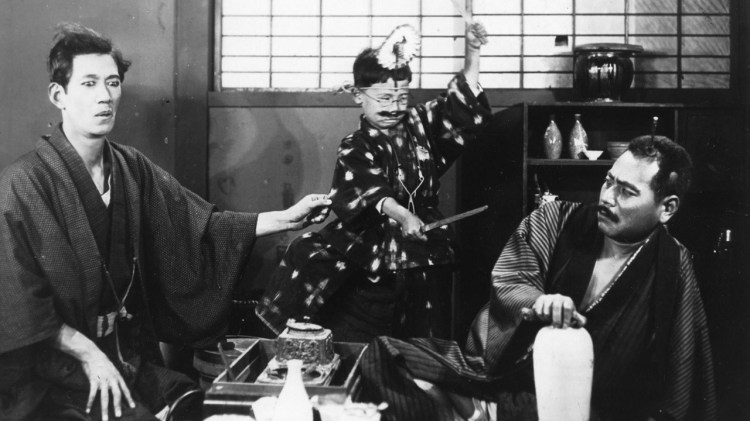
Where Now Are the Dreams of Youth? (靑春の夢いまいづこ, Yasujiro Ozu, 1932)

It’s lonely at the top. Perhaps surprisingly, Japan’s depression-era cinema had considerable space for lamenting the complicated position of the young master and, as Hiroshi Shimizu’s The Boss’ Son at College would do the following year, Ozu’s Where Now are the Dreams of Youth (靑春の夢いまいづこ, Seishun no Yume Ima Izuko) follows a young man of privilege realising that inequality is bad for friendship and no matter how much you try to manipulate an inherently unfair system for the good of those you love it is the system itself which will always stand between you. 

Ozu begins, however, in familiar territory continuing in the vein of student comedy which was proving such a big hit for home studio Shochiku and in fact reusing a few gags from his previous films in the genre such as the guys’ persistent attempts to cheat on their exams. The opening sequence in which three of the four friends goof off rehearsing a cheerleading routine neatly sets up the already existing divisions between them as Saiki (Tatsuo Saito), the gang’s outlier, hovers on the sidelines attempting to study explaining to a young woman the guys know from the bakery, Shige (Kinuyo Tanaka), that he has only his mother and cannot afford to spend his time messing around. Despite that, however, we’re also told that Saiki is a hopeless case forever falling his exams and regarded as essentially feckless. 

The hero, Tetsuo (Ureo Egawa), is the son of a company president and even if he doesn’t notice it the guys are already deferring to him as a kind of leader though they are all, in one sense, still “equals” as students at the same university taking the same classes. They all wear the same universal student uniform and drink in the same cafe, though they perhaps have different fears and anxieties for their futures at this difficult economic moment. The friendship is suddenly disrupted by the unexpected death of Tetsuo’s father which necessitates his leaving university to take over the family firm, though it’s also clear that he is not quite in charge and his conservative uncle is in fact running the show. 

Tetsuo’s new status as a company president, now dressed in an expensive tailored business suit, forever sets him apart from his friends who eventually come to him for help on being unable to find jobs in the midst of an economic depression. He decides to use his privilege to help them but in an underhanded way, insisting they sit the company exam but giving them the answer sheet beforehand just like in their school days helping each other to cheat. Nevertheless, he fails to realise that you can’t be both friend and boss and it hurts him that they are now polite and deferent in his presence. Gone is their old camaraderie and foolishness, fear and dependency gradually erode their friendship. 

Meanwhile, Tetsuo has continued to carry a torch for Shige but again has failed to realise that they now live in different worlds. His uncle keeps trying to arrange suitable marriages for him which he delights in frustrating with childish pranks. Now settled in his professional life he tries to abide by a college era bro code in asking for the guys’ permission to ask for Shige’s hand, knowing that they had all taken a liking to her. He places himself on their level but only superficially, acting with a degree of self-confident entitlement which assumes firstly that the others will defer to him and back off, and that Shige is his for the asking. What hurts him most is that none of the guys, who must all know, were brave enough to tell him that Saiki and Shige are already engaged. Fearful for his job, Saiki would have sacrificed the woman he loves, essentially traded her for economic stability. Finding out from Saiki’s mother (Choko Iida), Tetsuo confronts Shige who tells him that she agreed to marry Saiki out of pity and despair after growing weary of waiting for him believing that a company president would never marry a woman like her. 

Tetsuo surrenders his love on the altar of friendship. Despite confirming their love for each other, he and Shige are separated by the great wall of social class in a hierarchal society along with the economic pressures of an ongoing depression. What Tetsuo chooses to save is his male friendship, striking Saiki, who does not fight back, for his moral cowardice in debasing himself by allowing those with power and privilege to rob him of his rights and freedoms. The guys sort things out with a fist fight, restoring an artificial “equality” that provokes a “happy” ending despite the fact that nothing has really changed. Tetsuo has to say goodbye to the dreams of youth in acceptance of the disappointments of adulthood but tries to salvage something as he moves forward in preserving what he can of cross-class friendship as bulwark against the inequalities of his age.


Currently streaming in the UK via BFI Player as part of Japan 2020. Also available to stream in the US via Criterion Channel.

Red Handkerchief (赤いハンカチ, Toshio Masuda, 1964)

The moral compromises of the post-war era are brought home to a trio of frustrated lovers in Toshio Masuda’s Nikkatsu “mood action”, Red Handkerchief (赤いハンカチ, Akai Handkerchief). Starring an ageing Yujiro Ishihara perhaps cast slightly against type as an ultra noble policeman choosing self-exile after accidentally shooting dead a key witness, who also happens to be the father of the woman he loved, in order to save his partner, Masuda’s noirish melodrama takes aim squarely at the radiating effects of social inequality and the moral bankruptcy of an increasingly prosperous society. 

Masuda opens, however, with an old-fashioned foot chase as cops Mikami (Yujiro Ishihara) and Ishizuka (Hideaki Nitani) attempt to run down a drug mule carrying a briefcase full of illicit substances. The suspect later gets hit by a truck and killed while the briefcase is nowhere to be found. Concluding the mule must have abandoned it at a ramen stand he ran past on the way, the cops haul in the old man running it, Hiraoka (Shin Morikawa), who seems to know more than he’s letting on but is too terrified of the gangsters to consider giving anything up. In an effort to get him to talk, Mikami pays a visit to his relentlessly cheerful factory worker daughter Reiko (Ruriko Asaoka), becoming instantly smitten with her as she quickly packs a bag of warm clothing and miso soup assuming her dad’s in for a bit of drunk and disorderly. Their romance is however not to be. Apparently feeling himself out of options, Hiraoka opts for suicide by proxy, grabbing Ishizuka’s gun and firing at police. An Olympic sharpshooter, Mikami draws his pistol to save his friend and the old man is killed. Guilty, the pair attempt to apologise to Reiko, but unsurprisingly she is not in the mood to accept it. 

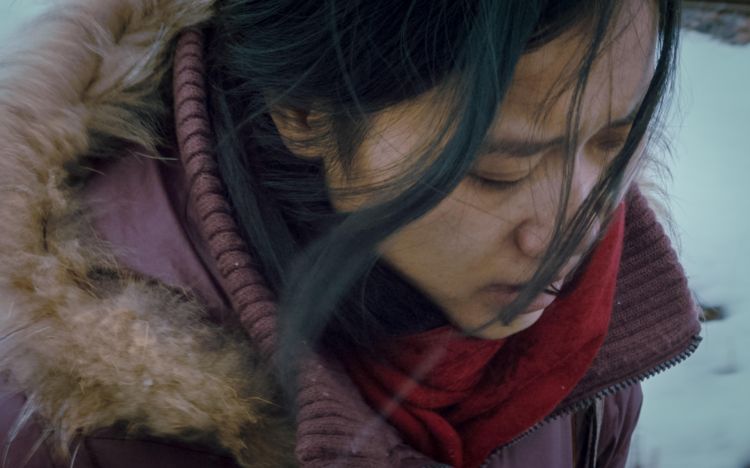
Four years later, Mikami has left the force for a life of wandering doing odd jobs all over Japan while entertaining his co-workers with sad songs about lost love. Yokohama detective Tsuchiya (Nobuo Kaneko) eventually tracks him down in frosty Hokkaido, encouraging him to return with tales of Ishizuka’s wildly improbable success as a supermarket entrepreneur now apparently married to Mikami’s lost love Reiko. Tsuchiya thinks Mikami was set up and that Ishizuka is a dirty cop who’s been living the high life while Mikami has been slumming it in an unnecessary act of atonement for something that wasn’t really his fault. 

Though they were apparently good friends and loyal partners, Ishizuka flags up a potential source of tension early on in his solo interrogation of Hiraoka explaining that unlike Mikami he’s not an educated man and understands how difficult it is to be poor. Tsuchiya later posits this same sense of class conflict as one reason that Ishizuka may have betrayed him, that he felt inferior and that he would not be able to compete with his elite partner. Ishizuka later implies something similar in his dog eat dog view of the world, explaining to a newly conflicted Reiko that life is a matter of winning and losing and that Mikami is the very image of defeat. He views himself as a winner thanks to his burgeoning supermarket empire, taking full advantage of the rising consumerism of the post-war era and willing to do whatever it takes in order to achieve success even if that means crossing a line that Mikami would never cross. Yet he is also like Mikami hobbled by his love for the “beautiful”, “pure” Reiko, allowing his insecure acquisitiveness to turn violent in his determination to keep her or at least keep her from any other man. 

“Money rules everything!” Ishizuka insists, attempting to justify himself for his turn towards selfish individualism willing to sacrifice not only a “worthless” old man but even friendship in the conviction that he is “a man of great value, a winner!” and therefore entitled to move beyond conventional morality while using his ill-gotten gains to support needy orphans. Even he, however, is later undone by love, perhaps the one true form of “justice”, in realising that Reiko has chosen nobility in the form of Mikami and could never accept the man he is or the things he’s done. A romantic melodrama masquerading as a crime thriller, Red Handkerchief finds Masuda in expressionist mode, the pounding machinery at the foundry where Reiko works pulverising Mikami’s noble heart as his romantic dreams are crushed, the highway streetlights dancing across Reiko’s windscreen as she returns in confusion, and in the constant use of weather to indicate the mood, the sky suddenly brightening behind Ishizuka as his confidence returns. Echoing in The Third Man in its melancholy ending, however, even if slightly inverted, Masuda sets his battered hero adrift in the confusions of the post-war era striding into the mist guitar in hand a perpetual wanderer. 


Original trailer (no subtitles)

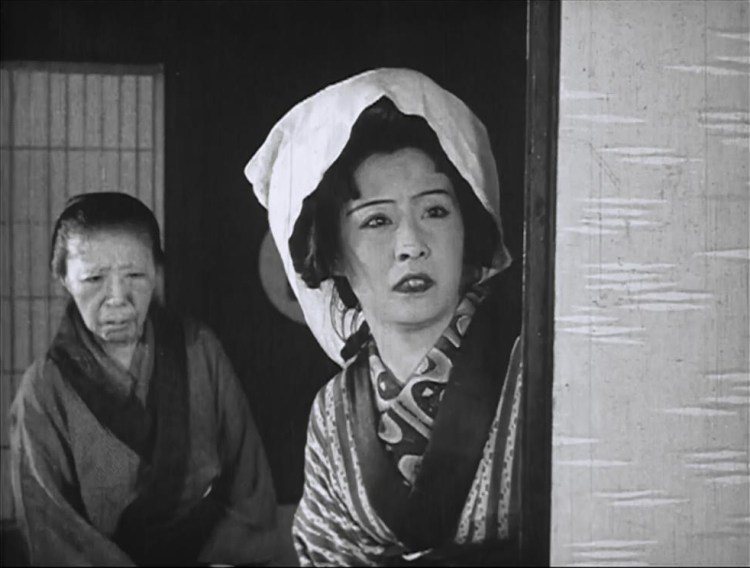
Wife (妻, Mikio Naruse, 1953)

The post-war world, to a certain way of thinking at least, promised a greater degree of freedom in which it might no longer be necessary to go on stoically bearing unhappiness in service to a social ideal. Then again, old habits are hard to break and not everyone is quite so equipped to acknowledge that misery can in a sense be a choice. Mikio Naruse’s Wife (妻, Tsuma) finds itself at a moment of transition in which the meaning of everything the word meant was perhaps beginning to change while the idea that a woman might choose to reject the role was no longer a taboo but an increasingly viable possibility. 

To the unhappily married Mineko (Mieko Takamine), however, the idea of independence remains somewhat distasteful. Each morning her husband, Nakagawa (Ken Uehara), leaves the house without a word. In fact, he doesn’t even look at her before silently walking away. She complains that she has no idea what he’s thinking, all he ever tells her is that he’s “tired” but she also resents him for failing to provide for her in the way that she perhaps expected. The couple live in a sizeable home, but Mineko has to rent out the upstairs to a series of lodgers as well as taking in sewing as a side job to make ends meet. What seems perfectly apparent is that the couple are ill suited, both in terms of temperament and of personal desires. Nakagawa is a soft hearted, romantic sort of man who isn’t particularly bothered if their lodgers pay their rent or not, while his wife is emotionally distant and infinitely practical as perhaps life has taught her to be. 

The peculiarities of life in Japan in 1953 place considerable strain on not only on the Nakagawas but on each of the other couples that we see. Those who married in haste during the war may be regretting their choices, while others, like Eiko (Chieko Nakakita) who rents the upstairs room with her husband Matsuyama (Hajime Izu), complain that the men they waited so long for came back changed. That Matsuyama cannot find a job in the difficult economic circumstances of the post-war society may not be his fault, but the necessity of relying on his wife for economic support has nevertheless eroded his sense of masculinity and left him a resentful drunk, destroying his wife’s love for him. Mineko is slightly scandalised when another tenant, art student Tanimura (Rentaro Mikuni), reveals that Eiko works not in a store but in a bar in Ginza, that being in truth the only kind of job that pays enough to support a married couple and a mother-in-law that a woman can get in 1953. Eventually Eiko leaves her husband, something else that scandalises Mineko, and resolves to live an independent life rather than remarry.

The idea of independence is repeatedly mentioned to her, but Mineko continues to reject it. Her sister jokingly suggests going into business together, while another customer, a widow with a young son, floats the idea of leaving the home of her late husband and opening a shop to support herself independently. She believes remarriage is not a viable option because she has a child, a thought echoed by another widow, Fusako (Yatsuko Tanami), who eventually decides to do something similar by returning to her hometown and going into business with a friend. Opening a shop is a popular option, but it of course requires investment and relies on having strong support, in Fusako’s case from female solidarity in teaming up with another woman in a similar situation. 

It might be easy enough to say that becoming financially independent is a choice on offer only to widows with children who have, in some way, already fulfilled their social obligations, while women like Eiko who chose childless self-sufficiency would still struggle to find acceptance even if their career were not dependent on an industry still itself taboo. That Nakagawa and Mineko have no children perhaps places an additional strain on the marriage. Nakagawa tells a colleague complaining about his family that he wonders if children might have made his life easier, while his only moment of contentment seems to be in playing with Fusako’s young son on the morning after spending an illicit night with her in an inn at Osaka. She sadly tries to ask what might be next for them, but he only wants to live in that moment knowing that their future is an impossibility. 

Despite his unhappiness, Nakagawa doesn’t seem motivated towards ending his marriage, perhaps out of guilt or because as friend later suggests it’s not so much Fusako that he loves as the possibility of a different future. On his return from his Osaka trip, he encounters a new tenant, Mineuchi, who has found her own way to be independent in becoming a mistress. Nakagawa seems to find the arrangement mildly distasteful, though it’s perhaps not so far off what he’s planning to do with Fusako. Mineuchi paid premium for the room and has even brought her own refrigerator and an electric gramophone so she is in a sense living the dream, especially as her “patron”, a furniture store owner, only visits twice a month. 

After learning that Nakagawa has fallen in love with Fusako, Mineko wonders if she should pay her a visit, but then receives one herself from the furniture store owner’s tearful wife who reveals that he is not a wealthy man and has ruined himself, and therefore her, after being bewitched by a Ginza bar hostess. Later, Mineko discovers that the furniture store owner’s wife took her own life in humiliation, lamenting that she didn’t have to go so far just because of her husband’s indiscretion, but also threatens to do the same herself to try and guilt Fusako into giving up her husband. 

Yet, pretty much everyone seems to tell Mineko that this is all her own fault and the reason her perfectly good husband has looked elsewhere is because she has failed as a wife. Sharp and emotionally distant, she alienates those around her but is devastated to realise that she’s lost her husband’s love and will most likely never be able to regain it. Her decision to talk not to him but to Fusako hints at the way in which women see each other as rivals and not as friends, actively holding each other back, as her sister Yoshimi (Michiyo Aratama) also does in insisting on the social order over personal feeling, rather than attempting to find understanding or mutual support. It doesn’t seem to occur to her that ending her husband’s dream of romantic escape through emotional manipulation is unlikely to improve the quality of her married life. 

Mineko, however, never contemplates independence. She tells Fusako that she won’t consent to a divorce just to claim alimony, but privately wonders what would become of her if she left her husband. She might be able to put a stop to it this time, but who’s to say he won’t find someone else. What she seems primed to choose is socially mandated misery, rejecting the “freedoms” of the post-war age to end an unhappy marriage because she can’t conceive of herself as anything other than a “wife” and being miserable is apparently better than being nothing at all. 


The Two Lives of Li Ermao (他她:李二毛的双重人生, Jia Yuchuan, 2019)

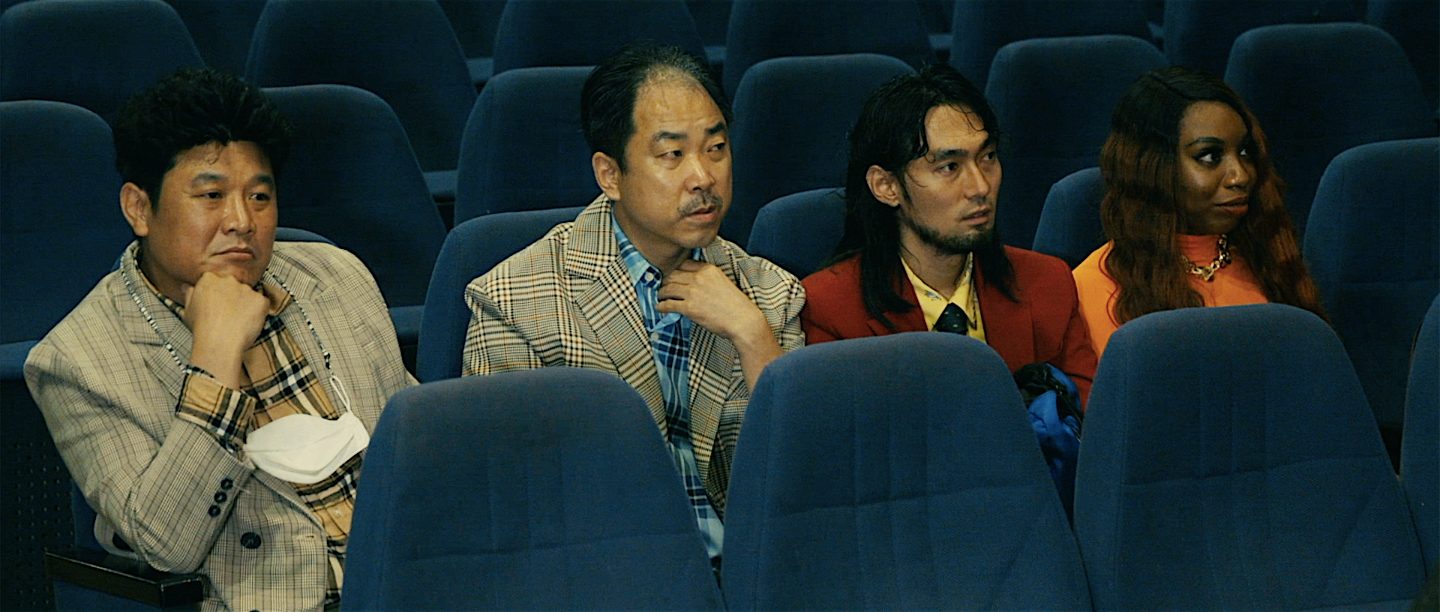
“The only thing I’ve ever wanted is someone with whom to live a normal life” Li Ermao explains thinking she’s found it only to have it slip through her fingers once again. Photographer Jia Yuchuan first met Ermao while working on a project with the LGBT community becoming as she describes it something like a big brother. Following her over 17 years, Jia’s documentary The Two Lives of Li Ermao (他她:李二毛的双重人生, Tā Tā: Lǐ Èrmáo de Shuāngchóng Rénshēng) witnesses her constant search for acceptance in a rigid and conservative society the pressures of which also contribute to her sometimes self-destructive behaviour. 

As Ermao explains in an opening onstage monologue, she is not a man dressing as a woman though once thought of herself as crossdressing before living as a “ladyboy” and now identifying as a transgender woman. Jia begins in a sense with her high point at which she has achieved a degree of success as a cabaret performer despite having no formal training in singing and is in what seems to be a positive and loving relationship with a young man, Jiang. Things start to go wrong when Ermao fails to capitalise on the possibility of recording an album while her self-destructive gambling habit begins to eat away at her relationship with Jiang who eventually leaves her. 

As Jia explains, Ermao would often drop out of contact with him for unexplained periods of time despite describing him as an indispensable big brother. After another self-destructive episode renting out her spare room to randomers from the internet to escape her loneliness, Ermao next calls Jia to introduce him to her new boyfriend, Long, over whom she has apparently just attempted to take her own life prompting him to call the police which ends both with her being evicted by her fed up landlady and arrested for the possession of illegal drugs. 

Worried about her elderly mother, Ermao takes Long with back to her hometown but quickly finds herself conflicted in this even more conservative environment where she’s “Li Guomin’s son”, the villagers by turns bemused and scandalised by her feminine appearance. Ermao ran away to live on the city streets following the death of her father who, we learn, was a notorious people trafficker who kidnapped and sold women and children including Ermao’s younger brother who he sent away to Hainan while rumoured to have eaten the corpse of the stillborn baby who would have been Ermao’s elder. This might go someway to explaining the animosity with which she is held in the village, along with the fact that as she’s been away so long and was not expected to return other farmers have long since colonised her land and are not minded to return it. Stubborn, Ermao pitches a tent and tries to make a living chicken farming on the tiny patch that remains in the hope of funding the completion of her confirmation surgery but is finally forced out by the local mayor who describes her as an “unwelcome stranger” in their community and asks her leave. 

Falling still further, Ermao finds it impossible to gain steady employment as a transgender woman eventually when getting back touch with Jia having made the decision to essentially detransition, preparing to have her implants removed while presenting as male in order to continue working at a factory producing components for iPhones. She fears her coworkers finding out that she is transgender and for good reason as she’s later brutally beaten by a male middle-aged colleague. Despite this she seems in a sense happier to have been reaccepted by her hometown, but soon finds herself rejected once again on learning that she is HIV+ and coming to the conclusion that she is “harmful to others” and should choose self-isolation. 

Despite their long years of friendship, Jia is not always sympathetic to Ermao’s plight nor does he condone her sometimes self-destructive behaviour or tendency to overdramatise while uncomfortably asking where a woman like Ermao belongs in the contemporary society before finding that it may have no real place for her. Rejected in the city and finding no refuge in her hometown, Ermao’s reversion to a male persona cannot help but feel like a defeat, her gradual decline from brassy cabaret star to melancholy recluse a result of her battering at the hands of an unwelcoming society unprepared to accept those who do not conform to its rigid ideas of gender and sexuality.


The Two Lives of Li Ermao screens at Genesis Cinema on 19th July as part of this year’s Chinese Visual Festival in partnership with Queer East.

Love Poem (情詩, Wang Xiaozhen, 2019)

“Dedicated to my dear wife” runs the ironic closing statement of Wang Xiaozhen’s meta marital drama, the equally ironically named Love Poem (情詩, Qíngshī). A love poem does indeed appear if in slightly different contexts, full of adolescent ardour and unrealistic promises of eternal devotion, while the marriage at the film’s centre begins to fracture under the weight of its focus. “I went too far to make this film” director Xiaozhen sighs, breaking the fourth wall in a moment of self-reflection that asks what’s left behind if you mine your personal life for art. 

Wang plays, at least, a version of himself, a film director harangued by his extremely fraught real life wife Zhou Qing who, in the handheld claustrophobic opening sequence which consists entirely of a long take focussed solely on her as she holds their snack-obsessed daughter in the back of the car, repeatedly accuses Xiaozhen of having an affair before asking for a divorce when they reach the house of her grandfather who lies dying and bedridden. The pair argue about the usual things, money mainly, but also the application of it. Xiaozhen is irritated by what he sees as his wife’s disrespect of his family having left their daughter with his parents over the summer but given them a token payment which might be the most insulting of all, no real use in failing to cover the child’s expenses while commodifying a family service which ought to be given if not exactly freely then with the expectation of reciprocity. She meanwhile later accuses him of exploiting her father who died shortly afterwards in order to make to his previous film while also failing to care for the family economically. He alternates between angrily implying that he indeed has been having an affair and pleading with his wife not to divorce him, claiming that he’s done nothing wrong while admitting that there might be someone else he fancies but it’s never gone further than that. When Xiaozhen gets into the back of the car with his wife, the fourth wall seems to dissolve entirely. He tries to comfort her, reminding Qing that it’s “only acting” even as their personal lives seem to have bled into the screen unbidden. 

Appearing an hour in only after this emotionally intense conclusion to the opening episode, the title card divides one “scene” from another as we find the couple again only changed. Xiaohzen picks up Qing, the camera now static and mounted on the bonnet, but this time she’s wearing glasses and has a calmer, softer demeanour. We can gather that in this scene she’s roleplaying the part of the “other woman” her first half counterpart was so incensed by, though the setting has changed to some years previously as Xiaozhen crassly elaborates on his romantic dilemma revealing that his girlfriend may be pregnant in which case he’ll be getting married and becoming a father, before confessing his feelings to another woman. She rightly takes him to task for his inappropriate declaration of love, taking the other woman’s side, while he expounds on his now or never emotional logic insisting that he had to say something now before the window forever closes but indifferent to the consequences for either of his two women. Once again the lines start to blur, the conversation diverges from its scripted direction while Xiaozhen the director reasserts himself. Qing becomes upset, reminding him that she’s not a professional actress and that his insistence in forcing her into the role of his lover is nothing if not cruel. “You don’t even see me as human” she complains, wondering if Xiaozhen views her as anything more than a prop for his movie making, while he admits in a shockingly honest moment that “seeing you cry makes me feel happy”.  

What are we to make of these scenes from a marriage, scenes and a marriage which are clearly in some senses and others “staged”? Xiaozhen is both director and husband, terrorising his wife and exploiting his relatives in order to create his art, but perhaps discovering that when you mine your personal life for inspiration all that’s left is a burrowed out husk of a former love. Then again, is this film actually a love poem in itself, an apologia of an imperfect husband to a long-suffering wife forced into a role she might not have elected to play? Truth and fiction and seem to blur uncomfortably in Wang’s meta meditation on the relationship between art and life, the performative qualities of “husband” and “wife”, and the potential costs of acting out your personal dramas onscreen but even in his self-lacerating cruelty Wang leaves himself the escape valve of irony as the emotional intensity dissipates in the Hong Sang-soo-esque cutesiness of the closing titles. 


Love Poem screens at the BFI Southbank on 17th July as part of this year’s Chinese Visual Festival.

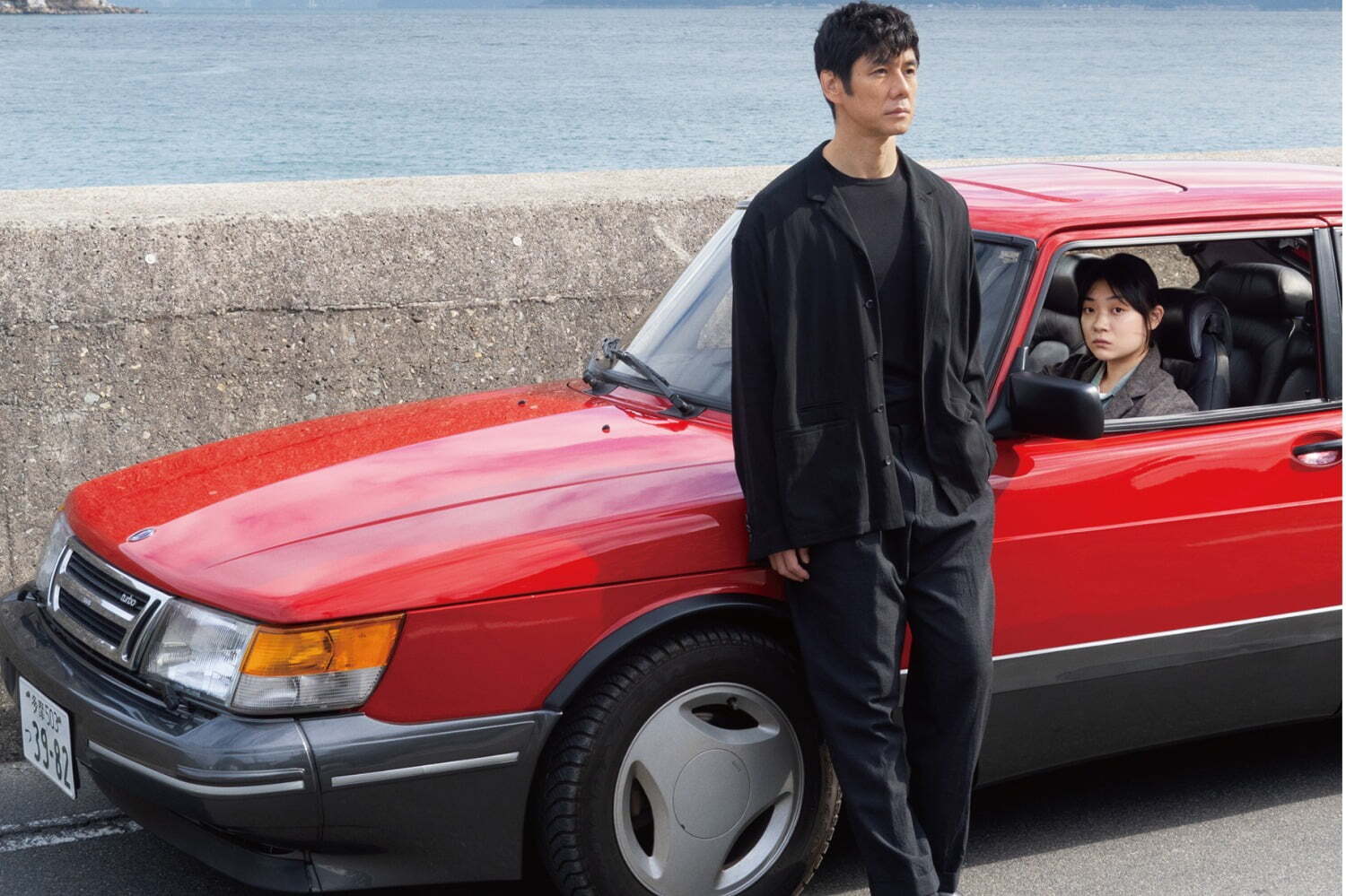
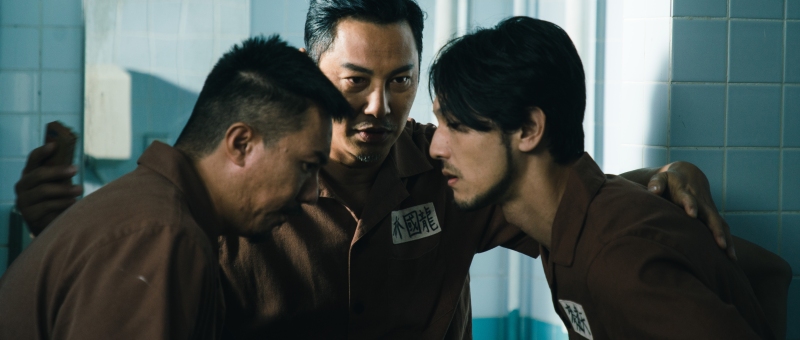
Drifting (濁水漂流, Jun Li, 2021)

“It’s just a bigger prison out there anyway” a prisoner tells his jailer surprised by his lack of enthusiasm for “freedom”. Following transgender drama Tracey, Jun Li continues his exploration of the marginalised citizens of contemporary Hong Kong with Drifting (濁水漂流), in this case the growing numbers of the unhoused who find themselves unfairly victimised by an increasingly authoritarian regime all while the city’s famous housing problem sprouts new blocks of luxury condos daily further displacing those without the means to live in them. 

Released from prison Fai (Francis Ng Chun-yu) has nowhere else to go but back to the streets where he is welcomed by a ritualistic shot of heroin gifted by street godfather Master (Tse Kwan-ho), a refugee from Vietnam occupying a liminal status neither able to leave or remain owing to a criminal conviction which prevents his asylum in this or any other country. Fai’s attempts to rebuild his life are however frustrated when the community he is a part of falls victim to “street cleaning” in which uniformed officers turn up without warning to move them on, taking what little possessions they have and disposing of them as rubbish. This proves too much of an indignity for Fai who, along with the others and the help of social worker Ms Ho (Cecilia Choi Sze-wan), launches a law suit against the city both for damages against their stolen property and for an apology for the way in which they have been treated. 

“I am homeless. I am not worthless” runs the chant the small band of protestors recites outside the offices of government, but it’s a feeling that many of them find hard to internalise. Shing (Chu Pak-hong), a long time drug user, is originally afraid of the lawsuit because of the shame of people finding out about his drug use, relenting only when reminded he can file anonymously and thereafter wearing a medical mask just to be sure he can’t be identified. Fai, by contrast, agrees to be the face of the campaign but is frustrated by the approach of the media who, he feels, are not truly interested in publicising his case only in his “sob story” which he refuses to give them. Time and again, the homeless community is exploited by well-meaning do-gooders including a large number of students who either patronise them with ironic tasks or romanticise the homeless “experience”. 

Social worker Ms Ho is the only one who genuinely tries to help but even she finds her interventions sometimes cause more harm than good. While a friend of Fai’s darkly comments that her wheelchair gives her an advantage applying for public housing, Fai struggles to see a future for himself on the streets lamenting that no one’s going to hire him anyway and explaining that his drug use is a self-destructive way of killing time in an attempt to escape the boredom and despair of his futile existence. During the court case, he voluntarily enters rehab to try and come off drugs but also finds himself suffering with a serious illness for which he is afraid to get treatment because “hospitals are not a place for the living”. 

Echoing Fai’s distaste for the fetishisation of poverty, Li offers only sparse details of what brought these men and women to the streets save that many of them have been imprisoned which gives them a healthy scepticism when it comes to dealing with the justice system. Offered a settlement, most of the community want to accept but Fai is minded to hold out. The money is not so important to him, he’s replaced the things he needs, what he wants is his dignity in being given a proper apology and an acknowledgement as a human being. “Where can poor people live?” he asks, peering from the scaffolding on a half-completed luxury condo building witnessing gentrification in action as it towers over a slum knowing that its presence only means more “street cleaning” while people like him are pushed further into the margins, continually displaced by an economic prosperity to which they are not invited. “No one can save anyone” Fai finds himself admitting, the solidarity of the homeless community eventually shattered by their conflicting goals even as they continue to care for each other as best they can. Anchored by a standout performance from Francis Ng Chun-yu as the weary, defeated Fai battling his own traumas in addition to those of the world around him, Drifting paints a bleak picture of an increasingly unequal society seemingly content to abandon its most vulnerable citizens to the vagaries of a marginal existence. 


Drifting screens at the BFI Southbank on 15th July as the opening night gala of this year’s Chinese Visual Festival.

Original trailer (English subtitles)

Fantasia Confirms Second Wave of Titles for 2021 Virtual Edition

Montreal’s Fantasia International Film Festival celebrates its 25th anniversary with another online virtual edition streaming across Canada Aug. 5 – 25 showcasing the best in global genre cinema. With the full programme revealed later this month, here’s a look at the East Asian highlights announced so far:

China

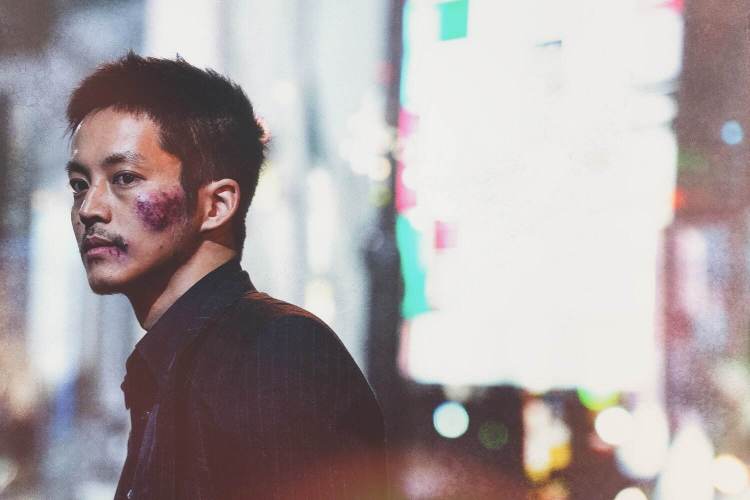
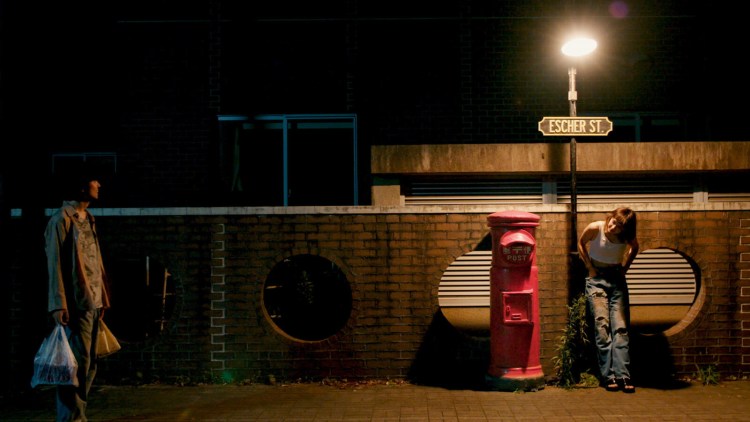
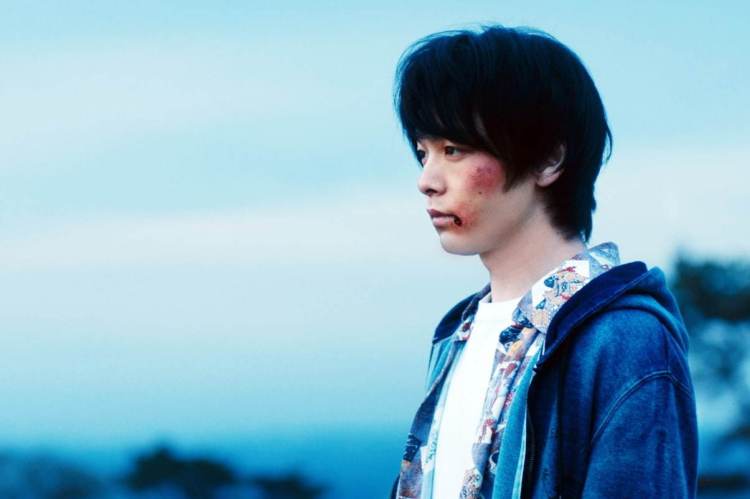
  • Back to the Wharf – A wounded young man’s attempts to start over in the shadow of his crime are doomed to failure in Li Xiaofeng’s moody, fatalistic neo-noir. Review.

Japan

  • Kakegurui 2: Ultimate Russian Roulette – sequel to the hit high school gambling manga adaptation.
  • Remain in Twilight – six former high school friends reunite for a funeral in a poignant drama from Daigo Matsui.
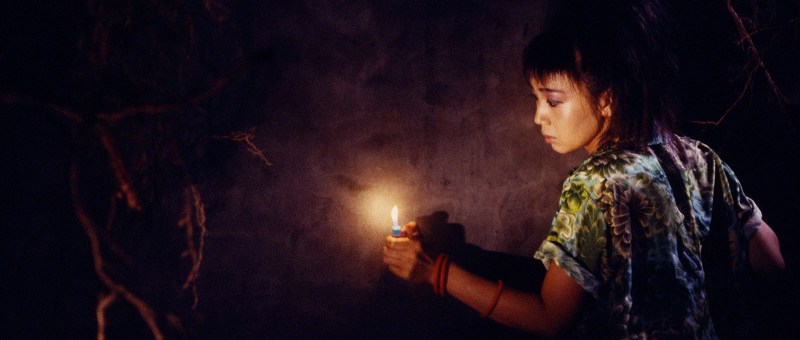
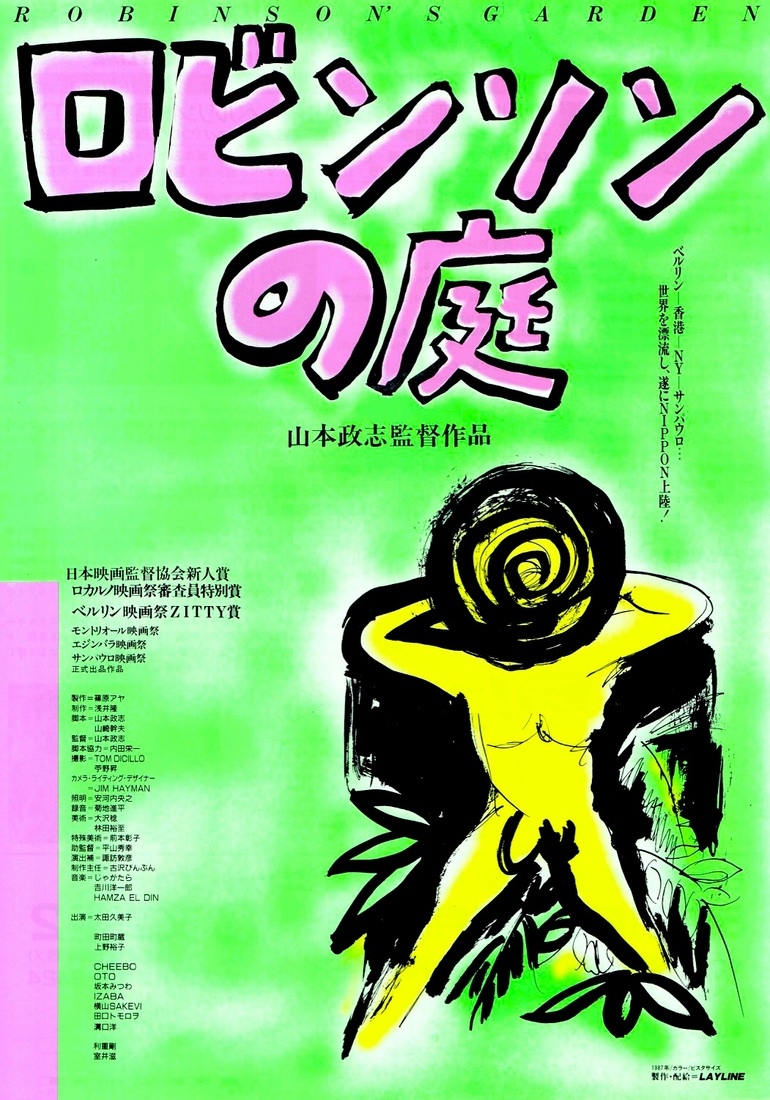
  • Wonderful Paradise – An impromptu going away party descends into a psychedelic rave of death and rebirth in Masashi Yamamoto’s defiantly surreal nighttime odyssey. Review.
  • Caution, Hazardous Wife – big screen outing of the TV drama starring Haruka Ayase as a former assassin turned regular housewife.
  • Not Quite Dead Yet – A resentful young woman comes to understand her awkward scientist dad only after he becomes temporarily deceased in Shinji Hamasaki’s delightfully zany comedy. Review.
  • Art Kabuki – filmed kabuki performance
  • Beyond the Infinite Two Minutes – A diffident cafe owner faces an existential dilemma when trapped in a time loop with himself from two minutes previously in Junta Yamaguchi’s meticulously plotted farce. Review.
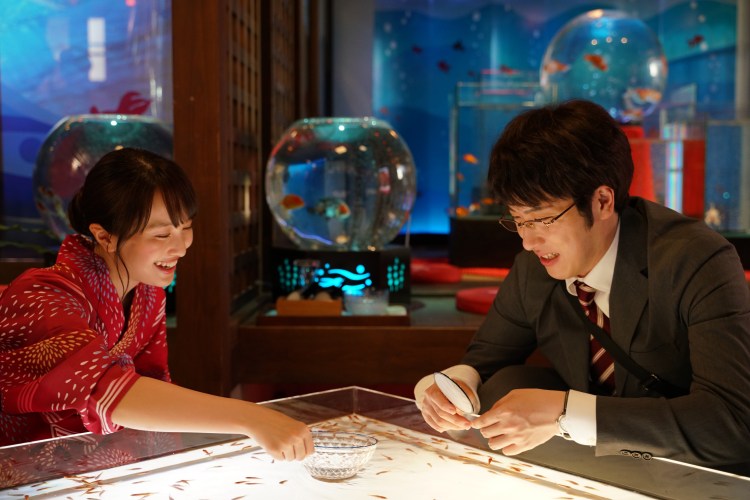
  • Love, Life and Goldfish – musical manga adaptation in which a salaryman is demoted to a rural town after insulting his boss.
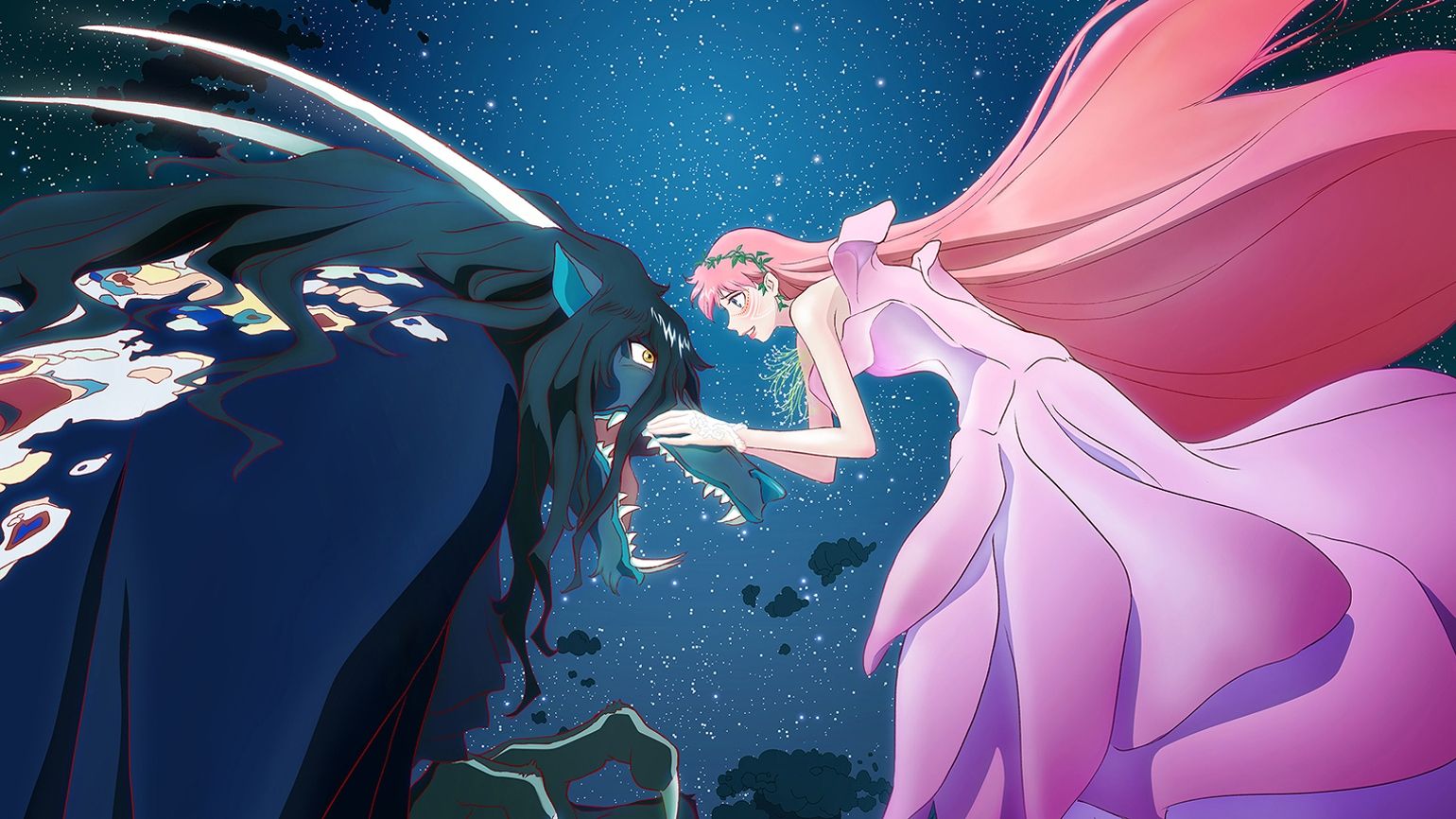
  • Poupelle of Chimney Town – animated adaptation of the picture book by Akihiro Nishino.
  • Fortune Favors Lady Nikuko – animated adaptation of the much loved book by Kanako Nishi centring on the sometimes difficult relationship between a serious young girl and her cheerful mother.
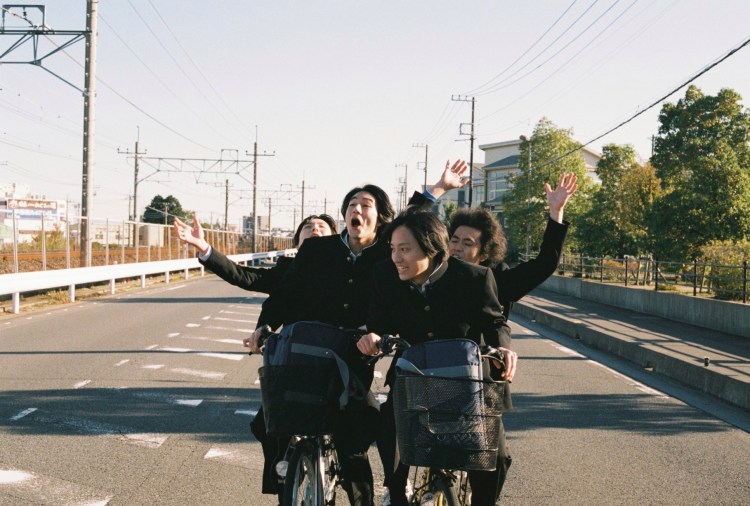
  • It’s a Summer Film! – A jidaigeki-obsessed high schooler sets out to make her own summer samurai movie in Soshi Matsumoto’s charming sci-fi infected teen rom-com. Review.
  • Jigoku-no-Hanazono ~ Office Royale ~ – delinquent office lady comedy drama.
  • Sakura – nostalgic family drama adapted from the novel by Kanako Nishi and directed by Hitoshi Yazaki.
  • Pompo: the Cinéphile – anime adaptation of the movie-themed manga.
  • Satoshi Kon, the Illusionist – documentary by Pascal-Alex Vincent on the late director of Perfect Blue.
  • Junk Head – new theatrical edit of the sci-fi horror stop motion animation.
  • Dreams on Fire – A country girl comes to the city to become a dancer and finds a sense of solidarity in subculture in Philippe McKie’s refreshingly positive drama. Review.
  • Georama Boy Panorama Girl – teen romance adapted from the manga by Kyoko Okazaki and directed by Natsuki Seta.
  • Hold Me Back – latest from Akiko Ohku in which a happily single 31-year-old woman’s peaceful life is disrupted by romance. 
  • Ora, Ora, Be Goin’ Alone – latest from Shuichi Okita starring Yuko Tanaka as an older woman reflecting on her younger self (Yu Aoi) and surrounded by the “voices of her heart”.
  • Sexual Drive – three tales of food and sex from Kota Yoshida

Hong Kong

  • Time – an ageing hitman takes up a new career in euthanasia in Ricky Ko’s black comedy. 

Korea

  • Voice of Silence – A mute farmer begins to dream of a different life after being charged with minding a kidnap victim in Hong Eui-jeong’s strangely warmhearted crime caper. Review.
  • The Slug – A woman in her ’30s struggles to overcome a sense of toxic inadequacy born of teenage trauma in Choi Jin-young’s whimsical drama. Review.
  • Collectors – a tomb raider prepares a daring heist to retrieve a precious artefact.

Malaysia

  • The Story of Southern Islet – a wife embarks on a perilous journey to save her ailing husband.

Singapore

  • Tiong Bahru Social Club – An earnest young man experiences an existential crisis while living in the “happiest neighbourhood in the world” in Tan Bee Thiam’s whimsical satire. Review.

The films will be available to stream in Canada from 5th – 25th August. “Tickets” for each film are limited in number comparable to the size of a physical auditorium and while much of the programme is available on demand selected films will stream live only. Full details for all the films are available via the the official website, and you can also keep up with all the latest news via the festival’s official Facebook pageTwitter account, Instagram, and Vimeo channels.
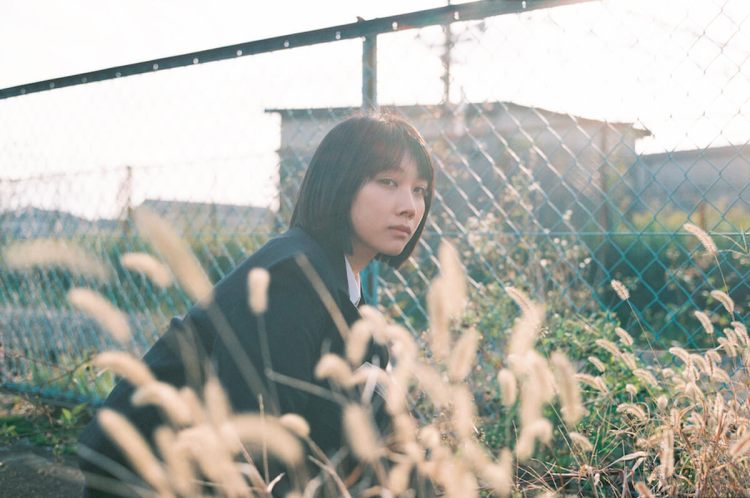
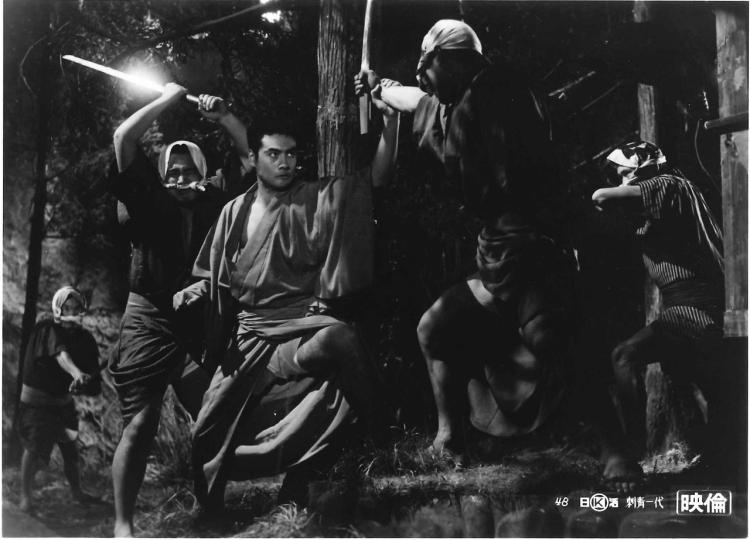
Tale of Japanese Burglars (にっぽん泥棒物語, Satsuo Yamamoto, 1965)

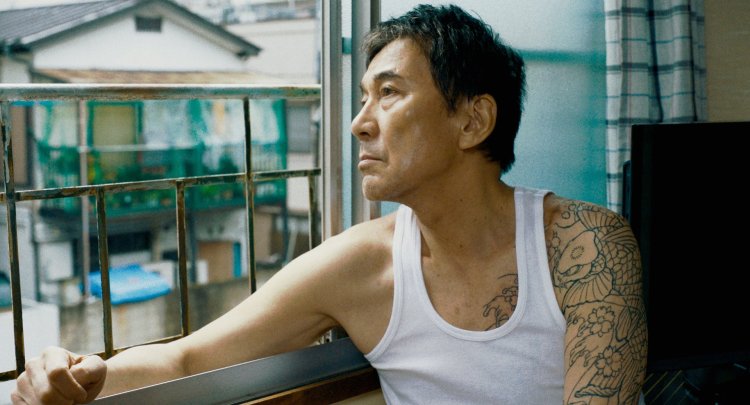
“Even the cops wouldn’t keep innocent people in prison” a prisoner ironically exclaims in Satsuo Yamamoto’s farcical crime drama Tale of Japanese Burglars (にっぽん泥棒物語, Nippon Dorobo Monogatari), displaying a strange sense of faith in the system for one who’s already been caught out by it. It is in many ways the system at which Yamamoto takes aim, refusing to blame even the guilty for their crimes while condemning the society that forever tars not only them but their entire families with the criminal brush, similarly defaming the innocent while the mechanisms of the State actively abuse their power to ensure they continue to maintain it. 

Set in 1948, the action takes place as the opening voiceover explains in an exaggerated accent which at times lends itself to lowkey comedy, at a moment of societal collapse in which cash has become almost worthless and the only items of value are clothing and rice. Yet Gisuke (Rentaro Mikuni) it seems was living a life of crime even before the war, the youngest of five brothers left to look after his mother and sister after his father’s death. While operating as an amateur unlicensed dentist having picked up the basics from his dad, Gisuke makes his living peddling black market kimonos stolen from local warehouses. After bungling one particular job he finds himself spotting a strange site on the railway tracks, overwhelmed by shadowy figures of nine men he first fears have come to tackle him but in the end simply pass by even calmly returning his call of good evening as they discuss among themselves the best way to the local hot spring. Taking refuge in a haystack, it’s not until the next morning that Gisuke learns of a train derailment that took the lives of the engineer and two crew members. He realises that the men he saw must have been the ones who sabotaged the track but he’s not a snitch and it’s none of his business so he decides to keep quiet. 
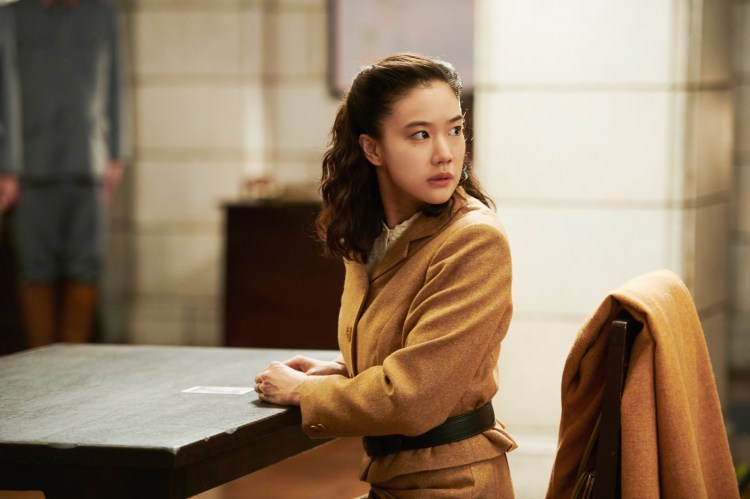
That is until he gets arrested for the botched burglary and ends up incarcerated alongside a member of the accused, Kimura (Mizuho Suzuki), who quickly befriends him and in fact becomes something of a labour activist even inside the prison negotiating better conditions for prisoners. Indebted, Gisuke maintains his silence strangely certain that Kimura and the others will soon be released because they are innocent despite already knowing that the judicial system is infinitely corrupt. The case at hand takes inspiration from the Matsukawa Derailment, a real life incident which Yamamoto had already dramatised in 1961’s Matsukawa Incident, in which suspicion had fallen on the Railway Union who, in the film, are seen leading a protest agitating for better working conditions. Kimura, a prominent unioniser, is picked up along with other members of the rail workers union and left-wing activists on largely spurious grounds solely to discredit their movement at the behest of an overly authoritarian police force. 

The irony is that Gisuke ends up in prison for a crime that he technically is not quite guilty of in that he’s arrested after his wife, a geisha he redeemed with his ill-gotten gains, unwittingly sells some stolen kimonos which he was storing for a friend on the run. Kimura by contrast is in prison for something of which he is entirely innocent, in effect a political prisoner. Yet the force that imprisons both of them is not so much the law as social censure in the stigmatisation of crime. Gisuke feels acutely guilty knowing that his family members continue to suffer because of his criminality, his sister unable to marry as each of her engagements is eventually broken off when they find out her brother’s been in jail. After getting out and vowing to go straight, Gisuke marries again and has a child but is perpetually worried that someone will find out about his past and that his son will forever be stigmatised as a “burglar’s kid”. It’s for this reason that he finds himself torn, refusing to help Kimura by testifying as to what he saw that night even after hearing that he’s been sentenced to death, unwilling to risk his newfound happiness even at the expense of another man’s life. 

Strangely, it’s the injustice of the situation which later changes his mind though in an unexpected way when he realises that his own son has escaped being tainted with his father’s criminal legacy while Kimura’s is bullied at school because his dad’s in jail even though he’s innocent. Pursued by authoritarian police officer Ando (Yunosuke Ito) who attempts to blackmail him into changing his story to incriminate Kimura he eventually decides to free himself by telling the truth despite realising that another witness was most likely murdered for signalling an intention to do the same. “But how is it that the police who are charged to catch us are even bigger liars than the thieves?” Gisuke asks the judge during his improbably humorous testimony, earning rapturous applause from the court in a touch of the absurd with even his wife, hitherto stoney faced despite the laughter all around her, cracking a smile seemingly warming up to his decision to play the hero even if it has taken him rather a long time to decide to do the right thing. 

Yamamoto doesn’t hang around to hear the verdict, perhaps because it’s Gisuke who’s really on trial and the judge appears to be his wife whose forgiveness is the only acquittal necessary. His crimes are in a sense not really his fault, Yamamoto seems to argue, but the fault of an indifferent society which left him with no other choice in order to support himself, the same society which then frustrates his attempts to live an “honest” life by forever tainting him as a “burglar” and tarring his entire extended family with the same brush. Only by owning his stigmatisation can he free himself of it, rejecting the illusionary power corrupt authority has over him while refusing to be complicit in their constant battle to hang on to it by levelling his marginalisation against him. Extremely ironic in terms of tone, often employing archaic screen wipes for comic effect, Yamamoto’s strangely hopeful tale implies that justice can in fact prevail but only when imperfect men commit to it even at the expense of their personal happiness.