Once More (今ひとたびの, Heinosuke Gosho, 1947)

(c) 東宝

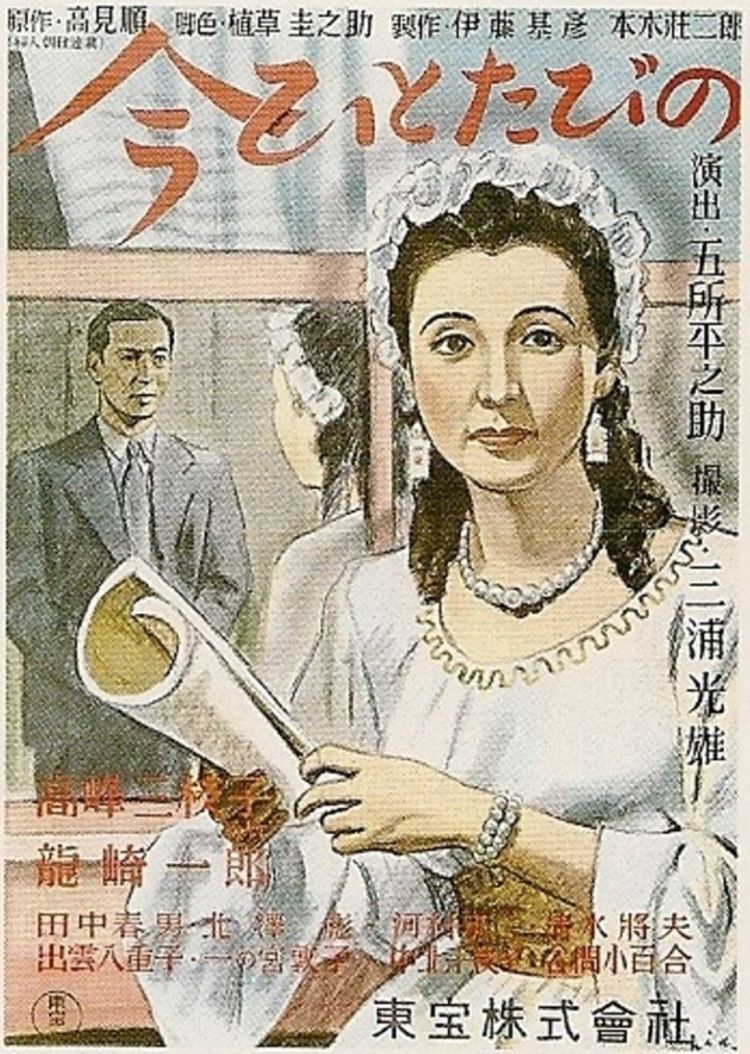
Gosho once more posterOf the Japanese golden age directors, there were few who’d “happily” gone along with the requirements of making films under a militarist regime. Heinosuke Gosho, however, must rank among the most recalcitrant in his unwavering refusal to compromise his convictions in order to preserve his career. Most of the scripts he submitted to the censor’s board were rejected in the preliminary stages though he was able to ruffle a few feathers with the few films he did manage to make if only for his skilful ability to skirt around the promised propagandistic overtones. It also “helped” that Gosho had become seriously ill with tuberculosis in 1937 which perhaps protected him from official interference and, in any case, removed him from the film industry for three years while he recovered. Nevertheless, he felt keenly that he and others had a duty and an opportunity to turn the tables in the post-war era, advancing the ideology of humanism to create a better, fairer world than the one which had descended into so much ugliness and chaos.

In fact one of the reasons Gosho decided to film Once More (今ひとたびの, Ima Hitotabi no) in 1947 under the American occupation was to counter the view held among some young people that there had been no active opposition to militarism. Gosho and his screenwriter Keinosuke Uekusa chose to adapt a heavily political novel by Jun Takami which painted itself as a romantic tragedy of resistance in which its leftist heroes find themselves carrying the legacy of defeat onward into the post-war world. Gosho depoliticises Takami’s tale and reconstructs it as a romantic melodrama with a more positive resolution, but is careful to preserve the fierce idealism of the conscientious students relentlessly protesting Japanese Imperialism whilst trying to advance the course of social justice in an increasingly oppressive environment.

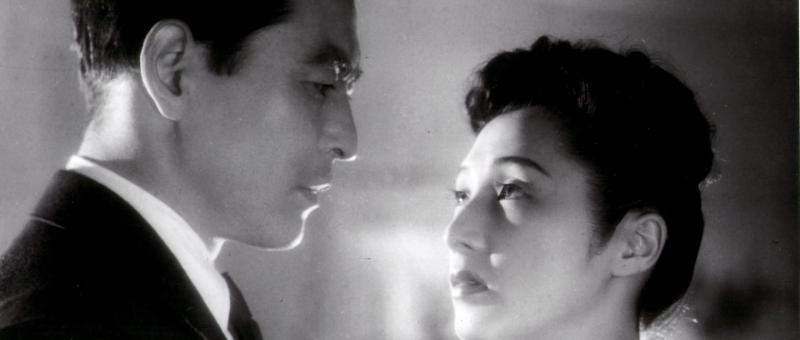
The tale begins in 1936 as a group of students prepares to graduate. Nogami (Ichiro Ryuzaki), a doctor, has turned down a lucrative university post to minister to the poor. Unlike his friends Tanaka (Koji Kawamura) and Kambara (Hyo Kitazawa), Nogami is not an activist or left wing agitator but has a strong belief in humanistic socialism and a conviction that he has a duty to ensure his skills are available to those who need them most. Invited to a play directed by Kambara which is being performed to raise money for socialist causes, Nogami accidentally wanders into the dressing room of the leading lady – Akiko (Mieko Takamine), a wealthy socialite, and falls in love at first sight. Akiko too takes a liking to Nogami and invites him to her birthday party despite his rather odd behaviour after the play, but he finds it impossible to get on with her upperclass friends and eventually leaves. The pair advance and retreat, but their romance is frustrated by the times in which they live, politics, and their own senses of personal integrity which encourage them to willingly sacrifice their happiness in acknowledgement of living in an unhappy world.

Despite their original, electric attraction the obstacles surrounding the love of Akiko and Nogami may seem insurmountable, chief among them being the obvious class difference between the pair. Nogami, somewhat contrary to his humanistic ideals, has a mild prejudice against the bourgeoise, believing them to be selfish, unfeeling, and existing in their own bubble hermetically sealed away from the kind of suffering he sees everyday at the clinic. Yet he cannot forget Akiko who harbours no prejudice towards him because of his humble origins (though her friends and family make no secret of theirs) and feels similarly about her own social class, overcome with guilt that she lives in such comfort while others suffer. Eventually Akiko joins the cause, becoming a left-wing agitator and even getting herself arrested and branded a “Red Lady” in the papers (further annoying her very confused social circle). Unlike Nogami she is also subject to a kind of social and gender based oppression in which she is under constant pressure to marry her longstanding fiancé, Sakon (Haruo Tanaka), and conform to the requirements of her position. Nogami is “free” to choose to live a life of selfless altruism in a way that Akiko is not and will struggle to be throughout the rest of the picture.

Yet time and again it is the times which frustrate their romance. Akiko and Nogami repeatedly make plans to meet, but one of them is arrested and prevented from arriving leaving the other assuming the worst – that they have been abandoned, romantically and ideologically. Matters aren’t helped by Nogami’s natural diffidence and awkwardness coupled with his rigid code of honour which makes it impossible for him to pursue Akiko in any normal way, leaving her confused and later at the mercy of her controlling family. In the end it is their own senses of personal integrity which prevent their union, as a friend bound for the front points out when he, essentially, tells them to get over themselves and embrace happiness rather than overthinking an emotional response and ruining it in the process.

As much as Gosho’s central tenet could be boiled down to “don’t think, feel”, he does argue for compassionate rationality and considered fairness and understanding between people. Thus he removes the Marxist overtones from the original novel because his conflicts aren’t “political” but between justice and injustice; he simply sees unfairness and opposes it, placing his faith in the absolute truth of positive emotion and human connection to eradicate the false barriers of rational civility and irrational oppression. For Gosho, love wins, every time. 


Maquia: When the Promised Flower Blooms (さよならの朝に約束の花をかざろう, Mari Okada, 2018)

maquia poster 1Perhaps because of its often adolescent target audience, the “hahamono” or mother movie is a relatively rare genre in the world of anime despite its importance in other Japanese media. Wolf Children aside, most anime prefer to focus on the problems of young people dealing with an absentee or unreasonable parent who unwittingly enables the teen to undergo the adventures shortly to ensue. Maquia: When the Promised Flower Blooms (さよならの朝に約束の花をかざろう, Sayonara no Asa ni Yakusoku no Hana wo Kazaro), is an exception to the rule in examining the complex nature of motherhood with a sideline in the legacy of familial disconnection, alienation, and the cyclical natures of life and memory. Flawed if ambitious, the first directorial feature from scriptwriter Mari Okada is a sprawling fantasy epic but one with its heart firmly on its sleeve.

Maquia (Manaka Iwami) is a member of the Separated Clan – an Iolf who weaves time and life into being. The life in Iolf is idyllic, if dull, and consists of little other than weaving. Maquia’s tomboyish friend, Leilia (Ai Kayano) rejoices in daring stunts and precocious flirtations that the shy and introverted Maquia can only dream of, while Maquia, an orphan, feels herself alone and remains somehow incapable of bonding with the other children. When Iolf is raided by Mesarte soldiers, Maquia is carried off by one of their great stone dragons. Now forced to explore the world outside of Iolf, Maquia chances on the remains of a ruined camp, stumbling over bodies only to discover a howling baby boy still held in the icy grip of his mother who tried her best to protect him even as she died. Perhaps identifying with another soul so completely alone, Maquia picks the boy up and decides to raise him though she is barely more than a child herself.

As the Iolf age much slower than the average human, Maquia’s quest to find true connection through maternity is destined to end in tragedy. Maquia christens her son Arial (Miyu Irino) and finds a home with a kindly ranch woman raising two sons of her own alone after her husband was killed by a rabid dragon, and begins to bond with her little boy. Meanwhile Leilia has been kidnapped and forced married to the Mesarte prince in the hope that his heir will inherit some Iolf lengevity. While Maquia is beginning to find connection, Leilia now tastes isolation as an imprisoned minority in the imperial court where she is also separated from the daughter born from a non-consensual union but loved all the same.

Though she already feels so alone, Maquia is warned by her Elder that if she wants to experience true loneliness she need only fall in love with a mortal. Maquia falls in love, or rather tries to, but as a mother rather than a lover. Pouring everything into her child Maquia knows the day will come when she must lose him, but for her it is in a more concrete sense than the normal breaking of a mother/son bond. The notion of mortality and differing lifespans is somewhat uncomfortably dramatised by the passing of the aged family dog who reaches the end of his journey long before his master. Though the message is sound is enough it does rather negate Maquia’s insistence that Arial is not a toy, implying that humans are almost like pets to the long-lived Iolf, something to be loved and fussed over in knowledge of its impermanence but something to which a lesser attachment is formed. 

Maquia, however, hurtles in the opposite direction, vowing to sacrifice all of herself in service of her son. Turning down a suitor in order to remain true and pure as an idealised mother figure, Maquia perhaps takes a retrograde step in agreeing to negate her own personality to become “a mother”, but like the classic hahamono, her overwhelming love proves too much for her growing son who grows tired of the burden of a mother’s expectation, longing to be free of her somewhat suffocating need to protect him while belittled by the knowledge that he, a mortal yet still a man, is incapable of protecting her. Maquia must find the strength to let her son go if she is to see him grow, but to do so will require a shift in self-knowledge born of truly learning what it means put another’s interest above one’s own.

Maquia’s struggles play out in parallel with the ongoing political drama surrounding the corrupt and oppressive Mesarte regime which seeks to rule by fear and violence, stealing the gifts of the Iolf only to abuse them. No matter the genesis, Prince Hazel seems to have formed a genuine attachment to his stolen bride (even if it is not returned) and does what he can to “protect” her, while her former love from the Iolf, Krim, has gone half mad through love denied, kidnapping Maquia to rope her into a half-baked rescue plot before threatening to burn the world if he cannot have his love for the price he is willing to pay.

The question is one of whether it is better to connect fully in the knowledge of a coming heartbreak, or hold back in self protection. In this Maquia learns the true meaning of her Elder’s instruction and begins to realise that the fabric that she weaves is spun from love and memory. Nothing is ever truly lost, merely laid down for someone else to pick up, and while parting is inevitable meeting is not and is something to be treasured no matter how painful it may be.


Distributed in the UK by Anime Limited

Original trailer (English subtitles)

Note: there seems to be some variation in the translation of the names of various characters, this review uses Anime Limited‘s list.

Little Forest (リトル・フォレスト 夏・秋 / 冬・春, Junichi Mori, 2014/15)

Divided into four hour-long segments, Little Forest (リトル・フォレスト) opens with a voice over from Ichiko (Ai Hashimoto) introducing us to Komori, her home village. High in the mountains, Komori is a community of farmers without a single store though there is a farmer’s co-op if you make the half-hour bike ride to the high street. It’s downhill so not so far on a bike on your way, but a good 90 minute walk in the winter snow. Most people do their shopping at the supermarket a few towns over but if Ichiko wants to go there it takes her the best part of a day. Ichiko, however, has a taste for doing things herself and so she grows most of her own food or barters for that which she doesn’t have with some of the other sharecroppers. Always with one eye on the future and particularly for the winter to come, Ichiko preserves her produce and makes the most of all she has.

Despite her feelings of inadequacy and incompleteness, Ichiko throws herself into the business of farming, weeding her rice field and preparing for the harvest all alone. She doesn’t seem to mind the solitude or the monotony, rejoicing in cooking the food she has grown and savouring each of its flavours. A gifted cook, Ichiko also likes to experiment, finding new ways to use each of the vegetables in her garden and trying them out on her two old school friends Yuta (Takahiro Miura) and Kikko (Mayu Matsuoka).

Yuta, like Ichiko, tried life in the city but ultimately decided to come home to the country. Despite wanting nothing but escape, Yuta found that he couldn’t adapt to the city’s insincerity. He missed real conversation and the ability to talk seriously about serious things whilst learning from others – something he so admired in the village. Ichiko, rather than empathising with him, is a little jealous. Yuta came home to face himself and discovered who he really was whereas she suspects she came back to escape doing exactly that. In short, she ran away and is living in hiding.

Yuta, adopting the gentle tones he was so in praise of, almost points this out to Ichiko albeit in a subtle way by telling her that he admires the way she does everything for herself but that he’s worried she may have missed the point. Ichiko’s need for independence is perhaps a reaction to abandonment by her mother which apparently happened quite abruptly in her teenage years. Her mother’s letters are vague and don’t include a return address or any details regarding where, how, or with whom she is currently living. Her last letter, however, seems to contain some relevant advice in the form of various excuses. Ichiko’s mother tells her that she was worried she’d just been wandering round in circles but finally realised that the arc of her life has been more like a spiral. Never taking the same path twice, she learned as she went and so finding yourself back at the start is not the same as never having set off.

Rather than actively making the choice, Ichiko merely commits to making it. Realising that it’s time to come out of hibernation and figure out where it is she wants to be rather than simply allowing Komori to become her default setting, the decision is made quickly and keenly. Yet it takes time, effort, and experience to bring something to fruition and, skilled as she is, Ichiko still has a few things to learn. Filled with wonderful food and idyllic scenery, Little Forest is perhaps an idealised view of country life – the kind of life lived by those who know how to live happily even when life is hard, but there is truth in its age old wisdom as long as you know how to harvest it.


Released as two two-part movies: Summer/Autumn (2014) & Winter/Spring (2015)

Summer/Autumn trailer (no subtitles)

Winter/Spring trailer (no subtitles)

The Sion Sono (園子温という生きもの, Arata Oshima, 2016)

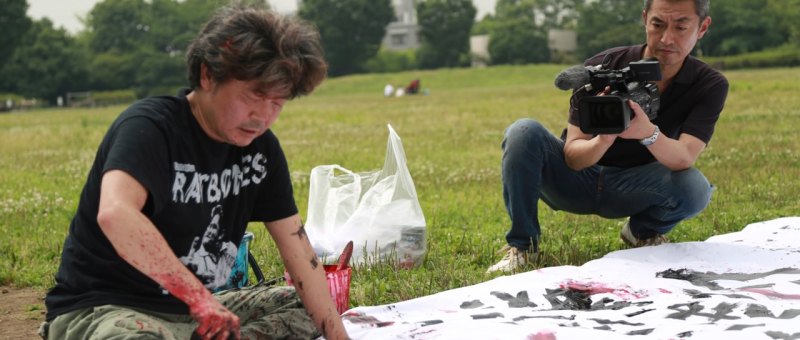
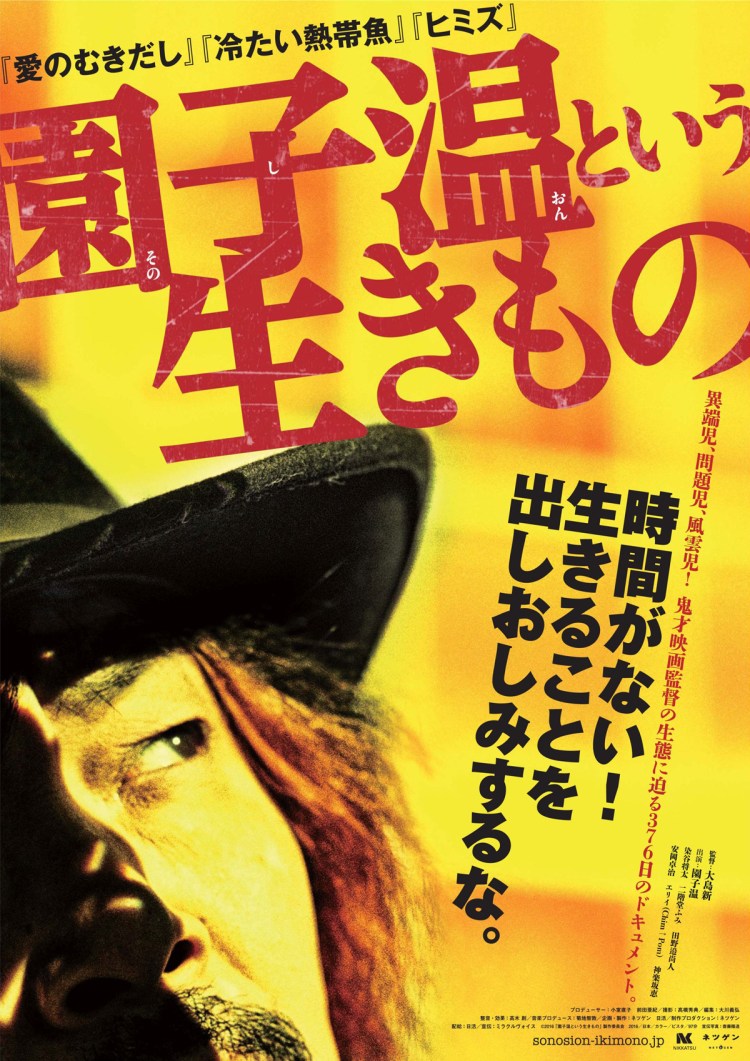
169827_01Sion Sono has acquired something of a reputation for controversy. His frequent denouncements of his nation’s cinema in which he sets himself up as a kind of “anti-Ozu” perhaps place him in line with the great 1960s iconoclast Nagisa Oshima who also proclaimed that his distaste for Japanese cinema extended to “absolutely all of it”. Funnily enough, The Sion Sono (園子温という生きもの, Sono Sion to Iu Ikimono) – a documentary exploring the director’s work, is helmed by Oshima’s son, Arata, though he is at pains to show a different side to the artist known as Sion Sono, keying in to the various aways his art reflects his life and vice versa.

Shot during 2015, the documentary follows the twin processes of the production of The Whispering Star (one of five films Sono would release that year), and a landmark art exhibition which led straight back to the director’s origins as an avant-garde street protestor with the performance art collective “Tokyo Gagaga”. These joint concerns perhaps highlight a minor conflict in Sono’s working life as he reveals during a casual conversation in referencing the “indecent” work that had been mostly occupying his time over the previous year. Expressing both fear and gratitude for finally gaining the opportunity to work a more personal project (the script for The Whispering Star had been written almost 20 years previously), Sono jokes that he’ll finally be getting “clean” only to immediately relapse by making The Virgin Psychics – the big screen adaptation of a sci-fi TV series he had also directed which largely consisted of lewd juvenile humour.

To rewind slightly, Sion Sono had been making films for almost 20 years before getting mainstream festival attention in the early 2000s with Suicide Club and Noriko’s Dinner Table. His profile was further enhanced by the international success of serial killer thriller Cold Fish and the Venice recognition of Himizu even if it’s the 4-hour epic and sleeper cult hit Love Exposure which has become synonymous with his name for many Western viewers. In the opening to camera interview, Sono is asked about his “controversial” image and overseas success to which he laments that Japanese audiences are wary of anything unconventional and particularly allergic to the “wacky Japan” tag that often dogs attempts to sell Japanese media overseas. Unorthodox views or ways of working are unwelcome, as are those who live in unorthodox ways.

Perhaps for these reasons, 2015 saw Sono diving headfirst into the populist with mixed results. Avowing at a press conference that he believes in “quantity over quality”, Sono commits himself to simply making films hoping some of them might turn out OK. Thus his more straightforwardly commercial projects, Shinjuku Swan for example, are often filled with unconventional ideas but perhaps lack the sense of attack found in his more potent work, covering a lack of substance with intentional boldness. The Whispering Star, as we see, brings him full circle. Picking up the Tarkovskian influences seen in one of his most impressive early features – the sadly neglected The Room, the minimalist sci-fi drama also encompasses his compassion for the people of Fukushima whose ongoing strife has become a recurrent concern from the ruined landscapes of Himizu to the more directly political Land of Hope.

It’s this essential sense of compassion which Oshima’s documentary seems keenest to capture. Through in person interviews with some of Sono’s frequent collaborators including Himizu’s Shota Sometani and Fumi Nikaido who characterise the director as an eccentric uncle, and his actress wife Megumi Kagurazaka (the lead in Whispering Star) who breaks down in tears remembering the sometimes difficult days of their earlier collaborations, Sono’s art emerges less as an attack on a conservative society than an exercise in melancholy sarcasm that, at heart, believes the world can be better than it is. A friend of his puts this quality best when she (part correcting herself for triteness) states that despite his sometimes controversial approach, she believes he just wants everyone to be happy and is attempting to transcend his own ideas in order to cut through to something new.

Then again perhaps Sono puts this best himself in accidentally citing a life philosophy. Art is not about good and bad; life is not about good and bad. “Paint! Express! Live!” – what better encapsulation of an artist’s credo could there be?


Released by Third Window Films as part of a double feature pack with The Whispering Star.

International trailer (English subtitles)

Marlina the Murderer in Four Acts (Marlina Si Pembunuh Dalam Empat Babak, Mouly Surya, 2017)

Marlina posterIf a widow poisons a bunch of bandits before decapitating their leader but no one bothers to investigate, has she committed any crime? Adopting the trappings of the spaghetti western, Mouly Surya’s Marlina the Murderer in Four Acts (Marlina Si Pembunuh Dalam Empat Babak) is less a tale of revenge than of survival. Marlina’s world is out to get her – a lone widow with property (and debt) is a magnet for the unscrupulous who think they can take what she has with little resistance. They are very wrong. Marlina has had enough of stoically putting up with the various trials fate has seen fit to send, and this time she intends to fight back with whatever resources are available to her.

We first meet Marlina (Marsha Timothy) one evening, home alone (except for the mummified corpse of her late husband sitting silently in the corner) on the small ranch she now operates without assistance. An unexpected visitor arrives by motorcycle and lets himself in, literally invading her property safe in the knowledge that she lacks the strength to eject him. The man, Markus (Egy Fedly), informs her that his men will soon arrive and if she’s “lucky” and they have time, they intend to have their way with her in addition to making off with her cattle and anything else that will fit in the van. Markus also asks Marlina to make him some chicken soup, which is something he’ll later regret. Or would have regretted if Marlina hadn’t hacked his head off with a machete while he raped her. Having poisoned all but two of the bandits and beheaded Markus, Marlina neatly tidies the bodies away into a cupboard, trusses up Markus’ head, and takes it with her on a journey to the police station to report her crime (and hopefully gain their protection against the other two bandits still on the loose).

Marlina has had her share of troubles. Having lost a child and now her husband, Marlina is a lone woman which makes her particularly vulnerable in an intensely patriarchal society. The bandits think she’s easy pickings because she is undefended. Entirely alone with no close neighbours and no apparent family members to fall back on, Marlina has only herself. This has however made her tough and resourceful, acutely aware of her precarious position and instantly wise to the bandits’ plans. Terrified but biding her time, she attempts to placate them until she manages to retrieve her poison berries (carefully stored for just such an occasion?) and slide them into the chicken soup Markus has been so kind as to order.

Unsure what to do next, Marlina looks to the police for guidance. Her friend, Novi (Dea Panendra) – 10 months pregnant, reminds her that the police won’t do anything about the bandits and she’ll only get herself in trouble. Novi advises her to come to church instead and gain peace of mind by confessing her sins, only Marlina doesn’t think she’s committed any. Novi’s prognostication about the police proves (partly) correct. Marlina sits in the waiting room, anxious and irritated, while the policemen continue their game of ping pong. When one finally does take her statement, he listens patiently and asks relevant questions, but eventually declares that they won’t be able to investigate because they don’t have any cars today and, being underfunded, won’t have the proper tools for weeks. Likewise, they can’t investigate the rape because they don’t have any rape kits or access to doctors and without evidence there is no crime. Marlina leaves a free woman but one with seven bodies in her cupboard she doesn’t know what to do with and two crazed bandits after her to retrieve their boss’ head.

If anyone’s going to save Marlina, it’ll have to be Marlina herself. Unfortunately a literal busload of other people including Novi and an older lady trying to get some ponies to her nephew’s wedding to rectify a shortfall in the dowry have got mixed up with the bandits’ ongoing vendetta. Where Marlina has become tough and independent, Novi is intent on getting her useless husband to listen to her and not the voice of superstition which attributes the late arrival of their child to “breech birth” as a symptom of promiscuous infidelity. Despite her devotion to him, Novi’s husband kicks his heavily pregnant wife to the ground and leaves her in the hands of mischief making bandit Franz (Yoga Pratama). Alone with Franz in Marlina’s house, Novi fights back horror to grab one of the dead bandit’s machetes but finds herself unable to strike until struck by the twin pains of labour and the screams of another woman in distress.

Beautifully photographed and filled with the wide-open plains and middle distance perspective of the 70s exploitation-leaning western, Marlina the Murderer is also a marvel of magical realism where headless corpses contribute to the soundtrack and pester our heroine for a restitution to which they are not entitled. Absurdist humour undercuts the grimness of Marlina’s plight and allows a kind of warmth to shine through as our two heroines find the strength to save each other, united in female solidarity. 


Currently on release at selected UK cinemas courtesy of Filmhouse.

Original trailer (English subtitles)

The Descendants of Cain (카인의 후예 / 카인의 後裔, Yu Hyun-mok, 1968)

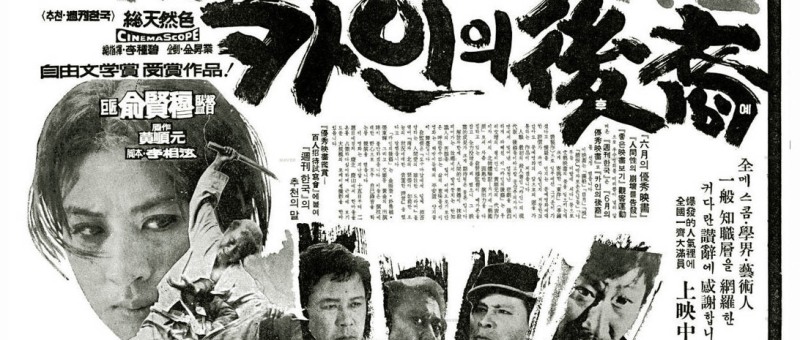
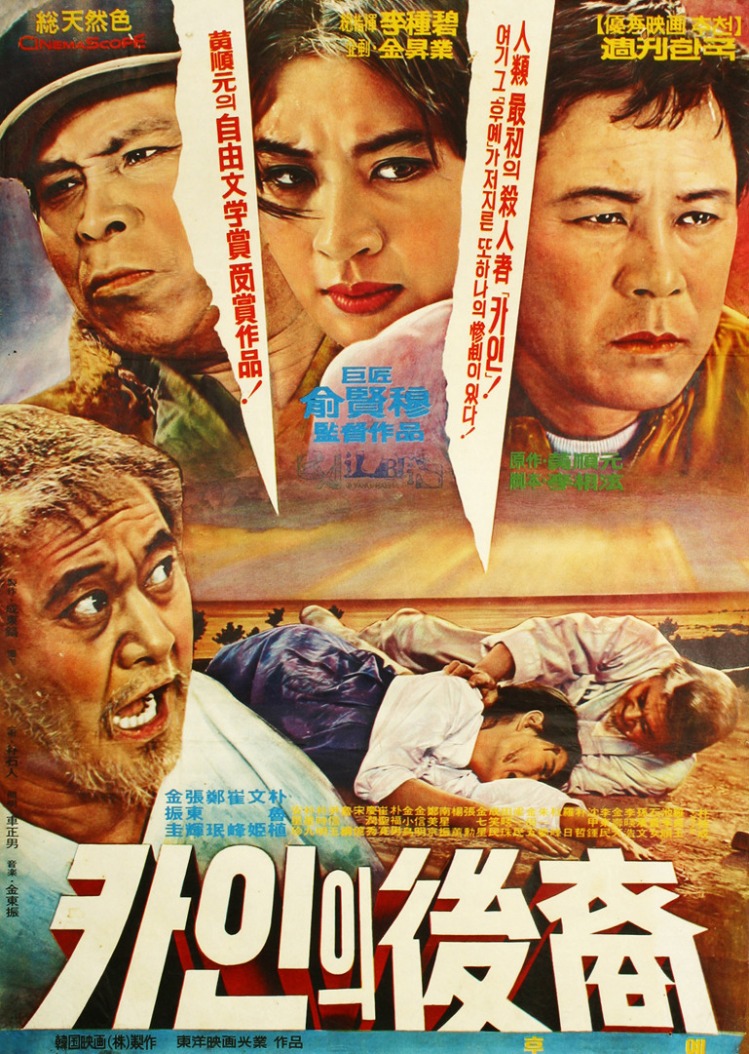
Descendents of Cain poster 1Yu Hyun-mok, often regarded as among the more “intellectual” of film directors in Korea’s Golden Age, is also among those to have been arrested for violation of the Anti-Communist laws. Yu was later exonerated and went back to filmmaking as before but it remains true that Yu betrays a little more ambivalence to the anti-communist message so often required than many of his colleagues. That is to say, Yu often leans economically left in his frequent criticism of social inequality and his anti-consumerist stance, but remains socially conservative if with a strong desire for social justice. The Descendants of Cain (카인의 후예 / 카인의 後裔, Kainui Huyea), adapted from a novel by Hwang Sun-won, is as anti-communist as they come, but also offers its share of ironies in painting “communism” as a kind of disease born of greed and self-interest which thrives on fear and eventually consumes those who are seduced by its false promises.

Irony is indeed our starting point as our cheerful villagers enjoy a raucous celebration in honour of Independence Day only for the communists to suddenly turn up and spoil the party. Worst of all, one of the communists is a long lost son of the village – Choe is the absentee husband of Ojaknyeo (Moon Hee), a maid, who has developed an affection for her boss, the nephew of the local landlord, Park Hun (Kim Jin-kyu). The communists’ first action is to close down the school that Park Hun opened to provide education for the peasants and co-opt it as their base. Park knows he’s in a dangerous position and has little power to resist, opting to wait it out and see how far the communists really intend to go. The peasants, however, are becoming excited hearing about the land redistribution programme and are starting to forget everything that Park and his family have done for them over the generations, swayed by the false promises of the communists who preach equality while insisting on deference.

The central conflict is, in many ways, between the feudal past and the “democratic” future. Set in what would shortly the “the north” in 1946, Descendants of Cain positions itself on more than one kind of dividing line with the lingering spectre of tragedy always on the horizon. High on a ridge there’s a large stone slab erected as a memorial to the late Park, Park Hun’s grandfather, whose solicitous care for the villagers had earned their eternal respect and perhaps their love. The Parks are “good” landlords. They take their “feudal” responsibilities seriously as evidenced by Park Hun’s school and his father’s desire to finish construction on the local reservoir which is both his legacy and an important failsafe precaution against draught which is in the interests of all. By all appearances this is a well functioning village where no one is hungry or alone. The peasants have not felt “oppressed” or been unhappy, which is not to say they don’t want to better their lot but they have no burning desire for revolution and have nothing in particular to rebel against.

This leaves the communists with a problem – they have little leverage over happy peasantry which has never acknowledged its own oppression let alone longed for freedom from it. Their approach is therefore one of divide and conquer. Cynical in the extreme, the communists set about exploiting petty village disputes to foster discord between people – something which eventually contributes to a murder which they also manipulate for political gain. The “landowners” are of course a prime target, but their judgement must be at the hands of “the people” by means of a farmers’ trial. Having recruited something close to a former village leader, the communists assume they will have the villagers on side but they all (bar two) refuse to indict the Parks. The communist leader, fond of irony, gestures towards towards his armed men and reminds the villagers that no one here is “impinging on their freedom”. That is, their freedom to express the views they are required to express or suffer the consequences.

Threatened with violence and intimidation, feudal deference bends or perhaps shifts to a different master. The villagers, losing their attachment to the Parks, salivate over the possibility of “redistribution” and of being handed “free land”. Their desires are material and not political. Thus when the Parks’ estate is “returned” to the people, they simply walk in and start taking things. Not the most sensible way to redistribute wealth concentrated in the hands of the elite – the fast get horses, the indecisive dented pans which sounds like a recipe for rancour and discontent. When the old village chief becomes disillusioned with his choices and smashes the memorial to old Park, a small fight breaks out among villagers keen to snag the large pieces of stone for various other projects. Happy peasants who once shared everything and wanted for nothing, are now fighting with each other over rubble and trinkets.

The communists, far from fostering collective spirit, have become the evil feudal lords they rail against, oppressing the peasants with their rules and regulations while wilfully creating an atmosphere of fear in order to better oppress them. Their hypocrisy is rammed home early on by the slimy Cheol who complains about his wife’s supposed faithlessness while molesting a barmaid and smugly repeating the story of a large scar he has on his forearm. His superior, believing he got the scar during a labour dispute at a mine, promoted him for his communist spirit, but Cheol really got the scar in a scuffle over a girl (not his wife, incidentally).

Cheol is “a” force which comes between the two lovers, Ojaknyeo and Park Hun, as both are too morally upright to pursue a full romance when Ojaknyeo is still married to another man, even if the other man’s first action on seeing her is to throw her to the ground and begin kicking the living daylights out of her. Later Ojaknyeo gets another, more serious, beating from her father but this time because she’s chosen the wrong side in refusing to step away from the feudal world in her responsibility to Park Hun and his household, even if that responsibility is partly romantic desire. Yet Park Hun and Ojaknyeo are also separated by the feudal world’s rules in their obvious class difference. Communism is supposed to break down these barriers, not to mention removing the “patriarchal tyranny” of marriage, yet the communists would rather award Ojaknyeo to her former husband, little caring that he is abusive and neglectful. Ojaknyeo, at least, will not be freed from her oppression any time soon.

If Yu is making a mild defence of paternalistic feudalism as a metaphor for compassionate government, it is probably a little ambitious given the times in which he lived. Following a regular pattern, Yu paints the world as a terrible place where fear and self interest trump all, only to find small rays of light in the closing moments when an act of violence provokes a series of unexpected epiphanies and reconciliations. He ends on a note of hope in which an older man sacrifices himself for a younger one but is then rewarded with the possibility of salvation and a happier future with the woman he loves (and is now unafraid to pursue) south of the border. Communism seduces and betrays, whereas liberal democracy at least affords the “freedom” to be miserable with personal integrity.


Screened as part of the Korean Novels on Screen season at the Korean Cultural Centre London.

Burning, Shoplifters, Headline Cannes 2018

©© 2018 FUJI TELEVISION NETWORK/GAGA CORPORATION/AOI PRO. INC. ALL RIGHTS RESERVED.

photo_pcThe Cannes film festival has announced its first clutch of titles and while it’s not a bumper year for East Asian cinema, the few titles selected are among the most highly anticipated.

Japan

main_pc

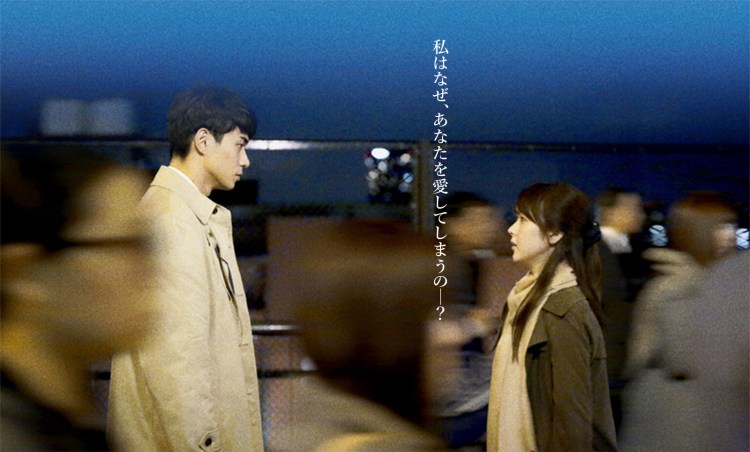
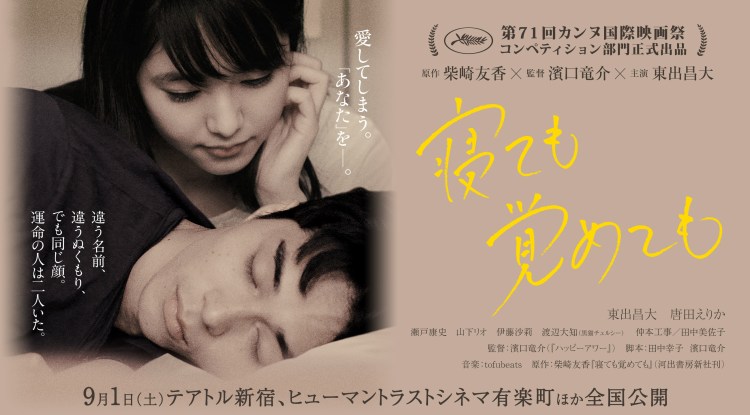
  • Asako I & II – Ryusuke Hamaguchi’s followup to Happy Hour is another lengthy drama following a young woman whose boyfriend mysteriously disappears. Two years later, she meets a man who looks exactly like him but has a totally different personality.
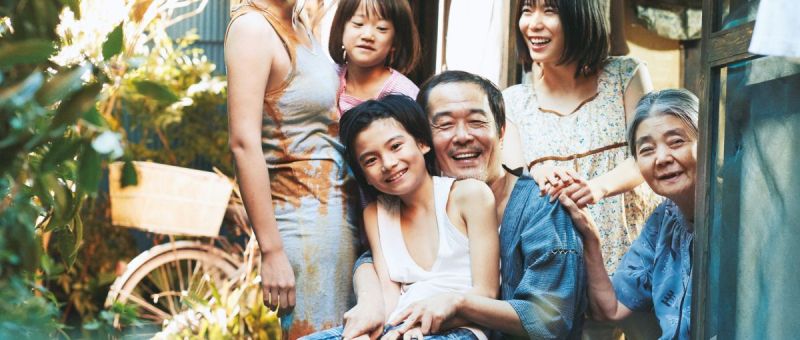
  • Shoplifters – the latest from festival favourite Hirokazu Koreeda, Shoplifters boasts an A-list cast including Lily Franky, Sakura Ando, Kengo Kora, Sosuke Ikematsu, Chizuru Ikewaki, Yuki Yamada, Yoko Moriguchi and Akira Emoto and centres on a family of petty criminals who take in an orphaned little girl.

China

ashes08020203-r-c

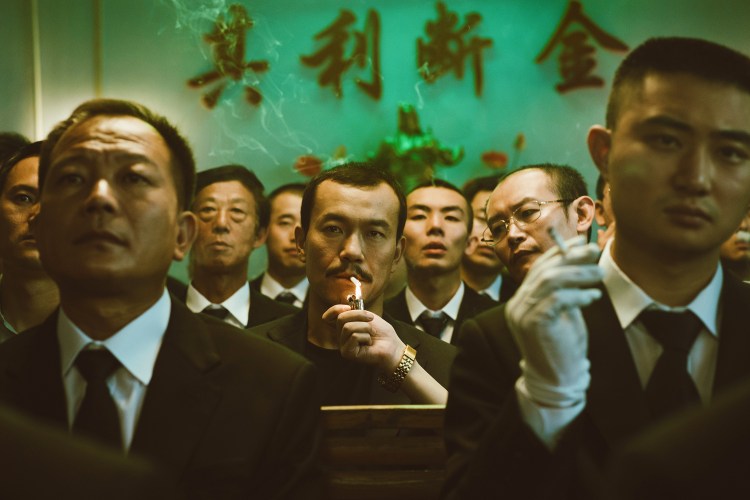
  • Ash Is Purest White – Jia Zhangke returns with another socially conscious crime drama as a woman shoots a gang member to protect her mobster boyfriend and winds up in prison for five years. When she gets out, she goes looking for her former love…
  • Long Day’s Journey Into Night – Bi Gan’s followup to the critically acclaimed Kaili Blues stars Tang Wei, Sylvia Chang, and Huang Jue and follows a murderer who returns to his hometown haunted by memories of the woman he killed for.
  • Dead Souls – Wang Bing’s eight-hour documentary about dying expands on the themes of his previous doc, Mrs. Fang.

Korea

1272508_burning_924331

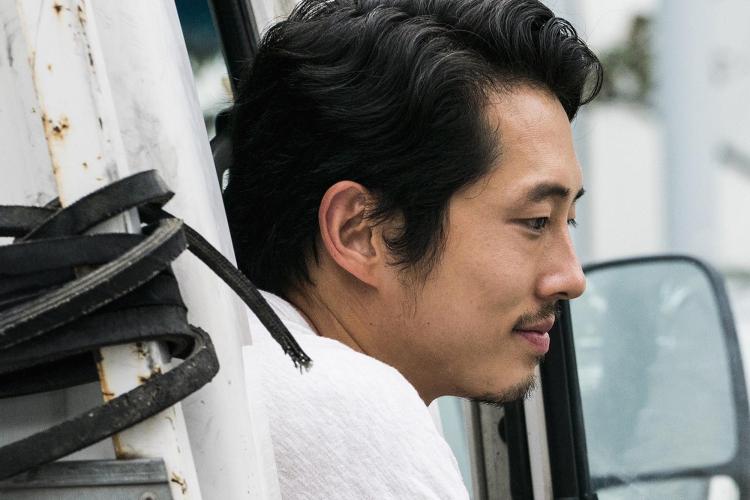
  • Burning – the long awaited return by Korean auteur Lee Chang-dong, Burning adapts a short story by Haruki Murakami and revolves around three people – a novelist, another man, and a fashion model, as they become embroiled in a strange incident.
  • The Spy Gone North – Yoon Jong-bin’s thriller follows a South Korean spy on an infiltration mission in the North.

Thailand

otezium8bn4um6b7kclh

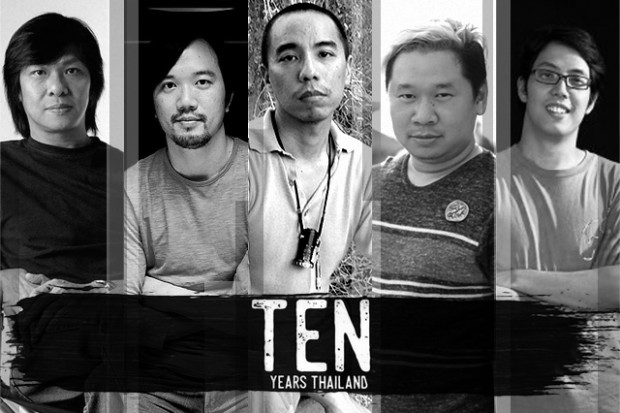
  • 10 Years in Thailand – inspired by the Hong Kong original, four Thai directors – Aditya Assarat, Wisit Sasanatieng, Chulayarnon Sriphol, and Apichatpong Weerasethakul, consider what their nation will look like in 10 years time.

The Cannes film festival runs 8 – 19th May, 2018. Further titles may well be announced in the coming weeks. You can keep up to date with all the latest Cannes news via the festival’s official website, Facebook Page, Twitter account, Instagram and YouTube Channels.

Steel Rain, Night Bus Bookend 20th Udine Far East Film Festival

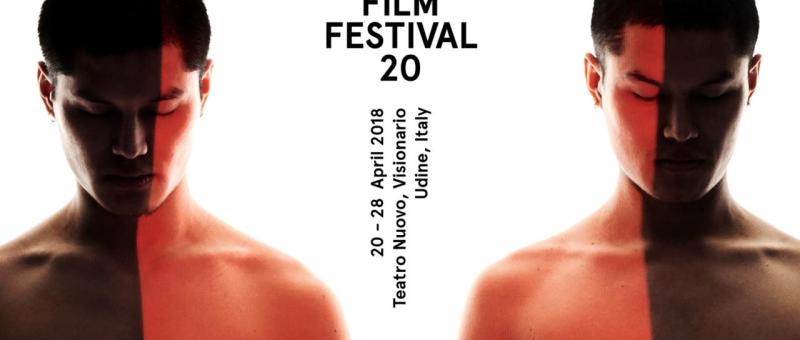
27352385278_5690a7d84e_oThe Udine Far East Film Festival returns for its 20th edition in just over a week’s time. As usual, the festival has brought together some of the most highly anticipated East Asian cinema releases in its 81 film programme which also includes a retrospective dedicated to veteran actress Brigitte Lin who will be receiving the festival’s coveted Golden Mulberry Award. The festival will open with Netflix Original Steel Rain making its Festival Premiere, while Emil Heradi’s Indonesian thriller Night Bus will close the festival on 28th April.

Full programme:

China

better tomorrow horizontal

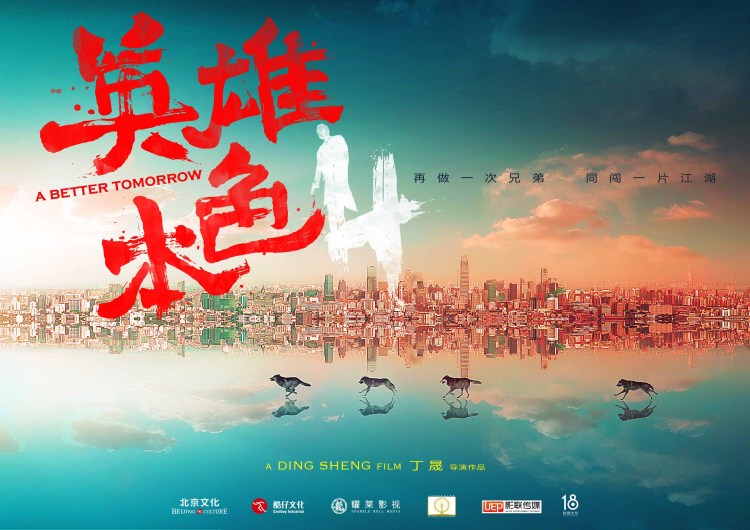
  • A Better Tomorrow 2018 – Ding Sheng’s remake of the ’80s John Woo classic in which two brothers find themselves on opposite sides of the law.
  • Brotherhood of Blades II: The Infernal Battlefield – Lu Yang’s prequel to the 2014 original follows Shen Lian as he searches for clues to expose a conspiracy.
  • The Legend of the Demon Cat – Chen Kaige adapts a Japanese novel by Yoneyama Mineo in which a poet and a monk follow a cat to track down a murderer. Features Chinese/Japanese cast including Shota Sometani, Huang Xuan, Hiroshi Abe, Qin Hao, and Keiko Matsuzaka.
  • Never Say Die – hilarious Chinese body swap comedy! Review.
  • Love Education – Sylvia Chang’s latest explores the impact of China’s feudal legacy as two women fight for the remains of a polygamous man.
  • Transcendent – existential science fiction thriller.
  • Wolf Warrior II – Wu Jing’s gung-ho action sequel in which Leng Feng takes the fight to Africa.
  • Wrath of Silence – a mute father searches for clues regarding the disappearance of his son in Xin Yukun’s probing crime drama. Review.
  • Youth – Feng Xiaogang looks back at the Cultural Revolution through the story of the Revolutionary Ballet corps. Review.

Hong Kong/China

Operation Red Sea

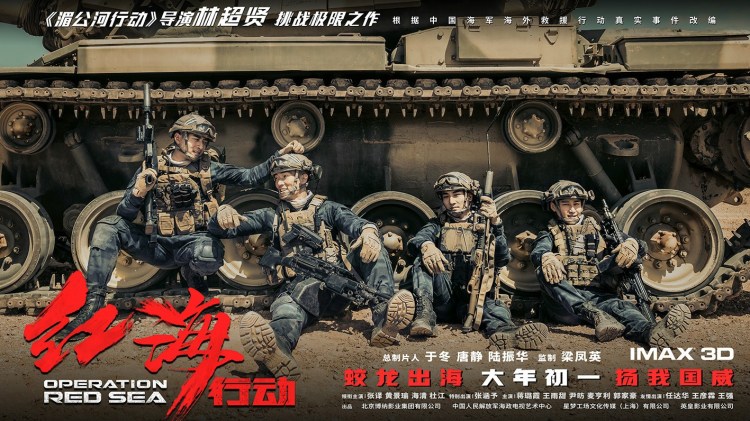
  • Operation Red Sea – Dante Lam’s Operation Mekong sequel finds elite Chinese military forces evacuating diplomatic staff after war breaks out in the Middle East. Review.
  • Our Time Will Come – Ann Hui tells the story of the resistance movement in World War II HK. Review.

Hong Kong

empty hands still 1

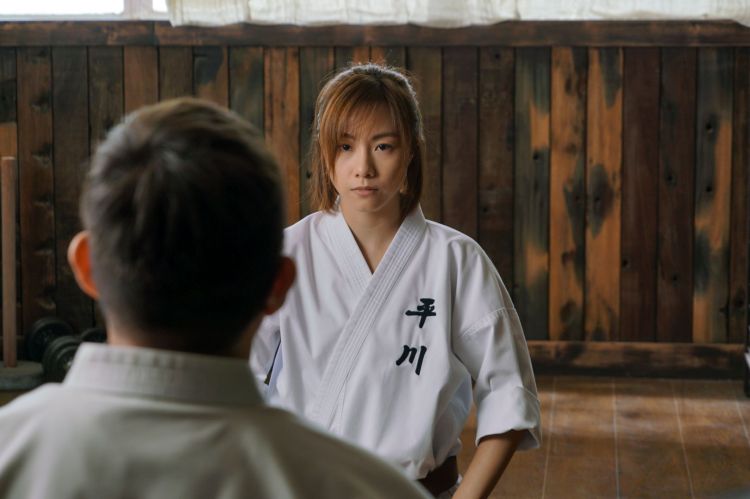
  • The Empty Hands – comedy from Chapman To in which a half-Japanese Hong Kong woman’s dreams of freedom from her father’s martial arts legacy are dashed when he leaves 51% of his dojo to another pupil who challenges her to a match for the right to win his controlling share.
  • No. 1 Chung Ying Street – drama contrasting 1967 pro-China demonstrations against the British Government, and the Umbrella democratisation movement in present day Hong Kong.
  • The Bride with White Hair – Ronny Yu’s classic wu xia. Brigitte Lin retrospective.
  • Chungking Express – Wong Kar-Wai’s HK classic. Brigitte Lin retrospective.
  • Dragon Inn – 1992 wuxia classic from Raymond Lee. Brigitte Lin retrospective.
  • Red Dust – 1990 melodrama in which a novelist falls in love with a Japanese collaborator during World War II. Brigitte Lin retrospective.
  • My Heart Is That Eternal Rose – Patrick Tam’s 1989 romantic crime drama.
  • Throw Down – premiere of the new restoration of Johnnie To’s 2004 martial arts drama starring Louis Koo and Aaron Kwok.

Indonesia

night bus horizontal

  • My Generation – teen movie affectionately satirising Indonesian millennials.
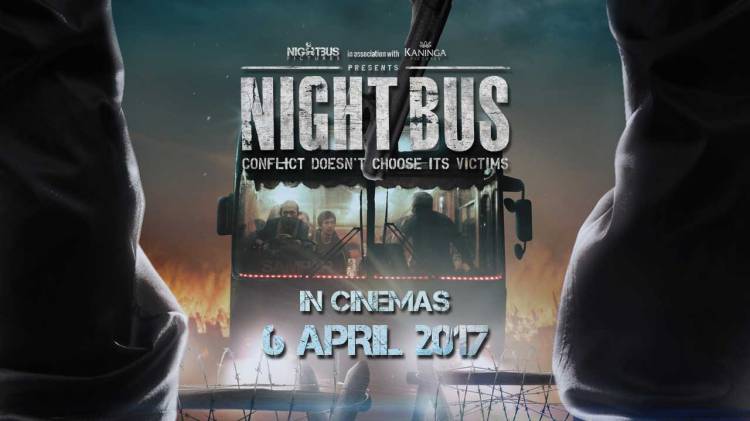
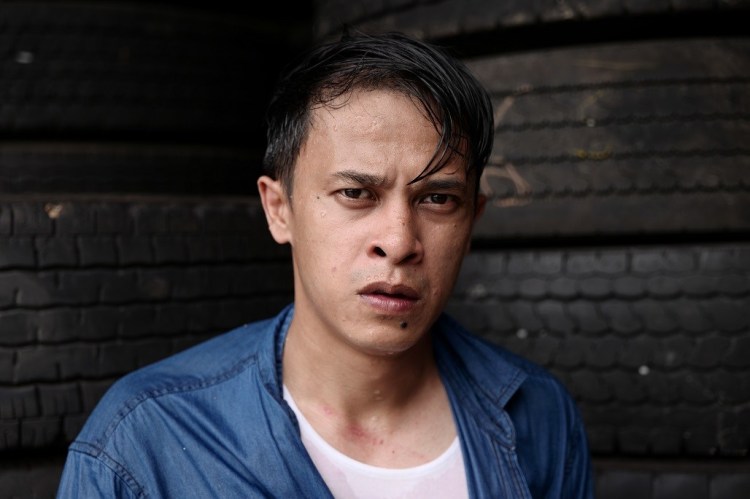
  • Night Bus – civilians catch a bus to Sampar – a town rich in natural resources but heavily guarded by the army who are keen to defend against rebel militias. Closing night gala.
  • Satan’s Slaves – Joko Anwar remakes the 1980 classic horror movie in which a mother rises from the dead to collect her children.

Japan

yocho still 1

  • The 8-Year Engagement – romantic tearjerker starring Takeru Satoh and Tao Tsuchiya.
  • The Blood of Wolves – Koji Yakusho plays a possibly dodgy cop investigating a missing persons case in Kazuya Shirashi’s ’80s crime drama.
  • Yocho (Foreboding) – the theatrical cutdown of Kiyoshi Kurosawa’s TV companion piece to Before we Vanish.
  • Inuyashiki – Shinsuke Sato adapts Hiroya Oku’s science-fiction manga in which an old man gets superpowers and decides to use them to do good, meanwhile a young man has the opposite reaction.
  • Mori, The Artist’s Habitat – the latest from Shuichi Okita stars Kirin Kiki and Tsutomu Yamazaki in the story of an elderly artist and his wife of 52 years.
  • The Name – bankrupt businessman Masao discovers a new side to himself after encountering mysterious high school girl Emiko.
  • One Cut of the Dead – experimental zombie fun from Shinichiro Ueda.
  • The Scythian Lamb – Ryuhei Matsuda stars in Daihachi Yoshida’s adaptation of Tatsuhiko Yamagami and Mikio Igarashi’s manga in which prisoners are released from jail on the condition that they help repopulate declining rural towns.
  • Tremble All You Want – an office lady experiences a number of romantic difficulties in this off-kilter love comedy.
  • Ramen Heads – documentary following “Ramen King” Osamu Tomita.
  • Ryuichi Sakamoto: CODA – documentary following the legendary composer.
  • SUKITA: The Shoot Must Go On – David Bowie x photographer Masayoshi Sukita documentary.
  • Blue Film Woman – premiere of a new restoration of the classic 1969 pink film by Ken Mukai.
  • Women Hell Song – premiere of a new restoration of the classic 1970 pink film by Mamoru Watanabe.
  • Tampopo – Juzo Itami’s classic “ramen western”. Review.

Malaysia

L1110037

  • Crossroads:One Two Jaga –  gritty migrant worker drama from Nam Ron.

South Korea

Steel Rain banner

  • 1987: When the Day Comes – democracy movement drama from Jang Joon-hwan.
  • The Battleship Island: Director’s Cut – extended cut of Ryoo Seung-wan’s wartime drama in which a musician and his daughter are conscripted for offshore forced labour. Review of the theatrical edition.
  • Be with You – remake of the 2004 jun-ai classic in which a bereaved husband and son discover a woman who looks like their lost wife and mother wandering in the forest.
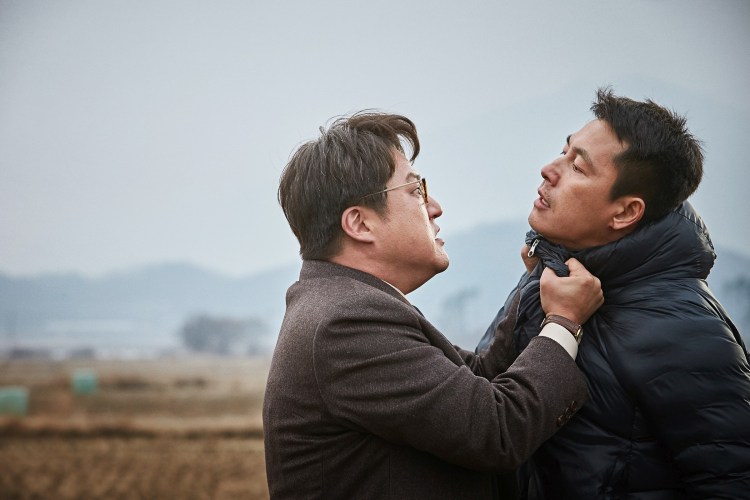
  • The Chase – a retired policeman teams up with a landowner to solve a 30-year-old cold case.
  • Forgotten – a nervous young man begins to doubt his surroundings after his brother is kidnapped. Review.
  • Gonjiam: Haunted Asylum – a TV crew travel to an abandoned asylum with a notorious past and get a lot more than they bargained for.
  • Last Child – powerful drama in which a grieving couple warm to the child their son died saving.
  • Little Forest – remake of the Japanese foody drama starring Kim Tae-ri
  • Midnight Runners – two police trainees decide to pursue justice alone in this hugely enjoyable buddy cop action comedy. Review.
  • The Outlaws – Ma Dong-seok stars in an anarchic crime drama. Review.
  • The Running Actress – actress Moon So-ri writes, directs, and stars in this feature length compilation of three shorts.
  • A Special Lady – Kim Hye-soo stars as the second in command of a corporate gangster outfit in this noirish thriller.
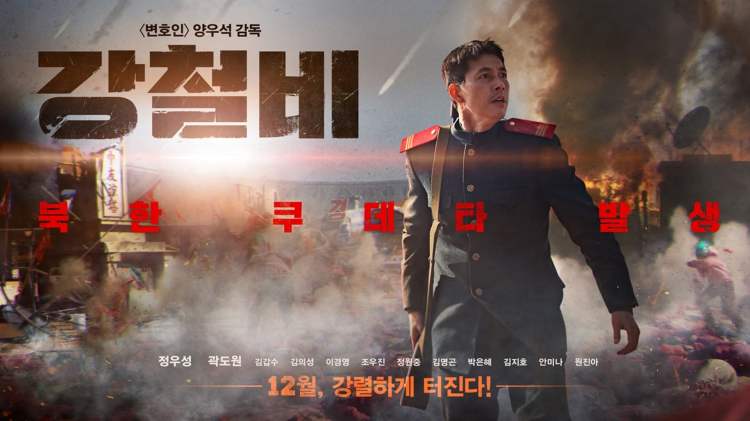
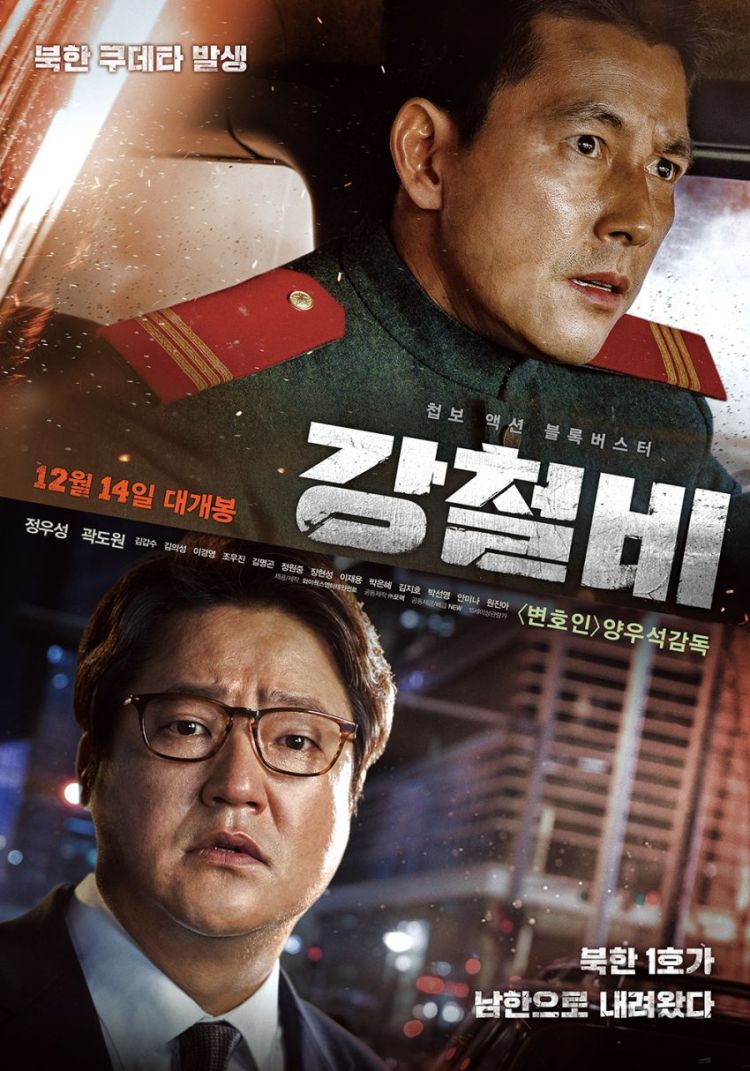
  • Steel Rain – A North Korean operative brings the wounded leader to the South to escape a coup and then must cooperate with an intelligence officer to prevent a nuclear war. Opening night gala. Review.
  • Courtesy to the Nation – Kwon Gyeong-won’s documentary focuses on democracy activist Chang Ki-hoon who became the centre of the Fake Will Scandal.
  • Veteran – Ryoo Seung-wan’s 2015 action drama. Review.

Philippines 

26353419607_79416c2262_o

  • Chedeng and Apple – two old ladies set off on a quest to discover lost love with a severed head in a handbag along for the ride.
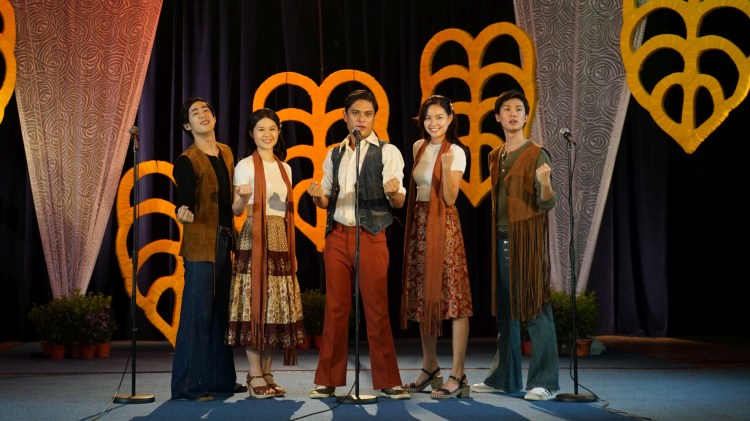
  • The Portrait – musical World War 2 drama.
  • Smaller and Smaller Circles – Raya Martin adapts the novel by F. H. Batacan in which two priests investigate murders of small boys in a Manila slum.
  • Himala– 1982 religious drama from Ishmael Bernal.
  • Moral – classic 1982 youth drama from Marilou Diaz-Abaya.

Singapore

wonder boy still 1

  • Diamond Dogs – a terminal cancer patient enters an underground social experiment.
  • Wonder Boy – ’70s musical biopic.

Taiwan

41181664032_c03a278a38_o

  • All Because of Love – teen romance.
  • Dear Ex – family drama
  • Gatao 2: Rise of the King – sequel to the gangster drama.
  • On Happiness Road –  charming animation in which a woman returns to her childhood home.
  • Take Me to the Moon – timeslip comedy in which a young man attempts to save his friend from a life decision that will eventually lead to both their deaths.
  • Cloud of Romance – restored melodrama from 1977. Brigitte Lin retrospective.
  • Outside the Window – 1973 Taiwanese age-gap romantic melodrama. Brigitte Lin retrospective.

Thailand

bad genius still

  • Bad Genius – a high school girl hatches a plan to cheat the exams system. Review.
  • The Promise – two women pledge to commit suicide together but when one backs out the other returns 20 years later to haunt her!
  • Sad Beauty – two female friends get mixed up in a murder.

Vietnam

the tailor poster

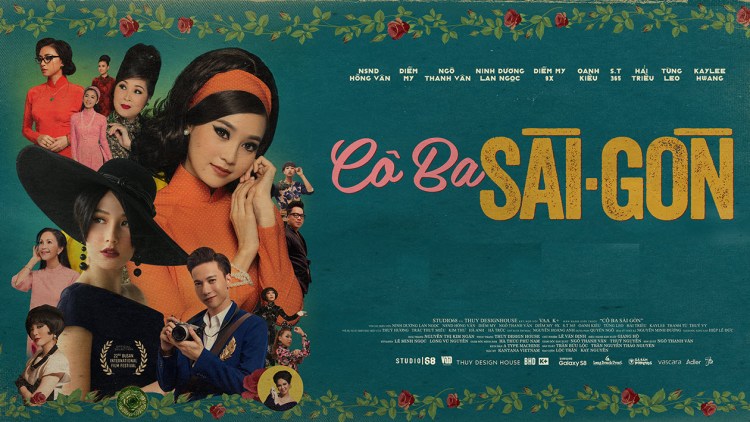
  • The Tailor – a tale of dressmaking and family in ’60s Vietnam.

Full details for each of the films will be shortly available via the official website where you can also find the daily screening schedule. Screenings take place both at the Teatro Nuovo, and the Visionario cinema. You can keep up with all the latest festival news via the festival’s Facebook Page, Instagram and YouTube channels, Twitter account, and Tumblr.

Steel Rain (강철비, Yang Woo-suk, 2017)

Steel Rain posterA little way in to Steel Rain (강철비, Gangchulbi), one of its heroes – a Blue House official, gives a pointed lecture on Korea’s past to some students of Geopolitical History. Fiercely critical of Korea’s previous subjugation by Japan, he laments that his nation was not able to free itself from the Japanese yoke and was awarded its freedom with the end of a wider political conflict which saw the Japanese “empire” collapse. According to Kwak Cheol-u, Korea has never quite lost its cultural admiration for its former colonisers which is why its most prominent corporations – Samsung, Haeundae etc, are all direct competitors with similar Japanese firms (and are only now pushing past them in terms of global market penetration and technological innovation).

Switching tack, he wonders why it is that Japan lost a war and Korea got cut in two by two new “colonising” forces. In his oft observed mantra, Kwak (Kwak Do-won) insists that the citizens of a divided nation suffer more from those who seek to manipulate the division for their own ends than they do from the division itself, which is where we find ourselves in the contemporary era of my button’s bigger than his button in which “capitalist pig dogs” face off against “dirty commies”. Adapting his own webcomic, Yang’s action thriller is among the most recent in a long line of North/South buddy movies and even if its cold-war paranoia feels distinctly old hat, it just goes to prove that everything old is new again.

Eom Cheol-u (Jung Woo-sung), a former North Korean special forces agent, is called back into the fold by his old commander for a very special mission. Tensions are about to boil over in the perpetually precarious state and the Dear Leader’s life is under threat from a suspected coup. Eom is to silence one of the conspirators in return for which he will be given elite status and his family will be well looked after. Unfortunately, the mission does not go to plan and Eom ends up witnessing a missile strike on a welcome meeting at a Chinese managed factory in which the (mostly young and female) employees are murdered in cold blood. Managing to escape with the Dear Leader himself who is seriously wounded, Eom travels over the border along with two young girls. From this point on he’s in conspiracy thriller territory trying to work out just what’s going on and who he can really trust.

The symbolism is rammed home by the fact that our two heroes, Kwak and Eom, have the same first name – Cheol-u, only one uses the characters for “strong friendship” and the other “bright world”. Taken together they paint a pretty picture, brothers in arms despite the political difficulties which place them on differing sides of an arbitrary line drawn up by a foreign power without much consideration for those divided by it. As in many North/South buddy movies of recent times, the North Korean agent displays the best qualities of his nation in his essential “goodness” – a caring husband and father, he executes his mission with maximum efficiency but bears no ill will towards those outside of it and is keen to protect the people of North Korea from almost certain doom should a nuclear war break out between the two peoples. Kwak, by contrast, is more of a schemer whose moral universe is much less black and white. A fluent Mandarin speaker he’s in tight with a North Korean official who keeps trying to talk him into taking a research post at a Chinese university while his family life is somewhat complicated thanks to a divorce from his plastic surgeon wife.

Meanwhile, the film is at pains to point out that Korea became the focus point of the first East/West proxy war and, in Kwak’s view at least, remains insufficiently important in the eyes of its “allies” to merit much direct consideration. Thus our boardroom squabbles are often reduced to the looming face of the American President “advising” the Korean officials on the best course of action while others worry about what Japan is going to think and wonder if the US secretly values the opinion of the Japanese more than the Koreans on the ground. The situation is further complicated by the fact that the government is in a transitionary phase in which a new president has been elected but not sworn in. The crisis may well play out entirely within the old president’s final hours which means that diplomatically he has little to lose and as he is a conservative, might as well milk the situation for all it’s worth. In short, he’s as keen to ruffle diplomatic feathers and bring the situation to a head as everyone else is and war looks more likely than not. The central message is that, as Kwak is fond of implying, governments care little for their people or that millions may die when idea of division is so easily manipulated, especially if it’s not “their” people who will be doing the dying.

Not for nothing is the new president seen reading copy of Willy Brandt’s book on successful reunification, even if he begs his outgoing predecessor to consider the economic impact of any possible change in relations with a Northern neighbour. The North Korean official also warns that China is not keen on the idea of a war seeing as that will necessarily mean an influx of North Korean refugees no one wants to take responsibility for. The cold war may be about to turn hot, but the heroics that cool it down turn out to be of a much less gung-ho nature than might be expected, relying on personal sacrifice and a perhaps outdated code of honour. Nevertheless, the crisis is averted not through macho posturing but through “diplomatic channels” and a careful balancing of powers. Perhaps not so farfetched after all.


Streaming worldwide via Netflix.

Steel Rain will also receive its international festival premiere as the opening night gala of the Udine Far East Film Festival on 20th April.

Far East Film Festival trailer (no subtitles)

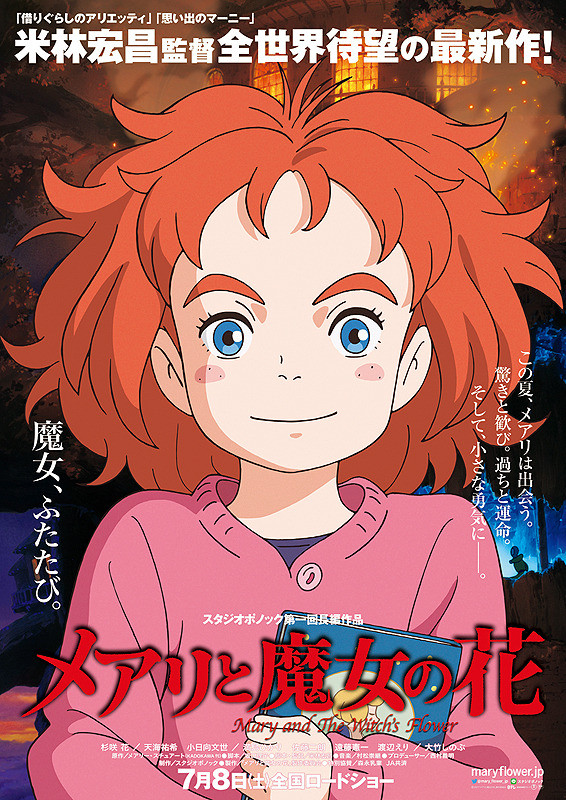
Mary and the Witch’s Flower (メアリと魔女の花, Hiromasa Yonebayashi, 2017)

Mary and the witch's flower posterWhen Studio Ghibli announced that it would be ceasing production, it couldn’t help but feel like the end of an era. The studio which had made Japanese animation an internationally beloved art form was no more. Into the void stepped a brand new animation studio which vowed to pick up the Ghibli gauntlet – Studio Ponoc was formed by former Ghibli producer Yoshiaki Nishimura who enlisted a host of other ex-Ghibli talent including Arrietty director, Hiromasa Yonebayashi. 

Mary and the Witch’s Flower (メアリと魔女の花, Mary to Majo no Hana), Ponoc’s first feature is, like Yonebayashi’s When Marnie was There, an adaptation of a classic British children’s novel. Part of the ‘70s children’s literature boom, Mary Stewart’s The Little Broomstick was more or less forgotten until the film, paradoxically, brought it back into print. Like many post-war children’s novels, The Little Broomstick is the story of a clever and kind little girl who thinks she doesn’t quite fit in. Mary and the Witch’s Flower is no different in this regard, even in updating the tale (seemingly) to the present day as its spiky heroine finds herself taking on mad scientists and crazed witches in a strange fantasy realm all while trying to get used to the comparatively gentle rhythms of country life.

Mary Smith (Hana Sugisaki) is bored. She hates her frizzy red hair which a horrible local boy, Peter (Ryunosuke Kamiki), uses as justification to describe her as a “red haired monkey”, and fears that the rest of her life will merely be a dull exercise in killing time until its inevitable conclusion. Mary has just moved in with her Great-Aunt Charlotte (Shinobu Otake) in the country while her parents are apparently working away and, as she still has a week left of summer holidays until school starts, she’s desperate for something to do. Unwisely following two cats into a misty forest, she chances upon a mysterious flower – the “Fly By Night” which blooms only once every seven years. With no respect for nature, Mary picks herself some of the pretty bulbs to take back to the gardener but unwittingly opens up a portal to another world. Taking hold of an abandoned broomstick, she finds herself swooped off to Endor College – an elite institution of witchcraft and wizardry where she dazzles all with her magical skills. Thinking she’s finally found her place, Mary is content to go along with everyone’s assumption that she is the new student they’ve been waiting for but on closer inspection, Endor College is not quite all it seems.

Mary’s initial dissatisfaction with herself is somewhat sidelined by the narrative but there’s something particularly poignant about her loathing of her red hair. In British culture at least, those with red hair often face a strange kind of “acceptable” prejudice, bullied and ostracised even into adulthood. Thus when Peter calls Mary a “red haired monkey” it isn’t cute or funny it’s just mean and she’s probably heard something similar every day of her life. When she rocks up at Endor and they tell her that her red hair makes her special and is the sign of high magic potential, it’s music to her ears but it’s also, perhaps, reinforcing the idea that simply having red hair makes her different from everyone else.

Feeling different from everyone else perhaps allows her to look a little deeper into the world of Endor than she might otherwise have done. Despite her conviction that she doesn’t fit in and is of no use to anyone, Mary is never seriously tempted by the promises of Endor which include untold power as well as a clear offer of acceptance and even respect. When she realises that the couple who run the school – a witch and a scientist, have been abusing their powers by committing heinous acts of experimentation on innocent “test subjects”, Mary learns to stand up for those who can’t stand up for themselves even if she couldn’t have done it for herself.

Messages about the seductive power of authoritarian regimes exploiting feelings of disconnection, the scant difference between magic and science, and the need for respect of scientific ethics in the pursuit of knowledge, all get somewhat lost amid Mary’s meandering adventures, as does Mary herself as her gradual progress towards realising that she possessed her own “magic” all along ticks away quietly in the background. Yet the biggest problem Mary and the Witch’s Flower faces is also its greatest strength – its ties to Studio Ghibli. With echoes of Yonebayashi’s previous adaptations of classic British literature, Mary and the Witch’s Flower also indulges in a number of obvious Ghibli homages from the Ponyo-esque flying fish and Laputa influenced design of Endor to the overt shot of Mary riding a deer on a rocky path, and the unavoidable girl+broomstick echoes of Kiki’s Delivery Service. Even if Mary and the Witch’s Flower cannot free itself from the burden of its legacy, it does perhaps fill the void it was intended to, if in unspectacular fashion.


Mary and the Witch’s Flower will be released in UK cinemas courtesy of Altitude Films in May 2018.

Original trailer (English subtitles)