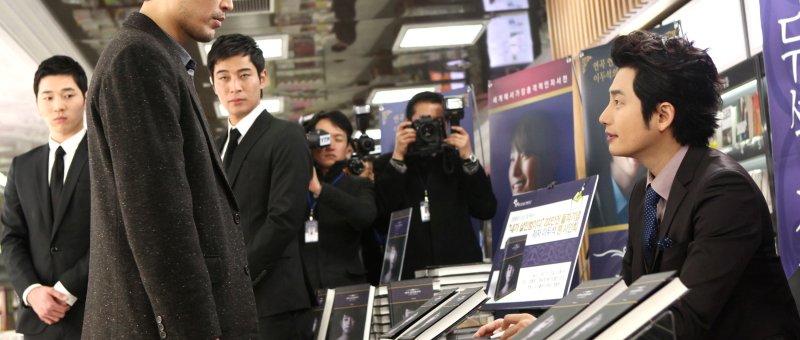
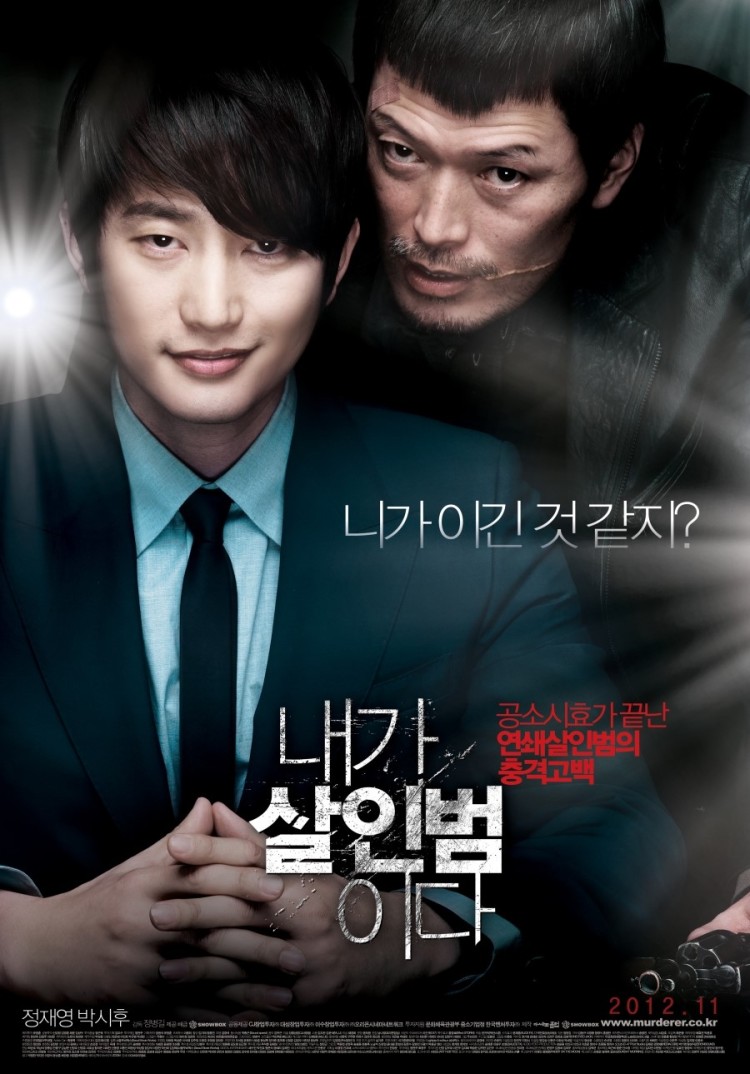
Look Out, Officer! (師兄撞鬼, Lau Sze-yue, 1990)

look out officer BD 1The thing about classic Hong Kong comedies is, they were made for a very specific time and place as a quick populist diversion not intended to have much of a life beyond their original release. Despite the thrown together, sketch show-style progression from one tenuously related set piece to the next held together by quick fire comedy, they could also be surprisingly subversive as in this 1990 comedy starring a young Stephen Chow. Look Out, Officer! (師兄撞鬼) is a silly buddy cop comedy and supernaturally tinged procedural but it also satirises the Hong Kong government’s response to the growing “boat people” crisis in which, as is declared in the film, those who’ve come from Vietnam for “economic reasons” will be regarded as illegal immigrants and deported. 

The film begins with two policeman as one berates the other for stopping to burn “ghost money” on the street, describing his need for ritual as like that of an old woman. The first policeman, Biao (Bill Tung), then gets a message on his pager to check out an abandoned warehouse. Piling into the police car, Biao and religious cop Chin (Stanley Fung) arrive but don’t find anything suspicious. Chin decides to leave while Biao wants to investigate further. Poking around, Biao finds himself directly above some kind of large scale drugs lab into which he heroically jumps and beats up most of the grunts waiting below before the head gangster turns up and throws him out of a window. Biao’s body lands directly on the top of Chin’s car who has returned after having second thoughts and wanting to make sure his partner is OK.

The “official” explanation is that Biao has killed himself because of his excessive gambling debts. Up in heaven he gets put on trial (alongside recently deceased dictators Ceausescu and Marcos) and the judges find that his death is indeed suicide despite his protestations. Eventually they agree to let him go back to Earth as a ghost to prove he was murdered and take revenge on the killer. Biao gets assigned a “saviour” whom he will know thanks to an unusual birthmark. The “saviour” turns out to be rookie cop, Sing (Stephen Chow), who is not exactly top of his graduating class but aided by Biao’s supernatural powers he just might be able to find the real killer after all.

As it turns out Chin dabbles in Taoist magic (to make his arms longer, for no particular reason) as do the gangsters who seem to have demonic forces on their side. Biao never saw the face of the man who killed him because he had him in a headlock, but he does remember his terrible body odour thanks to being shoved under his armpits. Victory in the final battle relies on conjuring a unique charm which consists of equally stinky ingredients including virgin’s urine, cat poo, and flatulence neatly bringing several of the film’s running jokes together into one satisfying punchline.

Running gags there are a plenty from the grumpy old cleaner at the police station they’ve nicknamed the 1000 year old virgin who likes to mop up the men’s toilets while they’re busy so she can assess the policemen’s “capabilities” for herself, to the cat who keeps defecting on the altar, and Sing’s general weediness. The supernatural procedural runs in tandem with the usual romantic comedy subplots including Chin’s over protective attitude to his grown up daughter who inevitably ends up in a relationship with Sing thanks to Biao’s supernatural wingman-ing. One of the “charms” Baio has been given to help him in his quest is a “lewd” spell which suddenly makes the victim randy for the first person they see. Biao uses this to get his own back on Chin for leaving him behind by making their austere superior officer suddenly come over all goey only to have her snap out of it and accuse him of sexual harassment.

The humour maybe distinctly lowbrow, but there is a degree of satire lurking in the background as Sing is sent into a “massage parlour” with a codeword in Vietnamese only to discover that all the girls in the place can understand it and immediately parrot back the recent ordinance of Vietnamese immigration. Later, a Vietnamese man threatens to commit suicide over the cruel and inhumane treatment he has received as a Vietnamese immigrant trying to make a life in Hong Kong, fearing he may be forcibly deported and will be killed if he has to go back to Vietnam losing everything he’s tried to build in Hong Kong.

When Biao eventually gets back to heaven they don’t want to let him in even though he’s cleared his name because heaven has a quota and he doesn’t meet the criteria. All is not lost, however, because you can buy your way in as an immigrant with ”special investor” status. In heaven, it seems, everything is fine so long as you have money. As above, so below. Another characteristically nonsensical, juvenile comedy from Shaw Brothers, Look Out, Officer! is as silly and of its time as one would expect but it is undeniably entertaining and unexpectedly moving in its final moments.


Remake of Philip Chan & Ricky Lau’s Where’s Officer Tuba? (1986)

Celestial Pictures trailer (English/traditional Chinese subtitles)

The Day After Opens London Korean Film Festival 2017

The day after posterFollowing a long series of teaser screenings which culminated with Cannes hit The Villainess, the London Korean Film Festival has now revealed the complete lineup for this year’s event which runs from 26th October to 19th November 2017.

Opening Gala

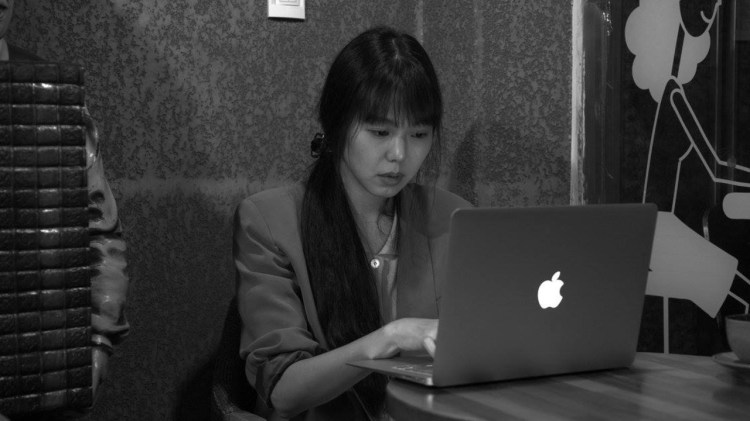
The day After Still 2The London Korean Film Festival 2017 will open with one of three films released this year by prolific director Hong Sang-soo – The Day After. Another whimsical comedy of manners from Hong, The Day After stars Kim Min-hee as the new girl at a publishing firm completely unaware that she’s taken the place of the previous new girl who has been “let go” after an affair with the boss ended badly.

Closing Gala

first lap stillClosing the festival will be the second film from Kim Dae-hwan who picked up the best new director award at Locarno for this awkward tale of familial disconnection. The First Lap revolves around young couple Ji-young and Su-hyeon who are not married but have been living together for a few years. Discovering they might be about to have a child of their own, the pair decide to try and reconnect with their old families before starting a new one.

Special Focus: Korean Noir, Illuminating the Dark Side of Society

The Merciless still 1The special focus for this year’s festival is Korean Noir and Korean cinema has certainly had a long and proud history of gritty, existential crime thrillers. Running right through from the ’60s to recent Cannes hit The Merciless, the Korean Noir strand aims to illuminate the dark side of society through its compromised heroes and conflicted villains.

  • Black Hair – Lee Man-hee’s 1960s genre hybrid neatly mixes noir with melodrama as a gang boss’ wife is blackmailed after having been raped by one of her husband’s underlings only to be facially disfigured and cast away when her husband learns of her assault. Read the Review.
  • The Last Witness – Lee Doo-young’s 1980 mystery thriller follows a police officer’s investigation into the murder of a brewery owner which leads him back to events of 25 years earlier and into the darkest parts of his own soul. Director Lee Doo-young will be in attendance for a Q&A.
  • Dead End – Darkly humorous 19 minute short directed by City of Madness’ Kim Sung-soo.
  • The Rules of the Game – released in 1994, the second film from Jan Hyun-soo follows a young man who comes to the city to join a gang but ends up selling his girlfriend into prostitution.
  • Green Fish – the 1997 debut from the now legendary Lee Chang-dong follows a recently demobbed soldier who returns home to find nothing waiting for him and eventually falls in with gangsters.
  • Nowhere to Hide – Lee Myung-se’s experimental 1999 noir stars Ahn Sung-ki as a ruthless gangster.
  • KilimanjaroThe Shameless director Oh Seung-uk’s 2000 debut also stars Ahn Sung-ki as a gangster alongside Park Shin-yang playing a pair of twin brothers one of whom is a criminal and the other a policeman. Director Oh Seung-uk will be in attendance for a Q&A.
  • Die badVeteran / Battleship Island’s Ryoo Seung-wan made his debut with this 2000 four part crime themed portmanteau film.
  • A Bittersweet Life –  Kim Ji-woon’s 2005 existential hitman thriller stars Lee Byung-hun as a conflicted mobster.
  • A Dirty Carnival – Yoo Ha’s celebrated gangland thriller from 2006
  • New World – an all powerful policeman tries to bring down a crime syndicate through underhanded means while an undercover cop begins to wonder if his mission will ever end in Park Hoon-jung’s tense psychological thriller.
  • Coin Locker Girl – a baby found in a coin locker gets sold to a gangland organ trafficker who decides to raise her as her own in Han Jun-hee’s dark 2013 drama
  • The Merciless – Premiered at Cannes in 2017 Byung Sung-hyun’s The Merciless is a violent thriller in which an undercover cop and the leader of a prison gang team up for gangland domination.

The Noir section will also feature a panel event, Forum on Korean Noir, featuring Eddie Muller (president Film Noir Foundation), Huh Moonyoung (film critic), Last Witness director Lee Doo-young, and Kilimanjaro director Oh Seung-uk.


Cinema Now 

master still one.jpgThe best in recent cinema across the previous year ranging from period drama to financial thriller, gangland action, social drama, and horror.

  • Come, Together – Shin Dong-il examines the destructive effects of financial pressures on a middle class family.
  • Crime City – turf war drama starring  Ma Dong-seok. Director Kang Yoon-sung will be present for a Q&A.
  • In Between Seasons – Intimate family drama following a mother’s reaction to discovering the relationship between her son and his best friend is closer than she thought.
  • Warriors of the Dawn – historical drama set in 1592 in which a group of mercenaries attempt to protect the newly crowned prince on a perilous journey.
  • Master – corporate thriller in which a team of fraud specialists led by Gang Dong-won attempt to unmask a dodgy financial guru played by Lee Byung-hun. Read the Review.
  • The Mimic – horror movie in which a monster lures children away to eat them by impersonating familiar voices.

Indie Fire Power

Bamseom Pirates Seoul InfernoProgrammed by Tony Rayns, this year’s indie strand has a special focus on documentary filmmaker Jung Yoon-suk who will be attending the festival in person to present his films.

  • Non Fiction Diary – 2014 documentary directed by Jung Yoon-suk centring on a notorious clan of serial killing cannibals. Director Jung Yoon-suk will be present for a Q&A
  • The White House in My Country – documentary short by Jung Yoon-suk. Director Jung Yoon-suk will be present for a Q&A
  • Ho Chi Minh – documentary short by Jung Yoon-suk. Director Jung Yoon-suk will be present for a Q&A
  • Bamseom Pirates Inferno – 2017 documentary by Jung Yoon-suk focussing on an underground punk band. Director Jung Yoon-suk will be present for a Q&A
  • Merry Christmas Mr. Mo – indie comedy/drama from Lim Dae-hyung in which a dying barber’s only wish is to star in a short film directed by his estranged son.
  • A Confession Expecting a Rejection – witty drama following characters on and off screen as they discuss various topics from failed relationships to disappointing film courses.

Women’s Voices 

jamsil still 1Focussing on female viewpoints this year’s Women’s Voices strand includes one narrative feature and four short films.

  • Jamsil – drama focussing on the lives of two women. Director Lee Wanmin will be present for a Q&A.

Shorts

  • Candle Wave Feminists – an examination of the misogyny hidden inside the campaign to unseat Park Geun-hye Director Kangyu Garam will be present for a Q&A.
  • My Turn – 15 minute drama focussing on pregnancy in the workplace.
  • Mild Fever – 36 minute drama in which a secret comes between a husband and wife.
  • Night Working – 28 minute drama exploring the relationship between a Korean factory worker and a Cambodian migrant.

Classics Revisited: Bae Chang-ho Retrospective

whale hunting still 2Three films from legendary director Bae Chang-ho each starring Ahn Sung-ki.

  • People in the Slum – drama revolving around a single mother who always wears black gloves and has a rebellious son with a tendency to steal things.
  • Whale Hunting – a boy gets rejected by his crush and runs away to hunt whales but ends up wandering round with a tramp and helping a mute girl find her voice again.
  • The Dream – a monk breaks his vows of chastity, attacks a young woman, leaves the monastery to start a family with her, but never captures her heart.

Documentary

good bye my heroWorkers’ rights and examinations of the Yongsan tragedy in which five civilians and one police officer lost their lives during a protest against redevelopment dominate the feature documentary strand.

  • Two Doors – documentary examining the Yongsan tragedy. Director Kim Il-rhan will be present for a Q&A.
  • The Remnants – documentary examining the Yongsan tragedy. Director Kim Il-rhan will be present for a Q&A.
  • Goodbye My Hero – an unemployed father battles for reinstatement
  • Dream of Iron – industrial ship building documentary

Animation

lost in the moonlight still 1Two charming yet very different animated adventures aimed at a younger/family audience.

  • Lost in the Moonlight – a shy young girl dreaming of the spotlight gets lost in a fantasy world.
  • Franky and Friends: A Tree of Life – Franky and Friends head off on a journey to save the world after nearly destroying it through wastefulness

Mise-en-scène Shorts

tombstone refugee still 1A selection of shorts from the Mise-en-scène International Short Film Festival.

  • Tombstone Refugee – alternative burial drama.
  • Home Without Me – a young girl looks for familial love
  • Thirsty – a man struggles to makes ends meet
  • Between You and Me – behind the scenes comedy drama.
  • Dive – drama about a boy’s love of water
  • The Insect Woman – centres on a young girl obsessed with insects.
  • 2 Nights 3 Days – follows a couple on the eve of their wedding anniversary.

Artist Video

This year’s collaboration with LUX | Artists’ Moving Image focusses on the work of two artists – Lim Minouk and Koo Dong-hee.

Lim Minouk

  • New Town Ghost
  • Wrong Question
  • Portable Keeper
  • The Weight of Hands
  • The Possibility of the Half
  • S.O.S. – Adoptive Dissensus

Koo Dong-hee

  • Tragedy Competition
  • The King Fish
  • Under the Vein: I Spell on You
  • Crossxpollination
  • What’s Not There

The London Korean Film Festival runs from 26th November to the 19th October at multiple Central London venues before heading out on tour to Glasgow Film Theatre, Manchester HOME, Sheffield Showroom, Nottingham Broadway Cinema, and Belfast Queen’s Film Theatre.

The full programme including details for all the films, screening times and ticketing information will be available on the official website in due course but you can also keep up with all the latest developments via the festival’s Facebook page, Twitter account, Flickr, YouTube and Instagram channels.

Big Man Japan (大日本人, Hitoshi Matsumoto, 2007)

big man Japan posterBeing a superhero is not all it’s cracked up to be. After all, with great power comes great responsibility and responsibility, well, it’s kind of a drag. The debut feature from comedian Hitoshi Matsumoto, Big Man Japan (大日本人, Dai Nipponjin) is the story of a modern day gladiator – a slave and a prisoner, forced into an arena to fight “monsters” intent on causing widespread destruction, but usually being the cause of that destruction himself. Poor old Daisato (Hitoshi Matsumoto) is not much of anything at all, but bears all of his respective burdens with stoic resignation.

Shot in mock-documentary style, the film keys us in to Daisato’s predicament slowly as he lovingly looks at an umbrella or a packet of dried seaweed before adding that he likes them because they “only get big when you want them to”. The fact is, Daisato is the sixth in a line of superheroes known as Big Man Japan. Every time disaster strikes and there’s a scary looking monster about to pound Tokyo, Daisato has to hightail it to the nearest power station, undergo a lengthy, bizarre, and completely pointless ritual before jumping into a giant pair of purple pants and being pumped full of electricity which eventually causes him to grow to colossal size.

Yet unlike Batman, or even the obvious point of inspiration, Ultraman, Daisato is not particularly public minded and submits himself to this unpleasant treatment out of a sense of duty and tradition. Daisato’s grandfather, the Fourth, was the kind of superhero everybody loves – strong, clever, dependable, but more than that he was a fun guy to be around. Under the Fourth, superheroing was a laugh and a mini industry all at once. Asked why they bother with the strange ritual before Daisato transforms (given that they’re pushed for time), the old timer looks wistful and remarks that everything was much better when Four ran the show.

These days Four (Taichi Yazaki) is a doddery old man with dementia whom Daisato leaves in an old people’s home whilst feeling guilty about not being able to look after him. Occasionally Four goes rogue and causes havoc by beating up innocent buildings and generally destroying things that don’t need to be destroyed. Daisato maybe a monster fighting superhero but he’s no match for Japan’s ageing population and the increasing demands of elderly care.

Daisato bears his responsibilities with resignation rather enthusiasm. His father, unlike Four, had a lust for fame, repeatedly zapping himself to try and be bigger and stronger but eventually just zapping himself to death. Yet even whilst unhappy about being forced into his life of mercenary monster hunting, Daisato still wanted his kid to take over the Big Man Japan name – only his kid’s a girl who doesn’t actually like her dad very much and gets picked on at school for being the daughter of Japan’s most rubbish reality TV star. Daisato’s superpowers have led to the breakdown of his marriage as his wife has left him, unwilling to allow her child to be zapped with electricity and sucked into Daisato’s abnormal world. She’s moving on, going with the mainstream and looking to hook up with a decent, reliable sort of guy.

Even the documentary maker occasionally seems exasperated at Daisato’s passivity and general malaise. The monster hunting battles are not just in service of protecting the people of Japan but also a major TV event, though it has to be said that Daisato is not very popular and the few people who like him do so precisely because of his perseverance in the face of constant failure. Daisato has a manager of sorts, who drives expensive looking cars, has two expensive looking dogs named “simplicity” and “delicacy”, and is intent on selling each and every spot in Daisato’s giant torso to advertising sponsors landing him with tattoos advertising fresh goods right on his chest and back. Eventually Daisato ends up angering the public still further when he kills an incredibly cute, apparently harmless monster in a moment of panic.

Daisato is, in many ways, a victim of his culture as he feels compelled to put up with constant mistreatment in service of duty and tradition, seeing himself as the last in a long chain of ancestors he’s never been able to live up to and whose powers he will probably not be able to pass down to a successor of his own. In one particularly worrying episode, the mysterious forces which control Daisato do not even bother to contact him but break into his house for a spot of non-consensual zapping which destroys Daisato’s entire home leaving him with nothing. Being big in Japan is actually being very, very small. Poor old Daisato can’t seem to catch a break, but maybe there is one just waiting to catch him.


Original trailer (English subtitles)
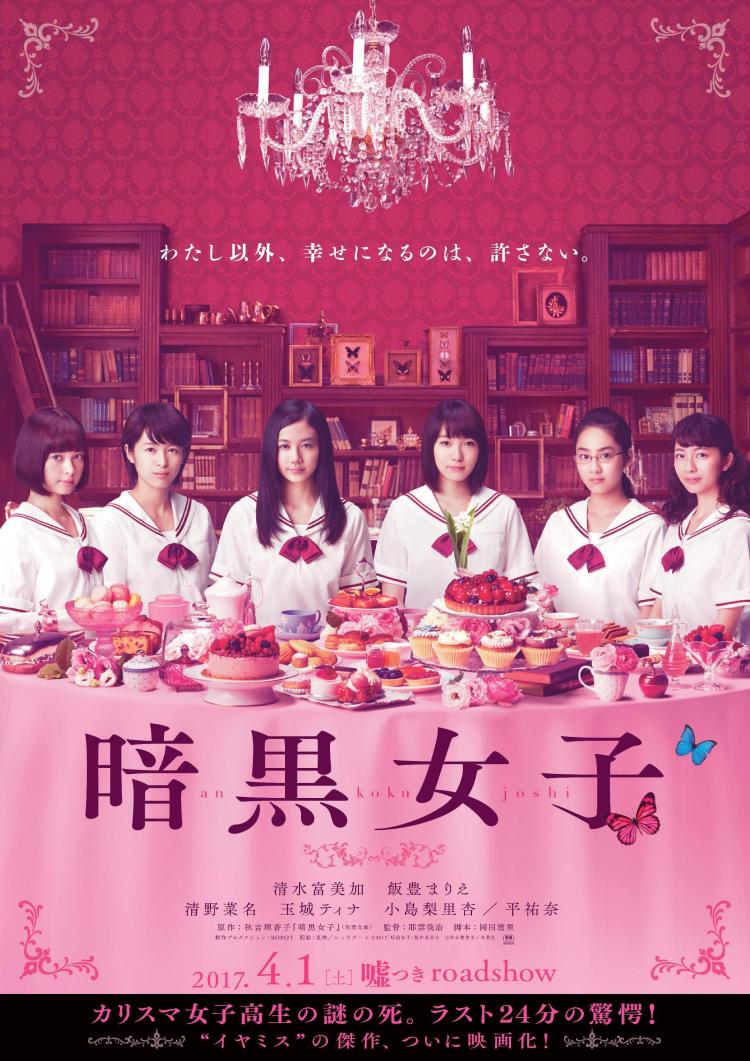
Sword of the Beast (獣の剣, Hideo Gosha, 1965)

sword of the beast posterHideo Gosha’s later career increasingly focussed on men at odds with their times – ageing gangsters who couldn’t see their eras were ending. His second feature, Sword of the Beast (獣の剣 Kedamono no Ken), is much the same in this regard but its youthful hero knows perfectly that change is on the horizon. Gennosuke (Mikijiro Hira) tries to ride that change into a better, more equal future but the forces of order will not allow him. The cinematic samurai world of the post-war era is no longer that of honourable men, manfully living out the samurai code even when it pains them to do so. It is one of men broken by oppressive feudal rule, denied their futures, and forced to betray themselves in service to systemic hypocrisy. Yet even if men think of reforming the system, they rarely think to escape it unless it actively spits them out.

When we first meet Gennosuke, he’s crawling around in a muddy grass field, dishevelled and hungry. A lone woman spots him and plies her trade leading Gennosuke to embrace his baser instincts and give vent to his lust, but the pair are interrupted by the sound of approaching horses. Gennosuke is on the run from his clan for his part in the murder of a lord. His pursuers scream at him, “have you no pride?”, lamenting his lack of stoical resignation to one’s fate so central to the samurai ideal. “To hell with name and pride” Gensosuke throws back, “I’ll run and never stop.”

Gennosuke’s odyssey leads him into the path of petty bandits who’ve been swiping gold out of the local river. Unbeknownst to them, a couple from another clan have been living an isolated life in a small cottage where they too have been skimming the Emperor’s gold, only they’ve been doing it for their lord. The man, Jurota (Go Kato), is excited about this work because he thinks when it is completed he’ll finally be accepted as a true samurai and the future for himself and his wife, Taka (Shima Iwashita), will be much brighter. He is quite wrong in this assumption.

Gennosuke, it is later revealed, committed his fateful act of murder upon the assumption that he was part of a revolutionary vanguard, removing cruel and corrupt lords from their positions so fairer minded, decent men could rule in their stead. Instead he realises he’s been rendered a disposable pawn in a political game and that the new master he believed would usher in a brighter future only envisaged one for himself. Jurota has been duped in much the same way, asked to do something illicit, immoral, and against the samurai code under the assumption that he will finally be accepted as “one of us”. He has not considered the corruption of those he wants to join, and does not see that his crime likely means he cannot be allowed to live.

Gennosuke and Jurota are cynical men who nevertheless possess true faith in the way of the samurai. Exiled from his clan, Gennosuke is a wandering beast who pretends not to care about the people he meets, but ends up saving them anyway. Yet if Gennosuke has been “freed” from his illusions, Jurota’s devotion to them makes him a less heroic figure. When Taka is captured by bandits who threaten her life, Jurota has a difficult decision to make – surrender the gold or his wife. Jurota chooses poorly and abandons his wife to a fate worse than death at the hands of uncivilised ruffians. Taka finds this hard to forgive. No longer wishing to stay with a man who values her so lightly she turns to Gennosuke – her accidental saviour, and reveals to him that she longs to become “a beast” like him. Now “freed” of her own illusions as regards her husband’s love, their shared mission, and the fallacy of their future together as noble samurai, Taka is prepared to exile herself from the samurai world as Gennosuke has, but, as he tells her, the wife of a retainer cannot choose the life of a beast.

This world of samurai is facing its own eclipse. The Black Ships have arrived, the spell has been broken, and the modern world awaits. Gennosuke can see this future, he tried to grasp it in the murder of his lord, but it is not here yet. Gennosuke’s friend, Daizaburo (Kantaro Suga), is duty bound to take his revenge as the fiancé of the murdered lord’s daughter though he’d rather not do it, and does so only to give Gennosuke an “honourable” death. The daughter, Misa (Toshie Kimura), is understandably angry and filled with hate but she pays dearly for her vengeance. Following their ordeal, neither Daizaburo or Misa can return to their clan. They are also “freed”, their illusions broken, their debts forgiven. Breaking with the burden of their past, they would now follow Gennosuke into his new world, even if none of them know exactly where they’re going.

These private revolutions amount to a kind of deprogramming, reawakening a sense of individual agency but one which is unselfish and carries with it the best of samurai honour. Gennosuke may be a “beast” on the run, reduced to a creature of needs rather than thoughts, but there’s honesty in this uncivilised quest for satisfaction which leaves no room for artifice or hypocrisy. It may be a rough world and lonely with it, but it is not unkind. To hell with name and pride, Gennosuke will have his honour, even as a nameless beast, a self-exile from a world of cruelty, greed, and inhumanity.


Original trailer (no subtitles)

The Night I Swam (La Nuit où j’ai nagé / 泳ぎすぎた夜, Damien Manivel & Kohei Igarashi, 2017)

The Night I SwamCinema, at its most innocent, is a place where children can have fantastic adventures while the adults watching them from the other side of the screen worry though somehow or other it always manages to turn out OK. From the anxious whimsy of the The Little Fugitive, to the melancholy dreaminess of Palle all Alone in the World, and on to the anarchy of Home Alone, children in movies are much more resourceful than we give then credit for. The Night I Swam (La Nuit où j’ai nagé / 泳ぎすぎた夜, Oyogisugita Yoru), a Japanese/French co-production co-directed by A Young Poet’s Damien Manivel and Hold Your Breath Like a Lover’s Kohei Igarashi, is testament to this as its central little hero sets off on a perilous journey to show his dad, who has to leave very early for work at the fish market in town, a drawing he made of a fish.

One fateful morning, while it’s still dark outside, a little boy wakes up and hears his father smoking a cigarette in the kitchen before going to work. The boy can’t get back to sleep. He tries to wake his mum but she’s deep asleep so he plays with the family dog, has a game with his toy animals, watches some TV and then draws a picture of a fish before trying to get a little more shuteye before he has to get up for school. The consequence of this is he’s very sleepy when it comes to getting ready in the morning as his mum helps him into the ski pants, jacket, and pretty blue hat that will keep him warm in the thick snow which is currently piled higher than his head on the way out of their home.

The little boy puts the drawing in his backpack and then sets off, but when he reaches the school gates he makes a surprising decision. He turns around, climbs over a fence and escapes! Playing in the snow for a while it seems as if the boy just didn’t fancy a day cooped up indoors but he has a plan and it requires getting on a train into the city…

The little boy’s journey is occasionally perilous. It’s certainly freezing cold out there, surrounded by snow and and ice, and the little tyke is so tired that at one point he just collapses and falls asleep in the snow. Somehow or other he seems to rally himself and continue on his journey even if he sheds some of his tools as he goes including a precious glove which he takes off to peel the oranges he’s brought along for sustenance. Once in the city he makes a dangerous dash across an icy road, wanders around a department store, and spends a while sitting in a food court, observing the busy lives around him like a visitor from a dream. When he gets to the fish market, it’s already closed, the place is eerily empty and deserted, waiting for the next day’s activity to begin.

Disheartened and completely exhausted, the boy starts testing doors on the cars in the carpark before crawling into a open van to keep warm and falls asleep. Luckily, the boy’s story has a happy ending as he meets some nice people who help him get back to his family safe and sound where he finally gets some proper sleep after his long adventure. The film’s most touching moments occur at the end as the boy’s dad hangs up his wet clothes to dry before looking at the drawing which the boy’s sister has pinned on the fridge before falling asleep next to his son, sharing this small amount of time they have together, while the boy’s mother watches TV downstairs with her little girl.

Shot in academy ratio and entirely dialogue free, The Night I Swam has an innocent, dreamlike quality as the little boy wanders through the snow, wide eyed and curious but set on reaching his destination even though he is clearly very tired, not to mention cold. Broken into three chapters with picture book font titles, The Night I Swam is a beautifully elliptical tale filled with whimsy and melancholy as the boy and his father are kept apart by practical concerns but united, perhaps, in dreams.


Currently available to view via Festival Scope (€4) until 19th September.

Original trailer

Barefooted Youth (맨발의 청춘, Kim Ki-duk, 1964)

barefooted Youth posterThe “Seishun Eiga” or youth movie had long been a staple of Japanese cinema by the time the short-lived “Sun Tribe” movement took hold in the mid-1950s, but, for understandable reasons, it did not make its way to Korea until a decade or so later. When it comes to so called “adolescent films”, Kim Ki-duk’s 1964 Barefooted Youth (맨발의 청춘, Maenbaleui cheongchun) is hard to beat. The film had, in fact, been filtered through Japanese cinema as its star Shin Seong-il – then riding high as a youth idol and wanting to star in as many youth movies as he could before his era came to an end, had seen Ko Nakahira’s Dorodarake no Junjo which starred ’50s idol Sayuri Yoshinaga alongside her frequent co-star Mitsuo Harada in a tragic tale of love across the class divide (this enduring story was later remade in 1977 with another idol, Momoe Yamaguchi, as the female lead). Shin was keen to star in a remake of Dorodake no Junjo and petitioned his studio to set it up. The plot of Kim’s version is almost identical and was widely seen as a deceitful remake at the time of its release, but that’s not to say it failed to speak of a certain kind of hopelessness among the young people of Korea battling valiantly against an unforgiving society.

Petty gang errand boy Du-su (Shin Seong-il) has been sent on an important mission to deliver some smuggled watches to a fence. On his way out, his boss reminds him not to get into unnecessary fights and risk being late for this very important date. Du-su ignores him and comes to the defence of two nervous middle-class girls in the middle of being mugged by thugs of a different nature. One of the other thugs has a knife and stabs Du-su in the stomach, causing him to drop the prosthetic arm he’s been wearing “as a joke” as well as one of the watches. Turning the knife back on the attacker, Du-su gets away and eventually delivers the goods.

This event profoundly alters Du-su’s future prospects, firstly because he’s brought himself to the attention of the police and also risked putting them on the gang’s trail if the police have picked up the missing watch and discovered it’s a smuggled Hong Kong knock off that might be connected to Du-su. Secondly, the woman Du-su saved, an Ambassador’s daughter called Johanna (Um Aing-ran), is overly grateful and quickly becomes attached to him. 

Johanna is everything Du-su is not – wealthy, cultured, elegant, and religious. Her world could not be more different than Du-su’s yet there is an inescapable bond that exists between them. Unlike many class difference love stories, both parties move closer towards the centre, trying out the other’s world and finding it different but perhaps not impossible. After their first few hours together when Johanna finds her way to Du-su’s run down flat in a lower class neighbourhood, Du-su puts on a Beethoven record at his local club (much to the consternation of the other patrons) and orders himself a glass of juice, while Johanna swaps her usual bible based bedtime reading material for an English language boxing magazine and takes her first swigs of whisky directly from the bottle.

However, trying out the other world for real does not go as well – Du-su, having overdone it with a formal tail coat, falls asleep at a concert, while Johanna finds it difficult to adjust to the rowdiness of the boxing ring. When Johanna finally takes Du-su home, hoping her mother will help him find an honest job so he can go straight, his presence is met with horror and a meal with a hoped for ally goes about as wrong as it possibly could, exposing Du-su’s lack of sophistication as he picks up a steak to eat with his hands (not being confident with a knife and fork), and then spills water all over the hostess who points out his lack of employable skills. 

Trapped on all sides – by the gangsters worried he’ll expose them, by his origins as the son of a prostitute and a man who died in jail, and by the general lack of opportunities for poor boys in economically straightened 1960s Korea, Du-su has nowhere left to go. Johanna is also trapped, in a sense, by a prospective arranged marriage and an overbearing but well meaning mother determined to send her abroad to save her from her reckless amour fou. Du-su, facing prison and life in a gang, and Johanna facing losing love for respectability, have hit an impasse. Having managed to transcend their class differences on a personal level, they see no way they can ever be together and if they cannot be together in life then they see no option but to escape from a world which has no place for them.

The economic inequality and enduring inviability of their love is signalled in the closing scenes in which Johanna’s funeral procession is several miles long with flowers and hearses and a crowd of mourners dressed in white. Meanwhile, Du-su’s body, barefoot and covered by a sheet on the back of a cart being pulled by his grief-stricken friend, is unattended. Not only could they not be together in life, they are forever separated even in death. As in the title of the Japanese film (taken directly from the book which inspired it), it is the lovers’ “purity” which comes to define them and adds extra poignancy to their fate. Du-su and Johanna share a single kiss but Kim obscures it from view, photographing the pair through a window pane in which the crossbars once again divide them. When the bodies are discovered, the first question that is asked is if they had had sex before they died – the answer is a resounding “no”, to which the man replies “good, I’m glad” though he is not especially referring to the poetry of their chastity in death but some kind of pointless and retrospective moral judgement on the “illicit” quality of their relationship.

Unlike the respective Japanese versions which tend to pivot around the leading actress (here Shin is the star, but both the actresses in the 1963 and 1977 versions were the headliners) Barefooted Youth tilts towards Du-su who literally becomes the “barefooted youth” of the title on his funeral cart, causing his friend (whose feelings are perhaps more than those of brotherhood) to remove his own shoes and place them on Du-su’s icy feet, trudging through the snow in his socks remarking that Du-su’s burial is witness to a greater and warmer love than the superficial flashiness of Johanna’s procession. Having resented Johanna for taking his friend away, he now respects her for joining him in death. The tragic end of these two young people is not only a romantic tale of doomed love, but an indictment of an unforgiving society in which social inequality, entrenched social codes, and the rigidity of the older generation have destroyed youth’s expectations of a brighter future. Du-su’s final advice to his friend is to live his life to the fullest and die without without regrets while he dreams only of being like a white crane flying in the blue sky, a pure soul enduring in eternity.


Available to watch on the Korean Film Archive’s YouTube channel and as part of the Kim Ki-duk DVD box set.

The Trio’s Engagements (婚約三羽烏, Yasujiro Shimazu, 1937)

vlcsnap-2017-09-08-02h54m10s546Yasujiro Shimazu may not be as well known as some of his contemporaries such as the similarly named Yasujiro Ozu and Hiroshi Shimizu, but during in his brief yet prolific career which was cut short by his early death just before the end of the war, Shimazu became the father of one of the most prominent genres in Japanese cinema –  the “shomingeki”, which focussed on the lives ordinary lower middle-class people. Shimazu’s early films were noted for their unusual naturalism but 1937’s The Trio’s Engagements (婚約三羽烏, Konyaku Sanbagarasu) is pure Hollywood in its screwball tale of three silly young men and their respective romantic difficulties which are sorted out with the amusing kind of neatness you can only find in a 1930s cinematic farce.

Shuji Kamura (Shuji Sano) has been looking for a job in Japan’s depression hit Tokyo for some time and his long suffering girlfriend, Junko (Kuniko Miyake), has finally gotten fed up with his listlessness and decided it might be better if she left him on his own for a while to sort himself out. Slightly panicked, Shuji heads off to see about a job at a department store specialising in rayon fabrics. Undergoing a rather odd interview, he meets two other men in the same position – well to do Ken Taniyama (Ken Uehara), and down on his luck chancer Shin Miki (Shin Saburi). Luckily all three are employed that day and start working in the store but trouble brews when they each fall for the charms of the boss’ daughter, Reiko (Mieko Takamine).

Despite the contemporary setting and the difficulty of finding work for even educated young men providing a starting point for the drama, Shimazu creates a truly “modern” world full of neon lights and Westernised fashions. The trio work in a department store which sells rayon – a cheap substitute for silk being sold as the latest sophisticated import from overseas, and the store itself is designed in a modernist, art deco style which wouldn’t look out of place in any Hollywood film of the same period. Likewise, though the store is largely staffed by men catering to a largely female clientele, it maintains a sophisticated atmosphere with staff members expected to provide solicitous care and attention to each and every customer.

The guys do this with varying degrees of commitment as Shin and Ken pull faces at each other across the floor and Shuji wastes time on the roof. Shimazu packs in as many quick fire gags as possible beginning the the bizarre job interviews in which Shuji ends up doing some very in-depth role play while Shin expounds on the virtues of rayon as if he were some kind of fabrics genius. Shin Miki is your typical chancer, turning up to his job interview with a thick beard which he later shaves making him all but unrecognisable, and even cheating Ken out of a few coins he’s been using to show off his magic tricks before bamboozling his way into Shuji’s flat.

The central, slapstick conceit is that each of the guys is about to jettison their previous partners for a false infatuation with the beautiful Reiko. Shuji is mostly on the rebound from Junko who may or may not come back to see if he’s sorted himself out, while Ken is uncertain about an arranged marriage, and Shin has a secret country bumpkin girlfriend he doesn’t want anyone to know about. Their respective crushes nearly spell the end for their friendship but then Reiko has her own ideas about marriage which don’t involve shop boys or a future in the rayon business. Eventually the guys realise they’ve all been a little silly and run back into the arms of the women they almost threw over, finding happiness at last in their otherwise ordinary choices.

Shimazu makes brief use of location shoots as Shin and Reiko walk along the harbour but mostly sticks to stage sets including the noticeably fake cityscape backdrop on the shop’s roof. The major draw is the “trio” at the centre which includes some of Shochiku’s most promising young leading men who would all go on to become huge stars including 30s matinee idol Ken Uehara, Shuji Sano, and Shin Saburi. Light and filled with silly, studenty humour The Trio’s Engagements is a deliberately fluffy piece designed to blow the blues away in increasingly difficult times, but even if somewhat lacking in substance it does provide a window onto an idealised 1930s world of Westernised flappers, cheap synthetic products, and frivolous romance.


Unchained Melody: The Films Of Meiko Kaji (Tom Mes)

unchained melody cover
Cover art by Nathanael Marsh

For a figure now so iconic and enduring, it’s strange that a comprehensive study of the cinematic career of Meiko Kaji (in English, at least) has been so long coming. Tom Mes’ wonderfully titled Unchained Melody seeks to rectify this unfortunate situation with a wide ranging examination not only of Kaji’s screen persona(s) but also of the changing nature of the industry which at times supported and frustrated her, as well as the various directors through whom she was able grow and change as an actress. The picture which emerges most strongly through Mes’ book is of a woman who was often as defiant as the characters who came to define her in the public eye, but necessarily so for, unlike some of her contemporaries, her goal was always a betterment of her craft and she would, therefore, be ruthless in pursuing it.

After beginning with the personal in a prologue detailing a meeting with the woman herself in 2006, Mes wisely moves on from biographical detail to focus on Kaji’s film career as it progressed from miscasting as Nikkatsu’s particular brand of cutesy girl-next-door, to her reign as queen of outlaw cool in the youth crazy 1970s and the inevitable cooling down as time moved on. It is, however, in least in Mes’ view and in the way Kaji herself seems to describe it to him not a story of decline and fall but of personal choice.

The Japanese studio system, like that of Hollywood, could be rigid and unforgiving. In many ways it’s an odd comparison, but the dilemma Kaji finds herself in is much the same as that experienced by Hollywood’s own defiant woman, Bette Davis, who successfully managed to push her otherwise overbearing managers into giving her the kind of work which she felt she deserved but was being denied. Nikkatsu’s output was star based rather than director led, meaning they had a steady stream of cardboard cut out headliners they could slot into the project the marketing department was busy dreaming up. This is naturally disadvantageous to an aspiring actress whose interest is craft rather than stardom.

Mes, as kindly as he can, contrasts Kaji’s fortunes with an early co-star, Sayuri Yoshinaga who continues to be a tentpole star – perhaps the only female actress of her age to be so. Yoshinaga, well known both as an actress and singer, has played things quite differently, capitalising on an image which is the very opposite of Kaji’s – that essential small town wholesomeness that Kaji had so much trouble with at Nikkatsu. Still playing roles well below her physical age – most notably as a frequent mother figure in the films of veteran commercial director Yoji Yamada, Yoshinaga has certainly had a long and very successful career, but, as Mes implies, not the kind of career Kaji would have wanted.

Rather than capitalising on her new found stardom after the twin hits of Lady Snowblood and Female Prisoner Scorpion, Kaji opts for challenging roles rather leading ones. Mes uses this as a jumping off point to profile some of the directors who helped to shape her career from her big break in Nikkatsu’s groovy youth series Stray Cat Rock which gave her a lasting relationship with Yasuharu Hasebe (who returned to direct the last in the Scorpion series), and Toshiya Fujita who further helped to create her image with Lady Snowblood, as well as the lesser known director of the Scorpion films Shunya Ito, the better known Kinji Fukasaku, and the provocative Yasuzo Masumura for whom Kaji produced one of her most surprising cameos as a kindly village woman in Lullaby of the Earth. In addition to giving an impression of how these various directors fit into Kaji’s ongoing development as an actress, these brief digressions also help to situate it within the fracturing world of ‘70s Japanese cinema in which the death of the studio system had created a gaping void into which slipped the commercial filmmaker’s baser instincts.

Where other books on cinema might hold back, Mes is also keen to highlight Kaji’s long career in television in which she often found the kinds of challenging roles unavailable in the cinema. A brief resurgence in international interest following Tarantino’s Kill Bill which cited her as a clear influence and used two of Kaji’s iconic theme tunes might have led to a cinematic comeback but it was sadly not to be, and, truth be told those challenging roles for older actresses are still few and far between. Still, Kaji’s counter cultural cool endures and if there’s one thing that Mes’ book makes plain, it’s that this essentially defiant quality extends past her screen image to the woman herself who was not prepared to be bound by the way that others chose to see her but continued to fight for the right to define herself, not as a star in someone else’s image, but as an actress.


Unchained Melody: The Films Of Meiko Kaji is published by Arrow Books 11th September, 2017.

Red Carpet (레드카펫, Park Bum-soo, 2014)

red carpet posterExpectation is a heavy burden for a film. Not just the hopes built by excessive hype, but the way it chooses to define itself in advance. Of course, particularly with big budget studio movies it’s marketing men who decide all that rather than filmmakers but still, it’s hard to escape the feeling of confusion when the way a film was marketed works against its true nature. For a film like Red Carpet (레드카펫), an indie rom-com with a strangely innocent heart, it cuts both ways. The salacious hook is that this is a story of porno hell – tortured artists, egotistical men, and abused women. This is couldn’t be further from the truth. In fact, Red Carpet is deeper than it seems, asking real questions about the place of the porn industry in a modern society and attacking our own unfair and hypocritical judgements on its existence.

Park Jun-woo (Yoon Kye-Sang) is a lifelong cinephile who dreams of making award winning films he can watch on a Sunday afternoon with his parents, but life has been unkind to him and so he’s been working in the adult video industry for the last ten years. His life changes when he arrives home one day to find a strange young woman waiting there who accuses him of being a prowler and repeatedly hits him over the head with a frying pan. When the police get involved and take Jun-woo’s side seeing as he has the proper documentation it’s revealed that the woman, who has just returned for an extended period living in Spain, has been duped by a housing scam. Jung-woo, being the kindly soul he is, lets the woman, Eun-soo (Koh Joon-hee), live with him until she figures things out. Eun-soo is also a former child actress keen to get back into the profession and takes a keen interest in some of Jung-woo’s scripts never knowing exactly what kind of films it is that he really makes…

Though the setting is the porn industry, director Park makes sure to keep things light and humorous, showing the reality of adult video making but avoiding directly displaying it on the screen. Jung-woo’s work is almost entirely themed around porn parodies of famous movies as in the first shoot we witness where we gradually realise that the whole thing is Oldboy remade as a sex film (apparently including the corridor hammer fight, though no one’s figured out what to do with that yet). More amazing titles follow including the amusing “Inspect Her Gadget”.

Jung-woo may be conflicted about his career as a porn director, longing for the chance to make more “serious” films, but the rest of the crew is fairly happy with their choice of profession. This is, after all, just a job the same as any other. No one here is forced to work in the porn industry. There are no gangsters, no women trapped, abused, or forcibly hooked on drugs to keep them compliant. Everyone here seems to have made a free choice to engage in this type of work and is free to stop anytime they choose.

The problem, in this sense, is ours. Jung-woo and the crew face constant social stigma for what they do. At several points someone (well, always a man) is asked if they watch porn – to which they sheepishly admit, giving the impression that it is something they rarely do and are ashamed of doing. This central fallacy is the entire problem, everyone is watching the films Jung-woo makes – probably thousands more people have watched his adult movies online than have seen the legit movie which was plagiarised from a script that he wrote but was not allowed to direct because he didn’t have the “experience”. Yet everyone disapproves of pornography, tries to deny they watch it, and has the impression that people who make these films are in some way damaged or perverted. Enjoying a meal together in a restaurant, the gang are accosted by a “fan” who asks for a photo with a “famous actress” only to suddenly grab her breast. Just because she’s an actress in adult movies, the man thinks it’s OK to grab her  – “she sells her body”, so what’s the problem? The man, who obviously watches porn, does not think of the people who make it as other human beings but as commercial products existing only for his pleasure.

Jung-woo, in a sense, thinks this too but doesn’t quite realise until he’s made to read out a statement at a press conference in which he’s supposed to apologise for his “unethical” behaviour but refuses, avowing that neither himself or his crew has ever felt ashamed of the work they do. Jung-woo’s dreams are directly contrasted with Eun-soo’s as she works hard to become a legitimate actress all the while loosing her individual freedom to the marketing concerns of her agency and facing the prospect of being forced to abandon Jung-woo, whom she has come to care for, in order to keep her new career and avoid the “scandal” of being in any way associated with the porn industry.

Even if it seems like people such as Jung-woo are not allowed their dreams, it can still all work out in the end as long you’re true to yourself and accepting of everything you are and were. Jung-woo’s early career was harmed by an unscrupulous competitor who stole Jung-woo’s shot and took the credit himself but his “success” may only be temporary because he’s living a lie of artistic integrity while Jung-woo and Eun-soo have maintained their authenticity even when it looked like it may cost them everything they wanted. Improbably sweet and charming, Red Carpet is an innocent love story in which dreams come true through hard work, perseverance, and compromise but finally through truthfulness in the refusal to be shamed for simply being what you are.


Original trailer (English subtitles)

Feng Xiaogang’s Youth Headlines Impressive East Asian Lineup at TIFF

Feng Xiaogang Youth still 2Toronto International Film Festival (affectionately known as TIFF) has always been a proud champion of East Asian cinema and this year is no exception with a number of eagerly awaited films from high profile directors including the World Premiere of the latest from Feng Xiaogang and highly anticipated return to action cinema for John Woo alongside interesting debuts from up and coming new directors.

China

Youth still 4

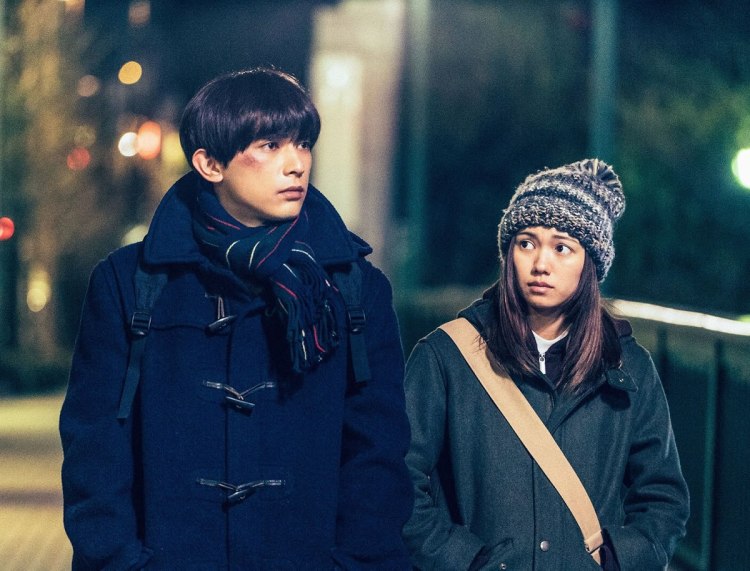
  • Youth  Feng Xiaogang’s followup to I am Not Madame Bovary makes its World Premiere at TIFF. A national coming of age story, Feng’s drama focusses on a ’70s military arts troupe as one particular dancer suffers at the hands of her peers but later emerges as a heroine.
  • Angels Wear White – Featured in competition at Venice, Vivian Qu’s Trap Street followup focusses on a pair of teenage girls assaulted in a hotel room and the receptionist who says nothing for fear of losing her job,
  • Dragonfly Eyes – the debut feature from artist Xu Bing, Dragonfly Eyes uses footage assembled from China’s many surveillance cameras to tell a sad love story.
  • Manhunt – John Woo returns to the realms of heroic bloodshed with a remake of a ’70s Japanese action classic starring Masaharu Fukuyama and Zhang Hanyu.
  • Mrs Fang – Wang Bing’s affecting documentary focusses on an elderly woman left alone to die in a small Chinese village.
  • Struggling – TIFF teams up with China Film Archive for a screening of this recently restored Chinese silent film from 1932.
  • The Conformist – Set on the Sino-Russian Frontier, Cai Shangjun’s The Conformist is an existential crime thriller revolving around a double agent working for the police whilst inhabiting the local underworld.

Indonesia

marlina the murderer in four acts still one

  • Marlina the Murderer in Four Acts – an Indonesian feminist western, Mouly Surya’s third feature follows a young widow out on a quest of revenge after a gang of bandits storm her farmhouse, rape her, and steal all her cattle. Armed only with a sword and a severed head, she takes to the road.
  • The Seen and the Unseen – making its World Premiere at TIFF Kamila Andini’s The Seen and the Unseen is a magical tale of a young girl retreating into a fantasy world to cope with the impending death of her twin brother.

Japan

oh lucy still 2

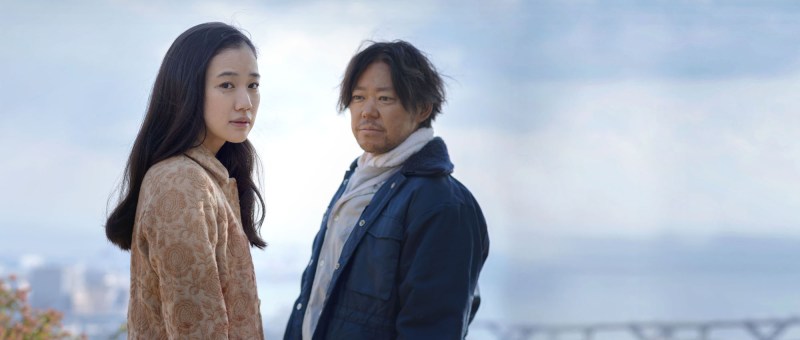
  • Birds Without Names – Kazuya Shirasishi’s Dawn of the Felines followup stars Yu Aoi as a young woman living with an older man (Sadawo Abe) but pining for her violent ex-boyfriend.
  • Oh Lucy! – Atsuko Hirayanagi’s sleeper Cannes hit is the story of a lonely middle-aged office lady who discovers a new side to herself when a charismatic English teacher (Josh Hartnett) gives her a blonde wig giving birth to the alter ego Lucy.
  • Radiance – the latest from festival favourite Naomi Kawase, Radiance stars veteran actor Masatoshi Nagase as a photographer losing his sight.
  • The Third Murder – a departure for director Hirokazu Koreeda, The Third Murder is a tense courtroom thriller starring Koji Yakusho as the defendant in a seemingly open and shut murder case but his lawyer (Masaharu Fukuyama) has his doubts about his client’s testimony.
  • Vampire Clay – veteran makeup artist Soichi Umezawa makes his directorial debut with this B-movie inspired tale of plasticine demons devouring the students at a rural arts school.
  • Wolf Guy – another special treat, Kazuhiko Yamaguchi’s 1975 Sonny Chiba starring tale of werewolf detectives gets a screening as part of the farewell to Midnight Madness’ Colin Geddes. Review.

Korea

poet and the boy still

  • The Poet and the Boy – Kim Yang-hee’s Jeju set character drama stars Yang Ik-june as a melancholy poet whose life changes when he encounters a handsome young man at a local donut shop.
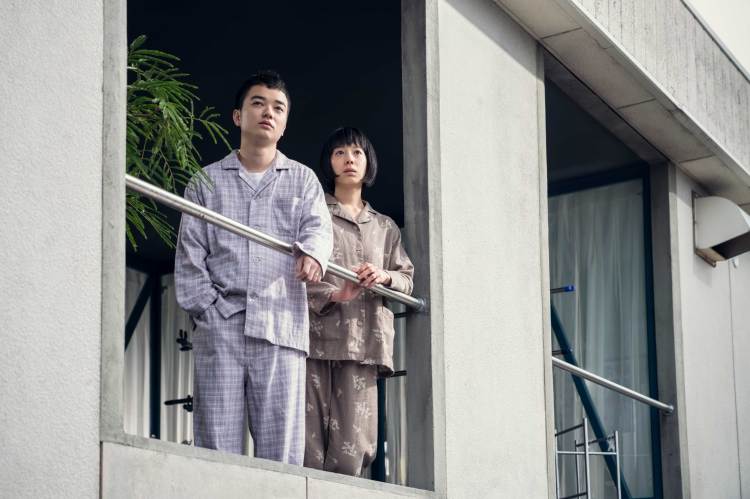
  • The Day After – Hong Sang-soo’s third release in 2017 stars Kim Min-hee as a recent recruit to a publishing company where (unbeknownst to her) she’s taken over from a woman let go after an affair with the boss ended badly.

Philippines

Dark is the Night

  • Dark is the Night – Independent filmmaker Adolfo Alix Jr returns with an urgent look at life in Duterte’s Philippines as a middle-aged couple make a little on the side selling drugs but decide to give it up because of the danger only for their addict son to go missing.

Taiwan

fish out of water

  • A Fish out of Water – A young boy becomes fixated on the idea of finding his “past parents” in the debut feature from Lai Kuo-An.
  • The Great Buddha+ – an extension to director Huang Hsin-Yao’s 2014 short, The Great Buddha+ follows two security guards as they spy on their womanising boss for kicks but find out something they were not supposed to know.

Thailand

samui osng still one

  • Samui Song – the highly anticipated return of Last Life in the Universe’s Pen-ek Ratanaruang, Samui Song is a violent thriller in which a soap opera actress plots to escape her wealthy husband who has been brainwashed by a cult.

The Toronto International Film Festival runs from 7 – 17th October. The complete festival programme as well as full information on all the films can be found on the festival’s official website, and you can keep up with all the latest details through the official Facebook page, Twitter account, Instagram and YouTube channels.