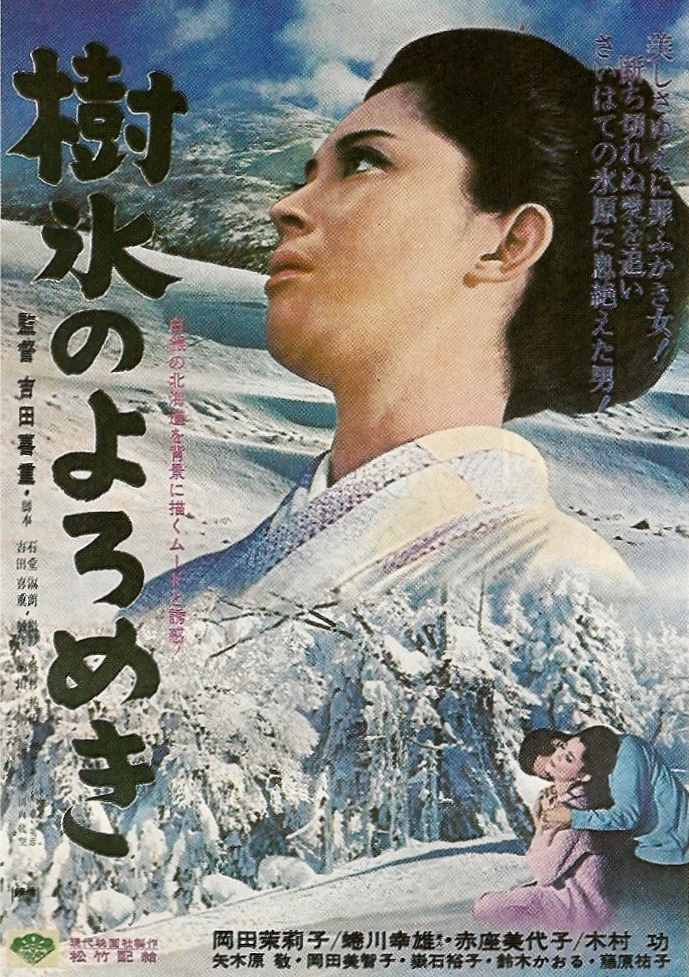
 Kiju (Yoshishige) Yoshida, along with his wife – the actress Mariko Okada, was responsible for some of the most arresting films of the late ’60s avant-garde art scene. So called “anti-melodramas”, many of Yoshida’s films from this era took what could have been a typical melodrama narrative and filmed it in an alienated, almost emotionless manner somehow reaching a deeper level of an often superficial and overwrought genre. Affair in the Snow (樹氷のよろめき, Juhyo no Yoromeki) is, in essence, the familiar story of an unreasonable love triangle but in Yoshida’s hands it becomes a melancholy yet penetrating examination of love, sex, and transience as the central trio attempt to resolve their ongoing romantic difficulties.
Yuriko (Mariko Okada) works in an upscale beauty salon in Sapporo and is in a relationship with a moody professor, Akira (Yukio Ninagawa), which seems to have run its course. The couple decide to take a trip to figure things out but it all goes wrong when the car breaks down and they’re marooned together in an unfamiliar environment. Akira’s mood swings and jealousy seem to be the main motivators for Yuriko’s dissatisfaction along with his desire for rough and ready sex over genial romance. Fearing she may be pregnant, Yuriko is not sure what to do – especially given that Akira is not particularly supportive.
Running from Akira, Yuriko gets back in touch with an old friend and former lover, Kazuo (Isao Kimura), who she feels can be relied upon to help her whatever she decides to do in this admittedly difficult situation. Yuriko and Kazuo were together for a short while and still share a deep emotional connection but their relationship was eventually frustrated due to Kazuo’s physical impotence. Eventually Akira catches up with the pair and tries to win Yuriko back as the three work through their various problems in the snow covered mountains of Hokkaido.
For Yuriko the two men represent very different pulls – towards the spiritual and the physical. Her relationship with Akira has obviously long gone sour, the two aren’t suited or happy in each other’s company. All they have is the physical though, it seems, this is not enough for Yuriko. Yuriko and Kazuo, by contrast, work well together, complement each other and only exert positive energy but their inability to enjoy a full relationship (which it seems they would both like) is the reason their previous affair failed.
Yuriko needs, in a sense, both men though for the present time her desire is to be rid of Akira with his emotional volatility, cruelty, and possessiveness. Though the relationship may be been on its way out, Akira’s jealousy is inflamed by the deep connection Kazuo shares with Yuriko – bringing home the the fact that his relationship with her is firmly based in the physical. As Yuriko and Kazuo grow closer, Akira becomes increasingly unhinged as it’s he who’s now rendered “impotent” in the quest to win back his former love. Cavorting with the young hippies at the ski lodge, Akira tries to make Yuriko jealous and Kazuo irritated but only succeeds in making himself look ridiculous. Eventually, Yuriko is goaded into admitting that all Akira has ever known of her is superficial, whereas Kazuo has known her soul. Yet even so the love she shares with Kazuo seems doomed to fail, tinged with death as she finds herself blinded and obscured by snow filled fog, screaming into a void.
For Yoshida all love fails, as Kazuo says – no love can last. The central trio are lost and purposeless yet seeking a connection they never seem to find. Yoshida’s beautiful cinematography captures their emotional blankness through the freezing cold snow-covered landscape and infinite expanses of emptiness in which no one can reconcile everything that they want with everything that they are. Death lurks everywhere as skiers pulls bodies past romantic walks and would-be-lovers collapse in exhaustion as if trying to cross the artic plains in search of a lost friend.
Shooting through mirrors Yoshida shows us a collection of people unwilling to look directly either at themselves or at others, missing the final climactic event in their fierce determination not to engage. Lost in a fog, nothing is clear as the lovelorn and lonely seek direction only to remain locked inside themselves unable to find the true and complete connection they each seek.
Original trailer (no subtitles)
 After leaving Shochiku and forming an independent production company with his actress wife Mariko Okada, Kiju (Yoshishige) Yoshida continued in the Shochiku vein, after a fashion, through crafting what came to be known as “anti-melodramas”. Taking the familiar melodrama a studio like Shochiku was well known for, Yoshida transformed the material through radical cinematography designed to alienate and drain the overwrought drama of its empty emotion in order to drive to something deeper. The Affair (情炎, Jouen), released in 1967, is just such an experiment as it paints the cold and repressed world of its heroine in steely black and white, imprisoning her within its widescreen frame, and setting her at odds with the younger, more liberated generation who get their kicks through groovy beatnik jazz and an eternal party.
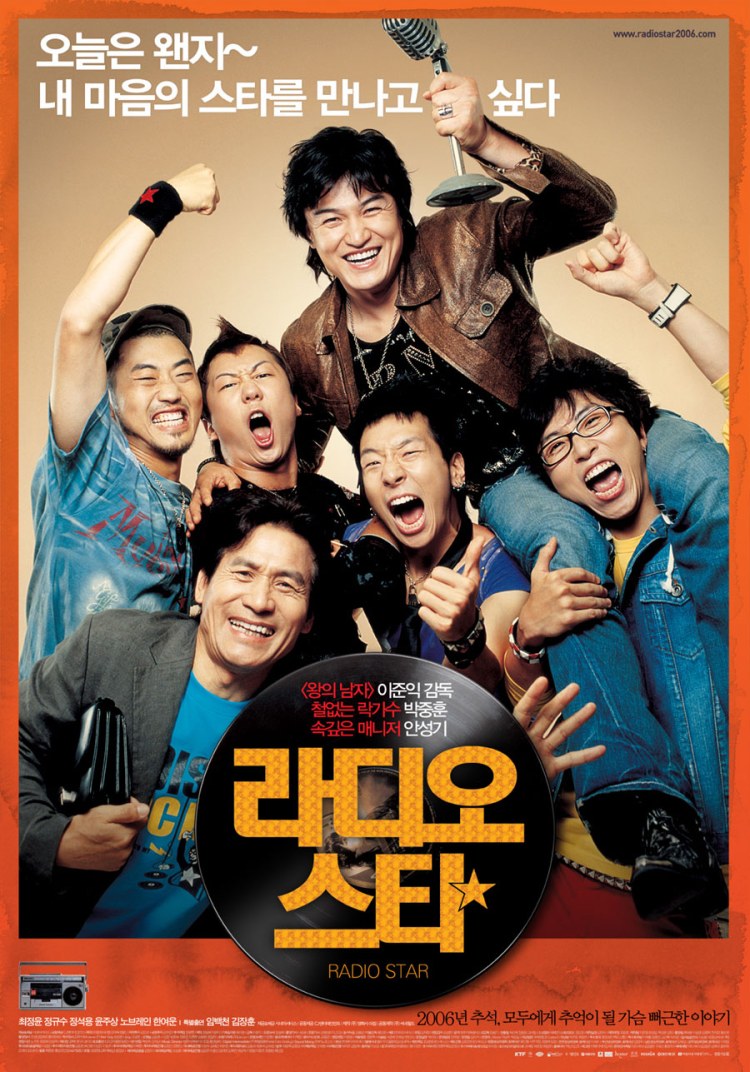 What do you do if you’ve just directed a box office smashing, taboo busting, giant mega hit? Well, you could direct Star Wars, but if you’re Lee Joon-ik you go back to basics with a low budget, heartwarming tale of friendship and failure. Radio Star (라디오 스타) reunites frequent costars Ahn Sung-ki and Park Joong-hoon whose shared history runs all the way back to ‘80s movies
  In
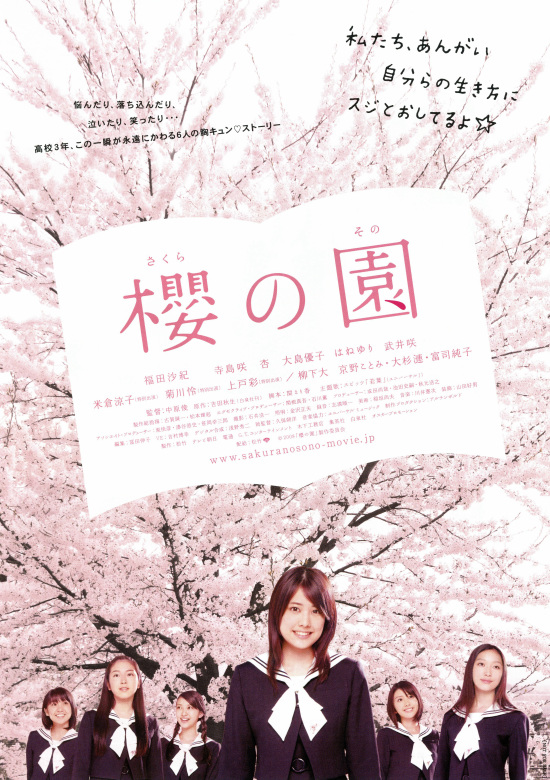
In  Chekhov’s The Cherry Orchard is more about the passing of an era and the fates of those who fail to swim the tides of history than it is about transience and the ever-present tragedy of the death of every moment, but still there is a commonality in the symbolism. Shun Nakahara’s The Cherry Orchard (櫻の園, Sakura no Sono) is not an adaptation of Chekhov’s play but of Akimi Yoshida’s popular 1980s shojo manga which centres on a drama group at an all girls high school. Alarm bells may be ringing, but Nakahara sidesteps the usual teen angst drama for a sensitively done coming of age tale as the girls face up to their liminal status and prepare to step forward into their own new era.
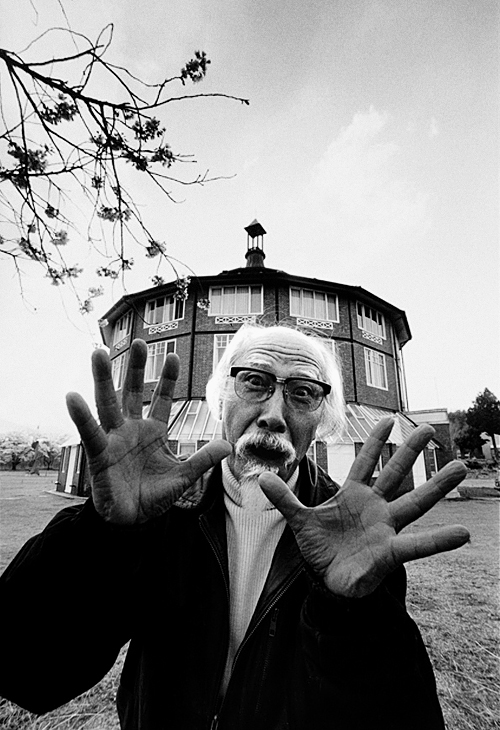 The complete programme for the Neuchâtel International Fantastic Film Festival 2017 has now been revealed and as reported, the festival will be paying homage to the late director Seijun Suzuki with a
 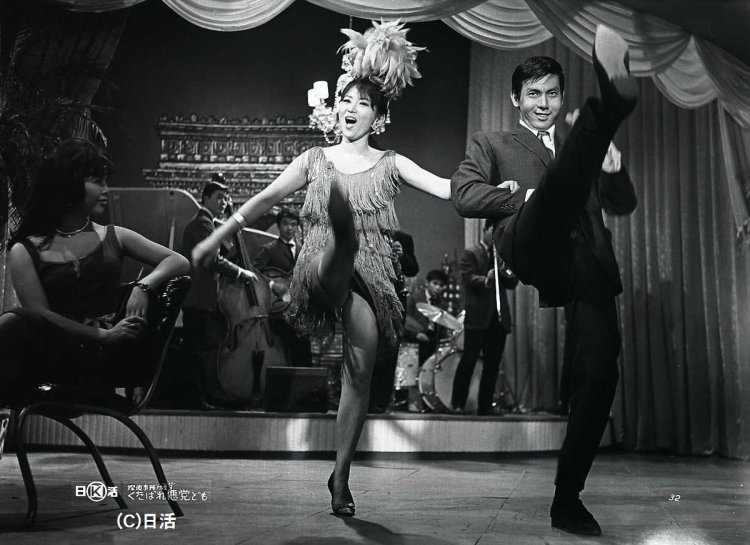 Detective Bureau 2-3: Go to Hell Bastards is everything its name suggests – crazy, cartoonish fun as a Joe Shishido goes undercover, hangs out in Christmas themed cabaret bars and sings a few songs all the name of justice (and a paycheck).
 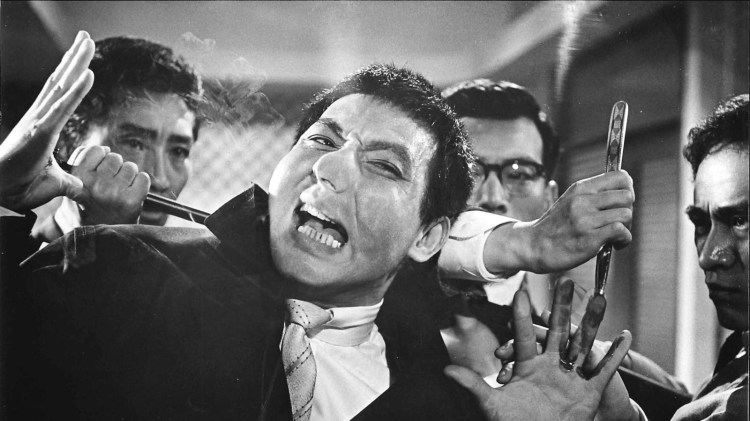 Youth of the Beast proved a turning point in Suzuki’s career. No longer content to play along with restrictive studio codes, Suzuki embraces his talent for colourful absurdism as Shishido once again finds himself undercover in the yakuza underworld.
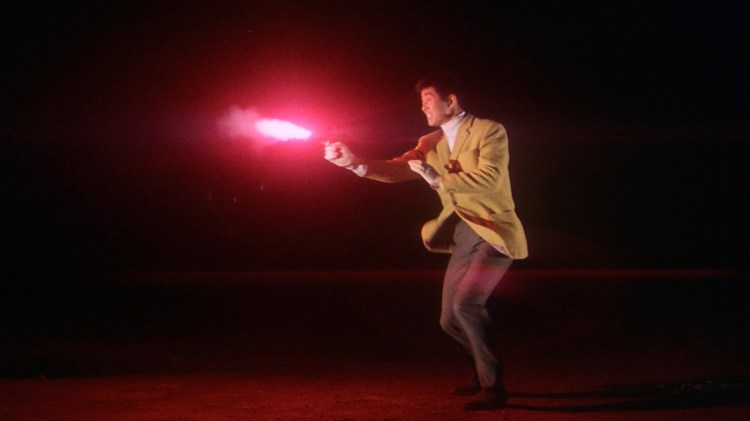 Tokyo Drifter found few fans among studio bosses, but takes Suzuki’s psychedelic use of colour to all new highs in the story of a gangster unable to escape from his violent past.
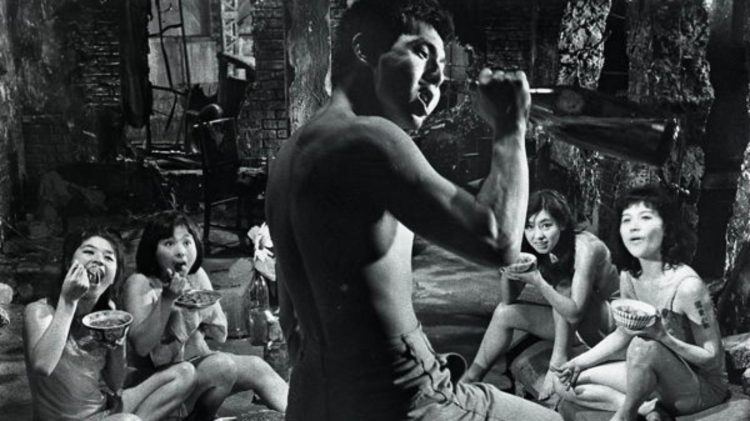 Making another foray into wartime desperation, Suzuki adapts Taijiro Tamura’s Gate of Flesh with Shishido as a washed-up former soldier driving a wedge between a group of fiercely loyal prostitutes.
 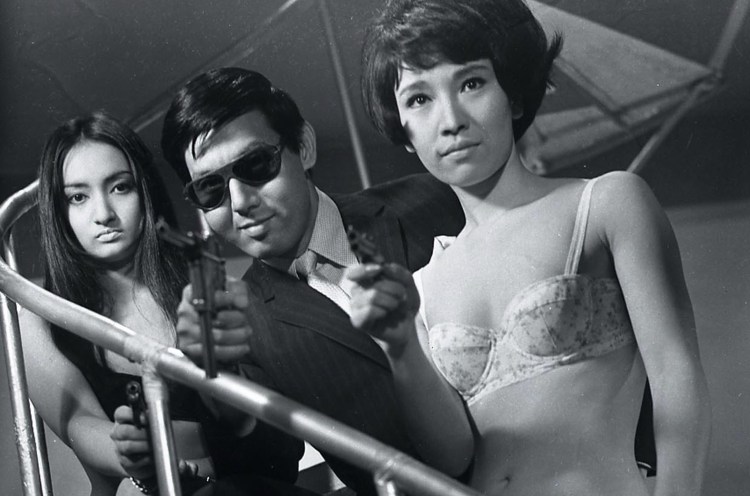 The one that got him fired from Nikkatsu, Branded to Kill is the absurd story of a steely hitman with an addiction to the smell of cooking rice who finds his life derailed by a beautiful woman and a butterfly.
  Zigeunerweisen marks Suzuki’s return to filmmaking after the long series of court battles following his dismissal from Nikkatsu. The first in the Taisho Trilogy, Zigeunerweisen stars Yoshio Harada as one third of an eerily surreal love triangle.
 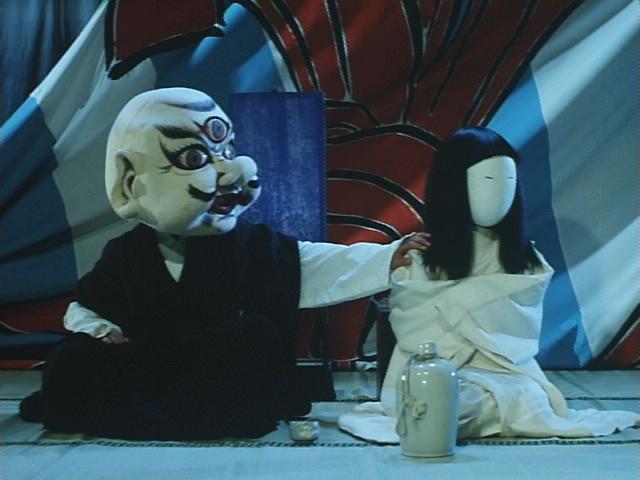 The follow up to Zigeunerweisen, Kagero-za stars Yusaku Matsuda in a ghostly tale of love and writer’s block.
 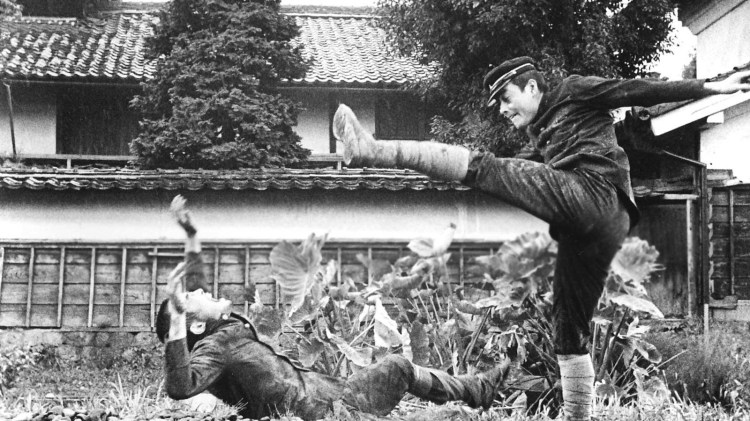 Suzuki takes a wry look at the origins of fascism in Fighting Elegy as the young men of his age engage themselves in “manly” pursuits but are obliged to sublimate their other desires into a lust for violence.
 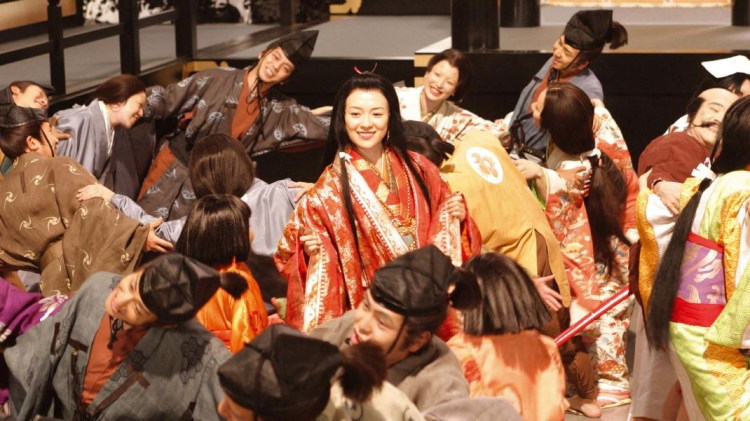 Joe Odagiri and Zhang Ziyi star in the bizarre yet infectious folktale inspired musical, Princess Raccoon.
 For his final film, Pistol Opera, Suzuki revisits Branded to Kill but replaces Shishido with a female assassin longing to be number one.
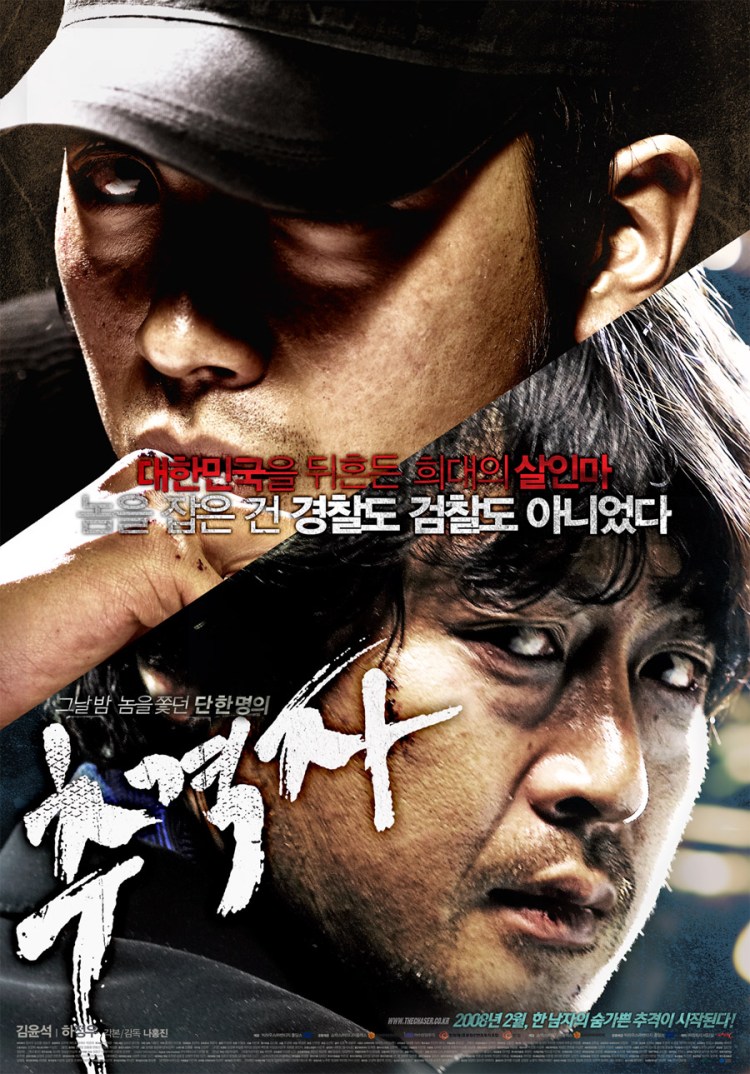 When it comes to law enforcement in Korea (at least in the movies), your best bet may actually be other criminals or “concerned citizens” as the police are mostly to be found napping or busy trying to cover up for a previous mistake. The Chaser (추격자, Chugyeogja) continues this grand tradition in taking inspiration from the real life serial murder crime spree of Yoo Young-chul , eventually brought to justice in 2005 after pimps came together and got suspicious enough to make contact with a friendly police officer.
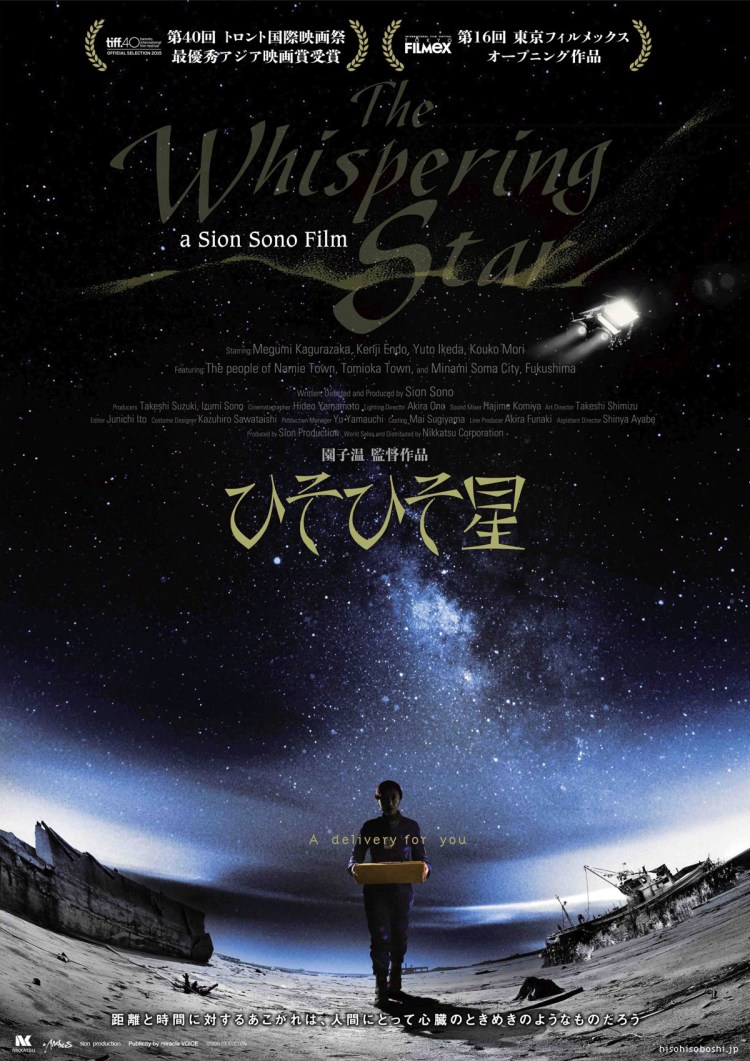 Sion Sono has been especially prolific of late, though much of his recent output has leant towards the populist rather than the art house. Having garnered a reputation for vulgar excess over the last twenty years or so, Sono returns to his Tarkovskian roots with The Whispering Star (ひそひそ星, Hiso Hiso Boshi) – a contemplative exercise in stillness which has more in common with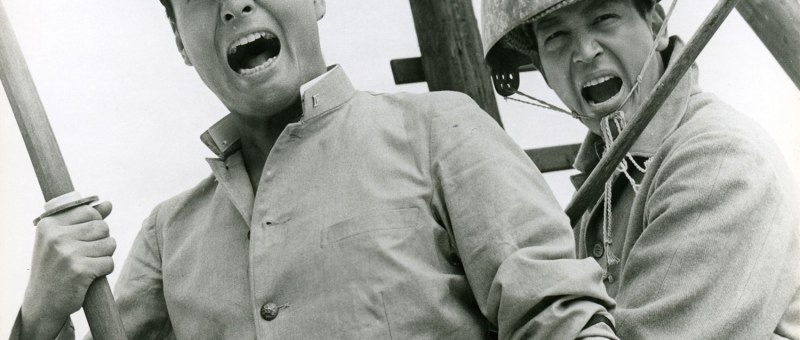
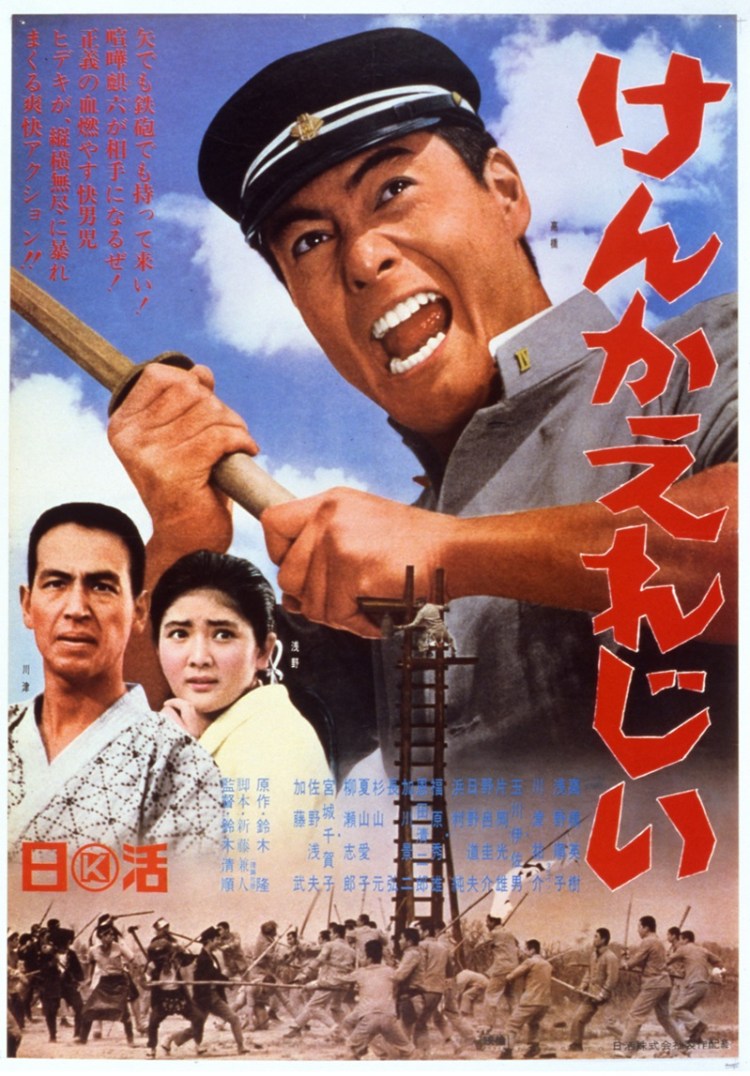 Ah, youth. It explains so many things though, sadly, only long after it’s passed. For the young men who had the misfortune to come of age in the 1930s, their glory days are filled with bittersweet memories as their personal development occurred against a backdrop of increasing political division. Seijun Suzuki was not exactly apolitical in his filmmaking despite his reputation for “nonsense”, but in Fighting Elegy (けんかえれじい, Kenka Elegy) he turns a wry eye back to his contemporaries for a rueful exploration of militarism’s appeal to the angry young man. When emotion must be sublimated and desire repressed, all that youthful energy has to go somewhere and so the unresolved tensions of the young men of Japan brought about an unwelcome revolution in a misguided attempt at mastery over the self.
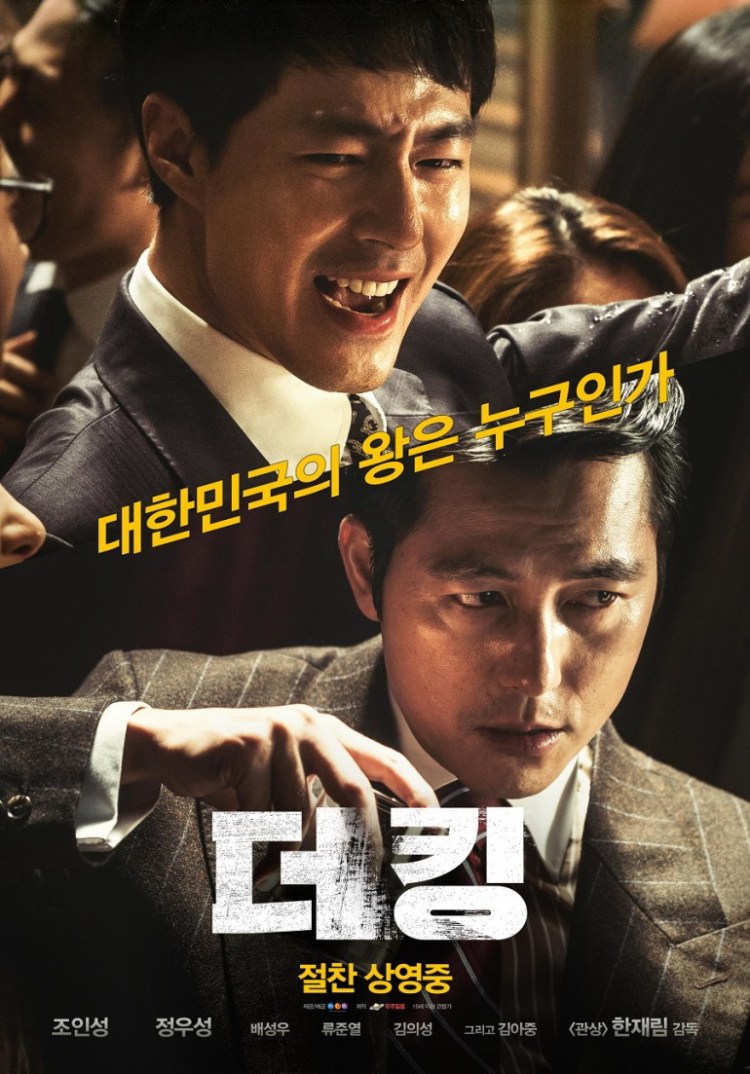 Absolute power corrupts absolutely, but such power is often a matter more of faith than actuality. Coming at an interesting point in time, Han Jae-rim’s The King (더 킹) charts twenty years of Korean history, stopping just short of its present in which a president was deposed by peaceful, democratic means following accusations of corruption. The legal system, as depicted in Korean cinema, is rarely fair or just but The King seems to hint at a broader root cause which transcends personal greed or ambition in an essential brotherhood of dishonour between men, bound by shared treacheries but forever divided by looming betrayal.
 Windows on Worlds