 Masamune Shirow’s cyberpunk manga Ghost in the Shell burst onto the scene in 1989 and instantly became a genre classic. Mamoru Oshii then adapted the manga into a much lauded anime movie in 1995 which almost came to define cyberpunk animation even if it emerged towards the end of the genre’s heyday. A sequel, Ghost in the Shell: Innocence followed in 2004 as well as a TV anime spin-off Ghost in the Shell: Stand Alone Complex. Now with the 20th anniversary of the original animated movie, the series has yet again been adapted into a series of entirely new anime OVAs under the name of Ghost in the Shell: Arise. Ghost in the Shell: The New Movie (攻殻機動隊 新劇場版, Kokaku Kidotai – Shin Gekijoban) is the big screen outing of this latest incarnation scripted by Tow Ubukata who also produced the very GITS influenced Mardock Scramble.
Following on from the Arise OVAs, we find Major Motoko Kusanagi at the head of her gang of cybernetically enhanced former soldiers operating as security consultants with a special focus on cyber crime. Still outside the government aegis, Kusanagi has managed to wangle herself some extra funding and official patronage when she’s brought in to handle a sensitive hostage situation as seven disgruntled soldiers take a number of hostages inside a financial institution.
Though Kusanagi & co have the situation well in hand, they are about to have the rug pulled from under them firstly by the reappearance of the Firestarter virus which corrupts the memories stored on an infected cyberbrain wreaking havoc with their new captives, and then secondly as the hostage situation itself turns out to be a high level diversionary tactic designed to provide cover for the assassination of the prime minister. Kusanagi and her team quickly discover there’s far more going on here than they could ever have imagined and soon enough Kusanagi herself becomes the centre of a hi-tec conspiracy.
Like the Arise OVAs which preceded it, The New Movie maintains a much heavier focus on action set pieces than the philosophical contemplations that made Ghost in the Shell such an important entry in the cyberpunk catalogue. Though the ideas are not entirely absent, they are presented as background much more than an essential component of the series.
That said, the film does touch on some quite prescient issues firstly with the role of the soldiers which highlights the pressures ordinary rank and file officers are under when they see their service has not been valued and they’re about to be sold out by the country they risked their lives to protect. They are also, apparently, not well cared for by military authorities who kit them out with second grade equipment which they then also fail to maintain leaving many of their number literarily falling apart as their components become “obsolete”.
Ironically enough, Kusanagi also thinks of her team as component “parts” in a well functioning machine. She congratulates herself by praising them as a prime selection which she has been lucky to find – they need to look after themselves because a replacement component would be a hard thing to come by. However, if they begin to malfunction in some way, she will “purge” them rather than allow them to corrupt the rest of her system. This way of thinking seems cold to some members of the team, particularly to Togusa who’s the least “enhanced” among them. Raised by the military, Kusanagi is a born leader but not one to whom warm words come easily so this, actually rather apt, metaphor is as close as she will allow herself to get in letting the guys know that they each have their specific place within her grand plan. Though she needs them to perform as expected, they are important to her on both a personal and professional level.
This is where we’ve been heading with Arise – the origin story of Section 9 as it comes to be in the original movie, and of Kusanagi herself. Unsurprisingly the conspiracy turns out to have a lot to do with the Major’s own past and a few buried “ghosts” which must be exorcised in order to move forward. This extended metaphor is played out in the somewhat contrived final fight which sees Kusanagi facing off against a villain using an identical cyberbody which means she is fighting “herself” in a way, but nevertheless, it is a victory of the reclaimed self (even if that same “self” is about to undergo yet more existential battles in adventures to come).
The new character design and animation style have begun to seem more familiar by this point, though despite the stellar work of Production I.G the New Movie never quite reaches the aesthetic heights of the iconic original. This is only further brought out by the frequent homages to 1995’s Ghost in the Shell including the final scene which is almost a carbon copy of the original film’s opening (thematically fitting as it is). The action scenes, however, are extremely impressive and display innovative animation techniques which make fantastic use of the latest animation technology. Another exciting, action packed outing for Major Kusanagi and her guys, the New Movie doesn’t quite live up to the legacy of its namesake but nevertheless proves a thrilling cyberpunk infused adventure and a fitting bridge between the Arise series and the landmark 1995 movie.
Reviewed as part of the “biennial” Anime Weekend at BFI Southbank. Ghost in the Shell: The New Movie is also available in the UK from Manga Entertainment (and Funimation in the US).
Unsubtitled trailer (why is it so hard to find a trailer for the Japanese language track with English subtitles for these?)
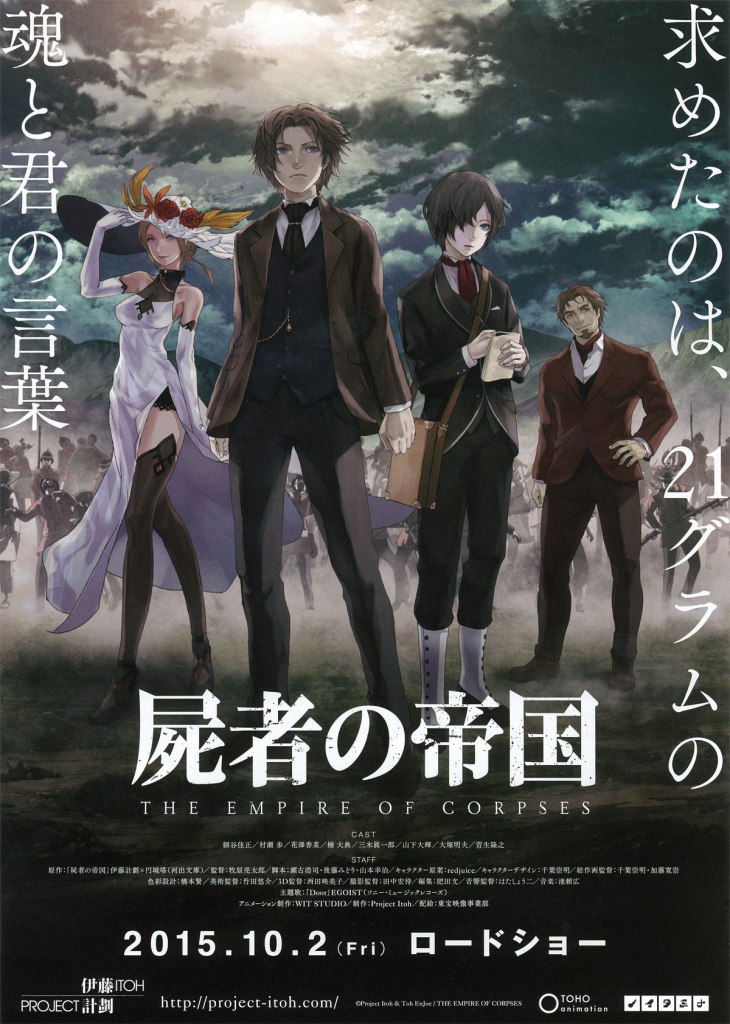 Empire of Corpses (屍者の帝国, Shisha no Teikoku) is what would happen if someone’s vast library of Victorian literature was destroyed in a fire and then someone tried to put all the not too singed pages back together based on their knowledge of international pop culture. Inspired by Project Itoh’s novel of the same name and the first of three planned adaptations of his works, Empire of Corpses is a very specific kind of absurd, boys own action adventure based around the idea of empire supported by a zombified proletariat.
 Harmony – the word itself sounds peaceful. A coalescence of sympathetic sounds, the feeling of wholeness and happiness. However, if given the choice, would you like to live in a world of peace and plenty in which your body is almost government property and your personal freedom is limited in favour of ensuring the survival of the species, or would you rather take your chances with the world as it is complete with its violence, sadness and pain if it meant you could be free to live in which ever way you see fit? Michael Arias’ adaptation of the Project Itoh novel addresses just this question in all its complexity as utopia turns out to have a heavy entrance fee.
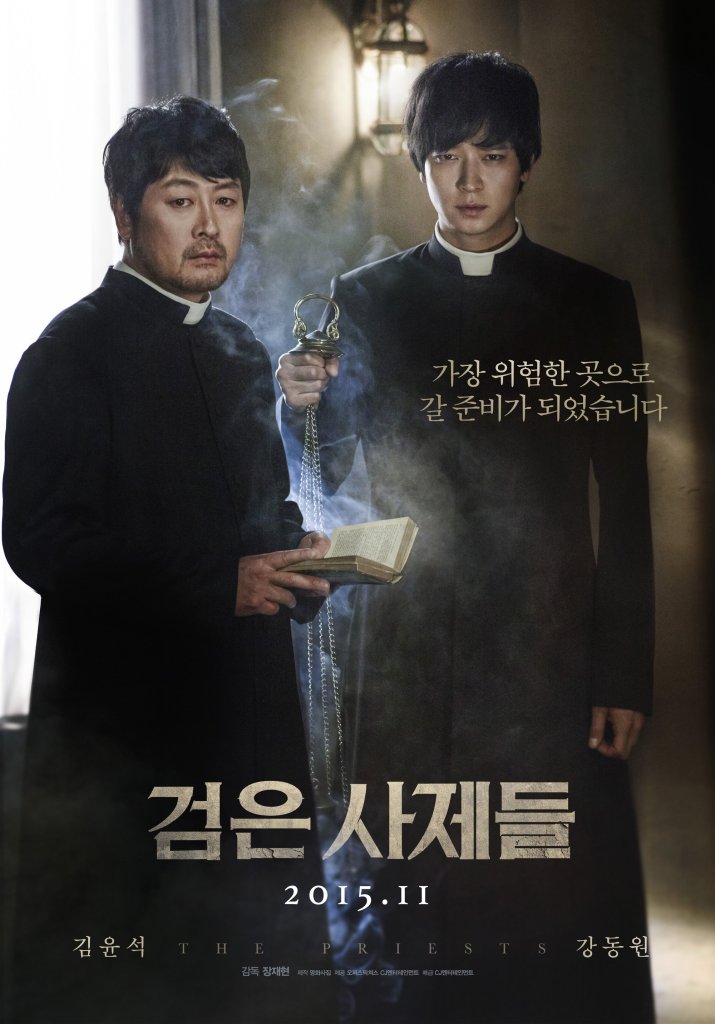 The era of hero priests might be well and truly behind us but at least when it comes to the exorcism movie, the warrior monk resurfaces as the valiant men of God face off against pure evil itself risking both body and soul in an attempt to free the unfortunate victim of a possession from their torment. To many, the very idea sounds as if it belongs in the medieval era – what need have we for demons now that we posses such certain, scientific knowledge? There are, however, things far more ancient than man which are far more terrifying than our ordinary villainy.
 Hibari, Chiemi and Izumi reunite in 1964 for another tale of musical comedy and romantic turmoil in Sannin Yoreba (三人よれば). Beginning as teenagers in
 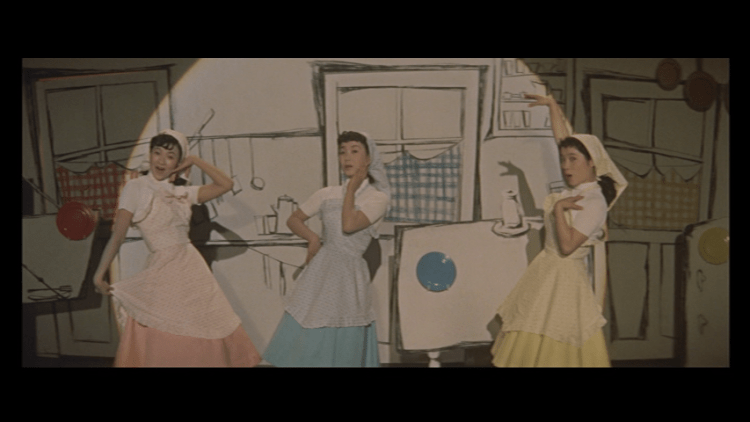 The Sannin Musume girls are growing up by the time we reach 1957’s On Wings of Love (大当り三色娘, Ooatari Sanshoku Musume). In fact, they each turned 20 this year (which is the age you legally become an adult in Japan), so it’s out with the school girl stuff and in with more grown up concerns, or more specifically marriage. Wings of Love is the third film to star the three Japanese singing stars Hibari Misora, Chiemi Eri, and Izumi Yukimura who come together to form the early idol combo supergroup Sannin Musume. Once again modelled on the classic Hollywood musical, On Wings of Love is the very first Tohoscope film giving the girls even more screen to fill with their by now familiar cute and colourful antics.
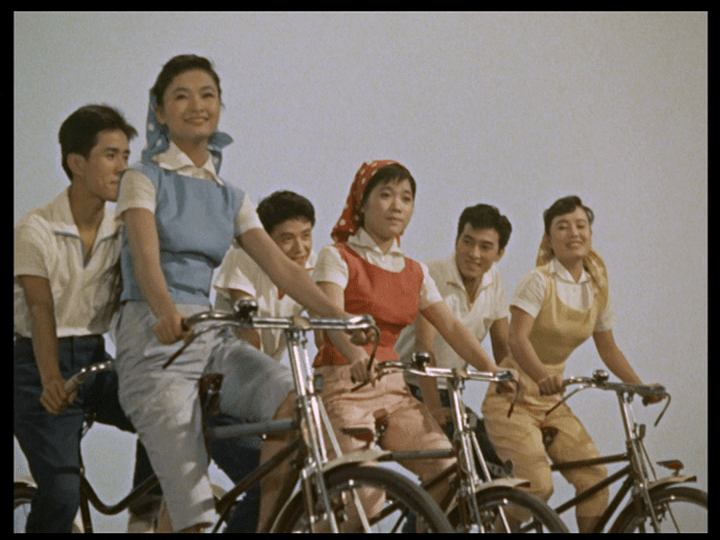 Romantic Daughters (ロマンス娘, Romance Musume) is the second big screen outing for the singing star combo known as “sannin musume”. A year on from
 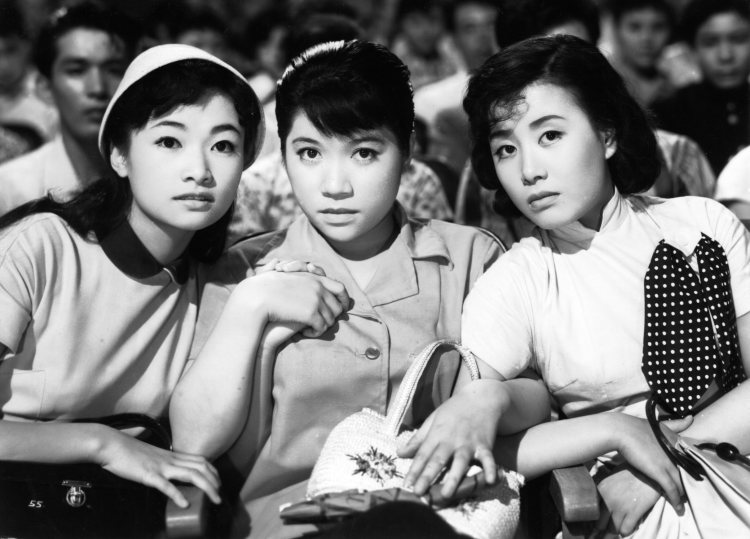 Pop stars invading the cinematic realm either for reasons of commerce, vanity, or just simple ambition is hardly a new phenomenon and even continues today with the biggest singers of the era getting to play their own track over the closing credits of the latest tentpole feature. This is even more popular in Japan where idol culture dominates the entertainment world and boy bands boys are often top of the list for any going blockbuster (wisely or otherwise). Cycling back to 1955 when the phenomenon was at its heyday all over the world, So Young, So Bright (ジャンケン娘, Janken Musume) is the first of four so called “three girl” (Sannin Musume) musicals which united the three biggest female singers of the post-war era: Hibari Misora, Chiemi Eri, and Izumi Yukimura for a music infused comedy caper.
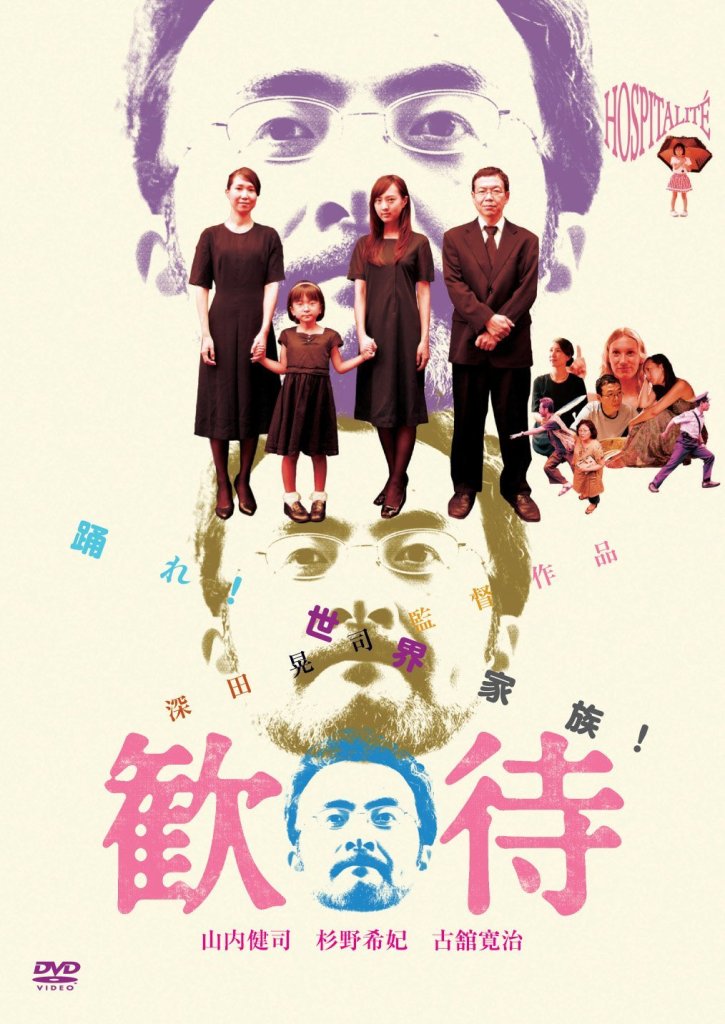 From the Ozu-esque, classic calligraphy of its elegant title sequence, you might expecting a rather different kind of family drama than the one you find in Koji Fukada’s Hospitalité (歓待, Kantai). Though his compositions lean more towards the conventional, Fukada aims somewhere between a more restrained
 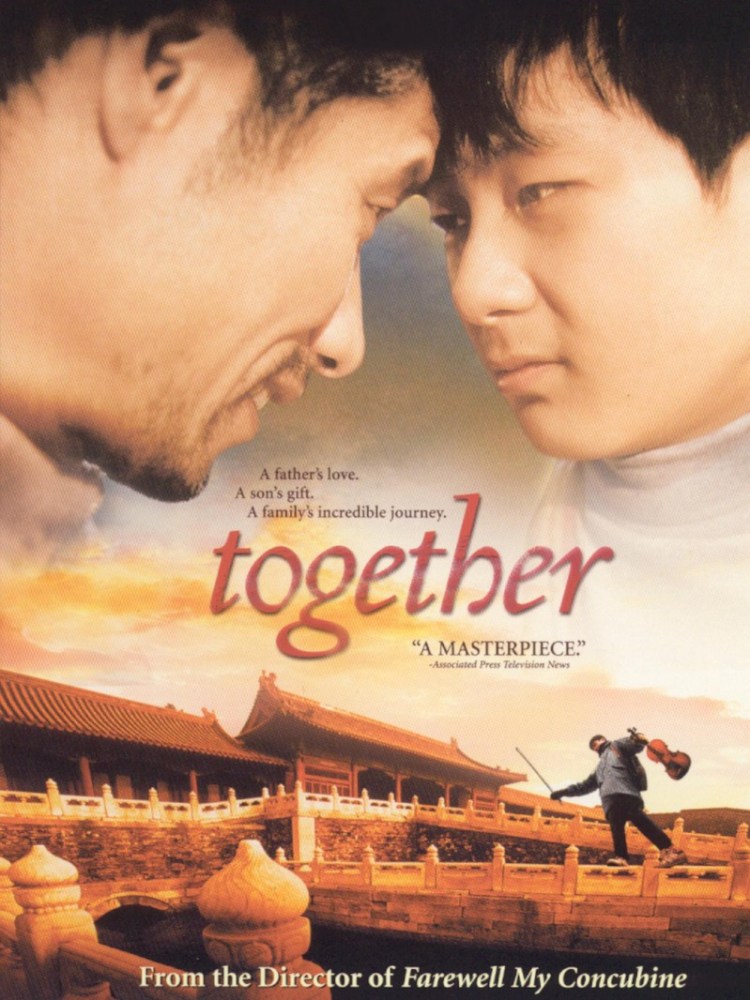 It’s a sad truth, but talent isn’t enough to see you succeed in the wider world. In fact, all having talent means is that unscrupulous people will seek to harness themselves to you in the hope of achieving the kind of success which they are incapable of obtaining for themselves. 13 year old Xiaochun is about a learn a series of difficult life lessons in Chen Kaige’s Together (和你在一起, Hé nǐ zài yīqǐ), not least of them what true fatherhood means and whether the pursuit of fame and fortune is worth sacrificing the very passion that brought you success in the first place.
 Windows on Worlds