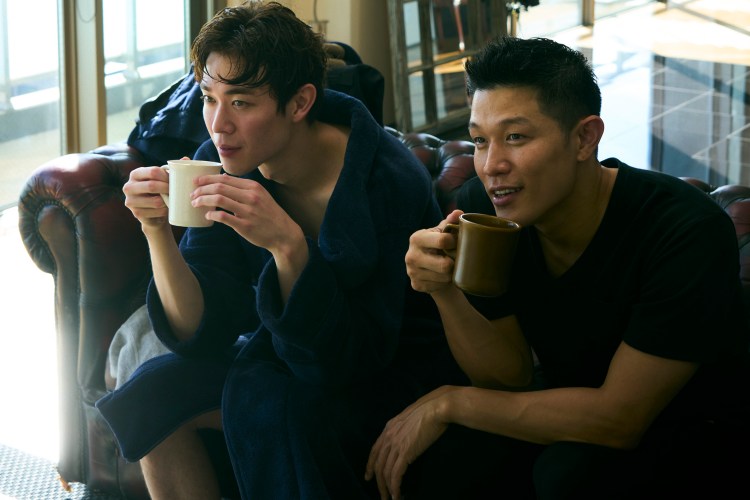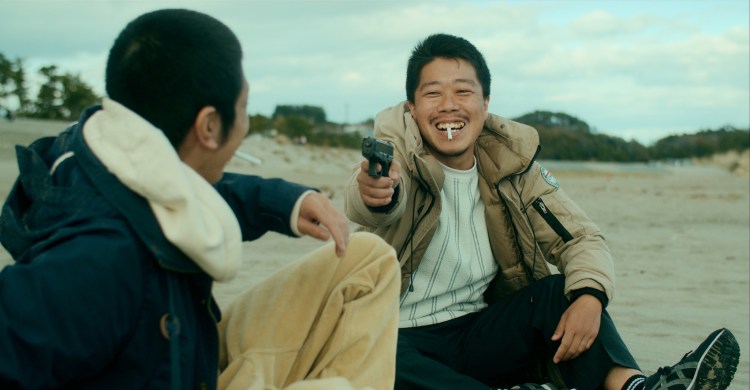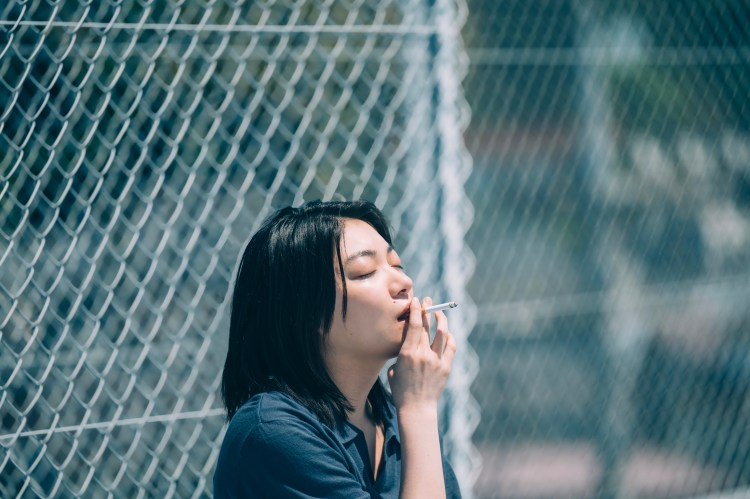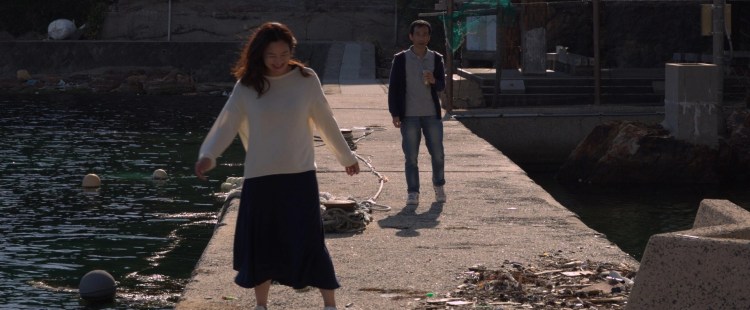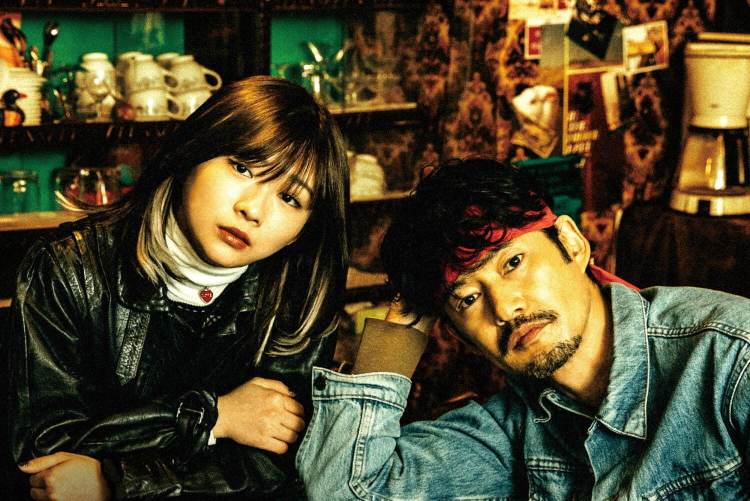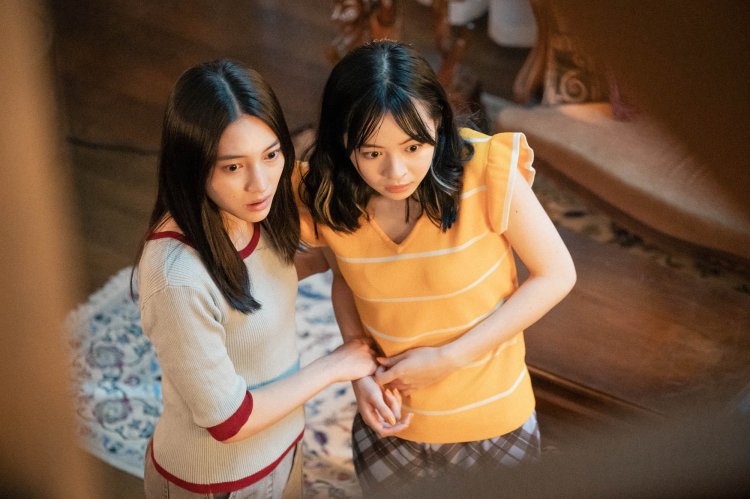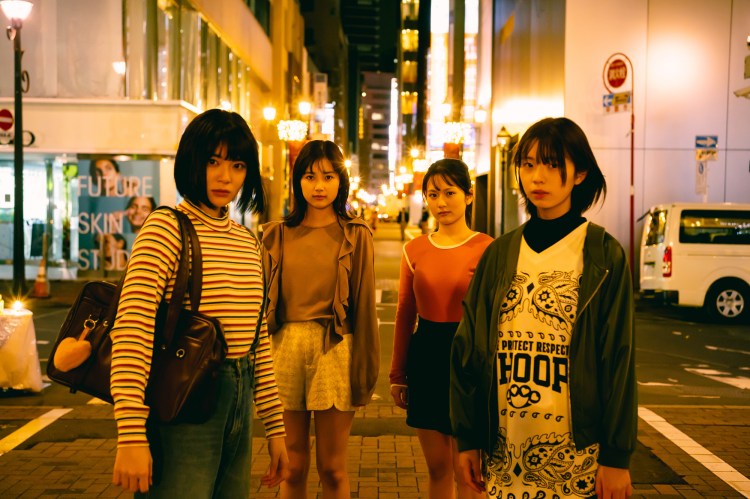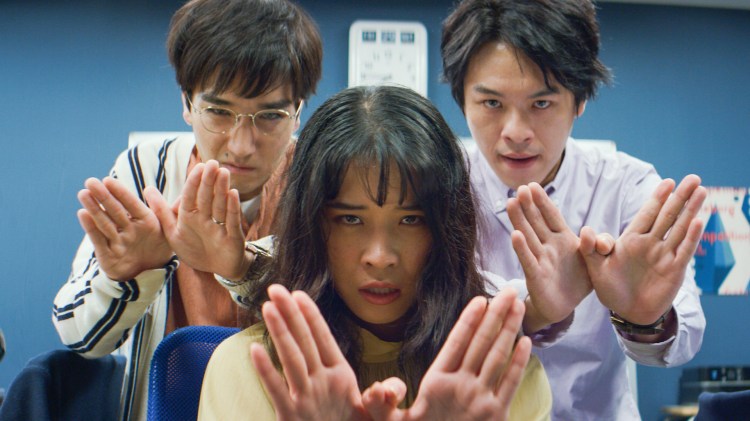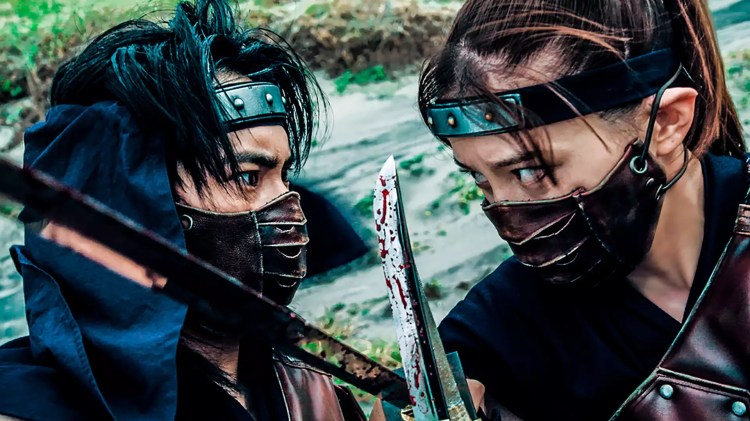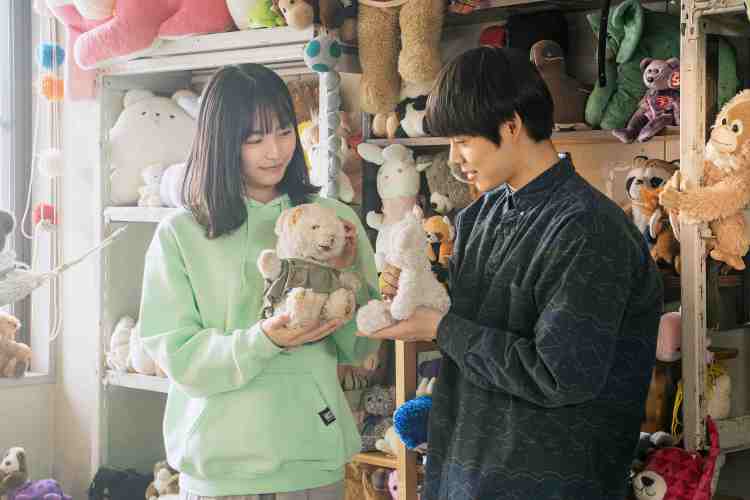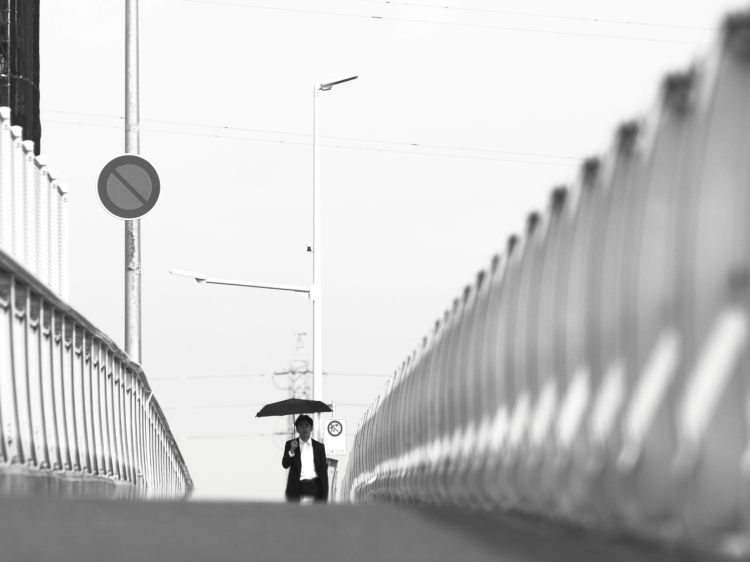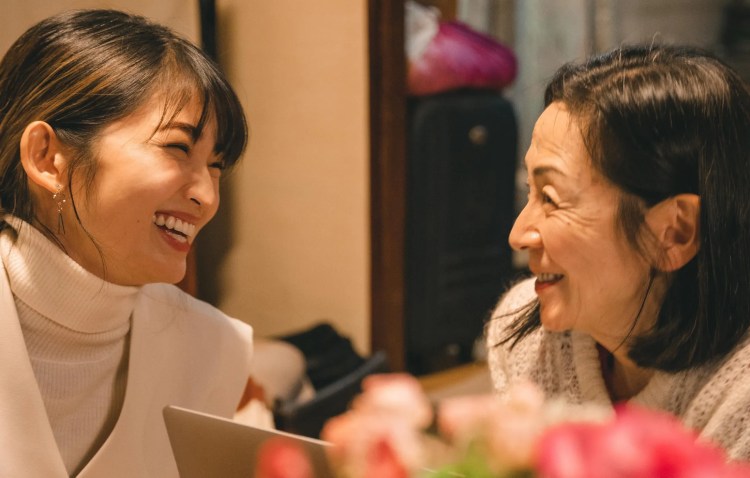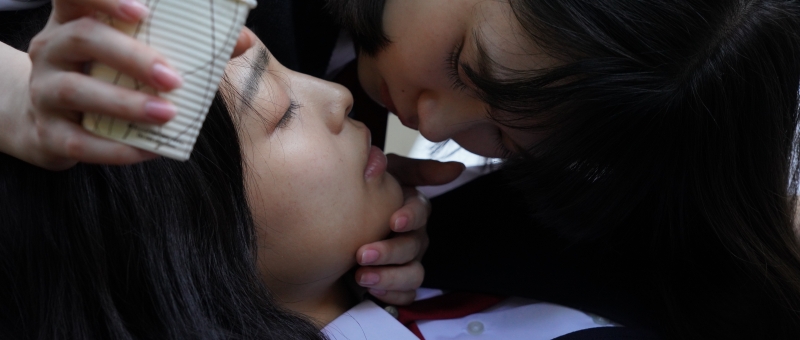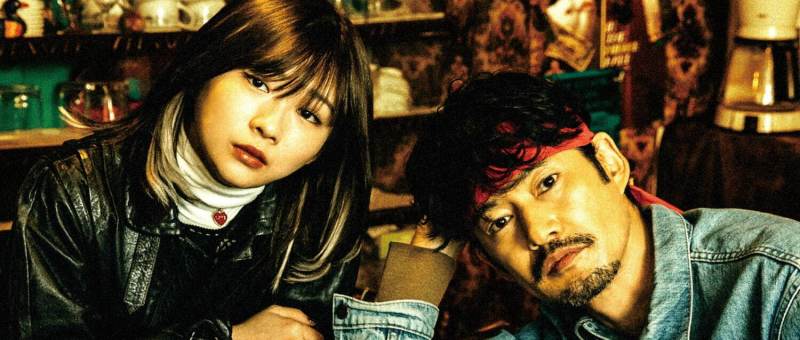
Life of Mariko in Kabukicho (探偵マリコの生涯で一番悲惨な日, Eiji Uchida & Shinzo Katayama, 2022)

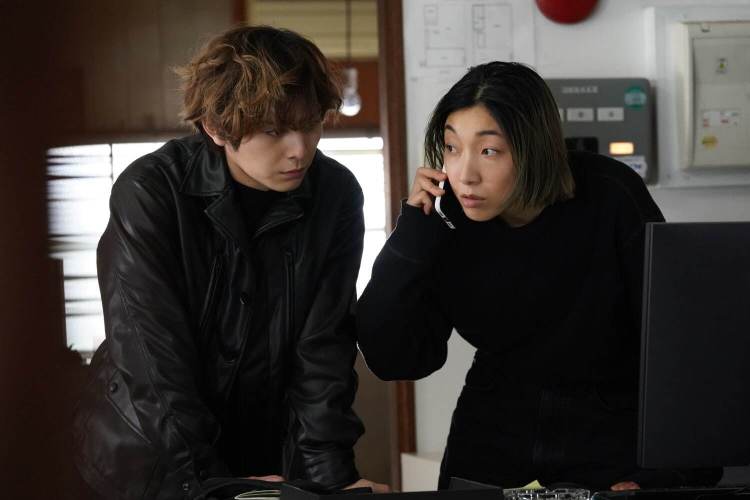
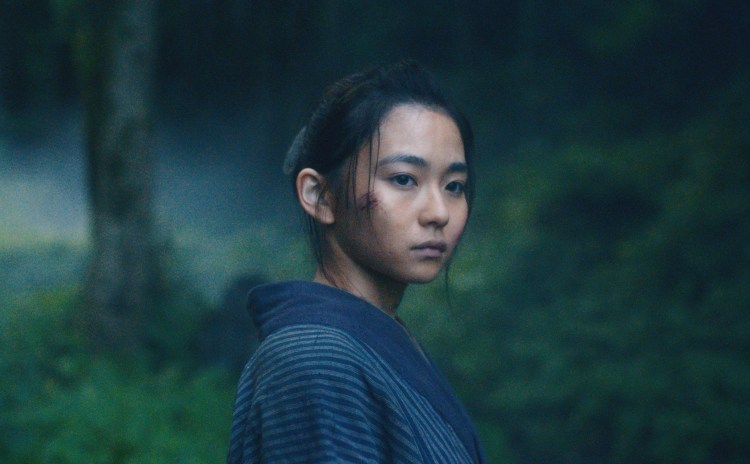
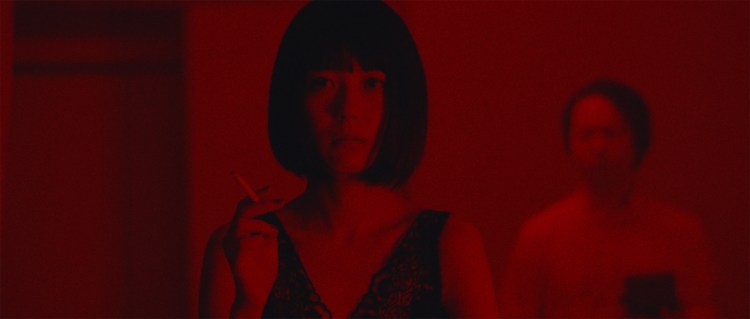
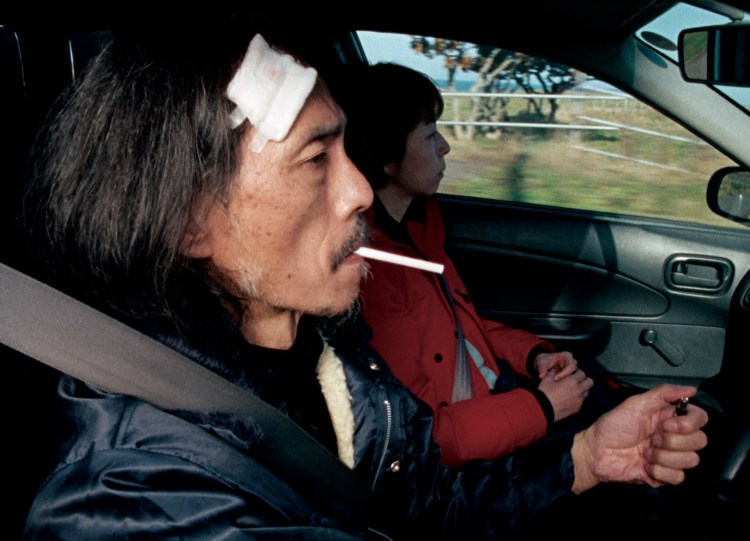
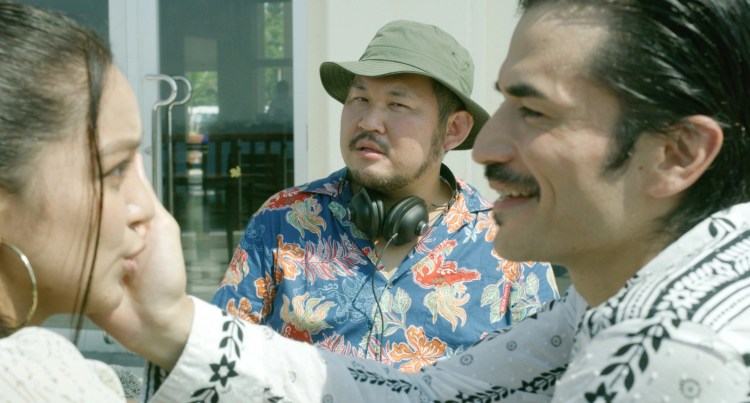
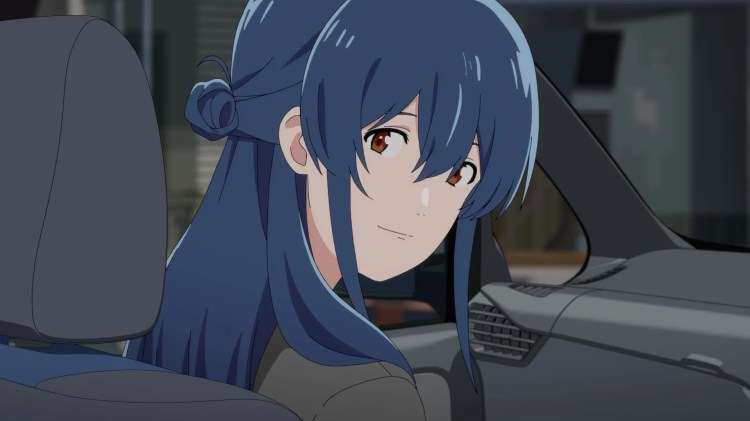
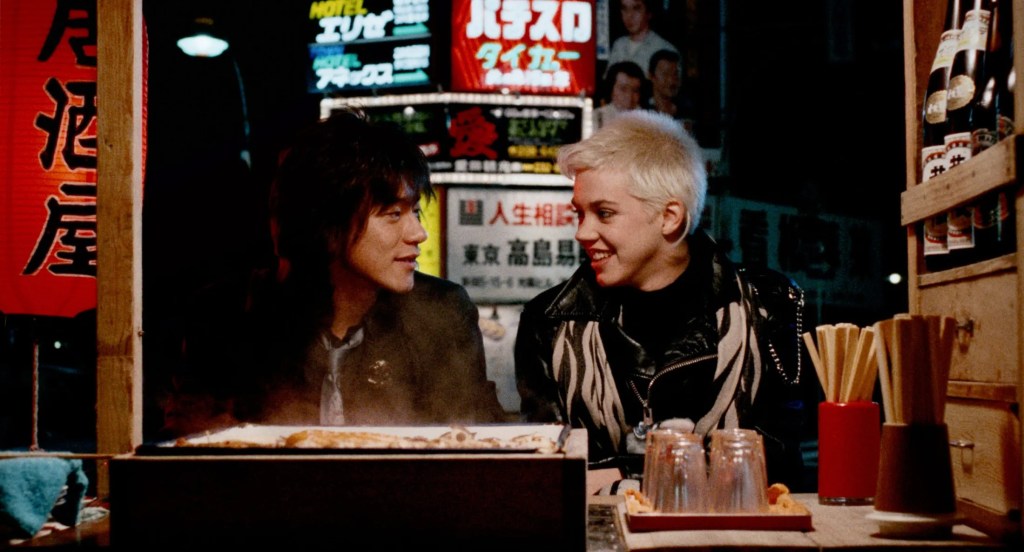
It’s all go in Kabukicho in Eiji Uchida and Shinzo Katayama’s zany tale of aliens, serial killers, and secret assassins. The film’s Japanese title (探偵マリコの生涯で一番悲惨な日, Tantei Mariko no Shogai de ichiban Hisanna Hi), the most tragic day in the life of detective Mariko, may hint at the melancholy at the centre of the story in putting the titular investigator front and centre even while her success is fuelled by her position on the periphery but this is also very much the story of an area and community in a shrinking part of the city. 

It’s true enough that Mariko’s (Sairi Ito) karaoke bar seems to have become a local community hub filled with a series of regulars each of whom have stories of their own. Born and raised in Kabukicho, Mariko knows every inch of the area and thanks to the confessional quality of her work has her finger truly on the pulse which is what makes her such a good detective. Her case this time around is though a little more difficult as she’s been hired by the FBI to track down an escaped space alien because all aliens apparently belong to the US. This one’s been liberated by a mad scientist, Amamoto (Shohei Uno), who they say wants to team up with the alien for ill intent.

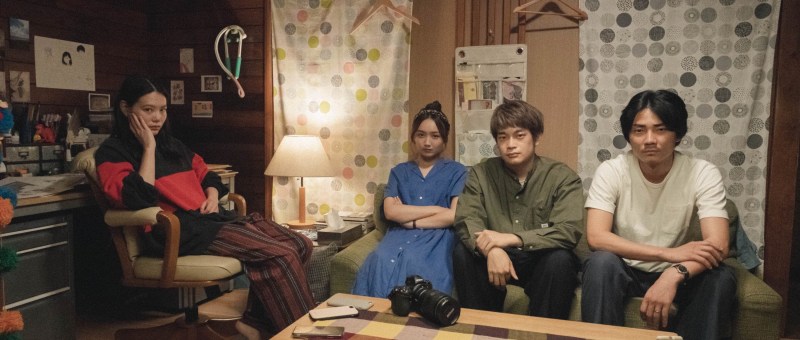
In what seems to be a nod to cult 1983 horror movie Basket Case, Amamoto carries the alien around in a picnic basket from which it occasionally irradiates people when frightened. Meanwhile, a serial killer is also stalking the area. One of Mariko’s regulars, Ayaka (Shiori Kubo), is keen to catch him though not for justice but the reward because she’s become obsessed with a bar host who’s been spending a lot of time with another customer because she can pay more. Mariko turns her offer down on the grounds that she doesn’t want to enable her romantic folly and otherwise seems rather uninterested in the serial killer case perhaps because no one’s hired her to solve it, but she also refuses a job from another regular who wants to track down his estranged daughter after being forced on a suicide mission by his former yakuza associates possibly because she suspects he won’t like the answer when she finds her. 

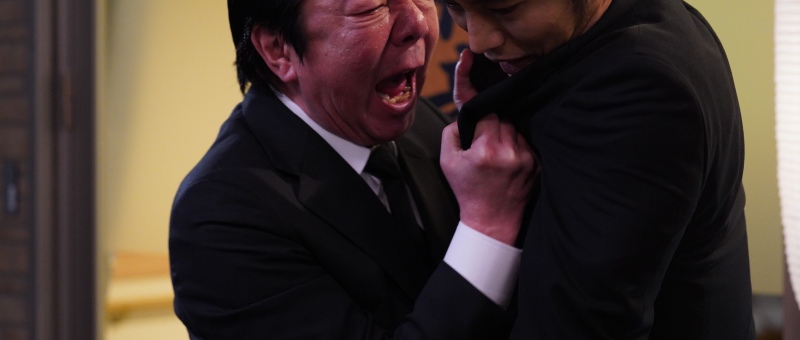
Home to the red light district, Kabukicho has a rather seedy reputation but here has a kind of homeliness in which the veneer of sleaze is of course perfectly normal and unremarkable. A yakuza intimidates a love hotel worker while standing directly in front of a rotating electric dildo in an S&M-themed room later visited by one of Mariko’s regulars with her nerdy film director crush who is so sensitive he can barely walk after exiting the cinema so moved is he by the cinematic expression. Most of the regulars are in their own way lovelorn and lonely, perhaps no less Mariko herself who has an attachment to a middle-aged ex-chef (Yutaka Takenouchi) who now runs a moribund dojo teaching ninja skills to anyone willing to learn. Despite the warmth of the community, life in Kabukicho can be hard as the host later echoes looking around his tiny apartment and sighing that he’s tired. It took so much out of him just to get this little and he barely has it in him anymore. 

Mariko too has her sorrow and buried trauma, hiding out in her bar but secretly imprisoned within the borders of Kabukicho as a kind of self-imposed punishment linked to her tragic past. The intersecting stories paint a vivid picture of an absurd world in which the innocuous civil servant next to you might be a secret assassin or you could turn a corner and run into a serial killer, not to mention a mad scientist with an alien in a basket. But for all its craziness it has a kind of integrity in which the strange is also perfectly normal and Mariko becomes a kind of anchor restoring order to an unruly world. As she’s fond of saying thing’s will work out and it’s difficult not to believe her or the defiantly upbeat spirit even among those depressed and downtrodden otherwise unable to escape the confines of a purgatorial Kabukicho.


Life of Mariko in Kabukicho screened as part of this year’s Camera Japan.

Original trailer (English subtitles)

Ripples (波紋, Naoko Ogigami, 2023)

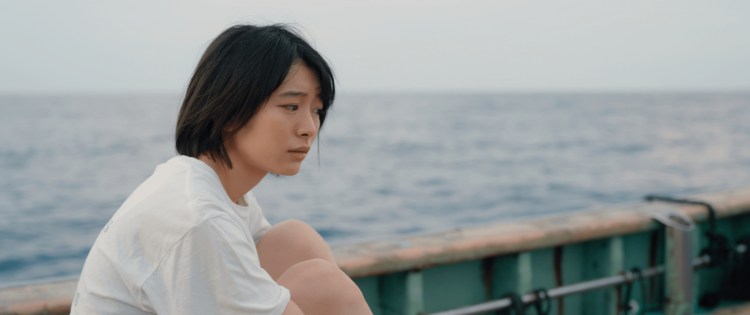
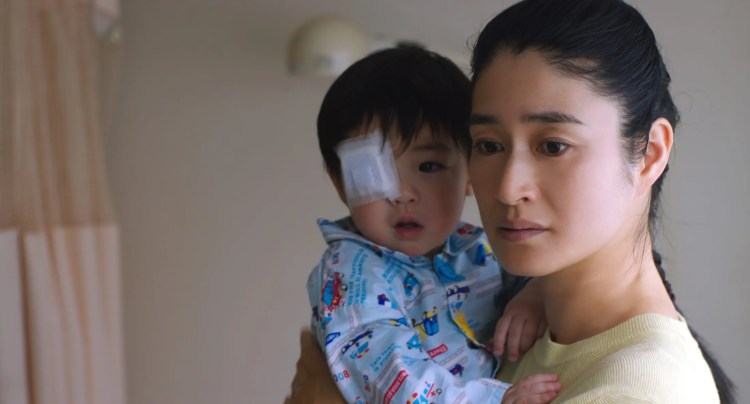
Sometimes it’s useful to feel like a rock in the stream and let it all flow past us, but our actions affect others in ways we barely understand reverberating and rebounding until ripples become waves and in their time small tsunamis. In Naoko Ogigami’s Ripples (波紋, Hamon), the effects of the 2011 earthquake and the Fukushima Daiichi nuclear disaster continue to radiate while some find themselves reeling unable to reorient themselves in a world which has become somehow threatening. 

Middle-aged salaryman Osamu (Ken Mitsuishi) suddenly disappears on his wife and teenage son after becoming intensely afraid of radiation only to return years later claiming that he has cancer. In his absence his wife, Yoriko (Mariko Tsutsui), has become a devotee of a strange cult, Green New Life, which peddles special purifying water and preaches otherwise wholesome virtues of solidarity and sacrifice. But even if Yoriko superficially agrees that it’s better to affect tolerance and put others before herself she’s secretly seething with frustration and resentment. She clearly does not want to take Osamu back, remembering how he left her to care for his bedridden father who knowingly or not made inappropriate sexual advances towards her. 

The cult’s anthem preaches that there is no fear if you have faith which might explain Yoriko’s devotion along with that of many others who similarly find themselves attracted to new religions in the wake of unsettling events such as natural disaster or global pandemic. But then can we really say that what the cult promises is any different to that of other organisations which at least portray themselves as scientific authorities. It transpires that the real reason Osamu has returned is that his doctor has recommended an experimental new treatment that is not covered by medical insurance and costs a significant amount of money but all Osamu has to go on is desperation and his faith in the medical establishment that the supposed cure is any more effective than Yoriko’s holy water (it turns out not to be). There is after all a lot of money in fear and people’s desire to be free of it. 

But Yoriko is afraid of many things. Her petty prejudices are exposed when her now grownup son returns home on a business trip with a hitherto undisclosed fiancée in tow who happens to be deaf. Yoriko probably would not have liked it anyway whoever Takuya (Hayato Isomura) had brought but resolutely fails to hide her disgust that he chosen a woman with a disability. She remarks that people at the church find inspiration in seeing disabled people “suffer and endure”, which is a fairly offensive thing to say in any case even if she later confesses his prejudice outright to a colleague at the supermarket where she works claiming that it’s different because it’s her son and she doesn’t see why he had to choose a woman “like that”. While the cult leader pushes her towards what are superficially at least more wholesome values of love and acceptance, Mizuki (Hana Kino) pulls her back towards her darker impulses but also a kind of liberation in her desire not to be bound by the old-fashioned conservative values that encourage her to fulfil the stereotype of the perfect wife over and above her own happiness or fulfilment. 

The dryness of her life is echoed in the zen sand garden she meticulously rakes into the shape of waves each morning while the water many feared contaminated after the earthquake is really a symbol of the life and vitality she continues to deny herself. Yet in an odd way, it’s human connection that perhaps begins to awaken her in her devotion to Mizuki who reveals that she was so overwhelmed with despair that she became unable to fix the damage in her apartment after the quake struck and has been living amid the ruins ever since. Ogigami turns her quirky gaze to life’s absurdities, the ridiculous things we cling to in order not to be afraid, but eventually allows Yoriko to find the courage to dance in the rain rather than fear its arrival having blown straight through her various “faiths” to become something that is at least more resolutely herself. 


Ripples screened as part of this year’s Camera Japan.

Original trailer (no subtitles)

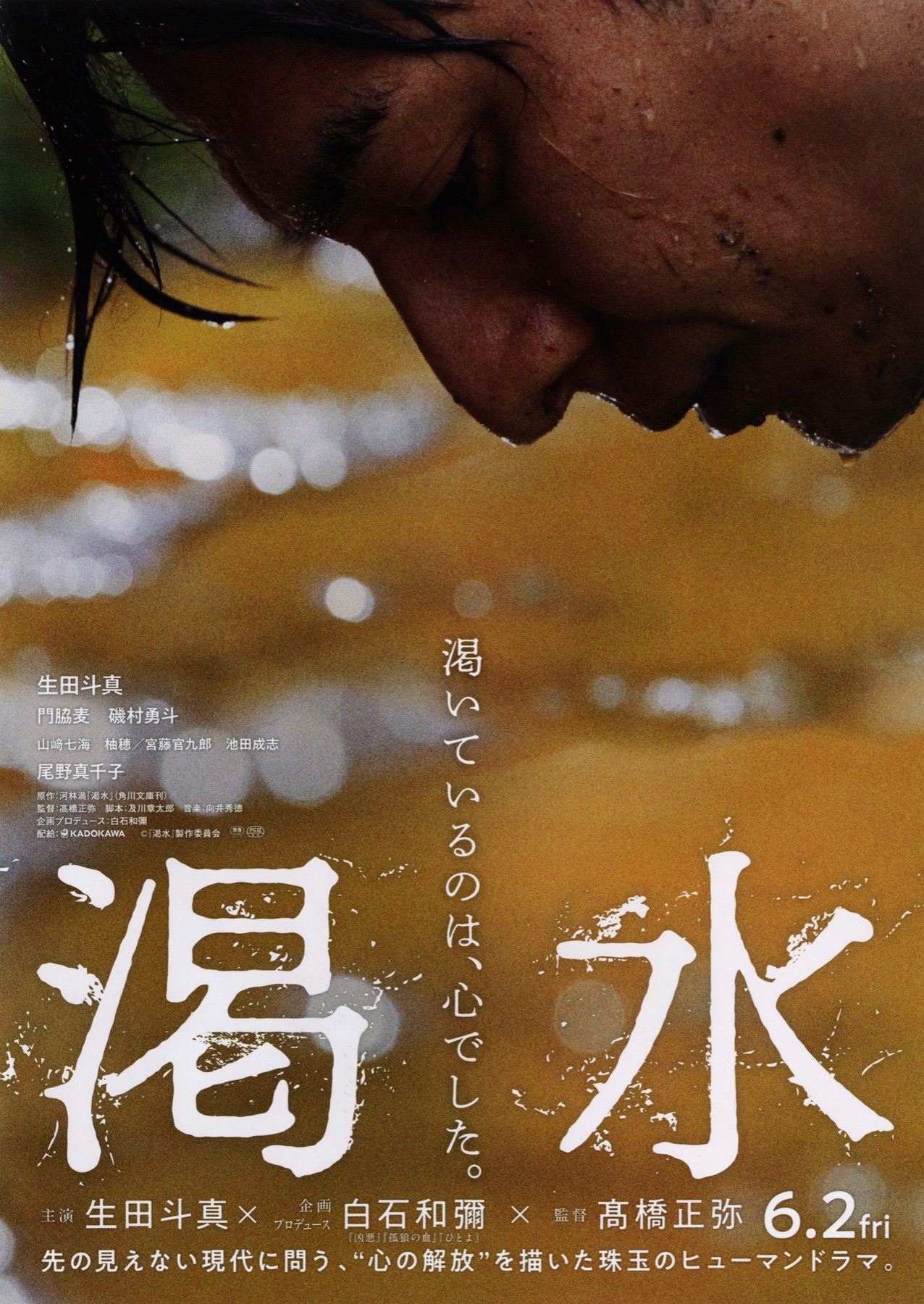
The Dry Spell (渇水, Masaya Takahashi, 2023)

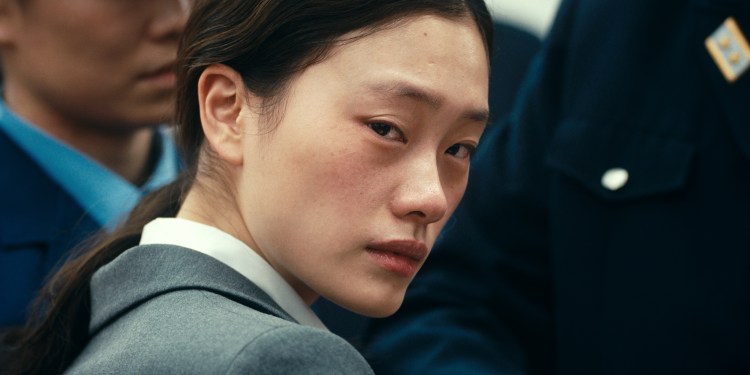
A literal drought becomes a metaphor for bureaucratic heartlessness in Masaya Takahashi’s empathetic social drama The Dry Spell (渇水, Kassui). Inspired by Mitsuru Kawabayashi’s 1990 novel, the film puts a contemporary spin on prejudice and poverty as a collection of officials from the waterboard point at airconditioners and mobile phones while asking why the residents have fallen into arrears with their water payments only to reflect that yes, water like air and sunlight should be free.

The argument that one of Iwakiri’s (Toma Ikuta) colleagues makes, is that they have a right and a duty to charge for the water supply to support the nation’s infrustructure along with their advanced purifcation system which keeps people safe. Iwakiri isn’t so sure about that, but as others later say of him he’s a man who’s made of water himself. He doesn’t like his job but he doesn’t really dislike it either and justifies himself that it’s not him turning people’s water off so much as it’s a natural consequence of them not paying their bills and all they need to do to get it turned back on is settle them. But then as another colleague who eventually refuses to continue cutting people off suggests, every time you do it you lose a little piece of your soul. 

Iwakiri may not have had much of a soul to begin with. He’s as dried up as the town in the middle of a recordbreaking drought and heatwave. Having endured a difficult childhood, he’s become alienated from his wife and son who have decamped to her hometown with no clear indication of when or if they’ll return. That may be one reason he finds himself empathsithig with a pair of sisters who have been abandoned by both parents and are living alone in a house that has already had its gas and electricity supplies cut off. Iwakiri turns off their water supply because it’s the rules, but begins to hate himself for doing it and develops a desire to go against the flow for the first time in his life.

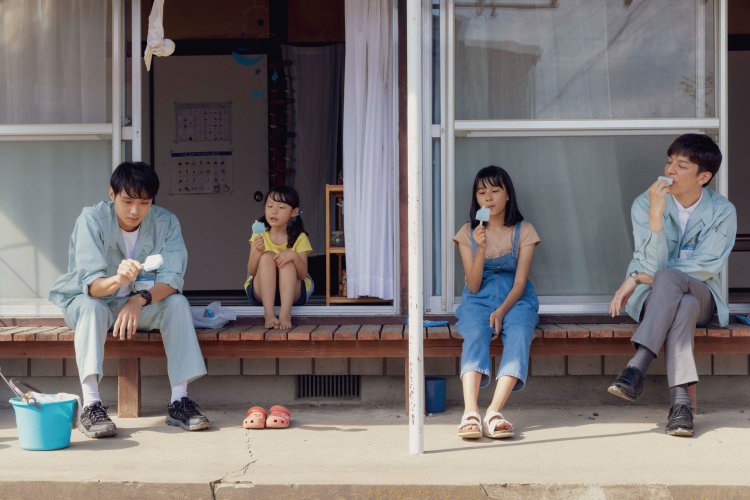
Keiko (Nanami Yamazaki) and Kumiko (Yuzuho) are a pair of water babies who have a yearning for the sea and the father who was apparently once a sailor but seemingly disappeared a year previously while their disappointed mother does her best to support the family through sex work which is as she points out the only line of work open to a single mother with limited qualifications. Iwakiri advises her to apply for benefits but she refuses on the grounds that she doesn’t want them poking around in what she describes as a complicated family situation which makes plain her predicament. But even as Iwakiri begins to meditate on his own paternal failures, his partner Kida (Hayato Isomura) flows in the opposite direction keener to hold onto his job after he learns he’s a baby on the way and unwilling to rock the boat despite how much he may also feel that water should be free. 

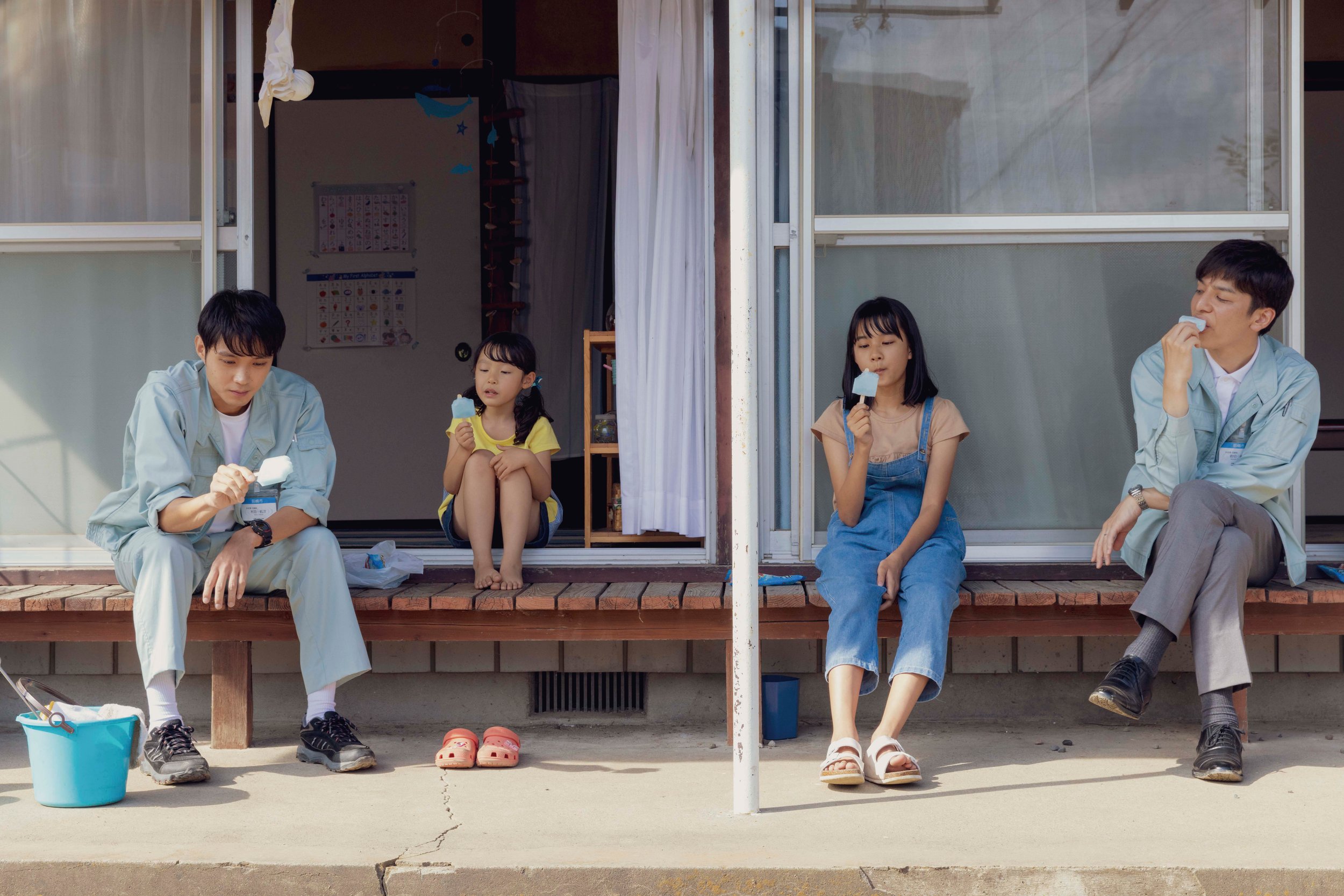
In any case, Iwakiri is trying to un-dam himself, waiting for the great big rain that Kumiko says will make everything go back to normal. Except it won’t, at least not literally  though it will in some senses open the flood gates liberating Iwakiri from his emotional repression and the girls from their illusions accepting that they are now alone but will always have each other. As he points out, they are just watermen and there’s not much they can do for the struggling people whose supplies they’ve cut off. It wouldn’t help to pay their bills for them even if they could, and in a better world water should indeed be free though it becomes much harder for them to justify their complicity with a heartless system that can arbitrarily remove access to something so essential for life. Takahashi flits between cheerful scenes of ice lollies in the sun to the cruel realities of the lives of Keiko and Kumiko who continue to long for the sea as does Iwakiri in struggling to repair his relationships with his wife and son while trying to escape the legacies of own traumatic upbringing. The film doesn’t offer any easy answers, but does perhaps suggest that the rain will bring change and the promise of a better future.


The Dry Spell screened as part of this year’s Camera Japan.

Original trailer (no subtitles)

Camera Japan Announces Complete Programme for 2023

Camera Japan returns for its 18th edition in Rotterdam 21st to 24th September and in Amsterdam 28th September to 1st October bringing with it another fantastic selection of the best in recent and not so recent Japanese cinema.

Feature Films

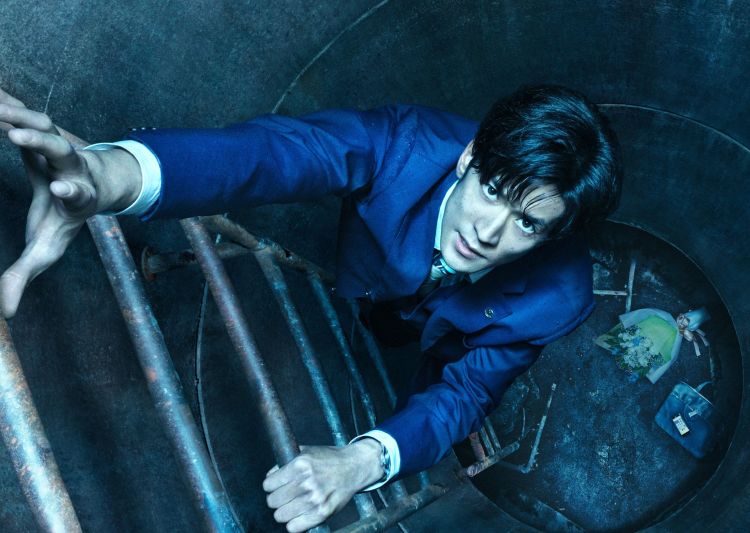
  • #Manhole – a salaryman’s moment of triumph is disrupted when he falls down a manhole the night before his wedding in Kazuyoshi Kumakiri’s unhinged B-movie thriller. Review.
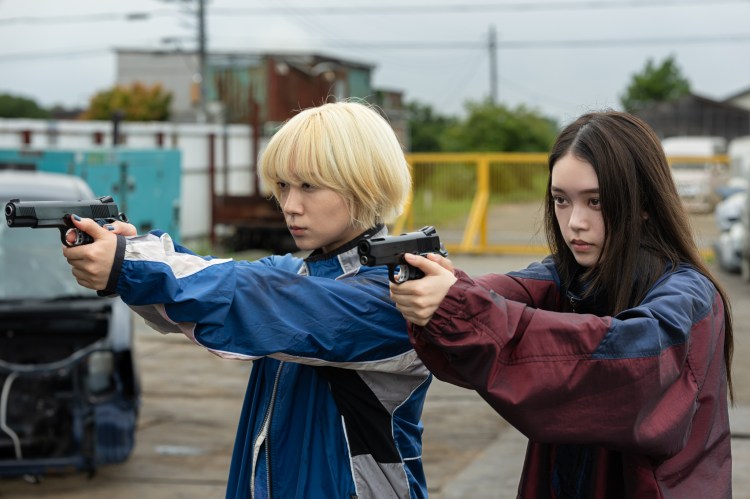
  • Baby Assassins 2 Babies – the Baby Assassins are back and continuing to struggle with the demands of adulting in Yugo Sakamoto’s sequel to the hugely popular slacker action comedy. Review.
  • Bad Lands -fast paced crime thriller from Masato Harada starring Sakura Ando as a conwoman in over her head.
  • Baian the Assassin, M.D. 1 – period drama starring Etsushi Toyokawa as the famous acupuncturist hitman.
  • Cafune – a pair of teenagers with differing priorities struggle to deal with the discovery of an unplanned pregnancy in Haruki Kinemura’s evenhanded indie drama. Review.
  • December – bereaved parents are confronted by the unresolved past when the woman who killed their daughter appeals her sentence in Anshul Chauhan’s empathetic courtroom drama. Review.
  • The Dry Spell – drama starring Toma Ikuta as a municipal worker charged with turning off the water supply at homes that haven’t paid their bills.
  • Egoist – a fashion editor reflects on the nature of love after falling for a personal trainer in Daishi Matsunaga’s deeply moving romantic drama. Review.
  • Firing the Lighter Gun – indie drama set after a nuclear disaster.
  • I Am What I Am – a young woman uninterested in sexual relationships struggles to find acceptance in a conservative society defined by marriage in Shinya Tamada’s empathetic drama. Review.
  • Is this Heaven? – a middle-aged couple ponder loss and regret on a surreal odyssey into the afterlife , or something like it at least, in Shinji Imaoka’s cheerfully absurdist dramedy. Review.
  • Life of Mariko in Kabukicho – surreal drama from Eiji Uchida & Shinzo Katayama starring Sairi Ito as a bar owner/detective charged with hunting down a missing alien.
  • Love Will Tear Us Apart – eccentric indie slasher scripted by Hirobumi Watanabe and directed by Kenichi Ugana.
  • MAYHEM GIRLs – pandemic-era drama in which a group of high school girls suddenly develop superpowers.
  • Mondays: See You ‘This’ Week! – harried office workers must get through to their dejected salaryman boss if they’re to escape a workplace time loop in Ryo Takebayashi’s zany corporate comedy. Review.
  • Mountain Woman – a young woman walks into the mountains to die but unexpectedly discovers what it is to feel truly human in Takeshi Fukunaga’s bleak folk tale. Review.
  • A Mother’s Touch – real life drama inspired by the life of Satoshi Fukushima who became the world’s first deaf-blind university professor.
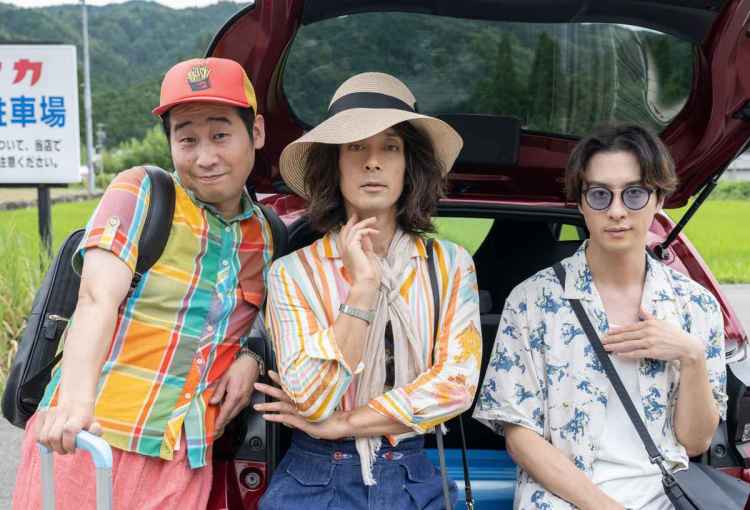
  • Natchan’s Little Secret – comedic road trip drama in which three drag queens travel to their friend’s funeral.
  • New Religion – supernatural horror in which a woman struggles to deal with her grief following the death of her daughter.
  • Ninja vs Shark – B-movie action drama from Koichi Sakamoto ini which a small feudal town is bothered by a giant shark and a gang of satan-worshipping bandits.
  • People Who Talk to Plushies Are Kind – A collection of sensitive uni students pour out their worries to cuddly toys to avoid burdening others with their fears in Yurina Kaneko’s charmingly empathetic drama. Review.
  • Perfect Days – Tokyo-set tale from Wim Wenders starring Koji Yakusho as cleaner living a simple but soulful life.
  • Remembering Every Night – a series of women wander around Tama New Town each searching for something in Yui Kiyohara’s wistful drama. Review.
  • The Rest of Our Lives – drama following three elderly people who become friends at a swimming club.
  • Ripples – latest from Naoko Ogigami starring Mariko Tsutsui as a housewife who joins a weird water-themed cult after her husband leaves her in the wake of natural disaster.
  • Sabakan – heartwarming nostalgia drama in which a struggling writer looks back to the summer of 1986.
  • Suncream and Windchimes – whimsical drama in which a paranoid husband begins spying on his wife.
  • Tea Friends – empathetic drama from Bunji Sotoyama in which a collection of elderly people are drawn into a sex ring in order to stave off loneliness and poverty.
  • Tocka – a trio of lost souls battle despair in northernmost Hokkaido in Yoshitaka Kamada’s bleak social drama. Review.
  • Tsugaru Lacquer Girl – a young woman encounters resistance in her desire to take over the family lacquerware business.
  • Your Lovely Smile – Hirobumi Watanabe stars as a version of himself but this time for Lim Kah-Wai as the pair come together in shared sensibly and frustration with the indie way of life. Review.
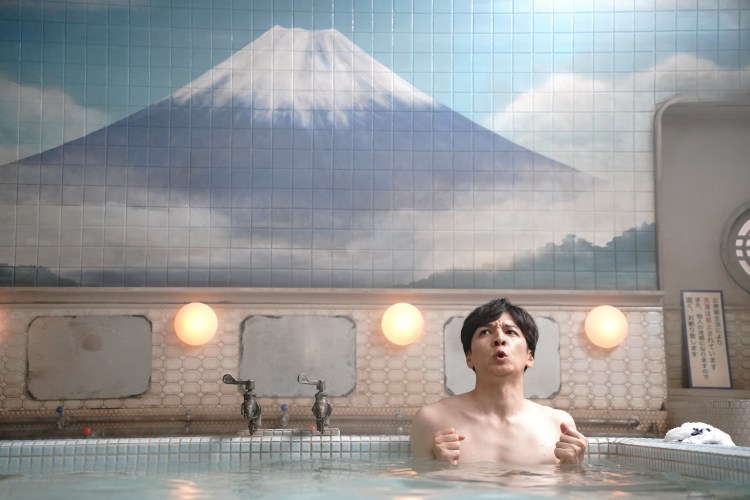
  • Yudo – Toma Ikuta stars as a failed Tokyo architect returning to his home town with the intention of getting control of the family bathhouse currently run by his brother (Gaku Hamada) to tear it down and build an apartment block in this warmhearted celebration of traditional bathhouse culture.

Animation

  • Blue Thermal – a young woman ends up in the university gliding club but discovers a new passion.
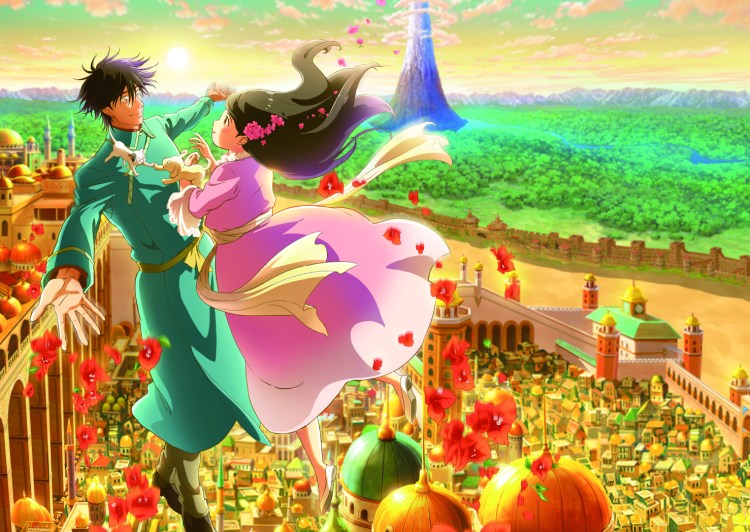
  • Gold Kingdom and Water Kingdom – after centuries of conflict, two feuding countries finally begin to put the past behind them to work for a common future in Kotono Watanabe’s animated fantasy romance. Review.
  • Komada: A Whisky Family – a young woman takes over the family whisky business after her father’s death.
  • Macross Plus – classic 1995 mecha anime.

Documentary

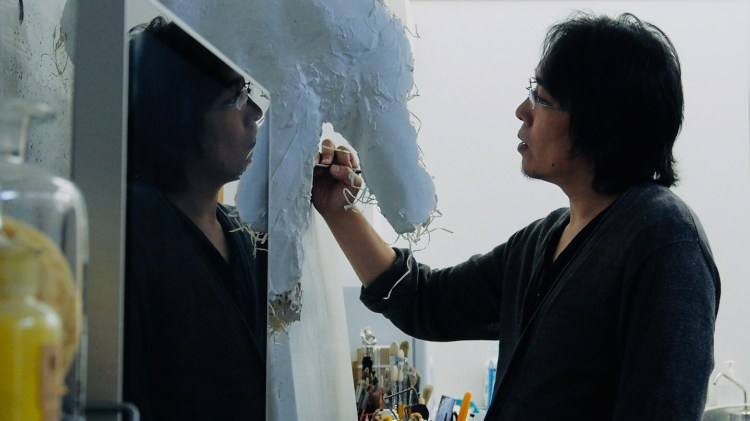
  • Origami – documentary following artist Atsushi Suwa as he creates a portrait of a deceased young man.
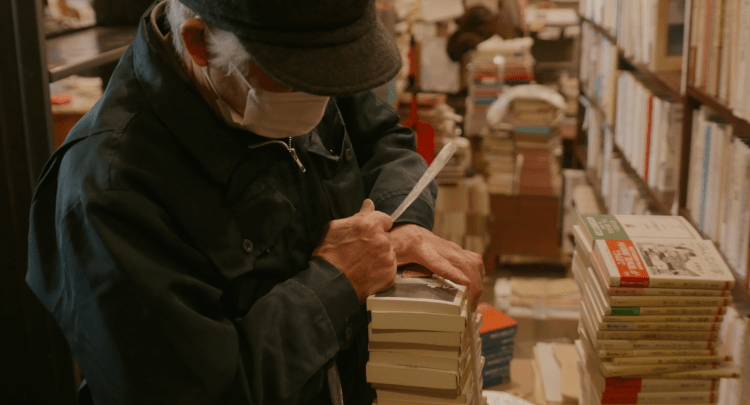
  • Polan – documentary charting the final days of a second-hand bookshop.
  • The Night Before Upheaval – documentary exploring the difficulties faced by indie filmmakers in Japan.
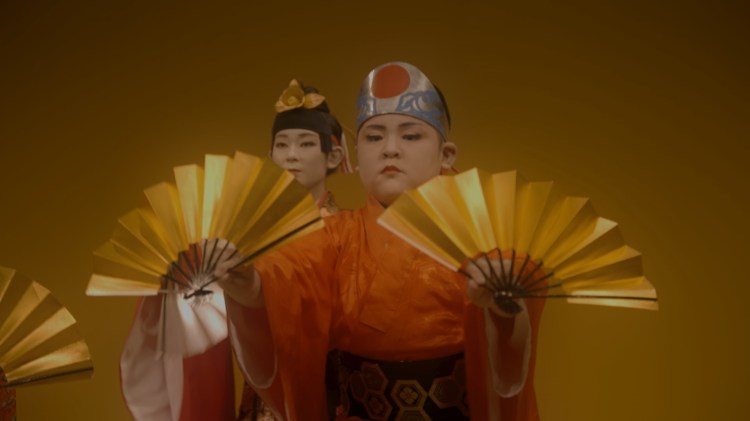
  • UMUI – Guardians of Traditions – documentary focussing on traditional music and dance in Okinawa.

Special Screenings

  • The Oldest Profession – 1974 Roman Porno from Noboru Tanaka.
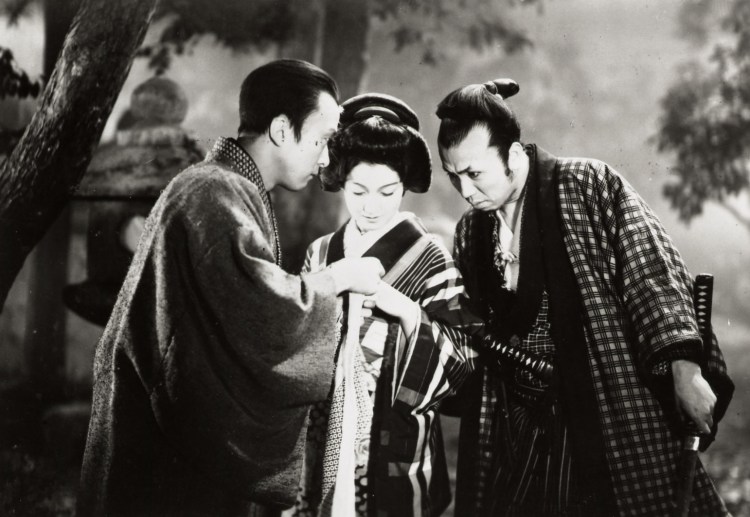
  • Priest of Darkness – a feckless gambler brings trouble on himself by accidentally stealing a samurai’s knife and hides out in a tavern run by a “priest” while his sister (a young Setsuko Hara) desperately searches for him.
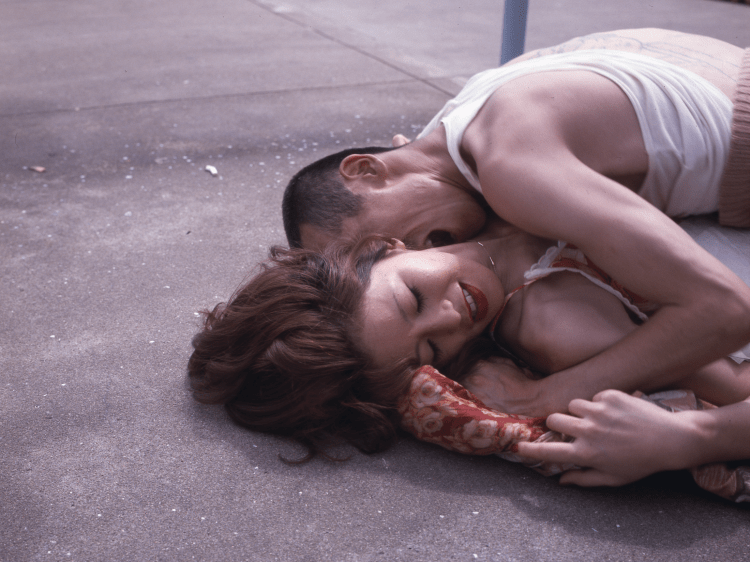
  • Spaghetti Ramen – avant-garde live action/animation hybrid in which a restauranteur lusts after his wife who has become a sex worker to make ends meet.
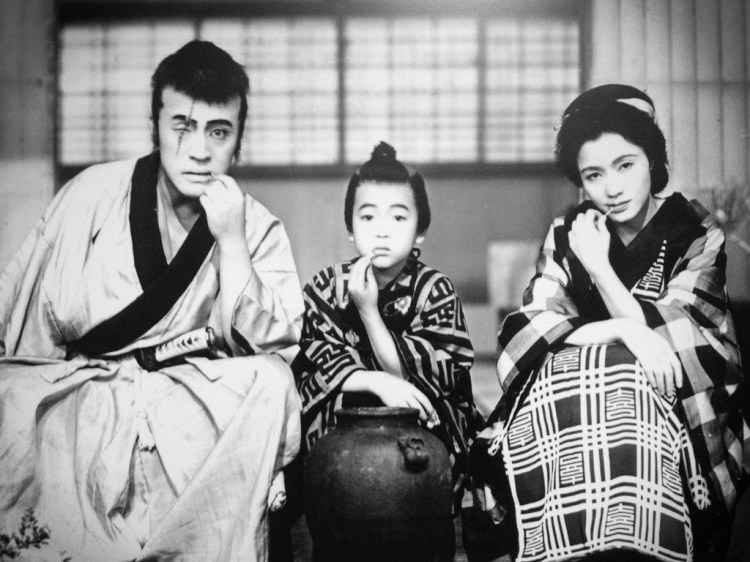
  • Tange Sazen and the Pot Worth a Million Ryo – a priceless pot containing a treasure map is accidentally given away and later used as a goldfish bowl by a child who is taken in by a tavern frequented by one-eyed, one-armed swordsman Tange Sazen while seemingly everyone else is desperately trying to find it.
  • Tokyo Pop – 1988 classic following a young American woman in Tokyo.

Camera Japan 2023 takes place in Rotterdam 21st to 24th September and Amsterdam 28th September to 1st October. Full information on all the films as well as ticketing links can be found on the official website and you can also keep up to date with all the latest news via Camera Japan’s official Facebook pageX (formerly known as Twitter) account, and Instagram channel.

Intolerance (空白, Keisuke Yoshida, 2021)

At times of tragedy it may be natural to look for someone to blame, as if being able to pin all of this pain and anger on a single source would somehow help you to accept it. But in other ways tragedy is just a confluence of circumstances that are either everyone’s fault or no one’s. How far back can you really trace the blame? There would be no end it. That’s perhaps the conclusion that the protagonists of Keisuke Yoshida’s Intolerance (空白, Kuhaku) eventually come to, realising that their attempts to blame others are often born of a desire to deny their own responsibility or else to protect something else they fear losing. 

At least that’s how it is for grizzled fisherman Mitsuru (Arata Furuta), a man well liked by no one. A rude and violent bully, he terrorises all around him not least his teenage daughter Kanon (Aoi Ito) who is meek and passive with a slightly ethereal quality as if she’s learned that blending into the background is the best way to protect herself. Stopping in to a local convenience store on her way home from school, she’s accosted by resentful store manager Naoto (Tori Matsuzaka) who grabs her by the arm and accuses her of shoplifting nail polish. At some point, Kanon panics and bolts out of the store. Naoto chases her along a busy highway until she suddenly darts out into the road trying to get away from him and is hit first by a car driven by a young woman and then by a truck travelling in the opposite direction. Despite his gruff exterior, Mitsuru is quite clearly destroyed by his daughter’s death but becomes fixated on clearing her name of the shoplifting, insisting that he never saw her wear any makeup and that Naoto is to blame for her death in acting with such a heavy hand. 

Of course, it doesn’t occur to Mitsuru that Kanon may have worn makeup in secret and made sure to keep it from him knowing how he’d likely react. Likewise, perhaps she ran from the store because Naoto would have called her father and she was frightened of what he’d do if he found out she was caught pilfering, and pilfering nail polish at that. He remembers that she wanted to talk to him about something to do with school the night before she died but he didn’t listen, assuming she must have been being bullied and was forced to steal the nail polish only to hear that no one at school really even remembers her. She was a just a vague presence they can’t even quite identify. Her teacher meanwhile begins to reproach herself, realising that she failed in her duty of care repeatedly shouting at Kanon that she had “no motivation” rather than trying to help her find some or to get along in her own way, let alone figuring out what caused her to behave the way she did or if there were problems at home. Sick of Mitsuru’s belligerence the school finally set him on the new target of Naoto who was once accused of molesting a teenage girl he accused of shoplifting. 

Like Kanon, Naoto is a slightly hollow presence who also had a strained relationship with his father. As he lay dying, Naoto failed to answer his calls because he was playing pachinko and felt ashamed, afraid of another lecture from his dad about wasting his life on gambling. He struggles with his role in Kanon’s death, on the one hand guilty feeling he overreacted and inadvertently caused her to stray into harm’s way while otherwise resentful, justifying himself that it’s only natural for a storeowner to chase a shoplifter down the street. Both he and Mitsuru soon fall foul of a media culture that likes sympathetic victims and heartless villains, the media shocked by Mitsuru’s boorish behaviour but more so by Naoto’s callous indifference trimming an otherwise nuanced statement to imply that he feels his supermarket is the real victim as customers stay away or else issue complaints about their obviously heavy-handed shoplifter policy. 

“Imposing your own views on others is nothing more than torture” Naoto tells a well-meaning middle aged woman whose narcissistic cheerfulness is a neat mirror of Mitsuru’s intimidating aggression. Aggressively mothered by Kusakabe (Shinobu Terajima), Naoto carries an additional burden of guilt in realising he’s lost the store his father left to him, but she embarks on a tasteless “real victim” campaign insisting they did nothing wrong and it’s all Kanon’s fault for stealing in the first place. Kusakabe can’t bear to lose the store because it seems there’s not much else in her life. The film’s Japanese title translates as “blank” or “void” and it is indeed a void that Kusakabe is trying to fill in needing to feel needed by centring herself in her various volunteer activities such as working at a soup kitchen in addition to her crusade to save the store. 

It’s this giant abyss of grief and guilt which pulls each of them towards the edge, but in the end there’s really no way to apportion blame. The poor woman who first knocked Kanon down is completely undone by the experience though it really wasn’t her fault, repeatedly approaching Mitsuru asking for his forgiveness only to be cruelly rebuffed. It’s her mother’s (Reiko Kataoka) quiet show of dignity which stands in such stark contrast to his own white hot rage that finally forces him to realise the destructive quality of his intimidating behaviour, accepting his responsibility in his daughter’s death while understanding that in his fierce desire to control he robbed himself of the ability to know her. Really you can’t say whose fault it was, Mitsuru’s for the fear he instilled into his daughter, Naoto’s for his insecurity and misplaced zeal in hunting down a thief, the drivers’ for failing to brake, Kanon’s mother’s (Tomoko Tabata) for remarrying and having another child, the teacher’s for making Kanon feel useless, the other kids’ for rejecting her, or Kanon’s own for darting out into the road. For each of those there are a hundred other branches. There would be no end to it. But then, the strange thing is that Kanon shares her name with Buddhist deity of mercy, Mitsuru beginning to soften now willing to offer an apology where it’s due and to bear his own degree of guilt if not yet entirely able to forgive. In any case, ending in bright sunshine, Yoshida concludes with a return of the gaze between father and daughter that suggests forgiveness may indeed have arrived. 


Intolerance screened as part of this year’s Camera Japan

Original trailer (English subtitles)
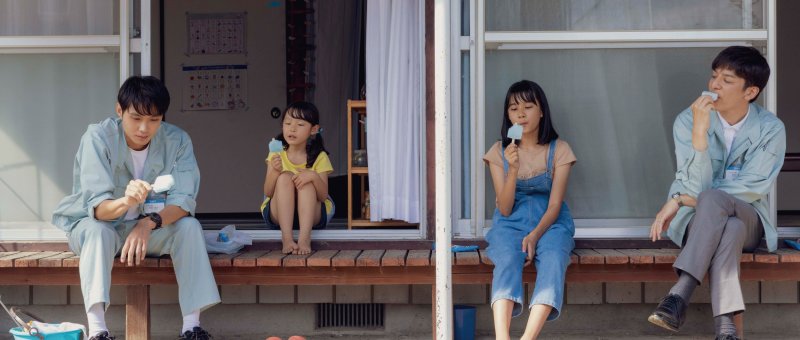
Eternally Younger Than Those Idiots (君は永遠にそいつらより若い, Ryuhei Yoshino, 2021)

An insecure young woman struggles to assume her place in the world while preparing to leave the aimless security of college life for an uncertain adulthood in Ryuhei Yoshino’s empathetic social drama, Eternally Younger Than Those Idiots (君は永遠にそいつらより若い, Kimi wa Eien ni Soitsura yori Wakai). Adapted from the novel by Kikuko Tsumura, Yoshino’s film has its share of quirky humour but seems to be overshadowed by a lingering darkness in which there is only constant suffering tempered by a longing for recognition which often goes unanswered.

Horigai (Yui Sakuma) is one of the lucky ones in that she’s already locked in a job for after graduation as a children’s social worker back in her hometown. After making a speech at a uni party, however, she’s challenged by a rude fellow student who calls her out for her arrogance in thinking she has the right to interfere in people’s lives. He has perhaps touched a nerve. Though it’s a job she’s always wanted, Horigai is worried that she isn’t up to it and won’t be able to help anyone in part because she feels herself to be somehow different from those around her and lacking the skills to see what everybody else just naturally sees. 

Her sense of inadequacy is thrown into relief by a chance meeting at a party with a soulful fellow student who has just been released after getting arrested for suspected kidnapping having allowed a little boy neglected by his parents to stay in his apartment. Though she bonds with him, he soon leaves her life in unexpected fashion leaving her with an unspoken story hanging in the air. At her part-time job doing quality control at a factory she befriends another young man, Yasuda (Yo Aoi), who eventually confides in her about a very personal problem which she had originally not taken very seriously only to feel bad that she didn’t notice how much pain it was causing and had in a sense even made it a little worse by unwittingly teasing him. She didn’t see it because, in this case understandably, she did not want to look but without fully realising did perhaps make a difference a life just by listening. 

Most of all, she berates herself for picking up on her new friend Inogi’s (Nao) buried trauma as manifested in a physical wound to her body. Horigai’s uni thesis is on the link between childhood environment and visions of success, exploring whether or not there’s a difference in the way people dream based on the way they were raised. Some of the answers are, if taken at face value, a little surprising, Inogi wishing for a beautiful daughter-in-law to take care of her in her old age perhaps hinting at her desire for the security of a conventional family, but also somewhat poignant in their seeming simplicity. When Horigai relates a traumatic childhood memory Inogai is brought nearly to tears, despite having just met her, in guilt and sorrow that she wasn’t there to help, a sentiment which is later returned when Horigai learns of her trauma while also reflecting on the fact that she survived it if only by force of will and the gentle kindness of someone who was simply there. 

Simply being there is as Horigai learns a big part of it, finally stepping into herself by daring to look at the things she didn’t want see and making a difference in someone’s life who might not have survived if she had simply gone about her business. Having believed herself a “defect”, unfit for human society and unable to make lasting connections with others she gains strength through mutual acceptance that gives her the confidence to be there for those who need her still uncertain if she is really up to the job but doing her best anyway. Death seems to overshadow her, haunted as she is by missing children and the spectres of those whose suffering she could not see, but she is finally able to rise above it in overcoming some of her own childhood trauma. Almost everyone is burdened with something be it guilt, loss, or the legacy of pain and abuse but it helps to have someone to help carry the load. “The world is full of scary shit. Want to try Mario Kart?” Inogai asks, and it might be as good a suggestion as any. 


Eternally Younger Than Those Idiots screened as part of this year’s Camera Japan

Original trailer (no subtitles)
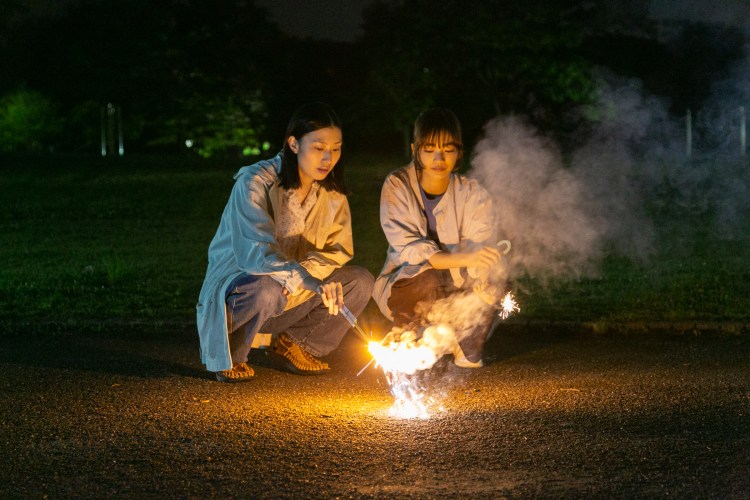
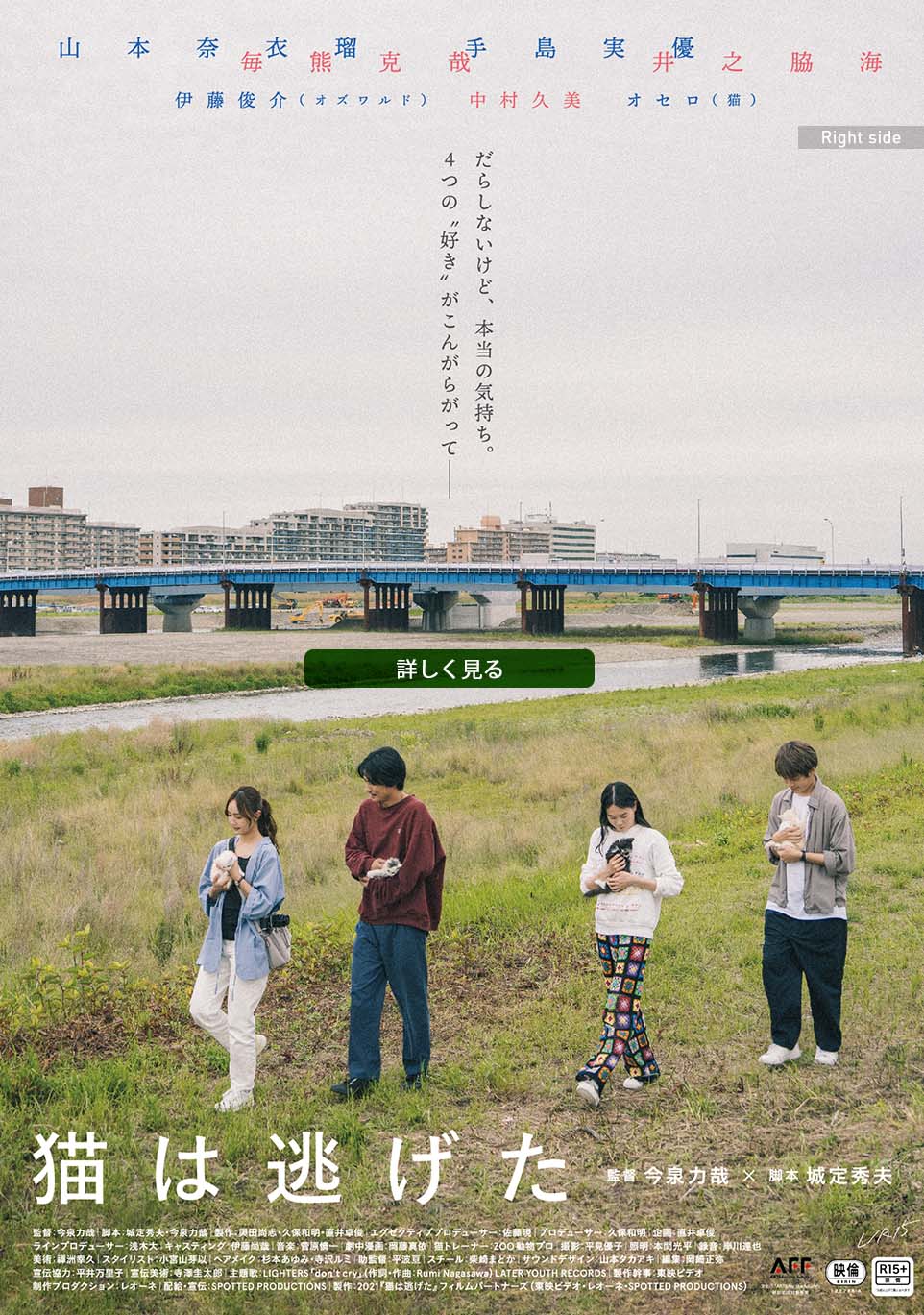
Straying (猫は逃げた, Rikiya Imaizumi, 2021)

Part way through Rikiya Imaizumi’s Straying (猫は逃げた, Neko wa Nigeta), a tabloid reporter and the photographer with whom he’s been having an affair attend a screening of a pretentious film made by a hypocritical director exploring why a once loving relationship between husband and wife broke down. His reasoning may not be all that sound in the end, but does perhaps hint at something of the malaise which has invaded the relationship between Hiro (Katsuya Maiguma) and his wife of five years Ako (Nairu Yamamoto). Now on the brink of divorce, the couple have hit a stumbling block in the inability to agree who gets custody of their beloved cat, Kenta. 

Kenta may not be all that happy about the separation either, peeing all over the divorce papers which only Ako has so far stamped. Hiro suggests that they’re going about it in the wrong order, that the papers should have been the final step once they’d sorted out dividing their property and finding alternative living spaces but he is perhaps a little reluctant as his determination to hang on to Kanta implies. A kitten they found together in the street in the midst of a pregnancy scare, Kanta is a symbol of their love and the hopes they had for it in the beginning. When he suddenly disappears, it sends each of the couple into a tailspin trying to find him which is also an attempt to recapture their lost love. 

Yet we can see that the marriage has failed in part because of dissatisfaction in either on side. As he later admits, Hiro was always insecure in the relationship and had been planning to run out on Ako after hearing about the possible pregnancy while overcome with paternal anxiety. He once dreamed of being a novelist and hates himself for his morally dubious job as a tabloid journalist exposing the sordid secrets of the rich and famous, yet he does the job in part because he feels emasculated by Ako’s success as a manga artist and cannot bear the idea of being supported by his wife. For her part, Ako declares that she’s bored with eroticism while working on an erotic manga for a publishing company specialising in sexually explicit series aimed at a female audience. When she says she’s thinking of writing a cat manga, like the much loved Gugu the Cat, it suggests that what she wants is love rather than sex but she’s also begun a revenge affair with her besotted editor Matsuyama (Kai Inowaki) little realising that she’s toying with his feelings. 

Like Matsuyama, Hiro’s girlfriend Mamiko (Miyuu Teshima) is more emotionally involved in the relationship than Hiro is though he sadly tells her he loves her and has superficially committed to leaving his wife. Mamiko also has a habit of eating Haribo at every opportunity which hints at her childish nature, though as is later revealed she’s surprisingly conservative for her age coldly telling Ako in a final confrontation that wives are responsible for their husband’s affairs while insisting Ako let Hiro go because she wants to become a traditional homemaker cooking and cleaning for him. She was also offended by the film because of its anti-marriage stance all which fuels her desire to unmask the “devoted familyman” director as just another industry sleazeball. Yet evidently the last thing Hiro wants is marriage because if that’s what he wanted he wouldn’t be getting a divorce. It’s no surprise that he put his foot down over getting Kanta neutered, insisting he be free to sow wild oats wherever he sees fit which is apparently with next-door’s cat Mimi who becomes an accidental victim of his sudden disappearance. 

Yet sometimes straying only shows you the way home as the central couple awkwardly discover, brought closer together by the search for Kanta while forced to face the realities of their frustrated desires each emerging on a more authentic note and resolving to chase their individual dreams. The second film in the L/R15 project of contemporary sex comedies, Straying is scripted by Hideo Jojo who directed Imaizumi’s script for Love Nonetheless and in its ironic conclusion is perhaps less cynical than it might seem in hinting at new beginnings founded less on forgiveness than acceptance of life’s imperfections. 


Straying screened as part of this year’s Camera Japan

Original trailer (no subtitles)
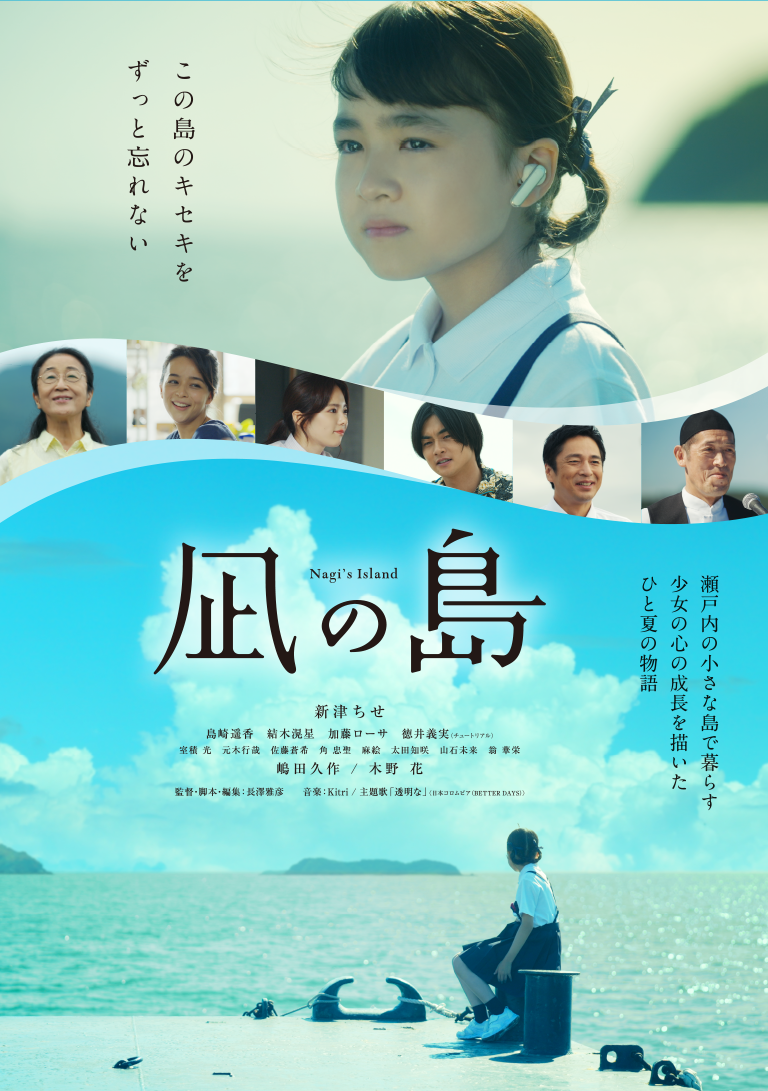
Nagi’s Island (凪の島, Masahiko Nagasawa, 2022)

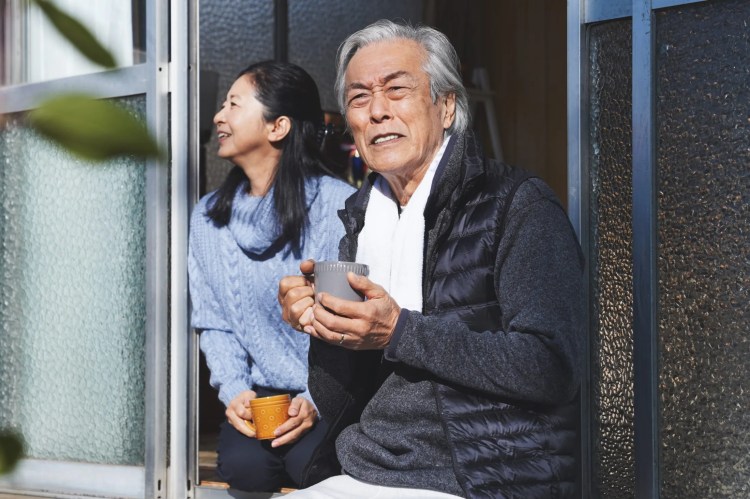
“Doctors don’t heal patients. We just help them heal themselves” according to the kindly grandmother at the centre of Masahiko Nagasawa’s warmhearted drama Nagi’s Island (凪の島, Nagi no Shima). In many ways an island film, Nagasawa’s gentle tale of the power of community support and mutual compassion celebrates the healing power of laidback island life while simultaneously lamenting its decline amid rural depopulation and an ageing society which it leave it in someways vulnerable without the protections of big city infrastructure. 

For young Nagi (Chise Niitsu), however, it’s a kind of haven. Following her parents’ divorce she’s returned to live with her grandmother Yoshiko (Hana Kino) who runs the island’s only medical clinic while her mother (Rosa Kato) has a secured a job as a nurse at the hospital on the mainland. Nagi has adjusted to island life fairly quickly, but is also haunted by her past and suffers from panic attacks when witnessing small acts of violence and aggression that recall painful memories of her father’s drunken rages. In any case it seems that Nagi has maintained contact with her dad, Shimao, through social media while he is trying his best to undergo treatment for alcohol abuse and repair his relationships with his family. 

As Yoshiko puts it, history has in a sense repeated as she too came to the island with her daughter, Mao, after leaving her husband and was comforted by the total acceptance of the island community who asked few questions and never attached any social stigma to the fact she was a single mother. Many people here are, however, also suffering such as Nagi’s new friend Raita who is touched by her relationship with her mother while missing his own. Irritated by his grandfather’s refusal to explain to him what’s happened to her other than that she’s in a hospital, he determines to find out dragging Nagi along for an adventure but perhaps discovers something he wasn’t quite prepared for only to be comforted by a frank yet compassionate outlaying of the facts from a sympathetic doctor and the gentle support of his friends and family. 

Nagi’s arrival also begins back painful memories for the school’s janitor who is nicknamed Grumpy Grandpa (Kyusaku Shimada) by the kids (of whom there are only five) because of his morose appearance and the fact he never smiles. Having lost his own daughter to a heart attack, he worries for Nagi who in turn becomes determined to make him smile and eventually succeeds in making him feel a part of the community allowing him to begin making peace with his daughter’s death. 

That sense of community is however threatened by the realities of contemporary island life. Nagi’s new friends Kengo and Raita are secretly worried that Mao will decide to remarry and Nagi will leave the island leaving them alone again as the only children of their age. In the local school all the kids are taught together because there are only five of them, the other two being an older boy and his younger sister. Life on the island may seem so idyllic that it’s difficult to see why anyone would want to leave, but with few jobs available younger people often seek better futures in the city while there’s no denying that because of the decreasing population there are few resources available. Yoshiko is the only doctor on the island and her clinic is only a regular GP’s office meaning those who require more serious medical treatment will have to travel to the mainland which is possible only by small fishing boats in good weather. 

In any case the island provides a healing environment of its own, allowing Nagi and her mother to begin putting the past behind them while offering a chance of redemption for Shimao who may be able to start over in a kinder place free of the pressures of city life. As the islanders celebrate the first marriage taking place in the village in 30 years, there is promise of new life and new beginnings despite the prevailing narrative that communities such as these have little future in a continually evolving society. What is clear is that Nagi has found her place to belong along with a purpose in life in the gentle lull of the island’s seas and its welcoming shores. 


Nagi’s Island screened as part of this year’s Camera Japan. It will also be screening at Japan Society New York on Nov. 20 as part of The Female Gaze: Women Filmmakers from JAPAN CUTS and Beyond.

Original trailer (no subtitles)
Shrieking in the Rain (雨に叫べば, Eiji Uchida, 2021)

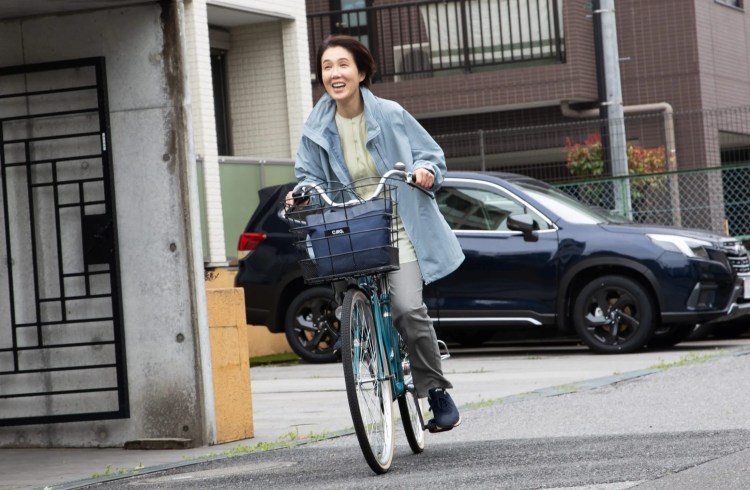
“Let’s change Japanese film” a duplicitous distributor tries to convince a diffident director though his “creators first” stance predictably turns out to be somewhat disingenuous. Inhabiting the same territory as Netflix’s Naked Director, Eiji Uchida’s meta dramedy Shrieking in the Rain (雨に叫べば, Ame ni Sakebeba) finds a young woman struggling to take charge of her artistic vision while plagued by workplace sexism, commercial concerns, and absurd censorship regulations but finally claiming her space and along with it her right to make art even if not quite everyone understands it, 

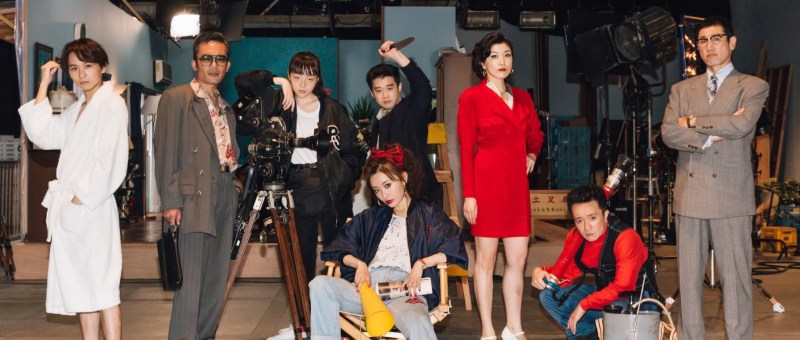
Set entirely on a Toei lot in the summer of 1988, the film opens with rookie director Hanako (Marika Matsumoto) locking herself inside a car with her hands clamped over her ears, fed up with the chaos that seems to surround her. How Hanako got the job in the first place is anyone’s guess, but it later becomes clear that she is in a sense being exploited by the producer, Tachibana (Kazuya Takahashi), who thinks a pretty young girl directing a softcore porno is a selling point in itself. Meanwhile, he’s teamed up with an US-based production company and its Japanese producer, Inoue (Kiyohiko Shibukawa), who seems fairly exasperated by the Japanese-style shoot and despite his pretty words is all about the business. For him, the main selling points are the actors, one a young idol star intending to boost his profile by getting into films and the other a veteran actress stripping off for the first time in an attempt to revitalise her fading career. 

Surrounded by male industry veterans, Hanako struggles to get her voice heard and feels under confident on set as they encircle her and bark orders she doesn’t quite understand. Her decisions are continually overruled by the male AD, cameraman, and finally Tachibana who always has his mind on the bottom line while Hanako’s inability to express herself to the crew results in endless takes of scenes that others tell her are “pointless” and should be cut despite her protestations that they are essential to the piece. A forthright female makeup artist (Chika Uchida) asks if filmmaking should really be this heartless as she watches Hanako humiliated by the chauvinistic cameraman who forces her to get on her knees and beg for help, while a more sympathetic grip (Gaku Hamada) later tells her that becoming a successful director has little to do with talent and a lot to do with the art of compromise. 

Nevertheless, Hanako tries to hold on to her artistic vision even while some roll their eyes considering the project is a softcore romantic melodrama revolving around a love triangle involving two brothers in love with same woman. Inoue claps back that film is a business, admitting that when he said creators first he just meant the ones that make money. According to him, anyone could direct the film because all anyone’s interested in is the actress’ bared breasts and the teenybopper appeal of top idol Shinji. Or in other words, it doesn’t really need to be good, it’s going to sell anyway. In any case, it seems incongruous to cast a squeaky clean idol in an edgy erotic drama especially considering that if they want to market it to his fans then they need to secure a rating which allows them to see it without adult supervision. Business concerns and censorship eventually collide when the rather befuddled censor puts a red line through some of their kink and explains that the actress’ third hip thrust has just earned them an X rating. 

Unlike Hanako and her similarly troubled junior camerawoman Yoshie (Serena Motola), veteran actress Kaede at least knows how to advocate for herself and get what she wants on set so that she can do her best work. Only in this case doing her best work means she wants to go for real with arrogant idol star Shinji who refuses to wear a modesty sock or trim his pubic hair to fit in with the arcane regulations of the censors board. Shinji is brought to task by aspiring actor Kazuto who is pissed off by his unprofessional behaviour while struggling to get a foothold in a difficult industry and apparently finding one through a romantic relationship with the producer which otherwise seems to be a secret from cast and crew. 

In any case a final confrontation prompts a rebellion against Inoue’s production line metaphor as the crew reaffirm that they are a team working together on an artistic endeavour not mere cogs in his machine. Reemerging in bright red lipstick, Hanako returns to retake what’s hers boldly claiming her artistic vision and taking charge on set before descending into an unexpected musical number. With a retro sensibility, the film neatly echoes late 80s production style with a cutesy background score often heard in movies of the era while posters for top Toei movies from the 70s and 80s such as Yukihiro Sawada’s No Grave for Us line the walls. A meta rebuke against the constraints placed on filmmakers by those who shout “creators first” to bolster their image but never follow through Shrieking in the Rain, is at once a homage to the classic days of low budget Toei erotica and an inspirational tale of an artist finding her voice in a sometimes repressive industry.


Shrieking in the Rain screened as part of this year’s Camera Japan.

Original trailer (no subtitles)
Unlock Your Heart (ひらいて, Rin Shuto, 2021)
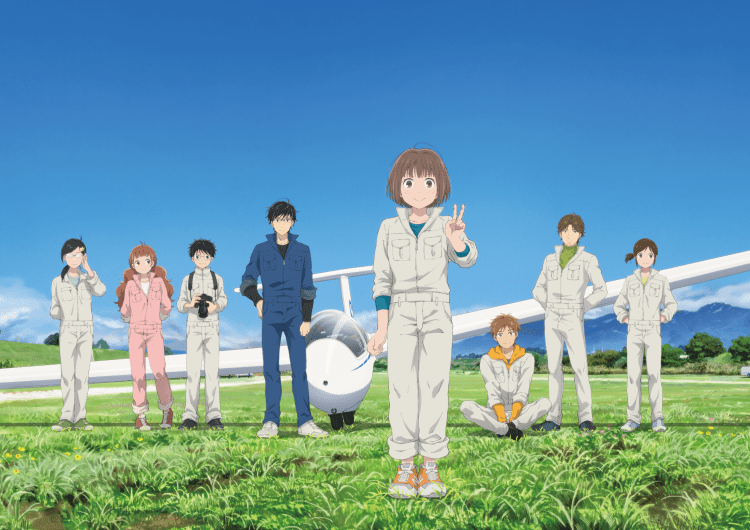
A straight-A student and popular girl enters a self-destructive tailspin on discovering her longterm crush has a secret girlfriend in Rin Shuto’s adaptation of the novel by Risa Wataya, Unlock Your Heart (ひらいて, Hirate). Wataya also penned the source material for Akiko Ohku’s Tremble All You Want and Hold Me Back, and while Shuto may shift away from Ohku’s quirky style she maintains and intensifies an underlying sense of unease in what has the potential to develop into an incredibly messy situation. 

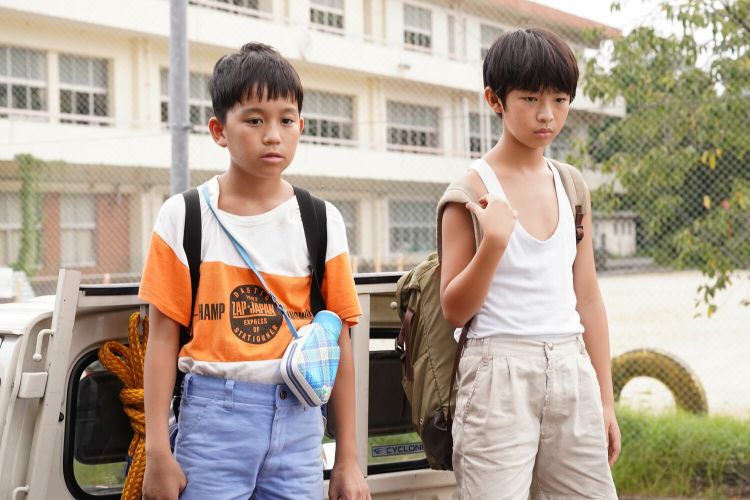
As the film opens, popular girl Ai (Anna Yamada) walks away from a dance rehearsal and discovers fellow student Miyuki (Haruka Imo) collapsed by a tree next to a pouch containing her insulin. Barely conscious, Miyuki asks her for something sweet and Ai soon returns with some sugary juice. Unable to find to an efficient way of getting her to drink it, Ai passes the liquid from her own mouth in a literal kiss of life that seems have an unexpected effect on her. Meanwhile, after sneaking into the school late at night with some friends halfheartedly joking about stealing the exam papers, Ai raids the locker of her crush, Tatoe (Ryuto Sakuma), and discovers a series of love letters which turn out to be from Miyuki. 

For some reason this revelation turns Ai’s life upside-down even though she later reveals that she had been enduring the silent crush on Tatoe for some years without ever acting on it. It may partly be that Ai is popular and attractive and so the idea that someone may not find her desirable is destabilising, cutting to the quick of her teenage insecurity while pulling the rug out from under her if she had indeed thought of Tatoe as a kind of comfortable backstop or easy plan B. Enraged, she befriends Miyuki yet for unclear reasons, perhaps hoping to get some insider info on Tatoe, find out what it is Miyuki has and she doesn’t, or somehow break them up, but finally settles on seduction unexpectedly kissing her again in an echo of their awkward meet cute.  

At heart, Ai does not understand herself and is operating with no real plan. Each escalation seems to come as a surprise even to herself leaving her with moments of internal conflict gazing into a mirror wondering what it is she’s doing. On separate occasions, both Miyuki and Tatoe accuse her of lying and indeed she is, most particularly to herself in a wholesale denial of her own desires which fuels her impulsive and self-destructive behaviour. Others accuse her of being selfish and self-absorbed, unable to look beyond herself and indifferent to the feelings of others which is also in its way a reflection of the degree to which she is consumed by internal confusion, driven slowly out of her mind while taking out her frustration on those around her not least in her increasingly dark manipulation of Miyuki and Tatoe. In the end, as Tatoe points out, she’s little different from his abusive father in her need to possess and control but it’s the extreme control that she’s trying to exercise over herself and the desires she can not accept that is causing her self-destructive behaviour. 

Only Miyuki seems to be able to see through her, at least to an extent, yet it’s not entirely clear at first if she responds to Ai’s advances willingly or simply goes along with them because she has no other friends and is afraid Ai will reject her if she refuses. Ostracised by the students because of her diabetes which is of course a very visible condition in that it requires her to inject herself while at school, Miyuki is shy and lonely while required to keep her relationship with Tatoe a secret because of his abusive father. But as Miyuki later puts it in her letter, Ai isn’t quite as aloof as she’d like to pretend and acts with an unexpected tenderness and consideration, even a kind of vulnerability, in moments of intimacy that betray the true self otherwise stifled by anxiety and internalised shame. With a persistent air of danger and unease spurred by Ai’s impulsive and chaotic nature, Shuto’s intense drama reaches its climax in its deliberately abrupt conclusion perfectly capturing the heroine’s moment of realisation imbued with all of her idiosyncratic messiness. 


Unlock Your Heart screened as part of this year’s Camera Japan.

International trailer (English subtitles)