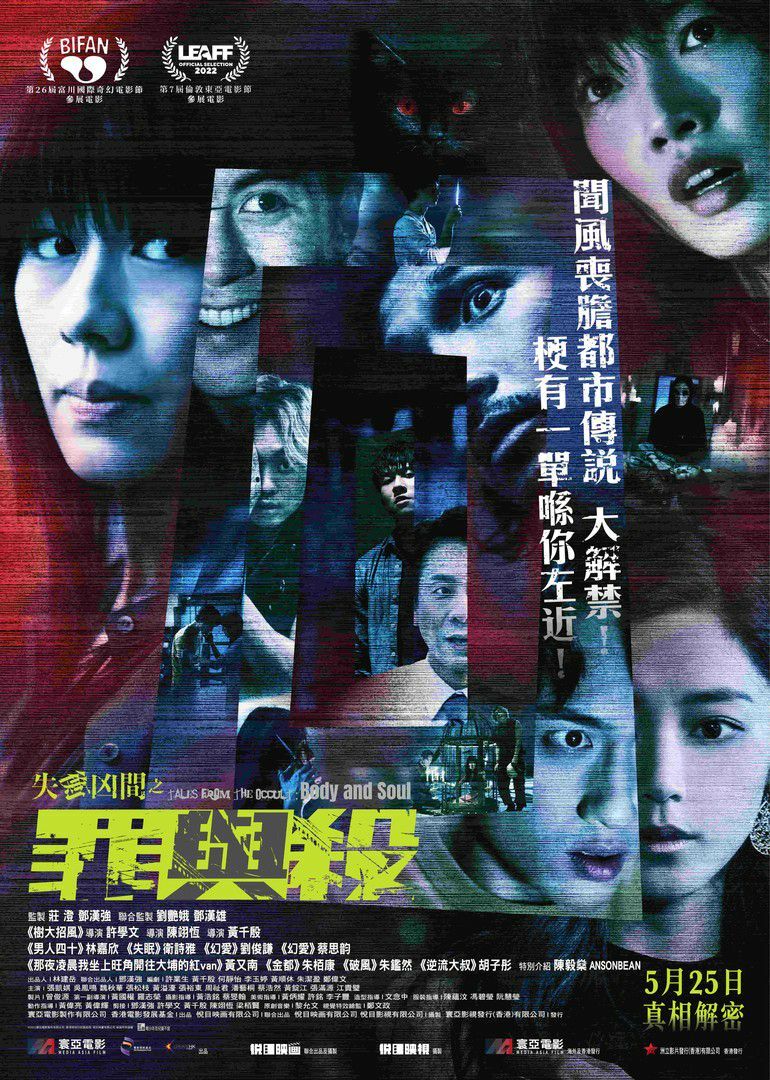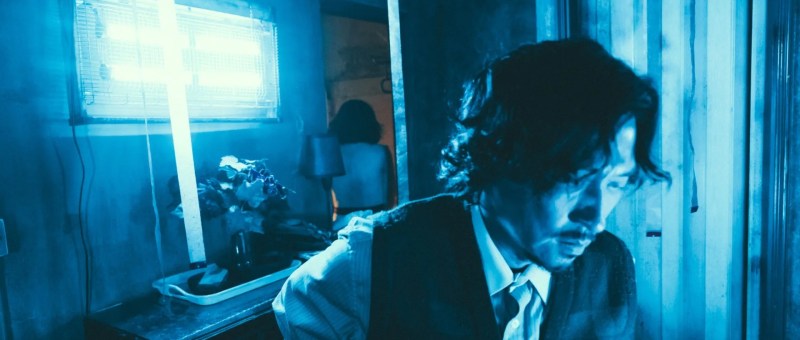
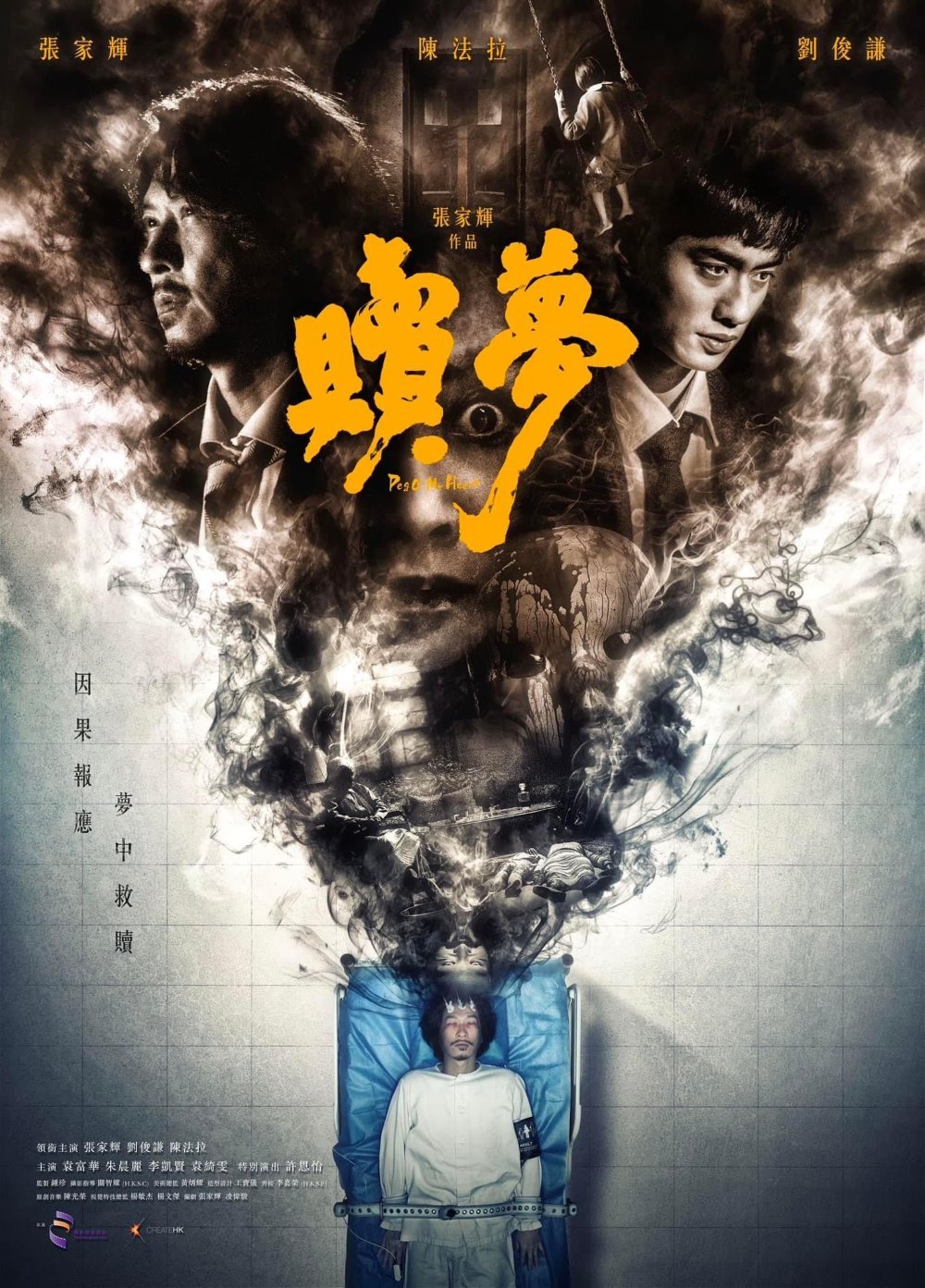
Tales from the Occult: Body and Soul (失衡凶間之罪與殺, Frank Hui, Daniel Chan Yee-Heng, Doris Wong Chin Yan, 2022)

The second in a series of horror-themed anthologies, Tales From the Occult: Body and Soul (失衡凶間之罪與殺) takes fairytales as its theme but truth be told none of the episodes has very much in common with the most well known version of their respective stories. What they do have in common is a rather grisly view of the nighttime city perhaps inspired by classic Cat III shockers though mediated through a strong sense of irony. “I like it a bit dark” one of the heroes exclaims and it’s certainly a sentiment shared by each of the three directors. 

The first instalment, Frank Hui’s Rapunzel finds former idol star Maggie (Michelle Wai) trying to prop up her flagging career while constantly written off as a has been best known for a cheesy pose in a dated shampoo commercial. Her manager sends her to an obnoxious rich kid’s birthday party where the women are so young they weren’t even born when she was a star and relentlessly mock the weird “aunty” and her “retro” movies. One of the guys sets fire to her hair which is even more of a problem for her because she’s supposed to have an important meeting with a producer in the morning and he’s not going to hire her with a less than perfect appearance. Maggie’s desperation eventually draws her into the orbit of a hair fetishist serial killer from whom she must try to escape while attempting to rescue her hair and save her career. A secondary strain of social community places the killer’s creepy all night salon in a building that’s about to be torn down for urban renewal leading him to be bullied by gangsters to move out but not wanting to for obvious reasons. Maggie meanwhile eventually makes a surprising decision in order to fix herself which is in its own way cannibalistic at least of the female image when it comes to the idea of perfect hair. 

You couldn’t say that Daniel Chan’s Cheshire Cat really has that much to do with the classic Alice in Wonderland character either, though Chan does throw in something like a Mad Hatter’s tea party and leave his heroine trapped in a cage suspended above the air. Nora (Cecilia Choi Si-Wan) works in a cat rescue centre and is particularly upset by the idea of people hurting her feline friends, especially as her own cat Bobo was recently murdered. After agreeing to rescue a kitten trapped under a van she unwittingly passes into a grim haunted house adventure with a death metal vibe. In a series of atmospheric shots, Chan frames Hong Kong in an angry red tint capturing the increasing resentment of Nora as she continues to take out her rage on those who would harm poor defenceless creatures. 

Doris Wong’s The Tooth Fairy perhaps ironically subverts its title while toying with the interplay of sadomasochistic fetishes. Dental nurse Sammi (Karena Lam Ka-Yan) is being relentlessly harassed at work by sleazy dentist Steve (Tommy Chu Pak-Hong) who won’t take no for an answer. On her way to the bank, she comes across a fight between two young men in which one bites off the other’s ear, and invites the biter to her clinic to get his swollen cheek looked at. Steve, however, does not take kindly to this after seeing he and Sammi flirt with each other, extracting a healthy tooth without anaesthetic as if teaching him a lesson, but clearly deriving sexual pleasure from his pain just like the sadistic killer on the news. In any case events soon escalate following some cake-related triggering and not just for its capacity to ruin your teeth. The killer may claim they’re setting people free from their earthly suffering but is clearly in part at least killing for the thrill. 

In any case, danger seems to lurk behind every corner with potential serial killers apparently all around us as the heroes find out during their various quests. Their stories may not have much in common with their inspiration but each have a strangely ironic quality curiously mimicking B-movie cinema in terms of colour palette and production design, Frank Hui eventually opting for a neon-coloured nightmare lair while Nora and the gang chase through a haunted Hong Kong and Sammi does her best to extricate herself from the unwanted attentions of her sleazy boss who is perhaps the real monster in the shadows. 


Trailer (English subtitles)
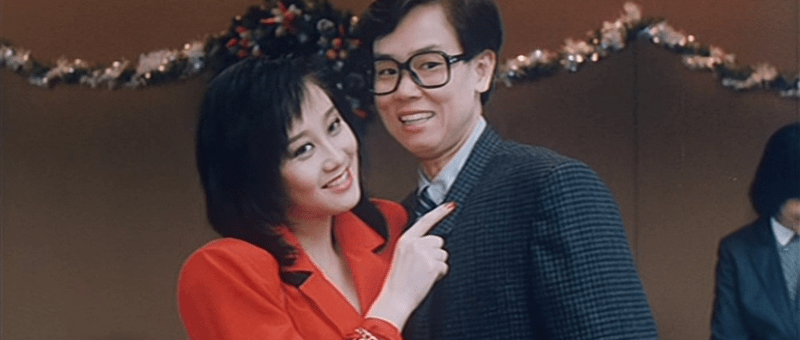
Seven Years Itch (七年之癢, Johnnie To, 1987)

The shifting social codes of late ‘80s Hong Kong come under the microscope in Cinema City sex farce, Seven Years Itch (七年之癢). Loosely inspired by the 1955 Billy Wilder film, Johnnie To’s third directorial feature may in some senses suggest contemporary Hong Kong is little different from mid-50s America in its overly patriarchal gender politics but does in some senses at least attempt to redress the balance by turning the tables on the feckless husband if only to defiantly restore the status quo in the uncomfortable positioning of domestic violence as a means of social control. 

The ironically named Willie (Raymond Wong Pak-Ming) is a rising executive in a quasi marriage with Sylvia Chang (Sylvia Chang Ai-Chia) which is to say they live together as man and wife but Wille has never bothered to put in the paperwork (something which continues to annoy his harridan of a not quite mother-in-law). The couple have been together for seven years and Willie is beginning to tire of the monotony of (not actually) married life, irritated by Sylvia’s early morning Chinese Opera practice sessions and the fact he’s had nothing but sausage and egg for breakfast every day since moving in. Consequently, he fantasises about having an affair but is too mild-mannered despite the gentle ribbing of his colleagues and constant attempts of his brother-in-law John (Eric Tsang Chi-Wai) to introduce him to the red light district. 

In an early meeting with his colleagues after work, the men all discuss affairs suggesting that if a man isn’t chasing a woman it’s because he’s “sexually disabled” or gay quite clearly tying sexual prowess to masculinity. It’s also quite clear that the men view themselves as a group entirely separate from women, brother-in-law John evidently not thinking anything of it that he’s tempting his brother-in-law to cheat on his own sister implying that to him at least Willie’s masculinity is far more important than his sister’s feelings which in the end don’t seem to matter very much to him at all. John is also, however, a henpecked husband and moral coward. Challenged by his wife, sister, or mother, he immediately changes tack, dobbing Willie in when he’d tried to use him to placate Sylvia’s suspicions of an affair and quickly backtracking after having defended his decision not to file the papers by insisting “marriage is nonsense, old fashioned” only to counter with “I’m just saying for those silly men who try to overthrow the marriage tradition, I’m not one of them,”, “I absolutely agree with marriage. For women’s respect, I oppose living together”. 

Both John, whose constant badgering for loans also places a financial strain on the (non) marriage, and Wille feel themselves emasculated by the constraints of a monogamous relationship as the constant references to wild meat imply. Meanwhile the women are also depicted as vain and parasitical, the collection of trophy wives at Sylvia’s cookery class forever showing off the expensive gifts their husbands have bought them while alternately complaining they feel ignored. The implication is that the men can’t win, if they seem indifferent the wife worries they’re playing around, but too much affection is also regarded as a sign of infidelity. 

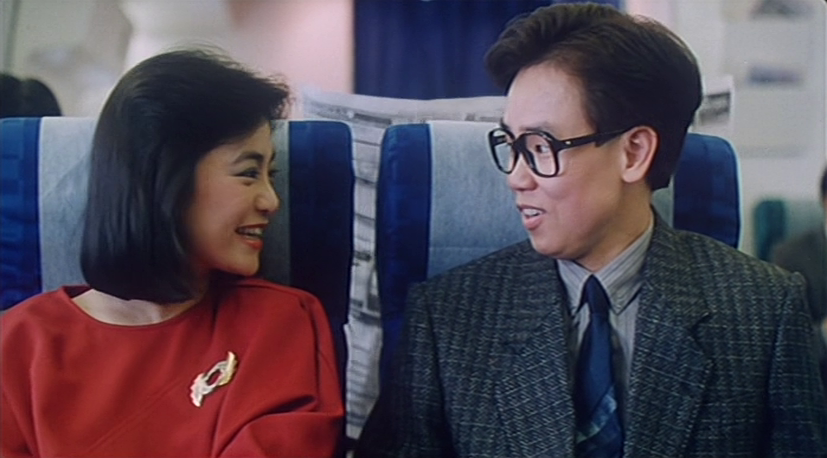
Even so it’s Sylvia who eventually gains the upper hand in refusing to play along with Willie’s games after he convinces her join him for a little Vertigo-esque role-play on a second honeymoon in Singapore, re-enacting his brief encounter with a foxy woman he met on a plane who was in fact conning him in order to facilitate a drug smuggling mission. Fed up with his ill-treatment, she falls asleep before the couple end up in an argument about her relationship with her “gay cousin” Chinese Opera partner with an inexplicably jealous Willie descending into an unpleasant homophobic rant. When he goes back to his own seat she has a meet cute of her own with a Chinese-American businessman literally named “Mr. Money” (Wu Fung) who took a liking to her in the departure hall and quite clearly needles Willie in the soft spots of his masculinity being both wealthy and cultured, able to take Sylvia off to a much more comfortable life in America with someone who is almost certainly going to treat her better than he ever intended to. 

As in many subsequent To comedies, it’s then the man who is put on the back foot blindly flailing while trying to win back a woman he took for granted. But if it seemed as if Sylvia might actually have more power in this relationship that either of them had assumed, the notion is quickly knocked back, literally, when her henpecked father raises a hand to her mother at the airport in order to support Willie’s attempt to prevent her leaving not because he thinks his daughter will be happier but in support of Willie’s compromised masculinity while reaffirming his own. An uncomfortable suggestion to a policeman that if “you slap her everything will be OK” reinforces the idea that actually the harridan mother-in-law now respects him more because of his show of manly violence, rebalancing the relationship back towards patriarchal norms while the father-in-law then turns full on sleaze cavorting with young women in public parks. 

It all adds to the impression that Willie is a sad sack, ineffectual man but largely because he turns back towards his wife while continuing to fantasise about other women seven years later claiming no longer to find her attractive and anticipating another itch this time presumably to escape his responsibilities as a father, his eyes following a pretty park jogger played by a then rising now iconic Hong Star who had appeared in the previous film Wong and To had made together. While To’s dancing camera shows glimpses of its future romanticism, it can’t quite escape the contradictions of the material even as it does its best to hand the balance of power back to Sylvia who could, it has to be said, do better. 


Duel to the Death (生死決, Tony Ching Siu-Tung, 1983)

What is the essence of martial arts, self-improvement and defending the weak, or victory at all costs? The debut directorial feature from action choreographer Tony Ching Siu-Tung, Duel to the Death (生死決) may have a familiar theme but is unusual in its even-handedness focussing instead on the bond between its martial artist heroes who are each as it turns out pawns of greater powers and the mercy of a world in nothing is fair or righteous.

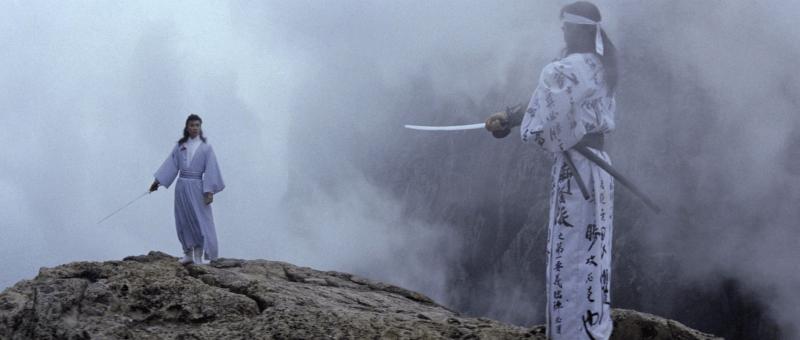
This is obvious right from the high impact opening sequence in which Japanese ninjas raid a Chinese temple to steal “The Lost Manual to Breaking the Swordplay Stances of All Clans.” Obviously, the scroll wasn’t very lost, in fact quite easy to find along with the names of all the martial artists in China which will come in handy later, but right away sets up the Japanese as essentially duplicitous and underhanded. The central drama revolves around a contest held every 10 years between a representative from Japan and China to decide whose martial arts is best, but it’s obvious that the Japanese plan to win by cheating which they attempt at every opportunity. 

This remains largely unknown to earnest swordsman Miyamoto (Norman Chui Siu-keung) who genuinely believes he’s engaging in a test of skills with a worthy opponent. In contrast to that advocated by the Shaolin monks, the philosophy fed to Miyamoto is that he must win at all costs even if it meant turning a sword on Buddha. His own master challenges him in disguise and is pleased when he is killed because it means his pupil has eclipsed him and there is no greater honour than dying at the hands of a superior samurai. Destructive as he maybe, Miyamoto is no villain for he has a pure-hearted attachment to his code only to have his illusions shattered when he realises he’s just a patsy set up for an easy victory by the shogun who has already cut a deal with the contest’s organisers to have his opponent kidnapped so he’ll have to fight the organiser’s daughter instead.

The authorities in China are shown to be duplicitous too, and despite the prevailing Shaolin philosophy it becomes apparent that Hsia-hau, the current guardian of the House of the Holy Sword, cares quite a lot about fame and fortune. Desperate to restore the name of his clan and perhaps irritated not to have had a son, he’s raised his daughter Sing Lam (Flora Cheong-Leen) as a boy but does not seem to fully trust her ability to improve their fortunes despite the supposed gender equality of the jianghu society. Notably, Miyamoto refuses to fight her after realising she is a woman signalling once again the destructive qualities of his code in its rigid misogyny where Ching Wan (Damian Lau), the Chinese challenger, fully accepts her but seems unwilling to let their potential romance disrupt his own commitment to pursuit of his skill.

Like Miyamoto, Ching Wan sees the contest as a means of testing himself yet places no importance on winning or losing. Ching Wan often often comes to Miyamoto’s defence, stating that the Japanese were only acting in accordance with the their national character and they could learn a lot from their perseverance, while Miyamoto too refuses to rise to the bait when Sing Lam remarks that Japan must be a very poor place if the simple dinner they’ve been offered seems like an extravagant feast so it’s understandable that they always seem to be trying to plunder China. Trying to plunder China the shogun most definitely is, or least hoping to dominate it, but all the two martial artists want is the impossibility of a fair fight in a world in which double dealing is the norm and nothing’s quite as it seems. 

The full-on weirdness of Ching’s action sequences underline just how absurd this world is. Ninjas lurk everywhere including in the sand, while during one fight one giant ninja suddenly explodes into lots of tiny little ones. In the opening raid, they use dynamite for suicide attacks and are later seen flying in massive kites. The shogun keeps all the kidnapped martial artists he was planning to take back to Japan to steal their knowledge in a giant spider web-like network of ropes underground, hanging around until the ninjas load them into palanquins. Nevertheless, despite the obviousness of his use of Korean sets standing in for Japan, Ching injects a degree of realism in a painstaking attempt to maintain authenticity in depicting Japanese sword style. Cutting fast and furious with delirious wire work, the most impressive action sequence may well be that of Sing Lam effortlessly setting up a pair of obnoxious Japanese swordsmen. “Why dwell on determining whose martial arts is better?” a monk idly asks, and indeed there is no real answer save a vicious cycle of violence of retribution that remains unfinished even at the nihilistic conclusion. 


Original trailer (English subtitles)
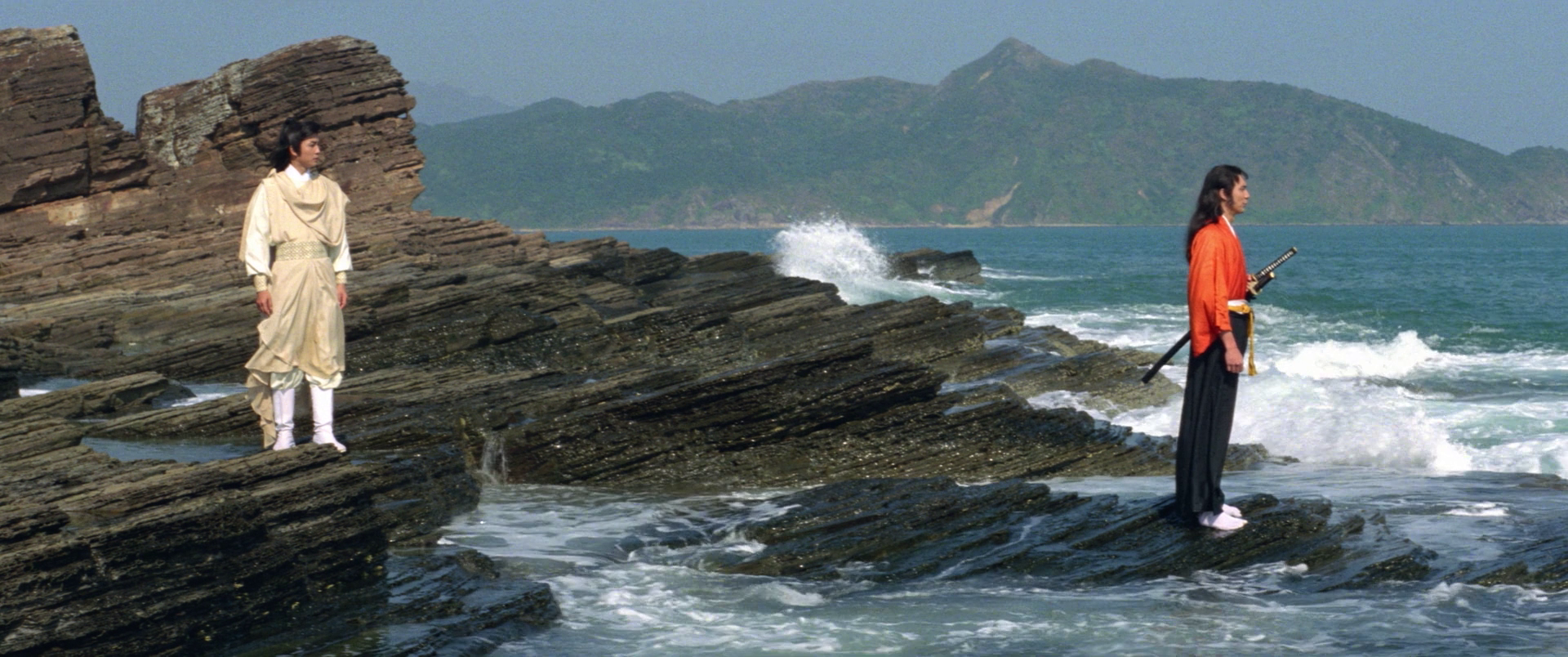
The Last Dance (破·地獄, Anselm Chan, 2024)

When serving the living doesn’t pay, why not make money from the dead? That’s the advice that’s given to former wedding-planner Dominic (Dayo Wong) in Anselm Chan’s touching spiritual drama The Last Dance (破·地獄), but after pivoting towards organising death rituals it’s the living he continues to serve. In many ways, Dominic stands at the borders of life and death, but he’s also an onlooker in a wider debate about tradition and modernity, what we inherit and what we choose to pass on, along with the departing soul of an older Hong Kong as the young flee abroad leaving those who stay behind to carry what may seem to them a burden too heavy to bear alone.

The irony is that though Dominic had been a wedding planner until the economic effects of the coronavirus pandemic killed his business, he is not in fact himself married and according to his long-term girlfriend Jade (Catherine Chau) did not see the point in a marriage certificate. One might infer that if he thought weddings were essentially meaningless exercises in vanity then he might feel the same way about funerals and his initial behaviour after taking over the funeral parlour run by Jade’s ageing Uncle Ming (Paul Chun) might confirm that suspicion. Not only does he start selling tacky trinkets as some kind of funeral favours, but makes a huge faux pas with an ostentatious stunt at his first funeral that causes upset and offence to the family. At the very least, it would have been useful to confirm how the deceased passed away before trawling their instagram account in an attempt to reconstruct their personality.

It’s this kind of insensitivity that irritates intensely grumpy Taoist priest “Hello” Man (Michael Hui) who brands Dominic an “amateur” believing that he’s only obsessed with money and intent on exploiting the grief of bereaved families. But on the other hand, Man is only really interested in the sanctity of ritual and doesn’t get involved with the living nor is he very sensitive to the emotional needs of those in the process of sending off a loved one. His entire life has been in service of the ancestors to the point that it’s soured his relationships with his two children. He has no faith in his son Ben (Chu Pak Hong) to inherit his position as a Taoist priest, while Ben resents being forced to inherit a burden he has no desire to carry. Daughter Yuet (Michelle Wai), perhaps ironically a paramedic, would have happily have carried it, but has endured years of being told that “women are filthy” and is prevented from inheriting these traditions because there is a taboo against women undertaking the role of a Taoist priest. The continual sense of rejection has left her with huge resentment towards her father and resulting low self-esteem that sees her engage in a no strings relationship with a married doctor.

Ultimately the film suggests that these traditions themselves are too large to bear, at least in their entirety, and do nothing more than crush and oppress the young. In part, they embody the spirit of an older Hong Kong which is itself in danger of fading away as seen in Dominic’s innovative new bespoke funeral planning services which to traditionalists might seem like they play fast and loose with ancient ritual, but the resolution that each Dominic and Man come to is that funerals are for those who remain behind and while Man liberates the souls of the dead Dominic does the same for the living in taking a more compassionate approach to dealing with those grieving a loss. Not only does his acceptance of the strange requests of a heartbroken mother (Rosa Maria Velasco) branded a “nutcase” and rejected by the local area bring her a degree of comfort, but his decision to allow what seems to be the same sex partner (Rachel Leung) barred from a funeral service the right to say goodbye albeit in secret demonstrates the necessity of doing right by both the living and dead.

As Man later says, in some ways he’s shown him how to do funerals and awakened him to the ways his oppressiveness in his adherence to tradition has prevented him from being a better father. His decision to wear a western suit for his own funeral might indicate a desire not to take this rigidity into the next world while hoping to liberate his children from the burden of tradition and show them that they were each loved and accepted even if it did not always seem that way. Which is not to say that the tradition should not be saved or that this is itself a funeral for the soul of an older Hong Kong, but only that if you let some of it, such as its inherent sexism, go it will be easier to carry when everyone carries it together. “Living can be hell,” Dominic admits and the funeral is a liberation both for the living and the dead. A touching yet surprisingly lighthearted meditation on life and death, what it comes down to really is that death is coming to us all but there’s no point spending your life worrying about it when you should just try to enjoy the dance until the music stops.


The Last Dance is in UK cinemas from 15th November courtesy of CineAsia.

UK trailer (Traditional Chinese / English subtitles)

Little Red Sweet (紅豆, Vincent Chow, 2024)

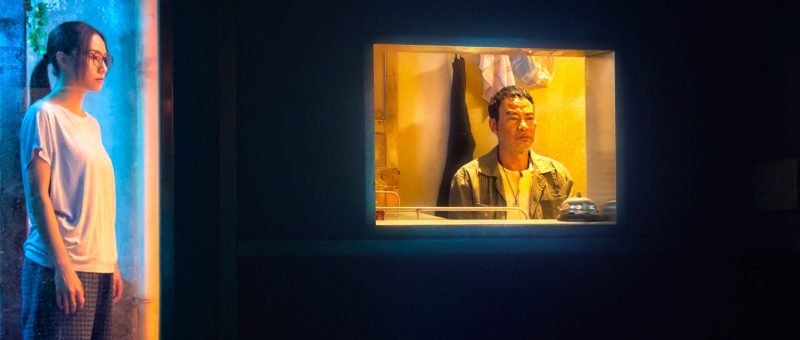
Towards the conclusion of Vincent Chow’s poignant drama Little Red Sweet (紅豆), the heroine says she thinks her family’s sweet soup shop is important because it helps people hang on to memories through food. Like many, May (Stephy Tang) seems to be displaced in a Hong Kong that’s changing all around her while other things stay frustratingly the same from her father’s (Simon Yam) refusal to teach her the family recipe because he wanted to pass the shop onto his son to her brother’s sexist assumptions that the housework is her responsibility while staying home playing games rather than helping in the shop.

Indeed, it’s not until matriarch Lin (Mimi Kung) suffers a stroke that everything she did for the family is thrown into stark relief. It’s clear she did most of the heavy lifting at the shop, especially when it comes to customer interactions which are not May’s father’s forte. He doesn’t speak English and has to fetch Lin when a pair of tourists want to pay. Unable to run the shop alone, he asks his son Boyo (Jeffrey Ngai) to help, but he refuses despite having no other obligations as a cram school student who mainly stays home and plays games. Boyo doesn’t help with the housework either, simply expecting that May will take care of it and him despite his ongoing obnoxiousness. 

Because of his refusal, May finds herself giving up her dream job as an air stewardess to help out in the shop though her father won’t let her near the kitchen and seems as if he’d still ideally like to hand the shop down to his son or perhaps close it for good to free both children from the burden of caring for its legacy. May’s job as an air stewardess may have symbolised her desire for escape but also reflects her rootlessness and sense of displacement. Before her mother was taken ill, she’d suggested using her staff discount to go on a family holiday which would have been their first because her father never wanted to close the shop though it was obviously not to be nor could she repair their familial bonds through her work. Both she and her tentative love interest (Kevin Chu) recall how low the planes seemed to fly when they were children and how distant they seem now reflecting not a broadening of their horizons but the impossibility of escape along with a loss of intimacy and the widening spaces between people.

But as Canadian-Hong Kong travel writer Soar says, it’s the people not the place and it’s the sense of community that May values in the old-fashioned shopping arcade that is inevitably targeted for redevelopment threatening the future of the shop. First trying to resist the march of progress, May eventually starts looking at new spaces but the ones she sees are slick, modern, and devoid of both warmth and character. A journalist who comes to interview May asks her why she wants to carry on a shop selling traditional desserts that might not be so popular among the younger generation but May says that it’s important as they help people hang on to their memories as if she were also talking about an older Hong Kong that is fast disappearing the soul of which lies in the sense of comfort this sweet bean soup provides. Eventually she’s presented with a choice, like many of her generation wondering whether to take her memories somewhere else or stay and try to salvage something from rapidly receding past. 

Her father’s eventual capitulation in agreeing to teach her how to make the family’s iconic sweet red bean soup is akin to a baton being passed, but also a sign of progress in accepting her as his heir rather than insisting on the feckless Boyo whom he also takes to task for his reluctance to look after himself and assumption that it’s his sister’s job to cook and clean for him. Though perhaps bittersweet, there is indeed something poignant in May’s determination to remake a home in a shrinking Hong Kong where community matters and kindnesses are repaid with interest years after they’d seemingly been forgotten. As Soar had said, it’s the people not the place or in another sense perhaps it amounts to the same thing and the taste of home you only find in the warming sweetness of red bean soup.


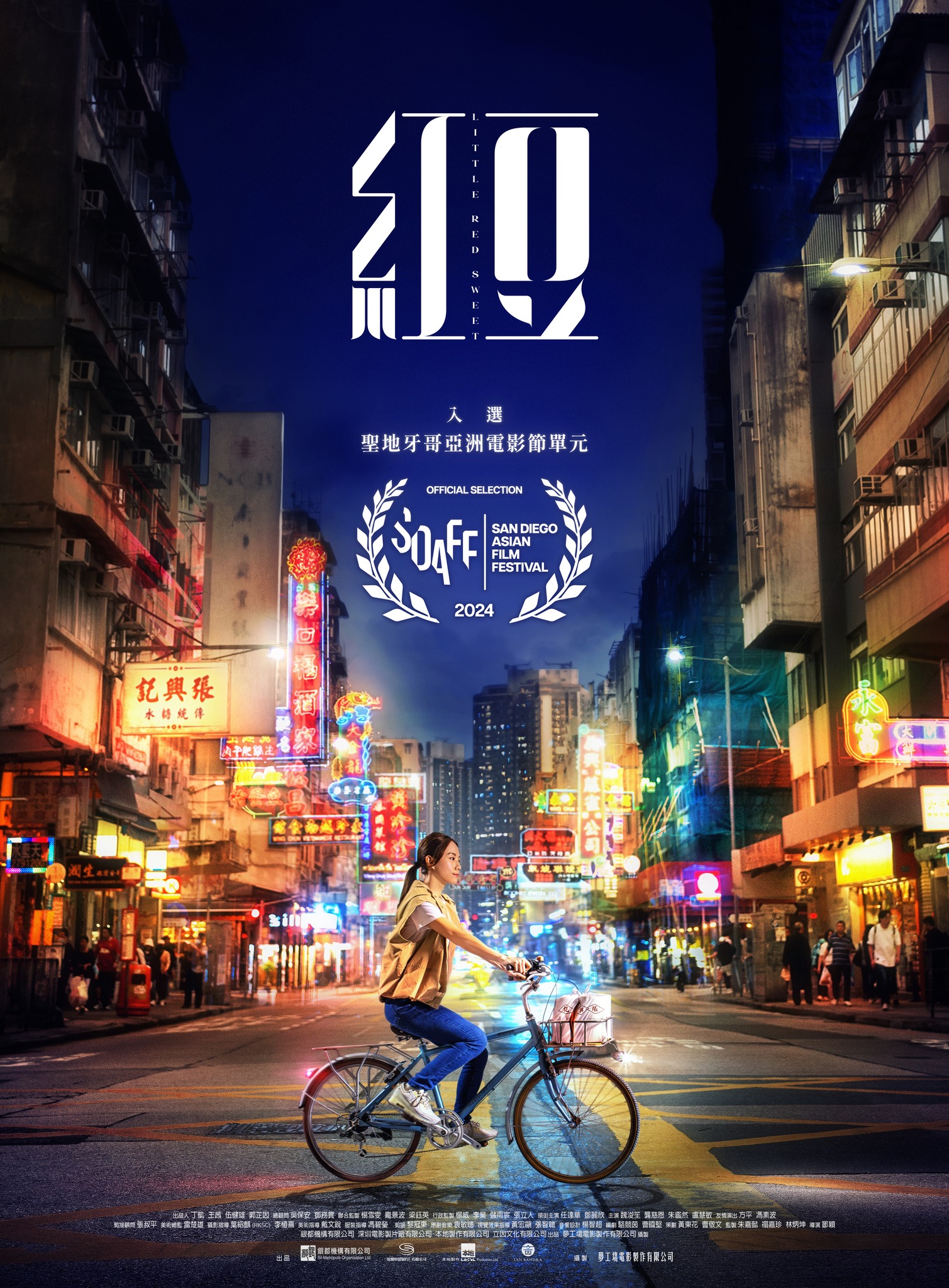
Little Red Sweet screens Nov. 8/11 as part of this year’s San Diego Asian Film Festival.

Original trailer (no subtitles)

The Eighth Happiness (八星報喜, Johnnie To, 1988)

A literal series of crossed wires provoke romantic intrigue for three eccentric brothers in Johnnie To’s smash hit Cinema City Lunar New Year comedy, The Eighth Happiness (八星報喜). As so often in To’s subsequent films, a random instance of fatalistic chance changes each of brothers’ lives though not perhaps permanently as the surprisingly ironic coda makes plain. Even so, their parallel quests for love of one kind or another perhaps tell us something about the changing Hong Kong society in the midst of rising economic prosperity and looming Handover anxiety. 

Seemingly without parents, the three Fong brothers live together in a well-appointed multi-level home owned by oldest sibling Fai (Raymond Wong Pak-ming) who hosts a daytime television program titled Mainly Housewives which includes a cookery/agony aunt segment in which he attempts to solve someone’s relationship problems through food. As in many of Raymond Wong’s other roles in Cinema City comedies, Fai is feminised throughout not only in acting as the “mother” of the family preparing all the meals at home but also in his single status and the focus of his television show which nevertheless intros him with the James Bond theme. 

Second brother Long (Chow Yun-fat), meanwhile, actively camps it up claiming that he pretends to be gay in order to get girls after lulling them into a false sense of security. Despite being engaged to air hostess Piu Hung (Carol Cheng Yu Ling), he has a side mission going to sleep with a woman from each of Hong Kong’s 19 districts and is a relentless Casanova striking up an affair with unexpectedly chaotic department store assistant “Beautiful” (Cherie Chung Chor-hung). Youngest brother Sang (Jacky Cheung Hok-yau), meanwhile, is a painfully shy aspiring cartoonist who becomes an accidental white knight to a young woman caught up in a bizarre flashing incident in the local park only to be mistaken for the culprit himself. 

Each of the brothers is offered a new romantic possibility because of a telephone malfunction caused by an elderly lady driver forgetting her glasses and ploughing through local works mangling the lines. Sang is reunited with Ying Ying (and her martial arts champion swordsman mother) after overhearing a suicide attempt but ending up at her apartment by mistake, thereafter finding himself facing a challenge of masculinity on discovering that she already has a very buff and macho boyfriend who in his own way also seems jealous and insecure. Meanwhile, Long overhears a conversation between Beautiful and a colleague at the store about their ideal men, entering into passive aggressive courtship while discovering that her boyfriend is fabulously wealthy (or, at least, his father is) leading to a standoff in which he ends up proving his masculinity by burning money he doesn’t really have, smashing his own cheapo watch to intimidate the other guy into destroying his diamond Rolex, and then trashing the car he borrowed from Fai to expose the fact the other guy isn’t really wealthy or man enough to do the same because at the end of the day it’s his father’s money and he’s not so rich that these very expensive status symbols mean little to him. 

Fai meanwhile has a much more normal romance which is disrupted, mostly, by his brothers’ chaos and then near destroyed rather than forged through a misdirected phone call. After Long trashes his car, he asks Sang for the number for a repair guy but instead gets through to Fong (Fung Bo Bo) whose musician husband has just walked out on her seconds before which is why she’s quite rude to him on the phone, slamming the receiver down the second time he rings. Annoyed on a personal level Fai asks Long to troll her by ringing up at 3am every night causing her to injure her ankle and later fall on stage during a Cantonese opera performance. Then he ends up meeting her by chance in real life when she ends up buying the last of his favourite biscuits at a local cafe, only to discover she’s his interview for that day’s show where she’s supposed to talk about her art but finds his face so funny she can’t stop laughing. Had it not been for business with the telephone harassment they might have had a conventional romance, but the further machinations of the chaotic brothers soon convince her that Fai is not a reliable life partner. 

To convince her he’s really a good guy, Fai undertakes a grand gesture making himself the focus of his culinary/agony item by cooking up the spiciest soup imaginable and drinking it on live TV to atone but such a meaningless feat does nothing for Fong who doubtless is over romantic stunts and looking for something more concrete. Long’s grand gesture, by contrast, fares much better as he chases Piu Hung to a fancy hotel and makes a scene from the other side of the glass before falling in the pool while trying desperately to save an engagement ring while suddenly on the back foot after she learns about his philandering. Fai is only able to redeem himself through artifice, he and Fong signing through their romantic drama while performing Cantonese opera surrounded by the brothers and their girls trying at least to support him in his own romantic endeavour which their chaos has largely undermined. 

It’s another cosmic irony therefore that whereas the chaos of the misdirected telephone calls earns both Sang and Long everything they wanted in both career and romantic success, Fai who generally does the right thing ultimately loses out through another chaotic development while even Beautiful apparently achieves her dreams. Despite his earlier protestations during get phone call that Hong Kong was beautiful and there was no need to leave, Song and Ying Ying decide to travel the world perhaps expressing a degree of anxiety in pre-Handover Hong Kong, while Long is left with internalised anxiety over his new role as husband and father, and Fai is back pretty much where he started. A typical Lunar New Year nonsense comedy, there’s no disputing that much of the humour in The Eighth Happiness is of its time, but there is something of To’s later obsessions with comic fate and romantic farce that transcends Raymond Wong & Philip Cheng’s Cinema City silliness. 


Trailer (no subtitles)

The Way We Talk (看我今天怎麼說, Adam Wong Sau-Ping, 2024)

In the opening scenes of Adam Wong’s The Way We Talk (看我今天怎麼說), deaf children are being taught in a specialist school but are prohibited from using sign language to communicate with each other. The teacher, who does not sign, reprimands them severely insisting that they must speak to her. Her harsh and authoritarian approach is akin to that taken by colonialising authorities insisting that children must speak their language in an attempt to wipe out that which is spoken in their homes and among their families in a concerted attempt to weaken the bonds of their communities. The teacher claims she’s doing this for their own good, as do some of the children’s parents, because they believe that they will not be able to live “normal” lives if they cannot speak and that signing weakens their ability to do so. 

Of course, this is also motivated by internalised ableism and the stigma surrounding disability. Bella lost her hearing following a childhood illness and received a cochlear implant at an early age. Her mother did not want her to learn sign language because she believed doing so would set her back but instead forced her to listen to lines from television dramas multiple times, beating her with a coat hanger when she failed to repeat them with perfect pronunciation. Her prejudice is later exposed when she discovers that Bella has begun learning to sign as an adult, asking her if she wants to be like “one of those deaf people”. 

Bella had internalised a degree of this stigma herself, receiving financial aid as a kind of poster girl for an organisation promoting cochlear implants for whom she gives what is an incredibly insensitive speech in which she remarks that she believes that thanks to technology like this there will one day be no more deaf people in the world. Later she tries to use the sign language she’s learned in one of their videos but is quickly told off. The way the videos are framed presents the use of cochlear implants as a path towards a “normal” life, the point being that wearers could communicate in a way they describe as “normal”. If they were also signing it would imply that implants didn’t work and people wouldn’t buy them. In a later and even more insensitive ad, Bella is pictured with a caption that says the implants restore “joy and colour” to the wearer’s world as if the lives of deaf people were somehow colourless or devoid of joy.

It’s being called out for these unexamined views that gives Bella pause for thought on encountering Wolf, a tempestuous young man who refused a cochlear implant and is determined to preserve the existence of sign language which is after all his mother tongue. Wolf is frustrated by the march of technology. At Bella’s conference, he’s annoyed by the organisers who tell him they’ve cancelled the sign language interpreter because the captioning machine is good enough while appearing indifferent to his objection that they’ve removed the ability for a deaf person to ask a question. He isn’t against the use of cochlear implants for those who want them, like his friend Alan, but is also determined to preserve deaf culture through the preservation of sign language. 

Alan, meanwhile, has swung in the opposite direction and agrees that speech is essential for integration into mainstream society without really considering that it’s the society that should change to become more inclusive rather than forcing everyone to conform with it. Having been repeatedly turned down for employment, ironically in one case at least because she didn’t know sign language, Bella begins to feel that her dream of becoming an actuary is eternally out of reach. Though she’s secured a job at a high profile company, she feels as if she’s a diversity hire, essentially exploited while the company uses her to improve their image as a caring employer but only ever has her doing busy work as if they don’t trust her with anything important. Her mother had always pushed her to be “normal”, as if her deafness were something shameful to be concealed but it becomes clear that living this way places her under a lot of pressure while she may be more comfortable with communicating through sign language which affords her the freedom to express herself without constraint.

Crucially, the point is that Bella should have the choice to use whichever communication style she likes or all of them together rather than being pushed towards that which best suits a hearing society. Those in charge of decision making often claim they’re acting in the interests of inclusivity, but more often than not their decisions are influenced by a desire to cut costs such as relying on AI captions rather than paying an interpreter. Wolf’s dream of becoming a diving instructor is dealt a blow when the Hong Kong diving agency refuses to allow him to take the exam without a qualified deaf diver to interpret, only there obviously aren’t any because they’d all have been in the same position. With a gentle empathy, Wong exposes the petty prejudices of the hearing society but equally reveals the path towards the claiming of an identity among a strong and vibrant community.


The Way We Talk screened as part of this year’s BFI London Film Festival.

Original trailer (English subtitles)
Stuntman (武替道, Herbert Leung & Albert Leung, 2024)

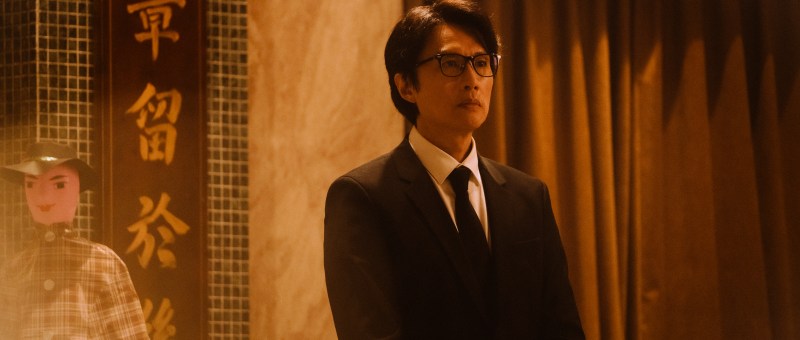
No matter how good a film is, it’s never worth risking someone’s life. Intellectually, “heartless” action choreographer Sam knows that, but once the camera’s rolling all he seems to see is the take and it’s win at all costs. An homage to the glory days of Hong Kong cinema when no one had ever heard the words health and safety, Herbert Leung & Albert Leung’s Stuntman (武替道) is in its way a paean for those who risked their lives for our entertainment but also for a fading Hong Kong which has the film seems to argue lost it’s bite and become rather defeatist if not docile. 

Those around Sam, played by real life action choreographer Tung Wai, seem to be convinced that “Hong Kong cinema is dead,” largely because, for very good reason, it’s no longer possible to make the kind of films they did back then with crazy, death-defying stunts and visceral action sequences. The opening scenes of the film, set in the mid-1990s, find Sam filming what appears to be a Police Story-style chase through a shopping mall that is supposed to end with a stuntman stand-in jumping from a bridge onto a moving car to catch the bad guy. The stuntman, Wai, is young and experienced so he doesn’t make the jump at which point Sam yells at him and asks his assistant, Kam, to to do it instead. But everything that could go wrong does and Kam is seriously injured because of Sam’s singleminded stubbornness in refusing to film the sequence with a cut which would obviously make it safer even if he argues less exciting. 

Sam evidently does feel a degree of guilt for this, especially as it later has other consequences for his personal life, and retreats from the film industry to run a bone setting clinic with posters for classic Hong Kong films on the wall. It’s a reverence for this bygone era that enables him to bond with Long (Terrance Lau Chun-him), a younger and more modern kind of stuntman who isn’t necessarily afraid of taking risks but understands the importance of on-set safety. Long can’t catch a break with demand for stuntmen falling rapidly precisely because of the concurrent decline of action cinema while his brother keeps pressuring him to give up his dreams and join his logistics company instead. It’s Kit’s delivery firm that becomes an accidental villain representing a Hong Kong that’s lost it’s nerve and is determined to play it safe while Sam’s recklessness perhaps represents the opposite, a dangerous desire to risk it all without considering the consequences for those around him.

But as he’s fond of saying, there’s always a way. It doesn’t have to be either or. The film seems to say, Hong Kong cinema isn’t dead, but now it belongs to those like Long to lead in new directions, modernising rather than fading away and taking the best of the past with it while leaving the more problematic elements behind. Originally swayed by Sam’s charisma, Long is somewhat horrified when he’s confronted with the consequences of his old school approach to filmmaking which includes going guerrilla style in the street without paying for permits with the consequence not only of police with real guns getting involved but innocent civilians trying to go about their day getting caught up in their fake robbery, becoming frightened and even injured in the ensuing panic. 

Meanwhile, he teaches old dog Sam a few new tricks in that being deliberately unpleasant is no longer the way to exert authority on set while ordering takeaway for everyone is a nice gesture that reminds them you’re all part of a team. As much as Long is a kind of surrogate son for Sam, he’s also reminded that there are some relationships that can’t ever really be fully repaired even if it’s not too late to try to remake them. His pain on seeing his soon-to-be-married daughter’s (Cecilia Choi Sze-wan) step-father taking pride of place at the wedding is palpable, but in the end he realises he’ll never really change because he’s a relic of an older Hong Kong unable to move forward into this new era. “No matter how strong the wind, keep the flame alive,” he tells Long talking both about the Spirit of Hong Kong and its cinema while in a flashback sequence reminding his young daughter that the fireworks will forever glow in her heart. Lent a degree of pathos by Tung Wai’s impassioned performance, the film is a true homage to classic Hong Kong action while also insisting that there’s always a way and it’s never too late to reclaim something of what’s been lost.


Stuntman opens in UK cinemas 11th October courtesy of CineAsia

UK trailer (English subtitles)
The Big Heat (城巿特警, Andrew Kam & Johnnie To, 1988)

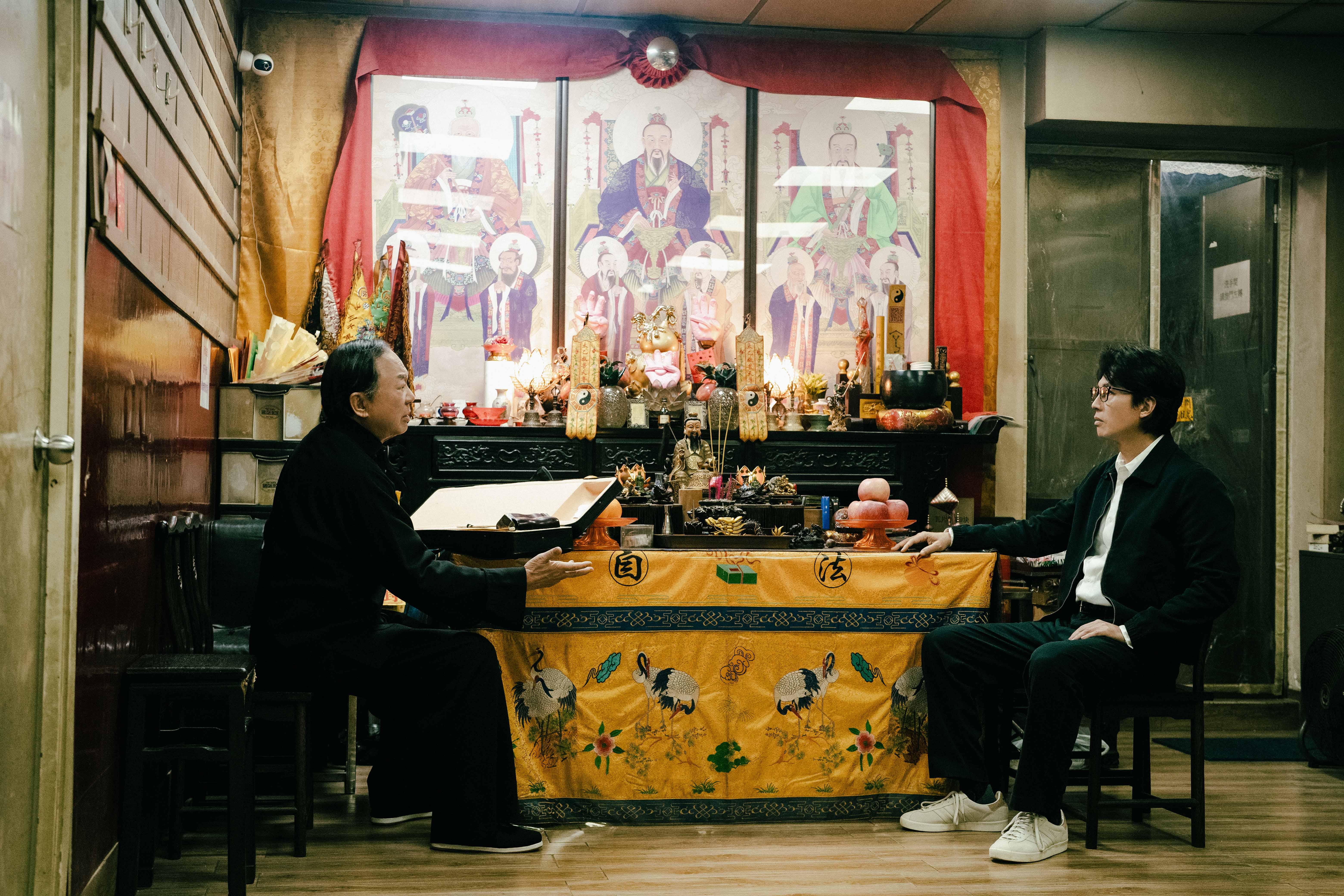
A Hong Kong cop struggles with his sense of responsibility when faced with the fatalistic existential threat of the imminent Handover in Johnnie To’s first foray into the genre with which he would later become most closely associated outside of Hong Kong, the action crime drama. After a handful of Cinema City comedies, To is credited as a co-director along with Andrew Kam Yeung Wah though the production of The Big Heat (城巿特警), loosely inspired by the Fritz Lang film of the same name, was notoriously complicated passing through several hands over its unusually long gestation of almost two years, according to an interview with screenwriter Gordon Chan Kar-Seung, with producer Tsui Hark also heavily involved in the shooting. 

Tsui’s involvement is apparently responsible for the unusual level of explicit violence more usually found in horror exploitation rather than gangster noir, though there is perhaps something in the constant bodily destruction that aligns with the pre-Handover setting in which the “big heat” hanging over the city is an increasing existential panic which has created the maddening environment in which this surreal violence can occur as revealed in the opening dream sequence which features a drill piercing a man’s hand with small pieces of flesh speeding off it. The dream will turn out to be a prophecy foreshadowing the final shootout in which Inspector Wong (Waise Lee Chi-Hung) is shot thought the hand though at this point it signals both a psychological and physical fracturing. Owing to a neurological condition, Wong has lost full control over his right hand which leads him to question his ability to protect his city if he is unable to pull the trigger when needed which might also explain why he is frequently seen practicing his marksmanship at the firing range. 

Because of this anxiety, Wong had planned to resign but changes his mind on learning that his former partner who sustained an injury that Wong felt himself responsible for has been brutally murdered by Hong Kong gangsters in Malaysia after coming across a secret folder “by chance” containing photos used to blackmail a shipping magnate over his his homosexuality and an incriminating invoice. To do the right thing, Wong also temporarily breaks up with his forensic scientist girlfriend Maggie (Betty Mak Chui-Han) whom he was due to marry in a fortnight’s time suggesting that they not see each other until he’s solved his friend’s murder and then presumably plans to retire from law enforcement. 

Essentially, he deprioritises his personal, romantic relationships in favour of the homosocial brotherhood of the police both avenging his friend and dedicating himself to protecting Hong Kong from an oncoming threat represented by gangster Han (Paul Chu Kong) who is later revealed to be in cahoots with Russian mafia who ironically have a large portrait of Lenin on their boat and hammer and sickle flags everywhere while vowing to continue “selling drugs and capitalism” in the seemingly lawless environment of pre-Handover Hong Kong where everyone apparently wants to make enough money to be able to leave if the situation declines, “communist” Russians perhaps standing in for looming Mainland authoritarianism. Han even offers to sell “everything including Hong Kong” passing a list of names of “important people in the government” he apparently has access to in vast network of corruption. “Cheers to 1997” they ironically toast for their burgeoning business opportunity. 

It’s this corruption that is the source of Wong’s anxiety, fearing he doesn’t have the strength to stop it while his compromised hand is a symbol of both fate and an impotence that is later exorcised when he receives the corresponding physical injury yet is saved by a crucifix necklace that previously belonged to his girlfriend while in another instance of foreshadowing the corrupt policeman is eventually taken out by his own malfunctioning gun backfiring just like that which ruined an assailant’s hand in the drug bust in which Wong’s partner was injured. Having regained mastery over his hand, Wong is therefore more assured in his ability to protect Hong Kong from whatever it is that’s coming remaining within the police force while those who pay the heaviest price are an idealistic young rookie unable to adapt to the morally compromised world of pre-Handover Hong Kong, and Wong’s fiancée who becomes a symbol of that which he could not protect having prioritised his role as a police officer. Though somewhat disjointed having passed through so many hands, there are some typically To flourishes in the fluidity of the camerawork in the early stretches along with a gloomy romanticism in the fatalistic noir of the pre-Handover society even as he continues to find his feet as a purveyor of moody policier. 


Trailer (no subtitles)

Snow in Midsummer (五月雪, Chong Keat-Aun, 2023)

How should you deal with the traumatic past? In Chong Keat-Aun’s Snow in Midsummer (五月雪) it becomes clear that this past has not been dealt with and that its heroine has been living in a kind of limbo unable to move fully forward with her life in the constant search to discover what happened to her father and brother during the 513 Incident in 1969. The first act devotes itself to the slowly unfolding horror of the massacre which erupted shortly after a general election during which a number of smaller parties affiliated with the Chinese community had begun to gain ground from the Malay-dominated Alliance Party. 

Bullied by her classmates as a Chinese student in a Malay school, Ah Eng spends the night of the massacre hiding in the backstage area of a Cantonese opera troupe as if in a literal act of taking refuge in fantasy. The film’s title alludes to the famous Cantonese opera Snow in Midsummer, actually “Snow in June” here retitled as “Snow in May”. The play’s theme is injustice as its heroine is condemned to die for a crime she didn’t commit, someone remarking that the gods must be outraged to provoke such an aberration of the natural order as snow in the height of summer. The ageing leader of the opera troupe ventures out during the incident in search her friends and relatives who had gone to the local cinema. Unable to open the door, she climbs onto the roof and sings a lament decrying the bloodshed and her own cruel fate as she watches the city burn beneath her. 

A similar lament is sung 49 years later in a graveyard we’re told is set to be “redeveloped”. The opera troupe had performed here for the dead during the intervening years, but in an event echoing that of 1969 are challenged by authorities asking if they have permits. That was in the past, they’re told, this is now and their performance causes a disturbance to a mosque which has recently been built close to the site. In a touch of irony, the taxi driver who brings the middle-aged Ah Eng to the cemetery asks her if she’s going to the leprosy hospital remarking that the Chinese community usually refuse to go anywhere near it. Each of the headstones, many of which read simply “unknown Chinese”, is marked “courtesy of the Malaysian government”, but it’s clear that this site was chosen because of its remoteness for similar reasons to the leper colony because they did not really want to address what had happened in any meaningful way.

That Ah Eng returns 49 years later hints at spiritual echoes of cycles of rebirth, but Ah Eng has lives her whole life in limbo haunted by the impossibility of discovering the resting place of her father and brother. Her father had refused to take her to the cinema, leaving her and her mother to watch the opera alone in echoes of the patriarchal oppression she continues to face as a middle-aged woman whose husband reacts with violence and anger simply because he suspects she intends to return to Kuala Lumpur to mourn her loss. Her sister-in-law gives her a lift to the station, but insists on being called by her Chinese name revealing that’s divorced her Muslim husband and intends to move to Australia with her child. On her arrival in the city, Ah Eng passes by the former sit of the Majestic Theatre which is now a fancy hotel with the same name in a very changed city. Her former Malay school is now Chinese but has a stand outside it selling Islamic food where the Cantonese opera troupe discuss their visit to the cemetery. 

“The past is dream,” the old woman sings to the grave echoing the surreality that runs through Chong Keat-Aun’s vision of the past as a man rides his elephant through the streets and lives the tale of a king forced to drink the Sultan’s foot water as a symbol of his subjugation, while others at the theatre are sold of a tale of a king with a quite literal bloodlust sustaining himself on the suffering of his subjects. A melancholy contemplation on lingering trauma, loss, and memory Chong Keat-Aun ends with a poignant image of comfort and catharsis but one is which is forever haunted by an intangible past and the wandering, unseen ghosts of buried injustice. 


Snow in Midsummer screens as part of this year’s Taiwan Film Festival in Australia.

Trailer (Traditional Chinese / English subtitles)