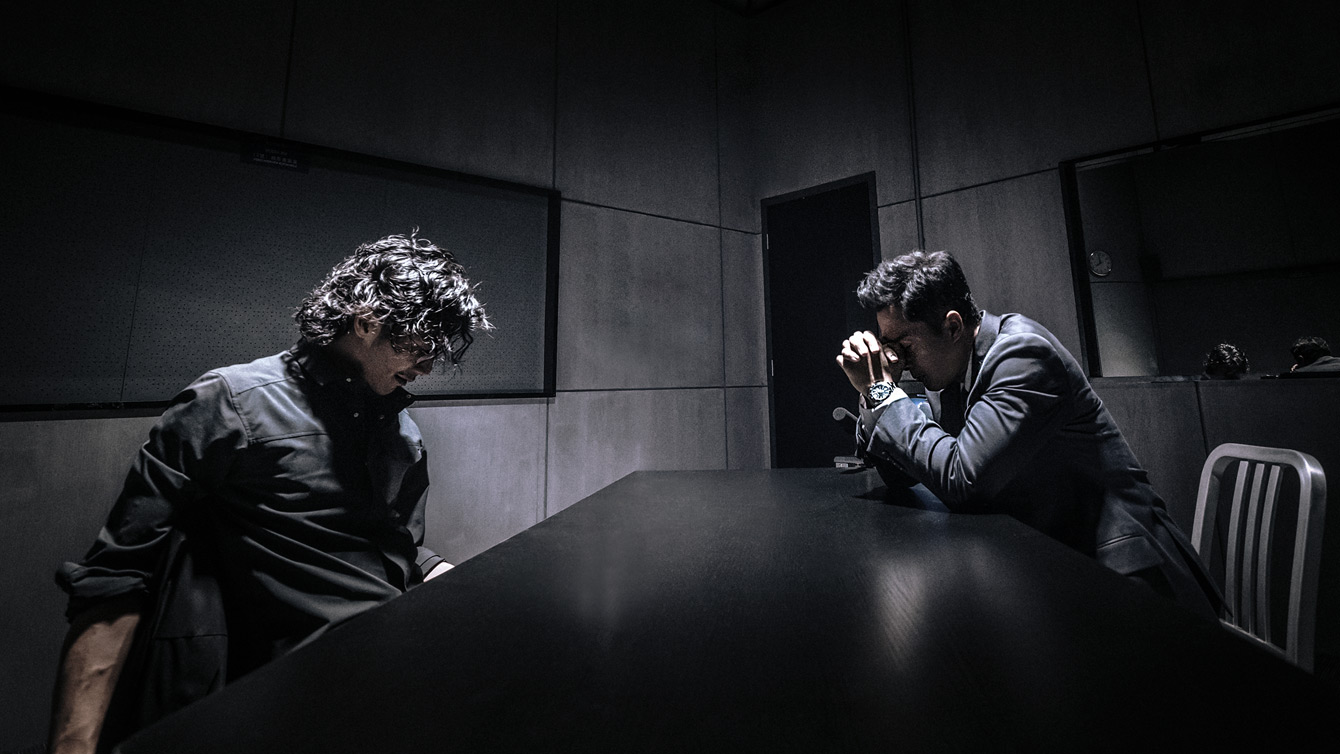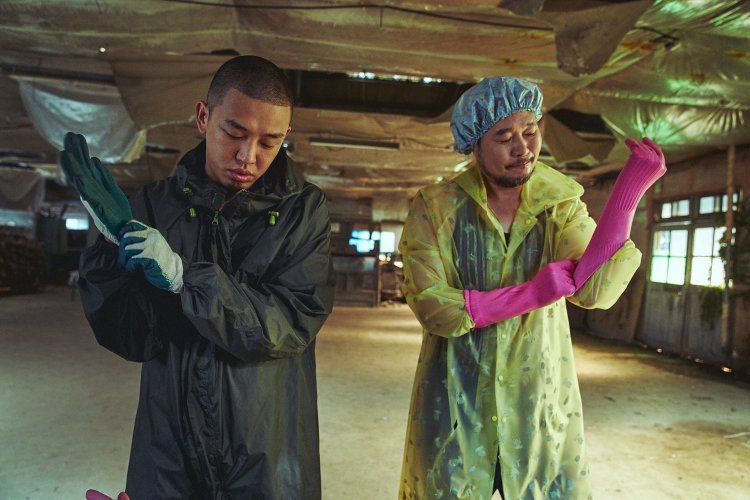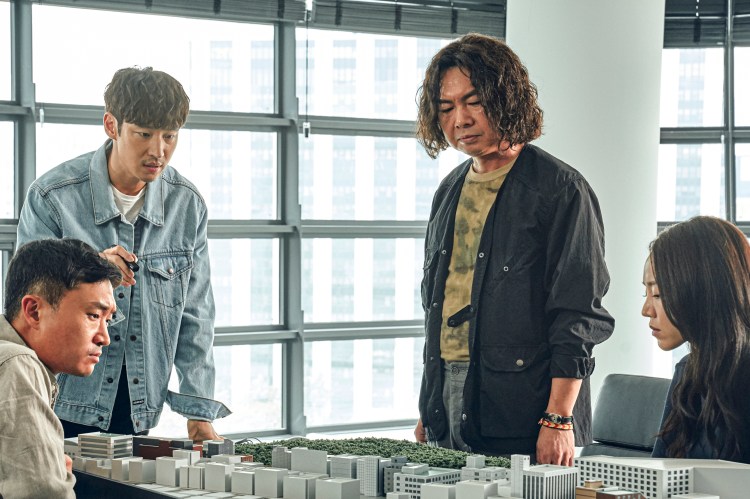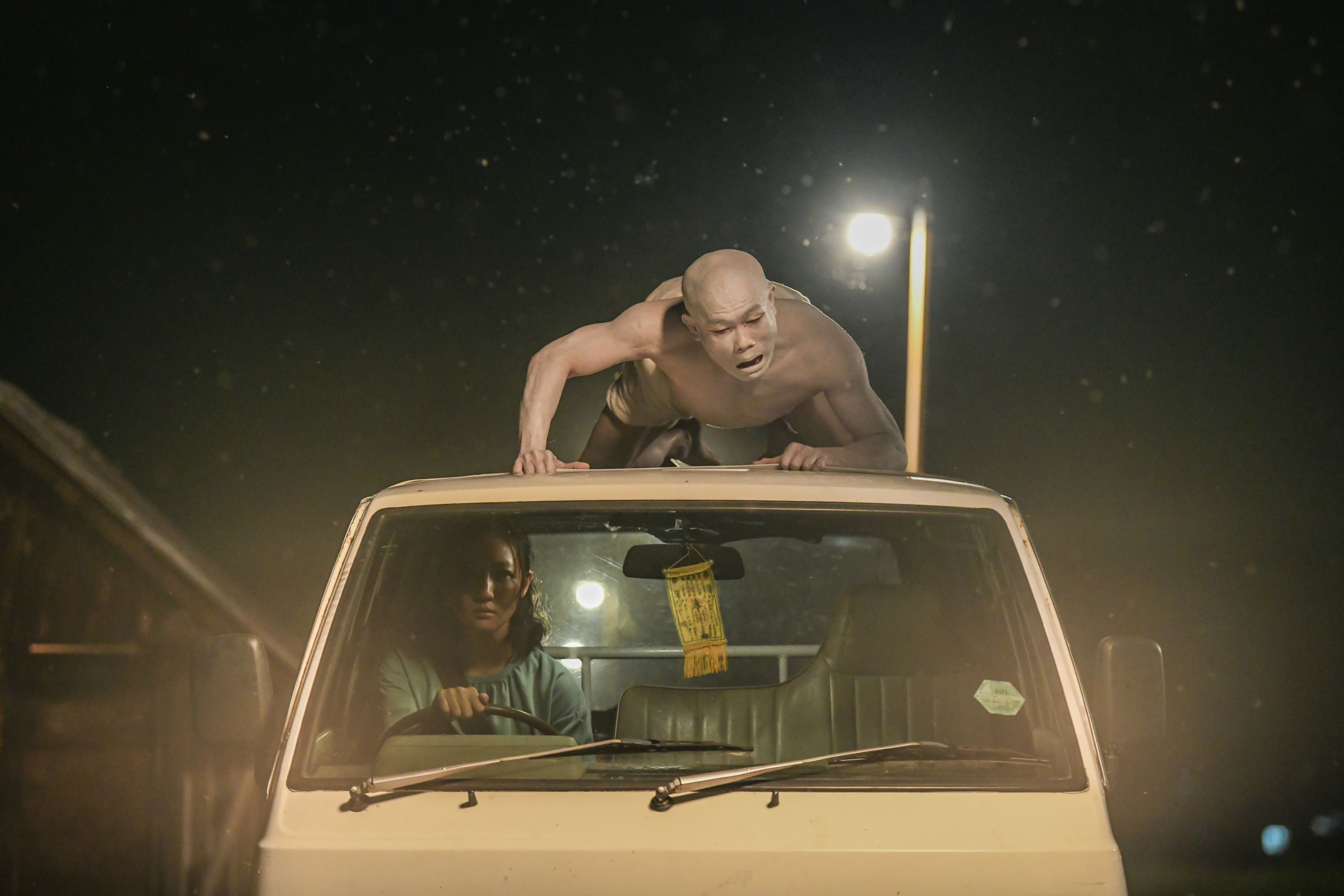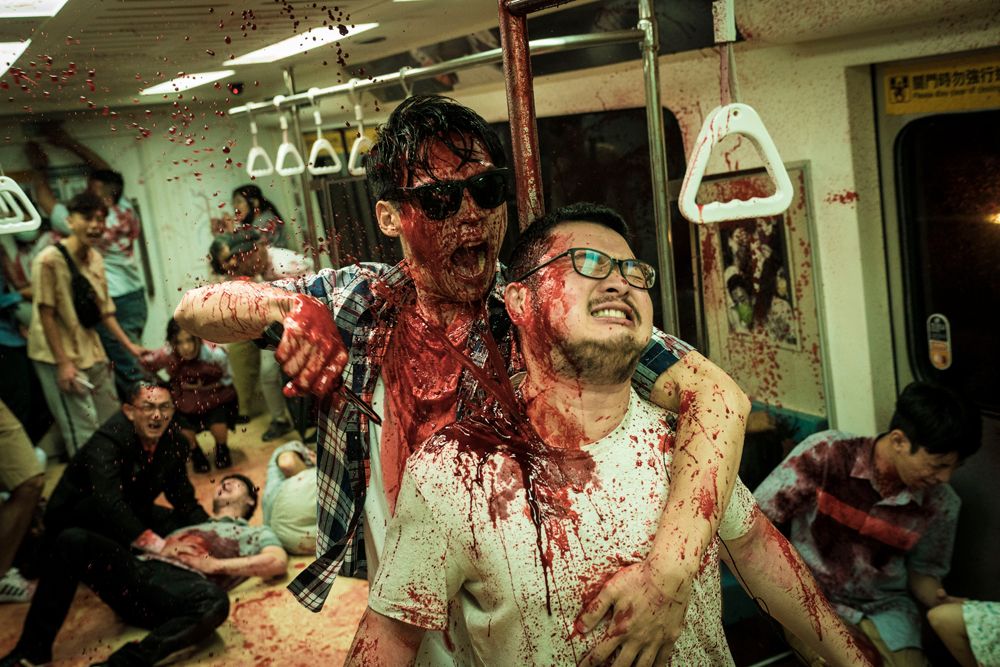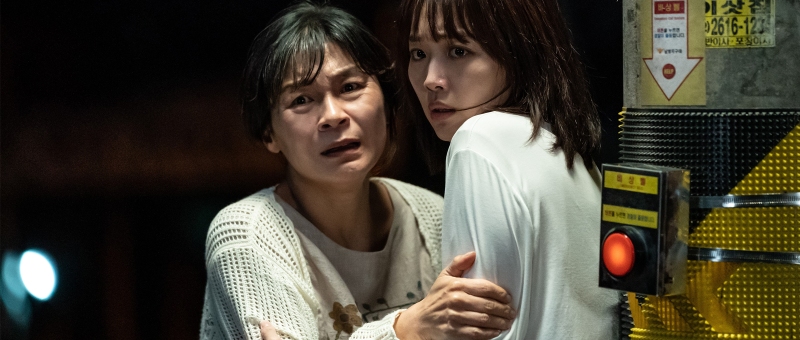
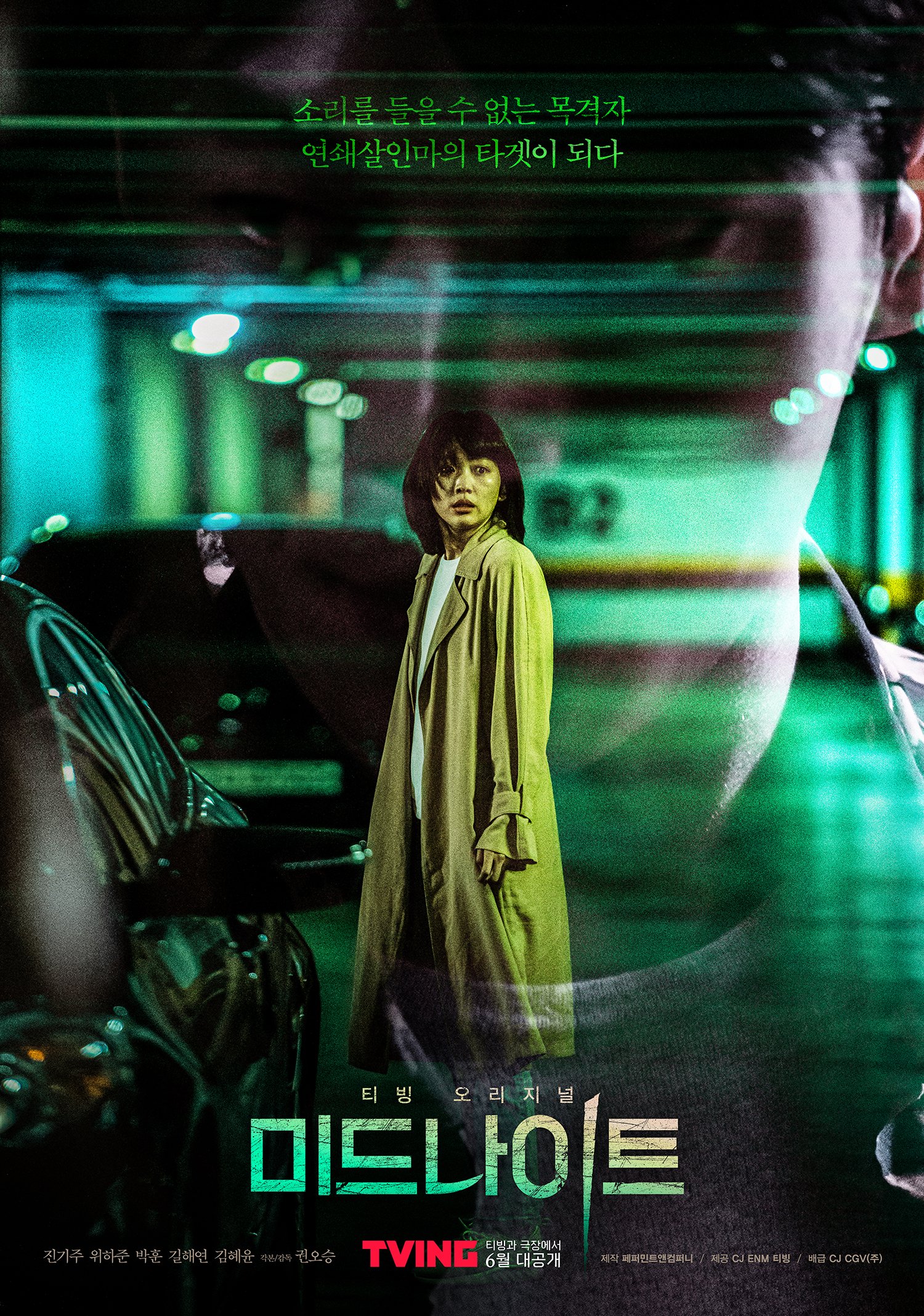
Midnight (미드나이트, Kwon Oh-seung, 2021) [Fantasia 2021]

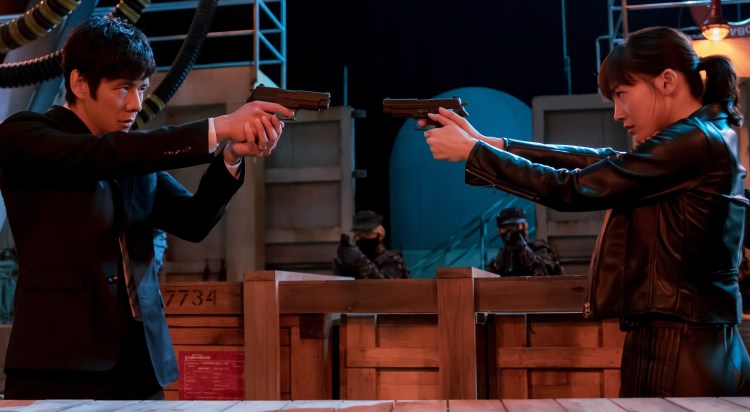
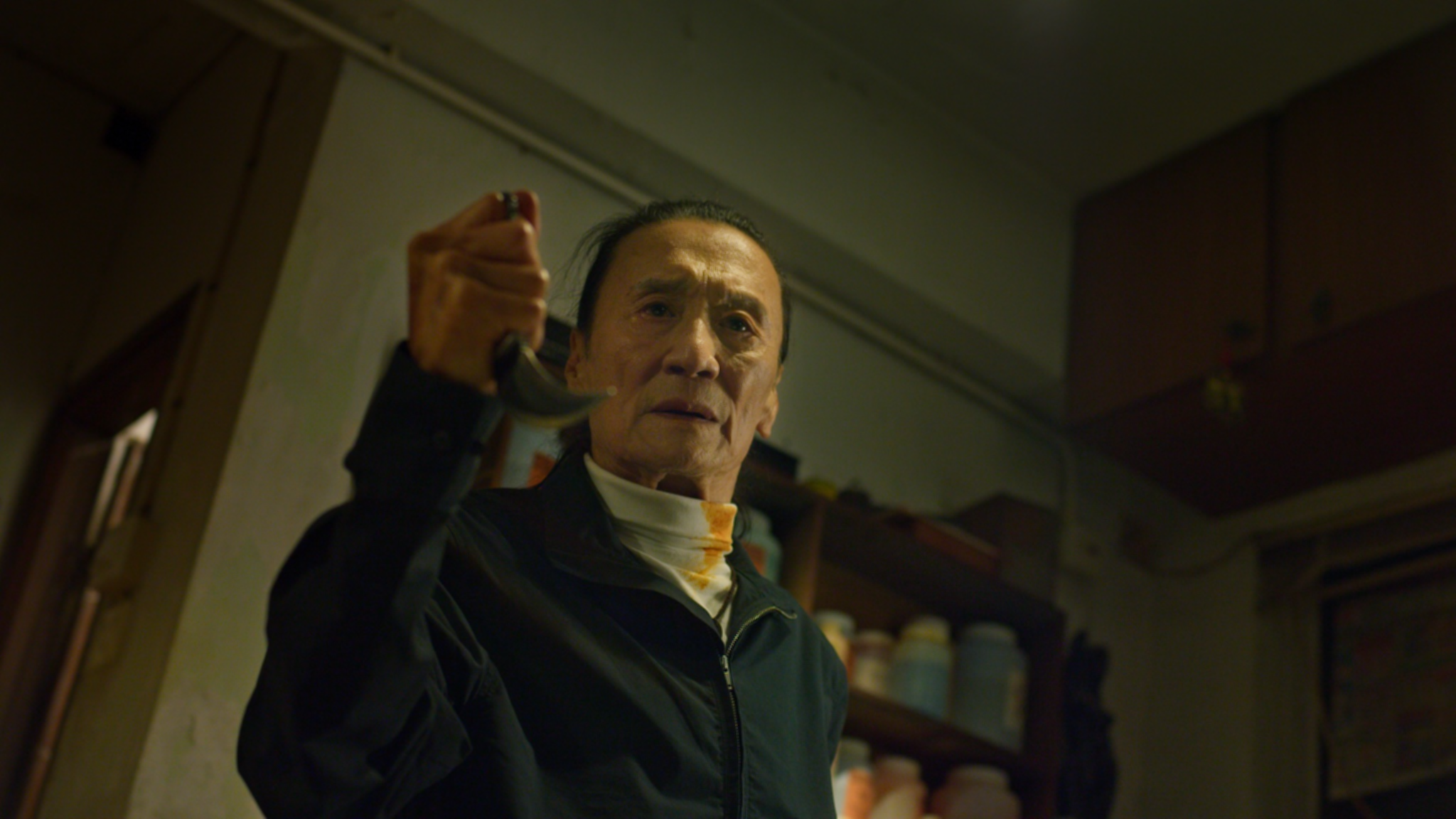
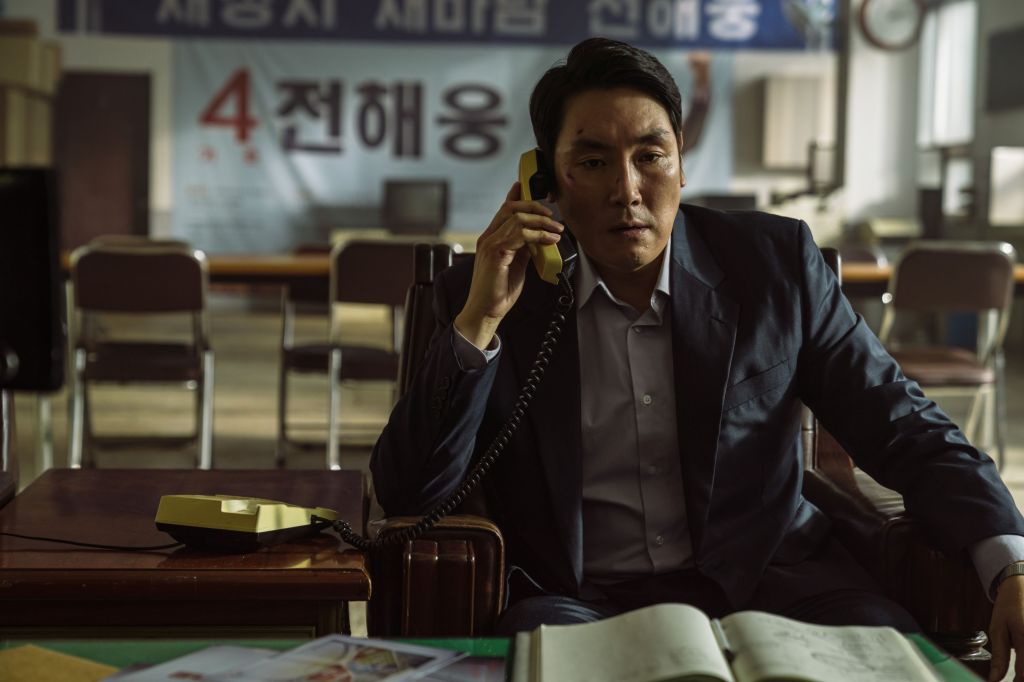
Turns out, if you want to get away with murder in South Korea all you need to do is remain polite, put on a regular business suit, and carry a fancy briefcase. Three women find themselves pursued by the walking embodiment of destructive patriarchy in Kwon Oh-seung’s extraordinarily tense serial killer thriller Midnight (미드나이트) in which a creepy night stalker exploits male privilege and societal prejudice while relentlessly pursuing his prey through the darkened streets of Seoul. 

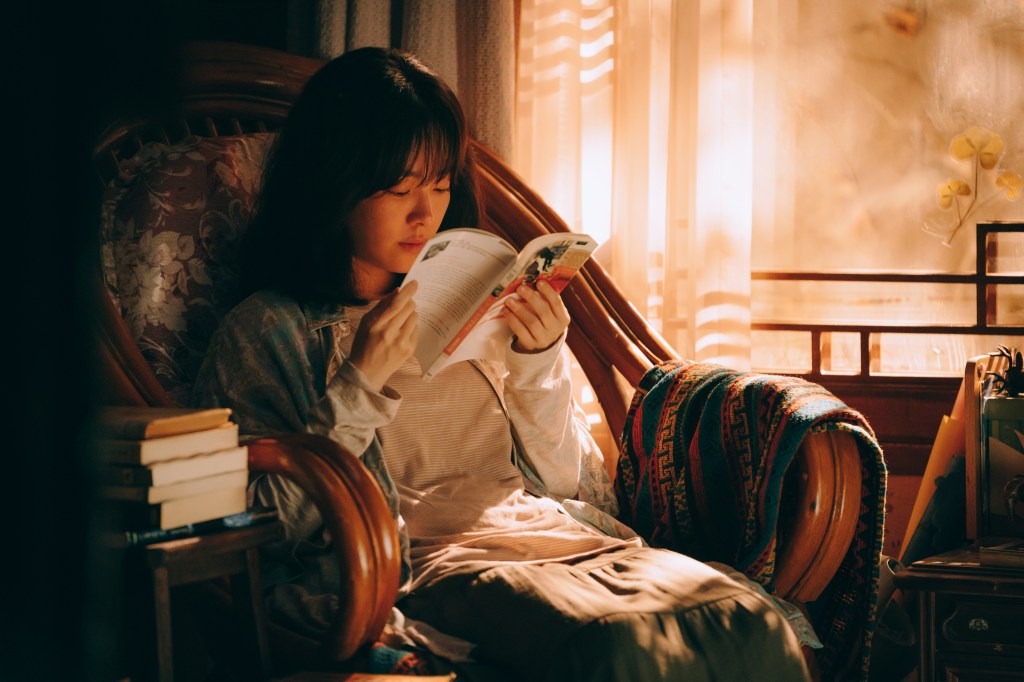
Our heroine, Kyung-mi (Jin Ki-joo), is a deaf woman working as a customer service representative for the “Care for You” call centre catering to callers who require sign language assistance. The company, however, is not especially caring and makes little effort to include Kyung-mi in office life, leaving her feeling left out and excluded. She attempts to bring this up with her boss when some of the other women complain about being forced to attend an after hours drinking party to entertain clients, but is greeted only with grudging acceptance. At the dinner, meanwhile, the boorish male guests make lewd comments about her appearance assuming she can’t hear them, though she can of course lipread and returns in kind by insulting them in sign language. To get over her sense of discomfort she dreams of travelling to Jeju island for a relaxing beach holiday with her mother (Gil Hae-yeon) who is also deaf. 

Across town, meanwhile, 20-something So-jung (Kim Hye-yoon) is arguing with her security guard brother Jung-tak (Park Hoon) about her outfit for an upcoming blind date. Jung-talk sets a 9pm curfew he later increases to 10 which seems at best over protective, though as it turns out he’s right to worry as not long after 10pm when So-jung is almost home she’s nabbed by vicious serial killer Do-sik (Wi Ha-joon), stabbed, and left in an alley where she manages to attract the attention of a passing Kyung-mi by throwing her white stilettos into the road. In her effort to help, Kyung-mi unwittingly becomes a target for the crazed axe murderer who continues to pursue her despite having ascertained that she cannot identify him. 

Do-sik manages to get away with his crimes by adopting the non-threatening persona of a mild-mannered office worker, swapping his medical mask, baseball cap and hoodie for a regulation issue grey suit and carrying a leather briefcase which turns out to be full of knives and other murdery equipment though of course no one is going to look inside. Ironically he tells Kyung-mi that he’s looking for his sister, trying to earn her trust by convincing her to show him where she last saw So-jung, a ruse which both echoes Jung-tak’s parallel search and his later claim that Kyung-mi is his younger sister apparently in a state of mental distress. He even goes with Kyung-mi and her mother to the police station where gets into a fight with Jung-tak who’s figured out he has his sister only for the police to mistakenly taser the angry man in a shell suit, sending the nice man in a suit on his way with a series of friendly bows and apologies. 

Kyung-mi and her mother meanwhile are rendered doubly vulnerable because of their deafness, unable to hear danger approaching while equally unable to communicate with impatient police officers and passersby even if they are able to silently communicate with each other in ways others can’t understand. Kyung-mi repeatedly hits a panic button on a lamppost that activates the streetlight and contacts local police, but there are no cameras, she can’t hear them and they have no idea why she isn’t speaking. Making a break for it, she ends up in downtown Seoul but to the bystanders who surround her she’s a crazy lady with a knife rather than a young woman pursued by a predatory man. Unable to explain the situation, she is even handed back to Dong-sik who claimed to be her brother by a trio of smug soldiers who find her hiding behind some bins and assume they’re helping by returning a mentally disturbed woman to her responsible adult. 

Yet big brothers make poor protectors. Jung-tak had been so concerned about his sister’s outfit, worryingly overprotective in obsessing over unreturned messages, but in the end it didn’t matter Dong-sik picked her for convenience’s sake. Even the first woman we see Dong-sik snatch was left to walk home in the dark by unchivalrous male colleagues who stole her taxi, chatting to her boyfriend about fried chicken but ultimately paying the price for (wisely) refusing to get into Dong-sik’s van. Dong-sik is only able to get away with his crimes by assuming his male privilege, playing the part of the respectable executive and caring big brother while the police, the ultimate authority figures, defer to him refusing to take Kyung-mi’s claims seriously in an echo of the baseline misogyny displayed by her clients at work. 

The only way to make them listen, she discovers, is in a public act of self harm that ironically exposes Dong-sik for what he really is. Taking place in near real time, Kwon’s extraordinarily tense cat and mouse game finds Kyung-mi desperately trying to escape the midnight city pursued by patriarchal violence and finding little support in an ableist society as she desperately tries not only to save herself but the other women similarly trapped in a labyrinth of seemingly inescapable threat. 


Midnight streamed as part of this year’s Fantasia International Film Festival.

International trailer (English subtitles)

The Sadness (哭悲, Robert Jabbaz, 2021) [Fantasia 2021]

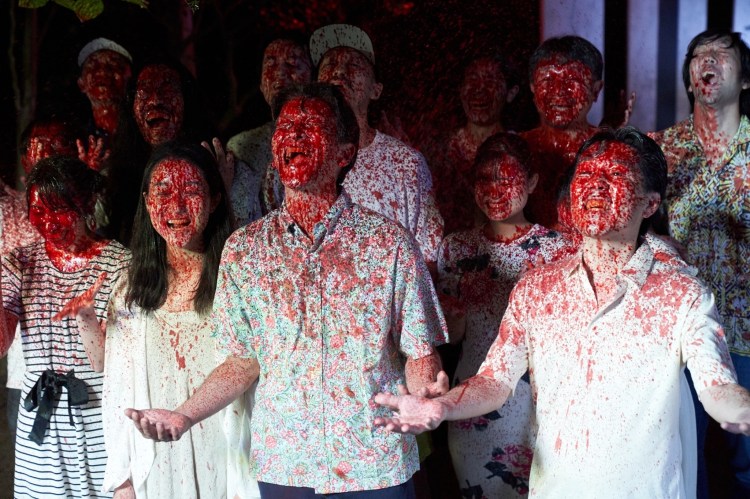
“You’re just like me, violent and depraved” a crazed aggressor sneers, almost victorious in his defeat in having goaded his target into bashing his head in with a fire extinguisher. A defiantly depraved tale, Robert Jabbaz’ zombie-adjacent horror The Sadness (哭悲, Kū Bēi) as the title implies suggests that the propensity for violence and cruelty lurks within us all merely waiting for some kind of trigger, in this case a deadly virus, to set it free. 

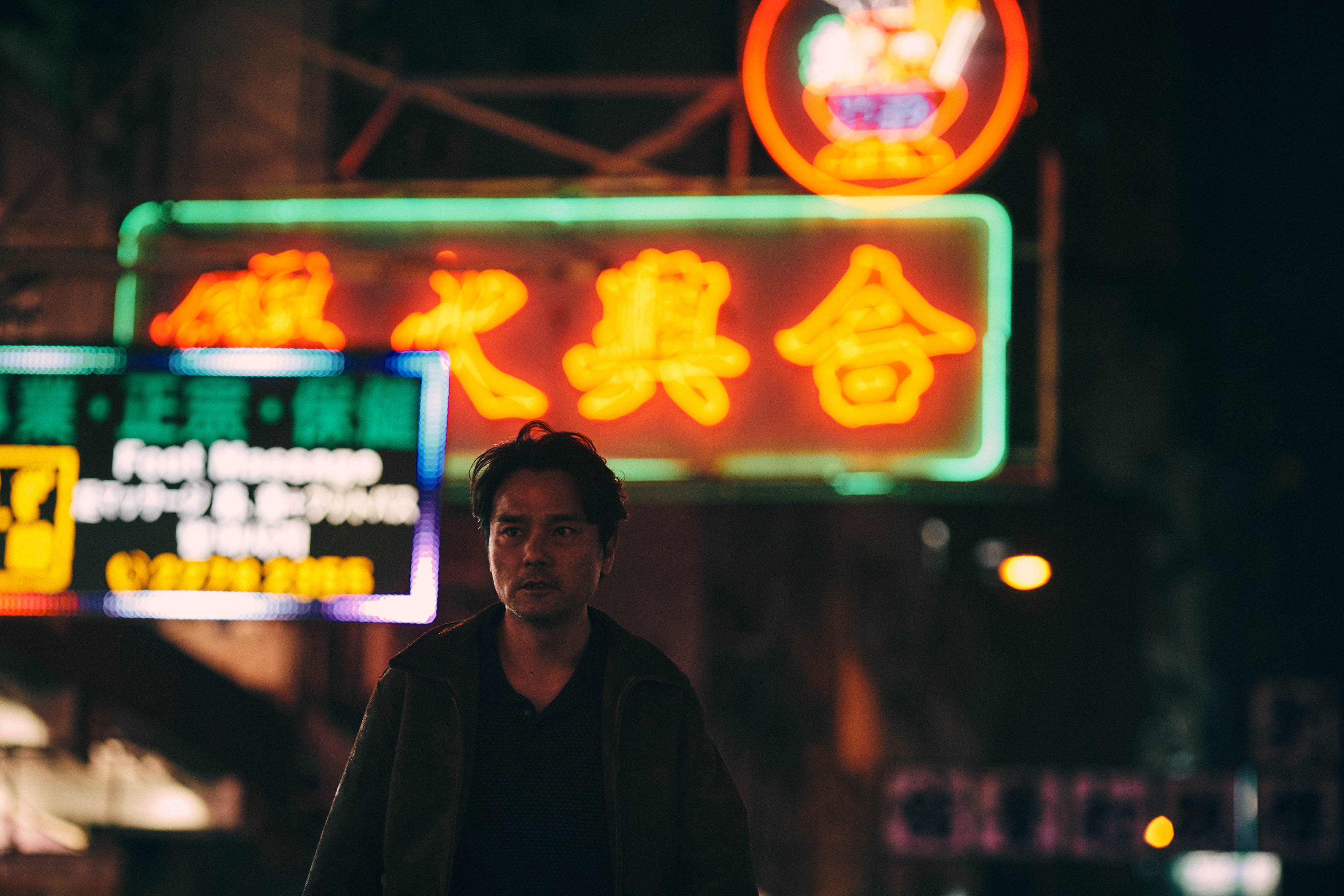
The film opens, however, with tranquility as young couple Jim (Berant Zhu Ting-Dian) and Kat (Regina) cuddle in bed before Kat’s alarm goes off. The mood begins to sour when Jim reveals they’ll have to cancel their upcoming holiday because he’s been offered work on a film and that is apparently something that’s been thin on the ground. As he turns on the TV, a pundit and a scientist argue about the “Alvin virus” which many people apparently believe is only a cold, though those people are obviously quite wrong (sound familiar?). The virologist continues to explain that the danger is the virus contains similar genetic material to rabies and he fears it may soon mutate into something seriously worrying. In any case, he finds it suspicious the virus has fetched up on the eve of an election and hints at the dubious immorality of politicising a public health crisis. Jim first encounters the afflicted on spotting an elderly person in a bloodstained nightgown who later turns up at his local cafe to bite several members of the clientele who then turn on him seemingly consumed by a violent and irrational rage.

Kat meanwhile experiences something similar as a madman with a knife rips through the carriage of the MTR in which she is currently sitting. Yet, as we discover, the violence and sadism is not entirely indiscriminate but informed by the underlying “sadness”, resentment, and anxieties of the infected person. Kat’s day had got off to a bad start when the middle-aged creep (Wang Tzu-Chiang) sitting next to her kept trying to chat her up only to go off a rant about the entitlement of pretty women when he’s only trying to be friendly after she threatens to call the police because he’s ignored all of her polite hints and requests to be left alone. Crazed, the train creep continues to stalk her determined to get his revenge. His rage and violence is fuelled by the pre-existing condition of his misogyny. 

The fact that Kat appears to be otherwise immune to the virus may suggest that she is a fairly well-adjusted person with no underlying sadnesses or personal resentments, yet she is apparently still capable of great violence when presented with the right trigger(s), in this case being existential terror. The infected meanwhile profess themselves in a state of ecstasy as they indulge their darkest desires. Jabbaz’ gore-fuelled odyssey is in truth a little too depraved, the sickening scenes of sadistic violence accompanied by copious amounts of blood not to mention scattered innards and severed limbs. “This is my kiss, I’m kissing you to death” a woman preens while holding a circular bone saw seconds after revealing that she always had trouble making friends but is beginning to feel as if she’s finally found her crowd. 

A minor irony is that this pandemic anxiety is expressing itself in Taiwan which up until recently at least had done a stellar job of suppressing COVID-19 largely thanks to the opposite of the impulses on display here. Yet there is also something of obvious satire in certain people’s refusal to listen to the science even as the president’s head literally explodes live on TV, while Jim picks up a brochure for reasonably priced apartments only to be told that the pandemic has also “depressed” the property market. His next-door neighbour, Mr. Lin thinks Alvin is a conspiracy theory designed to create economic instability those in the know can profit from later. He seems to have a nasty cold, but refuses to go to the doctor because it seems like a lot of bother when they’re just going to tell you to stay at home and rest. Mr. Lin’s theories are in part vindicated by another scientist who also thinks the government has been ruled by political concerns, too afraid of the economic consequences of a lockdown to contemplate ordering one even while knowing not to do so endangers public health. “Everything must be politics. There’s no room for truth” he laments, though as it turns out he isn’t free of his own darkness either. 

Not for the faint of heart, Jabbaz’s absurdist satire is a depraved journey through every kind of human degradation imaginable darkly suggesting that sadistic violence is never as far from the surface in the ordinary person, or indeed in ourselves, as we’d like to believe. “It feels like I’ve finally found a purpose in life” a member of the infected dreamily explains, embracing his life of ultra violence apparently freed of the burdens of contemporary civility. 


The Sadness screened as part of this year’s Fantasia International Film Festival.

Original trailer (English subtitles)

Remain In Twilight (くれなずめ, Daigo Matsui, 2021) [Fantasia 2021]

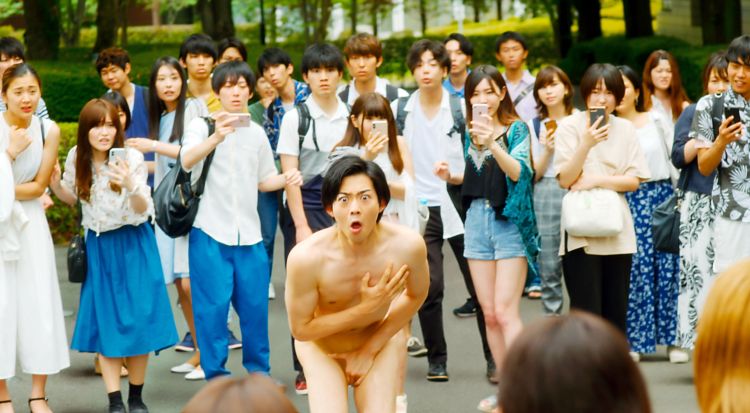
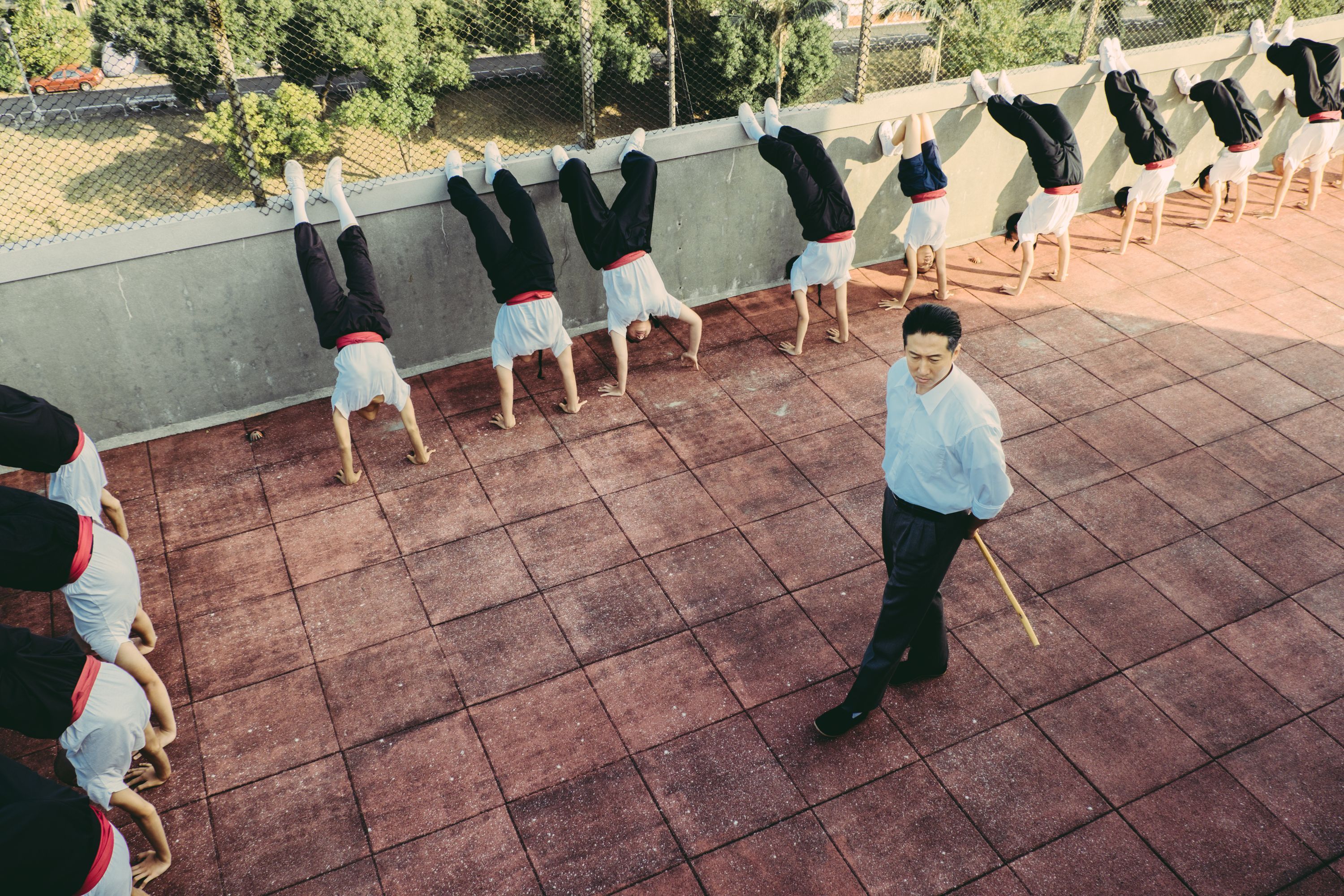
“So what? We just live on.” remarks a bereaved young man learning to let go of his grief in Daigo Matsui’s melancholy ensemble drama Remain in Twilight (くれなずめ, Kurenazume). Matsui sets the scene at a wedding which is also in some ways a funeral during which the ghost at the feast will eventually be laid to rest but his study in loss is also a reflection of its eternal arrest as a group of high school friends learn to accept a sense of absence where their friend used to stand while processing the various ways their lives have and will continue to diverge where as his obviously will not. 

As the film opens a group of six men is surveying a wedding hall where they intend to recreate a dance they first performed at a high school culture festival. The wedding co-ordinator comes out to confirm that everything is in order and seating has been arranged for the five of them only to be reminded that actually they are six. Factory worker Nej (Rikki Metsugi) wants to hang out longer, but most of the other guys have other commitments from work to family but at a rambunctious karaoke session the next day during which they regress to their high school selves it becomes clear that one of their number, Yoshio (Ryo Narita), passed away five years previously but is quite literally there in spirit. 

In addition to Yoshio’s absence, it’s clear that the group has become distant since their high school days the wedding reunion highlighting the class differences between them with some going on to regular salaryman jobs, others working in fringe theatre, and Nej at the factory the uniform of which he is ubiquitously wearing at every occasion other than the wedding during which the guys’ black suits are identical to those they wore for the funeral save the substitution of a jauntier bow tie. The previously nicknamed “Sauce” is now Mr. Sogawa (Kenta Hamano) and a married father of one. They aren’t 17 anymore. 

Nevertheless, the guys can’t let go of the memory of Yoshio who remains among them as if he were still alive. Triggered by a seemingly trivial act such as eating a biscuit or hearing a particular turn of phrase each of the men is called back into the past towards a private memory of Yoshio some directly related to the performance at the cultural festival which seems to have marked their lives and others from later. They collectively meditate on the last time they saw each other, reliving the event, trying to prevent Yoshio from leaving but of course failing. Actor Akashi (Ryuya Wakaba) regrets not picking up his phone, little knowing it would be the last time he would see his friend because you can’t get away from the fact every time might be the last you just can’t know. 

“You’re only dead when it’s convenient” Yoshio’s high school crush Mikie (Atsuko Maeda) barks, seemingly unperturbed to see him in the flesh but also angry and resentful asking him to finally cancel his social media accounts so she won’t keep getting birthday reminders or see something about him popup on her feed, remember, and be sad. But softening she shows him a picture of her daughter, signalling that she’s moved on while he obviously cannot though he wishes her only happiness glad perhaps to have shared something he lacked the courage to confess while alive. 

So corporeal does Yoshio seem to be that he even receives a goodie bag from the wedding, again signalling his absence as the guys find themselves literally carrying extra baggage which they eventually decide to try burying leading to a rather surreal incident which confronts them directly with Yoshio’s liminal status and survival in their hearts. Travelling to the other side they begin to learn to let him go, poignantly once again considering calling a taxi though this time for five. Adapting stage play, Matsui’s sweeping handheld camera shifts effortlessly from one time period to another and finally into another realm with a giddy ethereality as the men, now approaching middle-age, meditate on the sense of loss in grieving teenage friendship along with its unlived future. It’s less the ghost than those who are left behind who must finally learn to “move on”, rewriting the past as they see fit in order to walk into a freer future. 


Remain In Twilight streams in Canada until Aug. 25 as part of this year’s Fantasia International Film Festival.

International trailer (English subtitles)

Fortune Favors Lady Nikuko (漁港の肉子ちゃん, Ayumu Watanabe, 2021) [Fantasia 2021]

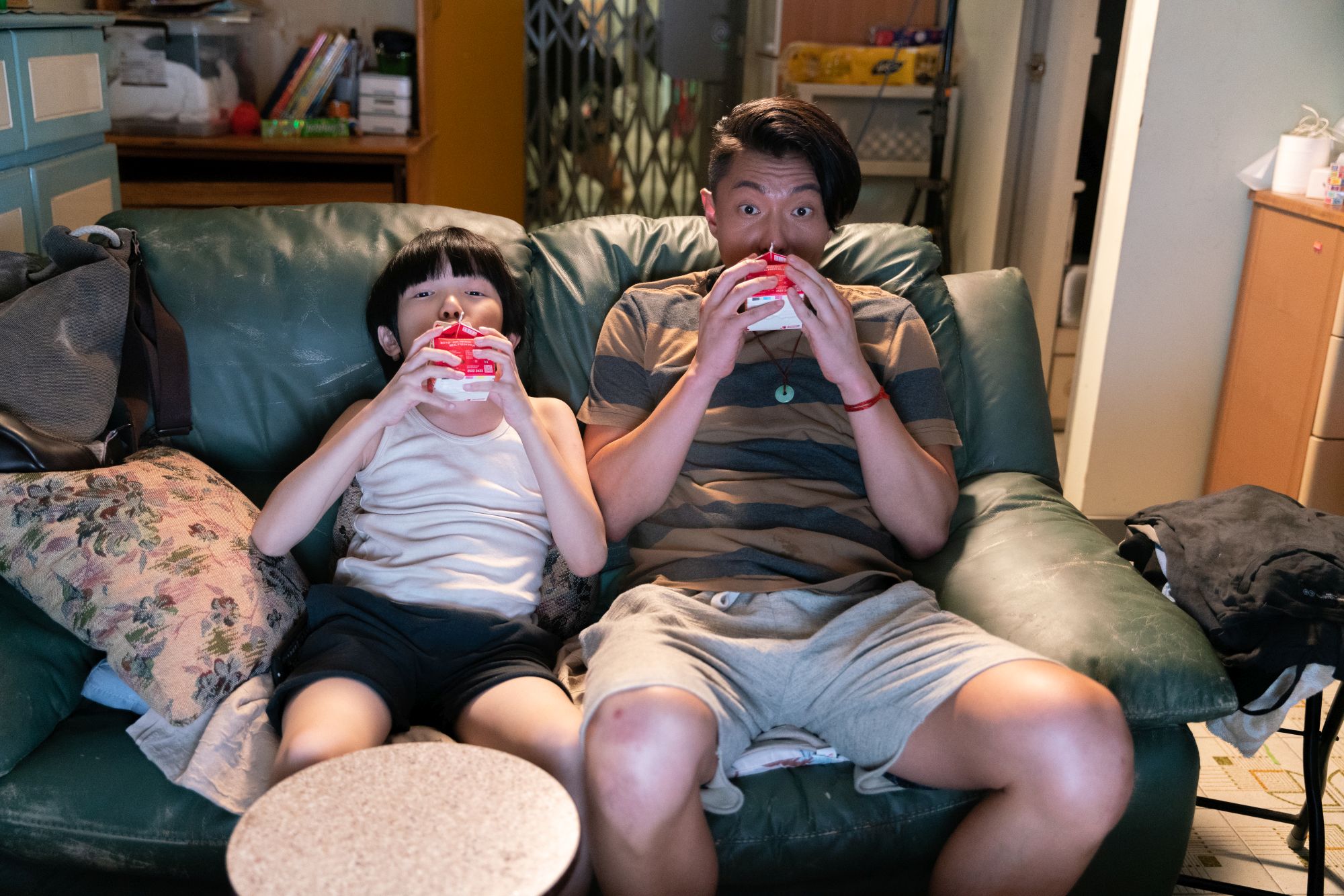
Most children begin to find their parents embarrassing as they approach adolescence, but the problem seems to be particularly acute for young Kikuko. Adapted from the (quite wonderful) novel by Kanako Nishi, Ayumu Watanabe’s Fortune Favors Lady Nikuko (漁港の肉子ちゃん, Gyokou no Nikuko-chan) finds its young heroine struggling to define herself in world of constant anxieties while coming to accept that “ordinary is best” after all and even if her mother is “imperfect” it hardly matters, she loves her all the same. 

As Kikuko (Cocomi) outlines in her opening monologue, she’s recently moved to a small Northern port town with her larger than life mother, Nikuko (Shinobu Otake), after weaving a trail of romantic disappointment over half of Japan. In fact and somewhat unusually, mother and daughter share the same first name (if written with different characters), which is why the sometimes exasperated Kikuko has taken to referring to her mother as “Nikuko”, “Niku” meaning meat in reference to her weight. Though the film Kikuko is less caustic than her counterpart from the novel, there is a good deal of fat shaming in her sometimes contemptuous dismissal of her mother, also often regarding her as stupid both in terms of her intellectual ability, she’s obsessed with kanji puns but often makes spelling mistakes, and in her tendency to be duped by a string of no good men who generally take advantage of her kind heart. 

Being young as she is, Kikuko hasn’t yet learned to appreciate the importance of a kind heart, a lesson she’s about to learn as she finds herself in the middle of a burgeoning conflict between her classmates some of whom feel “left out” in never being picked by the popular girls when they peel off to play basketball at lunch time. When her friend Maria (Izumi Ishii) stages a rebellion, Kikuko doesn’t quite know what to do. After all, what Maria’s doing is only a different kind of bullying, but as she says it isn’t nice to feel left out and even if her solution may be wrongheaded perhaps Kikuko should have looked more deeply at why her friend felt that way rather than rather cruelly assuming she was doing it for attention and deserved everything she got. Bonding with a near silent boy, Ninomiya (Natsuki Hanae), who finds himself compelled to pull faces when no one’s looking, shows her the error of her ways in that she never thought herself to be such a “mean and nasty” person. 

It’s this lack of emotional intelligence that causes her to feel embarrassed by her mother who is, it has to be said, something of walking cliché of a stereotypical working class Osaka woman, loud, brash, and nattering away in her Southern dialect. Mother and daughter couldn’t be more different, tomboyish Kikuko stick thin and a serious bookworm, while the bubbly Nikuko is childishly impulsive and openhearted. Kikuko sometimes feels as if she’s the parent and is embarrassed by Nikuko’s larger than life qualities in a culture that prefers women to remain quiet and take up as little space as possible. Not to mention the fact they live on a boat. About to enter adolescence she’s also sick of being constantly on the move and is becoming paranoid that Nikuko is about to start another relationship with a terrible man meaning they’ll have to move again. 

Yet Nikuko hardly minds Kikuko’s contempt of her and despite having lived a hard life remains compassionate and understanding, seeing the best in everyone and always finding the small moments of joy life has to offer. She is also infinitely in tune with her daughter, half thinking she can hear it too when Kikuko “hears” various creatures and even a shrine “talking” to her as she wanders about the town exercising her rather overactive imagination. A series of climactic events culminating in a medical emergency in which she figures a few things out forces Kikuko to wrestle with herself and stop judging her fiercely non-judgemental mum to realise that she loves her after all even if she can’t resist being a little unkind in expressing it. A gentle coming-of-age tale set in a delightfully old-fashioned and beautifully animated fishing village, Fortune Favors Lady Kikuko is chock-full of heart (not to mention expertly translated kanji puns) as its somewhat resentful heroine begins to find safe harbour and finally steps into herself with a spirit of acceptance and understanding. 


Fortune Favors Lady Nikuko screened as part of this year’s Fantasia International Film Festival.

Original trailer (English subtitles)

Tokyo Revengers (東京リベンジャーズ, Tsutomu Hanabusa, 2021) [Fantasia 2021]

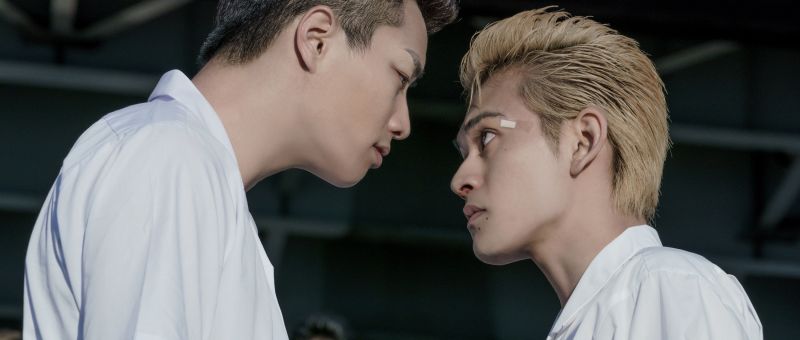
“You don’t deserve to change my life” the hero of Tsutomu Hanabusa’s adaptation of Ken Wakui’s manga Tokyo Revengers (東京リベンジャーズ) eventually affirms in finally facing his fears while trying to change destiny not least his own. In contrast to its original meaning in English, the wasei eigo “Revenge” usually means not payback but “rematch” or at least a second chance to prove oneself or make up for a past mistake. Through his time travel shenanigans, this is perhaps what young Takemichi (Takumi Kitamura) is attempting to do in revisiting the events which he feels ruined his life and left him a useless coward too cowed to offer much resistance to his continual degradation. 

Now 27, Takemichi lives in a rundown, untidy apartment and works part-time in a bookstore where his boss inappropriately mocks for him for still being a virgin, the kind of guy who peaked in high school and can’t move on from adolescent bravado. He might have a point in a sense in that Takemichi is indeed arrested but hearing on the news one day that his first love Hinata (Mio Imada) has been killed in a car accident supposedly caused by the Tokyo Manji gang alongside her brother Naoto (Yosuke Sugino), he finds himself thinking back to his school days. It’s at this point that someone shoves him off a train platform and, facing certain death, he suddenly finds himself in the body of his 17-year-old, bleach blond delinquent self. Takemichi assumes it’s a near death flashback, but later wakes up back in the present and realises that his actions in the past have consequences in the future. 

Quite clearly taking its cues from classic high school delinquent manga in which moody high school boys vie for the top spot through relentless violence, Tokyo Revengers nevertheless undercuts the genre’s macho posturing in firstly having Takemichi broken by his first defeat and then allowing him to reclaim his space as a hero through his determination to care for and protect others even if his final victory is in facing the man he held responsible for shattering his sense of self. Sent back into the past to prevent the Tokyo Manji Gang from ever forming, Takemichi refuses the obvious early solution but remains conflicted in realising that at its inception “Toman” saw itself as a compassionate force for good, a far cry from the nihilistic violence it now brings to the city. Rather than more violence, he finds a solution in its reverse, safeguarding relationships and preventing heartbreak in order to ensure no one else’s soul is corrupted by grief or loneliness. 

Takemichi feels himself powerless but is valued by his friends for his determination to protect others no matter the cost to himself, as he unwittingly proves through his time travel adventures attempting to save himself as much as Hinata by restoring his sense of self apparently shattered by his subjugation at the hands of a rival gang back back in high school. At 27 he’s a meek and broken man, forever apologising for his existence and living an unfulfilling life always running away from challenge or difficulty. Given an improbable second chance, he begins to find the courage to do it all differently with the benefit of hindsight and the stability of age, finally facing his teenage trauma as a fully adult man.  

Like any good delinquent movie, Hanabusa makes space for more than a few mass brawls along with intensely personal one-on-one battles drawing a direct line between high school violence and street war thuggery. “Thugs aren’t cool anymore” Toman leader Mikey (Ryo Yoshizawa) had explained, his compassionate second in command Kenchin (Yuki Yamada) reminding him to “have a heart” in keeping gang violence within the confines of their society and refraining from injuring innocent people. Toman aren’t yakuza, but they are perhaps the inheritors of jingi, or at least would be if left untouched by trauma and betrayal. In beating his own trauma, Takemichi undoes his destiny saving his friends and himself by learning to embrace his inner strength and refusing to back down in the face of intimidation. Part high school delinquent manga, part time travel adventure, Hanabusa’s sci-fi-inflected drama swaps macho posturing for a more contemplative take on the weight of past mistakes while giving its hero a second chance to be the kind of man he always thought himself to be.


Tokyo Revengers screened as part of this year’s Fantasia International Film Festival.

Original trailer (English subtitles)

Seobok (서복, Lee Yong-ju, 2021) [Fantasia 2021]

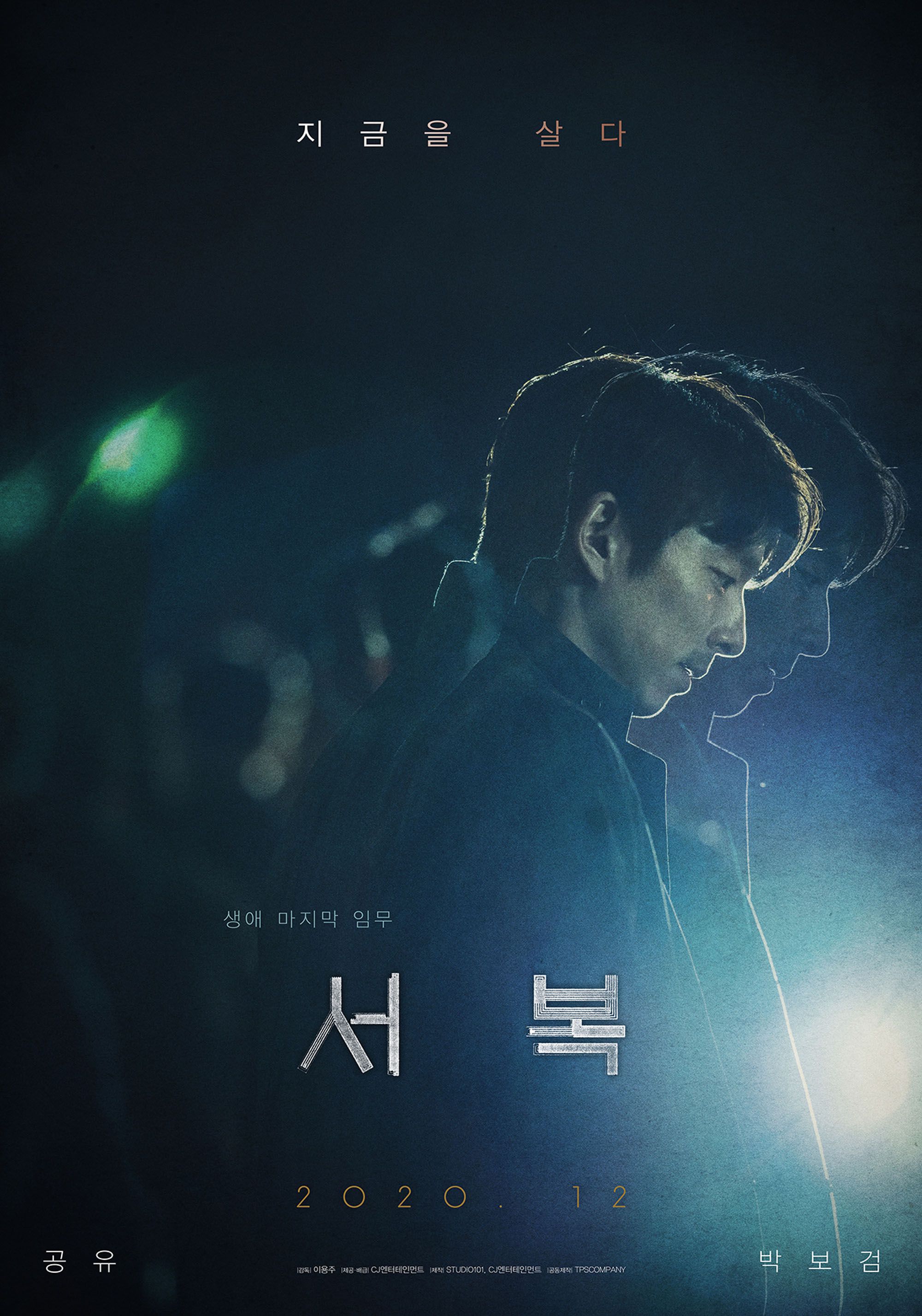
Without death, would life still have meaning? Lee Yong-ju’s high concept sci-fi thriller Seobok (서복) situates itself in a near future Korea in which the possibility of immortality is tantalisingly close only there are some who would prefer it not to be, fearing that without the driving force of mortal dread humanity will lose its ambition and thereafter slide into internecine greed. Then again, humanity hasn’t needed much of an excuse before. 

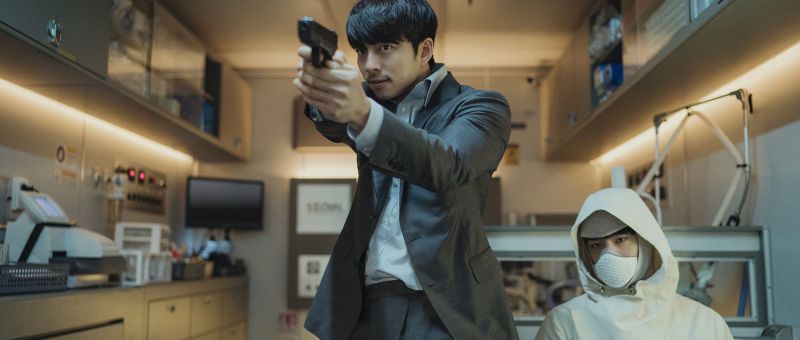
When a foreign scientist is murdered by drone the incident is attributed to “terrorists” presumably objecting to his research into stem cell technology and the possibilities of eternal healing. Fearing exposure, NIS agent Ahn (Jo Woo-jin) advises the project move to a secret location and recruits a former associate, Min Ki-hun (Gong Yoo), to act both as a test subject and a bodyguard. Since leaving the service, Ki-hun has been suffering with a terminal brain tumour that leaves him plagued by debilitating headaches and distressing hallucinations. 

Ki-hun is roped in by the promise of a potential cure for his condition brokered by Seobok (Park Bo-gum), a genetically modified clone who cannot die. Speaking to the dubious ethics of the research project, no one quite thinks of Seobok as “human” though he was born in the same way as any other child. “It’s like collecting insulin from a pig” a doctor later scoffs at Ki-hun’s squeamishness witnessing Seobok hooked up to a chair and milked for his lifesaving properties, realising that this may be his life “forever”. Having lived all his life within the lab, Seobok is filled with wonder for the outside world begging Ki-hun to walk a little slower through a market when the pair are forced on the run together so he can take it all in a little better. He has no clothes of his own, cannot use chopsticks, and is left with nothing to do with his time other than think. The scientists refer to him only as a “specimen” refusing to acknowledge his humanity viewing him solely as a test subject. 

Seobok can’t decide if life in the presence of death is worse than the curse of immortality. Already condemned, Ki-hun no longer knows if he wants to live or is merely afraid of dying. The fear of death is itself a kind of weapon, at least according to those against the project, a force which propels mankind forward in imposing an unavoidable deadline as it struggles against its mortality. Ki-hun, meanwhile, regards his tumour as a punishment, a mark of his moral cowardice in failing to stand up to his boss’ duplicitous practices and blaming himself for the death a friend who was silenced for daring to speak to out. In bonding with Seobok he realises he cannot allow the same thing to happen again in choosing to prioritise his own survival over someone else’s life. Seobok, meanwhile, comes to the opposite conclusion in realising that his existence is potentially apocalyptic and that there is no escape for him because he has nowhere else to go other than back to his “home” at the lab despite coming to an understanding that much of his treatment there constitutes abuse. 

Nevertheless, Seobok is fiercely contested by mysterious foreign forces intent either on capturing or destroying him apparently terrified of the implications of a world in which sickness can be instantly cured and death has become a thing of the past. Such a world would, of course, be very bad news for Big Pharma and the medical industry, yet it’s the philosophical arguments which they claim motivate them in a fear of a permanent and destructive anarchy which is more than a little ironic considering what eventually unfolds in their quest to capture Seobok who, as it turns out, has also developed awesome powers of telekinesis. Rather than eternal life, however, it’s death that the two must learn to accept, Ki-hun reckoning with his trauma while coming to terms with his terminal diagnosis, and Seobok by contrast seizing his humanity by rejecting his immortality. 

Essentially a lowkey existential drama, Lee Yong-ju’s high concept sci-fi thriller boasts excellent production design and large scale action set pieces, yet situates itself in a cold world of paranoia and anxiety in which even mortal dread has been effectively weaponised by duplicitous forces intent on playing god in the permanent power vacuum of the modern society.


Seobok streams in Canada until Aug. 25 as part of this year’s Fantasia International Film Festival.

International trailer (English subtitles)

Satoshi Kon: The Illusionist (Satoshi Kon, l’illusionniste, Pascal-Alex Vincent, 2021) [Fantasia 2021]

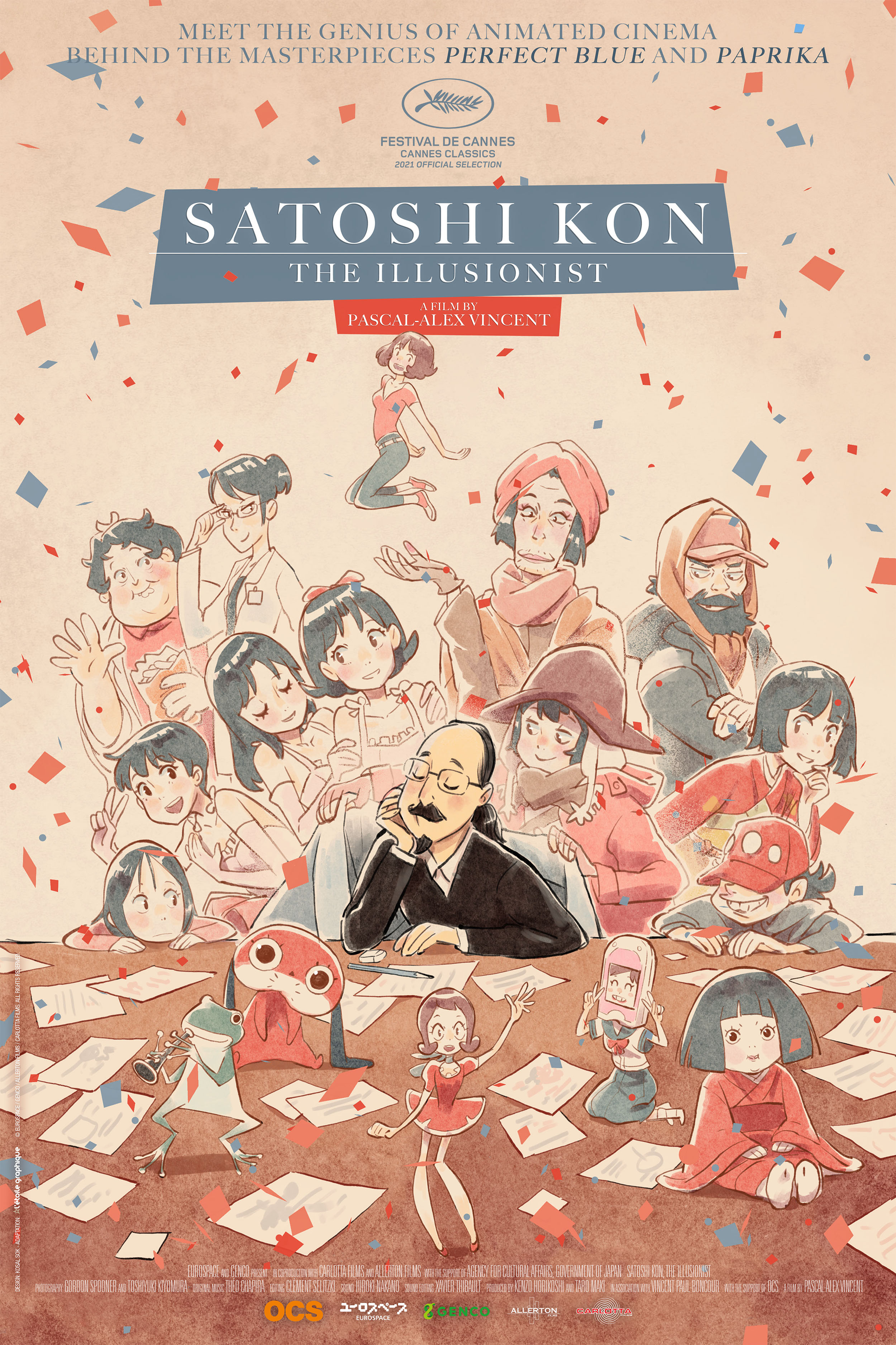
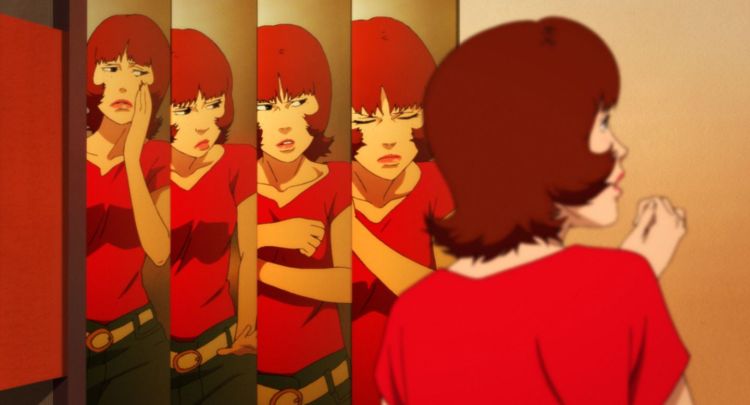
“A genius but a nasty guy” is the way a former collaborator describes the late director Satoshi Kon, a sentiment echoed by others who’d worked alongside him though many also describe him as gentle if reserved remarking on his seeming impenetrability. Pascal-Alex Vincent’s documentary Satoshi Kon: The illusionist (Satoshi Kon, l’illusionniste) is less interested in illuminating the man than briefly sketching an overview of his career yet nevertheless seems to content to present him as an enigmatic figure filled with contradictions which his work, in some way, was intended to resolve. 

Skipping over Kon’s early life and beginnings as a manga artist, Vincent begins with Perfect Blue before proceeding through each of his features chronologically finishing with the incomplete Dreaming Machine. In essence a talking heads doc, he interviews a series of well-known figures in the anime world such as fellow directors Mamoru Oshii, Mamoru Hosoda, and Jin-Roh’s Hiroyuki Okiura, as well as those who had worked with Kon directly, the international filmmakers who’d found inspiration in his work such as Darren Aronofsky, Jeremy Clapin, Marc Caro, and Rodney Rothman, and experts in anime and manga history. 

In a sense, Vincent is less interested in Kon as a man than in the lasting impact of his oeuvre, which does in a sense lend an uncomfortable imbalance in implying Kon’s work is of greater importance because of the influence it went on to have on Western, particularly Hollywood, cinema. Kon’s impact on contemporary anime for example is not addressed in any real depth save for implying that it gave the art form permission to deal with more mature concepts and ideas which in itself implies that it up to that point had not done so. 

Yet even if Kon is described as “prickly”, an intense perfectionist unable to tolerate failure or resistance, he is also regarded as another kind of innovator in his determination to change the notoriously difficult, often exploitative working culture of the contemporary anime industry. Despite facing financial hardship, he ensured his crew members and animators were paid fairly while also determined to support the next generation of anime creatives. His goodbye letter published the day after he passed away similarly expresses concern for his animators now left adrift with Dreaming Machine destined to remain incomplete. A former colleague remembers Kon as a patient mentor and teacher, gaining a new appreciation for him when she dared to challenge some of the attitudes she found unpalatable in his work including his depiction of women only for Kon to reveal that the women in his films are often reflections of himself. Thus Mima’s torment is an expression of his own in dealing with the fractious politics of the anime and manga industry. 

According to others, the desire to address these issues was born of that to resolve the things he did not understand, Kon again describing the heroine of Millennium Actress’ quest to retrieve a lost key as like that of a director pursuing the idealised vision in his mind, finally arriving at the conclusion that what he loved was the chase itself. His work was frequently concerned with the interplay between dream and reality, yet his vision could sometimes be at odds with others’ describing Paprika as his “Sailor Moon” movie intended as a piece of commercial cinema about a dream hopping “magical girl”. Despite his perfectionism, his universe was anything but black and white, a space which held no place for those who embody evil and sought only to understand. According to an archive interview, Dreaming Machine would have marked a break with his persistent themes, aimed at children as well as adults though apparently also dealing with some darker ideas as mankind’s children attempt to survive their orphanhood. It’s this sense of contradiction which gives Kon’s work its power, at once a man who “radiated gentleness” but was unafraid to speak his mind, bluntly berating a colleague for not pulling his weight but hurt and confused when the colleague declined the opportunity to continue working together because of his intense management style. “He had two sides to him. He could be a nasty guy. A really nasty guy, OK? But I loved him” according to Madhouse’s Masao Maruyama, “He’ll always be in our hearts” a contradiction to the last.


Satoshi Kon: The Illusionist streams in Canada until Aug. 25 as part of this year’s Fantasia International Film Festival.

Original trailer (English subtitles)

Georama Boy, Panorama Girl (ジオラマボーイ・パノラマガール, Natsuki Seta, 2020) [Fantasia 2021]

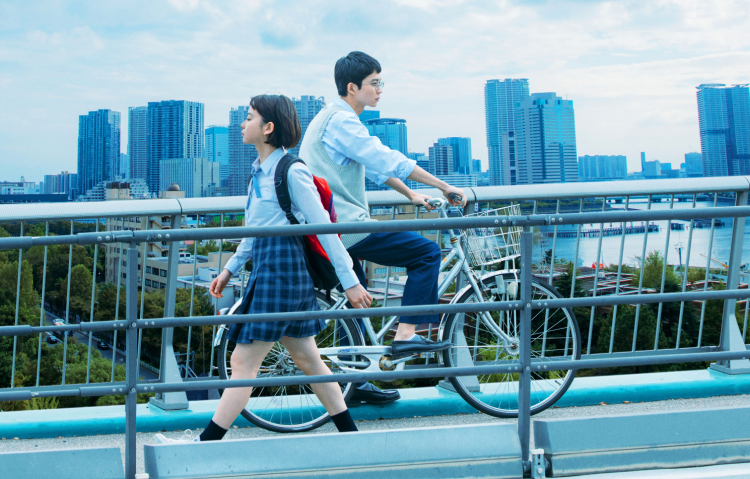
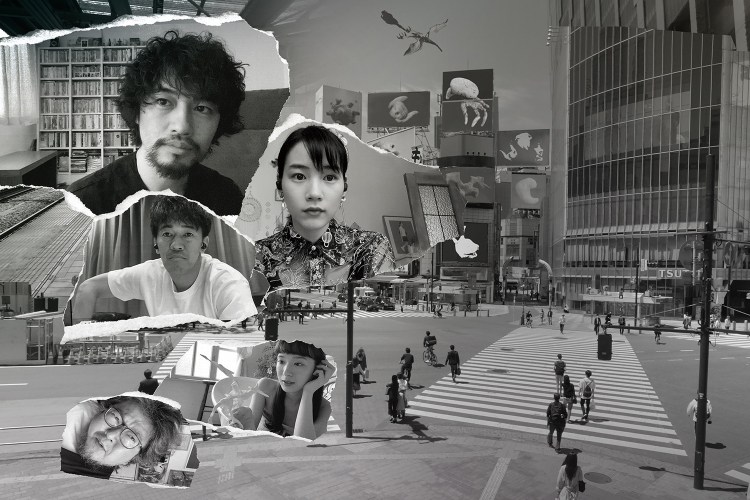
“As long as you have a girl you can cope with anything. Who cares what’s happening in the world?” the lovestruck hero of Natsuki Seta’s Georama Boy, Panorama Girl (ジオラマボーイ・パノラマガール) blusters floating around on a cloud of adolescent intensity. “Man, you’re crazy” his more mature workmate replies with unconcealed exasperation. Adapted from a manga by Kyoko Okazaki, Seta’s post-modern drama like her previous film Parks recalls the lighthearted teen movies of the Bubble era even as it gleefully subverts rom-com norms as the mismatched youngsters repeatedly glide past each other experiencing parallel though connected episodes of romantic disillusionment in a rapidly deconstructing city. 

The heroine, Haruko Shibuya (Anna Yamada), is a dreamy, romantic sort of girl who’s read too many shojo manga and wishes the summer could go on indefinitely because she wants “to dream longer”. Kenichi Kanagawa (Jin Suzuki), by contrast, is a slightly nerdy young man who upends expectation by suddenly standing up mid-class after being forced to take a test on the first day back after the summer holidays to announce he’s quitting school because he’s realised it’s just not necessary for him. As if trying to get his mid-life crisis over as early as possible, Kenichi picks up a skateboard and starts hanging round in Shibuya unsuccessfully trying to pick up girls until he catches the attention of a free spirited older woman, Mayumi (Misato Morita), only to be unceremoniously beaten up by her maybe boyfriend after being spotted together in a cafe. Bloodied, bruised, and collapsed in the street is how he eventually meets Haruko who stops to see he’s OK and then randomly gifts him her combini purchases, keeping hold of his school ID card which is how she figures out who he is. 

Being a teenage girl, Haruko, like her friends Kaede (Erika Takizawa) and Maru (Kogarashi Wakasugi), longs to fall in love and thinks meeting Kenichi is her romantic destiny even over investing in its potency in believing their love is probably necessary in order to save the Earth from calamity like the star-crossed lovers from a shojo manga. As their names suggest, Haruko is the city centre whereas Kenichi is the provincial suburbs, but they spend their time dancing around each other living out parallel love stories as Kenichi continues to obsess over Mayumi whose free-spirited frankness is tinged with sadness while her toying with a lovestruck teen has an almost self-destructive quality. Each of them experience a moment of romantic disillusionment realising that their adolescent visions of pure love are essentially unrealistic and that chance meetings are sometimes just that intended to go no further because life thinks nothing of the rules of narrative causality. 

The failure of Haruko’s romantic dreams prompts her into a further moment of introspection as she continues to wonder if everything around her is merely an illusion. Meanwhile, the TV news is a catalogue of contemporary anxieties from an early report on a young woman who took her own life rather than return to school because of rampant bullying not to mention exam stress, to a protest over nuclear weapons and conscription, and even one about a potential response to meteors and aliens. The Tokyo the teens inhabit is one of constant uncertainty, a city half-built and in a state of limbo remaking itself for the upcoming Olympics (which ironically we now know will only half arrive). Yet as Kenichi had suggested, the teens barely notice what’s going on in the world around them so caught up are they in their adolescent dramas finding themselves less star-crossed than at cross purposes in their mutual romantic dilemmas. 

Just like the teen movies of old, Seta draws inspiration from the French New Wave as the youngsters frequently monologue across each other sometimes in sync and others not their dialogue in a sense pretentious but also filled with the naive intensity of youth as they each attempt to navigate their way towards a more mature adulthood. With a charmingly timeless retro quality, Georama Boy, Panorama Girl embraces the absurdity of teenage love but finally opens the door to something more “real” brokered in a way by twin heartbreak followed by a mutual resetting as the pair walk out into a new dawn now more ready to meet whatever it has waiting for them. 


Georama Boy, Panorama Girl streams in Canada until Aug. 25 as part of this year’s Fantasia International Film Festival.

International trailer (English subtitles)

Sexual Drive (性的衝動, Kota Yoshida, 2021) [Fantasia 2021]

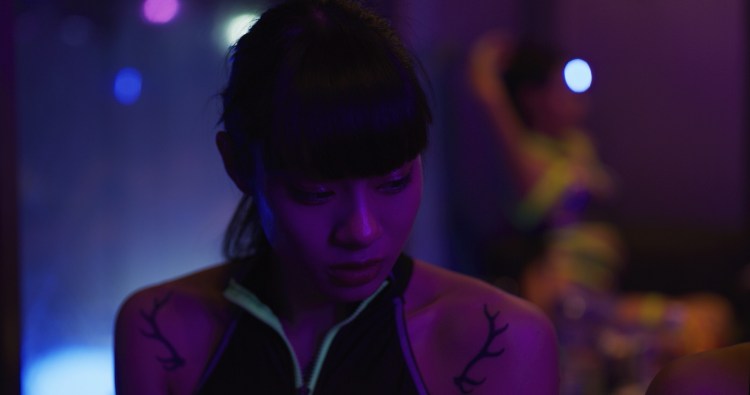
A weird chestnut-bearing spirit of sexual awakening visits three troubled couples in Kota Yoshida’s odyssey of food-themed eroticism, Sexual Drive (性的衝動, Seitekishodo). As the title perhaps implies, Yoshida’s loose thesis seems to be that each of the spouses he counsels is living a dull and unfulfilling life because they’re repressing their authentic selves either unrecognising or rejecting the true nature of their sexual desires. Yet who or what is Kurita (Tateto Serizawa) and what is he really up to? Aside from all that, is he even “real”?

When we first meet Kurita, he’s bearing a box of Chinese chestnuts (“chestnut” being the first character of his name but also a slang term for clitoris) and walking with a pronounced limp. This lends credence to his story of having suffered a stroke three years previously though as we will later discover the cause is likely very different if at least suggesting a healthy corporality. The visit is all the more unusual as it seems he doesn’t know the man he’s come to see, Enatsu (Ryo Ikeda). Just as we’re wondering if this is some kind of hookup while his wife (Manami Hashimoto) works an extra shift at the hospital, we realise that the reverse may be true as Kurita claims to have been having a three-year affair with Enatsu’s spouse having fixated on her after she fitted a catheter for him following an operation. This is a discussion between men, but Kurita soon becomes excitable making lewd gestures with a mostly empty natto carton apparently likening its distinctive taste and odour to the nether regions of Enatsu’s wife. Goading him that their marriage has been sexless for the last five years, what Kurita seems to do is ironically restore Enatsu’s sexual potency through his vicarious enjoyment of his wife’s taste for this famously love it or hate dish of fermented soy beans. 

Kurita’s second victim, meanwhile, has apparently committed the crime of making inauthentic mapo tofu, its heat turned down to suit the Japanese palate. This time Kurita claims to have been an elementary school classmate of the nervous Akane (Honami Sato) who has frequent panic attacks and has finally got up the courage to go for her first solo drive. He insists that Akane is a sadist who brokered his own masochistic awakening through her merciless bullying and that the reason she’s so on edge is because she’s living a neutered life with only inauthentic mapo tofu when she should really be making her own loaded with enough spice to burn the roof of her husband’s mouth clean off. 

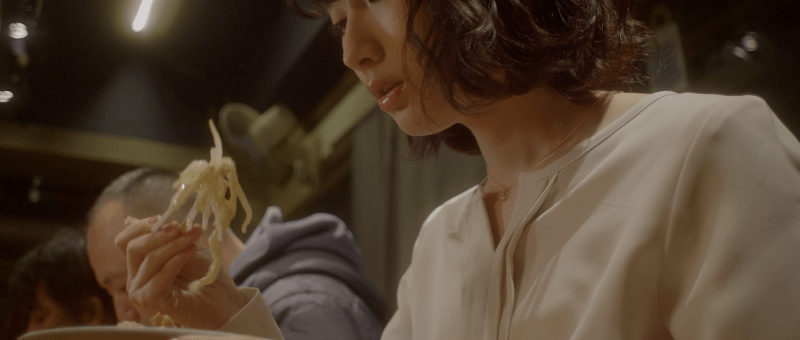
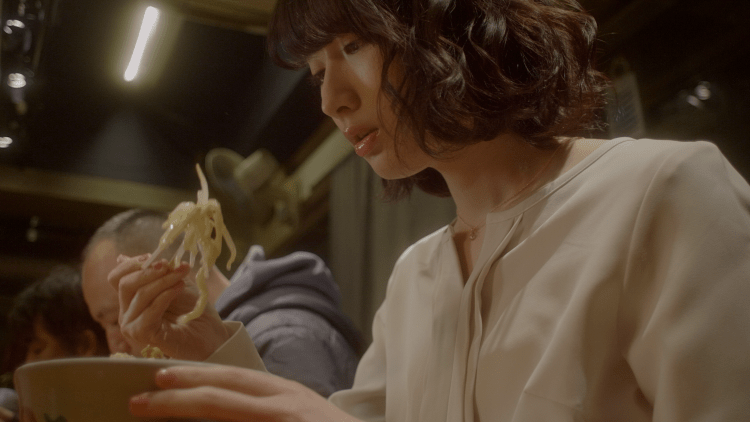
His third case, however, sees him steal a device from Snake of June in communicating with an adulterous husband, Ikeyama (Shogen), claiming that he’s kidnapped his mistress, Momoka (Rina Takeda), and will soon expose his extra-marital affair if he refuses to follow the instructions he gives him. These are mostly surprisingly wholesome and a little bit sad as what Kurita is hoping to teach Ikeyama is what a cad he’s being and how his insensitive treatment of Momoka must make her feel. Accordingly, he sends him to a greasy ramen bar mostly frequented by middle-aged men where talking is very much not allowed in order for him to consume a satisfyingly fatty dish the transgressive energy of which both inflamed Momoka’s desire and forced her into a contemplation of her role as the mistress of a married man. Ikeyama’s awakening is less to sex than to love in being forced to accept Momoka’s personhood in empathising with the loneliness his indifference causes her to feel. 

Yet, if it weren’t for the chestnuts, we might wonder if Kurita were real or merely a manifestation of each of his victims’ subconscious fears and desires. Even as it stands, we can’t be sure that anything he says is actually true, nor do we know what motive he has for guiding these frustrated souls towards their sexual release like some strange sex fairy sent from on high. Nevertheless, in satisfying appetites of all kinds he paints the fulfilment of authentic sexuality as a basic human need even as food becomes a kind of displacement activity standing in for the satisfaction of human desire. Strangely absurd in Kurita’s rather creepy demeanour coupled with his victims’ crumbling wholesomeness, Sexual Drive even if ironically presents a refreshingly positive message of embracing kink while remaining mindful of its effects on others. 


Sexual Drive streams in Canada Aug. 5 – 25 as part of this year’s Fantasia International Film Festival.

Original trailer (English subtitles)
Fantasia International Film Festival Confirms Complete 2021 Programme

Montreal’s Fantasia International Film Festival celebrates its 25th anniversary with a hybrid edition in theatres and streaming across Canada Aug. 5 – 25 showcasing the best in global genre cinema. Here’s a look at the East Asian features included in this year’s programme:

China

  • Back to the Wharf – A wounded young man’s attempts to start over in the shadow of his crime are doomed to failure in Li Xiaofeng’s moody, fatalistic neo-noir. Review.

Japan

  • Kakegurui 2: Ultimate Russian Roulette – sequel to the hit high school gambling manga adaptation.
  • Remain in Twilight – six former high school friends reunite for a funeral in a poignant drama from Daigo Matsui.
  • Wonderful Paradise – An impromptu going away party descends into a psychedelic rave of death and rebirth in Masashi Yamamoto’s defiantly surreal nighttime odyssey. Review.
  • Caution, Hazardous Wife – big screen outing of the TV drama starring Haruka Ayase as a former assassin turned regular housewife.
  • Not Quite Dead Yet – A resentful young woman comes to understand her awkward scientist dad only after he becomes temporarily deceased in Shinji Hamasaki’s delightfully zany comedy. Review.
  • Art Kabuki – filmed kabuki performance
  • Beyond the Infinite Two Minutes – A diffident cafe owner faces an existential dilemma when trapped in a time loop with himself from two minutes previously in Junta Yamaguchi’s meticulously plotted farce. Review.
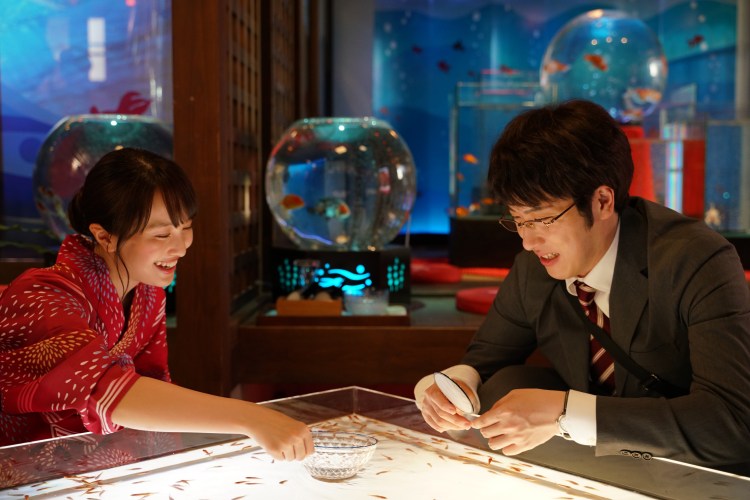
  • Love, Life and Goldfish – musical manga adaptation in which a salaryman is demoted to a rural town after insulting his boss.
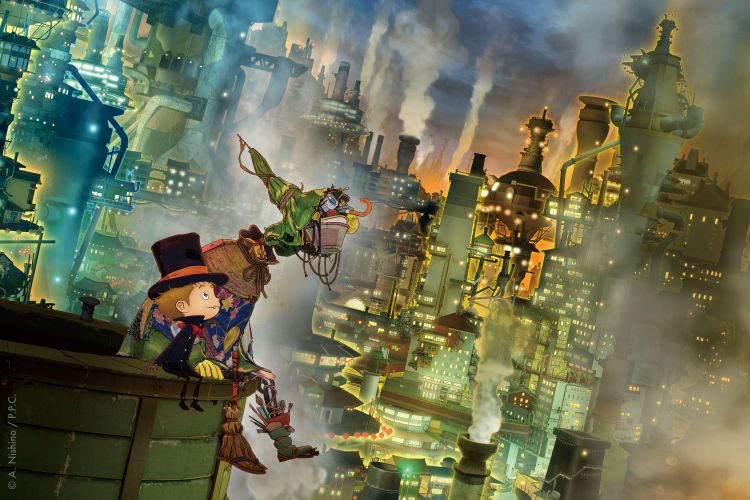
  • Poupelle of Chimney Town – animated adaptation of the picture book by Akihiro Nishino.
  • Fortune Favors Lady Nikuko – animated adaptation of the much loved book by Kanako Nishi centring on the sometimes difficult relationship between a serious young girl and her cheerful mother.
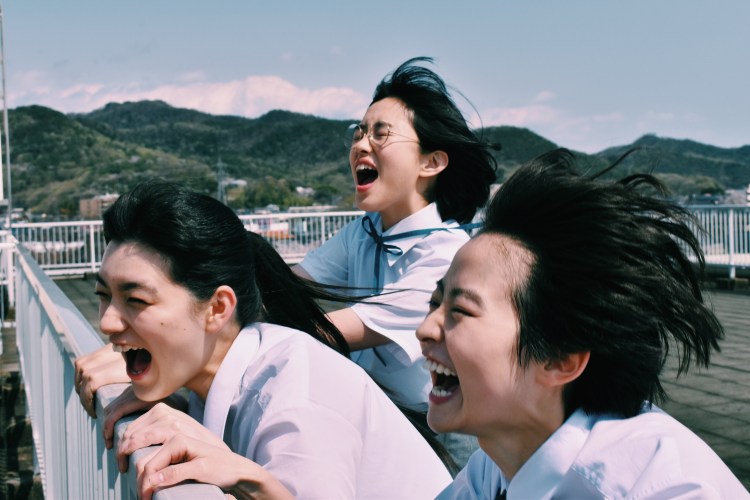
  • It’s a Summer Film! – A jidaigeki-obsessed high schooler sets out to make her own summer samurai movie in Soshi Matsumoto’s charming sci-fi infected teen rom-com. Review.
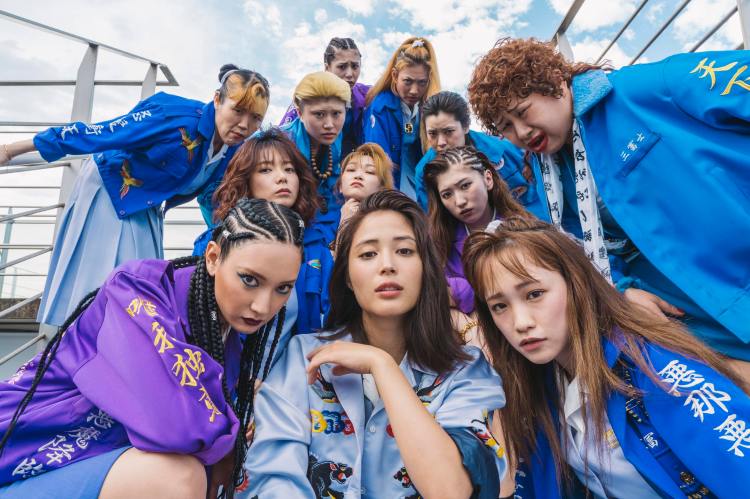
  • Jigoku-no-Hanazono ~ Office Royale ~ – delinquent office lady comedy drama.
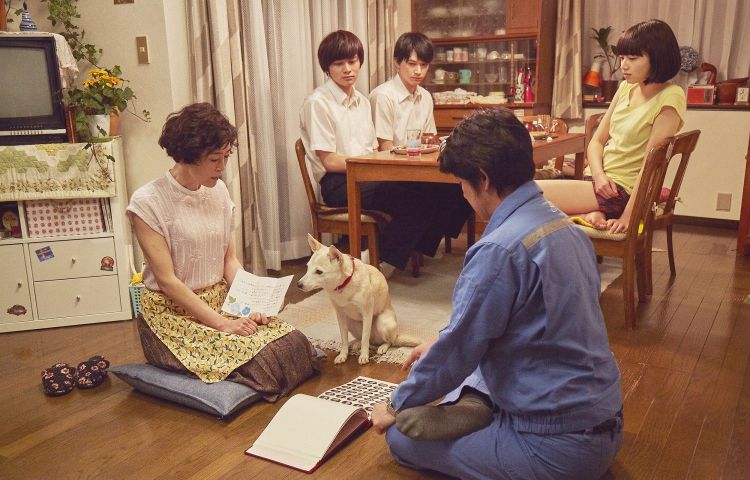
  • Sakura – nostalgic family drama adapted from the novel by Kanako Nishi and directed by Hitoshi Yazaki.
  • Pompo: the Cinéphile – anime adaptation of the movie-themed manga.
  • Satoshi Kon, the Illusionist – documentary by Pascal-Alex Vincent on the late director of Perfect Blue.
  • Junk Head – new theatrical edit of the sci-fi horror stop motion animation.
  • Dreams on Fire – A country girl comes to the city to become a dancer and finds a sense of solidarity in subculture in Philippe McKie’s refreshingly positive drama. Review.
  • Georama Boy Panorama Girl – teen romance adapted from the manga by Kyoko Okazaki and directed by Natsuki Seta.
  • Hold Me Back – latest from Akiko Ohku in which a happily single 31-year-old woman’s peaceful life is disrupted by romance. 
  • Ora, Ora, Be Goin’ Alone – latest from Shuichi Okita starring Yuko Tanaka as an older woman reflecting on her younger self (Yu Aoi) and surrounded by the “voices of her heart”.
  • Sexual Drive – three tales of food and sex from Kota Yoshida
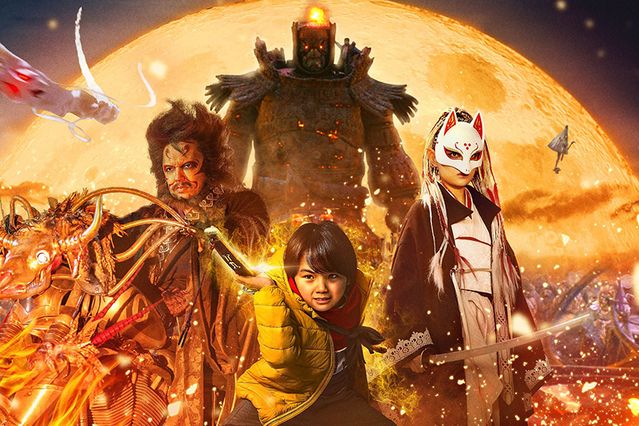
  • Great Yokai War: Guardians – Takashi Miike’s sequel to The Great Yokai War in which an elementary school student inherits the blood of the legendary monster hunter in order to save the world from rampaging yokai.
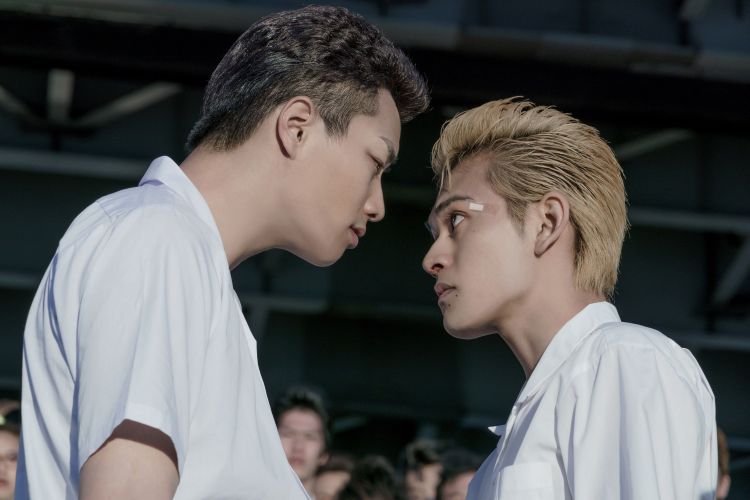
  • Tokyo Revengers – manga adaptation in which a freeter discovers his first love was murdered by gangsters.
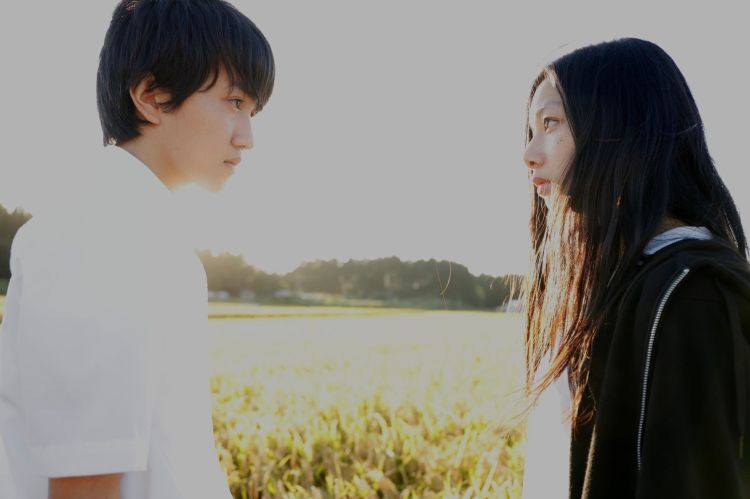
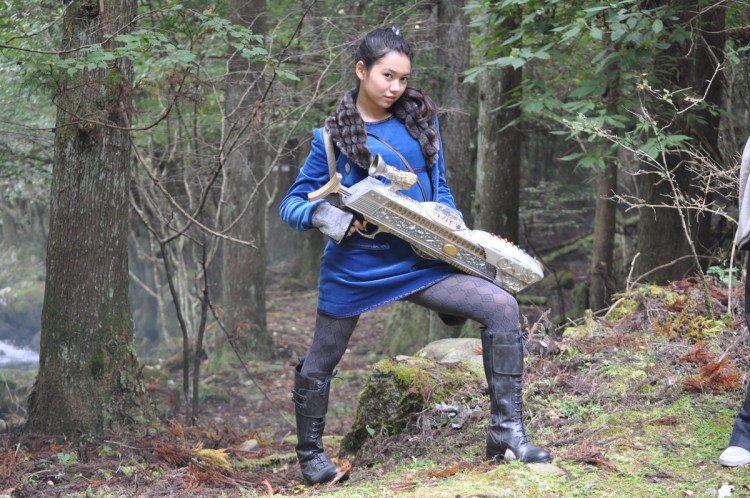
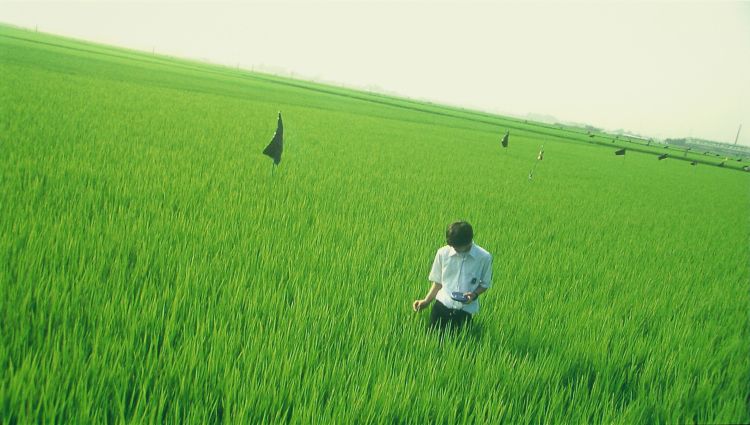
  • Follow the Light – sci-fi-inflected coming-of-age story in which a crop circle appears in a quiet rural village.
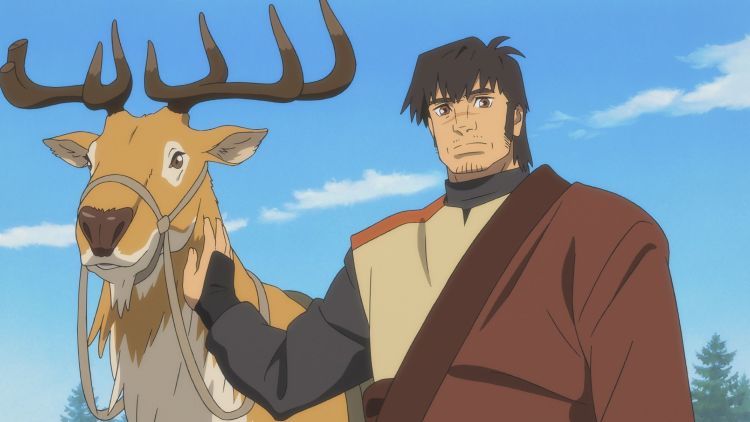
  • The Deer King – animated feature in which a former soldier and a young girl attempt to escape a deadly plague.
  • Grand Blue Dreaming – manga adaptation in which a straight-laced college student is pulled into the debauched life of the local diving club.
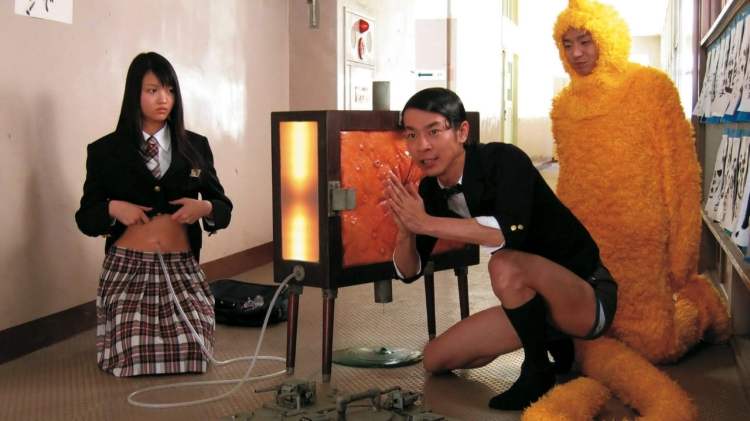
  • The 12 Day Tale of the Monster that Died in 8 – black & white COVID kaiju drama from Shunji Iwai.
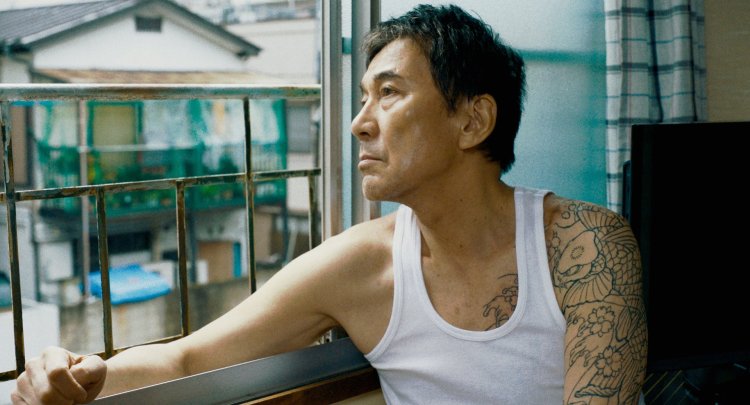
  • Under the Open Sky – A pure-hearted man of violence struggles to find his place in society after spending most of his life behind bars in Miwa Nishikawa’s impassioned character study. Review.
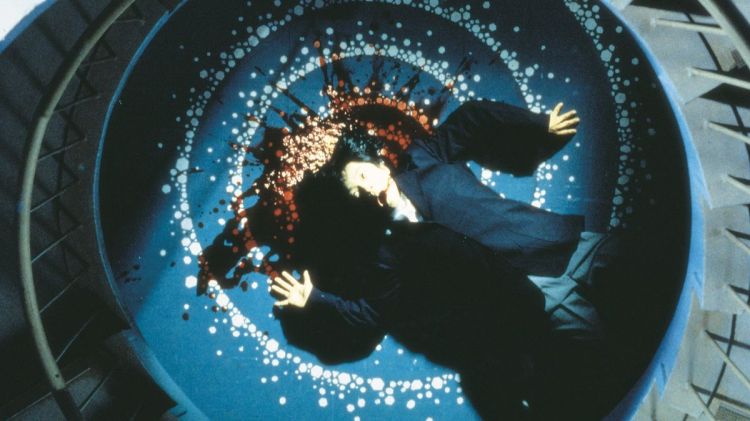
  • Uzumaki – 2000 horror movie adaptation of Junji Ito’s manga in which mysterious spirals engulf a small town.
  • Funky Forest – 2005 quirky anthology film
  • Warped Forest – 2011 sequel to Funky Forest from Shunichiro Miki
  • All About Lily Chou Chou – Shunji Iwai’s 2001 school bullying drama
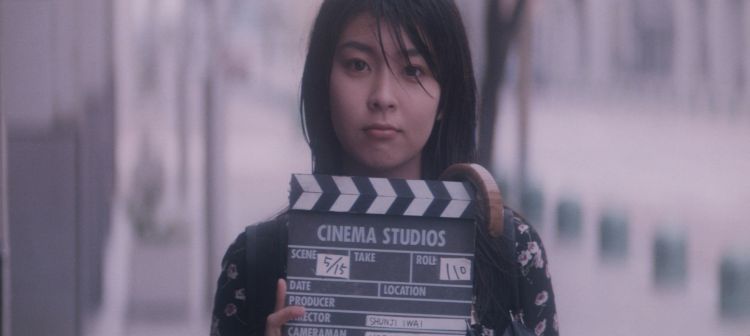
  • April Story – Shunji iwai’s charming 1998 mid-length film starring Takako Matsu as a young woman moving to Tokyo for uni.

Hong Kong

  • Time – an ageing hitman takes up a new career in euthanasia in Ricky Ko’s black comedy. 
  • Septet – HK-themed anthology featuring instalments by Patrick Tam, Ringo Lam, Ann Hui, Johnnie To, Yuen Woo-ping, Tsui Hark, Sammo Hung
  • Hand Rolled Cigarette – A cynical former British soldier and a South Asian street thief find unexpected solidarity in Chan’s gritty neo-noir. Review.
  • One Second Champion – A dejected single-father with a “useless” superpower finds a new lease of life in the boxing ring in Chiu’s plucky social drama. Review.
  • Raging Fire – Benny Chan action drama starring Donnie Yen as a by the book cop facing off against Nicholas Tse’s maverick gone rogue.

Korea

  • Voice of Silence – A mute farmer begins to dream of a different life after being charged with minding a kidnap victim in Hong Eui-jeong’s strangely warmhearted crime caper. Review.
  • The Slug – A woman in her ’30s struggles to overcome a sense of toxic inadequacy born of teenage trauma in Choi Jin-young’s whimsical drama. Review.
  • Collectors – a tomb raider prepares a daring heist to retrieve a precious artefact.
  • Devil’s Deal – political drama in which a slighted politician steals classified information
  • Midnight – thriller in which a deaf woman becomes a target for a killer after witnessing a murder.
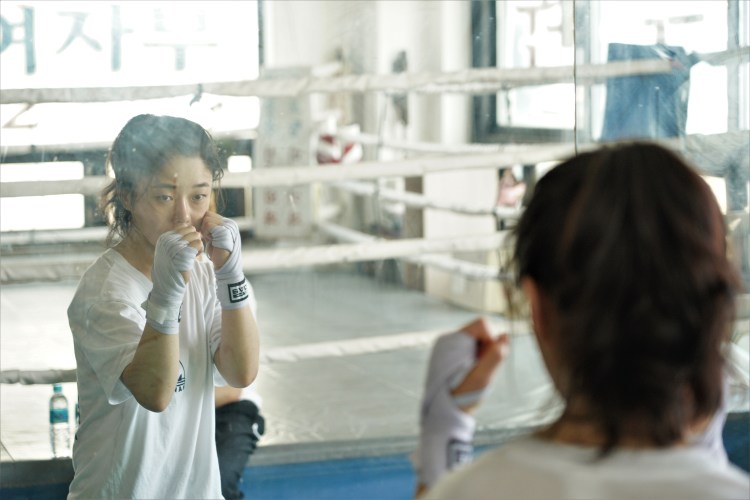
  • Fighter – a North Korean refugee pins her hopes on boxing to bring her father to the South
  • Josee – Korean adaptation of Seiko Tanabe’s short story Josee, the Tiger and the Fish in which a student befriends a young woman isolated by her disability.
  • Seobok – big budget sci-fi starring Gong Yoo as a former government agent teaming up with the first human clone

Kazakstan

  • Sweetie You Won’t Believe It – after arguing with his wife a husband gets more than he bargained for while fishing with friends.

Malaysia

  • The Story of Southern Islet – a wife embarks on a perilous journey to save her ailing husband.

The Philippines

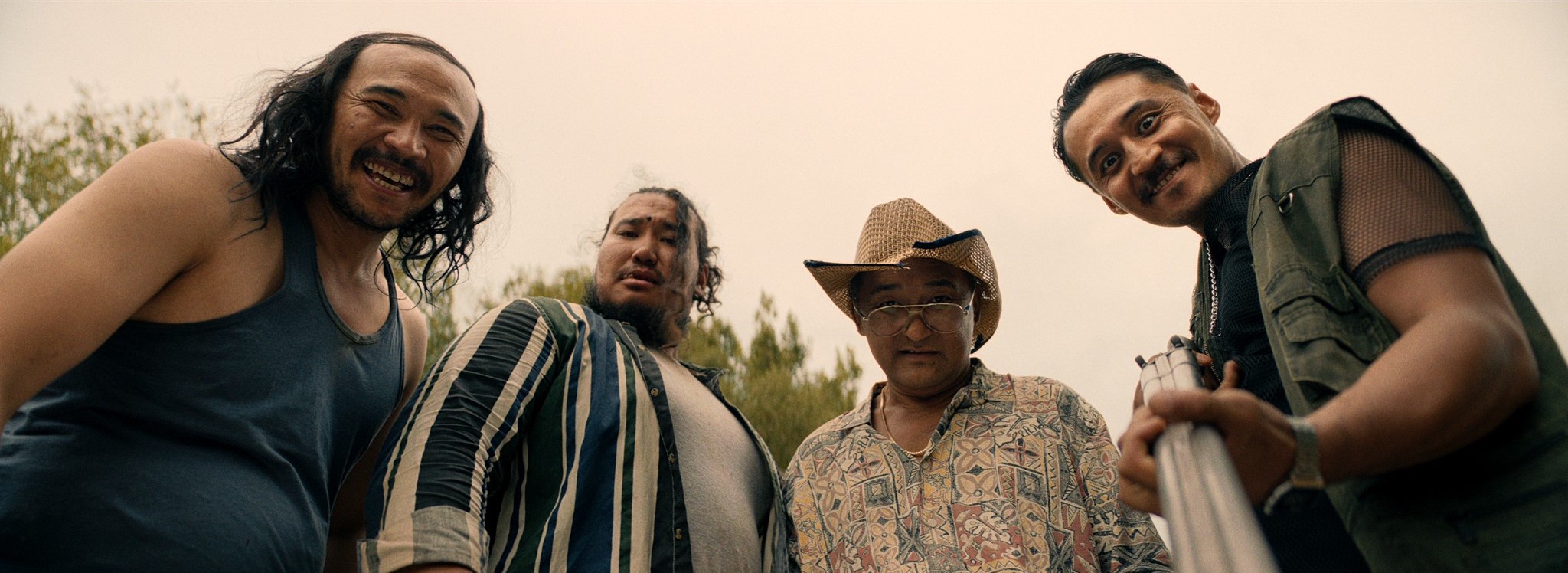
  • Midnight in a Perfect World – dejected youngsters contemplate the costs of their newly “utopian” society in Dodo Dayao’s eerie, sci-fi inflected horror take on the legacy of martial law. Review.

Singapore

  • Tiong Bahru Social Club – An earnest young man experiences an existential crisis while living in the “happiest neighbourhood in the world” in Tan Bee Thiam’s whimsical satire. Review.

Taiwan

  • The Sadness – an office worker and her filmmaker boyfriend attempt to escape a deadly epidemic of rage and violence in Robert Jabbaz bloody horror

Most films will be available to stream in Canada from 5th – 25th August with some also screening in Montreal. “Tickets” for online movies are limited in number comparable to the size of a physical auditorium and while much of the programme is available on demand selected films will stream live only. Full details for all the films are available via the the official website, and you can also keep up with all the latest news via the festival’s official Facebook pageTwitter account, Instagram, and Vimeo channels.