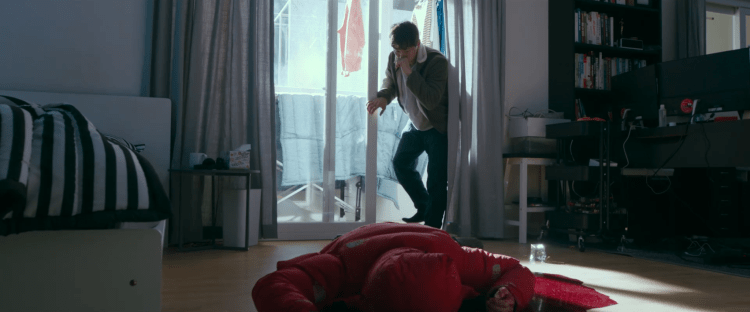
What to Do With the Dead Kaiju? (大怪獣のあとしまつ, Satoshi Miki, 2022) [Fantasia 2022]

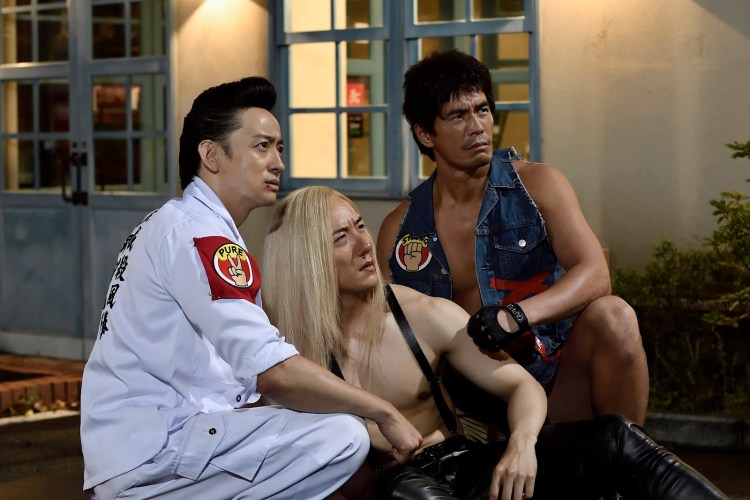
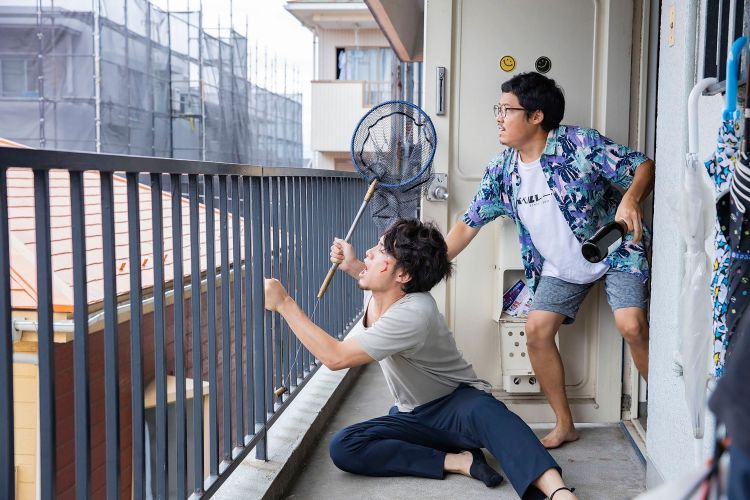
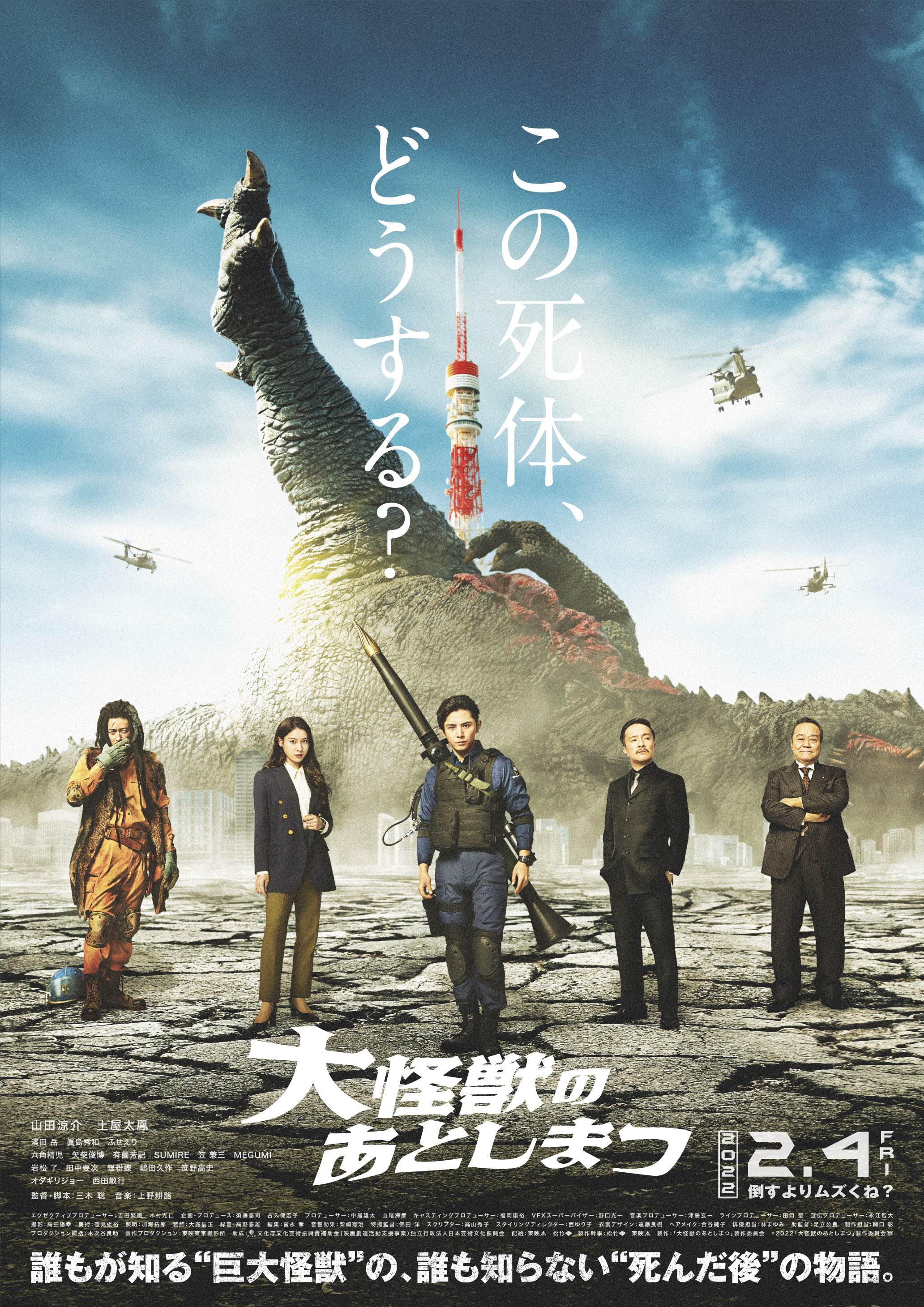
The sudden appearance of a deus ex machina is usually where a story ends. After all, that’s the point. Whatever crisis is in play is suddenly ended without explanation. But what happens then? Satoshi Miki’s What to Do With the Dead Kaiju? (大怪獣のあとしまつ, Daikaiju no Atoshimatsu) steps in to wonder what it is that comes next after a giant monster has been defeated. Someone’s going to have to clean all that up, and in a surprising twist a fair few people are keen to take on the burden. Like Hideaki Anno & Shinji Higuchi’s Shin Godzilla, which the film is on one level at least attempting to parody, Miki’s kaiju comedy is a government satire this time casting shade on the nation’s pandemic response, though with considerably less nuance. 

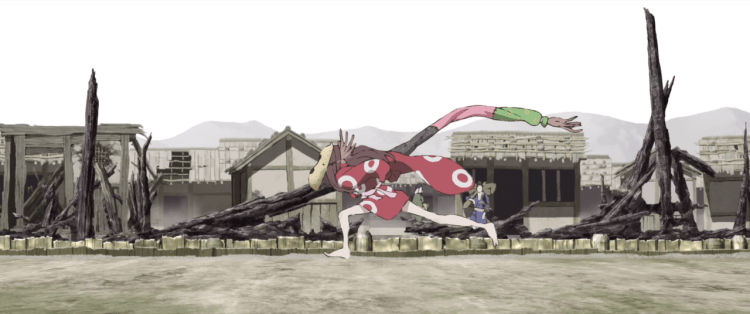
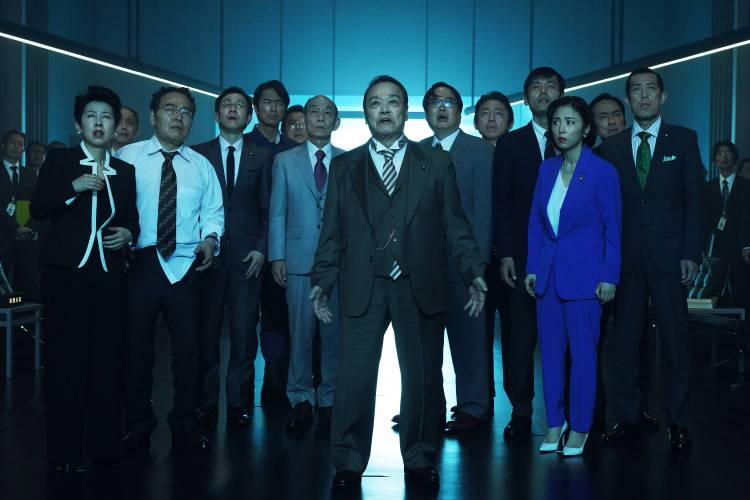
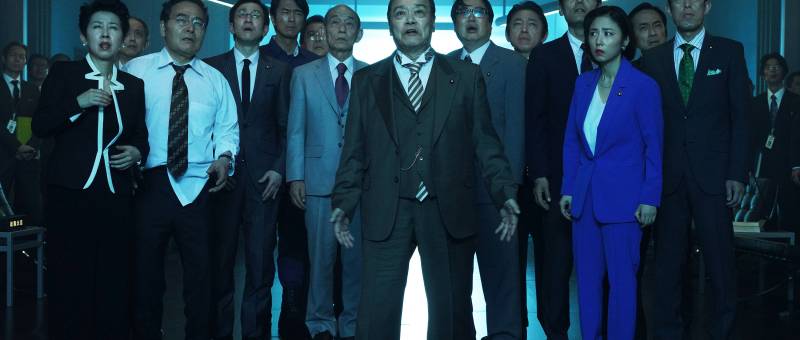
As the opening onscreen text, a nod to Shin Godzilla, and accompanying voiceover tell us Japan had been plagued by a kaiju but it suddenly died after being engulfed by a mysterious ball of light. While attempting to comedown from the constant state of anxiety under which they’d been living, the prime minister (Toshiyuki Nishida) is at a loss for what to do next especially as no-one really knows if the kaiju corpse is safe. While trying to ascertain whether or not the fallen kaiju might explode, spread dangerous radiation, or present some other kind of threat, government departments start fighting amongst themselves about whose responsibility the clean up effort must be all of them wanting the glory but not the work or expense. 

Some suggest turning the kaiju’s body into a massive tourist attraction and are therefore less keen on anything that involves destroying it while others think it should be preserved and put in a museum. The government has placed the SJF, a militarised science force set up after a terrorist incident, in charge but isn’t listening to much of what they’re saying. Meanwhile, evil moustachioed staffer Amane (Gaku Hamada) is playing his own game behind the scenes which also involves his wife, Yukino (Tao Tsuchiya), who was previously engaged to the leader of the SJF Taskforce, Arata (Ryosuke Yamada), before he abruptly disappeared after being swallowed by a mysterious ball of light three years previously. 

The political satire largely revolves around the indecisive PM, who at one point says he has no control or responsibility for what the other ministers do, and his anarchic cabinet meetings in which politicians run round in circles and insult each other like children. Not exactly subtle, much of the humour is indeed childish and scatological while one minister’s running gag is making sleazy sexist remarks even at one point accidentally playing a saucy video instead of displaying the latest kaiju data on the communal screen. The government experiences a public backlash in deciding to name the kaiju “Hope” which lends an ironic air to its rampage not to mention the necessity of its destruction, while the decision to declare the body safe for political reasons despite knowing it probably isn’t (“protecting the people’s right not to know”) casts shade on the pandemic response among other crises as do the constant refrains about getting back to normal now the crisis is over. 

Then again, there’s something a little uncomfortable going on with the film’s geopolitical perspectives, throwing up an angry politician on the screen with a mangled name who insists that the kaiju originated on their territory and must be returned to them in what seems to be an awkward allusion to Japan’s ongoing territorial disputes with Korea even while it’s suggested that the Americans wouldn’t mind getting their hands on the corpse either for purposes of experimentation and research. On the other hand it also becomes apparent that the Japanese military have deliberately destroyed civilian homes and cost lives in a reckless attempt to stop the kaiju which obviously failed. 

The closing scenes hint we may have been in a slightly different franchise than the one we thought we were dealing with, another deus ex machina suddenly arriving to save the day after the villains almost cause accidental mass destruction. The film’s problem may be that it’s the wrong kind of silly, relying on lowbrow humour while otherwise trying to conform to a blockbuster formula in which the kaiju corpse becomes the new kaiju but the battleground is bureaucracy. Ultimately the film’s prognosis is bleak. Even when the PM has achieved sufficient growth to realise he should make some kind of decision he makes the wrong call leaving everything up to a lone hero while fundamentally failing to come to any conclusion on what to do with a dead kaiju save trying to ensure it does not blow up in his face. 


What to Do With the Dead Kaiju? screened as part of this year’s Fantasia International Film Festival.

Original trailer (English subtitles)
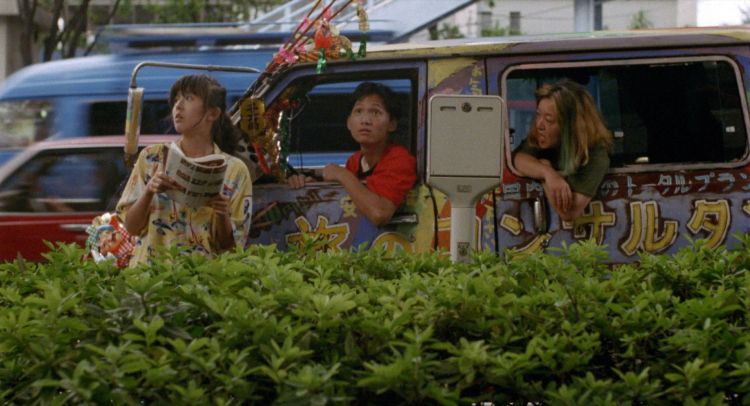
Convenience Story (コンビニエンス・ストーリー, Satoshi Miki, 2022) [Fantasia 2022]

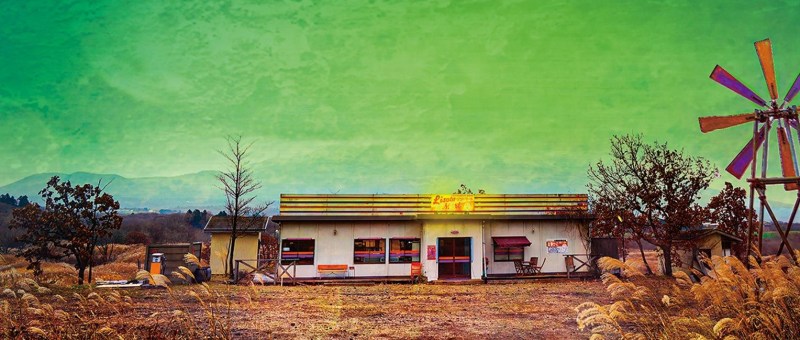
“This is unreal, but it’s real” a blocked screenwriter exclaims in finding himself in an uncanny world only slightly divorced from his previous reality but perhaps excellent fodder for his art. Quite clearly influenced by David Lynch in its Twin Peaks-esque setting, jaunty jazz score, and overt references to Mulholland Drive, Fire Walk with Me, and Blue Velvet, Convenience Story draws inspiration from a short story by veteran Japan Times critic Mark Schilling to spin an elliptical tale of otherworldly adventure and inexorable fate. 

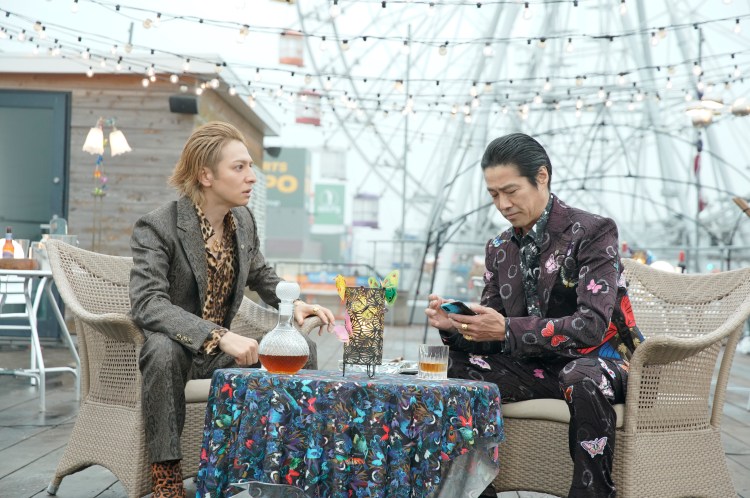
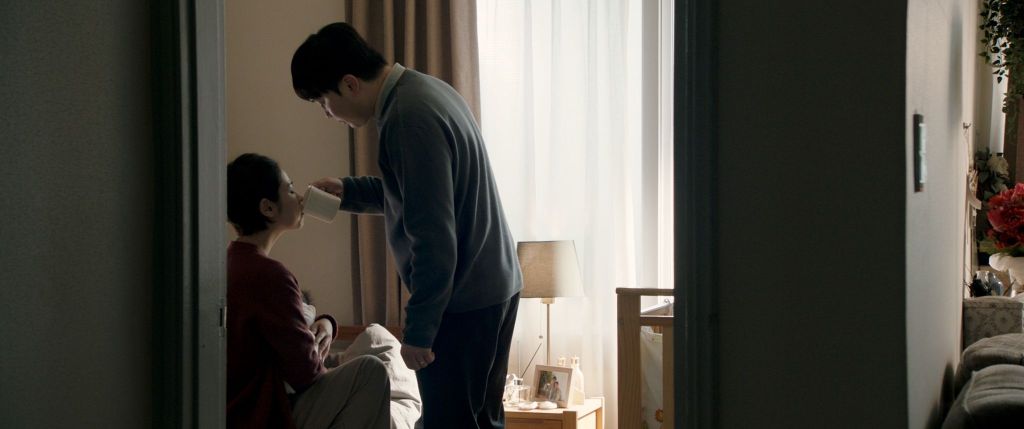
Down on his luck screenwriter Kato (Ryo Narita) can’t seem to get an idea off the ground and is in an increasingly volatile relationship with aspiring actress Zigag (Yuki Katayama) whose dog Cerberus he barely tolerates. When he has to venture out in search of Cerberus’ favourite brand of dog food, Weredog, the adorable pooch accidentally deletes the screenplay Kato has been working on leading him to decide to abandon him in the remote countryside. However, after damaging a Buddhist statue, he stops at a random petrol station convenience store which looks like it hasn’t been touched since the 1980s. Sucked through some kind of portal, he finds himself in an alternate combini reality in the company of pretty damsel in distress Keiko (Atsuko Maeda) and her decidedly weird husband Nagumo (Seiji Rokkaku). 

As the film begins to head into The Postman Always Rings Twice territory, Kato begins to rejuvenate his creative mojo while Zigzag, who is about to get her big break working with an incredibly insecure director (Kiyohiko Shibukawa) and sleazy producer, wonders what’s happened to her dog and takes drastic steps to find out. “Life’s big chances come in an instant” the director insists, though for Kato time seems to have stopped while he contemplates the combini existence. After all, it’s called a convenience store for a reason. They have everything you’ll ever need so there’s no real reason to leave. Smarting from his creative block, Kato asks if convenience stores sell interesting stories and in a way they do, or at least this one and the one in his neighbourhood which may or may not be connected by some kind of cosmic combini network, conspire to feed his imagination so he can deliver a promising script to his eccentric editor (Eri Fuse). 

Then again, Keiko asks him if he writes about an ideal world or his personal reality and it’s a question that he can’t quite answer hinting that this strange alternate universe may be some kind of fever dream conjured up by his latent imagination. “A screenwriter’s job is to fantasise”, Keiko seductively tells him, though his editor and a producer with whom he had also exchanged a flirtatious email had previously giggled over his non-starter of a screenplay which they described as an embarrassingly chauvinistic male fantasy. That’s certainly one way you could describe his otherworldly combini adventure in the foxy damsel in distress characterisation of Keiko who quite obviously just wants him to take her away from all this, sick of the oppressive convenience of the combini life and of her incredibly strange, seemingly controlling husband. 

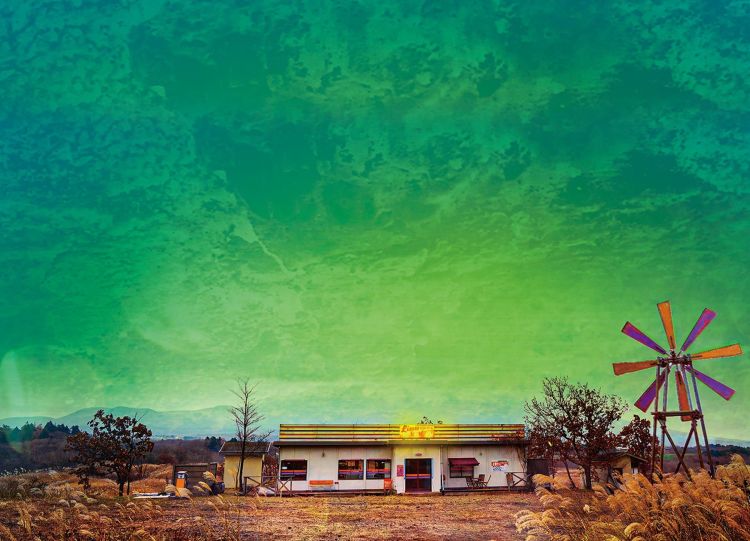
Then again on their attempt to escape, the couple end up in an endless three-day ceremony of eternity during which the souls of the dead are supposed to journey to the afterlife. Everyone is keen on travelling to another world, except perhaps for Kato who is already in one, yet struggles to escape the uncanny uniformity of the combini society. “Another world exists in here” Kato is creepily told on a visit to his local, much more contemporary though not all that different, convenience store beginning to realise that perhaps there is no real escape from this maddening world of convenience at least not for him. Shades of Orpheus and Eurydice guide him out of his purgatorial existence yet ironically only into more of the same until the inevitable, karmic conclusion. Fantastic production design adds to the sense of retro absurdity strongly recalling Twin Peaks in its use of ‘50s-style diners and the frozen in time petrol station road stop existing for some reason the middle of nowhere with no road in sight, while casting a note of fatalistic dread over the life of a blocked screenwriter who eventually comes to realise that convenience isn’t always quite what it’s cracked up to be.


Convenience Story screened as part of this year’s Fantasia International Film Festival.

Original trailer (English subtitles)
The Girl From the Other Side (とつくにの少女, Yutaro Kubo & Satomi Maiya, 2022) [Fantasia 2022]

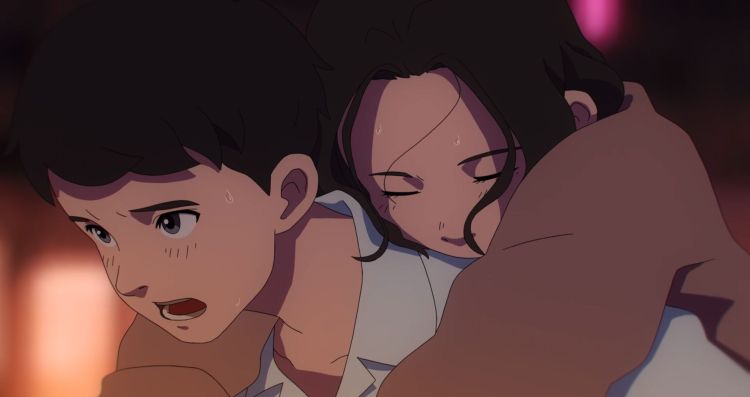
A kindly exile and lonely little girl find mutual salvation in Yutaro Kubo & Satomi Maiya’s gorgeously animated fairytale, The Girl from the Other Side (とつくにの少女, Totsukuni no Shojo). A poetic mood piece, the film has a painterly feel reminiscent of classic children’s picture books and essentially tells a very simple story about the redemptive power of kindness and acceptance in which two exiles find the strength to begin again taking care of the other in a world of warmth and safety.

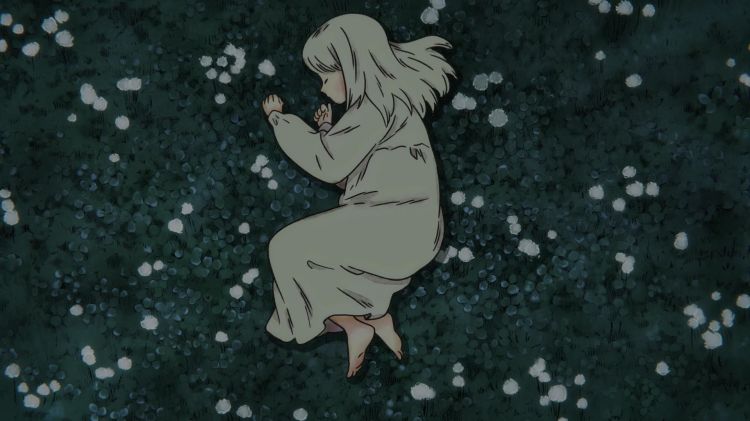
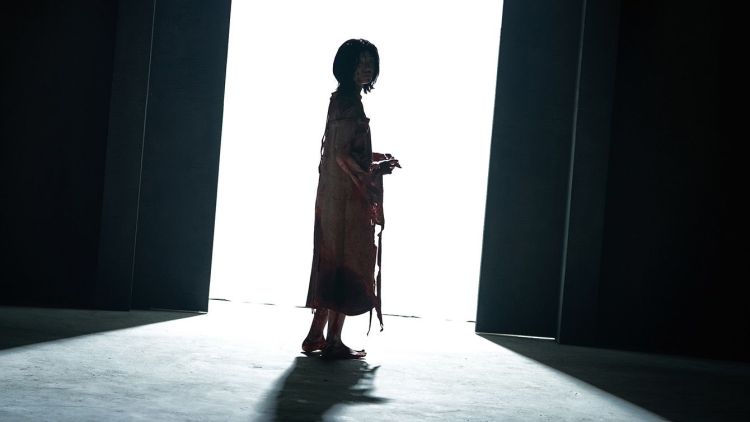
Set in an indistinct time period, the film opens with a cohort of soldiers from the Inside dumping bodies in the forest, apparently victims of some kind of curse. Hearing a noise, one turns round explaining that they have to kill them all or their efforts will be meaningless, while mysterious man with goat horns on his head discovers the angelic figure of a little girl, Shiva (Rie Takahashi), fast asleep. Evading the soldier, who is later himself “cursed”, the man takes her home with him but explains that he cannot ever touch her, not even to treat her wounds, lest he infect her with the “curse” though he is not like the other “Outsiders” who spread it deliberately. 

The curse has robbed the man, whom Shiva calls “Teacher” (Jun Fukuyama), of his humanity. He is certain that he was once human and lived a normal life with a wife and child behind the walls of the Inside, but is now a lonely exile who no longer knows his name. He worries that Shiva will be frightened by his appearance and may choose to leave putting herself in danger in the process but Shiva accepts him instantly and quickly settles in to his cottage-style home while experiencing brief nightmares in which she is eventually rescued from her loneliness by the Teacher. But the closer they get, the more Teacher feels guilty convinced that Shiva would be better off in a community with other humans rather than living with him under the danger of inheriting his curse. 

Shiva and Teacher are each in their ways exiles, though there is also something dark in the constant references to Insiders and Outsiders along with the looming threat of the military and their determination to wipe out anything “suspicious” fearful of any kind of contamoination. The Outsiders are those in some way rejected by the mainstream society, many of whom have become dark and marauding, feeding on the souls of others who live outside the walls. Teacher wants to save Shiva from the unbearable loneliness he feels as a cursed man who no longer knows his past and is forbidden from human touch yet in the need to protect her he also discovers a purpose and begins to recover something of his humanity. “She is my light” he later explains to a supernatural force, himself stunned by the realisation that even he could be a light for someone else and discovering in it a new possibility for life. 

There is of course a sadness for the world that’s been lost and can never be regained, but also warmth and tenderness in the simple life of Teacher and the girl as symbolised by smoke rising from their chimney as if the house itself were breathing. As Teacher had said, all things must end in time, but the time is not necessarily now and there is much to be done before it runs out. In Teacher, Shiva finds a place of safety and protection. In her dreams she is rescued by the hands which on waking cannot touch her, while Teacher finds in her a path towards reclaiming his humanity. They may never find their way back to those they’ve lost, but they can now begin again as a new family overcoming their loneliness and despair through mutual compassion. 

Beautifully illustrated with a retro flickering effect and water colour-esque backgrounds, Girl From the Other Side situates itself in a melancholy world in which some are consumed by the curse of their inner darkness and suddenly sprout into huge burnt trees, yet as Shiva says there’s a poignancy even in their destruction noticing that whole communities sprouted together rather than wandering apart. Moving and tender, it reaches a kind of serenity in its final moments in the simple act of living with warmth and possibility. 


The Girl From the Other Side screened as part of this year’s Fantasia International Film Festival.

Original trailer (no subtitles)

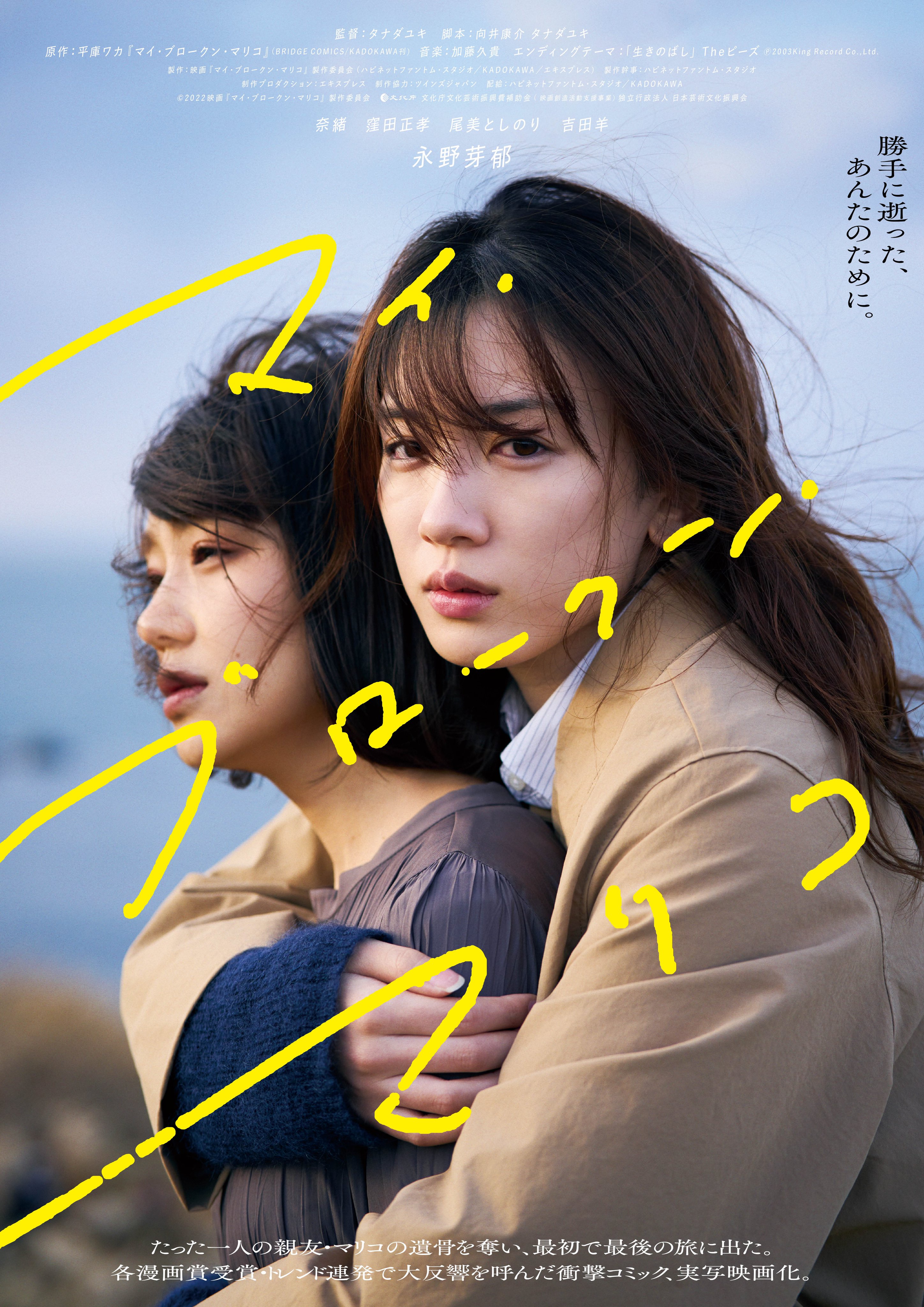
My Broken Mariko (マイ・ブロークン・マリコ, Yuki Tanada, 2022) [Fantasia 2022]

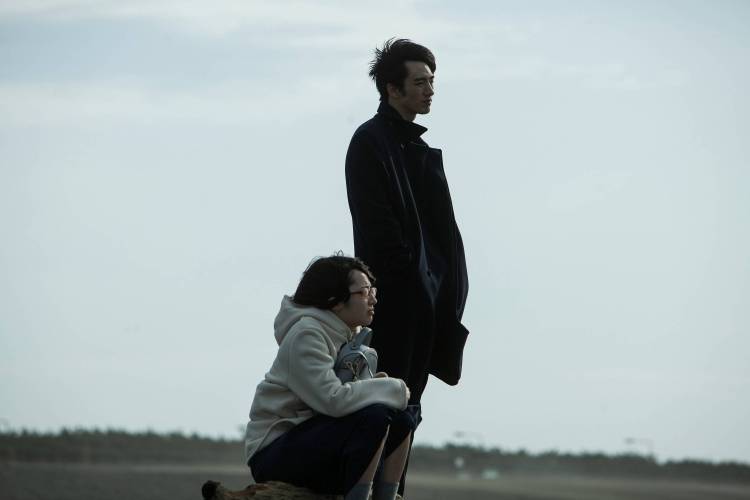
“The only thing you can do for a person who’s gone, is to live” according to a kindly soul at a train station attempting to comfort the heroine of Yuki Tanada’s adaptation of the manga by Hiroko Waka, My Broken Mariko (マイ・ブロークン・マリコ). It is in many ways, however, Shiino (Mei Nagano) who is trying to put herself back together after earth-shattering loss, attempting to reclaim her friend’s memory while struggling to reorient her life in the wake of her absence. Yet what she comes to realise is that all she can do for Mariko (Nao) now is to try to live.

At a cafe one ordinary day, Shiino hears the news announce the death of a woman presumed to have taken her own life who has the same name as her childhood friend. Overcome with anxiety, she tries to call Mariko on the phone but gets no answer nor reply to her messages. Dropping by her apartment, she realises the worst is true. Mariko is gone and she didn’t even say goodbye. Her apartment has already been cleared and her parents apparently opted for a “direct” cremation not even bothering to hold a funeral. It’s almost as if Mariko never existed at all. 

Consumed by grief and guilt that she didn’t see her friend’s death coming or in some way failed to save her, Shiino makes up her mind to rescue her unable to bear it that the father who beat and abused her all her life is allowed to keep her in death. After making a dramatic raid on their apartment, she kidnaps Mariko’s funerary urn and hits the road searching for new directions while on one last road trip looking for a safe place to let her friend rest. 

This was certainly an intense friendship or on Shiino’s side at least something more, she is clearly coded as queer in her masculine speech and attire, yet Mariko seems to have looked to her as a sisterly or maternal figure at one point exclaiming that she would have liked it if Shiino had given birth to her. As high school girls they’d idly looked at flats for rent, vowing to stay together until they were old and most importantly with a pet cat but even though Mariko had threatened suicide if Shiino were to get a boyfriend she eventually drifted away into a series of abusive relationships for which she continued to blame herself. Shiino can’t forgive herself that as much as she tried to show her she cared, she was never able to reach her or to restore Mariko’s sense of self worth. Now that she’s gone she finds herself still searching for her, struggling to remember not only the bad things or the good things but everything she was.

Through her random road trip, Shiino is forced to let Mariko go little by little firstly with the loss of her childhood letters to the unlikely appearance of a bag snatching biker in small-town rural Japan and secondly in ironically using the funerary urn to save another woman from abuse. The ghost of Mariko seems to hover around her, a street lamp flickering in comfort as she breaks down in tears in the street reading a letter in which the young Mariko told her she was no longer afraid to walk in the dark after hearing that Shiino used to go walking at night and she might bump into her at any time, while she is at one point almost possessed by her spirit when reclaiming her memory from the abusive father Shiino blames for causing her death in slow motion. In setting Mariko free she liberates herself not least from her all consuming friendship in which she admits that she had nothing and nobody else. 

“So this is how we get back to our ordinary lives” she reflects, lamenting that to the rest of the world Mariko’s death is an irrelevance and her absence barely felt, a realisation that can’t help but leave her feeling small and insignificant as do the offhand remarks from Mariko’s landlord that it’s a good thing she didn’t die in the apartment and her exploitative boss’ insistence that the death of a close friend isn’t a good enough excuse to take time off work. Replete with a quirky sense of humour despite the deep melancholy of Shiino’s overwhelming grief, Tanada’s empathetic drama finally allows its heroine to put herself back together again living quite literally in memory of her friend. 


My Broken Mariko screened as part of this year’s Fantasia International Film Festival.

Original trailer (English subtitles)

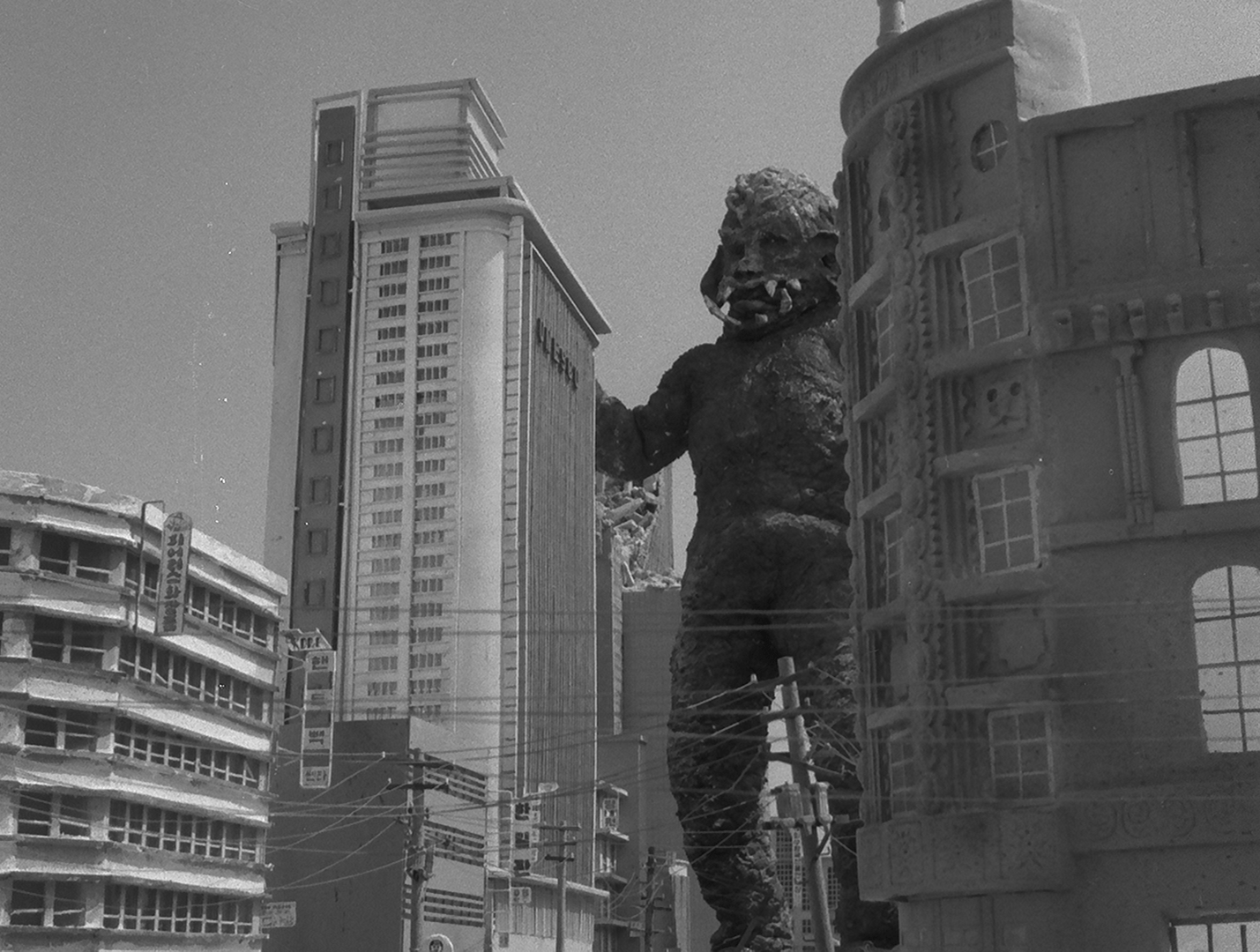
Space Monster Wangmagwi (우주괴인 왕마귀, Gwon Hyeok-jin, 1967) [Fantasia 2022]

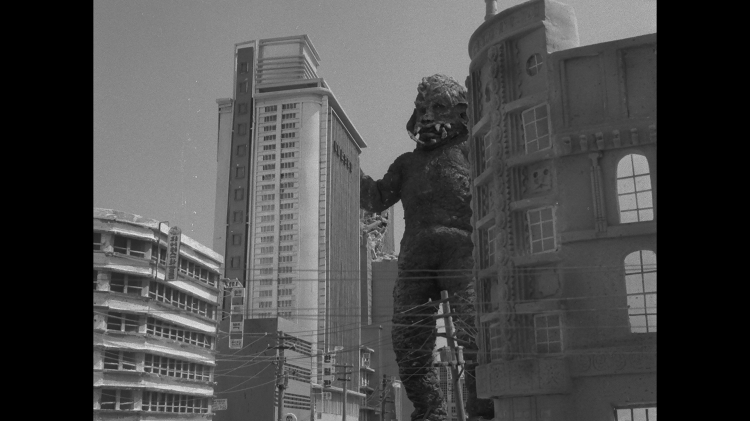
In Japan’s classic kaiju movies, the fault usually lies not with the monster but with humanity. The kaiju itself is neither good nor bad but simply what it is and its rampage is often a response to humanity’s mistreatment of the natural world or irresponsible scientific endeavour. In Korean monster movie Space Monster Wangmagwi (우주괴인 왕마귀, Ujugoein Wangmagwi), however, the threat is more concretely extra-terrestrial though the monster may be equally blameless apparently tortured and manipulated by an evil imperialist power hellbent on the colonisation of the Earth.

Shiny-suited aliens in impractical helmets are already on their way where they plan to disguise their invasion with the help of a passing typhoon. Their grand plan is to drop their space monster, Wangmagwi, onto the planet’s surface and let him run rampage until humanity has been subdued and they can claim the Earth. What they didn’t count on, however, is humanity’s spirited resistance led by brave Korean armed forces members and for some reason a plucky little boy with a pocket knife who manages to climb inside Wangmagwi and weaken him by taking out his vital organs. 

Wangmagwi’s extraterrestrial origins may hint at a fear of invasion most obviously from the North along with Cold War paranoia rather than an attempt to reckon with past transgressions or fear of new technology. The alien invaders are eventually forced to abandon their mission and turn back having experienced unanticipated human resistance vindicating the nation’s ability to defend itself even as the armed forces consider quite radical action such as the possibility of using nuclear weapons which the aliens from the planet Gamma admit would be disadvantageous seeing as they then wouldn’t be able to live on the planet either. 

Even so, the tone of the film is at least close to parody with the local population flailing about in panic trying to figure out what the best course of action might be. There is a particular irony in the captain of the spaceship’s explanation that the invasion has been 10 years in the planning so they can’t let it go wrong, while bride-to-be Ahn Hee feels something similar because she’s been planning her wedding all her life so this whole alien invasion thing is very inconvenient for her. Despite the warnings, Hee and her mother head to the wedding hall anyway with her in her full wedding dress waiting for airman fiancée Oh (Namkoong Won) to arrive though all military personnel have already been ordered back to base. Obviously, having her wedding cancelled at such short notice is distressing, but given there’s a rampaging kaiju on the loose Hee’s hysterics seem both childish and irresponsible though she later pays for them in being kidnapped by Wangmagwi and carried around just like Fay Wray in King Kong.

Meanwhile, the film throws in a lengthy comic relief sequence revolving around two middle-aged men who set up a bet to see who is the most cowardly leveraging their life savings, homes, and even a wife who later throws herself on the other man’s mercy hoping he’ll help her escape the kaiju because her own husband is too useless to be relied upon. Conversely, the military aren’t finding this funny at all instantly springing into action risking their lives to stop Wagmagwi’s rampage through the capital city which after all has only recently been rebuilt. The little boy meanwhile, seemingly an orphaned street kid, complains that grownups are all cowards incapable of facing Wangmagwi and so he’ll have to do it himself. 

The film ends on a note of familial reconciliation in which Hee and Oh pledge to adopt the boy suggesting that the threat has been overcome and normality has now returned while the Gamma simply sacrifice Wangmagwi in deciding to cut their losses and return home. Despite the comic overtones, the praise of the armed forces is sincere leaning into an authoritarian message that the military is necessary for protection of the nation while subtly undercutting it by suggesting that it’s a fearless boy who is responsible for Wangmagwi’s downfall though in reality it’s the Gamma who eventually turn on him, ordering his “termination” through a “self-destruct” mechanism. Featuring some impressive model work, Space Monster Wangmagwi never takes itself too seriously, packing in portentous storm noises alongside its tokusatsu-inspired effects, but does perhaps have something to say about the anxieties of the Korean society in the late 1960s. 


Space Monster Wangmagwi screened as part of this year’s Fantasia International Film Festival.

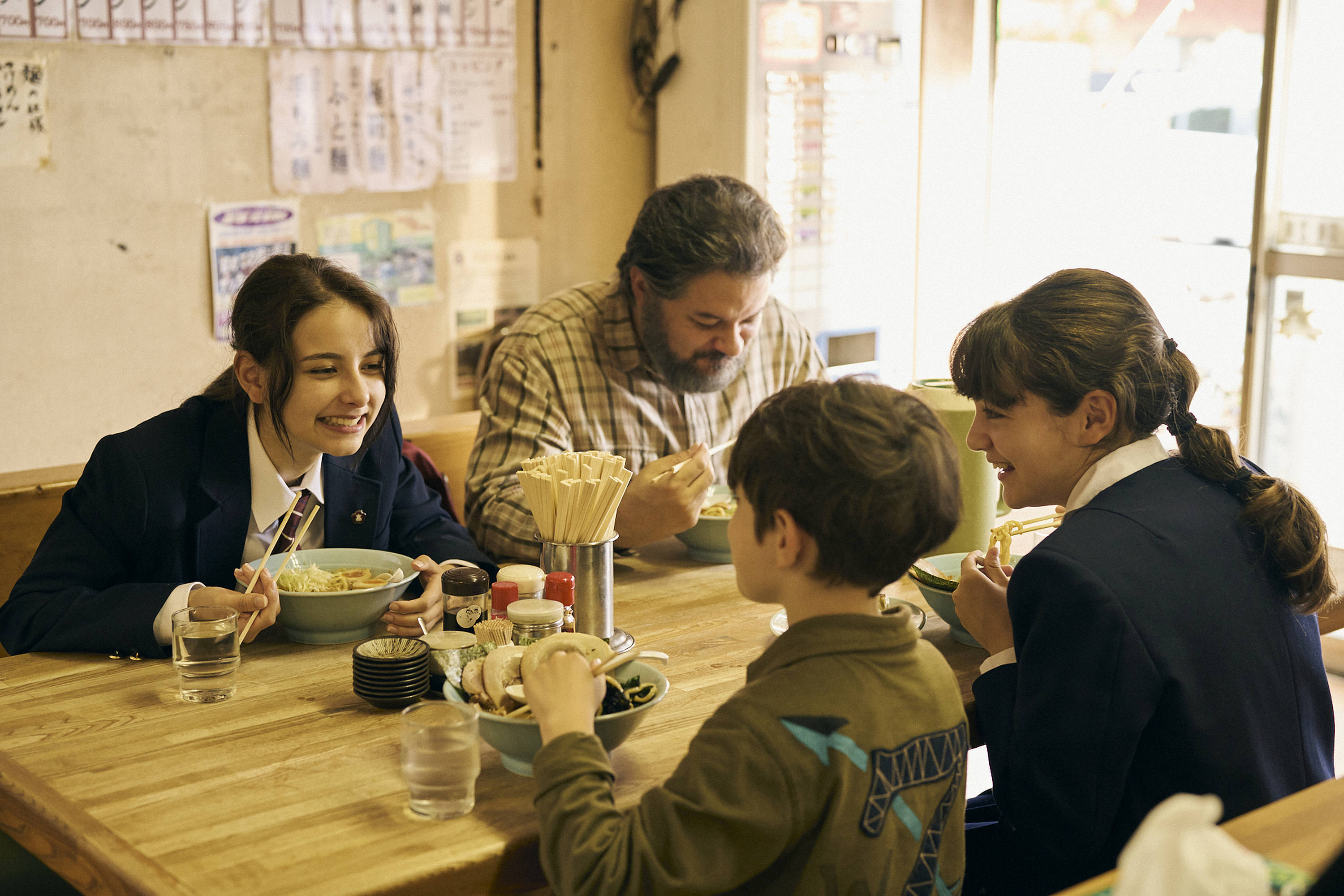
My Small Land (マイスモールランド, Emma Kawawada, 2022) [Fantasia 2022]

Despite the nation’s relative wealth, Japan’s refugee policy is incredibly strict. In 2021, it approved the claims of just 74 asylum seekers which may seem like a small amount but is actually the highest number of people granted asylum since Japan first began recognising refugees in 1982. In fact, only 915 people (as of May 2022) have been granted refugee status in the 40 years since the policy was put in place. For a nation that prides itself on omotenashi, it’s a curiously hostile stance and one which has increasingly come under the spotlight in contemporary cinema with films such as Thomas Ash’s hard-hitting documentary Ushiku exploring the lives of asylum seekers trapped in indefinite detention, Akio Fujimoto’s Passage of Life, and briefly in Nobuhiro Suwa’s Voices in the Wind in which the heroine encounters a welcoming community of Kurdish refugees. 

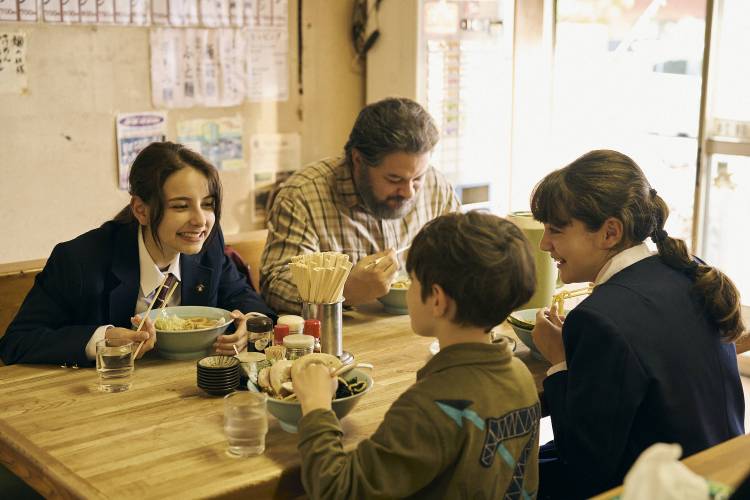
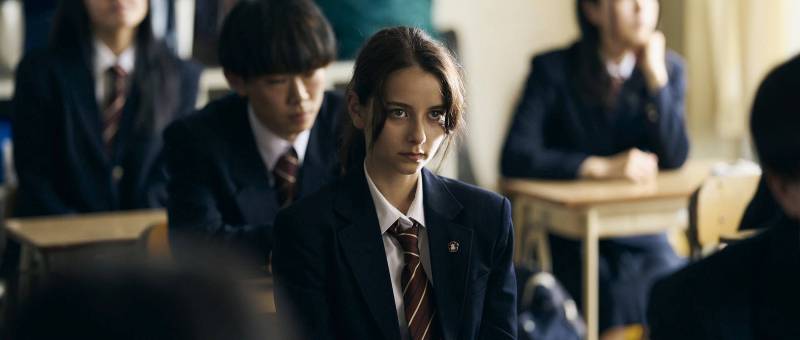
Director Emma Kawawada is not from a refugee background herself but the daughter of a British father and Japanese mother and in her first feature My Small Land (マイスモールランド) explores the themes of cultural dislocation through the eyes of a young Kurdish woman who came to Japan at five years old after her father was persecuted and tortured for his political beliefs in Turkey. In the film’s opening sequence, Sarya (Lina Arashi) is visibility distressed at a community wedding when a well-meaning older woman tells her it’ll be her turn next, her father (played by Arashi’s real father) chipping in that they still have her late mother’s dress for her to wear. She looks down at the red paint on her hand which, as she later explains to convenience store workmate Sota (Daiken Okudaira), is worn by relatives at a wedding but also closely resembles the red sun of the Japanese flag. She tries to scrub to it off, but it won’t come clean and she’s eventually warned about it at work making an excuse rather than attempting to explain. 

In fact, Sarya has most been telling people that she’s German following an incident in primary school in which she wanted to say she was supporting Japan in the World Cup like everyone else but felt awkward about it and said Germany instead leading her classmates to assume that’s where she was from. When she tries to explain to Sota that she’s actually Kurdish, he hasn’t even heard of Kurds before and is confused later given a small lecture by Sarya’s father Mazlum explaining that the Kurds are an ethnic group divided by irrational borders and have no country of their own. His explanation echoes Sarya’s sense of rootlessness as a young woman with no clear homeland torn between two competing cultures. Though she has become an unofficial translator for the Kurdish community and her father keeps them immersed in Kurdish traditions she does not feel completely comfortable stating that she is a Kurd while on another level bothered by the community’s constant joking that she will one day wed construction worker Welat.

Sarya is bright and on track for a scholarship to university in Tokyo hoping to become a primary school teacher in tribute to the teacher who helped her when she first arrived in Japan with no language skills, but all that goes out of the window when Mazlum’s asylum claim is refused and the family lose their visas. Given a provisional release, they are not permitted to work and cannot leave Saitama, the prefecture where they are registered, without permission from the authorities. Saitama is directly adjacent to Tokyo, its borders as arbitrary as any other as demonstrated by the sign halfway along a bridge demarcating its boundaries. This is quite inconvenient for Sarya as her secret part-time job is technically in Tokyo, while it also means she has to explain to Sota why she can’t accompany him to Osaka where he hopes to look at art schools and is now technically working illegally. When Mazlum is caught working his construction job, he is put into indefinite detention and advised by the family’s sympathetic lawyer to reapply for asylum. If he is sent back to Turkey, he will be immediately arrested and his life will be in danger. 

The family’s situation lays bare how vulnerable asylum seekers are in the contemporary society. They are told they can’t work and can’t leave yet are provided no financial support leaving them with little option other than to break the rules or appeal to friends and family, if they have them, for immediate help. Left in charge of her two younger siblings who barely remember any Kurdish and know only Japan, Sarya finds herself resorting to compensated dating, pushed into potentially dangerous ways to earn money now that her route to legal employment has been taken away. Meanwhile, as her father is detained in a kind of “prison” and she has lost her visa, she is viewed as an “illegal” immigrant leading even those who had otherwise been sympathetic towards her such as Sota’s warmhearted mother (Chizuru Ikewaki) distancing themselves from the stigma of illegality. Sota wants to help, but he’s just a teenage boy and is unable to offer much beyond his savings which Sarya is understandably reluctant to accept. Even so, despite the bureaucratic cruelty at its centre, My Small Land has an otherwise hopeful outlook as Sarya begins to find the strength to define her own borders and boundaries while taking care of her family in a sometimes hostile society. 


My Small Land screened as part of this year’s Fantasia International Film Festival.

Original trailer (English subtitles)

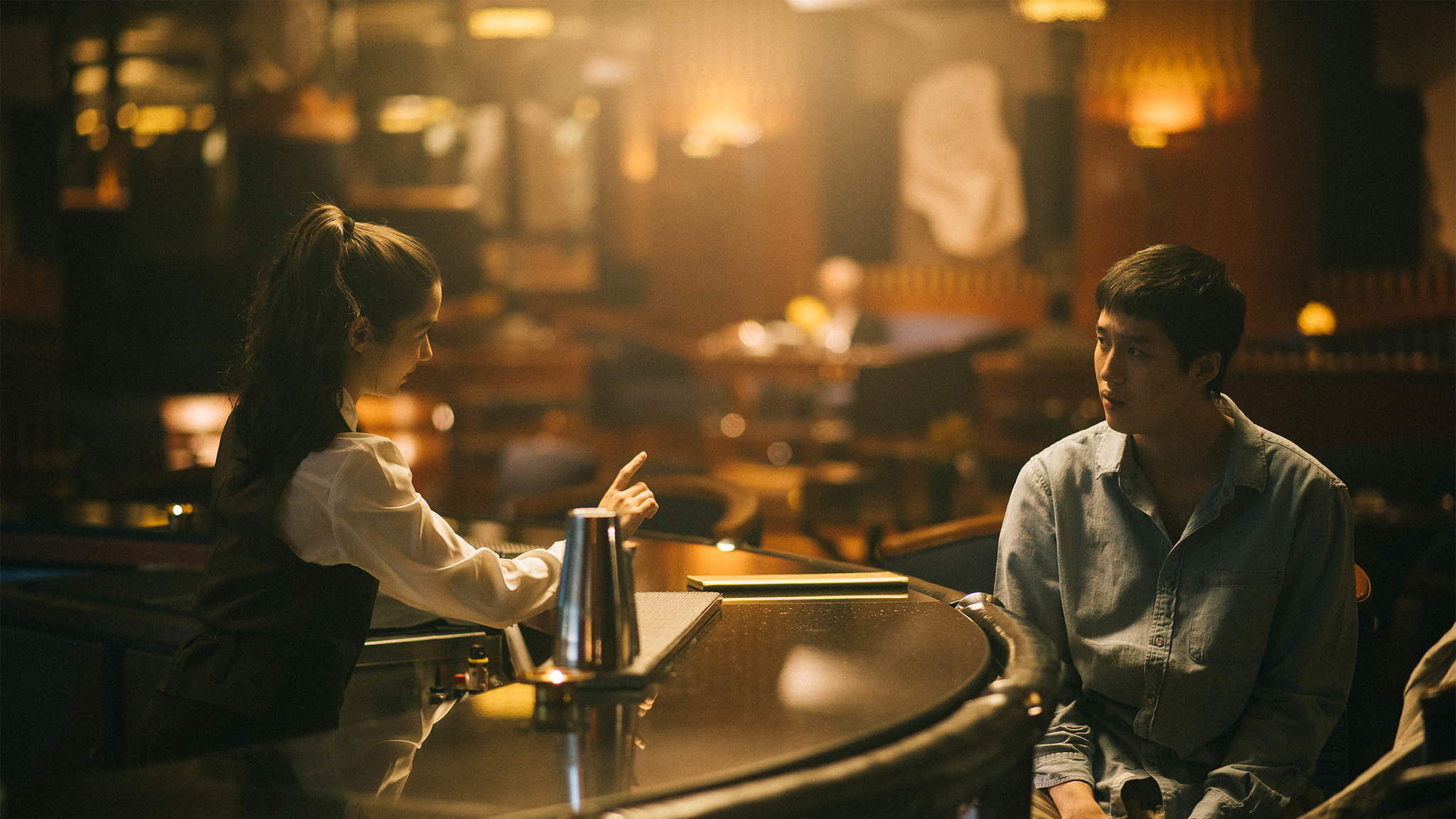
Just Remembering (ちょっと思い出しただけ, Daigo Matsui, 2021) [Fantasia 2022]

A communication breakdown gradually erodes the love of a young couple in Daigo Matsui’s melancholy romantic drama, Just Remembering (ちょっと思い出しただけ, Chotto Omoidashita Dake). Inspired by Jim Jarmusch’s Night on Earth, Matsui’s city vistas are drenched in loneliness and regret made all the deeper by the enforced isolation of the coronavirus pandemic while echoing the sense of rueful nostalgia that draws the fated lovers back together but unites them only in their shared sadness. 

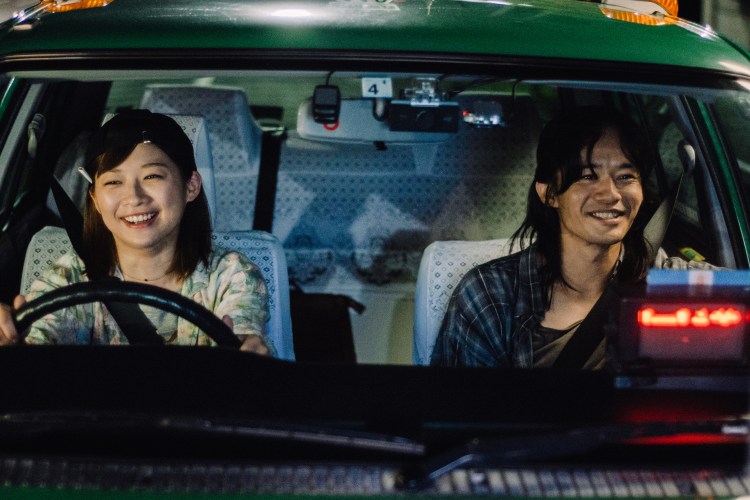
Told in a non-linear fashion, the film follows taxi driver Yo (Sairi Ito) and lighting technician Teruo (Sosuke Ikematsu) through the course of five year relationship picking up on each of Teruo’s July 26th birthdays as time ticks by with a weary fatalism expressed by an ever present wall clock. As the film opens, a lonely Teruo celebrates a birthday alone watching Night on Earth which we later learn to be his favourite film, a poster adorning the wall above his bed, and something of a touchstone in his relationship with Yo who is like Winona Ryder in the movie a woman who drives a taxi. Echoing the film’s title, each of them repeatedly encounters reminders of their time together from forgotten hair clips to outdated profile pictures that hint at the unresolved nature of their failed romance. In a park that leads to Teruo’s apartment, a man (Masatoshi Nagase) is often seen sitting by a tree waiting for his wife to arrive he says from the future. The man and his wife may perhaps represent an older version of Teruo and Yo though in contrast to his absolute faith and willingness to wait it’s uncertainty and an inability to reckon with intangible feeling that eventually disrupt their connection. 

Awkward and anxious, Yo struggles to express herself in words yet is unable to understand the world without them whereas Teruo communicates through dance and feels words to be largely unimportant unable to fully convey thoughts and emotions. The pair are indeed the most connected when they’re dancing, the otherwise shy and subdued Yo captivated by Teruo’s movement and dropping her guard to dance spontaneously in a quiet back alley while the street guitarist who forever connects them plays quietly behind. When Teruo injures himself and is left unable to dance, it destroys his ability to communicate and places an unbearable strain on the relationship as he retreats to lick his wounds unwilling to bother Yo with his mental and physical pain while she resents the distance he places between them and reads his reluctance to burden her as a fault line in their romance. She tells him that however he may change her feelings won’t, which only sounds to him as if she only loves an abstract idea rather than the reality while he too fears that she won’t like the him that that isn’t a dancer because not even he really knows who that Teruo may turn out to be. 

It’s telling in a way that the central love confession occurs in a taxi that’s being driven by someone else, a bemused older man who encourages the pair that it’s best to say what you want to say while you can and literally stops time for them by pausing the meter as twinkle twinkle little star echoes ironically in the background. Yo says she likes her taxi job because she has a desire to travel but not the ability to choose a destination and driving the taxi allows her to feel as if she’s on the way to something though she’s only following her passengers’ instructions. Her essential trait is passivity, feeling lost and aimless in her life and often allowing others to make her choices for her save when she follows the advice of a lovelorn barman (Jun Kunimura) who tells her that sometimes you have to chase after what you want only to later be disappointed when the wounded Teruo fails to chase after her. The barman tells her that she doesn’t understand love, and perhaps she doesn’t unwilling to trust her romantic destiny while perhaps neither does Teruo, always somehow waiting while gazing at visions of love on ordinary street, high school girls gossiping about boys, an elderly couple helping each other down the stairs, and a mother carrying her infant son. 

It’s tempting to view their romance as doomed because they speak different languages while their continual role reversal suits neither of them very well, Yo quite literally in the driving seat but by her own admission having no idea where they’re going while Teruo struggles to communicate with her in terms she can understand. Yet they also share moments of true connection and vulnerability in which they are each understood by the other in a way they may never be again that leaves each of them with a lingering loneliness and regret for their failed romance. Love is an escape route, according to the wise old barman, but it’s one that continually eludes the two lovers who like the like man at the park are trapped in a state of perpetual waiting for a far off resolution. 


Just Remembering screened as part of this year’s Fantasia International Film Festival.

Trailer (English subtitles)

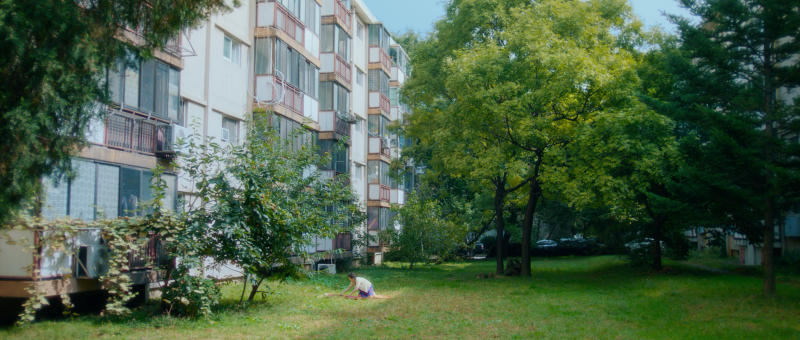
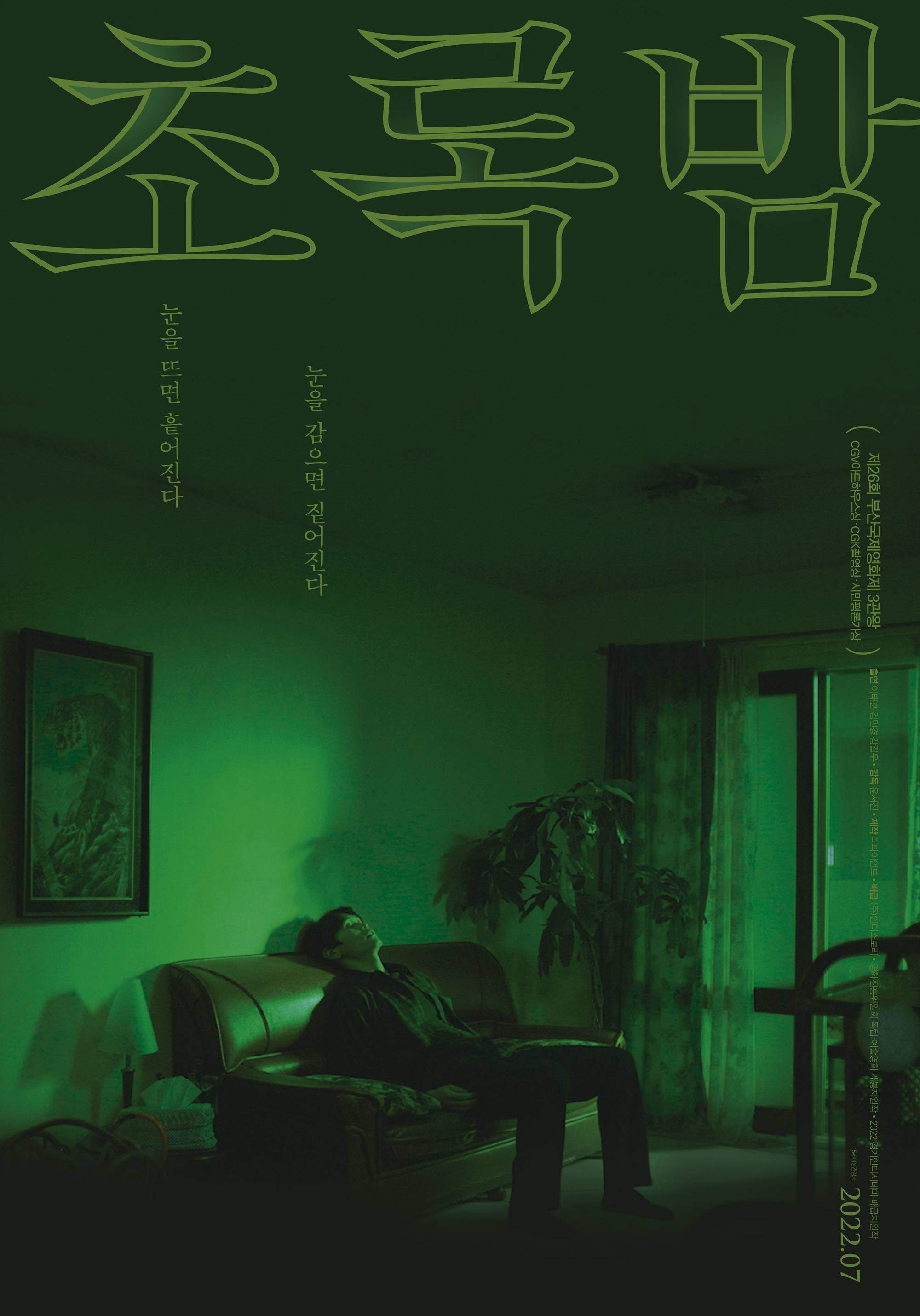
Chorokbam (초록밤, Yoon Seo-jin, 2021) [Fantasia 2022]

A small family contends with the persistent unfairness of contemporary Korean society in Yoon Seo-jin’s slow burn indie drama, Chorokbam (초록밤). Translated literally, the title means “green night”, the family often bathed in a neon green that seems to reflect their sense of despair and anguish unable to envisage much of a future for themselves in a world ruled by greed and envy which leaves them little option other than to become insensitive to the joy and pain of others. 

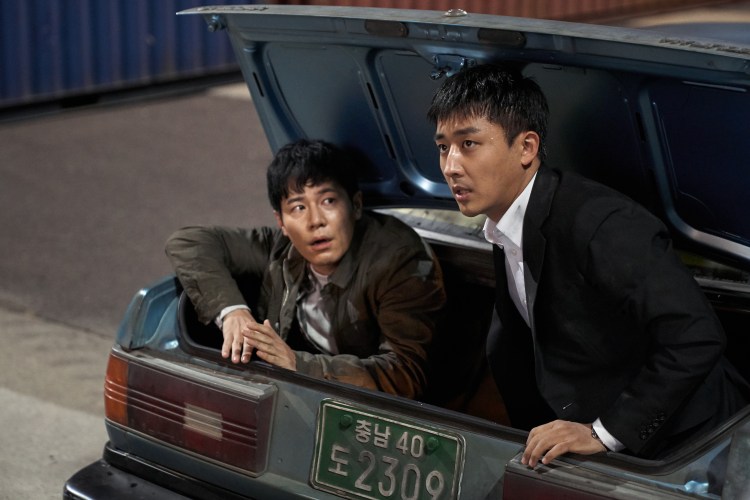
As the film opens, the nightwatchman patriarch is busy giving out parking tickets when he suddenly spots a cat hanging from from a children’s climbing frame. Shocked and feeling pity for the small creature, he cuts it down and buries it by the green light of the moon but finds little sympathy when relating his traumatic discovery to his wife. The nightwatchman’s wife is preoccupied with more practical affairs, irritated by her husband’s annoying habits such as leaving the bathroom door open and not washing his hands after finishing his business, while their grown-up son Won-hyung wants to get married but can’t afford a place to live on his salary as a care worker. When it comes to that, they’re soon to be turfed out themselves because their landlord wants to tear the building down. 

Matters come to a head when the grandfather passes away, the nightwatchman’s sisters getting into an actual physical altercation at the wake while loudly complaining about who did or didn’t pay for the funeral. Totting up the condolence money they accuse supposedly cheapskate guests of freeloading, implying they only turned up for a free meal that they have in a sense stolen. Meanwhile, the sisters also want to ensure that their father’s house is sold quickly so they can divvy up the inheritance. What they realise, however, is that there were things about their father’s life they may not have known which raise questions about moral responsibility when it comes to dealing with the affairs of someone who has died. 

The nightwatchman comes to identify with the strangled cat, though the spectre of hanging seems to loom over the rest of the picture with even the nightwatchman’s wife eventually discovering the body of someone whose death she may unwittingly have contributed to. She complains about her husband’s fecklessness, that he, who barely talks at all, makes her deal with anything unpleasant including his hotheaded sisters. She tells him that she regrets marrying into his “horrible” family and is thoroughly sick of dealing with them only to be pursued by a wounded dog with whom she perhaps also identifies. The nightwatchman’s wife is often excluded from the frame, a disembodied voice from behind a wall as she is as she feeds her husband breakfast and again when he asks her to deal with an emotionally difficult situation in a cafe. The nightwatchman simply smokes by a widow as if physically removing himself from the scene. 

Won-hyung meanwhile becomes increasingly resentful with his friends’ wedding coming up, unable to escape the feeling of belittlement in being unable to marry or move forward with his life with little prospect that anything will change. Yoon frames the family’s dilemmas with a deadpan realism, bathing the everyday grimness of their lives in an putrescent green that suggests there may be no escape from this maddening society where all relationships are built on transaction. The family are doing their best but are also estranged from each other, the nightwatchman barely speaking while his wife is left to deal with the uncertainty of their lives alone. She even laments they’ll likely not see the sisters again until the next person dies because their familial connection is essentially hollow and valueless in a society ruled by money. 

The nightwatchman comes to think of himself as a strangled cat, finding himself facing a noose during a poetic dream sequence that encourages him to think of suicide as the only possible escape from his impossible situation. Bleak in the extreme, Kim’s slow burn drama paints an unflattering portrait of the contemporary society as one in which all hope has long been lost leaving only dread and despair in its wake. 


Chorokbam screened as part of this year’s Fantasia International Film Festival.

Original trailer (English subtitles)

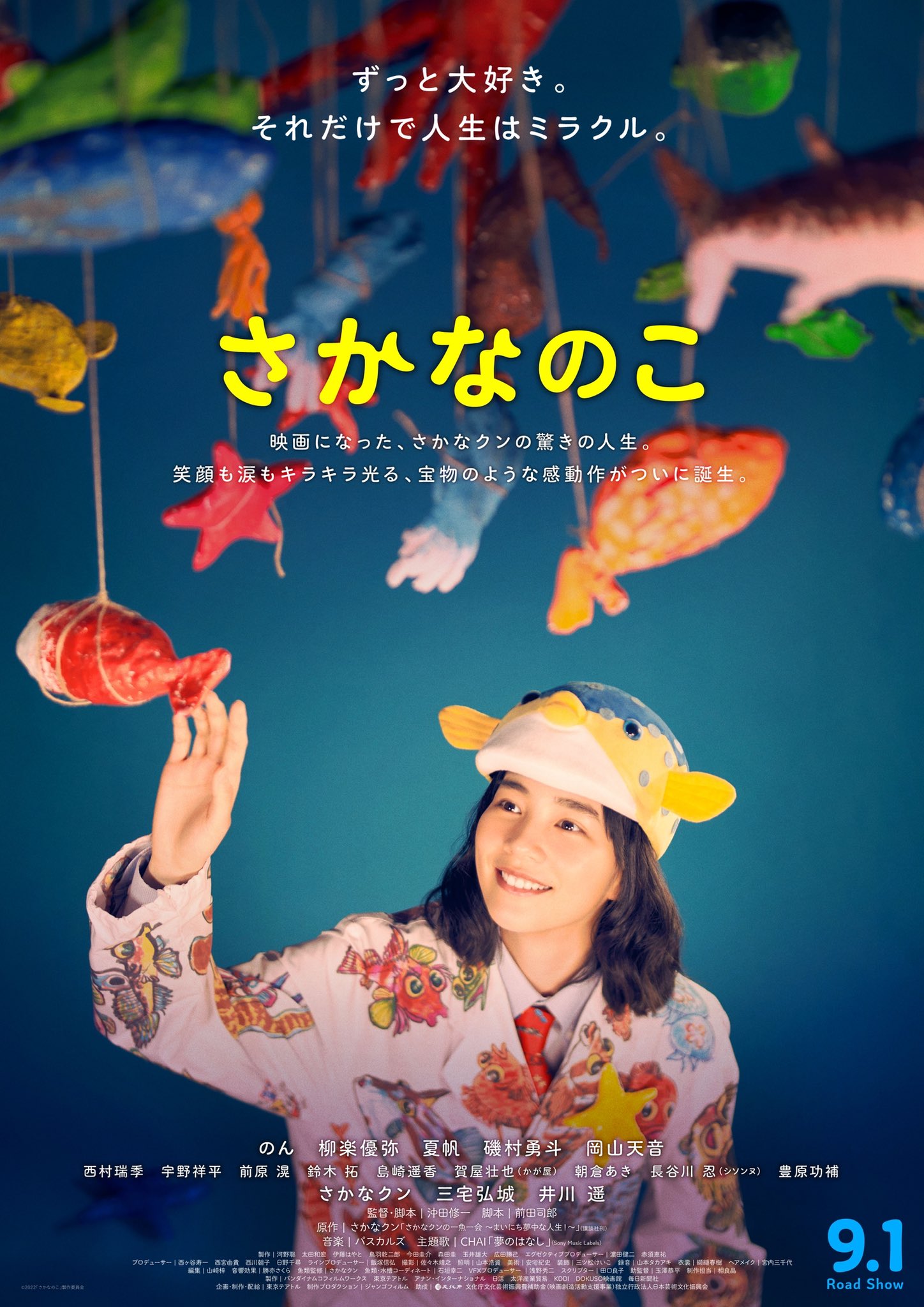
The Fish Tale (さかなのこ, Shuichi Okita, 2022) [Fantasia 2022]

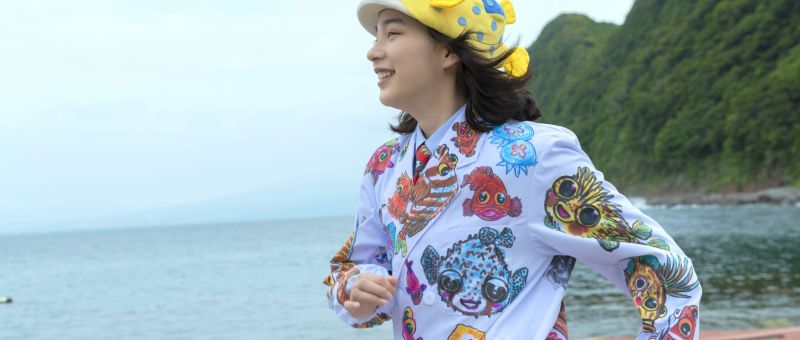
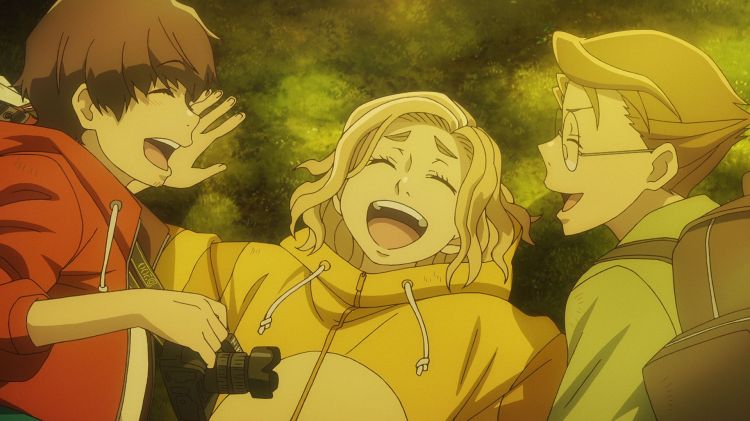
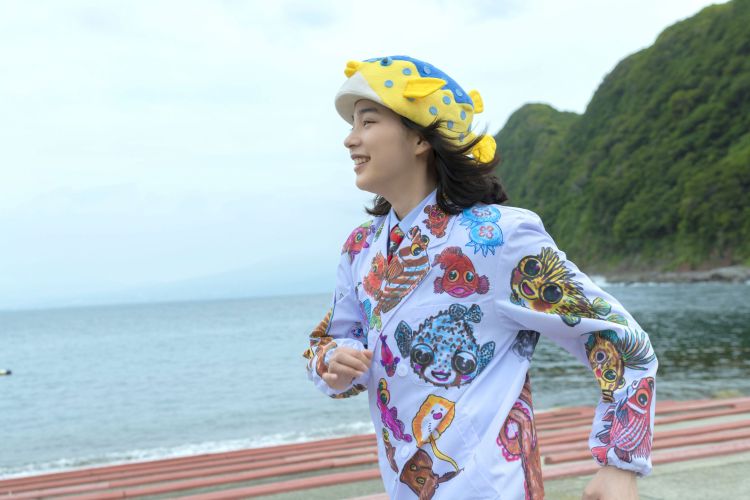
Shuichi Okita has made a career for himself exploring the lives of eccentric people and The Fish Tale (さかなのこ, Sakana no kKo) is certainly no exception. Based on the memoirs of the real life “Sakana-kun”, the film is a testament to the ways in which true enthusiasm can become an infectious source for good while even subjects which might seem esoteric can have universal appeal when delivered in the right way. Meebo (Non) is not like everyone else but sees nothing wrong in that nor do they see anything wrong in the way others live their lives (save for thinking edamame are better than fish). 

Later a TV personality, best-selling author, and YouTuber, Meebo has been totally obsessed with fish all their life. They draw pictures of fish, edit a fish-themed newspaper in middle school, and talk about fish all day long but they still eat fish and find how good it tastes just another thing that makes fish the best thing ever. Though Meebo’s mother (Haruka Igawa) is ever supportive, their father (Hiroki Miyake) has his doubts worried that Meebo isn’t like the other children and is going to struggle later in life. When Meebo meets a strange man with a fish hat on his head (a cameo from the real life Sakana-kun) whom most of the other children avoid, their mother says it’s alright to go to his house to see his aquarium but their father disagrees for obvious reasons later calling the police when Meebo fails to return home at the agreed time. Mr. Fish Head is the only person with whom the young Meebo can truly bond in their shared love of sea life but he also bears out their father’s sense of disapproval in admitting that he came from a wealthy family but is now low on funds because like Meebo he wasn’t suited to conventional schooling and has never been able to hold down a steady job. 

Meebo’s mother meanwhile is more relaxed, calmly telling Meebo’s teacher that having good grades isn’t necessarily important for everyone and she doesn’t want to force Meebo to make themselves unhappy by giving up fish to get them. In any case employment is something Meebo struggles with, fired from the aquarium for spending too much time admiring the fish and then later let go from a sushi bar. Meebo is hired to create an aquatic display for a dentist with an extremely gaudy office but fails to correctly interpret the brief unable to understand the dentist just wanted something flashy and superficial (like himself), but is finally offered a job at a pet shop with a sympathetic boss who appreciates their deep knowledge of and love for fish. 

As Meebo says, they don’t understand what “normal” is save for a vague sense that they may not be but continues to live their life happily no matter what others might think. When they’re targeted by delinquents in high school, Meebo ends up simply inviting them to come fishing with them and is generally able to win over those who don’t understand or approve of their obsessive interest with the force of their enthusiasm. Then again, there are those who are simply too conventional such as the young woman childhood friend Hiyo (Yuya Yagira) tries to introduce her to who rudely laughs at Meebo’s “childish” determination to become a “fish expert” as if such a thing were inherently ridiculous. Time and again its these special connections often made in childhood which continue to help Meebo on their way, engineering a friendship between the leaders of two rival high school gangs who later hire them to help decorate the interior of a new sushi bar. 

That’s not to say their life is not sometimes difficult, but their love for fish always seems to carry them through while the joy and enthusiasm they bring with them makes others happy and more curious about the world in which they live. Their love of sea life eventually trickles down to the next generation with childhood friend Momo (Kaho) taking her daughter to the aquarium just like Meebo’s mother had them and buying her an encyclopaedia of fish which Meebo themselves had written. A quirky, warmhearted tale of total self-acceptance, Fish Tale is also testament to the positive influence of “obsessive” passion which far from dark or introverted can help to illuminate the lives of those who might also be afraid of their differences and love for that which others may deride as niche.


The Fish Tale screened as part of this year’s Fantasia.

International trailer (English subtitles)
Fantasia International Film Festival Confirms Complete 2022 Programme

The Fantasia International Film Festival returns to cinemas for its 26th edition taking place once again in Montreal from July 14 to Aug. 3. With the full lineup now confirmed here’s a rundown of the East Asian features included in this year’s programme:

China

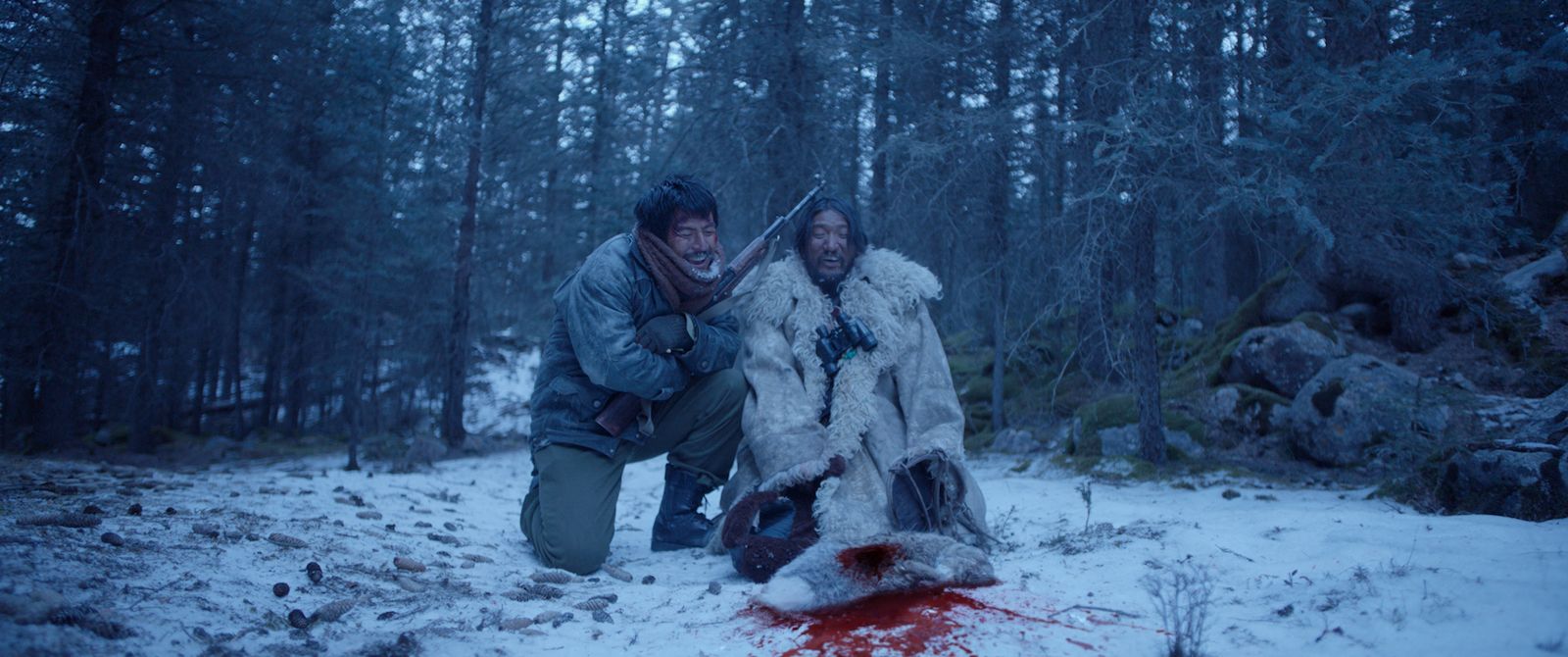
  • One and Four – Tibetan drama in which a forest ranger is surprised by a bloodied man entering his cabin.

Hong Kong

  • Chilli Laugh Story – comedy starring Sandra Ng and Gigi Leung in which a son tries to convince his mum to turn her hot sauce into a home business.
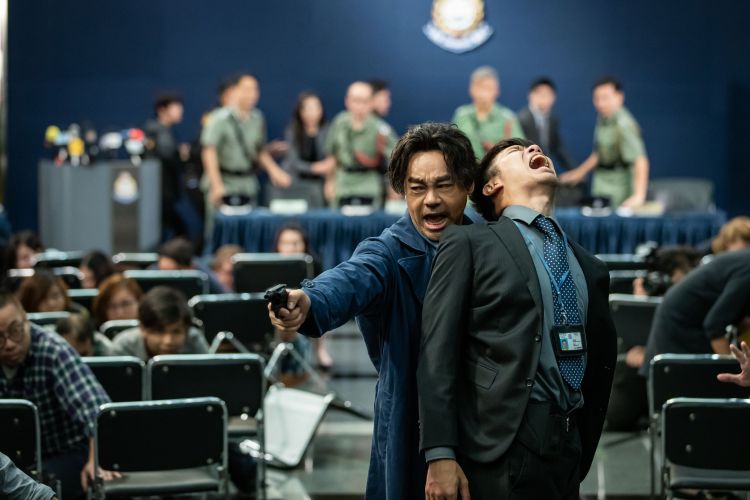
  • Detective vs Sleuths – latest from Wai Ka-Fai starring Sean Lau Ching-wan in which a former top policeman who left the force after suffering a nervous breakdown chases a serial killer known as the sleuth who bumps off suspects in cold cases.
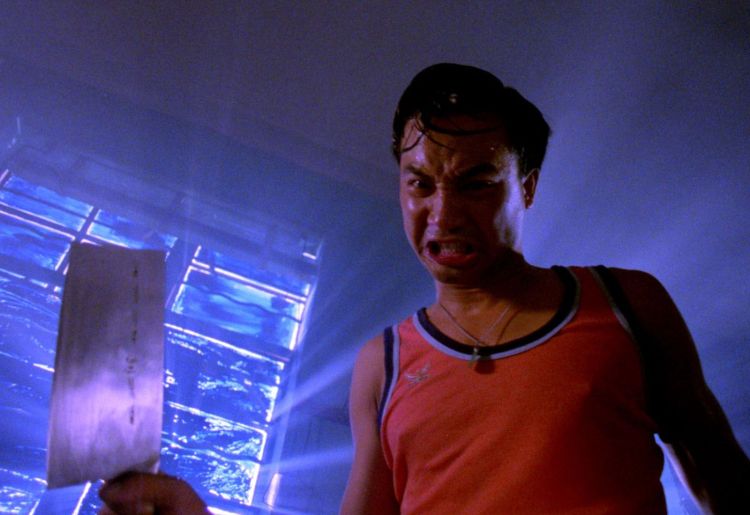
  • Dr. Lamb – notorious Category III true crime drama starring Simon Yam as a bloodthirsty taxi driver.
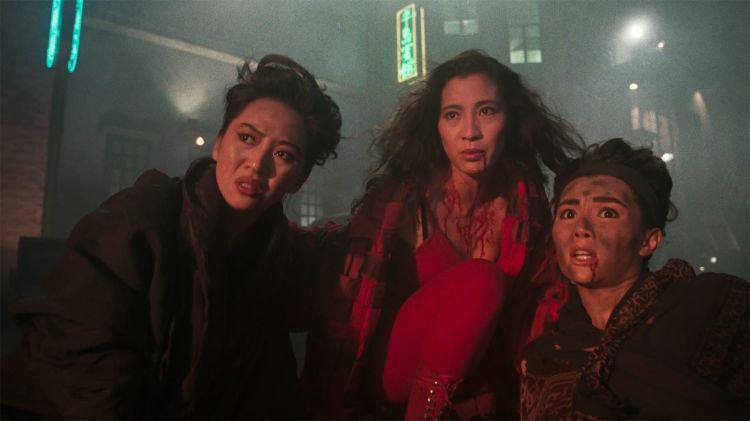
  • The Heroic Trio – Anita Mui, Maggie Cheung, and Michelle Yo star in Johnnie To’s 1993 classic.
  • Kid with the Golden Arm – 1979 Chang Cheh classic.
  • Legendary in Action! – retro martial arts drama in which a formerly successful director gets a second shot at the big time by directing his childhood hero in a remake of a classic serial.
  • Mercenaries from Hong Kong – 1982 Wong Jing classic starring Lo Lieh, Johnny Wang Lung Wei, Wong Yue, Chan Wei Man and Nat Chan as a team of mercenaries hot on the trail of a fugitive murderer.

Japan

  • Anime Supremacy – adaptation of the novel by Mizuki Tsujimura following three women in the anime industry.
  • Baby Assassins – a pair of mismatched high school girls raised as elite assassins get swept into gangland conflict while forced to live together to learn how integrate into society in Yugo Sakamoto’s deadpan slacker comedy. Review.
  • Convenience Story – comedy from Satoshi Miki in which a failed comedian encounters a mysterious woman at a convenience store.
  • Girl from the Other Side – dark anime adaptation of the manga by Nagabe in which a little girl lost in the forest bonds with a mysterious beast.
  • Goodbye, Donglees! – animation in which two boys head off into the woods after being falsely accused of starting a fire.
  • Just Remembering – bittersweet love story from Daigo Matsui inspired by Jim Jarmusch’s Night on Earth.
  • Inu-Oh – a blind Biwa player and a cursed young man exorcise the spirits of the Heike through musical expression in Masaaki Yuasa’s stunning prog rock anime. Review.
  • Kappei – quirky comedy in which a collection of adults raised for an apocalypse that never happened must try to live normal lives.
  • Missing – darkly comic thriller in which a young girl searches for her father who went missing after saying he was going to claim the bounty on a serial killer he spotted in town.
  • My Broken Mariko – Yuki Tanada’s adaptation of the web manga by Hirako Waka in which a woman goes on a journey following the death of a childhood friend.
  • My Small Land – a young woman who came to Japan as refugee when she was a child finds her life upended when her family’s refugee status is revoked.
  • The Mole Song: Final – undercover cop Reiji finds himself increasingly conflicted in his mission to take down Todoroki in the final instalment of the comedic trilogy. Review.
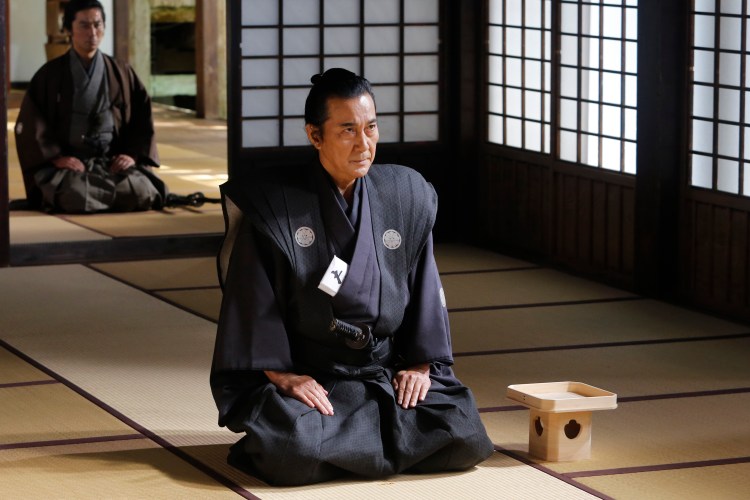
  • The Pass: Last Days of the Samurai – holding fast to samurai ideals a progressive retainer realises his era is at an end in Takashi Koizumi’s homage to classic samurai cinema. Review.
  • Popran – a self-involved CEO gets a course correction when his genitals suddenly decide to leave him in Shinichiro Ueda’s surreal morality tale. Review.
  • Sadako DX – Sadako gets an update in a contemporary digital horror from Hisashi Kimura.
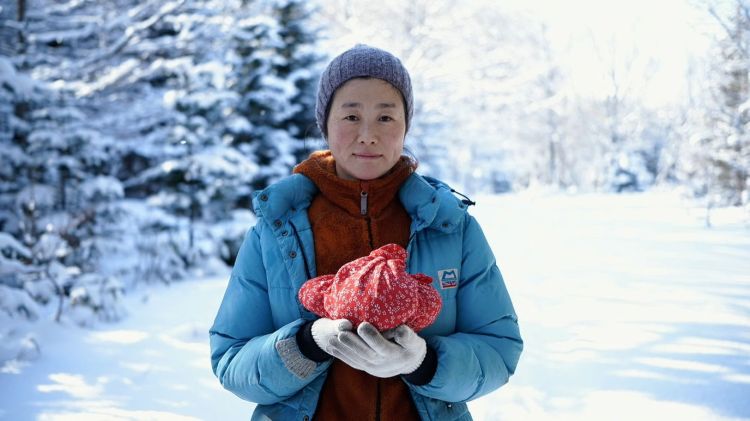
  • Shari – experimental film in which a red monster invades the ordinary life of a snowy town.
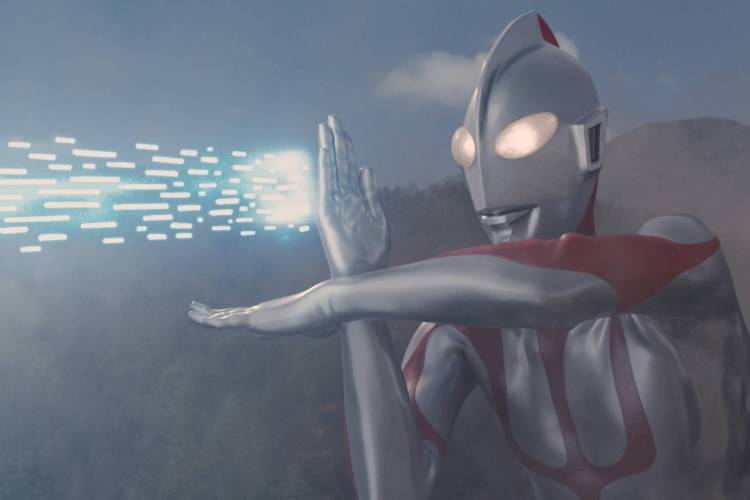
  • Shin Ultraman – big budget adaptation of the classic tokusatsu series directed by Shinji Higuchi with a screenplay by Hideaki Anno.
  • Special Delivery – a jaded delivery driver’s finely tuned existence is upended when she’s forced on the run with the young son of a wanted man in Park Dae-min’s high octane thriller. Review.
  • The Fish Tale – latest from Shuichi Okita starring Non in a tale inspired by the life of “fish ambassador” Sakana-kun.
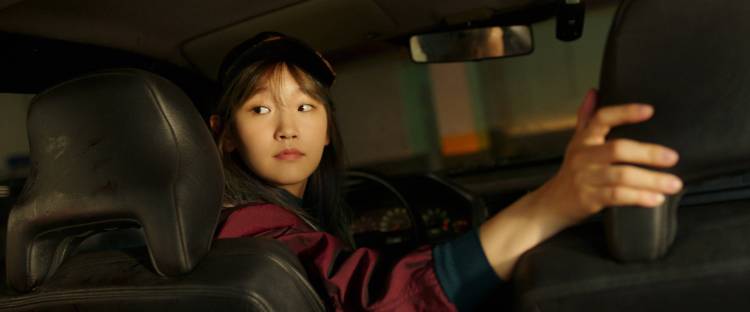
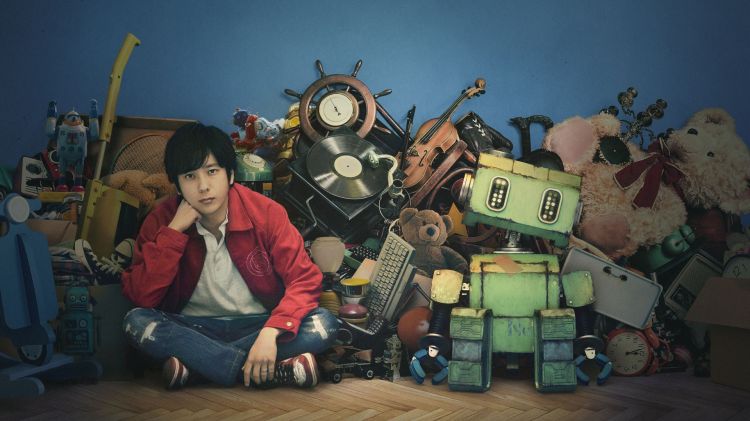
  • Tang and Me – futuristic adventure from Takahiro Miki starring Kazunari Ninomiya as a dejected young man who sets off on a journey with an adorable robot when his wife throws him out of the house.
  • What to Do with Dead Kaiju – satire from Satoshi Miki in which bureaucrats must try to decide how to dispose of the corpse of a defeated kaiju.
  • What’s Up Connection – 1990 drama from Masashi Yamamoto in which a Hong Kong teenager wins a trip to Japan.

Korea

  • Alienoid – highly anticipated sci-fi drama from Choi Dong-hoon starring Kim Tae-ri in which aliens open a portal between feudal Korea and the present day.
  • Chun Tae-il: The Flame That Lives On – animated biopic of labour activist Chun Tae-il who self-immolated in protest of Korea’s exploitative employment environment.
  • Confession – mystery drama in which a man is accused of a locked room murder
  • Heaven: To the Land of Happiness – a chronically ill thief and a “poetic fugitive” find themselves on the run from a “philosophical gangster” in Im Sang-soo’s playful existential drama. Review.
  • The Killer – a former hitman is charged with babysitting a friend’s daughter only for her to be kidnapped by thugs.
  • The King of Pigs – live action adaptation of Yeon Sang-ho’s animated drama in which a policeman must stop his childhood friend from taking revenge on those who bullied them.
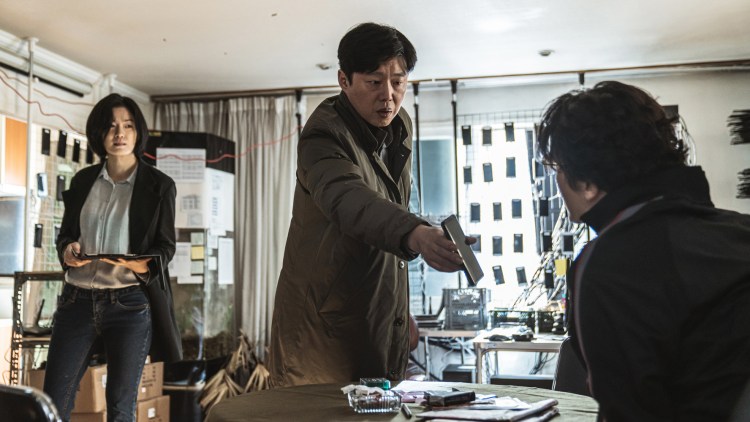
  • Next Door – drama inspired by the life of Kim Dae-jung in which the leader of the opposition tries to battle a government which has installed a surveillance team in the house next door.
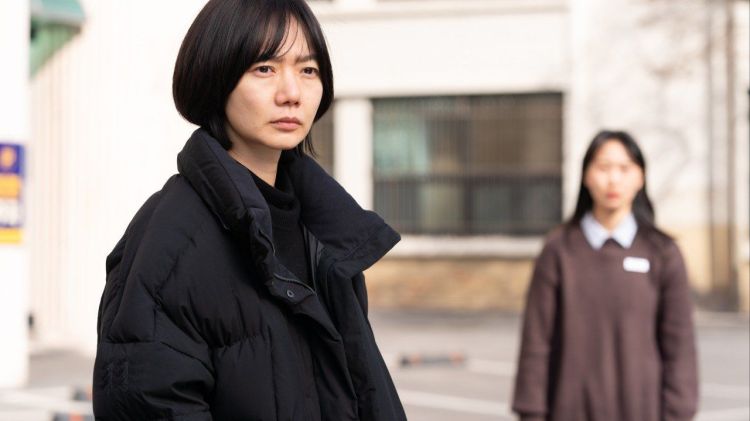
  • Next Sohee – latest from July Jung starring Bae Doona as a policewoman taking aim at those who exploit vulnerable teenage girls.
  • On the Line – a former policeman gets back on the case when his wife is targeted by telephone scammers in Kim Gok & Kim Sun’s steely action thriller. Review.
  • Rising Dragon – sequel to The Admiral: Roaring Currents following Admiral Yi Sun-sin (Park Hae-il).
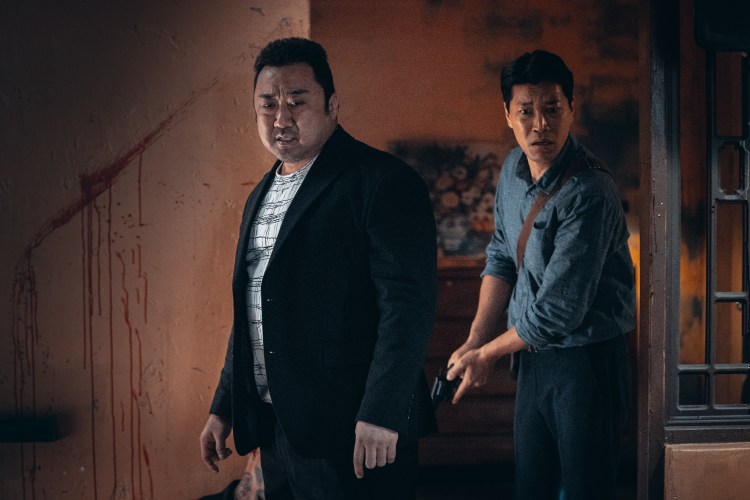
  • The Roundup – sequel to The Outlaws starring Ma Dong-seok as a detective who pursues a vicious killer all the way to Vietnam.
  • Seire – folk horror in which a man pays a heavy price for attending the funeral of an old flame shortly after his child is born.
  • Space Monster Wangmagwi – kaiju classic from 1967.
  • The Fifth Thoracic Vertebra – eerie drama told from the point of view of some mold growing on a mattress.
  • Stellar – dramedy in which a man comes to understand his father while on the run in his beat up Hyundae Stellar.
  • The Witch: Part 2. The Other One – long awaited continuation of Park Hoon-jung’s The Witch.

Philippines

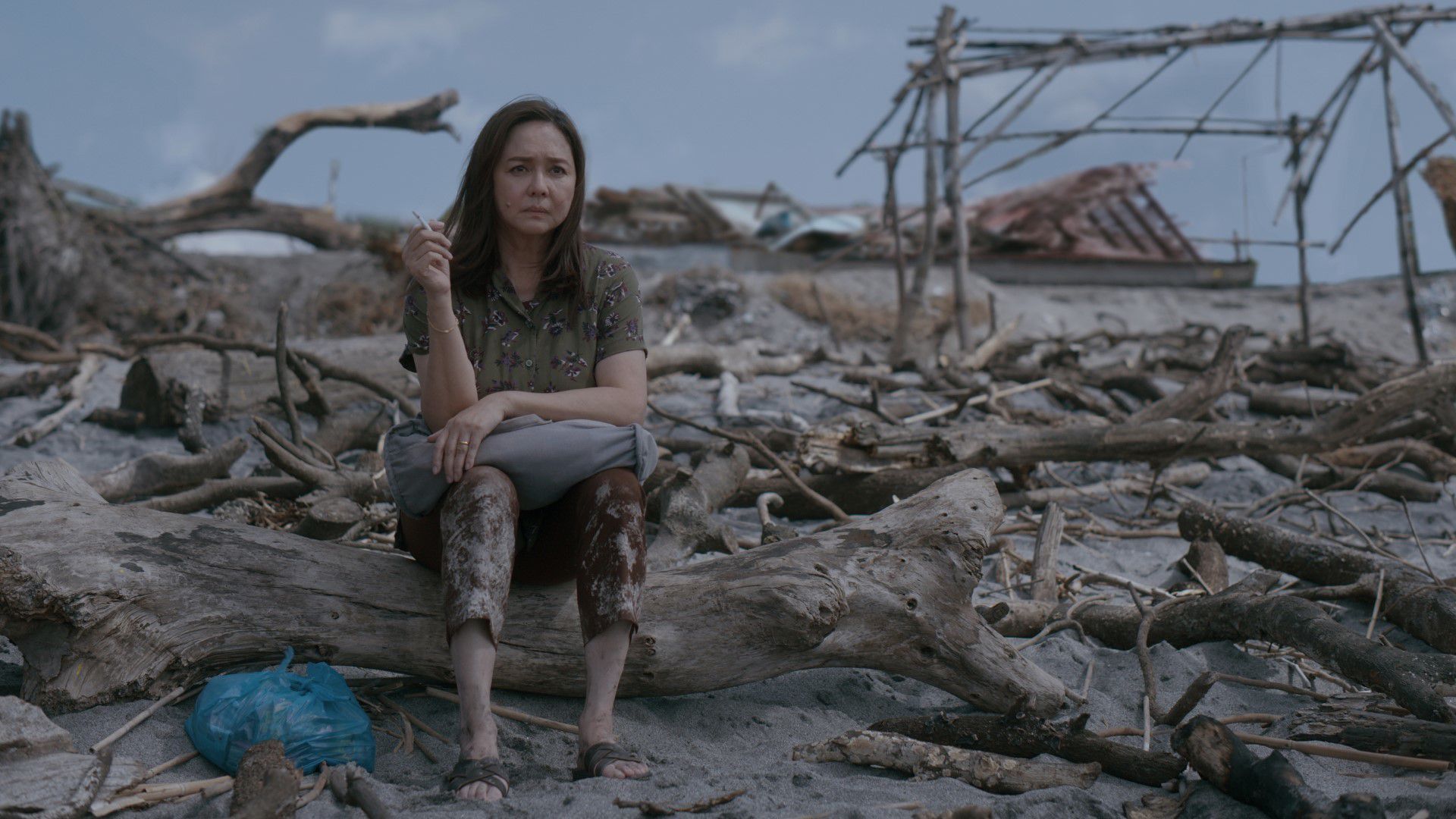
  • Whether the Weather is Fine – Philippine drama in which a mother and son search for missing loved ones in the aftermath of disaster.

Taiwan

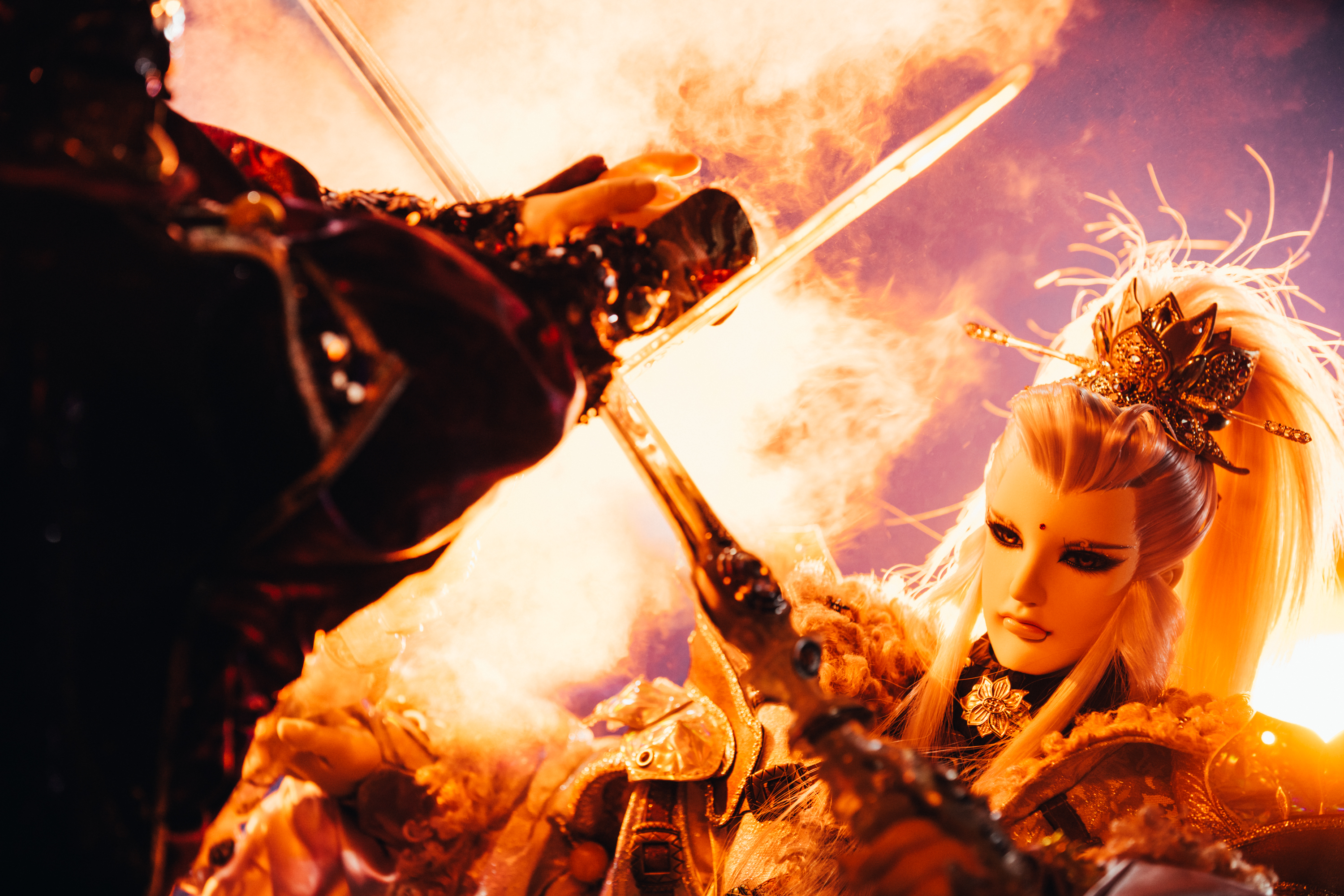
  • Demigod: The Legend Begins – Taiwanese puppet drama from Pili International Multimedia.

Thailand

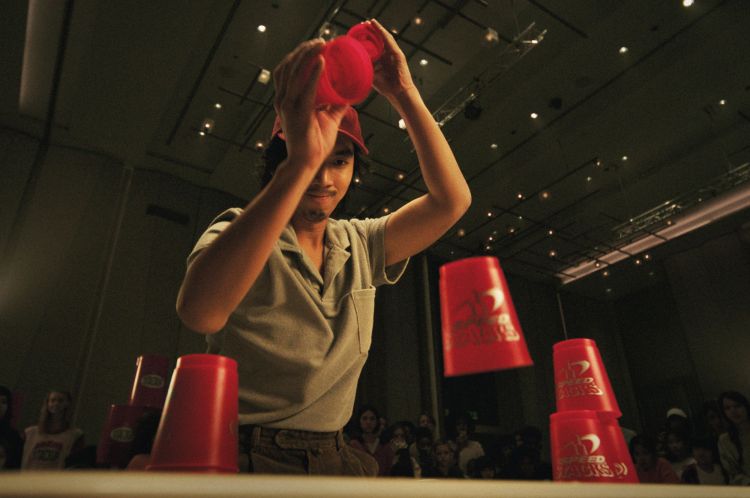
  • Fast and Feel Love – drama in which a world champion sport stacker has to learn to look after himself after his girlfriend dumps him.
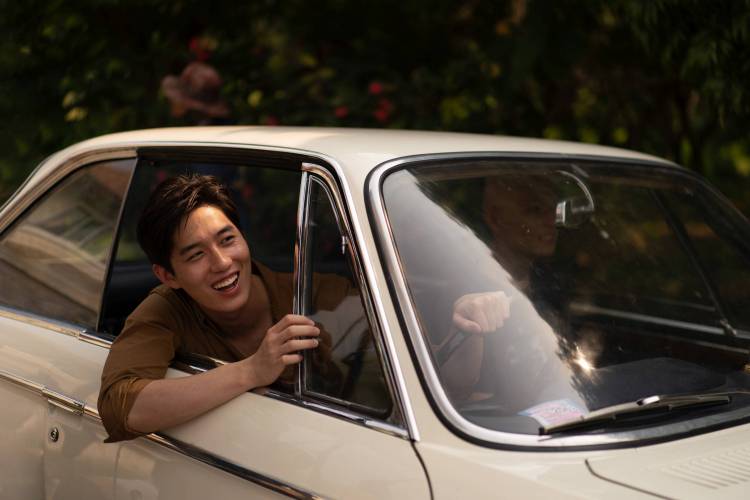
  • One for the Road – a New York club owner returns to Thailand on learning that his friend has been diagnosed with terminal cancer.

The Fantasia International Film Festival runs in Montreal, Canada, July 14 to Aug 3. Full details for all the films are available via the the official website, and you can also keep up with all the latest news via the festival’s official Facebook page, Twitter account, Instagram, and Vimeo channels.