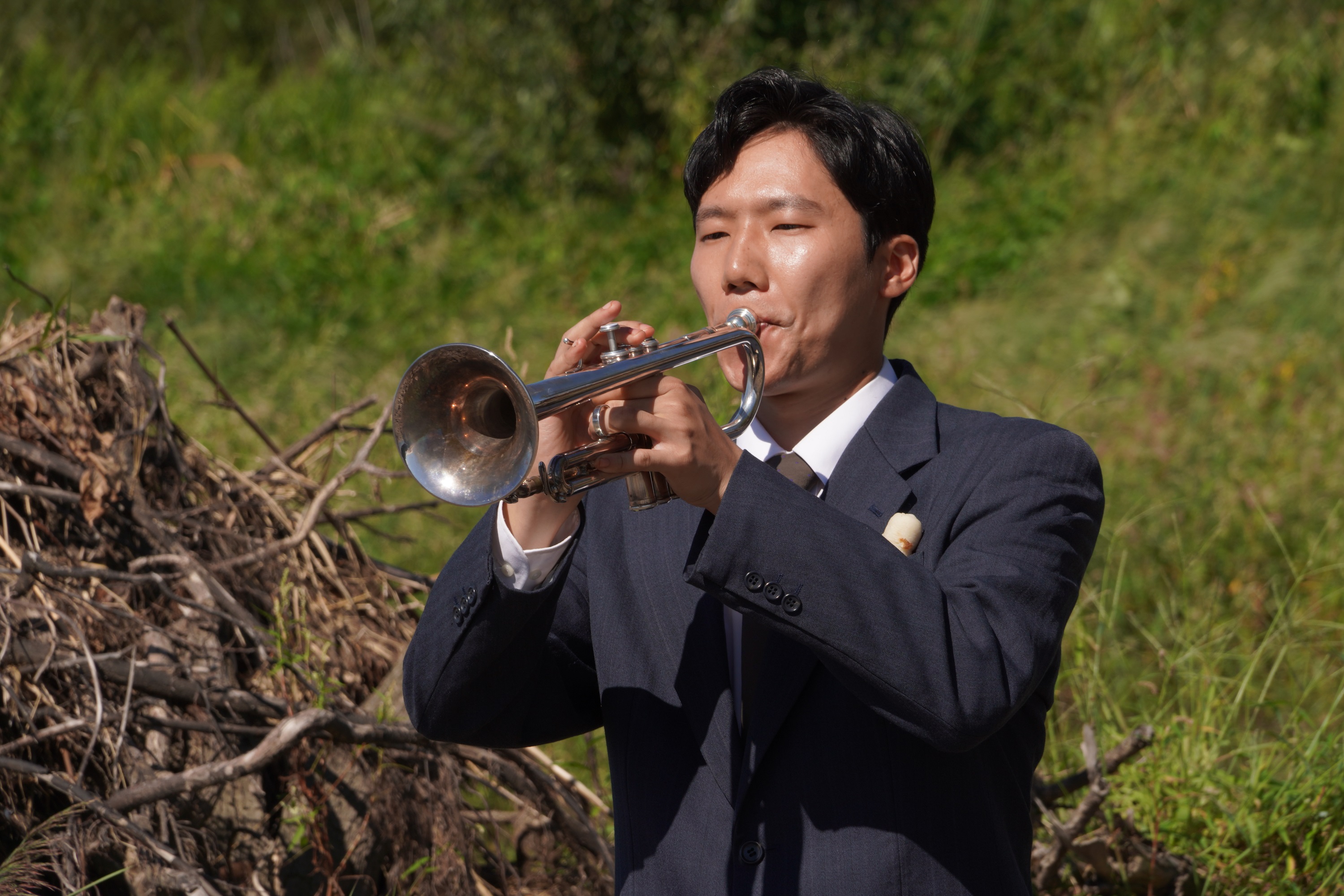
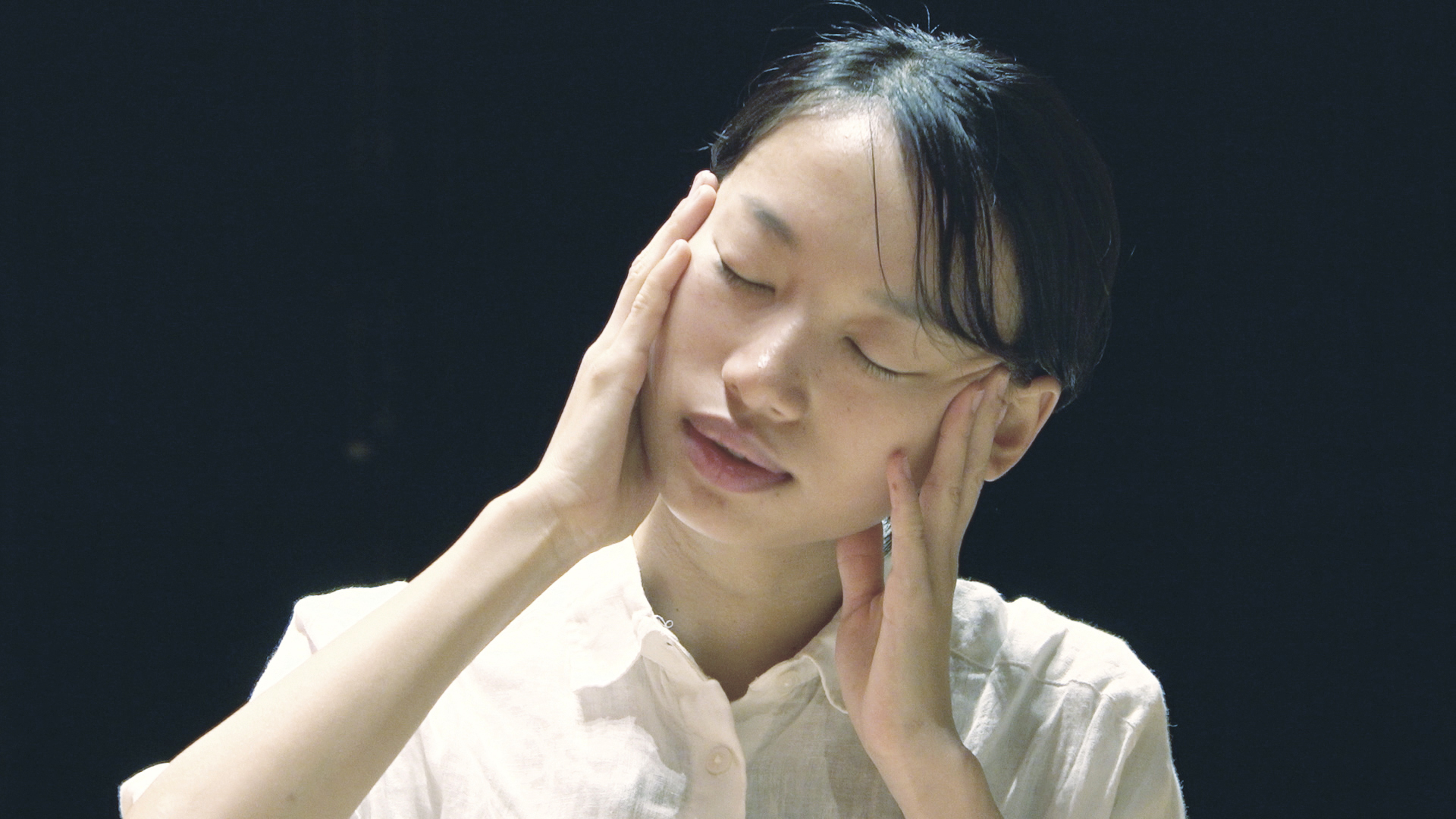
The Pass: Last Days of the Samurai (峠 最後のサムライ, Takashi Koizumi, 2021)

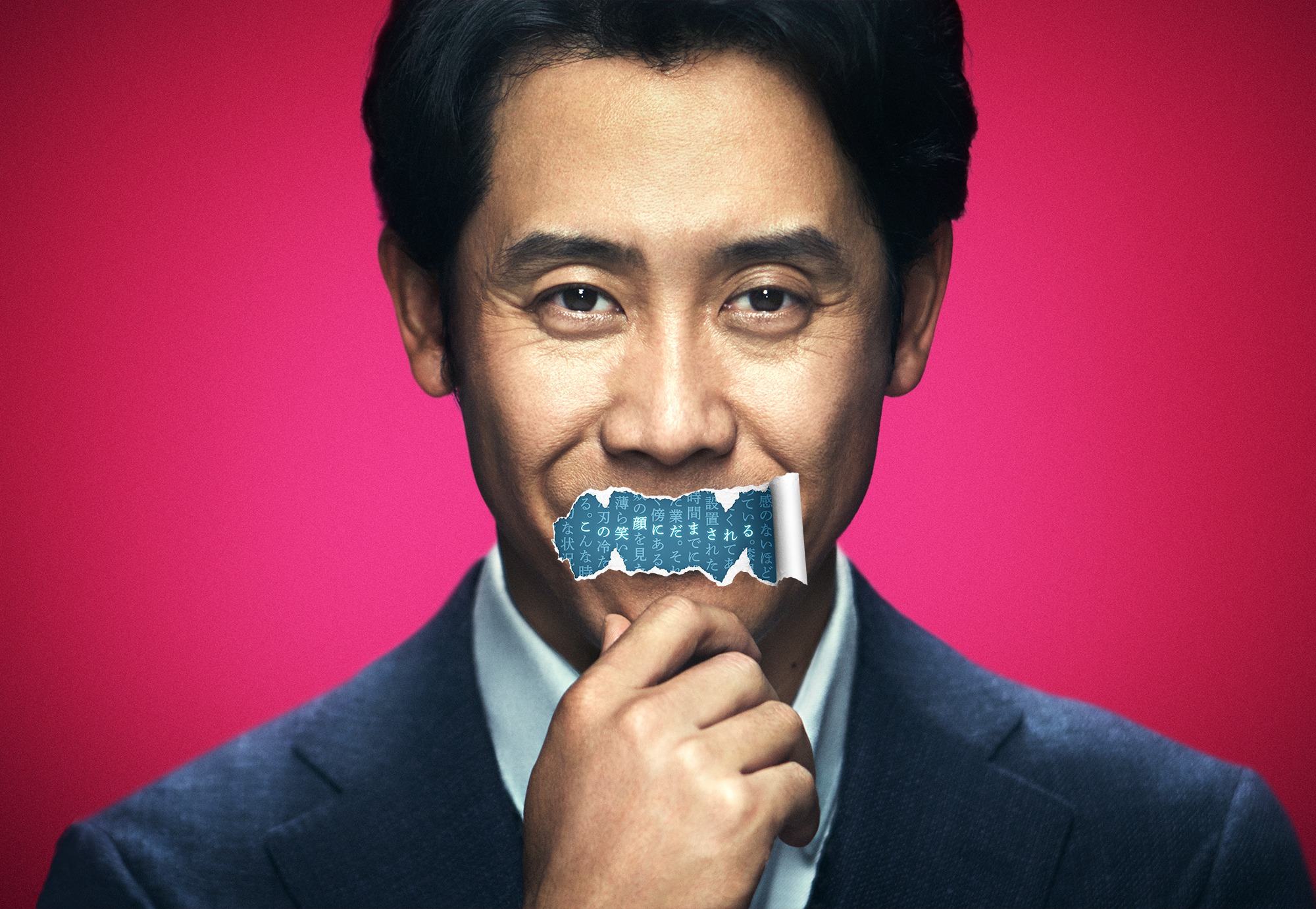
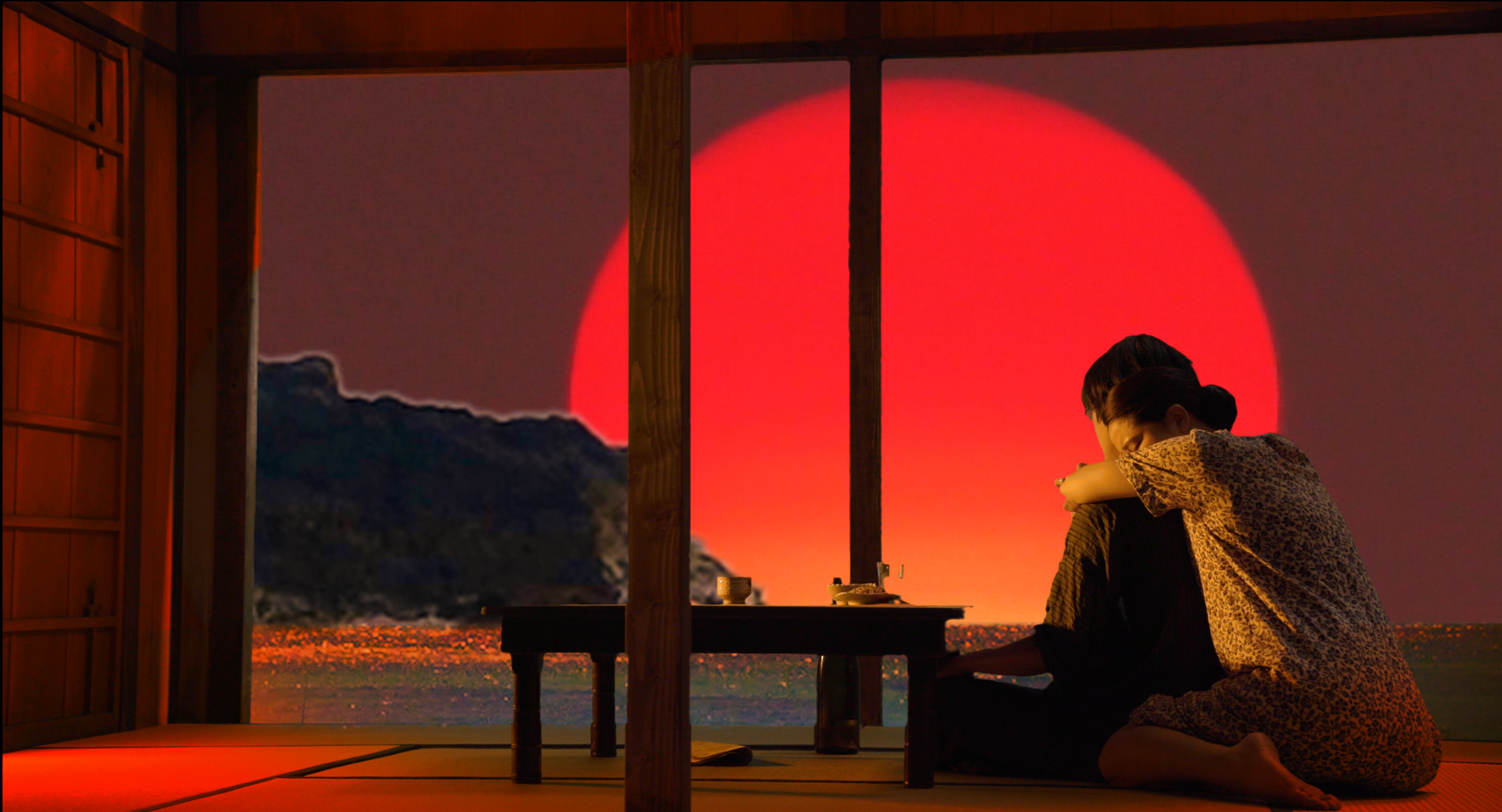
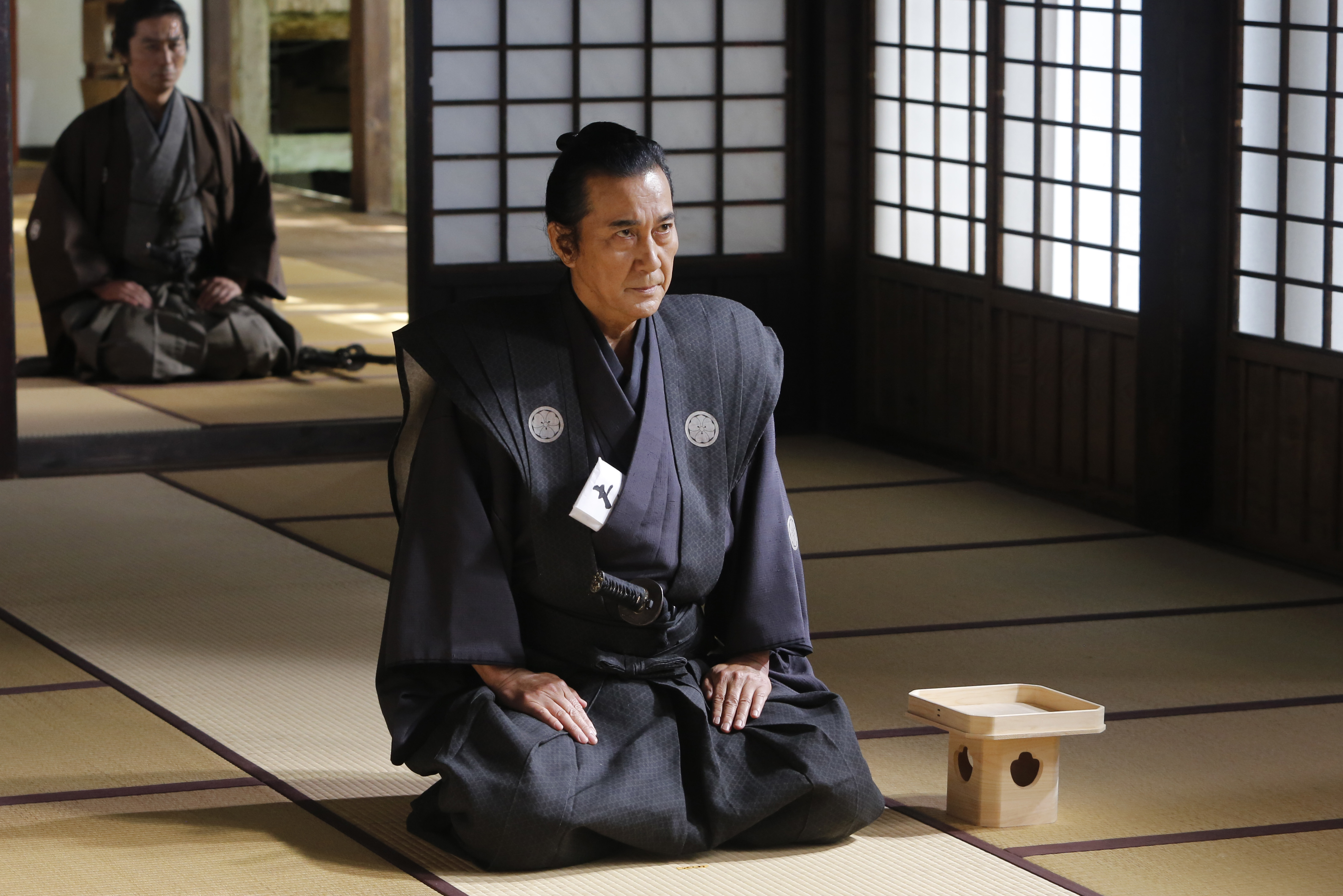
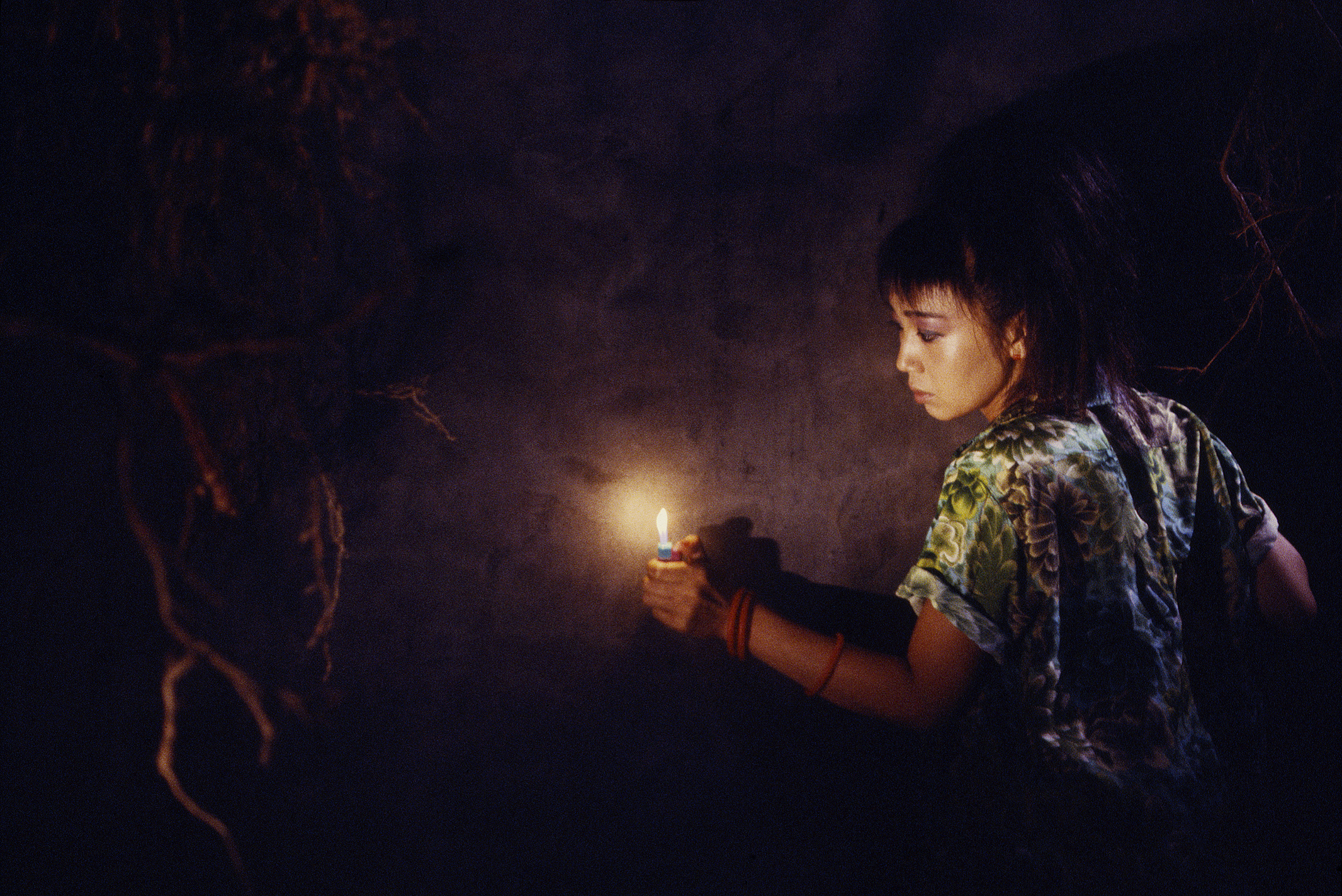
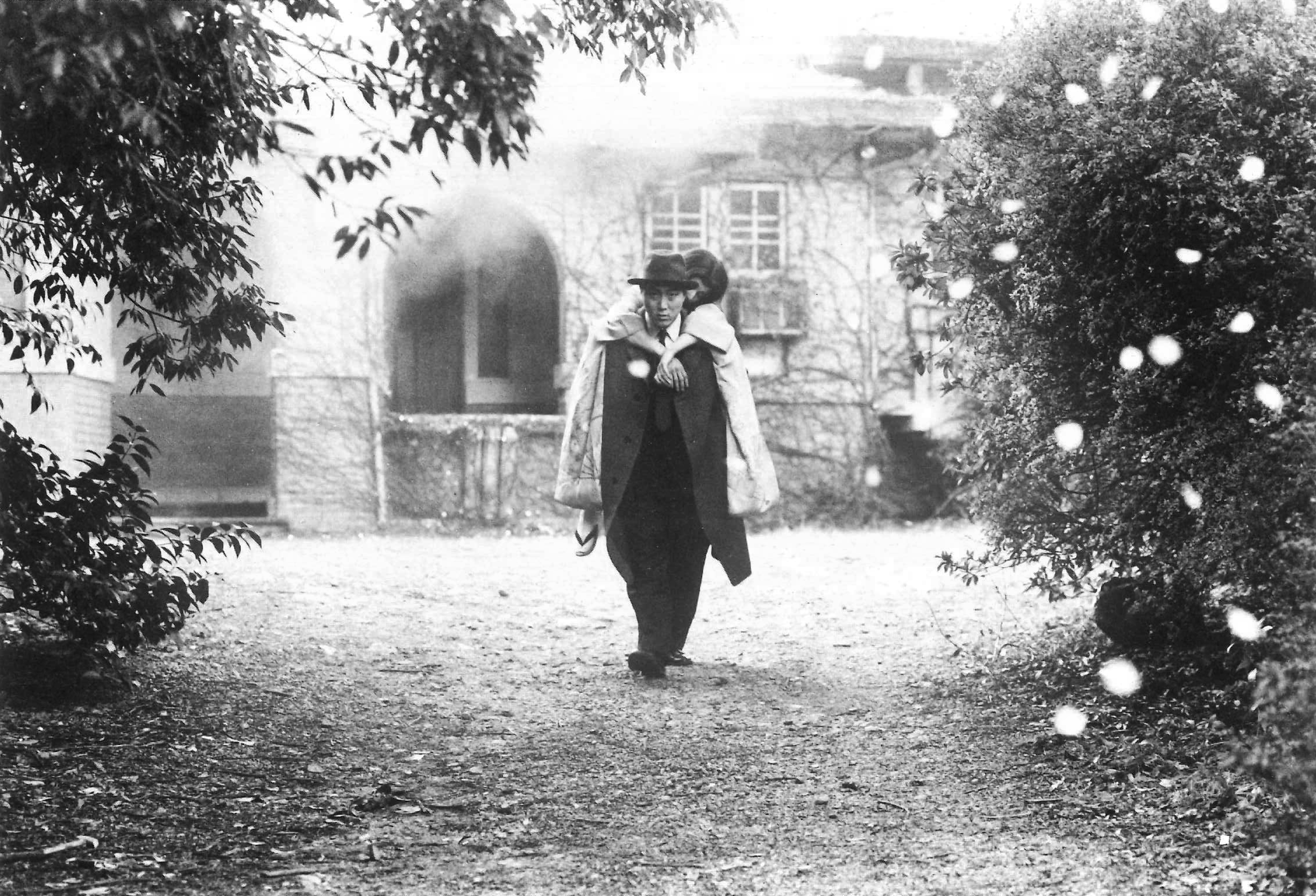
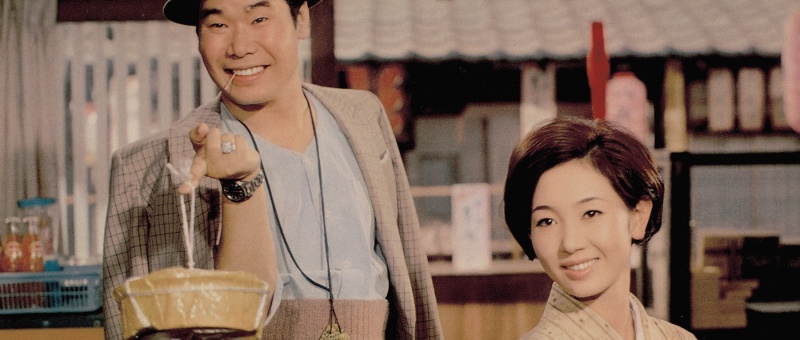
“Even with 100 plans and 100 ideas, we cannot defeat the march of progress” a progressive samurai admits, well aware that he’s witnessing the end of his era while knowing that the “thrilling future” that lies ahead will have no place for him. Adapted from the novel by Ryotaro Shiba, The Pass: Last Days of the Samurai (峠 最後のサムライ, Toge: Saigo no Samurai) is inspired by the life of Kawai Tsugunosuke, known as the “Last Samurai” for his steadfast embodiment of the samurai ideal during the chaos of the Bakumatsu and subsequent Boshin War

As the opening voiceover from Tsugunosuke’s wife Osuga (Takako Matsu) explains, the Tokugawa Shogunate had ruled Japan for close to 300 years after bringing the warring states era to an end following the Battle of Sekigahara, placing the nation into a period of enforced isolation which by the 1850s was beginning to crack while resentment towards the Tokugawa continued to grow over their handling of access to foreign trade. In 1867, Tokugawa Yoshinobu (Masahiro Higashide) effectively relinquished his monopoly on power and restored ultimate authority to the emperor (the “Meiji Restoration”). Yet if he hoped his decision would both restore peace and allow the Tokugawa to maintain political influence he was quite mistaken. In the immediate wake of this political earthquake the nation became polarised between those in favour of imperial rule and those who remained loyal to the Shogunate. 

The chief retainer in Nagaoka, Tsugunosuke (Koji Yakusho) finds himself in an impossible position caught between the forces of East and West and essentially unable to pick a side because of the demands of samurai loyalty. Fearing another war would prove disastrous, he chooses neutrality certain that the present conflict cannot be resolved militarily and requires a political solution. To this effect he attempts to petition a delegation from the Western, pro-emperor, pro-modernisation army but his pleas fall on deaf ears and lead only to a rebuke that he is a coward and a traitor. Like any good leader, however, Tsugunosuke has also been preparing for the worst, buying a gatling gun from foreign dealers in order to boost his meagre man power eventually realising they have no other option than to go war 

The irony is that Tsugunosuke tacitly supports imperial rule but cannot say so because his clan is closely affiliated with the Tokugawa. He is well aware that his era has come to a close and that he will not live to see the new Japan, knowing that he is man of the old world and cannot progress into the classless society he is certain is coming. For all that he seems to be excited by the promises of revolution, encouraging the son of a friend to take advantage of the freedoms of a new era while dreaming of foreign travel and advocating for “liberty and rights” along with universal education in the hope of building of a better society. 

Yet for himself he cannot let go of samurai ideals, knowing he must fight a pointless war in which he does not believe because honour dictates it. “If it shows future generations what we samurai truly stood for then this battle will have been worthwhile” he tells a friend, fearful of a future dominated by the clans of Satsuma and Choshu. “Your samurai spirit will encourage countless others” another retainer tells him, “you are our ideal”, touched by his stoicism and grace even in defeat as he takes sole responsibility for the failure of their military campaign caused in part by the betrayal of a defecting ally. “This warriors’ way shall die with me” he cheerfully tells a servant, advising him to become a merchant and travel abroad to seize the “thrilling future” which lies ahead of him. 

A martyr to his age, Tsugunosuke is the last of the samurai stoically defending a lofty ideal in an acknowledgement that he does not belong in the new society and must sacrifice himself in order to bring it about. An homage to classic samurai cinema from former Akira Kurosawa AD Takashi Koizumi, who even throws in the odd screen wipe, featuring cameos from golden age stars Tatsuya Nakadai and Kyoko Kagawa, The Pass is about the passage from one era to the next taking as its hero a closet revolutionary and walking embodiment of the idealised samurai who chooses unity and shared vision over conflict in the creation of a better world he does not intend to live to see.


The Pass: Last Days of the Samurai screens on Aug. 21 and Sept. 1 as part of this year’s Japan Cuts.

Original trailer (English subtitles)

Japan Cuts Announces Lineup for 2021 Hybrid Edition

Japan Cuts returns for 2021 in a hybrid edition featuring a series of in-person screenings as well as a virtual festival streaming in the US (and in some cases beyond) Aug. 20 – Sept. 2. This year’s Cut Above award goes to actress Yu Aoi who stars in Centrepiece Presentation Wife of a Spy, Kiyoshi Kurosawa’s 8K World War II espionage drama.

Feature Slate

Aristocrats

In-person only

Two women involved with the same man eventually find interclass solidarity in Yukiko Sode’s empathetic critique of a highly stratified and fiercely patriarchal society. Review.

Come and Go

Online only

A detective investigates the connection between the discovery of an old woman’s skeleton and a series of real estate scams by interviewing the local residents many of whom are migrant workers from other areas of Asia.

Company Retreat

Online only

A workplace trip descends into mistrust and suspicion following an accusation of harassment in Atsushi Funahashi’s contemplative drama. Review.

The Goldfish: Dreaming of the Sea

Online only

Drama in which a young girl raised in a foster home after her mother was convicted of a crime takes care of a new girl abused by her mum.

The Great Yokai War: Guardians

In-person only

A small boy is forced to embrace his legacy as the descendent of a legendary yokai hunter when the supernatural realm is thrown into chaos by the awakening of a giant rolling resentment monster set to steamroll Tokyo while breaking the seal on a nameless evil in Takashi Miike’s long awaited return to the world of Great Yokai War.

It’s a Summer Film!

Online & in-person

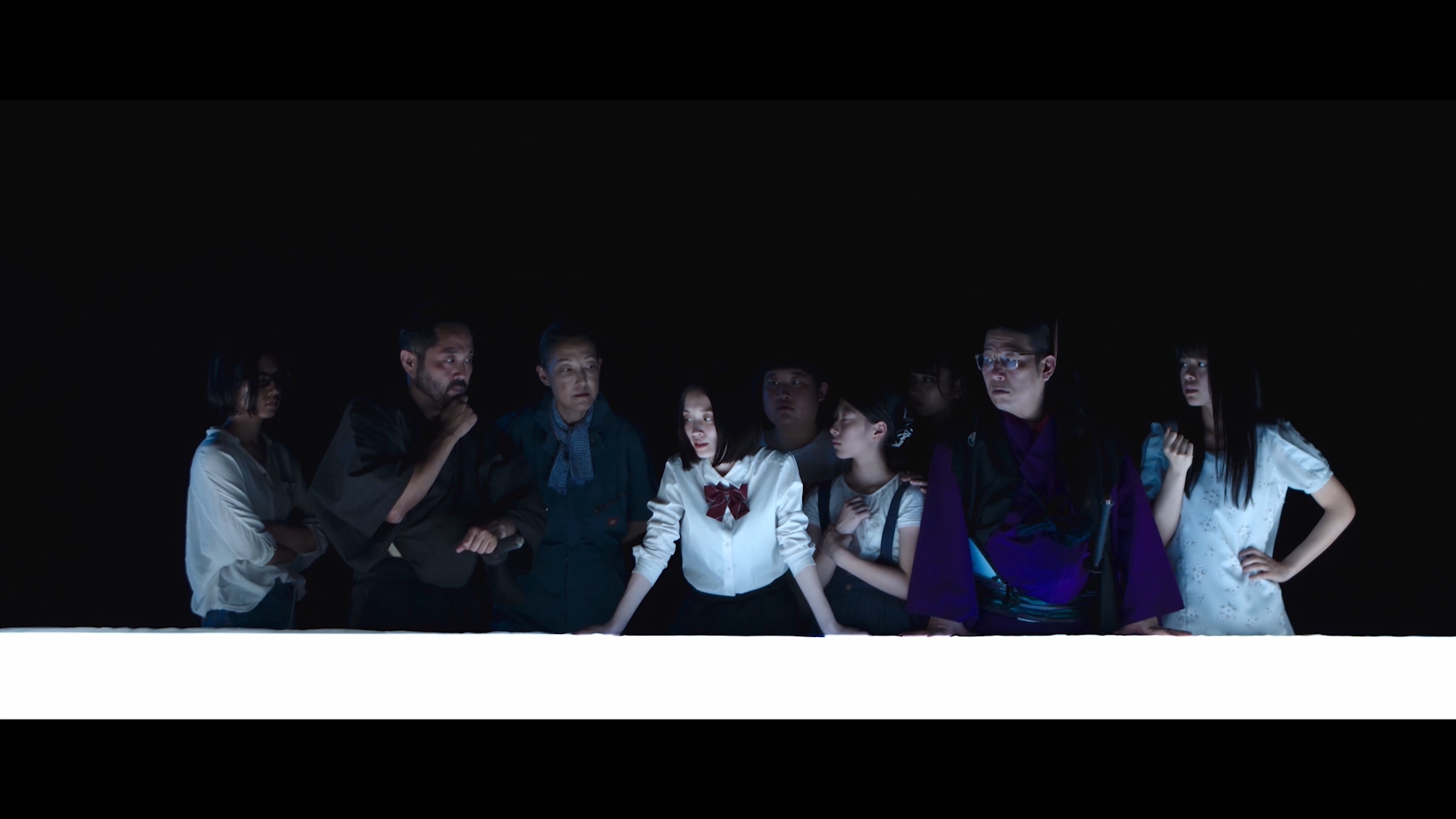
A jidaigeki-obsessed high schooler sets out to make her own summer samurai movie in Soshi Matsumoto’s charming sci-fi-inflected teen rom-com. Review.

Ito

Online only

A shy young woman with a talent for Tsugaru shamisen grows in confidence after getting a job at a maid cafe in Satoko Yokohama’s warmhearted drama. Review.

Kiba: The Fangs of Fiction

In-person only

Yo Oizumi stars in the role he apparently inspired as a maverick magazine editor caught up in a dynastic struggle while trying to save a moribund culture magazine in Daihachi Yoshida’s adaptation of the novel by Takeshi Shiota.

JAPAN CUTS 2020 ENCORE SCREENING
Labyrinth of Cinema

In-person only

A poetic advocation of the transformative power of art, Nobuhiko Obayashi’s final film takes a surrealist odyssey through the history of warfare as three youngsters chase the image of Japan in the labyrinths of cinema. Review.

The Pass: Last Days of the Samurai

In-person only

Historical drama starring Koji Yakusho as real life historical figure Tsuginosuke Kawai who tried but failed to broker a peaceful solution to Bakumatsu confusion.

Talking the Pictures

In-person only

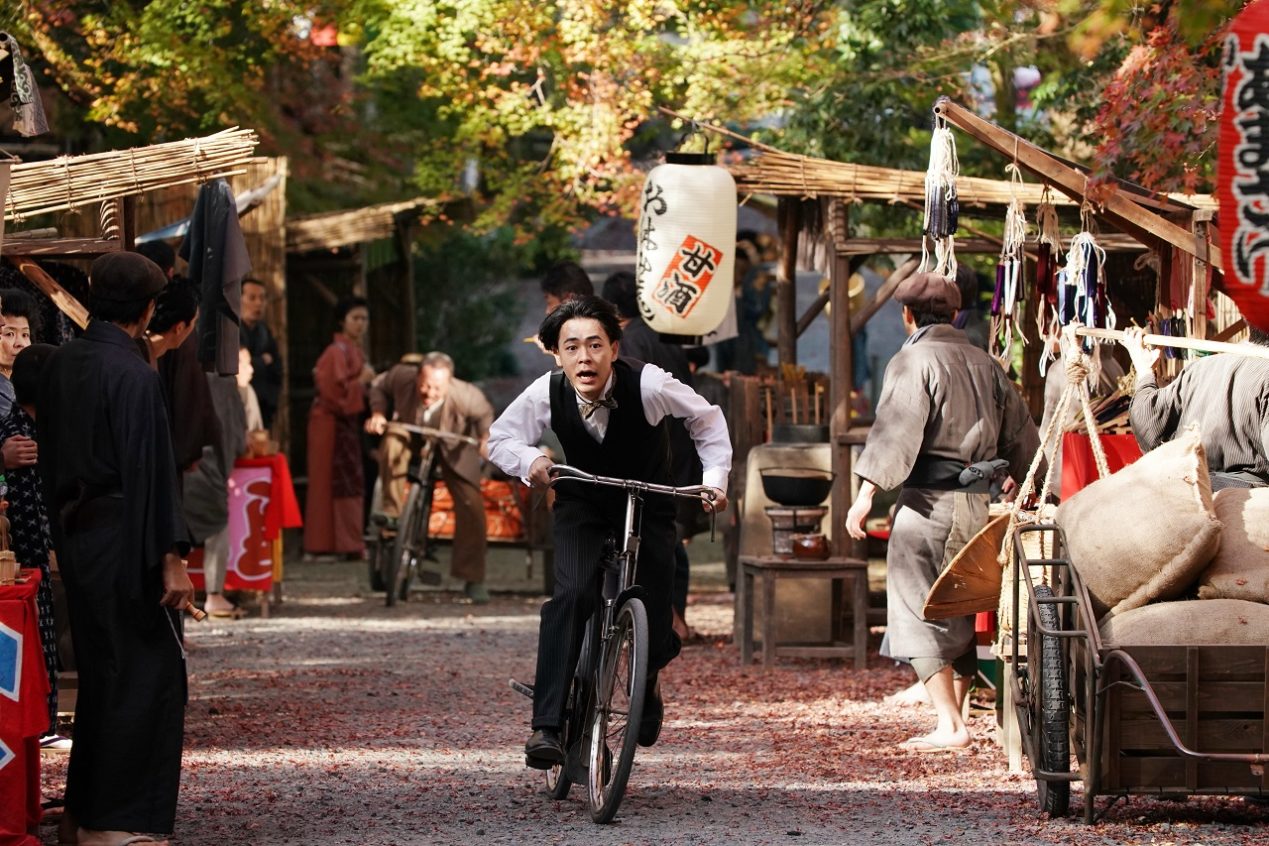
An aspiring benshi finds himself dealing with issues of crime and authenticity in Masayuki Suo’s heartfelt tribute to the not so silent movies. Review.

CENTERPIECE PRESENTATION
Wife of a Spy

In-person & online (with limited availability)

Originally commissioned for 8K TV, Kiyoshi Kurosawa’s wartime drama stars Yu Aoi as the titular wife who finds herself working against her husband, Issey Takahashi, when she discovers that he intends to blow the whistle after observing something he shouldn’t have while working in Manchuria. An awards season favourite, the film also picked up the Silver Lion at the 77th Venice International Film Festival.

Wonderful Paradise

Online only

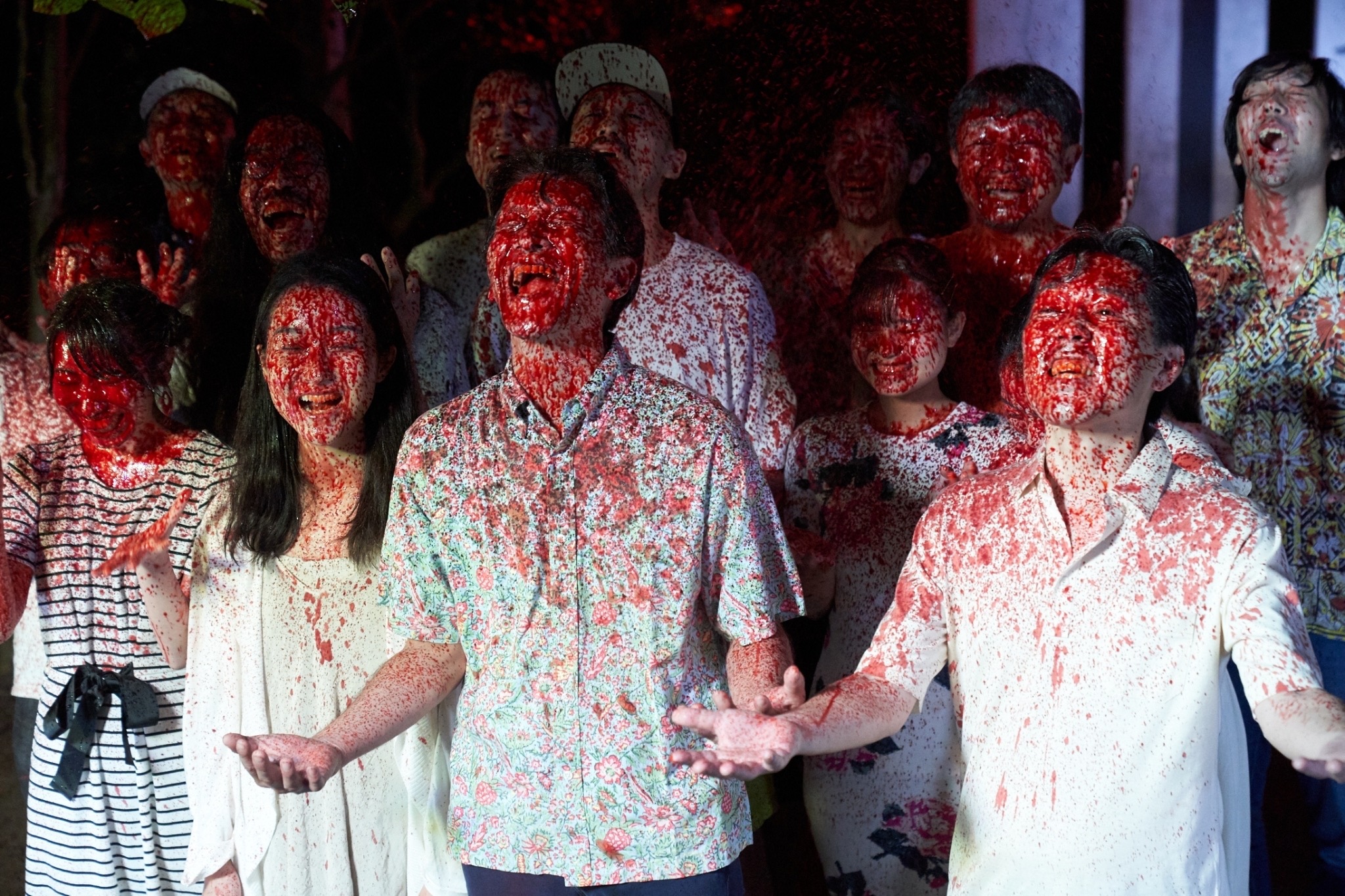
An impromptu going away party descends into a psychedelic rave of death and rebirth in Masashi Yamamoto’s defiantly surreal nighttime odyssey. Review.

NEXT GENERATION

B/B

Online only. Available worldwide.

A policeman and psychiatrist attempt to investigate a bizarre killing through unlocking the testimony of a young woman with MPD in Kosuke Nakahama’s visually striking, hugely accomplished feature debut. Review.

Mari and Mari

Online only.

A mild mannered casting agent’s life is disrupted when he returns home one day to discover a mysterious woman in place of his girlfriend of five years.

My Sorry Life

Online only

A self-involved aspiring TV producer is becoming fed up with her longterm boyfriend only for him to suddenly drop the bombshell that he thinks he’s pregnant in the feature debut from Kozue Nomoto.

Sasaki in My Mind

Online only. Available worldwide except Netherlands, Japan and Poland.

A struggling actor finds himself thinking back on memories of a larger than life high school friend in Takuya Uchiyama’s melancholy youth drama. Review.

Spaghetti Code Love

Online only

Tokyo-set ensemble drama following 13 young people trying to find their place in the modern metropolis.

Town Without Sea

Online only

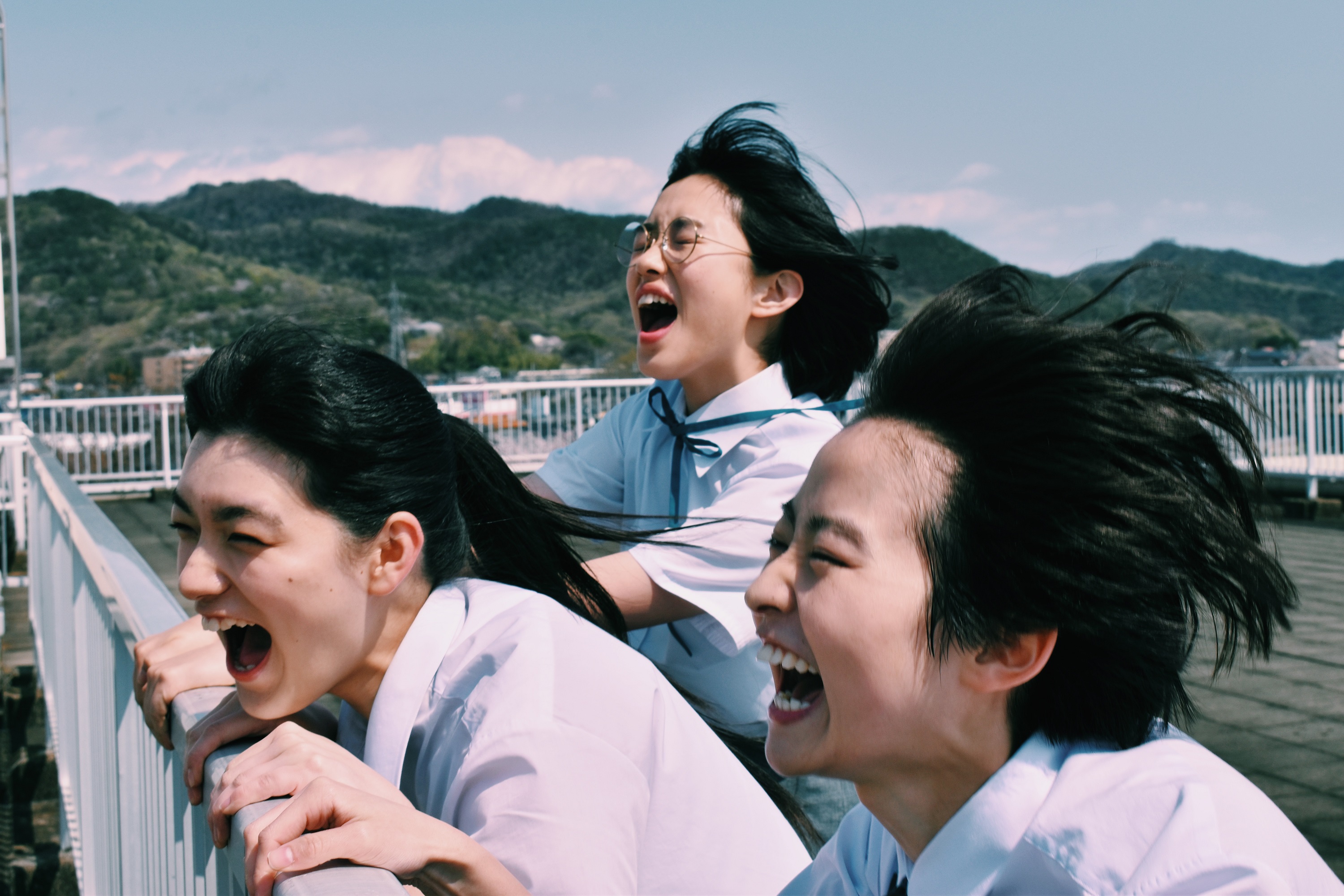
Laidback coming-of-age drama set in a sunny Kyushu in which two co-dependent childhood friends struggle with the anxieties of impending adulthood marking an impressive directorial debut from Elaiza Ikeda.

CLASSICS

Hiruko the Goblin

Online only

Shinya Tsukamoto’s adaptation of Daijiro Morohoshi’s Yokai Hunter starring ’70s pop idol Kenji Sawada as a disgraced archeologist teaming up with a high schooler to investigate a series of mysterious disappearances.

Robinson’s Garden

Online only

Masashi Yamamoto’s 16mm Bubble-era adventure stars Kumiko Ohta as a slacker who crafts a bohemian garden in the former industrial heartland of outer Tokyo.

To Sleep So as to Dream

Online & in-person at Le Petit Versailles

Kaizo Hayashi’s 1986 debut feature in which an ageing starlet sends a pair of detectives into a sleepless world of silent cinema in search of her kidnapped daughter.

DOCUMENTARY FOCUS

No Smoking

Online only

Documentary exploring the long and varied career of Haruomi Hosono.

Ushiku

Online only

Filmed mainly with hidden camera, Thomas Ash’s harrowing documentary exposes a series of human rights abuses at the Ushiku immigration detention centre. Review.

Why You Can’t Be Prime Minister

Online only. Available in North America.

Probing doc from Arata Oshima following an idealistic political candidate over 17 years.

EXPERIMENTAL SPOTLIGHT

The Blue Danube

Online only

A soldier seconded to play in a marching band begins to question the eternal war with the village on the other side of the river in Akira Ikeda’s absurdist drama.

Double Layered Town / Making a Song to Replace Our Positions

Online only

Four young travellers relate the stories of the 2011 earthquake and tsunami in verbatim stage performances running concurrently with a fictional narrative set in 2031.

Tickets for in-person screenings are on sale now via the official website. Passes for the virtual festival priced at $69 are currently available with individual rentals on sale from Aug. 20. You can also keep up with all the festival news as well as the year round programme via Japan Society New York’s website, or by following them on Twitter and Facebook.

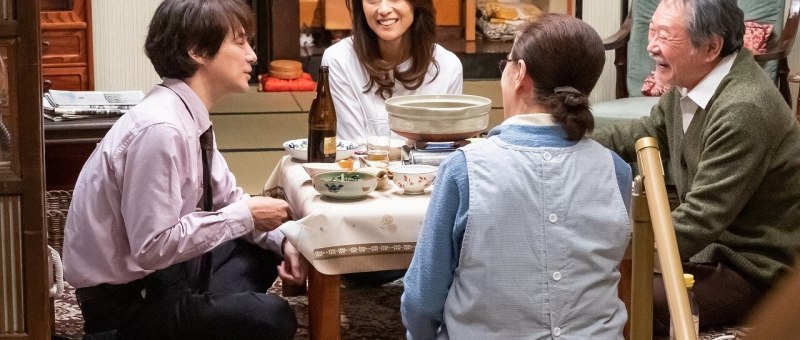
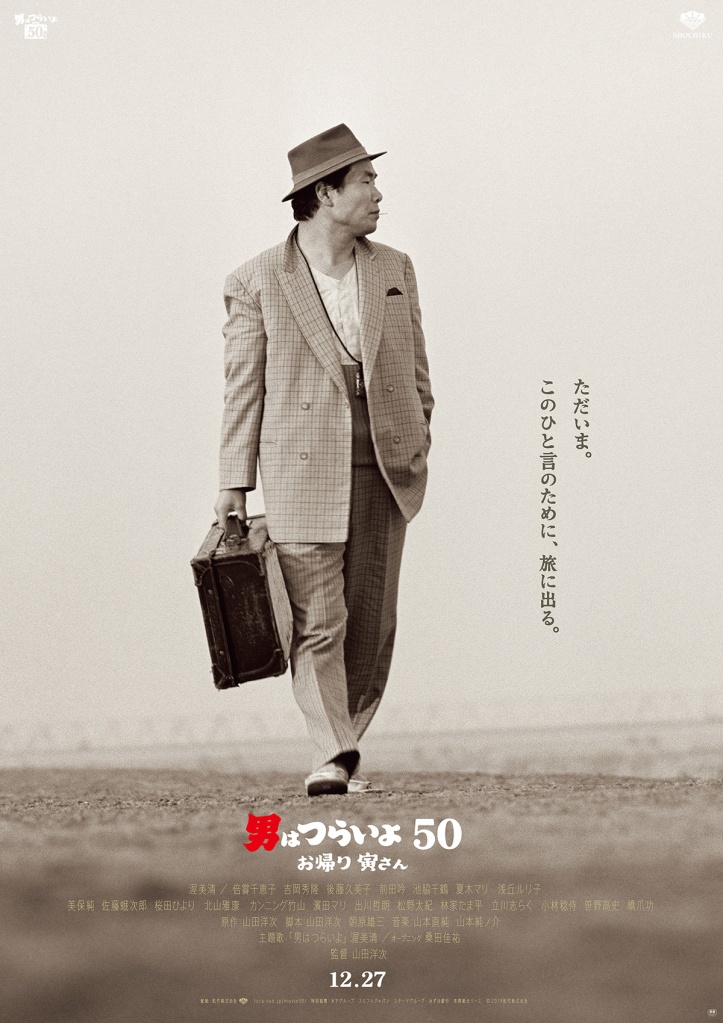
Tora-san, Wish You Were Here (男はつらいよ50 – お帰り 寅さん, Yoji Yamada, 2019)

From 1969 to 1996, travelling salesman Tora-san appeared in 48 films, a 49th movie special appearing after star Kiyoshi Atsumi’s death brought an unavoidable end to the series. Tora-san, Wish You Were Here (男はつらいよ50 – お帰り 寅さん, Otoko wa Ysurai yo 50: Okaeri Tora-san) arrives to mark the 50th anniversary of the first film’s release, and as the series had done in its later stages, revolves around Tora’s neurotic nephew, Mitsuo (Hidetaka Yoshioka), who is now a middle-aged widower and father to a teenage daughter. Feeling somewhat wistful, Mitsuo’s thoughts turn to his now absent uncle, wishing he were still around to offer some of his trademark advice along with the gentle warmth and empathy which proved in such stark contrast with his otherwise anarchic and unpredictable personality.  

Yamada, who directed all but two of the series in its entirety, opens with another dream sequence this time of Mitsuo as he finds himself overcome with memories of his first love, Izumi (Kumiko Goto), who is now married with children and living abroad working for the UNCHR. Mitsuo’s wife passed away from an illness six years previously and he’s so far resisted prompts from his relatives to consider remarriage though it seems fairly obvious that his editor, Setsuko (Chizuru Ikewaki), has a bit of a crush on him. Having taken a gamble giving up the secure life of a salaryman to become a novelist, Mitsuo’s first book is about to be published and it’s at a signing that he serendipitously re-encounters Izumi who just happened to be in the store that day on a rare trip to Japan and spotted the poster. 

Like many Tora-san films, Wish You Were Here is about the bittersweet qualities of life, the roads not taken, the misdirections and misconnections, and the romanticisation of a past which can no longer be present. At a crossroads, Mitsuo ponders what might have been recalling the shattered dreams of his first love which seems to have ended without resolution because of the unfairness of life. He wishes that his crazy uncle was still around to make everything better, offering more of his often poetic advice but most of all a shoulder to cry on as he’d been for so many women throughout the series. But Mitsuo himself has always been more like Tora than he’d care to admit, if tempered by his father Hiroshi’s shyness. He too is a kind man whose bighearted gestures could sometimes cause unexpected trouble. What he’s learning is in a sense to find his inner Tora, embracing his free spirit through his art if not the road, but also coming to a poetic understanding that sometimes the moment passes and there’s nothing you can do to take it back, only treasure the memory as you continue moving forward. 

That’s a sentiment echoed by Lily (Ruriko Asaoka), one of Tora’s old flames, who now runs a stylish bar in Tokyo. The beauty of the Tora-san series was that it aged in real time. The actor playing Mitsuo played him as a child and we saw him grow up on screen just as we saw Shibamata change from post-war scrappiness to bubble-era prosperity and beyond. The family’s dango-shop has had an upscale refit and there is now a modern apartment complex behind it where the print shop once stood. Seamlessly splicing in clips from previous instalments as Mitsuo remembers another anecdote about his uncle, Yamada shows us how past and present co-exist in the way memory hangs over a landscape. Once or twice, the ghost of Tora even reappears hovering gently behind Mitsuo only to fade when he turns around to look while there’s an unavoidable sadness as we notice the Suwas’ living room is now much less full than it once was. 

Aside from his uncle, it’s the warm family atmosphere that Mitsuo recalls from his childhood, something which, like Tora, he might not have always fully appreciated. Driving Izumi to a potentially difficult reunion with her terminally ill estranged father (Isao Hashizume), he refers to his own parents as “annoying” in the “pushy” quality of their kindness, something which irritates Izumi who points out that she’d have loved to have such a warm and supportive family and if she had she might never have gone to Europe, implying perhaps that their fated romance would been fulfilled. The Shibamata house was Tora’s port, he could wander freely because he had somewhere to go back to where they’d always let him in no matter what kind of trouble he caused.

A fitting tribute to the Tora-san legacy, Wish You Were Here is also a joyful celebration of the Shitamachi spirit. Tora might be gone, but the anarchic kindness and empathy he embodied lives on, not least in the mild-mannered Mitsuo and his cheerful daughter who seems to be continuing the family tradition of meddling in her loved ones’ love lives as her lovelorn father prepares to move on in memory of Tora, the free spirited fool.


Tora-san, Wish You Were Here streamed as part of this year’s Japan Cuts.

International trailer (English subtitles)

Tora-san, My Uncle (男はつらいよ ぼくの伯父さん, Yoji Yamada, 1989)

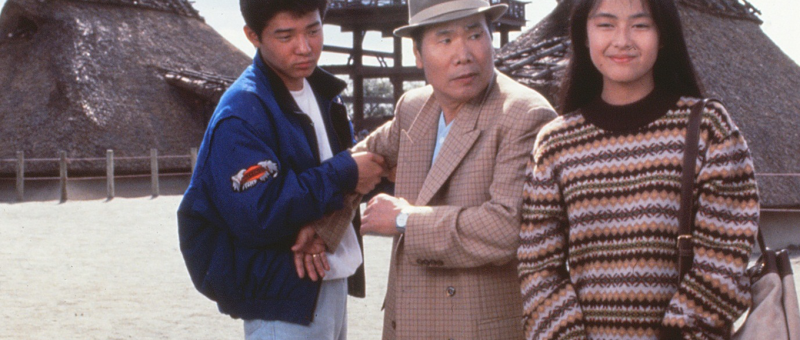
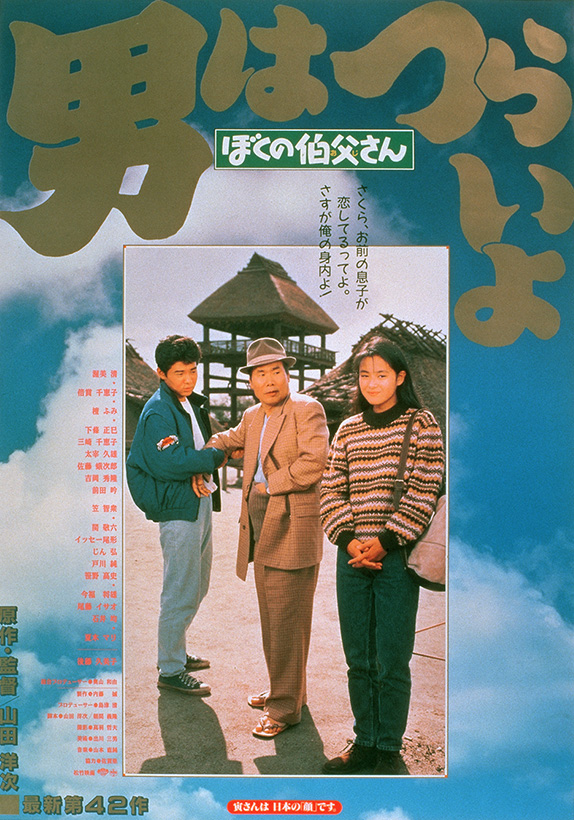
“My uncle was born a kind man, but his kindness is intrusive. He’s short tempered too, so often his kindness ends up causing a fight” according to the introduction given by Mitsuo (Hidetaka Yoshioka), nephew of the titular Tora-san (Kiyoshi Atsumi) in the 42nd instalment in the long running series, Tora-san, My Uncle (男はつらいよ ぼくの伯父さん, Otoko wa Tsurai yo: Boku no Ojisan). People may say he’s “an oddball”, but just recently, Mitsuo claims, he’s learned to appreciate his uncle’s peculiar charms. Up to this point, the series had followed a familiar pattern in which Tora-san has an encounter on the road and returns home to visit his family in Shibamata falling in love with an unattainable woman along the way. My Uncle, as the title perhaps implies, shifts the focus away from Tora directly towards his wayward nephew Mitsuo now a moody teenager studying to retake his university entrance exams. 

The problem is, Mitsuo is having trouble concentrating because he’s fallen in love. Izumi (Kumiko Goto) was a year below him in high school but after her parents got divorced she moved away and is currently living with her mother (Mari Natsuki) who runs a hostess bar in Nagoya. Mitsuo has been wanting to go and visit but his father, Hiroshi (Gin Maeda), has banned travel until after his exams and his authoritarian ruling has placed a strain on their relationship while Sakura (Chieko Baisho), Mitsuo’s mother and Tora’s younger sister, is getting fed up with his moodiness. That might be why she asks Tora to have a word with him on one of his rare visits, hoping Mitsuo will be able to talk frankly to his uncle about things he might not want to discuss with his parents. Only when Tora’s uncle (Masami Shimojo) and aunt (Chieko Misaki) point out the dangers does she realise her mistake. Perhaps you might not want your son to receive the kind of advice a man like Tora might give. Their misgivings are borne out when Tora brings him home a little the worse for wear after teaching him how to drink sake (and flirt with waitresses). 

Rather than Tora it’s Mitsuo we follow as he ignores his parents and goes off to find Izumi on his own. Mitsuo is not Tora, however, and he’s still fairly naive, unaware of the dangers inherent in a life on the road which is how he gets himself into a sticky situation with a man who helped him (Takashi Sasano) after he had a bike accident but turned out to have ulterior motives. After discovering that Izumi has gone to live with her aunt (Fumi Dan) in the country and finally arriving, Mitsuo begins to have his doubts. She wrote to him that she was lonely so he jumped on his bike and came, but now he wonders if that was really an OK thing to do or if she might find it a little excessive, even creepy. Her neighbours may gossip after seeing a (slightly) older boy from Tokyo suddenly turn up on a motorbike, maybe like Tora he’s acted on impulse out of kindness but has accidentally made trouble for her?

Meanwhile, Sakura and Hiroshi are at home worried sick, aware their son has grown up and evidently has some important rite of passage stuff to do, but it would have been nice if he’d called. Everyone’s used to Tora breezing in and out of their lives and it’s not as if they don’t worry, but it’s different with Mitsuo. Luckily and through staggering coincidence Mitsuo ends up running into Tora who, perhaps ironically, gets him to phone home and then starts helping him out with his youthful romantic dilemma. Though some of the advice he gives is a little problematic, there’s a fine line when it comes to being “persistent” in love, he is nevertheless supportive and proves popular with Izumi’s mild-mannered aunt and lonely grandfather-in-law (Masao Imafuku) who subjects him to a day-long lecture about traditional ceramics which he listens to patiently because as he says, old people are happy when someone listens to them. The problems are entirely with Izumi’s extremely conservative school teacher uncle (Isao Bito) who appears to terrorise his wife and objects strongly to Mitsuo’s impulsive gesture of love, bearing out Mitsuo’s concerns in implying that he’s endangering Izumi’s reputation, though apparently more worried about how it looks for him as a school teacher if she’s caught hanging out with a motorcycle-riding “delinquent”. The final straw is his telling Mitsuo off for neglecting his studies, insisting no one so “stupid” could ever hope to go to uni.

Left behind, Tora tries to defend Mitsuo to the snooty uncle, telling him that he’s proud of his nephew for doing something kind even if others don’t see it that way, but the uncle simply replies that they obviously disagree and abruptly walks off. Perhaps there’s no talking to some people, but Tora does what he can anyway. Mitsuo gains a new appreciation for his kindhearted family, not to mention his eccentric uncle. “Trips make everyone wise”, Tora tells Hiroshi, well except for some people, he later adds before once again getting literally cut off from everyone waiting for him back in Shibamata. The signs of bubble-era prosperity are everywhere from Mitsuo’s motorbike and comparatively spacious family home to the increased mobility and the upscale interior of Izumi’s mother’s “snack” bar, but Tora is still a post-war wanderer bound for the road, drifting whichever way the wind blows him.


Tora-san, My Uncle streamed as part of this year’s Japan Cuts.

Original trailer (no subtitles)

Tora-san Meets the Songstress Again (男はつらいよ 寅次郎相合い傘, Yoji Yamada, 1975)

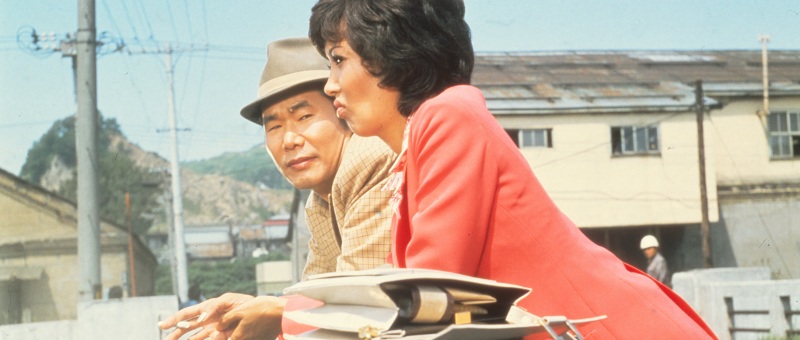
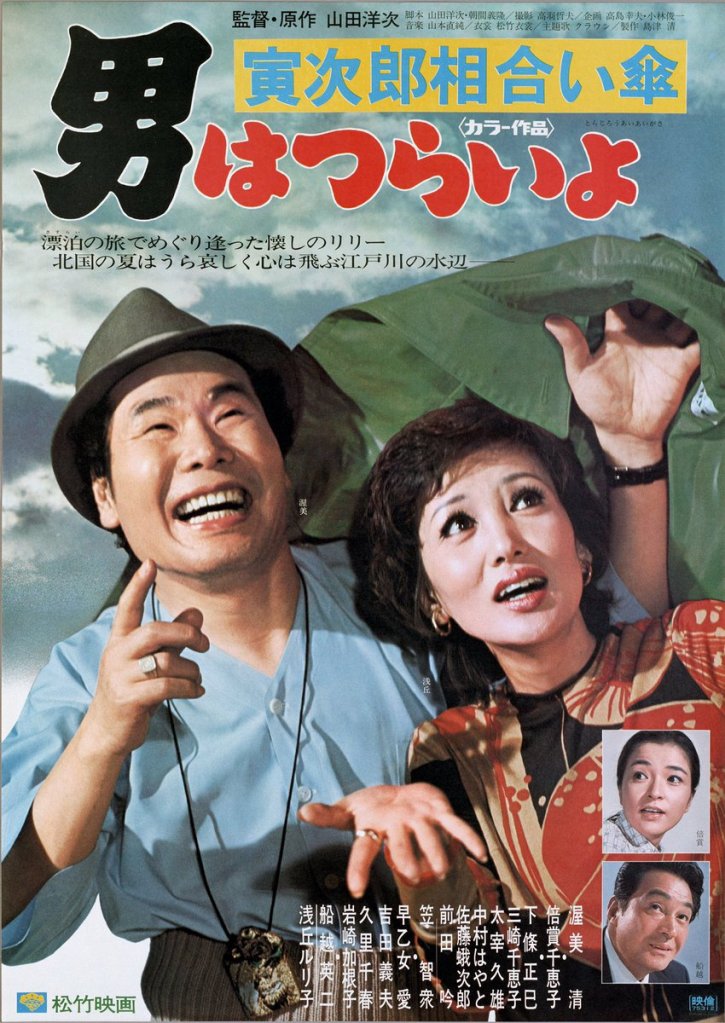
Spanning 48 films and almost 30 years from the middle of the economic miracle to the post-Bubble depression, the Tora-san series provided a certain kind of comforting stability with its well established formula that saw the titular travelling salesman alternately hit the road and return home to his wholesome family waiting and worrying in Shibamata, always glad to see him but also anxious as to what kind of trouble he’ll be causing this time around. Among the most melancholy of the series, Tora-san #15, Tora-san Meets the Songstress Again (男はつらいよ 寅次郎相合い傘, Otoko wa Tsurai yo: Torajiro Aiaigasa, AKA Tora-san’s Rise and Fall) sees him flirt with the idea of settling down while others wrestle with the costs of the salaryman dream and the contradictions of the post-war era. 

Yamada opens, however, with an exciting dream sequence in which Tora (Kiyoshi Atsumi) re-imagines himself as a heroic pirate saving his family members, and all the residents of Shibamata, from enslavement by some kind of evil capitalist villain. He wakes up and leaves the cinema, but Shibamata is perhaps on his thoughts once again acting as it does as a kind of “port” in his life of perpetual wandering. For the moment he’s travelling with a depressed salaryman, Hyodo (Eiji Funakoshi), whom he rescued at a train station fearing he may have been about to take his own life. Meanwhile, back in Shibamata, Tora’s old friend Lily (Ruriko Asaoka) has come looking for him at the dango shop apparently now divorced, tearfully explaining to Tora’s sister Sakura (Chieko Baisho) that she wasn’t well suited to being a housewife after all and is planning to head back out on the road as an itinerant singer. 

Perhaps ironically, Tora is angry with Hyodo for causing worry to his family by disappearing without notice, eventually ringing Sakura to tell her to ring Hyodo’s wife and let her know he’s alright (why he doesn’t just ring himself is a mystery, and in any case he only has the one coin for the payphone so runs out of time to explain). What we can infer is that Hyodo has in a sense achieved the “salaryman dream” but it’s left him feeling empty and unfulfilled. Mrs. Hyodo appears to be very prim and proper, their home spacious and tastefully decorated. When Sakura calls two men from her husband’s company are with her trying to figure out where Hyodo could have gone. She explains that her husband is a timid man and earnest, it’s unlikely he’s gone off with another woman and it’s out of character for him go AWOL from work so she’s at least very relieved to learn he’s alive even if Tora ran out of time to say where they were. Hyodo isn’t really sure anyone’s missing him, and as we later discover his flight is part mid-life crisis in that he’s heading to the hometown of his first love. He assumes she also will have married and has no illusions of a romantic reunion but simply wants to make sure she’s happy (as he, presumably, is not). Discovering she’s a widow gives him pause for thought, but on seeing her he realises the futility of his situation and resolves to return home to his dull and conventional salaryman life. 

It’s a huge source of irony to Tora that anyone might envy him. Indeed, Mrs. Hyodo quite snobbishly insists on asking Sakura about Tora’s company joking that “he can’t just be a pedlar” much to Sakura’s embarrassment. But that sense of freedom and the open road appears to be something Hyodo is looking for, childishly romanticising hardship, finding sleeping on park benches and helping Tora pull salesman’s scams in the street exciting rather than worrying (he could after all always just go home). Yet he also envies Tora for having such a loving and forgiving family, explaining that his now look down on him because he’s been demoted at work, as if they only value him for what he represents an embodiment of the salaryman dream. Lily too is as much in love with Tora’s family as anything else, though the complex relationship between the pair begins to scandalise the conservative local community. Sakura frames it as a joke but puts it to Lily that it would be nice if she and Tora could marry so she’d be a part of their family. Lily unexpectedly agrees, overcome with emotion, but Tora is his old insensitive, if perhaps perceptive self, declaring that they’re too alike. Like him she’s a bird meant to wander. She’d only stay until she felt ready to fly. 

Tora-san and Lily are wandering souls cast adrift in the post-war era, unable to find firm footing while Hyodo’s existential angst suggests the salaryman dream is not the answer either. Only Sakura and the Kurumas seem to be doing well enough, living their ordinary, wholesome lives in Shibamata. “She probably has problems we don’t know about” Tora’s aunt remarks watching Queen Elizabeth II waving gracefully on the television, lamenting that it must be tiring to have to stand around so long. Everyone has problems but they carry on. In Shibamata they try to be kind and especially to big-hearted men like Tora no matter what kind of trouble they may cause.


Tora-san Meets the Songstress Again streamed as part of this year’s Japan Cuts.

Original trailer (English subtitles)
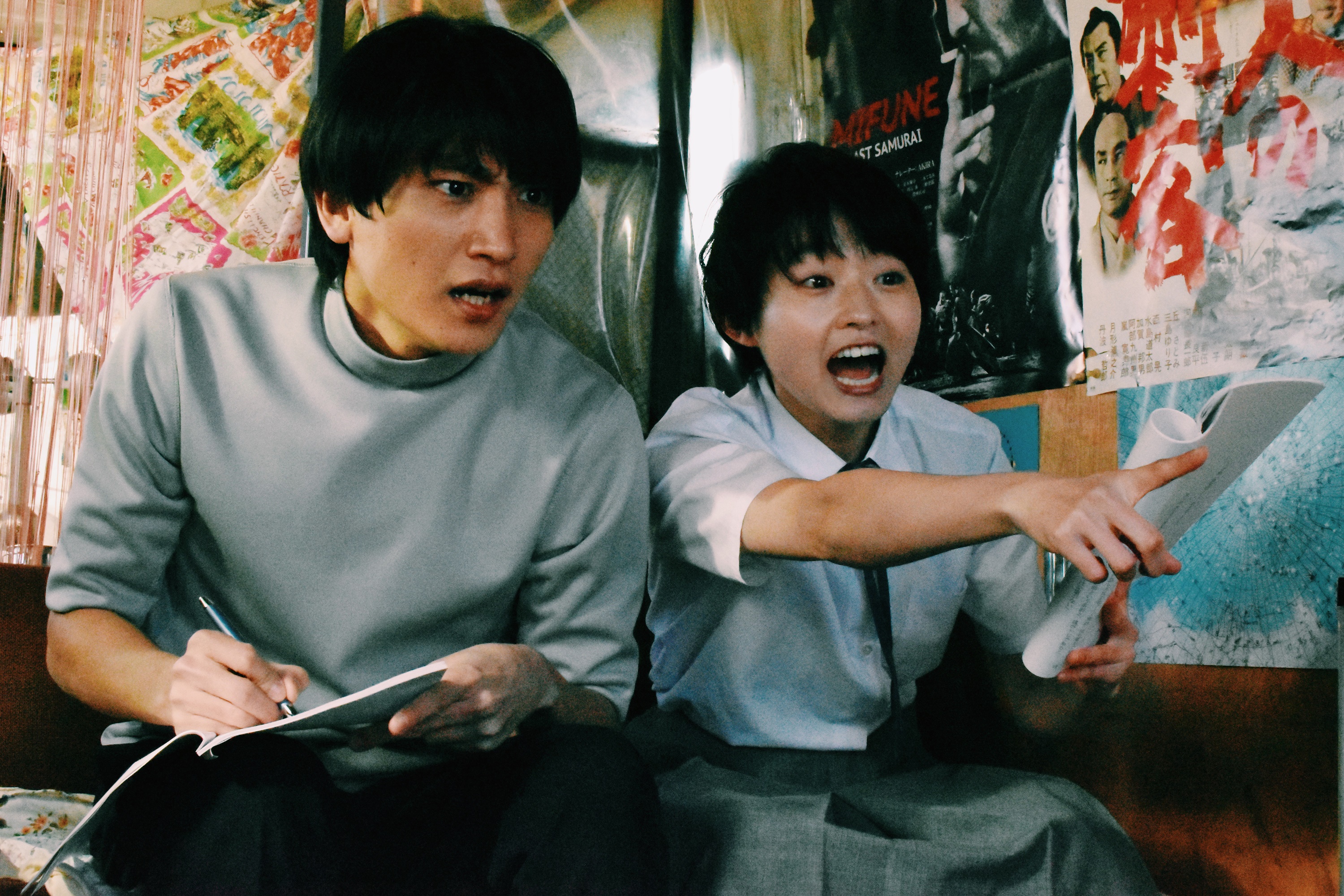
Tora-san, Our Lovable Tramp (男はつらいよ, Yoji Yamada, 1969)

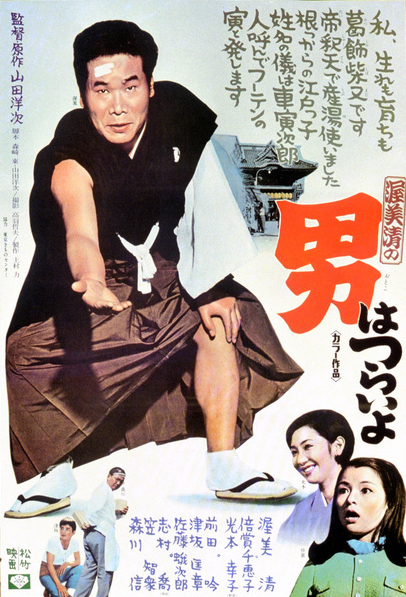
“It’s tough being a man” according to the Japanese title of the long running series affectionately known as “Tora-san” to its many fans. Tora-san began as a TV drama broadcast in 1968-9 in which the hero died of a snakebite in the very last episode much to viewers’ disappointment. Director Yoji Yamada then resurrected the loveable travelling salesman and made him the star of a reboot movie which proved so popular that it spawned a 48-film series which lasted until the death of star Kiyoshi Atsumi at the age of 68 in 1996. 

Yamada directed all but two instalments in the series each of which broadly follow a similar pattern to that introduced in the first film following the eponymous Tora as he gets himself mixed up in some kind of trouble, returns home to visit his family in Shibamata, and falls in love with a beautiful but unobtainable woman known as the “Madonna” in the series’ “mythology”, if you can call it that. At the beginning of Tora-san, Our Lovable Tramp (男はつらいよ, Otoko wa Tsurai yo), Torajiro Kuruma (Kiyoshi Atsumi) or “Tora-san”, explains that he’s been in a wistful mood thinking about his hometown while viewing the cherry blossoms and has decided to go back to Shibamata for the first time in 20 years having left swearing never to return after arguing with his father who has since passed away as has his brother. Tora-san’s only remaining family members are his younger sister Sakura (Chieko Baisho), a small child when he left but now a grown woman in her mid-20s, and an uncle (Shin Morikawa) and aunt (Chieko Misaki) who’ve been looking after her and run a small dango shop. 

Being away for 20 years necessarily means that Tora has been on the road since he was a young teenager back in 1949 when Japan was still very much in the throws of post-war chaos, in contrast to the increasingly prosperous nation it has since become. On his return to town he is relieved to discover that the local priest (Chishu Ryu), as well as his aunt, still remember and recognise him but shocks them all with an incongruous, and frankly over the top, show of politeness as he expresses gratitude and filial piety towards his uncle and aunt for having raised his sister but then immediately afterwards tries to sell them some of his tacky sales goods including some kind of electronic bracelet with supposed health benefits. Nevertheless, the family, including his sister Sakura who works as a typist at an electrical goods company, are very glad to seem him after all these years. 

Hardly in the house five minutes before peeing in the garden instead of using the bathroom like a regular person, Tora is already undercutting the image he first presented and causing trouble with the neighbours. The major drama occurs when he ends up accompanying Sakura to an omiai arranged marriage meeting set up by her boss in a fancy hotel. Sakura hadn’t been keen to go to the omiai, her uncle and aunt assume because arranged marriages are already outdated, but as we later discover she’s developed a fondness for factory worker Hiroshi (Gin Maeda) who lives in the house directly behind theirs. The uncle and aunt encourage the match because it’s an opportunity to marry up, viewing it as better than Sakura could otherwise hope for as an orphan with no dowry. Tora agrees with them, encouraging his sister not to write off tradition, but he has little understanding of the etiquette for these kinds of situations and quickly scandalises the refined, upper-class family by drinking far too much, making bawdy jokes about the composition of Chinese characters, and using vulgar language. As expected the suitors decide not to take things further, though luckily Sakura’s boss does not seem to mind or hold Tora’s behaviour against her.

On the road since he was little more than a child, perhaps it’s no wonder that Tora struggles when trying (or not) to adapt to the rules of civilised society though as he later tells us, he also had a traumatic childhood beaten by his father who resented him for being illegitimate, conceived during a drunken indiscretion with a geisha (Sakura is a half-sister born to his father’s legal wife). At one point he loses his temper completely and finds himself slapping Sakura, accidentally starting a mass brawl in their courtyard, though it’s obvious afterwards that he deeply regrets his behaviour and despite being forgiven by his ever patient sister feels as if it might be better to leave again before he makes even more trouble for his family. 

Tora is, however, perhaps good trouble in that his heart is (broadly) in the right place even if he makes a lot of mistakes. He meddles in Sakura’s love life and almost destroys her chance of romantic happiness, but it all works out in the end and he might have a point in implying that without his mistaken intervention she and Hiroshi would have just gone on in silent longing. Nevertheless, he remains a romantically naive figure, falling for the elegant daughter of the local priest (Sachiko Mitsumoto) who surprises him by expressing a fondness for low entertainment but in real terms is never going to marry a man like Tora. “Mine’s a hard world” he explains to a boatman, sadly making his way back towards the road filled with a deep sense of despair but pressing on all the same, trying his luck wherever he goes just another plucky, though no longer so young, guy, left behind by the rapid pace of the post-war economic miracle.  


Tora-san, Our Lovable Tramp streamed as part of this year’s Japan Cuts.

Original trailer (English subtitles)
My Identity (神様のいるところ, Sae Suzuki, 2019)

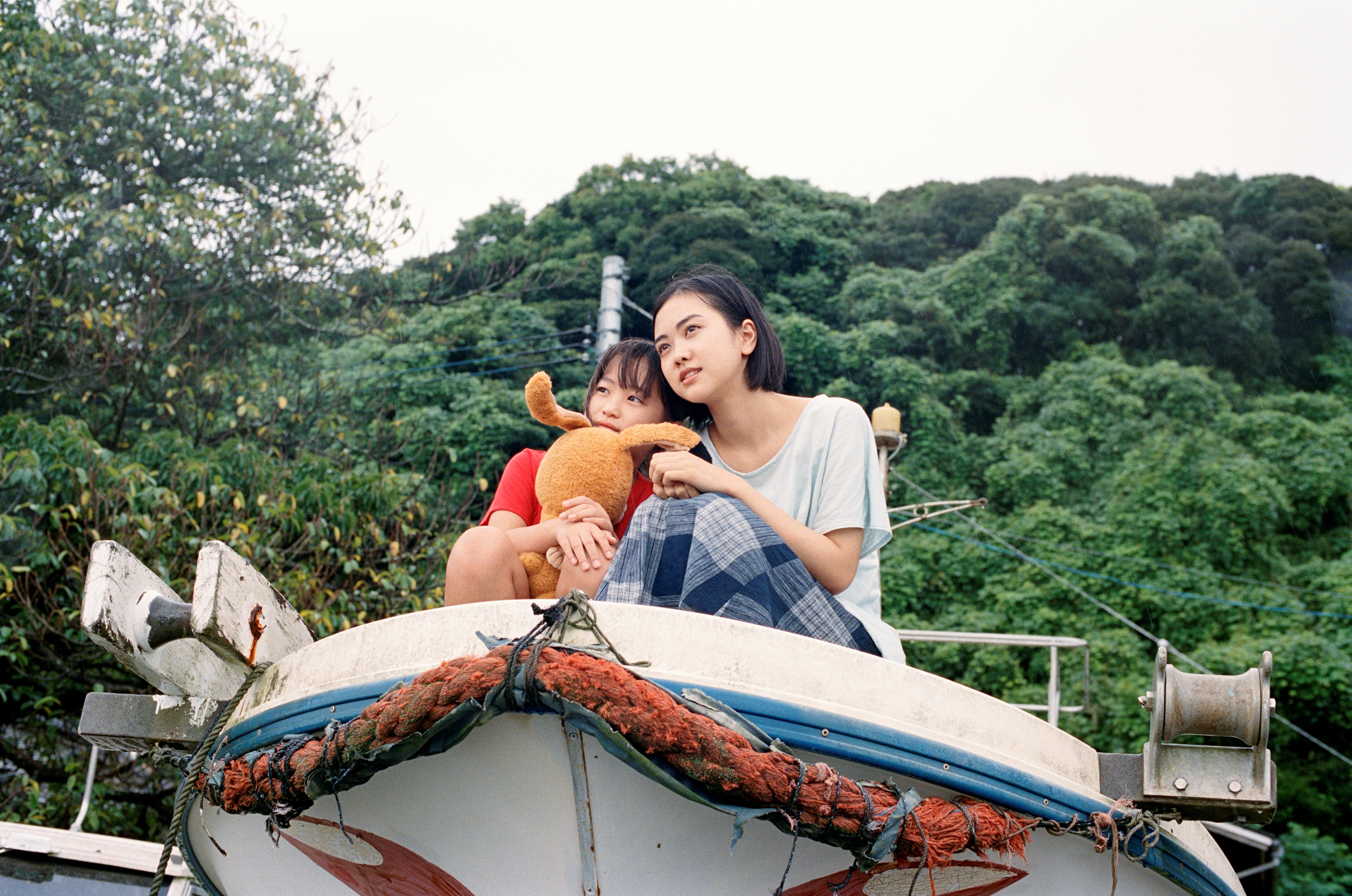
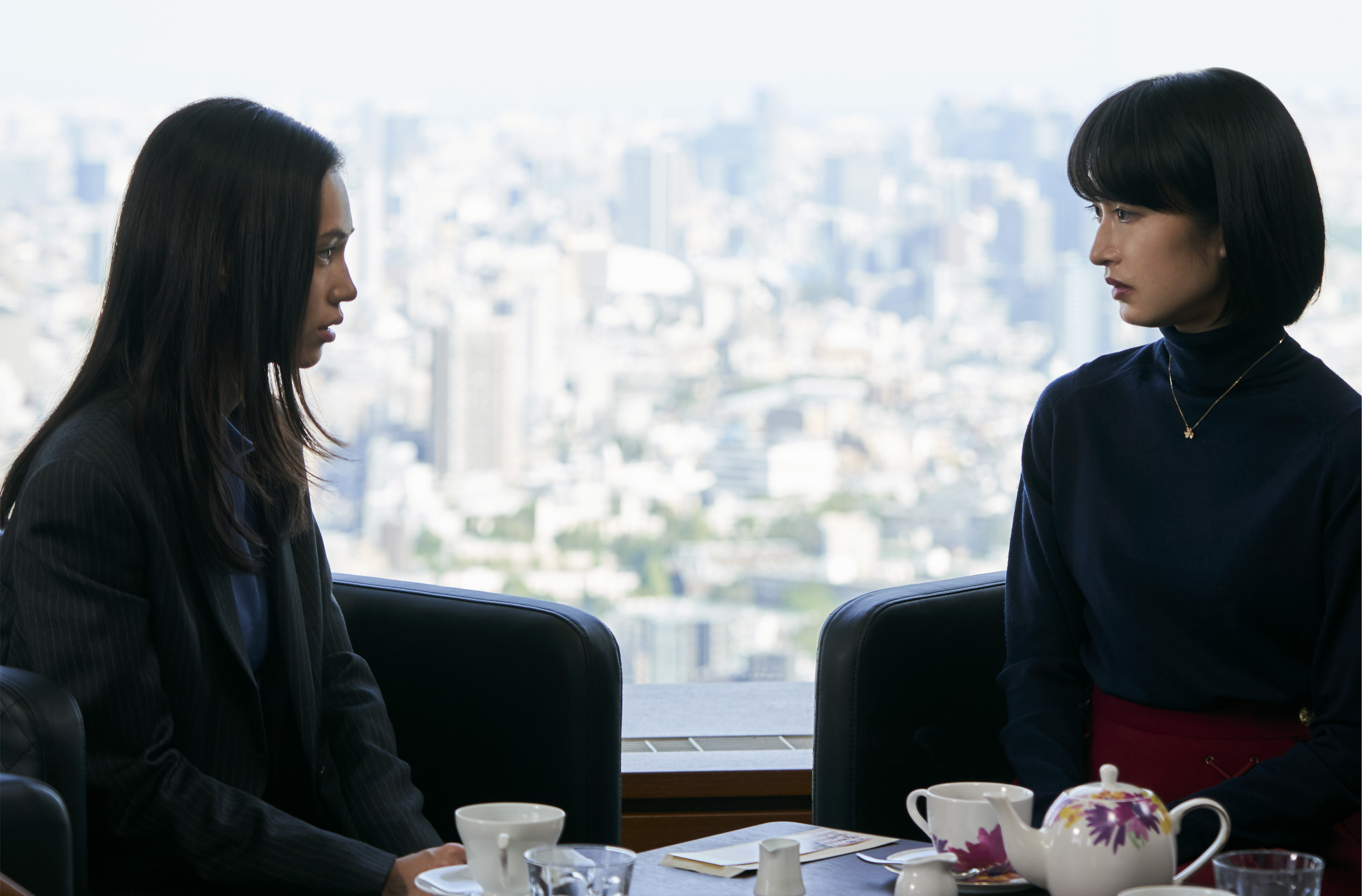
“You’re not the only one suffering because of language barriers” the heroine of Sae Suzuki’s My Identity calmly explains to her mother after spending a few days away perfecting her language skills. My Identity (神様のいるところ, Kamisama no Iru Tokoro) is perhaps less about identity in itself than the difficulty of communication but nevertheless finds a young woman displaced, quite literally pushed out both by her frustrated mother and by a society which continues to be fiercely intolerant of difference. What she realises however, is that she’s not the only one feeling lost, discovering an alternate maternal figure in an orphaned adult herself at the mercy of an unforgiving and judgemental patriarchal society. 

As we first meet her, high schooler Rei (Hinata Arakawa) is physically pushed out of her family home, the door closed behind her as her mother lays in to her father with accusations of fiscally irresponsible infidelity in her native language. As we later discover Rei is half-Taiwanese and in fact lived on the island until she was five but now feels under-confident in both a perhaps more familiar Mandarin and the Hokkien between which her mother switches freely. At school meanwhile she is taunted by two horrible boys who bully her for being “Chinese”, calling her “creepy” and “ugly” while questioning her ability to speak Japanese. When they tear up a thank you card she’d written in Chinese claiming not to understand it she finally loses her temper and fights back, hitting one of the boys on the head with her backpack. Ironically, she is the one that gets into trouble. Her mother takes a cane to her legs, angry most of all it seems that people will think that foreign mothers raise badly behaved children and will continue to look down on her. Rei just wants to connect with her mother, but her mother isn’t listening. 

That might be why she makes unwise decision to look into dodgy compensated dating after hearing about a forum where “gods” congregate looking to pick up teenage girls. She thinks better of it at the last minute only to be chased by a weird old man claiming to be worried about her which is how she bumps into Aoi (Kaho Seto) who cooperates by pretending to be her responsible adult. A youngish office worker, Aoi has problems of her own and has apparently been out on a night of heavy drinking with a colleague, something which becomes a source of gossip among the other women at work who seem to universally dislike her. She’s coming up for a transfer, but is aggressively harassed by her boss who tells her that he’s going to wait for her when she gets off, causing her to alter her schedule in order to avoid him. 

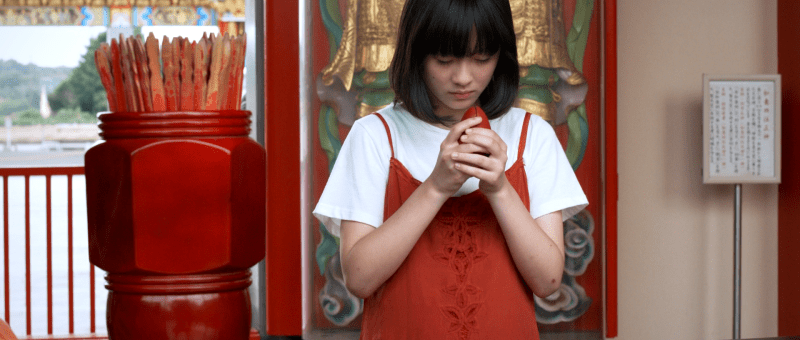
After a traumatic incident, the two women find themselves on the run, breaking into a disused inn which they end up operating in a temporary illusion of domesticity. Rei practices her Mandarin, looking to Aoi for guidance, but discovering that her worries are fairly universal. What if you can’t communicate your feelings she asks, but Aoi has no answer for her, and Rei can only lament that people start hurting each other when communication fails. Her Taiwanese heritage, however, becomes an unexpected, two-fold threat to her new familial connection when the pair visit a local Taiwanese temple which is also home to a Japanese researcher who speaks perfect Mandarin and has identified the two women as the fugitives from the news, but has also developed a quite obvious attraction to Aoi. 

Rei came here to face herself, but is consciously working towards a resolution, determined to make a connection while asserting her own agency. Aoi meanwhile worries she’s doing the opposite, “playing house”, “running away”, “refusing to face reality”. The researcher tells her, perhaps not altogether altruistically, that she’s being irresponsible, and that her indulgence of Rei may in the long run be harmful. She too feels lost and alone, confessing that she found herself subject to unwanted male attention she couldn’t directly deflect and feigned an ignorance that put her at odds with other women who came to resent her for it. Preoccupied, she too fails to understand Rei’s feelings, trying to be kind but nevertheless causing pain along the way. 

Through visiting the temple and reconnecting with her Taiwanese heritage, Rei finds the words she needs in order to communicate what it is she really feels and hopes that, finally, someone is going to listen. Contending with miscommunication, prejudice, ignorance, and a fundamental “language barrier” in the difficulty of translating feelings accurately and being fully understood, Rei does her best to become her most authentic self, integrating her identity and defiantly embracing it but doing so with openness as she strives for communication as a weapon against hate and violence.


My Identity streamed as part of this year’s Japan Cuts.

Original trailer (English subtitles)

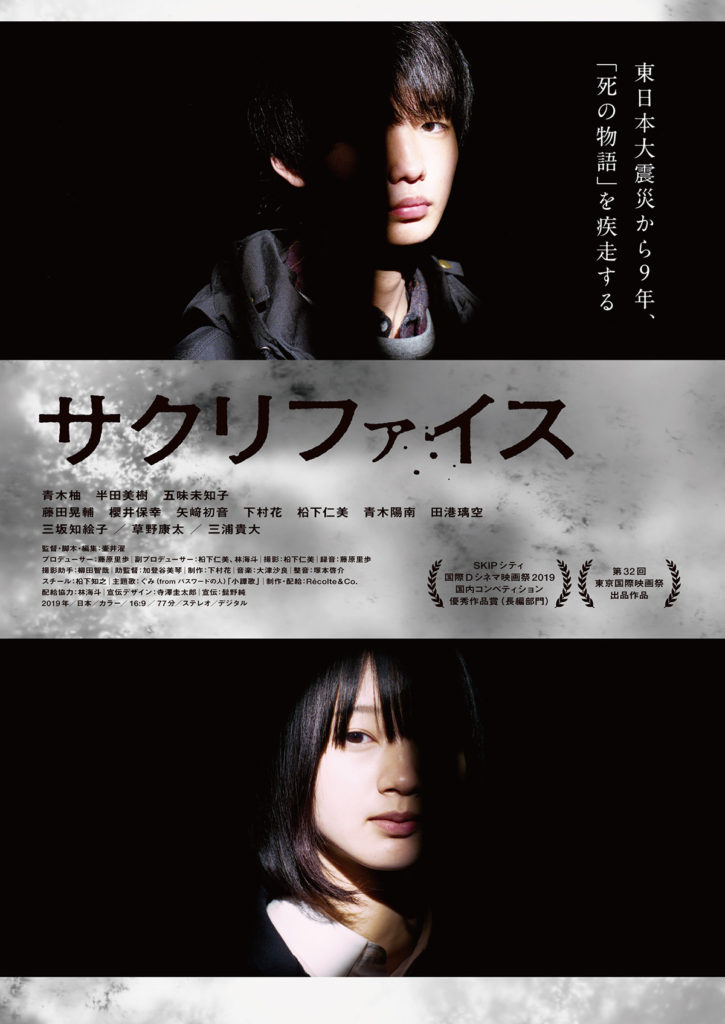
Sacrifice (サクリファイス, Taku Tsuboi, 2019)

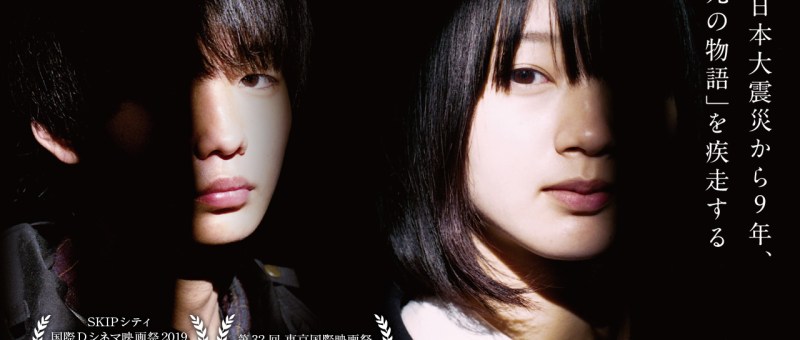
Taku Tsuboi meditates on coming disaster in his evocative debut feature, Sacrifice (サクリファイス). Post-earthquake anxiety meets its opposite number in doomsday cult as an Aum-esque sect rejects and then embraces a contrary prophecy of the end of the world ushered in by a giant worm already burrowing menacingly under our feet. Putative apocalypses however pale in comparison to the incurable threat of other people and it may not be an earthquake or a war or a terrorist attack that puts an end to us so much as our inability or perhaps refusal to overcome our fear. 

“Forgiveness transcends revenge” a young man claims during a debate about the death penalty, “the cycle of hate must be broken”, only he later confesses that he didn’t quite mean what he was saying. He opposed the death penalty but less for humanitarian reasons than curiosity. Okita (Yuzu Aoki) wants to know the why, what the killer was feeling when they did what they did. Fellow student Toko (Miki Handa) has been patiently watching Okita, suspicious of him because when he thinks no-one’s watching, he drops his mask. She’s convinced that he is responsible for a notorious series of ritualised cat killings, as well as the death of fellow student Sora (Hana Shimomura) who was apparently investigating them and had presumably gotten too close to the truth. Toko’s suspicions are confirmed when she raids Okita’s backpack and discovers an incriminating file, essentially blackmailing him to become her friend in the hope that, unlike her boyfriend the straight-laced job hunter Masaya (Kosuke Fujita), he can buy her a ticket out of her maddeningly “normal” life. Meanwhile, Okita also becomes an unexpected protector for another student, Midori (Michiko Gomi), who finds herself targeted by a young man in camouflage (Yasuyuki Sakurai), apparently a member of a cult, Shinwa, successor to the defunct Sacred Tide and the first private army in Japan. 

Midori was once a cult member herself, unwillingly inducted by her mother, and is plagued by strange visions after having foreseen the devastating March 2011 earthquake in a dream and subsequently targeted for elimination by those who feared her power. The cat murders are numbered and apparently counting down from 311 leading some to conclude they have something to do with the earthquake, some kind of “sacrifice” in the face of coming disaster. “The world needs sacrifices” a true believer later affirms, but has no reason why it should, only insisting that they are following the teachings of Mr. Sazanami, the mercenary turned cult leader. Some become soldiers, others kill cats in Japan without knowing why. 

“Seeking reason makes you weak” Sazanami conveniently claims, “view the world without the blindfold of humanity, then you can understand my vision”. Toko is drawn to Okita precisely because of his lack of human feeling, “You see people only as objects”, she tells him with admiration not caring if he killed or not only hoping that his difference will help her escape a life of crushing mundanity. She thought the earthquake would change something. Everyone was talking of new beginnings and great renewals but in the end nothing really happened and her adolescence has been one of disappointment coloured with anxiety. She resents being “the only normal one” trapped in “a world of normality” and longs to throw herself into this strange world of conspiracy and ritual in order to give her life the greater meaning she craves. 

Midori, however, craves that kind of normality. Her mother ironically lost faith in the idea of salvation after facing death in the wake of disaster, while she struggles to escape from an unfair sense of responsibility for the fate of the world seeing too much and not enough at the same time. Yet in a strange way it is faith that sustains her. “All I can do is run” she affirms, hoping that she will one day re-encounter the person who claims his life found meaning only when he found her. She refuses to discard her “blindfold of humanity”, living in the shadow of future catastrophe but living all the same. An accomplished feature debut, Tsuboi’s broody drama wrings all the dread out of its eerie settings from churches disused and not to abandoned buildings and the bleakness of a somehow comforting dreamscape while offering his beleaguered youngsters a tentative sense of hope if only in the ability to normalise a sense of existential anxiety.


Sacrifice streamed as part of this year’s Japan Cuts.

Original trailer (English subtitles)
Beyond the Night (夜のそと, Natsuki Nakagawa, 2019)

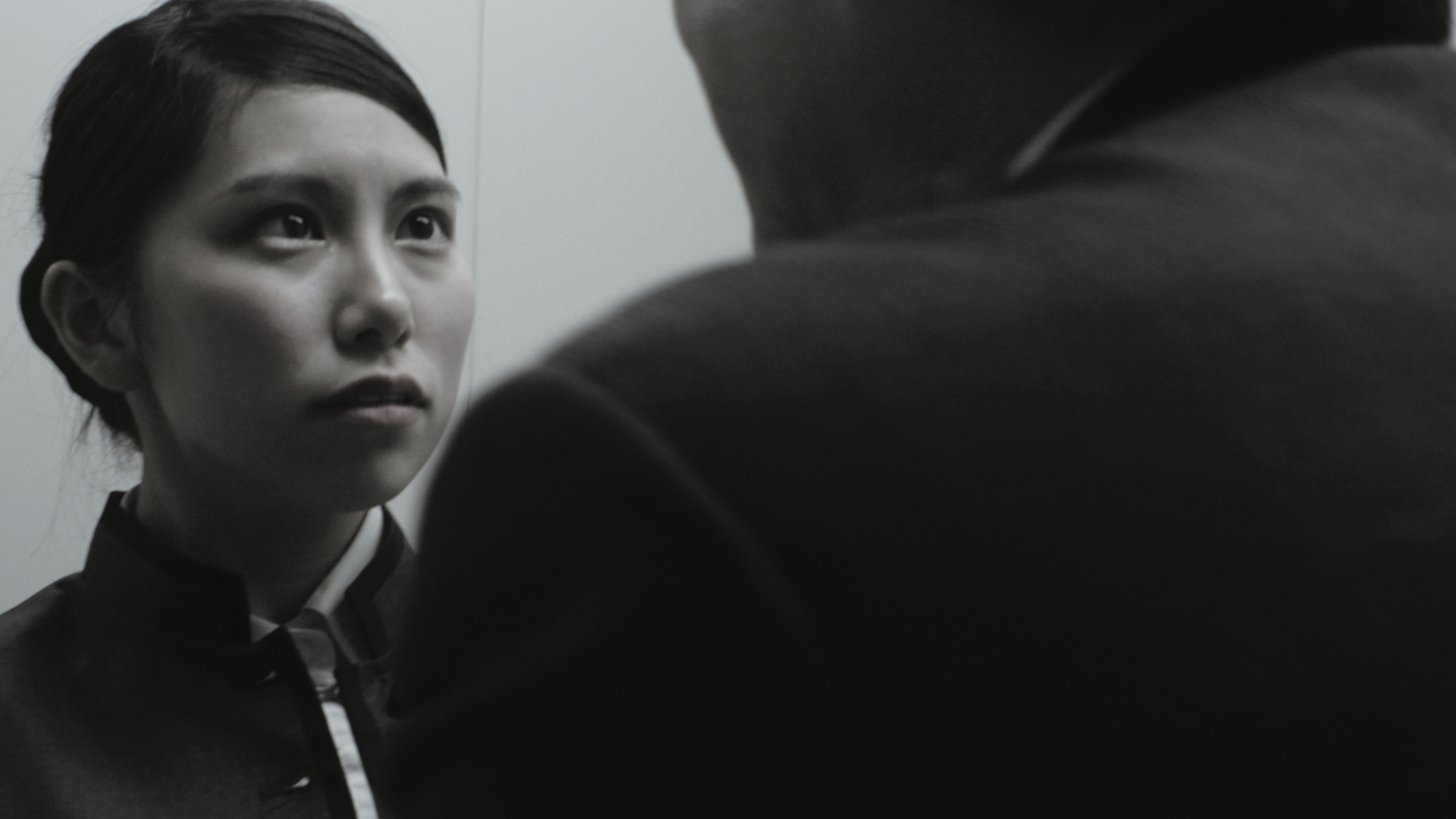
“I’m leaving this place” a traumatised woman declares, trying to free herself from an oppressive environment but discovering that escape is not necessarily synonymous with freedom. Completed at Tokyo University of the Arts’ Graduate School of Film and New Media, Department of Film Production, Natsuki Nakagawa’s Beyond the Night (夜のそと, Yoru no Soto) locates itself somewhere between Wuthering Heights and The Postman Always Rings Twice as its traumatised heroine struggles to assert herself, trapped in the black hole of incestuous small-town life while yearning for a return to a more wholesome existence.

When we first meet Sotoko (Saki Tanaka), she is trying to run away only to stumble in the forest and be dragged back by her husband, Atsuya (Yasuhiro Isobe), whom she was presumably trying to escape. At work the next day, she’s wearing a large bandage on her cheek, but her colleague, Yuki (Haruka Konishi), has little sympathy for her. It’s at that point that she encounters mysterious drifter Mikiro (Kenta Yamagishi) on a delivery job to the office. Taken by her melancholy, Mikiro begins watching over her, concerned that no one else in the town seems to care that Sotoko is a victim of domestic violence. He learns from an old man that Atsuya is from the village’s most powerful family and therefore can do whatever he likes, while Sotoko, according to Yuki, is a “worthless” woman, an orphan who lost her family in a mysterious car accident. In addition to beating her, Atsuya has been pimping Sotoko out for money and influence, forcing her to sleep with a dirty old man, Tokyo-based politician Ishikawa (Hiroaki Kono), who later turns up dead in extremely suspicious circumstances. 

Atsuya claims that he treats Sotoko the way he does because he’s responding to her desires, pointing out that she’s tried to leave many times but has never been able to move beyond the forest. She lives surrounded by memories of the family she has lost, pictures drawn by her little brother Shota tacked on the wall, hugging his fluffy teddy for emotional support. Atsuya however wants to be her only family, destroying his totemic rivals in order to dominate her more completely while also taking from her the hope of forming a more complete family of her own. We learn that Atsuya has been shielding her from the consequences of involvement with a previous crime which is one reason she can’t leave him, but another is her battered psyche as she tries and fails to convince herself that she has the right to a better life or to her freedom. 

Mikiro, meanwhile, seems like an unlikely saviour, carrying a dark secret of his own as he plays the benevolent stalker wandering around Sotoko’s home when no one’s around and leaving little calling cards to remind her of his presence. Where Sotoko wants freedom, Mikiro wants love and is willing to go to great lengths to get it. “If I kill him will you love me?” he asks, while Sotoko explains to Yuki that she cannot simply leave Atsuya because their souls are entwined and someone needs to cut her free. “You can’t go anywhere, I’m the only one who can protect you” Atsuya counters, “She’ll never love you” he adds to Mikiro, “You’ll end up like me, you’re my replacement”. 

“We can’t change anything” a friend of Mikiro’s insists deepening the sense of fatalism, “one rotten person dies and nothing changes” echoing his own assertion that “there are bad people everywhere”. Sotoko declares her love for Mikiro as a symbol of the freedom she now desires, but at the same time reveals that there is nowhere she wants to go. To her Mikiro seems like a visitor from another world come to take her away from all this, but her salvation is not another perhaps equally problematic man but an awakening to her own agency, finally choosing a clear destination in the fullness of her “freedom”.

Nakagawa shoots her noirish tale with deadpan realism and a healthy respect for the ancient borders of the natural world, amping up the Lynchian sense of dread with ominous musical cues as Sotoko attempts to navigate her life in this strange little town where misogyny rules that seems to stand in for the prison of her trauma. Literally named “child of beyond”, she looks for the new world somewhere on the outside but struggles to extricate herself from an internalised sense of shame and worthlessness in order to find it. “Wherever you go you won’t be satisfied” a threatening policeman (Tomoki Kimura) had told her, but if you never leave the village then how would you ever know?


Beyond the Night streamed as part of this year’s Japan Cuts.

Trailer (English subtitles)
Roar (轟音, Ryo Katayama, 2019)
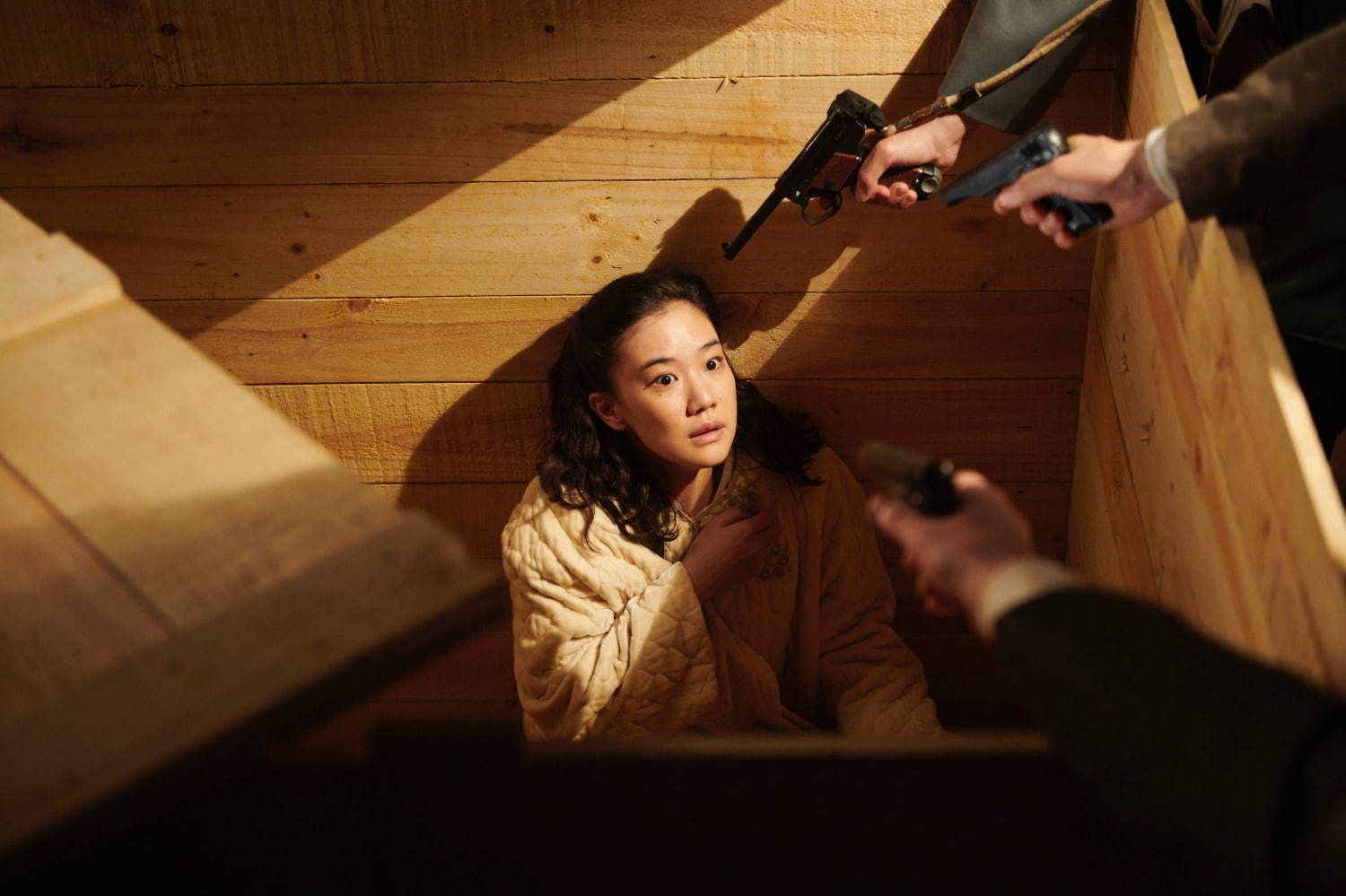
Two powerful stories of agency denied run in parallel in Ryo Katayama’s gritty debut, Roar (轟音, Go-on). Does violence free or constrain, and if the world itself is defined by access to it what does that say about the nature of our society? Burdened by familial failure and persistent misogyny Katayama’s heroes seek escape from their sense of futility but find it finally only in fighting their way out as they struggle to liberate themselves from constraints both societal and self-imposed. 

Makoto (Ryo Anraku) has always looked up to his big brother Tadashi (whose name literally means “correct”) but for reasons which remain unclear, Tadashi’s life has veered off course. Resentful of his authoritarian father who he claims has done nothing for him, Tadashi quits his job and eventually commits an act of heinous and senseless violence, placing his family at the centre of a campaign of social shaming. “My future is ruined because of him, what should I do now?” Makoto asks of his mother, but she turns away and tells him only to figure it out for himself while his father too abnegates his responsibility leaving Makoto in sole charge of his brother’s affairs. Burdened by further tragedies, he runs away and finds himself taking shelter with a mysterious vagrant (Ryo Katayama) who appears to earn money as an enforcer beating up targets on behalf of a shady petty gangster. 

Across town, meanwhile, cheerful radio host Hiromi (Mie Ohta) is stuck in a dead end “romance” with her overbearing boss (Shoji Omiya) who, despite being married to someone else, is jealous and possessive, regularly following her around outside of work to make sure she’s not seeing other men and stowing away in the footwell under the back seat of her car to “surprise” her. Nomura pressures her into illicit make-out sessions in the office, but also into voyeuristic public sex acts. Hiromi does not seem to be invested in the relationship even if, on the surface at least, not unhappy about going along with it, but is nevertheless constrained by the fact he is her boss and therefore she likely cannot end the affair without damaging her career nor does Nomura seem the sort of man who will respect her decision if she decides not to continue allowing him access to her body. 

Both Hiromi and Makoto are, in one way or another struggling to escape from their respective positions in society or perhaps to assume those they feel they should have. As the little brother, Makoto is the one who is protected, by his big brother and by his family, but both have deserted him. Tadashi swore he was “invincible”, yet he’s stumbled and is now in need of protection himself but Makoto is not in a position to protect him. In Manabu, the silent thug, he sees an image of his brother which can still be redeemed. He sees that his violence is born of pain and is as much about self harm as it is about hurting others. Makoto begins to care for him, hoping to save him from a life of senseless violence but finally cannot escape the capacity for violence in himself, exacting rage on an innocent bystander but failing to find a sense of power or liberation only deepening his sense of hopelessness. 

Hiromi meanwhile wrestles with being a middle-aged career woman who struggles to accept that perhaps she deserves more than the skeevy boss and has the right to refuse him. Her mind starts to change when a friend, Mayuko (Mari Kishi), introduces her to a handsome young man who offers her the possibility of a happier romantic future, forcing her to reflect on her present and the toxicity of her relationship with the controlling, manipulative Nomura. Her options are however limited, and finally like Makoto her rage boils over into unavoidable violence that is also the catalyst for her liberation in directly defying pervasive societal misogyny in the shape of her lecherous boss. 

Mayuko, Hiromi’s friend, faces a similar problem in discovering that her brothers intend to leave her father’s care to her despite the fact that she has a life and career in the city both because they think such things are women’s work and because they find her status as an unmarried middle-aged woman embarrassing, invalidating her choices in insisting she return to her “proper” familial role as caregiver if not as a wife or mother then as a daughter. She too struggles with herself, but finally opts for compromise rejecting violence in favour of compassion. 

Nevertheless, Katayama opens with a lengthy POV shot which places us directly into the role of Tadashi, forcing us to reckon with our own latent violence in making us complicit with the harm his actions cause to others in his quest for power and agency. Where he leaves us, however, is on the run both towards and away as Makoto and Hiromi attempt to liberate themselves from the sense of futility which defines their lives but find scant release in the senseless act of mindless violence. 


Roar is available to stream in the US until July 30 as part of this year’s Japan Cuts.

Original trailer (English subtitles)