Japan Society NY & ACA Cinema Project Announce The Female Gaze

Japan Society New York and ACA Cinema Project will present The Female Gaze: Women Filmmakers from JAPAN CUTS and Beyond from Nov. 11 to 20, a new series focussing on the work of female filmmakers from directors to screenwriters, producers, and cinematographers.

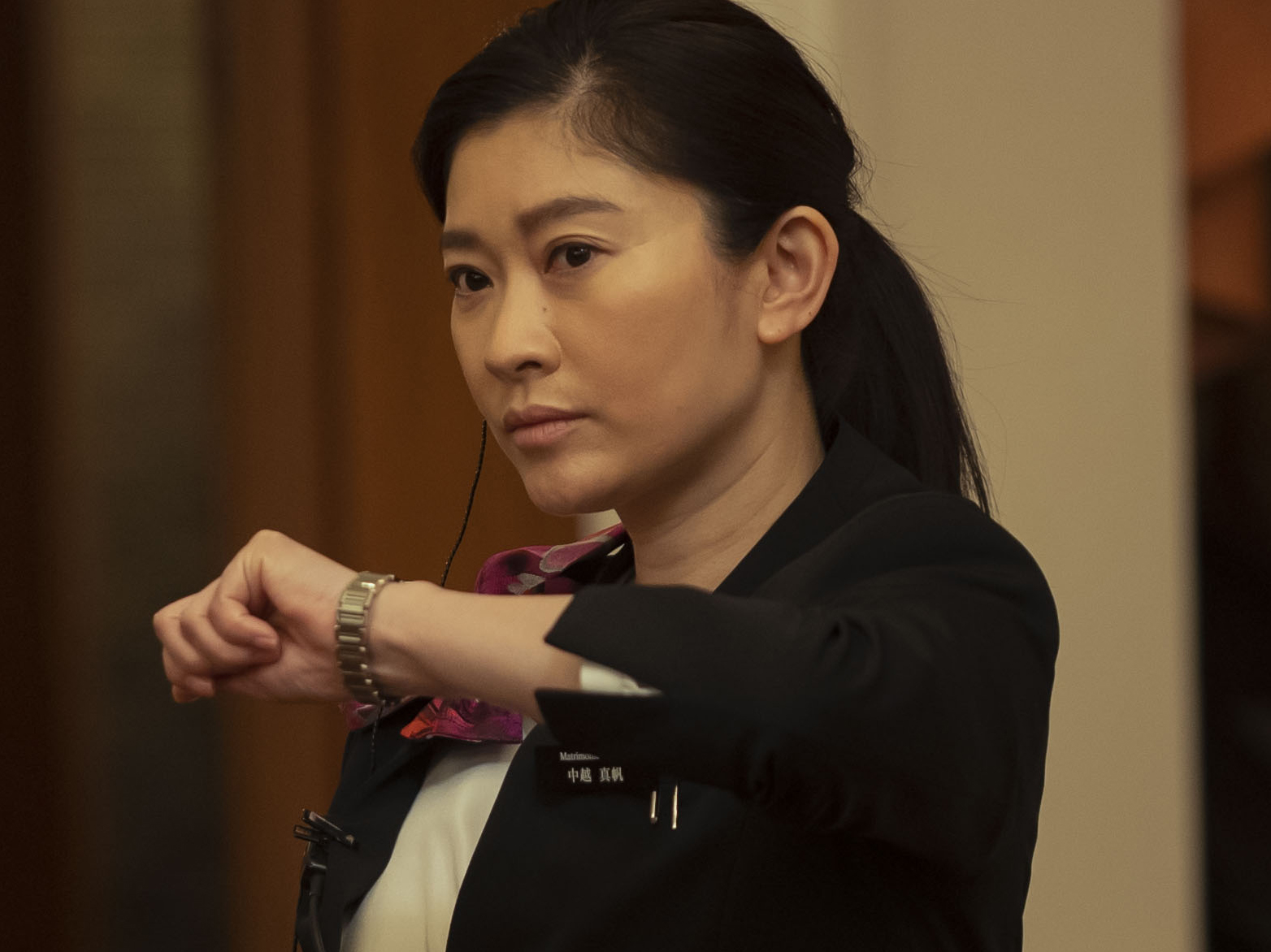
November 11, 2022 at 7:00 PM: Wedding High

A wedding planner has her work cut out for her when a young couple’s wedding day spirals out of control thanks to competitive speechmaking, over-invested guests, an ex on their way to stage a rescue, and a thief who’s just snuck in unnoticed, in an ensemble comedy from Akiko Ohku (Tremble All You Want).

November 12, 2022 at 1:00 PM: Dreaming of the Meridian Arc
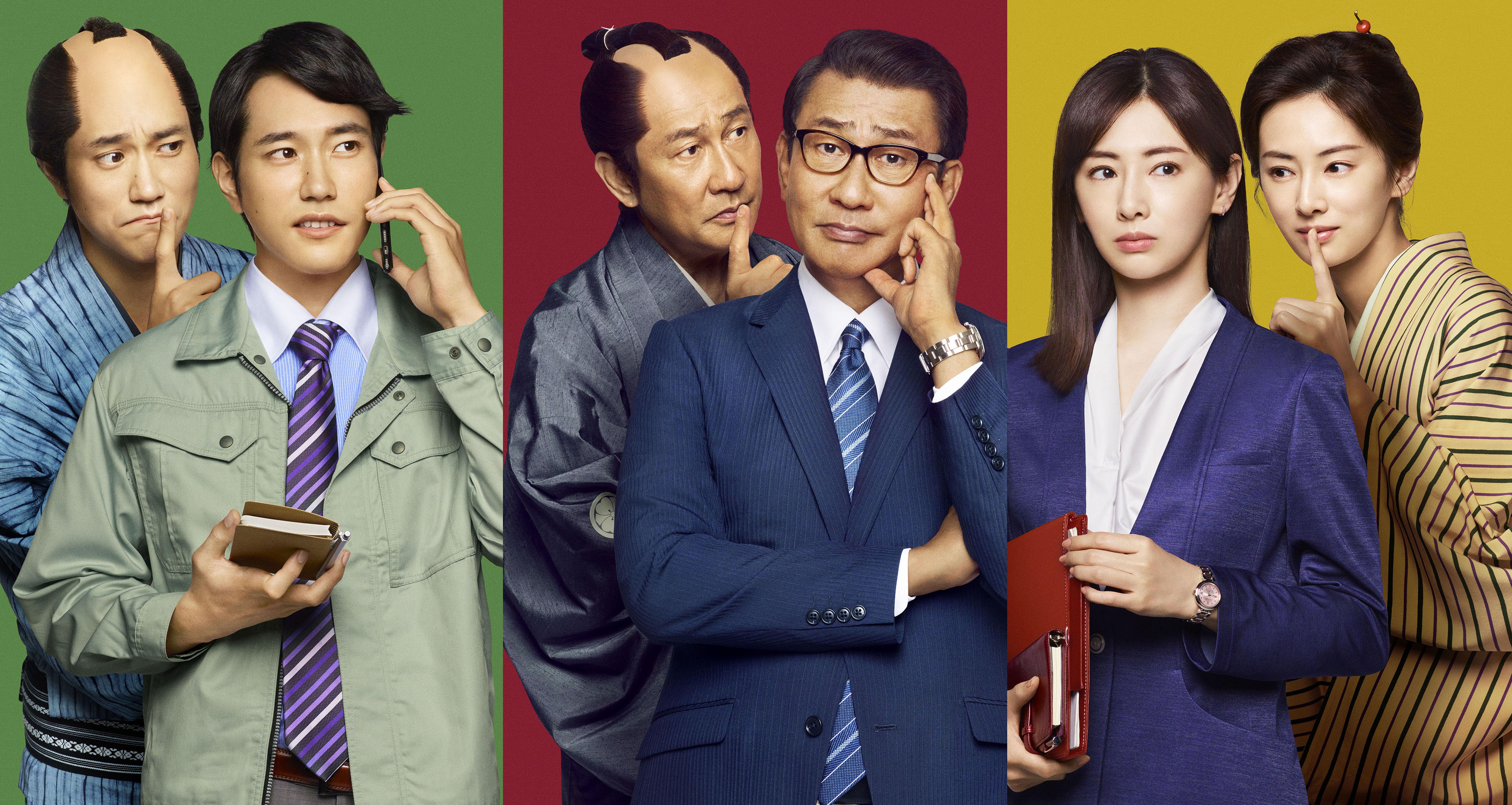
A TV drama series centring on Tadataka Ino who produced the first map of Japan in 1821 hits a snag when it’s discovered that he died three years into the project but his assistants covered it up and decided to complete the map in his honour.

November 12, 2022 at 5:00 PM: She is me, I am her
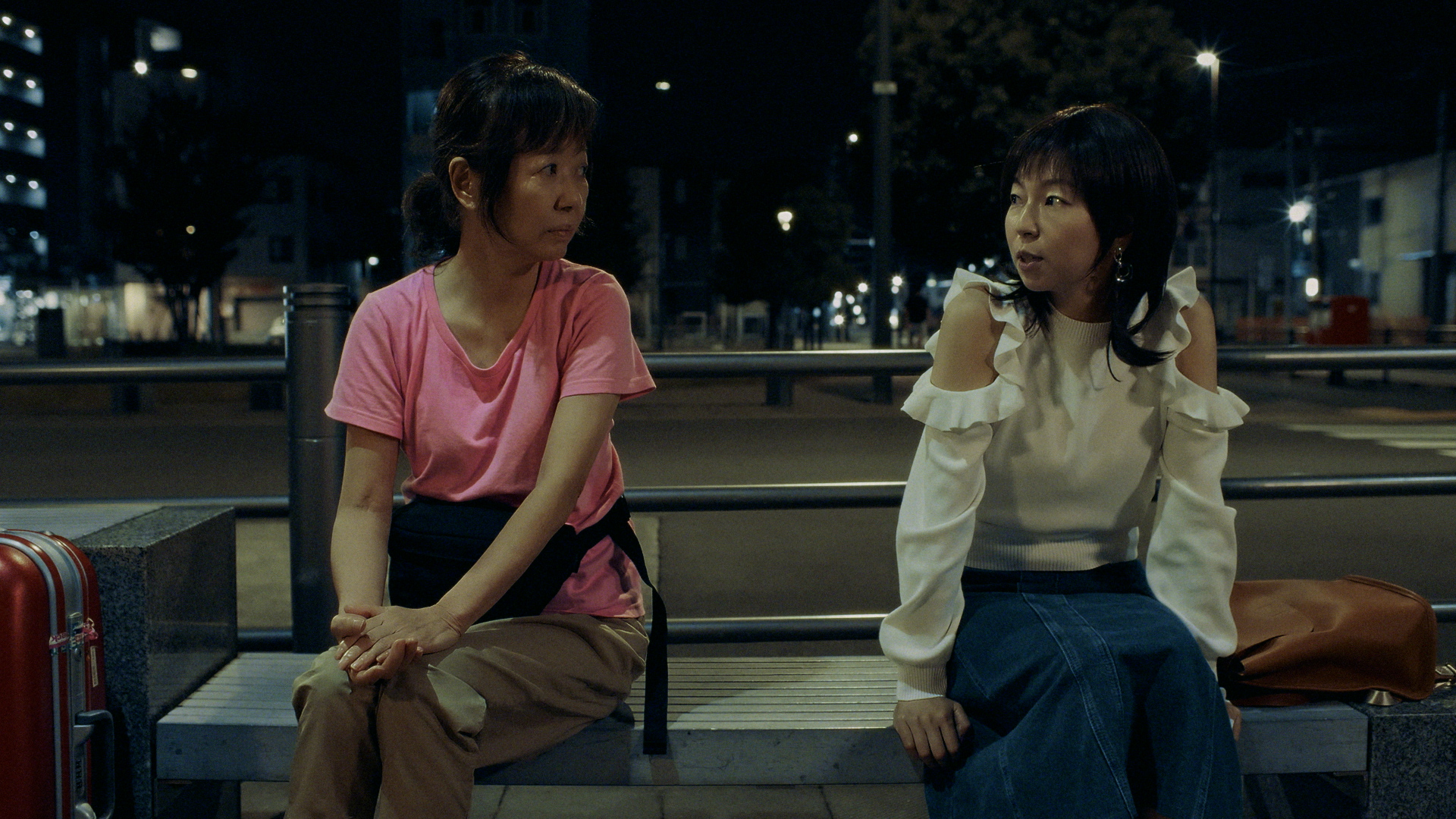
Four-part anthology film from Mayu Nakamura (Intimate Stranger) starring Nahana in a series of tales of urban loneliness and unexpected connection in pandemic-era Tokyo.

November 12, 2022 at 7:00 PM: One Summer Story

A classic summer adventure movie from Shuichi Okita in which a high school girl embarks on a journey of discovery trying to track down her estranged birth father, a former cult leader. Review.

November 13, 2022 at 1:00 PM: Good Stripes
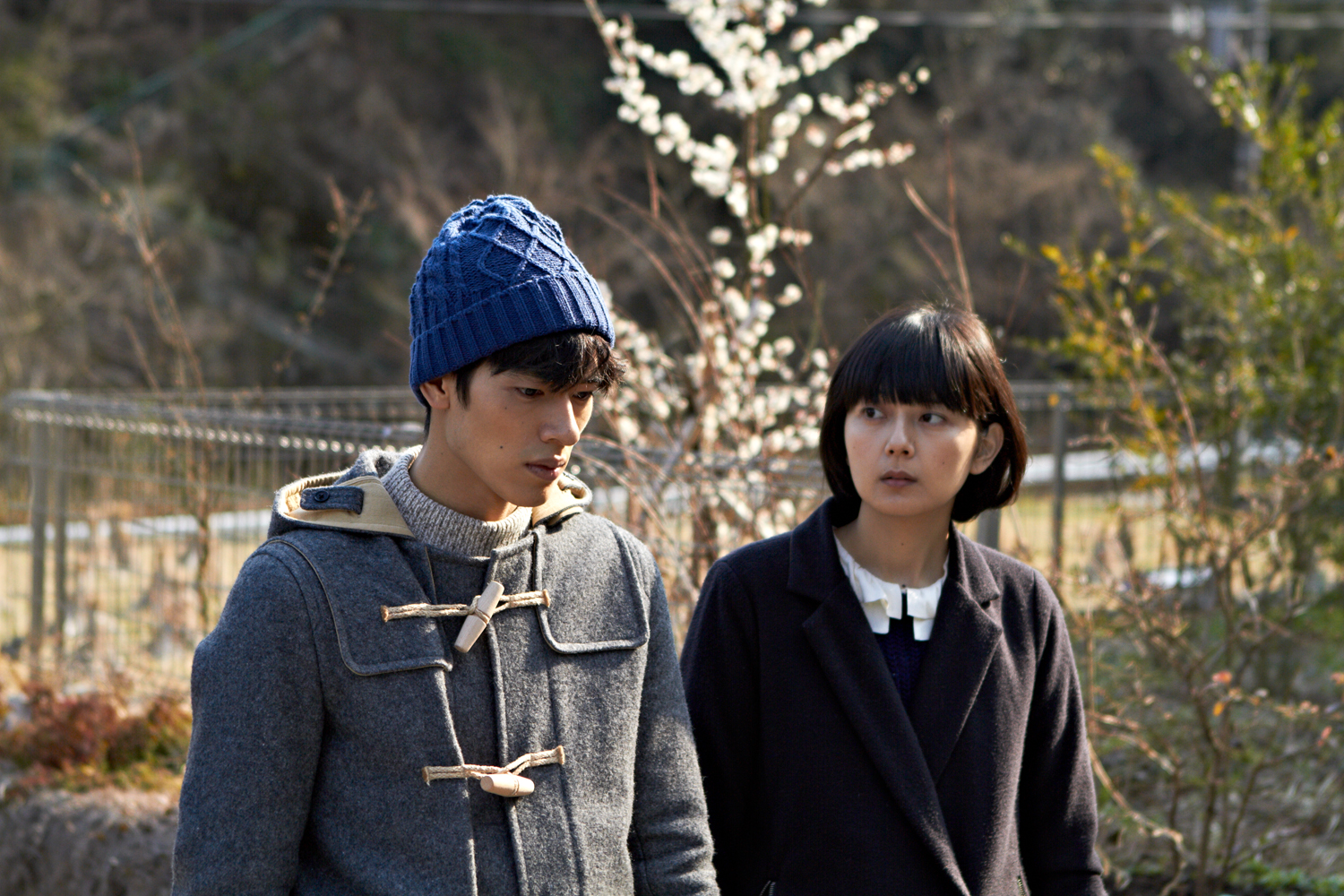
A young couple on the verge of breaking up attempt to come to terms with an unexpected pregnancy in Yukiko Sode’s zeitgesity drama. Review.

November 13, 2022 at 4:00 PM: The Nighthawk’s First Love

Adaptation of the Rio Shimamoto novel following a young woman who has a facial birthmark that has left her afraid to pursue love but encounters new possibilities when invited to appear in a film.

November 18, 2022 at 8:00 PM: Riverside Mukolitta

Warmhearted quirky drama from Naoko Ogigami in which a man recently released from prison attempts to start again in a quiet rural town while unexpectedly forced to deal with the unclaimed remains of his estranged father. Review.

November 19, 2022 at 1:00 PM: No Longer Human

Visually striking drama inspired by the life of Osamu Dazai (Shun Oguri) as seen by the three women who surrounded him: his legal wife (Rie Miyazawa), sometime mistress (Erika Sawajiri), and the woman he died with (Fumi Nikaido). Review.

November 19, 2022 at 7:00 PM: Let Me Hear It Barefoot
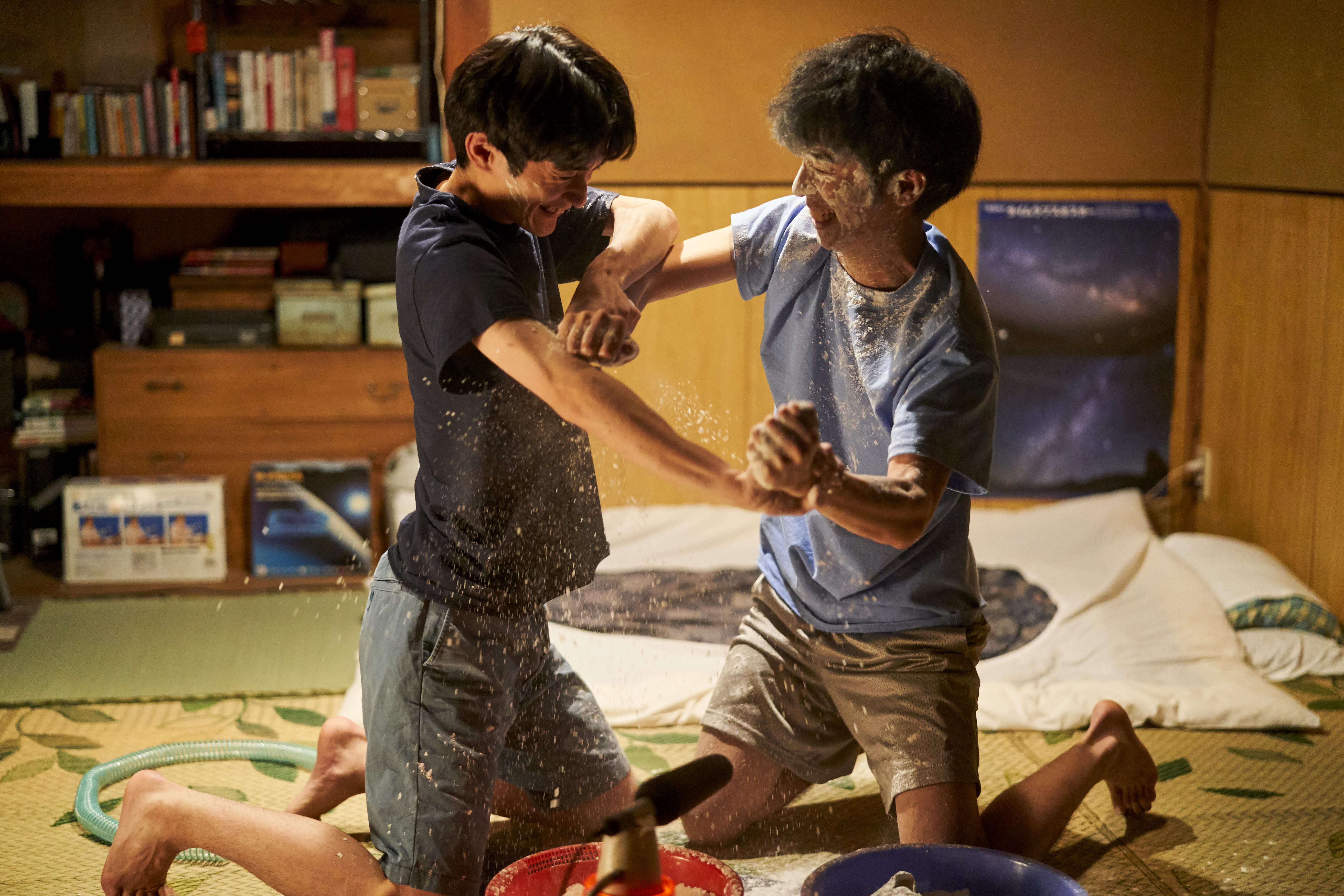
Somehow in dialogue with Wong Kar-Wai’s Happy Together, Riho Kudo’s second feature follows two young men seeking escape from moribund small-town Japan and temporarily finding it in recording elaborate soundscapes for the benefit of an older woman who dreamed of travelling abroad. Review.

November 20, 2022 at 1:00 PM: Nagi’s Island
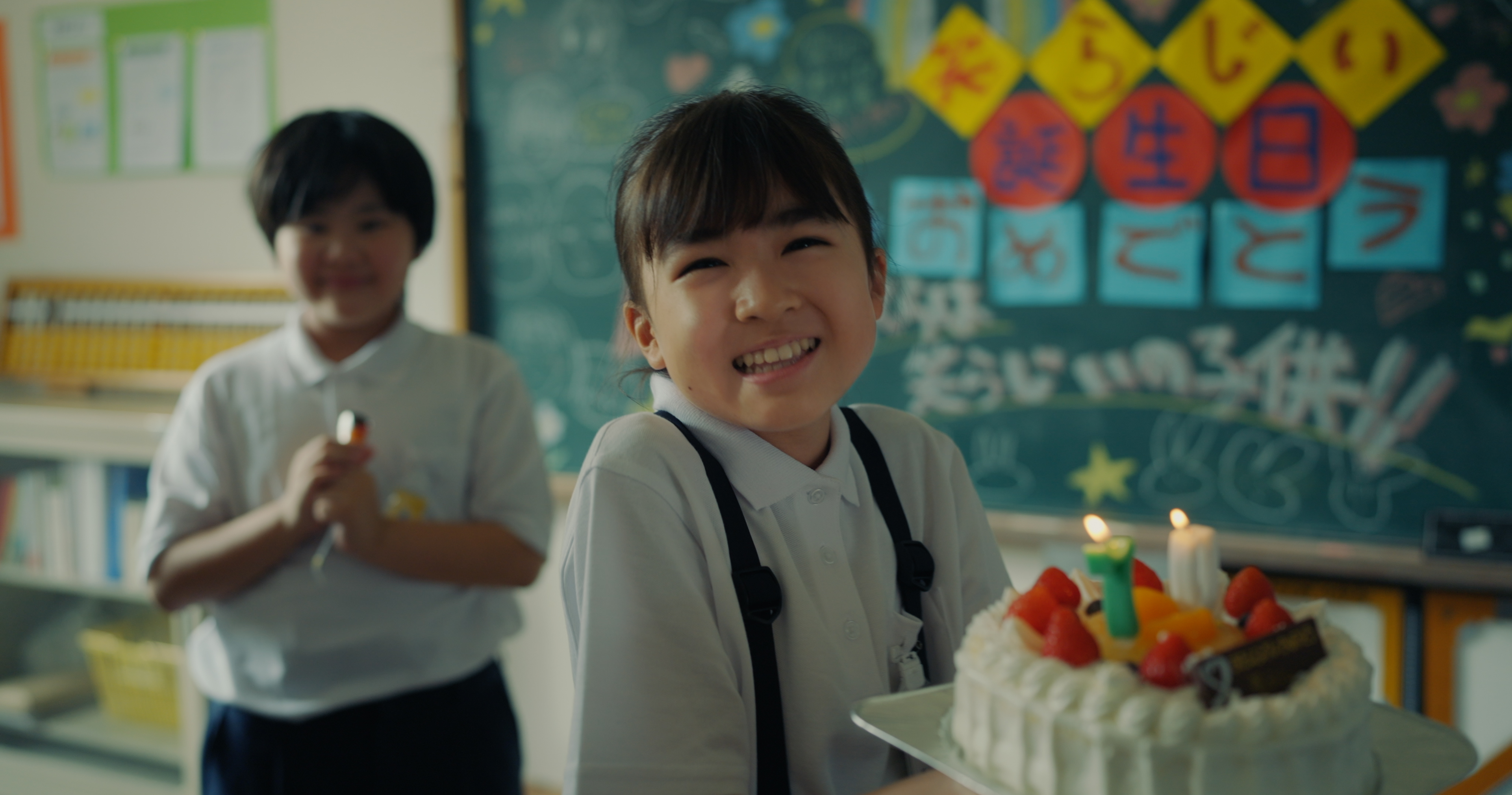
A young girl begins to heal from the trauma of her parents’ divorce and violent marriage while living with her grandmother on an idyllic island in a laidback heartwarming drama from Masahiko Nagasawa. Review.

November 20, 2022 at 4:00 PM: a stitch of life
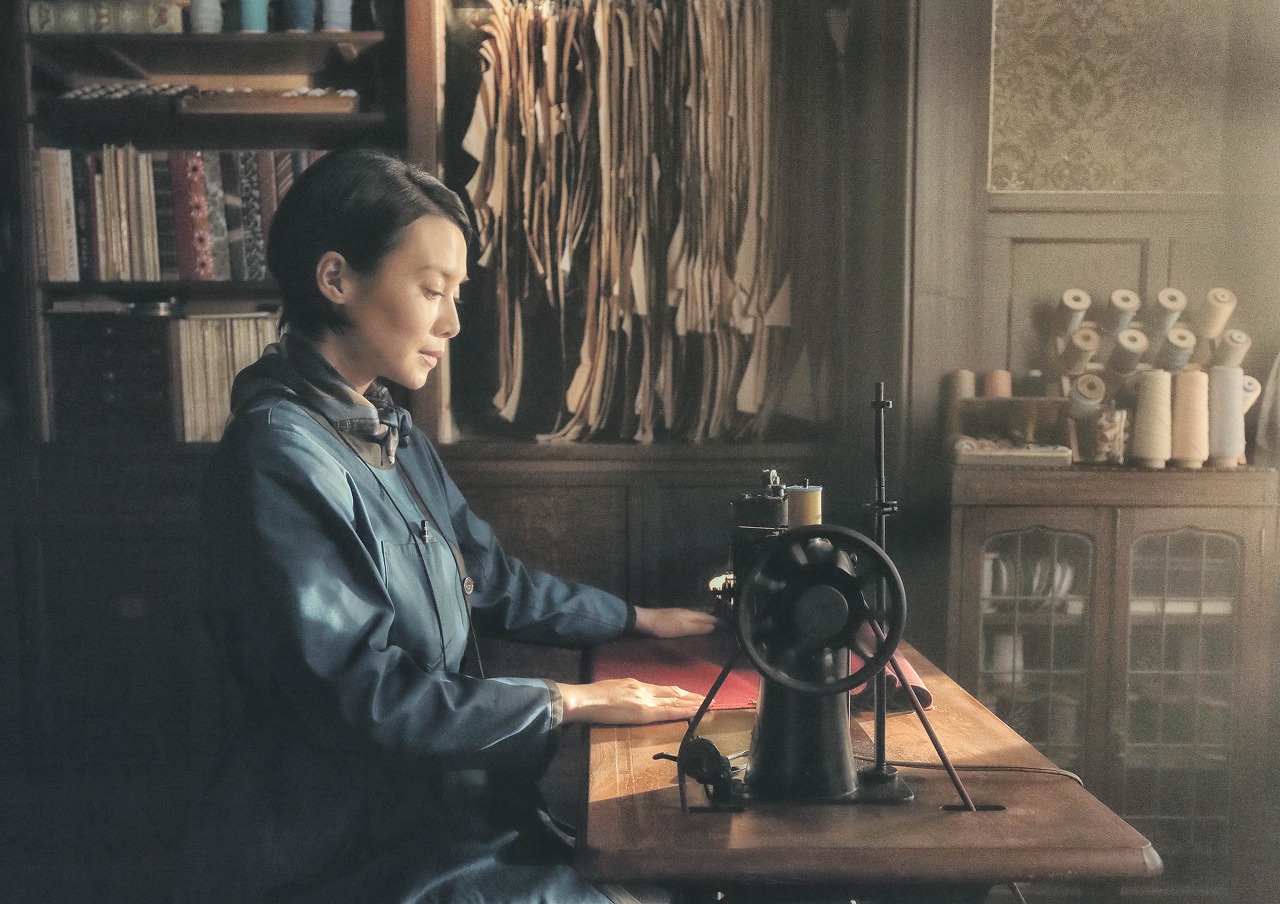
Poignant drama from Yukiko Mishima in which a woman running a tiny boutique almost unchanged from her grandmother’s time is courted by a big fashion brand but eventually finds the courage to embrace change on her own terms. Review.

November 20, 2022 at 7:00 PM: Plan 75

Chie Hayakawa expands her 10 Years Japan short to explore a dystopian future in which the government has launched a voluntary euthanasia program for those aged over 75. Starring golden age star Chieko Baisho, the film explores the effects of the program on a Plan 75 volunteer, a salesman, and a caregiver in a society which has largely decided to discard those which it views as “unproductive”.

Classics Focus on Natto Wada and Yoko Mizuki

November 13, 2022 at 7:00: Her Brother
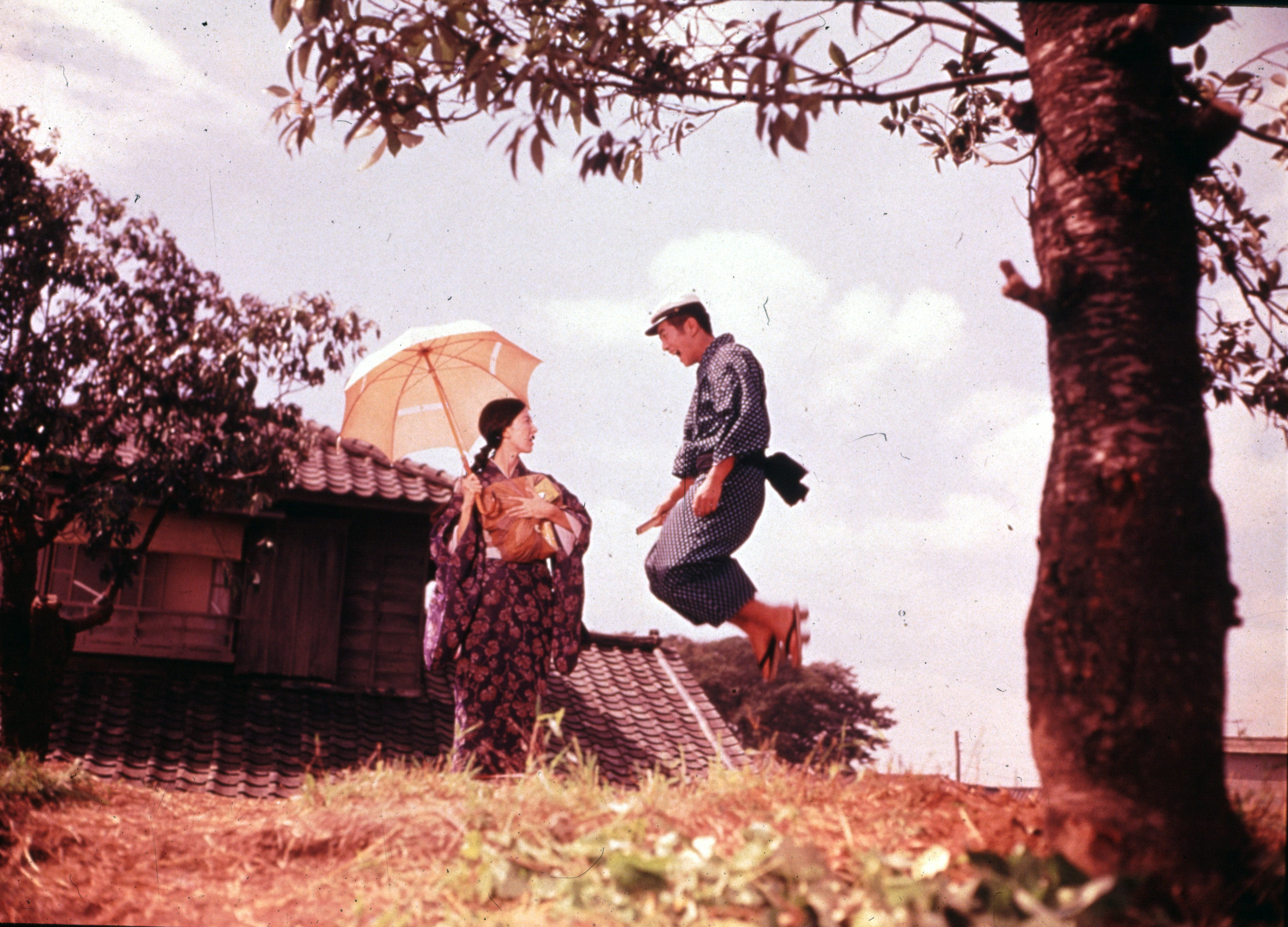
Kon Ichikawa drama adapted from the autobiographical novel by Aya Koda and scripted by Yoko Mizuki in which a young woman is forced to sacrifice herself for her family becoming a surrogate mother figure for her delinquent younger brother. Review.

November 14, 2022 at 7:00 PM: Conflagration
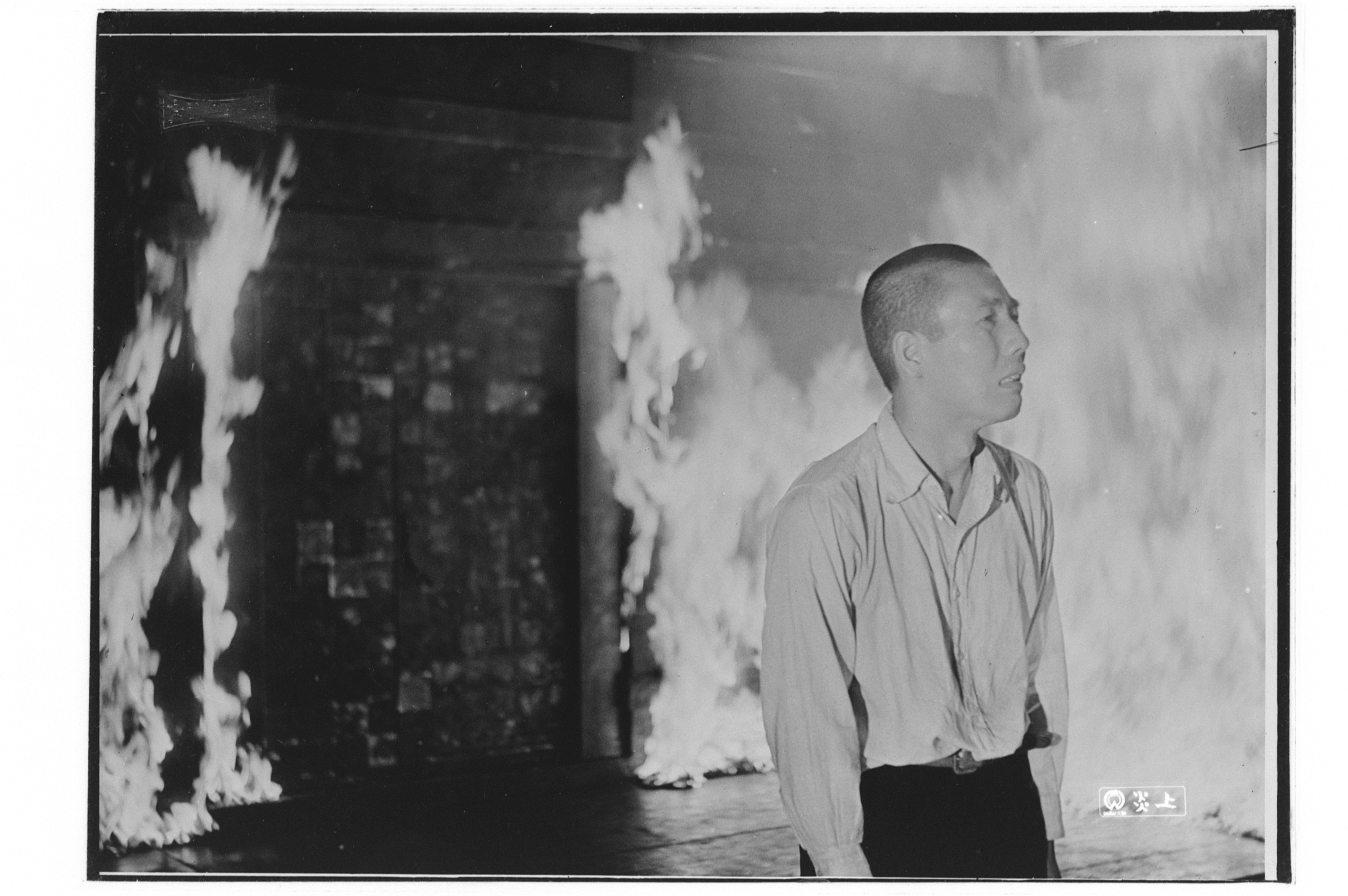

Adaptation of the Mishima novel directed by Kon Ichikawa and scripted by his wife Natto Wada in which a young man is driven to the brink of despair believing that the world has become so corrupt and polluted that beauty is in its way offensive.

Filmmakers in the Rise

November 15, 2022 at 7:30 PM: Two of Us / Long-Term Coffee Break
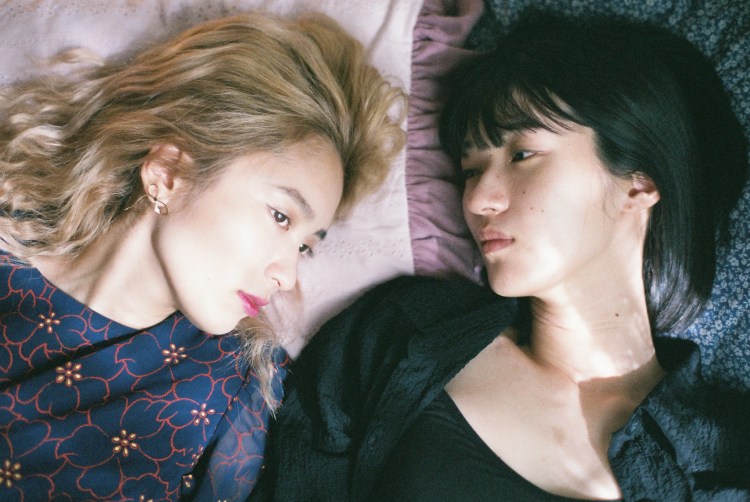
Two shorts including Risa Negishi’s Two of Us focussing on two women in various stages of loneliness and, Naoya Fujita’s Long-Term Coffee Break following a couple through a relationship that began with a cup of coffee.

November 18, 2022 at 5:00 PM: His Lost Name
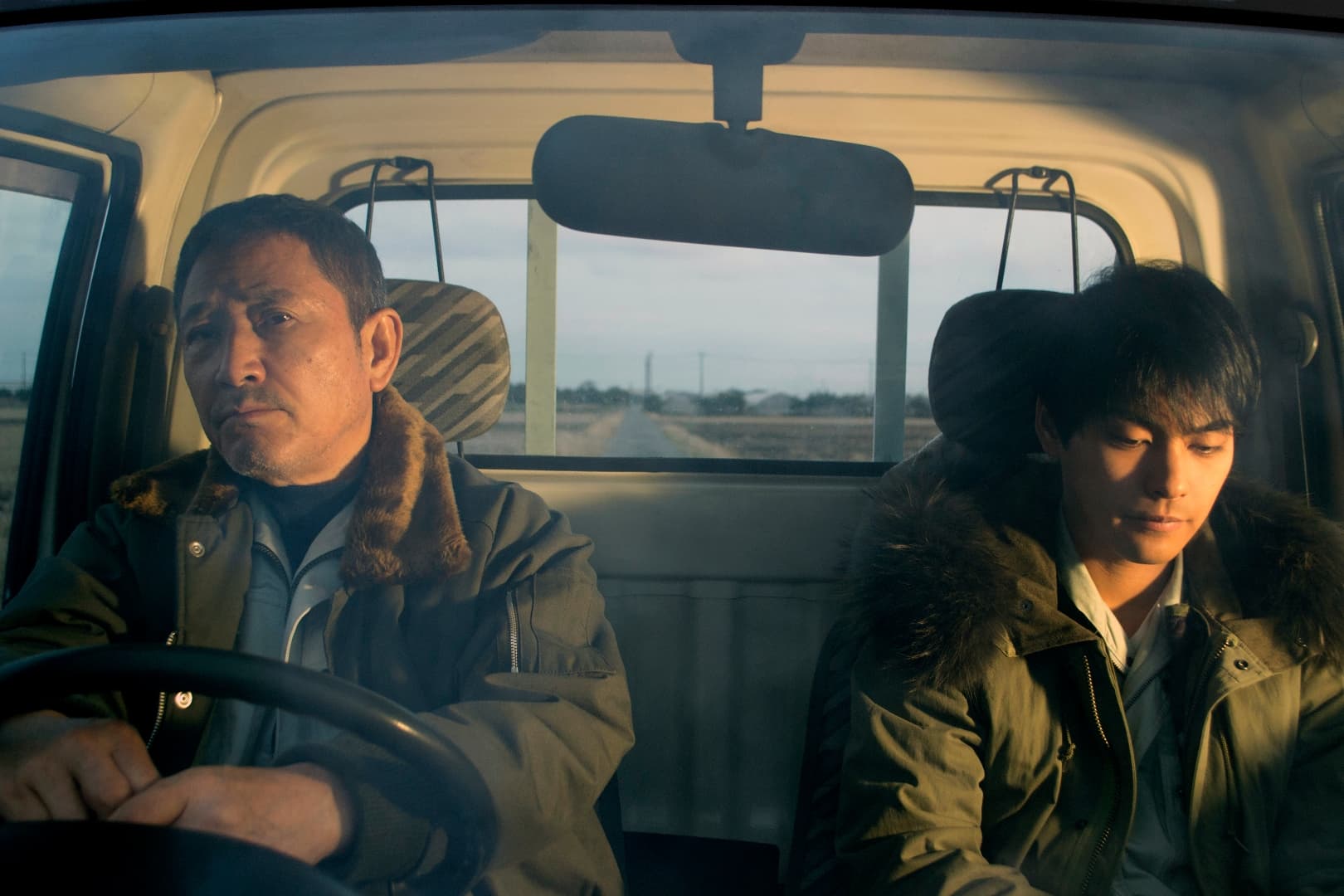
Sensitive drama from Nanako Hirose in which an old man’s decision to take in a young man he finds at the riverbank places him at odds with his family. Review.

The Female Gaze: Women Filmmakers from JAPAN CUTS and Beyond runs from Nov. 11 to 20 at Japan Society New York. Full details for all the films along with ticketing links are available via the official website and you can also keep up with all the latest details by following the festival’s official Facebook page and Twitter account.
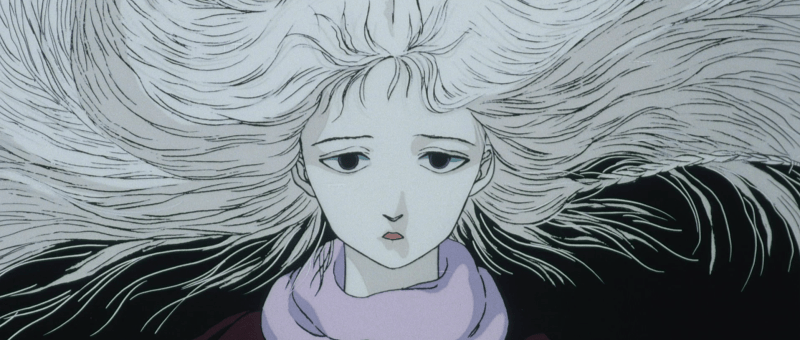
Angel’s Egg (天使のたまご, Mamoru Oshii, 1985)

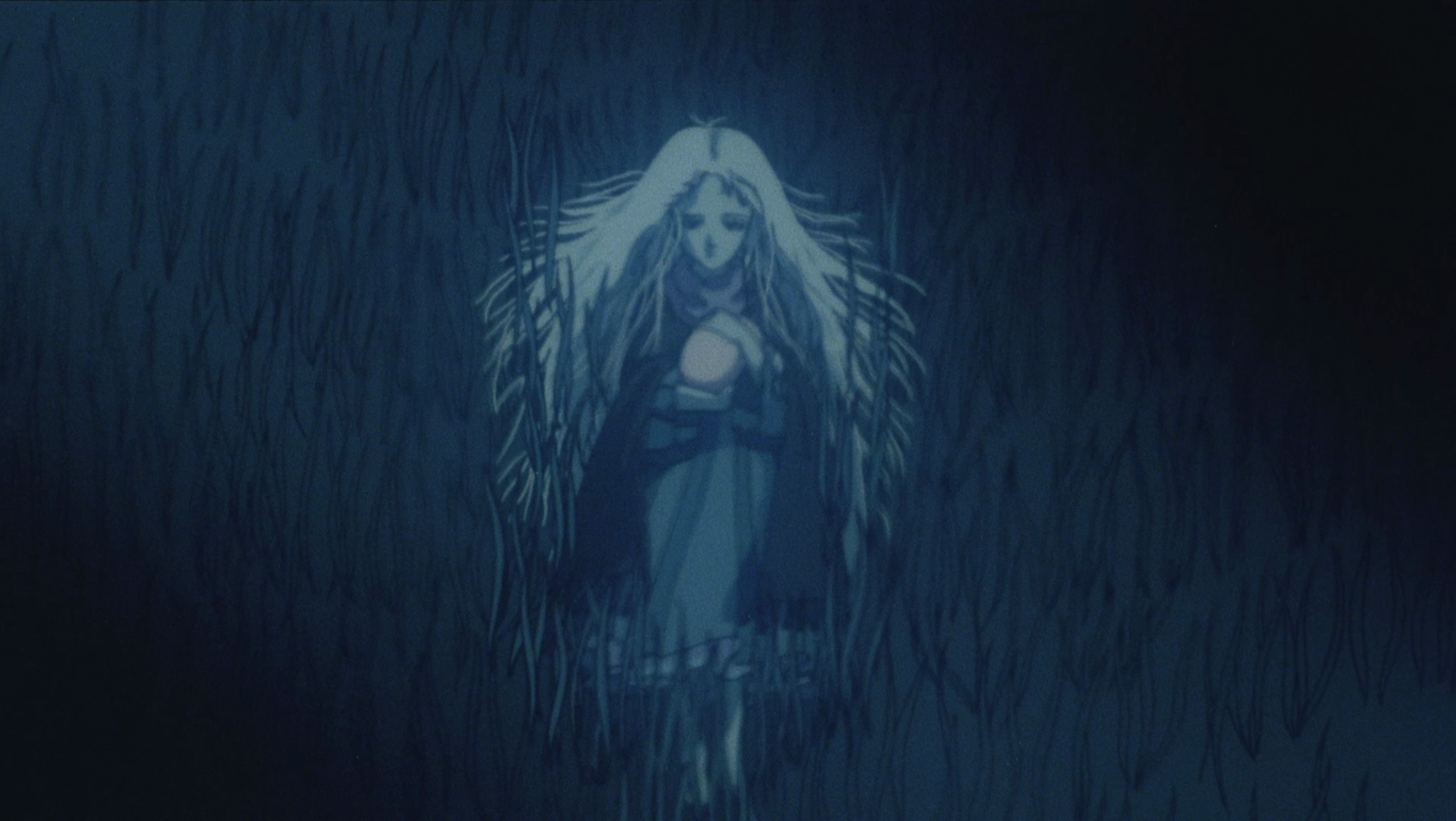
How do you go on living in a ruined world? In Mamoru Oshii’s surrealist animation Angel’s Egg (天使のたまご, Tenshi no Tamago), a solitary young girl and a nihilistic soldier find themselves on opposite sides of an ideological divide one living by faith alone and the other needing proof yet in his own way seeking signs of salvation. “You have to break an egg if you are to know what is inside” the soldier tells the girl, yet the girl knows that to break the egg open is to forever destroy what it represents however fragile or illusionary that may be. 

In a distant time, a vast ship lands in a desert on an apparently ravaged world. Meanwhile, a little girl cradles a large egg, often placing it under her dress appearing as if she were pregnant. While roaming the land, perhaps in search of something, she encounters a young man in a military uniform who carries a weapon in the shape of a cross. The pair begin travelling together, but it soon becomes clear that they are ideologically opposed. The soldier cannot understand why the girl continues to protect the egg without knowing what, if anything, it contains while she cannot understand his need to know or why the simple act of faith in its potential is not enough for him. 

The egg seems to represent something like hope for the rebirth of a world humanity may have already have ruined. Both the soldier and the girl talk of a giant egg nestled in a tree that contains a kind of saviour bird who will herald the world’s recovery. The soldier quotes at length from The Bible and in particular the story of the flood, implying that they are in a sense still waiting for the return of the dove but while the girl feels a need to protect the egg, convinced that it may one day hatch, the soldier barely believes anymore in the bird’s existence. When he strikes, it is as much to crush hope as it is to verify it because this hope is painful to him and his life is easier without it. The soldier is a representative of a wandering people, feeling himself abandoned and no longer knowing who he is or where he has come from, yet clinging to a vague memory of potential salvation in the image of a bird in a tree he cannot be certain was not part of a dream. 

The pair find first the image of a tree, but to our eyes is looks almost like a circuit board hinting a technological advance that may have been lost. The fact that it’s a fossilised skeleton of a bird that they later come across may perhaps suggest that hope is now extinct and the egg merely an empty shell that represents only false promise and delusion. But even if that were the case, it’s a delusion that allows the girl to go on living, incubating a better future in the hope of the rebirth the bird would bring with it in the restoration of the natural world. 

“Keep precious things inside you or you will lose them” the soldier claims, in a way reminding the girl that it is not the material object of the egg which she needs to guard but what it represents. The soldier’s nihilistic despair is in a sense echoed in authoritarianism which he serves and which the girl’s faith undermines. The ship’s exterior is peopled with statues which later seem to represent those in prayer, the girl later among them fossilised like the bird as symbol of a failed salvation. But then, connecting with another self, the girl births new hope for the future, fresh eggs awaiting other hands and bodies to keep them warm in the belief that they may one day hatch. 

Working closely with artist Yoshitaka Amano, the world that Oshii conjures is one of complete despair in which there is only pain and loneliness. Perhaps the girl is no different than the fishermen chasing shadowy ghosts of whales as they float through the air in what appear to be the streets of a 19th century European city. A surrealist tone poem, Angel’s Egg is defiantly obscure in its ontological questioning yet in the end may suggest that hope’s survival is in its own way a kind of salvation. 


Angel’s Egg screens at Japan Society New York on Oct. 14 as part of the Monthly Anime series.

Trailer (English subtitles)

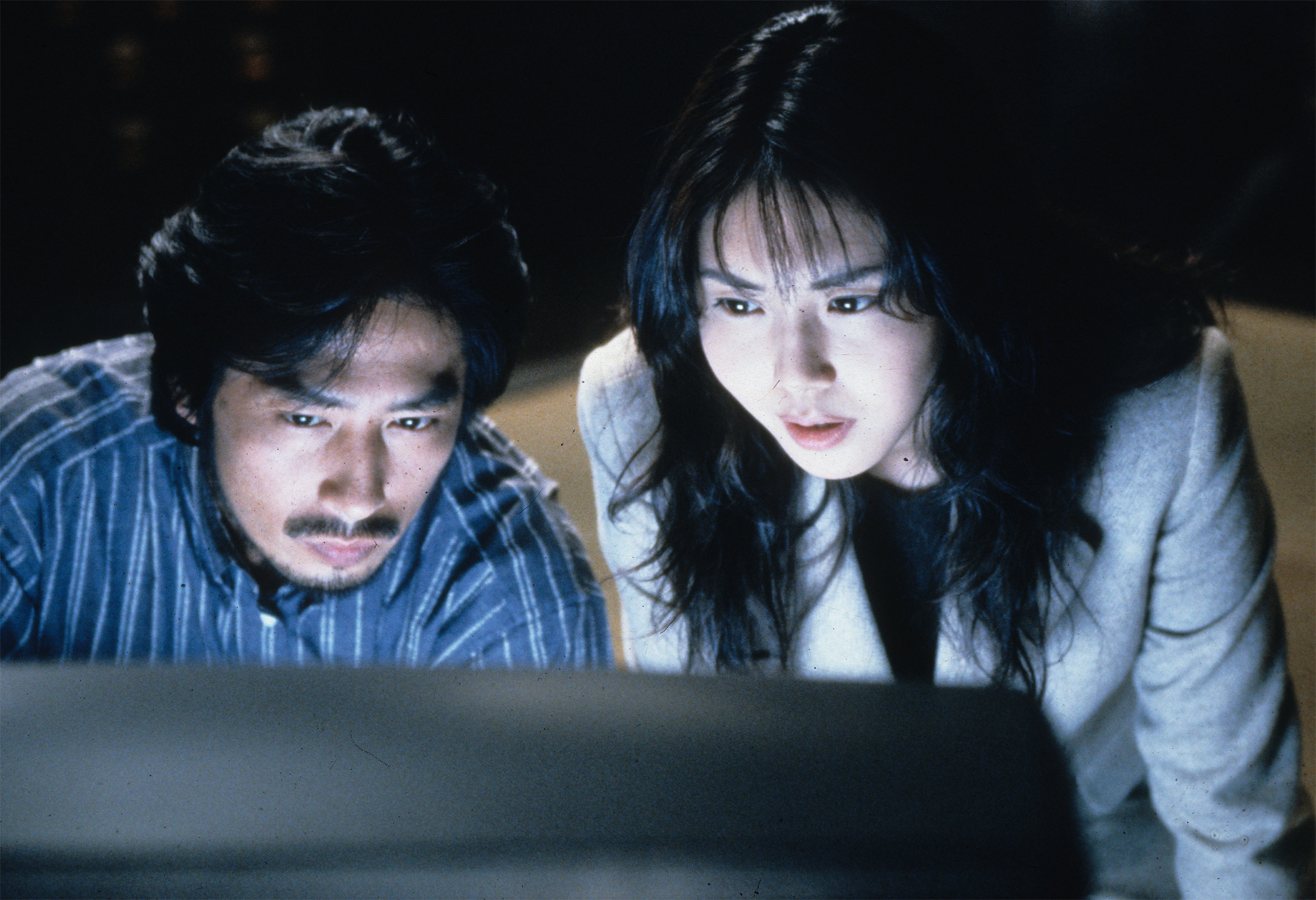
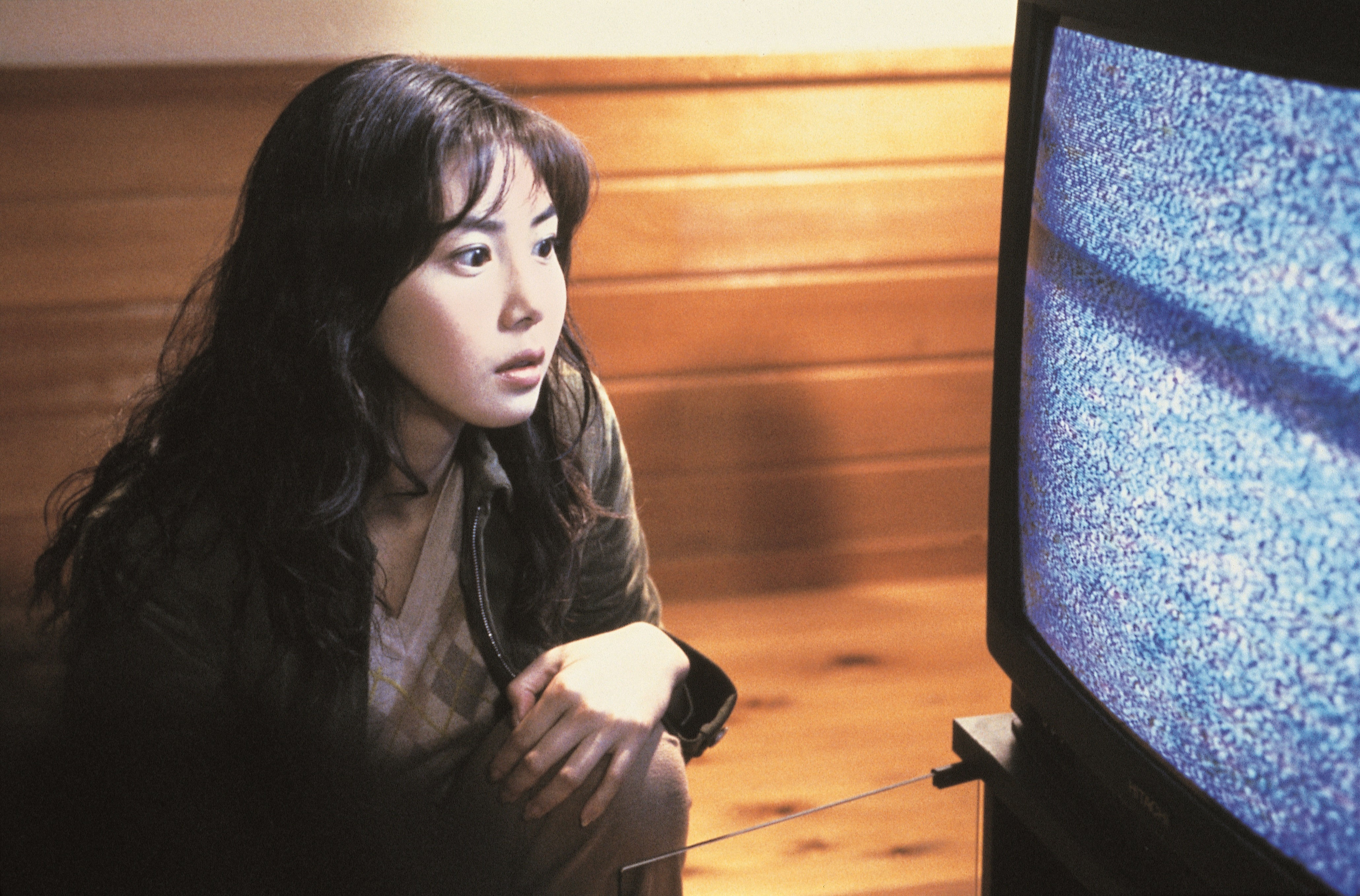
Ringu (リング, Hideo Nakata, 1998)

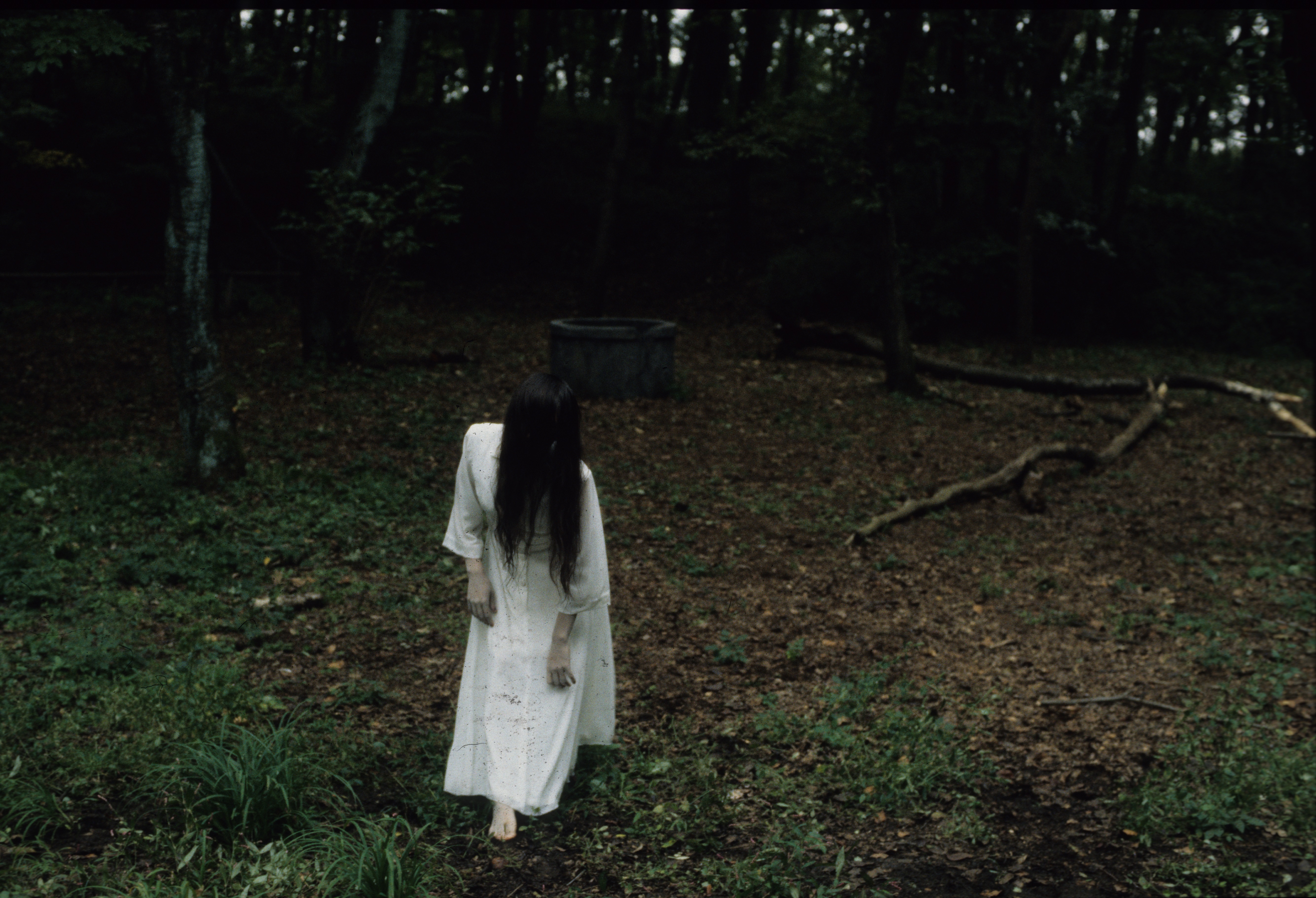
As the investigative duo at the centre of Hideo Nakata’s eerie supernatural horror Ringu (リング) begin to unlock the mystery of Sadako, we’re told that a strange woman who may have had some kind of psychic powers was loathed by those around her in part because of her habit of sitting and staring at the sea. Nakata opens the film with waves and often returns to them as if suggesting in this millennial horror that what we fear is a transmission we cannot see. In the end there may not be so much difference between the magic of an analogue TV broadcast and a message from another plane. 

In any case, perhaps the central message is that one should pay more attention to the words of those whose warnings are often dismissed on the grounds of their age and gender. Journalist Reiko (Nanako Matsushima), for example, doesn’t seem too invested in a video she’s making about a cursed video related by a trio of high school girls in a cafe who explain that they don’t personally know anyone who’s died after watching it but have been reliably informed by friends of friends who apparently do. As will later be discovered, the girls actually give Reiko crucial information but for whatever reason she does not remember it until coming to the same conclusion herself. In any case, it’s not until her own niece, Tomoko (Yuko Takeuchi), dies in mysterious circumstances that Reiko starts to wonder if this is more than a spooky story elevating the chain letter to new technological heights.

According to the urban legend, if you watch the cursed tape you’ll immediately get a phone call telling you you’ll die in seven days. The supernatural entity now synonymous with the film, Sadako, is manipulating these still analogue waves for herself. Sending her messages via television and telephone she is a literal ghost of the airwaves and as Reiko’s ex-husband Ryuji later puts it radiating her sense of rage in her own mistreatment, insisting that her story be known and that those who refuse to acknowledge it should not be allowed to survive. Just as Reiko should have listened to the high school girls, someone should have listened to Sadako and because they didn’t others now have no choice. 

In a sense Sadako represents this nascent fear of technological advancement. When Reiko answers her flip phone, it’s a reminder that there’s no escape from unwanted communication even if you can in theory try to switch it off. The girl with Tomoko when she died was driven out of her mind and now won’t venture anywhere near a television, as if you could escape Sadako’s wrath by merely keeping your distance from the portal. The two teenagers who died around the same time as Tomoko were in a car in the middle of nowhere, but cars have radios which receive radio waves. Sadako travels through the air, invisible until she chooses not to be. She may only have a direct line, but it is in one sense a call for help she’s issuing only in the very inefficient manner of a vengeful ghost whose rage has become indiscriminate or at least directed towards the society that wronged her and everyone in it rather than a single guilty party. 

In a certain sense, you can cure the curse only by spreading it. If everyone everywhere suddenly understood, learned Sadako’s painful history, then the curse would wither and die with no new hosts to go to which is perhaps what Sadako wants. Yet it leaves Reiko with a dilemma, knowing that to save the lives of those closest to her she may have to ask someone else to risk their life or even expose them without their consent. Throughout the film she’s been depicted as an imperfect mother, divorced and often leaving her small son Yoichi to fend for himself at home while the boy at one point walks past his own father in the street and does not seem to recognise him so absent had he been in his life. Through their shared quest to undo the curse, the pair in a sense reclaim their parental roles and repair their familial ties in working together to save their son’s life in contrast to the parental figures surrounding Sadako who may have done the reverse. Sadako frightens us because of her transgressive qualities, quite literally transgressing the barriers between ourselves and the stories we tell by crawling out of them and finding us here, on the other side of the screen, where we thought we were safe to remind us not to look away and to listen to those whose voices are all too often ignored. 


Ringu screens at Japan Society New York on Oct. 7 as part of the Monthly Classics series.

20th anniversary trailer (English subtitles)

Tekkonkinkreet (鉄コン筋クリート, Michael Arias, 2006)

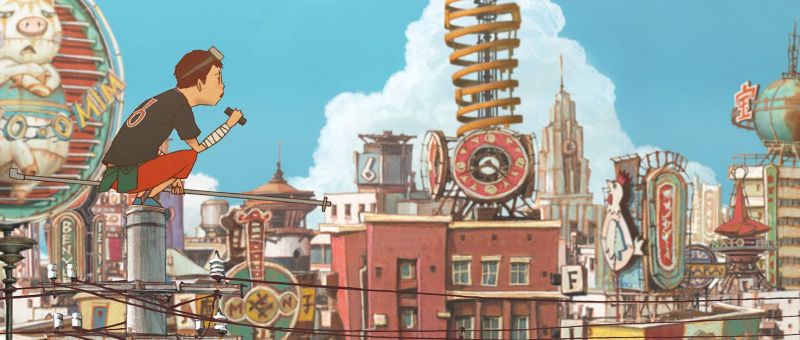
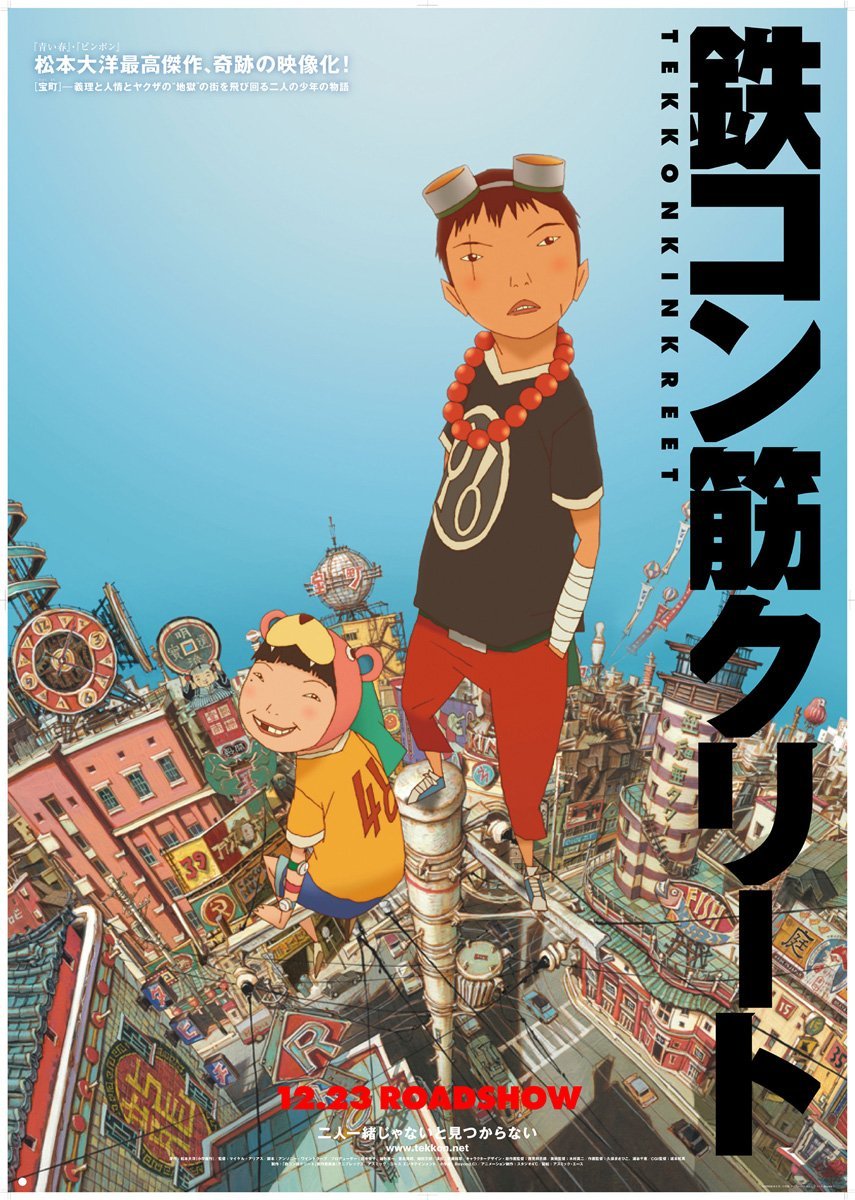
A pair of orphaned street kids attempt to defend backstreet life from the ravages of progress in Michael Arias’ adaptation of the manga by Taiyo Matsumoto, Tekkonkinkreet (鉄コン筋クリート). Though the manga was first published in the early ‘90s which is to say at the beginning of the post-Bubble era, the film looks back to a scrappy post-war Japan embodied by the moribund Treasure Town, once a lively city filled with the promise its name implies but now according to some a lawless slum ruled over by the “Cats” and contested by yakuza determined to turn it into another “Kids Kastle” theme park. 

There is something particularly ironic in the desire to turn Treasure Town, a literal playground for orphans Black (Kazunari Ninomiya) and White (Yu Aoi) collectively known as the Cats, into a walled city taking something that should be free and charging for it while displacing the street kids who live there so that those whose parents can pay can be given a temporary illusion of freedom. To Black, this is his city and he will defend it along with protecting White who has an otherworldly simplicity and makes radio calls to the universe reporting that he has preserved peace on Earth for another day. In a way he has because it becomes clear that the two boys are a two halves of one whole maintaining balance and keeping each other in check. Innocent and naive beyond his years White cannot survive alone, but without White, Black would have nothing to live for. His inner darkness would become all consuming and present a threat to all those who cross his path. 

In a piece of poignant symbolism, White attempts to grow an apple tree by planting a seed in the junk yard where they live but is disappointed that it does not seem to sprout little realising that it cannot grow where it is planted because the conditions are adverse to its development. The same might be said of he and Black who have been abandoned by their society and are cared for only by a wise old man who gives them occasional advice. Their only desire to is protect their town in a bid to avoid yet another displacement this time at the hands of corporatised yakuza who see Treasure Town only as a relic of a previous era sitting on valuable land which must be seized and monetised. Only old school gangster Rat ironically enough agrees with the Cats, confused by the desire to erase community and history riding roughshod over the feelings of all those who have ever called Treasure Town home. 

Rat’s battleground is located in the soul of his protege, Kimura (Yusuke Iseya), who first says that he doesn’t believe in anything only for Rat to tell him that he should at least believe in love. Seduced by the consumerist promises of the duplicitous Snake (Masahiro Motoki) and his giant alien minions, Kimura nevertheless comes around to Rat’s way of thinking on learning that he will soon be a father. Like Black and White, he dreams of escaping Treasure Town for a house by the sea where he could live a peaceful life with his child but is trapped by contrary codes of gangsterdom if even if eventually realising that the two things he believes in are truth and love neither of which are very important to Mr. Snake. Black meanwhile is torn between his inner darkness and his belief in White, caught between nihilistic violence and the desire to plant a seed and watch it grow even on shaky ground. 

Designed by Shinji Kimura, the backstreets of Treasure Town are a Showa-era paradise perhaps stuck in the past in the view from early Heisei but embodying a scrappy sense of possibility. It has an uncanny reality as an organic space built and lived in by human hands that is at an odds with the slick uniformity of the gangster developers who want to turn it into a children’s theme park, the very embodiment of a constructed paradise that will halt the natural growth that Rat describes in reminding Black that Treasure Town will never be what it was but will continue on with or without them. Bringing this place fully to life, Arias’ surprising, inventive direction gives full vent to the anarchy of the source material but is in the end about the heart of a place along with the bond between its two protectors keeping the peace through complementary balance.


Tekkonkinkreet screens at Japan Society New York on Sept. 16 as part of the Monthly Anime series.

Original trailer (no subtitles)

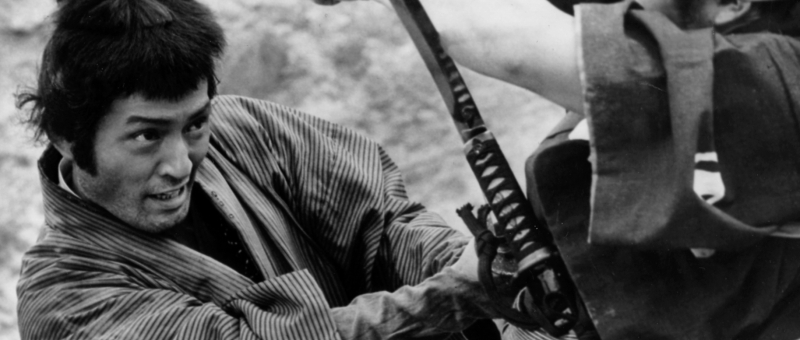
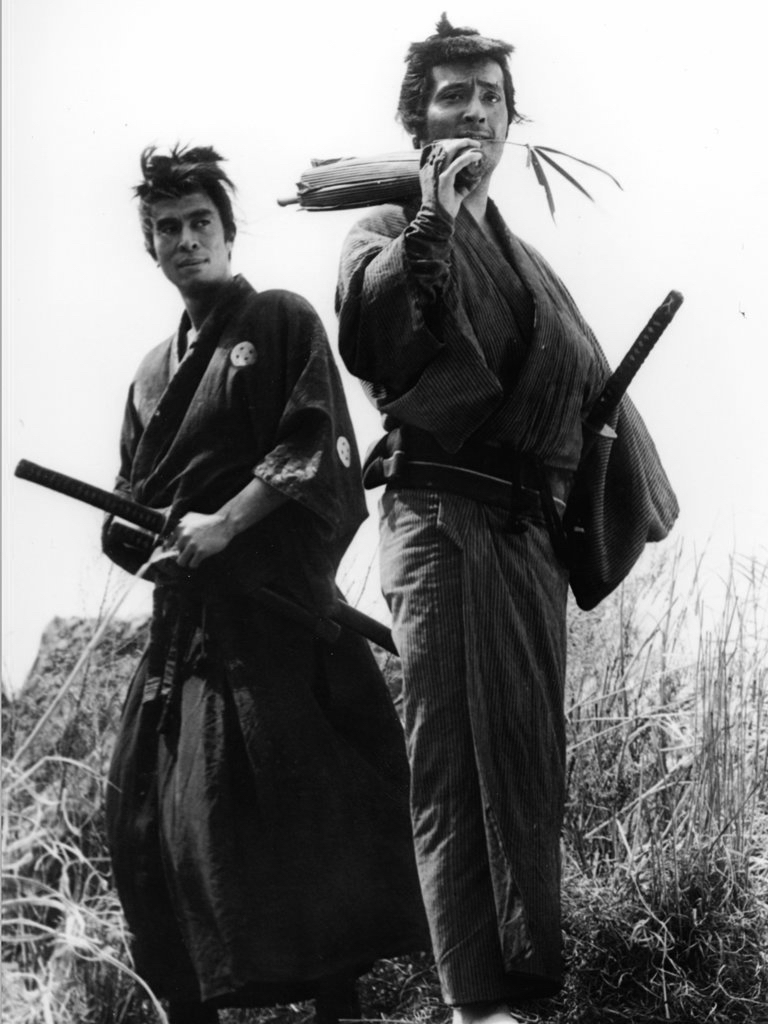
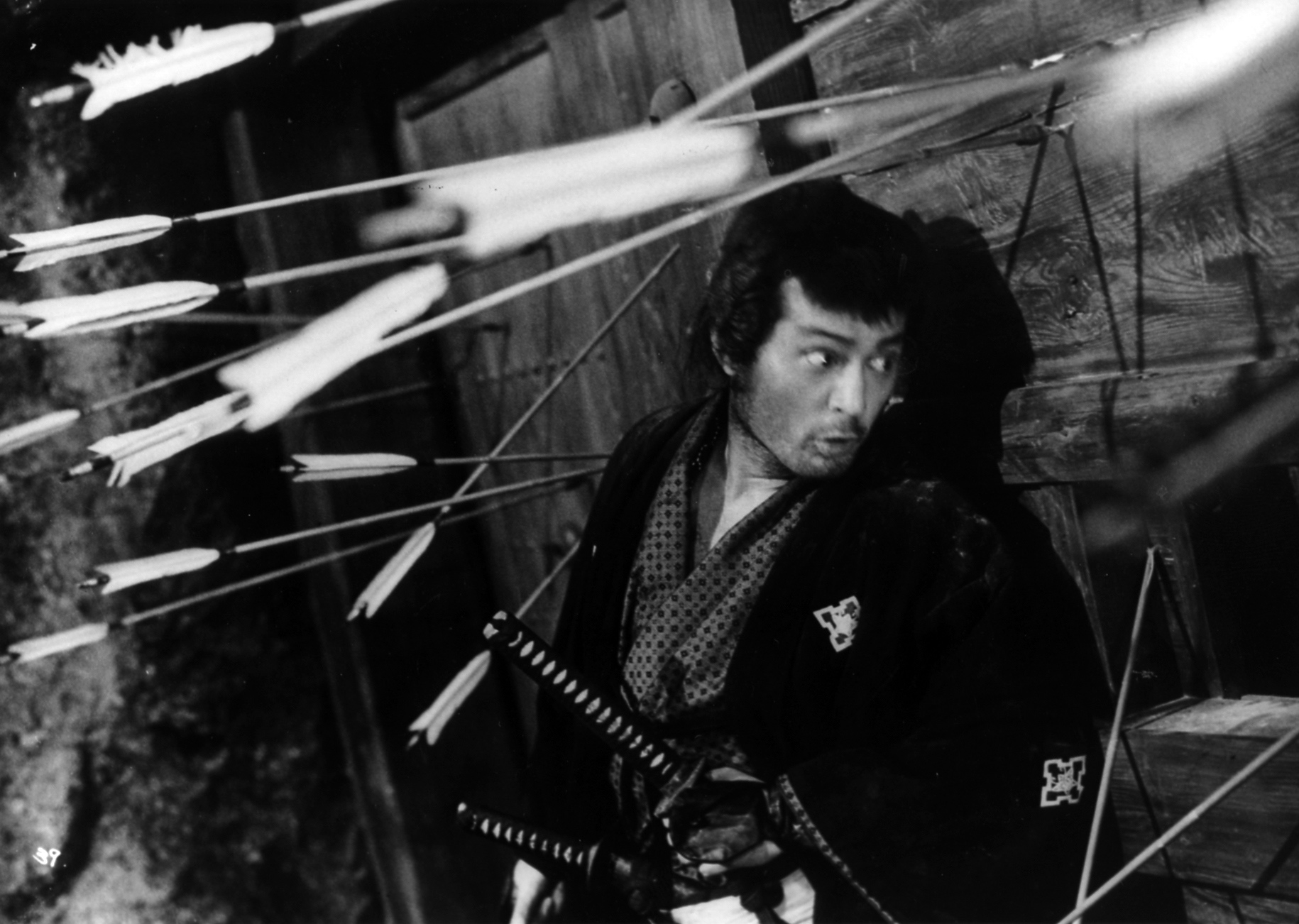
Kill! (斬る, Kihachi Okamoto, 1968)

“Samurai aren’t as great as you might think” according to a jaded retainer in Kihachi Okamoto’s Kill! (斬る, Kiru) but it’s a message that the ambitious farmer at the film’s centre struggles to take in. Having been a victim of samurai violence he resolves to become a samurai while a former samurai turned yakuza drifter attempts to show him the hypocritical realities of the samurai life as they find themselves swept into local intrigue when a band of young revolutionaries arrive to cut down a corrupt and oppressive lord. 

Corrupt and oppressive is perhaps the defining image of the samurai in post-war cinema, but like the film’s title that cuts both ways. Farmer Tabata (Etsushi Takahashi) sold his lands to buy a sword after witnessing peasants cut down during an uprising but he’s decided the best way out of oppression is to become an oppressor and is dead set on achieving samurai glory through the time-honoured method of distinguishing himself in battle. That may prove a little difficult given that his new boss, Ayuzawa (Shigeru Koyama), immediately mocks him for swinging his sword as if it were a scythe. Then again as former samurai Genta (Tatsuya Nakadai) explains to him, if you don’t know what you’re doing you can always just stab people which at the end of the day does rather undermine the idea of samurai elegance in the art of killing. 

Genta keeps trying to tell Tabata that “samurai are no good” but Tabata still wants to be one anyway even after learning that Ayuzawa means to double cross them, hiring ronin to take out the young samurai whose sense of honour he manipulated to eliminate the admittedly corrupt (but aren’t they all?) lord for his own political gain while planning to send in his retainers to finish off the job to ensure there are no witnesses. Genta gave up his samurai status because he was “disgusted” by just this sort of duplicity along with the meaningless codes of loyalty that govern samurai society and caused him to betray a friend who was acting only in the interests of justice. Leader of the ronin Jurota (Shin Kishida) did something similar though in his case for love when his fiancée’s father was condemned on false charges and she and her mother exiled. He wants not land or status but only money in order to redeem the woman he loves from a geisha house and like Genta is under no illusions about the nature of samurai life having figured out most of what’s going on but hoping to emerge with the means to liberate both himself and his wife from samurai oppression. 

Even the elderly chamberlain later rescued by Genta tries to warn Tabata that the samurai life isn’t all it’s cracked up to be, hinting at the ways they are also oppressed by their own code while clearly gleeful to have had the opportunity of stepping into a teahouse for the first time responding to Genta’s request to stay put that if he could he’d like to stay put for the rest of his days. Both former samurai, neither Genta nor Jurota are minded to draw their swords knowing that whatever the outcome it would be unhappy while the young who thought it was their duty to change the world by removing one who brought shame on their names are faced with the realisation that they have been used and their resistance will count for nothing. Even their bond as brothers banding together to achieve a common goal is eventually disrupted by alcohol and petty jealousy.

Genta acts as a kind of chorus, touched by the naivety of the seven samurai holed up in a mountain lodge because they believed in justice, while knowing that the society itself is innately unjust and already beyond redemption. Tabata eventually comes to a similar conclusion having gained samurai status but found it quite literally uncomfortable deciding to shake off his newfound nobility and rejoin Genta as a cynical yet pure hearted wanderer because the only way to escape samurai oppression is to actively live outside it. The final irony is that it’s the elderly chamberlain who eventually sets him, and all they women trapped in indentured servitude at the geisha house, free using samurai gold to enable them to escape a system he himself cannot escape but does not exactly support while Genta enlists the help of local peasants to hold a festival of rebellion to cover the final assault. Marked by Okamoto’s characteristically absurd humour and cartoonish composition along with the eerily gothic emptiness of the deserted ghost town where not even yakuza can survive the film takes on a quasi-spiritual dimension in which Genta and the gang eventually walk out of hell if only into a purgatorial freedom. 


Kill! screens at Japan Society New York on Sept. 2 as part of the Monthly Classics series.

Original trailer (no subtitles)

Japan Society Monthly Classics & Anime Fall 2022

Japan Society New York has announced the lineup for its upcoming autumn programme of classic films and anime kicking off on Sept. 2 with a 35mm screening of Kihachi Okamoto’s satirical chambara Kill! and closing on Nov. 14 with the much loved Studio Ghibli classic My Neighbor Totoro.

Sept. 2, 7pm: Kill!

Screening on 35mm.

Inspired by the same source material as Akira Kurosawa’s Sanjuro, Kihachi Okamoto’s absurdist jidaigeki finds a naive farmer and jaded samurai turned yakuza swept into local conspiracy when seven samurai arrive intent on removing a corrupt lord little knowing they too are merely pawns in a much grander game.

Sept. 16, 7pm: Tekkonkinkreet

Landmark adaptation of the Taiyo Matsumoto manga directed by Michael Arias and following two street kids in a futuristic city who survive through pickpocketing only to have their territory contested by invading yakuza intent on building an amusement park.

Oct. 7, 7pm: Ringu

Classic J-horror from 1998 directed by Hideo Nakata and adapted from the novel by Koji Suzuki in which a journalist with a young son begins investigating a series of unexplained deaths among teens who had each watched a mysterious videotape.

Oct. 14, 7pm: Angel’s Egg

Experimental anime from Mamoru Oshii in which a young girl patiently nurturing a mysterious egg encounters a faithless man in a ruined world.

Nov. 4, 7pm: My Neighbor Totoro

Screening on 35mm.

© 1988 Studio Ghibli

The much loved Studio Ghibli classic in which two little girls discover a new world of wonders after moving to the countryside while their mother is ill in hospital.

The fall season runs Sept. 2 to Nov. 4 at Japan Society New York. Tickets priced at $15 / $12 students & seniors, and $5 Japan Society Members are on sale now via the official website and you can also keep up with all the year-round events by following Japan Society Film on FacebookInstagram, and Twitter.

Japan Society Monthly Classics: After Life

Hirokazu Koreeda’s 1998 masterpiece comes to Japan Society New York on August 12. Drawing on his documentary work, Koreeda meditates on memory and cinema as a collection of recently deceased souls are invited to preserve their most precious moments on film before moving on to the other side. You can read our full review of the film here.

After Life screens at Japan Society New York at 7pm on Aug. 12 as part of the Monthly Classics series.. Tickets priced at $15, $12 students & seniors, and $5 members are already on sale via Japan Society.

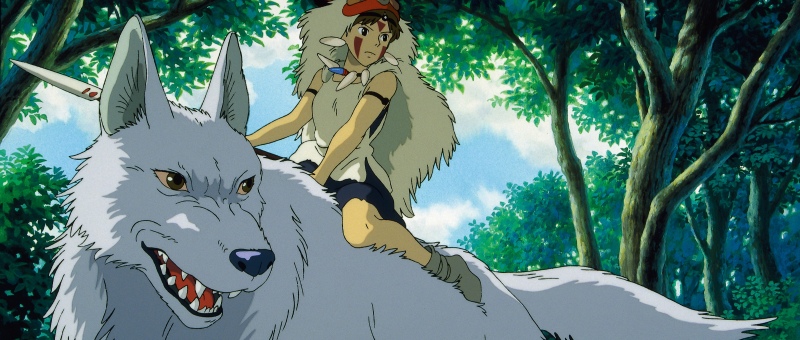
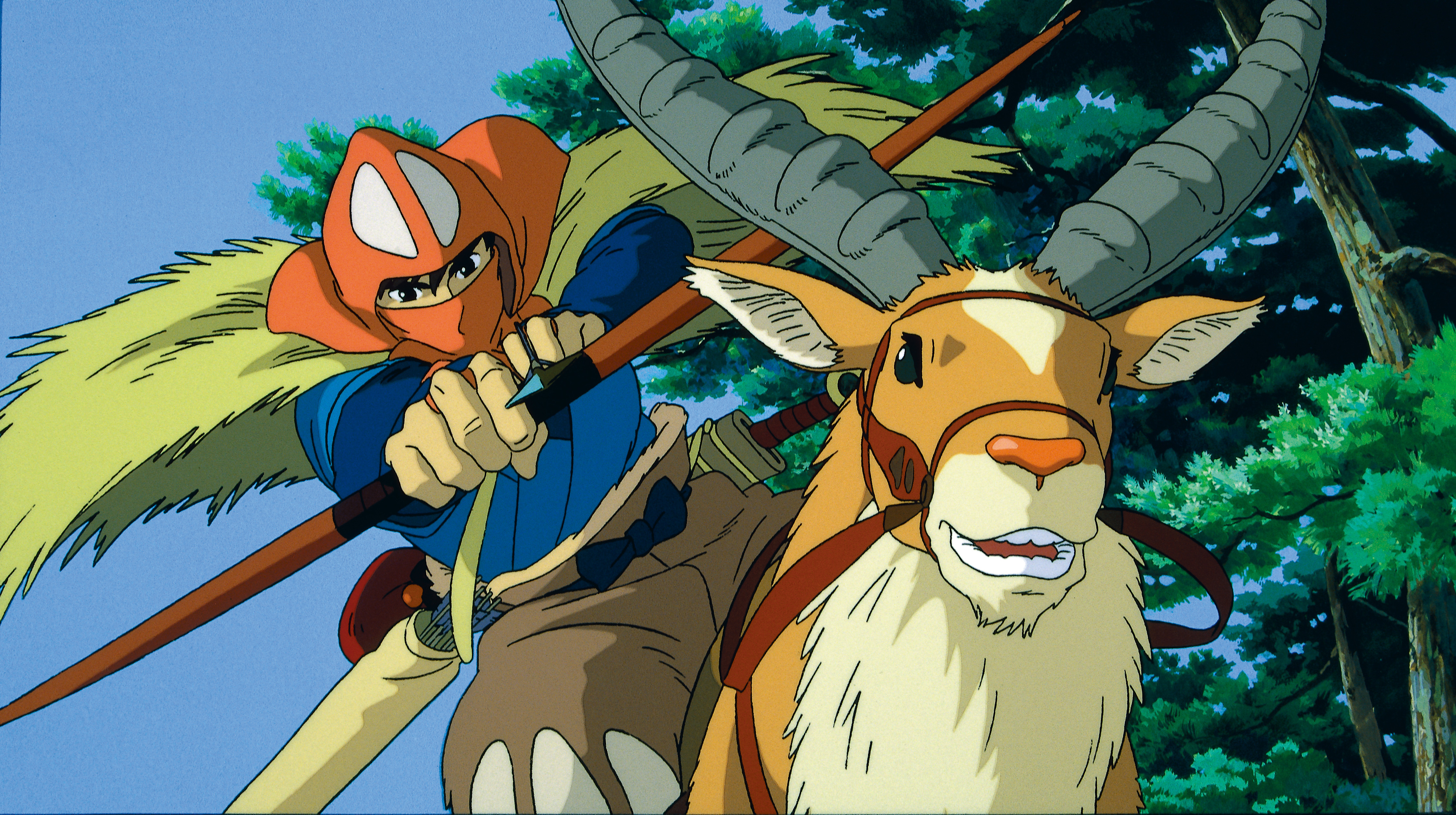
Princess Mononoke (もののけ姫, Hayao Miyazaki, 1997)

“So you say you’re under a curse? So what? So’s the whole damn world.” The world is indeed cursed in Hayao Miyazaki’s landmark 1997 animation Princess Mononoke (もののけ姫, Mononoke-hime). As the greedy monk insists, “there are angry ghosts all around us. Dead from wars, sickness, starvation. And no one cares”. Yet as an impassioned parable as it is about the destructive forces of industrialisation, Miyazaki’s mystical drama is really about balance and duality along with the necessity of harmony and co-existence with nature red in tooth and claw. 

Young prince Ashitaka (Yoji Matsuda) already lives in what seems to be perfect harmony with the natural world, but his idyllic existence in an ancient clan long exiled by the emperor is disturbed one day by a marauding giant boar chased out of the forest having been turned into a demon consumed with hate and resentment. Ashitaka first tries reasoning with the beast, but is finally forced to put it out of its misery to protect the village and is infected himself in the process. Now unable to stay lest he endanger his community, Ashitaka ventures West in search of the corruption which sent the boar hurtling towards his home. 

What he eventually comes to is an industrial settlement, Irontown, ruled by Lady Eboshi (Yuko Tanaka) who ought by all rights to be a villain in her casual disregard of or active hostility towards unruly nature which her industrialisation pollutes. But then as we can see Lady Eboshi is a good and compassionate leader who has erected a community of the marginalised buying out the contracts of indentured sex workers and freeing them to labour in her ironworks while taking in lepers to manufacture her futuristic firearms. Uncharitably, one could also say that she’s chosen these people because they have little power and will be more likely to put up with hardship and exploitation without complaint because it’s better than the lives they lived before, but it does it does seem that she has her heart in the right place as far as her people are concerned determined to build a community of mutual solidarity between workers. 

Conversely, the titular Princess Mononoke, San (Yuriko Ishida), ought by rights to be the heroine but she and the wolf deities she lives with are also violent and unforgiving in their hatred of humans as determined to wipe out the threat presented by Lady Eboshi as she is them. Ashitaka was dispatched to be a peacemaker, to see with eyes unclouded by hate, in an attempt to find common ground and a way that the forest and humanity can live together because in reality one cannot survive without the other. He is by turns disappointed with each of them but holds compassion for both while a tertiary political threat lingers on the horizon in the machinations of shady priest Jigo (Kaoru Kobayashi) and the emperor who wants the head the of the Forest Spirit because he believes it will confer immortality. Lady Eboshi, who otherwise appears to reject the feudal order, intends to give the emperor the head in order to gain protection from overreaching lord Asano who hopes to capture the capitalistic potential of Irontown for himself. 

Jigo is an embodiment of humanity’s greed and its destructive potential, not caring that severing the Forest Spirit’s head will cause untold destruction in which any financial gain he might make would be all but irrelevant. His role is even more ironic given that he is a priest who has supposedly rejected material desire describing himself as a monk just trying to get by while seemingly willing to manipulate and betray almost anyone in his quest for gold. Lady Eboshi wants to improve conditions for her community while San essentially wants the same but Jigo just wants to improve things for Jigo and no one else. 

What Ashitaka wants is to cure his curse by restoring the balance between the human world and the natural in the creation of a society in which neither need be a threat to the other. Thus he pledges to help rebuild Irontown along less destructive lines while entrusting the forest to San to protect though she finds herself unable to forgive humanity for the destruction it has already wrought and may do again. Even so, as Ashitaka says, “it’s time for us both to live” hinting at a kind of rebirth and a new beginning free from the old authority be it the Forest Spirit or the emperor and the feudal order in a new world of freedom and equality. 


Princess Mononoke screens on 35mm at Japan Society New York on July 22.

Trailer (english subtitles)

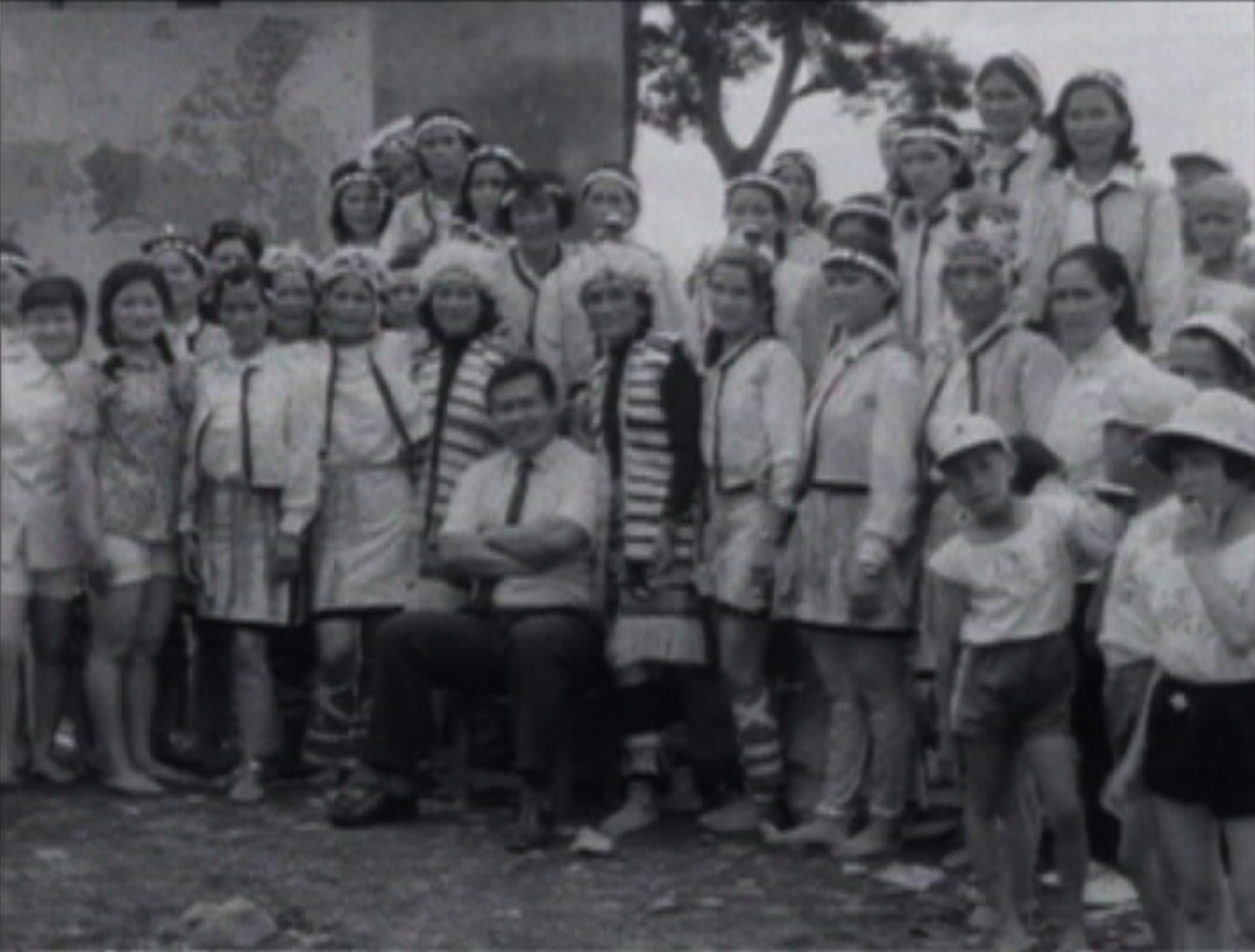
Asia is One (アジアはひとつ, NDU, 1973)

“They came to beat us into a splendid Japanese future, to conquer us” according to an interview in a small Taiwanese mountain village towards the end of the Nihon Documentarist Union’s Asia is One (アジアはひとつ, Asia wa Hitotsu). Having documented Okinawa on the brink of its reversion to Japanese sovereignty, the collective return to examine more widely its legacies of oppression and exploitation under Japanese imperialism venturing first to its smaller islands and then all the way out to Taiwan from which many migrant workers had come to work in harsh conditions in Okinawan mines during the colonial era. 

One man describes himself as having been tricked in coming to the Marusan mine in 1933 in the mistaken belief he could work there for six months and then return home. “I thought it would be better to die than live there” he goes on, originally too afraid to attempt escape having seen others rounded up and punished but later managing to get away by blowing up a boat. A Japanese man who worked at the Noda mine in Iriomote, meanwhile, reveals that they were refused days off and sick workers were often cast out. Many simply died because they could not afford to pay for medical attention. Workers were paid in company script which could be spent only on the compound, the mine owners fearing workers would abscond if they were paid in cash. By his reckoning, however, the Taiwanese workers had it better because they were working on a contract basis and could get a better rate of pay. A third man, Masuda, meanwhile describes long days and early mornings, being unable to eat if they didn’t have money for the canteen, and the watchmen locking their bedroom doors at night to prevent them escaping. The conditions were so bad that one man took his own life by blowing himself up with dynamite tied around his waist. 

Even so, the second man then living in a nursing home, does not blame the mine owner, Mr. Noda, describing him simply as a “capitalist” and remarking that he was often kind and generous giving workers money for medical treatment etc, blaming instead the foreman. “It’s the people working under the capitalists who are bad” he explains, bearing out the extent to which oppressed people will often oppress others like them in order to feel less oppressed but also letting the system off the hook in failing to acknowledge that if Mr Noda had really been good and kind he could have improved conditions in the mine while still remaining “a capitalist”. Hsieh King-Fu, known as Dr. Seh, whose father worked as a doctor at the mines recalls a mass outbreak of malaria among the Taiwanese migrant workers leading to a shortage of morphine. Having bought supplies from a local pharmacy himself a rumour later circulated he was injecting them deliberately to get them addicted so he could drag them away so endemic had the sense of betrayal and exploitation become. 

Meanwhile since the reversion the islands have been fostering deeper connections with Taiwan which is after all geographically closer than the Japanese mainland. An older man explains that he’s instilling Taiwanese agricultural techniques in the local population and has successfully been cultivating pineapples on the island for the last 40 years. Fishermen too remark on how much easier it is to trade with Taiwan rather than the mainland because it’s simply closer meaning they can also trade live fish with a longer shelf life. Meanwhile an official details a potential agreement between the Ryukyu government and Taiwan to recruit workers developing new ties independently from those of mainland Japan. 

Yet in travelling to Taiwan itself, the documentary collective encounter surprising reactions to the legacy of Japanese colonialism in a small village inhabited by the indigenous Atayal community who still play the Japanese national anthem every day at noon. Many of them can still speak fluent Japanese having been forced to learn it during the colonial era and have almost a fondness for Japanese rule. “We owe everything to Japan” one woman states, uncomfortably grateful for her “civilisation” and thankful that the Japanese educated them out of some of their more “barbaric” customs such as the admittedly oppressive practice of beheading. Like the Korean man who obtained three names during his travels through the Japanese empire, many of the villagers have names in their indigenous language, names in Mandarin, and names in Japanese. “I’m still terrified of imperialism and oppression” one man admits though adding “I guess imperialism is different now” in lamenting that the emperor has never visited him but observing that he looked “free” on his last tour to Taiwan before going on to talk about a seal he received from the emperor after executing prisoners, by beheading, as a conscript soldier during the war. Asia may indeed be one if ironically, united in the destructive legacy of Japanese imperialism, but perhaps also finding new ways to repair itself which take less account of concepts such as sovereignty, diplomatic recognition, or man-made borders. 


Asia is One streams worldwide (excl. Taiwan and Japan) until June 3 as part of Japan Society New York’s Visions of Okinawa: Cinematic Reflections.

Motoshinkakarannu (沖縄エロス外伝 モトシンカカランヌー, NDU, 1971)

Active between 1968 and 1973, the Nihon Documentarist Union or NDU was a collective of documentary filmmakers emerging from the then declining student movement and “Zenkyoto” struggle committees whose members were often university drop outs disillusioned with the system. The group’s 1971 documentary Motoshinkakarannu (沖縄エロス外伝 モトシンカカランヌー, Okinawa Eros Gaiden: Motoshinkakarannu), shot in black and white and using asynchronous sound, takes its name from a word in the Okinawan language used to describe a business which can be started without seed money, effectively an ironic euphemism for sex work. Visiting the islands immediately prior to their return to Japan, the collective examines among other things a legacy of exploitation along with the effects of economic dependency on one or another colonising force. 

“How come Okinawa changes so much?” a street singer asks playing a sanshin while reflecting on the islands’ complicated history. An old lady born in 1889, the tail end of the Meiji era, reflects on cultural change when speaking of the tattoos on her hands which she’d so wanted as a child believing not to have them was not to be accepted as a woman and therefore unable to marry. But tattoos are taboo in Japan and the practice was eventually banned by the police leaving her stigmatised in her own community and forced to wear gloves in order to hide the markings of her culture. “Now in the contemporary society you can’t get married if you have a tattoo. Things can change 180 like that” she adds reflecting on the rapid changes which have taken place within her lifetime in which even ancient traditions can be abruptly ended by outside forces. 

Meanwhile, another woman prepares to adjust her currency exchange business once Okinawa reverts to Japan and the American presence decreases. While some are in favour of the reversion more because they want the Americans to leave than actively desire to return to Japanese sovreignity, others wonder what the effect will be on the local economy given that workers are already being laid off from jobs on American bases. The documentary captures several labour protests held outside military facilities by anxious workers. “Okinawa is sacrificed again under military control” one leader insists while another later adds “for 20 years Okinawa was denied normal employment opportunities due to its militaristic colonisation” each emphasising the unanswered questions in the reversion agreement of what is supposed to happen to these now redundant workers, where will new jobs be coming from and what are they supposed to do until they arrive? Many of the protestors are extensively masked appearing somewhat like the invisible man with their heads wrapped in fabric and sunglasses covering their eyes presumably because they fear negative consequences from their employers if they’re caught at the demonstration.

The documentary team muddy the waters a little by challenging one man that as he’s a cook he could easily find new work, but as he points out it’s not just about him and he believes the labour movement will be beneficial to the islands’ future. Many feel betrayed that the local Okinawan police force continues to protect the interests of the Americans in attempting to suppress their protests, but conversely there is also anxiety regarding new industrial investment from Japan with the CEO of Toyo Oil, directly labeled a war criminal in the embedded subtitles, trying to argue that he is an environmentalist and would not go ahead with the plant if it were to produce pollution. Such worries are perhaps at the forefront of the minds of ordinary Okinawans given the numerous mainland scandals of the postwar era such as the Minamata disease and Yokkaichi asthma among many others, while an old man’s hand-painted sign also protests that the oil refinery is to exist on land stolen from local farmers. The anxiety seems to be as the camera pans ominously across a new industrial zone that Okinawa will become a dumping ground for problematic industries the mainland isn’t willing to place on its own soil, the people of Okinawa once again sacrificed for Japan’s gain. 

Then again others are worrying about a collapse in the local sex industry which they suggest caters almost entirely to American personnel. The documentary collective spend some time with a collection of American servicemen who discuss with them the US civil rights movement, but also appear to have a more regressive view of the sex industry than many in Okinawa making what seems to be a moral judgement as one flat out refuses to believe the women have no choice but to pursue sex work claiming they’ve chosen an “easy” solution to their problems rather than taking a more nuanced view of the economic realities of the islands and the complex networks of exploitation which support them. Then again as Akemi, the sex worker with whom the documentary opened, hints perhaps the filmmakers are no different. “They’re filming me because they want to show “Motoshinkakarannu”. They don’t know what it is, but they want to use the title.”


Motoshinkakarannu streams worldwide (excl. Taiwan and Japan) until June 3 as part of Japan Society New York’s Visions of Okinawa: Cinematic Reflections.