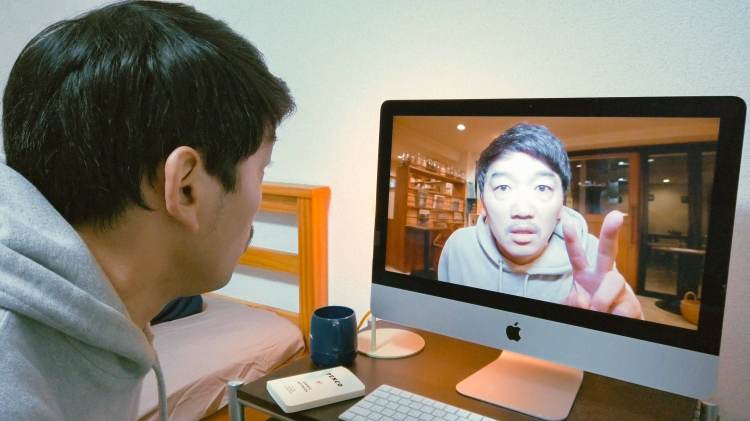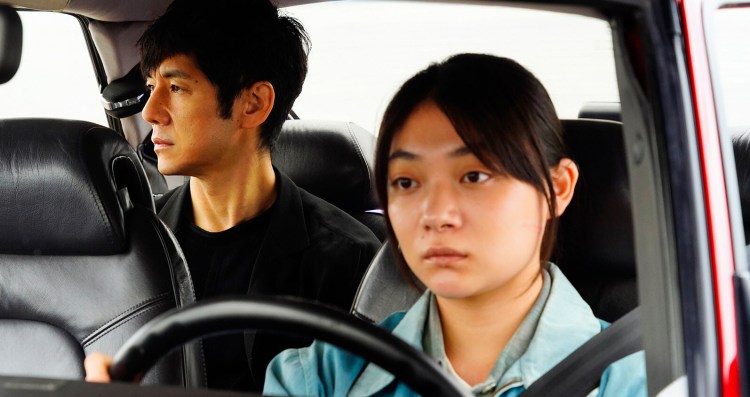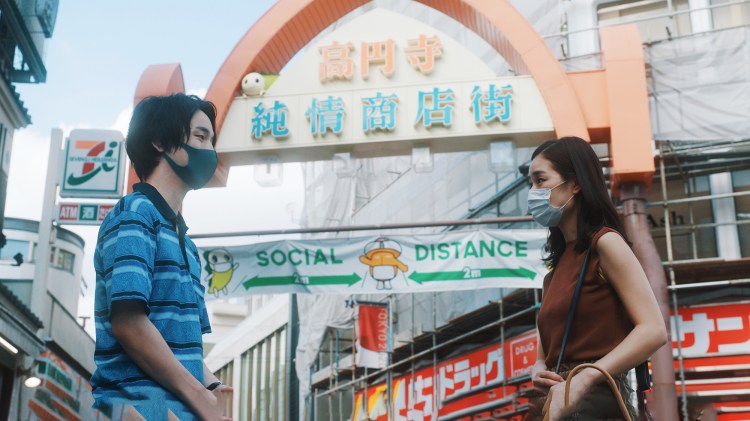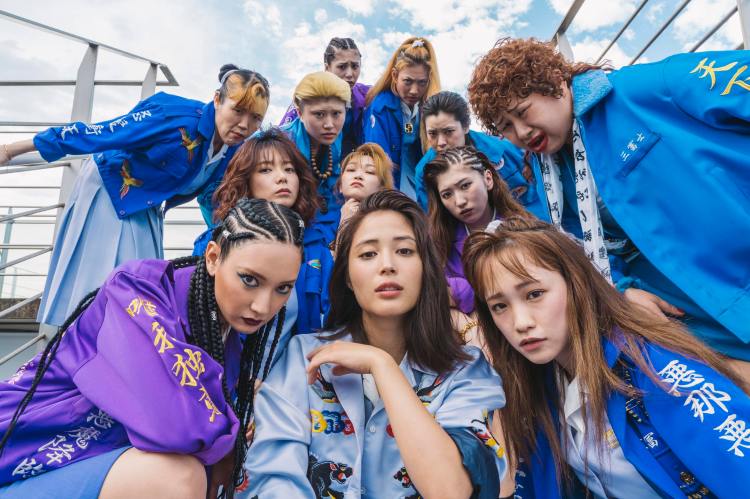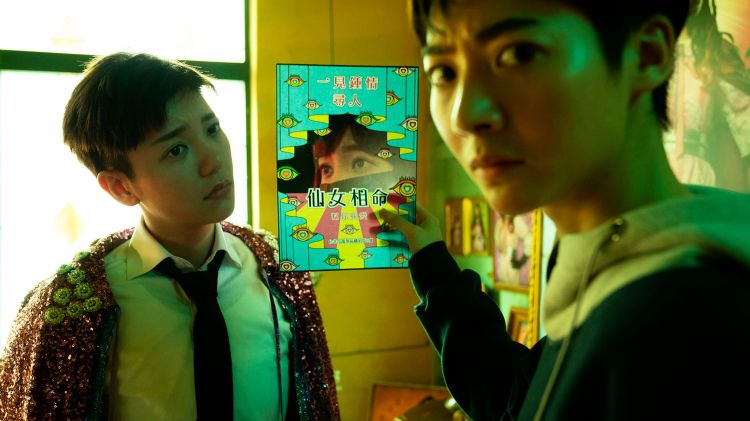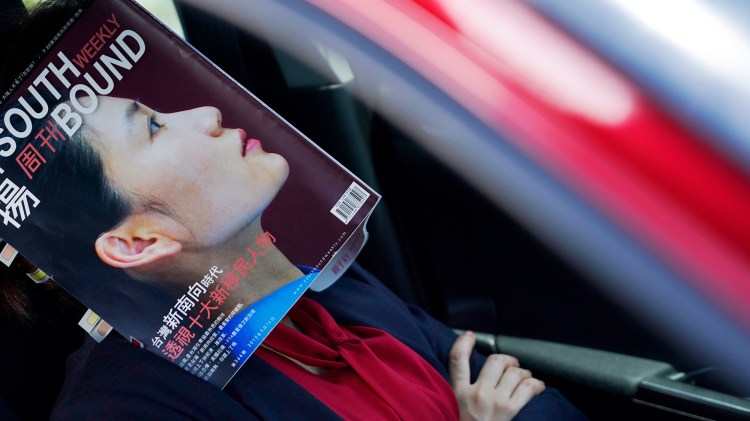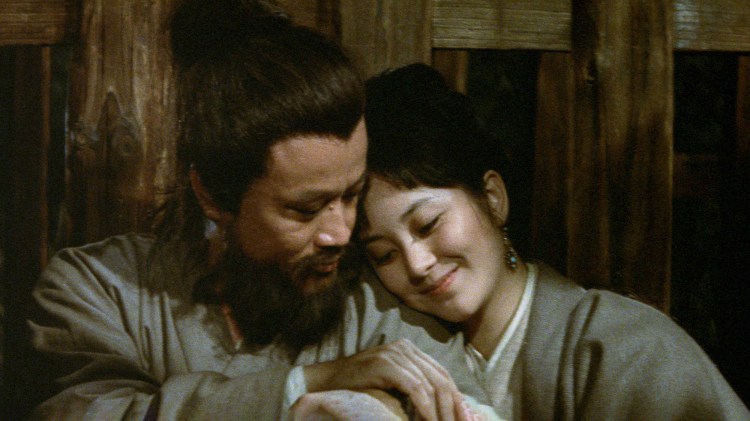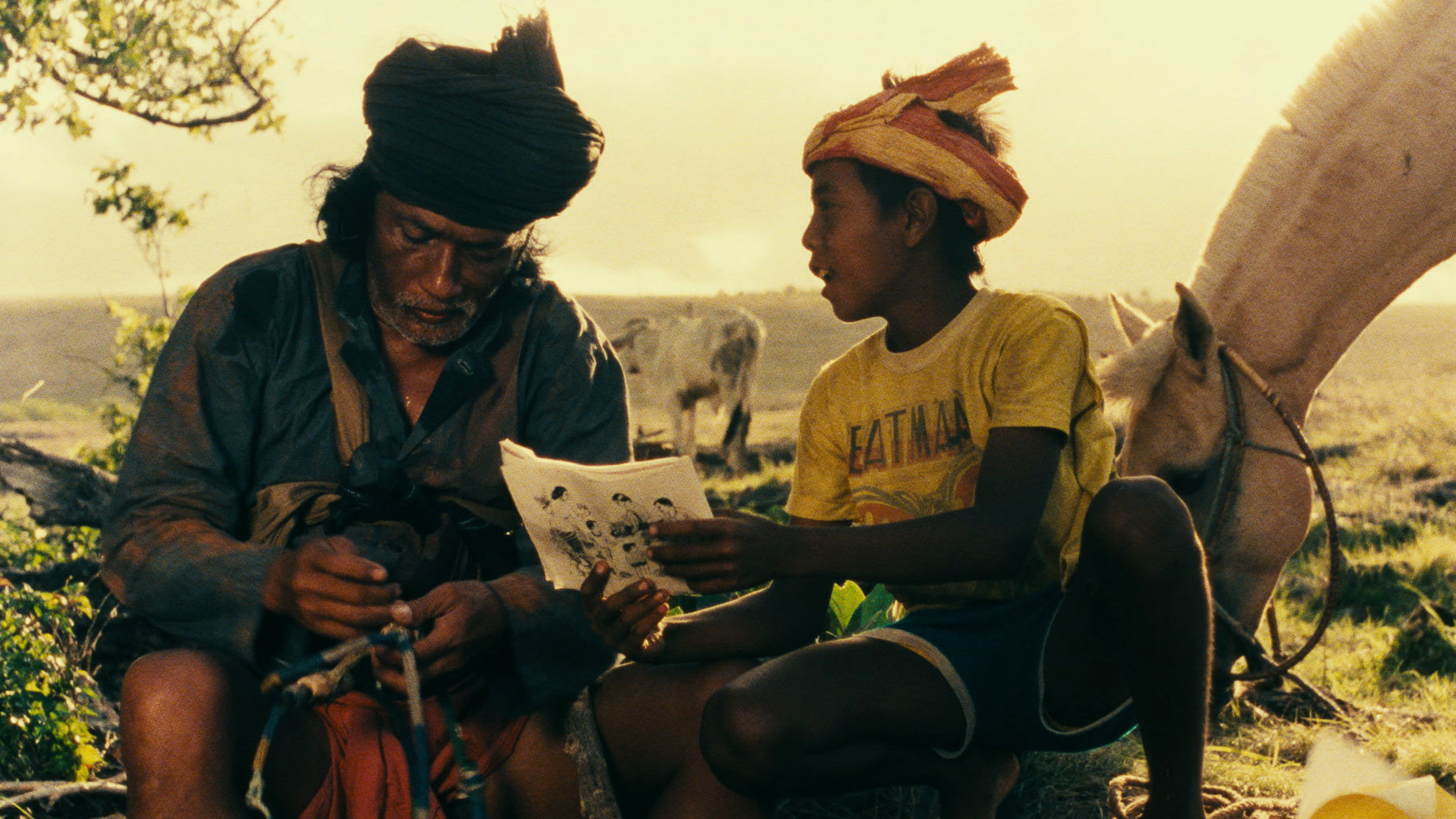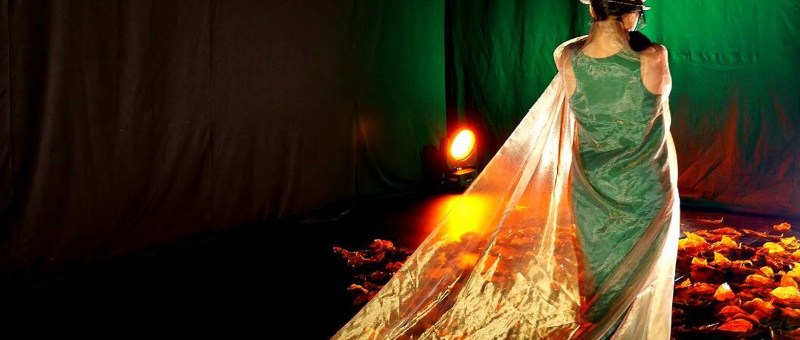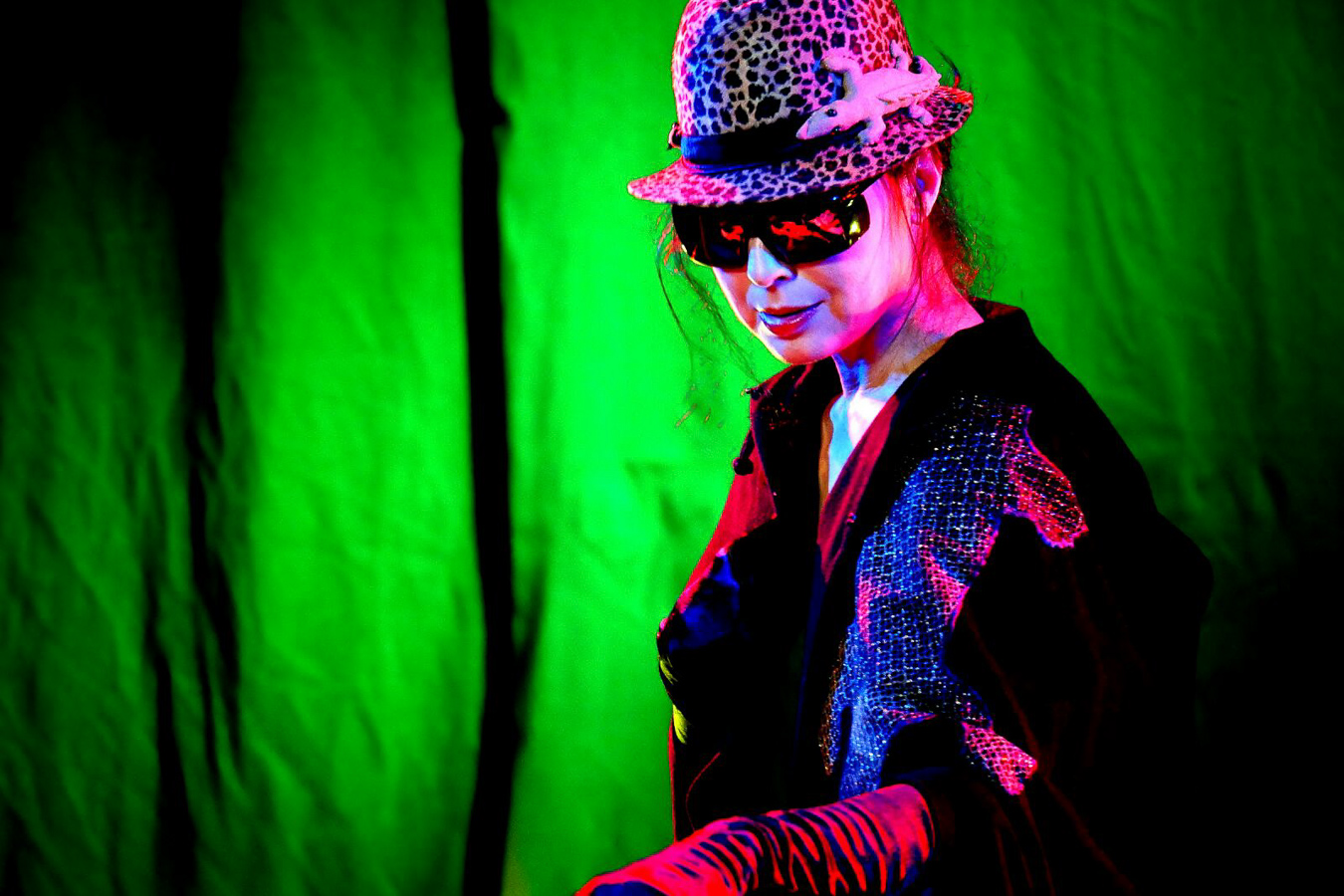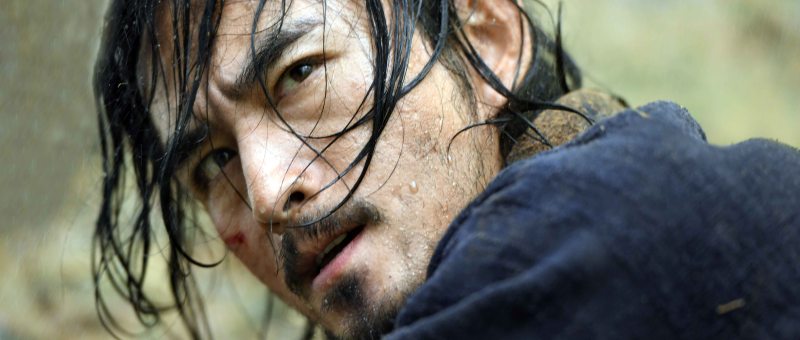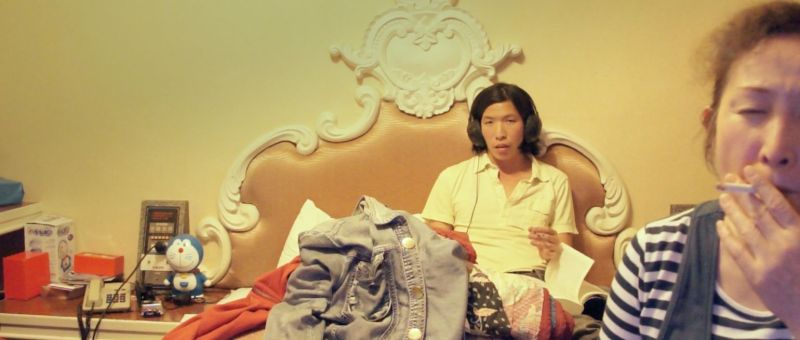
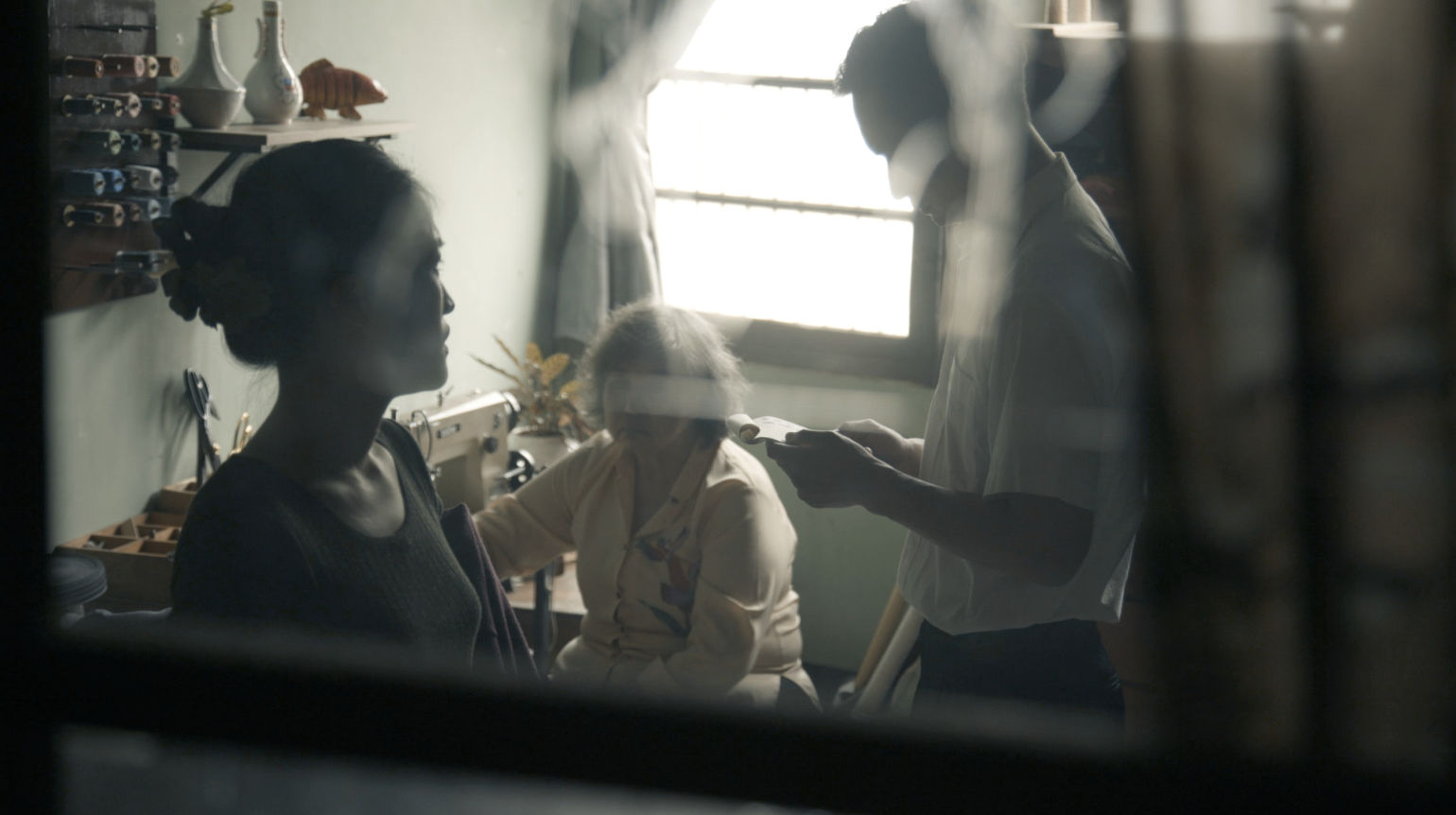
In Front of Your Face (당신얼굴 앞에서, Hong Sang-soo, 2021)

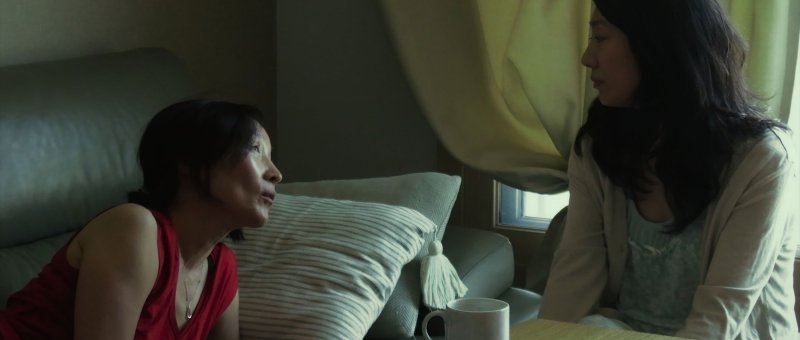
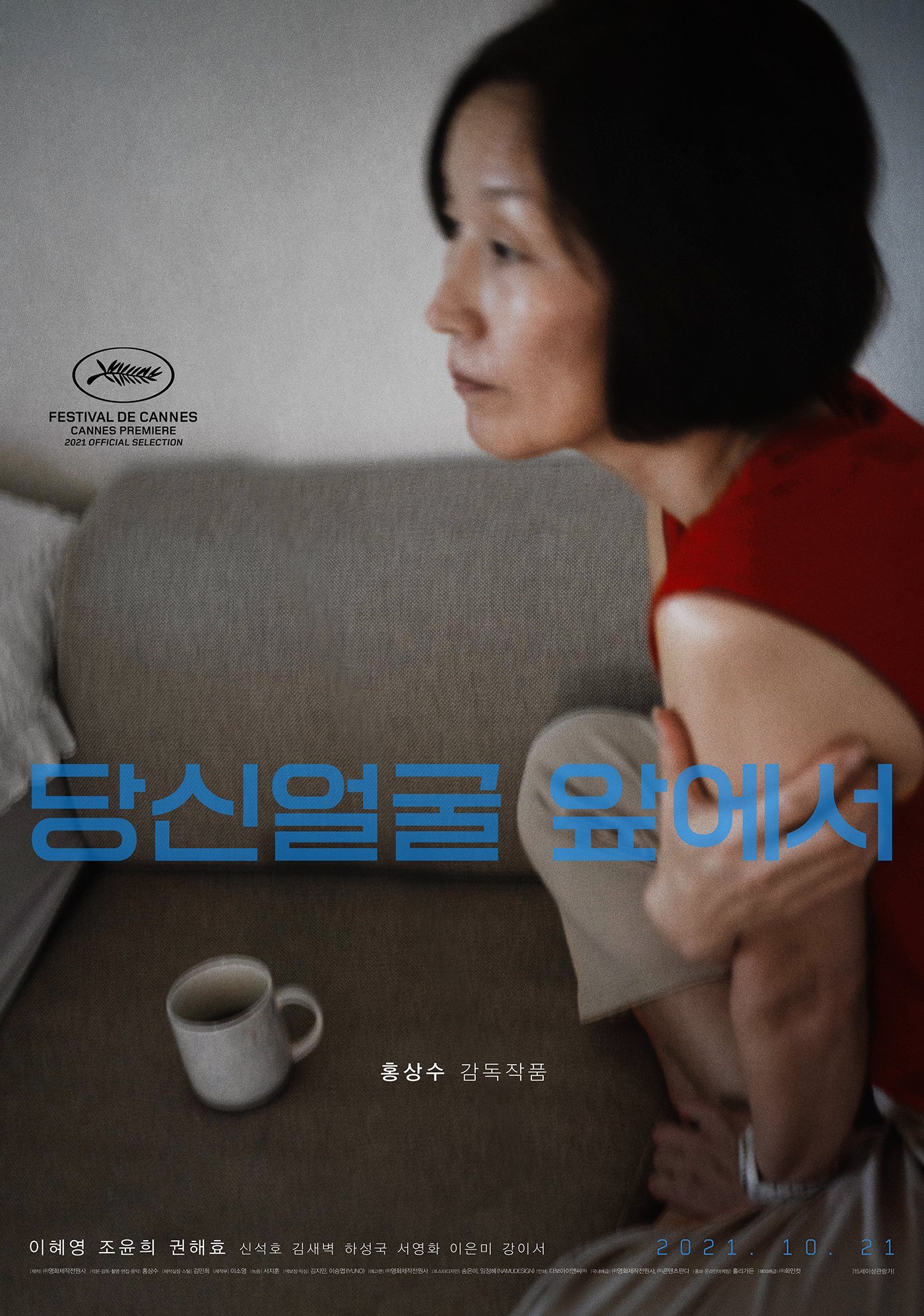
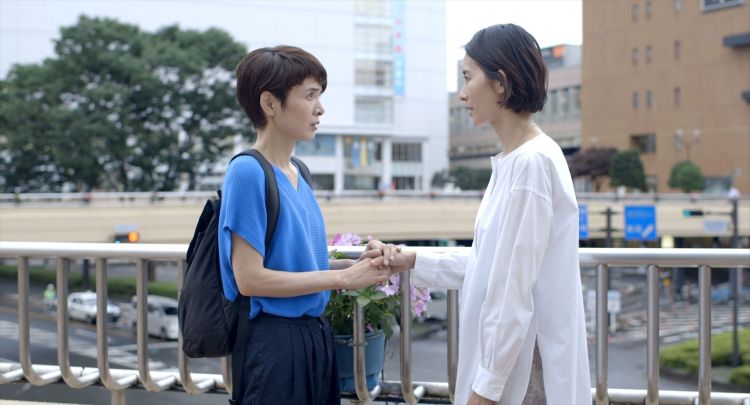
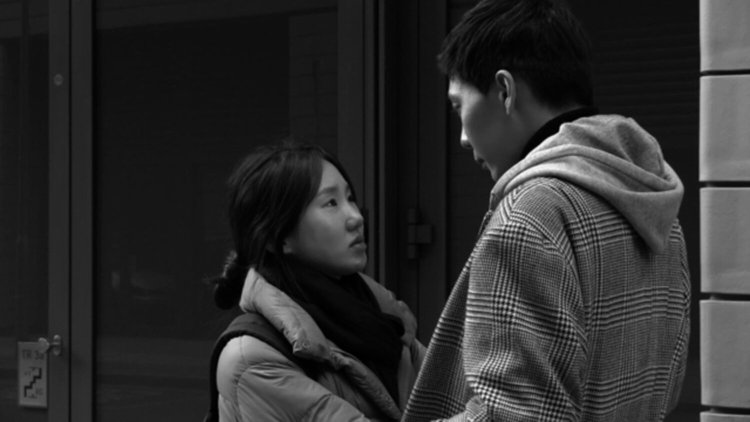
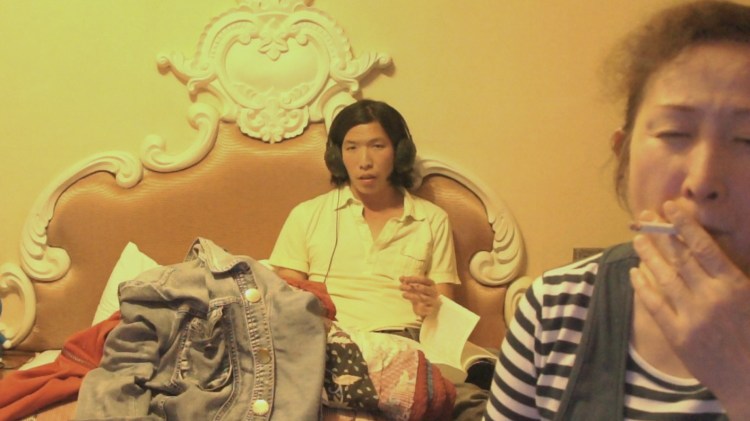
“There’s so much we don’t know about each other” a sister exclaims as if only just realising precisely how estranged they may have become this current visit home itself overshadowed by a kind of awkwardness that she doesn’t yet quite understand. Sangok (Lee Hye-young), the heroine of Hong Sang-soo’s latest meditation on existential dread In Front of Your Face (당신얼굴 앞에서, Dangsineolgul apeseo), is determined to live defiantly in the moment, shedding both past and future for the intensity of the now while learning to rejoice in the beauty of life if perhaps also burdened by ancient regrets, broken connections, and the ironic promise of an unobtainable future. 

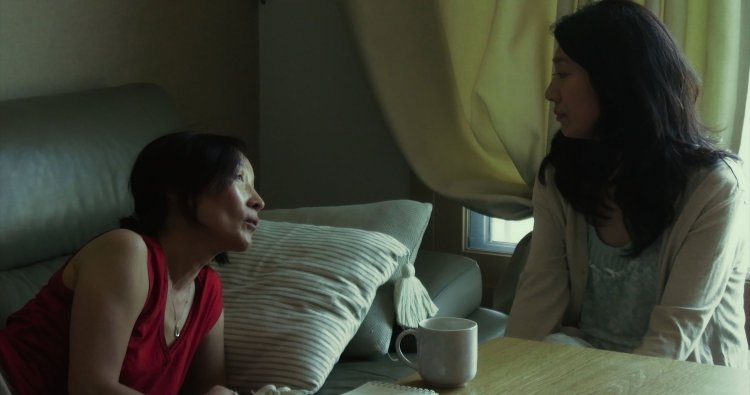
After many years living alone in the US, former actress Sangok has returned to stay with her sister Jeongok (Jo Yoon-hee) and meet with a director who is interested in casting her in his latest film. According to her sister, Sangok ran off with a man she barely knew and followed him to America where she worked as a travel agent though more lately it seems barely getting by with a job in a liquor store. Jeongok waxes on about a swanky new apartment complex in a tranquil area of natural beauty, suggesting her sister move back to Korea but surprised and alarmed when she confesses she has no savings or property. “That’s how everyone lives there” she explains, “but it seems a lot of people here have money” noticing perhaps how much the city has changed since she’s been away while hinting that her life in America may have been in its own way disappointing. 

Sangok seems lonely, tired, a little distracted and perhaps anxious in the way she ties and reties the belt on her mac often placing a hand on her stomach for comfort. The sisters teeter on the brink of an argument about distance, unreturned letters, and whose fault it is they aren’t as close as they might have been but pull back from it wisely avoiding unnecessary confrontation in favour of maintaining the pleasant atmosphere. Yet there are also parts of Sangok’s story that don’t quite add up. A pair of women (Seo Young-hwa & Lee Eun-mi), appearing eerily like the cottage core cat-lovers from The Woman Who Ran, stop the sisters in a park recognising Sangok from her previous life as an actress decades ago. Jeongok is puzzled, sure that Sangok only appeared on TV once though the director, Song Jaewon (Kwon Hae-hyo), later descends into a reverie recalling the effect her early performances had on him as a young student in the early ‘90s. 

Hong pulls one of his usual tricks on us, repeating his opening scene with Sangok dressed in an identical outfit on her sister’s sofa if this time covered with a blanket leading us to wonder if everything we’ve just seen is only a dream. As it happens she soon gets a phone call to let us know it’s not, one which elicits from her an ironic laugh as the new hope she might have been given is suddenly crushed by another Hongian unreliable man talking too big a game even if this time the culprit is baiju rather than the familiar little green bottles of despair. Taking advantage of his selfishly postponing their lunch date, Sangok pays a visit back to her childhood home which has since become a boutique only the garden remaining the same if now dwarfed by the surrounding buildings of an ever developing city. “The memories in my heart are so heavy” she sighs, “I don’t know why I came here”, later embracing a little girl who may or may not live there now as if embracing the ghost of her childhood self. 

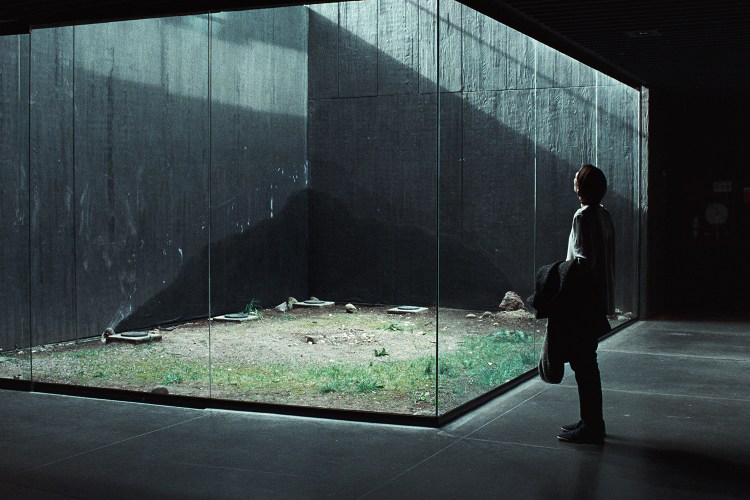
The meeting with the director turns out to be depressingly predictable, he having “borrowed” a cafe named “novel” from female “friend” while sending his assistant away periodically Sangok assumes because he wants to get her alone. Ironically enough she describes his films as like short stories, bemused as to why he’s so keen to hire a middle-aged former actress but finally bares her soul explaining what it is that she carries around with her on this rare trip to Seoul. Reciting small mantras to herself in the form of tiny prayers she tries to stay in the moment, reminded that every day is “grace” and that life itself is beautiful, claiming that as long as she can see whatever’s in front of her face then she’s not scared of anything. Reminders of the pandemic hover in the background with vague references to the way things are “especially now”, the atmosphere of dread and anxiety throwing Sangok’s philosophy into stark relief as she vows to live defiantly in the moment, rejoicing in life’s absurdities but also in its small comforts as she wonders what her sleeping sister dreams, shaking off her her existential vertigo to gaze out of a high-rise window.  


In Front of Your Face screens in San Diego on Oct. 30 & Nov. 1 as part of this year’s San Diego Asian Film Festival. Readers in London will also have the opportunity to see the film as part of this year’s London Korean Film Festival at Picturehouse Central on 13th November.

Original trailer (English subtitles)

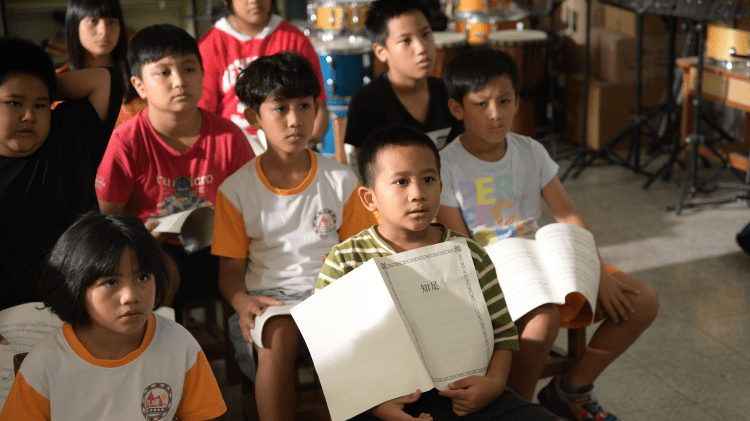
Listen Before You Sing (聽見歌 再唱, Yang Chih-lin, 2021)

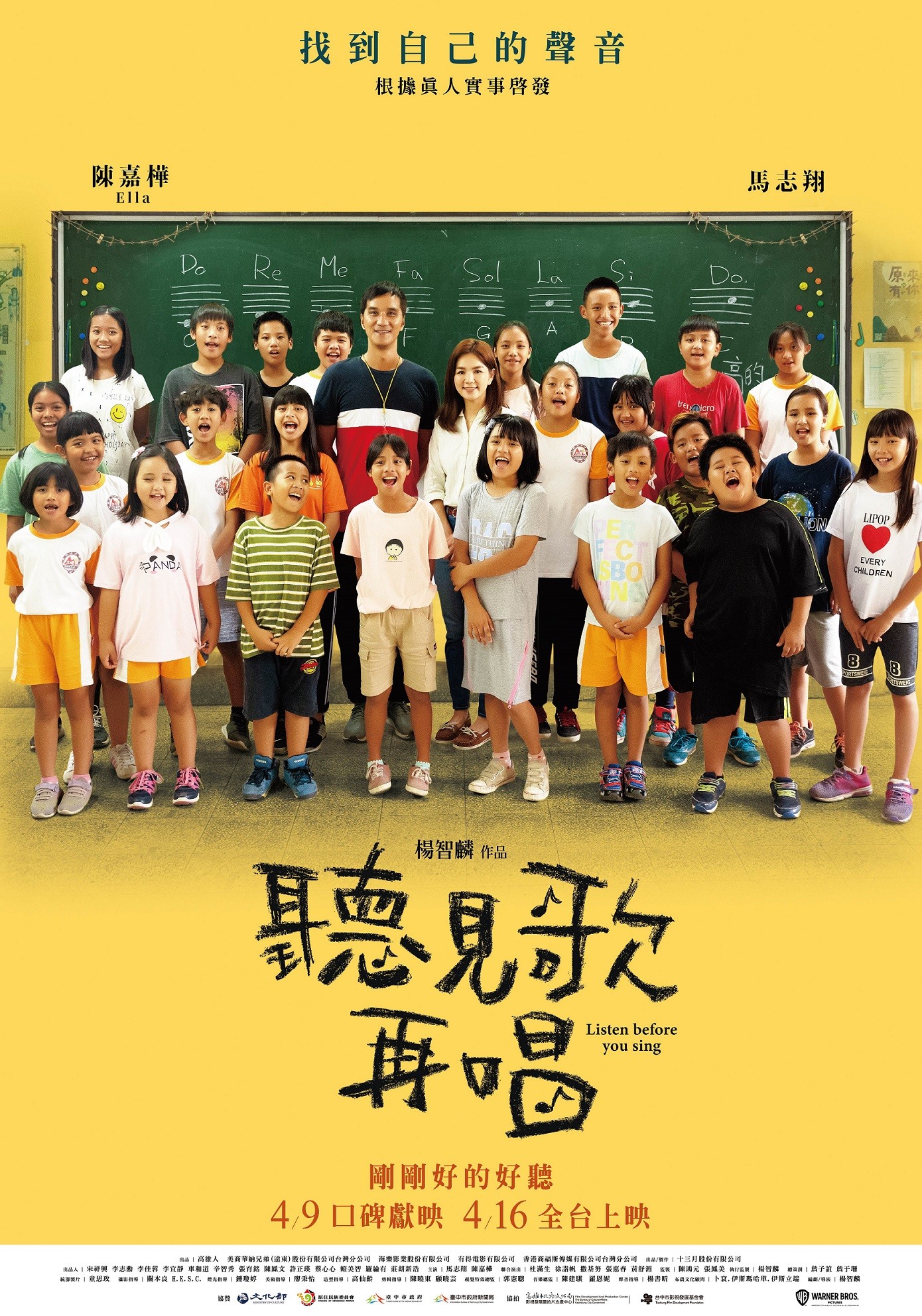
A remote mountain school facing closure pins its hopes on showcasing the singing ability of the local indigenous community in Yang Chih-lin’s gentle social drama Listen Before You Sing (聽見歌 再唱, Tīngjiàn Gē Zài Chàng). Set almost entirely within its mountain village, Yang’s cheerful tale is as much about embracing an indigenous identity as it is about the consequences of rural depopulation, economic inequality, and the importance of community while also prioritising the necessity of giving children the confidence of external approval as they learn to discover their own voices. 

There are however only about 50 children left in the small rural village inhabited by the Bunun indigenous community which is why the local school is under threat of closure even though the nearest alternative is over two hours away. The headmaster laments that the reason this school in particular will be merged with another is that they have “nothing special” to offer as reason to save it. Where other schools boast professional sports players among their alumni, the best they can do is that their volleyball team is considered above average for the area. Seeing as the indigenous community is famed for its beautiful polyphonic singing, someone suggests starting a choir hoping that they may be able to gain a reprieve if they demonstrate some kind of success on a national level. Luckily, they’ve just been sent a new substitute music teacher, Yunfan (Ella Chen Chia-hwa), who agrees to provide accompaniment but they also need a conductor and no one it seems is very keen to take on the role until PE teacher Bukut (Umin Boya) reveals an unexpected musical talent. 

Just arrived from the city for a new job at a school which may be about to close, Yunfan is less than impressed with the early preparations for the choir fearing first of all they don’t have enough kids and that there aren’t enough strong singers in the group. Bukut even ropes in his volleyball team to bulk out the numbers but tells them to remain quiet and just mime rather than actually sing lest they disrupt the harmony. The other problem they face is that each of these children has their own particular circumstances with many needing to return home after school either to help with farm work or to care for elderly relatives. Many of them are living either with grandparents or more or less alone while their parents are in the city for work. Of the ones that remain, the father of two boys from the volleyball team is unhappy with them participating in the choir in the first place, viewing it as a waste of time and possibly not as a suitable activity for his sons. 

Even so, the reason for their failure in an early concert is attributed to their attempt to conform to the standard singing style of the other schools rather than embracing the uniqueness of their traditional culture leaving them as the judge puts it failing to stand out from the city kids. Though the indigenous community maintains its traditions, many of the children do not really speak Bunun, communicating with each other in Mandarin if understanding when the elders talk to them in the indigenous language, and perhaps feel insecure in their cultural identity. Only by embracing their Bunun heritage does the choir start come together, reminded that it’s important sing with your ears, picking up the harmony from those around you rather than each singing independently as a collection of individuals. 

While Bukut deals with some personal trauma concerning his musical ability and a bullying teacher, and Yunfan does her best to integrate into the indigenous community which is extremely warm and welcoming eager to share their culture with her, they eventually learn to put themselves and their fears over their job insecurity to one side while doing their best to help the children shine as they learn to find their voices through reconnecting with their indigenous roots. The school may still have to close, there may be no real answer as to how to mitigate the effects of rural depopulation or as to how to preserve traditional culture in an increasingly capitalistic society, but rather than simply giving up the children learn to embrace and be proud of their difference while learning to sing in harmony as part of a community founded on love and mutual respect.


Listen Before You Sing screens in San Diego on Oct. 29 as part of this year’s San Diego Asian Film Festival.

Original trailer (English subtitles)

San Diego Asian Film Festival Announces Full Programme for 2021

The San Diego Asian Film Festival returns to cinemas Oct. 28 to Nov. 6 with another packed programme of recent hits from across the region and its diaspora. This year’s programme opens with pandemic rom-com 7 Days while Ryusuke Hamaguchi’s festival favourite Drive My Car will bring the event to a close on Nov. 6.

Here’s a rundown of the East Asian movies included in this year’s programme:

China

  • All About My Sisters – documentarian Wang Qiong explores the legacy of the One Child Policy and ongoing effects of entrenched patriarchy through the lens of her own emotionally complicated family story.
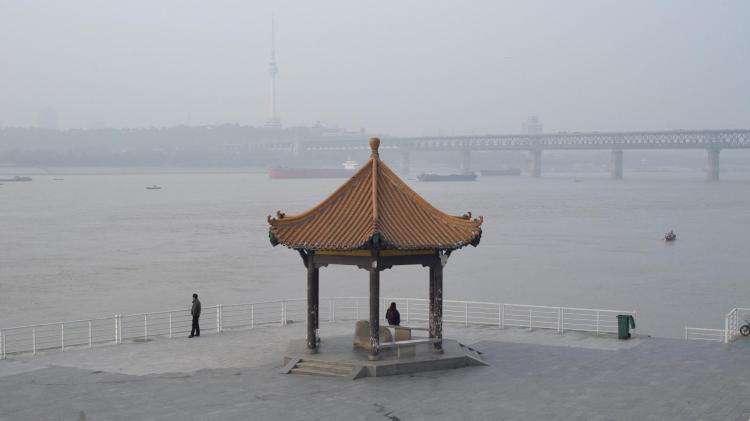
  • A River Runs, Turns, Erases, Replaces – experimental documentary from Zhu Shengze exploring the Wuhan landscape.
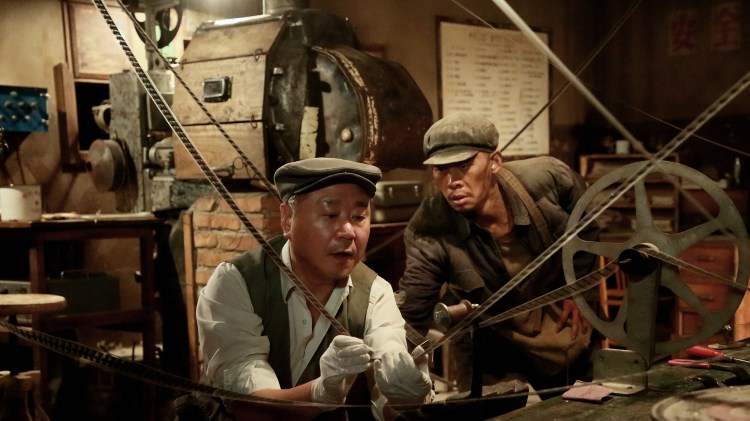
  • One Second – long-delayed love letter to cinema from Zhang Yimou in which a man escapes a labour camp hoping to catch a glimpse of his daughter in a cinema newsreel.

Hong Kong

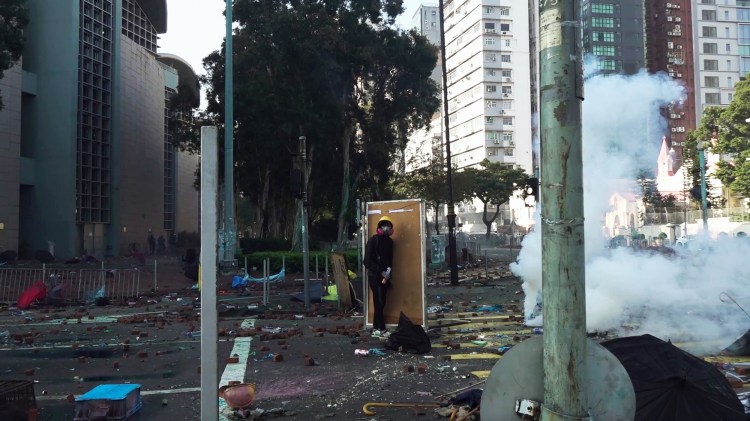
  • Inside the Red Brick Wall – documentary exploration of the 2019 Hong Kong Polytechnic University seige.
  • Time – an elderly hitman displaced by the modern society gets a second chance at life after taking up “euthenasia” in Ricky Ko’s darkly comic yet moving drama. Review.

Japan

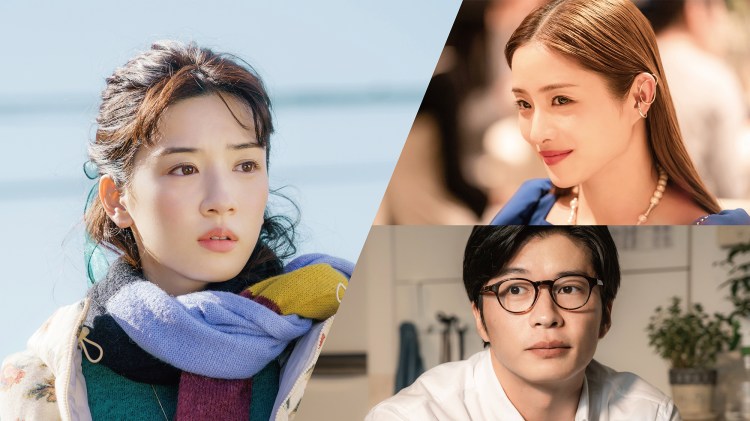
  • And so the Baton is Passed – comedy from Tetsu Maeda (A Banana? At This Time of Night?) revolving around the close relationship between a high school girl and her step dad.
  • Beyond the Infinite Two Minutes – a diffident cafe owner faces an existential dilemma when trapped in a time loop with himself from two minutes previously in Junta Yamaguchi’s meticulously plotted farce. Review.
  • Drive My Car – a theatre director begins to overcome his sense of inertia after bonding with a young woman hired to drive his car in Ryusuke Hamaguchi’s deeply moving drama. Review.
  • In Another Language – pandemic rom-com in which two people bond while meeting up to practice English.
  • Office Royale – office ladies go to war in Kazuaki Seki’s anarchic, Bakarhythm-scripted transposition of the yankee manga to the world of the OL. Review.
  • Wheel of Fortune and Fantasy – a series of chance meetings and a healthy dose of fantasy lead a collection of wounded souls towards a kind of liberation in Ryusuke Hamaguchi’s whimsical triptych. Review.

Korea

  • Clytaemnestra – a Korean theatre troupe travels to Athens to perform the famous play in Ougie Pak’s indie drama
  • In Front of Your Face – drama from Hong Sang-soo in which an actress trying to restart her career after spending time abroad meets a director looking to cast his latest film.
  • Introduction – latest from Hong Sang-soo in which a man travels to see his father at his clinic then goes abroad to see his girlfriend only to return and find his mother with another man.
  • Kim Min-Young of the Report Card – a young woman who decided not to go to uni meets up with a friend who did.
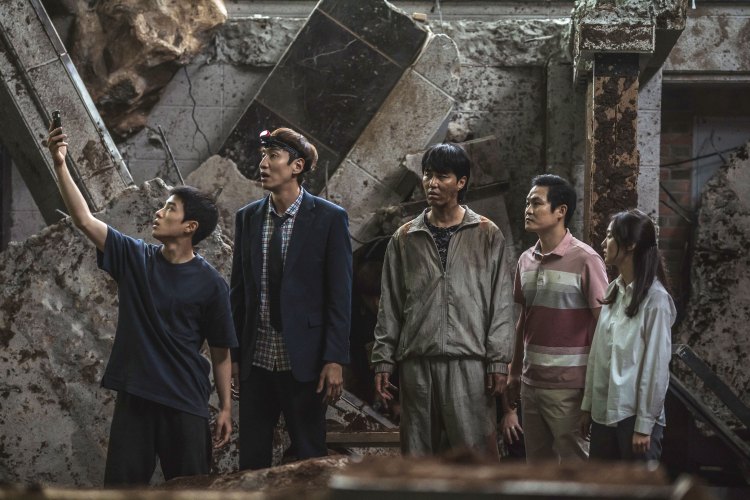
  • Sinkhole – a new homeowner sees his investment in the future crumble beneath his feet in Kim Ji-hoon’s harrowing disaster dramedy. Review.

Malaysia

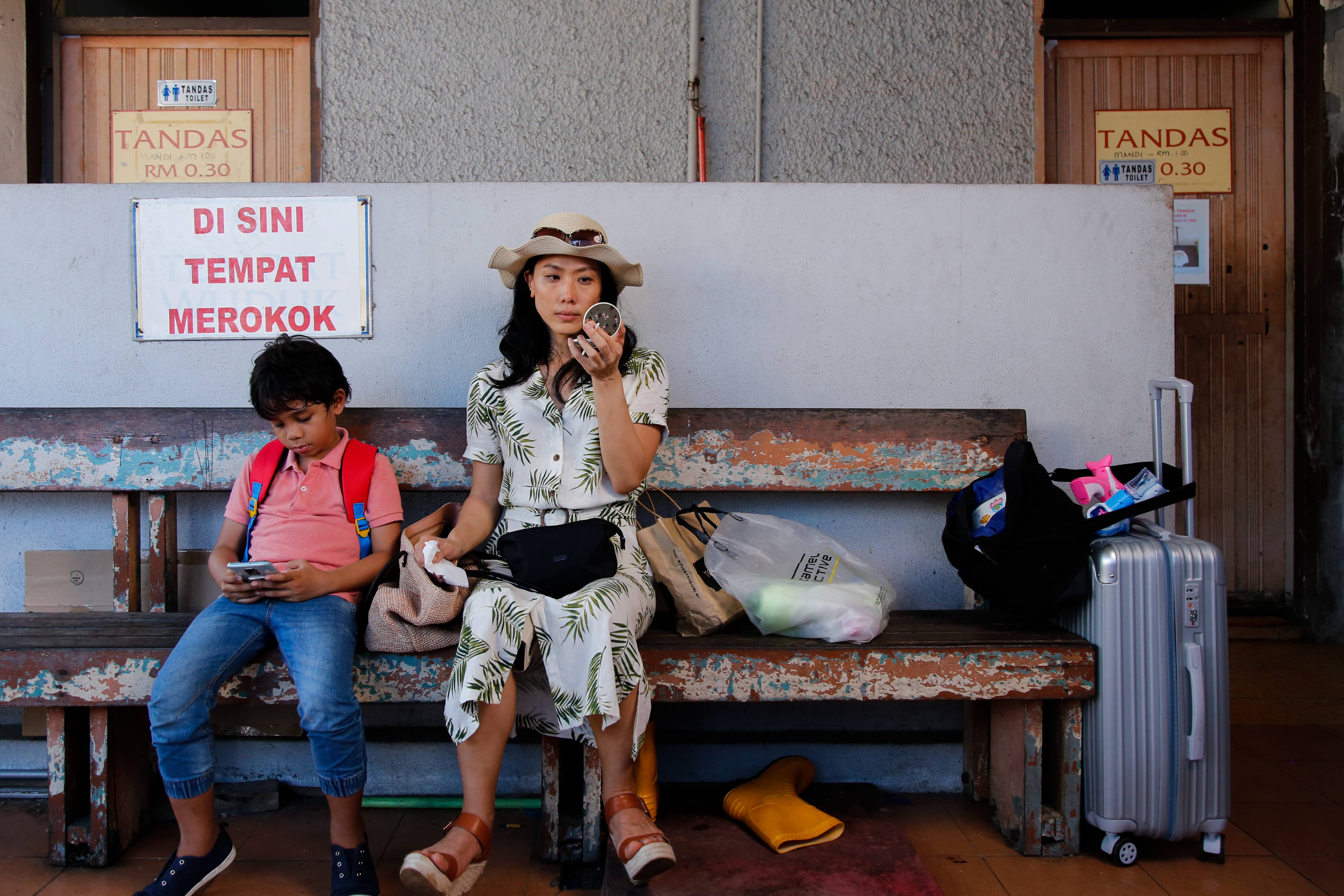
  • Barbarian Invasion – Tan Chui Mui directs and stars as an actress making a comeback after retiring to become a housewife and mother only to be told the film can only be made if her ex co-stars.

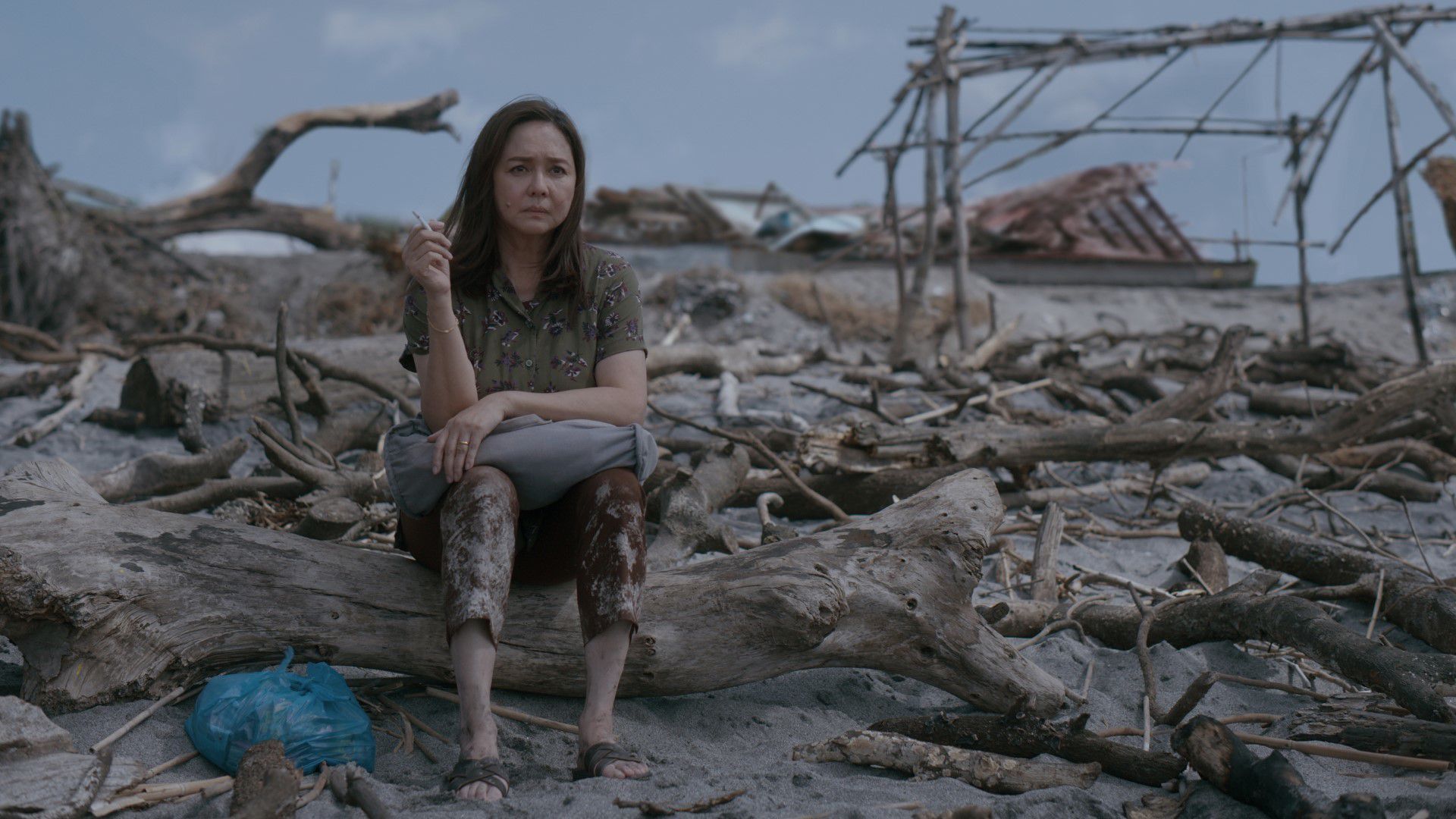
Philippines

Singapore

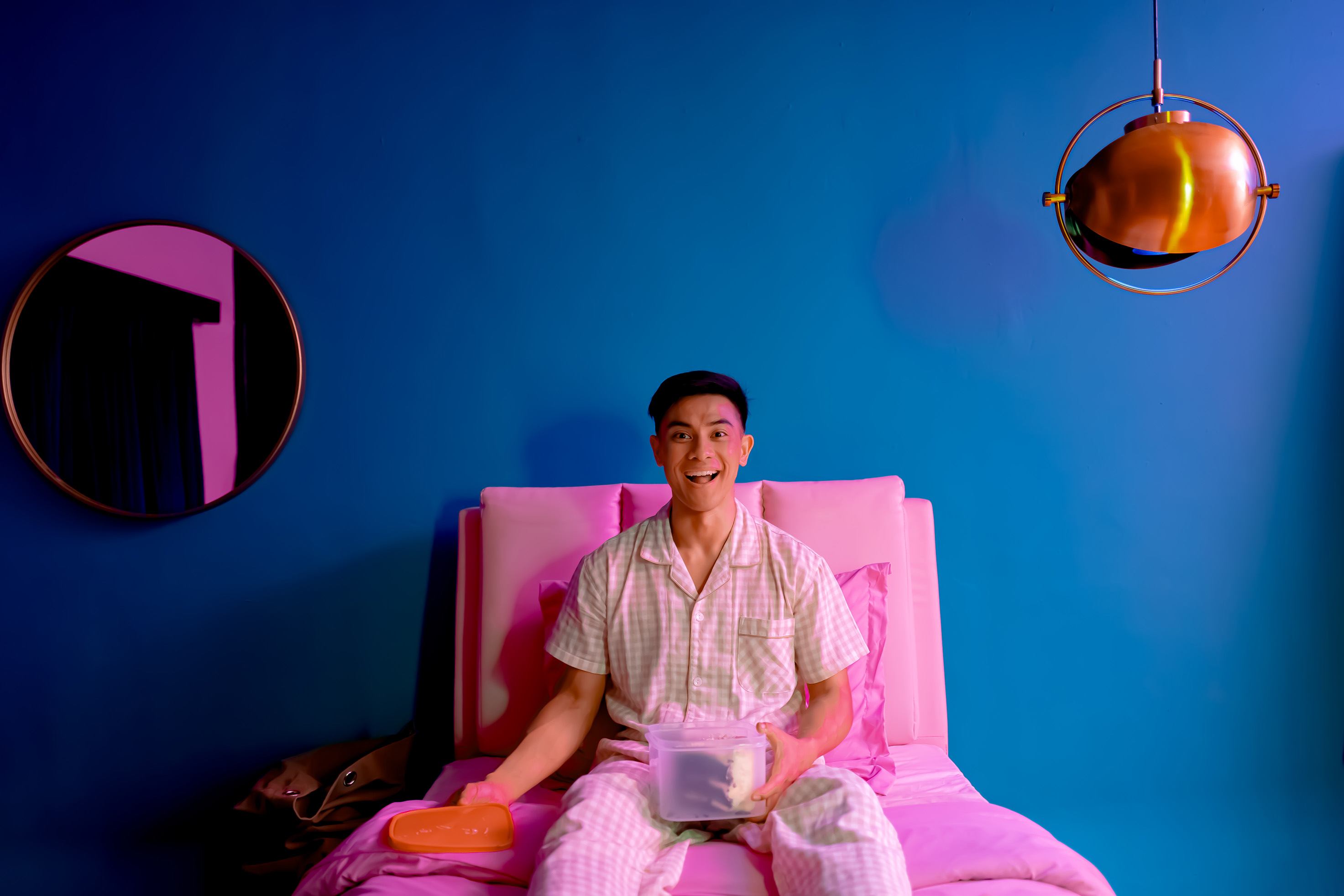
  • Tiong Bahru Social Club – an earnest young man experiences an existential crisis while living in the “happiest neighbourhood in the world” in Tan Bee Thiam’s whimsical satire. Review.

Taiwan

  • As We Like It – a romantic exile meanders through an internet free corner of Taipei in Chen Hung-i & Muni Wei’s all-female adaptation of the Shakespeare play. Review.
  • Days Before the Millennium – epic drama following the lives of women who migrated to Taiwan from Vietnam in the 90s to the present day.
  • Execution in Autumn – Taiwanese “Healthy Realism” classic from Li Hsing in which a condemned man marries an orphan while in prison in order to preserve the family line. 
  • Listen Before You Sing – cheerful dramedy set within the indigenous community as a plan is hatched to save the local school from closure through winning a singing competition.
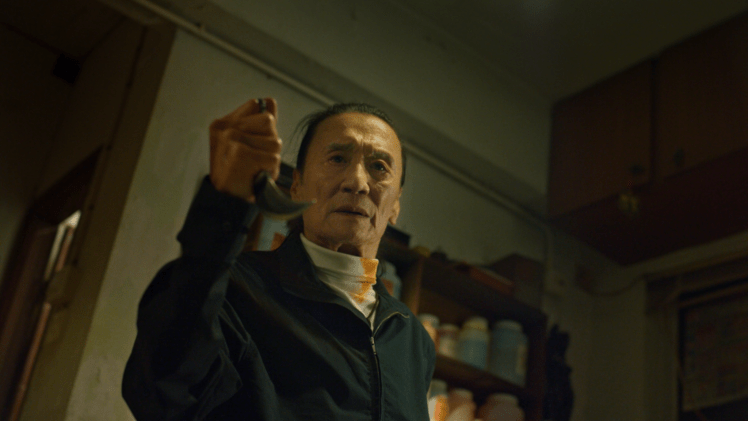
  • The Moon Represents My Heart – a Taiwanese Argentinian man travels to Taipei with questions of his father’s murder.
Thailand

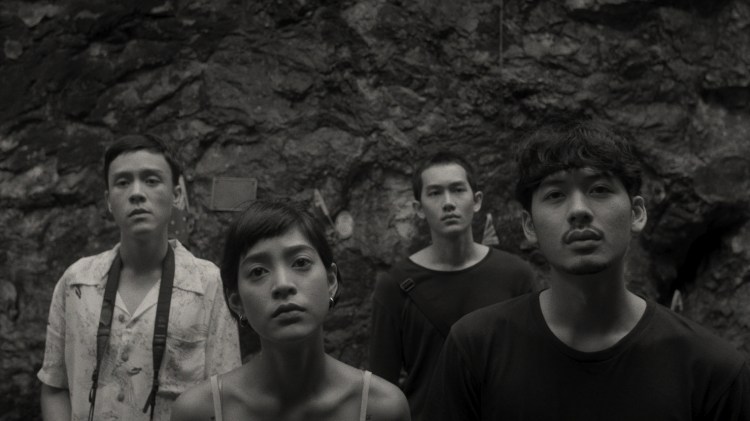
  • Come Here – a group of artists contemplates the remains of the “Death Railway” in Anocha Suwichakornpong’s experimental drama.
  • Memoria – shooting outside Thailand for the first time, the latest from Apichatpong Weerasethakul stars Tilda Swinton as a woman visiting her sister in Colombia and becoming captivated by the local soundscape.

The San Diego Asian Film Film Festival runs Oct. 28 to Nov. 6 at venues across the county. Full details for all the films are available via the official website where you can also find ticketing links and screening information, and you can keep up with all the latest news by following the festival on Facebook, Twitter, Instagram, and YouTube.

Dear Tenant (親愛的房客, Cheng Yu-Chieh, 2020)

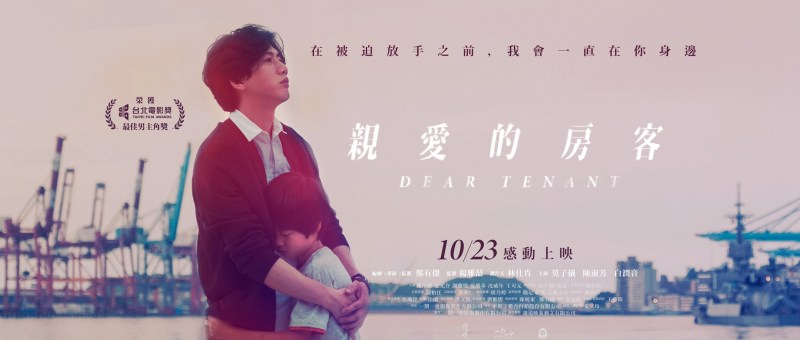
Taiwan introduced marriage equality in 2019 and is often regarded as the most liberal of Asian nations but that does not necessarily mean that it’s free of prejudice or homophobia whether internalised or otherwise. Cheng Yu-Chieh’s melancholy family drama Dear Tenant (親愛的房客, Qīn’ài de Fángkè) begins in fog, mirroring it seems the hero’s sense of numb confusion consumed as he is with guilt and grief but also perhaps reflecting the miasma of his life in which he is forced to remain silent, prevented from fully expressing himself by a persistent sense of shame and anxiety. 

Chien-yi (Mo Tzu-yi) has been caring for his mother-in-law Mrs. Chou (Chen Shu-fang) and Yo-yu (Bai Run-yin), the son of his late partner Li-wei (Yao Chun-yao), for the past five years, but is described by them merely as a “tenant”, a lodger occupying the upstairs annex not really part of the family. His liminal status is fully brought home during the New Year dinner which he cooks and serves but, as Li-Wei’s brother Li-gang (Jay Shih) has decided to make a rare visit home from an extended stay in China, later excuses himself from as if he were the help not entitled to sit at the family table. Mrs. Chou, meanwhile, grumpily invites him to stay low-key resentful of Li-gang suspecting he’s only come to ask for more money, suspicions which are deepened after he starts talking about retirement apartments. When Mrs. Chou passes away suddenly a few months later Li-gang returns again and is both annoyed to learn that Chien-yi has already adopted Yo-yu and distressed to realise that his mother put the house in Yo-yu’s name which means he’s not getting the inheritance he assumed would be his. Consequently, he accuses Chien-yi of killing his mother to get his hands on the house, a series of events complicated by the autopsy report which suggests Mrs Chou’s death may have been hastened by over medication. 

A shy and reticent man, Chien-yi perhaps has reasons for his silence and his reluctance to speak openly with the police, who are needlessly aggressive and belligerent in their treatment of him, is easily understandable. Questioned by the relatively sympathetic prosecutor he is pressed about his “relationship” with the family and remains somewhat coy, later explaining that Mrs Chou had asked him not to tell Yo-yu that he and his father were lovers continuing to refer to him only as her “tenant” even as he took care of the household. The prosecutor asks him why he didn’t leave after his lover died, a question Chien-yi rightly feels to be absurd asking her if she’d ask the same question of a woman who stayed to look after her husband’s family after her husband died. Of course she wouldn’t, it would be ridiculous and insensitive.

It’s impossible to escape the sense that Chien-yi falls under greater suspicion solely because of his sexuality, the lead police officer quite clearly getting a bee in his bonnet about this particular case. They find him evasive and uncooperative, insensitive to the reasons he may have not to trust them that are later justified by their treatment of him as they again make moral judgements about his use of a dating app they likely would not make if he were picking up women though they might perhaps make of a woman in the same situation. Incongruously hanging out in a gay bar they hassle a former hookup who happens to be a drug user, blackmailing him into incriminating Chien-yi while Li-gang has Yo-yu taken to a psychiatrist in the suggestion that he may have been abused, explaining that he doesn’t want him raised in an “abnormal” environment. Chien-yi finds himself in handcuffs less for the alleged crime than for being a “suspicious” person who must surely be guilty of something even if it’s only his existence. 

It doesn’t seem to matter that Chien-yi tenderly cared for Mrs Chou even while she rejected him, angrily sniping that no matter how good he is to her it won’t bring her son back, or that he’s the only father the nine-year-old Yo-yu has ever really known having lost Li-wei when he was only four, he is condemned for his silence and his “secrets” ostracised by the previously warm parents at the piano school where he teaches after being outed by the insensitive police investigation. Consumed by grief and guilt he does his best to care for Li-wei’s family in his place, but is continually othered by a society which recognises him only as a “tenant” denying him his rightful place as bereaved spouse and step-father. As the melancholy ending perhaps implies, justice and equality are still very much works in progress even a rapidly liberalising society. 


Dear Tenant streams California until May 2 as part of San Diego Asian Film Festival’s Spring Showcase.

Original trailer (English / Traditional Chinese subtitles)

My Missing Valentine (消失的情人節, Chen Yu-Hsun, 2020)

“There’s a lot you don’t remember” the heroine of Chen Yu-Hsun’s quirky rom-com My Missing Valentine (消失的情人節, Xiāoshī de Qíngrénjié) is advised by a mysterious dream gecko arriving with clues retrieved from her subconscious to guide the way towards her romantic destiny. He also tells her that love is a matter of self-hypnosis, and in a sense he might be right in that what Hsiao-Chi (Patty Lee Pei-Yu) apparently needs is a time out, quite literally, to enable her gain a slightly different perspective in order to make peace with the half-remembered past and repair her fracturing sense of self. 

At 30, Hsiao-chi laments that she’s always been slightly out of sync with the world around her, perpetually racing ahead, laughing before the punchline and caught with her eyes closed in photographs. She blames this case of bad timing for her continued romantic failure along with the sudden disappearance of her father ten years previously who went out for tofu pudding and never came back. When she joins in with a dance class in the park and is courted by the handsome teacher (Duncan Chow) who asks her out on Chinese Valentine’s Day she thinks her luck is beginning to change, but when she wakes up with a mysterious sunburn and is told Valentine’s has been and gone she’s left only with a sense of existential confusion. 

As the gecko implies, Hsiao-chi’s existence is defined by the things that she’s “lost”, be they fathers, orphaned memories, or an entire day. The sunburn at least tells her that she experienced Valentine’s outdoors, only she has no memory of it, while she later comes across a photo of herself, unblinking, taken in a place in which she’s sure she’s never been. As it happens, the sweet and funny explanation has its unpalatable qualities, Hsiao-Chi quite literally manipulated without her knowledge or consent unwittingly on an awkward “date” while in a catatonic state but nevertheless guided back towards the hidden secrets of her past the discovery of which will eventually allow her to shift into sync with the world around her.

Meanwhile she remains hopelessly smitten with the improbably suave dance teacher, falling for his obvious scam as he sells her a sob story about his traumatic past and an orphan with a heart condition only for her to ironically suggest they enter a three-legged race in an effort to get money to help her. She resents her pretty colleague at the post office (Joanne Missingham), complaining that ability is irrelevant when all anyone cares about is the superficial while presented with a series of eccentric characters including a chubby guy in search of a wife and a pervert professor, lowkey dismissive of a young man she refers to as the “weirdo” (Liu Kuan-ting) who comes in every day to mail a letter. Living in a rundown house share with another set of unusual people, she penny pinches for all she’s worth while listening to a sympathetic talk radio host and dreaming of romantic fantasy. Ironically what she finds is that she needs to slow down, see things from a different perspective not quite as “superficial” or judgemental as she’s hitherto been while opening herself up to receiving the messages from her past she’d long forgotten were even waiting for her. 
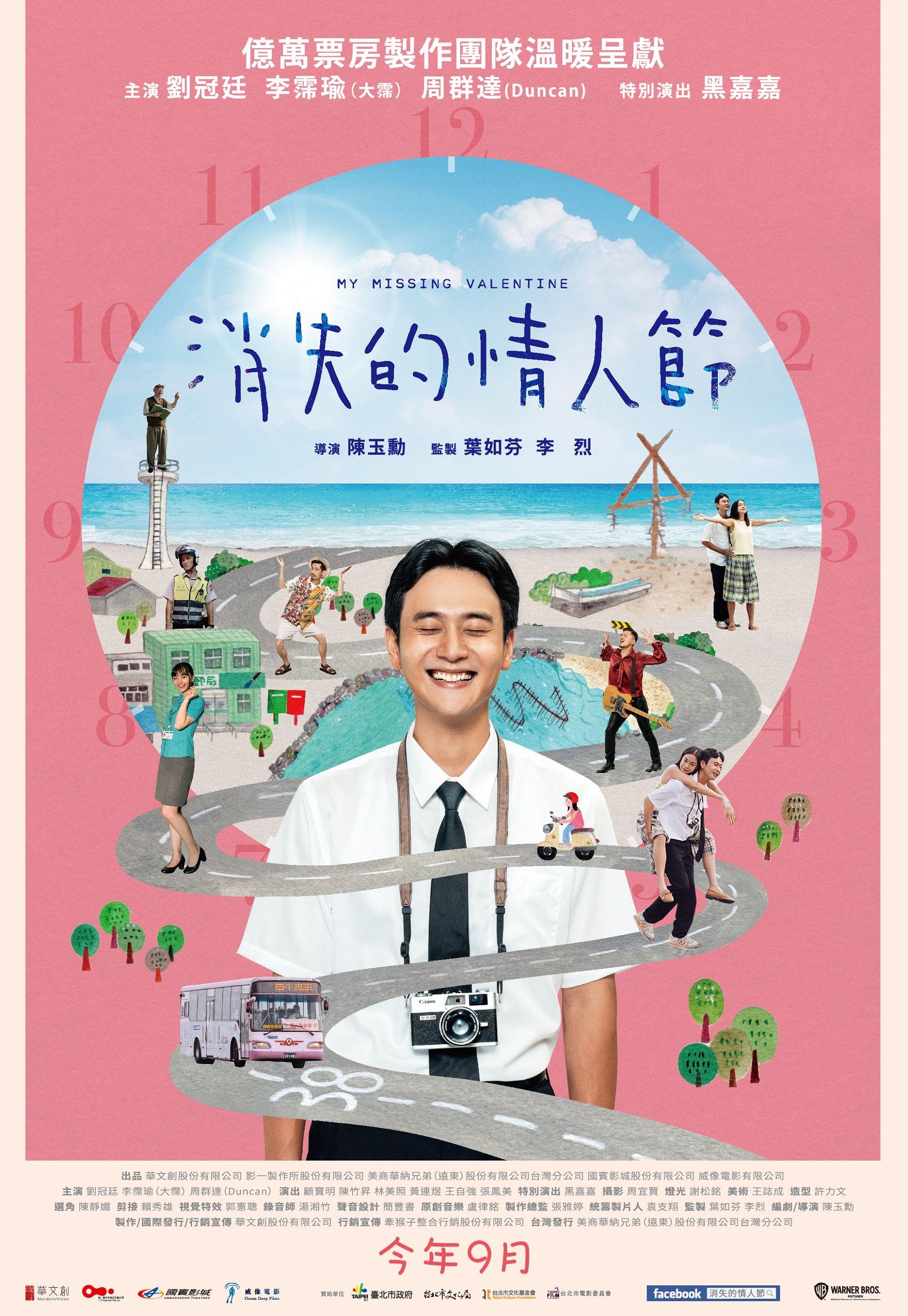
With its retro colour scheme and quirky worldview, Chen’s charmingly sophisticated screenplay marries an intriguing puzzle box structure with a genuine sense of existential questioning as Hsiao-chi ponders the nature of loss wondering if it’s really possible to mislay an entire day even trying to report it to the police as stolen while wondering if her new “boyfriend”, also missing, is more than mere romantic fantasy. The irony is that Hsiao-Chi works at the post office but struggles with communication, finally discovering she can only unlock the secrets of her past through the recollections of others, adding their perspective to her own in order to complete the panorama of their lives and allowing her interior mantra to shift from “love yourself because no one else will” to “love yourself because someone out there loves you”. Hsiao-Chi’s missing Valentine is in many ways the one to her herself as she rediscovers a sense of self-acceptance while finally finding her rhythm in sync with the world around her as she resolves to wait for love hopeful that it too will eventually catch her up. 


My Missing Valentine streams California until May 2 as part of San Diego Asian Film Festival’s Spring Showcase.
Original trailer (English subtitles)

Fan Girl (Antoinette Jadaone, 2020)

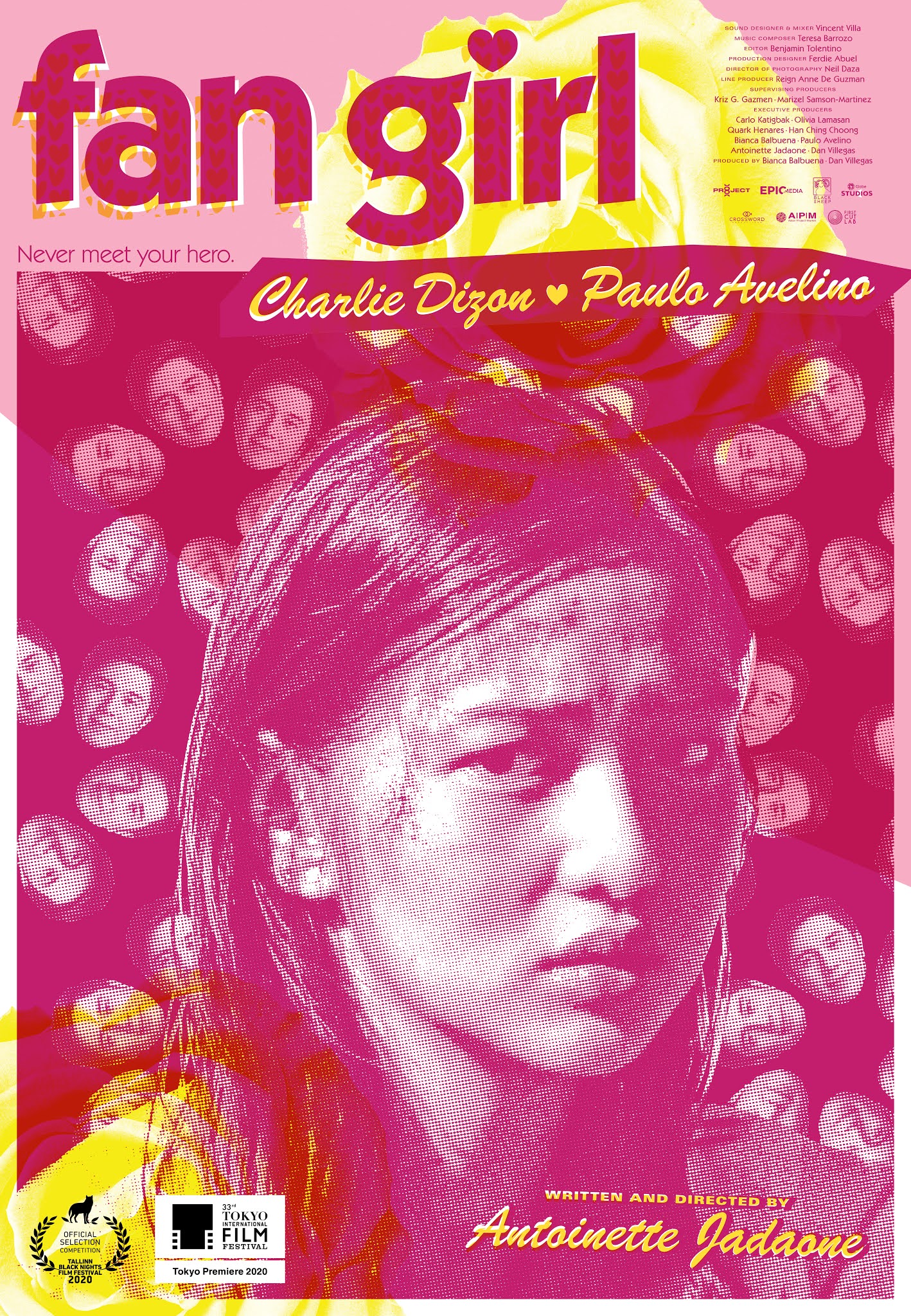
Never meet your heroes is the conventional wisdom, and for good reason in that nobody’s perfect and when you place someone on a pedestal they can’t help but disappoint you when they step down. For the heroine of Antoinette Jadaone’s Fan Girl, however, the clash between her youthful escapist delusions and the ugly truth that lies behind them is more than just a cautionary tale about the commodification of the human image exposing the unpleasant duplicities of a fiercely patriarchal, misogynistic society that those escapist images both mask and reinforce. 

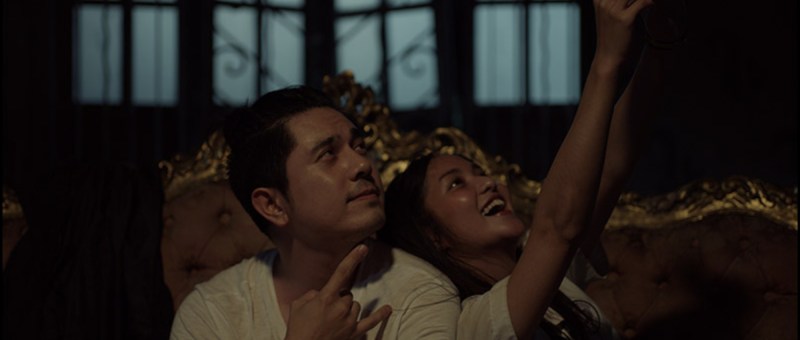
16-year-old Jane (Charlie Dizon) is completely obsessed with rom-com star Paulo Avelino (playing a heavily fictionalised version of himself), bunking off school to attend a publicity event at a local mall at which he and his co-star Bea Alonzo (also playing “herself”) with whom he is apparently in a real relationship are set to appear to promote their latest movie. In the ensuing crush, Jane manages to slip away from the crowd and stowaway on a pickup truck that improbably enough belongs to Paulo who will be driving himself away from the event. Excited in her illicit adventure, Jane snaps candid picks of her crush peeing on the roadside scandalised by the realisation that she’s glimpsed his intimate area, zooming in on her pic while messaging her friend to share the news that Paulo is “a biggie”. Soon after, however, she falls asleep and when she wakes up it’s already dark. The truck has arrived at a creepy gothic mansion out in the country. She thinks she sees Paulo beckon her inside and jumps the gate, only the figure she spots on the upstairs balcony doesn’t match the idea of the romantic prince in her mind nor is he very excited to see her. 

To begin with, perhaps our sympathies are all with Paulo unwittingly stalked by this obsessive teenage fan who’s already invaded his privacy and feels herself entitled to his attention solely because of her devotion towards him. Yet we also fear for her, in the beginning at least Paulo is careful to rebuff her youthful romantic feelings and shows no signs of taking advantage of a naive teenager in the way some other stars might. In this situation of mutual threat, we can’t be sure who is most in danger, the vulnerable star struck fan or famous actor pursued by crazed stalker. 

Nevertheless, Paulo is quickly stripped of his star appeal, his gentlemanliness undercut by his constant insistence that “this can’t get out” eventually knocking Jane’s phone out of her hand as she takes a selfie next to his sleeping face lest she post it online and cause a scandal. As soon as he climbs inside his pickup truck he begins to shed his star persona, wiping the makeup from his face complaining they’ve made him look “like a faggot”, pausing only when stopped by police who immediately let him off after getting him to sign one of the many posters he has on hand for their lovestruck teenage daughter at home. Sitting in the back Jane can perhaps hear his constant swearing, but it doesn’t seem to penetrate. When she calls out his name in the villa she finds him shirtless, slightly pudgy with a lewd tattoo of a cobra woman on his back, his long hair greasy as he snorts cocaine from his curled fist. 

Paulo appears to live in the mansion but its gates remain permanently locked as if he doesn’t carry the key while the place is almost devoid of furniture, creepy its dusty emptiness. Perhaps it in a sense reflects his sense of self, somewhat hollow and ill-defined. Unravelling throughout his night with Jane he hints at a sense of impotence and despair, that he’s a slave to his image and in a sense no longer exists. The image Jane has of “Paulo Avelino” is entirely created by the marketing department, as is his apparently fictitious relationship with Bea, while he inhabits this shabby castle like a moody vampire apparently in love with a local woman who bore his child but is married to someone else. His lover later complains he treats her “like a whore”, stopping by only when he feels lonely or unfulfilled but apparently unready or unwilling to take real responsibility. 

Nevertheless, the scales do not fall from Jane’s eyes for quite some time. We gradually realise that her warm romantic fantasies are a displacement activity masking her fear and her sorrow over all the men who have already betrayed her. We might ask if her mother isn’t wondering where she is, but she later calls only to complain about her abusive boyfriend who hasn’t returned home fearing he is with another woman. Jane recalls seeing her estranged father who abandoned her with his new family, perhaps reflecting on Paulo’s complicated familial situation while clinging fiercely to the image of “Paulo Avelino” from the movies, a sensitive, romantic man who’s not afraid to cry. But underneath it all the real Paulo is just as much a product of toxic masculinity as any other man, a closet misogynist who thinks all women are “whores” and reacts with violence when his authority is challenged.  

Jane keeps insisting that she isn’t a kid anymore, consciously acting older drinking and smoking to perform the role of a mature woman, but finally comes of age only when all her illusions are shattered realising that Paulo is just another violent, abusive, man child resentful of his own insecurities. Returning home she surveys her pinups of him with a sense of regret, now denied even this small refuge of fantasy from the realities of her existence. Yet now she truly is no longer a child, angry but also realising that she doesn’t have to simply accept it in the way her mother has done resolving to seize her own agency though it remains unclear what kind of consequences if any her act of resistance may eventually provoke. A dark exploration of the interplay between fan and idol, the duplicities of image, and the persistent harm of an authoritarian patriarchy as evoked by the ubiquitous Duterte posters, Antoinette Jadaone’s nuanced drama paints a bleak portrait of the contemporary society but ends perhaps on a brief note of hope if also of tragedy as Jane smokes her cigarettes, not a kid anymore. 


Fan Girl streams in the US until May 2 as part of San Diego Asian Film Festival’s Spring Showcase.
Original trailer (English subtitles)

Letter to an Angel (Surat untuk Bidadari, Garin Nugroho, 1994)
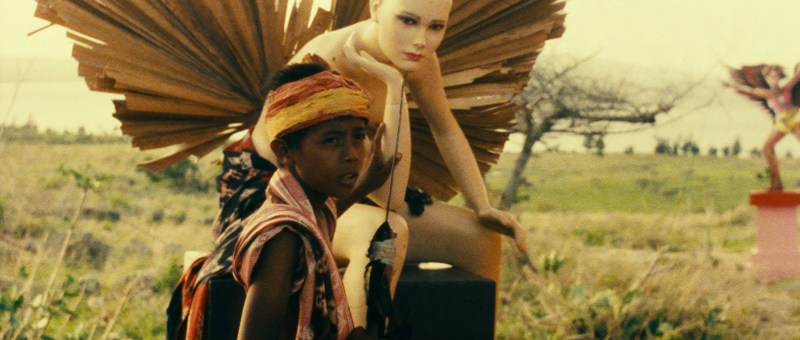
A lonely, motherless child’s infinite “curiosity” threatens to destabilise the intensely traditional world in which he lives in Garin Nugroho’s melancholy Sumba fairytale, Letter to an Angel (Surat untuk Bidadari). Taking ownership of a borrowed camera, the boy seeks instant images in order to make sense of his existence and thereafter to explain the way sees the world to those around him, but often finds that his messages go unheard while his society finds itself pulled towards a fractured modernity anchored by corrupted male authority. 

At nine years old, Lewa (Windy) is in a way no one’s child and everyone’s. While his father works his land, Lewa rides his horse or spends time with the local women in search of echoes of the mother he lost in infancy. Somewhat literal, he finds it difficult to follow his Indonesian textbook, stumbling over the simple phrase “this is my mother” which might under the circumstances be an insensitive sentence at the best of times, but in this case because the illustration is of a typical Indonesian woman rather than a woman from his community and does not resemble him or the image he had in his mind of his mother. Asking his father about her elicits only partial history as he shows him the wreckage of the bus accident in which she died, Lewa becoming mistakenly fixated on the poster of Madonna (in name at least literally “the mother”) pasted on the side, snapping it with a polaroid camera gifted to him by a sympathetic travelling performer. 

“Pictures show reality” he muses, talking to another of his maternal figures, Berlian Merah (Nurul Arifin), the village’s most beautiful woman. Beauty can, however, be a curse though she perhaps won’t quite know that. Evil local big wig land grabber and Elvis obsessive Kuda Liar (Adi Kurdi) desires her and so manoeuvres to have her husband killed. Not content, he later goes after Lewa’s other mother figure, the school teacher who told him of an angel who could heal the sick and bring the dead back to life. Muddling images in his mind, Lewa skips school and writes letters to the angel as if she were his mother, looking for comfort and guidance but finding little more than frustrating silence. Kuda Liar hassles his father for his land, and his mothers for their bodies, thinking nothing of throwing little Lewa himself off a cliff simply for the crime of existing. 

Yet Lewa is repeatedly saved by his village chief who insists that Lewa is a good kid and being “curious” is no bad thing. It’s that curiosity, however, that repeatedly gets him into trouble, especially when he takes a photo of something he shouldn’t and offends a neighbouring village, triggering a long dormant feud into a moment of mass violence. “I don’t understand why I’m told I’m a bad person when all I wanted was to show my father’s real face” he writes in a letter on another occasion, unable to understand why others are not curious in the same way as he is, unwilling to see his version of the truth as mediated by the “reality” of his photographs. 

Garin Nugroho too is determined to capture a certain kind of “reality” of the lives of the islanders as they practice their traditional culture, including footage of a series of rituals as they are performed complete with bloody acts of animal cruelty while Kuda Liar is at least forced into performative contrition in a “ceremony of forgiveness” for throwing Lewa off the cliff (into water, he is unharmed), demonstrating the way such ceremonies are used to mediate disputes within the community unlike the more “civilised” trial which occurs at the film’s conclusion, charged with discerning a more concrete notion of “reality” but in actuality setting out to prove a preconceived narrative, unwilling to hear the truths of others. It’s this contradictory authority that Lewa struggles to parse, looking desperately for his mother while inheriting only problematic visions of masculinity from his distant, angry father, to the “mad” uncle Malaria (Fuad Idris), and the cruel eccentricity of Kuda Liar. Eventually it imprisons him with the notion that he must be “rehabilitated”, presumably to become less “curious”, taking away from him the means to define his own reality for himself but allowing him perhaps to find that which he had been looking for.   


Letter to an Angel streamed as part of this year’s San Diego Asian Film Festival.

Trailer (English subtitles)

Love and Death in Montmartre (蒙馬特之愛與死, Evans Chan, 2019)

It’s difficult to believe, in some ways, that the world could have changed so much in just a couple of decades. Qiu Miaojin gained a cult following and widespread acclaim as an openly gay defiantly lesbian writer in the early ‘90s, but sadly took her own life in Paris at the age of 26 in 1995. Hong Kong director Evans Chan’s Love and Death in Montmartre (蒙馬特之愛與死) expands his 2017 documentary which aired as part of TV series celebrating Sinophone writers and though he claimed not to have been much interested in Qiu as a personality, explores her life, love, and legacy from the perspective of a Taiwan which has now become the first Asian nation to legalise same sex marriage. 

The film’s title is inspired by Qiu’s final novel completed shortly before her death in exile in Paris. Though she became well known as an out lesbian writer publishing under her own name as a woman who loved women, Qiu, the documentary implies, never actually came out to her family and eventually fled a Taiwan which had recently entered into democratic freedom but was nevertheless still conservative and socially oppressive. In Paris she looked for freedom artistic and personal, but continued to struggle with herself in her internal contradictions which were also in a sense provoked by a hostile society. 

Interviewed 25 years later, many of Qiu’s friends and contemporaries point out that she preceded rather than participated in the burgeoning LGBTQ+ movement which only began to gain ground after her death, but that her work nevertheless helped to raise visibility and acceptance of lesbianism in Taiwan and beyond. Lacking a language to describe herself, her slightly ironic adoption of the term “Lazi” for lesbian was adopted by women who love women in Taiwan, in turn inspiring the Mainland’s “Lala”. As another interviewee suggests, Qiu’s work was also ahead of its time in giving voice to the author’s anxiety in the impossibility of defining gender, at times longing to be made entirely male or entirely female while evidently feeling neither term entirely fitted only later claiming to have discovered an integrated self in the depths of her heartbreak. 

An actor Qiu met university who subsequently starred in one of her short films excerpts of which are included in the documentary recalls her anxiety that repressed emotions once unleashed have the capacity to consume, and in her case at least this may have been the truth. Close friends recall the self harm scars on her arms where she burned herself with cigarettes following the end of a relationship, consumed by her own need for all encompassing passion yet also filled with self-loathing. Perhaps tellingly and presumably for reasons of privacy, her lover at the time of her death does not appear in the documentary which goes out of its way to avoid naming her beyond the “Xu” which appears in her letters, Qiu attributing their breakup to her “intensity” which had unfortunately turned violent further contributing to her sense of shame and instability. 

Yet the translator of Last Words from Montmartre advances that Qiu’s suicide was also in a sense a literary act, the culmination of an artistic life in the tradition of tragic authors she had admired such as Osamu Dazai or Yukio Mishima. Another friend wonders if she might have been suffering from bipolar disorder, while her former professor reflects on her decision to adopt the name “Zoe” while in Paris, a name which itself means “life”. In Taiwan Qiu had worked for a suicide hotline, yet eventually took the decision to die. Qiu’s work cannot indeed be divorced from the manner of her death, but nor can its legacy be denied in contributing to the birth of a movement that she sadly did not live to see.

Including clips from Qiu’s short films and excepts from a short inspired by Qiu’s life directed by bisexual Shanghainese filmmaker Lotte Yue, as well as reenactments featuring Qiu dressed alternately as a crocodile as in her famous novel or as a veiled ghost, Chan charts her artistic legacy through Asia and beyond with recent translations of her novels into French and English, but also juxtaposes the oppressive society she struggled to escape with the comparatively more liberal world of today which she perhaps even in the tragedy of her life and death helped to bring about. 


Love and Death in Montmartre streamed as part of this year’s San Diego Asian Film Festival.

Original trailer (English subtitles)

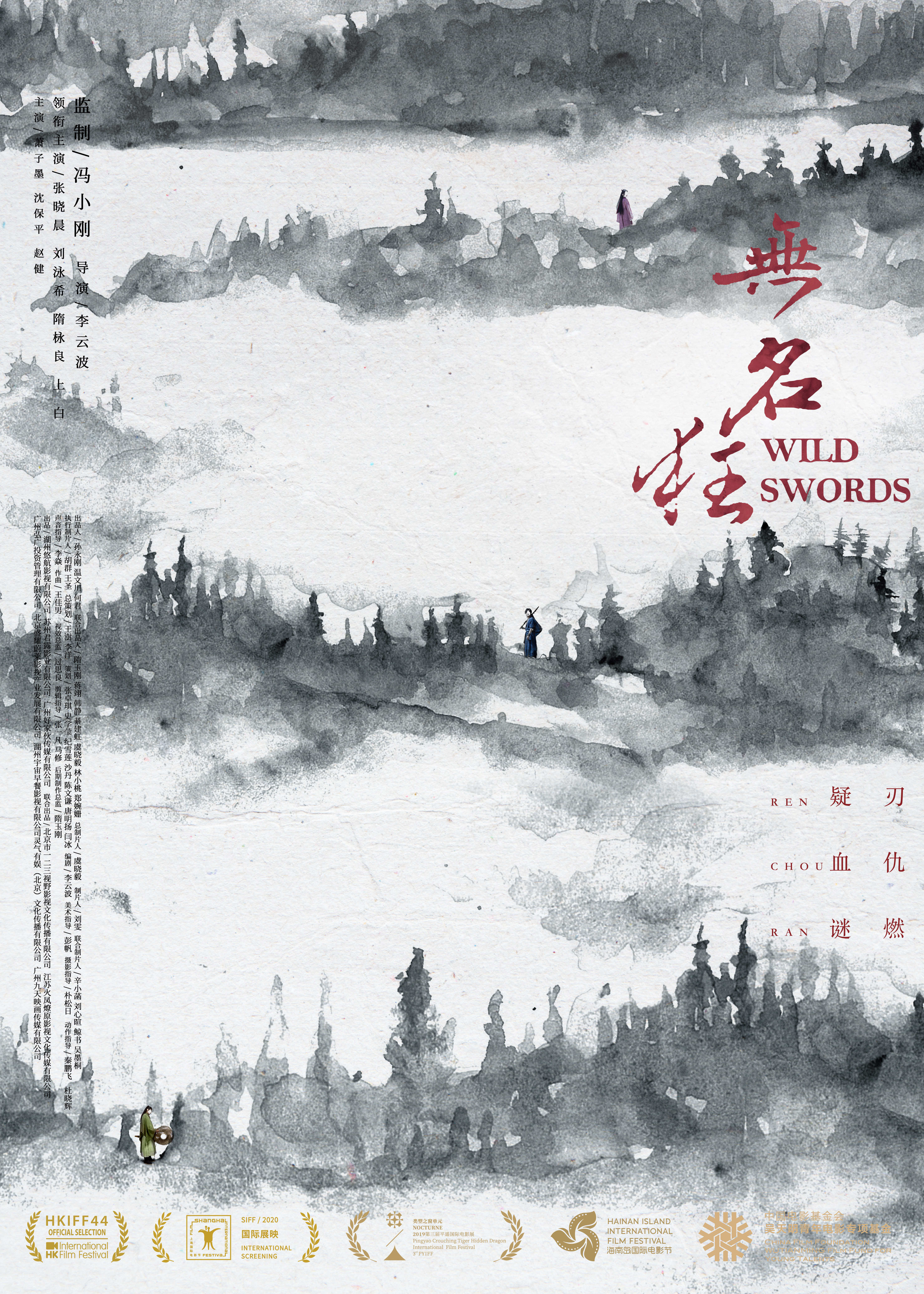
Wild Swords (无名狂, Li Yunbo, 2019)

Indie and wuxia might not be words that neatly fit together in the minds of many who perhaps associate the genre with lavish costumes and elaborate sets, but it is in essence one which values simplicity and innovation. Produced by Feng Xiaogang and financed through crowdfunding, Li Yunbo’s Wild Swords (无名狂, Wúmíng Kuáng) is a classic jianghu tale of warring sects, intrigue, and moral ambiguity that makes the most of its shoestring budget through striking cinematography and beautifully choreographed action sequences while spinning a complex tale of misdirected vengeance and fractured identity. 

Told largely through a series of Rashomon-esque conflicting flashbacks, the bulk of the action follows bandit Wang Yidao (Zhang Jian) who is made an offer he can’t refuse to escort a valuable prisoner, Kuo Chang-sheng (Zhang Xiao-chen), to an unnamed destination. Yidao didn’t want to take the job because he thinks it’s more trouble than it’s worth, and events will prove him right. The reason Chang-sheng is a wanted man is that he’s connected to the legendary Chang Wei-ren (Shang Bai) whom just about everyone wants to find, not least for his involvement in the death of the heir to the Tang-Men, the rival clan he holds responsible for the destruction by poison of his own Nameless sect. Eventually Yidao becomes aware that his mysterious client is Bai Xiaotian (Sui Yongliang), another former member of the Nameless who is looking for Wei-ren for purposes of revenge.

The Tang-Men are well known as master poisoners, a plot device frequently employed and eventually wreaking psychological havoc on the central three as Xiaotian reveals that the greatest Tang-Men technique allows the user to change their appearance leading him to believe that any one of them, including perhaps himself, could actually be Wei-ren in “disguise”. Meanwhile, he outlines his time among the Nameless, resentful of Wei-ren who rivalled him in swordsmanship and it seems love. Chang-sheng, however, has quite a different version of events apparently relayed to him by Wei-ren whom he now believes to be dead. Yidao knows not who if anyone to believe, but has little time to think about it after becoming swept up in the Tang-Men’s quest to chase down Wei-ren. 

Perhaps slightly subversive, Wei-ren’s version has him both becoming weary of the heartless philosophy of the Nameless while simultaneously painting them as the good guys who refused to lackey for an authoritarian government which ironically requested their assistance in getting rid of “evil factions”. Xiaotian sees his rival as a lazy goofball, his lack of application only fuelling Xiaotian’s resentment towards him, yet Wei-ren sees himself as a sensitive loner who looked to the sect for a family only to find merciless ruthlessness in which all are disposable aside from the chosen one. As he tells Xiaotian, when you climb to the summit of martial arts, all you see is the abyss waiting below and no matter how fast you think you are, there is always someone faster. The ones who die are the ones who hold back.  

Wringing genuine intrigue out of its complex, conspiracy-laden narrative, Wild Swords is careful to make space for the genre essential fight in a teahouse which also introduces us to the pretty boy villain of the Tang-Men, Wuque (Eric Hsiao), as he relentlessly stalks his prey in order to gain revenge for the murder of the Tang heir. Caught up in their identity drama, the three men begin to realise the futility and meaninglessness inherent in the world of jianghu in which there is only the “bitterness of life”. They are each one and the same, sole survivors of a vanquished clan carrying the weight of those they failed to protect. Beautifully lensed and set against the majestic natural scenery, Li Yunbo’s slightly revisionist take on the classic wuxia finds its conflicted heroes at war with themselves pursuing misdirected vengeance against those they blame for their loss while wilfully misunderstanding the cause of all their suffering as they pursue their jianghu destiny to its natural conclusion. 


Wild Swords streamed as part of this year’s San Diego Asian Film Festival.

Teaser trailer (dialogue free)

The Reason Why I’m Home (回家的理由, Chang Ming Yu, 2019)

How do you learn to forgive after family tragedy? That’s a question Chen-yun the heroine of Chang Ming Yu’s documentary The Reason Why I’m Home (回家的理由, Huíjiā de Lǐyóu) begins to ask herself as she tries to come to terms with an extremely traumatic history while preparing to become a mother. As a close friend of his subject, Chang is both companion and chronicler, a quietly supportive presence as Chen-yun navigates these extremely difficult emotional waters, but also prompting her to think more deeply about the concept of family at the exact moment in which she begins to found her own. 

The reason Chen-yun returns home after a five year absence is that she is told her younger brother has been taken seriously ill. In fact, as it turns out he has passed away, apparently beaten to death by members of the cult her mother Fen-chueh belonged to though she also claims he had become a drug user. Fen-chueh accepts responsibility for her son’s death, but is said to have been under control of the cult’s crazed leader Chen-miao who according to Chen-yun brainwashed her brother to make him believe he was a bad person. Chen-yun suspects that like her he eventually wanted to leave but was unable to and was subsequently killed. She harbours a degree of guilt that she chose to leave him behind, telling him only that she was leaving to look for their father who had already escaped the cult. 

Expecting a baby with her policeman husband, Chen-yun is forced to deal with the fallout from the scandal of her mother’s crime, hounded by press determined to interview her about the case. Chen-yun’s father, technically the plaintiff in the case against Fen-chueh, signals his intention to sever ties with his former wife and advises Chen-yun to do the same while also telling her not to seem too happy which seems like an unfair request when she’s about to give birth to new life. After all as she puts it, life goes on. She hasn’t forgotten about her brother but you can’t go on mourning forever. Nevertheless, despite her earlier animosity in which she hinted that her mother had been abusive in her childhood and refused to say when questioned whether or not she still loved her, Chen-yun finds herself ringing Fen-chueh when she needs someone who can sign papers on her behalf at the hospital while her husband is unavailable. As healing an act as that might seem to be, it also has its share of awkwardness, a nurse accidentally asking a series of tactless questions necessary for the admission forms such as how many siblings Chen-yun has along with other details her mother is assumed to know but does not. 

Given what we know of her family background, it is perhaps surprising that Chen-yun continues to allow Fen-cheuh back into her life, even asking her to look after her baby son. Nevertheless in the brief time before Fen-chueh must report to serve her four-year prison sentence, Chen-yun begins to repair their fragile maternal bond, coming to understand her mother a little more now that she has become a mother herself and perhaps learning to forgive her for her role in her brother’s death. “No one taught us how to be parents” Fen-chueh later confesses to Chang in a private interview, having realised that though she thought she was doing the best for her daughter she may only have been causing her harm. 

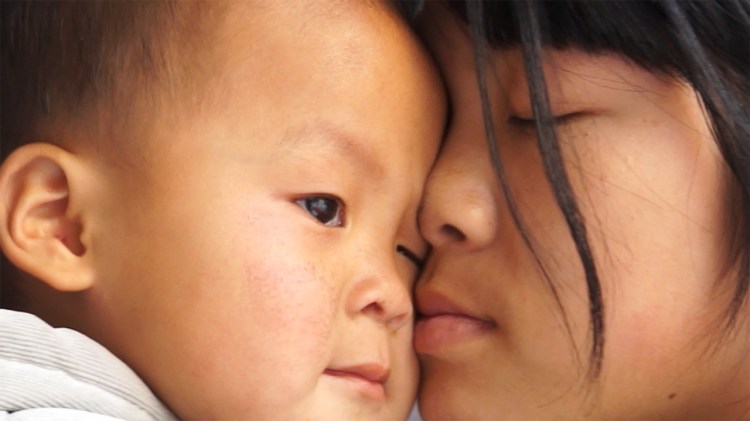
As a new mother Chen-yun cannot help but think of similar questions as she begins to bring up her young son in the midst of her family legacy, taking him with her as she visits her brother’s grave and to visit her mother in the prison so he’ll get to know grandma even while she’s away. Mixing observational footage with brief conversational sessions between a behind the camera Chang and an often emotional Chen-yun, The Reason Why I’m Home focusses not on the tabloid fodder of the crime with its cruel cultists and legacy of abuse but on the slow process of healing as Chen-yun learns to forgive herself and her mother while repairing their fragile family bonds as she does her best to raise her son in love and safety.


The Reason Why I’m Home streamed as part of this year’s San Diego Asian Film Festival.

Original trailer (English subtitles)