Samurai Fury (室町無頼, Yu Irie, 2025)

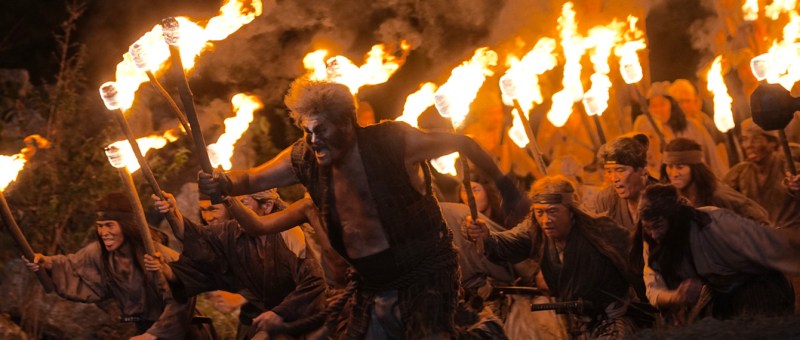
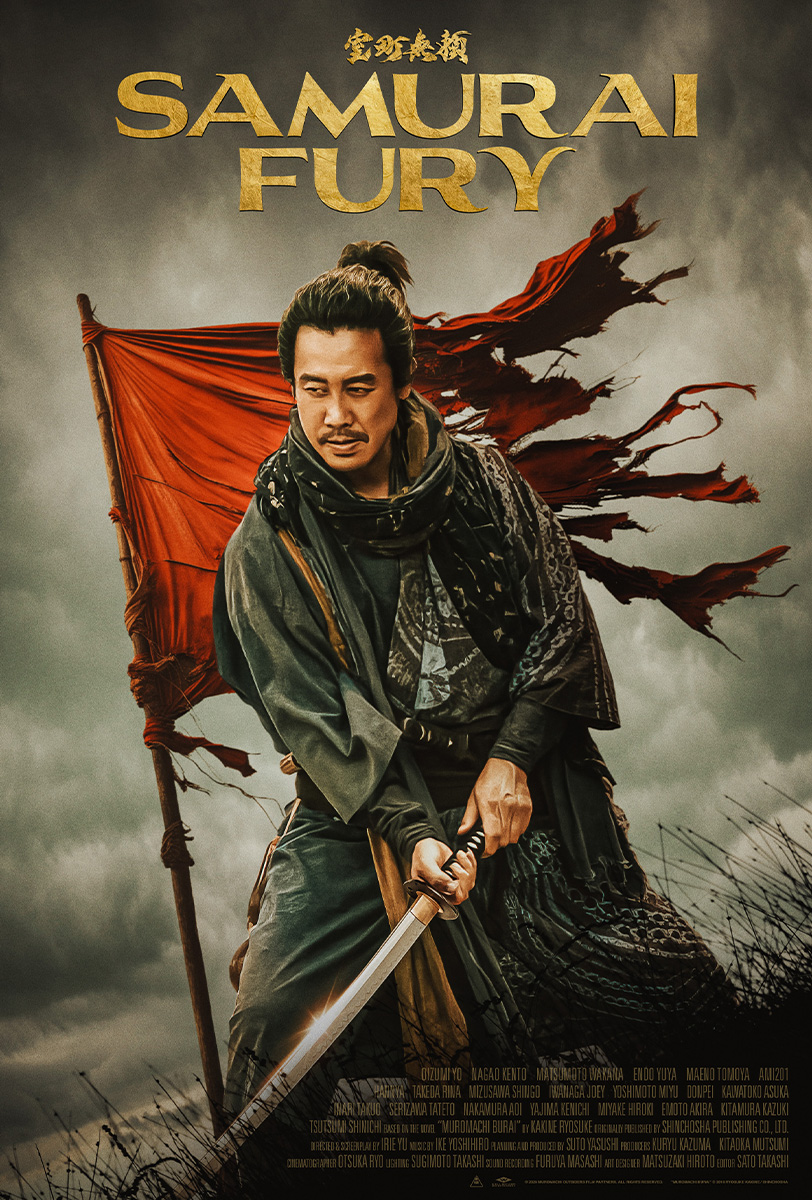
Retitled Samurai Fury (室町無頼, Muromachi Burai) for it’s US release, Yu Irie’s Muromachi Outsiders is indeed a tale of righteous anger though like many jidaigeki the rage is directed towards the corrupt samurai class and wielded by a ronin with a noble heart. Based on a novel by Ryosuke Kakine, it recounts a rebellion that took place five years before the Onin War that would lead to the end the Ashikaga Shogunate and initiate the Sengoku or warring states period that lasted until the Tokugawa era began. 

The cause is, really, the incompetent government of shogun Ashikaga Yoshimasa (Aoi Nakamura) who is largely seen here gazing out at his view from the palace in Kyoto which he is obsessed with rebuilding. Meanwhile, famine has taken hold following a period of drought that ended with a typhoon and flooding of the river Kamo, and the starvation has also led to a plague. Between the lack of food and disease, 82,000 people will die, but the government doesn’t really do anything because they don’t think the lives of peasants are all that important. This is of course very shortsighted because someone has to plant all that rice that gets delivered to the palace and they can’t do that if they’re too busy starving to death. In the opening sequences, peasants are whipped and beaten as they transport a giant rock for the shogun’s new garden, though when it gets there he doesn’t like it. Meanwhile, a giant pile of bodies in approximately the same shape is dumped at the edge of the river where they’re burning the dead.

The farmers are forced to take such onerous jobs for extra money because they can’t produce enough to pay their taxes which the samurai keep putting up. To make up the shortfall, they have to take out loans from usurious monks who seize their property or take their wives and daughters when they can’t pay. A young man pressed into working for debt collectors from the temple is told to kill a man who owed them money but hits the barrel beside him instead and exposes him for keeping his seed grain without which he won’t be able to plant more rice but they’re going to take that anyway which means that in the end everyone is going to starve. A village favoured by the hero, Hyoe (Yo Oizumi), is also subject raids from disenfranchised ronin who’ve taken to banditry to survive. 

Hyoe is also a ronin, but in his life of wandering he’s found a kind of freedom even as he straddles an awkward line, sometimes working with an old friend from the same clan, Doken (Shinichi Tsutsumi), who has turned the other way and is now the security chief for the government in Kyoto with his own gang of bandit dent collectors. Hyoe’s role is, ostensibly, to stop peasant uprisings, which he does, but mostly because he knows they’re pointless and the farmers armed with little more than hoes and stolen armour will simply be massacred, but he’s also secretly plotting a giant rebellion of his own, harnassing the forces of the ronin and the fed up peasants to storm the capital, burn the debt agreements, and rescue the women taken in lieu of payment. 

But to do so means he’ll have to betray his oldest friend and that he likely won’t survive. Still he thinks someone’s got to do something about this rotten world and sees a better one beyond it if only they can throw off the yoke of the samurai class that thinks peasants are the same bugs to squeezed dry under their boots. That’s perhaps why he trains a young successor, knowing that can’t remake the world with just this one assault on the mechanisms of government and that even if they get rid of the drunken fool Lord Nawa (Kazuki Kitamura), someone not all that different will pop up in his place. “Tax is supposed to improve people lives,” one of the revolters screams at a young soldier, not pay for a new wing at the palace, though it’s a lesson the young shogun seems incapable of learning even as the city burns all around him. 

Taking a leaf out of The Betrayal’s book, the climax is a lengthy action sequence in which Hyoe’s apprentice Saizo (Kento Nagao) takes on half the Kyoto garrison single-handed armed only with his staff. Though the themes are common enough for jidaigeki, though in truth jidaigeki mainly refers to films set in the Edo era under the Tokugawa peace, Irie modernises the way battle is depicted to incorporate wuxia-style wirework and rooftop chases along with martial arts training sequences for the young Saizo who learns the way of the warrior from a cackling old man with a long white beard (Akira Emoto) who has also taken in a young Korean woman (Rina Takeda) who was sold to a brothel by her father in just another one of the injustices of the era but has now become a badass archer and another of Hyoe’s righteous avengers. Solidarity is it seems the best weapon, along with biding your time and knowing when to retreat because this is a war that’s never really won but only held back while the powers that be never really learn.


Samurai Fury is released Digitally in the US Oct. 7 courtesy of Well Go USA.

Trailer (English subtitles)

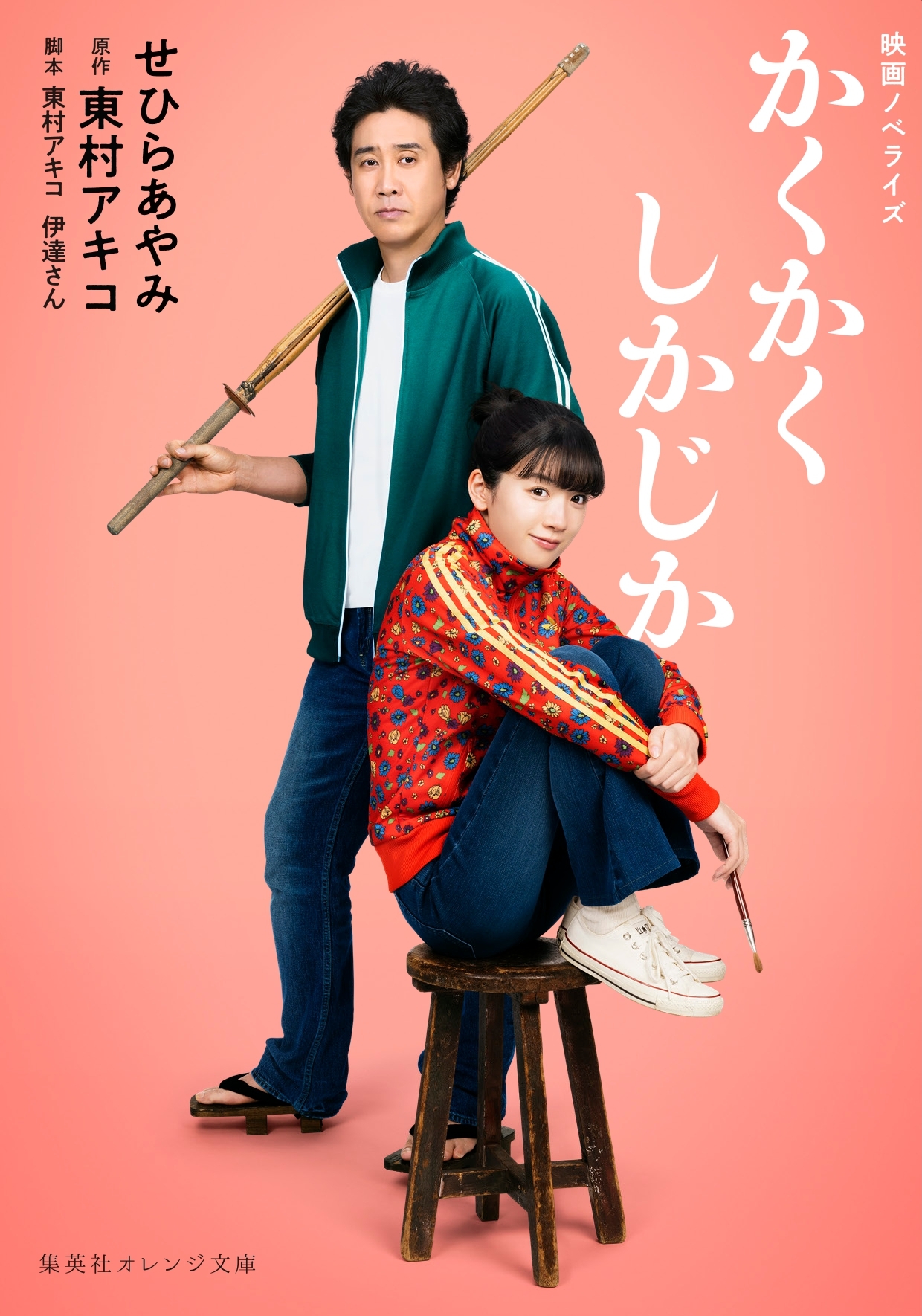
Blank Canvas: My So-Called Artist’s Journey (かくかくしかじか, Kazuaki Seki, 2025) [Fantasia 2025]

“Just draw,” Akiko’s (Mei Nagano) eccentric, hardline yet tenderhearted mentor Hidaka (Yo Oizumi) is fond of yelling at her as if telling Akiko to get over herself and stop both over and under thinking her approach to art. Though he may lament that his teaching methods don’t have much of an effect on his pupils because they need “more encouragement,” the older Akiko can see how well he taught her and also that she may have failed him, if understandably, in her single-minded pursuit of her dream of becoming a mangaka.

Of course, we know that she eventually achieved it and has become a prize-winning manga artist, though she describes herself as being far from the upstanding and talented figure others may assume her to be. Nevertheless, it’s one of Hidaka’s principles that becomes her guiding light as he constantly reminds her to “just draw” and that her skills rust while she slacks off. Slacking off maybe something the teenage Akiko was used was to doing. Committed to her dream, Akiko sees no need to study and is always reading manga even in class. She’s been led to believe that she’s talented, so sees no need to work at anything and has an inflated sense of her own importance. While her overly supportive parents and school art teacher tell her she’s a genius, only Hidaka is willing to pull her up and yell at her to do better. Though his manner may be harsh, what Akiko comes to understand is that he genuinely cares about his pupils and is only trying to help them fulfil their potential. 

To that extent, it’s really Akiko who a “blank canvas”. Though she thought she had a goal she was moving towards, the truth was that she wasn’t moving at all, while an overconfidence in her abilities has caused them to become stagnant. Hidaka goes on the attack, waving around a bamboo sword and roundly telling her that her work isn’t good enough. But he does so because he knows she has real potentional that she isn’t tapping. Despite her seeming smugness, she lacks the clarity and conviction to push herself and is contented with being “good enough” without really thinking things through like the fact she’ll also need good academic grades to go to art school no matter how good an artist she may be. 

But on the other hand, Hidaka is also a little old-fashioned and is convinced that Akiko’s dream is to become a classical painter like him. He keeps pushing her paint every day, while she feels afraid to tell him that her dream is really manga in case he runs it down as a vulgar art. He does indeed do something similar by approving of her career as a sideline that will pay the bills so she has more time to paint in the assumption that’s her ultimate goal. She may have a point when she accuses him of pushing his own dream on his pupils, but it’s really more like he is so devoted to painting that he can’t imagine why someone with Akiko’s talent wouldn’t want to be painting every second of every day. 

As he said, there are things that last through time. He’s learned to see the beauty in everything, while Akiko is still bound up with the superficial. She finds herself torn by the practical. Her well-meaning parents force her to get a regular job in a call centre which she hates though it spurs her on to kick start her manga career so he’ll have a justification for quitting it. Her school friend points out to her that she’s spreading herself too thin. She can’t carry on with her office job and the school and still have time for manga, so perhaps it’s time she made a choice and finally concentrate on what it is she really wants to do. But that also means betraying Hidaka and to an extent abandoning him even if it’s in the interests of her own personal and professional growth. Meanwhile, she meets another similar mentor figure in her manga editor who, ironically, gives her much the same advice to keep on drawing because, at the end of the day, it’s basic technique that sets a true artist apart from a talented amateur. You have to know the rules before you can break them, but at the same time if you don’t paint, the canvas will remain forever blank. This is really Hidaka’s final lesson. Just draw. The rest will take care of itself.


Blank Canvas: My So-Called Artist’s Journey screened as part of this year’s Fantasia International Film Festival.

Trailer (no subtitles)

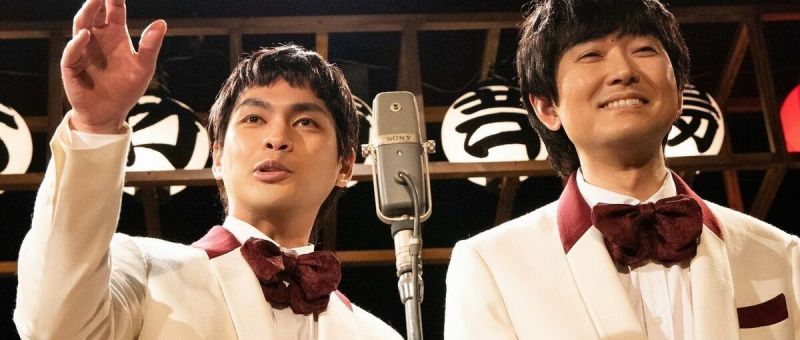
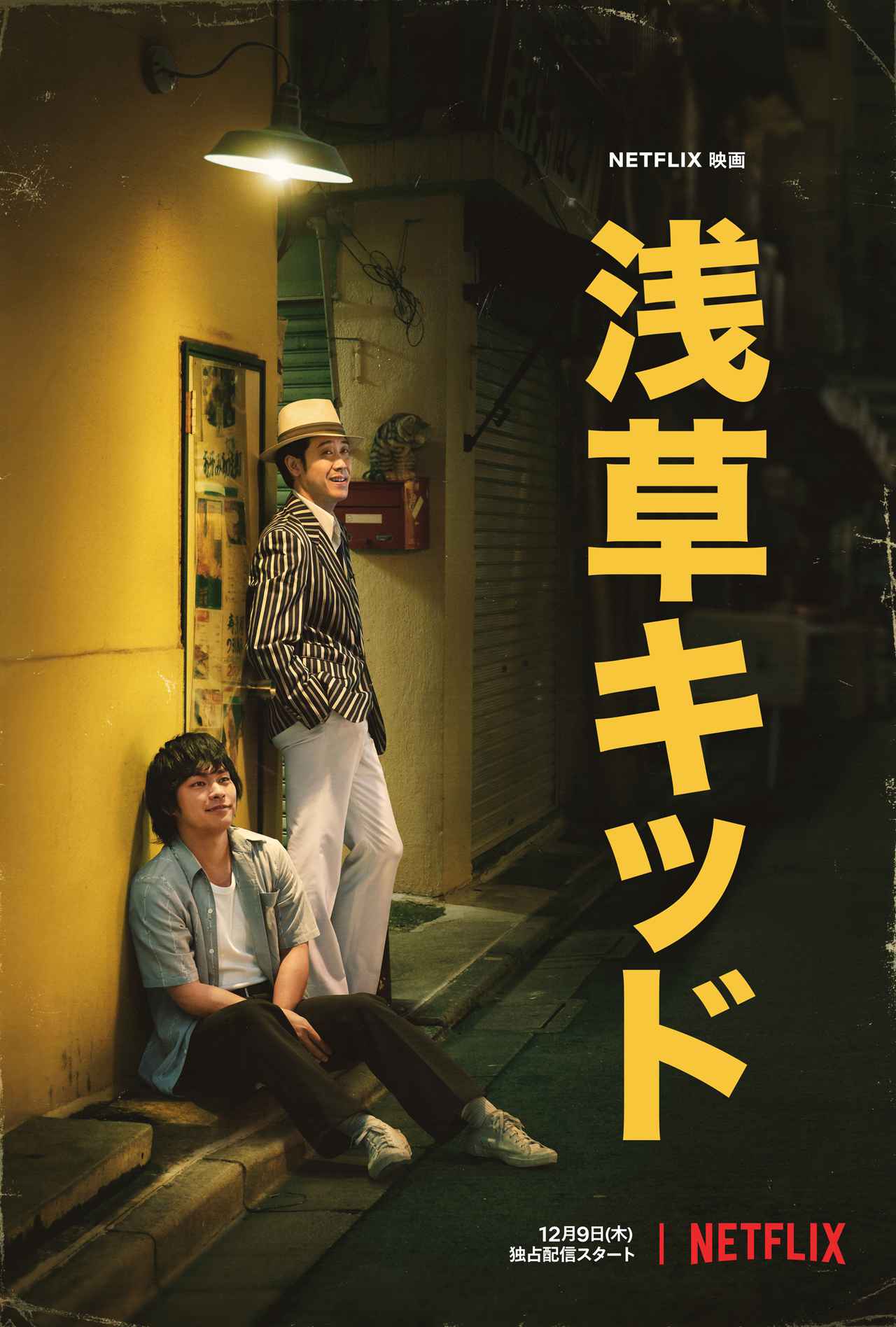
Asakusa Kid (浅草キッド, Gekidan Hitori, 2021)

To international audiences, Takeshi Kitano has a very specific profile associated most closely with arthouse drama and violent gangster movies yet in Japan he’s best known as a comedian and TV personality. Inspired by Kitano’s memoir, Asakusa Kid (浅草キッド) charts his earliest days from entertainment district elevator boy to manzai star while lionising his earnest mentor Sozaburo Fukami (Yo Oizumi). Yet it’s also a nostalgic look back to a late Showa pre-bubble Japan as Kitano’s idol finds himself falling foul of a changing entertainment industry. 

As the film opens in 1974, “Take” (Yuya Yagira) is one half of a struggling manzai comedy double act touring the country in various variety and cabaret establishments fearing his career may die out on the road before beginning to edge towards success and a high profile TV gig. Two years earlier, however, he’s an awkward college dropout working as an elevator boy at France-za comedy bar burlesque theatre. A local boy, Take has chosen France-za because of his admiration for “Fukami of Asakusa”, longing to make his way into the entertainment world while captivated by Fukami’s cool style, even copying his trademark tap dancing. Fukami soon sees talent in Take and tries to nurture it, but as the pair of them are repeatedly reminded, this kind of comedy is already old-fashioned. Audience numbers at France-za continue to decline while as one of the other girls later reminds him the men who come to these shows are there to see women take their clothes off, not random skits or singing. 

This is brought home to Take when he tries to encourage one of the strippers, Chiharu (Mugi Kadowaki ), to chase her dreams of becoming a singer by convincing Fukami to allow her to fill a 15-minute spot. As Fukami had attempted to warn him, the men appear to enjoy her song and offer rapturous applause but think it’s part of her act and soon resort to catcalls expecting her to take her clothes off. Take’s well-meaning gesture backfires, convincing Chiharu her dreams of singing are over, while Take is also poked into action by the other stripper’s retort that the comedy is only really “filler” between the burlesque acts which is what the customers have come to see. 

Even so, there’s less drama than one might expect in Take’s eventual decision to betray his mentor by choosing manzai and its opportunities for TV success over his by then old-fashioned sketch comedy. The father/son relationship somewhat falls by the wayside as even as a triumphant Take later returns “home” to present Fukami with the prize money for a TV award like a child with a report card full of As, while he gracefully accepts it but is privately filled both with a sense of pride and personal disappointment in being forced to accept that the heyday of Asakusa is over and there is no future in his vaudeville-style comedy acts. Nevertheless, Take appears to attribute much of his success to things he learnt from Fukami from his tap-dancing to his uncompromising attitude. “Don’t be laughed at, make them laugh,” he recalls Fukami telling him, “don’t suck up to the audience, tell them what’s funny,” later refusing to soften his inappropriate jokes about ugly girls and suicide for a more conservative TV audience and finding his edgy comedy an irreverent hit. 

Then again, not everyone is able to achieve their dreams from Fukami who lost the fingers on one hand in the war and finds himself forced off the stage, to Chiharu apparently a regular housewife with showbiz regrets, and Fukami’s wife Mari (Honami Suzuki) exhausting herself trying to help him save his dream of Asakusa. As much as Take might have admired Fukami, others too describing him as a father of contemporary entertainment, he can’t get away from the fact the press is only interested in his funeral if Take attends it. Filled with the nostalgia, the ethereal one shot closing sequence in which the older Take returns to Asakusa and to the past surrounded by the friends of his youth is genuinely poignant in the sudden juxtaposition of a lost world with the contemporary present but perhaps elegises nothing so much as nostalgia in its lament for late Showa breeziness. 


Original trailer (English subtitles)
Detective Conan: The Million-Dollar Pentagram (名探偵コナン 100万ドルの五稜星, Chika Nagaoka, 2024)

Now a sprawling multi-media franchise, Detective Conan began with Gosho Aoyama’s manga which published its first instalment in 1994 and is still going strong 30 years later. The series was released in the US in the 2000s under the name Case Closed and in a decision which was perhaps more common then than today anglicised all of the character’s names and settings (the Japanese publisher then began releasing its own English language translation of the manga maintaining all the original Japanese names and plot details). Meanwhile Detective Conan remains hugely popular across Asia and regularly tops the Japanese box office with the annual release of a feature film revolving around a major case for Conan in addition to the ongoing anime and manga.

Which is all to say it has a very well developed universe and vast cast of characters which weave in and out of Conan’s various adventures. The main thing to note about Conan himself, which is explained very briefly in a short introductory sequence to the movie, is that he’s actually a 17-year-old high school detective but his body was shrunk to the size of a small child when he was drugged by the mysterious Black Organisation after witnessing to of their agents getting up to something shady in a park. Only a handful of people know his true identity while he often works with the police solving crimes, and is common with Japanese crime fiction more often than not locked room mysteries.

The Million-Dollar Pentagram (名探偵コナン 100万ドルの五稜星, Meitantei Conan 100-man Dollar Michishirube), the 27th Conan movie, is somewhat different in this regard as it’s more of a treasure hunt in which Conan (voiced by Minami Takayama) and his associate Heiji (Ryo Horikawa) must attempt to figure out the mystery of some missing treasure which might have something to do with a pair of swords stolen by one of Conan’s arch nemeses, Kid the Phantom Thief (Kappei Yamaguchi). Like many of these kinds of stories, the mystery turns on historical detail in this case stemming back to the Meiji Restoration and legendary Shinsengumi boss Hijikata Toshizo, if by way of a long-dead industrialist who got rich quick during the pre-war goldrush in Hokkaido. Some of his estate apparently went missing after his death and now his grandson, who’s messed up the family business, wants to find it and so does Conan but for slightly different reasons. In any case, no one even knows what the treasure is and they may be disappointed when they find out especially as it might not show grandpa Onoe in a particularly good light. 

There is undoubtedly quite a lot going on with a prominent subplot focusing on Heiji’s crush on love interest Kazuha (Yuko Miyamura) and his rivalry with Kid the Phantom Thief with his big plan to finally confess his feelings aligning with the climax of the mystery taking place on Mount Hakodate. A port town in Hokkaido, Hakodate has not often been well served by cinema often appearing in indie films such as And Your Bird Can Sing, Sketches of Kaitan City, and Over the Fence as a moribund post-industrial centre the protagonists can’t escape, but here seems pleasant and relaxed as a kind of Northern Kyoto rich in period history. The film’s success has apparently spiked a mini tourist boom in the area.  

The filmmakers apparently did not want to destroy any of the town’s architecture even in animation, hoping to make the most of the city’s famous night scenes and beautiful scenery. Nevertheless, there are the usual series of impressive action sequences including one of Conan riding a jet-powered skateboard not to mention taking out a suspect with a football while Heiji fights another on the wings of a biplane. As for the mystery itself, it’s not the kind where the audience will be able to work it out seeing as it depends on very specific cultural knowledge that even Conan needs a hint to key into but eventually broadens into something more international involving arms dealers and corrupt businessmen. Long-standing fans of the franchise will want to stay put for a very interesting post-credits sequence and even newcomers will get a kick out of an unexpected punchline to the film’s closing moments. All in all another classic case for the Conan team peppering its key mystery with the humour and warmth the franchise is known for.


Detective Conan: The Million-Dollar Pentagram opens in UK cinemas 27th September courtesy of CineAsia.

Original trailer (Traditional Chinese & English subtitles)

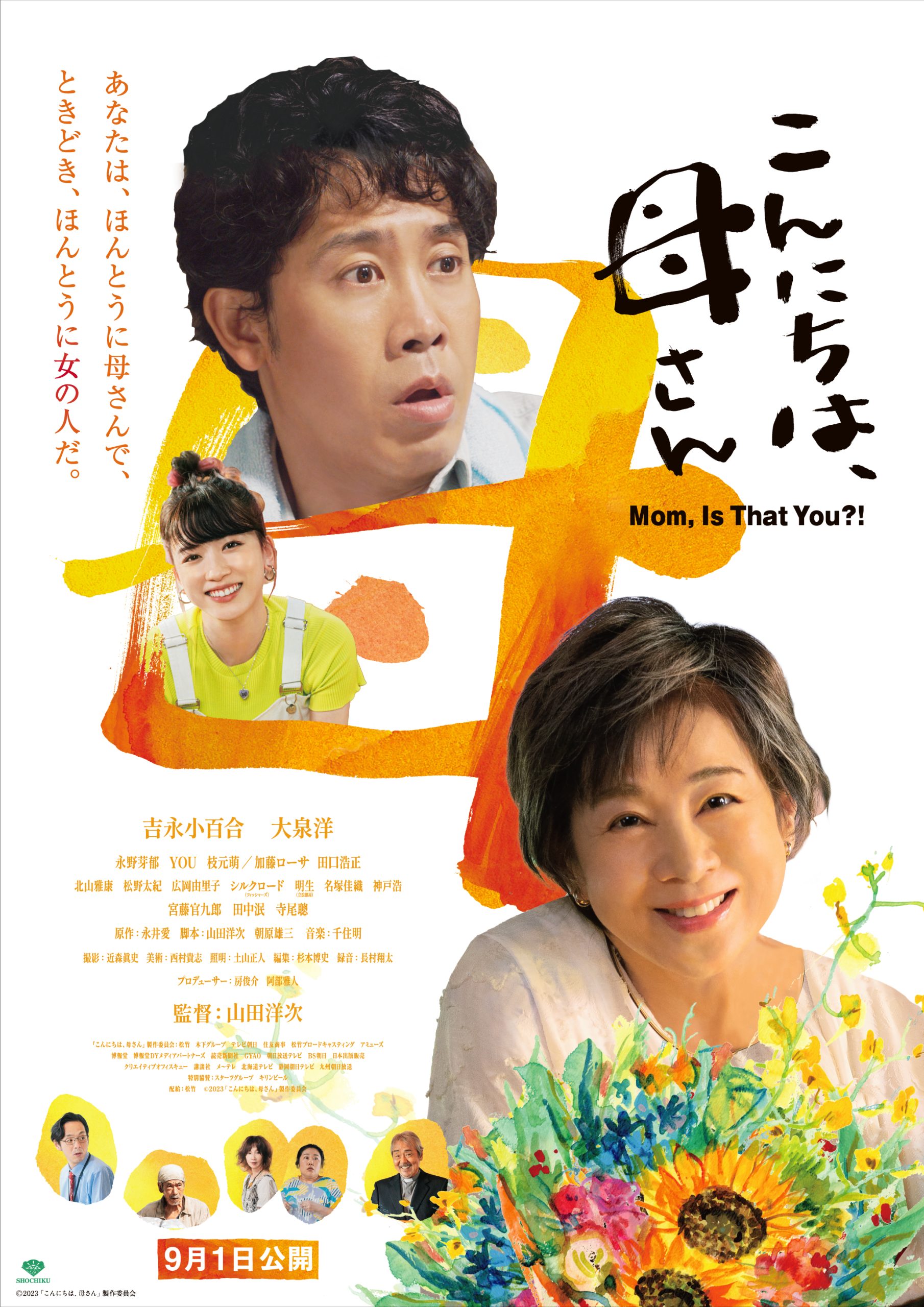
Mom, Is That You?! (こんにちは、母さん, Yoji Yamada, 2023)

“People of my generation can’t throw anything away,” an older woman admits on her hearing her daughter-in-law has just been featured in a TV series about decluttering. Inspired by Ai Nagai’s 2001 play, the latest from veteran director Yoji Yamada Mom, Is that You? (こんにちは、母さん, Konichiwa, Okasan) seems to hint at a series of circular generational divides while suggesting that the children of the Bubble-era in particular are too quick to get rid of things they don’t think they don’t need anymore.

That’s the irony of soon-to-be 50-year-old Akio’s (Yo Oizumi) salaryman job in HR. It’s his job to cut dead wood from the company and this current round of polite requests to employees of a certain level to take early retirement includes his uni friend Kibe (Kankuro Kudo) who doesn’t take kindly to what he sees as a personal betrayal. Unlike Akio who is beginning to tire of the salaryman dream, Kibe fiercely fights for his position and identity as an executive at a big company even when faced with banishment room treatment and disciplinary dismissal after an altercation with the boss.

But what Kibe doesn’t know is that Akio is already facing a series of crises. His marriage has collapsed and his university student daughter Mai (Mei Nagano) is having a crisis of her own. Fresh from her tidying success, her mother has told her that all she can do is get good grades followed by a boring salaryman job like her dad’s which doesn’t seem to be what she wants which is why she’s run off to stay with her grandmother Fukue (Sayuri Yoshinaga) who runs a traditional shop selling tabi socks near the Sumida River. Fukue has a kindly, laid-back attitude remiscent of the shitamachi spirit found in other Yamada films in contrast to the stressed out uptightness of Akio who hasn’t told her about his impending divorce nor work troubles but finds himself paying a visit home in an attempt to sort himself out only to find Fukue keeping herself busy with a local charity group and nascent relationship with a church pastor. 

Fukue’s charity work is emblematic of a waste not want not philosophy that has otherwise disappeared from the modern society as they pick up the things other people don’t want and donate them to the needy even if it sometimes seems a little simplistic or patronising. Biting into some reject crackers from the local rice cracker shop, Akio reflects that they’re something that’s made to console people and it’s work that has meaning unlike his soulless corporate job that gives him nothing other than stress and money. At the time the play was written, the fallacy of the salaryman dream was clear for all to see in the post-Bubble society but to a man like Akio getting a company job was a big deal and his success is still the talk of his mother’s friends even he starts to wonder if he still has time to start again and discover a more meaningful way of living.

Some of these ideas, and the timescales involved, make much more sense for the play’s millennial setting rather than the film’s apparent present day given the references to the firebombing of Tokyo which would require the older protagonists to be their late 80s to even remember. Akio dismisses his mother’s charity work and insists that the homeless are only those who opted out of the competitive society he too has come to doubt or else were excluded from it, while he’s resentful of her attachment to the pastor in contrast to Mai who is excited by the prospect of her grandmother’s love affair and enduring possibilities of age while Fukue is beginning to fear not death but dependency if her health should suddenly decline. 

It’s in the midst of her heartbreak that the film affords Fukue a new beginning if in coming full circle, Akio choosing to make a clean break with the unhappiness in his life and Mai embracing her youth while falling for the old world charms of her grandmother’s tabi sock shop almost exclusively catering to sumo wrestlers, who as someone points out never waste anything, and people trying ceremony for the first time at 60. Like most of Yamada’s work, the film has a gentle humanity and melancholy poignancy but also a sense of hope and continuity that run contrary to an overly corporatised society in which young and old are already losing faith.


Mom, Is That You?! screened as part of this year’s Toronto Japanese Film Festival.

Original trailer (No subitles)

Bread of Happiness (しあわせのパン, Yukiko Mishima, 2012)

“Plain bread is nice too” a short-term visitor concedes having reached an epiphany after a few days’ stay at Cafe Mani in Yukiko Mishima’s slice of comfort cinema, Bread of Happiness (しあわせのパン, Shiawase no Pan). Perhaps in its own way a reaction to the devastating earthquake and tsunami of the previous year which is referenced in the closing arc, Mishima’s drama is one of a series of films from the 2010s advocating for a simpler life built on empathy and mutual compassion as a bulwark against the increasing disappointments of a relentlessly consumerist society. 

The heroine, Rie (Tomoyo Harada), was a lonely child who buried herself in a fantastical children’s book about a little boy, Mani, who was best friends with the Moon. Touched by Mani’s words when the Moon asked him to take down the sun because its brightness made his life unbearable that “what matters most is that it shines on you and that you shine on others”, Rie resolved to find her own Mani but has long since given up. She and her her husband Mizushima (Yo Oizumi) have recently relocated to a Hokkaido ranch where they run a cafe bakery that has quickly become a community hub tending to the wounded souls of the local area and sometimes even beyond. 

The urban/rural contrast is rammed home by the couple’s first guest, Kaori (Kanna Mori ), a young shop girl from Tokyo who was supposed to be going to Okinawa with her boyfriend but he stood her up and she’s come to Hokkaido instead. Although originally grumpy and sullen, Kaori begins to warm to the charms of rural life complaining that in Tokyo people have to force themselves to smile. Her words accidentally hurt the feelings of local boy Tokio (Yuta Hiraoka), conversely jealous of big city opportunity but lacking the courage to strike out from his small-town life in which ironically enough he works as a points switcher at the local railway. What Kaori learns through her various experiences and the kindness of the Mizushimas isn’t that country life is better just that small happinesses are often all you need, there is pleasure in simplicity, and there’s no need to submit herself to the pretentiousness of city life explaining that she’s going to tell her coworkers the truth about her Okinawan holiday and bring some of the wholesome homemade bread back for them too. 

But then, it isn’t always so easy as the couple discover trying to help a sad little girl in the wake of marital breakdown. In a slightly surprising twist, Maki (Yuki Yagi) has been abandoned by her mother who has left the family and is struggling to accept both her loss and the change in circumstances which goes with it. The dilemma revolves around a bowl of pumpkin soup which Maki refuses to eat despite having previously longed to taste her mother’s signature dish. The realisation she comes to is that something can be different but that doesn’t make it bad, bonding with her equally dejected father (Ken Mitsuishi) thanks to the gentle support of the Mizushimas who seem to have a knack for knowing just what everyone who comes through their door needs. 

That goes double for the elderly couple who turn up late one night in the dead of winter, husband Fumio (Katsuo Nakamura) worryingly explaining that they’ve lived long enough, that while you’re young you still have the possibility of change, of becoming “a different you”, but old age has no further possibility nor the ability to change. Having lost their daughter in the tsunami the old couple are trapped in an inertia of grief from which they are gradually awakened by the gentle care of the Mizushimas and the sight of the beautiful moon that shines down on Cafe Mani. 

Rie meanwhile remains privately dejected, longing for her own Mani but convinced she’ll never find him only to realise he’s been there all along. Just like the words in the picture book, Rie and Mizushima have resolved to be the light, Fumio later sending them a letter claiming that they have discovered the ideal form of happiness in their simple life doing as they please surrounded by friends who have already become family and offering love and support to all who come through their doors through the medium of delicious seasonal food. With a host of quirky side characters including an omniscient glass blower (Kimiko Yo), genial postie (Chikara Honda), farmers with an ever expanding family, and a regular customer who carries a mysterious trunk around, while narrated (seemingly) by a sheep with the voice of a child Mishima’s gentle drama is foodie pure comfort cinema in which good bread and a warm fire may yet save the world.


Bread of Happiness until 27th February in several territories as part of Japanese Film Festival Online 2022.

Original trailer (English subtitles)
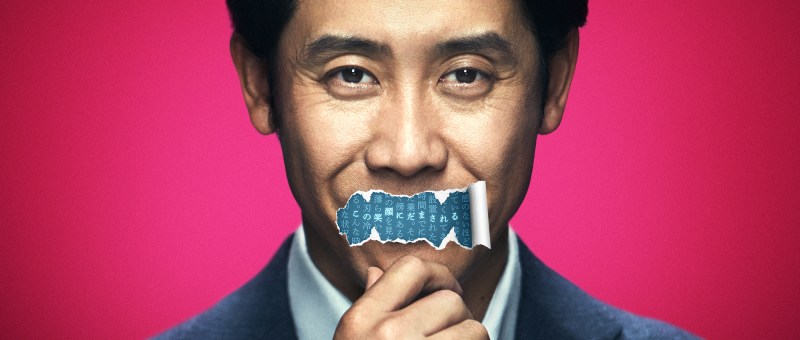
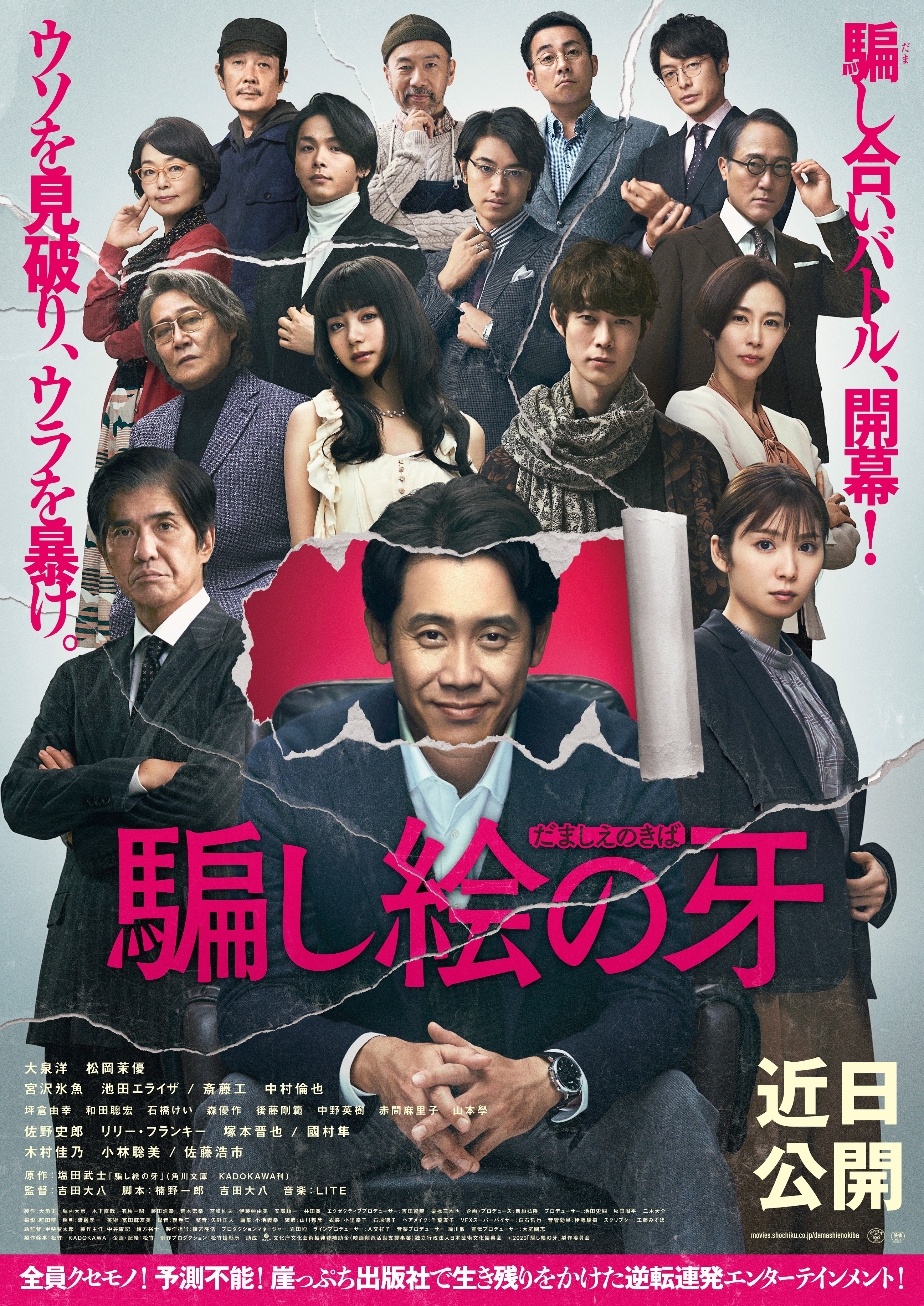
Kiba: The Fangs of Fiction (騙し絵の牙, Daihachi Yoshida, 2020)

“Landscapes don’t stay the same” laments a young woman in Daihachi Yoshida’s slick corporate drama, Kiba: The Fangs of Fiction (騙し絵の牙, Damashie No Kiba), though the more things change the more they stay the same and the push and pull of traditionalists and modernisers seems set to be an unending battle. If someone were brave enough to think of it, there may be a third way, but one thing is clear – it’s adapt or die for the printed word and the real war is over who makes it onto the page and how they do it. 

When the CEO of a major family-owned publishing house dies of a heart attack while walking his dog, it throws the entire industry into disarray and even makes it onto the national news where pundits discuss who might be most likely to succeed while pointing out that publishing is already in crisis seeing as most novels are serialised in literary journals and magazine readership is on its way out. Earnest editor Megumi (Mayu Matsuoka) is forever told that old and new is a false dichotomy and in some ways it may be, but century-old literary journal Kunpu Review is quite clearly mired in a traditionalist past woefully out of touch with contemporary society. 

This Megumi learns to her cost when pulled straight from the CEO’s funeral to a 40th anniversary event marking the debut of their best-selling author Daisaku Nikaido (Jun Kunimura). Encouraged by rival editor Hayami (Yo Oizumi), she gives her honest opinion on Nikaido’s work pulling him up on the latent sexism in his novels by suggesting his sexual politics are at best old-fashioned. This is of course a huge faux pas and a moment of minor embarrassment for all concerned, though it will also become a repeated motif Megumi again trying to bring up a younger author on his subpar portrayal of women but finding her concerns falling on deaf ears. 

Part of the problem is that authors, and particularly well-established ones, rarely undergo a rigorous editing process such as they might outside of Japan. Kunpu is so desperate to keep Nikaido on side that they treat him as a mini god, wasting vast amounts of their budget expensing him for “research” holidays and a healthy interest in fine wines. They simply wouldn’t have the courage to tell him that his drafts are improvable or that elements of his writing may cause offence. 

Hayami, the tricky editor of rival culture mag Trinity, is by contrast deliberately looking for the modern but in other ways is not so different from Kunpu. Poaching an up and coming author Megumi had pitched but was rejected, Hayami embarks on an elaborate PR campaign casting the young and handsome Yajiro (Hio Miyazawa) as a literary idol star. But Yajiro seems to be uncomfortable with the attention, unprepared to deal with demands of being a prominent writer and resenting Hayami’s attempts to manipulate his image by forcing him into photoshoots dressed in outfits he would never wear. Hayami also engineers a publicity stunt implying Yajiro is in a relationship with his other protege, a young model and unexpected firearms enthusiast (Elaiza Ikeda) who is later arrested after shooting a stalker with a homemade pistol. 

What happens to Saki Jojima is either an unintended consequence or direct result of Hayami’s inability to fully control the situation, but it also creates both crisis and opportunity for Trininty when Hayami breaks protocol and decides to run Saki’s issue rather than pulling it entirely with an apology as is usual in Japan when a celebrity is the subject of scandal. This places him in direct opposition to the traditionalist Kunpu, horrified and insistent that his decision stains the integrity of the publishing house. Like Hayami, however, new CEO Tomatsu (Koichi Sato) is determined to do things differently and prepared to take a gamble, secretly working on his own plan to streamline the business and build their own production/distribution facility in Yokohama. 

Everyone is so absorbed in their own plotting that they fail to notice others plotting around them. Megumi, meanwhile, is preoccupied with the survival of her father’s old-fashioned book shop which itself badly needs another literary hit because half the customers are kids who come in to browse the manga and then download the good ones when they get home. One young woman looking for a particular novel even explains that she only wants to read it because there’s no movie or drama adaptation. With all this finagling, it’s easy to think everyone’s forgotten about the books while Megumi desperately tries to get someone to let her do some actual editing because they’re all too busy mollycoddling their authors. Nevertheless there’s more to the Kunpu vs Trinity battle than it first seems as they vie for the future of Japan’s publishing industry little suspecting that there may be another contender with a less acrimonious solution. “If something could be updated it should be” Megumi insists, a sentiment which apparently goes both for dinosaur writers unwilling to reckon with their latent misogyny and the book business itself. 

Once again adapting a literary source, Yoshida’s gentle farce quietly builds the tension with courtly intrigue as the wider society remains rapt over the succession crisis at a publishing firm while its ambitious courtiers plot amongst themselves in order to steal the throne. Casting Yo Oizumi in the role he apparently inspired in the book is another masterstroke of meta commentary as his thrill-seeking manipulator plays the long game but even if the prognosis for Japan’s publishing industry may be bleak there is unexpected glee to be had in the eventual triumph of a righteous underdog over a thoroughbred plotter. 


Kiba: The Fangs of Fiction screens on Aug. 26 and 28 as part of this year’s Japan Cuts.

Original trailer (English subtitles)
Farewell: Comedy of Life Begins with a Lie (グッドバイ~嘘からはじまる人生喜劇~, Izuru Narushima, 2019)

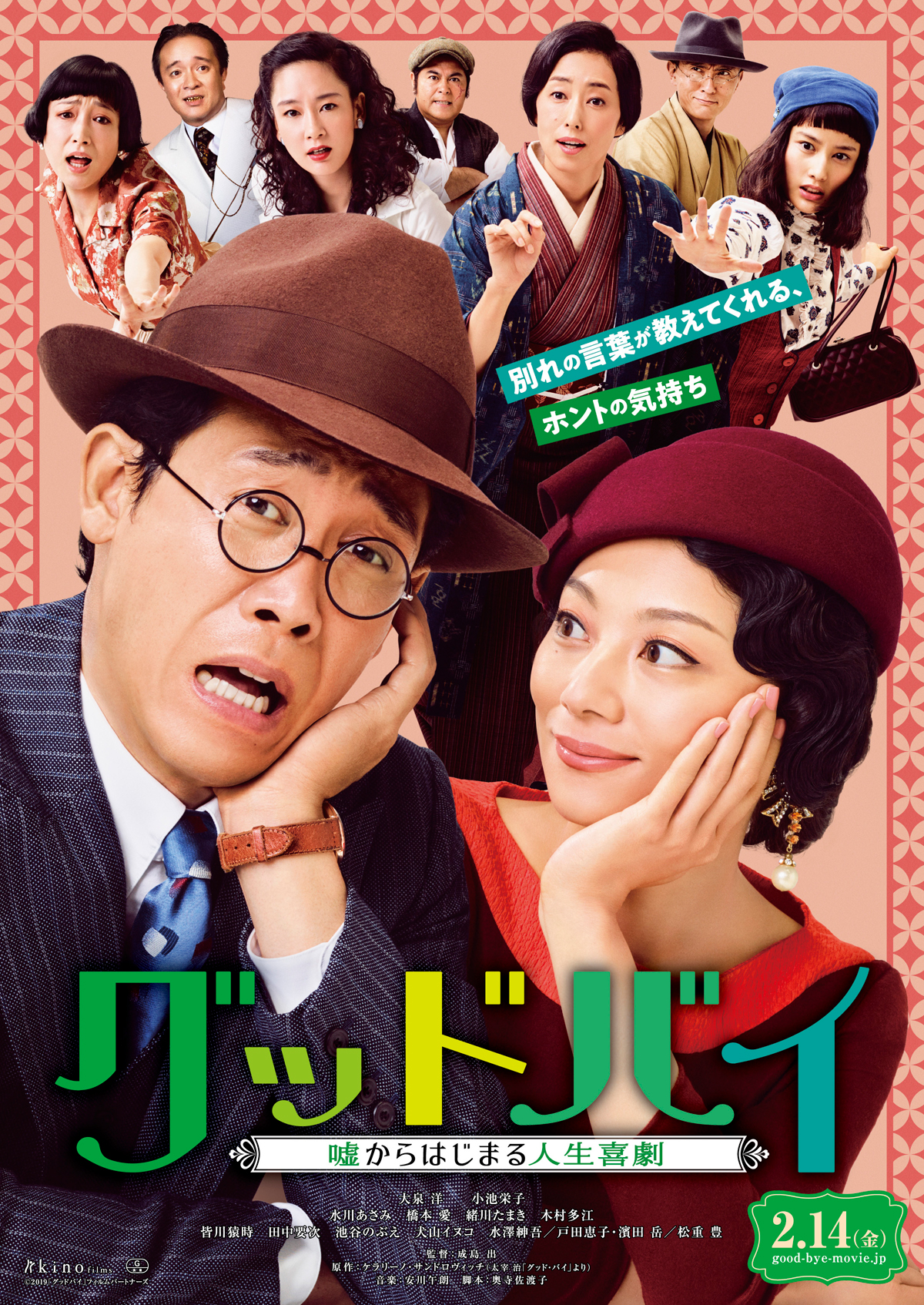
“You wrote that a man should be pure and honest” a conflicted editor reminds his friend, “yes”, he replies, “but that was fiction.” Osamu Dazai is not particularly remembered for his sense of humour, but Farewell: Comedy of Life Begins with a Lie (グッドバイ~嘘からはじまる人生喜劇~, Goodbye, Uso kara Hajimaru Jinsei Kigeki) adapted from a play by Keralino Sandrovich (Crime or Punishment?!?) inspired by his final and in fact unfinished novel Goodbye is a dark-hearted farce grafting ‘30s screwball comedy onto an ironic satire of heartless post-war capitalism through the prism of one man’s emotional cowardice. 

As the black and white newsreel-style opening informs us, literary magazine editor Tajima (Yo Oizumi) made a bit of money on the black market amid post-war chaos but is beginning to feel conflicted about his Tokyo existence especially after receiving a postcard from his small daughter Sachiko in provincial Aomori whom he hasn’t seen since her infancy. His problem is that he’s an inveterate womaniser with several mistresses on the go at once who ironically all already know that he’s a married man, to that extent “honest” at least, but remain unaware of each other. Suddenly wanting to reform his image and become a proper father to his little girl, he’s realising he ought to sort out his problematic love life but Tajima is also the sort of man who can’t bear unpleasantness and is too frightened to break up with his lady friends in case they cry. His writer friend, Rengyo (Yutaka Matsushige), comes up with a cunning ruse – find a pretty woman to pretend to be his long absent wife returned and the mistresses will most likely retreat voluntarily. Tajima decides to do just that on catching sight of a beautiful lady through a peephole in the gents at a bathhouse only she turns out to be someone he already knows, manly black-markeeter Kinuko (Eiko Koike) who secretly loves dressing up in the latest fashions. 

Kinuko is in a sense everything Tajima is not. An abandoned child, she’s learned to take care of herself and is strong both physically and emotionally. She agrees to help him with his nefarious plan because he offers to pay her handsomely, feeding her well in her copious desire for food which perhaps indicates her strong desire to live in a society where many are starving. She’s a black-marketeer because that’s all that’s left for her to be and perhaps has made her peace with exploiting the desperation of others in the knowledge that they also need the service she provides. In any case, she won’t let herself be trampled, frequently getting into fights with male dealers and later throwing Tajima off a balcony when he follows some bad advice from Rengyo and attempts to seduce her in the hope that then he wouldn’t have to pay her for participating in his scheme to rid himself of extraneous women. 

Yet it’s also clear that it’s women who are most at the mercy of the times, Tajima’s first mistress being a heartbroken war widow (Tamaki Ogawa) making a living as a florist who later attempts suicide after saying “Goodbye” to Tajima and the possibility of romantic salvation from post-war hopelessness (though her involvement with him does perhaps eventually lead her to that). The second mistress is a young painter (Ai Hashimoto) who approached him for work on the magazine attempting to support herself while her brother (Sarutoki Minagawa) remained in a Siberian labour camp, and the third is a self-assured doctor (Asami Mizukawa) looking perhaps for company though seemingly aware that Tajima is a weak-willed, unreliable man. His wife, Shizue (Tae Kimura), meanwhile, has become fed up with waiting for him to accept his male responsibility as a husband and father and unbeknownst to him his plans to keep her looked after may have backfired. 

Yet strangely Kinuko finds herself falling for the “pathetic” Tajima without quite knowing why while he perhaps begins to accept that maybe what he needs is a capable woman to look after him because he is after all too cowardly to look after himself. He’s fond of saying that the war changed everything for everyone, but she points out that her life has always been one of scrappy survival and now perhaps they are all equal in that. The post-war world however seems to be in permanent decline, an associate of Tajima’s (Gaku Hamada) eventually becoming accidentally rich, buying a suburban mansion, dressing in a garish white suit and snarling with a mouth full of gold teeth as he advances that money is everything and can even love can be bought. In this at least it turns out he may be wrong. Taking a “detour” allows Tajima to shed his commitment phobia and finally say “Goodbye” to post-war limbo in embracing both a desire to live and the possibility of enduring love. 


Farewell: Comedy of Life Begins with a Lie streamed as part of the 2021 Japan Foundation Touring Film Programme.

Original trailer (no subtitles)

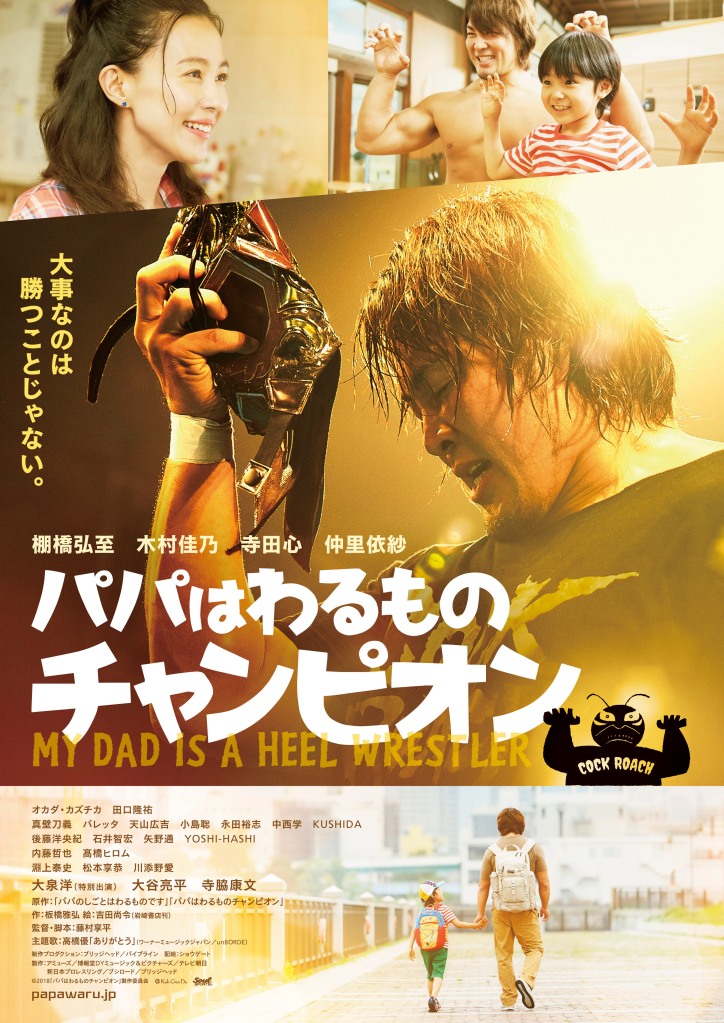
My Dad is a Heel Wrestler (パパはわるものチャンピオン, Kyohei Fujimura, 2018)

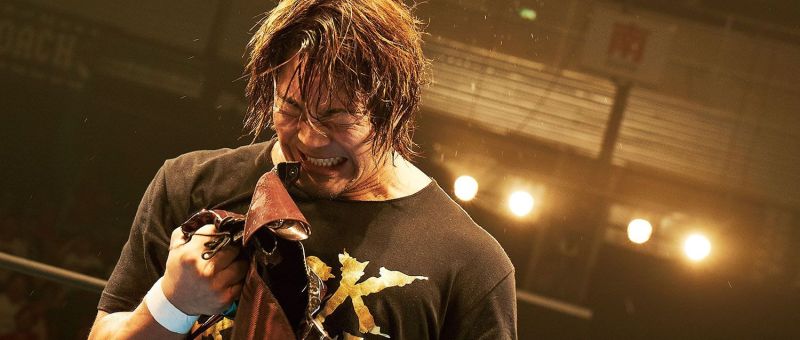
“Your job embarrasses me” little Shota (Kokoro Terada) coldly tells his actually quite lovely father, slowly closing the door on his well meaning attempt at connection. Self evident from the title, My Dad is a Heel Wrestler (パパはわるものチャンピオン, Papa wa Warumono Champion), Shota’s dad Takashi (real life wrestler Hiroshi Tanahashi) is a former champ reduced to playing the “heel”, a masked villain fans love to hate whose signature move is comic relief. Like all little boys, Shota really looked up to his father and wanted to be just like him, and so he gets a dose of paternal disappointment a little earlier than expected in realising that he is in a sense a professional loser with a degree of internalised shame regarding his failure to get back in the ring under his own identity. 

10 years previously, just before 9-year-old Shota was born, Takashi was a champion but a knee injury cost him his career. To stay in the game and provide for his family, he decided to become a heel as a temporary measure until he was well enough to return to being a “face”. A decade later however he’s still “Cockroach Mask” working with “Bluebottle” as a comedy villain known for pulling all sorts of unscrupulous tricks like using “Roach Spray” on his opponents or extracting gadgets from a Doraemon-esque interdimensional portal in the shape of a garbage can. Ashamed of himself, Takashi has avoided telling Shota what exactly it is he does for a living, promising that he’ll explain everything when he’s older. 

But Shota’s at the age when everyone at school is boasting about their dads and it’s niggling at him that he doesn’t really know, especially when one of his friends jumps to the conclusion he must be a yakuza. Determined to find out, Shota does some detective work and secretly follows him, only to wind up surrounded by beefy guys backstage at the ring. Bumping into a wrestling obsessive classmate (Maharu Nemoto) there with her father (Yasushi Fuchikami), Shota is horrified to realise his dad’s that jerk that everyone hates so when she somehow jumps to the conclusion that his dad’s her idol, reigning champ Dragon George (real life wrestler Kazuchika Okada), he doesn’t bother to correct her. 

The irony is, Takashi is a genuinely nice guy. He’s desperate to make it to Shota’s parents’ morning at school, but misses it because he stops on the way to help an old lady who was struggling with her shopping. When the kids are asked to compose a speech about their dreams for the future, Shota says that he wants to get big and strong like his dad in the hope that being big will also make him kind. Shota, however, is still too young to understand the way that wrestling works. He only sees his dad degrade himself, do “bad” things to win, and act in an underhanded, dishonourable way that is completely at odds with his offstage personality. Yet as much as it is that he’s disappointed to think his dad’s a “loser”, the real cause of his resentment is seeing that he’s not being true to himself. Shota’s mother tells him that wrestling is Takashi’s passion, but he pointedly asks her if his dream was being a heel, which it obviously wasn’t. 

While Shota picks up on his dad’s internalised sense of shame over the failure to achieve his dreams, he indulges in a little subterfuge himself in keeping up the pretence that his father is not the hated Cockroach Mask but the universally loved Dragon George. Failing to clear up the misunderstanding makes him an unexpected class hero, but it also unbalances the social hierarchy with snooty rich kid and all-round popular boy Yuta irritated at Shota stealing his thunder. When some of his friends start to doubt his story, it’s not the fact that Takashi is Cockroach Mask that upsets them only that Shota lied. Having a pro wrestler dad is cool in itself, he didn’t need to worry about what people would think and he shouldn’t have anyway because he should have stuck by his father rather than rejecting him completely and changing his dream to boring salaryman like the odious Yuta. 

Takashi, meanwhile, needs to think through why he’s doing a job that he’s essentially ashamed of. Bluebottle, his partner, who entered the trade as a heel and loves the strange thrill of being booed by the crowd, is offended at his insinuation that being a heel is somehow embarrassing. Michiko (Riisa Naka), an eccentric journalist and wrestling obsessive, tries to explain to Shota that the heel is an essential part of the game – you can’t have a fight without a villain after all, but Takashi still wants to be the face and regain his rightful place as a champion. He can’t let go of past glory and struggles to accept that there are new ways to win. “Wrestling’s not about winning or losing, it’s a way of life” an exasperated Michiko tells her editor (Yo Oizumi), trying to get him interested in the soap opera drama by way of investment in Takashi’s struggle. You don’t have to win, all you have to do is keep getting back up and make sure you put on a good show. Shota figures out that just because his dad’s a “bad guy” doesn’t make him a bad person, while Takashi figures out the only way to be the champ is to embrace his inner roach. Turns out, what wrestling’s all about is authenticity, just not quite in the way you were expecting it. 


Screened as part of the Japan Foundation Touring Film Programme 2020.

Hong Kong release trailer (English/Traditional Chinese subtitles)

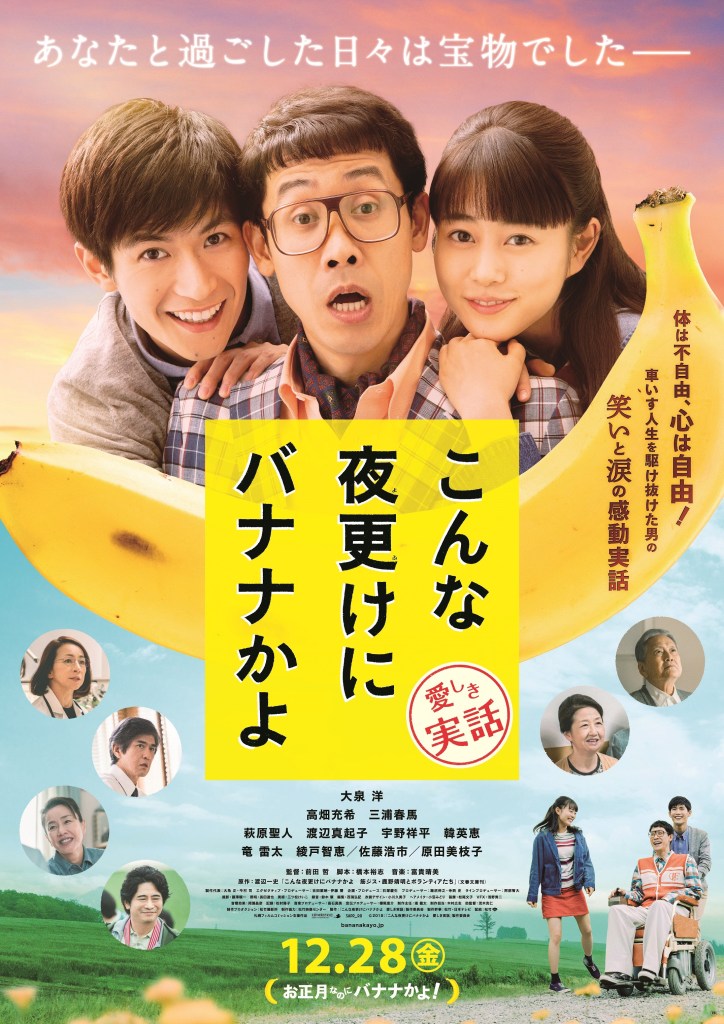
A Banana? At This Time of Night? (こんな夜更けにバナナかよ 愛しき実話, Tetsu Maeda, 2018)

Many people will tell you that if you’re having trouble sleeping, a banana is just the thing though if you’ve failed to properly prepare and have left it until 2.30am to try and buy one you might be out of luck. The hero of Tetsu Maeda’s A Banana? At This Time of Night? (こんな夜更けにバナナかよ 愛しき実話, Konna Yofuke ni Banana kayo: Itoshiki jitsuwa) is not proposing to go out and find one himself, but using his sudden desire for the potassium rich fruit as an excuse to dispatch one of his helpers in the hope of being left alone with the pretty young girl who’s just joined the team. Unbeknownst to him, the girl, Misaki (Mitsuki Takahata), is actually the girlfriend of the aspiring doctor, Tanaka (Haruma Miura), he was trying to get rid of, but the plan backfires when she takes the opportunity to go get one herself in order to escape an increasingly awkward situation. 

Inspired by Kazufumi Watanabe’s non-fiction book, A Banana? At This Time of Night? is the latest in a series of recent Japanese films dealing with the issue of disability in a society which often struggles to accommodate difference. The hero, Yasuaki Shikano (Yo Oizumi), has suffered with muscular dystrophy since the age of 12 and has survived to the age of 34 despite being told that he would likely never see 20. Determined to live an “independent” life, he relies on a small team of volunteers who assist him with day to day tasks he can no longer manage, and works as an activist for the rights of disabled people. 

Yasuaki is, however, by his own admission not always an easy person to get along with. He is often selfish and cruel to the volunteers who have given their time to help him out of nothing more than human kindness while deliberately sending them out on random errands to buy burgers  (or bananas) but finding fault when they return. Yet, he largely gets away with it because of his cheeky personality and the fact he is so robustly “honest” about his own behaviour. One of the major tenets of his activism is destigmatising the idea of asking for help so that younger disabled people in particular who might feel awkward about asking others to assist them so they can lead independent lives know that there is nothing wrong in being upfront about their needs. 

Of course, despite his “honesty”, there’s an essential contradiction in Yasuaki’s definition of independence in that he freely admits that he can only live an “independent” life because of the support he receives from the volunteers. Without them, his life would be impossible. In a further contradiction, we eventually realise that he’s only so mean to his mother (Chie Ayado) because he doesn’t want her to sacrifice the entirety of her life to look after him and wants his parents to be able to live their own lives while he lives his. Misaki, only originally volunteering to check up on her boyfriend, is horrified by Yasuaki’s attitude and vows never to return, only to be coaxed back by Tanaka awkwardly forced to take dictation of an apology/declaration of love when Yasuaki finds himself smitten by her boldness in defiantly standing up to him. 

Slightly embarrassed, Tanaka never explains that Misaki is his girlfriend, perhaps a little patronisingly allowing Yasuaki to play at romance he feels is impossible so that his feelings won’t be hurt. The central problem is, however, that both Misaki and Tanaka have their own failures of honesty which place their relationship at risk. Tanaka was under the impression that Misaki was studying to become a teacher, but her friends just said that to get her into a party with med students and she never bothered to correct him. When the relationship gets more serious, she comes clean, but he takes it badly, half-convinced she just wanted to meet a doctor and the whole relationship has been a lie. Meanwhile, he’s only studying medicine because his authoritarian father wants him to take over the family hospital and he’s beginning to wonder if it’s really what he wants to do with his life. Unlike either of them Yasuaki knows exactly what he wants – to go America and meet his idol which is why he’s been working hard learning English. 

Through their shared friendship with Yasuaki, both of the lost youngsters begin to find direction and the courage to follow it. Despite the many setbacks and difficulties he faces, Yasuaki never gives up on his dreams and boldly insists on the right to pursue them while living his life to the fullest. Which isn’t to say that his own story is merely inspirational fodder for his friends, but it does make the case for a better, more inclusive society built on mutual support in which all are free to live the way they choose spreading love and joy wherever they go. 


Screened as part of the Japan Foundation Touring Film Programme 2020.

International trailer (English subtitles)