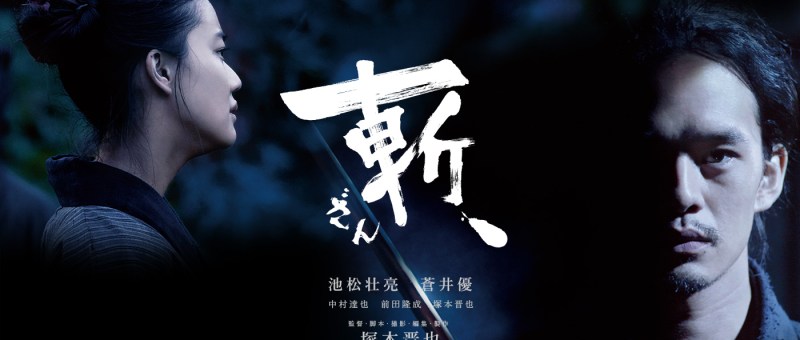
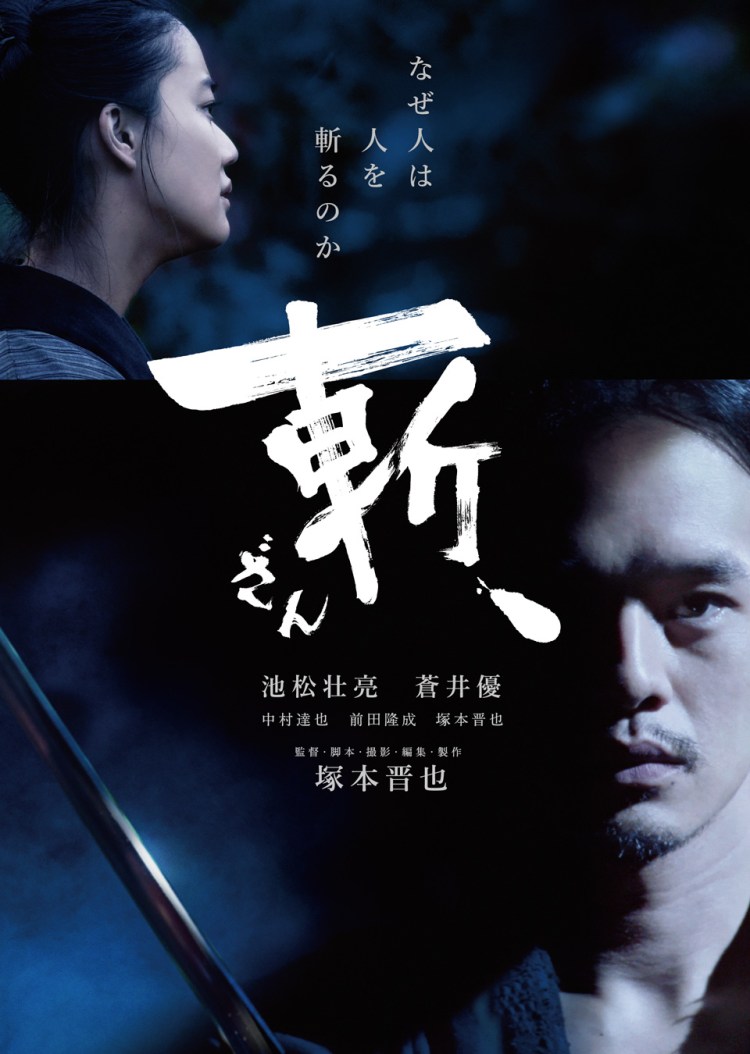
 Oppressed peasantry abandoned by their lords and under threat of violence have only ronin to turn to – it’s a familiar, some might say even the archetypal, jidaigeki story. Forever the iconoclast, Shinya Tsukamoto makes his first foray into the world of the samurai, Killing (斬、, Zan,), in typically contrary fashion, turning the classic formula on its head as samurai “justice” brings only more chaos, blood, and terror to the otherwise peaceful fields of ordinary farmers in Bakumatsu-era Japan.
In return for food and lodging, Mokunoshin (Sosuke Ikematsu), a young masterless samurai, has been living alongside a village of kindly farmers who, while deferent to his status, are grateful to have him around because they are desperately short of hands. In addition to helping out with farm work, he’s also been sharing his sword skills with local boy Ichisuke (Ryusei Maeda) who has developed delusions of grandeur that he might one day be allowed to hold a sword of his own. Ichinosuke’s sister Yu (Yu Aoi), meanwhile, has become fond of the handsome samurai but is conflicted by his corruption of her brother with “samurai” values he can never hope to aspire to while she also must know that whatever she might feel nothing good can come of it because a samurai will not marry a farmer’s daughter.
The problems begin when twin threats descend on the village – first the appearance of cooler than ice ronin Sawamura (Shinya Tsukamoto) who wants to recruit Mokunoshin for his mission to support the rule of the Shogun in Edo and Kyoto, and the second a group of bandits hovering menacingly on the horizon but as yet doing no real harm. A pragmatist at heart, Mokunoshin prefers diplomacy to action and so he talks to the bandits and rates them as minimally dangerous as long as they’re treated fairly. Unfortunately, fairness is not what they get from hotheaded Ichisuke whose small conflict with them soon sparks into a conflagration when Sawamura starts wielding the sword of justice and doing it imperfectly, bringing yet more chaos down on all their heads.
Violence spreads like a virus contracted by the sword. A victim of his ideology, Sawamura sees his blade as his whole being and the embodiment of his right to act with honour and authority. He thinks the answer is to stamp out the bandits, whereas Mokunoshin knows there are always more than it first seems and to strike at them simply means there will never be an end to the petty tit for tat reprisals. His solution is to let it lie, but to Sawamura that simply looks like cowardice and dereliction of duty.
Despite the prevailing ideology of the world in which he lives, Mokunoshin is opposed to the idea of killing yet if pressed his reasoning is less humanistic pacifism than personal discomfort. Mokunoshin may be a samurai and a fine swordsman, but he has never killed and it seems is afraid to do so. He sees those around him whom he has come to love endangered but cannot act, refusing to raise his sword while the bandits do as they please with none of the existential confusion which cripples Mokunoshin’s ability to serve his own ideals. Rather than insist on an end to the rule of the sword, Mokunoshin resents himself for wishing he could kill as easily as Sawamura and be like the other men of his age.
Yu meanwhile looks on from the sidelines as the samurai code of violence tears her world apart and finally infects her too as she finds herself, far from pleading with him not to die as a substitute for asking him not to leave, insisting that Mokunoshin be the one to fix the mess he made by infecting her brother with a samurai’s lust for glory. Sawamura, meanwhile, becomes fixated on the notion of fixing Mokunoshin through a duel to death in which it is kill or be killed. He is prepared to die for his ideal and hopes that Mokunoshin will in the end choose his life over his soul and become the prized warrior for the Shogun that he knows he is destined to be.
Opening in flames as if to imply the sword is a weapon forged in hell, Killing centres itself not so much on the act but on its repercussions. The bandits too are a product of the inequalities of their times, and if they visually resemble the ragged soldiers of Fires on the Plain it is probably no accident. The code of violence spreads from one generation to the next with inexorable inevitability. Ending in a wail of despair, Killing finds little cause for hope in its relentlessly bleak conclusion which sees no release from the meaningless cycle of violence while humanity refuses to reject the cruel and oppressive social codes which fuel its existence.
Killing was screened as part of the 2019 Nippon Connection Film Festival.
Original trailer (no subtitles)





 Nobuhiro Yamashita may be best known for his laid-back slacker comedies, but he’s no stranger to the darker sides of humanity as evidenced in the oddly hopeful Drudgery Train or the heartbreaking exploration of misplaced trust and disillusionment of My Back Page. One of three films inspired by Hakodate native novelist Yasushi Sato (the other two being Kazuyoshi Kumakiri’s Sketches of Kaitan City and Mipo O’s The Light Shines Only There), Over the Fence (オーバー・フェンス) may be among the less pessimistic adaptations of the author’s work though its cast of lonely lost souls is certainly worthy both of Yamashita’s more melancholy aspects and Sato’s deeply felt despair.
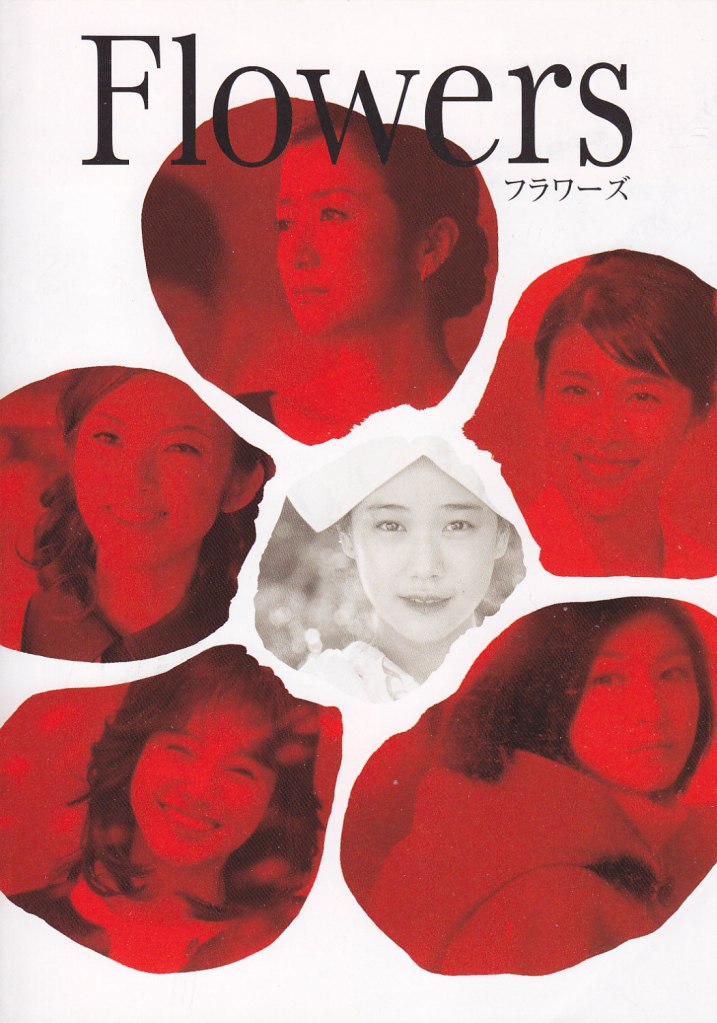 The rate of social change in the second half of the twentieth century was extreme throughout much of the world, but given that Japan had only emerged from centuries of isolation a hundred years before it’s almost as if they were riding their own bullet train into the future. Norihiro Koizumi’s Flowers (フラワーズ) attempts to chart these momentous times through examining the lives of three generations of women, from 1936 to 2009, or through Showa to Heisei, as the choices and responsibilities open to each of them grow and change with new freedoms offered in the post-war world. Or, at least, up to a point.
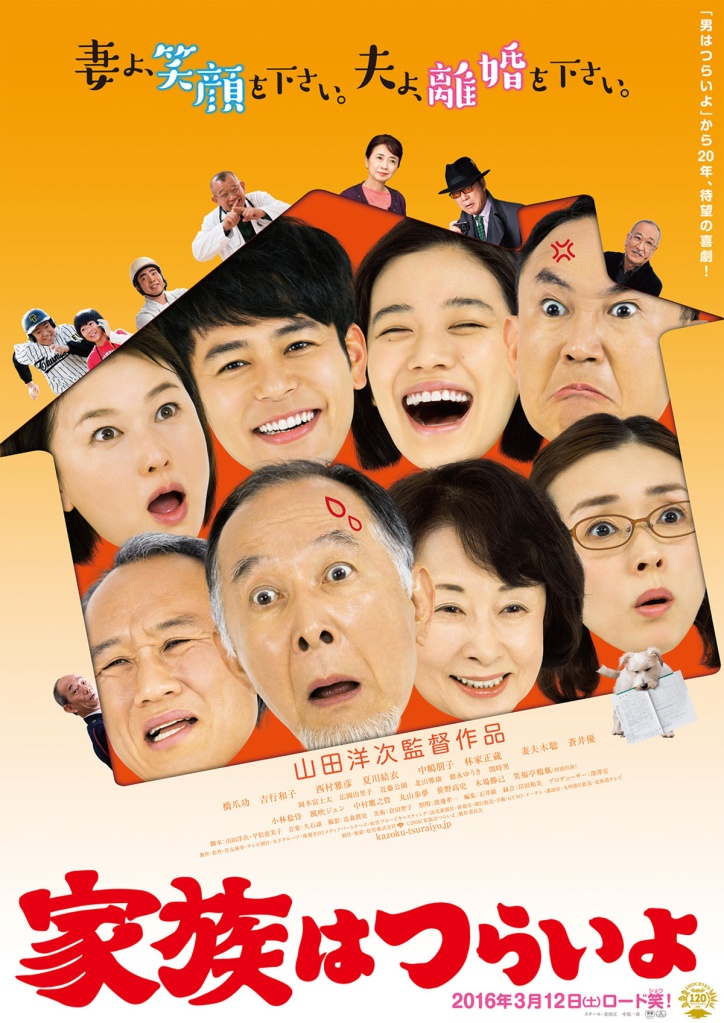 Prolific as he is, veteran director Yoji Yamada (or perhaps his frequent screenwriter in recent years Emiko Hiramatsu) clearly takes pleasure in selecting film titles but What a Wonderful Family! (家族はつらいよ, Kazoku wa Tsurai yo) takes things one step further by referencing Yamada’s own long running film series Otoko wa Tsurai yo (better known as Tora-san). Stepping back into the realms of comedy, Yamada brings a little of that Tora-san warmth with him for a wry look at the contemporary Japanese family with all of its classic and universal aspects both good and bad even as it finds itself undergoing number of social changes.
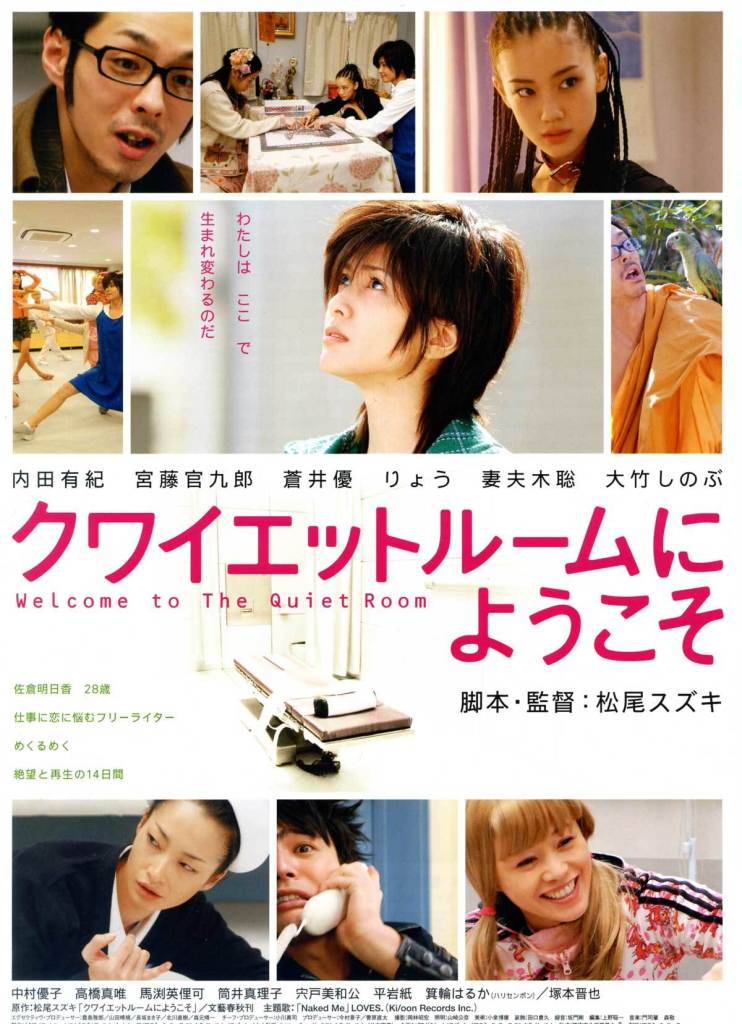 Everyone has those little moments in life where you think “how did I get here?”, but thankfully most of them do not occur strapped to a table in an entirely white, windowless room. This is, indeed, where the heroine of Suzuki Matsuo’s adaptation of his own novel Welcome to the Quiet Room (クワイエットルームにようこそ, Quiet Room ni Yokoso) finds herself after a series of events she can’t remember but which seem to have involved pills and booze. A much needed wake up call, Asuka’s spell in the Quiet Room provides a long overdue opportunity to slow down and take a long hard look at herself but self knowledge can be a heavy burden.
 Windows on Worlds